
20 Clever Gardening Hacks, Checked Against Extension Advice (What Works, What to Skip)
Some popular garden hacks save time and money, while others do nothing or cause harm, so we checked 20 against university extension advice.

Never miss an update — choose FarmFoodFamily as your preferred source on Google.
How it works: Tap the button below to open Google's settings page, then check the box next to FarmFoodFamily.
Tap the checkbox to turn it blue — that's how you know it's set.
Some popular garden hacks save time and money, while others do nothing or cause harm, so we checked 20 against university extension advice.
Products We Recommend
This post contains affiliate links. We may earn a commission on qualifying purchases at no extra cost to you.

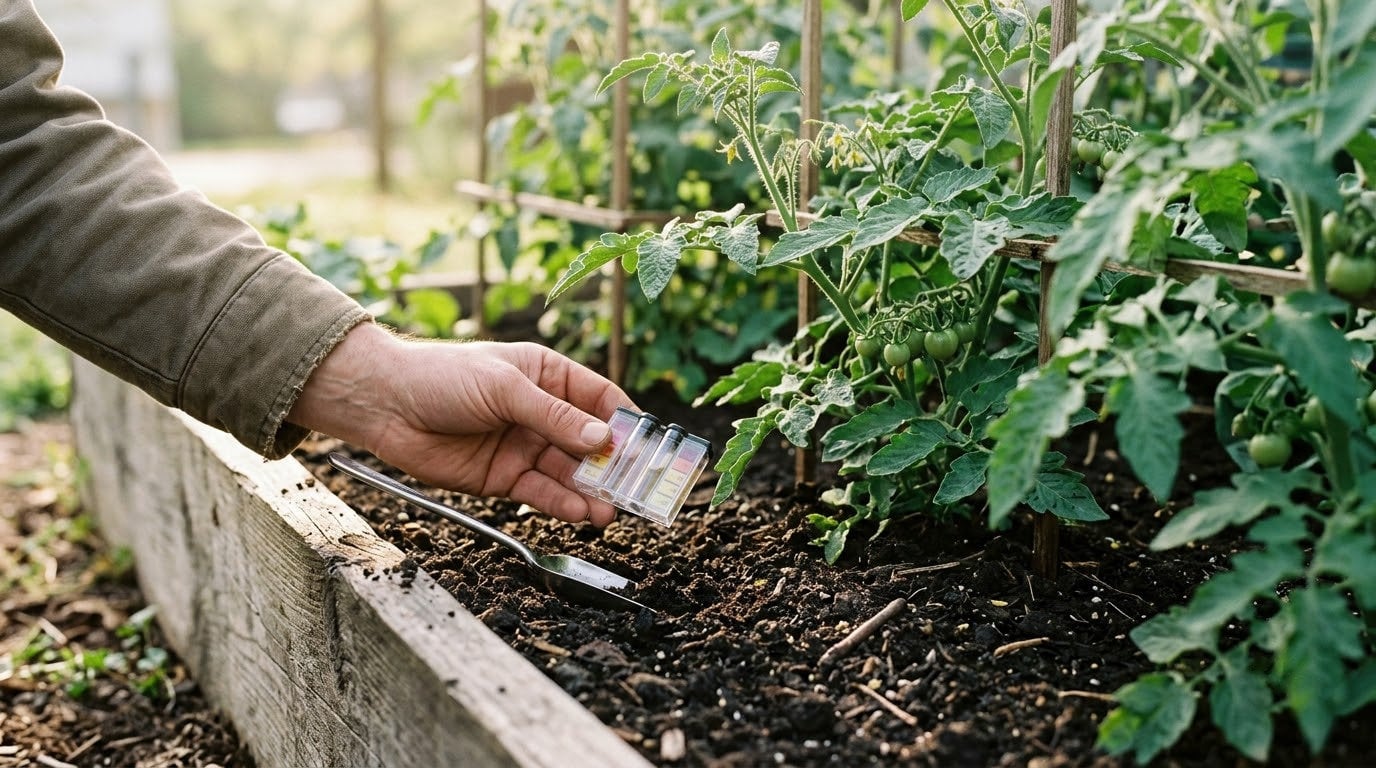
Soil Test Kit 140 Tests, pH, N, P, K
Home test strips for pH and main nutrients, a quick check before you add anything
Shop Now
Copper Foil Tape for Slugs and Snails, 2 inch x 66 ft
Barrier tape for raised bed edges and pots
Shop Now
Screen Repair Kit, 36 x 90 inch Fiberglass Mesh
Cut-to-size mesh to cover pot drainage holes
Shop NowGarden advice travels fast. Eggshells, Epsom salt, coffee grounds, and vinegar show up in every feed. Some of it works. A lot of it does not, and a few hacks can hurt your plants or your eyes.
We checked 20 popular hacks against university extension and Master Gardener sources. Each entry gives a verdict, the reason, and what to do instead. Use the table to jump to the ones you care about.
In this article
Answer 4 quick questions and get matched to the exact fix for your yard — drainage, budget, layout, or something else entirely.
Take the Free QuizWhat’s the Quick Answer on Gardening Hacks?
Most of the hacks that fail share one flaw. They treat a symptom without checking the cause. A popular tip can sound smart and still do nothing, or even harm your plants, your soil, or your eyes.
Take blossom end rot. The University of Illinois Extension says eggshells can take one to five years to break down. It adds that the real problem is usually water movement, not calcium. Even watering and a soil test do more.
The hacks that work are mostly about habit. Remove hiding places for slugs. Put mesh over drainage holes. Skip the gravel at the bottom of a pot. Mulch to hold moisture, and water deeply but not often.
A soil test beats guessing. Test first, then add only what the test calls for. That one habit prevents most of the mistakes in the list below.
Which Gardening Hacks Work and Which Should You Skip?
This table gives the verdict for all 20 hacks. The verdicts come from the sources linked in each entry.


| # | Hack | Verdict |
|---|---|---|
| 1 | Eggshells for blossom end rot | Skip |
| 2 | Eggshells in the compost pile | Works |
| 3 | Epsom salt on tomatoes | Skip without a soil test |
| 4 | Coffee grounds to acidify soil | Skip |
| 5 | Banana peels in the soil | Skip, compost instead |
| 6 | Household vinegar as weed killer | Mostly skip |
| 7 | Baking soda for powdery mildew | Skip |
| 8 | Beer traps for slugs | Works a little |
| 9 | Hiding-place removal, handpicking, and bait | Works |
| 10 | Gravel at the bottom of pots | Skip |
| 11 | Mesh over drainage holes | Works |
| 12 | Never water in midday sun | Myth |
| 13 | Pine needles as mulch | Works |
| 14 | Adding lots of compost | Skip the excess |
| 15 | Amending only the planting hole | Skip |
| 16 | “Organic means safe” pesticides | Myth |
| 17 | Bee houses for native bees | Mostly skip |
| 18 | Pruning paint | Skip |
| 19 | Staking every new tree | Skip |
| 20 | Lime to kill moss | Skip |
How Did We Check These?
We read university extension pages and a Master Gardener column, and we kept only claims that appear in them. Where a source did not cover a point, we say so. We do not repeat hacks we could not source, such as hydrogen peroxide in soil or diaper gel.
Most yard problems trace back to one specific, fixable cause. Find yours in 4 quick questions.
Take the Free QuizExtension advice also depends on your soil and climate. Treat every entry as a starting point and use a local soil test.
Your own garden is the final test. Try one change at a time, and write down what you did. That way you can tell which hack made the difference, if any.
20 Gardening Hacks Tested
Each entry follows the same order. First the claim, then what the sources say, then what to do instead. A short note on cost and effort closes most entries.
1. Eggshells for Blossom End Rot (Skip)
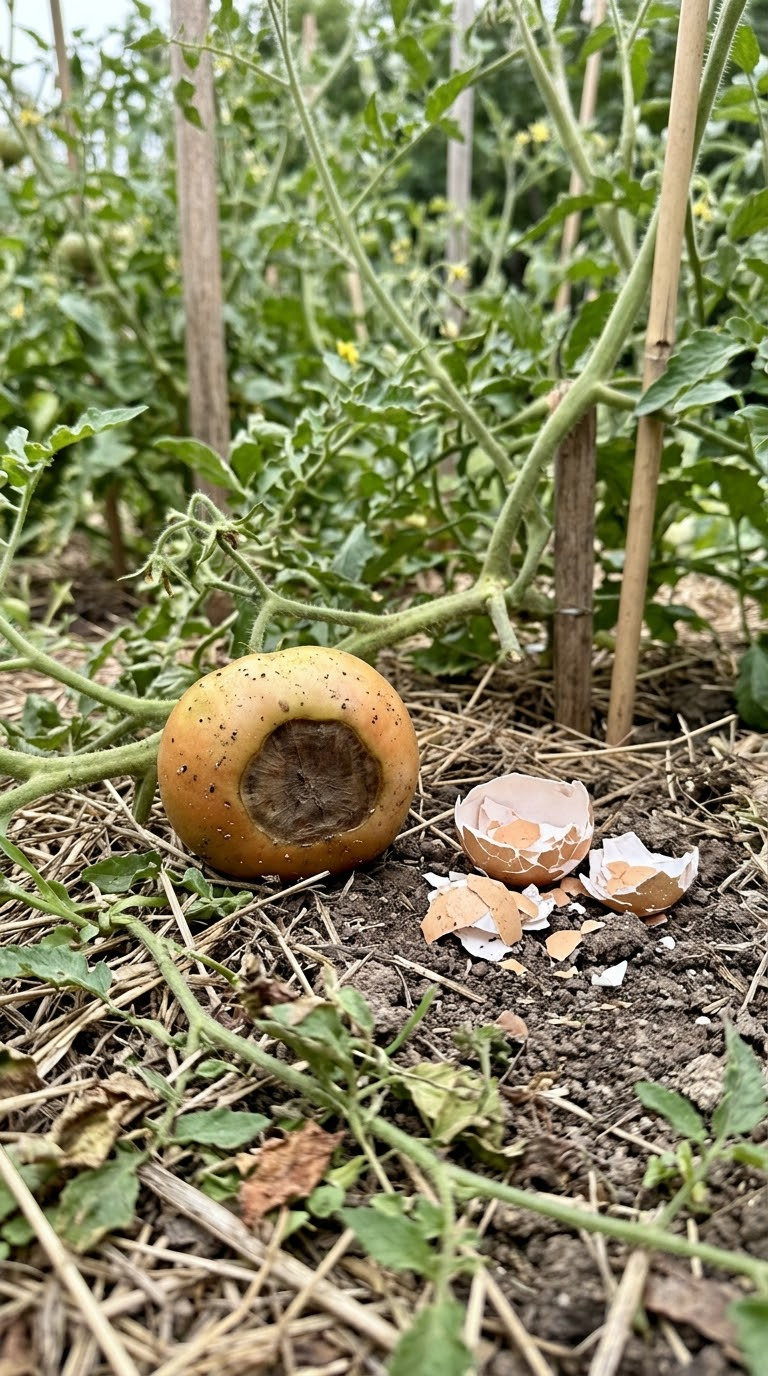
The claim: Crushed eggshells are mostly calcium, so burying them should stop blossom end rot. The idea sounds fair, which is why it spreads.
What the research says: The Sonoma County Master Gardeners describe blossom end rot as black, water-soaked areas on the blossom end of the fruit. The disorder occurs when plants lack calcium, but it is rarely because the soil lacks calcium. The plant cannot absorb it when watering is inconsistent.
Eggshells also break down slowly. Sonoma says they can take as long as 5 years, and you would need a large quantity to matter. The Illinois Extension article gives a range of one to five years and notes that Illinois soils already hold enough calcium.
What to do instead:
Home test strips for pH and main nutrients, a quick check before you add anything
Shop NowThis post contains affiliate links. We may earn a commission on qualifying purchases at no extra cost to you.
- Water deeply but infrequently, with a long soak every few days.
- Mulch with grass clippings, straw, or similar material so the soil does not dry out fast.
- Give each plant room, since tight planting can interfere with water and nutrient uptake.
- Follow fertilizer directions closely. Too much nitrogen on young plants can keep them from taking up calcium.
Cost and effort: free, and about 10 minutes to mulch a bed. See our vegetable garden ideas for bed setups.
2. Eggshells in the Compost Pile (Works)
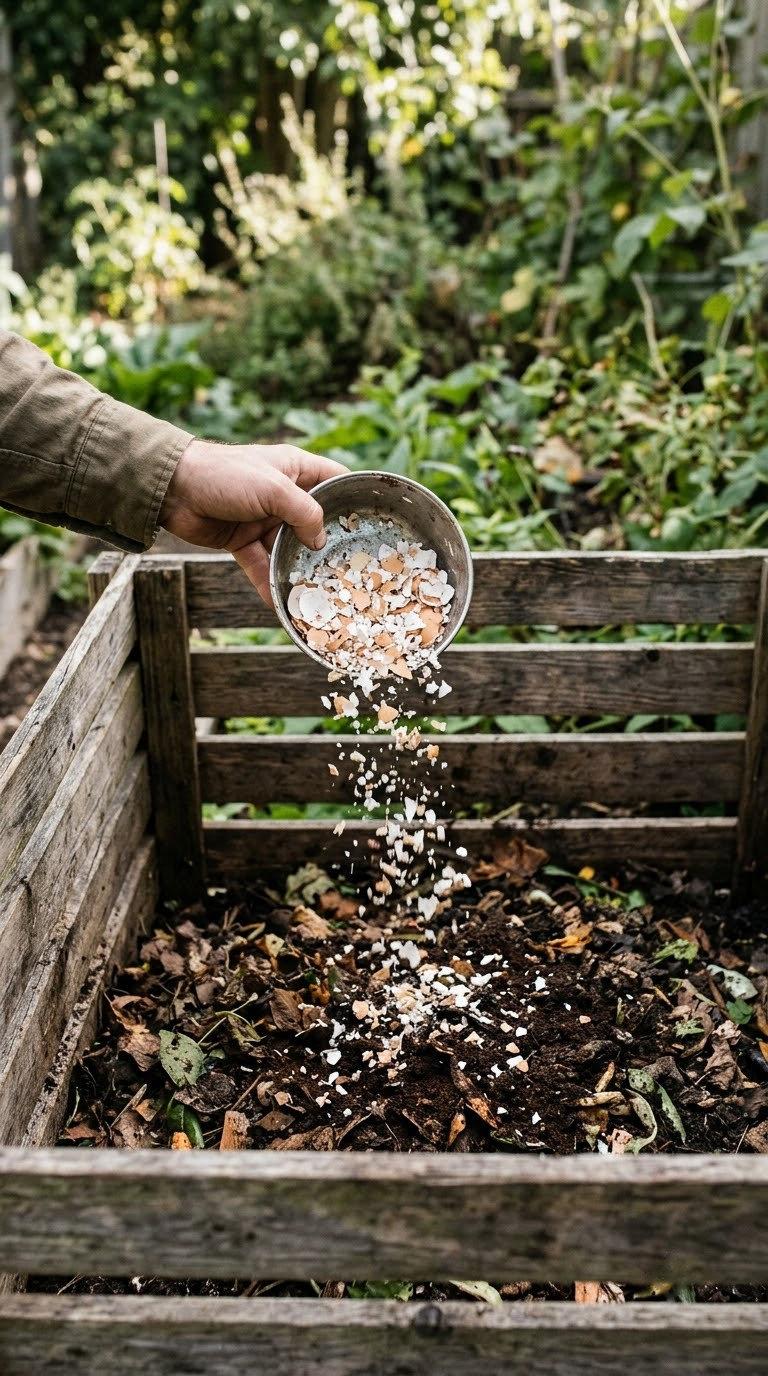
The claim: Eggshells are a useful garden material, and you should not throw them away.
The average homeowner spends $616/year on yard fixes that don't address the real problem. Find out what yours actually is — before you spend another dollar.
Take the Free QuizWhat the research says: Both extension sources point to the compost pile as the right home. The Sonoma group says it is better to add crushed shells to compost than to the bed. Illinois Extension calls it a landfill alternative, with the honest note that shells still take years to break down.
The UC Integrated Pest Management program also says crushed eggshells have not been shown to work as a slug barrier. So the shells are not a pest tool either.
What to do instead: Rinse the shells, let them dry, and crush them small before you add them. Mix them into the pile with kitchen scraps and dry leaves. Treat them as a small bonus, not a fix.
Cost and effort: free, and under a minute per batch. A simple bin works, as in our compost bin ideas.
3. Epsom Salt on Tomatoes (Skip Without a Soil Test)
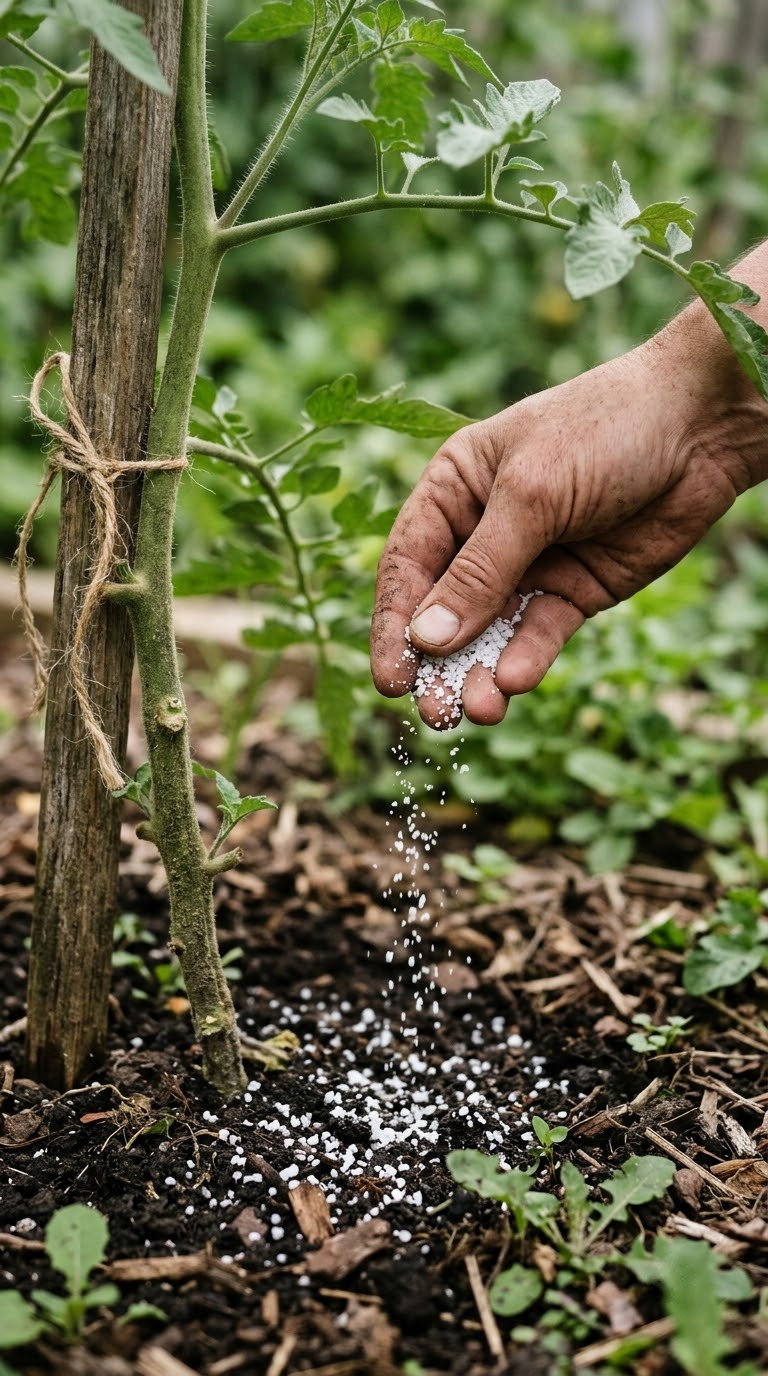
The claim: Epsom salt makes tomatoes thrive, and it is a cheap general fertilizer.
What the research says: Epsom salt is made of magnesium and sulfur, both nutrients plants need. Oregon State University Extension says to use it only if a soil test shows a magnesium deficiency. Brooke Edmunds of OSU says that in most gardens it can harm plants.


The Sonoma group explains the harm. If the soil already has enough magnesium, extra Epsom salt can keep plants from taking up calcium. They also say Epsom salt can leach out of the soil quickly.
What to do instead:
- Get a soil test before you add anything.
- If the test shows low magnesium, check the soil acidity first. Low magnesium can mean acidic soil.
- In that case, Sonoma says dolomitic lime may be better, since it raises pH and adds magnesium.
- For a deficiency in neutral soil, the group suggests a slow-release source of magnesium and sulfur.
Cost and effort: a lab test costs a little, but it saves you from buying products you do not need.
4. Coffee Grounds to Acidify Soil (Skip)
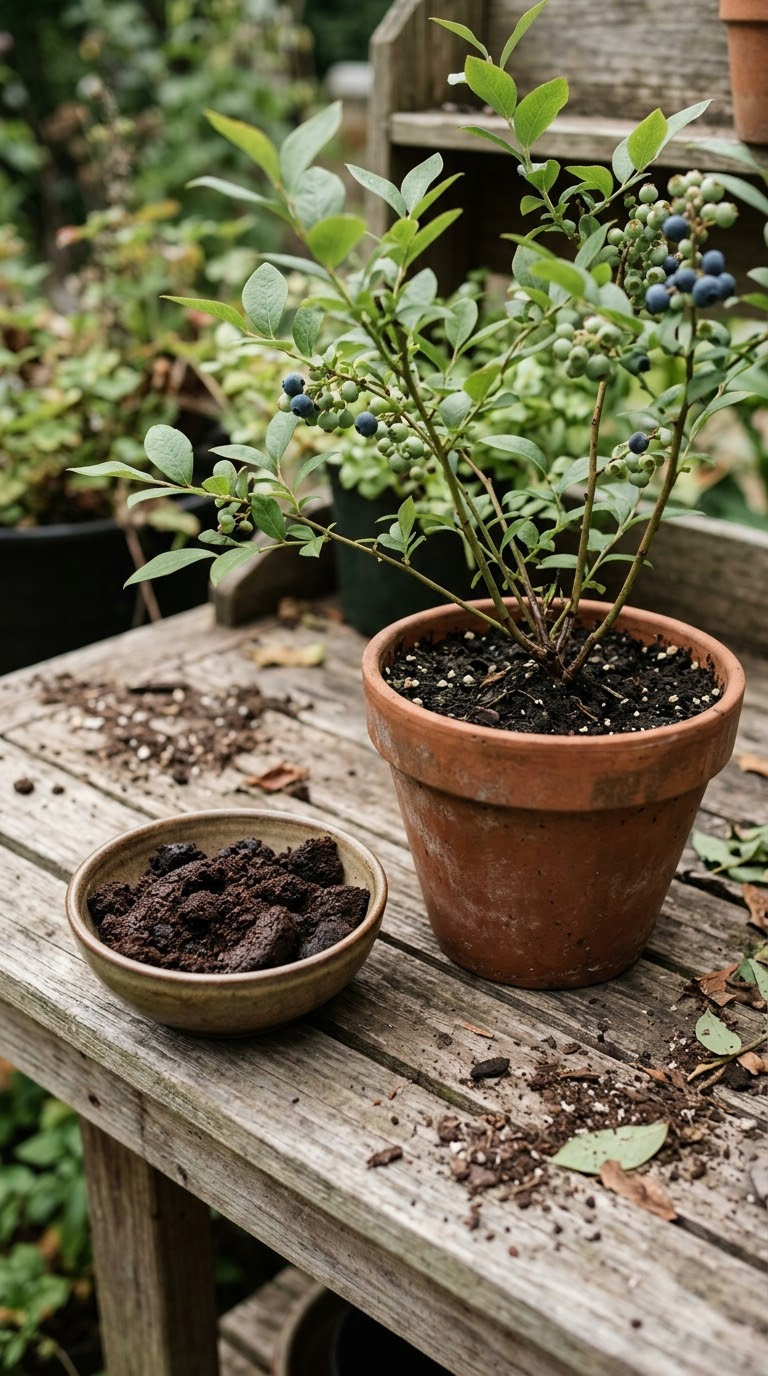
The claim: Coffee grounds are acidic, so spreading them lowers soil pH for blueberries and hydrangeas.
What the research says: Fresh grounds are acidic, but used grounds are neutral, per the Sonoma group. So the grounds you actually have will not change your pH. Illinois Extension adds that little research supports the pH or soil health claims.
There is a downside. A thick layer of grounds can reduce water infiltration and form a water-repellent crust. Grounds do contain carbon, nitrogen, and micronutrients that feed soil organisms, which is why they work in compost.
What to do instead:
- Put grounds in the compost pile, where worms and soil organisms use them.
- To lower pH, use elemental sulfur. Illinois Extension calls it safe and affordable.
- Iron sulfate and aluminum sulfate also work but cost more.
- Retest the soil after a few weeks to see whether the pH moved.
Cost and effort: sulfur costs more than free grounds, but it actually does the job.
5. Banana Peels in the Soil (Skip, Compost Instead)
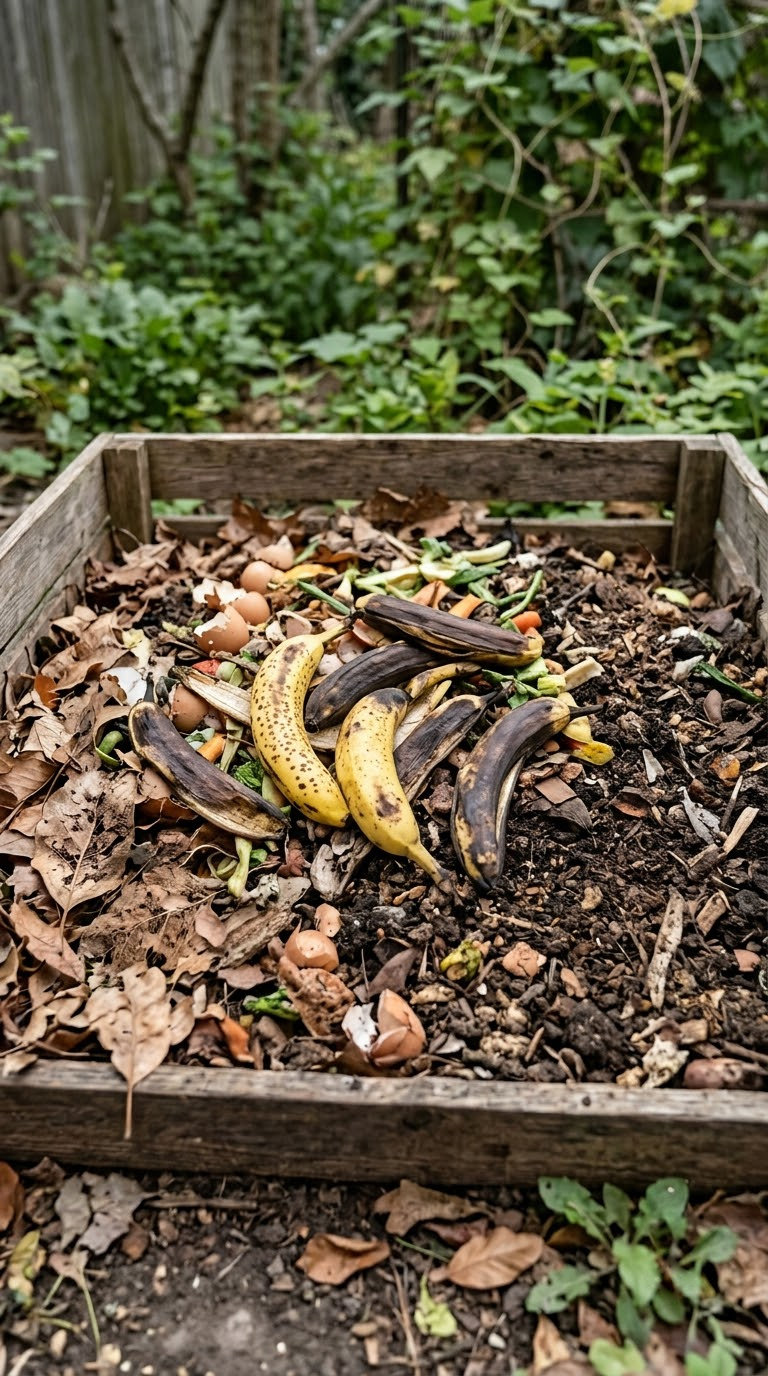
The claim: Banana peels are full of potassium, so burying them feeds flowers and fruit.
What the research says: Peels do contain potassium, which plants use for growth and flower production. The Sonoma group says it takes a long time for peels to break down and release it. The breakdown also uses up nitrogen, which leaves less for your plants.
Peels left on the soil may attract rats and skunks. That is a cost most gardeners do not expect.
What to do instead: Add peels to the compost pile and let them finish breaking down there. Use the finished compost on the bed. For pests that do show up, see our pest control tips.
Cost and effort: free, and no extra work if you already compost.
6. Household Vinegar as Weed Killer (Mostly Skip)
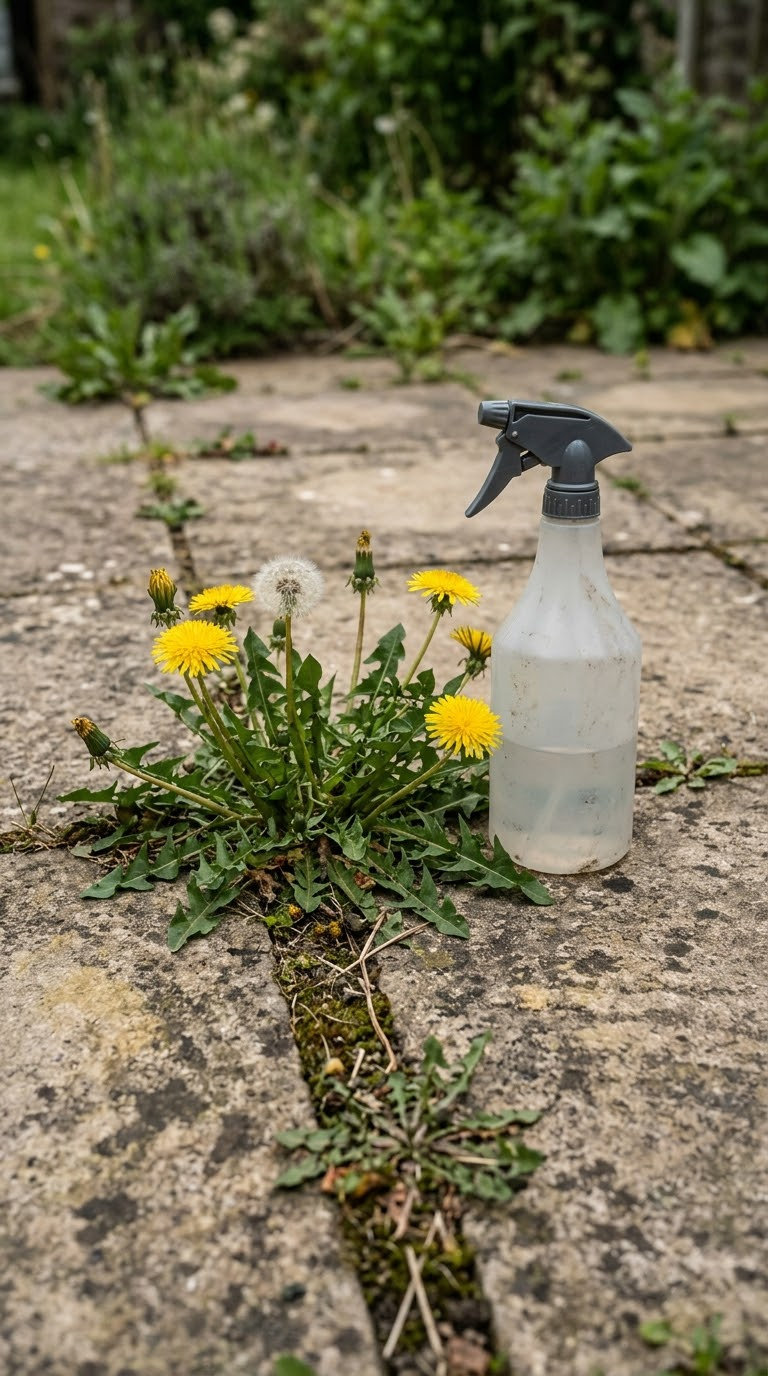
The claim: A spray of kitchen vinegar kills weeds and replaces chemical herbicides.
What the research says: Household vinegar is about 5% acetic acid. Illinois Extension says that is not enough for weed control. Herbicidal vinegar runs about 10 to 20%, and it kills broadleaf weeds but can injure grass weeds.
Strong vinegar is not harmless. Illinois says vinegar above 11% can cause severe eye injury and skin burns.
The Sonoma group adds that vinegar is a contact herbicide. It burns leaves but does not affect roots, so weeds grow back. It does nothing to perennial weeds.
What to do instead:
- Pull young weeds by hand after rain, when the soil is soft.
- Cover bare soil with mulch so new weeds cannot start.
- If you use herbicidal vinegar, wear eye protection and gloves, and follow the label.
- Spray on a calm day so the mist does not drift onto plants you want.
Cost and effort: hand weeding costs time, but mulch cuts it sharply after the first pass.
7. Baking Soda for Powdery Mildew (Skip)
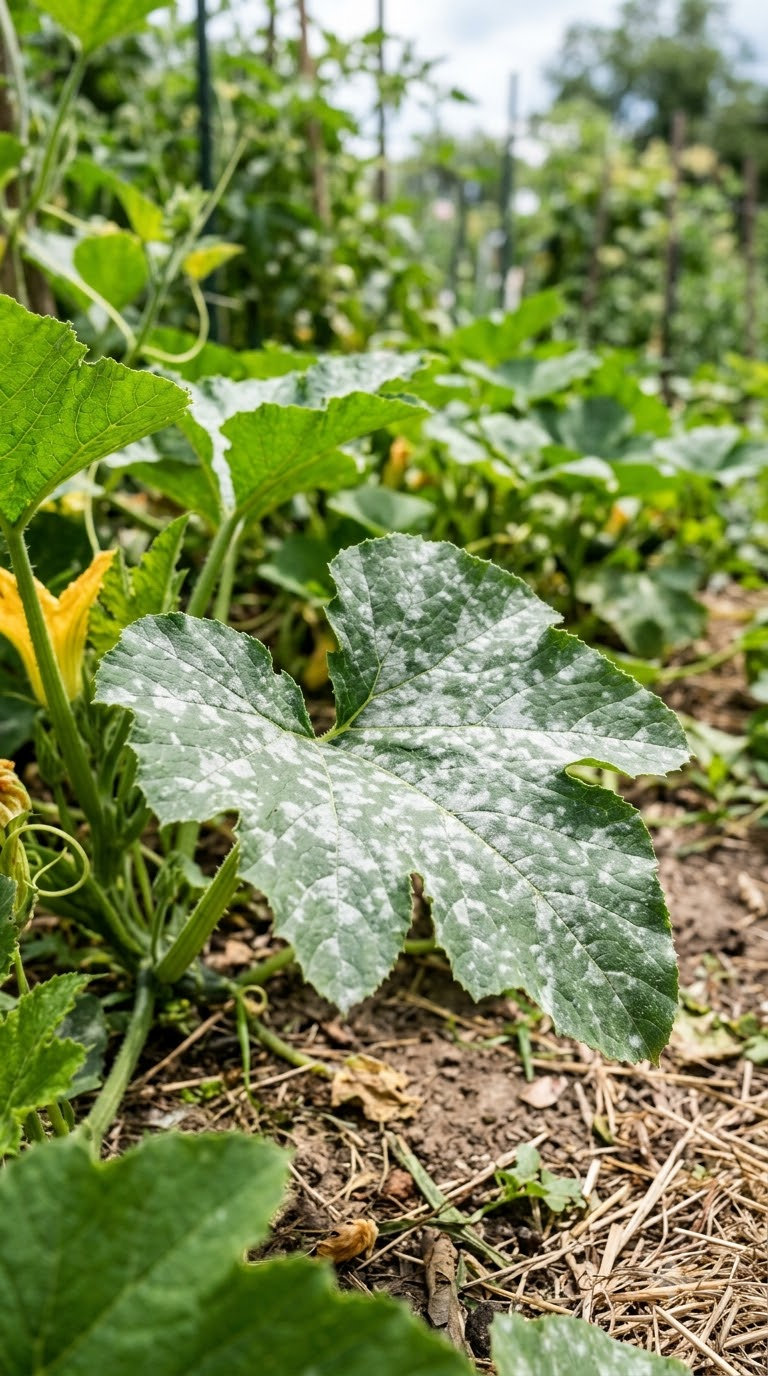
The claim: A spoonful of baking soda in water cures powdery mildew on squash, roses, and cucumbers.
What the research says: Gardeners have promoted baking soda since 1924, when it was first recommended for rose diseases. The Sonoma group says it can be effective when mixed with oil and water and applied at the first sign of mildew. Without oil it will not work.
The trouble is that baking soda is a salt. Repeat applications are necessary, so the treatment can burn foliage and add salt to the soil, which is highly damaging to plant life. The group says there are far better and safer treatments.
What to do instead: Contact your county Master Gardener program or extension office and ask which mildew product suits your plant and region. Spot treat early, and remove badly infected leaves. Water at the base so leaves stay dry.
Cost and effort: a phone call is free, and early action saves the crop.
8. Beer Traps for Slugs (Works a Little)
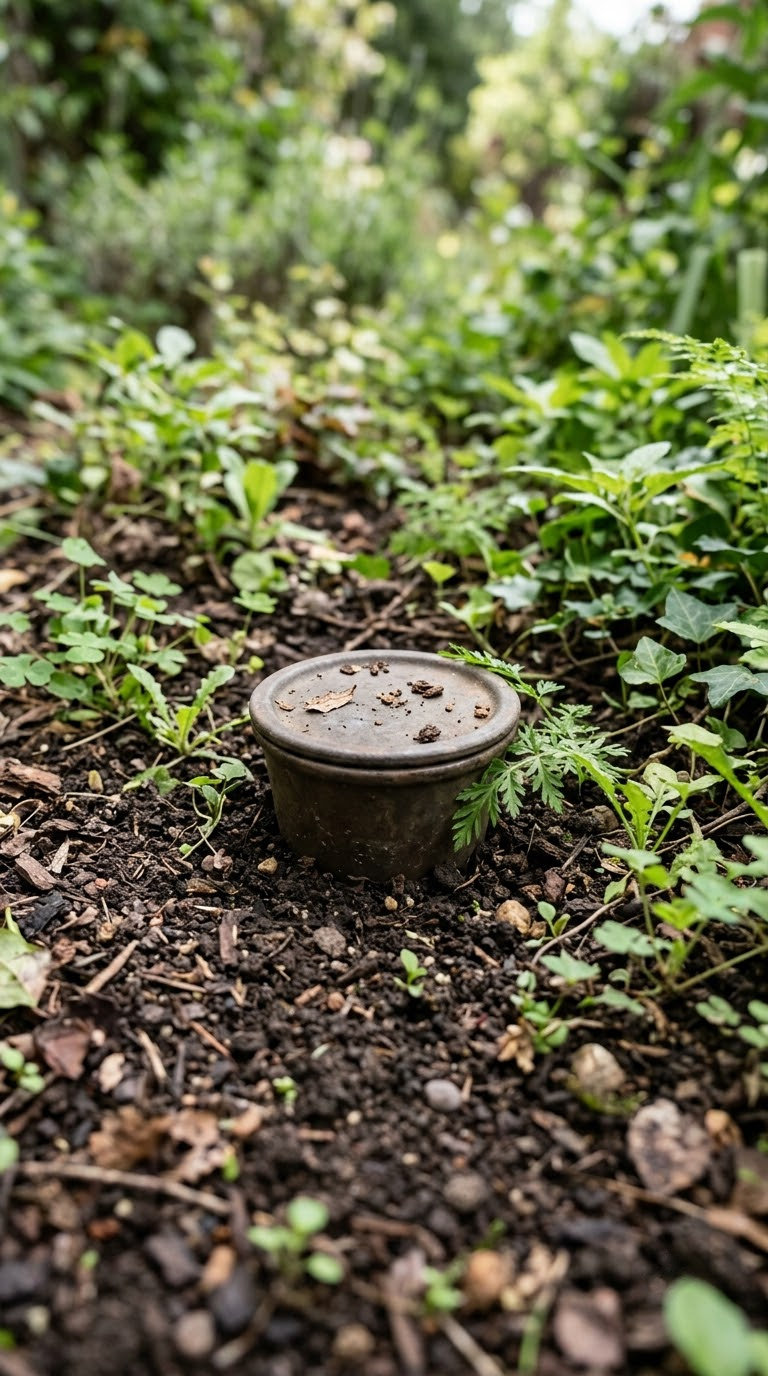
The claim: A saucer of beer drowns slugs and clears a garden.
What the research says: UC IPM says beer traps work, but only within a few feet of each trap. They need care to keep working. Check them daily and refill the bait every few days so the liquid stays deep enough to drown the pests.
The page gives a setup. Use a coffee can, margarine container, or plastic bottle with deep vertical sides. Bury it so the top is at ground level, and cover it with a lid that has holes cut in it to reduce evaporation.
What to do instead:
- Space several traps through the bed, since each reaches only a few feet.
- Empty and refill them on a schedule.
- If you do not want to use beer, UC says a mix of sugar water and yeast can replace it.
- Combine traps with the other steps in the next entry.
Cost and effort: cheap, but it takes a few minutes every other day.
9. Remove Hiding Places, Handpick, and Bait (Works)
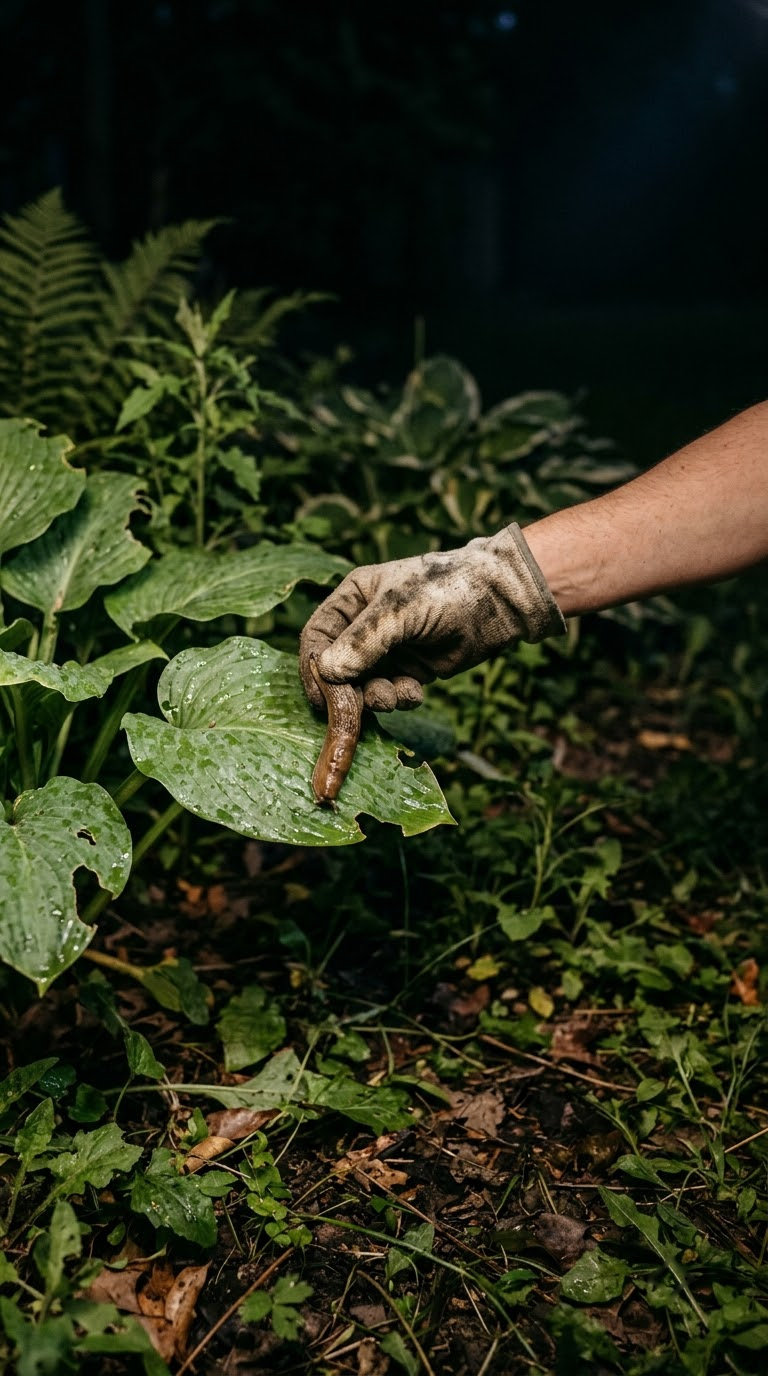
The claim: One product will end your slug and snail problem.
What the research says: UC IPM says the best results come from combining methods. Start by removing daytime shelters such as weeds, wooden boards, stones, and flowerpots. Also clear debris, weedy patches around tree trunks, low leafy branches, and dense groundcover like ivy.
Handpicking works when it is thorough. Check daily at first. Once the numbers clearly drop, weekly checks may be enough.
What to do, step by step:
- Water the infested area in the late afternoon, then search after dark with a flashlight.
- Wear rubber or latex gloves, and drop the pests into soapy water, or seal them in a bag for the trash.
- Set board traps. Use a board about 12 by 15 inches, raised 1 inch off the ground on runners, and scrape off the pests each day.
- Skip salt. UC says it raises soil salinity.
- Add a copper band 4 to 6 inches wide around a raised bed, buried 1 inch deep. Hand-pick any snails already inside first.
- Use iron phosphate bait, such as Sluggo, if you need it. UC says it is safer around children, pets, birds, and wildlife.
Bait takes time. Pests stop feeding soon after eating it, but may take several days to a week to die. They often die out of sight.
Water lightly before baiting and apply in the late afternoon. Scatter the pellets near walls and fences, and do not water heavily afterward.
Other fixes: Switch from sprinklers to drip irrigation, or run sprinklers at sunrise so the soil dries sooner. UC also lists resistant plants, such as lavender, rosemary, nasturtium, and ferns. Basil, lettuce, hosta, and strawberries are among the plants slugs damage most.
UC IPM stresses that baits alone will not control slugs in the long term. For other bugs, see our worst garden pests guide.
Cost and effort: about $10 to $20 of supplies and 15 minutes a day at the start.
10. Gravel at the Bottom of Pots (Skip)
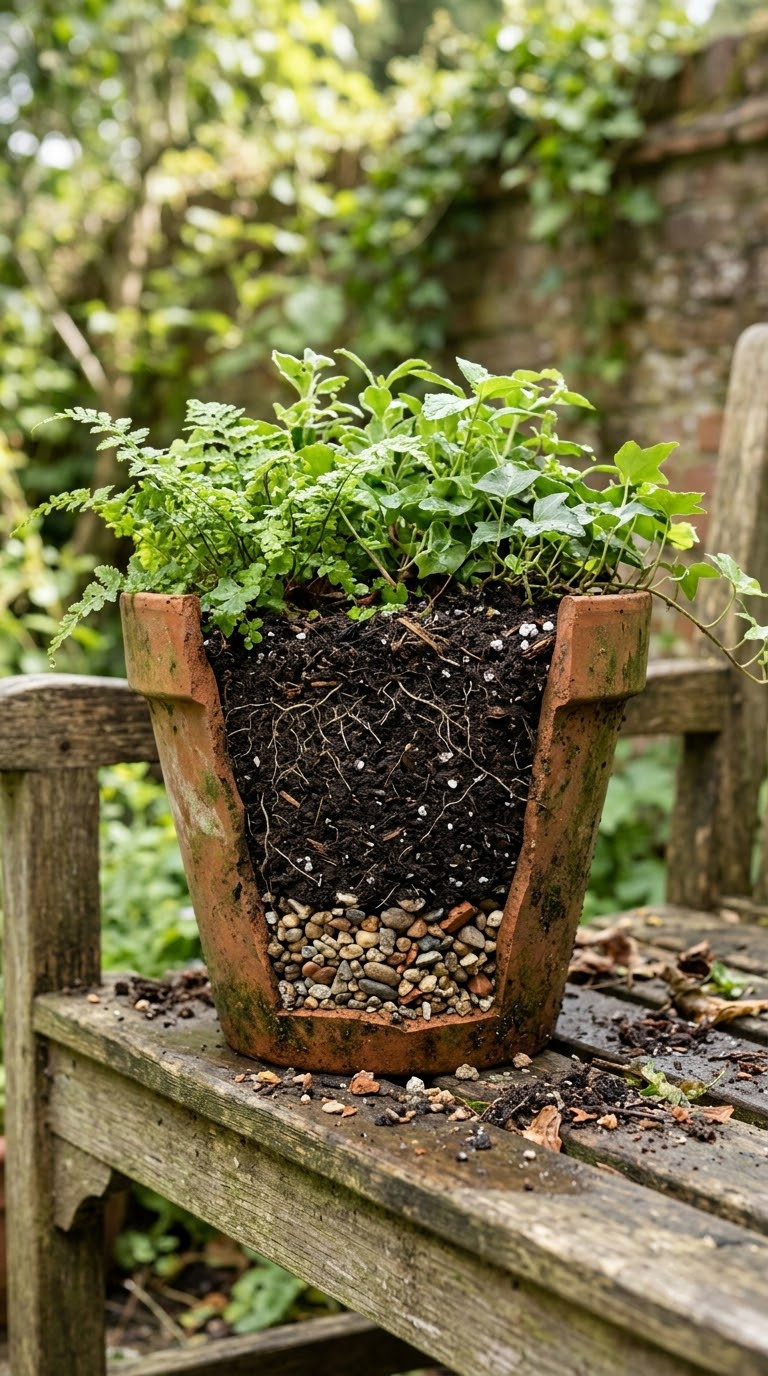
The claim: A layer of gravel or broken pot at the bottom of a container improves drainage.
What the research says: Penn State Extension says coarse material at the bottom can worsen drainage. Studies show it hinders water movement through the potting medium. It also takes up valuable space in small containers.
What to do instead:
- Leave out the coarse layer.
- Fill the whole container with quality potting mix.
- Make sure the pot has drainage holes, since roots need air.
- Cover the holes with mesh, as in the next entry.
Cost and effort: it saves money, because you use less filler. Check the herbs and flowers in our herb pest guide for container plants.
11. Mesh Over Drainage Holes (Works)
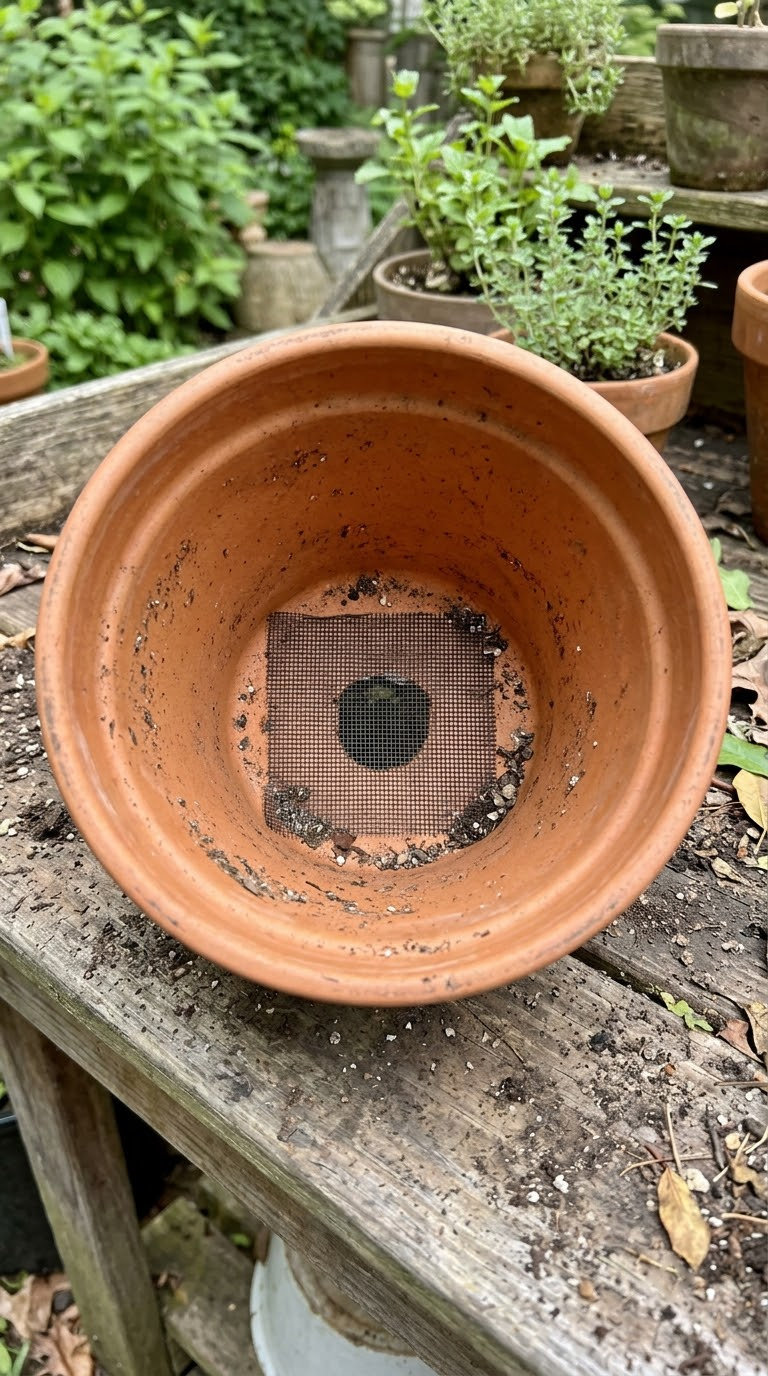
The claim: You need something over the hole so soil does not wash out.
What the research says: Penn State says to cover the drainage holes with mesh, such as recycled mesh bags or screen. The mesh keeps the mix in the pot while water flows out. It also says drainage holes are still required for root aeration.
What to do:
- Cut a square of screen larger than the hole.
- Lay it flat over the hole, inside the pot.
- Add potting mix on top.
- For indoor plants, empty the saucer after watering, per Penn State.
Cost and effort: a few cents per pot, and under a minute. The mesh from an old produce bag works too.
12. Never Water in Midday Sun (Myth)
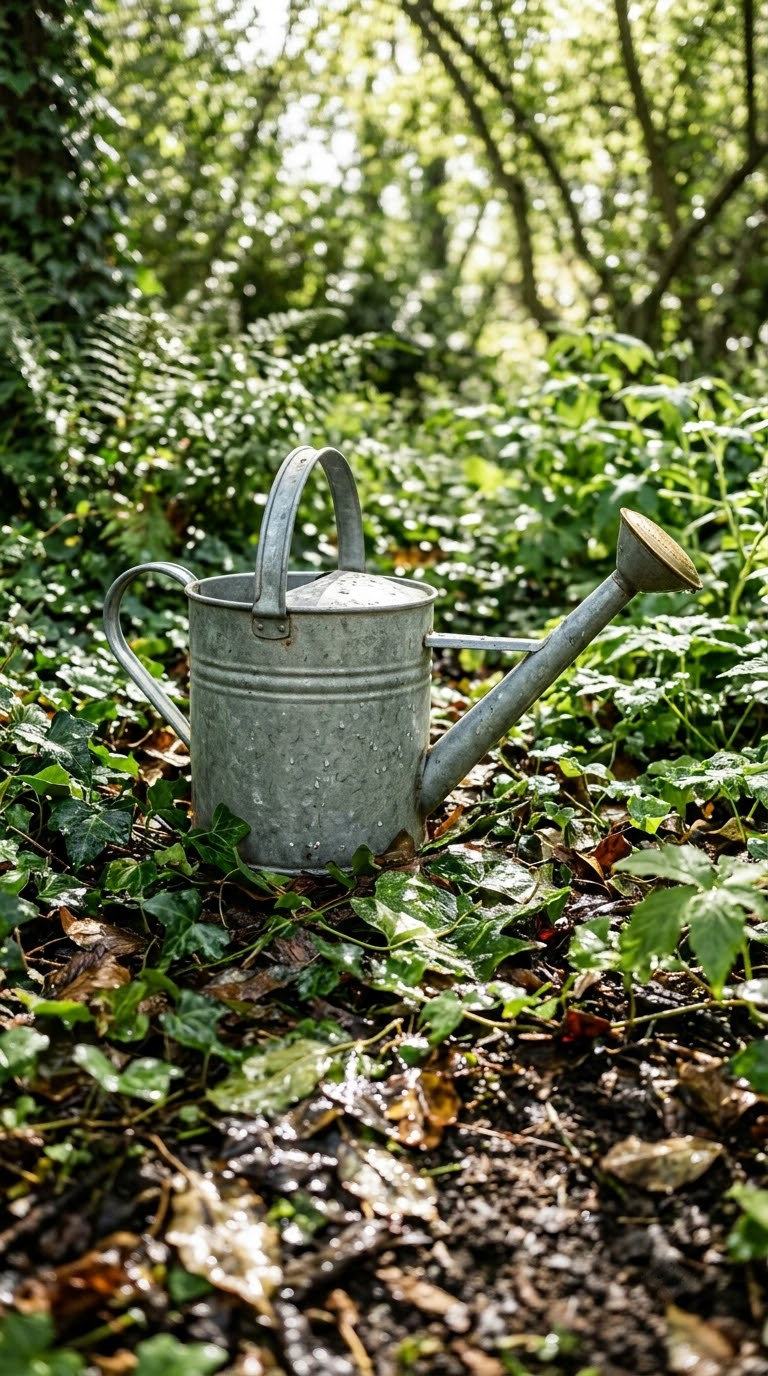
The claim: Water drops act like tiny lenses and burn leaves in the sun.
What the research says: Brooke Edmunds of OSU says sunlight does not scorch wet leaves. Plants handle summer rain all over the world. The real issue is evaporation. On a hot afternoon, more of your water is lost to the air.
OSU gives one exception. Cold water can damage sensitive indoor plants such as African violets.
What to do instead:
- Water when the plant needs it, even if the sun is out.
- If you can choose, water in the morning, since less water evaporates.
- For slug-prone beds, UC IPM says to run sprinklers at sunrise so the soil and leaves dry sooner.
- Use room-temperature water on African violets.
Cost and effort: free. For more tactics, see our water-saving irrigation tips.
13. Pine Needles as Mulch (Works)
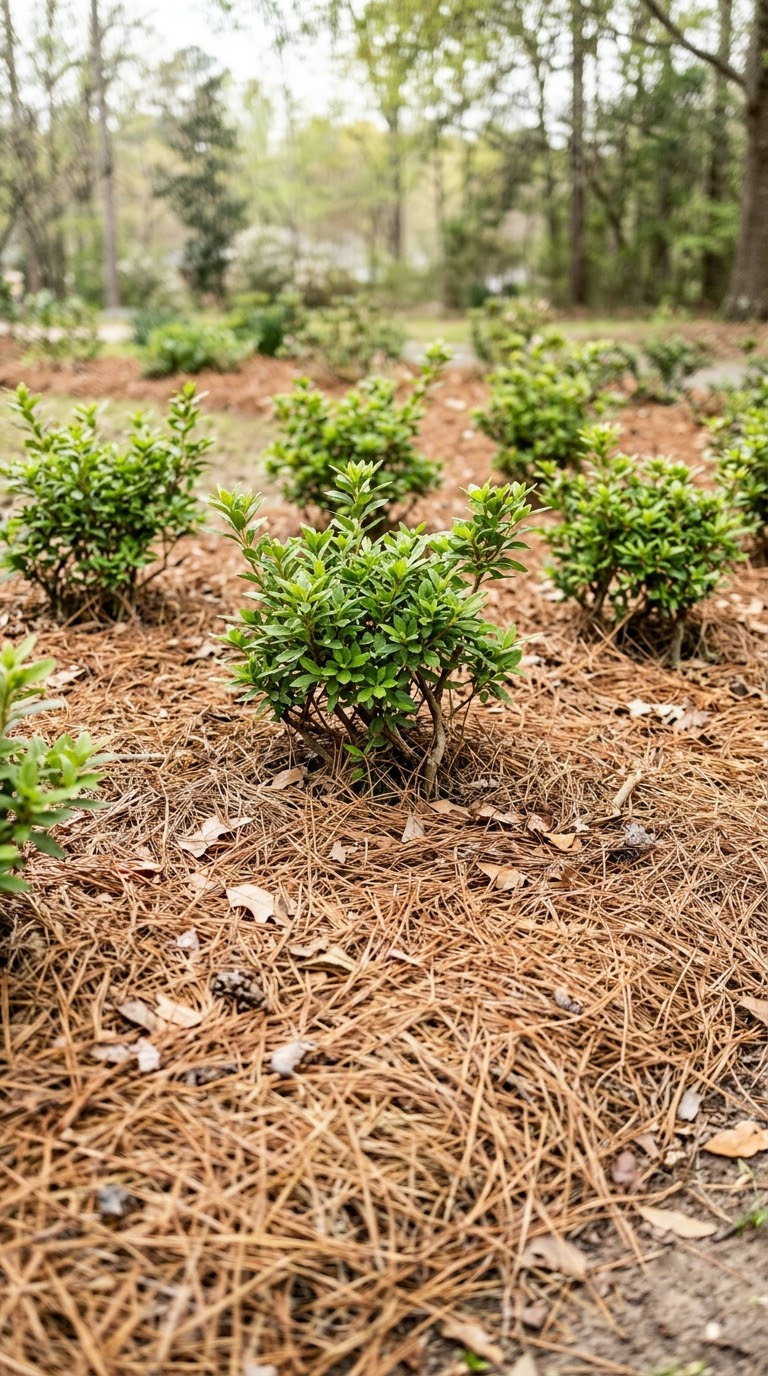
The claim: Pine needles make soil too acidic, so they hurt your plants.
What the research says: Amy Jo Detweiler of OSU says fresh needles have a low pH, but soil microbes neutralize them as they decompose. Needles make good mulch. They conserve moisture, suppress weeds, and add nutrients over time.
Plants under pines often grow poorly, which is where the myth comes from. OSU says the real causes are root competition and shade, not acidity.
What to do instead: Spread needles around shrubs and perennials as mulch. Keep them a few inches away from stems. If plants struggle under an evergreen, think about light and root competition before you blame the needles.
Cost and effort: free if you rake your own, and a quick job.
14. Adding Lots of Compost (Skip the Excess)
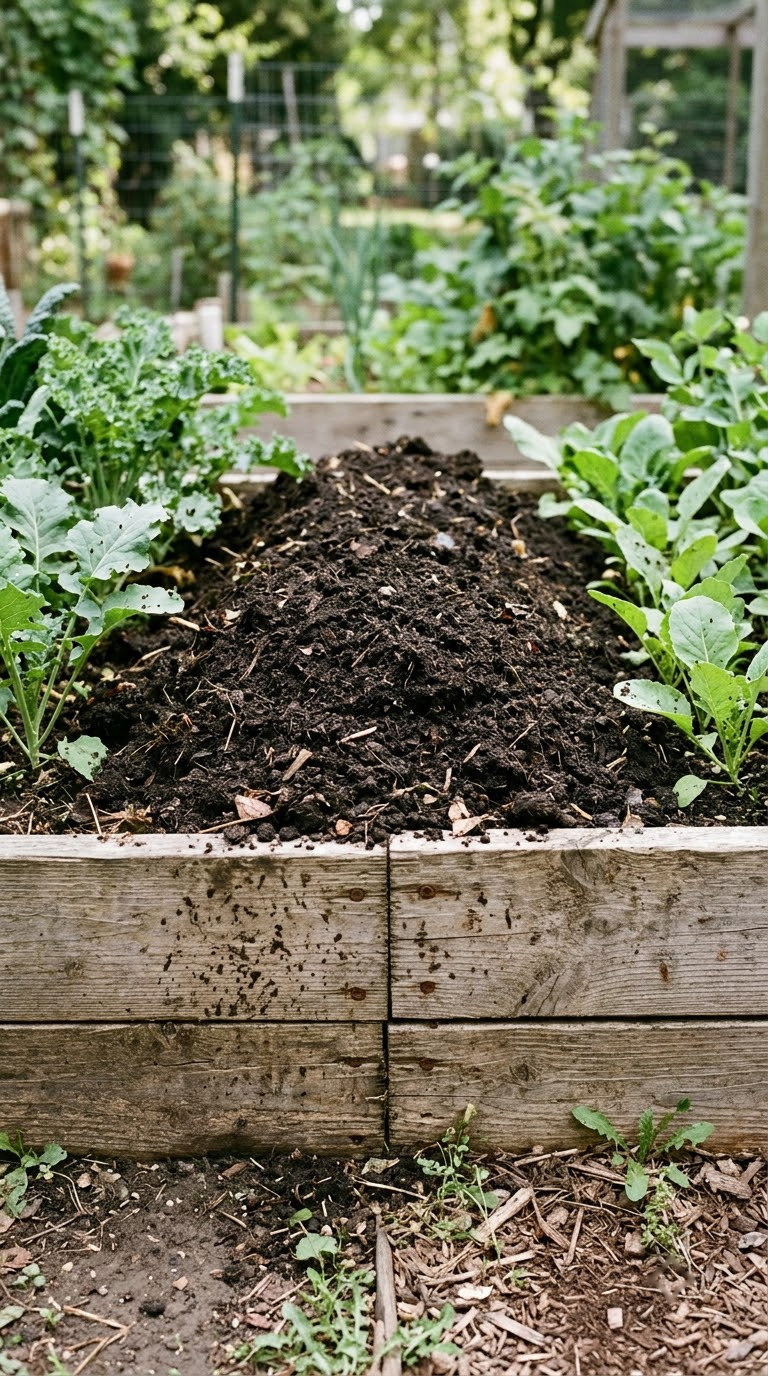
The claim: You cannot add too much compost.
What the research says: Brooke Edmunds of OSU says too much compost creates nutrient imbalances. Organic matter above 8% can raise phosphorus to harmful levels and increase soil salts. Both can stunt plant growth.
OSU did not give an alternative, but the 8% figure points to limits. A lab test shows how much organic matter you already have.
What to do instead:
- Test your soil and check the organic matter number.
- If it is already near 8%, skip more compost.
- If it is low, spread a thin layer and retest after a season.
Cost and effort: a test costs a little and keeps you from wasting a truckload. Our raised bed guide shows bed setups.
15. Amending Only the Planting Hole (Skip)
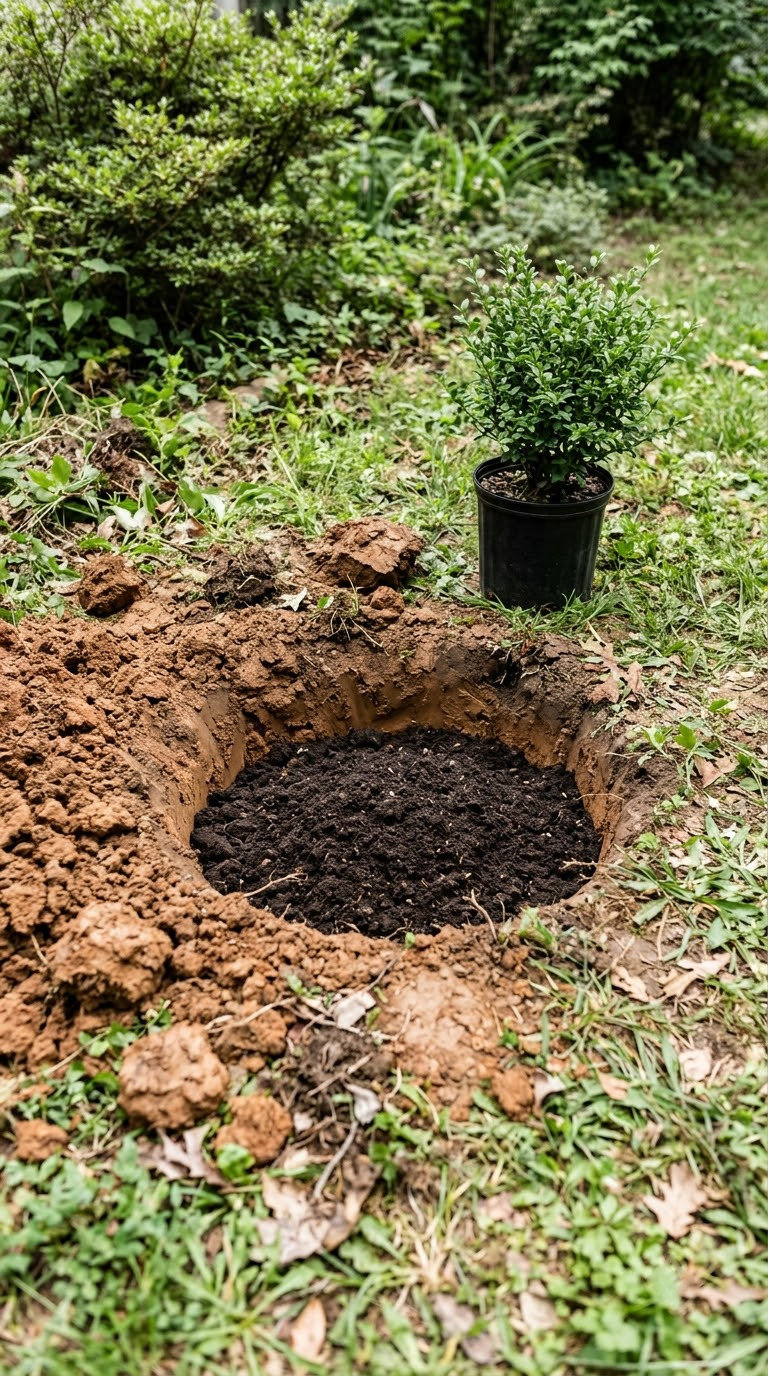
The claim: Fill the hole with rich soil and the new tree or shrub will thrive.
What the research says: Neil Bell of OSU says amending only the hole can stunt root growth. Roots may stay inside the amended soil instead of expanding into the native soil around it. That can leave the plant poorly anchored.
Bell also notes that roots often extend well beyond the canopy, from two to four times the spread of the branches, depending on species. So the roots will need the surrounding soil.
What to do instead:
- If your soil is healthy, skip amendments entirely.
- If you amend, work the whole planting area before you dig the hole.
- Plant in the native soil and water well.
Cost and effort: it can save money on bagged soil.
16. “Organic Means Safe” Pesticides (Myth)
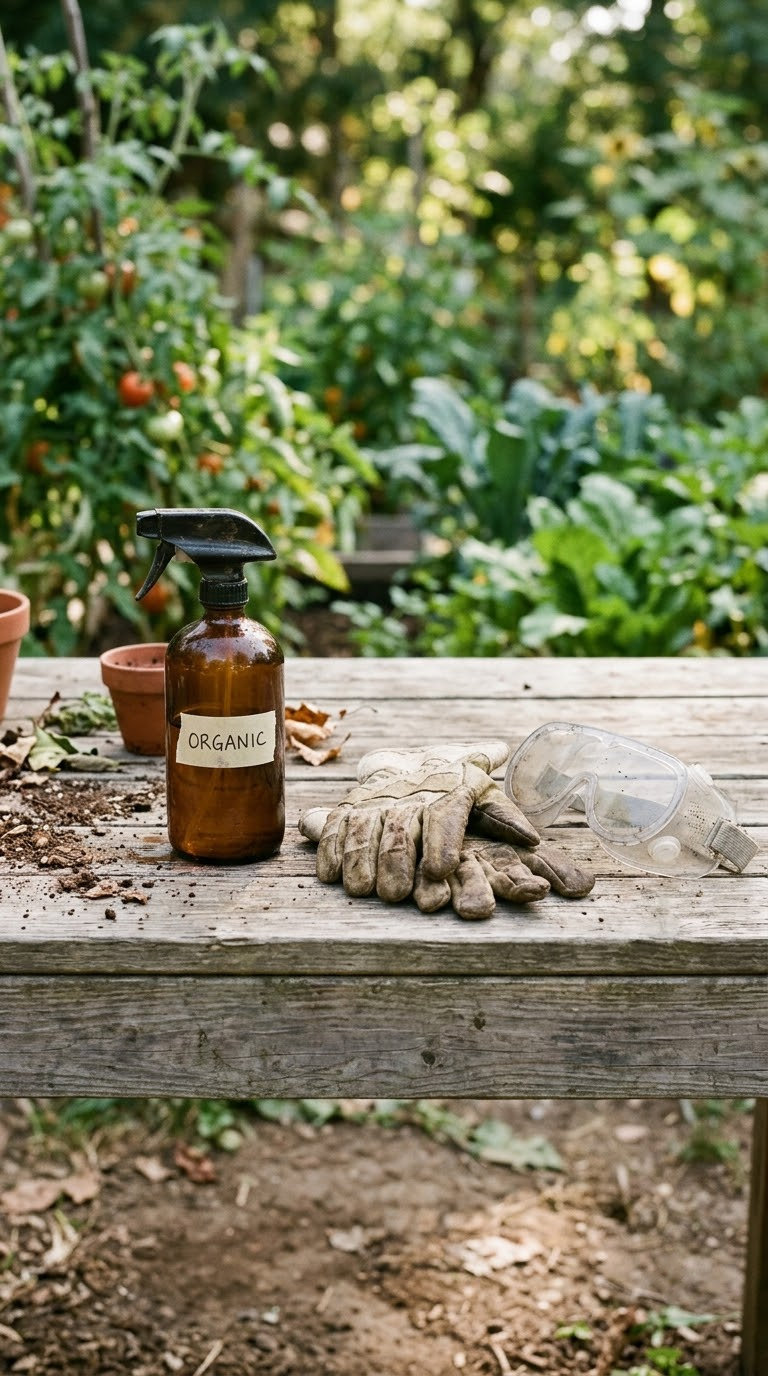
The claim: If a product says organic, you can spray it freely.
What the research says: Penn State says the ingredients matter more than the label. Insecticidal soap works well and is gentle on the environment. Pyrethrum, made from chrysanthemums, is organic and natural but can harm some beneficial insects, people, and animals if mishandled.
What to do instead:
- Start with the least toxic product that fits the problem.
- Read the label and follow the directions for use and disposal.
- Wear gloves and eye protection, and keep pets away until it dries.
- Ask your county extension office to help judge a product’s safety and efficacy.
Cost and effort: free advice, and it protects bees and ladybugs.
17. Bee Houses for Native Bees (Mostly Skip)
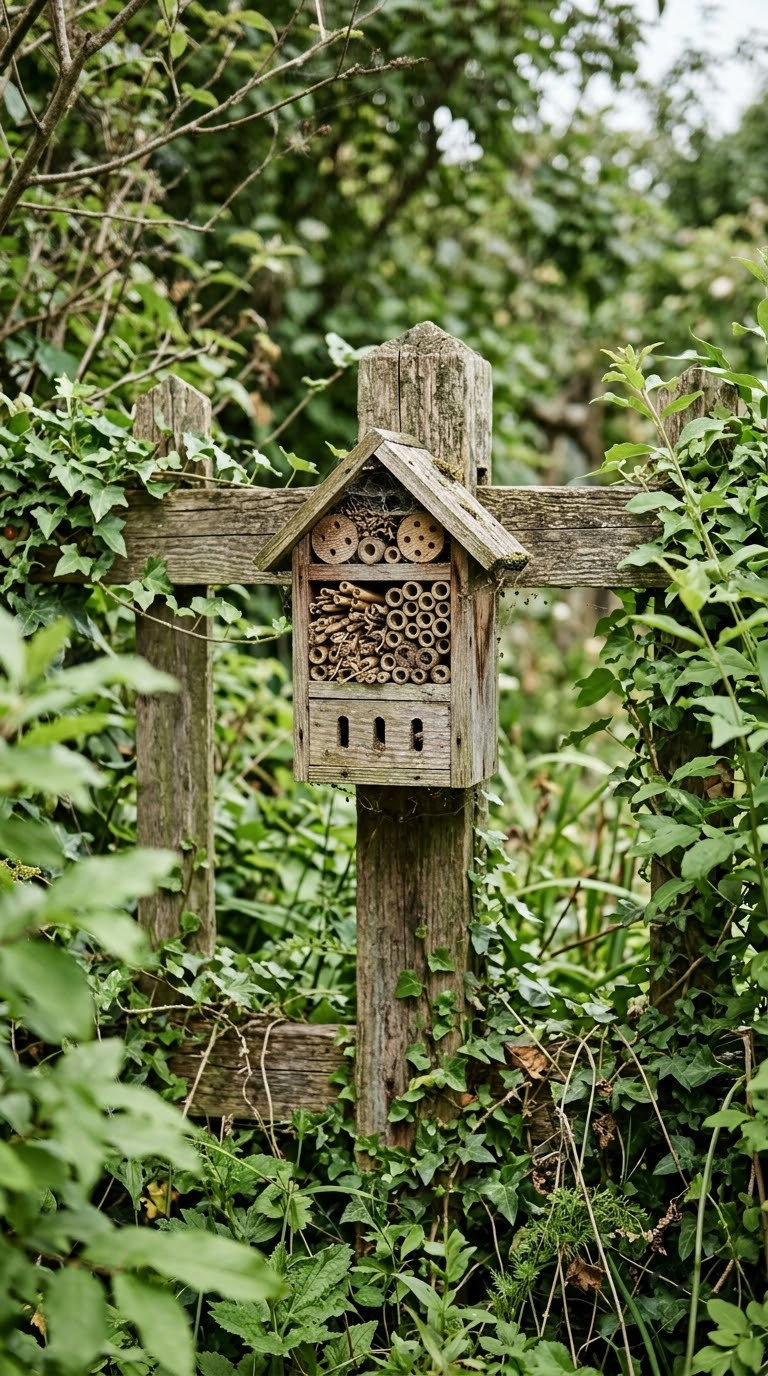
The claim: A bee hotel boosts the native bee population in your yard.
What the research says: Gail Langellotto of OSU says most native bees nest in the ground, not in cavities. Studies show bee houses are often colonized by wasps. Wasps still provide pest control, but they do not conserve native bee diversity.
OSU says bee houses can be useful but are not a solution for conserving native bees.
What to do instead: The OSU page does not list steps. Its ground-nesting point suggests two moves.
Leave a patch of bare, sunny soil. Plant a mix of flowers for bees.
Cost and effort: free, and less work than building a house.
18. Pruning Paint (Skip)
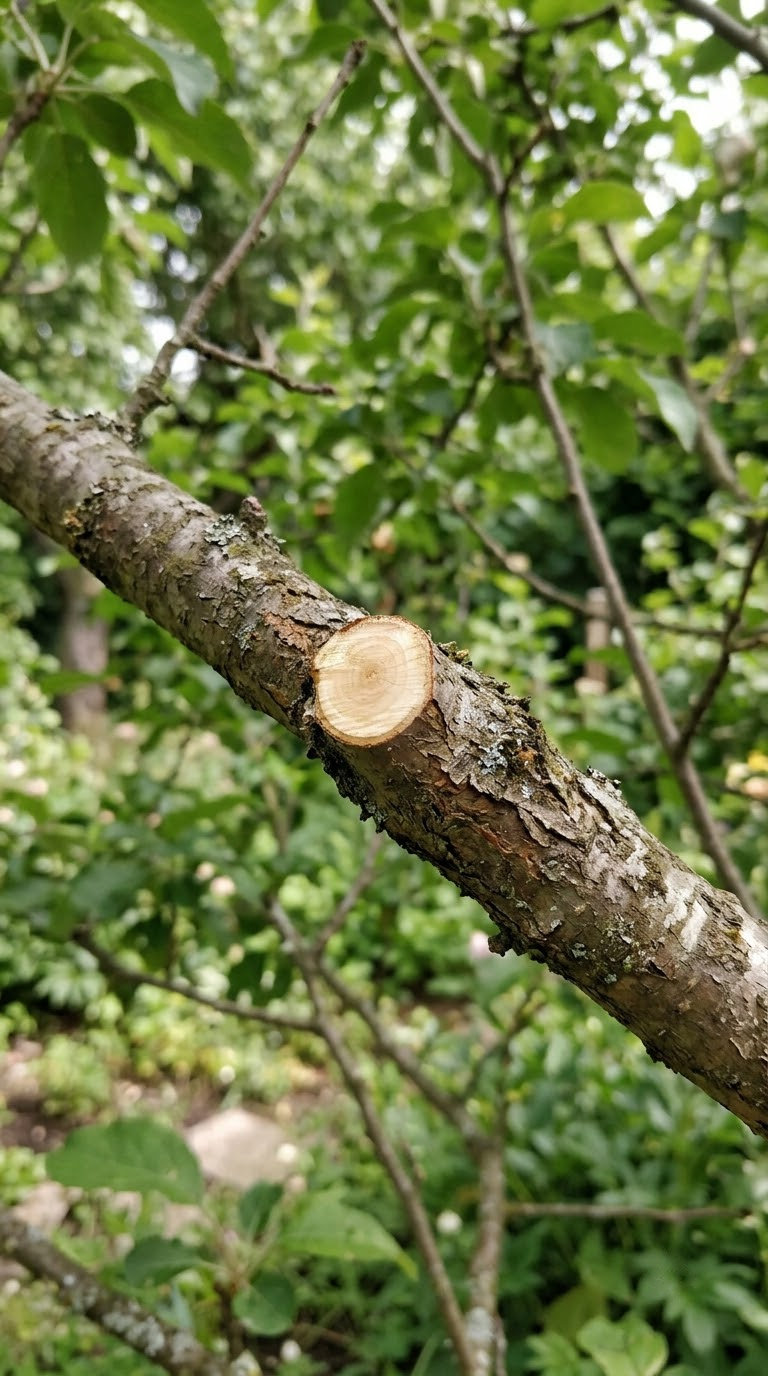
The claim: Painting a cut protects the tree from disease and insects.
What the research says: Penn State says pruning paint can create conditions that promote rot. Trees seal wounds on their own through a process called compartmentalization, over time.
OSU adds a related warning. Topping a tree to control its height causes problems. It triggers weak, fast-growing suckers, and large wounds often lead to decay and slow decline.
What to do instead:
- Skip the paint.
- Use sharp, clean cutting tools.
- Make clean cuts, and avoid topping.
Cost and effort: saves the cost of paint and an afternoon of work.
19. Staking Every New Tree (Skip)
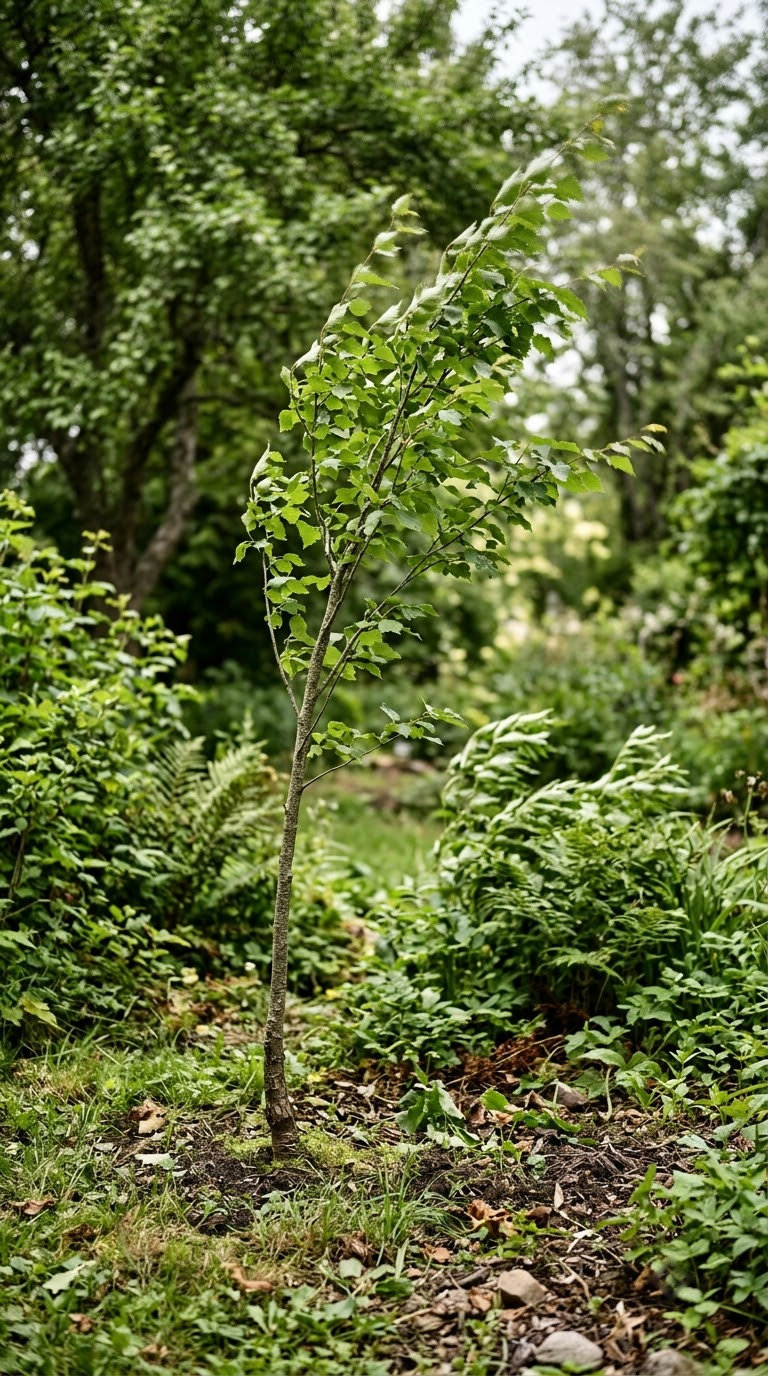
The claim: Every new tree needs stakes to survive wind.
What the research says: Penn State says staking can harm tree establishment. Wind movement helps a tree develop a sturdier trunk and root system. Do not stake a tree that has a sturdy root ball and stands firmly in the planting hole.
There are exceptions. Stake briefly if wind or a severe slope prevents upright planting, or if a bare-root tree cannot stand unsupported. Use recommended techniques, and make sure ties do not injure the bark.
What to do instead: Plant firmly, water well, and watch the tree through its first season. The source gives no timeline for removing stakes, so ask your extension office if you must stake.
Cost and effort: free, and no stakes to remove.
20. Lime to Kill Moss (Skip)
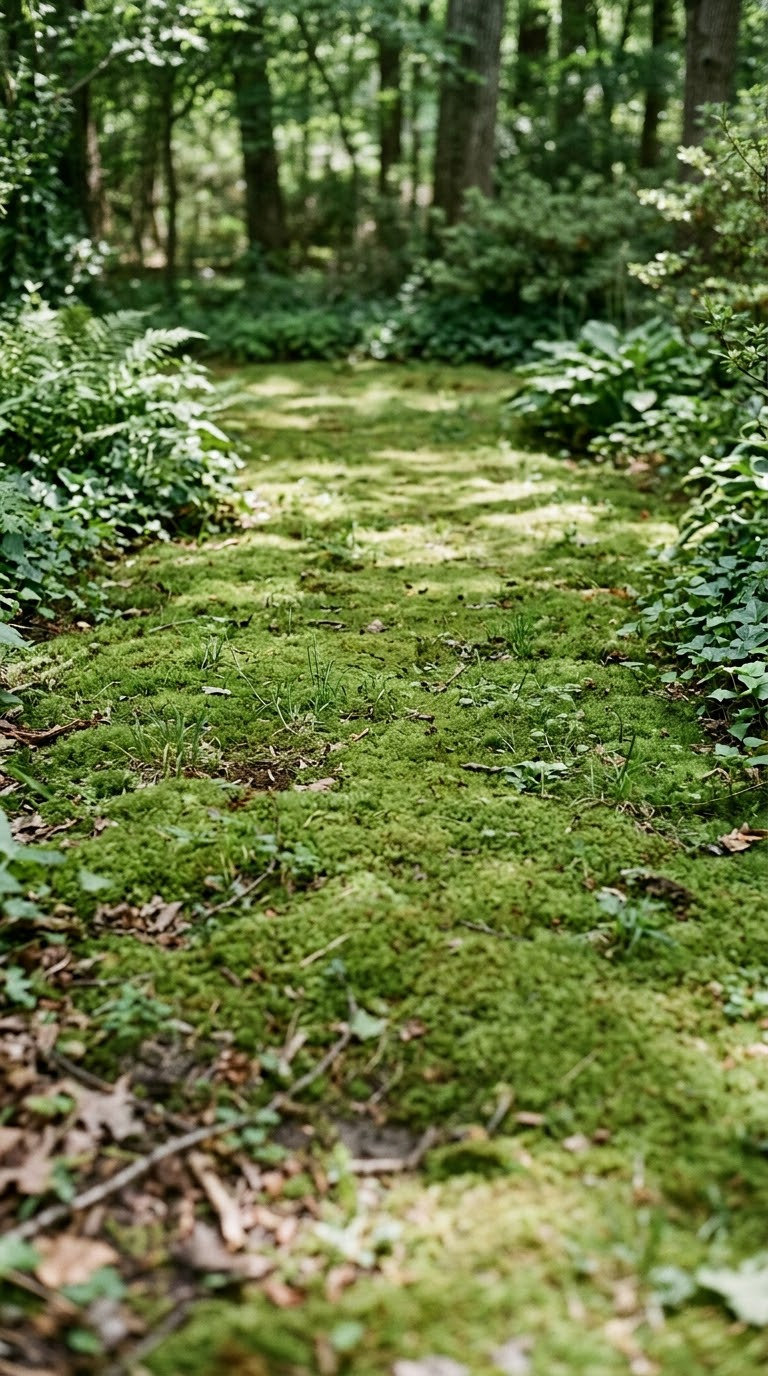
The claim: Sprinkle lime on the lawn and the moss will die.
What the research says: Alec Kowalewski of OSU says lime does not fix moss. Moss grows in wet, shady, infertile conditions. Denser grass can outcompete it once conditions favor the grass.
What to do instead:
- Increase sunlight by pruning or thinning nearby trees.
- Apply a nitrogen-rich fertilizer four times a year, twice in fall and twice in spring.
- Keep up the routine so thicker grass crowds out the moss.
Cost and effort: fertilizer costs money, but it treats the cause.
How Do You Get a Soil Test?
Most of the verdicts above end the same way. Test your soil first. The Sonoma County Master Gardeners note that each Master Gardener program is tied to a university and offers research-based advice to the public. They encourage you to contact your county program with questions.
Your county extension office can usually tell you how to send a sample to a lab. A lab result gives you real numbers for pH and nutrients. Home strip kits give a rough check only.
Take samples from several spots in the bed, mix them, and send the blend. Take them before you plant, so you have time to act on the results.
Which Five Hacks Are Worth Doing First?
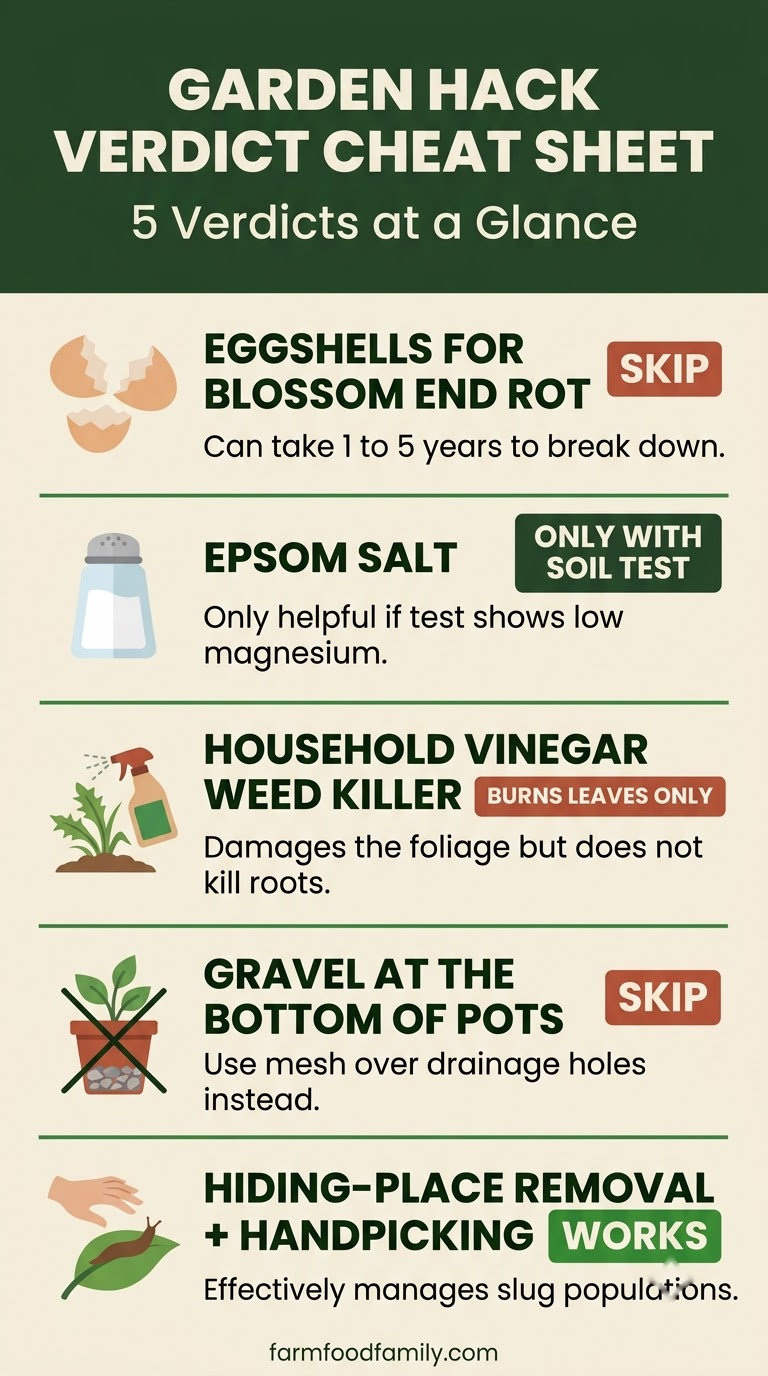
If you only try a few, start with these. They are cheap, and the sources back them.
- Put crushed eggshells in the compost, not the bed.
- Cover pot drainage holes with mesh, and skip the gravel.
- Remove slug hiding places, and hand-pick after dark.
- Use pine needles as mulch around shrubs.
- Test the soil before you add Epsom salt, compost, or lime.
Each takes minutes. Together they cover watering, pests, soil, and containers, which are the places most garden money gets wasted. They also cost far less than a bag of products you may not need.
What Should You Do Instead of Guessing?
Test your soil, and add only what the test recommends. Water evenly and deeply. Mulch to hold moisture.
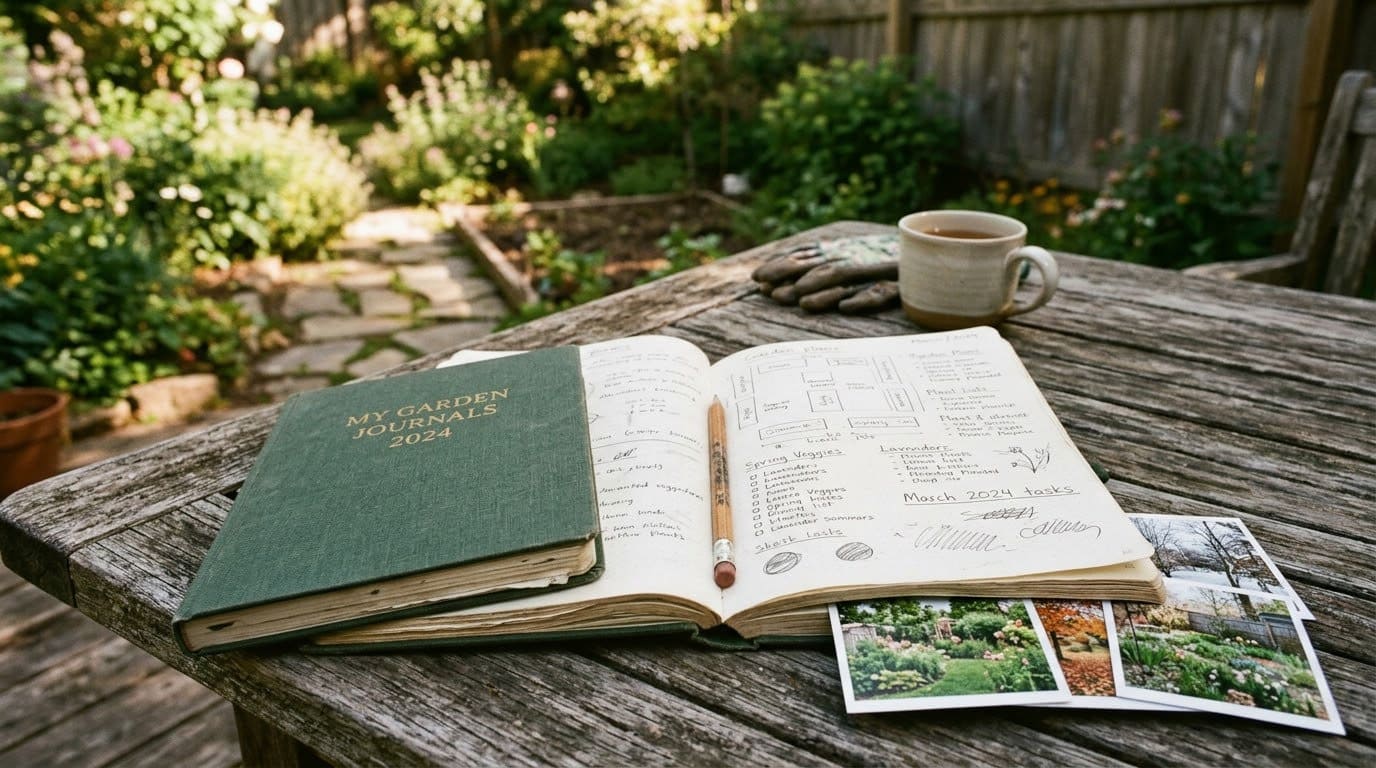
Remove hiding places for pests before you reach for bait. Use mesh in pots, and skip the gravel. Keep a simple garden notebook so you can see what works in your yard.
For a quick list of other tips, browse our clever garden ideas.
Common Mistakes to Avoid
Trusting a hack without checking the cause is the first mistake. Extension sources point to water movement, not calcium, for blossom end rot.
Using too much of a good thing is the second. OSU warns that organic matter above 8% can raise phosphorus and salts.
Assuming “natural” means safe is the third. Penn State says natural pesticides can still harm beneficial insects.
FAQ
Do eggshells prevent blossom end rot?
Extension sources say no. Illinois Extension says eggshells can take one to five years to break down, and the cause is usually uneven watering.
Is Epsom salt good for tomatoes?
Only if a soil test shows low magnesium, says OSU Extension. Otherwise it can harm plants.
Does vinegar kill weeds?
It burns leaves but does not kill roots, per the Sonoma County Master Gardeners. Strong vinegar can cause severe eye injury above 11%.
Should I put gravel in the bottom of pots?
No. Penn State says it slows water movement. Use mesh over the drainage holes instead.
Are coffee grounds good for the garden?
Put them in compost. Used grounds are neutral and will not change soil pH, per the Sonoma group.
Never miss an update — choose FarmFoodFamily as your preferred source on Google.
How it works: Tap the button below to open Google's settings page, then check the box next to FarmFoodFamily.
Tap the checkbox to turn it blue — that's how you know it's set.







this tips are very very nice and other farmers are very helpful