12 Costly Bathroom Remodel Mistakes to Avoid Before You Start
Most bathroom remodel regrets are planned in before the first tile goes up, so a few hours on budget, water, air, and permits can save you a full tear-out.
Welcome to our home decor advice to assist with your DIY projects and designs. We share easy tips to spice up your space on a budget.
Our posts guide you in planning color schemes, arranging furniture, selecting fabrics and paints, displaying artwork, organizing efficiently, and more for a put-together look.
We explain decorating terms and rules clearly with photos. Learn styling strategies to craft a peaceful bedroom, modern kitchen, or transitional living area tailored to how you live.
Keep visiting as we continue adding fresh inspiration for upgrades related to storage, lighting, floors, walls, windows, and every room. We aim to fuel your creativity at home through decor.

Most bathroom remodel regrets are planned in before the first tile goes up, so a few hours on budget, water, air, and permits can save you a full tear-out.
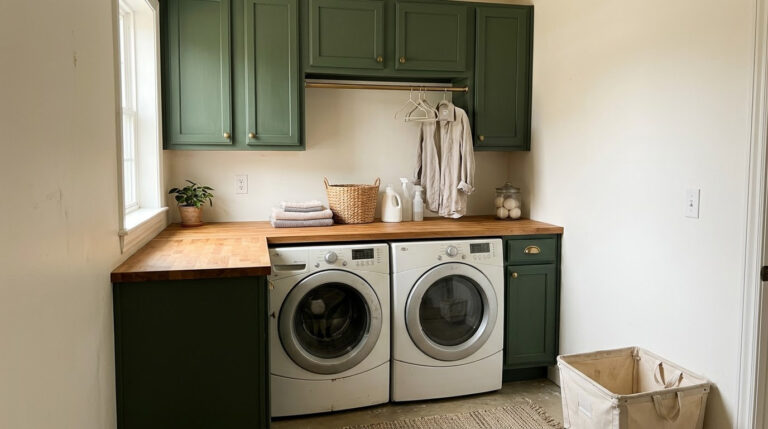
A laundry room can look custom-built for very little money, as long as each cheap upgrade can handle heat, humidity, and the occasional leak.
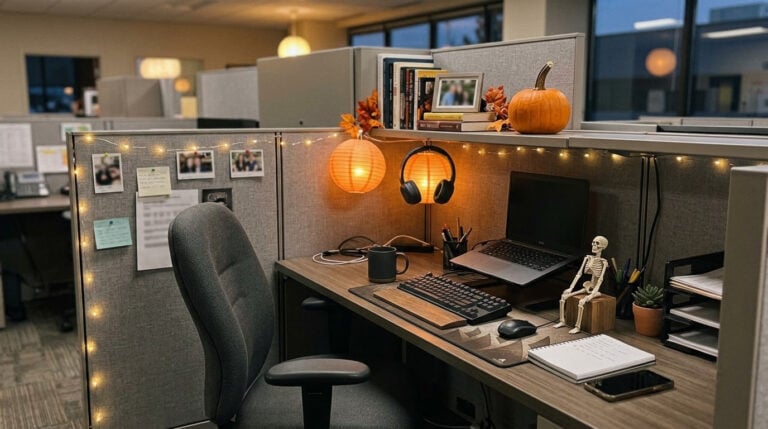
Office Halloween decor can turn a gray cubicle into the spookiest desk on the floor, as long as it clears the sprinklers, the exits, and your coworkers’ comfort zones.
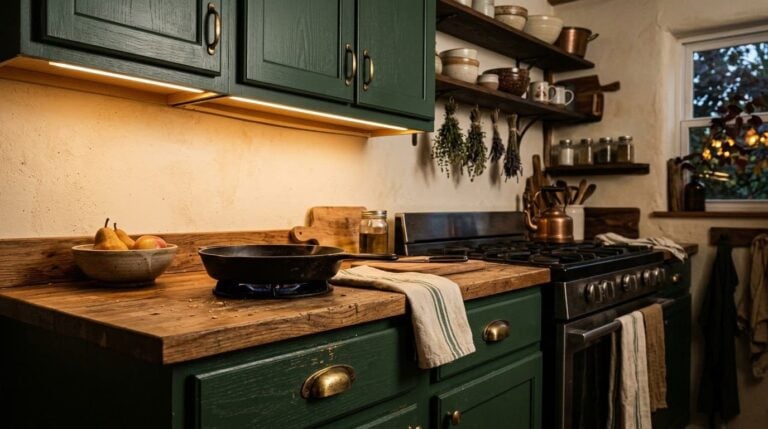
Forest-green cabinets give a dark cottagecore kitchen its whole mood, as long as you prep, prime, and let the paint cure before you load the shelves.
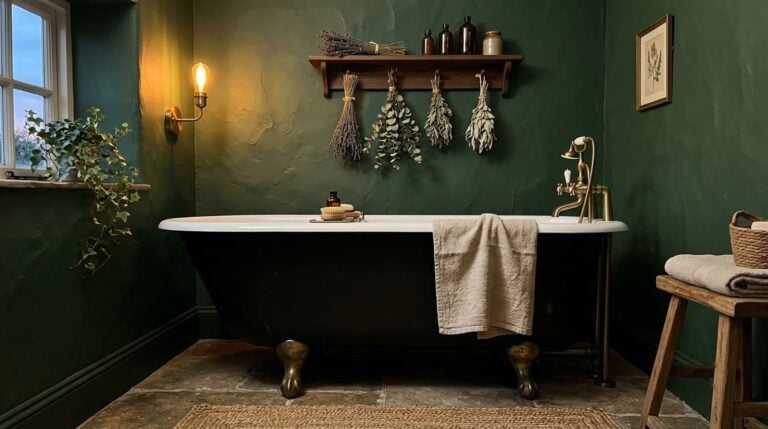
A dark cottagecore bathroom with a vintage tub is easy to love, as long as you check the floor, the faucet holes, and the lighting rules first.
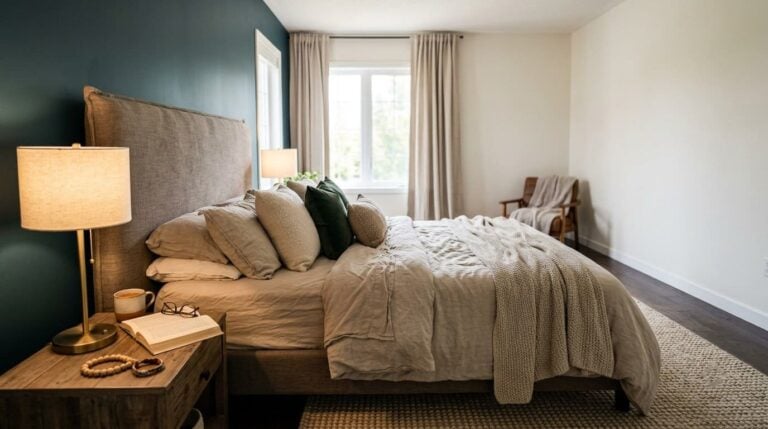
A grown woman bedroom trades dorm-room clutter for scale, layers, and light that fits your real life, as long as you measure before you buy the big pieces.
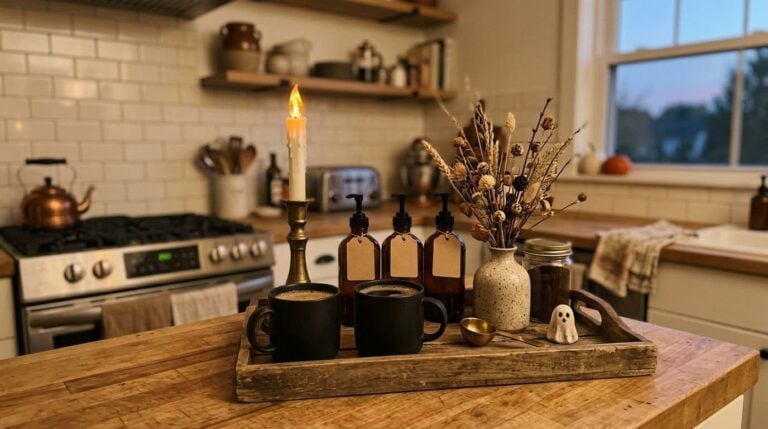
A Halloween coffee bar looks spooky instead of tacky when you keep to three colors and one playful piece. Just keep every decoration away from heat and flame.

Office Christmas decor works when it reads as festive to everyone who walks by, not just to people who celebrate Christmas. The safest bet is winter and light, not Santa and red.
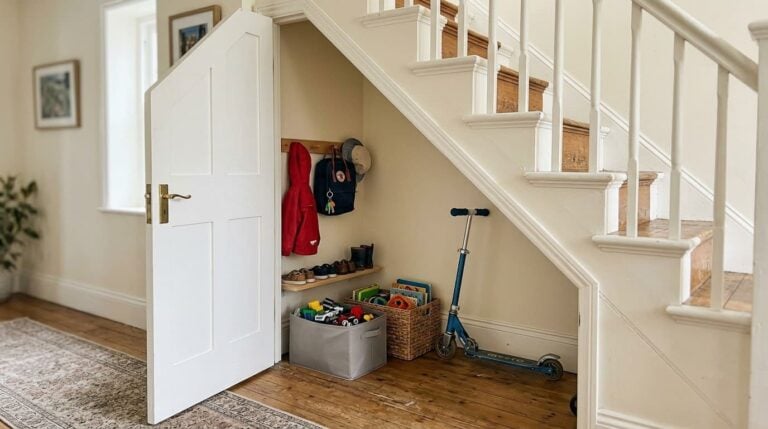
An under stairs closet can swallow a whole family’s toys, coats, and scooters, as long as you build it low for small hands and anchor everything tall.
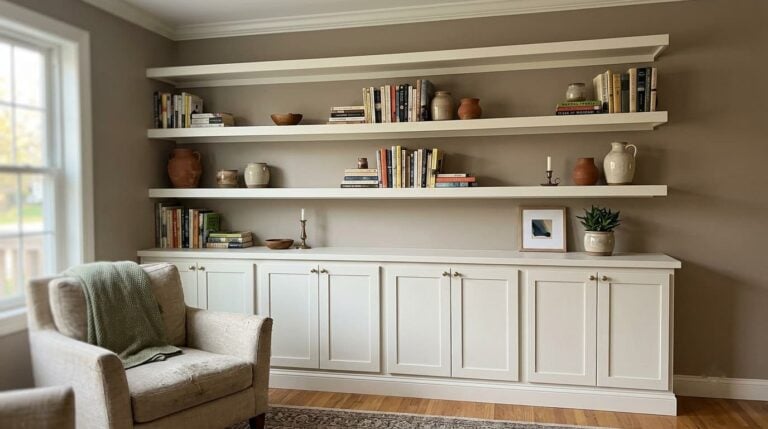
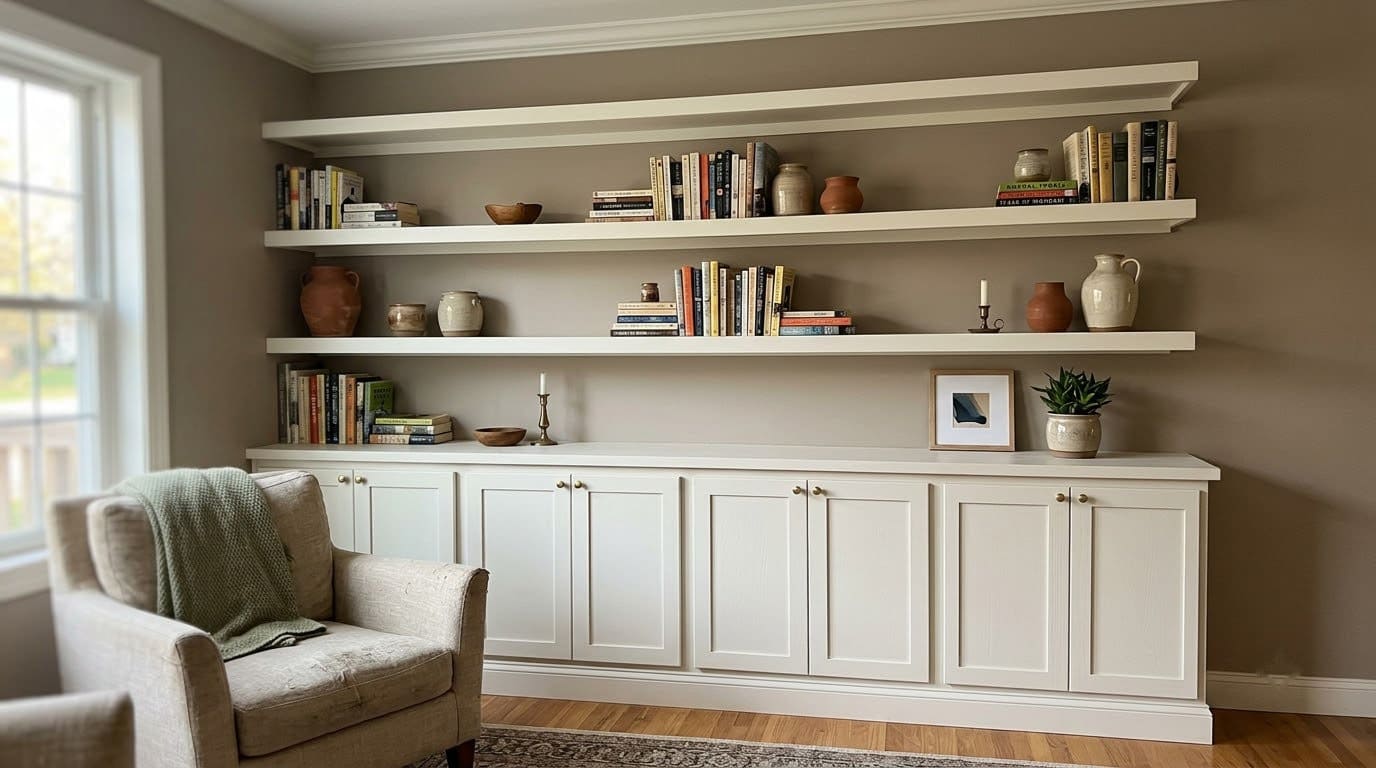
Stock cabinets can become built-in shelves for a fraction of a carpenter’s quote, as long as you level the base, hide the gaps and anchor everything to studs.
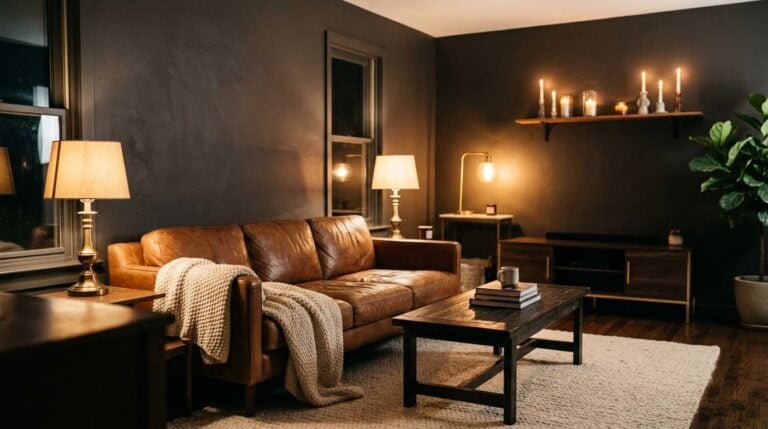
Dark walls feel like a hug when the light is warm and layered, and like a cave when it isn’t.
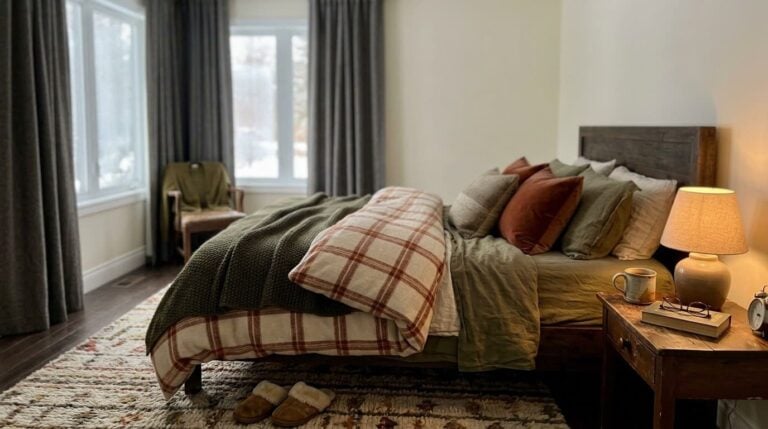
A cozy master bedroom in winter starts with stopping drafts and adding warmth to the bed, not just piling on pillows, and every heat source needs a safety rule.

Pink and green sit opposite each other on the color wheel, so this tree works when green leads, pink stays in a supporting role, and a third neutral keeps it calm.
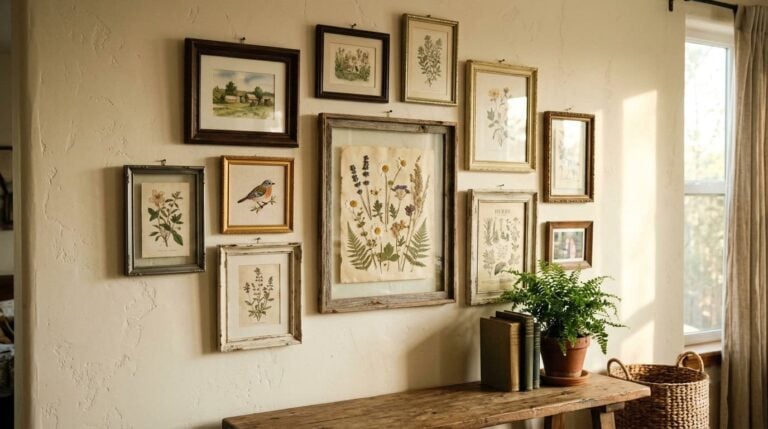
A whole-house guide to cottagecore that actually covers the bathroom, the porch, and the garden, not just the bedroom you’ve already seen forty Pinterest boards about.

Red is warm and silver is cool, so a red and silver tree works when you build a bridge between them with the right red, a little white, and the right bulbs.

A colorful tree stays playful when you keep to three colors and sort each piece first. Skip both and it turns chaotic.
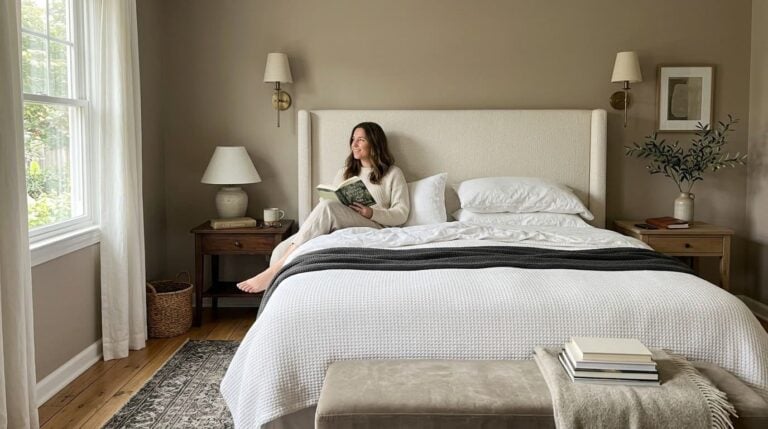
A boutique-hotel bedroom comes from a layered bed, warm dimmable light, and a calm, edited room, as long as you skip the candles and hardwire nothing without an electrician.
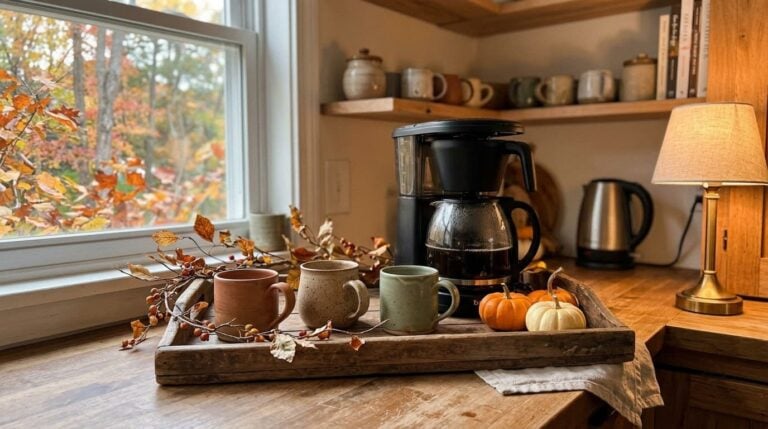
A fall coffee bar feels cozy when the setup works first and you add just three to five seasonal pieces. Nothing should steam, tip, or burn next to the machine.
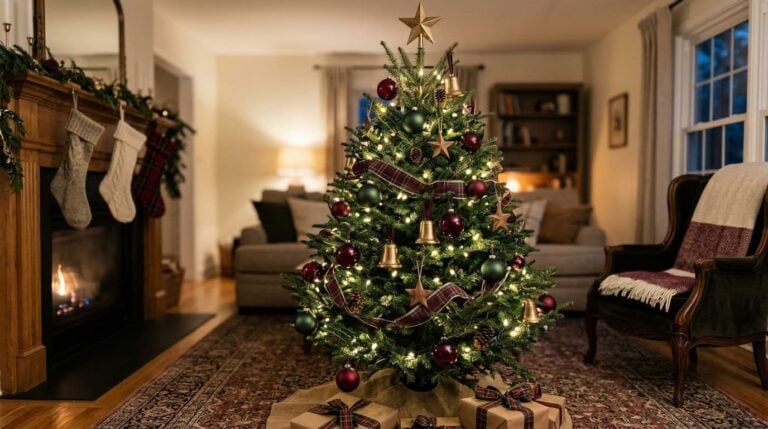
Red and green goes wrong for three fixable reasons. The shades are too bright, the split is too even, and no neutral steps in to referee them.
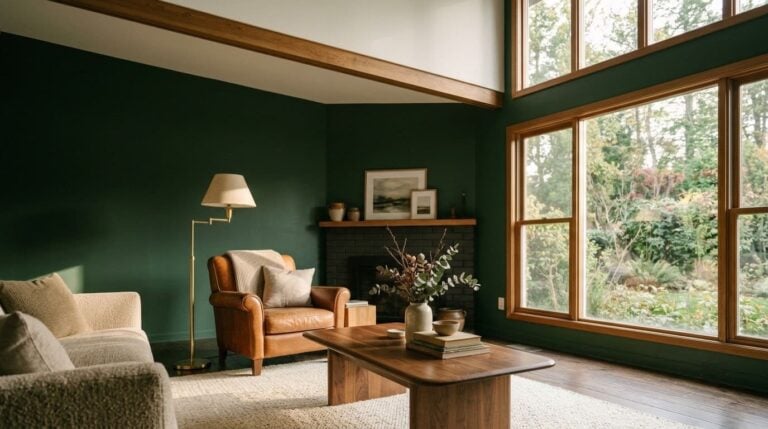
Deep forest green makes a living room feel calm and wrapped, as long as you test the color in your own light before you commit.

A front door can say Thanksgiving without a single nail hole, as long as the way you hang it matches the door you actually have.