9 Sneaky Plants Not to Grow Near a Well or Water Source
Thirsty roots can crack a well casing or buried water line within a few seasons, so the plant you pick and the distance you keep matter more than most owners expect.
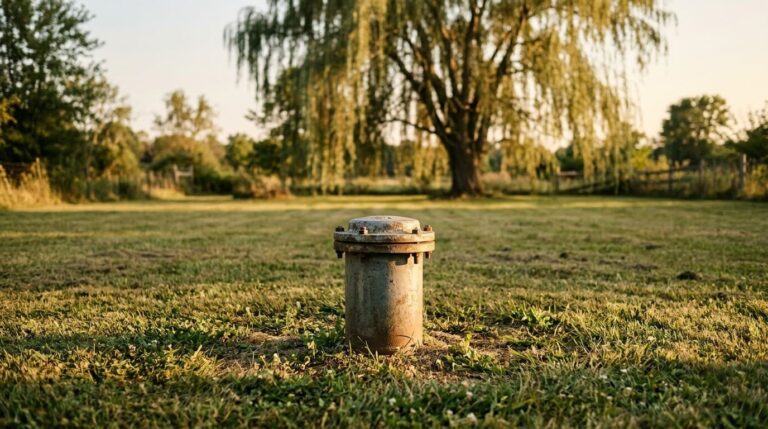
Thirsty roots can crack a well casing or buried water line within a few seasons, so the plant you pick and the distance you keep matter more than most owners expect.
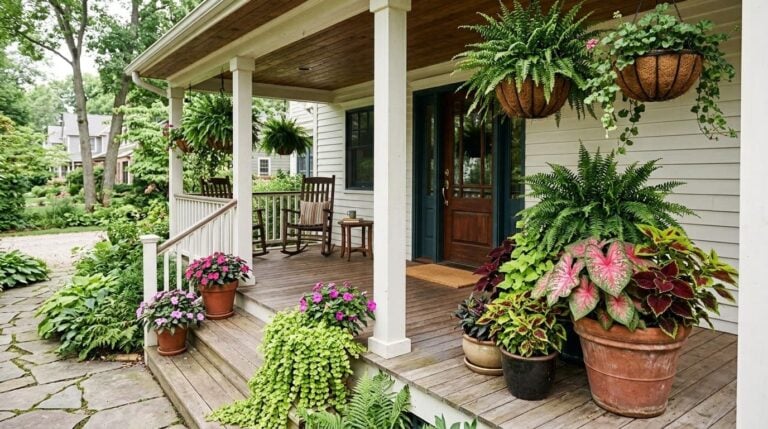
A covered porch is shadier and drier than it looks, because the roof blocks the rain along with the sun. These 25 plants handle both, grouped so you can build a pot that gives you height, color, and something spilling over the edge.
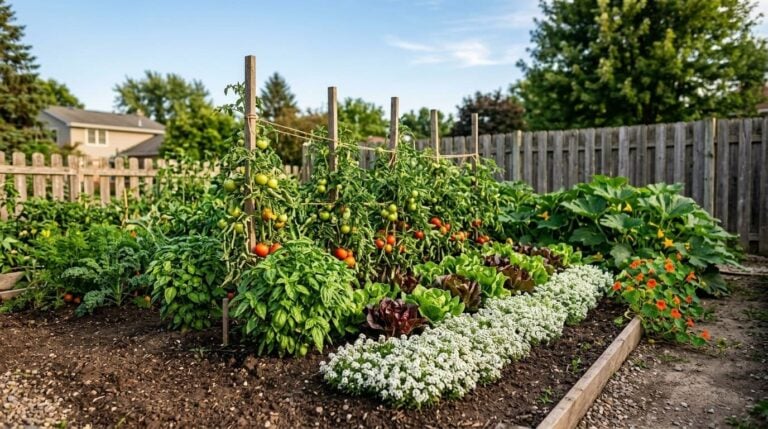
Most companion planting lists mix a few real pairs with a lot of folklore. These 8 have a documented mechanism behind them, and a couple of the famous ones only work if you do them the right way.
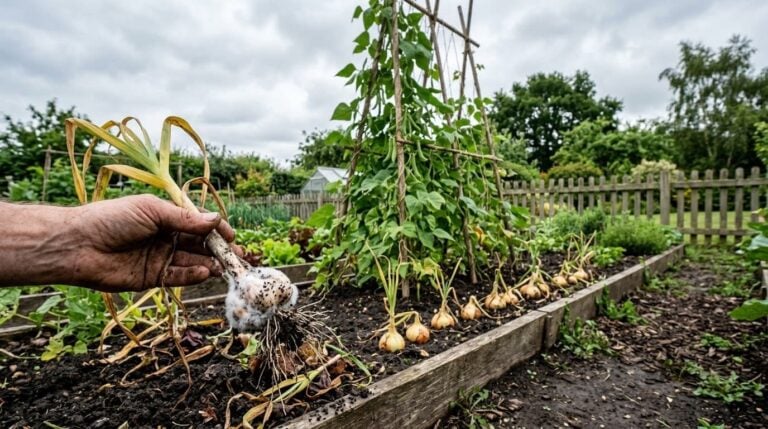
Onions and garlic are the pushovers of the vegetable garden, so most of this list is just bigger plants shading them out. The one real threat is a soil disease you can’t see or cure, and it comes from planting your alliums too close together.
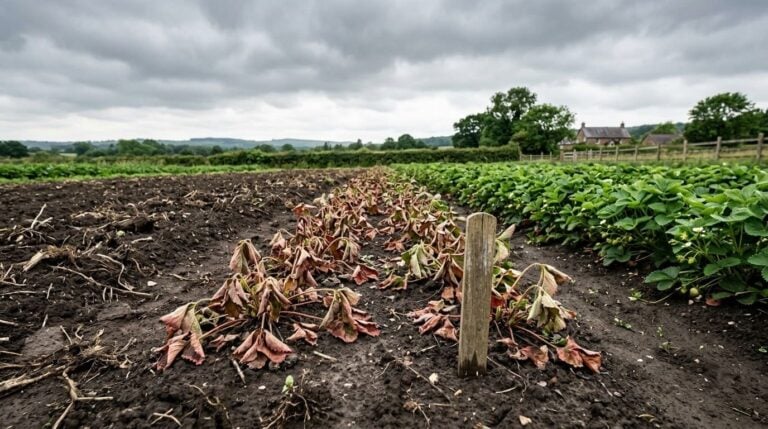
Most of this list comes down to one soil fungus that sticks around for decades, and a few plants that simply outrun a low, runner-spreading strawberry for space and light. Knowing which is which tells you whether to move a plant or move the whole bed.
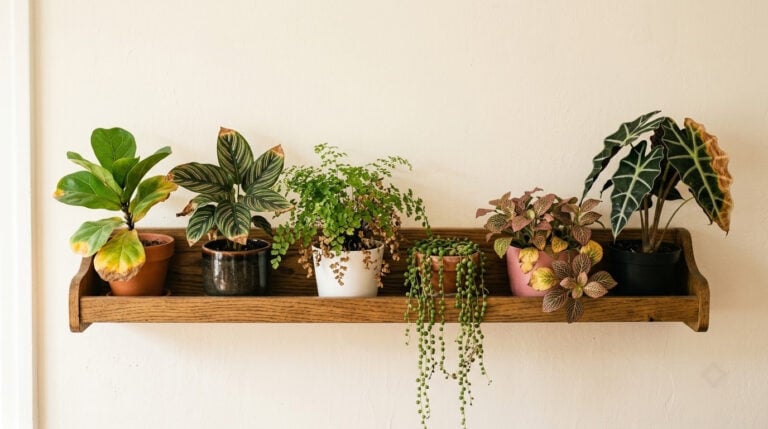
These six plants look unreal on your feed and sell out fast, but most of them are quietly failing before you get them home, and a few small changes are the difference between a month and a year.
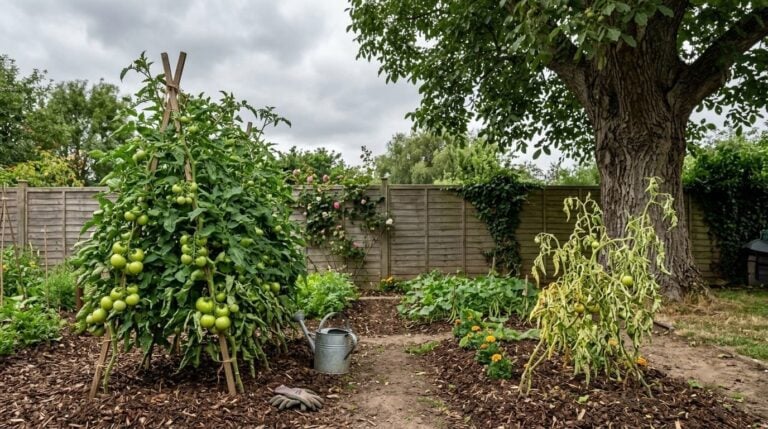
A few of these are genuine deal-breakers, like a black walnut that can wilt a tomato overnight from 60 feet away, and a few are just cautious folk wisdom that matters only in a wet year or a tight bed. This sorts out which is which.

Cover crops turn a bare, tired garden bed into free fertilizer and erosion insurance over winter, as long as you match the right species to your first-frost date and know which ones need mowing down before you plant in spring.
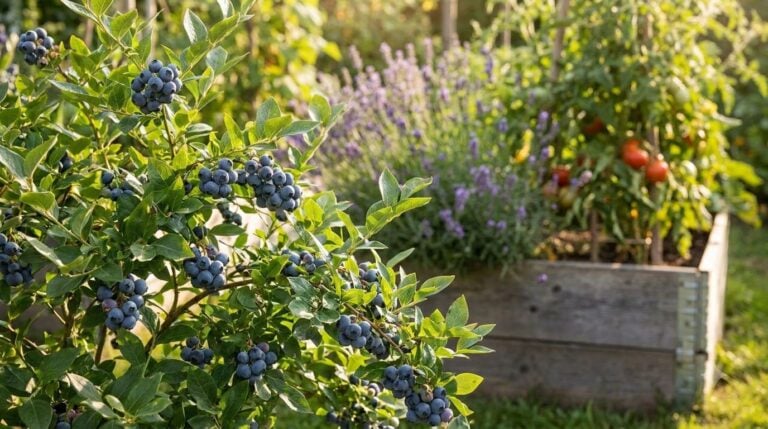
Blueberries need acidic soil and shallow-root breathing room, and these six common garden neighbors quietly work against both.
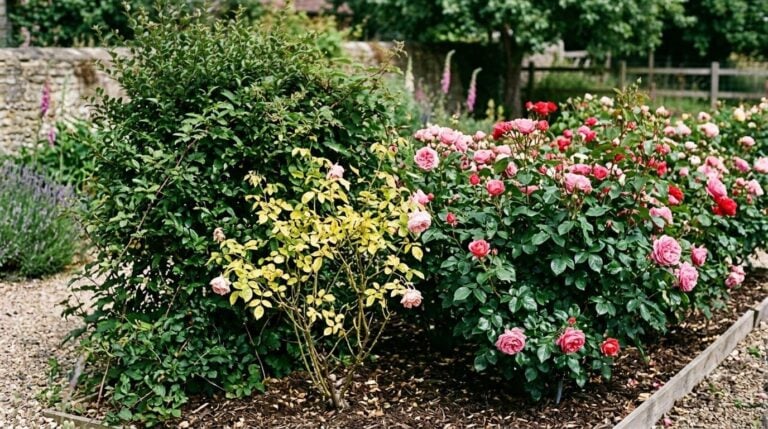
The wrong neighbor can quietly starve, poison, or infect a healthy rose bush within a season, so knowing which 8 plants to keep away is cheaper than replacing the rose.
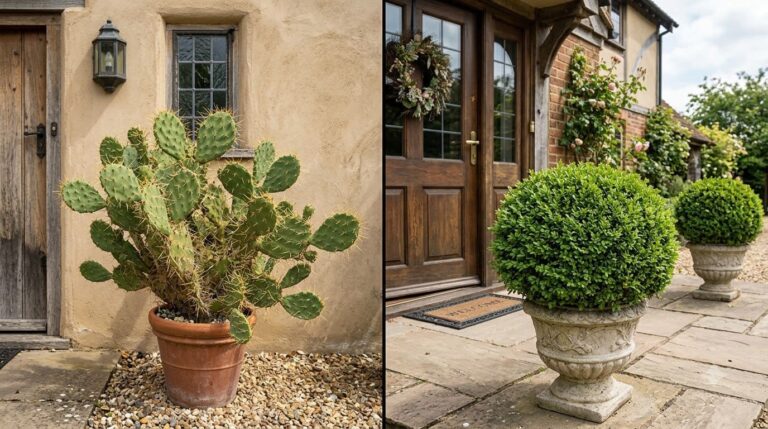
Your front door is the “mouth of chi” in feng shui, the point where energy enters your home, and the wrong plant sitting right next to it isn’t just bad symbolism, in a few of these cases it’s a genuine safety problem too.
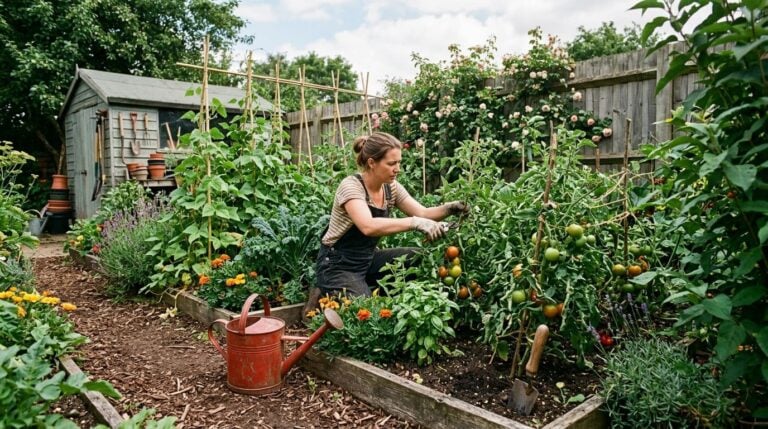
Most mid-summer garden checklists are exactly that, a list, with no real explanation of why any of it matters. Here are the same 7 real tasks working garden designers actually do this time of year, plus the actual research behind 3 of them that most guides skip entirely. 1. Deadhead herbaceous plants Sarah Kay, an…
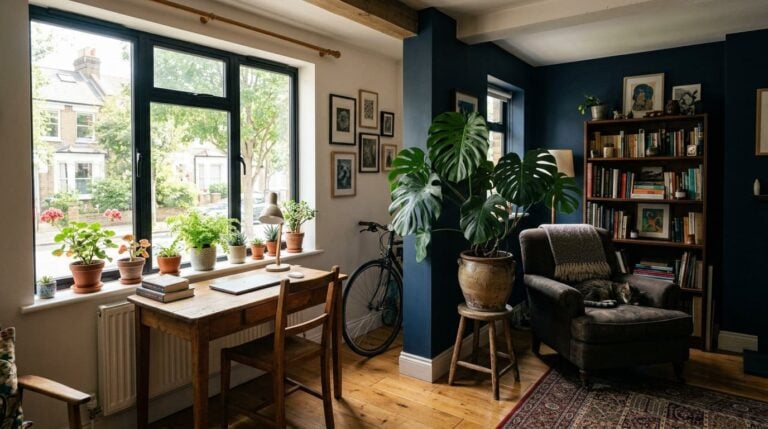
Most heat-stress guides treat every plant the same way, water it more and hope for the best. That’s not quite right. A wilting houseplant, a struggling tomato patch, and a stressed backyard tree are three genuinely different situations with different fixes, and almost nobody actually names a recovery timeline you can hold onto while you…
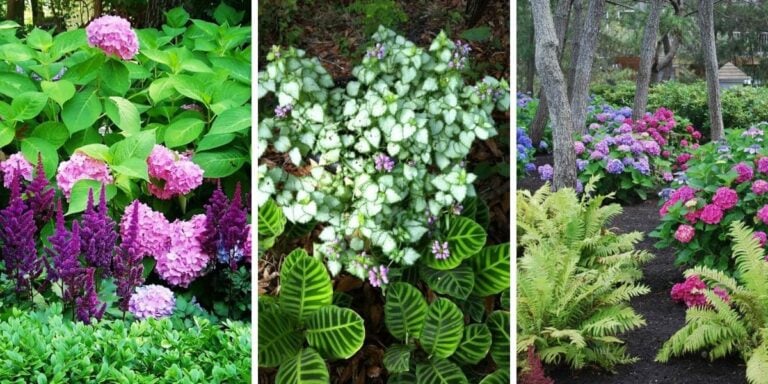
Ever wondered how to make your hydrangeas stand out even more? Companion planting might be the answer you’re looking for. Hydrangeas are not just about their stunning blooms; they can thrive even better when paired with the right plants. This strategy, known as companion planting, brings a host of benefits. It not only boosts the…
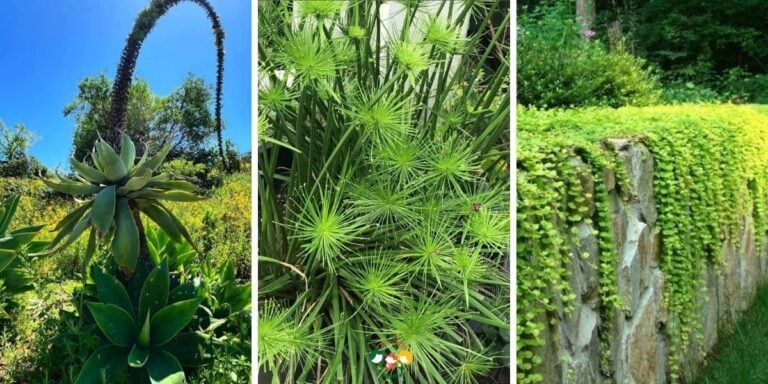
Ever wondered why some pools look like they’ve jumped out of a magazine? The secret’s in the greenery. Yup, picking the best plants around the pool ain’t just for looks; it’s about making your pool area work better for you. We’re talking less glare from the sun, more cool, shady spots, and yeah, that hidden-away…
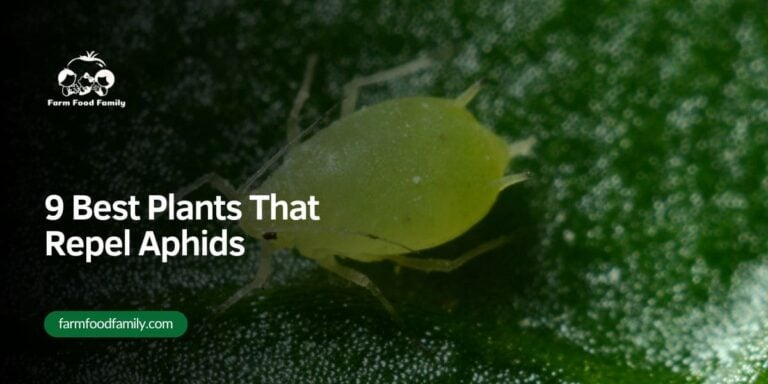
Why do some gardens thrive, free from the clutches of pesky aphids, while others seem to be a bug buffet? Here’s a clue: it’s not just about luck. It’s about smart gardening, specifically about roping in Plants That Repel Aphids. These little sap-suckers can turn a lush green haven into a sad, sticky mess. They’re…
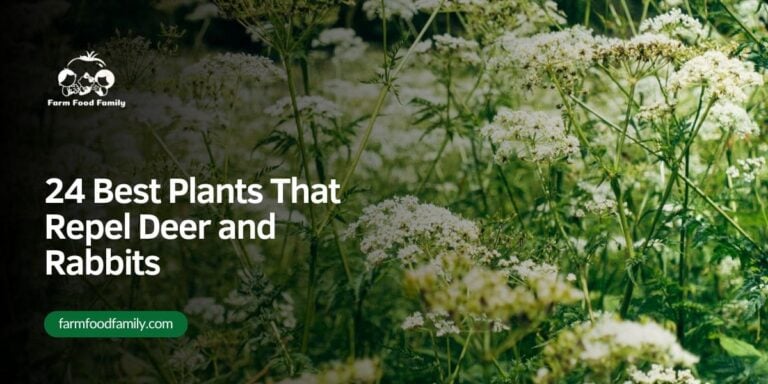
Got rabbits or deer turning your garden into their personal buffet? It’s a real headache, right? These critters don’t just nibble on your plants; they can wreak havoc, leaving your hard work in ruins. But before you throw in the trowel, here’s a bright idea: plants that repel deer and rabbits. Yeah, you heard it…
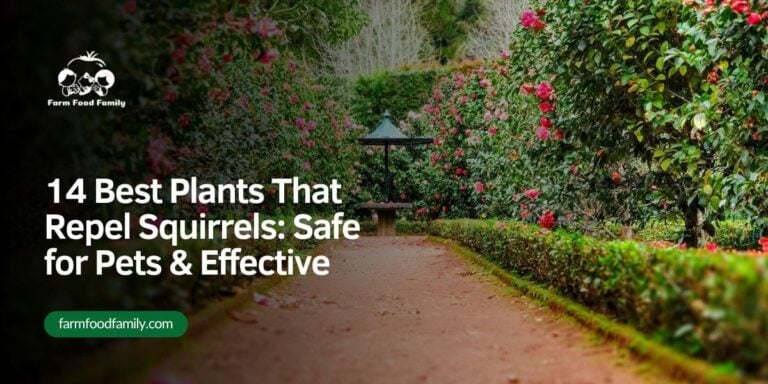
Ever dealt with those cheeky squirrels turning your garden into their personal snack bar? Yeah, it’s not just you. These fluffy critters, cute as they may be, have a knack for wreaking havoc on our green spaces, nibbling on everything from bulbs to tomatoes. Now, what if I told you there’s a way to keep…
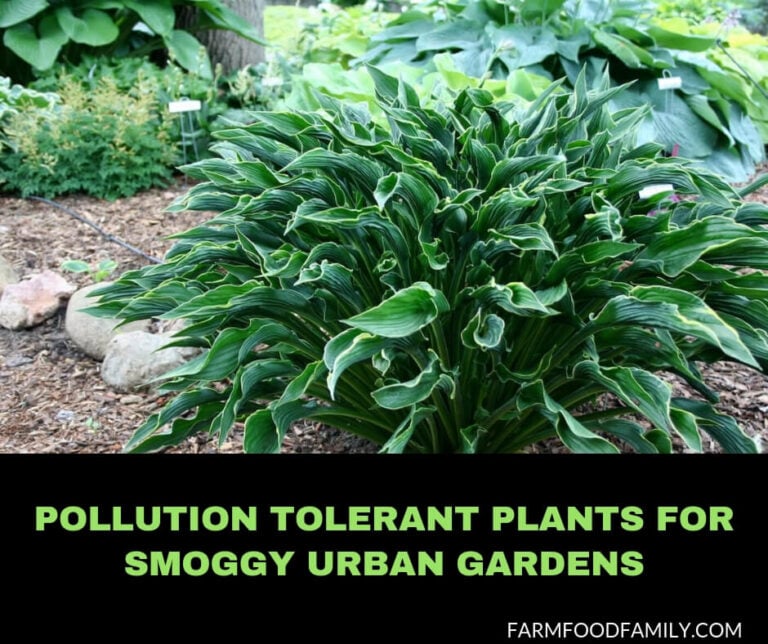
Until we solve many of our current pollution problems some urban gardens will suffer. Here are smog tolerant options for gardens in dirty cities. Sometimes plants in large, smoggy cities suffer because of the air and rain pollution. Tender plants, some tropicals and edible plants can all do poorly, show stunted growth and decreased flowering…
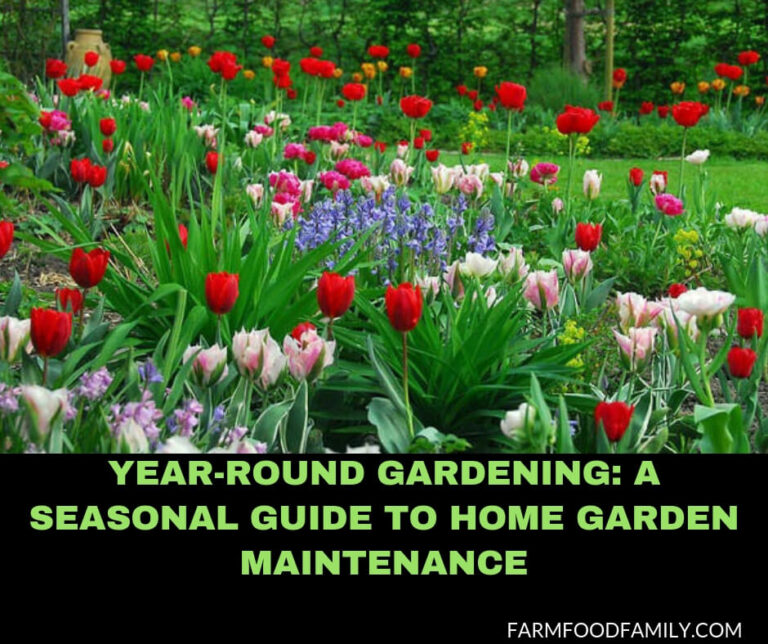
Successful gardeners know vegetable and flower gardening is a year-round endeavor. Even in the deepest winter there is plenty to be done to ensure a bountiful harvest. Garden maintenance begins from late fall into early winter. This is the time to prepare plants, soil and equipment to weather the harsh winter months. Work compost and organic matter…
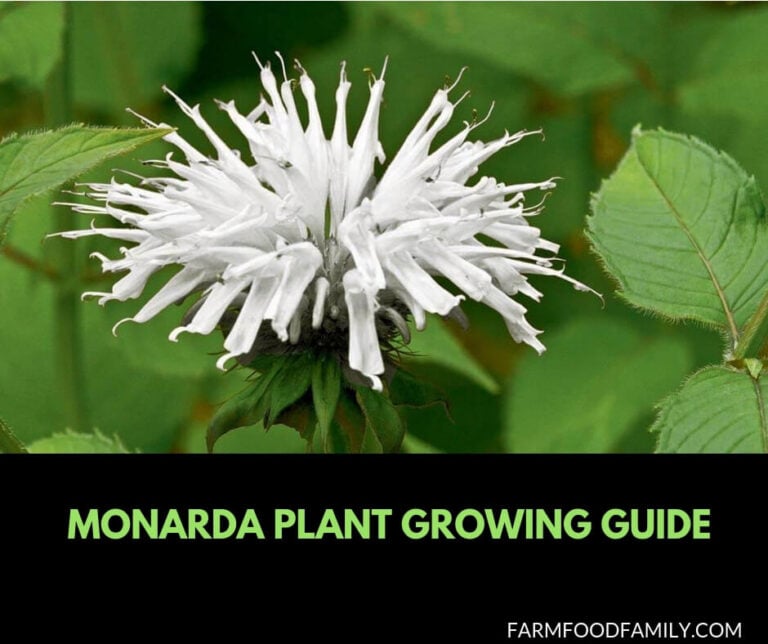
Monarda didyma is highly attractive to hummingbirds, honeybees and butterflies, as well as providing weeks of colorful blooms each summer and early fall. Learn more! Monarda is a great way to invite hummingbirds to any garden landscape naturally. Relatively easy to grow, with large, colorful flowers, it is no secret why this herb is popular…