15 Productive Edging Plants for a Kitchen Garden (Low, Tough and Edible)
The right border plants make a vegetable patch look finished and feed you too, as long as you keep the spreaders in check.

Never miss an update — choose FarmFoodFamily as your preferred source on Google.
How it works: Tap the button below to open Google's settings page, then check the box next to FarmFoodFamily.
Tap the checkbox to turn it blue — that's how you know it's set.
The right border plants make a vegetable patch look finished and feed you too, as long as you keep the spreaders in check.
Products We Recommend
This post contains affiliate links. We may earn a commission on qualifying purchases at no extra cost to you.


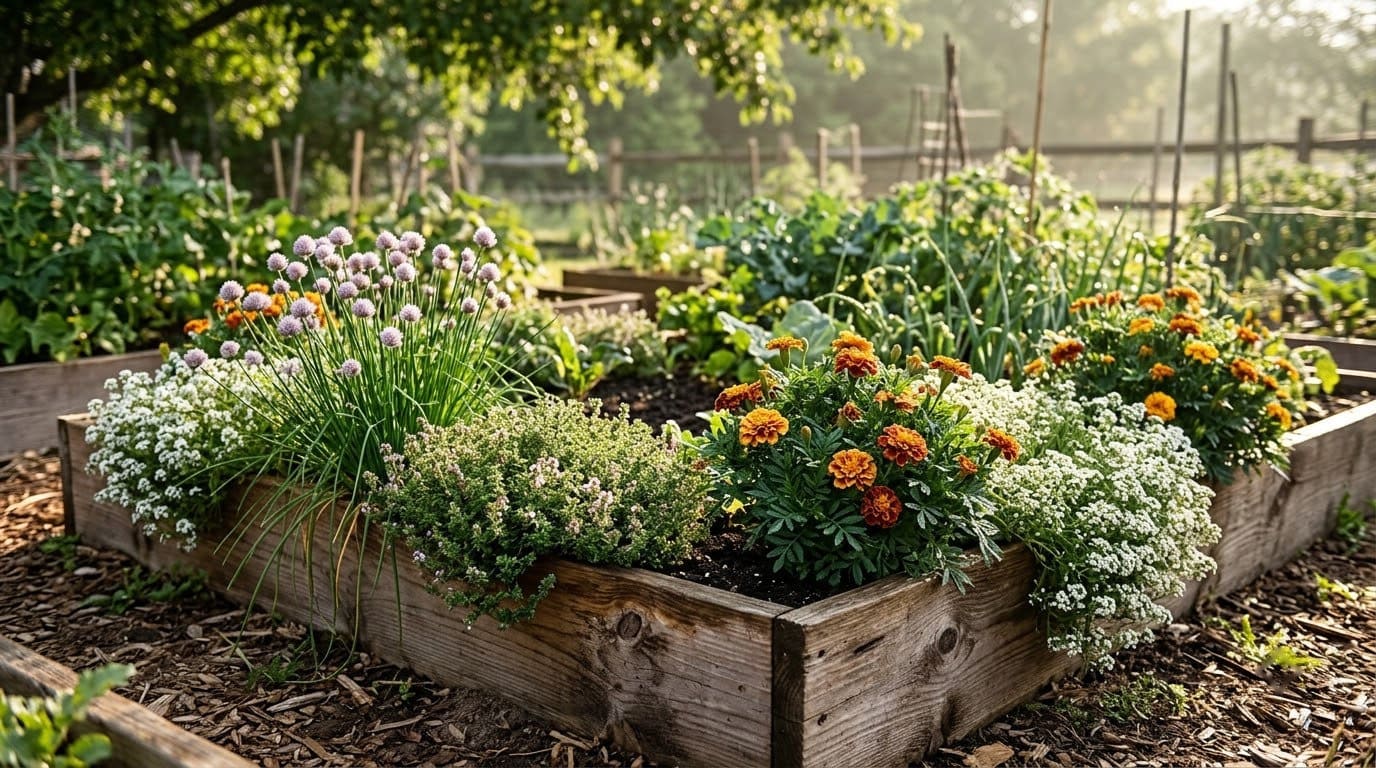
Good kitchen garden edging plants stay low, tolerate trampling and earn their keep. Chives, thyme, parsley, French marigolds and sweet alyssum all fit that job. Most want full sun, so put them on the sunny side of the bed.
Height decides the choice. Keep edging under about 12 to 18 inches so it doesn’t shade your vegetables. Chives reach about 10 to 12 inches, and French marigolds run 6 to 18 inches.
But watch the spreaders. Mint is the classic troublemaker and belongs in a pot.
Answer 4 quick questions and get matched to the exact fix for your yard — drainage, budget, layout, or something else entirely.
Take the Free QuizAnd don’t count on marigolds to guard your tomatoes, since research on nematodes is mixed. Below are 15 plants, with the heights, sun needs and cautions that matter for a small bed, plus a planting calendar and a quick way to count how many plants your border needs.
What Makes a Good Kitchen Garden Edging Plant?
An edging plant has to work hard in a small strip. Use this checklist before you buy.
| Question | What to look for |
|---|---|
| How tall does it get? | Under 12 to 18 inches, so it won’t shade crops |
| Does it clump or run? | Clumps stay put, runners need a barrier |
| Can you eat it? | Herbs and greens double as food |
| Does it flower for long? | Long bloom feeds pollinators and helpful insects |
| Will it survive winter? | Perennials save replanting each spring |
In the Northern Hemisphere, put low edging on the south side of the bed and keep tall plants on the north. That way the border never shades your vegetables. Our vegetable garden layouts show where borders fit best.
For herb-only borders, our guide to using herbs as edging goes deeper.



How Tall and Wide Do These Edging Plants Get?
Here are the numbers for the plants we have sourced heights for.
Most yard problems trace back to one specific, fixable cause. Find yours in 4 quick questions.
Take the Free Quiz| Plant | Height | Sun | Spread risk |
|---|---|---|---|
| Chives | About 10 to 12 inches | Full sun | Self-sows if flowers aren’t removed |
| Thyme | 6 to 12 inches | Full sun | Low, needs drainage |
| Oregano | 6 inches to 2 feet | Full sun | Needs drainage, borderline hardy in zone 5 |
| Mint | 1 to 3 feet | Full sun, light shade OK | Aggressive underground runners |
| French marigold | 6 to 18 inches | Full sun, 6 or more hours | Annual, replant each spring |
| Sweet alyssum (seed) | 3 to 6 inches, 12 inches or more wide | Sun with some afternoon shade | Fades in summer heat |
Chive figures come from Illinois Extension, and mint figures from its mint page. French marigold numbers come from Clemson HGIC, and alyssum from the Clemson alyssum guide.
Do Marigolds Really Protect Vegetables?
Partly, and only in one case.
A 2012 study in the Journal of Nematology tested French marigold against root-knot nematodes. The authors concluded that marigold can only suppress these worms when it is actively growing. They also noted that the effect can be inconsistent.
The study found that marigold root leachate slightly reduced nematode activity but didn’t reduce egg hatch. So a few marigolds along a border won’t clear a bed of nematodes. Grow them because they bloom and look good, and treat any pest help as a bonus.
Which Edging Plants Spread Too Much?
Some edging plants take over if you let them. Plan for the spreaders before you plant.
| Plant | The problem | The fix |
|---|---|---|
| Mint | Spreads aggressively by underground rhizomes | Grow it in a pot above ground |
| Chives | Self-sow into the bed | Cut off the flowers before they fade |
| Oregano | Grows loose and open | Cut it back each spring |
| Sweet alyssum | Fades when heat rises | Choose heat-tolerant hybrids |
Illinois Extension says mint “aggressively” spreads and recommends containers above ground. It adds that sinking a bottomless container in the soil “does not always prove successful.” Skip that trick and use a proper pot.
Which Edging Plant Fits Which Spot?
Match the plant to the spot instead of buying what looks pretty. This table groups the choices by the problem you are solving.

Dwarf French marigold seeds for the border in idea 9
Shop NowThis post contains affiliate links. We may earn a commission on qualifying purchases at no extra cost to you.
| Your edge is… | Try these | Why they fit |
|---|---|---|
| Hot, dry and sunny | Thyme, oregano, lavender, sedum | They want full sun and sharp drainage |
| A shady corner | Parsley, alpine strawberries, mint in a pot | Parsley tolerates partial shade, and mint takes light shade |
| Next to the path | Thyme, sweet alyssum, chives | Low and tidy, and thyme handles light foot traffic |
| In need of fast harvests | Leaf lettuce, bush basil, chives | You can cut them within weeks |
| Short on pollinators and helpers | Sweet alyssum, calendula, marigold | Long bloom draws insects, and alyssum draws syrphid flies and parasitoid wasps |
How Many Edging Plants Do You Need?
Do the math before you shop. Clemson says to plant French marigolds 8 to 10 inches apart. An 8-foot bed edge is 96 inches long, so that works out to about 10 to 12 plants.
The average homeowner spends $616/year on yard fixes that don't address the real problem. Find out what yours actually is — before you spend another dollar.
Take the Free QuizSweet alyssum from seed spreads 12 inches or more, so 6 to 8 plants cover the same edge. Chives grow in clumps, so three or four clumps spaced evenly will do. That math is ours, built from the sourced spacing and spread figures, so adjust for your plants.
When Do You Plant Each Edging Plant?
Timing keeps the border looking good all season. Here is a simple calendar based on the sourced dates.
| Season | Task |
|---|---|
| Several weeks before last frost | Direct-sow sweet alyssum, per Clemson |
| Early spring | Divide crowded chive clumps, which Illinois Extension says to do every 2 to 3 years |
| After the last frost | Plant French marigolds and bush basil |
| Summer | Remove faded marigold flowers, cut off chive flowers and trim thyme lightly |
| Fall | Pull spent annuals and replant parsley and lettuce |
Sweet alyssum from seed may stop flowering as summer heat rises, according to Clemson. Sheared plants or sterile hybrids recover or last longer. Keep a small packet of seed to sow a second round.
15 Edging Plants for a Kitchen Garden
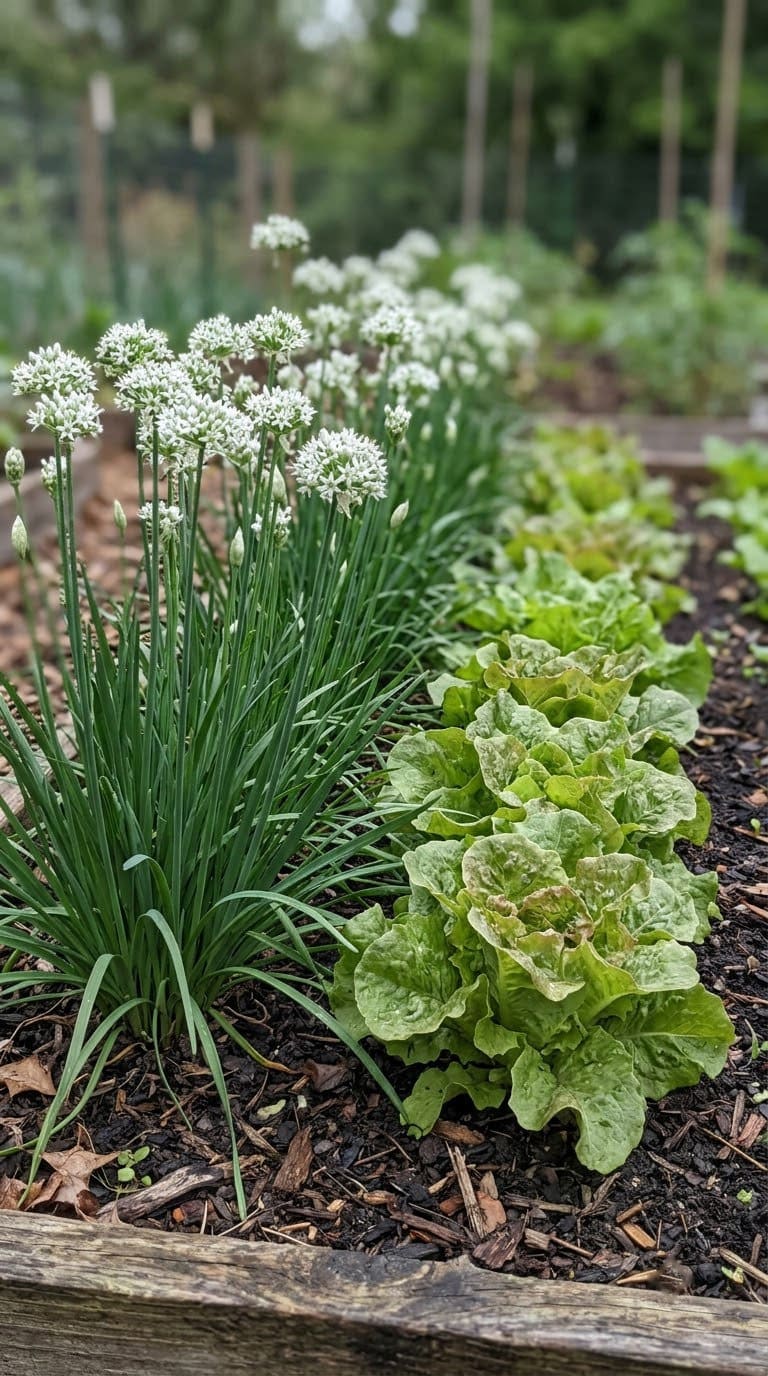
1. Chives
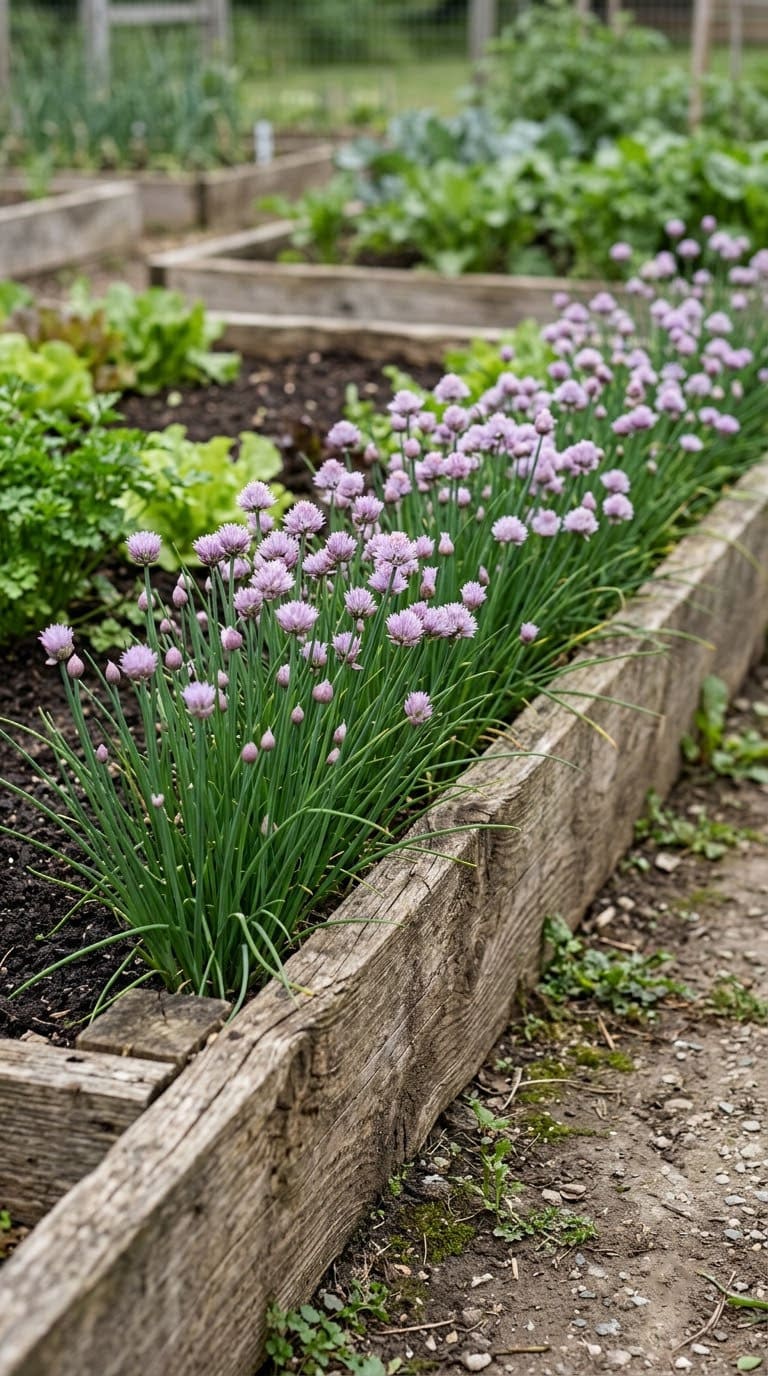
Chives make a tidy, grass-like edge that comes back every year. They grow in clumps from underground bulbs, so they stay where you plant them. Illinois Extension says to divide clumps every 2 to 3 years, with about 4 to 6 bulbs in each clump.
Cut the leaves about an inch above the soil to harvest. Remove the flowers before they fade, or chives will self-sow into the bed. Learn more in our chive growing guide.
2. Garlic Chives
Garlic chives have flat leaves and white flowers and give a milder garlic flavor. They suit the same sunny edge as regular chives. Plant a few between regular chives for contrast.


Cut spent flower heads so seeds don’t scatter through the bed. Use the leaves chopped in salads and egg dishes. Keep them away from shady spots.
3. Thyme
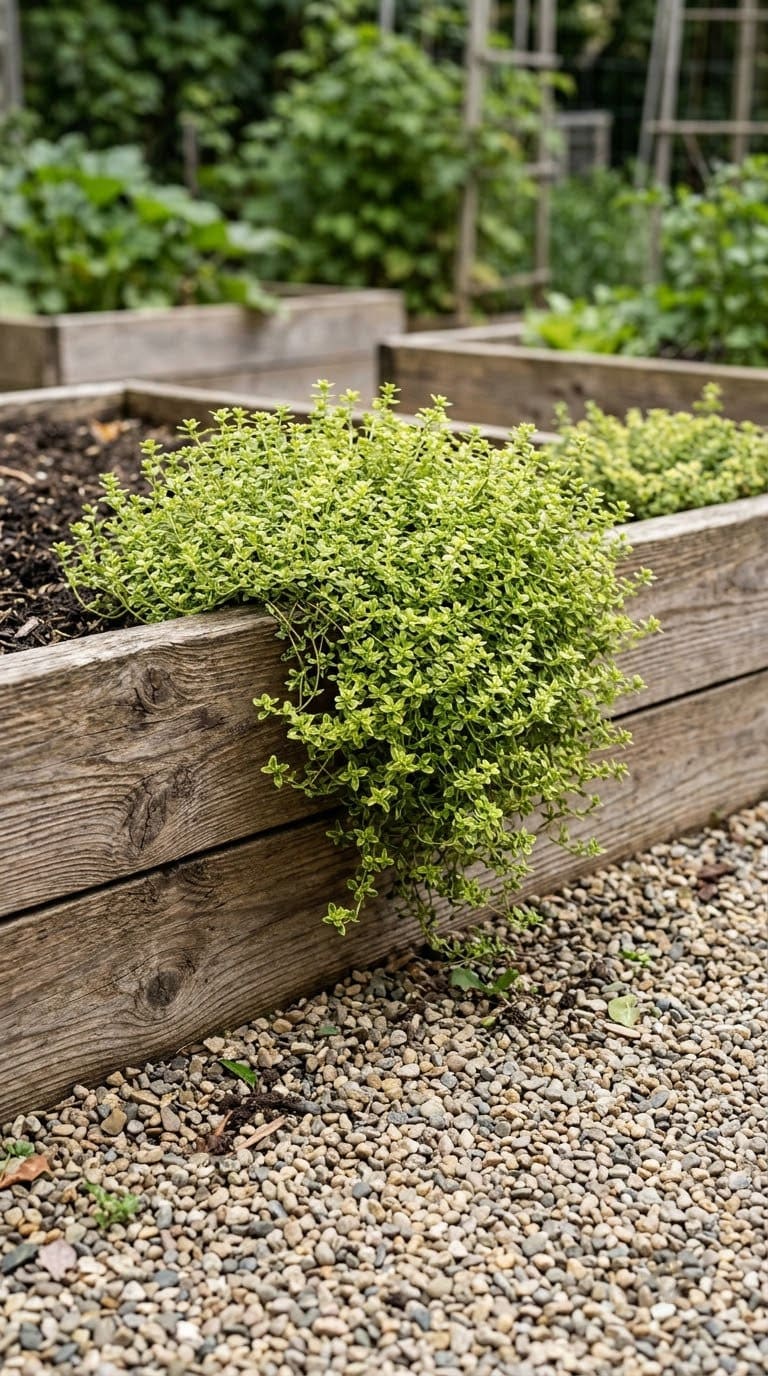
Thyme is low, tough and good for edging. It grows 6 to 12 inches tall and wants full sun. It needs well-drained soil, because wet winter roots shorten its life.
Plant it on the edge of a raised bed or beside a gravel path. Give it a trim each spring to keep it compact. It handles light foot traffic well.
4. Parsley
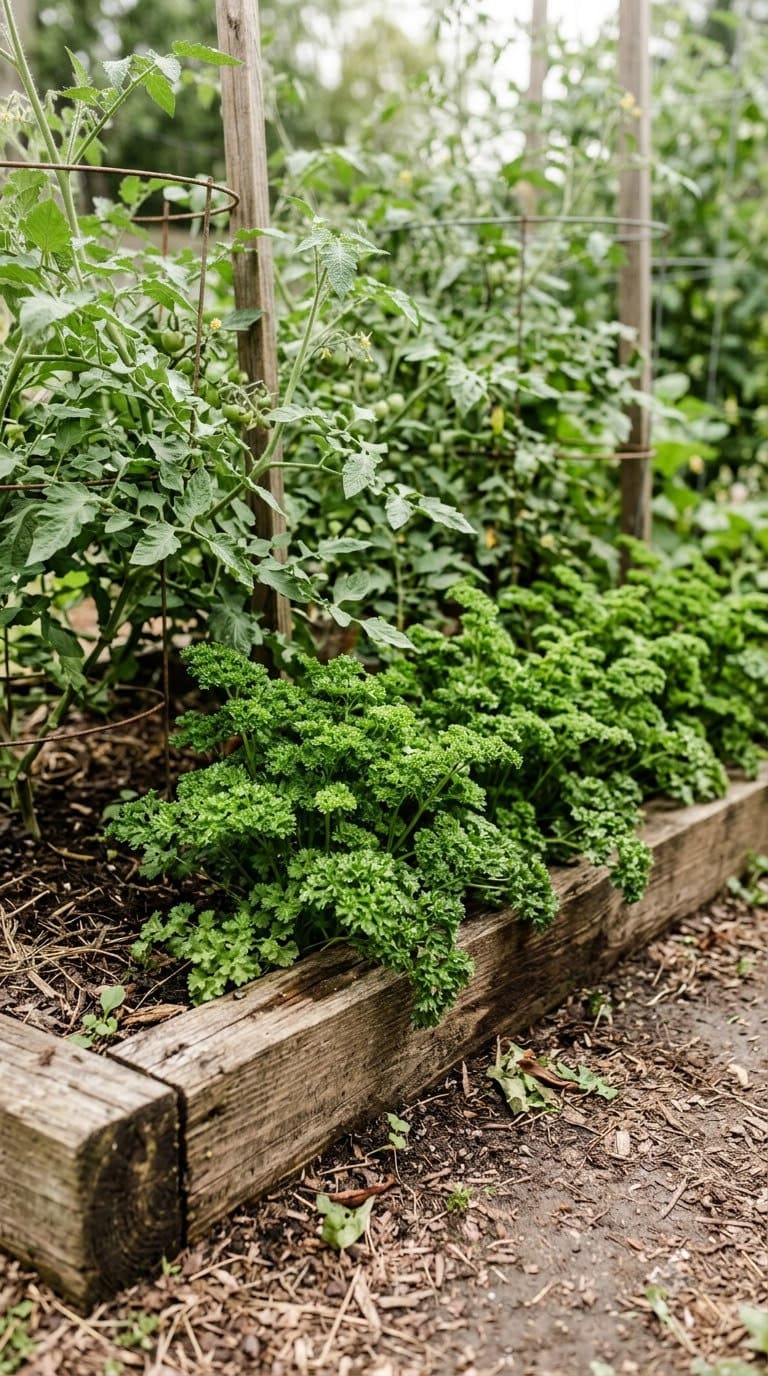
Parsley is a leafy, bright green edge. It is a biennial that you grow like an annual, so replant each season. It tolerates partial shade, which suits a bed corner that gets less sun.
Pick the outer stems first so new growth keeps coming. Sow a fresh row every year.
5. Oregano
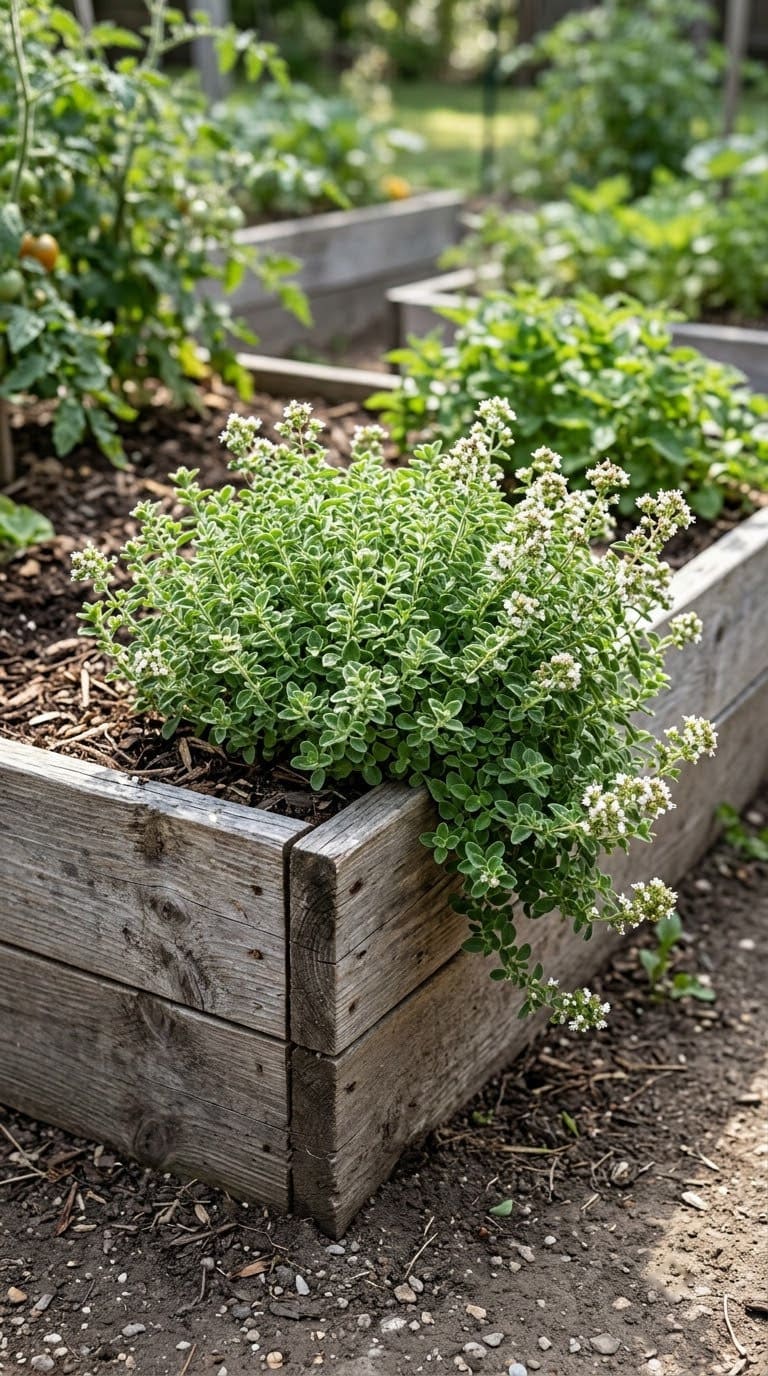
Oregano grows from 6 inches to 2 feet tall, depending on the type. It needs full sun and good drainage. It is only marginally hardy in zone 5.
Choose a compact Greek type for edging and cut it back each spring. Plant it at the dry, sunny end of the bed. Mulch lightly over winter in cold zones.
6. Bush Basil
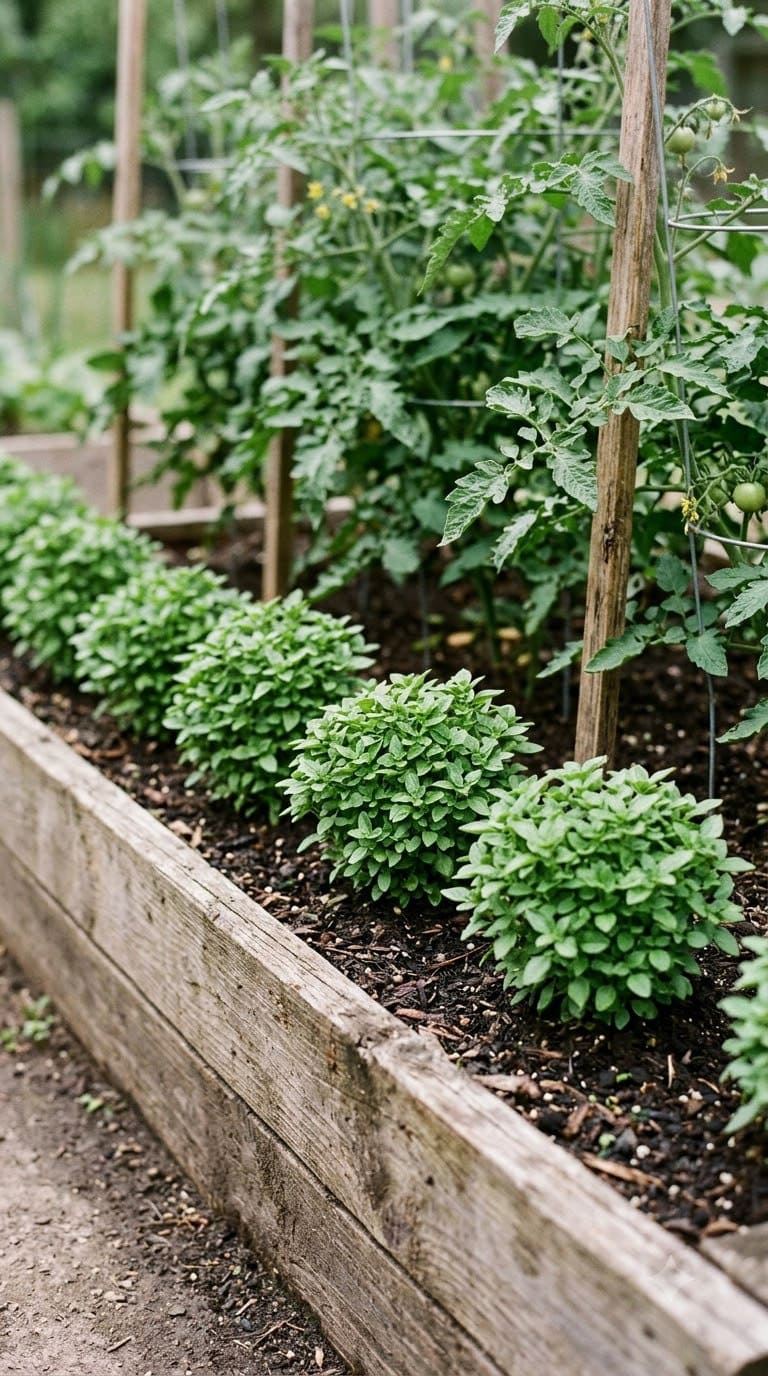
Compact basil varieties make a pretty, edible edge for tomatoes. They need warm soil and full sun. Plant after the last frost has passed.
Pinch the tips often so the plants stay bushy and don’t flower. Leave a gap between plants for airflow. Replace them in fall.
7. Mint in a Pot
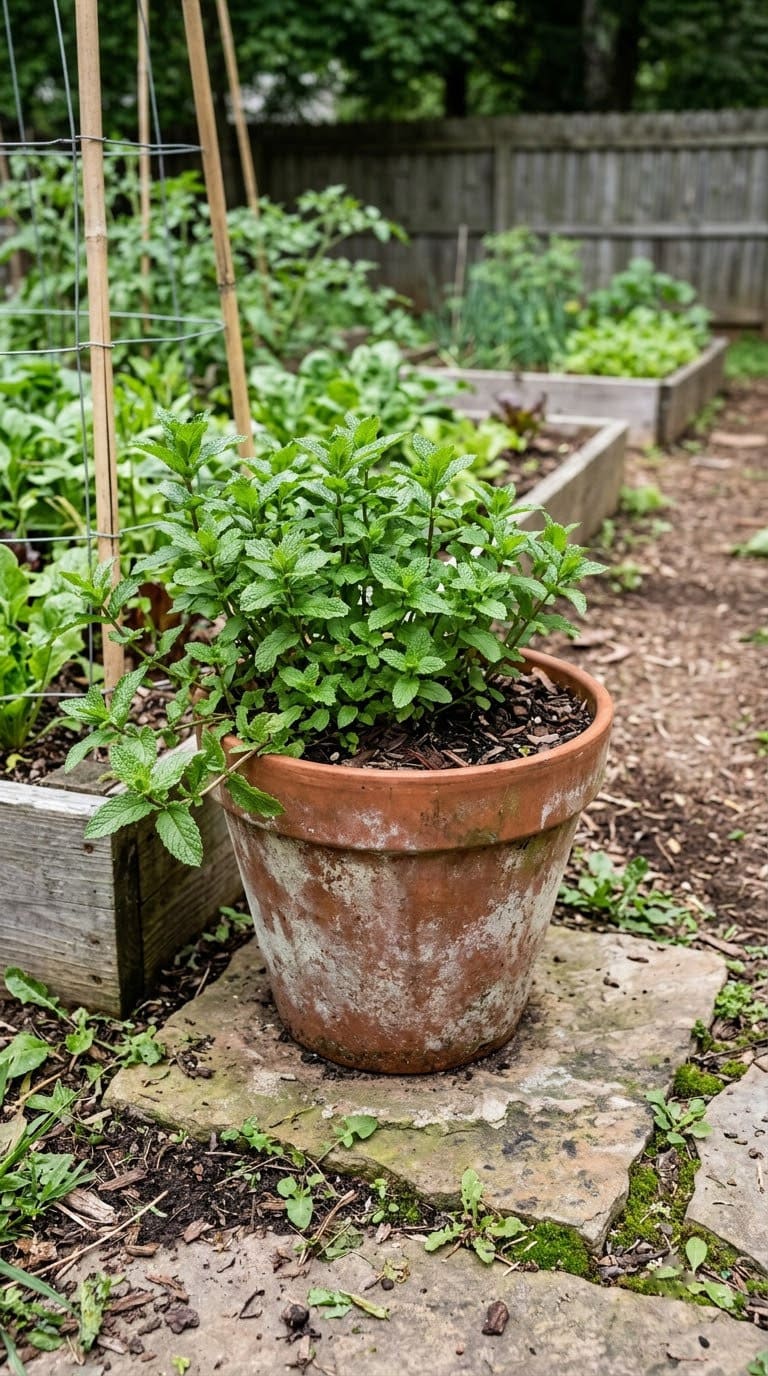
Mint is lovely but pushy. Illinois Extension says mints grow 1 to 3 feet tall and spread aggressively by underground rhizomes. It strongly suggests growing them in containers above ground.
Set a large pot at the end of the bed or at a path corner. Keep the pot on a hard surface so roots can’t escape through the drain holes. Cut it back before it flowers.
8. Lavender
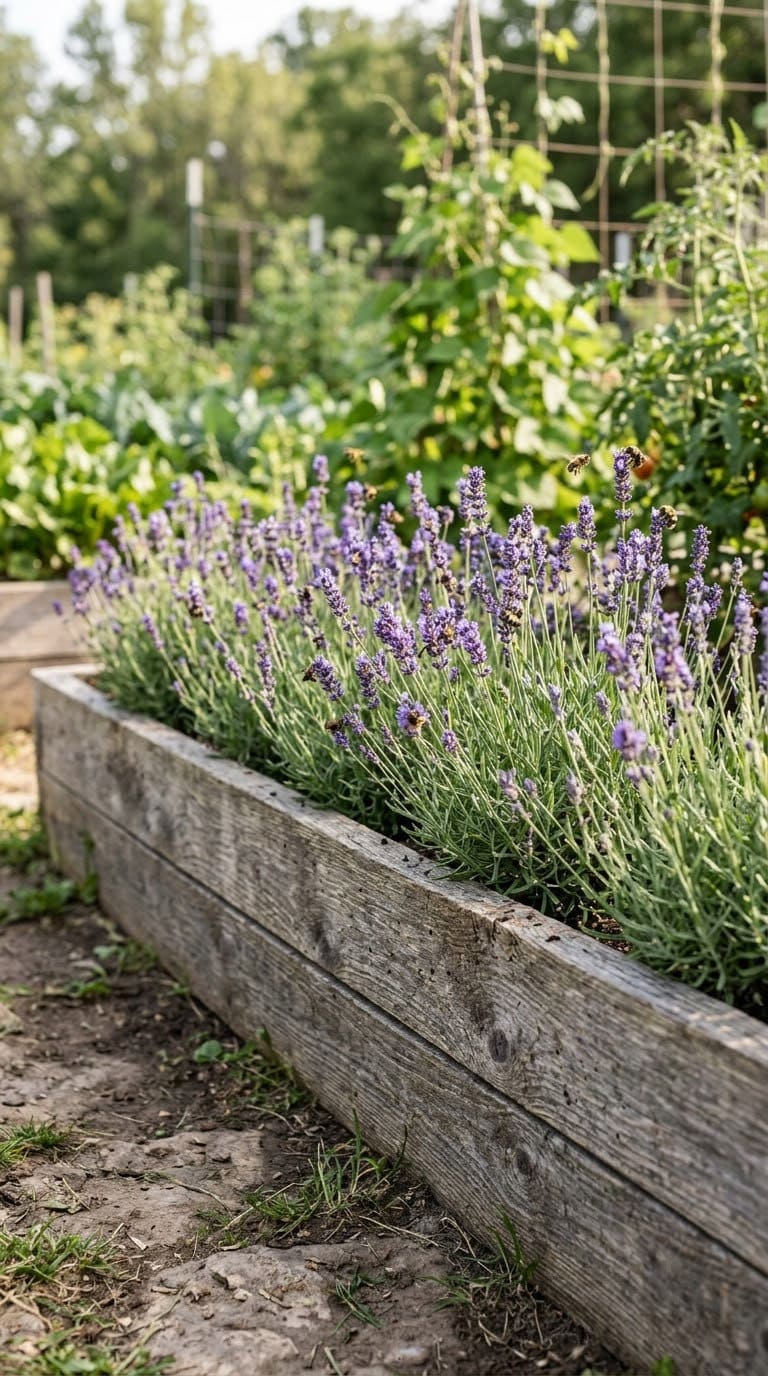
Lavender gives a silvery, scented edge for dry, sunny spots. It needs full sun and soil that drains fast. Skip it in heavy clay or damp corners.
Plant it on the hot side of the garden, away from thirsty crops. Trim lightly after bloom. Our lavender growing tips cover varieties.
9. French Marigold
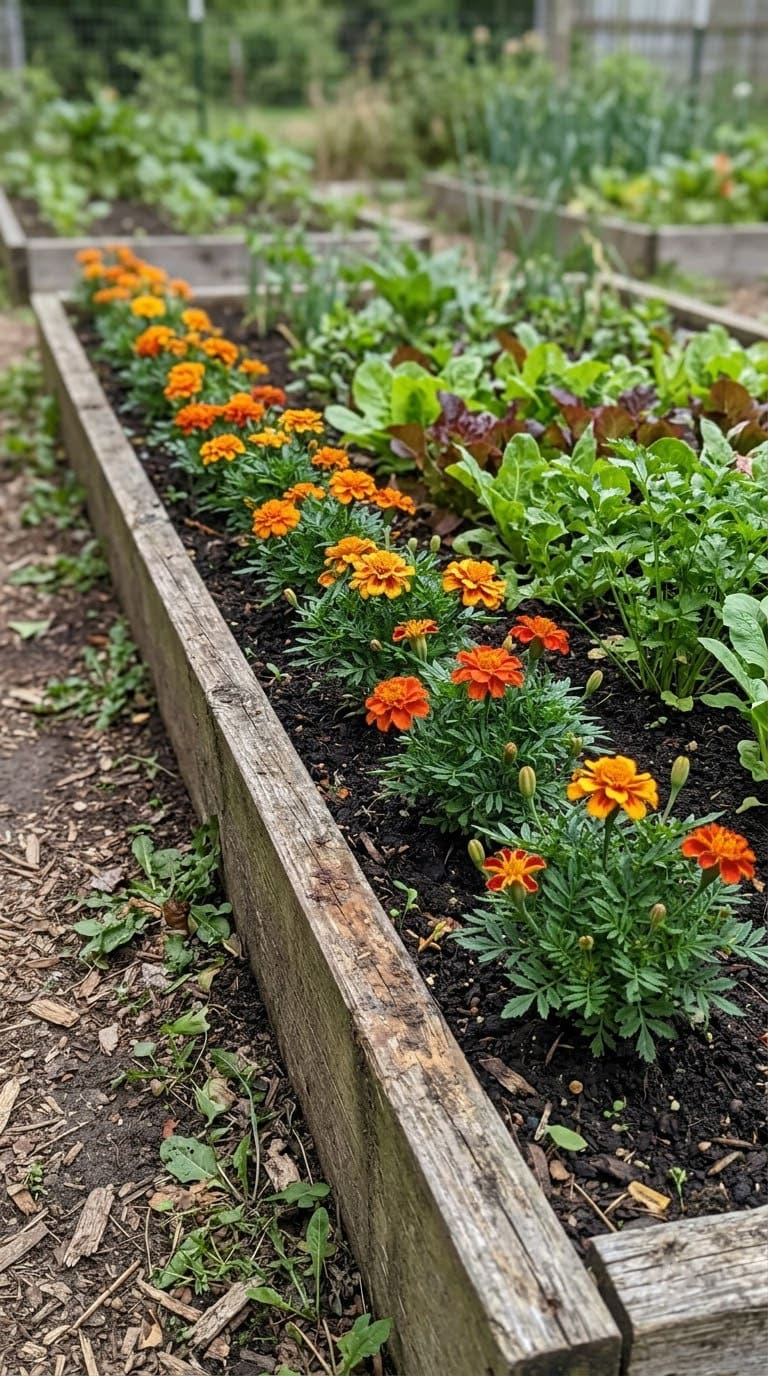
French marigolds grow 6 to 18 inches tall and need full sun, which Clemson defines as 6 or more hours daily. Plant them 8 to 10 inches apart after the last spring frost. Remove faded flowers to keep them blooming.
They give a bright, steady border from early summer to frost. Treat any pest control as a bonus, as the nematode research is mixed. See more in our marigold growing guide.
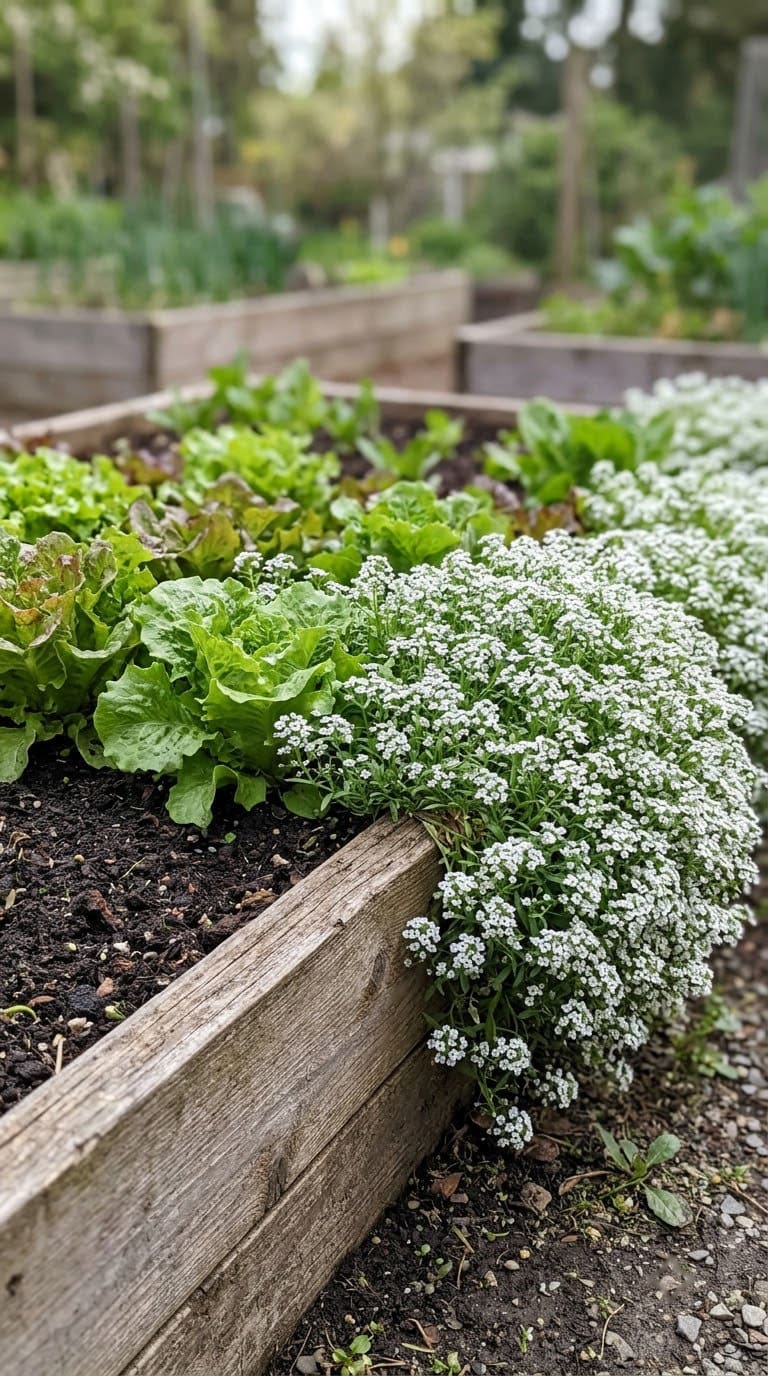
10. Sweet Alyssum
Sweet alyssum is a low, honey-scented carpet. Seed-grown plants reach 3 to 6 inches high and spread 12 inches or more, according to Clemson. They attract parasitoid wasps and syrphid flies that help with pests.
Sow seed several weeks before the last frost in a sunny spot with some afternoon shade. Seed-grown plants may stop flowering as summer heat rises. Sterile hybrids last longer in heat.
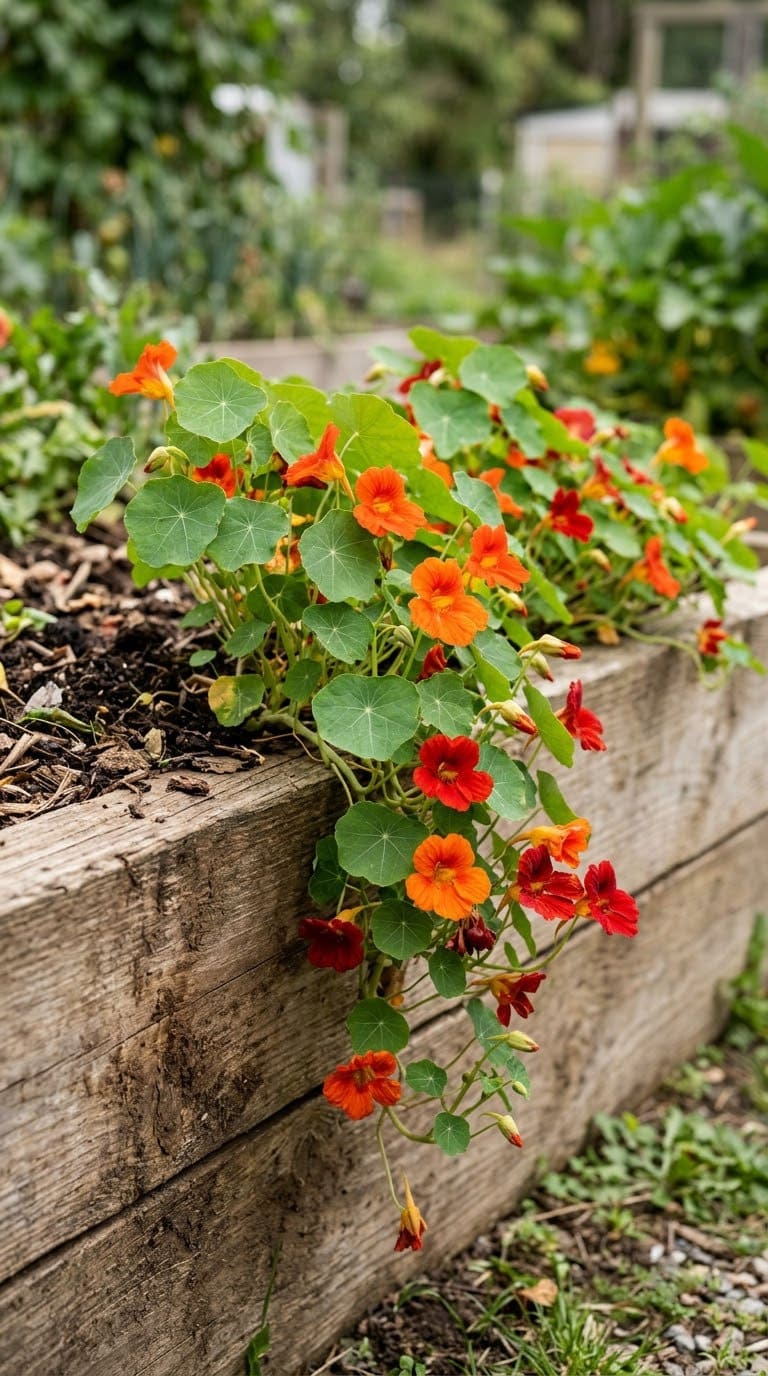
11. Nasturtium
Nasturtiums trail over bed edges with round leaves and bright flowers. They are annuals, so sow them each spring in sun. The flowers and leaves are edible, with a peppery bite.
Eat only flowers grown without pesticides and correctly identified. Keep them on the outer edge so the vines don’t smother nearby crops. Water lightly, since rich soil gives more leaves than flowers.
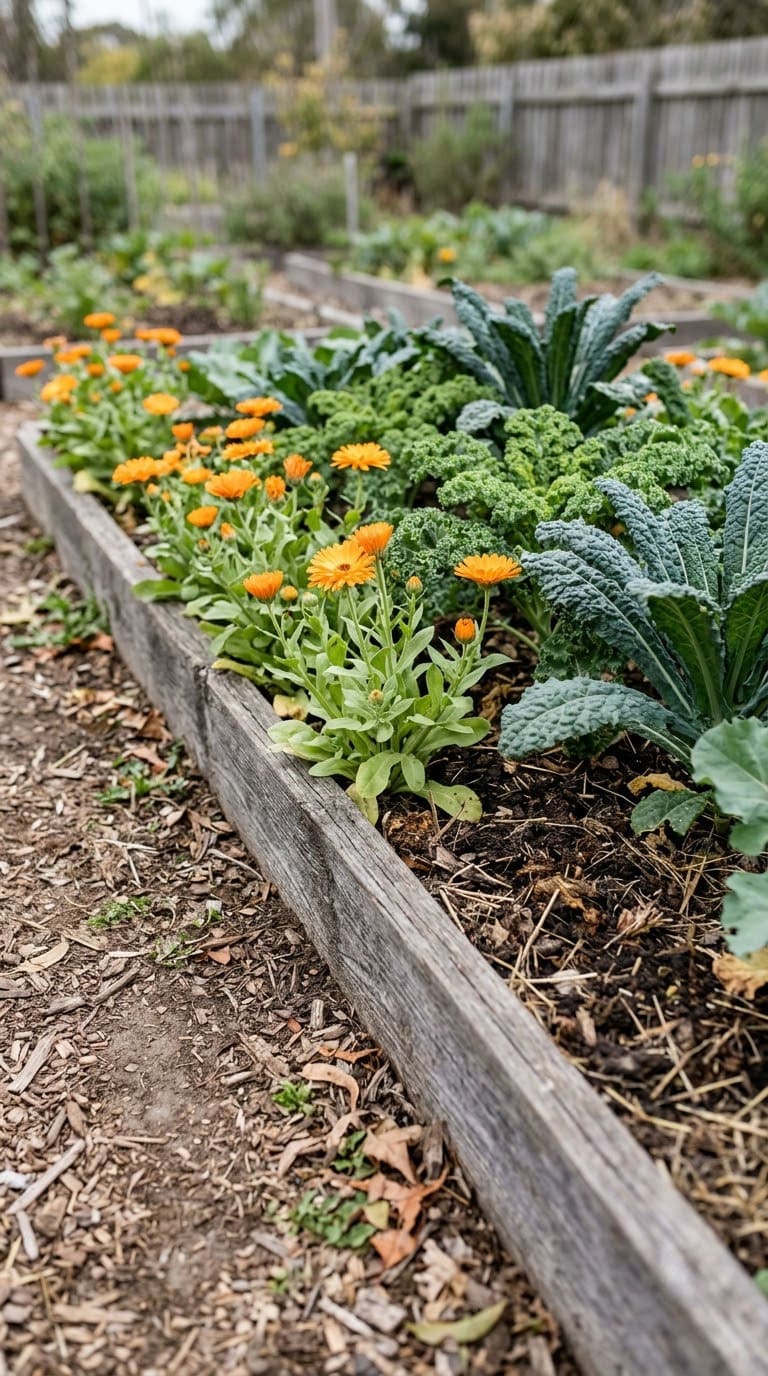
12. Calendula
Calendula has cheerful orange and yellow flowers on a compact plant. Sow it in cool weather in spring or fall. The petals are edible and add color to salads.
Pick flowers often so it keeps blooming. Plant it where you can reach it easily. Eat only pesticide-free petals.
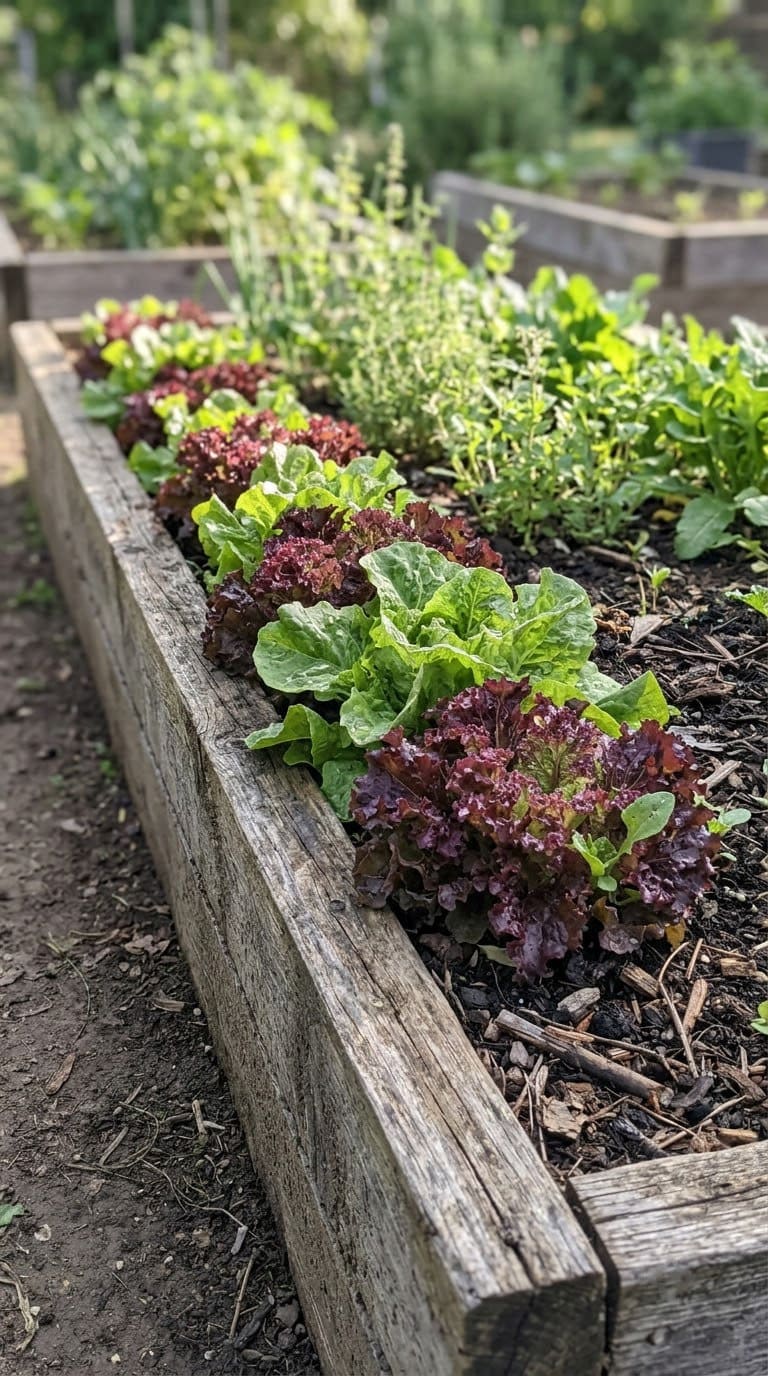
13. Leaf Lettuce and Baby Greens
Leaf lettuce is a fast edible edge that you can harvest within weeks. Sow a row of loose-leaf lettuce along the front of a bed. Cut outer leaves and let the plants keep growing.
Replant every few weeks for a steady supply. Lettuce bolts in heat, so give it afternoon shade in summer. Mix colors for a pretty border.
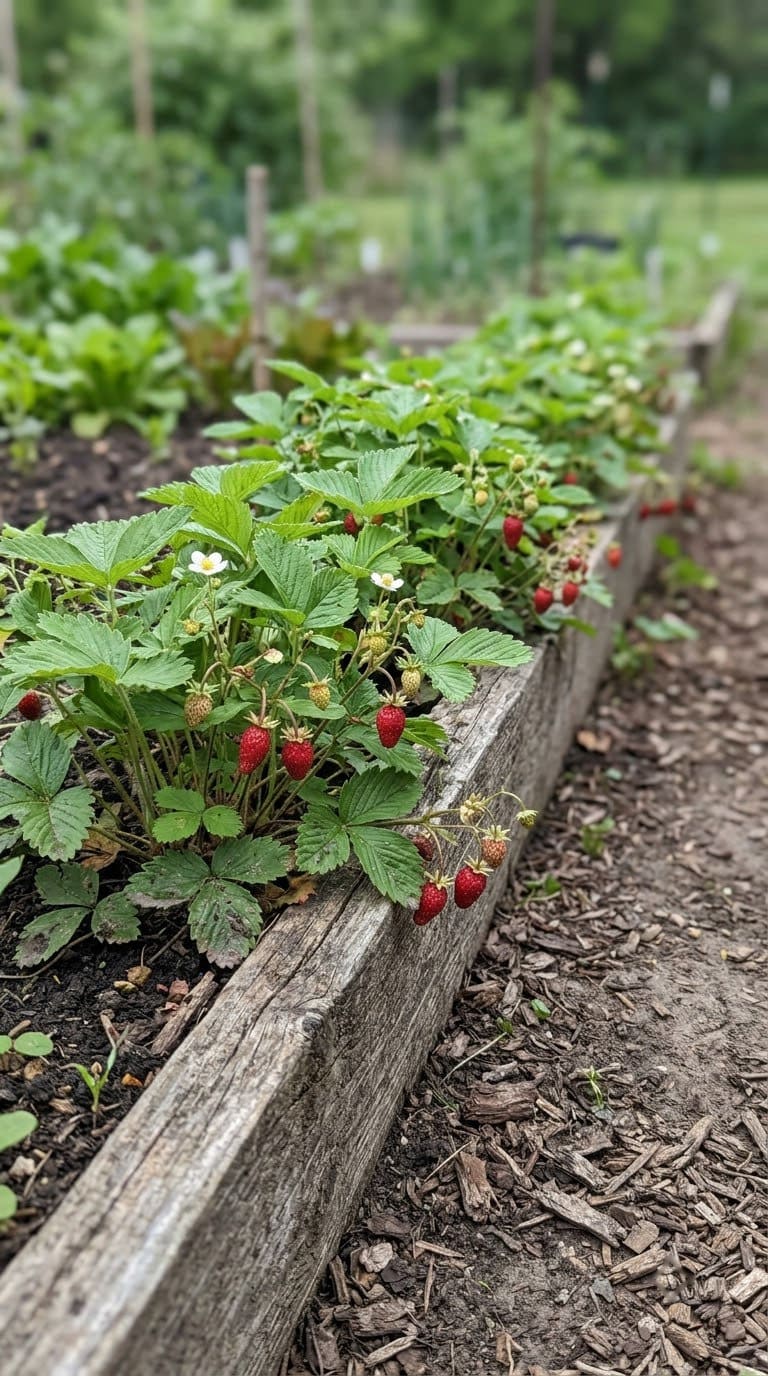
14. Alpine Strawberries
Alpine strawberries form compact, neat clumps and produce small sweet berries. They tolerate part shade better than most fruit. They don’t send out many runners, so they stay tidy.
Plant them along a path edge where you’ll spot the berries. Water during dry spells. Mulch to keep the fruit clean.
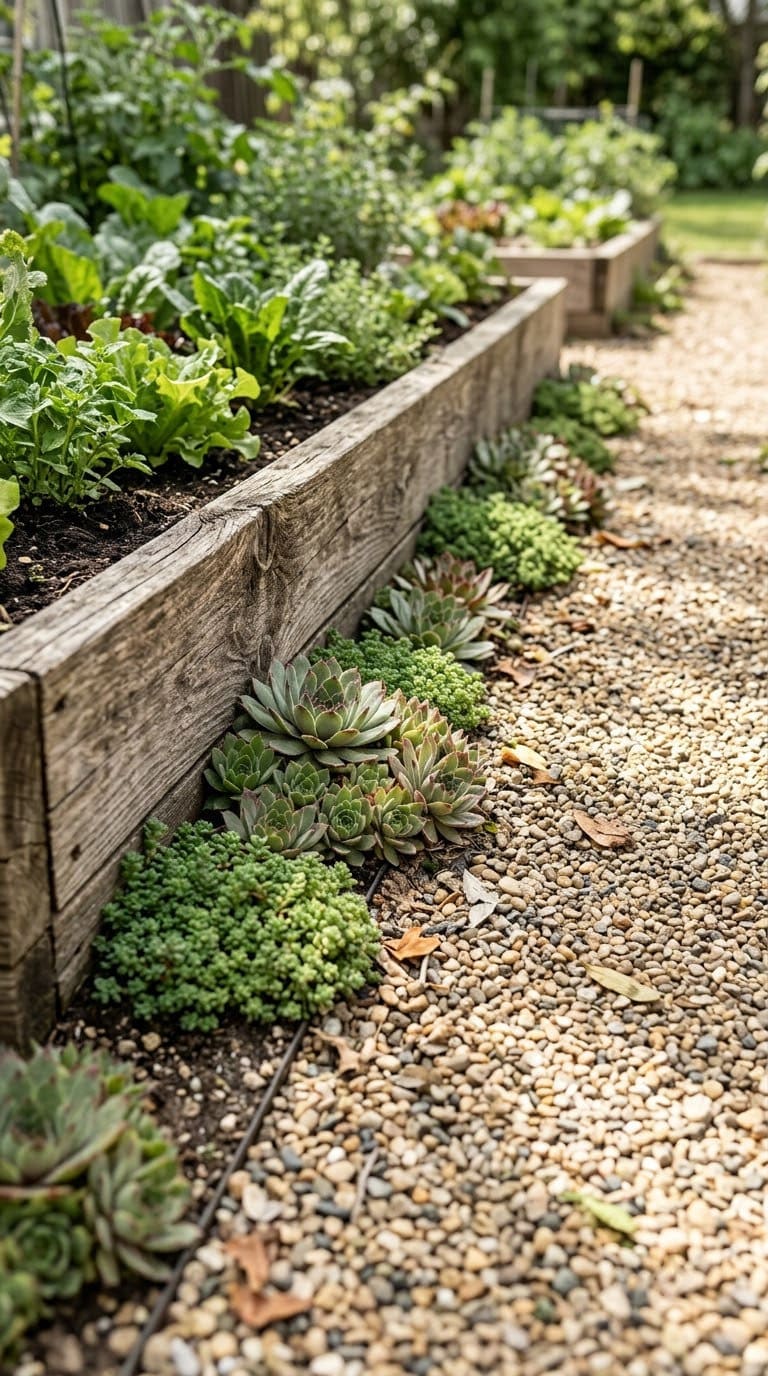
15. Sedum and Hens-and-Chicks
Sedums and hens-and-chicks suit hot, dry edges where little else survives. They need sun and sharp drainage. They are short enough to step over.
Plant them along a gravel path or the dry end of the bed. They need almost no care once established. Skip them in wet clay.
Is It Safe to Eat Your Edging Flowers?
Only eat flowers you can name and that have never touched pesticides. Chive flowers are a safe bet, since Illinois Extension lists them as an edible garnish. Nasturtium and calendula petals are common salad flowers too.
Be careful with marigolds. Clemson notes that signet marigold blooms are edible, with a spicy tarragon flavor.
It doesn’t say the same for French or African types, so don’t assume they are food. When in doubt, enjoy them with your eyes.
What About a Hard Edge Behind the Plants?
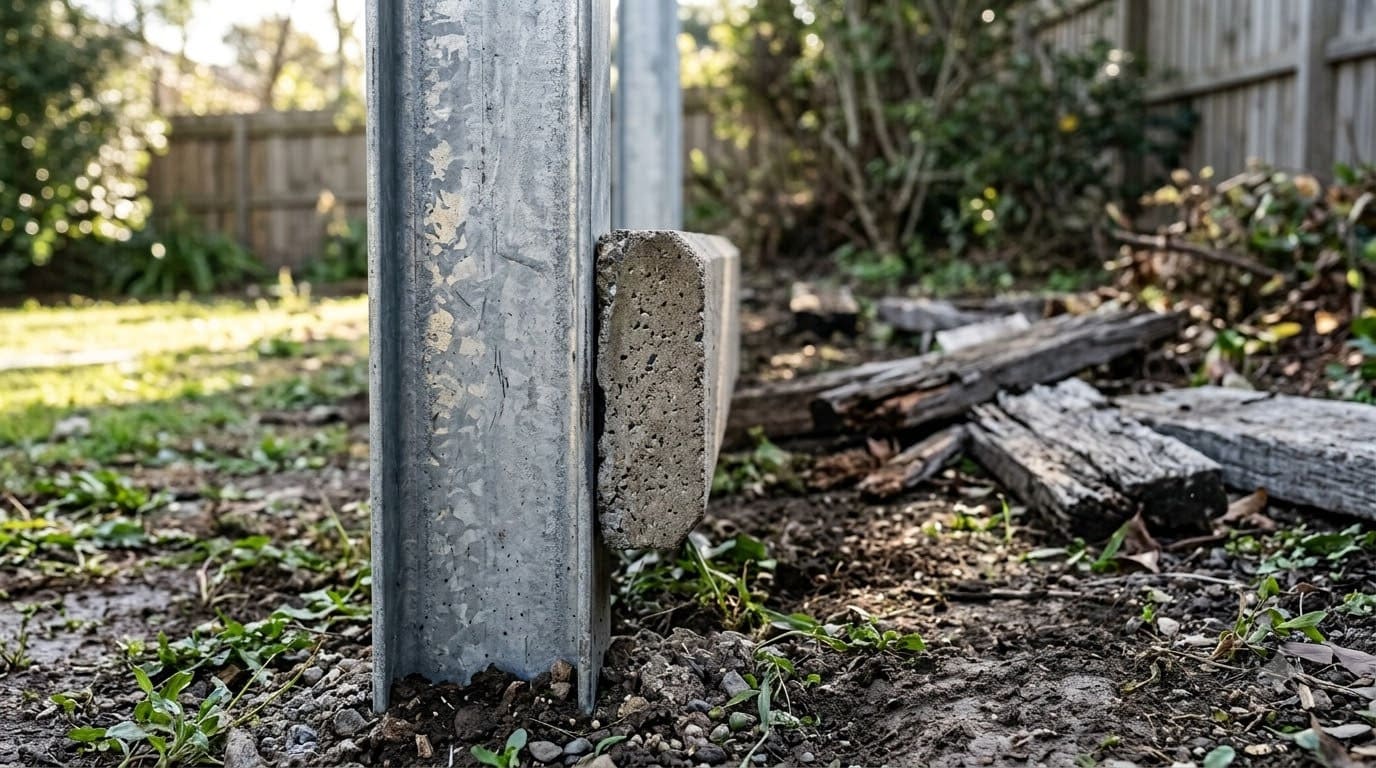
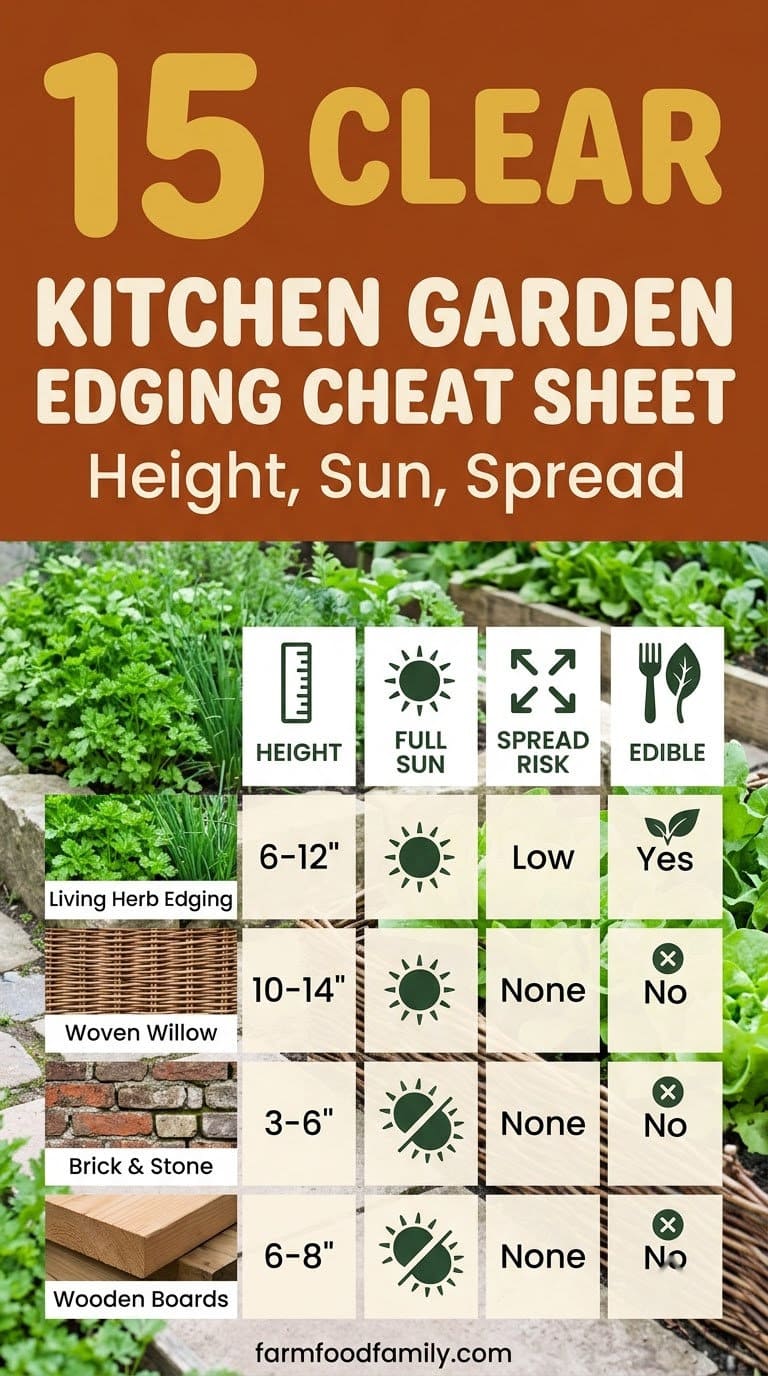
Plants soften an edge, but a hard border keeps mulch and soil in place. Wood, brick and stone all work behind a row of herbs. Our garden edging ideas compare the options.
Avoid the usual layout slips too. Our landscape edging mistakes guide lists what to skip. If your beds are raised, see our raised vegetable garden bed guide for sizes and soil depth.
Common Mistakes to Avoid
The most common mistake is planting mint in the bed. Illinois Extension says mints aggressively spread by underground rhizomes and highly suggests growing them in containers above ground.
The second is trusting the marigold myth. The Journal of Nematology study found marigold can only suppress root-knot nematodes when it is actively growing, and the effect can be inconsistent.
The third is letting chives set seed. Illinois Extension says chives can self-sow and overtake a garden unless the flowers are removed before they fade.
Sweet alyssum has a limit too. Clemson says seed-grown plants may stop flowering as summer heat rises. If you only fix one thing, choose clump-formers like chives and thyme, which stay put.
Frequently Asked Questions
What is the best edging plant for a vegetable garden?
Chives and thyme are the easiest. They stay compact, come back each year and you can eat them. Add French marigolds or sweet alyssum for color.
How tall should vegetable garden edging be?
Keep it under about 12 to 18 inches so it doesn’t shade crops. Chives reach 10 to 12 inches, and French marigolds run 6 to 18 inches.
Do marigolds keep pests out of the vegetable garden?
Not reliably. A Journal of Nematology study found marigold can only suppress root-knot nematodes while it is actively growing, and the effect can be inconsistent. Grow them for flowers first.
How do I stop mint from taking over?
Grow it in a container above ground. Illinois Extension recommends this and says sinking a bottomless pot does not always work.
Can you eat the flowers on edging plants?
Some, like chive flowers, nasturtiums and calendula petals. Eat only flowers grown without pesticides and correctly identified.
Never miss an update — choose FarmFoodFamily as your preferred source on Google.
How it works: Tap the button below to open Google's settings page, then check the box next to FarmFoodFamily.
Tap the checkbox to turn it blue — that's how you know it's set.