5 Brilliant Designer Fixes for a Damp, Gloomy Small Garden
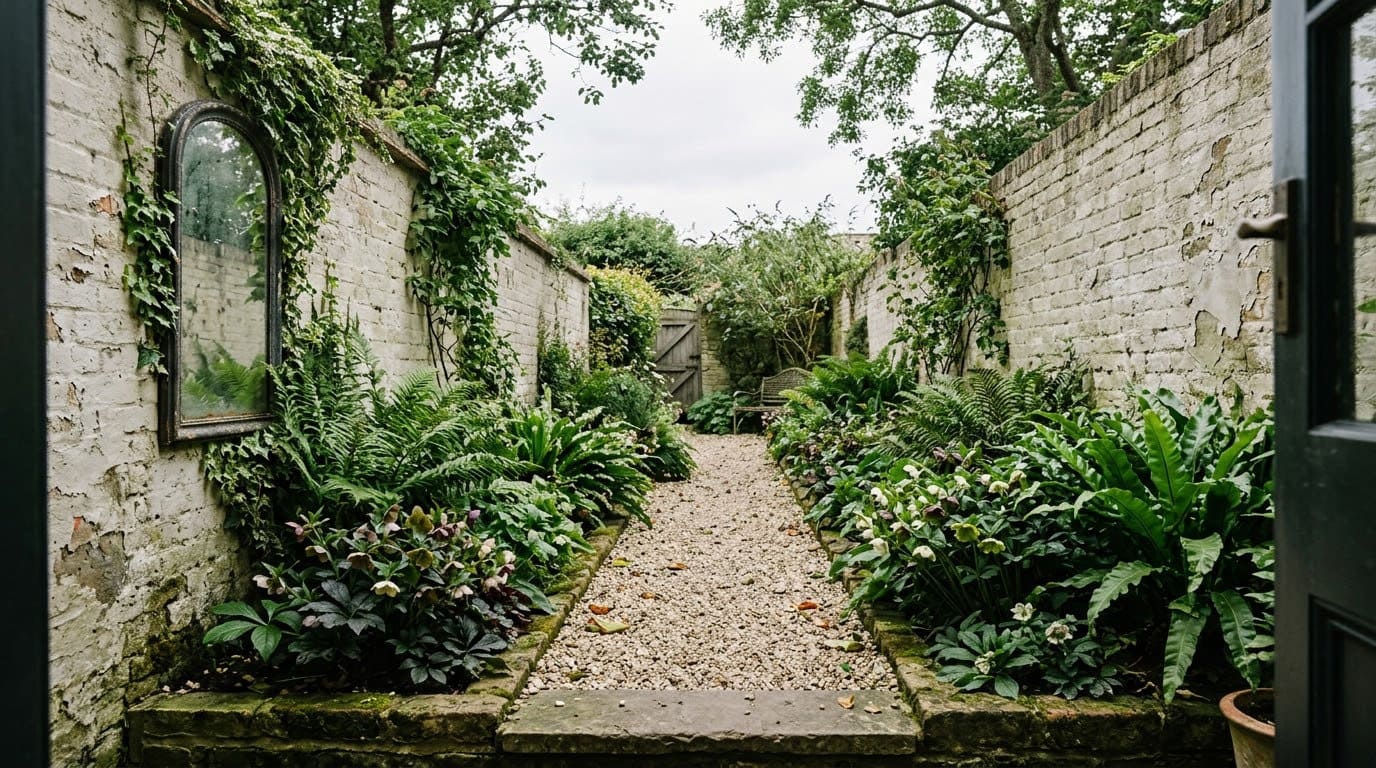
A shady, narrow garden feels damp and dark because walls block both light and air, and five cheap designer fixes tackle both, as long as you start with the surfaces and not the plants.
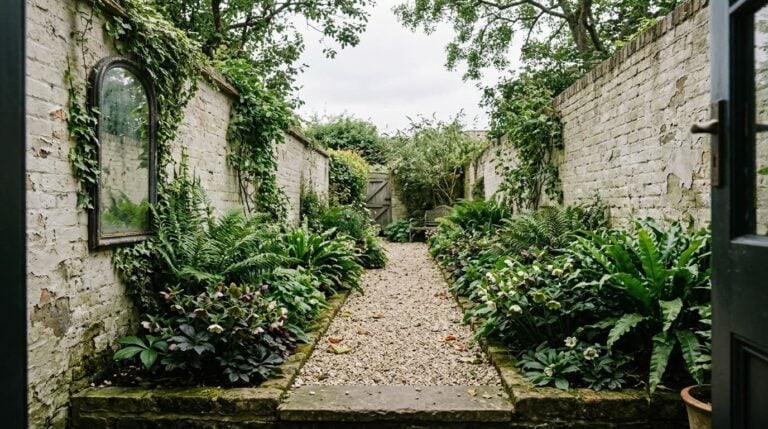
A shady, narrow garden feels damp and dark because walls block both light and air, and five cheap designer fixes tackle both, as long as you start with the surfaces and not the plants.
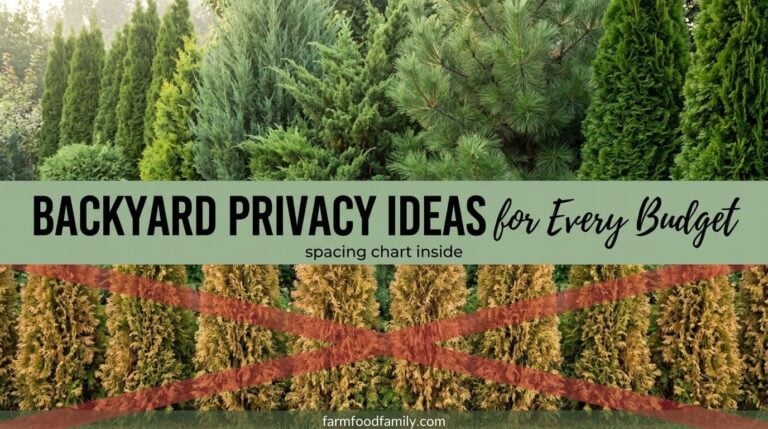
You can screen a backyard for $40 or for $8,000. Both can look great. What matters is matching the fix to your fence-height limit, your property line, and whether the neighbor looks across your yard or straight down into it.
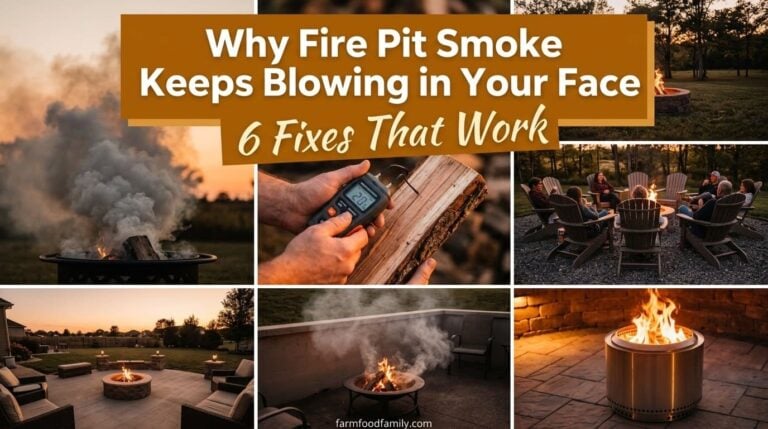
It’s not bad luck and it’s not the wind changing on you. A forest fire scientist explains the physics, and here’s exactly how to stop it.
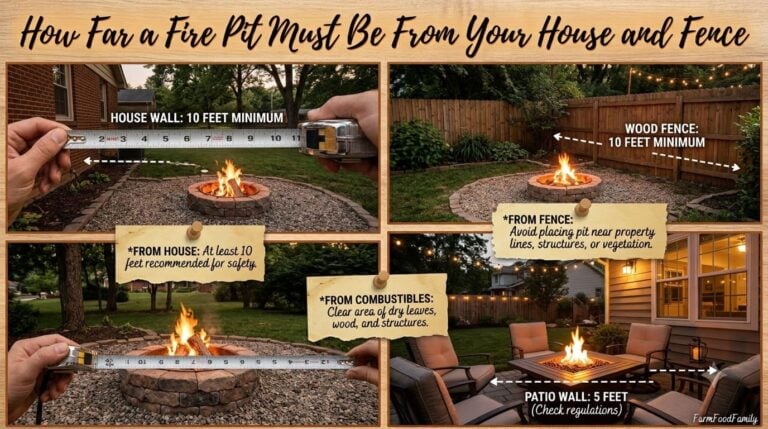
A fire pit built too close to your house or fence isn’t just a fine waiting to happen. It’s a real ember risk, and the safe distance depends on more than one number you saw on Pinterest.
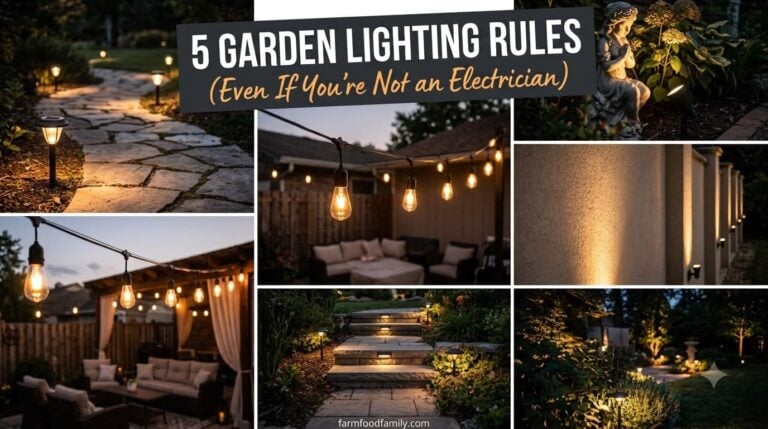
Feng shui treats garden lighting as fire energy you add to a space on purpose, and the real color-temperature and electrical-code facts behind it matter just as much as which corner you point the light at.
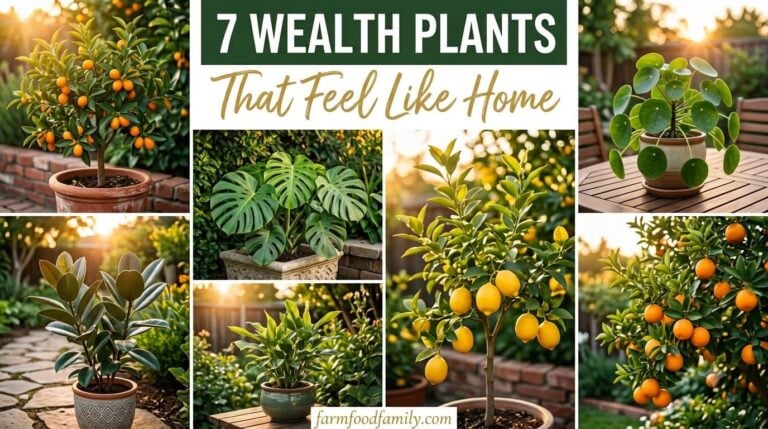
Each of these seven plants has a specific bagua placement and a genuine outdoor-hardiness or safety fact worth knowing, since a wealth plant that dies in the first frost isn’t bringing anyone good luck.
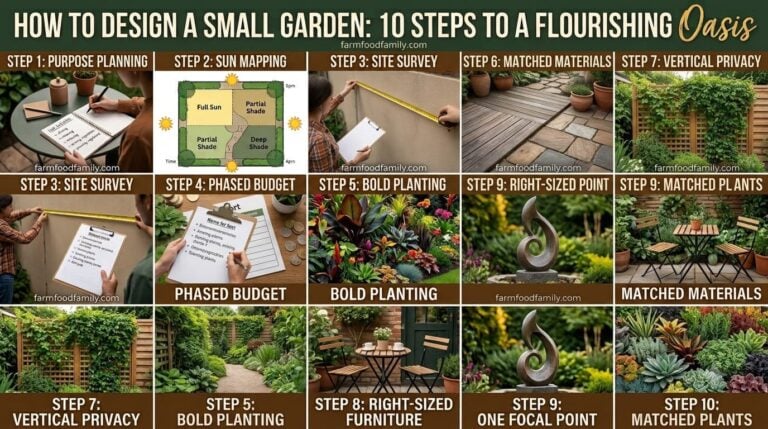
A small garden doesn’t need more square footage to feel finished, it needs these 10 steps done in order, the same sequence professional designers actually follow.
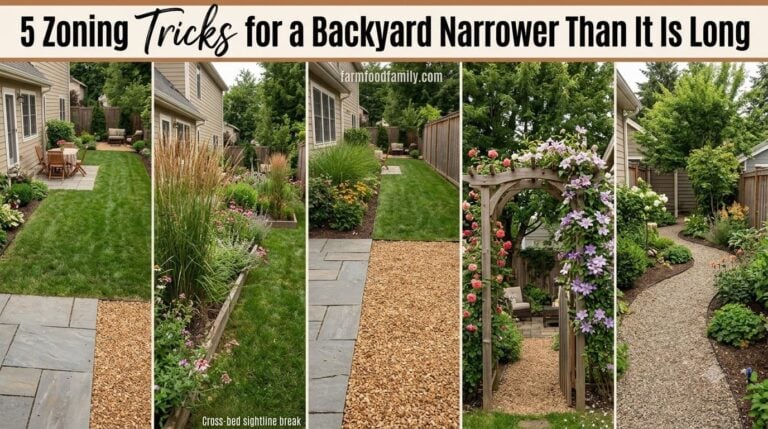
A backyard that’s narrower than it is long doesn’t need more width, it needs to stop reading as one long stretch, and zoning is the fastest way to do that.
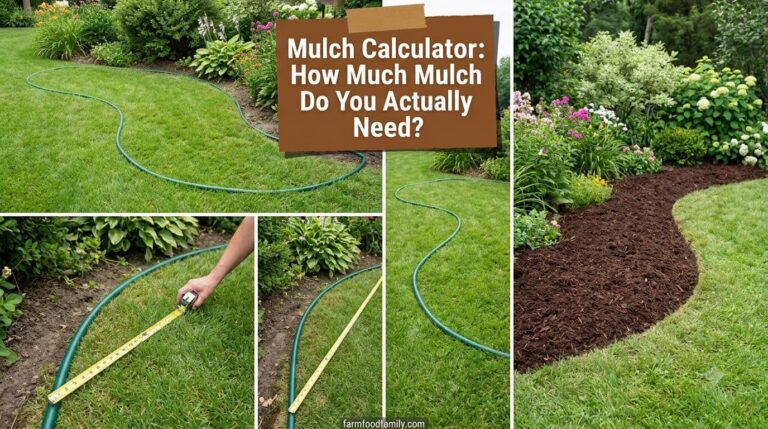
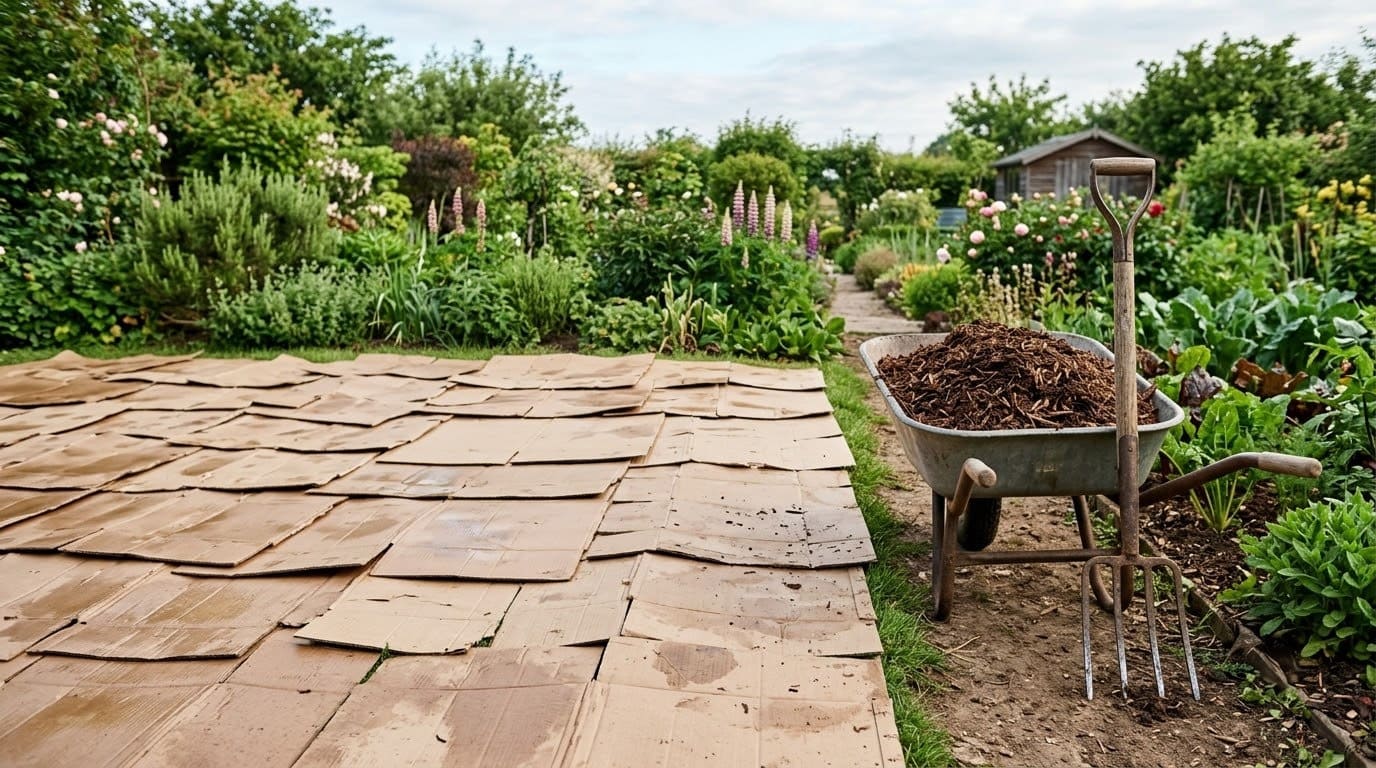
Most garden beds need 2 to 4 inches of mulch. The math is simple. Take your area in square feet. Multiply it by the depth in inches, then divide by 12 to get cubic feet. Divide that by 27 to get cubic yards, since that is how bulk mulch is sold. For a typical 100 sq…
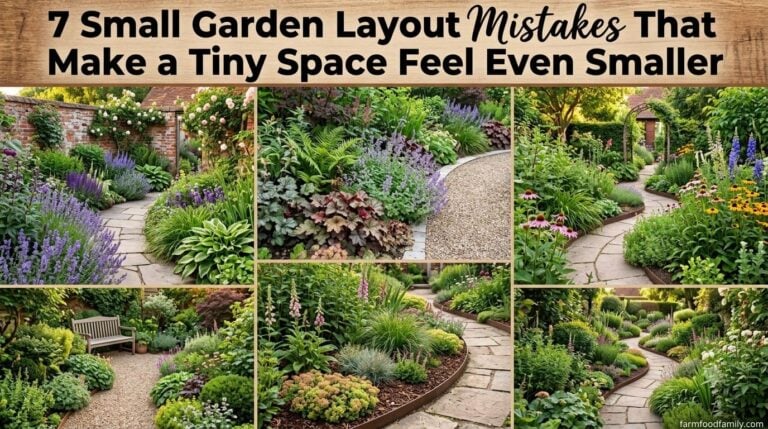
Most small gardens aren’t actually small, they’re just laid out in a way that makes every square foot fight against you, and these 7 fixes stop that.
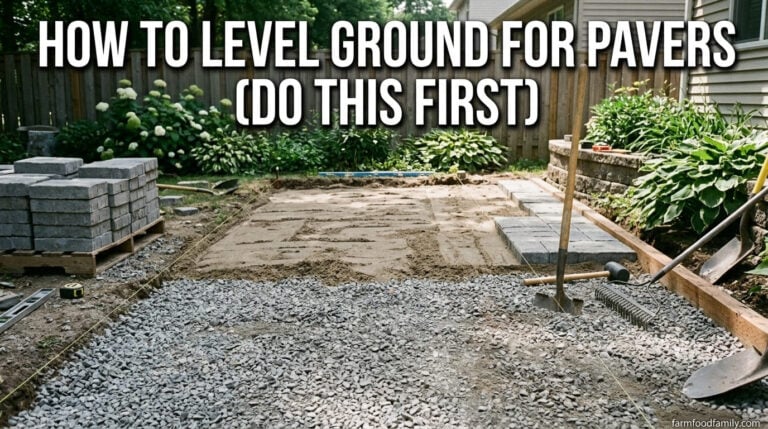
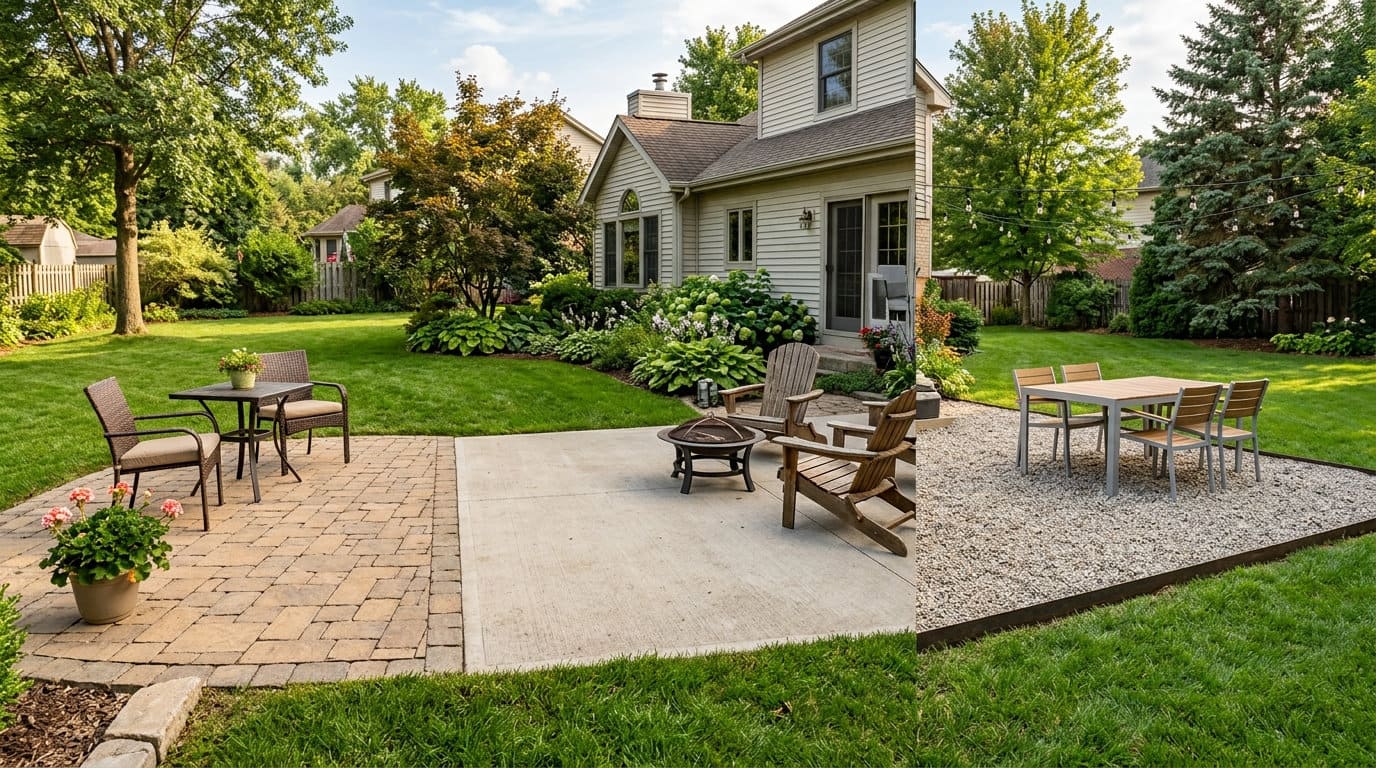
Skip the base compaction step, and your $2,000 patio starts sinking within two seasons. Here’s the exact depth, slope, and layering order that keeps pavers flat for good.
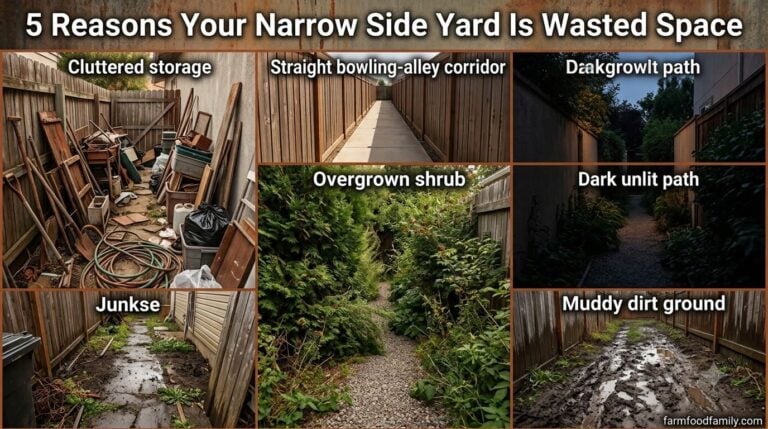
Your side yard isn’t ugly, it’s just never had a job, and one layout change is usually all it takes to give it one.
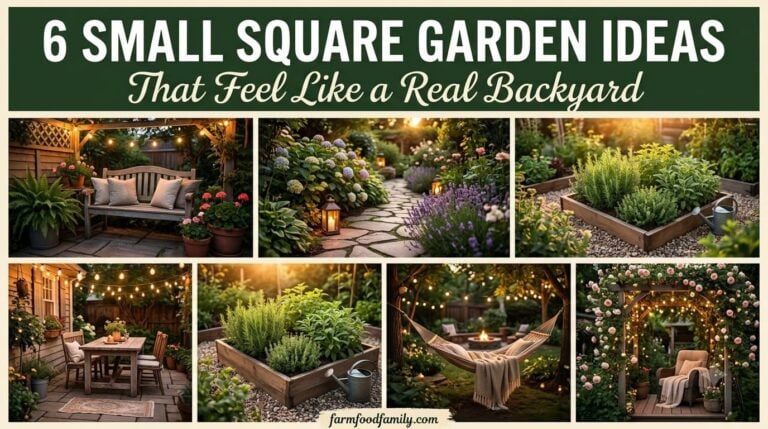
A square backyard isn’t actually small, it just repeats its own fence line until you break the geometry on purpose, and these nine fixes show exactly how.
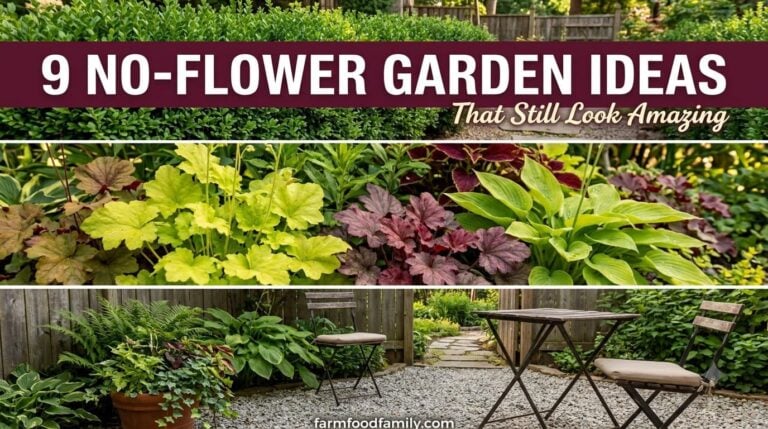
A garden built from leaf color and texture instead of flowers looks good in January too, but it will not solve your allergies on its own.
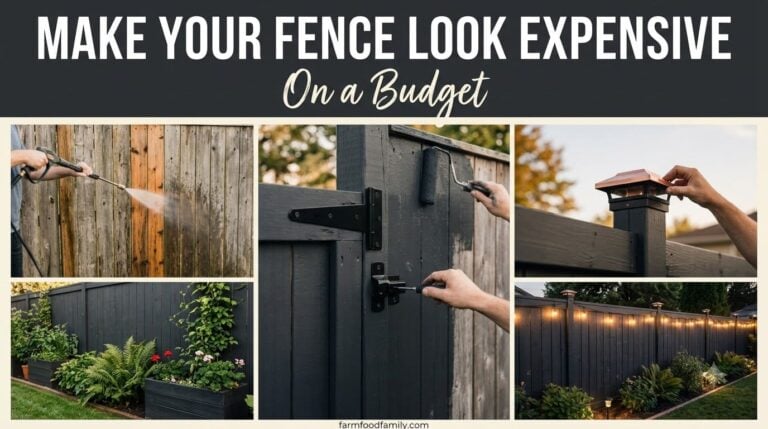
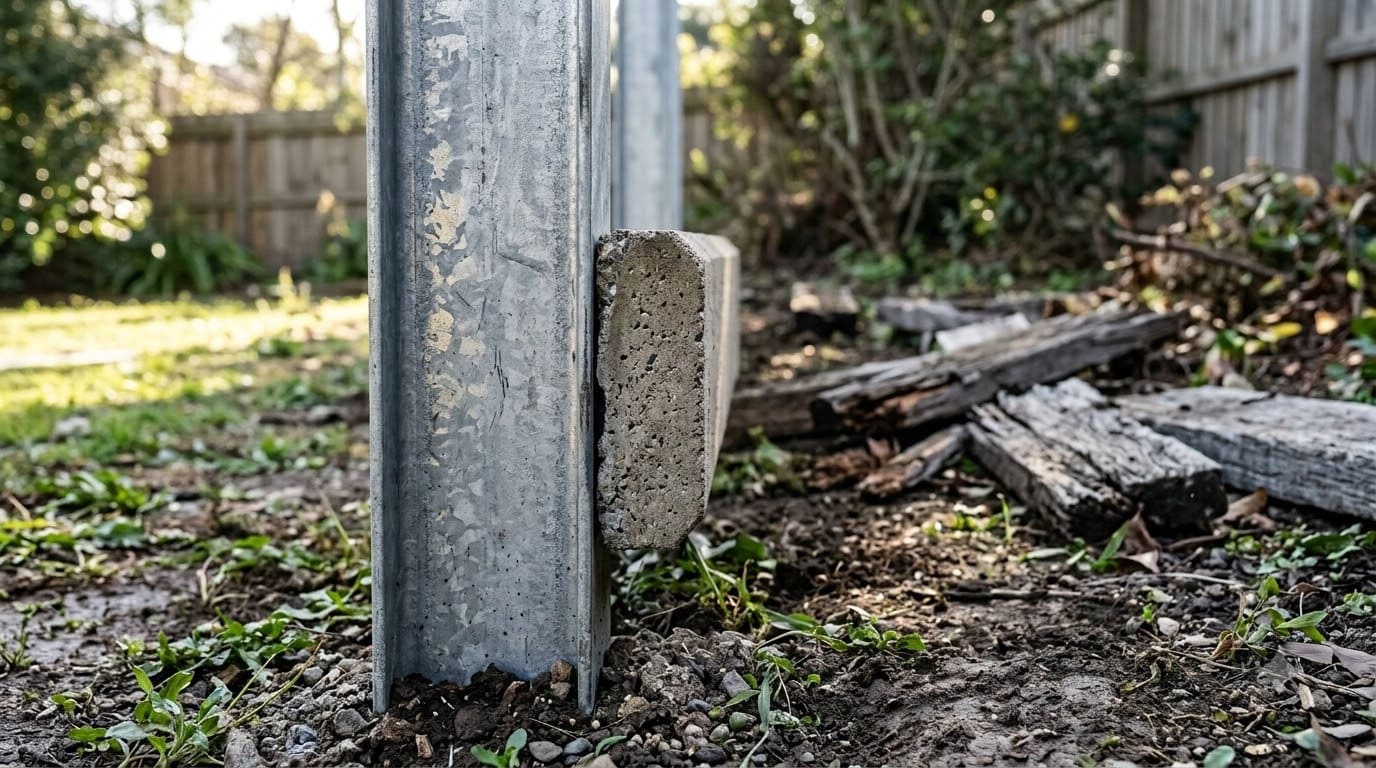
A few weekends of paint, hardware, and planting can make a builder-grade fence read as custom, and the honest catch is that the paint job is doing more of that work than any new panel would.
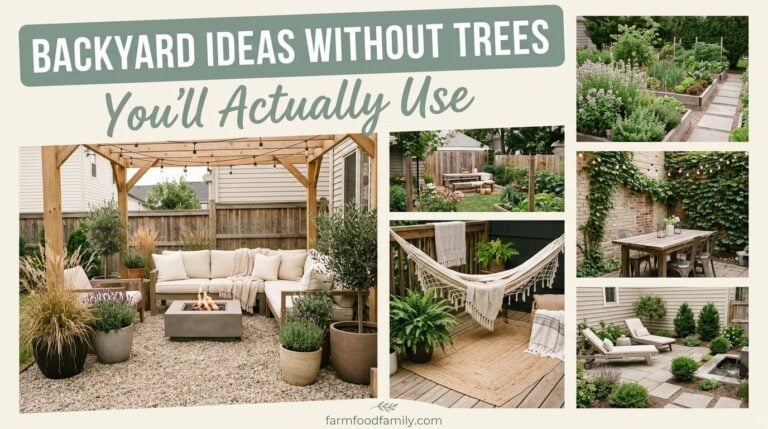
No canopy overhead doesn’t mean no shade, no privacy, and no personality, it just means building those things on purpose instead of waiting on a tree for twenty years.
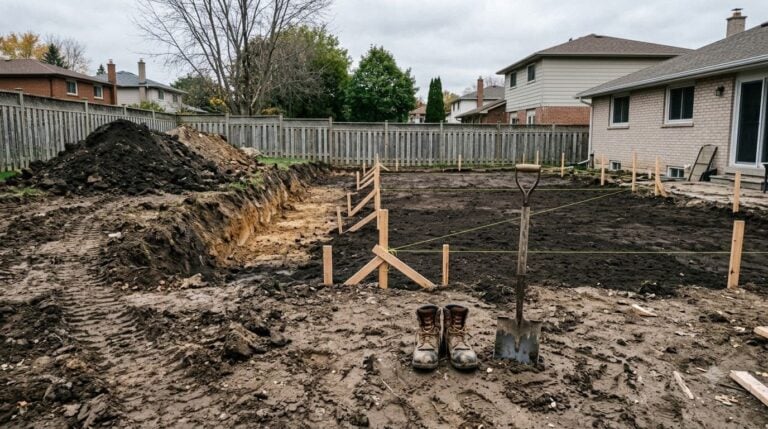
Flattening a slope is a real fix for a real problem, but it only holds up if you get the cut-to-fill ratio, the drainage pitch, and the compaction right, and know when terracing would honestly serve you better.
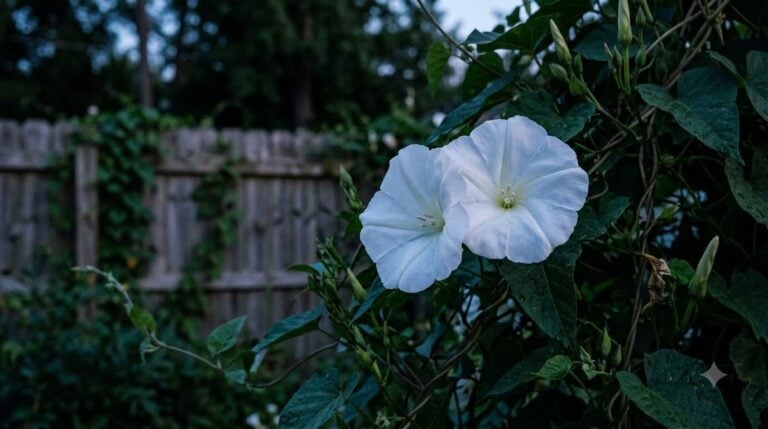
A glow garden turns your yard into something worth stepping outside for after sunset, as long as you plant the right pale-colored varieties and skip the paint tricks that fade in an hour.
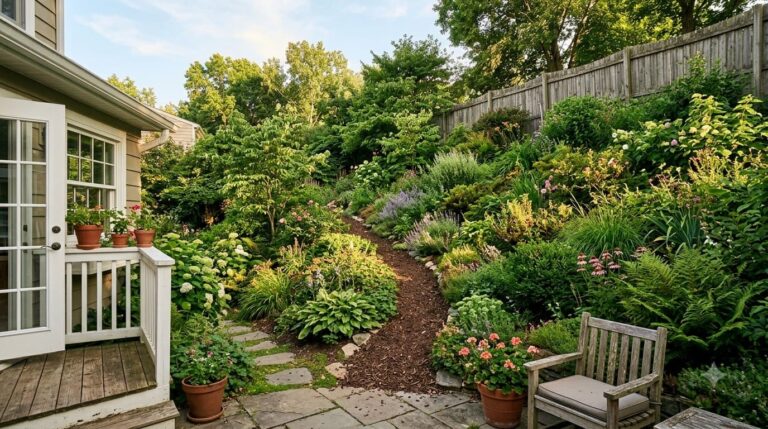
When a yard climbs away from the house instead of falling from it, the water, the view, and even your privacy all run in the opposite direction, and most sloped-yard advice never mentions that.
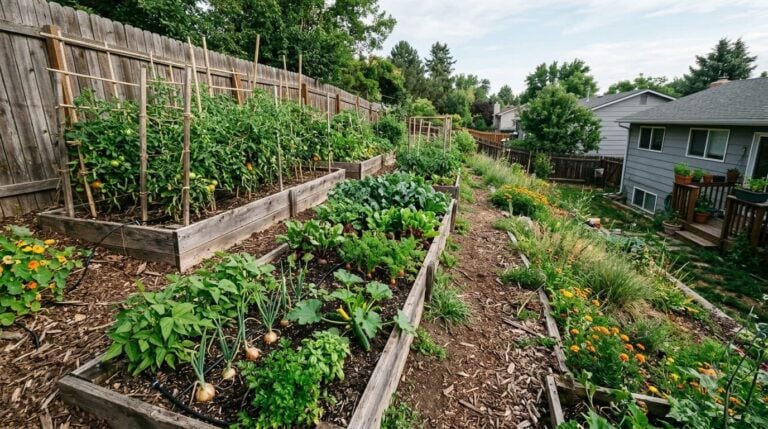
A slope will grow vegetables just fine, but only if you stop the water and the fertilizer from leaving before your plants get to use them.
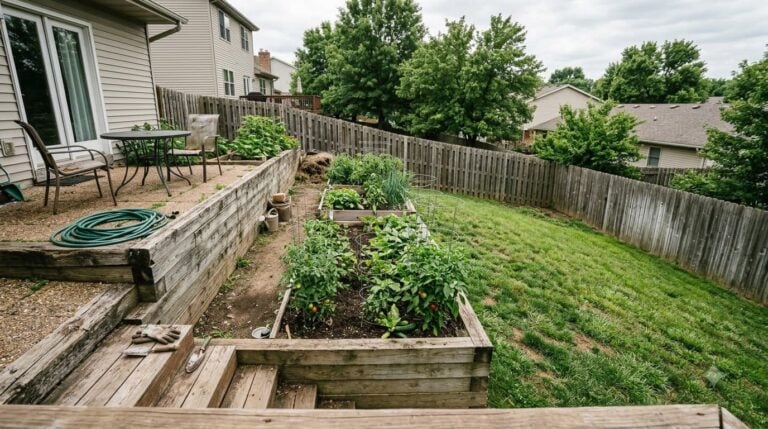
A slope forces you to design in layers instead of one flat lawn, and once you stop fighting the grade, it usually ends up being the most interesting backyard on the block.