7 Things to Know Before Choosing a Grass Catcher for a Home Lawn
Most lawns do not need a grass catcher, but a few situations do, and fit decides everything once you buy.
Welcome to our blog’s advice on growing plants. Here you’ll find tips to green your thumb, whether you’re new to gardening or want to take your skills up a notch.
We dish practical guidance from planting to harvest. Learn how to start seeds, deal with pests safely, and reap abundant veggies and blooms.
Our farming experts break information down into simple steps. Follow their instructions to grow thriving container or raised bed gardens that fit your space.
Stop by regularly as we add new posts to help your garden thrive! We want to see you succeed at urban farming right at home.
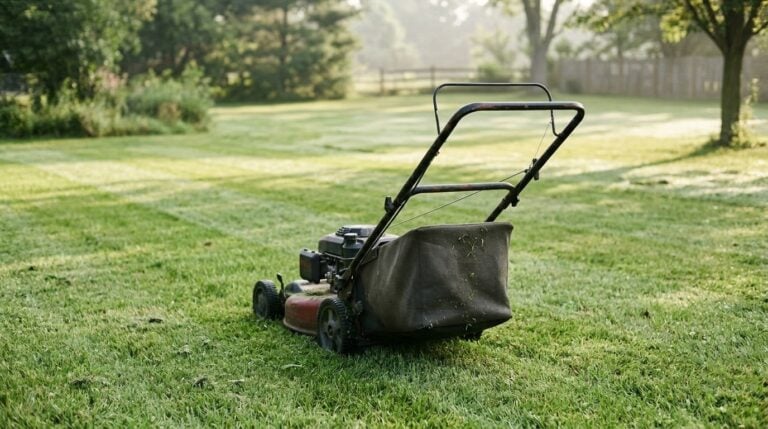
Most lawns do not need a grass catcher, but a few situations do, and fit decides everything once you buy.
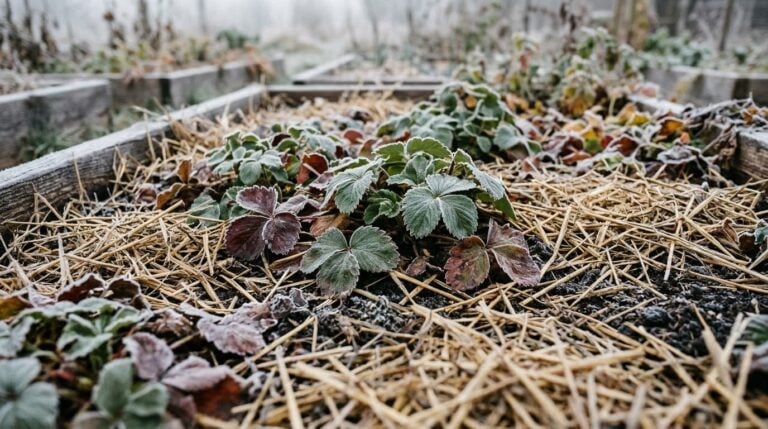
Winterizing strawberry plants takes one weekend and a few bales of straw, but only if you wait for dormancy before you mulch.
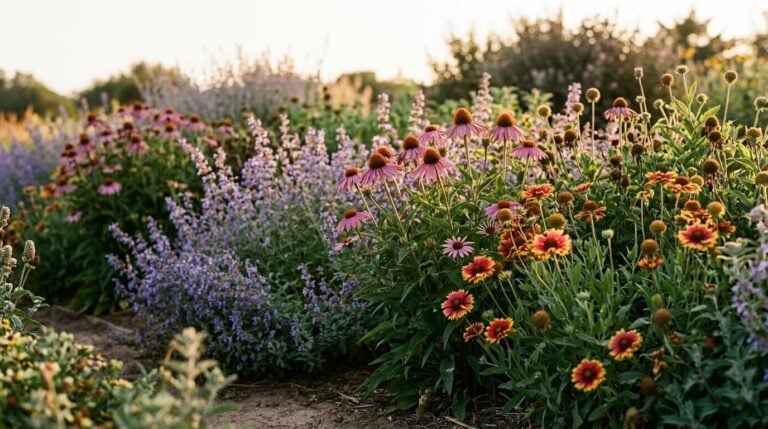
Tough garden plants can handle a forgetful gardener, as long as you give them one steady season of water and a spot with good drainage.
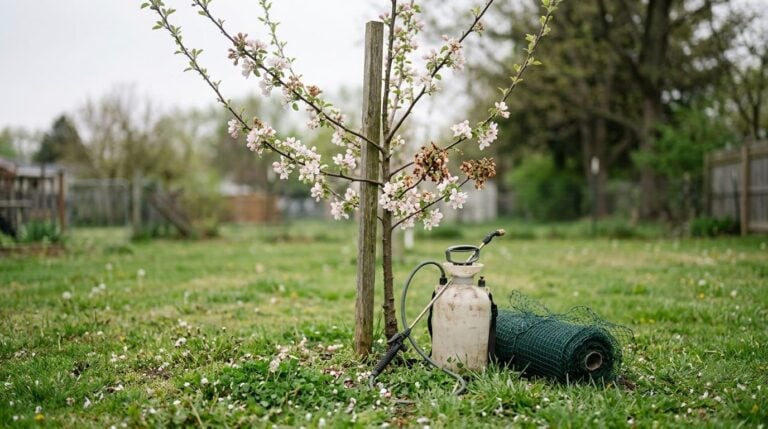
Some fruit trees need sprays every 7 to 10 days or a perfect spring, so beginners do better starting with easy trees.
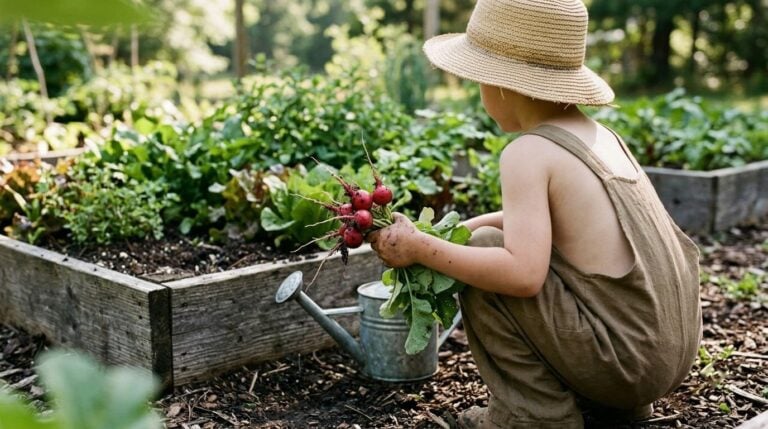
Kids stay hooked when the first harvest lands within weeks, so plant fast crops first and add one slow crop beside them.
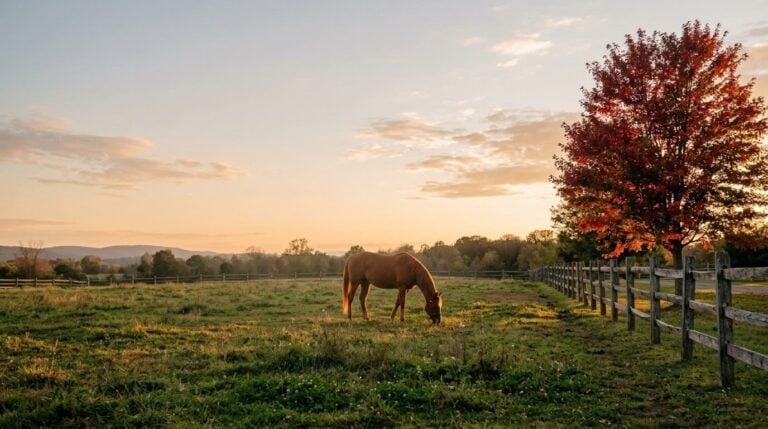
Nine common plants can sicken or kill horses, cattle, goats and sheep, and most of them grow right along your fence line, so learn to spot them before the next storm or hay delivery.
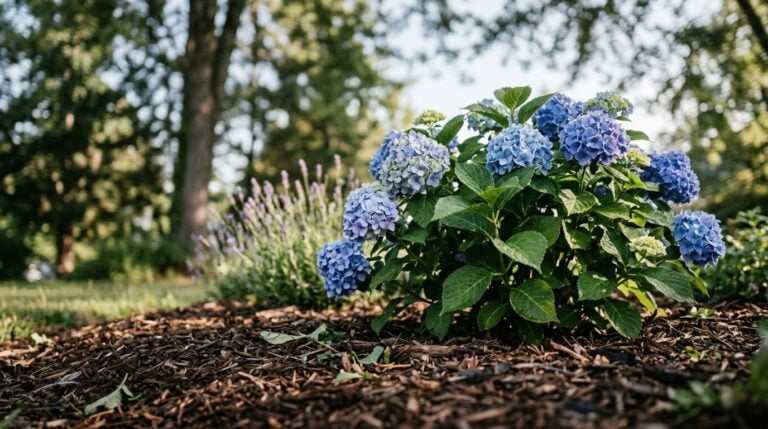
Most bad neighbors for hydrangeas fail on water, light, or roots, and only a few, like black walnut, carry a documented chemical risk.
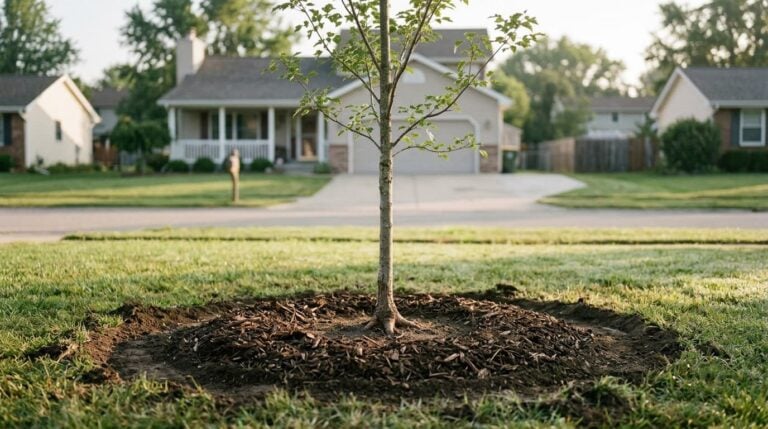
Transplanted trees rarely die from anything you can see, so the fix starts underground: keep the root ball wet, plant at the right depth, and correct the roots before the first leaf drops.
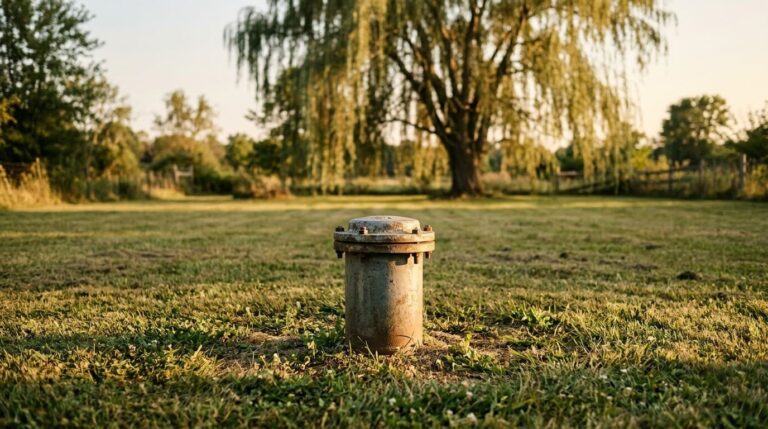
Thirsty roots can crack a well casing or buried water line within a few seasons, so the plant you pick and the distance you keep matter more than most owners expect.
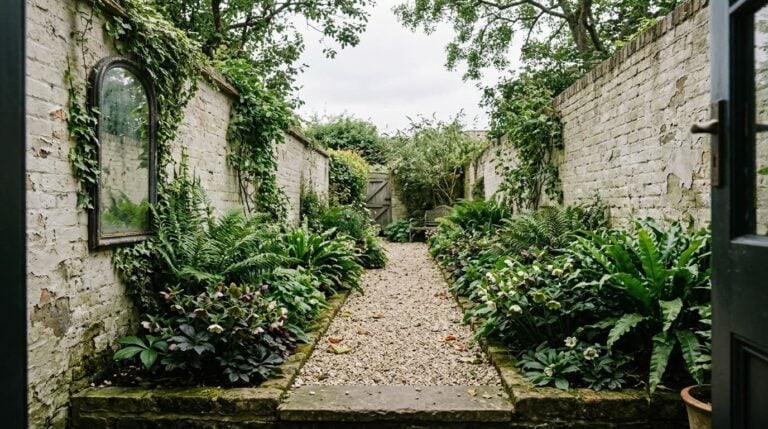
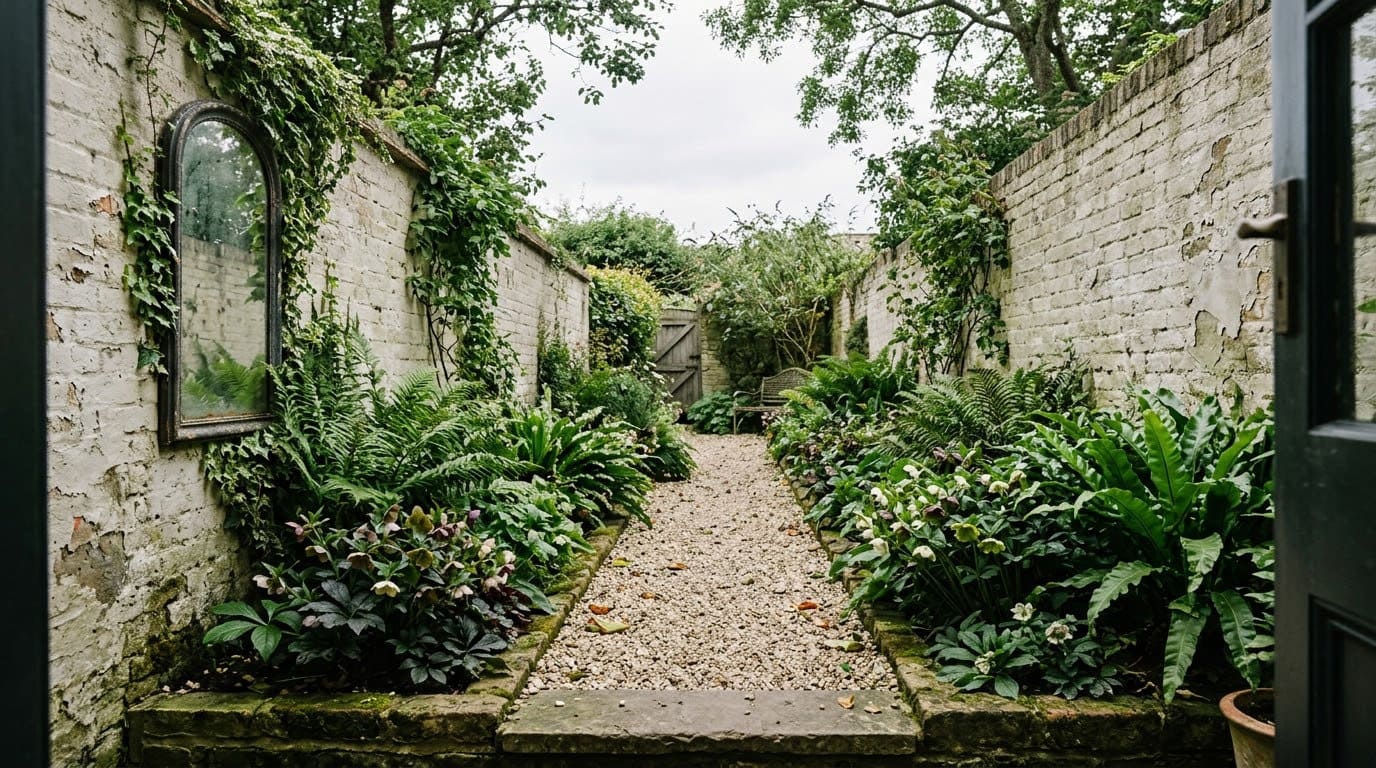
A shady, narrow garden feels damp and dark because walls block both light and air, and five cheap designer fixes tackle both, as long as you start with the surfaces and not the plants.
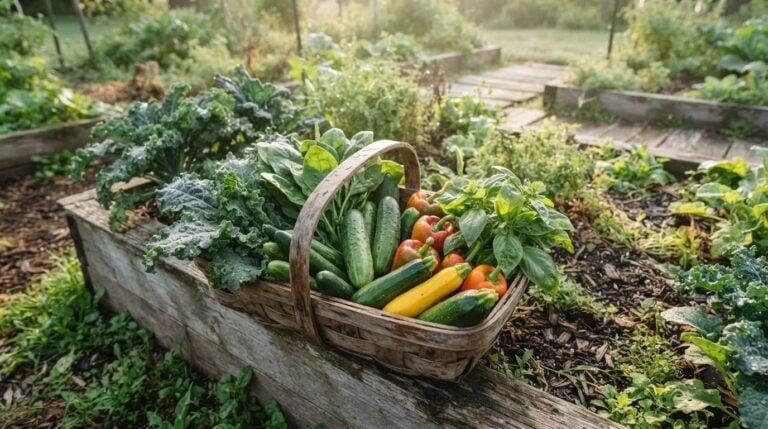
Fifteen crops can reach your plate in under a month, as long as you know which ones count as baby-stage and which ones don’t.
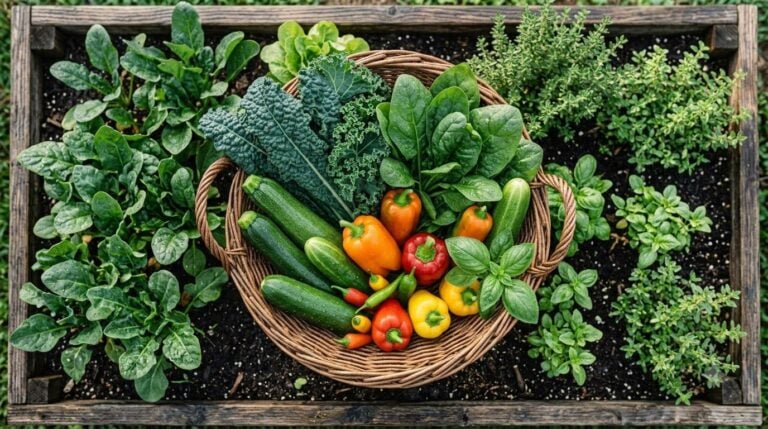
Nine vegetables can repay your seed money in one season if you skip the cheap crops that hog bed space.
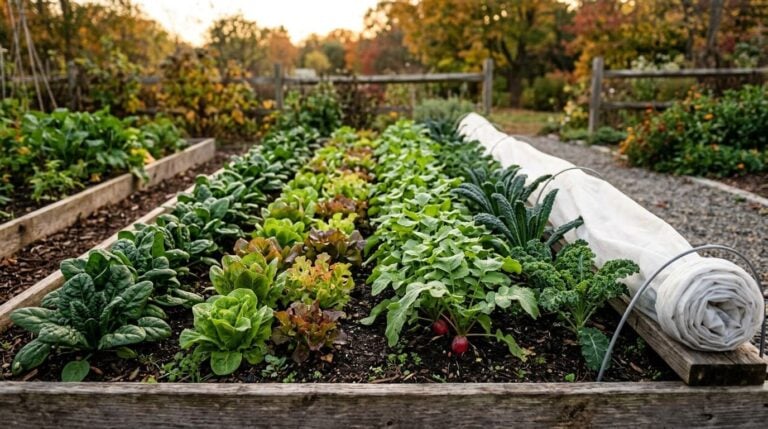
October is the last big planting window for fall vegetables, and these 10 crops fit it if you match them to your zone and your first frost.
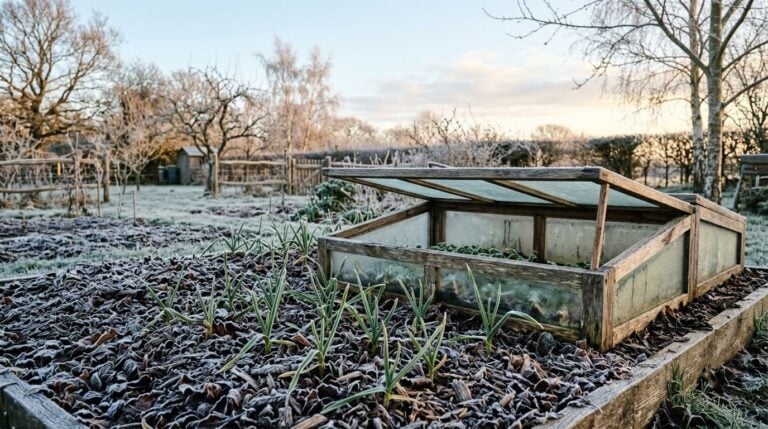
Many vegetables can still go in the ground in December if your zone is warm or you plant them to sleep until spring.
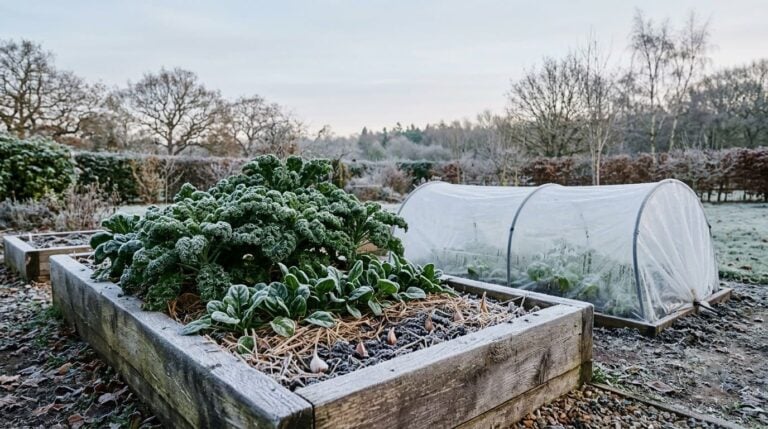
November isn’t too late for 15 hardy vegetables if you match each to your zone, frost date and some cover.
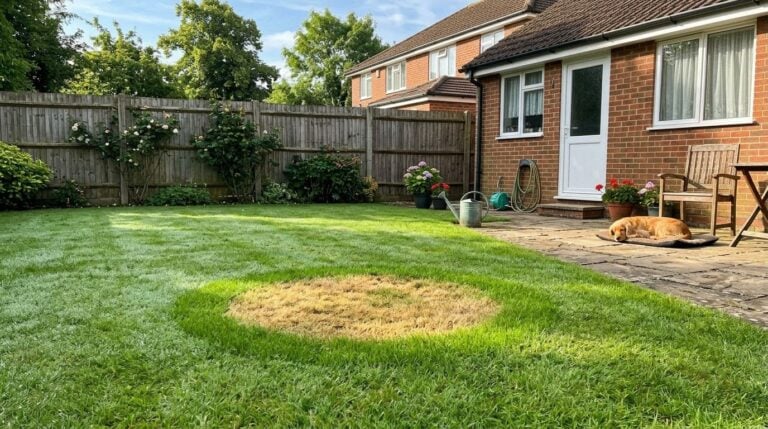
You stepped outside this morning to admire the yard and found a yellow patch roughly the size and shape of a sitting spaniel. The dog in question is currently asleep on the couch, entirely unbothered. And you’re standing on the patio wondering whether to blame him, the weather, or the soil underneath. It’s a fair…
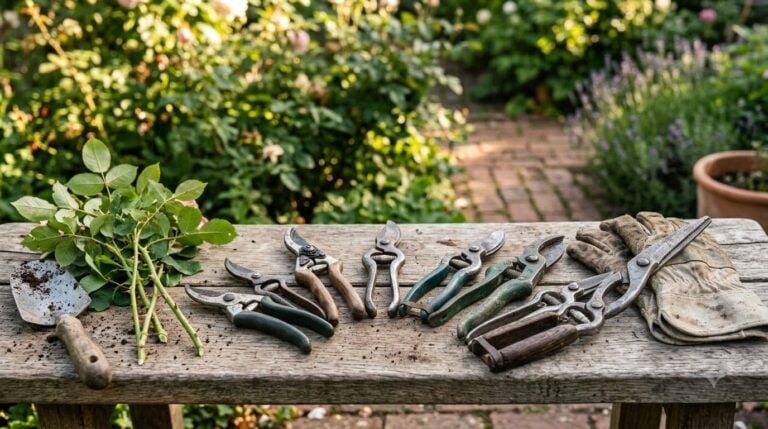
The best pruning shears depend on your hands and your branches, so we sorted ten popular picks by the job each one does best.
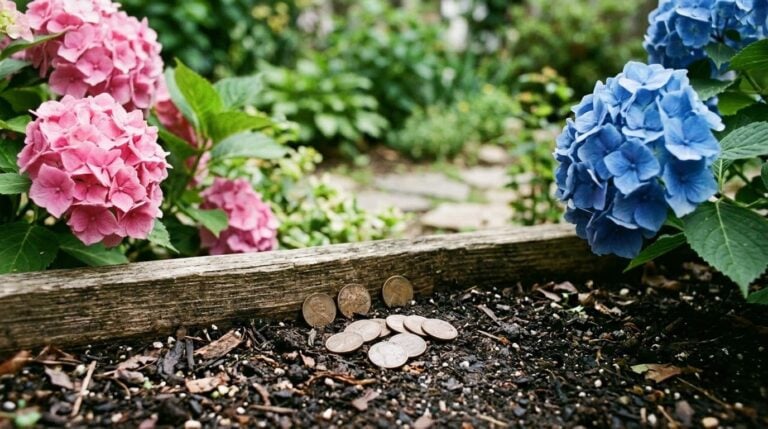
Burying pennies under your hydrangea is a popular one-dollar trick, but the real color-changing element is aluminum, not copper, so the penny itself does essentially nothing.
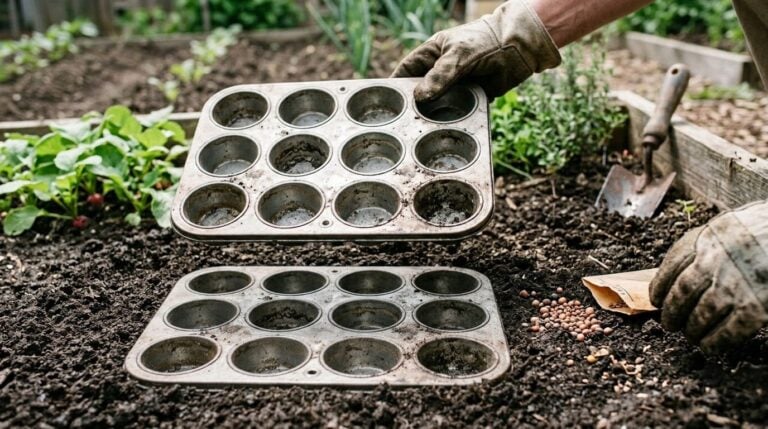
An old muffin tin turns messy, guesswork seed spacing into a clean, even grid in seconds, as long as you know which crops its spacing actually fits.
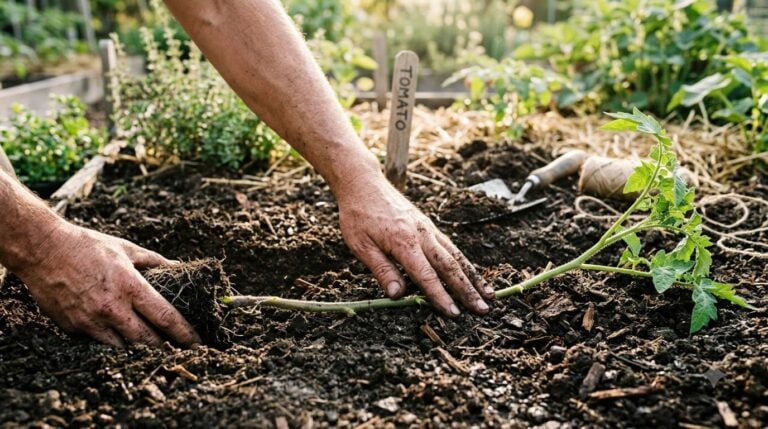
Trench planting turns a tall, leggy tomato transplant into a sturdy plant by laying the stem sideways so it grows roots along its length.
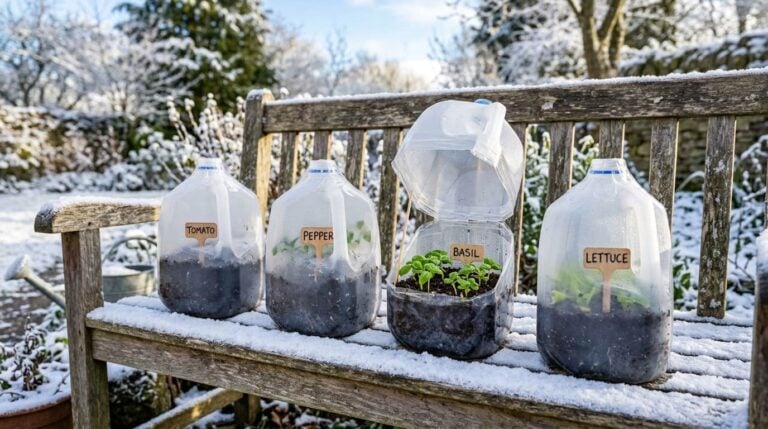
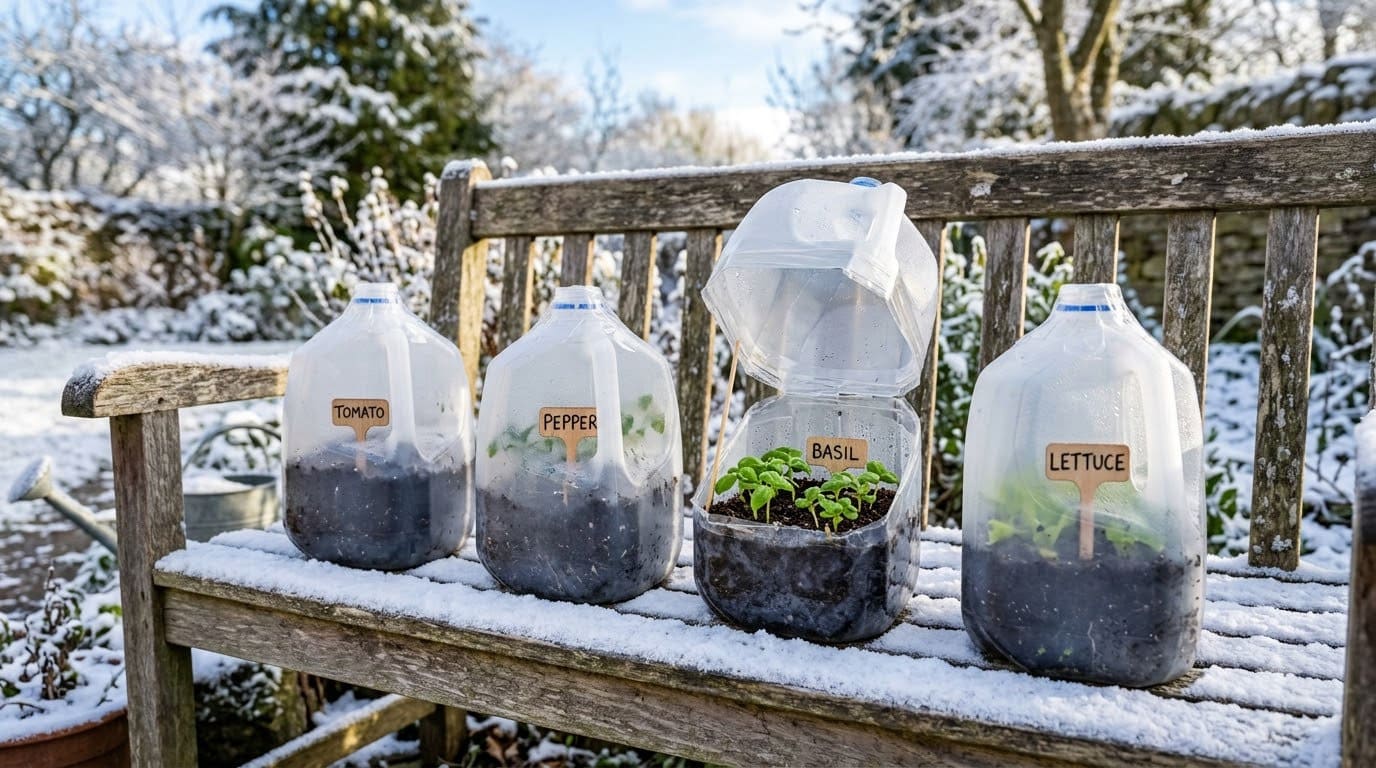
A recycled milk jug can start your seeds outdoors all winter with no lights or heat mats, but the timing and the seed choice decide whether it works.