20+ Creative Cinder Block Fence Ideas for a Unique Yard
Cinder block fences offer more than just durability since they’re a blank canvas waiting for personality. With their solid structure and modular shape, they’re easy to customize into something truly eye-catching, especially for modern and creative outdoor spaces. Whether you’re looking for privacy, a stylish backdrop for your plants, or a way to add some…

Never miss an update — choose FarmFoodFamily as your preferred source on Google.
How it works: Tap the button below to open Google’s settings page, then check the box next to FarmFoodFamily.
Tap the checkbox to turn it blue — that’s how you know it’s set.
Cinder block fences offer more than just durability since they’re a blank canvas waiting for personality.
With their solid structure and modular shape, they’re easy to customize into something truly eye-catching, especially for modern and creative outdoor spaces.
Whether you’re looking for privacy, a stylish backdrop for your plants, or a way to add some architectural flair to your yard, cinder block fences have endless potential.
Below are several cinder block fence ideas that have been designed to elevate its function and form.
Before you build
A cinder block (technically a concrete masonry unit, or CMU) is rated under ASTM C90 for around 1,900 psi of compressive strength, but that number describes a block carrying load straight down in a mortared, often reinforced wall assembly, not an unsupervised DIY stack. CMHA’s fence-specific design guidance treats a freestanding fence as a real lateral-load structure: wind pushes against a solid wall panel the same way it pushes against a sail, and mortar alone isn’t built to absorb that kind of sideways force the way rebar-reinforced, grouted cores are.
A few things worth settling before you pick an idea below:
Answer 4 quick questions and get matched to the exact fix for your yard — drainage, budget, layout, or something else entirely.
Take the Free QuizHeight and permits. Most jurisdictions require a permit for a freestanding block wall or fence somewhere in the 4 to 7 foot range, and several require a licensed engineer’s stamp above that height or if your site has a slope or soft soil, per Los Angeles County’s Department of Public Works, a representative example of how a typical local process works. Thresholds vary by city and county, so check with your own building department before you commit to a height.
Reinforcement. Anything above a low garden-wall height should have vertical rebar run through the block cores and grouted solid, not just dry-stacked or lightly mortared. This matters most for the tallest, most solid designs on this list (Classic, Privacy, Built-In Seating, Lighting below).
Footings. The wall needs a footing that goes below your local frost line, the same principle that keeps a foundation from heaving is what keeps a block fence from cracking and leaning after a winter freeze-thaw cycle.
Pierced patterns carry less wind load. A breezeblock or decorative-opening pattern isn’t just a style choice, air passes through instead of pushing against a solid panel, which is a real engineering reason to favor an open pattern for a taller run.
Budget reality. A low, unreinforced decorative wall under your local permit threshold is realistically a DIY weekend project. Anything taller, load-bearing, or requiring rebar and grouted cores is worth at least a consultation with a mason or contractor, even if you do the finish work (paint, plaster, mosaic) yourself.
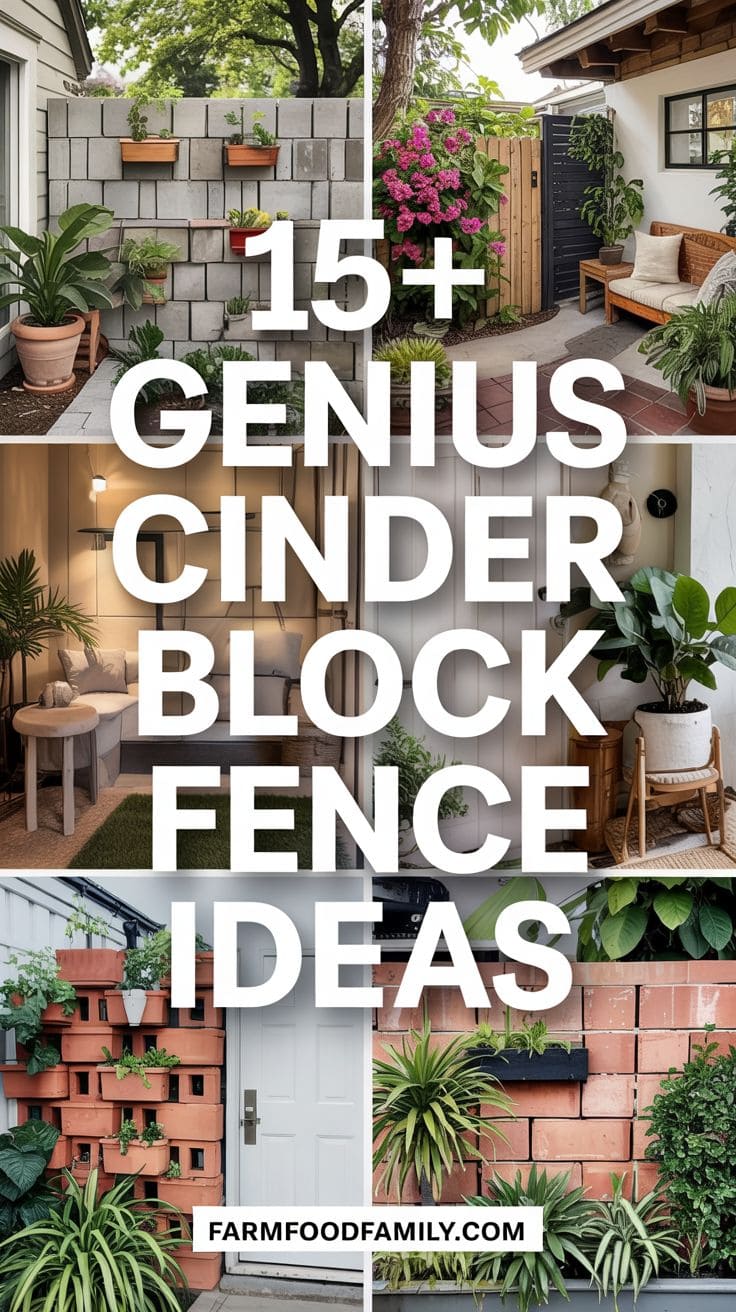
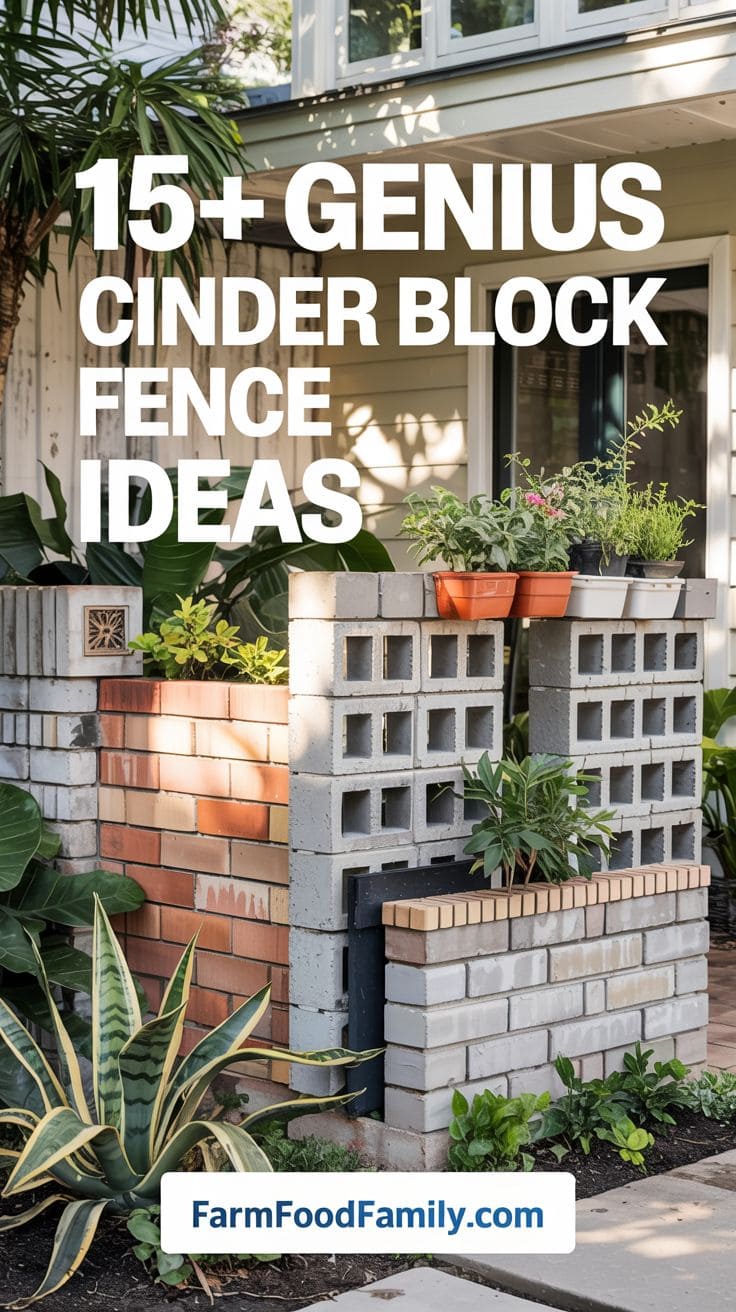
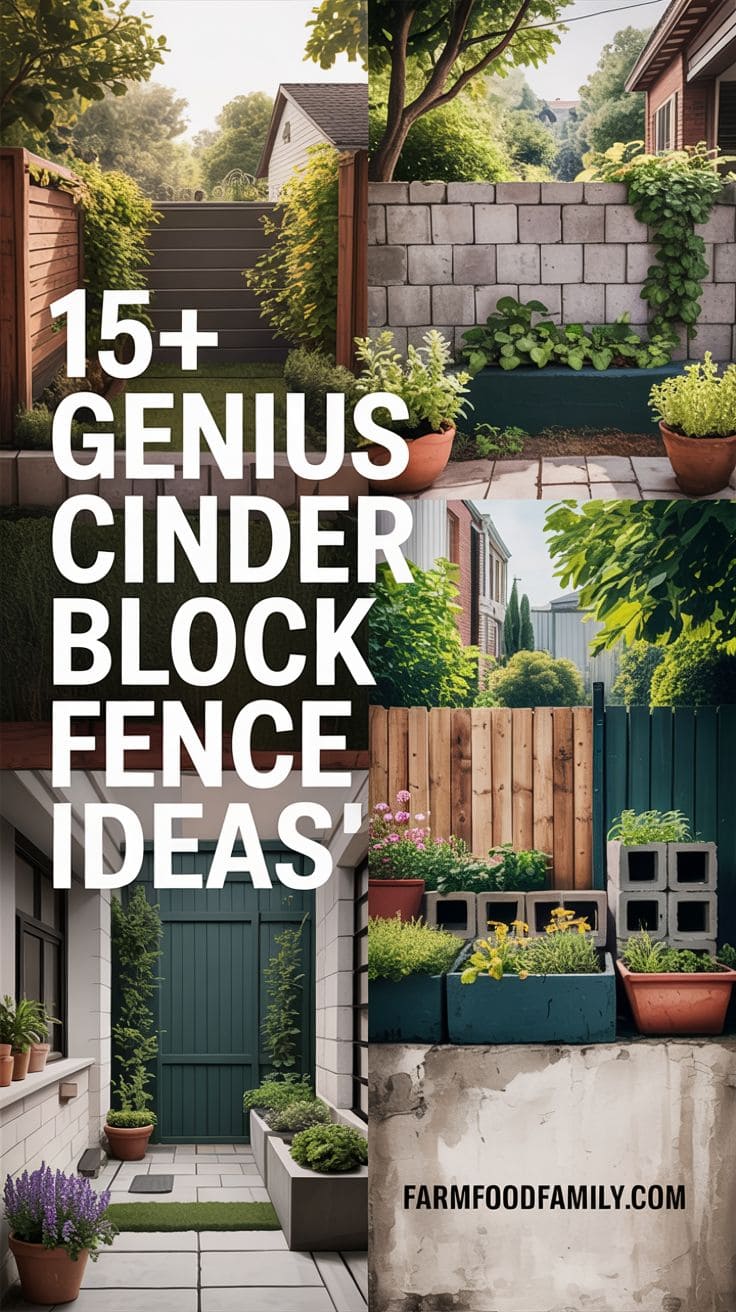
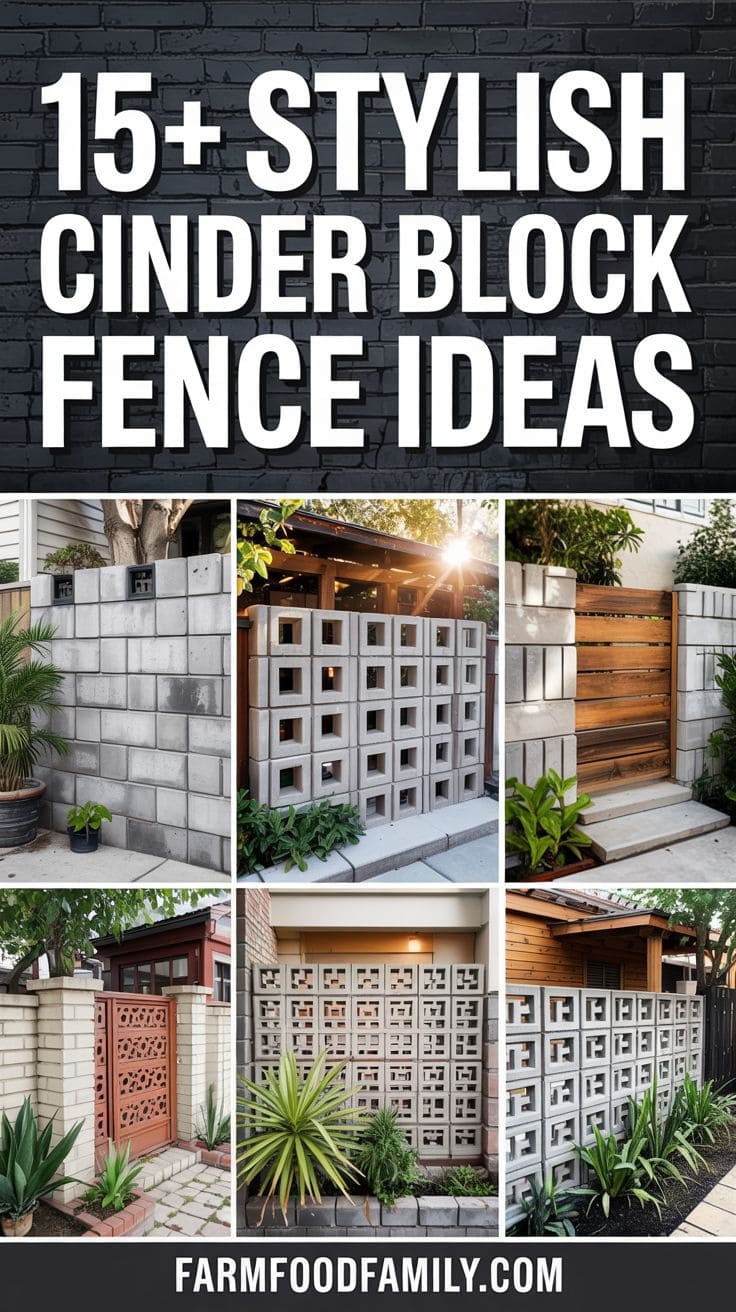
20 cinder block fence ideas
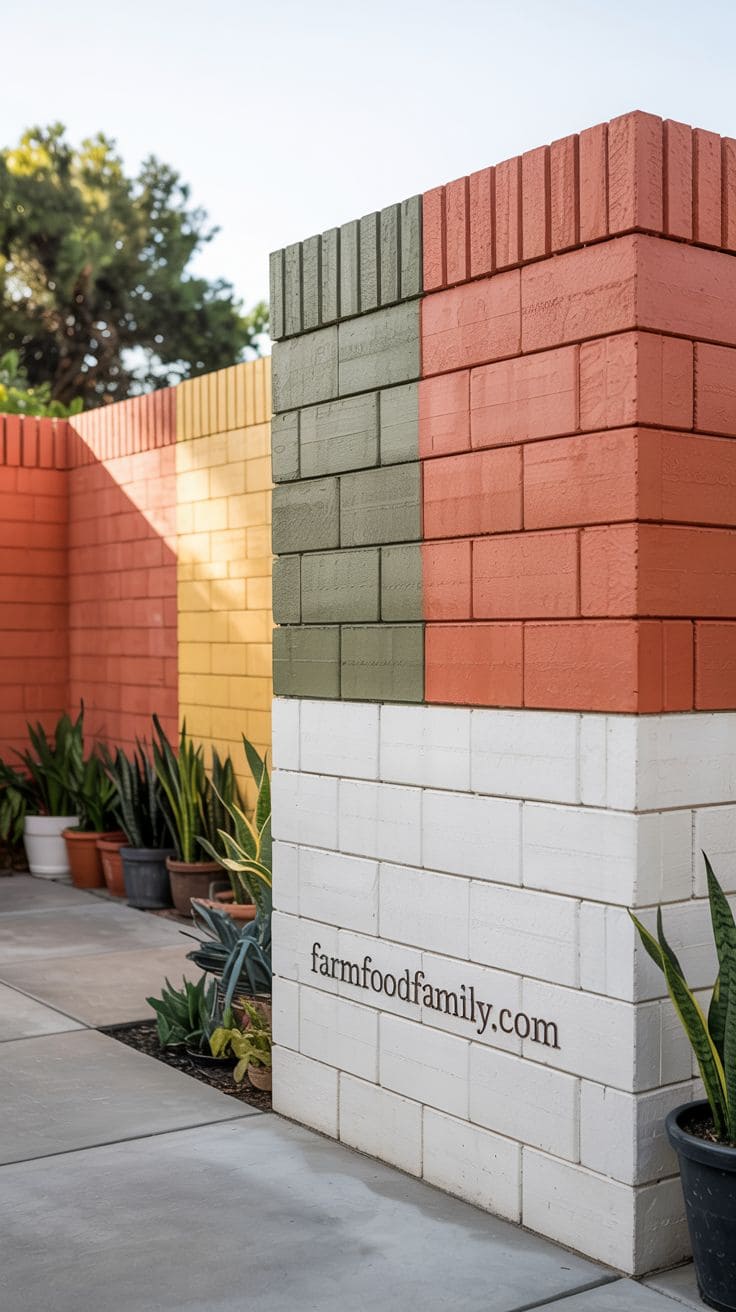
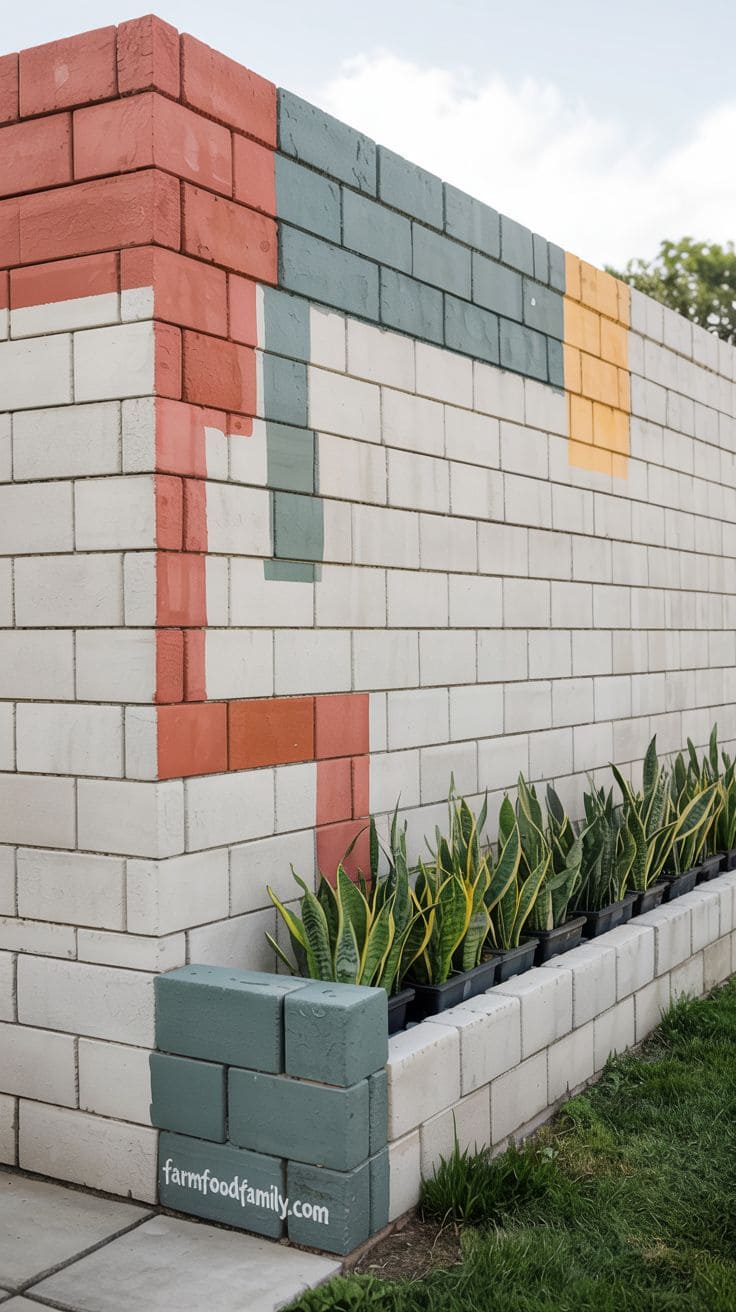
1. Painted Block Fence with Color Blocking
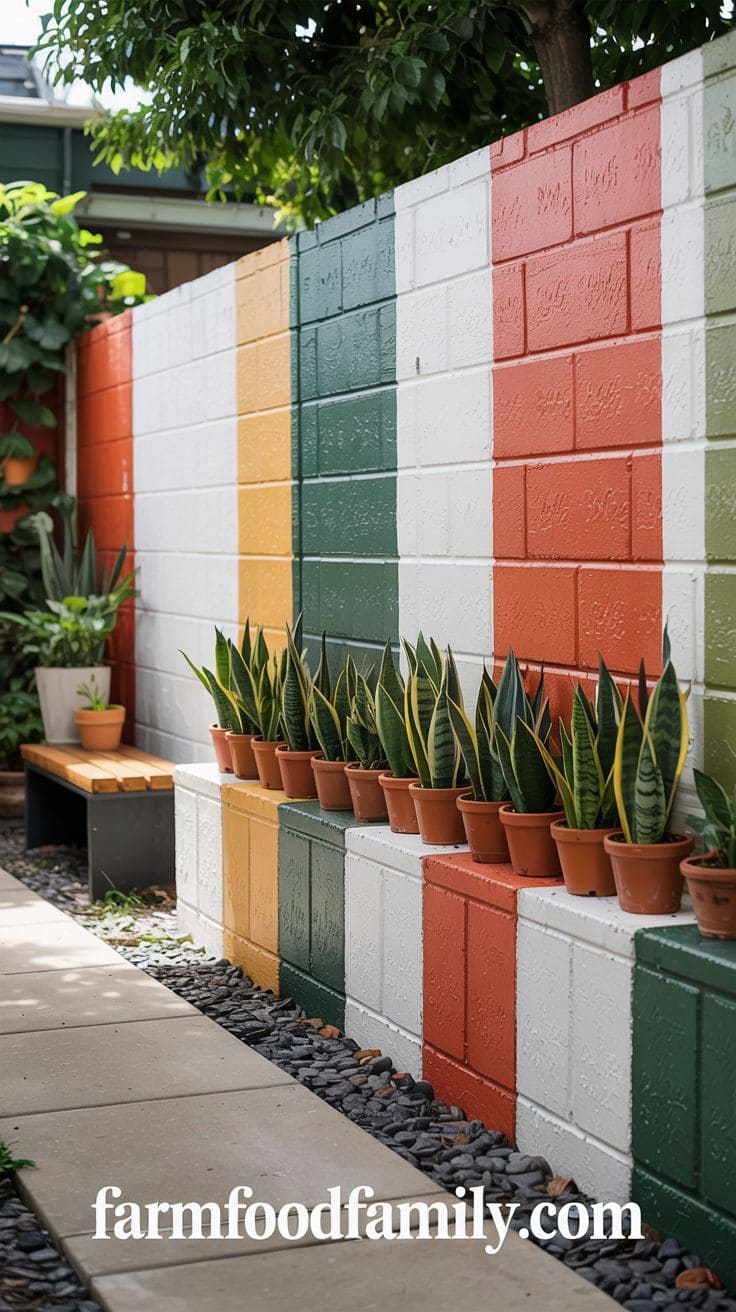
Use strong color-blocking techniques to transform your fence.
Most yard problems trace back to one specific, fixable cause. Find yours in 4 quick questions.
Take the Free Quiz
Grade 60 reinforcement bar for grouting through block cores, directly relevant to the reinforcement guidance in the "Before You Build" section for taller, solid designs like Privacy and Classic.
Shop NowThis post contains affiliate links. We may earn a commission on qualifying purchases at no extra cost to you.
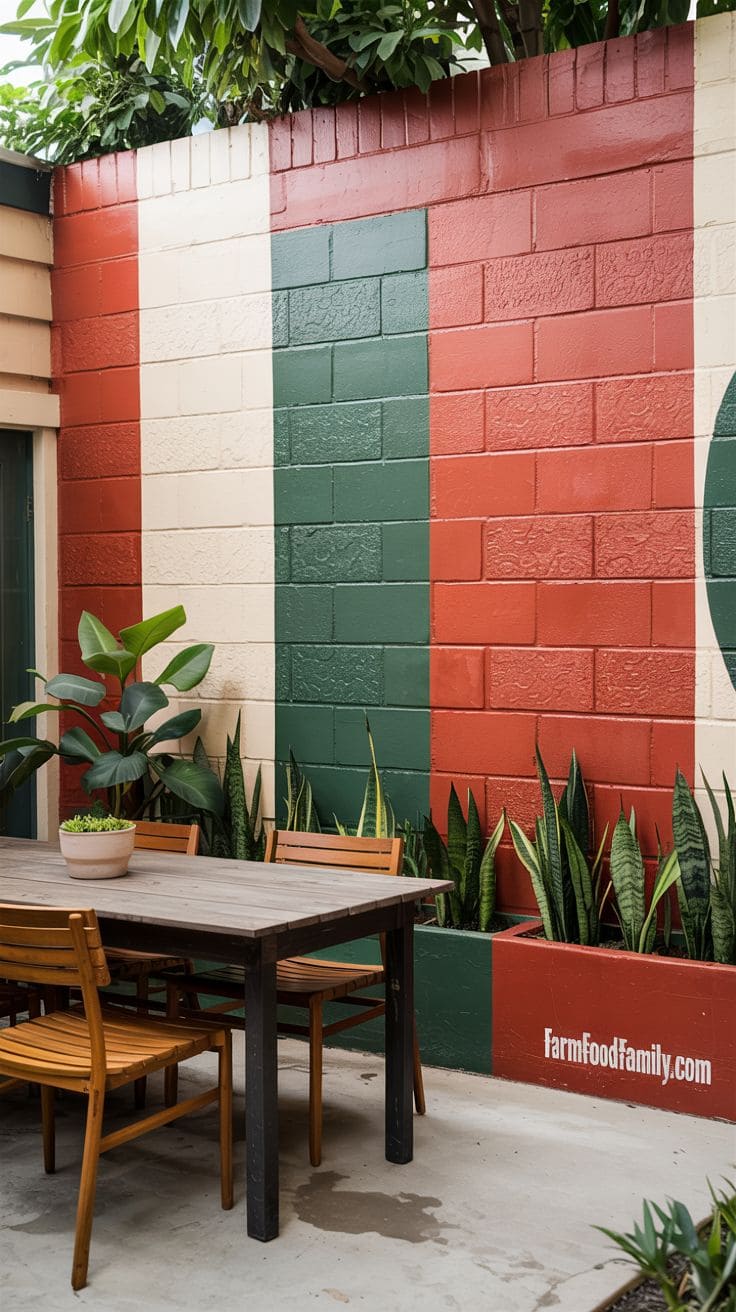
Choose a neutral basis, such as light gray or white, and then add geometric panels in vibrant or earthy tones, such as ochre, sage green, or coral, to provide movement and character.
The rigid contour of the blocks complements crisp lines, making it ideal for this modern-art-inspired renovation. Finally, use a sealer to protect your painted artwork.
This technique works well in minimalist or modern environments, allowing the wall to serve as a fashionable accent without appearing unduly cluttered.
Strategically arranging potted plants or wall art against these blocks enhances the layered look.
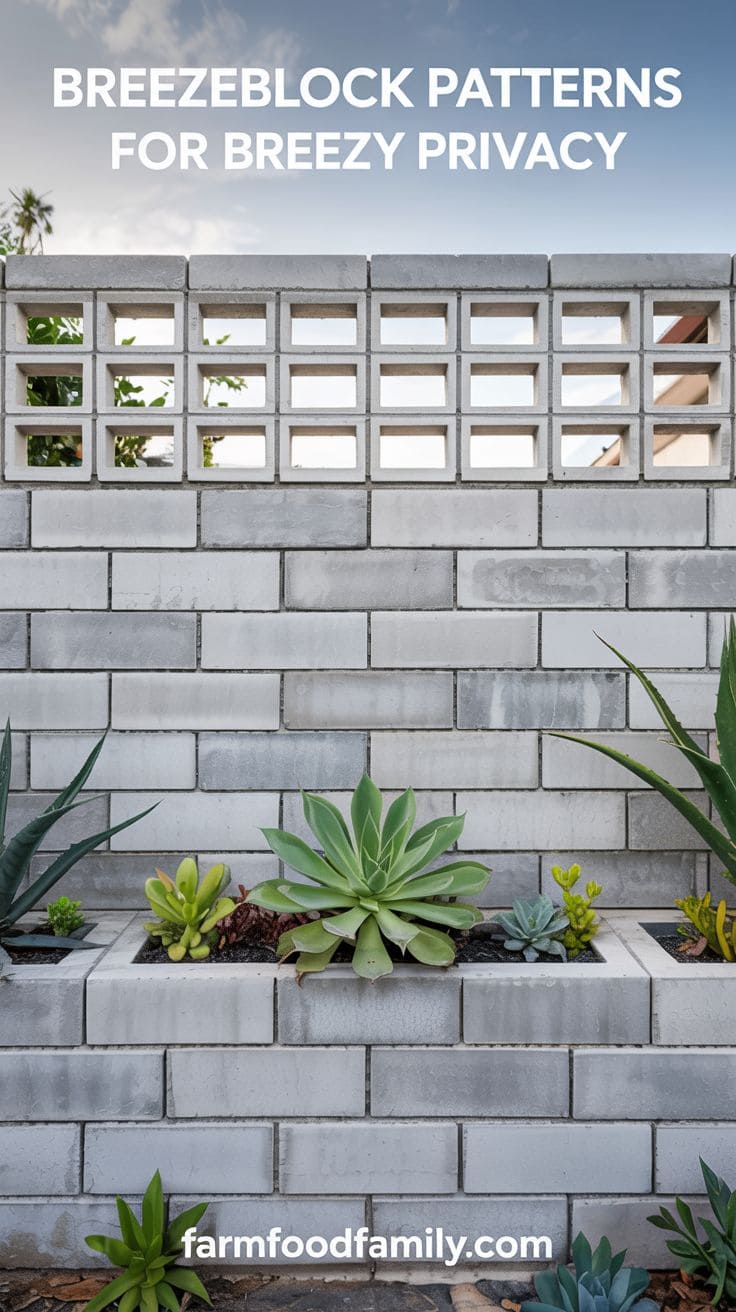
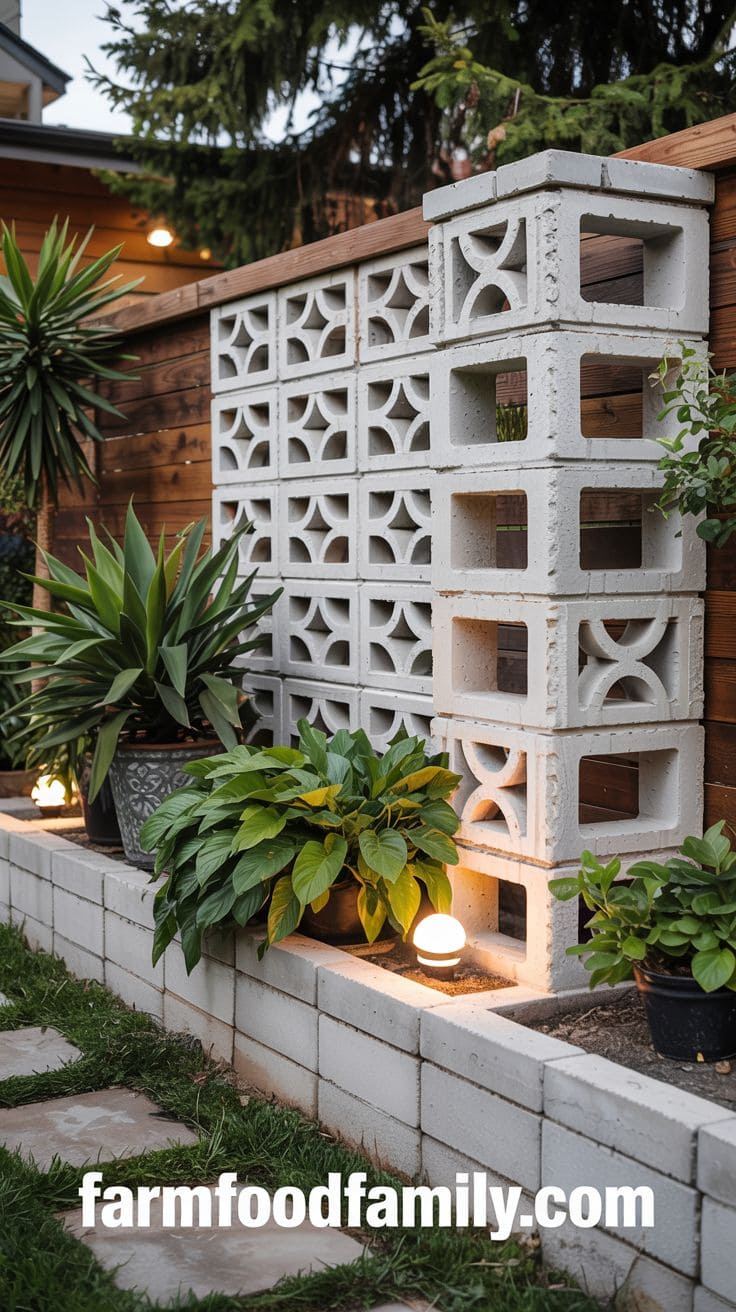
2. Breezeblock Patterns for Breezy Privacy
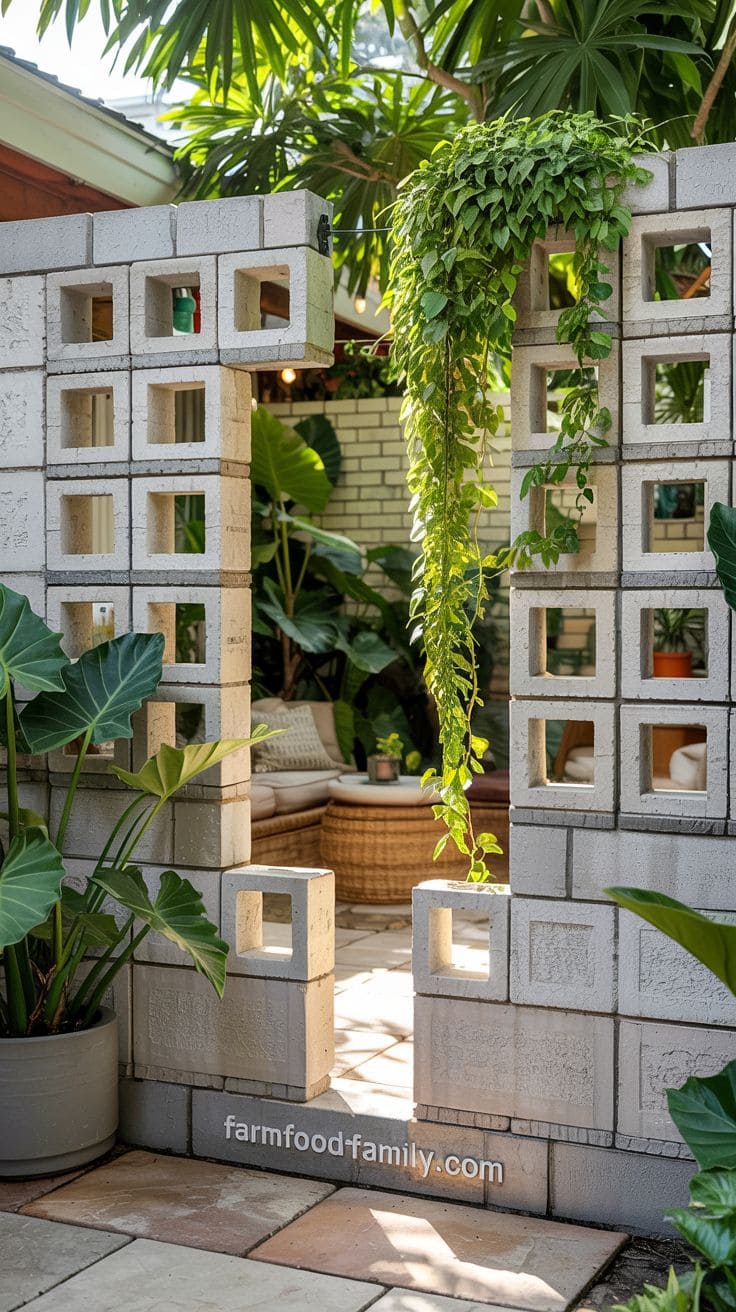
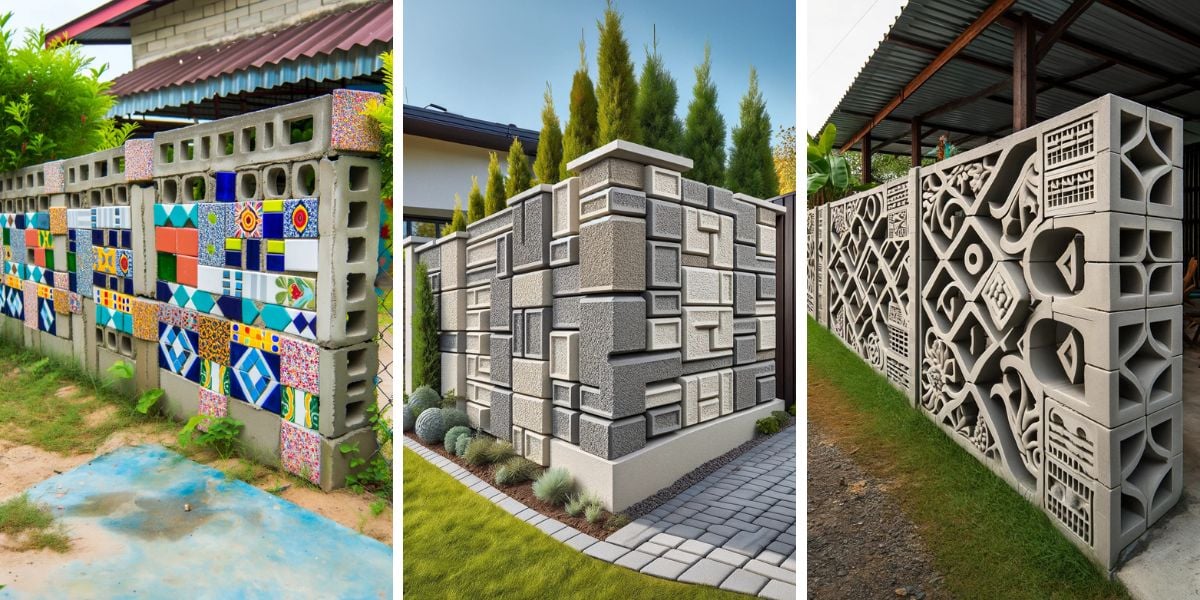
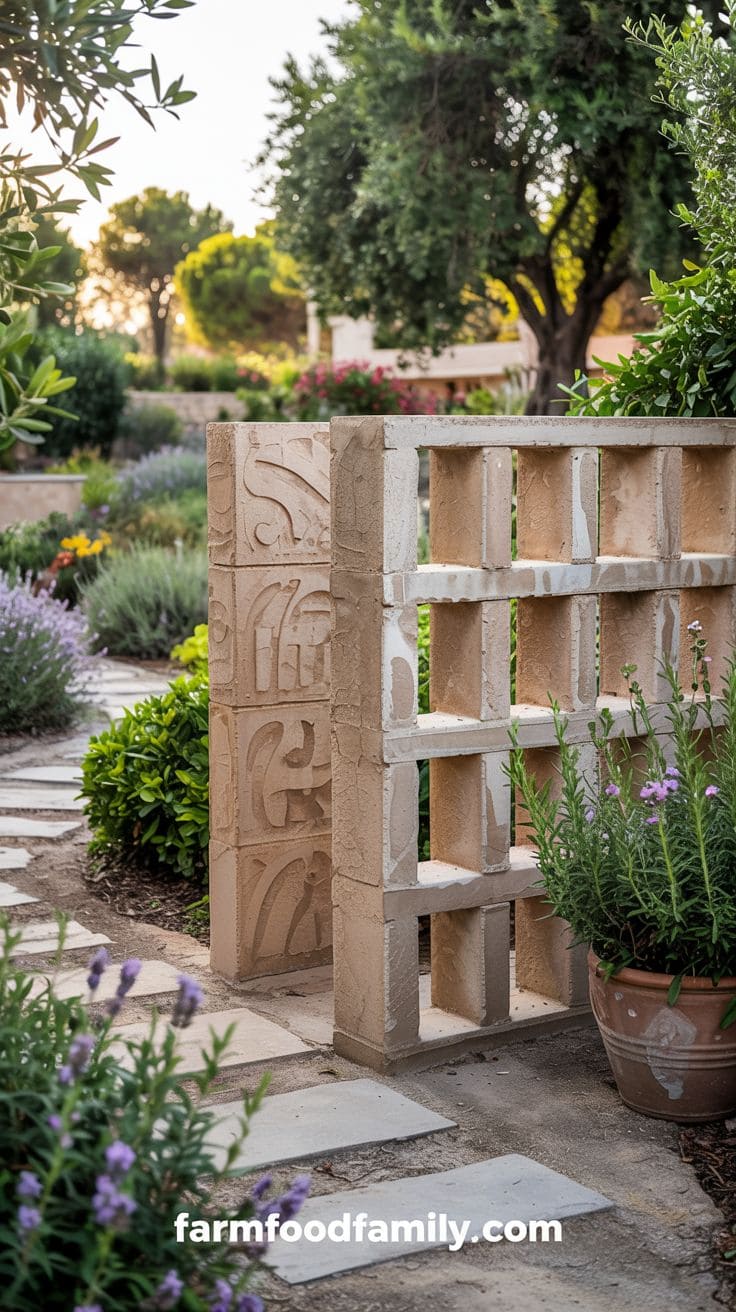
Using decorative cinder blocks, or “breezeblocks,” you may increase ventilation and sunlight while maintaining a private barrier.
These patterned blocks frequently have mid-century-style cutouts, making them ideal for retro or Palm Springs-inspired decor.
You can alternate solid blocks and breezeblocks for variation, or use them completely on top to reduce the wall’s perceived weight.
They are especially appealing when illuminated with string lights or when climbing plants weave between the designs.
This option adds texture and ventilation to your fence while also serving as a design feature in and of itself.
The average homeowner spends $616/year on yard fixes that don't address the real problem. Find out what yours actually is — before you spend another dollar.
Take the Free Quiz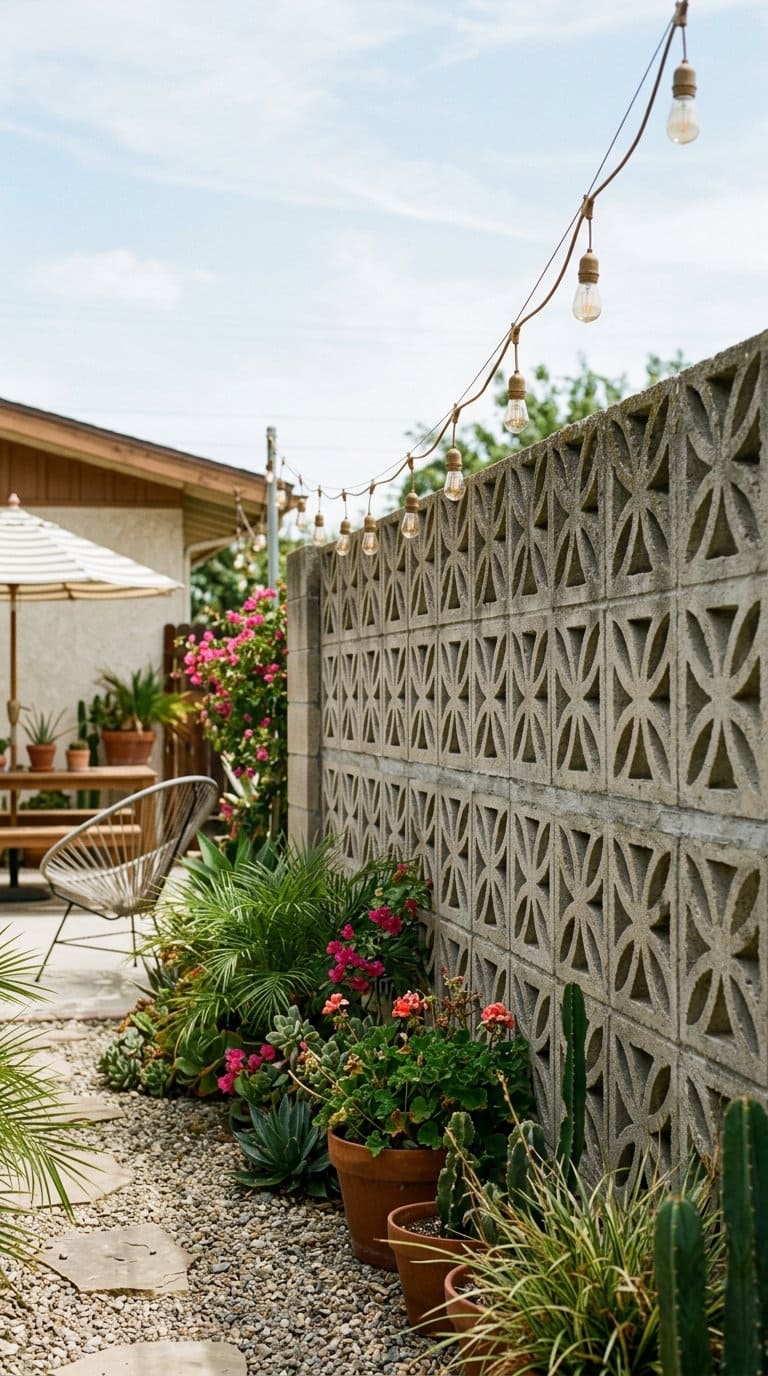
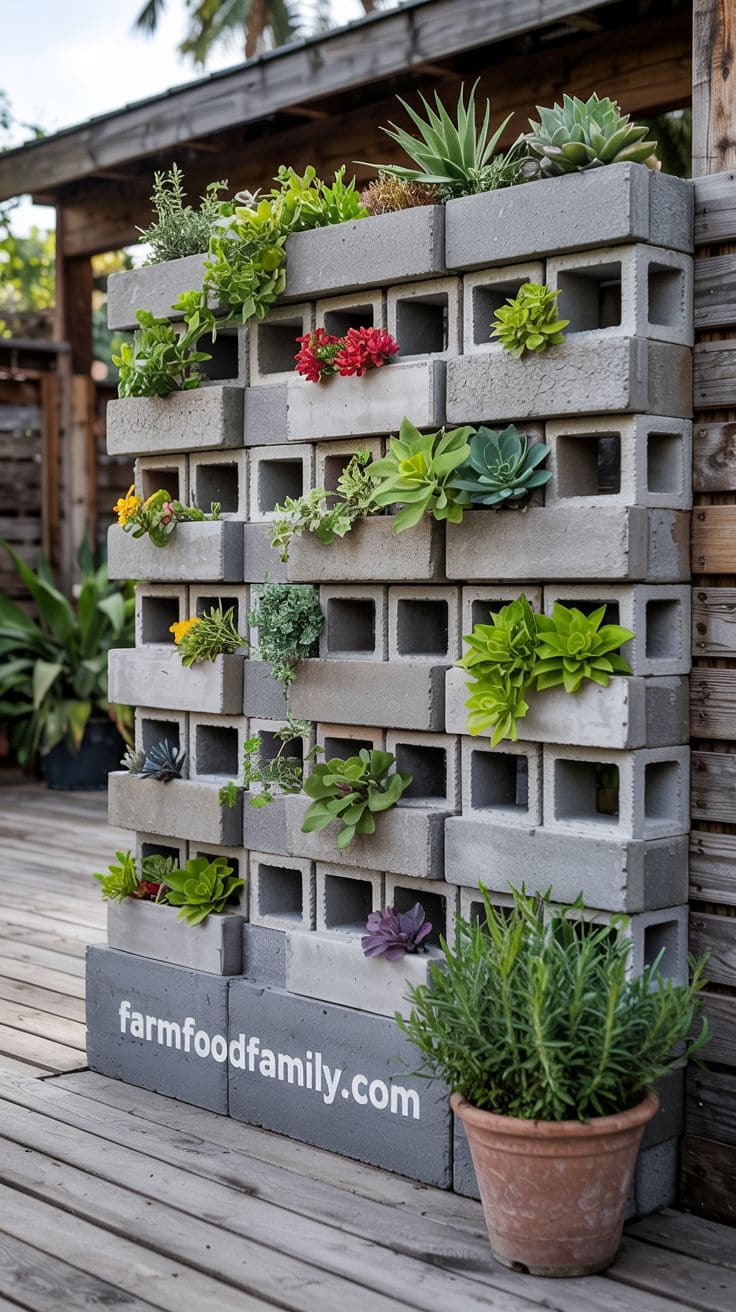
3. Cinder Block Planter Wall
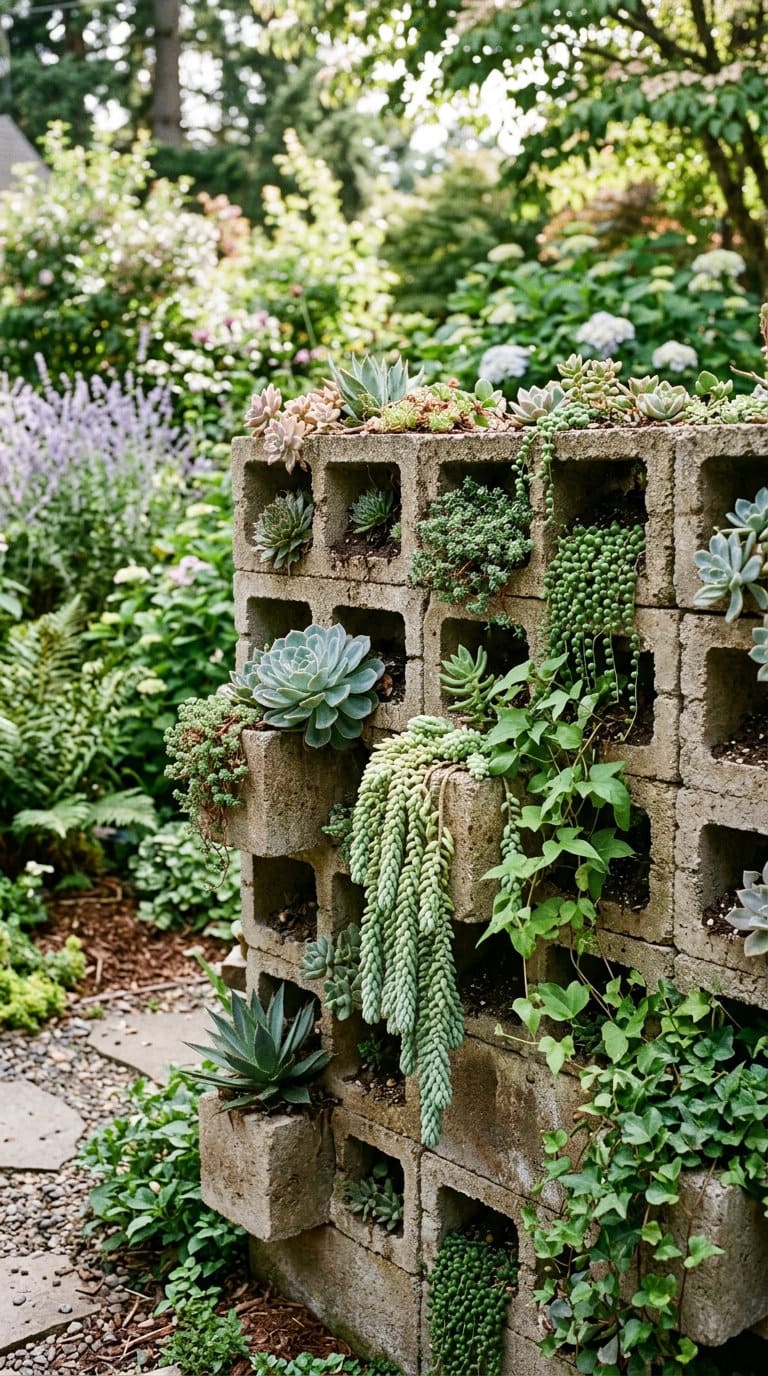
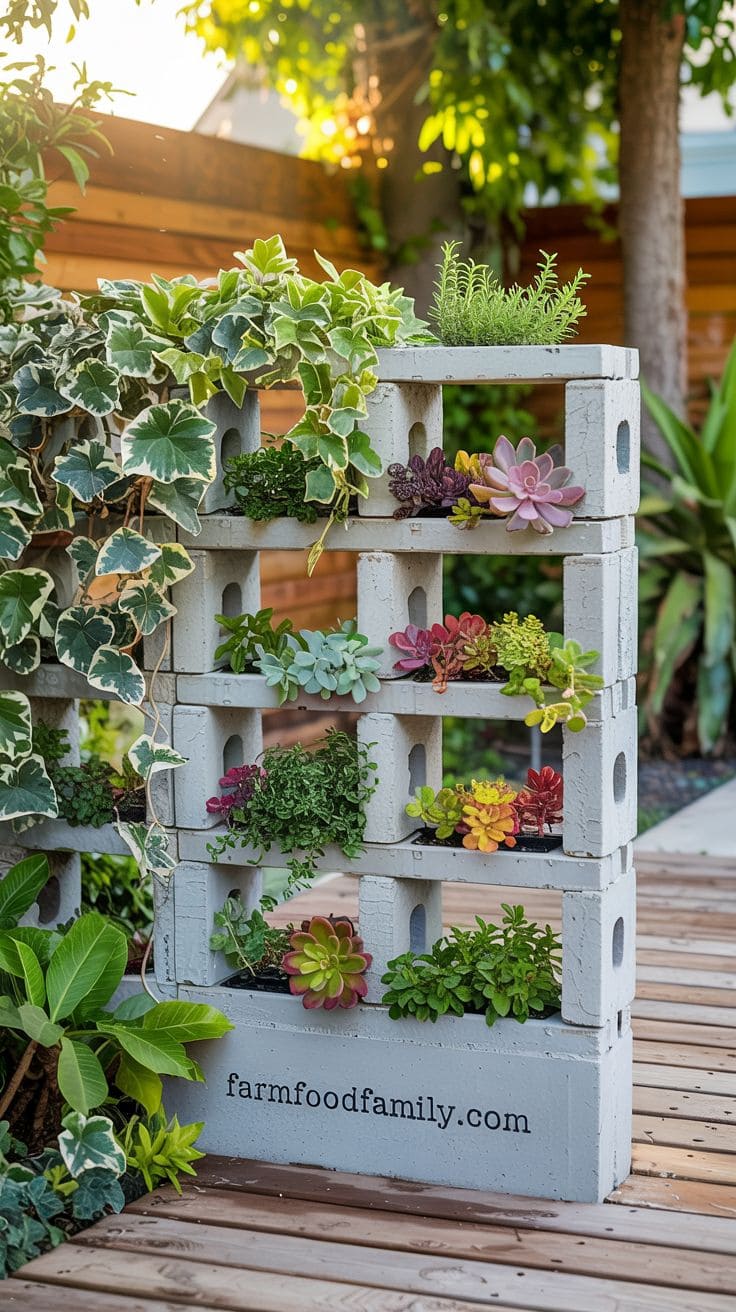
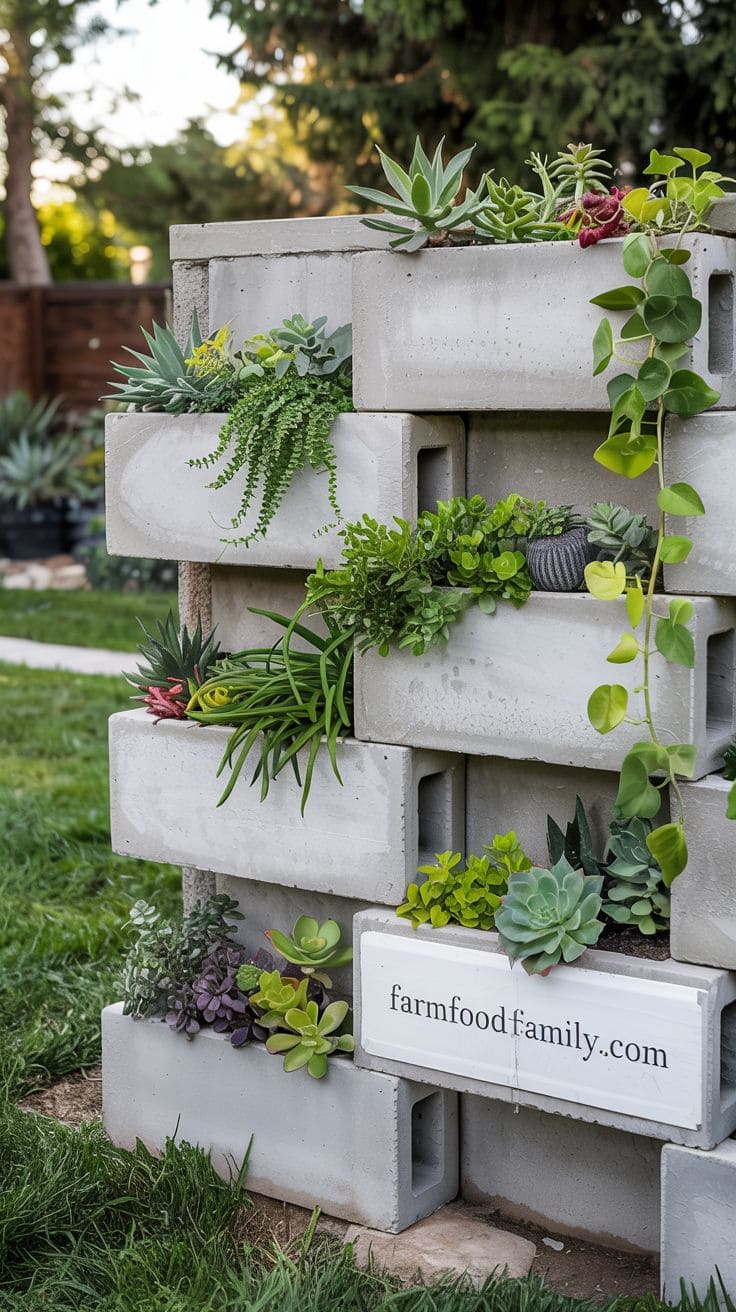
Stack the cinder blocks with the holes facing out, then fill the spaces with soil and vegetation.
This innovative idea transforms the wall into a vertical garden suitable for succulents, herbs, and trailing vines such as ivy.
To provide an even more manicured appearance, paint the blocks before planting to fit your garden theme.
This approach gives the wall an organic and alive appearance while still providing its structural purpose.
The juxtaposition of foliage and concrete texture gives a visually rich, earthy impression that is especially appealing in small garden areas or narrow side yards.
4. Mural or Wall Art Feature

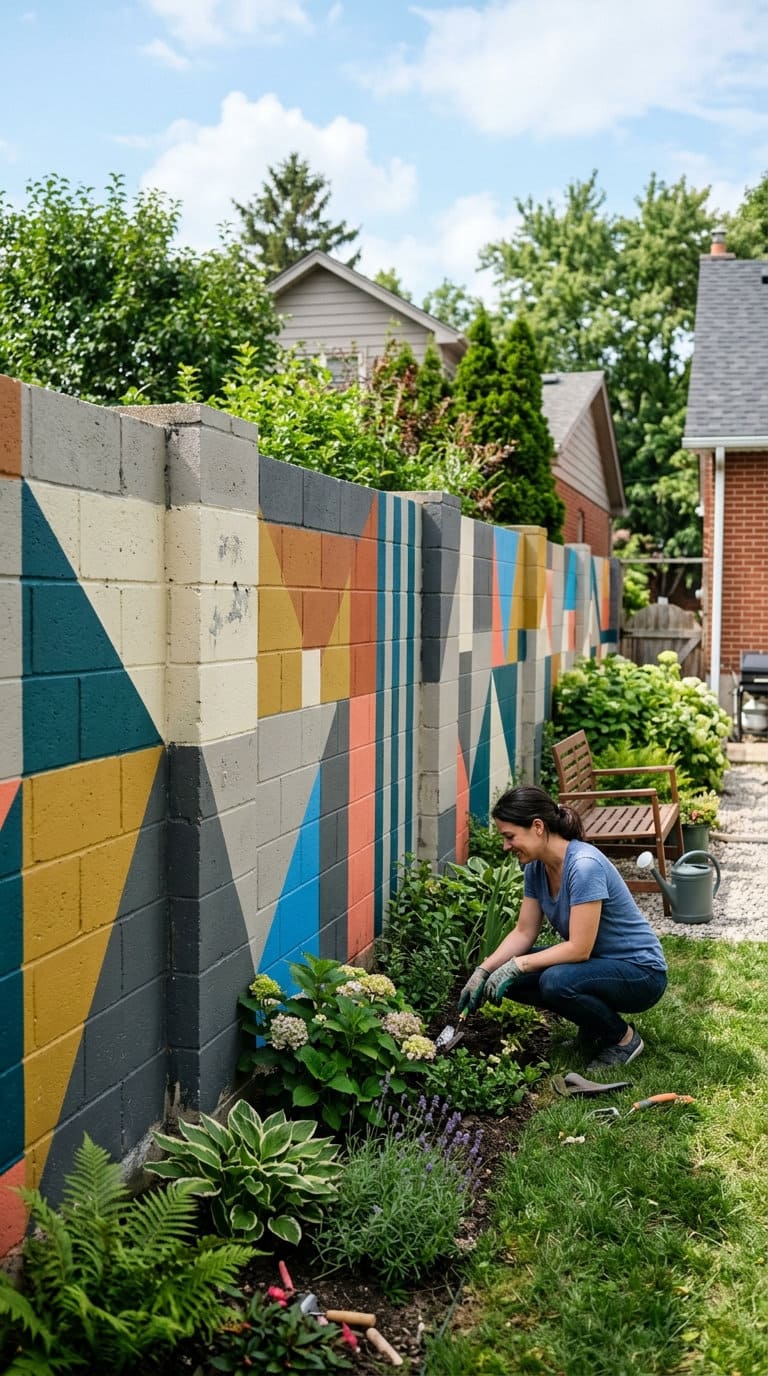
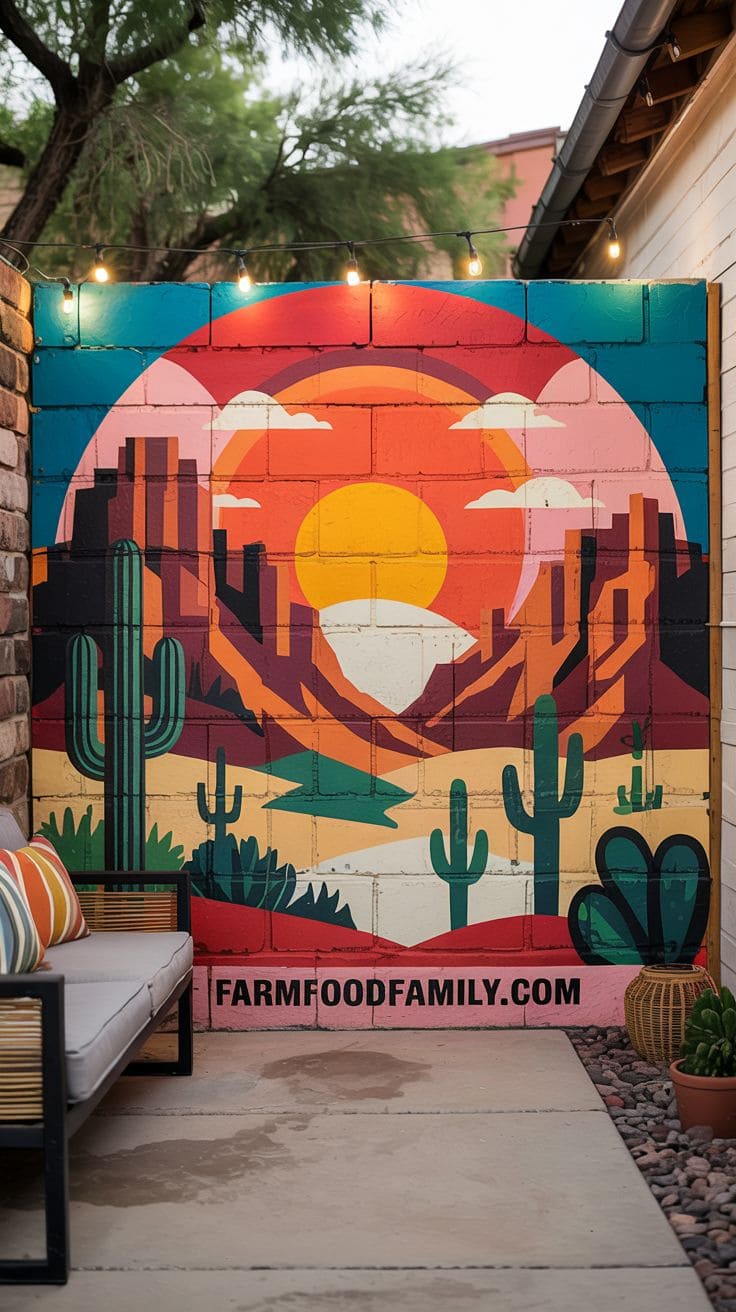
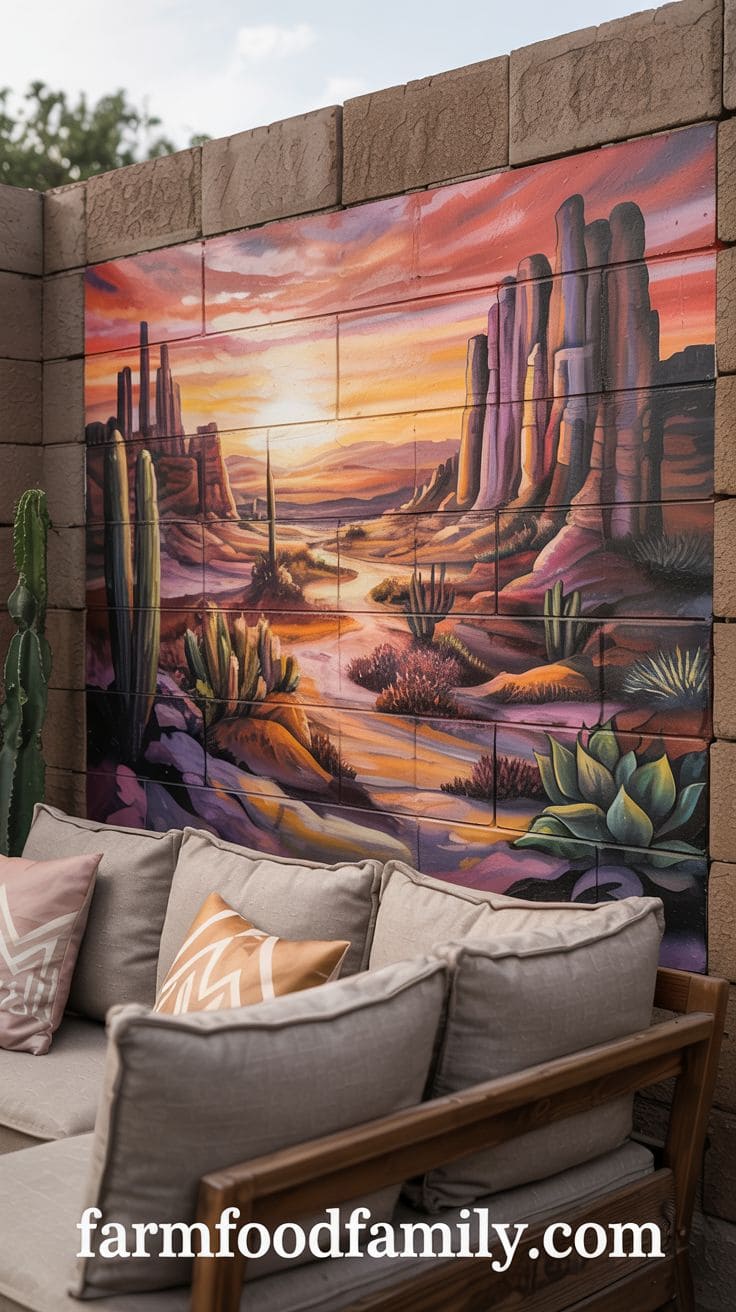
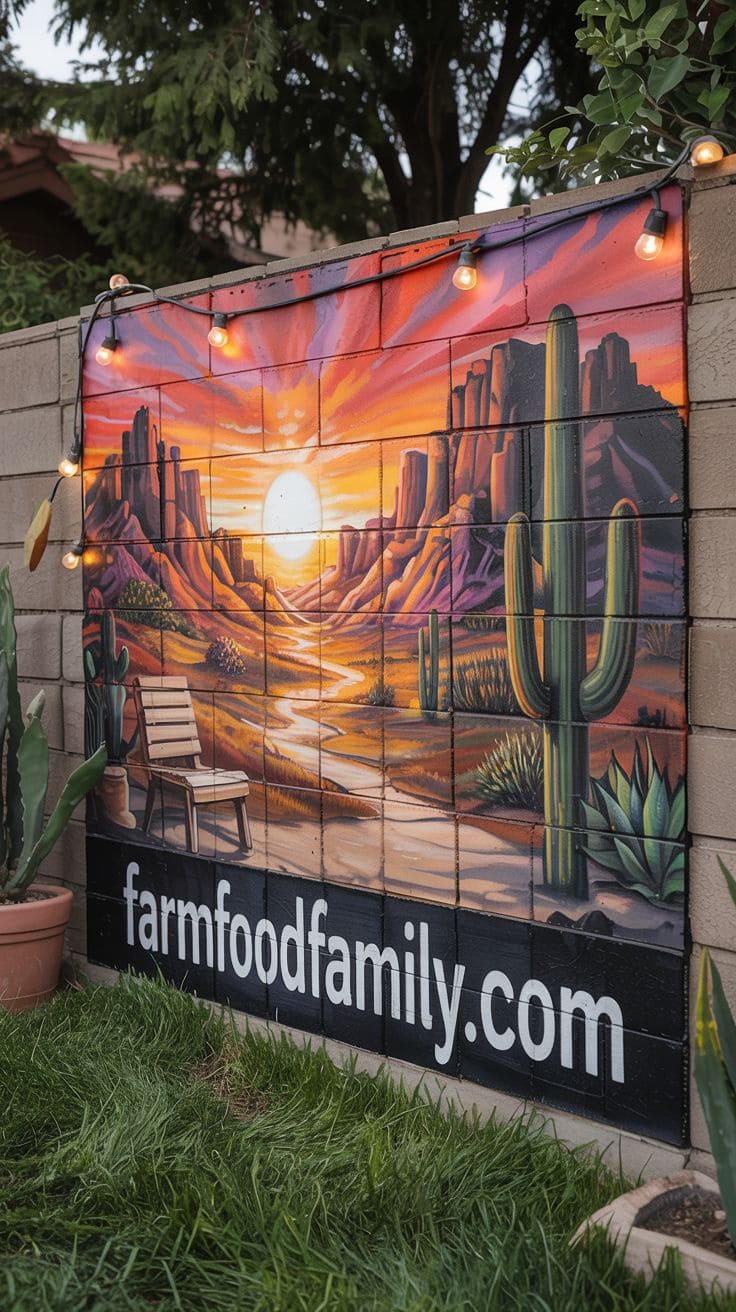
Paint a mural directly on the surface of your cinder block fence to create an artistic statement.
This could include abstract shapes, creative art pieces, botanical vistas, or desert landscapes.
The texture of the block gives the mural greater depth, making it appear more integrated and tactile.
If you’re not sure about your painting skills, consider hiring a local artist or employing stencils for cleaner designs.
It’s an excellent way to add personality to your yard, and when put near an outdoor dining or lounge area, it forms a stunning focus wall that encourages conversation and appreciation.
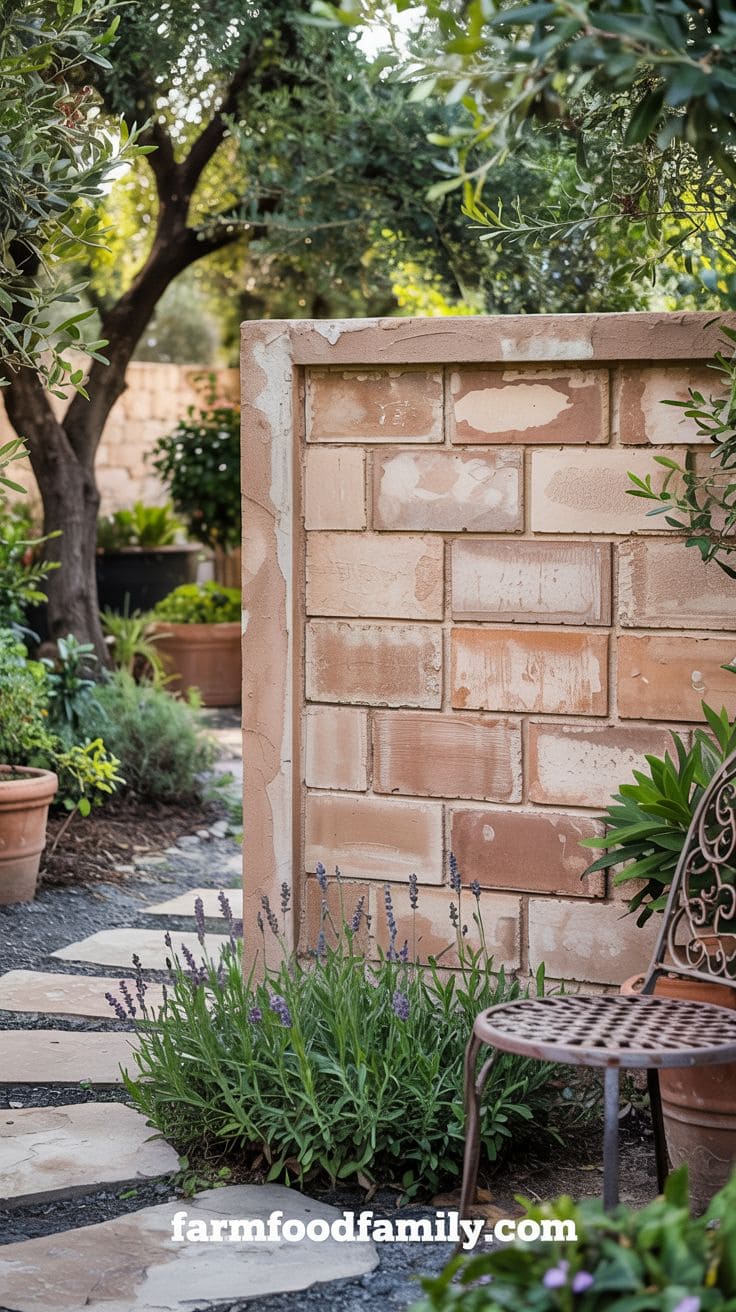
5. Textured Plaster Finish for a Mediterranean Feel
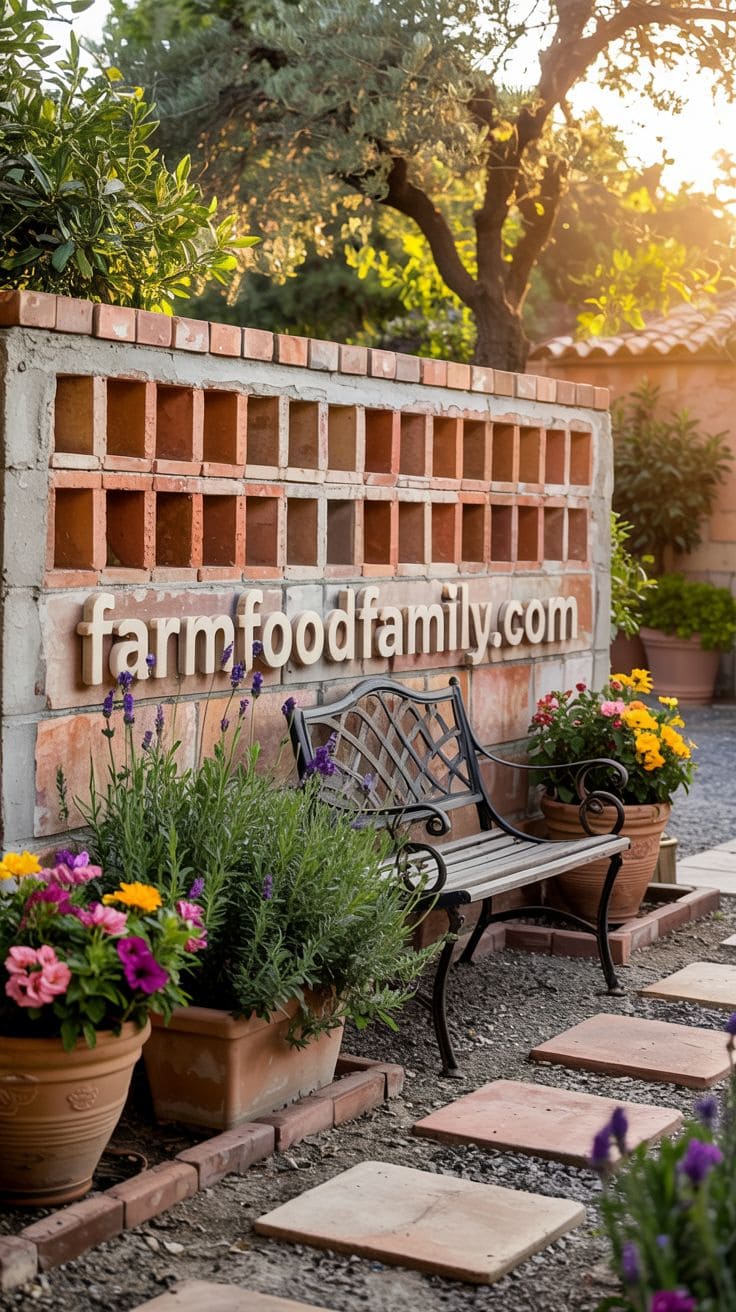
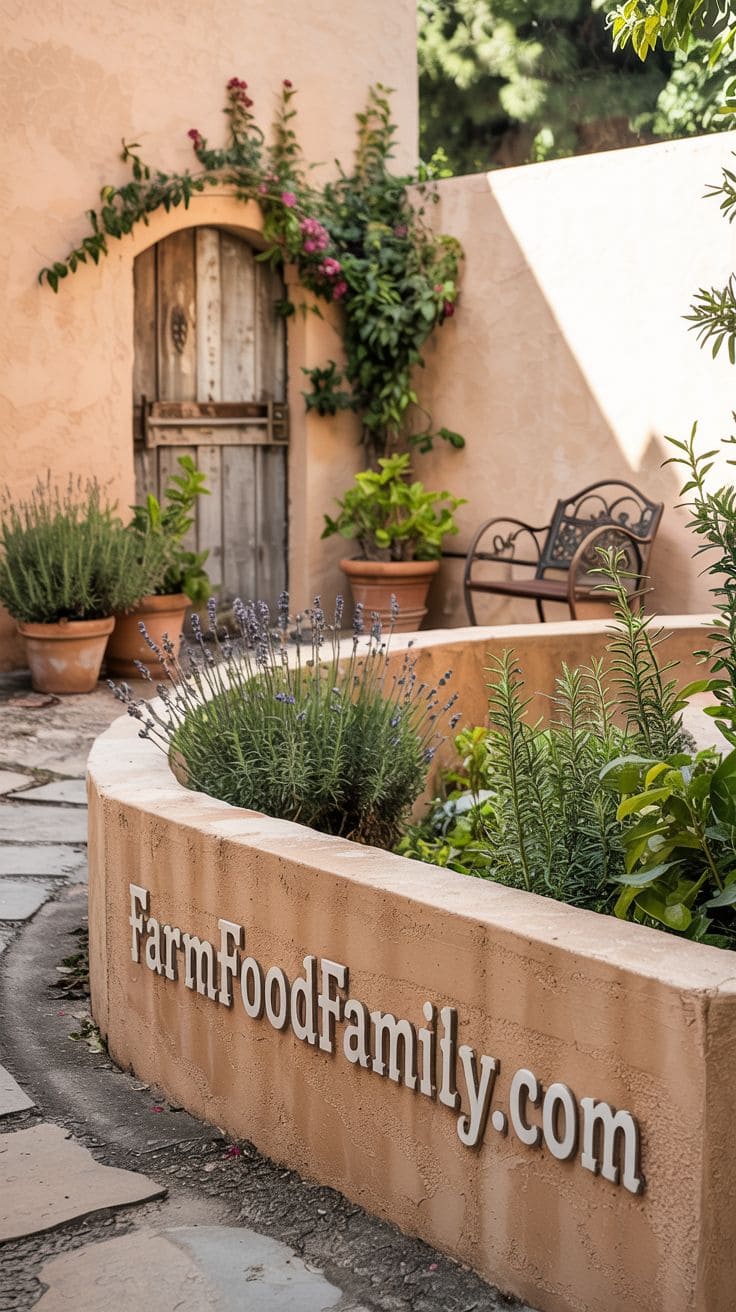
Cover your cinder block fence in textured plaster or stucco to give it a softer, more classic appearance.
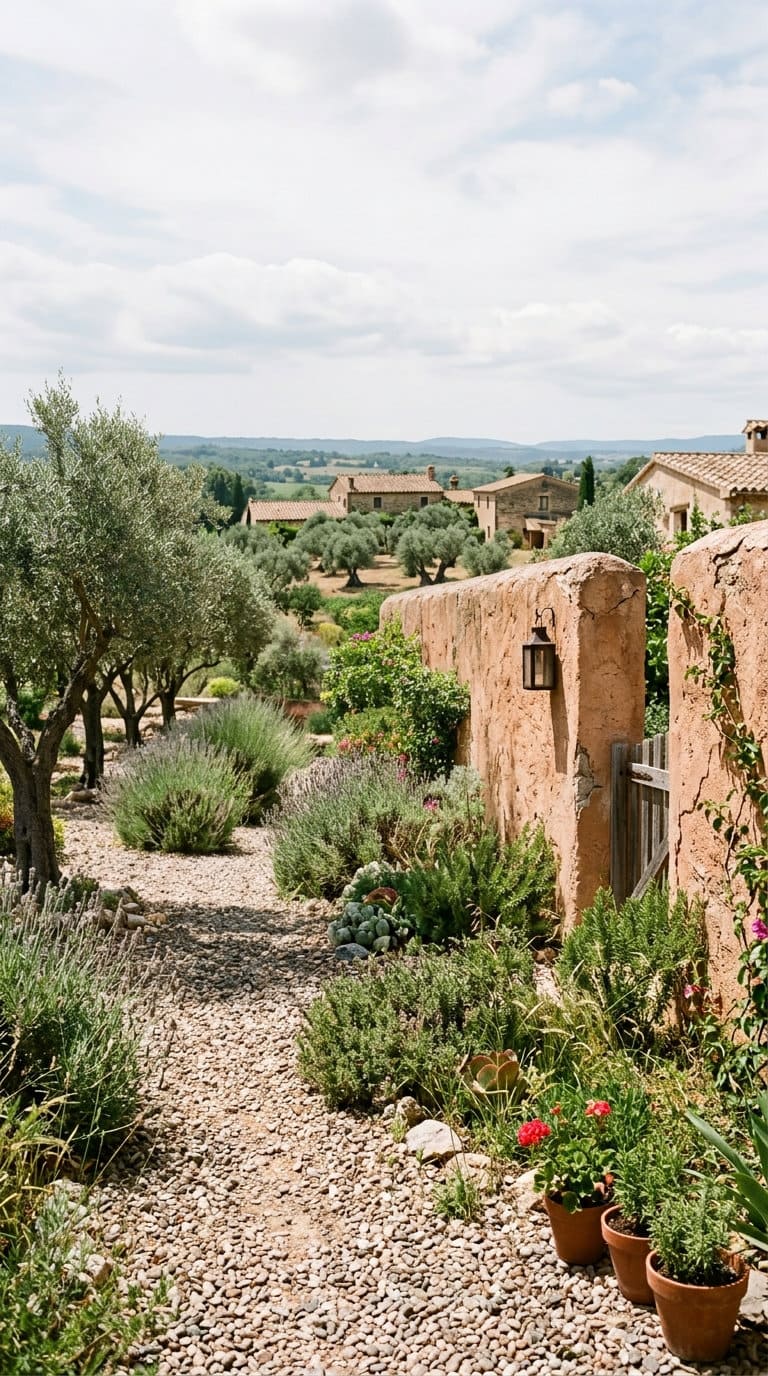
This treatment is reminiscent of the warm, earthy walls found in Mediterranean architecture, instantly transporting your garden to the breezy courtyards of Southern Europe.
The texture gives dimension and appeal to what would otherwise be a functional barrier.
To merge seamlessly with the natural surroundings, paint the surface in relaxing, sun-washed neutrals such as sand, ivory, mild blush, or even worn terracotta.
These colors go especially nicely with olive trees, lavender, terracotta pots, and gravel paths.
Plaster also helps to soften the rough edges of the cinder blocks, replacing rigidity with gentle, inviting curves.
6. Classic Cinder Block Fence
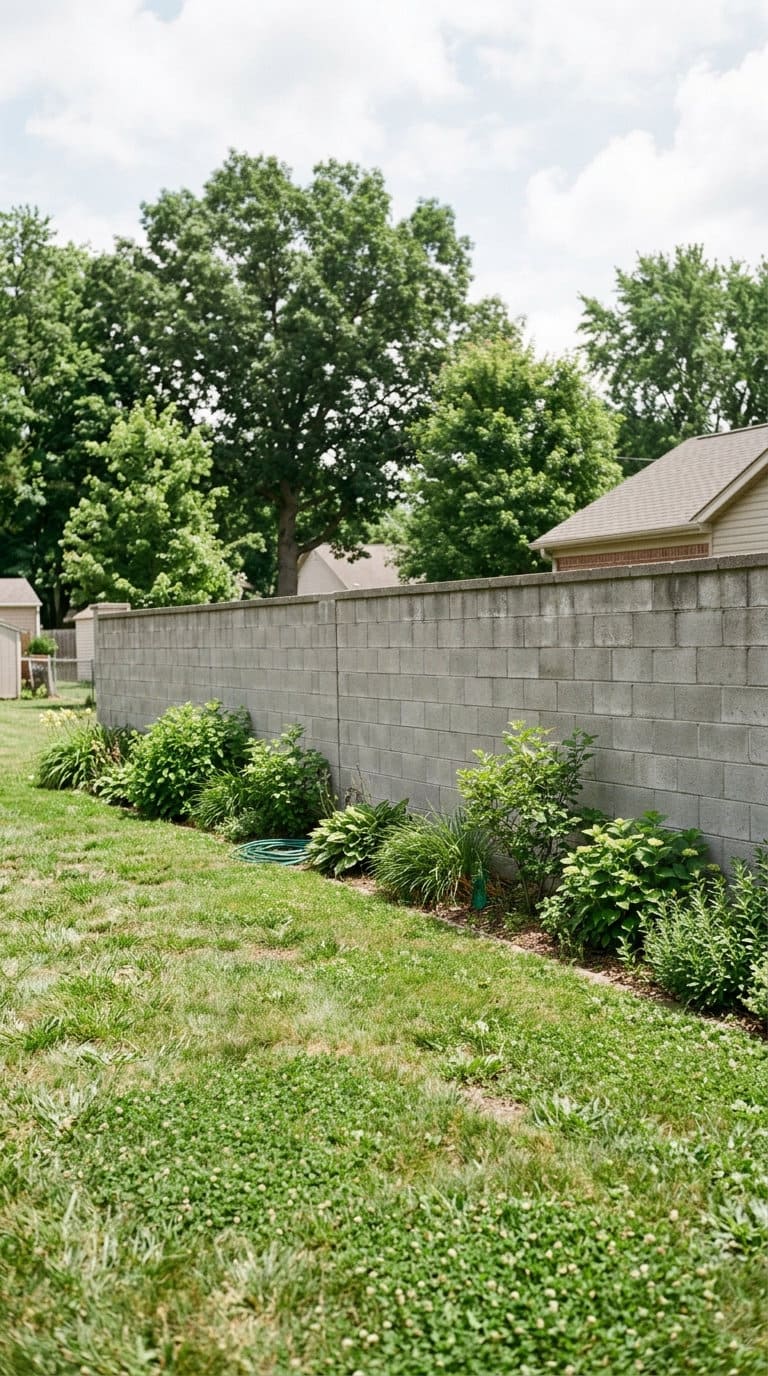
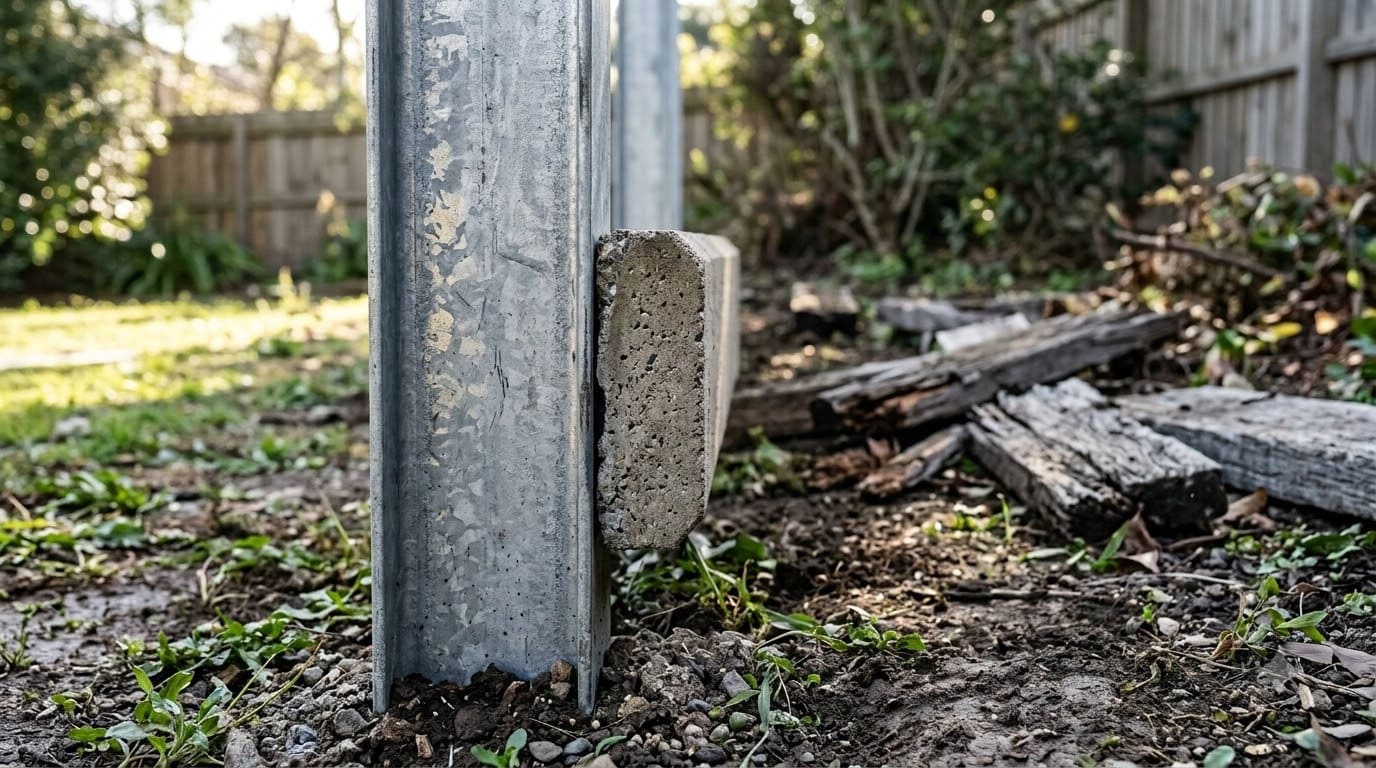
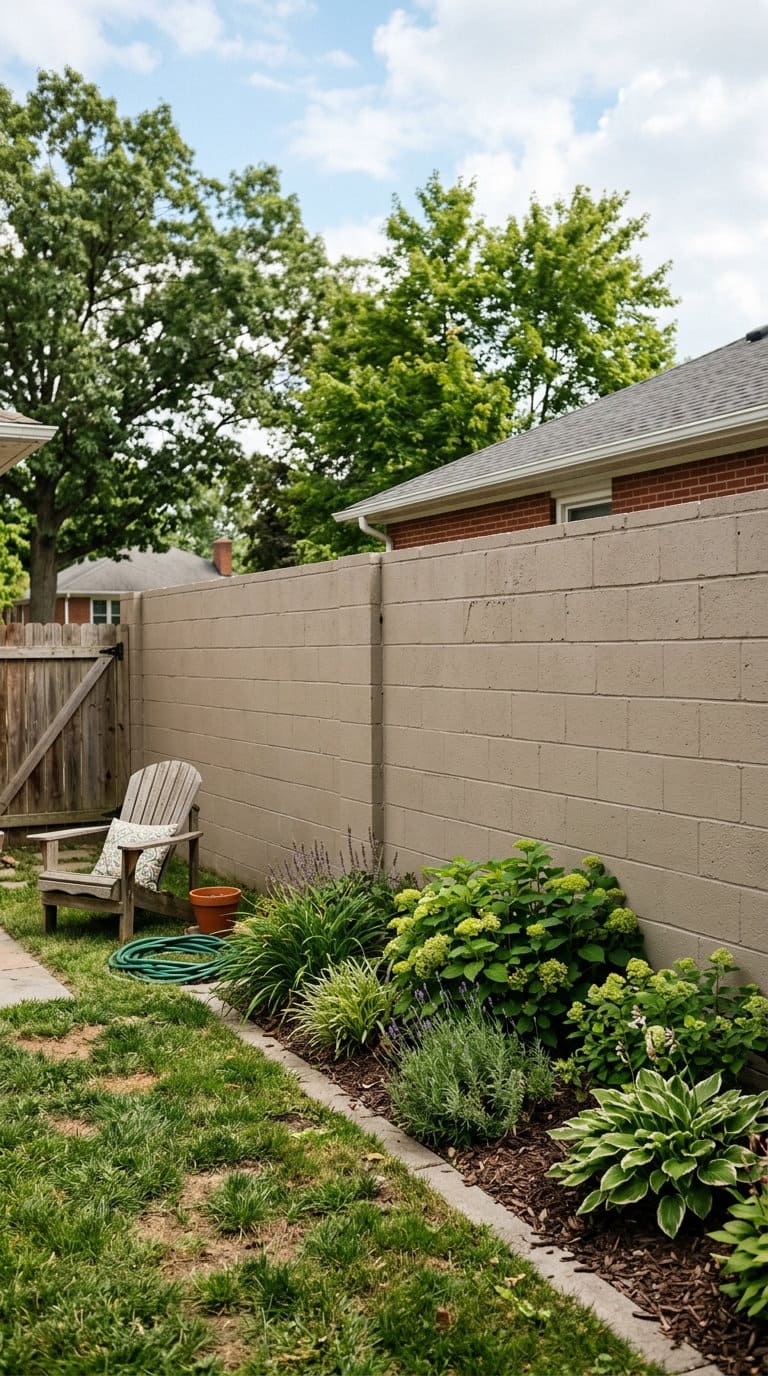
The plain, unpainted block wall, gray, uniform, and functional. It’s the least expensive way to use the material and the most honest about what it is. Because it’s usually built as a full solid run rather than a pierced pattern, this is one of the designs where the height/reinforcement/permit guidance above matters most, check your local threshold before deciding how tall to go.
7. Painted Cinder Block Fence
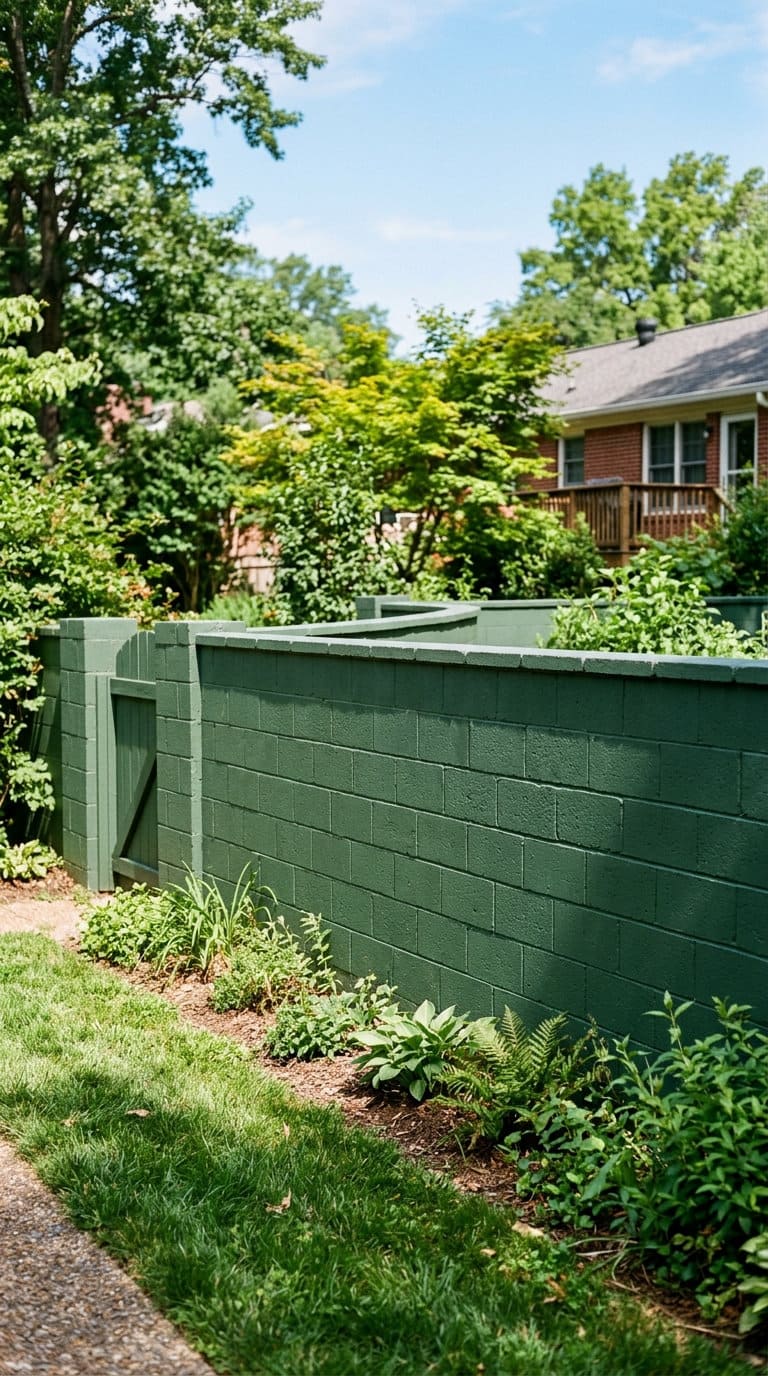
The same classic wall, but finished in a single solid color rather than left bare gray. A clean white, charcoal, or deep green reads as a deliberate design choice rather than an unfinished one.
Cinder block takes exterior masonry paint well, but plan to reseal every few years as UV exposure and weather wear the finish down.
8. Cinder Block Fence with Wooden Accents
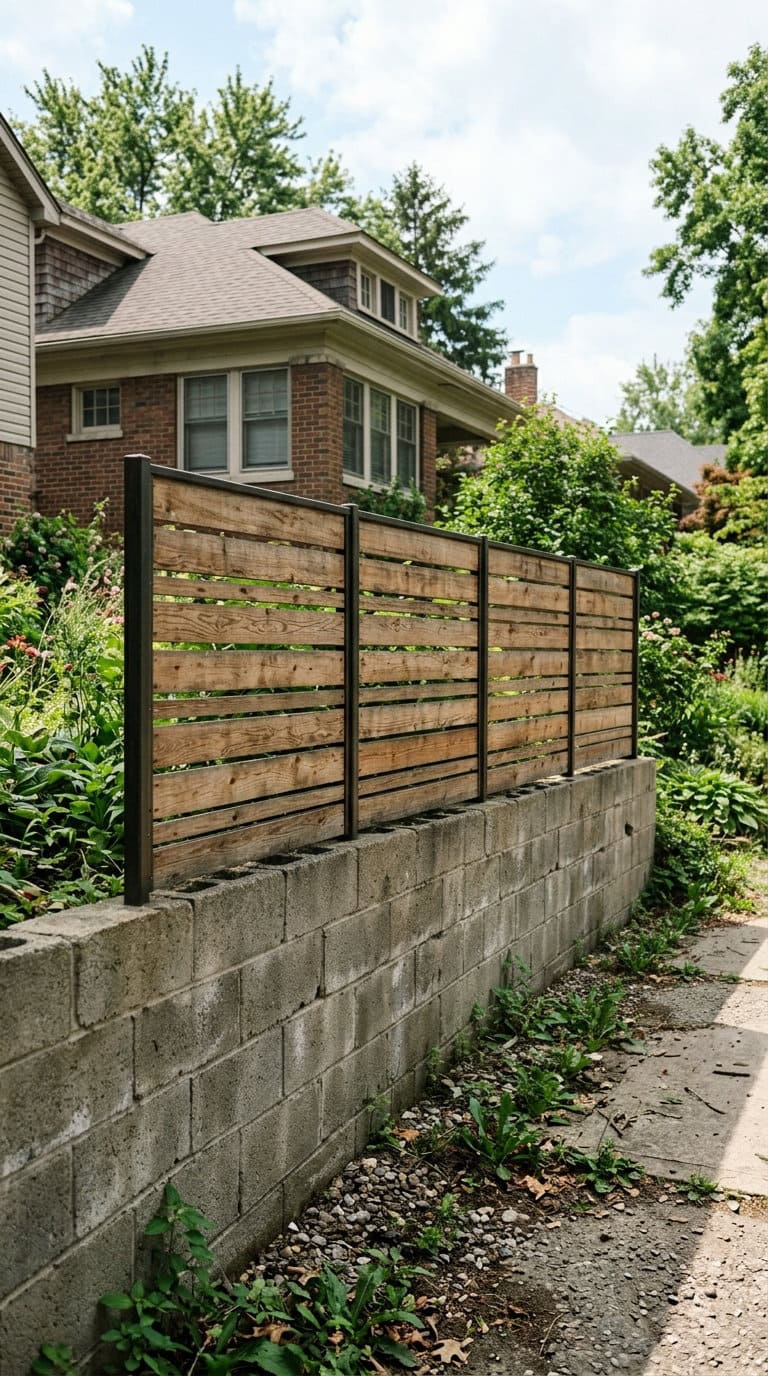
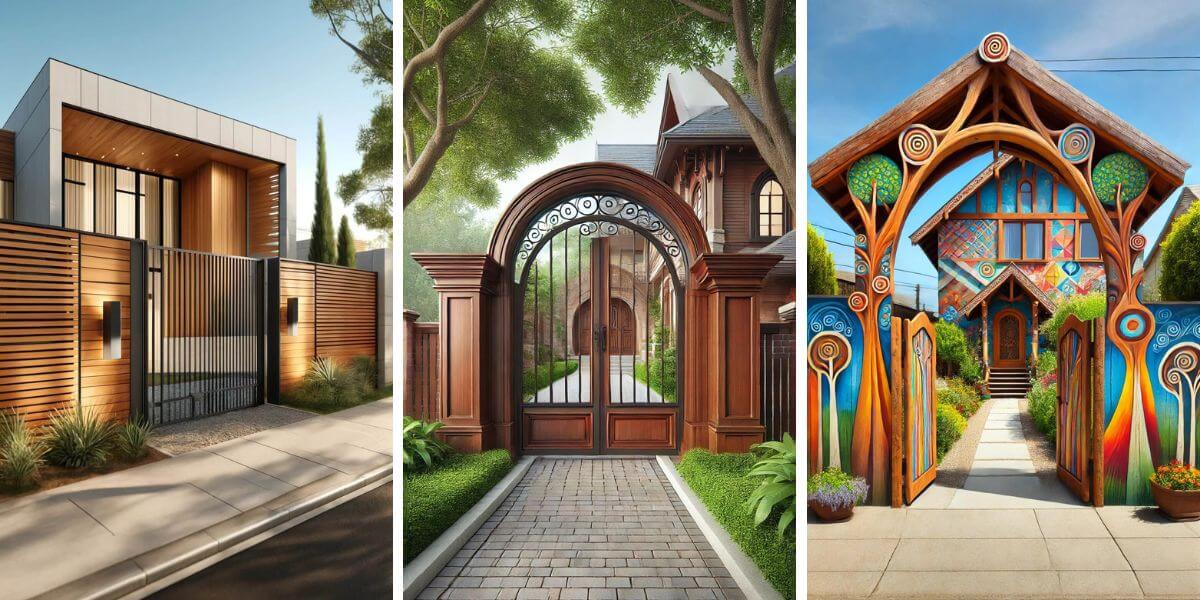
Pairing block with wood, horizontal slats set into or mounted onto a block base, a wood cap rail, or alternating block and wood panels, softens the material’s industrial edge.
It’s a good option if you want the block’s durability at the base (where weather and impact wear are worst) with a warmer material higher up or along the top.
9. Modern Minimalist Cinder Block Fence
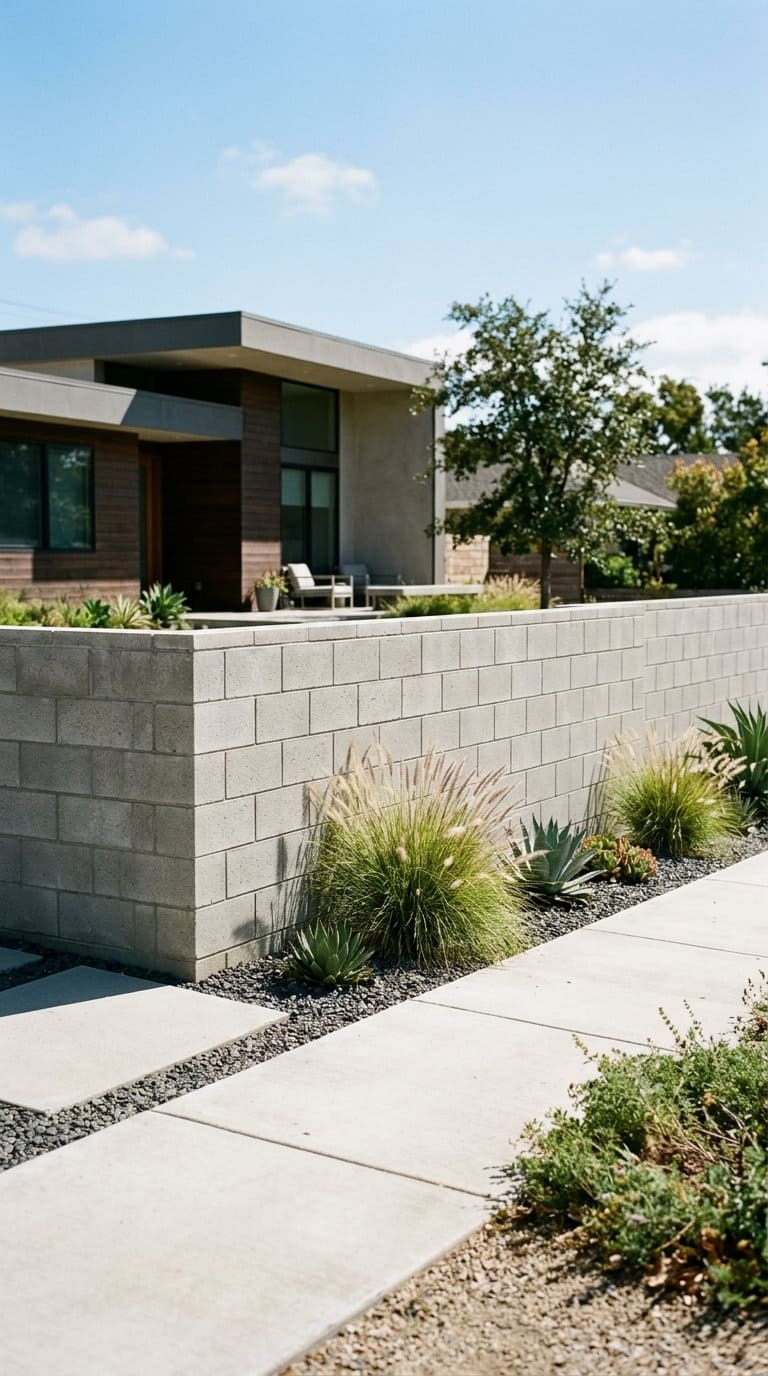
A clean, unadorned block wall with crisp edges, no applied pattern, texture, or color, just the material itself doing the work. This suits a contemporary home with simple landscaping better than a busier, more decorated design. As with the classic wall above, a tall solid minimalist run needs the same reinforcement and permit check.
10. Cinder Block Fence with Metal Inserts
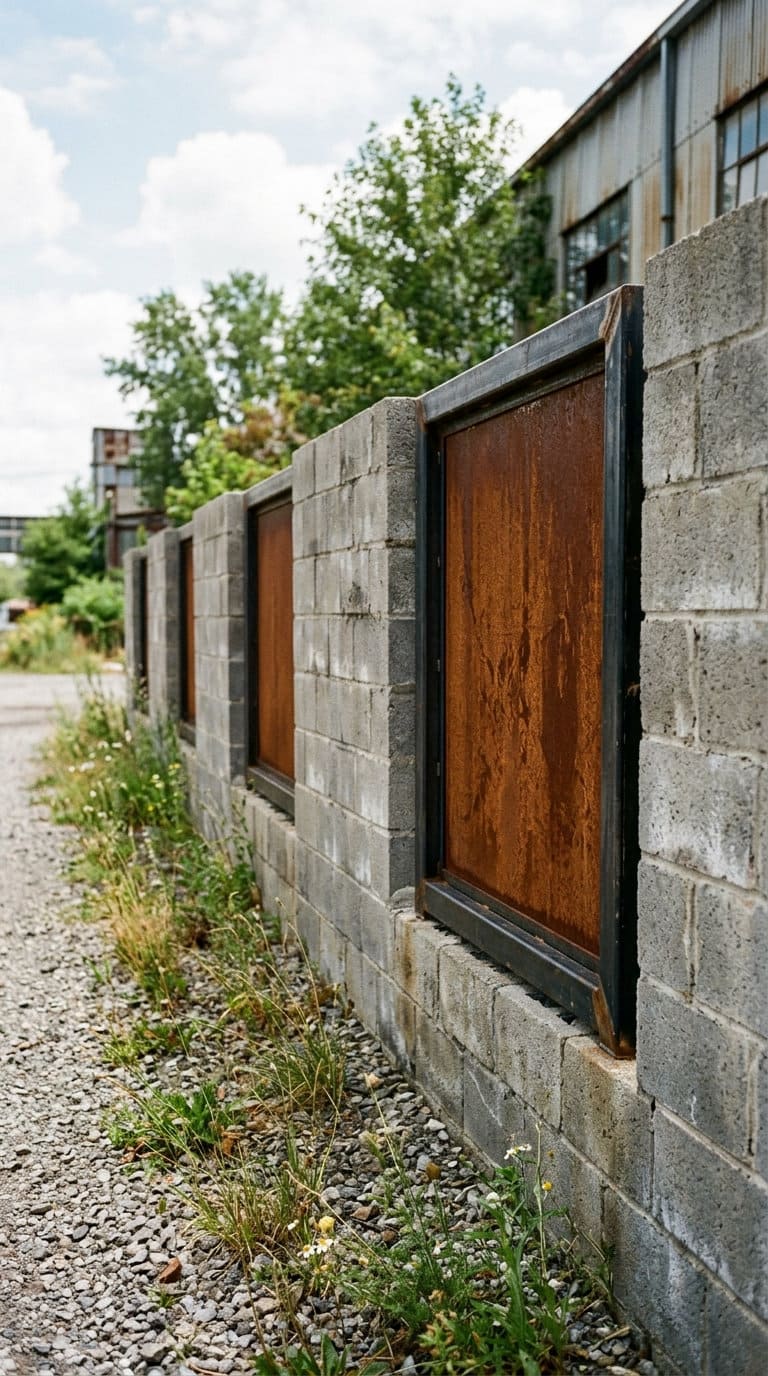
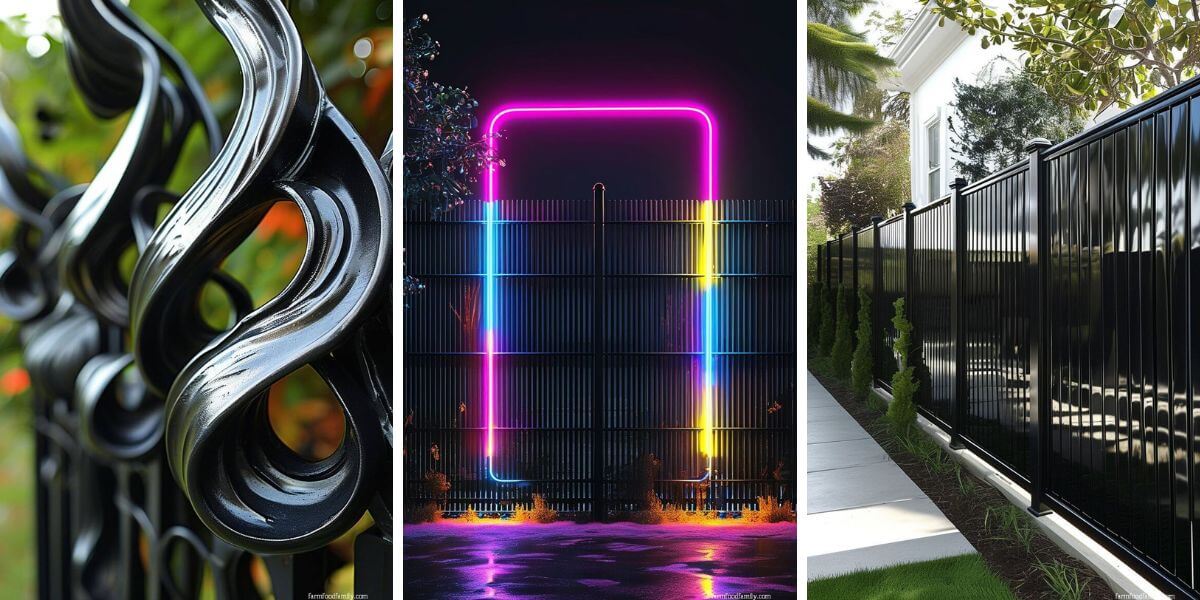
Swapping a few blocks for framed metal panels, perforated sheet metal, corten steel, or a simple metal grate, breaks up the wall’s mass and adds an industrial-modern accent.
Metal inserts also function like a smaller-scale breezeblock pattern, some airflow relief compared to a fully solid wall, depending on how open the insert pattern is.
11. Vertical Garden Cinder Block Fence
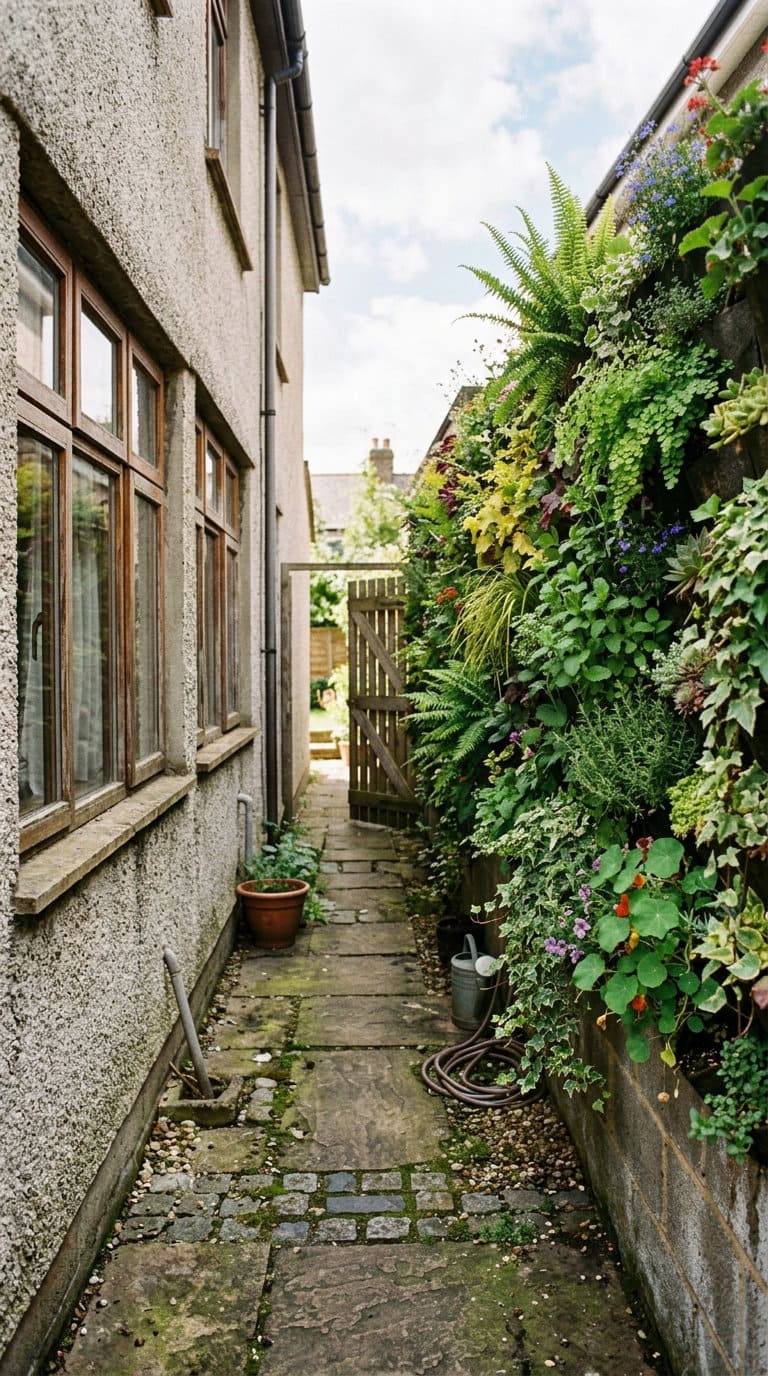
A larger-scale version of the planter wall idea above, an entire run of block dedicated to plantings rather than just a section. This works especially well along a narrow side yard where a full garden bed isn’t practical, the wall itself becomes the growing surface.
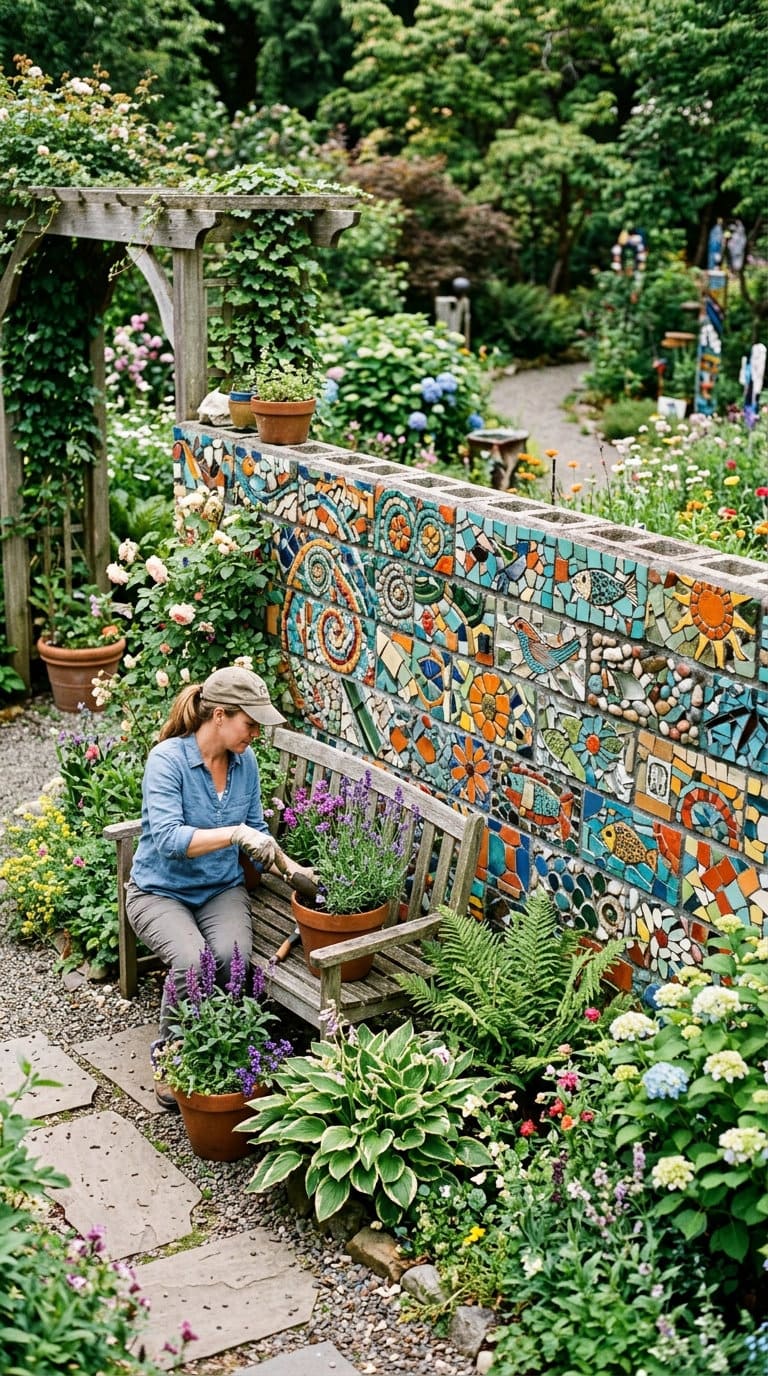
12. Mosaic Cinder Block Fence


Tile, glass, or broken ceramic set into a mortar bed over the block surface turns a plain wall into a genuine art piece.
This is a labor-intensive finish, plan the pattern before starting, since an improvised mosaic tends to read as unfinished rather than deliberate, the same planning principle that applies to any mixed-material mosaic project.
13. Textured Cinder Block Fence
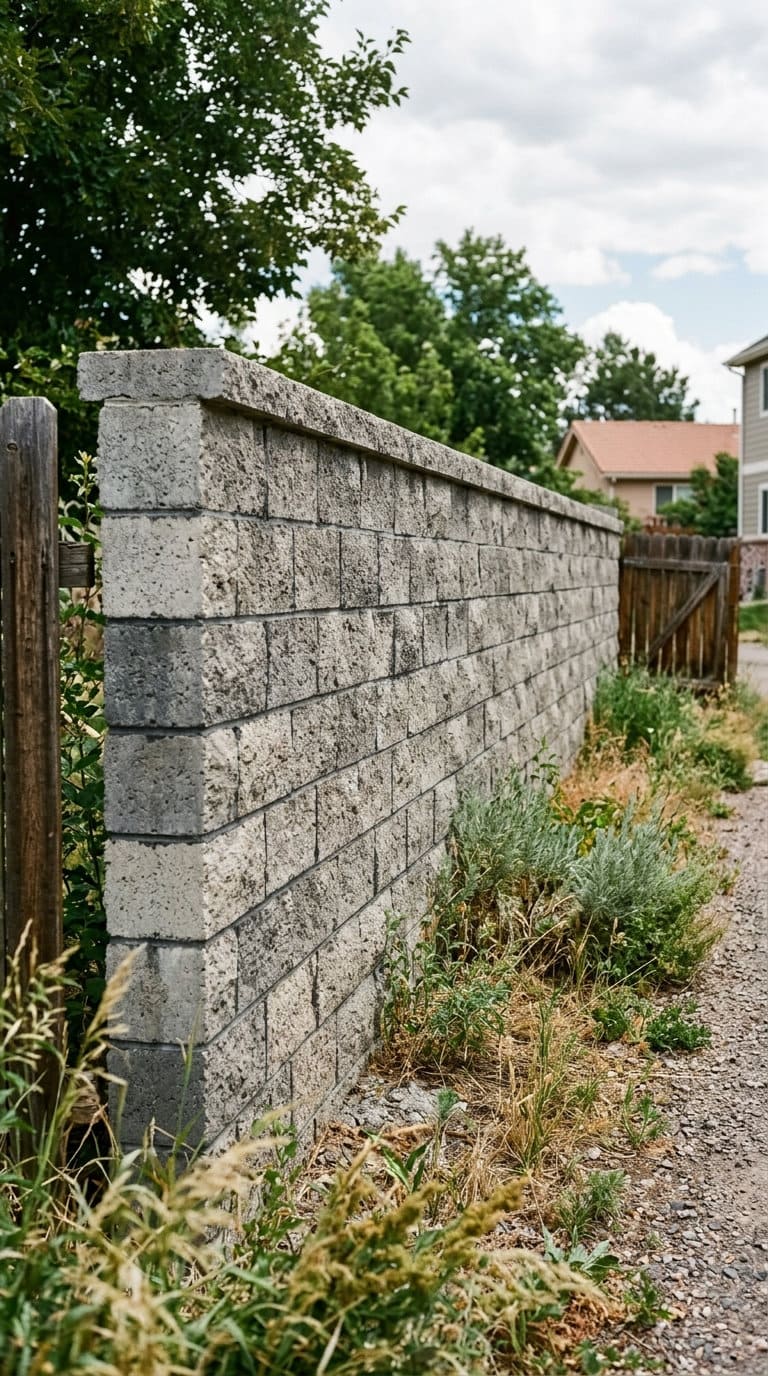
Split-face, ribbed, or scored block units (a different manufactured texture than a standard smooth block) add visual interest without any applied finish at all. This is a good option if you want more depth than a plain wall but don’t want to take on painting, plastering, or mosaic work.
14. Privacy Cinder Block Fence
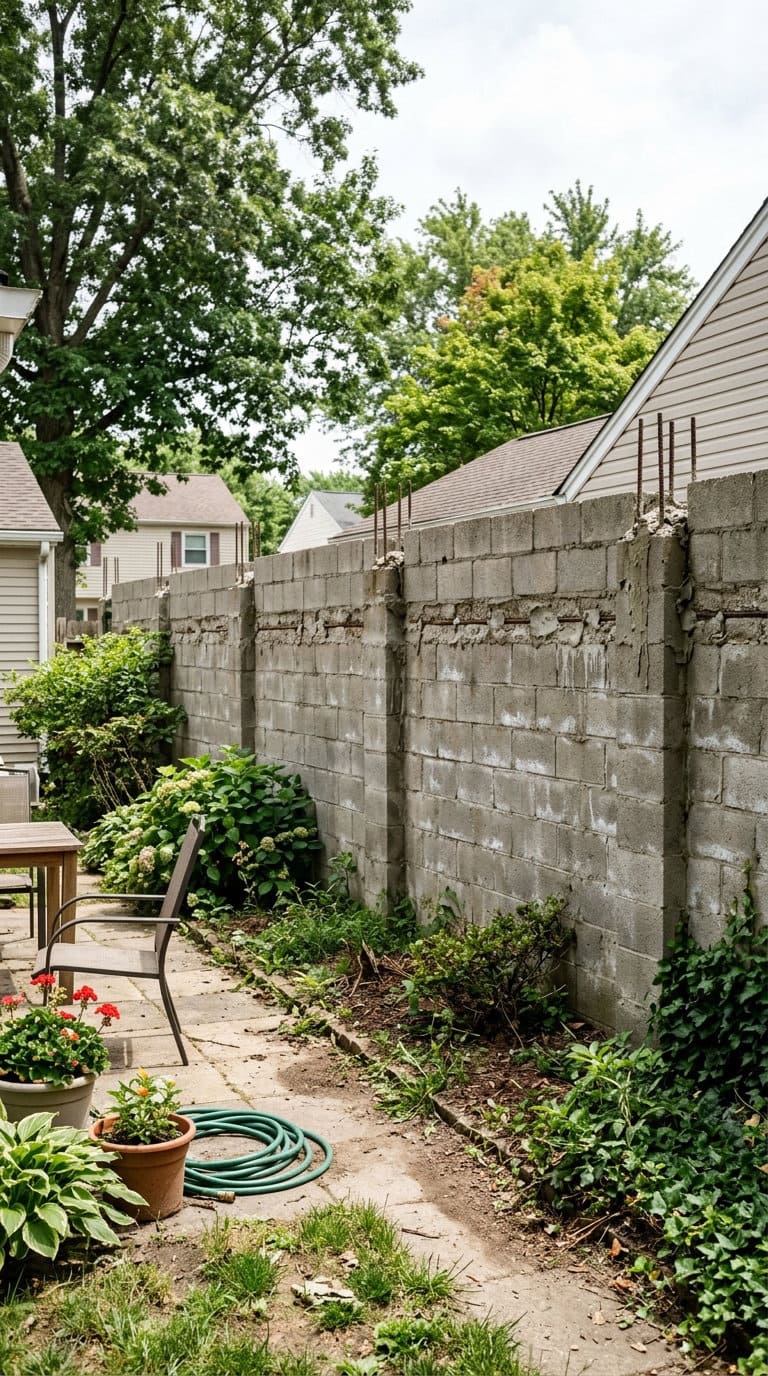
A full-height, solid block wall built specifically to block sightlines rather than just mark a boundary.
This is the design most likely to run into both ends of the structural guidance above: it’s usually tall enough to trigger a permit, and being fully solid, it carries the most wind load of any idea on this list.
Get the height and reinforcement right before finishing it, this isn’t the idea to shortcut on.
15. Cinder Block Fence with Built-In Seating
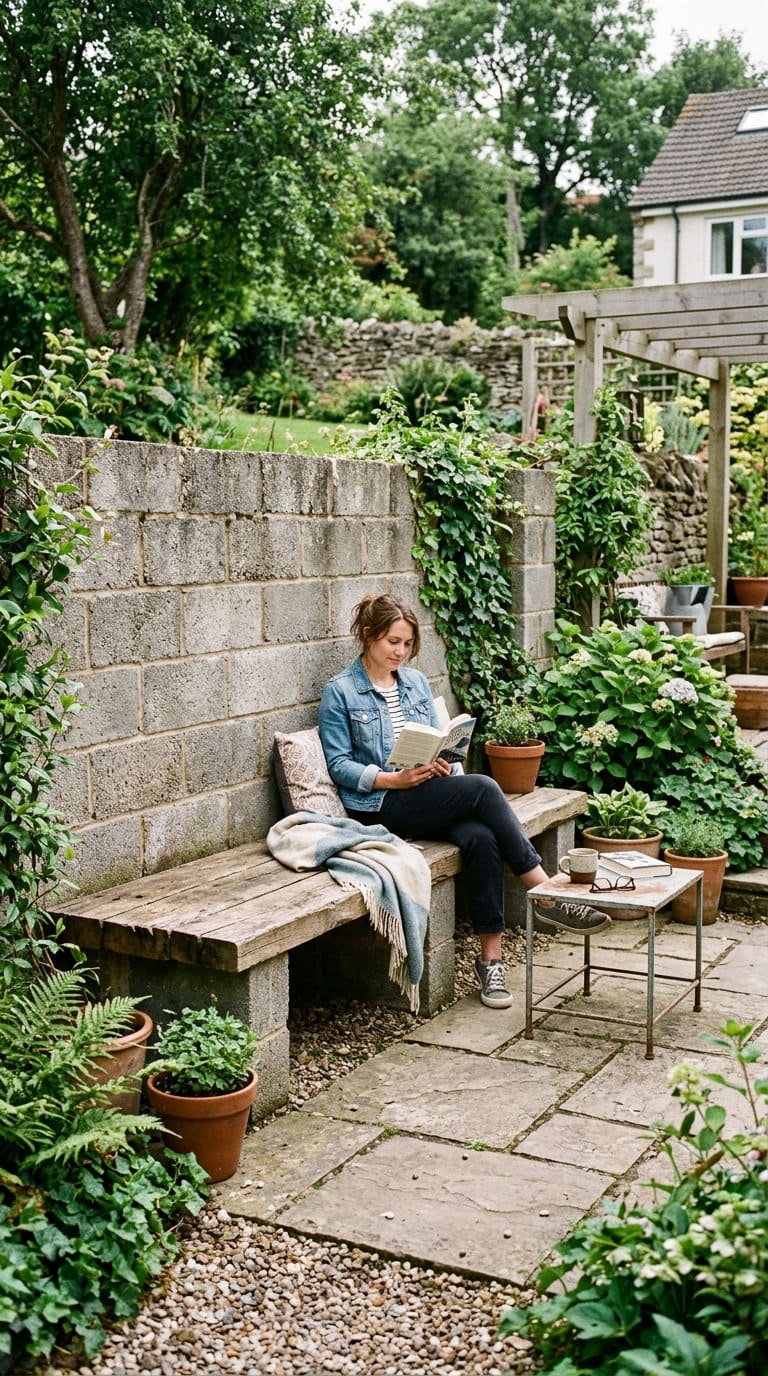
A block wall that steps down or widens at its base into a built-in bench, useful for a patio-adjacent fence line where you want seating without adding separate furniture.
Because this idea adds a real point load against the wall (people sitting and leaning), it needs the same reinforcement attention as the tallest solid designs above, not just at seating height but through the full wall.
16. Rustic Cinder Block Fence
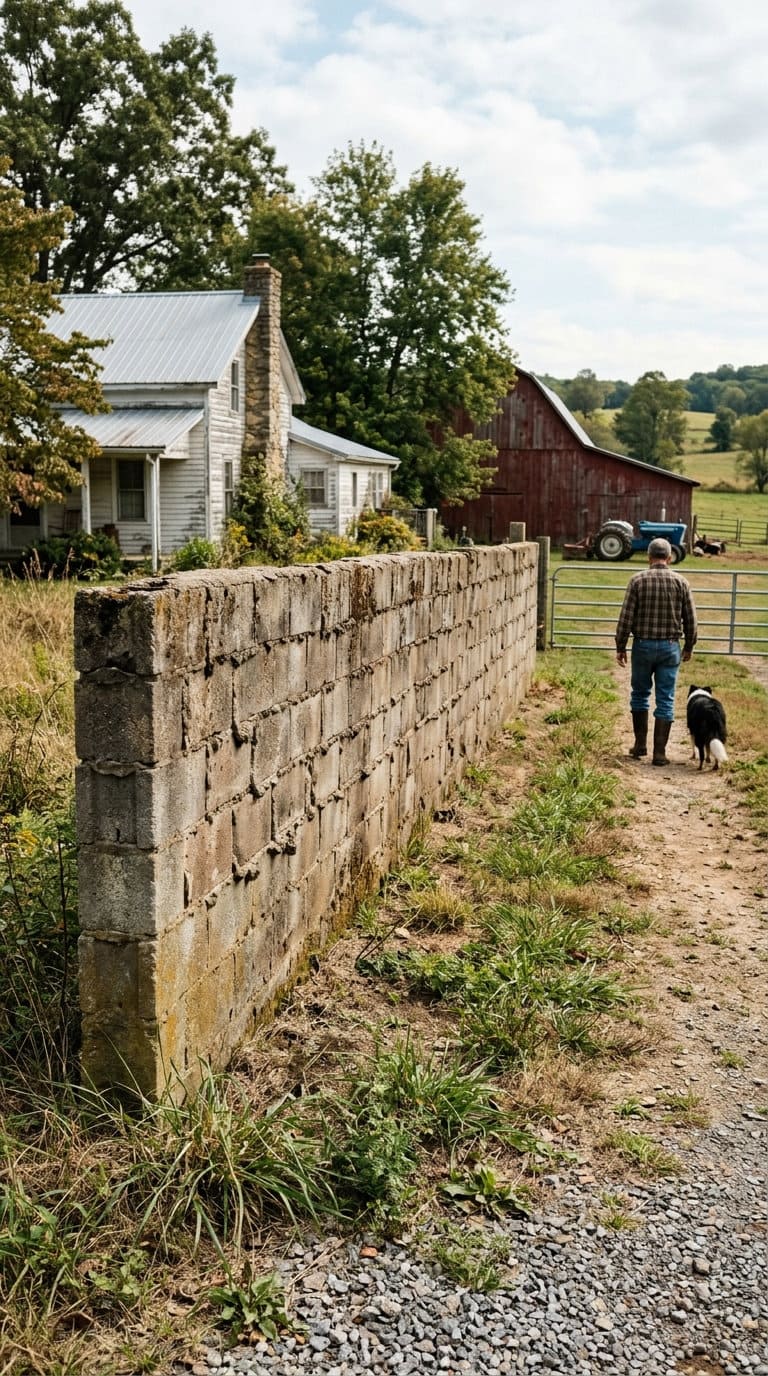
Leaving the block visibly weathered, or finishing it with a rough, uneven mortar joint and a muted, earthy wash, gives it a rustic, almost adobe-like character instead of a crisp modern look.
This suits a farmhouse or cottage-style property better than the clean minimalist version above.
17. Cinder Block Fence with Decorative Openings
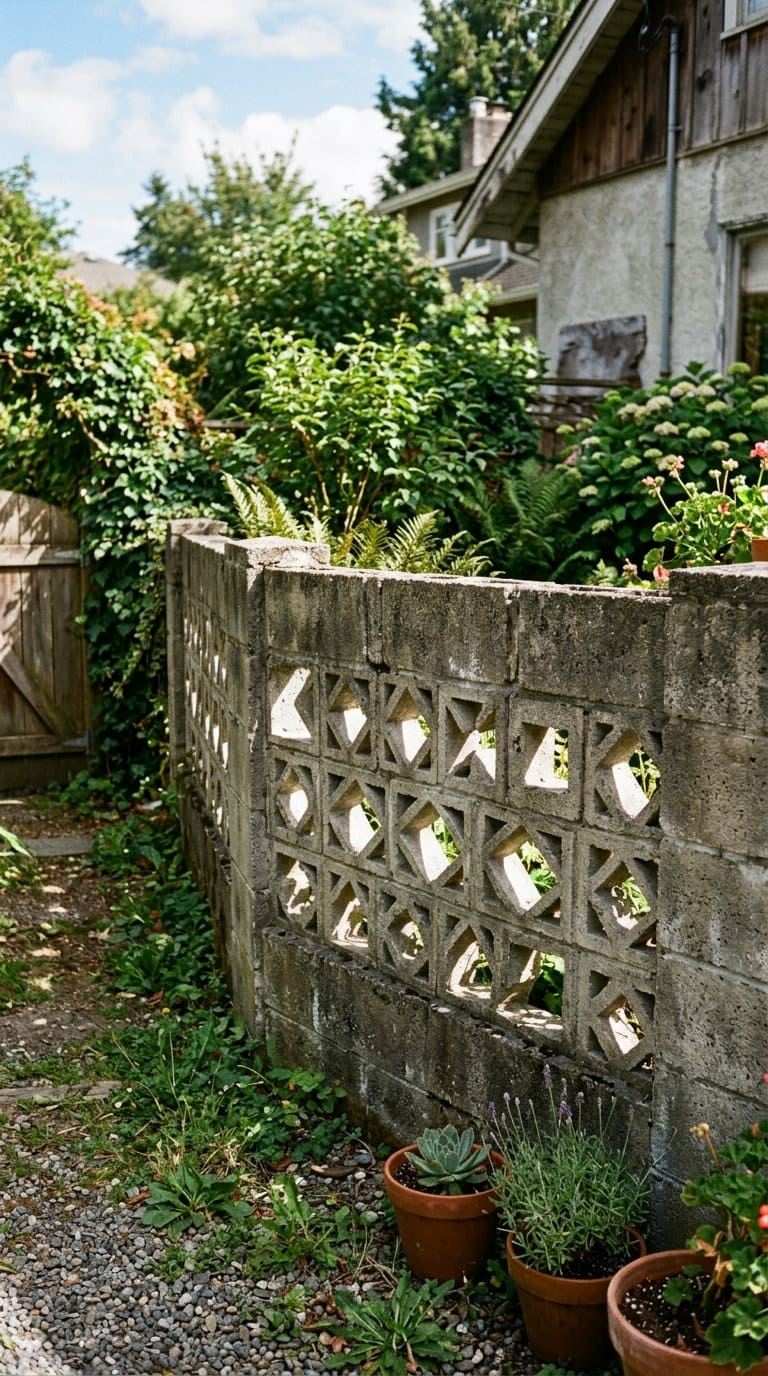
Custom-cut or arranged openings, arches, circles, or geometric cutouts, rather than a manufactured breezeblock pattern, give a more one-of-a-kind look while offering the same wind-load benefit noted above: openings reduce the surface area wind actually pushes against.
18. Mixed Material Cinder Block Fence
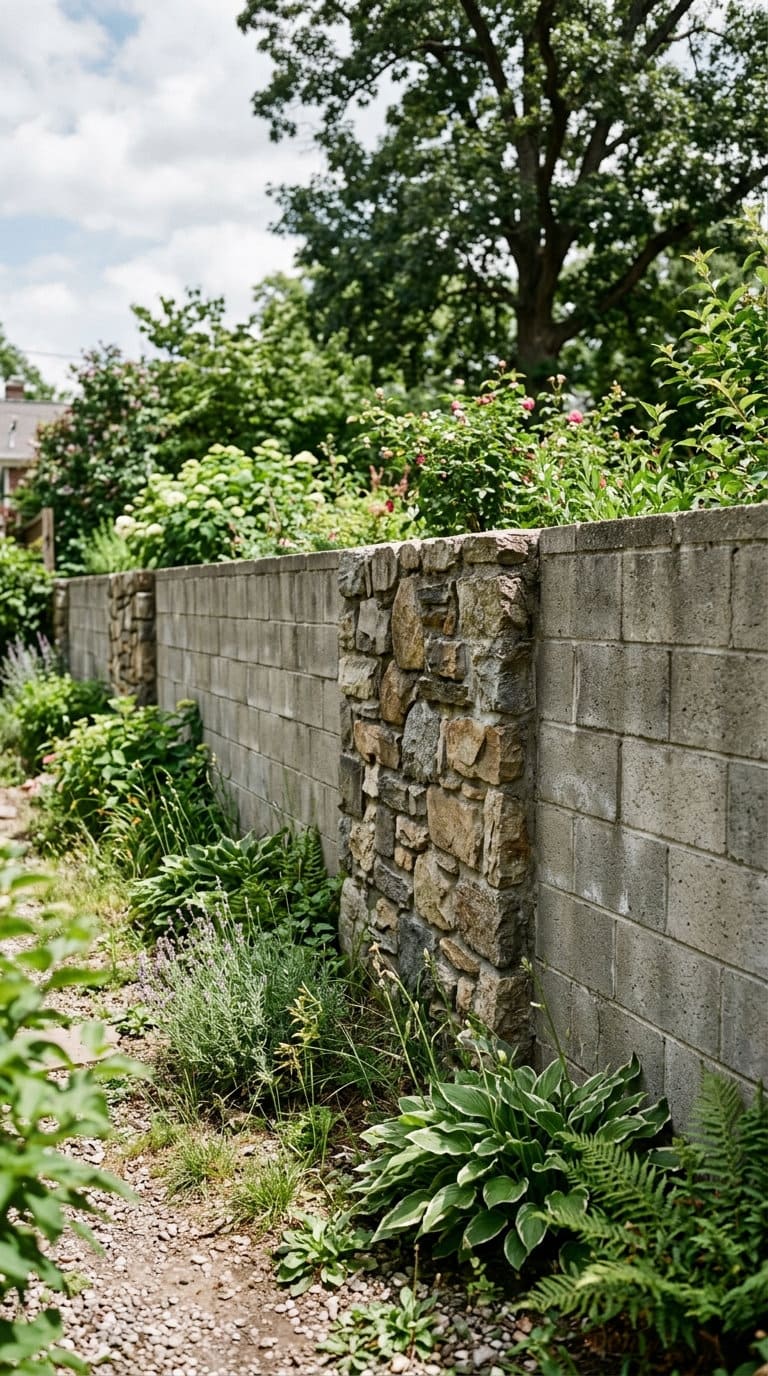
Combining block with stone, brick, or wood panels in a single run, block as the structural base with a different material as a cap, accent band, or alternating section, gives more visual variety than a single-material wall. Plan the material transitions before building, an unplanned mix tends to look accidental rather than designed.
19. Cinder Block Fence with Lighting
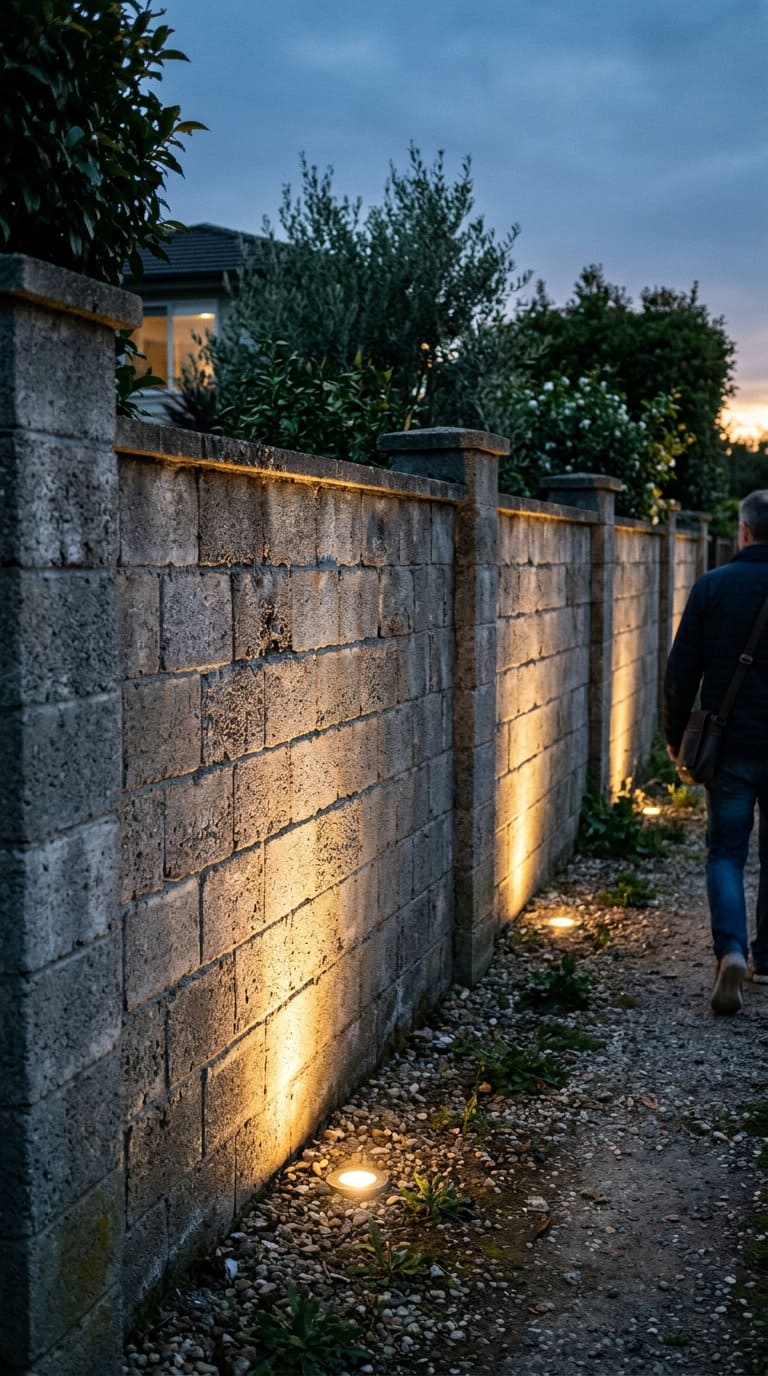
Integrated lighting, uplights at the base, fixtures set into block cavities, or string lights along the top, extends the fence’s usefulness into the evening and highlights texture (especially on a breezeblock or textured design).
Any wiring run through the wall means penetrations into the block itself, plan those before finishing the surface, and keep grouted, reinforced cores clear of the wiring path rather than cutting into them after the fact.
20. Eco-Friendly Cinder Block Fence
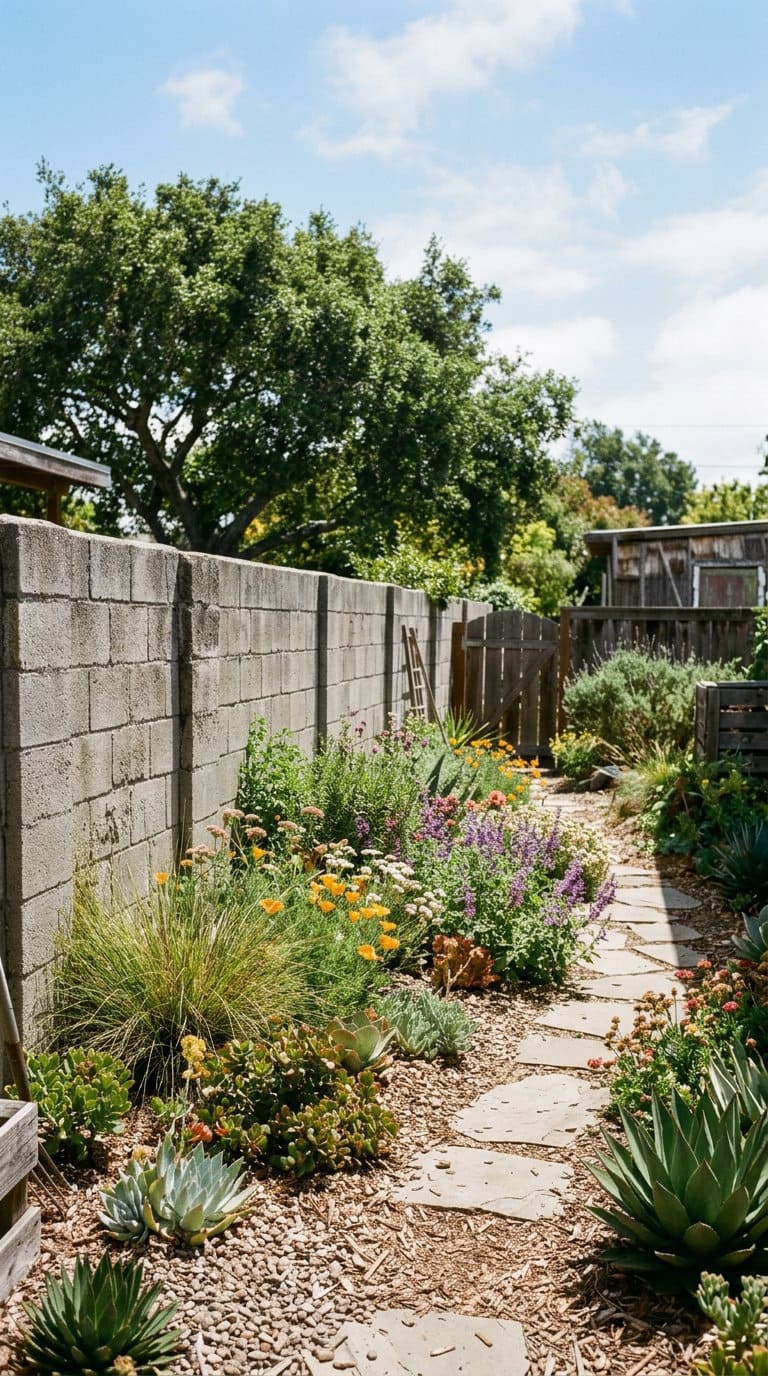
Cinder block itself has real sustainability advantages worth knowing: it’s often made partly from recycled aggregate, it’s durable enough to avoid frequent replacement, and its thermal mass can moderate nearby microclimate slightly.
Pairing it with native, low-water plantings (per the planter and vertical garden ideas above) rounds out an eco-conscious approach rather than treating “eco-friendly” as just a label.
FAQs about cinder block fences
Do I need a permit for a cinder block fence?
Often, yes, once you’re above a certain height. Most jurisdictions set that threshold somewhere between 4 and 7 feet, and some require an engineer’s stamp above that height or on a sloped or soft-soil site, per Los Angeles County’s Department of Public Works. Check your local building department, thresholds vary meaningfully by city and county.
How tall can I build a cinder block fence without reinforcement?
There’s no single safe number that applies everywhere, it depends on your local code and site conditions. As a general rule, the taller and more solid the wall (a full privacy wall, for instance), the more it needs vertical rebar through grouted cores rather than a dry-stacked or lightly mortared build. CMHA’s fence design guidance is written for exactly this kind of freestanding lateral-load wall, not just wall assemblies carrying weight straight down.
What’s the difference between a cinder block wall and a fence?
Functionally, not much, “fence” typically implies a boundary marker, while “wall” implies something built to block sightlines, sound, or wind more completely. A tall, fully solid block run (like the Privacy or Classic ideas above) behaves structurally like a wall regardless of what you call it, and should be planned with that in mind.
Does a cinder block fence need a footing?
Yes. The footing needs to sit below your local frost line, the same principle that keeps a house foundation from heaving applies here, a footing that’s too shallow lets freeze-thaw cycles crack and lean the wall over a few winters.
Conclusion
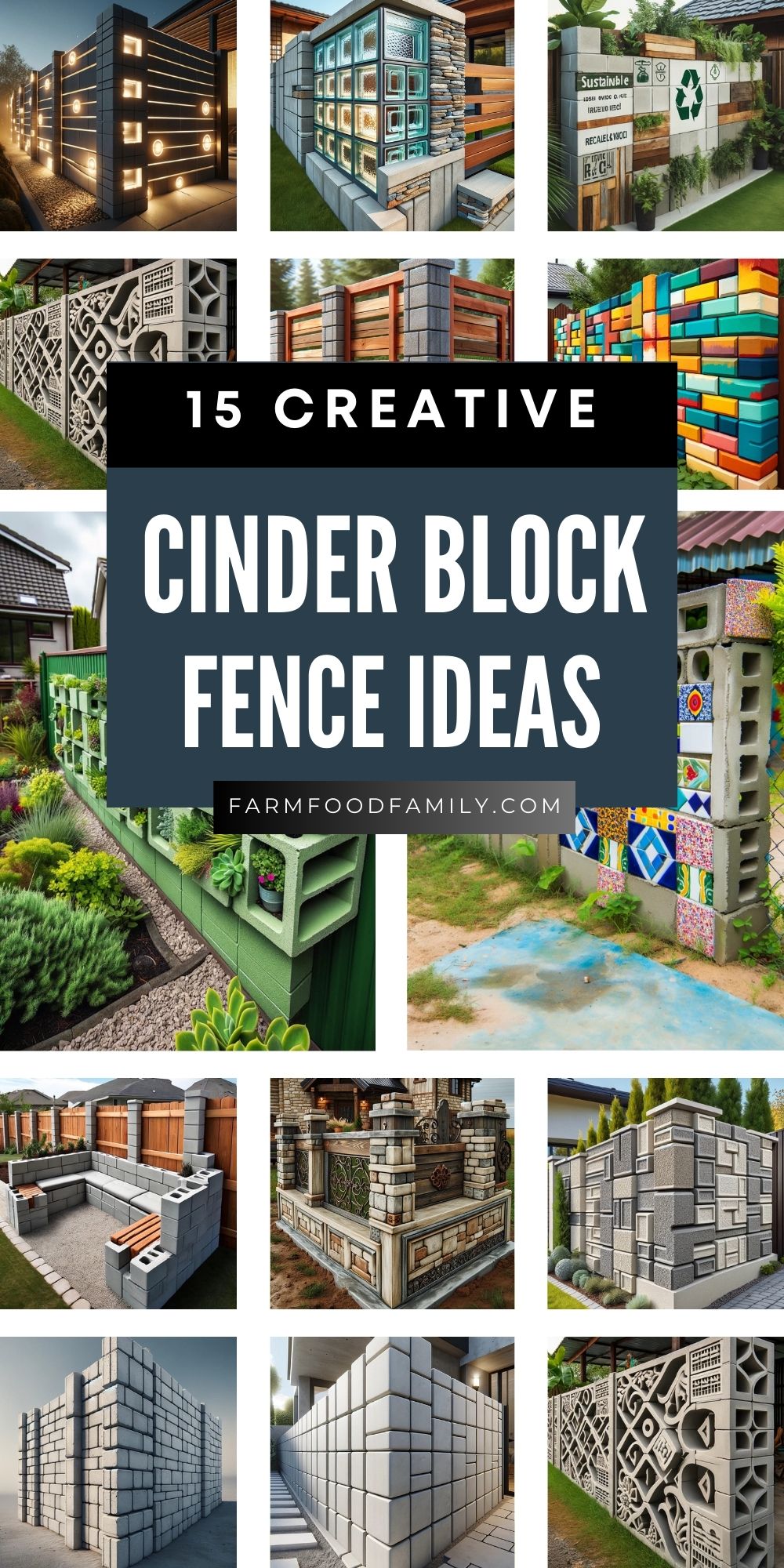
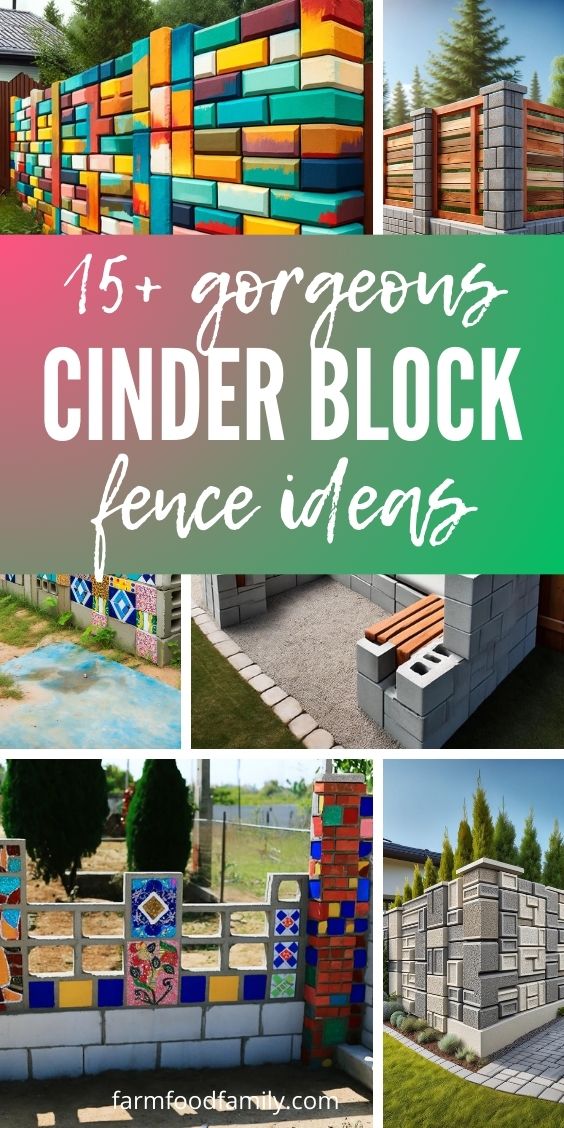
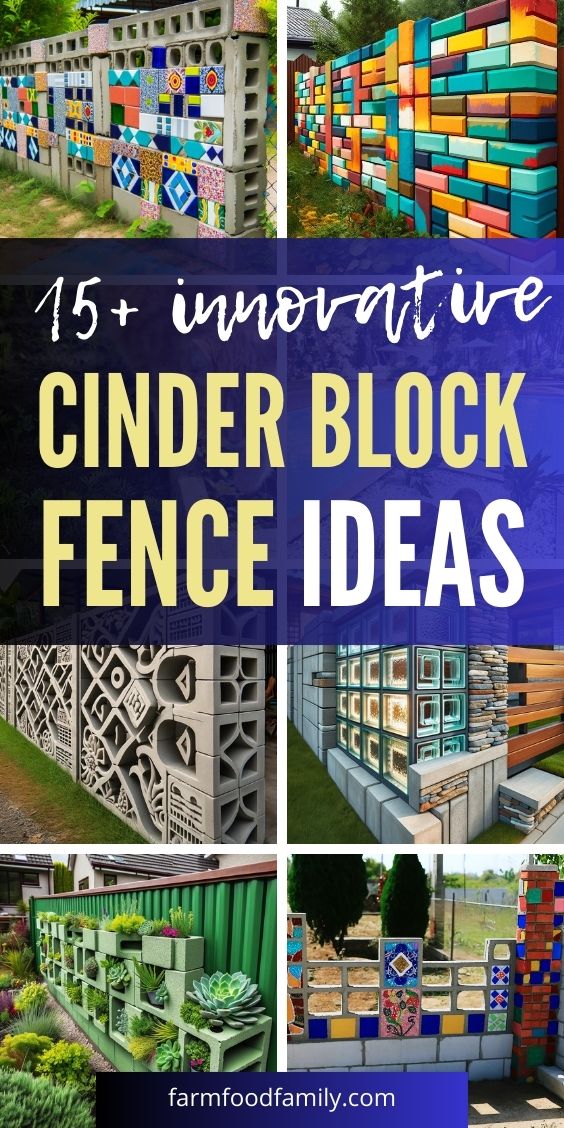
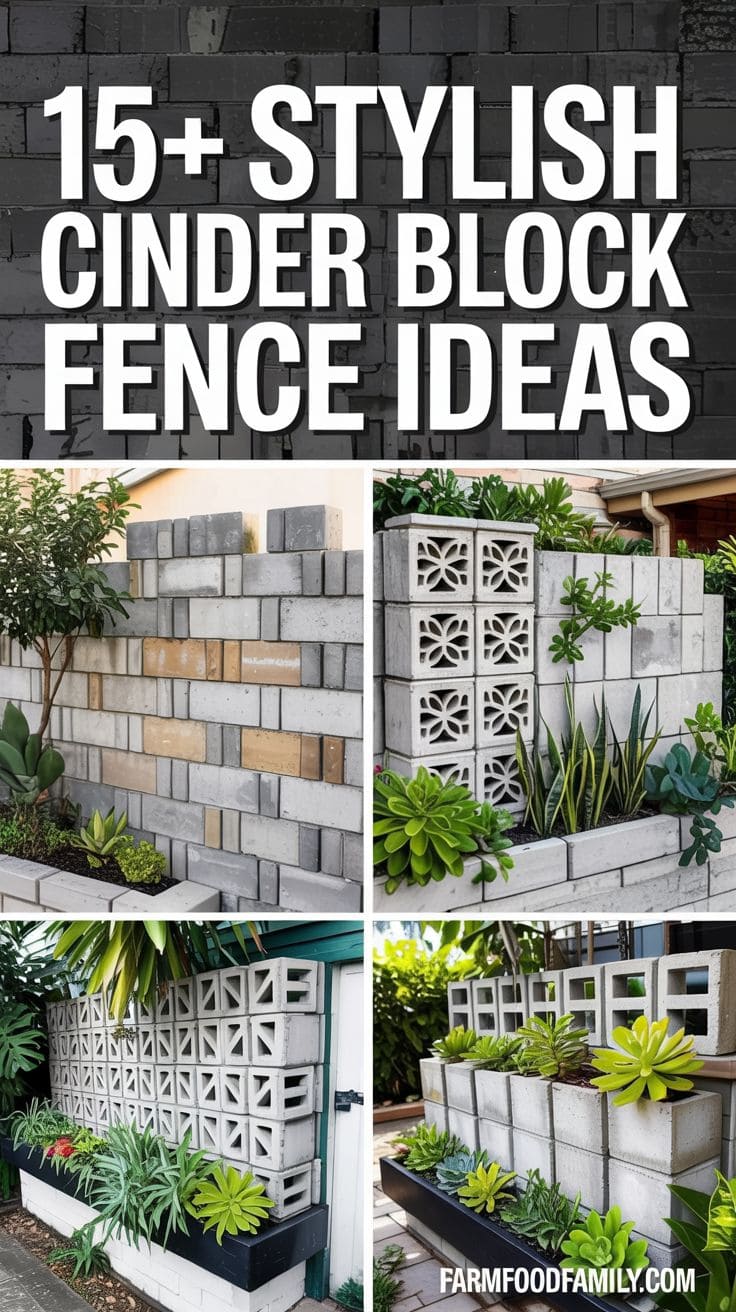
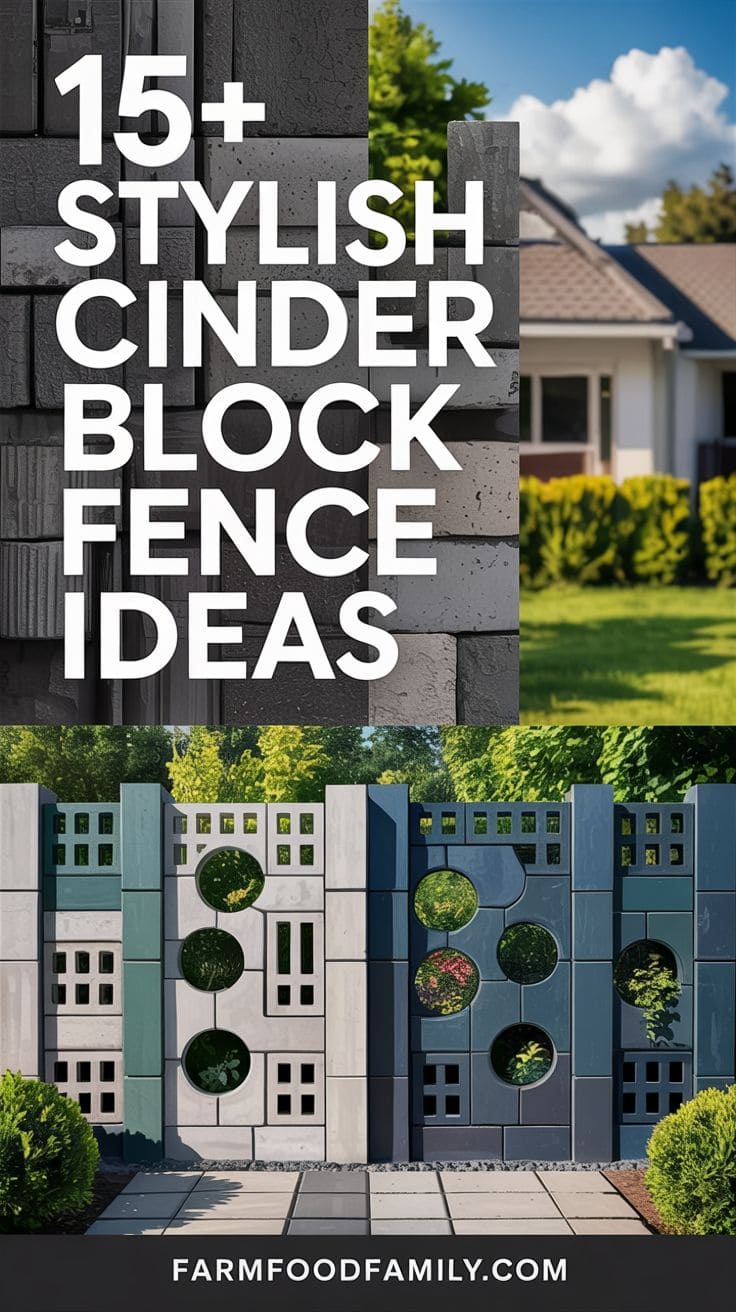
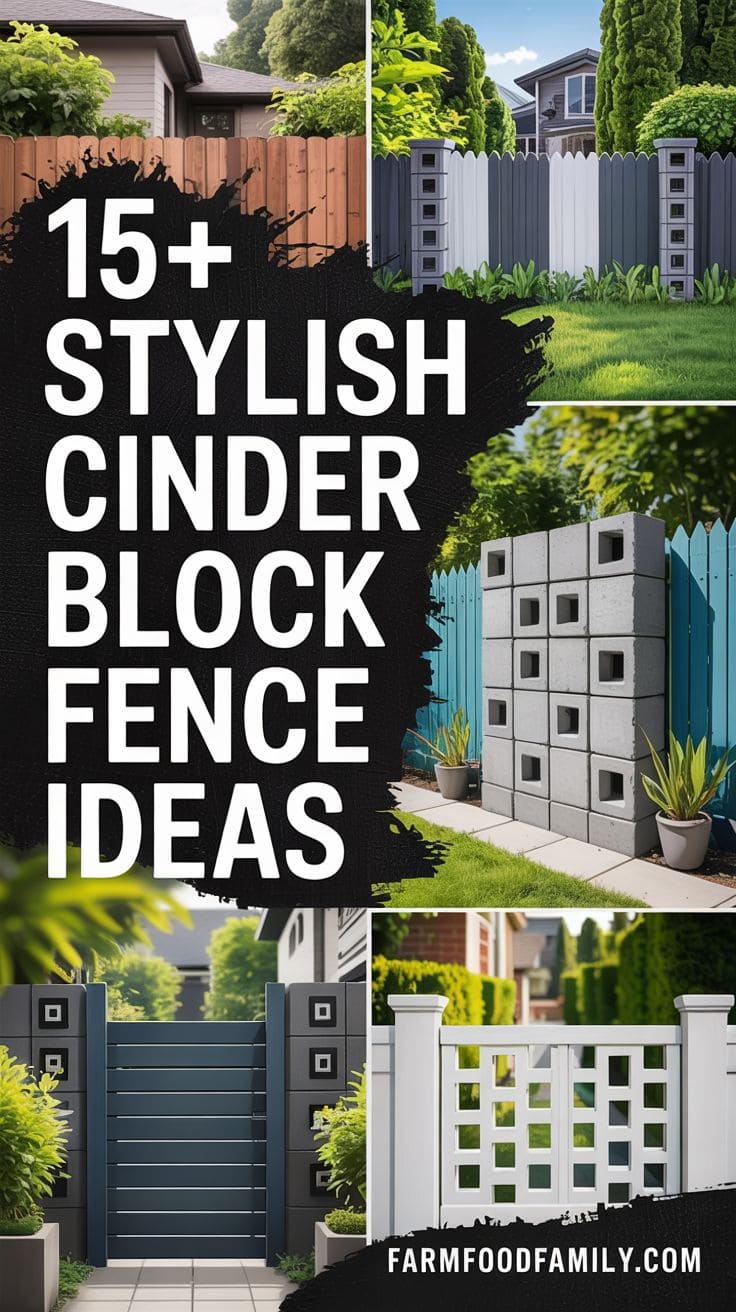
A cinder block fence doesn’t have to feel cold or industrial. With creativity and a thoughtful mix of color, texture, and functionality, it can be transformed into a stunning and integral part of your outdoor sanctuary.
Whether you lean toward minimalism, boho, or rustic charm, there’s a way to make your cinder block fence reflect your personality and enhance your overall outdoor vibe.
If this article has helped you out, don’t forget to leave a comment below and to share this list with your friends!
Products We Recommend
This post contains affiliate links. We may earn a commission on qualifying purchases at no extra cost to you.
Coyote No. 4 Rebar Stakes, 1/2" x 4', Grade 60 (5-Pack)
Grade 60 reinforcement bar for grouting through block cores, directly relevant to the reinforcement guidance in the "Before You Build" section for taller, solid designs like Privacy and Classic.
Shop Now
Quikrete Non-Shrink Precision Grout, 50 lb
A flowable, non-shrink grout suited to filling CMU block cores solid around rebar, the material that actually turns a dry-stacked wall into a reinforced one.
Shop Now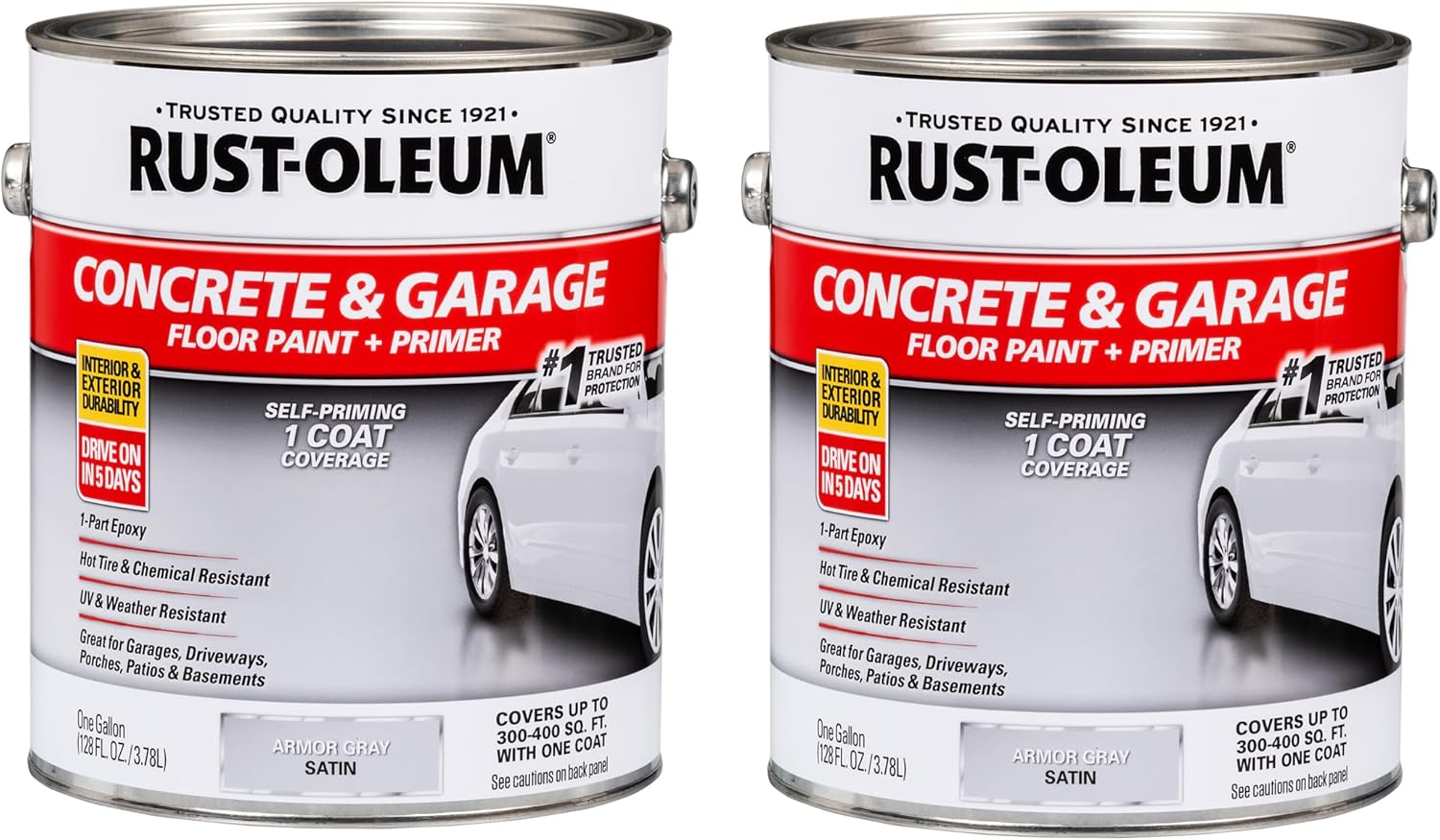
Rust-Oleum Concrete & Garage Floor Paint and Primer, Satin Armor Gray
Exterior masonry paint and primer in one, suited to the Painted, Color-Blocking, and Minimalist ideas above, formulated to hold up on porous concrete/block surfaces better than standard exterior paint.
Shop NowNever miss an update — choose FarmFoodFamily as your preferred source on Google.
How it works: Tap the button below to open Google's settings page, then check the box next to FarmFoodFamily.
Tap the checkbox to turn it blue — that's how you know it's set.