25+ Mystical Witchy Garden Ideas for a Magical Retreat
A witchy garden isn’t really about vague mysticism, it’s an intentional garden. Real folklore, real symbolism, plants chosen for a reason beyond just looking pretty. As Ellen Dugan, the “Garden Witch,” a practicing Witch of over 35 years and a certified Master Gardener, puts it, a green practitioner is defined by their connection to their living…

Never miss an update — choose FarmFoodFamily as your preferred source on Google.
How it works: Tap the button below to open Google’s settings page, then check the box next to FarmFoodFamily.
Tap the checkbox to turn it blue — that’s how you know it’s set.
A witchy garden isn’t really about vague mysticism, it’s an intentional garden. Real folklore, real symbolism, plants chosen for a reason beyond just looking pretty. As Ellen Dugan, the “Garden Witch,” a practicing Witch of over 35 years and a certified Master Gardener, puts it, a green practitioner is defined by their connection to their living environment and their affinity for the natural world, not costume-shop aesthetics.
Two things almost every witchy garden guide skips entirely: some of the plants that fit this exact aesthetic (foxglove, belladonna, monkshood) are genuinely toxic, and an open fire pit needs real clearance from your house and fence. Both get covered properly below, alongside 16 real ideas.
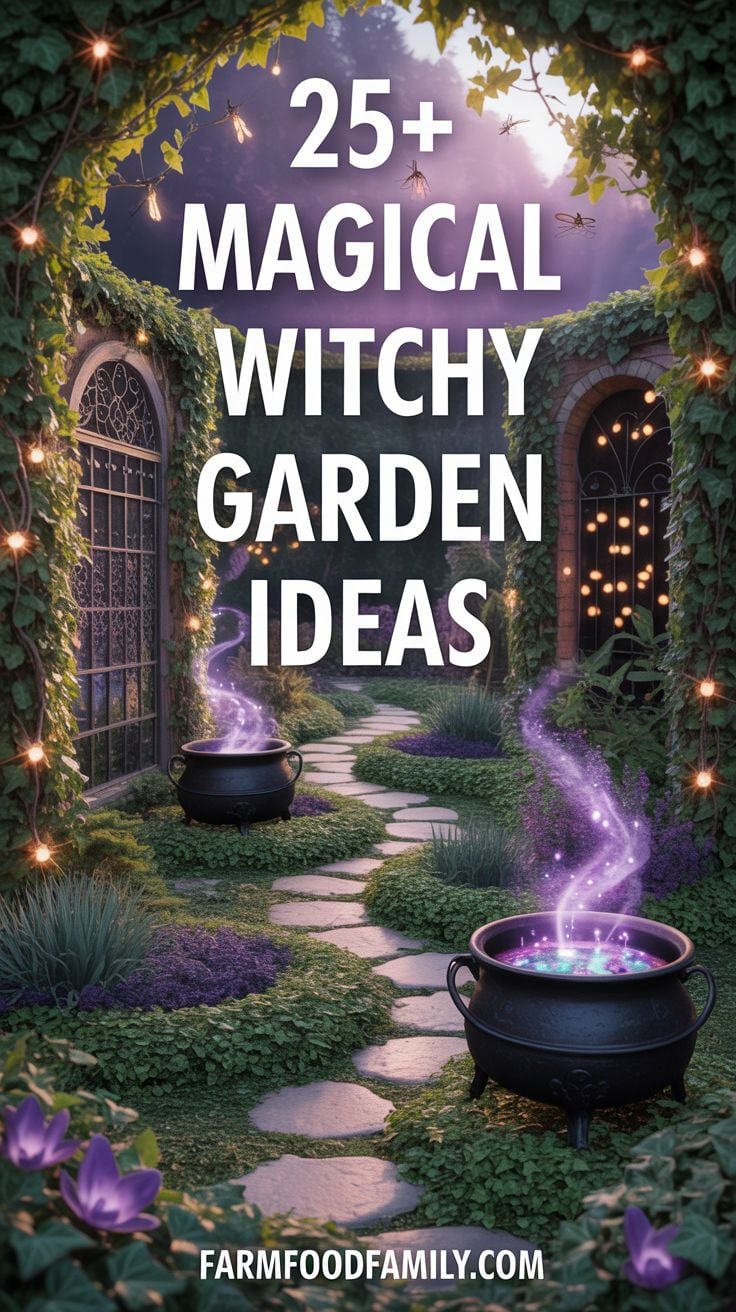
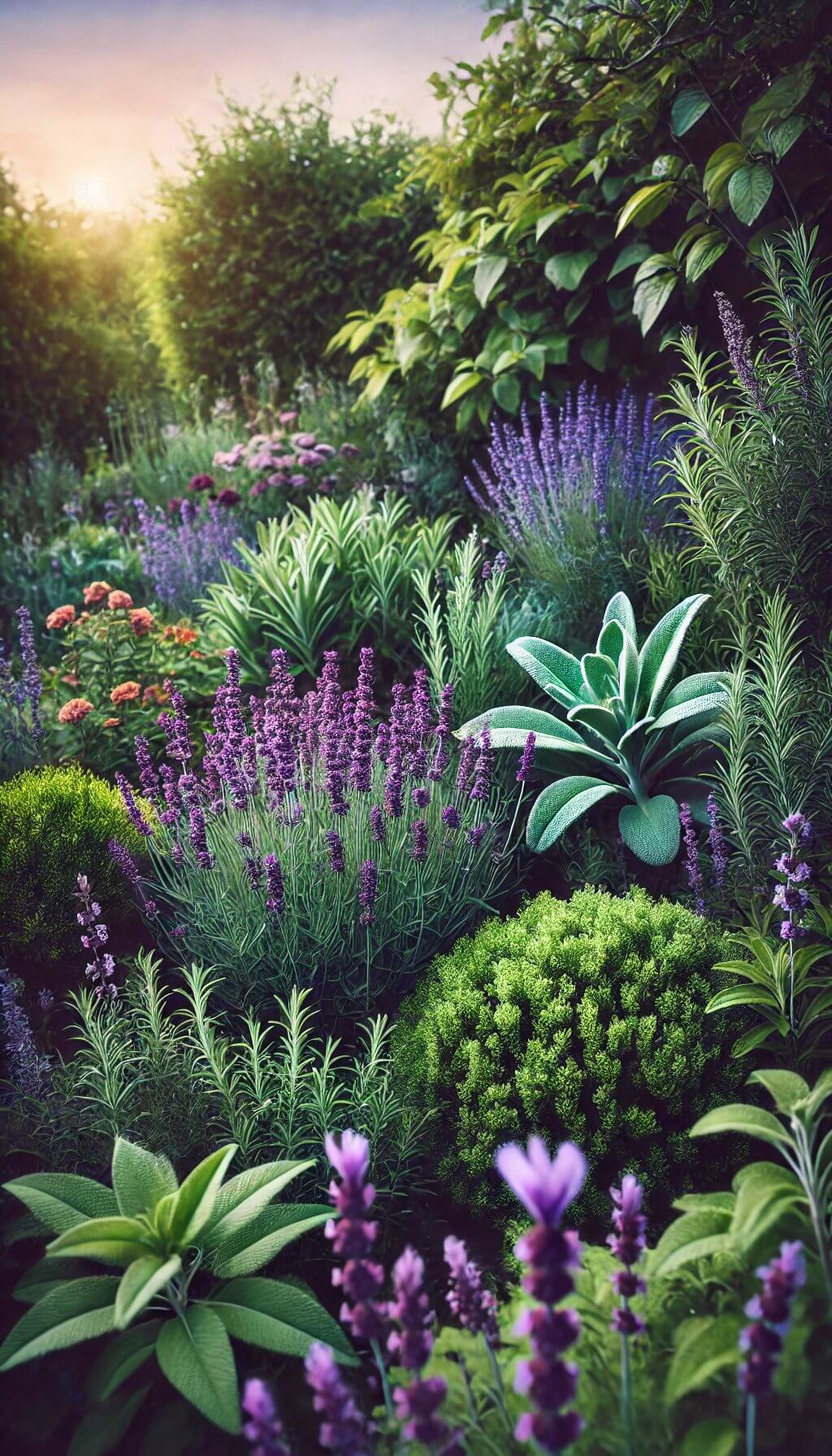
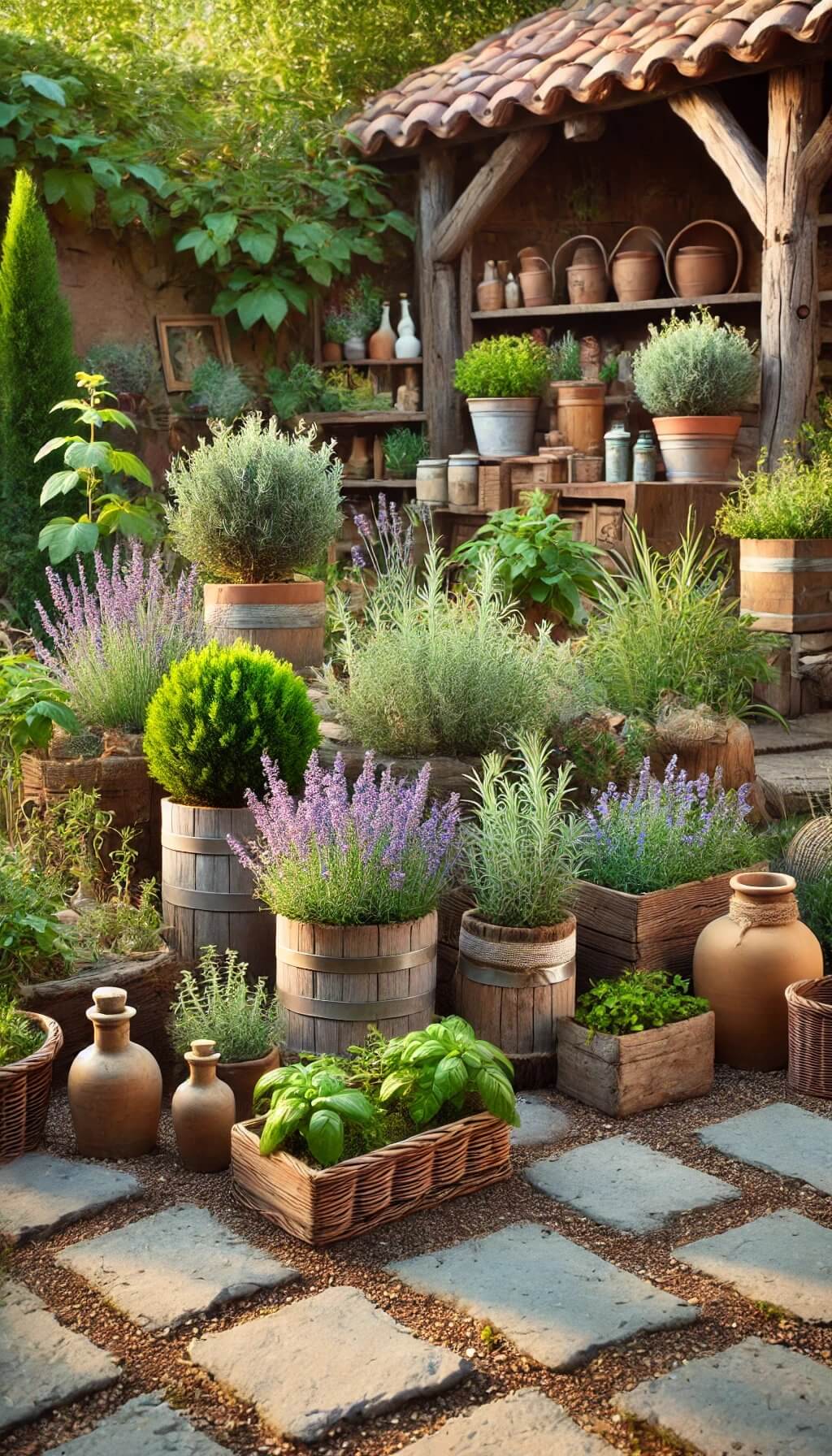
1. Plant a Magical Herb Garden
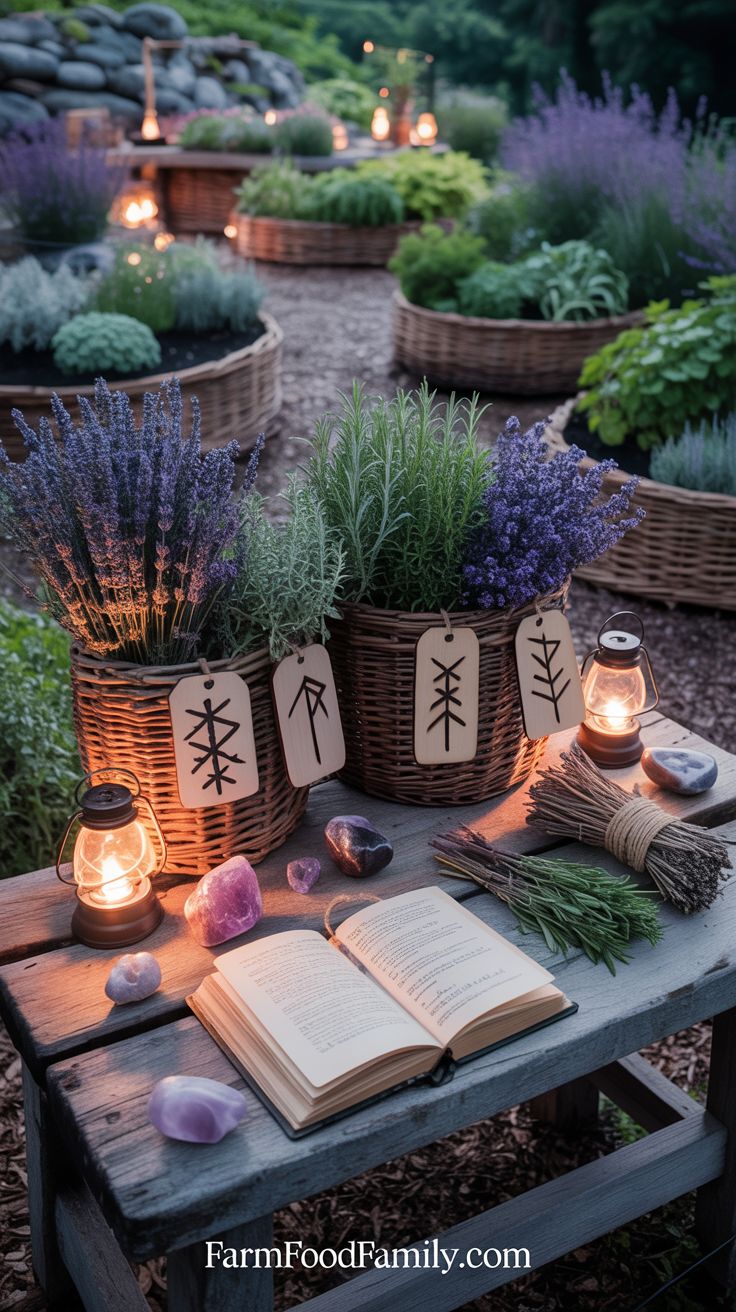
An herbal section dedicated to magical and therapeutic plants is a must-have in any witchy garden.
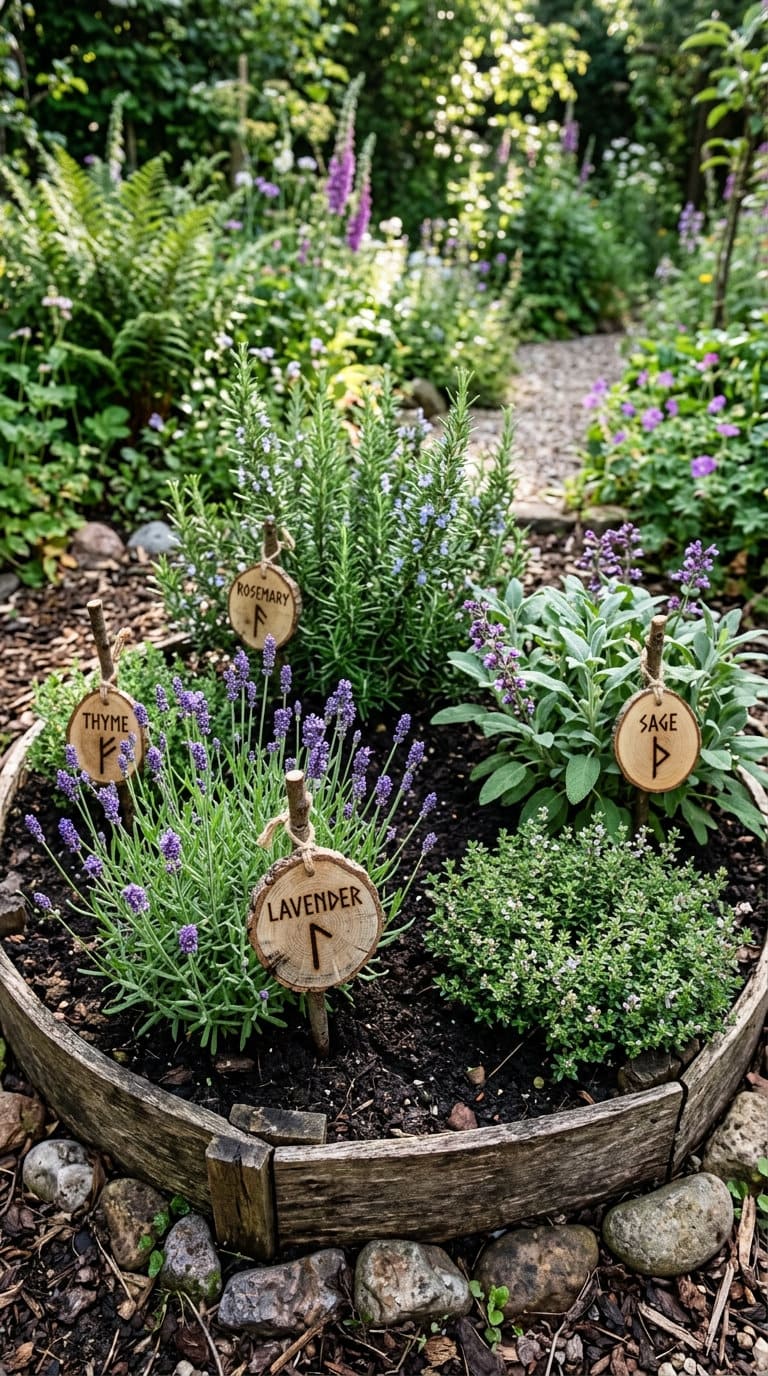
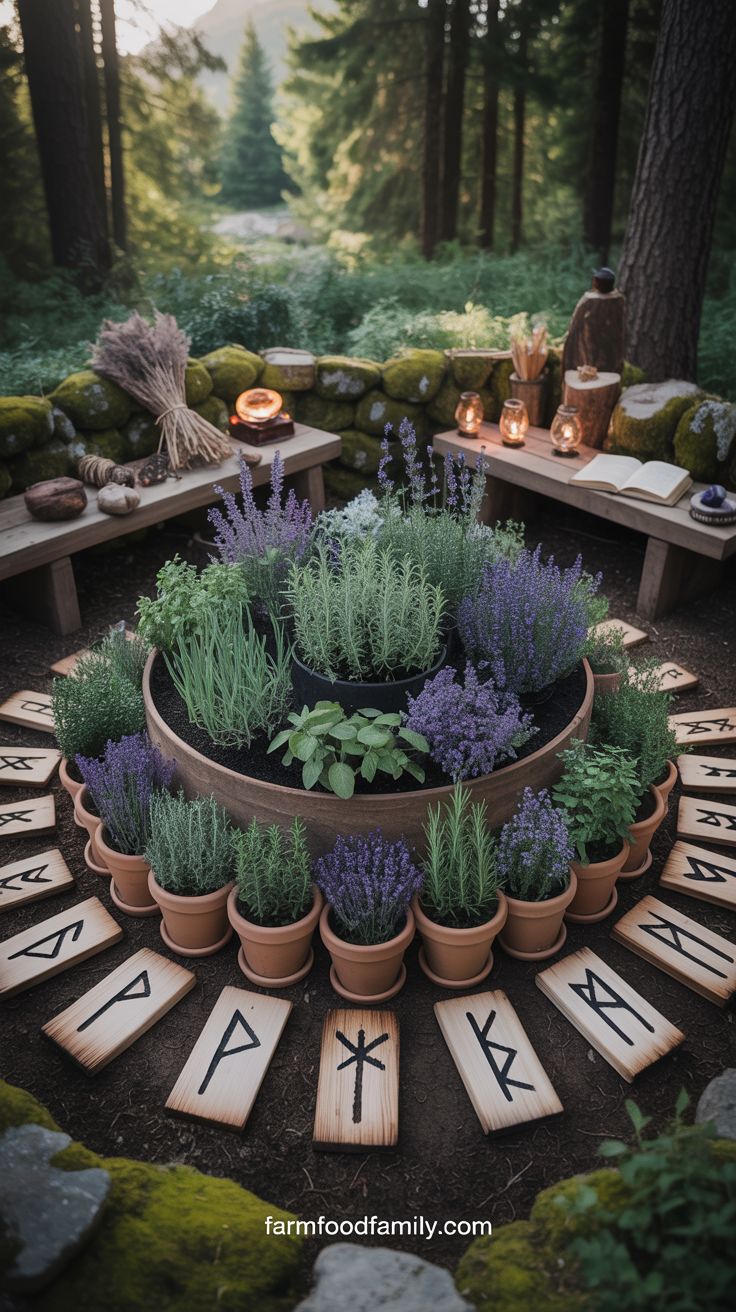
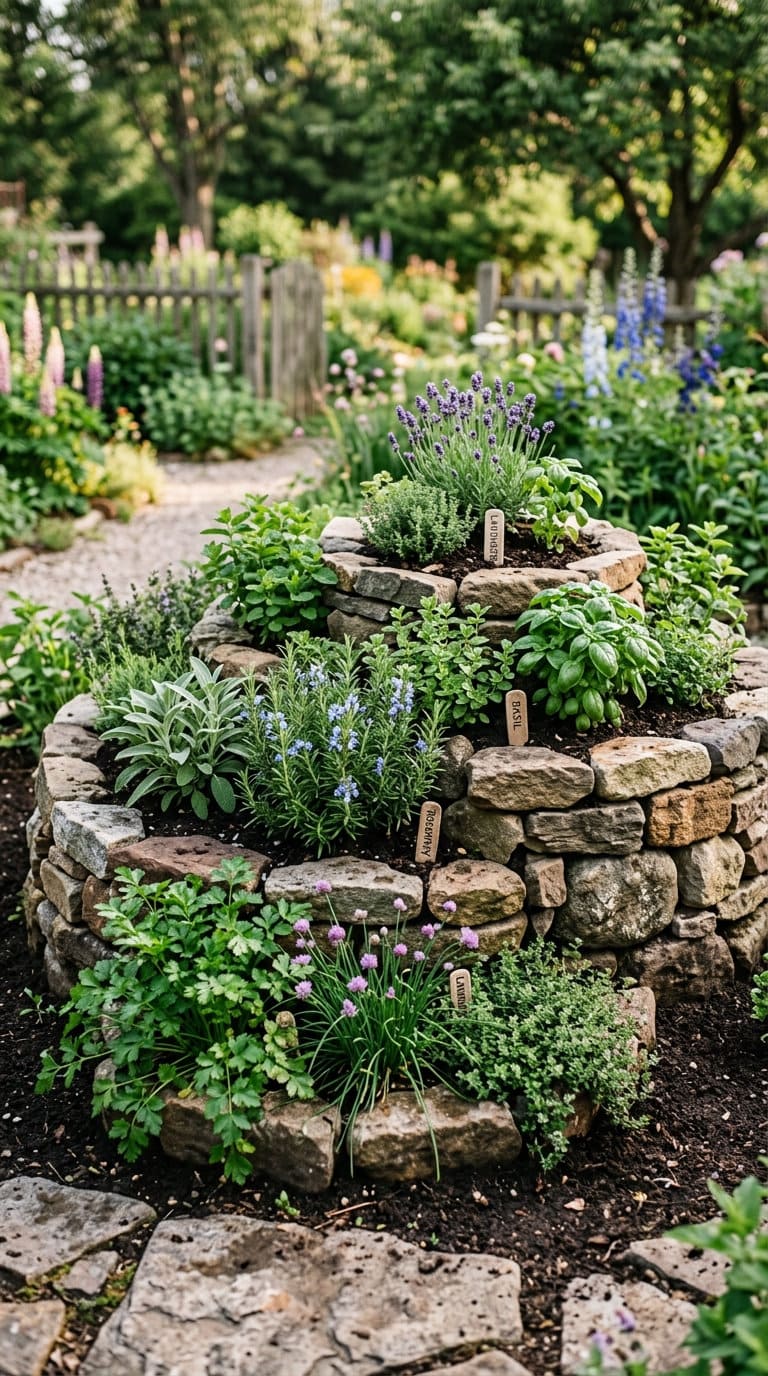
Choose herbs with folklore and energy, such as rosemary for remembrance, sage for purification, lavender for relaxation, or thyme for courage.
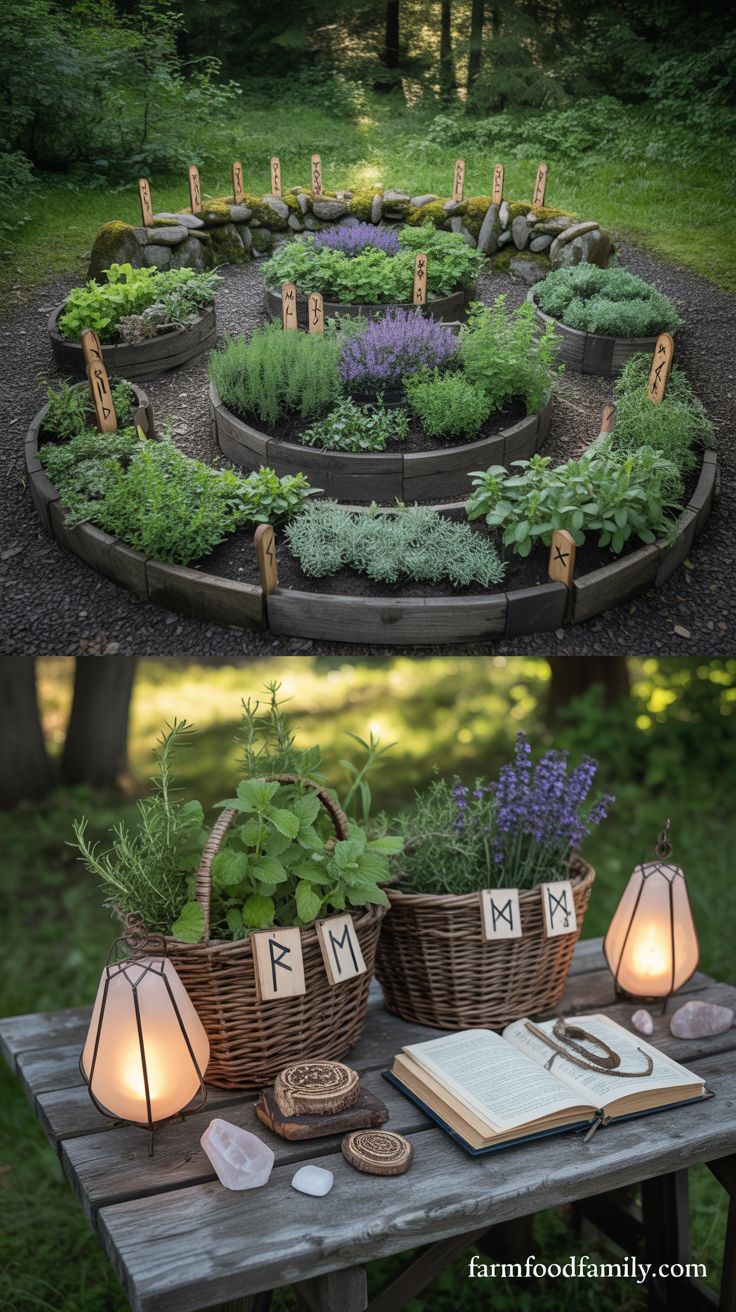
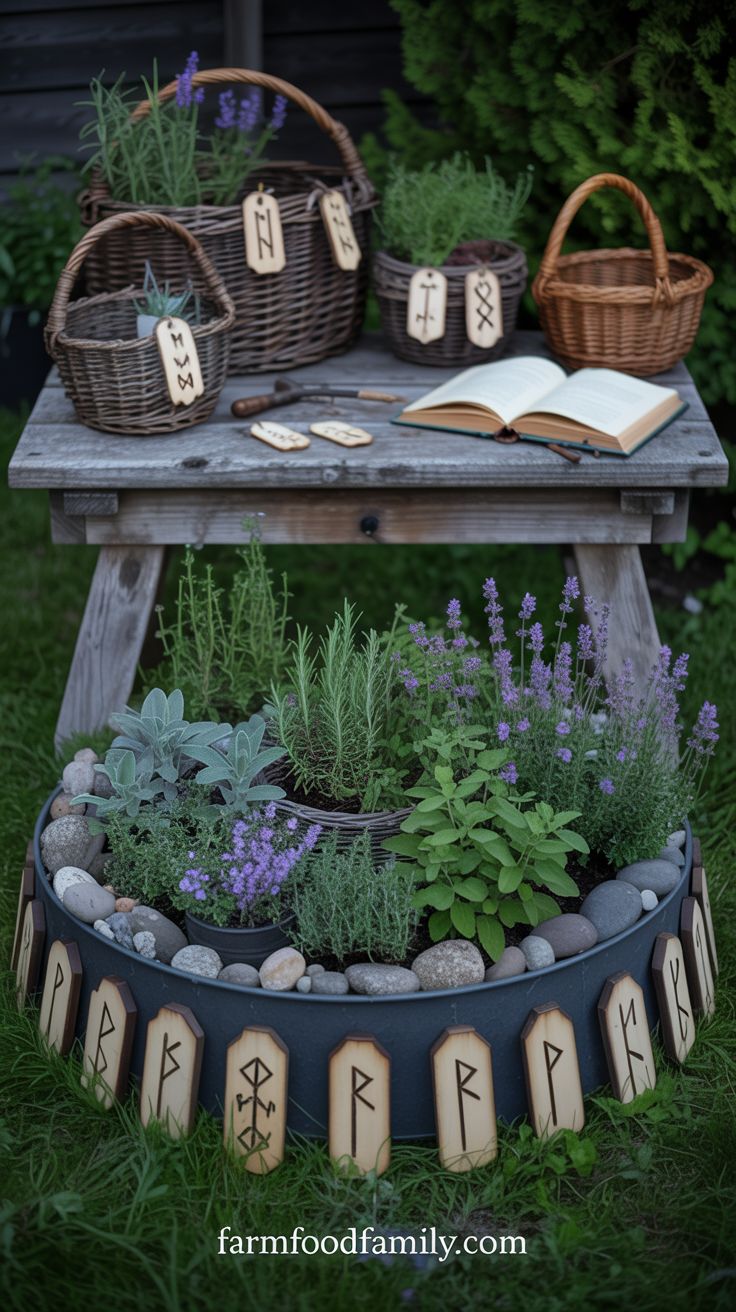
You can grow these in rustic clay pots, woven baskets, or directly in the soil in a circular design to resemble a sacred sanctuary.

For a mysterious touch, label each with handcrafted wooden tags burned with runes or symbols.
Answer 4 quick questions and get matched to the exact fix for your yard — drainage, budget, layout, or something else entirely.
Take the Free QuizKeep these herbs handy for spellwork, tea blending, and making sachets.
They are not only gorgeous and fragrant, but their intentional placement transforms this part of the garden into a living pharmacy for spiritual practice and healing.
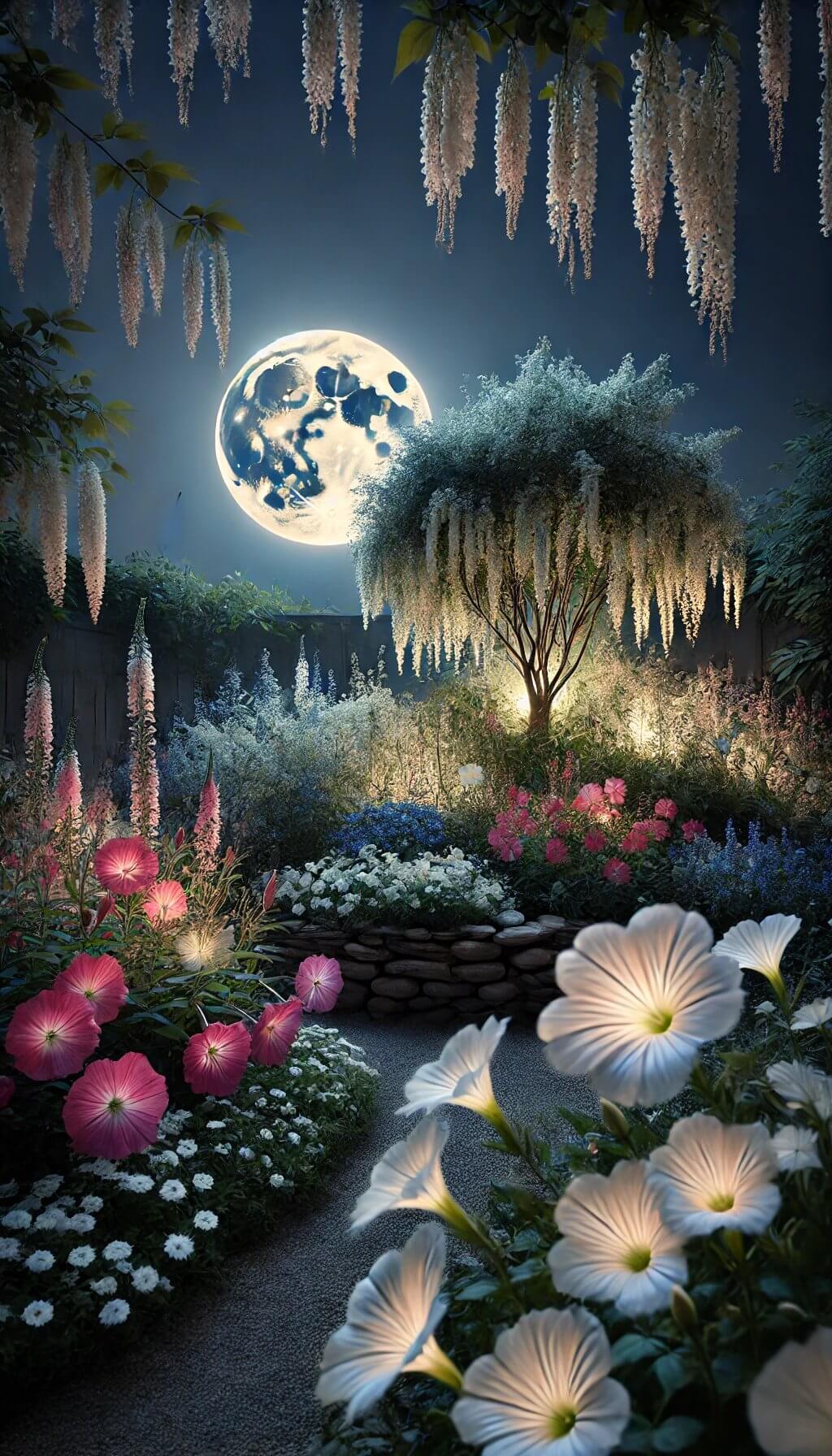
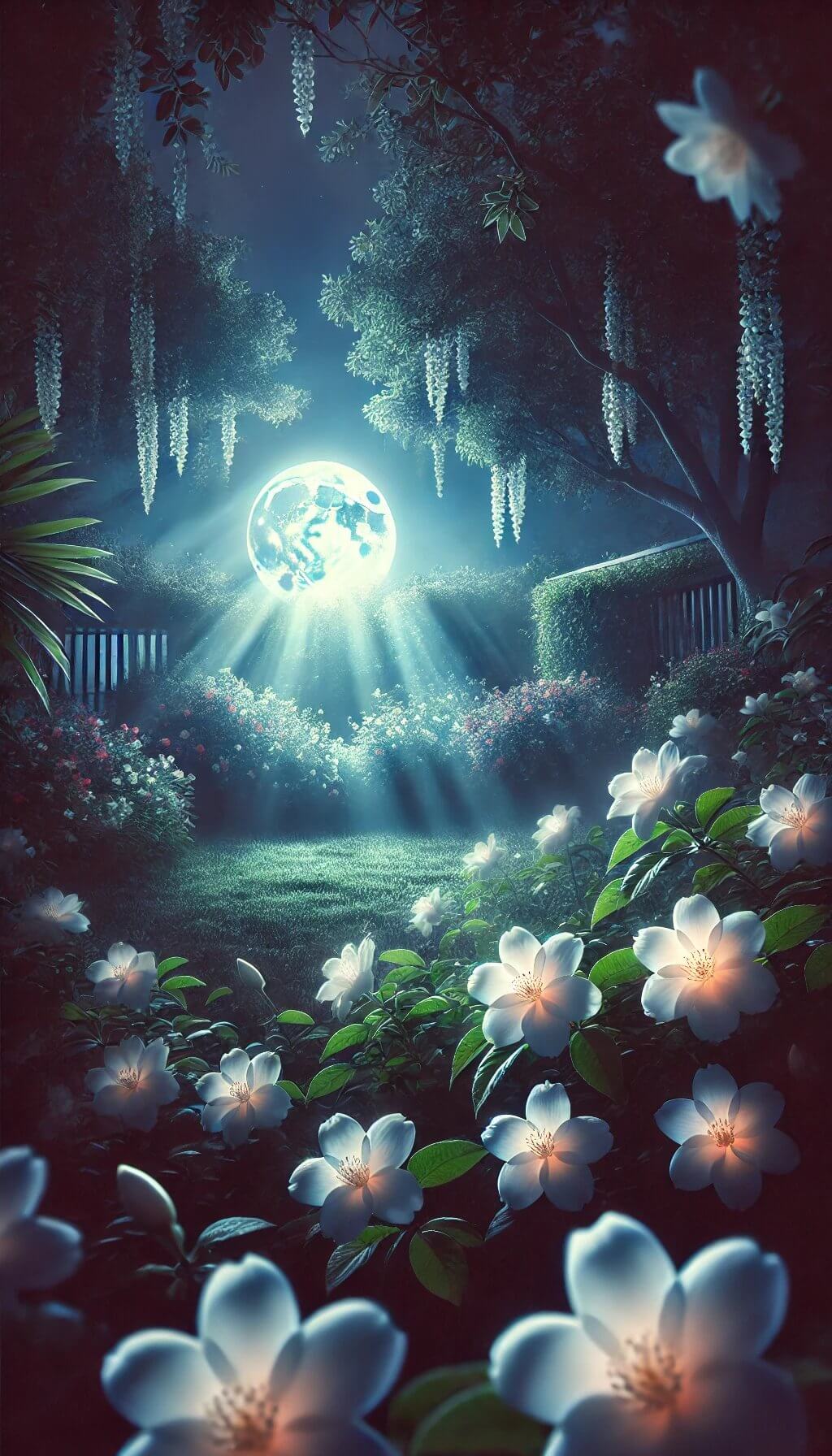
2. Create a Moon Garden for Night Magic
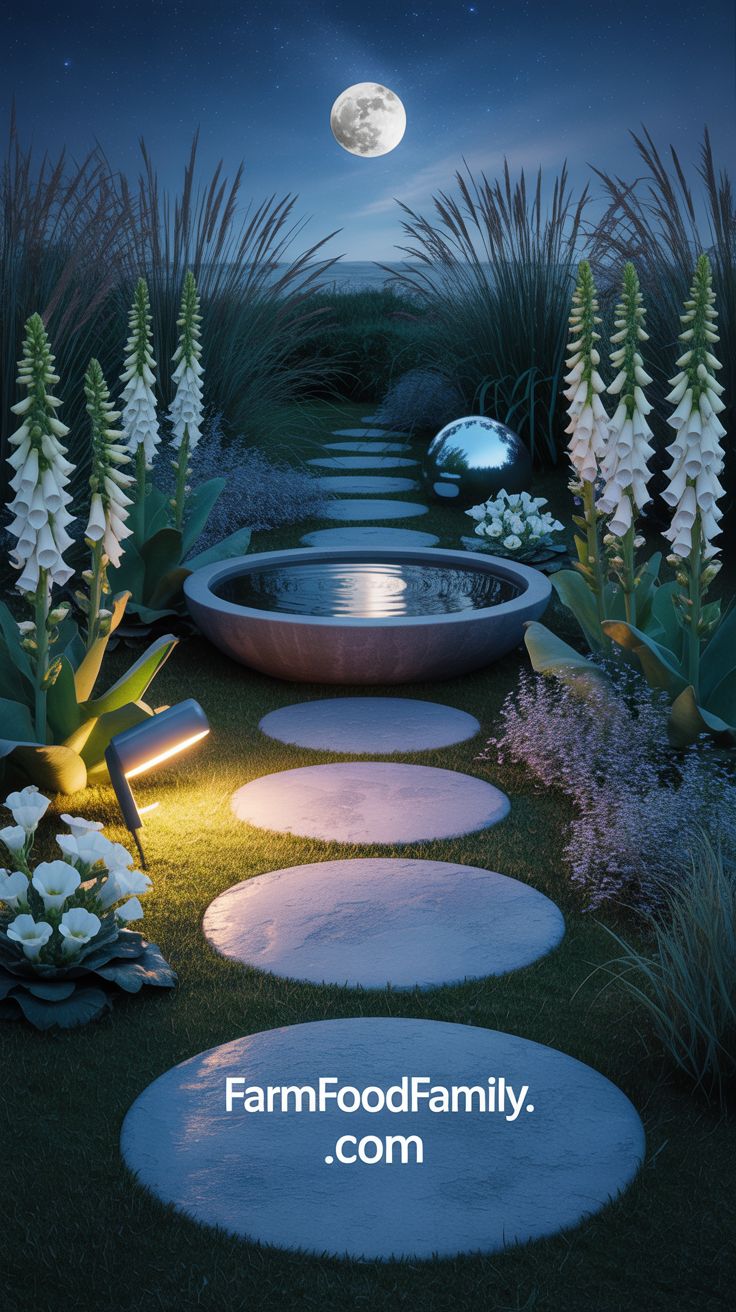
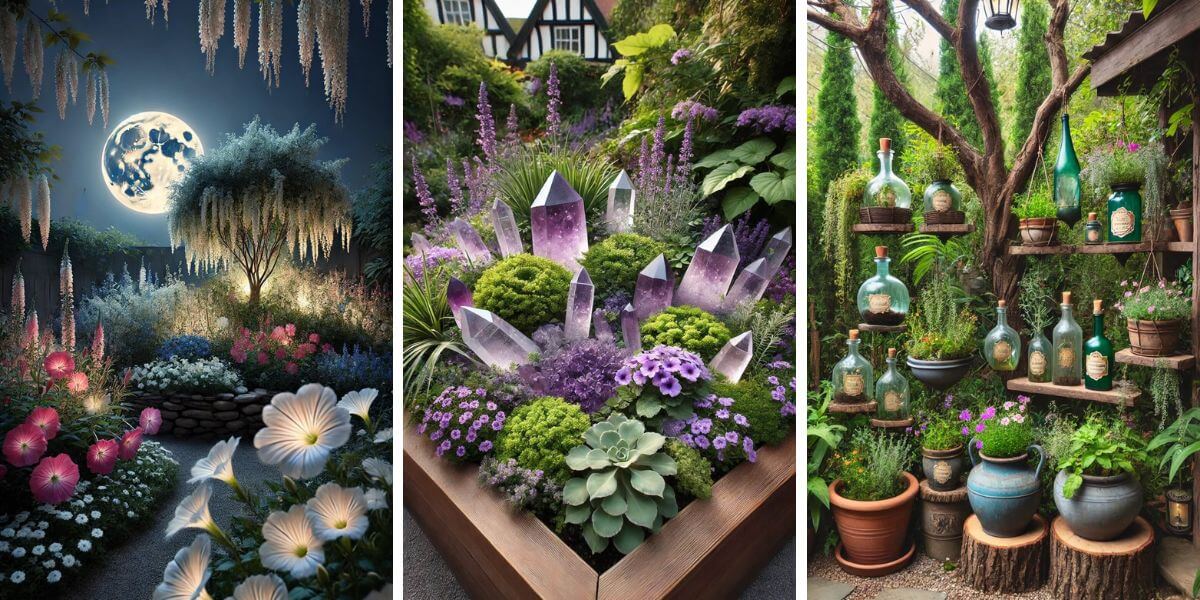
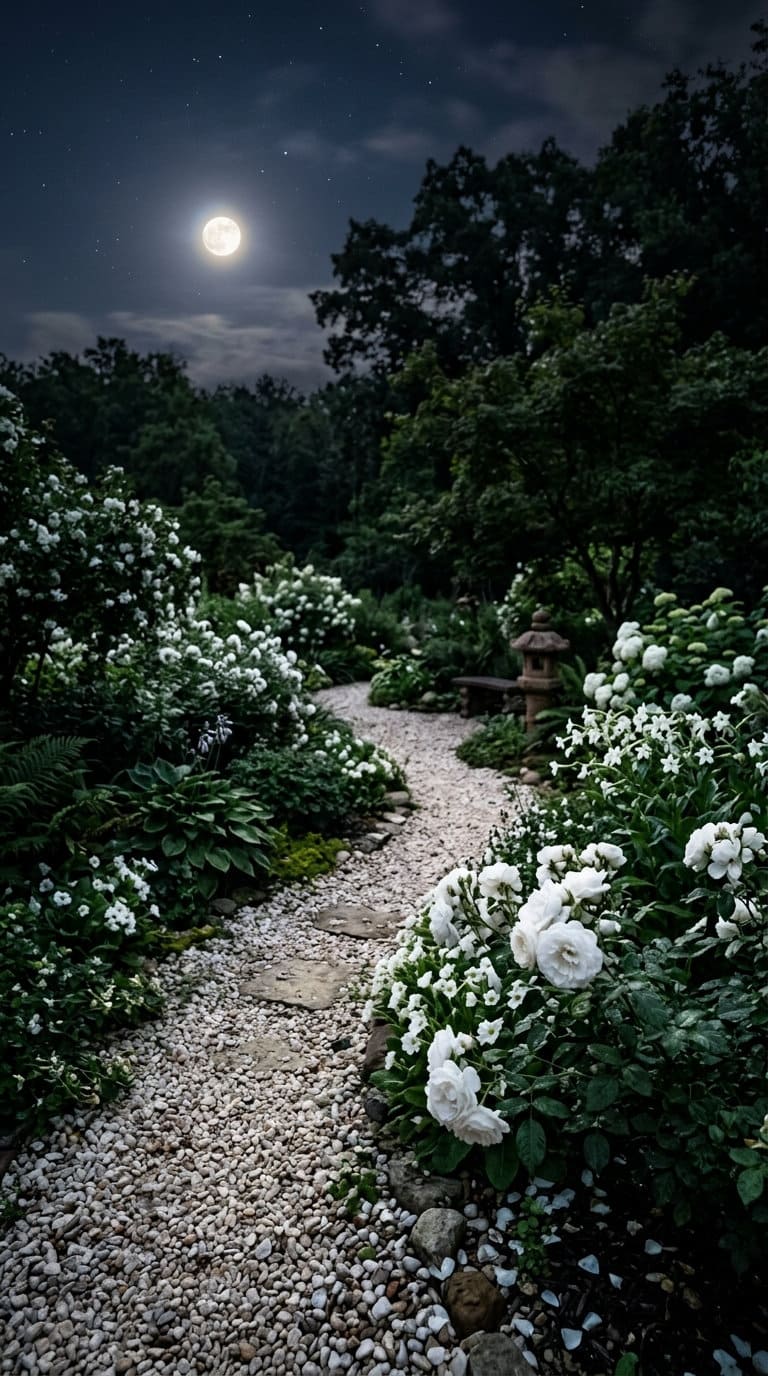
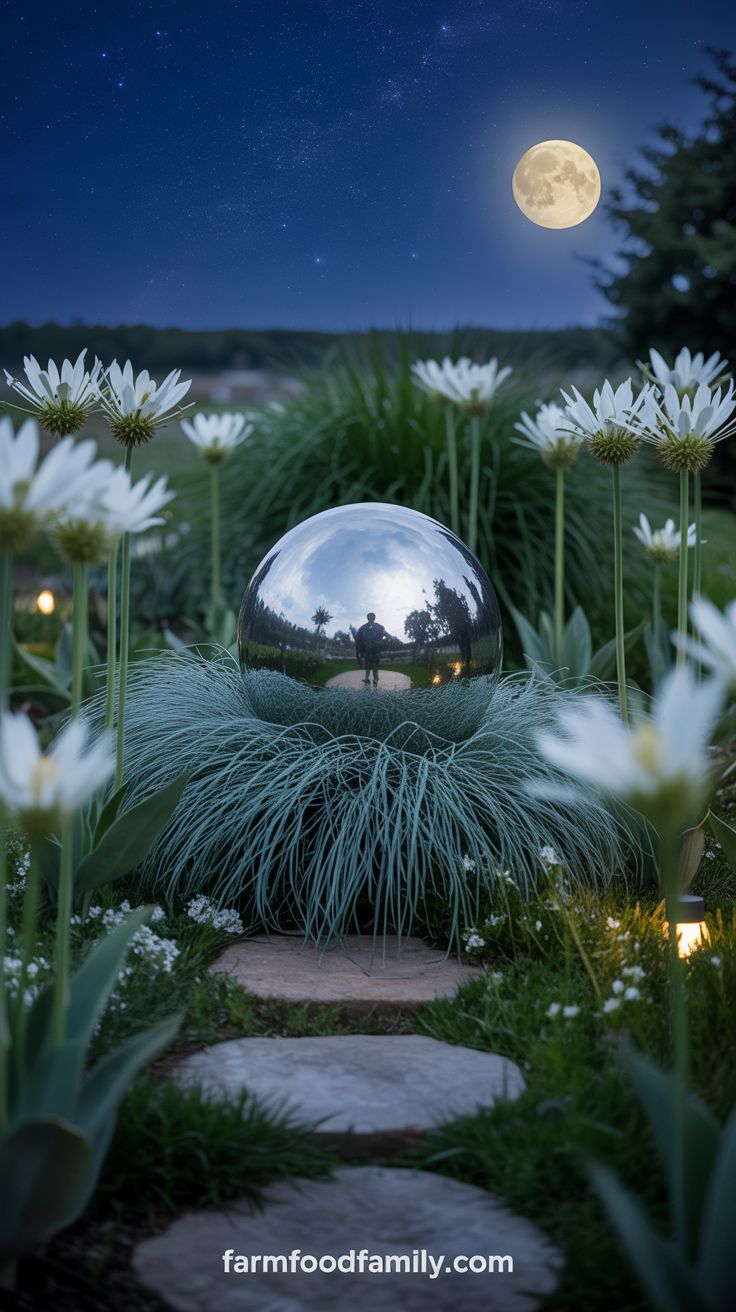
Create a moon garden with pale or silver-toned plants that shimmer under moonlight, ideal for nighttime rituals or peaceful introspection.
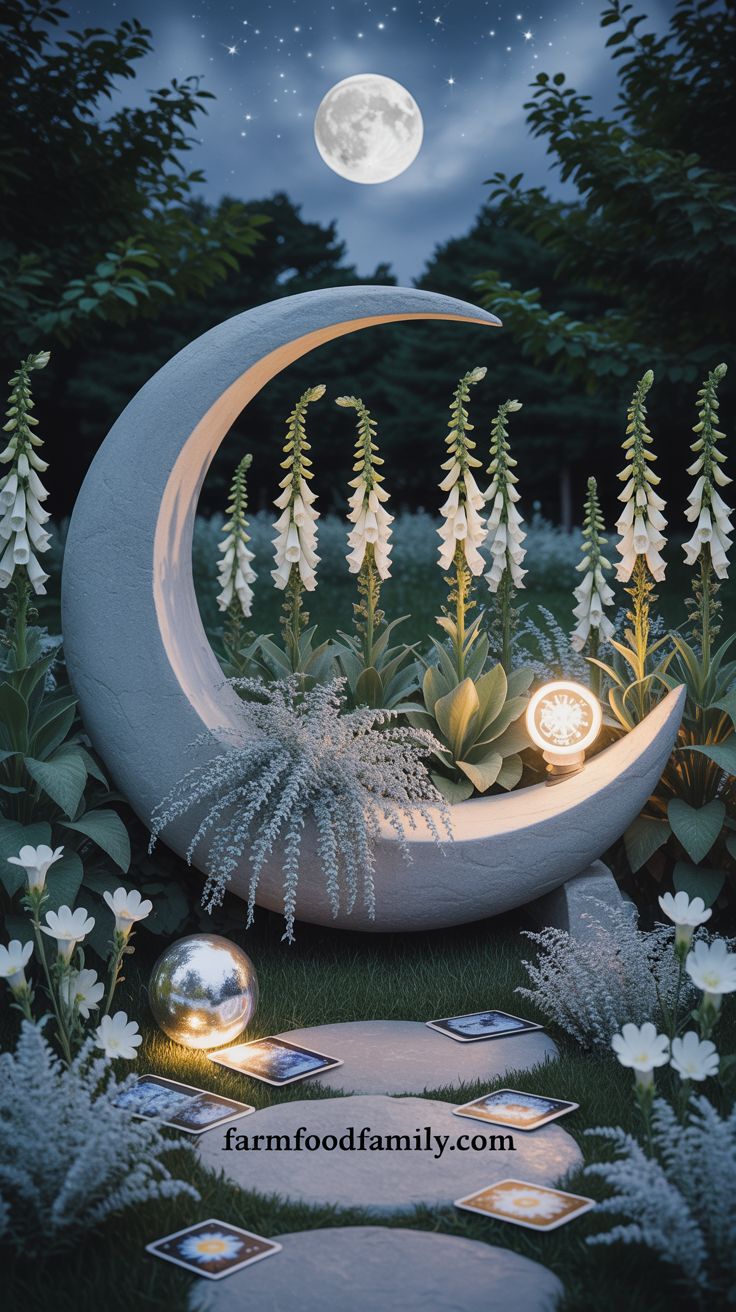
White flowering plants such as moonflower, jasmine, night-blooming cereus, and white foxglove provide faint odors after nightfall.
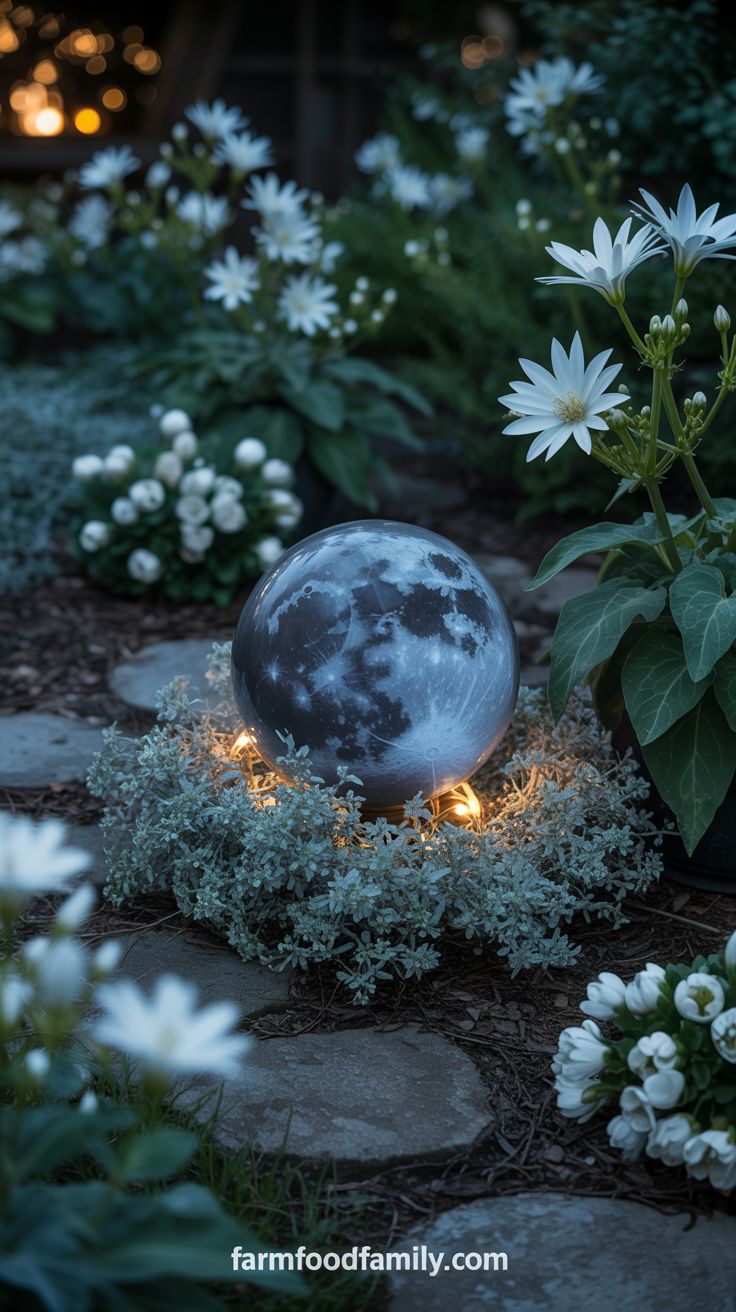
Silver-foliage plants like dusty miller and lamb’s ear reflect the moonlight magnificently, while tall decorative grasses whisper in the breeze.
Consider using a mirrored bowl of water or a silver gazing orb to intensify the moon’s appearance.
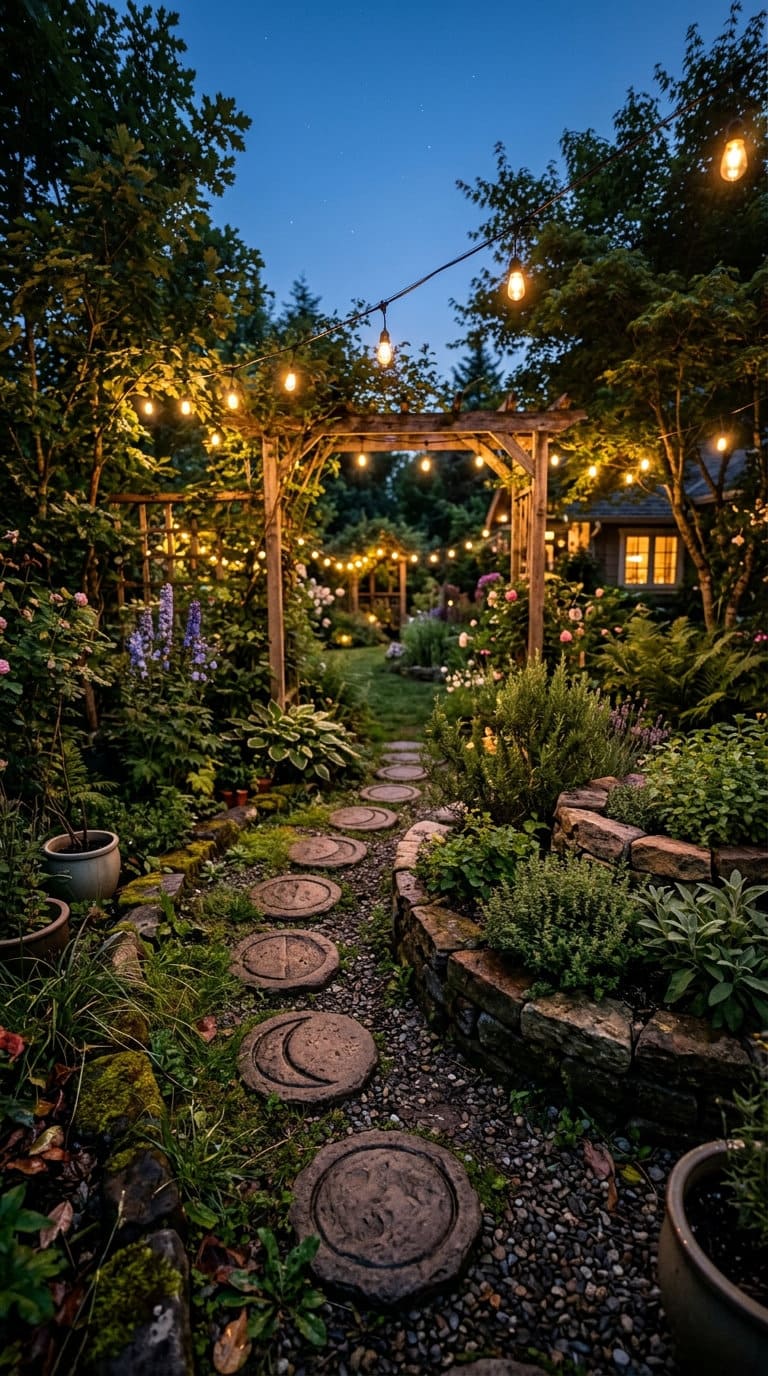
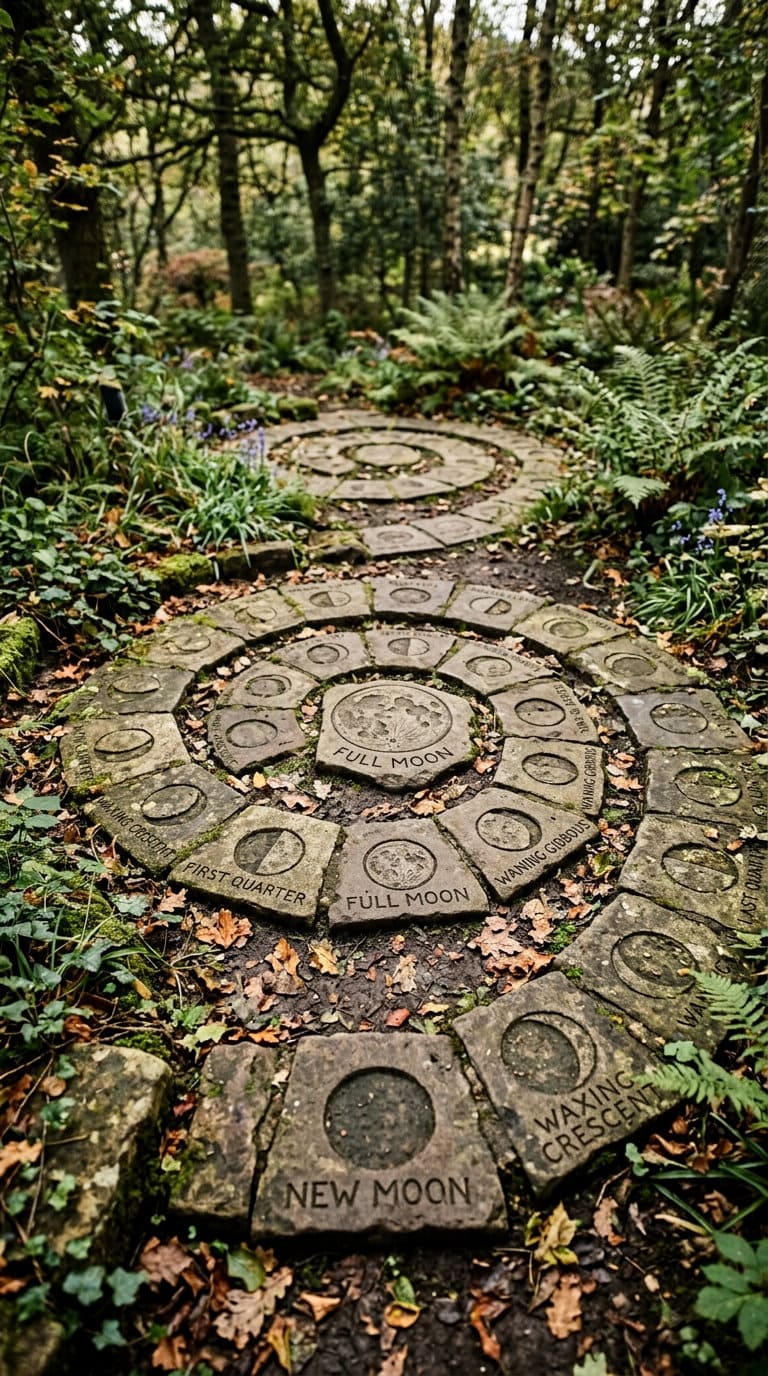
A modest crescent-shaped stone bench or flat stepping stones engraved with moon phases could improve the atmosphere.
Most yard problems trace back to one specific, fixable cause. Find yours in 4 quick questions.
Take the Free Quiz
A properly enclosed fire pit option that helps contain sparks, relevant to the clearance and safety guidance in idea #10 and the FAQ.
Shop NowThis post contains affiliate links. We may earn a commission on qualifying purchases at no extra cost to you.
This garden is great for new and full moon ceremonies, tarot readings, and establishing intentions beneath the night sky.
3. Build a Sacred Circle or Stone Altar
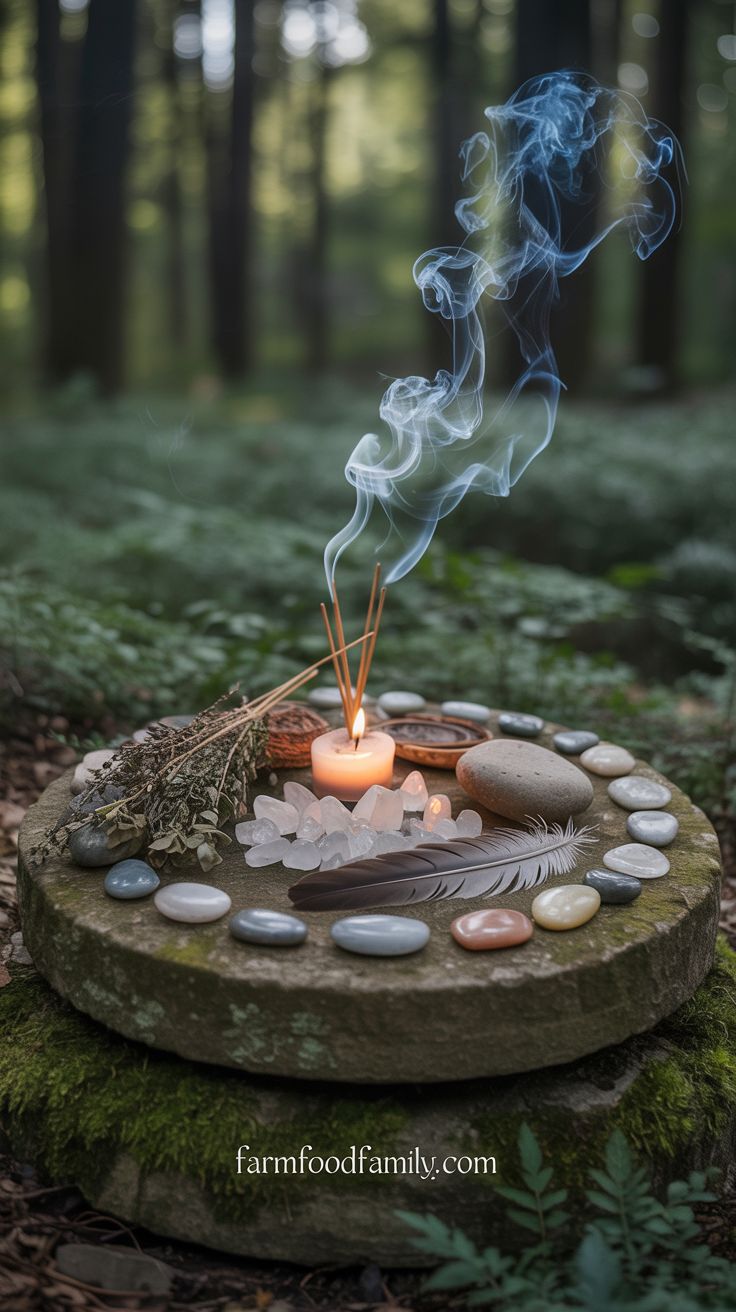
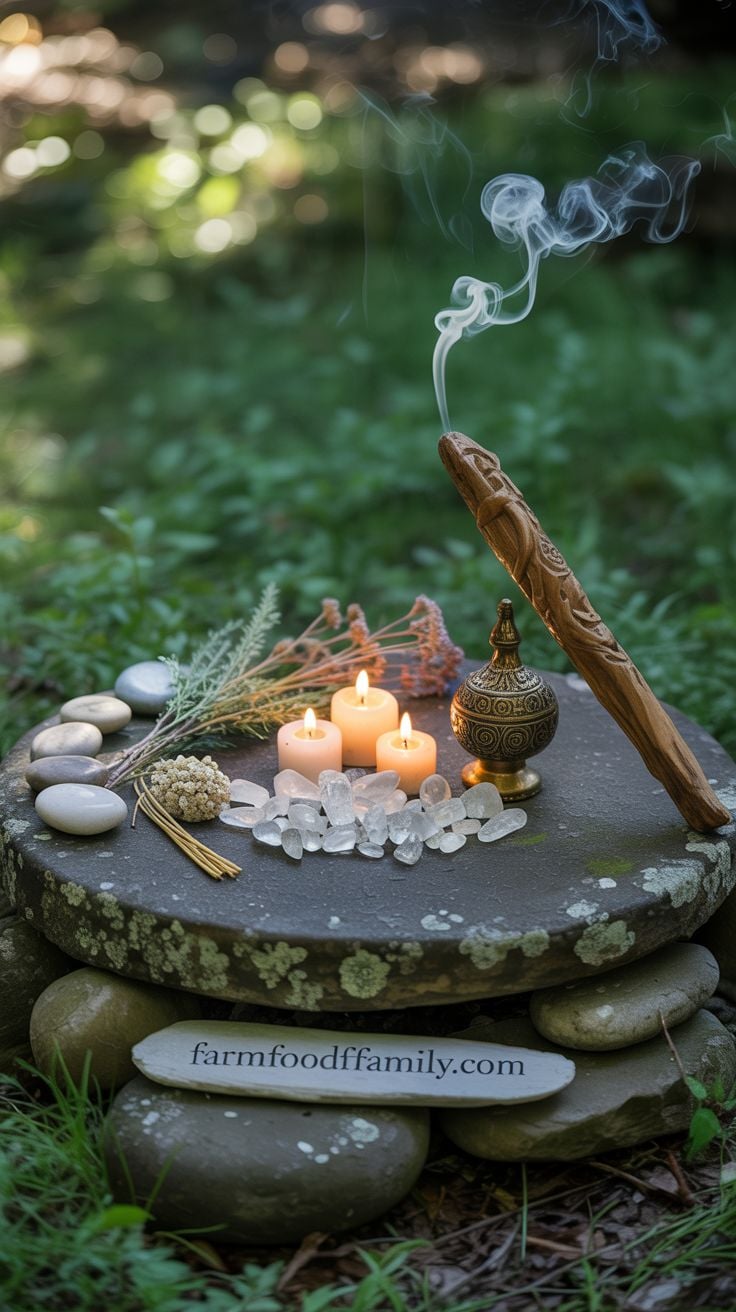
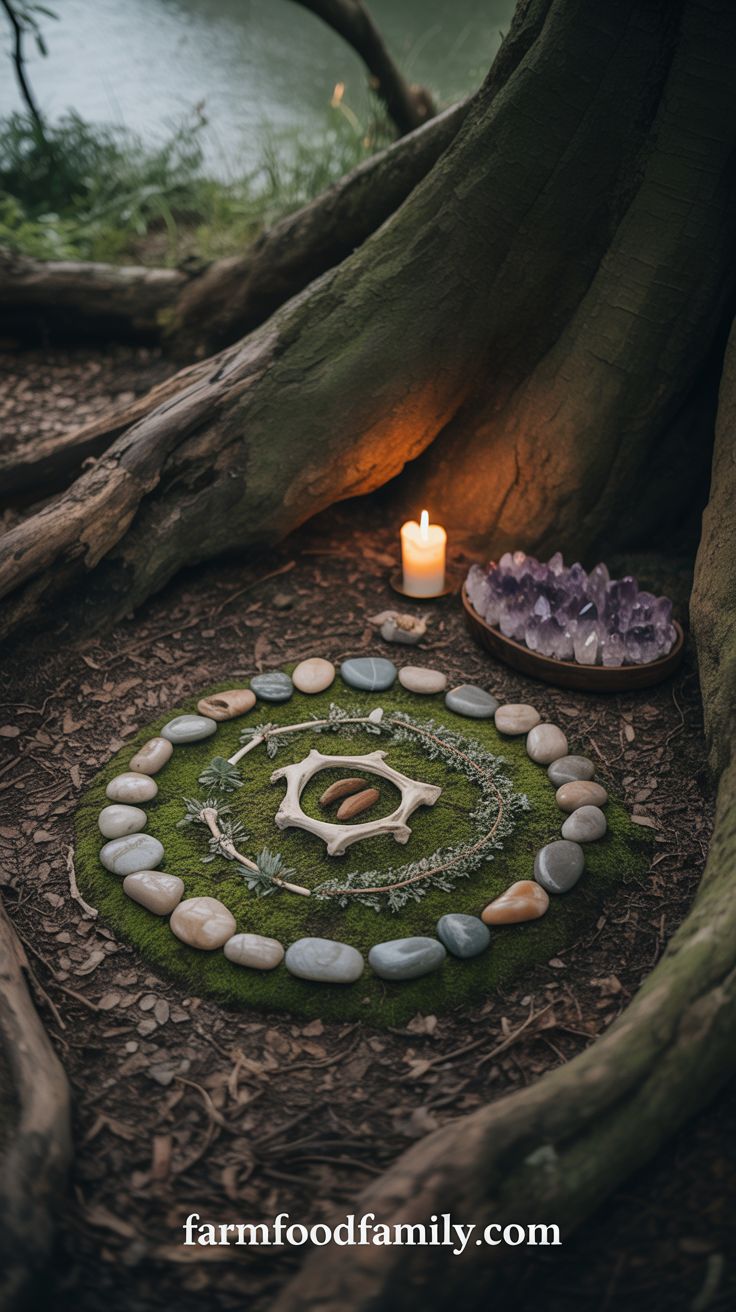
Create a sacred focal point by encircling a circular stone area with natural rocks or tree stumps where you can perform rituals, meditate, or simply rest.
In the center, construct a small altar out of a flat stone slab, aged wood, or concrete paver.
Decorate with seasonal materials such as candles, feathers, bones, or earthen offerings.
Cover this region with magical plants such as yarrow, echinacea, and angelica. Consider using larger stones or symbols to designate the cardinal directions.
This sacred site serves as your energetic anchor, giving your garden a deeply ritualistic core based on elemental balance and personal meaning.
4. Use Crystals and Bones for Natural Decor
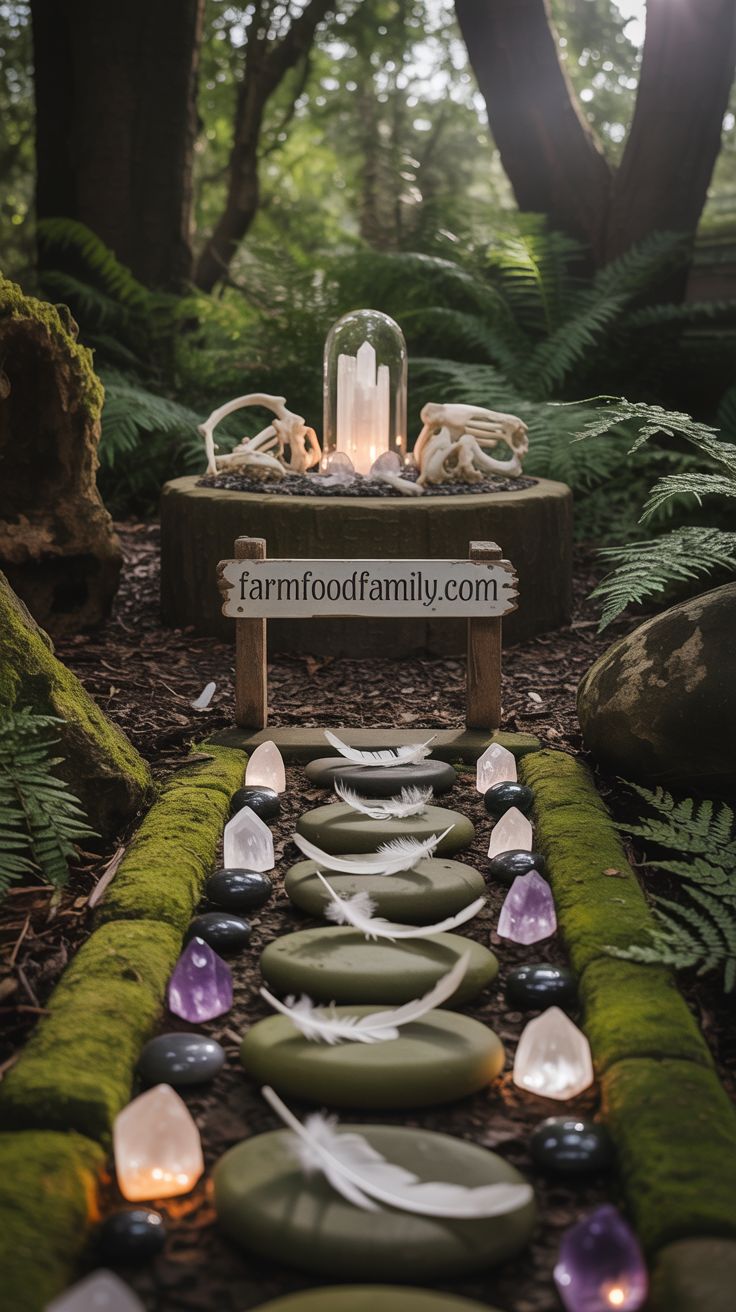
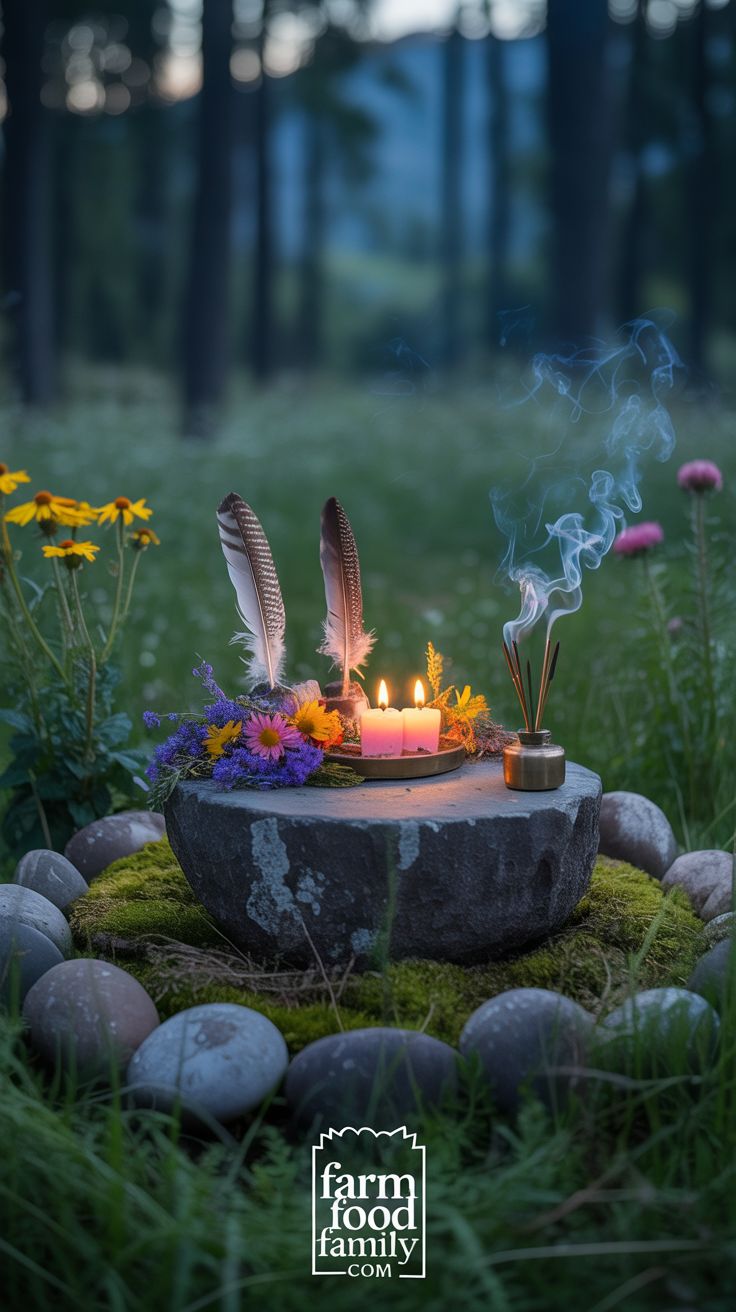
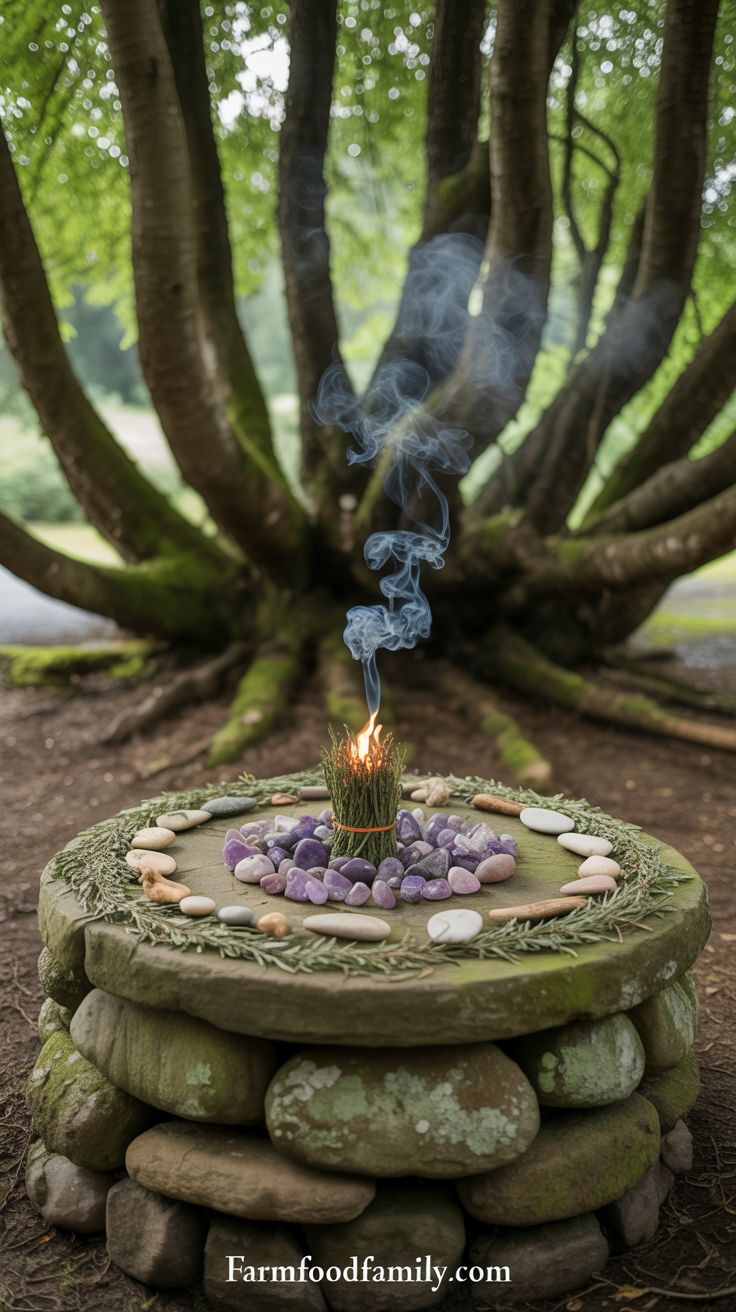
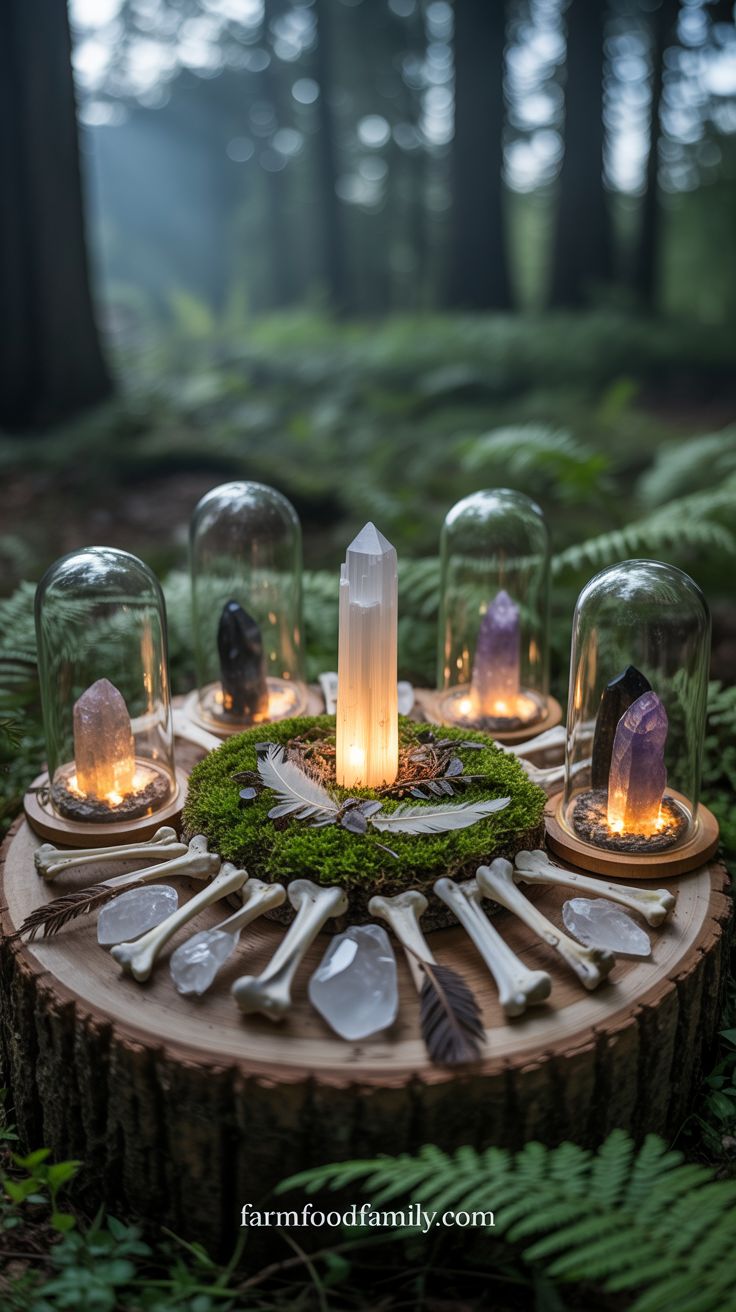
Add gemstones and bones to your landscape design as spiritual adornment and energetic instruments.
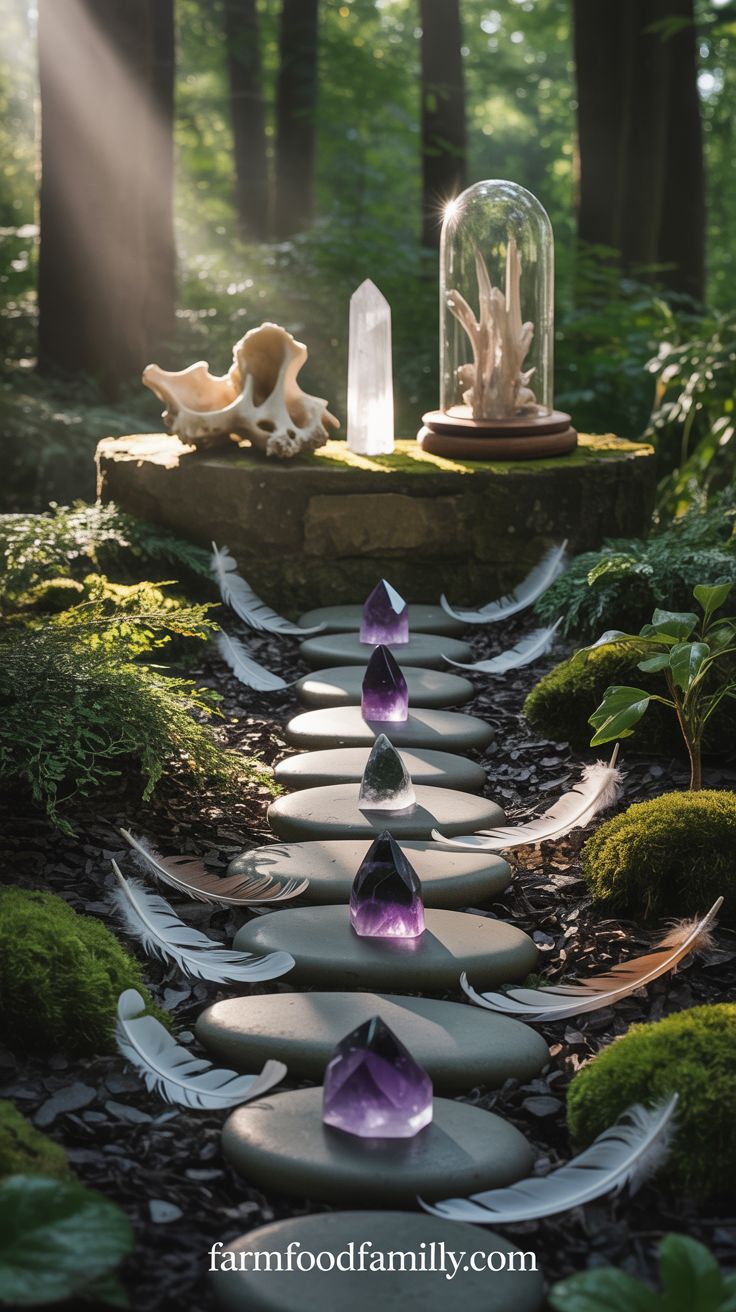
Place selenite for clarity, black tourmaline for protection, and amethyst for spiritual awareness among your beds or at the edges.
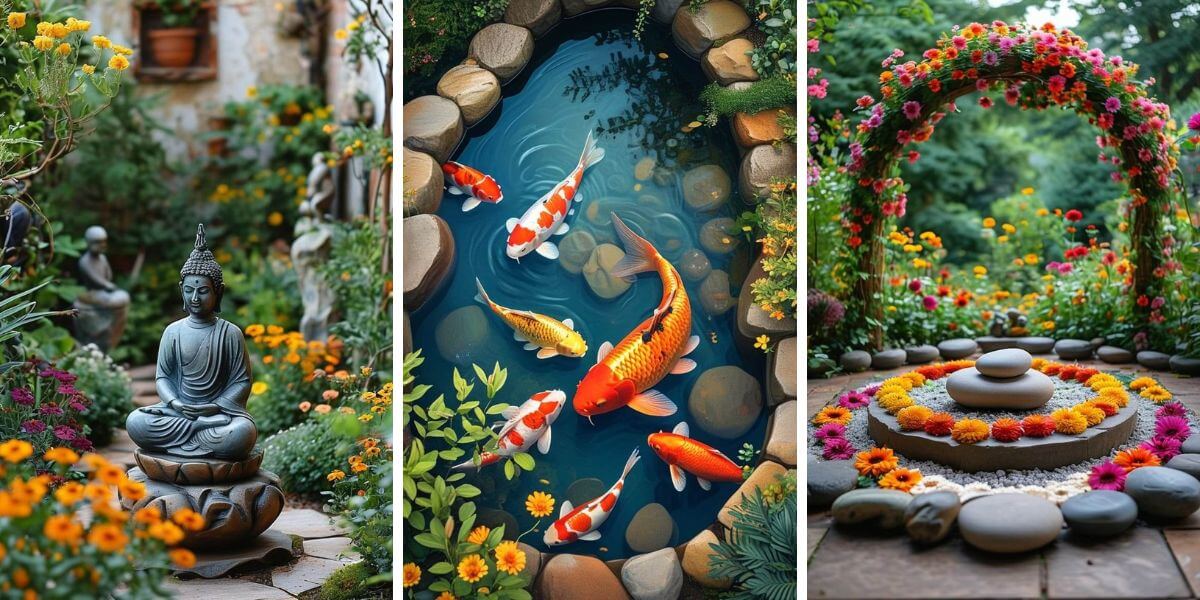
To promote energetic flow, arrange them on small shrines, bury them beneath trees, or use them to line paths.
The average homeowner spends $616/year on yard fixes that don't address the real problem. Find out what yours actually is — before you spend another dollar.
Take the Free QuizAnimal bones obtained ethically can be used as totems or to respect spirit guides and the cycles of life and death.
Place them under glass cloches or in shady spots to create mystique.
These materials emit a layered magical energy, imbuing your home with ritualistic and symbolic depth that varies with the seasons.
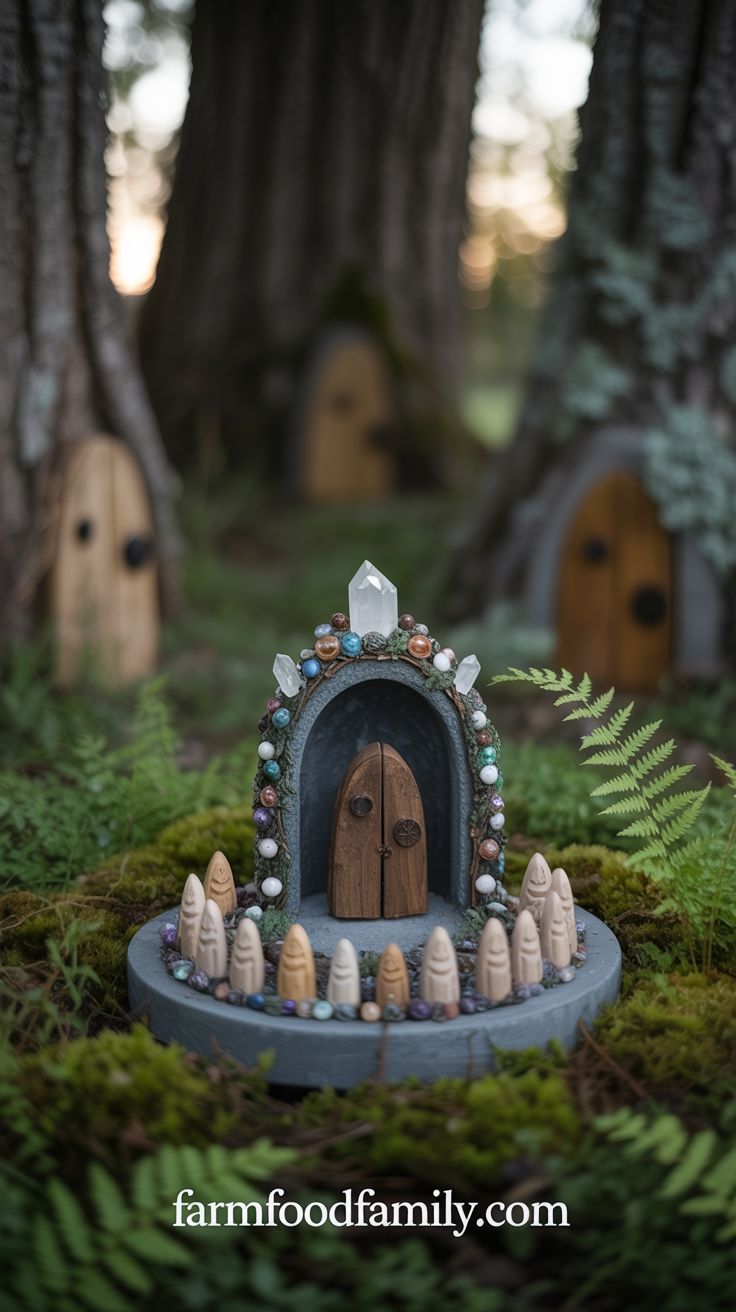
5. Attract Nature Spirits with Fairy Houses or Totems
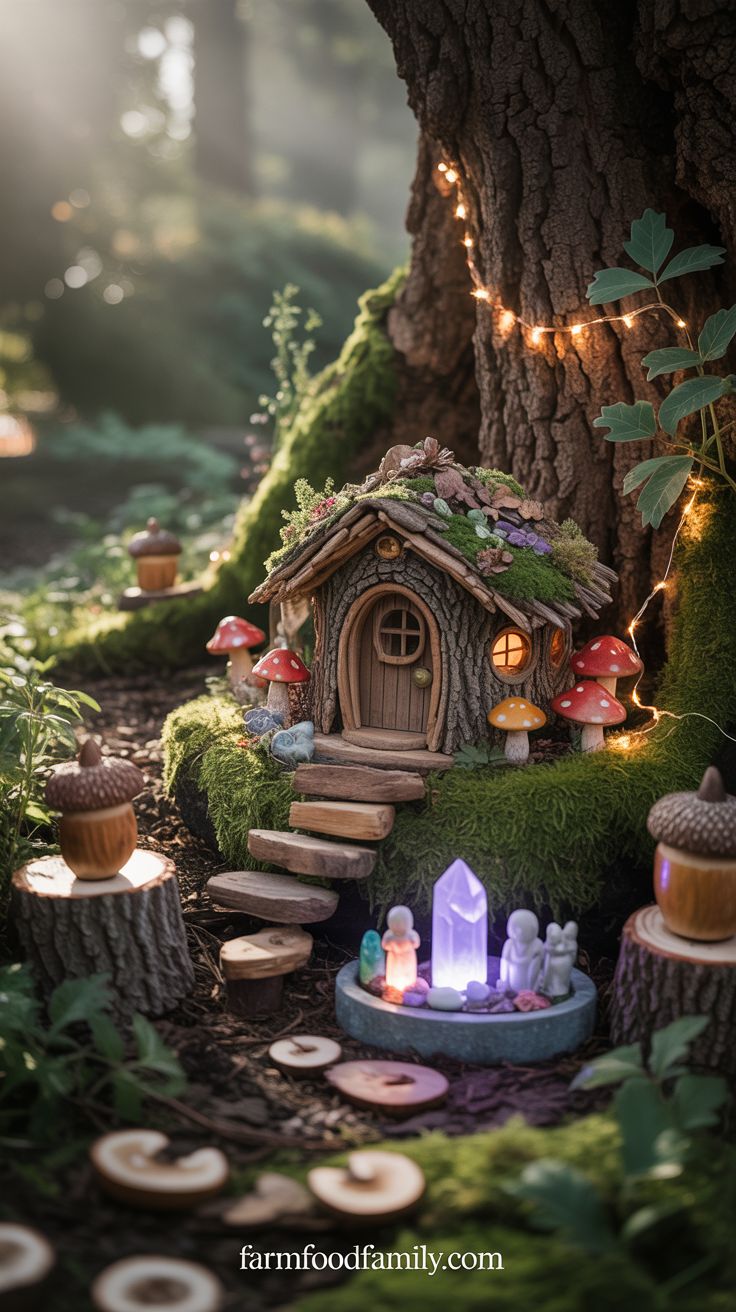
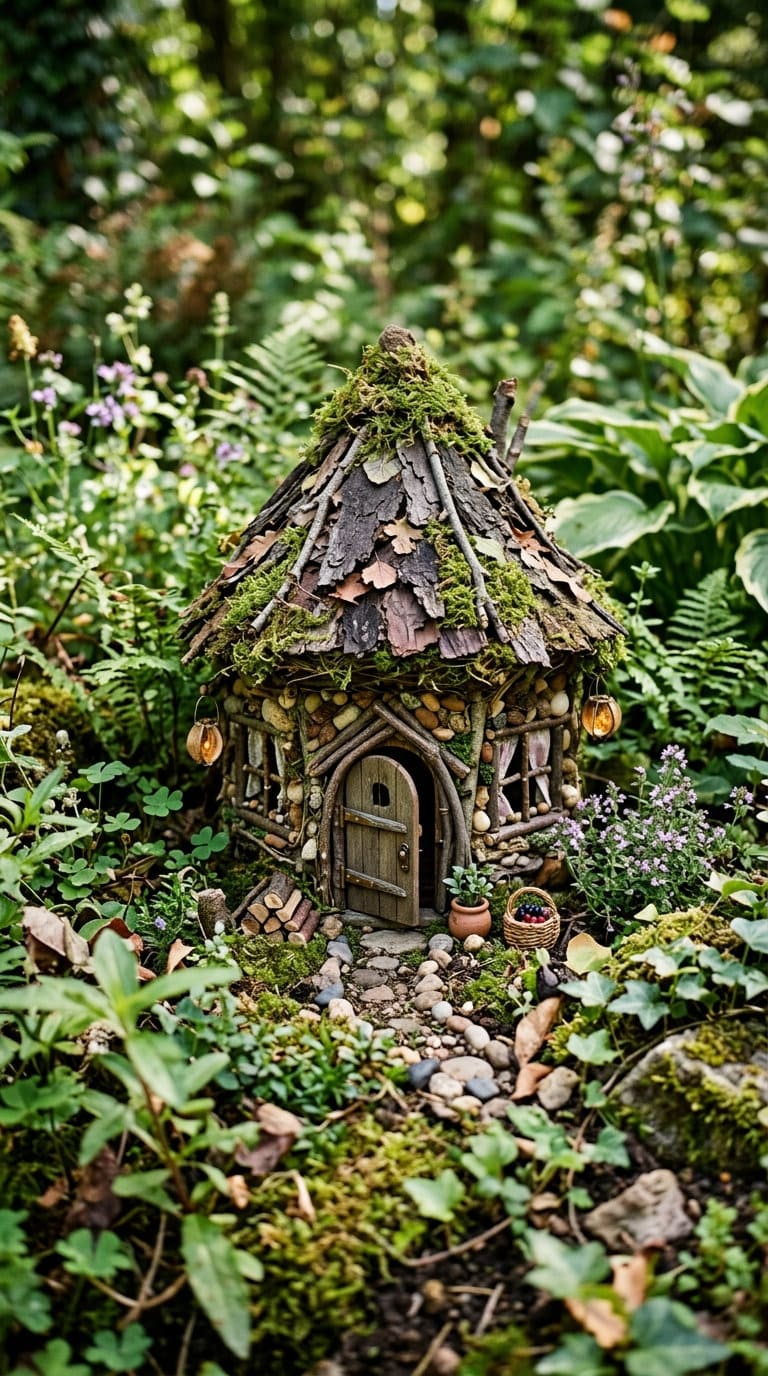
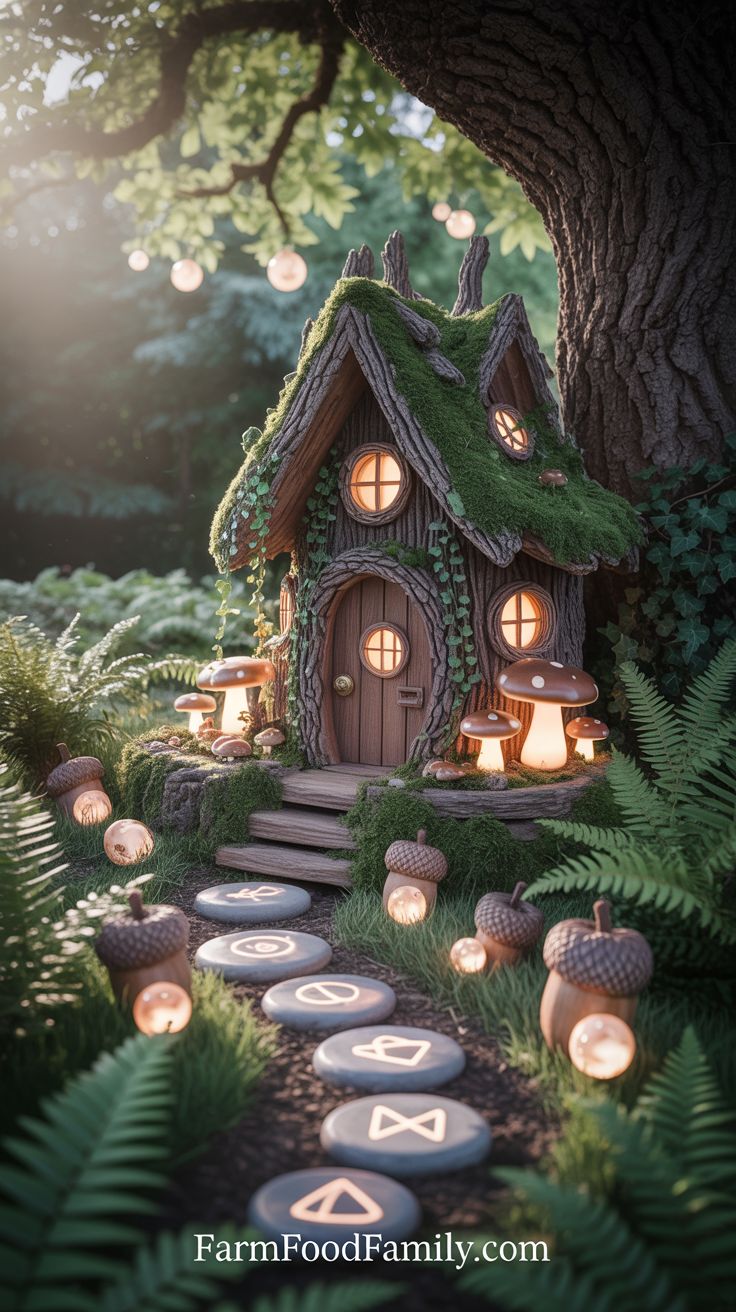
Set up miniature handmade fairy dwellings, gnome doorways, or mushroom rings to welcome natural spirits and elementals.
Build them out of bark, moss, stones, acorns, and crystals, then place them among the ferns or in the shade of a tree.
These fun yet holy creations bring energy to the landscape while honoring unseen life forces.
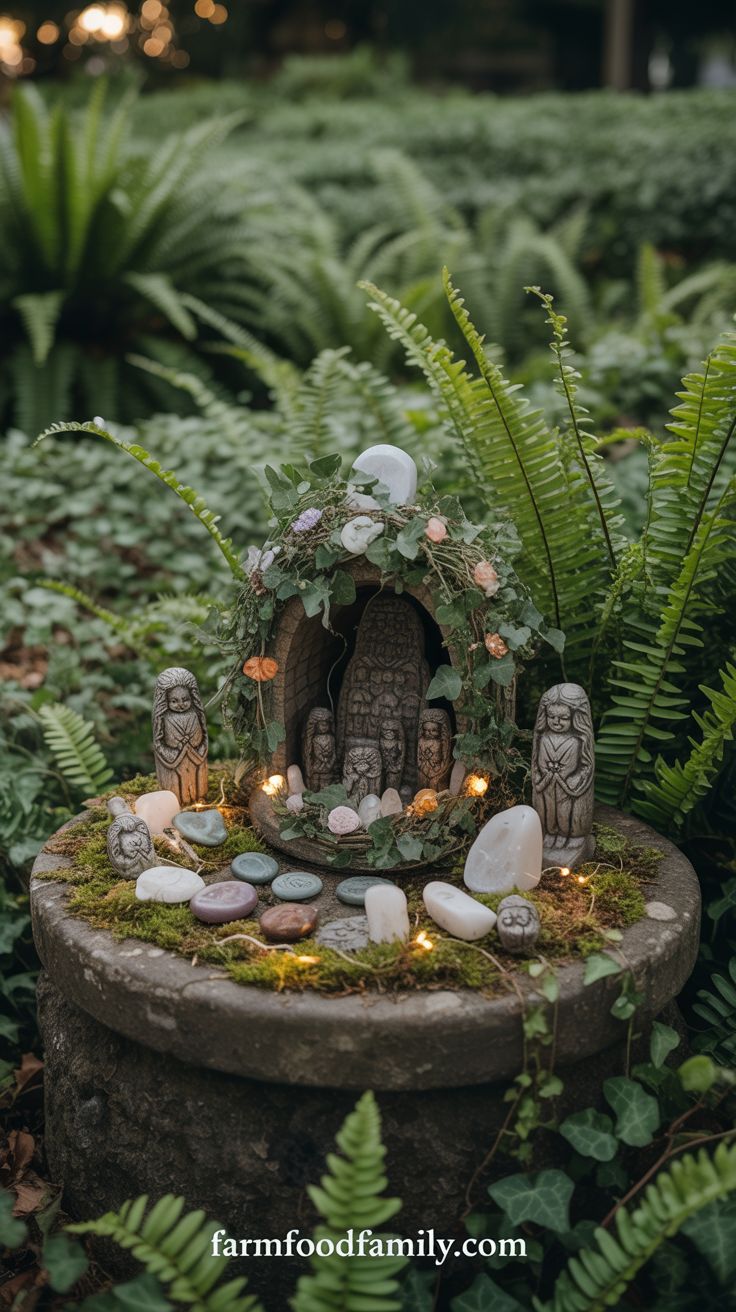
Consider adding miniature shrines, tiny mirrors, or symbolic carvings to strengthen the link.
These features are more than just beautiful. These fairy houses and totems evoke a quiet awe for the hidden and spiritual realms, transforming your garden into a bridge between worlds.
This fairy garden accessories guide has a lot of genuinely inexpensive, often upcycled options if you want to build rather than buy.
Enchanted Plant Selection
1. Moon Garden Plants
2. Herbal Healing Garden
3. Poison Garden
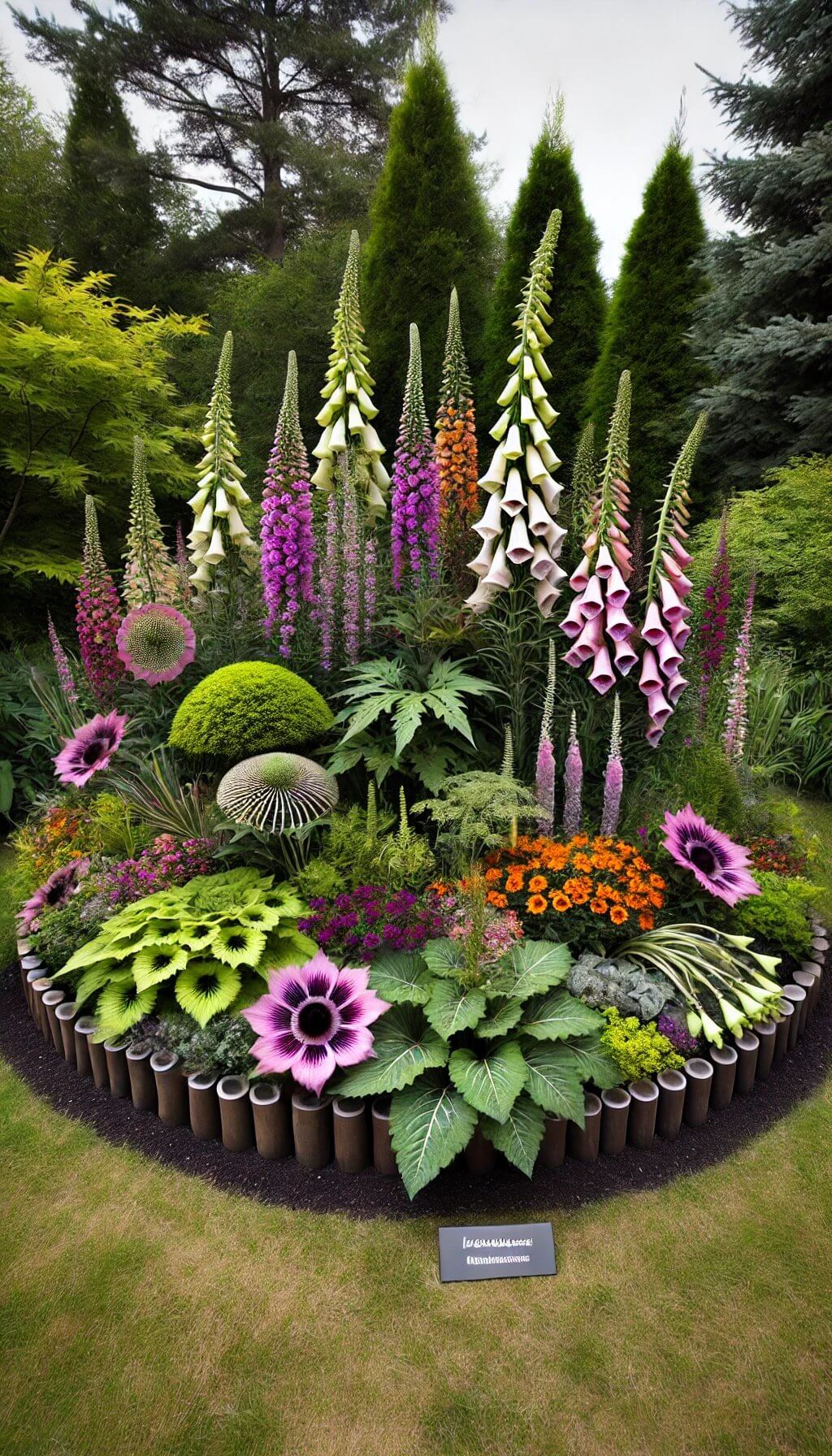
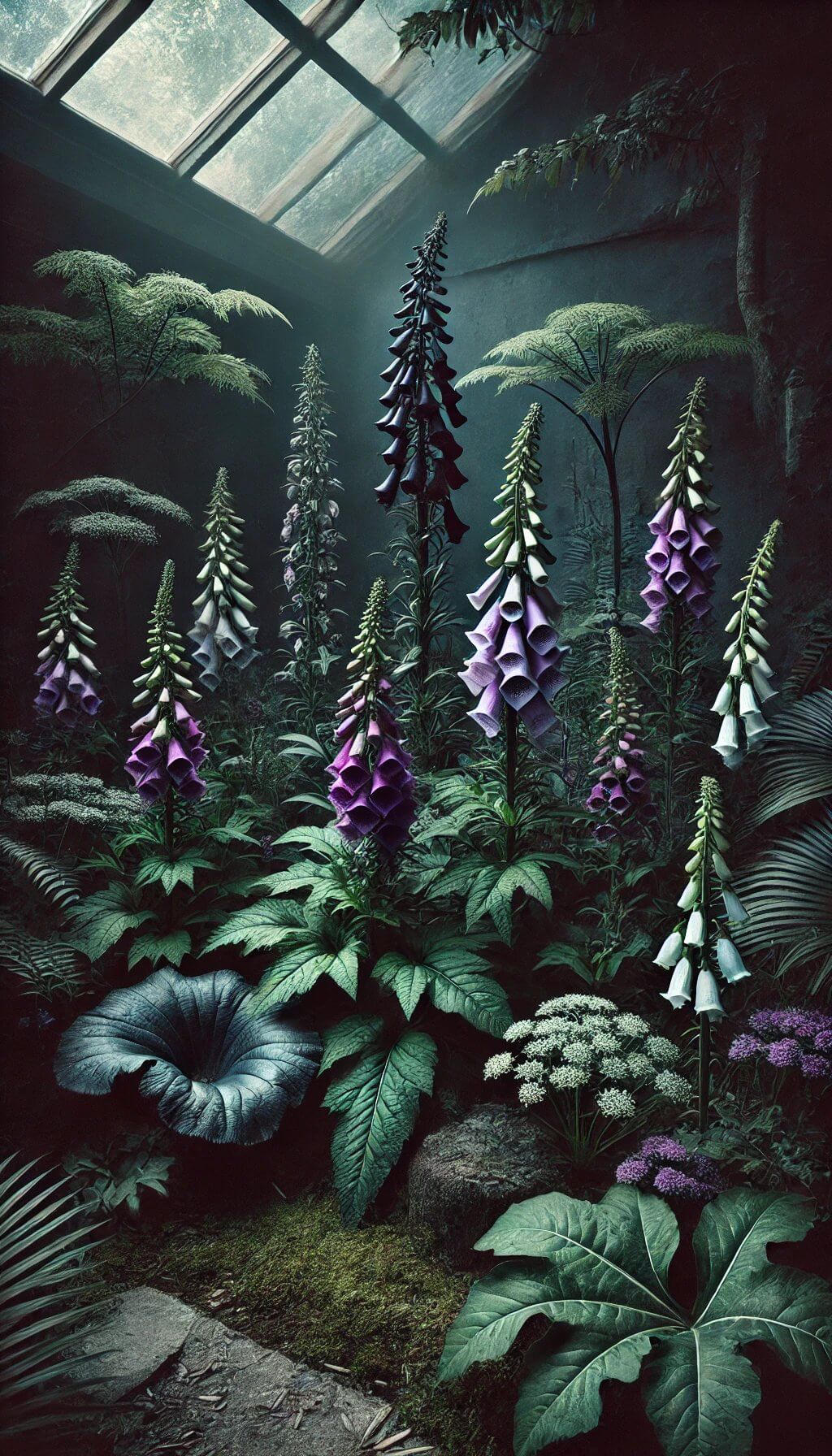
This is the one idea on this list that actually needs a real safety note, and most guides skip it entirely. Foxglove, belladonna, and monkshood are the classic “poison garden” plants for a reason: they’re genuinely toxic.
According to Poison Control, every part of a foxglove plant is dangerous, the compounds affect heart rhythm, and children have been poisoned just from drinking vase water that cut foxglove sat in. That doesn’t mean skip the aesthetic entirely, it means know exactly what you’re planting and where.
If there are kids or pets in the house, keep these specific plants in a fenced or elevated bed out of casual reach, or choose look-alike, non-toxic alternatives (false foxglove, for instance, has a similar bloom shape without the toxicity) if you want the visual without the risk.
4. Gothic Flower Choices
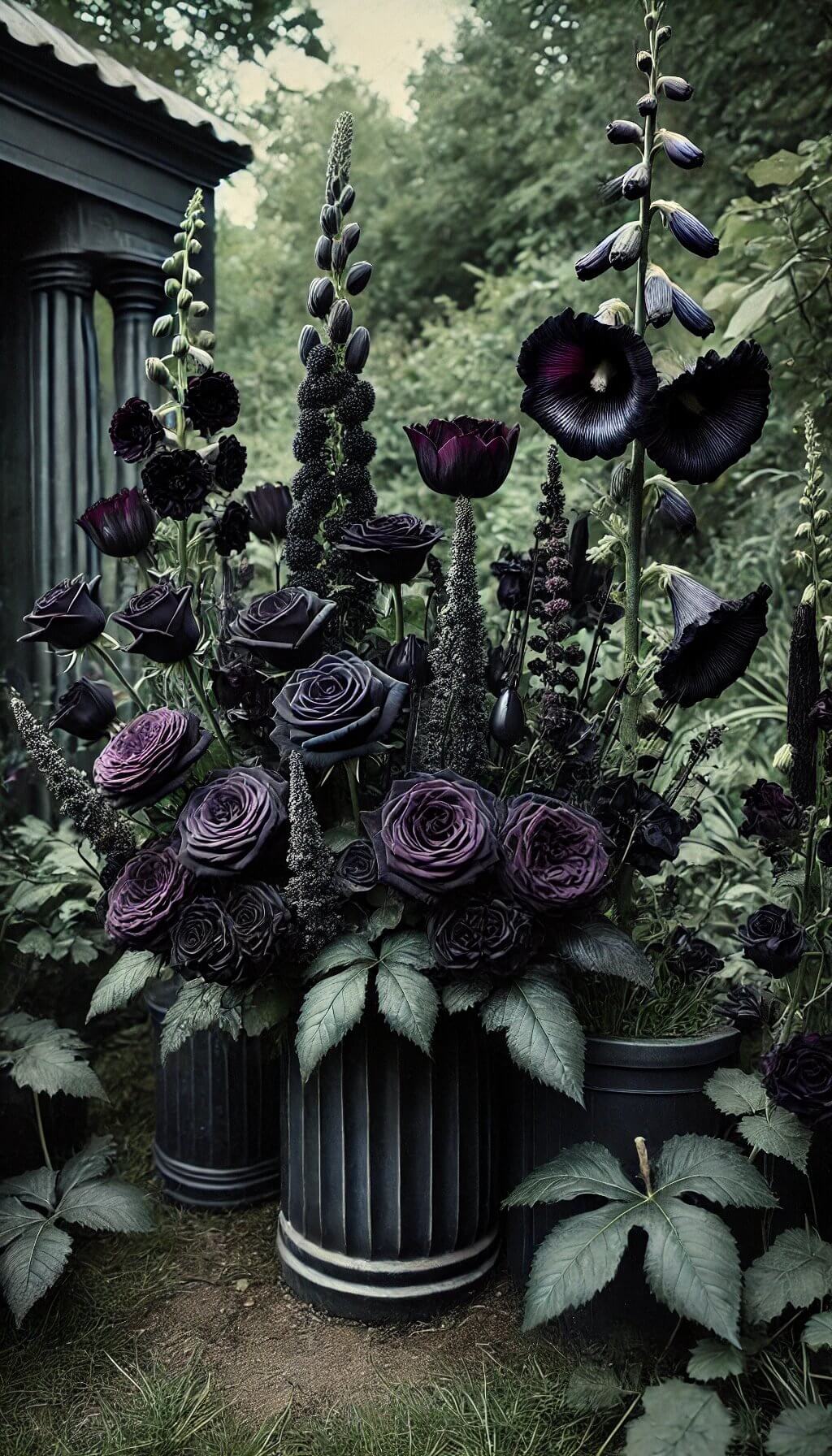
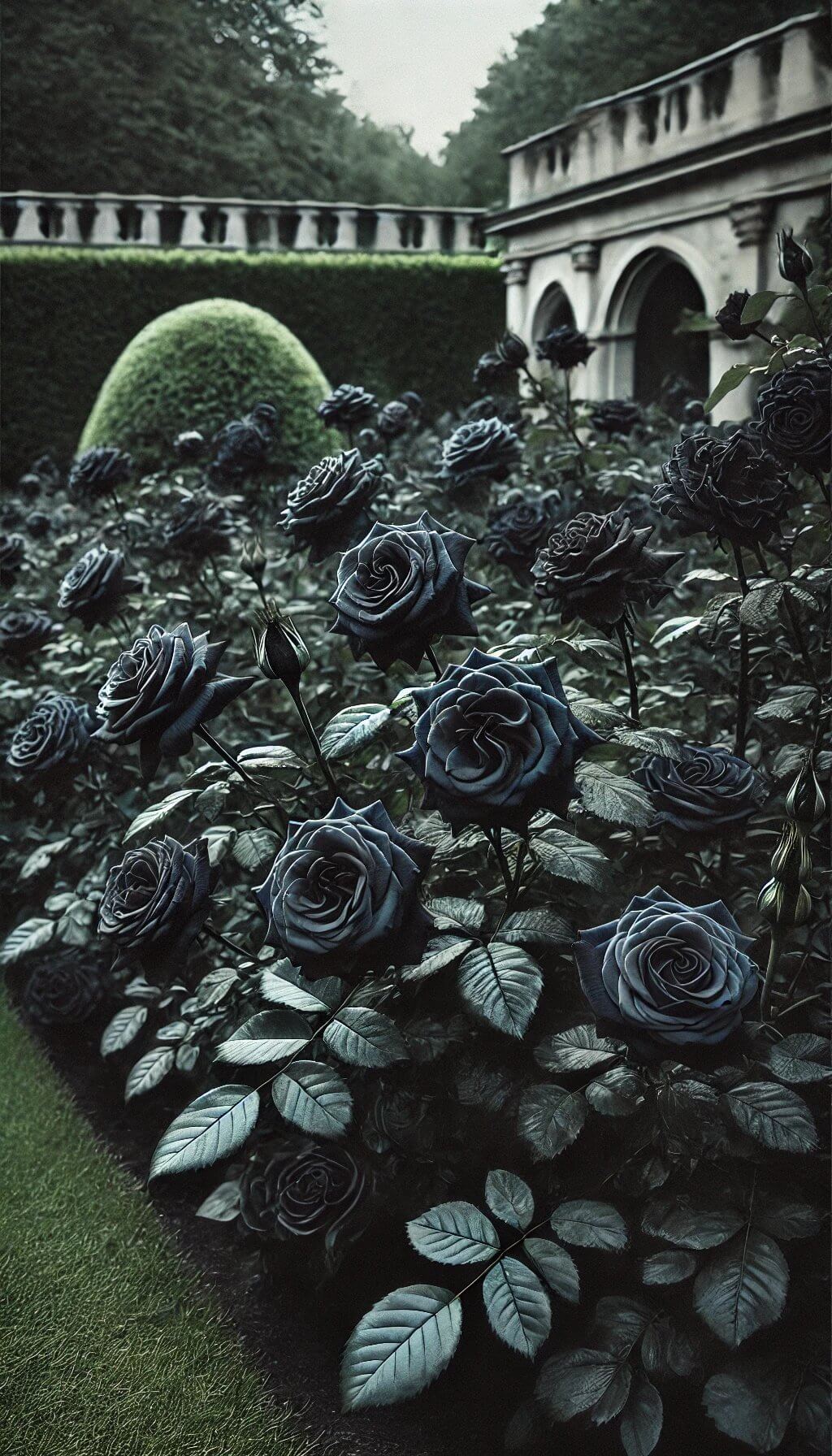
Deep burgundy dahlias, black bat flowers, dark-hued hellebores, and dramatic dracula orchids lean into a gothic palette without needing to touch the actually-toxic plants from idea #3.
If you do want to include true nightshade-family plants for the look, the same caution applies: know the specific plant, and keep it fenced or elevated if kids or pets have yard access.
Magical Garden Features
5. Fairy Ring Mushrooms

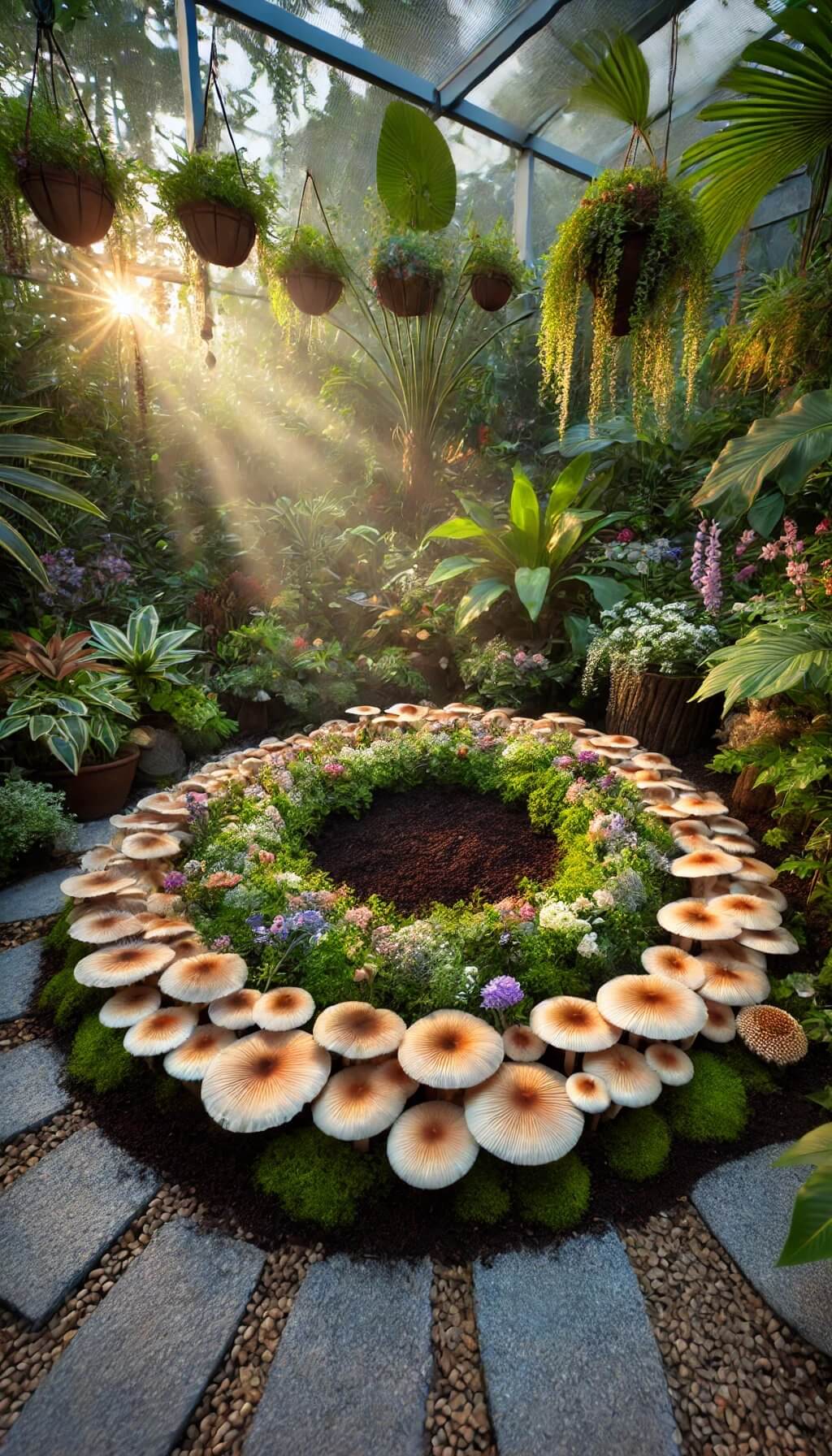
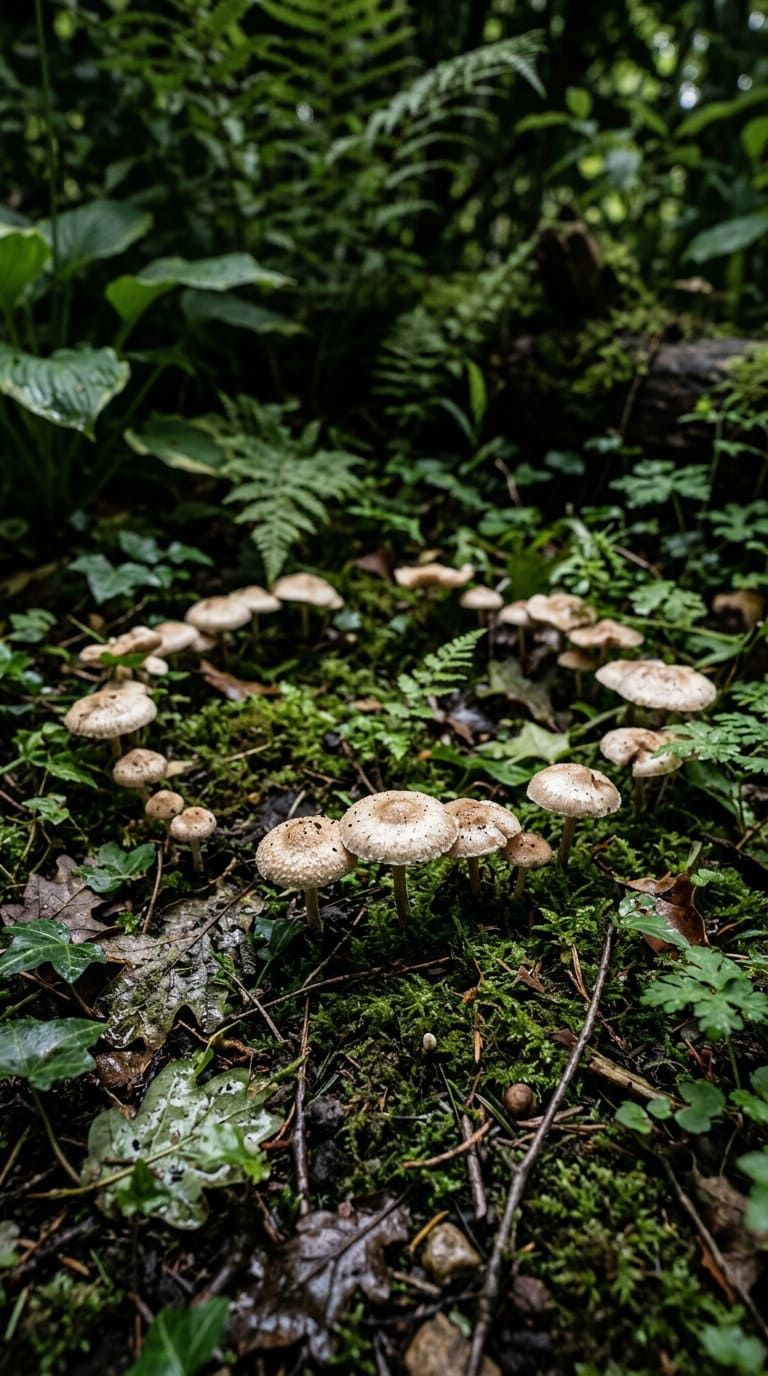
A ring of mushrooms (real or realistic garden ornaments) tucked into a shaded, damp corner leans into genuine folklore, fairy rings are one of the oldest garden superstitions there is.
If you’re using real fungi rather than decorative ones, be aware some mushroom species that naturally form rings are toxic if ingested, worth identifying what’s actually growing before assuming it’s just decorative.
6. Witch’s Herb Spiral
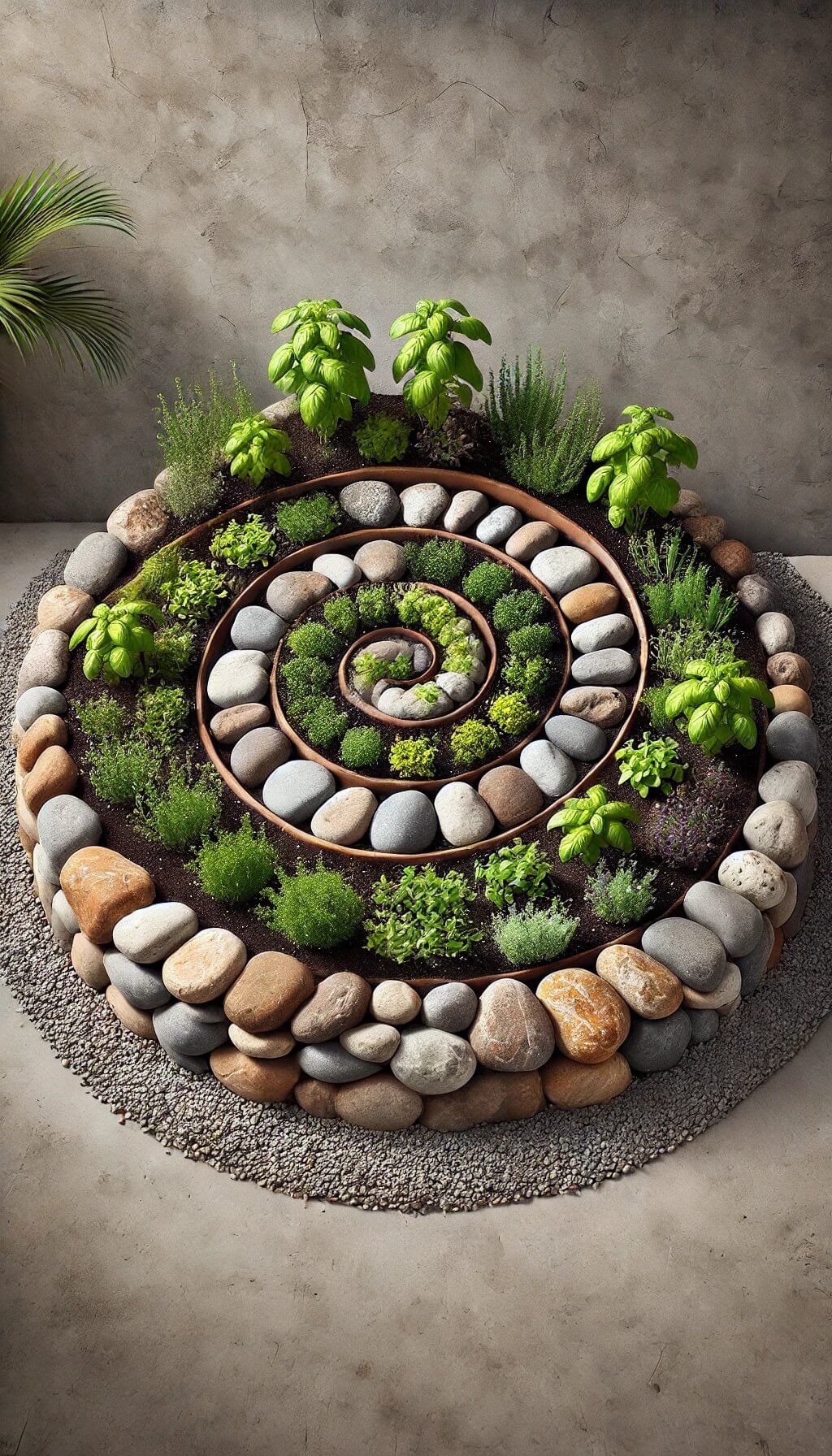
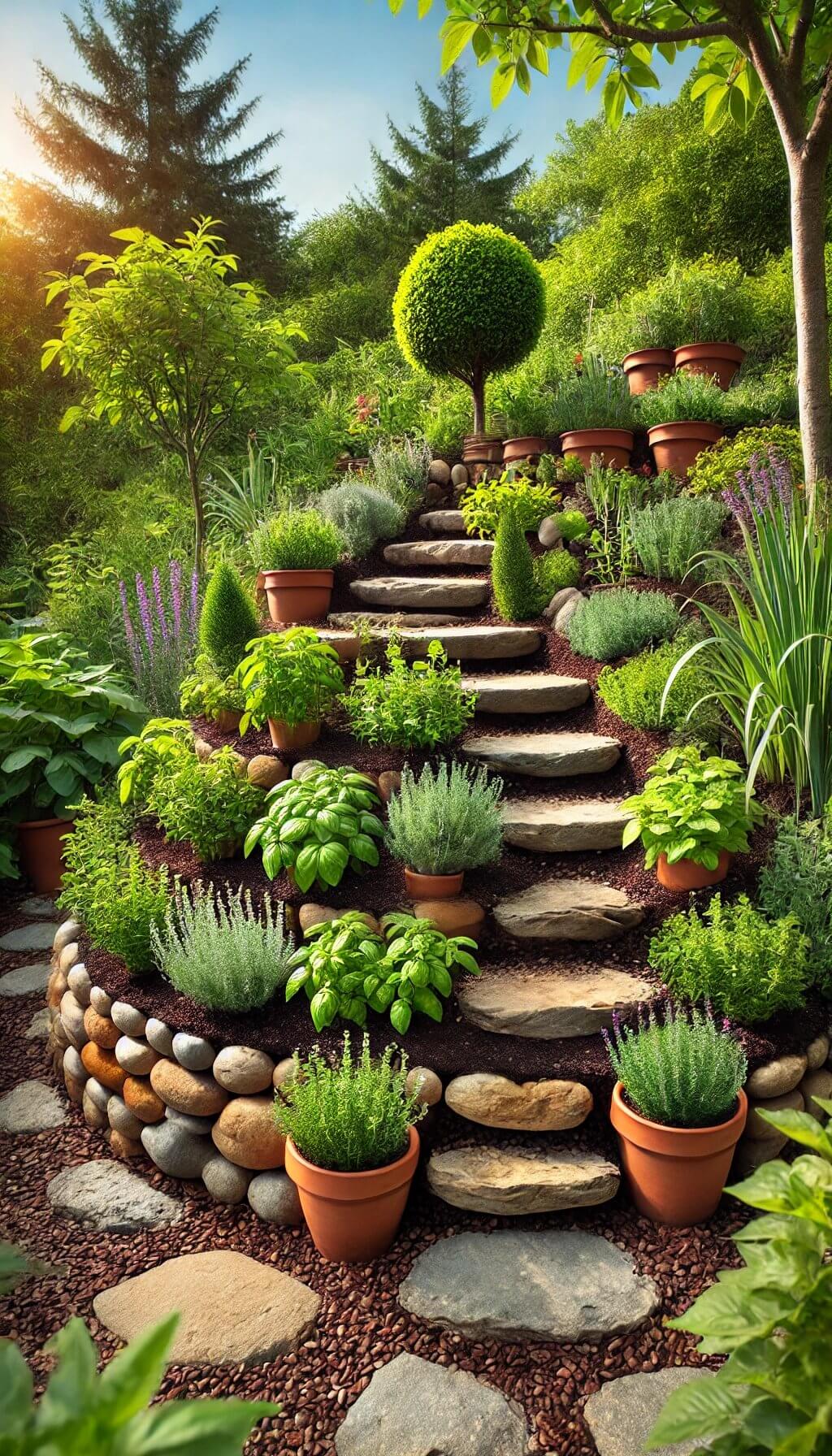
A raised spiral bed, stone or brick, stacked in a coil, lets you grow herbs with different sun and moisture needs in the same small footprint, drier, sunnier herbs at the top, moisture-loving ones at the base.
It’s a genuinely functional permaculture design, not just a decorative shape, and it fits the aesthetic naturally since spirals show up across a lot of real folk-magic symbolism.
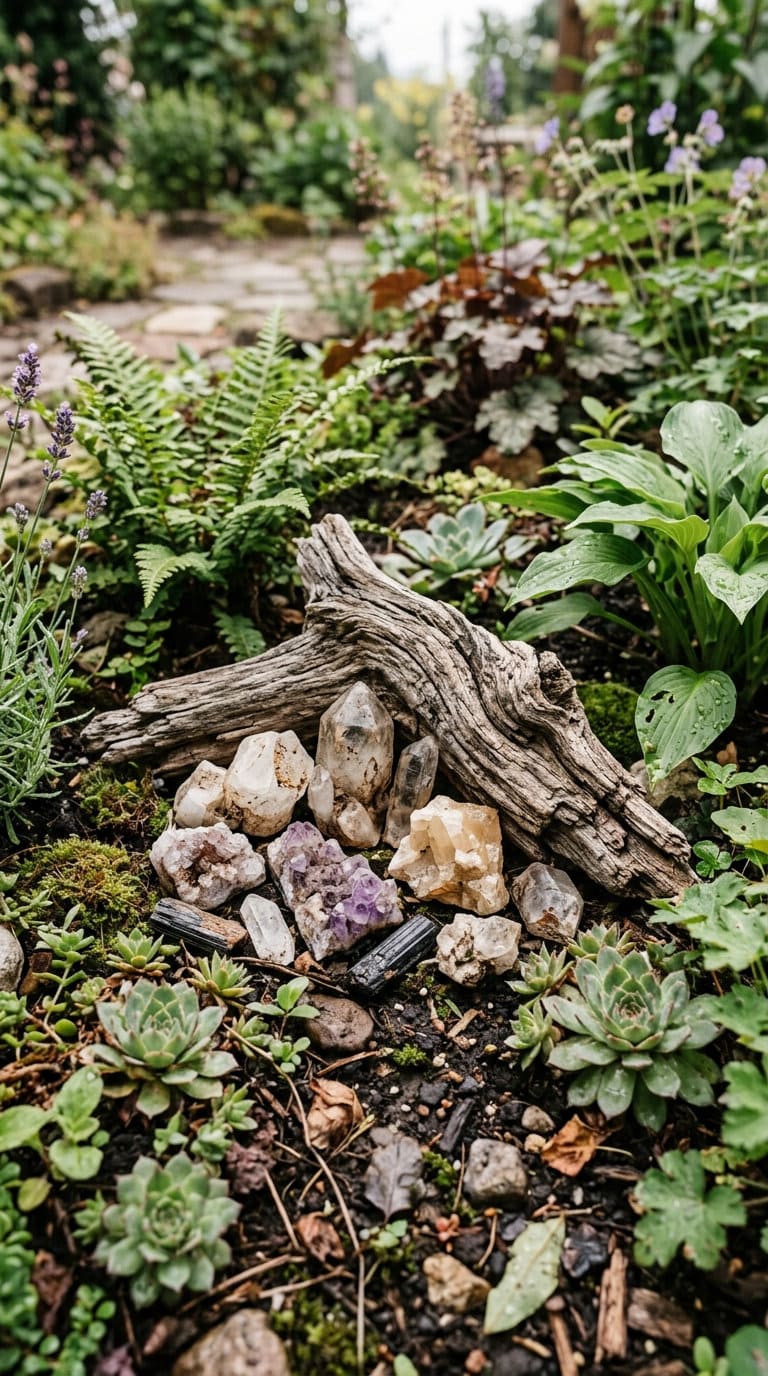
7. Crystal Garden Decor
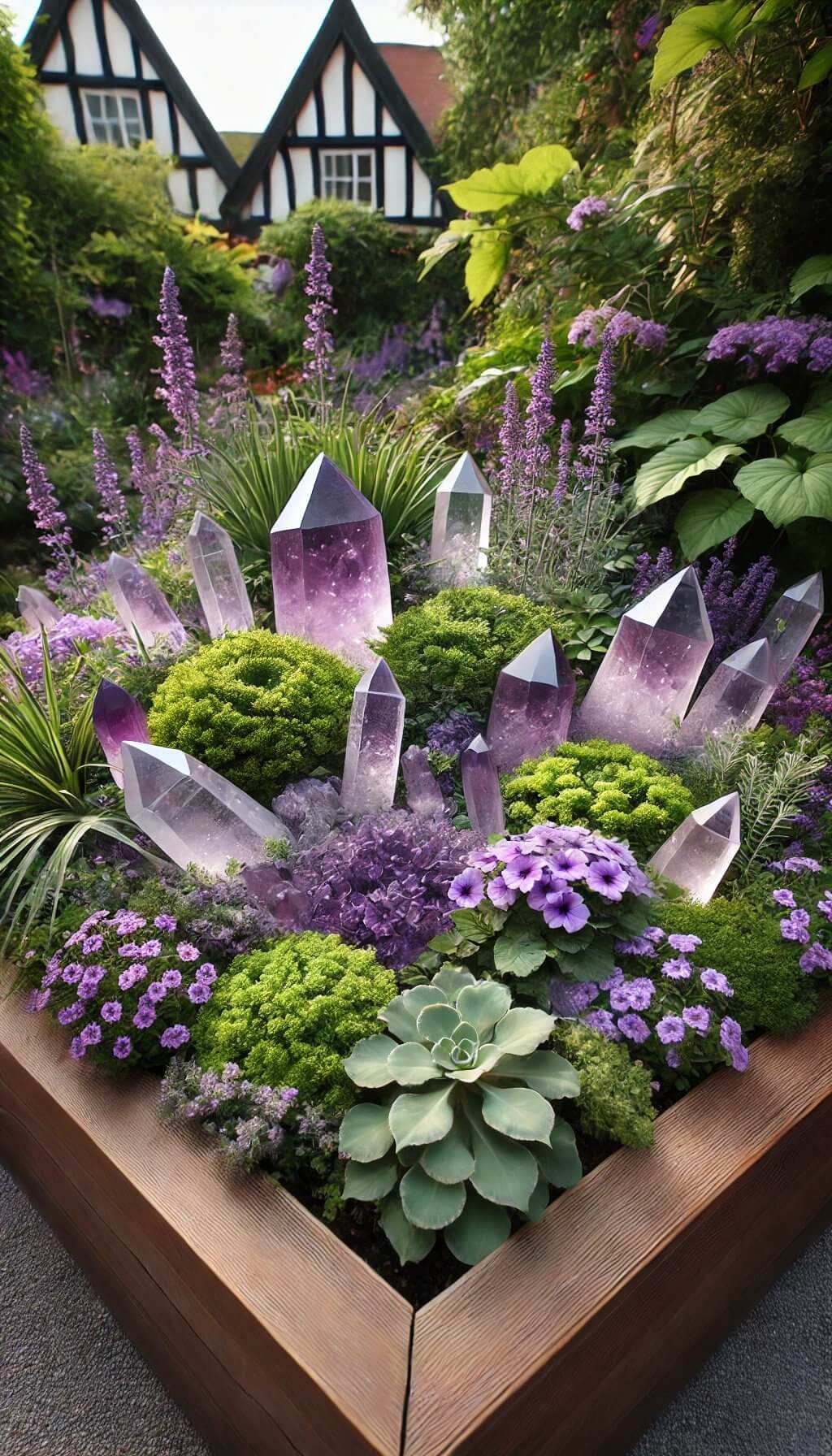
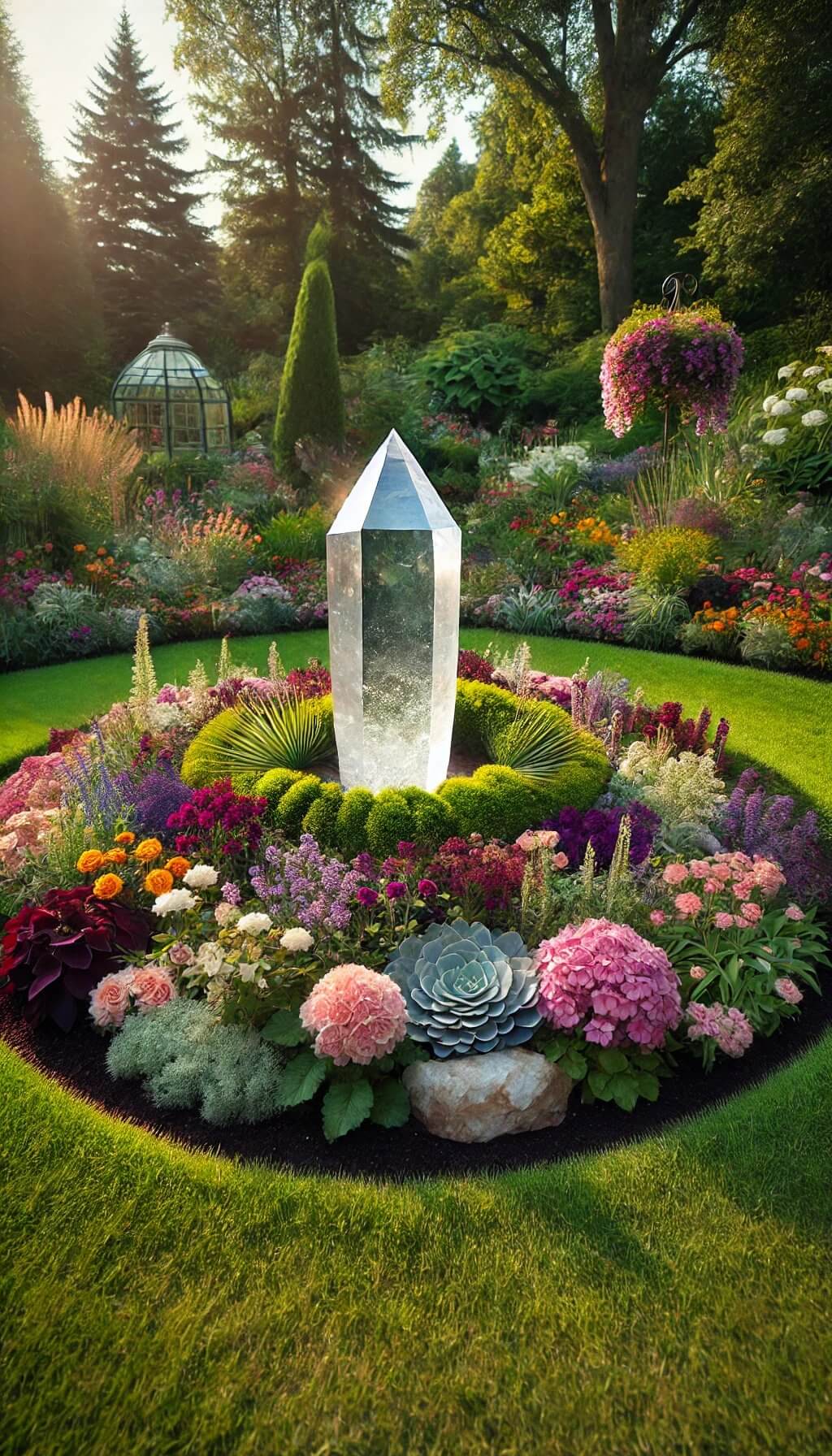
Crystals, animal bones (found, not harvested), driftwood, and other natural found objects tucked among the plants add a genuine sense of collected-over-time character.
A cluster of amethyst or clear quartz at the base of a favorite plant, or a sun-bleached branch used as a plant support, reads as intentional rather than store-bought.
8. Magic Circle Pathways
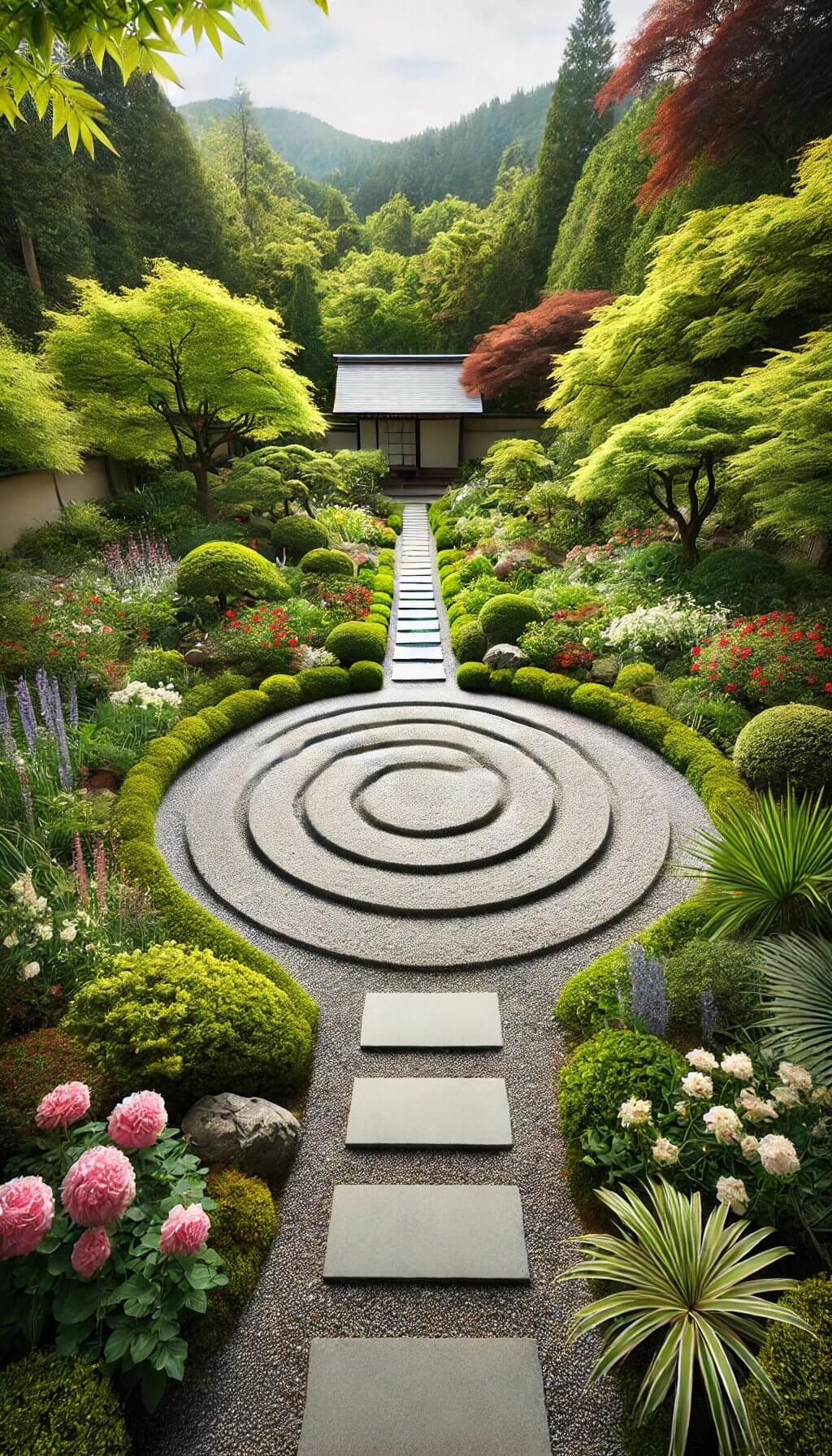
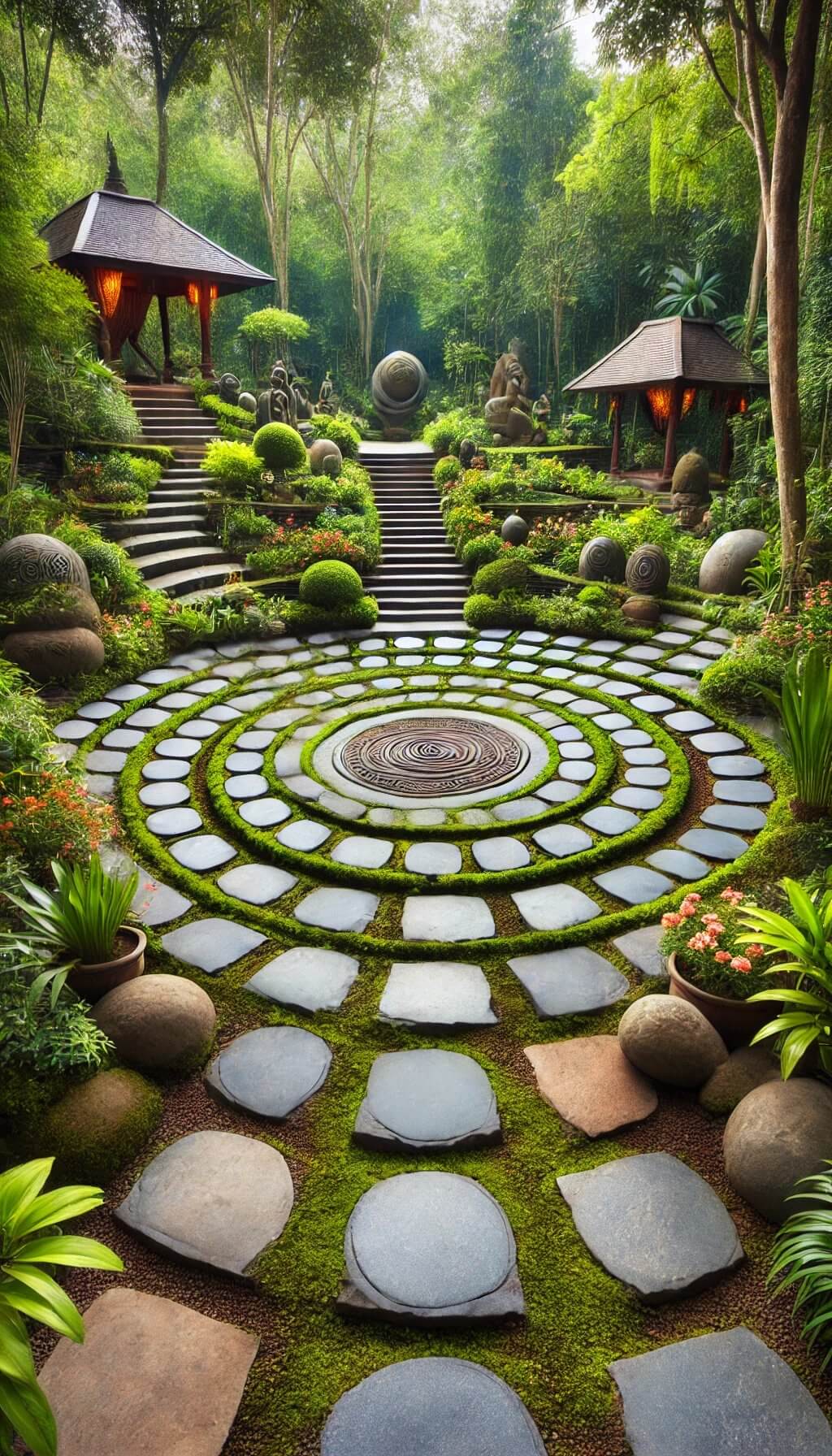
A circular or spiral stepping-stone path, sometimes laid out to track moon phases, gives visitors somewhere deliberate to walk rather than cutting straight across the yard. This whimsical pathway guide has more ideas if you want to go deeper on path design specifically.
Mystical Structures and Elements
9. Stone Altar
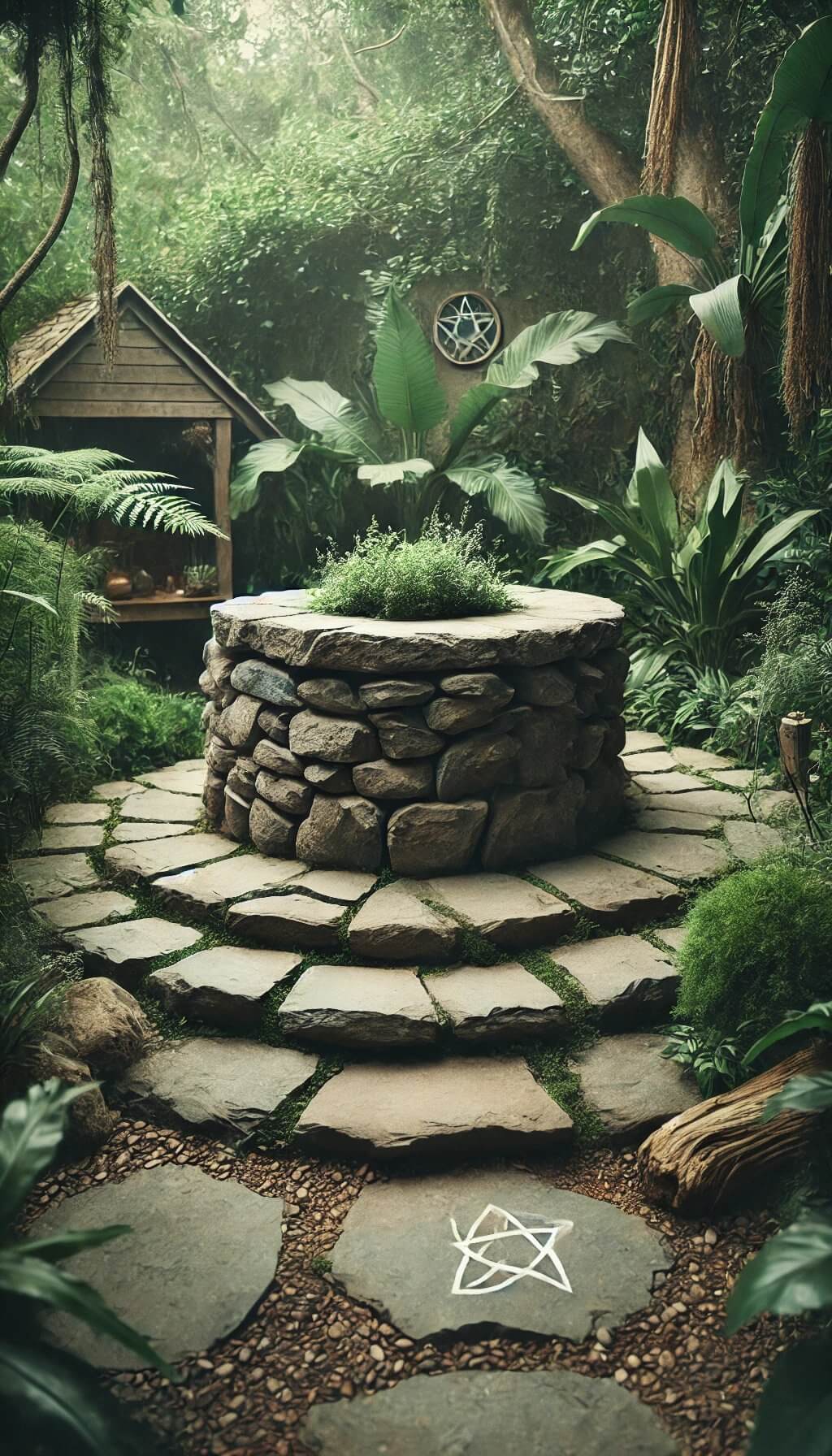
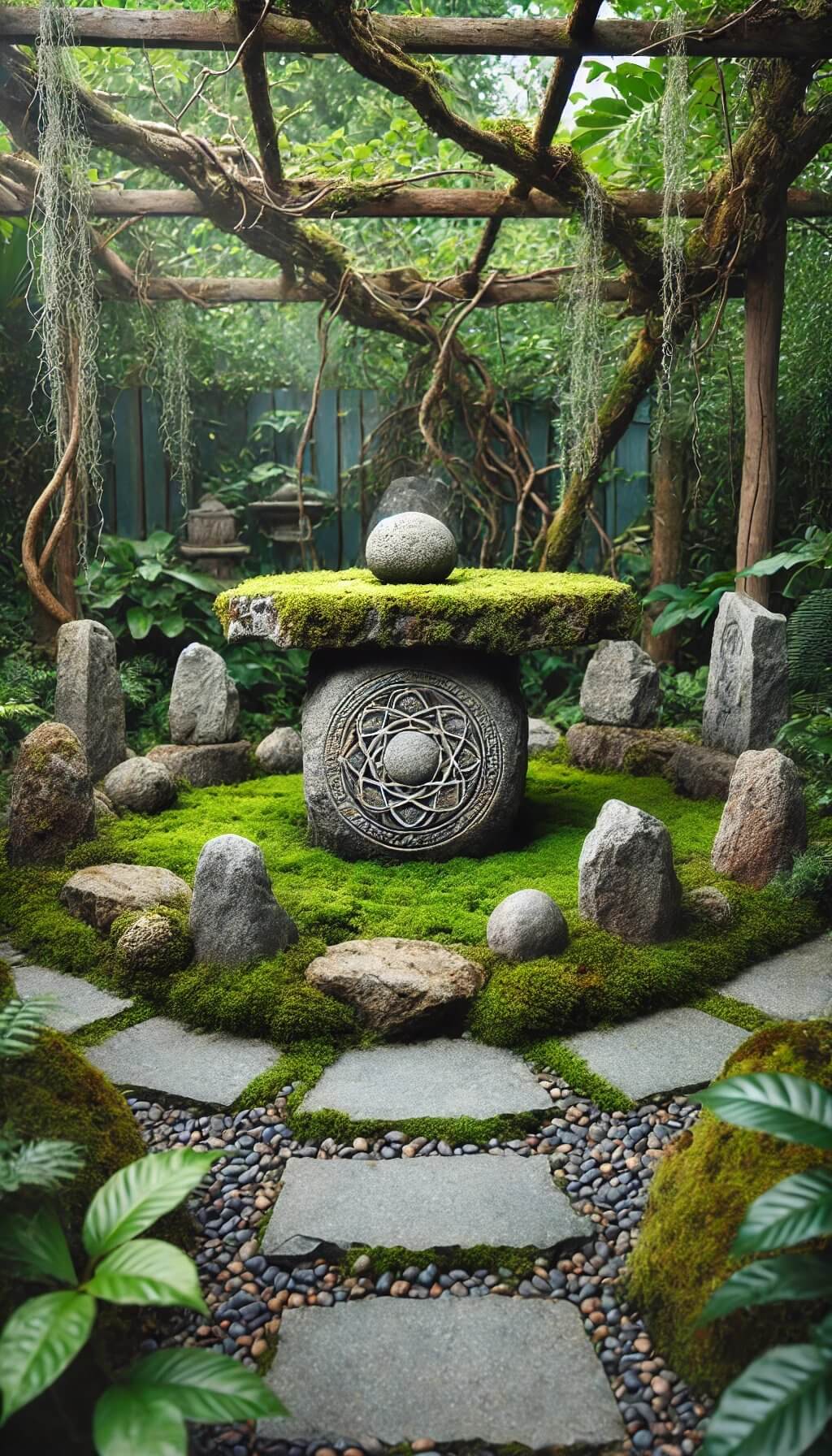
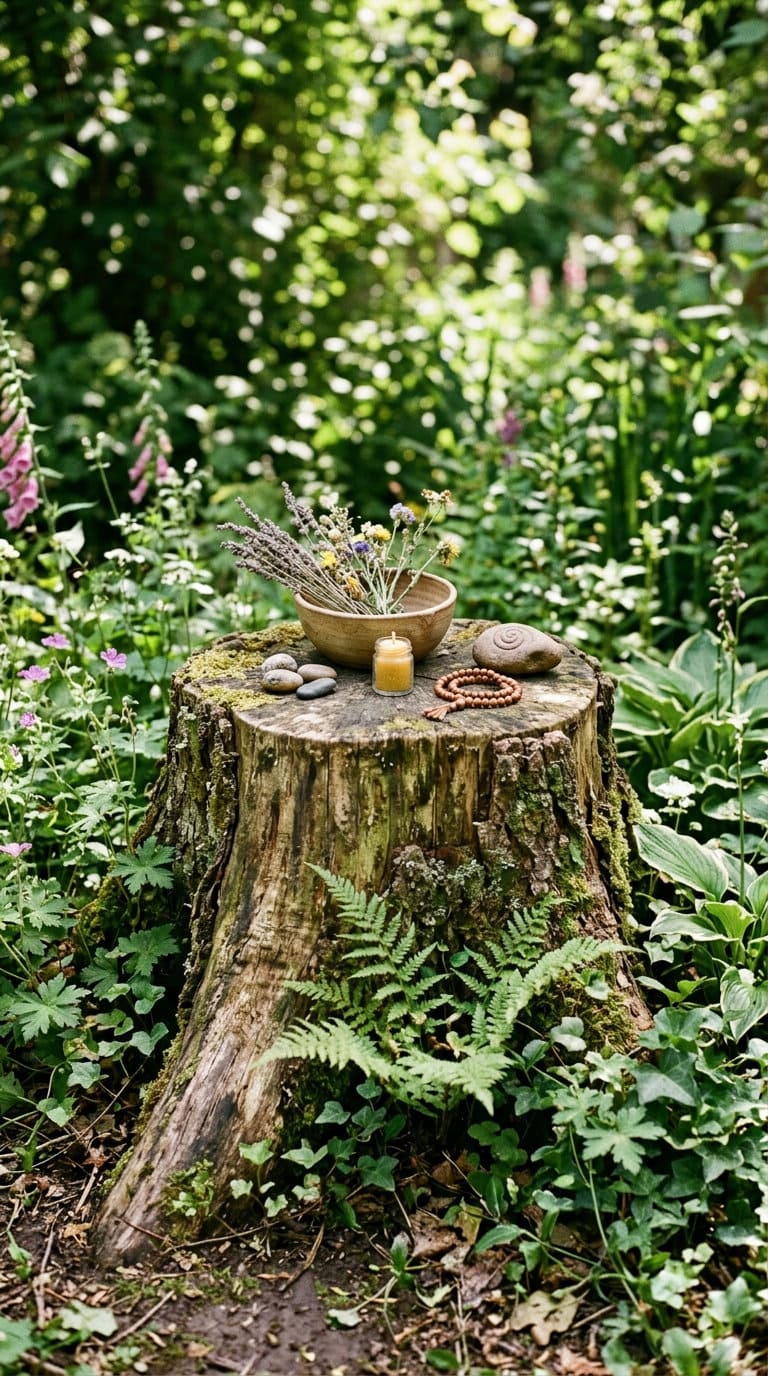
A simple flat stone, tree stump, or small stacked-stone platform works as a focal point for seasonal rituals, offerings, or just a spot to sit with a cup of tea.
Keep it unfussy, a genuinely worn, weathered stone reads more authentic than something polished and new.
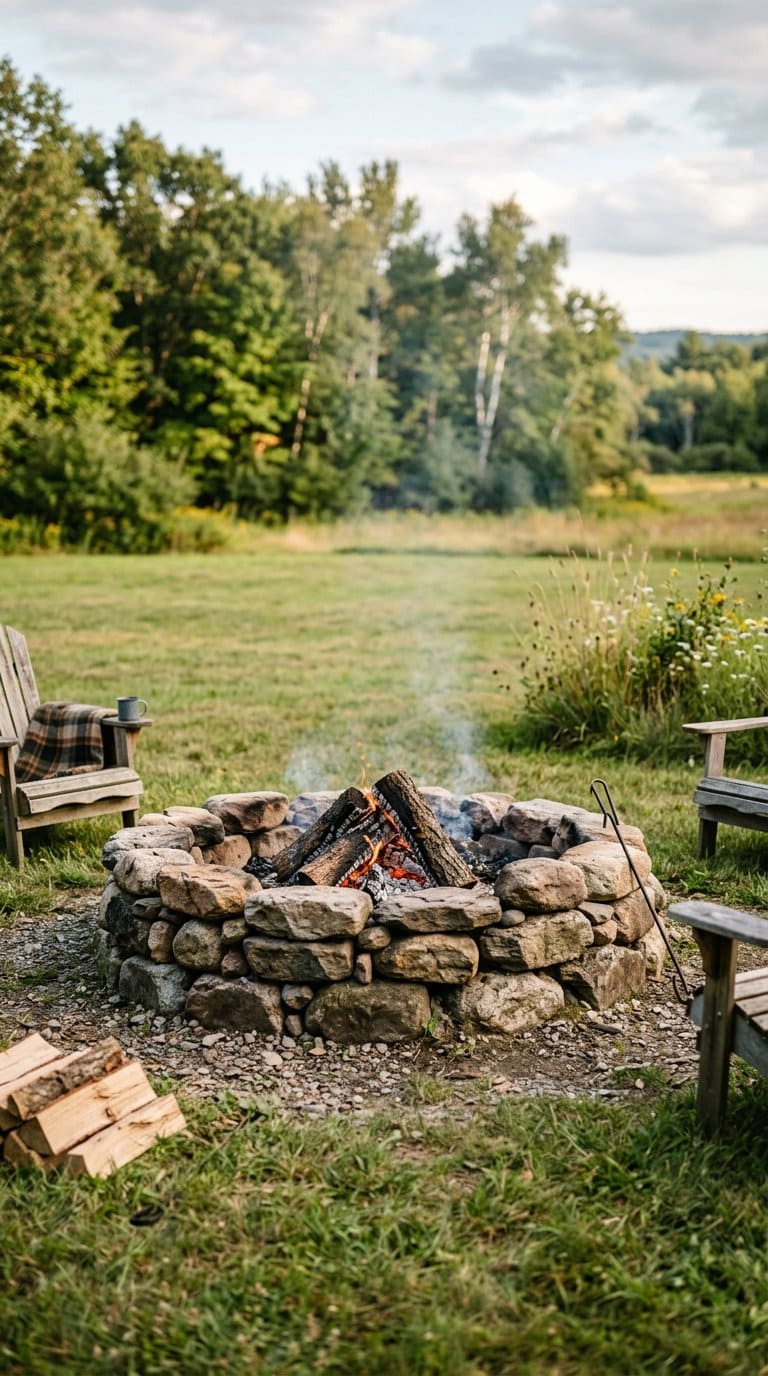
10. Sacred Fire Pit
An open fire feature is one of the most iconic witchy-garden elements, and also the one place on this list where getting the placement wrong is a real safety issue, not just an aesthetic one.
The National Fire Protection Association’s commonly-cited clearance guidance for a wood-burning fire pit is roughly 10 feet from your house, fence, shed, or any other structure, with clear open space overhead, no overhanging branches or structures.
Some municipalities also have their own burn ordinances on top of that, worth a quick check with local fire authorities before the first burn, not after.
11. Garden Mirror
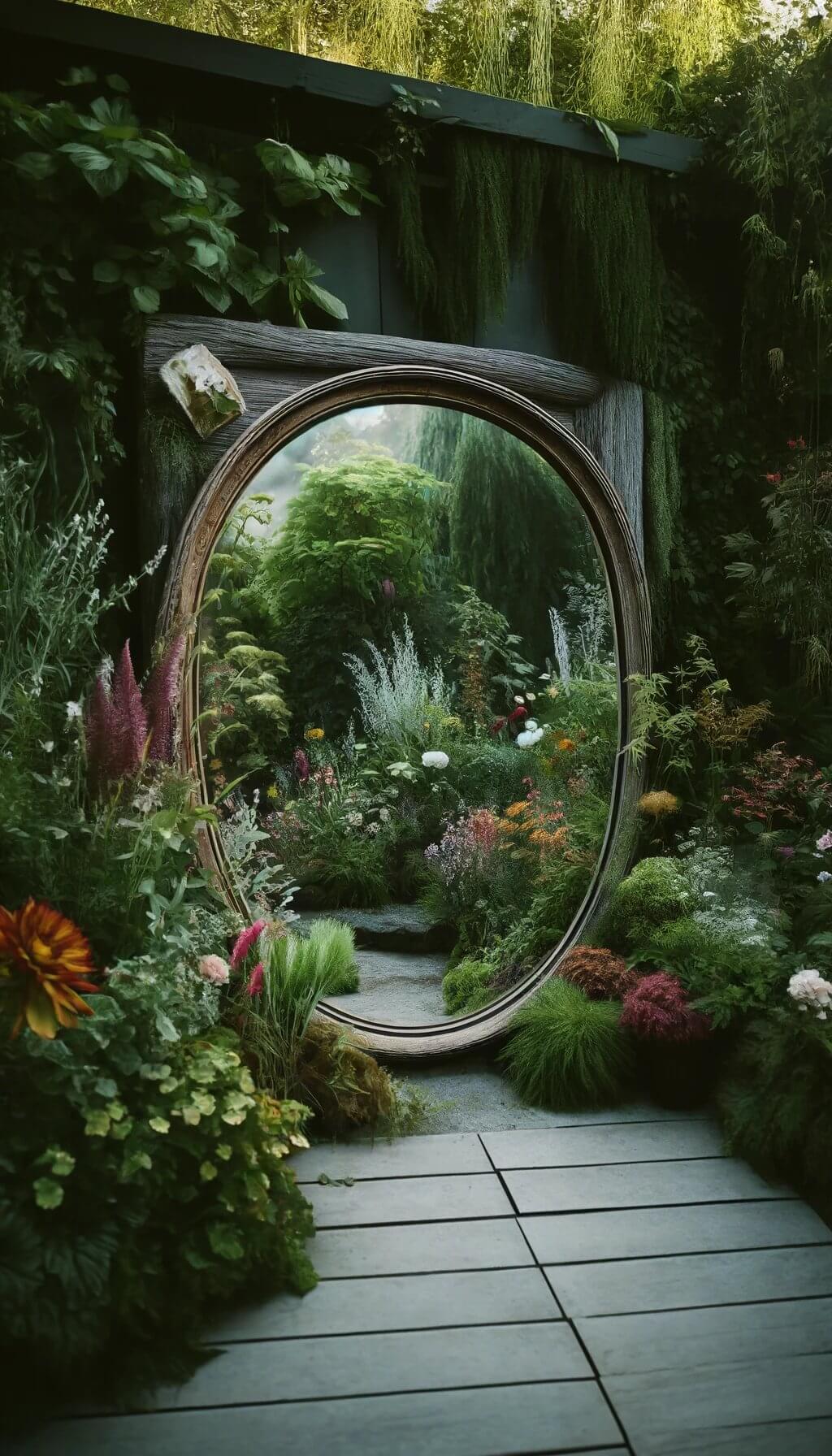
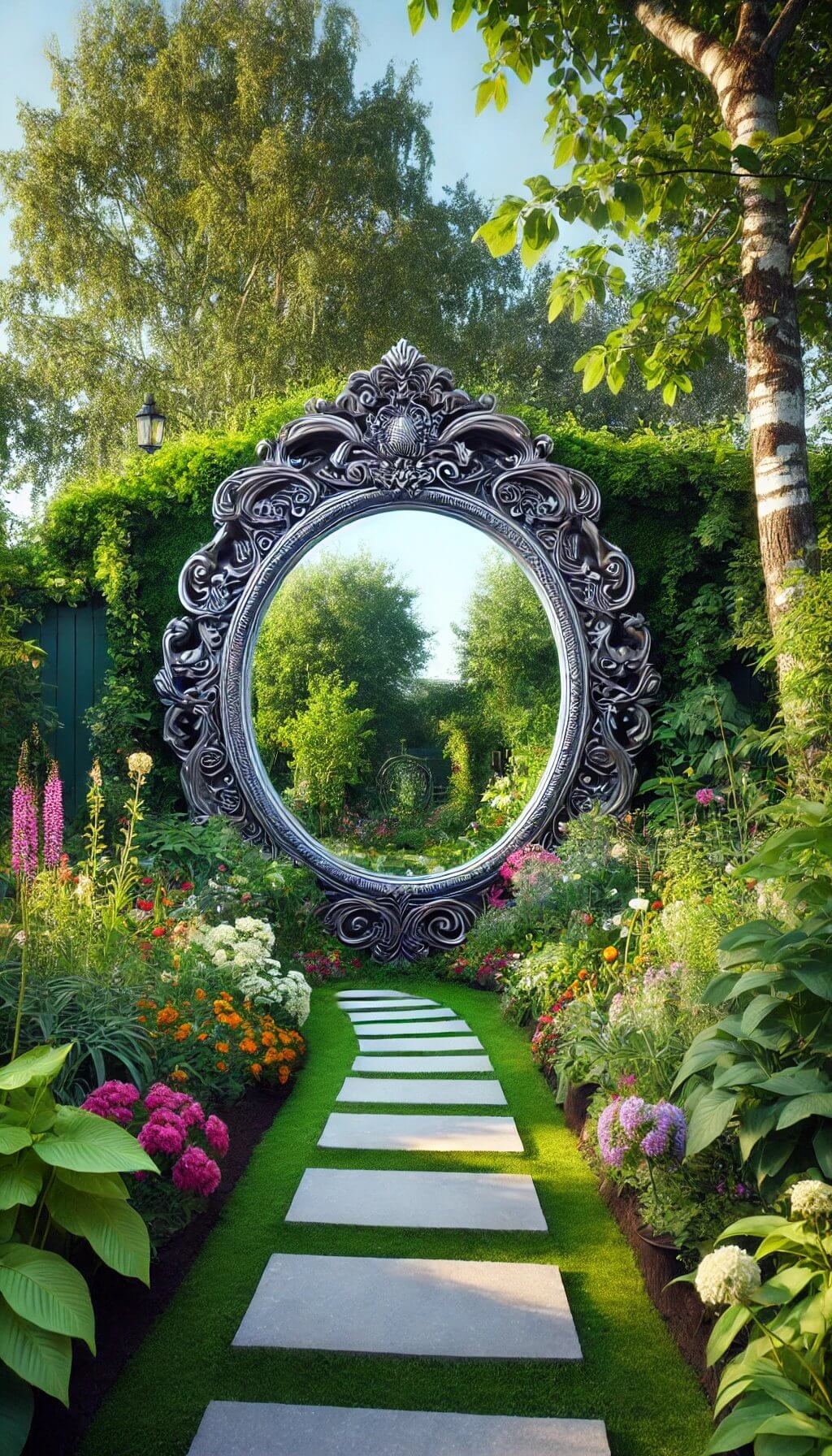
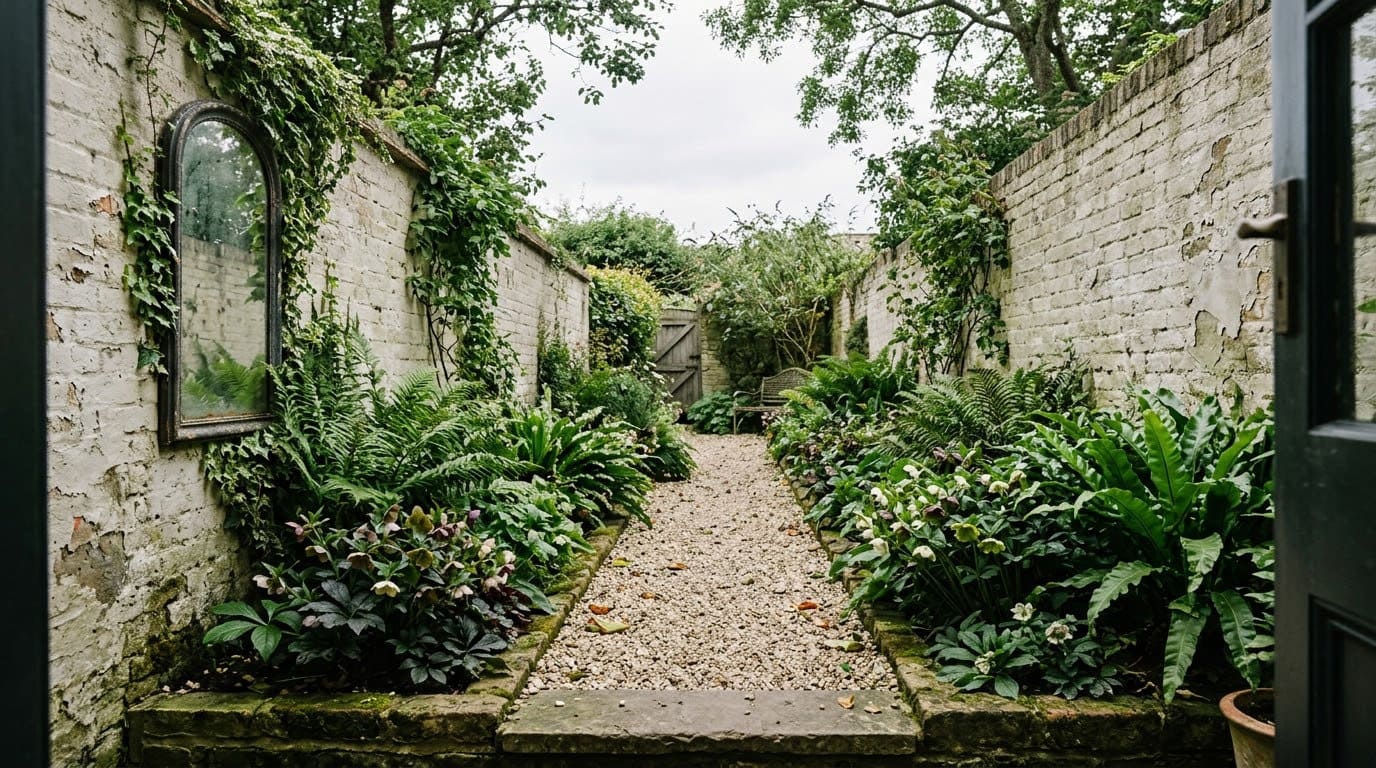
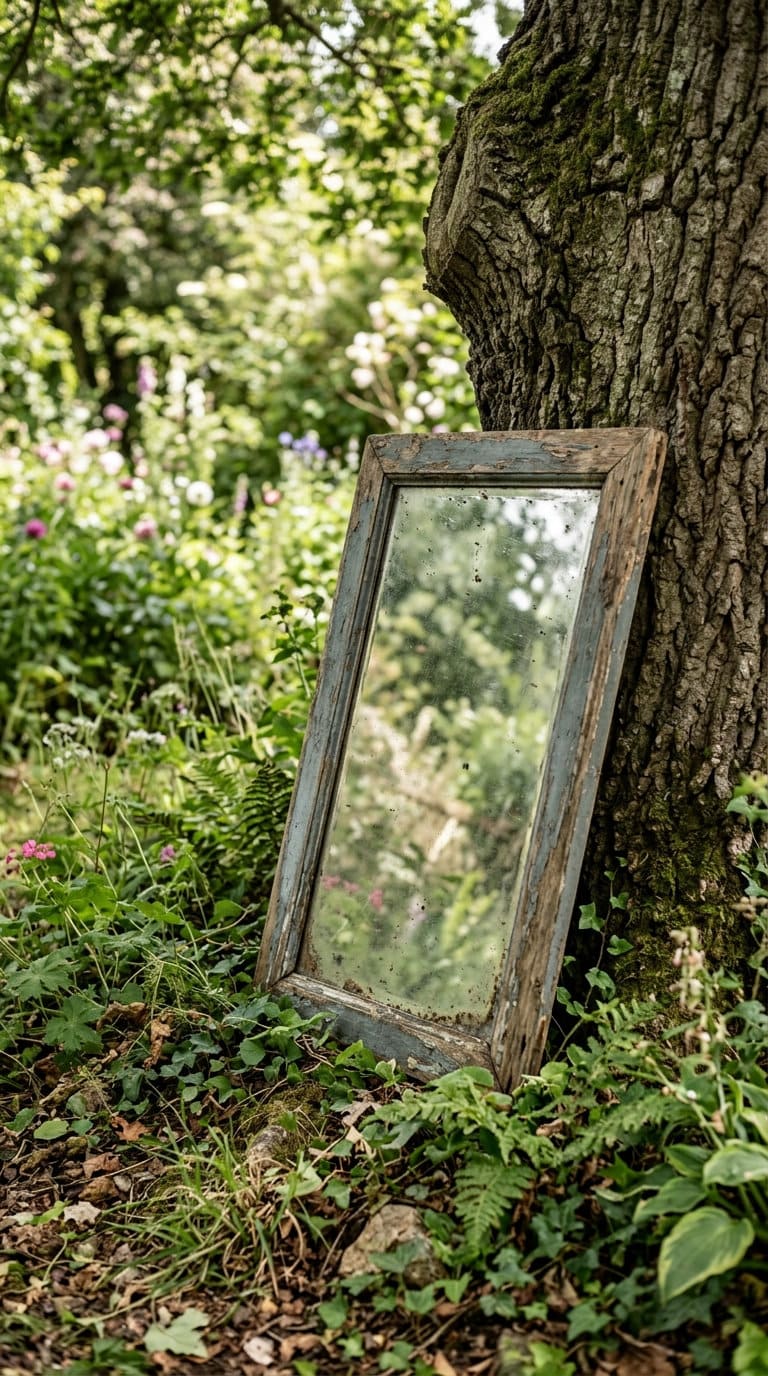
A weathered mirror propped against a tree or fence adds real depth and a bit of mystery, reflecting the garden back on itself.
Outdoor-rated mirrors last far longer than an indoor mirror repurposed outside, worth the extra cost if it’s staying out year-round.
Whimsical Garden Enhancements
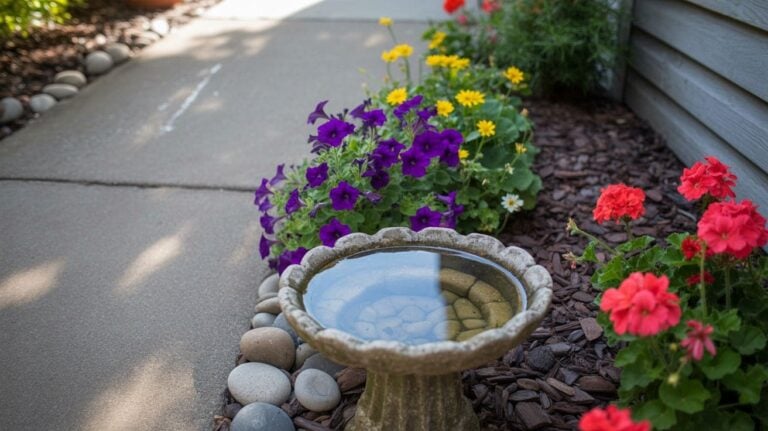
12. Birdhouses and Feeders
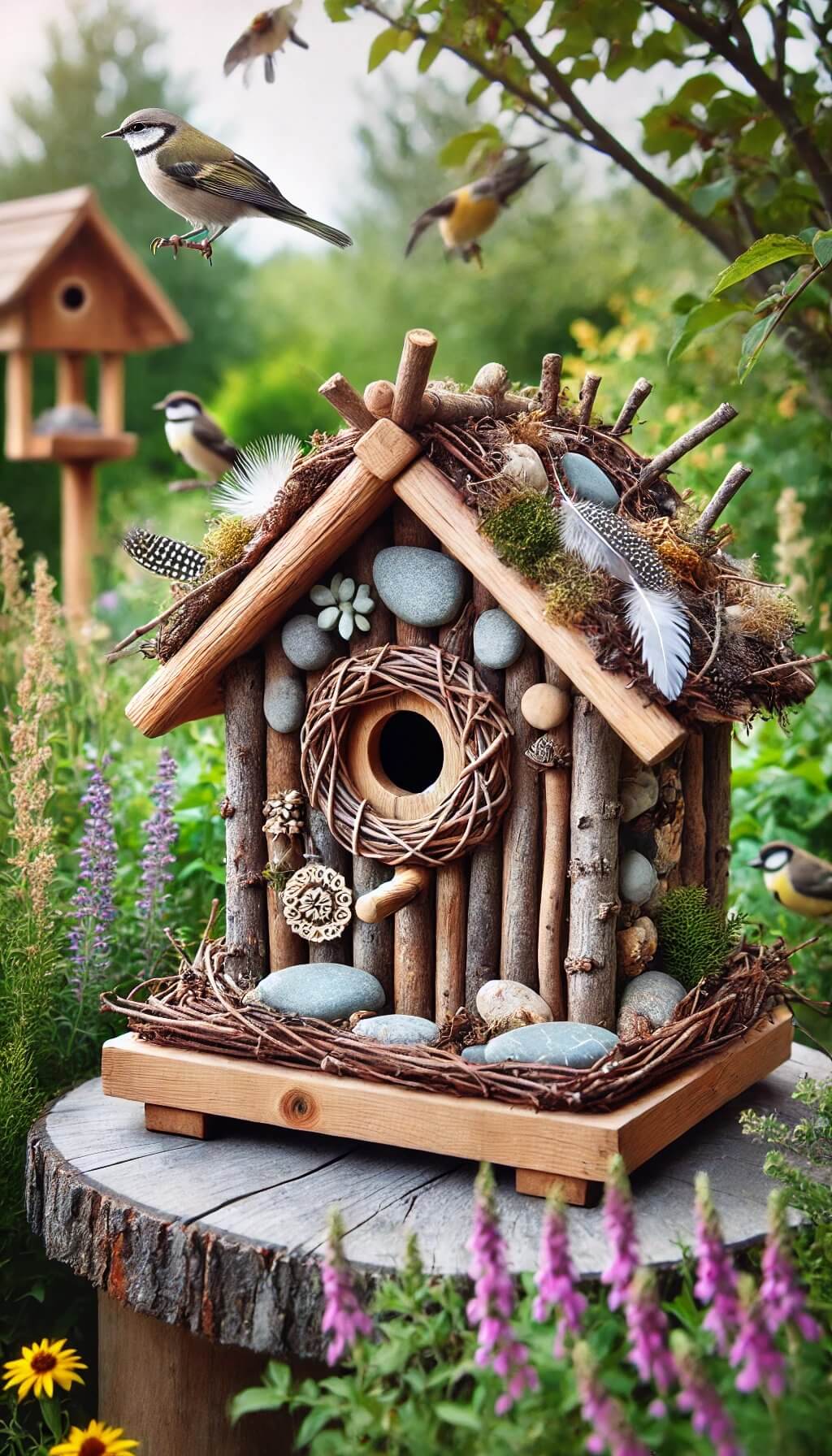
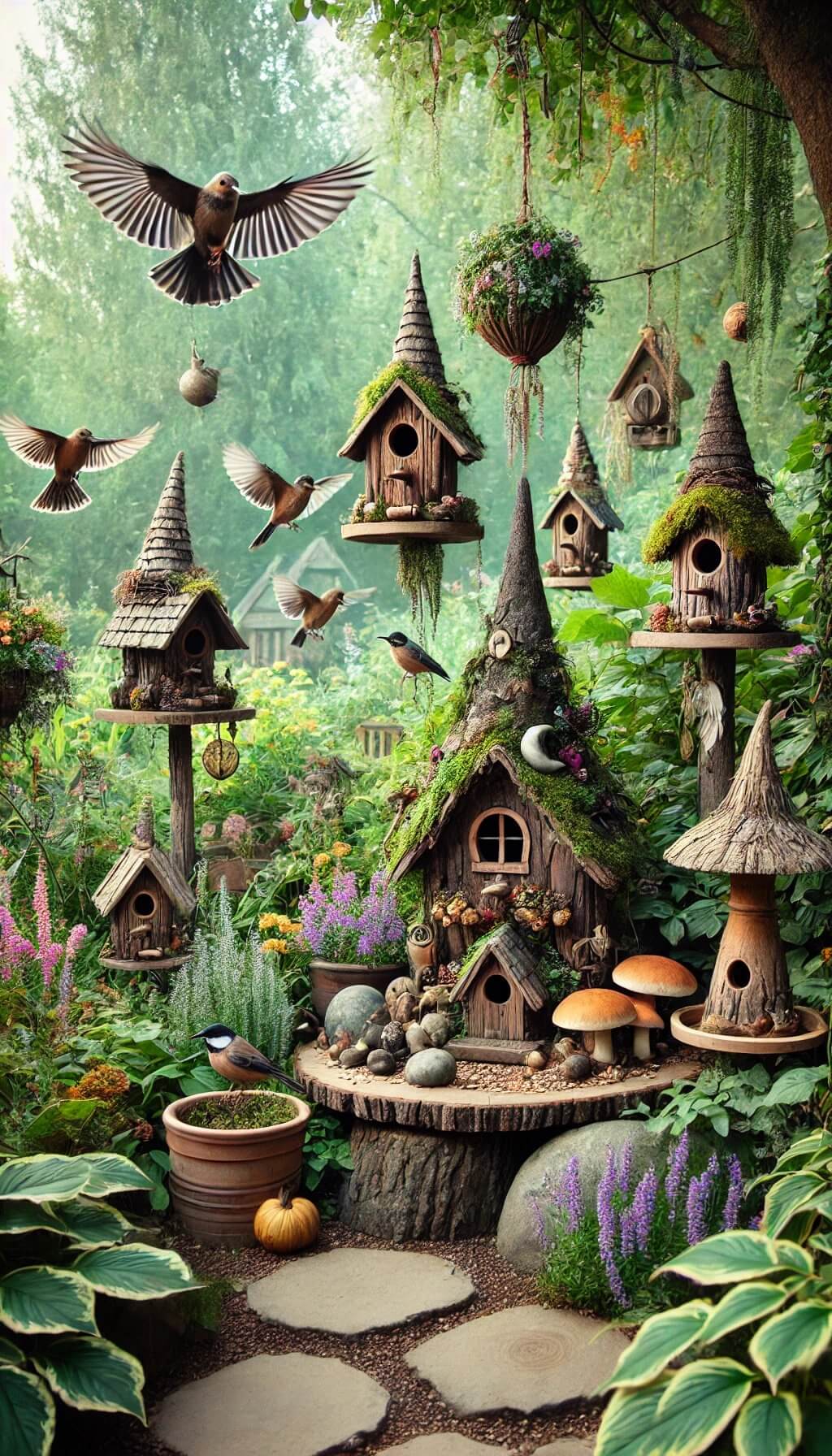
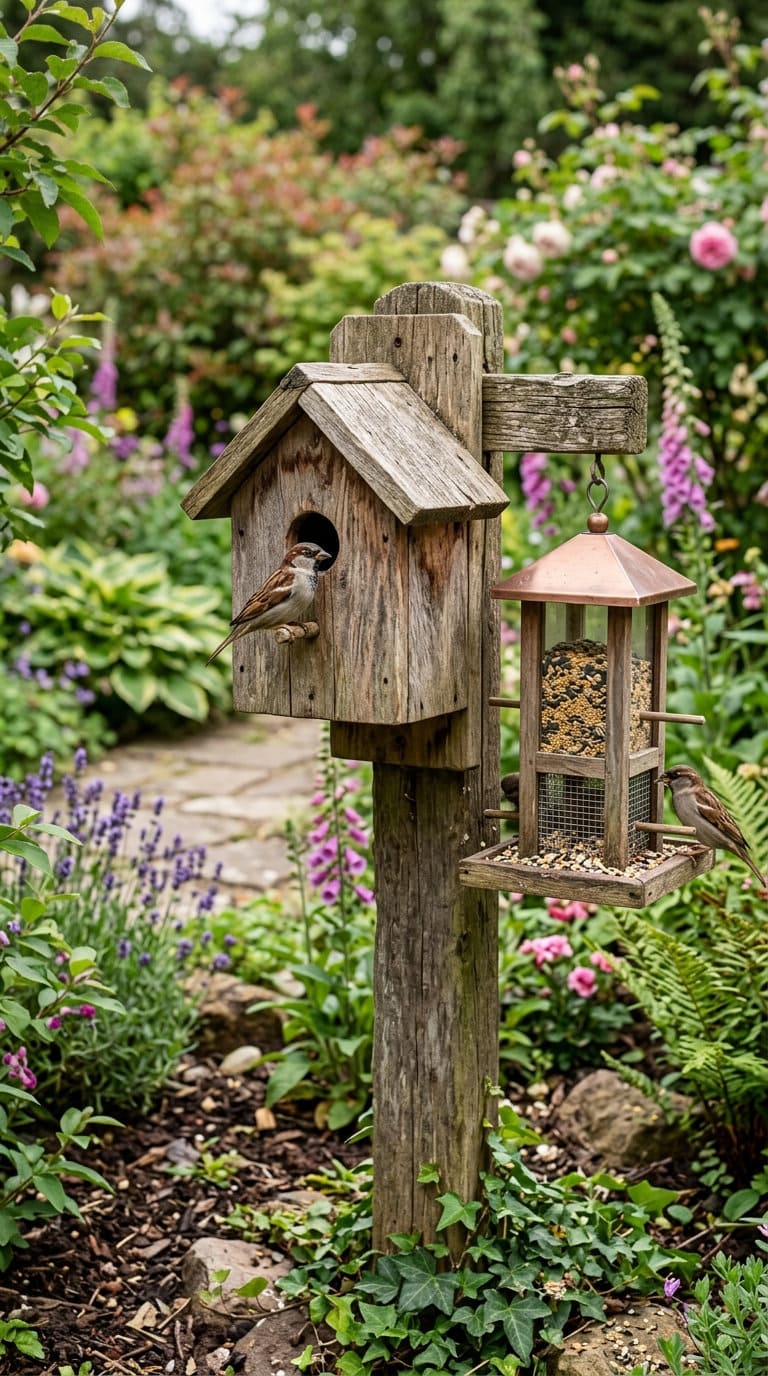
Real, functional birdhouses and feeders bring genuine wildlife into the space, which fits the “living, connected garden” framing better than purely decorative elements.
A well-placed feeder near a sitting area means you’ll actually see the birds it attracts.
13. Wind Chimes and Bells
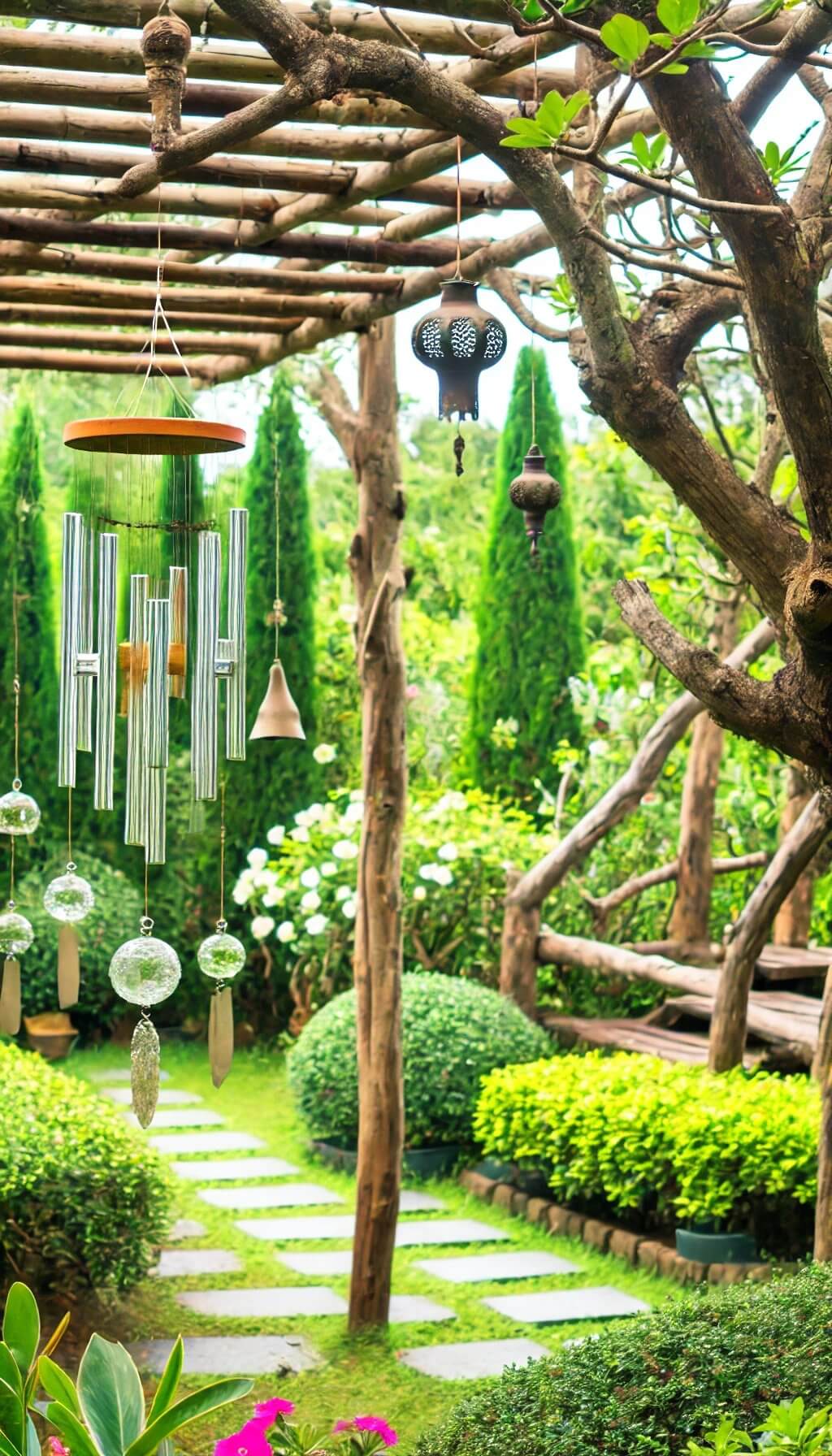
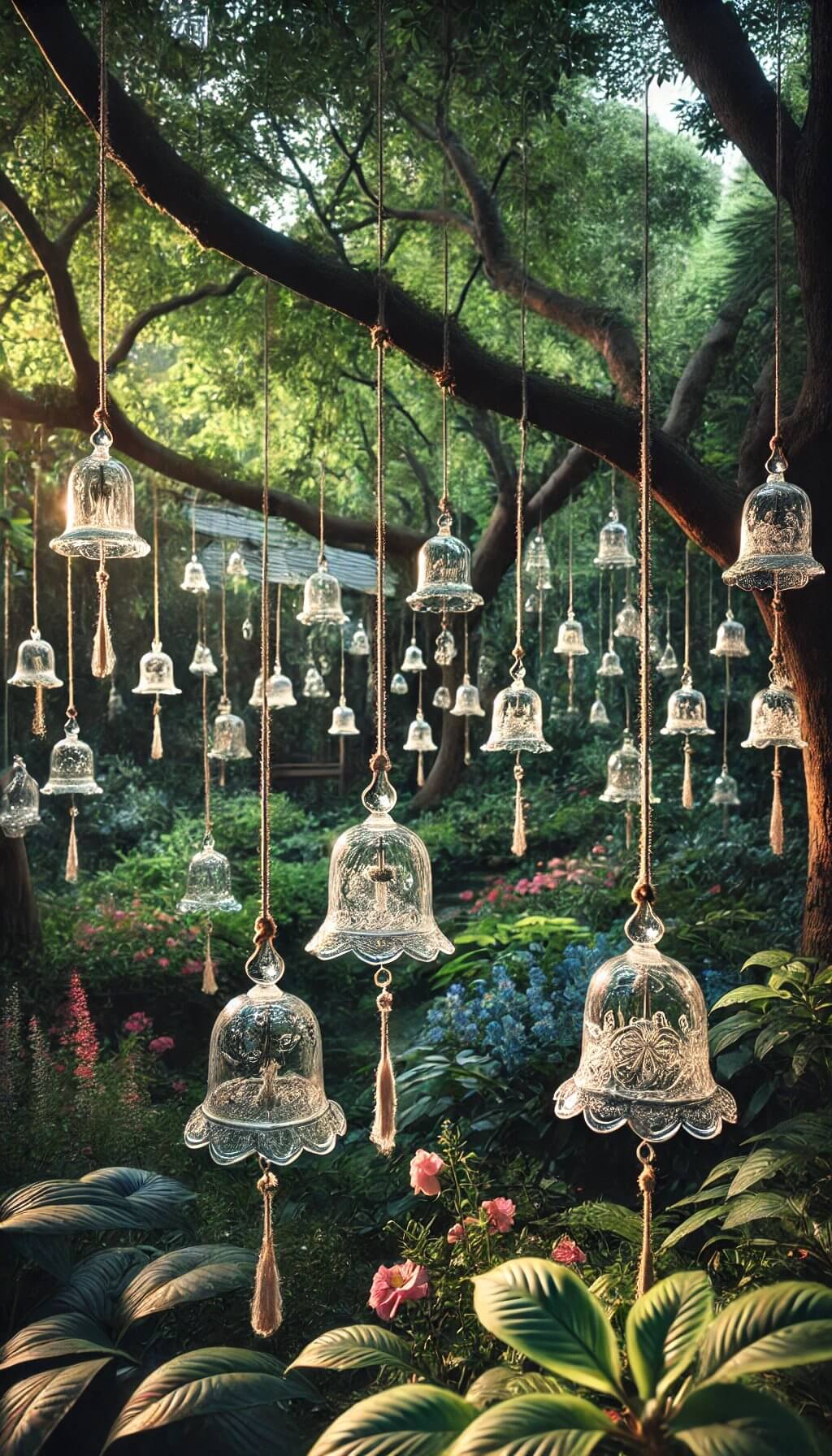
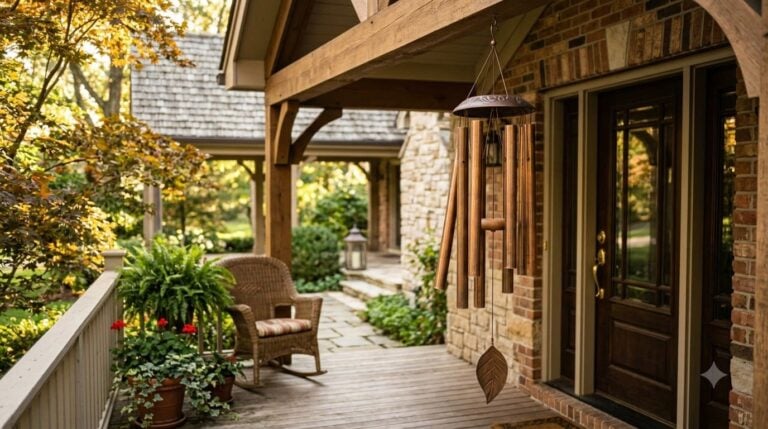
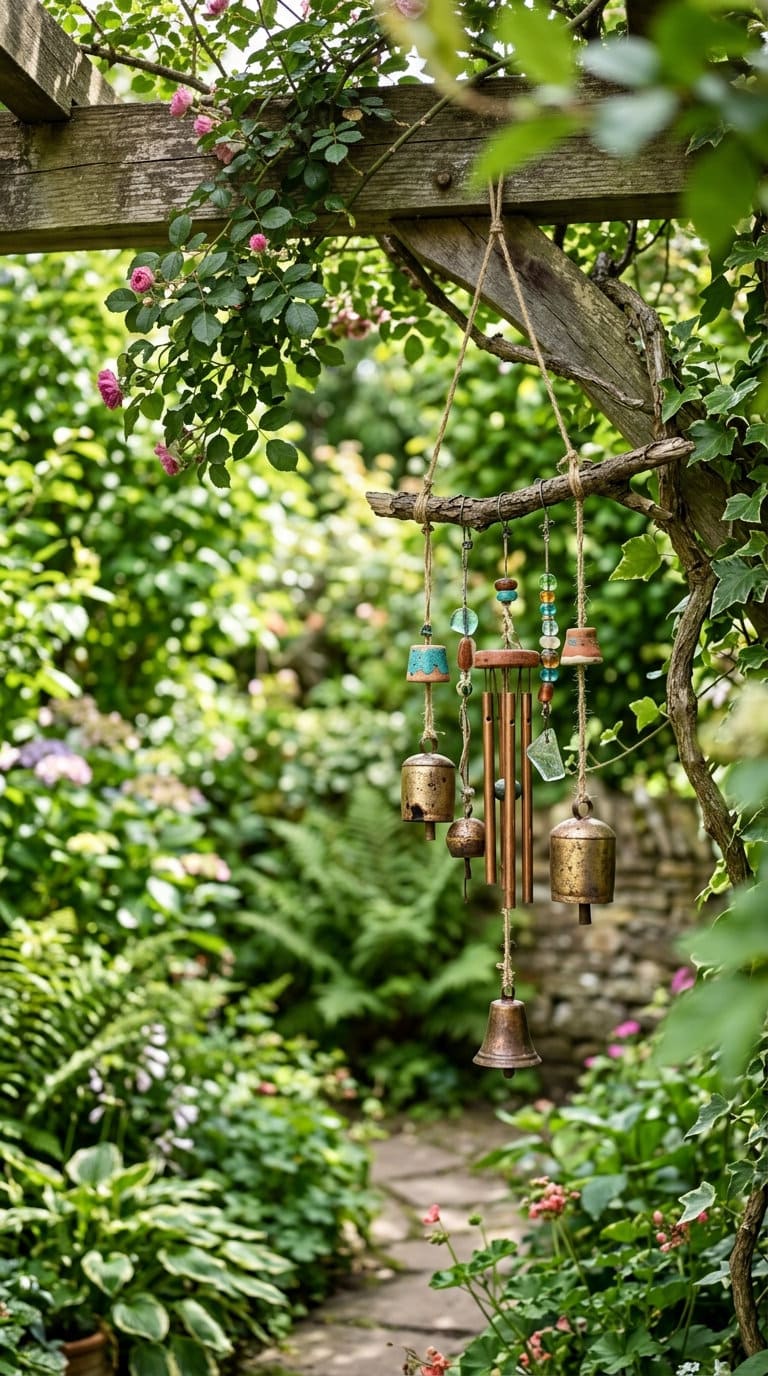
Wind chimes and small bells add sound to the garden’s sensory experience, and in a lot of folk traditions, bells specifically are believed to ward off negative energy, a nice bit of real folklore to lean into if that resonates.
14. Lanterns and Fairy Lights
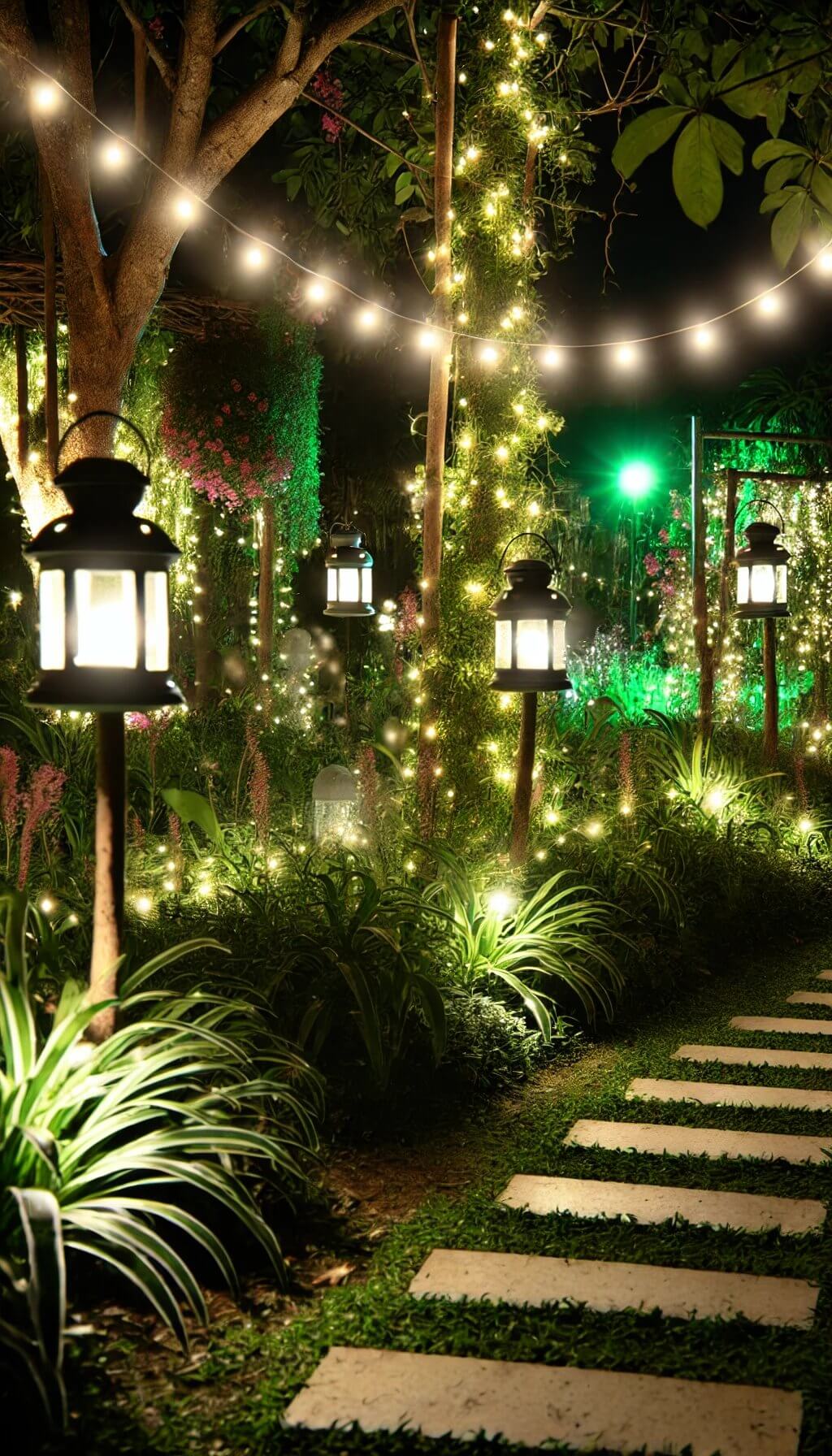
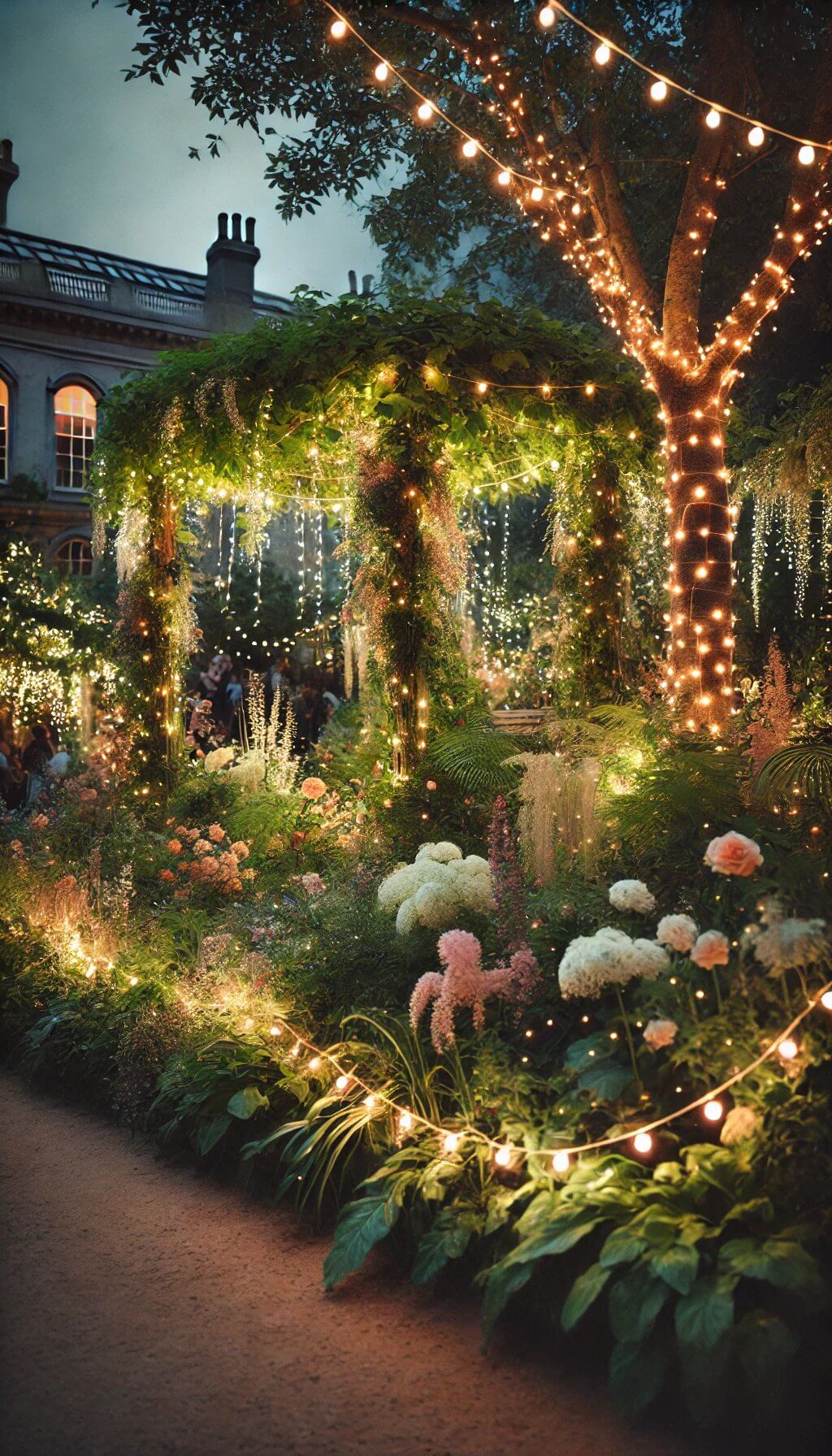
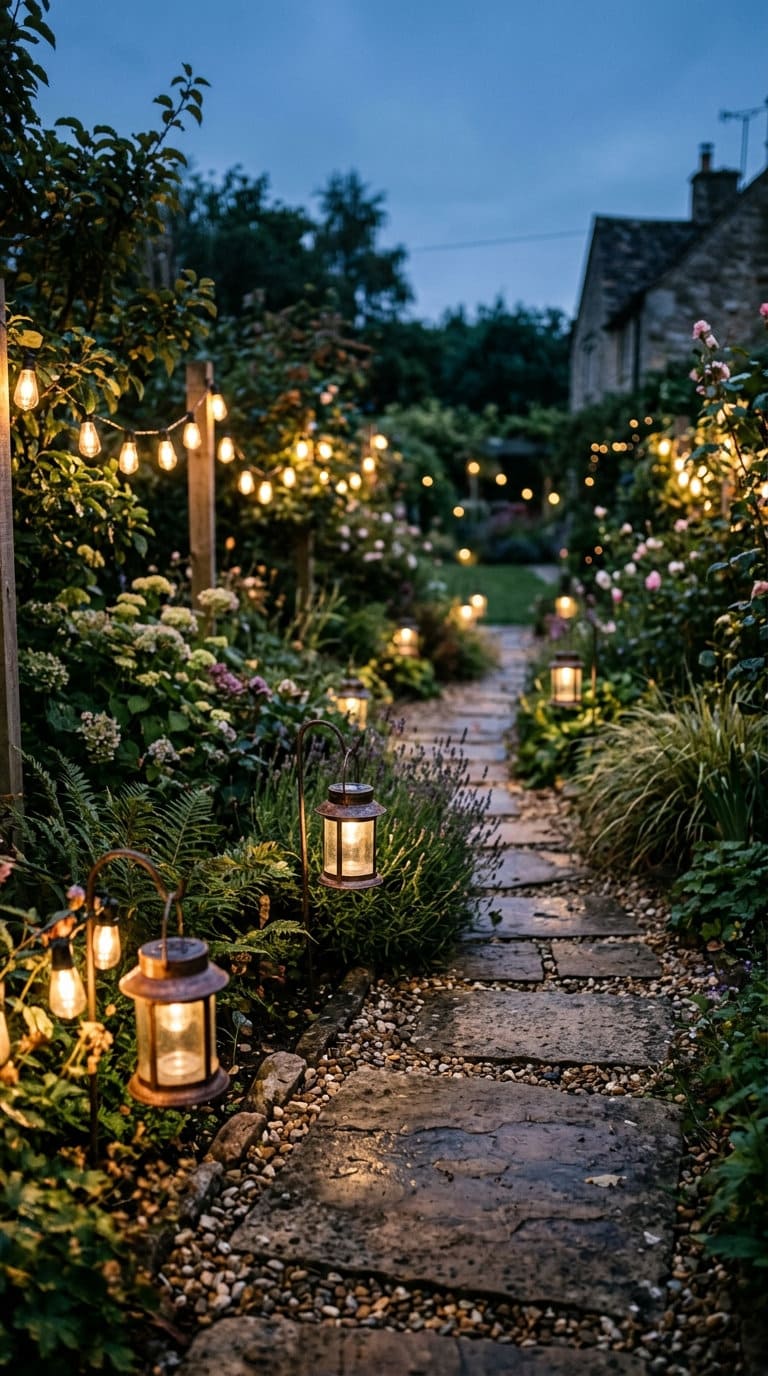
Solar lanterns, string lights, or hanging jar lights extend the garden into the evening without an open flame, a genuinely safer option than candles for most of the space (the fire pit from idea #10 is where actual open flame belongs).
15. Potion Bottle Planters
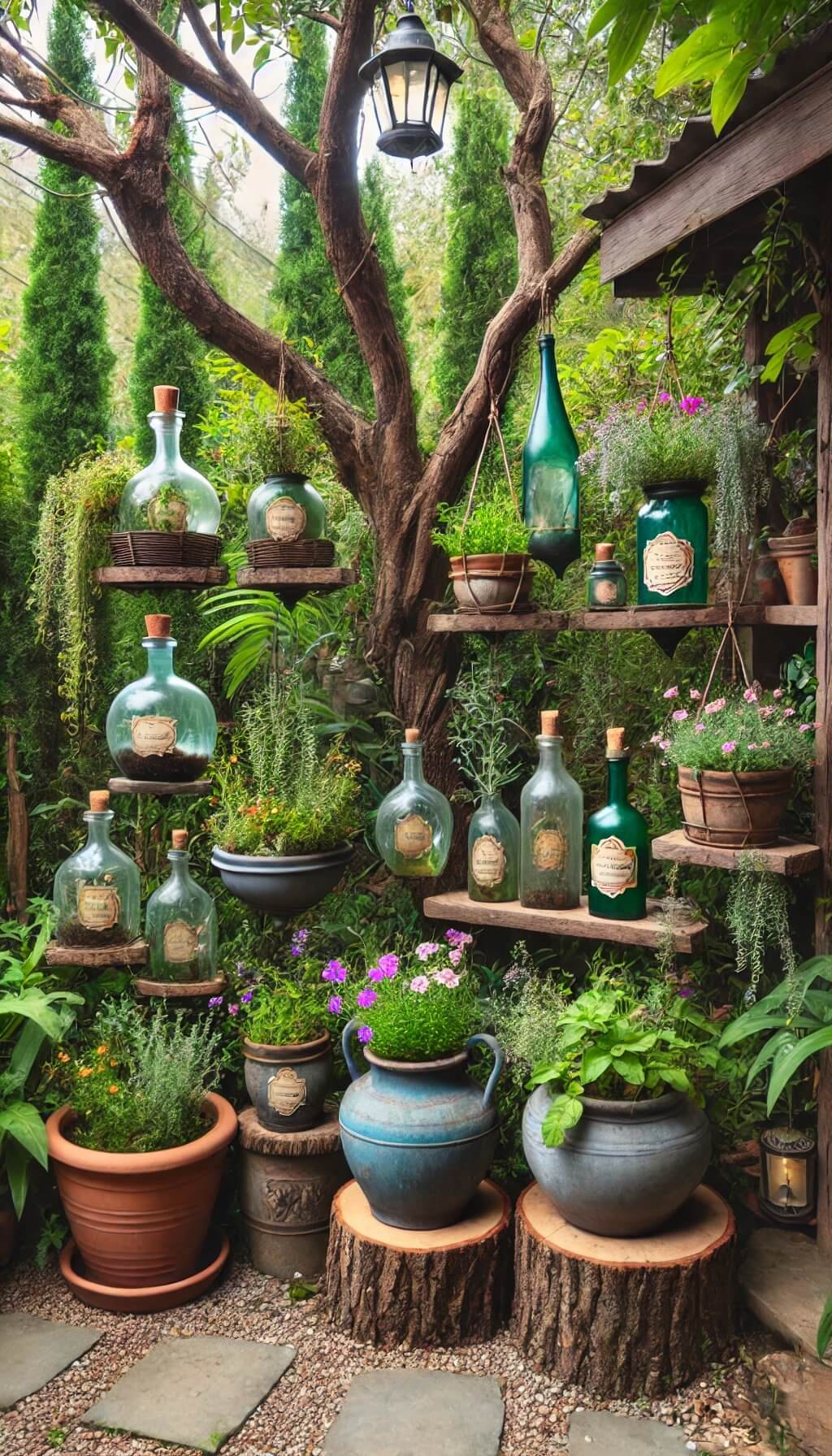
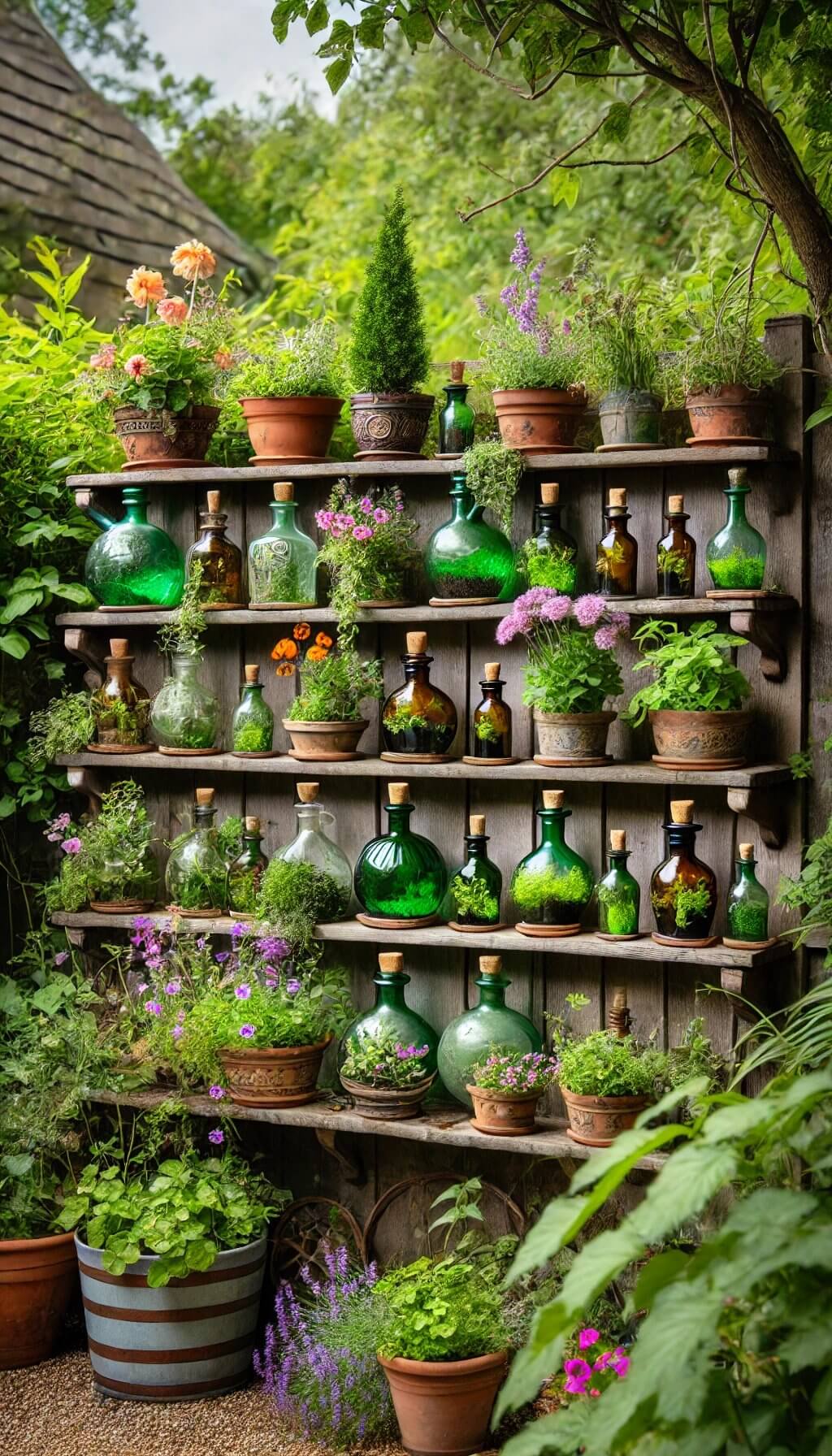
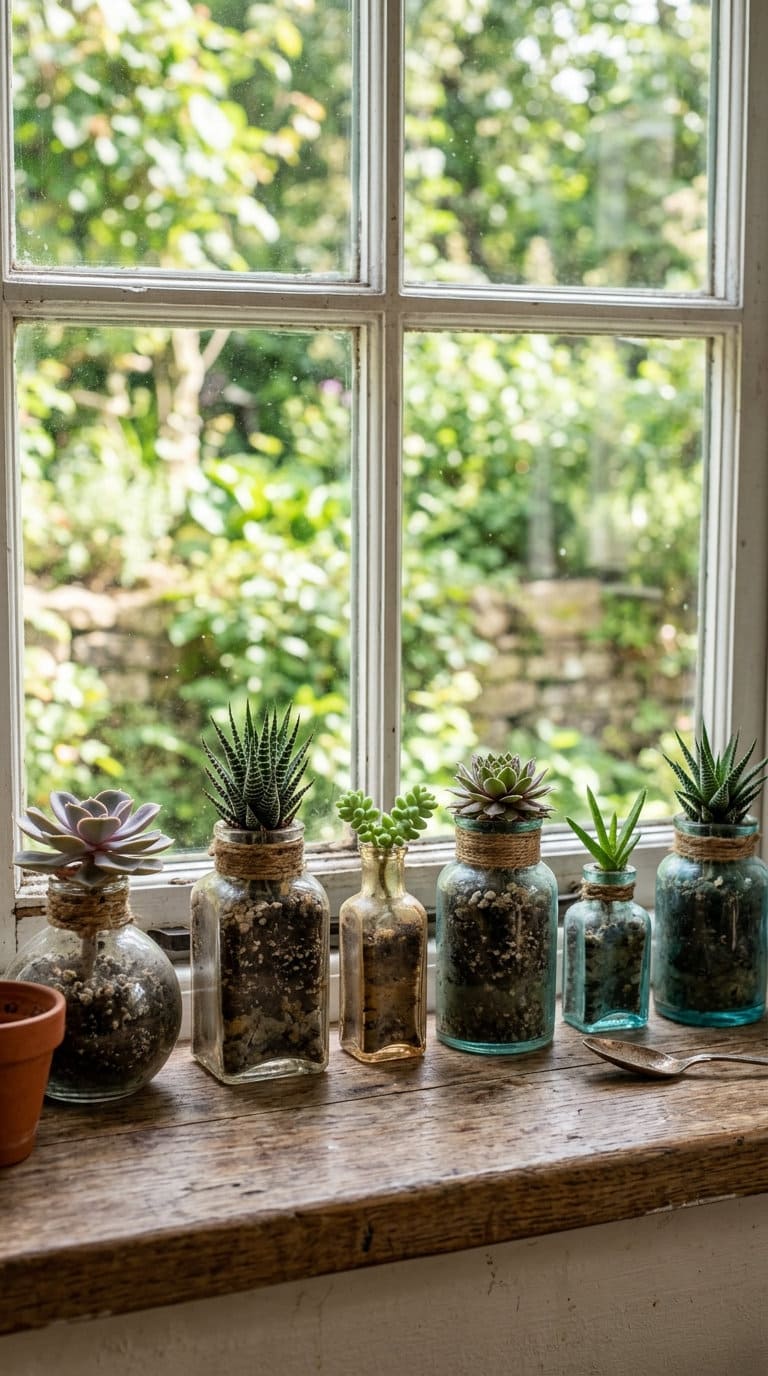
Small glass bottles, repurposed apothecary jars, or vintage-look potion bottles used as tiny planters for succulents or trailing herbs are a cheap, easy way to add character to a windowsill, shelf, or garden edge.
Building this out over time? This backyard renovation prep guide is worth a look if you’re planning anything beyond a weekend project, budgeting and sequencing matter even for a garden this personal.
FAQs
Are witchy garden plants dangerous for kids or pets?
Some of them, yes, specifically the classic “poison garden” plants like foxglove, belladonna, and monkshood. Per Poison Control, foxglove alone is dangerous enough that children have been poisoned by vase water from cut stems. This doesn’t rule out the aesthetic entirely, it just means knowing exactly which plants you’re using and keeping the genuinely toxic ones fenced, elevated, or out of a household with young kids or curious pets.
How far should a fire pit be from my house or fence?
Roughly 10 feet from any structure for a wood-burning fire pit, per commonly-cited National Fire Protection Association guidance, with clear open space overhead. Some cities and counties add their own burn ordinances on top of that baseline, so a quick call to local fire authorities before the first use is worth it.
What actually makes a garden read as “witchy” instead of just cottage-style?
Intention, more than any specific plant or object. A witchy garden draws on real folklore (herbs chosen for traditional meanings, symbols with actual history behind them) and often gets used for something, seasonal rituals, tea blending, quiet reflection, rather than existing purely as a decorative backdrop. That’s the distinction Ellen Dugan’s own framing leans on: connection to the space and the natural world, not just the visual style.
A Garden Shaped by Intention
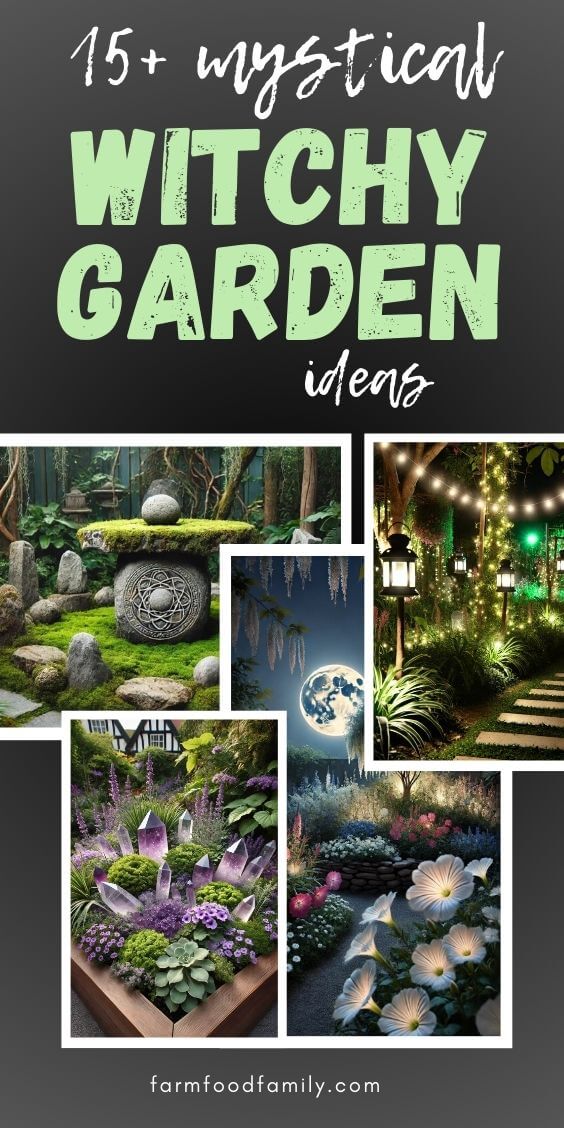
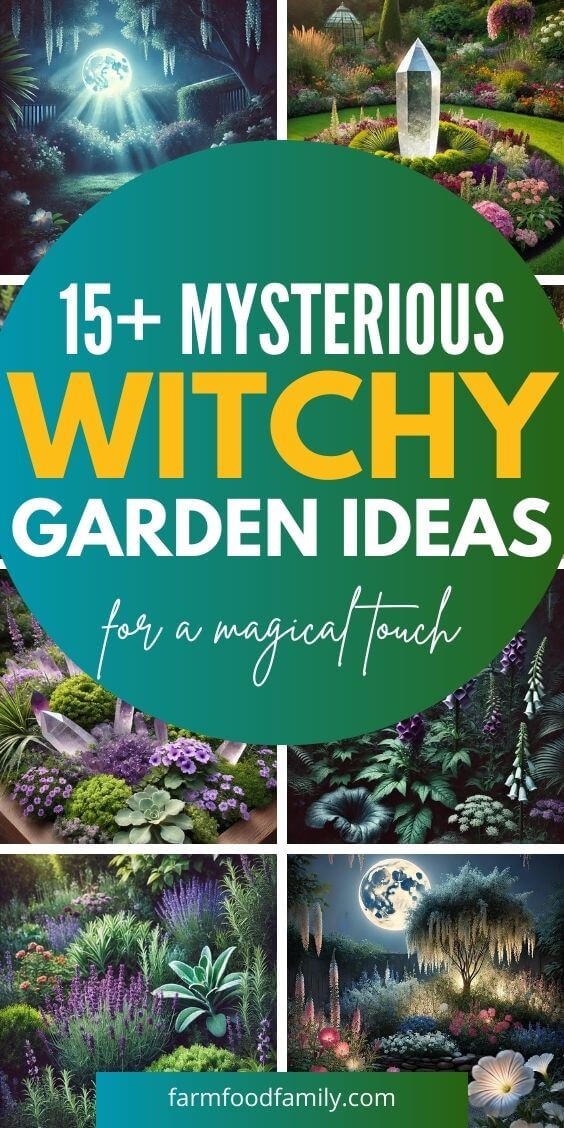
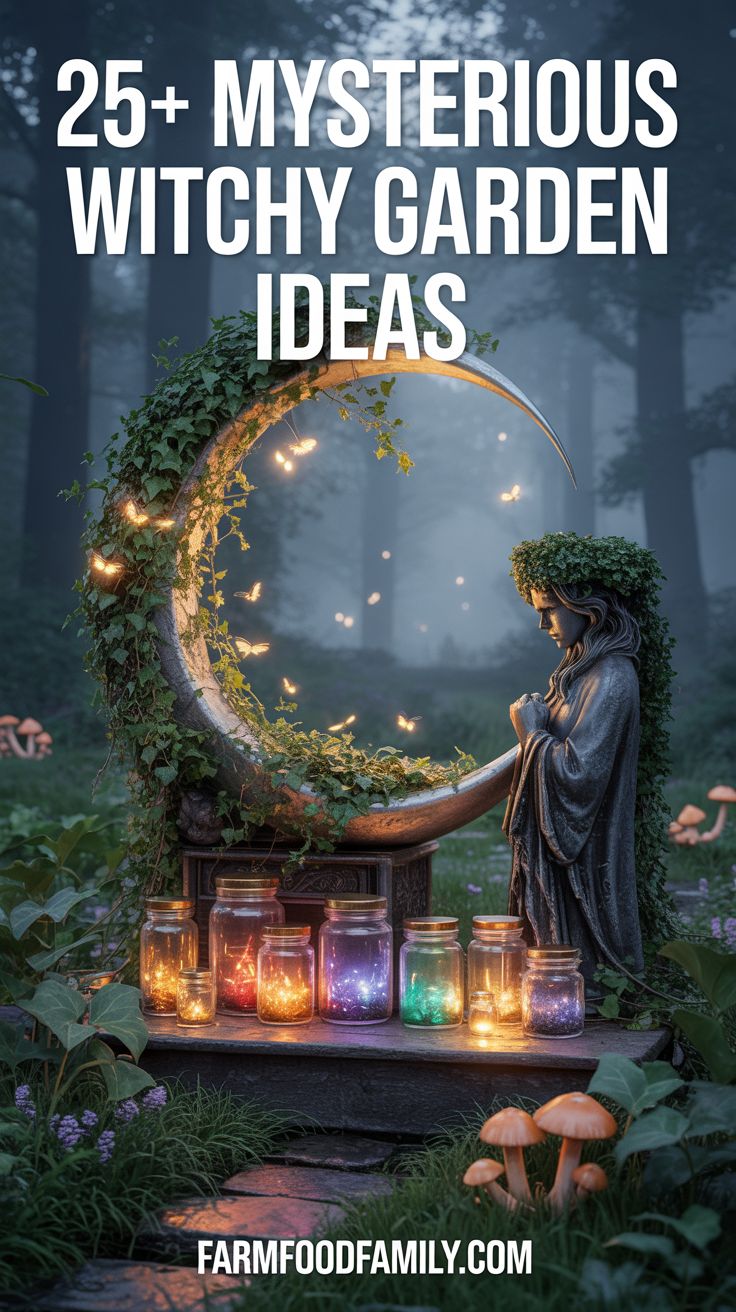
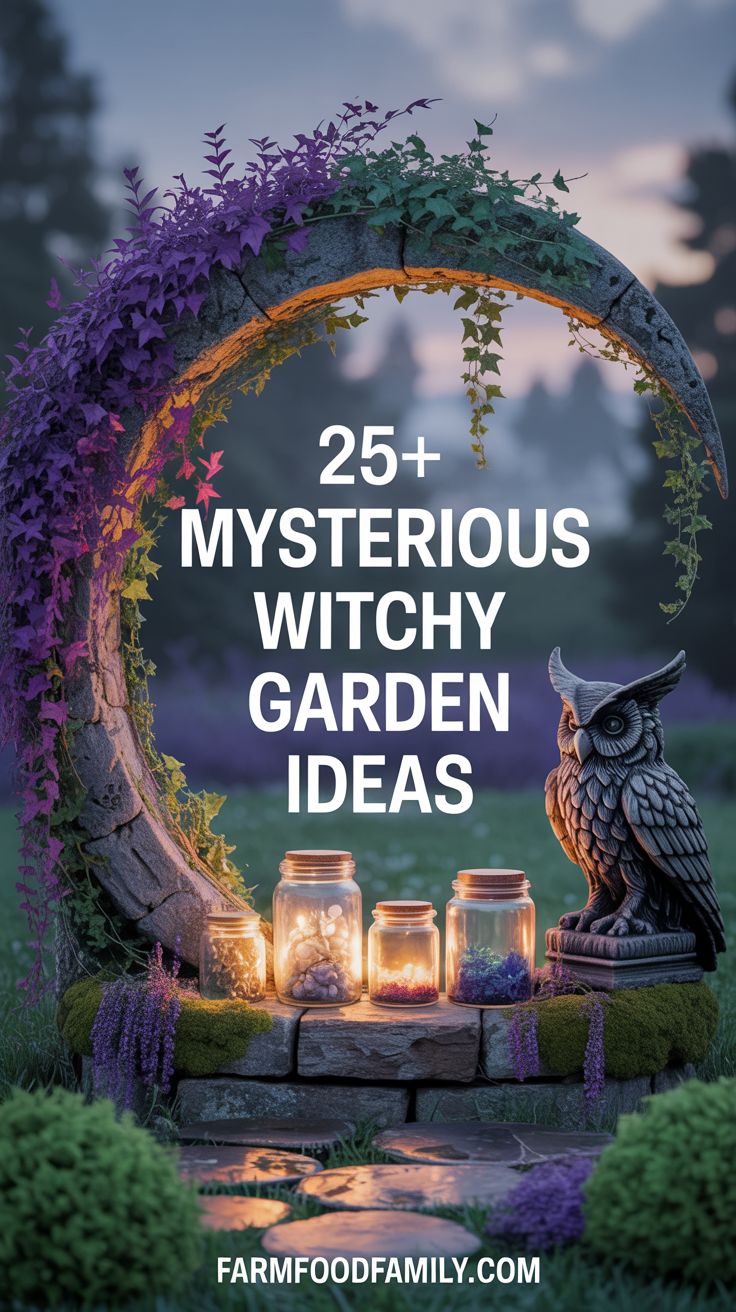
A witchy garden isn’t defined by size or formality, it’s shaped by intention, connection, and the sacred cycles of nature. Through purposeful planting, meaningful decor, and real symbolism, it becomes a living space that supports reflection and the garden’s own natural beauty. Every element here, from herbs to stones to a sacred circle, is part of a larger story about transformation and wonder, just make sure the fire pit’s far enough from the fence and the foxglove’s out of reach of small hands.
Products We Recommend
This post contains affiliate links. We may earn a commission on qualifying purchases at no extra cost to you.
Sunnydaze Cosmic 42-Inch Wood-Burning Fire Pit with Spark Screen
A properly enclosed fire pit option that helps contain sparks, relevant to the clearance and safety guidance in idea #10 and the FAQ.
Shop Now
LETMY Solar Pathway Lights (8-Pack)
The low-voltage, no-open-flame lighting option idea #15 points to as the safer default for most of the garden.
Shop Now
Natural Raw Amethyst Crystal Cluster
A real, natural crystal piece for the crystal and natural decor idea #7, rather than a dyed or synthetic imitation.
Shop NowNever miss an update — choose FarmFoodFamily as your preferred source on Google.
How it works: Tap the button below to open Google's settings page, then check the box next to FarmFoodFamily.
Tap the checkbox to turn it blue — that's how you know it's set.