12 Essential Factors to Consider When Buying a House, and How to Check Each One
A perfect-looking house can still cost a fortune. Check the monthly cost, the inspection, the hidden risks and the yard before you make an offer.

Never miss an update — choose FarmFoodFamily as your preferred source on Google.
How it works: Tap the button below to open Google's settings page, then check the box next to FarmFoodFamily.
Tap the checkbox to turn it blue — that's how you know it's set.
A perfect-looking house can still cost a fortune. Check the monthly cost, the inspection, the hidden risks and the yard before you make an offer.
Buying a house is the biggest purchase most people make. It is also easy to get wrong, because a pretty kitchen can hide a wet basement.
This guide gives you 12 factors to check, in the order that makes sense for a buyer. Each one explains why it matters, how to check it and what to watch out for.
Use it as a checklist on every house tour. You will spot problems fast and bargain with more confidence.
Quick Answer
Start with your budget, then check the house itself. Work out the full monthly cost, get a loan offer and visit the area at different times of day.
Most buyers can finish this first round in a few weeks. It is simple and it works.
Then book an inspection by someone who works only for you. The CFPB says to review your credit report, track your spending and compare official loan offers from lenders.
Check the risks that hide in plain sight, like radon, lead paint in homes built before 1978 and flood zones. Look at the yard, the drainage and the age of the roof and heating system. Write each answer on a simple scorecard so you can compare houses.

But don’t skip the paperwork. Read every closing document before you sign. Once you sign, you are responsible for the loan.
What Is Your Total Monthly Cost, Not Just the Price?

The price is only the start. Many buyers see the loan payment and forget the rest.
Add up each monthly cost before you fall for a house. Use this table.
| Cost | What to ask or check |
|---|---|
| Mortgage payment | Get a quote from a lender |
| Property taxes | Ask for the last tax bill |
| Homeowner’s insurance | Get a quote before you make an offer |
| HOA or community fees | Ask what they cover |
| Utilities | Ask for 12 months of bills |
| Repairs and upkeep | Save for a roof and surprises |
Our take: build a simple spreadsheet with a column for each house. When two houses look equal, the monthly total often decides it.
12 Factors to Check Before You Buy
1. Your Budget and Your Savings

Know what you can afford before you look. A budget keeps you from touring houses you can’t buy.
- Check: Review your credit report and fix any errors. The CFPB lists this as the first step.
- Check: Track your spending for a few months to see what you really spend.
- Check: Save for the down payment, closing costs and a repair fund. Don’t spend it all on the house.
- Watch: A lender may approve you for more than you want to pay. Set your own limit.
Our take: choose a payment you can handle if your income dips. A house that eats every spare dollar leaves no room for a broken water heater.
2. Your Mortgage and Loan Offer
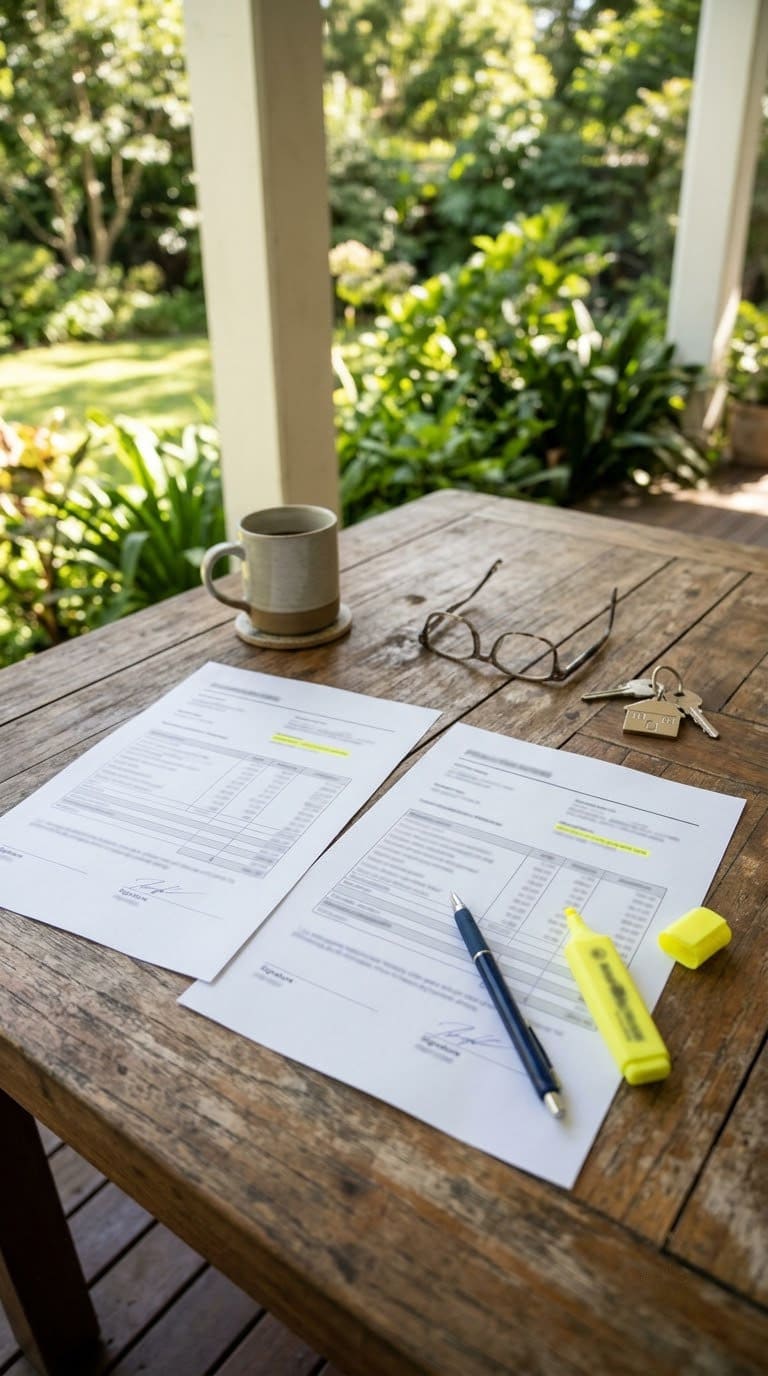
A loan is a long commitment. A small difference in rate adds up over years.
- Check: Meet with more than one lender and compare official loan offers. The CFPB says to compare your options and then choose.
- Check: Look at the rate, the fees and the monthly payment on each offer.
- Check: Ask what happens to your rate if you wait to lock it.
- Watch: A revised offer. The CFPB says to look out for revised Loan Estimates as you get close to closing.
Our take: ask each lender for the same loan type and term. It makes the offers easy to compare.
3. The Location and Your Commute
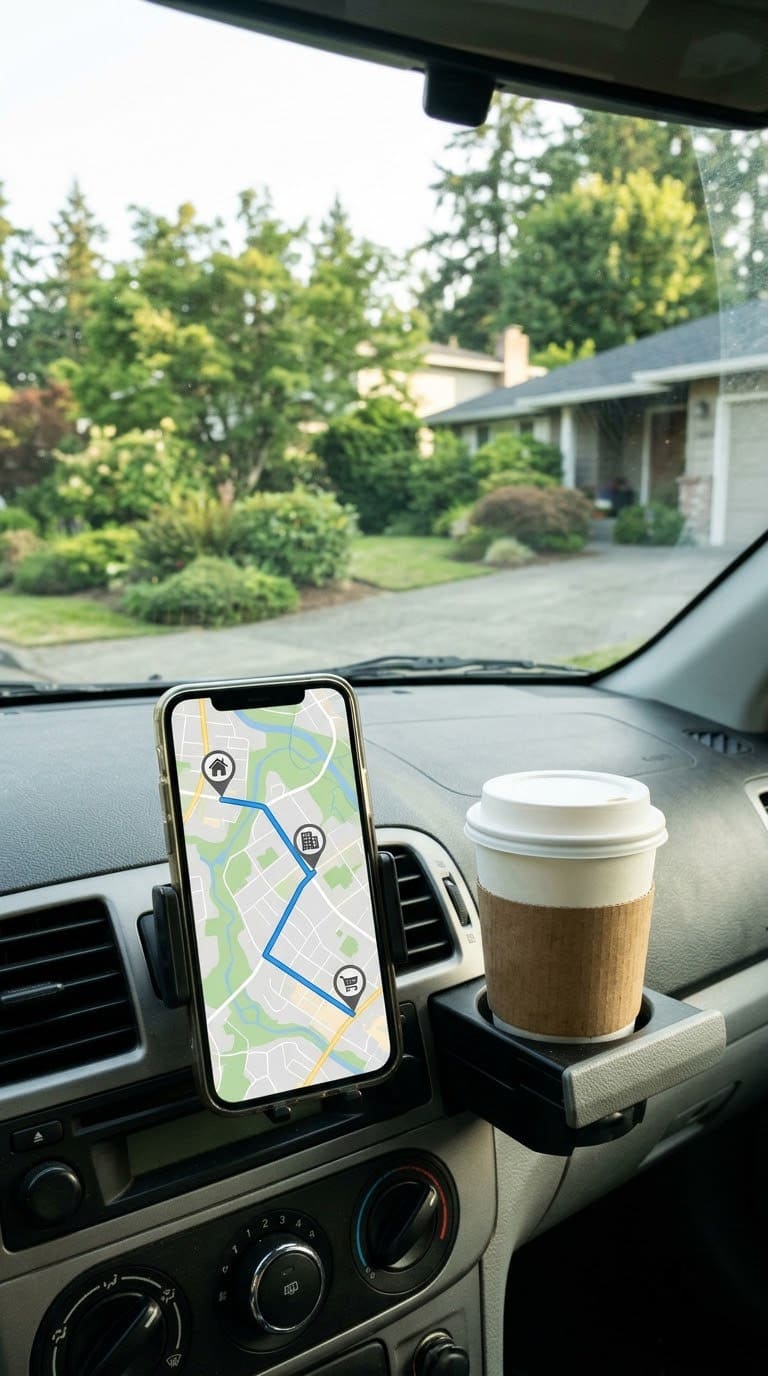
You can change a kitchen. You can’t change where the house sits.
- Check: Drive the commute at rush hour, not on a Sunday. Time it both ways.
- Check: Look at the distance to work, school, groceries, a doctor and a park.
- Check: Think about where you will be in five years. A short commute today may change with a new job.
- Watch: A cheap house with a long drive can cost you more in fuel, time and stress.
Our take: take the test drive more than once. A road that is quiet on Saturday can be jammed on Monday.
4. The Neighborhood and Nearby Plans
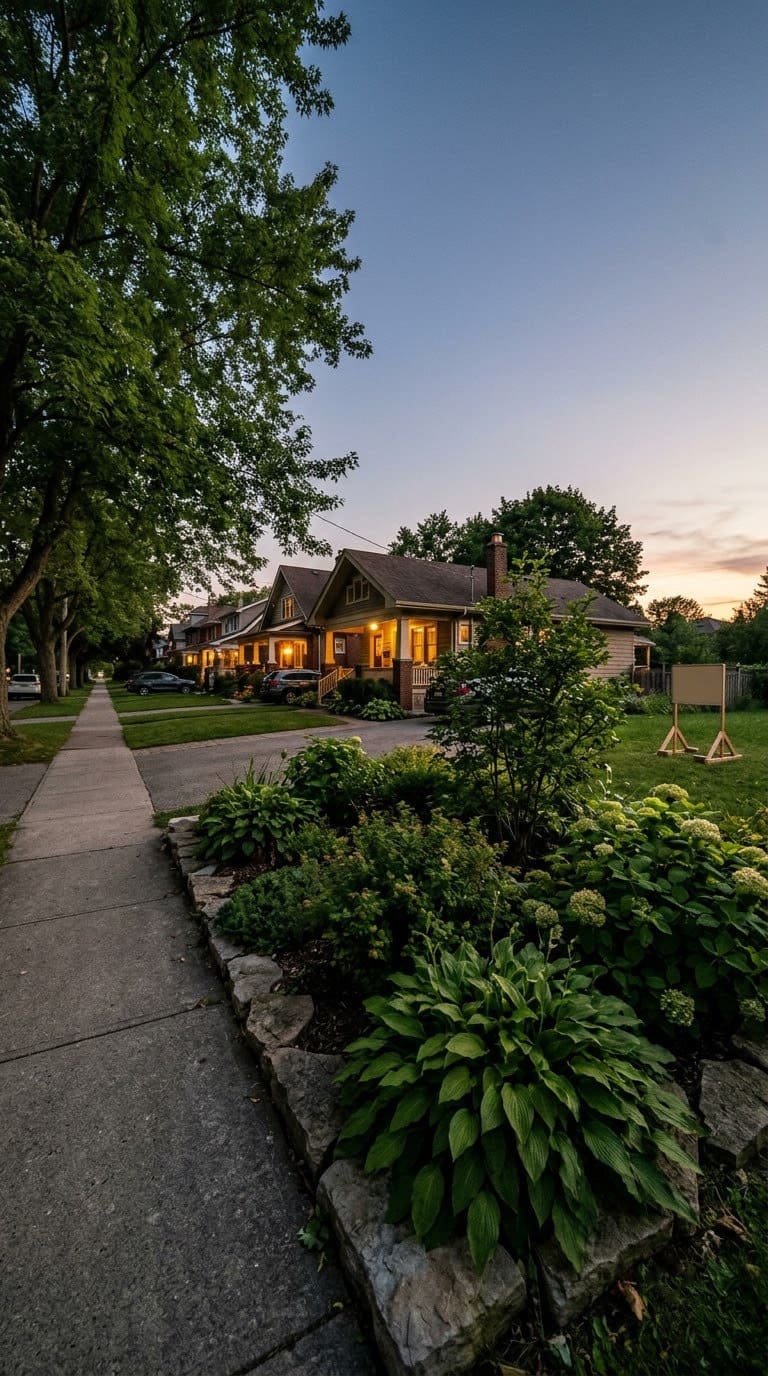
A neighborhood has a feel that photos can’t show. Visit it more than once.
- Check: Walk the street in the morning, in the evening and on a weekend. Listen for traffic, trains and barking dogs.
- Check: Ask neighbors what they like and don’t like.
- Check: Call the city planning office and ask about new roads, big buildings or zoning changes nearby.
- Watch: A vacant lot next door. It may be a park today and an apartment building next year.
Our take: pay attention to how well the yards and sidewalks are kept. It tells you how neighbors care for their homes. See our look at how sidewalks influence curb appeal.
5. An Independent Home Inspection
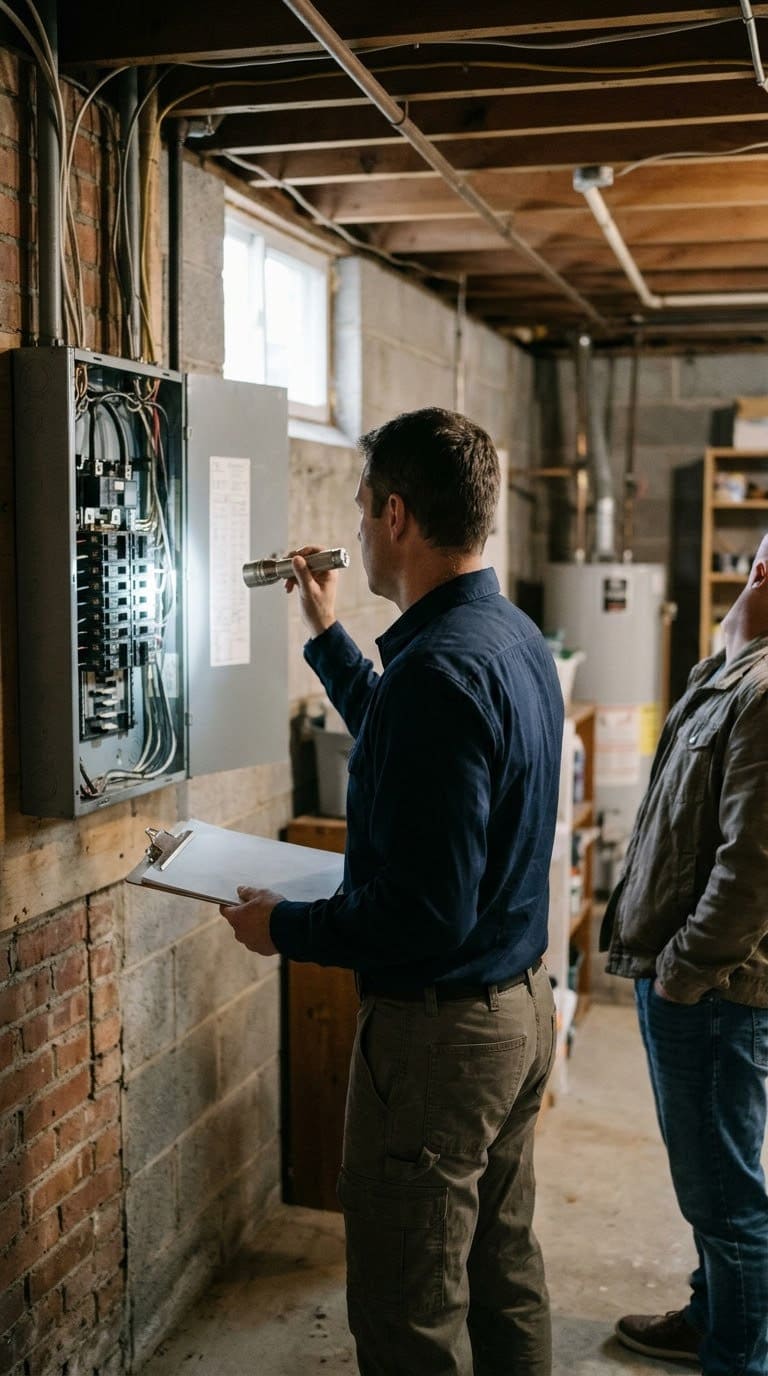
An inspection is your best protection. It shows you what the seller may not know or may not mention.
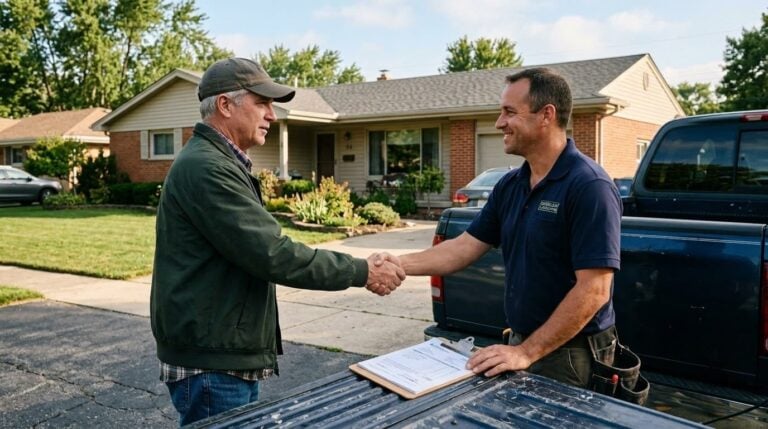
The CFPB’s inspection guidance says to book an inspection early, so you have time to fix problems. It also says to pick an inspector who works only for you. An inspector paid by someone else may go easy on problems.
- Check: Go to the inspection and walk through with the inspector.
- Check: Ask the inspector to explain every major issue in plain words.
- Check: Get a specialist if the report points to the roof, foundation, sewer or electrical panel.
- Watch: An inspection is not an appraisal. The CFPB says you generally need both when you borrow.
Our take: never waive the inspection to win a bid unless you have a plan to cover surprises. It is the cheapest insurance in the process.
6. The Age of the House and Its Big Systems
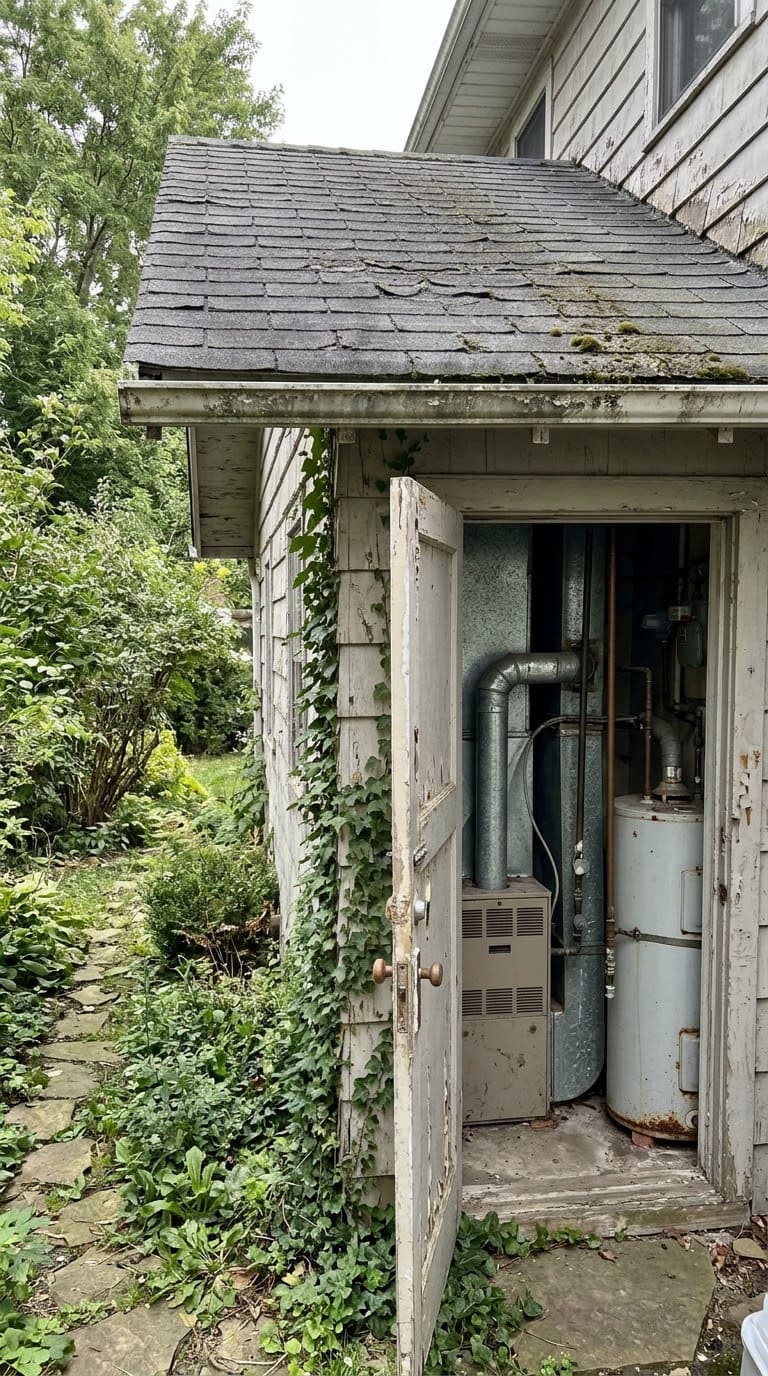
Older houses have charm, and they also have older parts. The big systems cost the most to replace.

- Check: Ask the age of the roof, furnace, air conditioner and water heater.
- Check: Ask the inspector how much life each one has left.
- Check: Look for signs of old wiring, old pipes and an old electrical panel.
- Watch: Stains on ceilings, a musty smell or cracked walls. These point to leaks or movement.
Our take: write down the age of every big system on your scorecard. Two similar houses can be very different when one has a new roof.
For roof tips, see our annual roof inspection checklist.
7. Lead Paint in Homes Built Before 1978
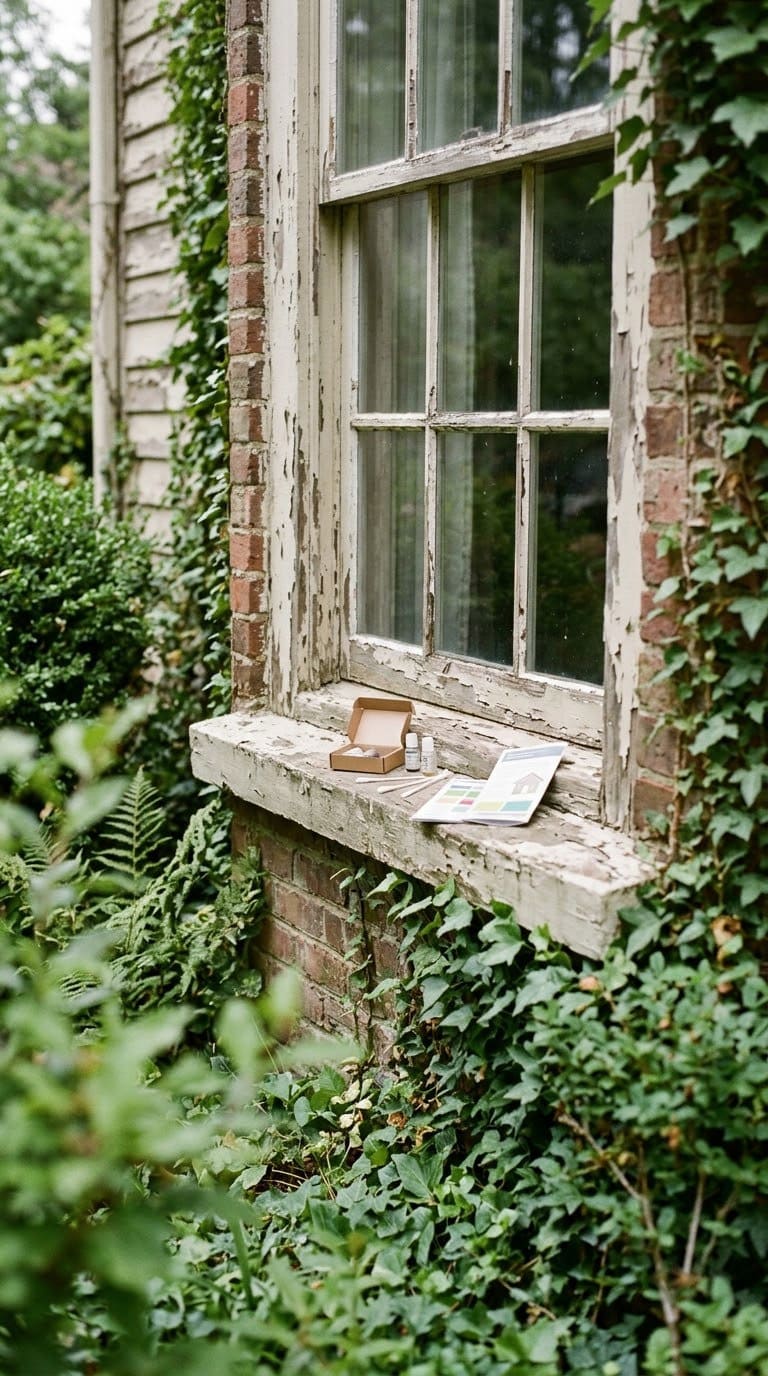
Older paint can contain lead. It matters most if you have small children or plan to renovate.
The EPA says sellers of most housing built before 1978 must share what they know about lead paint before the contract is signed. They must give you an EPA pamphlet and a warning statement. They must also give you 10 days to do a paint inspection or risk assessment.
- Check: Ask the seller for any records about lead paint.
- Check: Use the 10-day window to hire a certified inspector if the house is older.
- Check: Plan for lead-safe methods before you sand, scrape or knock down walls.
- Watch: Foreclosure sales are not covered by the rule, so ask extra questions.
Our take: if you plan to renovate an older house, test before you start. It changes how you work and what it costs.
8. Radon Levels
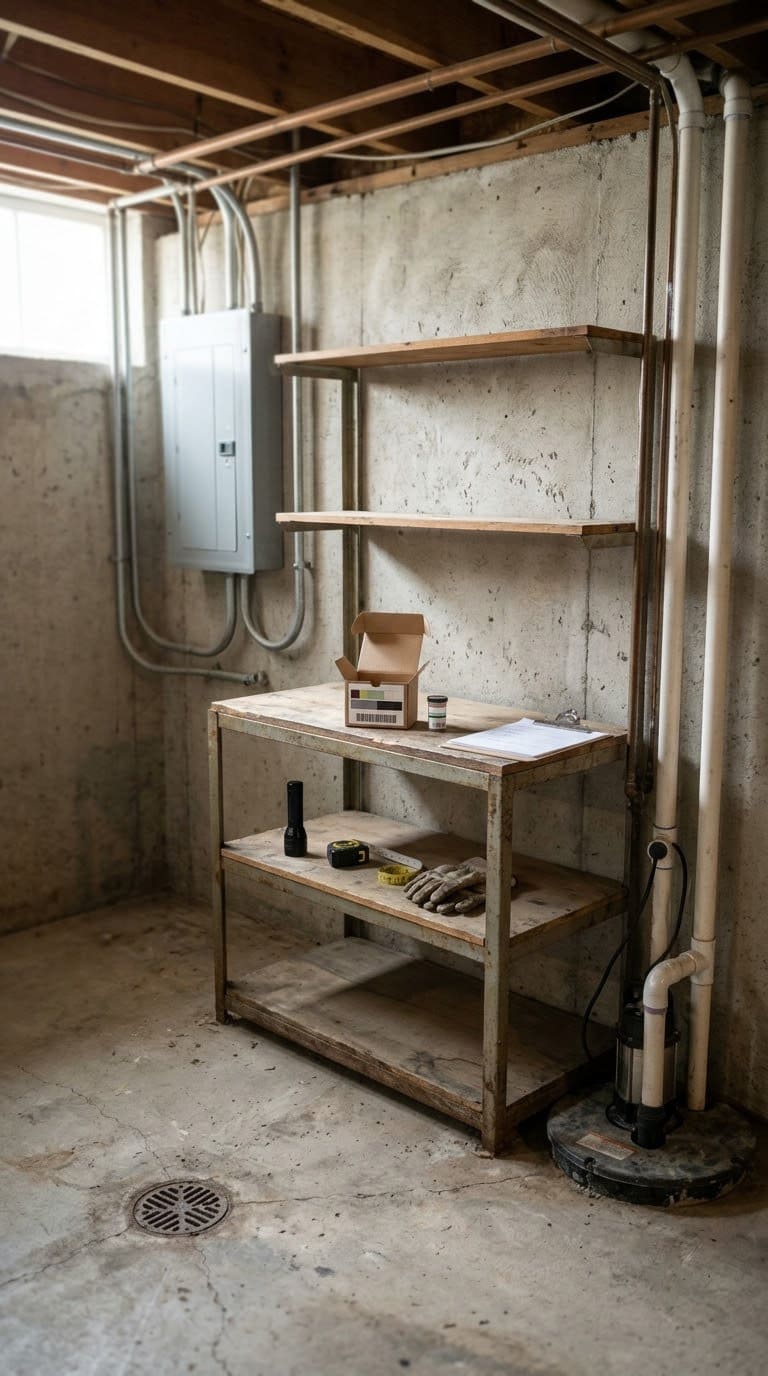
Radon is a gas that seeps from the ground into homes. You can’t see or smell it, so you have to test.
The EPA says to fix a home at 4 pCi/L or higher. It also says to consider fixing between 2 and 4 pCi/L, because no level is known to be safe.
The average indoor level in U.S. homes is about 1.3 pCi/L.
- Check: Ask if the house has been tested. Ask for the result and the date.
- Check: Ask your inspector to add a radon test.
- Check: If the level is high, ask the seller to pay for a fix or lower the price.
- Watch: Houses with basements. They often have higher levels, but any house can.
Our take: add the radon test to your offer terms before you commit. A fix is a known job, and you can plan for it.
9. Flood Risk and Weather Hazards
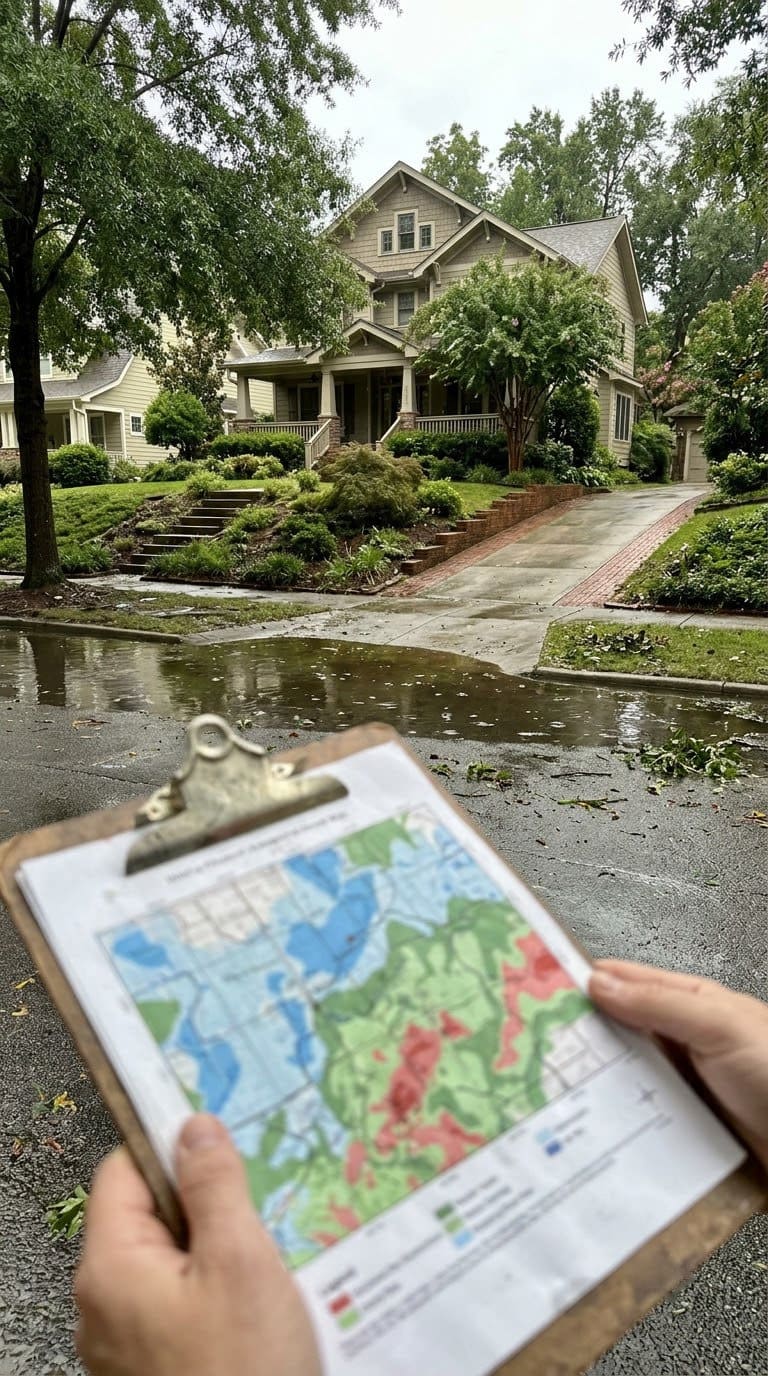
Water damage is hard to see and costly to fix. Check the risk before you buy.
- Check: Look up the address on FEMA’s Flood Map Service Center at msc.fema.gov to see the flood zone.
- Check: Ask the seller if the house has ever flooded or had water in the basement.
- Check: Get an insurance quote that includes flood coverage if the house is near water.
- Watch: A low-risk zone is not a promise. Floods can happen outside mapped areas.
Our take: look at where water goes when it rains. Walk the yard after a storm and see where it pools.
For more on water control, see our guide to drainage ideas for sloped yards.
10. The Yard, Drainage, Water and Sewer
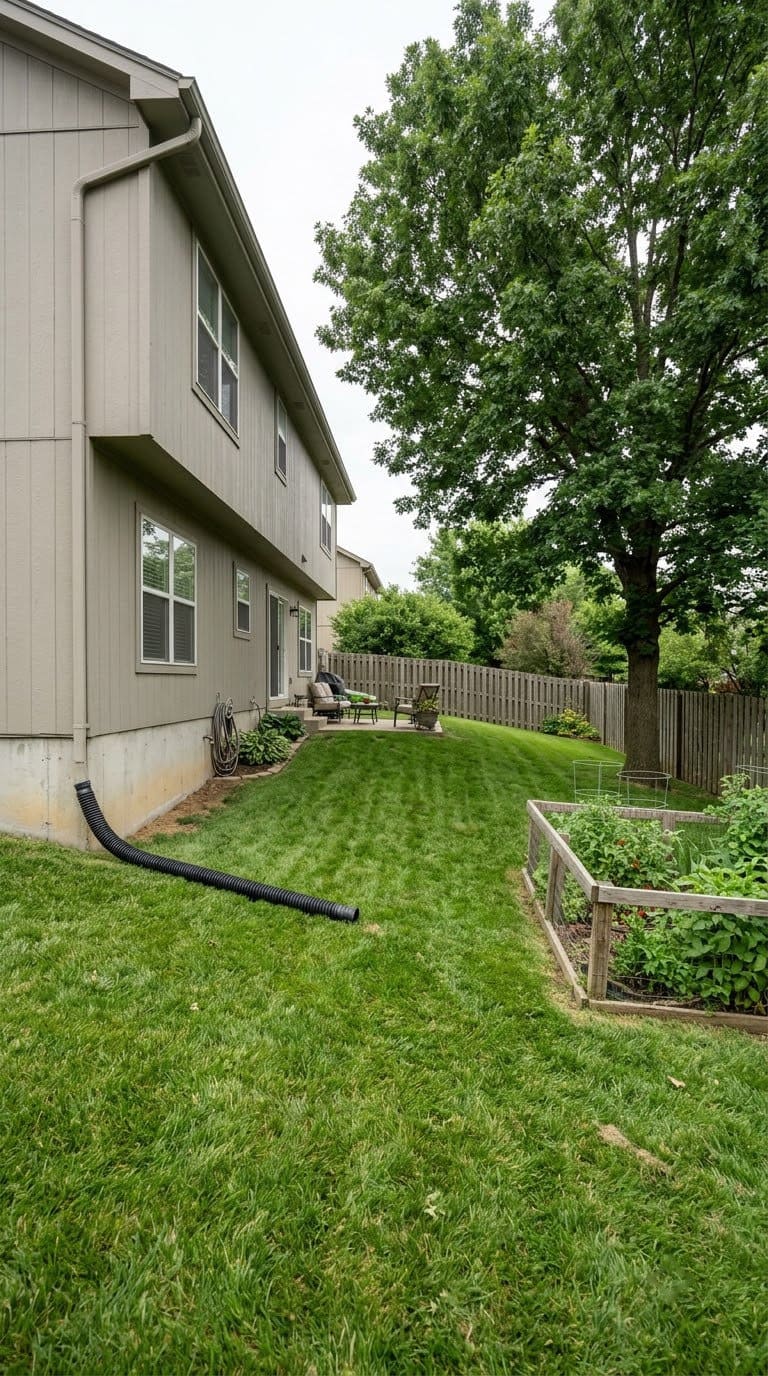
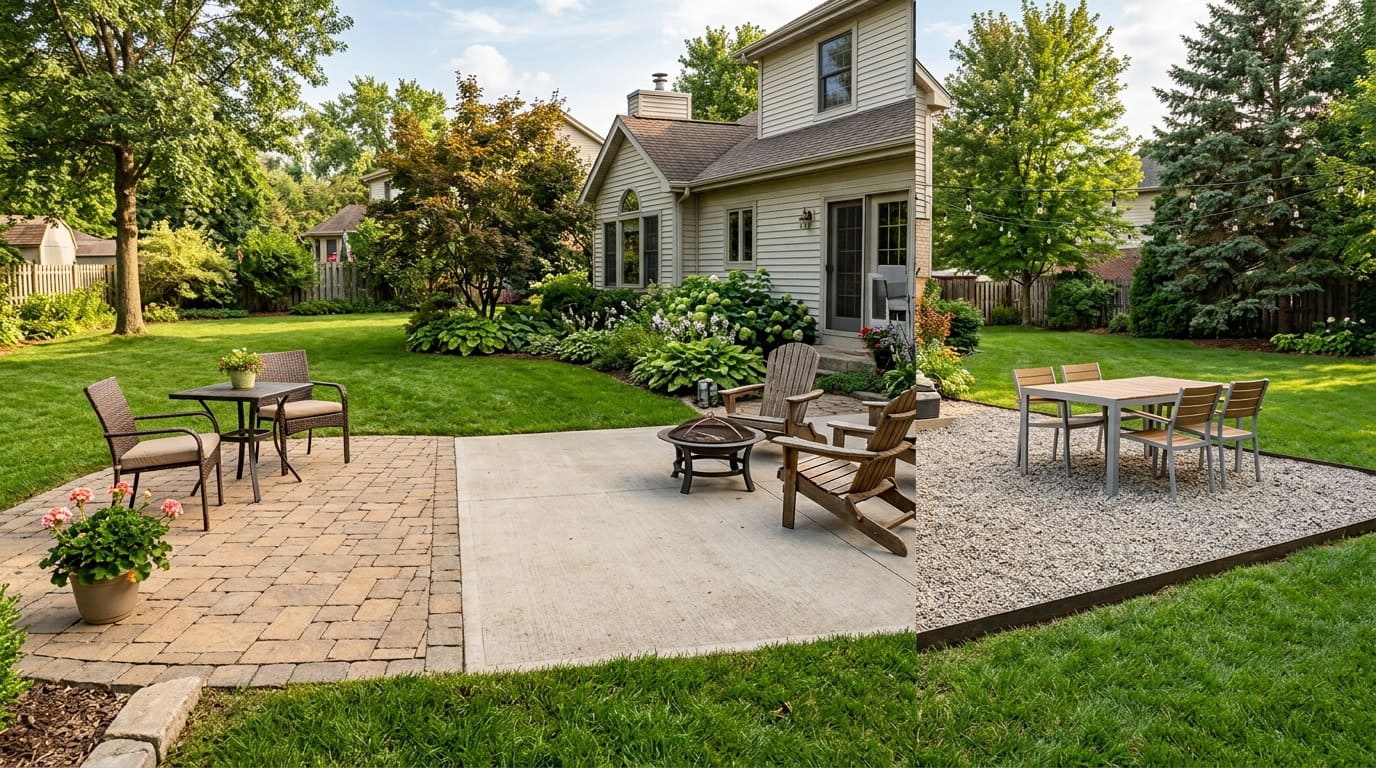
The lot matters as much as the house. It is where you will mow, garden and play.
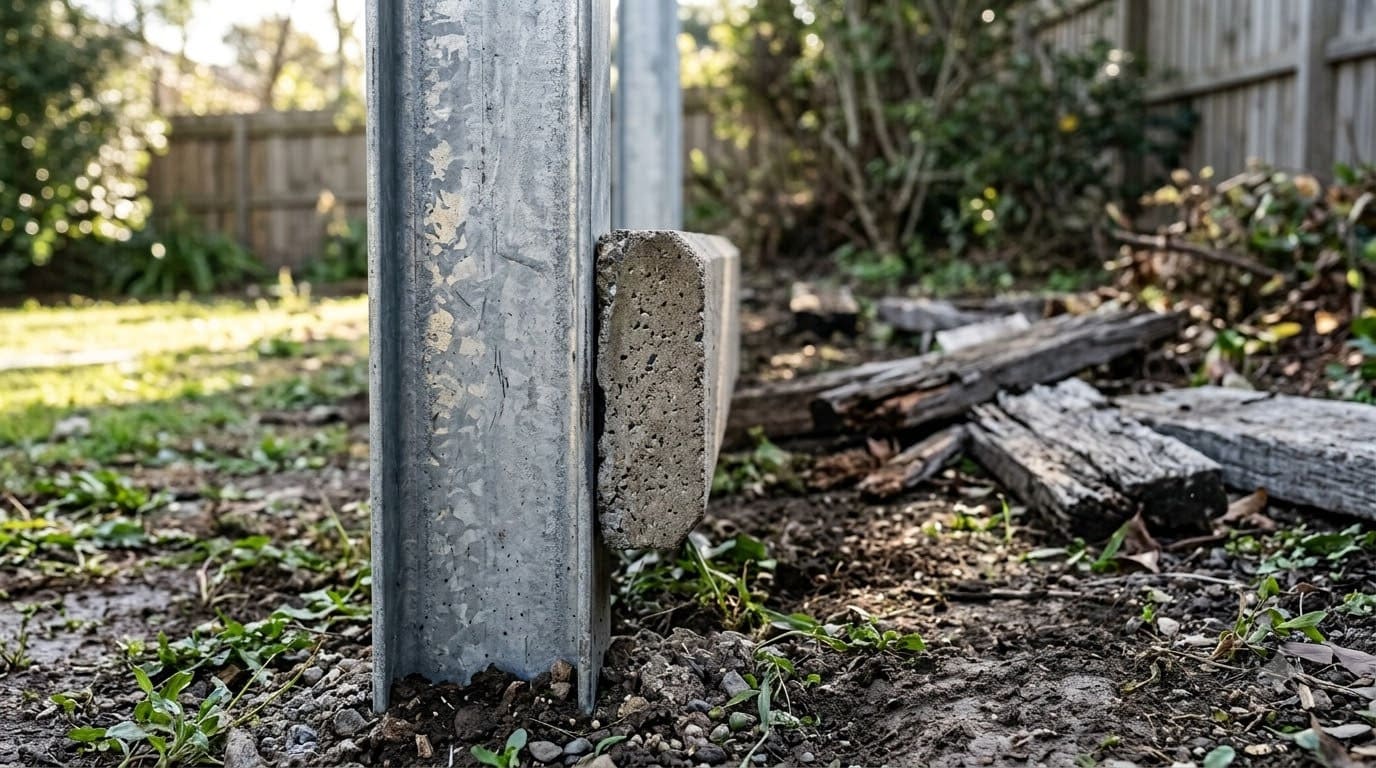
- Check: Make sure the ground slopes away from the foundation. Look for gutters and downspouts that move water away.
- Check: Look at big trees close to the house. Roots and branches can harm foundations and roofs.
- Check: Ask if the house uses city water and sewer, or a well and septic tank. Get each one inspected.
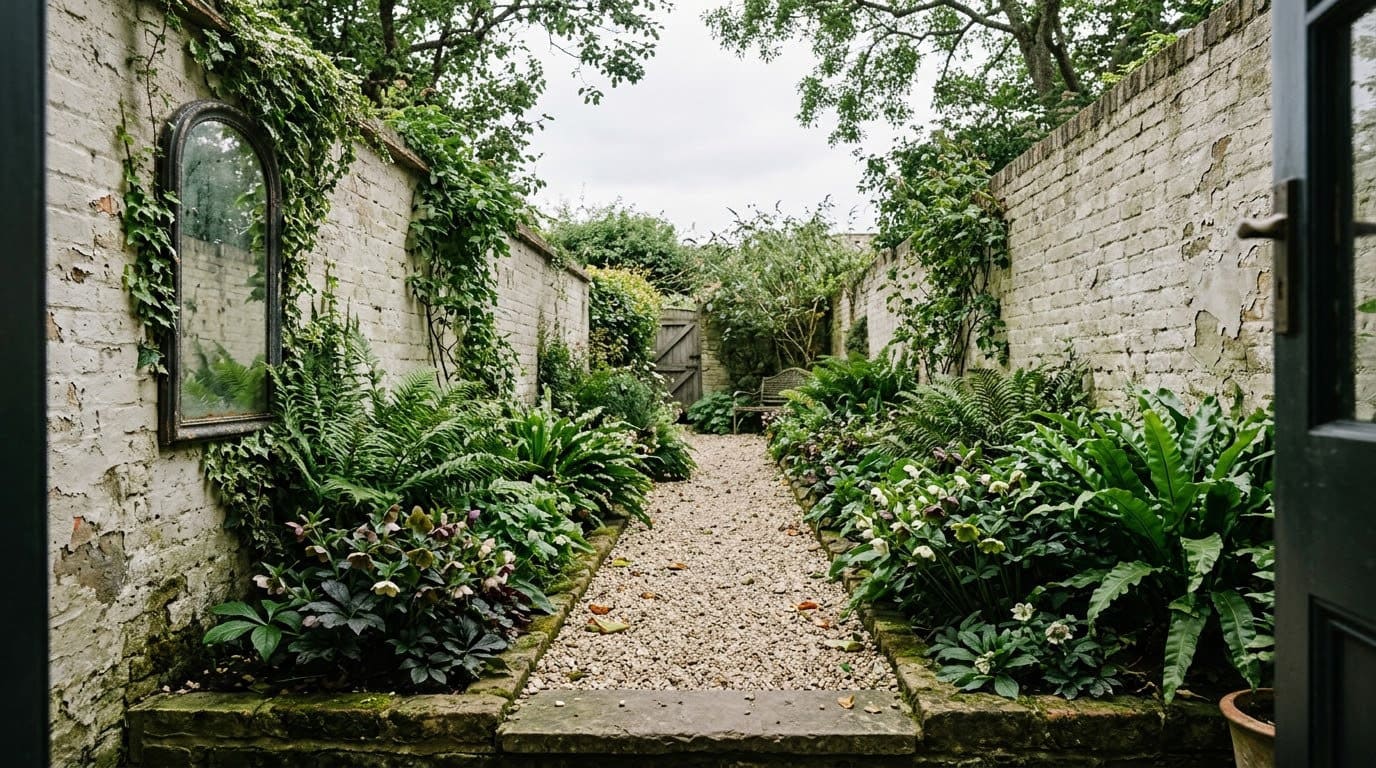
- Check: Think about sun and shade for a garden, and about how much yard work you want.
- Watch: Soggy spots, new patches of sod and signs of a wet basement. See our post on basement waterproofing.
Our take: a big lot sounds great until you mow it every week. Pick a yard size you will use and enjoy.
11. The Layout, Size and Future Needs
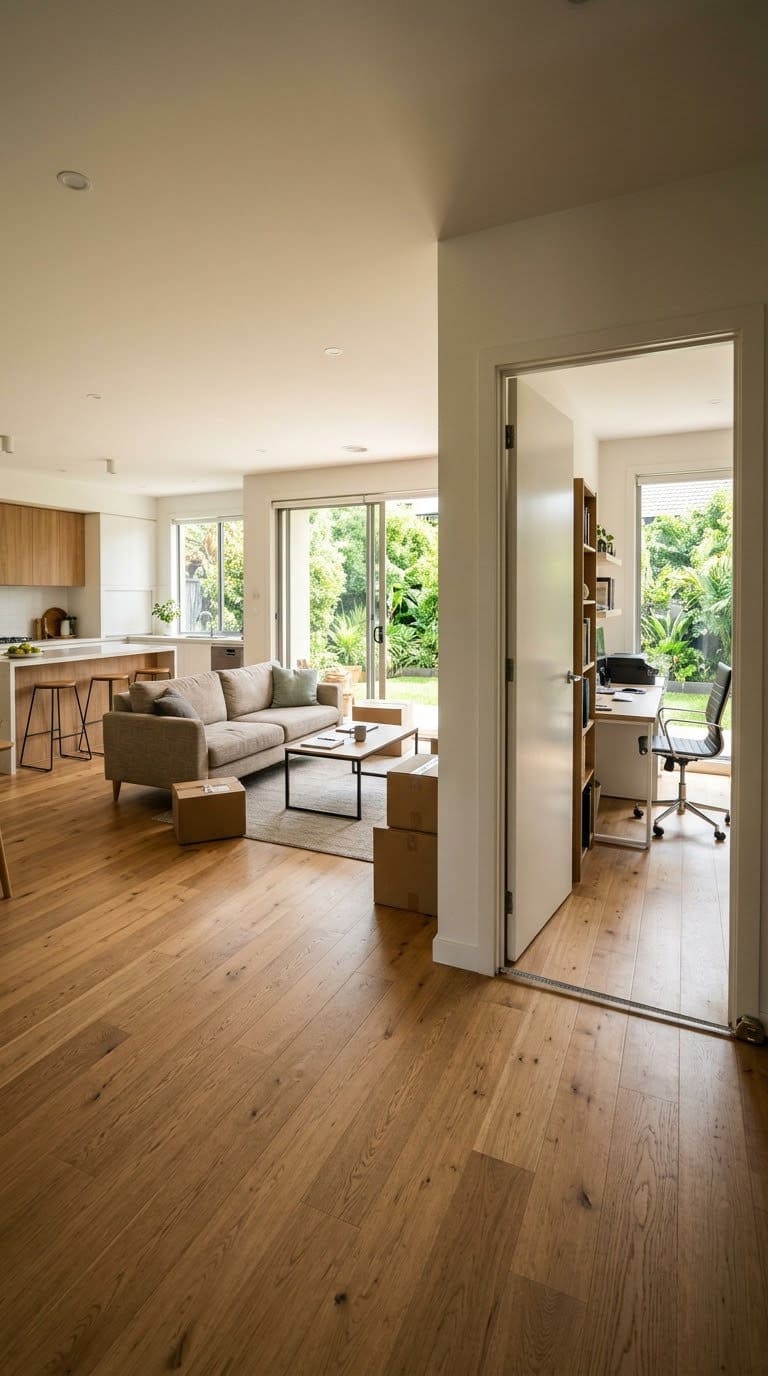
A house has to work for how you live. A floor plan that fits today may not fit in five years.
- Check: Count the bedrooms, bathrooms and closets, and picture your daily routine in each room.
- Check: Think about storage, parking and a place to work from home.
- Check: Look at the energy side. Ask about insulation and windows. See our guide to insulating a home.
- Watch: A house that is too big. You will pay to heat, cool and clean every room.
Our take: choose a house that is a little flexible. A spare room can be an office today and a nursery later.
12. Resale Value, Closing Costs and the Final Steps

You will sell this house someday. Think about who would buy it, and plan for the closing too.
- Check: Look at how long similar homes in the area take to sell. Slow sales are a warning sign.
- Check: Ask your lender for a list of closing costs, and get homeowner’s and title insurance quotes.
- Check: Read each document before you sign. The CFPB says that once you sign, you are responsible for the mortgage loan.
- Check: Do a final walk-through before closing to make sure repairs were made.
- Watch: Fake wiring instructions. If you get a last-minute change, call your settlement agent at a number you already trust before you send any money.
Our take: save every email and document from the sale in one folder. You will need them for taxes and future repairs.
How Do You Compare Houses Side by Side?
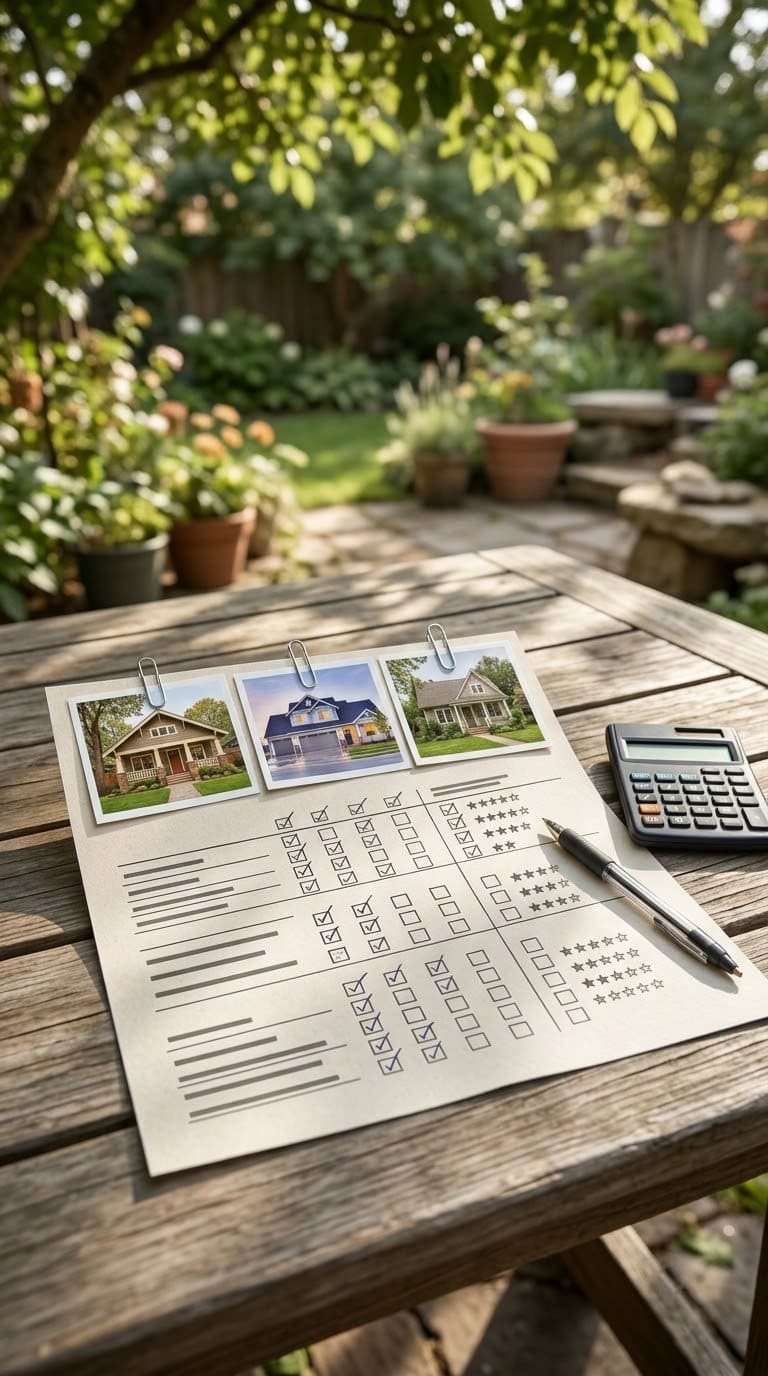
A scorecard keeps your head clear when each house feels exciting. Rate each factor from 1 to 5 and add the scores.
| Factor | House A | House B | House C |
|---|---|---|---|
| Total monthly cost | |||
| Location and commute | |||
| Neighborhood | |||
| Inspection results | |||
| Roof and big systems | |||
| Radon and lead | |||
| Flood and drainage | |||
| Yard and layout |
Our take: add a column for “deal breakers.” If a house has a deal breaker, drop it no matter what the score says.
What Mistakes Should You Avoid?
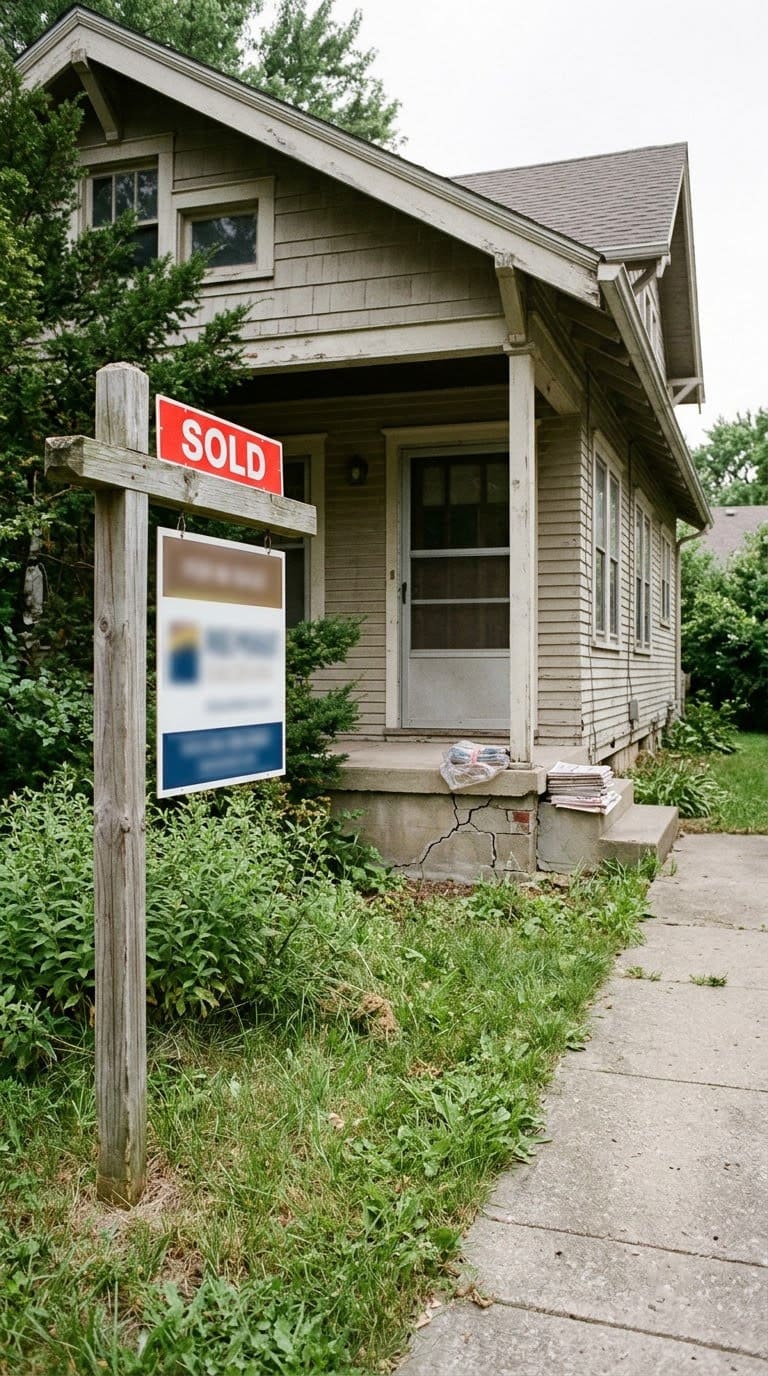
Most buyers regret a few simple things.
- Buying at the top of your budget. You need room for repairs and surprises.
- Skipping the inspection. Hidden problems cost the most.
- Ignoring the neighborhood. You live in the street, not just the house.
- Falling for the staging. Fresh paint can hide cracks and stains.
- Forgetting the yard. Drainage and trees are costly to fix.
- Rushing the paperwork. Read each page.
Frequently Asked Questions
What is the most important factor when buying a house?
Your budget and the total monthly cost come first. Then the inspection, since it shows the condition of the house. Location comes next because you can’t change it.
How do I know if I can afford a house?
Review your credit report, track your spending and estimate what you can pay each month. The CFPB says to compare official loan offers from lenders before you choose.
Should I test for radon when buying a house?
Yes. You can’t see or smell radon. The EPA says to fix a home at 4 pCi/L or higher and to consider fixing between 2 and 4 pCi/L.
Do I need a home inspection if the house looks new?
Yes. A good-looking house can still hide problems in the roof, plumbing or wiring. The CFPB says to schedule it as soon as possible.
For repair planning, see our home renovation checklist.
Your House-Buying Plan
- Month 1: Check your credit report, track spending and save for a down payment and repairs.
- Month 2: Compare loan offers from more than one lender and get preapproved.
- Month 3: Tour houses with your scorecard, and visit each neighborhood at different times.
- After the offer: Schedule the inspection right away, add radon and any other tests and check flood and lead risk.
- Before closing: Compare the final numbers to your loan offer, do the walk-through and read every page.
Start with the budget and the scorecard. A calm, step-by-step approach will protect you from a costly mistake.
Never miss an update — choose FarmFoodFamily as your preferred source on Google.
How it works: Tap the button below to open Google's settings page, then check the box next to FarmFoodFamily.
Tap the checkbox to turn it blue — that's how you know it's set.