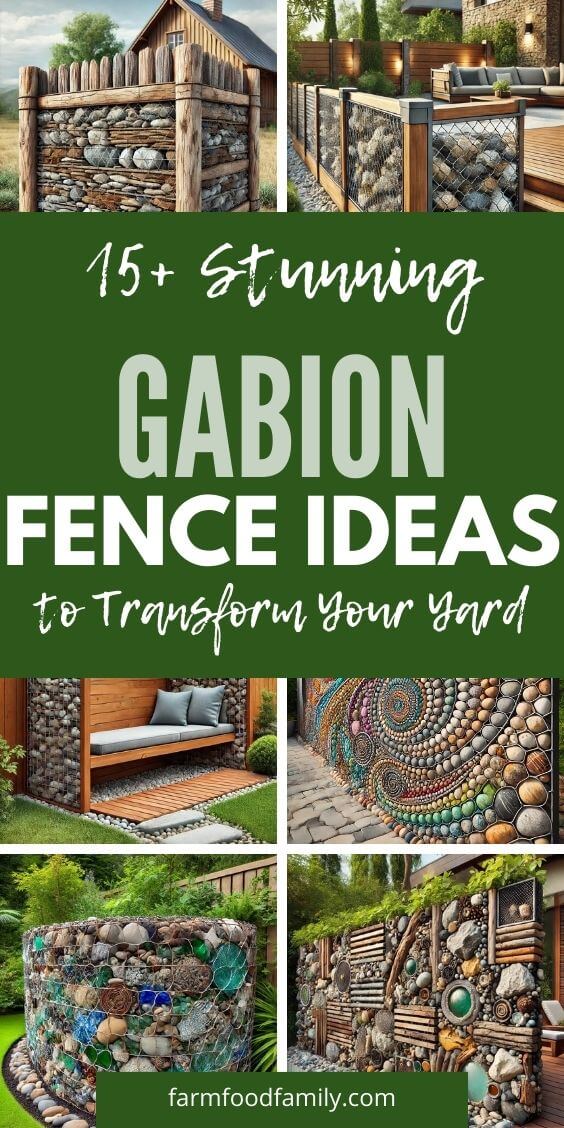
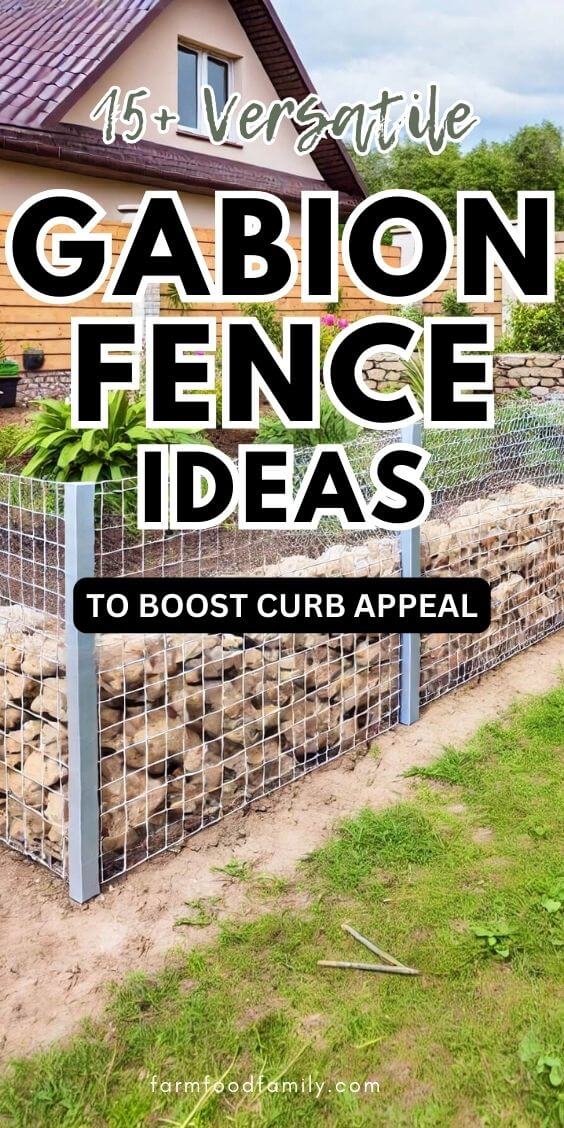
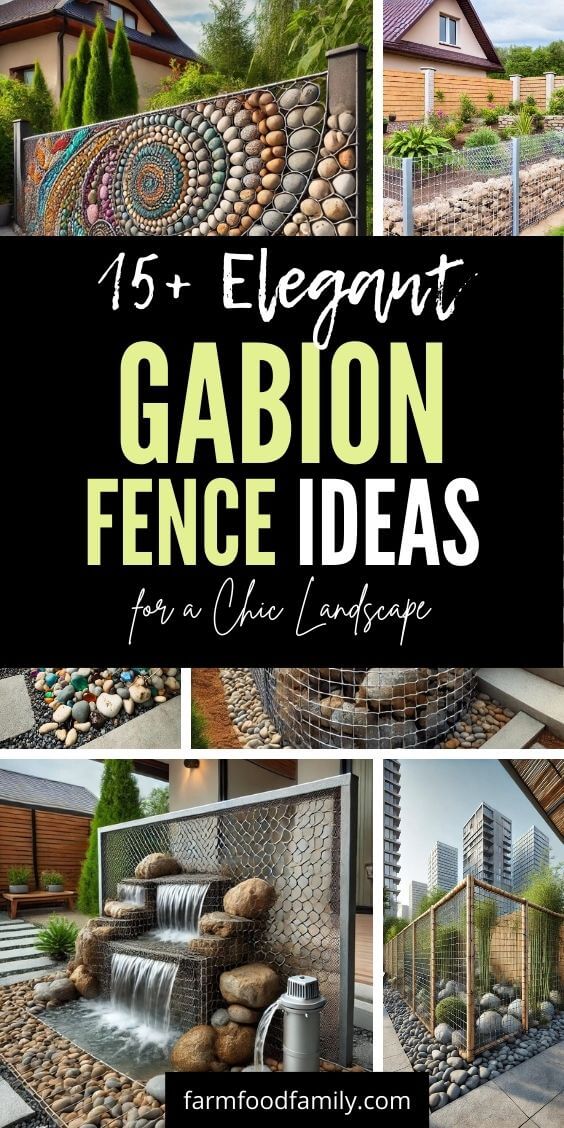
35+ Elegant Gabion Fence Ideas for a Chic Landscape
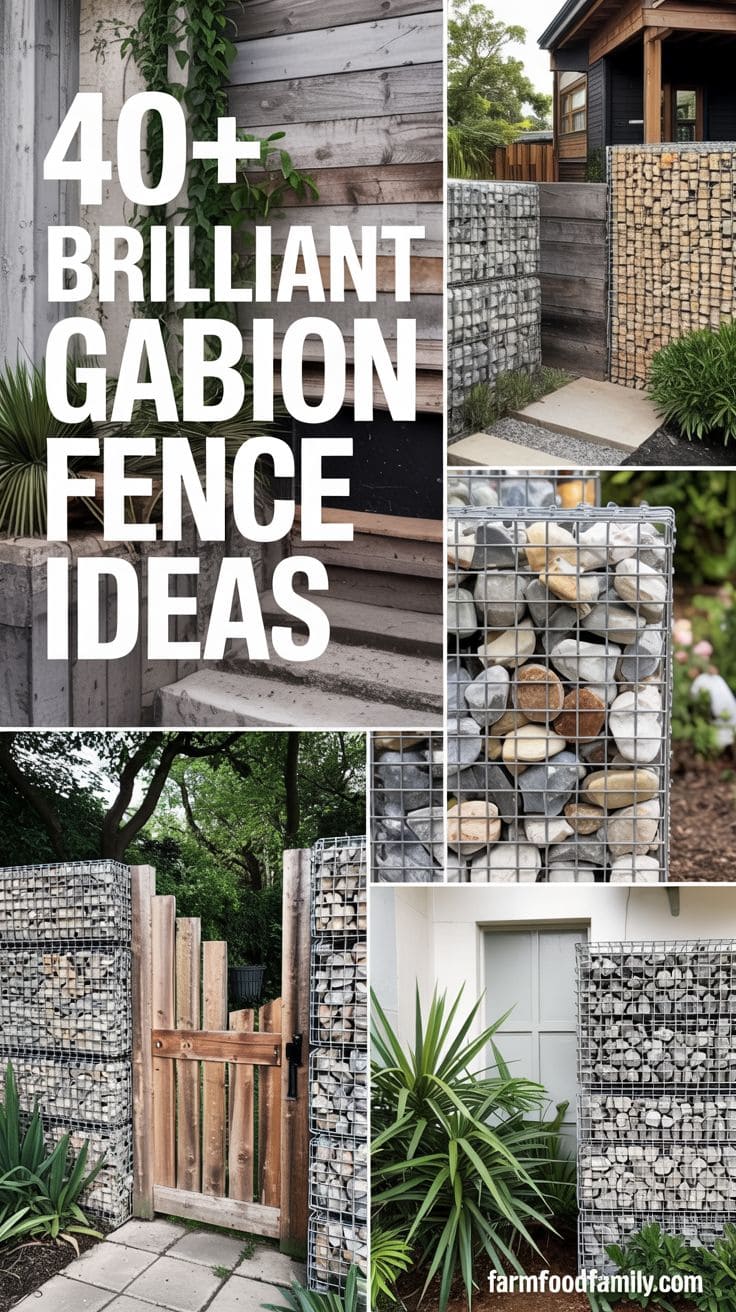
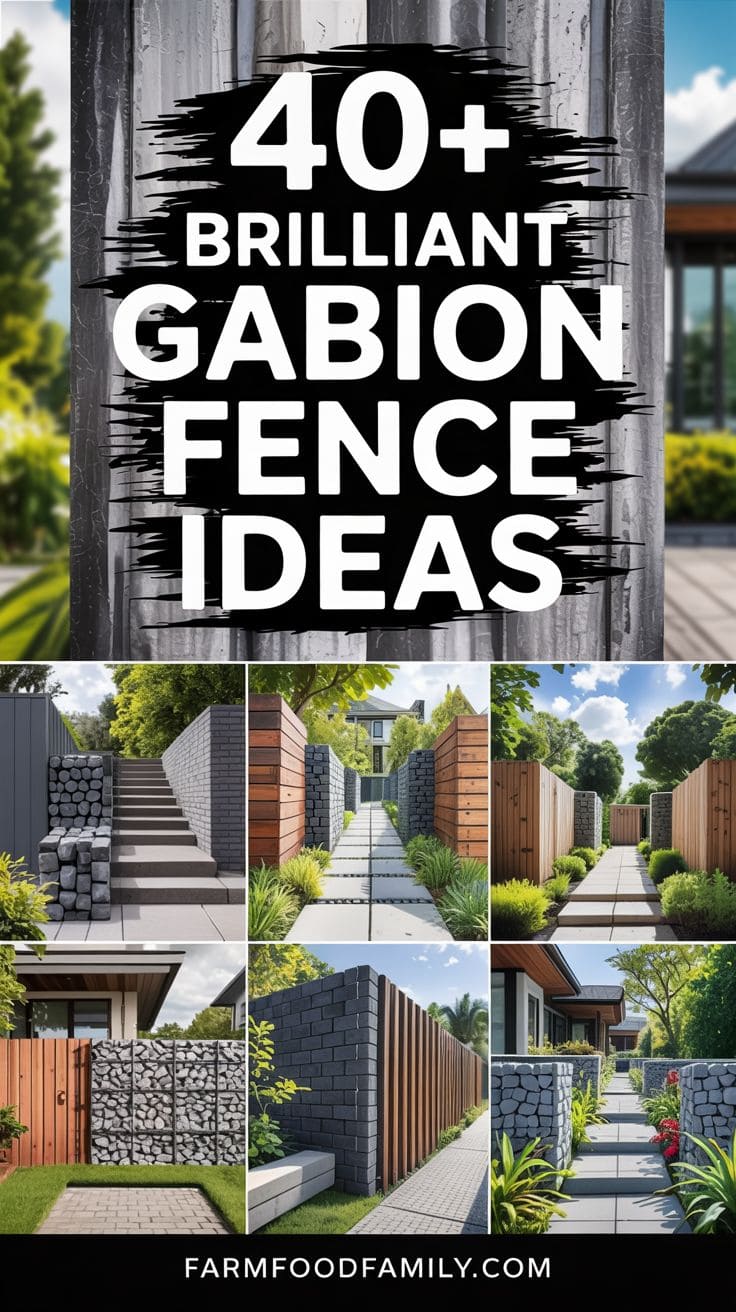
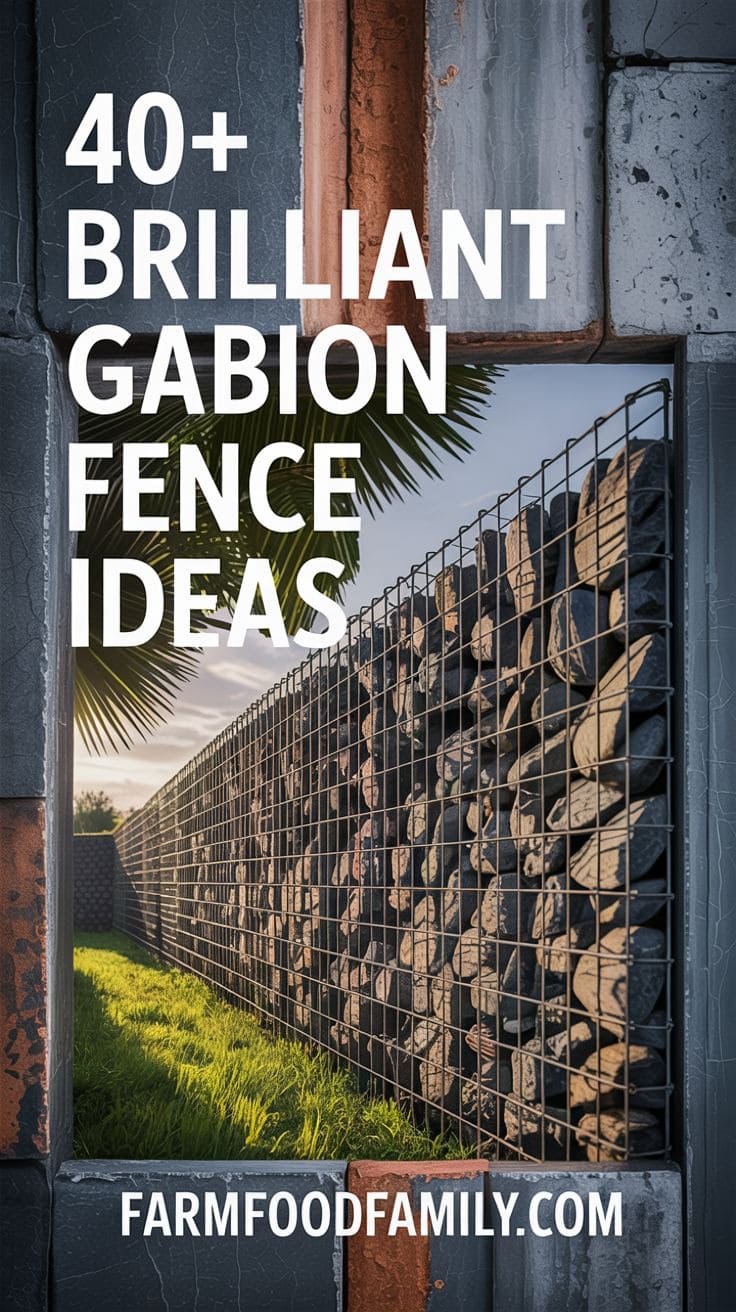
A gabion fence, a wire cage filled with stone, has a genuinely split reputation. Some homeowners love the look and the fact that it needs almost no maintenance once it’s built. Others think it looks unfinished, like a retaining wall that wandered into the wrong part of the yard. Both opinions show up constantly wherever…

Never miss an update — choose FarmFoodFamily as your preferred source on Google.
How it works: Tap the button below to open Google’s settings page, then check the box next to FarmFoodFamily.
Tap the checkbox to turn it blue — that’s how you know it’s set.
A gabion fence, a wire cage filled with stone, has a genuinely split reputation. Some homeowners love the look and the fact that it needs almost no maintenance once it’s built. Others think it looks unfinished, like a retaining wall that wandered into the wrong part of the yard. Both opinions show up constantly wherever people actually discuss building one, and this guide isn’t going to pretend the debate doesn’t exist.
What it will do: give you 15 real design directions, and the practical, structural, and cost information most “gabion fence ideas” articles skip entirely, because a gabion fence is heavier, pricier, and more labor-intensive than it looks in a photo.
What a Gabion Fence Can (and Can’t) Do
Landscape architect Jonathan Blaseg of Coen & Partners describes gabion construction as a way to use stone that stays “contextual to the site’s geological history,” with the wire cage relating more directly to architecture than a traditional stacked-stone wall does. That’s the aesthetic case for gabions.
Here’s the honest structural case, which most articles leave out. If you’re considering a gabion fence partly for privacy or noise reduction near a busy road, a real, credentialed voice is worth listening to: a Building Surveyor weighing in on exactly this question was blunt: “Gabion walls will not stop a vehicle impact.
If you want to stop a vehicle impact, you need a core filled masonry wall with proper footings.” A gabion fence is a stone-filled cage, not a barrier engineered for impact. It’s genuinely good at privacy, texture, and drainage. It’s not the right tool if vehicle impact is your actual concern.
Lifespan is the other honest caveat. A gabion fence’s stone doesn’t degrade, but the wire cage holding it together does. As one experienced builder put it in the same discussion: “The lifespan of a gabion fence is limited by the lifespan of the metal enclosure.”

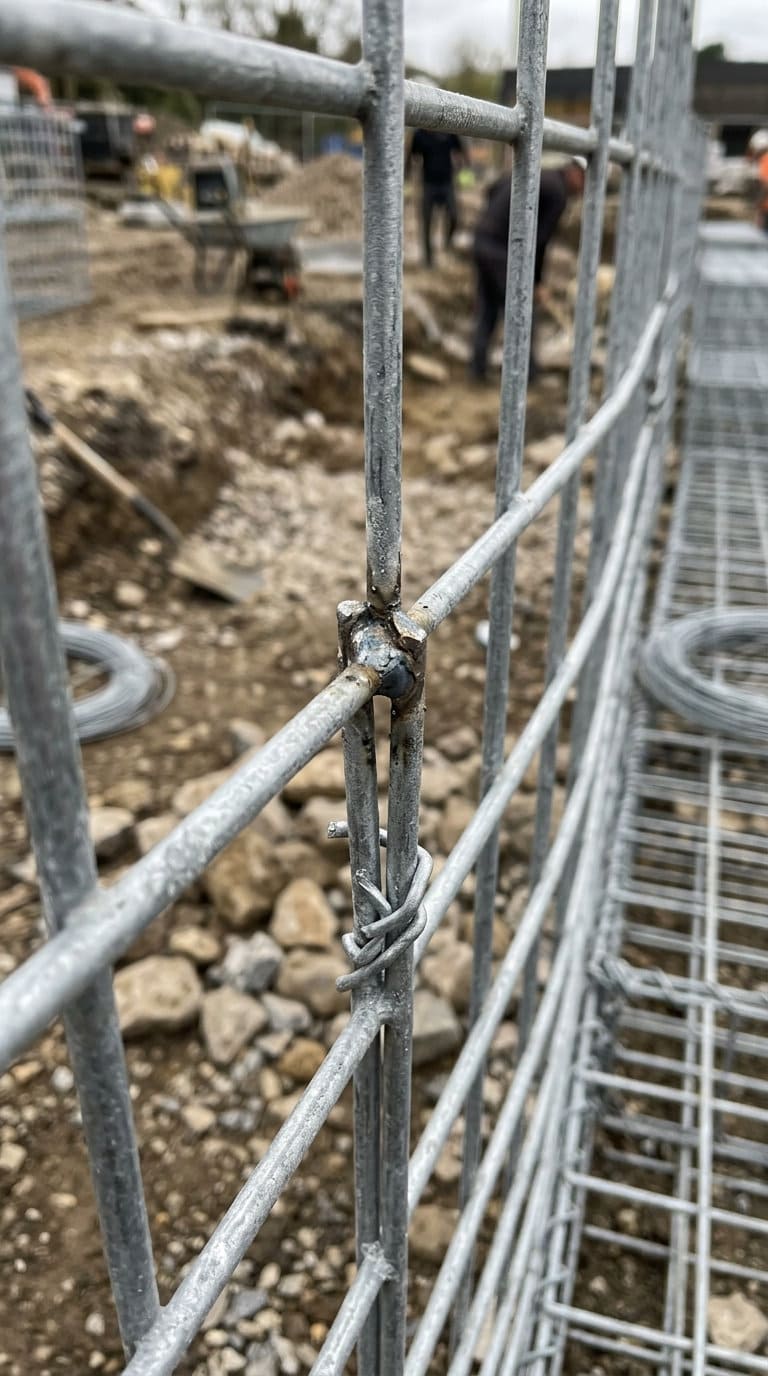
If you’re buying baskets, ask specifically about mesh coating and wire gauge, a heavier, galvanized (ideally Galfan-coated) mesh in the 5mm range is a reasonable target for multi-decade life, thinner or uncoated wire will corrode and fail well before the stone does.
The Real Cost (and Time) of a Gabion Fence
This is where expectations and reality diverge most. Professional gabion wall installation typically runs $10 to $40 per square foot, with some sources citing an average closer to $60/sq ft and a range up to $210/sq ft depending on stone type, site access, and prep work. By linear foot, expect roughly $180 to $200 per linear foot for a longer run. Labor alone runs $40 to $100 per hour per worker and typically makes up 30 to 50 percent of the total cost. Fill rock itself runs $45 to $130 per ton on top of that.
Answer 4 quick questions and get matched to the exact fix for your yard — drainage, budget, layout, or something else entirely.
Take the Free QuizIf you’re planning to DIY it, budget your time honestly too. One homeowner who built an 11-meter gabion cage wall himself, sourcing his own rock and brick fill, reported it took roughly 200 hours of labor. That’s not a knock on the project, plenty of people find it a satisfying weekend-after-weekend build, but it’s a realistic number that almost no listicle mentions, and it’s exactly the kind of gap that leads to the frustrated “why is this quote so much higher than I expected” conversations that show up constantly wherever gabion fences get discussed.
Gabion1 USA, a gabion basket manufacturer and technical resource, also notes that most walls under about 4 feet don’t need a building permit or engineering sign-off in most jurisdictions, but taller walls typically do, and that changes your cost and timeline meaningfully. Check your local rules before you budget, not after.
Stunning Gabion Fence Ideas to Transform Your Yard
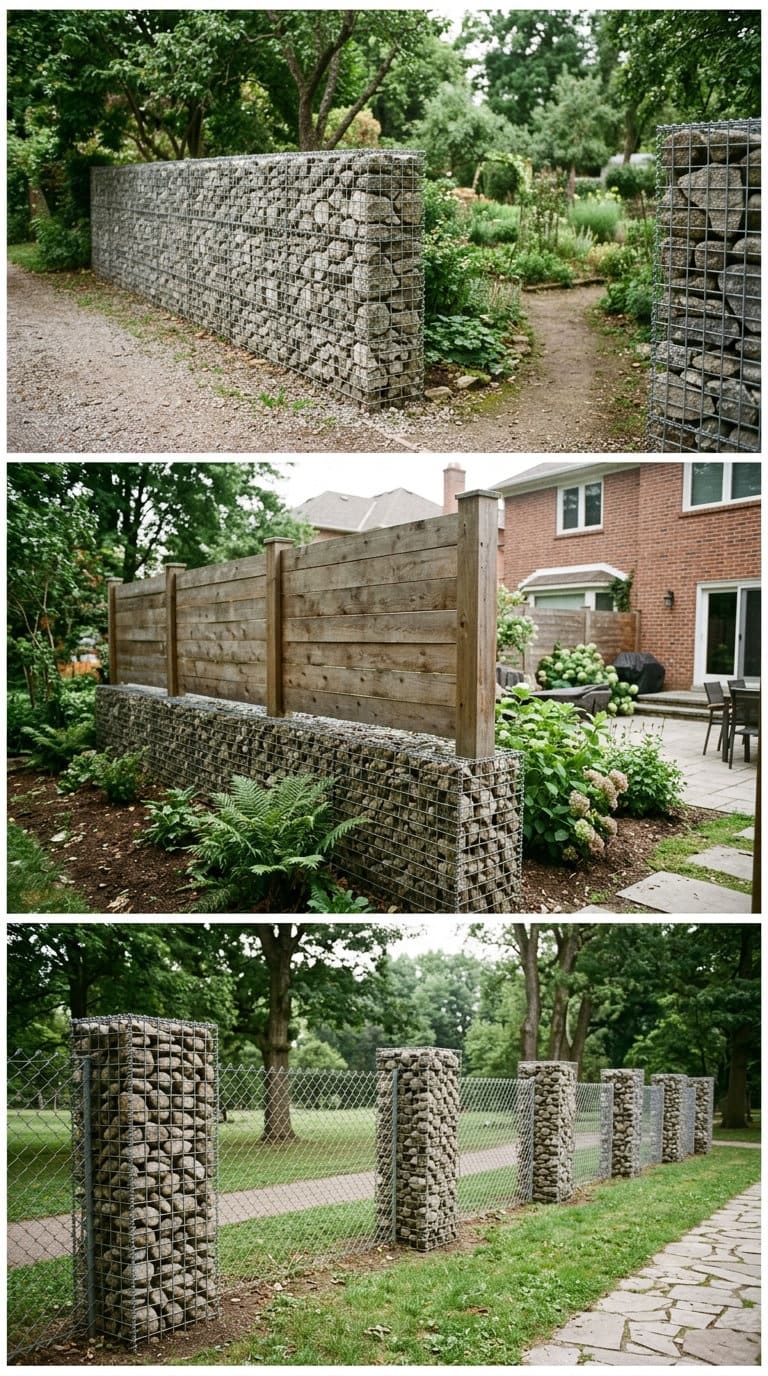
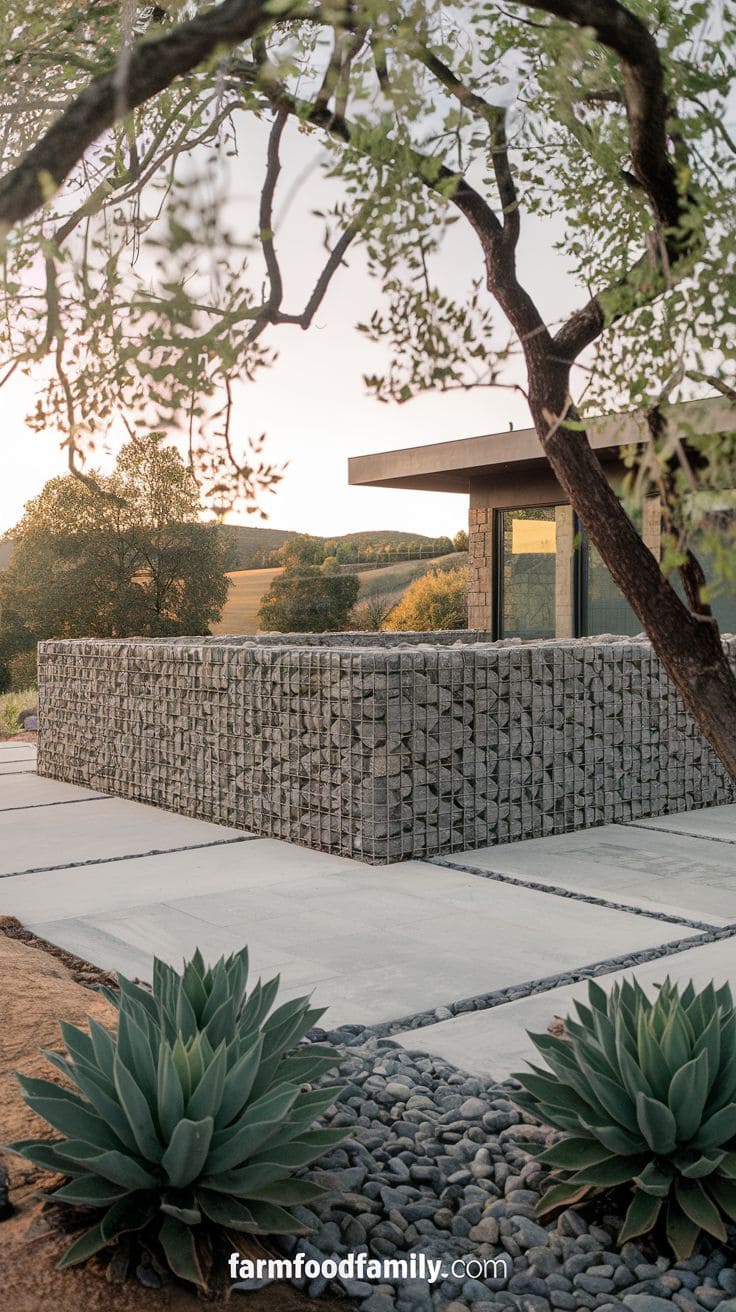
1. Traditional Gabion Stone Wall for Bold Privacy
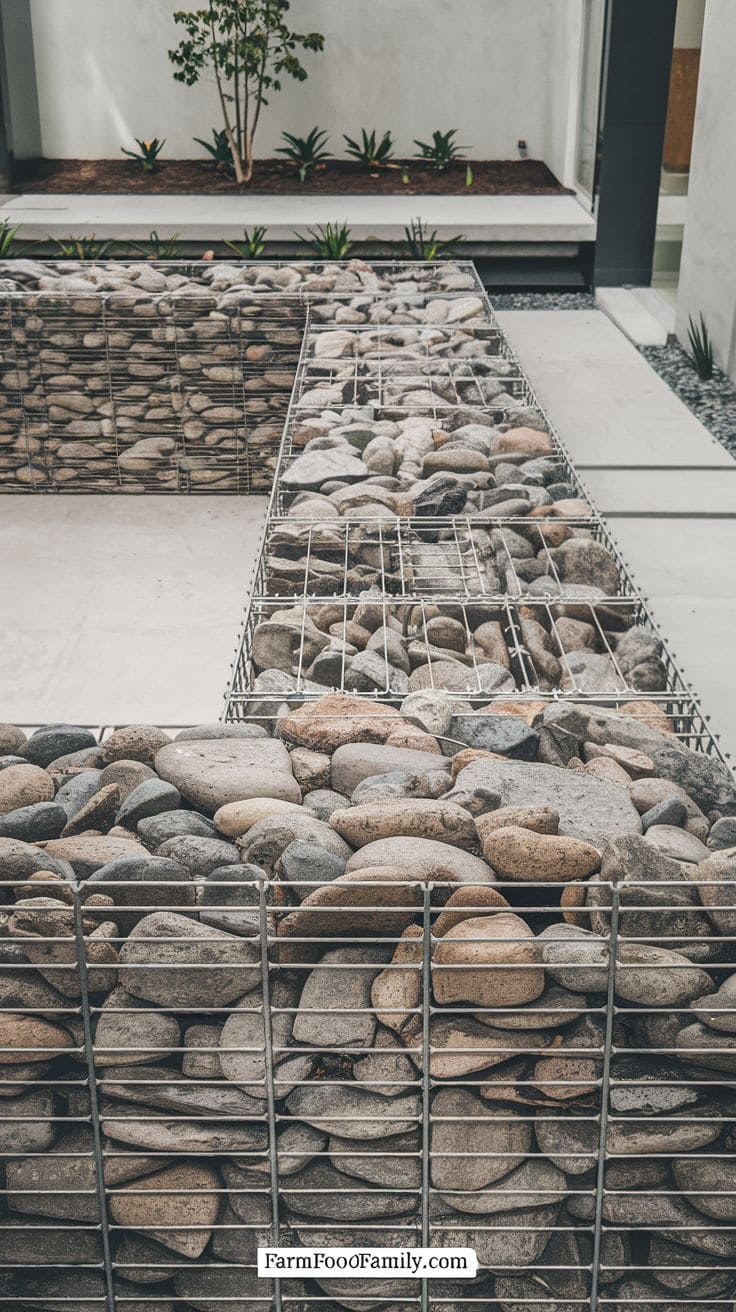
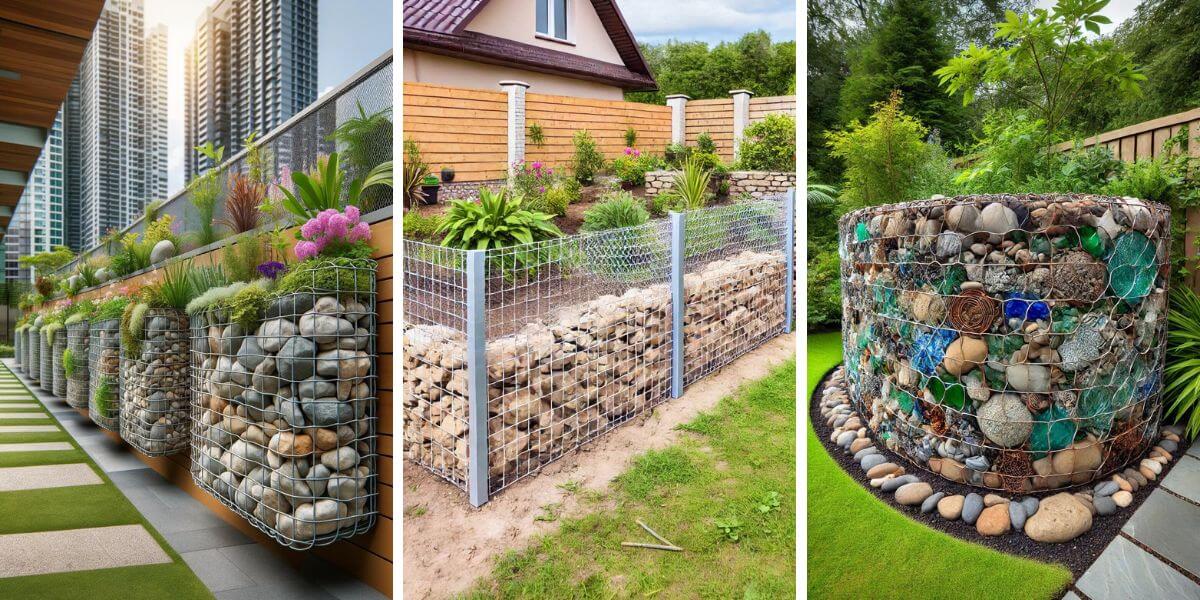
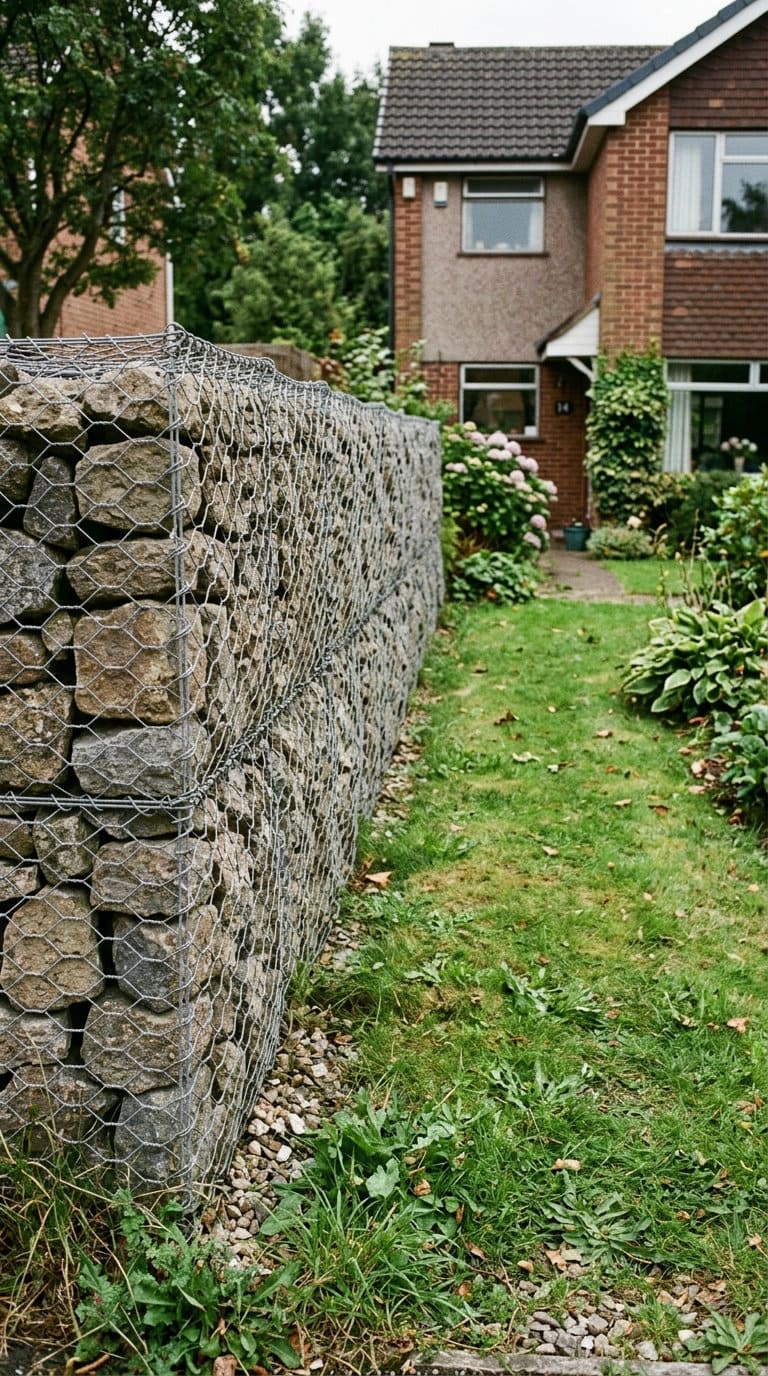
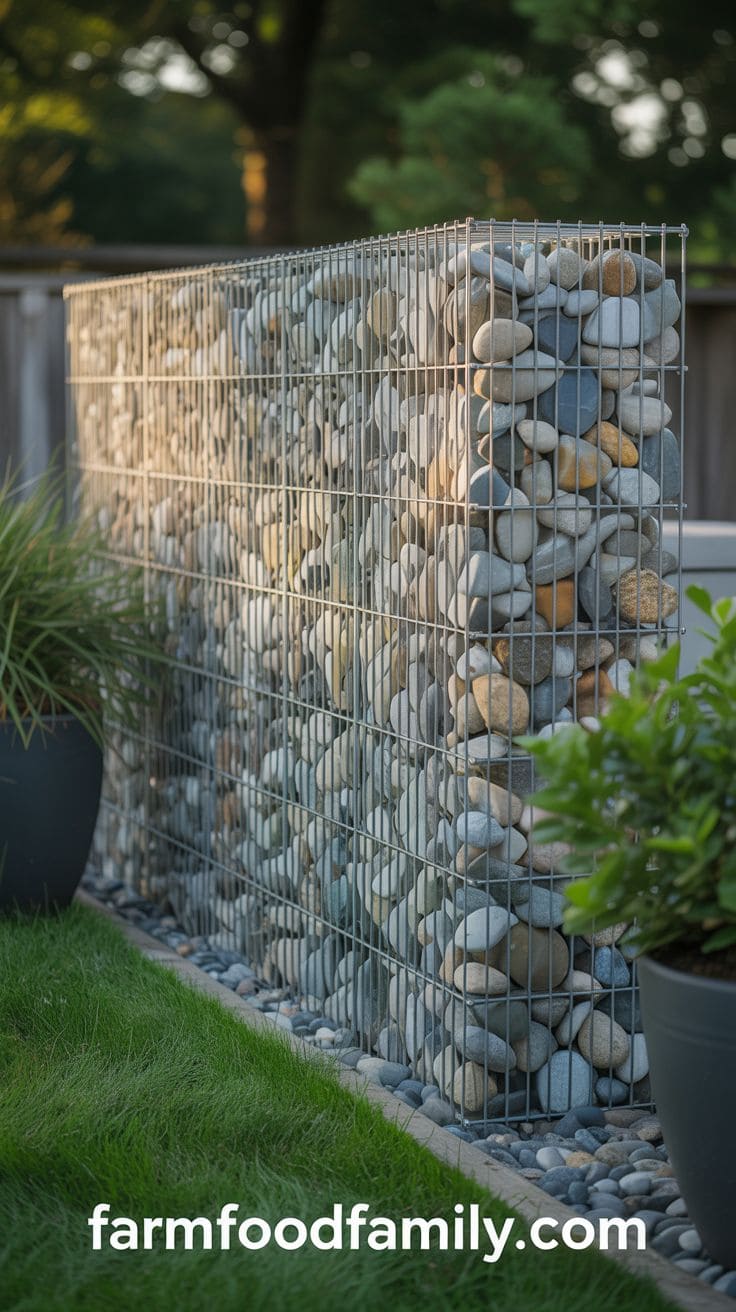
One of the most recognizable gabion fence designs is a full-height stone-filled wall that serves as both a privacy barrier and a sculptural focal point.
Large, consistent river rocks provide a clean, polished appearance, whereas smaller stones lend a more rugged, rustic feel.
These fences are especially effective as property borders or courtyard enclosures in residences with modern, industrial, or Mediterranean design. For added softness, consider planting decorative grasses, lavender, or trailing vines around the base.
A gabion wall’s heavy weight and thickness provide excellent sound insulation, making it an ideal alternative for residences near busy streets.
This setup increases your yard’s privacy and acts as an earthy anchor, making everything around it feel grounded and harmonious.
Most yard problems trace back to one specific, fixable cause. Find yours in 4 quick questions.
Take the Free Quiz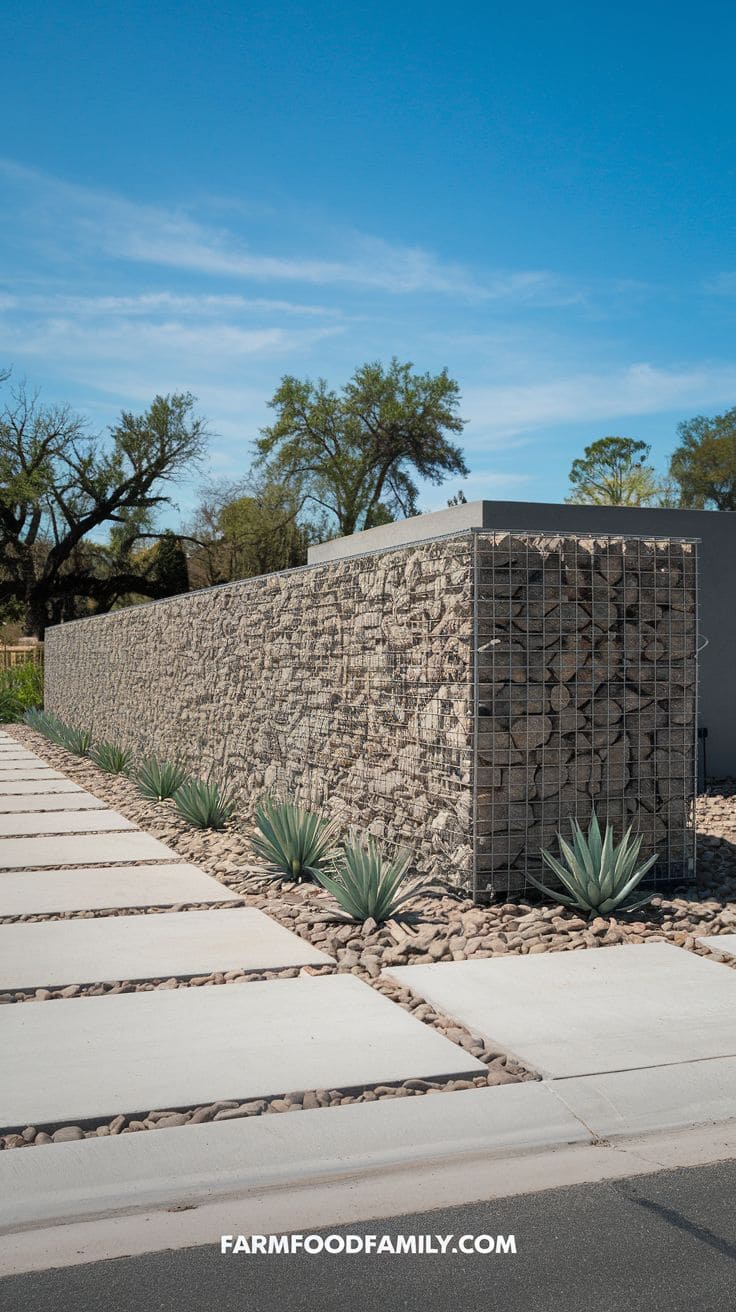
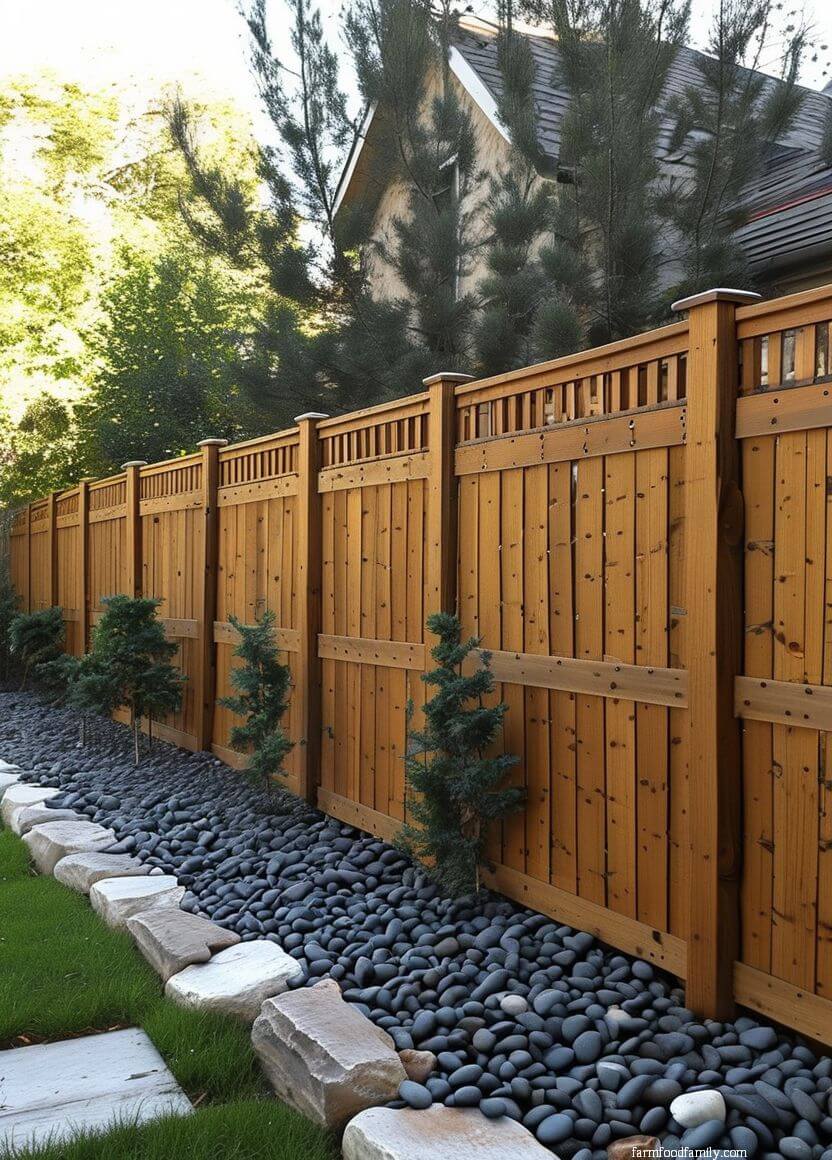
2. Wood Paneled Half-Height Gabion Fence
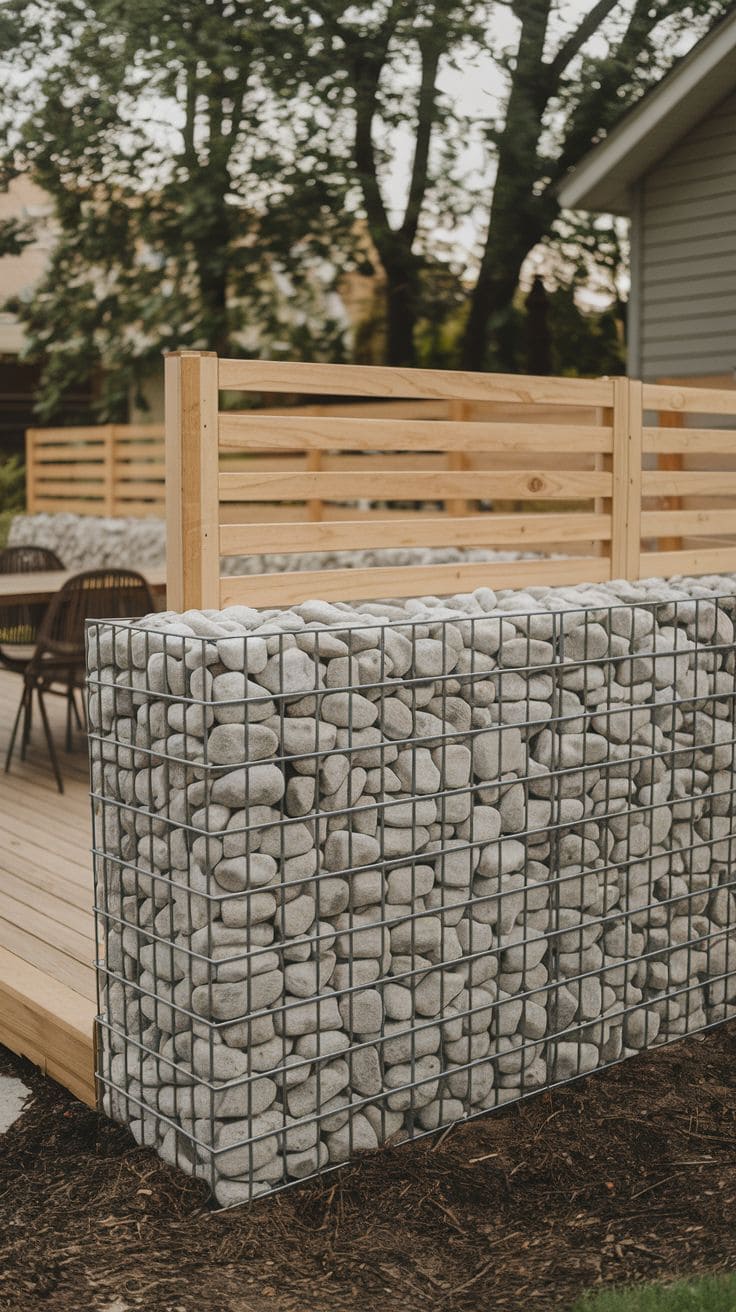
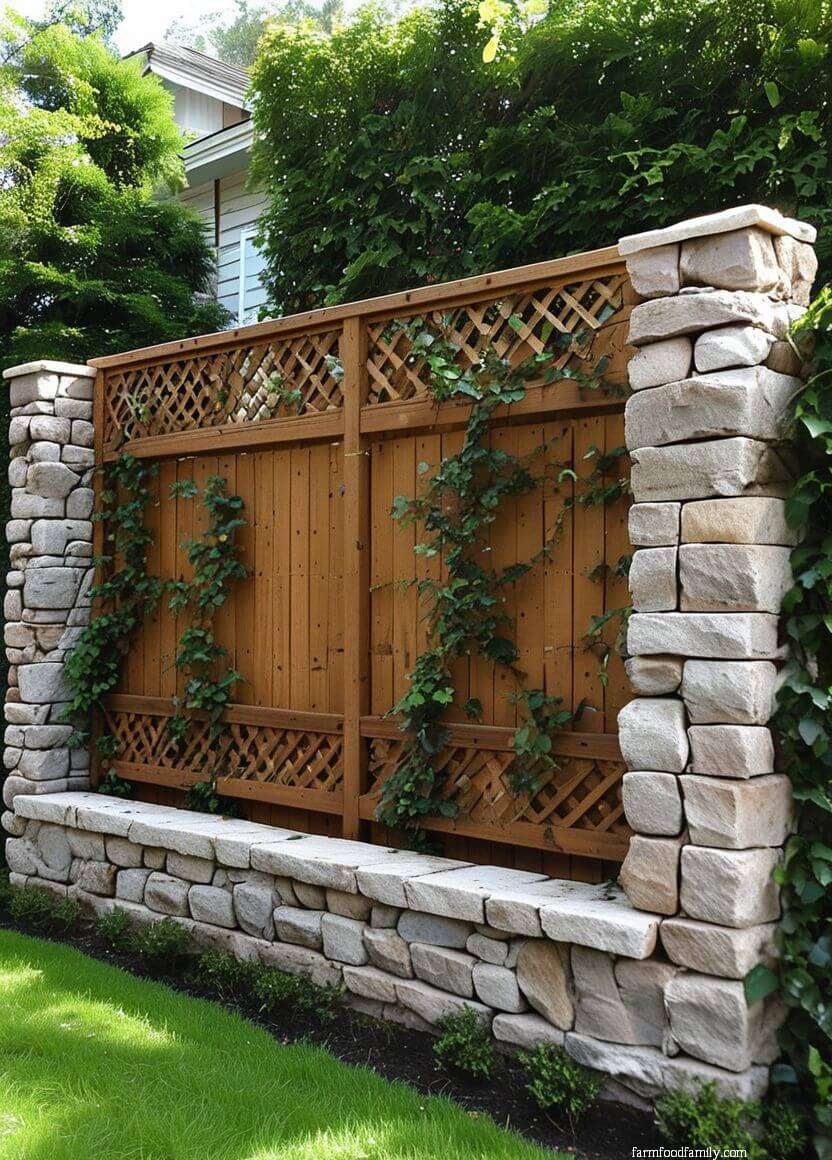
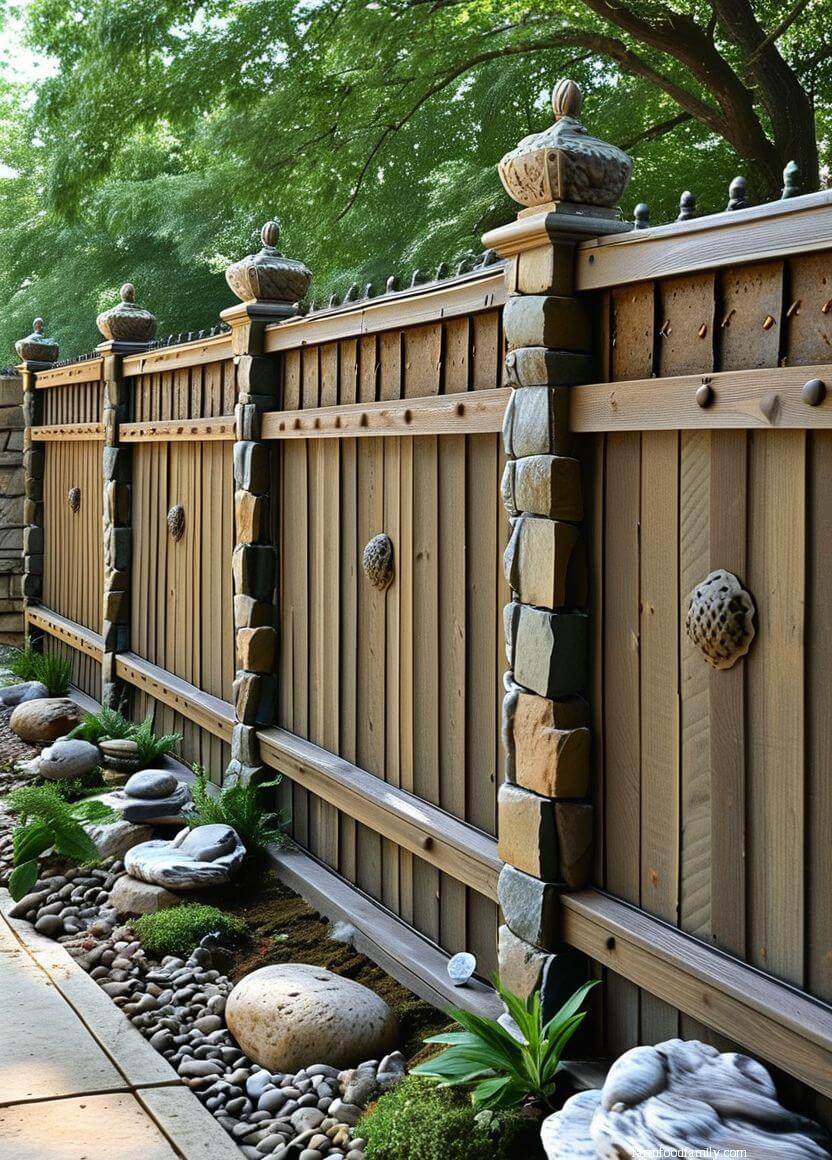
Combining gabion bases with horizontal hardwood slats results in a fence that strikes a balance between openness and grounded stability.
This hybrid design typically includes a short gabion wall that is topped with cedar or redwood panels for height and contrast.
It’s a lovely approach to balance the weighty stone with warm, natural wood tones.
The end result is structured and attractive, making it excellent for modern residences or those migrating from hardscape to softscape features.
This type of fence looks great around patios or garden paths, providing privacy and visual interest without totally enclosing the space.
It elevates the design while remaining true to the natural materials.
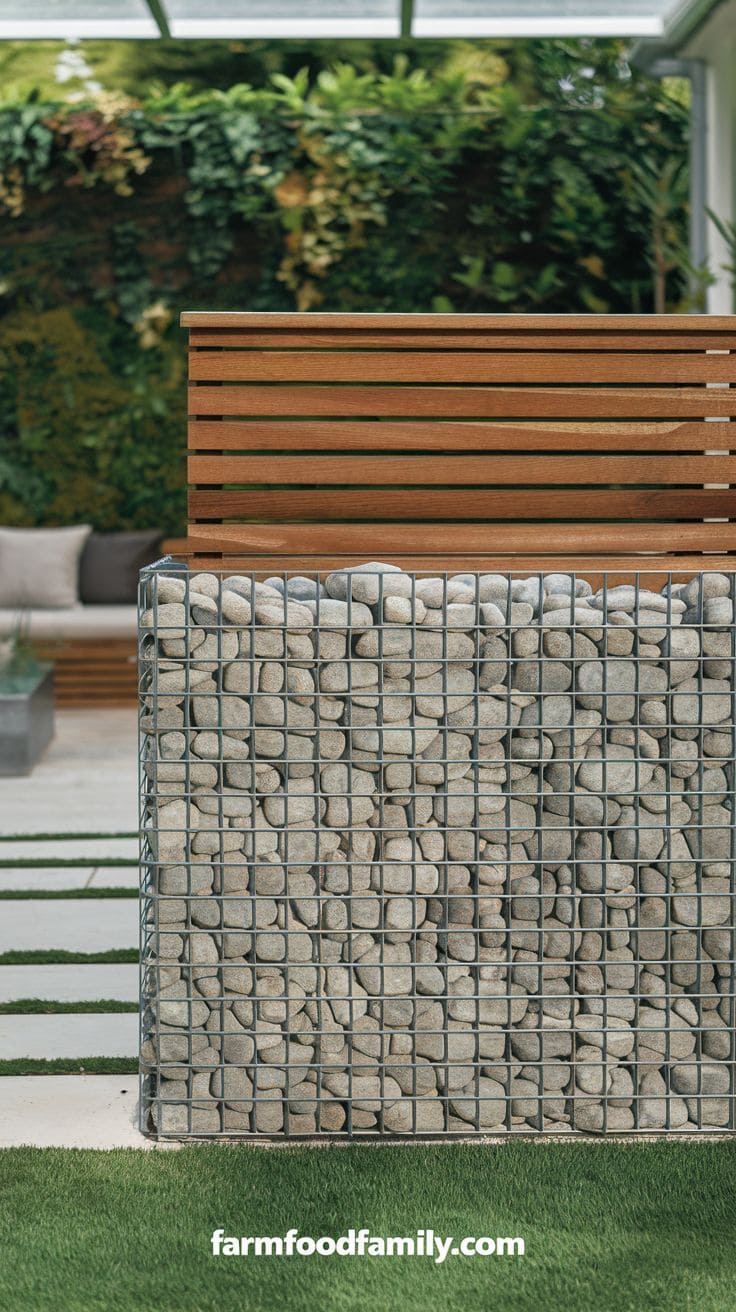
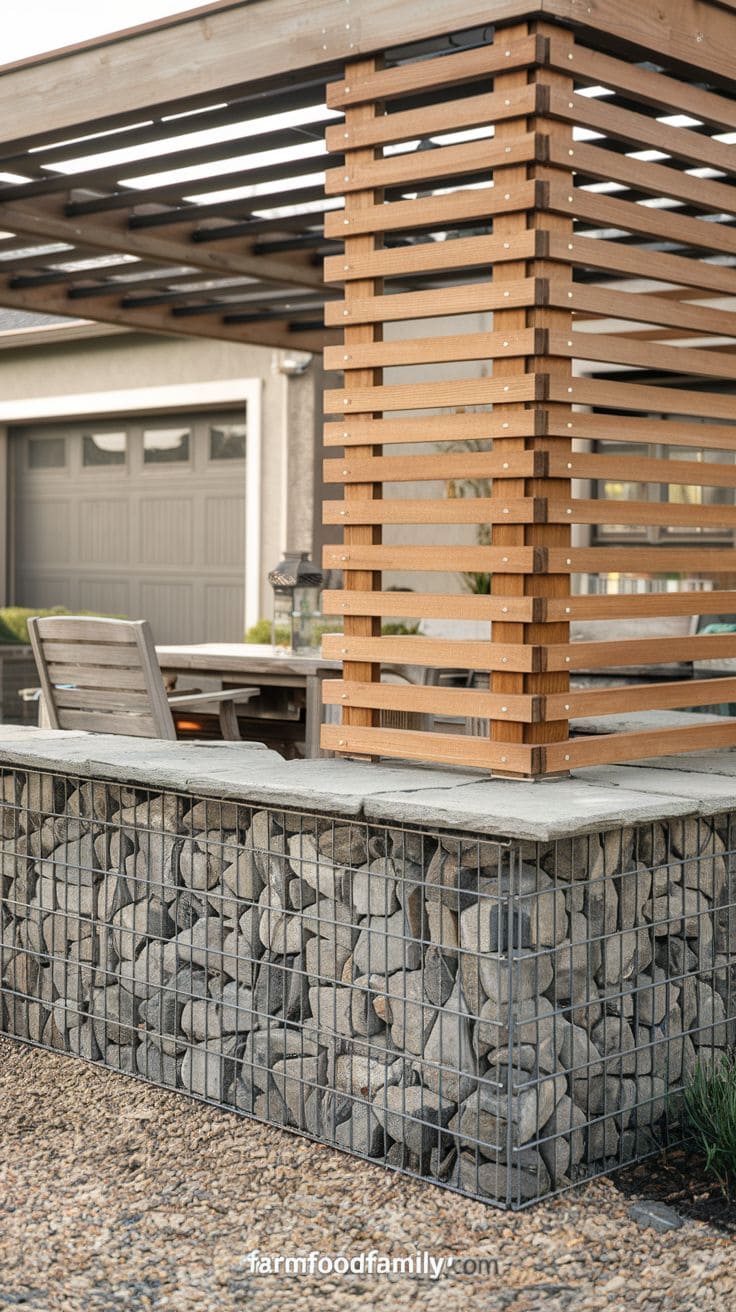
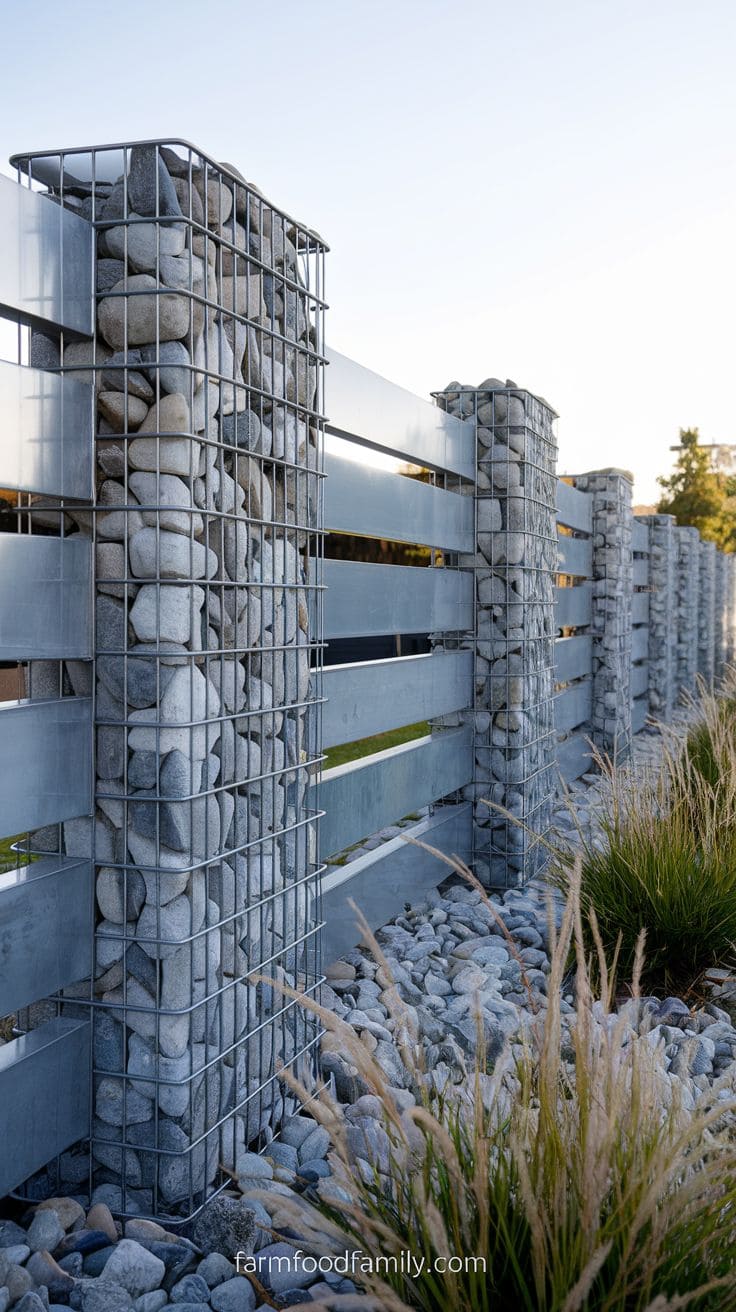
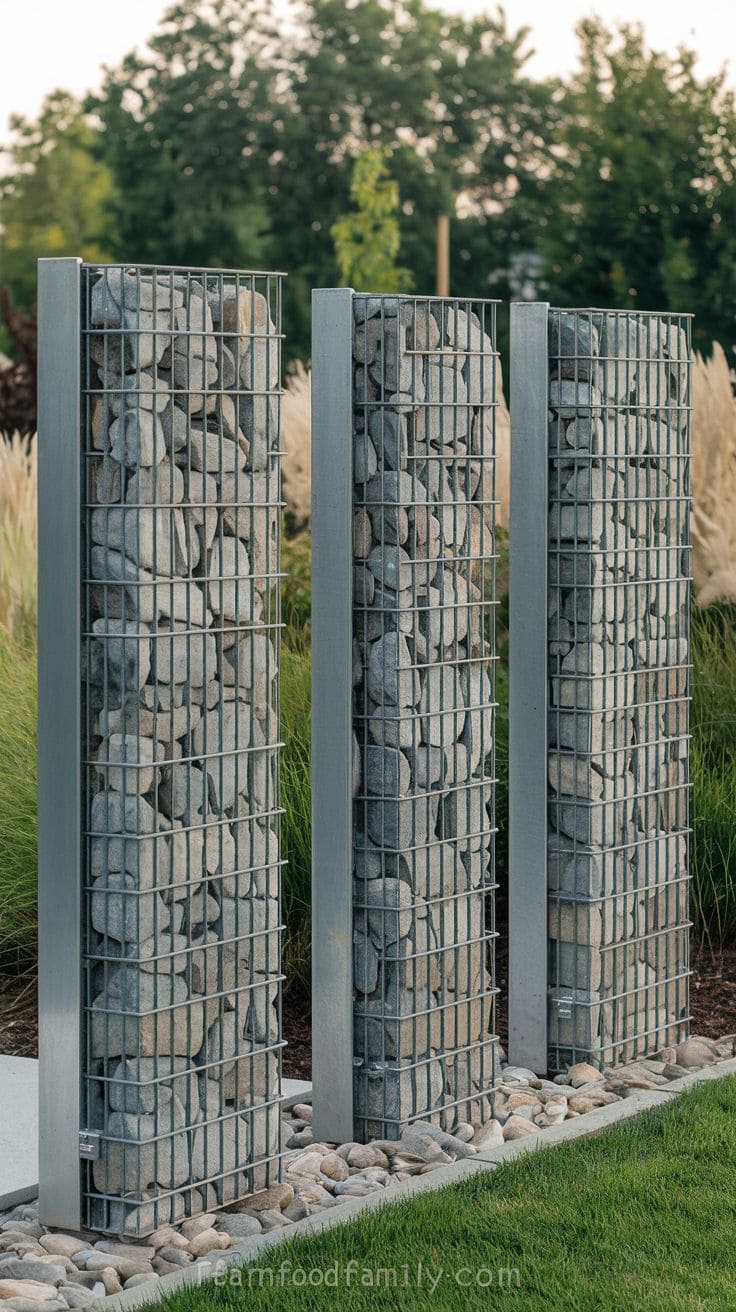
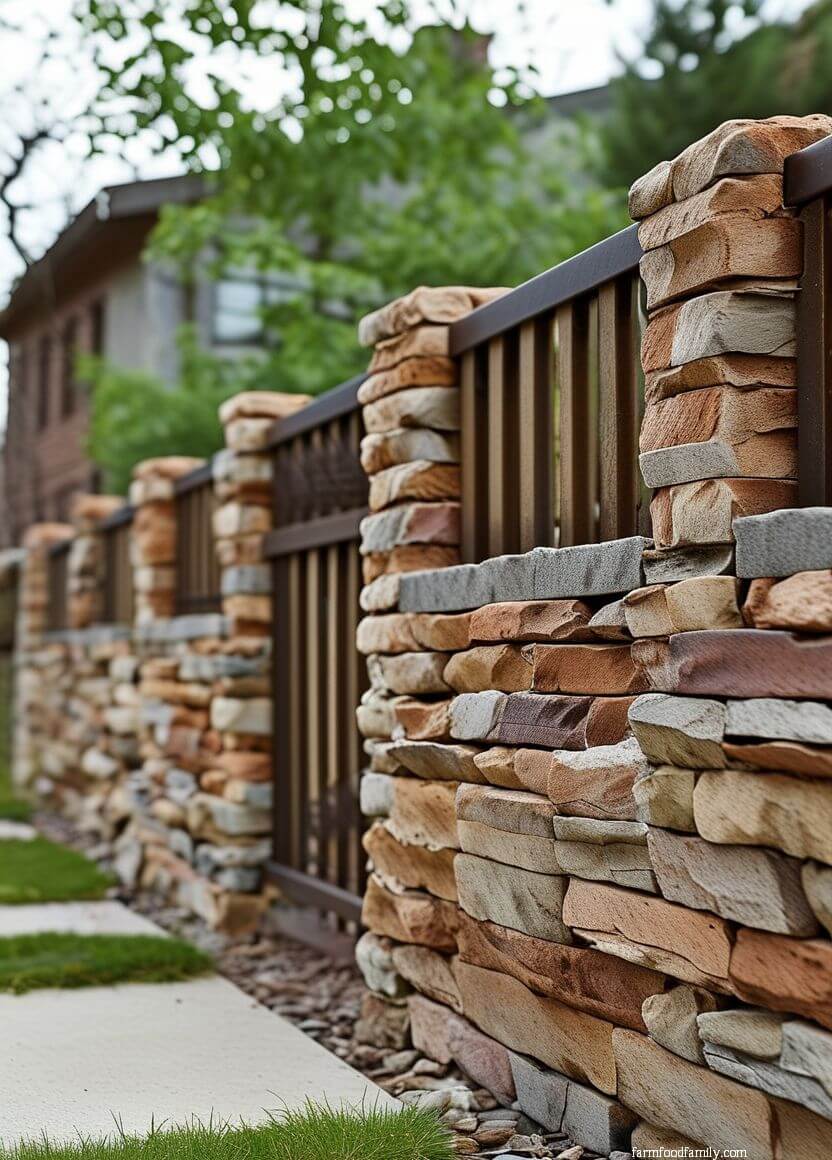
3. Metal or Wooden Paneled Gabion Columns
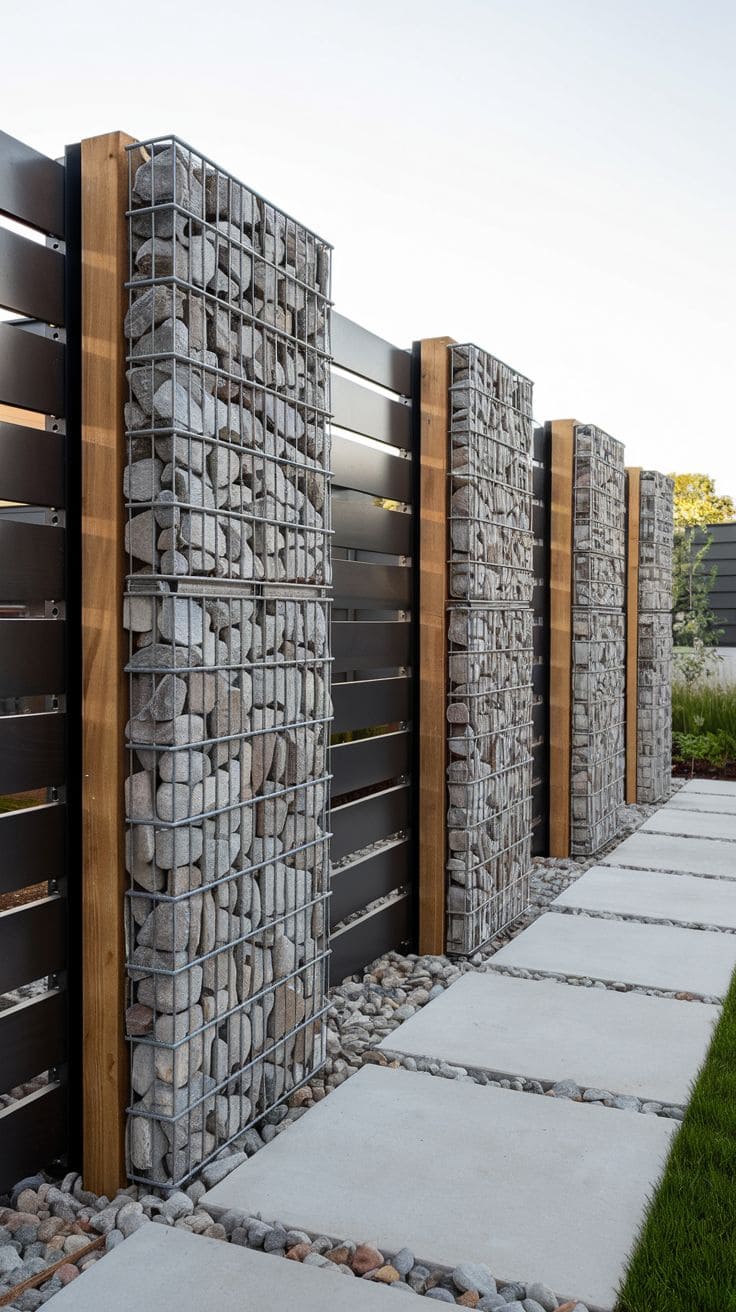
Rather than one continuous gabion run, freestanding gabion columns connected by metal or wood panel sections cut down dramatically on how much stone and cage material you need.
President Randy Jurgensen of Decorative Stone Solutions notes gabion construction suits mid-century modern design specifically because it’s linear and harder to shape organically, columns lean into that linear strength rather than fighting it.
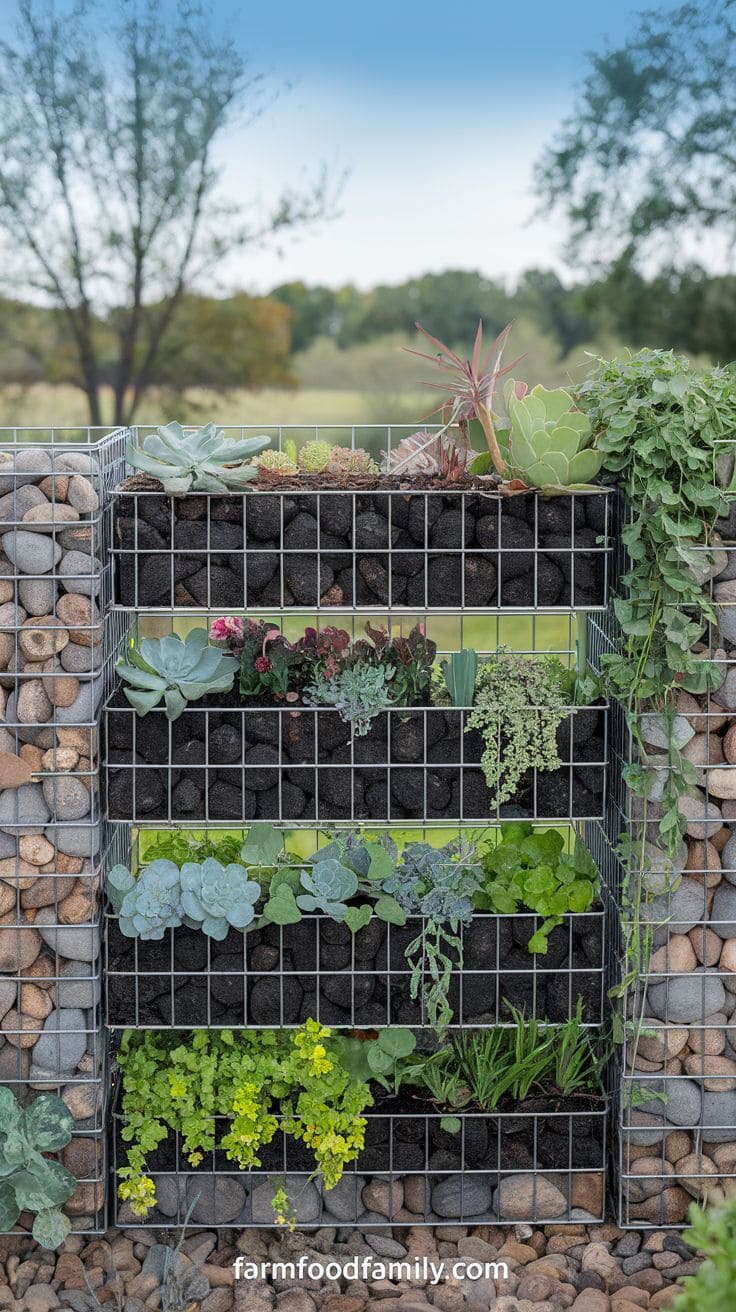
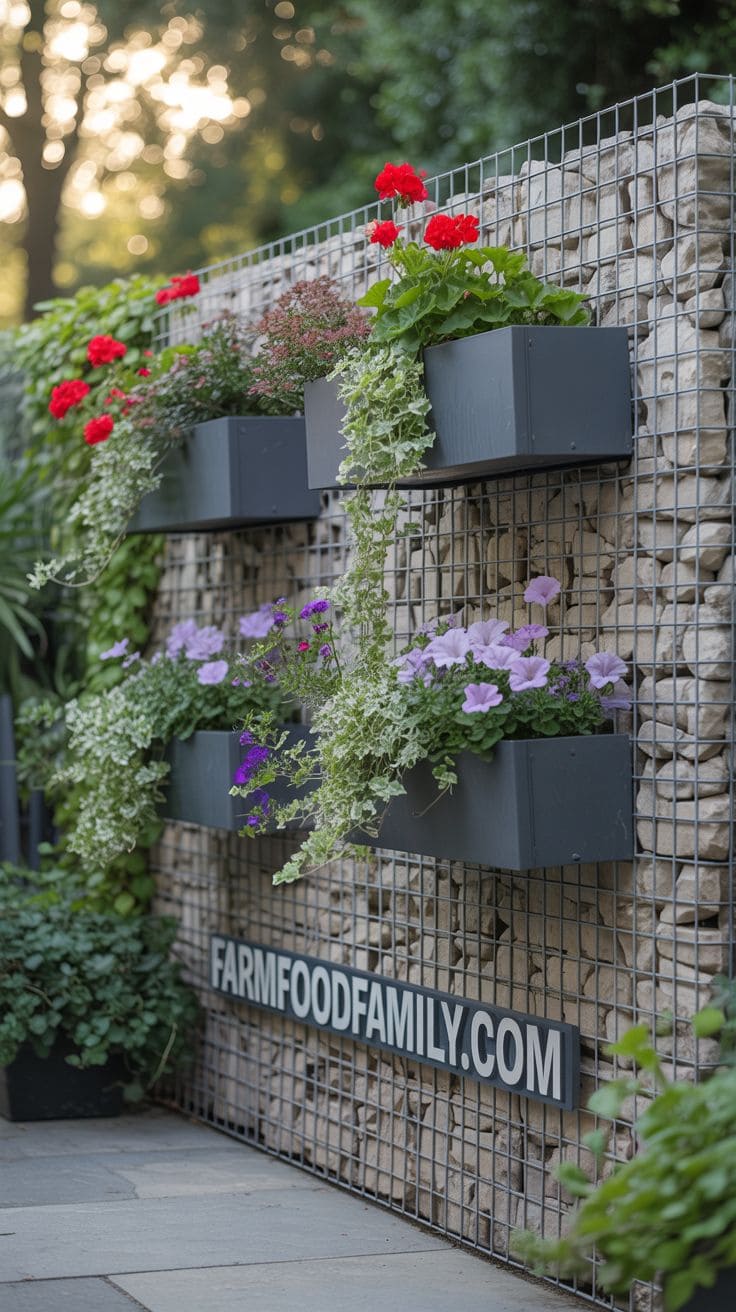
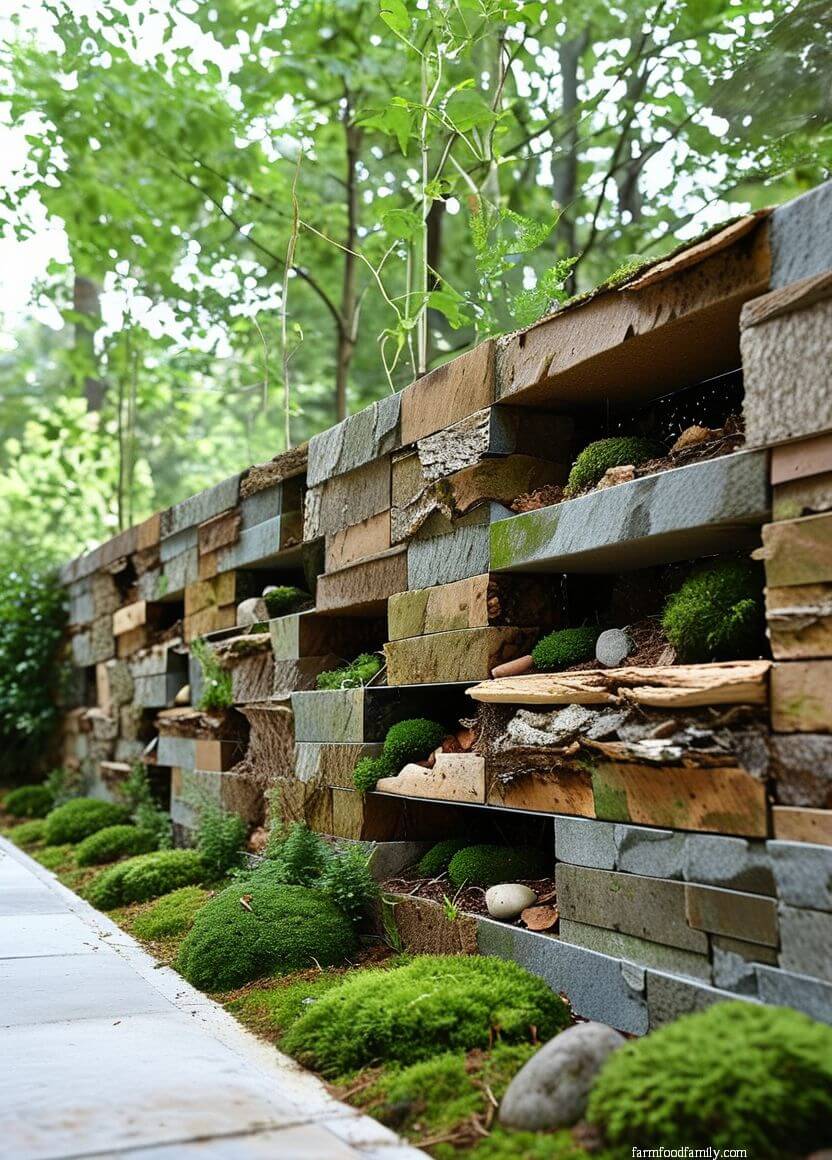
4. Layered Gabion Fence with Planter Features
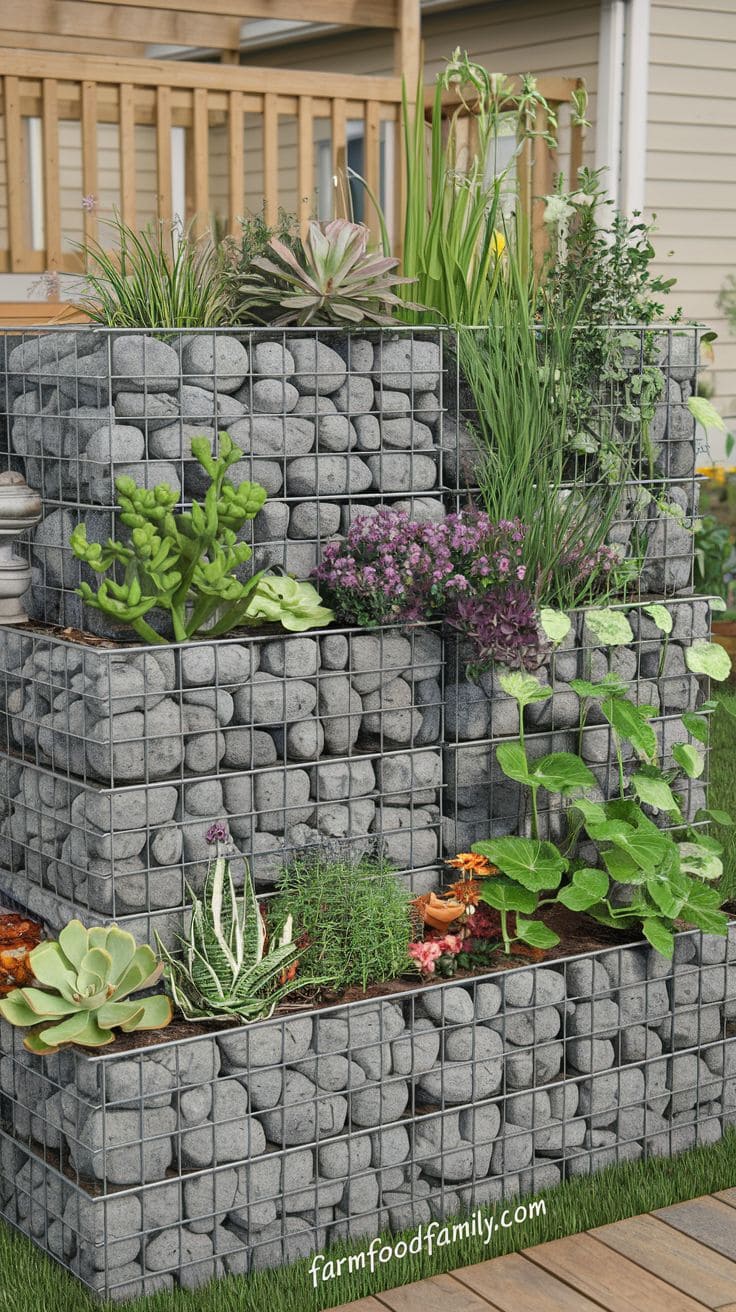
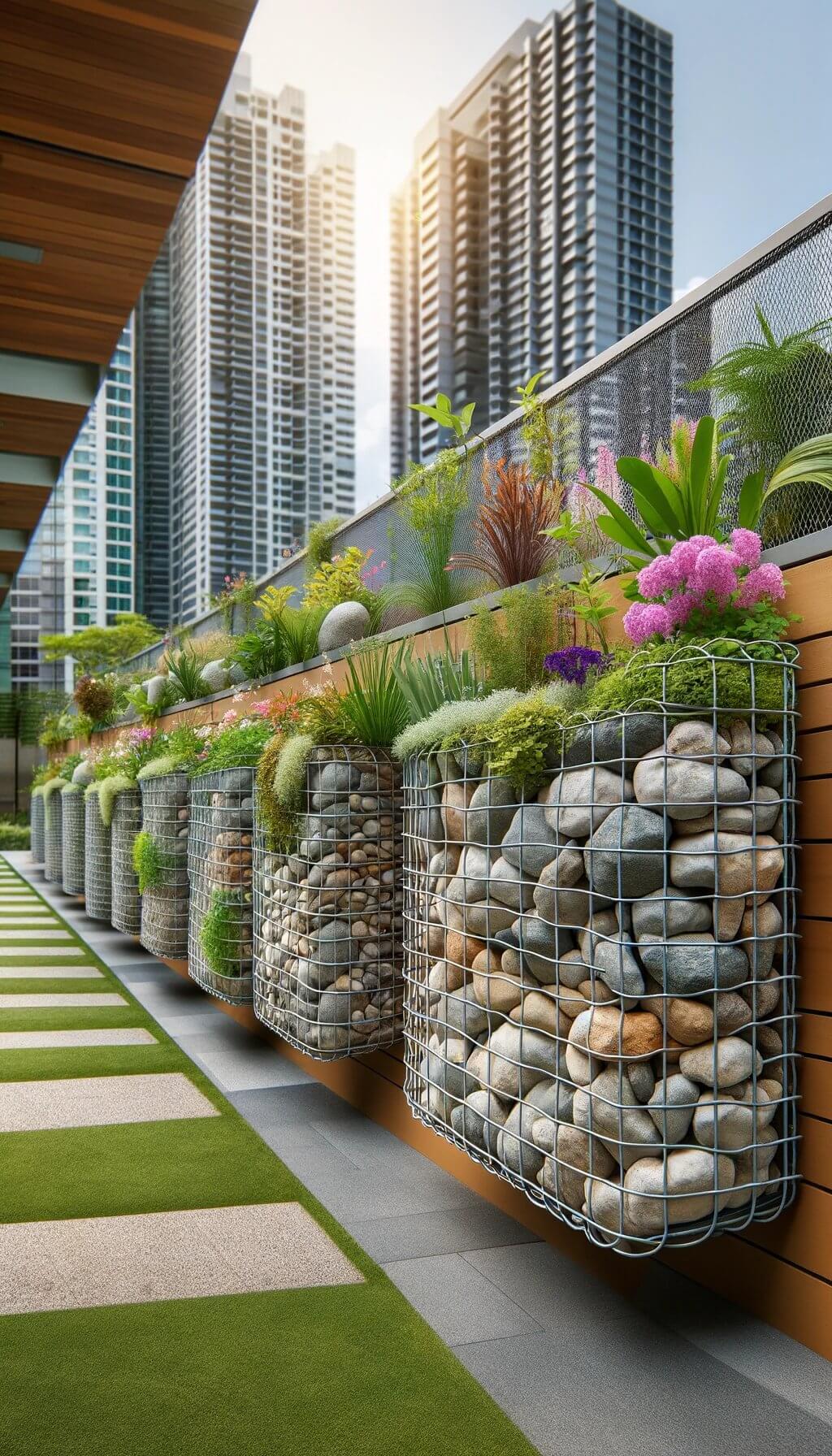
Integrating pots right into your gabion fence provides a creative outlet for gardeners and nature enthusiasts.
You can create gabion sections with recessed niches to contain soil and plants, ideal for succulents, herbs, or blooming vines.
Cascading plants, such as creeping Jenny or decorative sweet potato vine, will softly drape over the rocky edge, creating a lush, vertical garden feel.
The average homeowner spends $616/year on yard fixes that don't address the real problem. Find out what yours actually is — before you spend another dollar.
Take the Free QuizUse different stone colors in distinct parts to create a tiered or patterned impression that adds depth.
This arrangement works especially well in backyards that want both privacy and green space but have little space for large garden beds.
This transforms what may have been a frigid barrier into a vibrant, interacting component of your landscape.
5. Gabion Fence for Garden Backdrop or Trellis Support
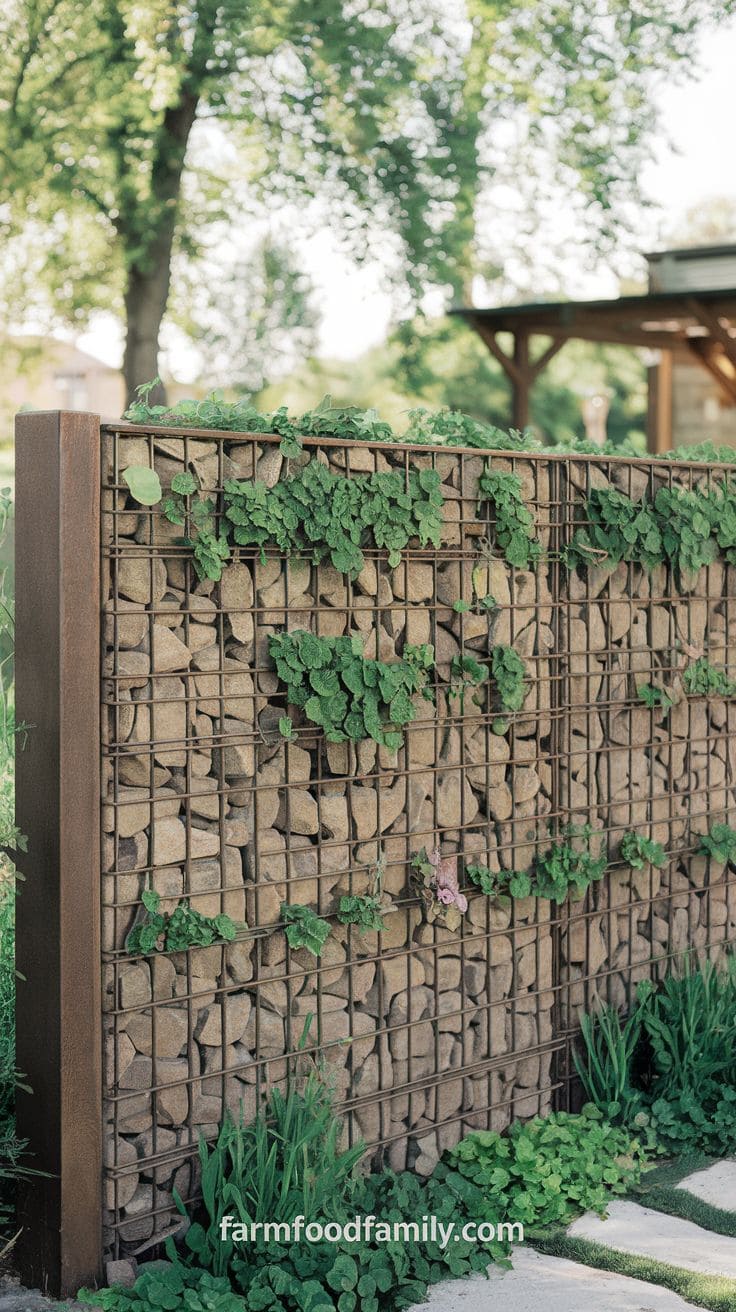
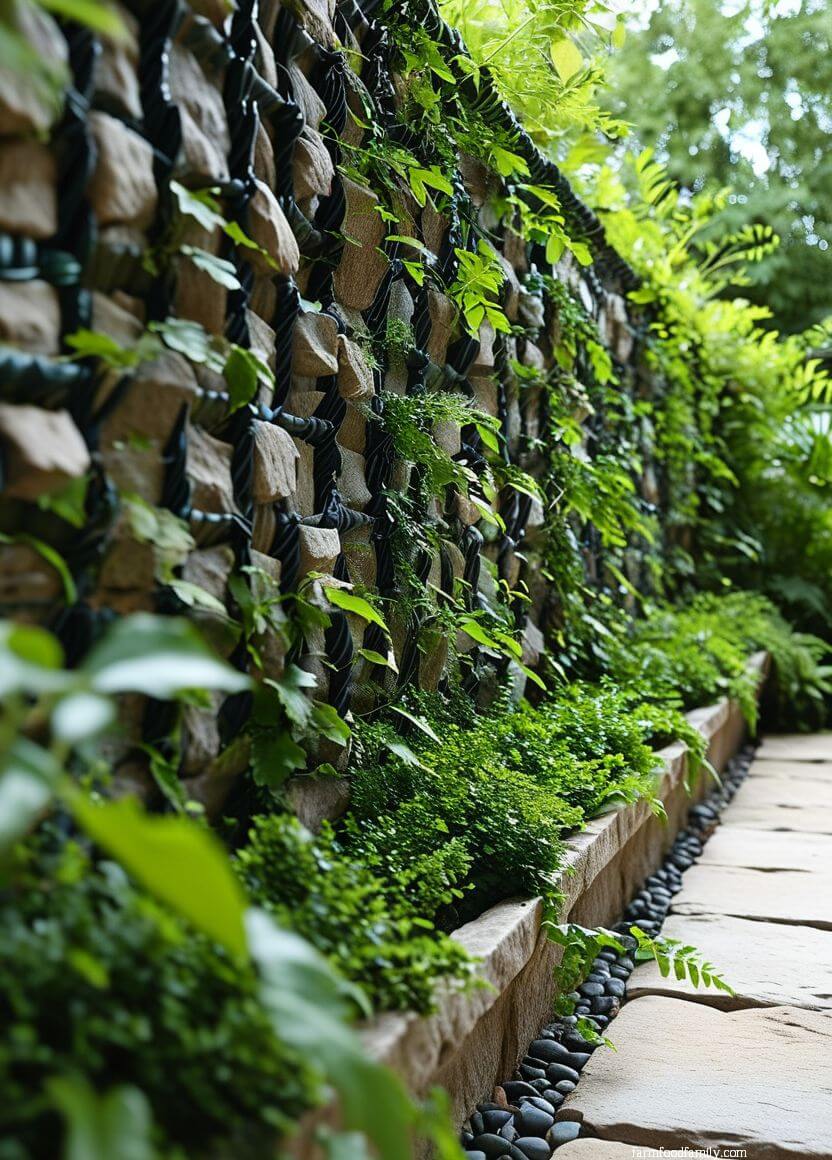
Gabion walls can provide the ideal structural backdrop for your garden.
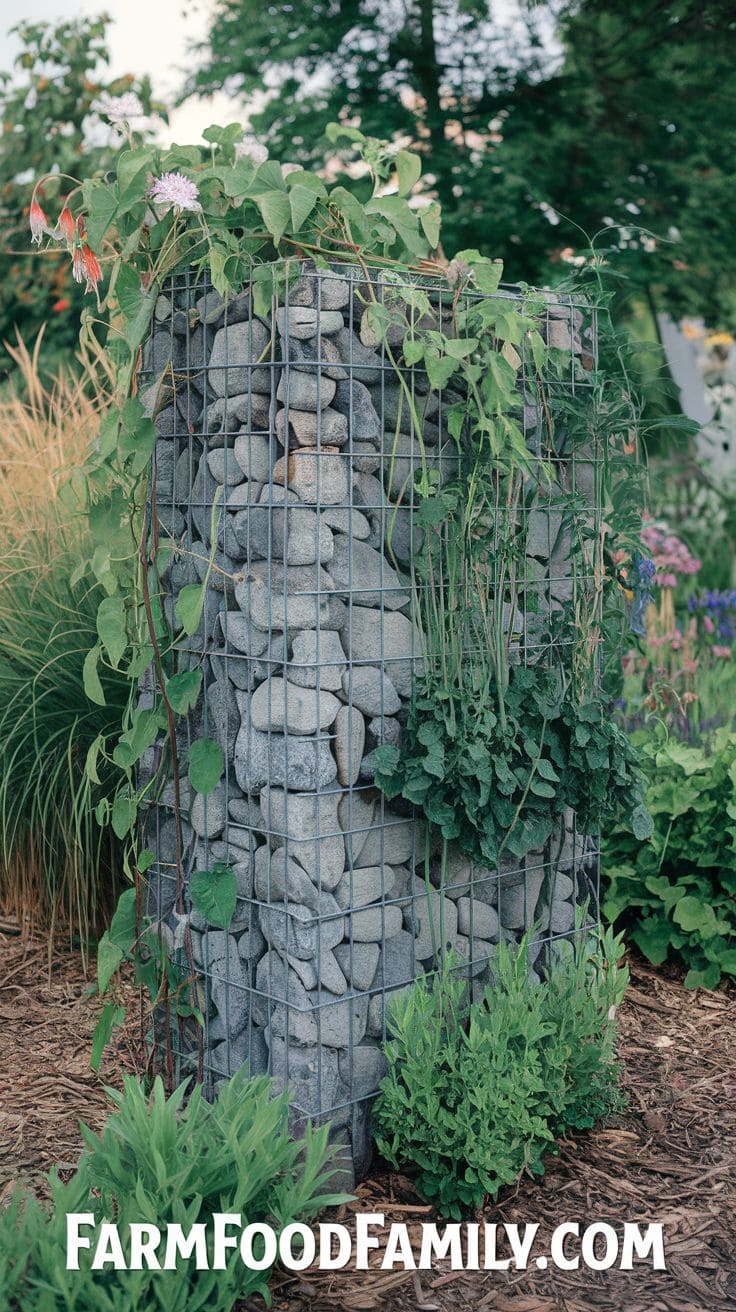
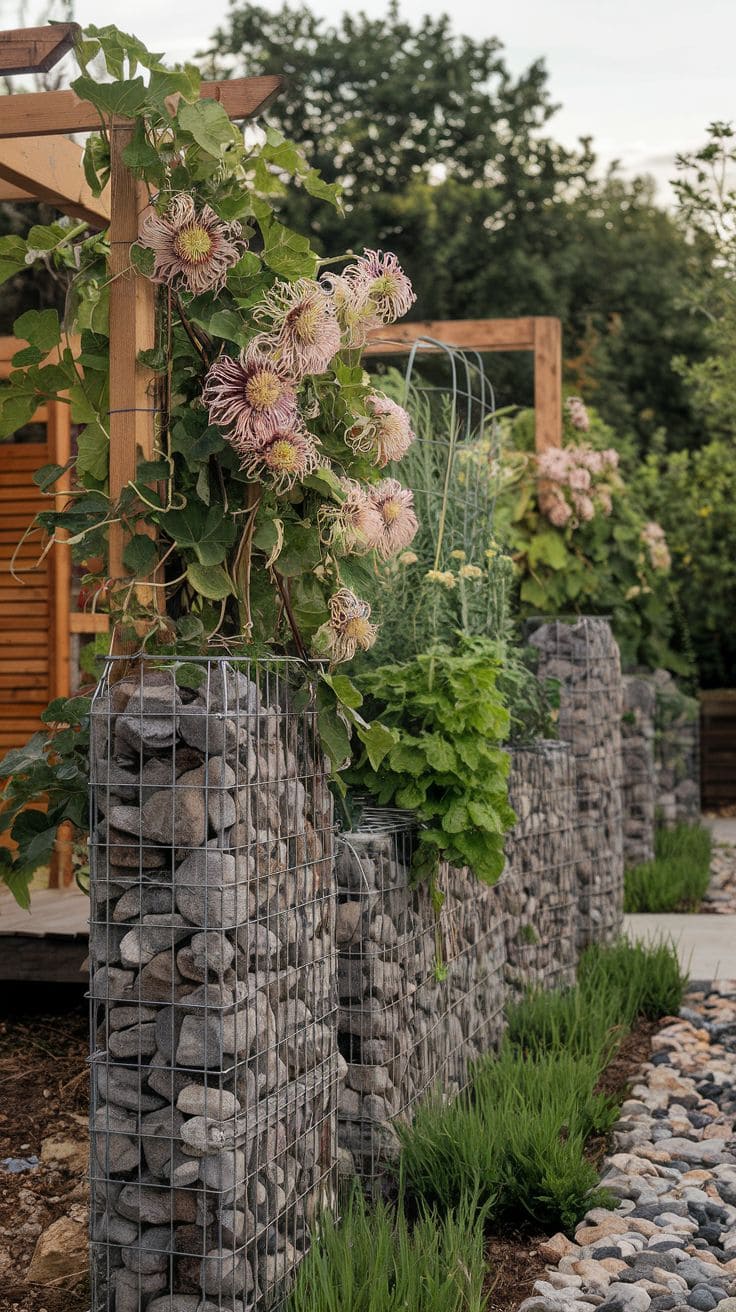
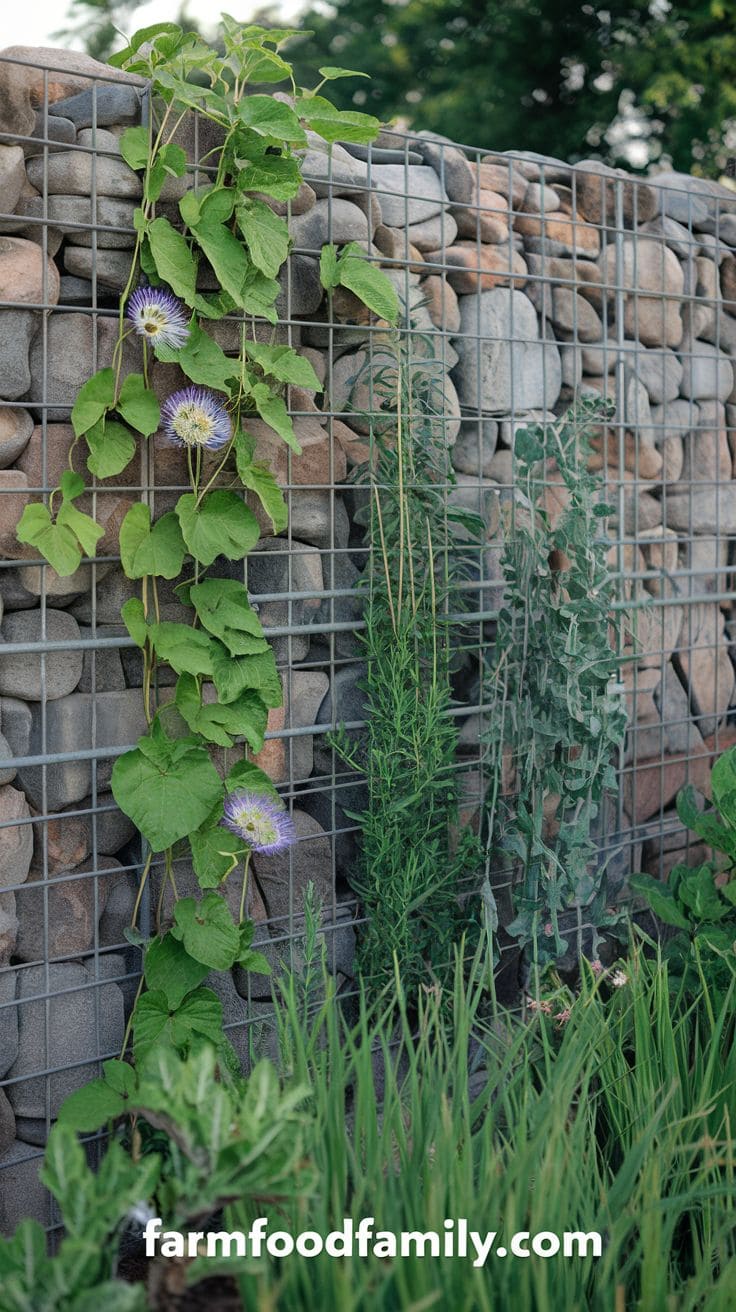
Rather than treating your fence as a mere boundary, make it a focal point behind colorful flower beds, decorative grasses, or climbing plants.
The stone-filled texture adds contrast, letting the greens and flowers stand out against the earthy background.
To add vertical interest, you can attach a metal trellis directly to the gabion frame or let vines like clematis or passionflower trail naturally over its face.
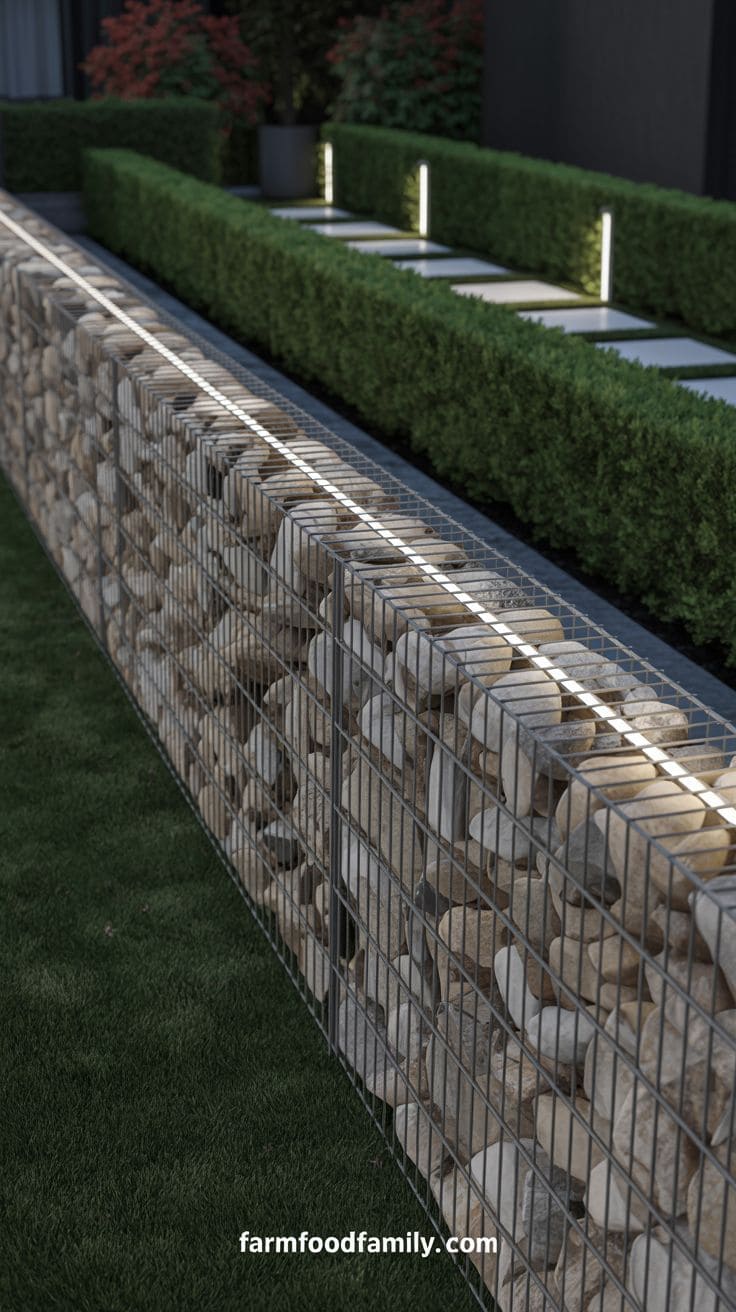
Consider installing recessed lighting in the base or sides to cast upward illumination, highlighting both the plants and the stonework in a warm, ambient light throughout the nights.
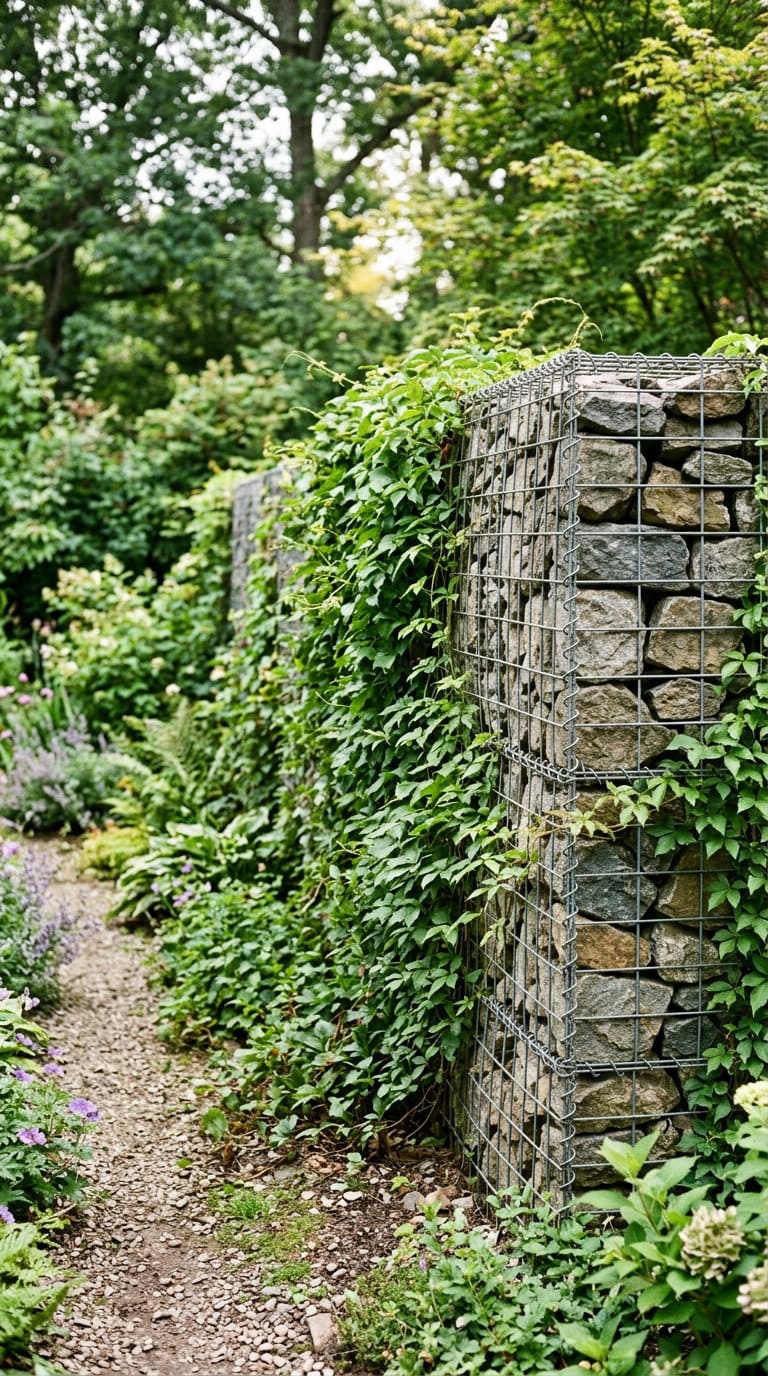
6. Classic Stone Gabion Wall
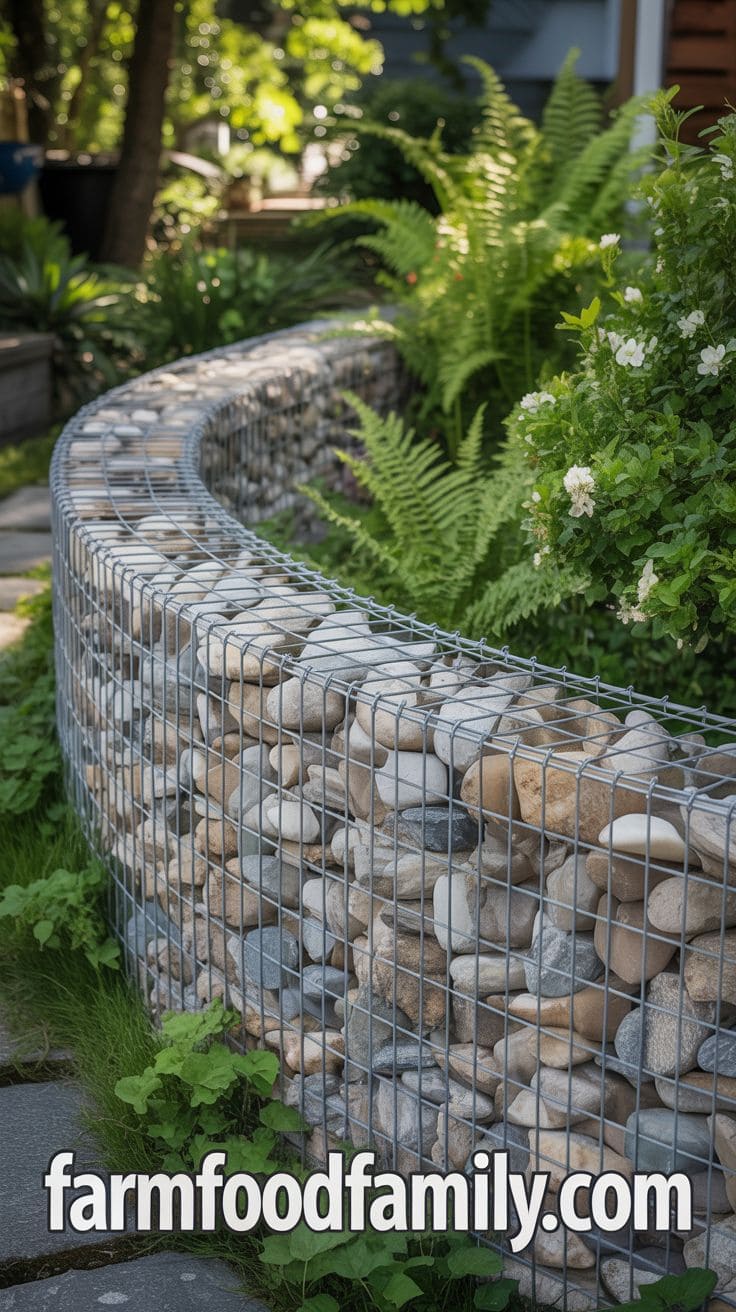
7. Gabion Fence with Wooden Slats
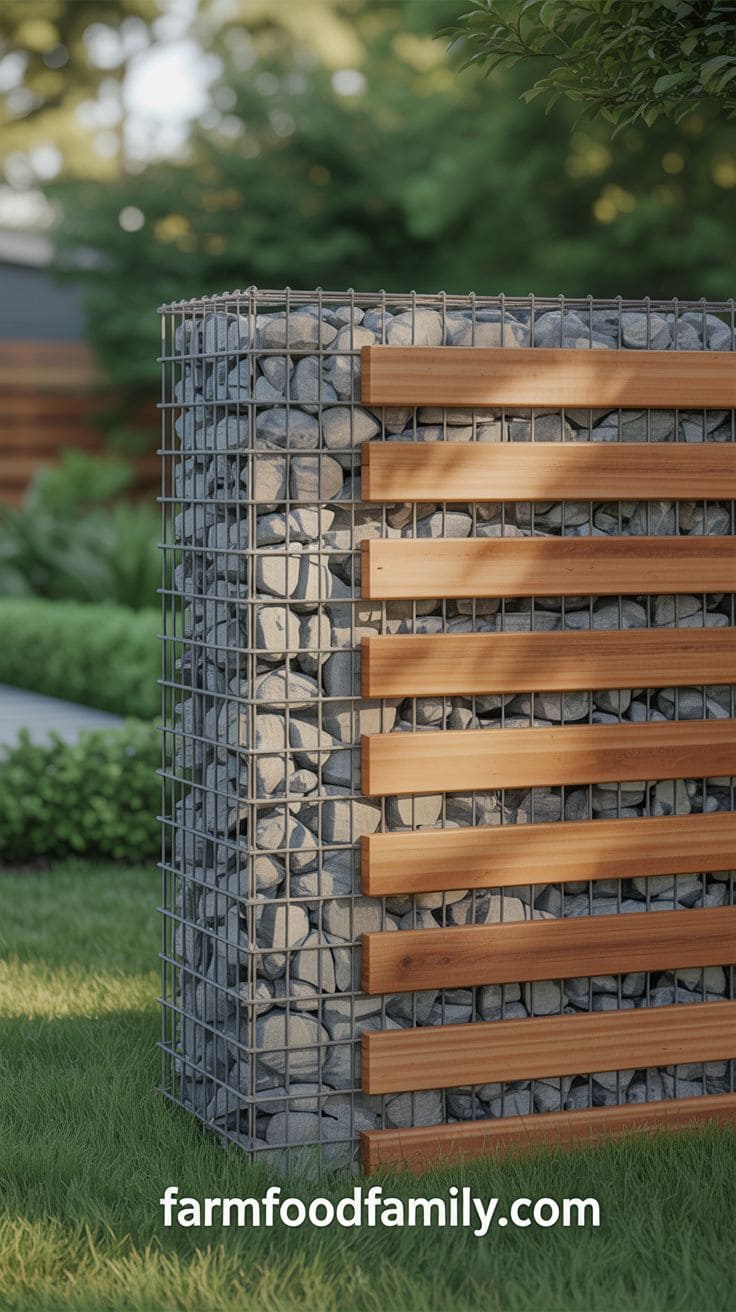
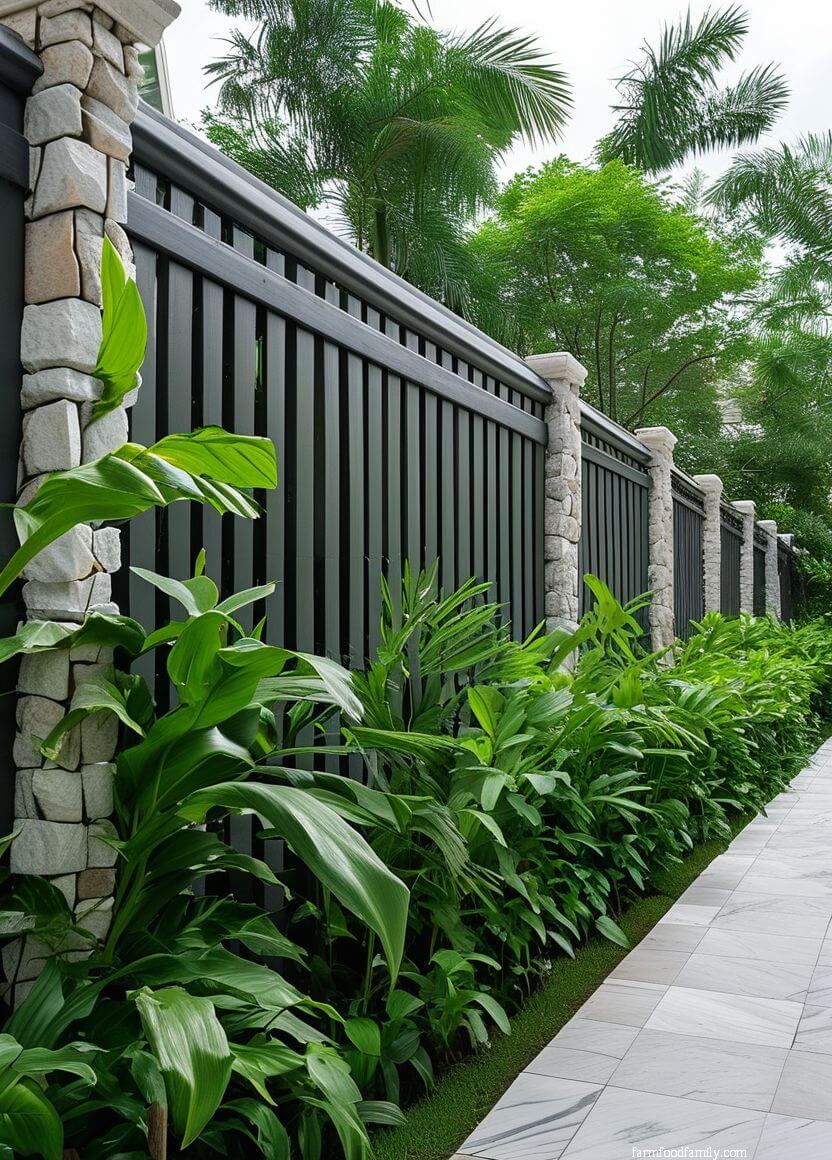
8. Modern Minimalist Gabion Fence
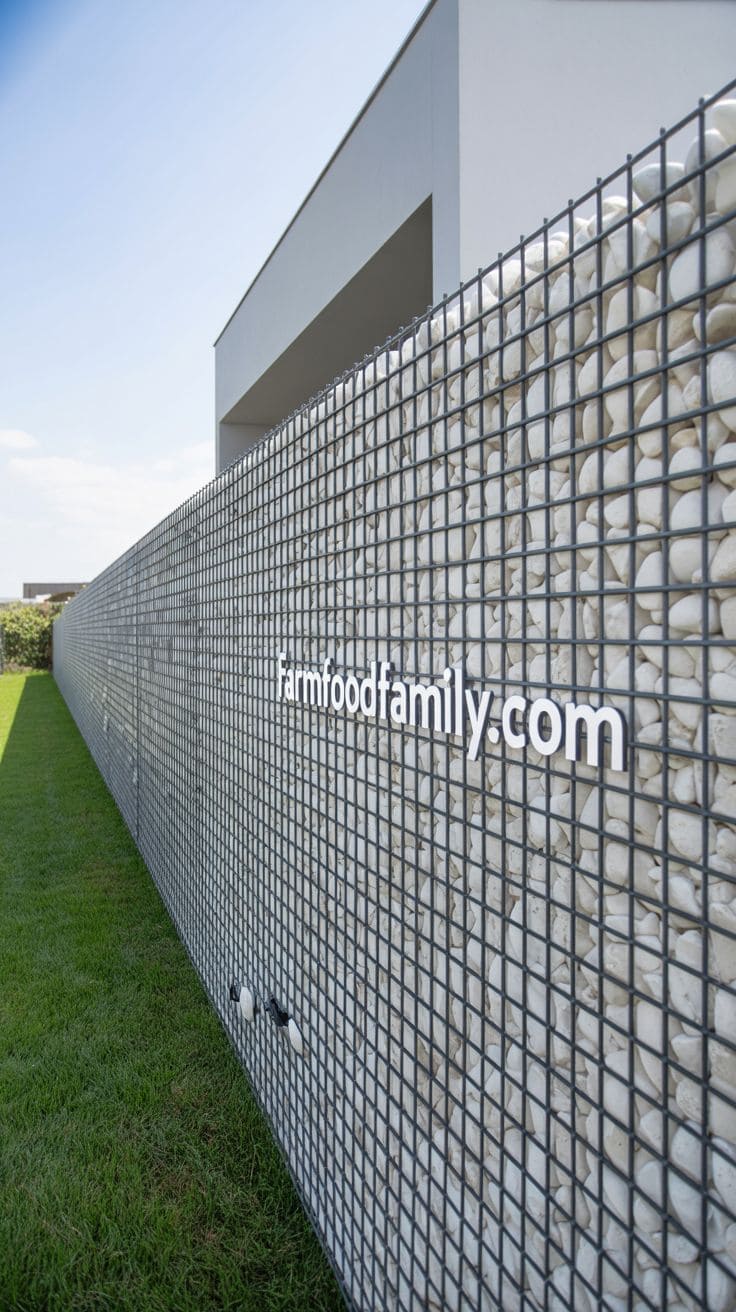
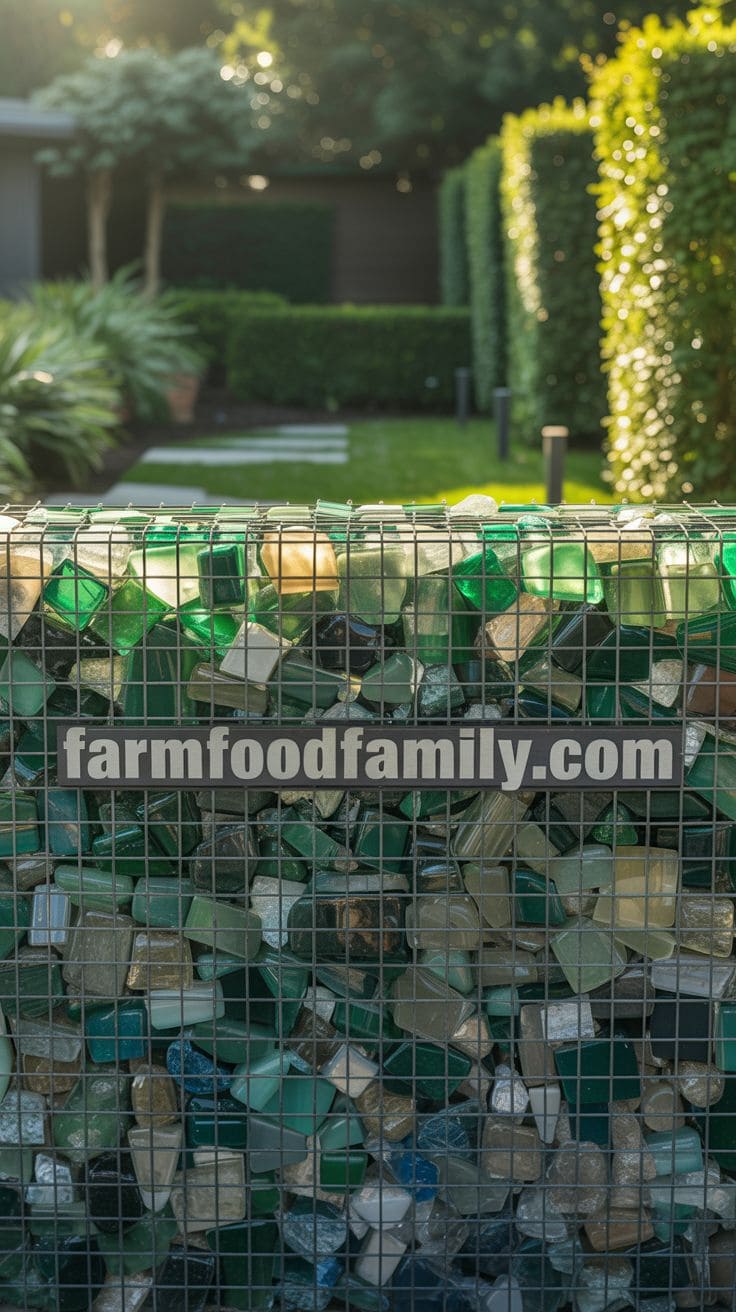
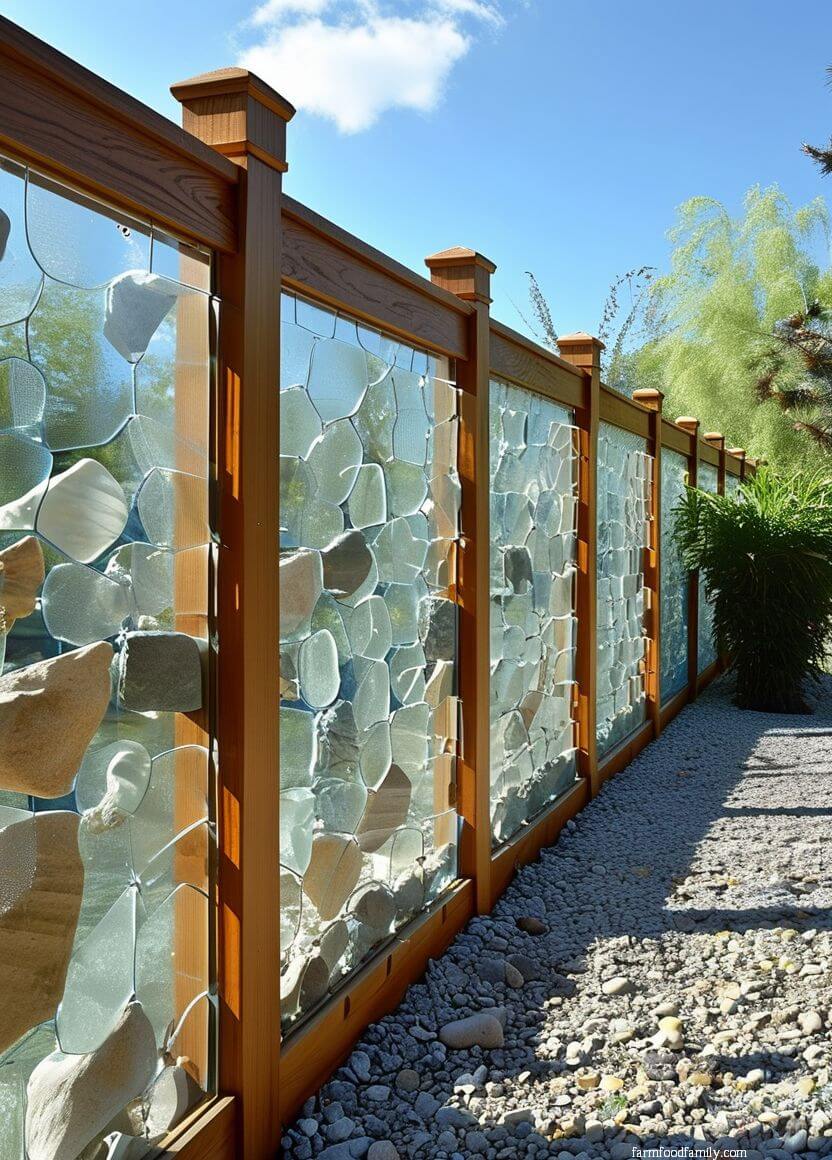
9. Gabion Fence with Glass Rocks
10. Gabion Fence Planter Combo
11. Layered Material Gabion Fence
12. Gabion Fence with LED Lighting
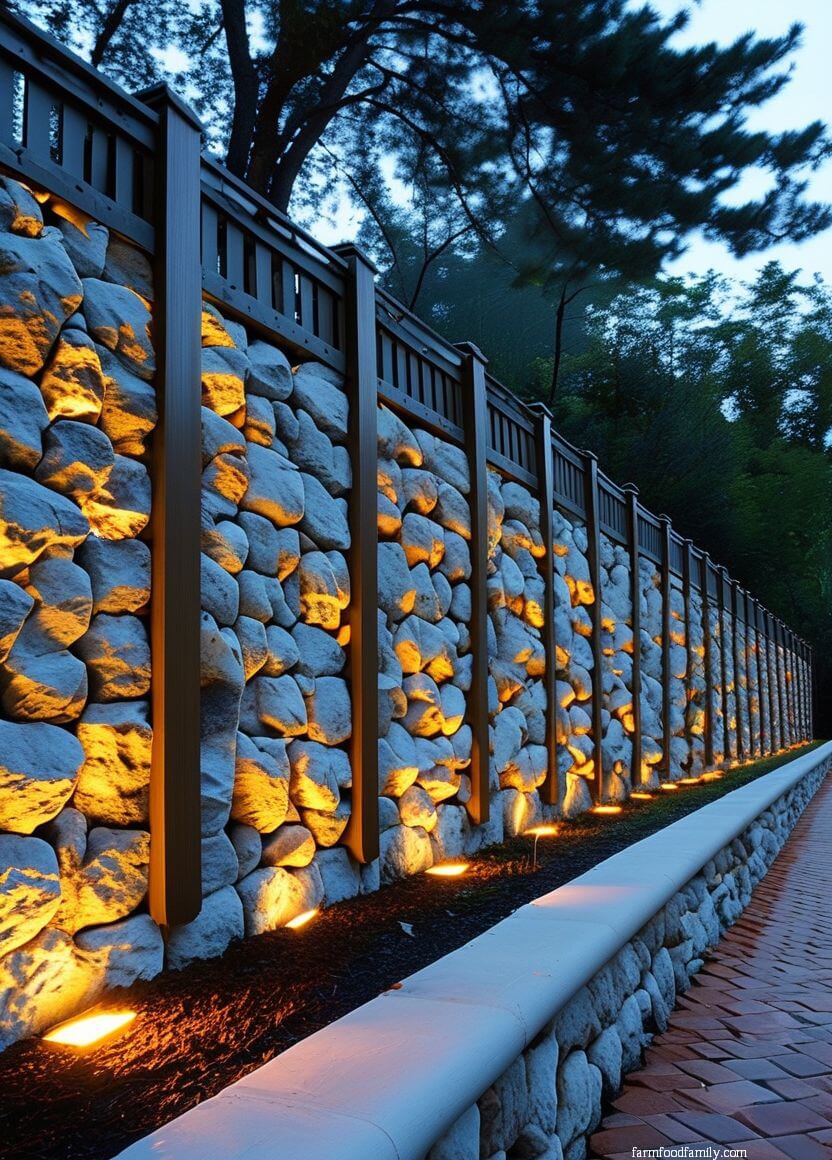
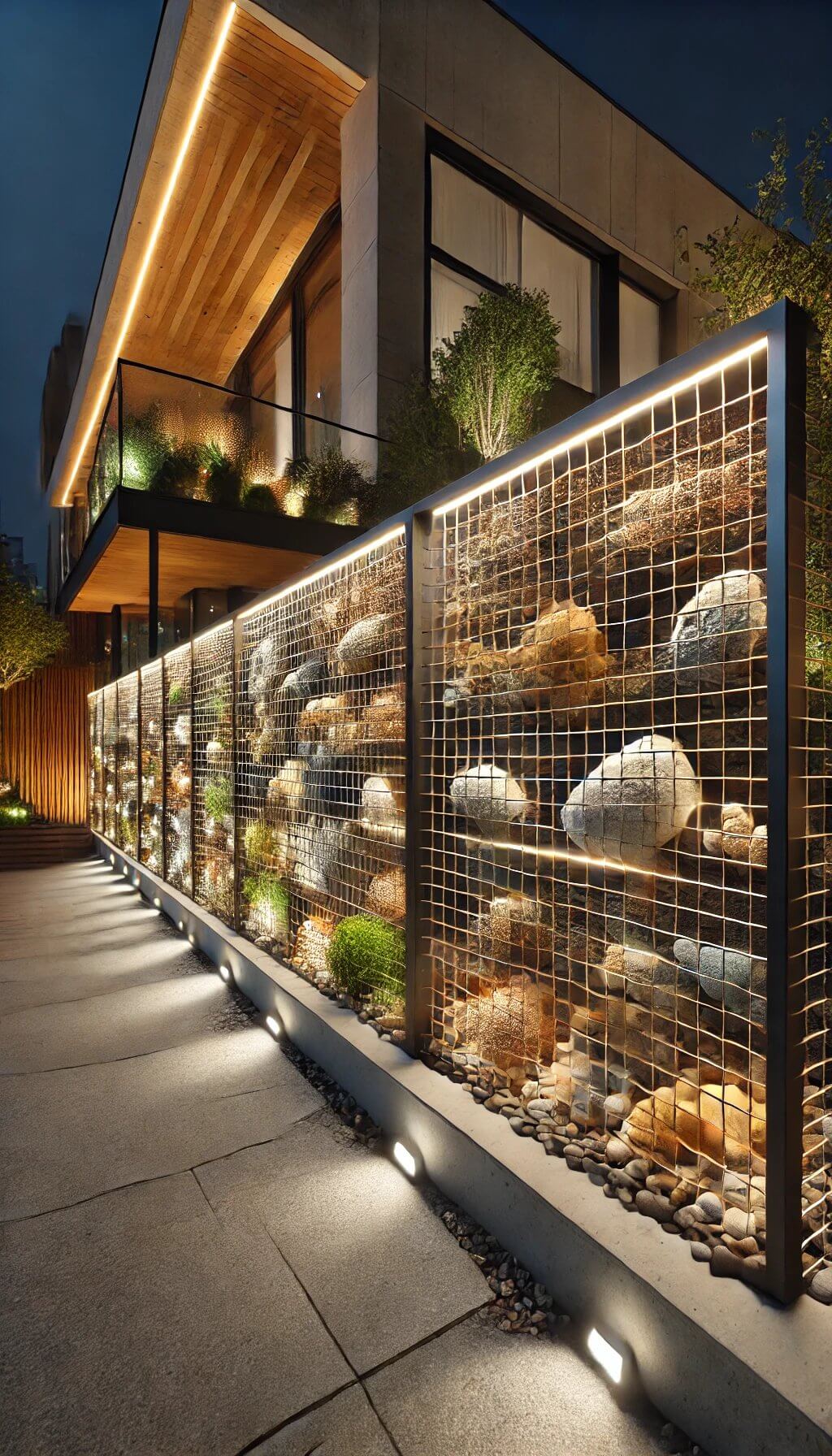
Integrated LED strips behind or within the stone fill create a warm glow through the gaps at night, a genuinely emerging design direction and one of the more visually striking options on this list. Budget for weatherproof fixtures rated for outdoor, near-ground use.
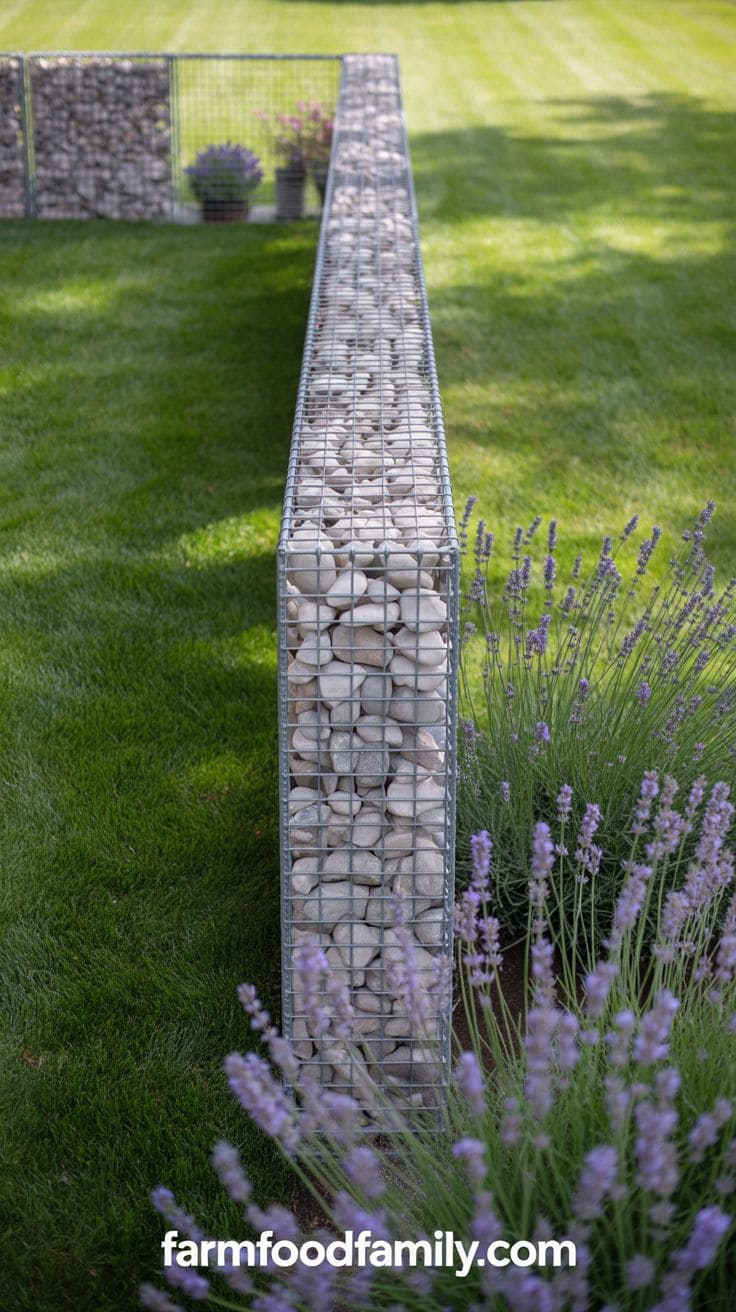
13. Thin Profile Gabion Panels
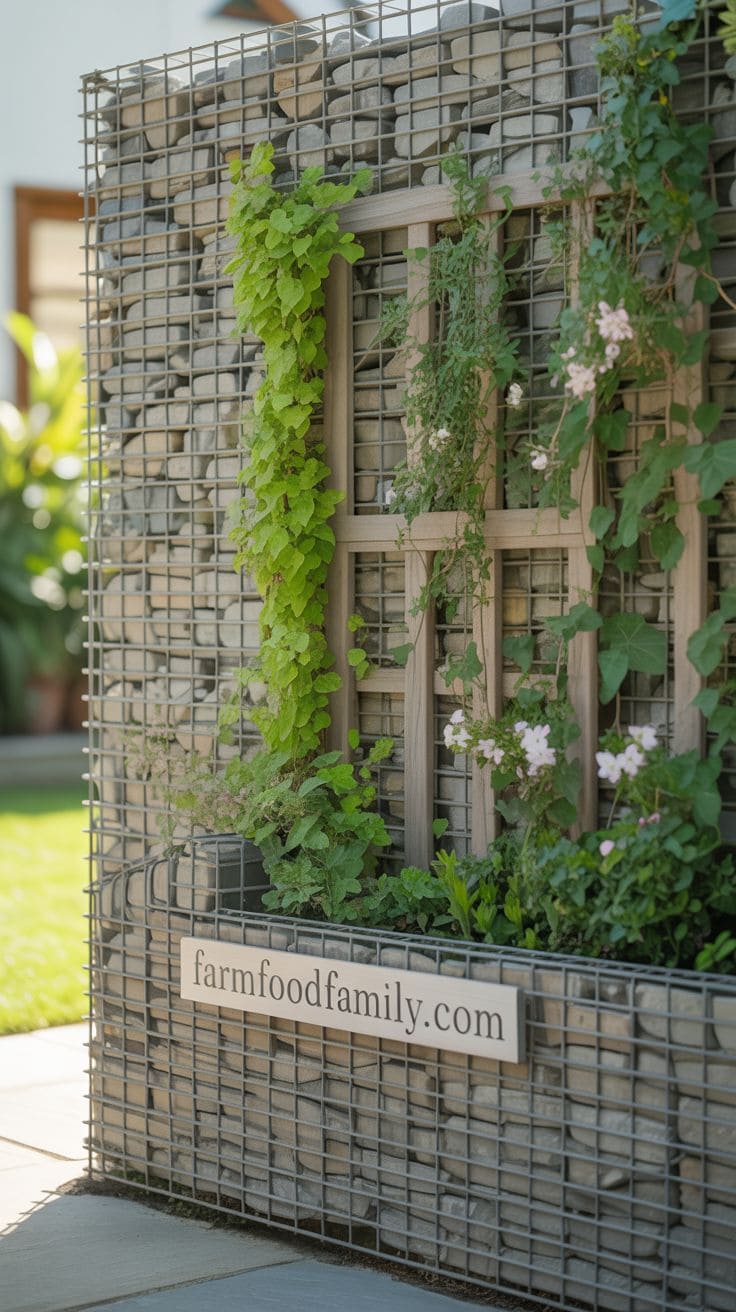
14. Gabion Fence with Vertical Gardens
Packing smaller-gauge stone loosely enough to tuck in pockets of soil and small plants directly into the face of the wall turns the whole structure into a vertical garden, a higher-maintenance but genuinely striking option.
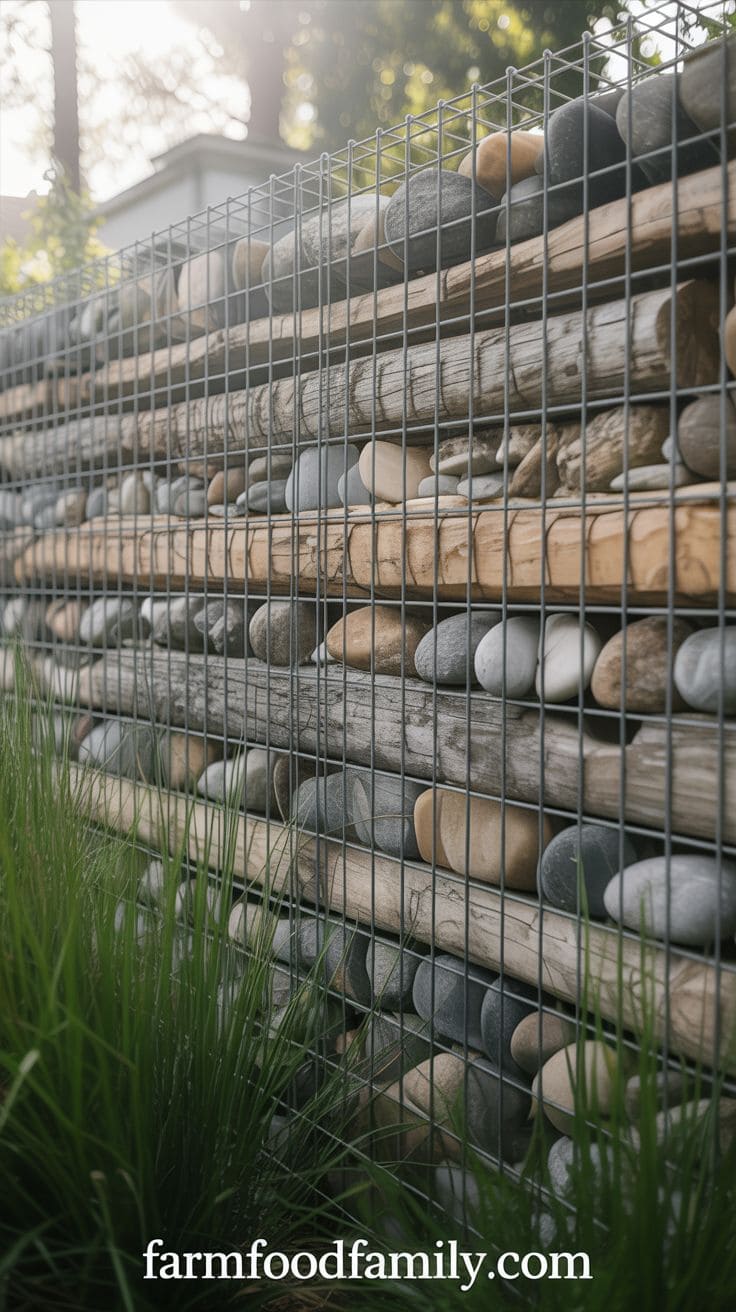
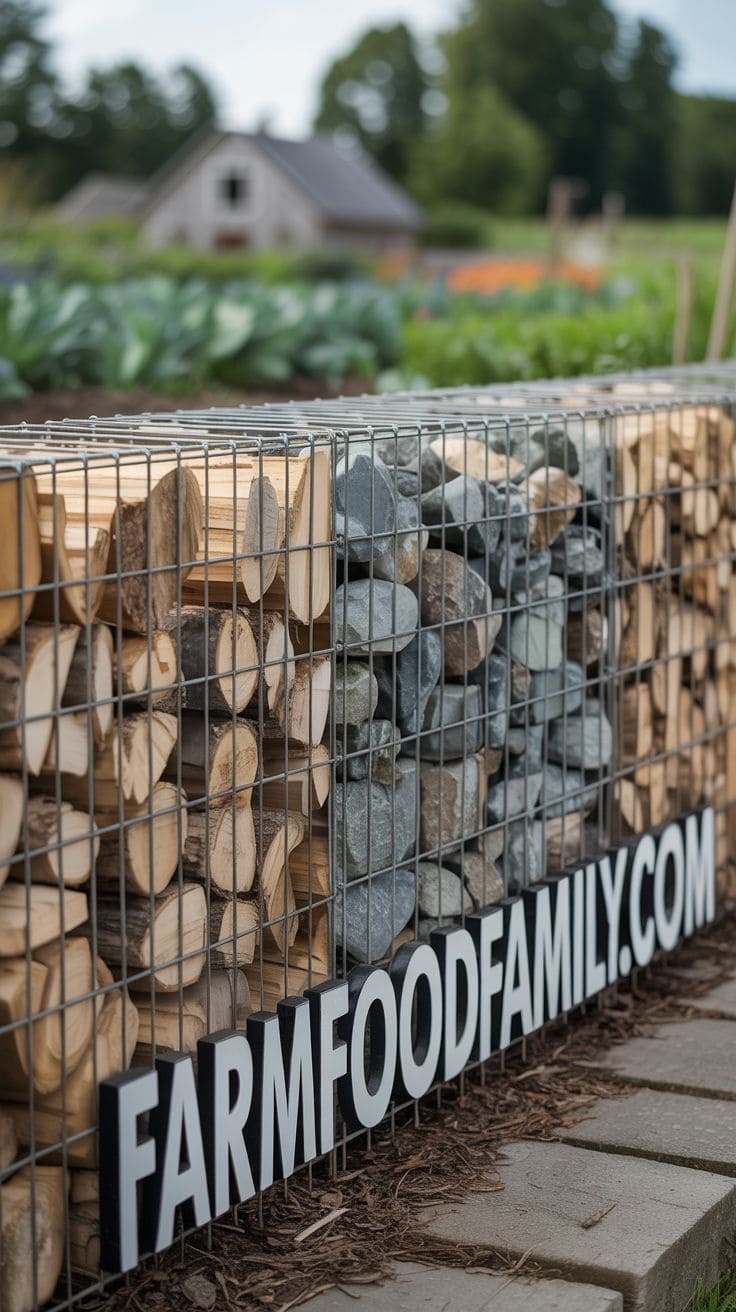
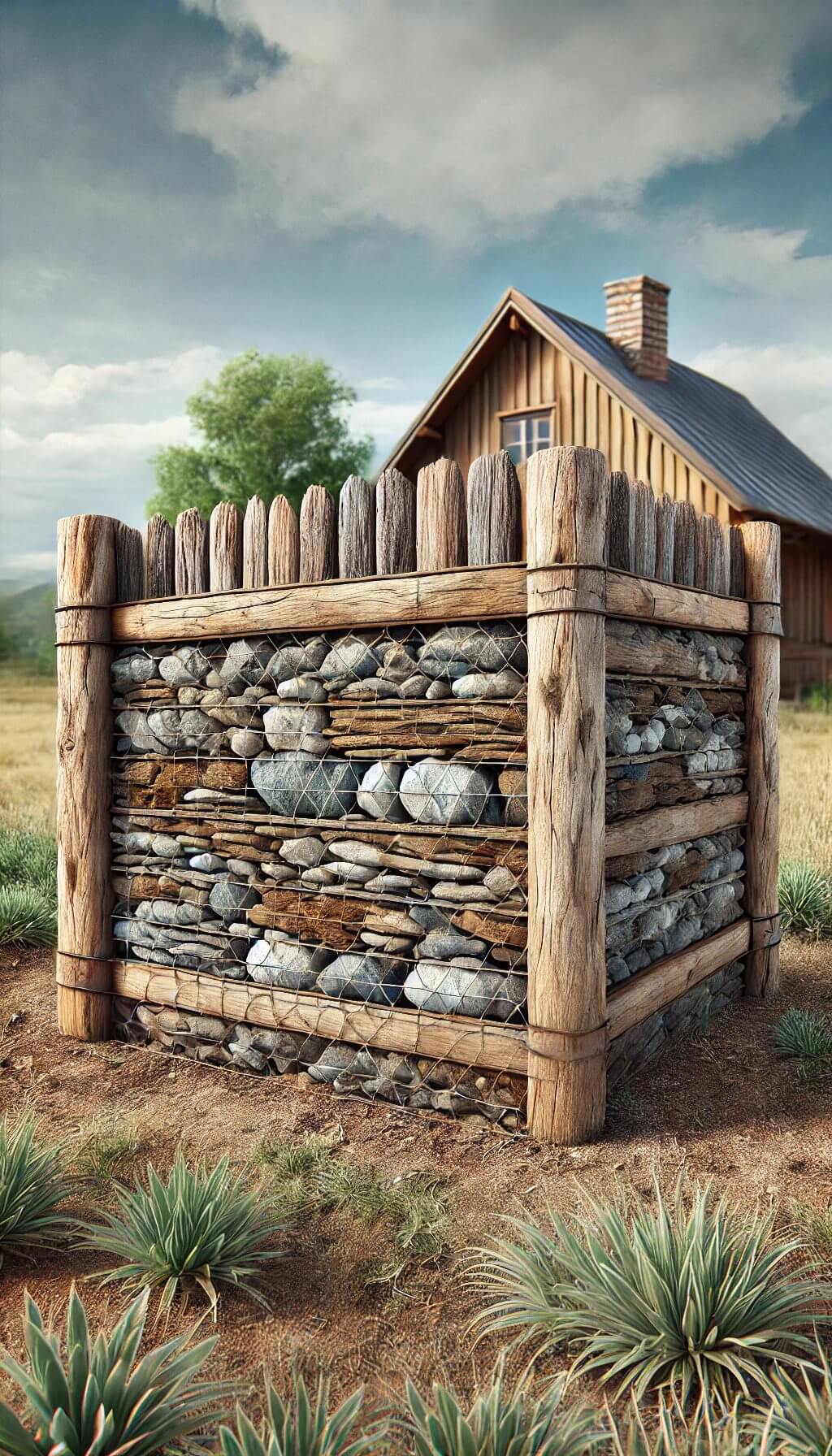
15. Rustic Log & Stone Gabion Fence
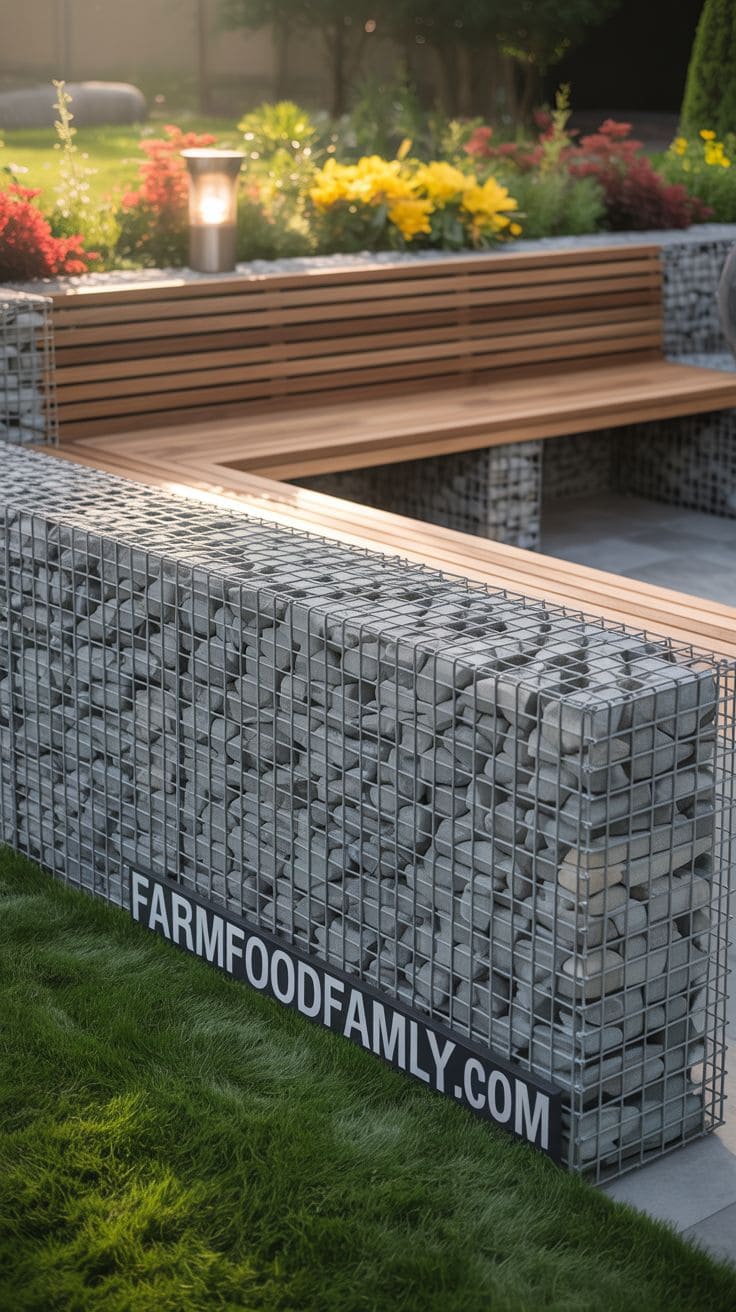
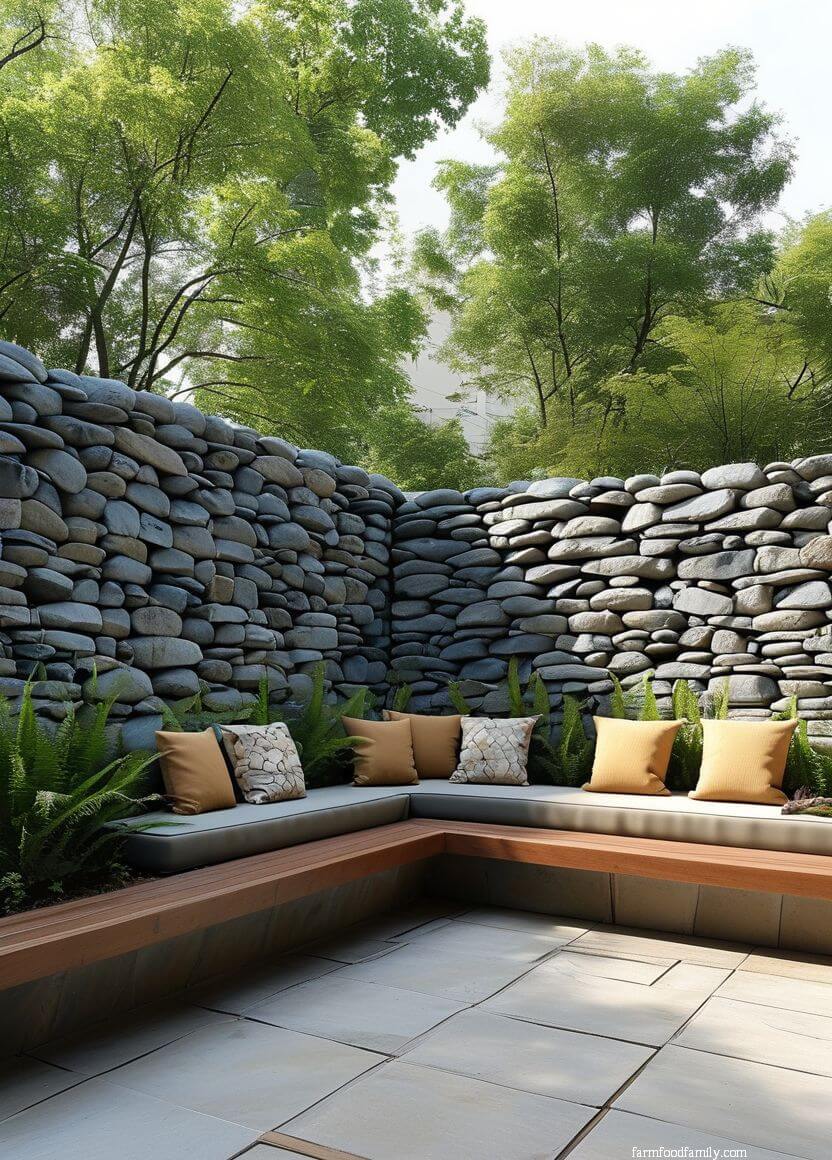
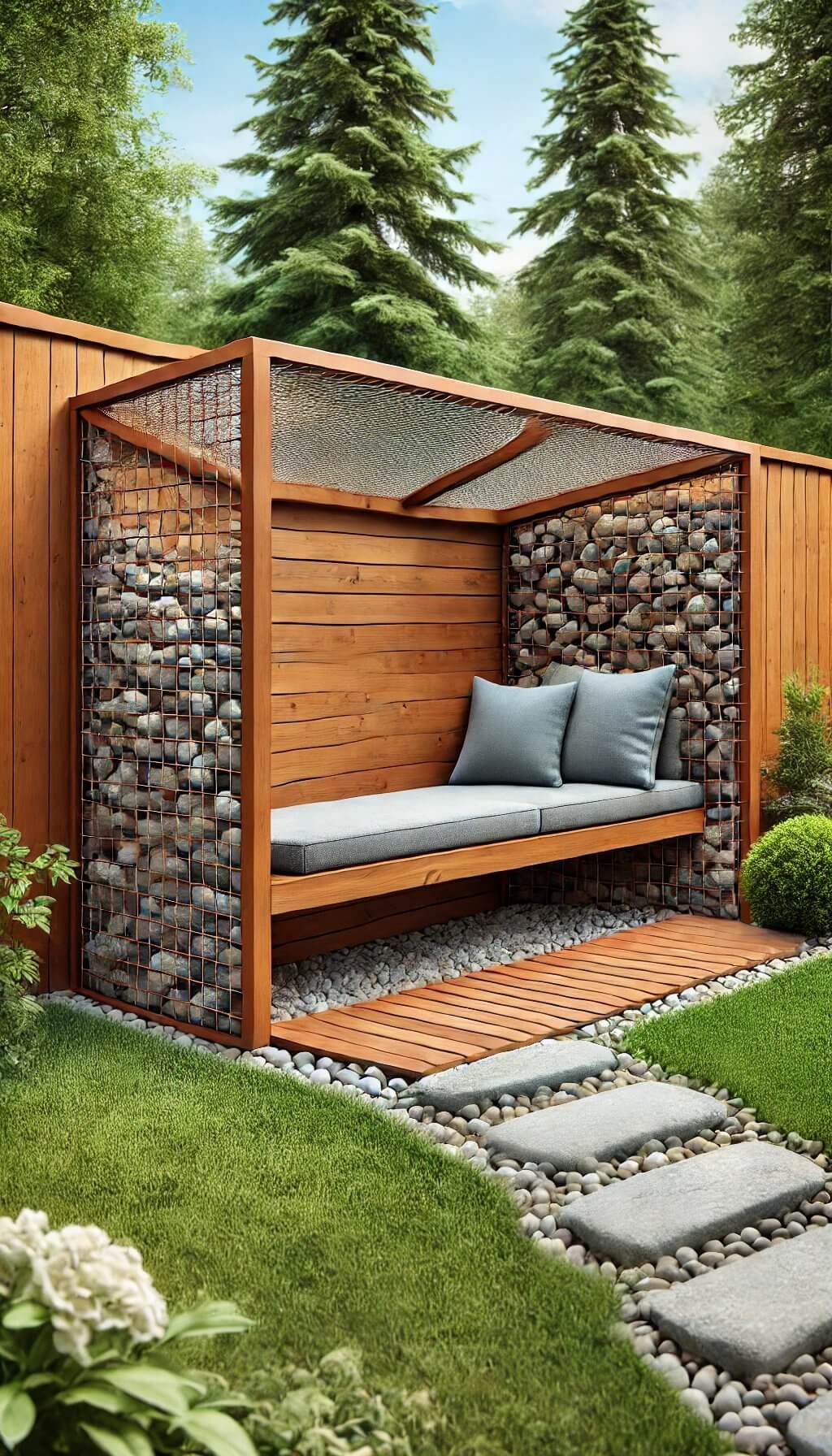
16. Gabion Fence with Bench Seating
A lower gabion wall section built at bench height doubles as seating, a practical multi-use idea that works especially well along a patio or garden edge rather than a full property-line fence.
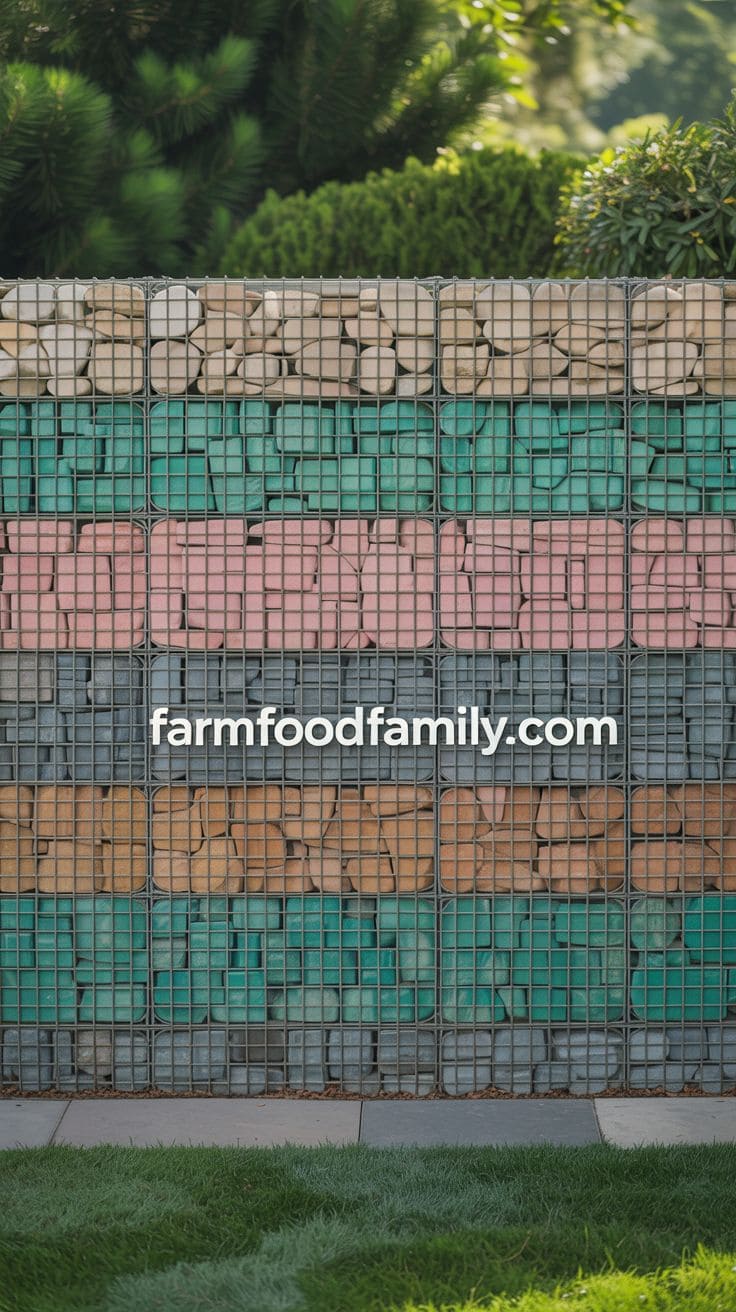
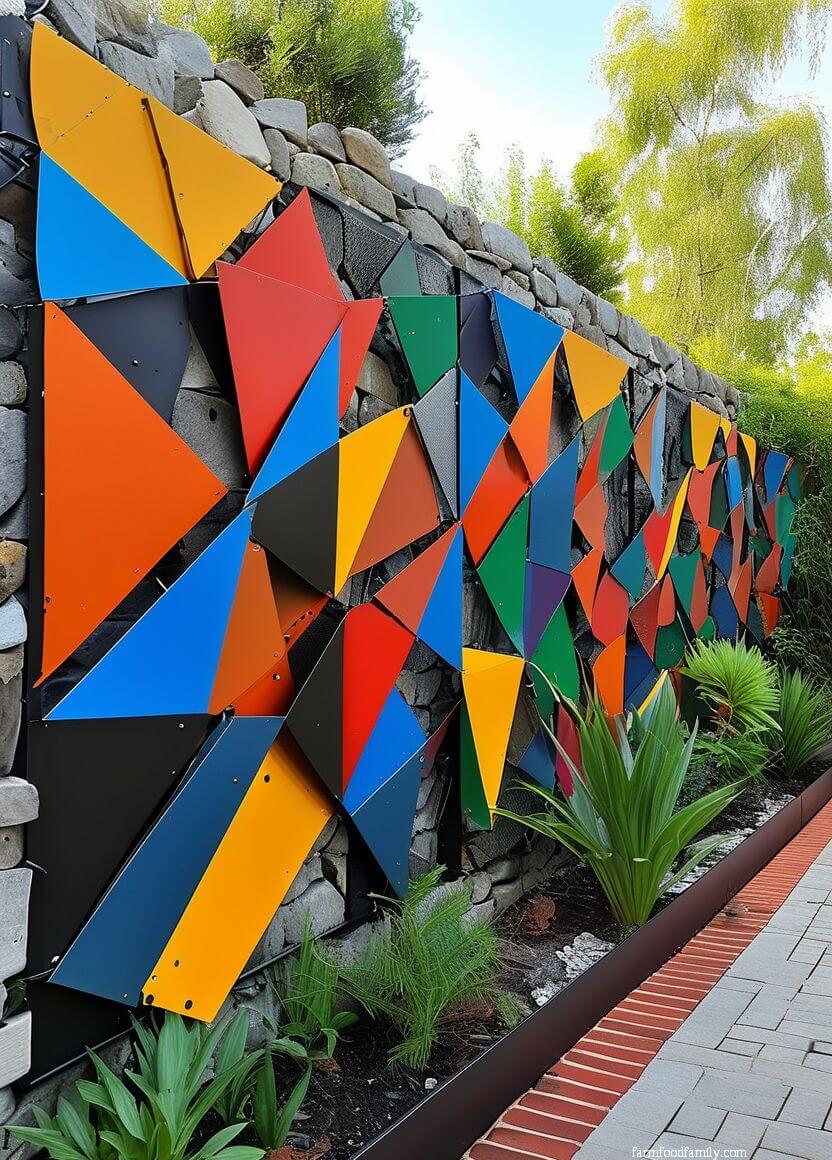
17. Color-Coordinated Stone Patterns
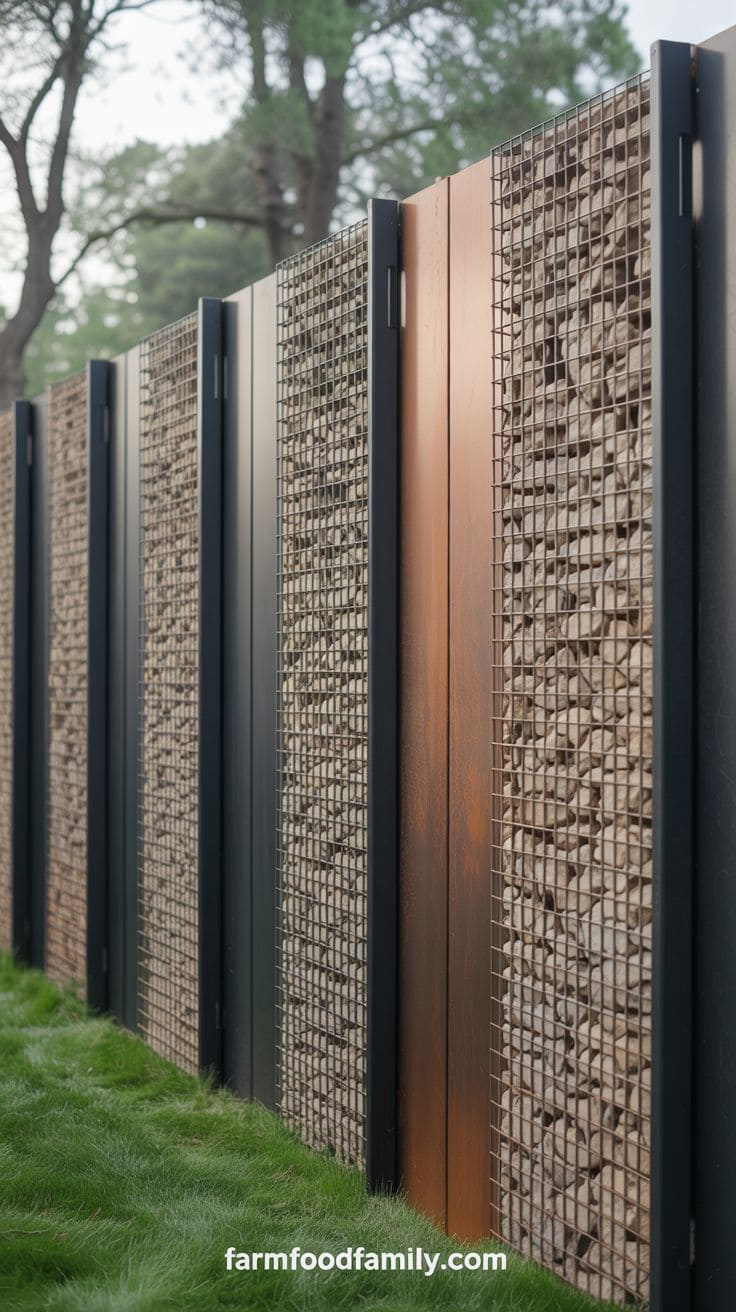
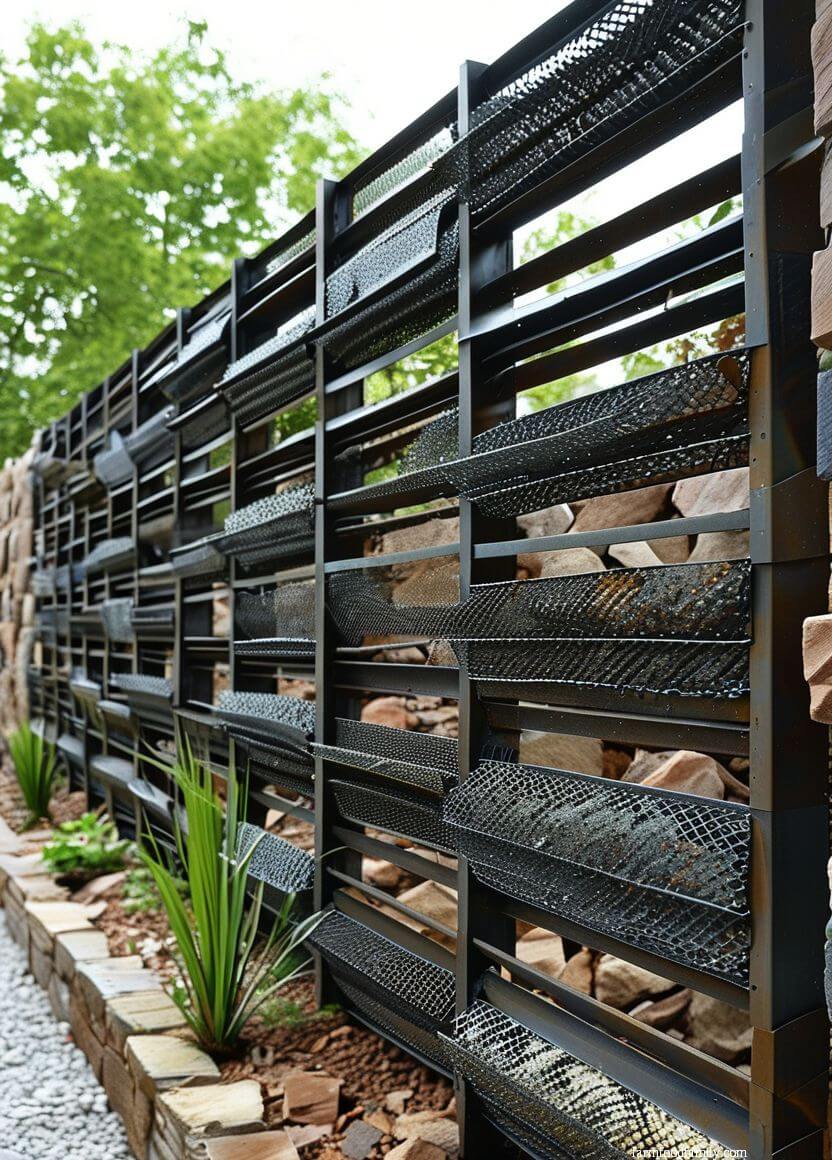
18. Gabion Fence with Metal Accents
19. Transparent Gabion Fence
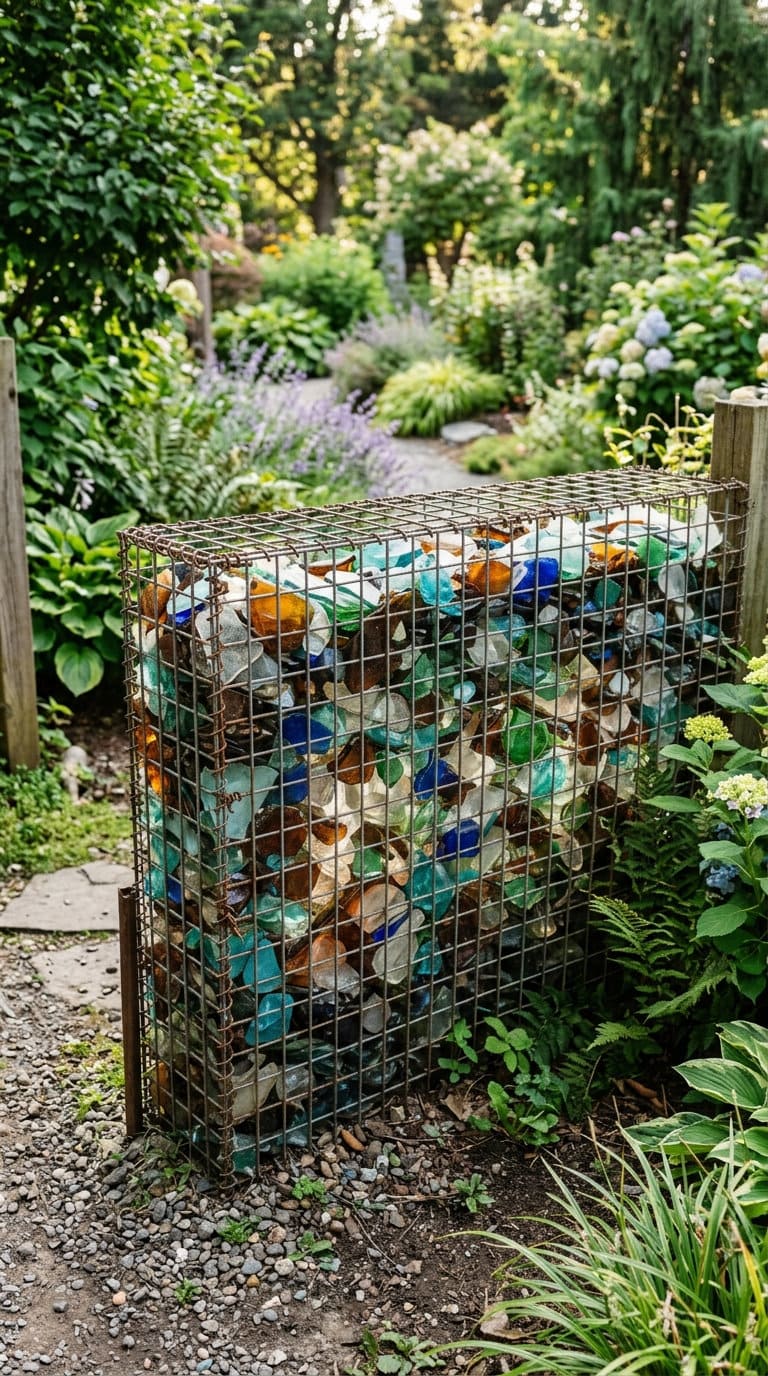
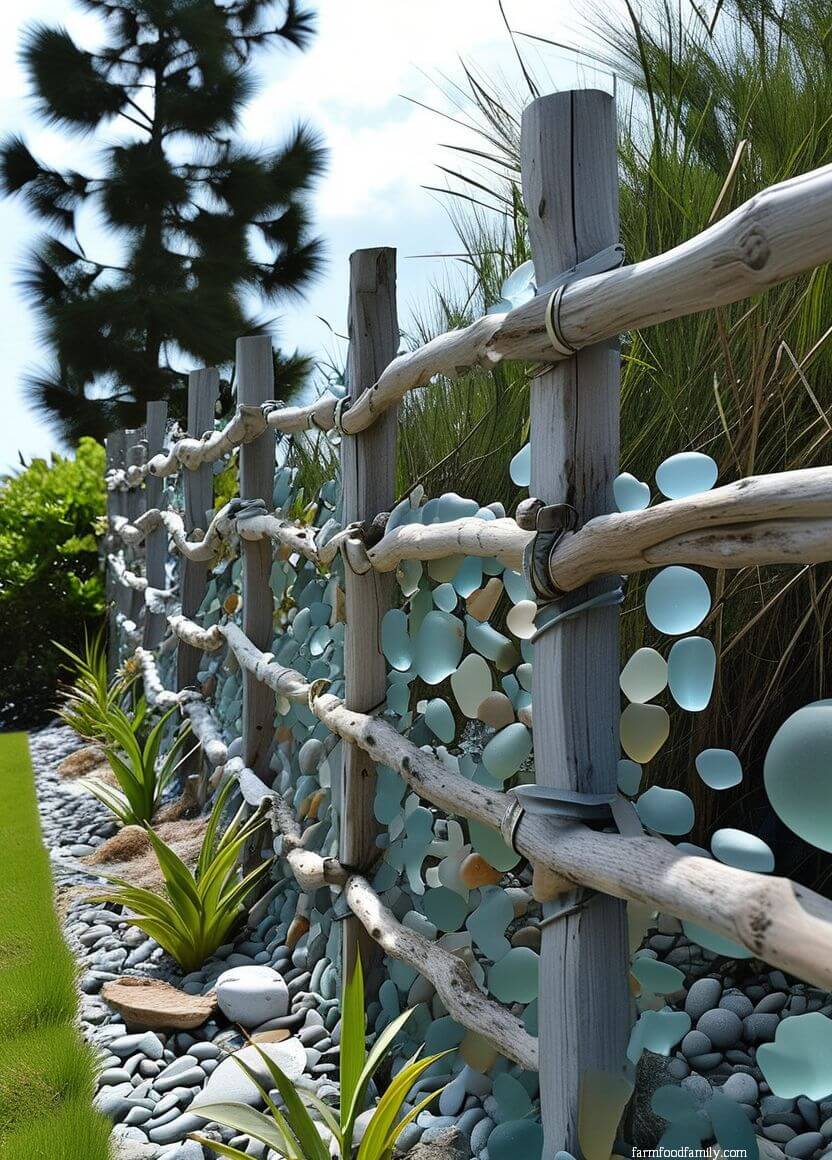
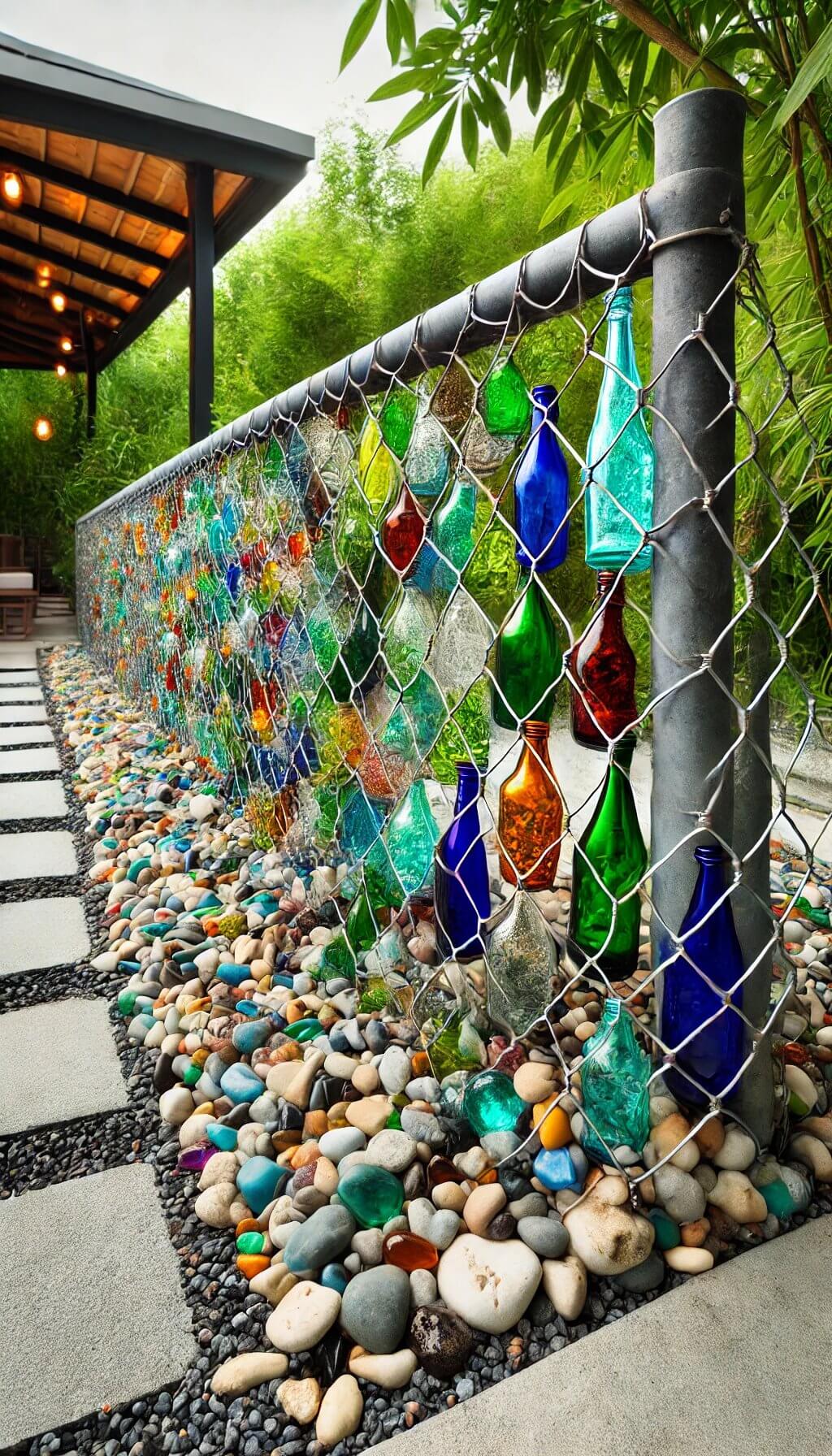
Using glass rocks, colored glass aggregate, or clear acrylic panels within the cage structure instead of solid stone lets light filter through in a way no other option on this list does, distinctive, though pricier than plain stone fill.
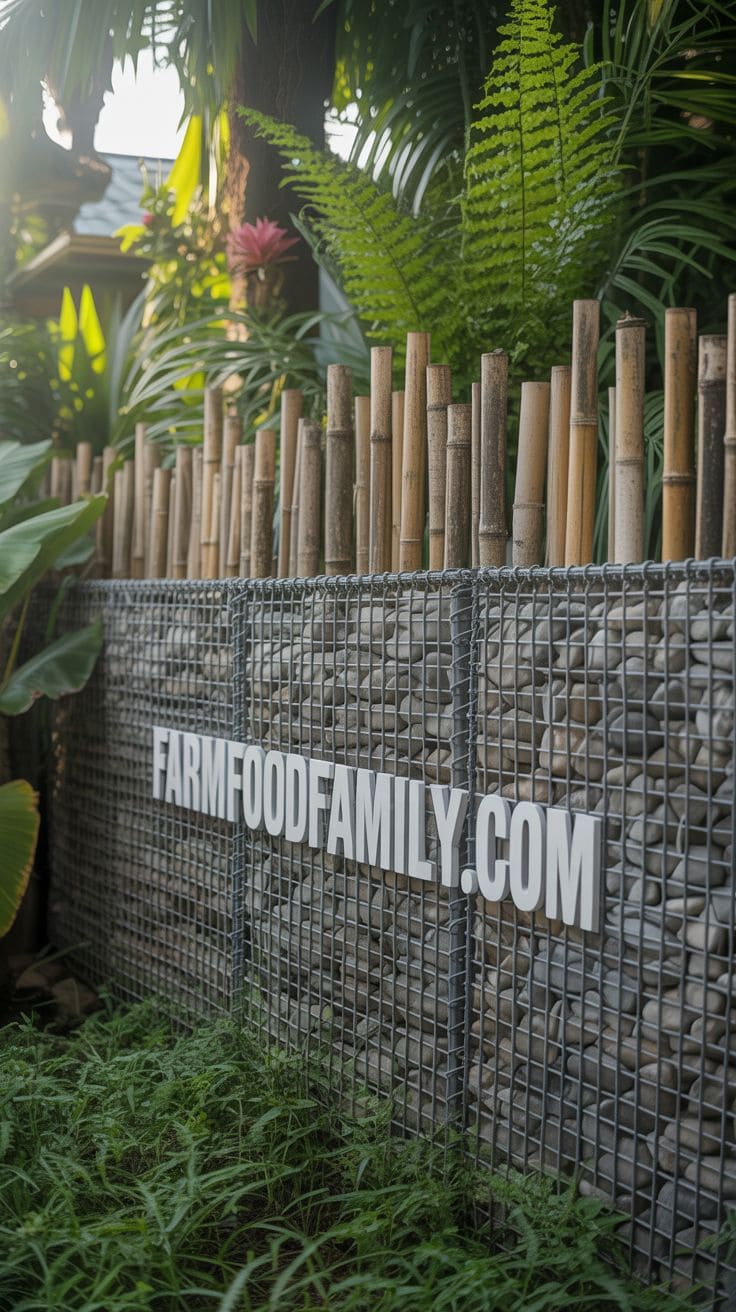
20. Gabion Fence with Bamboo Privacy Screen
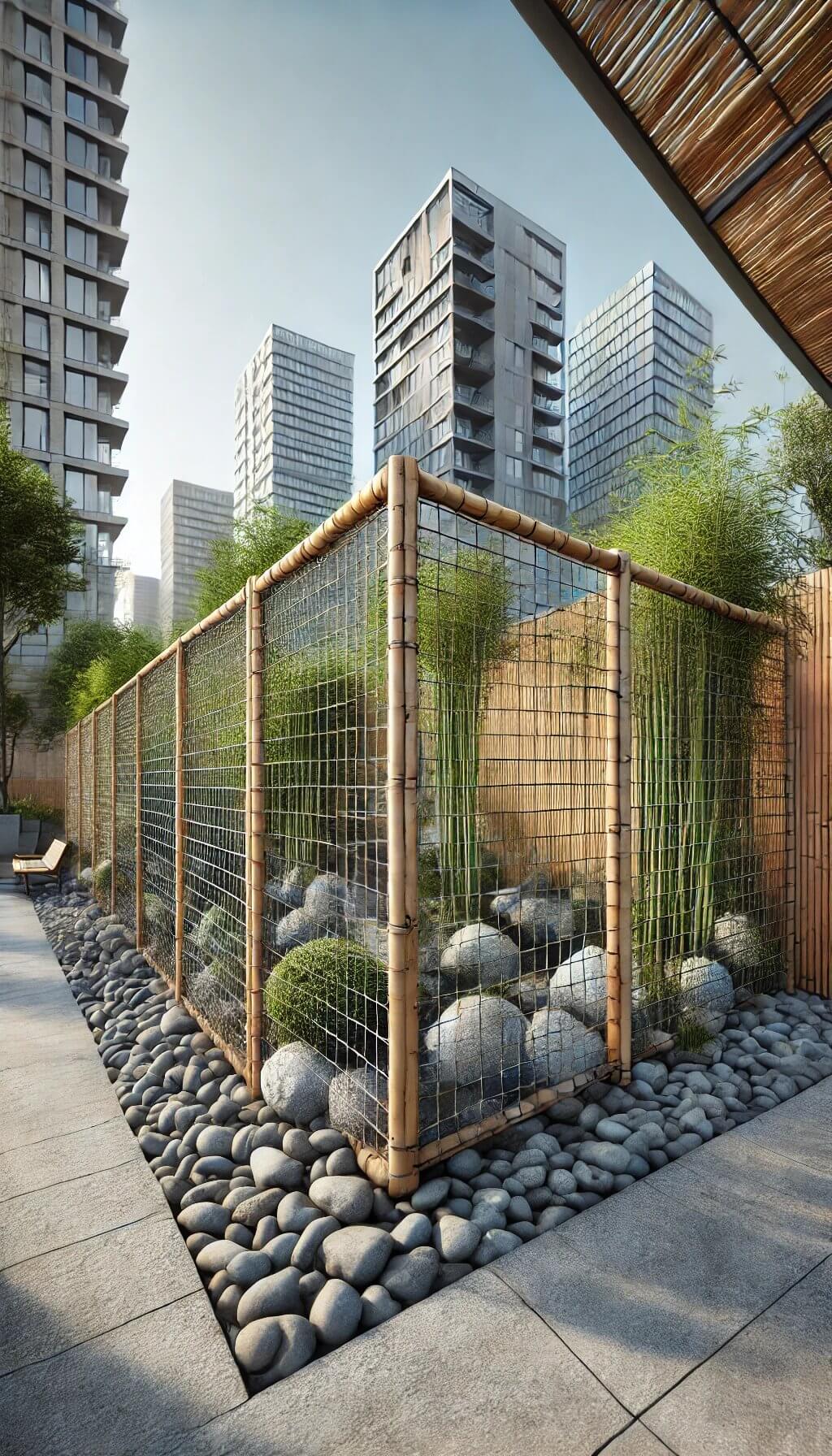
Combining gabion sections with vertical bamboo panels breaks up a long run visually and adds a warmer, more organic material alongside the stone, while bamboo’s natural gaps still let some light and air through.
21. Gabion Fence Water Feature
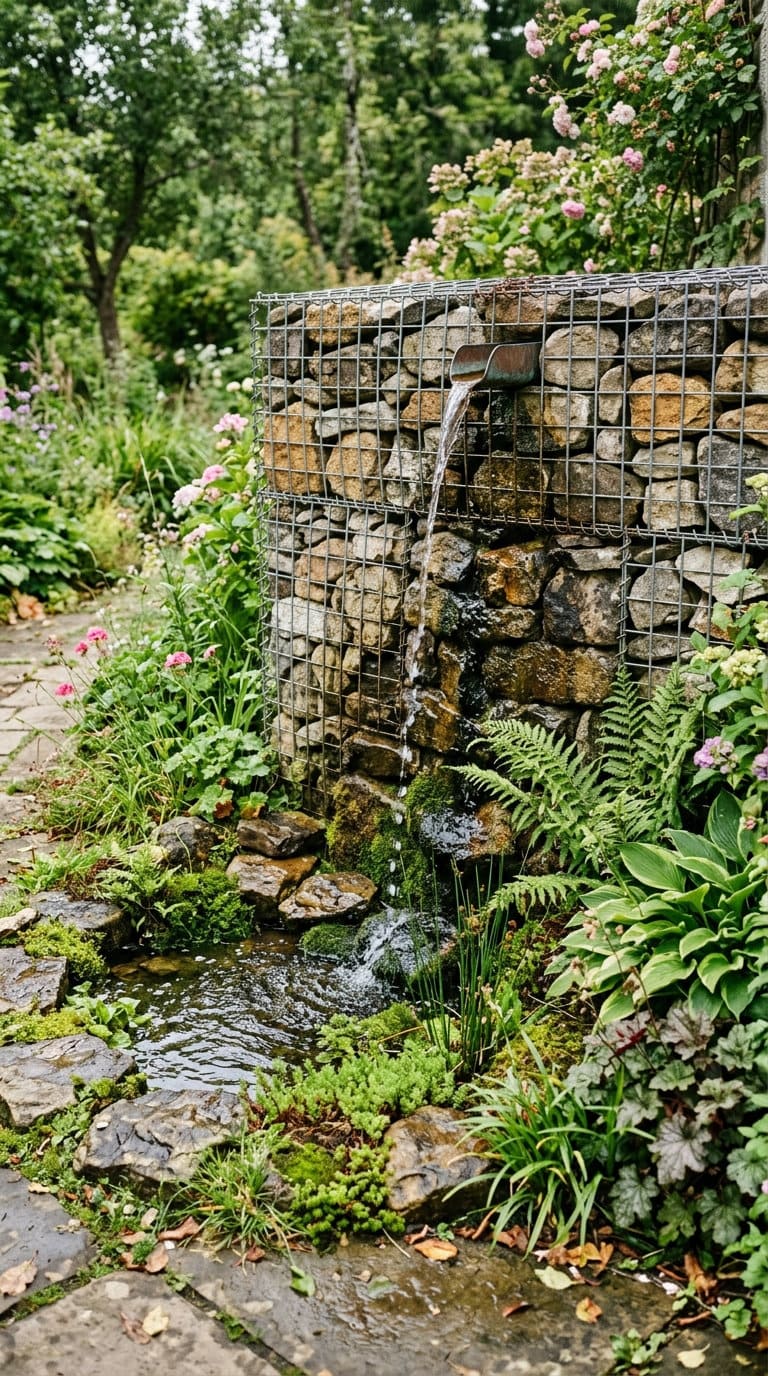
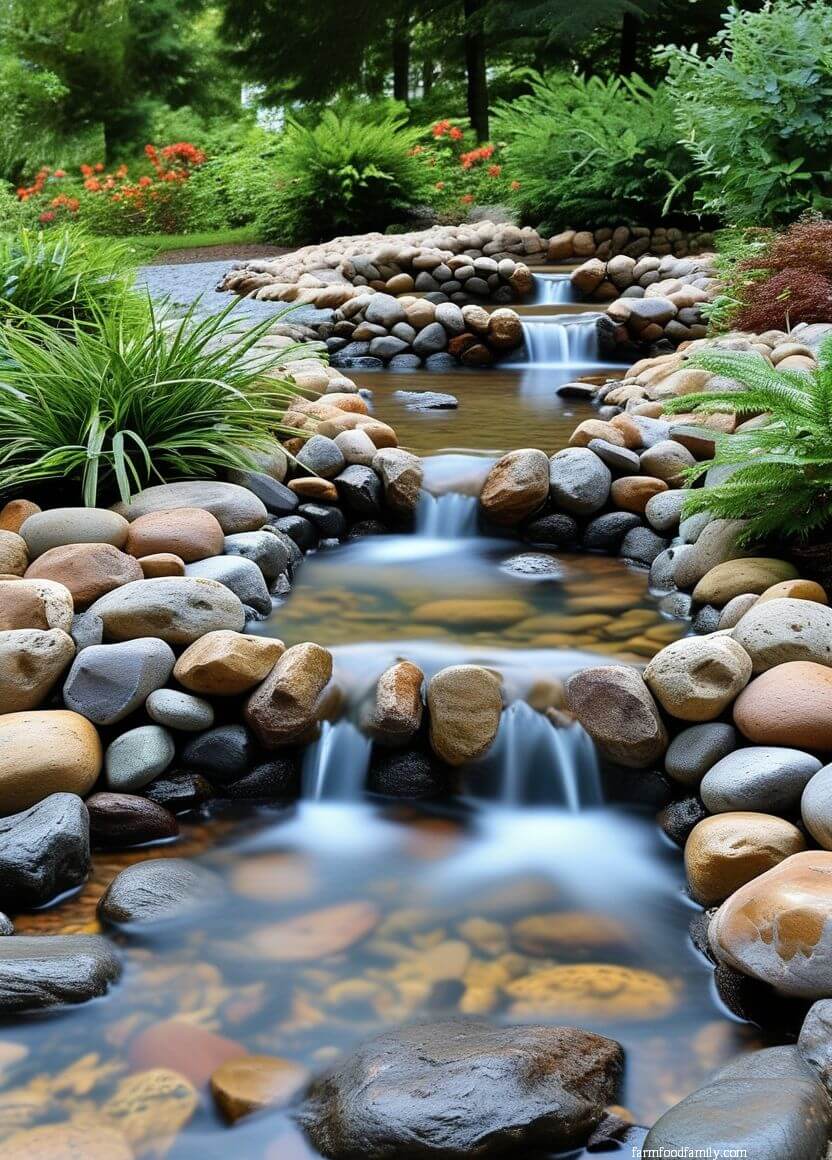
Working a small water feature, a spillway or trickle running down through or beside a gabion section, into the design adds sound and movement that a static stone wall can’t provide on its own.
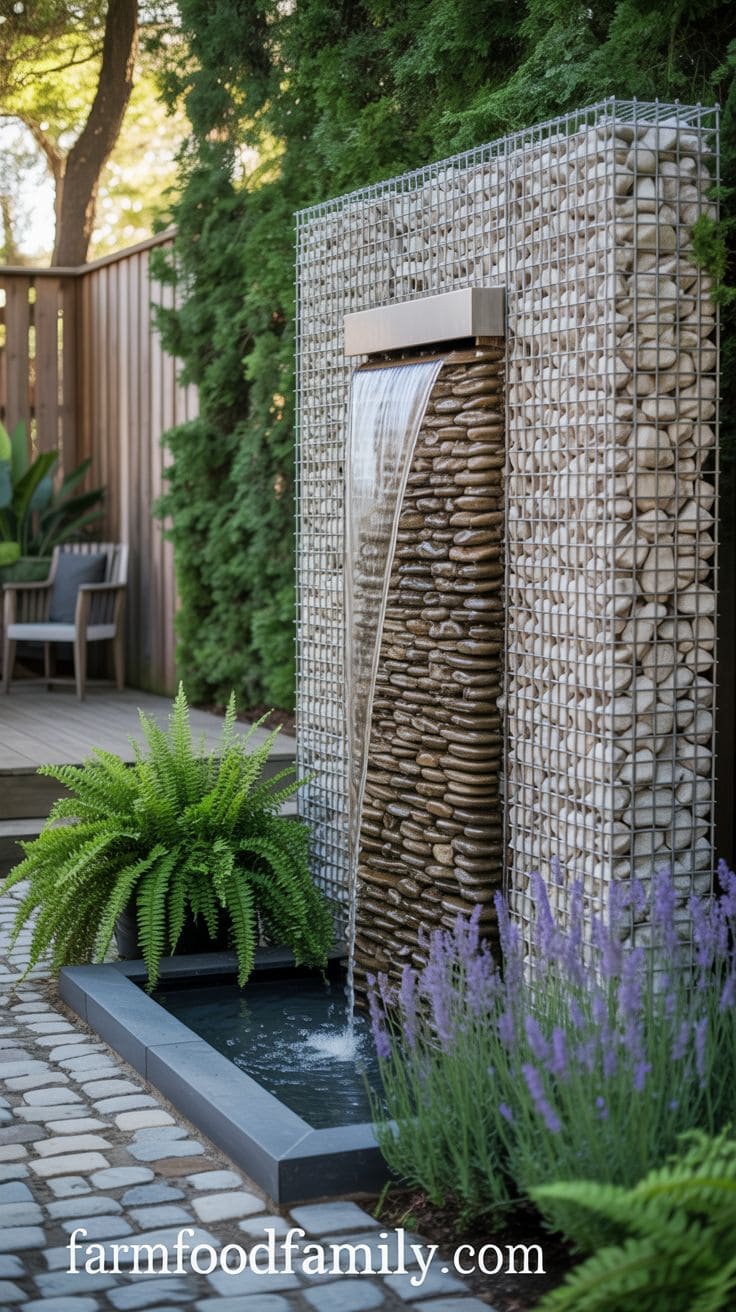
22. Stacked Gabion Modules
23. Gabion Fence with Decorative Tiles
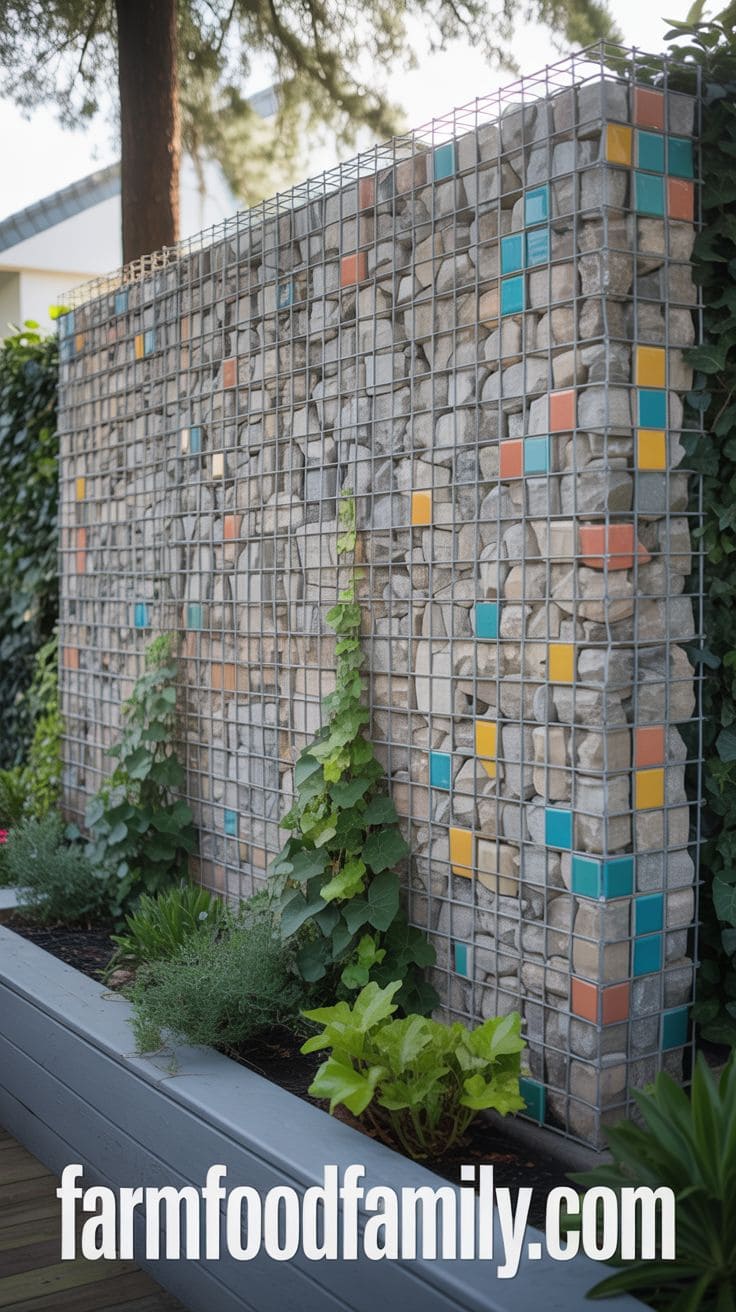
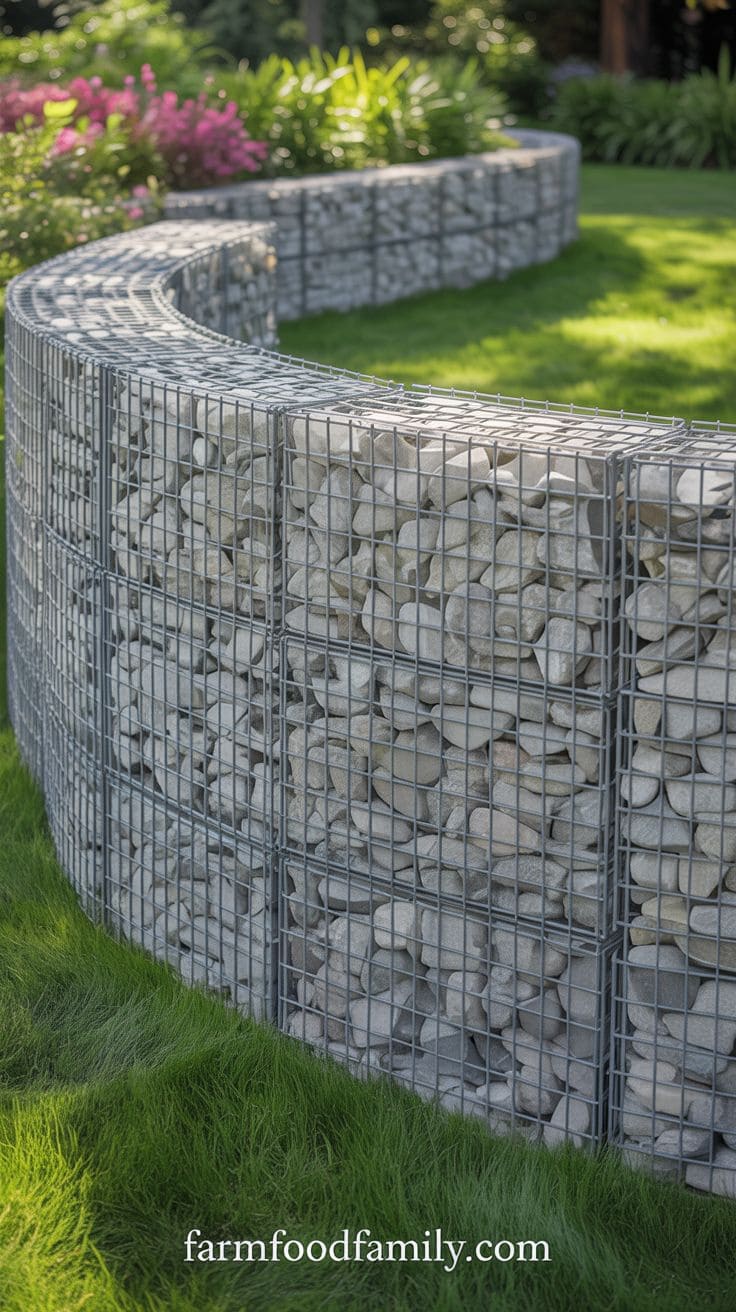
24. Curved Gabion Fence Design
Gabion baskets can be shaped into gentle curves more easily than most rigid fence materials, worth considering if your yard’s layout is organic rather than a straight property line.
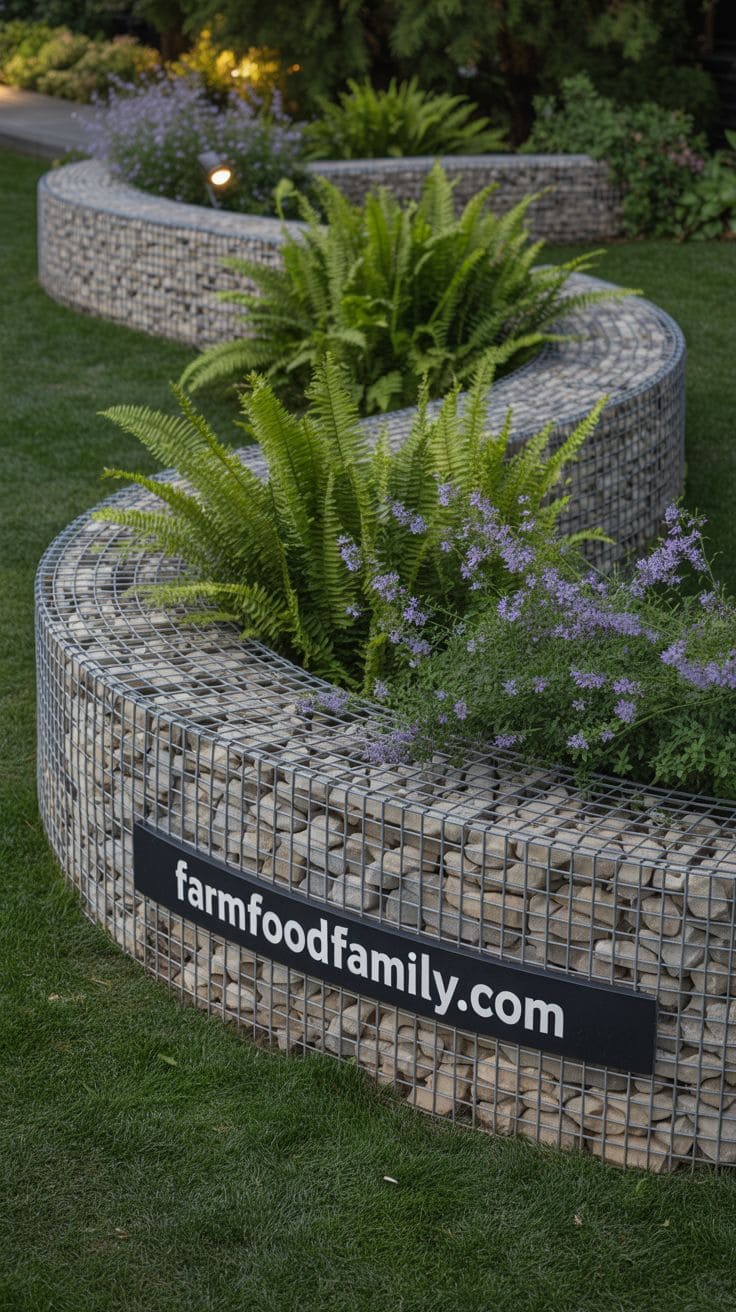
25. Mixed Media Privacy Wall
Combining stone with recycled concrete rubble, broken tile, or reclaimed brick in the same baskets is a genuinely current, sustainability-minded direction, and it can cut fill costs if you have demolition debris on hand already.
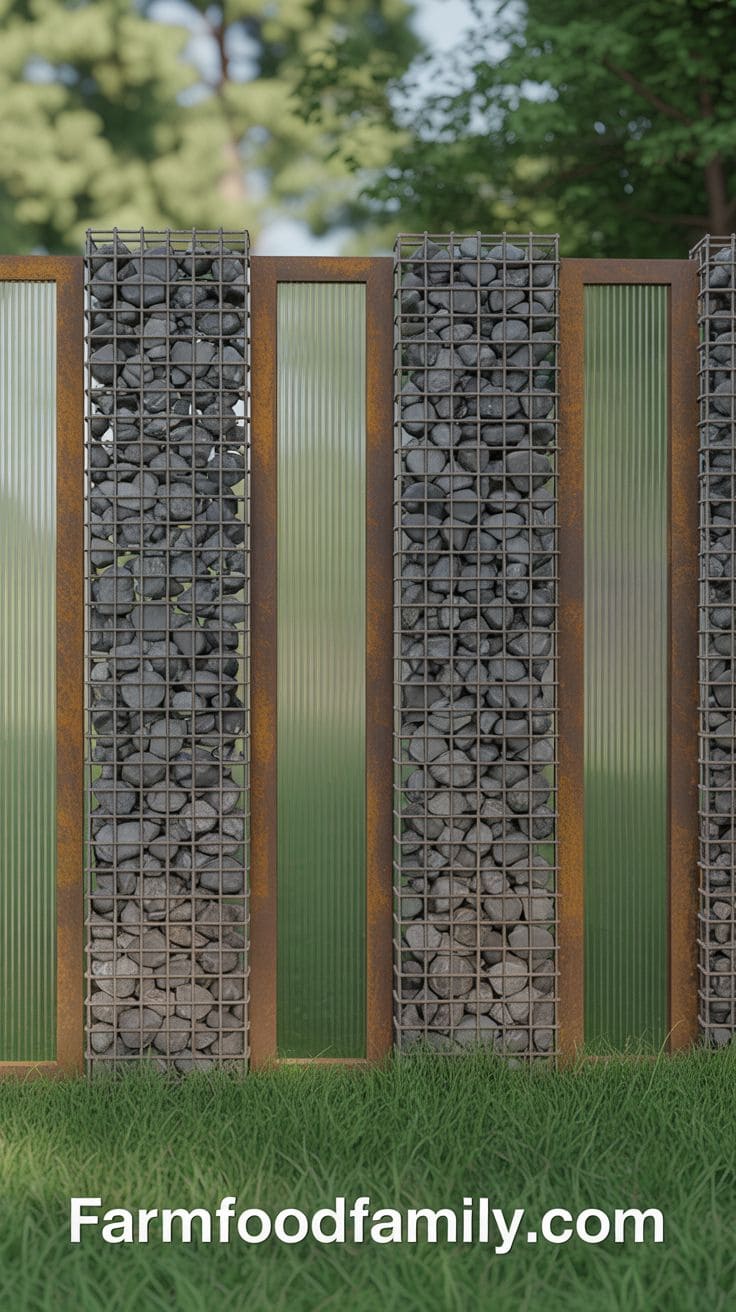
26. Modern Minimalist Gabion Fence
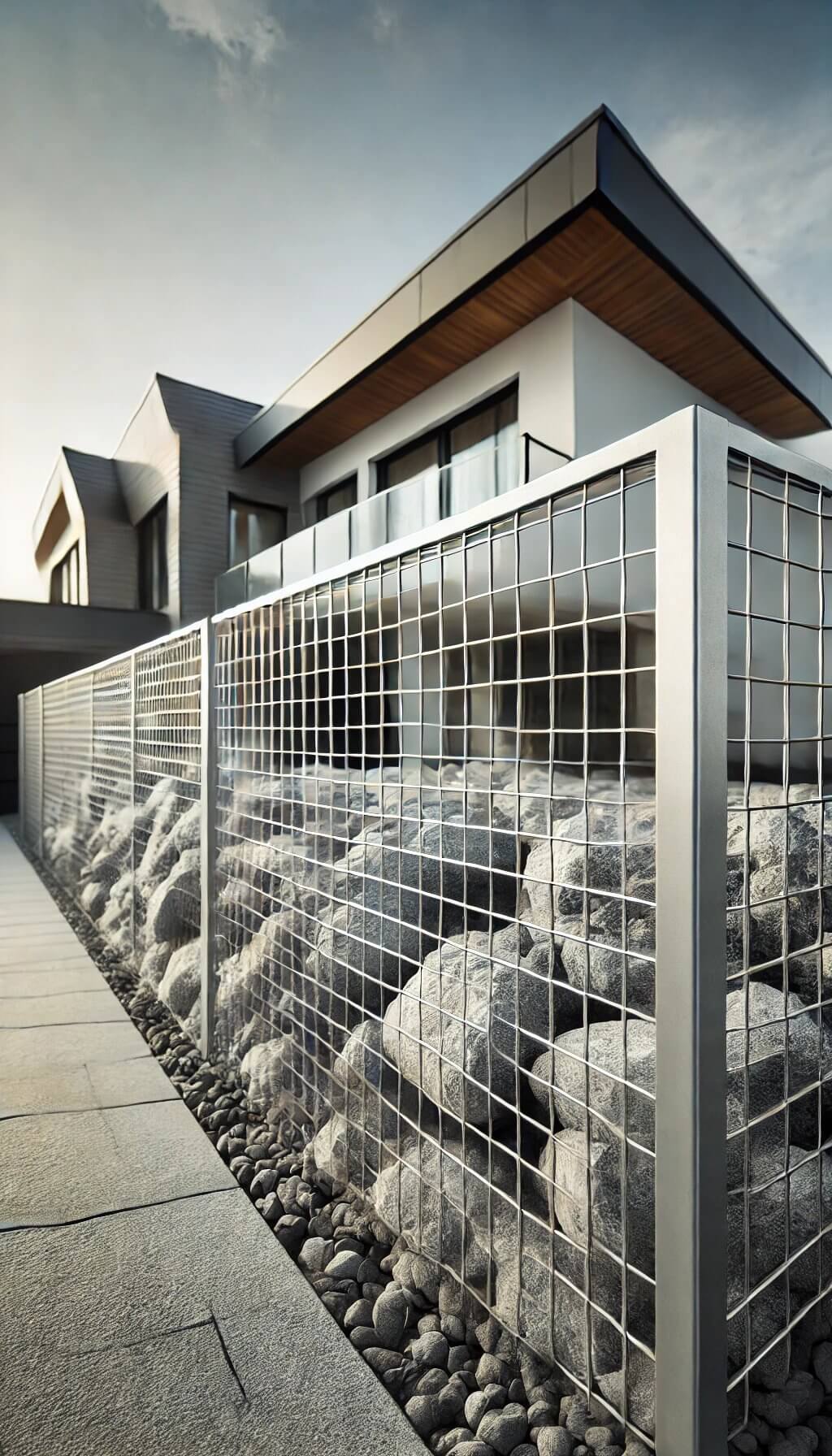
Thin-profile baskets filled with uniform, tightly packed stone in a single color reads as deliberately architectural rather than rustic, a good direction if the rest of your landscaping is clean-lined and modern rather than cottage-style.
27. Curved Gabion Fence Design
Gabion baskets can be shaped into gentle curves more easily than most rigid fence materials, worth considering if your yard’s layout is organic rather than a straight property line.
28. Gabion Retaining Wall Fence
On a sloped property, a gabion wall that does double duty as both a retaining structure and a boundary fence is one of the most practically efficient uses of the material, since you’d likely need a retaining wall there anyway. See front yard retaining wall ideas for other materials worth comparing against gabion for this exact use case.
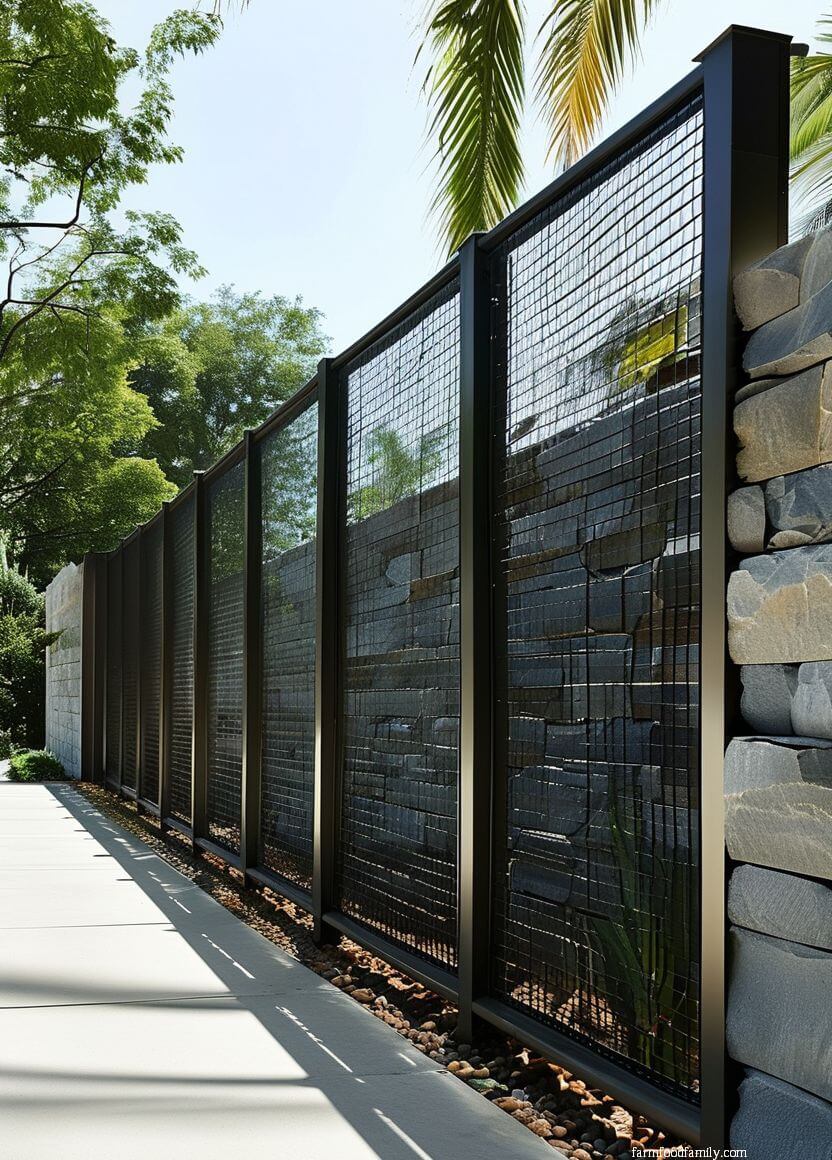

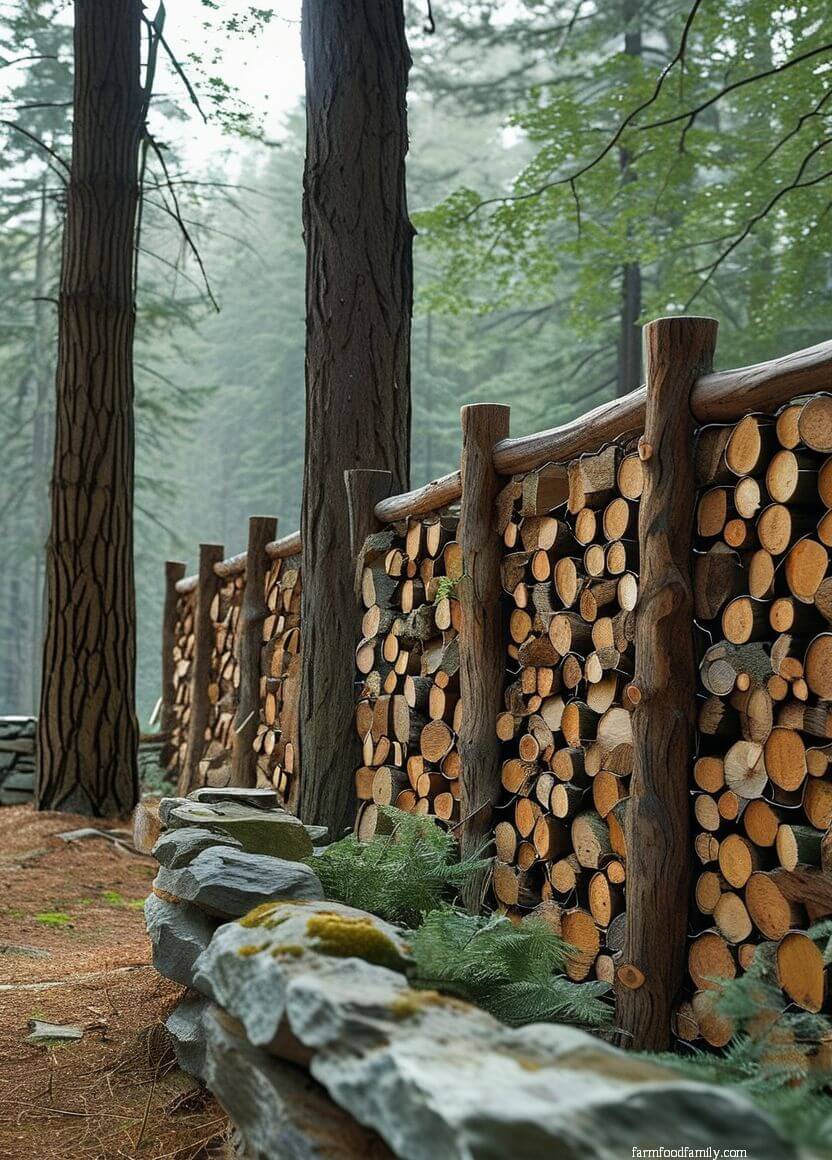
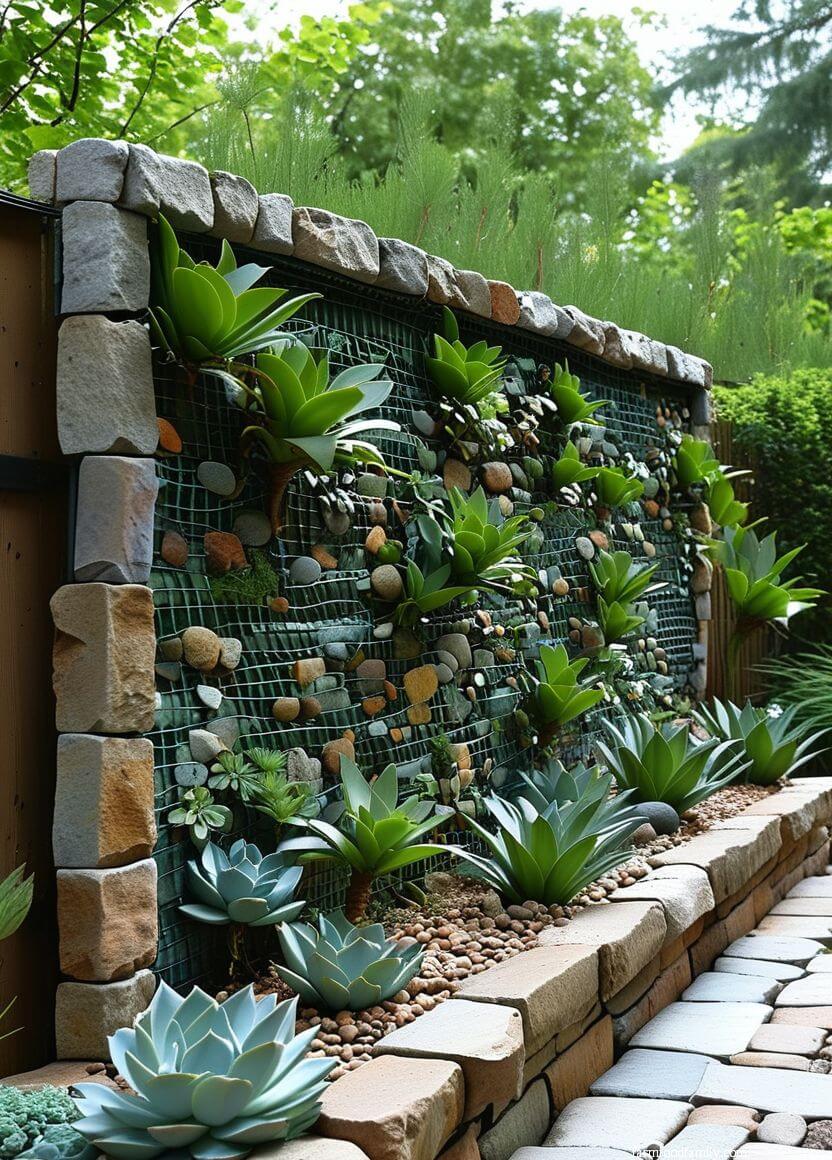
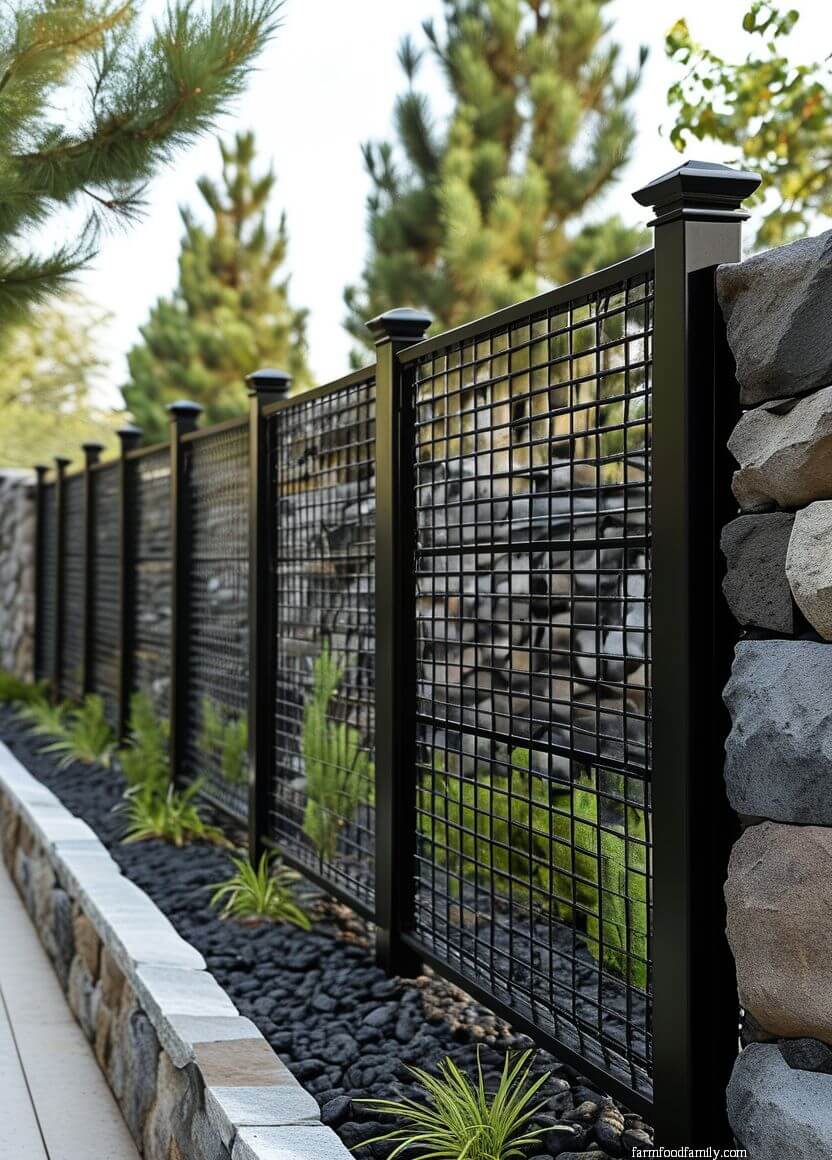
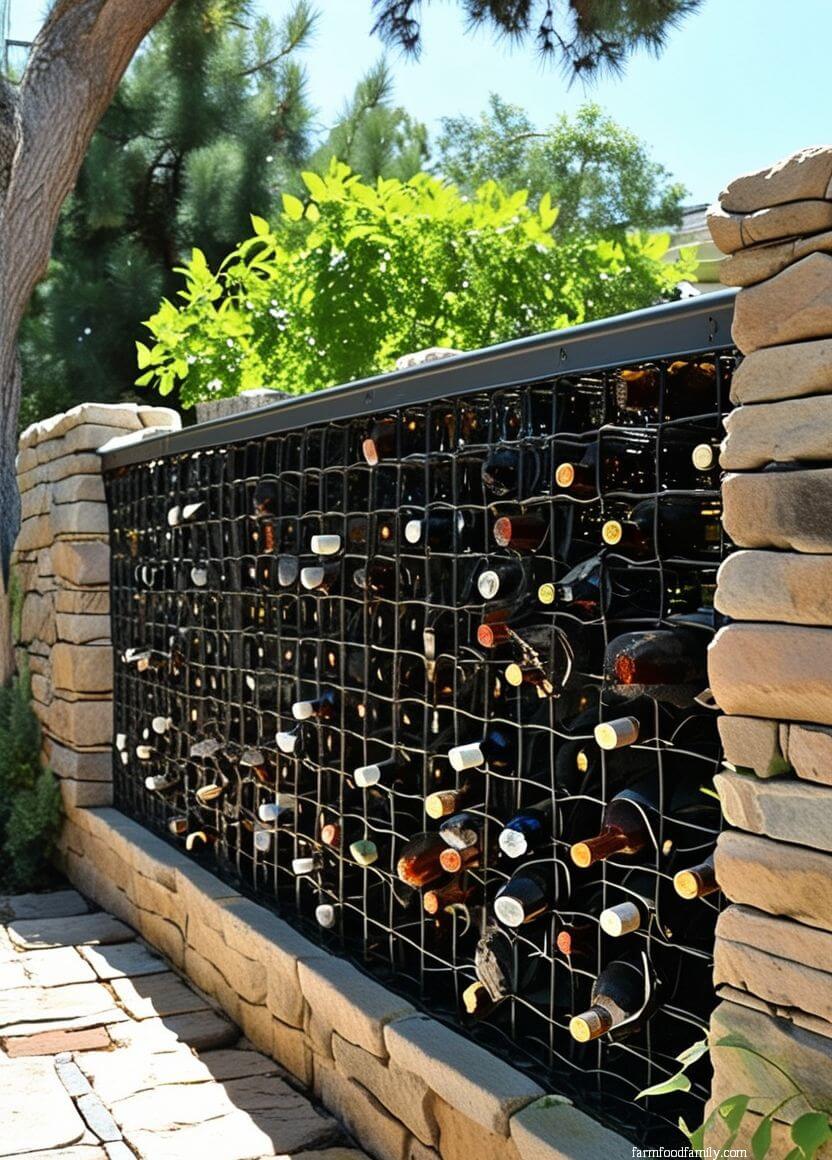
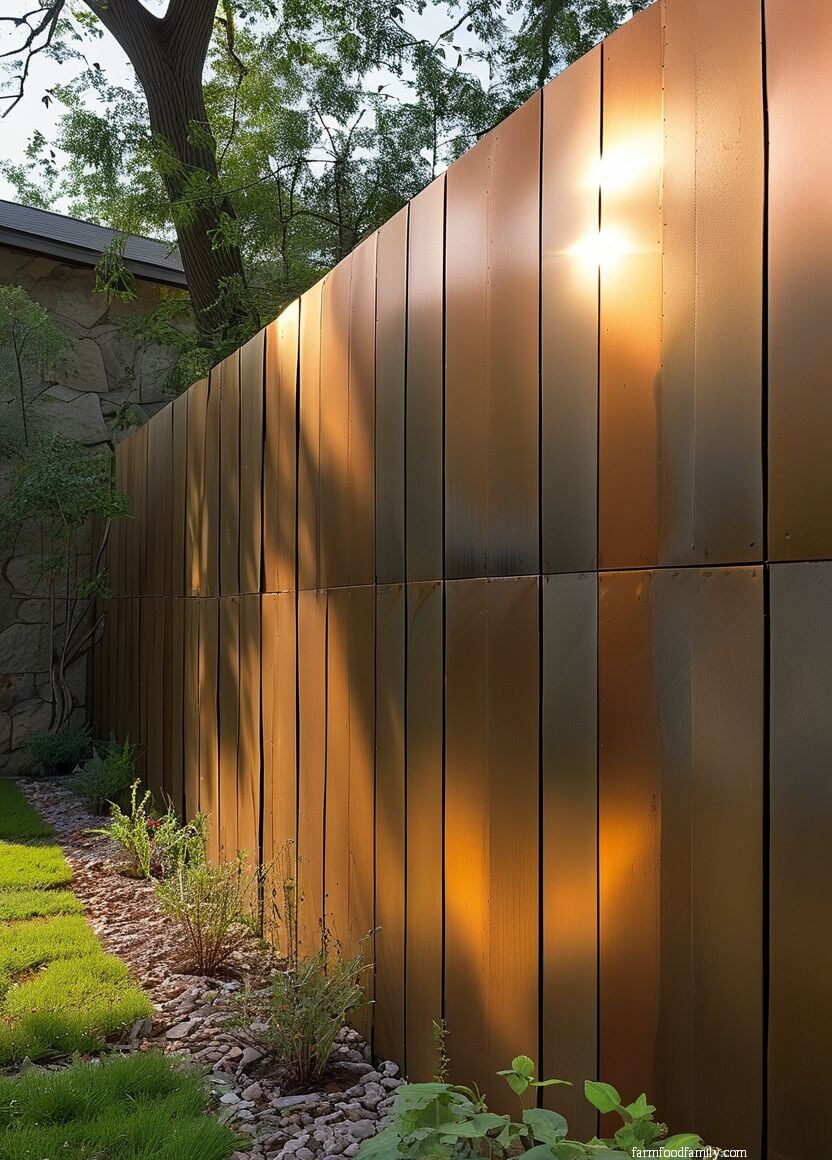
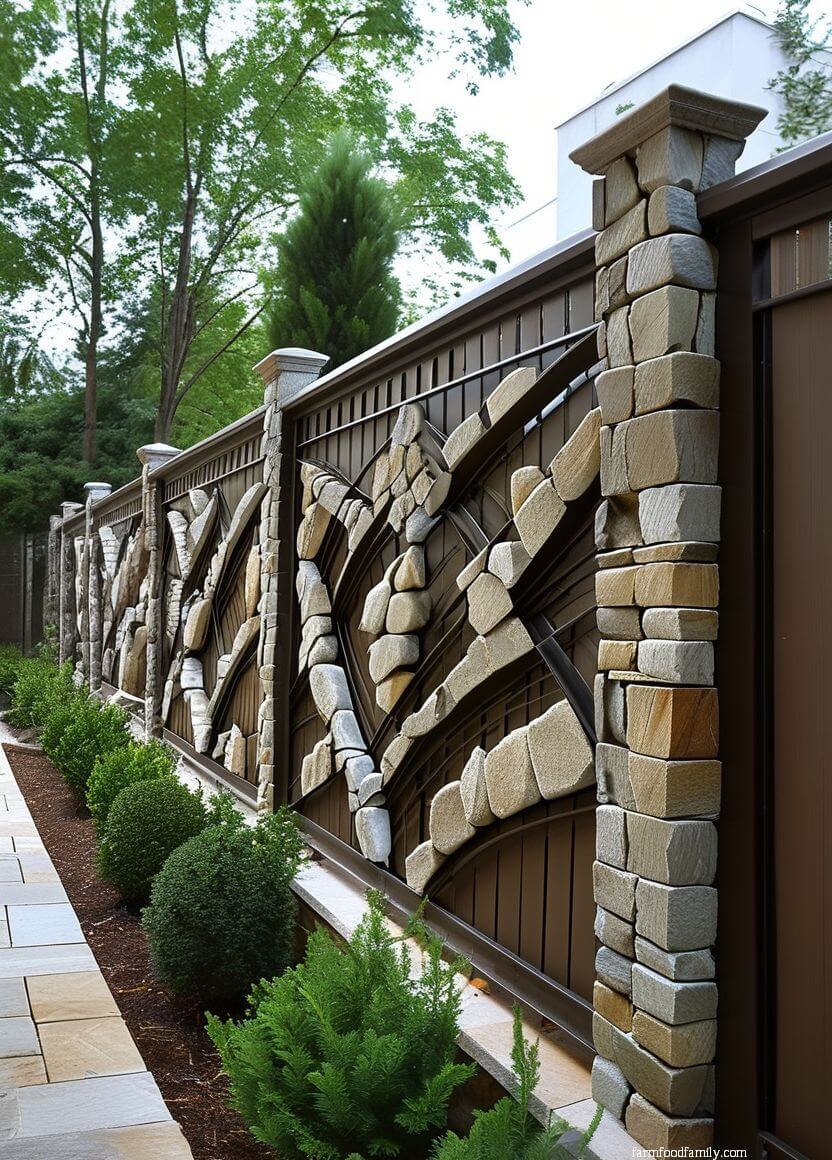
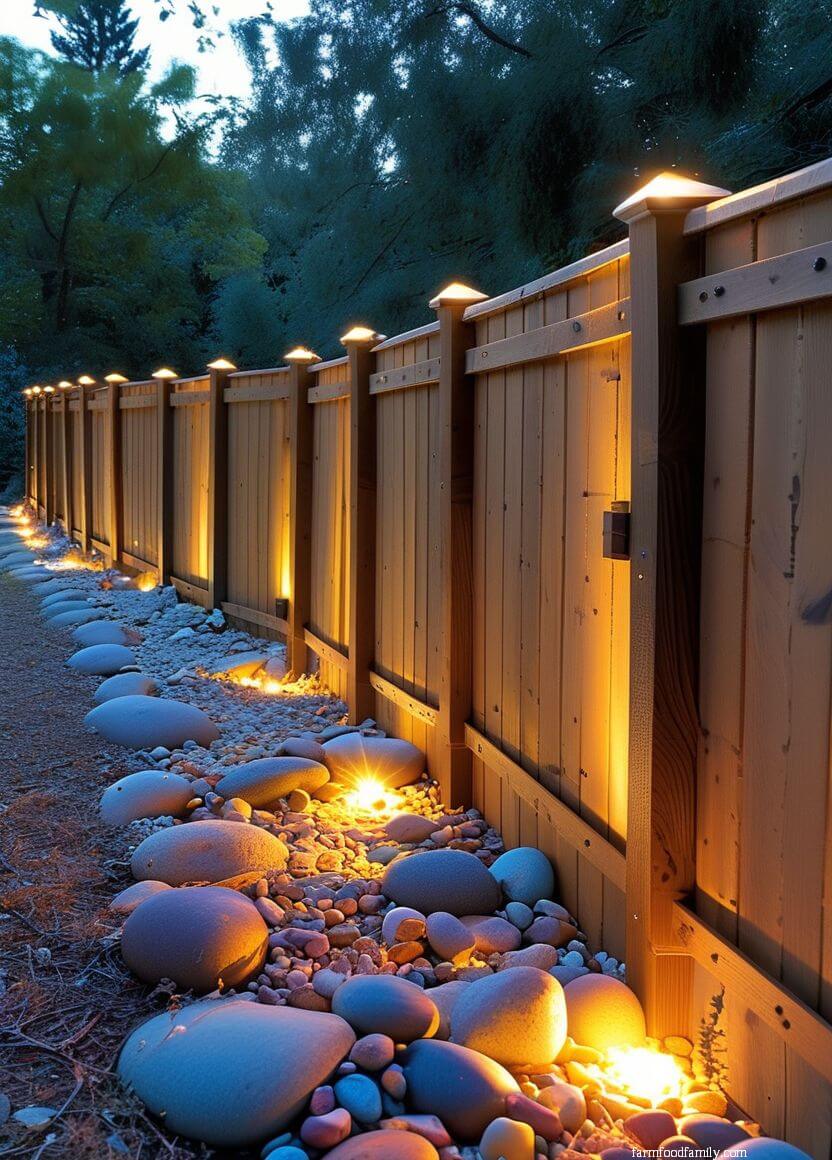
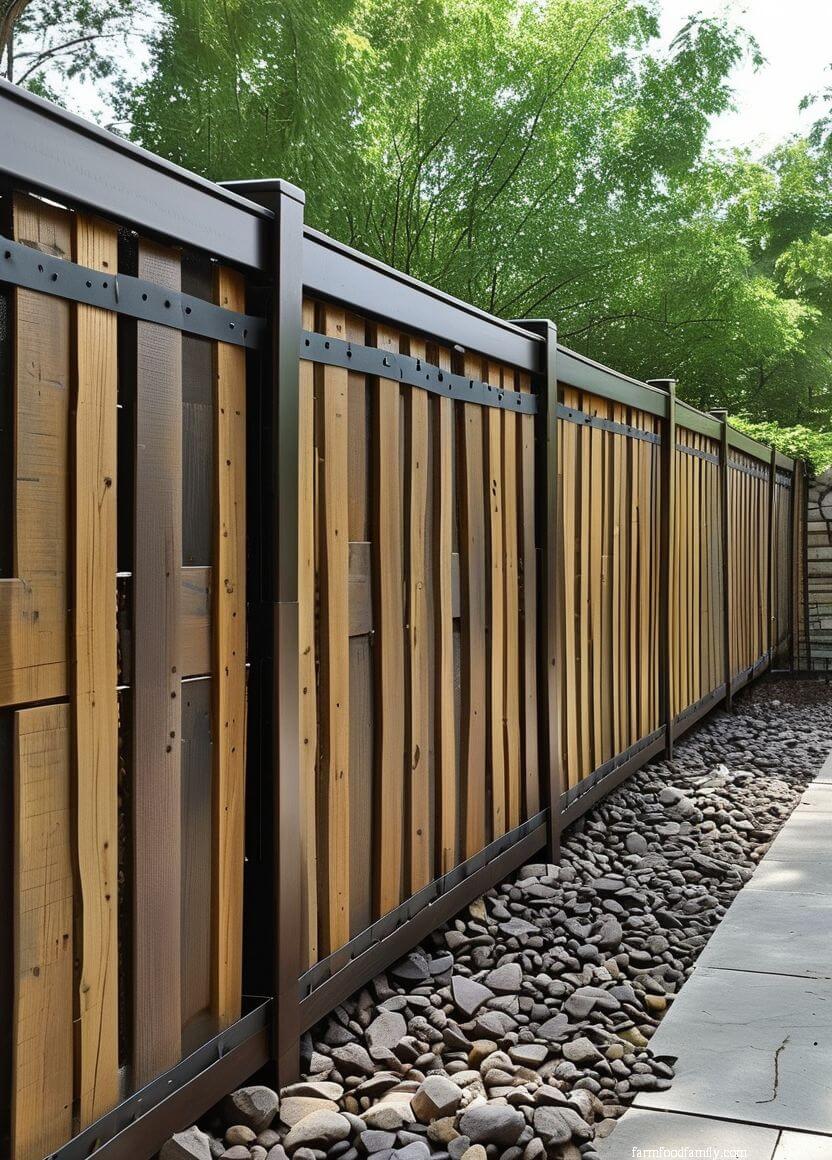
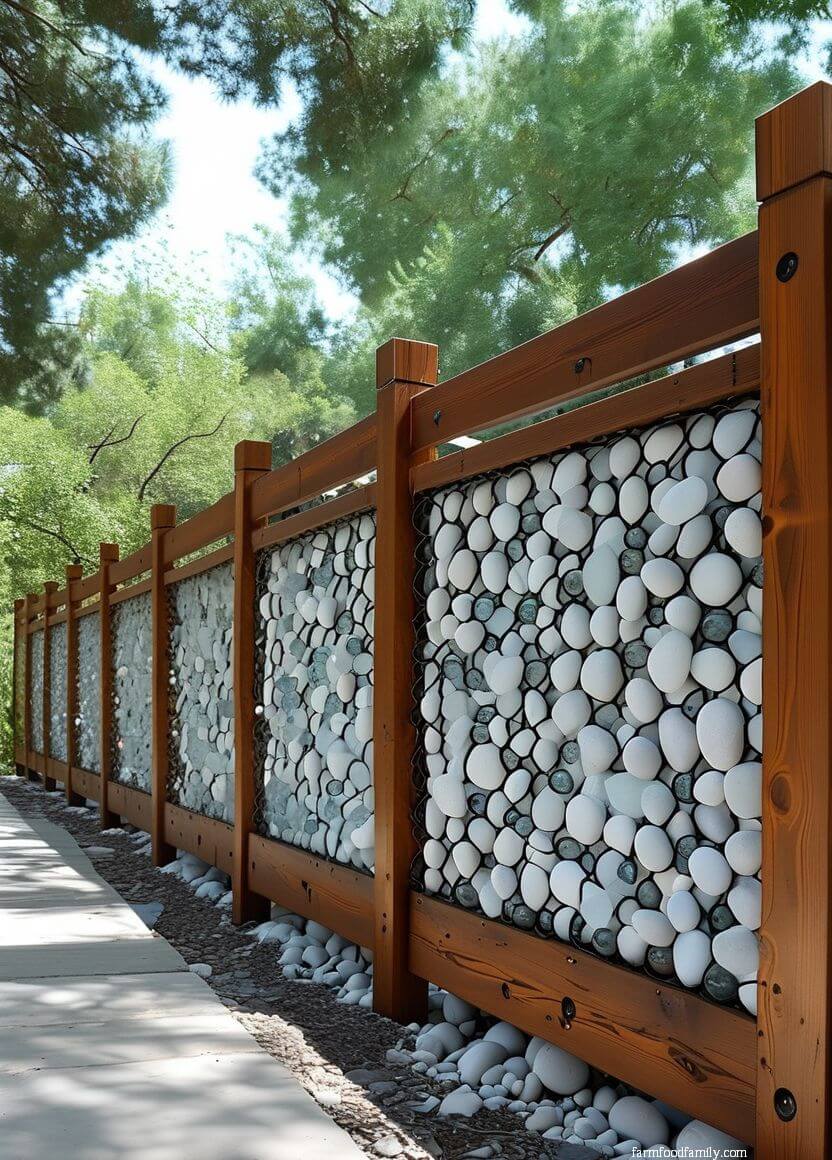
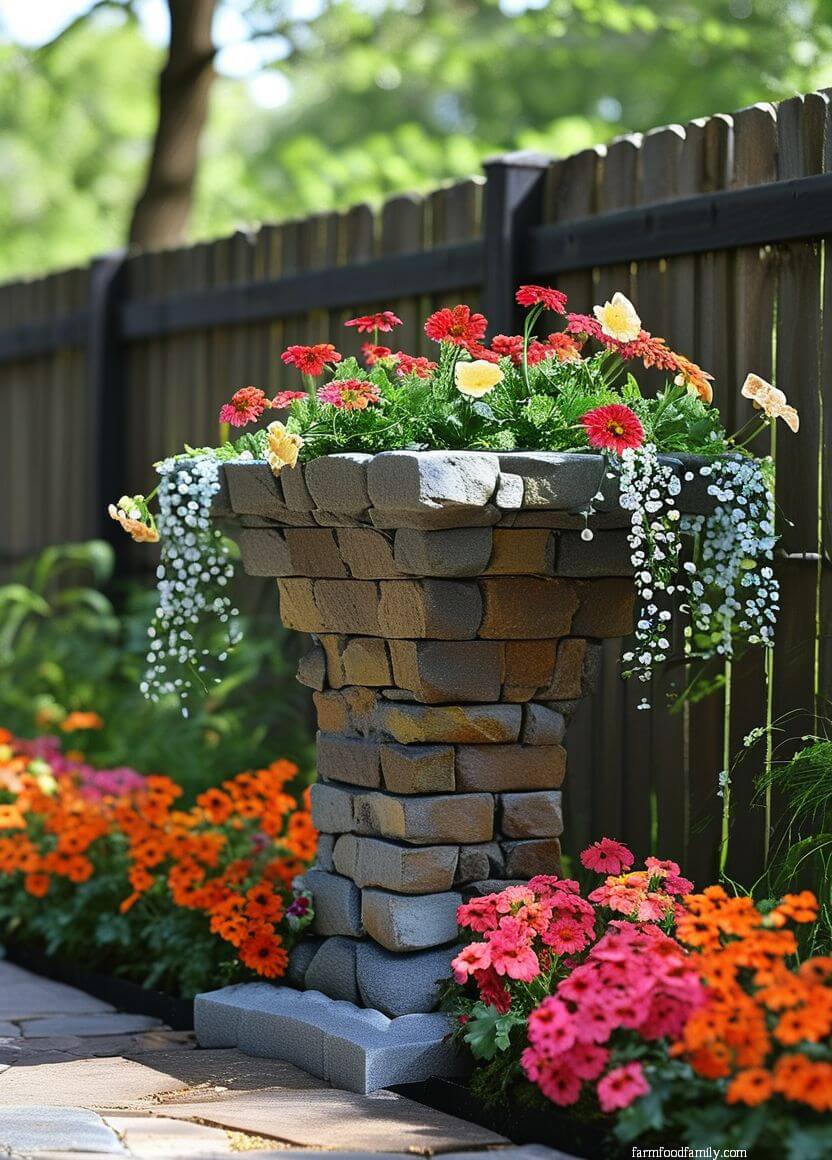
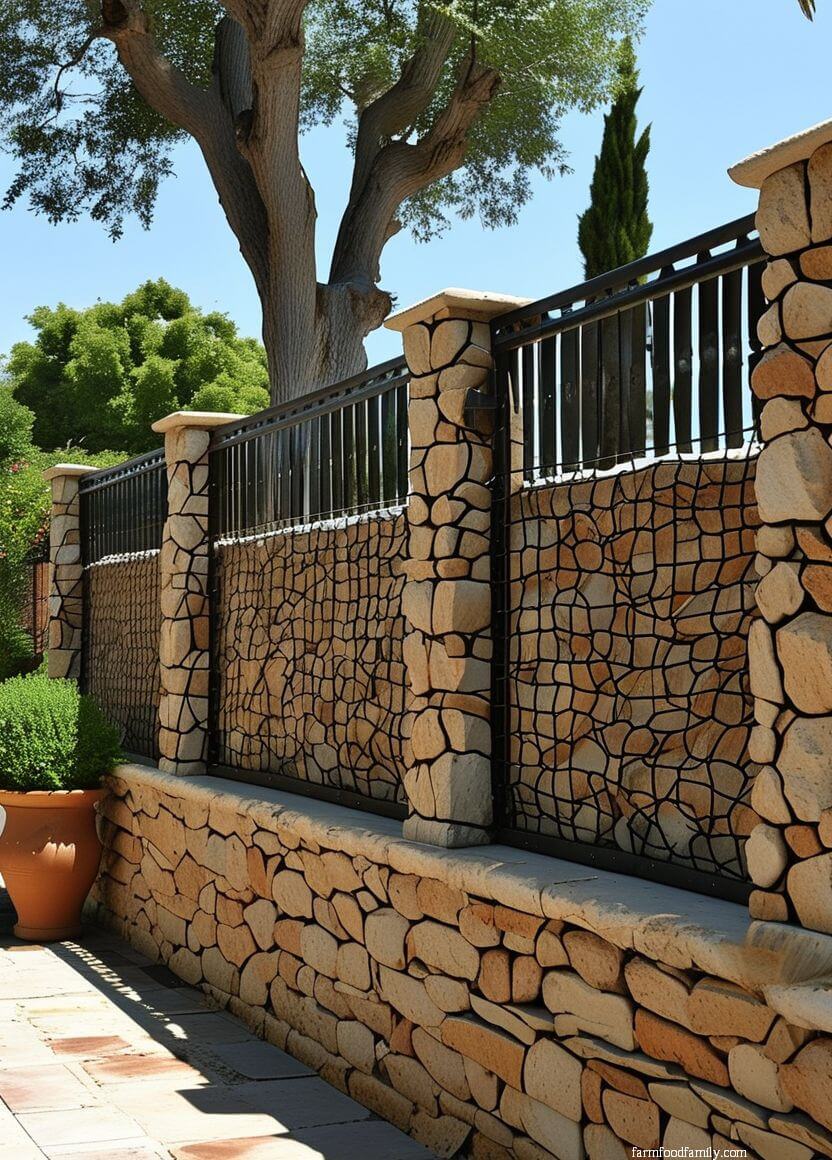
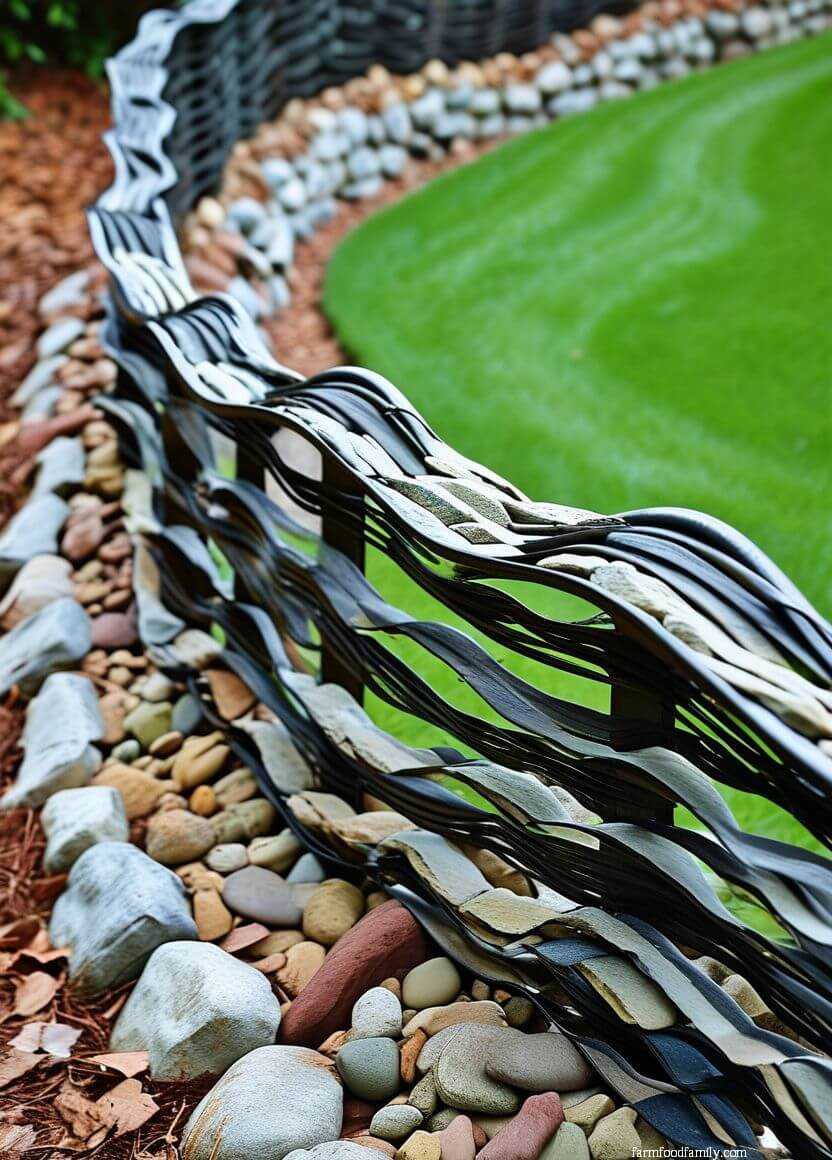
6. Modern Minimalist Gabion Fence
7. Rustic Gabion Fence with Wooden Inserts
8. Gabion Fence with Built-in Planters
9. Decorative Gabion Fence with Glass Bottles
10. Gabion Fence with LED Lighting
11. Privacy Gabion Fence with Bamboo
12. Gabion Retaining Wall Fence
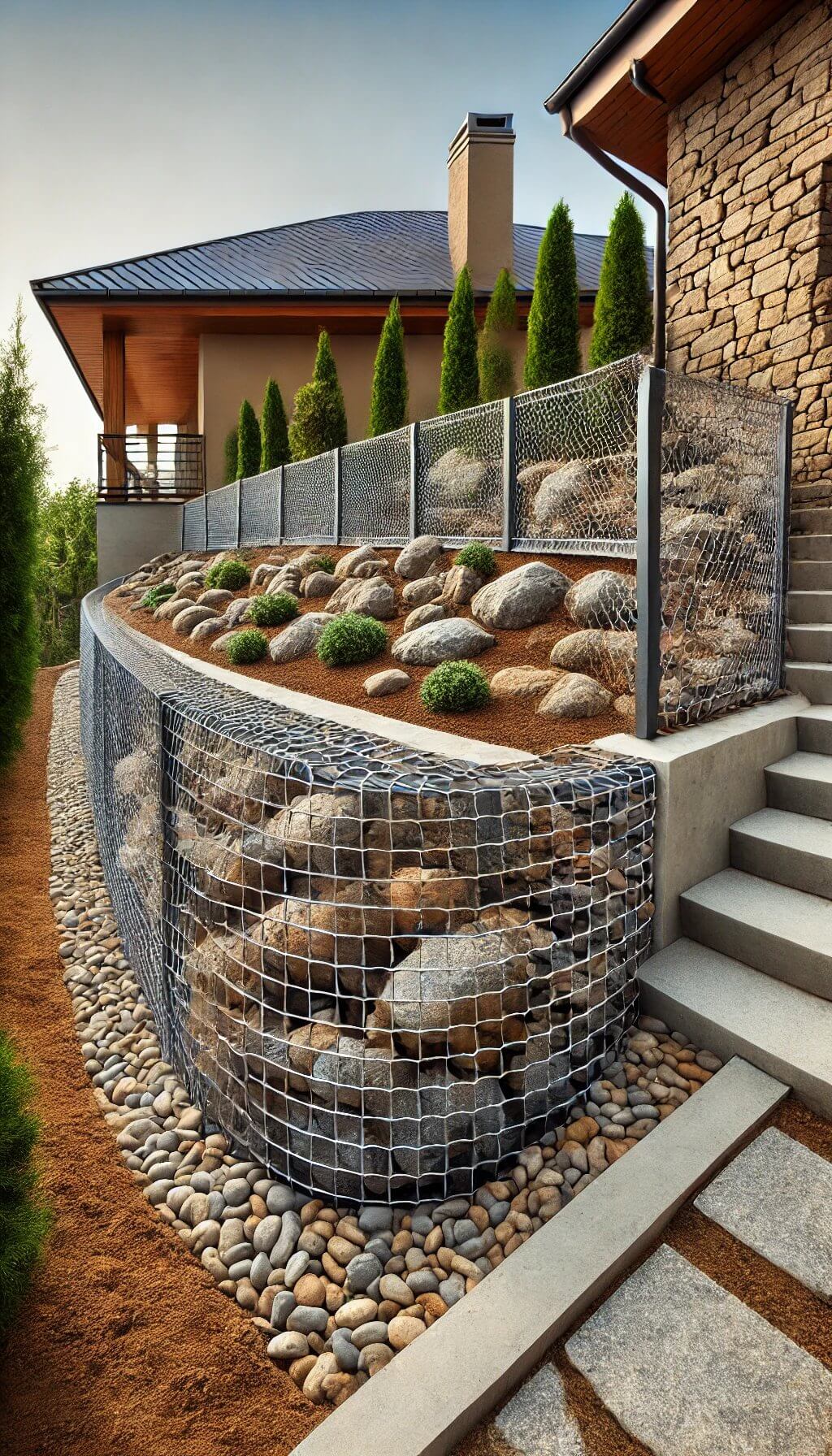
13. Gabion Fence with Mixed Media
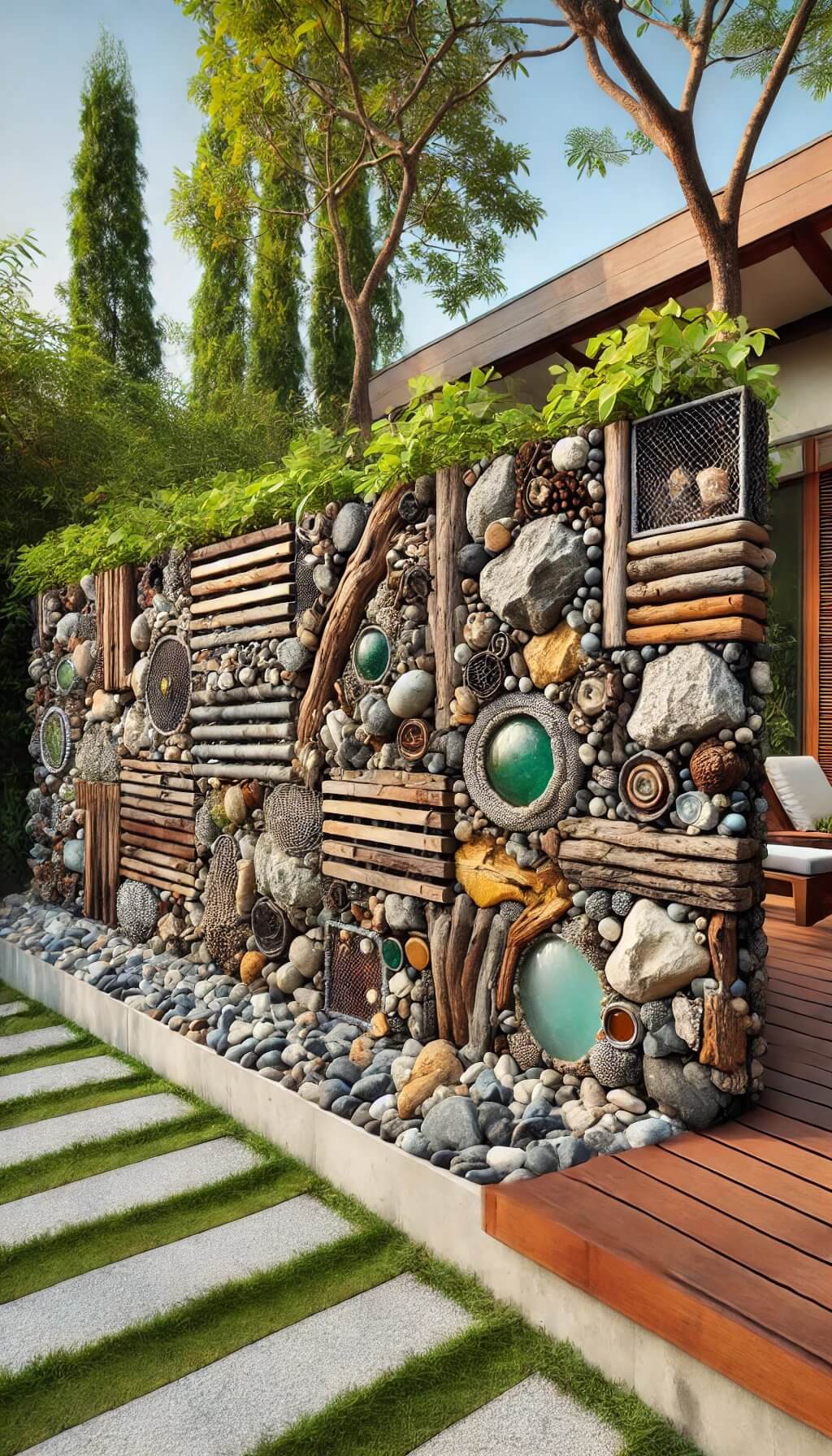
14. Gabion Fence with Water Feature
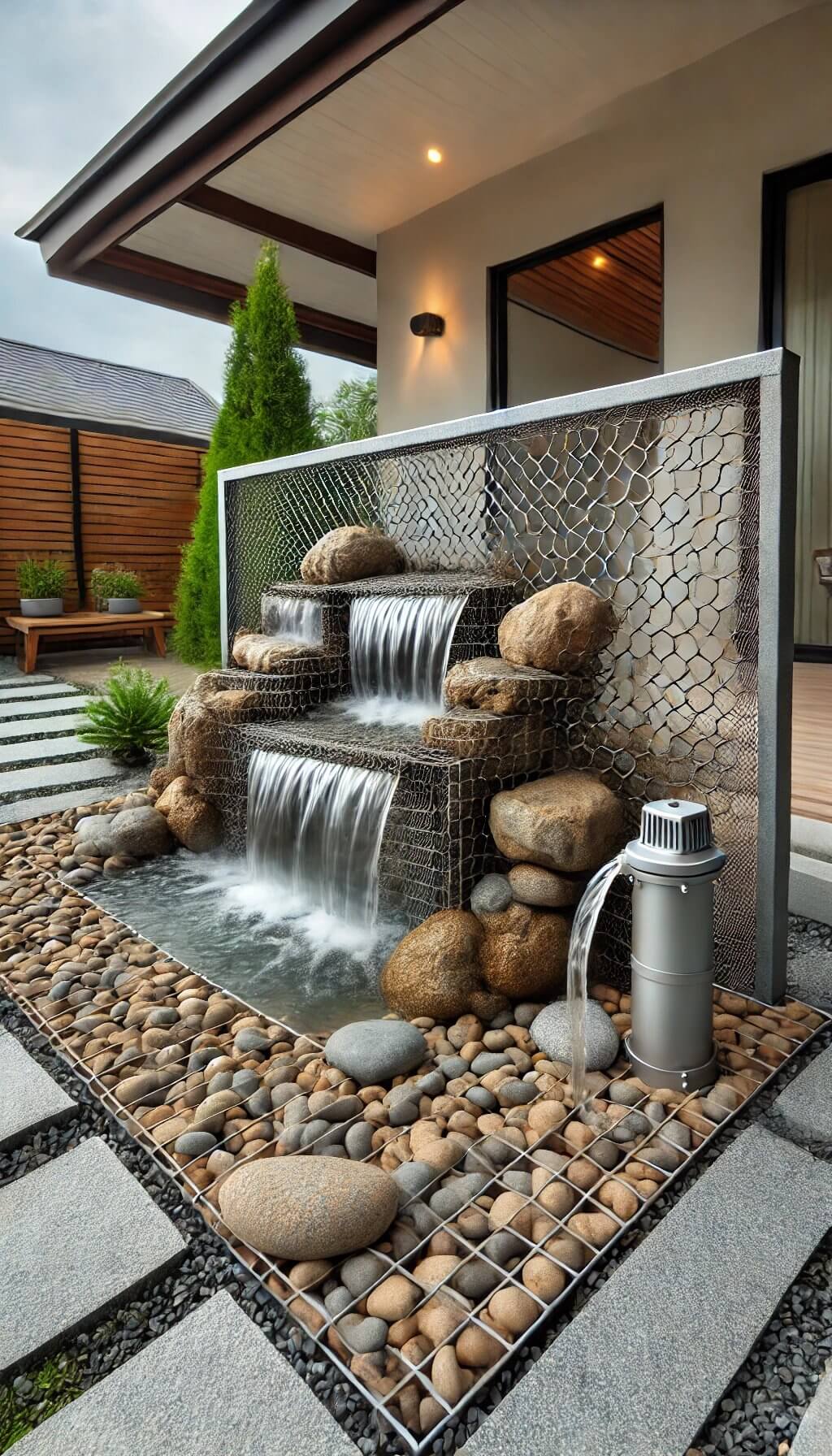
15. Vertical Garden Gabion Fence
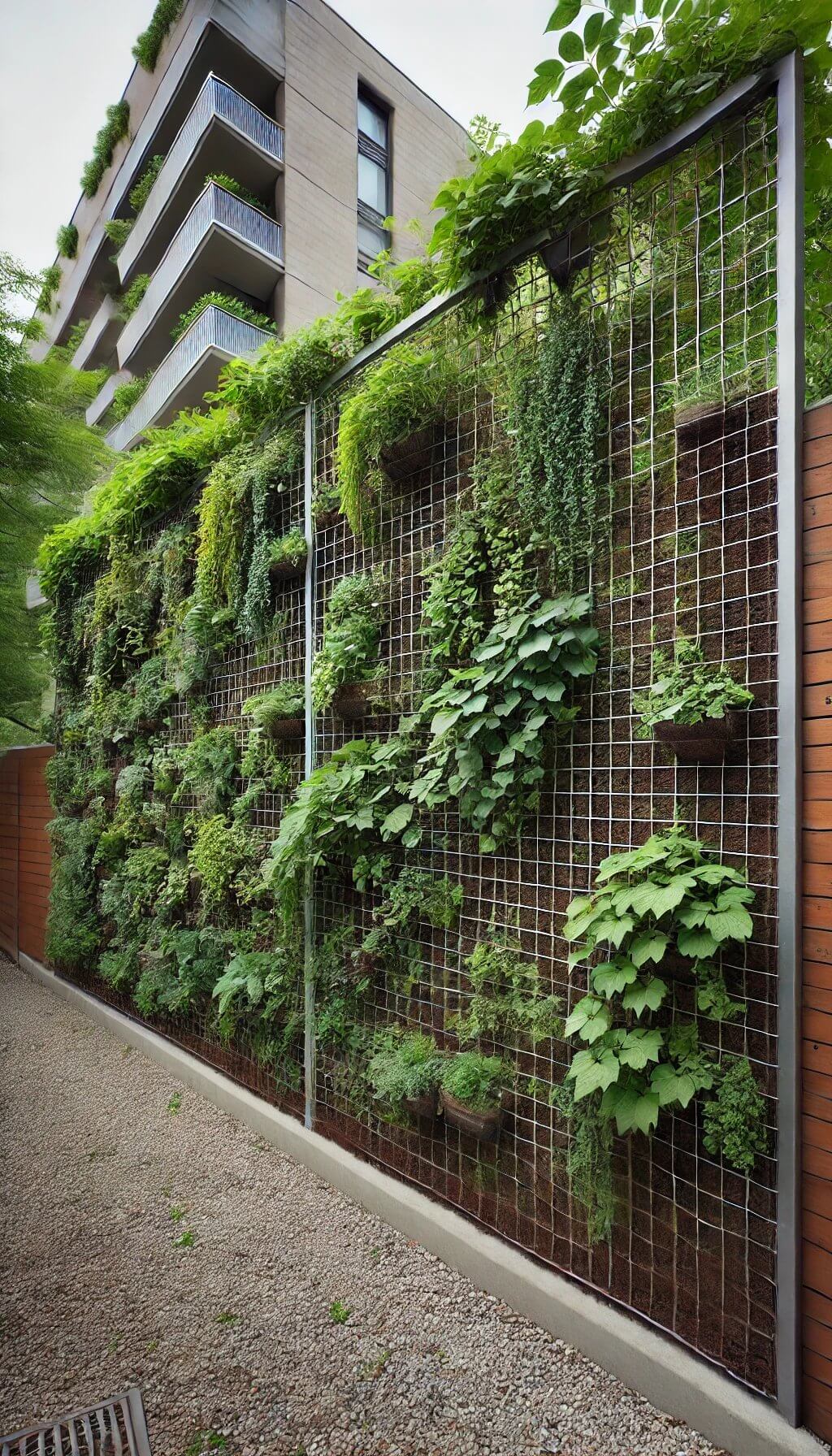
16. Gabion Fence with Recycled Materials
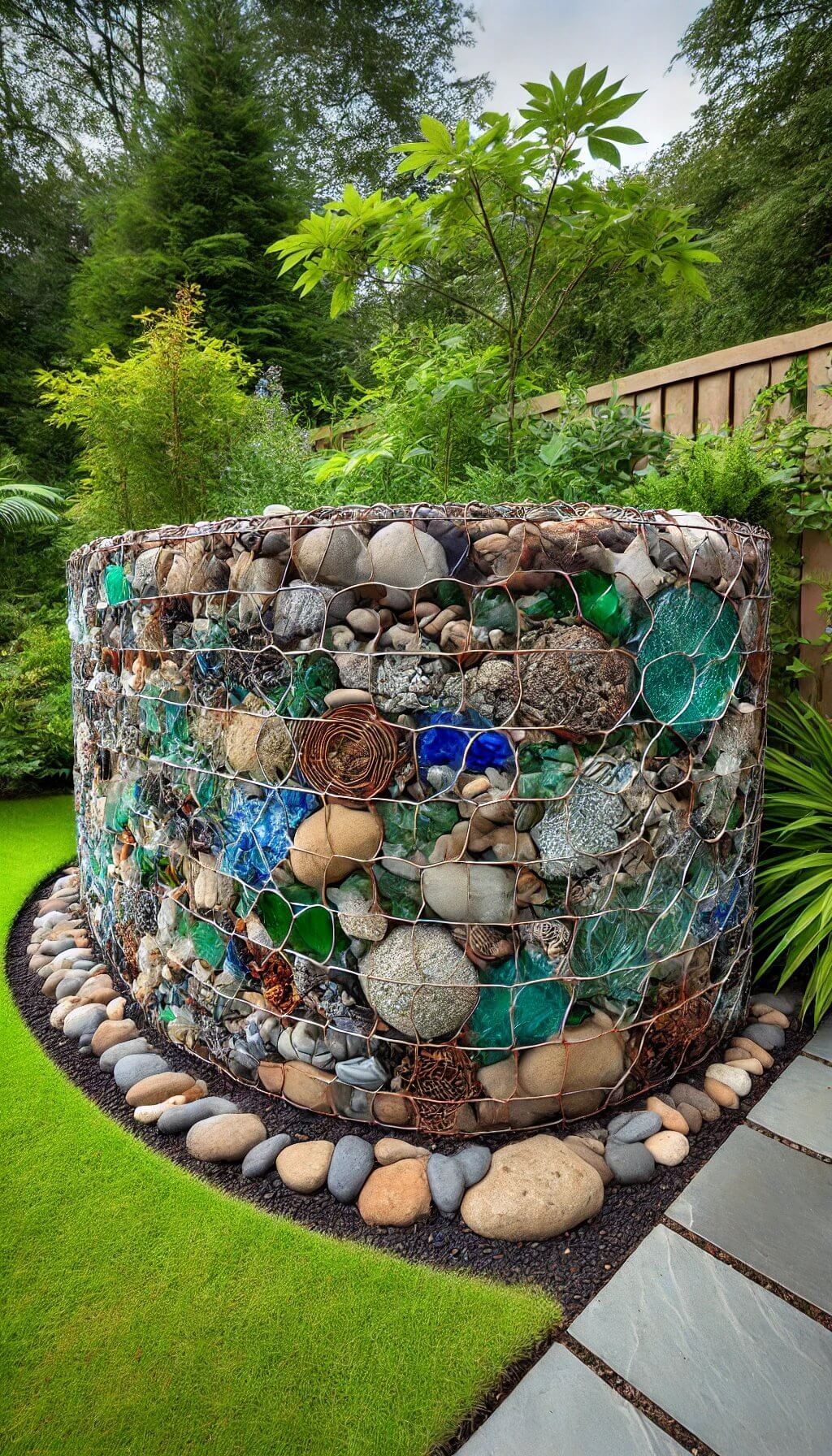
17. Gabion Fence with Artistic Patterns
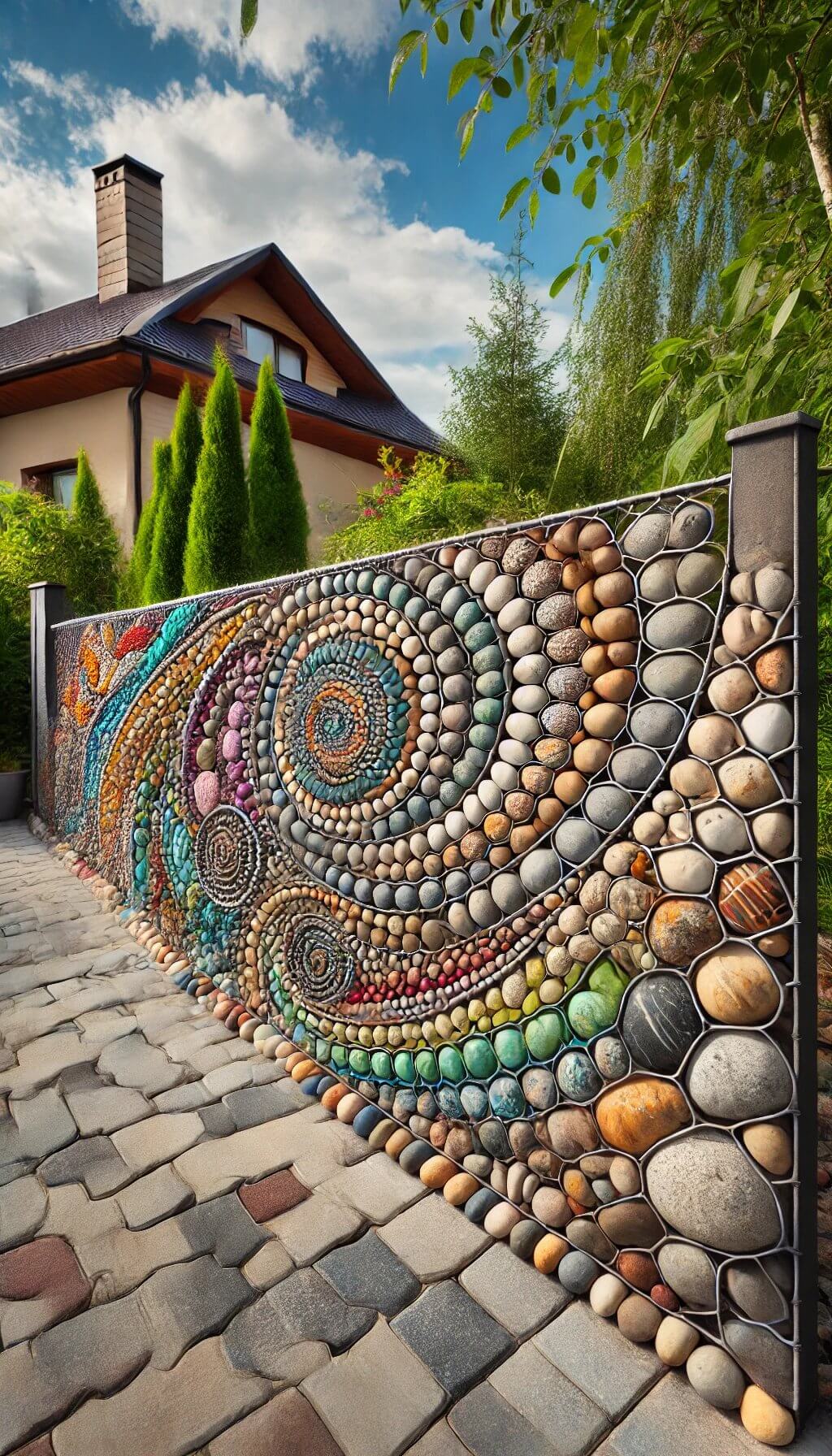
18. Modular Gabion Fence Panels
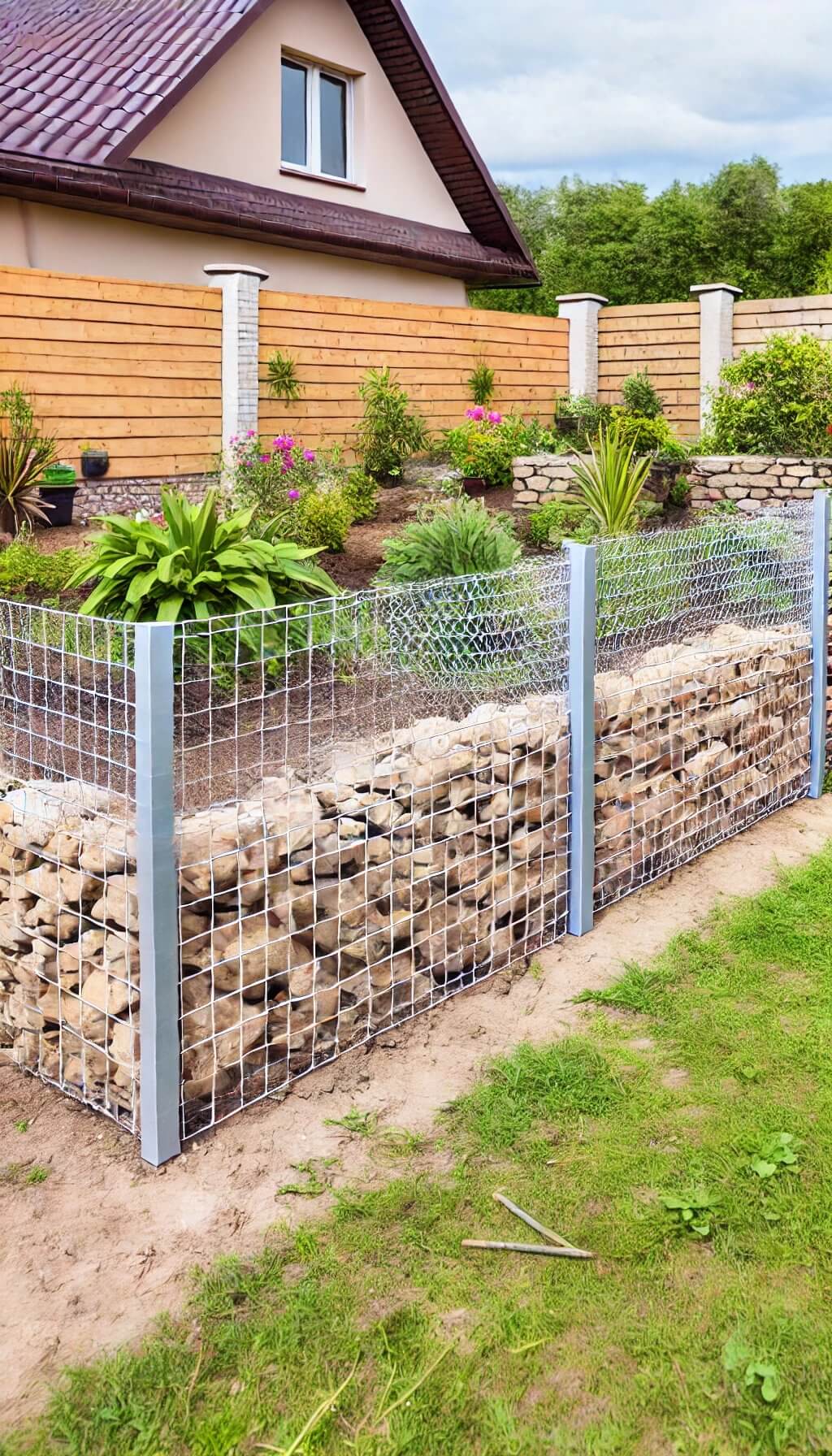
19. Gabion Fence with Top Rail
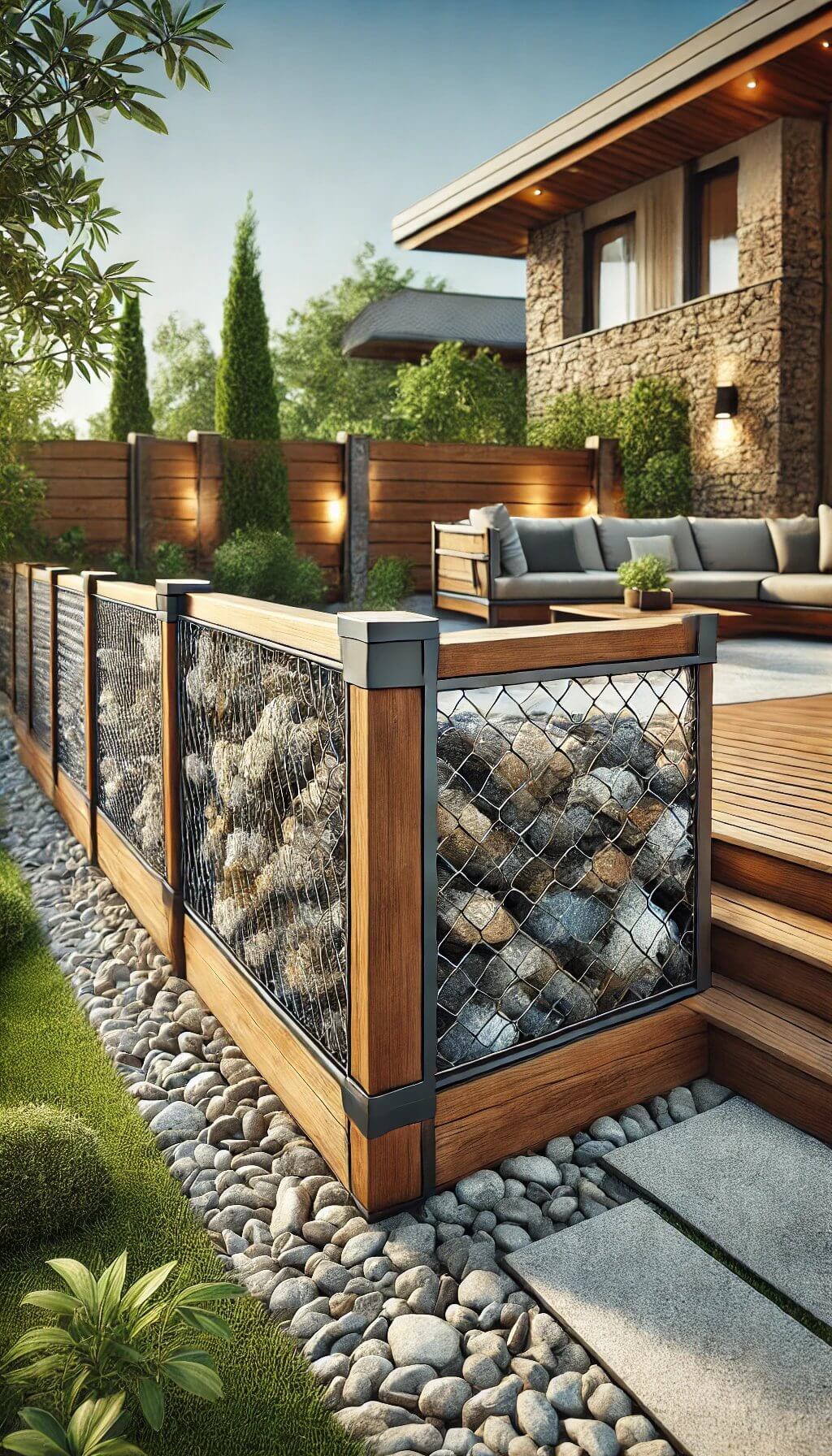
20. Gabion Fence with Seating
A Few Practical Tips Most Guides Skip
Build in sections, not one continuous run. More than one experienced builder makes this same point independently: if you section a gabion wall into shorter, distinct panels rather than one unbroken run, a damaged or shifted section can be repaired or rebuilt without tearing out the entire fence. Almost no competitor guide on this topic mentions it, but it’s the kind of thing you only learn from someone who’s actually built one, or had to fix one.
Ask about mesh coating and gauge before you buy. As covered above, the wire cage is your fence’s actual weak point over time, not the stone. A heavier, properly coated mesh costs more upfront and saves you a full rebuild decades sooner than expected.
Know that it can become wildlife habitat. The gaps between stones in a gabion wall are genuinely attractive to snakes, spiders, mice, and other small creatures looking for shelter. This isn’t a dealbreaker for most people, but it’s worth knowing honestly rather than discovering it as a surprise, especially if the fence sits somewhere you or kids walk close to regularly.
Check your local permit threshold before you budget. Most areas allow gabion walls under roughly 4 feet without a permit or engineering sign-off, per Gabion1 USA. Taller than that, and you’re likely looking at a permit process and possibly a structural engineer’s input, which adds real cost and time on top of the numbers above.
Weigh it against other fence materials before committing. Gabion isn’t the only option for a distinctive property-line fence. See DIY fence ideas and, if part of the goal is defining garden beds rather than a full boundary, garden edging ideas for lower-commitment alternatives.
Conclusion
A gabion fence isn’t a universally loved look, and this guide isn’t going to pretend otherwise, plenty of people find the raw stone-and-wire aesthetic unfinished, while just as many think it’s one of the most distinctive things you can build into a yard.
What’s not up for debate is the practical side: it’s heavier, pricier, and slower to build than most fence materials, it won’t stop a vehicle impact the way a solid masonry wall will, and its real lifespan is set by the wire cage, not the stone inside it.
Go in with those facts instead of just the photos, and whichever of the 15 directions above you pick has a real shot at holding up for decades.
Never miss an update — choose FarmFoodFamily as your preferred source on Google.
How it works: Tap the button below to open Google's settings page, then check the box next to FarmFoodFamily.
Tap the checkbox to turn it blue — that's how you know it's set.