How to Plan a Large Backyard (Without Feeling Overwhelmed)
Most large-backyard guides start from a fantasy: unlimited budget, a blank canvas, pick whatever you want. That’s not actually the situation most people are in. Search Reddit for “large backyard” and the real question isn’t “pool or hedge maze,” it’s “I have all this space and genuinely don’t know where to start.” That’s the more…

Never miss an update — choose FarmFoodFamily as your preferred source on Google.
How it works: Tap the button below to open Google’s settings page, then check the box next to FarmFoodFamily.
Tap the checkbox to turn it blue — that’s how you know it’s set.
Most large-backyard guides start from a fantasy: unlimited budget, a blank canvas, pick whatever you want. That’s not actually the situation most people are in. Search Reddit for “large backyard” and the real question isn’t “pool or hedge maze,” it’s “I have all this space and genuinely don’t know where to start.”
That’s the more useful problem to solve. This guide is built around making a big yard feel proportionate instead of empty, sequencing the work in phases you can actually afford, and then walking through real ideas by zone, rather than a wishlist that assumes you’re building a resort.
Why a large backyard feels harder to plan than a small one
Small yards force decisions. Large ones don’t, and that’s exactly the trap. Give someone 200 square feet and they’ll pick the two or three things that matter most. Give them 2,000 and the instinct is usually to keep it open, add a patio, mow the rest, and call it done. A year later it still feels empty.
On r/landscaping, a thread with 248 comments asking “what would you do with this big backyard?” makes the pattern obvious: people default to open space because filling a large yard feels like it should mean more stuff, more cost, more commitment. It doesn’t have to.
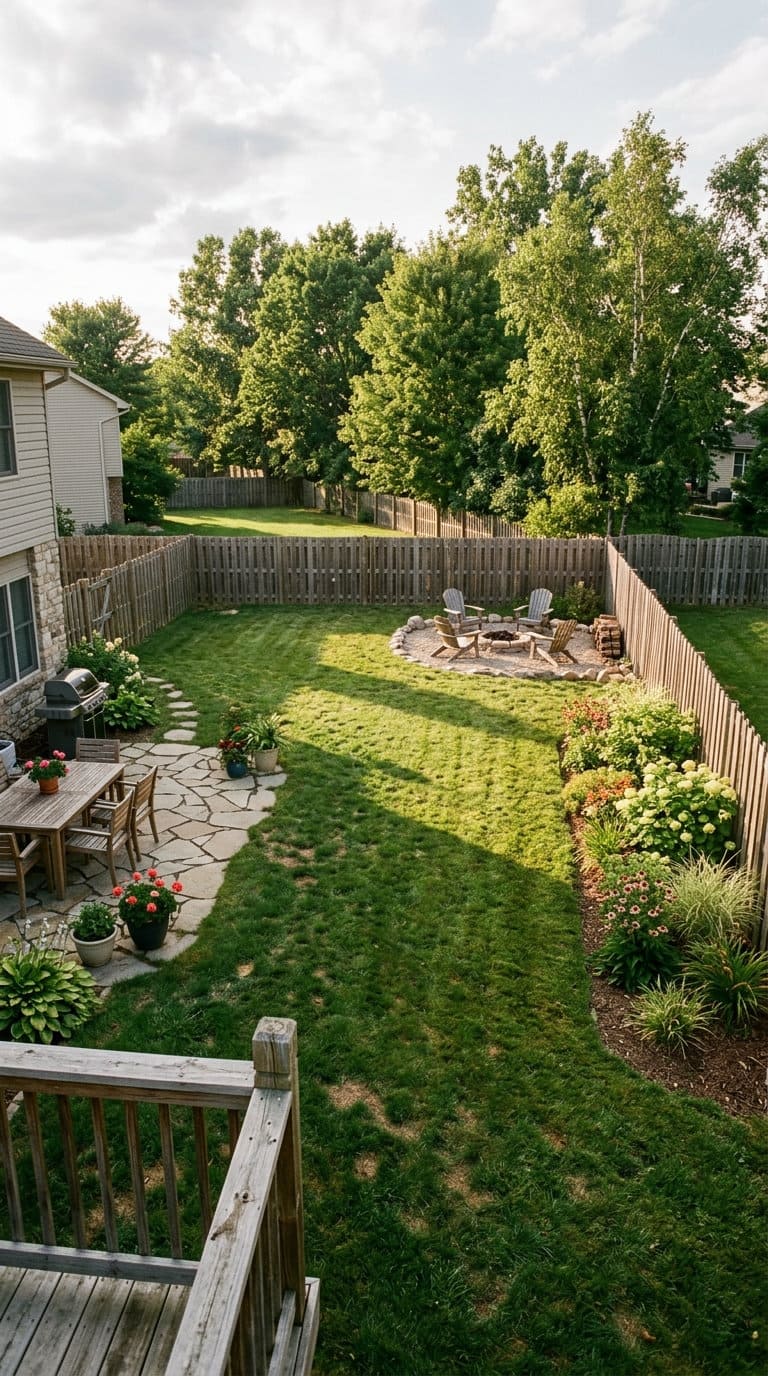
The actual fix, according to one of the top answers in a 70-upvote thread on the same subreddit, runs counter to instinct: put something toward the middle of the yard, not just around the edges. A tree, a defined garden bed, a seating cluster, anything with height or mass. Breaking a large open area with a mid-yard anchor makes the whole space read as proportionate. Leaving it all open, paradoxically, is what makes a big yard feel like dead space rather than usable space.
Plan it in phases, not all at once
The luxury-resort version of a large backyard, pool, spa, outdoor kitchen, hedge maze, all installed at once, is not how most large yards actually get built. It’s not even close. Real budget threads on r/landscaping run $2,000, $4,000, $5,000, a fraction of what a full build-out costs.
Answer 4 quick questions and get matched to the exact fix for your yard — drainage, budget, layout, or something else entirely.
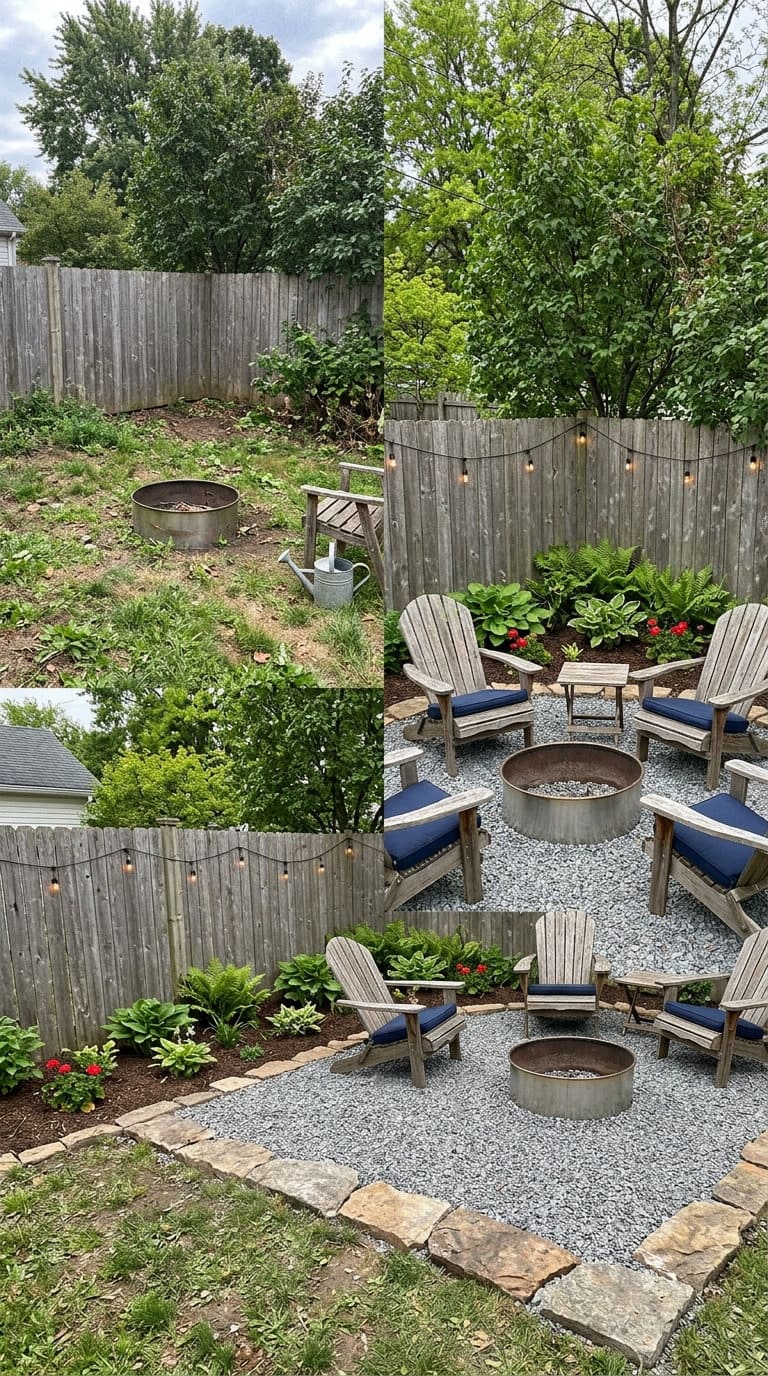
Take the Free QuizA 25-upvote thread titled “Giant Backyard, Minimal Ideas” shows what phasing actually looks like in practice: a fire pit and a kids’ play structure now, with a plan to swap the play structure for a greenhouse once the kids outgrow it. Nothing about that plan is final. It’s sequenced around what the household needs right now, with a clear next step already decided.
Worth noting, too: this same community pushes back hard on unrealistic AI-generated yard concepts. A 2,400-upvote thread roasting an AI mockup (“the AI made your yard larger” was the top comment) is a good reminder that a large backyard plan needs to be buildable, not just pretty in a render.
Realistic costs help set the phasing budget. A full landscaping build-out, including hardscape, planting, and installation, commonly runs $3,000 to $16,000 for a mid-size project, according to 2026 outdoor living trend data, and larger yards of 2,000 square feet or more can run $9,000 to $24,000 or higher for a full professional redesign, per Angi’s 2026 landscaping cost data.
Pure softscaping (planting, mulch, sod) tends to land at the lower end, while hardscape-heavy work (patios, retaining walls, water features) pushes toward the top. None of that has to happen in one season. Pick the phase you can actually pay for this year, and design it so the next phase has somewhere to plug in.
Structure and layout
Multiple-Zone Living Spaces
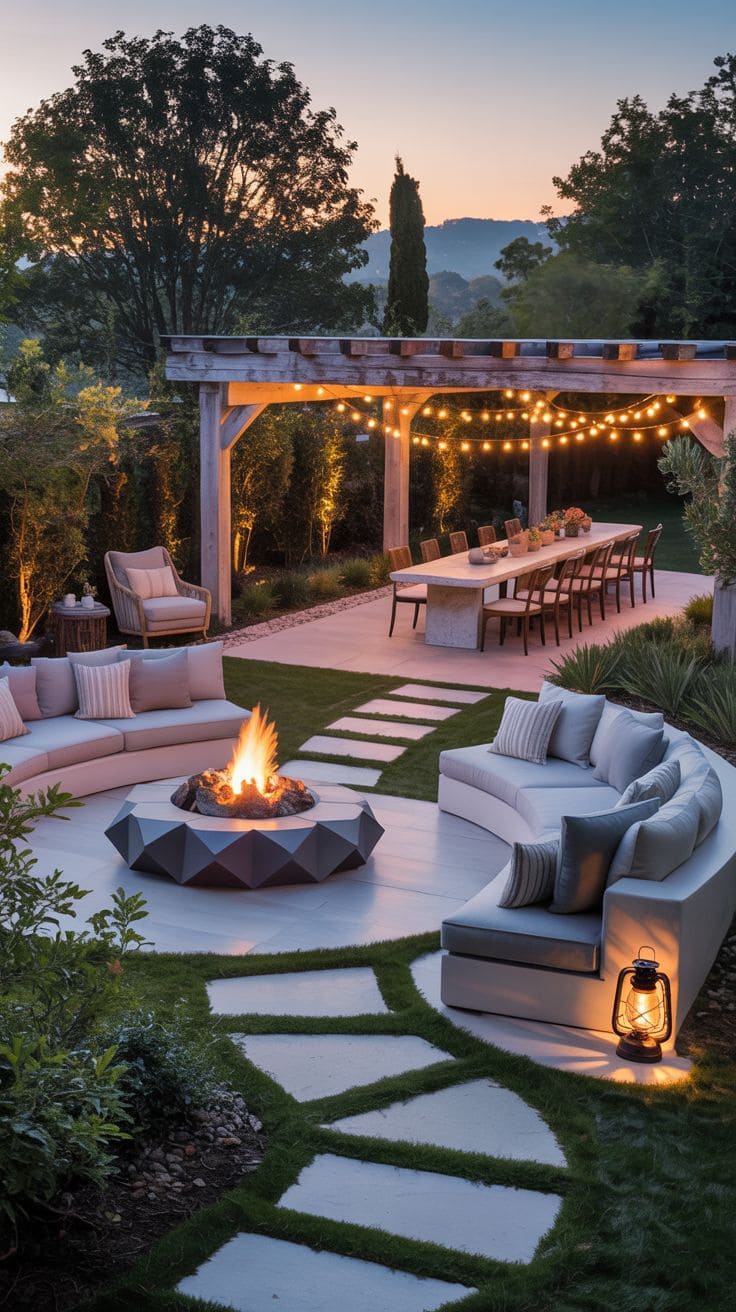
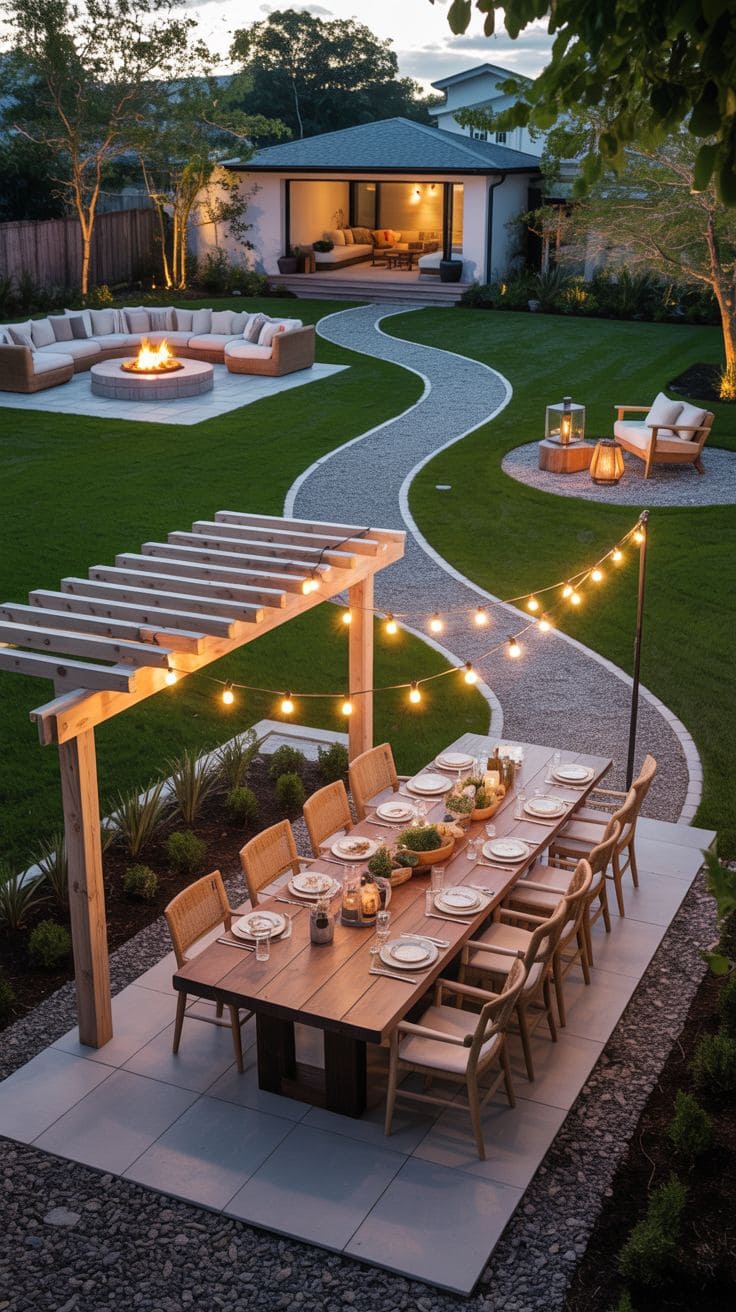
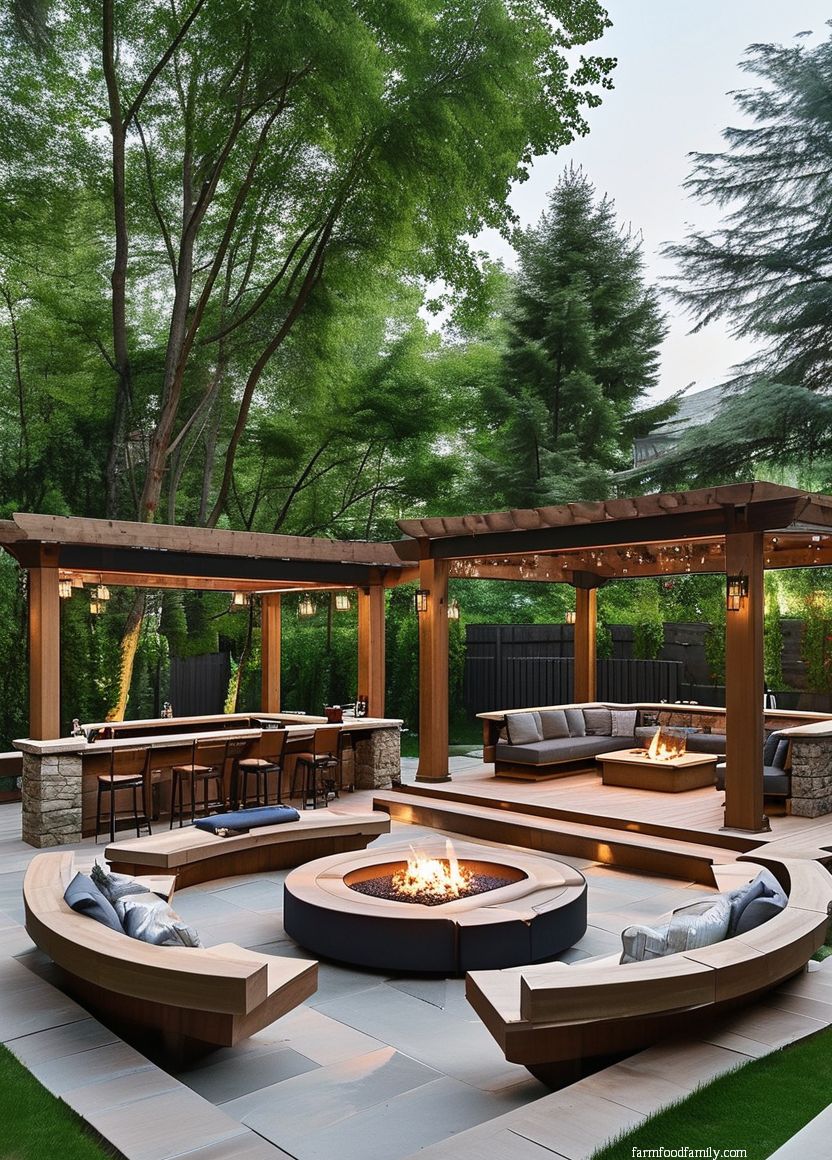
Treat a large yard like a house with several rooms, not one continuous space. A dining area under a pergola, a separate lounge near a fire pit, a quiet reading corner under trees, each with its own boundary defined by a path, a change in ground material, or a low hedge rather than a fence.
Joe Raboine, Vice President of Design at Oldcastle APG and a longtime hardscape designer, points to this kind of zoning as central to how “purpose-driven” yards are trending in 2026, with every section of a large property given an actual job instead of sitting as unused lawn.
Defining zones without fencing everything off
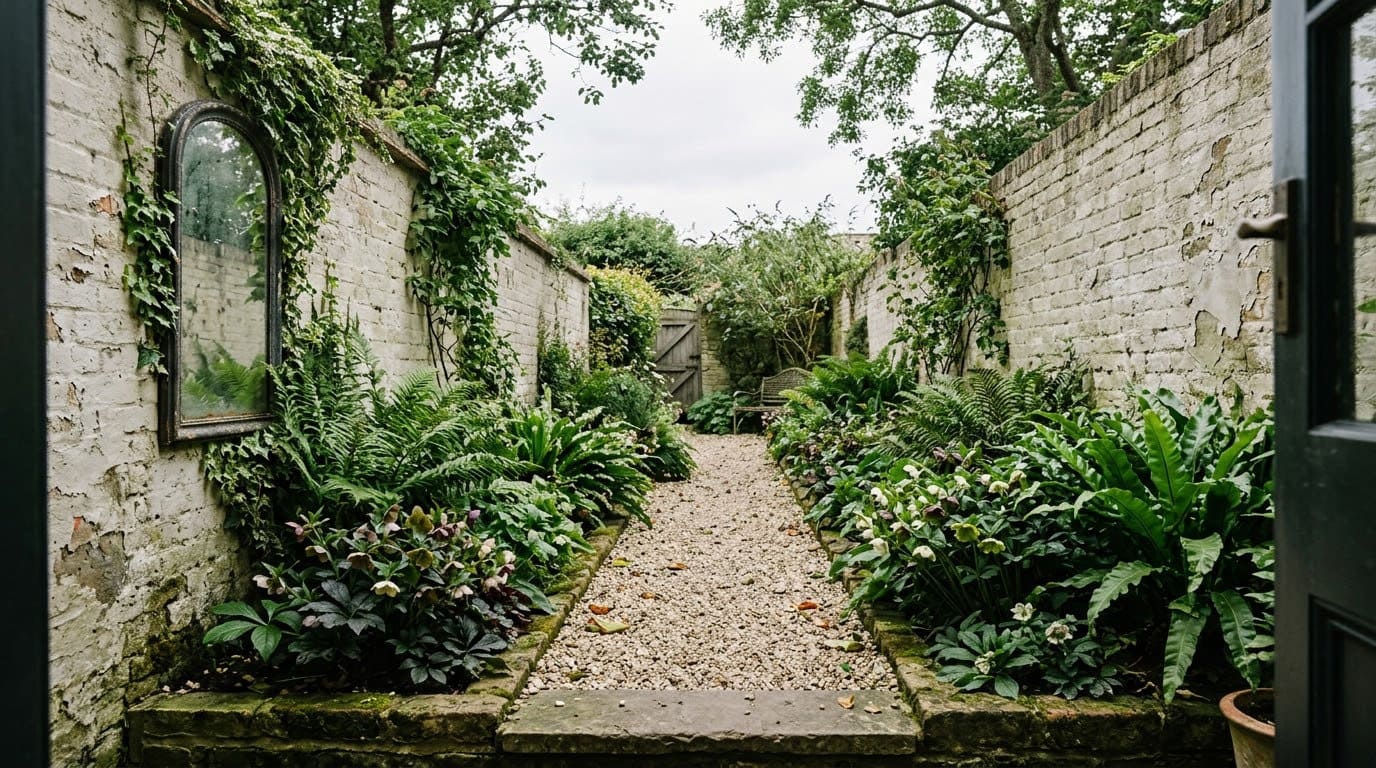
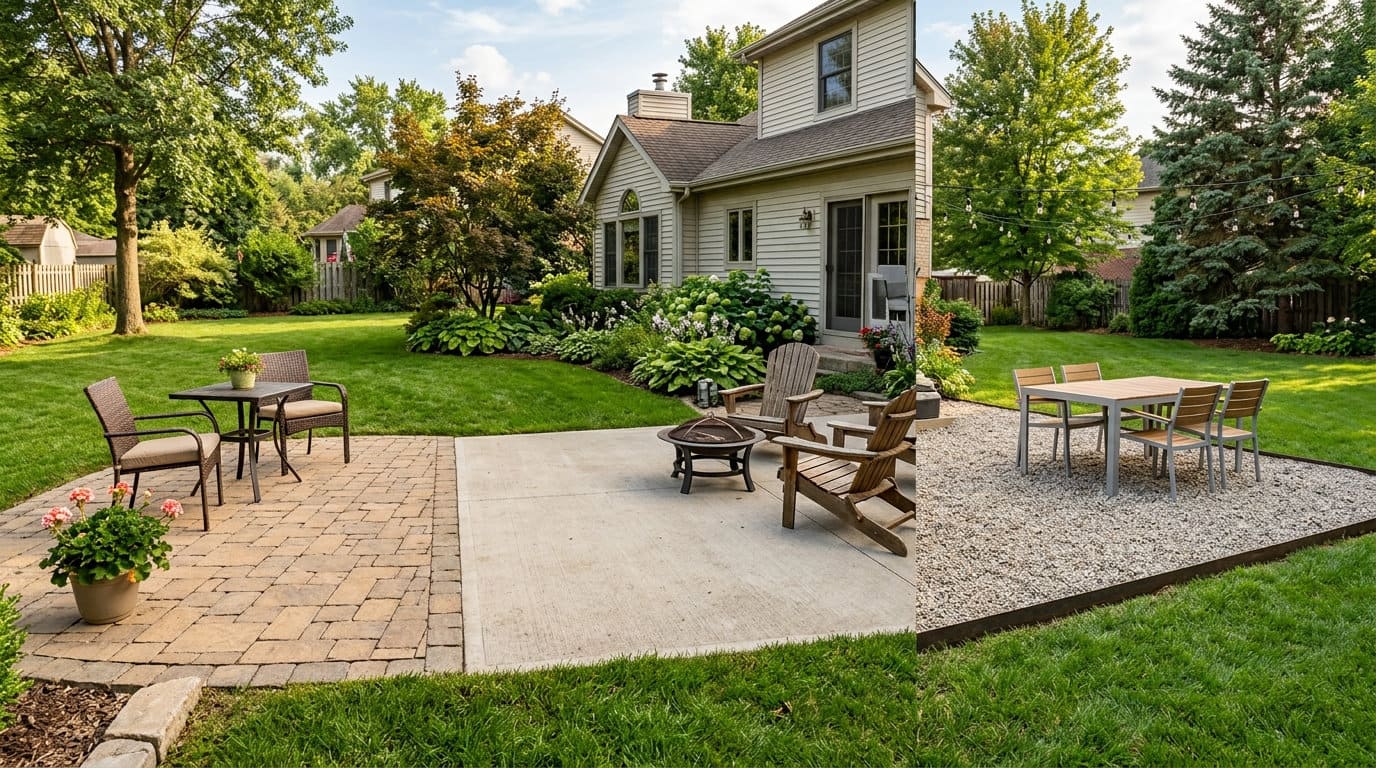
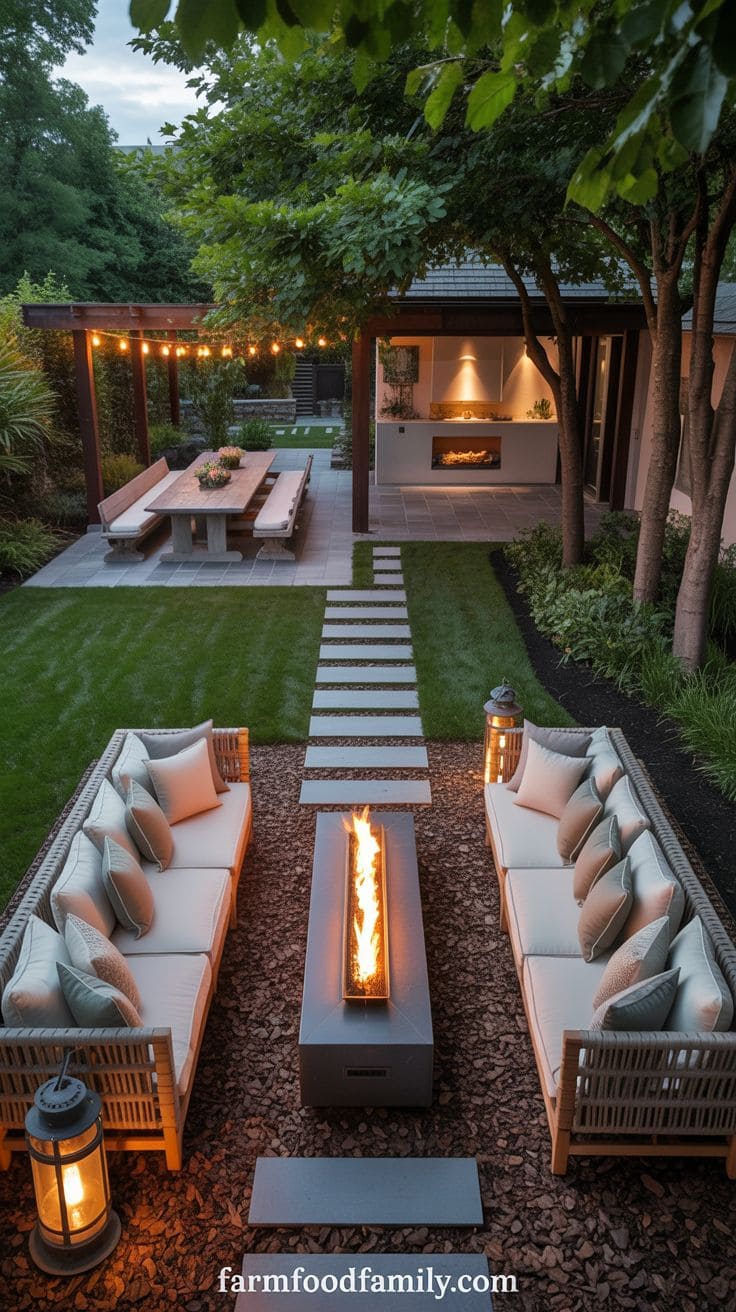
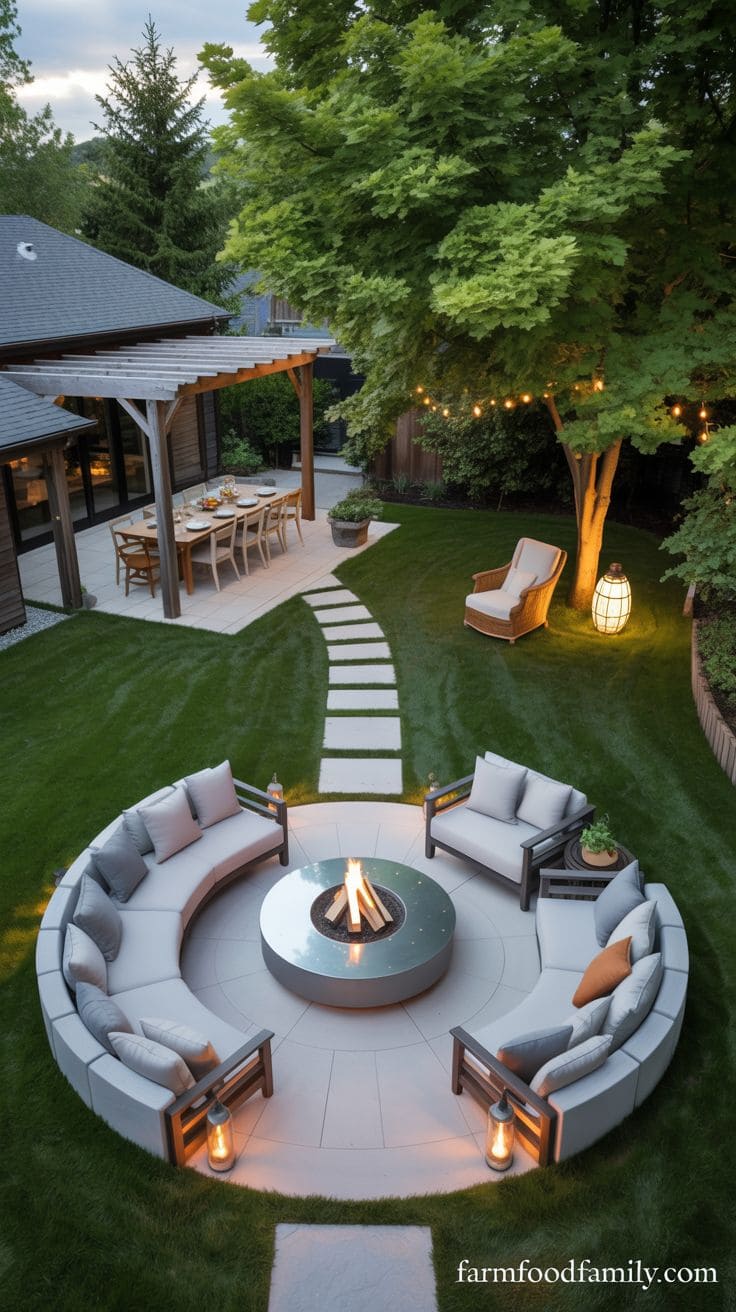
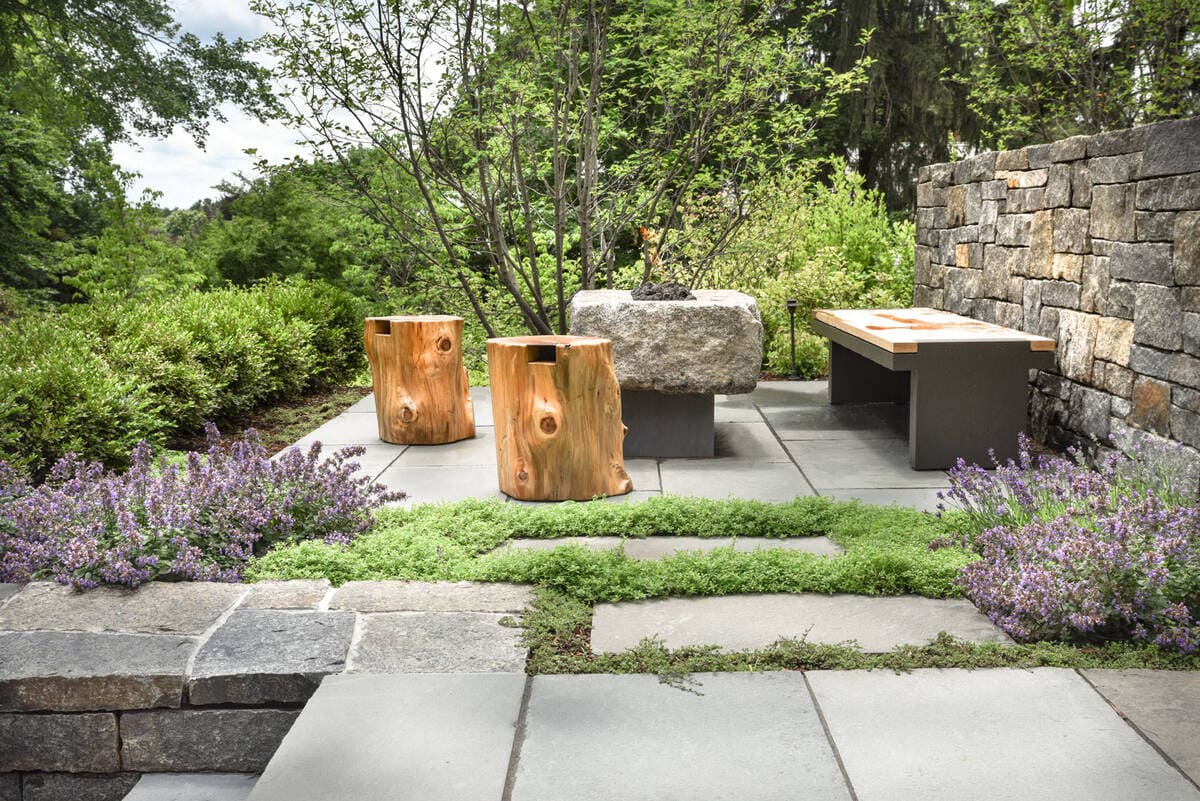
Gravel, mulch, pavers, and plain grass all read as visually distinct ground materials, which means a change underfoot can mark a transition between zones without a single physical barrier.
Most yard problems trace back to one specific, fixable cause. Find yours in 4 quick questions.
Take the Free QuizThis matters more in a large yard than a small one: fence off every zone and a big property starts to feel like a maze of small rooms instead of one connected space.
A hedge border or simple garden structure
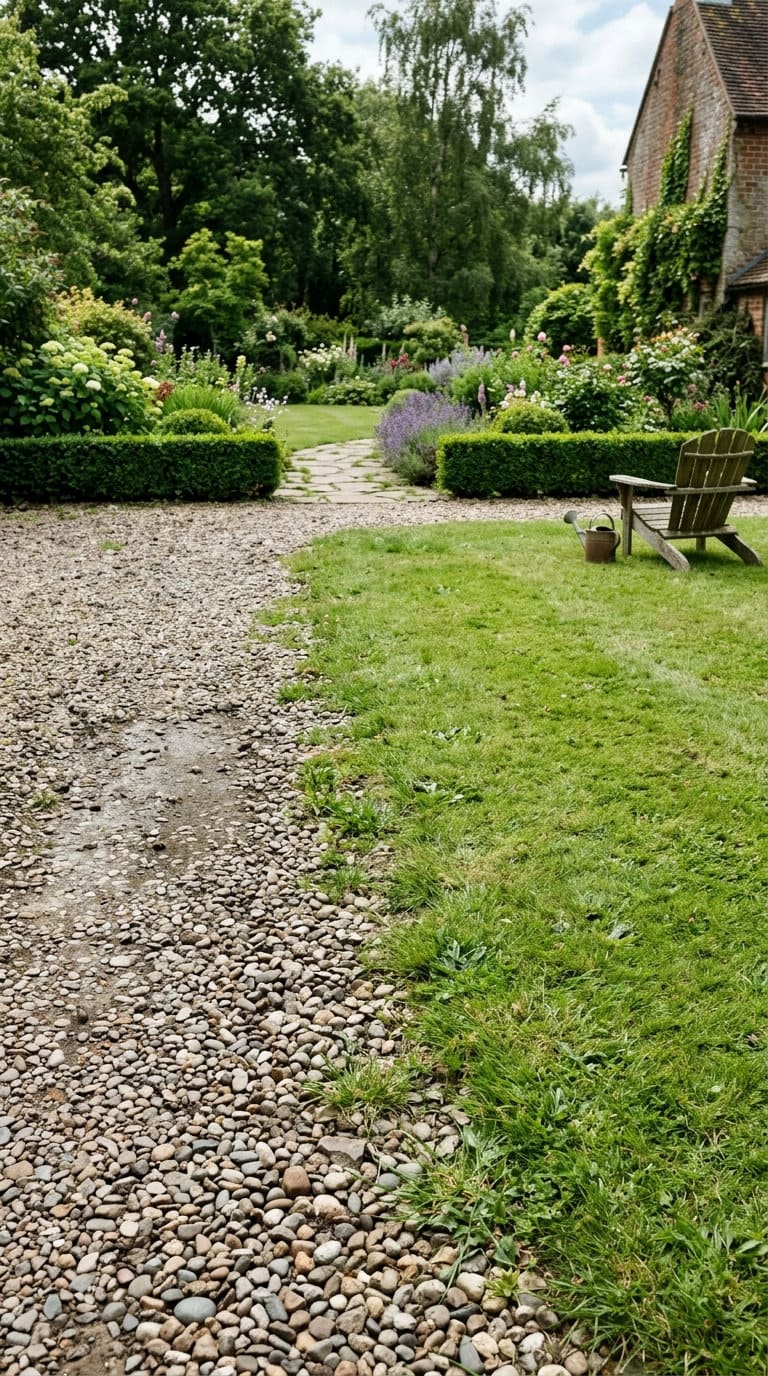
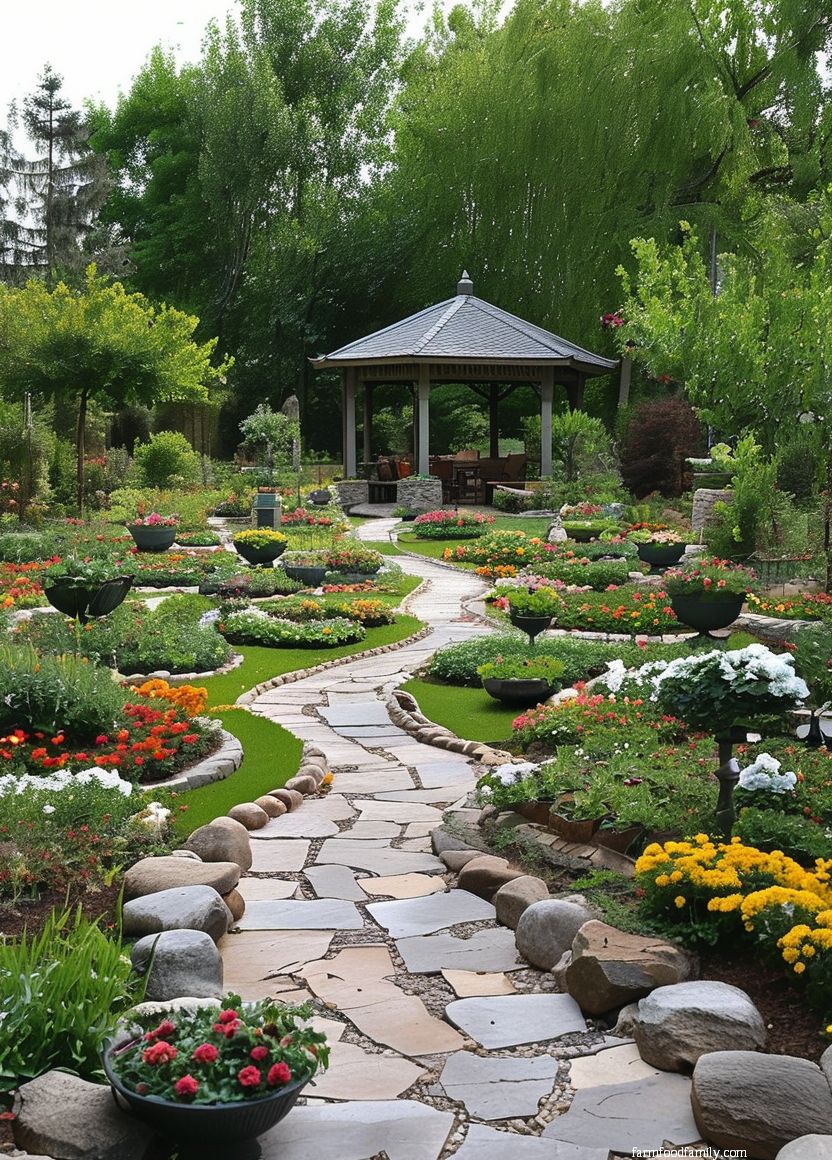
A large yard has room for something a small one doesn’t: a real structural hedge line, or a looping garden path that isn’t just utilitarian. Arborvitae, boxwood, or privet trimmed into a defined border gives the space a backbone.
It doesn’t need to be elaborate. Even a simple loop with a bench at the far end gives a large yard a destination, not just an expanse.
Water and garden features
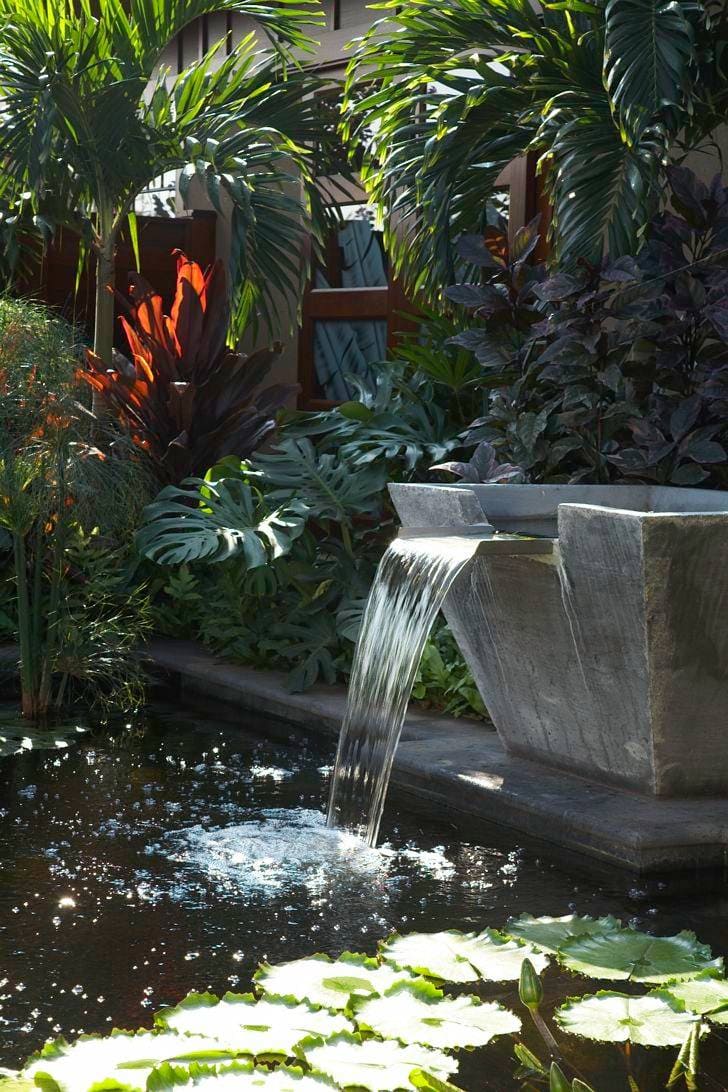
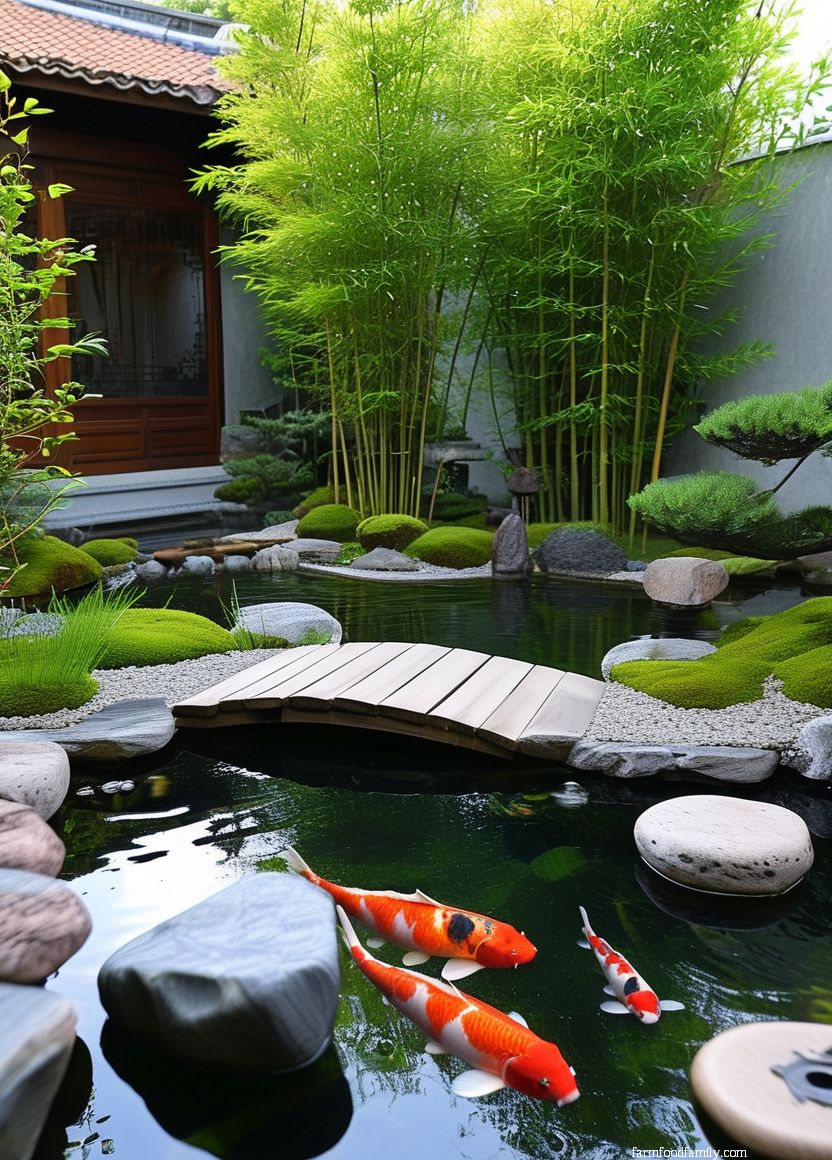
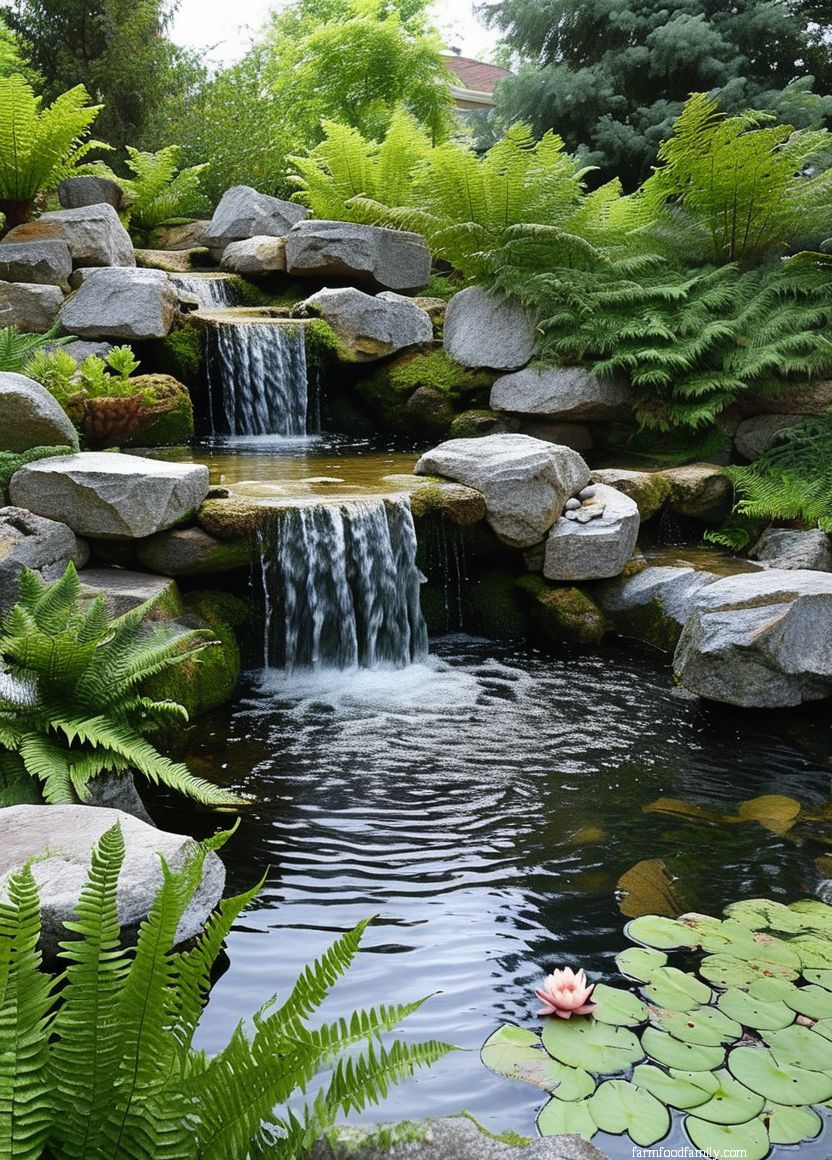
A real water feature
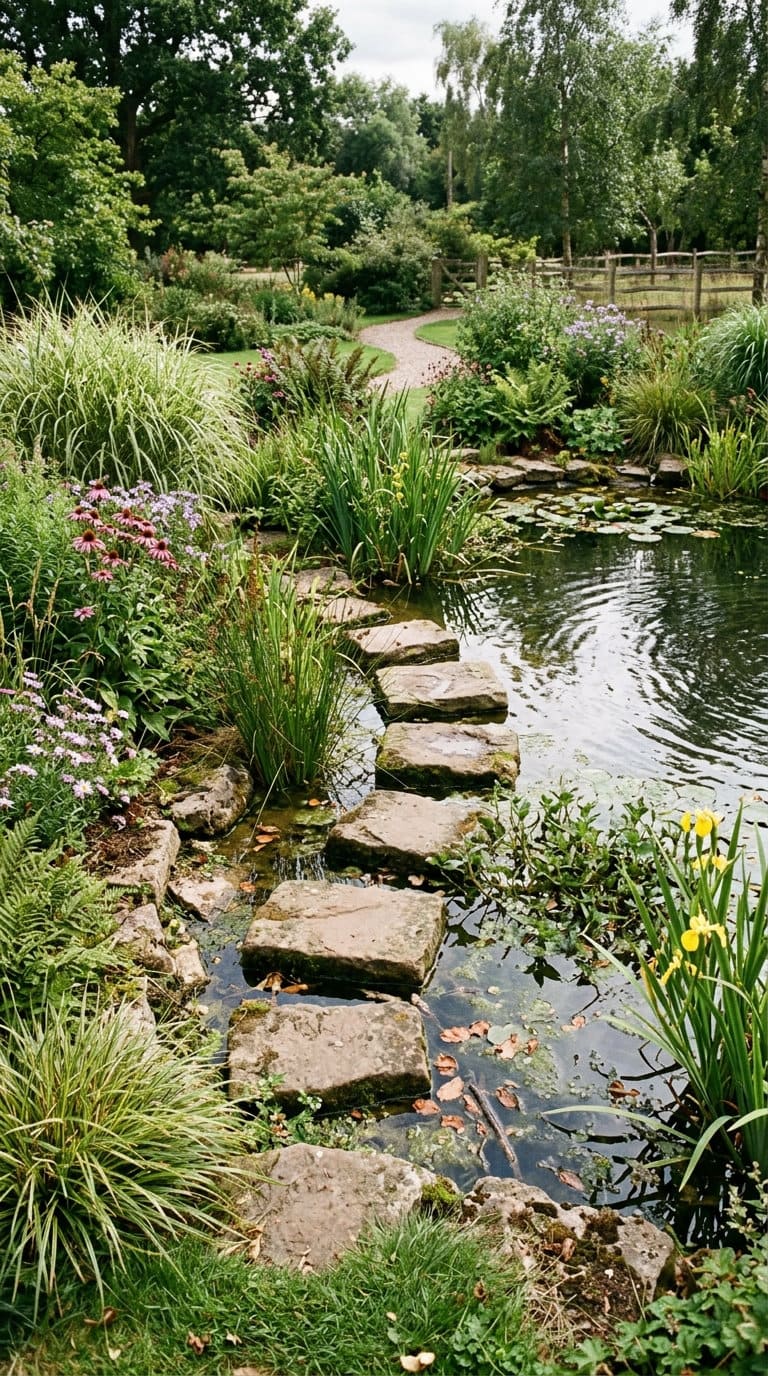
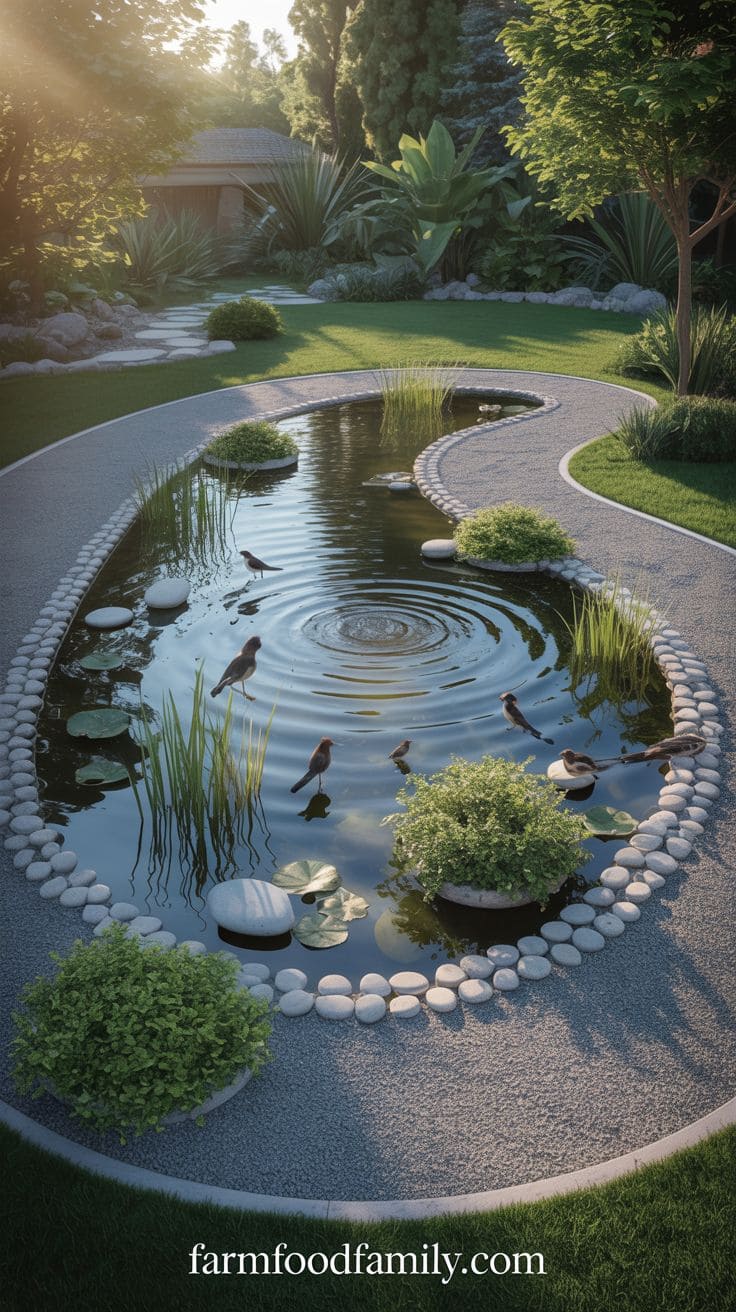
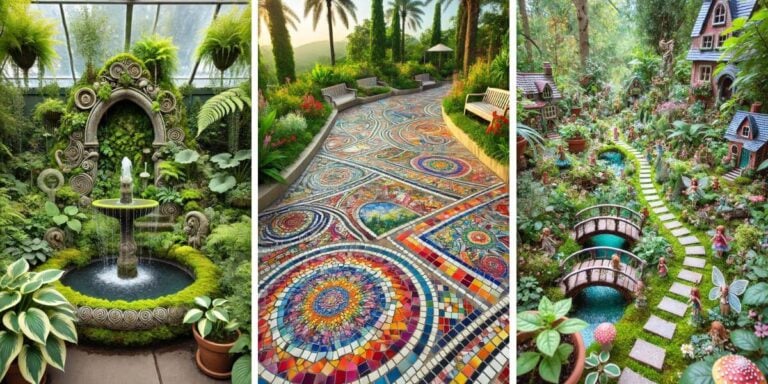
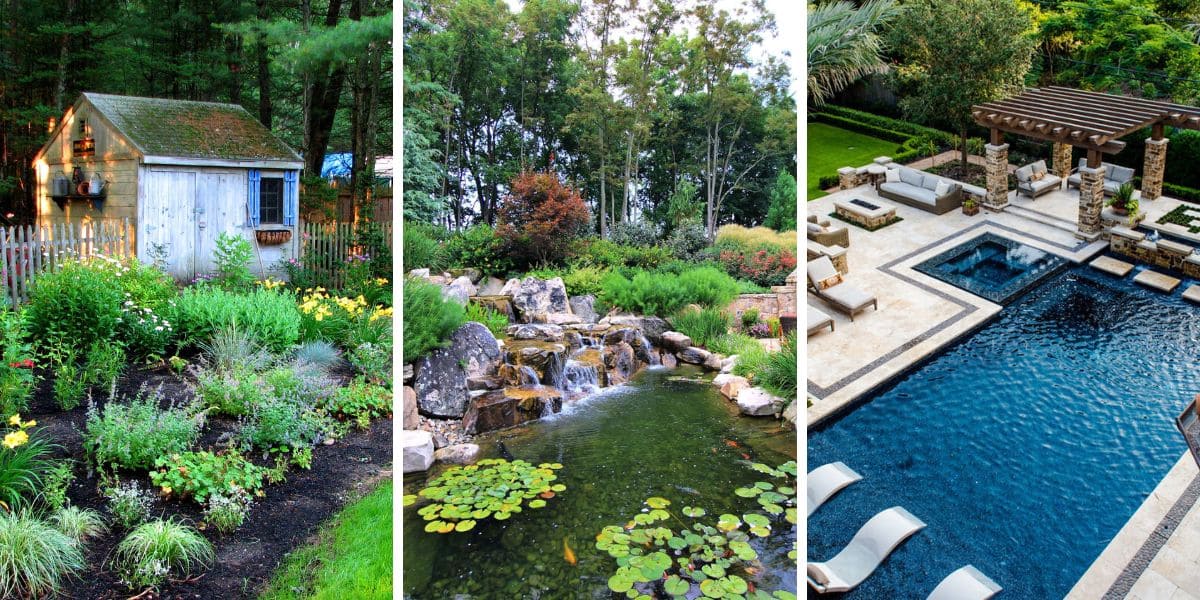
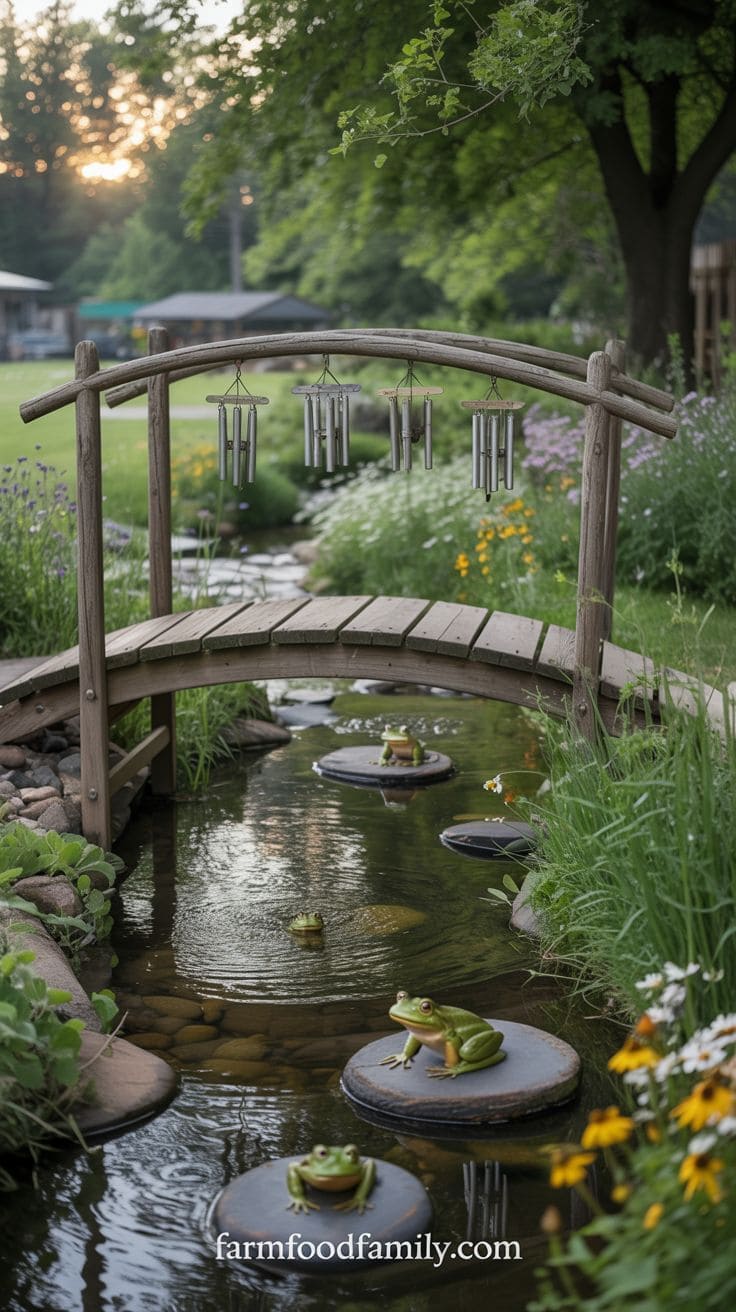
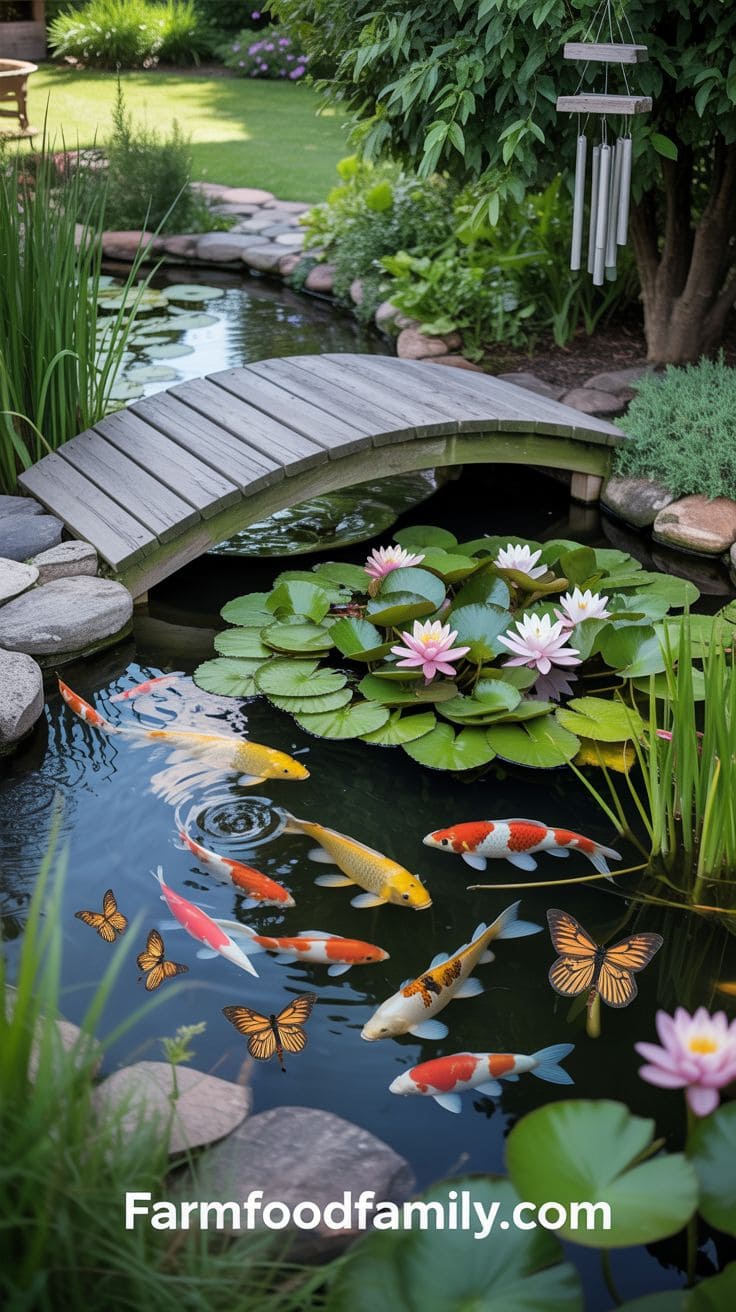
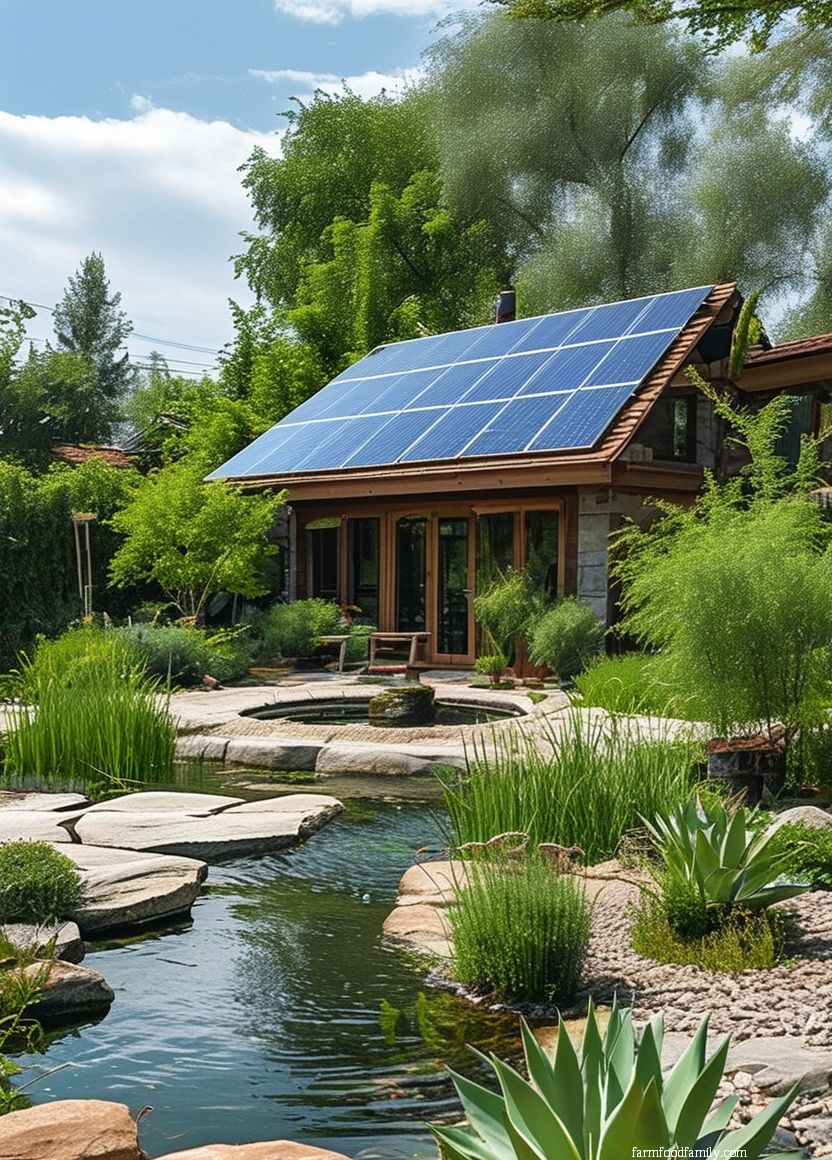
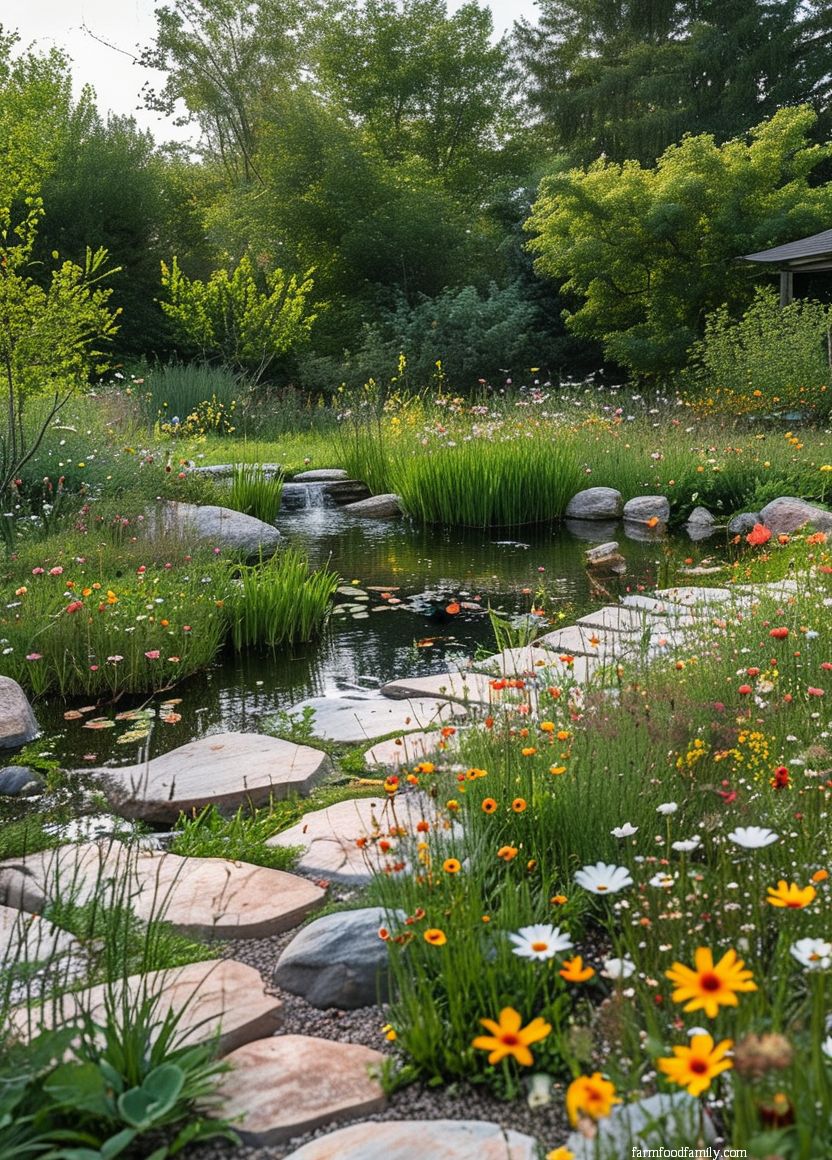
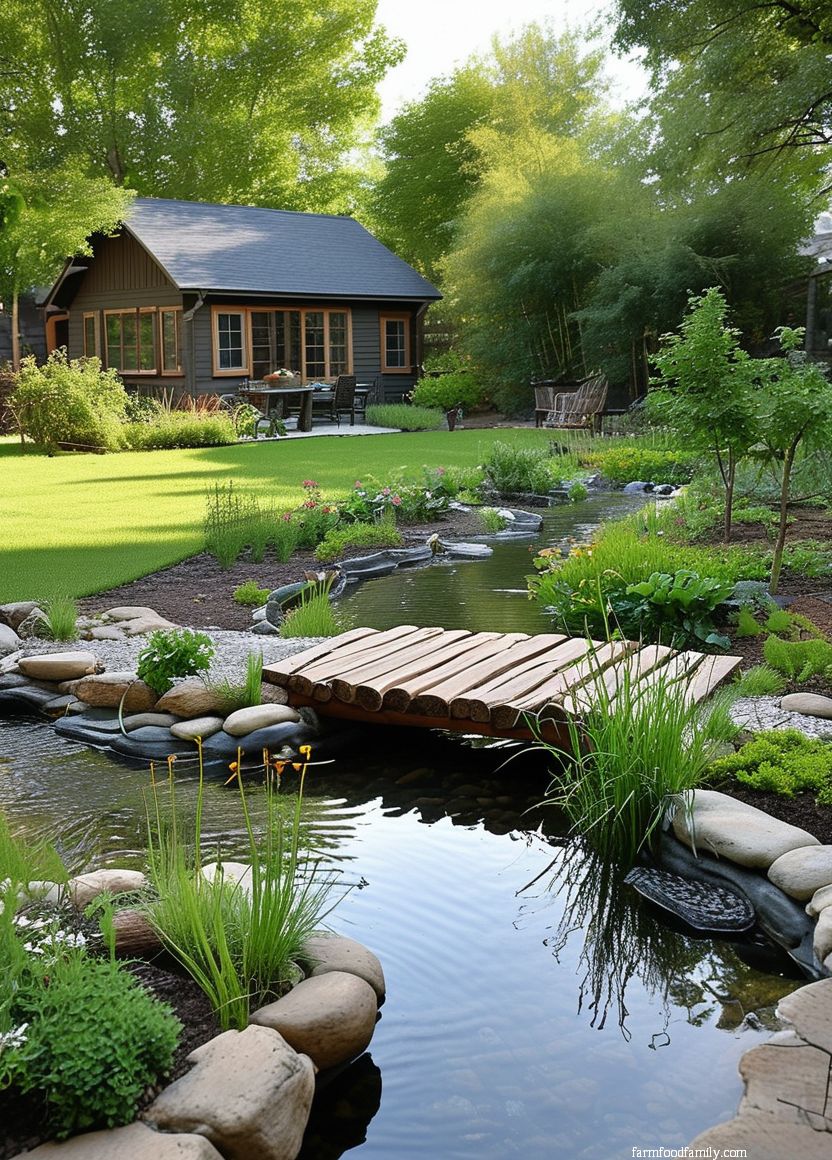
Small yards get a fountain. Large ones can support an actual pond, a stream, or a small waterfall, the kind with room for tall grasses, water lilies, and stepping stones across a shallow section.
Pre-formed pond kits and flexible liners make this achievable without a full excavation contractor, and a solar pump keeps the running cost close to nothing.
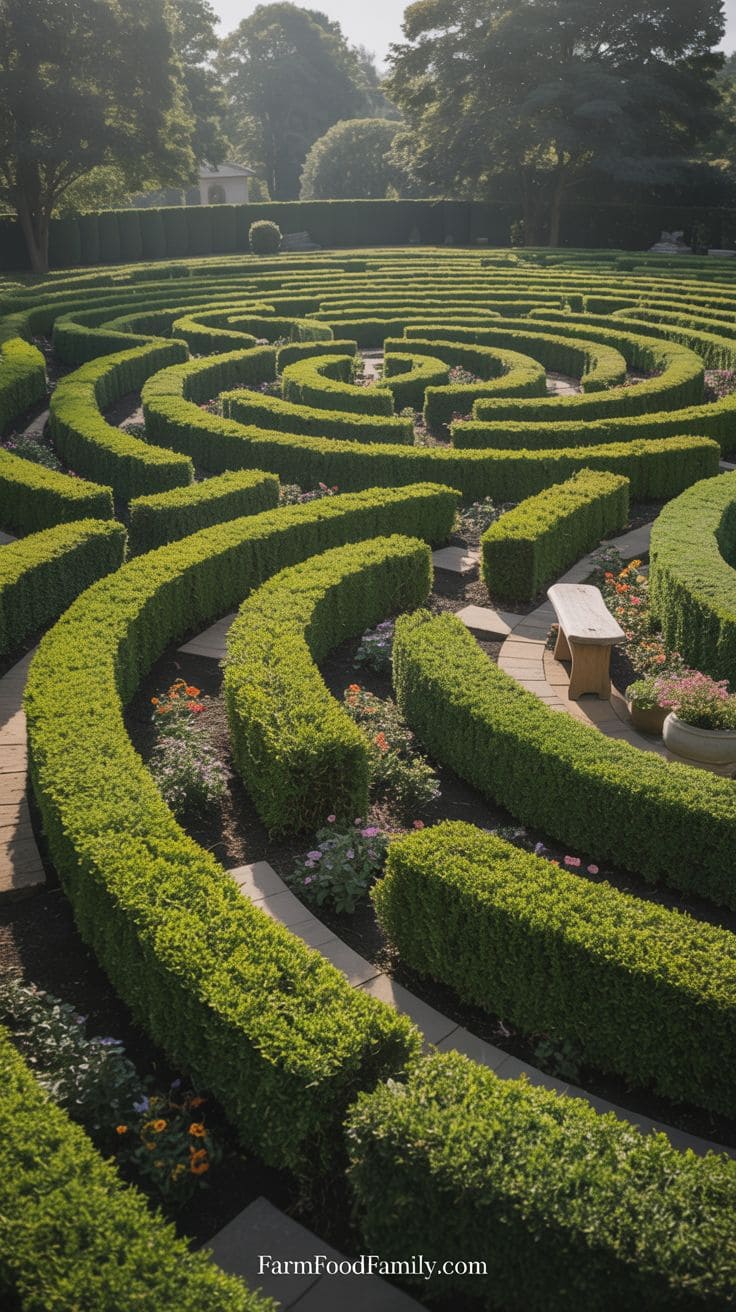
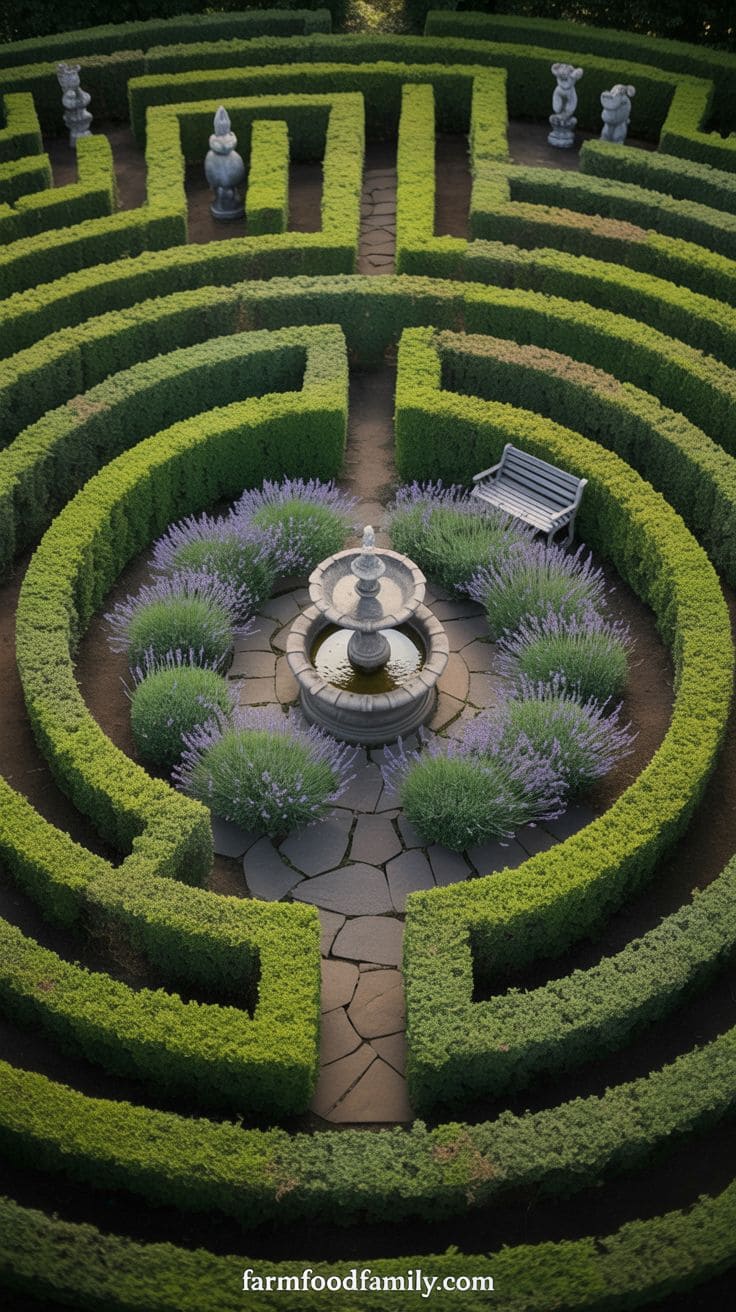
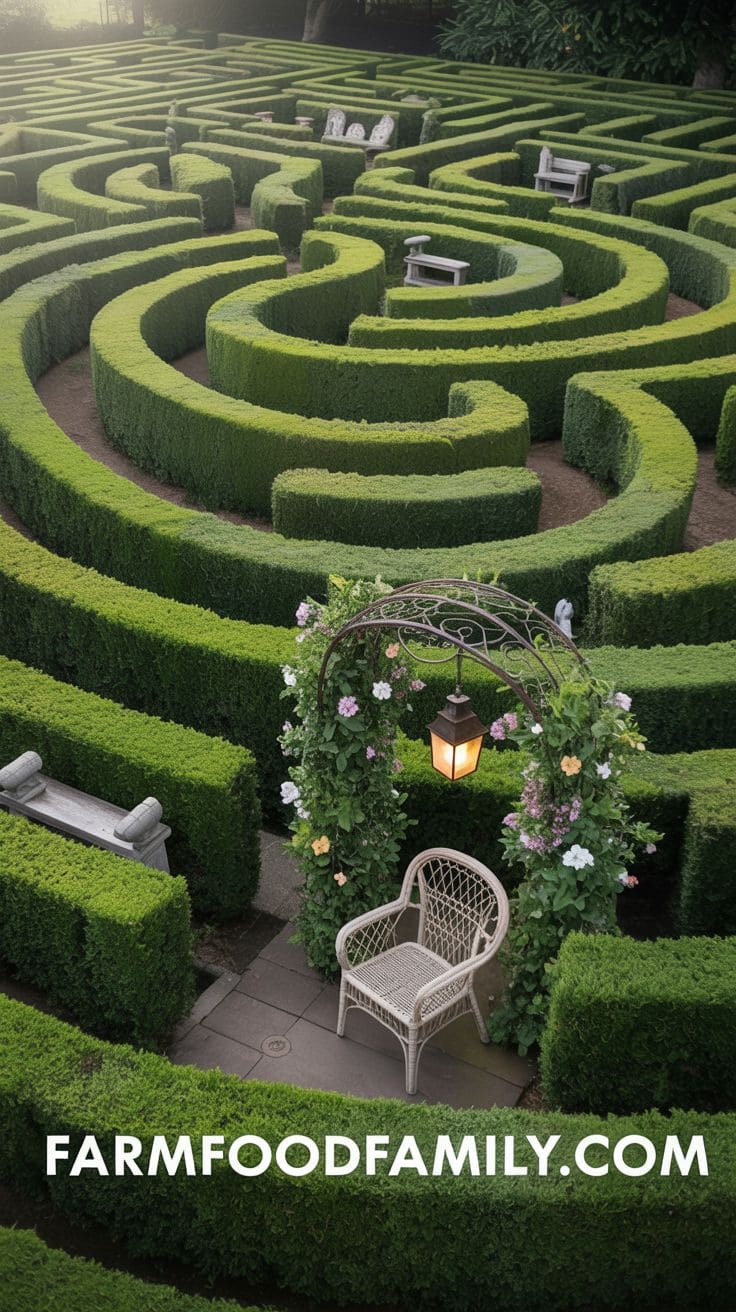
Hedges or a Garden Maze
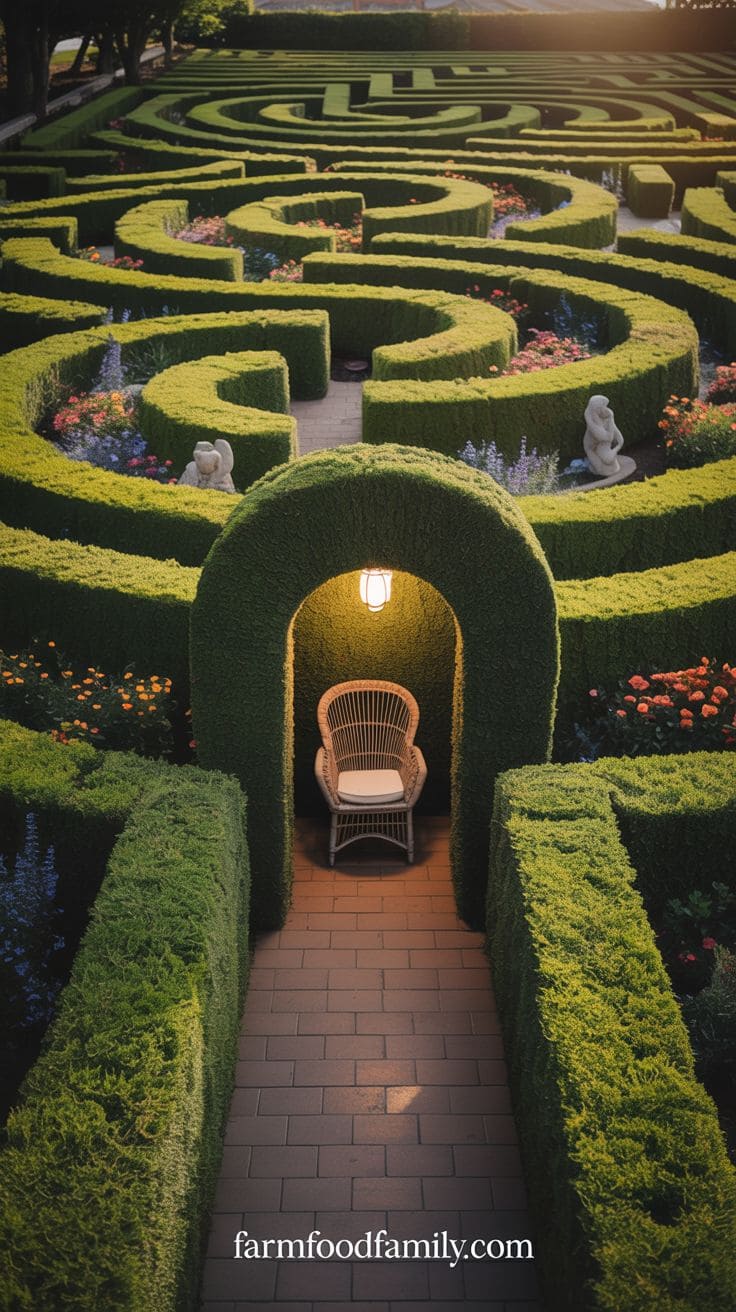
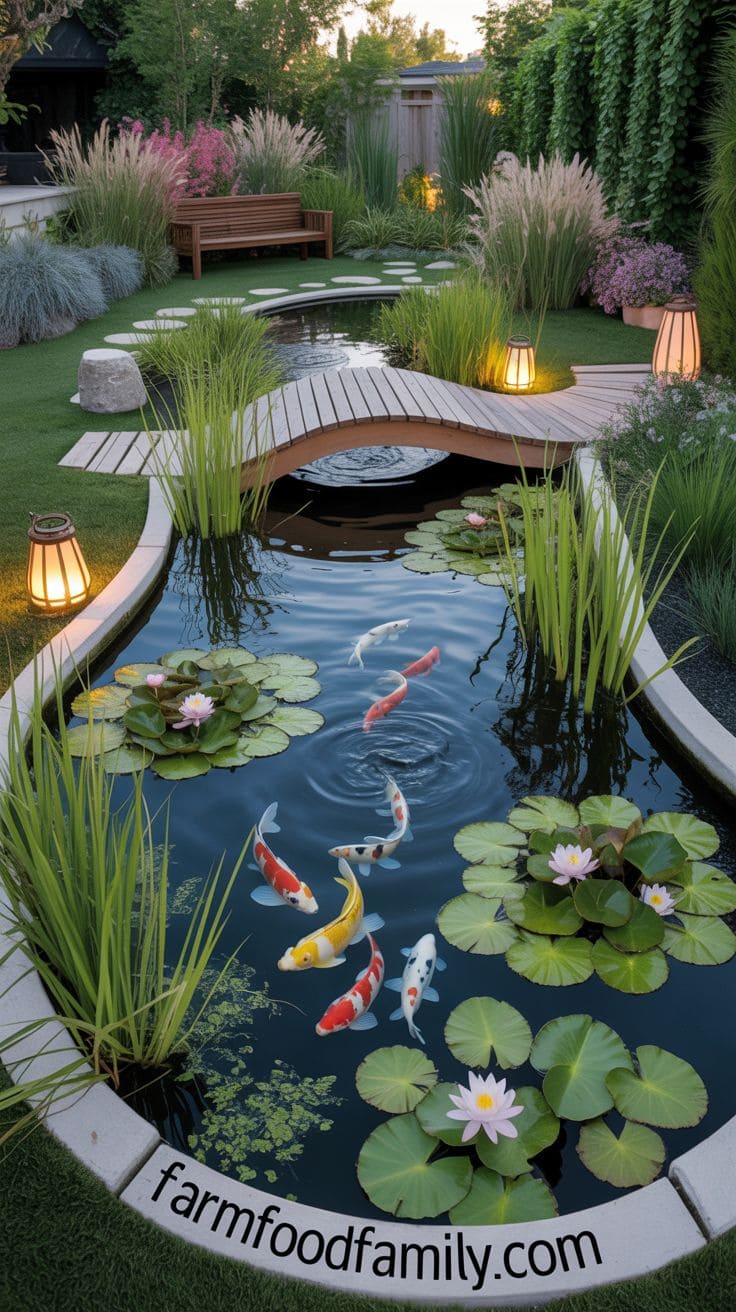
A backyard large enough to support a hedge labyrinth or sculptural planting arrangement results in a very distinctive and quirky feature.
Tall hedges made of arborvitae, boxwood, or privet can be trimmed to create meandering pathways or creative designs.
The maze does not have to be complicated; even a few twists can provide a sense of surprise and excitement.

For visual and emotional surprises along the route, scatter sculptures, secret chairs, or floral alcoves throughout the maze.
This type of installation has a fairytale feel and may be appreciated by both children and adults, functioning as a calm retreat or a fun party activity. It adds structure and formality to the landscape while still embracing fun and charm.
Large-Scale Vegetable and Flower Gardens
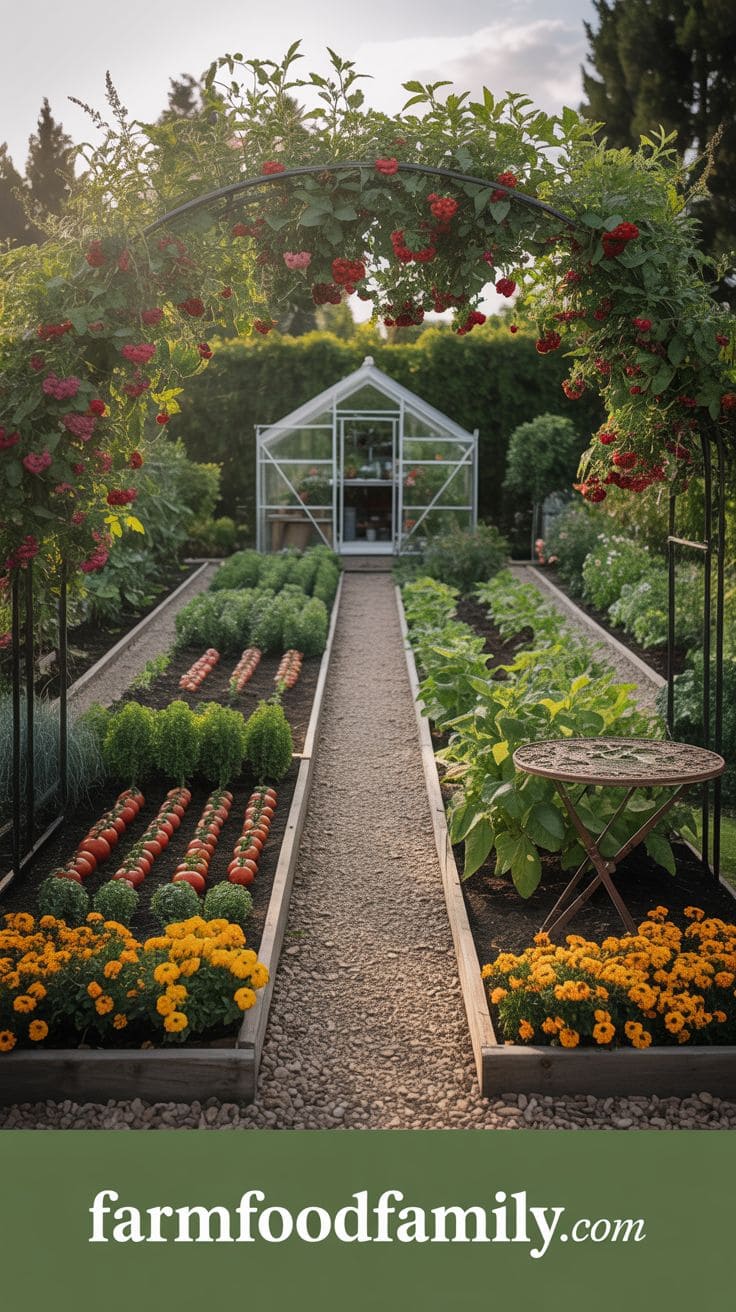
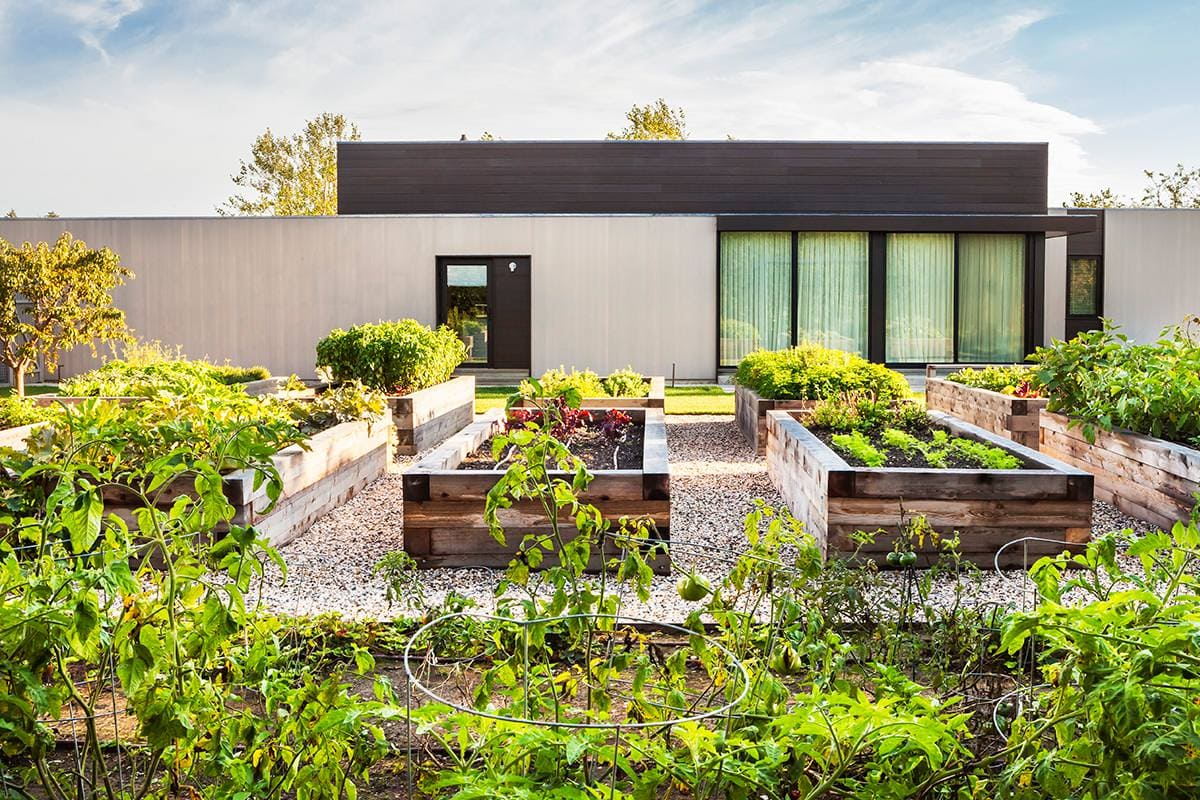
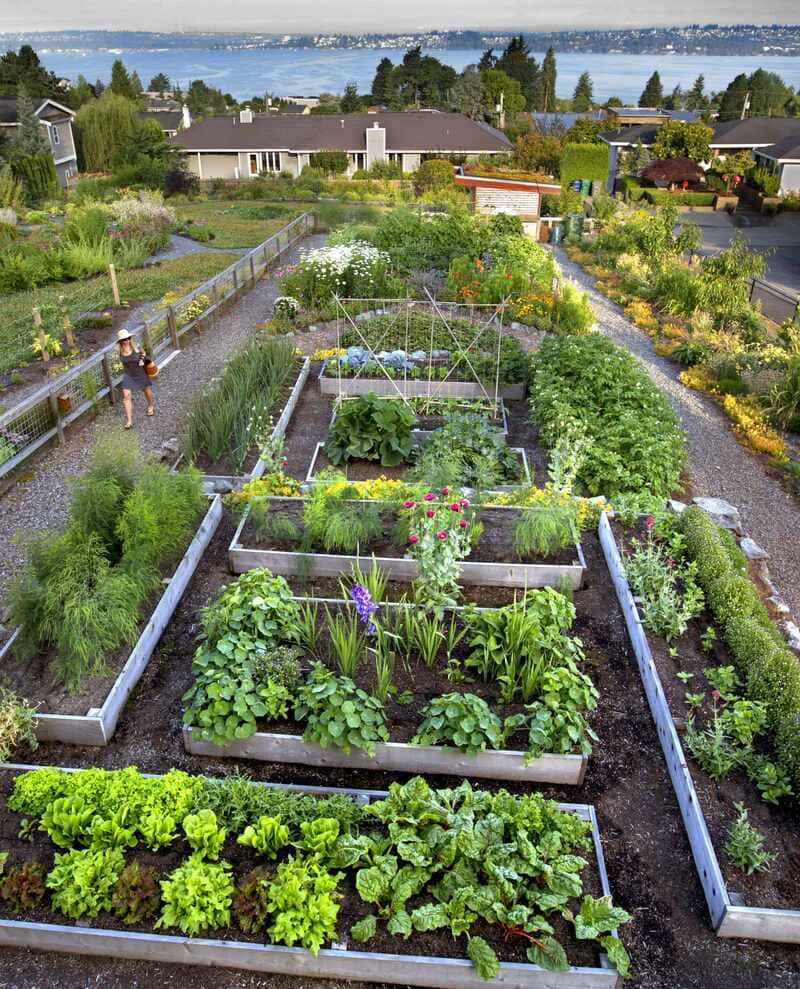
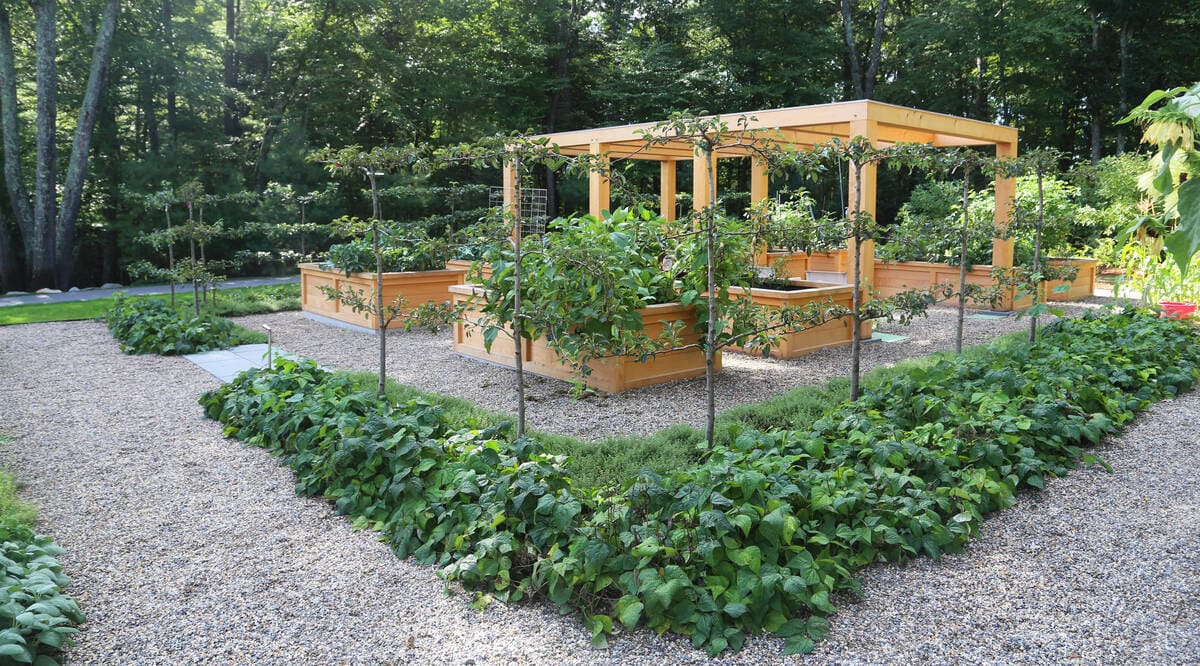
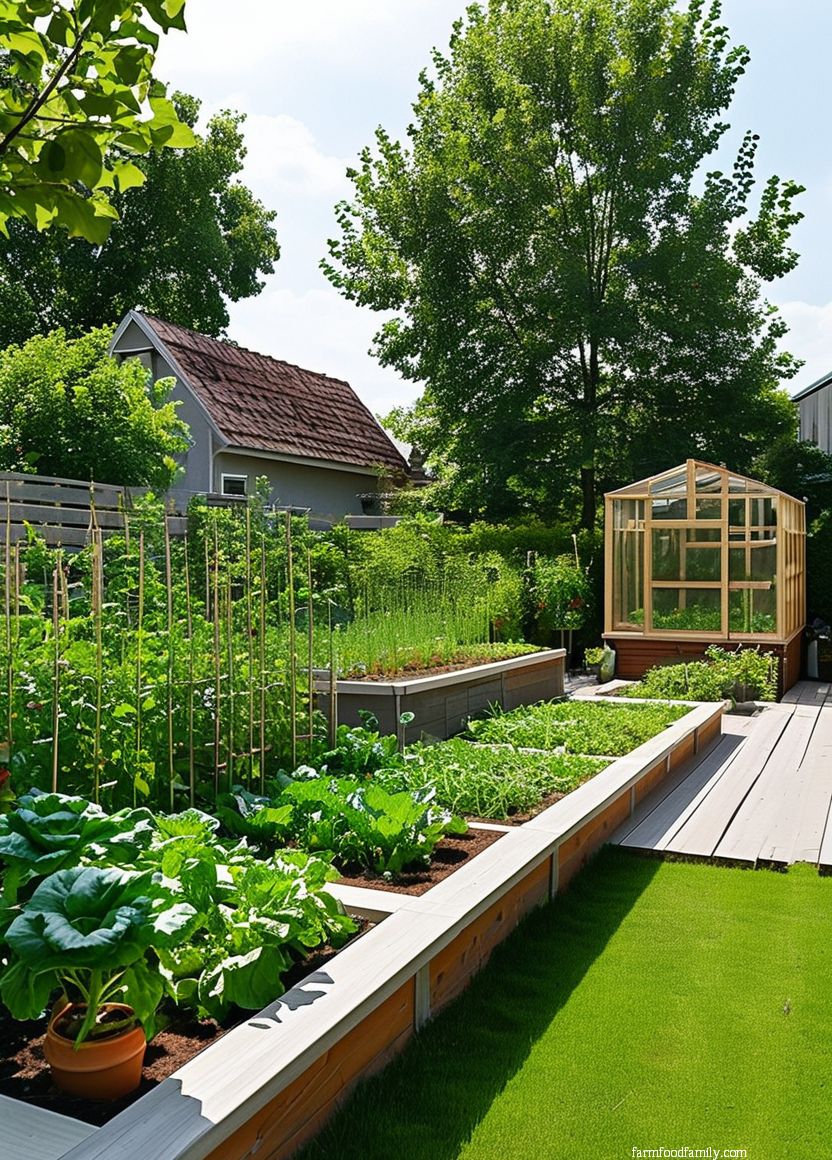
With a large yard, you have the ability to expand beyond some raised beds into a sprawling edible and ornamental garden.
The average homeowner spends $616/year on yard fixes that don't address the real problem. Find out what yours actually is — before you spend another dollar.
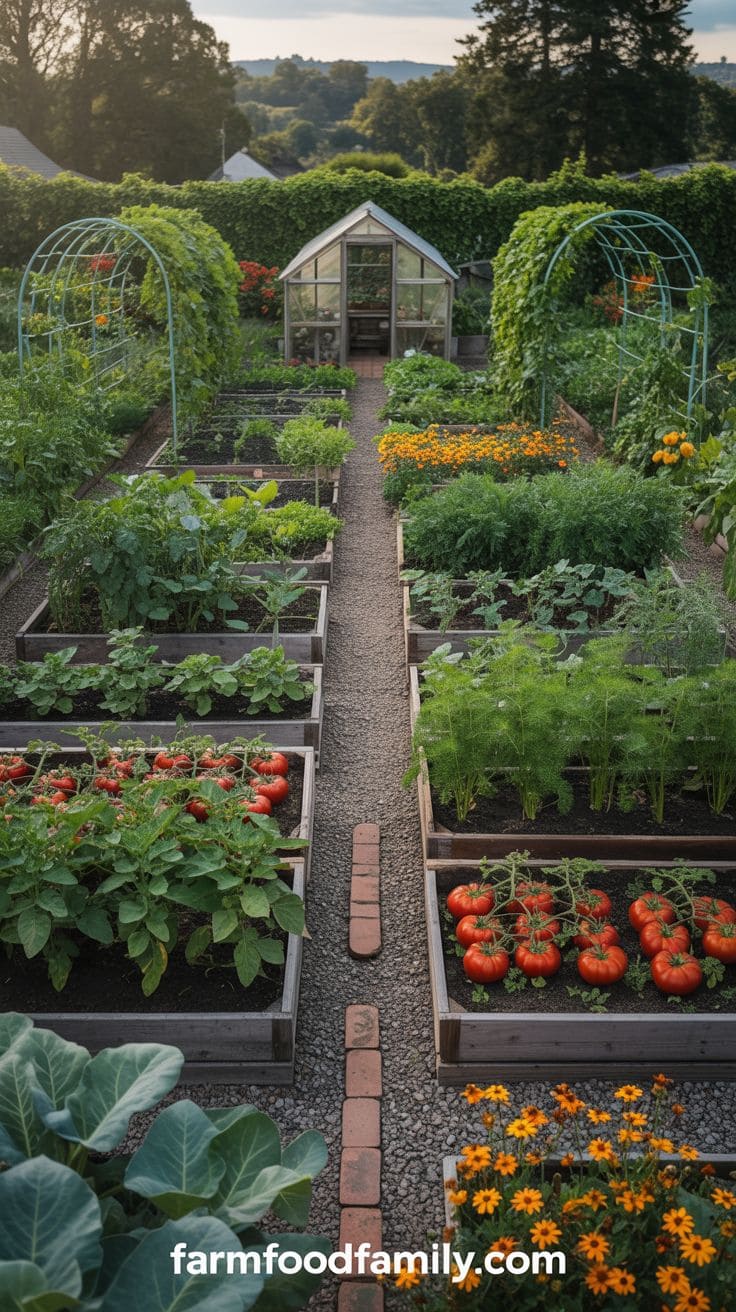
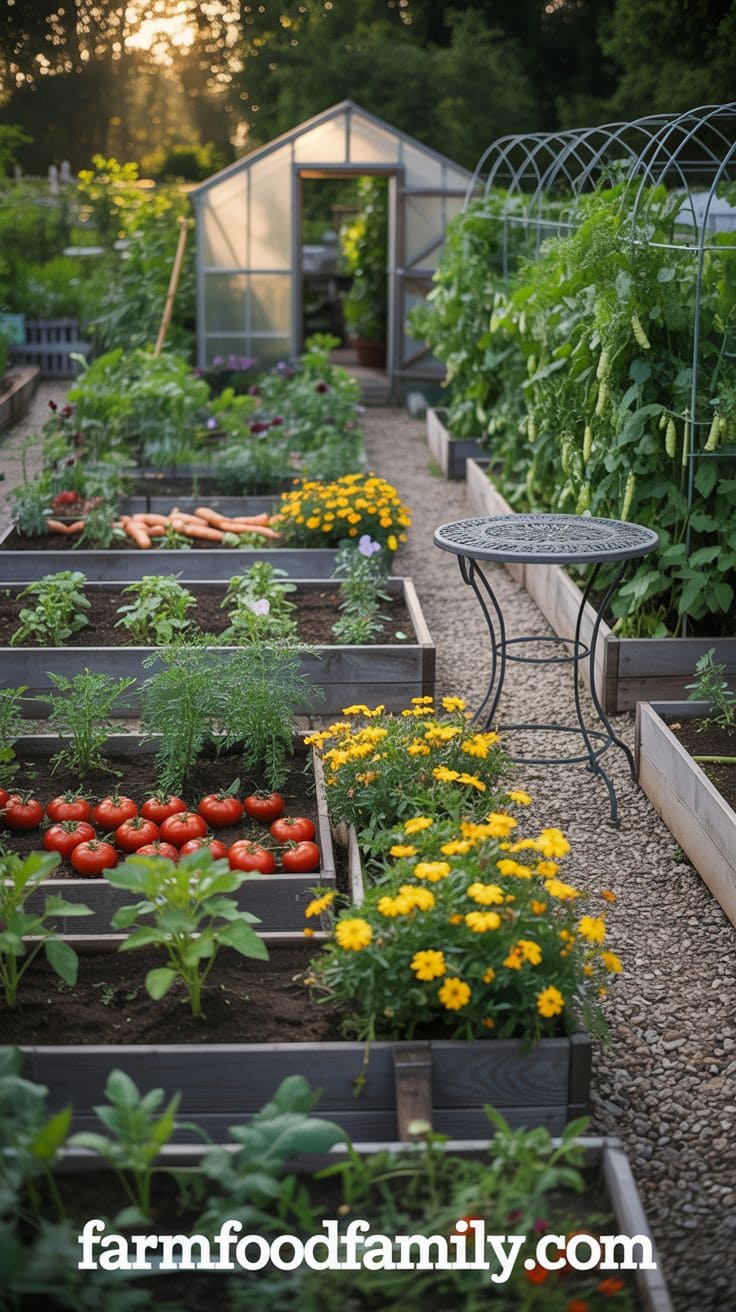
Take the Free QuizPlant large rows of vegetables, herbs, fruit trees, and berry bushes, surrounded by companion planting flowers such as marigolds, nasturtiums, or lavender.
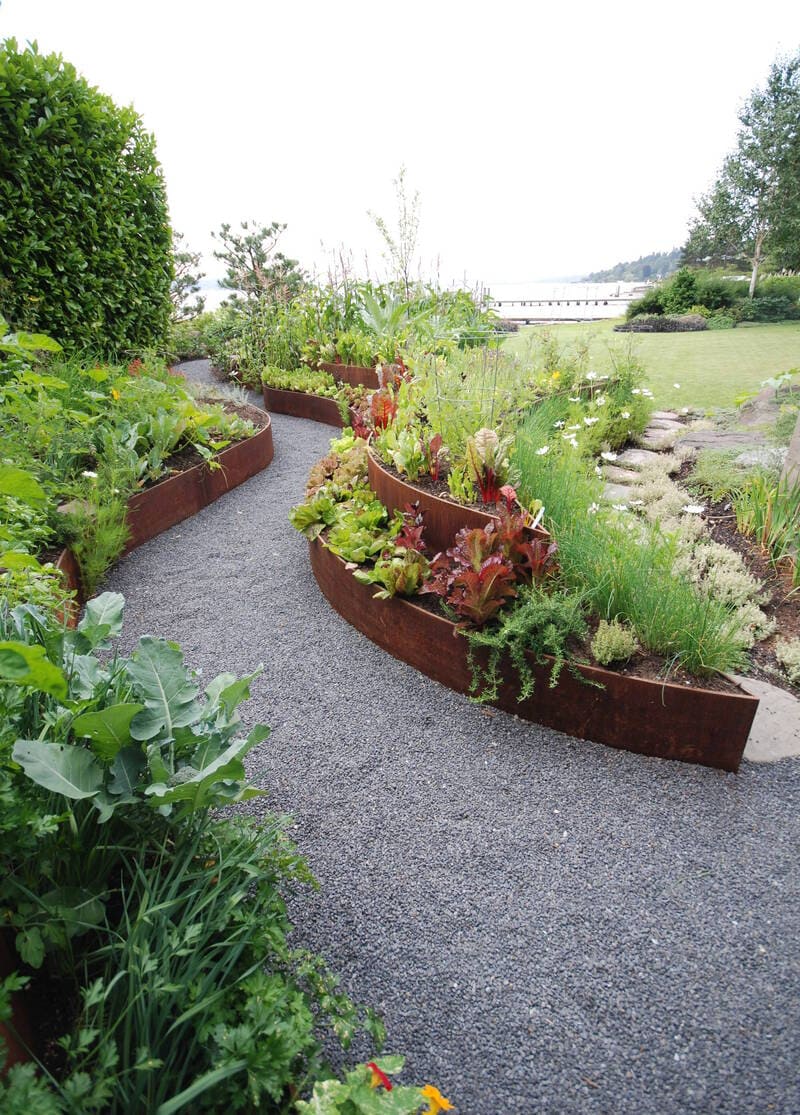
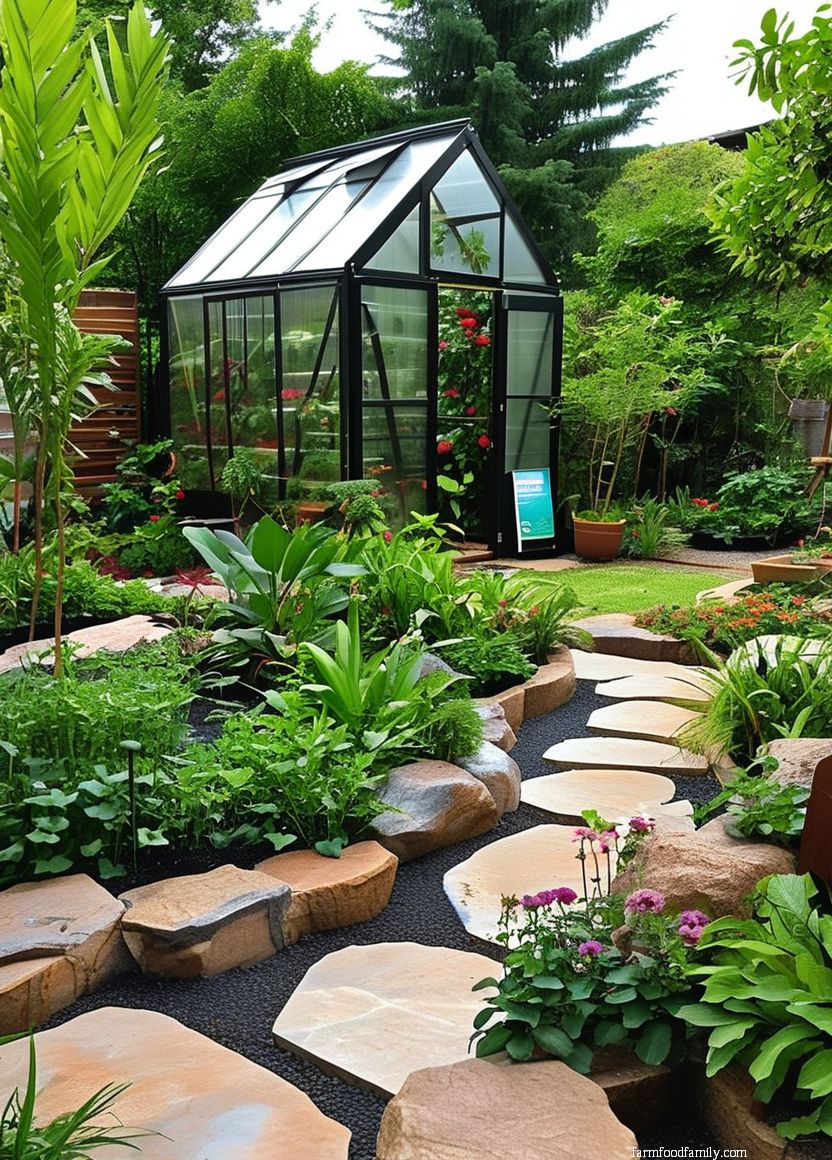
Include a central gravel path or brick walkway to direct guests through the cornucopia, as well as a greenhouse or cold frame for extended-season growth.
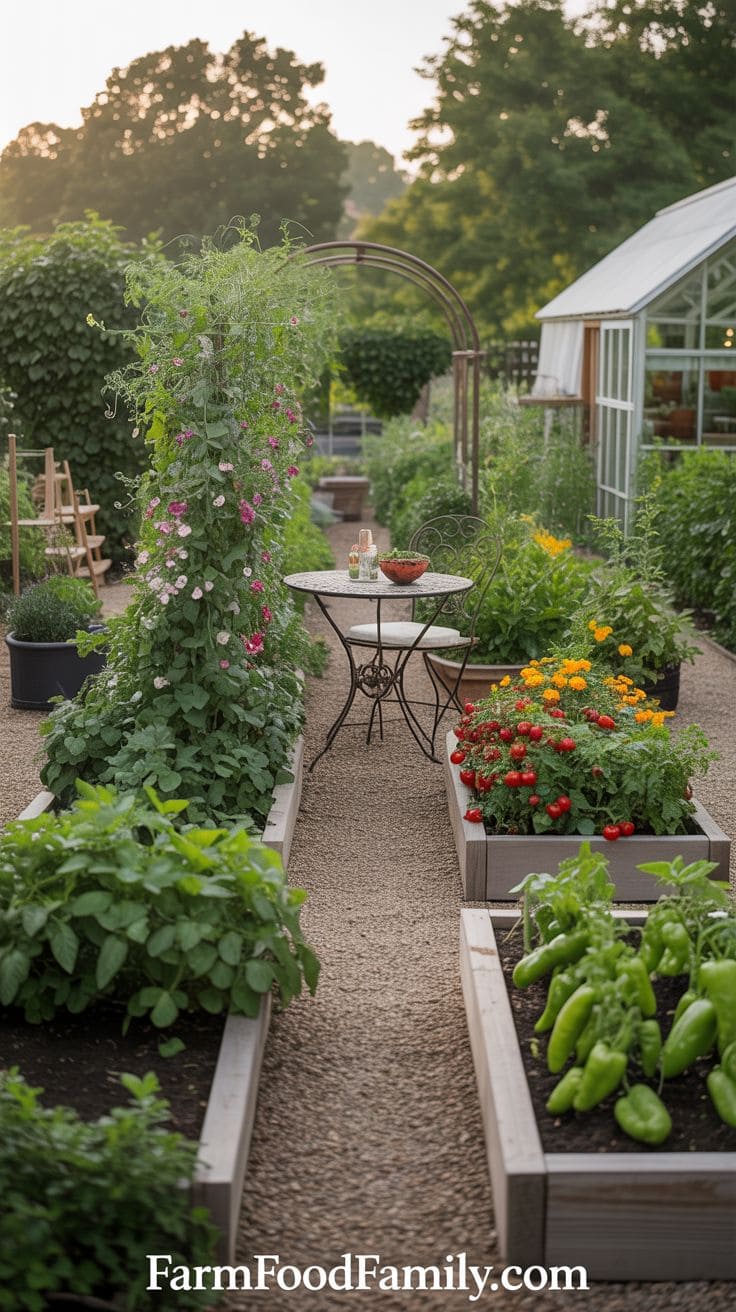
Use ornamental trellises, arches, or obelisks to support climbing beans or sweet peas, transforming functionality into art.
This not only provides you with fresh vegetables and cut flowers throughout the season, but it also produces a sensory experience rich in color, aroma, and texture.
Make it even more pleasant by adding a bistro table nearby to drink coffee while admiring your garden kingdom.
Native Plant Gardens
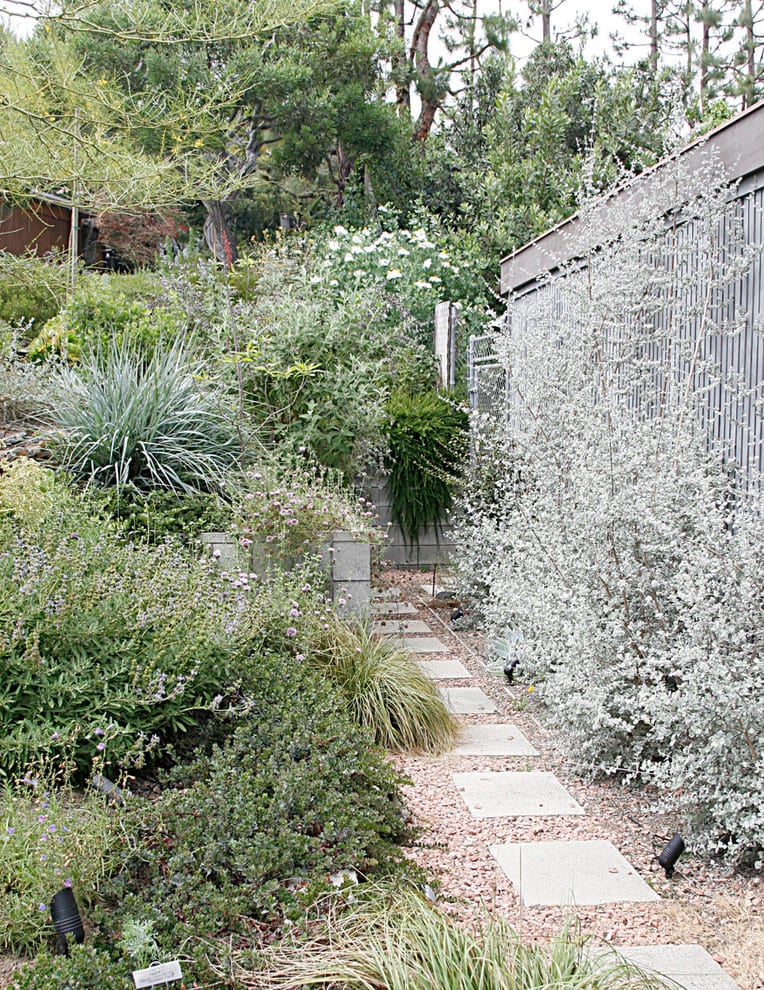
Native plantings do double duty in a large yard: they fill space that would otherwise need mowing, and they need far less water and fertilizer once established than an equivalent stretch of lawn.
Landscaping expert Joe Raboine specifically calls out edible landscapes and native, textured planting as one of the clearest 2026 shifts, driven by homeowners wanting lower-maintenance, more ecologically grounded yards rather than a uniform lawn.
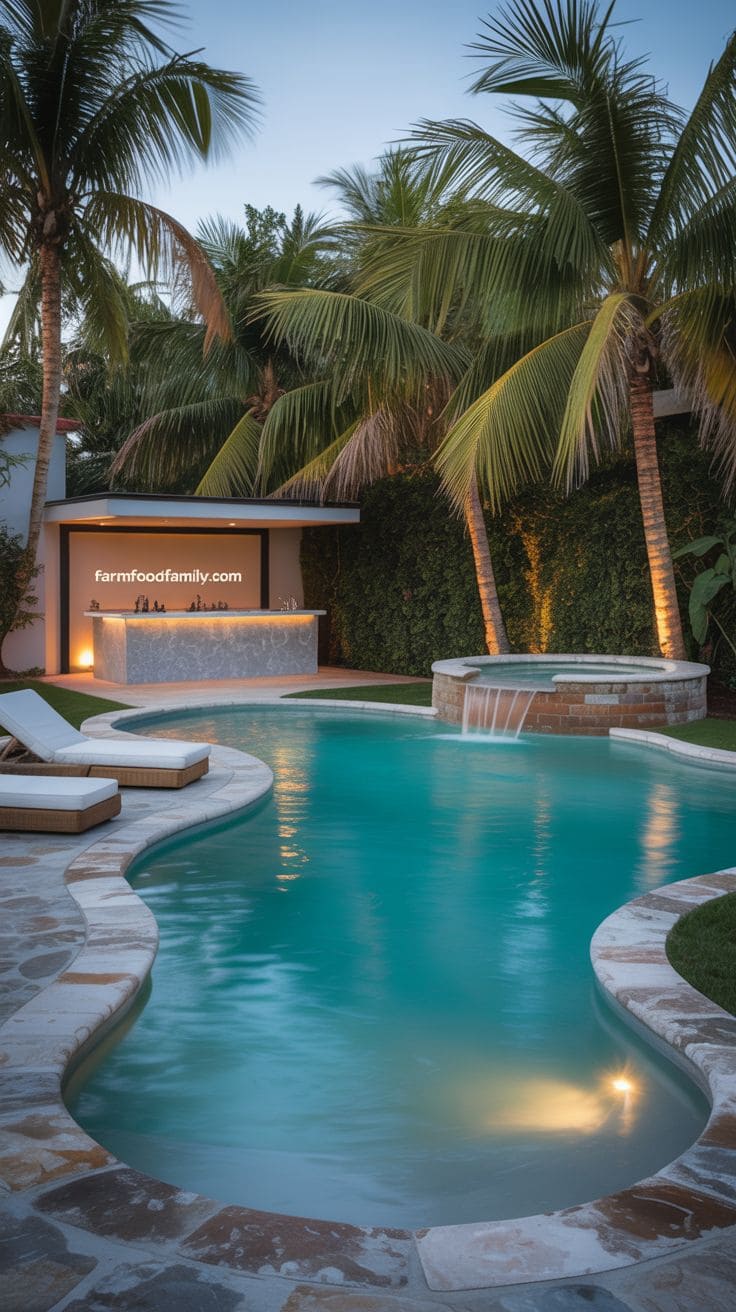
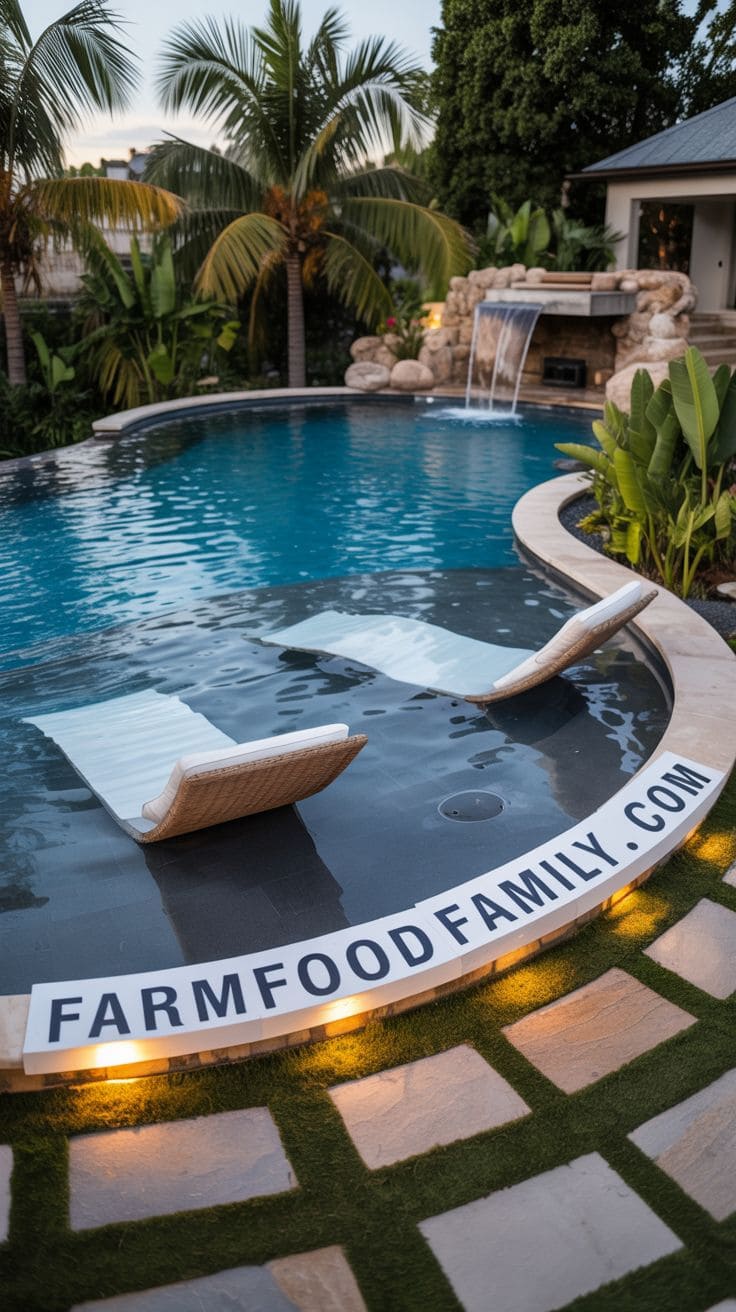
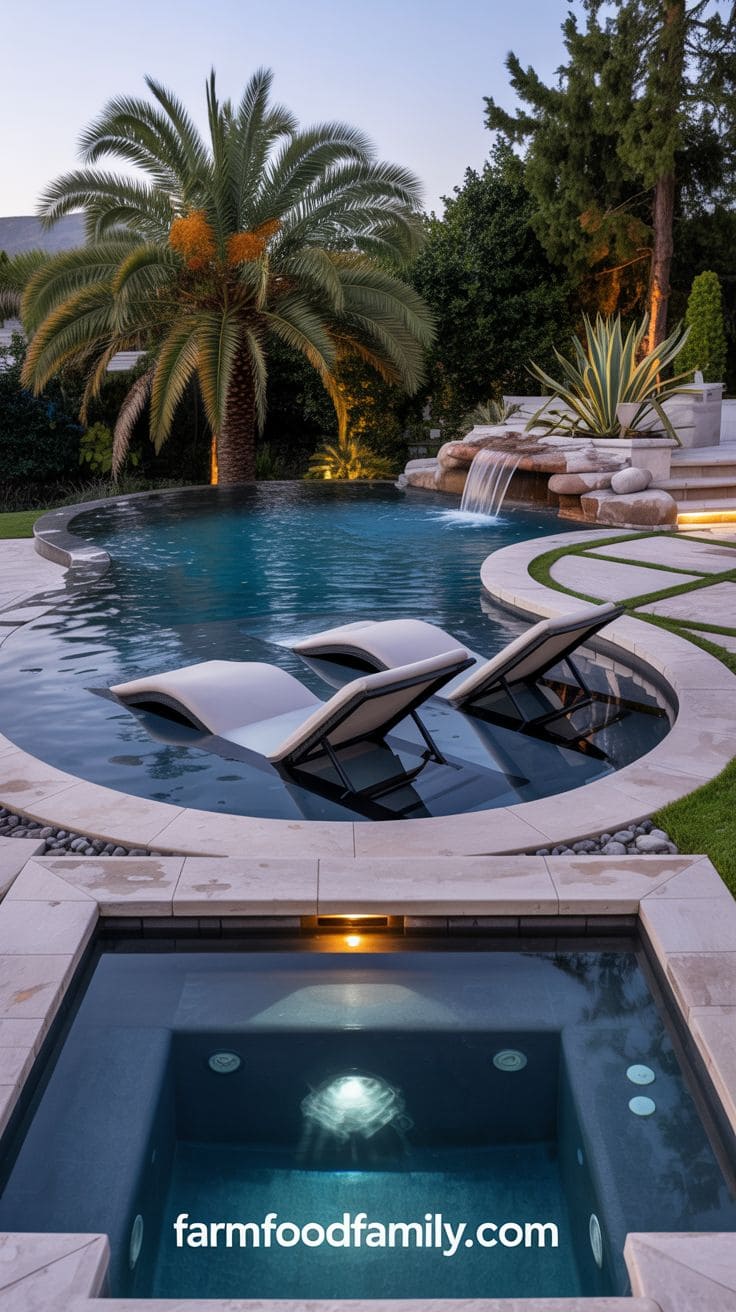
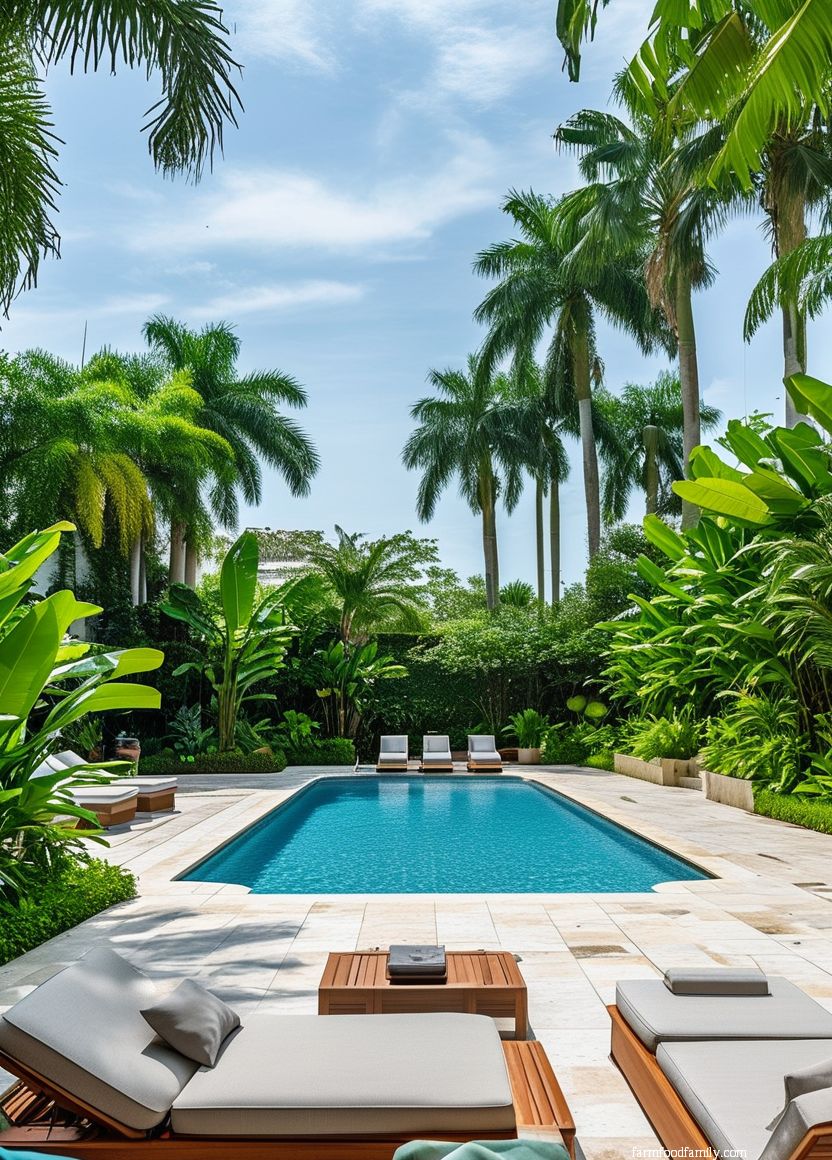
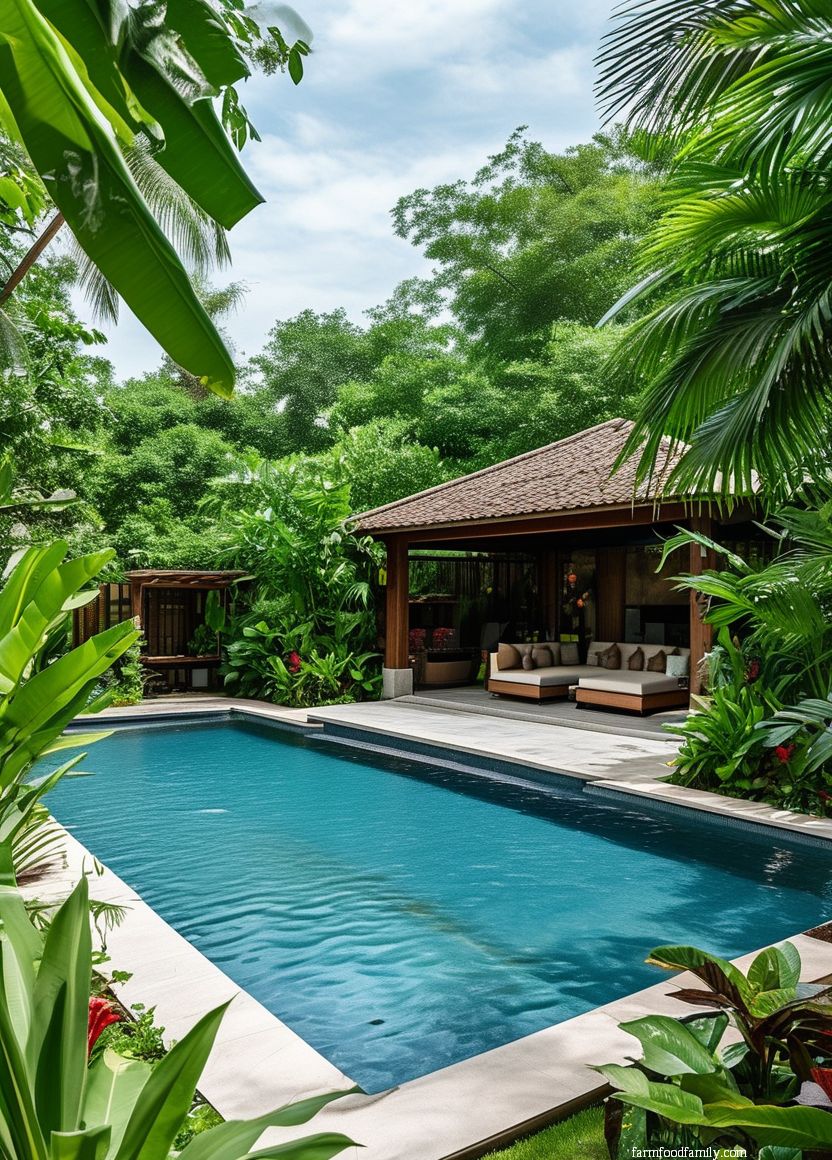
5. Luxury Pool and Spa Retreat
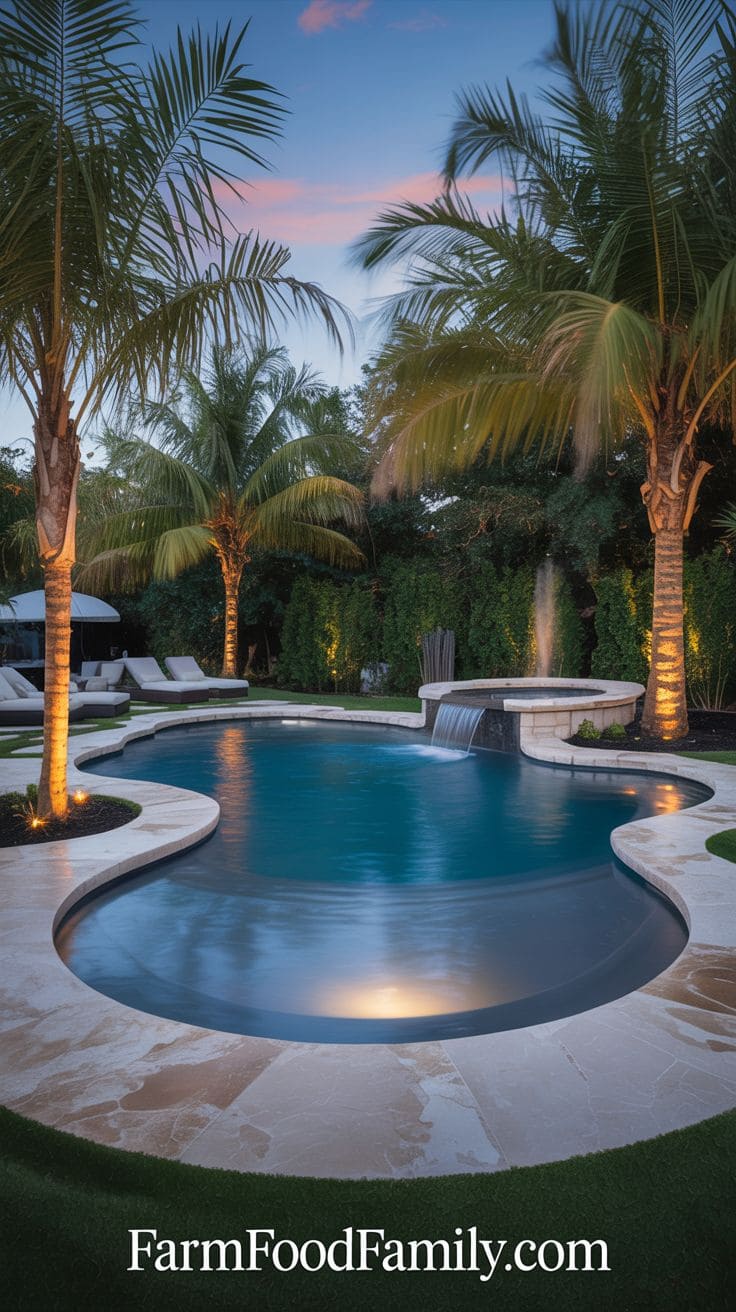
Make the most of your space by building a full-scale pool and spa hideaway with areas for swimming, sitting, and relaxing.
Add a sun shelf, waterfall features, underwater lights, and a hot tub or cold plunge for contrast.
Surround the space with natural stone decking, lush tropical vegetation, and stylish loungers with umbrellas or cabanas.
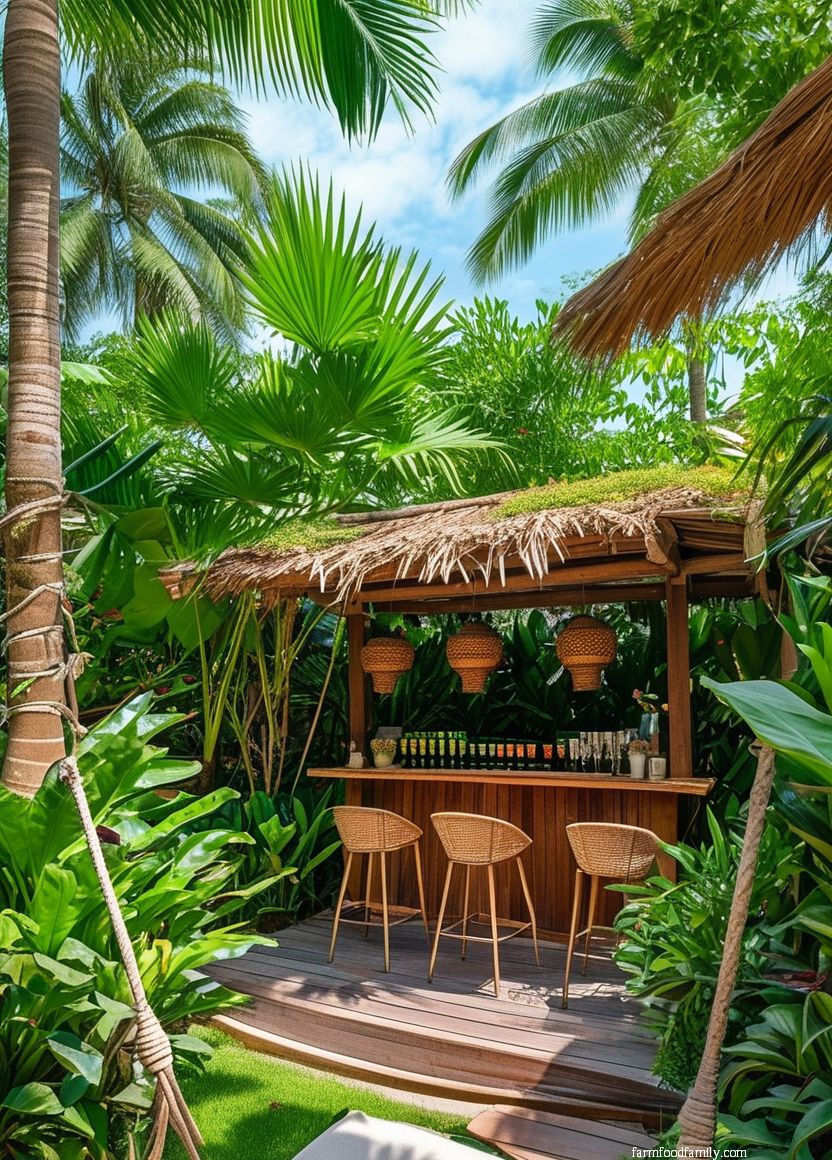
For an elite resort atmosphere, including a poolside bar or outdoor shower.
This setup transforms your backyard into a vacation destination, providing limitless chances for entertainment, exercise, and leisure all at home.
It’s a bold investment that pays off in comfort and elegance season after season.
Landscaping Ideas
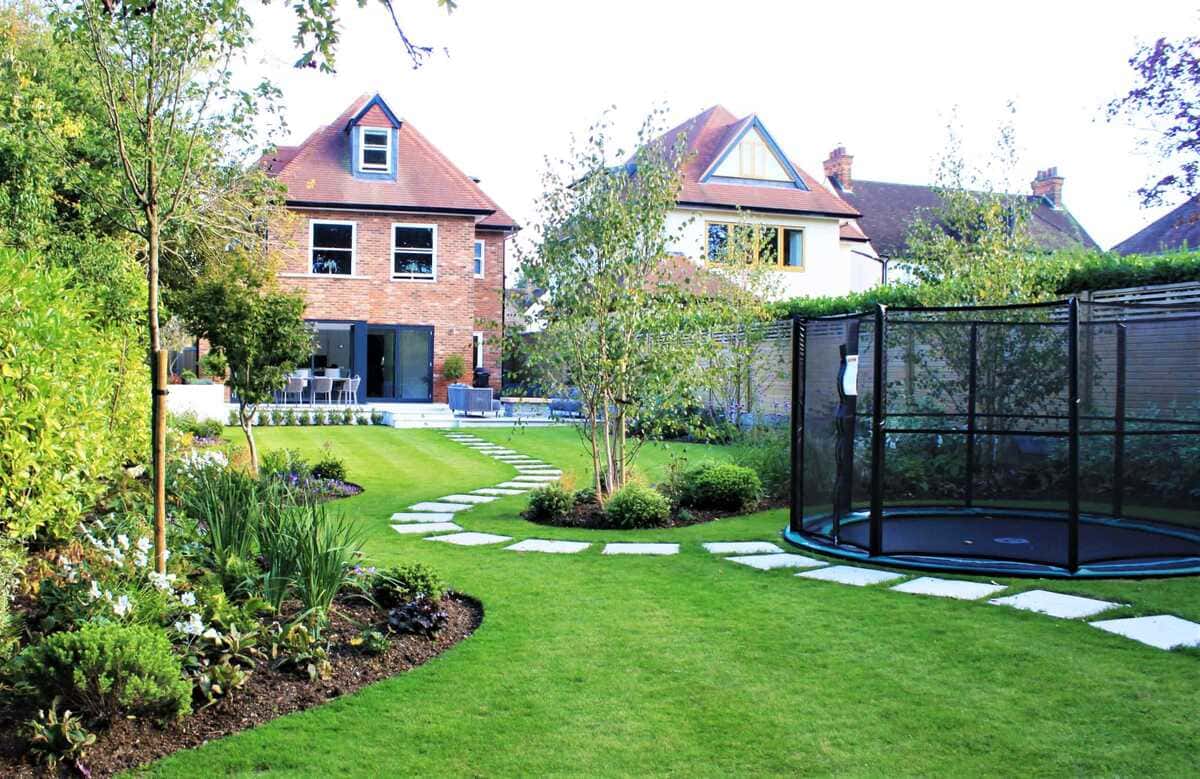
Manicured Lawn and Garden Beds
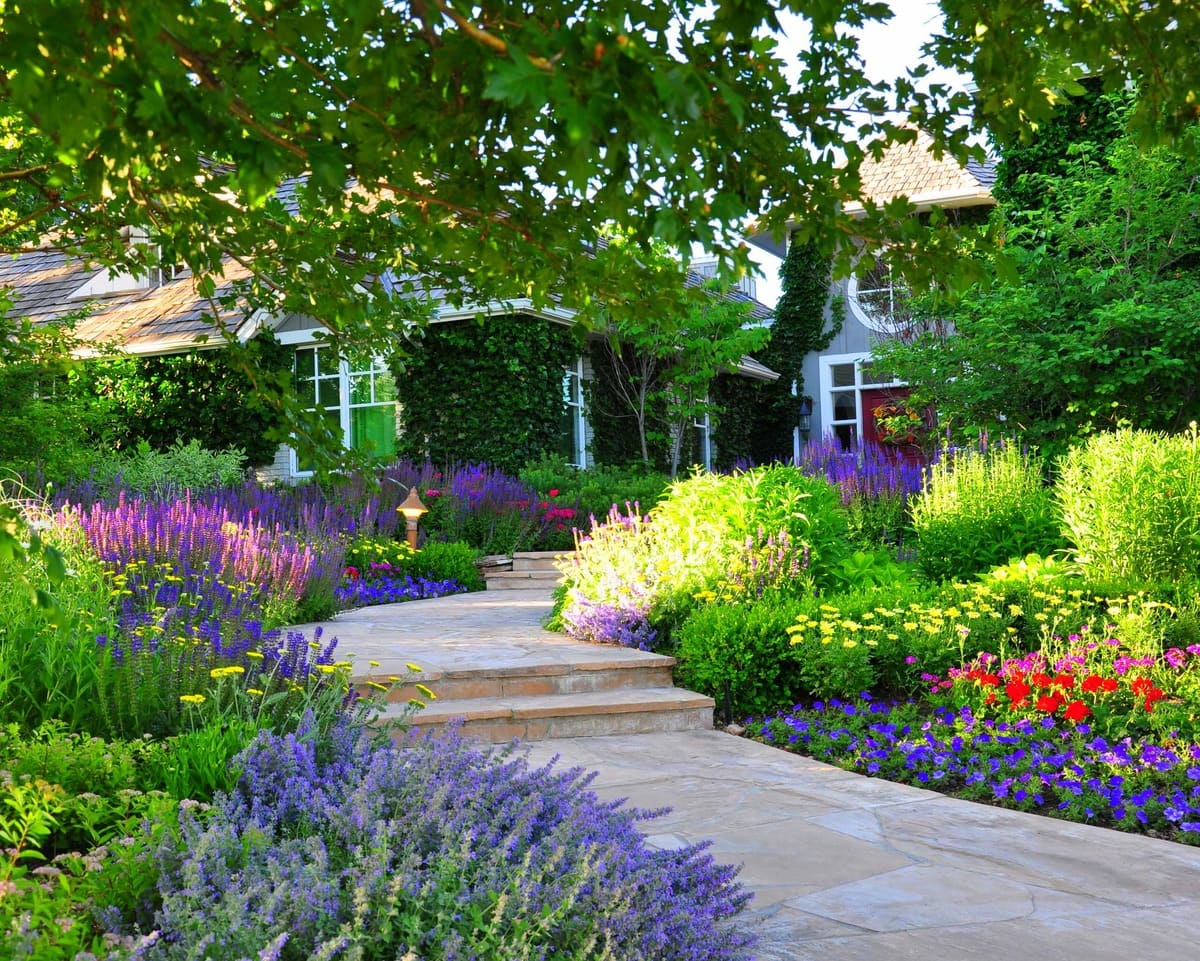
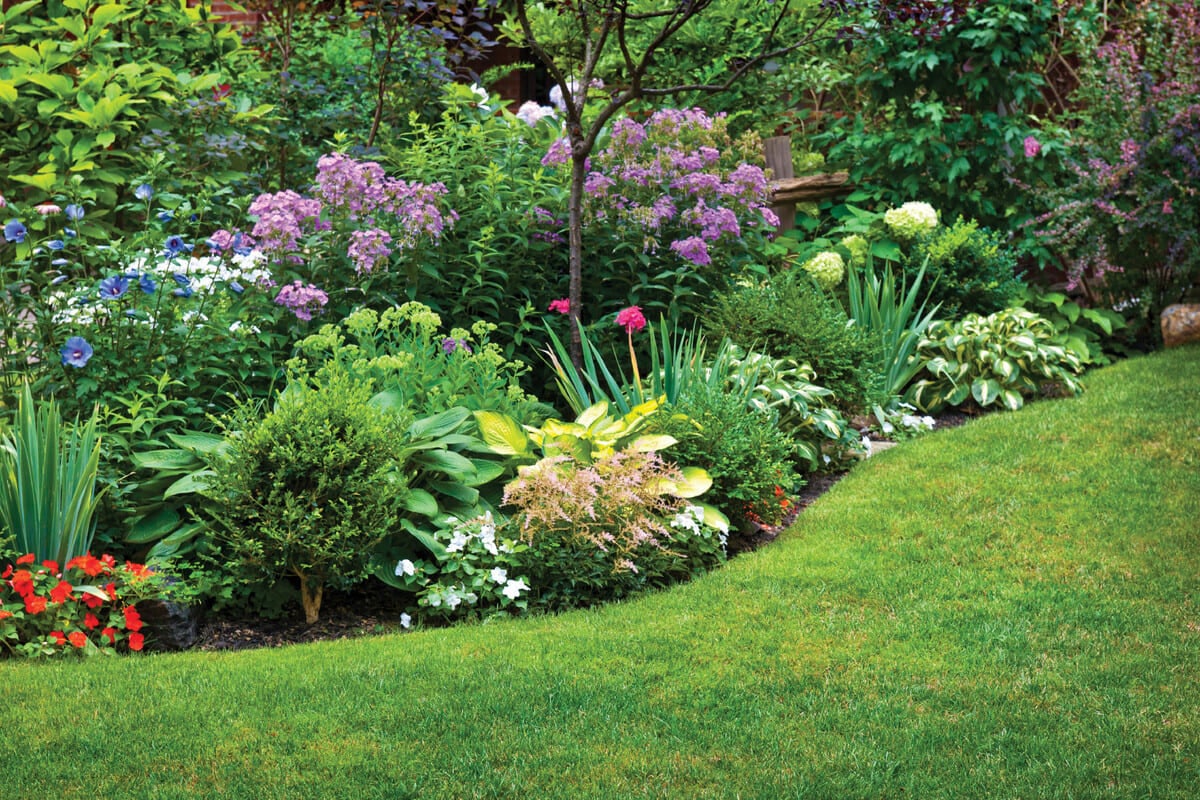
Water Features
Outdoor Living Spaces
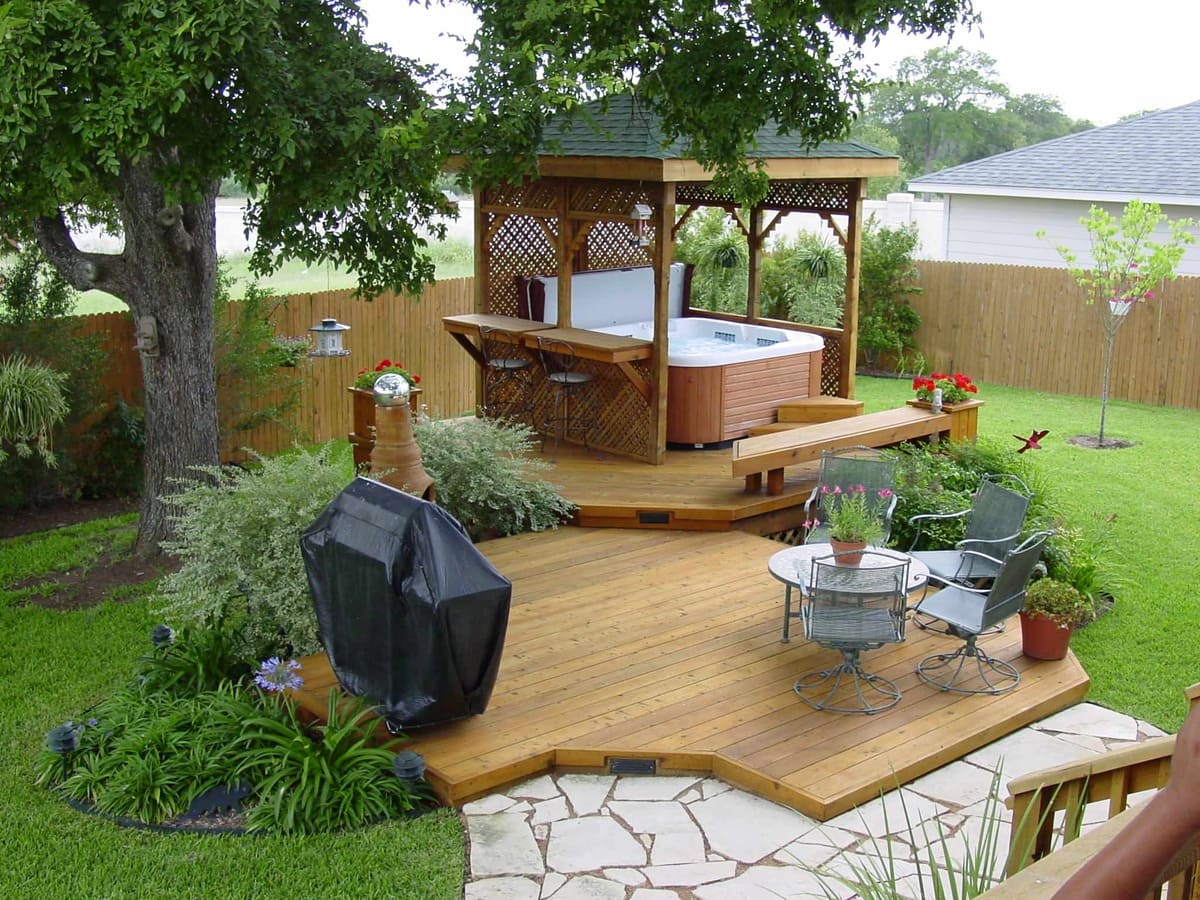
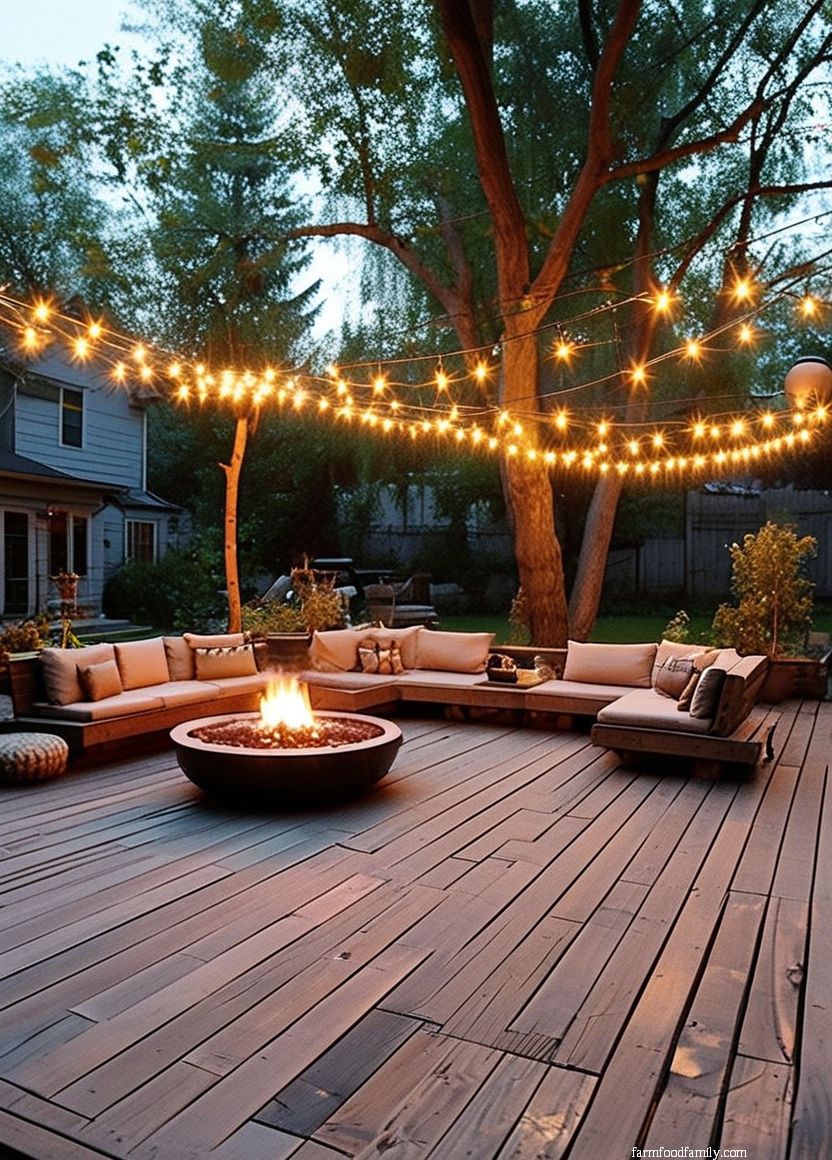
Patios and Decks
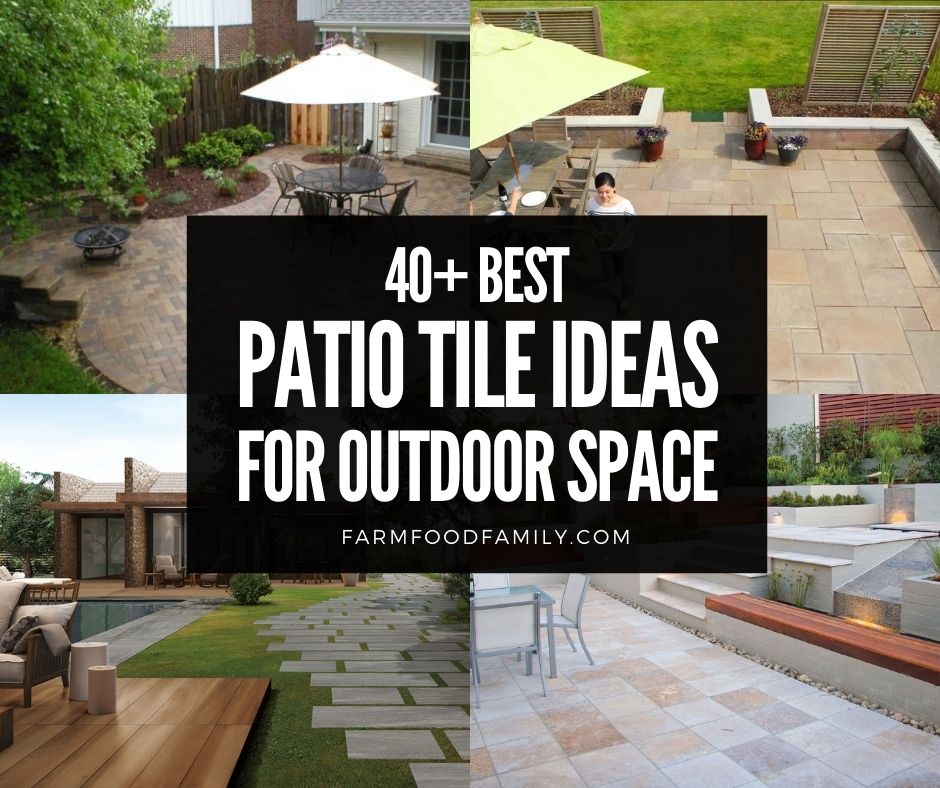
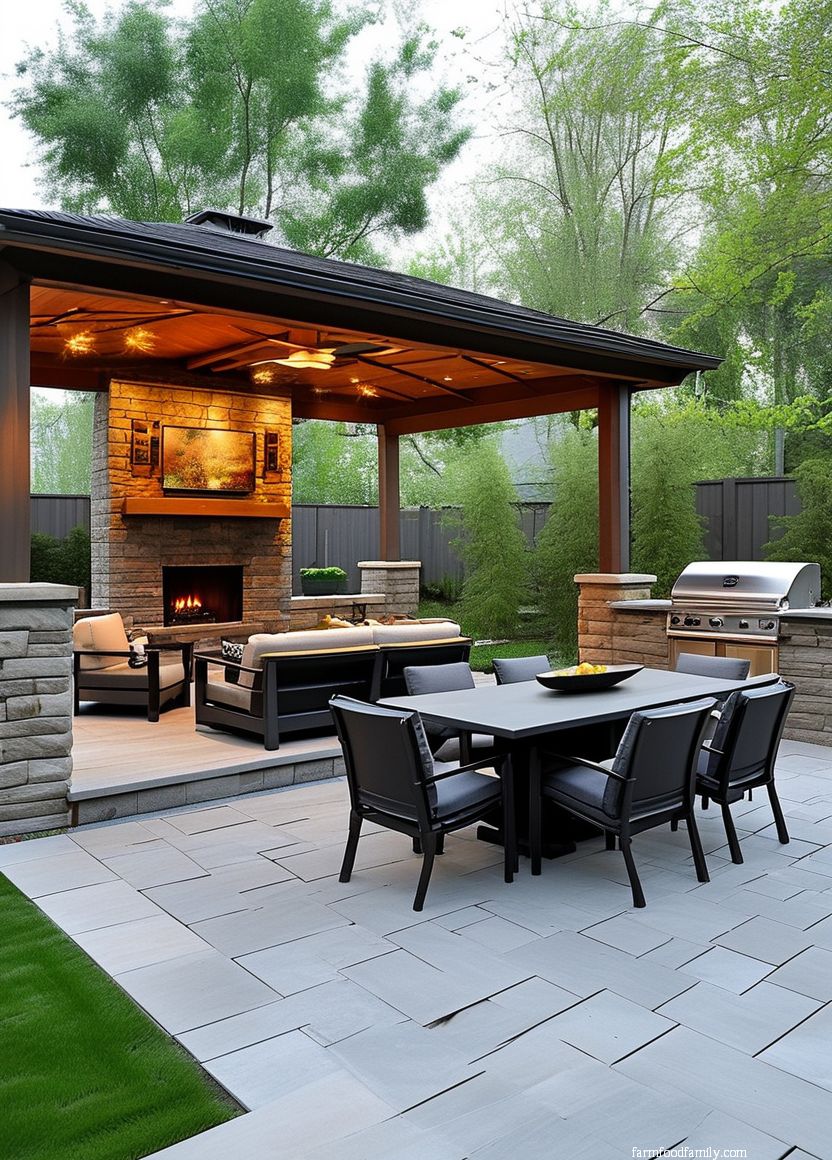
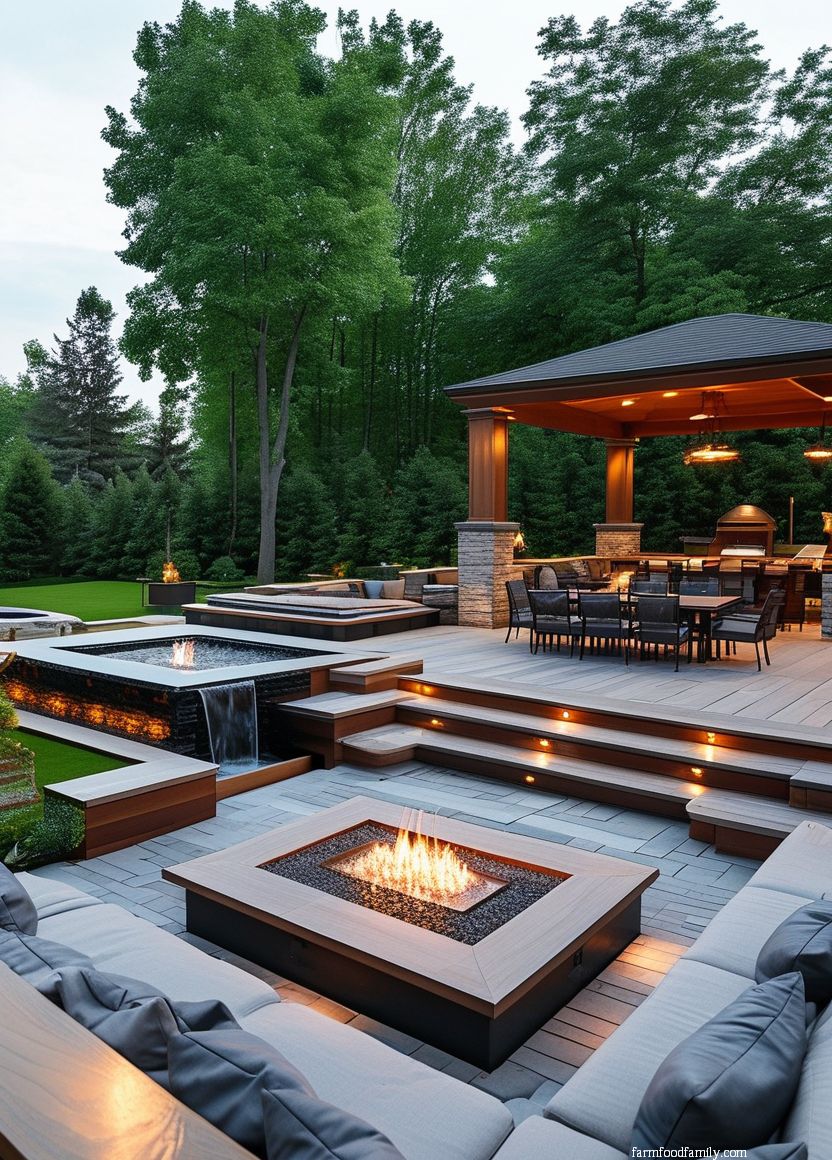
The anchor point for most large-yard plans. A patio or deck sized for actual furniture, not just a token slab, gives every other zone something to connect back to.
Position it to catch evening shade if the yard runs east-west, since a beautiful patio nobody sits on in July because it’s blasting sun at 6pm is a common regret.
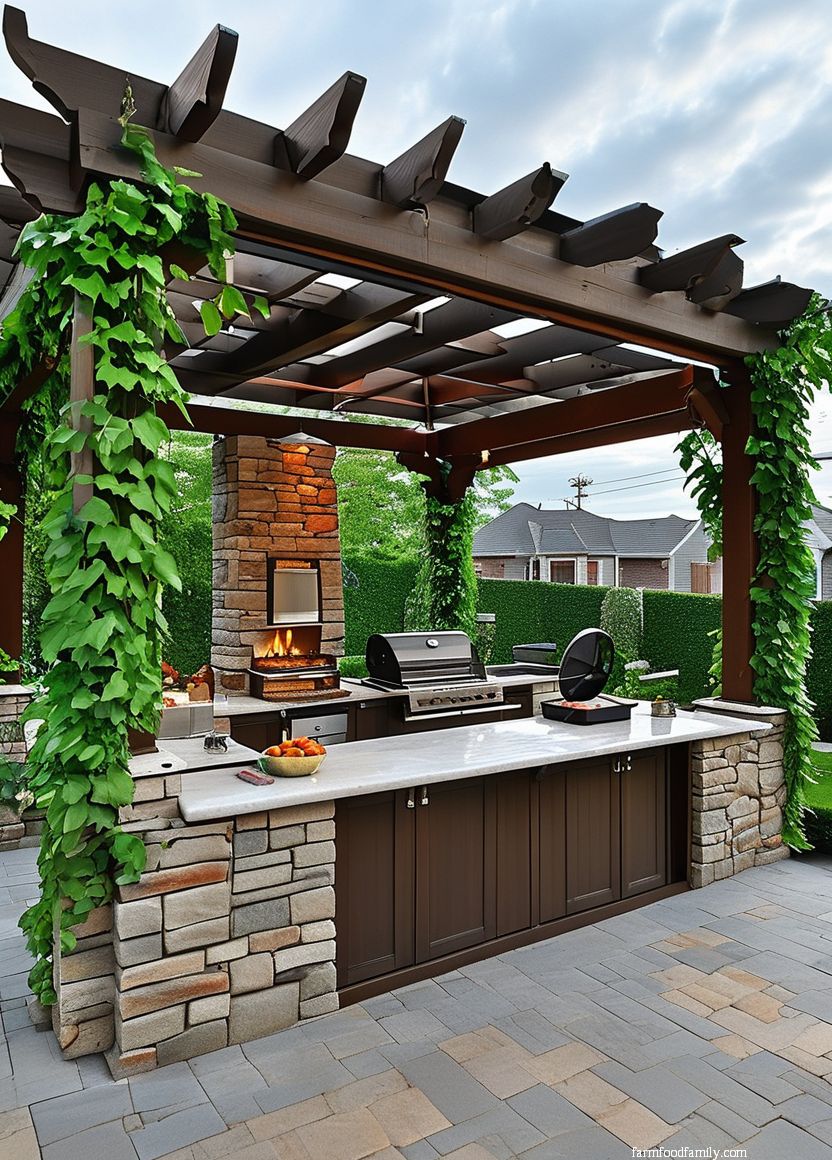
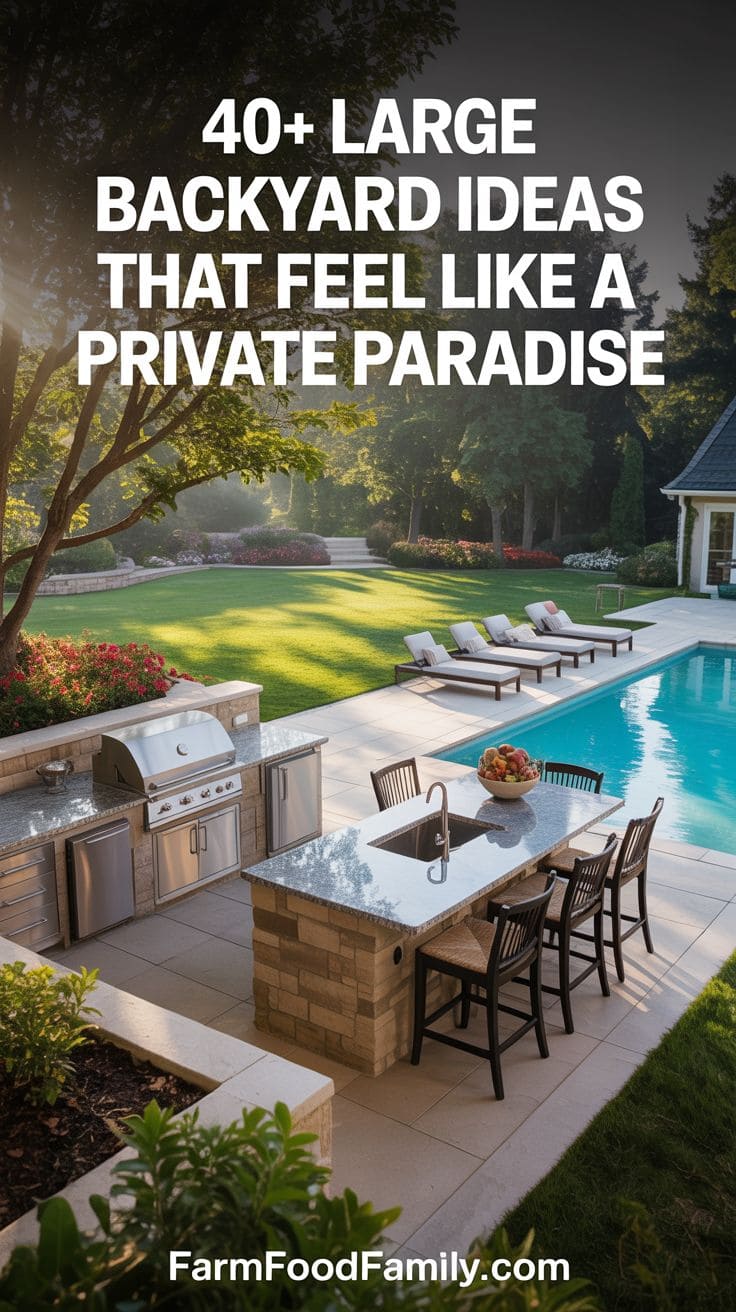
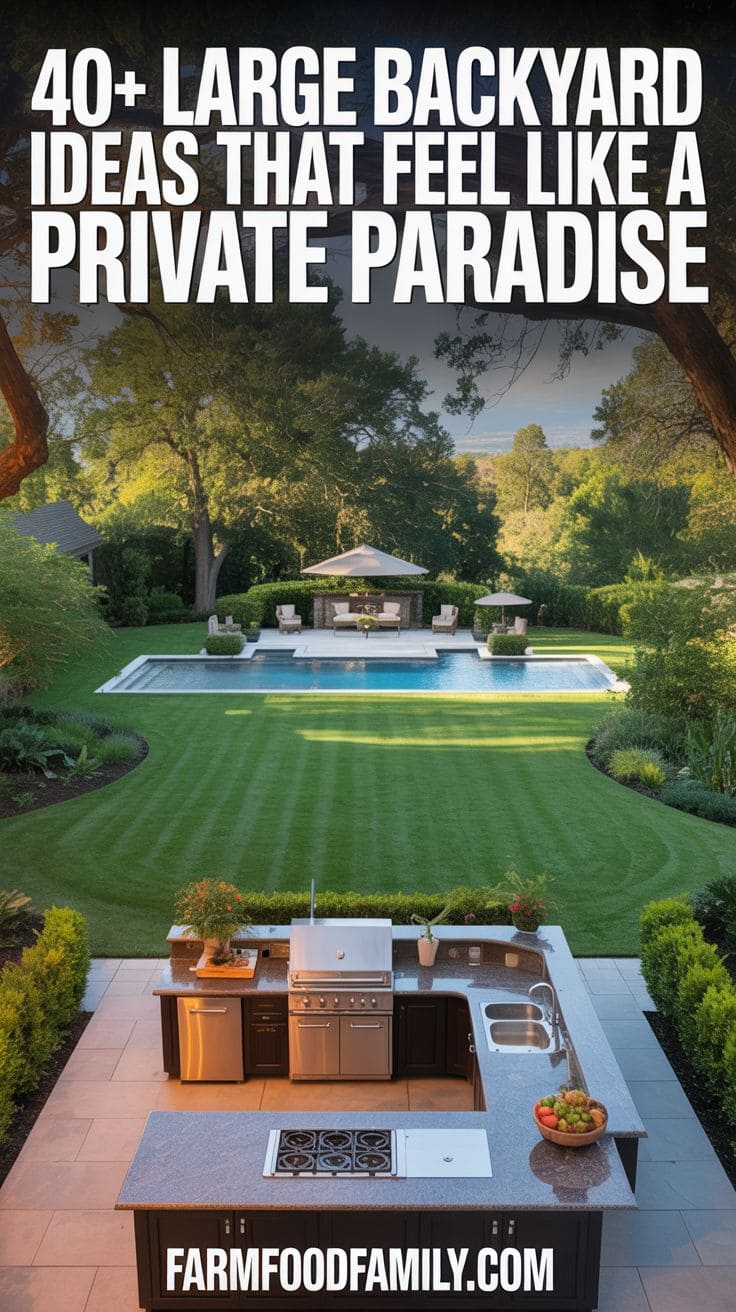
Outdoor Kitchens
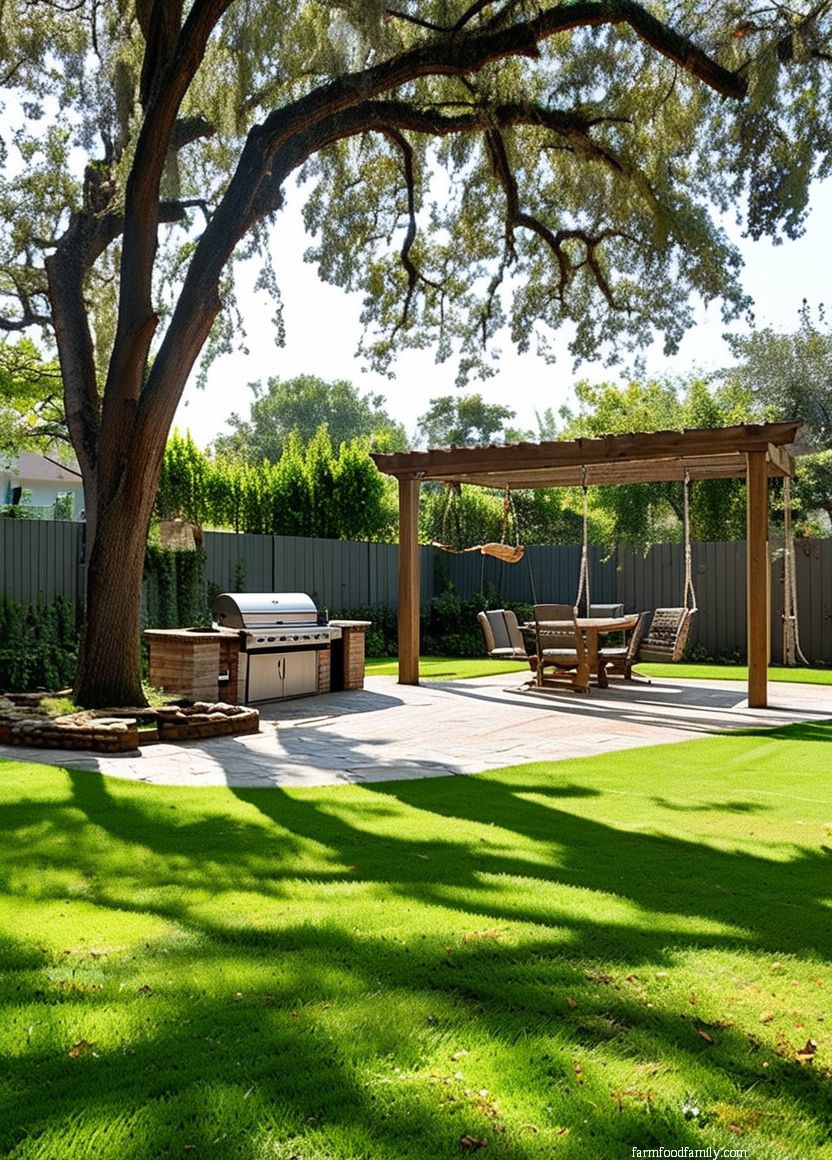
Worth the investment specifically in a large yard because there’s room to place it away from the house, close enough for convenience but far enough to feel like its own zone.
A grill, counter space, and a small fridge cover most of what people actually use; a full outdoor kitchen with a pizza oven and sink is a bigger commitment better suited to a later phase.
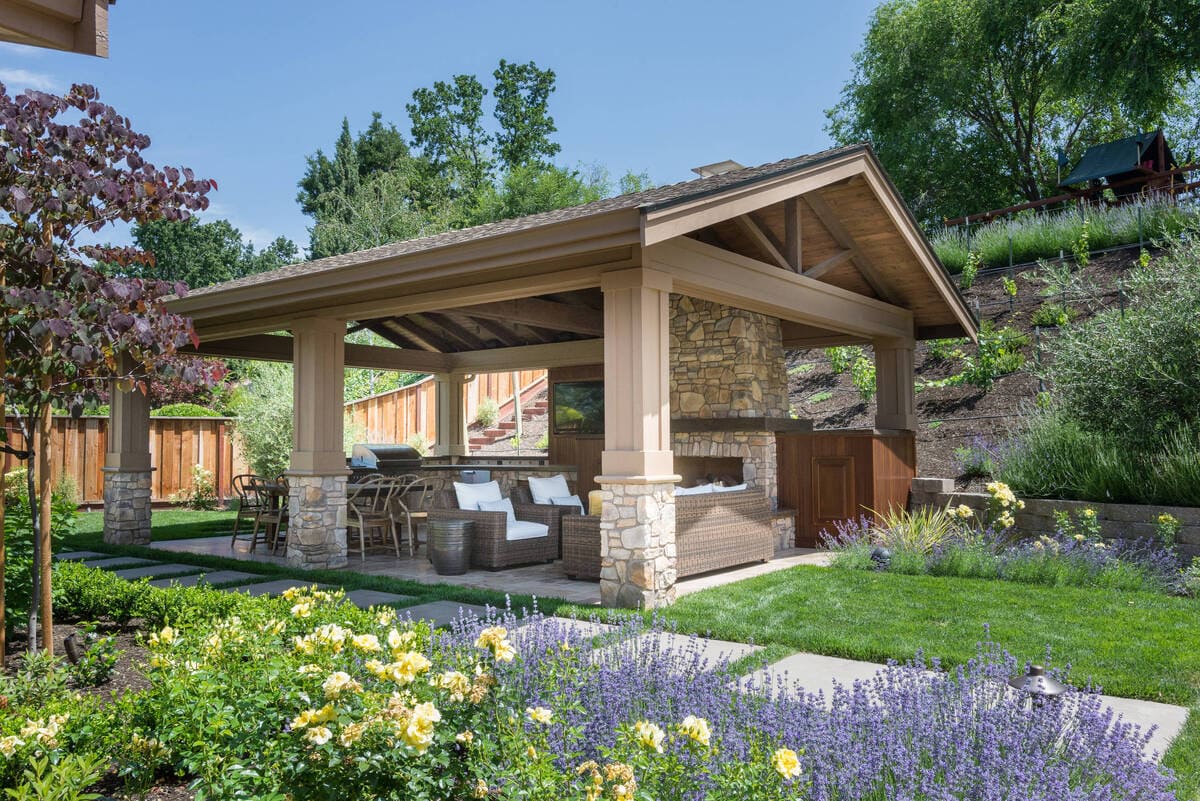
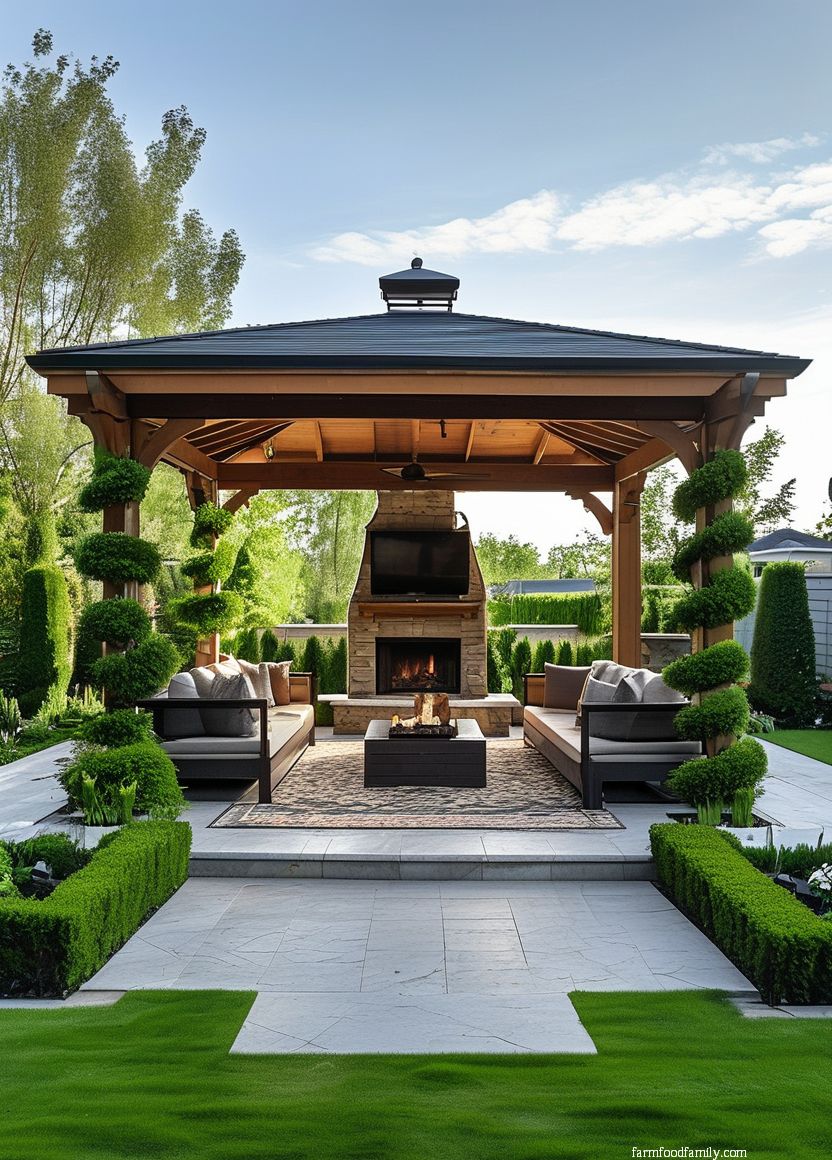
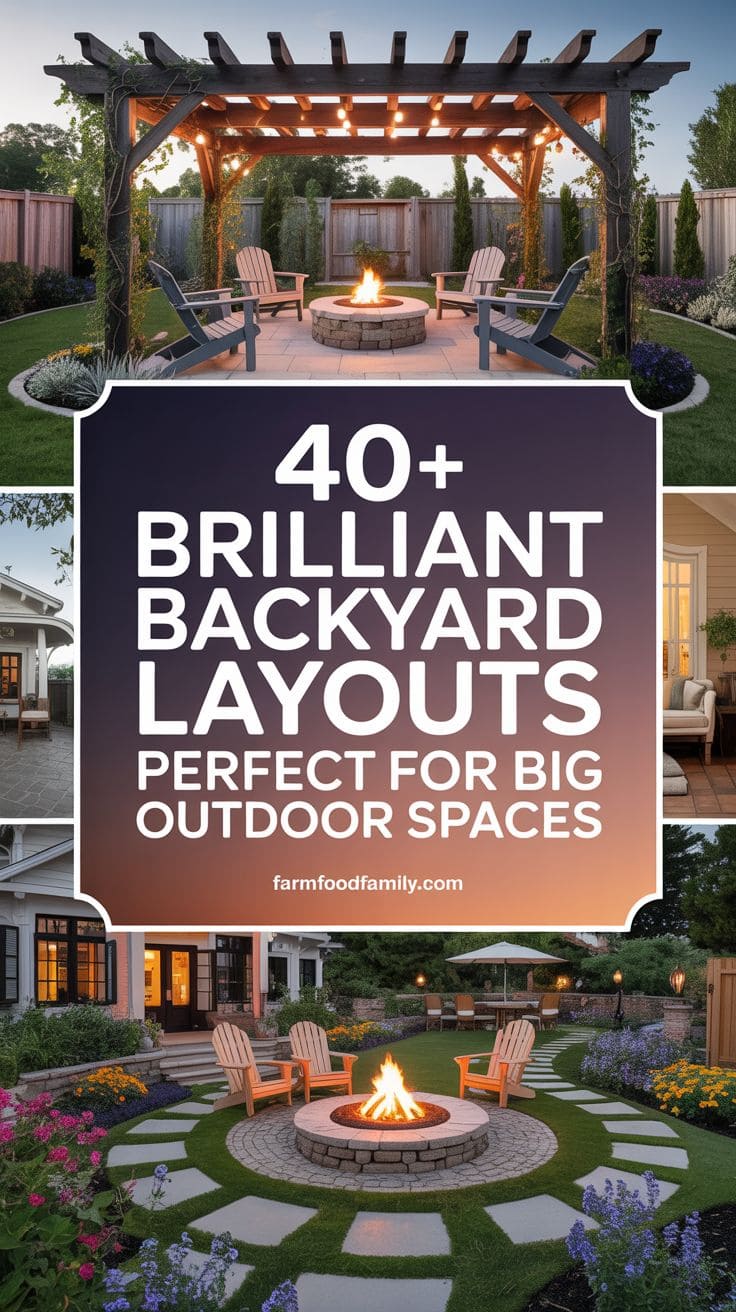
Fire Pits and Fireplaces
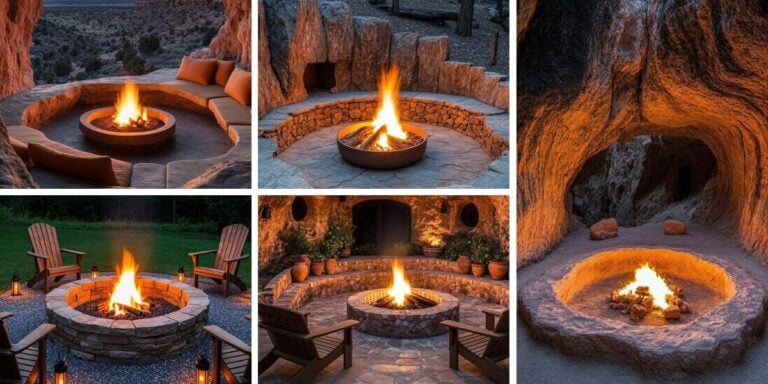
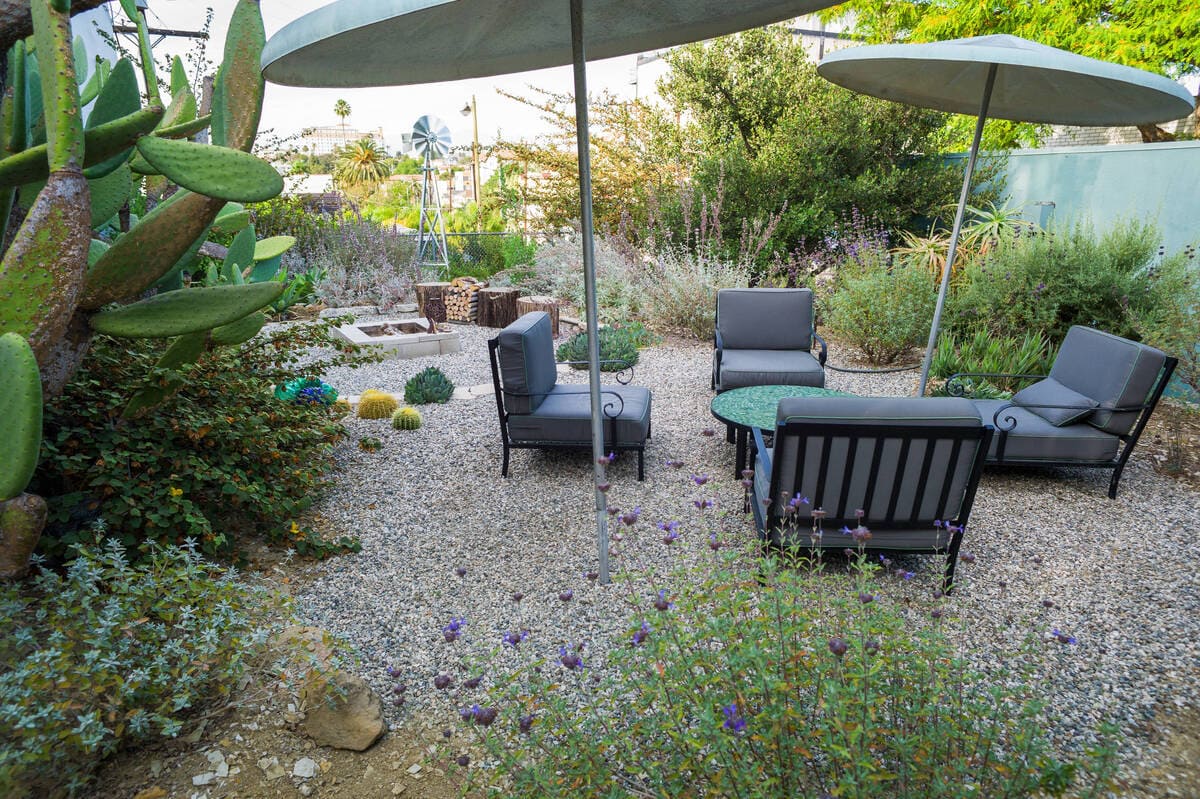
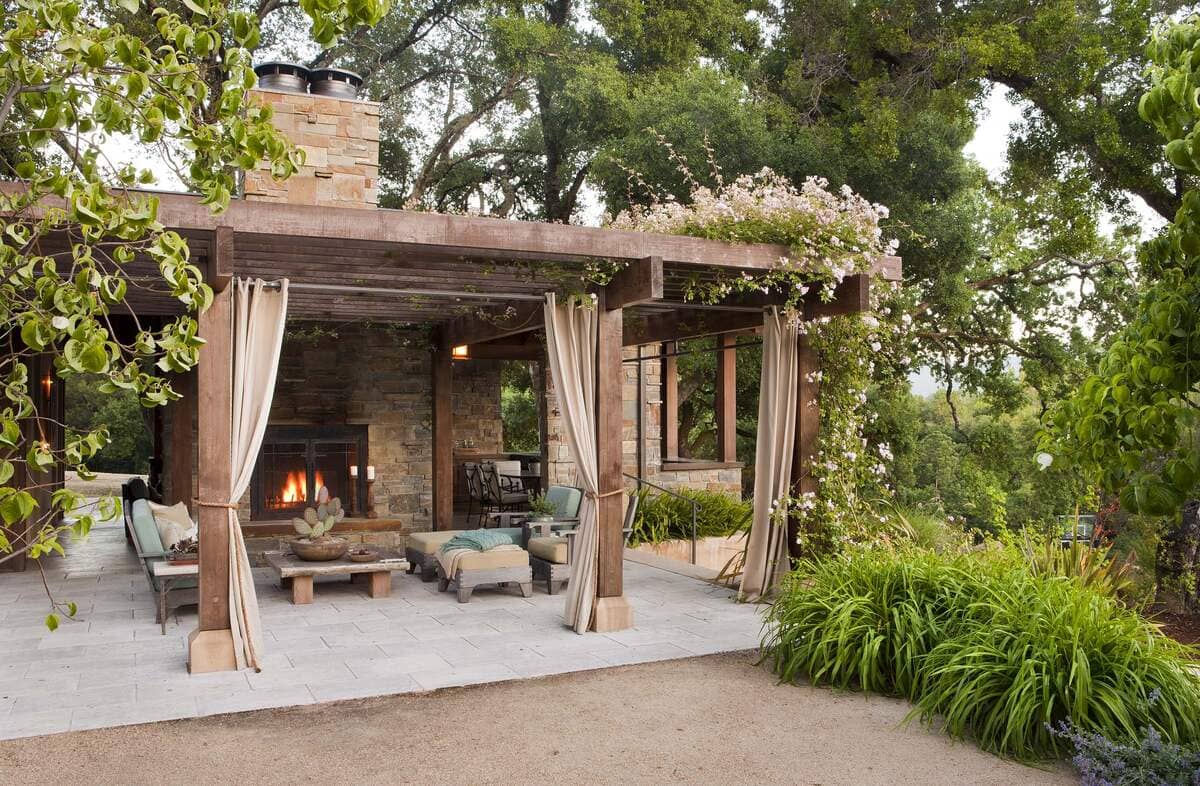
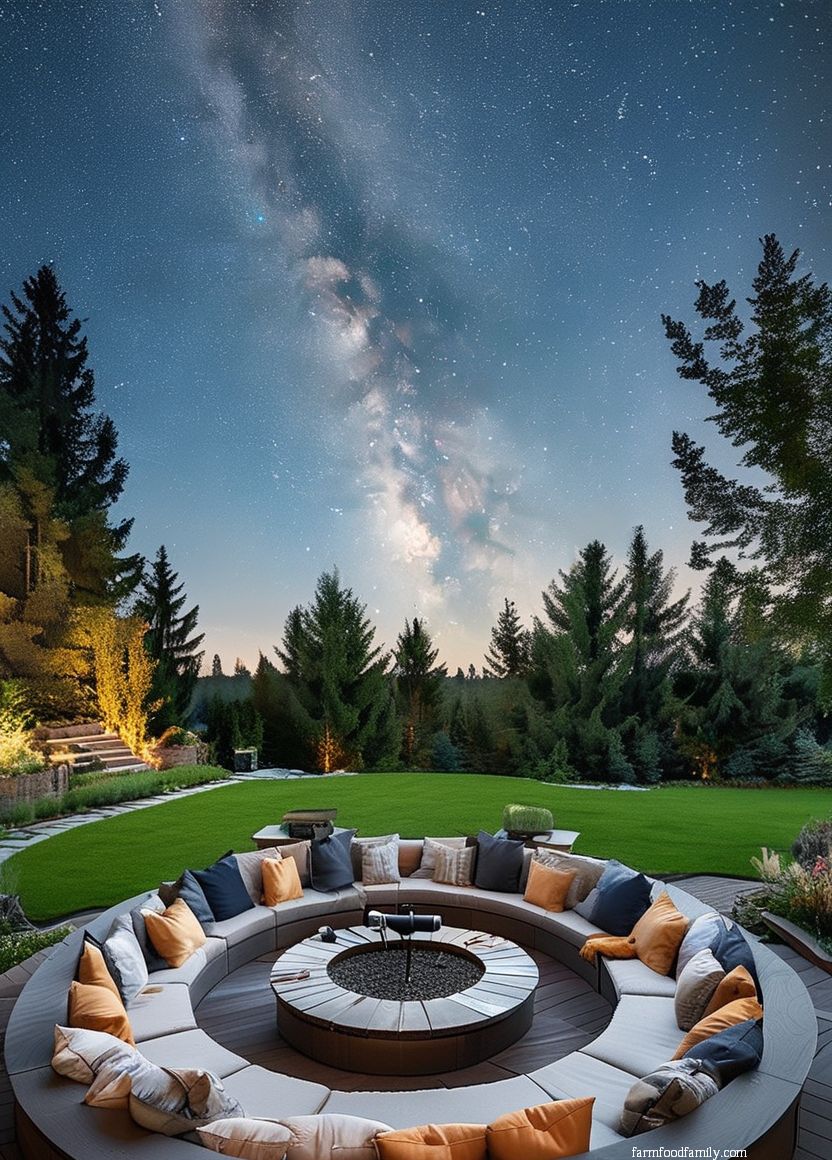
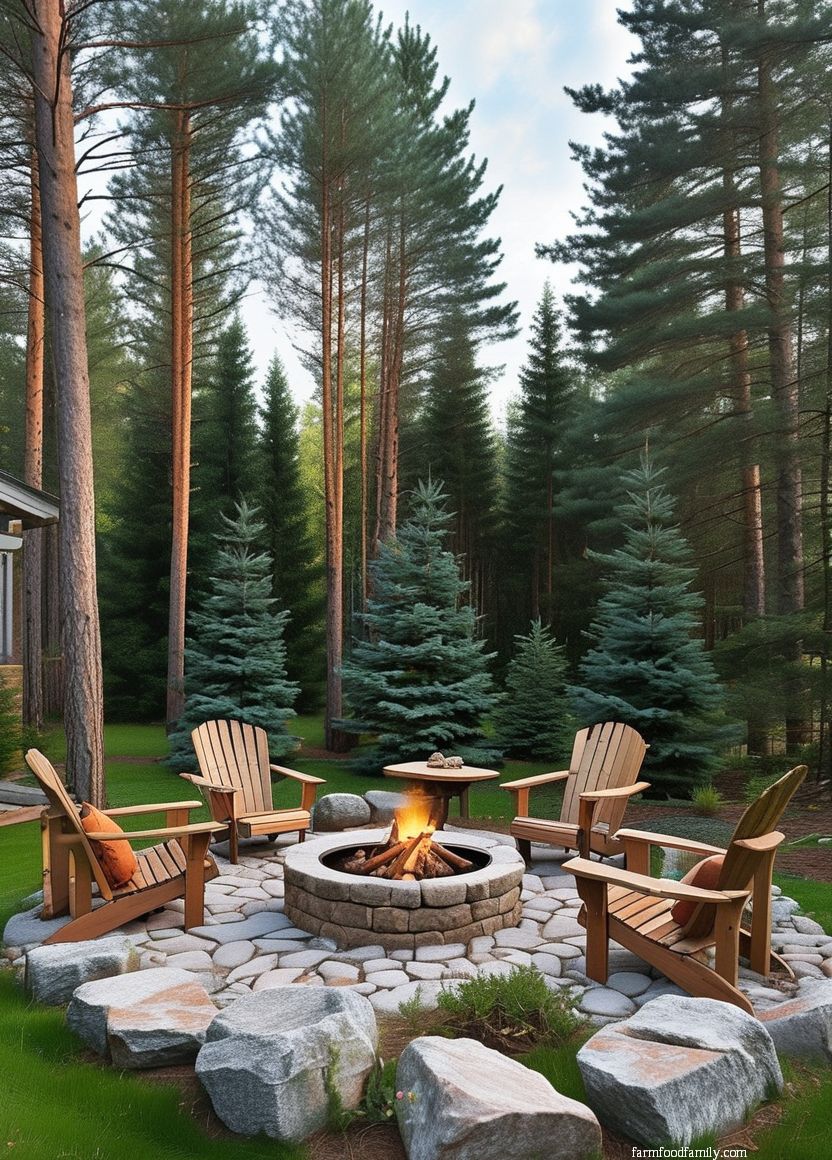
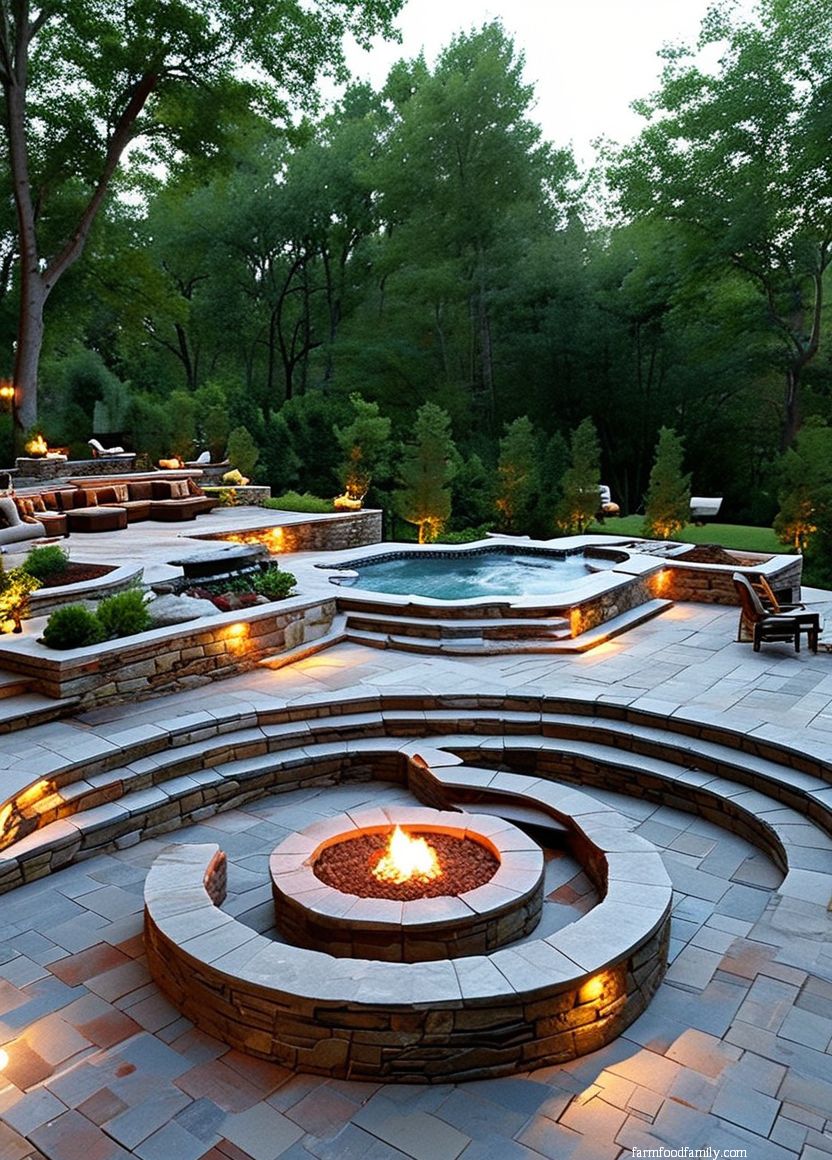
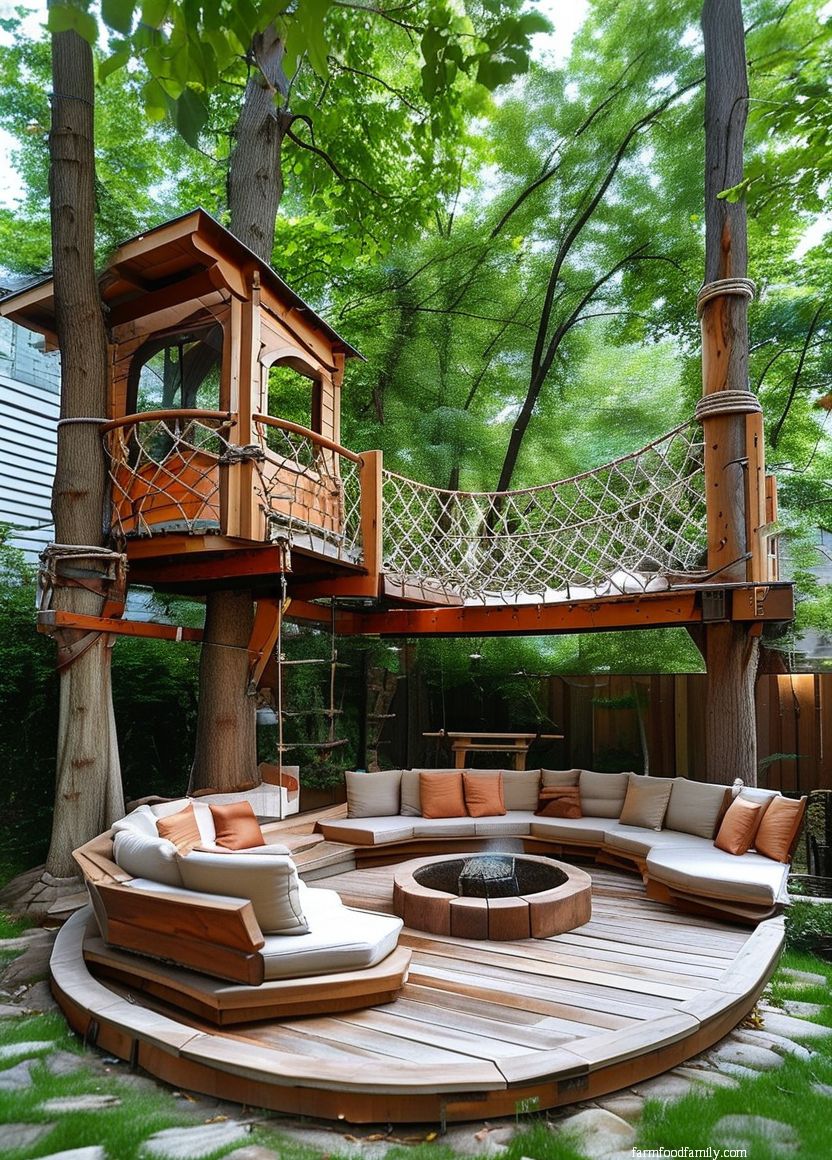
Cheapest real anchor point on this list, and one of the few that works at almost any budget tier. A simple in-ground or ring fire pit costs a fraction of a built-in fireplace and still gives a large yard a natural evening gathering spot.
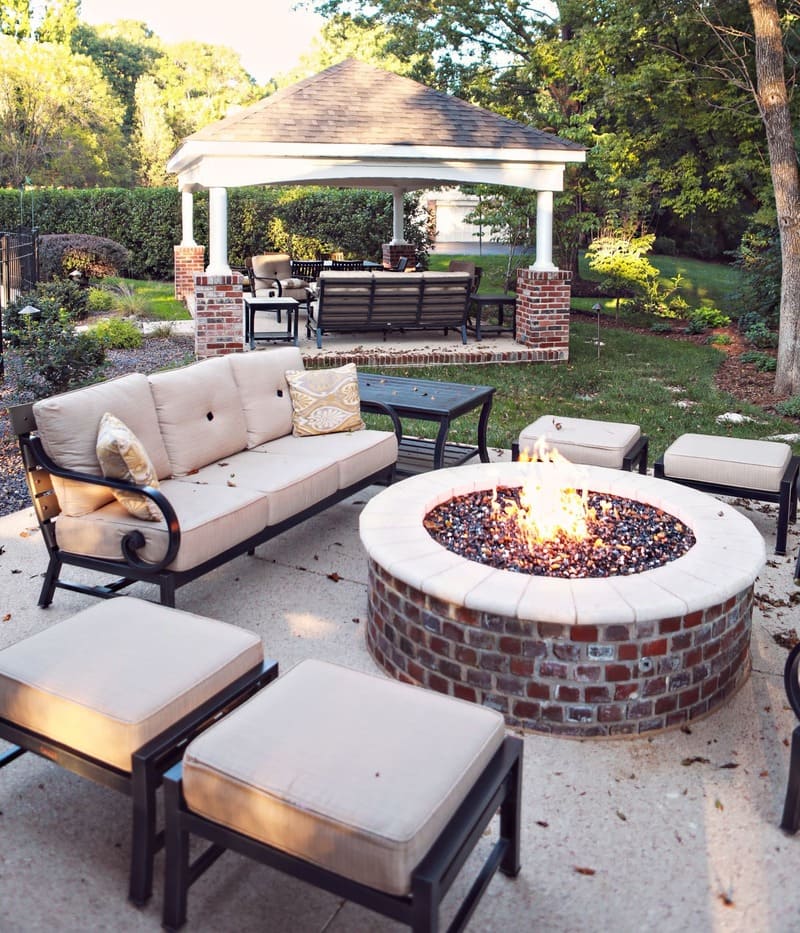
Pergolas and Gazebos
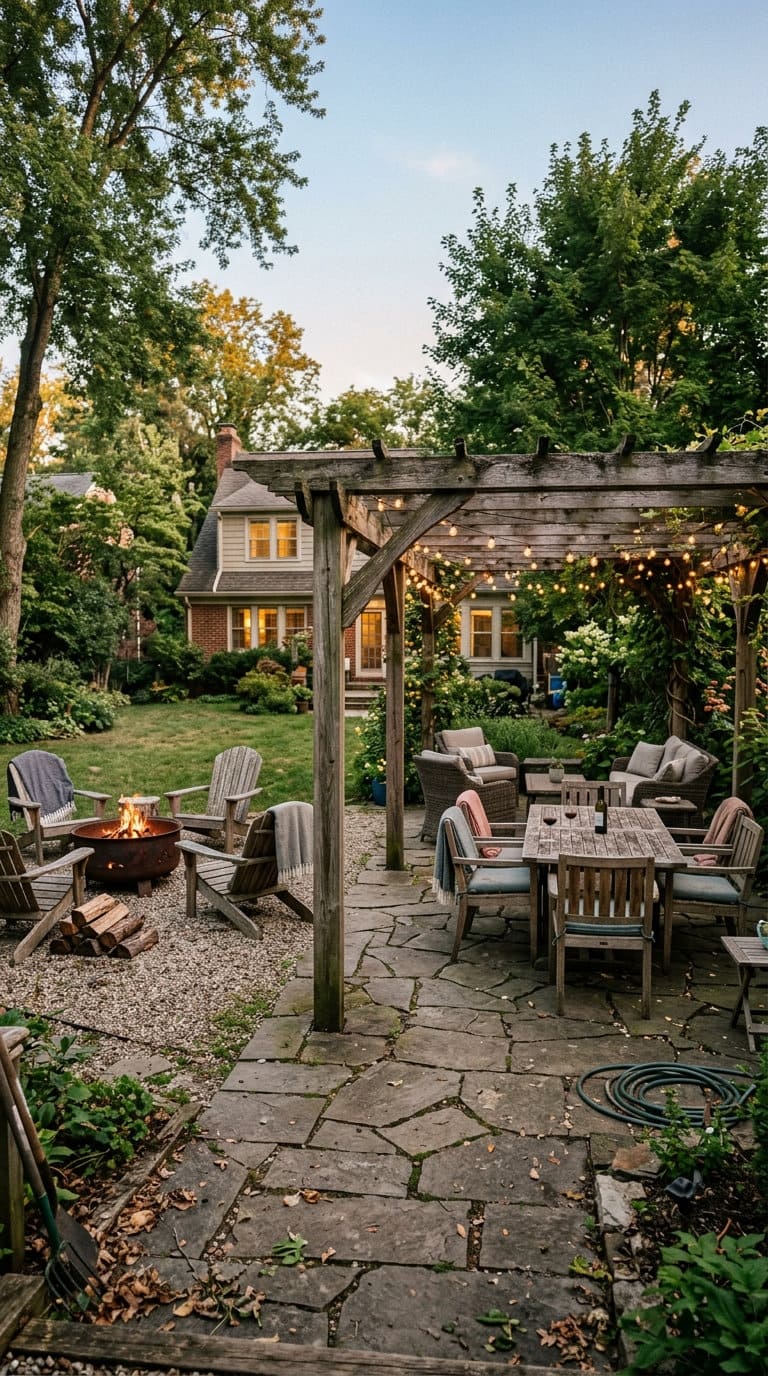
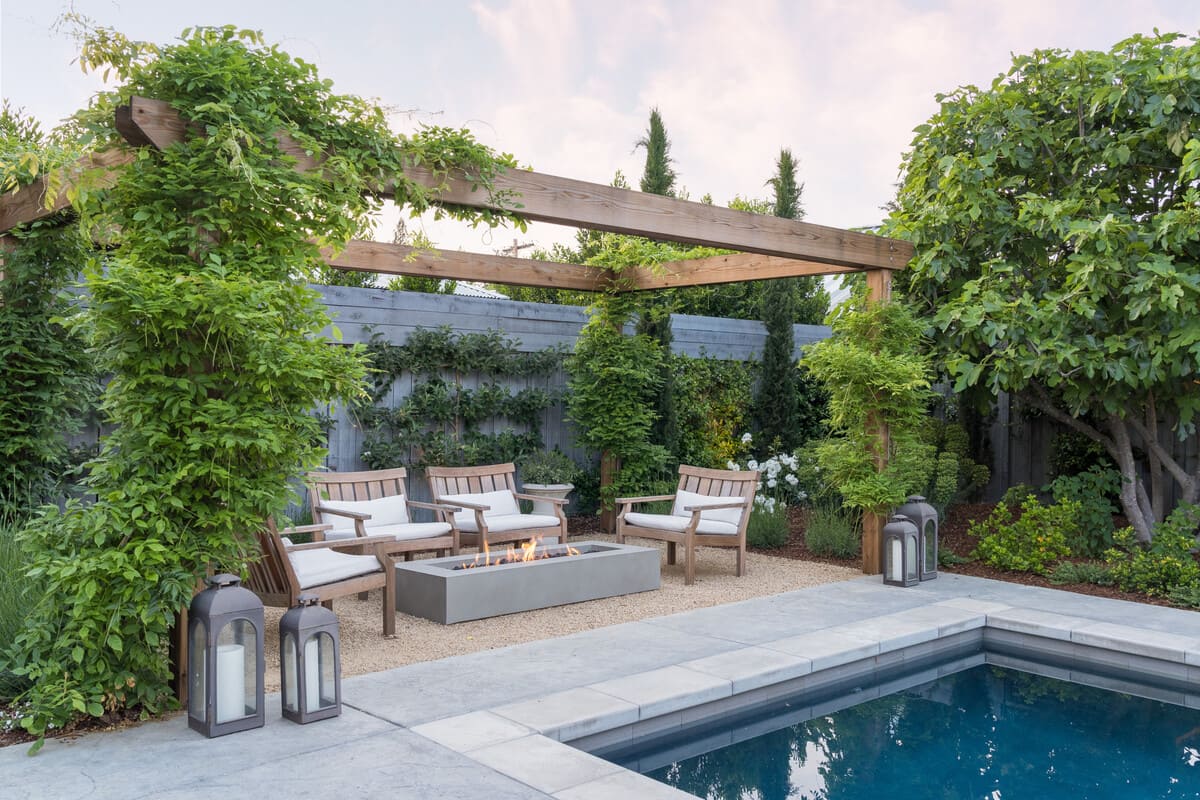
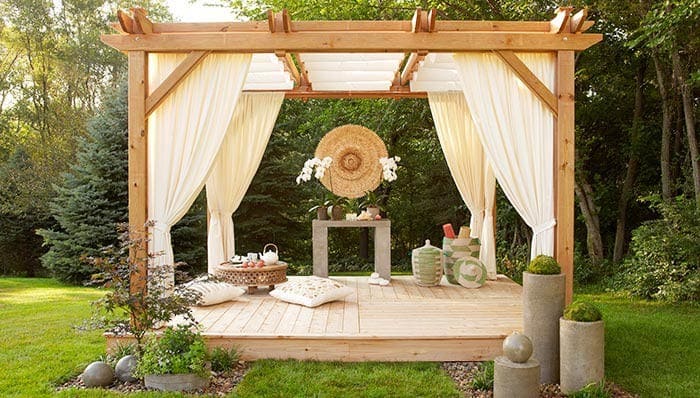
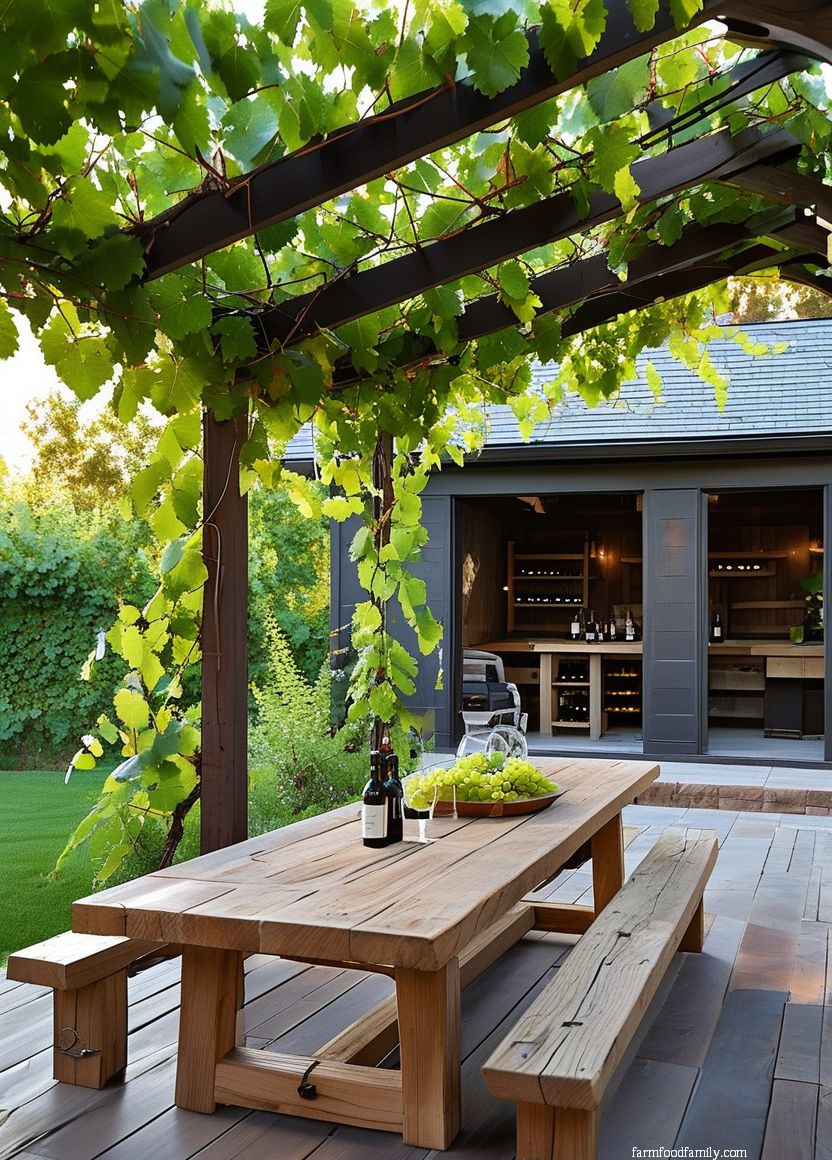
Structure without full enclosure. A pergola over a dining or lounge zone defines the space overhead the way a hedge defines it at ground level, and it reads as more substantial than a plain patio umbrella without the cost of a full roofed structure.
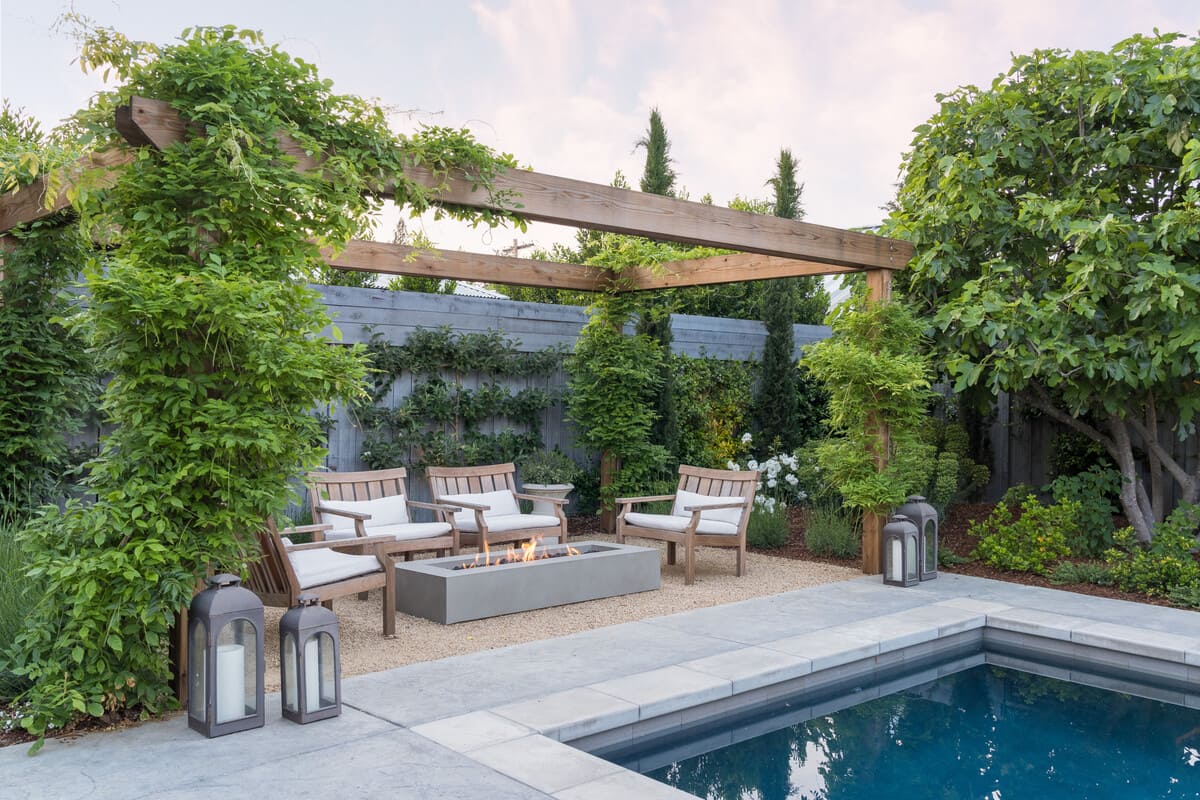
Recreational Areas
Swimming Pools
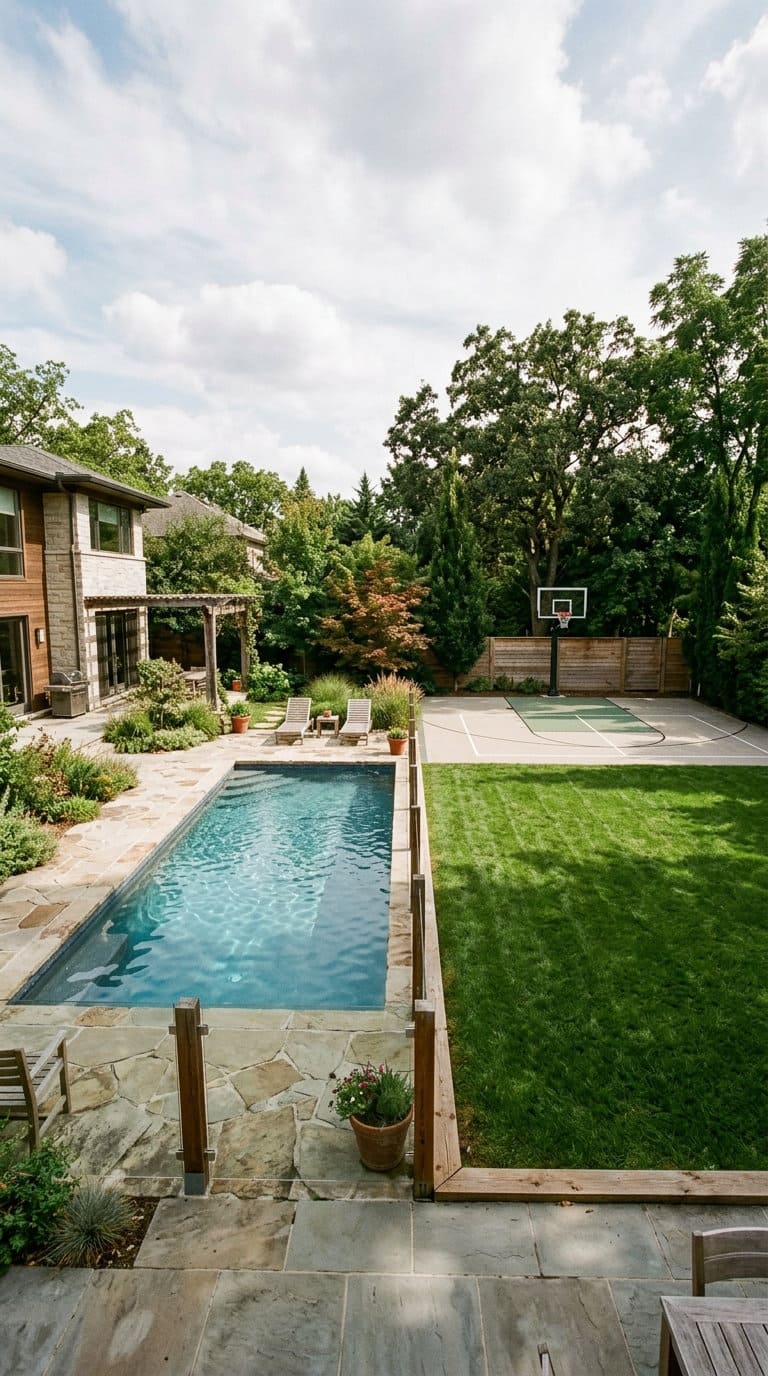
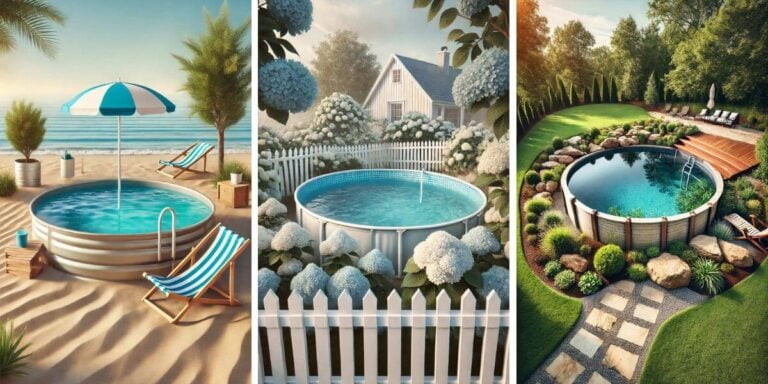
The highest-cost, highest-commitment item on this list, and the one most worth phasing rather than building alongside everything else.
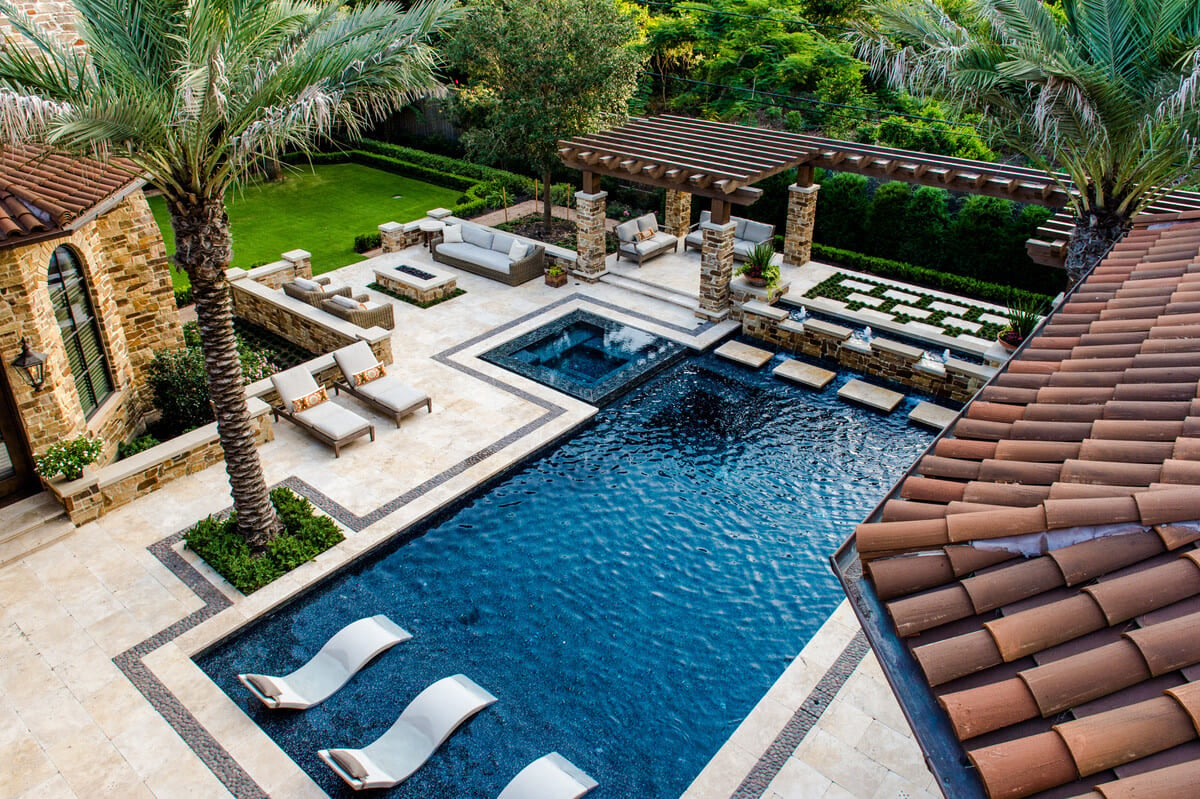
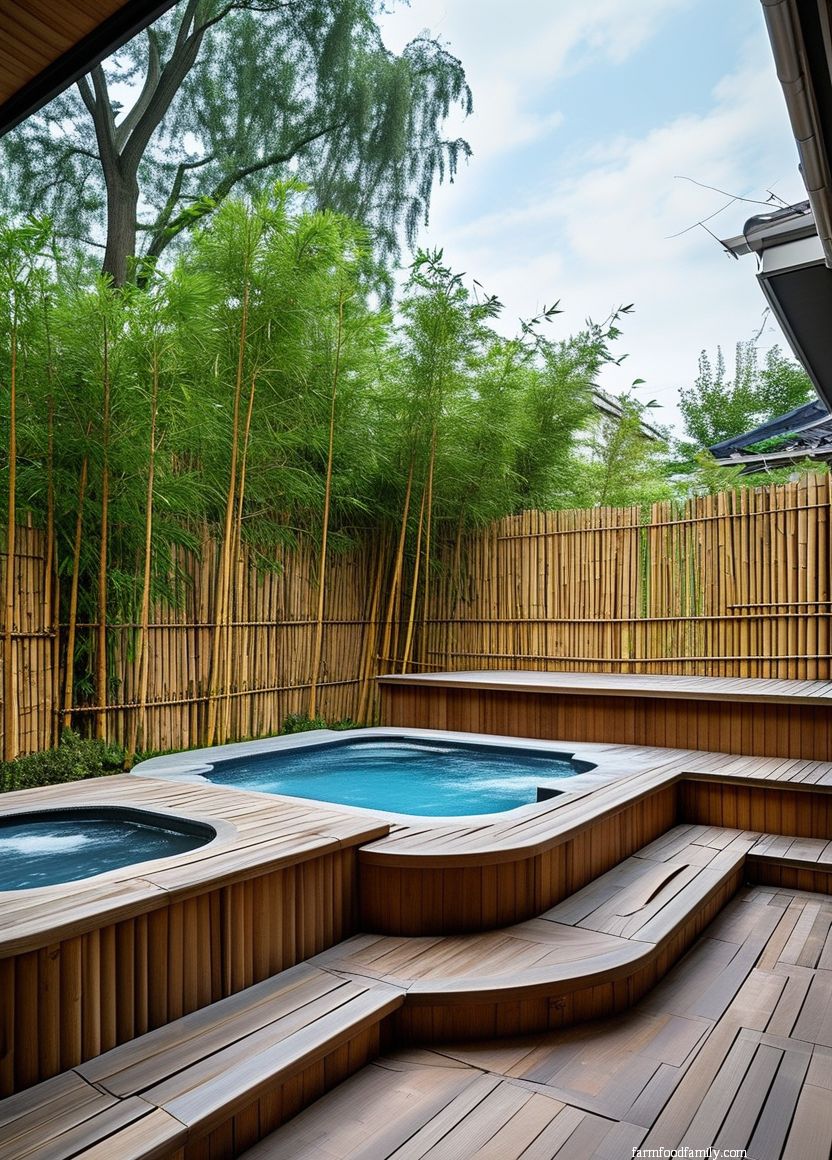
A pool with a sun shelf, a hot tub nearby, and stone decking around it can anchor an entire section of a large yard, but it’s realistic to treat this as its own multi-year phase rather than part of a first-year build-out.
Hot Tubs and Spas
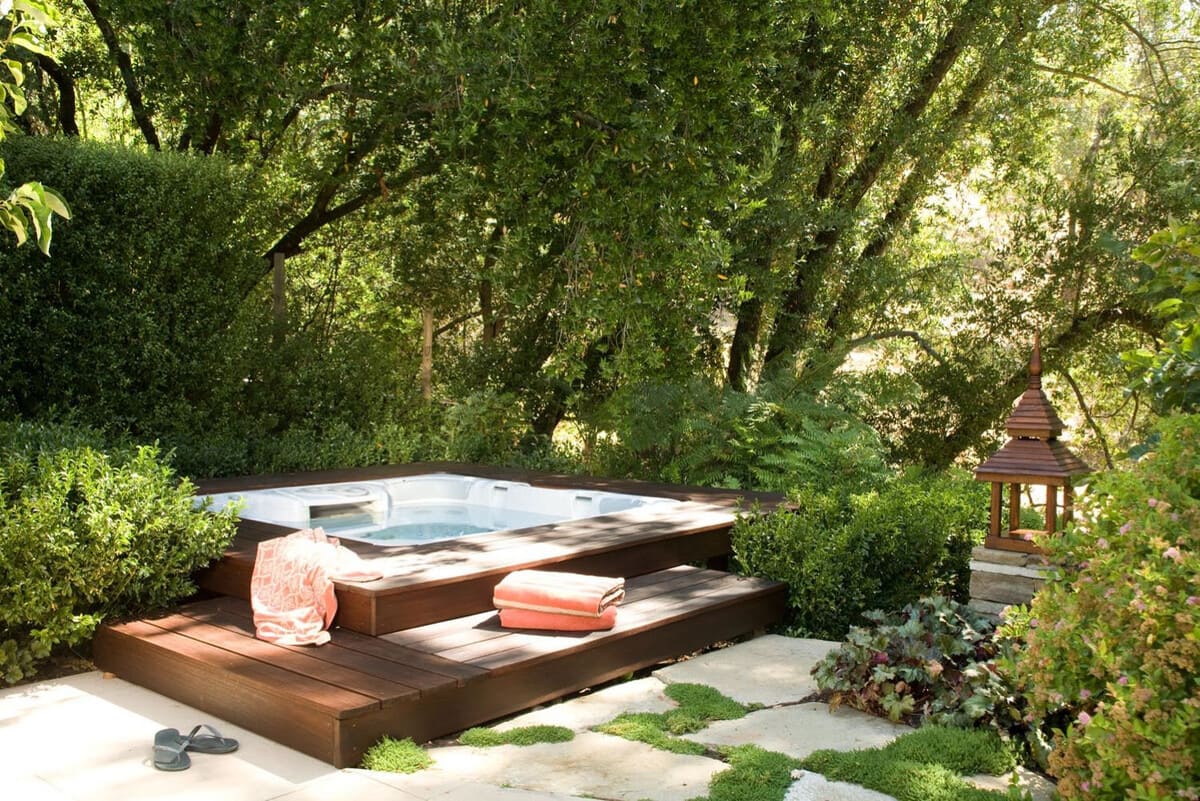
Sports Courts
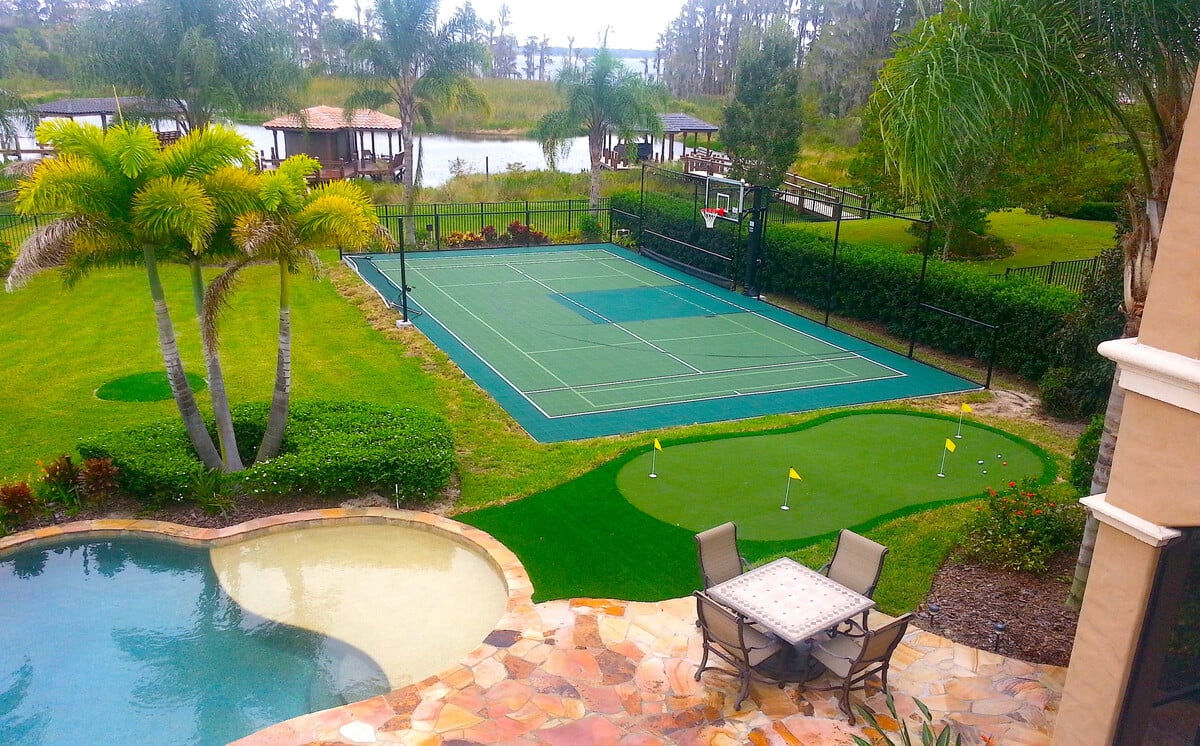
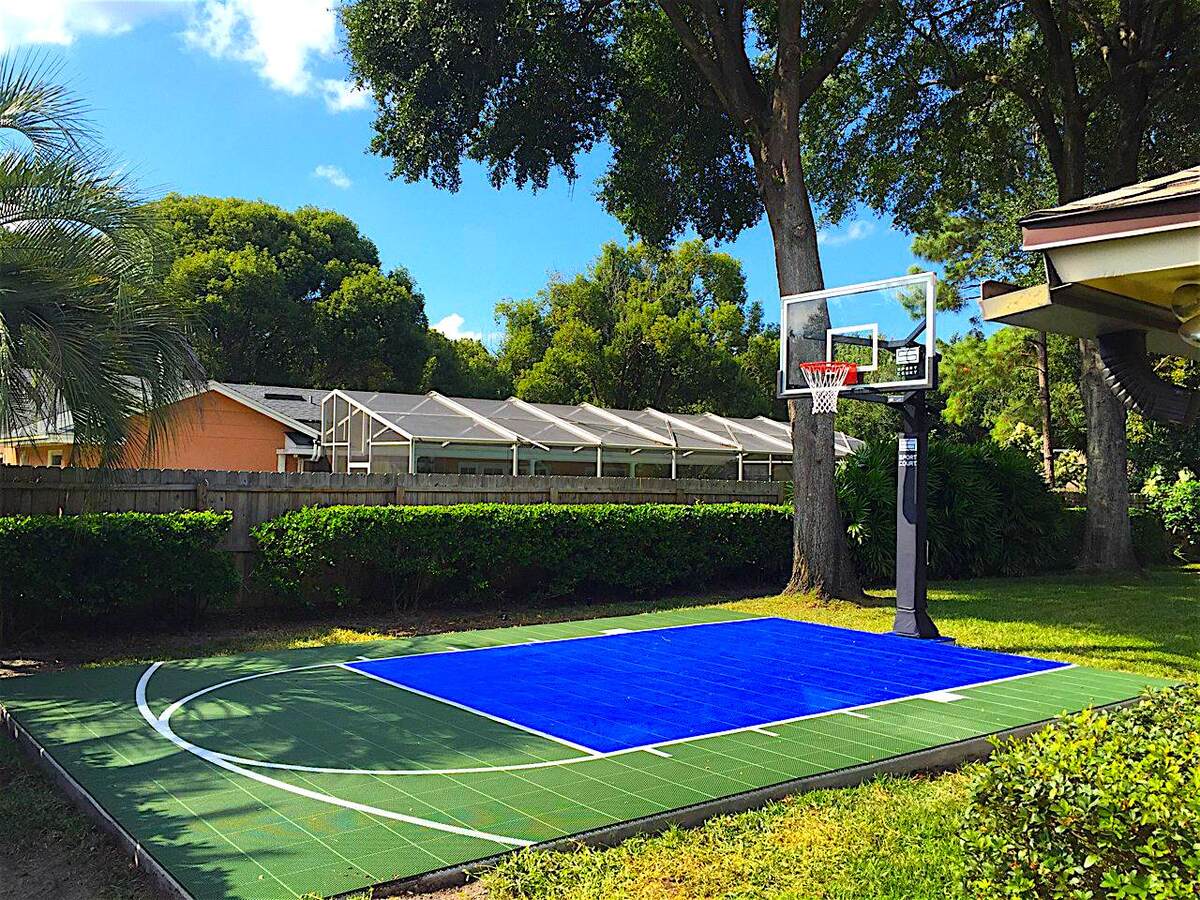
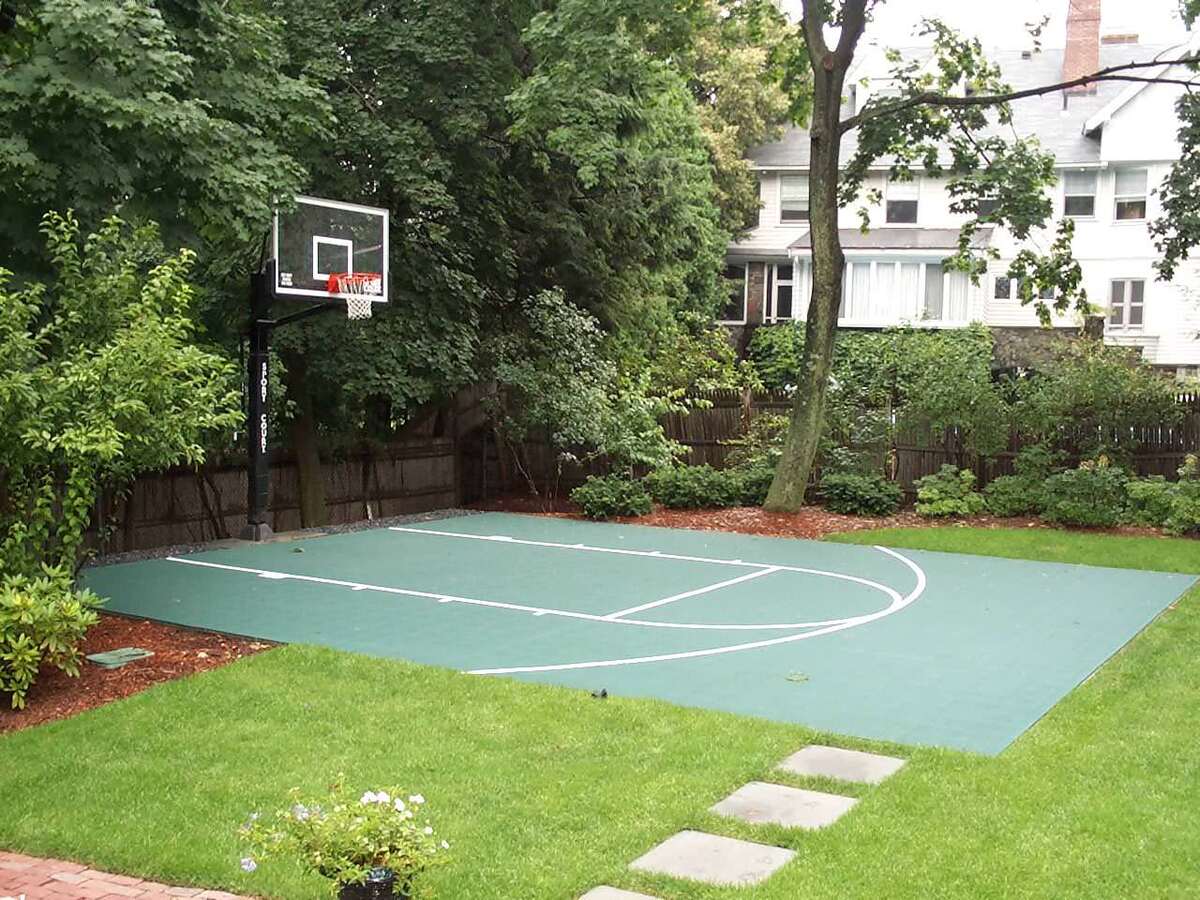
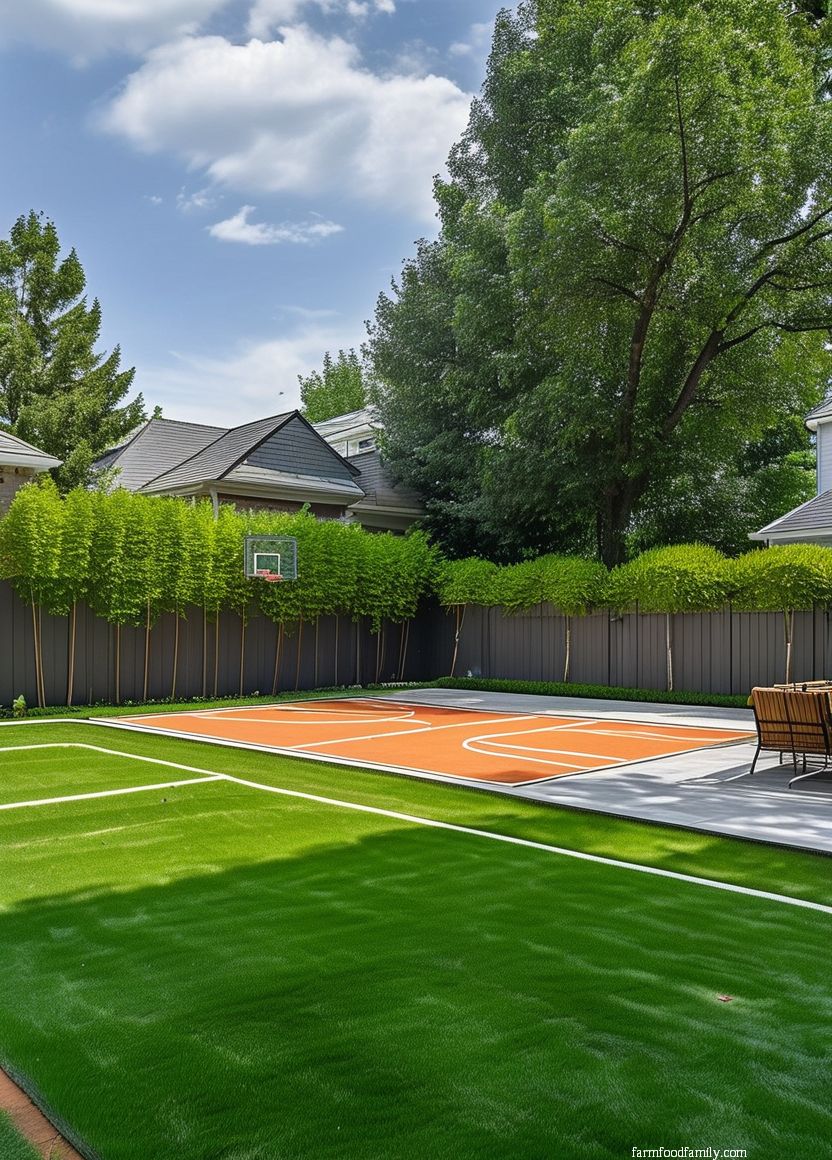
A half-court, a putting green, or even just a flat, well-drained patch of lawn set aside for lawn games needs real square footage that only a large yard has to spare.
This is one of the few ideas on this list that’s genuinely impossible in a small yard, worth highlighting if court space is the reason the large yard got bought in the first place.
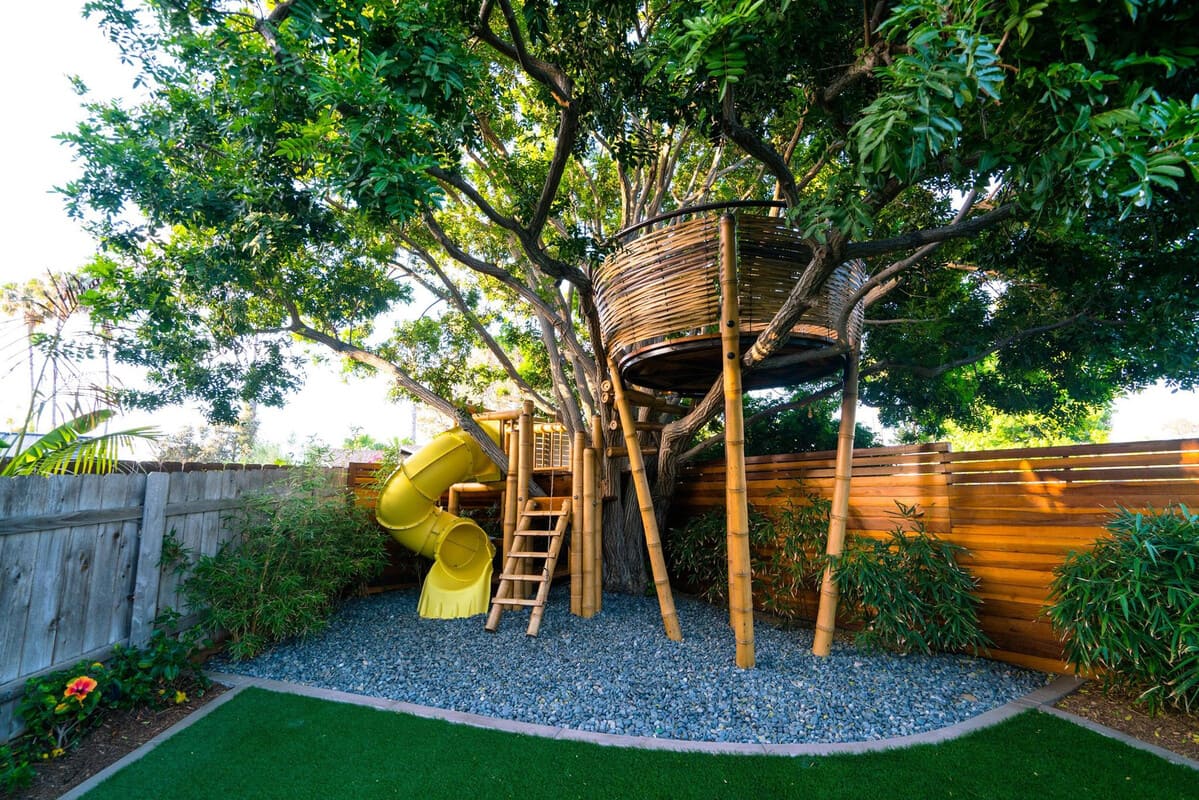
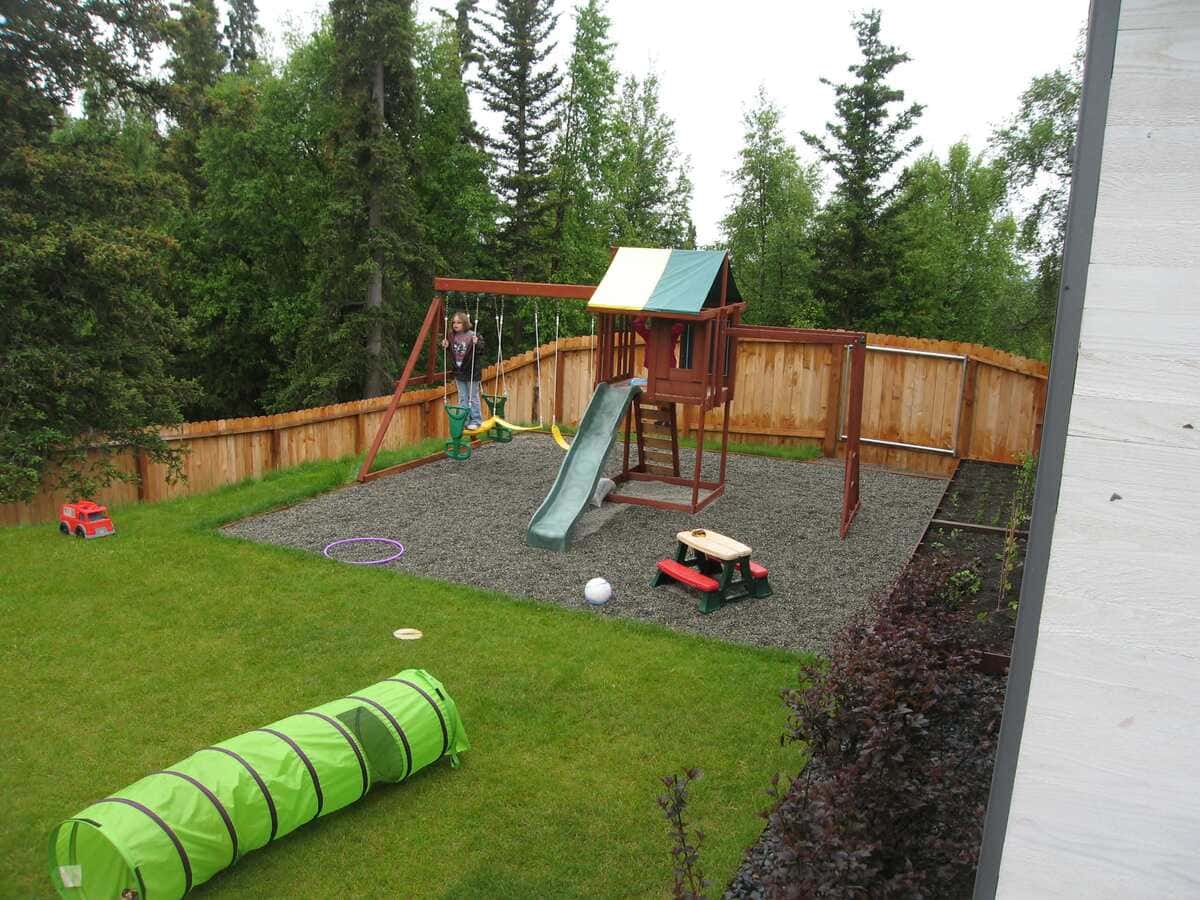
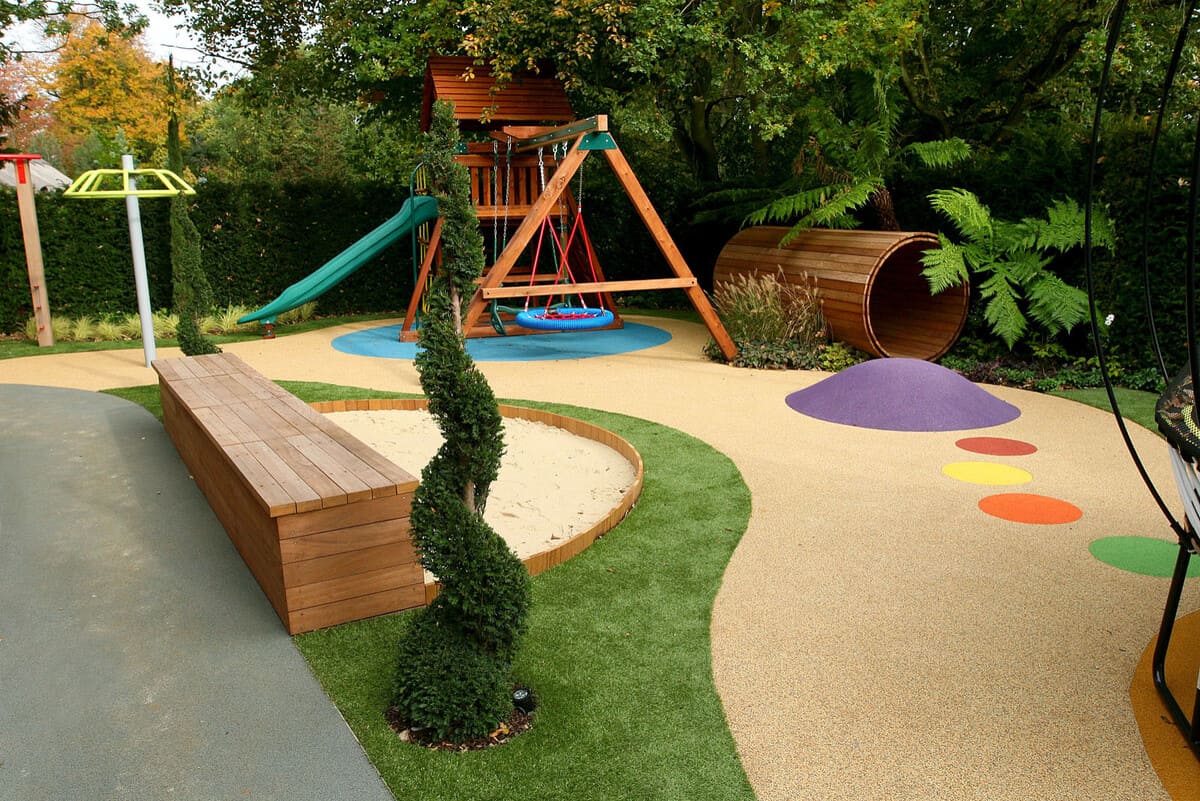
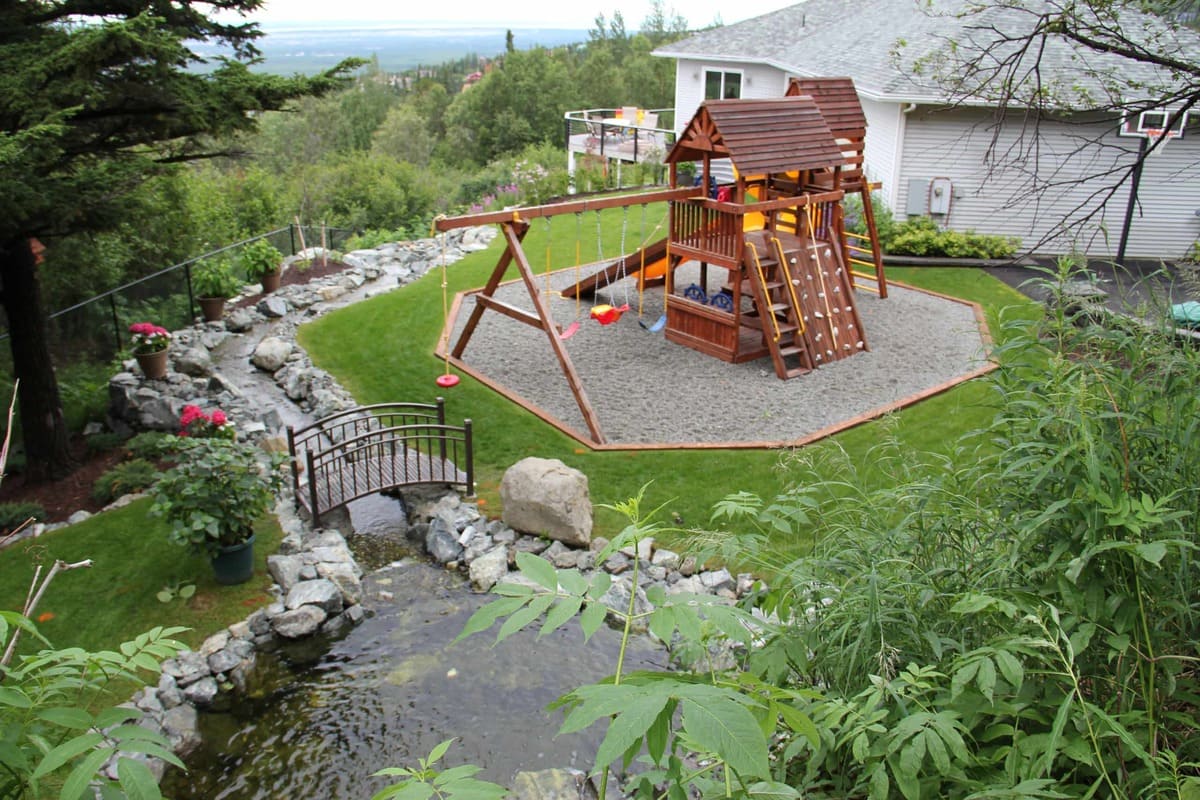
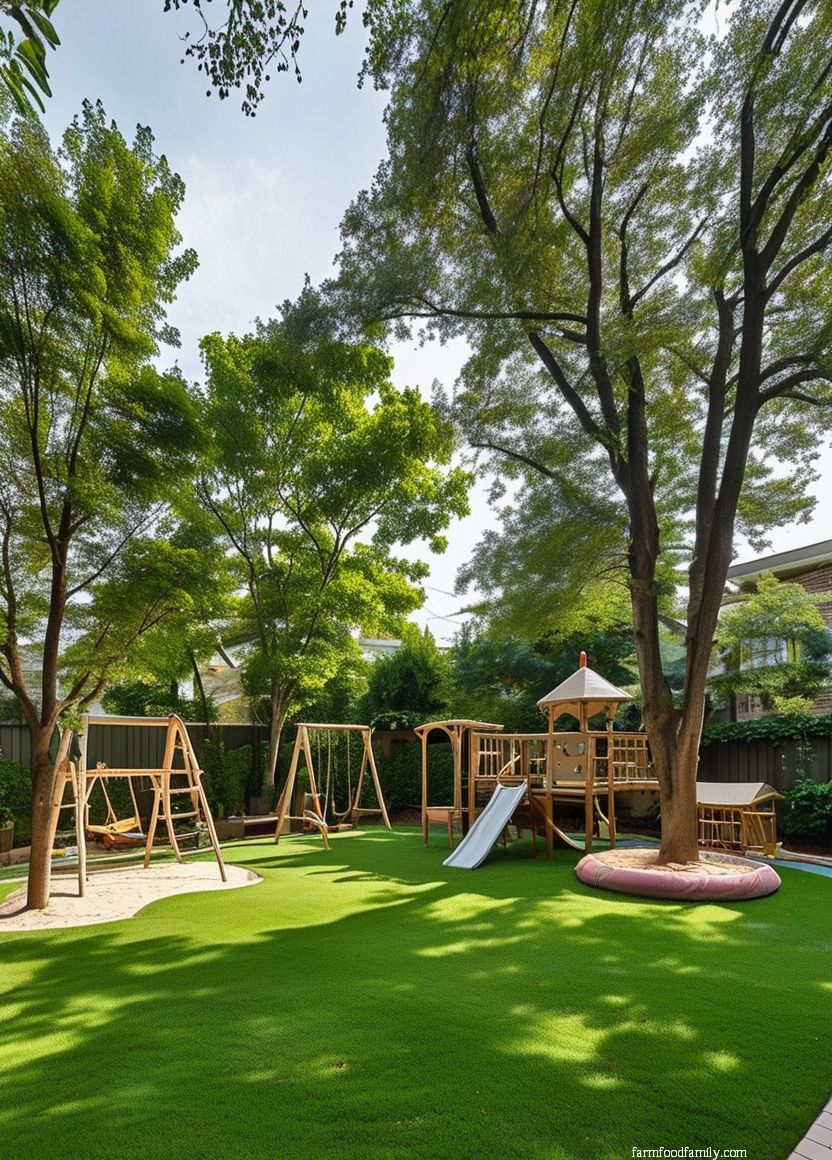
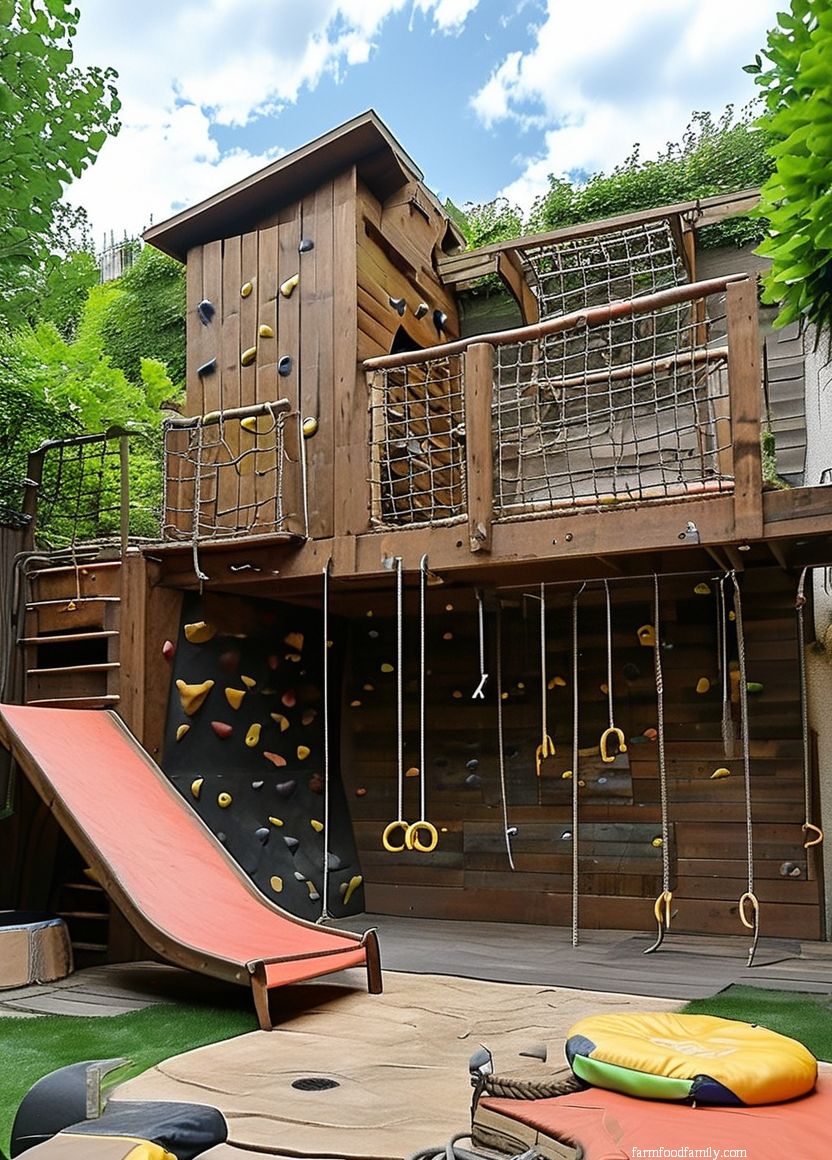
Play Areas for Kids
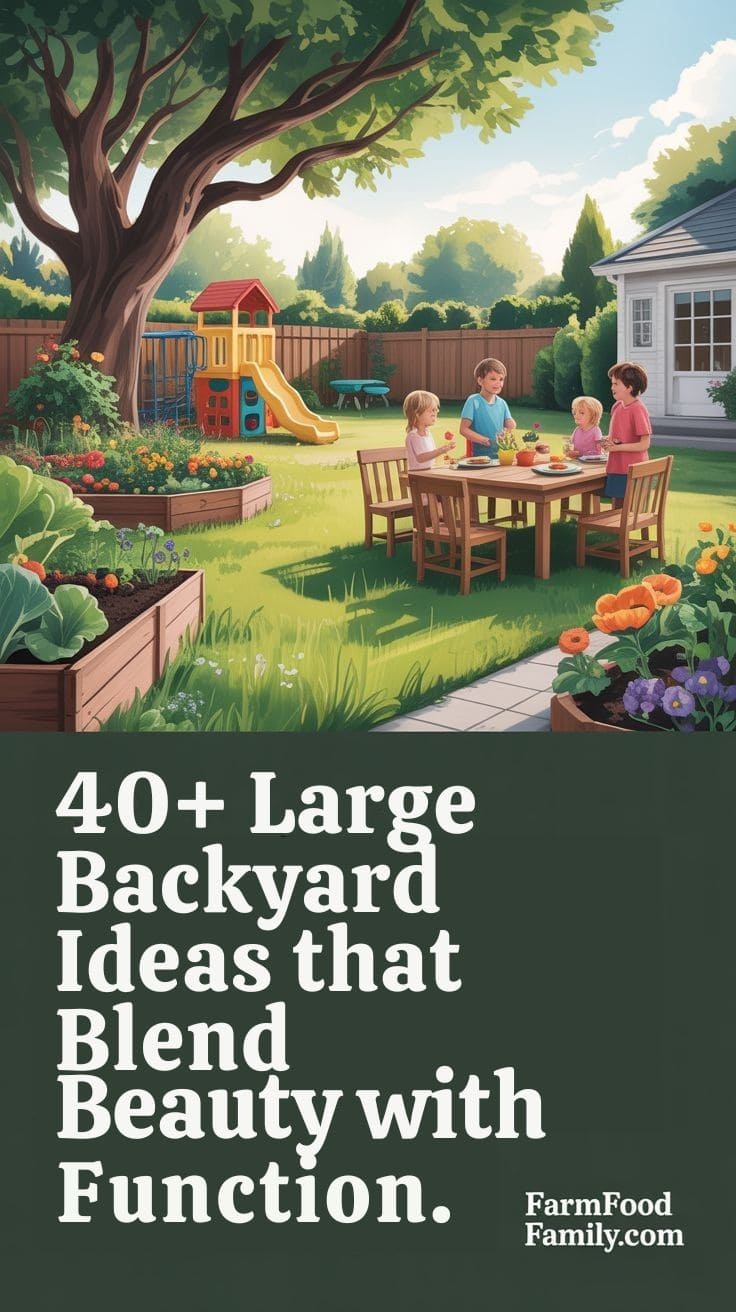
Best placed within sightline of the house or a patio, not tucked into a far corner where supervision gets harder.
A play structure now, with a plan to convert that same footprint into a greenhouse or garden bed later, is exactly the kind of phased thinking that shows up repeatedly in real large-yard planning threads.
Trampoline Zones
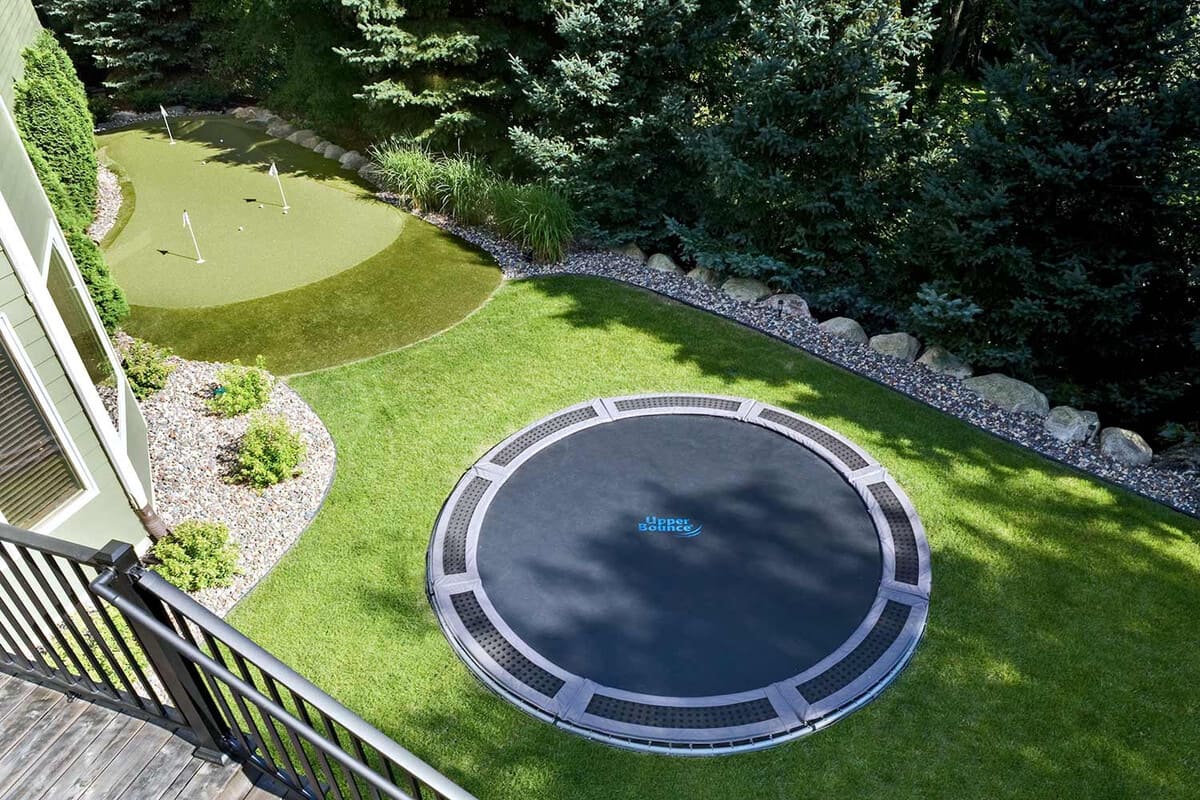
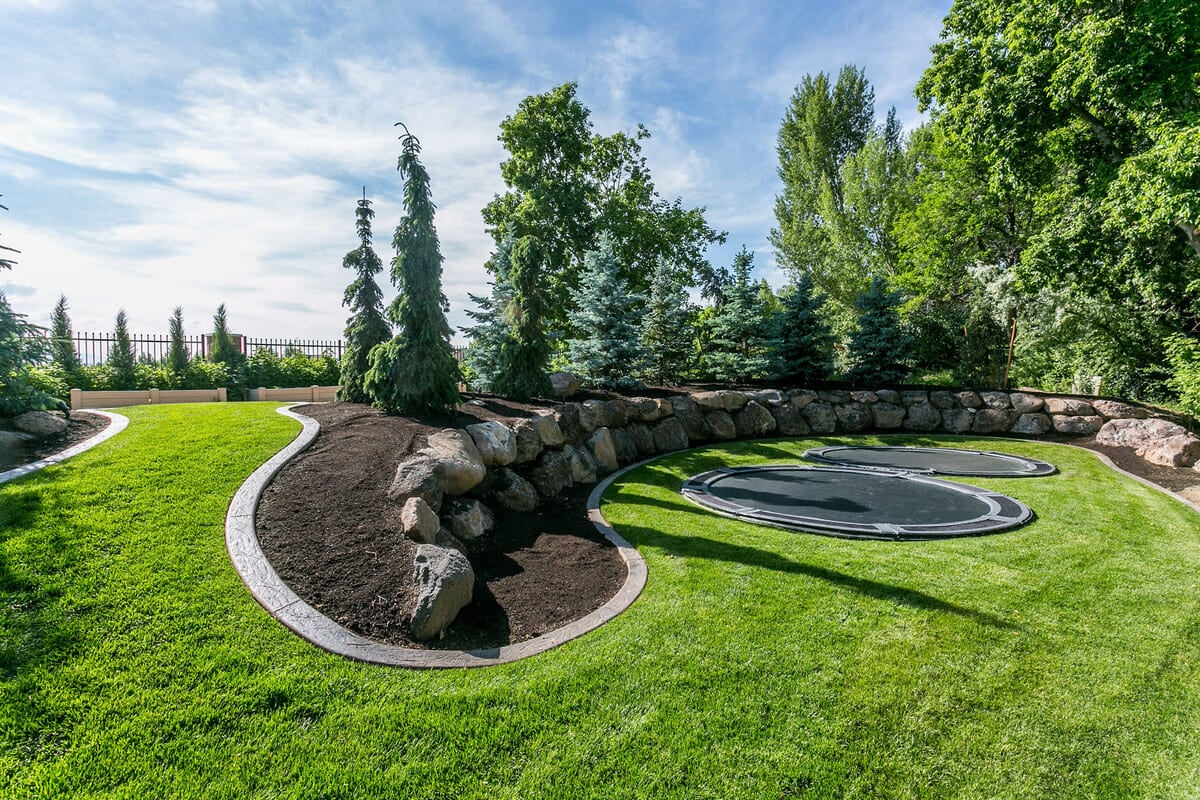
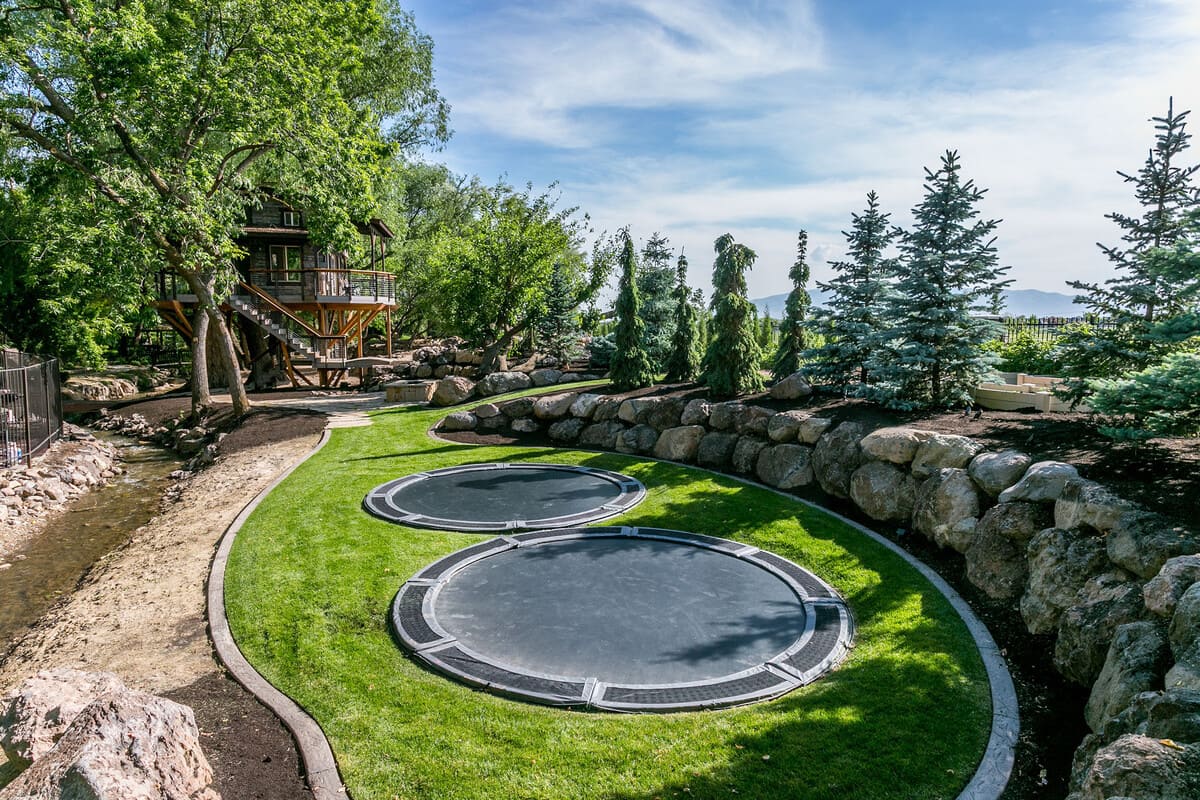
Relaxation and personal space
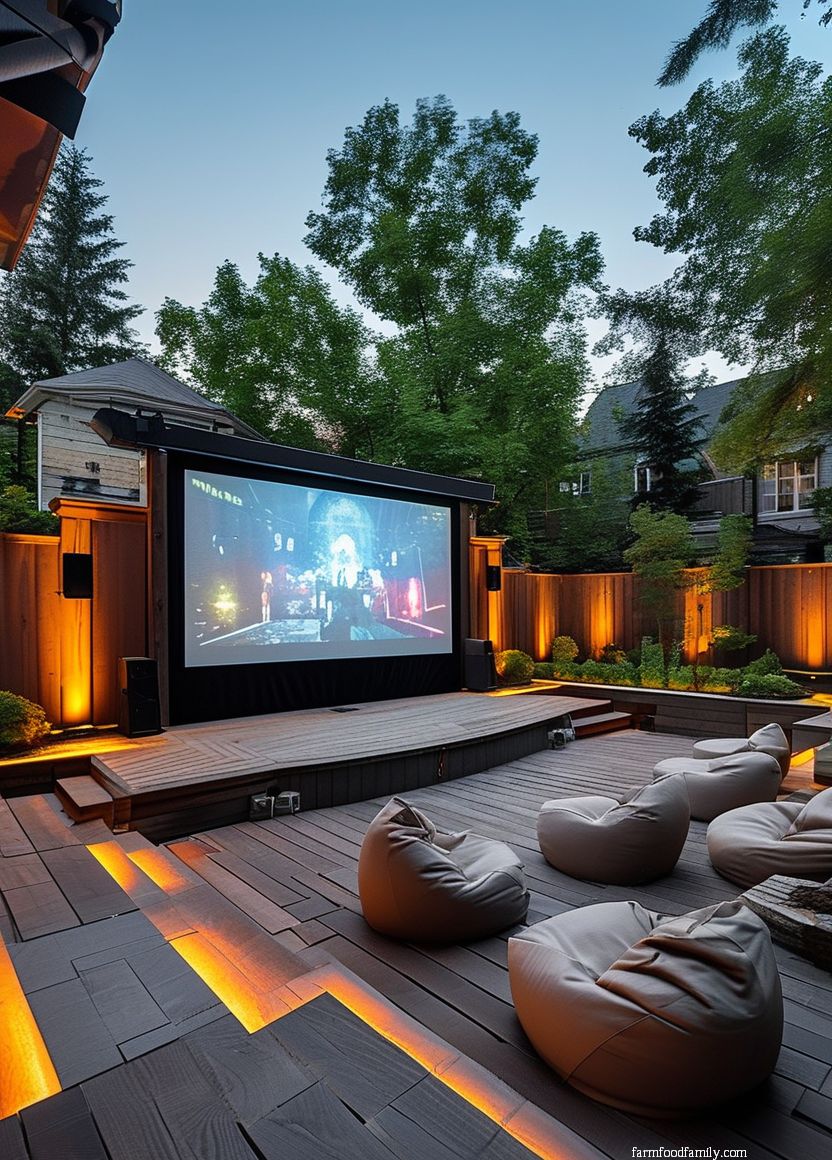
Outdoor Cinemas
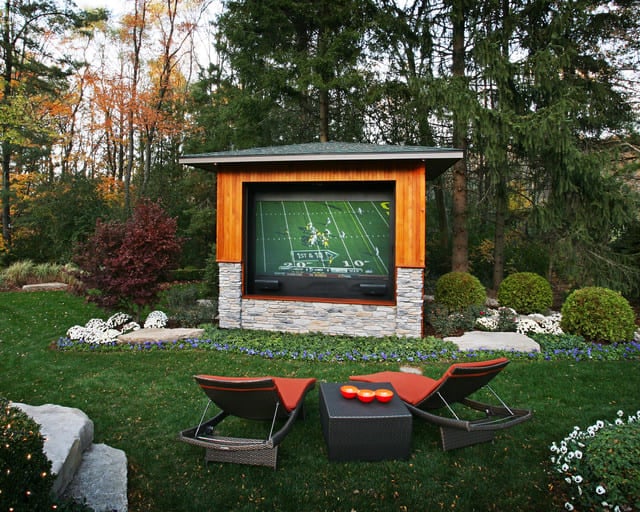
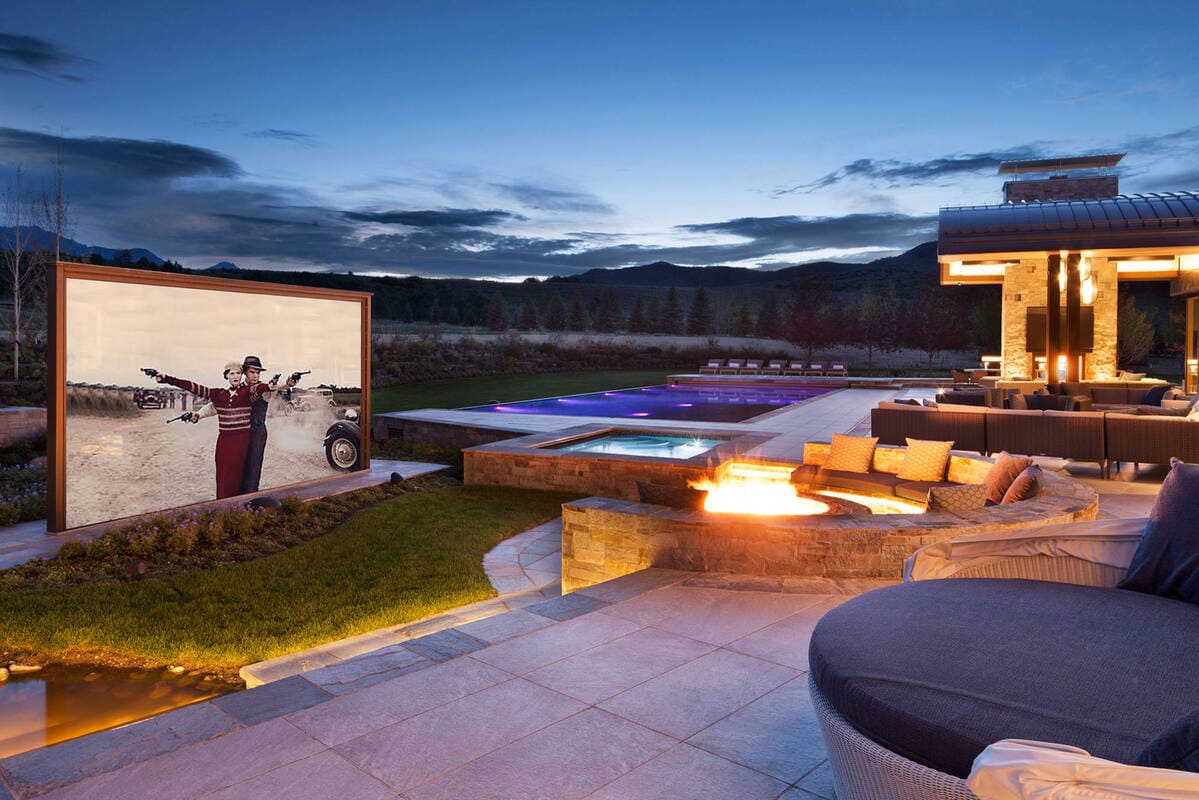
Hammocks and Swing Chairs
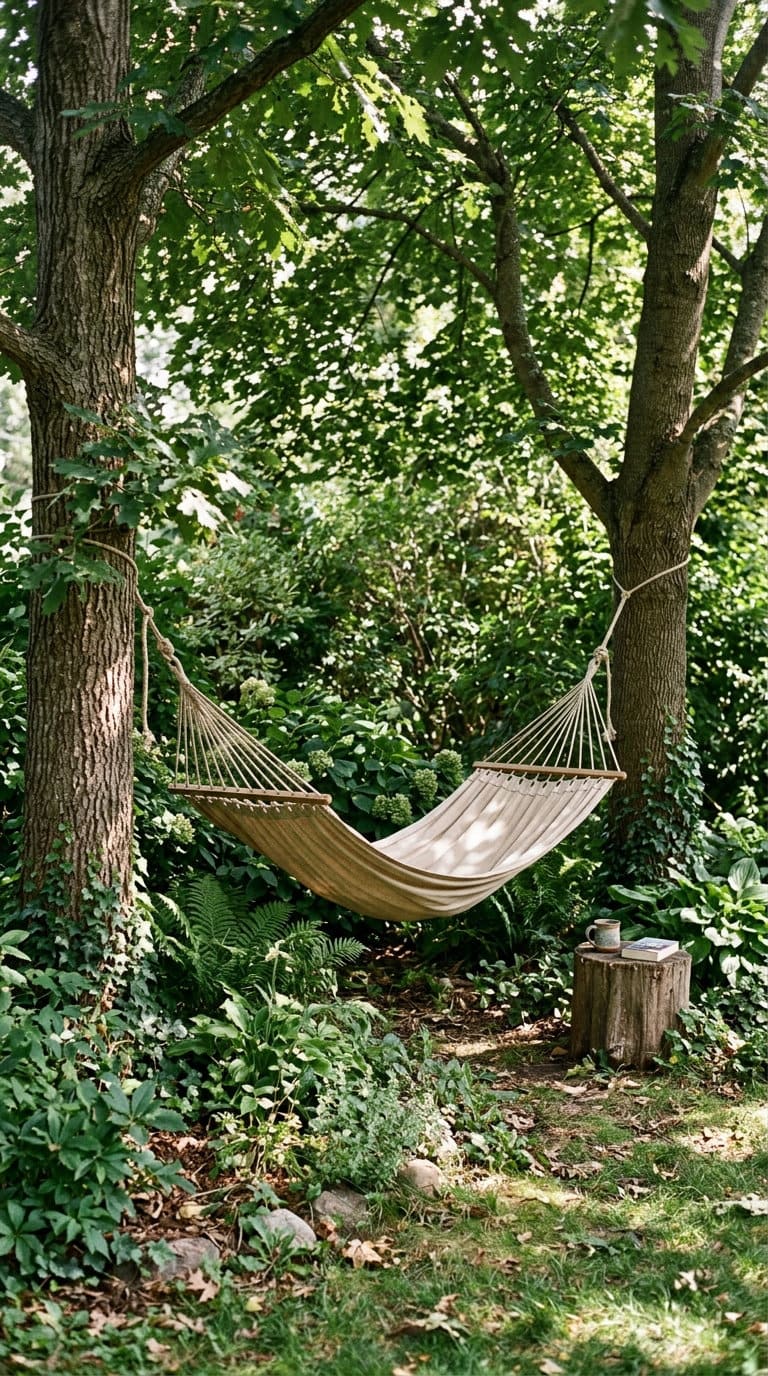
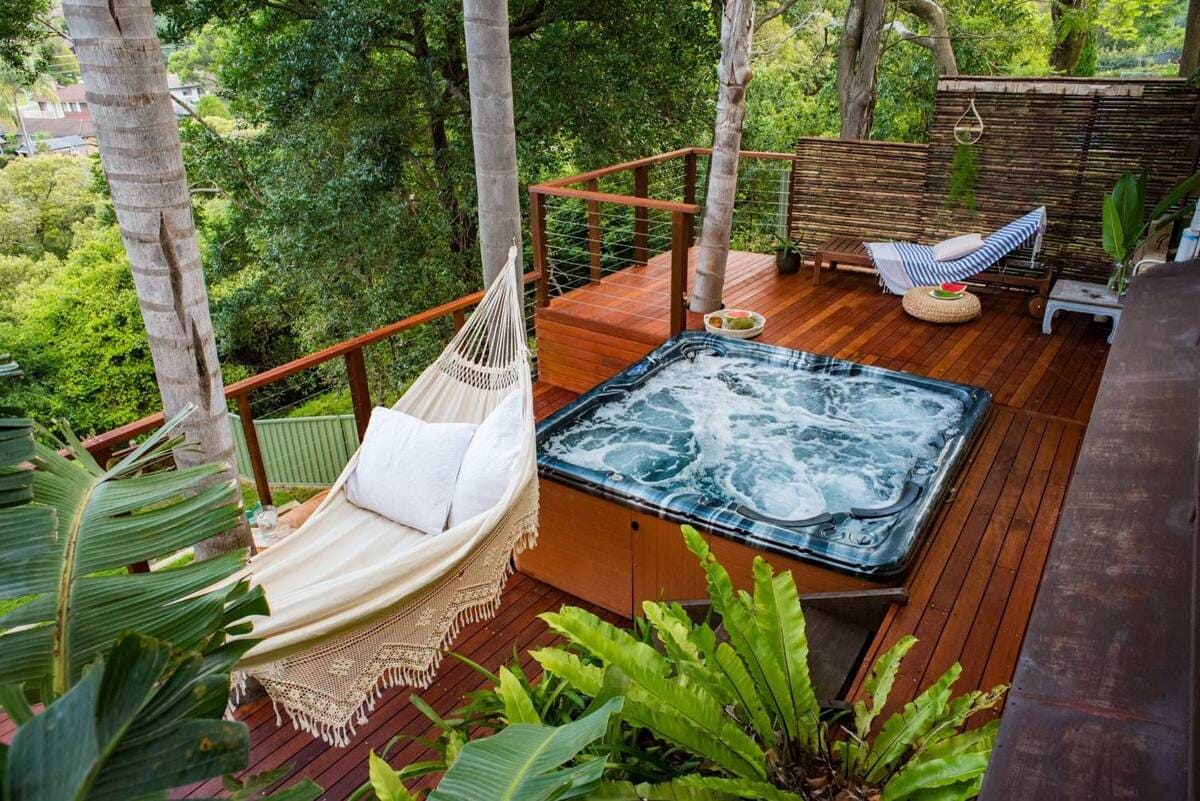
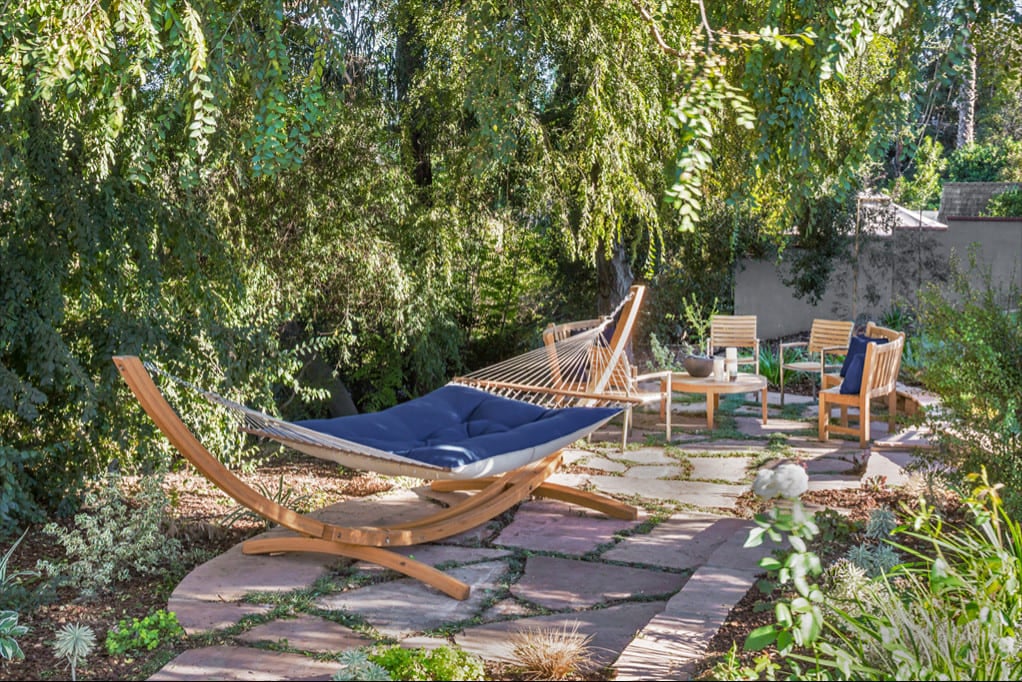
Cheapest zone on this entire list to set up, and one of the best uses of the mid-yard anchoring principle from earlier: a hammock strung between two trees toward the center of the yard does real work making the space feel used, not just mowed.
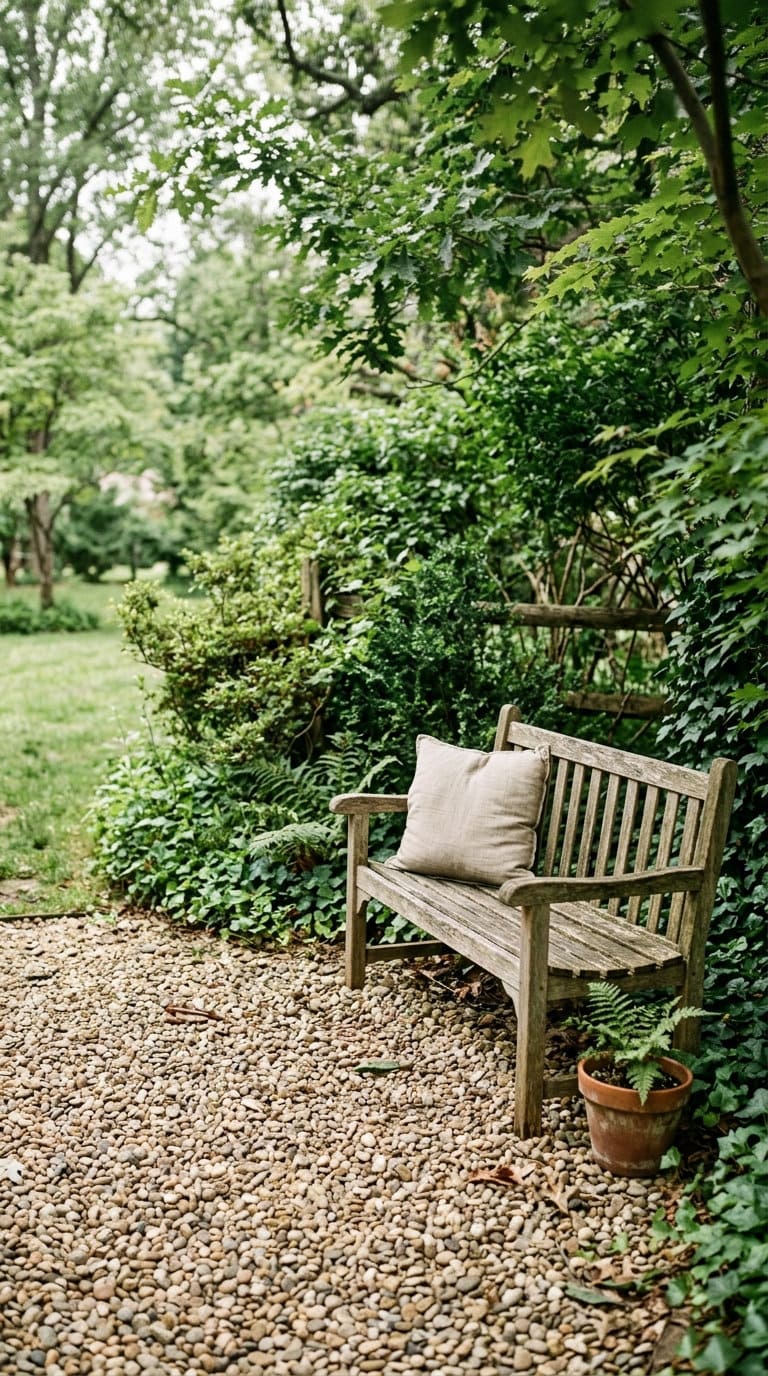
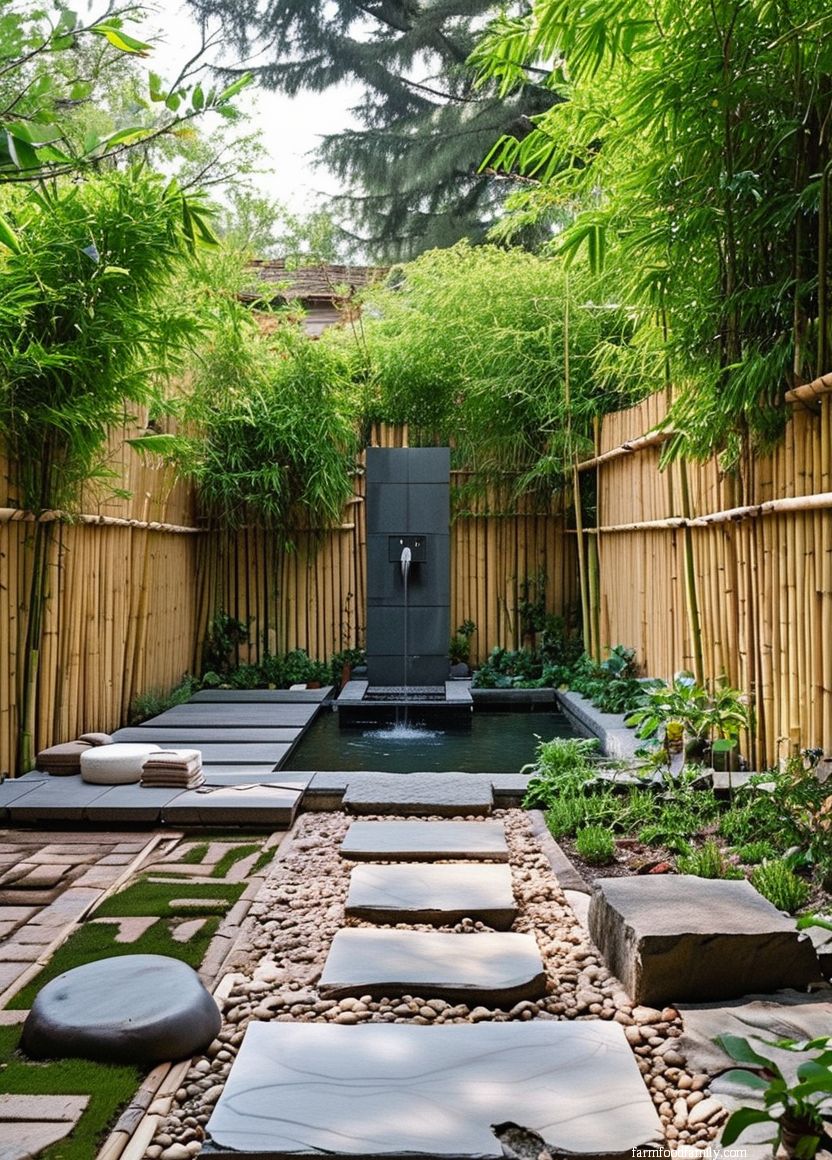
Meditation and Yoga Spaces
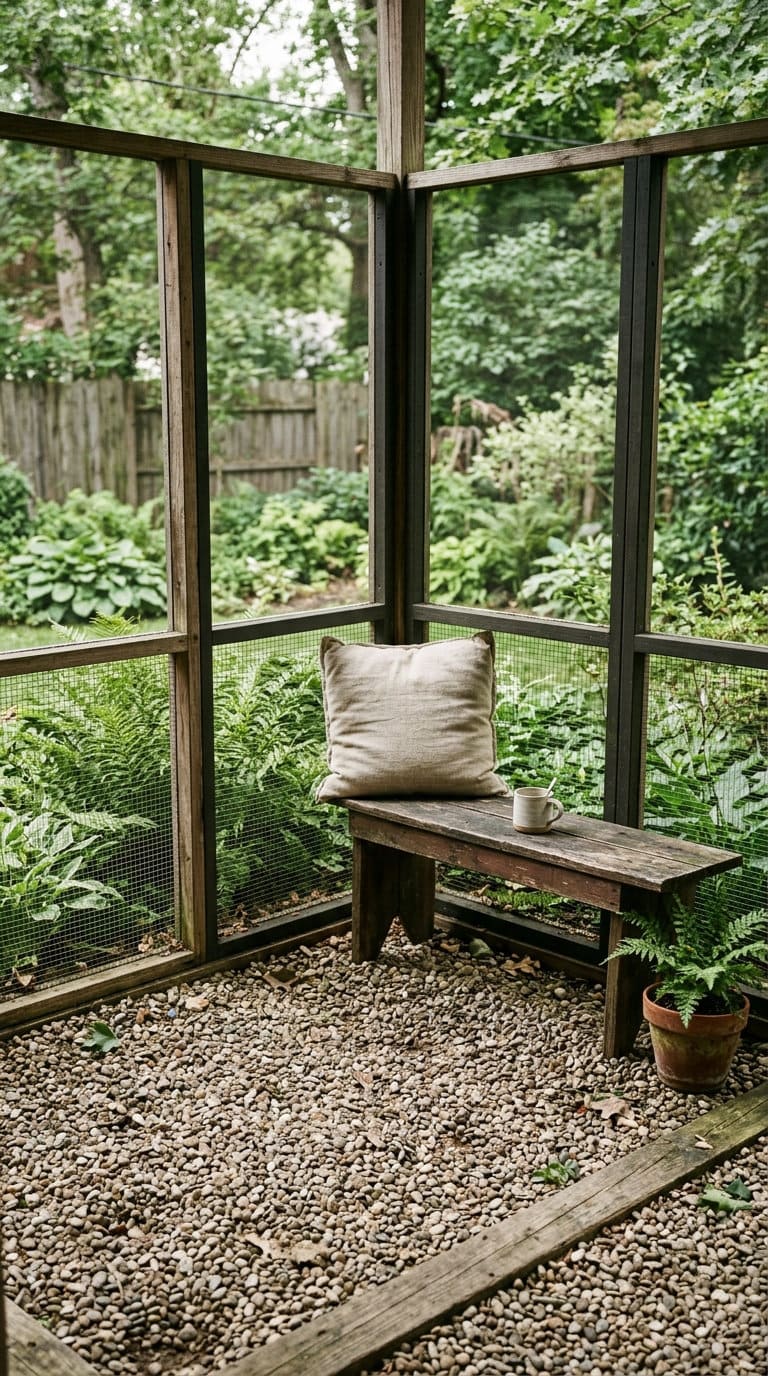
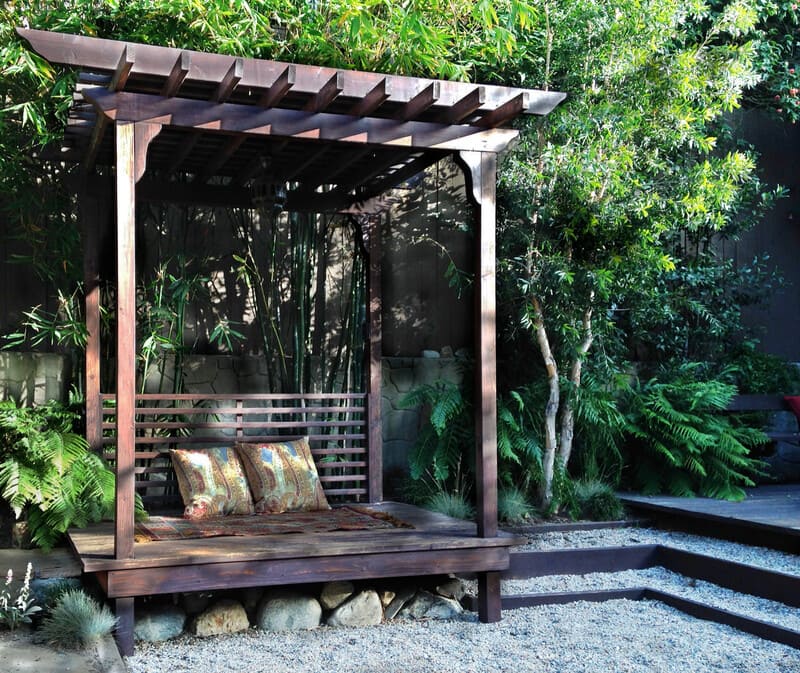
A quiet, semi-enclosed corner, screened by planting rather than fencing, gives a large yard a genuinely different mood than the entertaining zones. Even a simple gravel pad with a single bench qualifies; this doesn’t need to be elaborate to work.
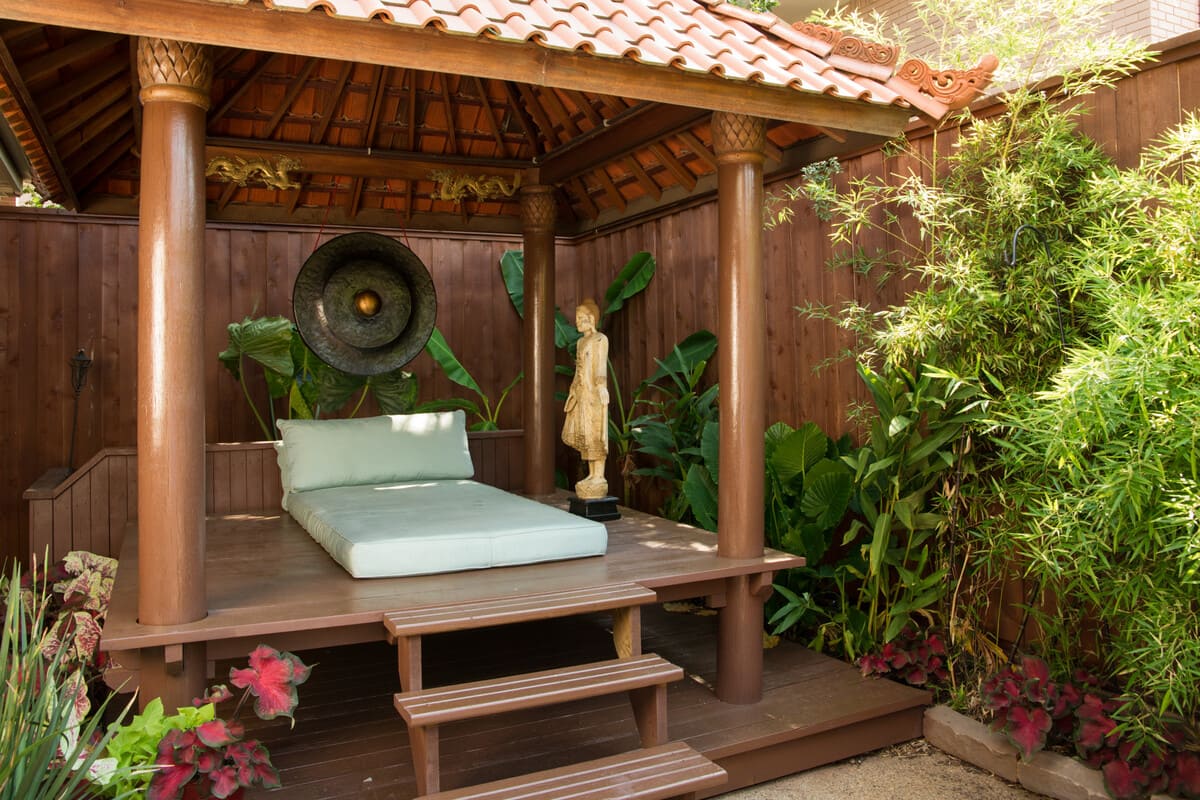
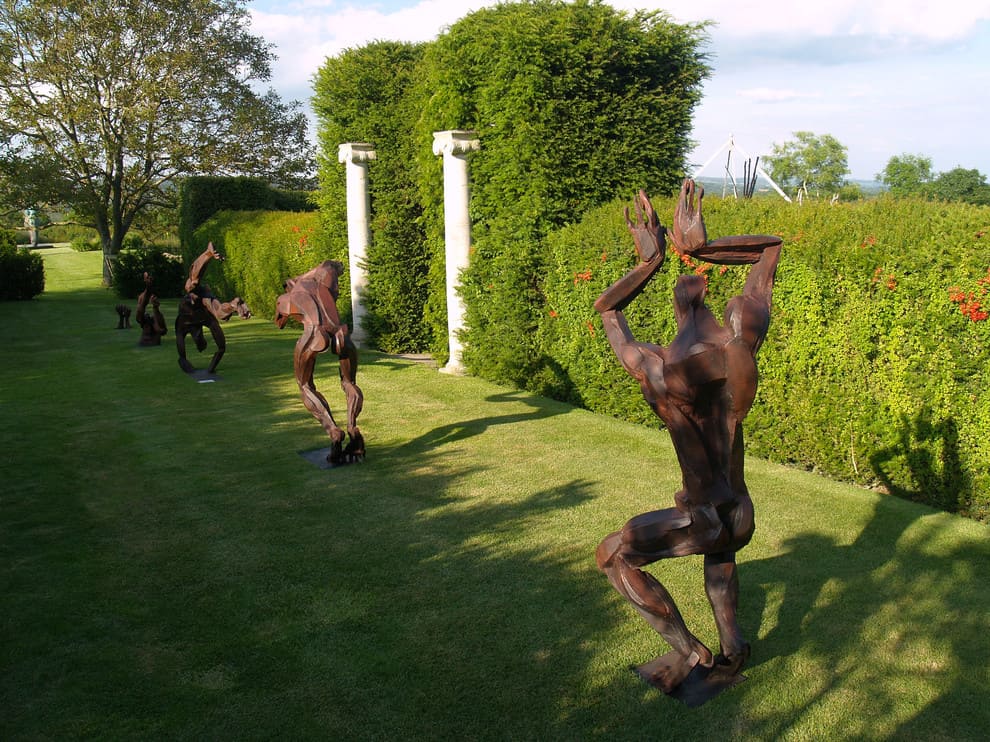
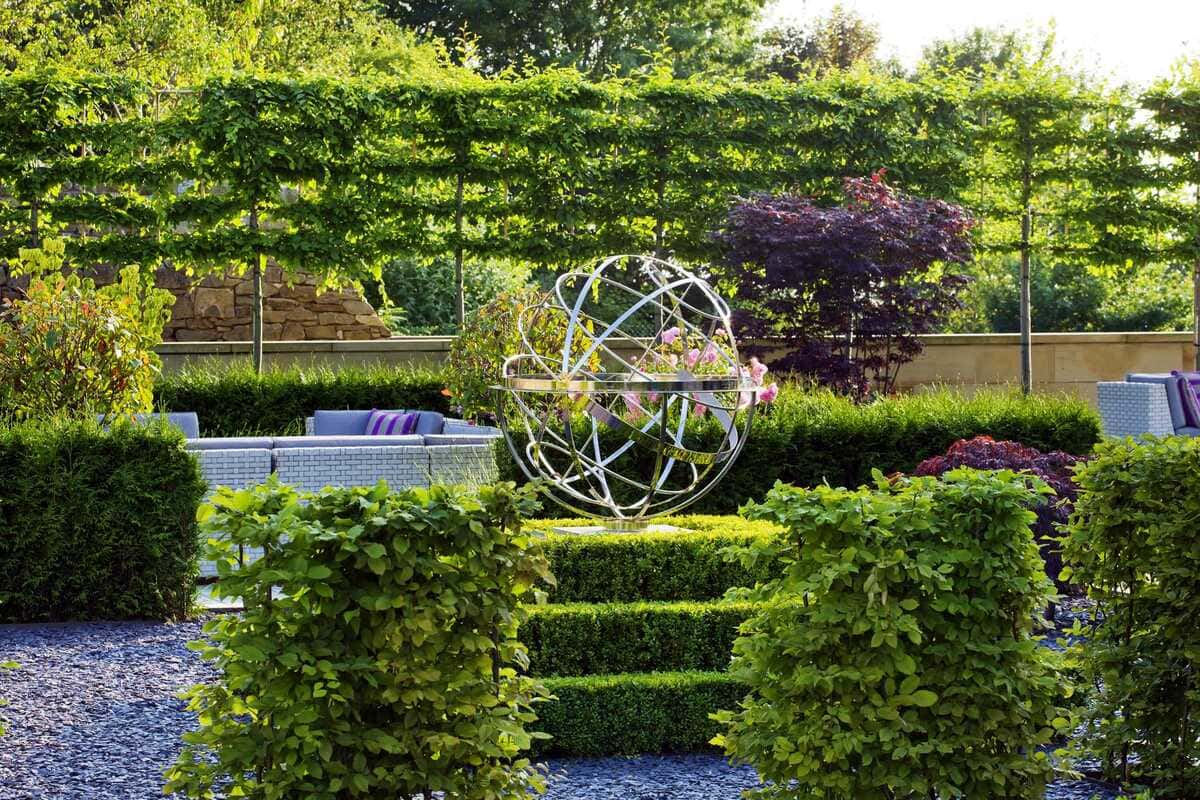
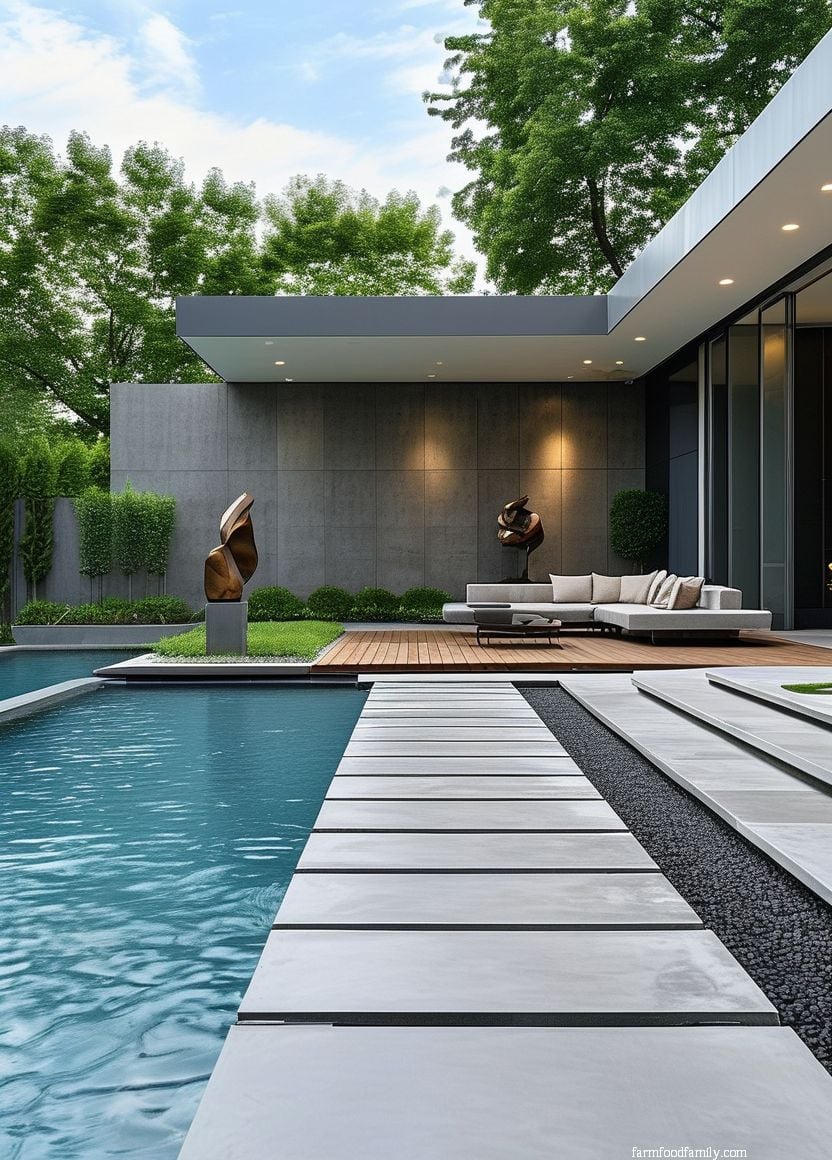
Garden Art and Sculptures
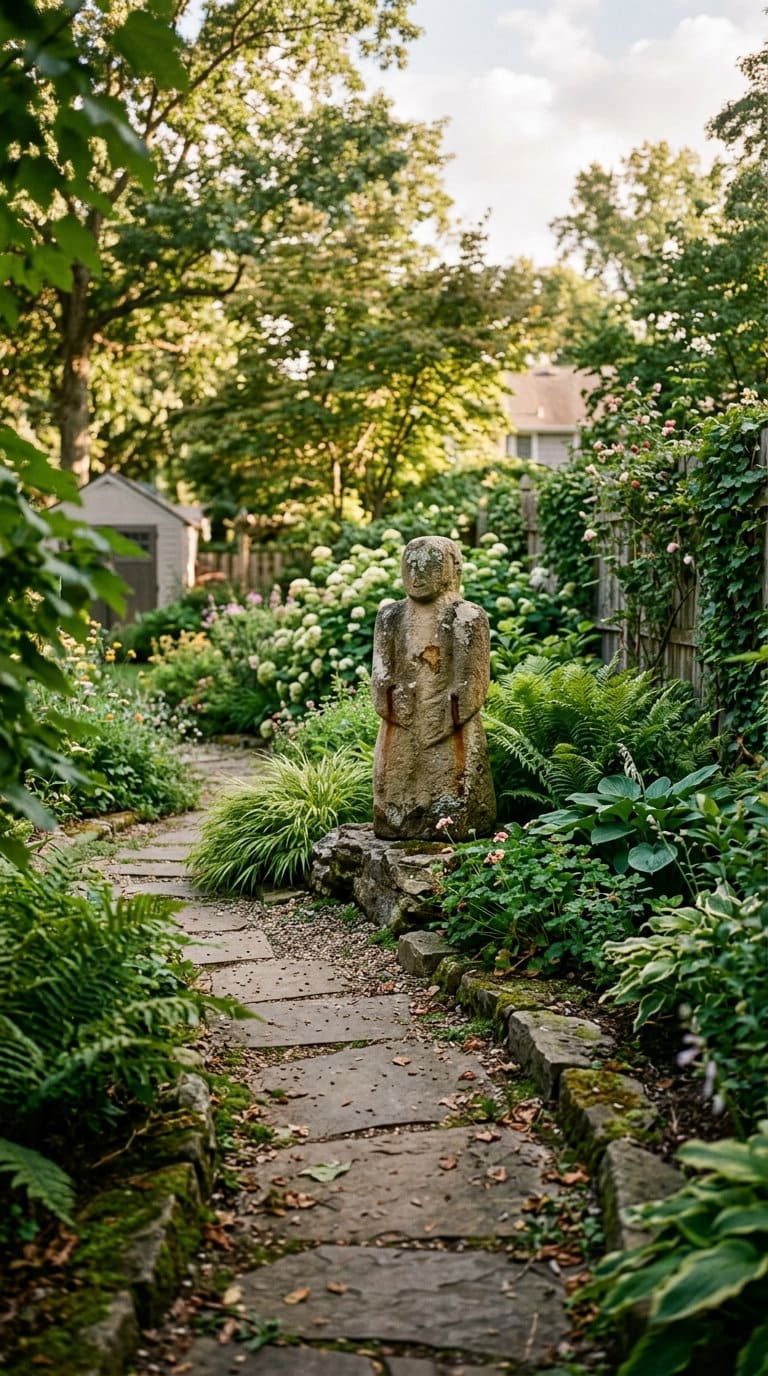
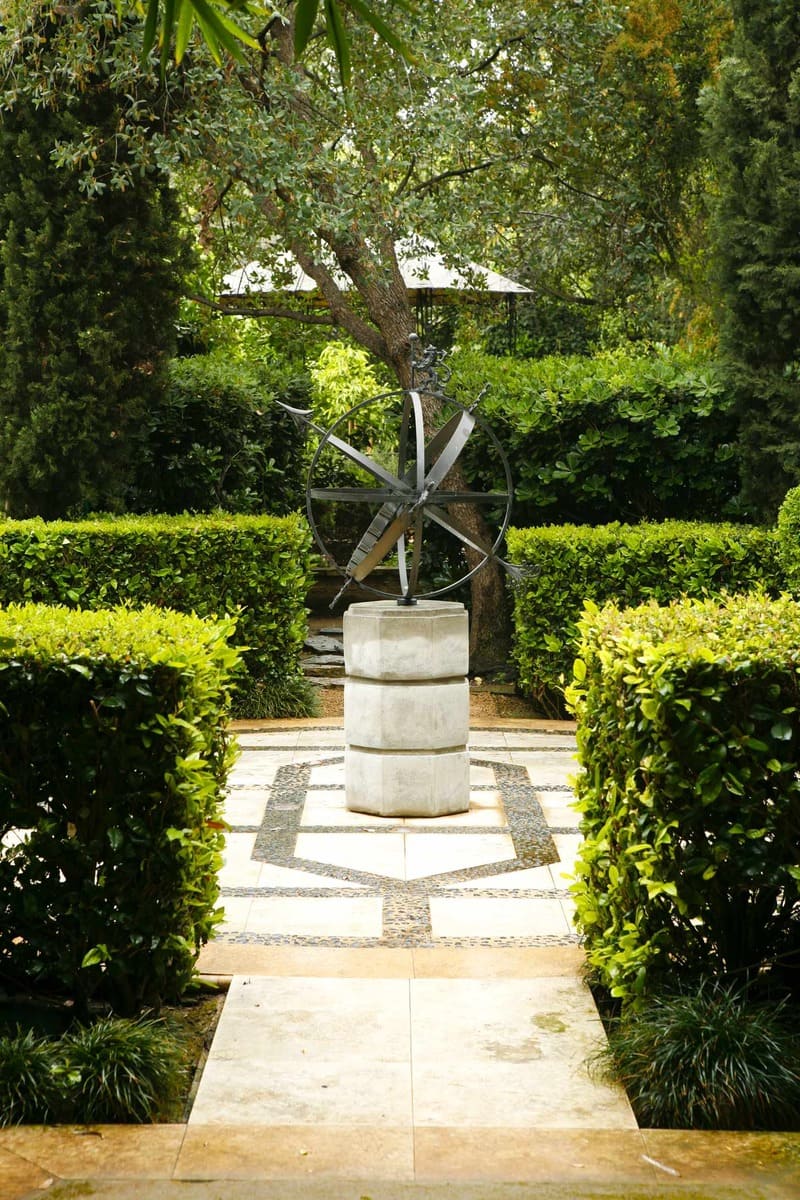
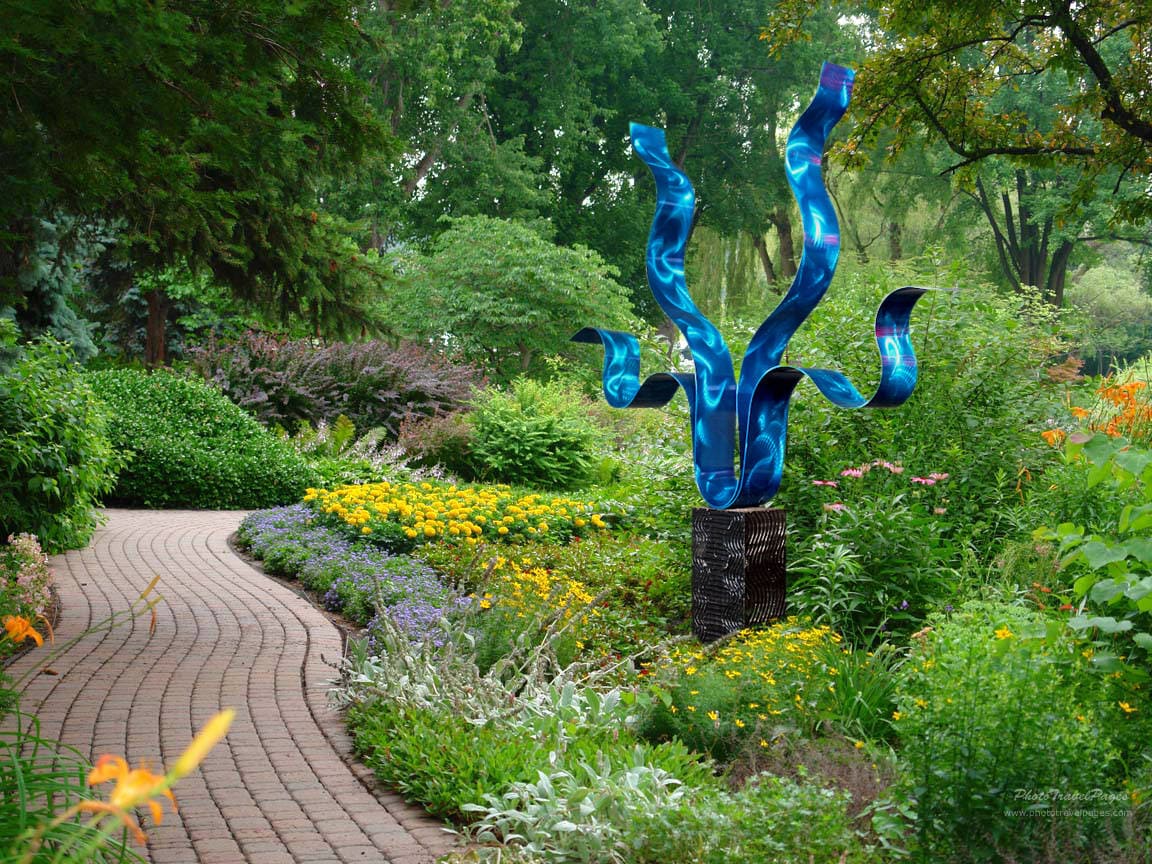
Small yards can’t really absorb a large sculptural piece without it dominating the space. Large yards can, especially placed as a focal point at the end of a sightline or path, giving the eye somewhere to land.
Sustainable and Eco-Friendly Ideas
Vegetable and Herb Gardens
Composting Areas
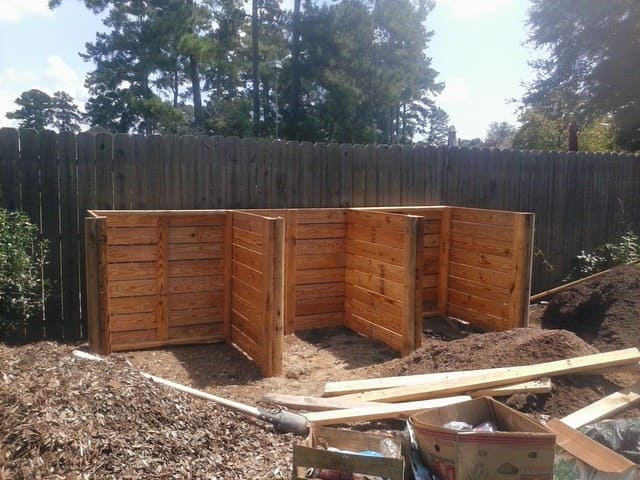
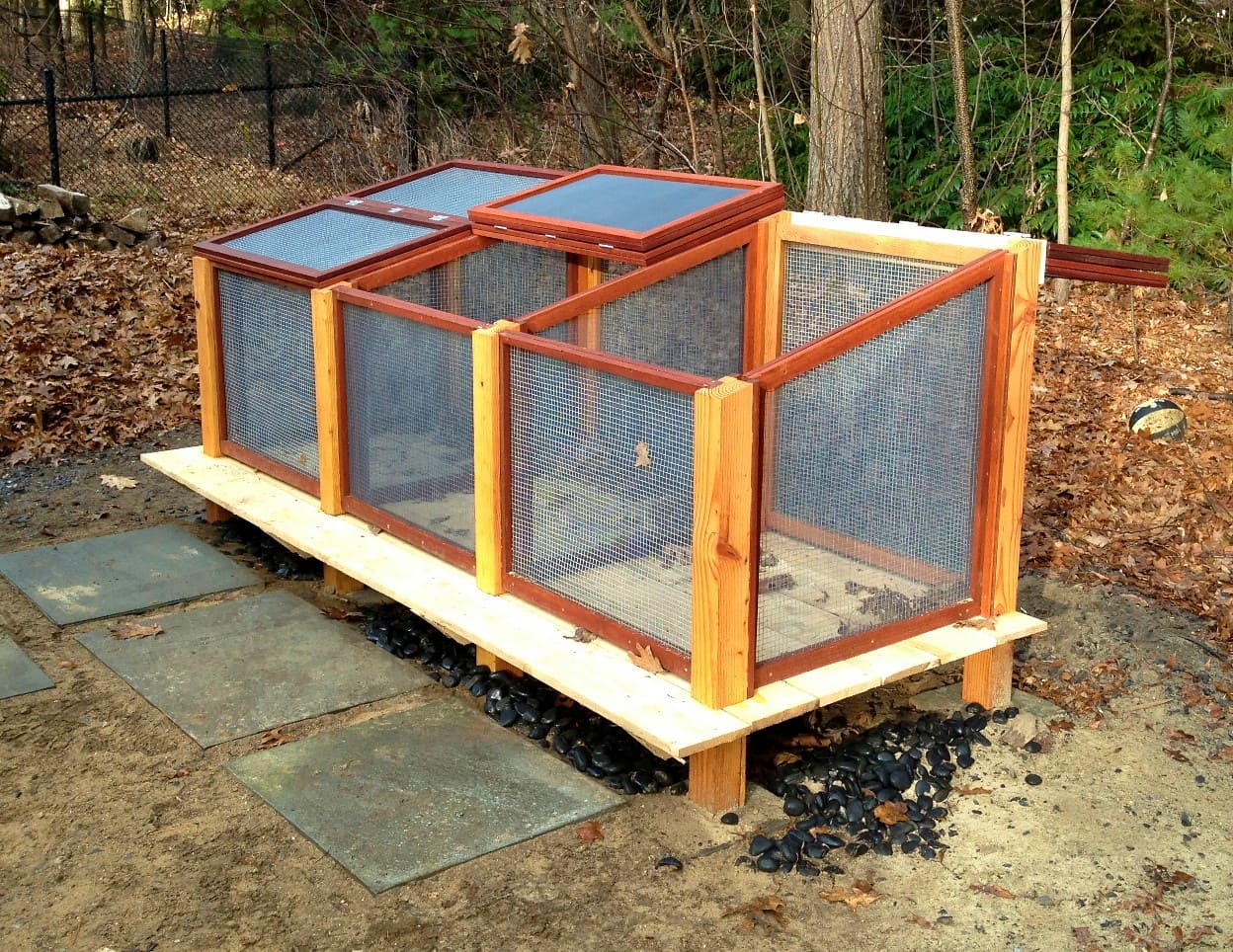
A large yard has room to tuck a composting area somewhere genuinely out of the way, which solves the main complaint people have about composting in smaller yards (it’s visible, and it can smell if it’s too close to a patio). Distance is the whole advantage here.
Rainwater Harvesting Systems
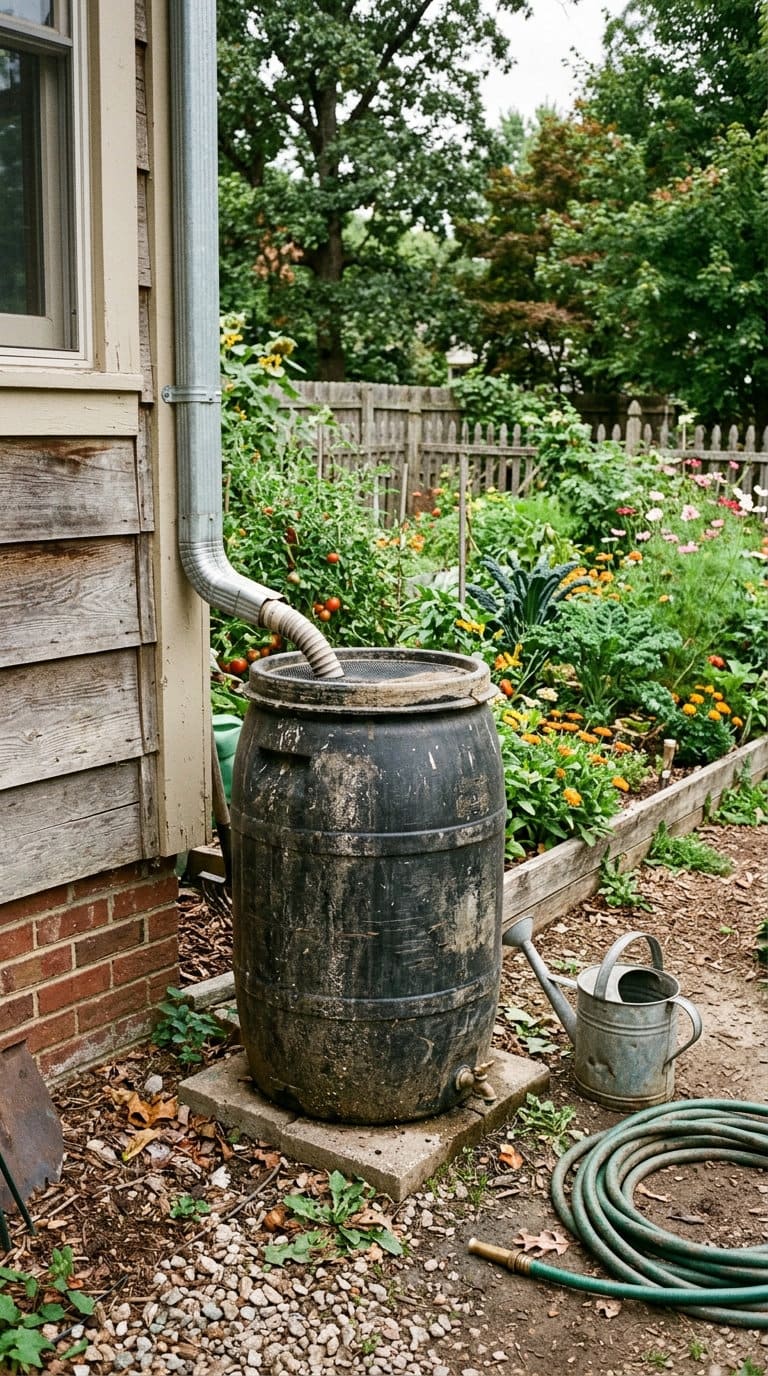
Larger roof and yard area means more collectible rainwater, which matters if any of the earlier ideas (vegetable gardens, native plantings) need regular watering.
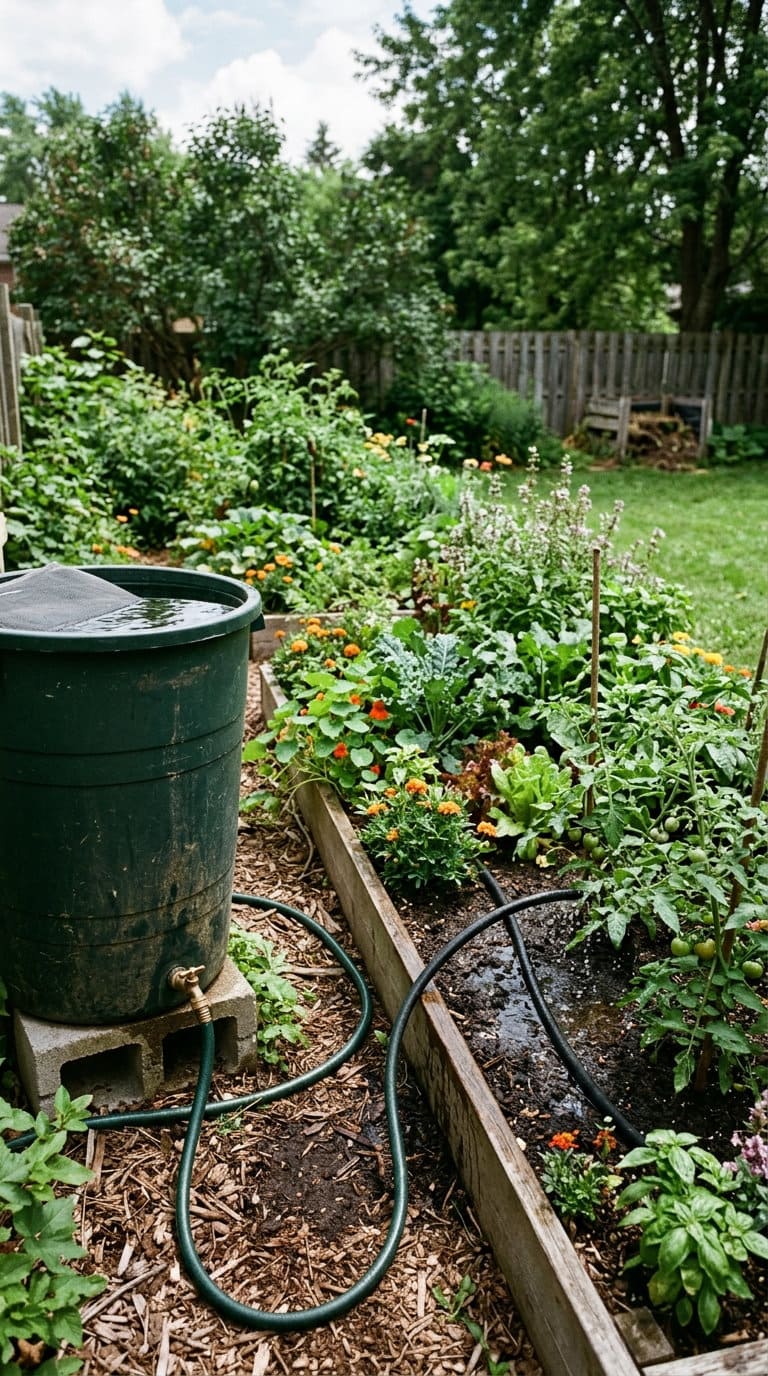
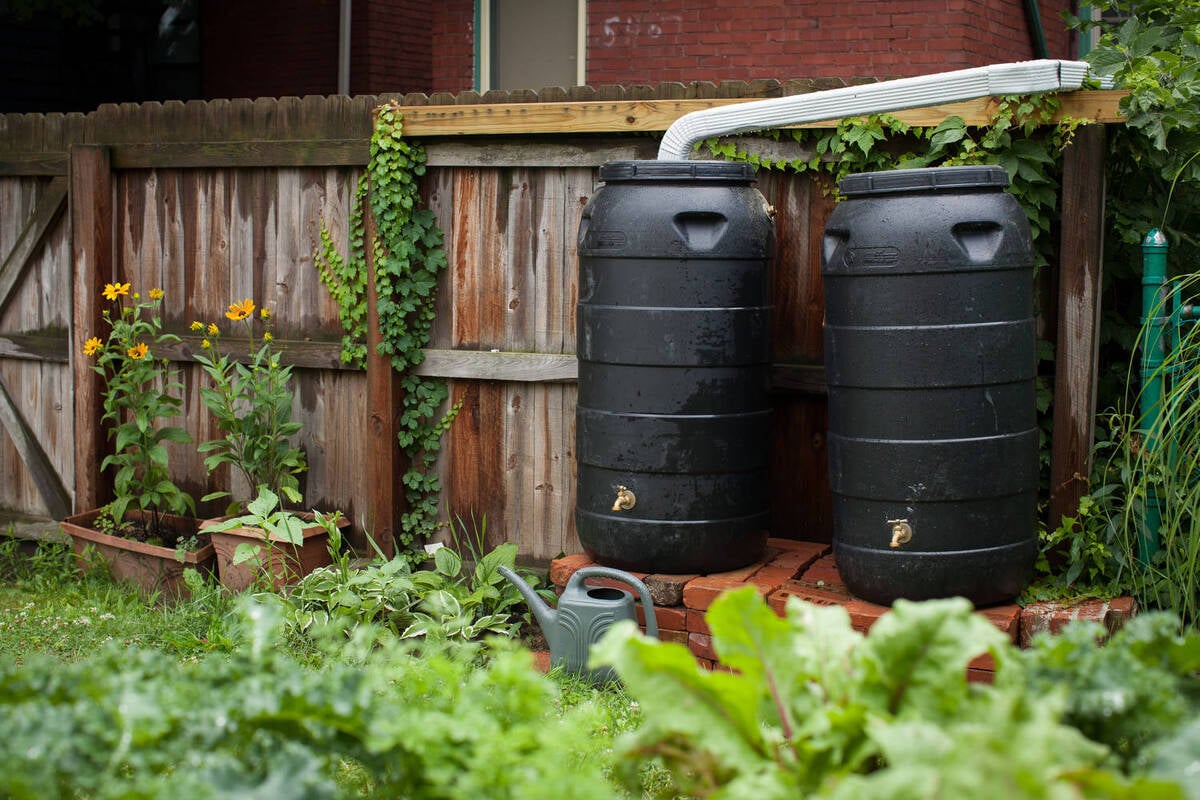
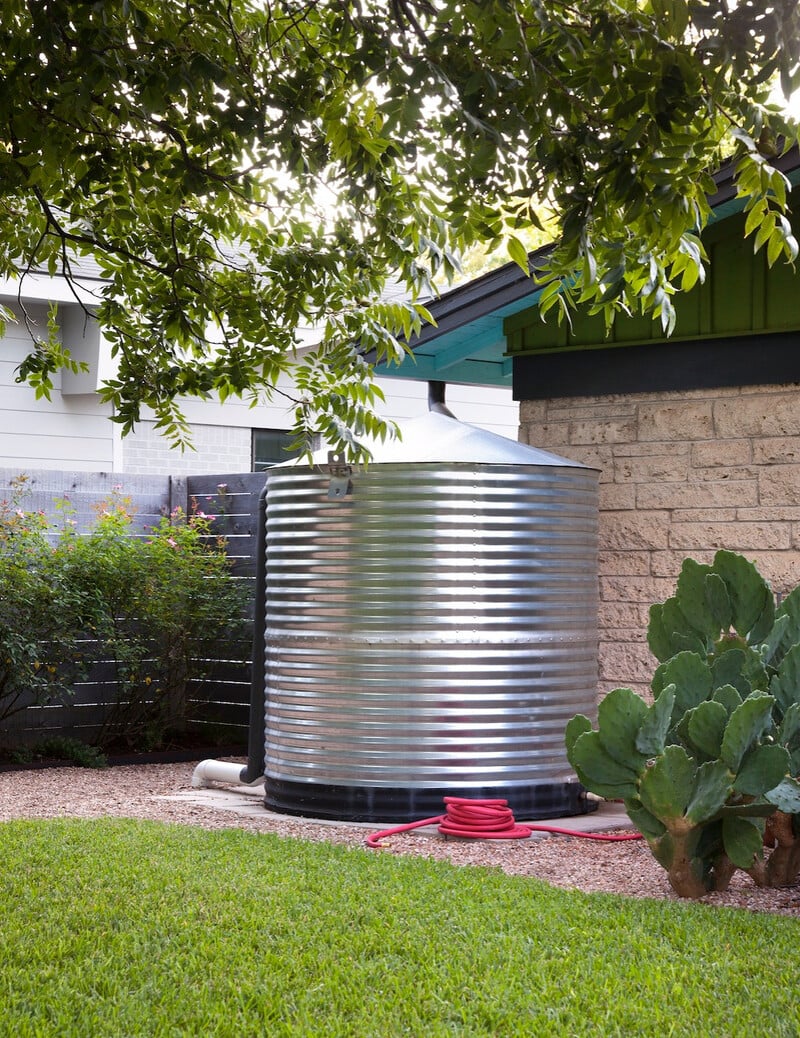
A simple barrel system under a downspout is a low-cost starting point; a larger cistern is a later-phase upgrade.
FAQs
How much does it cost to landscape a large backyard?
It depends heavily on scope and how much of it is hardscape (patios, retaining walls, water features) versus softscape (planting, mulch, sod). A full mid-size project commonly runs $3,000 to $16,000, according to 2026 outdoor living trend data. For yards of 2,000 square feet or more, Angi’s 2026 data puts a full professional redesign at $9,000 to $24,000 or higher. Phasing the project over a few years, rather than trying to fund it all at once, is how most real homeowners approach a yard this size.
How do I make a large backyard feel less empty?
Resist the instinct to keep it all open. A large lawn with nothing anchoring it tends to read as empty space rather than usable space. Placing something with real height or mass toward the middle of the yard, a tree, a defined garden bed, a seating cluster, breaks up the openness and makes the whole property feel more proportionate, a principle borne out repeatedly in real homeowner discussions on r/landscaping.
Should I hire a landscape designer for a large yard, or do it myself?
Most real projects are a mix, not an all-or-nothing choice. Simpler, lower-risk phases (planting, a fire pit, a gravel path) are reasonable DIY territory. Anything involving drainage, electrical, or structural work (a pool, a built-in kitchen, a retaining wall) is worth hiring out, both for safety and because mistakes at that scale are expensive to undo. Joe Raboine of Oldcastle APG frames the 2026 shift toward “purpose-driven” yards as being about intentional planning more than about doing everything yourself or hiring everything out; the planning is what matters, not who swings the shovel.
Conclusion
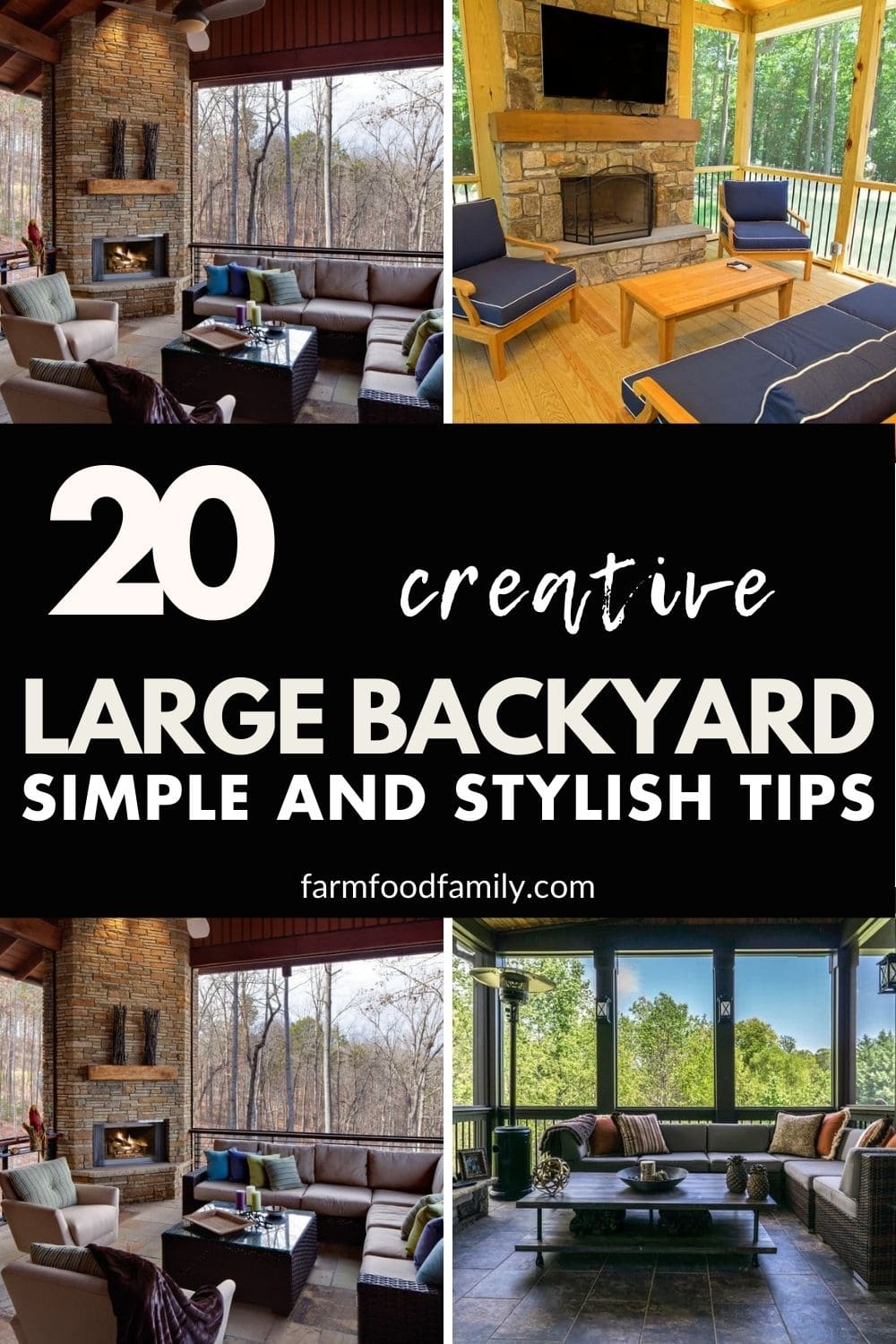
A large backyard isn’t a bigger version of the same planning problem as a small one, it’s a different problem. The goal isn’t to fill every square foot with a feature. It’s to break the space into zones that each do real work, anchor the middle instead of leaving it open, and build it out in phases you can actually afford, rather than trying to solve all of it in a single season.
Start with one zone, the one you’ll actually use most, and let the rest follow from there. And if you’re not sure which zone that is yet, that’s fine, live with the yard empty for a season before you commit to anything permanent.
Related:
Never miss an update — choose FarmFoodFamily as your preferred source on Google.
How it works: Tap the button below to open Google's settings page, then check the box next to FarmFoodFamily.
Tap the checkbox to turn it blue — that's how you know it's set.