50+ Cheap and Simple Porch Railing Ideas (Plus the Code Rules Most Guides Get Wrong)
Before you fall in love with a railing style, there’s one thing worth knowing that almost no porch-railing guide gets right: the real code requirements for guardrail height and baluster spacing. Get it wrong and you’re not just risking a failed inspection, a too-wide gap between balusters is a genuine safety hazard for small kids….

Never miss an update — choose FarmFoodFamily as your preferred source on Google.
How it works: Tap the button below to open Google’s settings page, then check the box next to FarmFoodFamily.
Tap the checkbox to turn it blue — that’s how you know it’s set.
Before you fall in love with a railing style, there’s one thing worth knowing that almost no porch-railing guide gets right: the real code requirements for guardrail height and baluster spacing.
Get it wrong and you’re not just risking a failed inspection, a too-wide gap between balusters is a genuine safety hazard for small kids. More on that below, after 30 real, budget-friendly design directions.
Related: Awesome DIY Deck railing ideas
30 cheap porch railing ideas
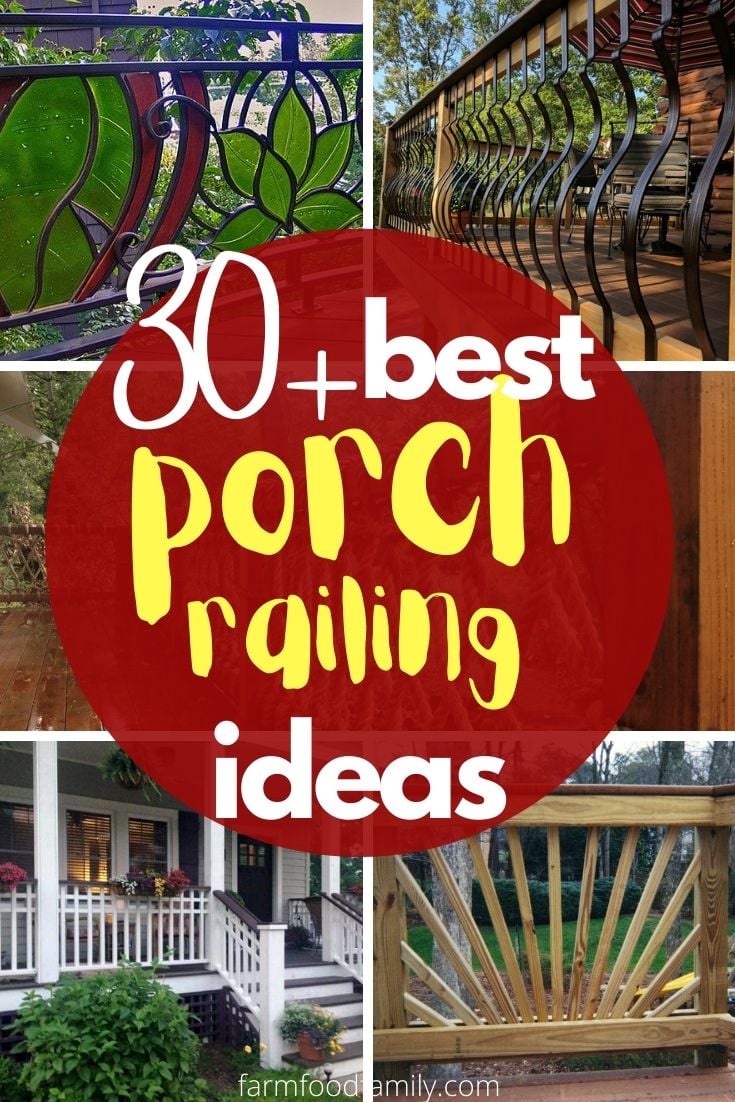
Indeed, there is no limit to what you can come up with when it comes to porch railing ideas. But you must understand that some elements match and some just would not. There are also porch railing ideas that might feel over the edge but really provide a neat look while others keep it clean and traditional.
For your reference, here are some cheap porch railing ideas to which you can pattern your own porch railing project.
1. Trendy bohemian
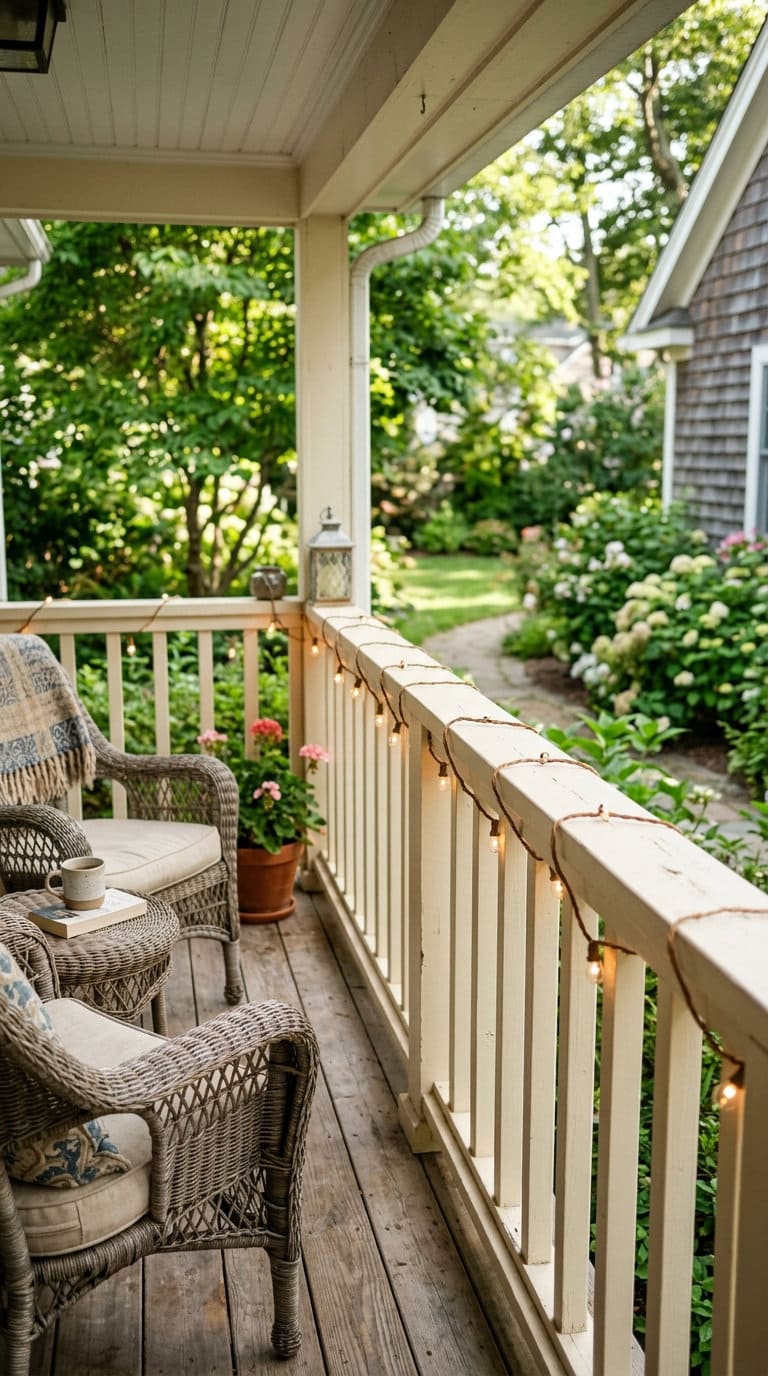

Suits barn-style and craftsman homes well. Paint the wood beams and balusters in bright neutrals, white, beige, tan, cream, or light gray, then finish the look with string lights and wicker or wood furniture.
Answer 4 quick questions and get matched to the exact fix for your yard — drainage, budget, layout, or something else entirely.
Take the Free Quiz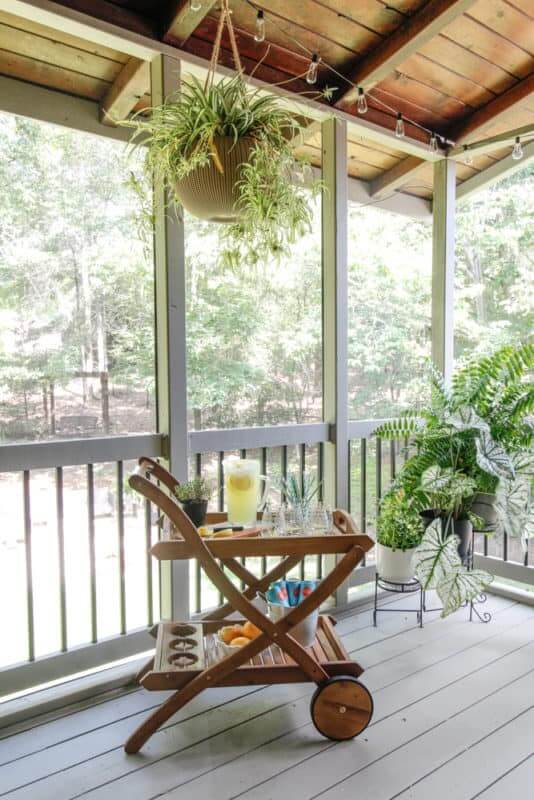
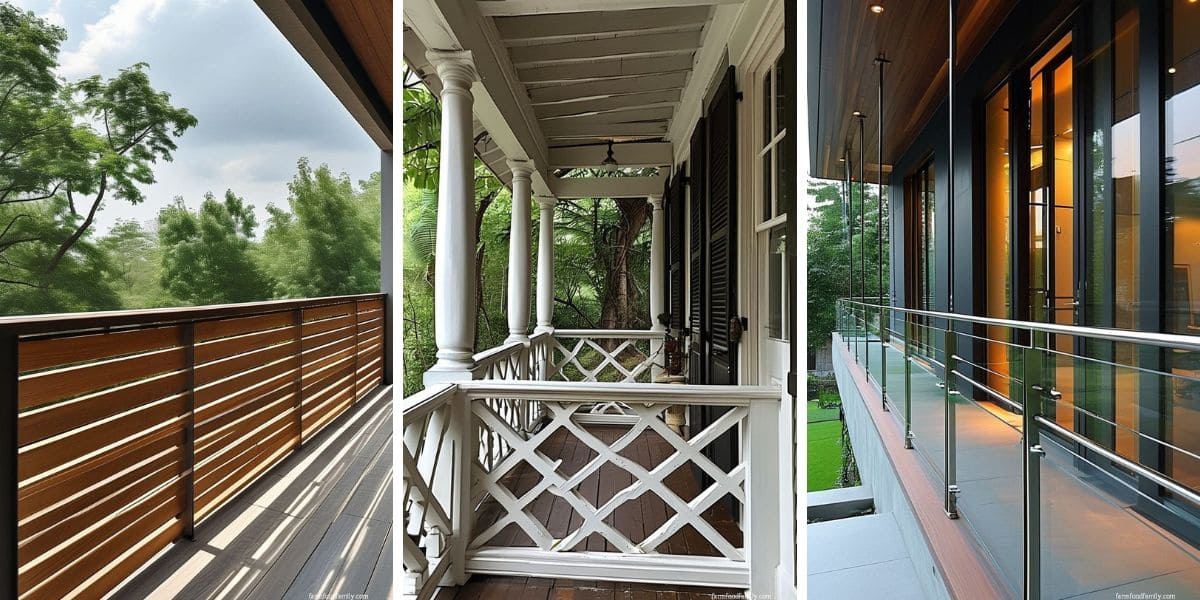
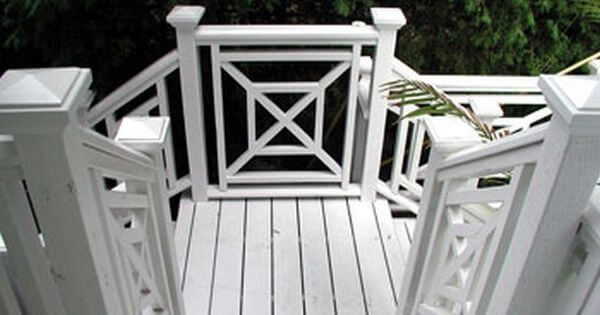
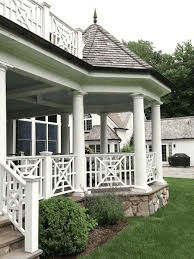
2. Geometric symmetry

A common suburban baseline, but worth customizing into a bolder statement.
White or tan paint suits a modern Victorian home; swap to aluminum or vinyl in black or gray for a more contemporary upgrade.

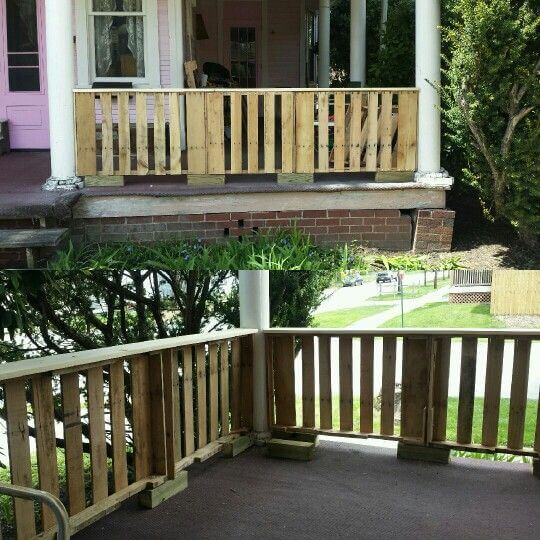
3. Pallet porch railing
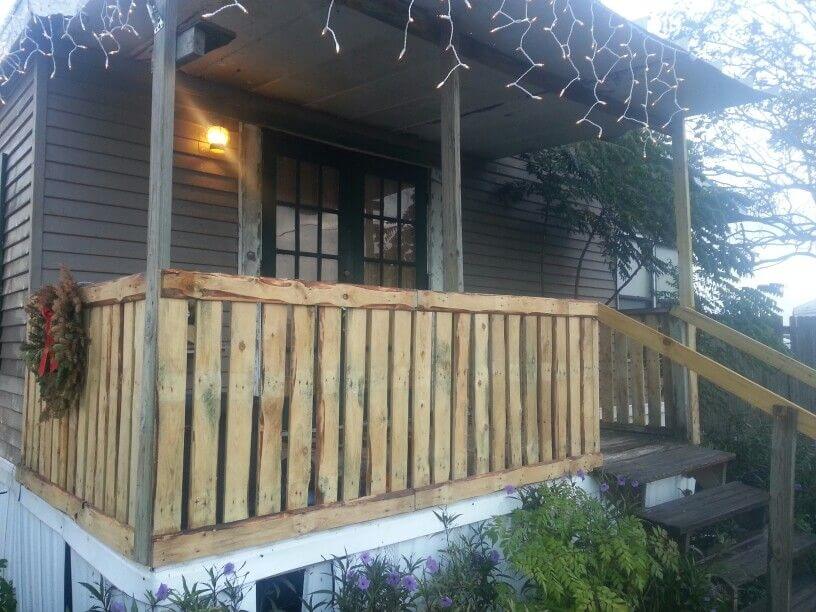
Built from recycled wood pallets, genuinely inexpensive, and well-suited to log cabins or wood-exterior homes.
Leave it raw for a rustic look, or seal it for a more finished one.
4. Lattice porch railing

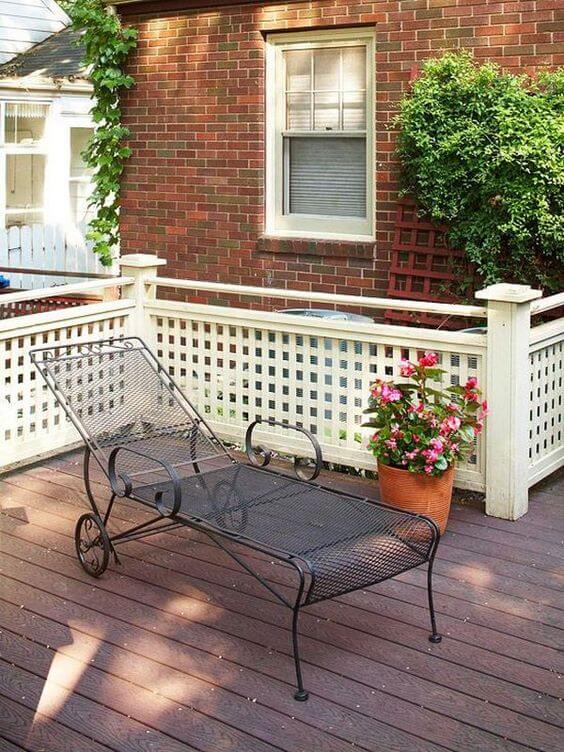
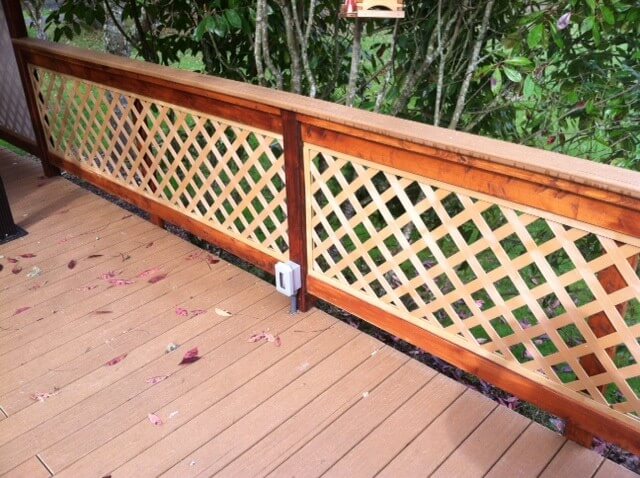
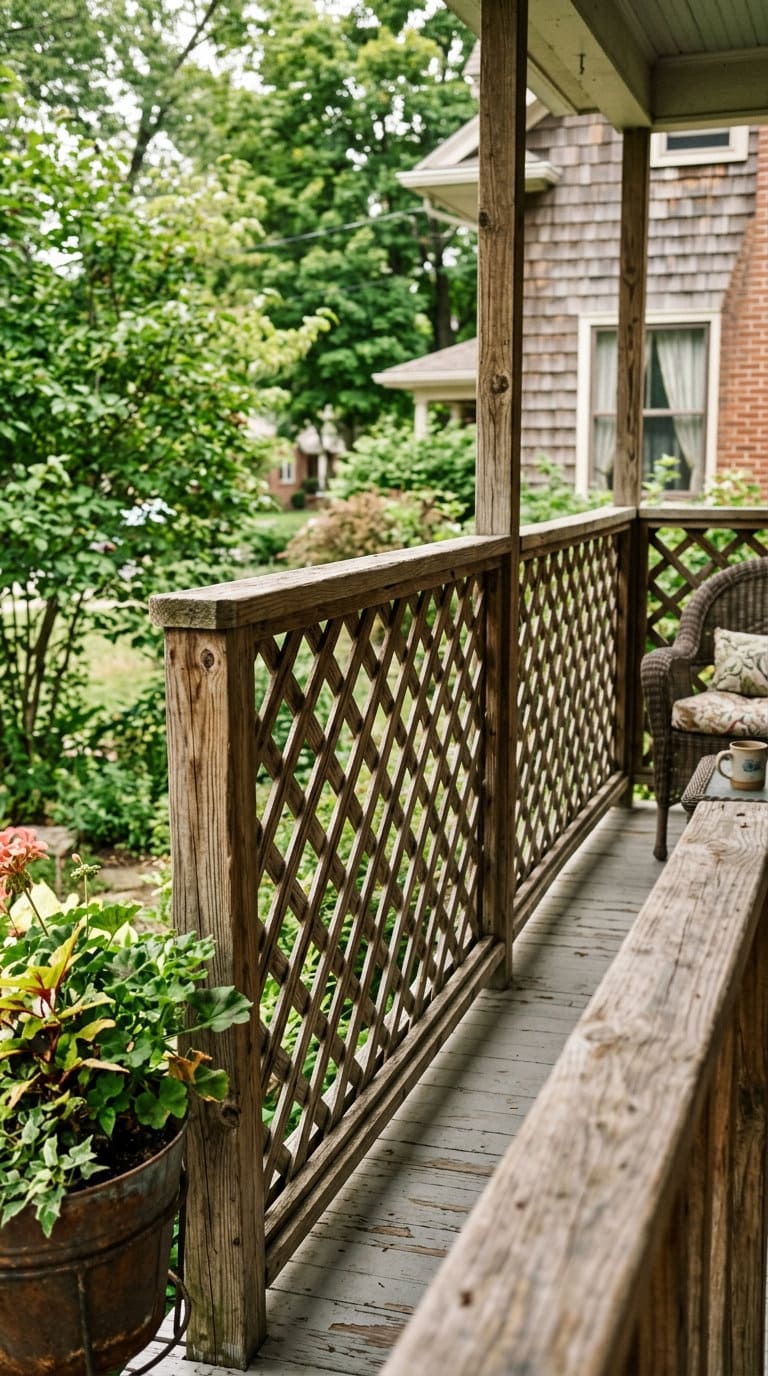
A good middle ground between open and private. Extend the lattice higher for a full privacy screen, or keep it low for a relaxed, open feel.
5. Gradient porch railing
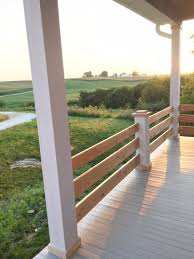
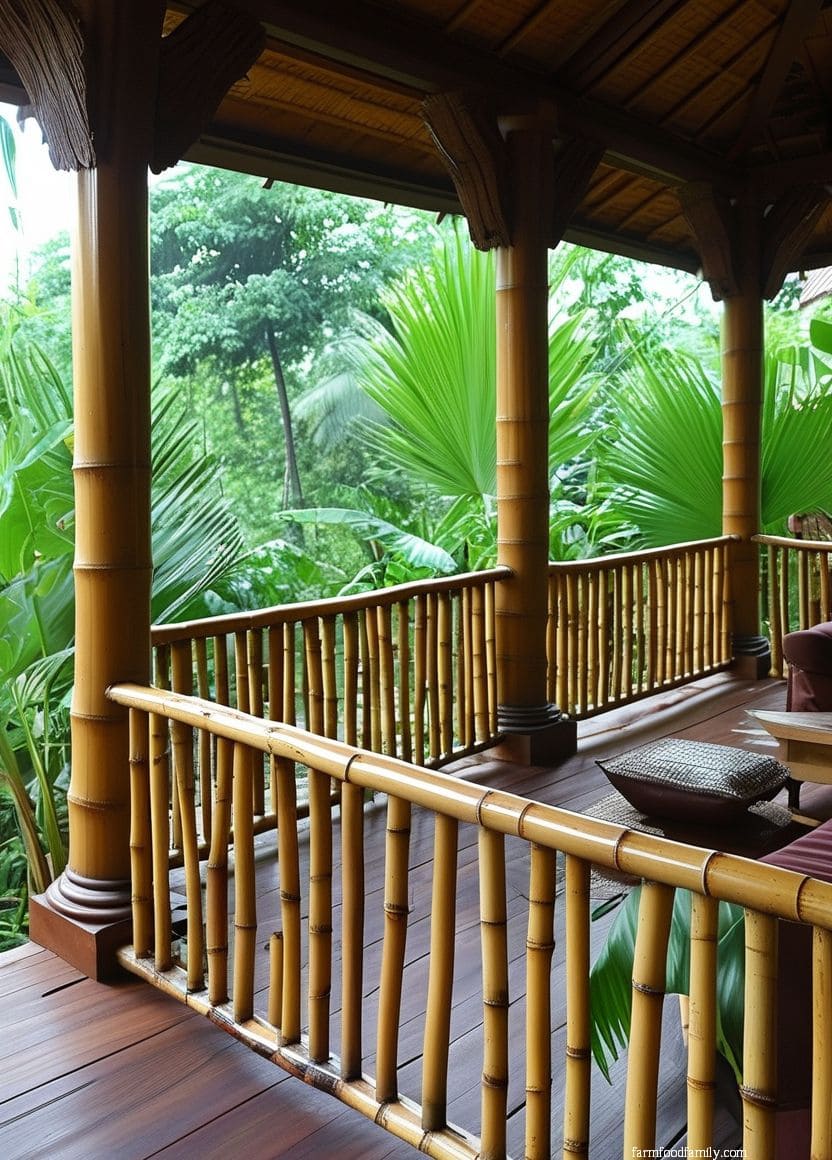
Common on beach houses and ranch homes: thick, cylindrical, sectional beams with thinner interlocking rails between them. Wood, especially reclaimed wood, is the most practical and least expensive material for this look.
Most yard problems trace back to one specific, fixable cause. Find yours in 4 quick questions.
Take the Free Quiz6. Plexiglass porch railing
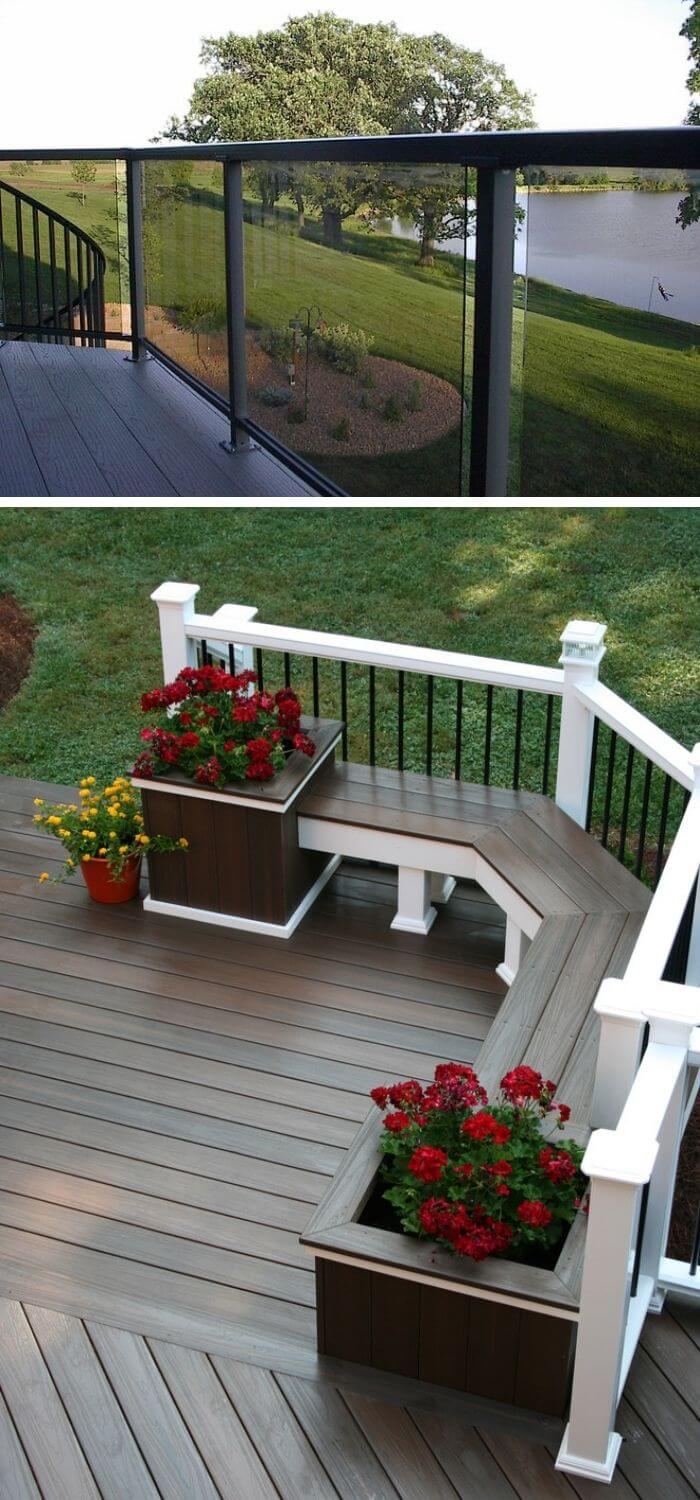
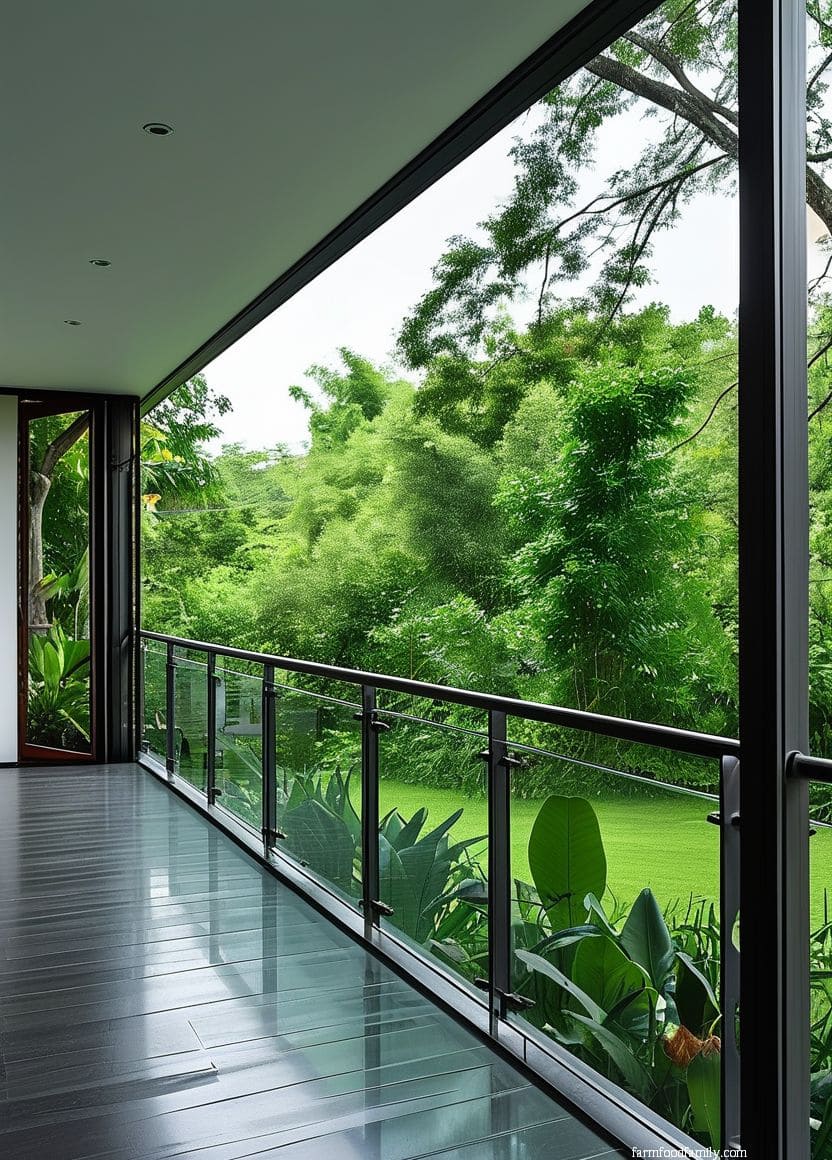
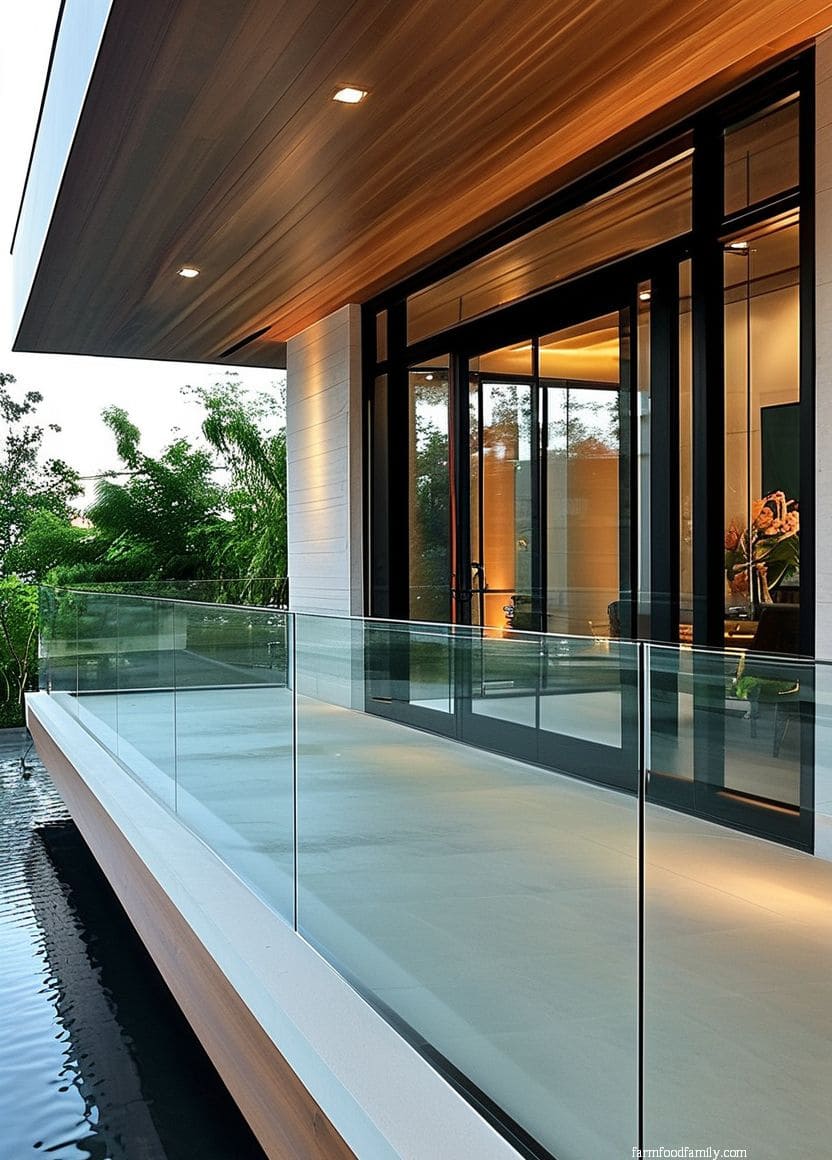
A modern, upscale option: plexiglass panels set into a vinyl frame give an unobstructed view and skip the need to measure and install individual balusters. Tinted plexiglass is worth considering if you want to cut down on direct sun glare.
7. Branch and Log Porch Railing
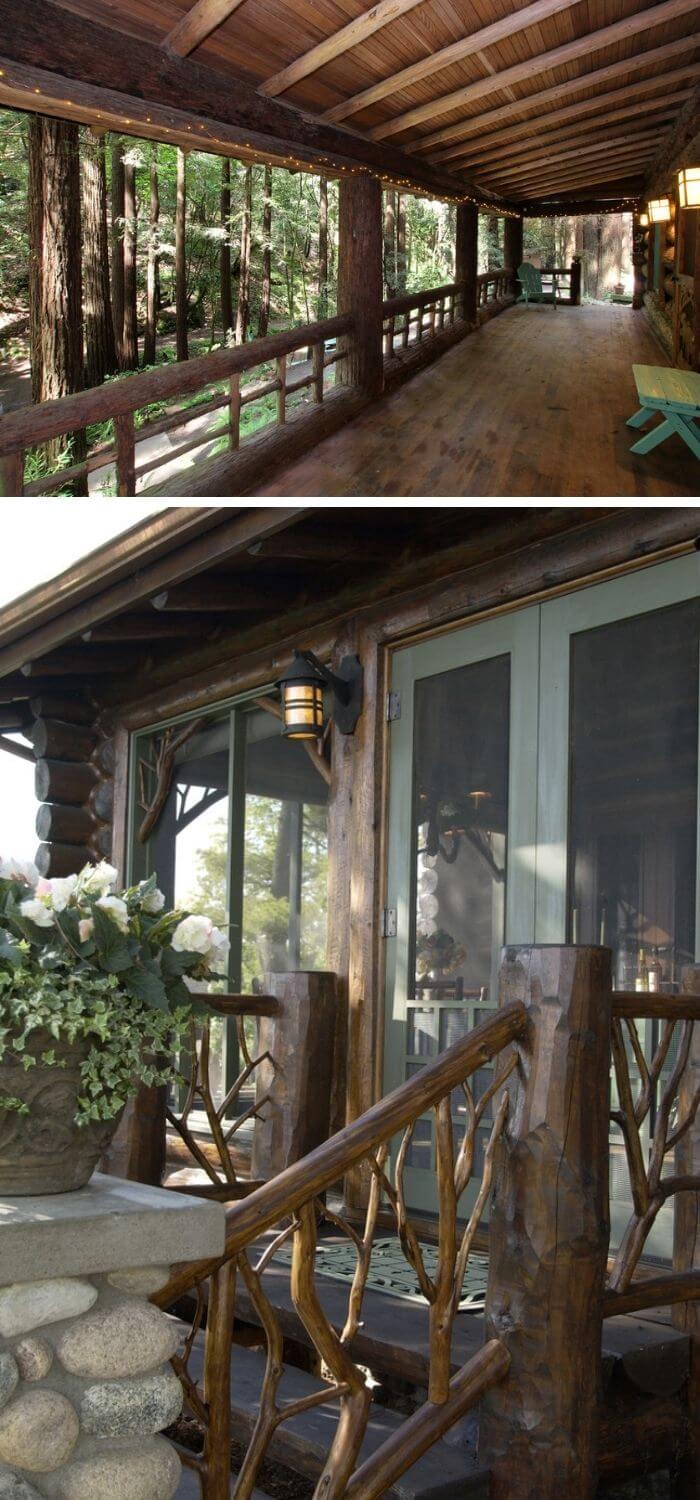
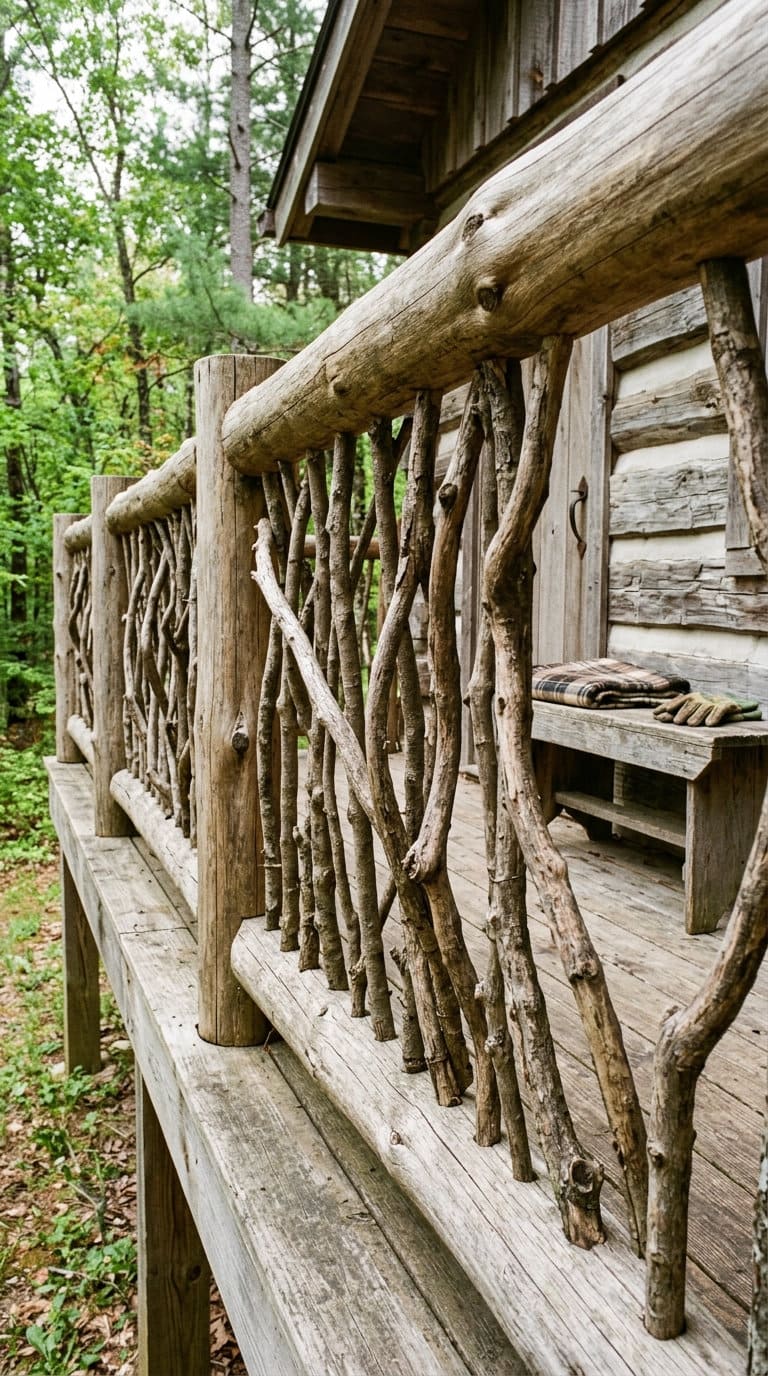
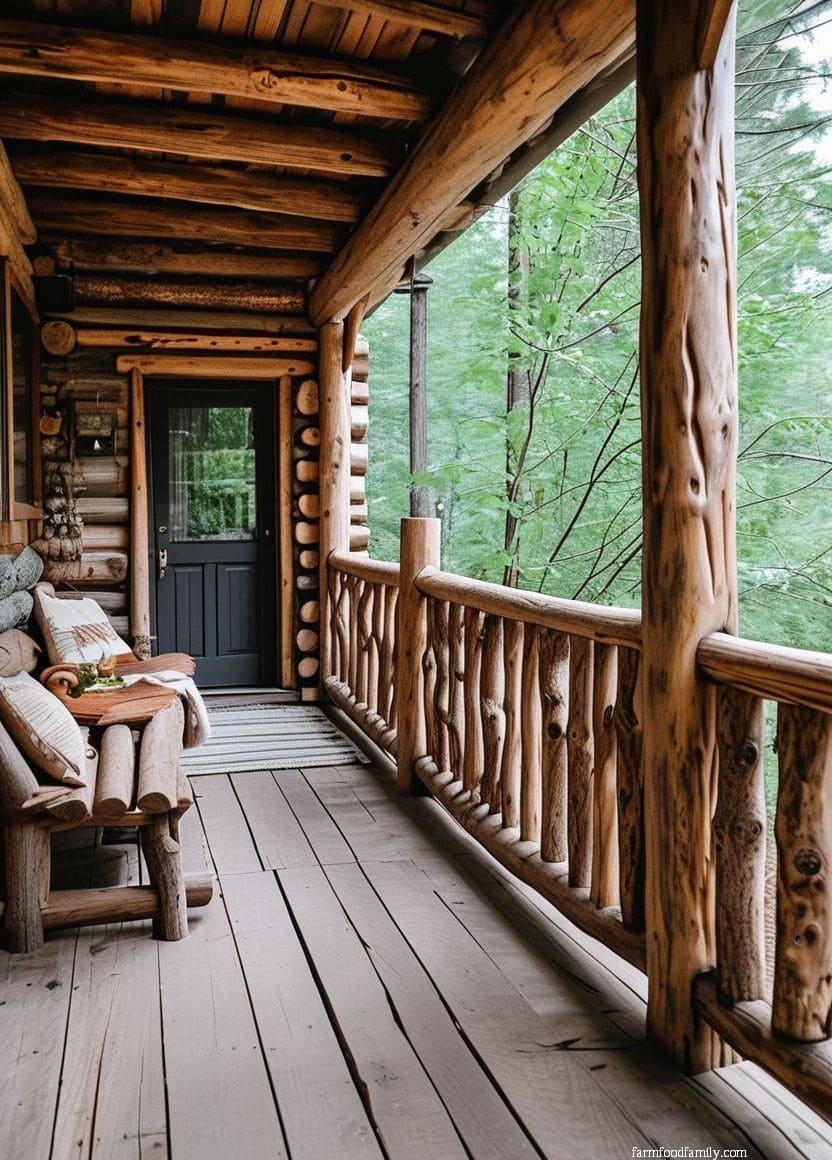
A whimsical, classic log-cabin look (sometimes called “broken ice” railing) using real logs as the main beams, with branch infill arranged to whatever rustic density you want.
8. Mixed-Wood Porch Railing
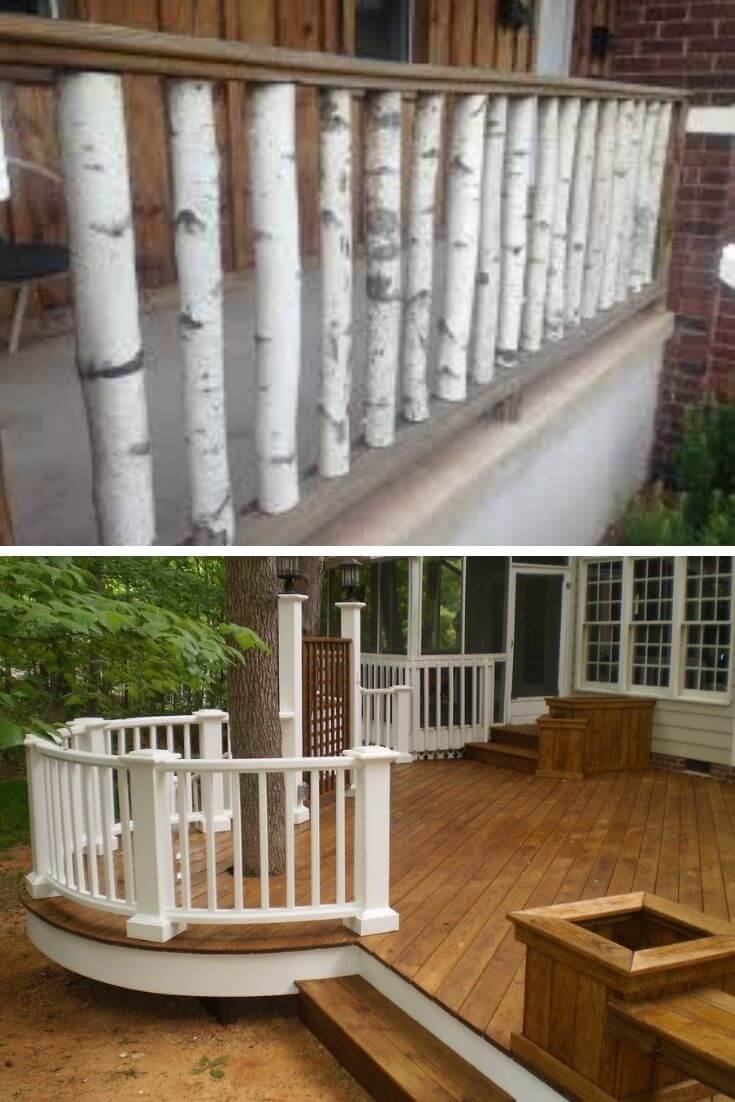
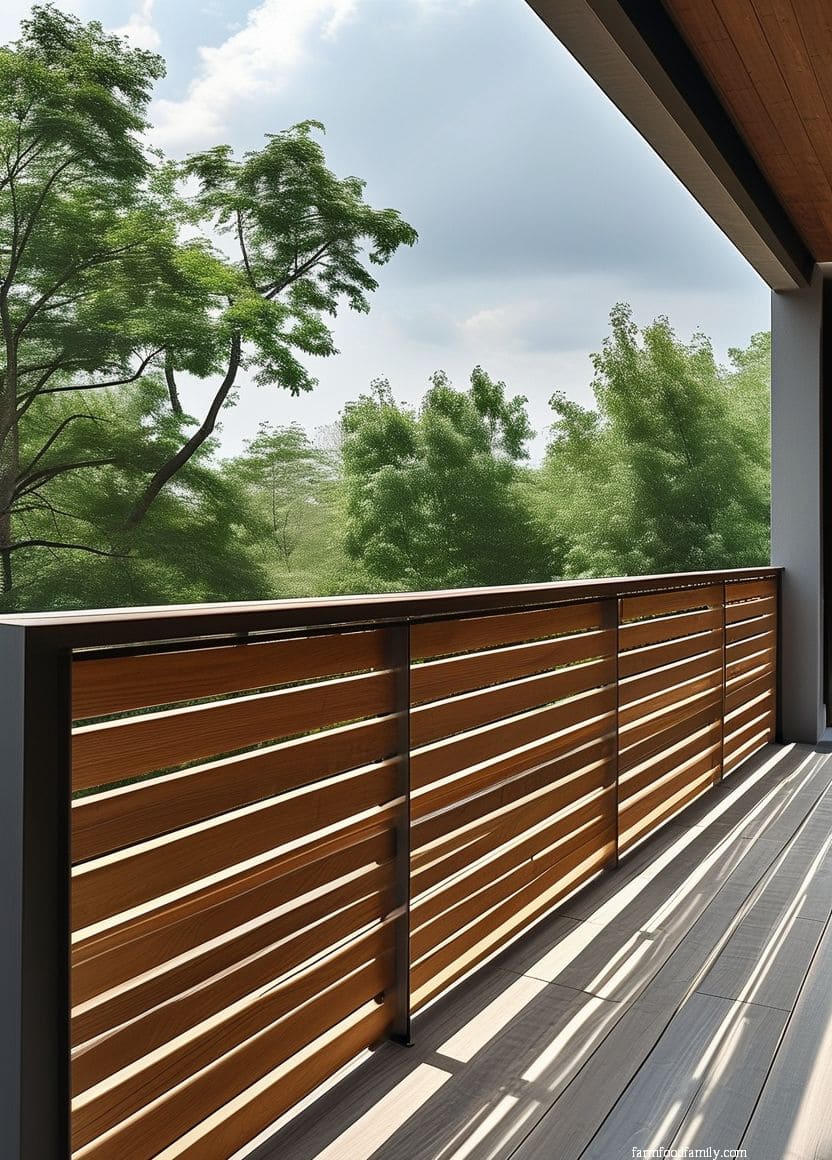
Combine a hardwood frame, ipe or mahogany, with softwood infill like birch for genuine visual contrast without a big budget jump.
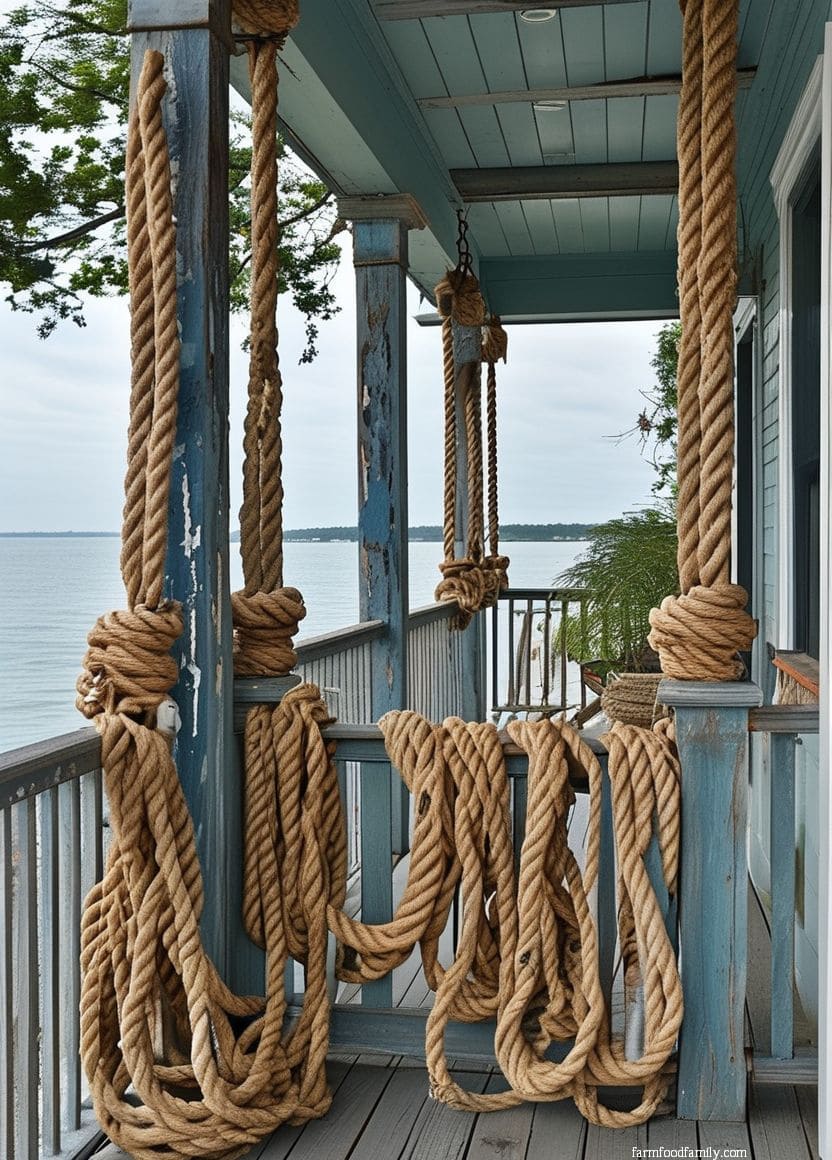
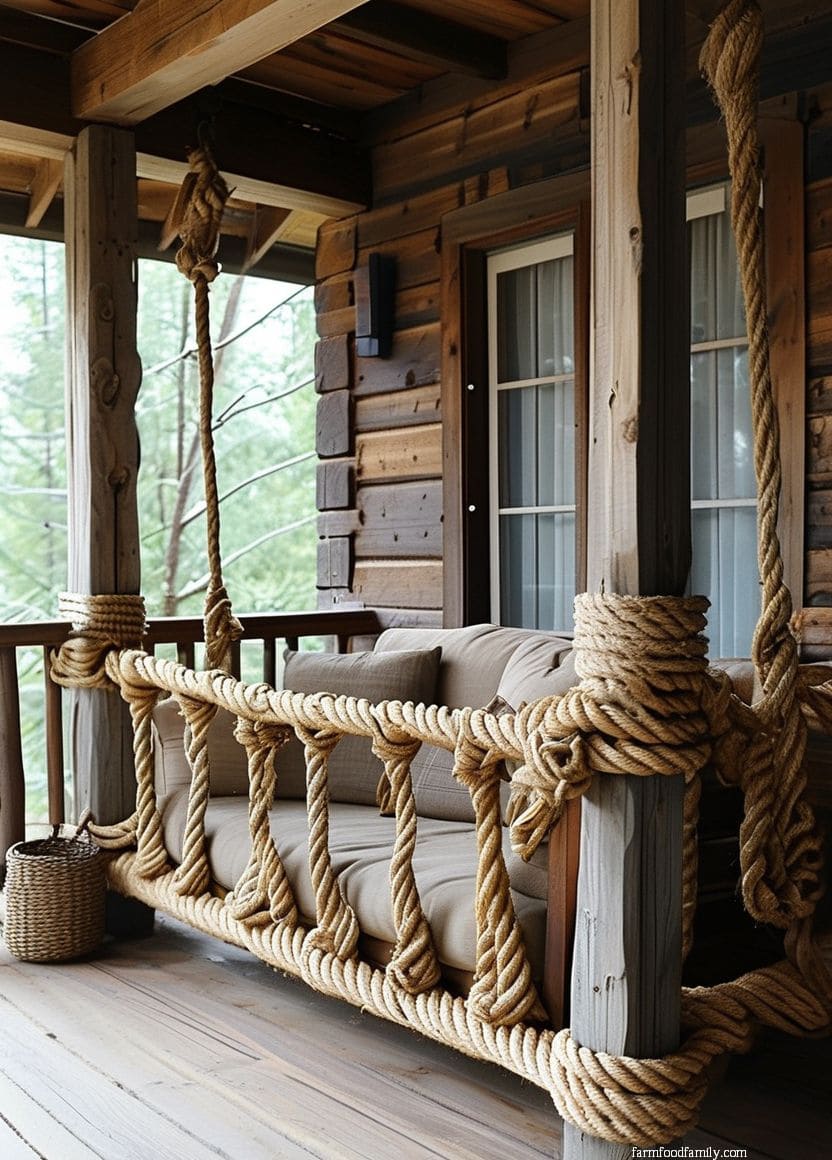
9. Rope Porch Railing
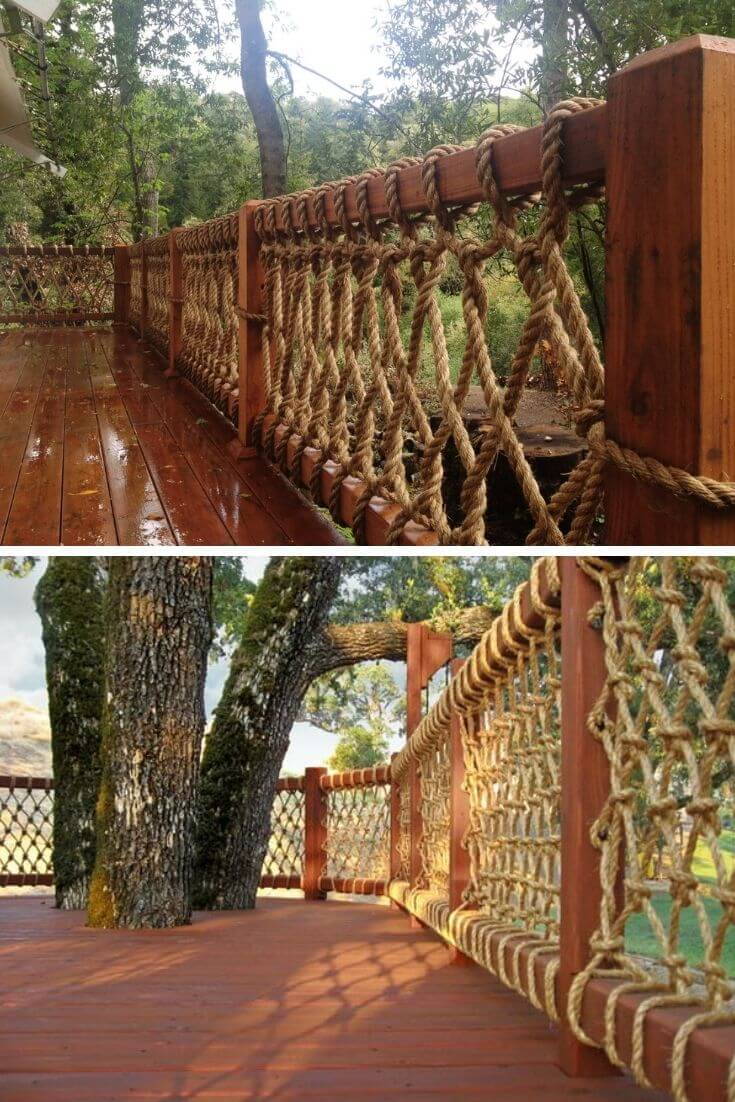
A good fit for a lake house or cabin. Inexpensive, genuinely DIY-friendly, and works with either a wood or aluminum frame.
10. Sunburst/Crisscross Porch Railing
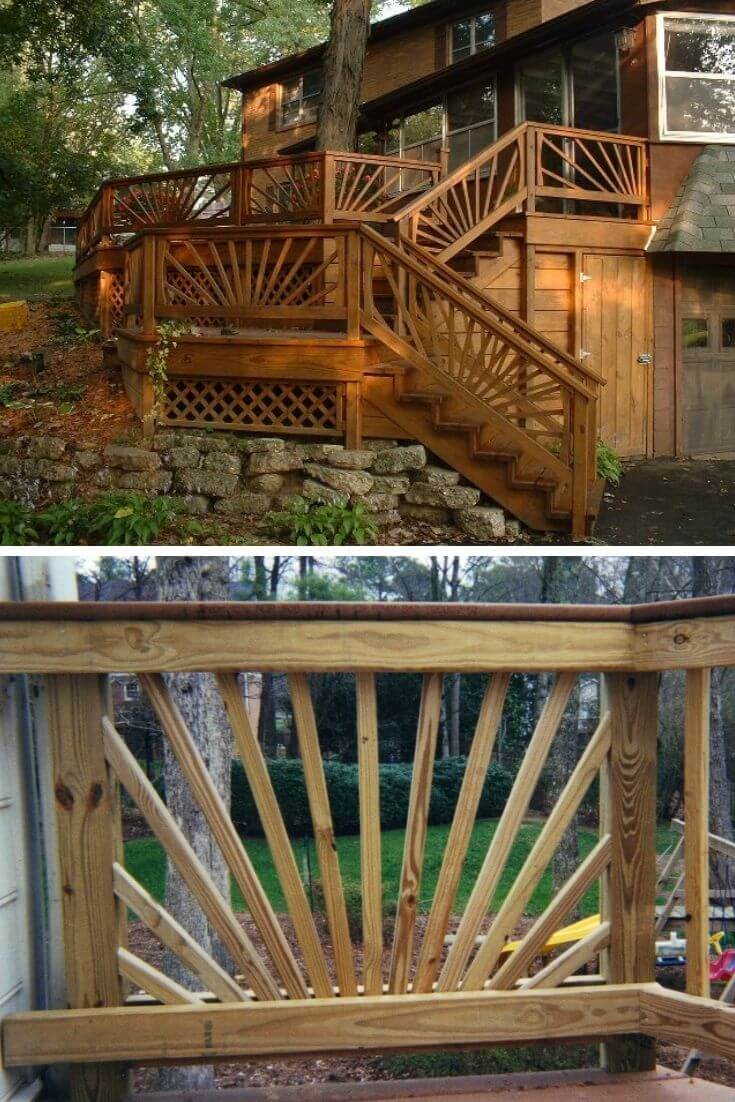
A more dynamic take on geometric symmetry using crisscrossed wood pallets or welded steel. Works broadly, but especially strong on cottage-style homes.
11. Wired Porch Railing

Steel beams with interlocking steel wire infill, a good industrial, city-feel option on a tight budget. Lattice, horizontal, vertical, or crisscross wire patterns all work; darker neutral tones on the beams tend to look best.
12. Old Cathedral Look

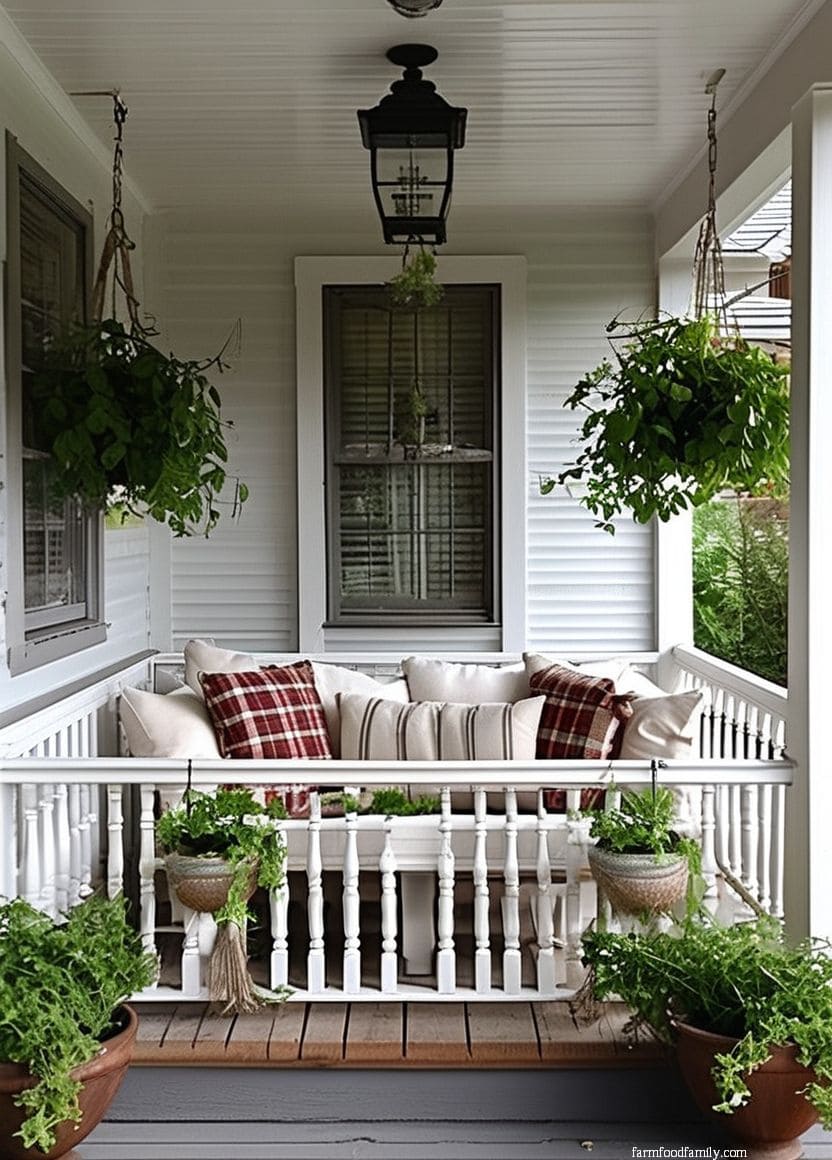
Low-arched, picket-style railing finished in white, cream, or beige for a vintage feel, especially strong on Victorian or barn-style homes against a green lawn. Pair it with matching posts, see porch post ideas and rustic vintage porch decor for the rest of that look.
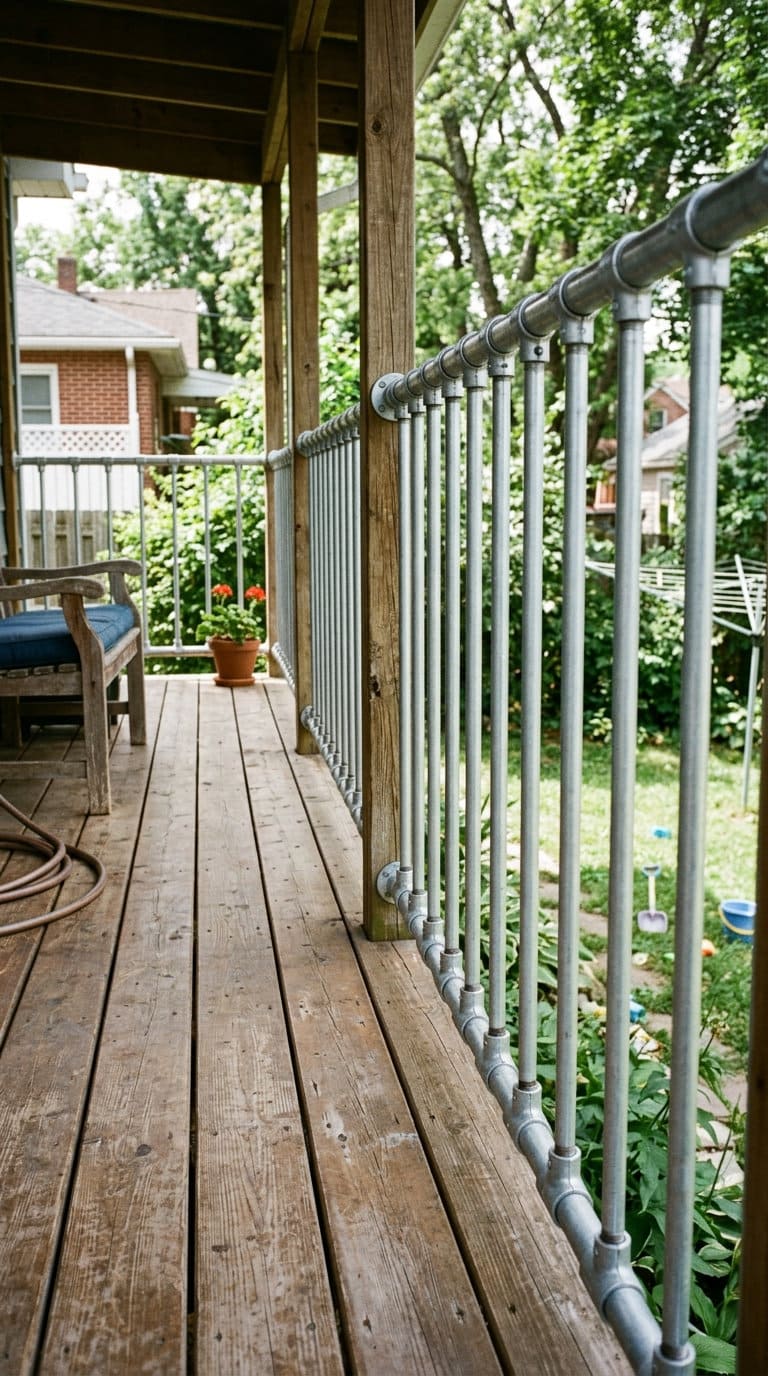
13. Galvanized Pipe Railing
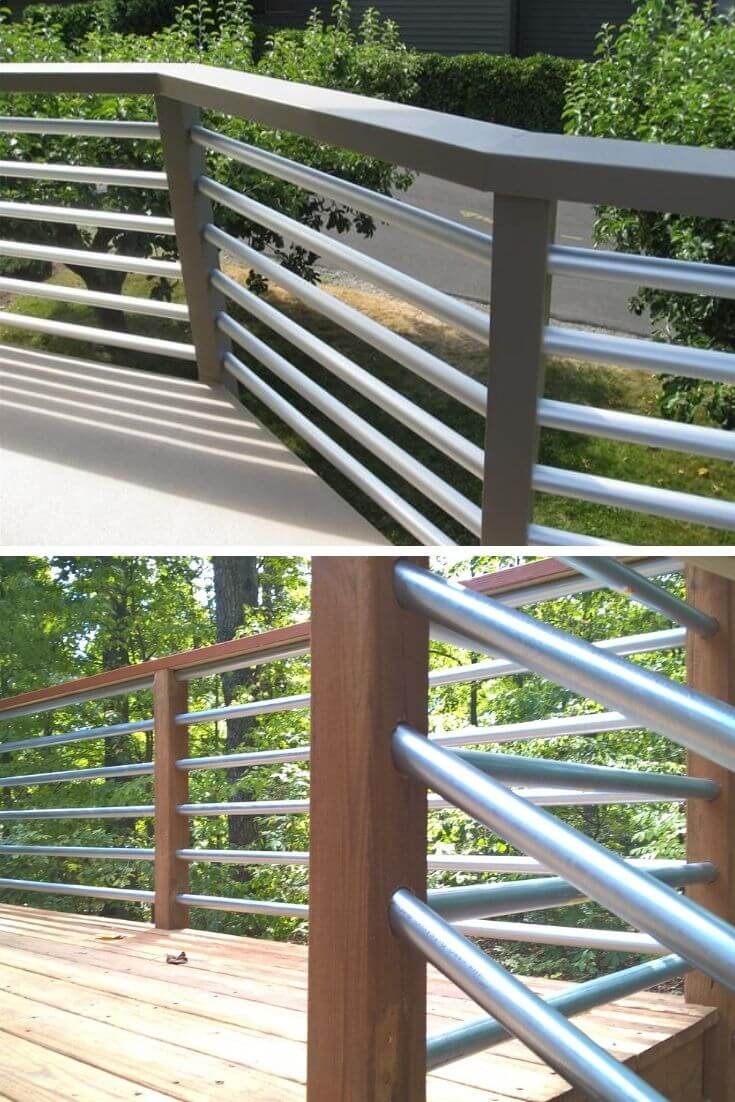
Thin galvanized pipes as balusters give a modern, minimalist, and genuinely sturdy upgrade to a wood-framed porch, especially good on raised porches.

14. Landscape/Planter Railing
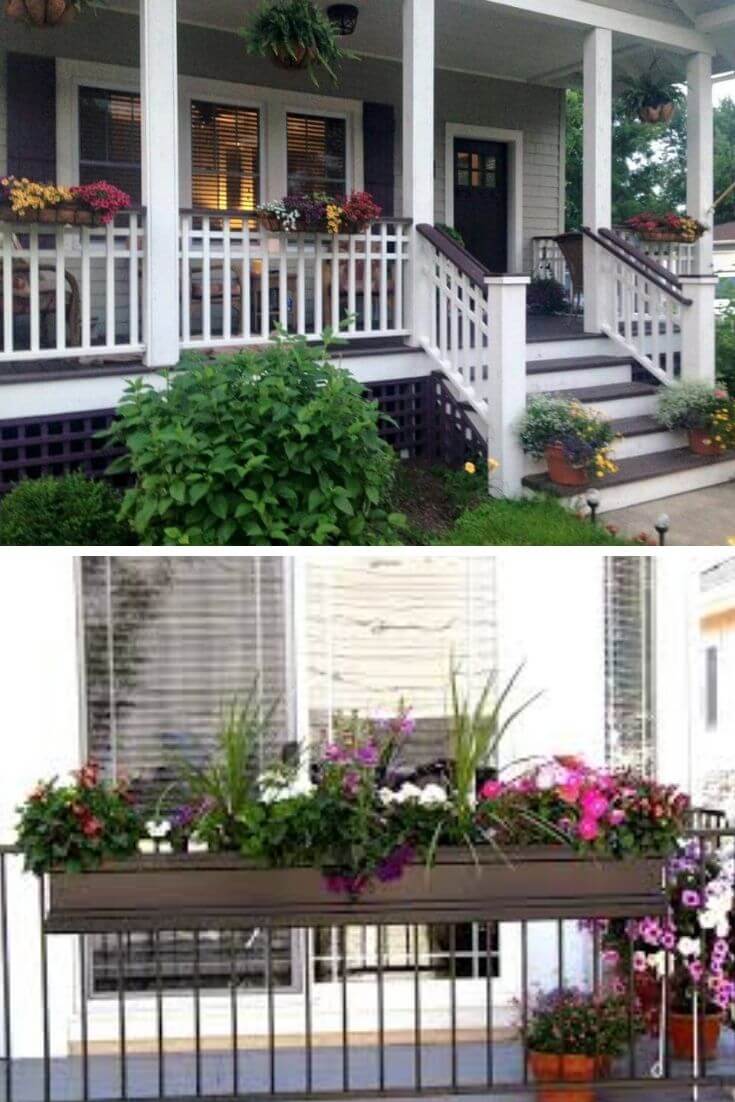
Swap traditional balusters for wood planters that double as both a screen and a rail, an unusual but genuinely functional way to add greenery at railing height.
15. Wagon Wheel Railing
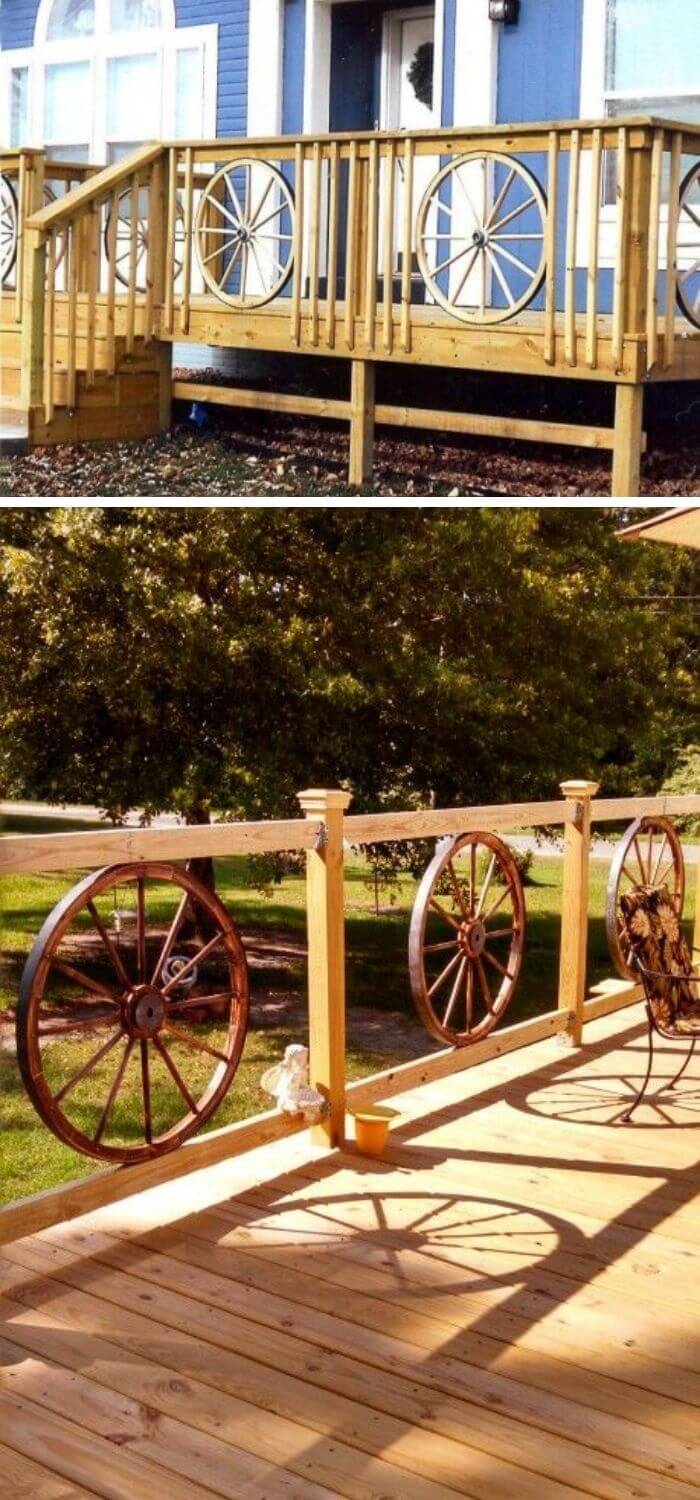
A centerpiece design using a wagon wheel (wood or custom steel) as the focal point between horizontal balusters, sometimes reinforced with horizontal pallets to hold it in place.
16. Porch Slide Railing
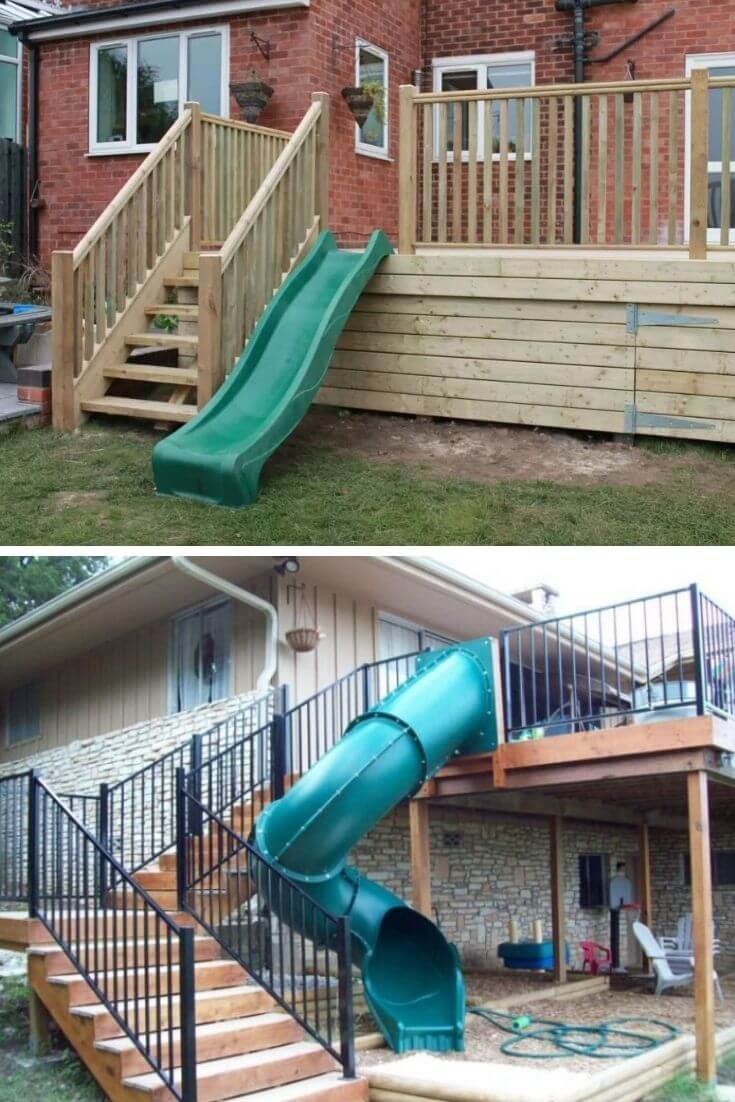
On a lower porch with kids around, a built-in slide turns part of the railing into functional play space instead of just a barrier.
The average homeowner spends $616/year on yard fixes that don't address the real problem. Find out what yours actually is — before you spend another dollar.
Take the Free Quiz16. Belly up-bar porch rail
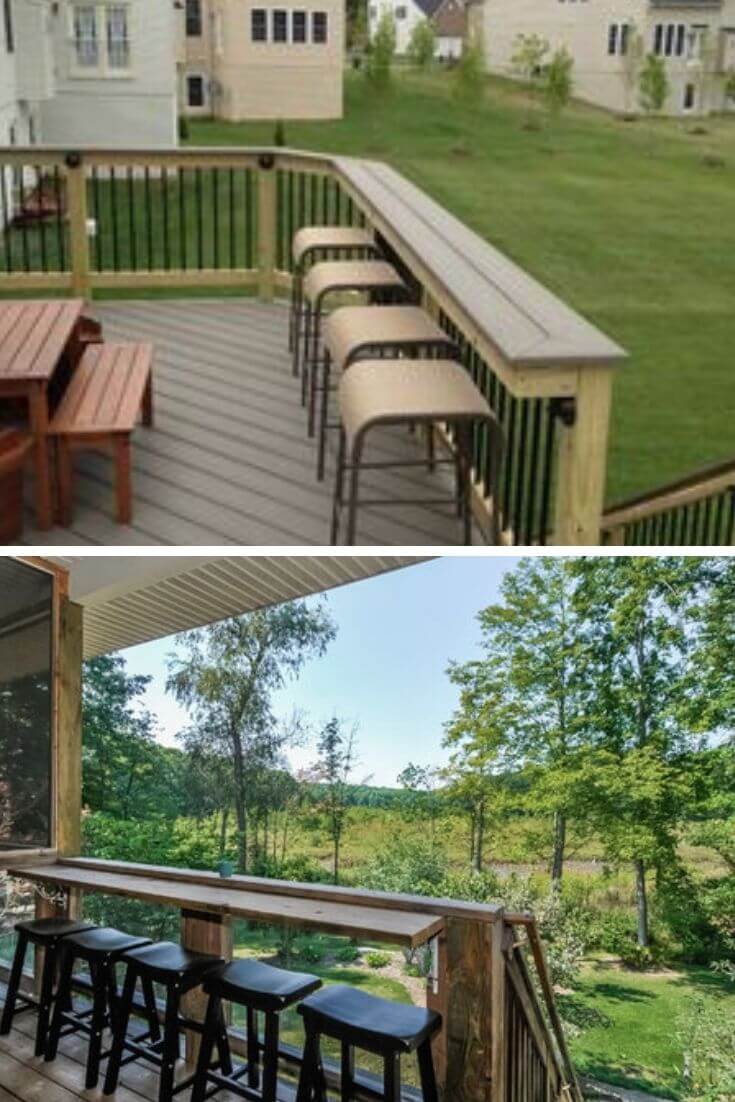
A thicker-than-standard top rail turns the porch into a real gathering spot, ideal for a back porch with a grill or outdoor bar setup nearby.
18. Mounted Steel Railing
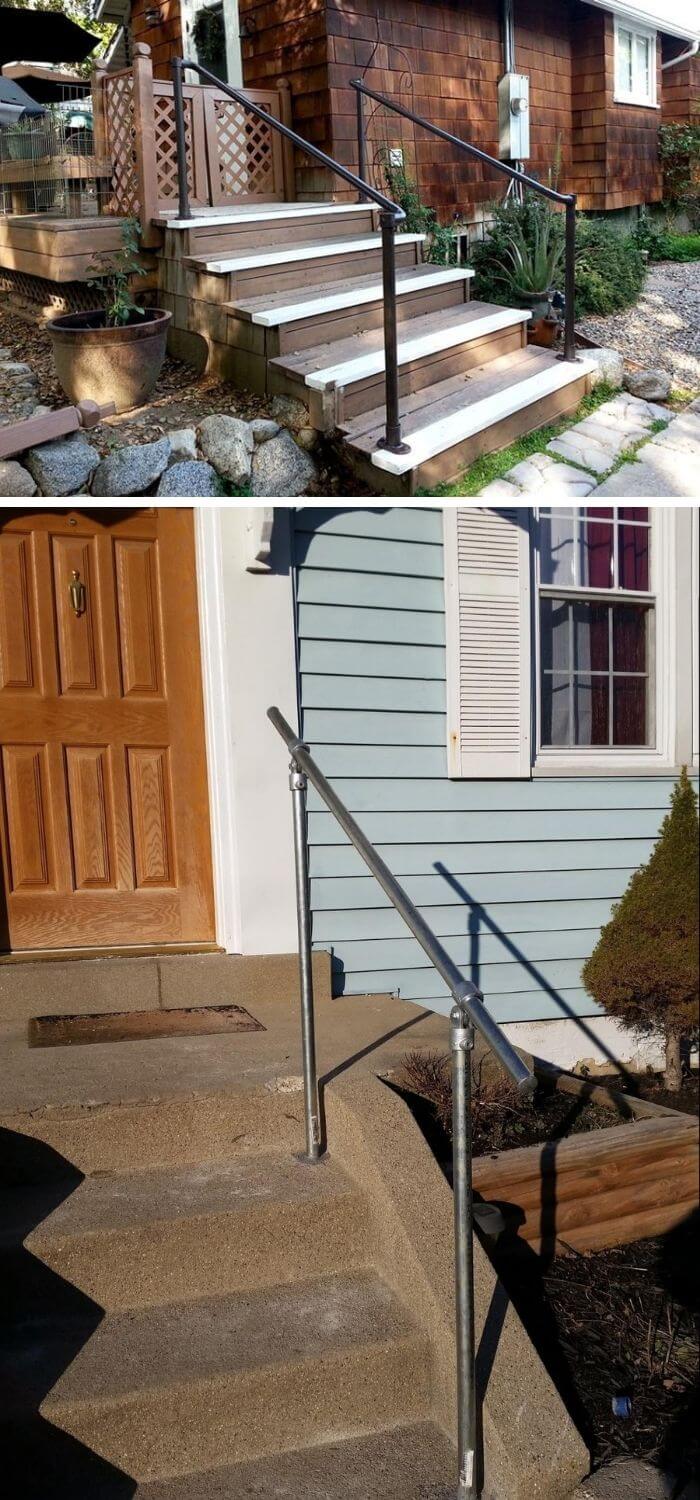
A simple mounted steel rail along the steps, inexpensive and functional. More commonly seen commercially, but works well on bungalow-style homes too.
19. Wraparound Bench Railing
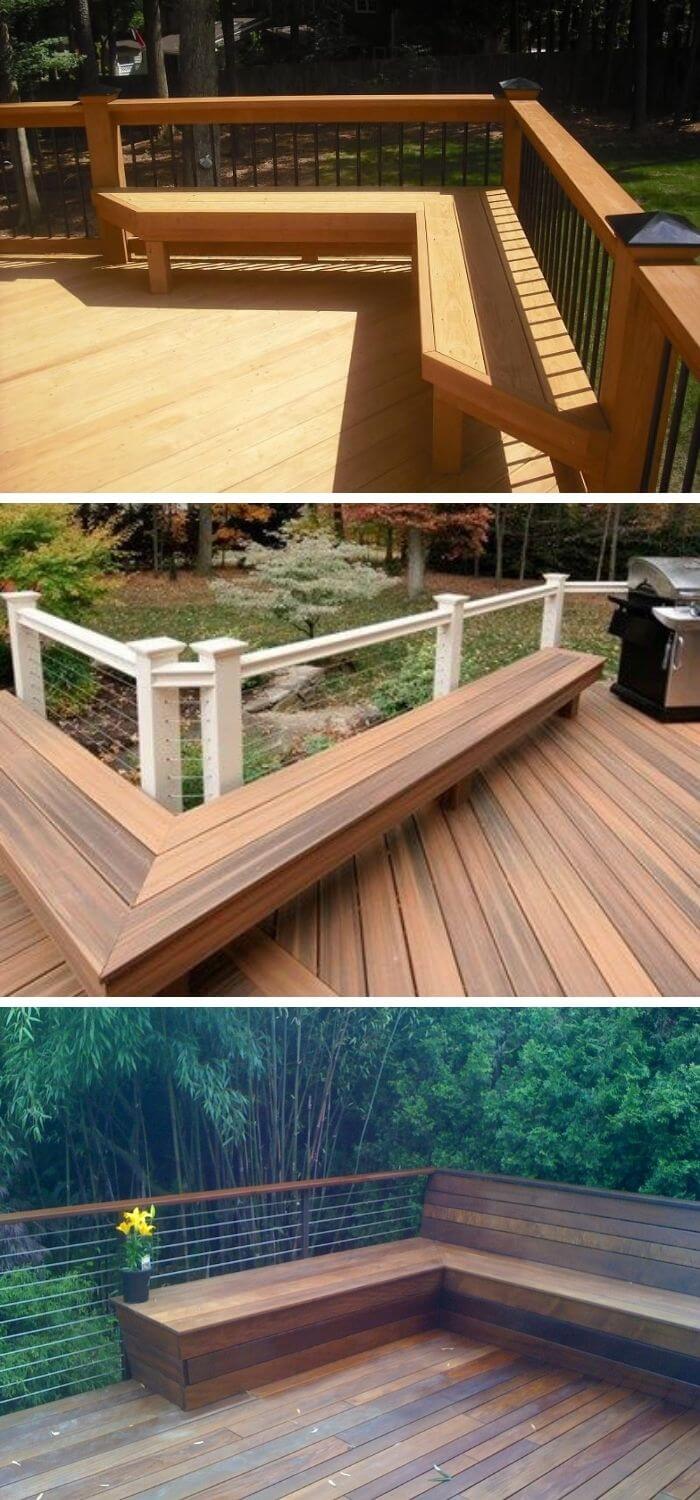
Combines a sturdy rail with built-in seating, a genuinely multi-functional upgrade in wood or steel that works across most home styles.
20. All-Steel Design
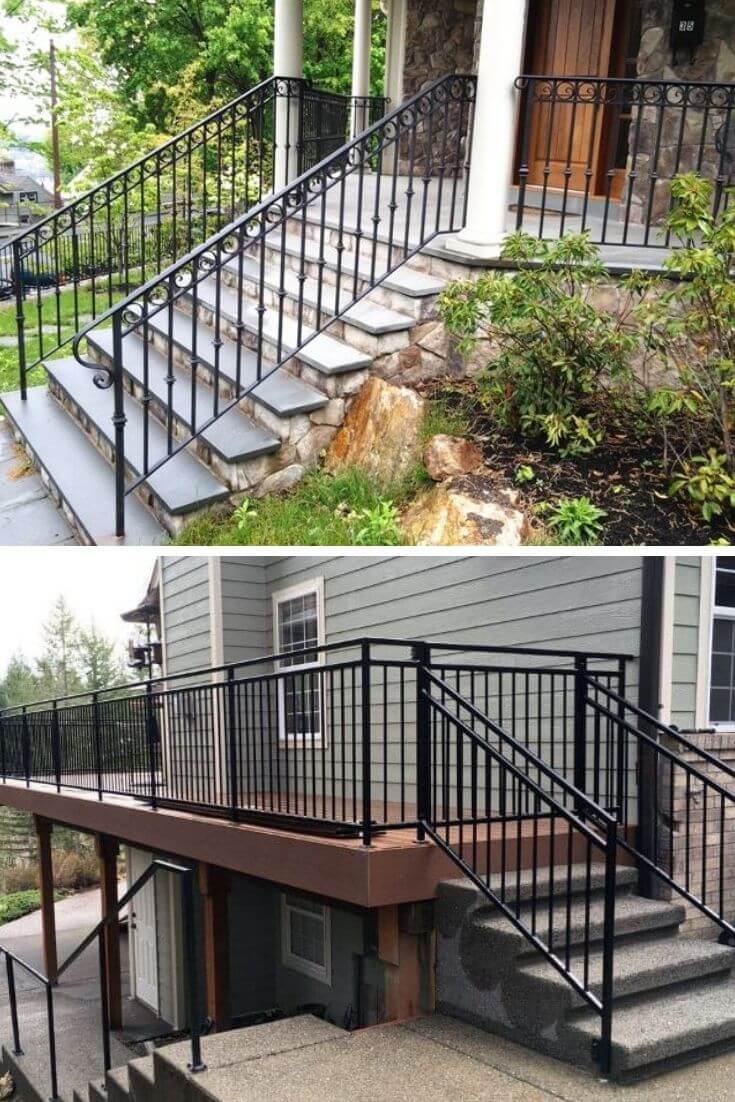
Low-maintenance and easy to install. Darker tones lean industrial and modern; brighter tones suit a beach-house look.
21. Curved Spindle Railing
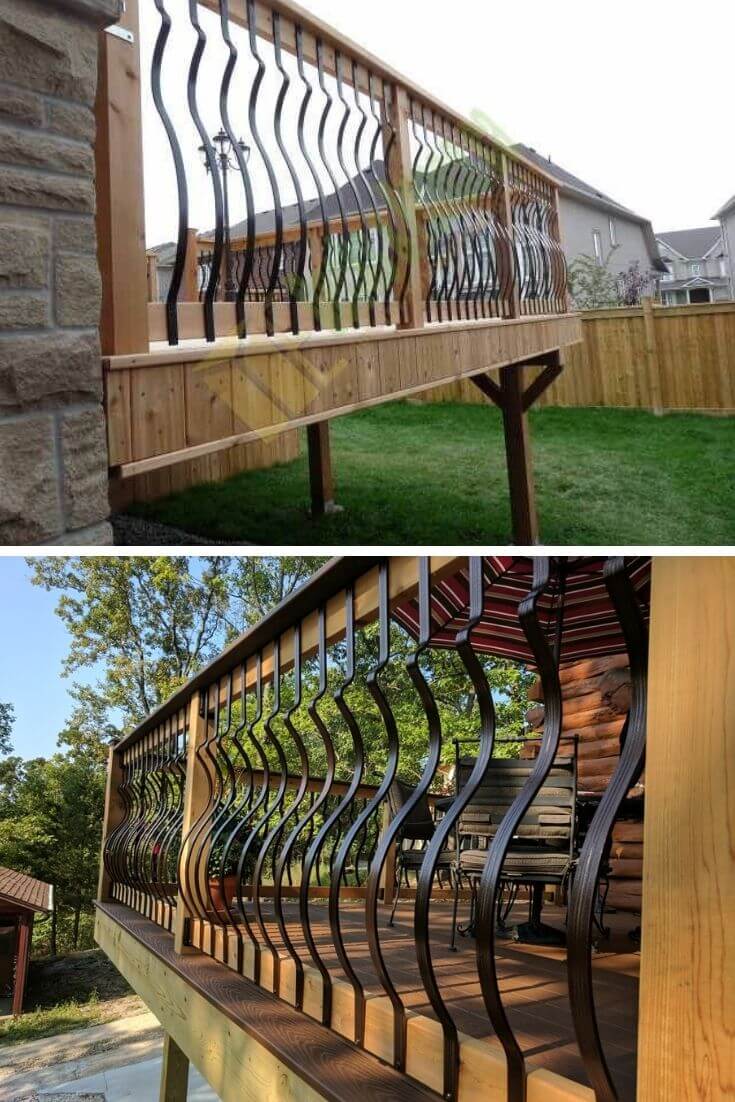
A twist on traditional spindles, curved or jagged rather than straight, adds visual flair, especially nice on a porch overlooking a garden.
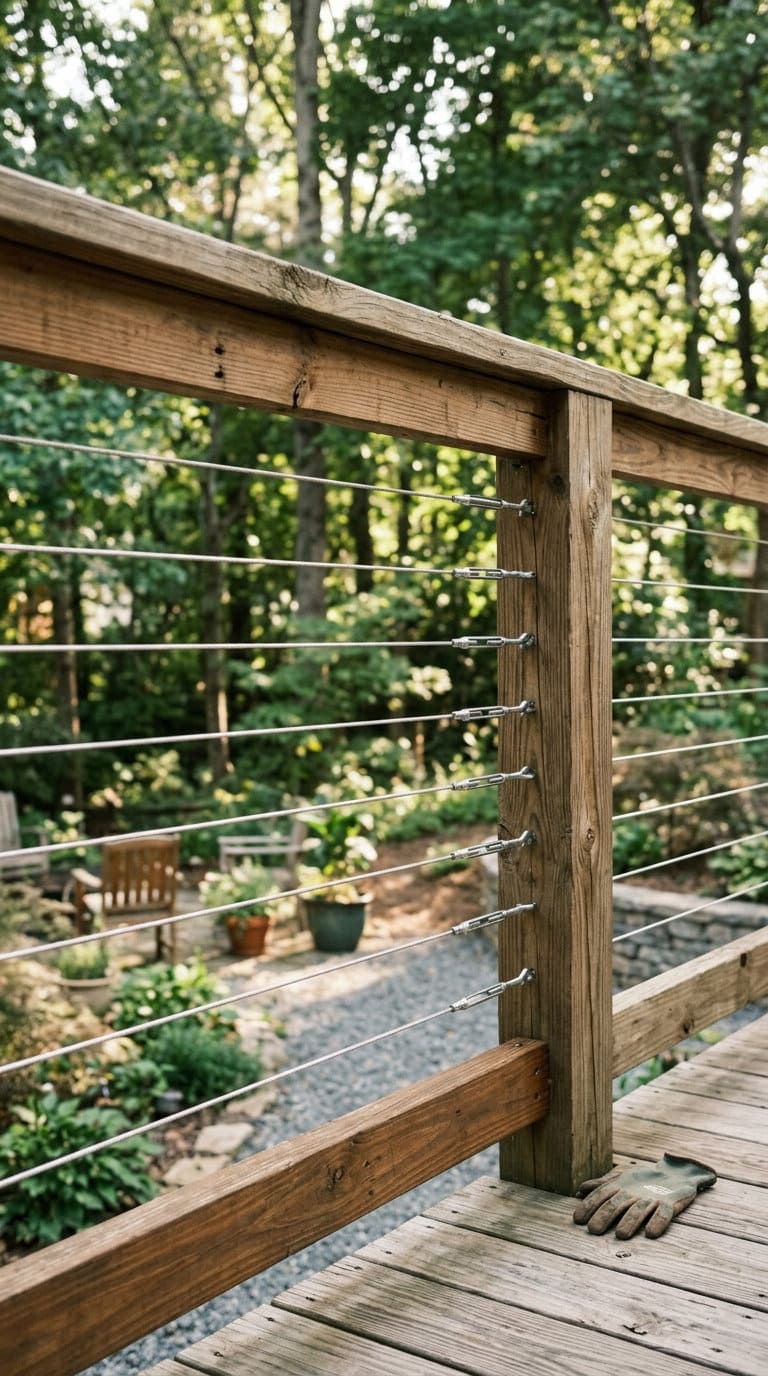
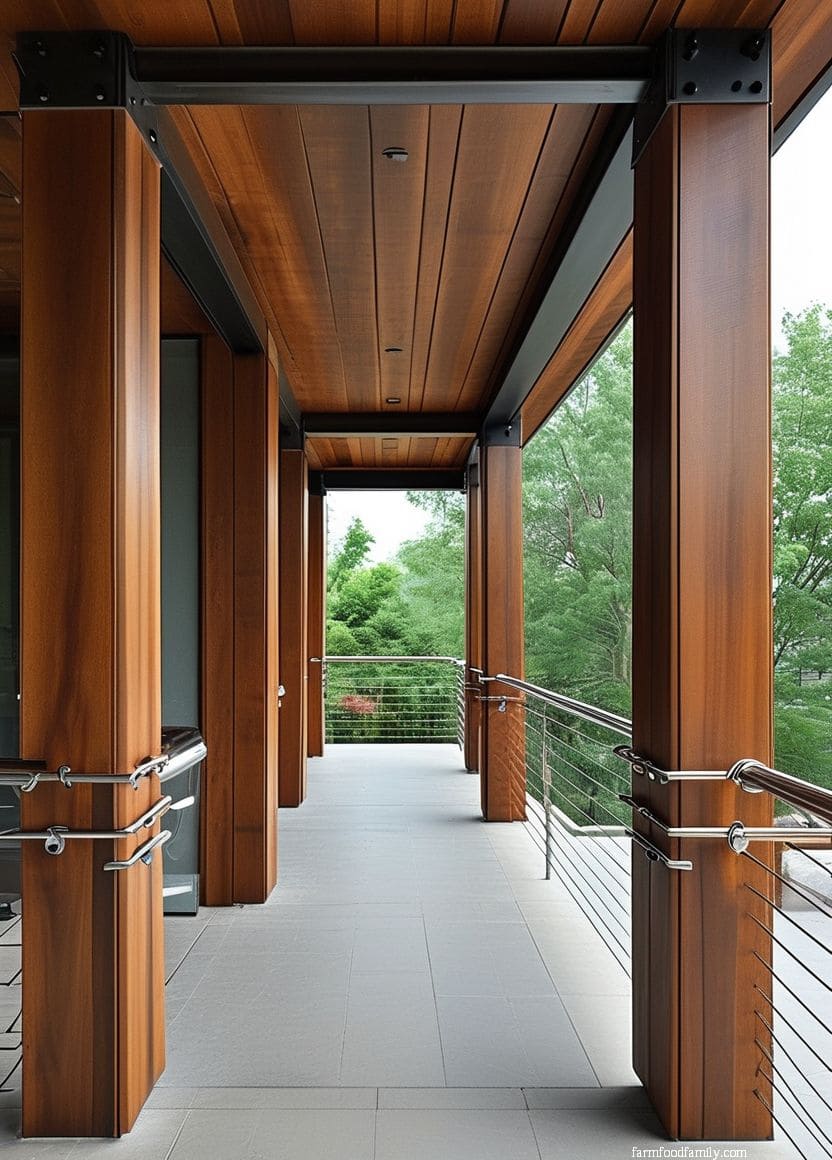
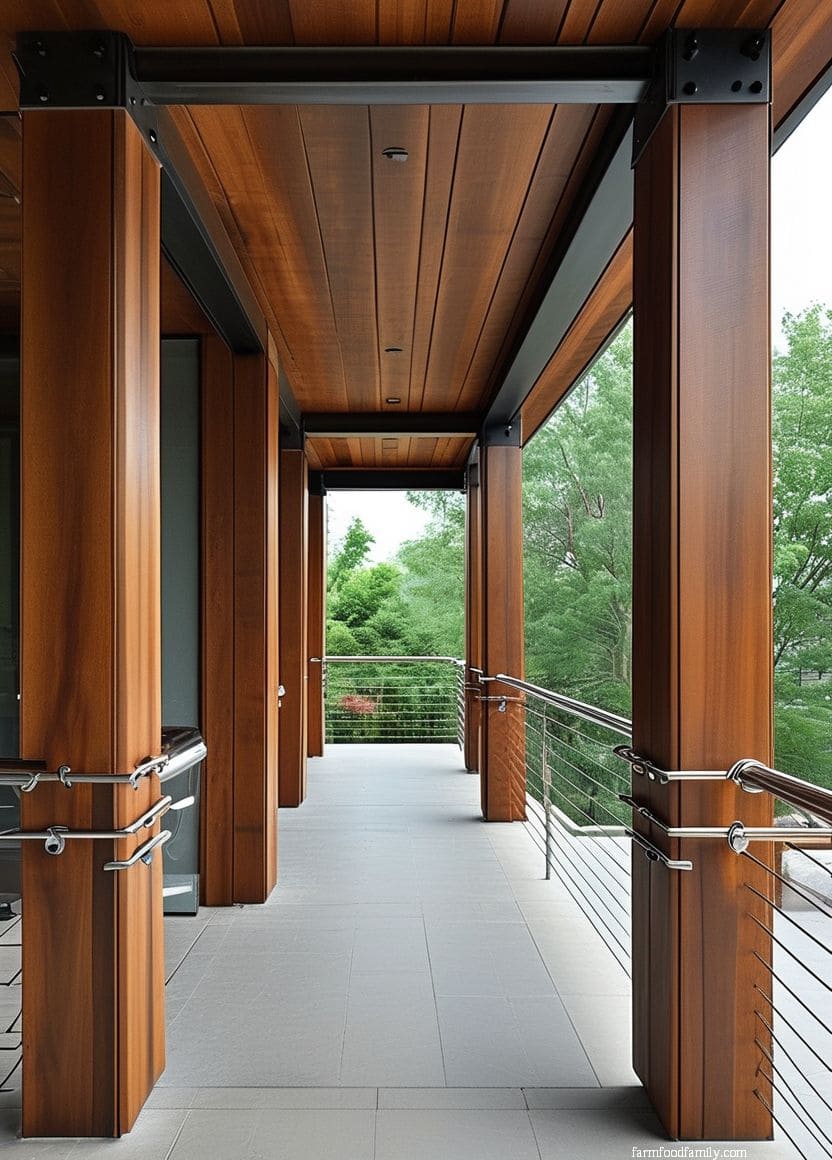
22. Cable Porch Railing
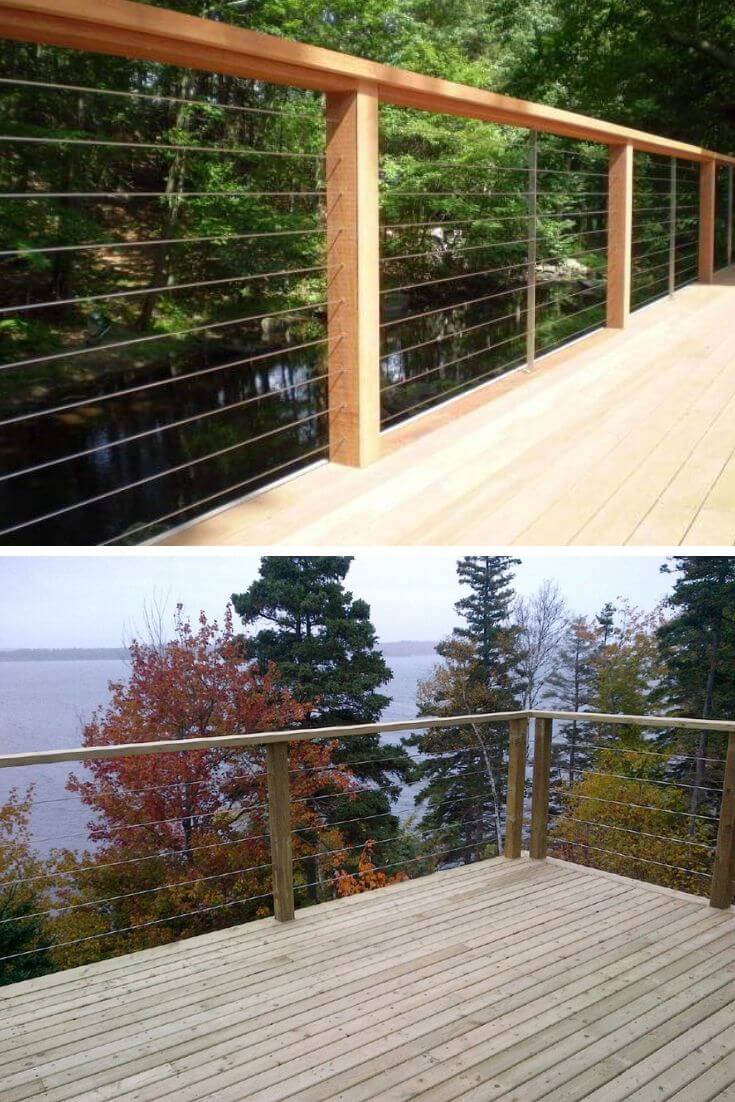
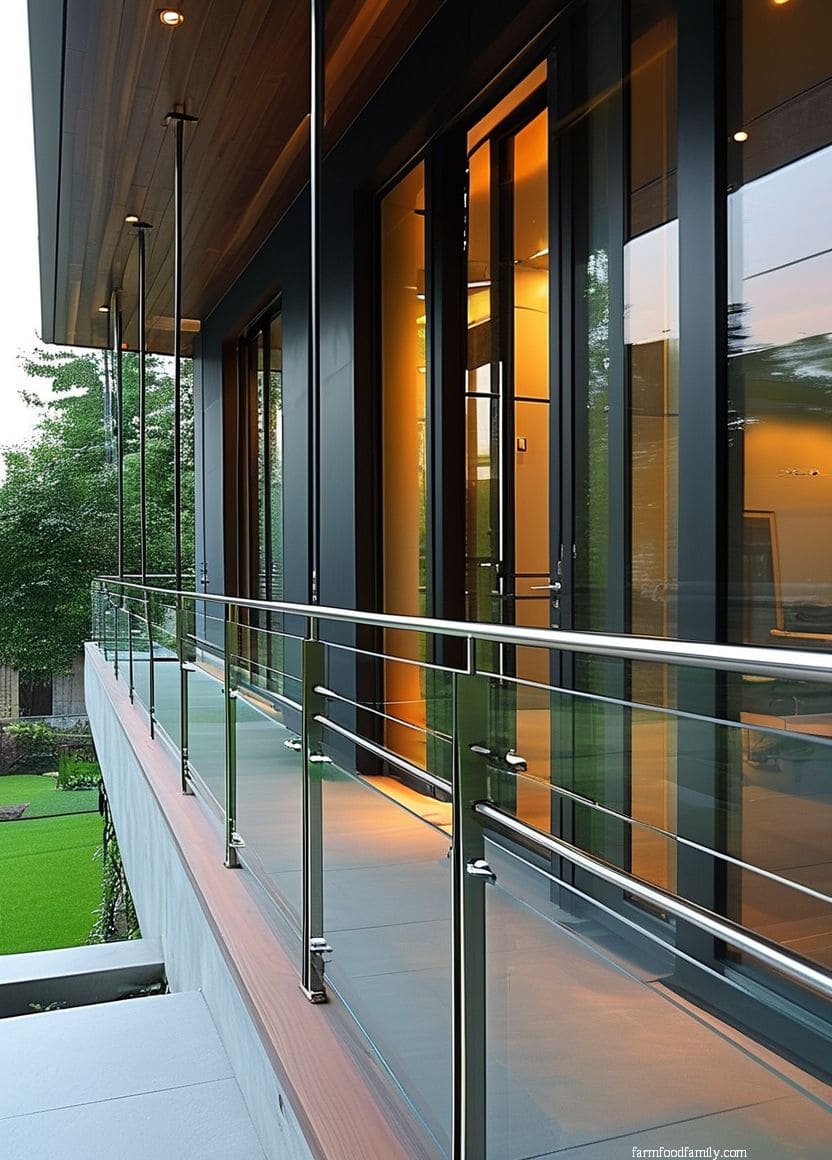
Thin cables on thick wood beams give an open, minimal, sightline-preserving look. One of the pricier options on this list ($60-500 per linear foot installed, see cost section below), but a genuinely rising trend for 2026. For the deck-side version of this same railing style, see DIY deck railing ideas.
23. Stained Glass Railing
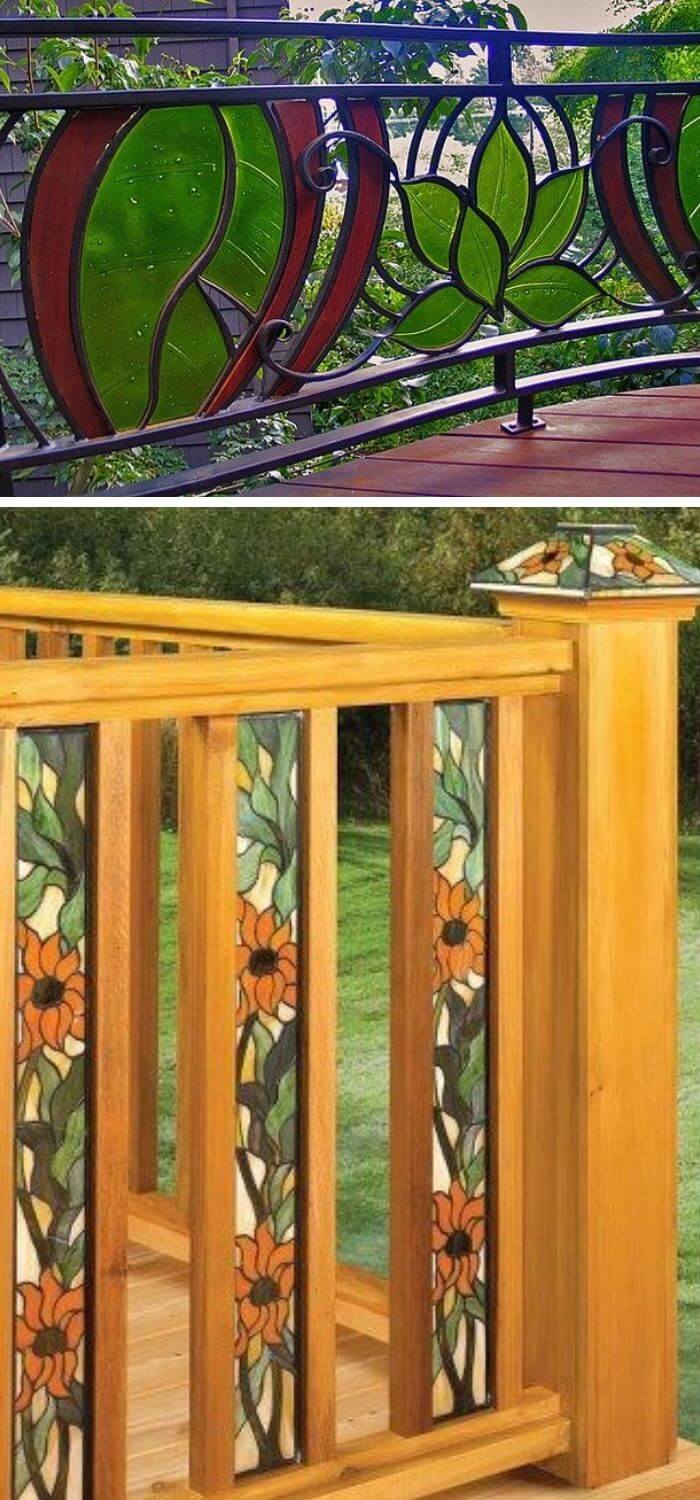
More decorative than plexiglass or tinted glass, stained glass can range from multi-colored to mosaic, and it functions as UV-blocking porch screening at the same time.
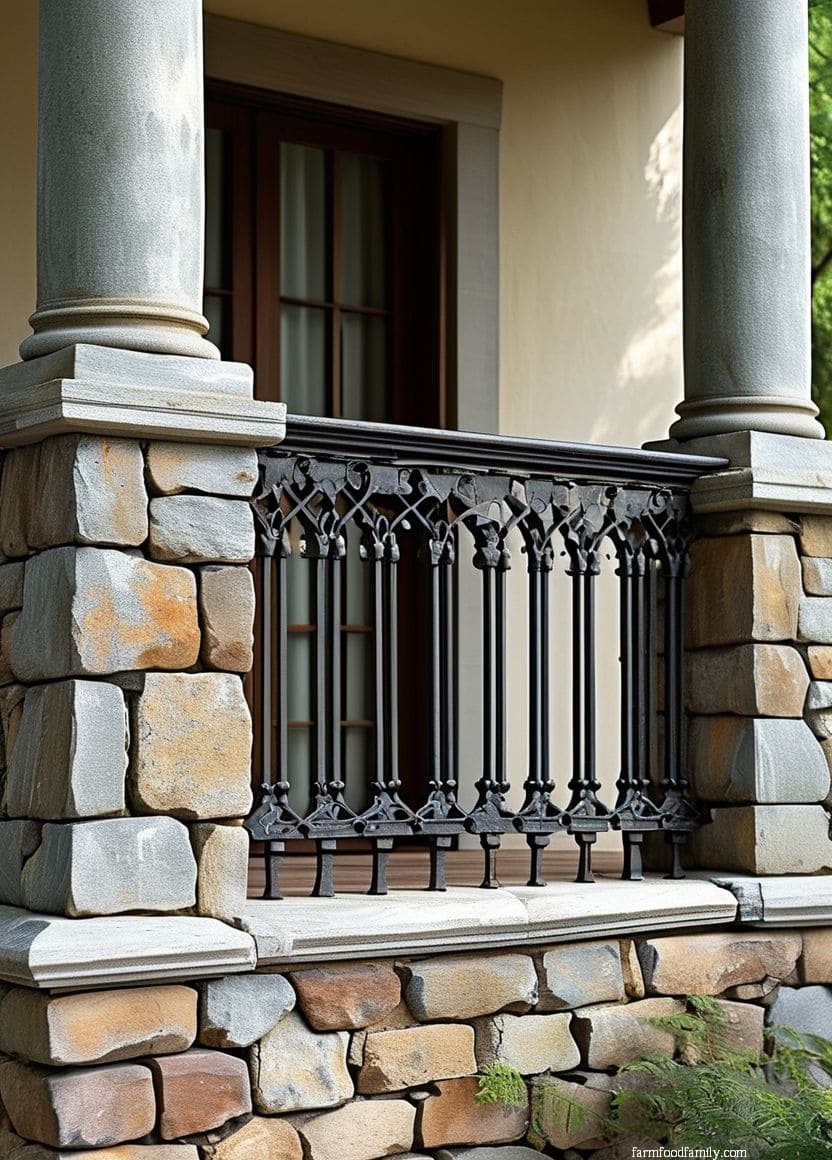
24. Stone Beam Railing
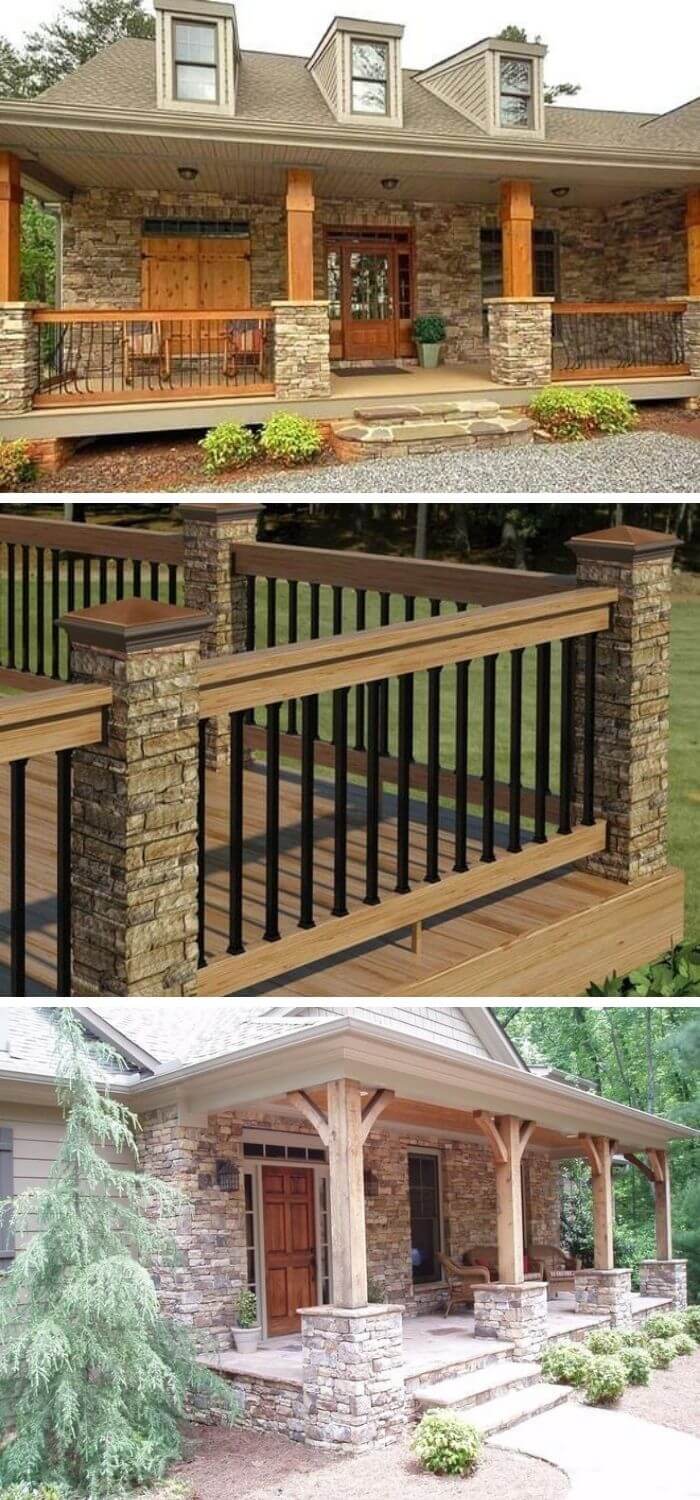
A strong match for a stone or concrete exterior. Aluminum or cable infill keeps the look from feeling too heavy, and stone veneer beams can genuinely add resale value.
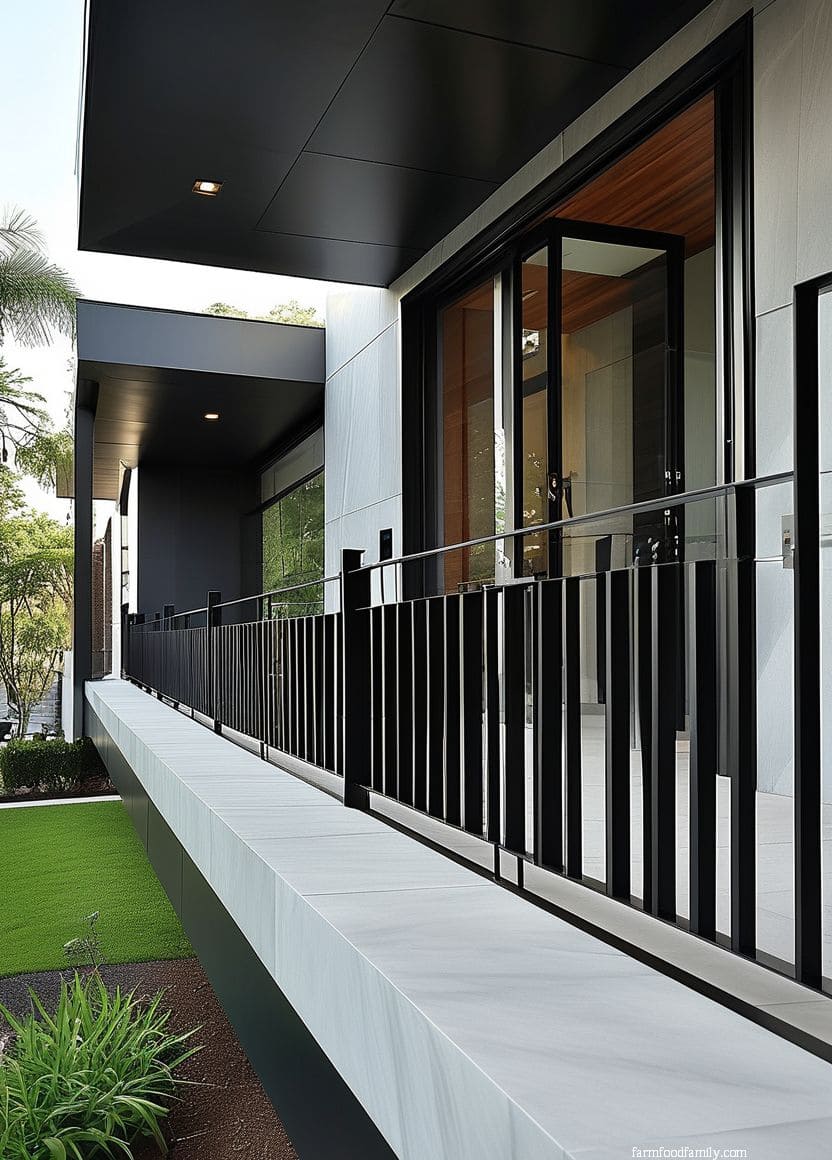
25. Modern Clean-Line Railing

A stained wood and powder-coated aluminum combination suits modern bungalows and craftsman homes. Pricier upfront, but close to maintenance-free long-term.
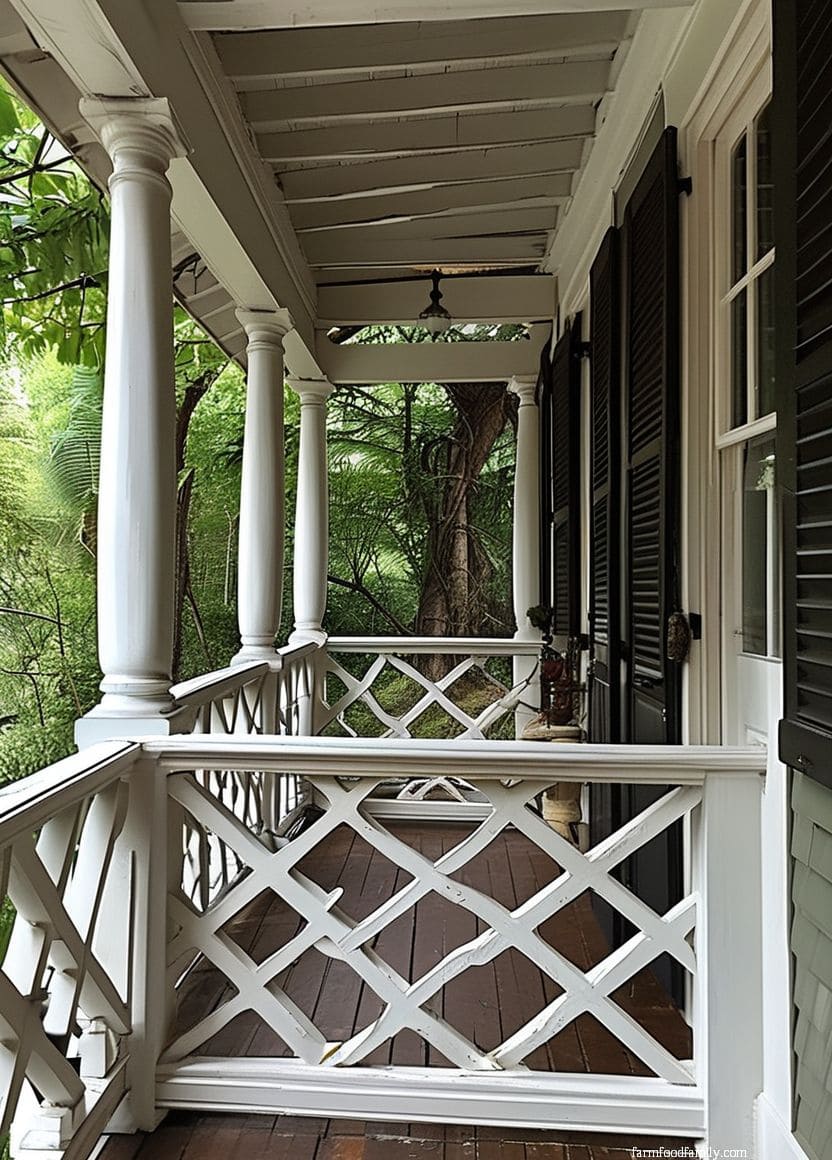
26. Chippendale Railing
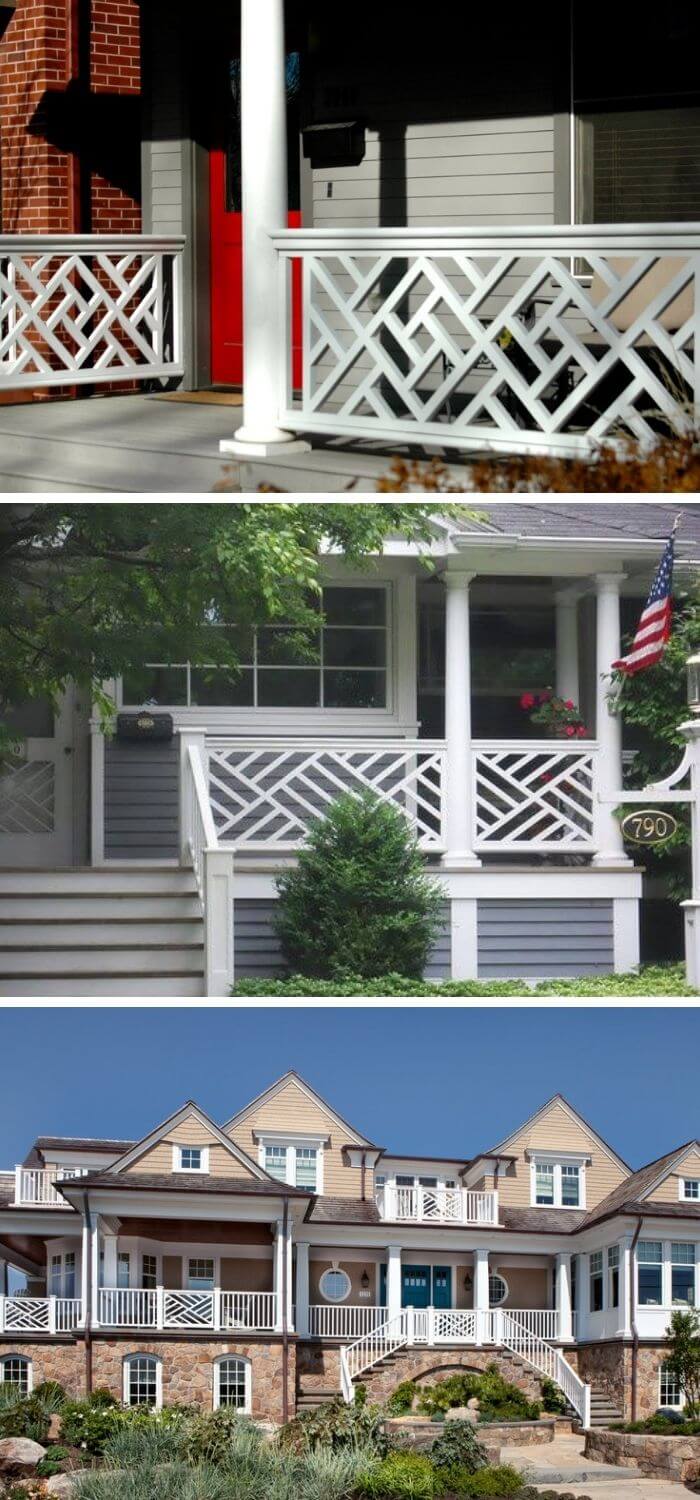
A traditional design common on Colonial-style homes, pairs well with classic shutters and columns. A white coating reinforces the historic, vintage feel.
Related: Vintage front porch ideas
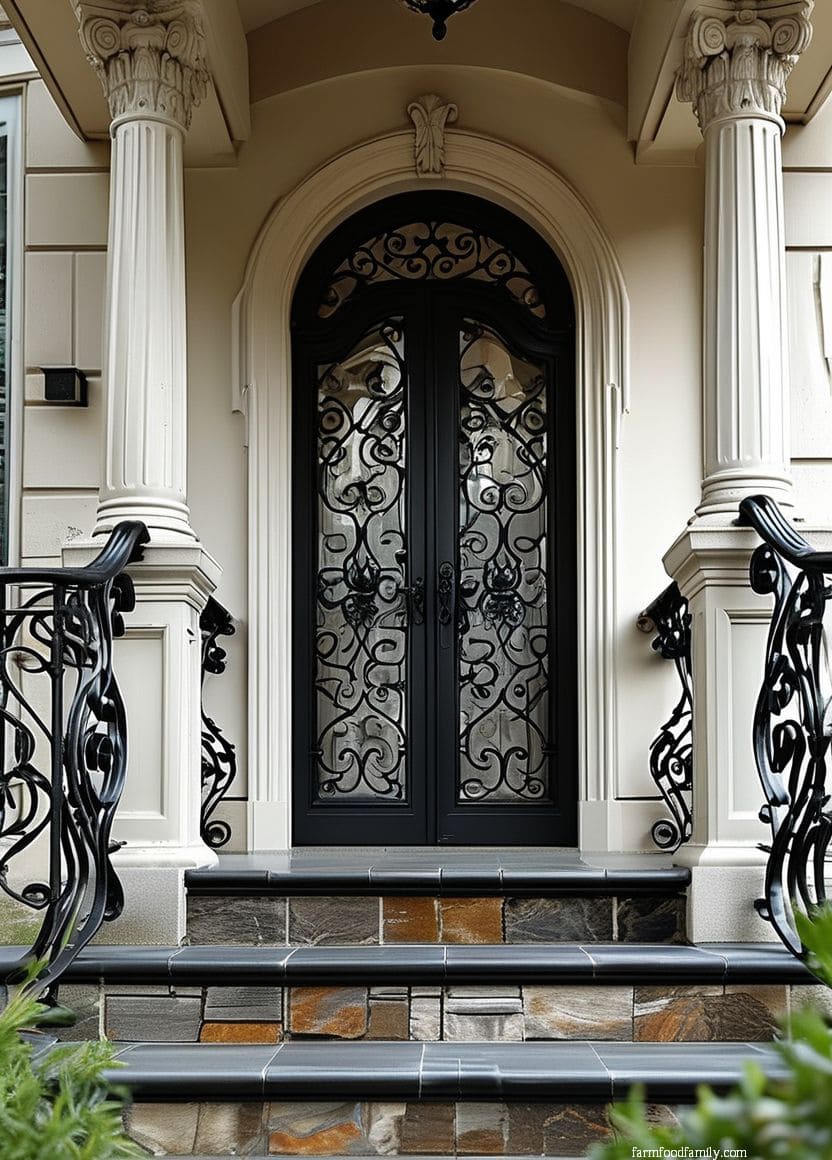
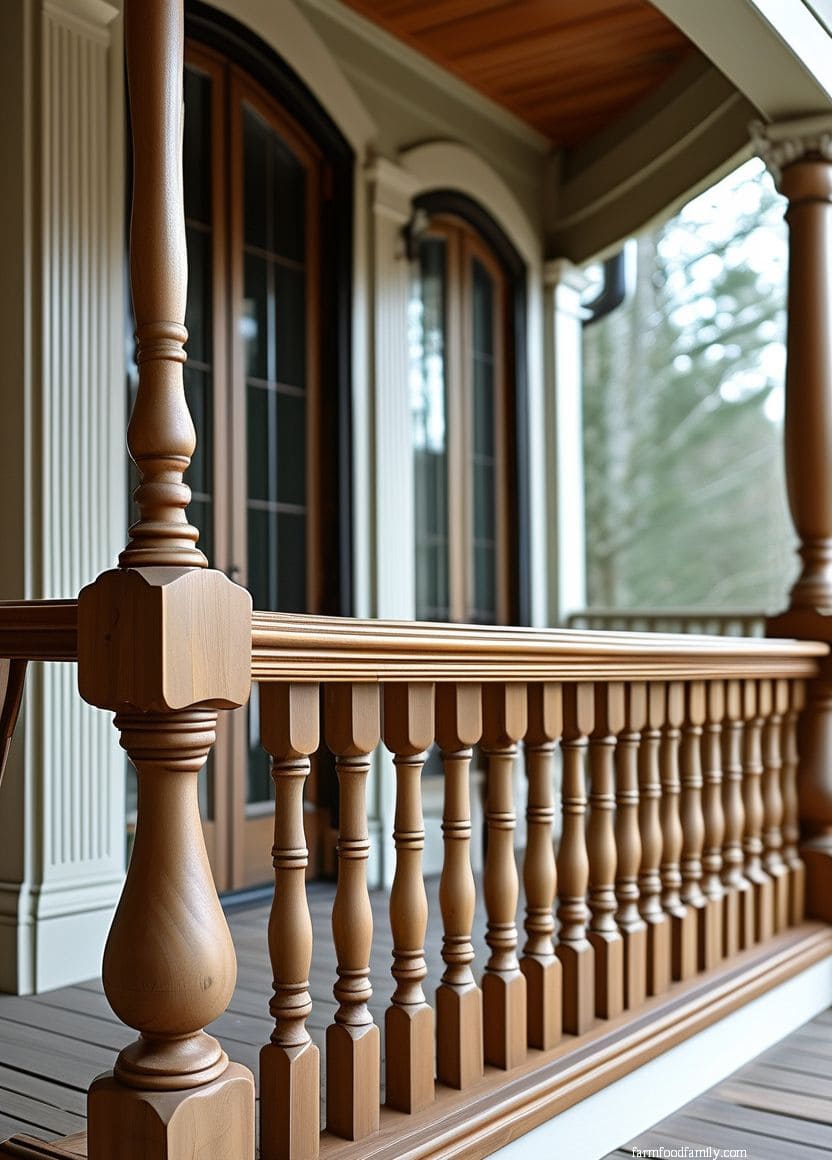
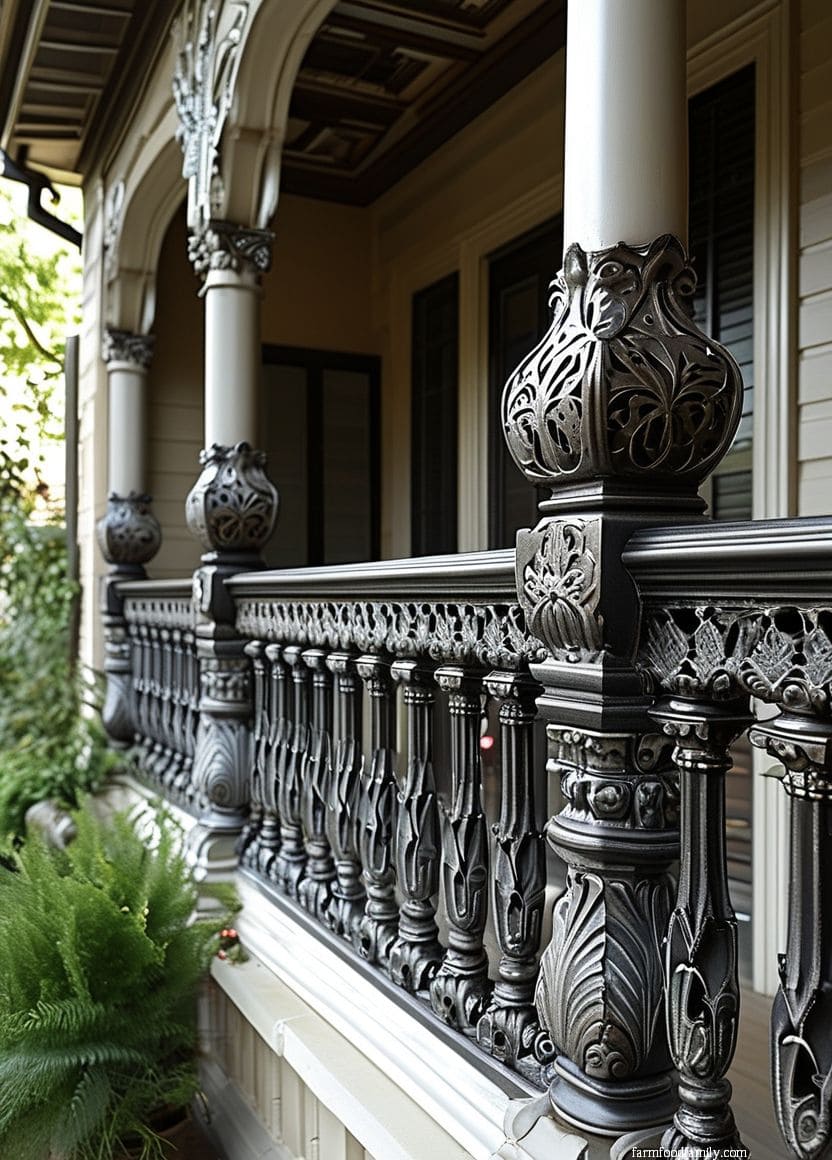
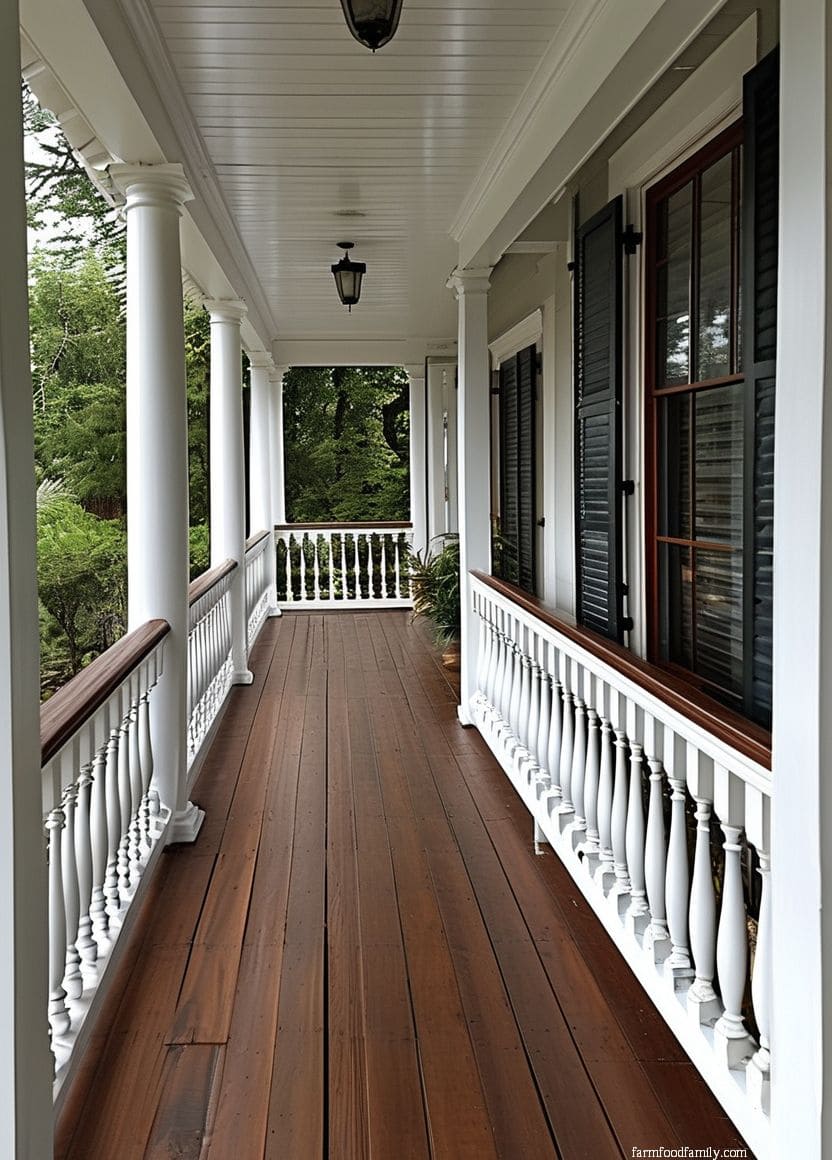
27. Ornate Baluster Railing
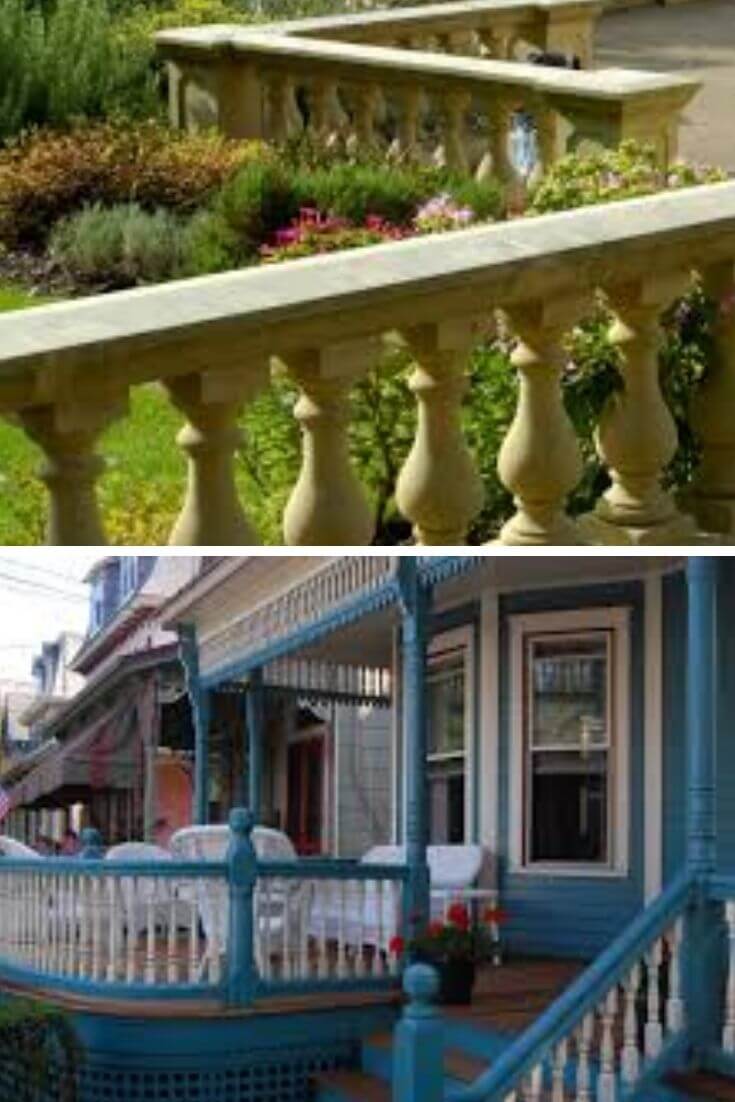
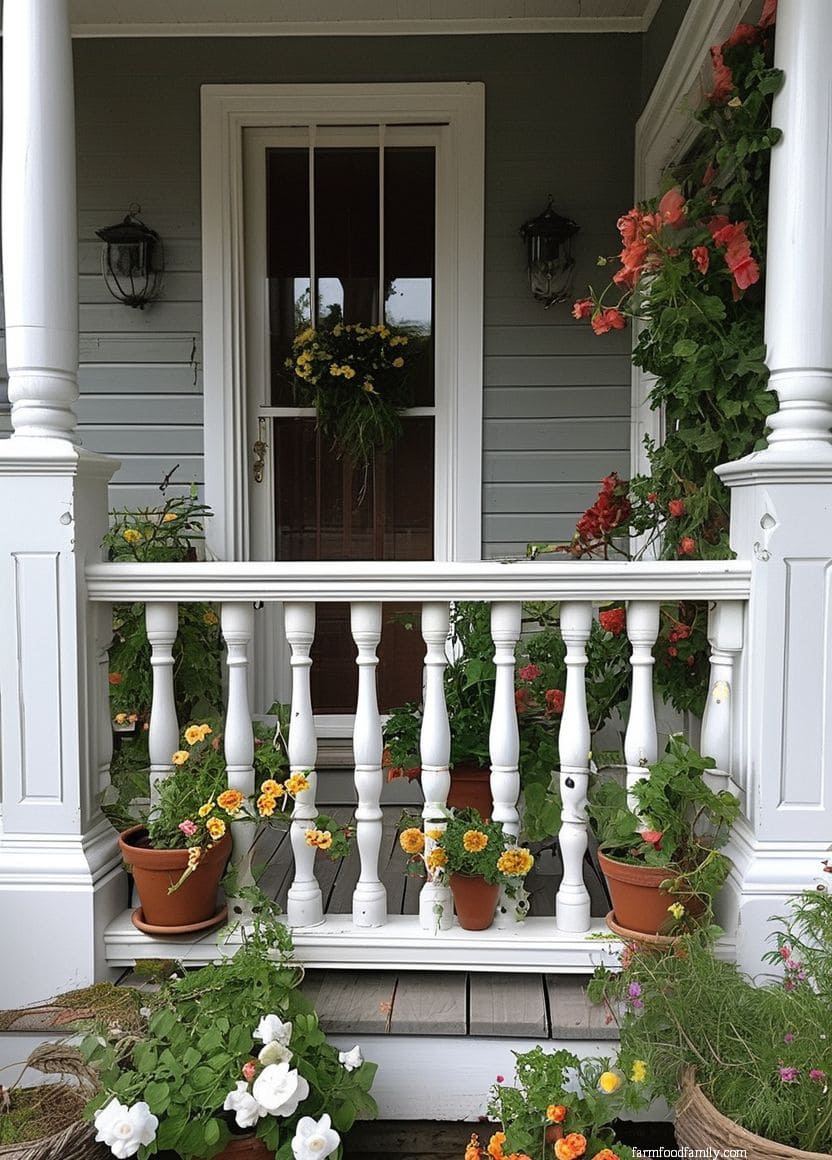
Sawn or turned balusters with genuine decorative detail, a step up in craftsmanship from a plain spindle railing, worth it if your home already leans traditional or Victorian.
28. Craftsman-Style Railing
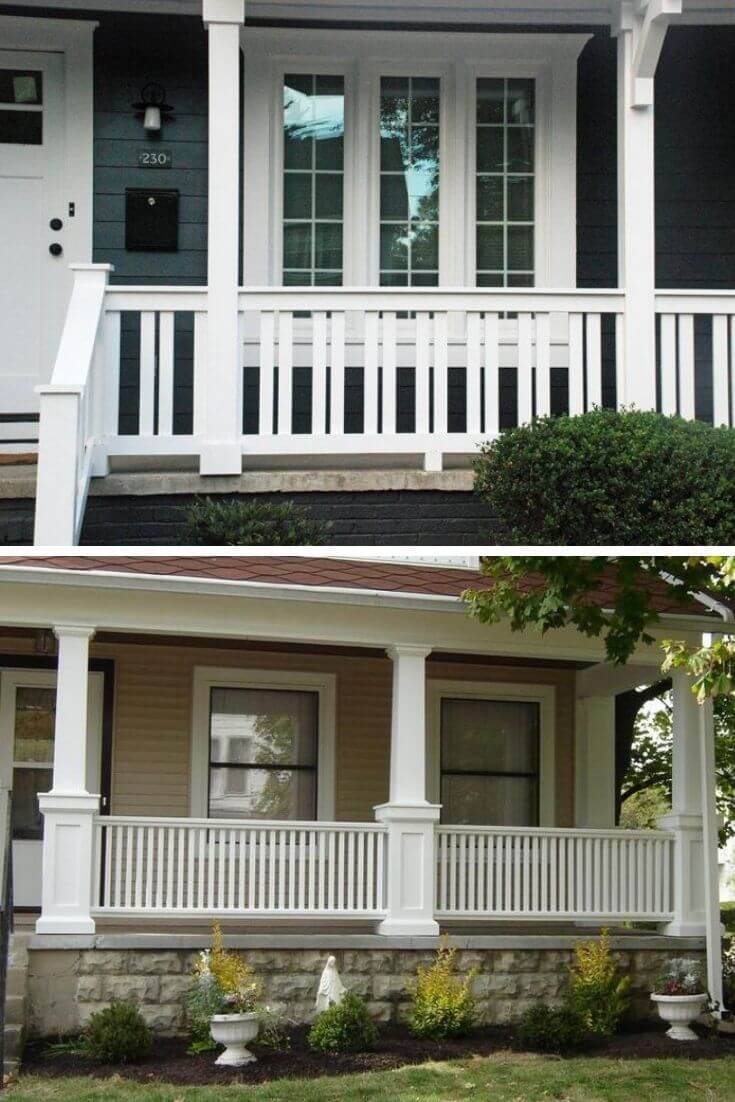
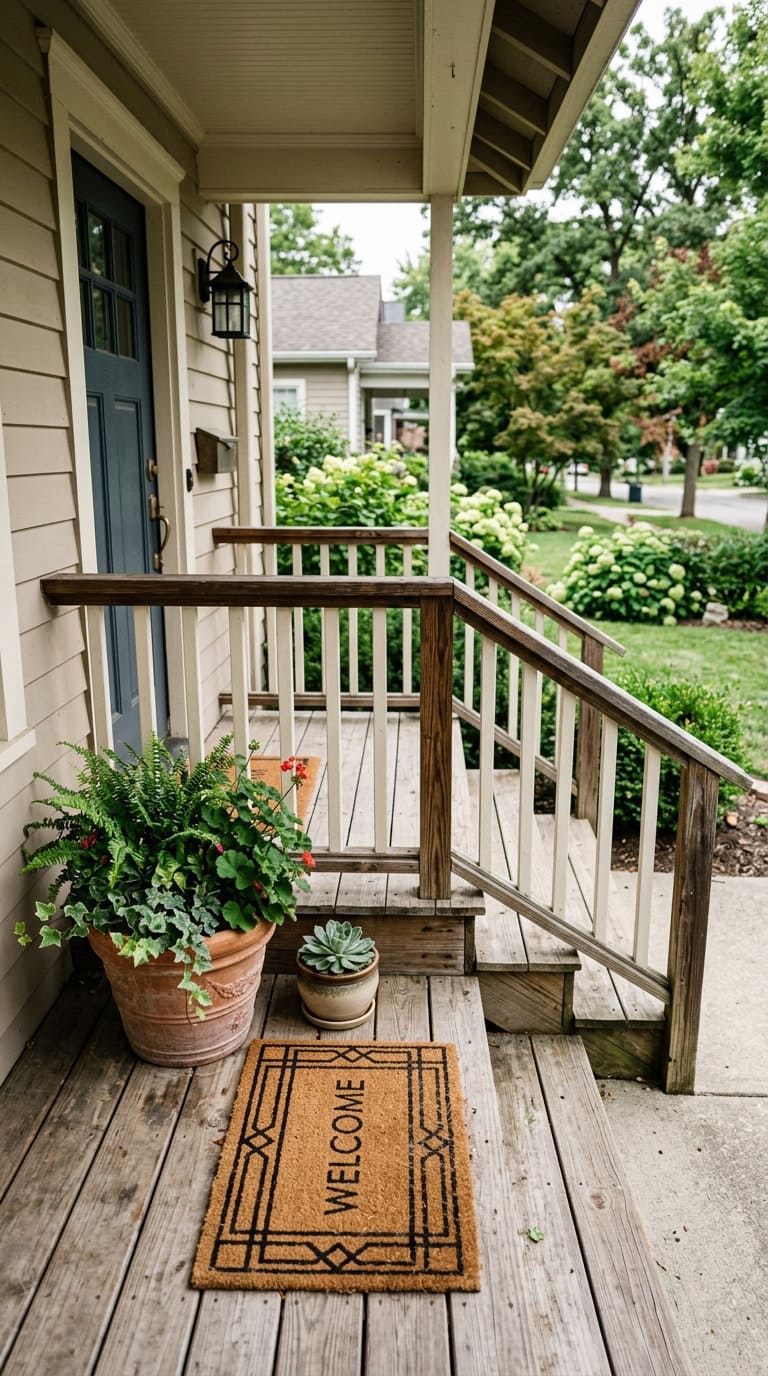
Traditional vertical spindles without the thicker beam framing, all spindles evenly spaced and equally thick. A single, continuous paint tone across a multi-toned exterior helps the whole porch read as more cohesive.
29. Matching Railing
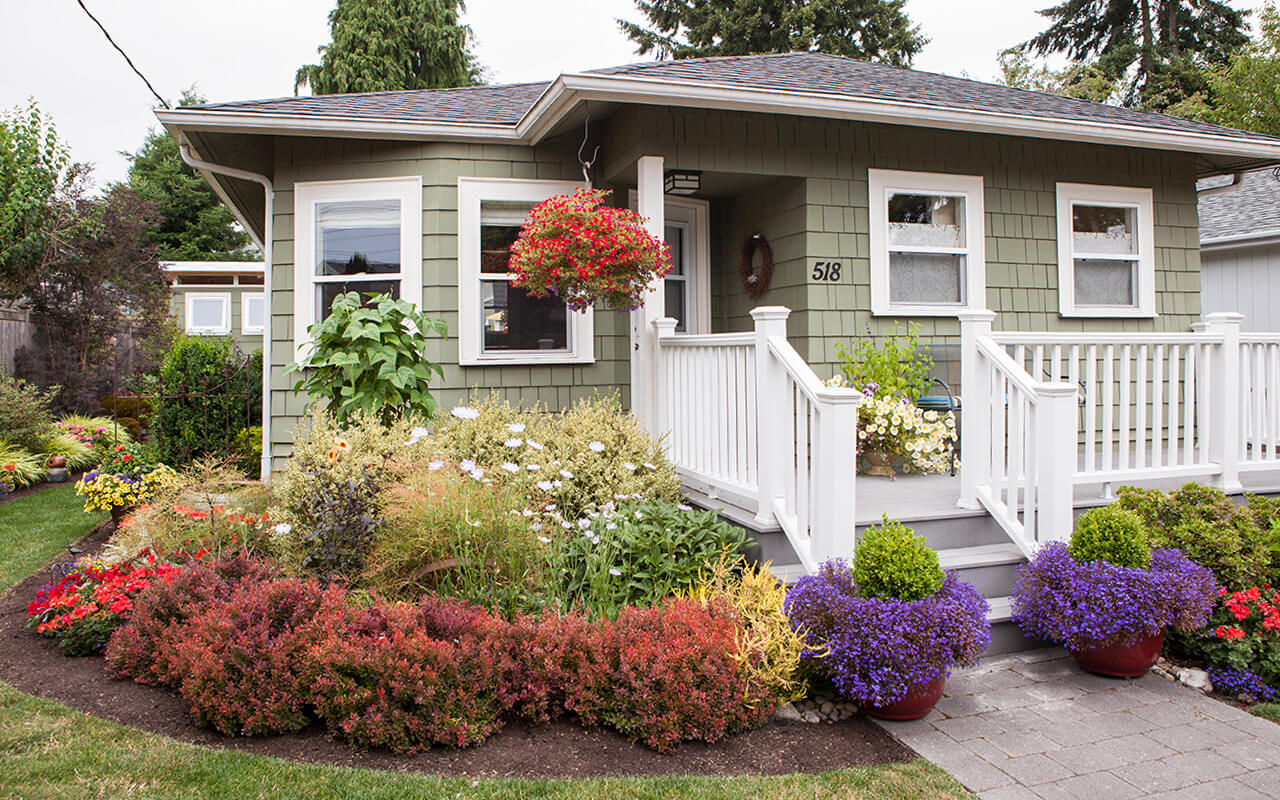
Matching the railing’s material and color to your window casing and front door is a simple, high-payoff way to make the whole front elevation feel intentional rather than assembled piecemeal.
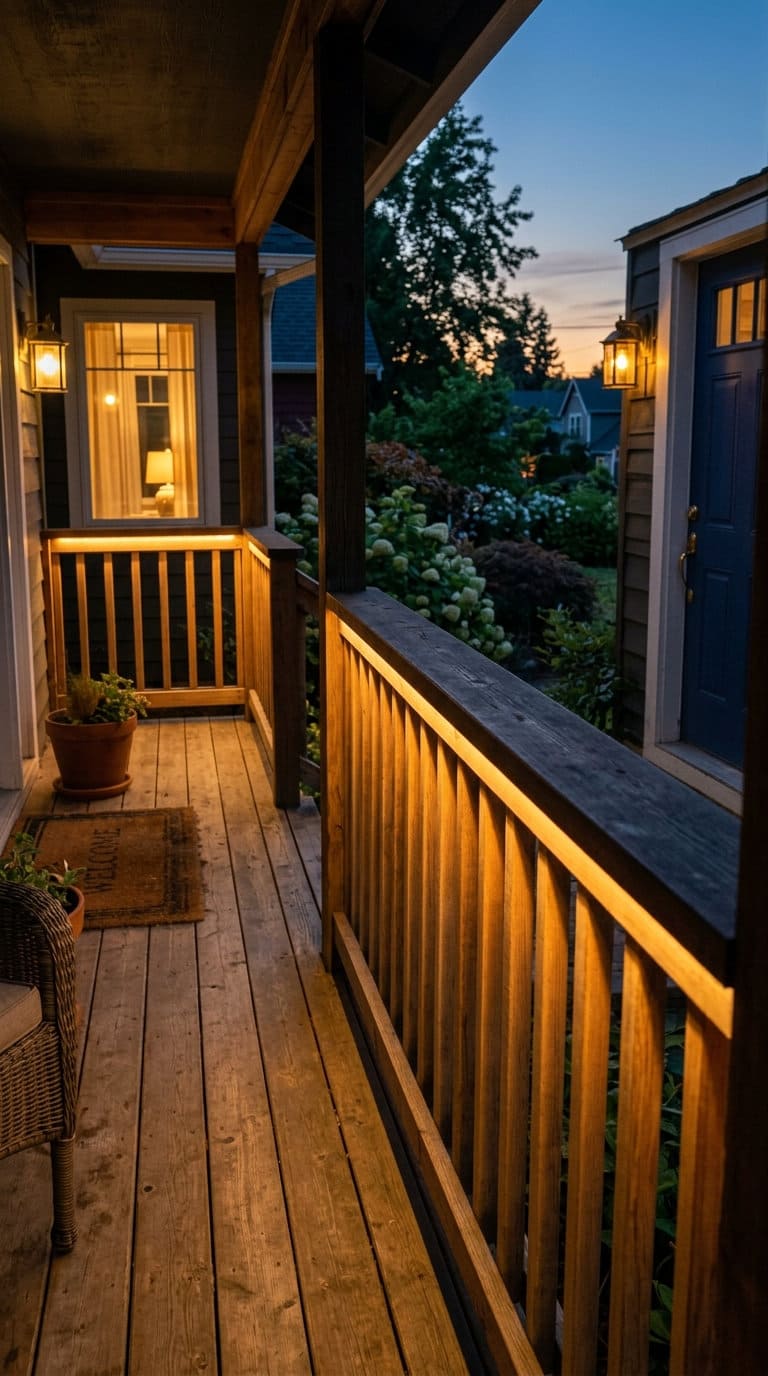
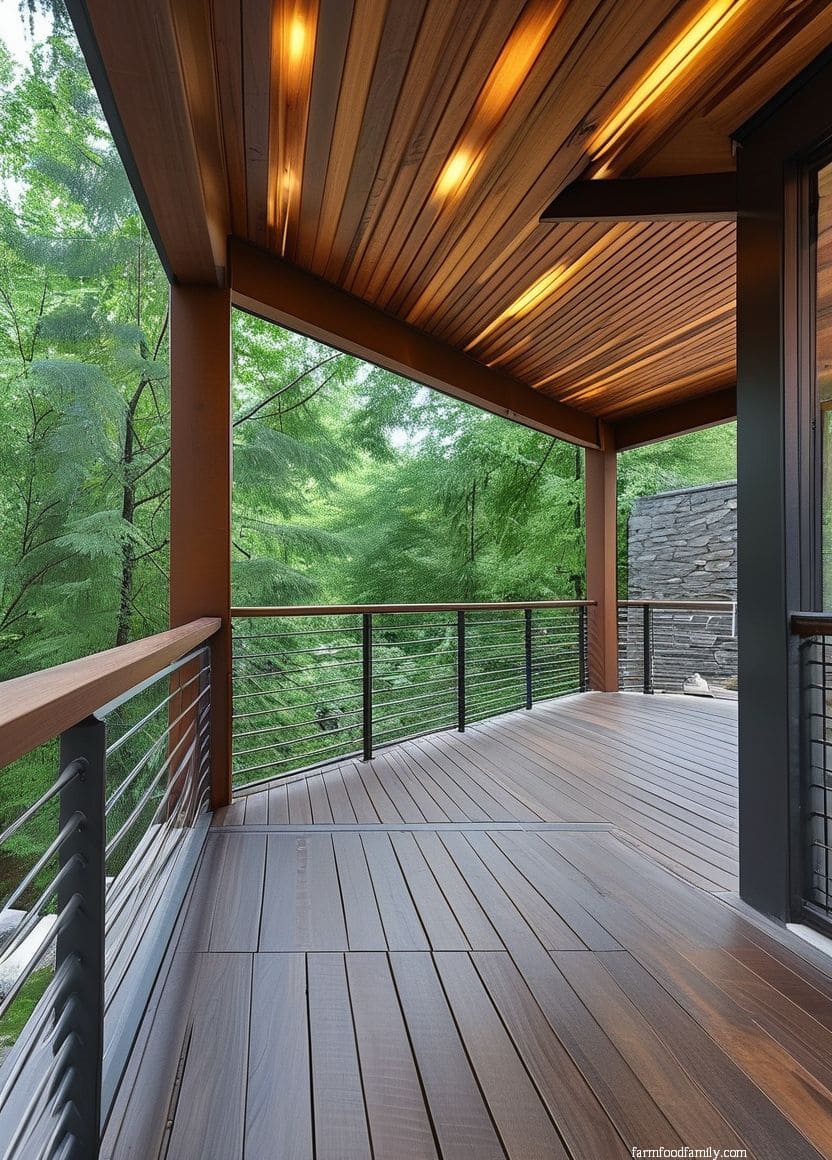
30. Illuminated Porch Rails
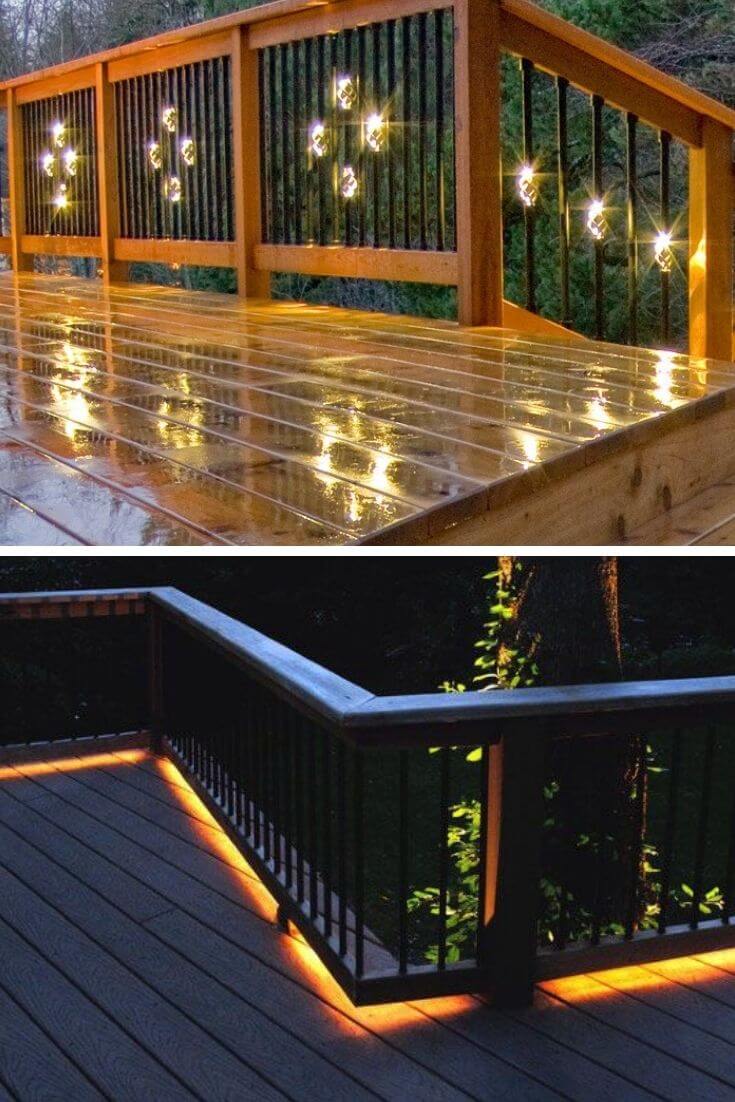
Built-in lighting under the top rail, in wood, aluminum, vinyl, or iron, adds real nighttime safety (visible steps and edges) along with a genuinely striking look after dark.
The Code Rules Most Guides Get Wrong
This is the part that actually matters more than which design you pick, and it’s where a lot of porch-railing content online gets the numbers wrong.
When you need a guardrail at all. Per the International Residential Code (IRC), a guardrail is required once your porch or deck’s walking surface is more than 30 inches above the grade or floor below, measured within 36 inches horizontally of the open edge.
How tall the guardrail needs to be. The residential IRC minimum is 36 inches. You’ll sometimes see “42 inches” quoted, that’s the commercial (IBC) figure, and it’s also a stricter state-level requirement in places like California and Washington, so it’s not wrong everywhere, but it’s not the default residential number either. Check your local code before you build.
How far apart balusters can be. This is the one that gets garbled most often, and it matters most for safety. The real rule, per Decks.com and confirmed via JLC Online’s breakdown of the 2021 IRC, is the 4-inch sphere rule: no gap anywhere in the guard assembly, between balusters, between a baluster and a post, or below the bottom rail, can allow a 4-inch diameter sphere to pass through (a slightly larger 4-3/8 inch allowance applies on stair guards). That’s sized specifically to stop a small child from slipping through or getting a head caught. It is not 4 feet. A gap that wide would defeat the entire purpose of a guardrail.
This applies to every design on this list, including the non-traditional ones. Cable railings, glass panels, and solid cutout panels all still have to satisfy the 4-inch sphere rule, cable spacing and glass panel gaps need to be checked just as carefully as traditional balusters do.
How Much Do Porch Railings Cost?
Real 2026 installed cost, per linear foot, by material:
| Material | Cost per linear ft (installed) |
|---|---|
| Wood | $20-70 |
| Vinyl/PVC | $25-60 |
| Composite | $25-60 |
| Aluminum | $50-200 |
| Cable | $60-500 (most jobs land $75-260) |
| Glass | $100-600 |
Labor alone typically runs $10-50 per linear foot depending on complexity. For a typical full porch or deck railing project, expect a total somewhere between $400 and $4,800, with most homeowners landing around $2,500.
Sources: HomeGuide, Porch & Deck Railing Costs, Angi, Deck Railing Cost, Angi, Cable Railing Cost.
Related:
Frequently Asked Questions
What is the best material for porch railings?
Wood, aluminum, and vinyl are the three most common choices, each with real tradeoffs. Wood gives the most traditional look and can be genuinely durable if properly sealed and maintained, but it’s typically the most expensive depending on the species. Aluminum is durable, rust-resistant, affordable, and easy to install, though it comes in fewer finish options than wood or vinyl. Vinyl splits the difference: lightweight, affordable, easy to install, and available in a wide range of finishes. The right call depends on your home’s aesthetic and how much long-term maintenance you’re willing to take on.
Do I need a railing on my front porch?
Legally, only once your porch surface is more than 30 inches above grade (see the code section above). Below that height, most codes don’t require one. That said, a railing is worth installing for safety at any height if you have young kids, older adults, or anyone with mobility concerns using the porch regularly.
How much do porch railings cost?
It depends heavily on material. Wood and vinyl run $20-70 per linear foot installed; aluminum runs $50-200; cable and glass, the premium options, run $60-500 and $100-600 respectively. A typical full project lands between $400 and $4,800, most commonly around $2,500. See the cost table above for the full breakdown by material.
How high can a porch be without railings?
Up to 30 inches above grade, per the IRC. Past that height, a guardrail at least 36 inches tall (residential standard; some states require 42 inches) is required, with balusters spaced so no gap allows a 4-inch sphere through. Even where it’s not legally required, installing a railing below 30 inches is a reasonable safety choice, not just a code checkbox.
Conclusion
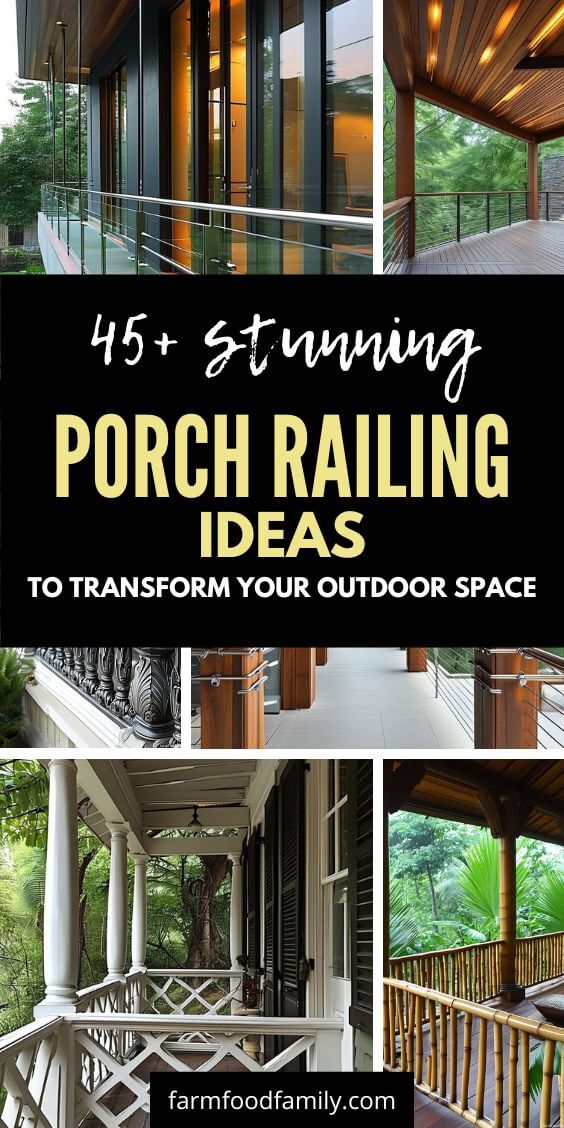
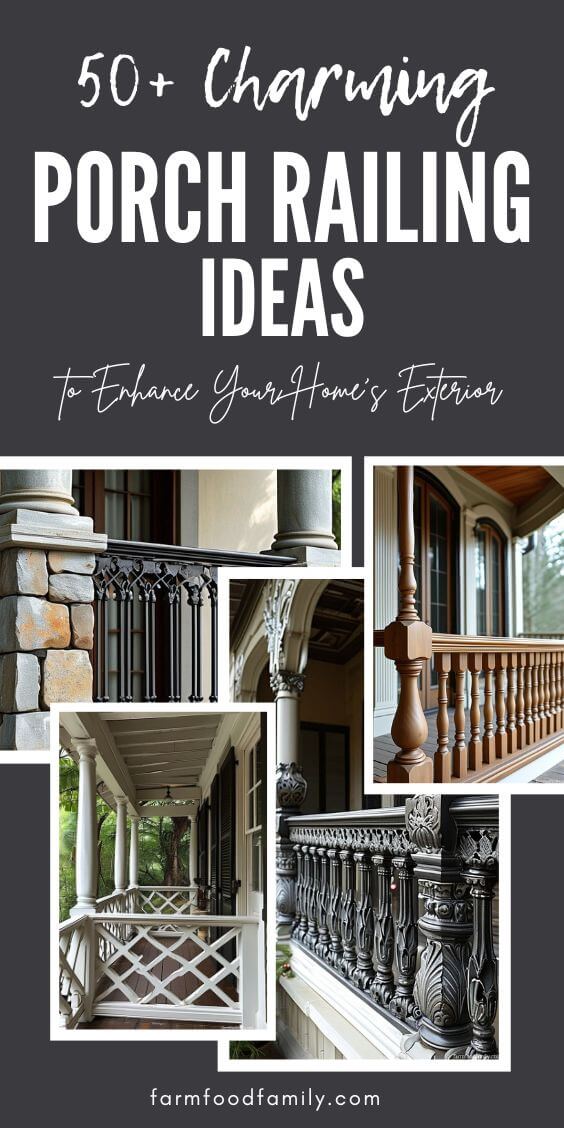
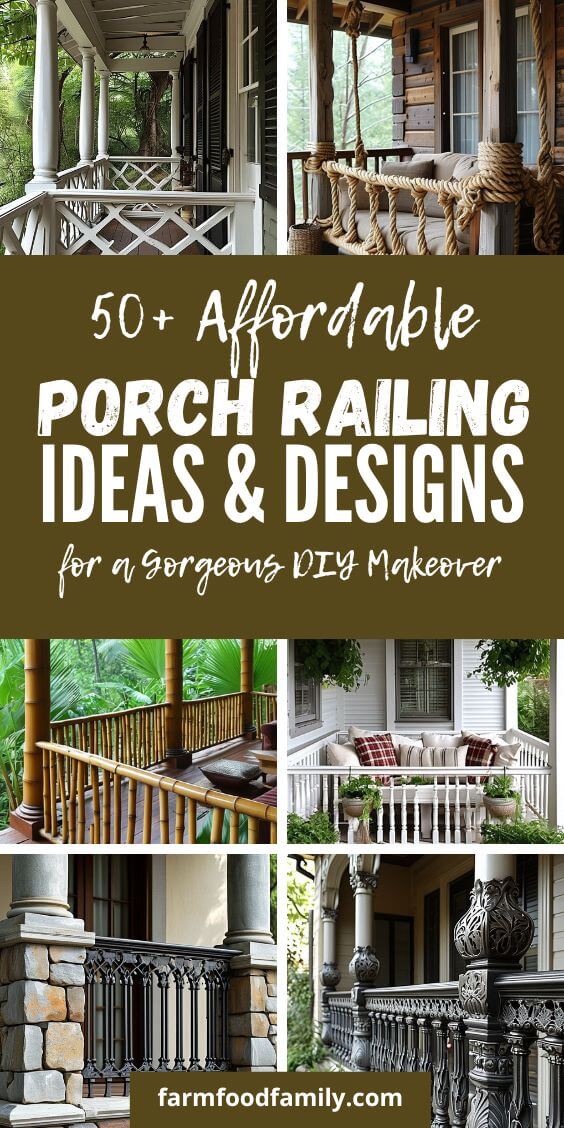
A porch railing is a safety fixture first and a design opportunity second, and the best results come from treating both halves seriously. Once you’ve got the real code numbers straight (30 inches, 36 inches, 4-inch spacing, not the garbled versions that circulate online), any of the 30 ideas above is fair game to make your porch feel like a genuine extension of your home rather than an afterthought bolted onto the front steps.
Never miss an update — choose FarmFoodFamily as your preferred source on Google.
How it works: Tap the button below to open Google's settings page, then check the box next to FarmFoodFamily.
Tap the checkbox to turn it blue — that's how you know it's set.