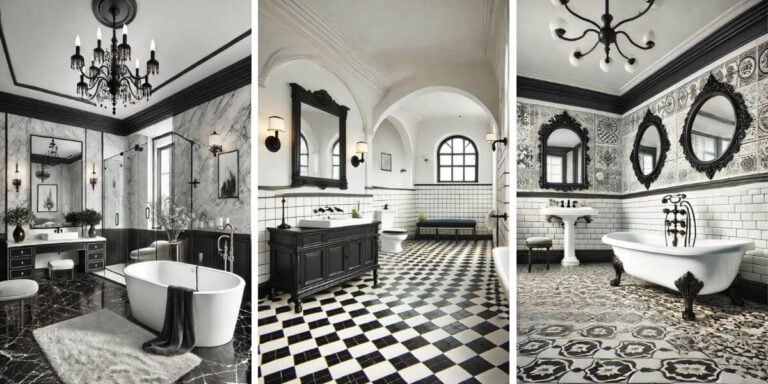
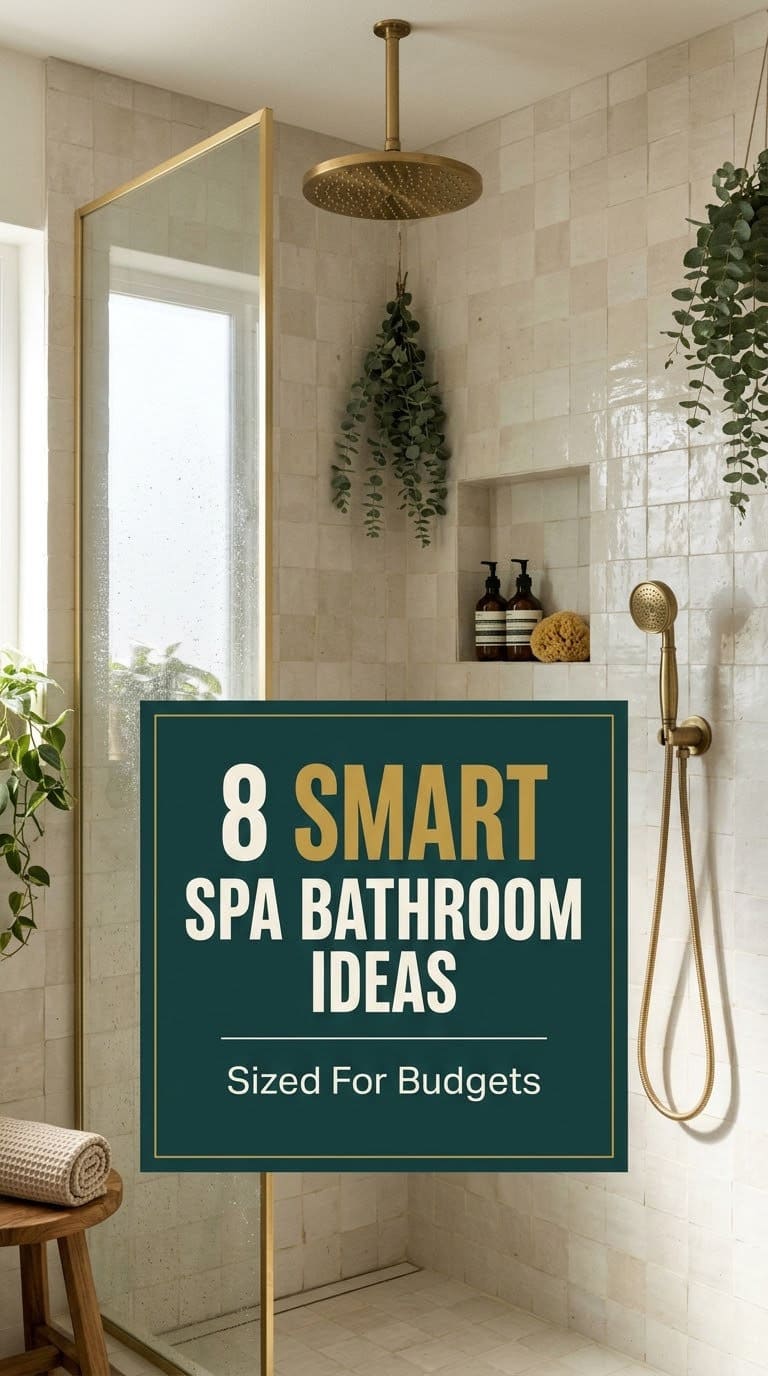
8 Indulgent Spa Bathroom Ideas With Costs, Specs and Limits
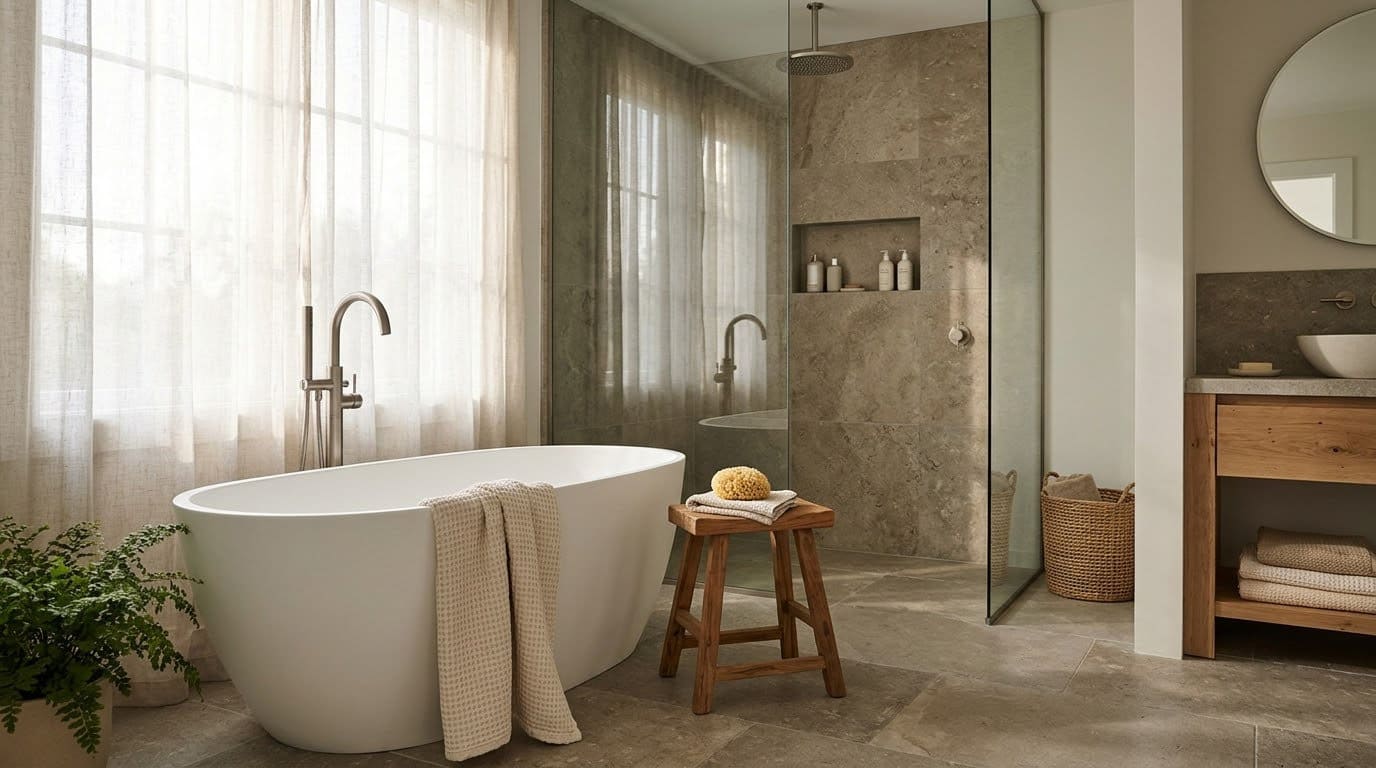
A spa bathroom comes from a few upgrades done well, like warm floors, a quiet fan and the right shower, as long as you check cost, floor strength and moisture first.

Never miss an update — choose FarmFoodFamily as your preferred source on Google.
How it works: Tap the button below to open Google's settings page, then check the box next to FarmFoodFamily.
Tap the checkbox to turn it blue — that's how you know it's set.
A spa bathroom comes from a few upgrades done well, like warm floors, a quiet fan and the right shower, as long as you check cost, floor strength and moisture first.
Products We Recommend
This post contains affiliate links. We may earn a commission on qualifying purchases at no extra cost to you.

Broan-NuTone 110 CFM Bathroom Exhaust Fan
Quiet 1.0 sone, Energy Star fan that fits the 100 CFM example in idea 5.
Shop Now
Bright Showers Slide Bar Shower Set
Hand-held shower on an adjustable slide bar with a 69-inch hose, for idea 4.
Shop Now
P&Dlusir 5-Bar Heated Towel Rack
Wall-mounted electric towel warmer, plug-in or hardwired, for idea 7.
Shop NowA spa bathroom isn’t a pile of candles. It’s warm floors, steady heat, quiet air and a shower that feels good.
The catch is that each of those upgrades has a price and a limit. A steam shower needs a sealed room, and a big tub needs a strong floor.
These eight ideas list the costs and specs we could trace to sources. We also flag where the answer is our own judgment.
Quick Answer
Start with the amenities that change how the room feels. Electric heated floors run $8 to $15 per square foot, says Claire Fitzgerald at Block Renovation. A small 40 square foot bathroom costs $300 to $700 for the heat alone.
Steam is the big spend. Keith McCarthy at Block Renovation’s steam guide puts a converted steam shower at $8,000 to $15,000, with a generator at $1,500 to $4,500.
Size the fan to match. Broan-NuTone says to multiply length, width and ceiling height by 0.13, then round up to the next ten.
Check the floor before a big tub. Alexis Lawrence at Hunker says a standard room floor is rated for 40 pounds per square foot.


And pick a WaterSense showerhead. The EPA says it uses no more than 2.0 gallons a minute, against 2.5 for a standard head.
Which Idea Fits You?
Pick by budget and how much work you want. This table sorts the eight ideas below.
| Idea | Best for | Cost signal | Skill | Main risk |
|---|---|---|---|---|
| 1. Heated floor | Cold tile | $8 to $15 per sq ft, electric | Pro | Subfloor and thermostat |
| 2. Freestanding tub | Long soaks | Varies by tub | Plumber | Floor strength |
| 3. Steam shower | Full spa feel | $8,000 to $15,000 conversion | Pro | Moisture in walls |
| 4. Rain shower and hand-held | Daily comfort | Low to mid | Beginner to plumber | Water use |
| 5. Right-sized fan | Fog and mold | Mid | Electrician | Fan too small |
| 6. Dimmable layered lights | Evening calm | Low to mid | Electrician | Wrong fixture rating |
| 7. Warm towel station | Cozy finish | Low to mid | Beginner | Cords near water |
| 8. Calm palette and textiles | Budget start | Lowest | Beginner | Damp, slow-drying fabric |
Before You Start: Budget and Limits
Spa upgrades cost more than decor. Look at the numbers before you pick a plan.
What do the big upgrades cost?
Block Renovation’s two guides give these ranges. They come from one contractor’s planning team, so get local quotes before you budget.
| Upgrade | Range |
|---|---|
| Electric heated floor, heating only | $8 to $15 per sq ft |
| Heated floor, 40 sq ft bath, heat only | $300 to $700 |
| Heated floor, 40 sq ft bath, with new flooring | $600 to $1,600 |
| Thermostat, per zone | $140 to $350 installed |
| Steam generator | $1,500 to $4,500 |
| Steam shower conversion | $8,000 to $15,000 |
| High-end steam build | $15,000 to $30,000 |
McCarthy also suggests holding back 10 to 20 percent of the total budget for surprises.
When should you call a pro?
Call one for anything that touches water lines, wiring or framing. That means steam, heated floors, fans and any tub that changes your plumbing.
McCarthy lists permits at several hundred dollars to $1,500 for a steam shower. Check your local building department before you start.
1. A Heated Floor
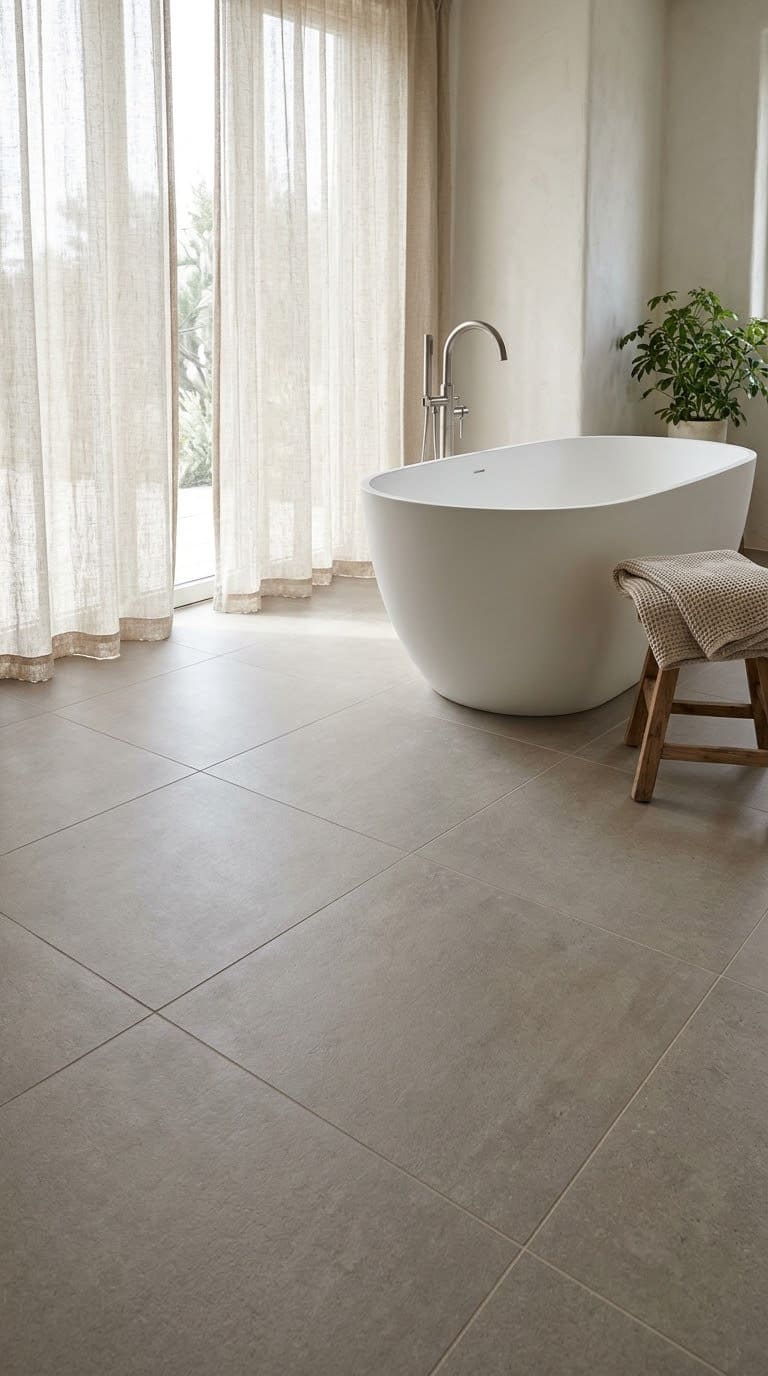
Cold tile is the first thing that breaks the spa mood. A heated floor fixes it from underneath.
Quiet 1.0 sone, Energy Star fan that fits the 100 CFM example in idea 5.
Shop NowThis post contains affiliate links. We may earn a commission on qualifying purchases at no extra cost to you.
Fitzgerald says electric systems run $8 to $15 per square foot and hydronic systems $7 to $17. For a 40 square foot bathroom, heating alone costs $300 to $700, and $600 to $1,600 with new flooring.
Plan the running cost. A single heated bathroom on a timer costs about $15 to $20 a month, she says. Each room needs its own thermostat, at $140 to $350 installed per zone.
Check the base. On a slab, Fitzgerald says the floor needs insulation under the heating layer so the heat rises into the room. Subfloor insulation runs $1 to $5 per square foot.
Fitzgerald prices tile or stone floors with the system at $15 to $40 per square foot, so a full remodel is the cheapest time to add one.
Zone it. Put the thermostat on a timer so the floor warms before you wake up. A schedule is what keeps the monthly cost near that $15 to $20 figure.
Ask for these three things. Ask your installer for the wiring diagram, the exact spot where the floor sensor sits and the warranty terms. Get them in writing before the work starts.
Test before you tile. Ask the installer to check the heating cable with a meter before the tile goes down and again after it’s set. A fault found under tile is expensive, so a quick test is cheap insurance.
Place the thermostat well. Mount it near the door, away from the shower spray and at a height anyone can reach. Set the schedule to warm the floor before your usual wake-up time.



Pick tile that conducts heat. Porcelain and stone tile carry heat well. If you choose a floor covering that insulates, ask the maker whether it suits a heated floor.
Budget: mid. Skill: pro.
2. A Freestanding Soaking Tub
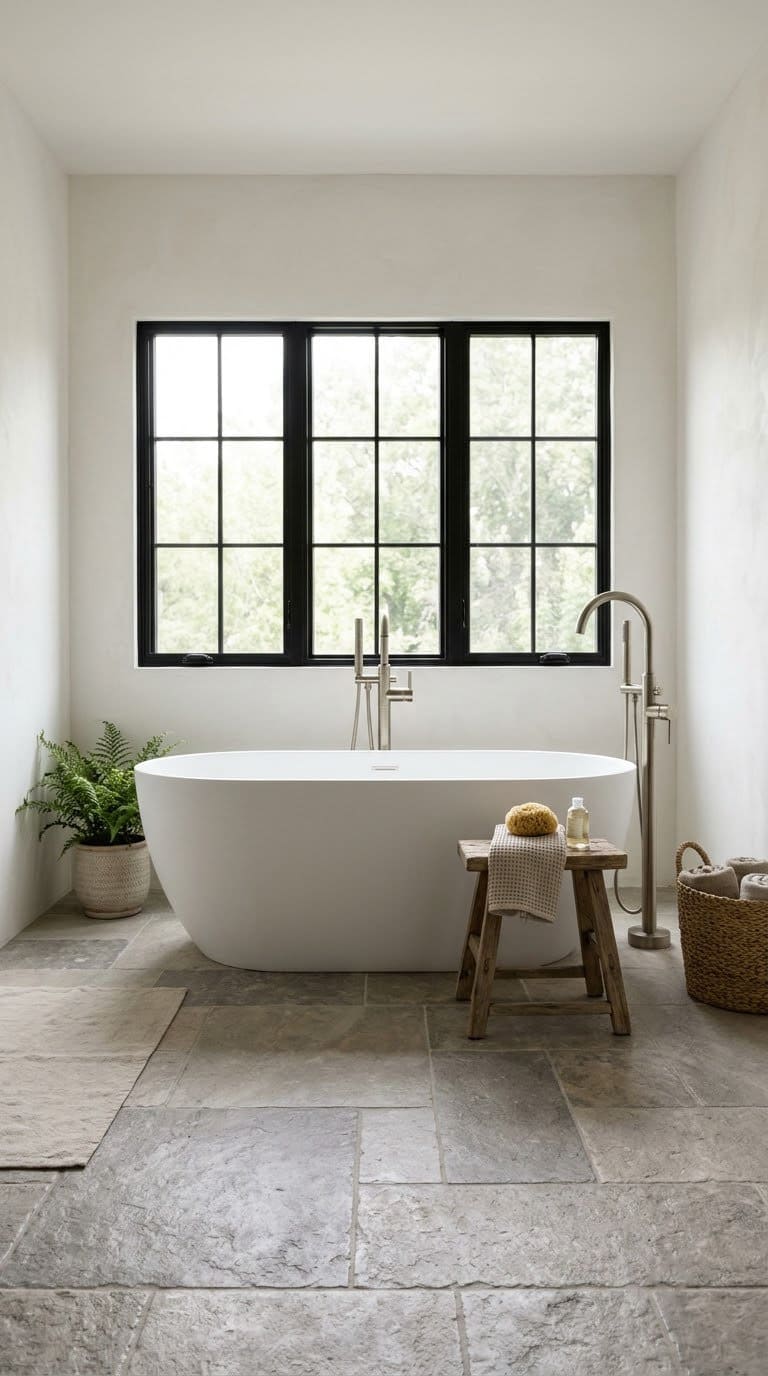
A freestanding tub turns a bathroom into a destination. But it’s heavy, so check the floor before you fall in love with one.
Lawrence says a standard room floor is rated for 40 pounds per square foot, based on 2×6 to 2×8 joists spaced about 16 inches apart. Most floors can hold a cast iron tub.
Know when to reinforce. Hunker says reinforcement is worth it in older homes, with oversized tubs and when the framing is uncertain, damaged or not up to code. The fix is to add blocking or sister joists.
Dry fit it first. Tape the tub’s outline on the floor and walk around it. Leave room for the door swing and for cleaning behind it.
Pair it with a hand-held shower, so you can rinse without filling the tub. For rooms with odd corners, our awkward bathroom layout ideas show how to place a tub.
Choose the faucet first. A floor-mounted faucet stands next to the tub and needs a supply line in the floor. A wall-mounted one needs a wall behind the tub.
A deck-mounted one needs a rim wide enough to hold it. Your tub shape decides which one works.
Plan the drain. A freestanding tub’s drain sits in a fixed spot. Tell your plumber the tub model before they rough in the pipes, because moving a drain later means opening the floor.
Leave a cleaning gap. Keep enough space between the tub and the wall to reach behind it with a cloth. A gap that’s too tight collects dust and water.
Fill it once before you decide. If you can, test a tub in a showroom. Sit in it and check that the back angle feels right and that your knees fit.
Budget: mid to high.
3. A Steam Shower
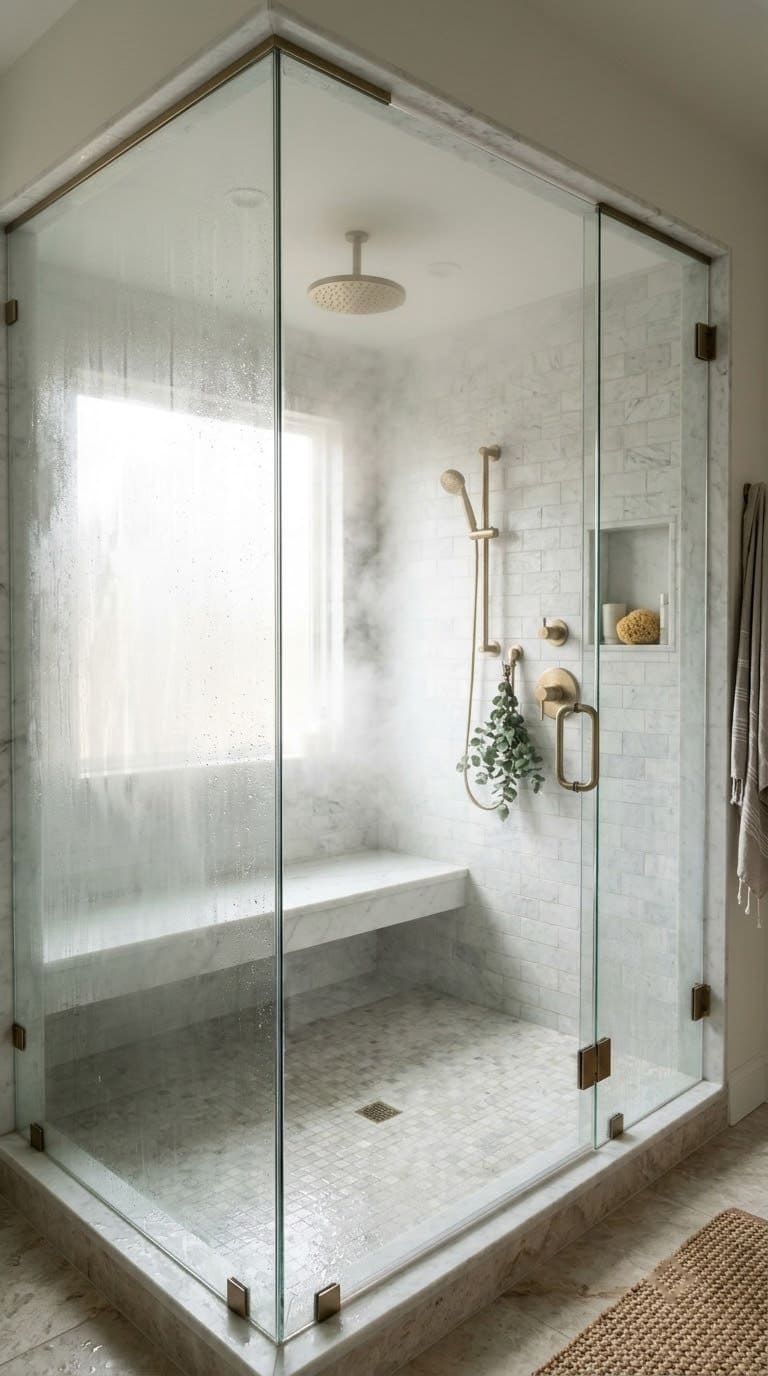
Steam is the most spa-like upgrade and the most expensive. It’s also the one that fails quietly if the room isn’t sealed.
McCarthy says a steam shower needs a continuous vapor barrier on the walls and ceiling, with steam-rated membranes, backer boards and sealants. The ceiling is sloped so condensation runs down the walls, and he suggests a ceiling of about 8 feet or lower.
Know the costs. A generator runs $1,500 to $4,500. A converted shower costs $8,000 to $15,000, and a high-end build $15,000 to $30,000.
Count the extras. McCarthy lists custom glass at $3,000 to $8,000 and an electrical panel upgrade at $1,500 to $4,000. Descaling the generator costs $150 to $400 every one to two years.
The shower lasts 15 to 25 years, and the generator 10 to 15. Plan for that when you budget.
Ask your installer these six questions. Where will the generator sit? How will the ceiling slope? Which membrane and backer board will you use, and are they steam rated?
How will you seal the door and the glass? Who services the generator? Does the quote include the permit?
Choose a door that seals. A steam shower works best with a full-height glass door that closes against the frame. A gap at the top lets steam escape into the room.
Run a test before the final payment. Run the steam for a full session while you check the joints, the ceiling and the outside wall for moisture. Fix leaks now, while the installer is still on site.
Plan the controls. Put the steam control where you can reach it from inside and outside the shower.
Budget: high. Skill: pro. For a roomier suite to hold one, see our ensuite bathroom ideas.
4. A Rain Shower With a Hand-Held
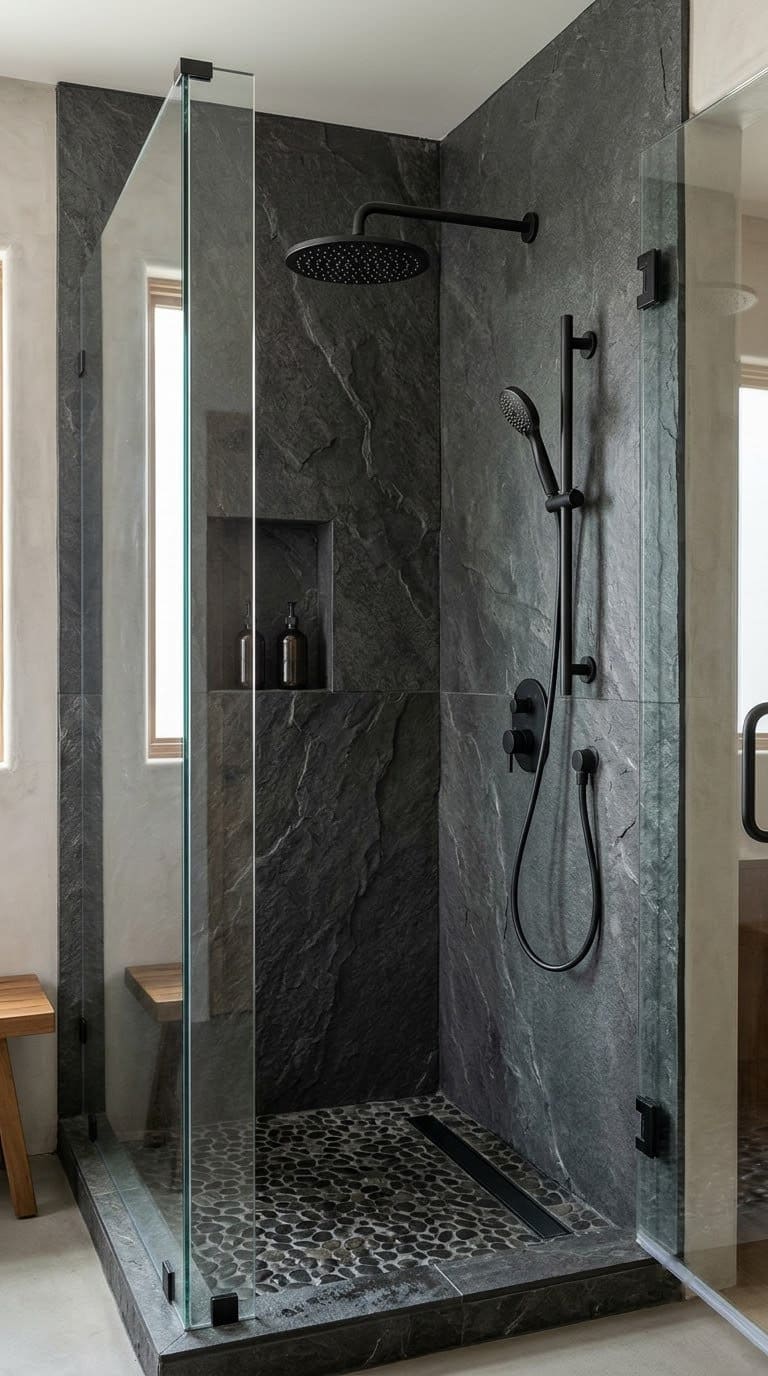
A rain shower covers you like a warm summer shower. A hand-held on a slide bar handles rinsing, cleaning and kids.
The EPA says standard showerheads use 2.5 gallons per minute. A WaterSense head must use no more than 2.0.
Run the savings. The EPA says a family saves about 2,700 gallons and more than 330 kilowatt-hours a year with one. Showering is nearly 17 percent of indoor home water use.
Add a slide bar. A hand-held on a slide bar lets a tall adult and a child use the same shower. It also makes cleaning the glass easier.
Mind the limits. The EPA page doesn’t cover showers with several heads or body sprays. Those add flow, so check your water heater and local rules before you stack them.
Check your water pressure first. A cheap pressure gauge screws onto an outdoor tap and tells you what your home delivers. A big rain head feels weak on low pressure, so check before you buy.
Add a hand-held the easy way. Many shower arms accept a diverter valve. It lets you switch between the fixed head and a hand-held on a hose. A plumber can set this up in an hour or two.
Pick the bar height. Mount the slide bar so the hand-held rests at shoulder height when you stand. Leave the top of the bar free so a tall adult can raise the head.
Choose a hose long enough. A longer hose lets you rinse the shower walls and a child’s hair without twisting.
Budget: low to mid. Skill: beginner to plumber.
5. A Quiet, Right-Sized Fan
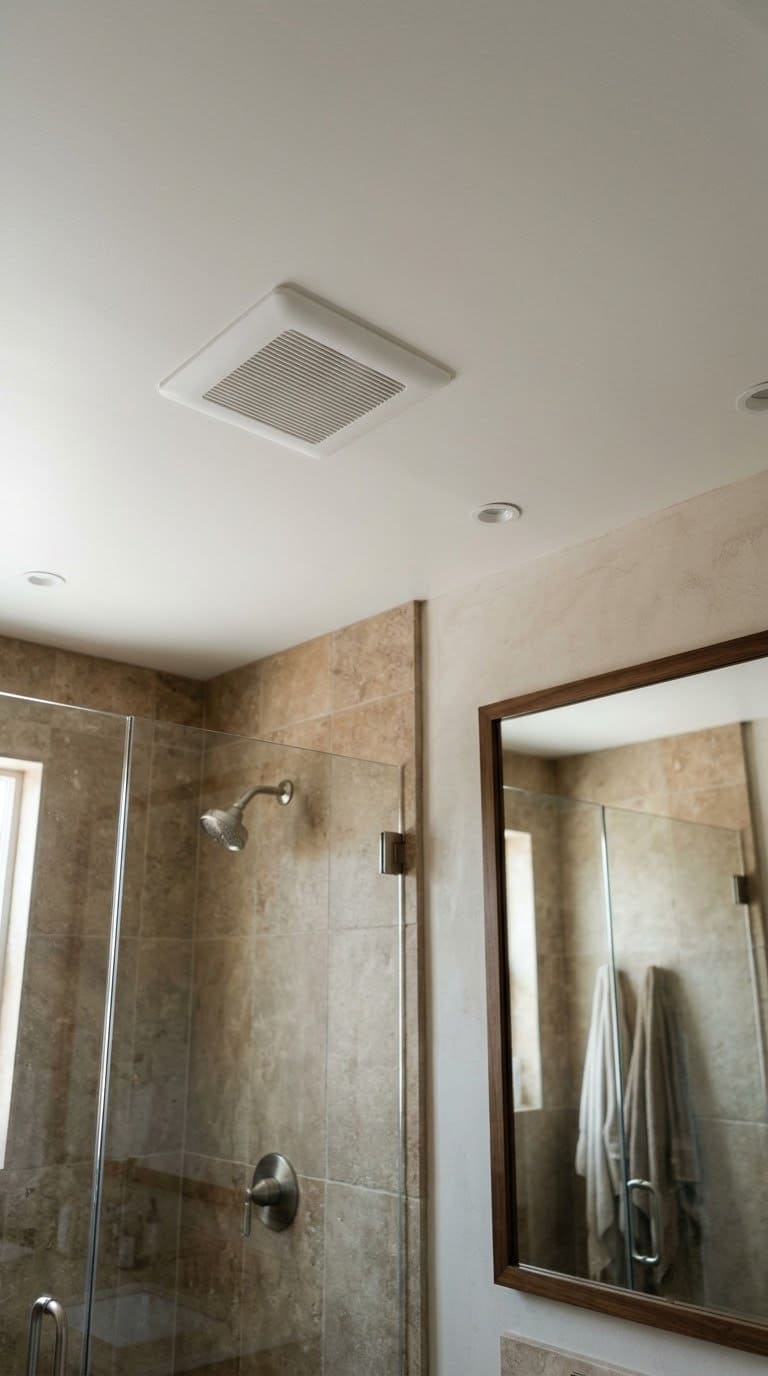
A spa bathroom steams up. Without a strong fan, the moisture ends up in the paint and the grout.
Broan-NuTone says for a bathroom under 100 square feet, multiply length by width by ceiling height by 0.13, then round up to the next ten. A 10 by 8 foot room with a 9 foot ceiling works out to 93.6, so you buy a fan of at least 100 CFM.
Add fixtures in a big room. For a bathroom over 100 square feet, Broan-NuTone says to add CFM for each fixture, using Home Ventilating Institute figures. A toilet, a shower and a tub each add 50 CFM, and a jetted tub adds 100.
Buy it quiet. A fan that’s too loud gets switched off, which defeats the point. Check the sone rating on the box.
Pick the spot. Place the fan over the shower or between the shower and the toilet. Steam rises, so a fan near the shower pulls it out fast.
Duct it outside. Run the duct to an exterior wall or the roof, never into the attic. A short, straight duct moves air better than a long, bent one.
Add a timer. A timer switch lets the fan run after you leave. Keep it on until the mirror clears.
Clean the grille. Pull the grille off a couple of times a year and vacuum the dust. A clogged fan moves less air.
Budget: mid. Skill: electrician for new ducting.
6. Dimmable Layered Lighting
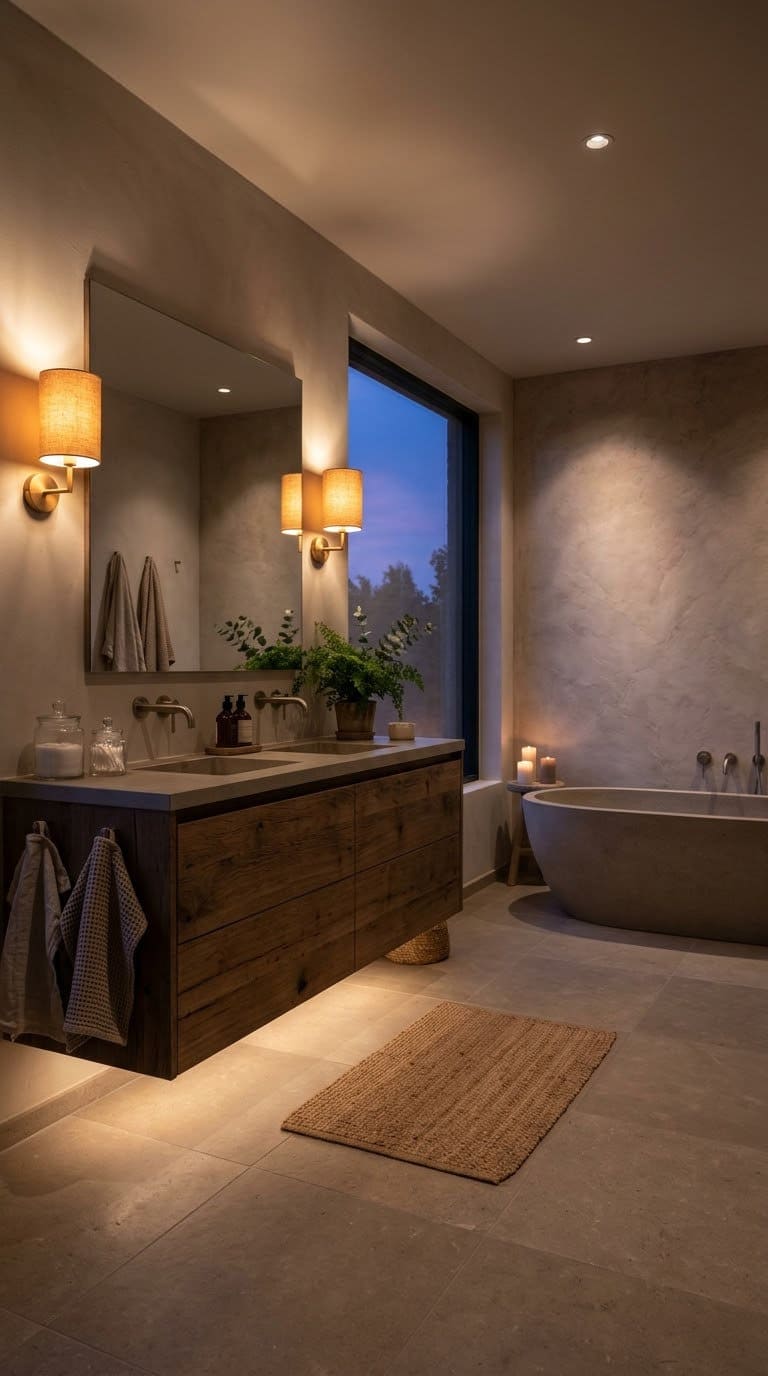
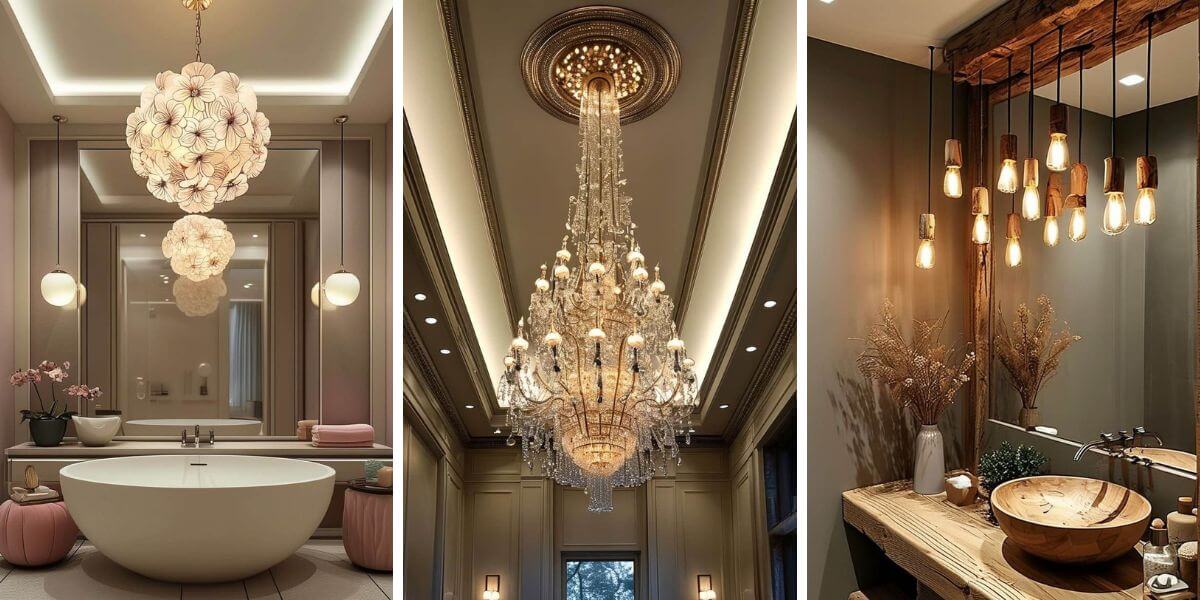
Spa light is low, warm and soft. You get it by layering, not by one bright ceiling light.
Use three layers: a dimmable overhead light, side lights at the mirror and one soft accent, like a toe-kick strip. Put the dimmer on every layer you can.
Check the rating. Any fixture near a tub or inside a shower needs a damp or wet rating. Ask an electrician if you’re unsure.
For mirror lighting in detail, see our bathroom lighting ideas over the mirror.
Build three layers. Start with a dimmable overhead light for general use. Add side sconces at the mirror for the face. Finish with a soft accent, like a toe-kick strip or a candle-style bulb, for evenings.
Match the dimmer to the bulb. Not every LED bulb works with every dimmer. Check the dimmer’s label for the bulb type it supports and pick dimmable LEDs.
Choose a warm color. Pick bulbs labeled warm white for the evening layer. Cool white feels harsh in a bath.
Mount at eye level. Place mirror sconces at about eye level so they light your face evenly instead of from above.
Budget: low to mid. Skill: electrician.
7. A Warm Towel Station
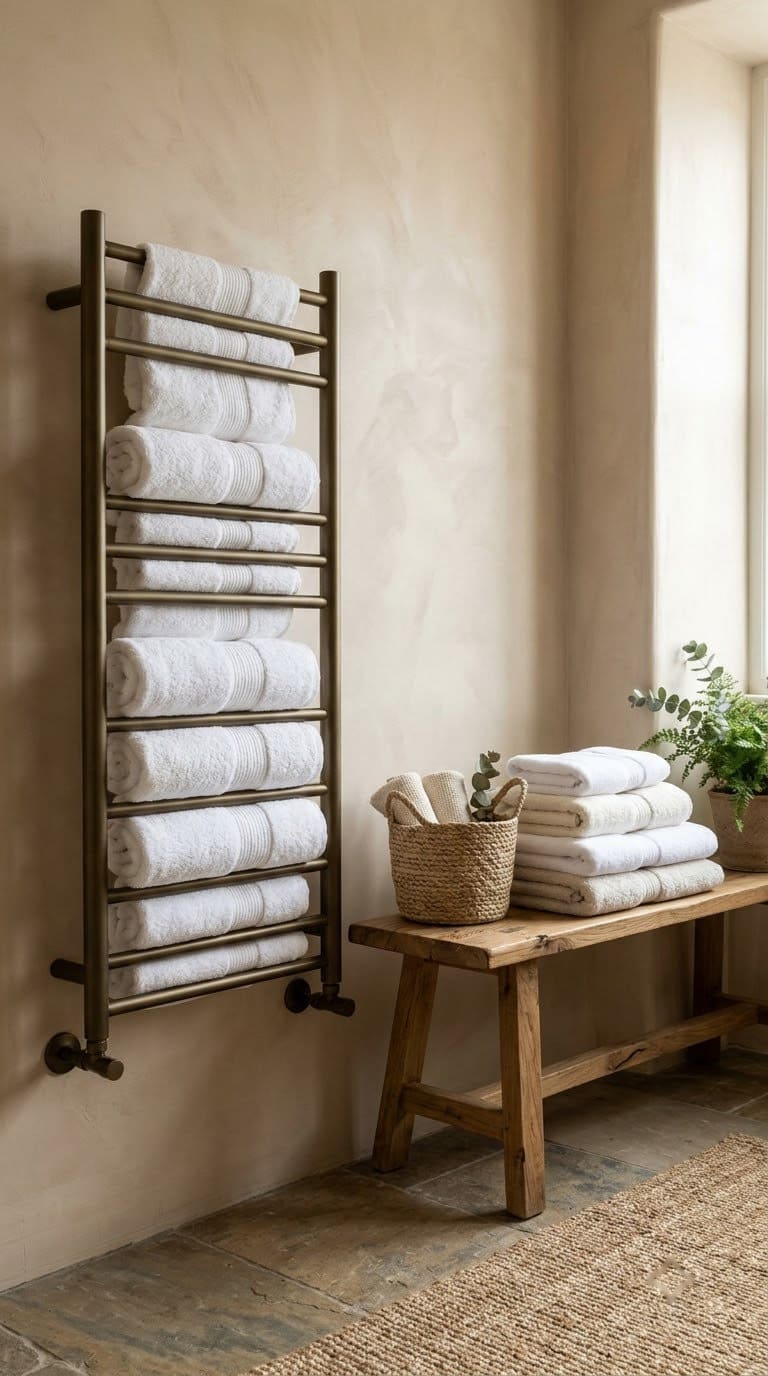
A warm towel is a small luxury that sells the whole room. A wall-mounted warmer or a heated rack does the job.
Pick a plug-in model if you want a low-effort setup. Keep the cord away from the tub and sink, and don’t run it through a wet area.
If you’d rather skip a warmer, a bench with rolled towels still looks like a spa. Our towel storage ideas show ways to stack and roll them.
Choose plug-in or hardwired. A plug-in model needs a nearby outlet and shows a cord. A hardwired model looks cleaner but needs an electrician.
Place it well. Mount it near the shower door but outside the splash zone. Leave a gap between the towel bars and the wall so air can circulate.
Use a GFCI outlet. Plug a warmer into a ground-fault protected outlet. Don’t use an extension cord.
Make a backup. If you skip the warmer, a heated rack is replaceable with a basket of rolled towels and a hook for the robe.
Budget: low to mid. Skill: beginner.
8. A Calm Palette and Quick-Dry Textiles
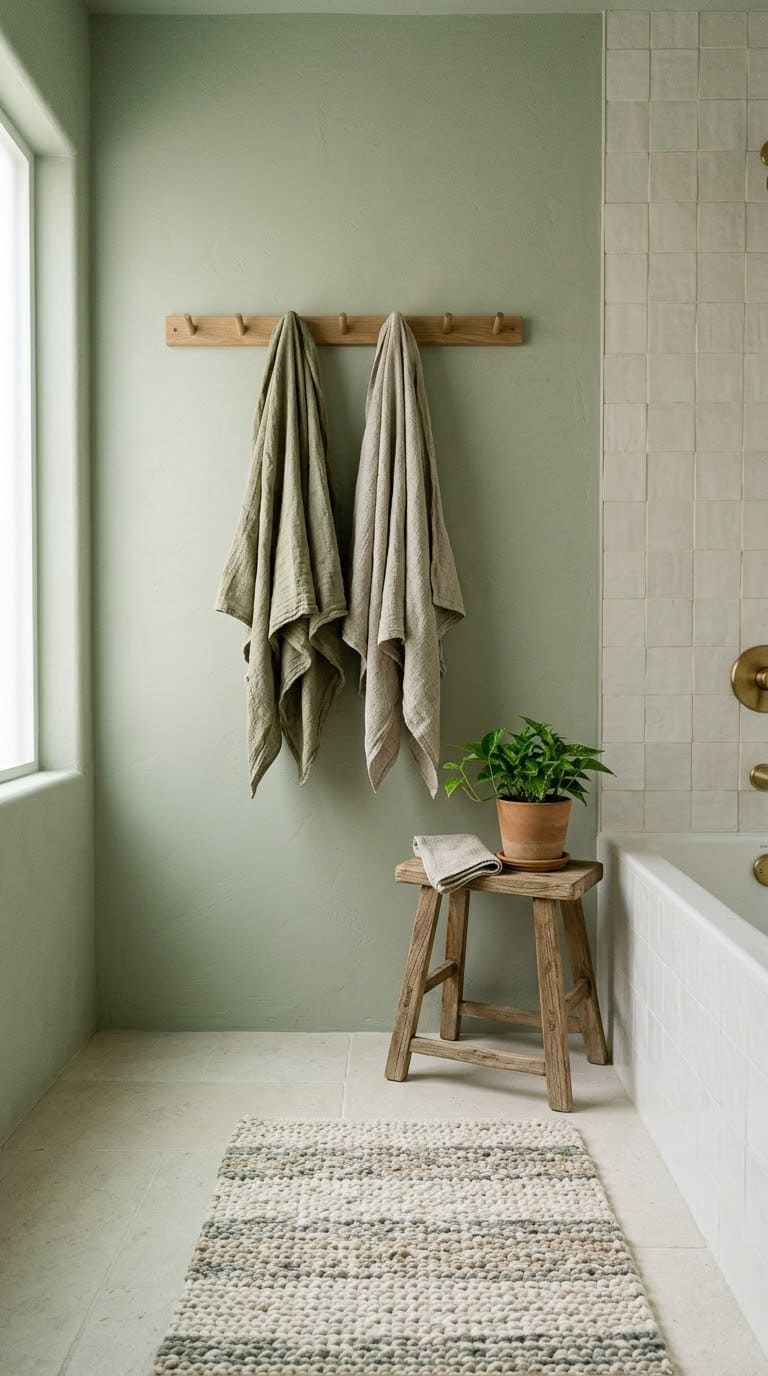
The cheapest part of a spa bathroom is the palette. Soft greens, warm whites and sand tones read as calm.
Pick towels and mats that dry fast. A damp, heavy mat in a closed bathroom is a mold risk, which is why the fan matters.
For color ideas, see our sage green bathroom ideas and bathroom ideas with plants. If you want a minimalist, Japanese-style take instead, our zen bathroom ideas go deeper.
Choose the right paint finish. Satin or semi-gloss paint wipes clean and stands up to humidity better than flat paint. Test a patch near the shower for a week before you commit to the whole room.
Pick fabrics that dry. Choose cotton waffle or linen towels and a bath mat you can machine wash. Hang them to dry fully between uses.
Keep a three-color rule. Use one main color, one soft accent and one natural texture, such as wood or woven grass. Repeat each in two or three places.
Budget: lowest. Skill: beginner.
Weekend Upgrades You Can Do Without a Contractor
You don’t need a full remodel to get a spa feel. These changes take a weekend or less.
First, swap the showerhead and add a hand-held on a diverter. Second, change the bulbs to dimmable warm LEDs and add a dimmer if your switch allows it. Third, replace the towels and bath mat with fast-drying ones.
Then paint a wall in a calm color, add a wooden stool and a plant that likes humidity, and clear the counter. Put a tray under the soap and a basket under the sink.
How to Brief a Contractor
A clear brief saves money. Write down these points before you ask for a quote.
List the upgrades you want in priority order. Note the size of the room and the ceiling height. Say whether you want a plug-in or hardwired towel warmer, and which floor tile you like.
Ask each contractor to price the permit, the electrical work and the waterproofing separately. That way you can compare quotes line by line and spot what’s missing.
What Will It Cost to Keep Up?
The bill doesn’t end at install. A few upgrades carry running costs you should plan for.
McCarthy says to descale a steam generator every one to two years, at $150 to $400 a visit. In hard water areas, he lists a water softener at $1,500 to $4,000.
A generator replacement costs $2,000 to $5,000 after 10 to 15 years. Heated floors are cheaper to keep, at about $15 to $20 a month for one bathroom on a timer, per Fitzgerald.
Ask yourself how often you’ll really use each feature. A steam shower you use twice a month may cost more per session than a heated floor you use daily.
Which Plan Fits Your Home?
Your home decides the plan more than your taste does. Here’s how we’d sort it.
Renters and tight budgets. Skip anything tied to walls, floors or pipes. Start with the showerhead swap, a calm palette, quick-dry towels and a warm towel stack.
Small bathrooms. Put money into the fan and the lighting first. Steam and a big tub rarely fit, so check clearances before you commit.
Full remodels. This is the moment for the heated floor, since the tile is coming up anyway. If steam is on the wish list, plan the vapor barrier and the ceiling slope before the walls close.
What to Do First
Not sure where to begin? Start with the cheapest changes and move up.
First, fix the air. Size the fan using Broan-NuTone’s formula.
Second, change the showerhead and add a hand-held. Third, add dimmers and a calm palette.
Then price the big items: the heated floor, the tub and steam. Get at least two local quotes for each, and add the 10 to 20 percent cushion McCarthy suggests.
Common Mistakes to Avoid
Most spa bathroom problems come from skipped steps.
Skipping the vapor barrier. McCarthy says steam needs a continuous barrier on walls and ceiling. A gap lets steam into the framing.
Ignoring the floor. Hunker says older homes and oversized tubs may need extra joists. Check before you buy.
Forgetting the base for heat. Fitzgerald says a slab needs insulation under the heating layer. Without it, heat goes down instead of up.
Skipping the permit. McCarthy puts steam permits at several hundred dollars to $1,500. Ask your building department what applies.
Spending the whole budget up front. McCarthy suggests holding back 10 to 20 percent. Tile and glass often cost more than the first quote.
Under-sizing the fan. Broan-NuTone’s formula takes a minute. Do it before you buy.
FAQ
How much does a steam shower cost?
McCarthy puts a converted existing shower at $8,000 to $15,000. A high-end build runs $15,000 to $30,000, and a custom build can reach $50,000 or more.
Are heated floors expensive to run?
Fitzgerald says one electric heated bathroom on a timer costs about $15 to $20 a month. A whole home runs much more.
What size fan does a spa bathroom need?
For a room under 100 square feet, multiply length, width and ceiling height by 0.13 and round up to the next ten. For a bigger room, add 50 CFM each for the toilet, shower and tub, per Broan-NuTone.
Can my floor hold a freestanding tub?
Most standard floors can hold a cast iron tub, per Hunker. Older homes, oversize tubs and damaged framing need a check.
Do I need a permit for a steam shower or a heated floor?
Often yes. McCarthy puts steam shower permits at several hundred dollars to $1,500.
Call your building department before you start. Electrical work usually needs a permit and an inspection.
What’s the cheapest way to get a spa feel?
Start with the fan, the showerhead and the lighting. A hand-held shower on a diverter, dimmable warm bulbs and fast-drying towels cost far less than a heated floor or a steam shower.
Related Posts
Never miss an update — choose FarmFoodFamily as your preferred source on Google.
How it works: Tap the button below to open Google's settings page, then check the box next to FarmFoodFamily.
Tap the checkbox to turn it blue — that's how you know it's set.