How to Measure Windows for Blinds: A Foolproof Step-by-Step UK Guide
Measuring for blinds is one of those tasks that feels straightforward until you find out the blind does not fit. The most common cause of a mismatch is not carelessness but a misunderstanding of which measurement is required and where to take it from. Standard blinds, recess-fitted blinds and perfect fit blinds all require different…

Never miss an update — choose FarmFoodFamily as your preferred source on Google.
How it works: Tap the button below to open Google’s settings page, then check the box next to FarmFoodFamily.
Tap the checkbox to turn it blue — that’s how you know it’s set.
Measuring for blinds is one of those tasks that feels straightforward until you find out the blind does not fit. The most common cause of a mismatch is not carelessness but a misunderstanding of which measurement is required and where to take it from. Standard blinds, recess-fitted blinds and perfect fit blinds all require different measurements from different reference points.
This guide covers each scenario. Follow the approach that matches your window type and you will order correctly first time.
What You Need
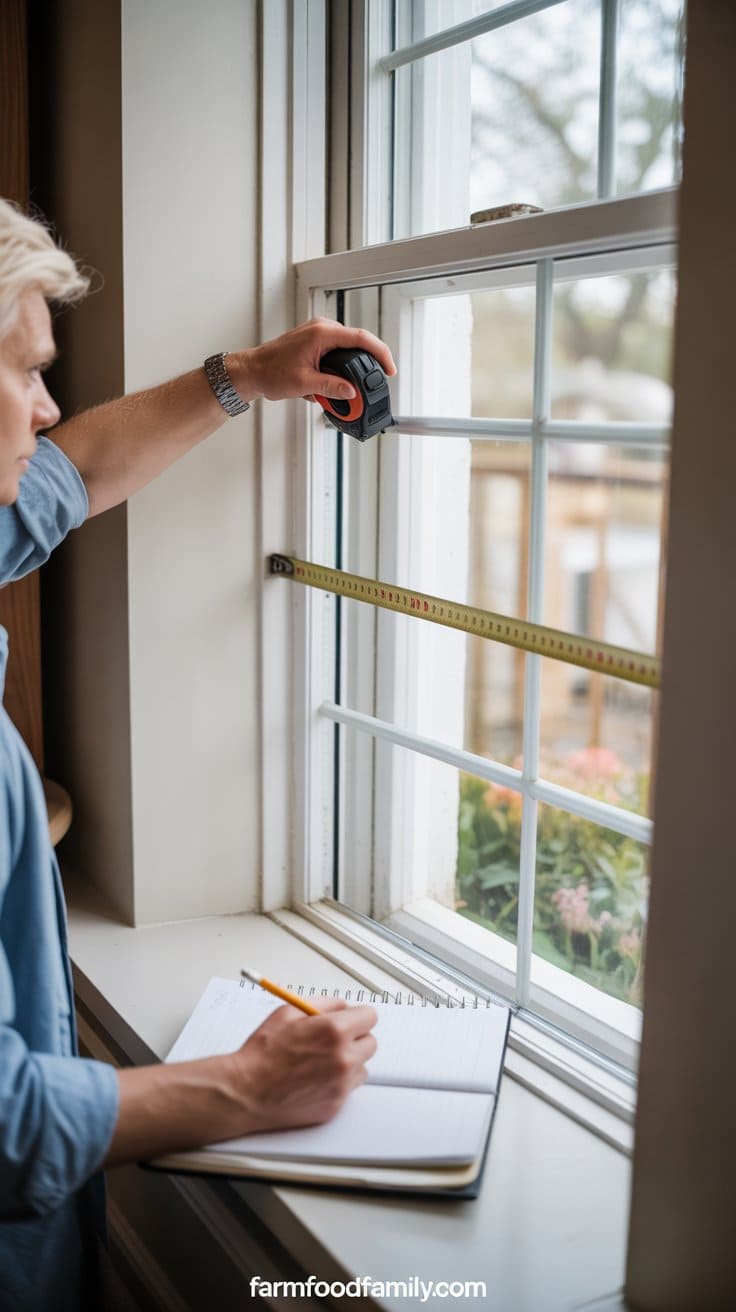
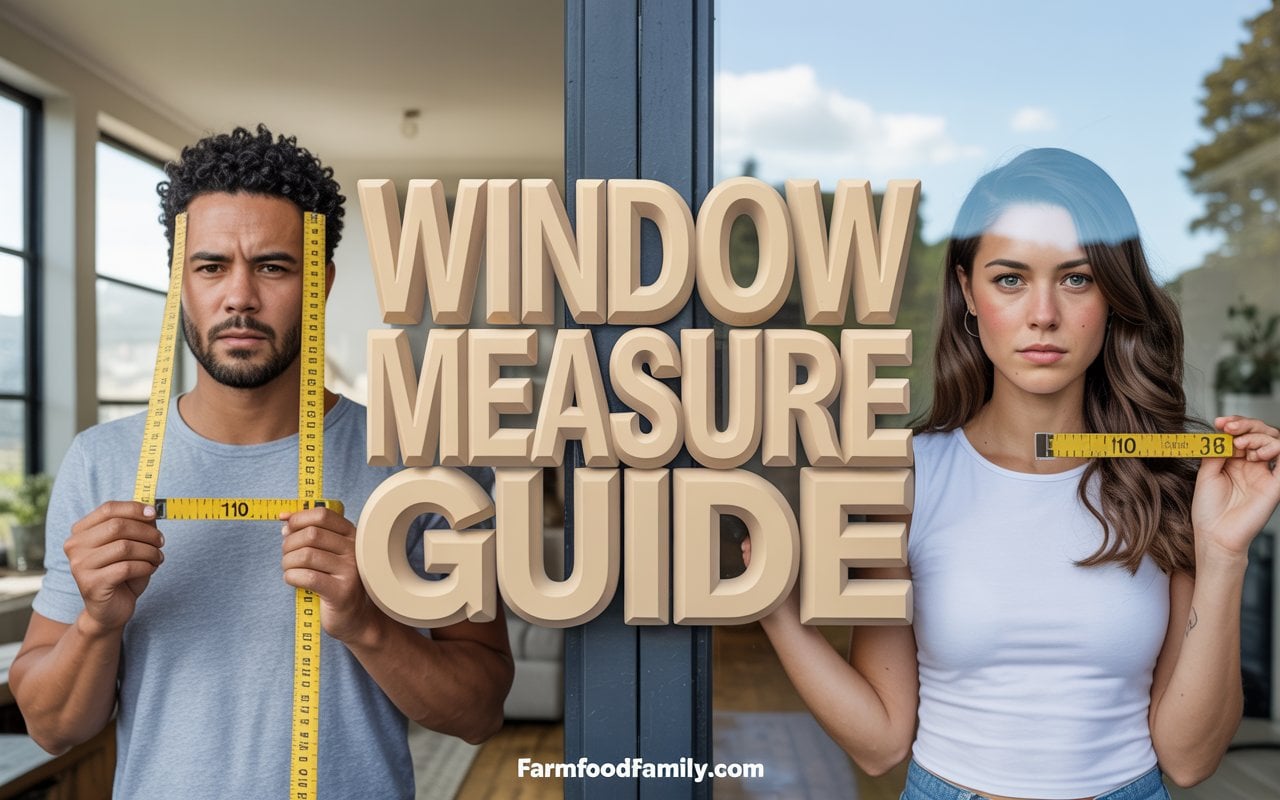
A steel tape measure — not a fabric one, which bows in the middle and gives inconsistent readings across wider windows. A pencil and notepad. Measure twice before you write anything down.
Recess-Fitted Blinds (Inside the Window Frame)
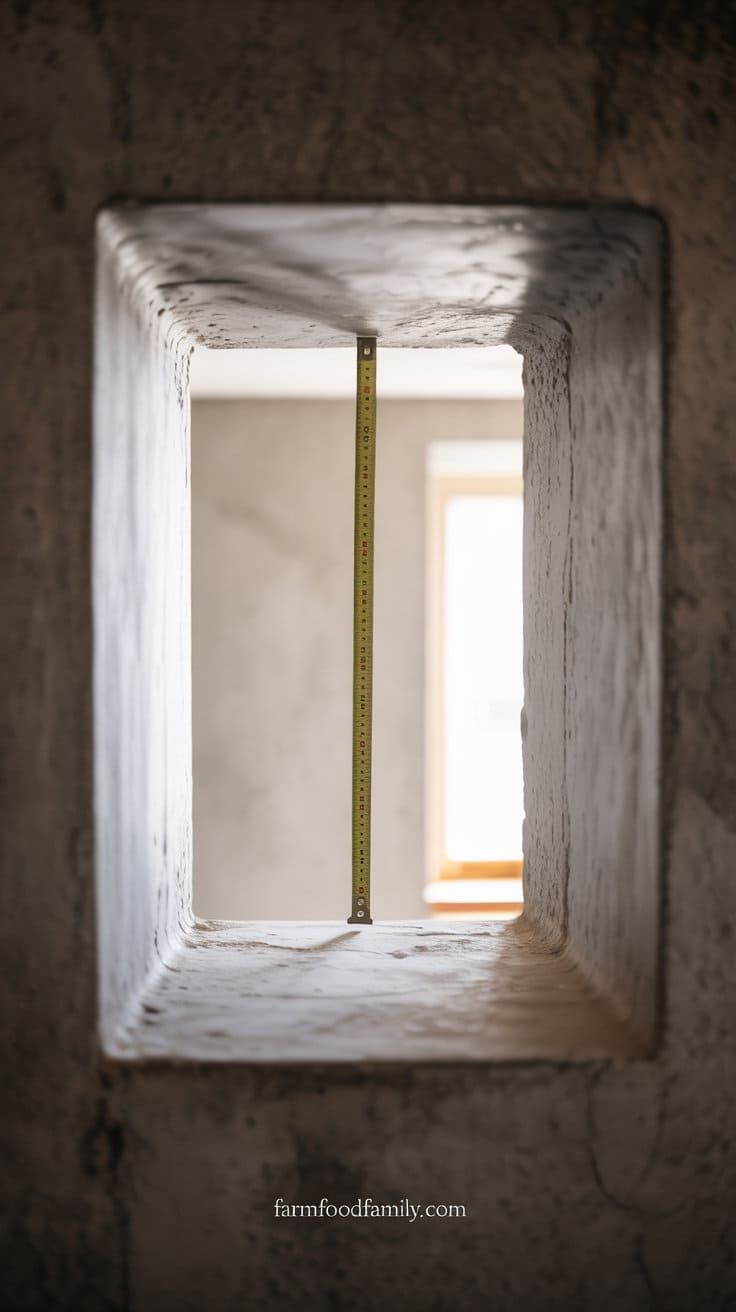
A recess fit sits inside the window reveal, giving a clean look with no hardware visible beyond the frame. The measurement for width is taken inside the recess from wall to wall at three heights — top, middle and bottom. Use the smallest figure. Window reveals are rarely perfectly square, and ordering from the smallest measurement ensures the blind fits at every point.
Deduct 10mm from the smallest width measurement. This deduction allows the blind to operate inside the recess without the fabric or slats catching on the sides. Do not skip this step. For the drop, measure from the top of the recess to the window sill and use the full figure. No deduction is needed for the drop on a recess fit.

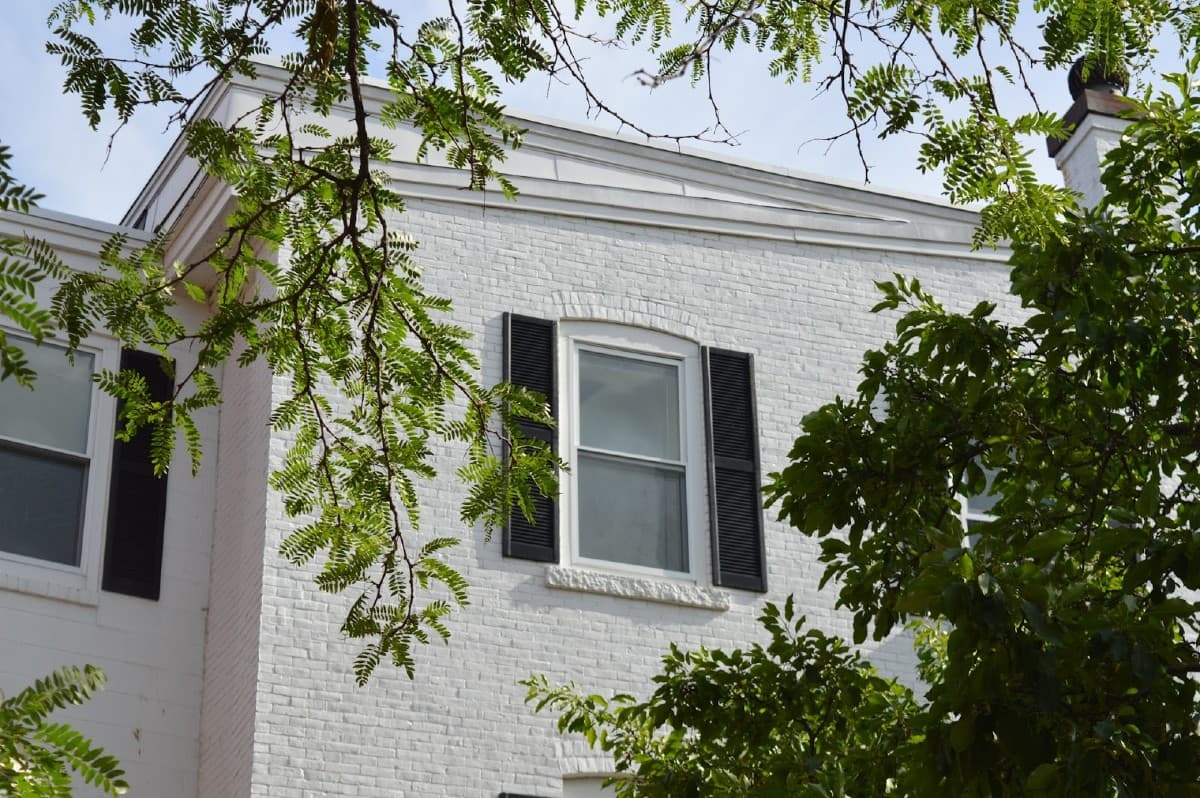

Face-Fixed Blinds (Outside the Window Frame)
A face fix is mounted to the wall above the window or to the frame itself, covering the recess rather than fitting within it. This approach is used when the recess is too shallow, when you want to cover more of the wall for light control, or when fitting to a wall rather than a frame.
For width: measure the full area you want covered, adding an overlap of 5 to 8cm beyond the window frame on each side. This prevents light bleed around the edges. For drop: measure from your intended fixing point — usually 10cm above the window frame — to where you want the blind to fall. Standard practice is 2 to 3cm above the sill for a clean finish, or to the floor for a dramatic full-length effect.
Perfect Fit Blinds (Clip-In Systems)
This is where most people go wrong. Perfect fit blinds clip into the rubber bead of the window frame — the seal that runs around the inner perimeter of the glass. The measurement is taken from inside this bead, not from the glass itself and not from the outer frame or wall.
Locate the inner edge of the bead on each side — where the bead meets the open space of the window, not where it meets the frame material. Measure width between these inner edges at top, middle and bottom. Use the smallest figure. Measure height between the inner bead edges at top and bottom on both sides. Use the smallest figure. Do not add or subtract any deduction — the manufacturer builds the appropriate tolerance into the frame.
The Most Common Mistakes
Measuring to the glass instead of to the bead (for perfect fit blinds) gives a figure that is too small. Measuring to the outer frame gives a figure that is too large. Taking only one measurement per dimension and assuming the window is square is the most frequent cause of a poor fit regardless of blind type.
A full and accurate measuring guide with diagrams will always be more useful than memory — use it rather than relying on what seemed obvious the first time you looked at the window.



Never miss an update — choose FarmFoodFamily as your preferred source on Google.
How it works: Tap the button below to open Google's settings page, then check the box next to FarmFoodFamily.
Tap the checkbox to turn it blue — that's how you know it's set.