10 Stylish Furniture Colors for Gray Walls, From Walnut Tables to Emerald Chairs
Gray walls make a calm backdrop, but your wood tones and accent pieces decide whether the room feels warm or cold.

Never miss an update — choose FarmFoodFamily as your preferred source on Google.
How it works: Tap the button below to open Google's settings page, then check the box next to FarmFoodFamily.
Tap the checkbox to turn it blue — that's how you know it's set.
Gray walls make a calm backdrop, but your wood tones and accent pieces decide whether the room feels warm or cold.
Products We Recommend
This post contains affiliate links. We may earn a commission on qualifying purchases at no extra cost to you.

VINGLI Accent Chair, Chenille Upholstered Armchair, Olive Green
A mid-century accent armchair with a washable cover that suits the muted green idea. Check the color options on the page, since shades vary.
Shop Now
NSdirect Round Coffee Table, 36", 2-Tier, Light Walnut
A round wood coffee table with a lower shelf, a good match for the walnut and circular-shape ideas. Measure your seating gap first, since 36 inches is wide.
Shop Now
Household Essentials Tall Water Hyacinth Wicker Basket with Handles
A natural woven basket that adds the rattan texture to a gray room. It is a basket, not a chair, so use it for throws and storage.
Shop NowGray walls give you a blank, quiet stage. The furniture you put in front of them sets the mood. Wood tones make it warm, black makes it moody, and one bright chair makes it fun.
This guide covers everything except the sofa. We look at coffee tables, nightstands, dressers, dining chairs and accent chairs. If you’re picking a sofa, our couch color guide for gray walls has you covered.
Quick Answer
Start with your wall’s undertone. Cool gray walls suit walnut, cognac leather, and emerald or teal. Warm gray or greige walls suit oak, cherry, and taupe.
Dark gray walls look great with light oak, cream, or rattan so the room stays open. Light gray walls can take almost anything, from charcoal to navy.
Pick one wood tone and repeat it two or three times. Add one colorful piece, not four. But don’t buy anything yet.
Test every item in daylight and at night, because gray shifts more than almost any other wall color. A swatch held against the wall tells you more than any photo online.
Start with one small piece, like a side table or an accent chair, and build from there. Then add a second piece only after you live with the first for a week.

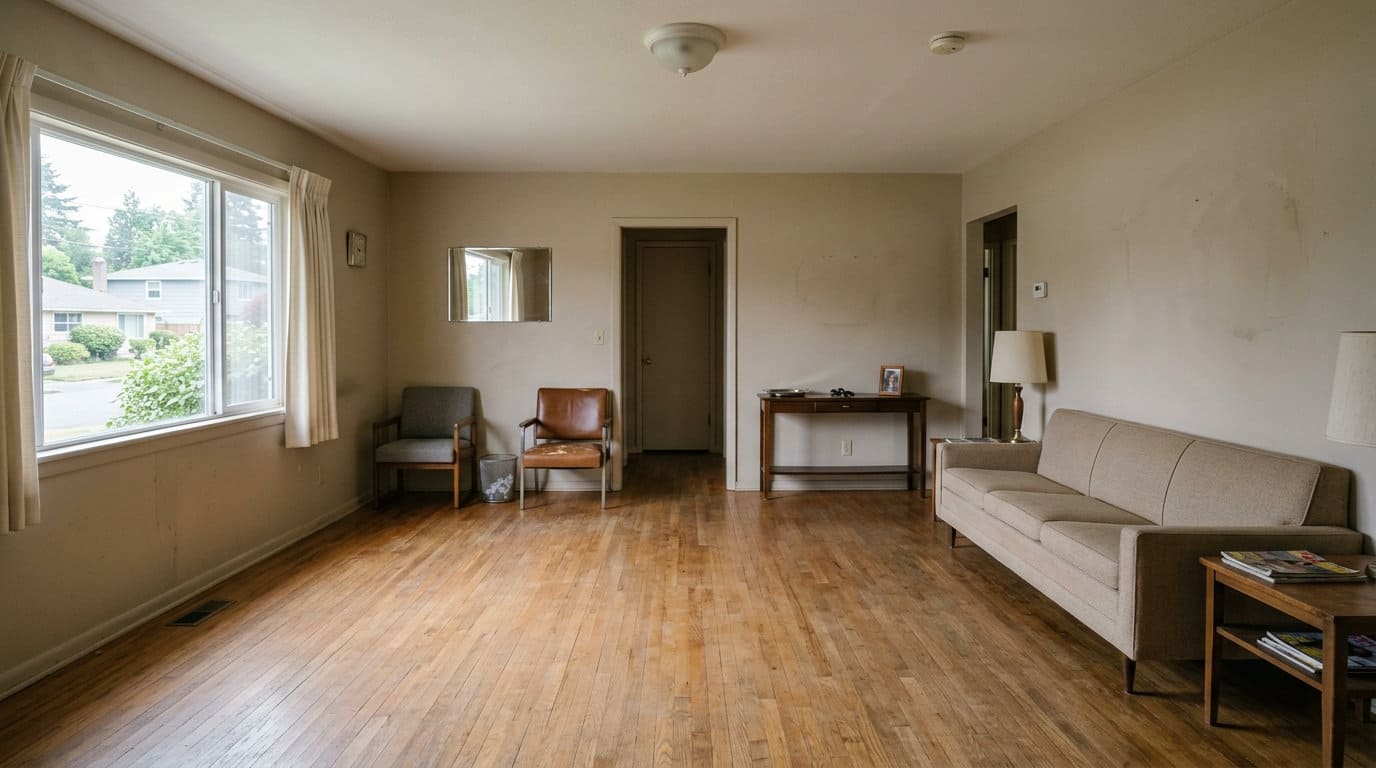
How Do You Read Your Gray Wall’s Undertone?
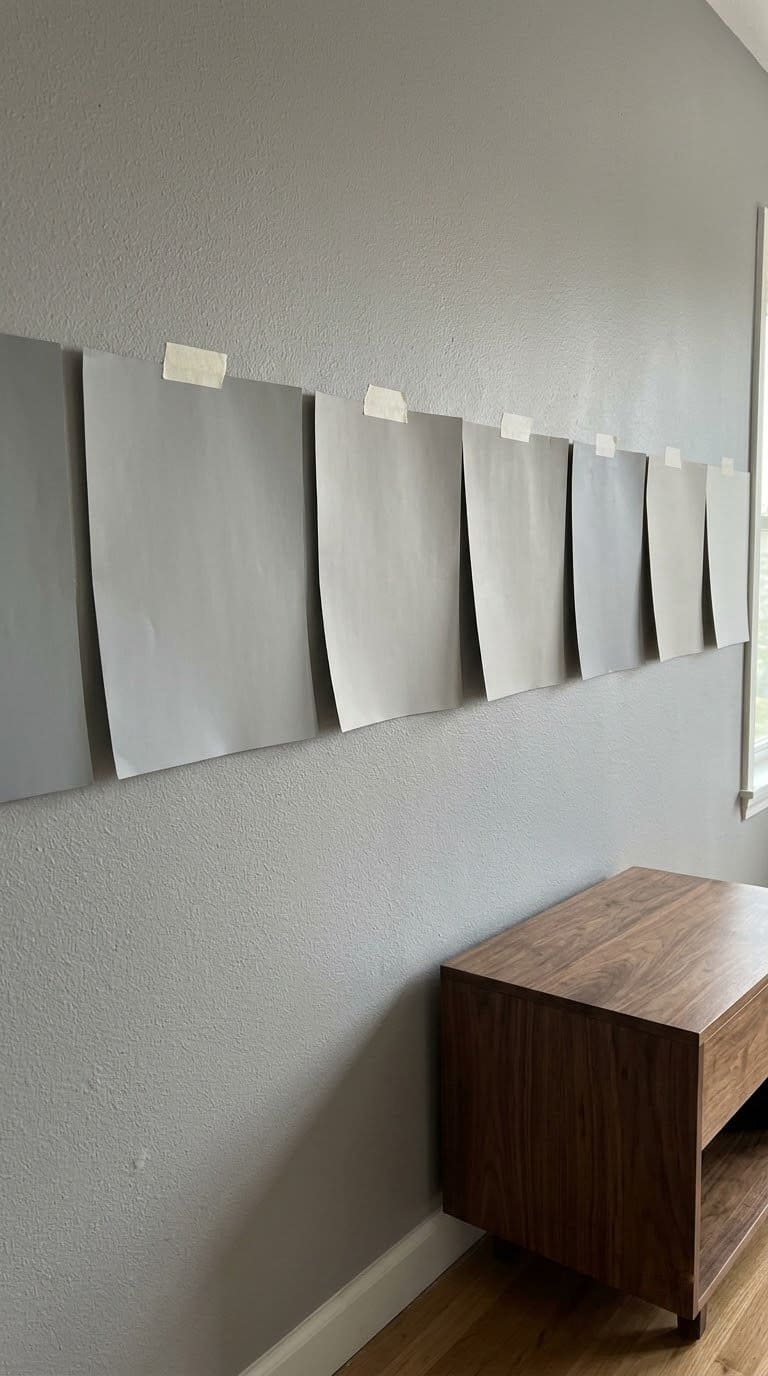
Gray is never just gray. Some grays lean blue or green, and some lean beige or brown. That lean decides which furniture looks right.
Hunker advises checking whether your wall paint leans blue or yellow. It also says to think about how much natural light the room gets versus shadow.
Use this quick test.
- Step 1: Hold a sheet of plain white paper against the wall.
- Step 2: Ask which color you see first: blue, green, beige or brown.
- Step 3: Look again at night with your lamps on.
- Step 4: Write down the result and carry it to the store.
Then use the table to place your wall.
| What you see | Your wall is | Furniture direction |
|---|---|---|
| Blue or green cast | Cool gray | Walnut, cognac, emerald |
| Beige or brown cast | Warm gray or greige | Oak, cherry, taupe |
| Very dark gray | Dark gray | Light oak, cream, rattan |
| Pale gray | Light gray | Charcoal, navy, almost anything |
Which Furniture Works With Each Type of Gray Wall?
Use this table as a shortcut. “Safe” means low risk. “Bold” needs good light.
| Your wall | Safe pick | Bold pick | Usually skip |
|---|---|---|---|
| Cool gray | Walnut wood | Emerald or teal | Orange-toned oak |
| Warm gray or greige | Oak, taupe | Cherry or mahogany | Icy blue-gray pieces |
| Dark gray | Light oak, cream | Black | All-dark wood |
| Light gray | Cream, white | Navy | Wood the same pale gray |
Wood Tones for Gray Walls
Wood adds warmth that gray can’t make on its own. Start here for tables, nightstands and chairs.
1. Walnut With Cool Gray Walls
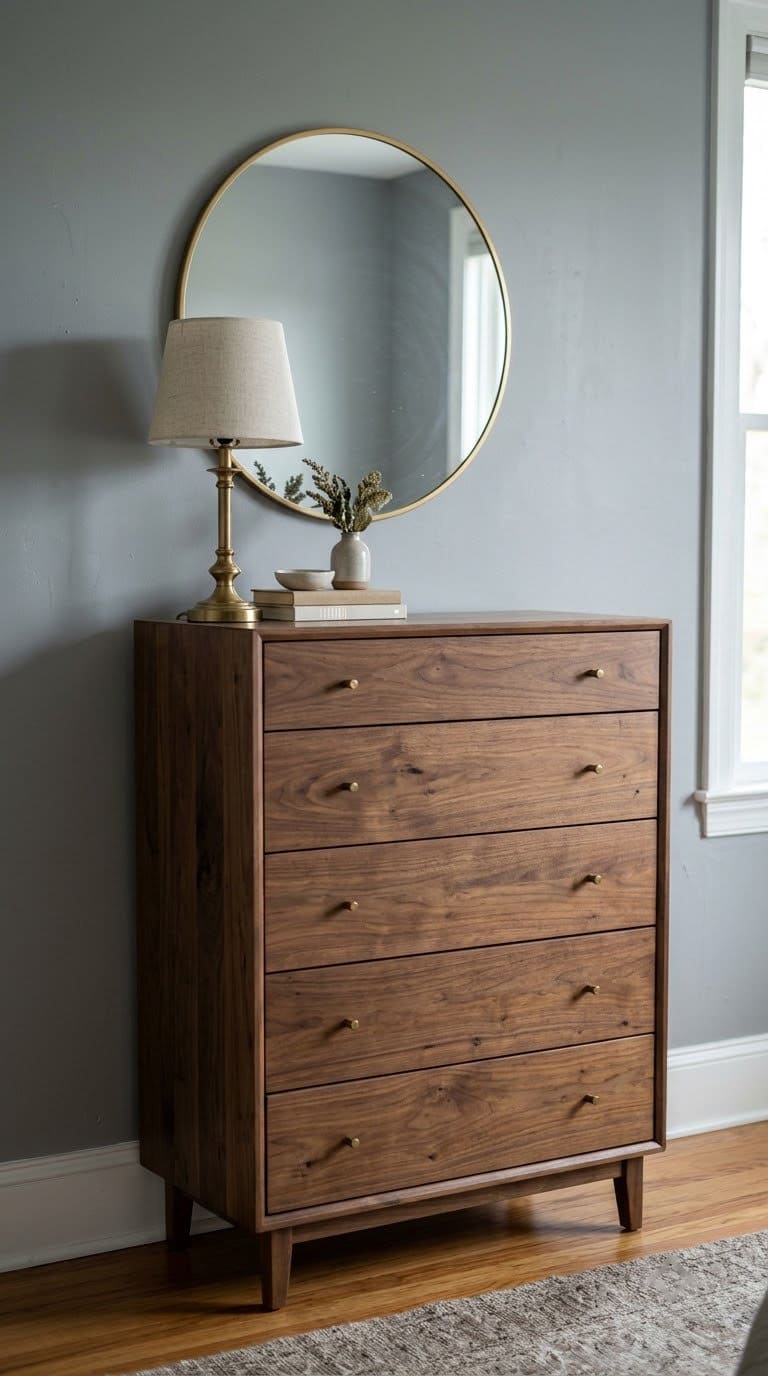
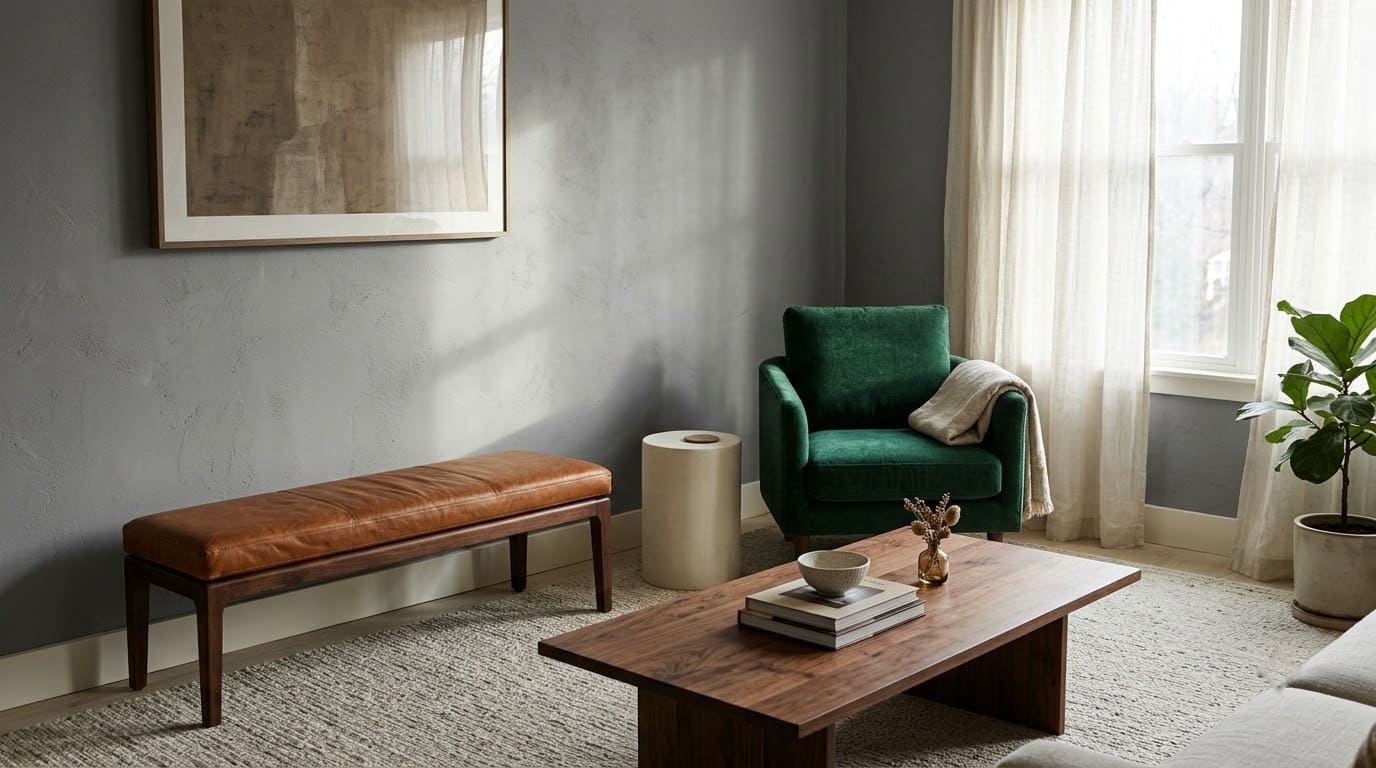
Hunker pairs walnut, a dark brown wood, with cool gray walls. Its example is a five-drawer dresser that matches the wood floors. The dark wood stands out against the pale, cool wall.
Choose a walnut with a bit of red or gold in it. A gray-brown walnut can look flat next to a gray wall. Hold a small sample against the paint before you buy.
A mid-century accent armchair with a washable cover that suits the muted green idea. Check the color options on the page, since shades vary.
Shop NowThis post contains affiliate links. We may earn a commission on qualifying purchases at no extra cost to you.
Repeat the walnut in one more place, like a picture frame or a side table.
Brass or gold pulls on a walnut dresser add shine against the cool wall. Keep the metal finish the same on the lamp and the mirror frame.
2. Light Oak With Dark Gray Walls
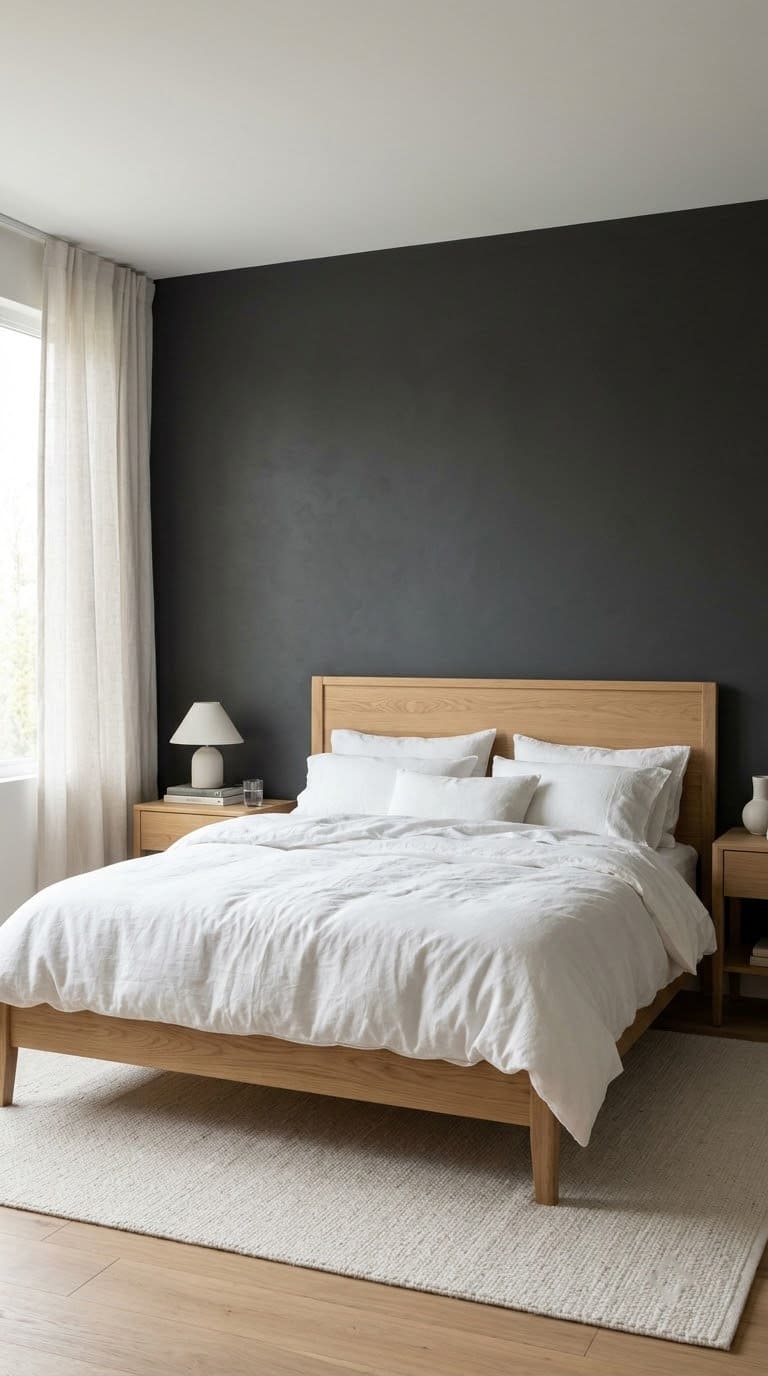
Hunker suggests light oak with dark gray walls for contrast. It notes an oak bed frame keeps a dark room from feeling heavy.
This is the move for a small bedroom with moody walls. The pale wood bounces light, and the dark paint makes it glow.
Add white or cream bedding so the bed becomes the bright center of the room.
Keep the nightstands in the same oak, or pick a soft sage for contrast. Two matching lamps with warm bulbs finish the look.
3. Cherry or Mahogany With Warm Gray
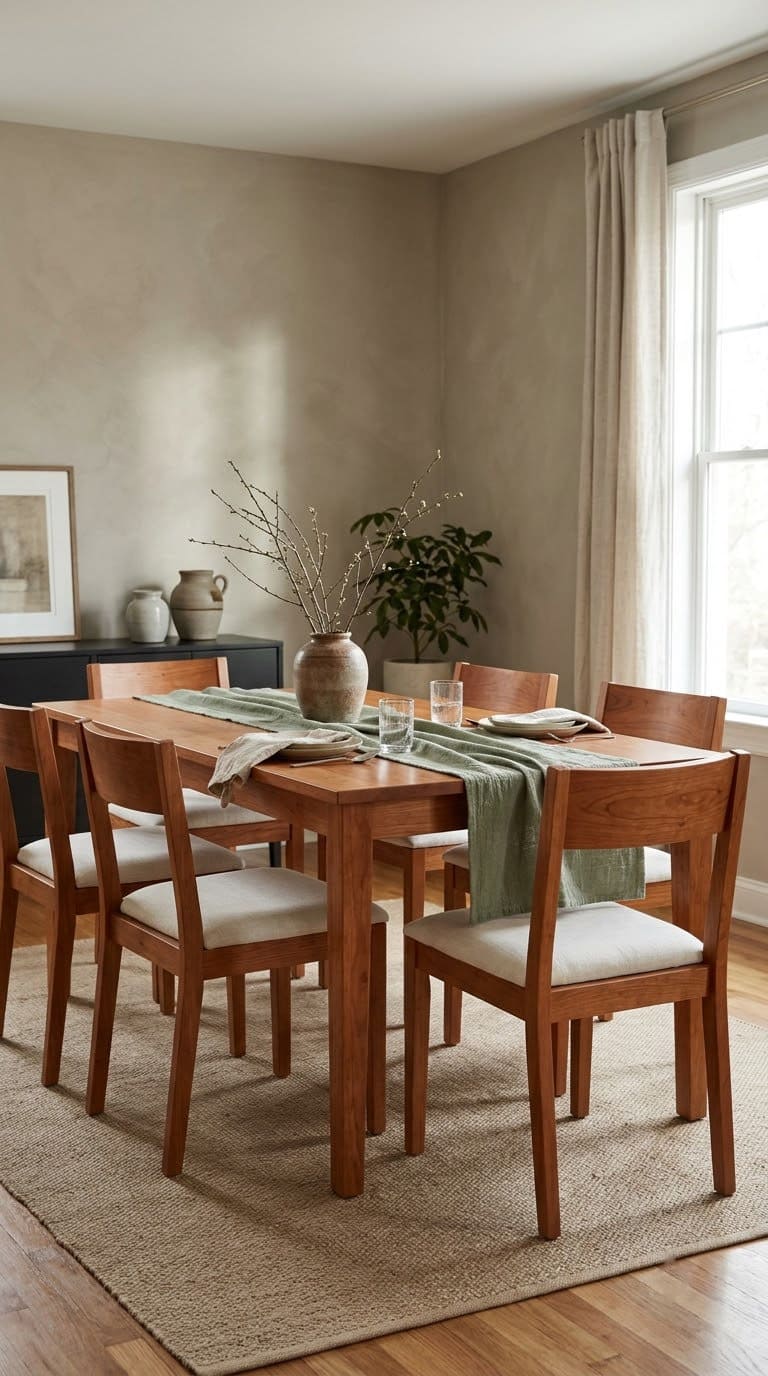
Chairish describes gray as a partner that “can range from cool to warm” for cherry wood. It says cherry has warm, reddish-brown undertones. Light grays feel modern, and darker grays add depth.
So match the gray’s warmth to the wood. A warm gray or greige wall is the easy match for cherry. A cool, blue-leaning gray is the risky one, so test it.


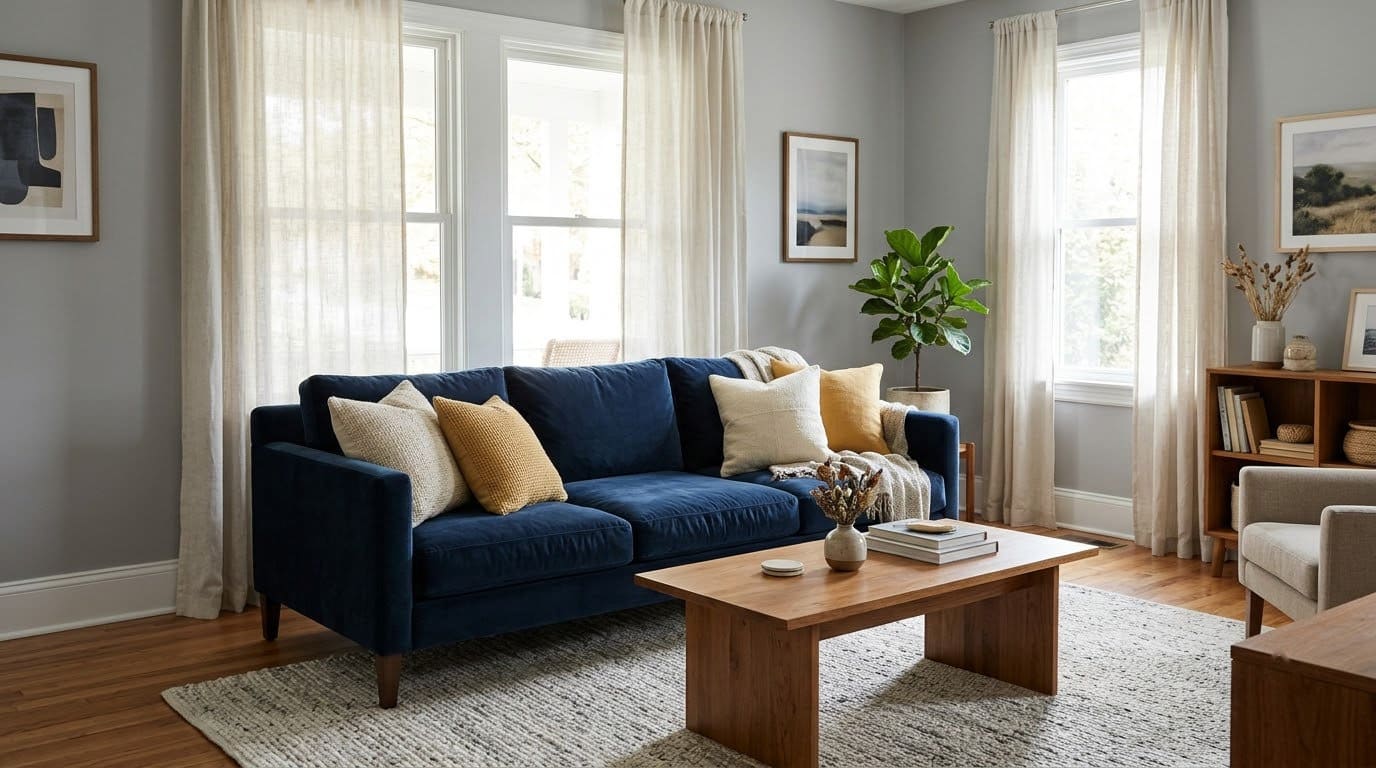
Add a deep blue or green piece, since Chairish says both pair well with cherry’s reddish tones. Natural light enhances cherry’s warm glow, while artificial light can change it.
4. Rattan and Natural Woven Pieces
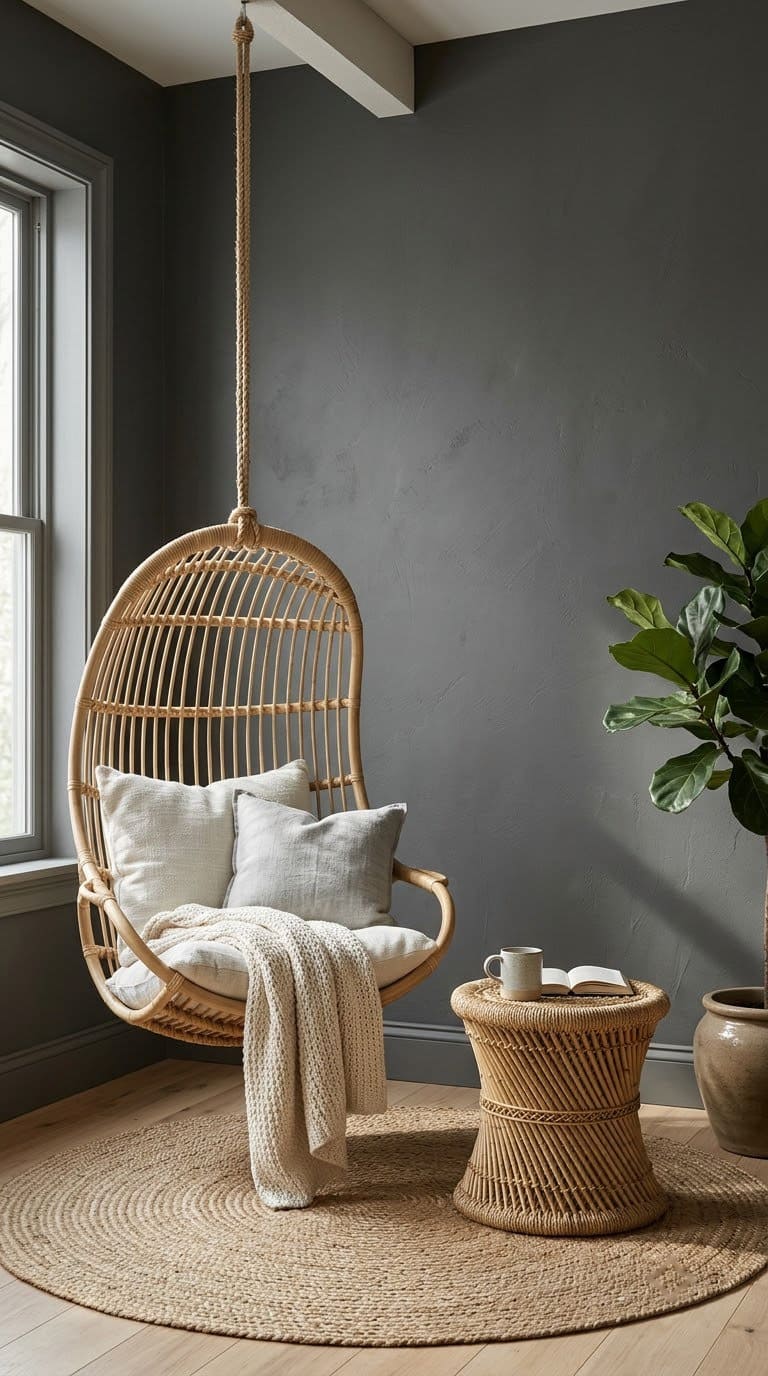
Hunker lists rattan, a light brown, as a contrast for gray walls with dark undertones. It shows a hanging rattan chair.
Designer Anna Franklin of Stone House Collective prefers natural materials like rattan or exposed wood for coffee and side tables. She says wood tones add warmth to cool gray walls.
Pick one woven piece, such as a chair or a basket table. Too many weaves can feel busy.
Natural fiber is light and easy to move. That makes it a good first try.
Painted and Upholstered Pieces
These pieces sit between wood and color. They set the tone of the whole room.
5. Charcoal or Black
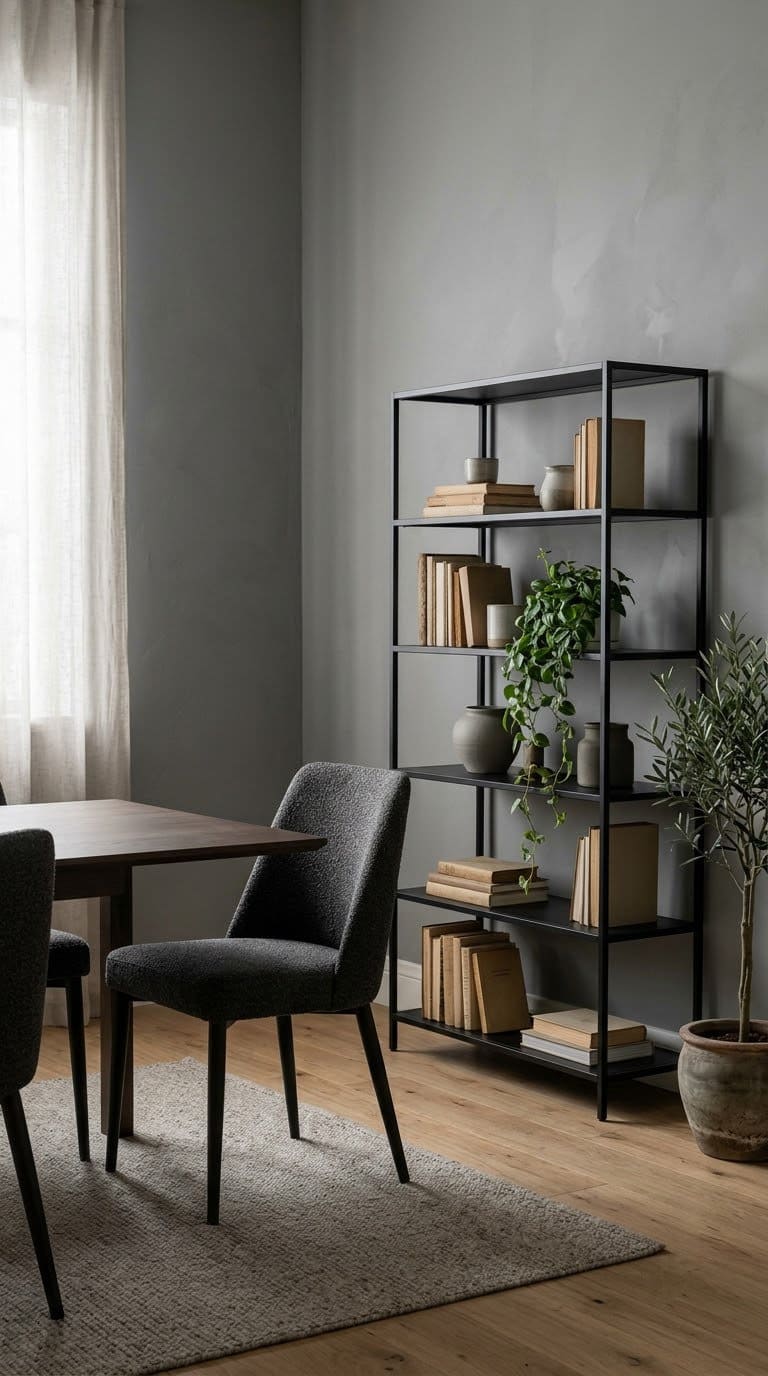
Hunker says charcoal works with true gray walls, or walls with slightly blue undertones. It says black suits dark gray walls, and a black bed frame reinforces a moody feel.
Use black or charcoal for small items first, like a bookcase, a lamp or dining chairs. Big black pieces on dark walls can feel heavy.
Add a light rug or a pale curtain so the room doesn’t swallow itself.
6. Cream and White
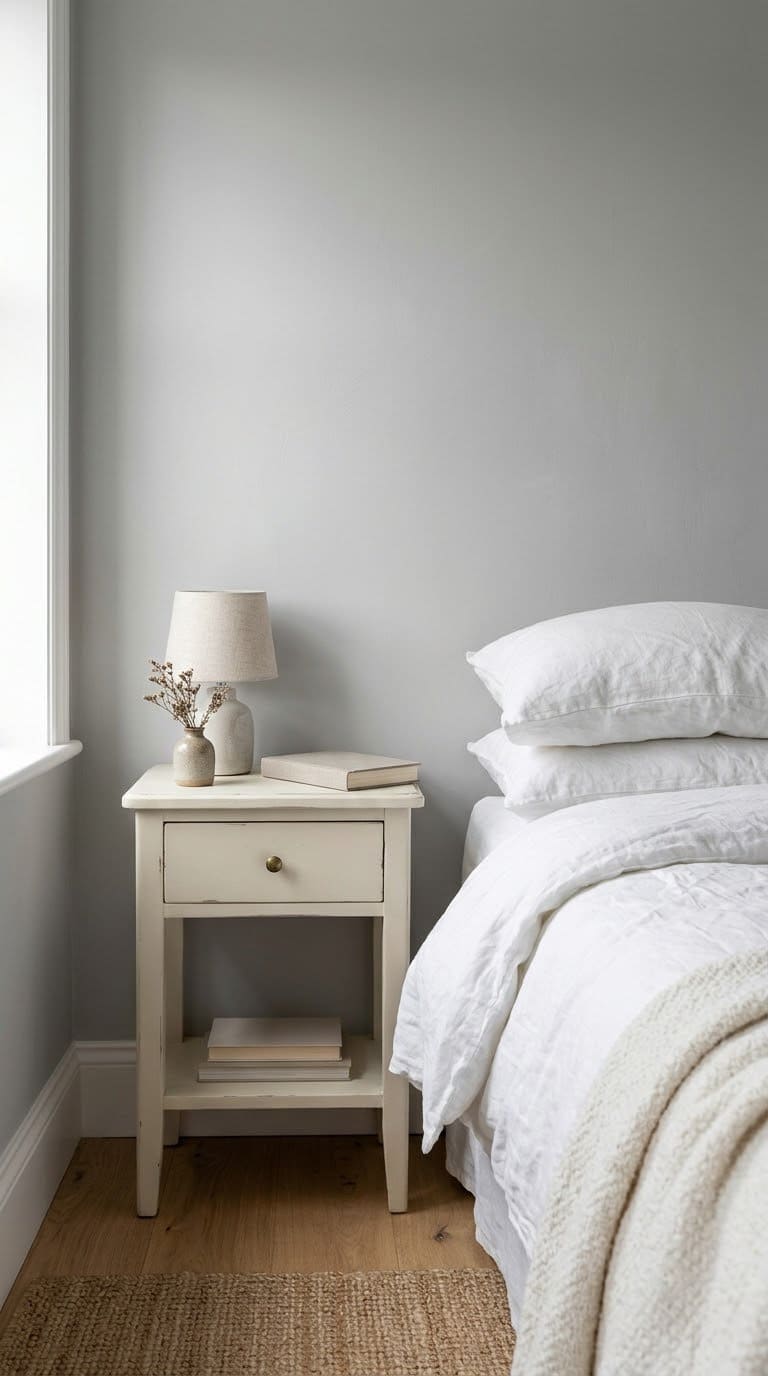
Hunker says cream works with cool or warm undertones, and white works with any undertone. It adds that white is best with natural light.
Cream is the softer pick. White is the cleaner pick. Both brighten a gray room with very little risk.
Match your coordinating pillows and throws to the cream. That makes the whole group look planned.
7. Cognac Leather
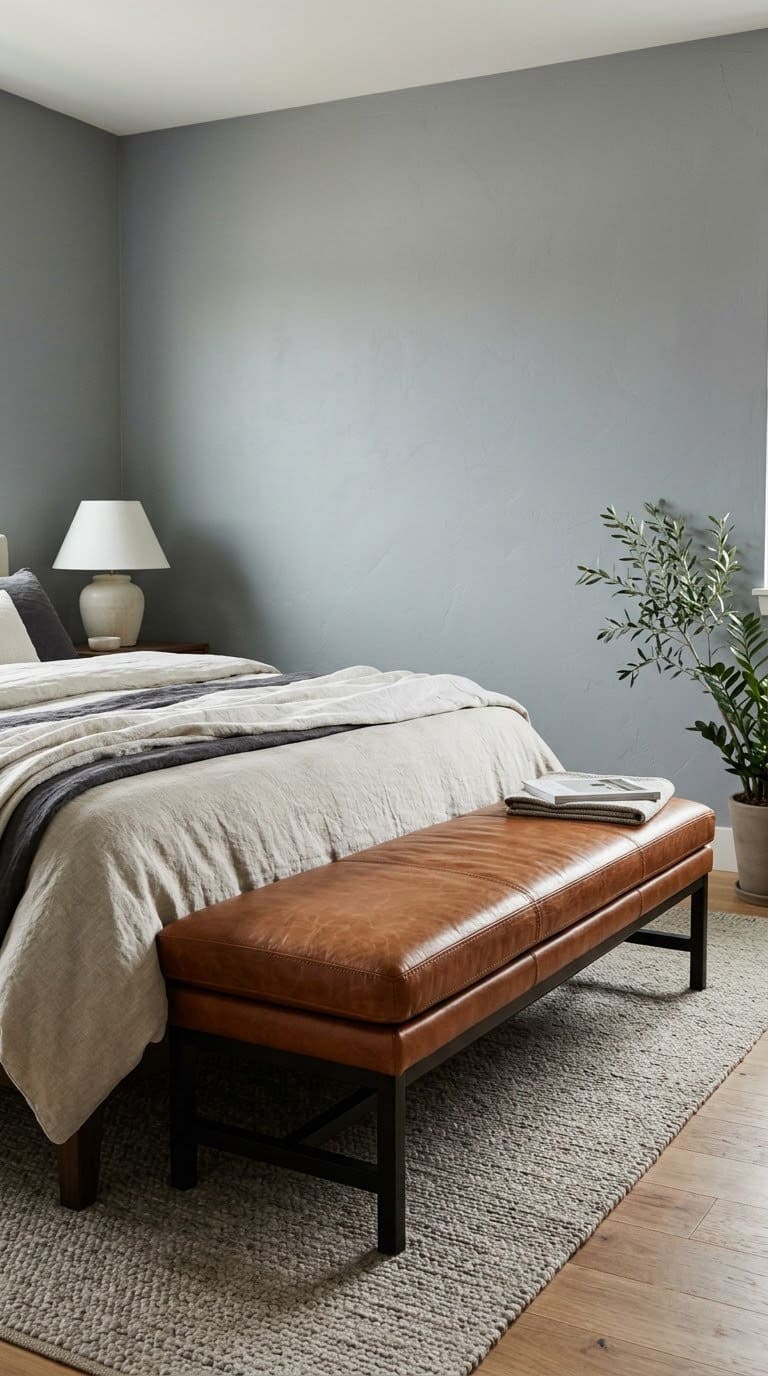
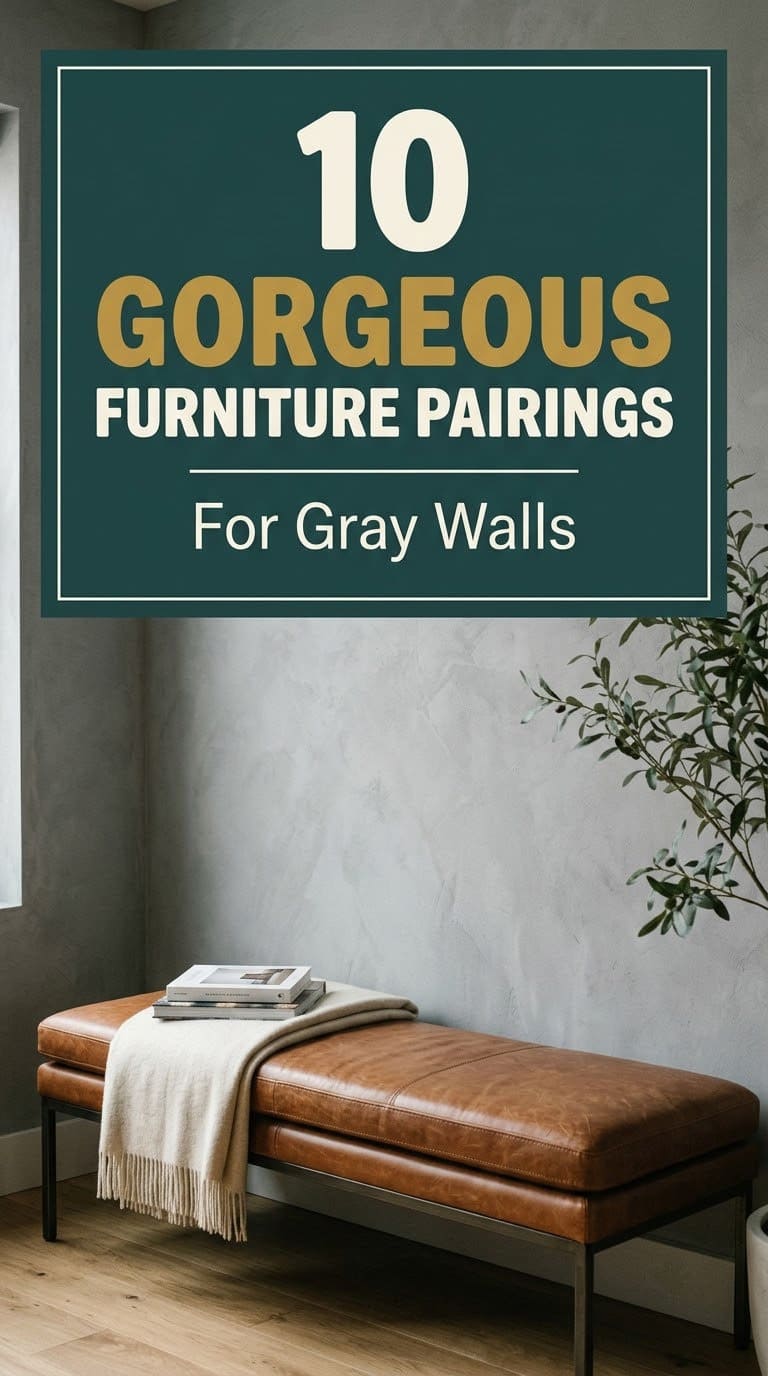
Hunker says cognac leather draws out warm undertones. A leather bench, for example, softens cool wall paint.
Choose a small piece first, like a bench, an ottoman or a chair seat. Leather ages in a way that looks richer over time.
Pair it with brass or copper hardware. Those metals echo the warm leather.
A leather bench works at the foot of a bed or in an entry. Add a small tray or a basket beside it to give the corner a job.
Color Pieces for Gray Walls
Gray is a great backdrop for one colorful piece. Keep it to one or two.
8. Emerald or Teal
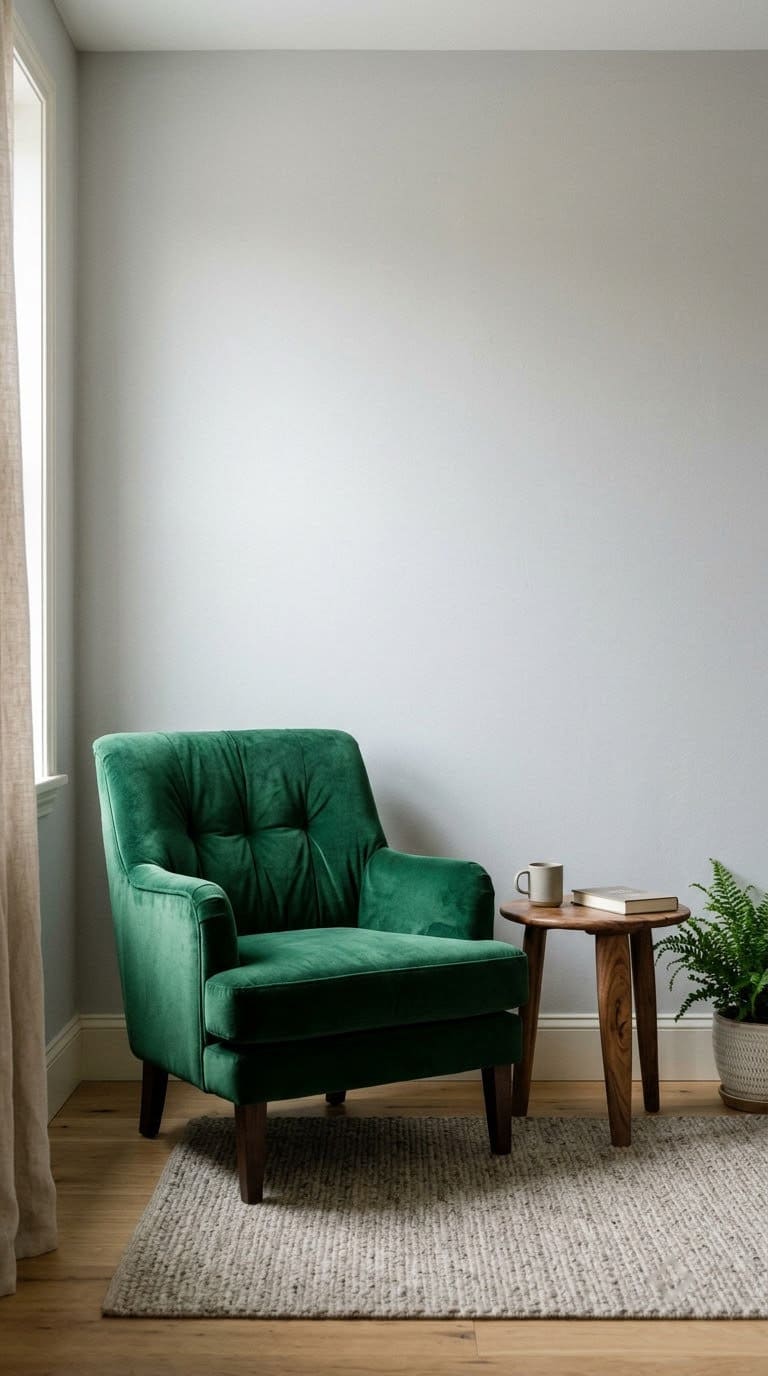
Hunker says emerald draws out the coolness of light gray walls, and teal is an alternative. It also says teal picks up the green undertones in gray walls and wallpaper.
Use it on a single accent chair. Add a light wood nightstand or side table, since Hunker pairs teal with light wood and pale yellow bedding for warmth.
Test the color at night. Deep greens can read almost black in low light.
Place the chair where daylight reaches it. A lamp with a warm bulb nearby keeps the green from going dull.
9. Muted Sage Green
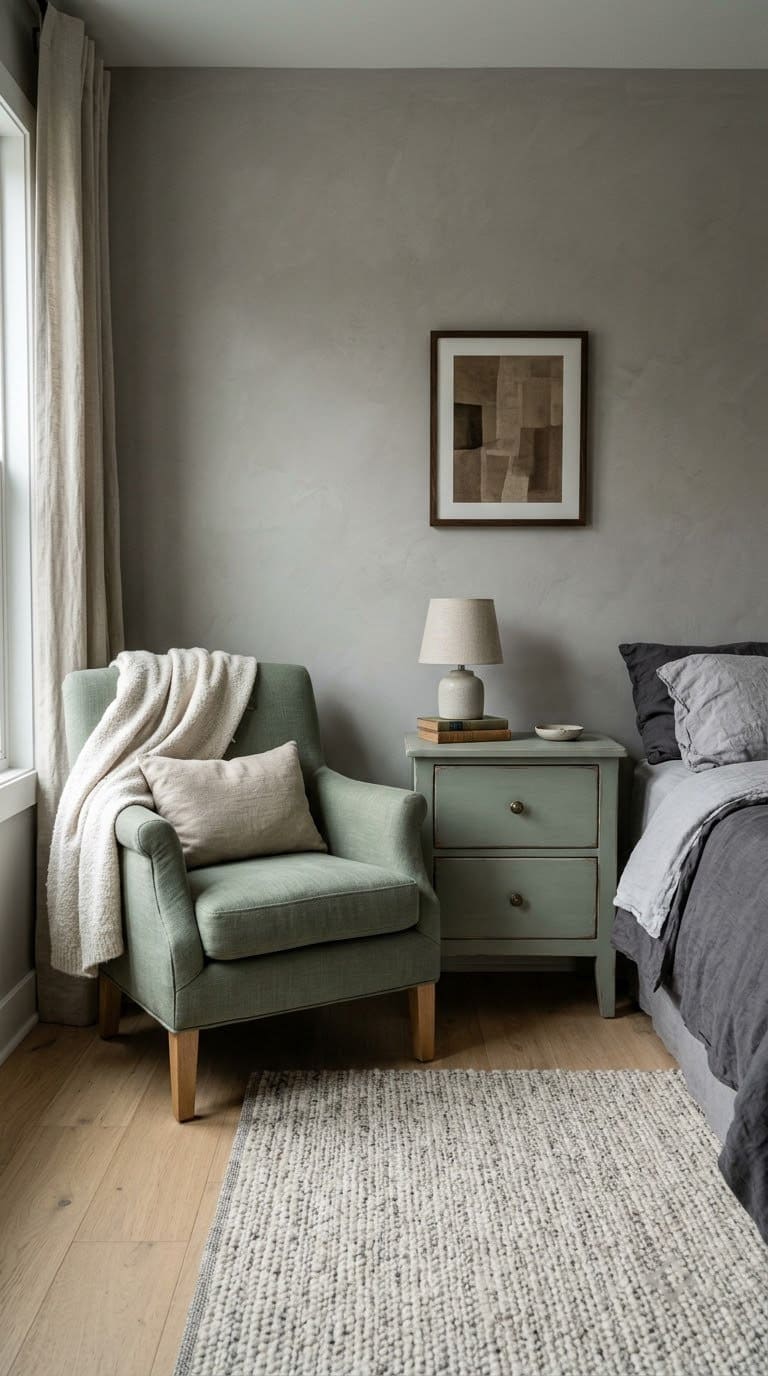
Hunker lists sage green as a subtle pop of color. Its examples include a nightstand and an upholstered chair.
Sage is the gentle choice. It sits near gray on the color wheel, so it feels calm. House Digest also notes that sage softens heavy dark woods like mahogany and walnut.
Try sage on a piece you can repaint, like a nightstand or a small desk.
10. Navy or Blush Velvet
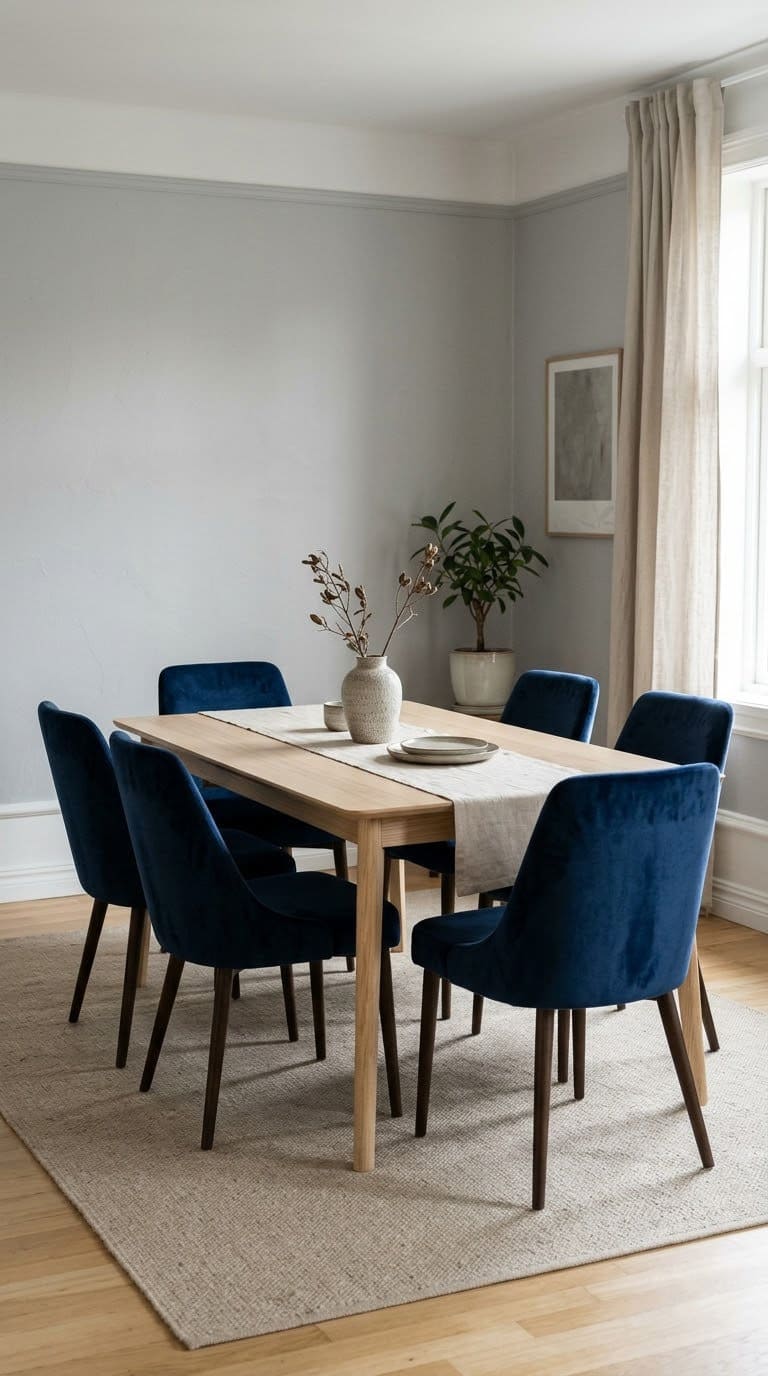
Hunker says navy reinforces cool tones while adding contrast. It says a pink velvet armchair adds playfulness to a neutral gray room.
Use navy on dining chairs and blush on one accent chair. Pick one, not both, in the same room.
Velvet shows light and dark patches. Choose a performance velvet if you have kids or pets.
How Do Wall Brightness and Light Change Furniture?
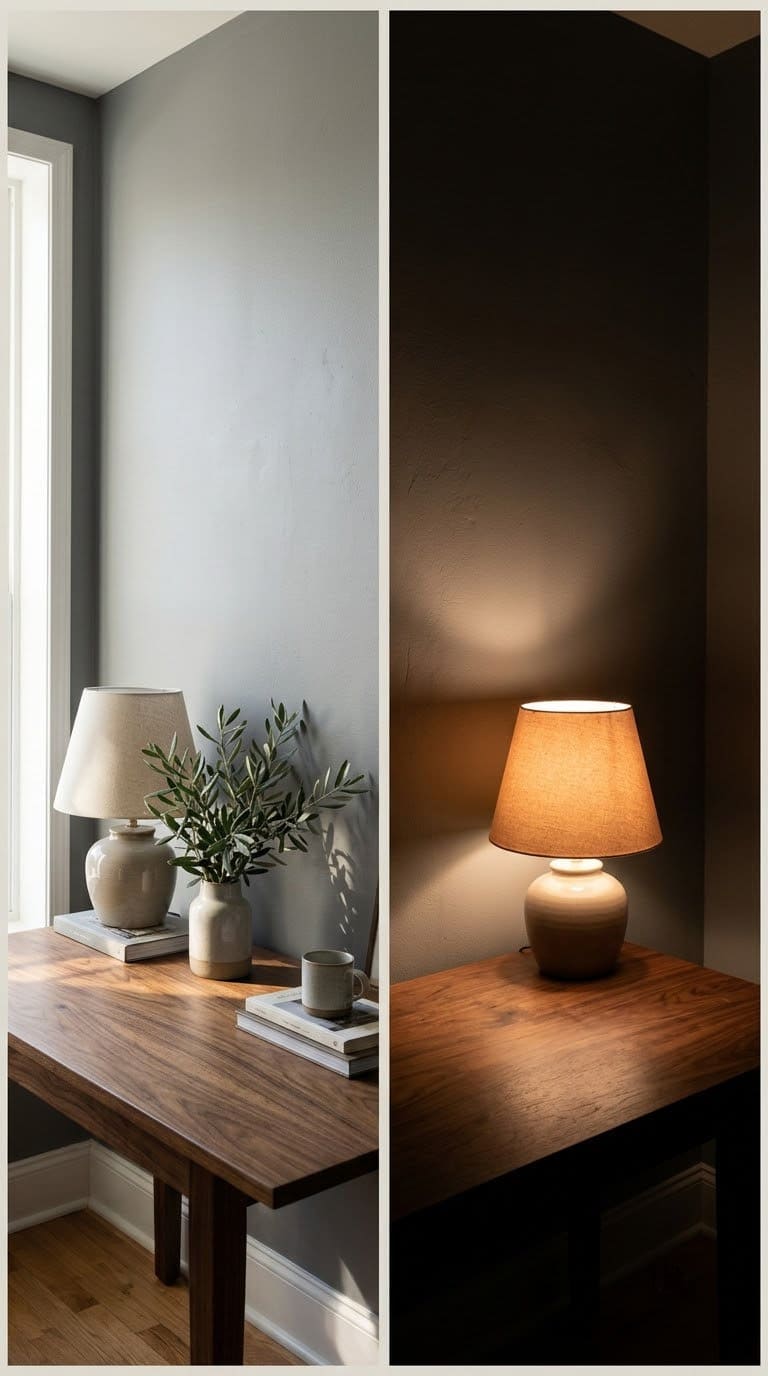
Light changes everything.
Home Made Lovely explains Light Reflectance Value, or LRV, which runs from 0 to 100. Colors from 0 to 40 absorb light and feel cozier. Colors from 60 to 100 reflect light and feel brighter and more open.
The site suggests an LRV of 60 or higher to make a small room look larger. It also says that in north-facing rooms, cooler light can make darker colors feel heavier.
So match your furniture to the wall. Dark walls with dark wood can feel heavy, while light oak or cream pieces keep a dark room open.
House Digest says charcoal works best on accent walls or ceilings with plenty of natural light.
Check the paint can or swatch card for the LRV number before you commit.
Which Furniture Piece Goes Where?
Each room asks for something different. Use this as a starting list.
| Room | First piece to choose | Why it works |
|---|---|---|
| Living room | Walnut coffee table | Dark wood warms cool gray and anchors the seating |
| Bedroom | Light oak or sage nightstands | Soft pieces keep a gray bedroom calm |
| Dining room | Navy or wood dining chairs | Chairs add color without taking floor space |
| Home office | Rattan chair and oak desk | Natural wood lifts a quiet gray workspace |
| Entry | Cognac leather bench | Leather adds warmth to a cool hallway wall |
Start with the room you use most. You’ll notice the change every day.
Dark Furniture on Dark Walls: Worth the Risk?
| Choice | Upside | Risk | Fix |
|---|---|---|---|
| Dark furniture, light gray walls | Strong contrast, clean look | Can look heavy in a small room | Add light textiles |
| Dark furniture, dark gray walls | Moody, cozy | Can feel closed in | Add light rug, bright bulbs |
| Light furniture, dark gray walls | Open, glowing | Wood can look washed out | Pick warm oak |
| Light furniture, light gray walls | Airy, calm | Can look flat | Add one dark accent |
What Does Feng Shui Say About Gray Walls?
Feng shui is a tradition, not a science. It still gives you a handy frame. Anjie Cho, an architect and feng shui expert, says the metal element relates to white, gray and metallic colors.
She also ties metal to circular shapes. She suggests circular patterns in rugs and wallpaper. A round coffee table or round mirror is an easy way to bring that in.
Cho says too much metal can show up as talking too much, and too little as a hard time speaking up. So balance your gray walls with wood and warm tones. A walnut table does just that.
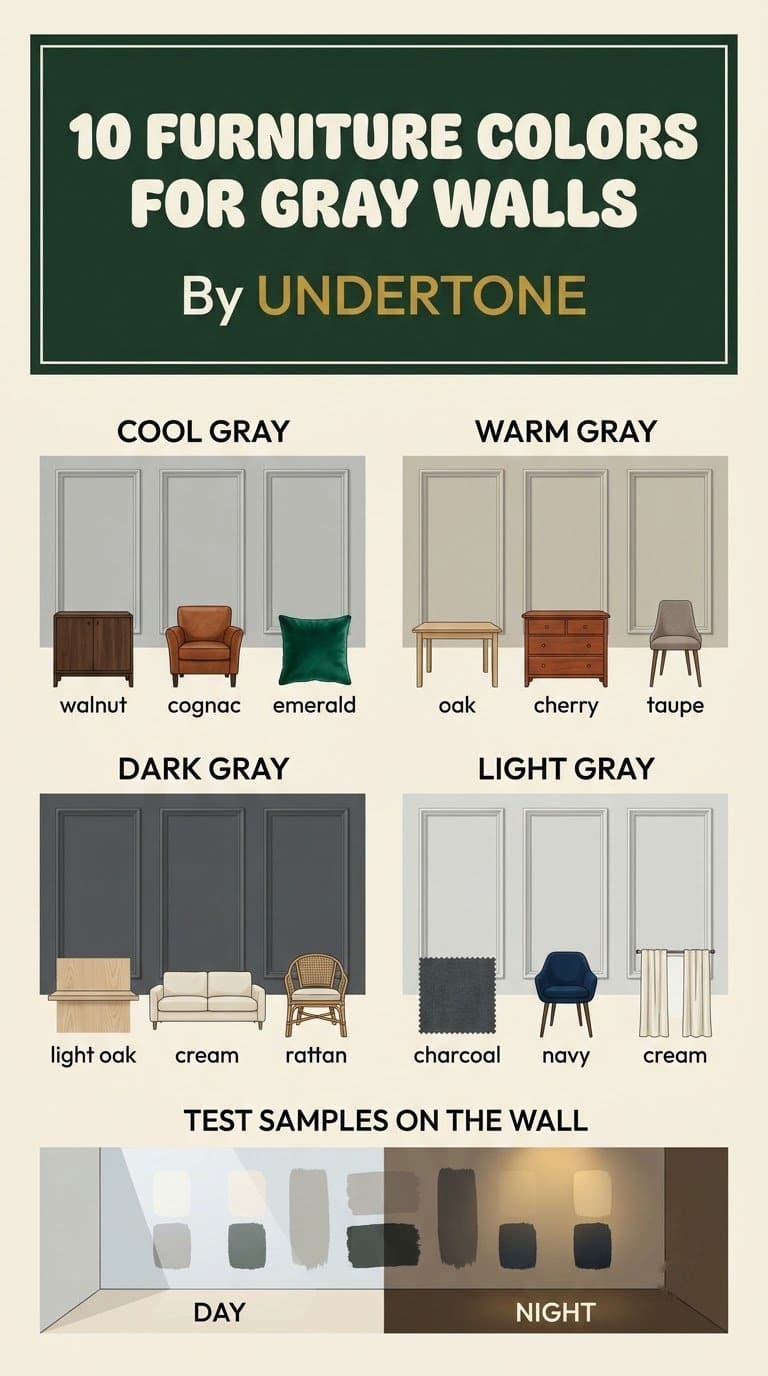
How Do You Test Furniture Before You Buy?
- Step 1: Ask the store for a fabric or wood sample.
- Step 2: Hold it against the wall, not on a table.
- Step 3: Check it in the morning, at noon and at night.
- Step 4: Leave it up for two or three days.
- Step 5: Buy the smallest piece first, like a side table or a chair.
On budget, paint is cheap, furniture is not. If a piece is wrong, repaint a nightstand or swap a pillow before you replace a dresser.
Common Mistakes to Avoid
- Ignoring the wall’s lean. Hunker says to check whether paint leans blue or yellow.
- Dark on dark. A black bed on charcoal walls can feel like a cave without extra light.
- Matching wood to everything. Pick one wood tone and repeat it, not four.
- Too many bright pieces. One emerald chair is a feature. Four is a clash.
- Skipping night checks. Deep greens and navies can read almost black under lamps.
Frequently Asked Questions
What color wood goes best with gray walls?
Hunker pairs walnut with cool gray walls and light oak with dark gray walls. For cherry, Chairish says to match the gray’s warmth to the wood’s reddish tones.
What color nightstand goes with gray walls?
Light wood, sage green or cream work well. Hunker suggests a light wood or sage nightstand in gray bedrooms.
Should furniture be lighter or darker than gray walls?
Either can work. Anna Franklin recommends pieces a few shades darker or lighter than the wall for contrast.
What accent chair color looks good on a gray wall?
Hunker suggests emerald, teal, navy or blush velvet. Pick one and keep the rest quiet.
Does dark furniture make a gray room look smaller?
It can, on dark walls. Home Made Lovely suggests walls with an LRV of 60 or higher for small rooms, and light textiles help.
Your Weekend Plan
- Friday: do the paper test and note your wall’s lean.
- Saturday: collect wood and fabric samples and hold them up.
- Sunday night: check them under lamps, then buy one small piece.
Start with a side table or an accent chair. Add a second piece once you like how the first one looks.
Never miss an update — choose FarmFoodFamily as your preferred source on Google.
How it works: Tap the button below to open Google's settings page, then check the box next to FarmFoodFamily.
Tap the checkbox to turn it blue — that's how you know it's set.