
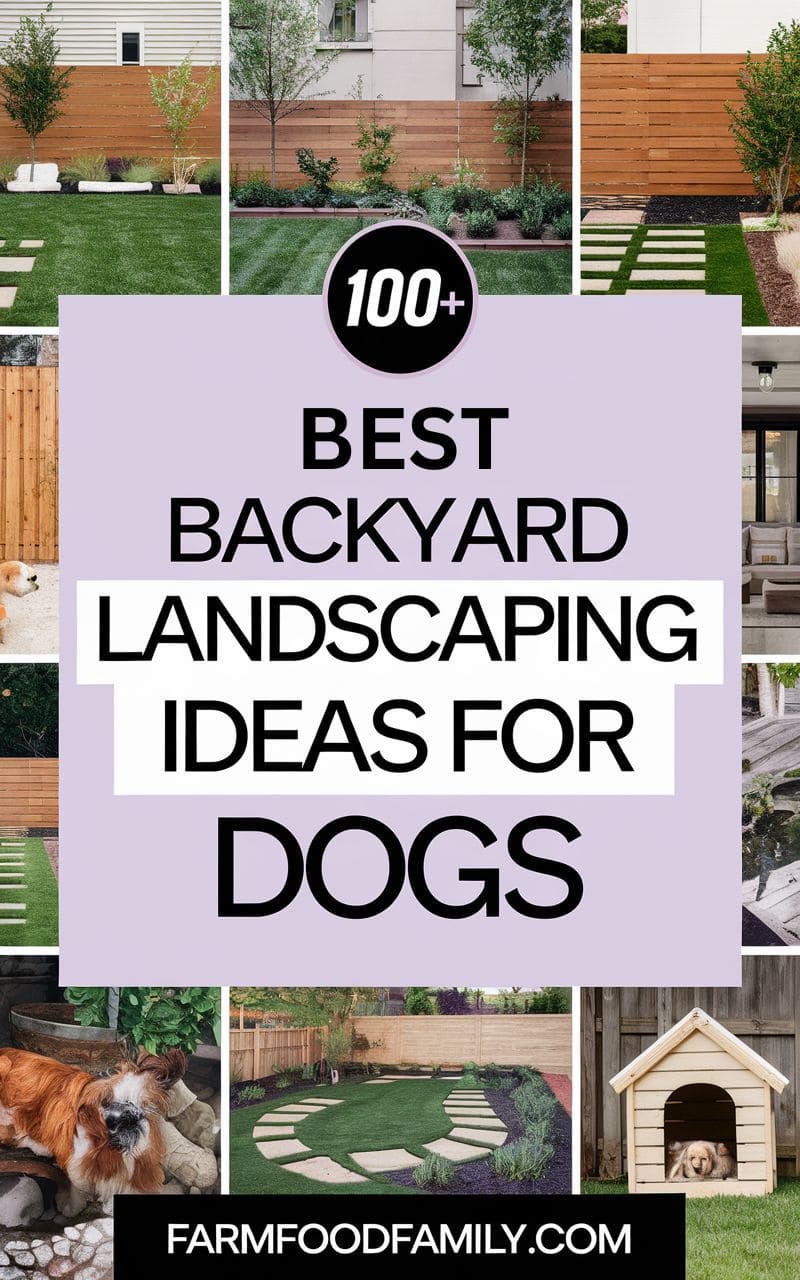
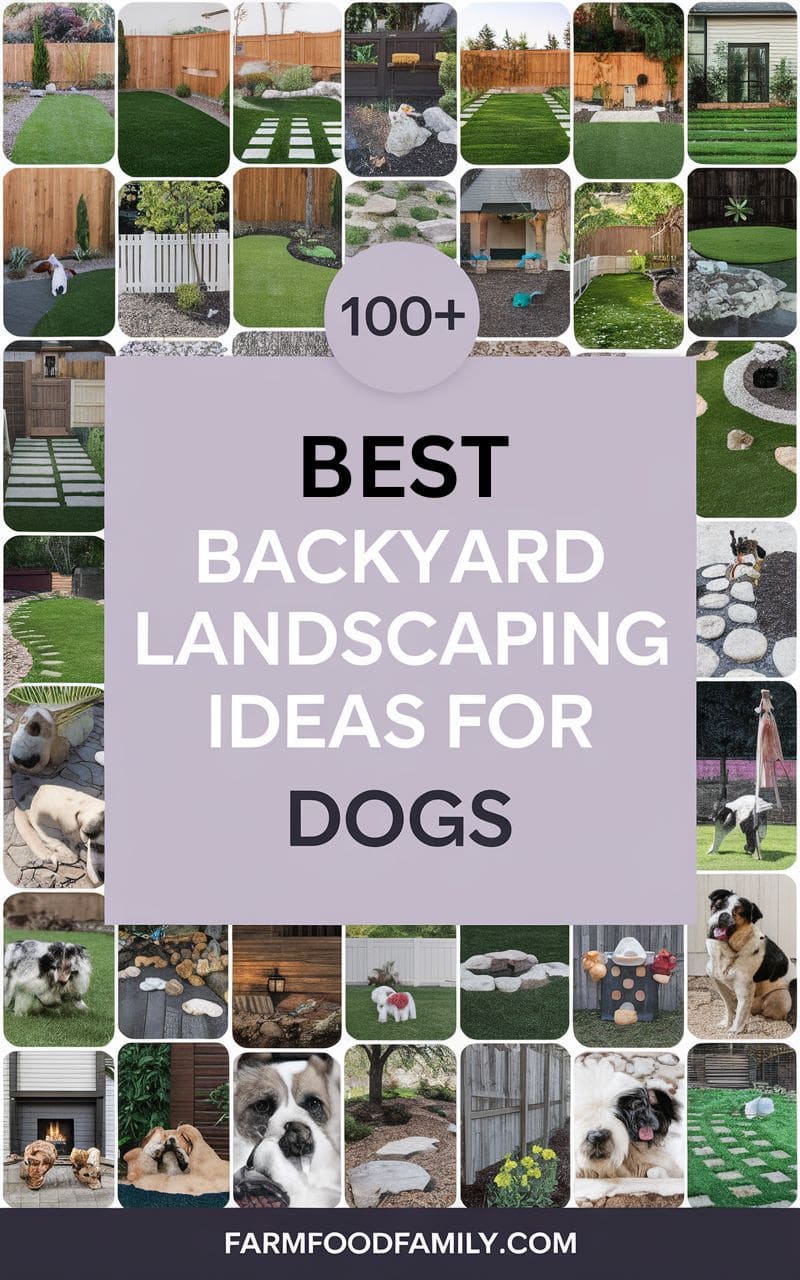
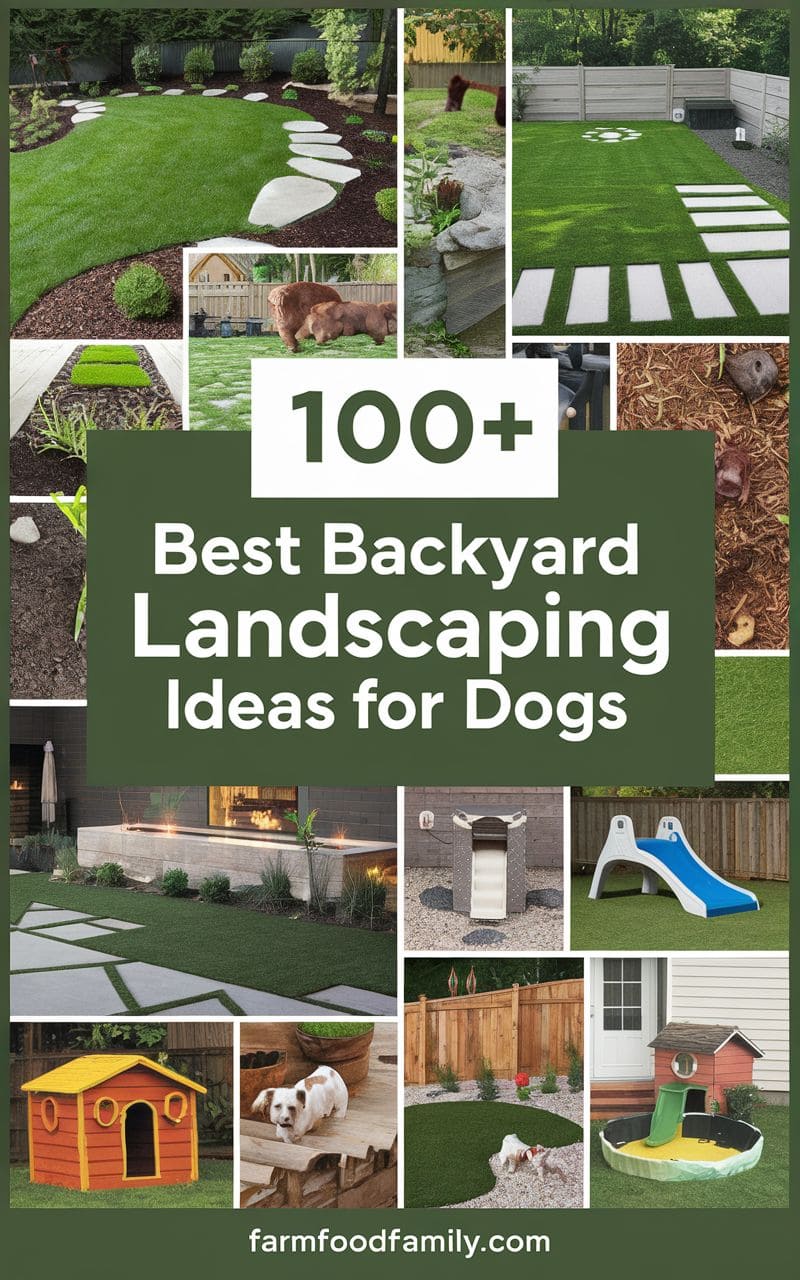
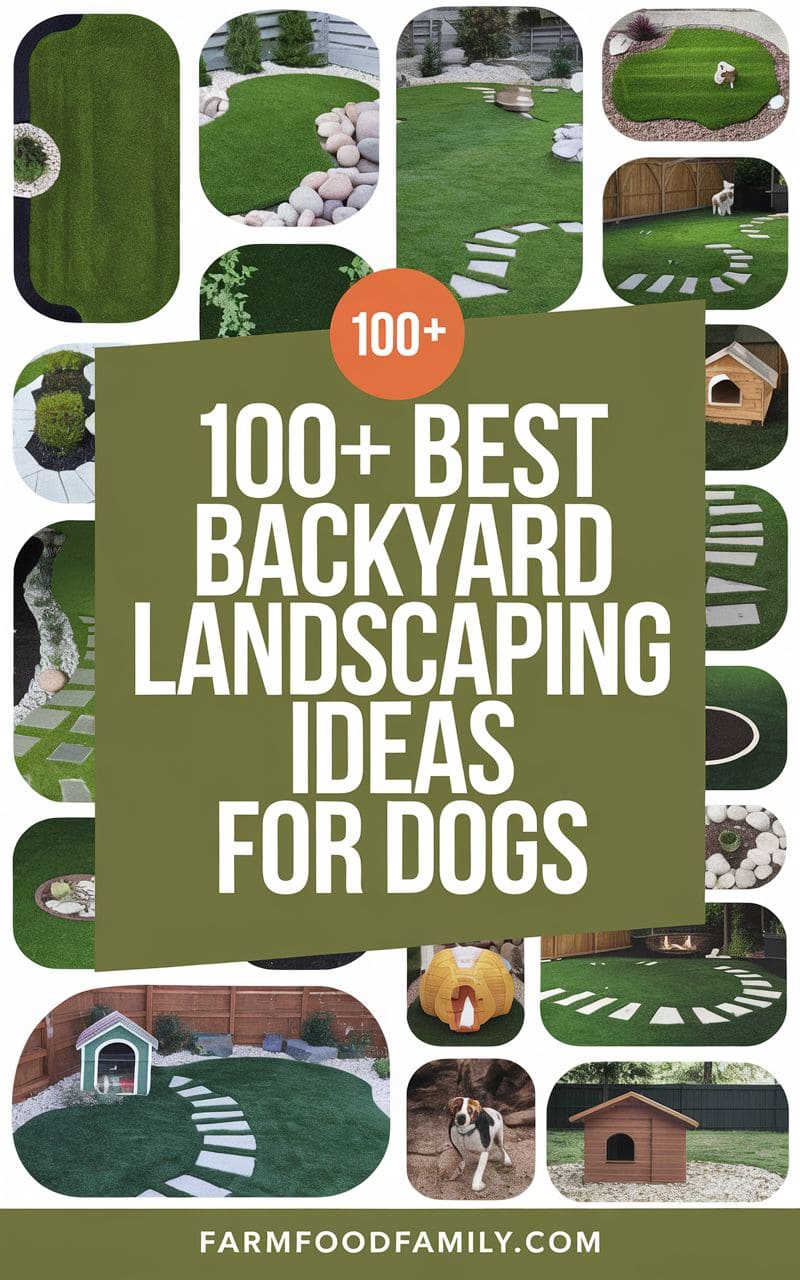
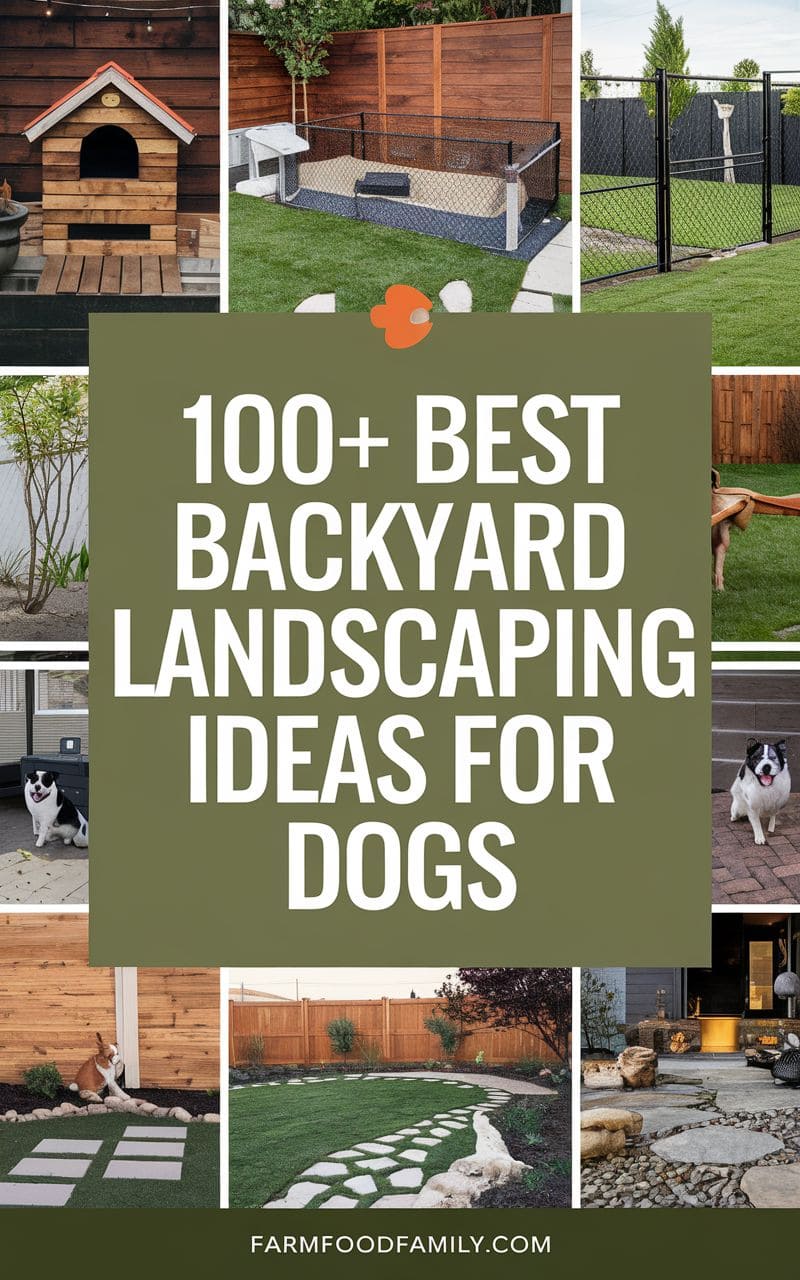
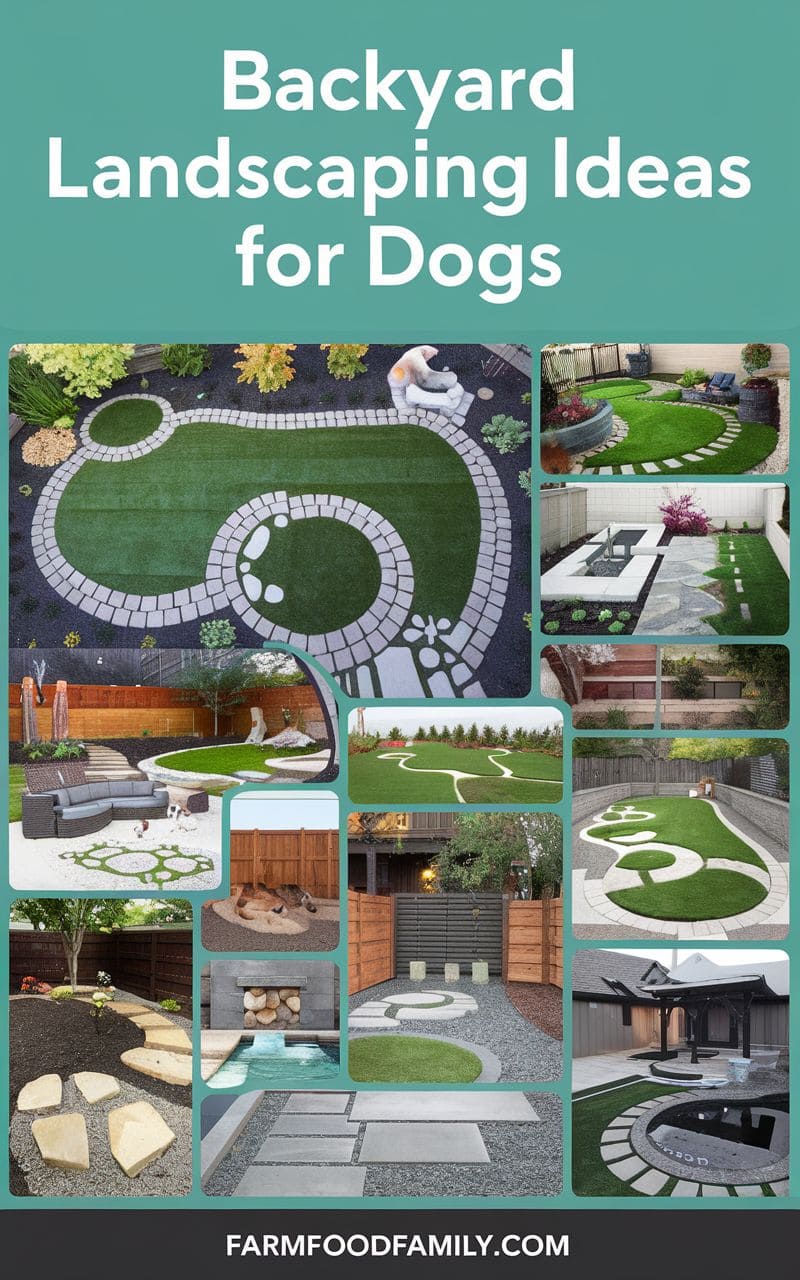
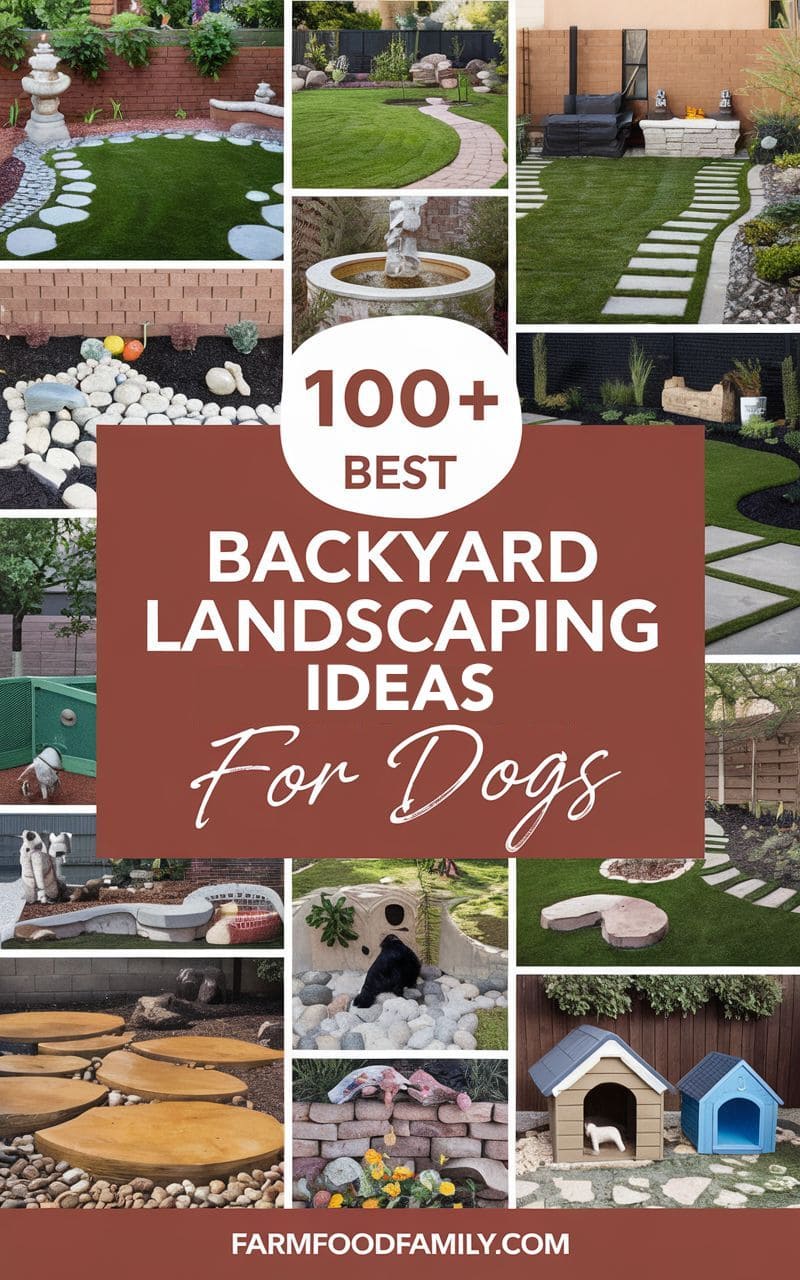
65+ Backyard Landscaping Ideas for Dogs (Designed Around Real Dog Behavior)
Most backyard-for-dogs guides are a feature wishlist: a splash pad here, an obstacle course there, a photogenic dog bed under a pergola. What they skip is the actual design problem. A dog doesn’t care that a flower bed looks nice, it cares that the dirt underneath is diggable. The real question isn’t “what features would…

Never miss an update — choose FarmFoodFamily as your preferred source on Google.
How it works: Tap the button below to open Google’s settings page, then check the box next to FarmFoodFamily.
Tap the checkbox to turn it blue — that’s how you know it’s set.
Most backyard-for-dogs guides are a feature wishlist: a splash pad here, an obstacle course there, a photogenic dog bed under a pergola. What they skip is the actual design problem.
A dog doesn’t care that a flower bed looks nice, it cares that the dirt underneath is diggable. The real question isn’t “what features would look great with a dog in the photo,” it’s “what will actually survive having a dog in it.”
This guide covers real ideas, but it starts with the honest part most guides skip.
Design for what your dog actually does
Here’s the pattern that shows up constantly in real dog-owner discussions: someone landscapes a beautiful yard, the dog destroys it within a season, and the landscaping gets blamed when the actual issue was never addressed. Worth saying plainly before anything else: a genuinely honest comment on r/landscaping puts it bluntly, “any landscaping fix without changing the dog’s behavior is an expensive wet bandaid.” If a dog is digging out of boredom or anxiety, more walks and less unsupervised yard time sometimes matters more than any redesign.
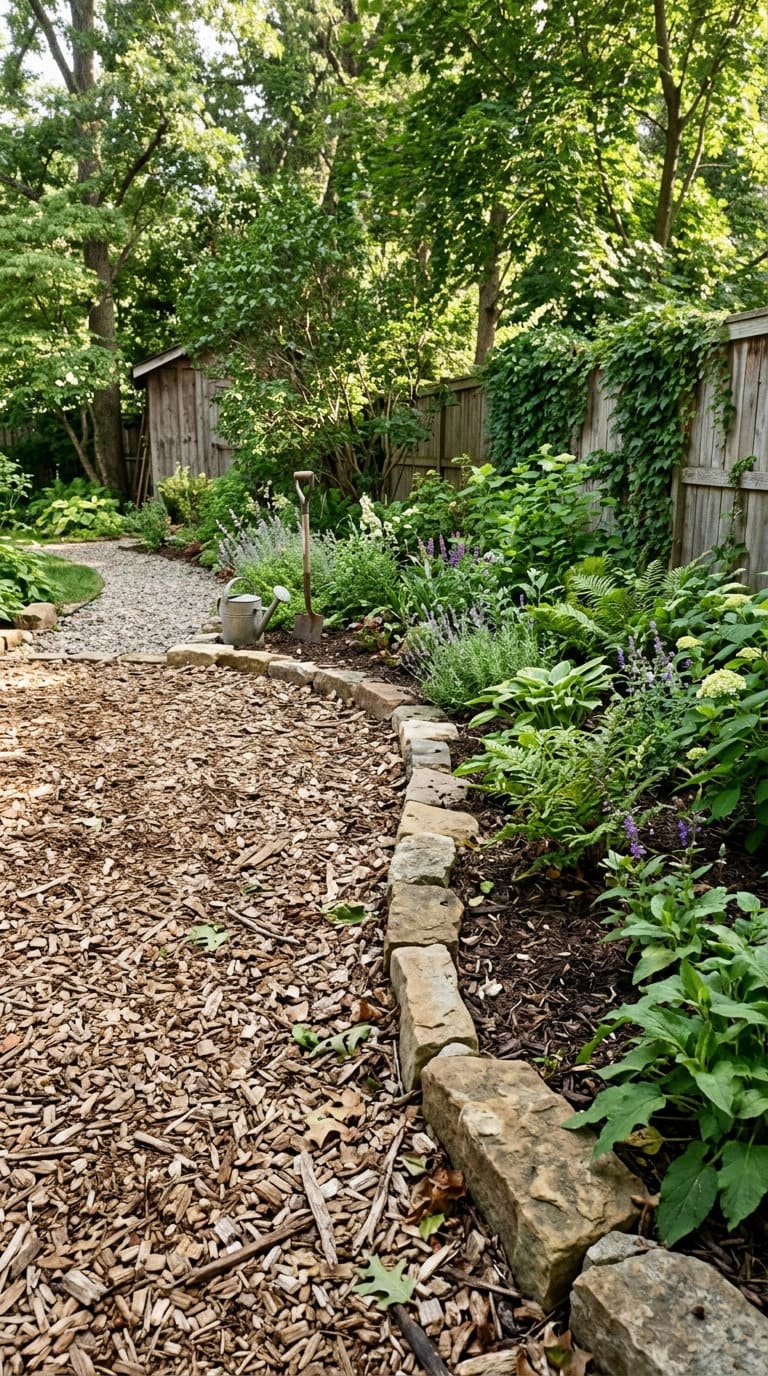
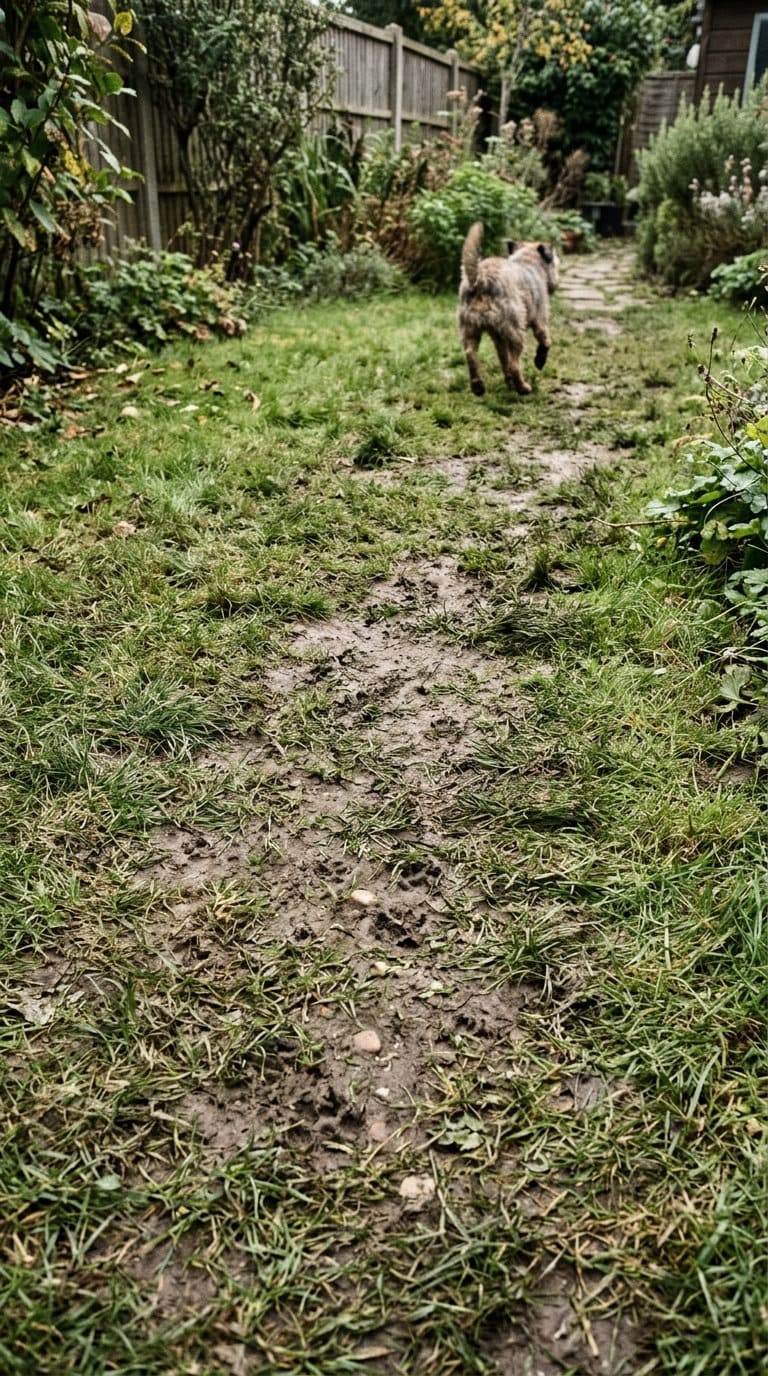
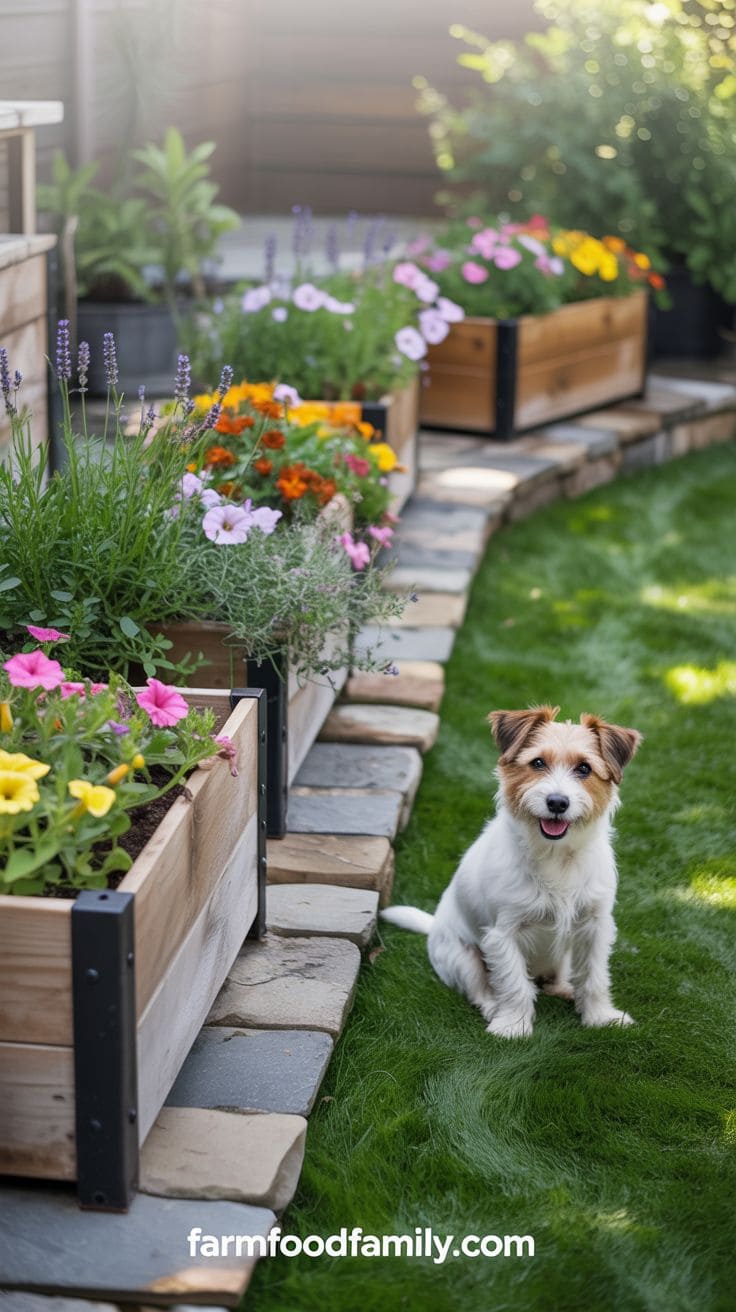
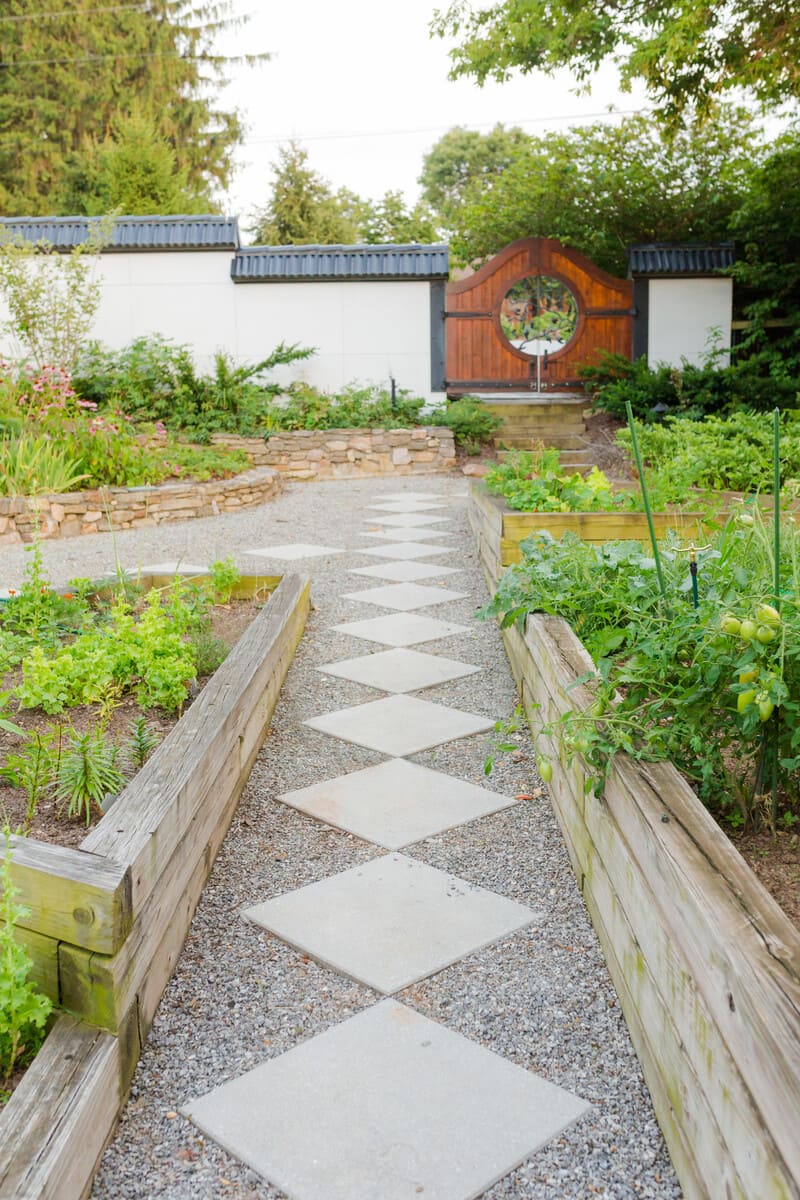
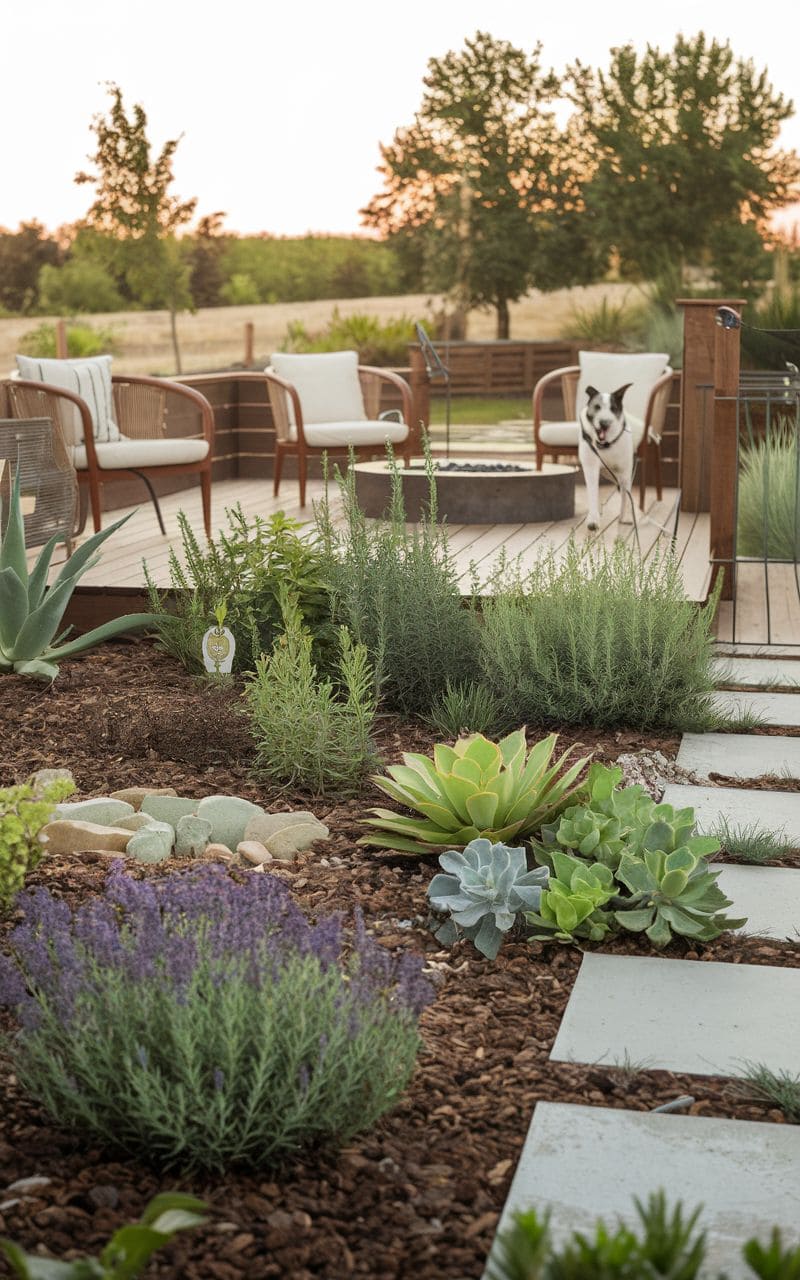
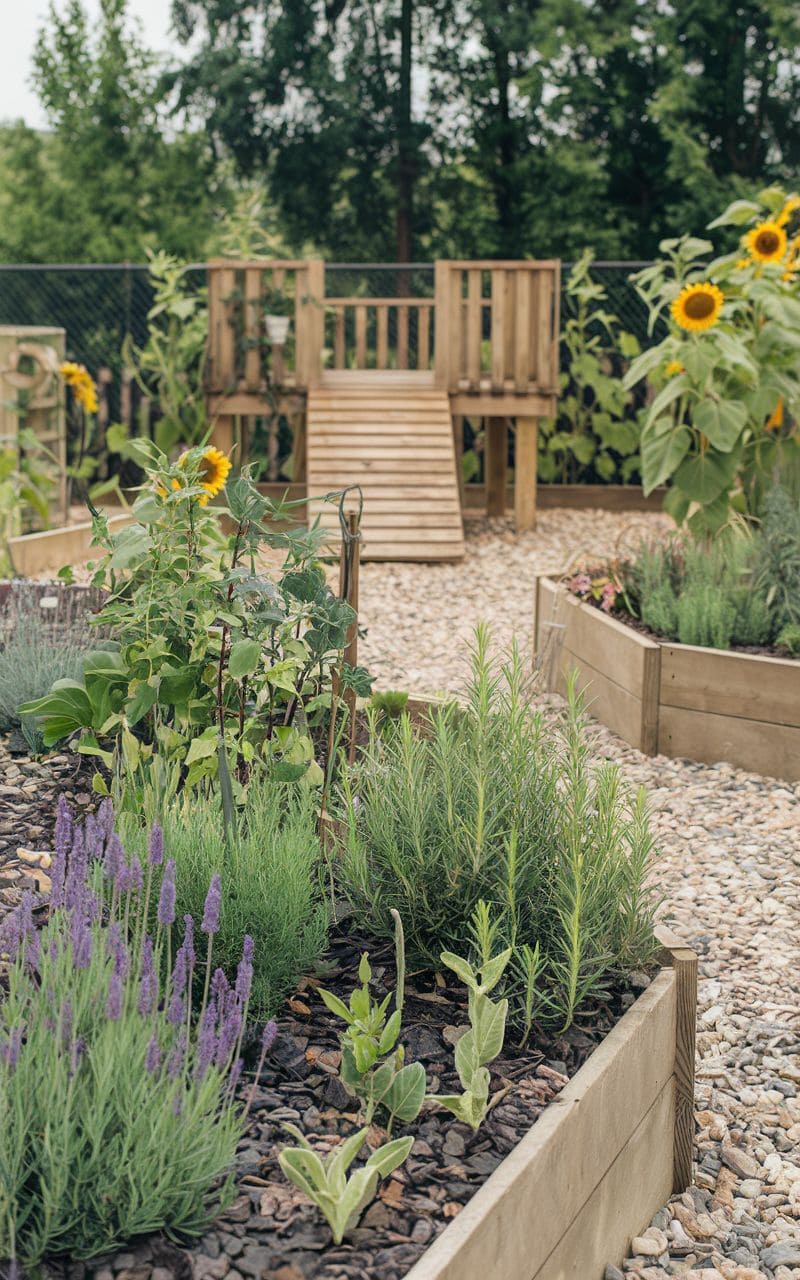
That said, real design choices genuinely help. The most useful practical advice from a 131-upvote, 157-comment r/gardening thread on a yard being ruined by dogs: put durable, dog-proof materials, wood chips, mulch, gravel, in the zone the dog actually runs and digs, and reserve delicate plantings, raised beds, and hedges for the yard’s edges, where the dog’s regular path doesn’t reach.
And it’s worth being honest about one real tradeoff: a pristine, uniform lawn and an active dog rarely coexist without real compromise. As one blunt r/landscaping comment put it, you generally pick between having dogs and having a picture-perfect lawn. That’s exactly why the grass-alternative ideas below solve a real, common problem, not just a cosmetic preference.
Related: 30+ Inexpensive Dog Fence Ideas For Your Backyard
Built for dog instincts
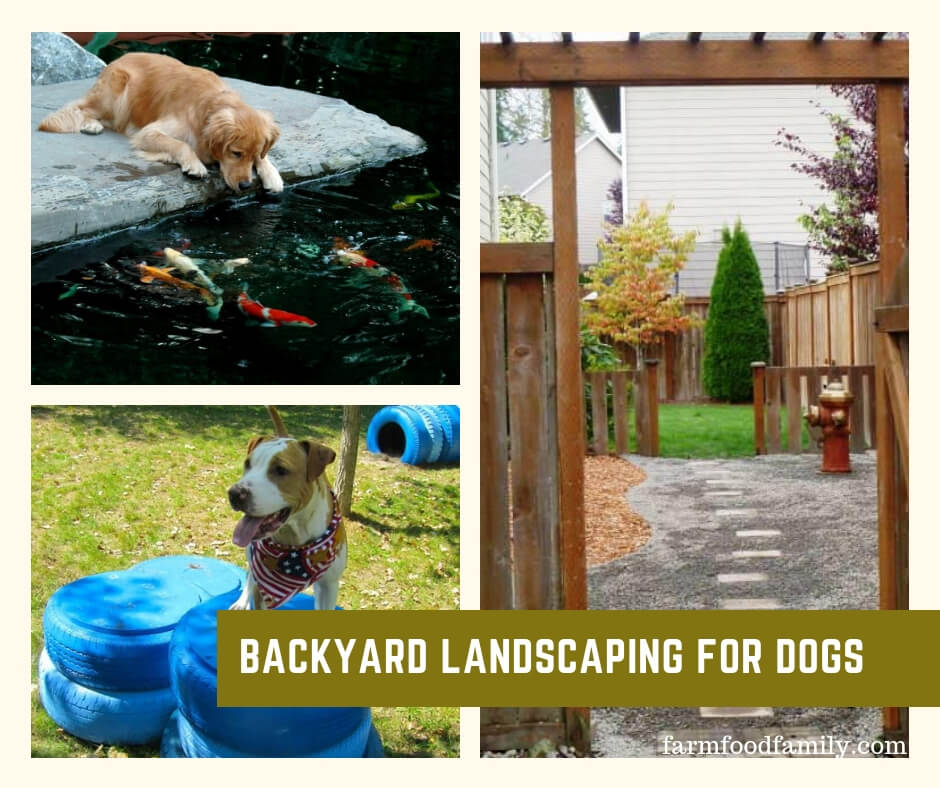
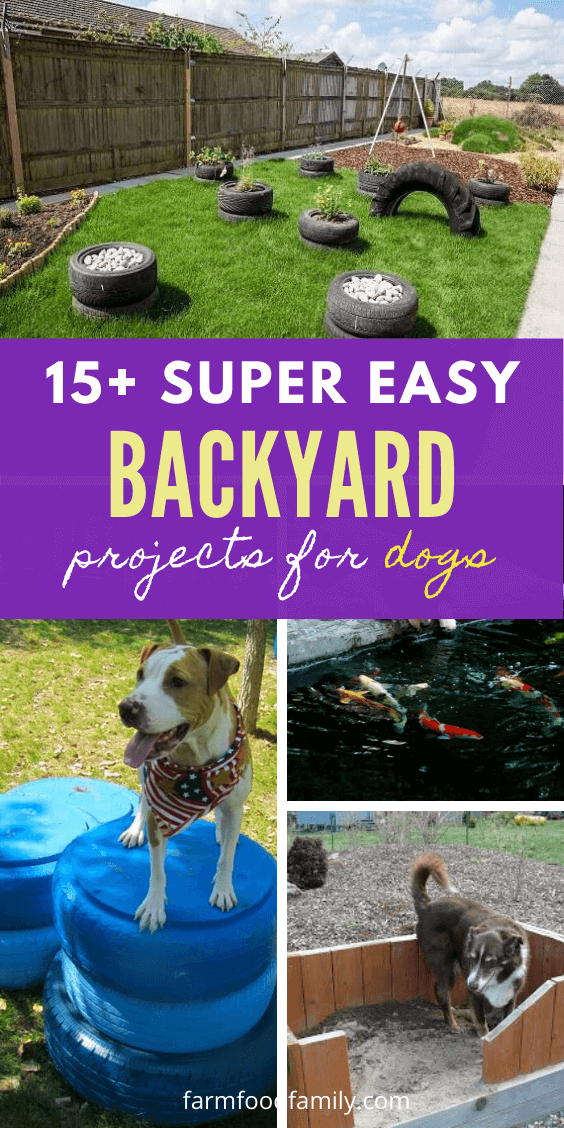
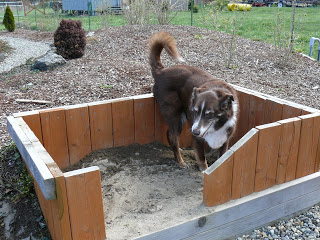
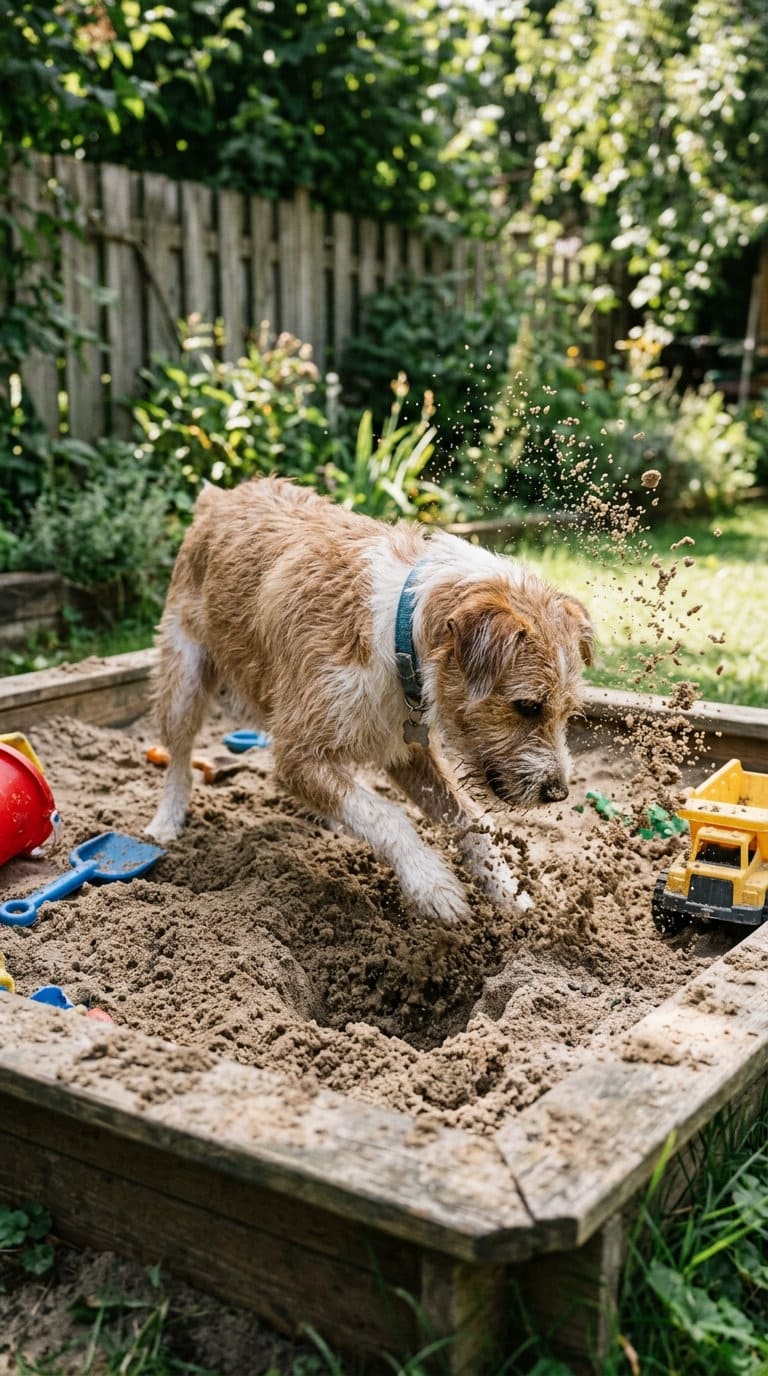
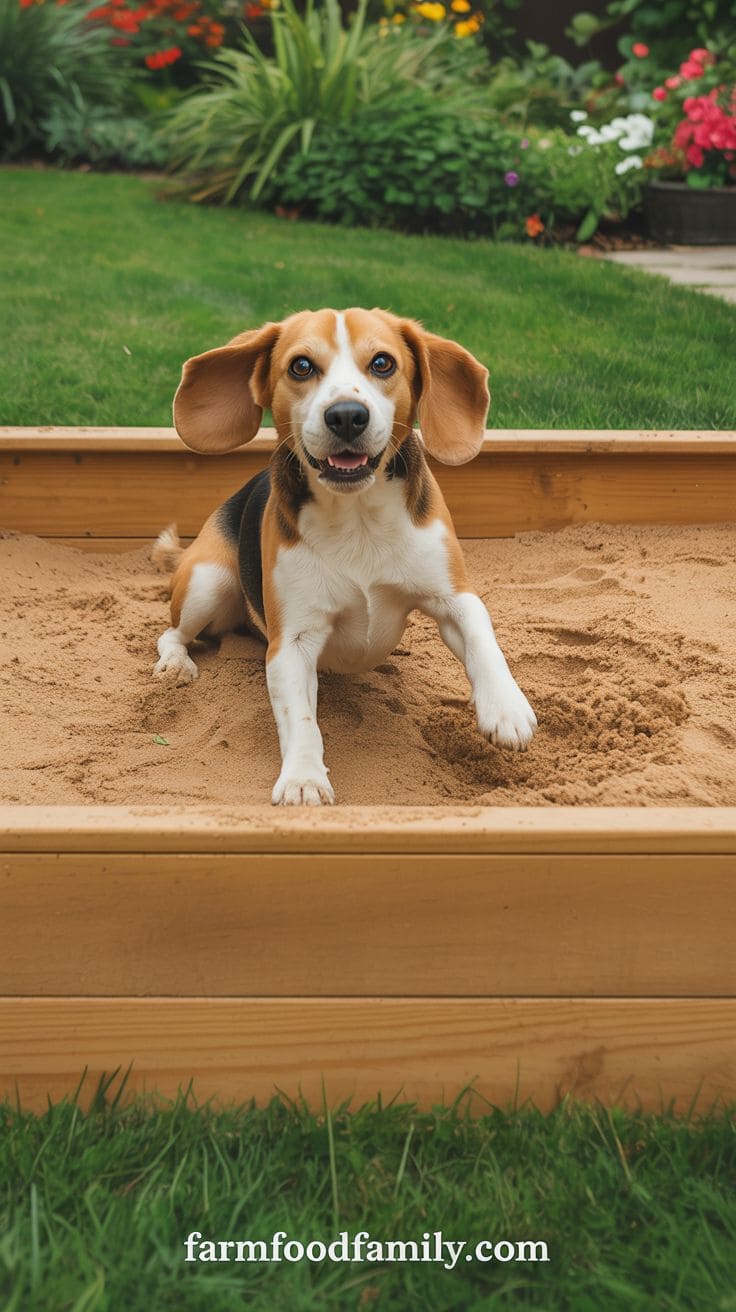
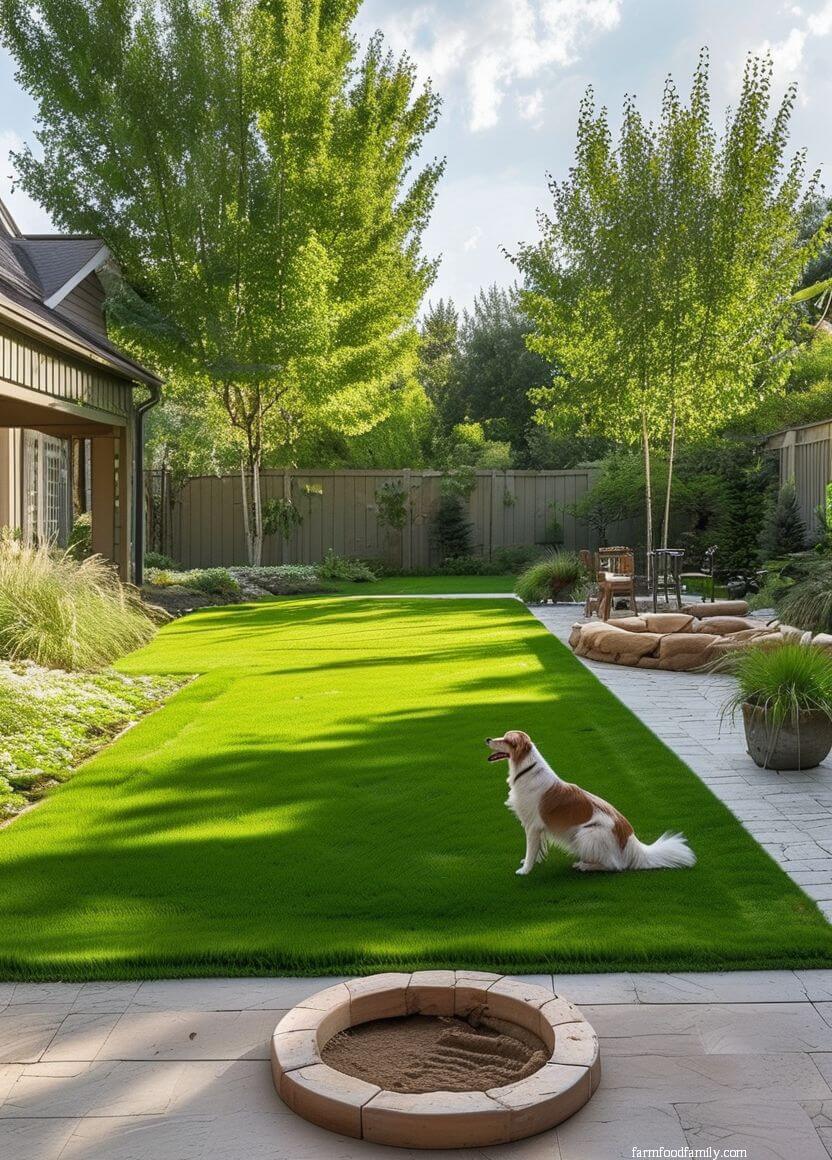
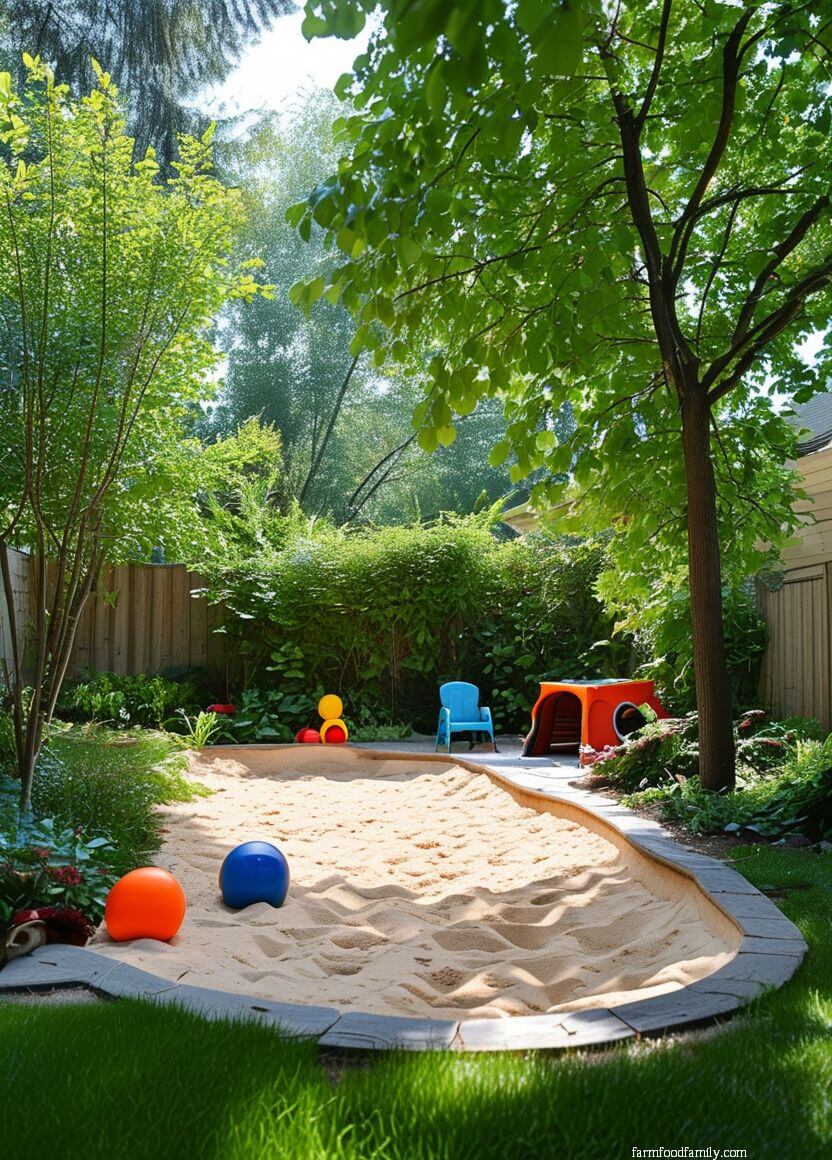
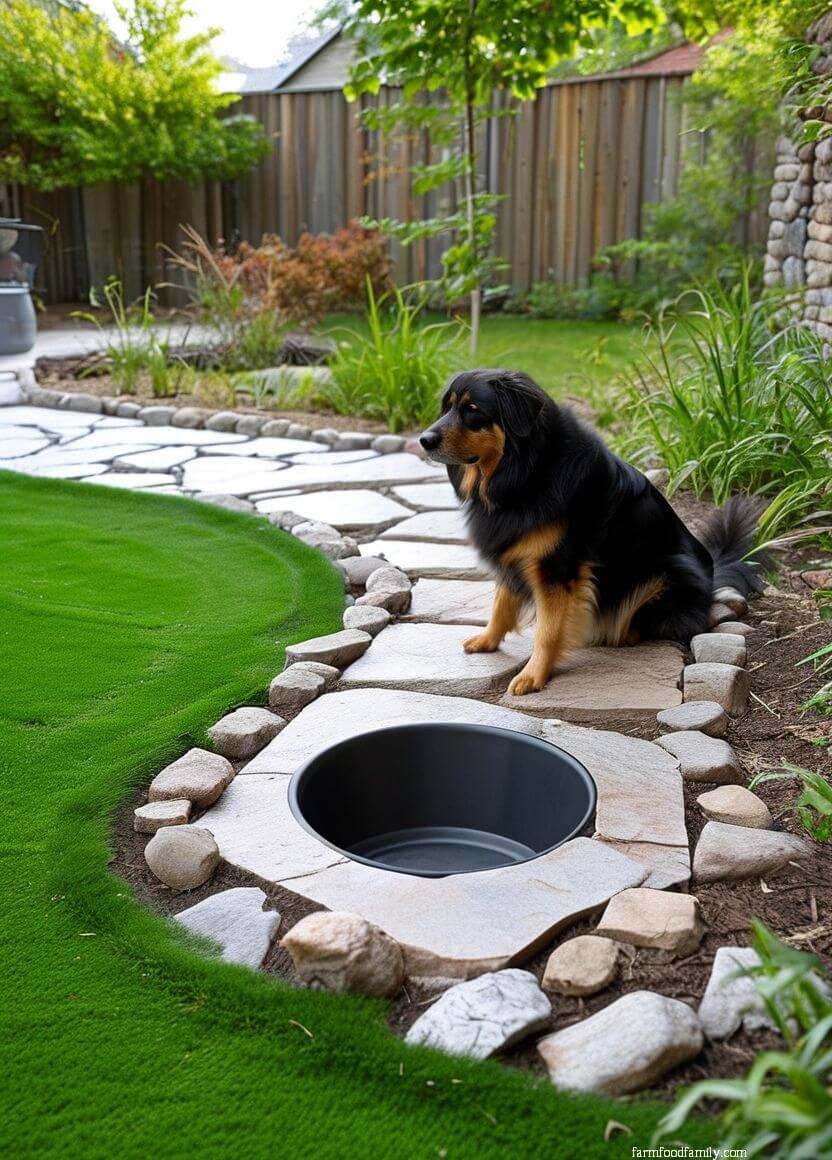
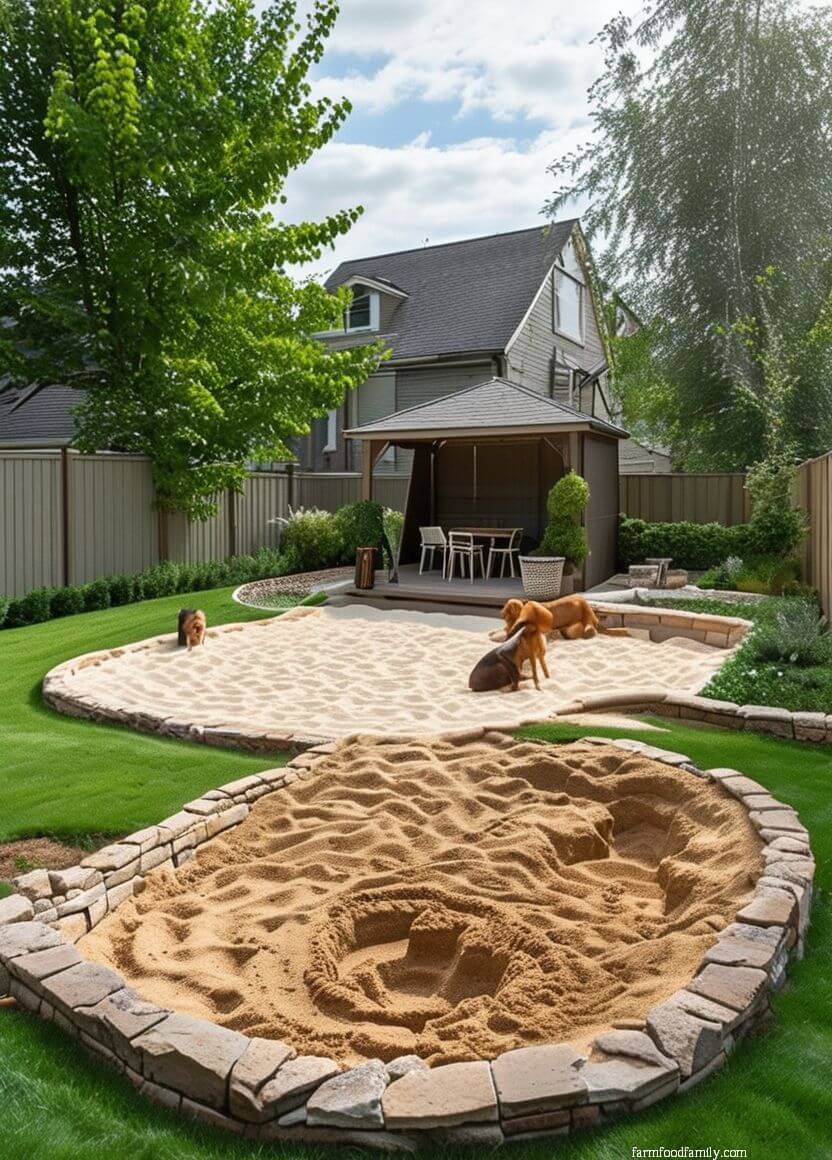
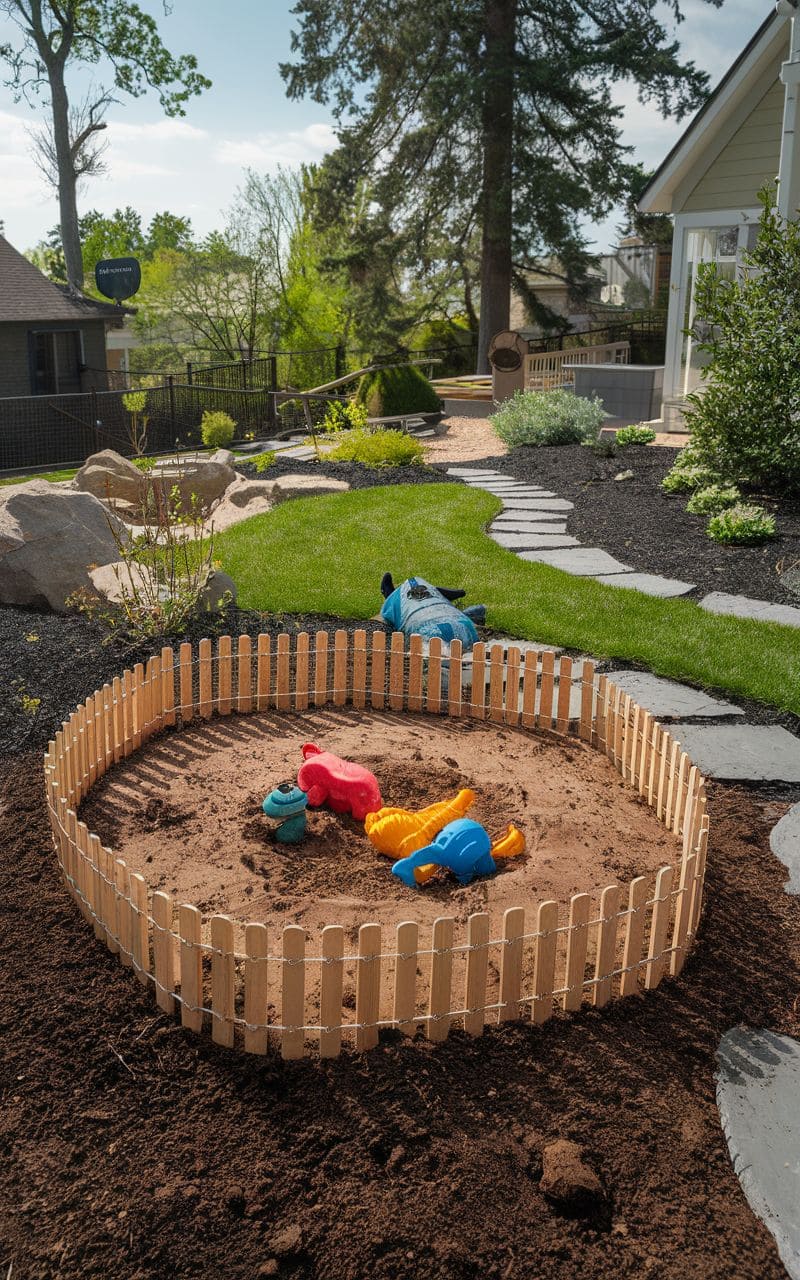
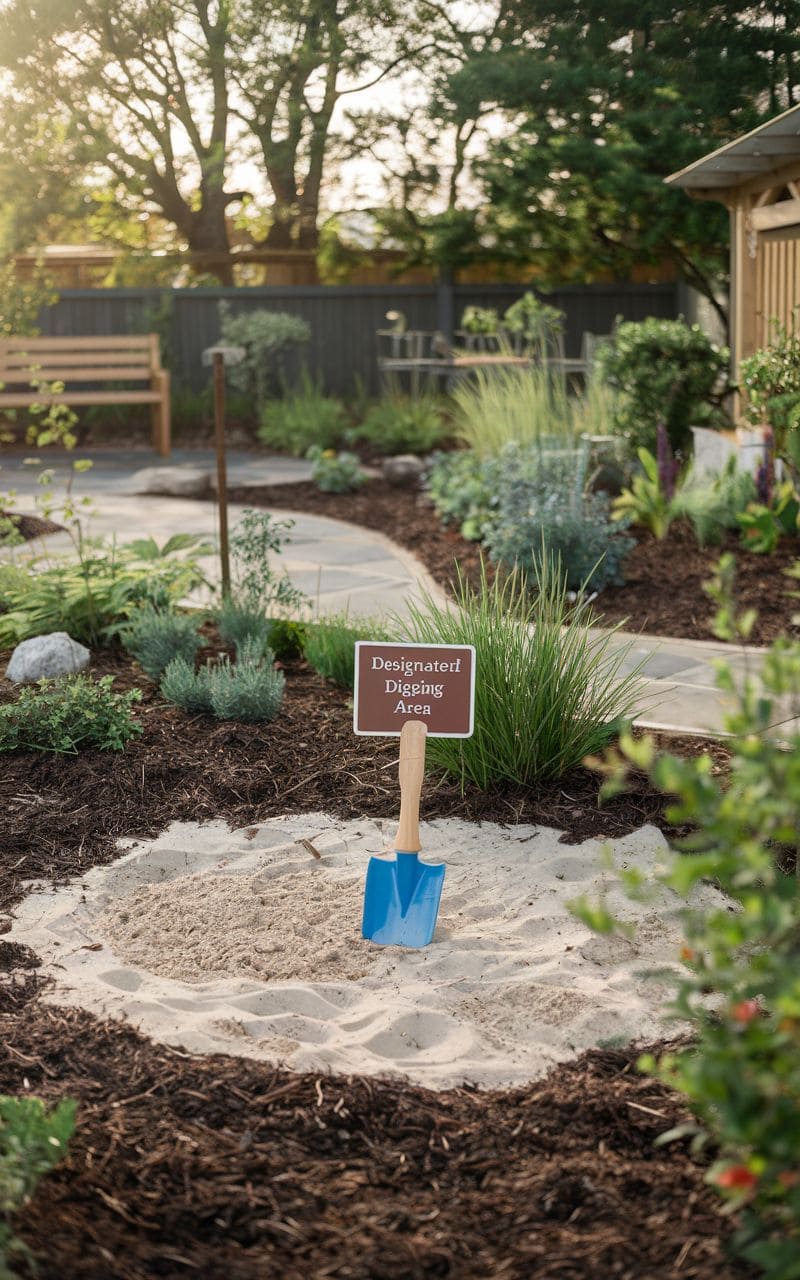
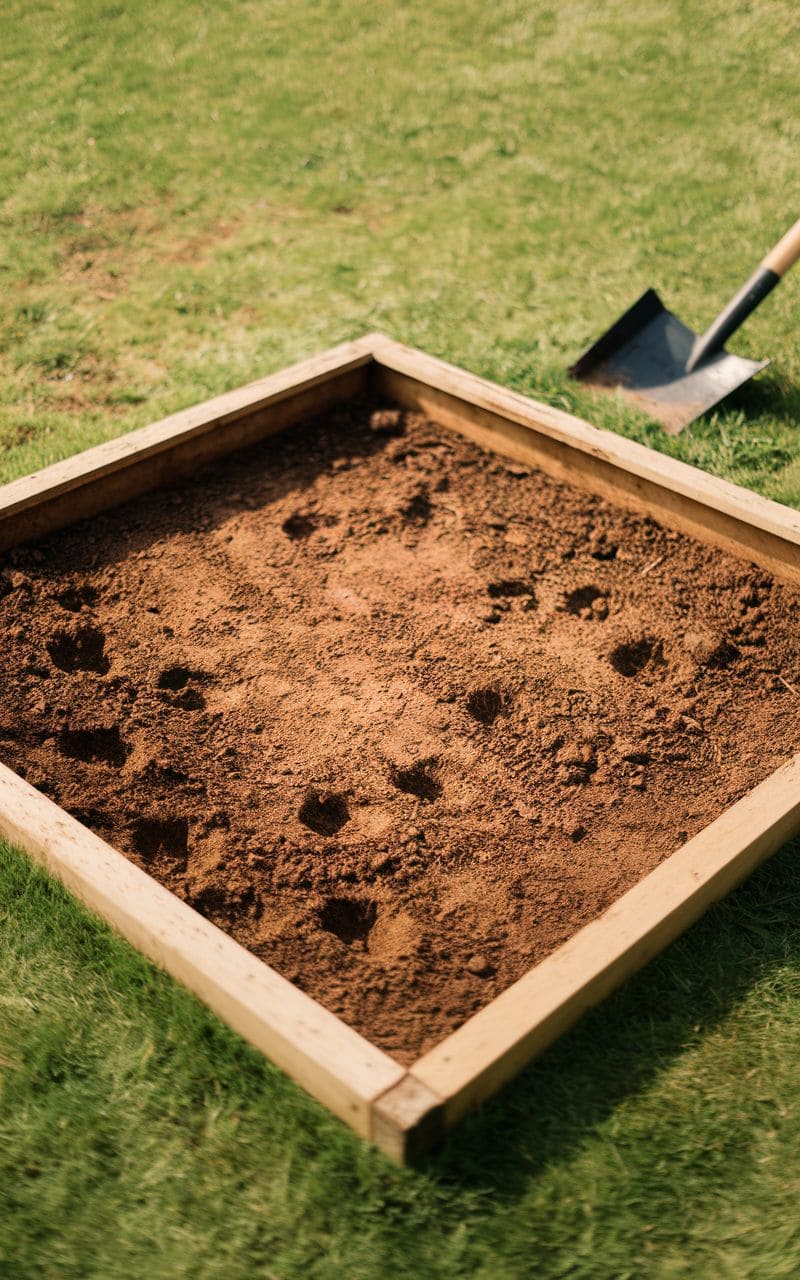
Designated Digging Box
Answer 4 quick questions and get matched to the exact fix for your yard — drainage, budget, layout, or something else entirely.
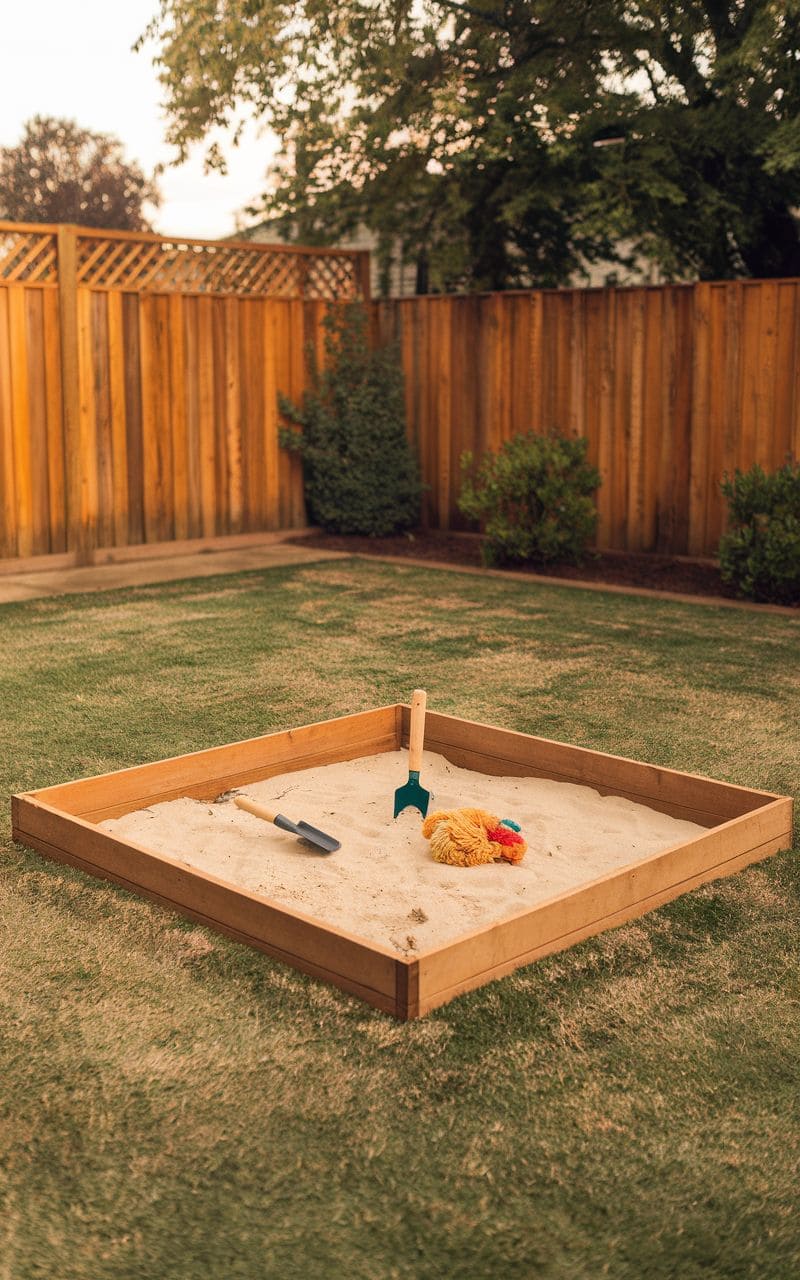
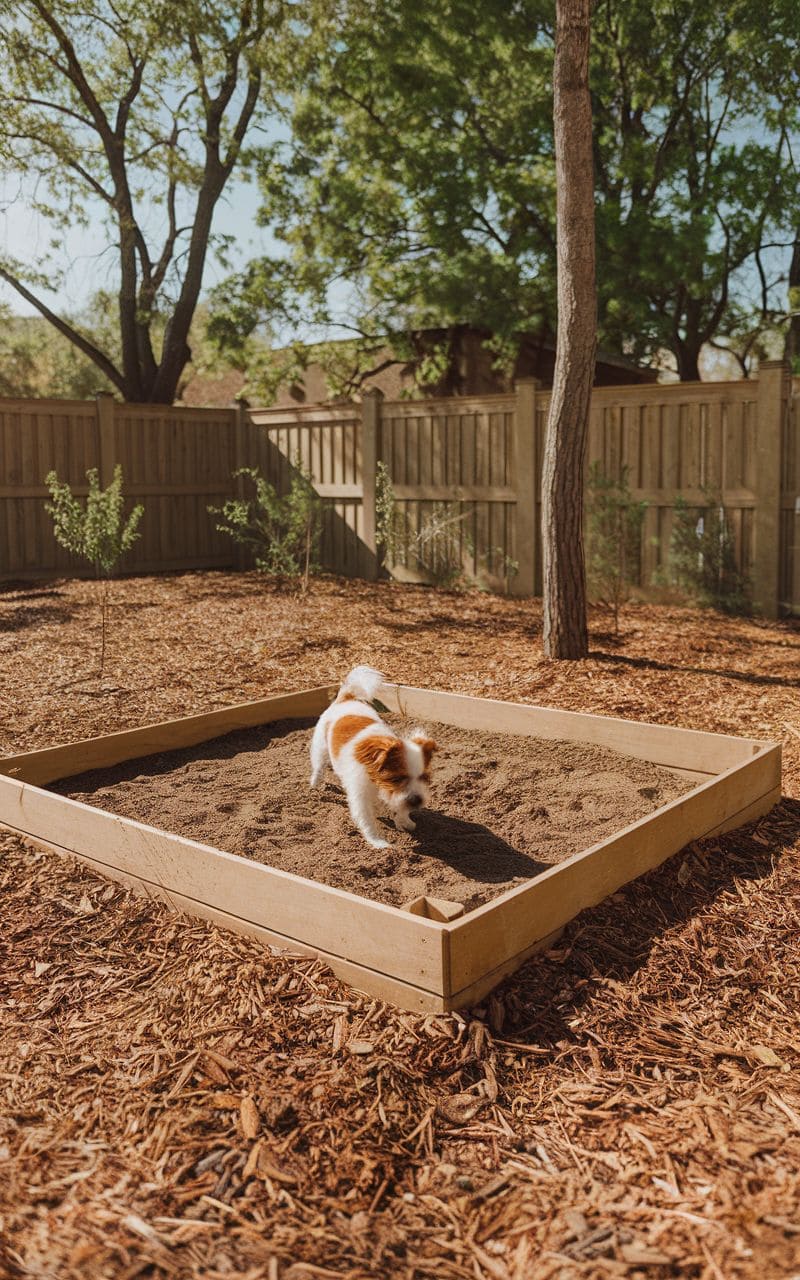
Take the Free QuizA sturdy box filled with sand or loose soil, with toys and treats buried in it, gives a dog a legitimate outlet for a behavior that’s genuinely hardwired, not a bad habit to punish out of them.
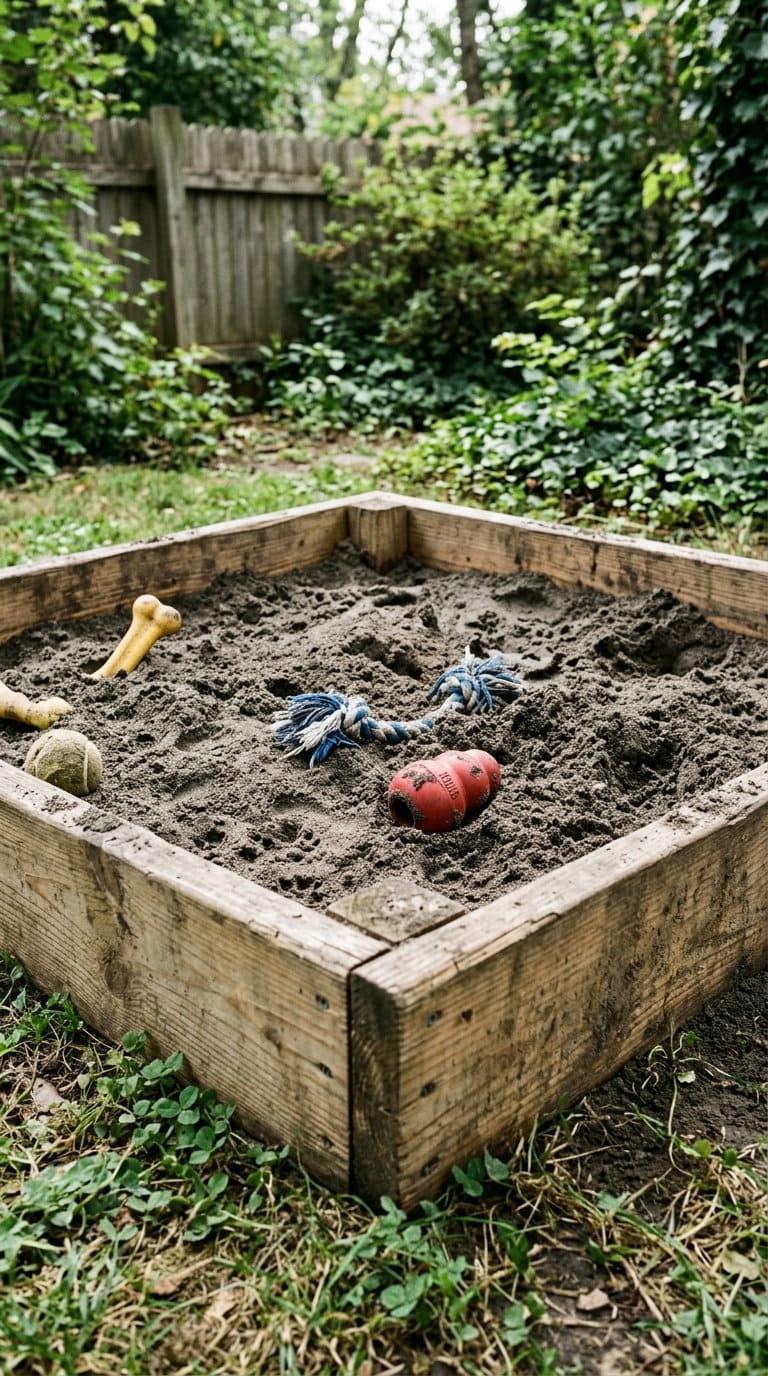
This single idea does more to protect the rest of the yard’s plantings than almost anything else on this list, since a dog with a sanctioned dig spot has a lot less reason to excavate the garden beds.
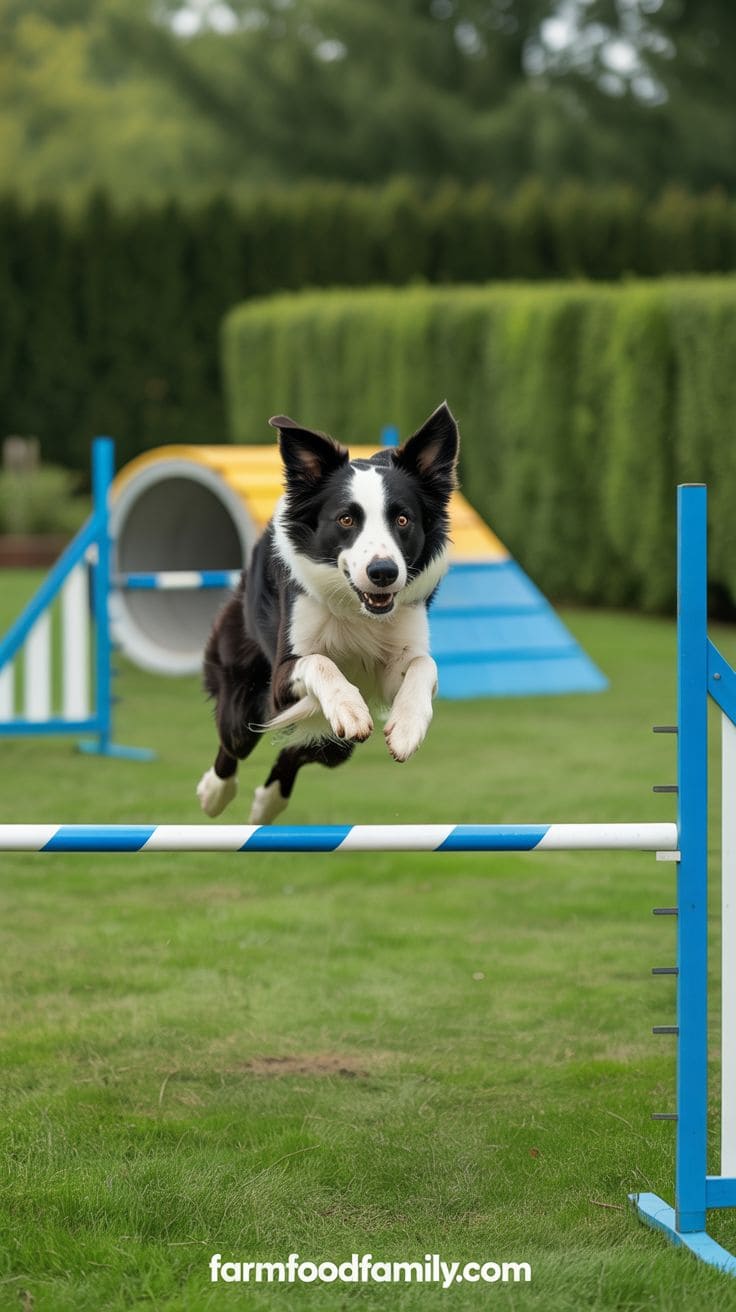
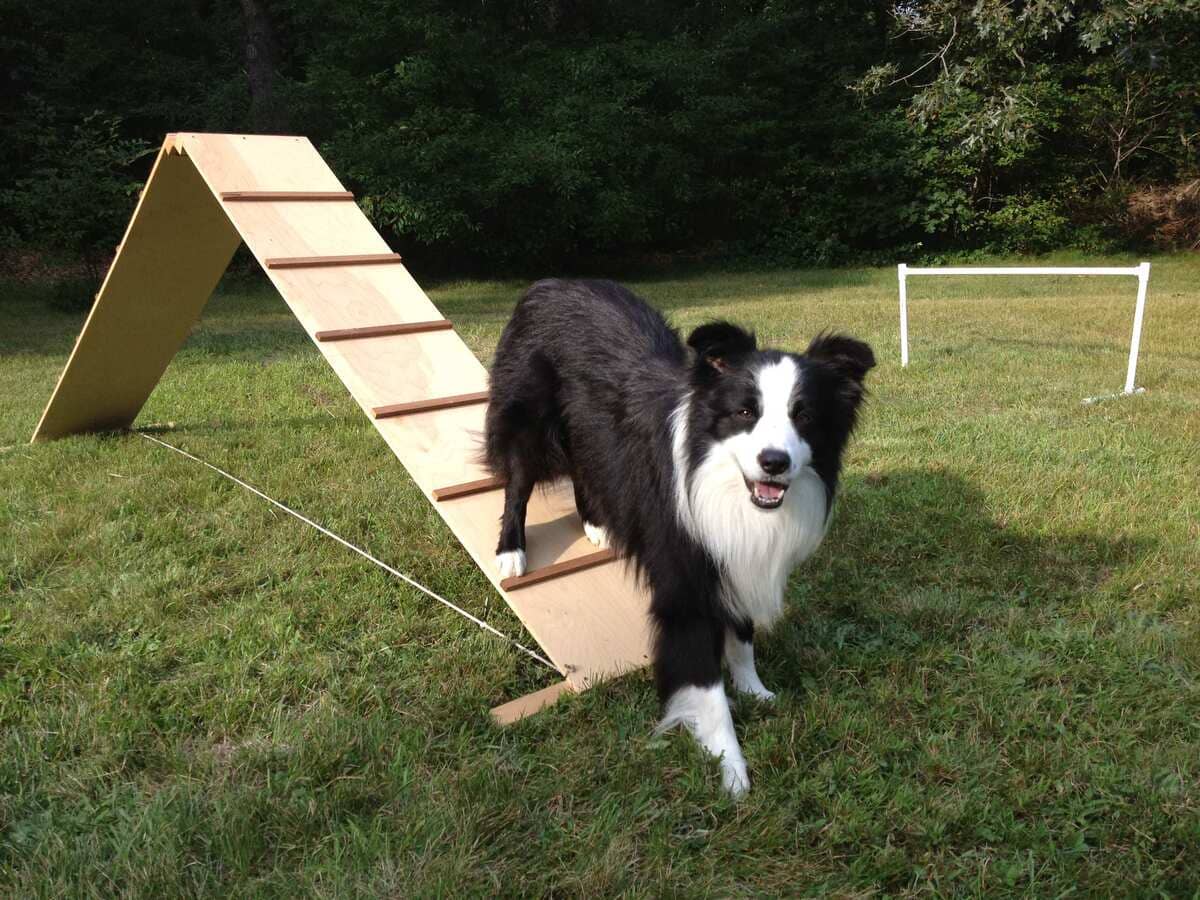
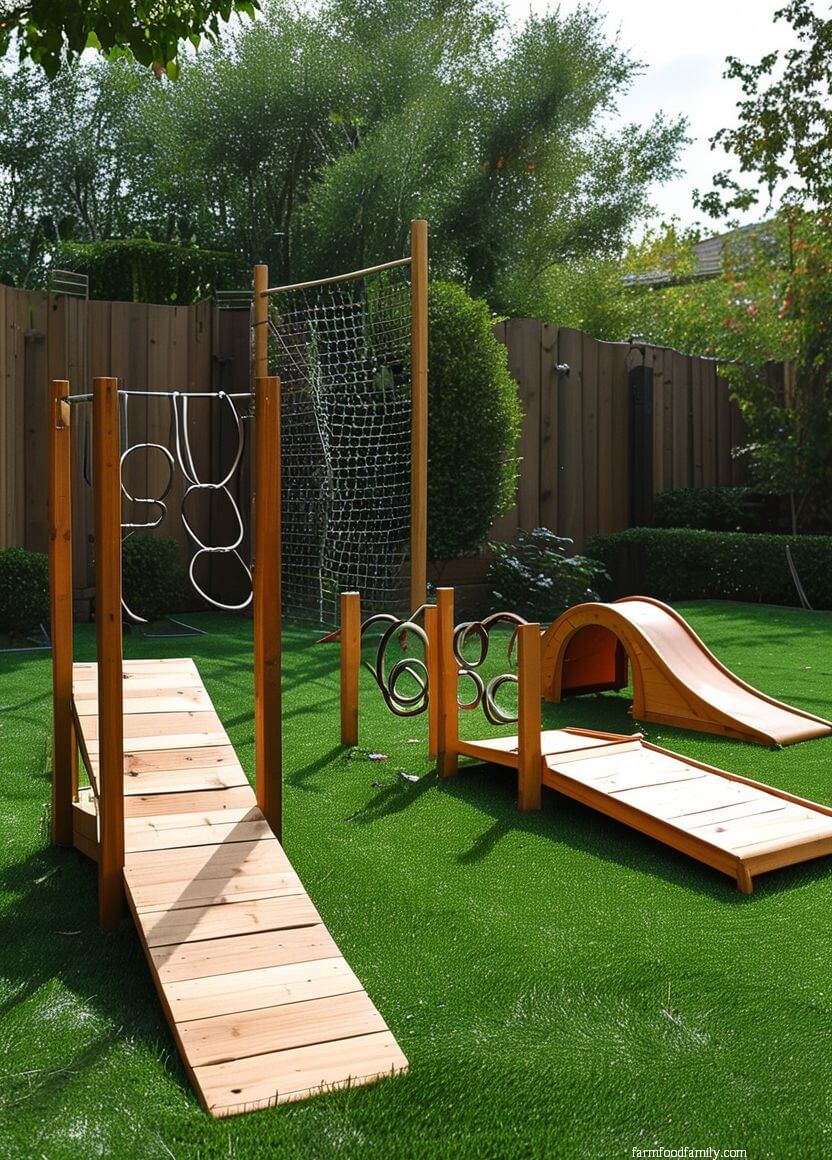
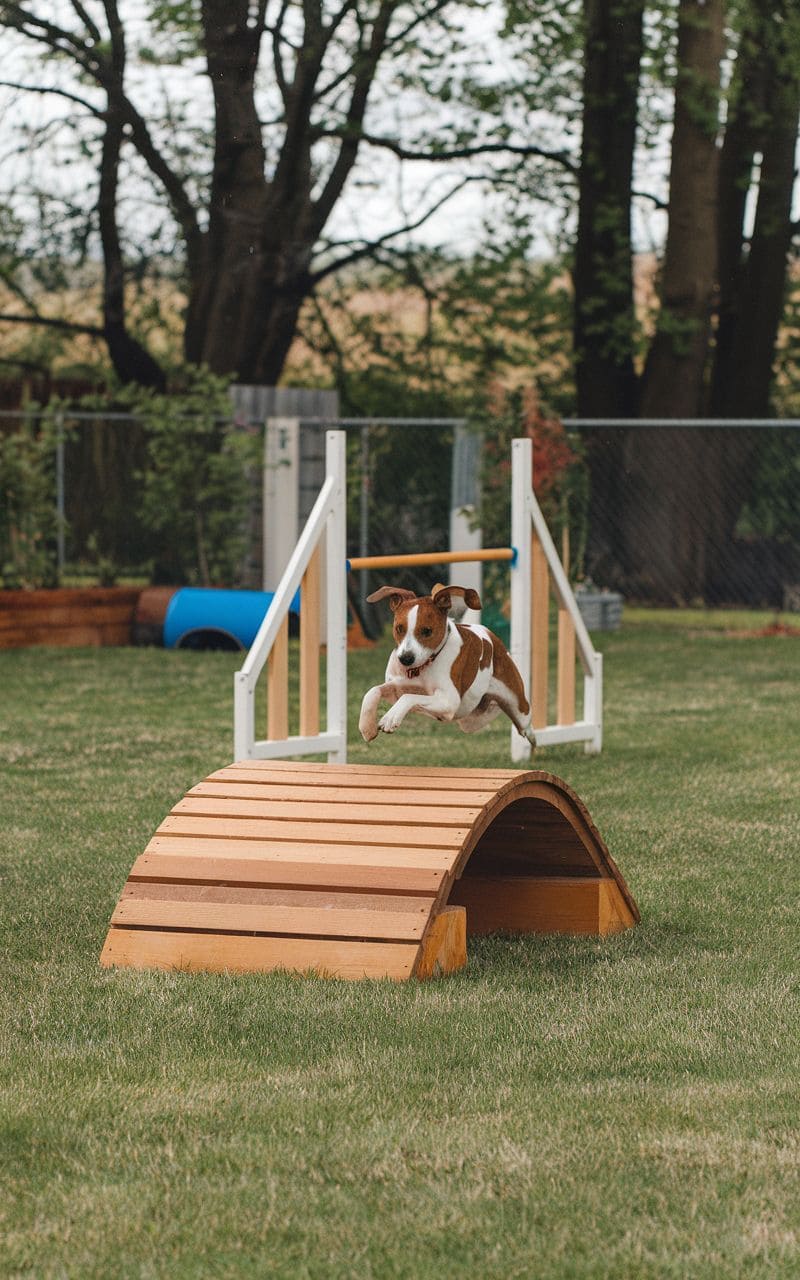
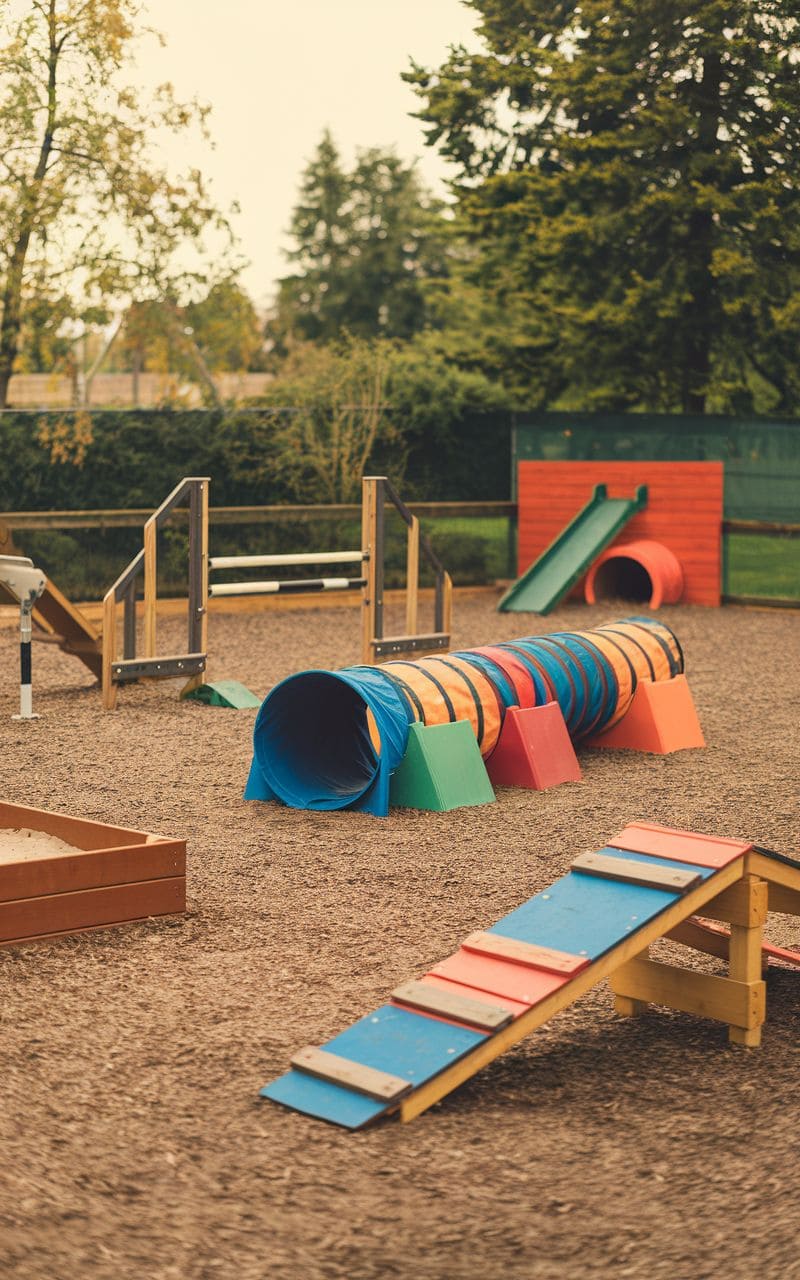
Obstacle or Agility Course
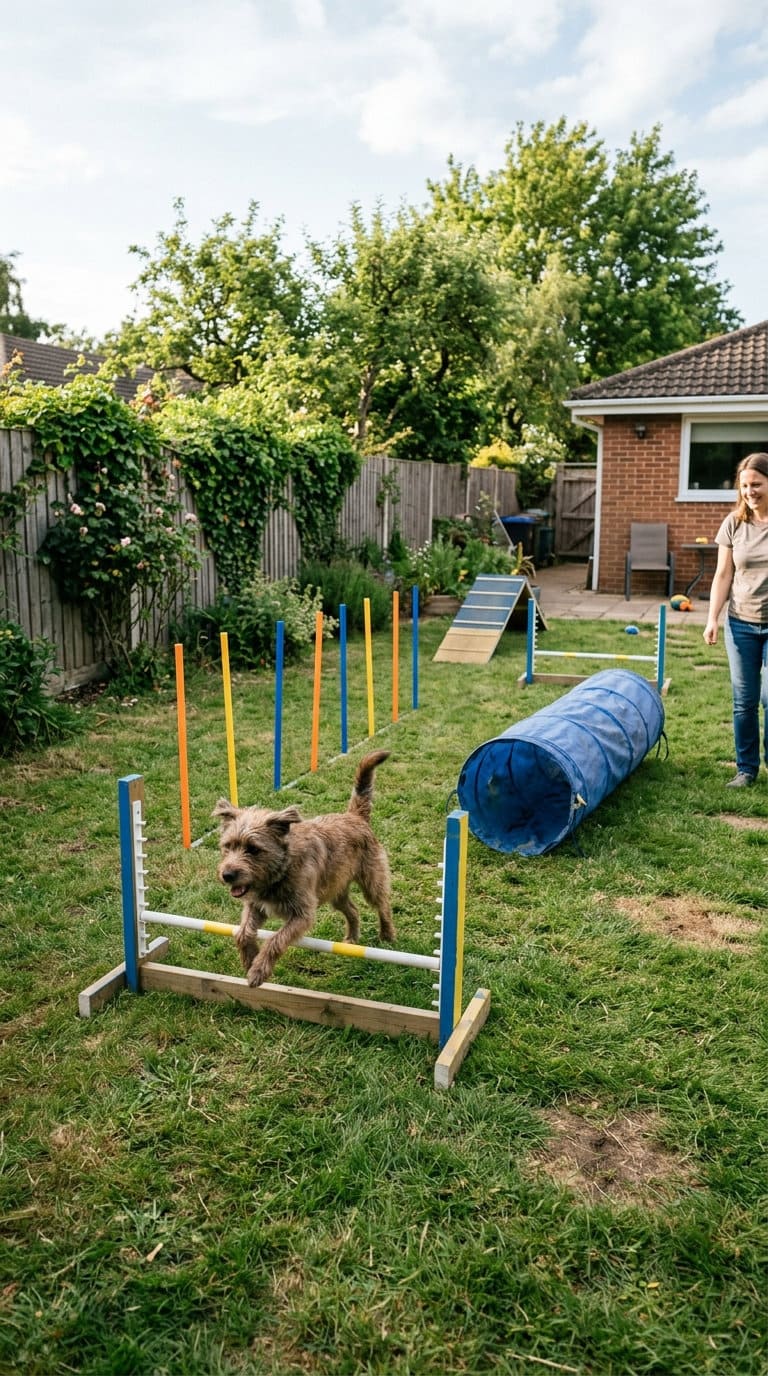
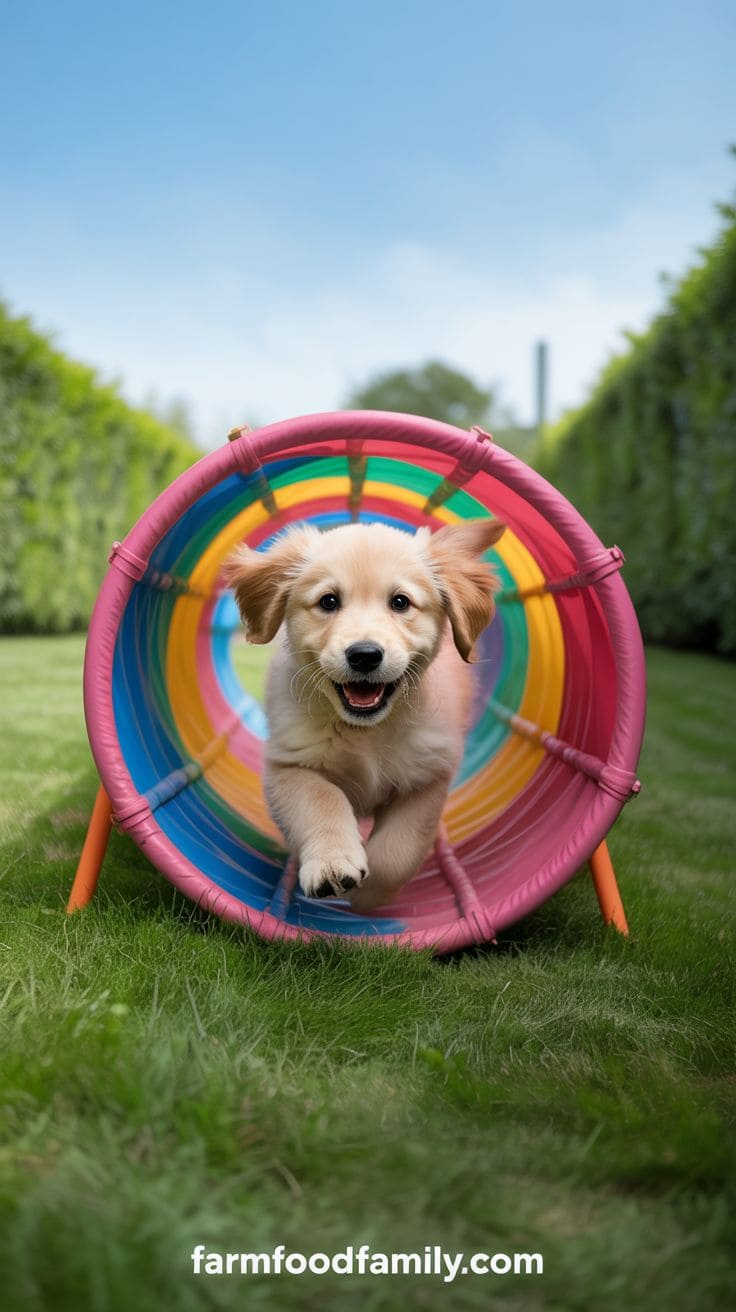
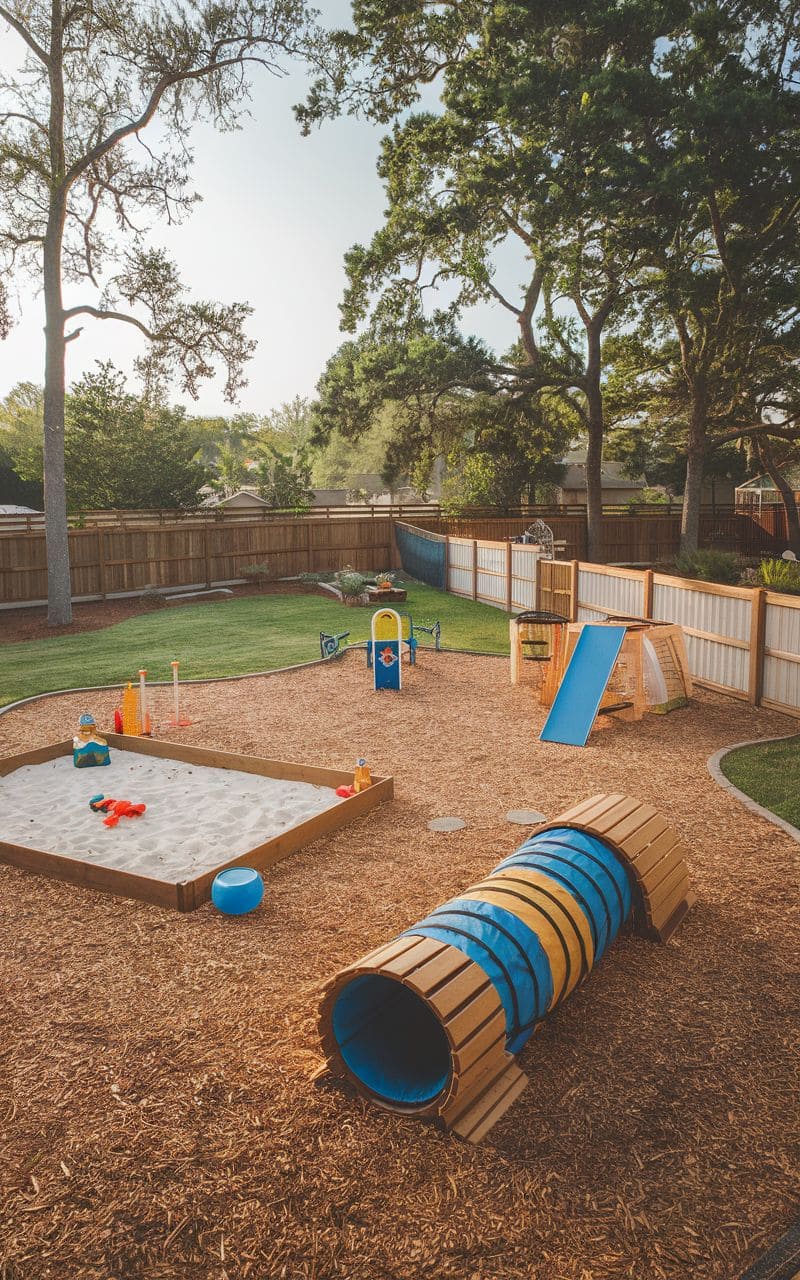
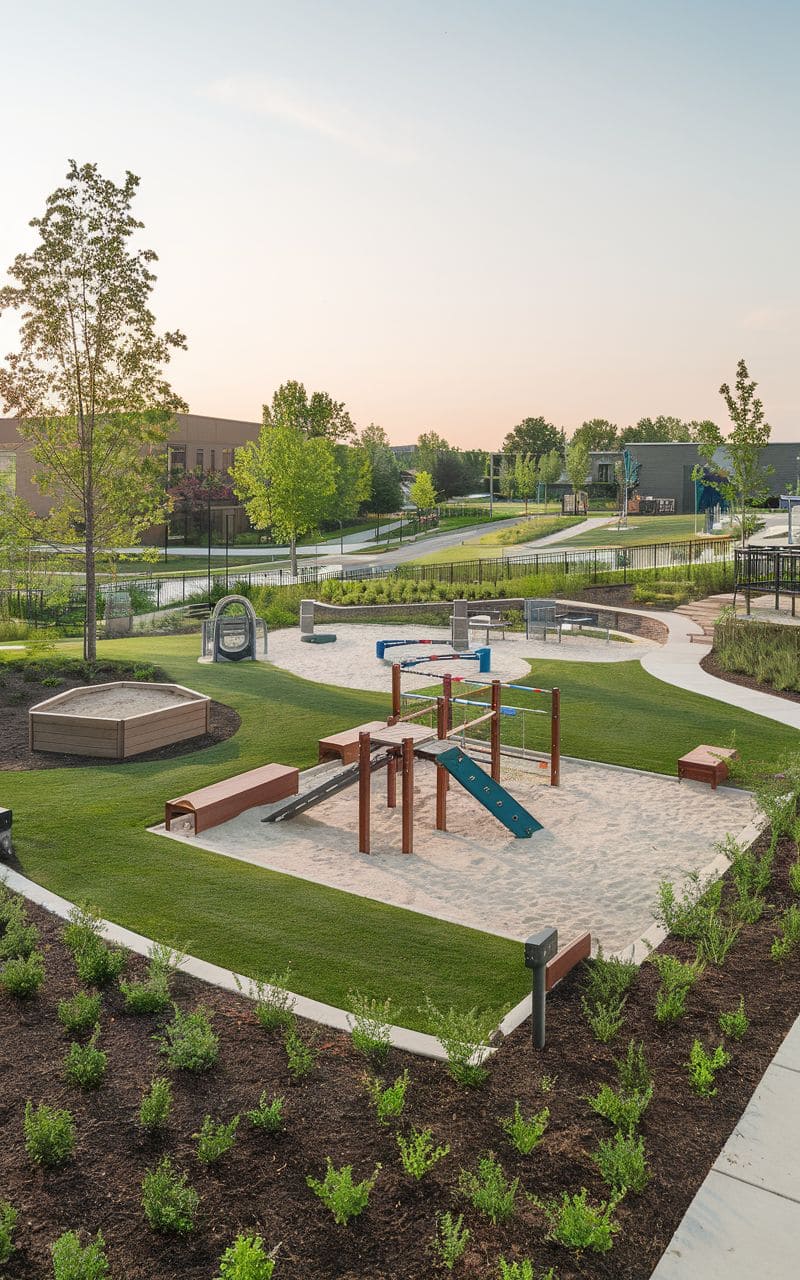
Tunnels, weave poles, and low jumps turn yard time into real mental and physical exercise, not just supervised standing around.
It strengthens training and bonding at the same time, and a tired, mentally engaged dog is a genuinely easier dog to landscape around.
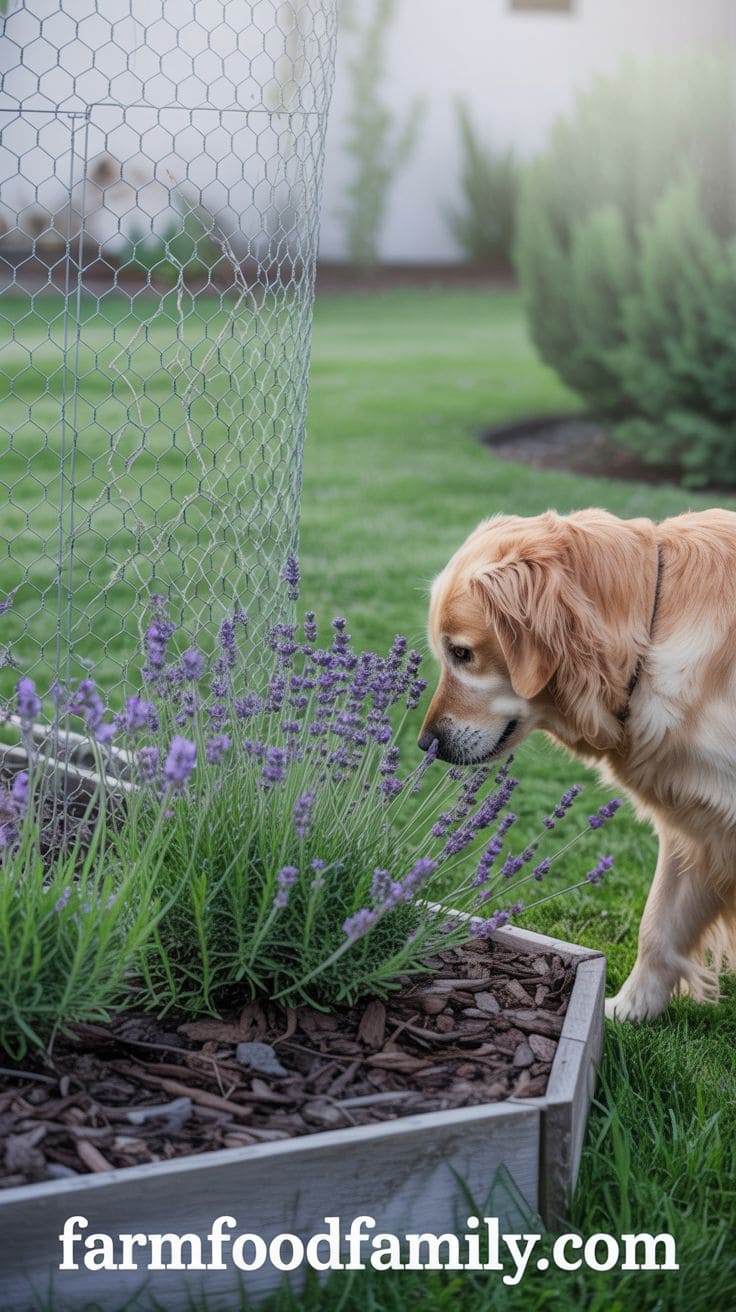
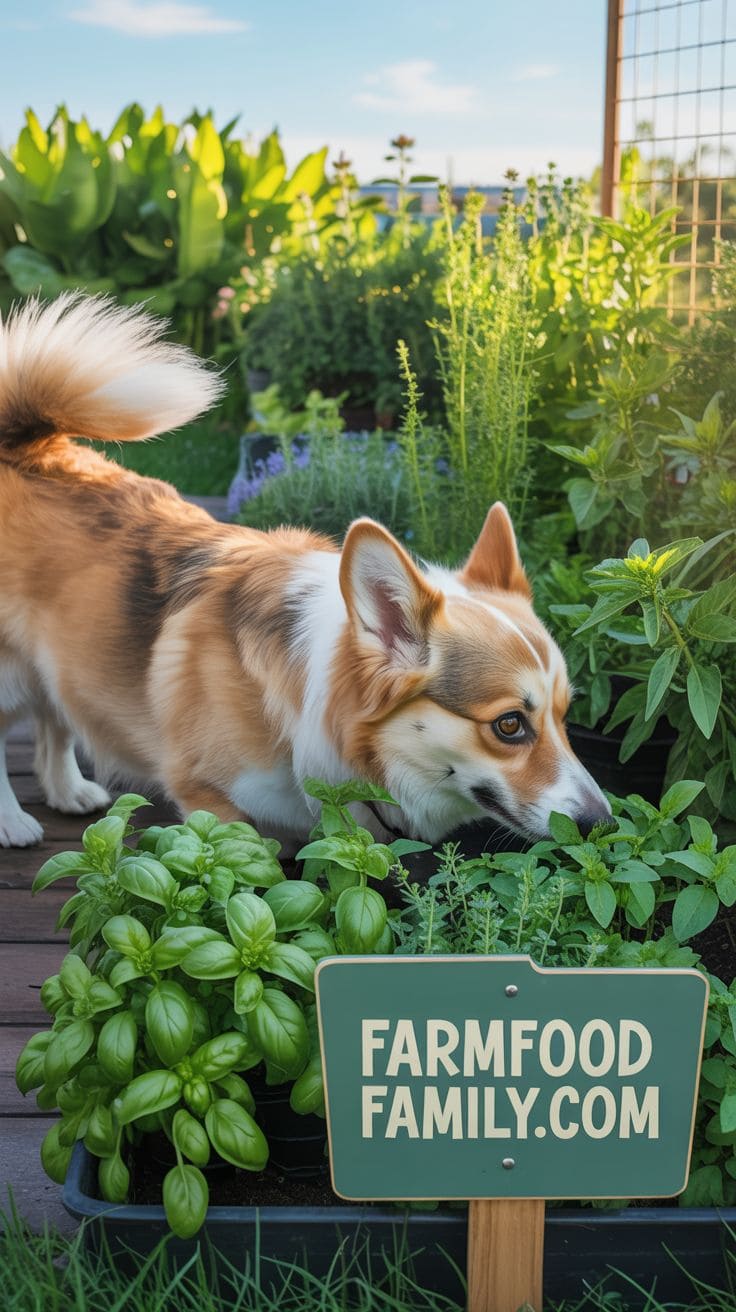
Sensory “Sniff Garden.”
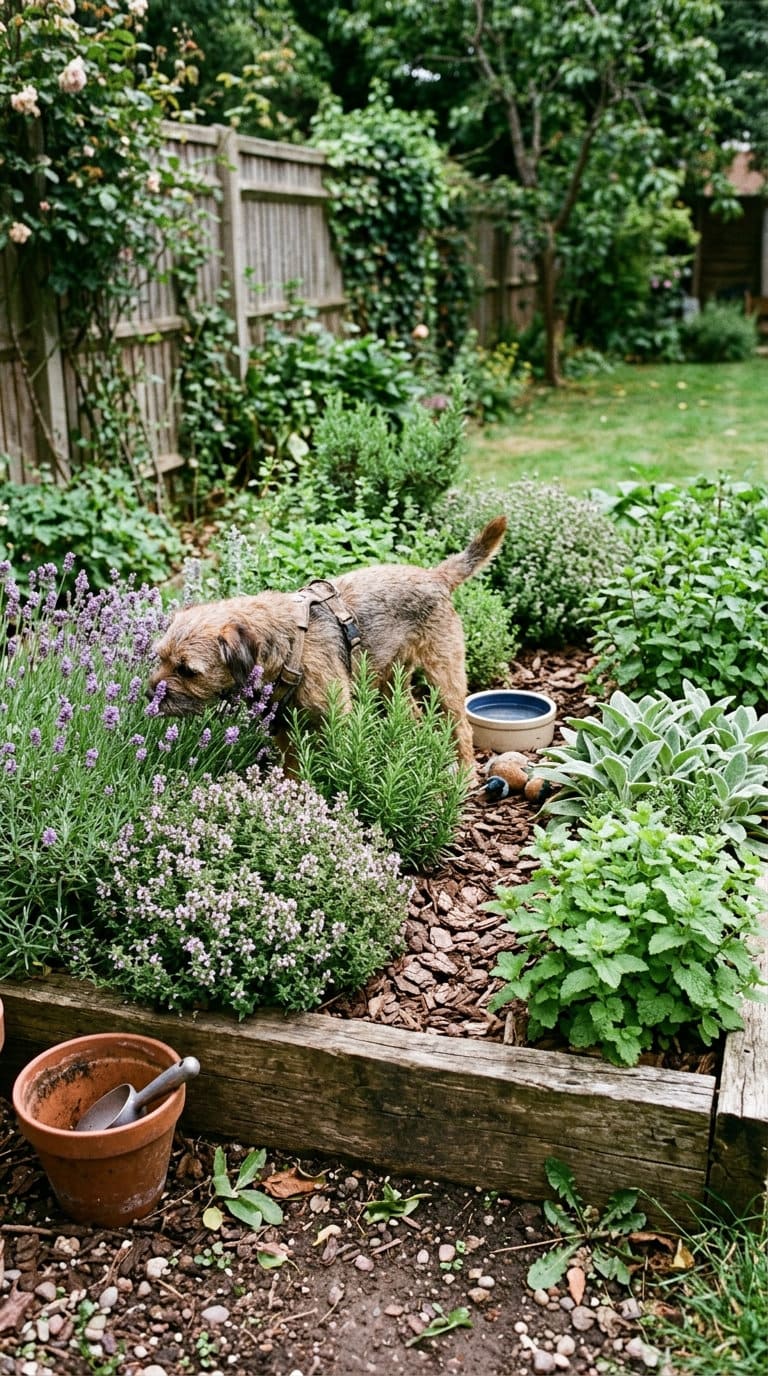
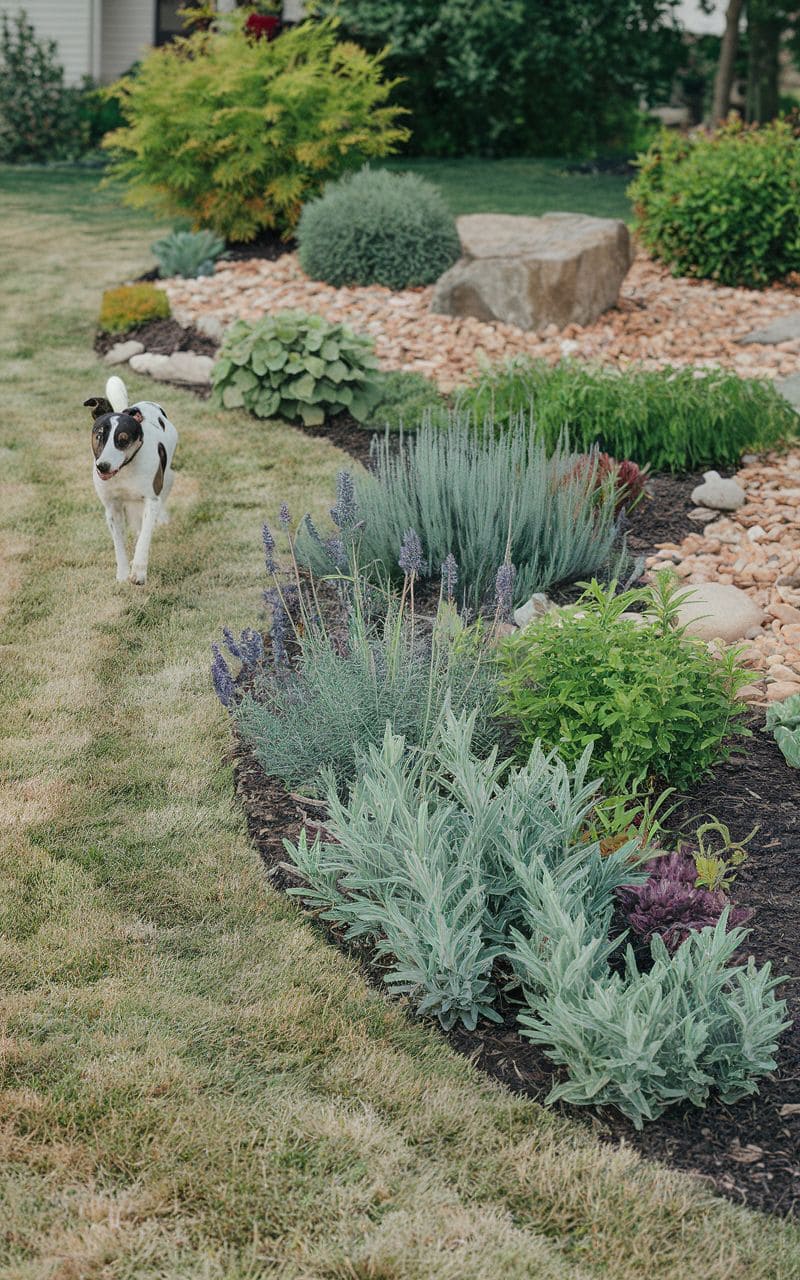
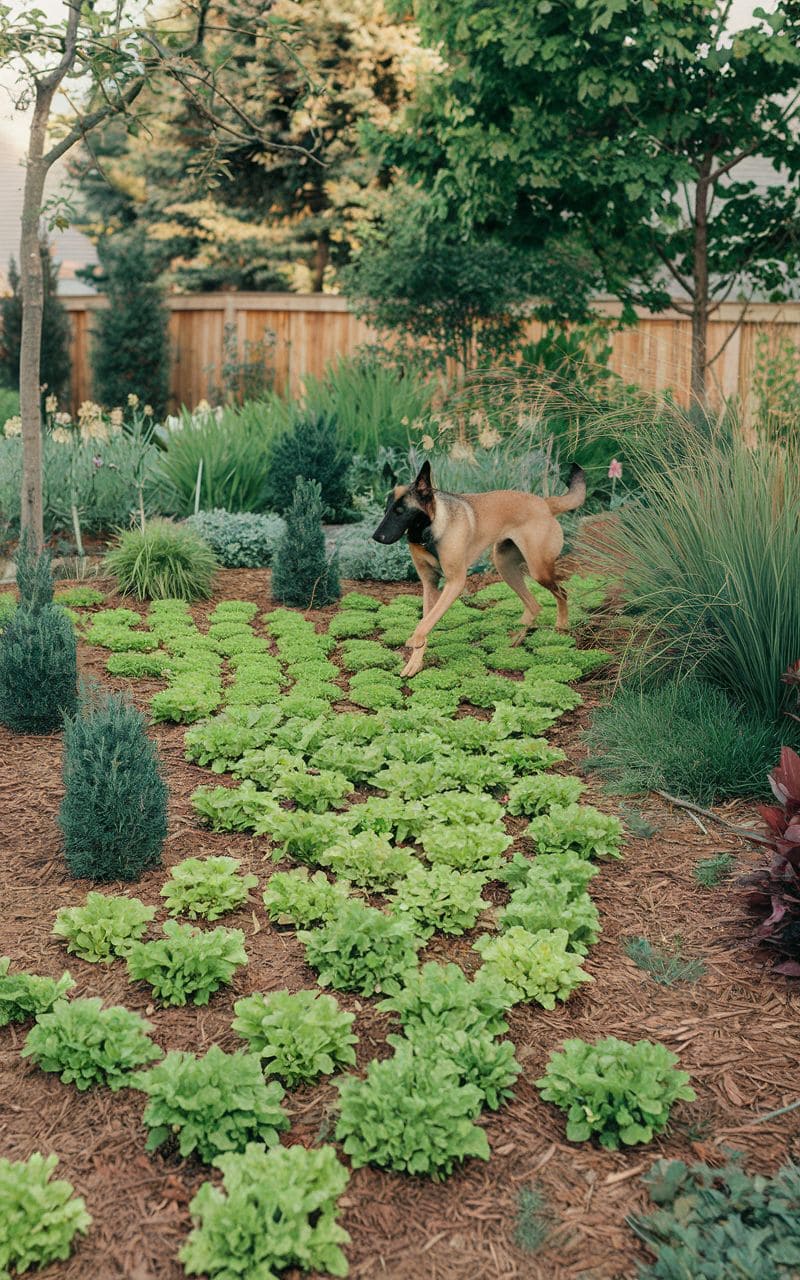
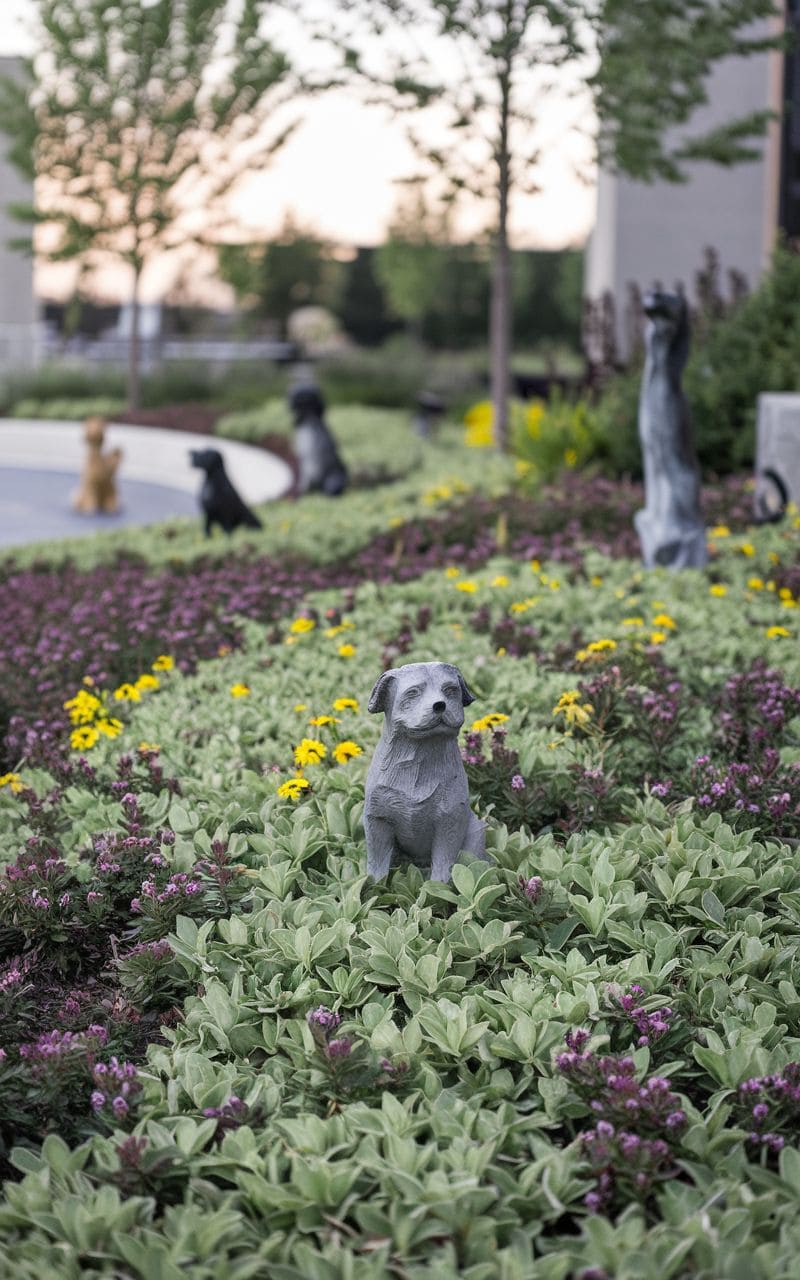
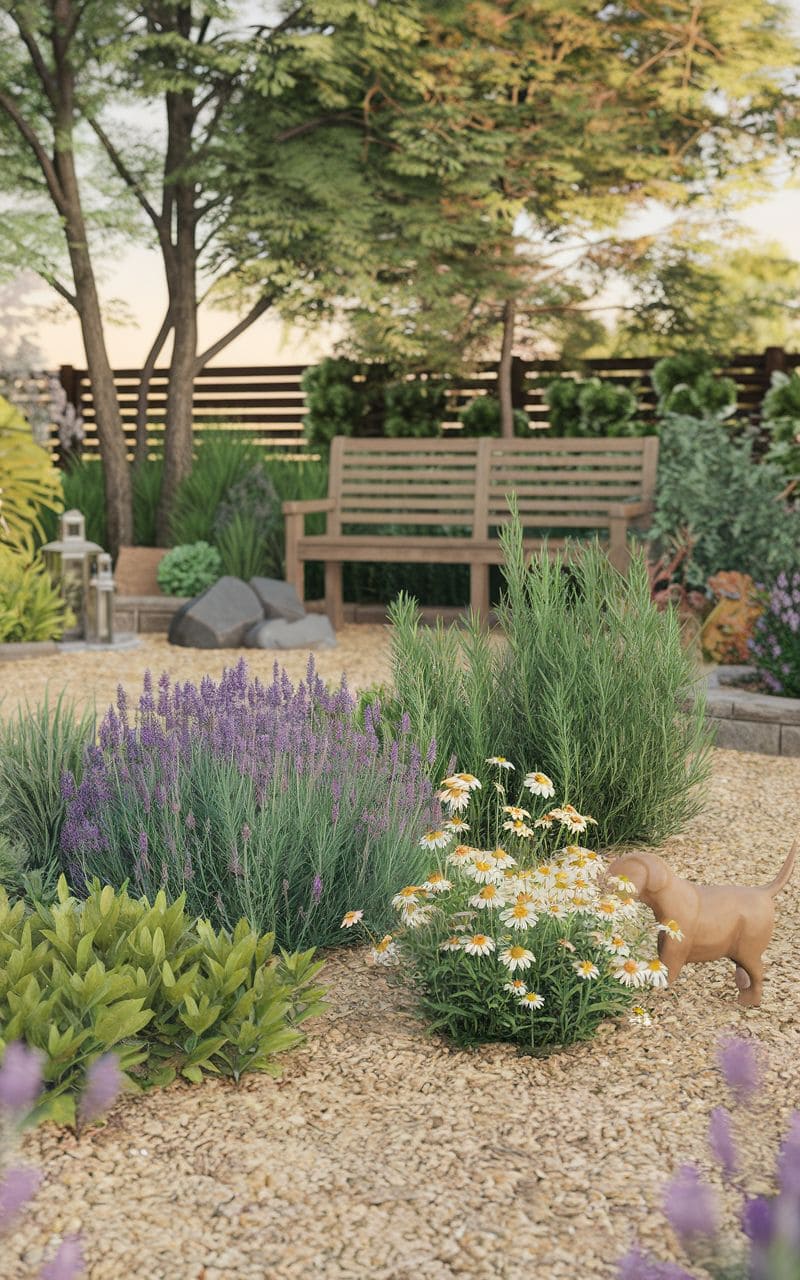
A newer, currently trending idea worth taking seriously: dogs experience the world primarily through scent, and a dedicated patch of dog-safe aromatic plants and varied textures gives them a low-key mental enrichment activity that a plain lawn never offers.
It’s a real answer to boredom-driven destructive behavior, not just a decorative feature.
Water and cooling
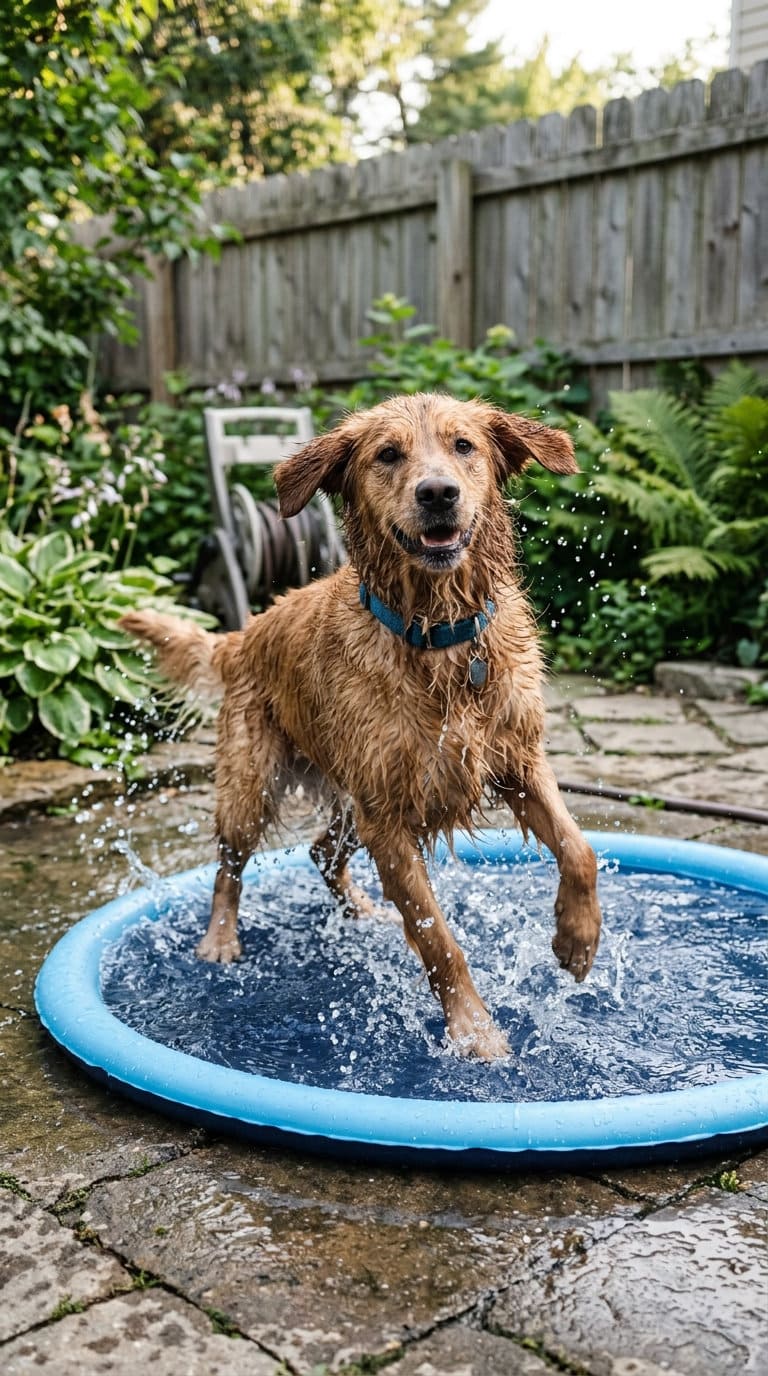
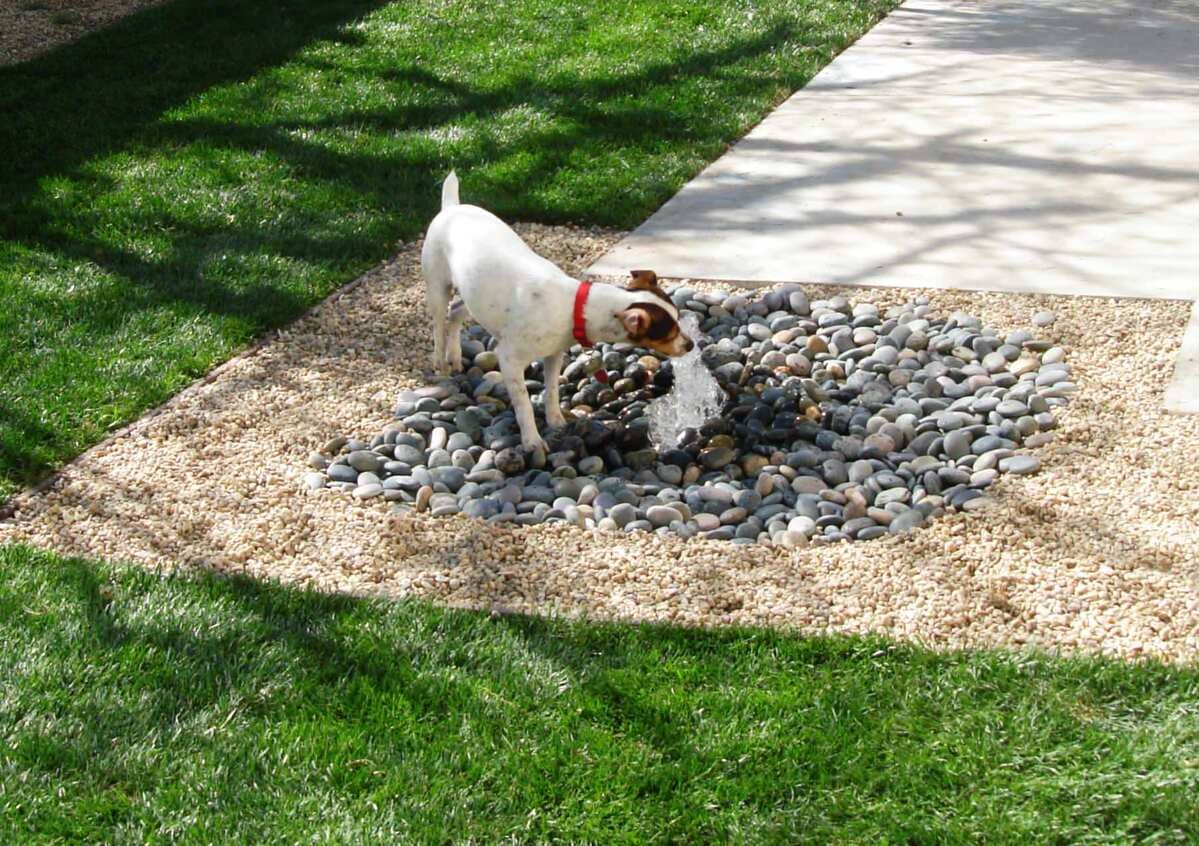
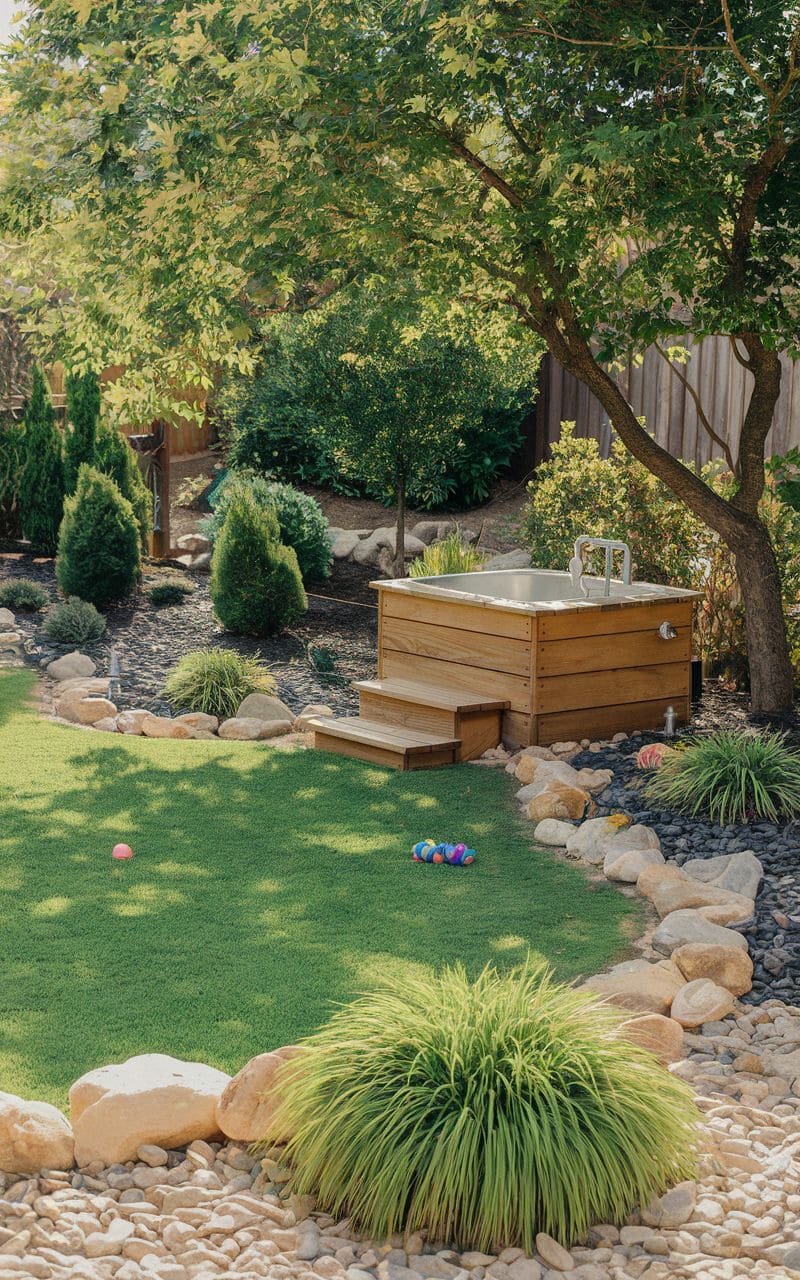
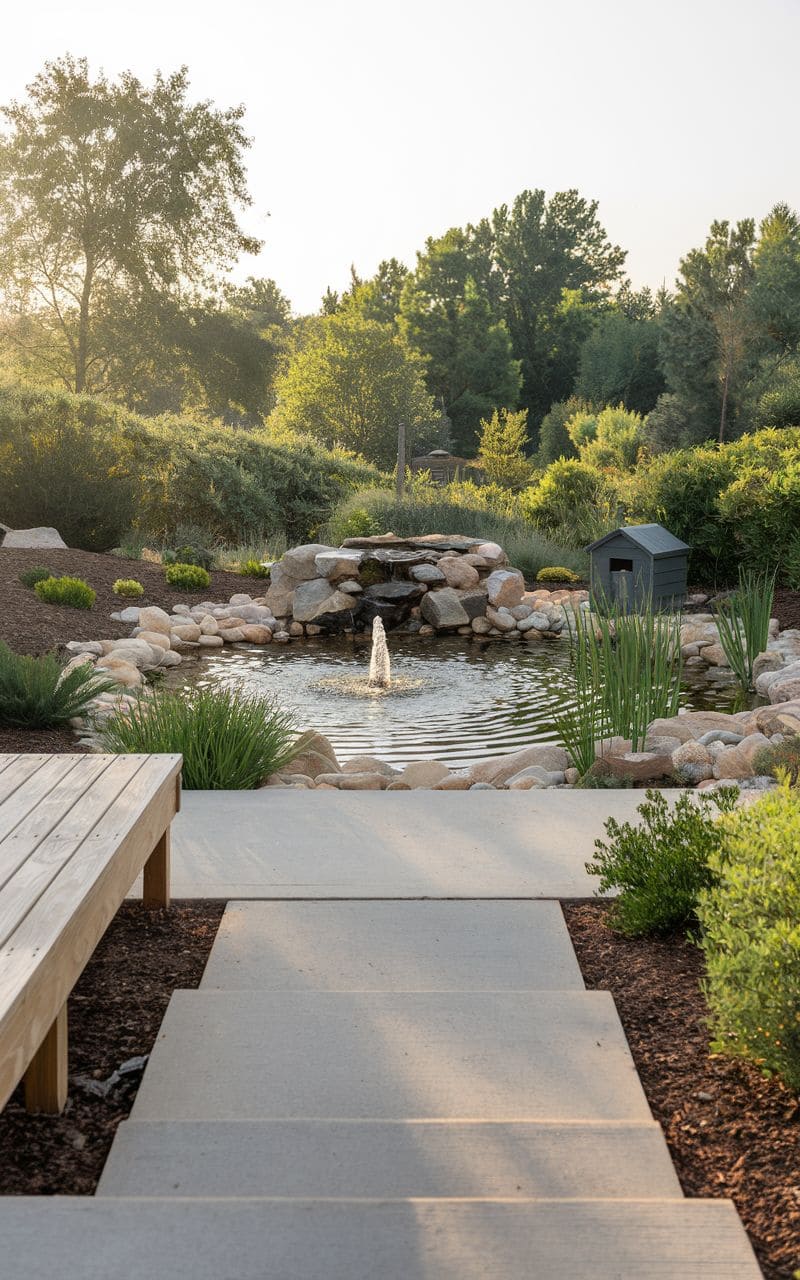
Dog-Safe Splash Zone
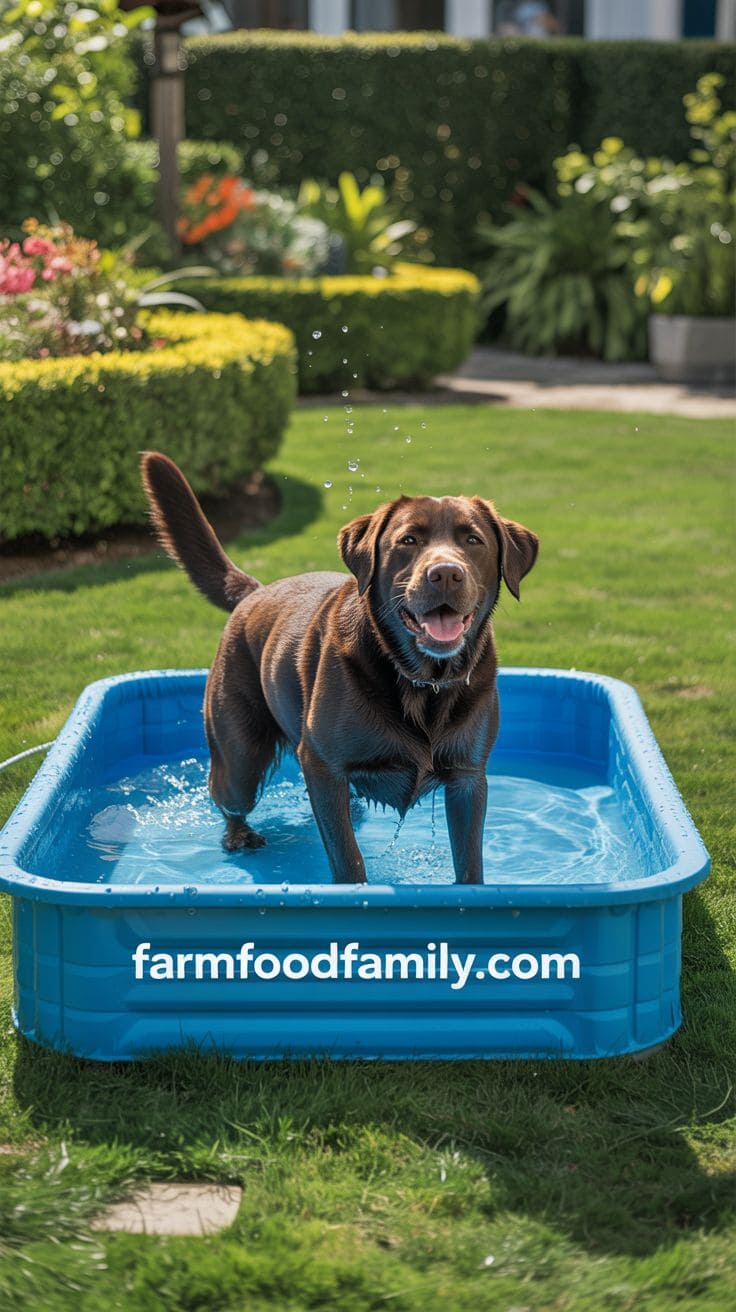
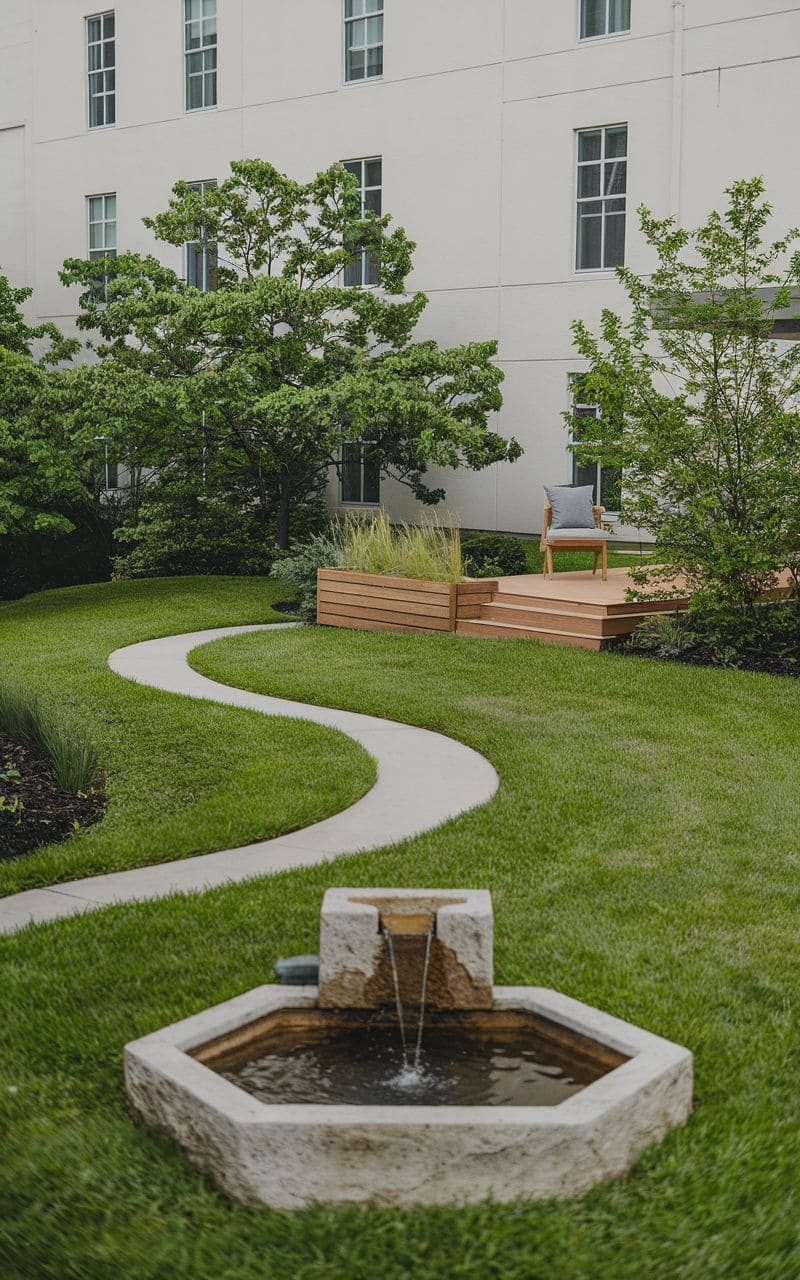
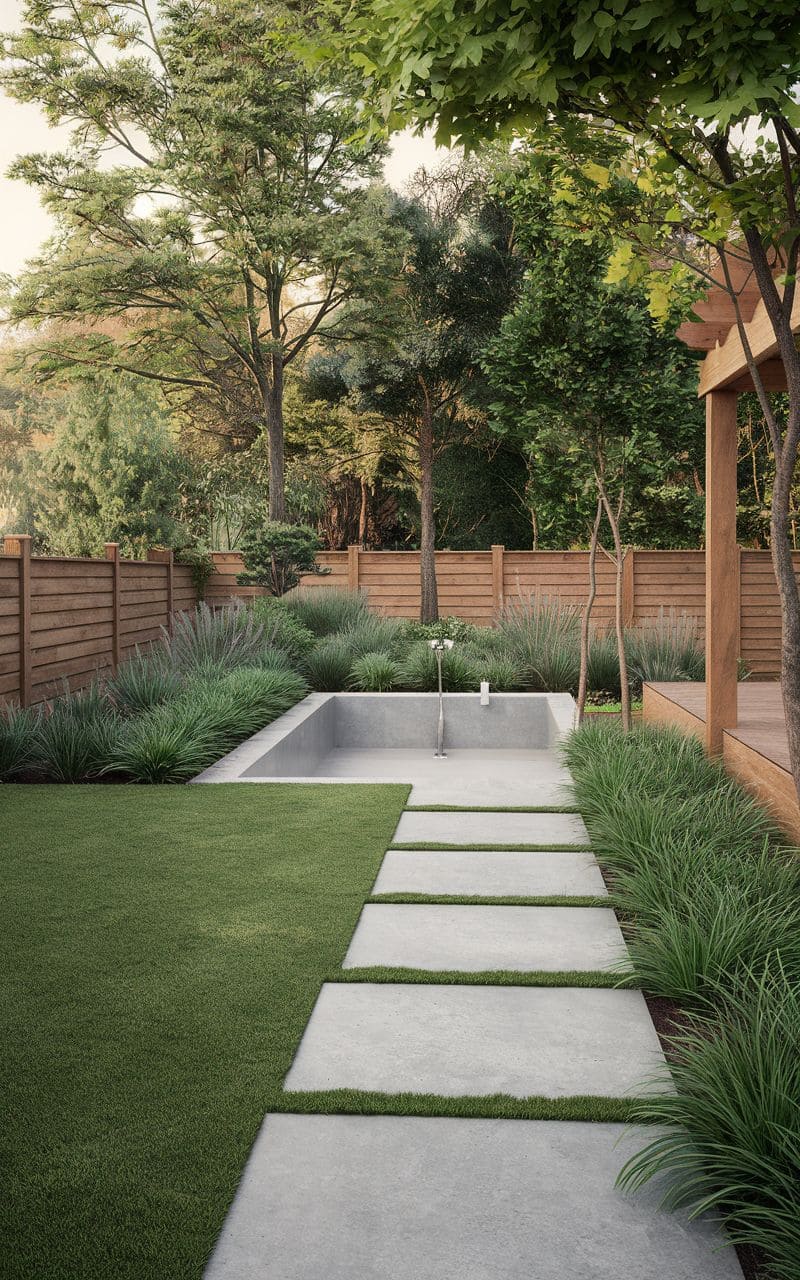
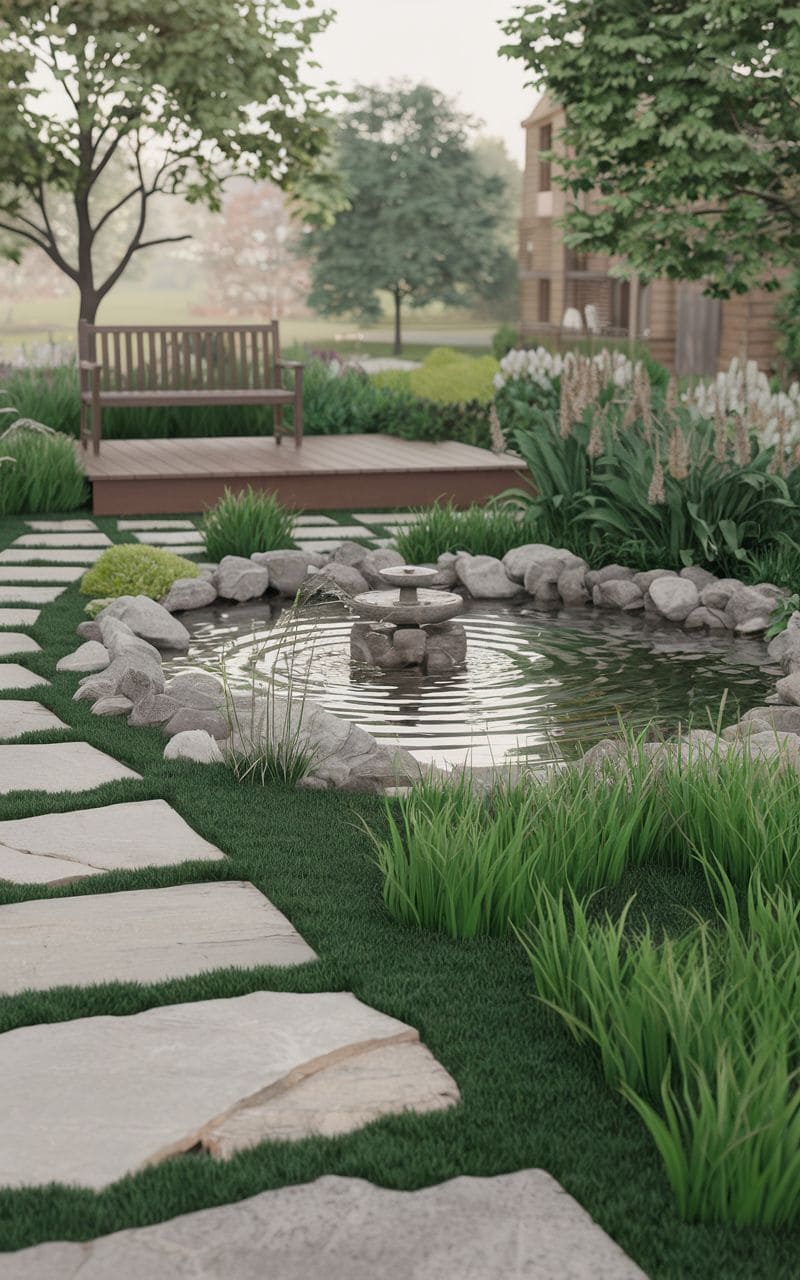
A small fountain, splash pad, or shallow basin gives a dog a legitimate way to cool off in summer heat, which matters more than it sounds, dogs regulate temperature far less efficiently than people do.
Most yard problems trace back to one specific, fixable cause. Find yours in 4 quick questions.
Take the Free QuizIt also tends to redirect a dog’s water-seeking instinct away from digging up damp garden beds looking for cool dirt.
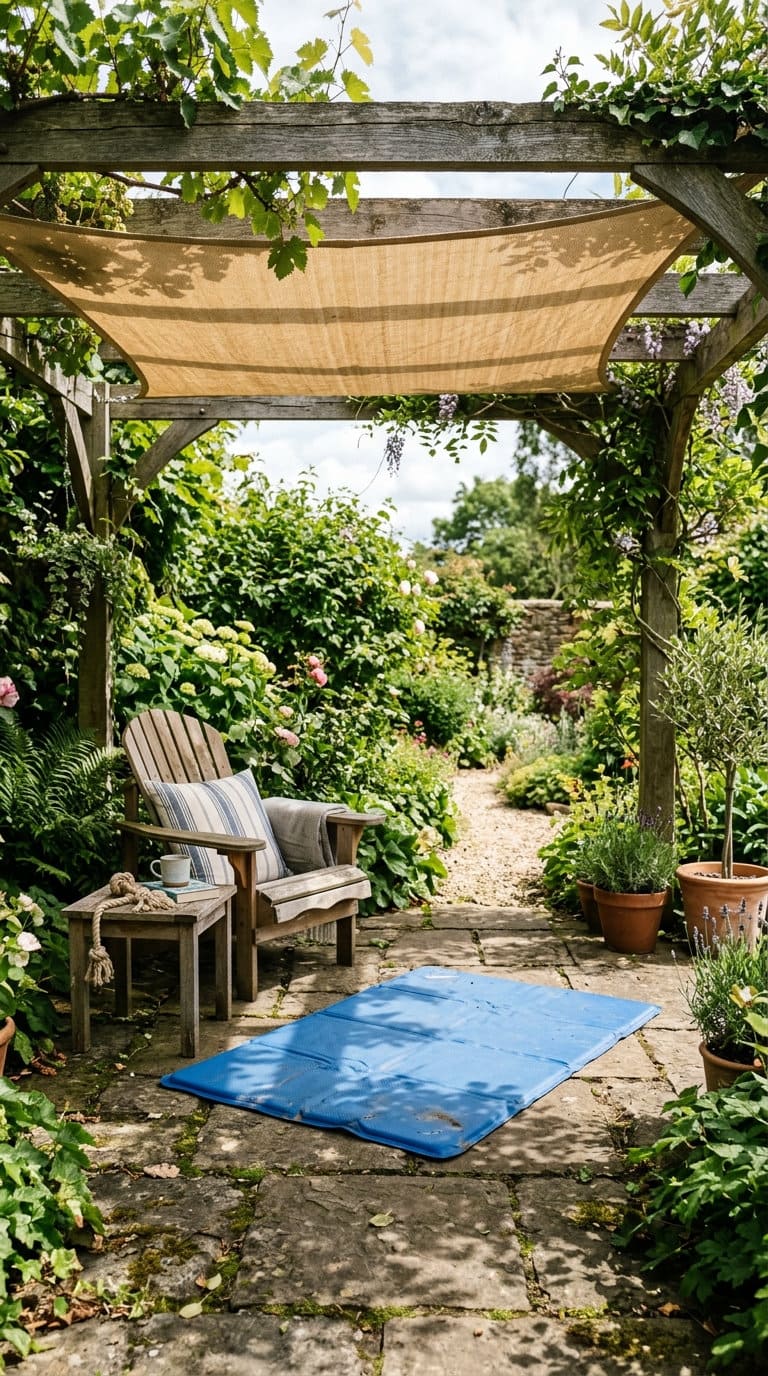
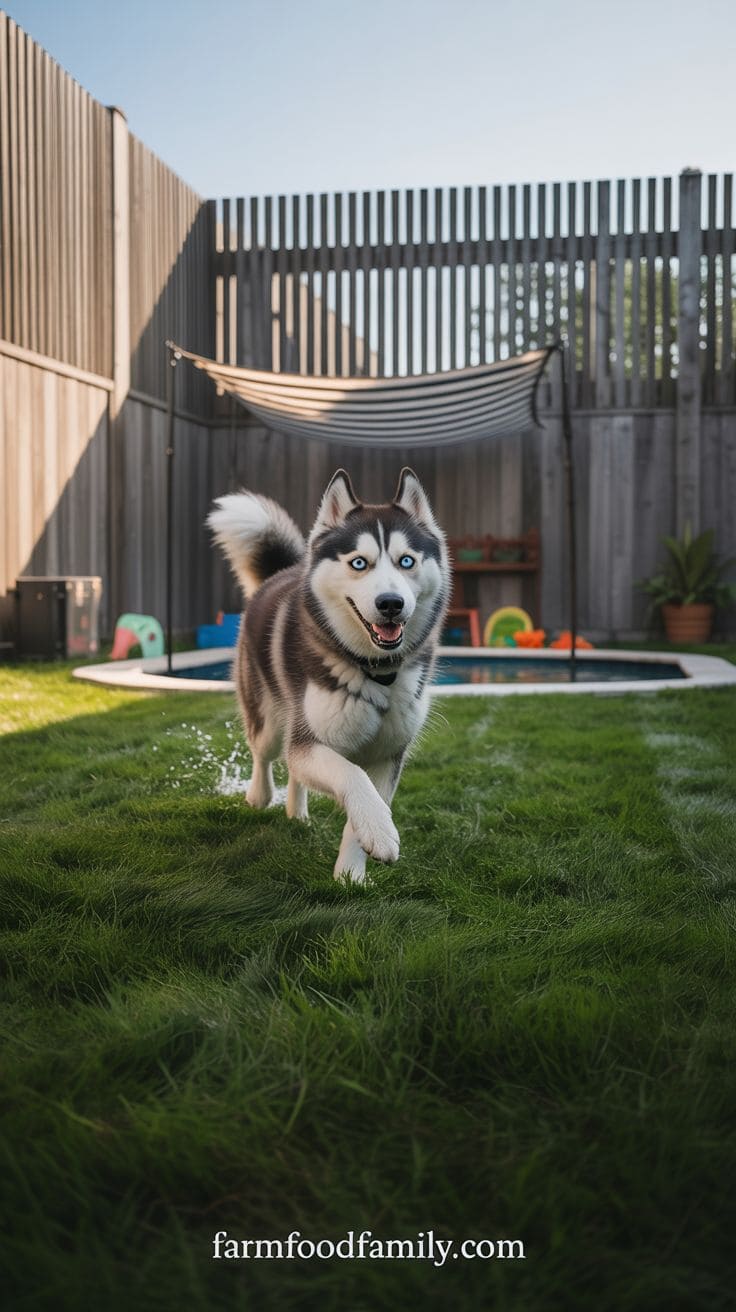
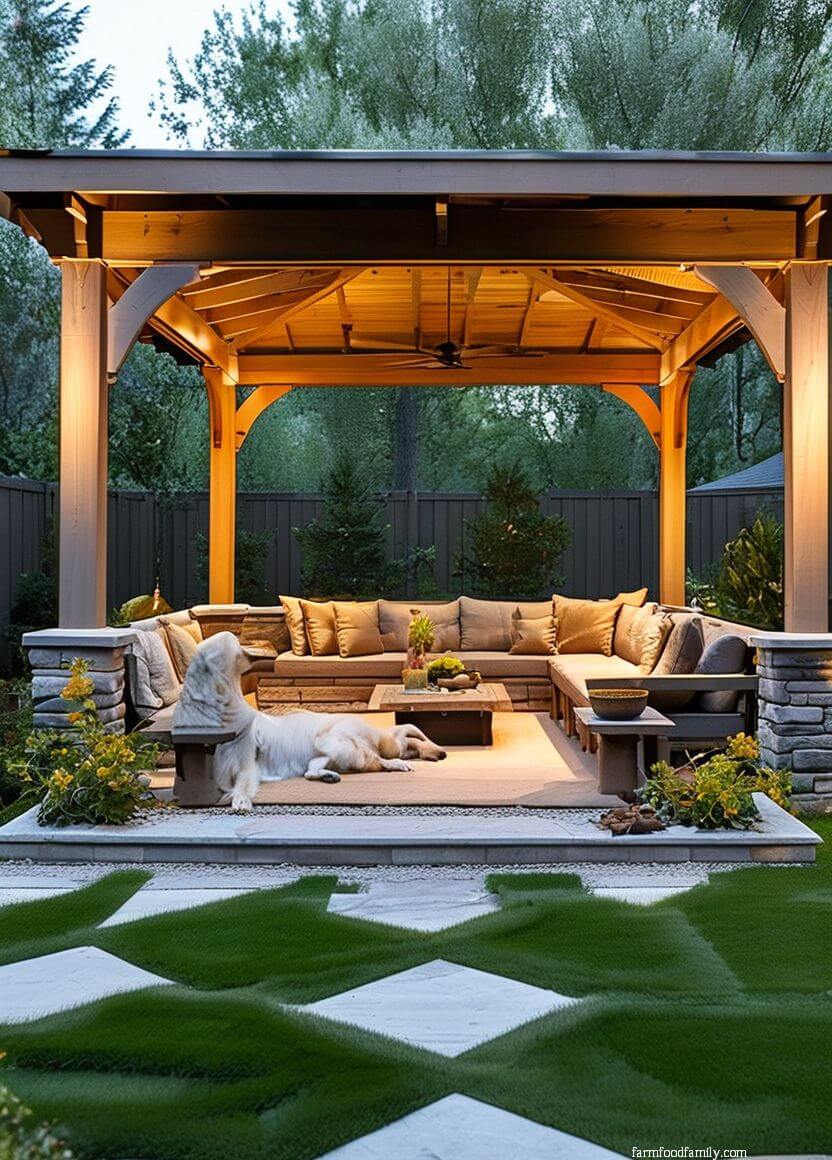
Shaded Retreat or Cooling Station
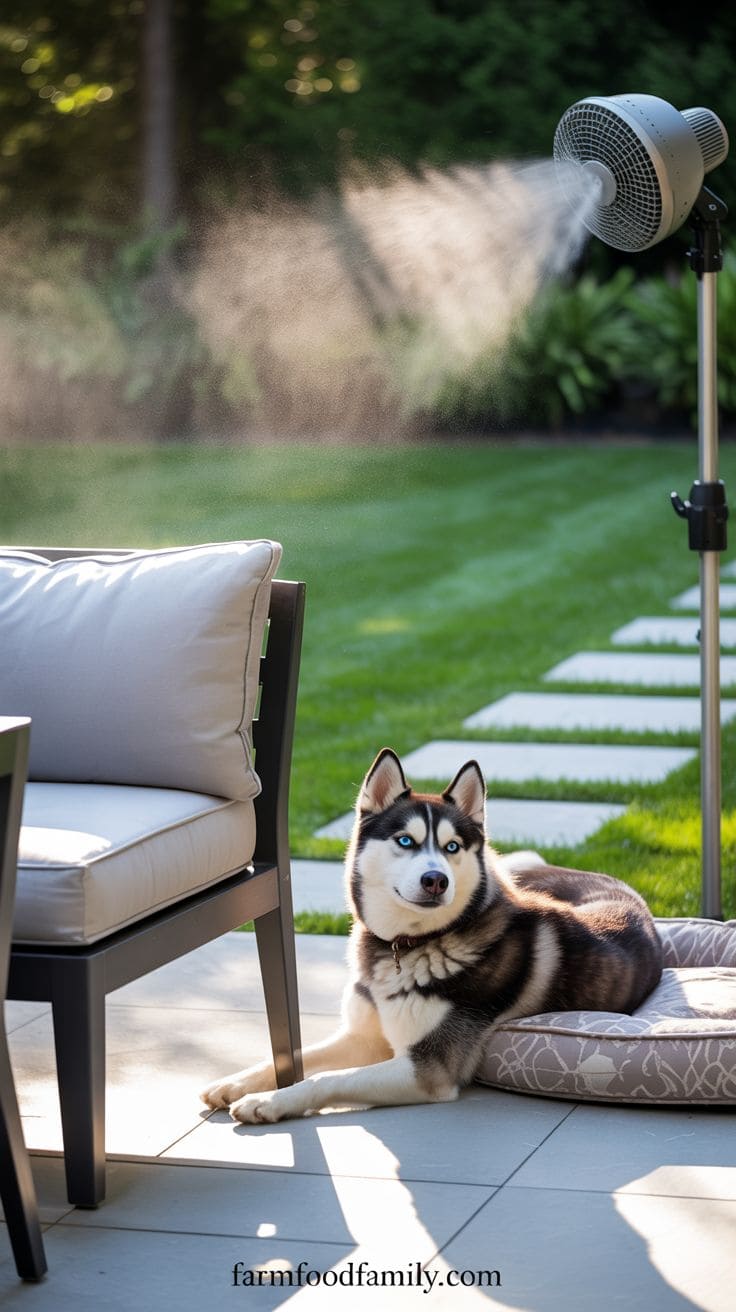
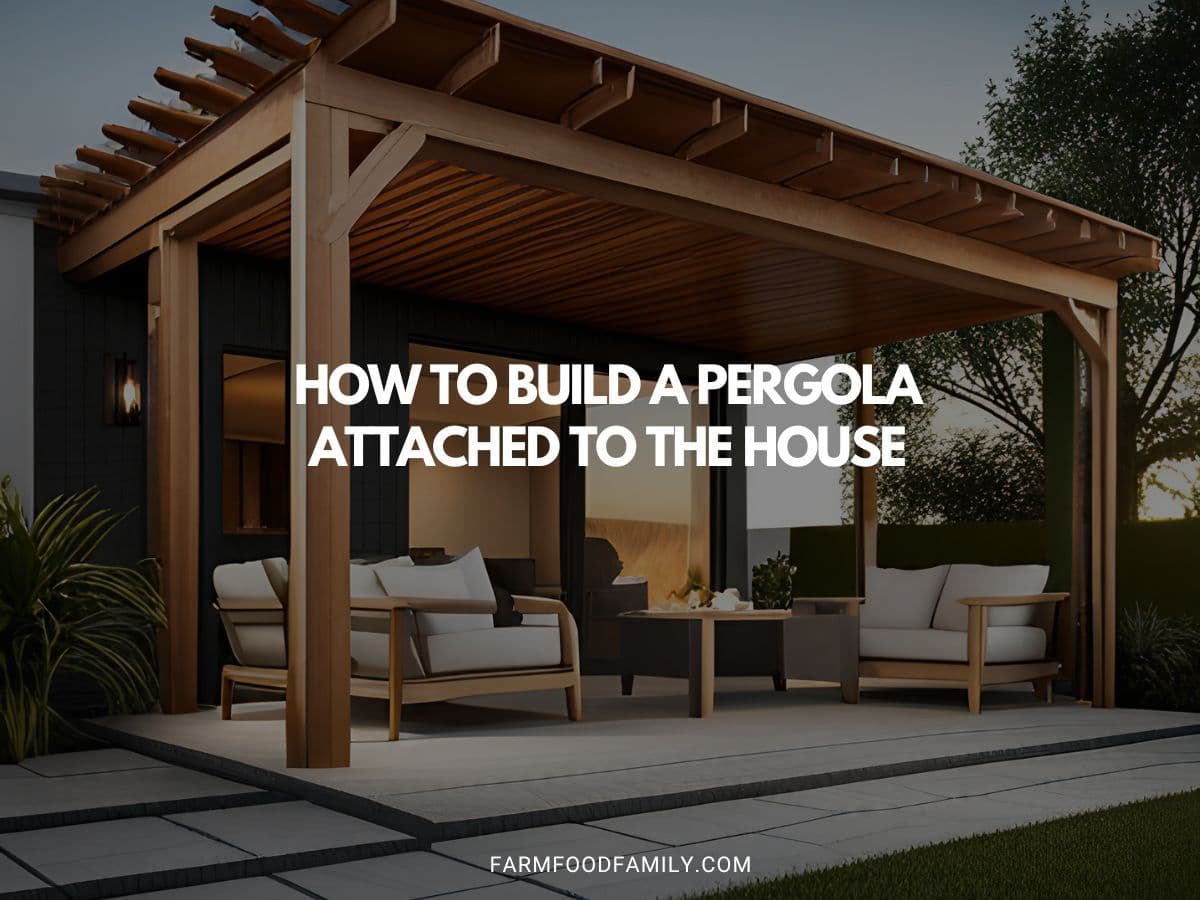
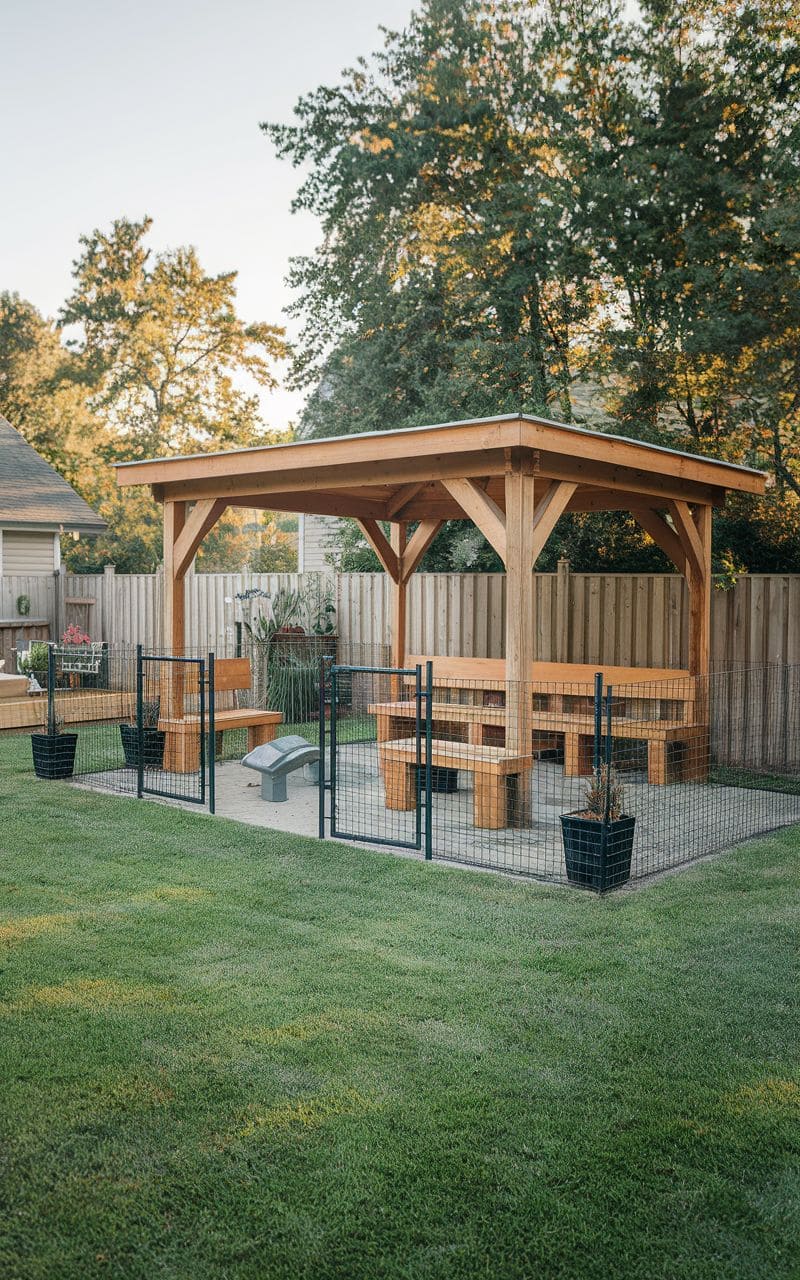
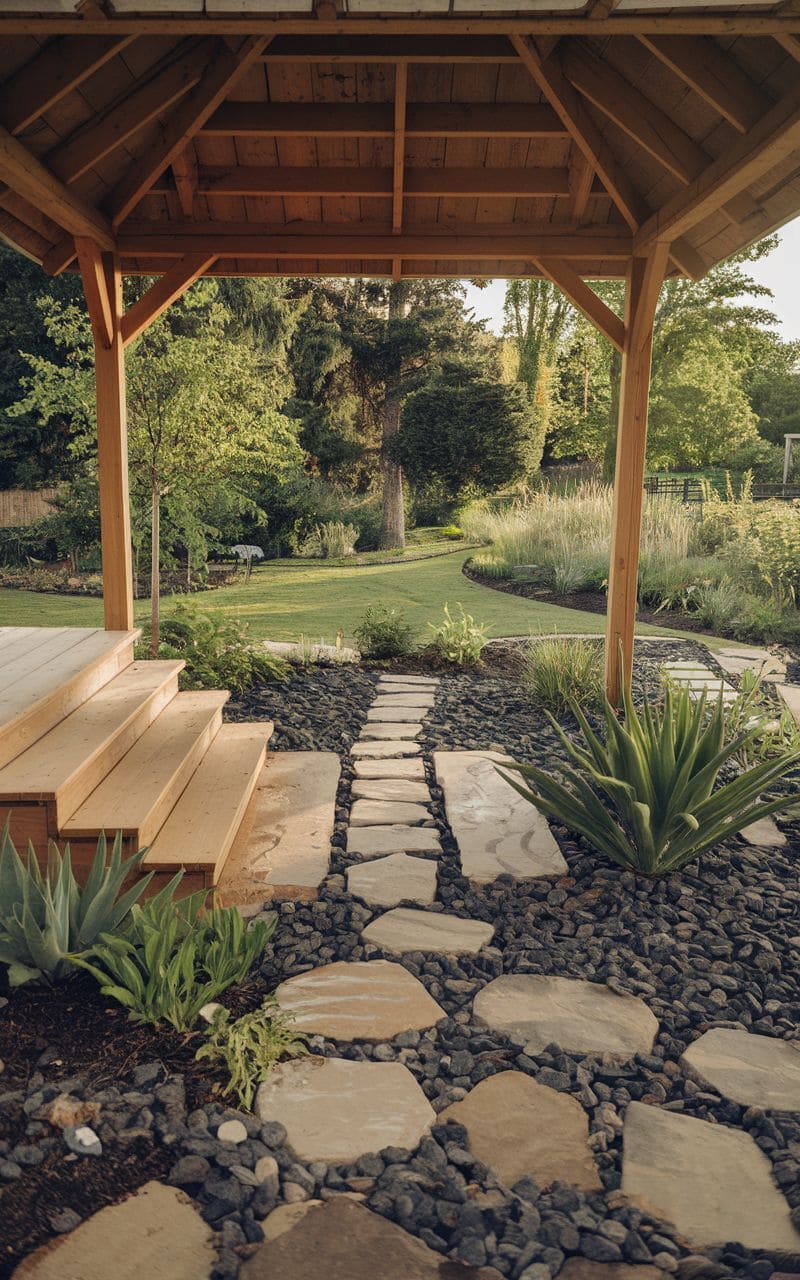
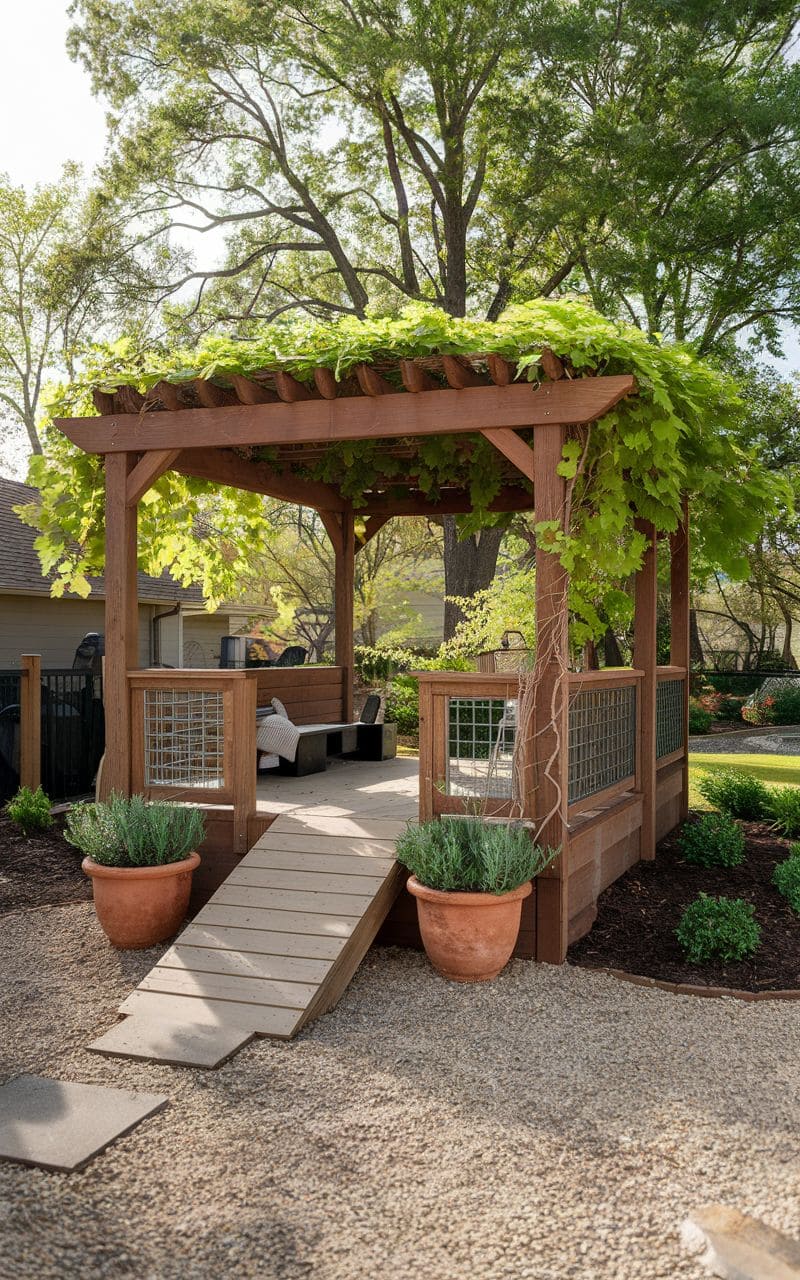
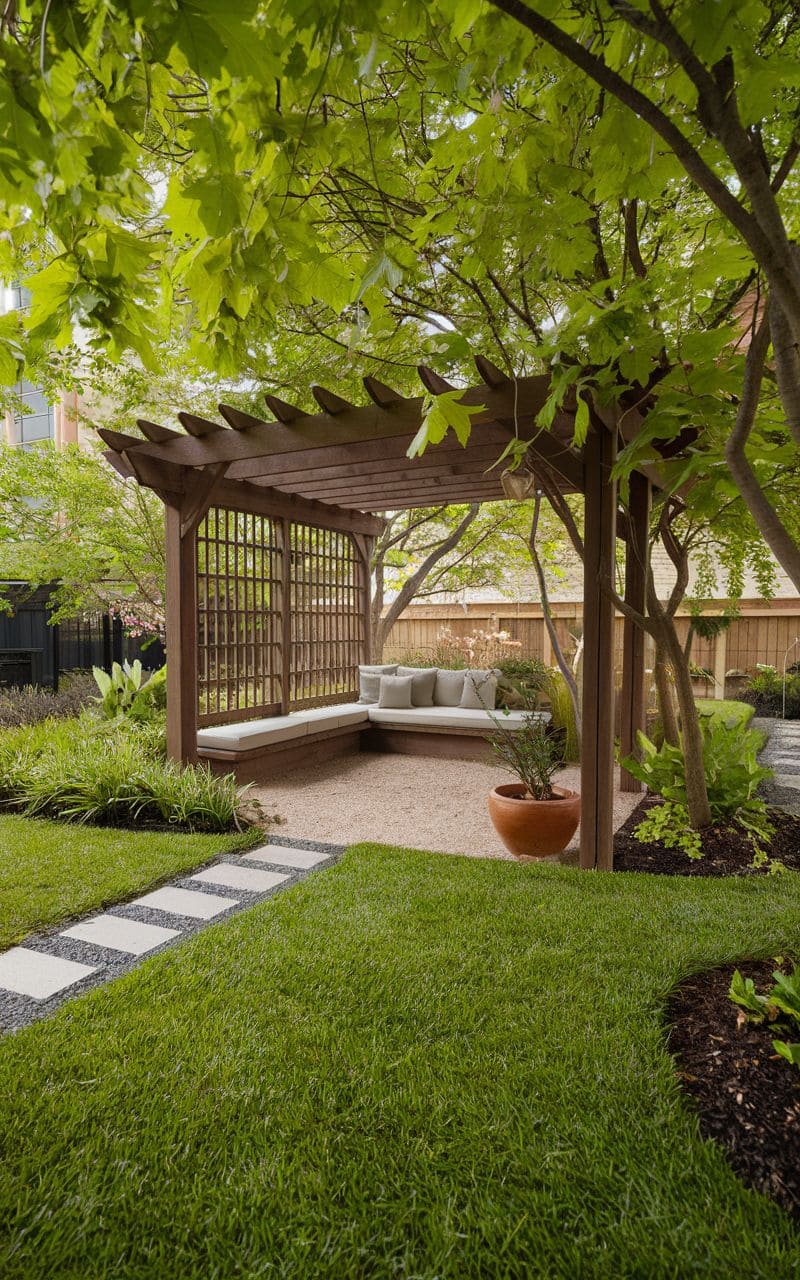
A shaded structure, pergola, dense tree canopy, or simple shade sail, isn’t just comfort, it’s a real welfare consideration for a dog that spends real time outdoors.
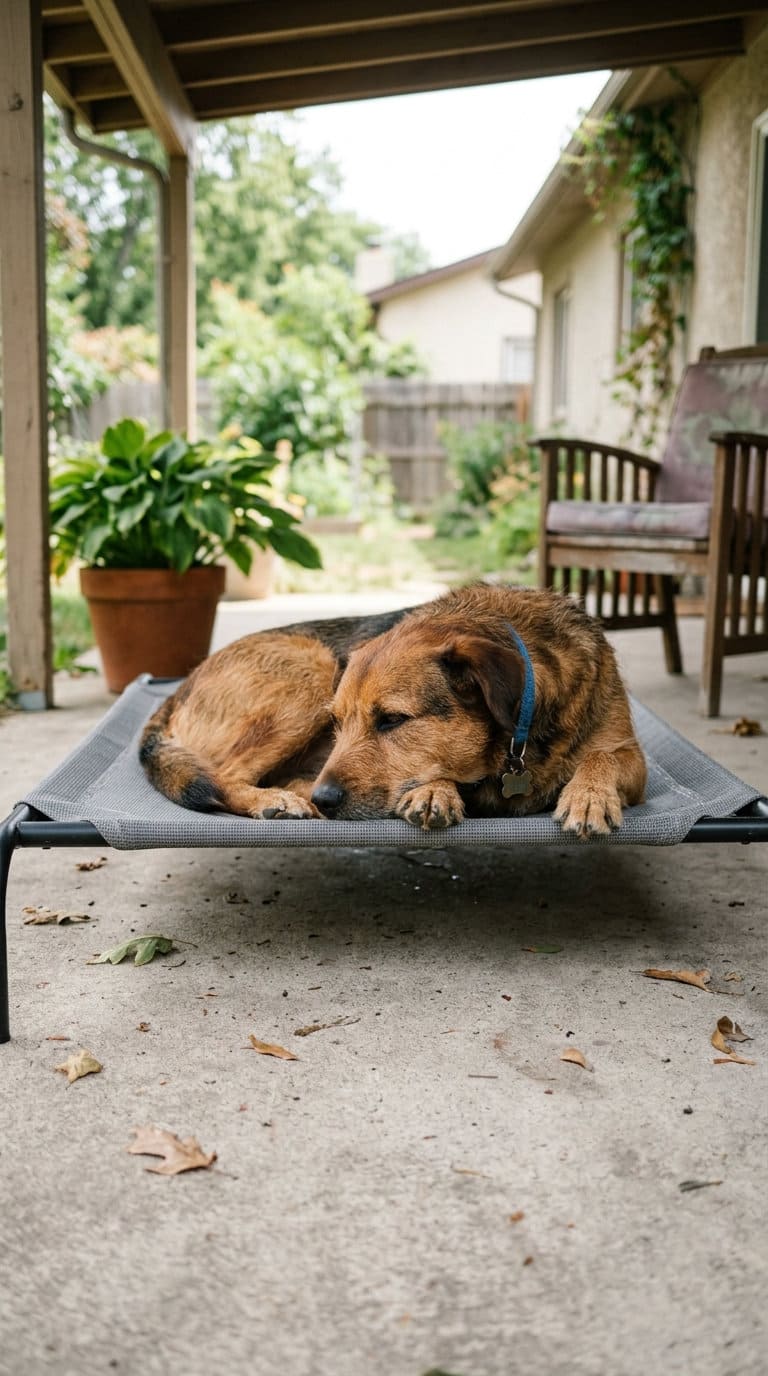
Pair it with a cooling mat or a raised platform bed to keep the dog off hot ground entirely during peak summer.
Materials that hold up
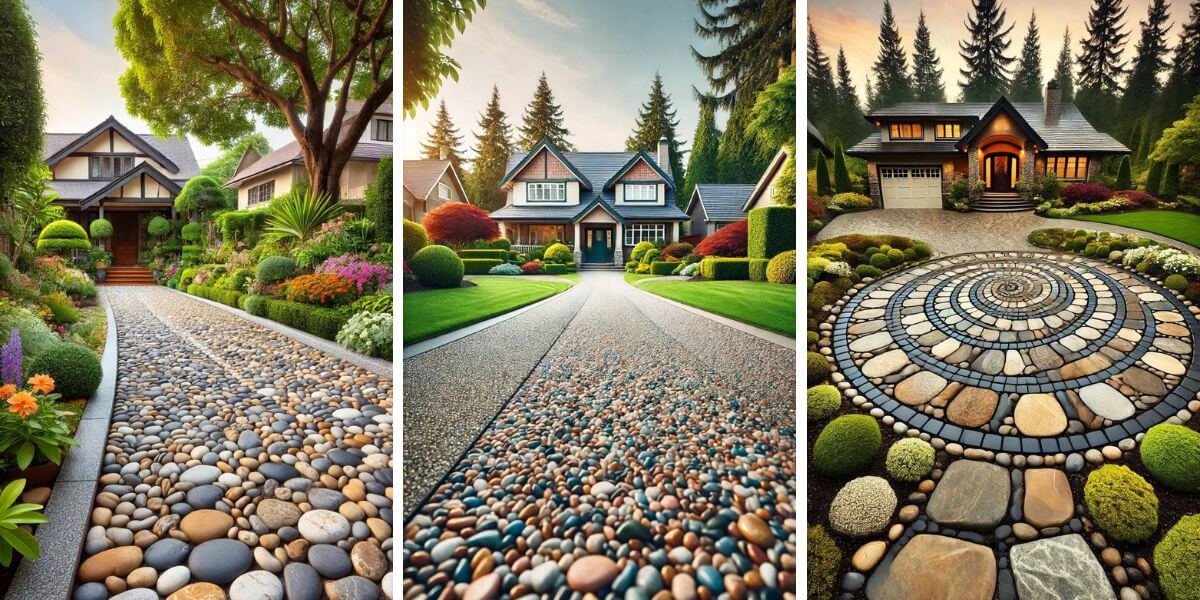
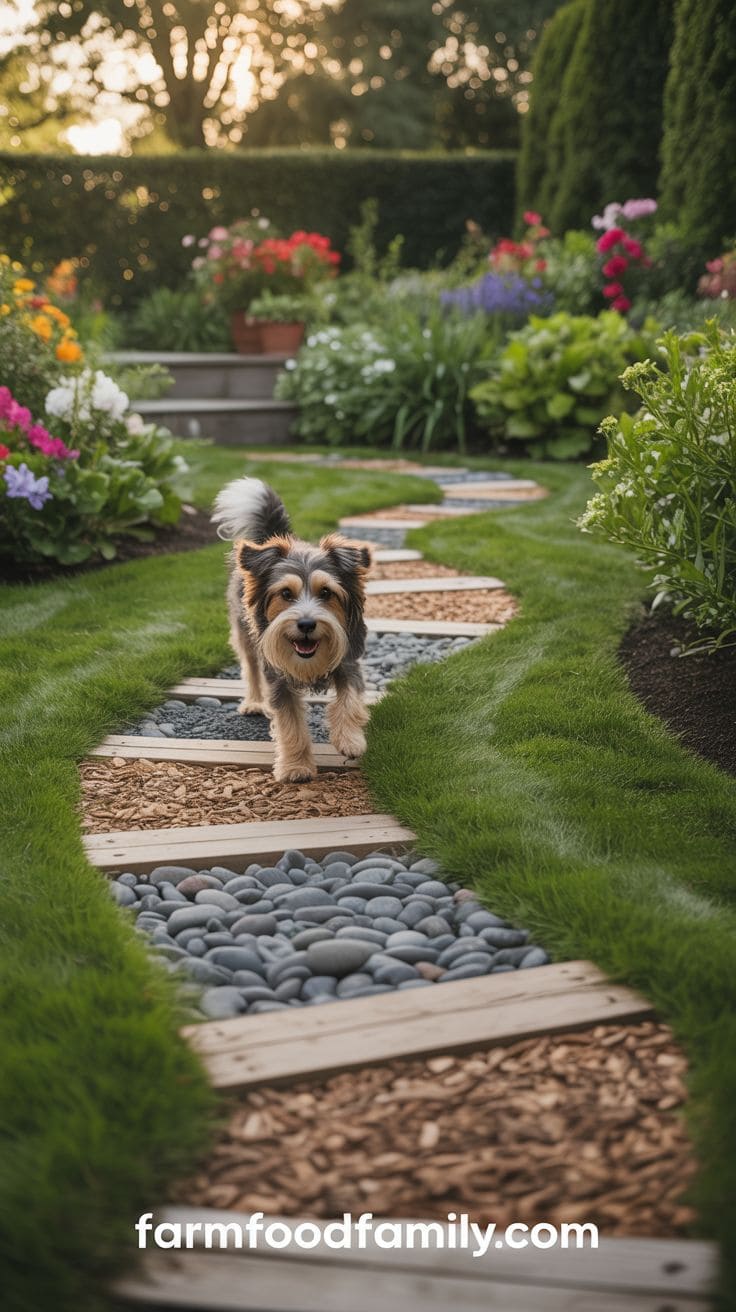
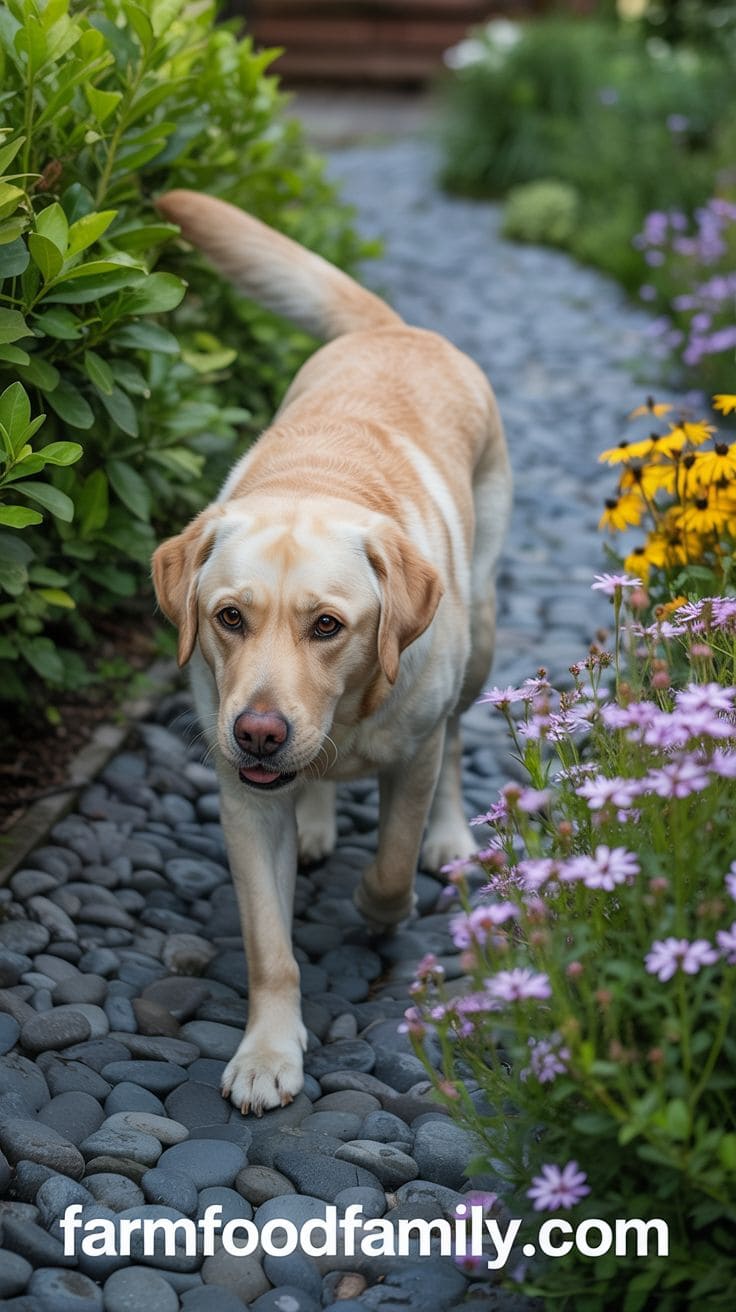
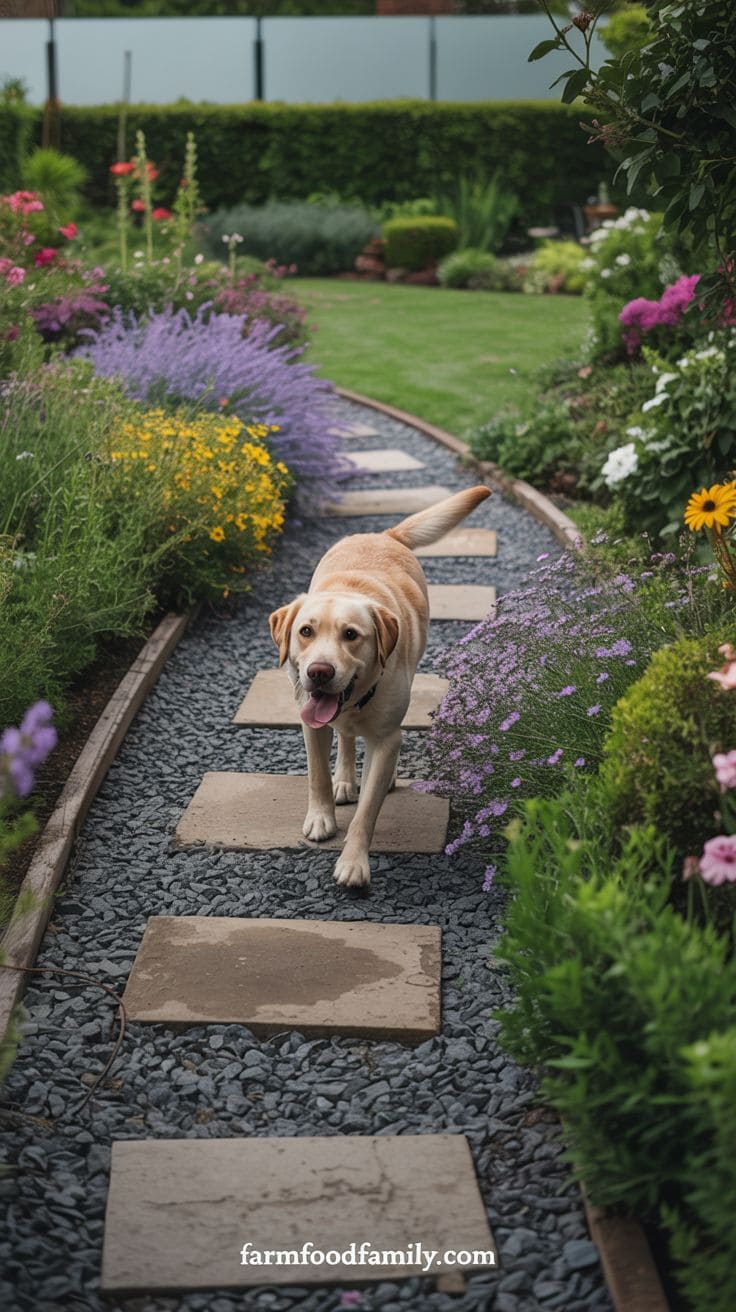
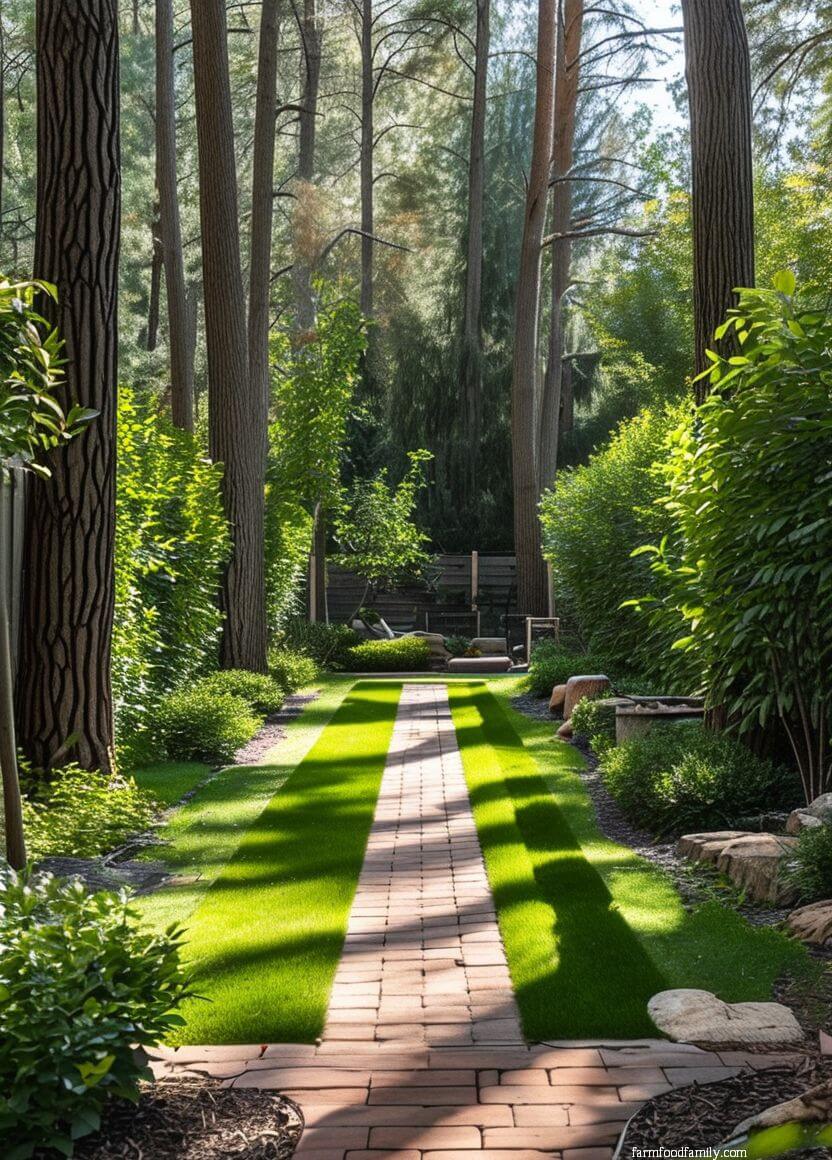
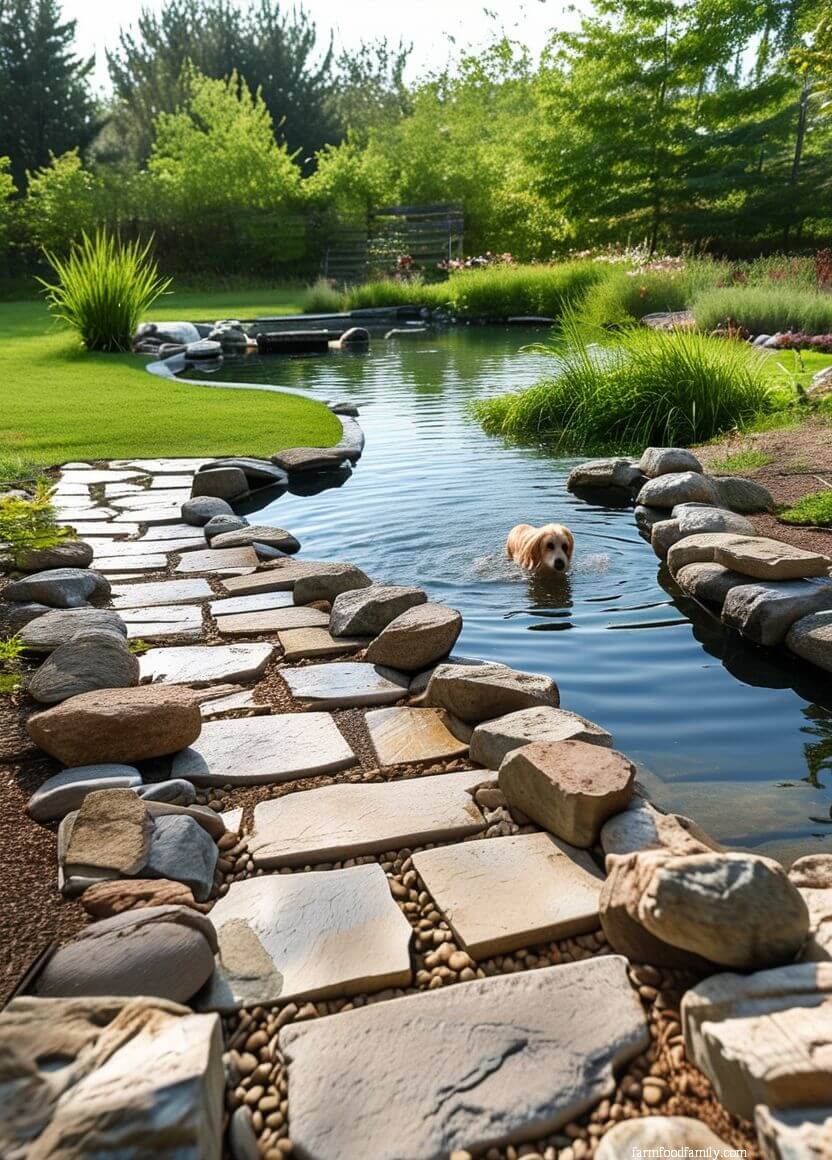
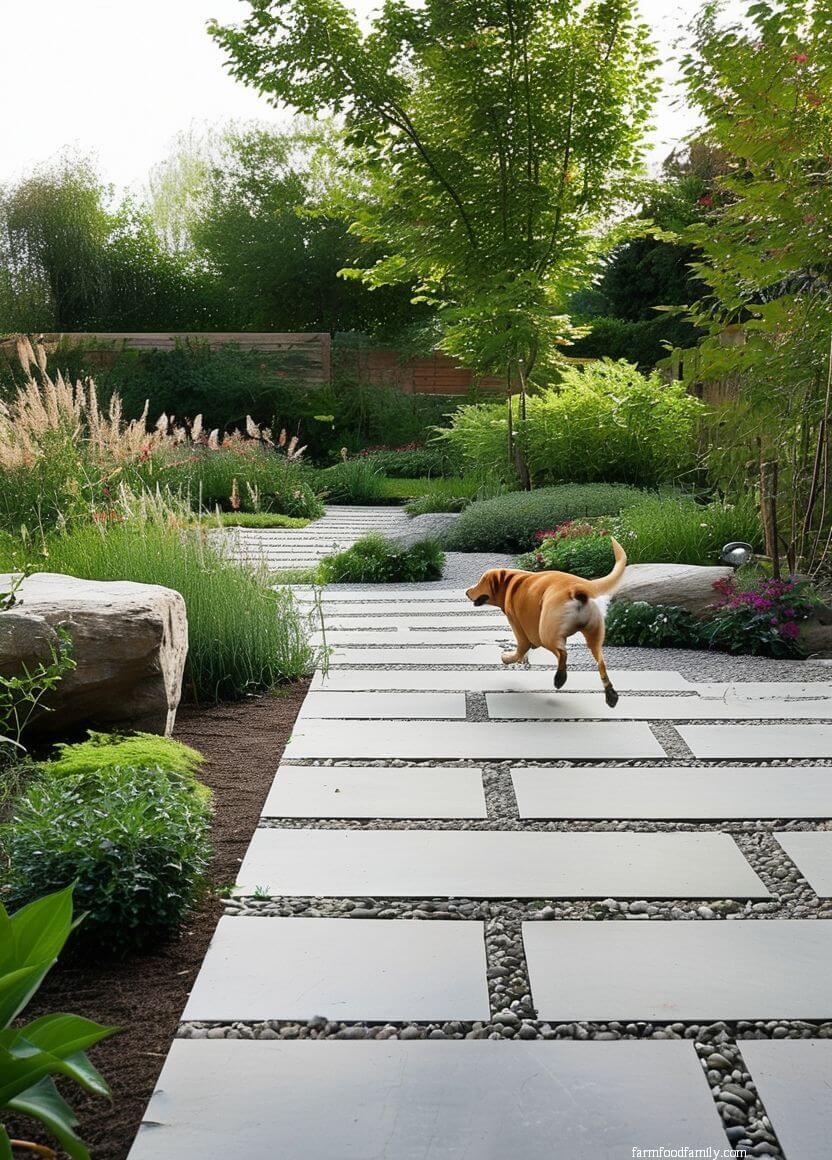
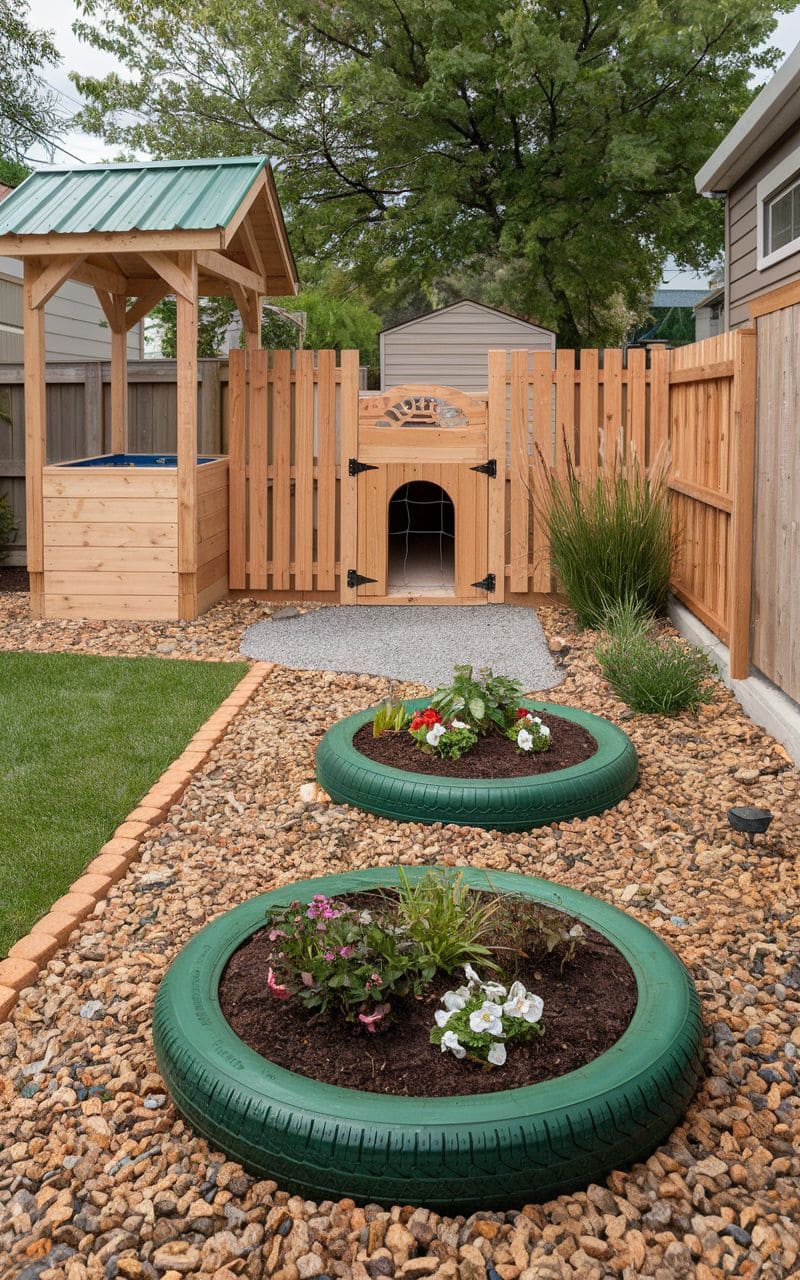
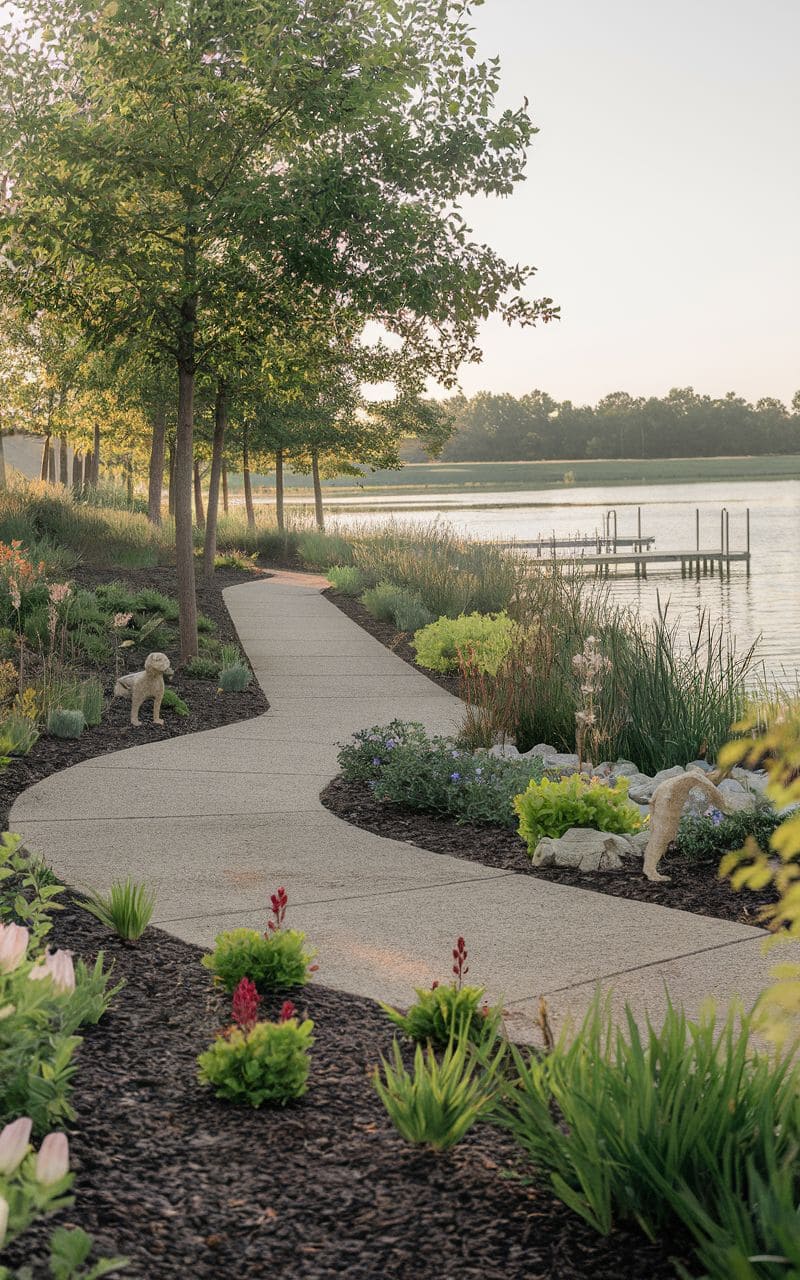
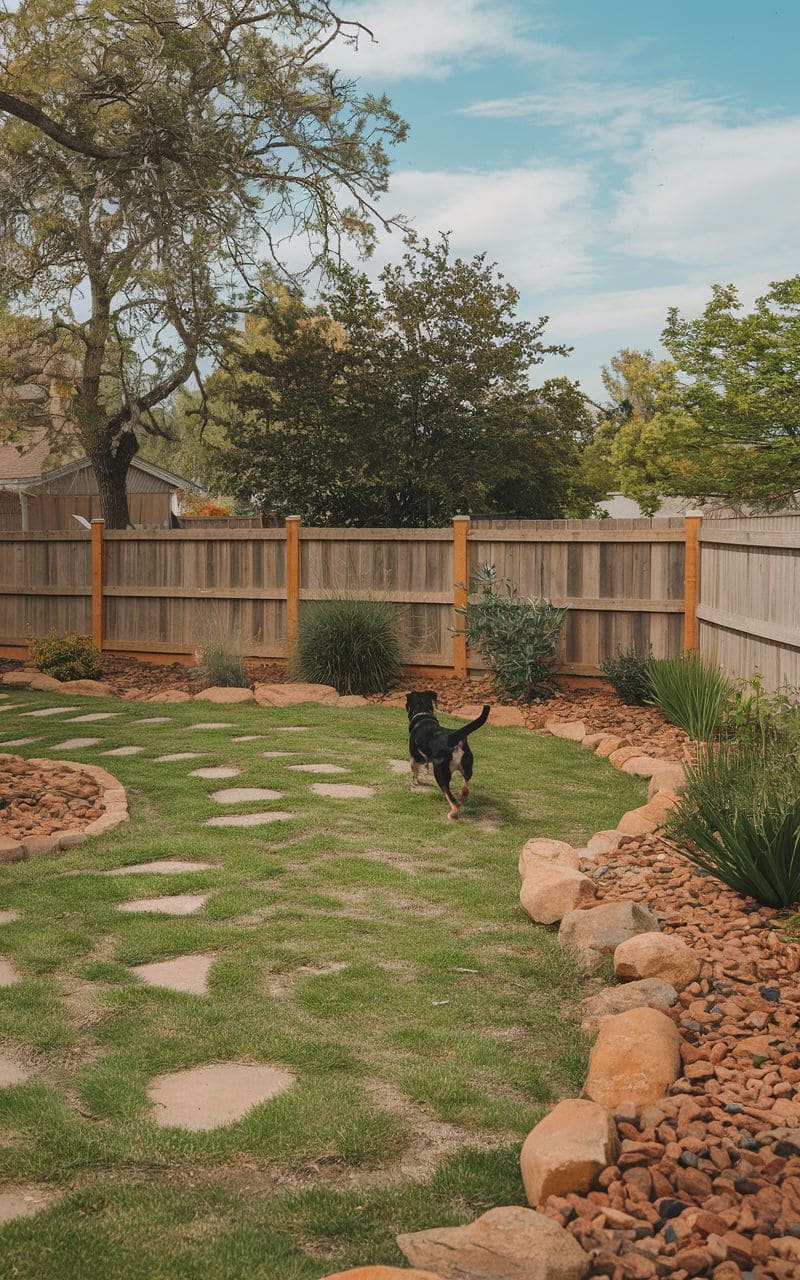
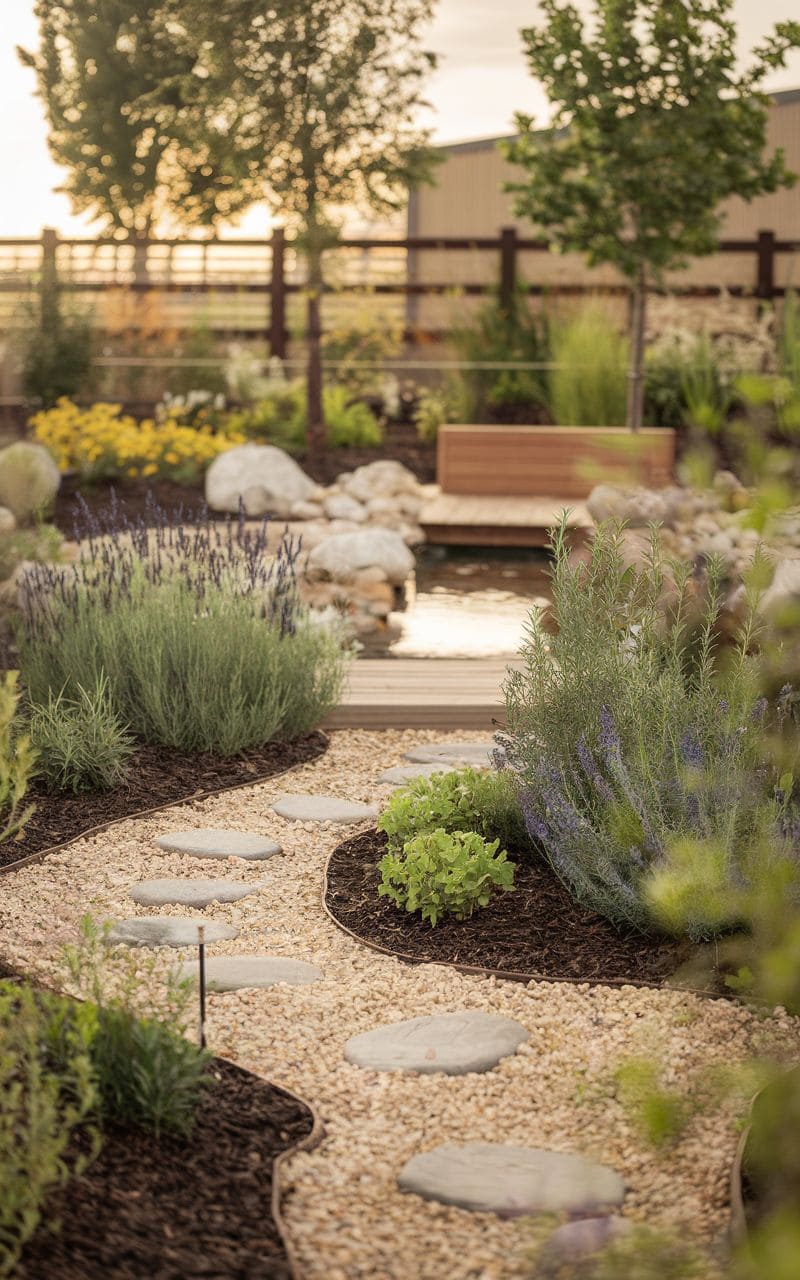
River Rock or Gravel Pathways
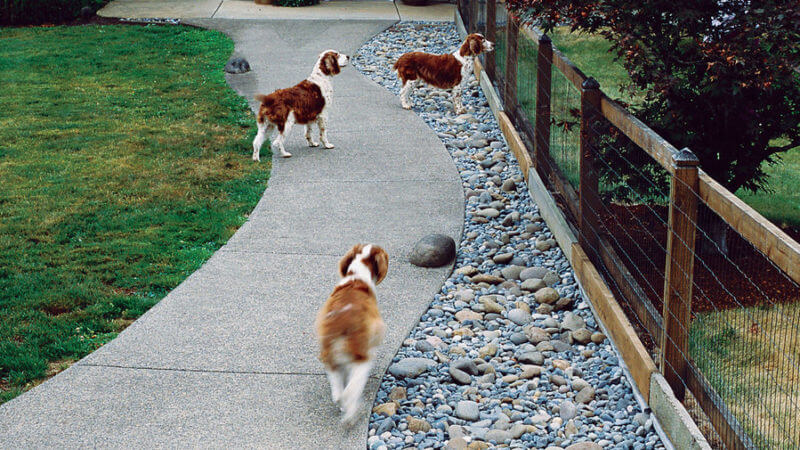
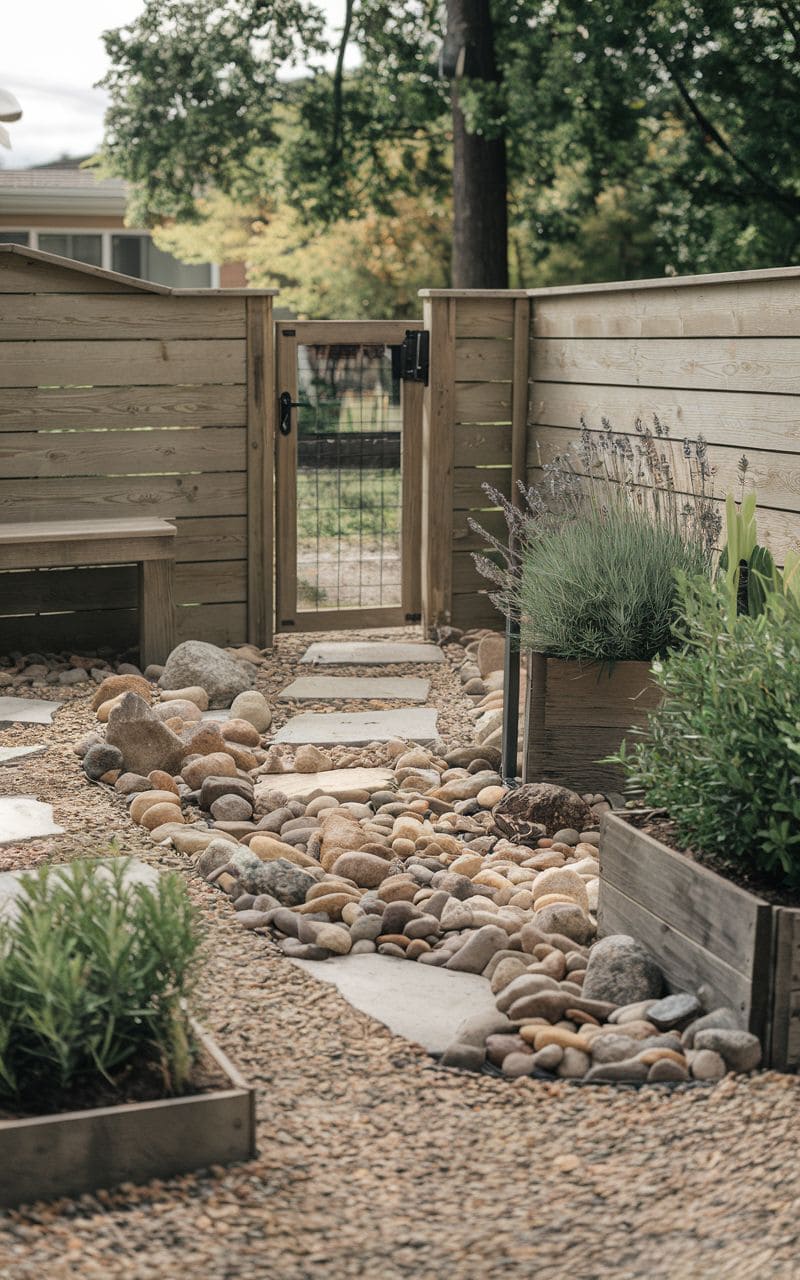
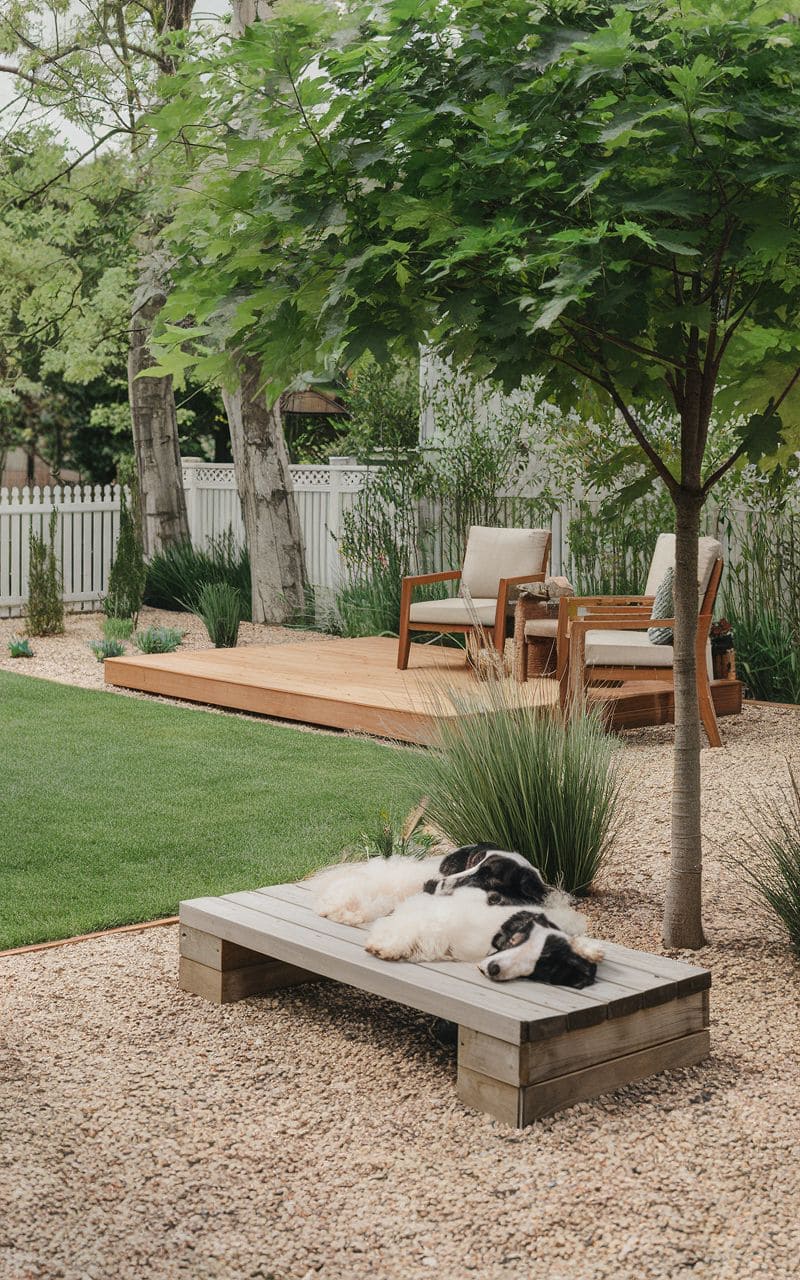
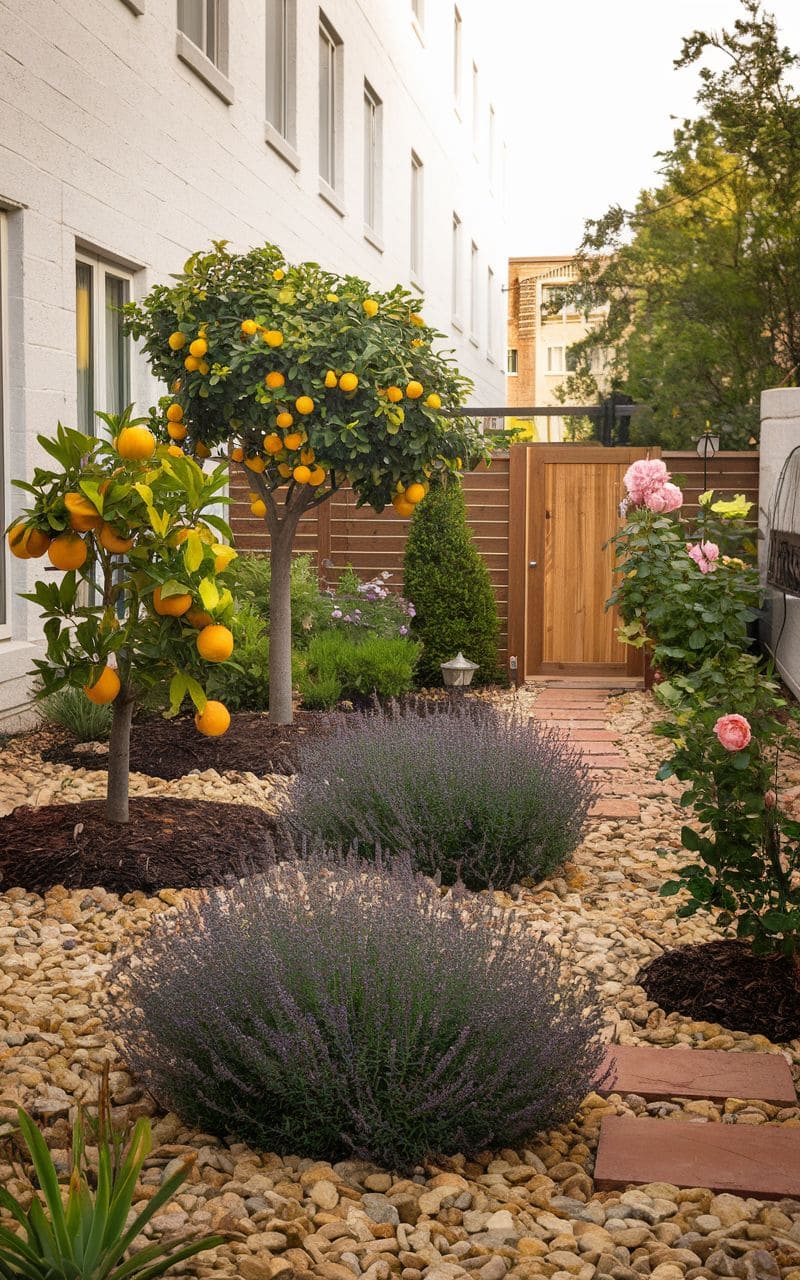
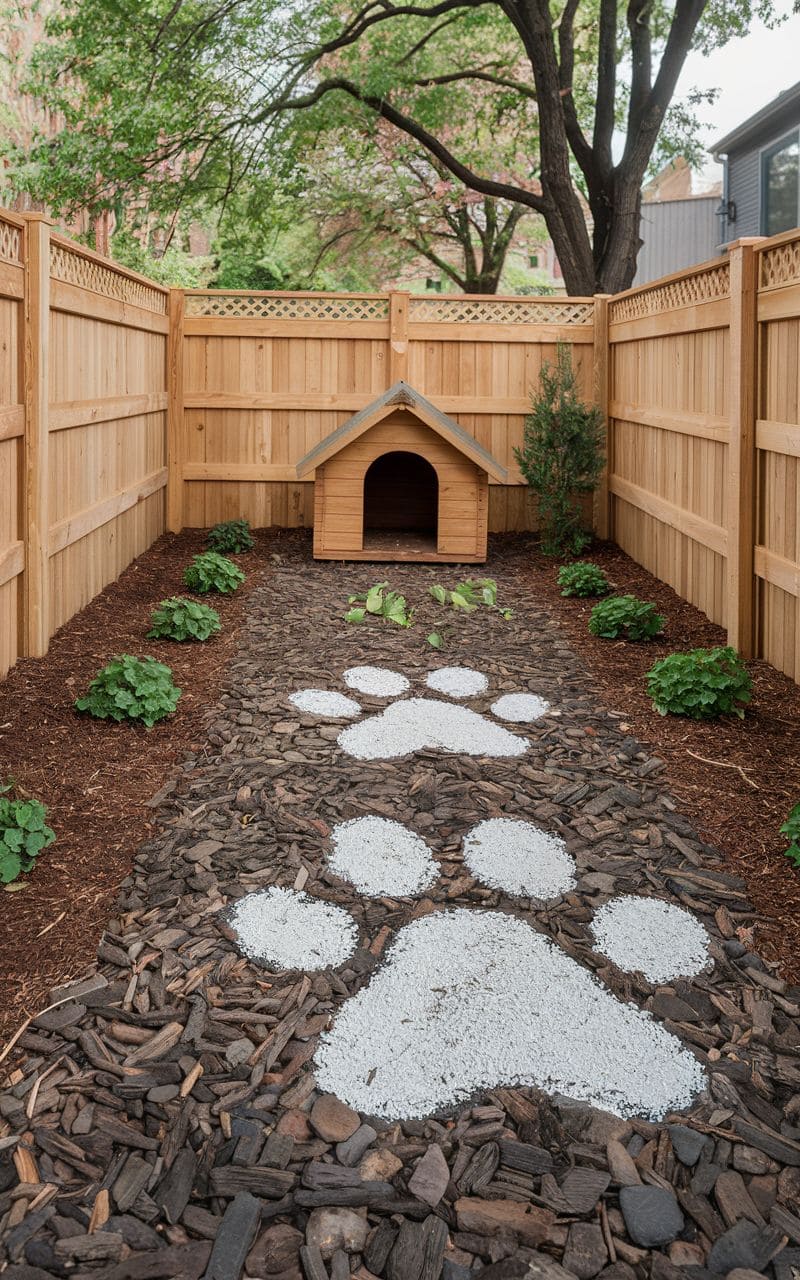
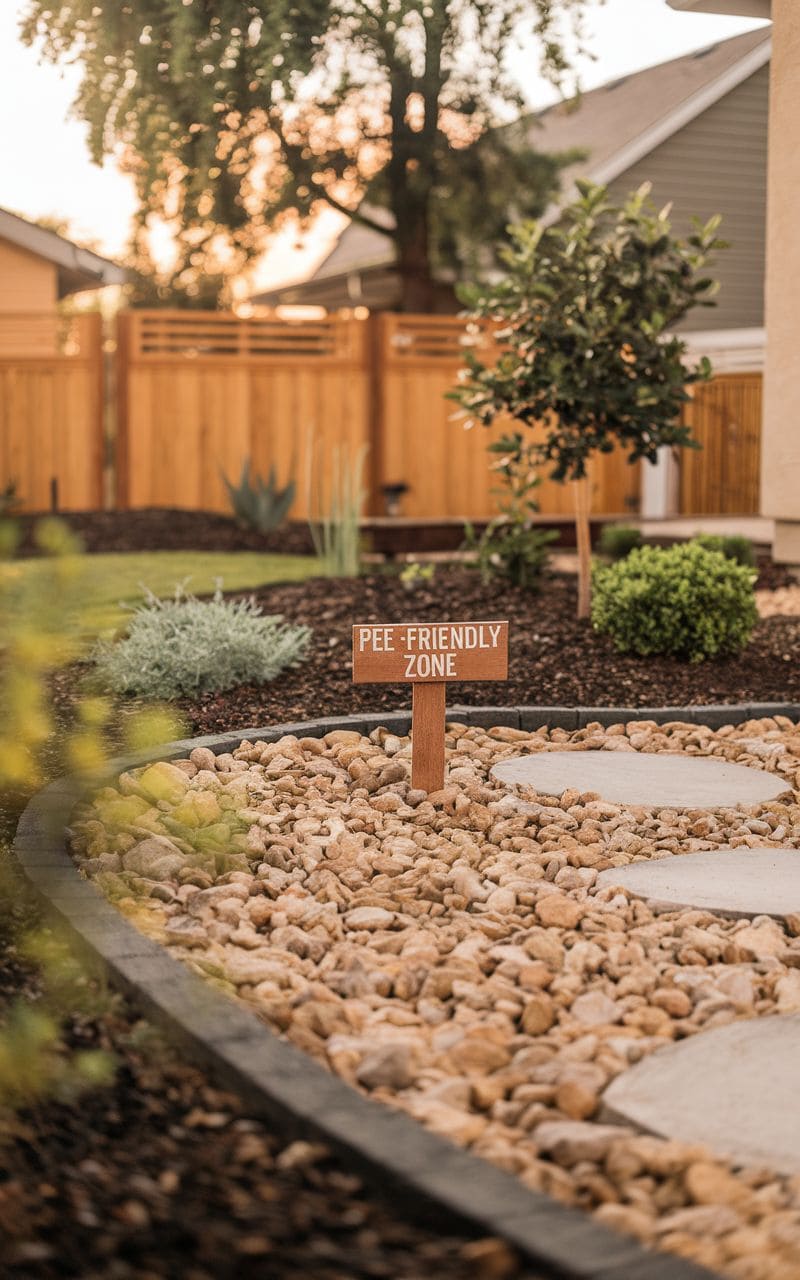
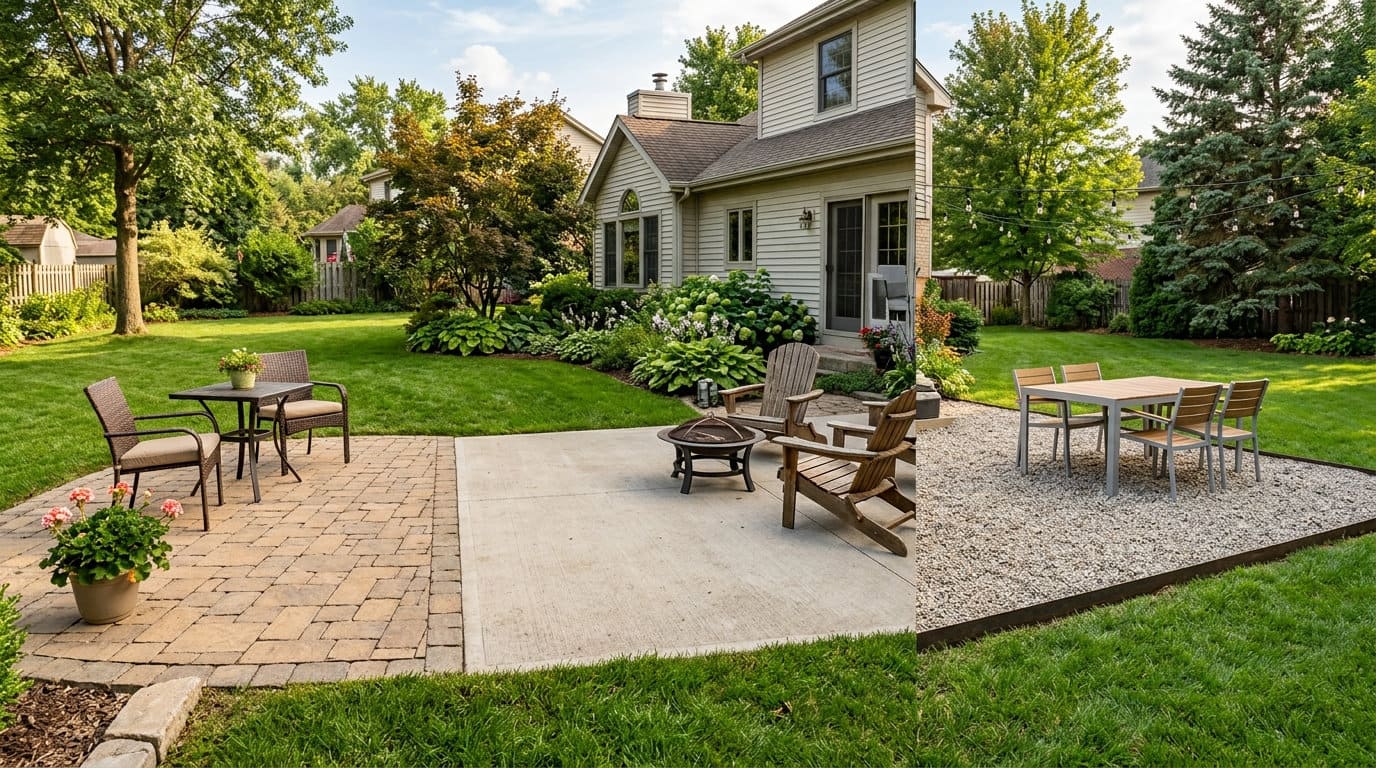
Smooth, rounded river rock is genuinely gentle on paws while being far more durable underfoot than grass or bare soil, and it handles drainage well, which matters in a yard that sees a lot of running and digging traffic.
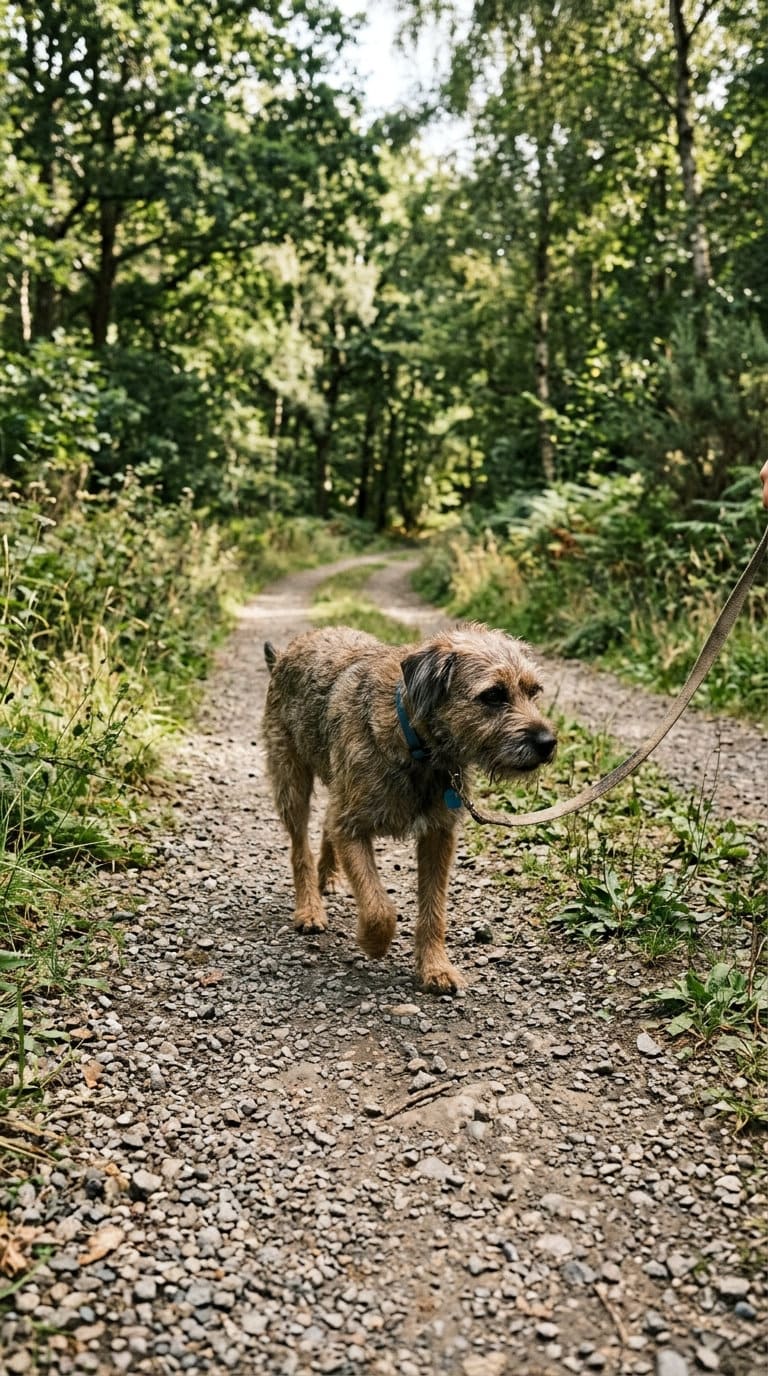
Dog-Tolerant Grass, or a Grassless Zone
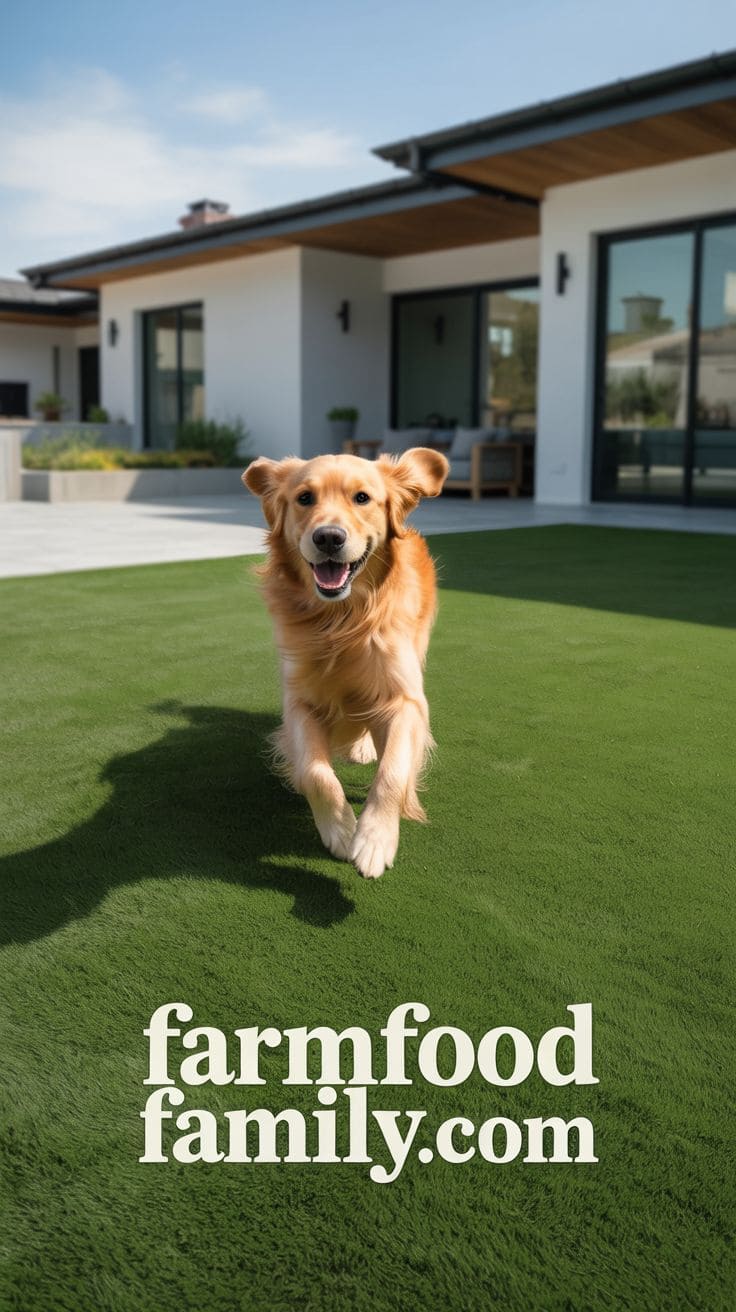
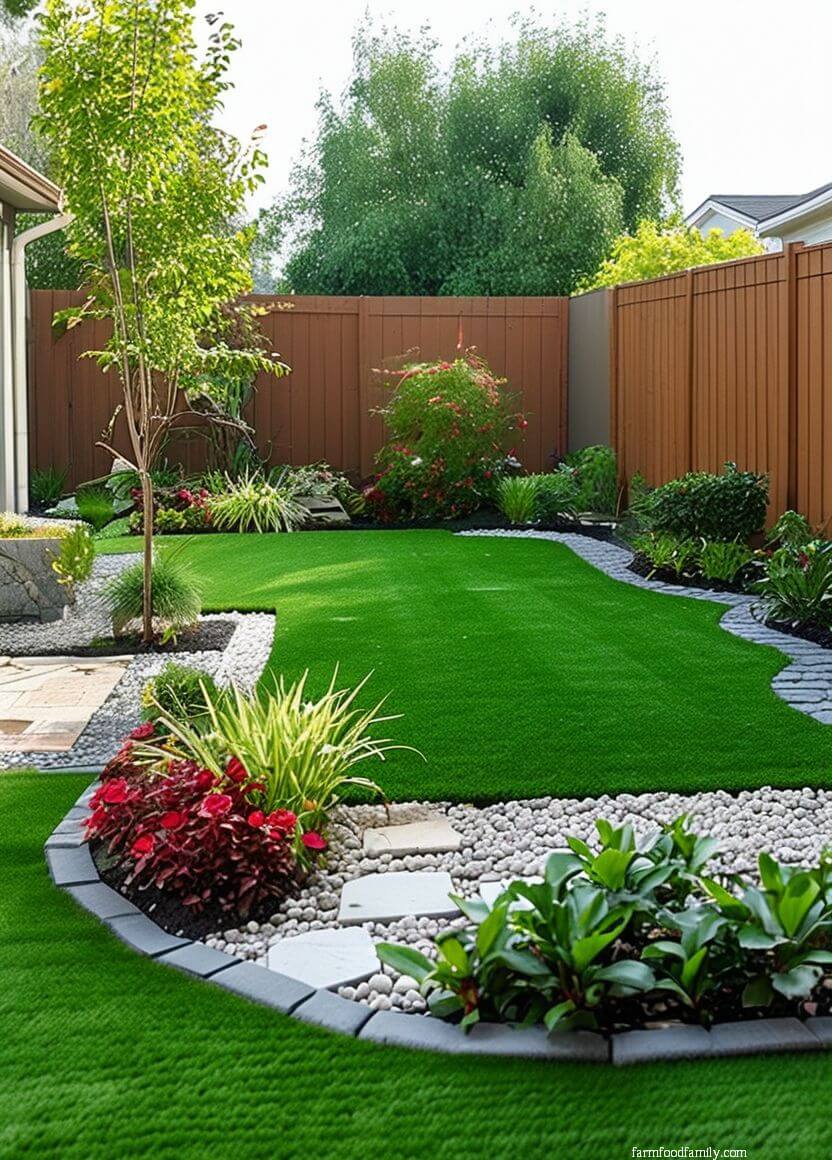
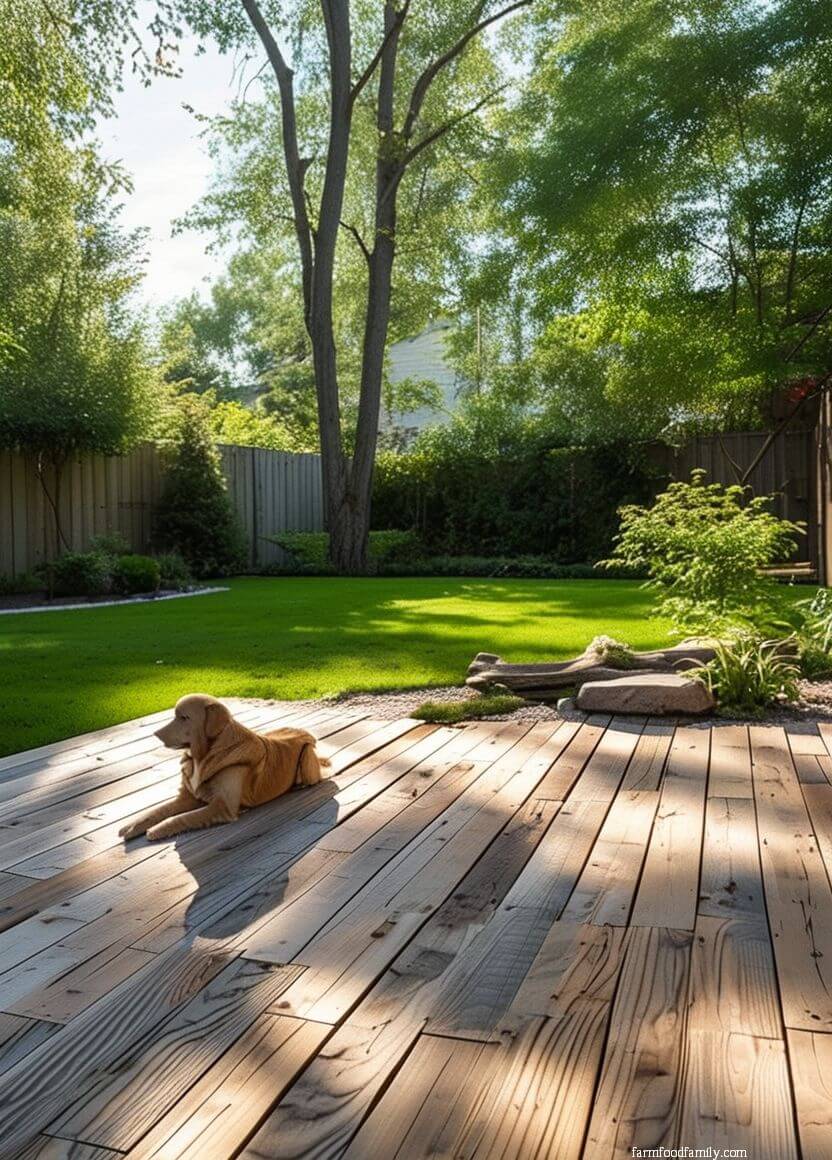
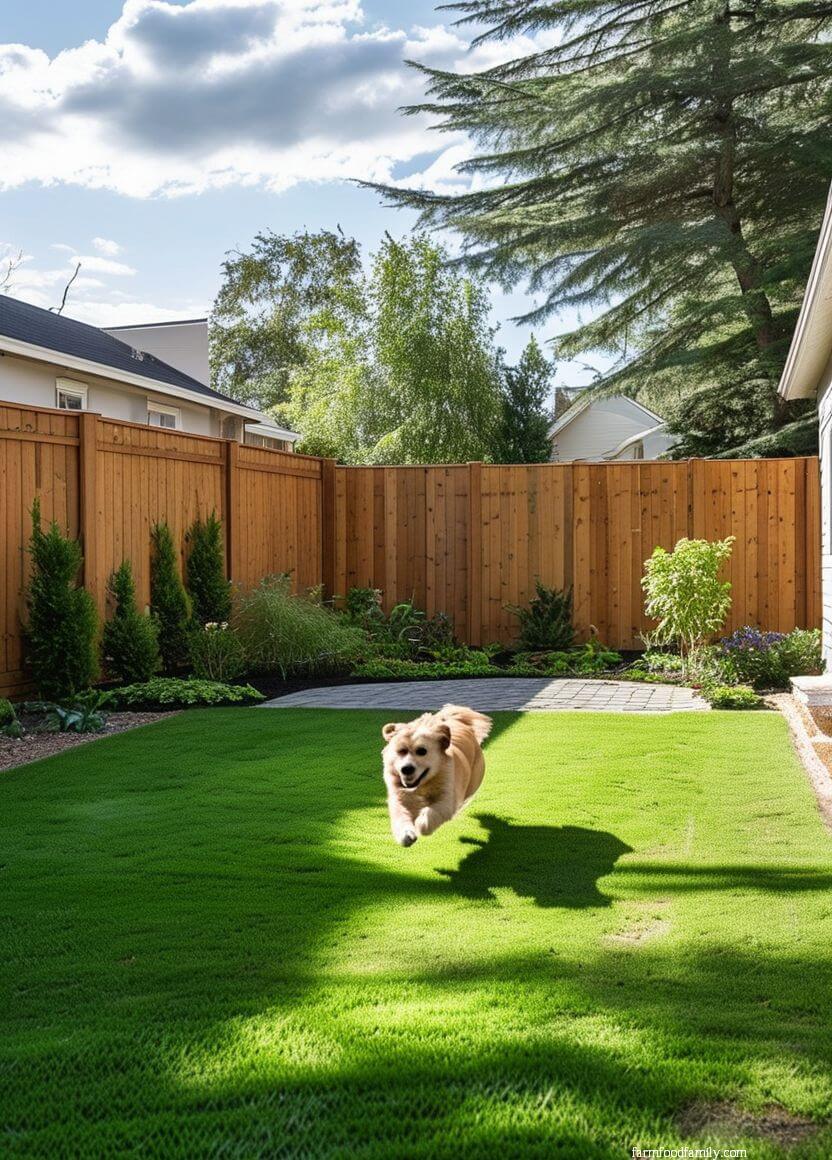
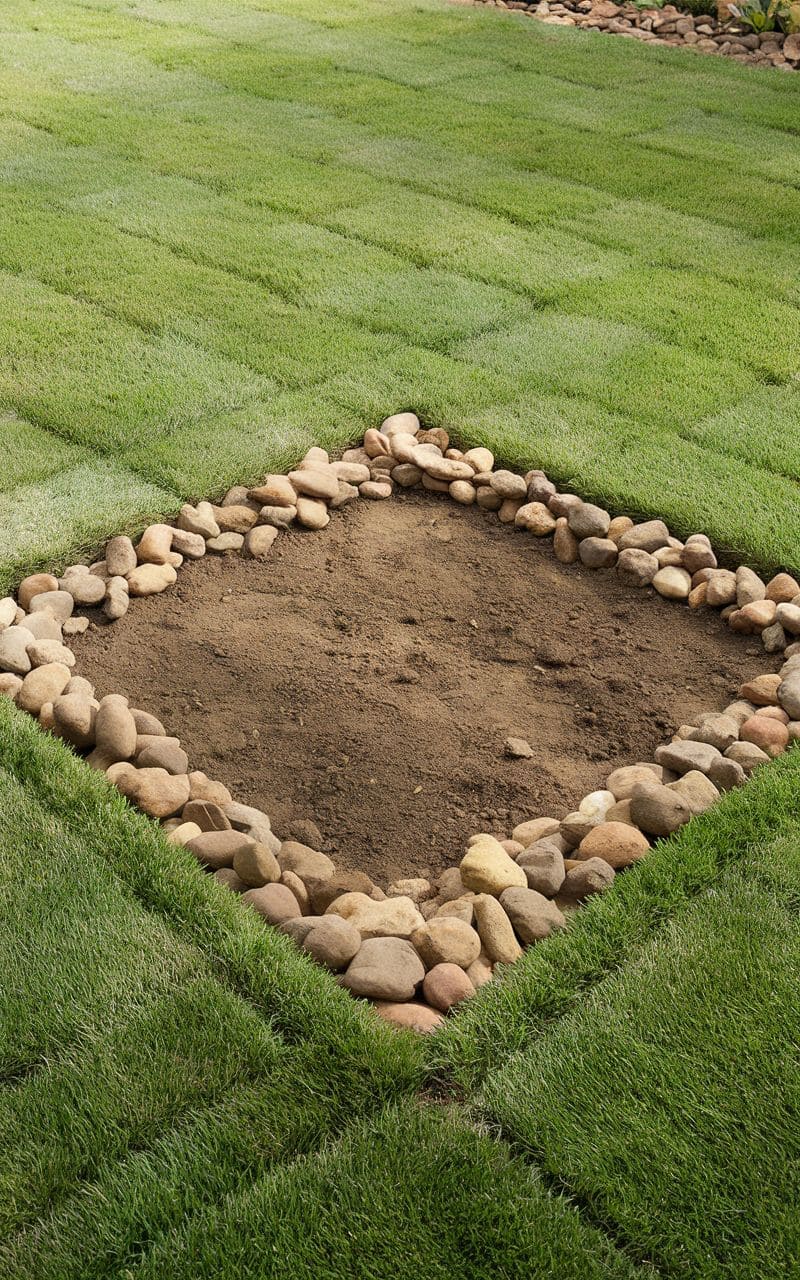
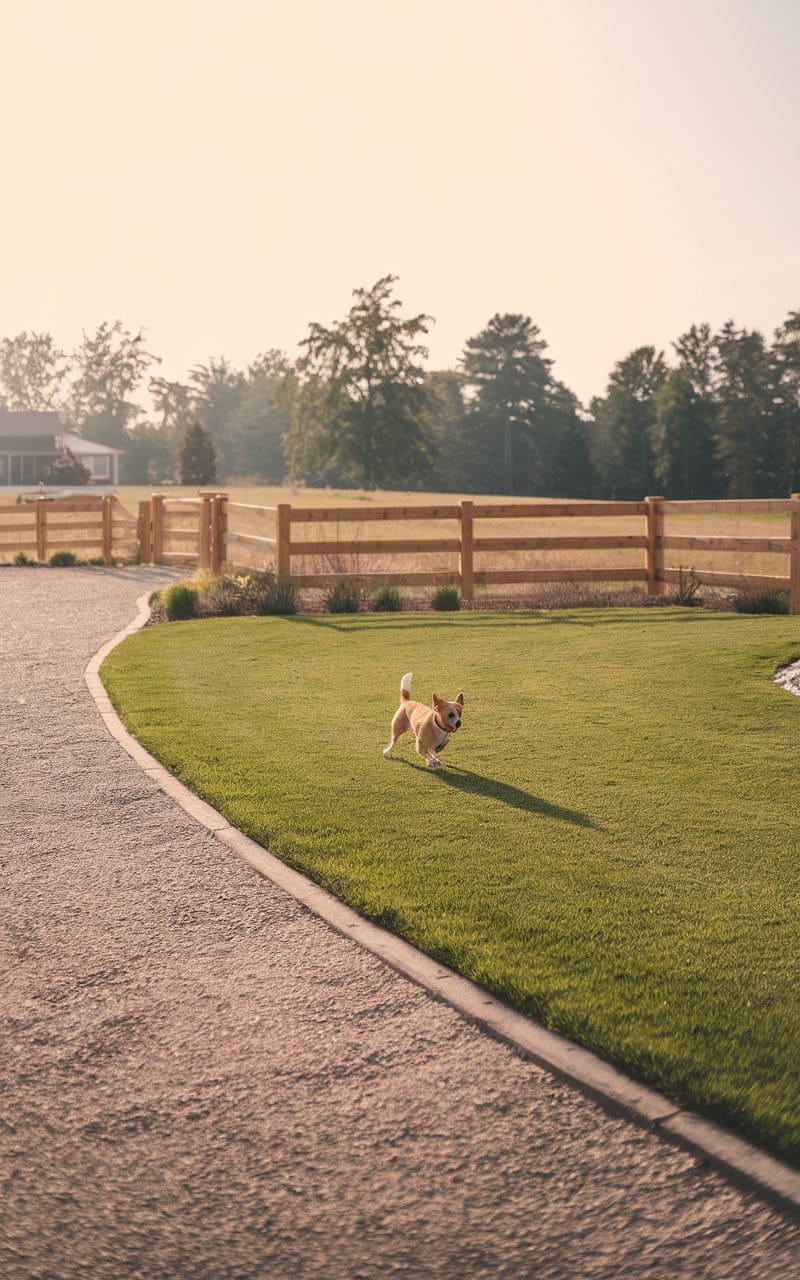
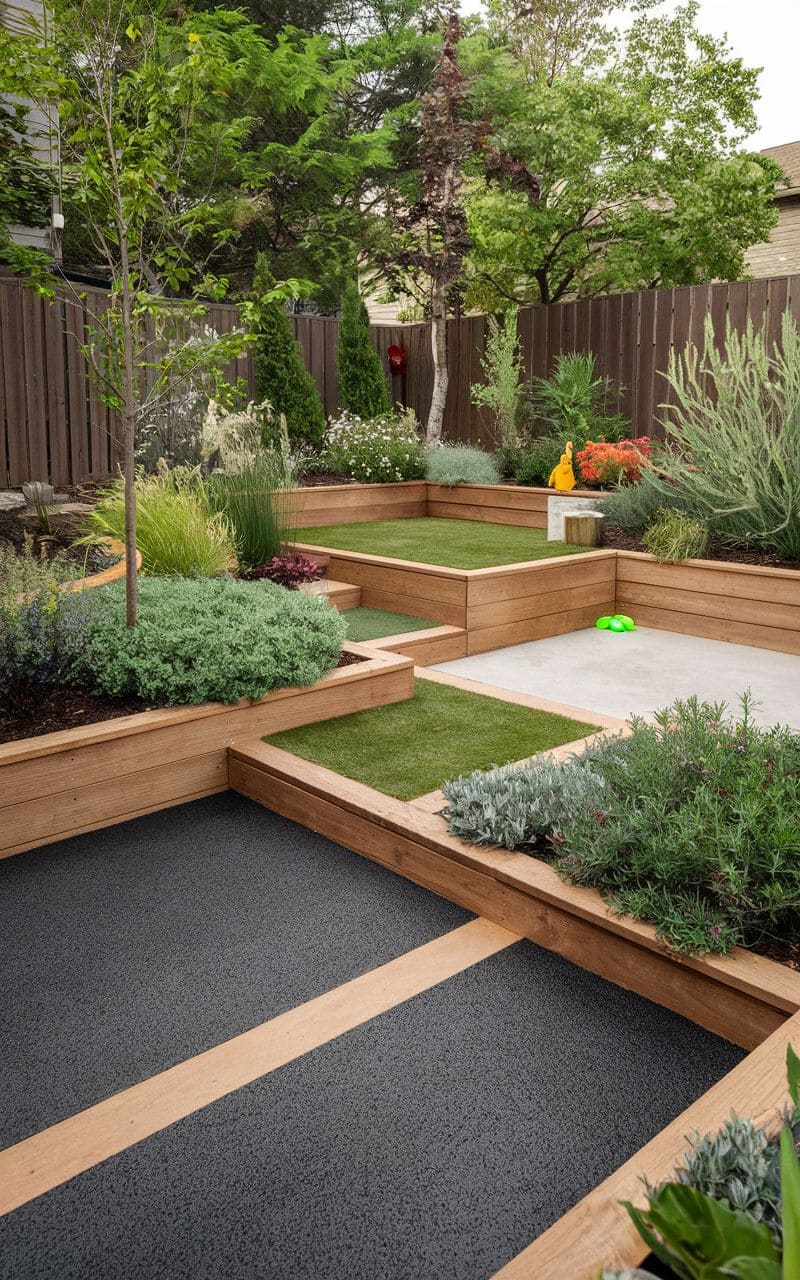
In the dog’s primary running zone, tougher grass varieties (tall fescue, Bermuda) hold up meaningfully better than delicate ornamental turf.
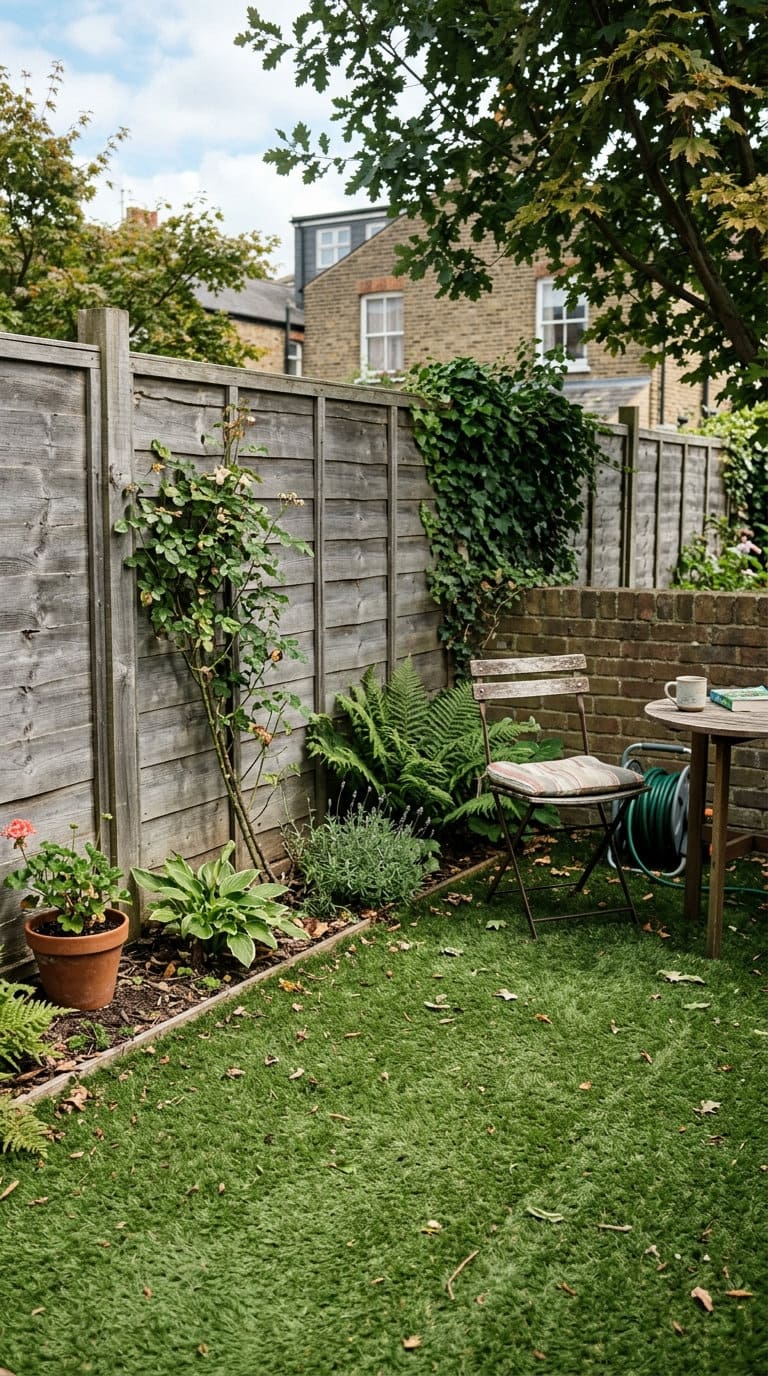
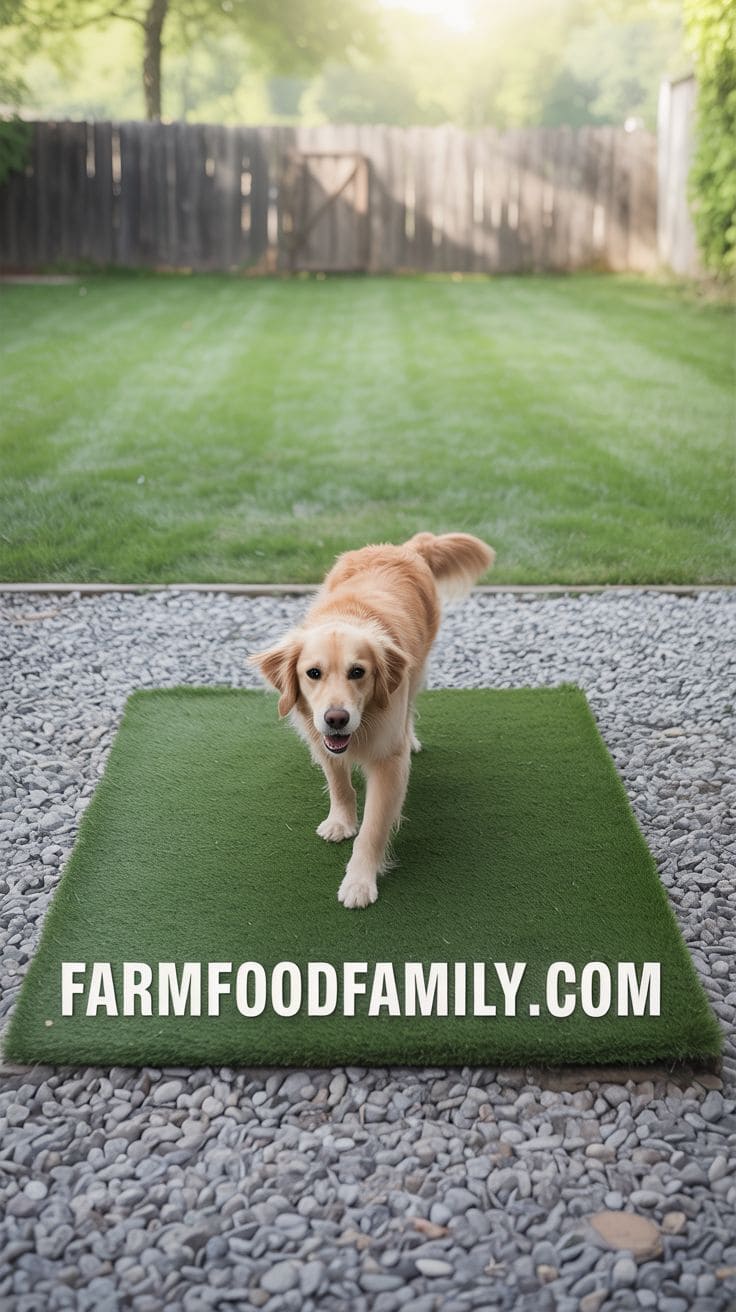
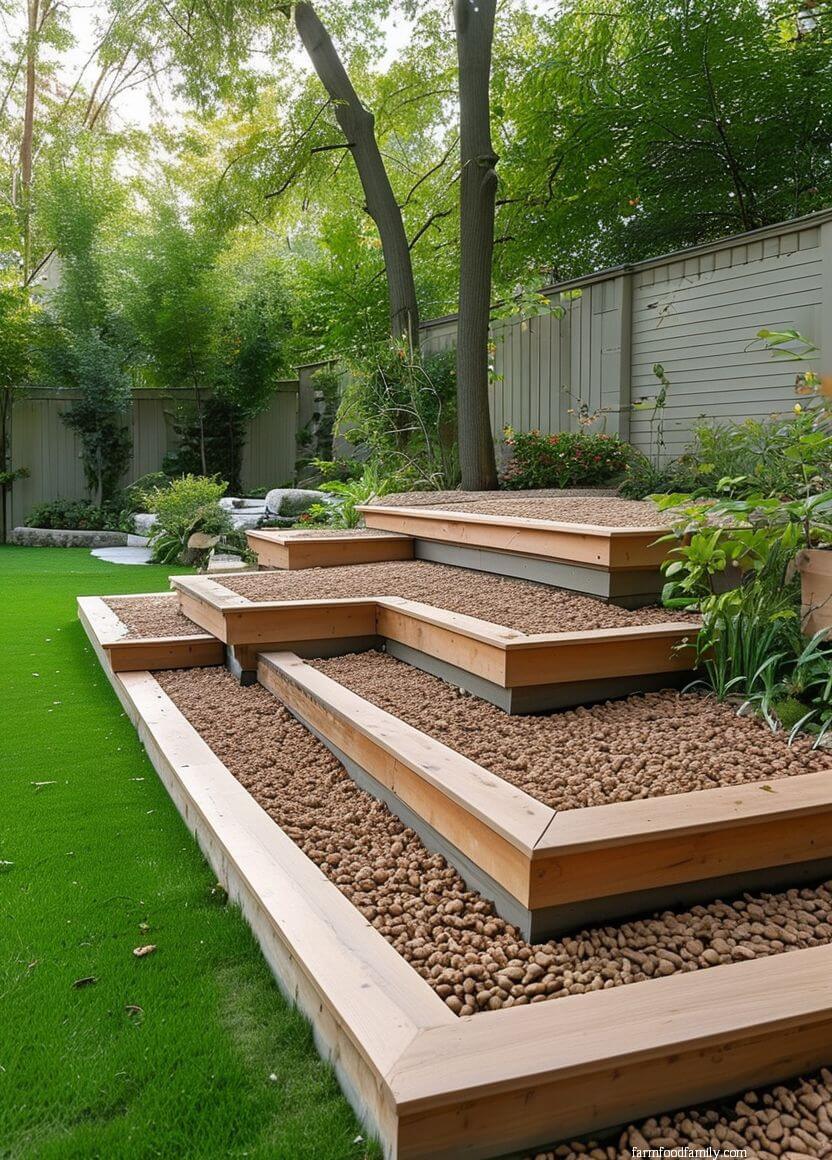
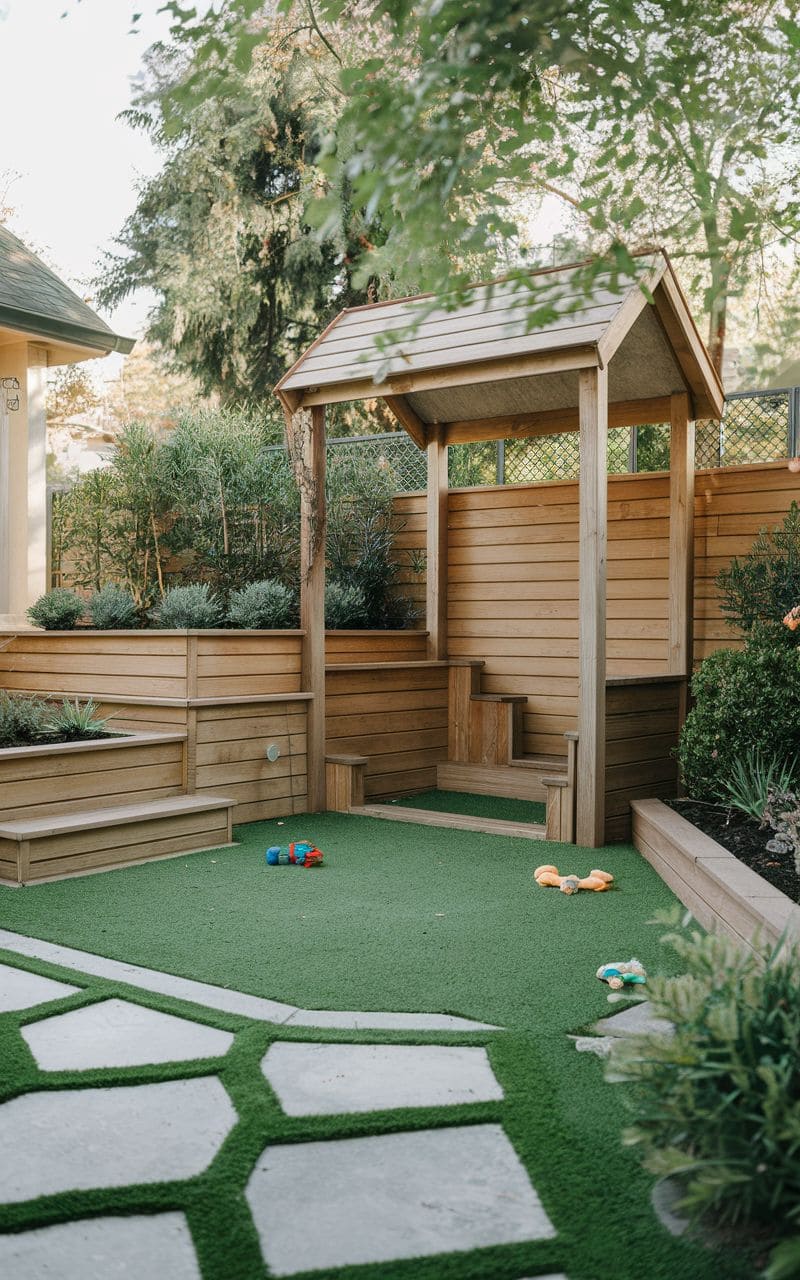
In heavily-trafficked corners where grass consistently loses, mulch, synthetic turf, or pavers solve the problem honestly instead of endlessly reseeding a spot that will just get dug up again.
Structure
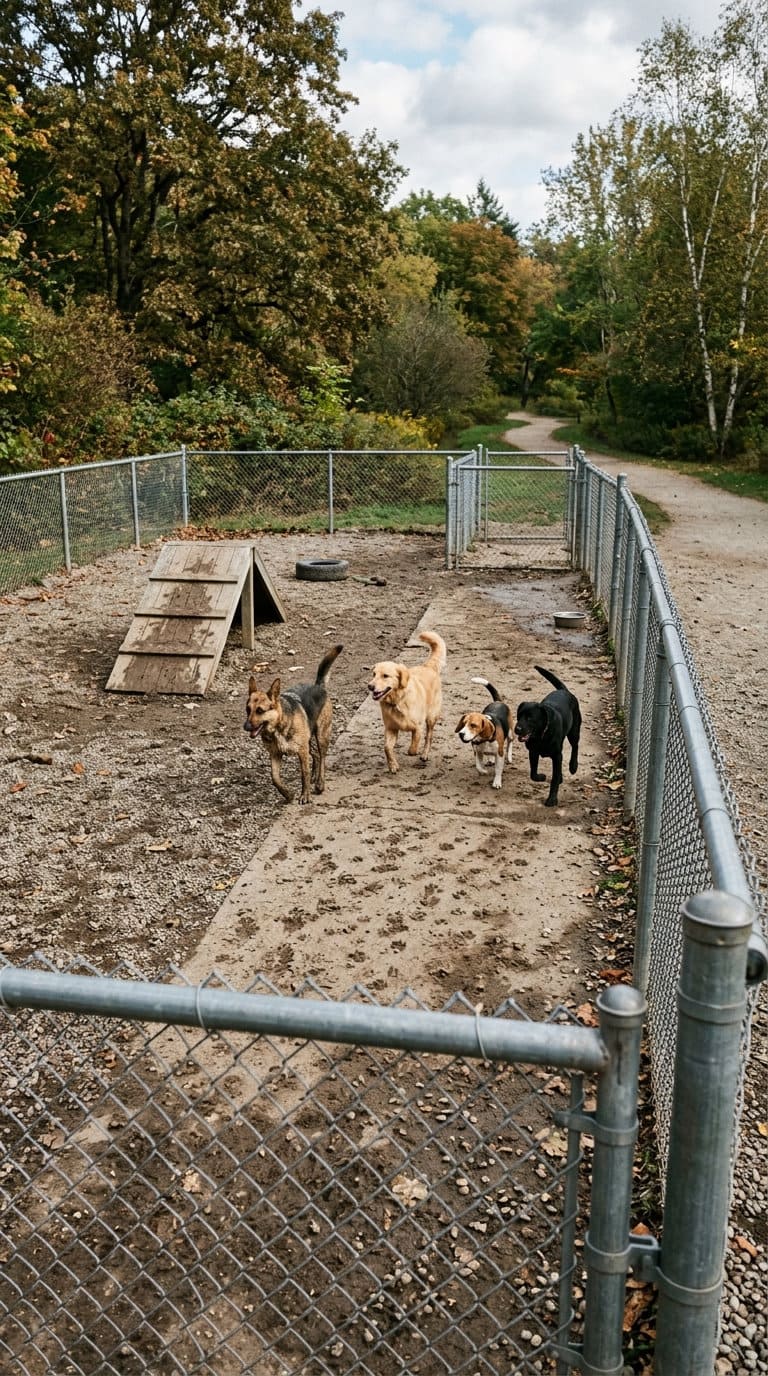
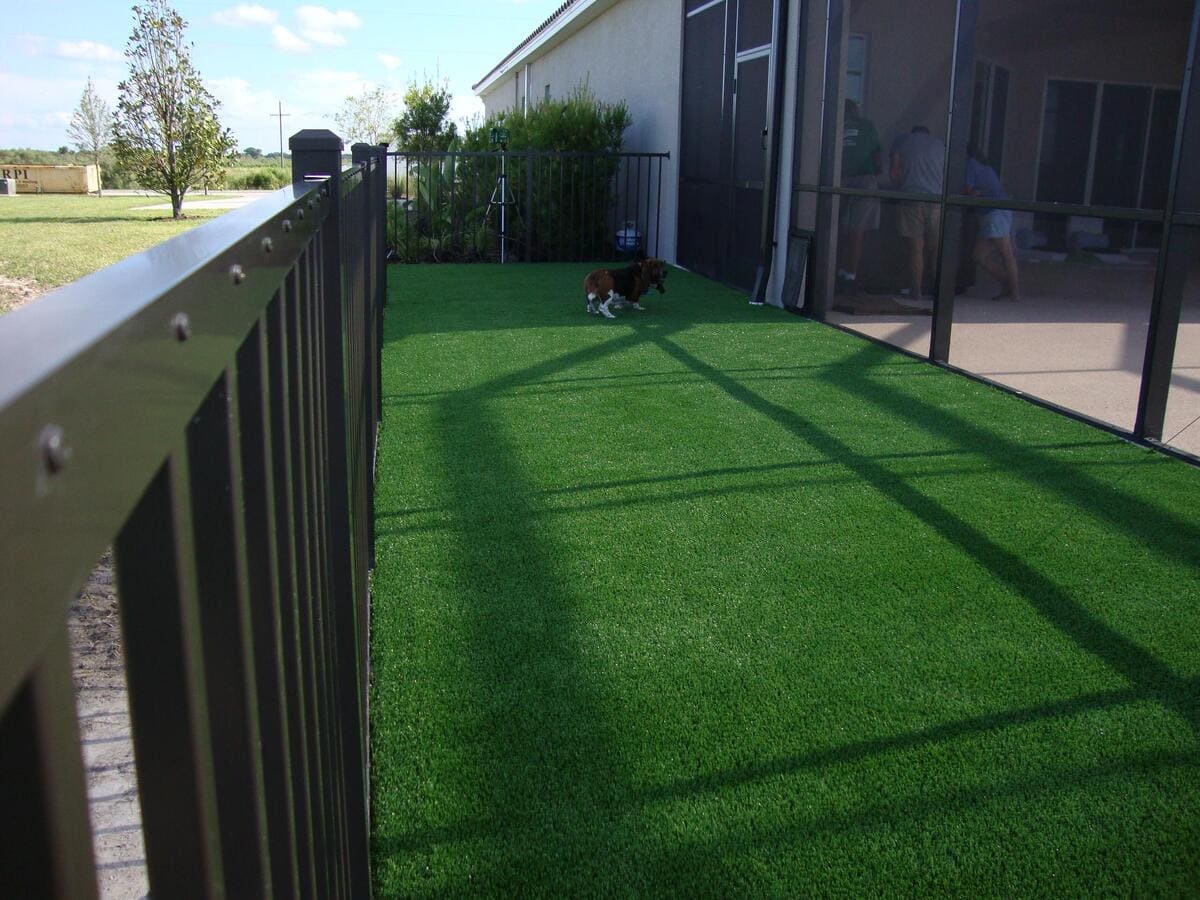
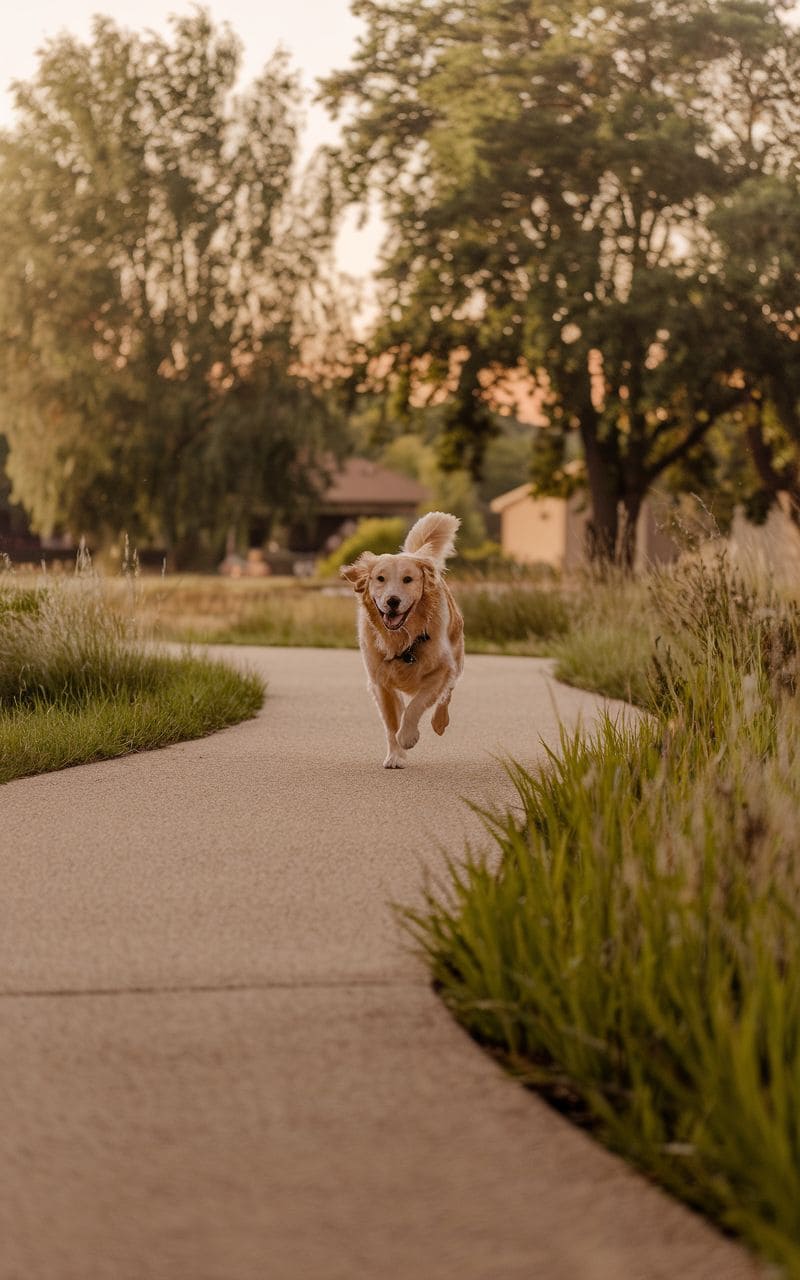
Dog Run
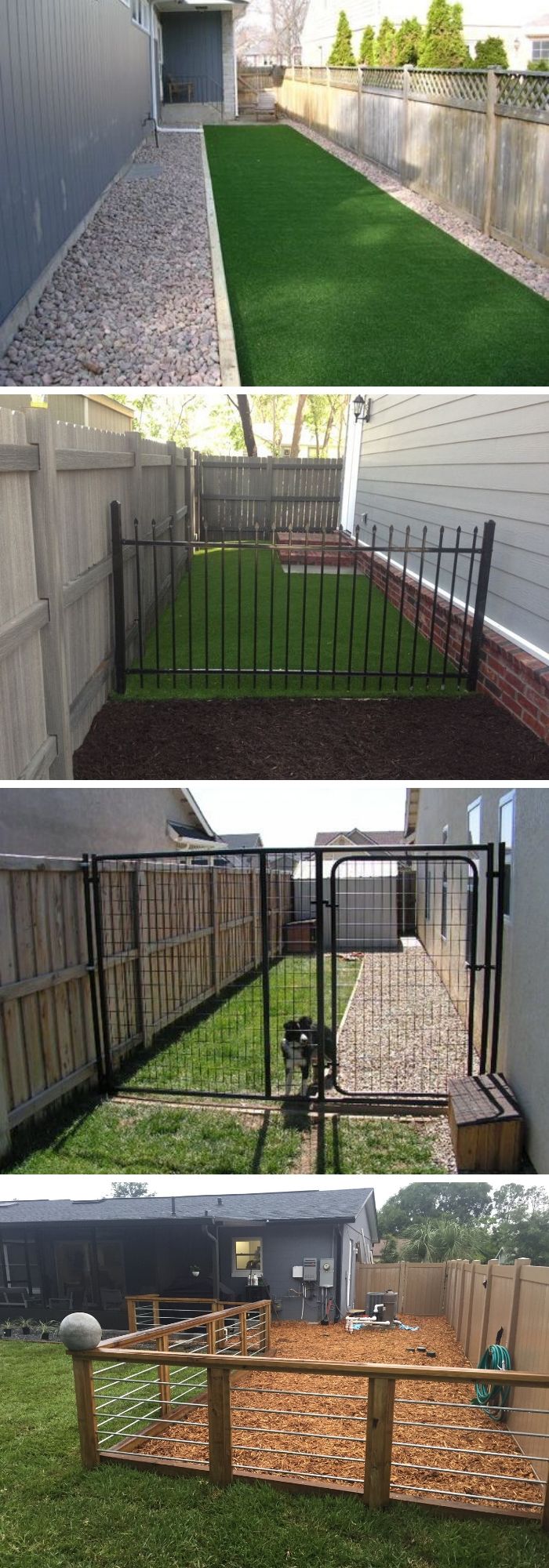
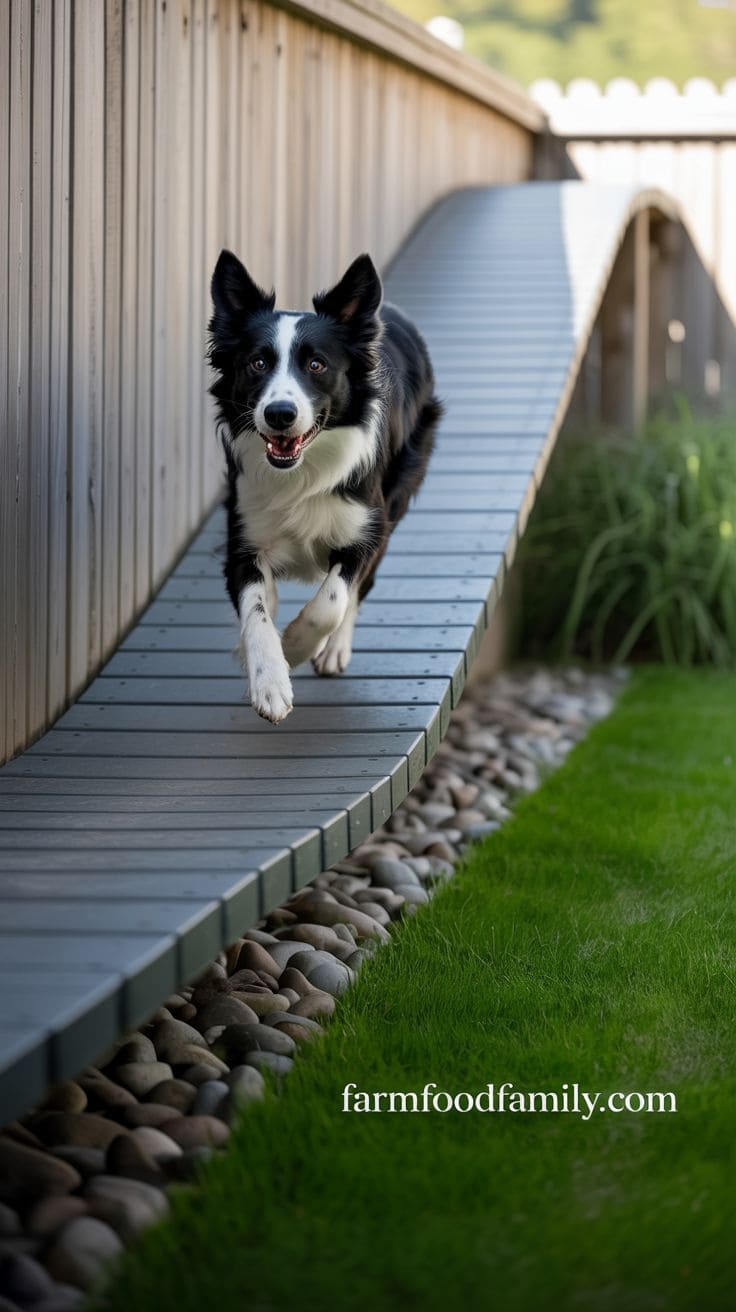
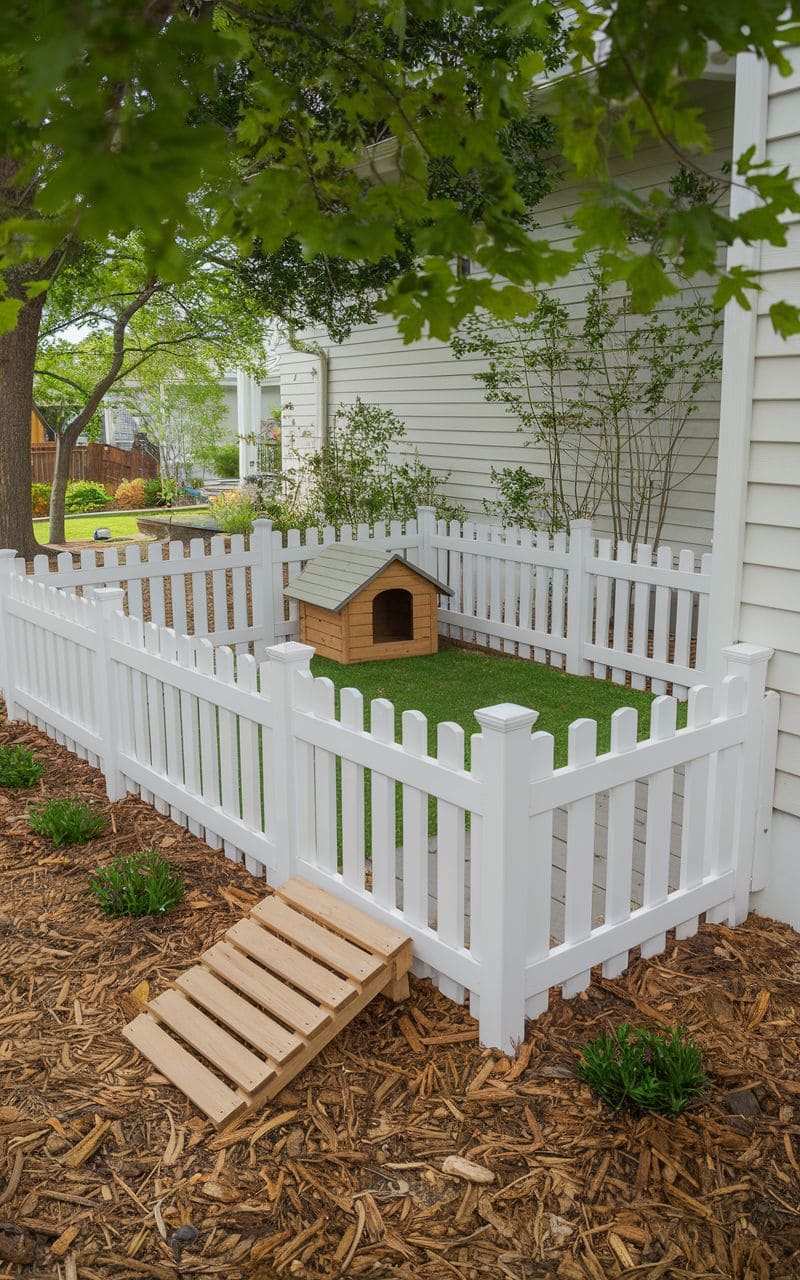
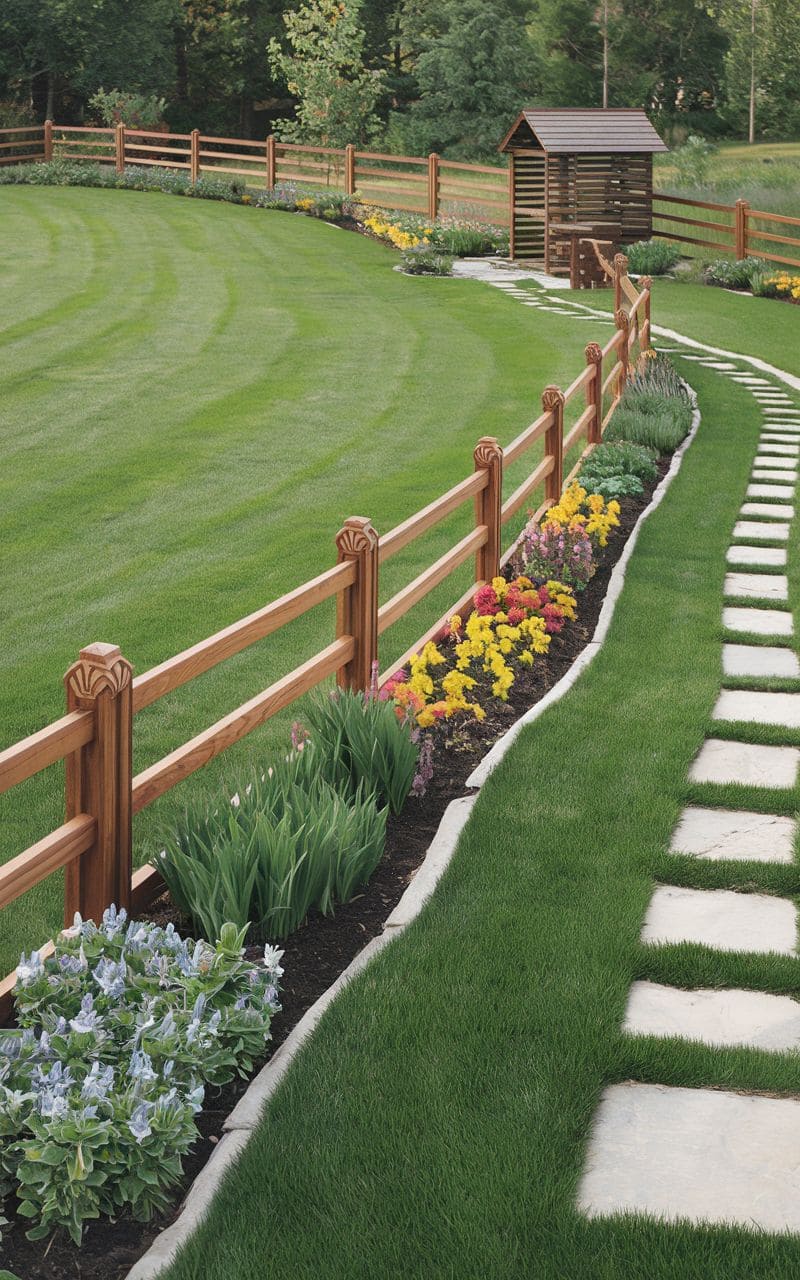
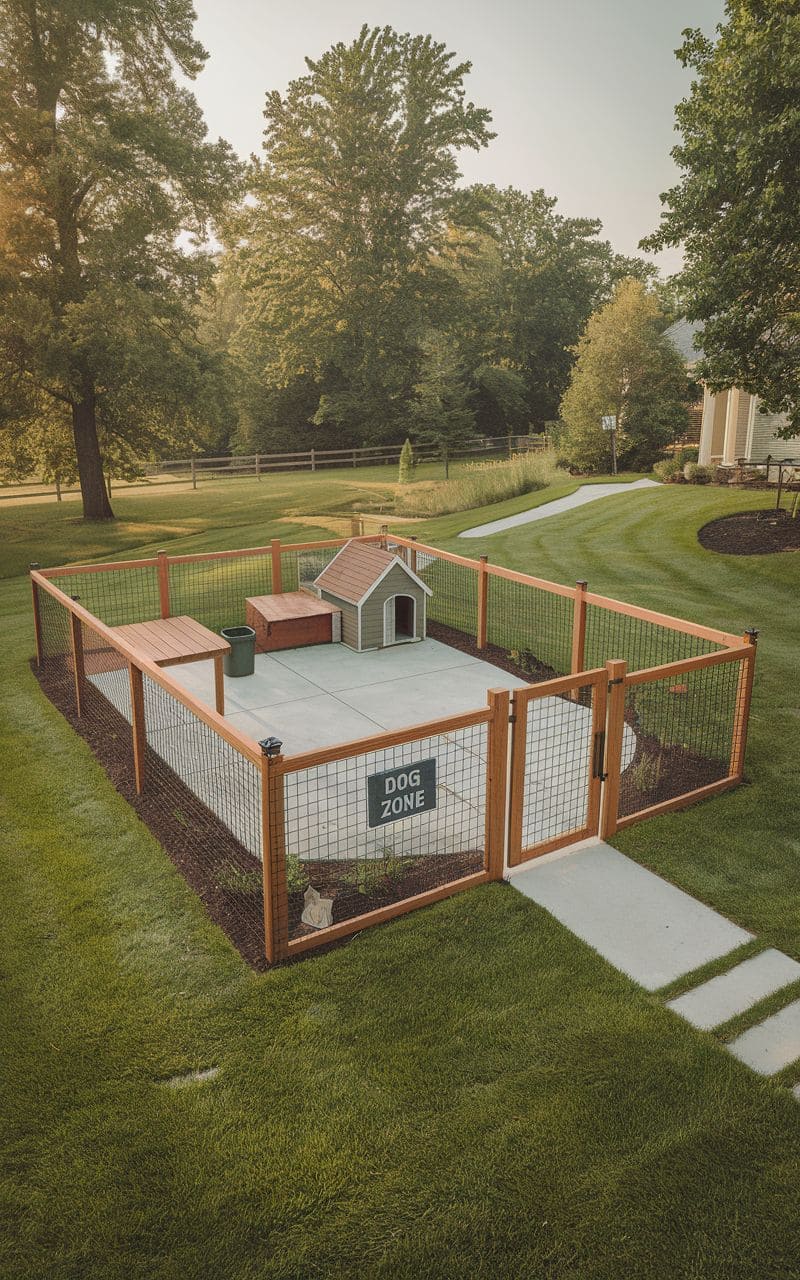
A defined, fenced lane gives a dog room to genuinely run rather than pace, and it keeps that high-energy activity contained to one durable-surfaced zone instead of tearing up the whole yard.
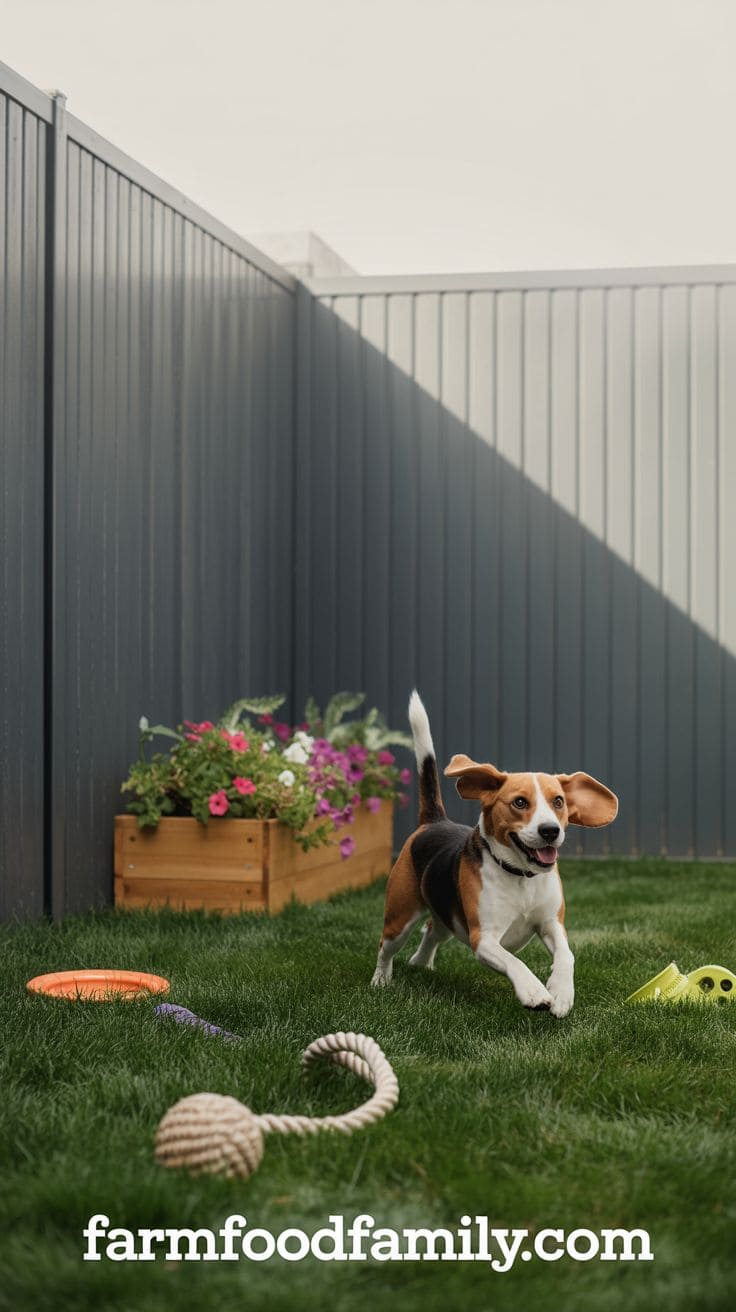
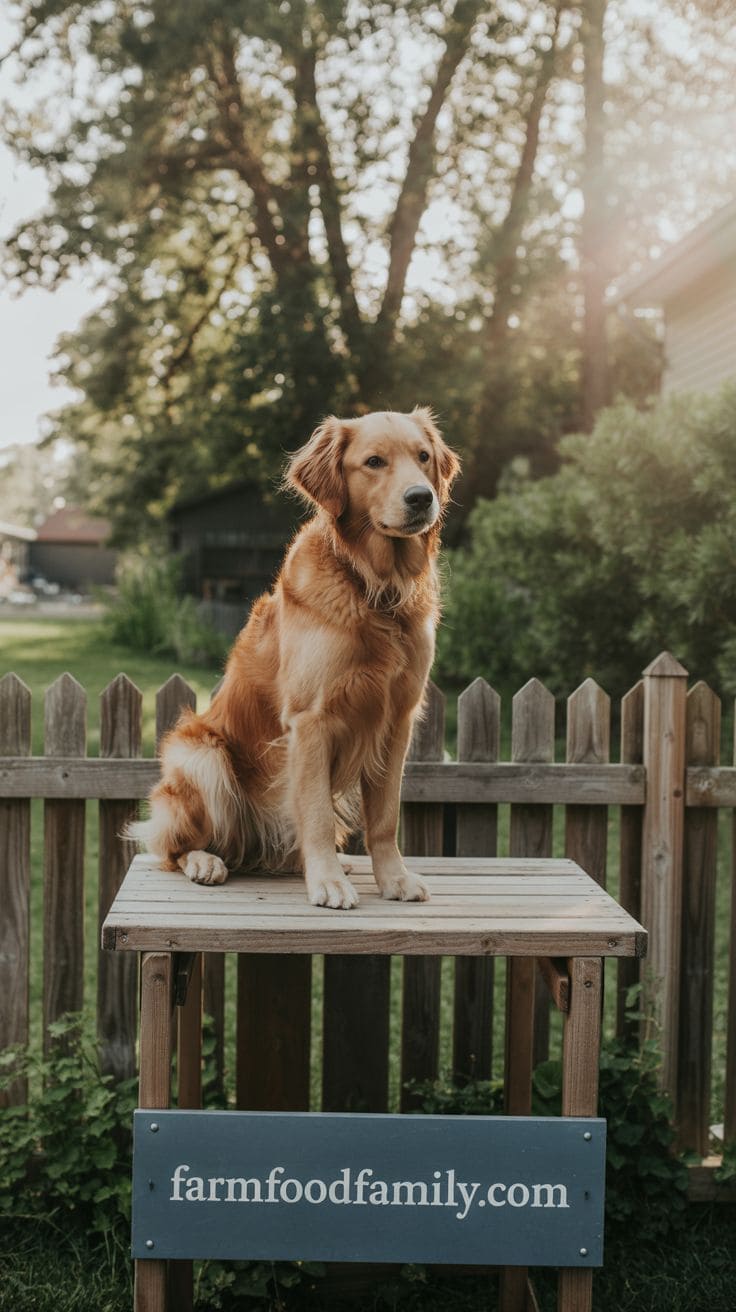
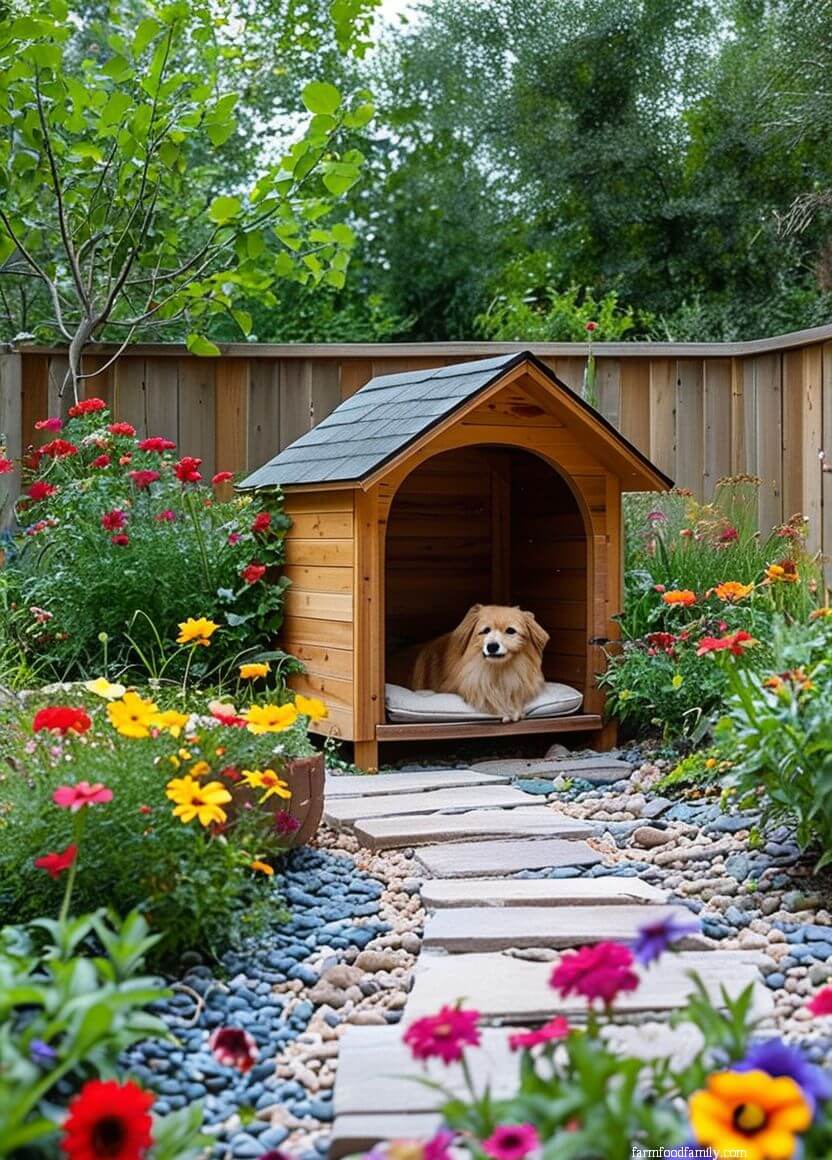
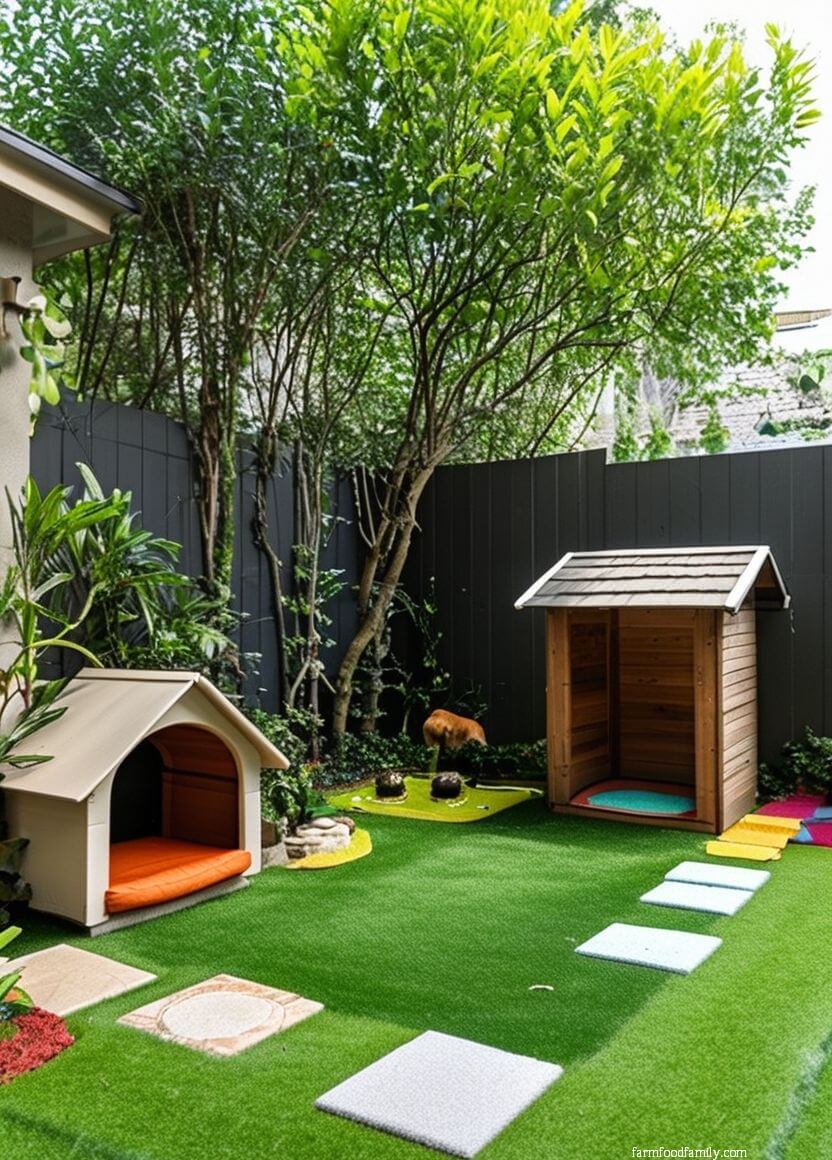
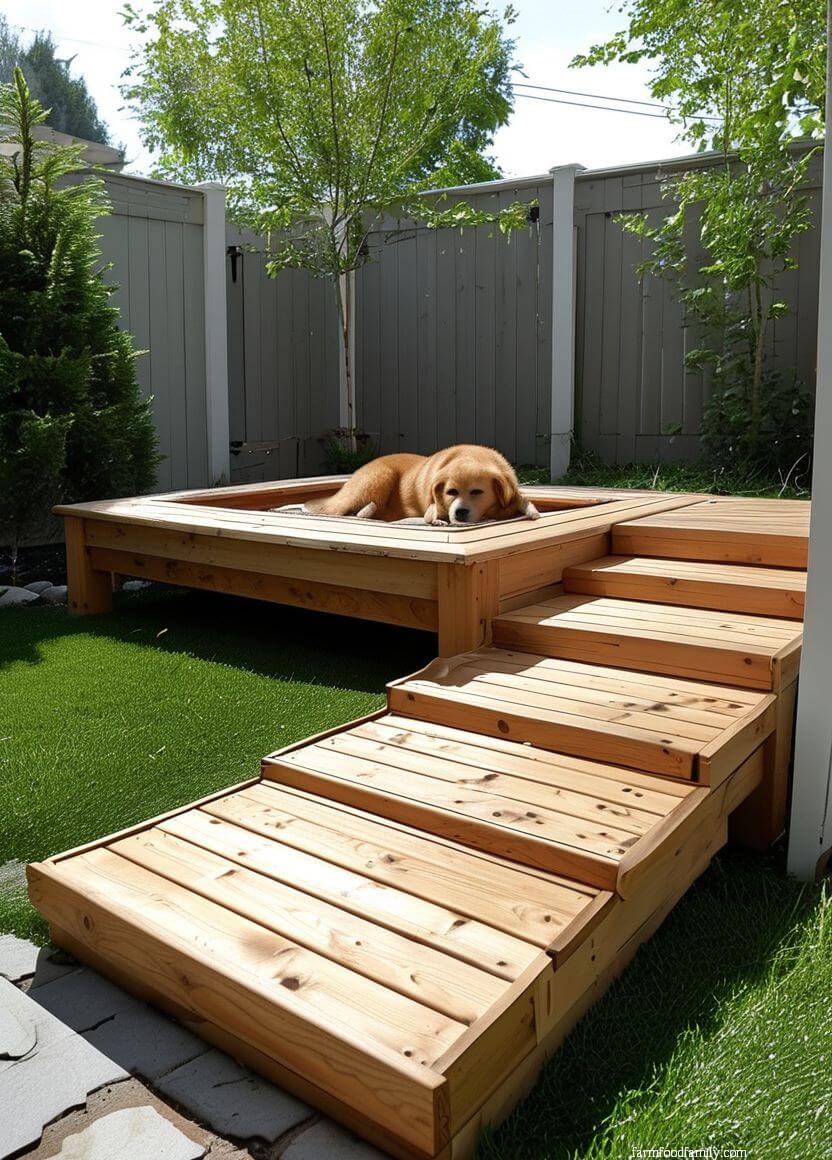
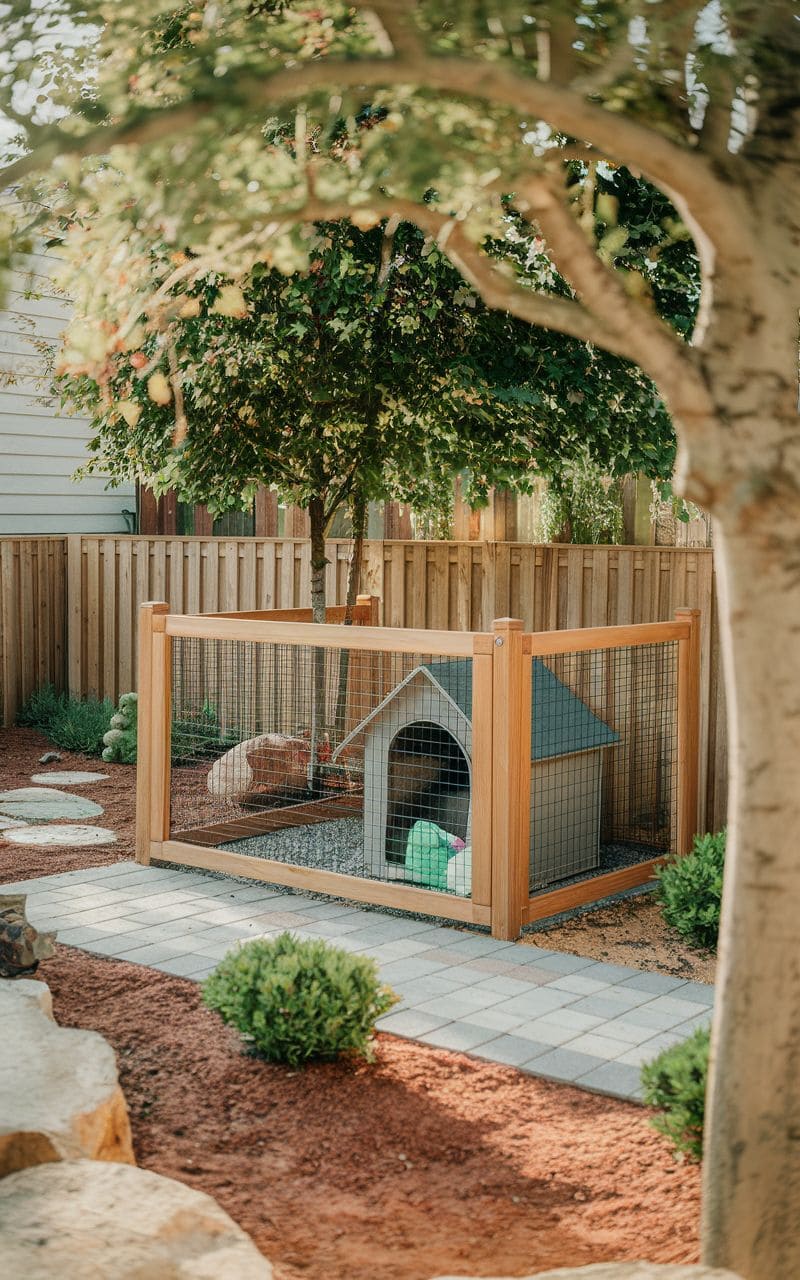
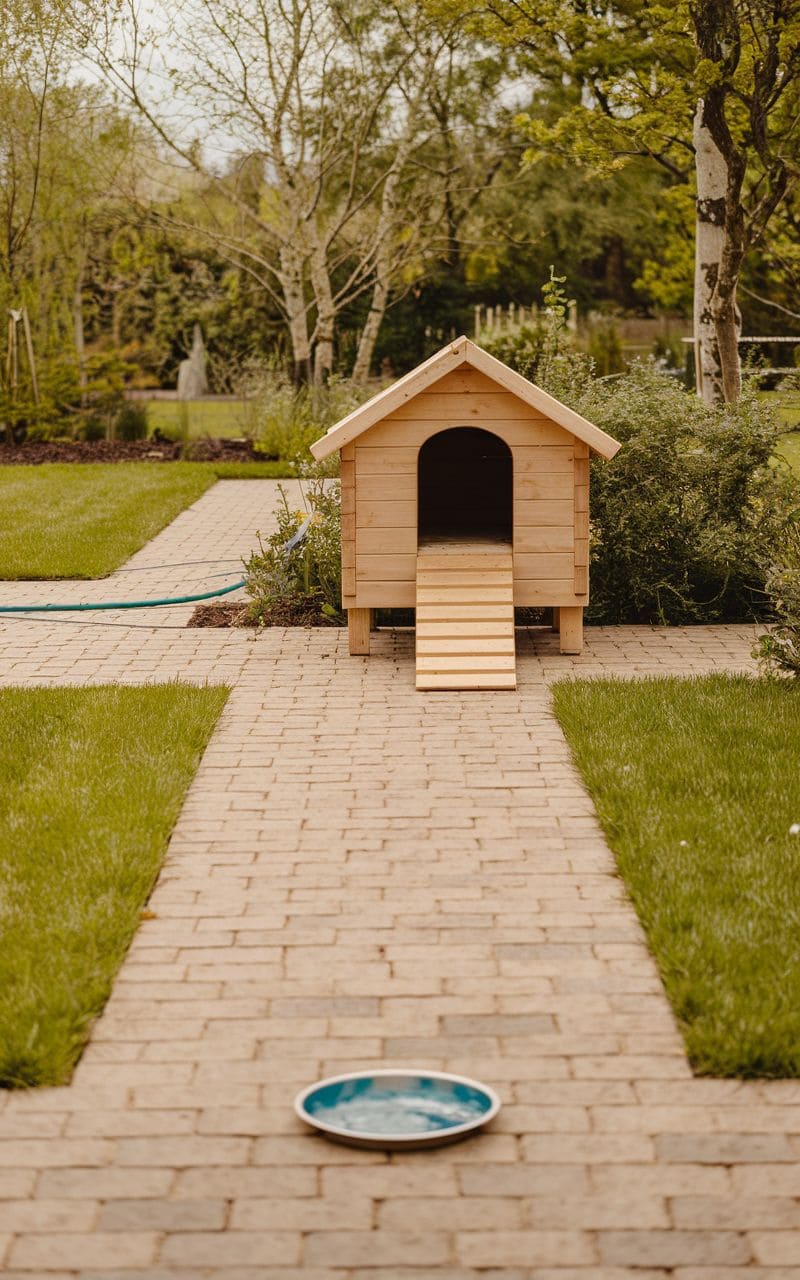
Elevated Dog House or Platform
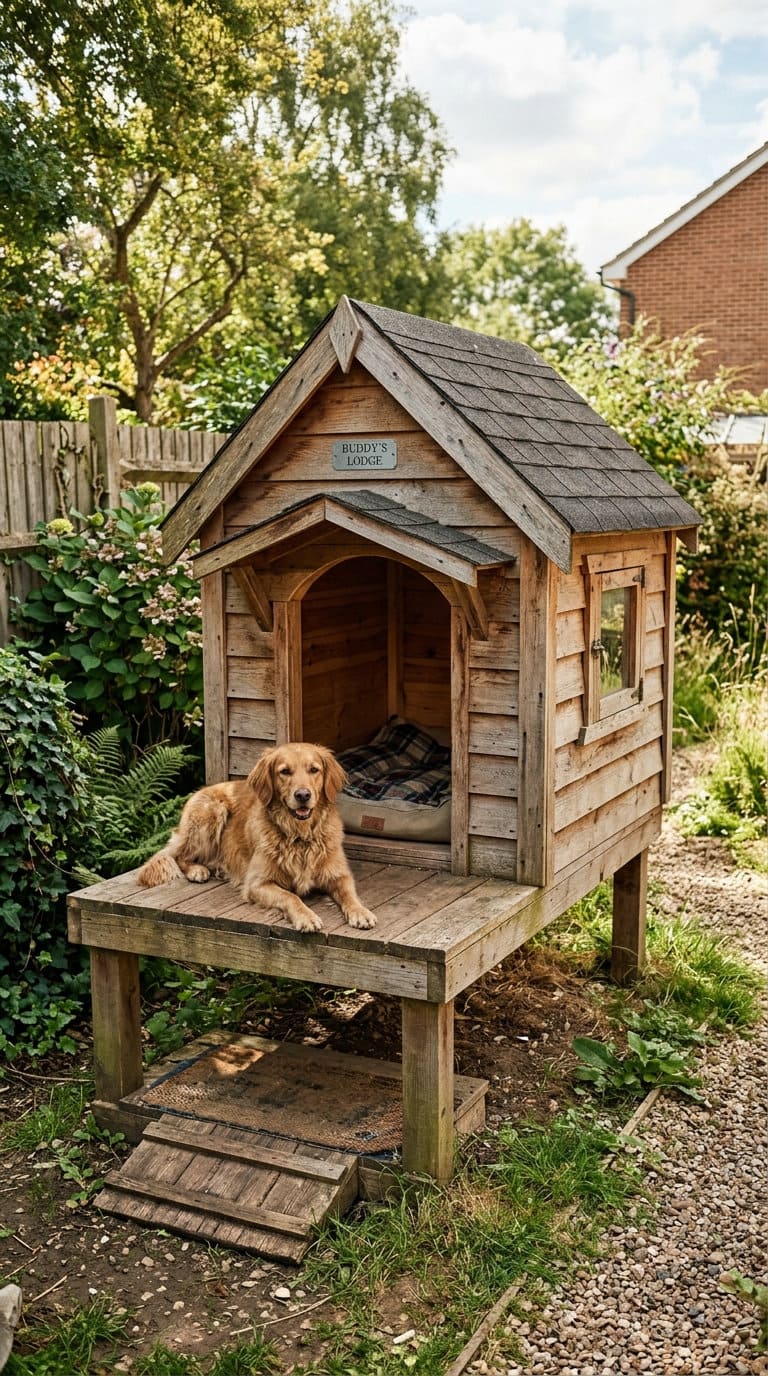
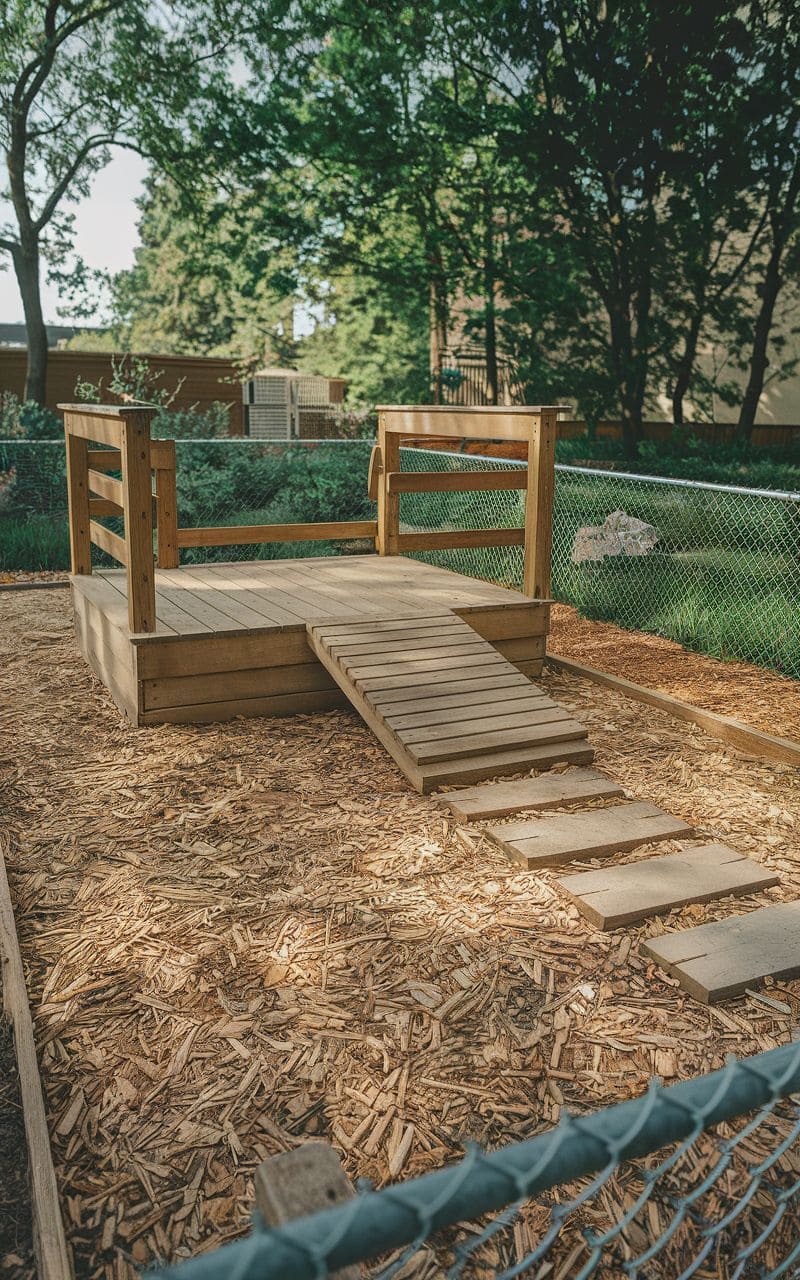
A dog house with a raised floor, or a simple raised platform bed, keeps a dog off wet or hot ground and gives them a genuine vantage point, dogs often prefer being able to see their surroundings rather than being tucked in a low corner.
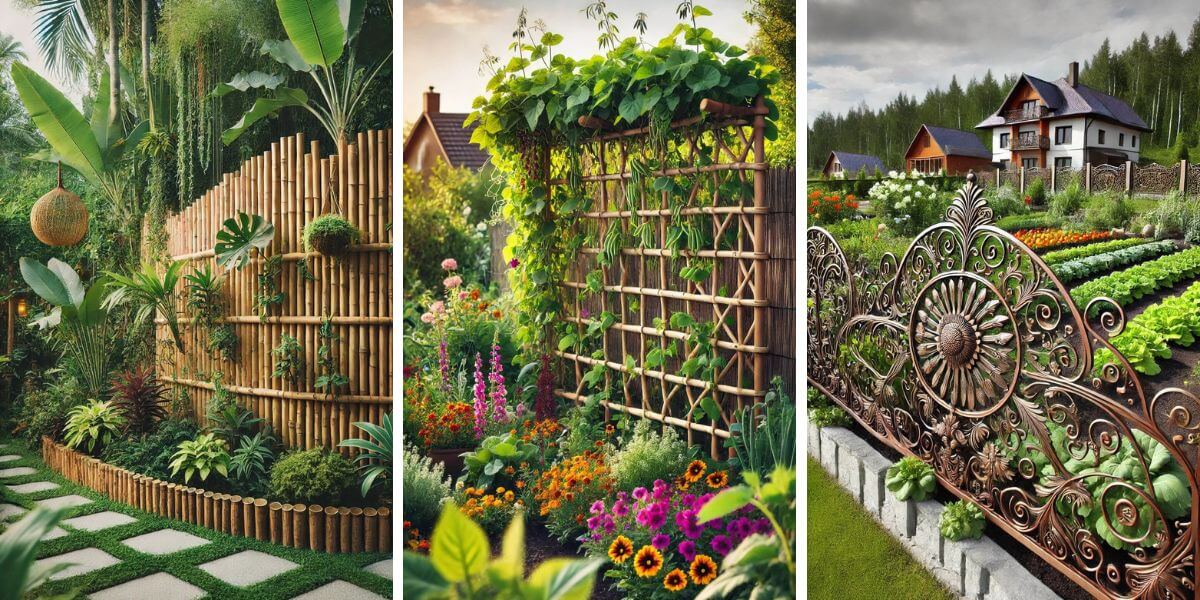
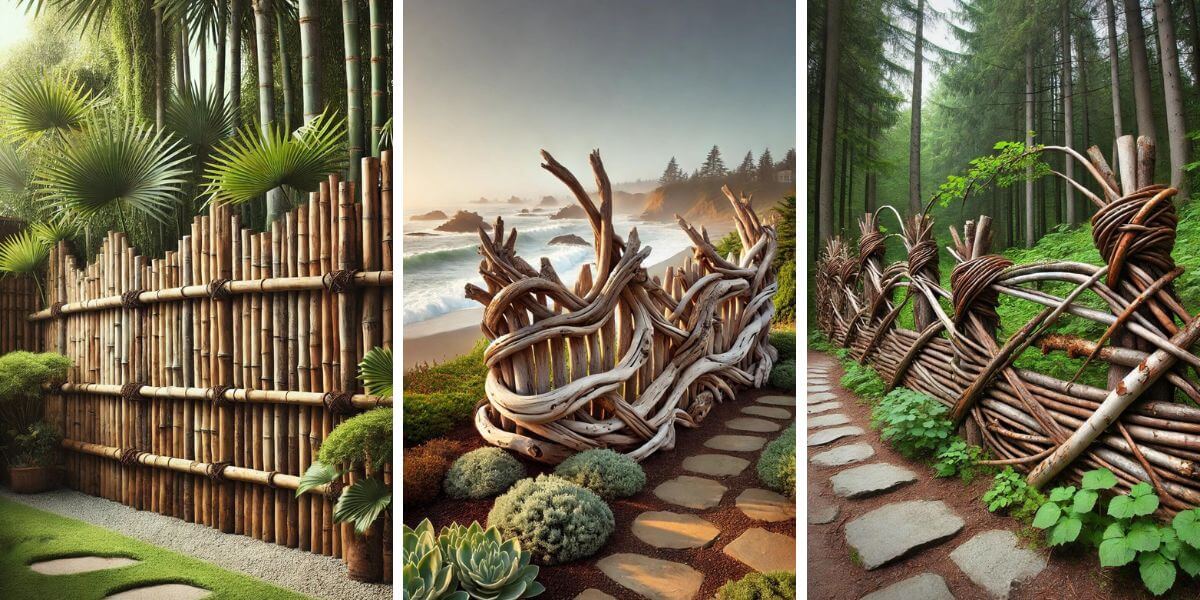
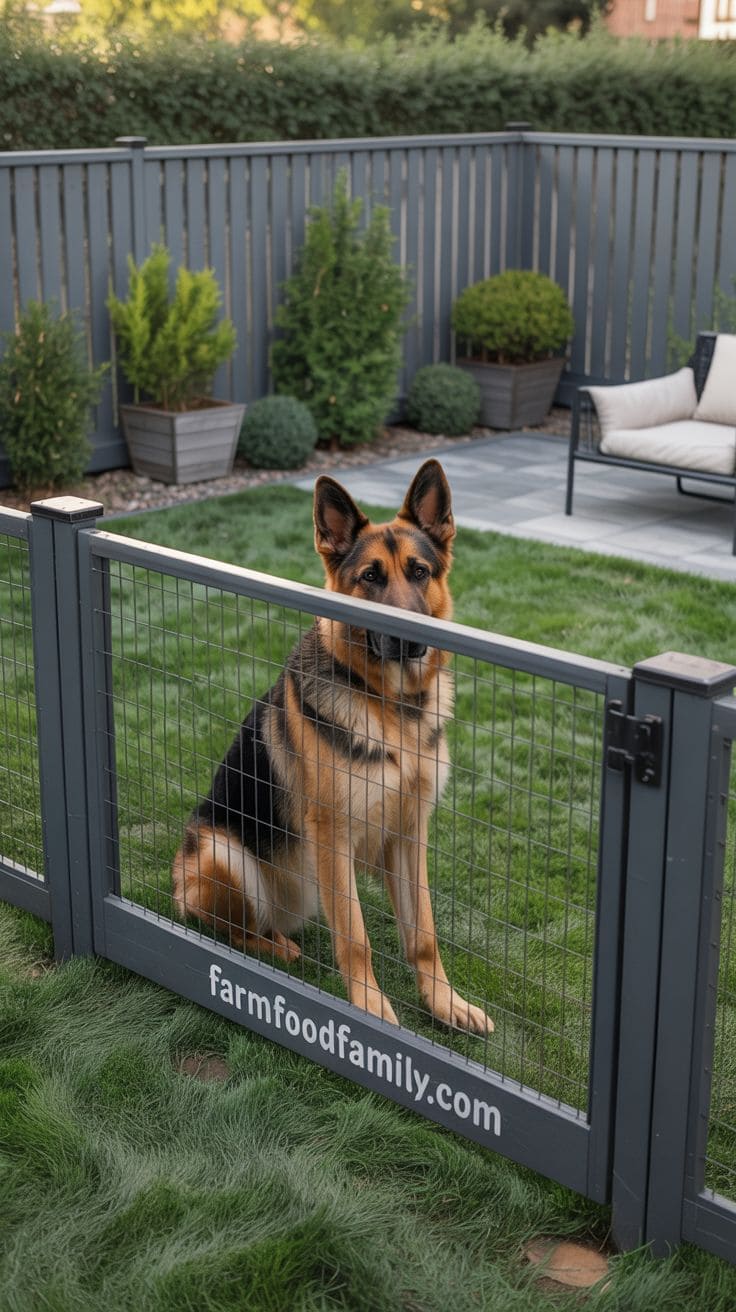
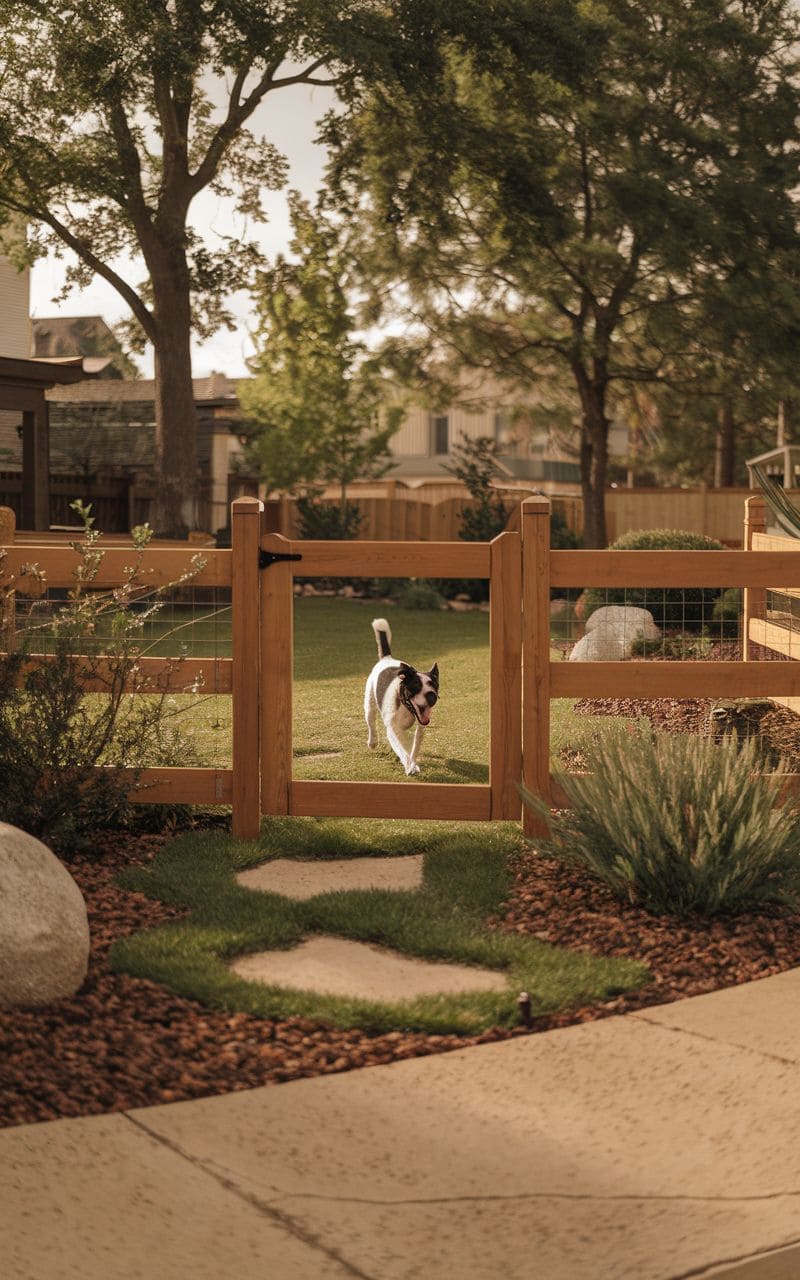
Reinforced, Escape-Proof Fencing
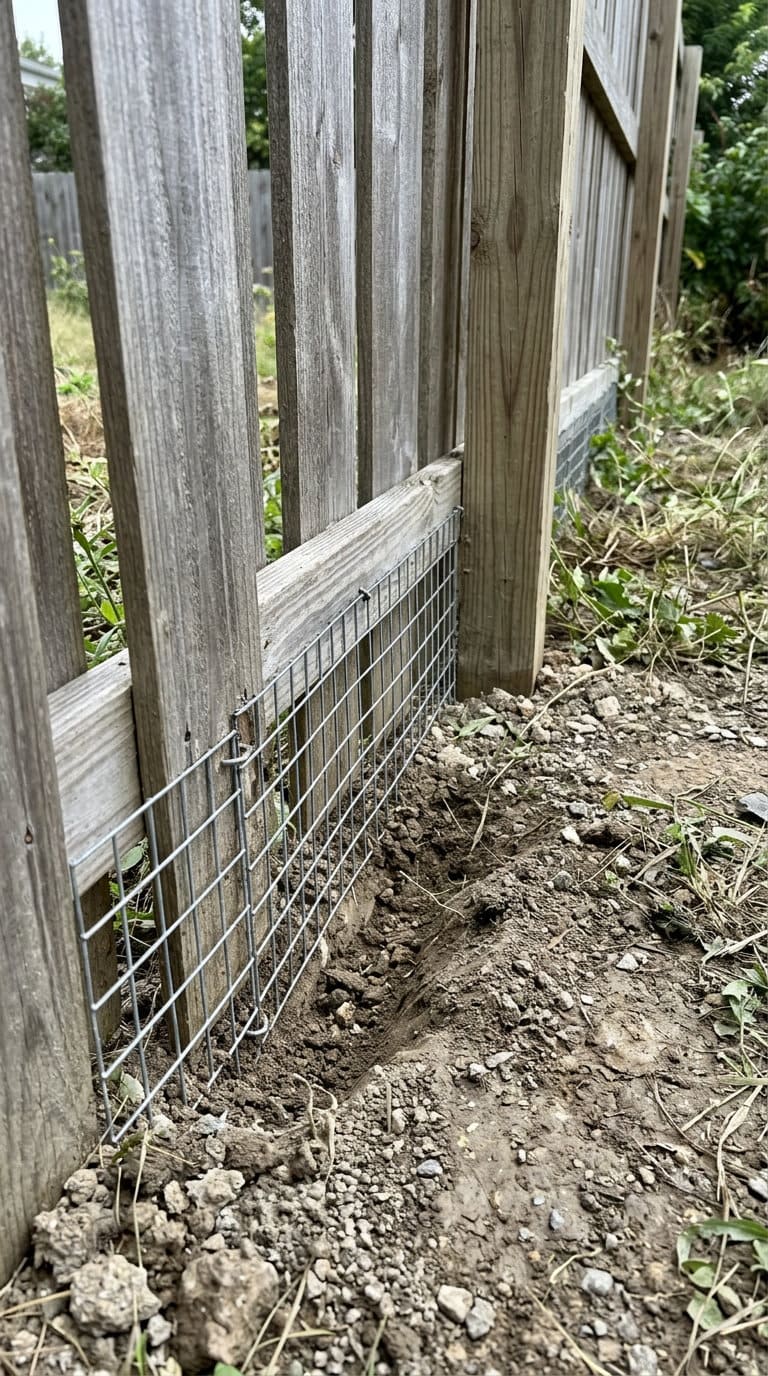
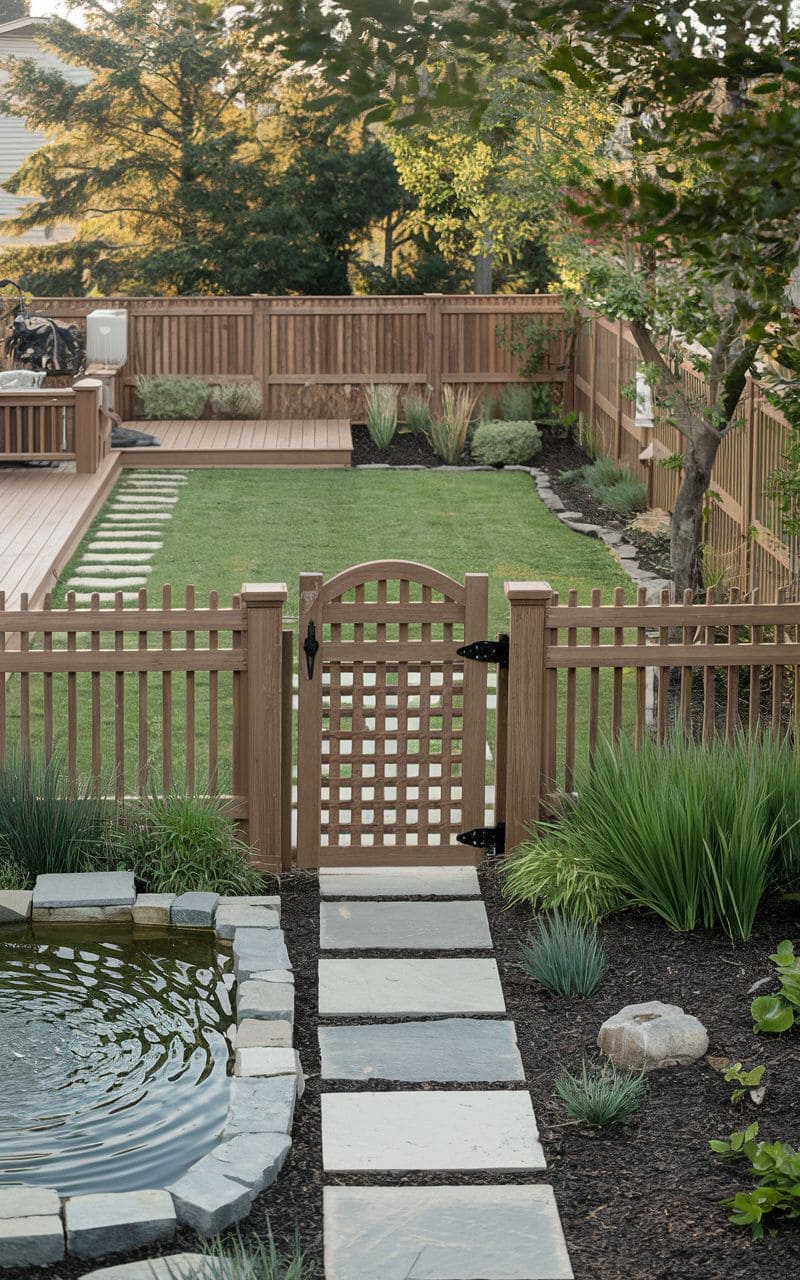
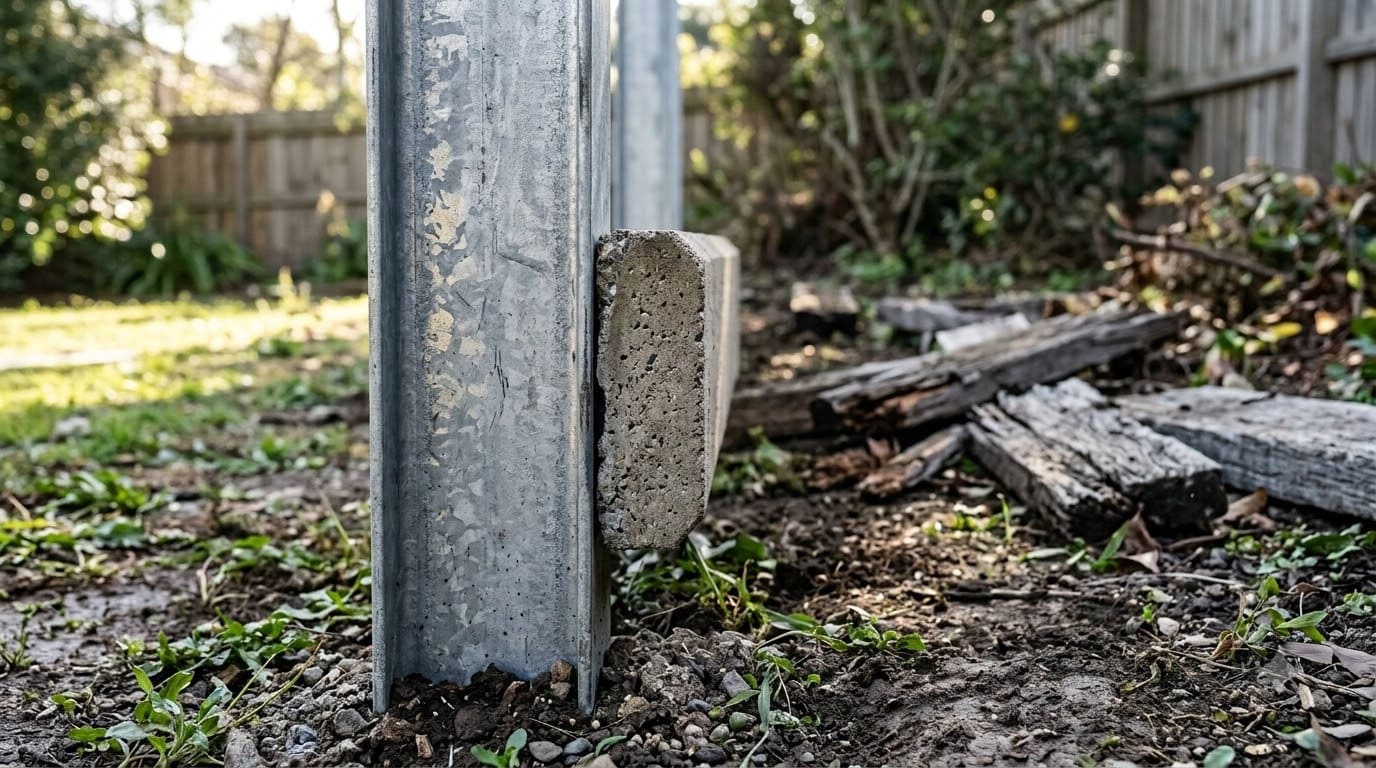
A fence bottom reinforced against digging (buried wire mesh, a solid footer) and self-closing gates address the two most common ways dogs actually get loose, digging under and gates left ajar, rather than just building a tall fence and hoping.
Comfort
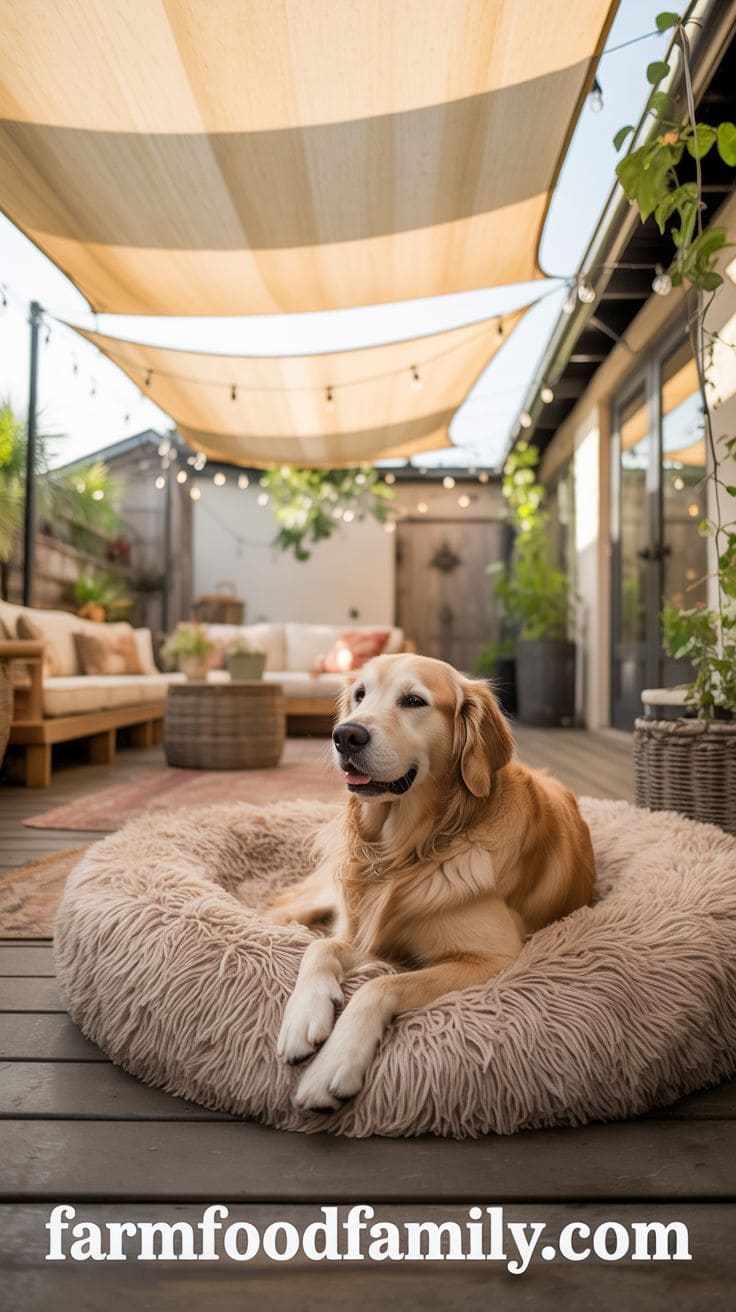
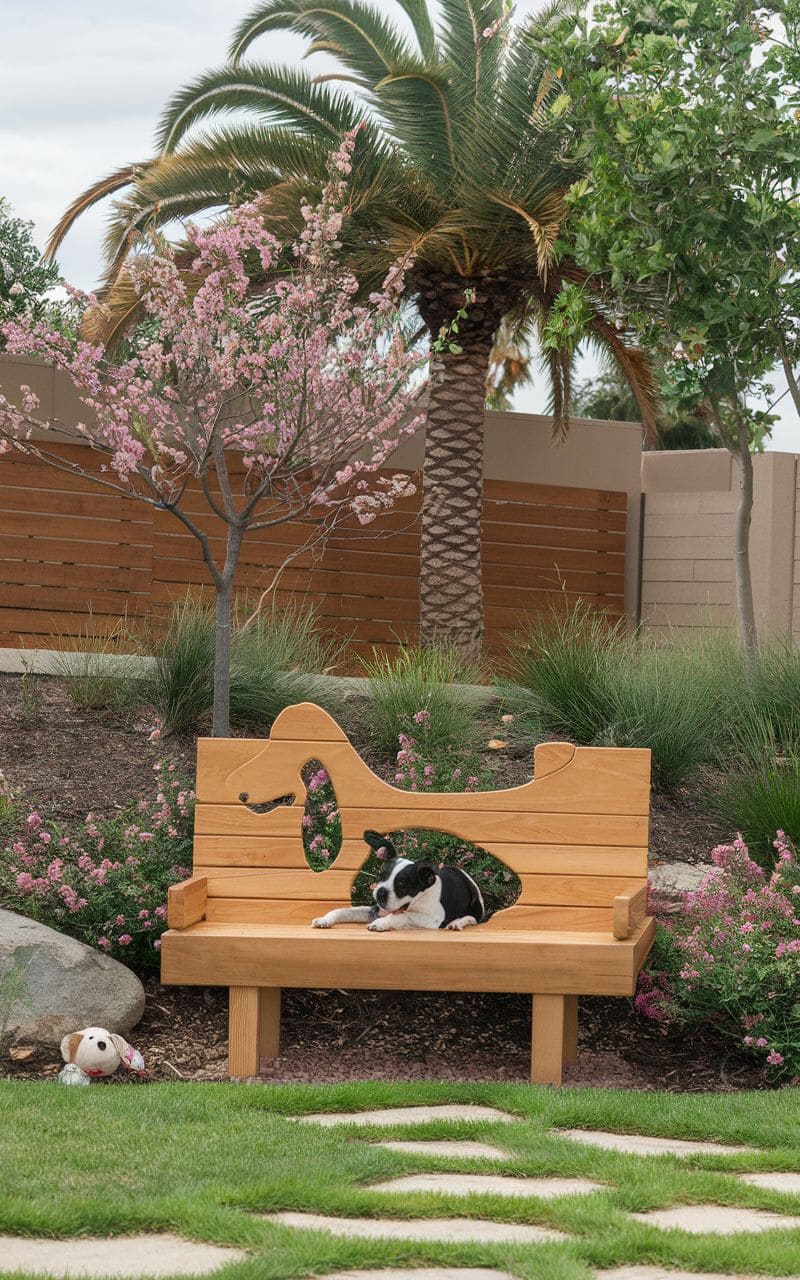
Outdoor Bed or Lounging Area
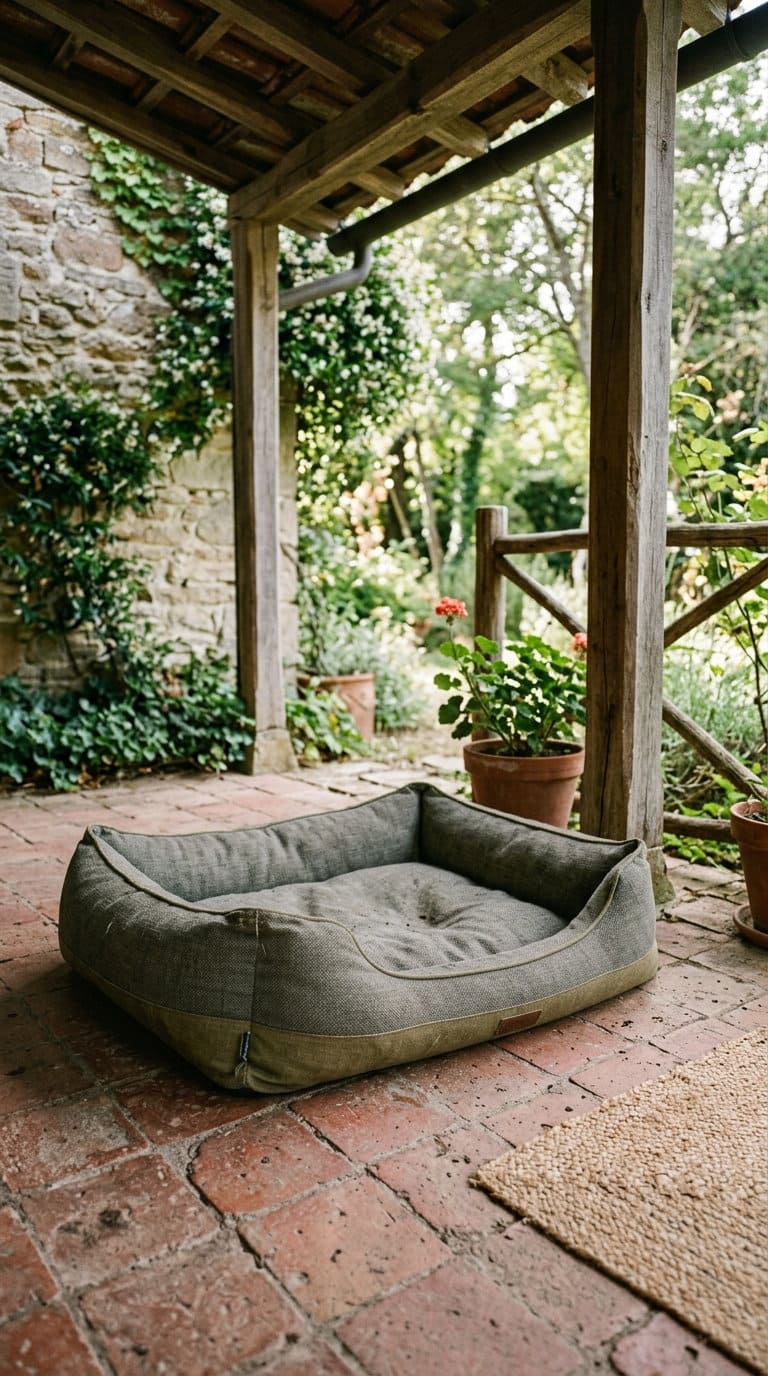
A weatherproof bed on a covered porch or patio gives a dog a real outdoor resting spot instead of just the ground, useful for older dogs especially, whose joints benefit from off-ground cushioning.
The average homeowner spends $616/year on yard fixes that don't address the real problem. Find out what yours actually is — before you spend another dollar.
Take the Free Quiz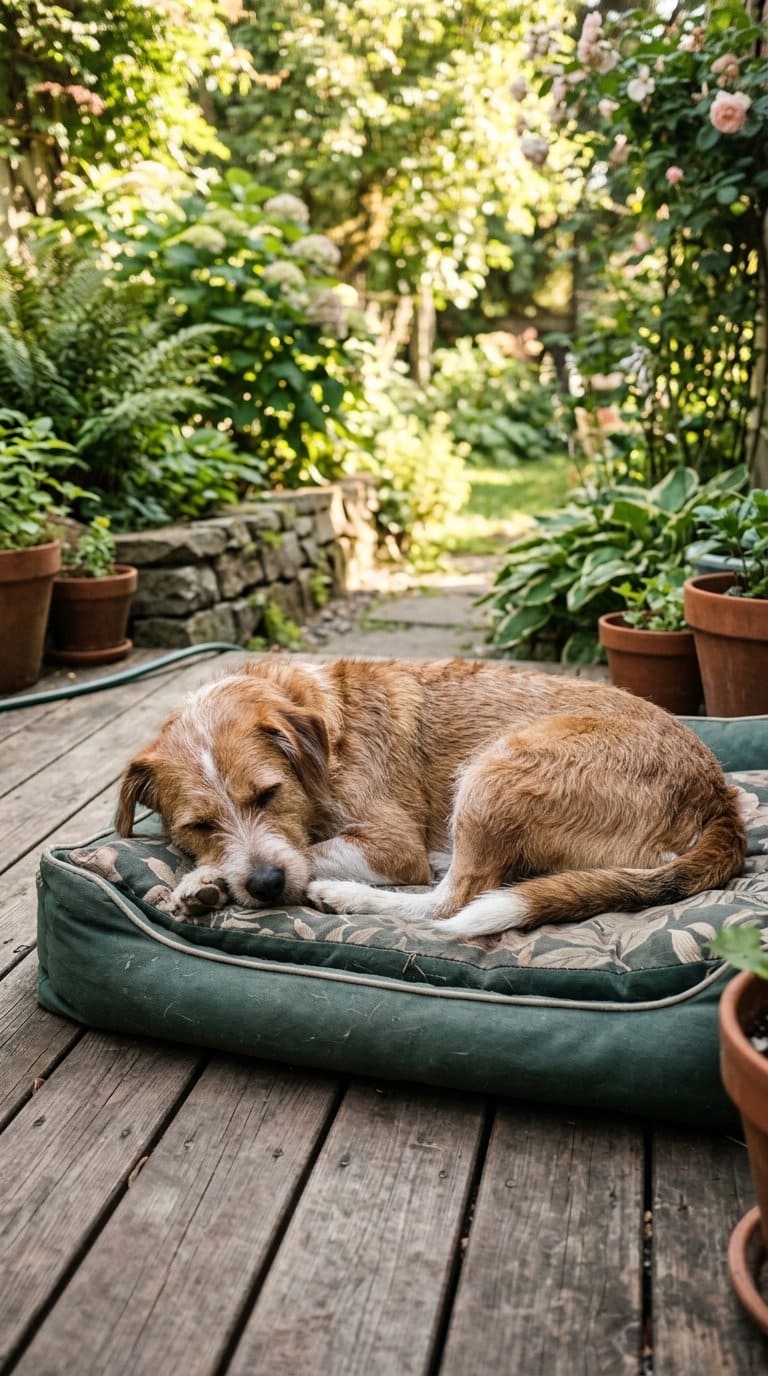
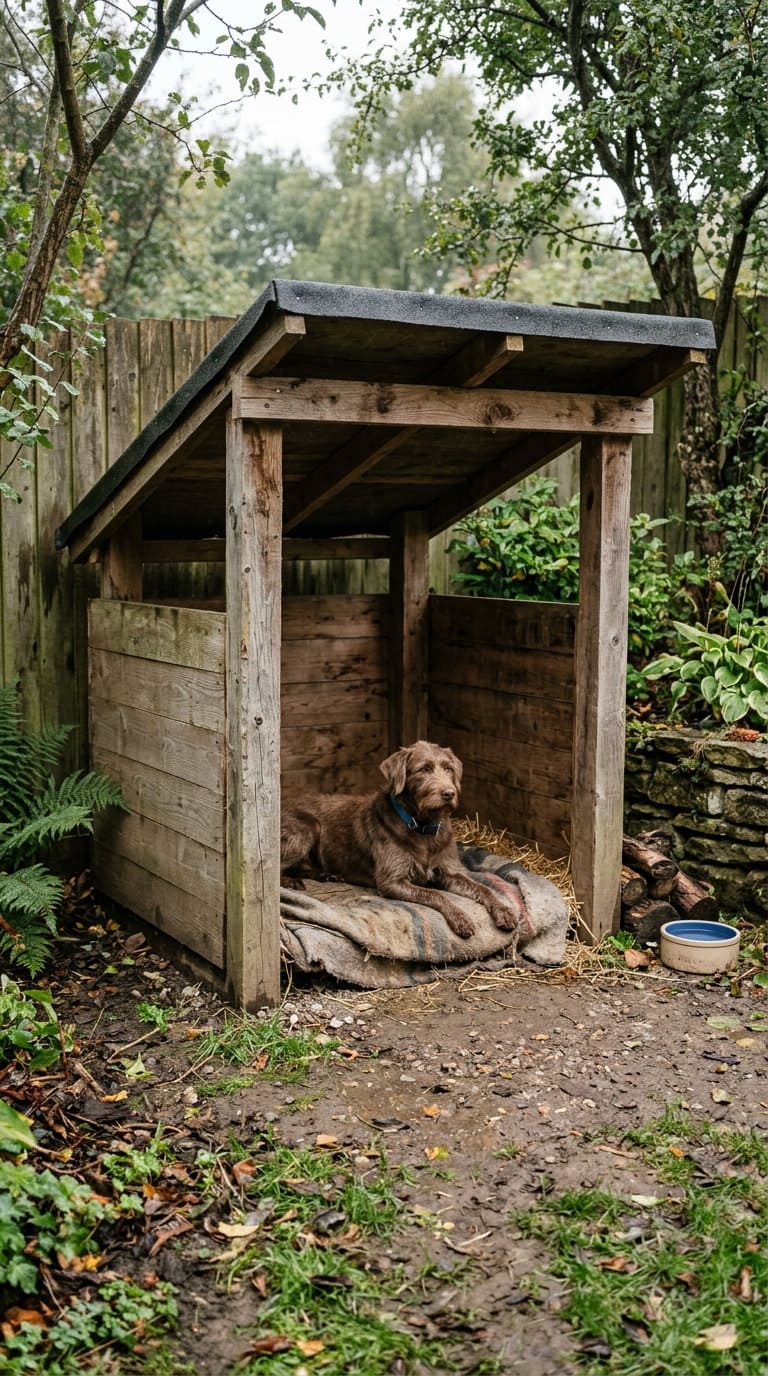
Rain Shelter
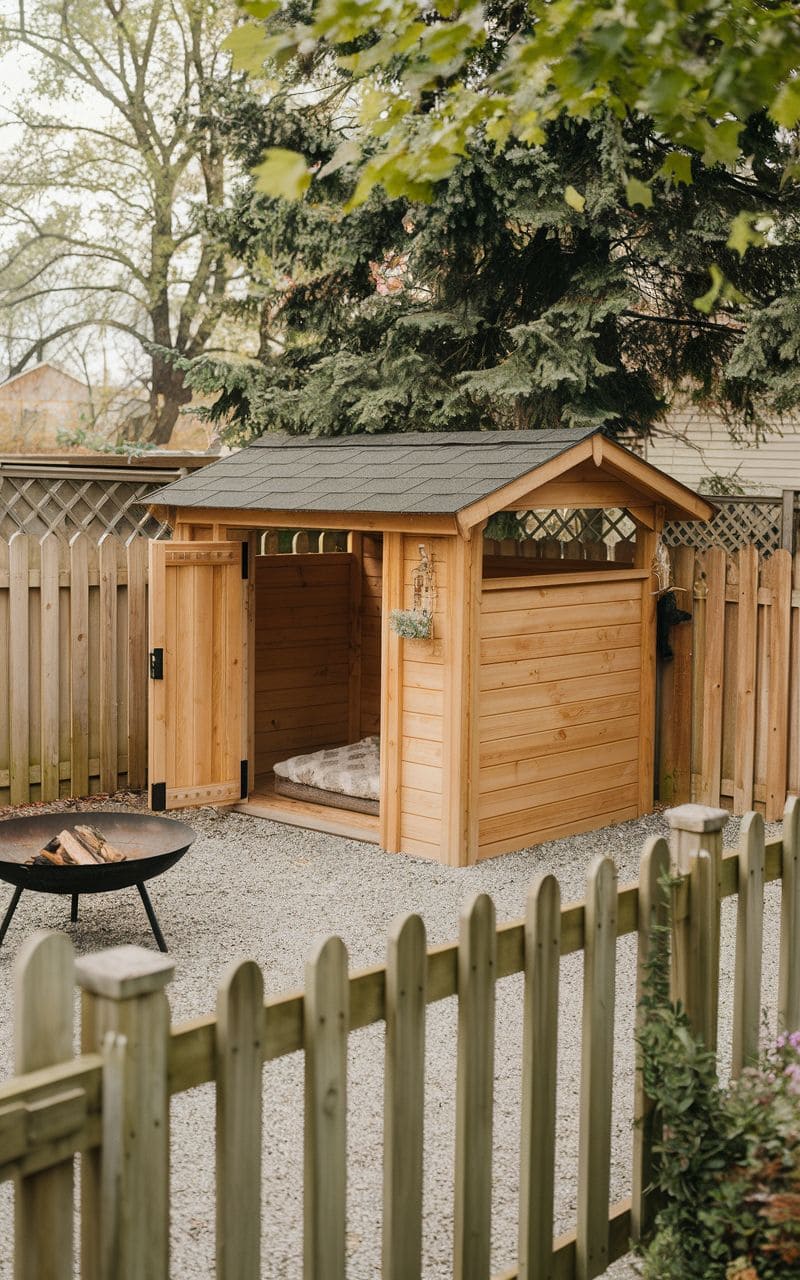
A simple covered structure, even a repurposed dog house with a small roof overhang, gives a dog a dry spot without needing to be let back inside every time weather turns, useful for households where the dog spends significant daytime hours outside.
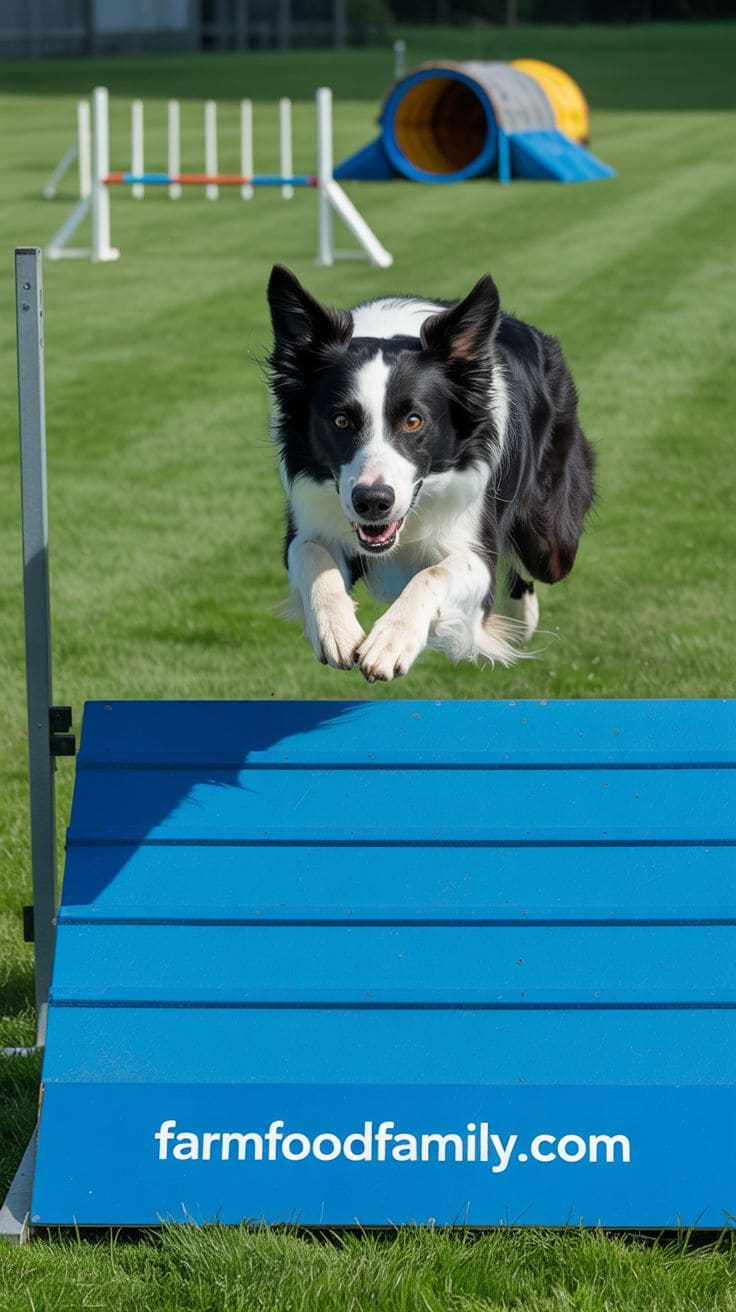
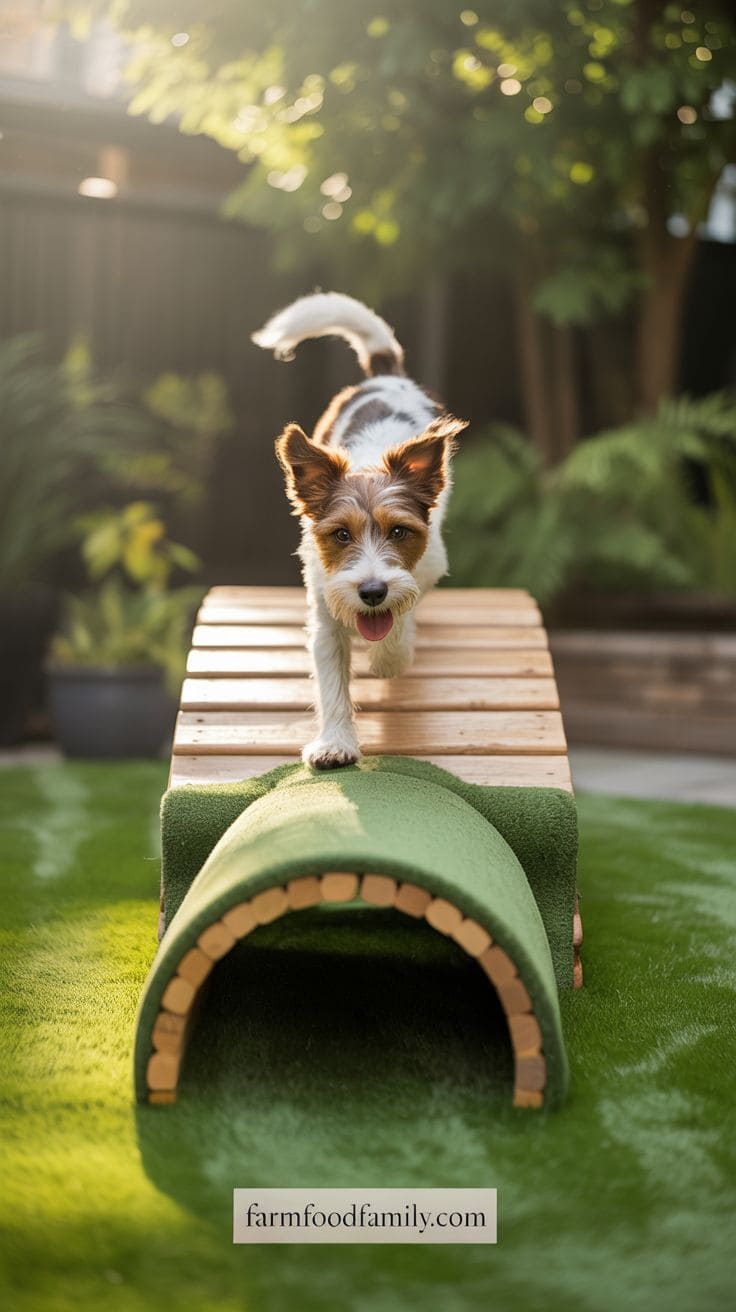
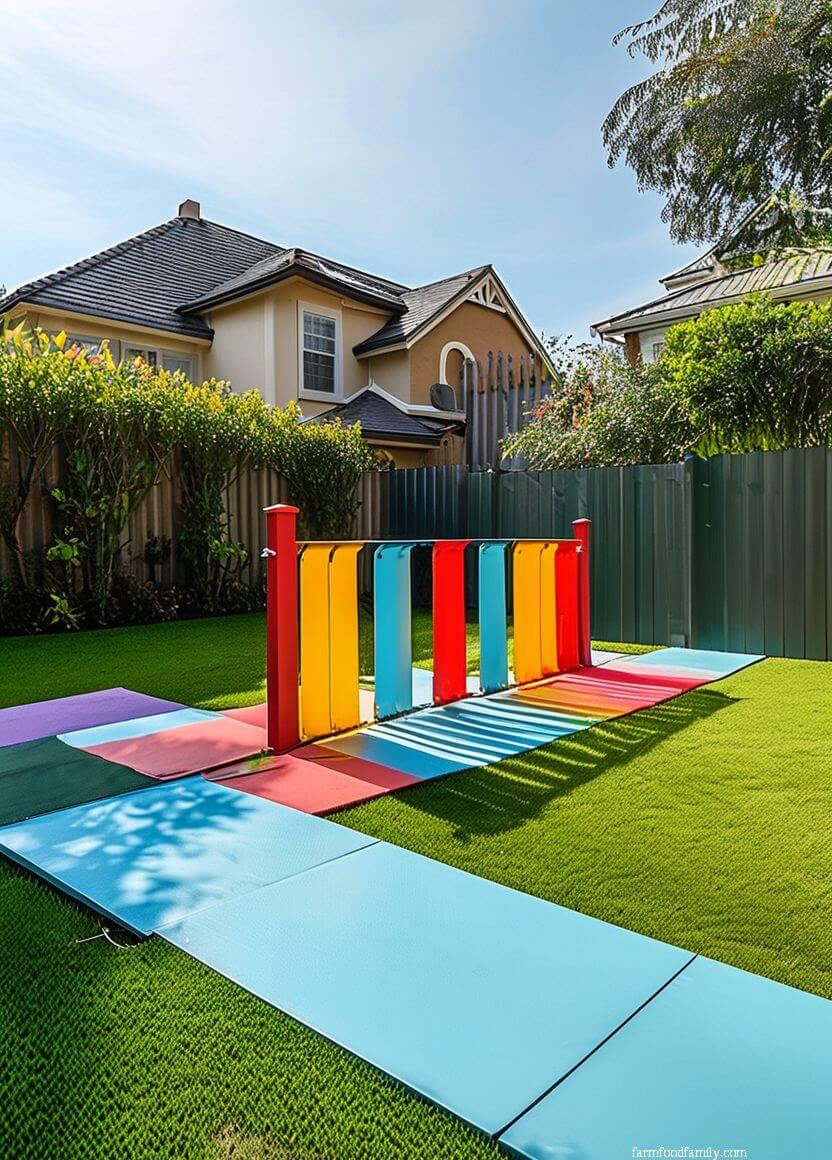
Dog Obstacle Course

Setting up a dog obstacle course in your backyard is a great way to keep your dog active and mentally stimulated.
Use items like tunnels, weave poles, and jumps to create a fun and challenging course. This not only provides exercise but also strengthens your bond through training and play.
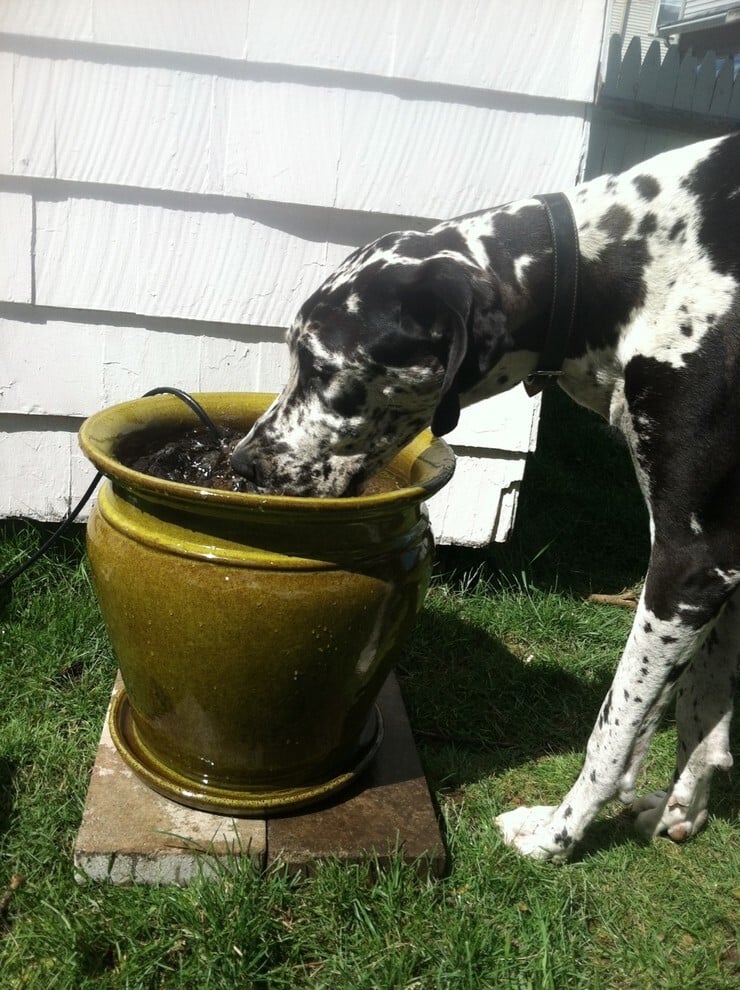
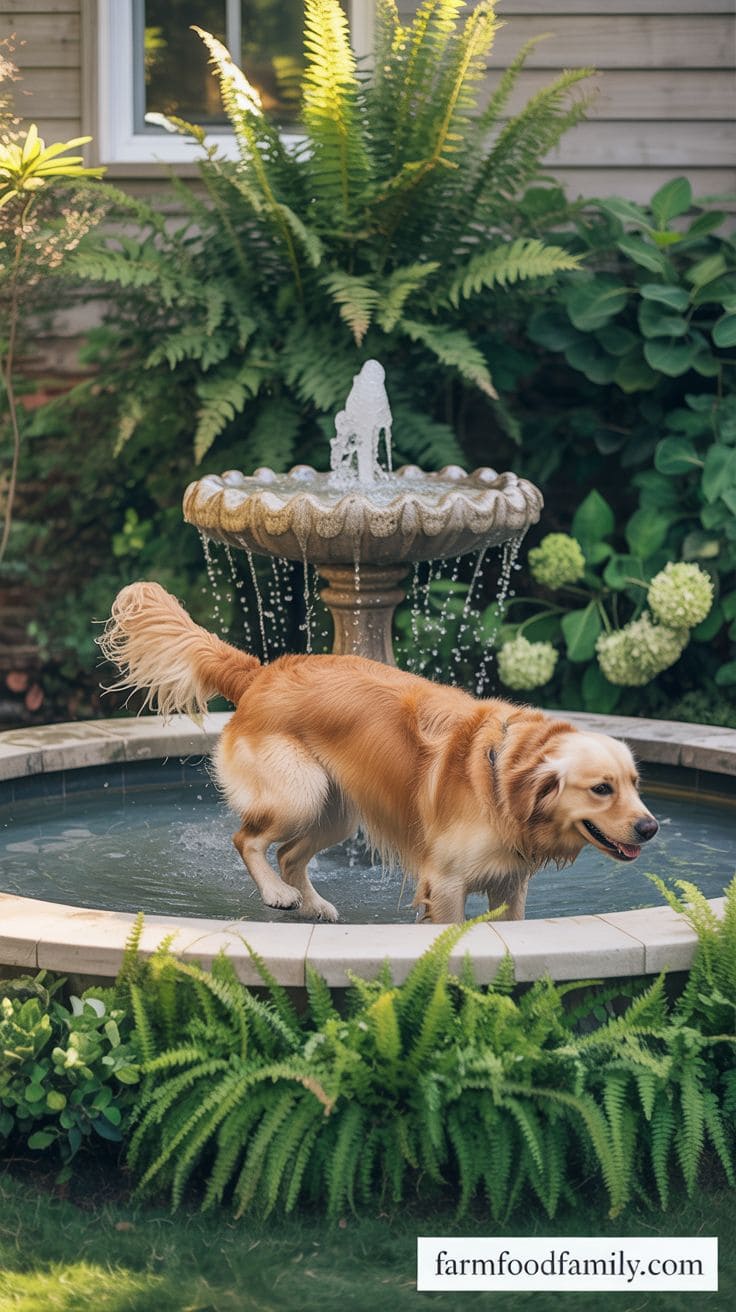
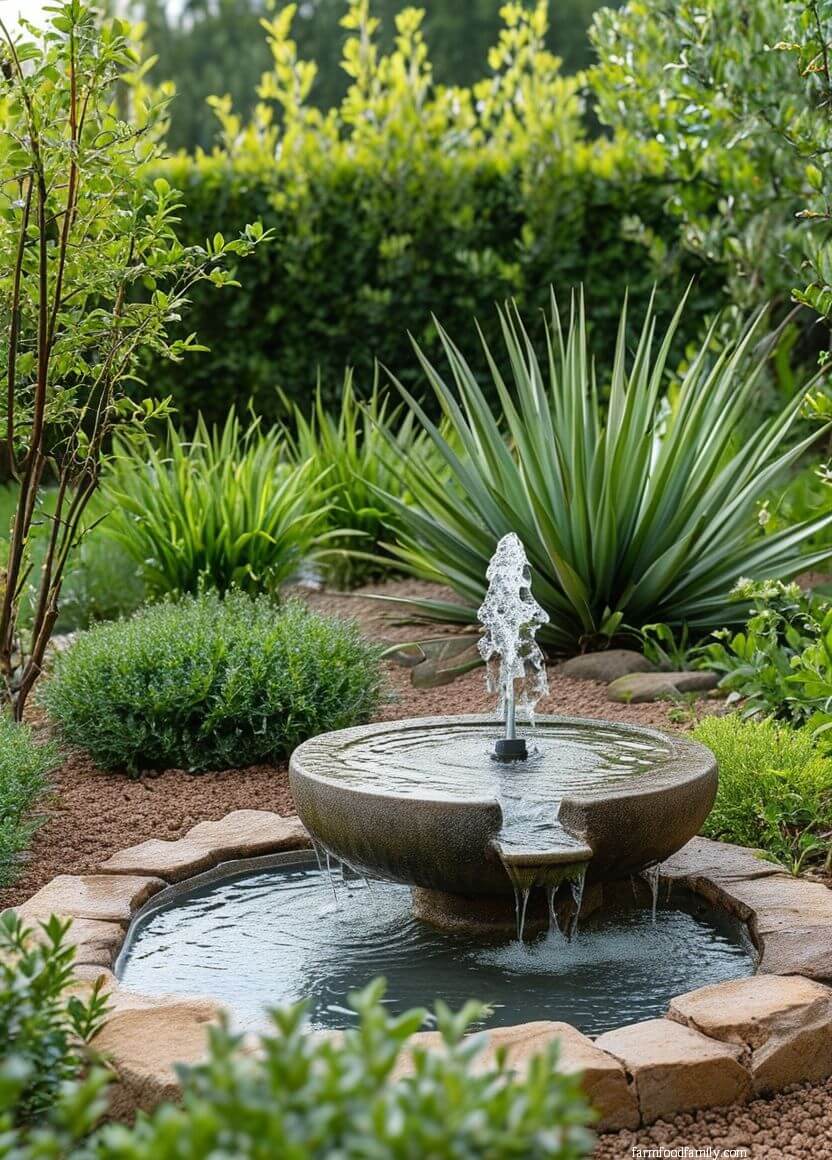
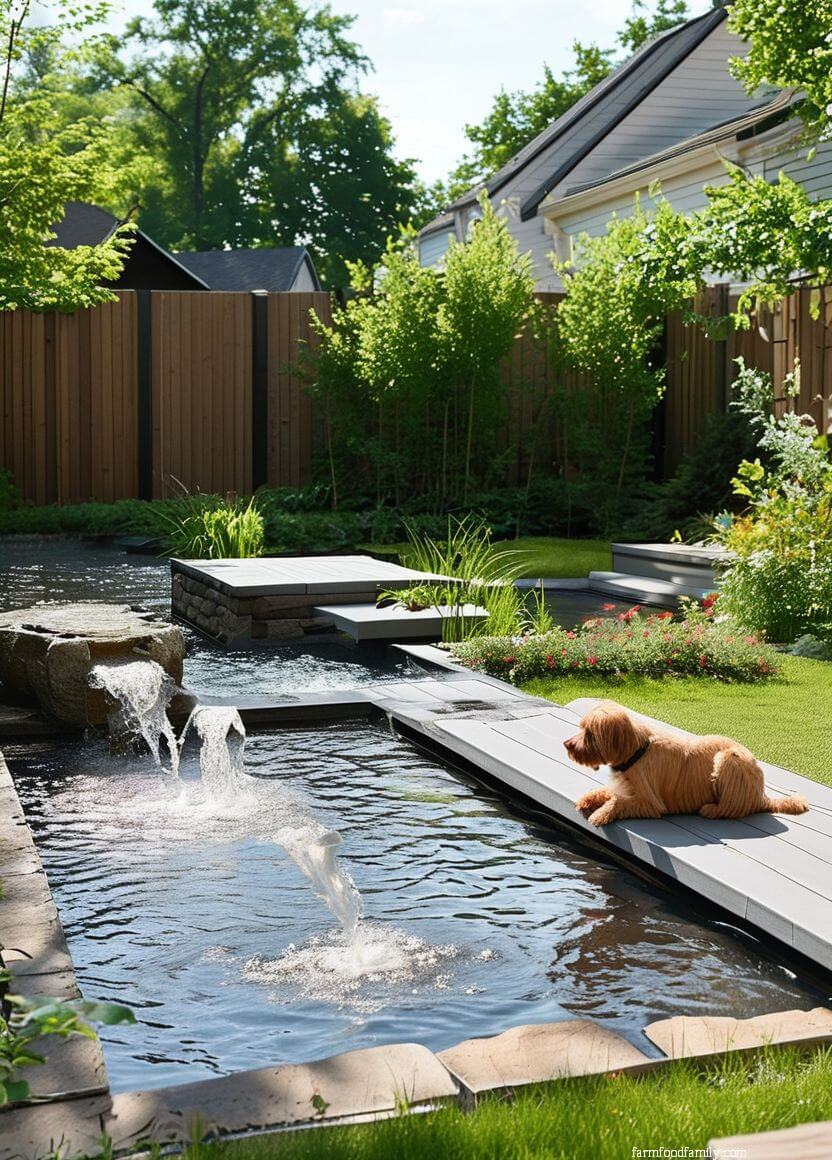
Water feature
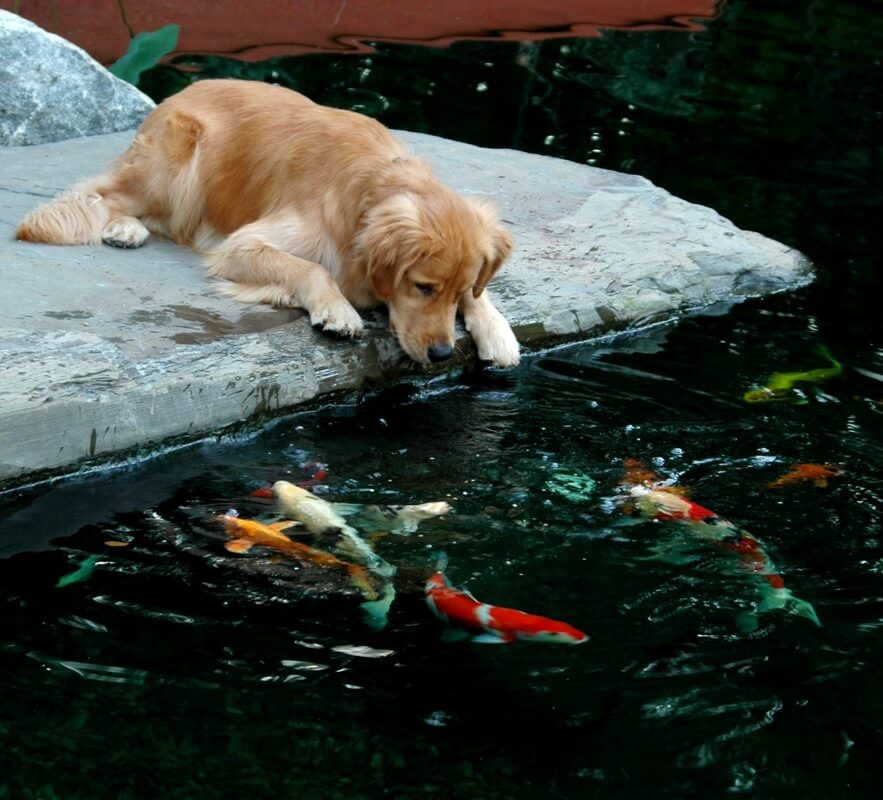
A water feature can be both decorative and enjoyable for your dog. Consider adding a small fountain or splash pad that your dog can play in.
It provides a refreshing way for them to cool off in the summer and adds a soothing element to your garden.
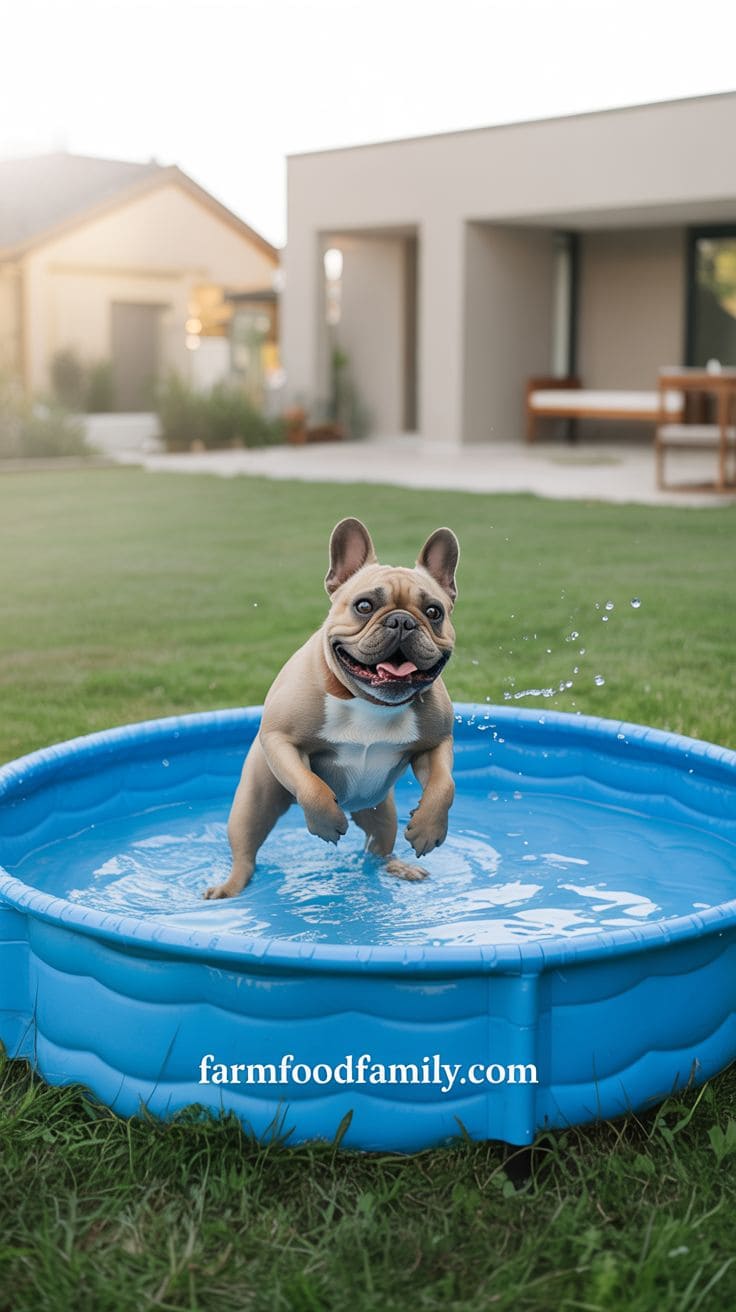
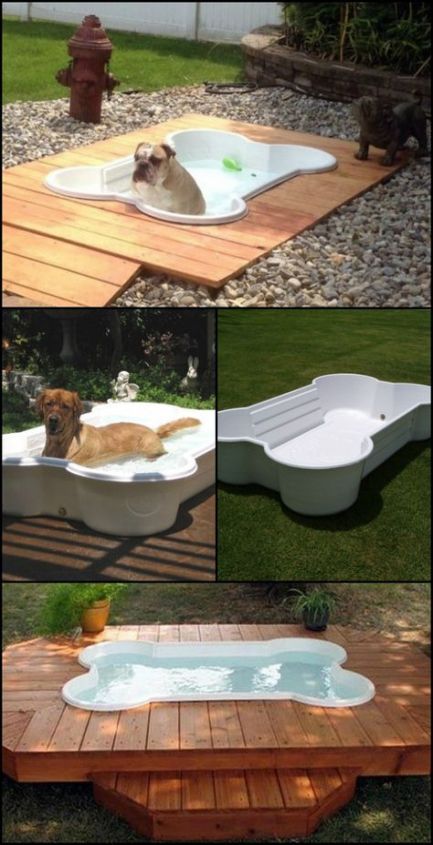
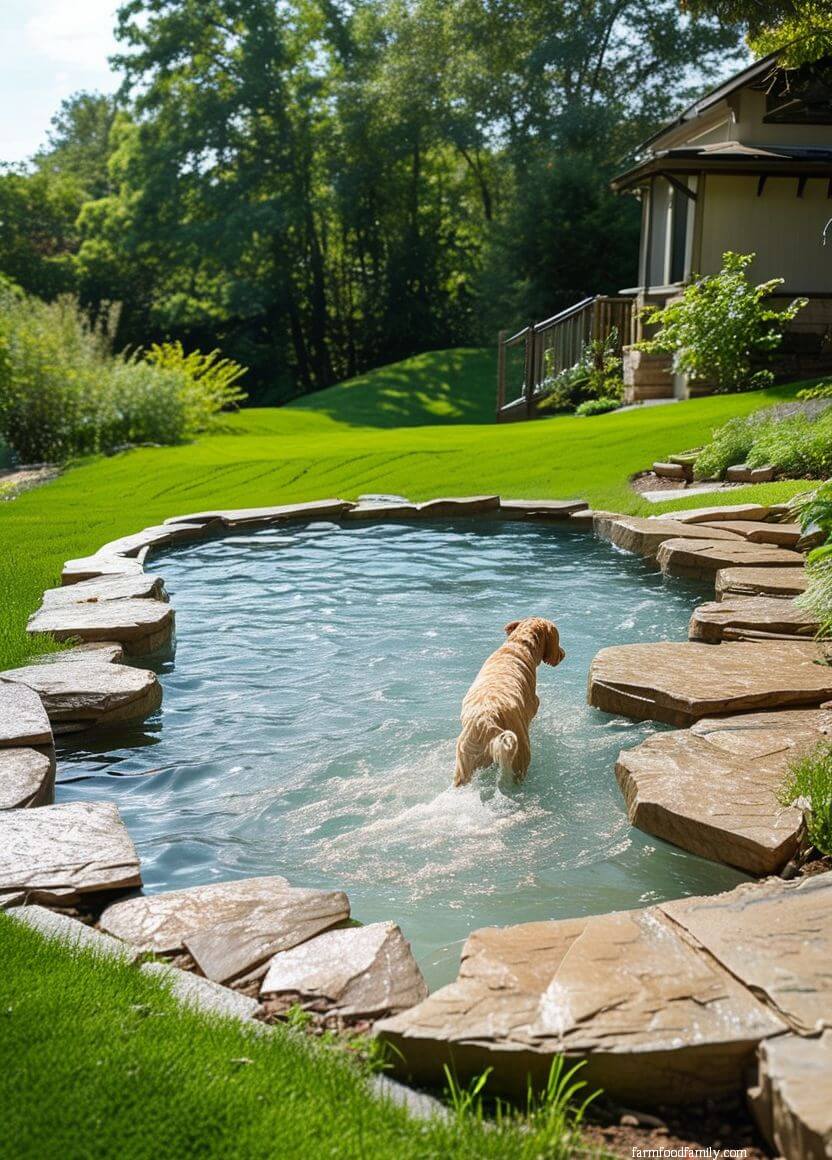
Backyard dog pool
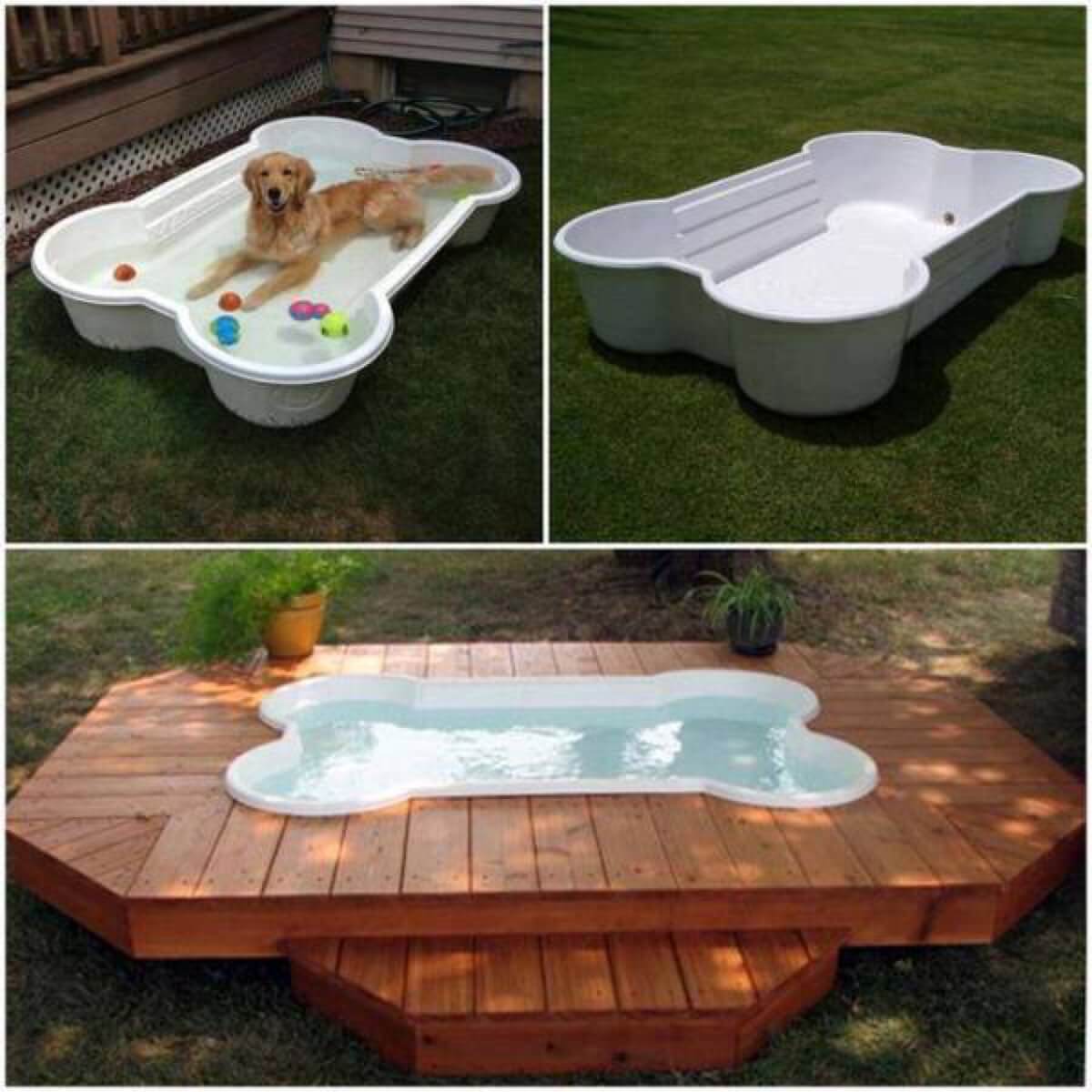
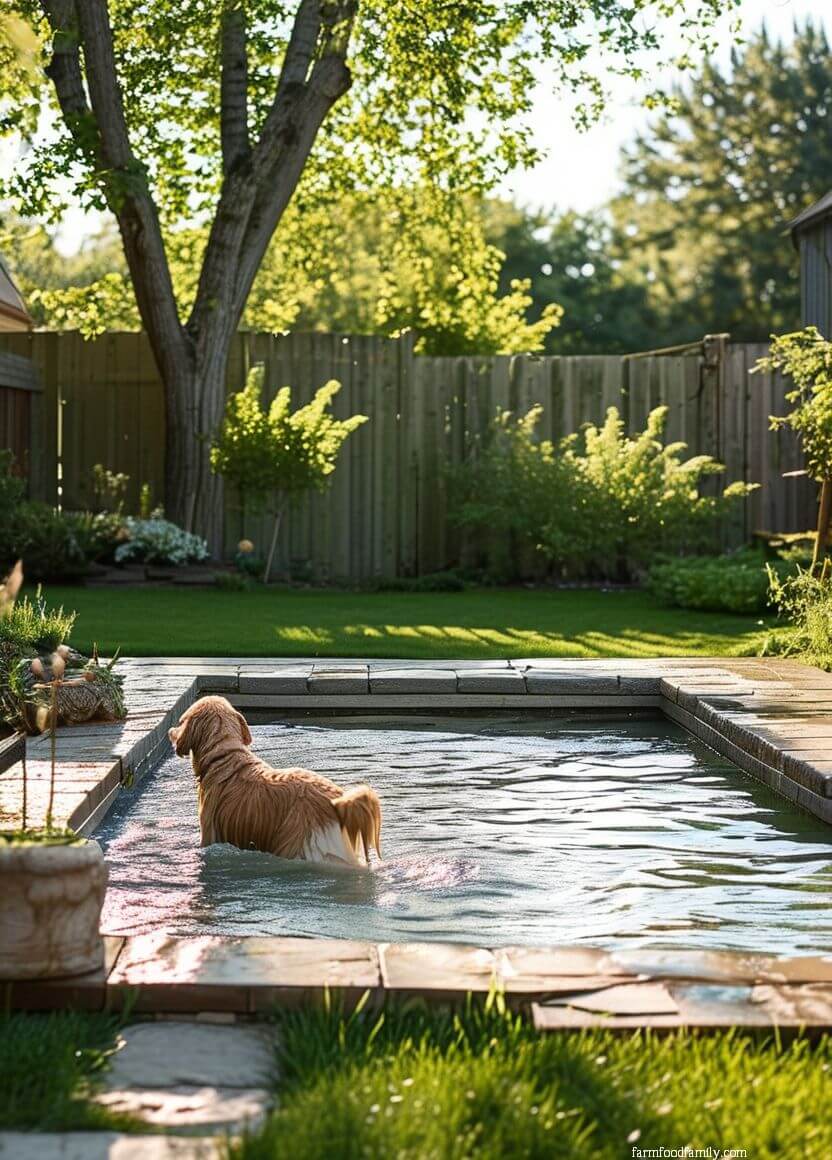
A backyard dog pool is a fantastic way to keep your dog cool and entertained. Choose a durable, easy-to-clean pool that is the right size for your dog.
Supervise playtime to ensure safety, and your dog will enjoy endless hours of splashing fun.
Deluxe Dog Run
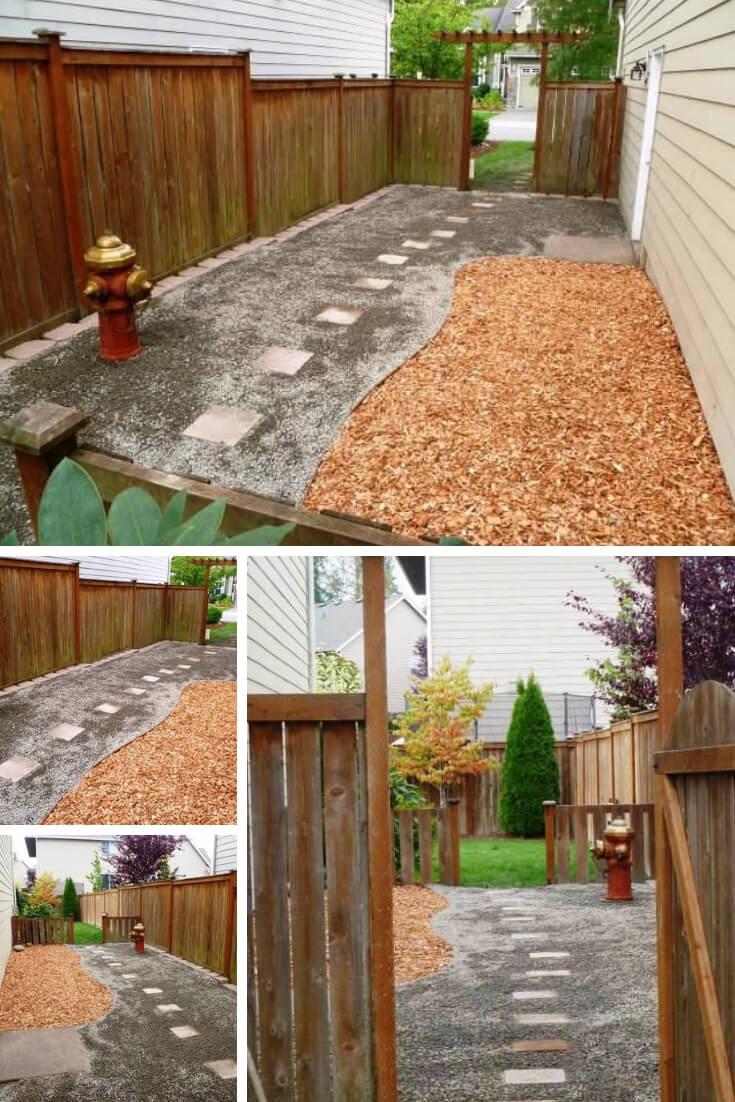
A deluxe dog run offers a secure and spacious area for your dog to exercise. Use sturdy fencing and add features like shade structures, water stations, and toys. This dedicated space allows your dog to run freely and safely, giving you peace of mind.
Backyard playground
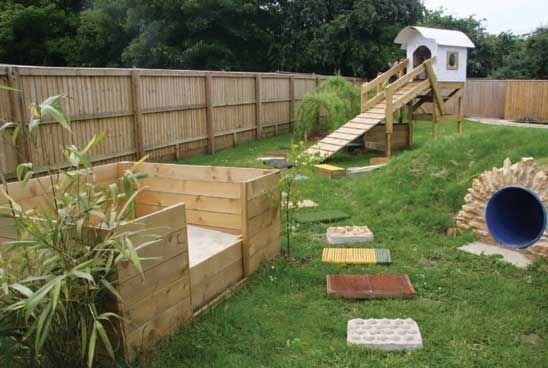
Creating a backyard playground for your dog includes elements like ramps, tunnels, and balance beams.
This setup encourages physical activity and mental stimulation. It’s a great way to keep your dog entertained and healthy right in your own backyard.
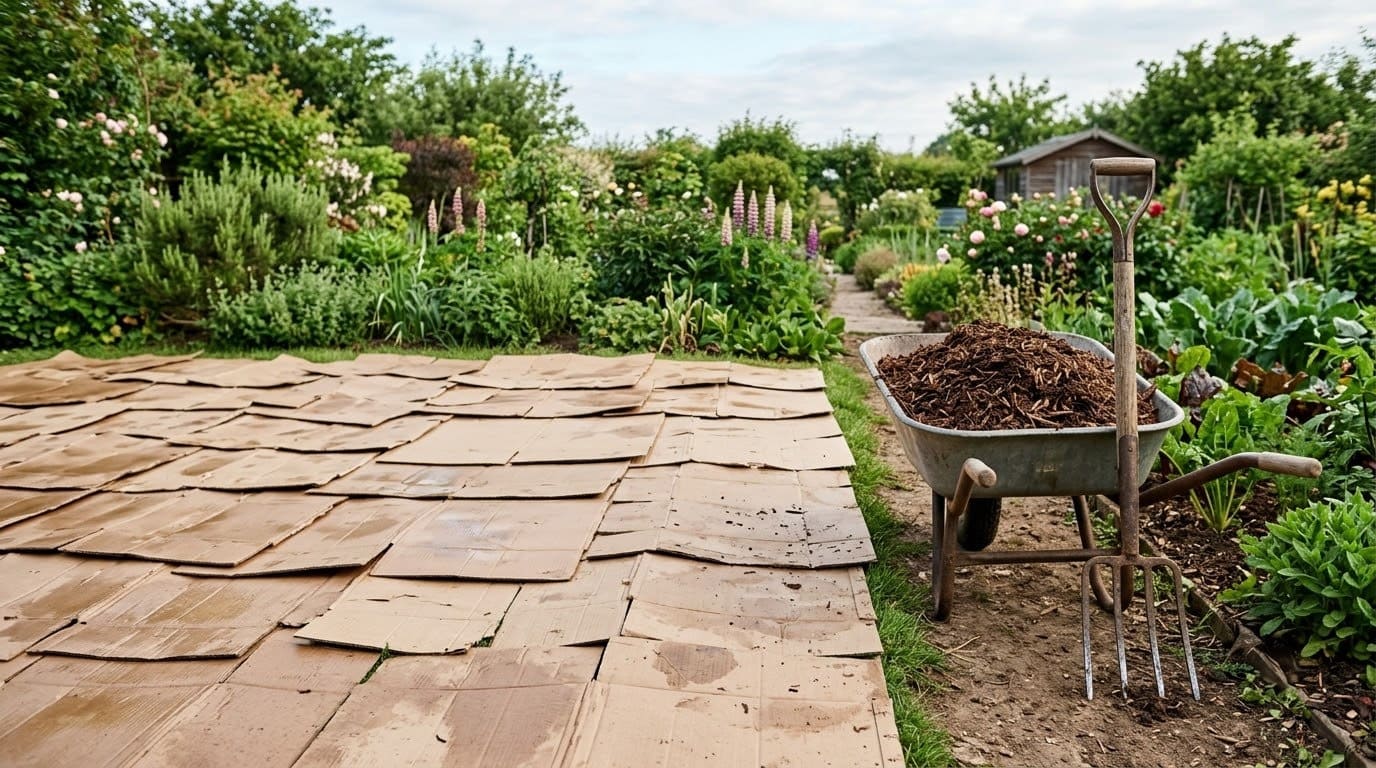
Dig chicken wire
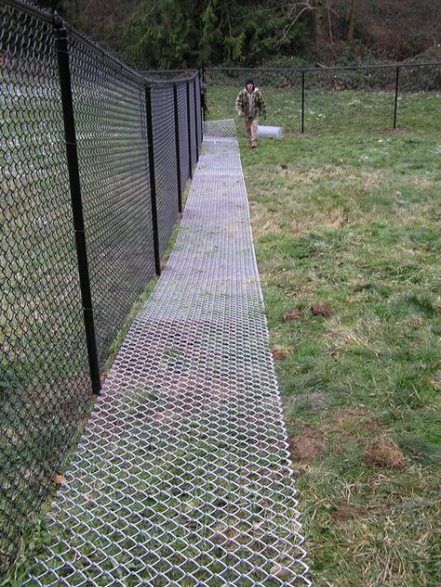
Using chicken wire under your garden beds can prevent your dog from digging up plants. Lay the wire flat and cover it with soil and mulch.
This simple solution keeps your garden intact while allowing your dog to roam freely without causing damage.
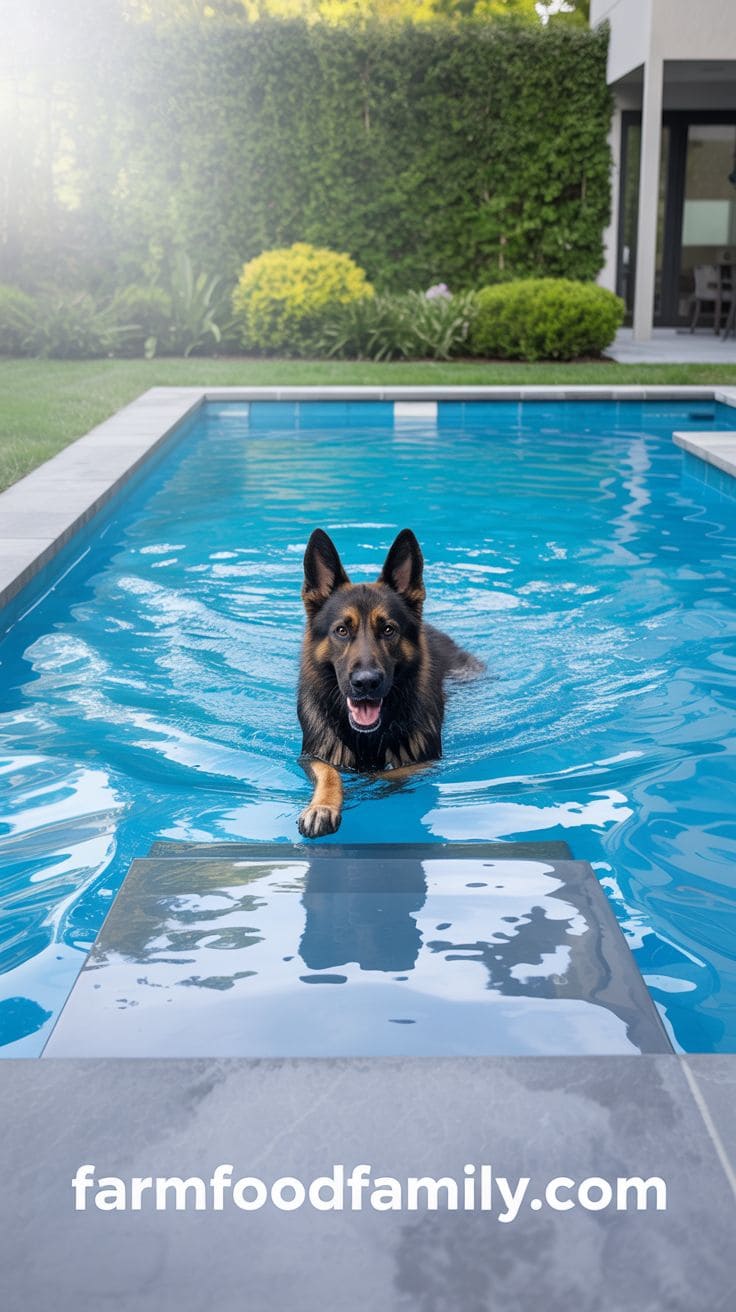
Swimming Pool
If you have a swimming pool, consider adding dog-friendly features like a ramp or shallow area.
Always supervise your dog while they swim and ensure they have a way to safely enter and exit the pool. Swimming is excellent exercise and fun for dogs.
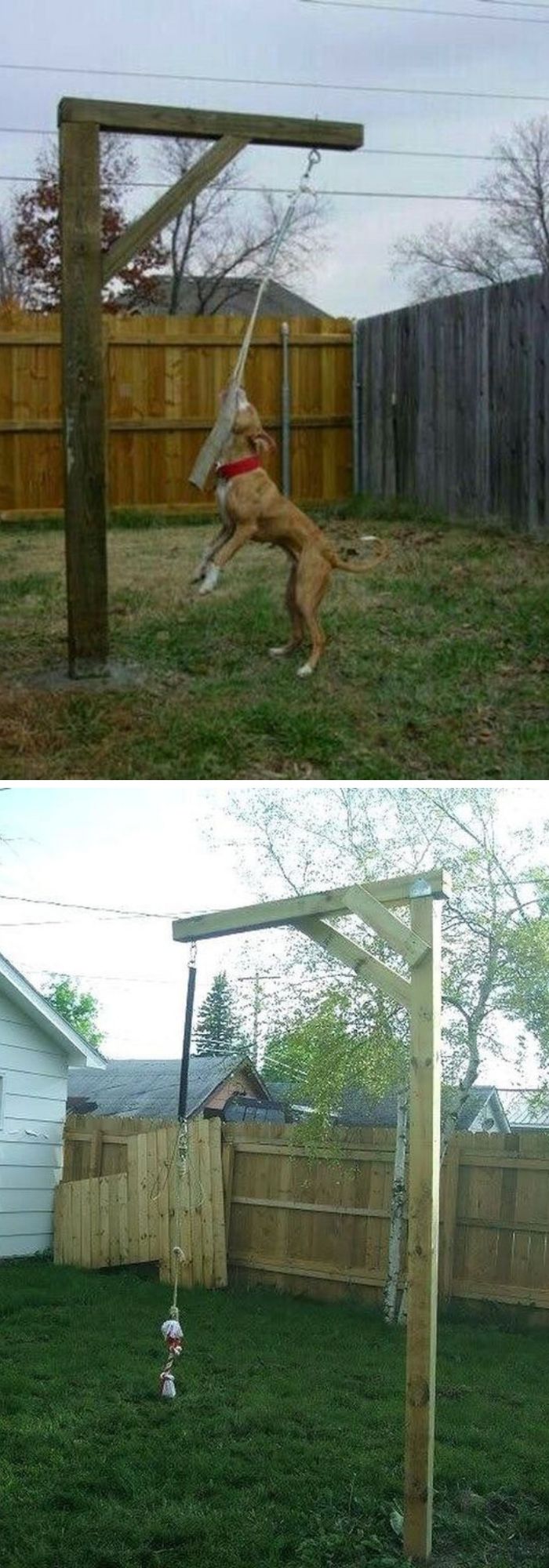
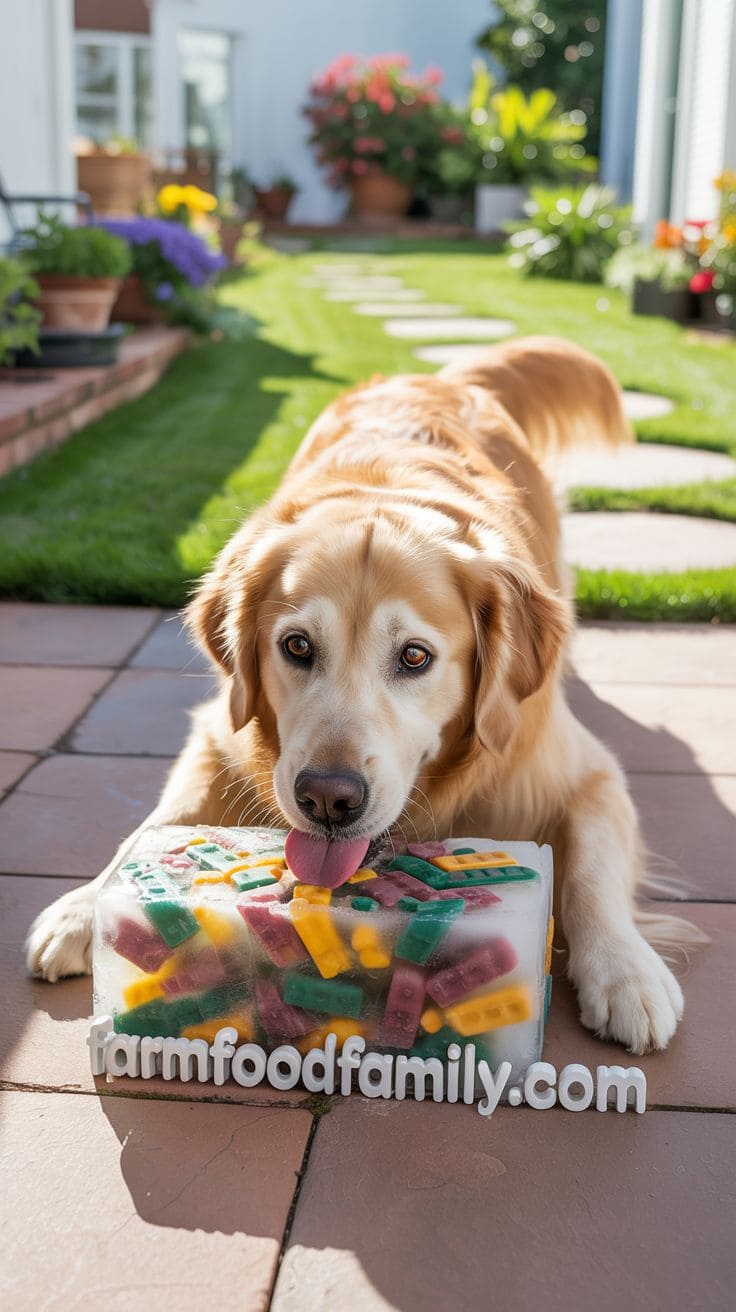
DIY Ice Lick or Dogsicle for Dogs

A DIY ice lick or dogsicle is an easy and fun way to keep your dog cool. Freeze water mixed with dog-safe treats or broth in a mold.
Your dog will enjoy licking and chewing on the icy treat, which helps keep them hydrated and entertained on hot days.
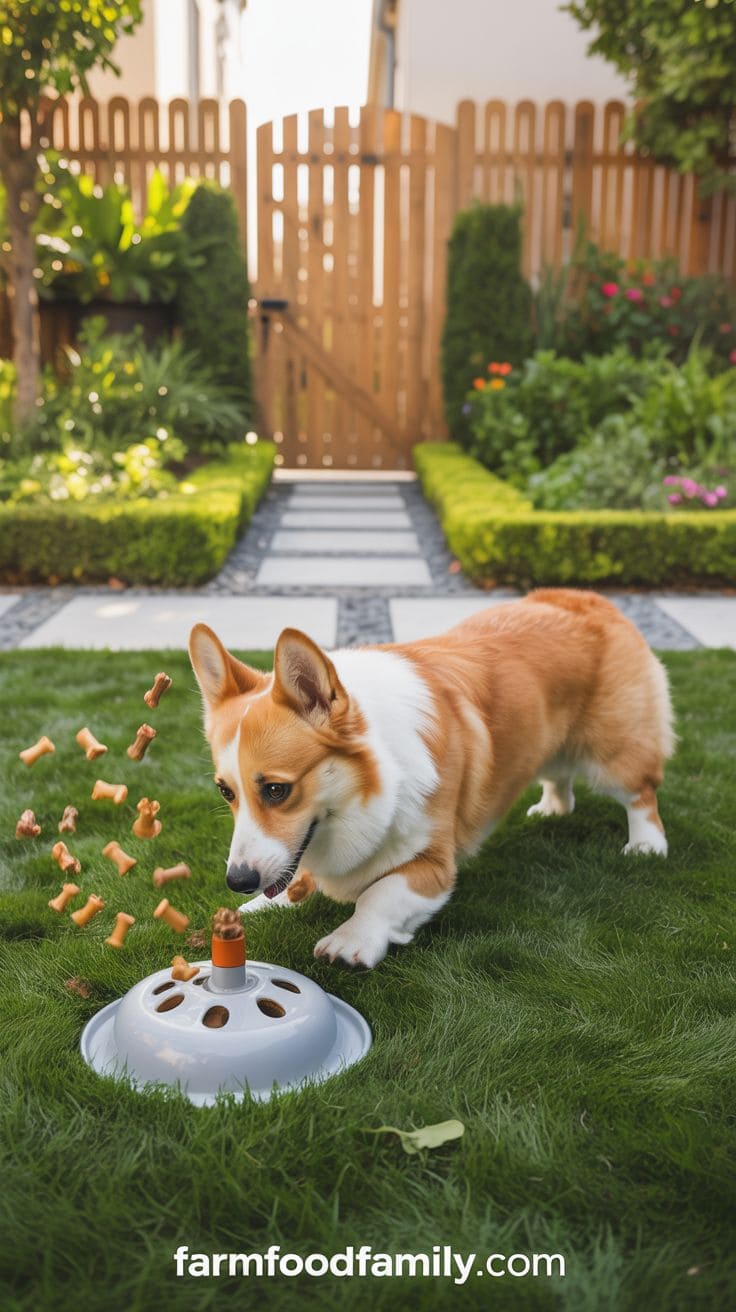
Spin-out dog treat game
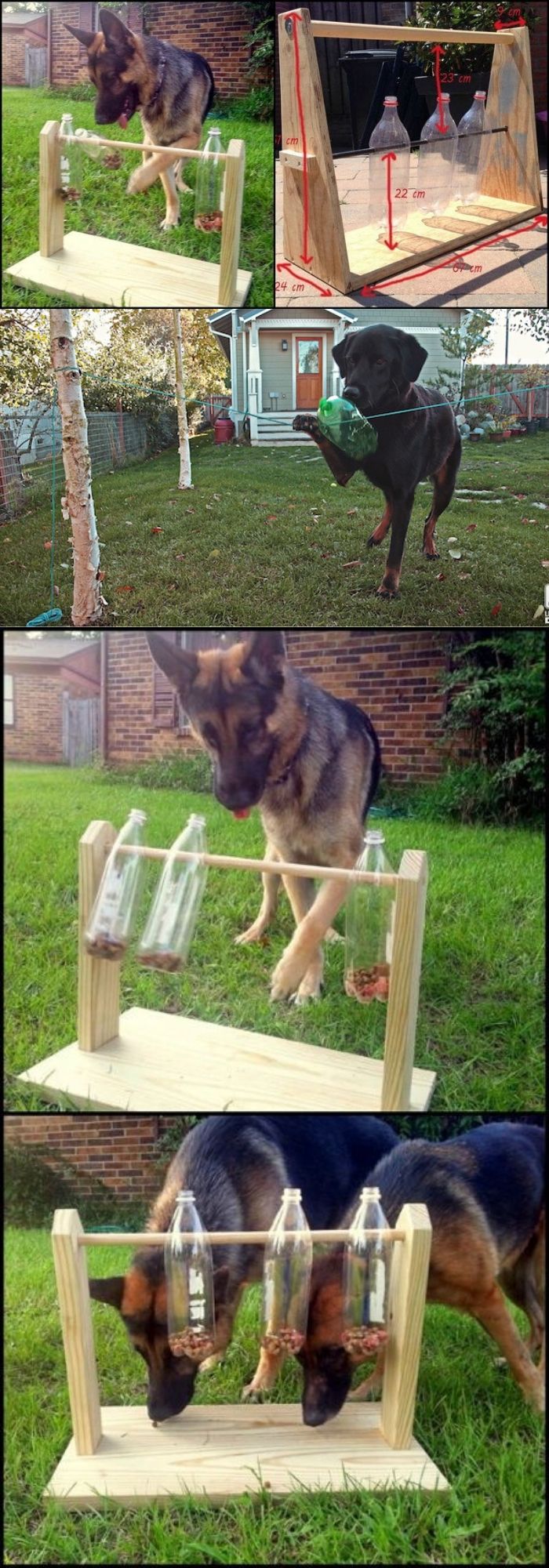
The spin-out dog treat game is a fun and interactive toy that challenges your dog’s problem-solving skills.
Fill it with treats and watch as your dog figures out how to spin and twist it to get the rewards. It’s a great way to keep their mind engaged and stimulated.
Dog bar
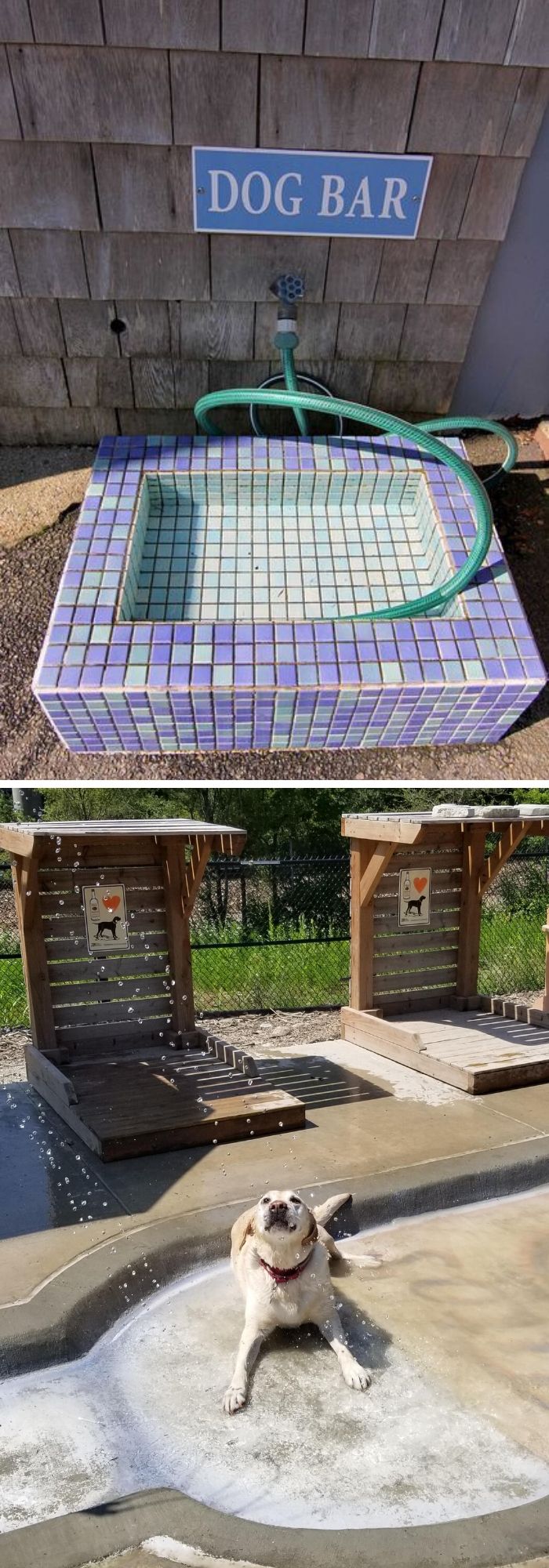
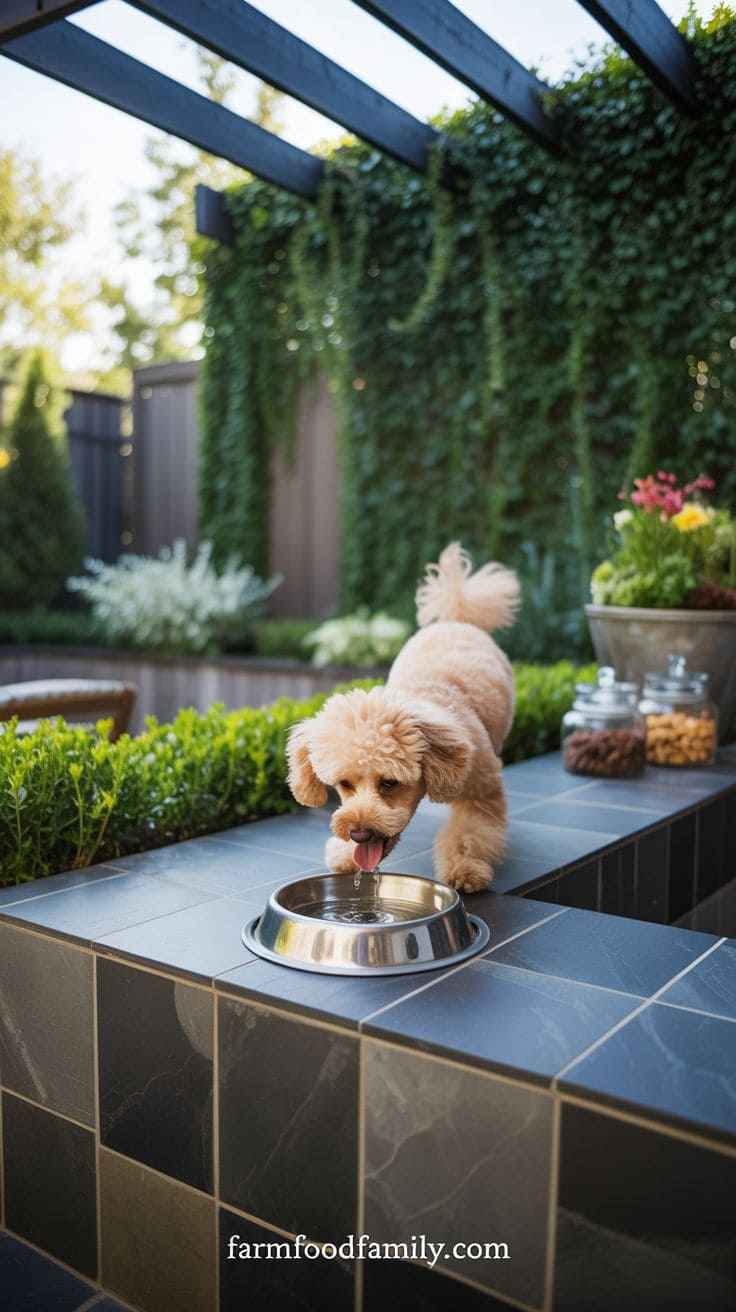
A dog bar is a dedicated station for water and treats. Set up a stylish area with water bowls and treat containers at your dog’s height.
This makes it easy for your dog to stay hydrated and enjoy a snack, adding a touch of luxury to your backyard.
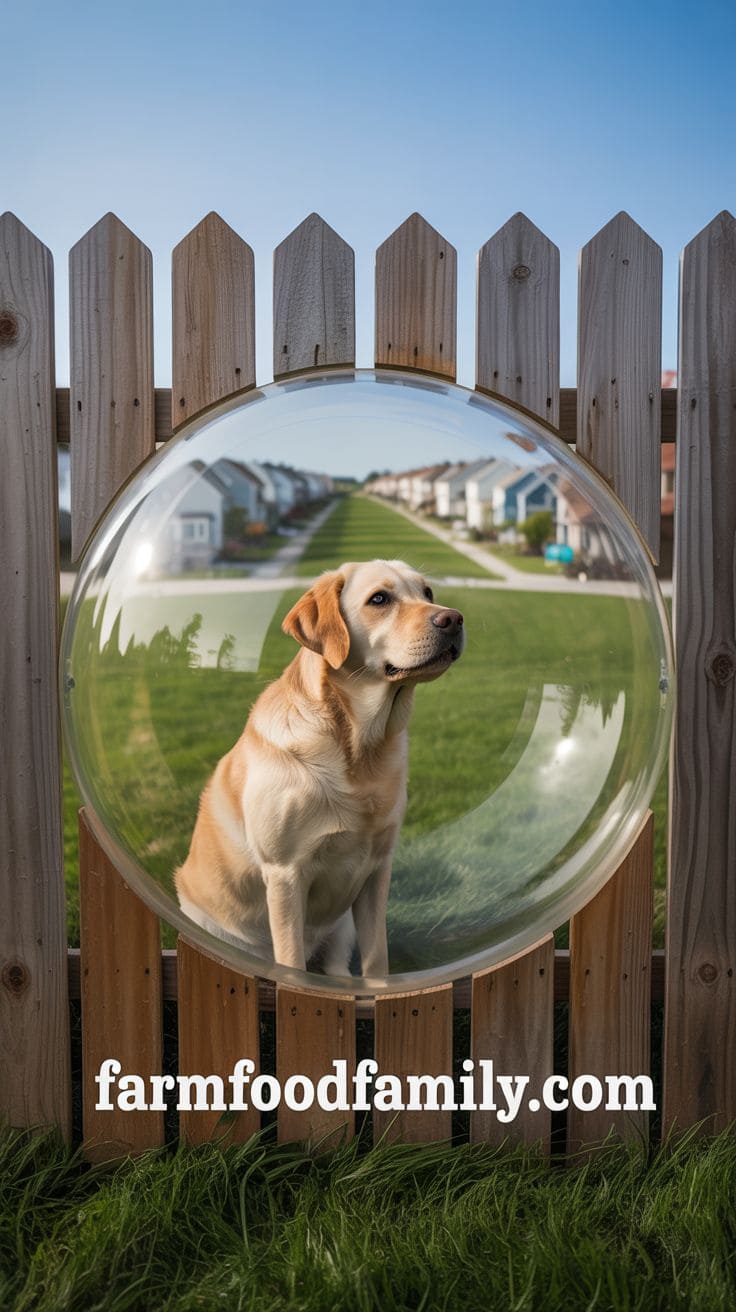
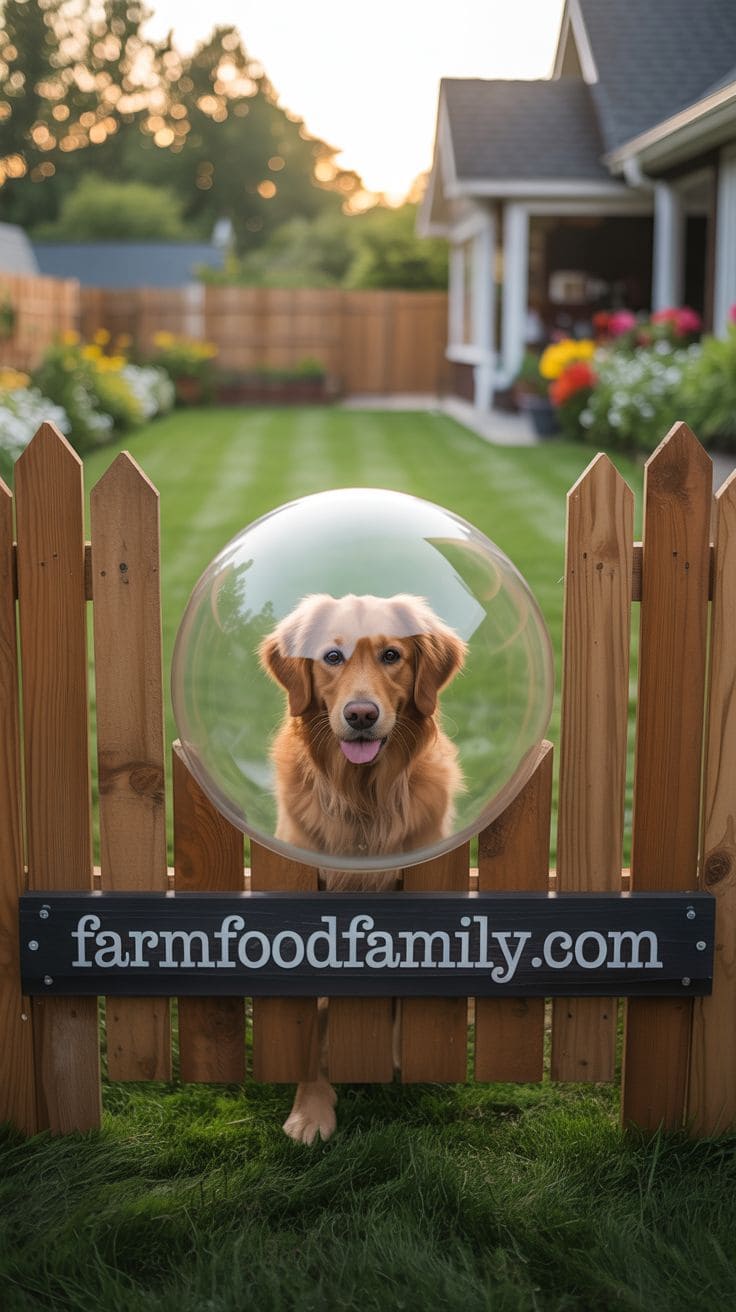
Glass Dome Peep
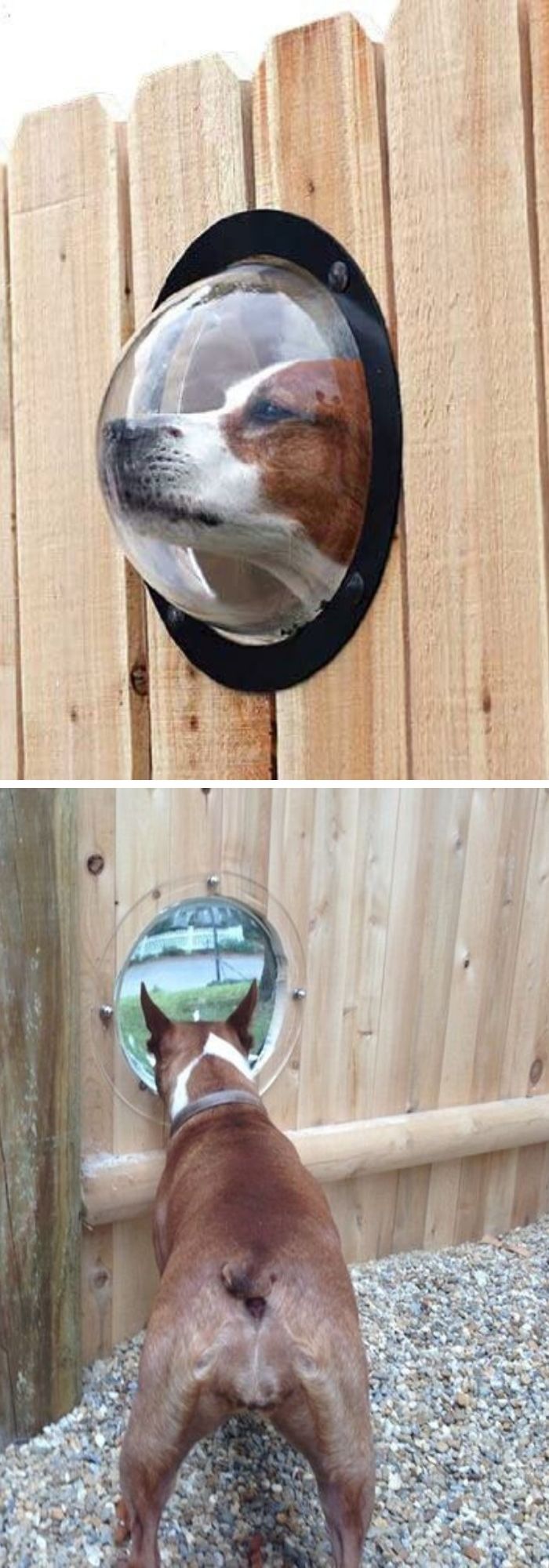
Installing a glass dome peep in your fence lets your dog safely watch the world outside. These domes are clear and durable, giving your dog a view of the neighborhood while keeping them contained. It’s a great way to satisfy their curiosity without compromising security.
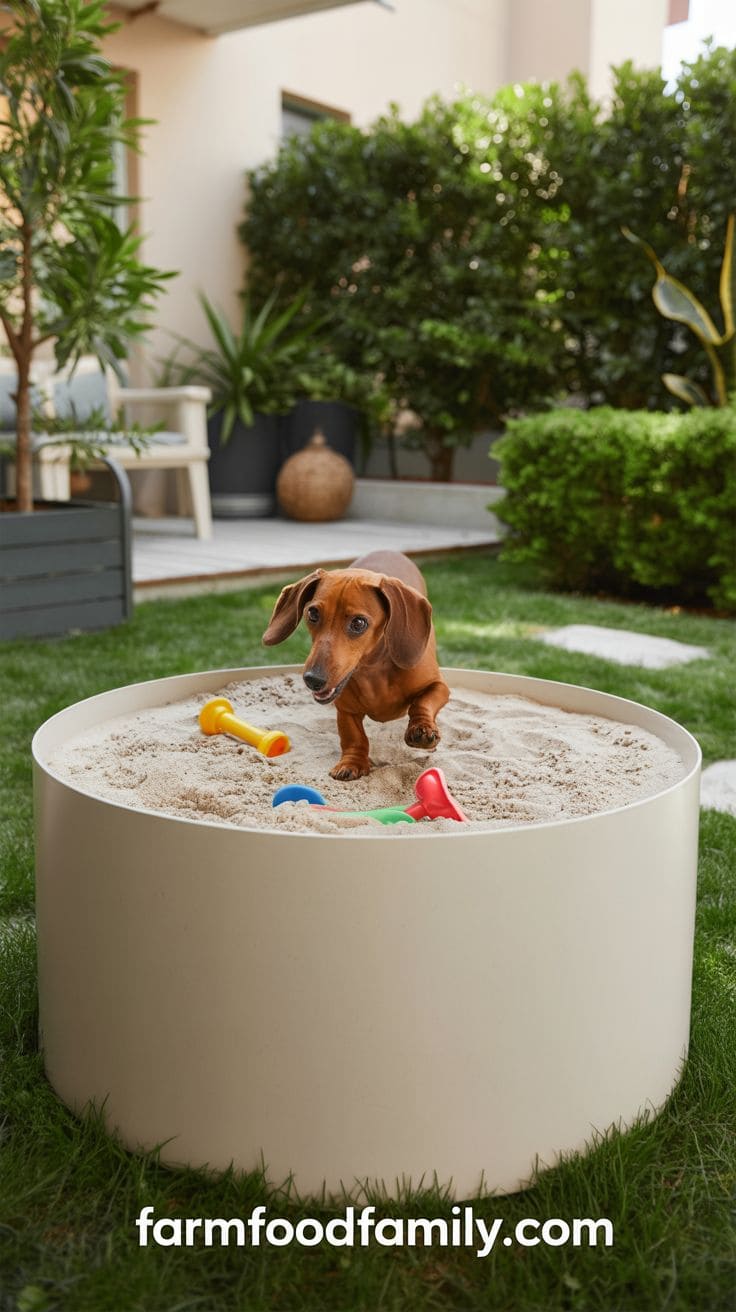
DIY mini sandbox
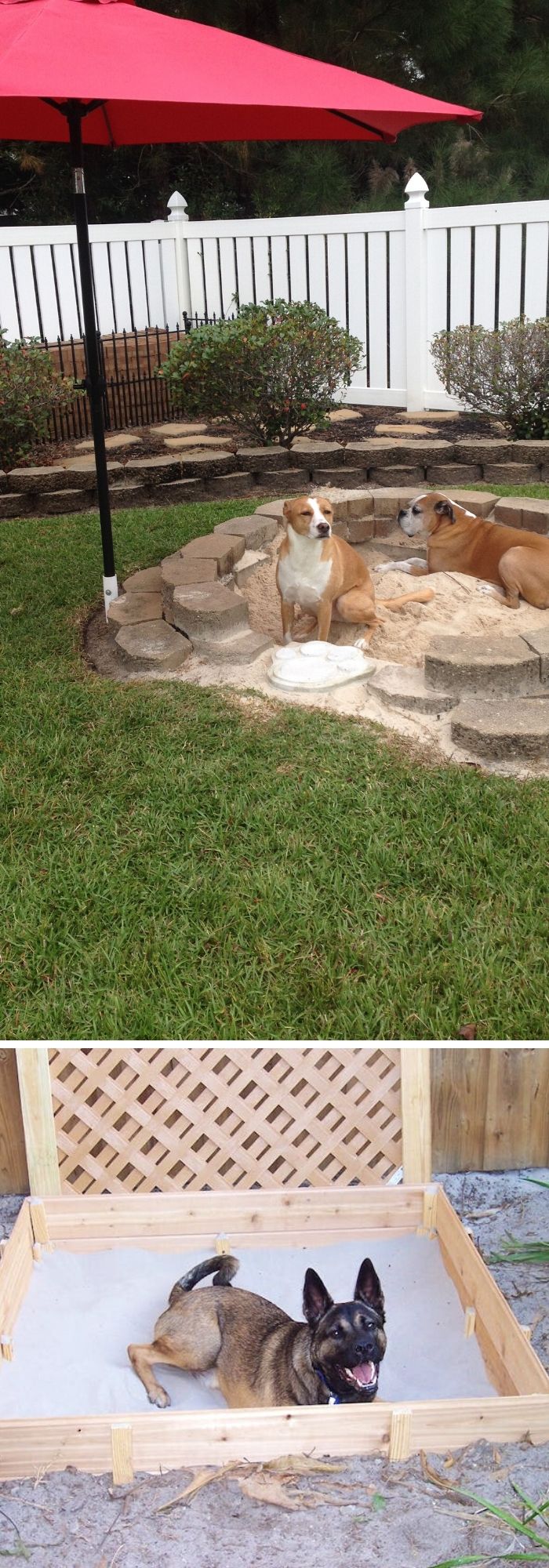
A DIY mini sandbox is perfect for small spaces. Use a sturdy container filled with sand or dirt and hide toys and treats inside. This provides a compact yet entertaining digging spot for your dog, keeping them occupied and happy.
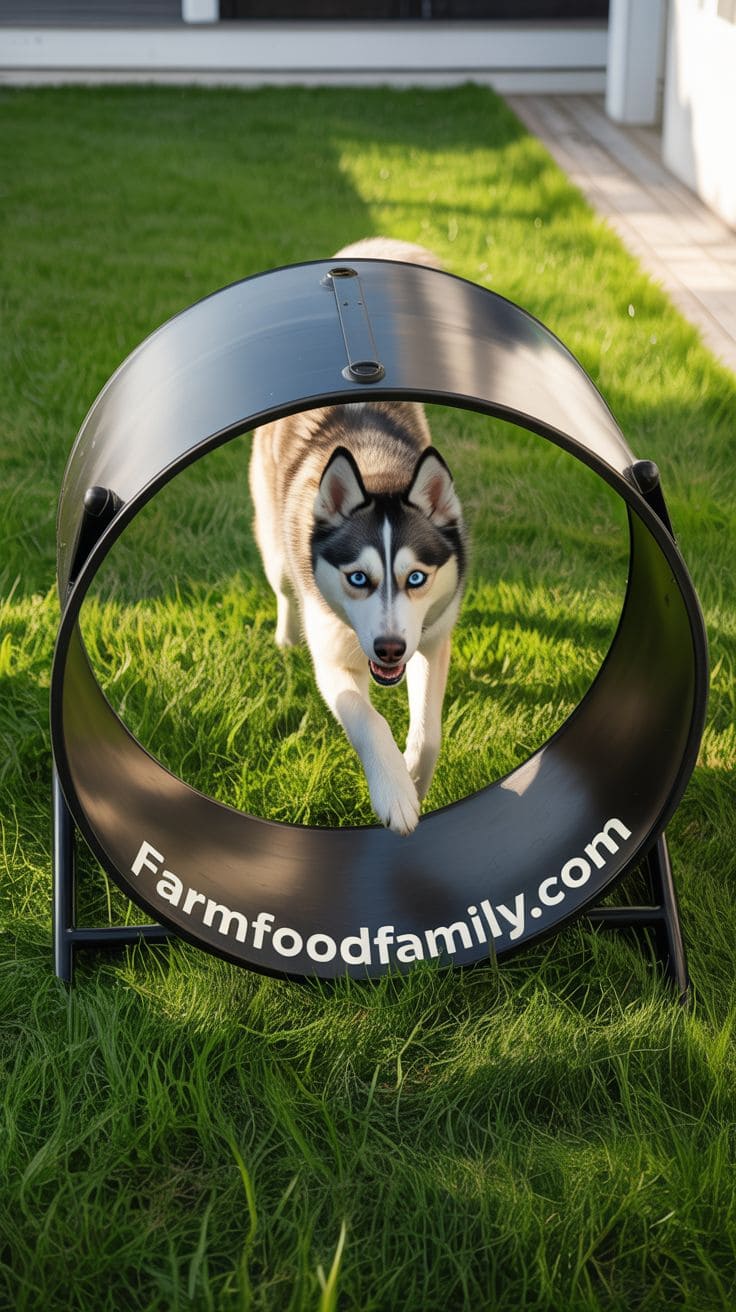
Dog Exercise Wheel
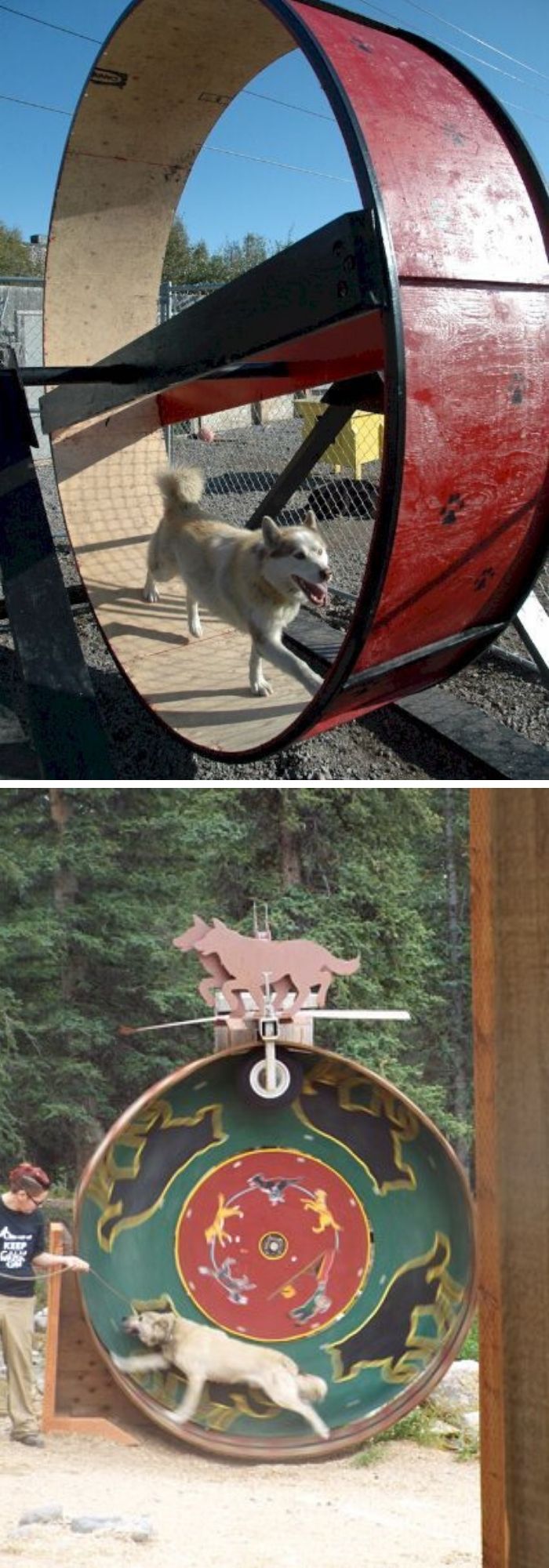
A dog exercise wheel is ideal for high-energy dogs. Similar to a hamster wheel but larger, it allows your dog to run and burn off energy in a controlled environment. This is particularly useful for small backyards or during bad weather.
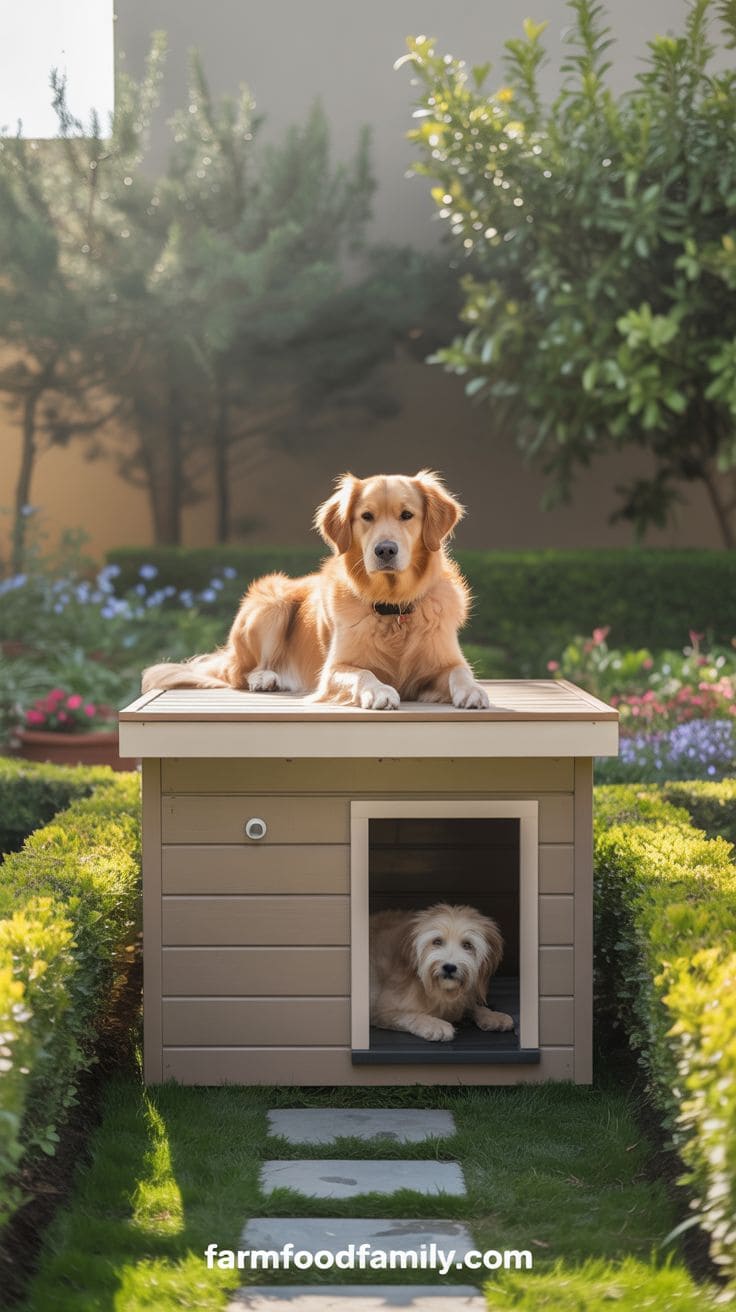
Dog house with a roof top deck

A dog house with a rooftop deck offers both shelter and a vantage point for your dog. The house provides a cozy spot to rest, while the deck lets them survey their surroundings. It’s a stylish and functional addition to any backyard.
DIY dog bed
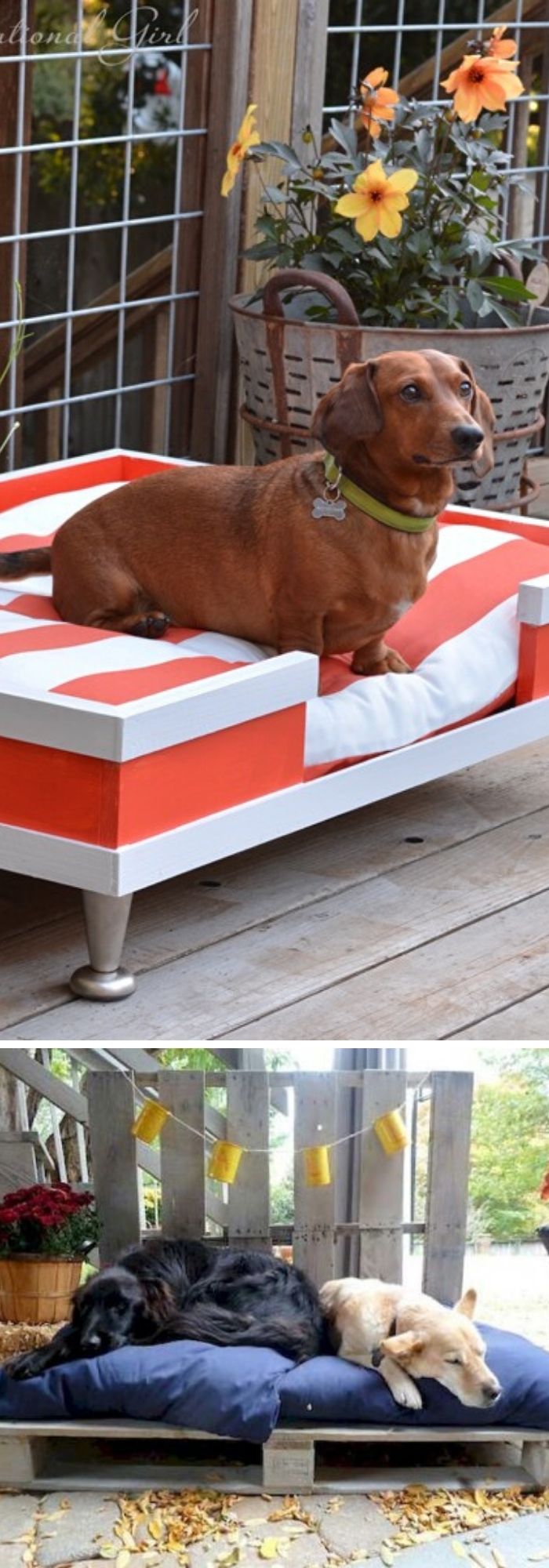
Creating a DIY dog bed tailored to your dog’s needs ensures they have a comfortable place to rest. Use weather-resistant materials for outdoor beds and add cozy blankets or cushions. A personalized bed keeps your dog comfortable and enhances your backyard space.
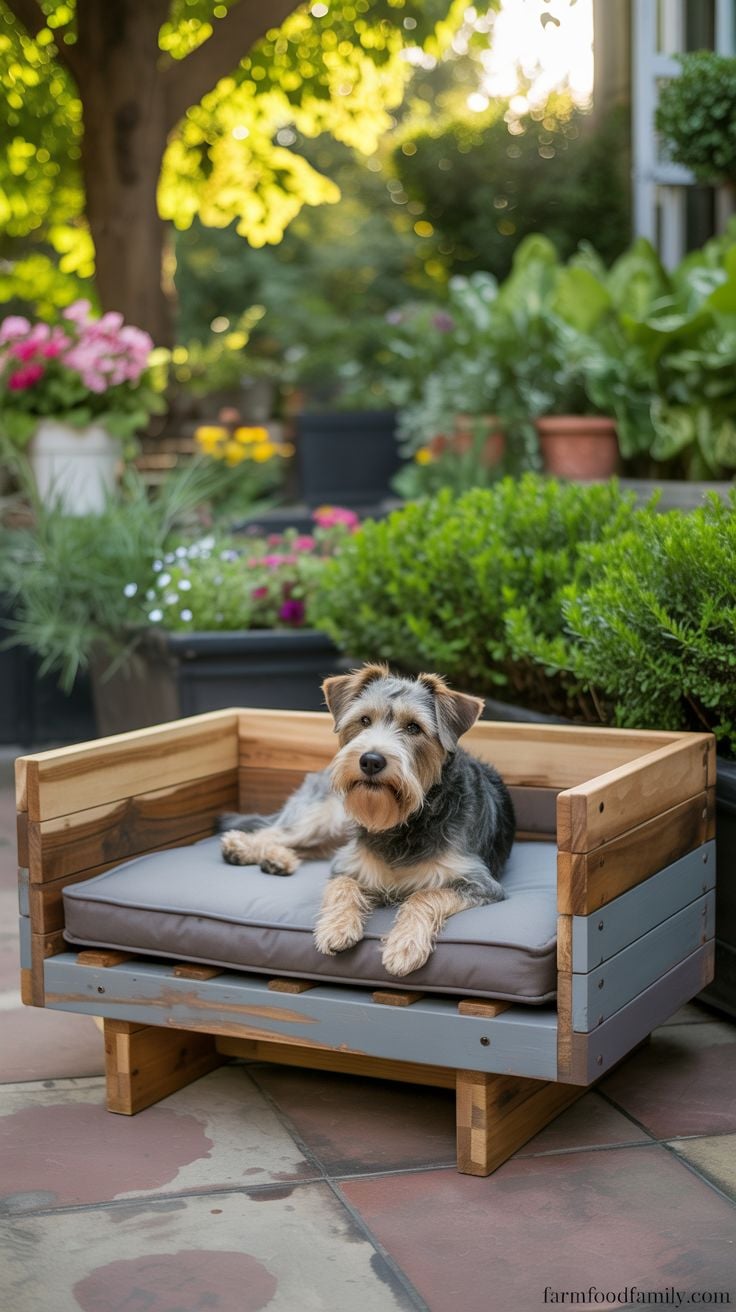
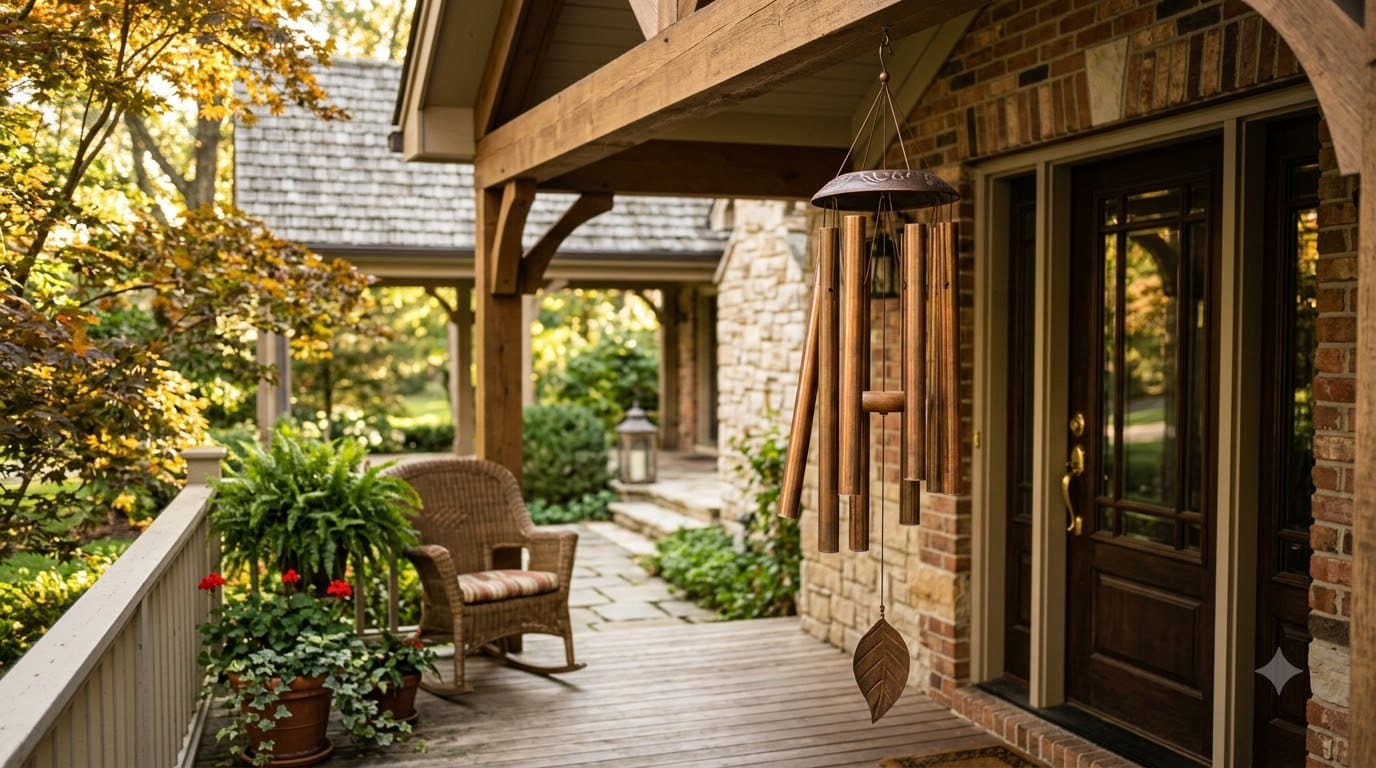
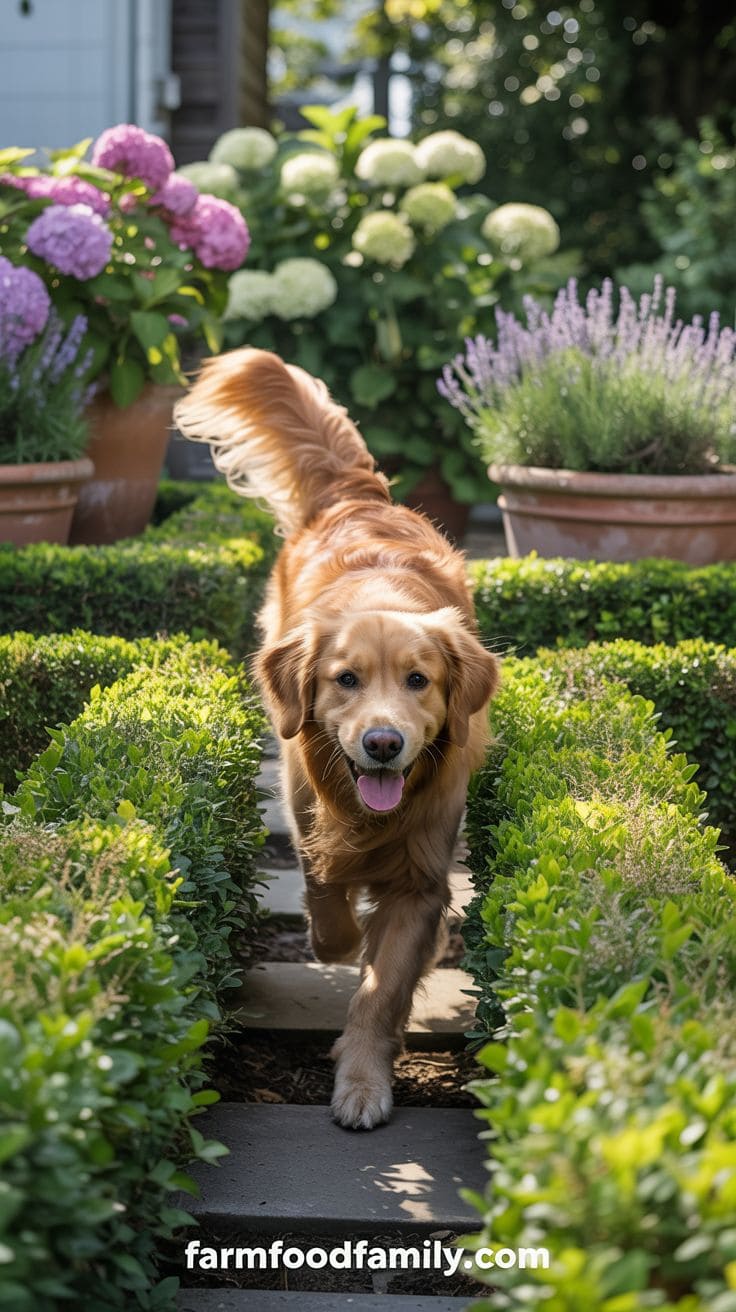
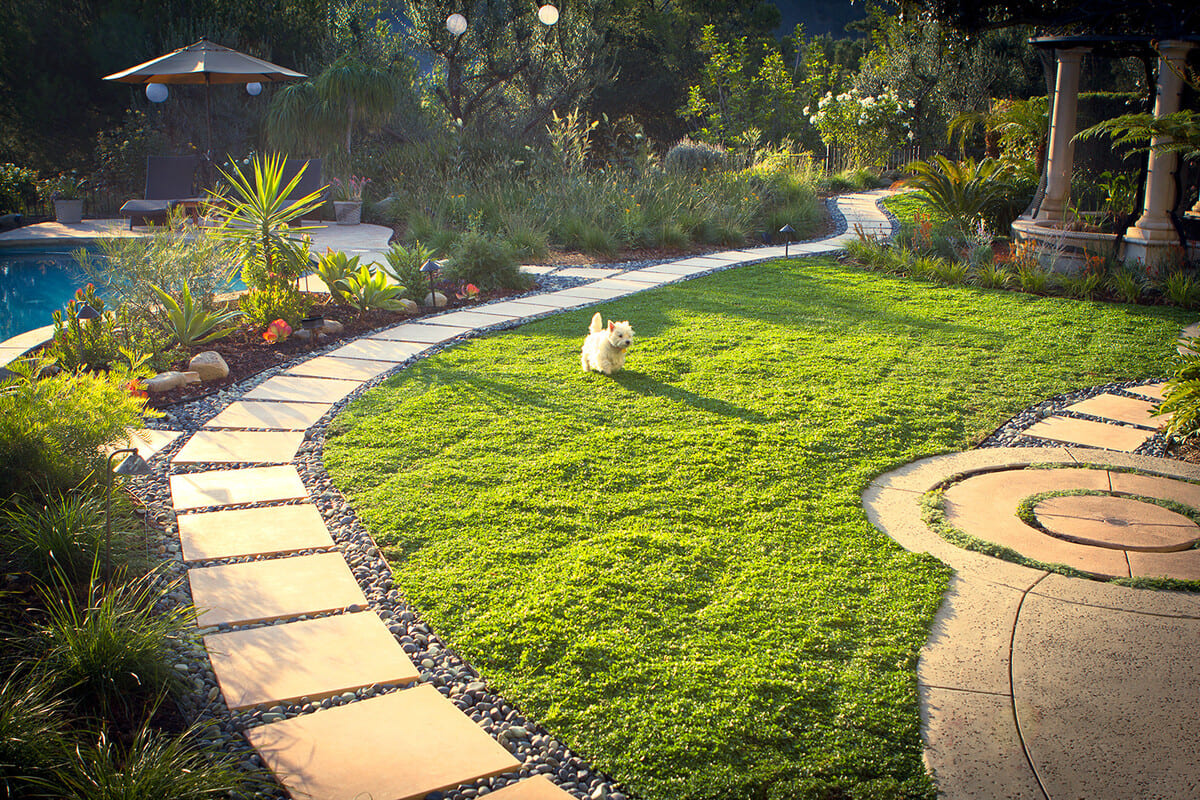
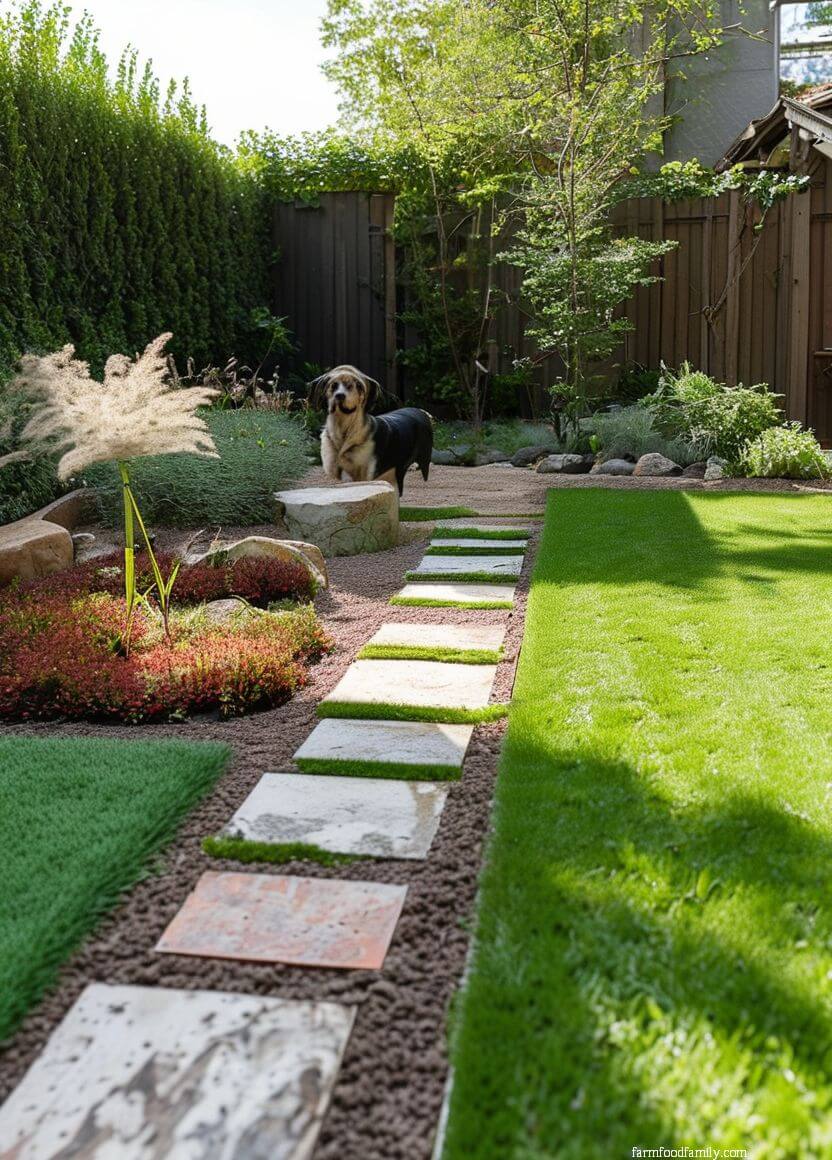
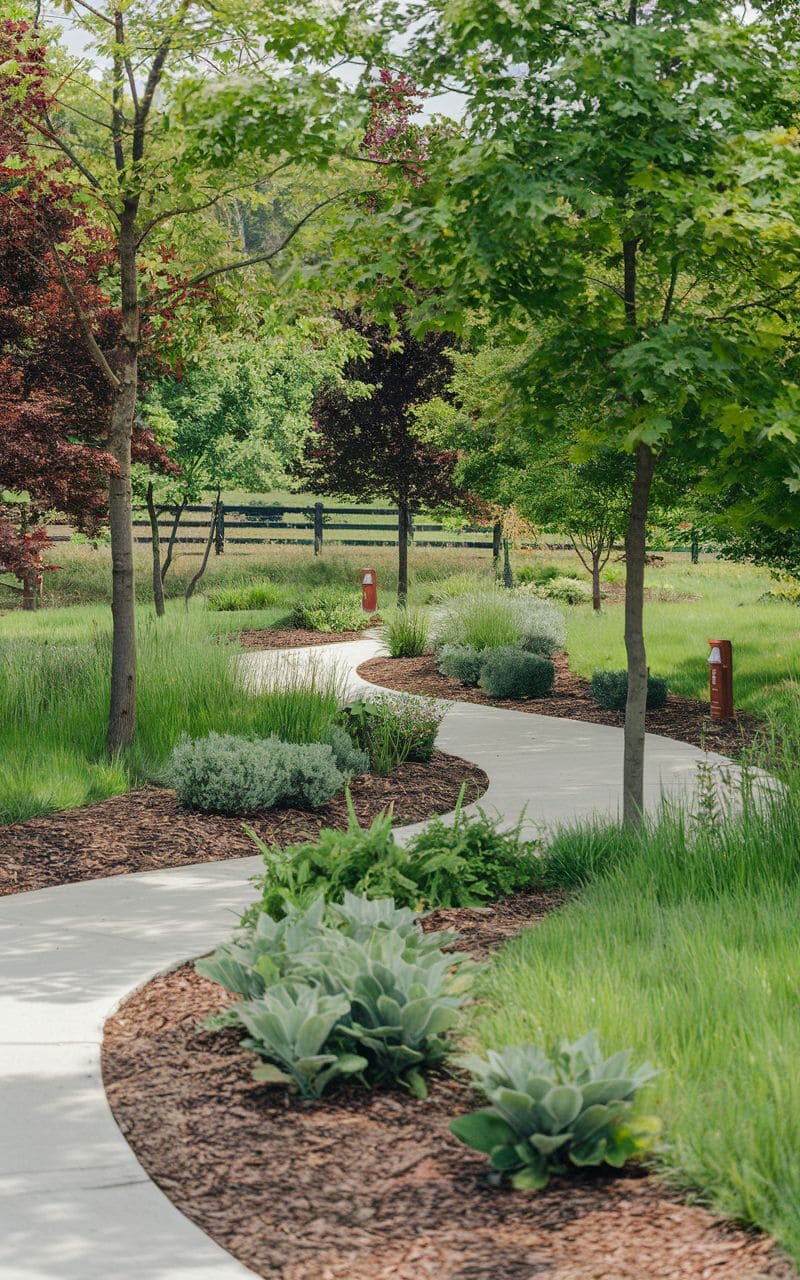
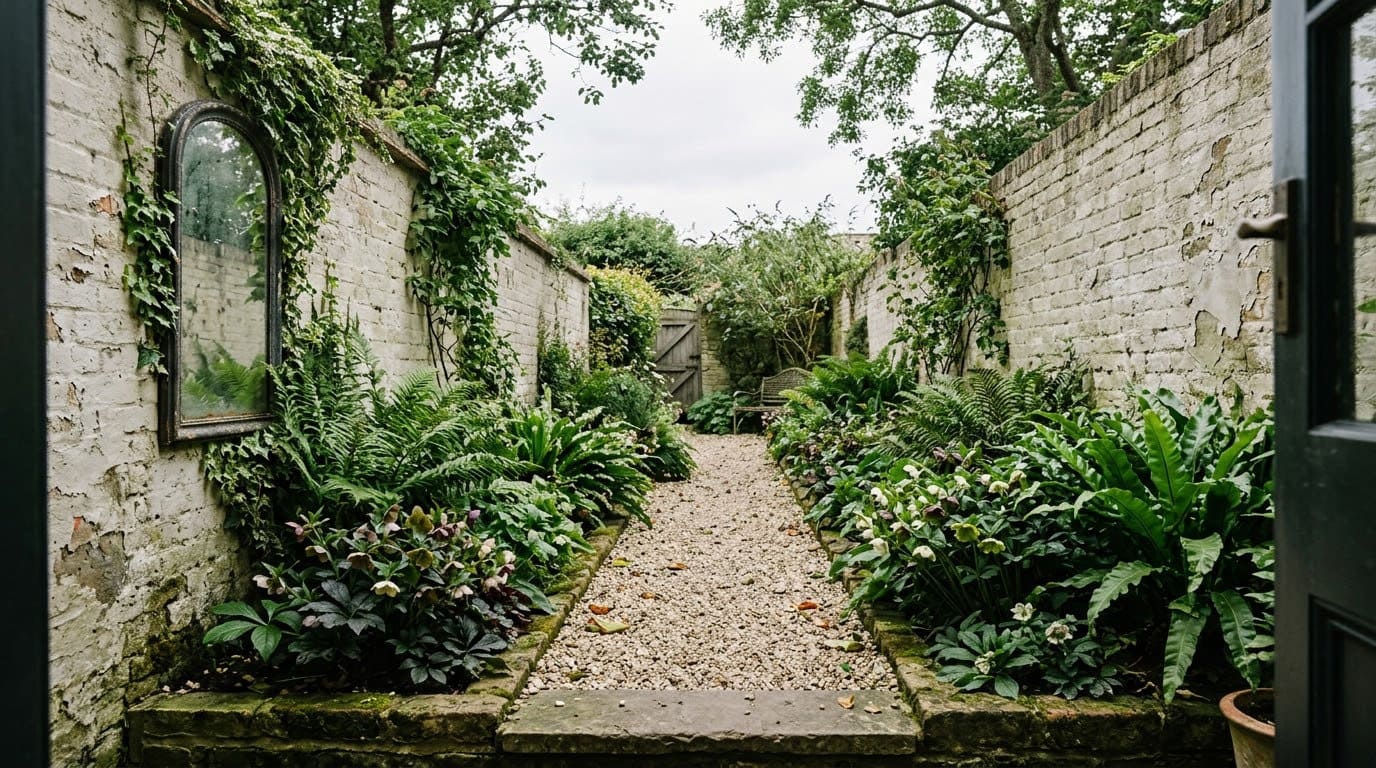
Garden path
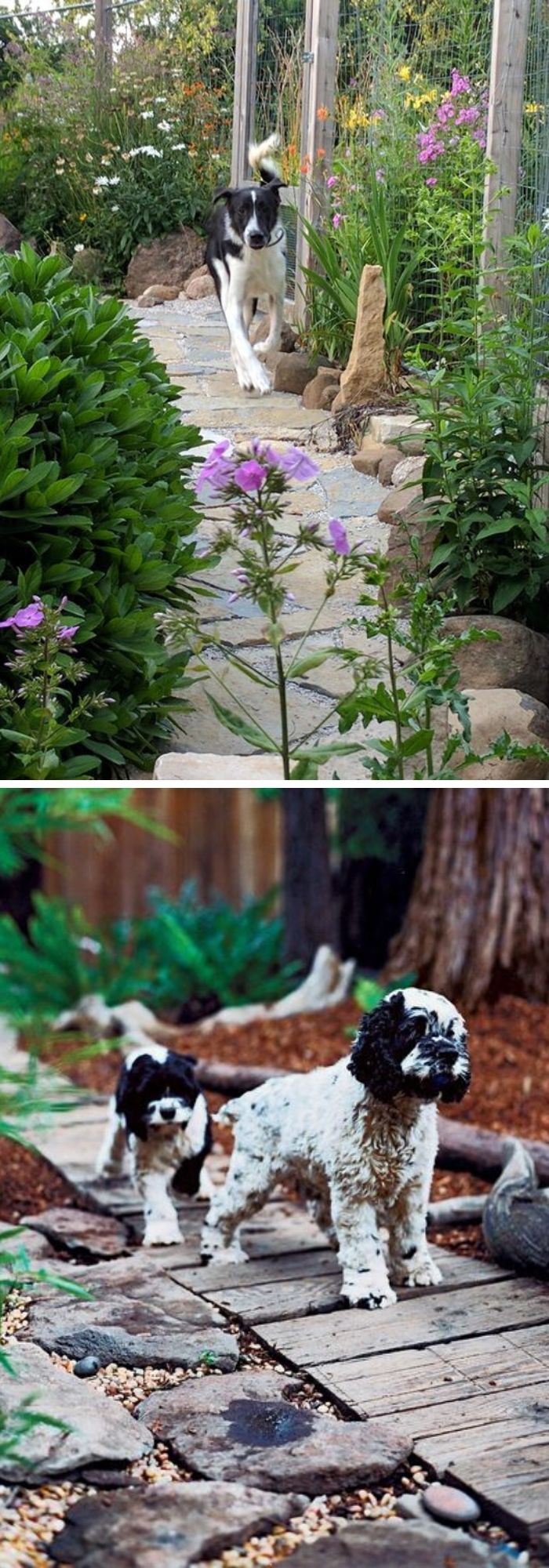
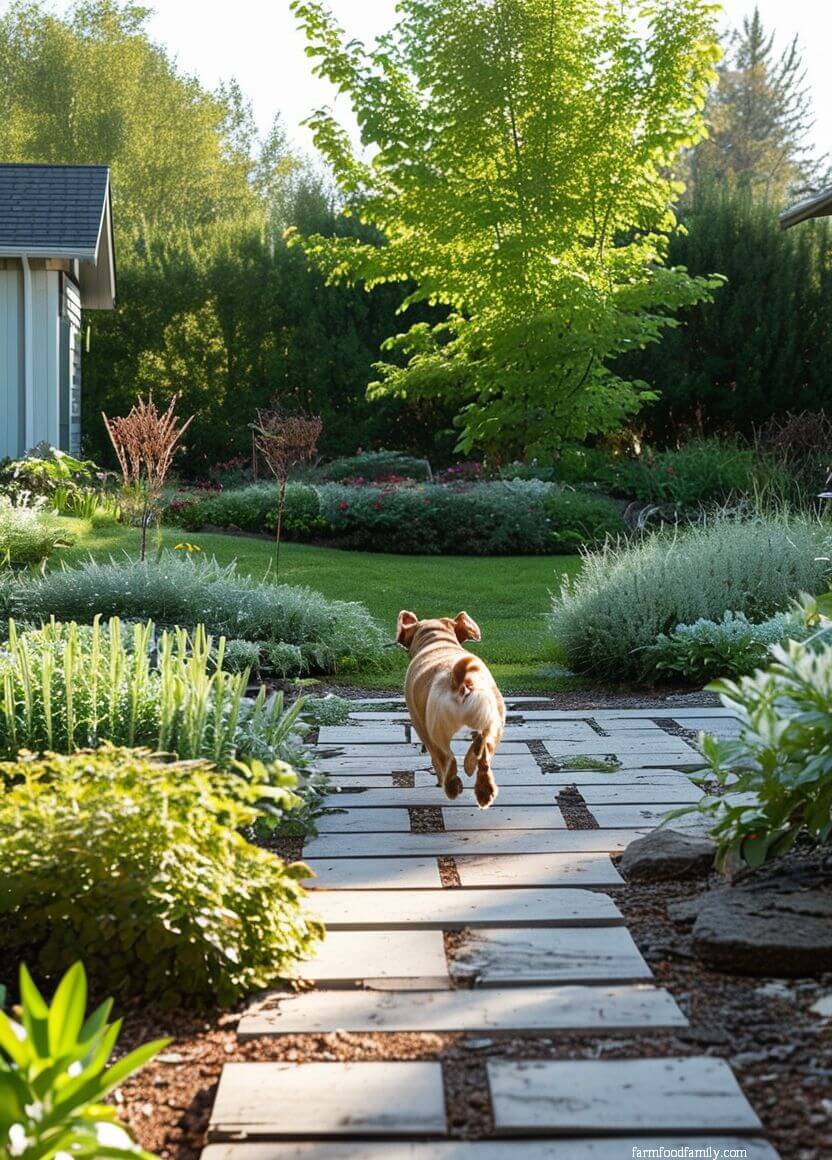
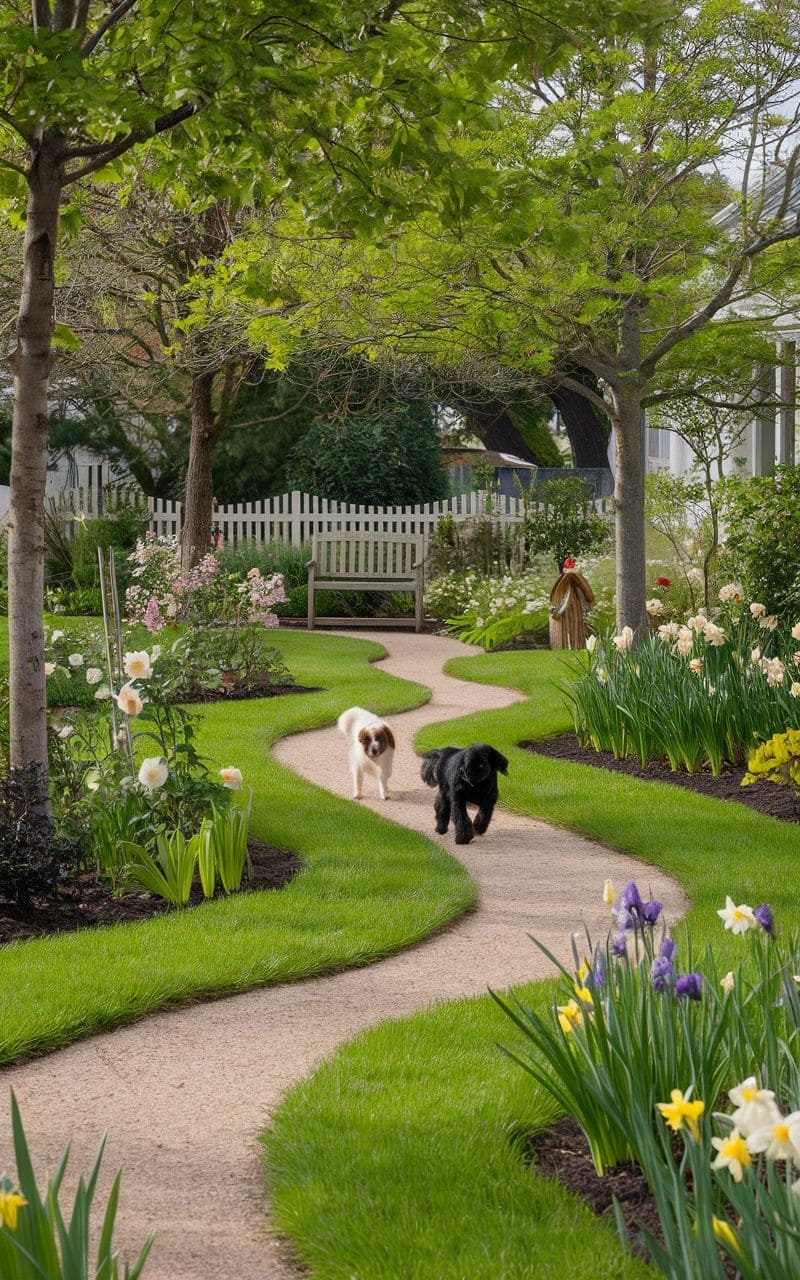
A garden path made from materials like gravel, mulch, or stepping stones can guide your dog through your yard. It helps protect your plants and provides a clear route for your dog to follow, making your garden more organized and accessible.
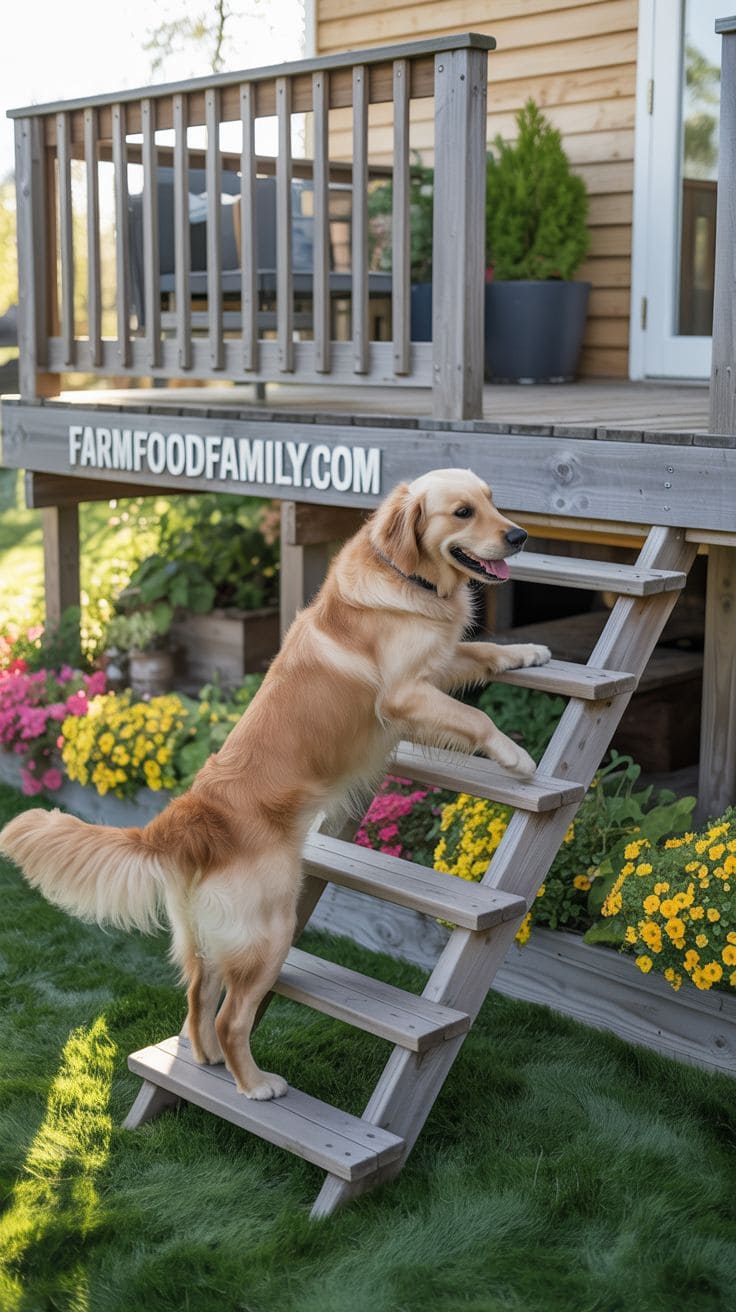
Dog ladder
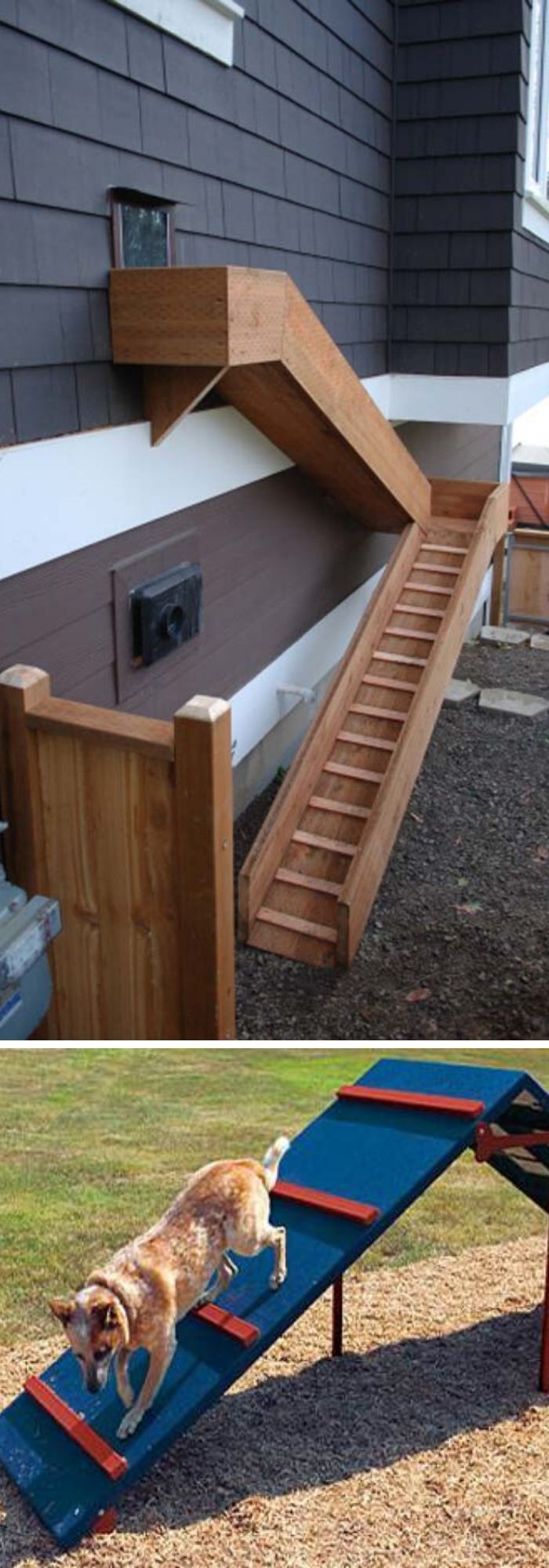
A dog ladder can be a fun and functional addition, especially for multi-level yards or decks. Teach your dog to use the ladder safely to access higher areas. It’s great for exercise and adds an interesting element to your backyard setup.
Dream dog house
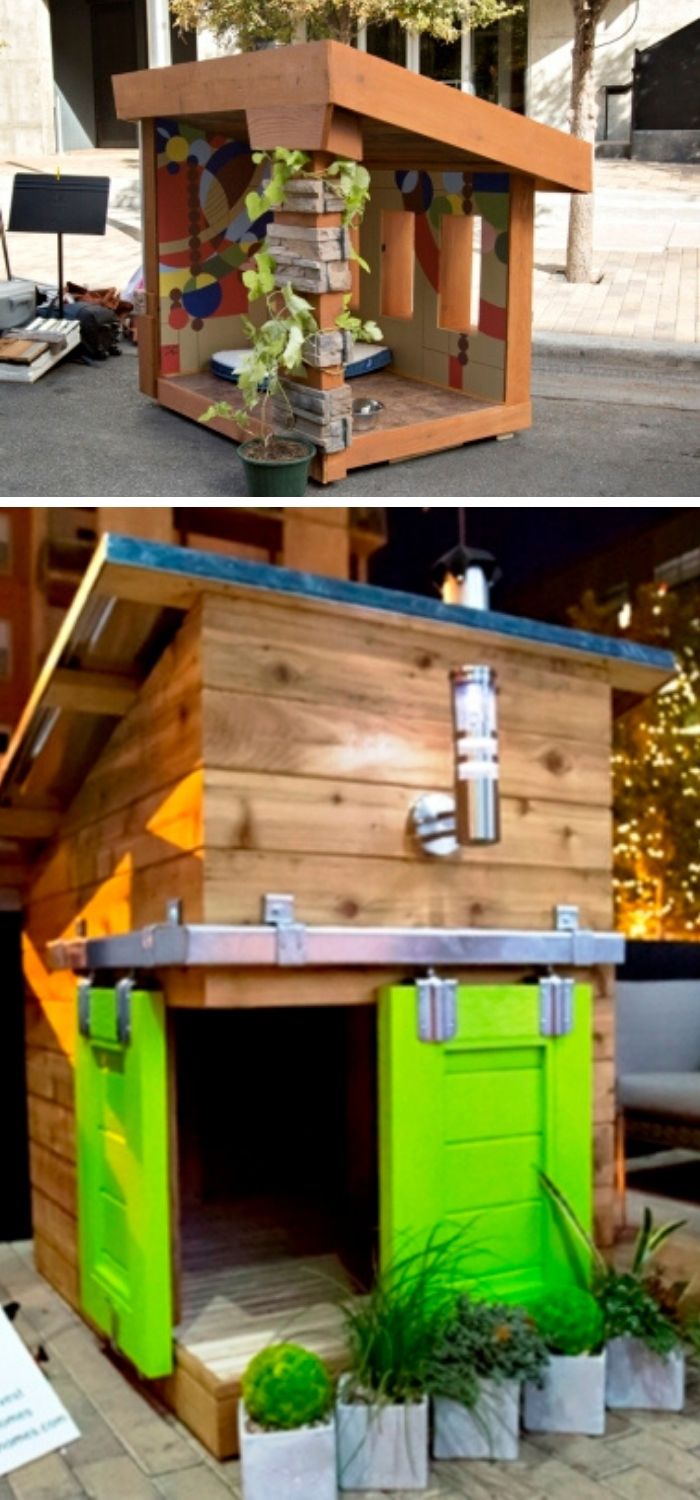
Designing a dream dog house involves creating a stylish and comfortable retreat for your dog. Include features like insulation, ventilation, and a cozy bed. Personalizing the space makes it a special spot for your dog to relax and enjoy the outdoors.
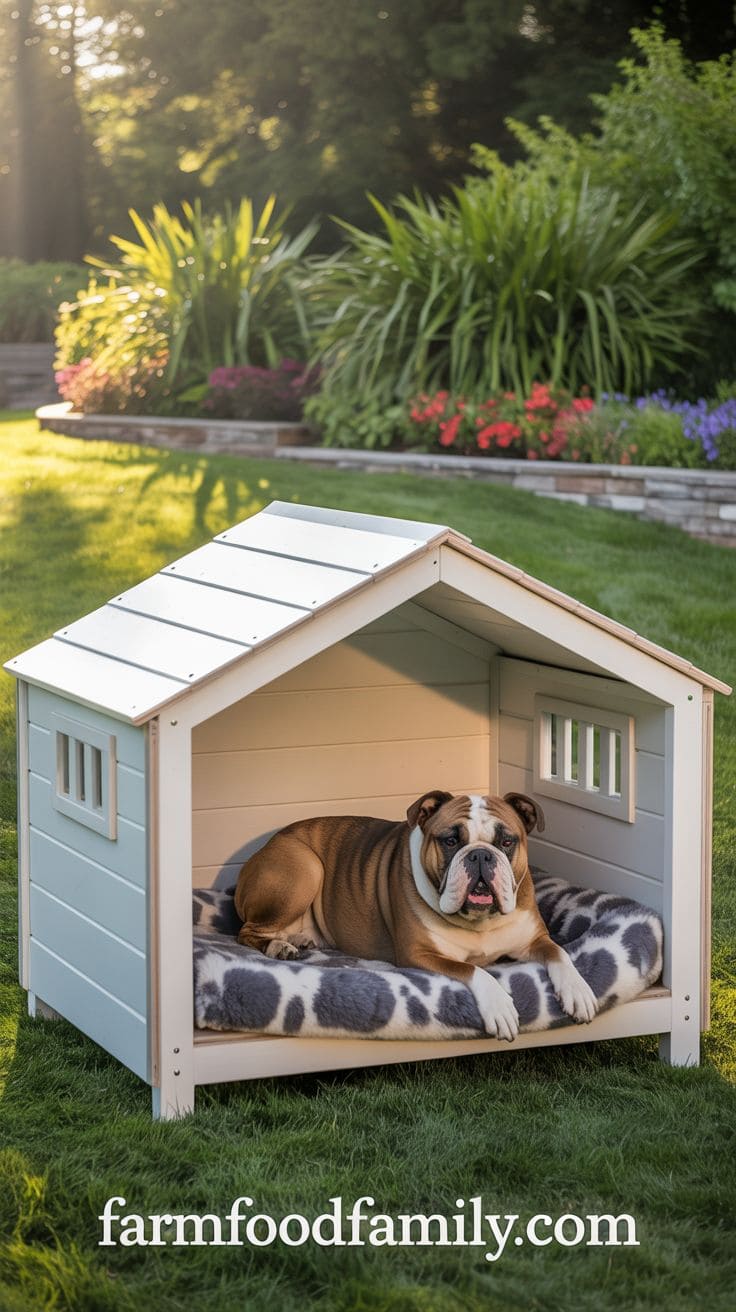
Skamper ramp
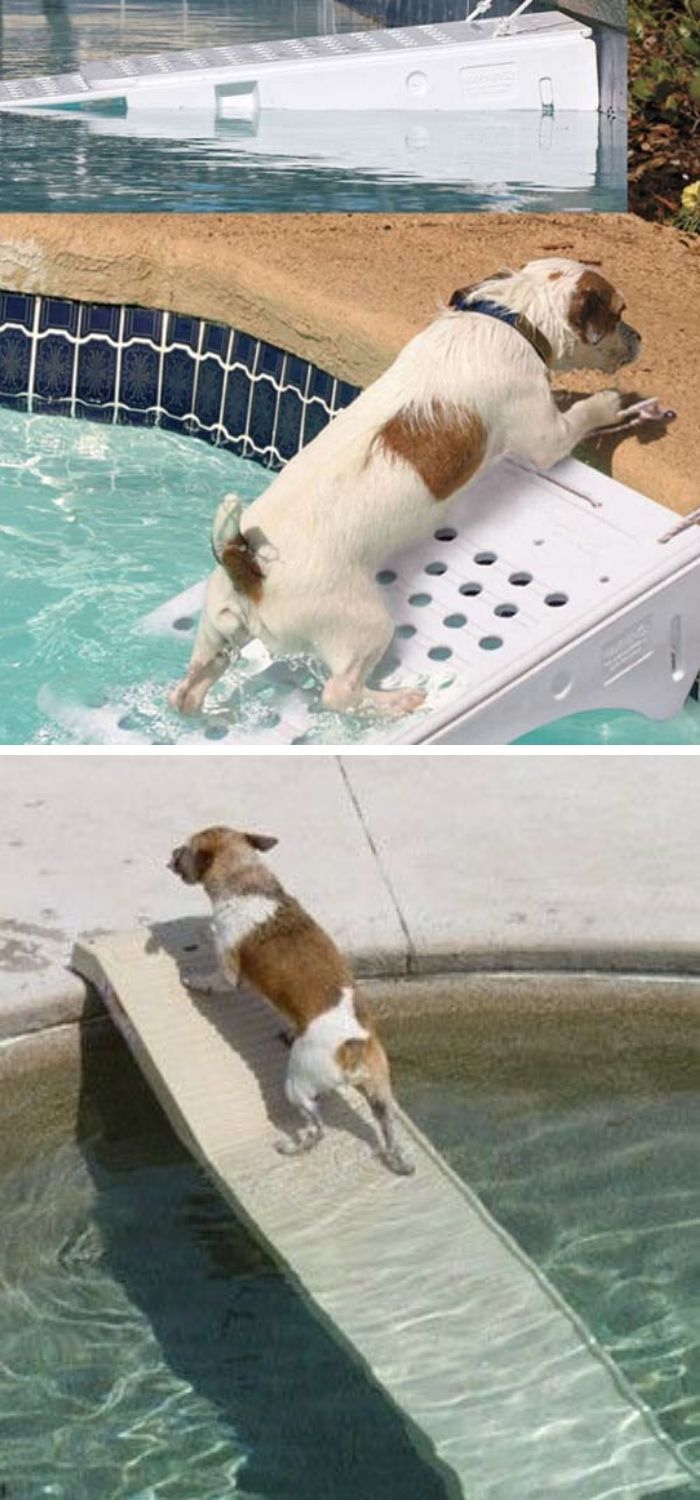
A Skamper Ramp is a lifesaver for dogs who love water. Attach it to the side of your pool to provide an easy exit for your dog. It helps prevent accidents and ensures your dog can enjoy the pool safely, giving you peace of mind.
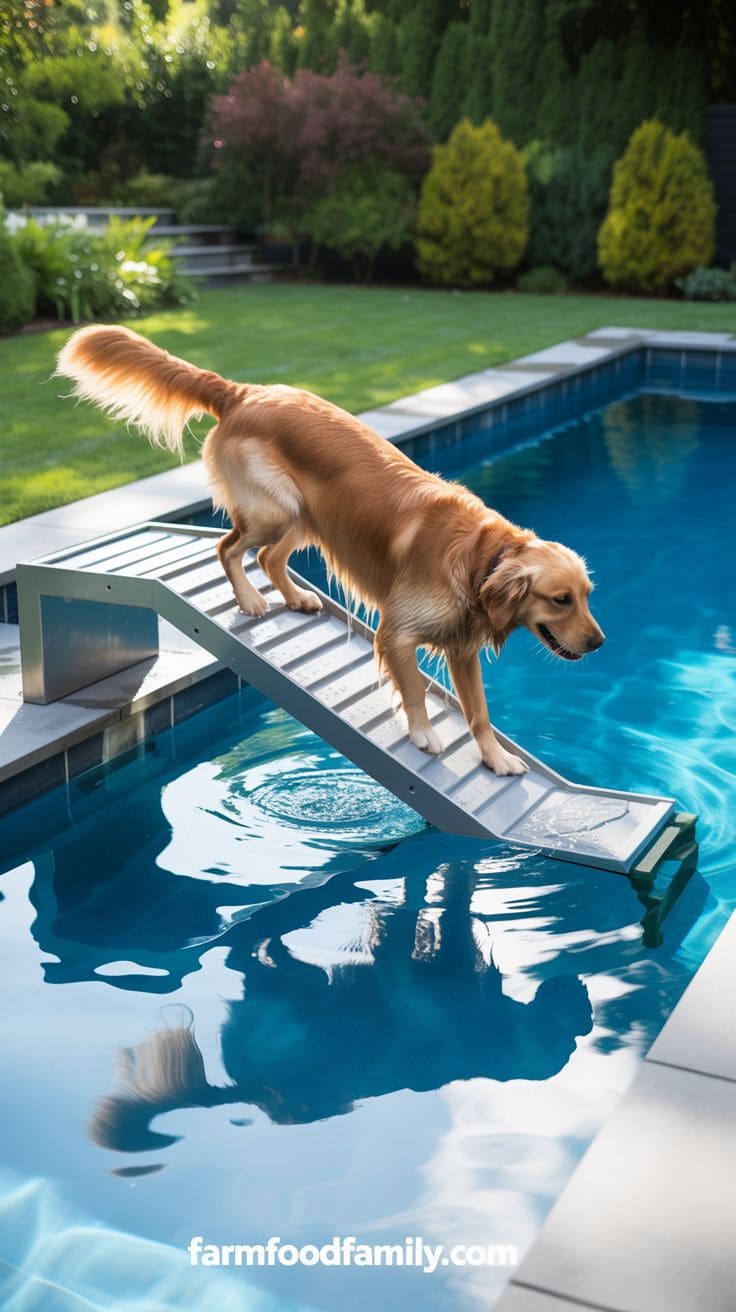
A private pool
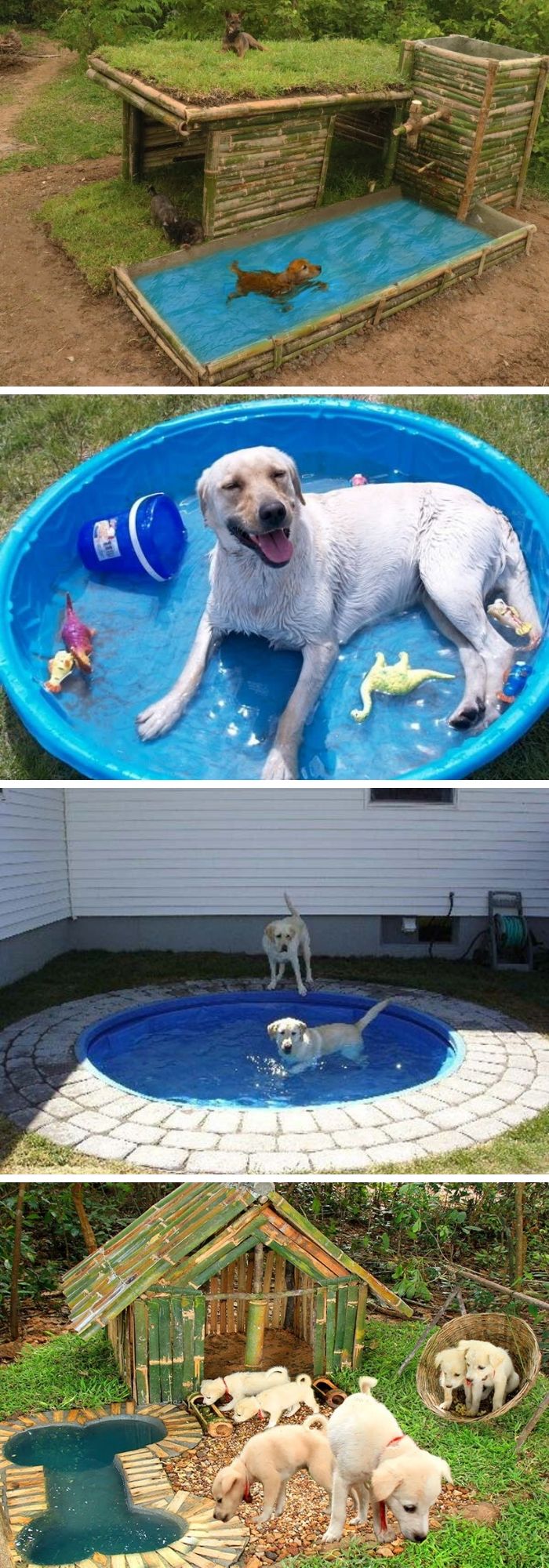
A private pool for your dog is a luxurious addition to your backyard. Install a small, dog-sized pool that’s easy to clean and maintain. This dedicated pool ensures your dog has a safe place to swim and cool off during hot weather.
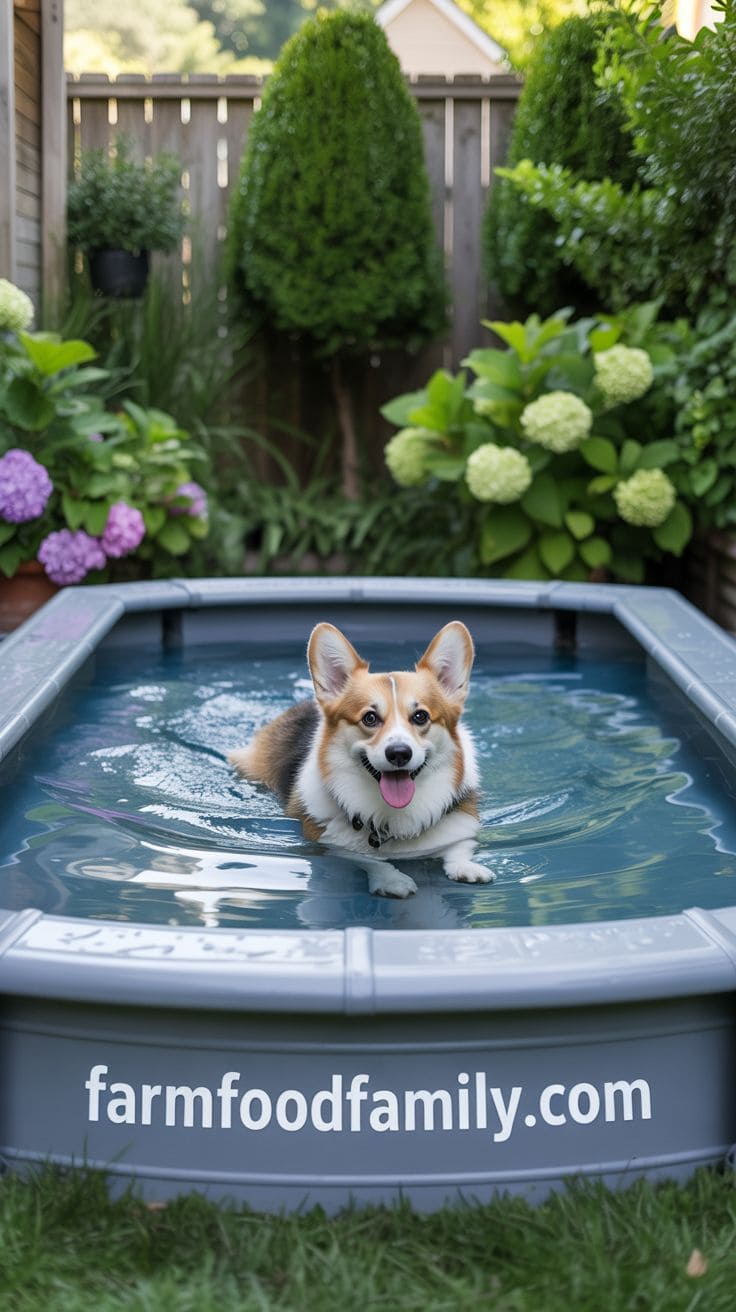
Shaded Retreat
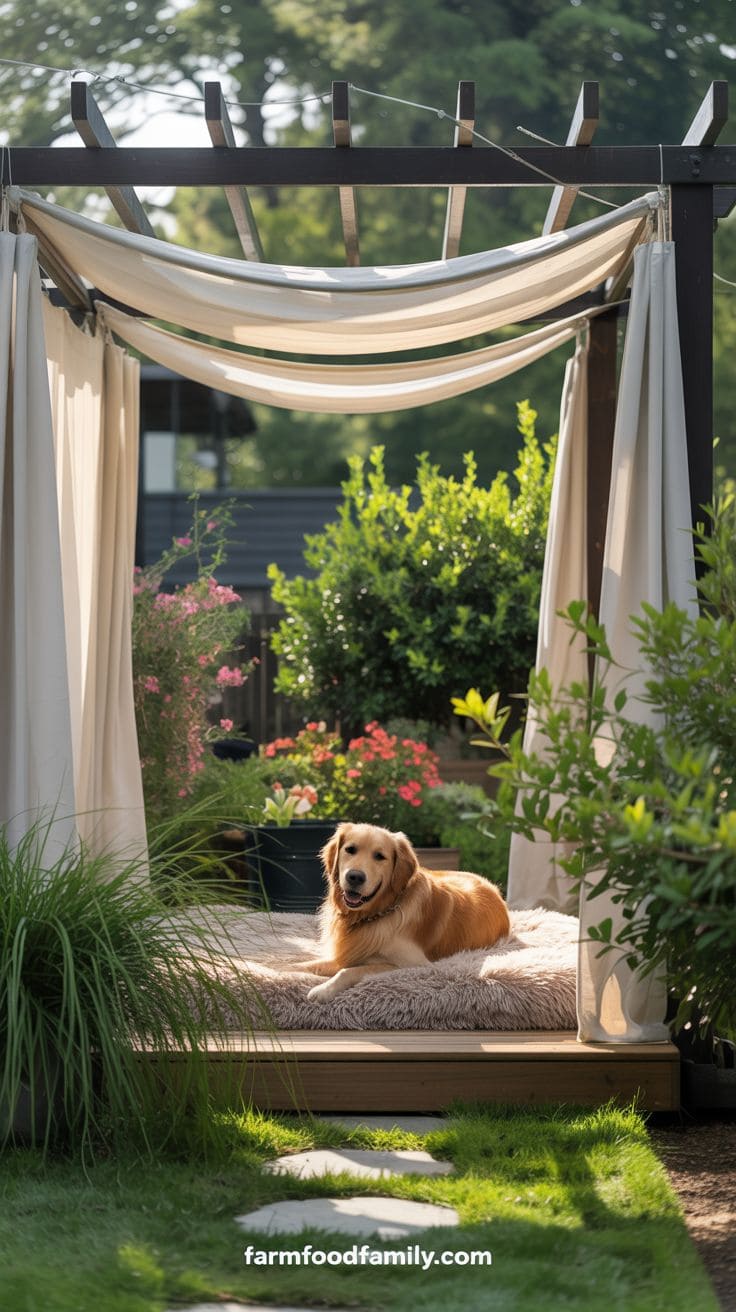
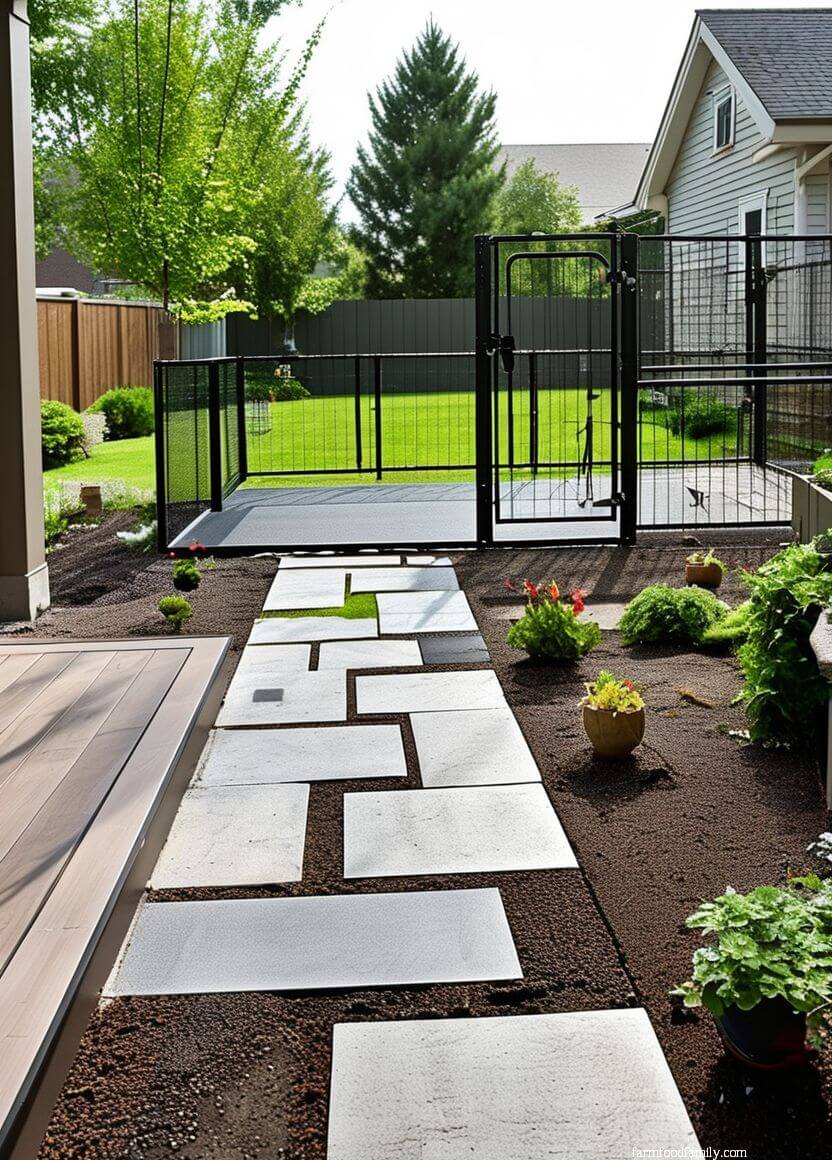
Paw-Safe Paths
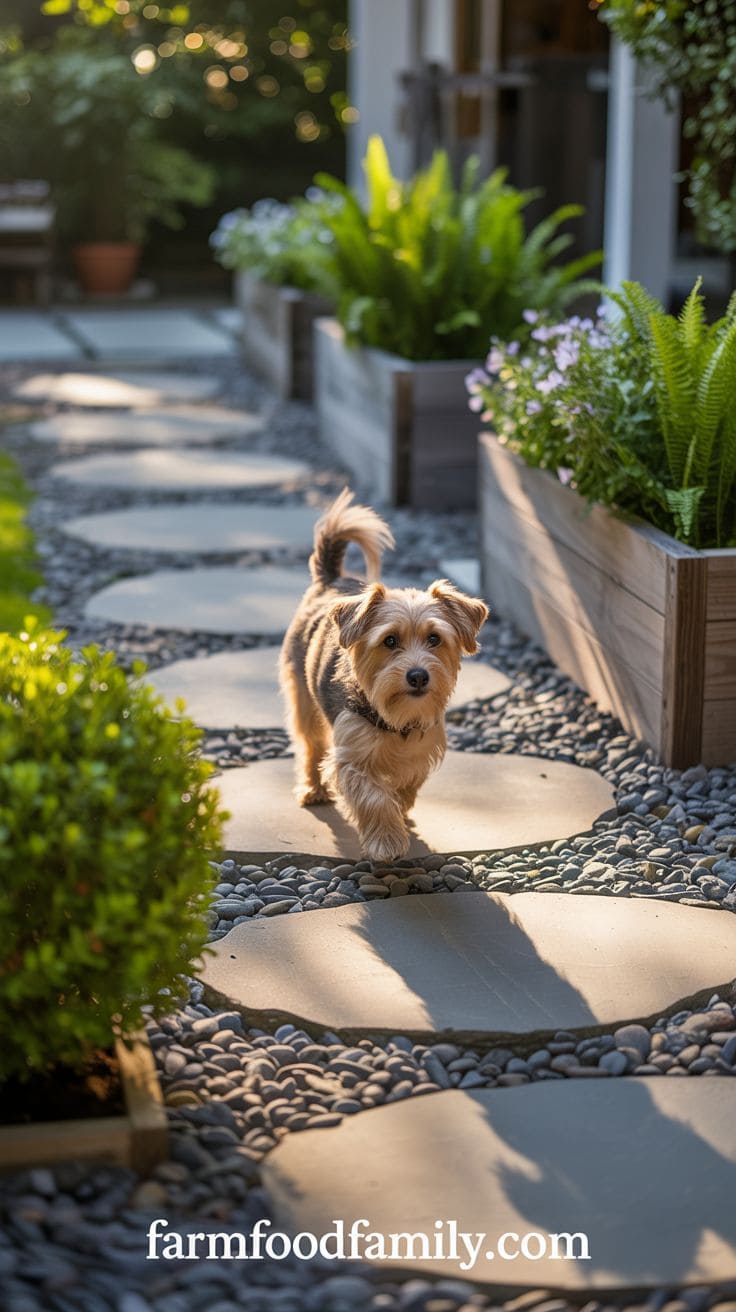
Digging Pit
Raised Viewing Deck
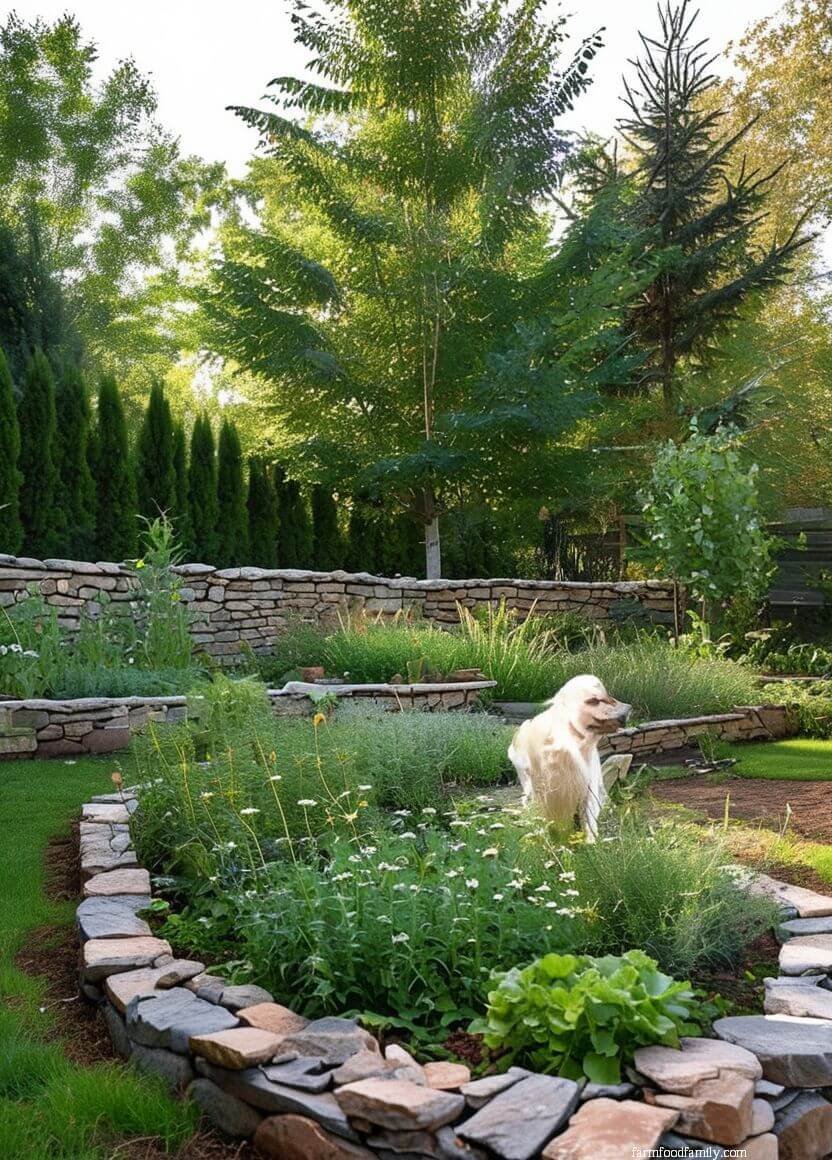
Doggie Garden
Escape-Proof Fence
Window in the Fence
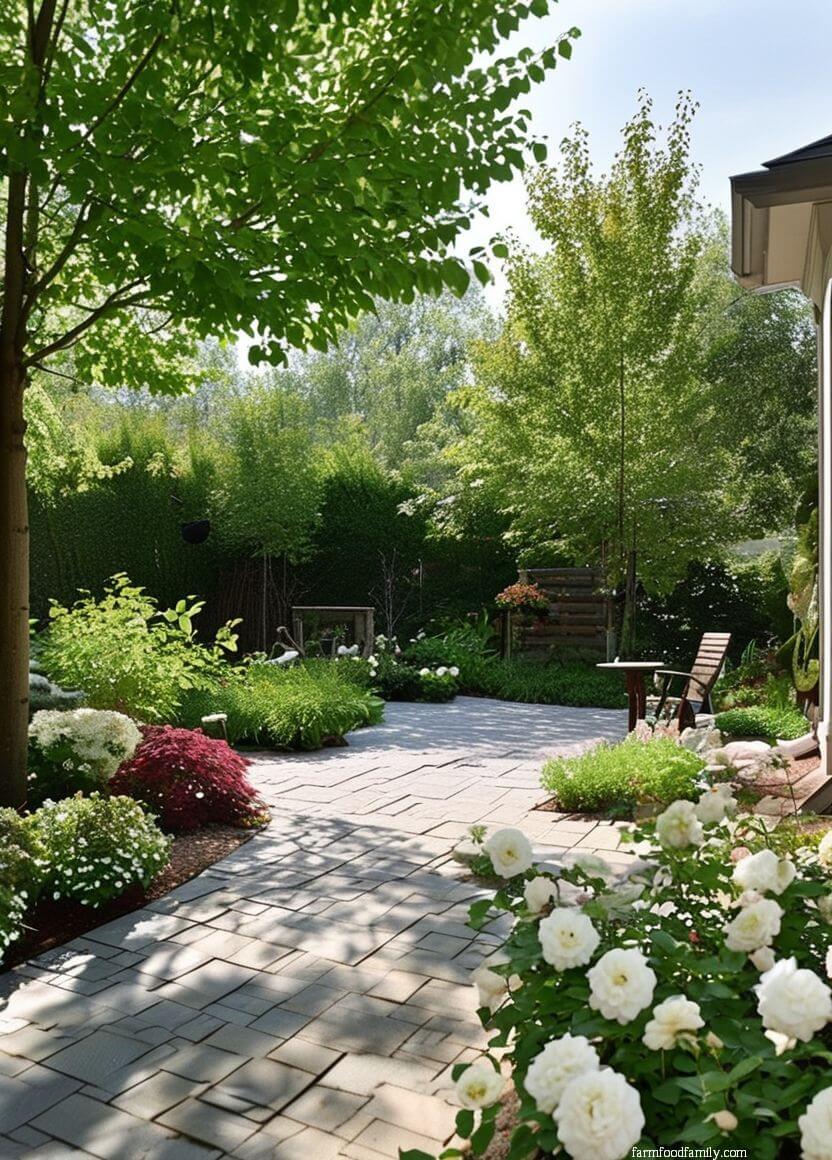
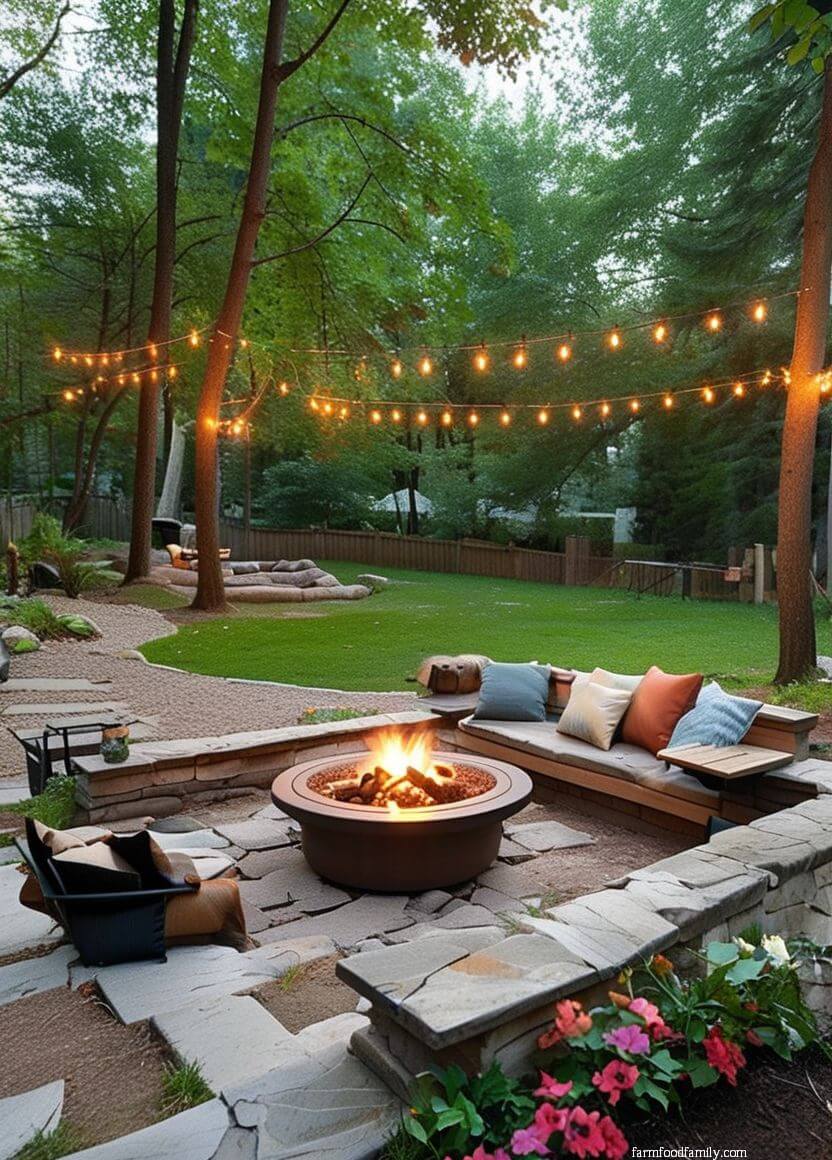
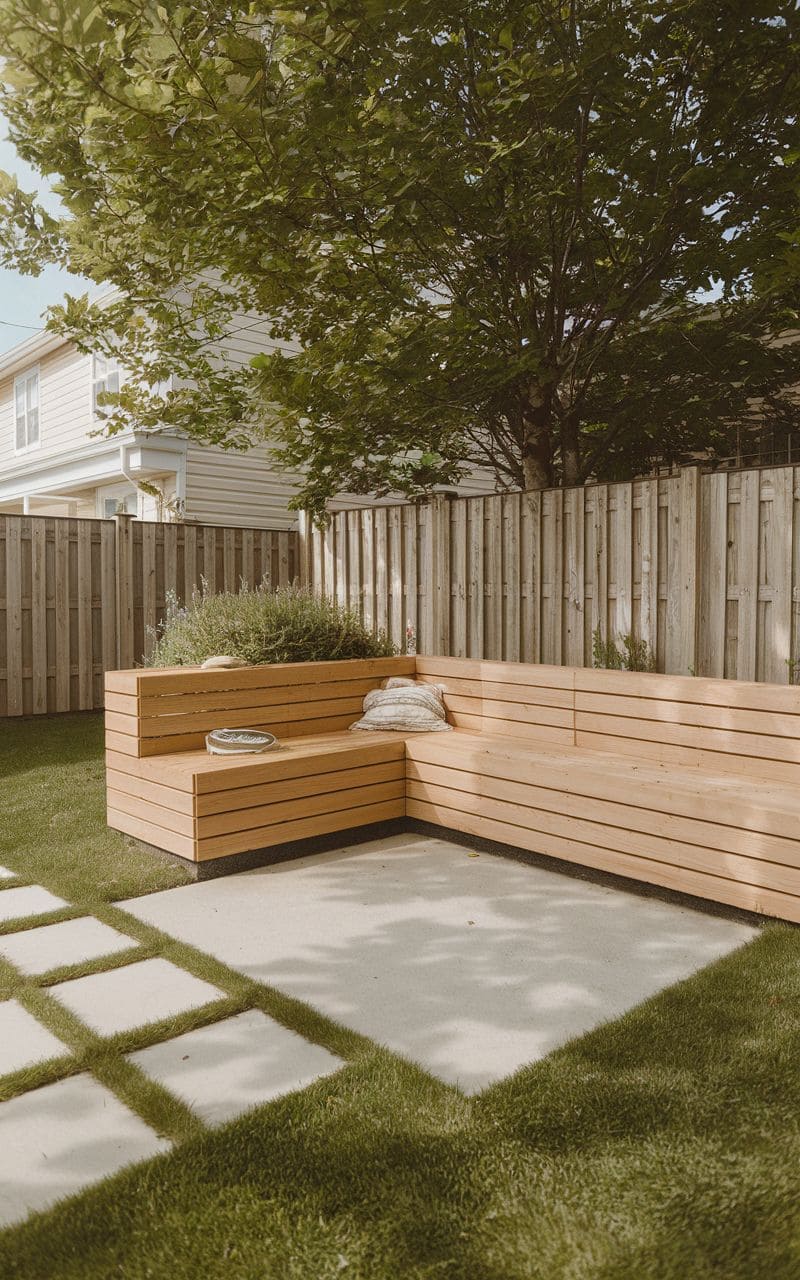
Pet-Friendly Patio
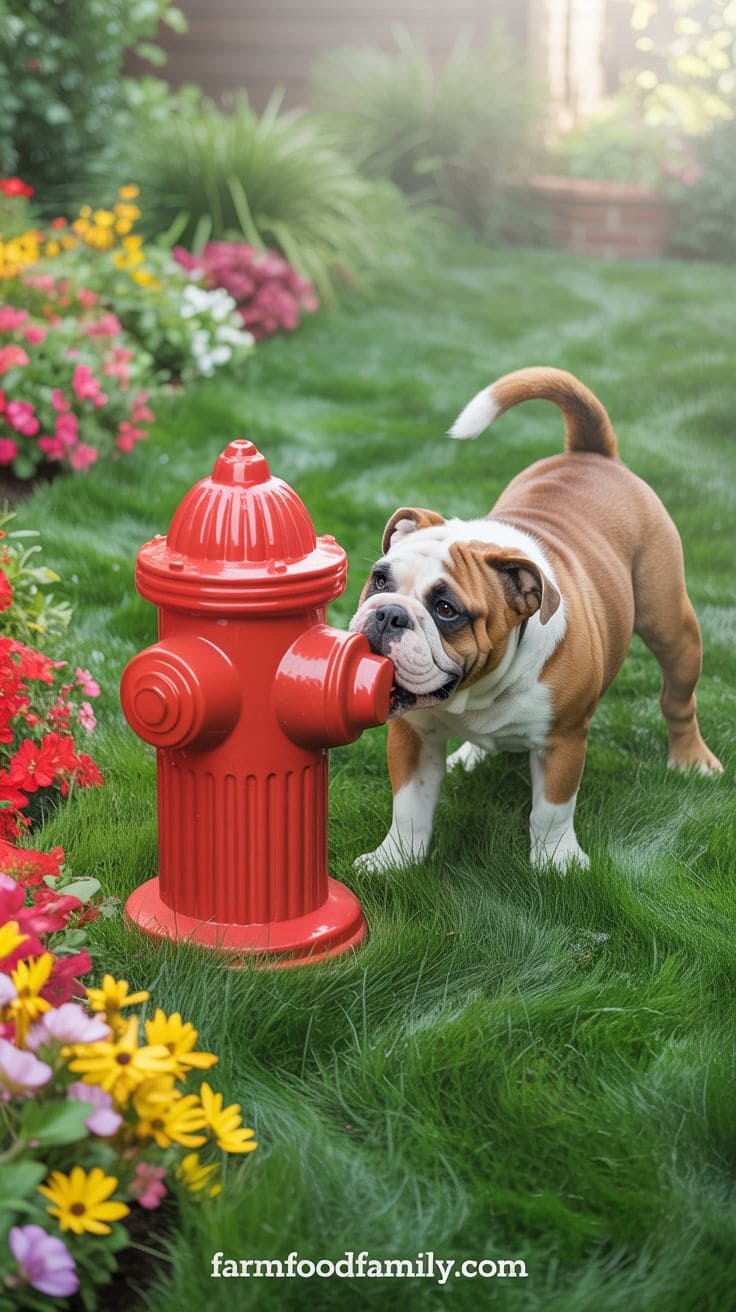
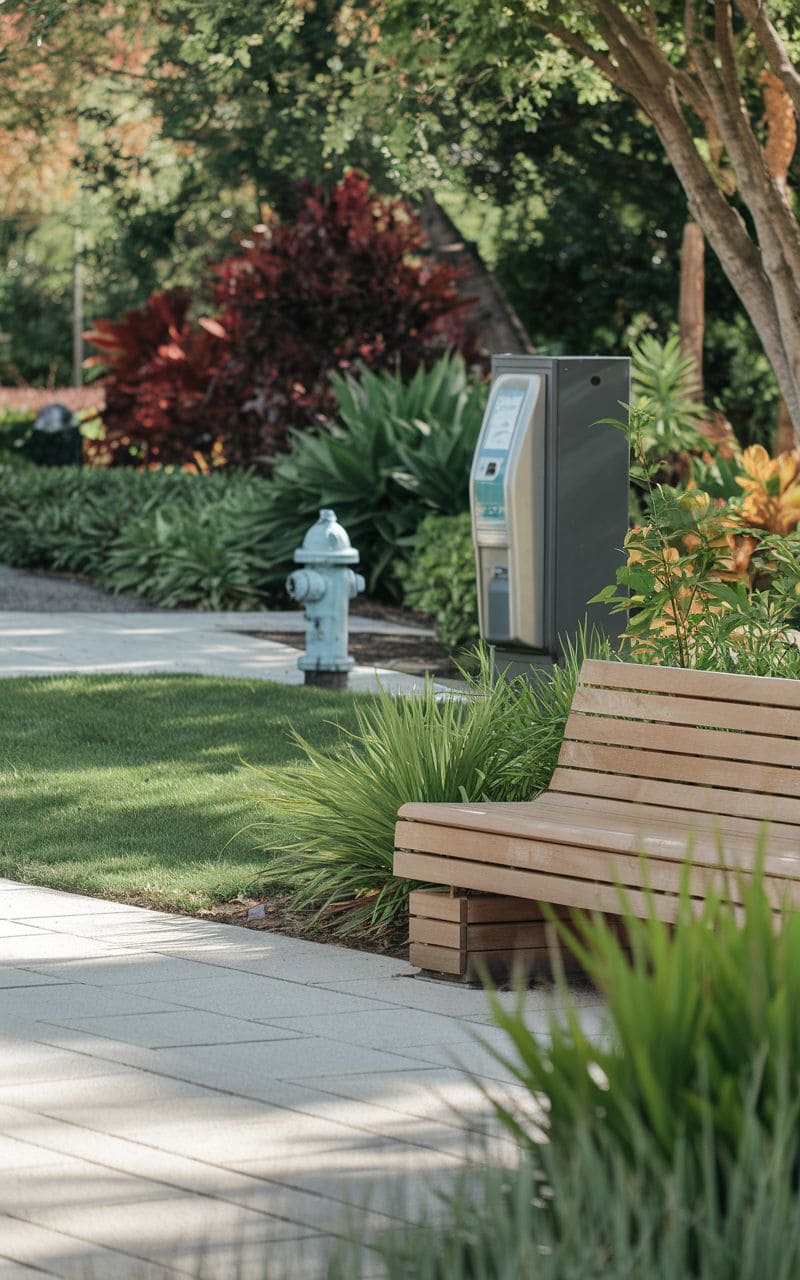
Fire Hydrant Feature
Obstacle Maze
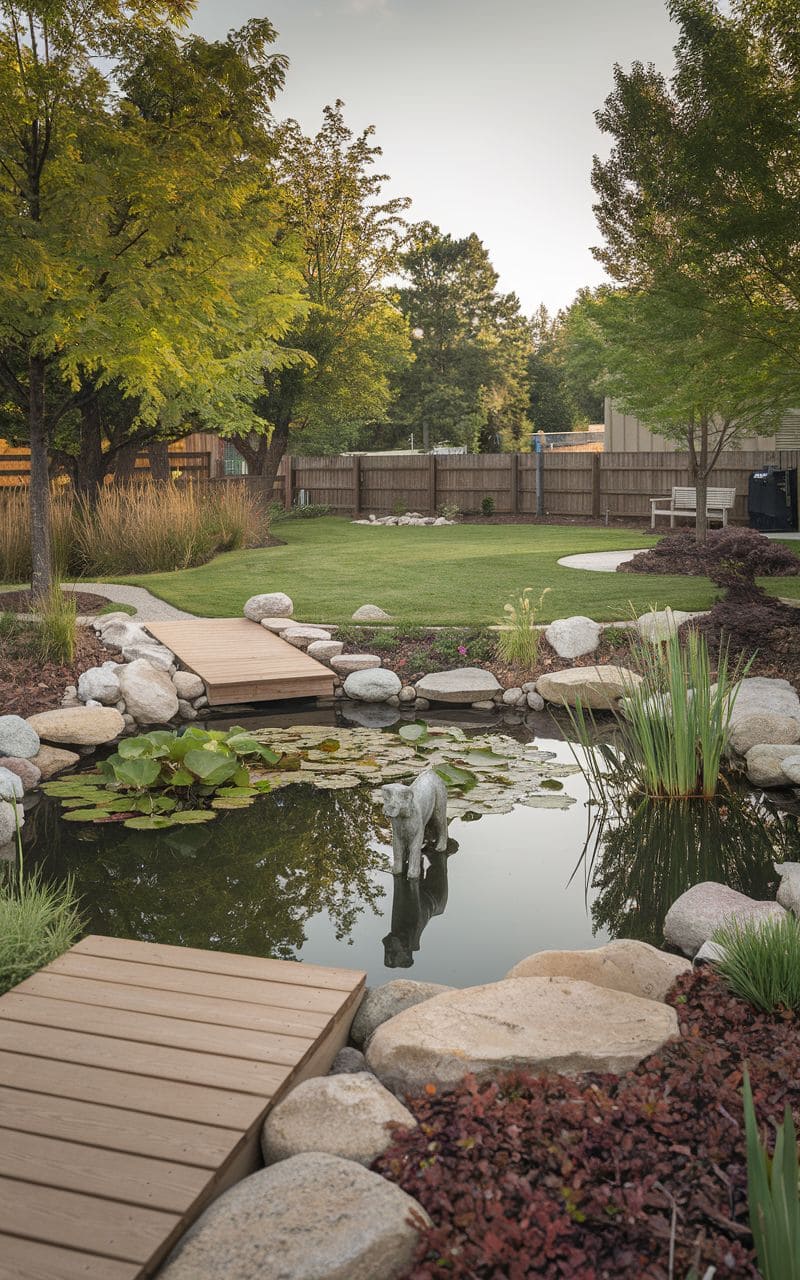
Cooling Pond
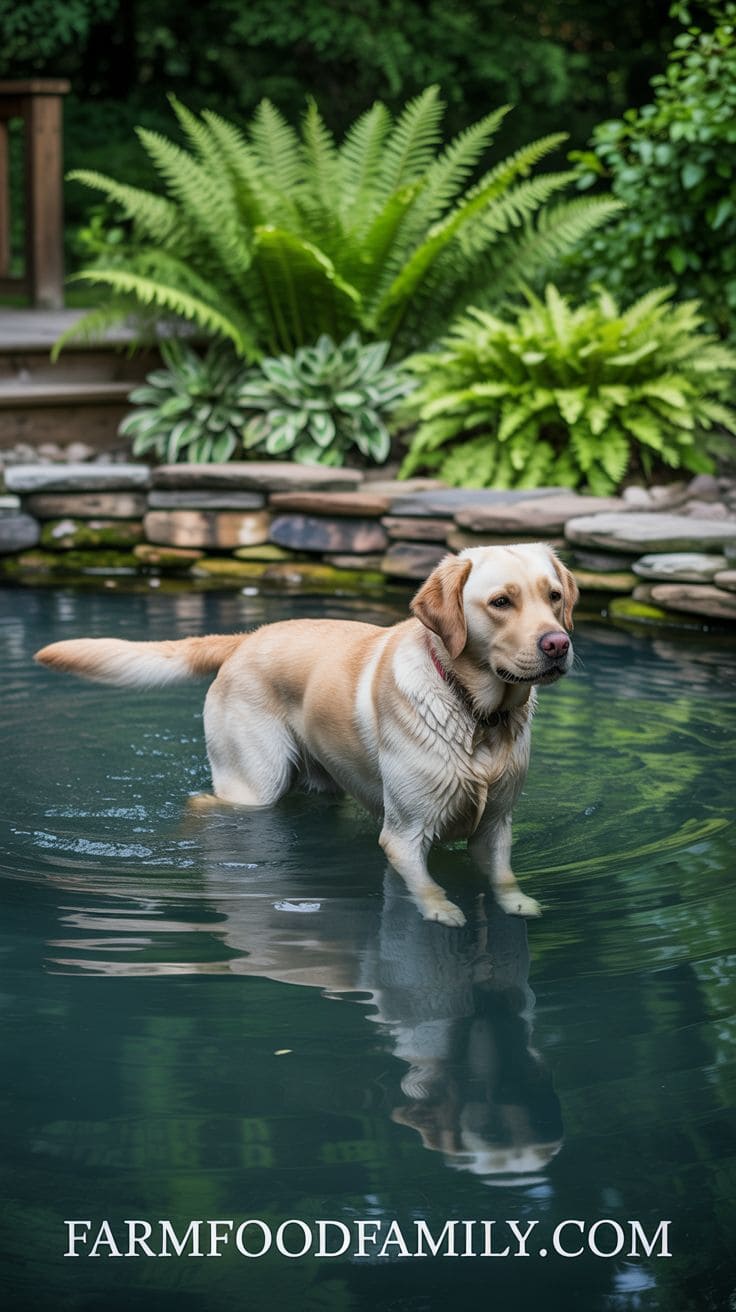
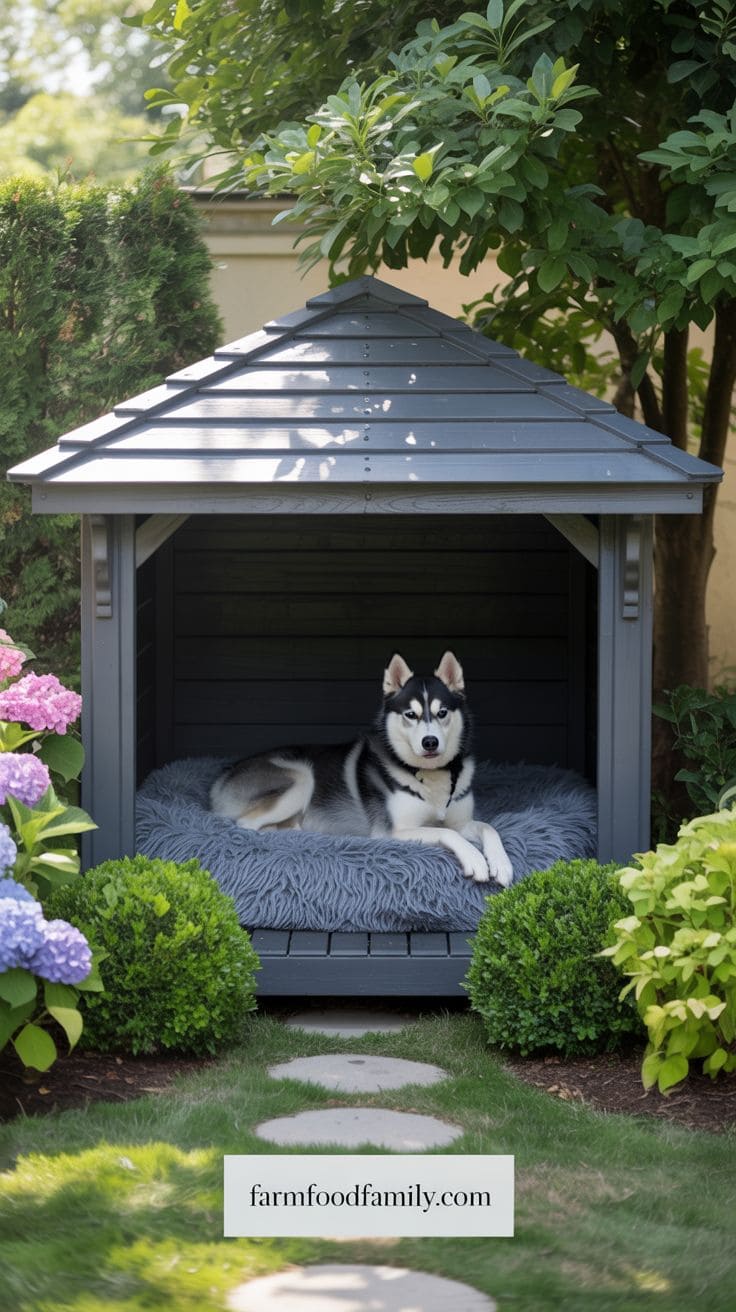
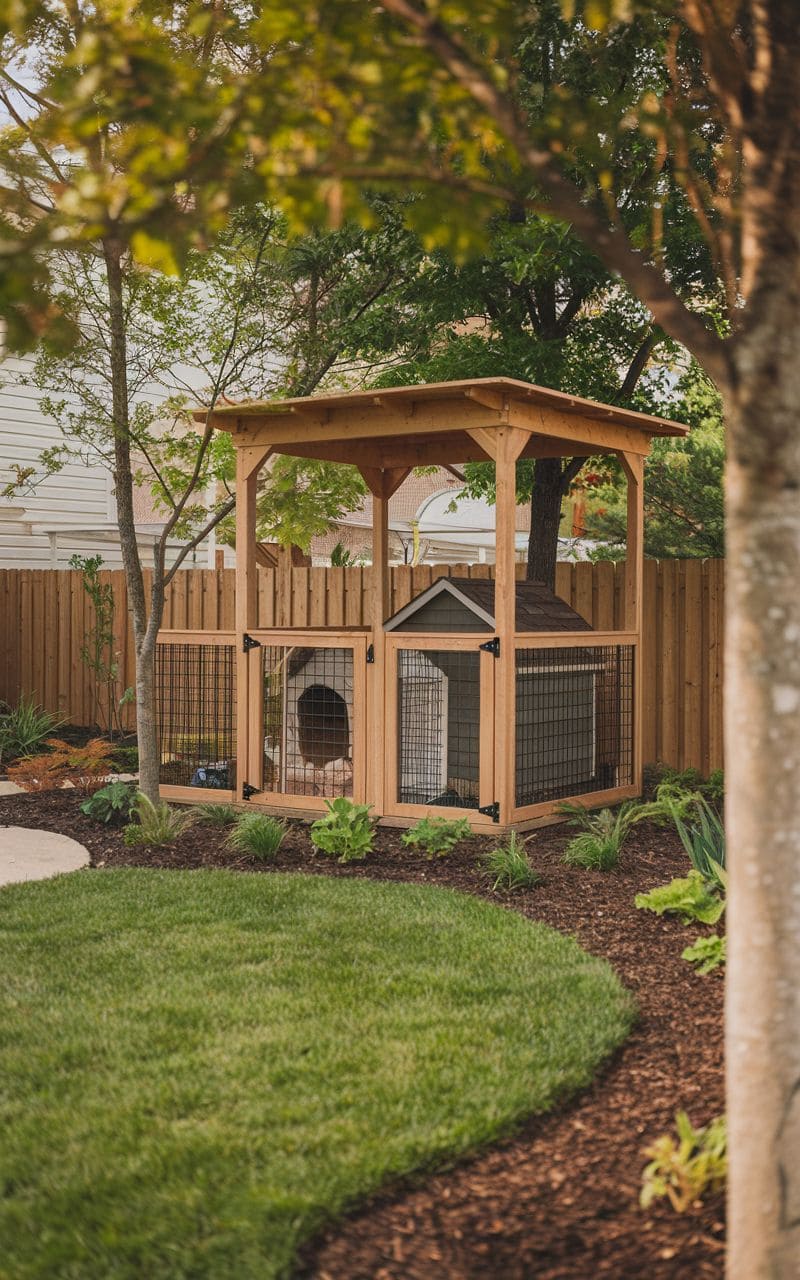
Covered Kennel Pavilion
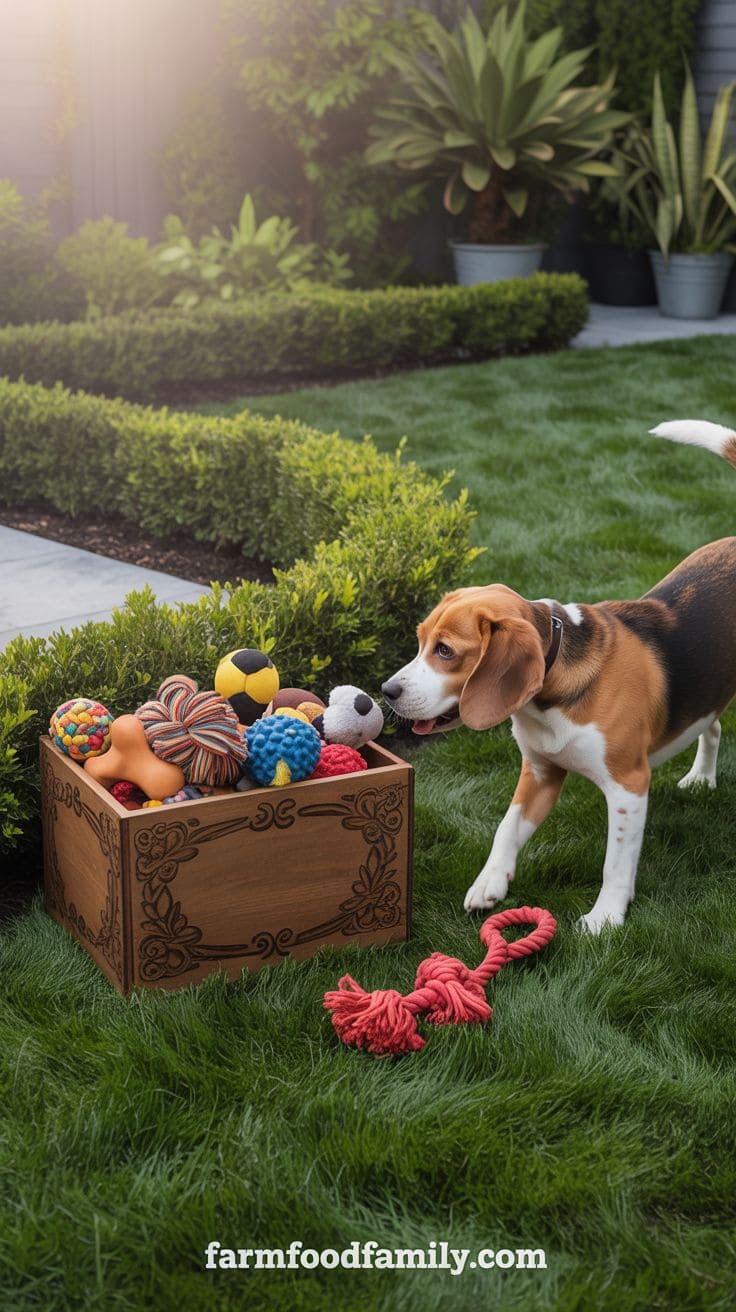
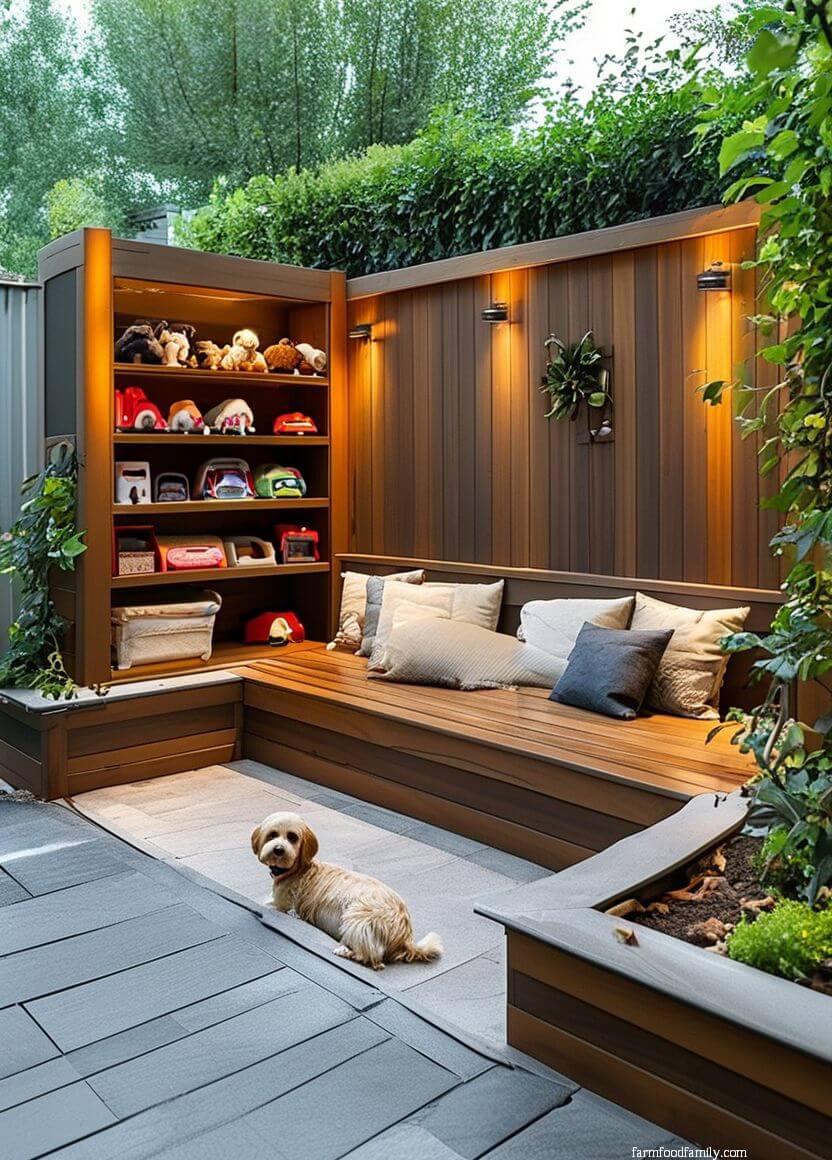
Toy Storage Station
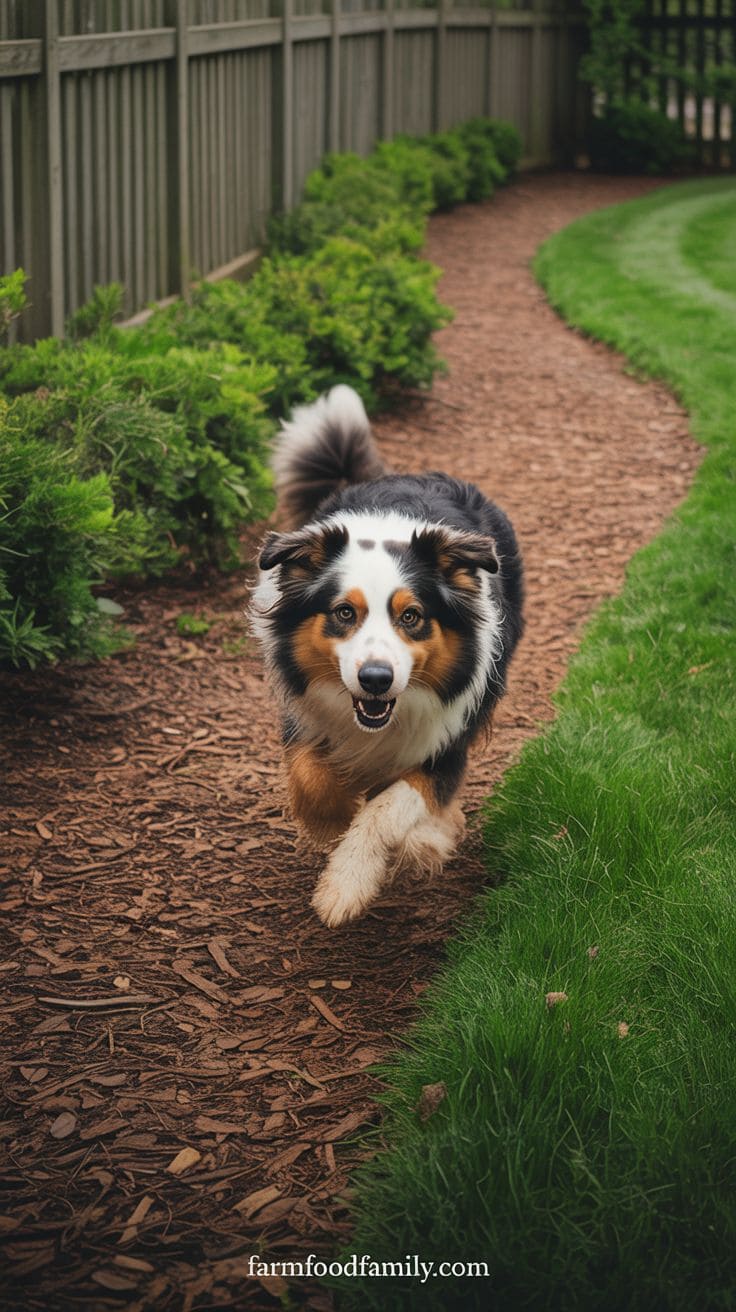
Doggie Path Patrol
Outdoor Wash Station
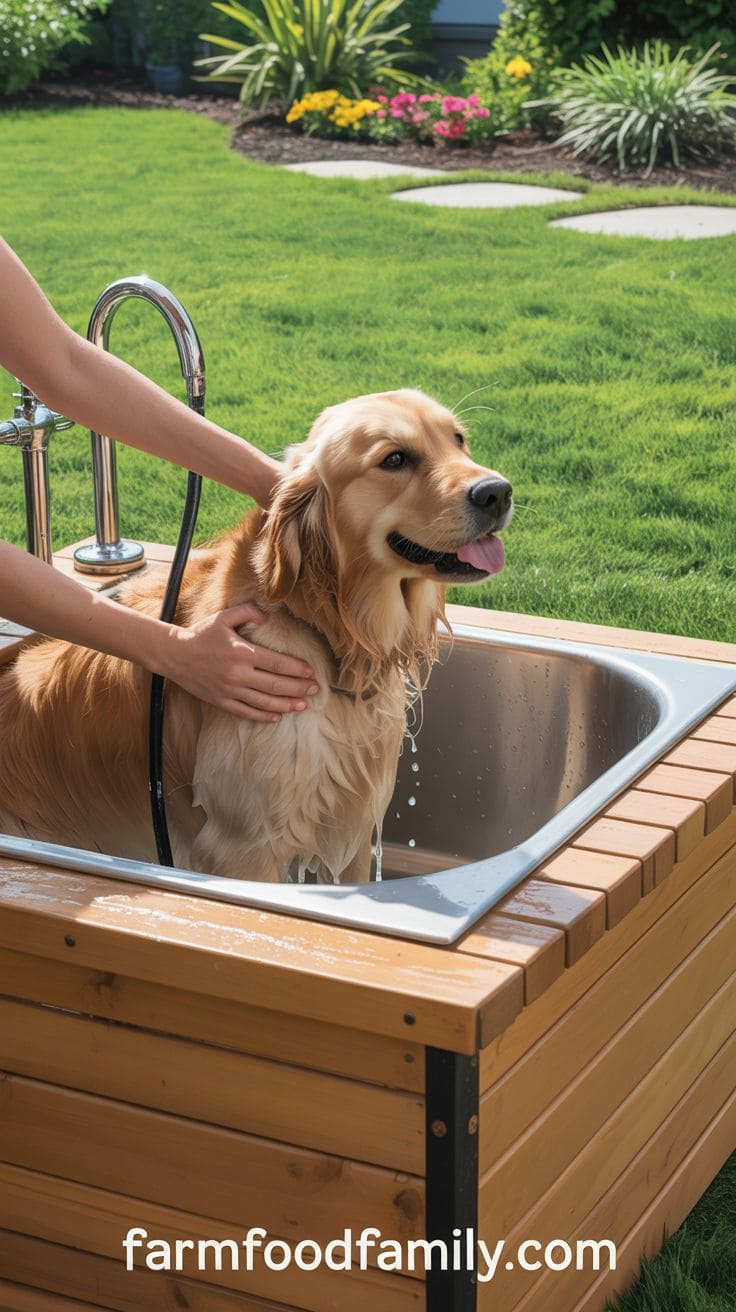
Pup-Scaping Zones
Running Track
Turf-Free Potty Corner
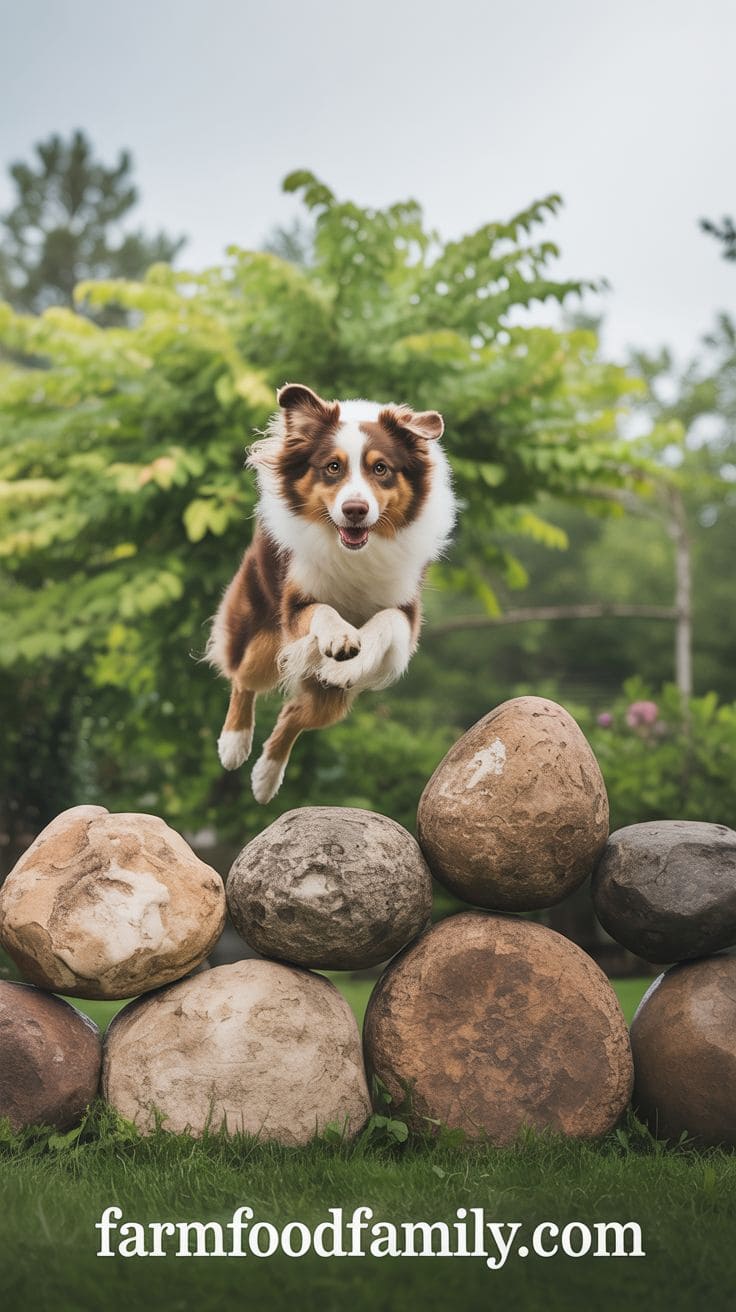
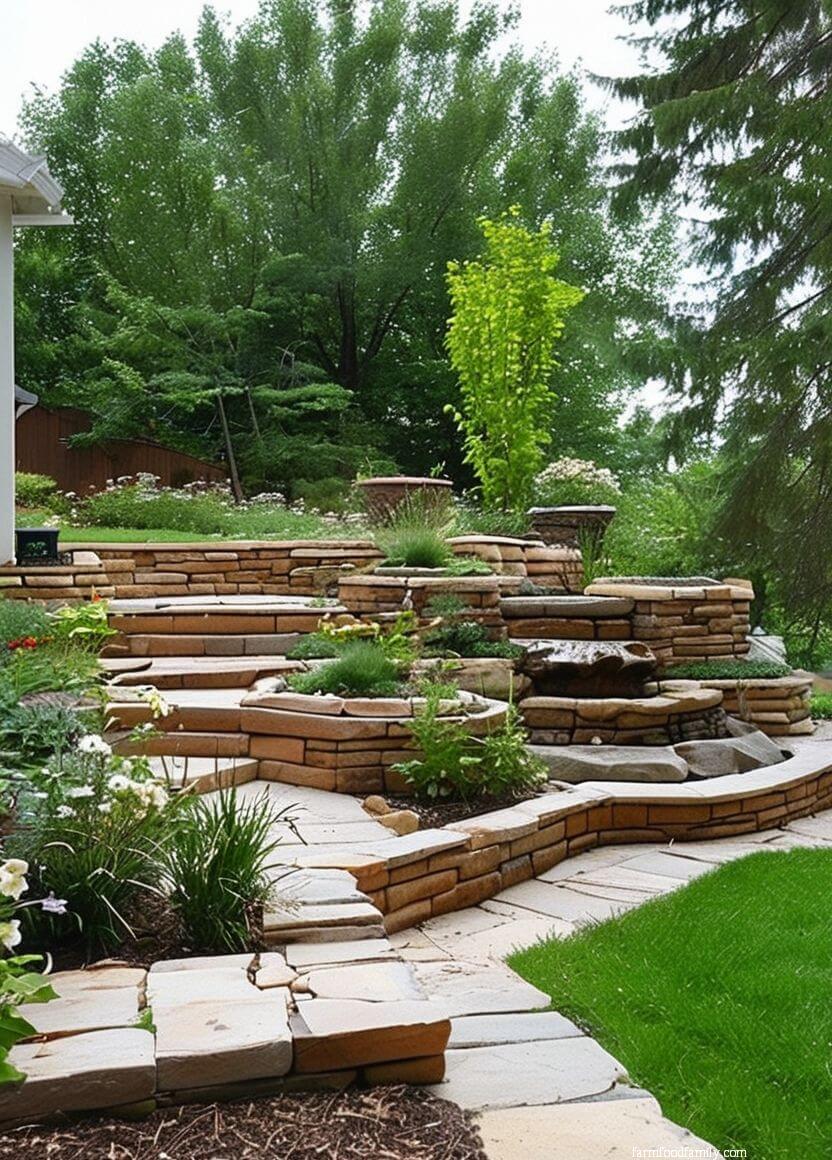
Climbing Rocks
Outdoor Tunnels
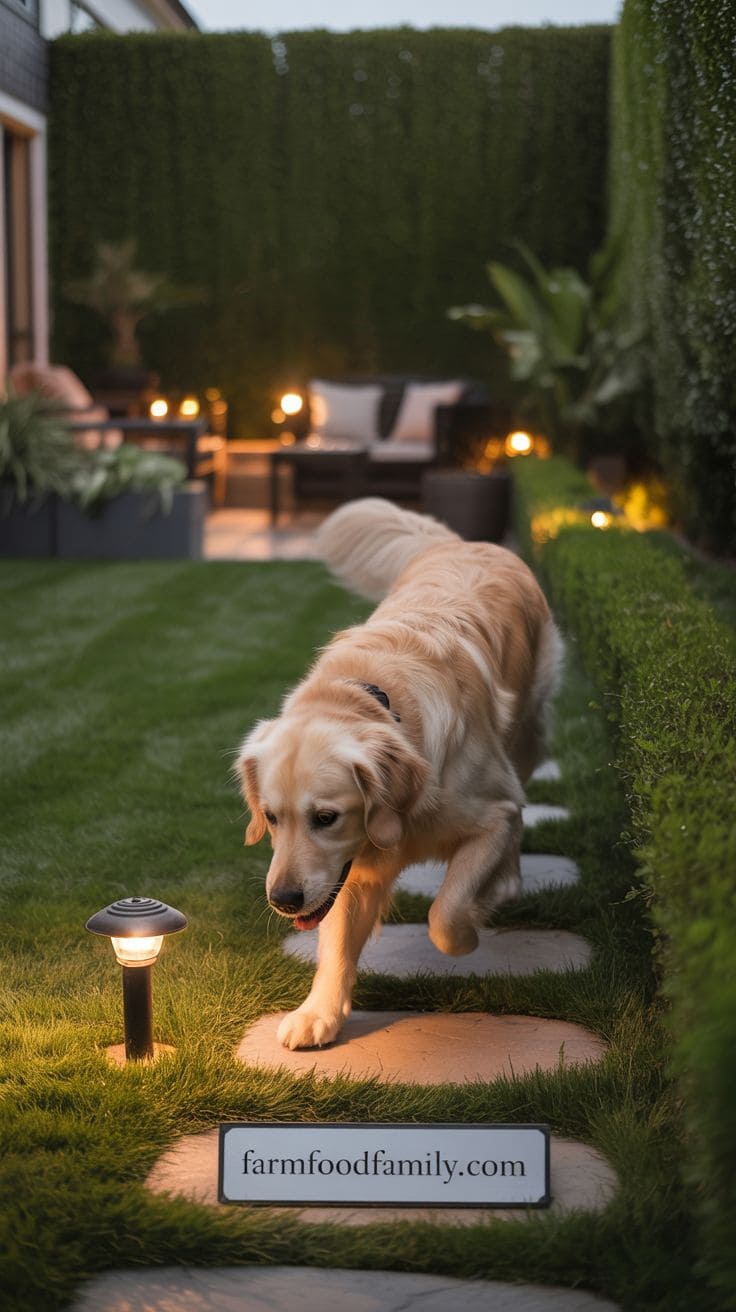
Nighttime Lighting
Mud-Free Zone
Hidden Treat Stations
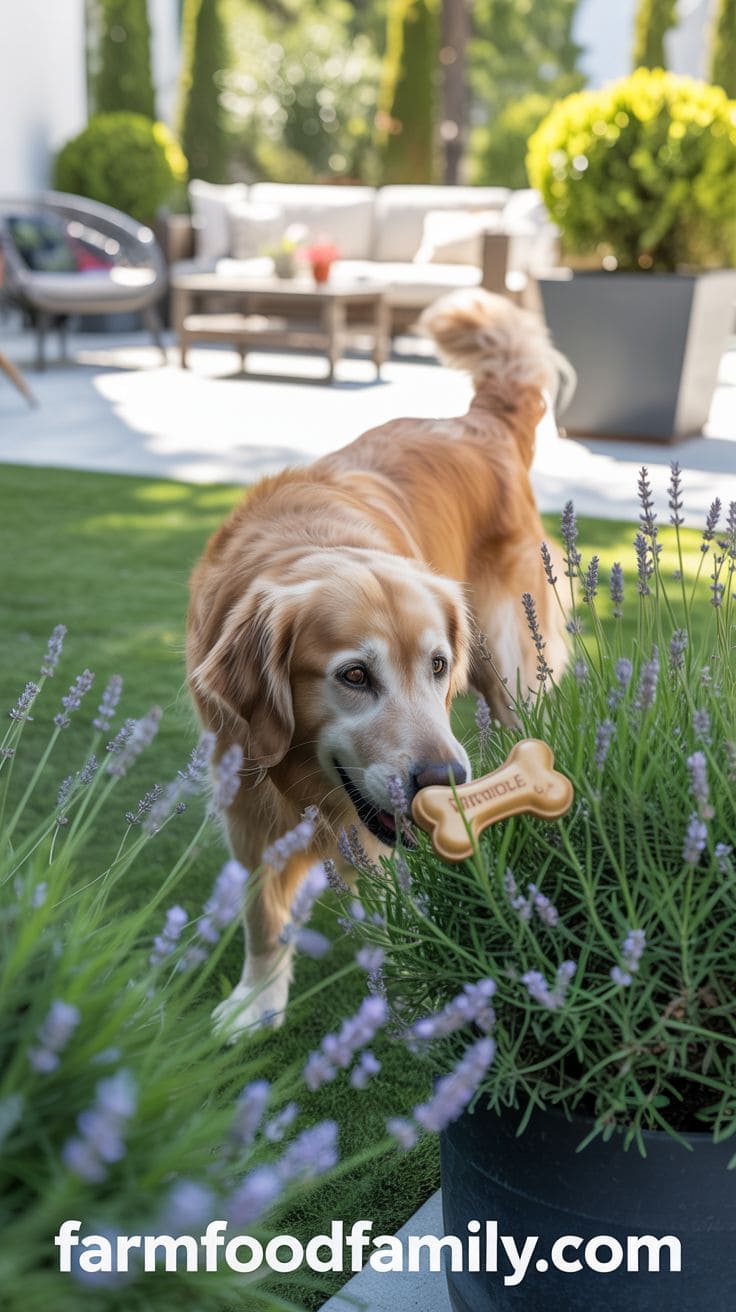
Outdoor Dog Lounge
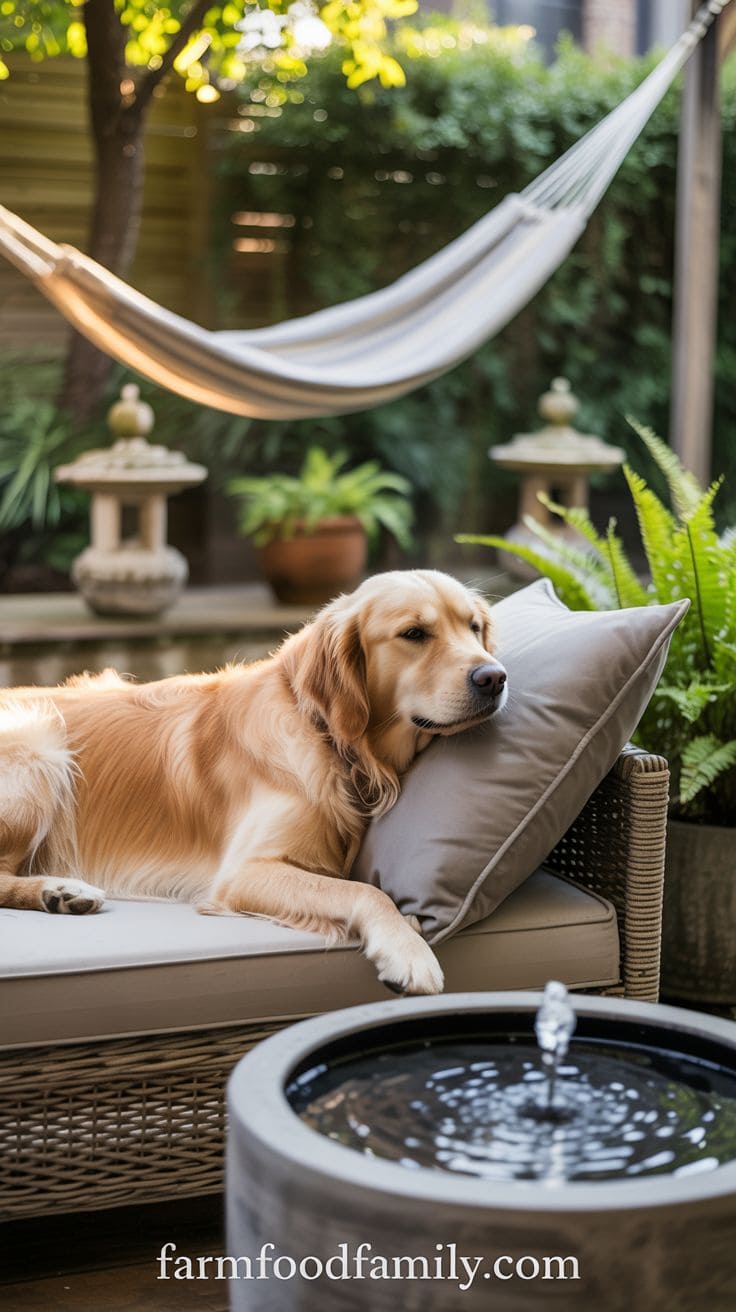
DIY Dog Waterfall
Fun and Entertainment
Designated Digging Area
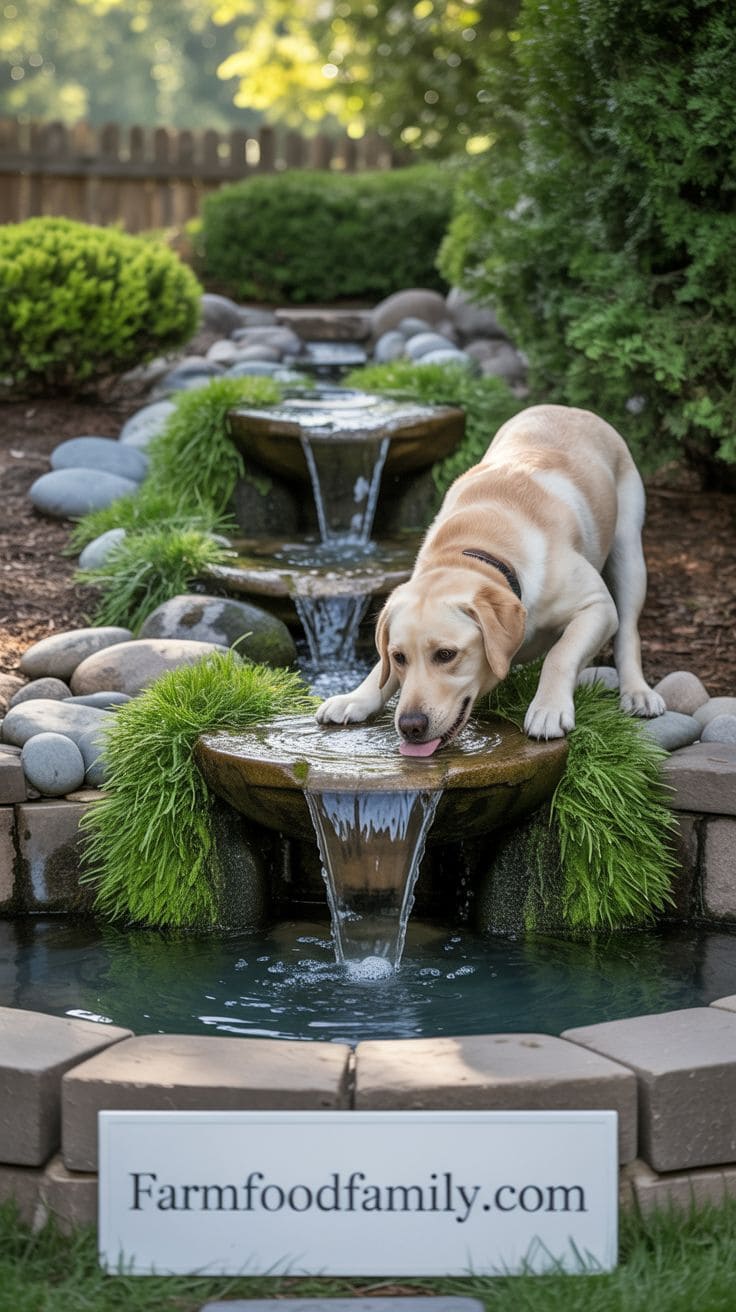
Water Features
Obstacle Courses
Open Play Space
Health and Well-being
Pet-Friendly Plants
Practical Additions
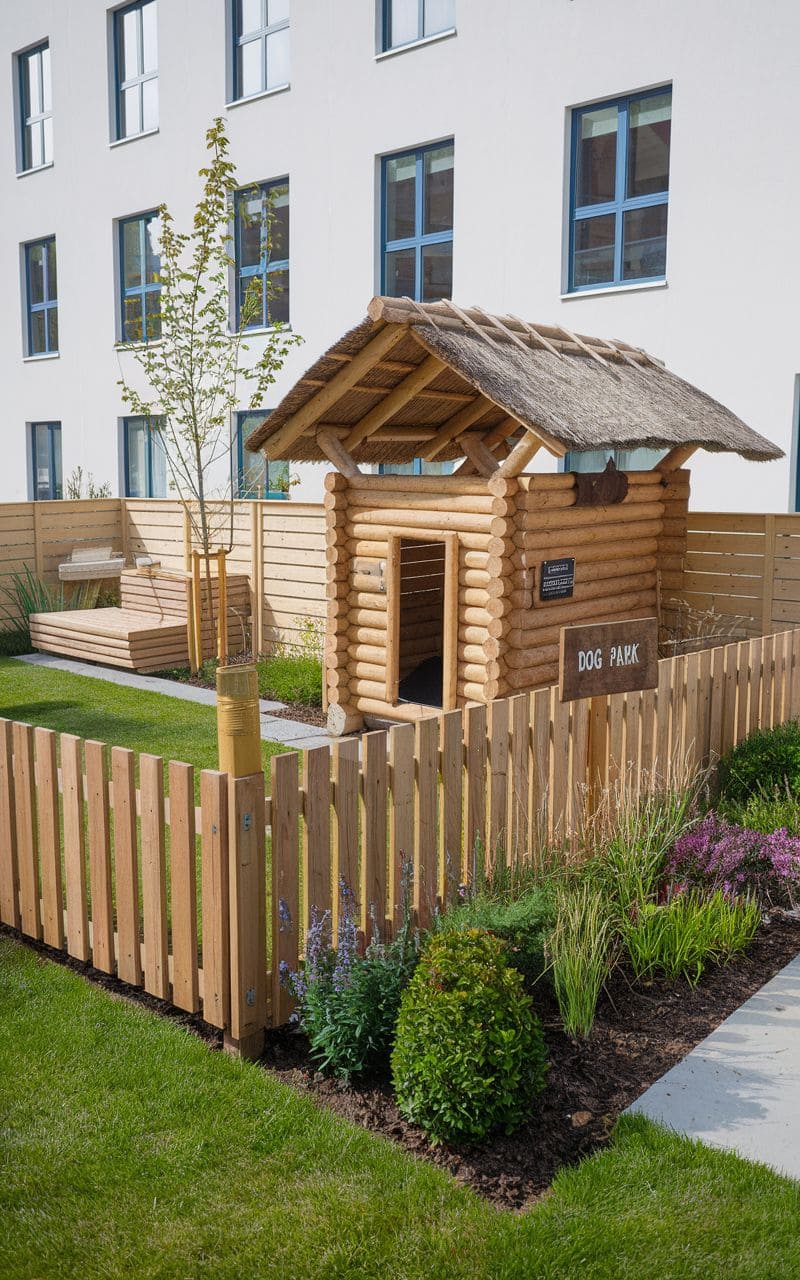
Dog Run
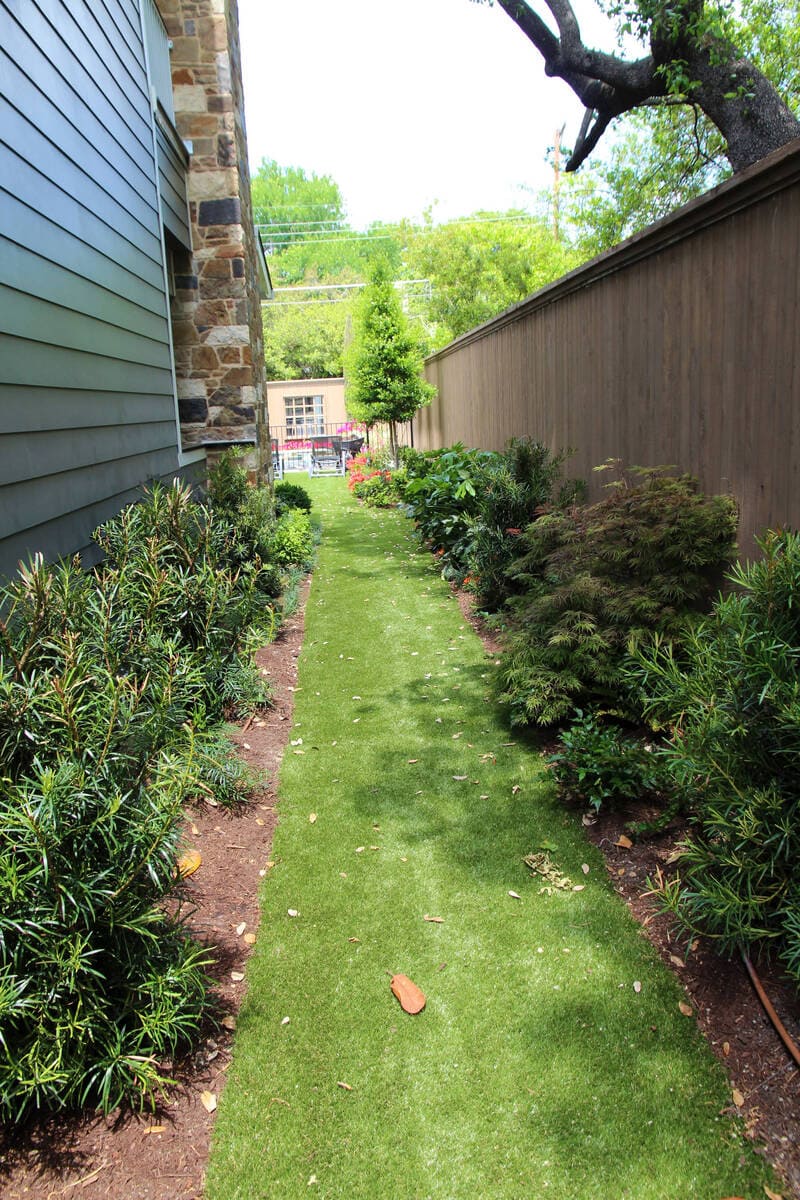
Pet-Friendly Lighting
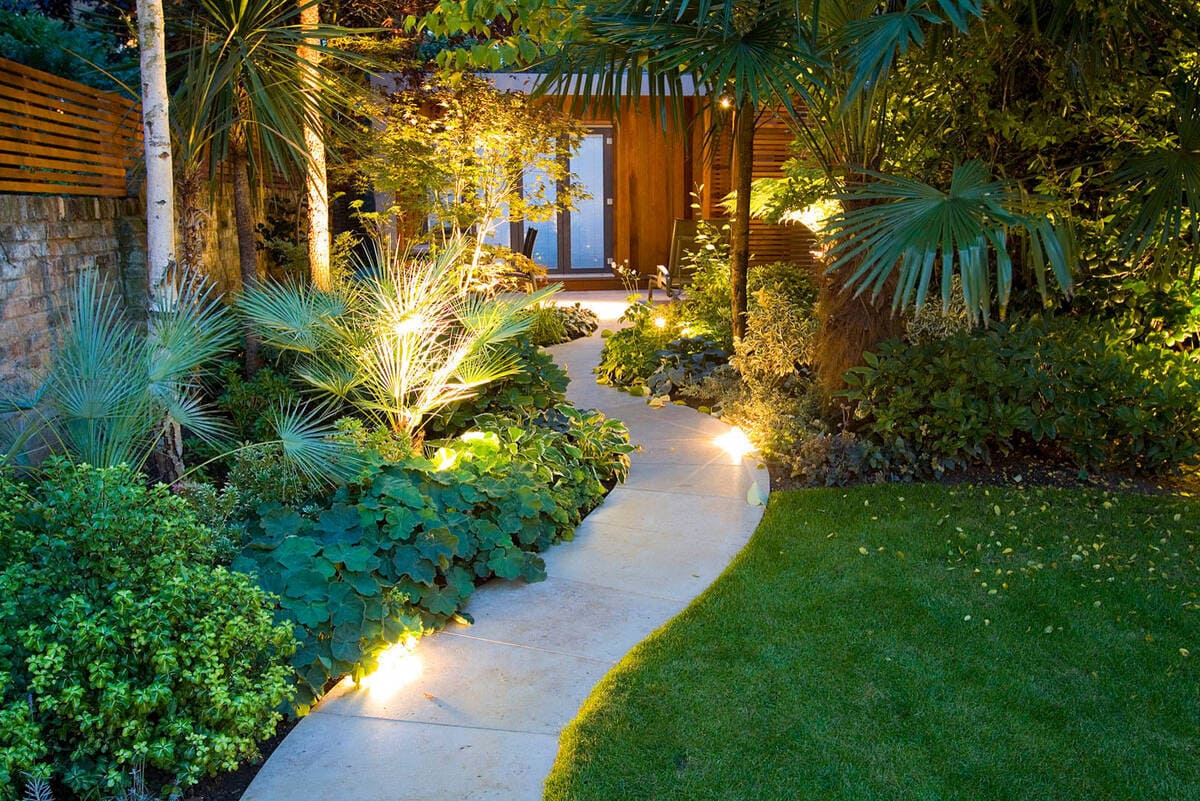
Comfort and Relaxation
Outdoor Beds and Lounging Areas
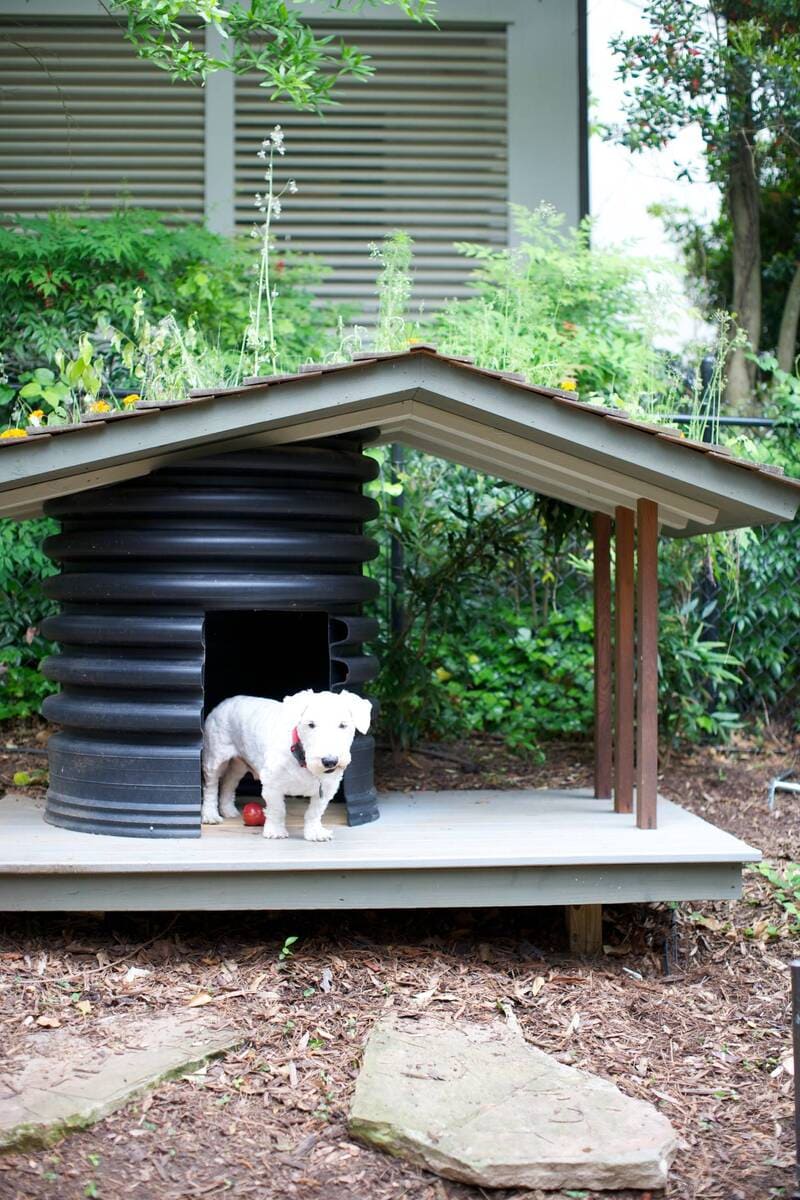
Cooling Stations
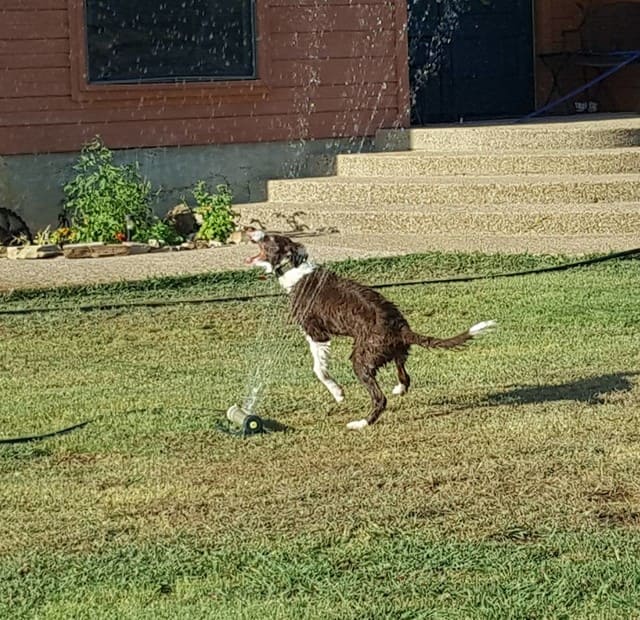
Aesthetics and Functionality
Edible Gardens
Dog-safe (and toxic) plants
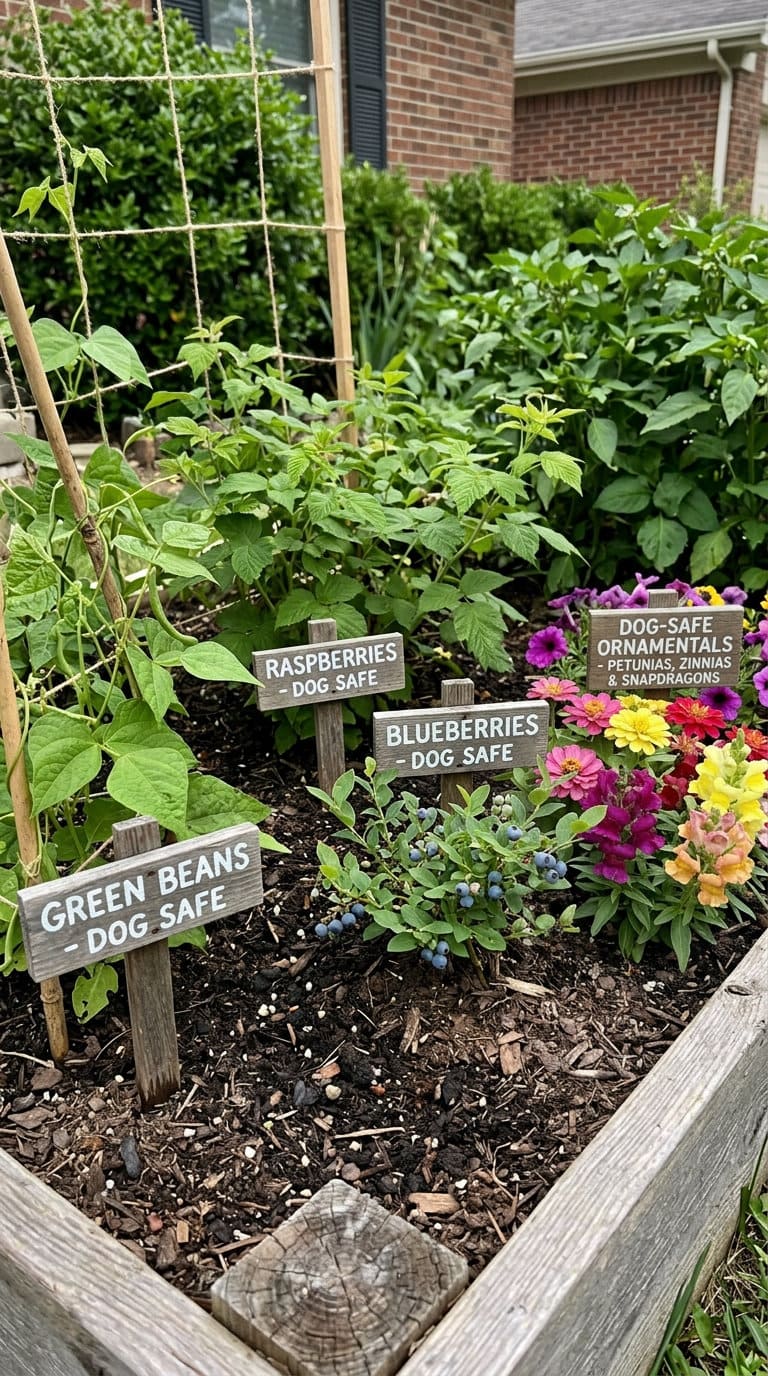
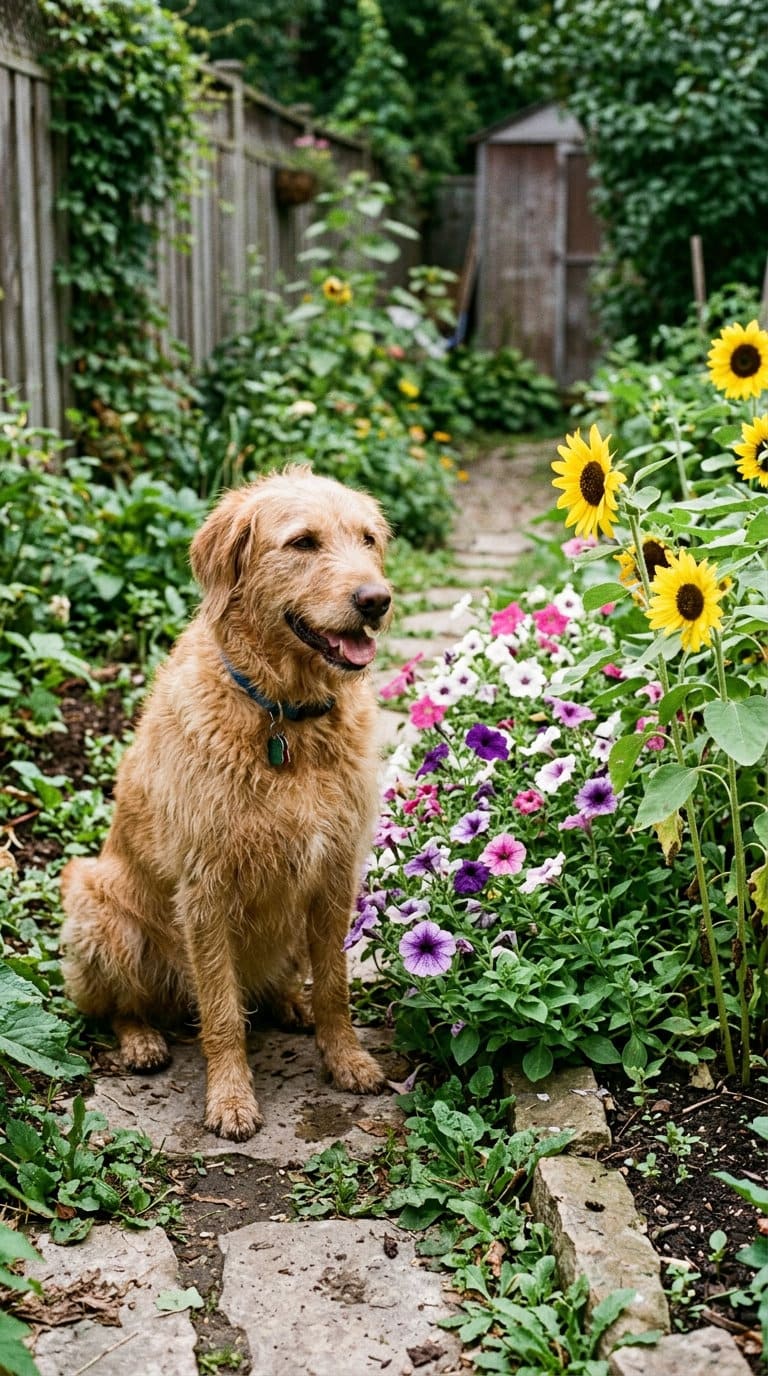
This is worth treating as a real safety section, not a decorative afterthought. Dr. Brian Collins, DVM, extension veterinarian at Cornell University’s Richard P. Riney Canine Health Center, makes an important, easy-to-miss distinction: “Toxins can be found in certain parts of some plants, and in all the parts of other plants.” A plant isn’t simply safe or unsafe as a whole, sometimes it’s specifically the bulb, the sap, or the root that’s the actual danger.
One plant worth flagging by name: Stephen Hall, Eastern Regional Vice President at Moon Valley Nurseries, specifically calls out sago palm as a common, dangerous mistake in ornamental landscaping: “They’re not just toxic, they’re actually poisonous, especially the root system.” If a yard has one, or a nearby landscaper suggests one, that’s a real reason to say no rather than assume “ornamental” means “fine.”
On the safer side, real edible additions exist too. Dr. Carol Osborne, integrative veterinarian at Chagrin Falls Pet Clinic, points to green beans and berries, cranberries, blueberries, raspberries, strawberries, in small quantities as safe, genuinely dog-friendly additions to an edible garden section, rather than treating the whole idea of a shared garden as off-limits.
FAQs
What’s the best type of grass for a yard with dogs?
Tougher, more traffic-tolerant varieties like tall fescue and Bermuda grass hold up meaningfully better under regular running and digging than delicate ornamental turf. For zones where even tough grass consistently loses the battle, a grassless alternative (mulch, gravel, or synthetic turf) is often a more honest long-term fix than repeatedly reseeding the same worn patch.
How do I stop my dog from destroying the lawn?
Landscaping helps, but it isn’t the whole answer. Give the dog a legitimate, sanctioned digging spot (a sandbox or digging box) so the instinct has somewhere to go besides the flower beds, and put durable materials in the zone the dog actually runs. But if the destruction is driven by boredom or anxiety, more exercise and less unsupervised yard time often matters more than any redesign.
What plants are toxic to dogs and should be avoided in a backyard?
Sago palm is one of the most dangerous common landscaping mistakes, the entire plant is toxic and the root system especially so. Beyond specific plants to avoid entirely, it’s worth knowing that toxicity in some species is limited to a specific part (a bulb, sap, or root) rather than the whole plant, so a quick check on the exact species and part before planting is worth the few minutes it takes.
Conclusion
A backyard that works for a dog isn’t the one with the most features, it’s the one built around what the dog actually does: digging, running, cooling off, sniffing everything. Design the durable zones where the dog lives, protect what needs protecting, and be honest that some problems are behavioral, not landscaping problems at all.








Never miss an update — choose FarmFoodFamily as your preferred source on Google.
How it works: Tap the button below to open Google's settings page, then check the box next to FarmFoodFamily.
Tap the checkbox to turn it blue — that's how you know it's set.




Can you give more explanation to #8 “dog chicken wire” I know what chicken wire is but I’m missing what this is providing for the dog.
Also I have a very small yard which I let my dog run in. Do you have suggestions for keeping dogs off a section of grass that is being replanted?