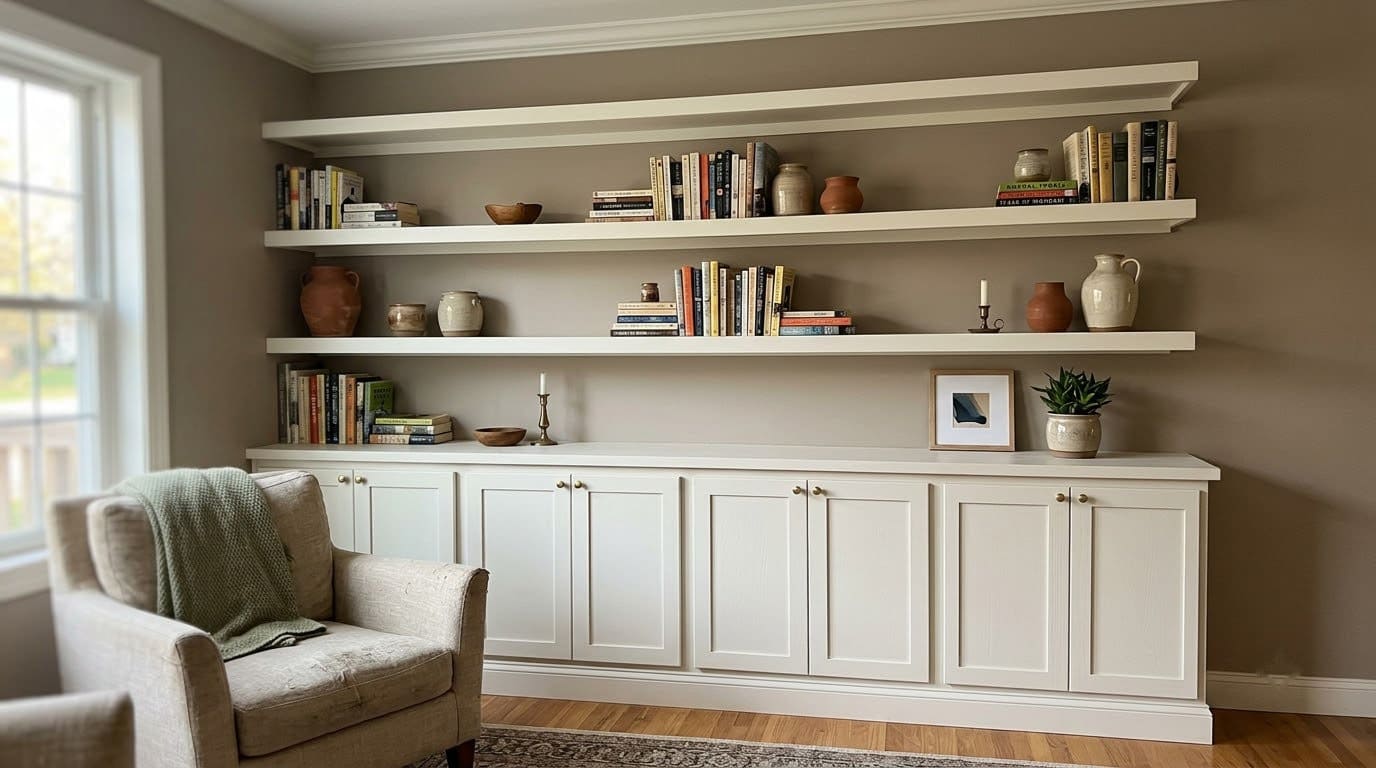
19+ Creative DIY Murphy Bed Plans and Ideas (Plus the Safety Rules Real Installers Follow)
Most Murphy bed roundups jump straight to the fun part, the reveal photo, the storage hack, the clever cabinet. Almost none of them spend real time on the part that actually matters if you’re building one yourself: a Murphy bed is a piece of furniture that swings a mattress and frame on a spring or…

Never miss an update — choose FarmFoodFamily as your preferred source on Google.
How it works: Tap the button below to open Google’s settings page, then check the box next to FarmFoodFamily.
Tap the checkbox to turn it blue — that’s how you know it’s set.
Most Murphy bed roundups jump straight to the fun part, the reveal photo, the storage hack, the clever cabinet.
Almost none of them spend real time on the part that actually matters if you’re building one yourself: a Murphy bed is a piece of furniture that swings a mattress and frame on a spring or piston mechanism, and when that mechanism isn’t calibrated or anchored right, it can genuinely hurt someone.
That’s not a scare tactic, it’s documented. So before the 18 plans and ideas below, here’s what the actual incident data says, and how to avoid becoming part of it.
Related:
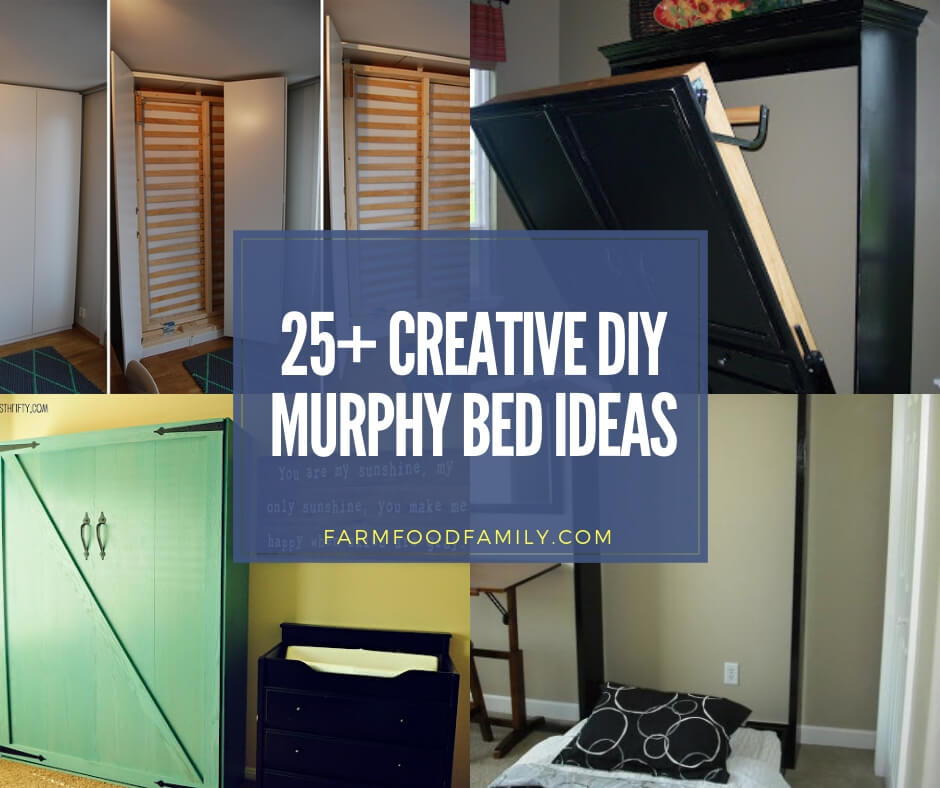
10 Best DIY Murphy Bed Plans and Ideas

1. The safety rules, not an afterthought
In 2024, a 5-year-old in Quebec was killed by a Murphy bed that “sprang open” on its own. Quebec coroner Donald Nicole investigated and issued an official report with 11 recommendations, and the two failures he identified were specific: the spring tension was set so low the bed could launch open from a light 12-centimeter tug, and there was no locking mechanism to stop it.
Nicole recommended Health Canada mandate compliance with ISO 10131, the actual international foldaway-bed safety standard, not ASTM F2085, which despite showing up in a lot of murphy bed content online is actually the portable bed rails spec and has nothing to do with wall beds.



And this isn’t an isolated case. The U.S. Consumer Product Safety Commission has recalled Murphy beds three separate times in recent years, and every single one traces back to the same two root causes. Rockler recalled about 2,300 Murphy bed hardware kits in 2018 after the wall-anchoring hardware turned out to be insufficient, five separate reports of the whole enclosure falling off the wall. Cyme Tech had 146 reports of beds falling or breaking in 2022, 62 injuries including broken bones. Most recently, a 2026 recall covering FUFU&GAGA-branded Murphy wall beds again traced to falls from failure to anchor the unit to the wall. Same pattern all three times: anchoring, or the lack of a working lock.
To be fair, and I think this matters, actual deaths from Murphy beds are rare when you look at the numbers over decades. This isn’t “never build one yourself.” It’s “these two specific things are the ones that go wrong, so get them right.”
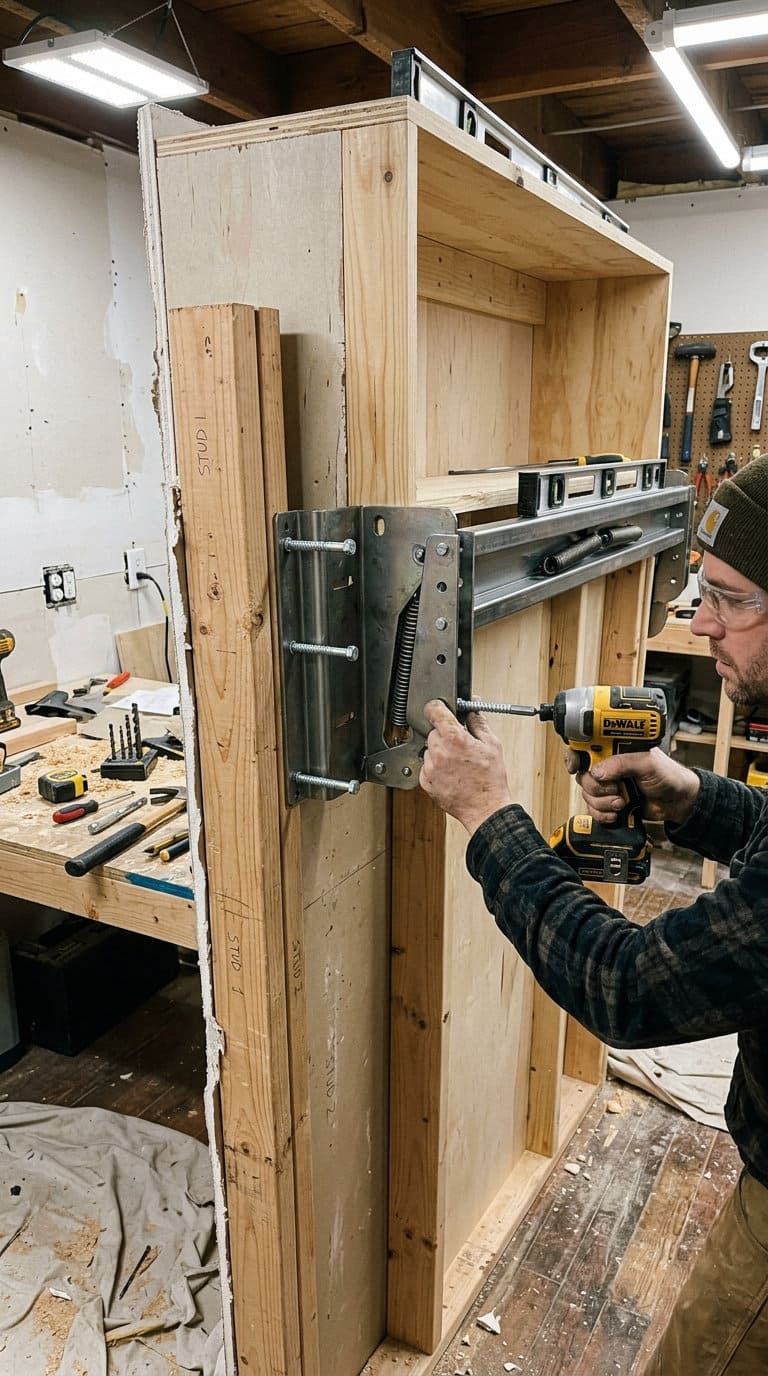
Start with anchoring. Find real studs, not just drywall anchors, and use hardware rated for the combined weight of the cabinet, frame, and mattress. A cabinet that isn’t lag-bolted into at least two studs is a cabinet that can pull away from the wall under the leverage of an open bed.
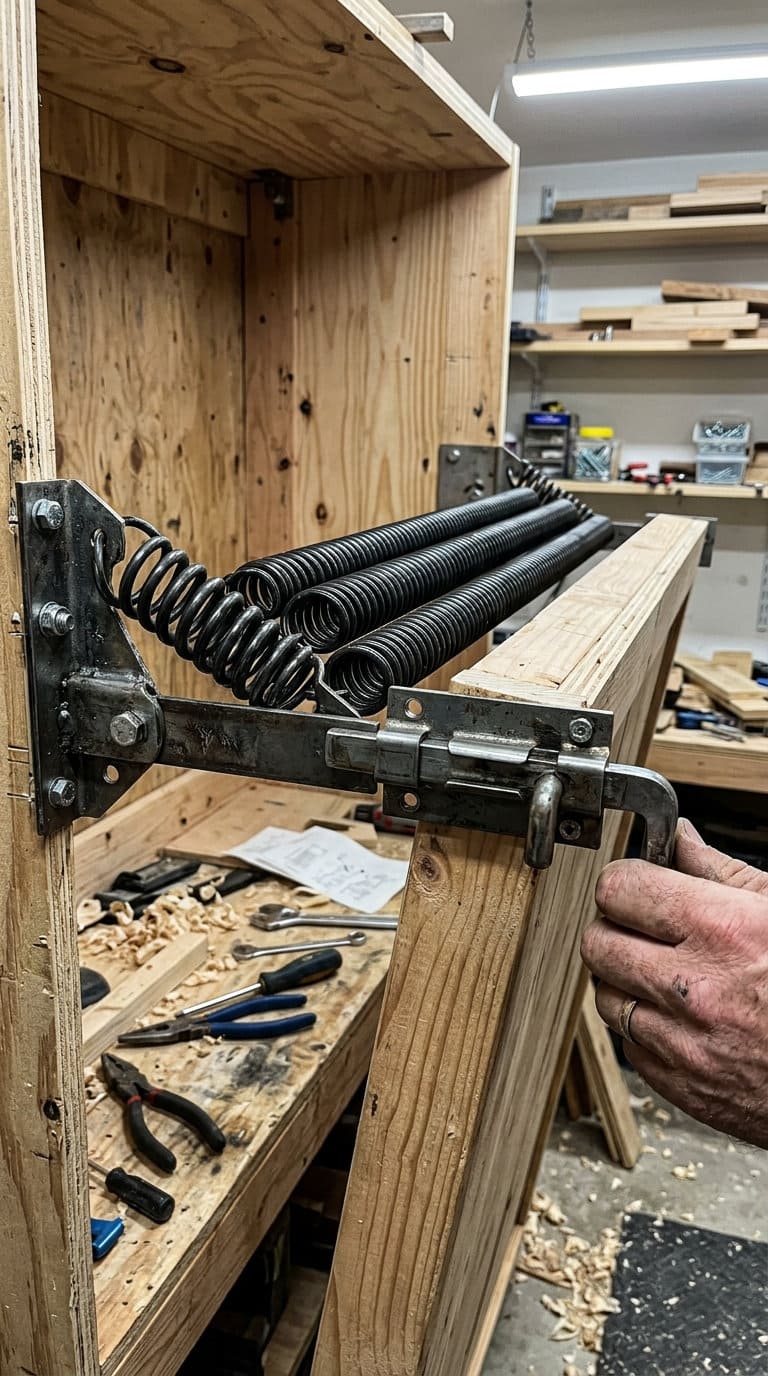
Then the locking mechanism. Whatever spring or piston hardware you use needs a physical stop that holds the bed in the open position independent of the spring tension itself. There’s a real thread on r/AskEngineers where someone’s DIY-built bed kept “snapping back up” unless they physically weighted it down, and the fix another engineer suggested was exactly this: a latch connecting the bed frame to the cabinet interior so the open position doesn’t depend on the spring alone. If your bed does anything like that, don’t just live with it, fix the lock before you use it again.
If you’re buying hardware rather than machining your own springs, check that the kit specifies ISO 10131 compliance or at minimum publishes its own tested weight and anchoring specs, not just “easy install” marketing copy.
2. Know your limits: when to use a kit vs. build from scratch
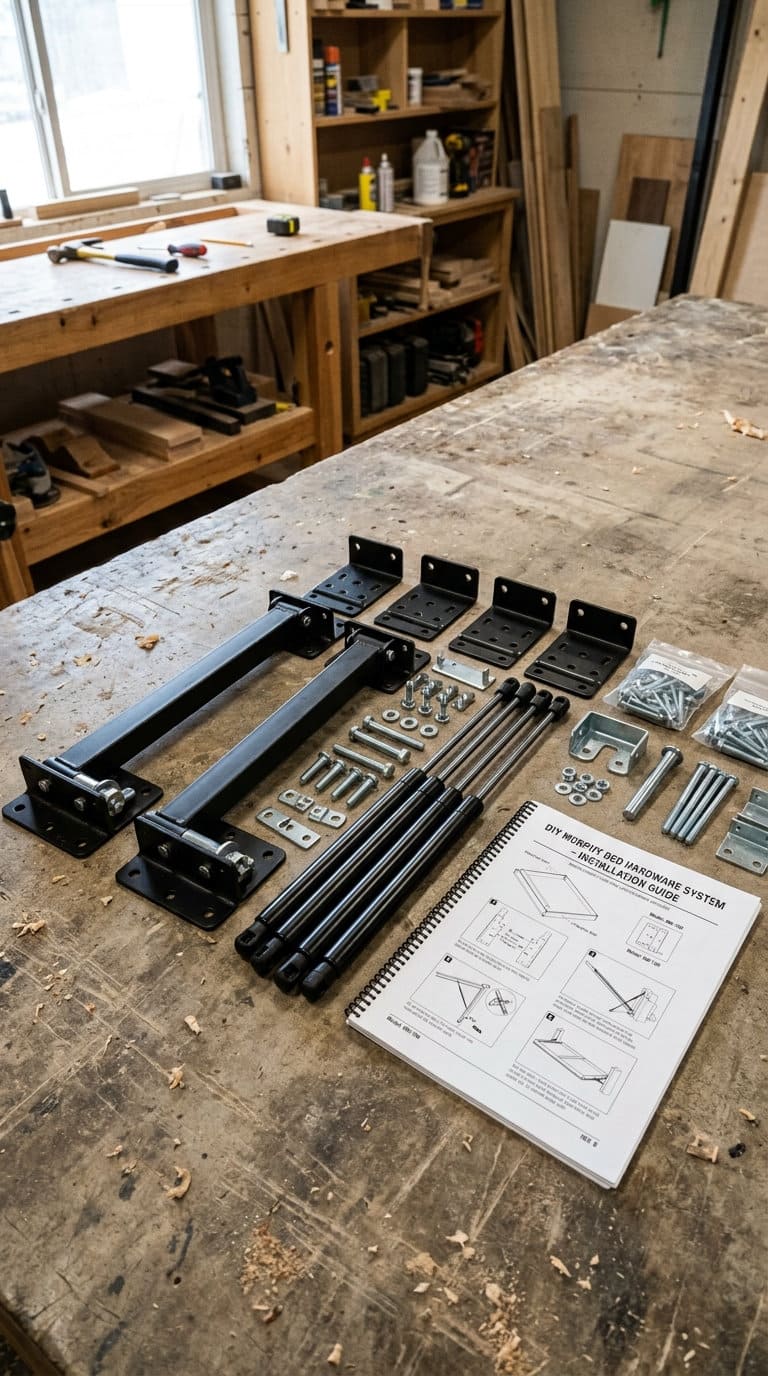
If you’re a newbie woodworker who isn’t used to making commercial-grade beds, the “Woodworking for Mortals” DIY Murphy bed kit is worth a look. Its creator specializes in designs for people with zero building experience and limited budgets, and the kit includes the full lifting mechanism hardware plus building plans for the frame and storage cabinet.
Kits cost more than building the mechanism yourself, but you’re paying for a pre-calibrated, pre-tested lift system instead of guessing at spring tension, which, given section 1 above, isn’t a place to cut corners as a first-timer.
3. Murphy bed + home office combo
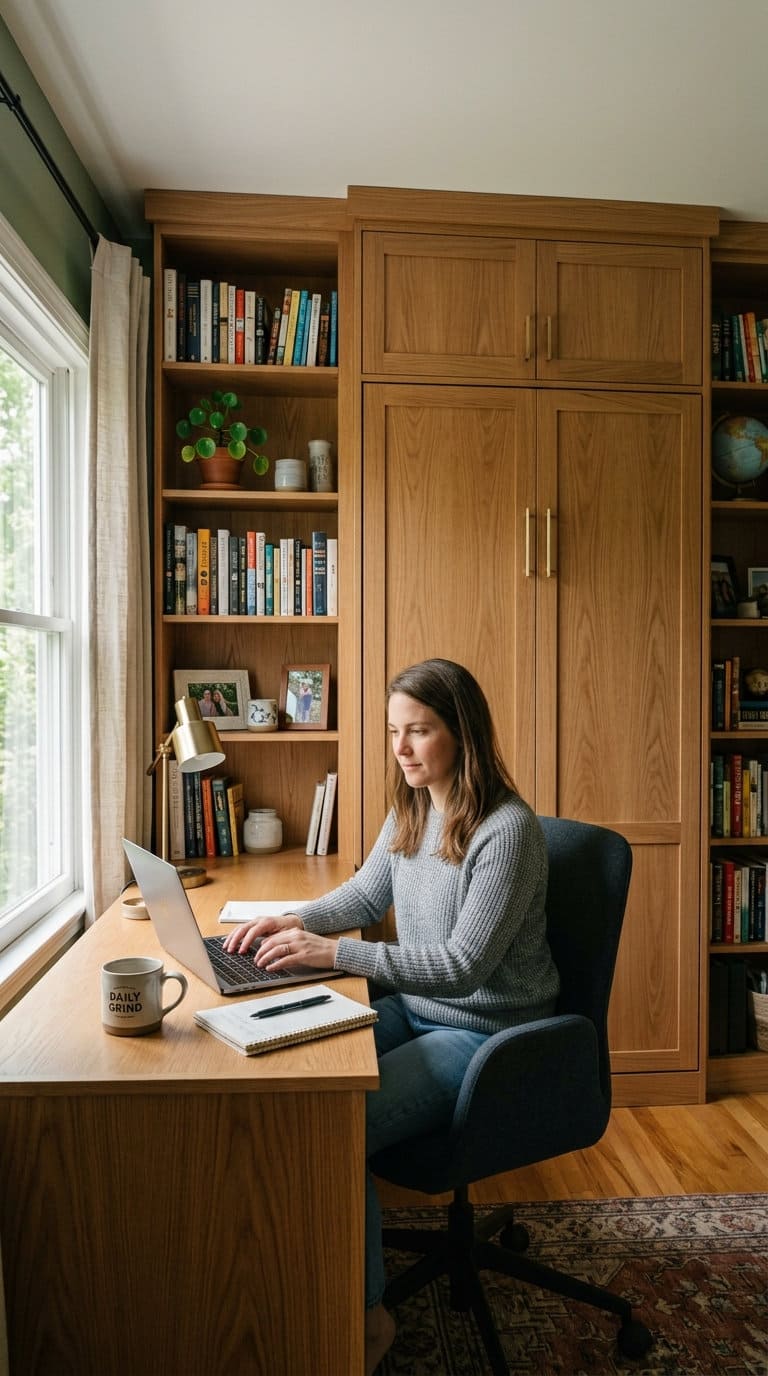
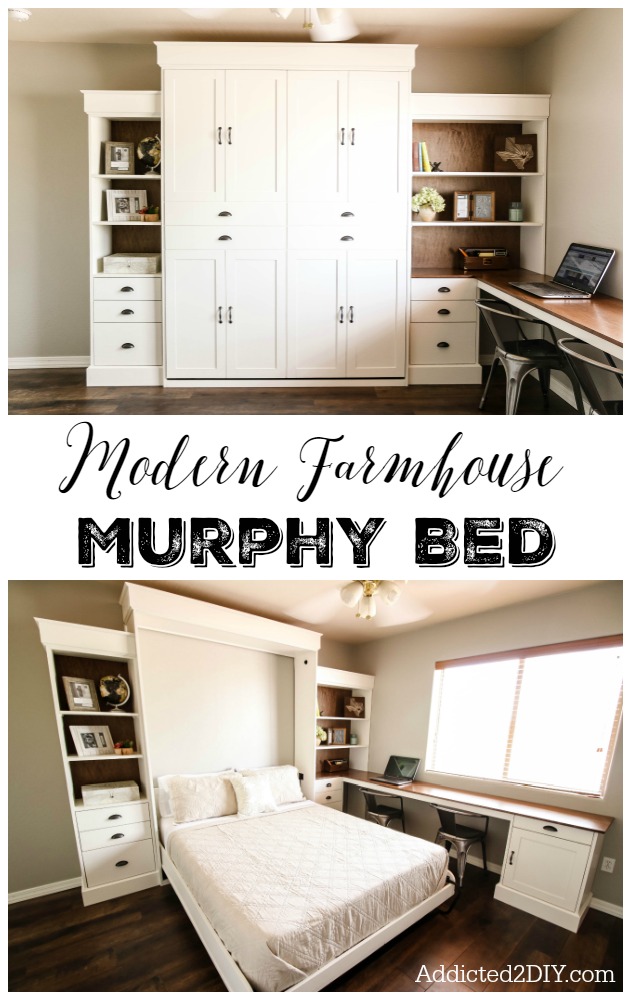
The “Addicted 2 DIY” website has a Murphy bed office combo, a storage system that isn’t just the bed but also a desk and bookcases built into the same unit. The bed cabinet resembles a storage wall when closed, nobody would guess there’s a mattress inside.
This is one of the higher-value builds on this list precisely because it solves two space problems (bed and office) with one footprint, worth the extra build complexity if you actually need both.
4. Rockler hardware kit build
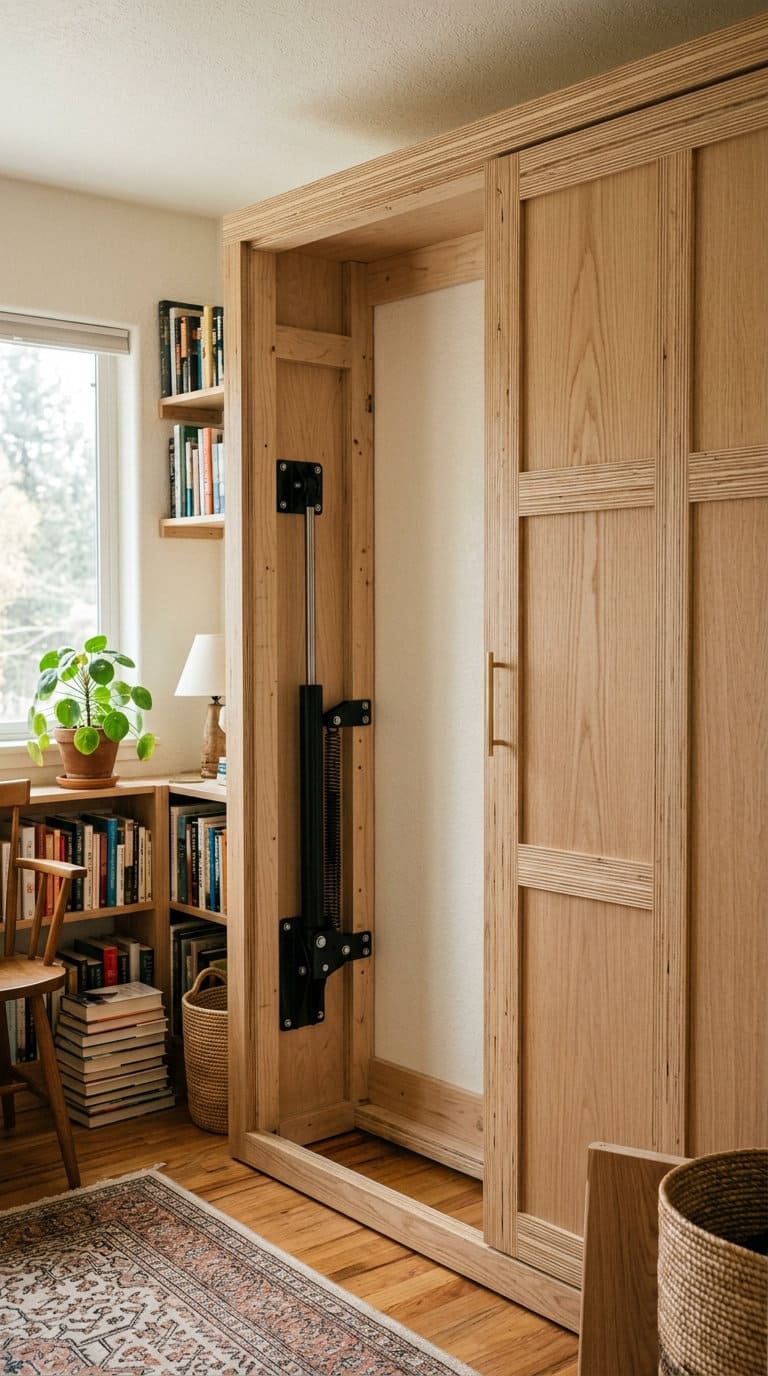
“Make Something TV” has a build that uses Rockler’s Side Mount Deluxe Murphy Bed Hardware, with construction instructions plus a video walkthrough by David Picciuto.
One real builder documented her husband’s full build with this exact kit, including using PureBond cabinet-grade plywood and adding wood veneer trim to hide raw plywood edges, and specifically noted the hydraulics ended up close to the mattress but “out of the way and safe,” her words, not a marketing claim.
Worth knowing: Rockler is the same brand behind the 2018 CPSC recall mentioned in section 1. That recall was specifically about the wall-anchoring hardware, not the lift mechanism itself, and current kits ship with updated anchoring specs as a result. It’s actually a decent argument for buying a kit with a public recall history over one that’s never been tested at scale, the anchoring problem got found and fixed in public.
5. Petite Murphy bed for kids
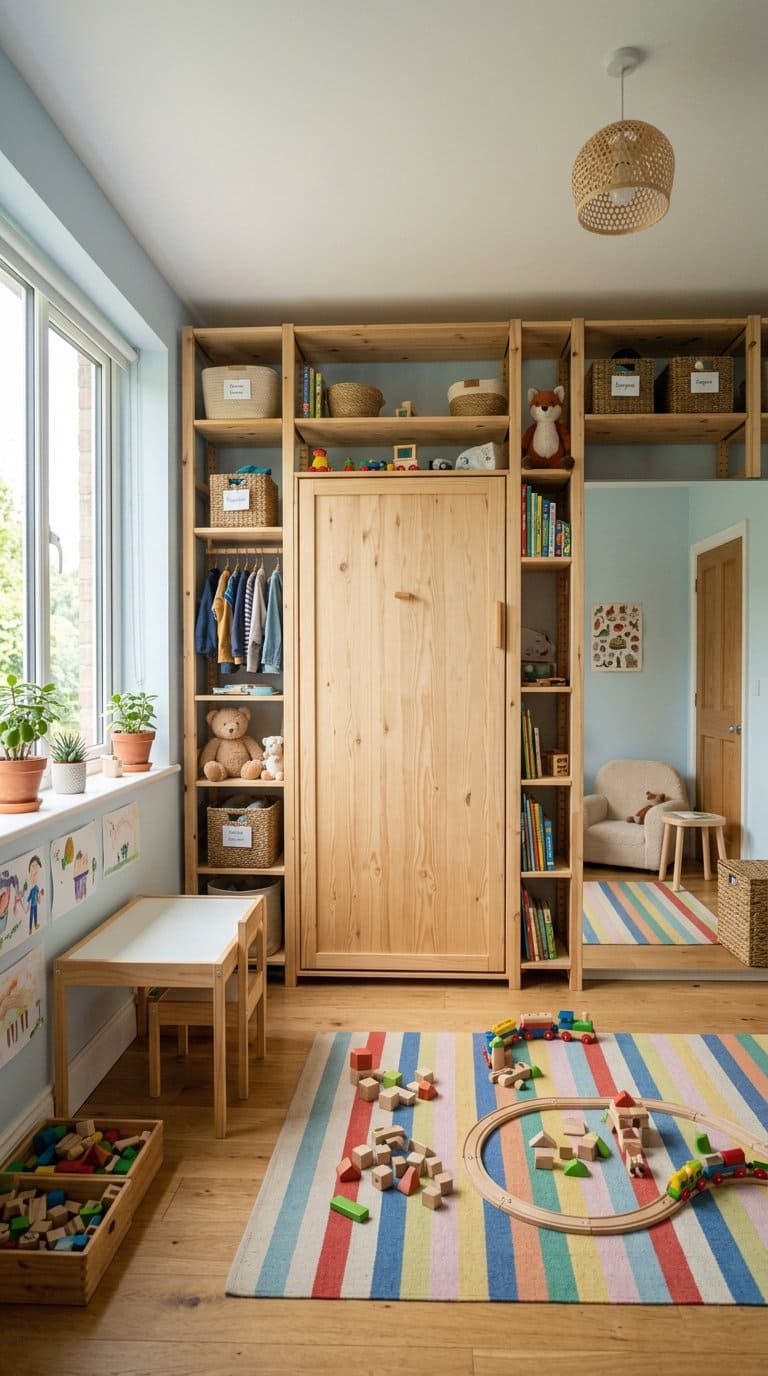
This is an IKEA hack. You can use leftover parts from an IKEA Ivar storage system to build a child-sized Murphy bed with built-in shelving, effectively a tiny home study that folds away. The original plan comes from Martin Vester, who used plywood sheets for the bench that houses the bedding when the bed is folded up.
For a kid’s room specifically, the anchoring and locking-mechanism advice in section 1 matters even more, not less, since kids are the ones most likely to lean on or tug at an open bed.
6. Murphy bed for guest rooms in tiny spaces
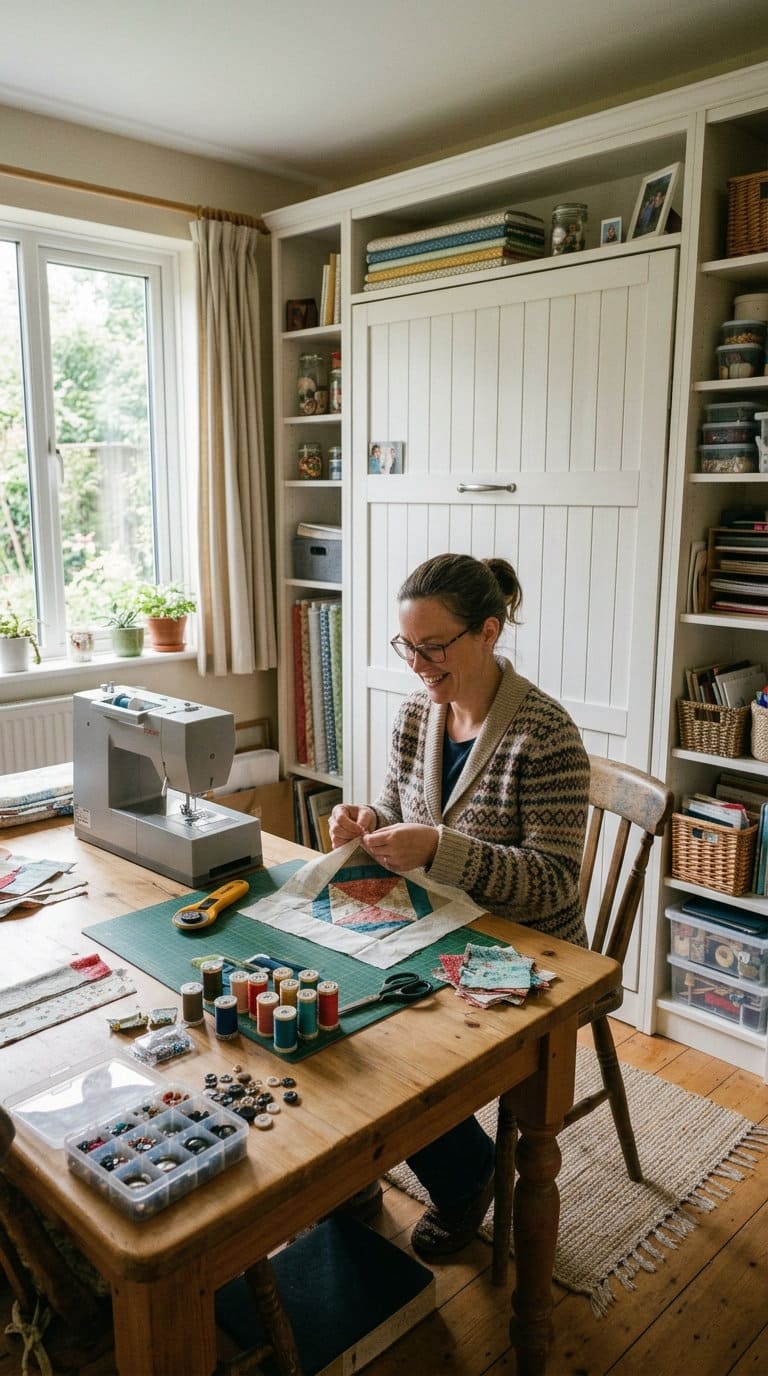
Turning a craft room or home office into an occasional guest room is one of the most common reasons people build a Murphy bed at all.
You can use MDF, plywood, or hardwood depending on budget, and PureBond plywood specifically comes with Forest Stewardship Council certification and is formaldehyde-free, worth the upcharge if the room doubles as a home workspace where air quality matters more.


One real build from this exact use case: a couple converted a craft room into an occasional guest room using the Rockler Deluxe Murphy Bed hardware kit, and the build took roughly two months of evenings and weekends, worth setting expectations around if you’re hoping for a weekend project.
7. IKEA hack Murphy beds
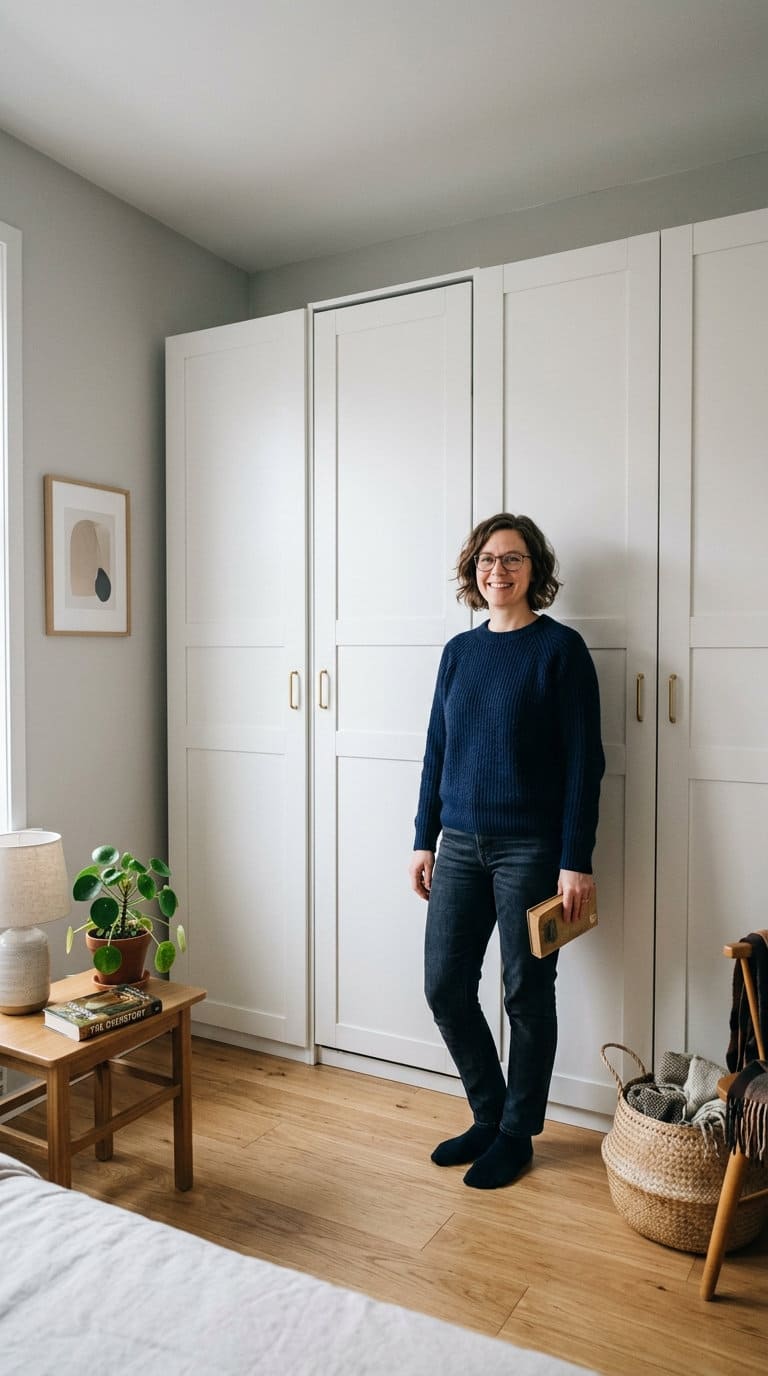
IKEA doesn’t sell a true Murphy bed outright, but their PAX wardrobe series gets repurposed into one often enough that it’s basically its own subgenre. You can incorporate a floor-mounted PAX frame into a Murphy bed spring mechanism instead of paying full price for a premium commercial unit.
Other builders have gone further and mounted full Murphy hardware inside actual IKEA cabinets, or built one directly into an IKEA closet system so the whole thing reads as built-in storage rather than a folding bed.
Whichever IKEA piece you start from, the same anchoring rule from section 1 applies, IKEA furniture is rated for its intended use, not for absorbing the leverage of a folding bed mechanism, so the wall connection needs to be independent of whatever screws came in the IKEA box.
8. Budget mechanism options: lowering the cost
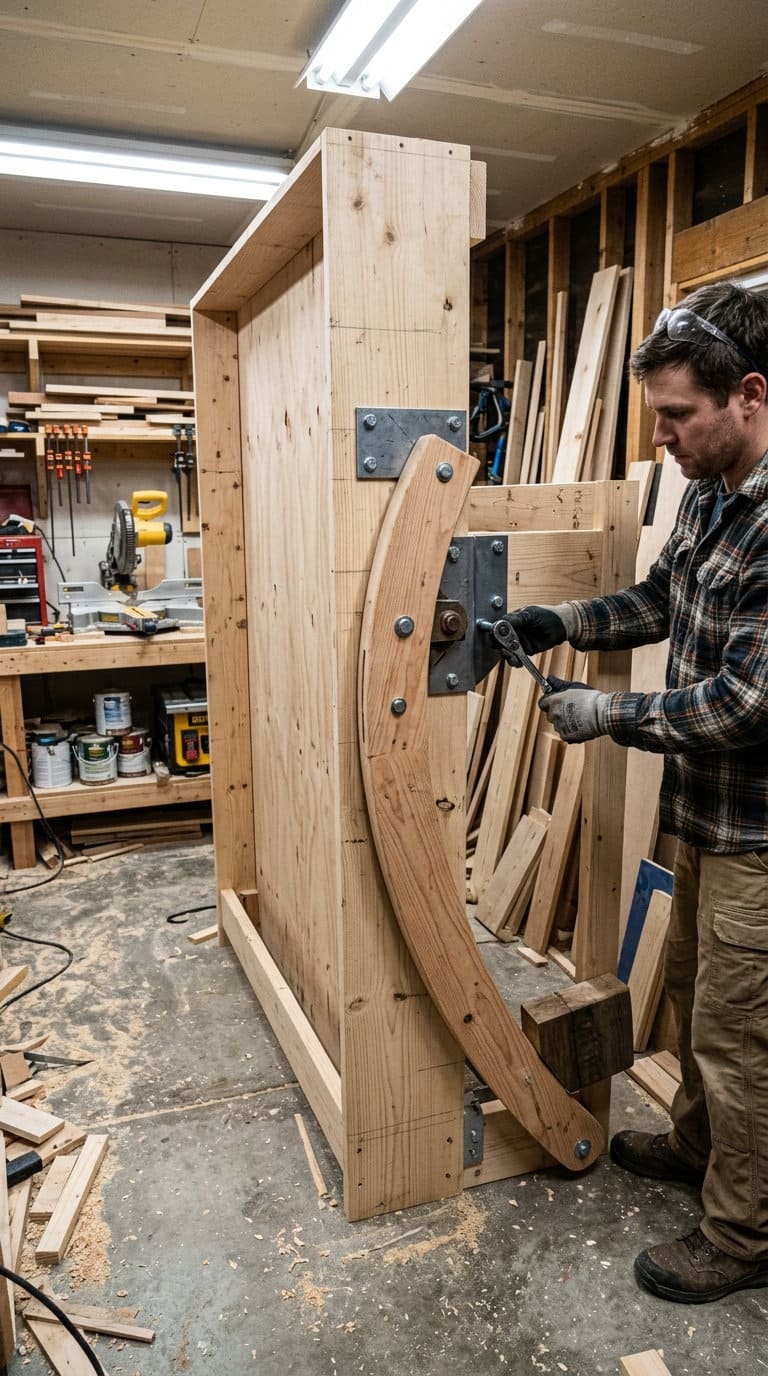
A true Murphy bed uses a piston or spring mechanism to lift the platform, and that hardware is often the single most expensive part of the build for a DIY novice. The Lori wall beds kit is worth a look if you want a mechanism-free option using a counterbalance and rocker edges instead of springs or pistons, it won’t break the budget the way dedicated lift hardware can.
Pistons, for what it’s worth, are factory-calibrated and can’t be adjusted after the fact, while springs are DIY-adjustable but will bind, bow, or bang if the left and right mounting arms aren’t installed at exactly the same height. If you go the spring route, that’s the one measurement to double and triple check.
9. Concealed “disappearing” Murphy bed
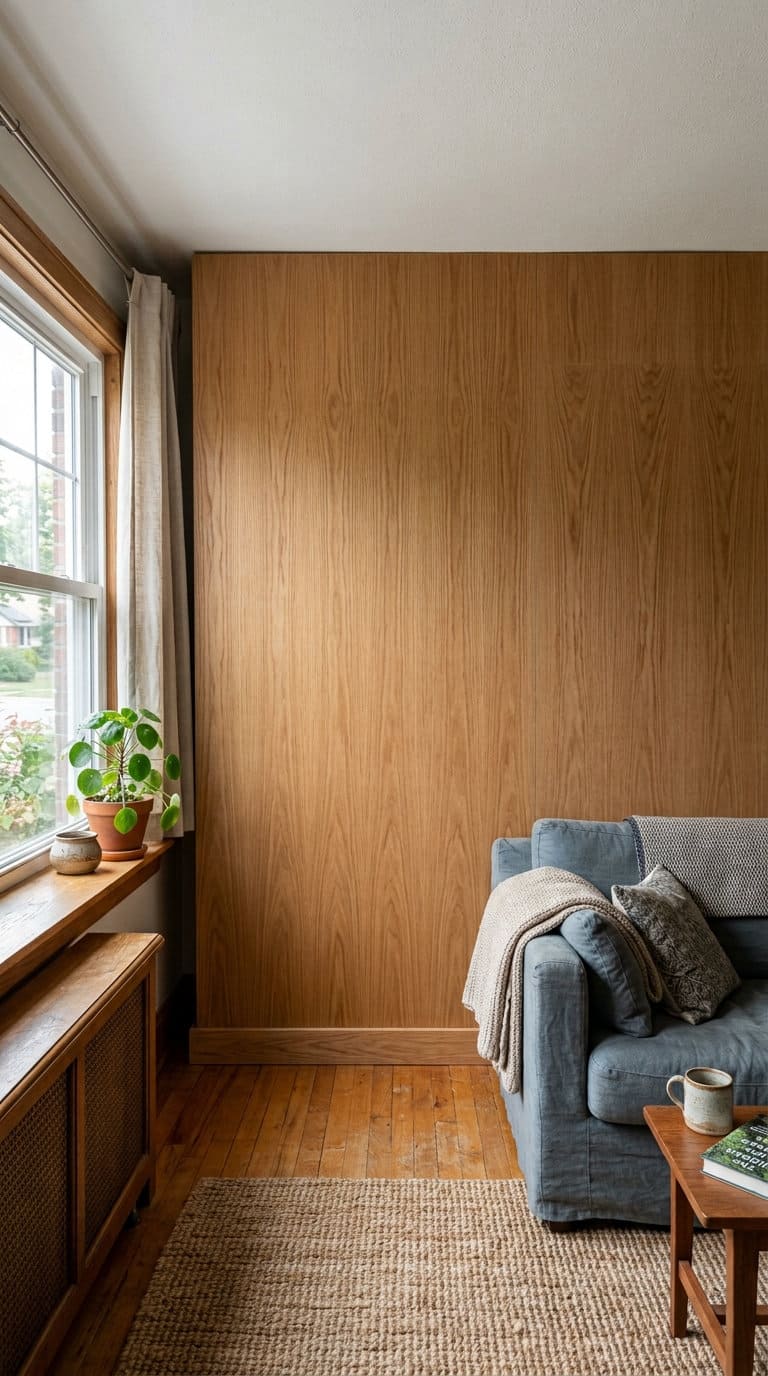
Most Murphy beds are visibly a bed cabinet even when closed. This one is built to disappear entirely, pulled up to the wall or slid down into a storage space so it doesn’t read as a bed cabinet at all.
The “Junk in Their Trunk” blog’s project instructions use basic door hinges, thin sheets of finish-grade plywood, a wafer-board platform, and ordinary framing lumber, plus an investment in a proper lifting mechanism to make it actually disappear rather than just fold.
10. Murphy bed + sofa combo
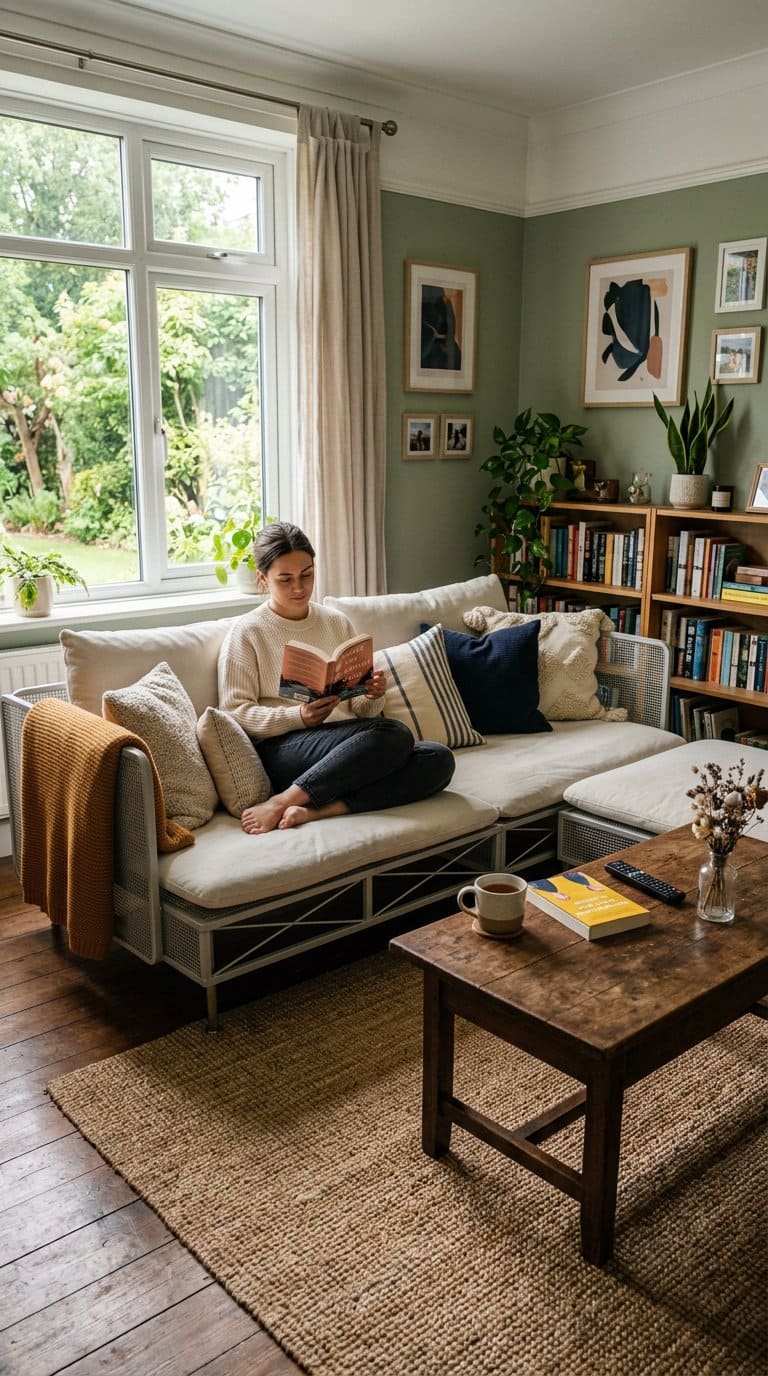
Similar concept to the office combo in section 3, except this one transforms into a sofa instead of a cabinet wall. You can use IKEA’s Soderhamn series for the ottoman and sofa base, then add a mattress frame with a built-in lifting mechanism and a custom mount that lets the bed open directly over the sofa footprint.
Two pieces of furniture from one footprint is the appeal here, but it’s also mechanically the most complex build on this list, the mount has to account for the sofa’s own weight and structure, not just the wall.
11. Fold-out “faux” Murphy bed for micro spaces
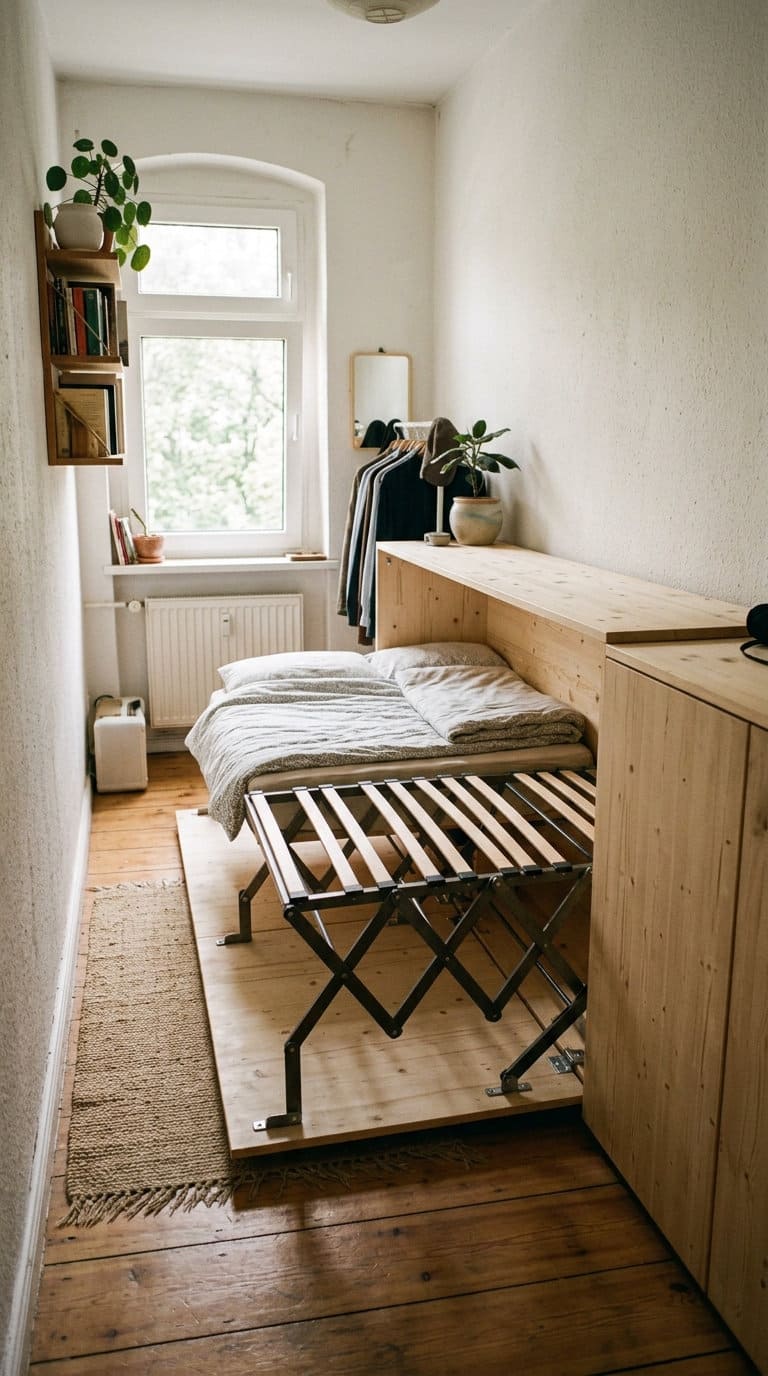
The “Tiny Revolution” website’s owners built this for a living space so small that even a standard space-saving Murphy bed was too big. Their solution uses a two-box design: the front box hides a bed frame that stretches out or compresses like an accordion, and the second box houses a foam IKEA mattress. It’s less a true Murphy bed and more a fusion between a roll-out bed and a fold-away frame.
Because there’s no spring or piston lift mechanism here at all, most of section 1’s locking-mechanism concern doesn’t apply, this design trades the fold-up motion (and its failure points) for a fold-out one instead.
12. Cabinet-style bed with hidden door and drawers
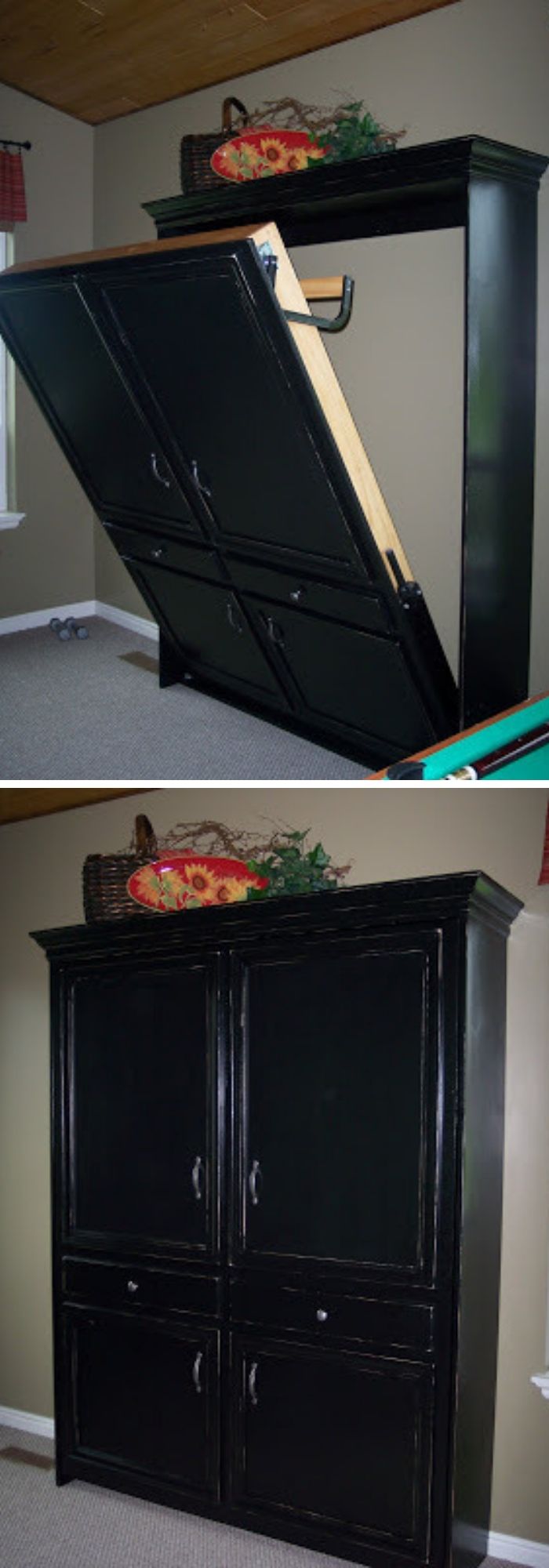
A cabinet front with a fake door and working drawers hides the fact that there’s a mattress behind it entirely, more furniture-disguise than visible Murphy bed.
The original build documentation walks through constructing the face frame so the fake door and drawer fronts read as real, functioning furniture from across the room.
13. Rustic queen-sized wall bed
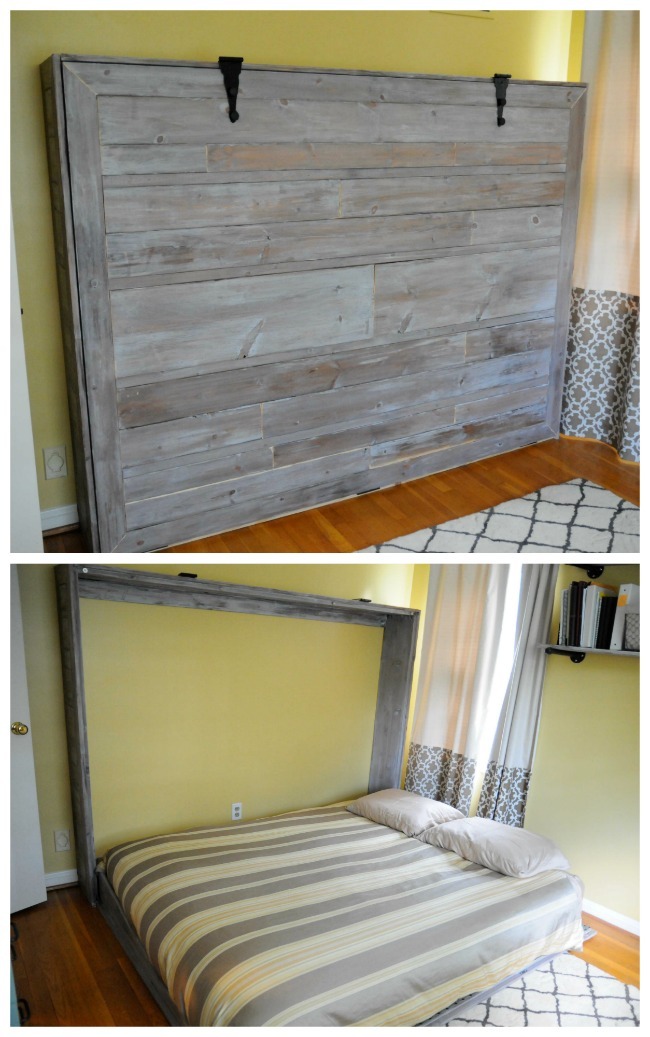
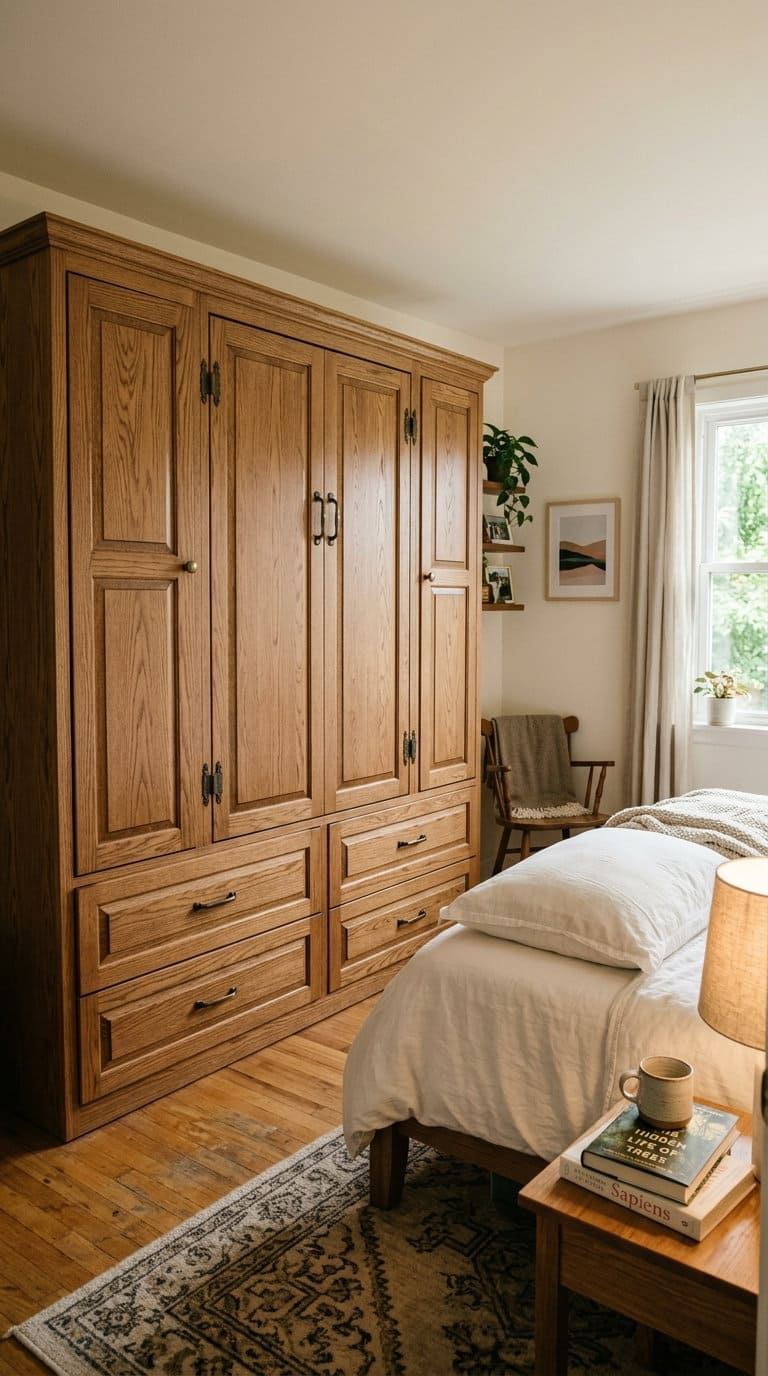
Ana White’s plan for a rustic queen-sized wall bed is one of the more established free plans in this space, still active with recent community-submitted build variations.
The rustic styling, exposed wood grain, simple joinery, works well if the rest of the bedroom leans farmhouse or cabin rather than sleek and modern.
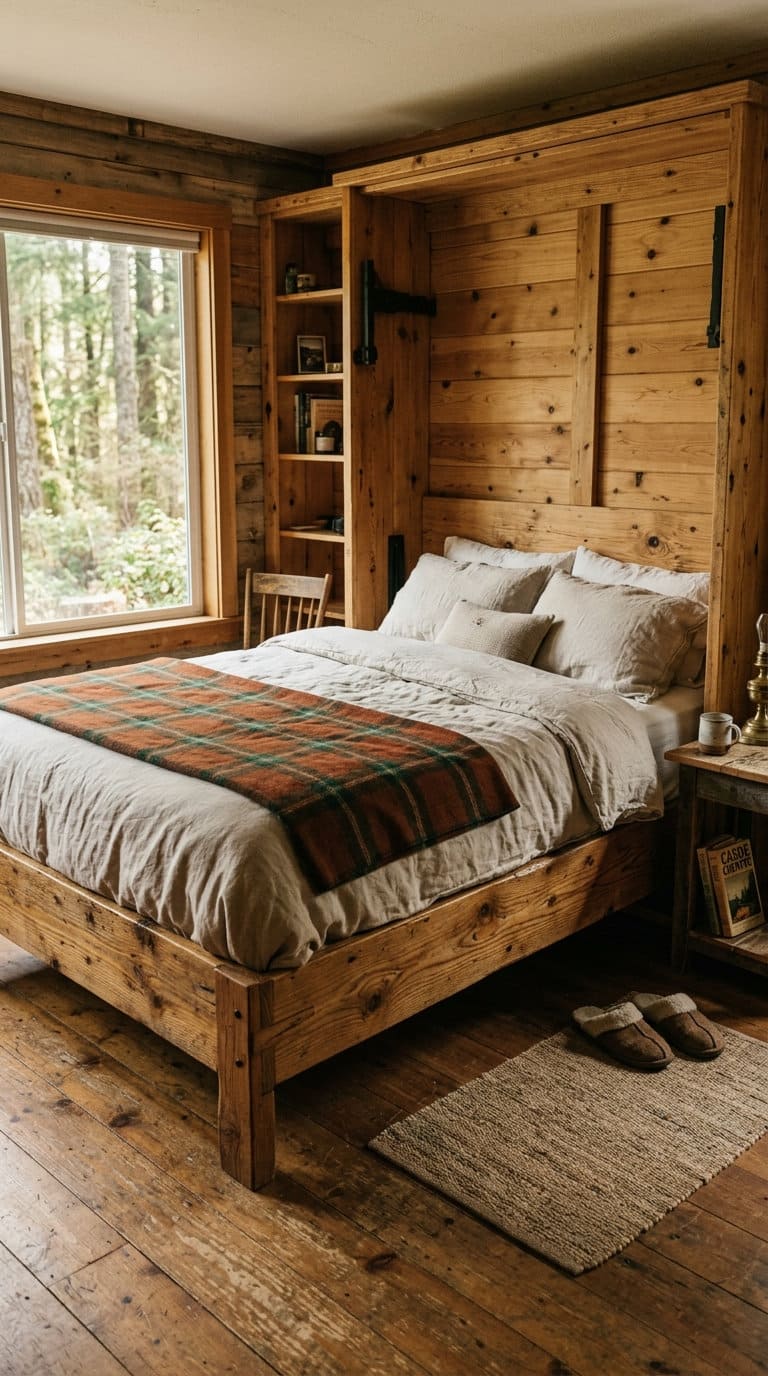
14. Studio flat Murphy bed plan
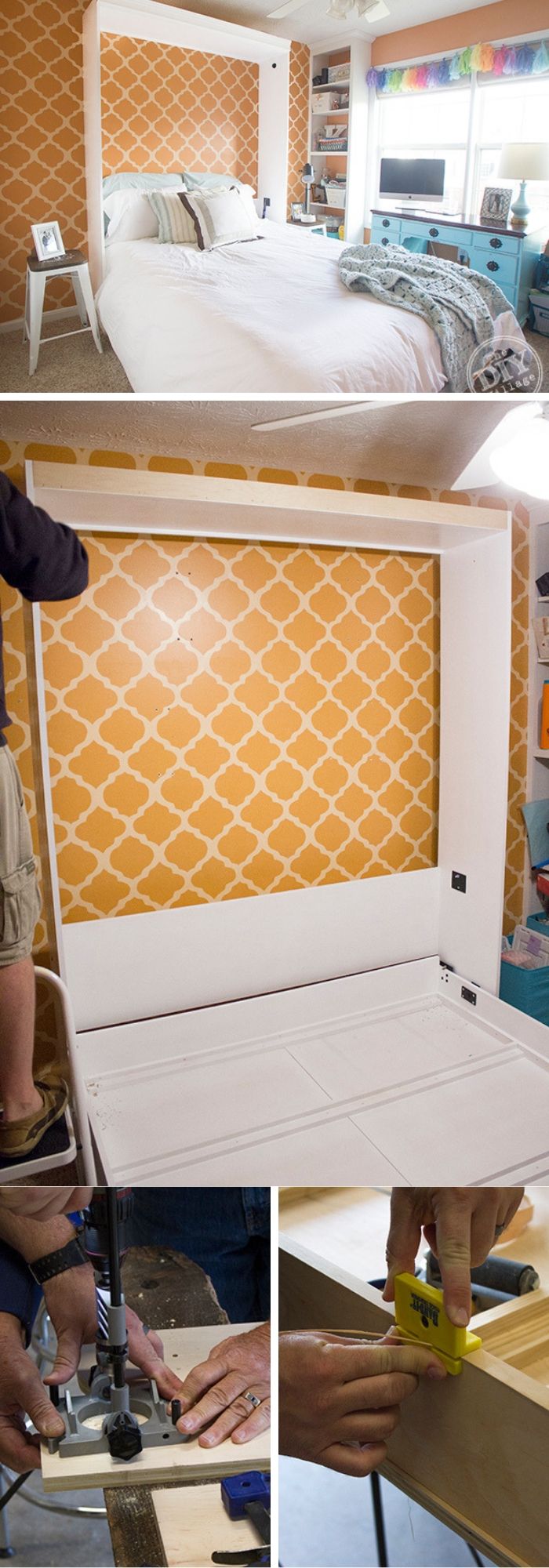
For a studio apartment where the “bedroom” and “living room” are the same 300 square feet, a dedicated studio-flat Murphy bed plan usually prioritizes minimizing the footprint when closed over maximizing storage features.
This build keeps the cabinet depth as shallow as the mechanism allows, worth prioritizing over the storage-combo builds in sections 3 and 10 if square footage is the actual constraint.
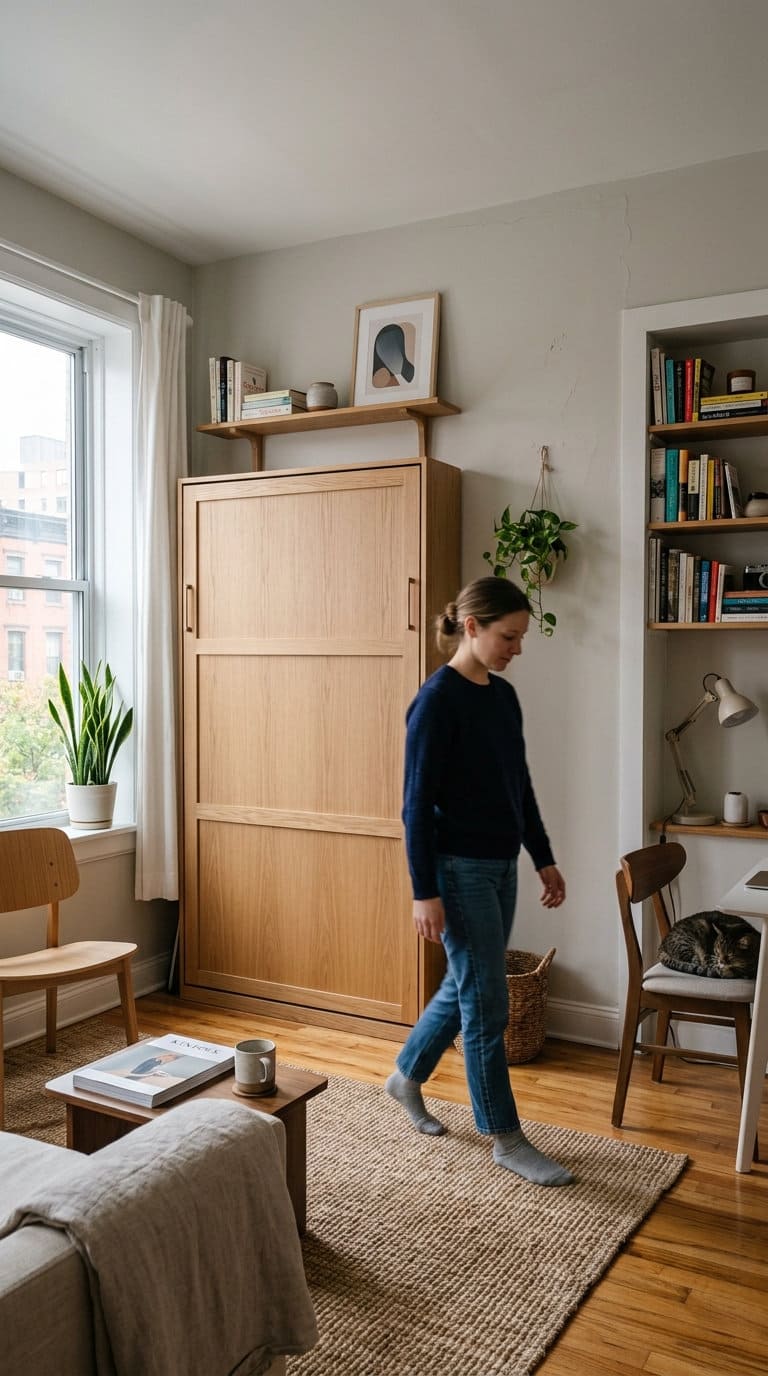
15. Murphy bed disguised as a dresser or bookcase
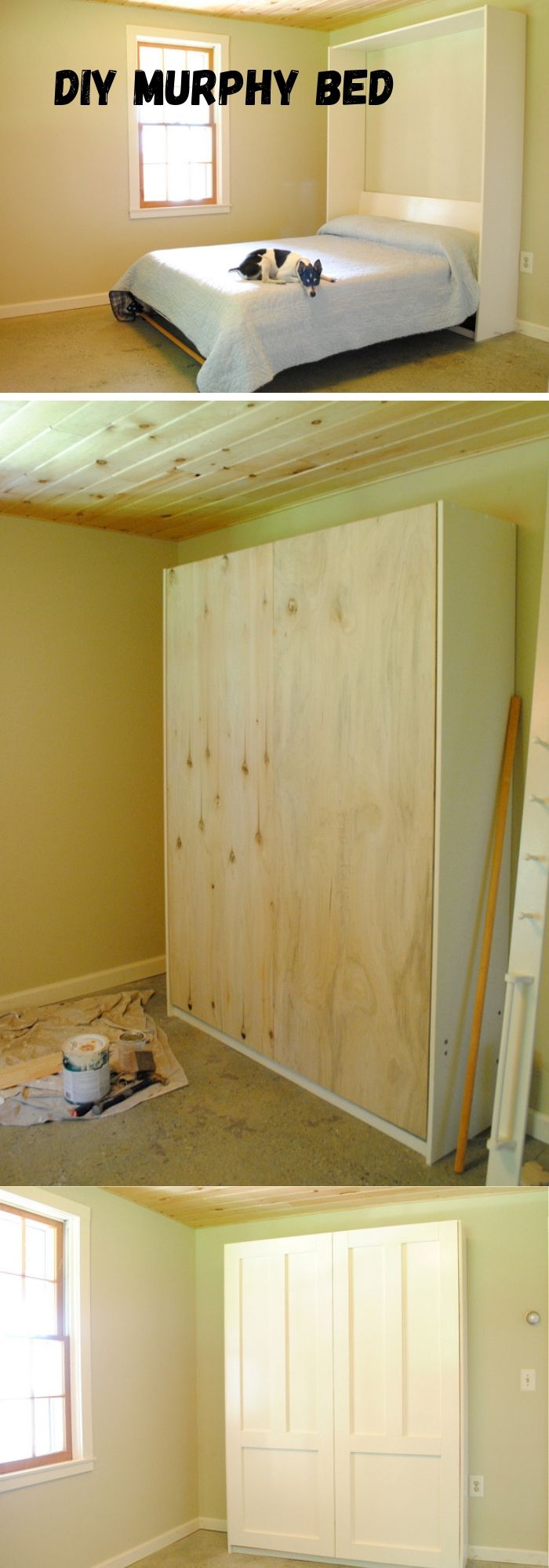
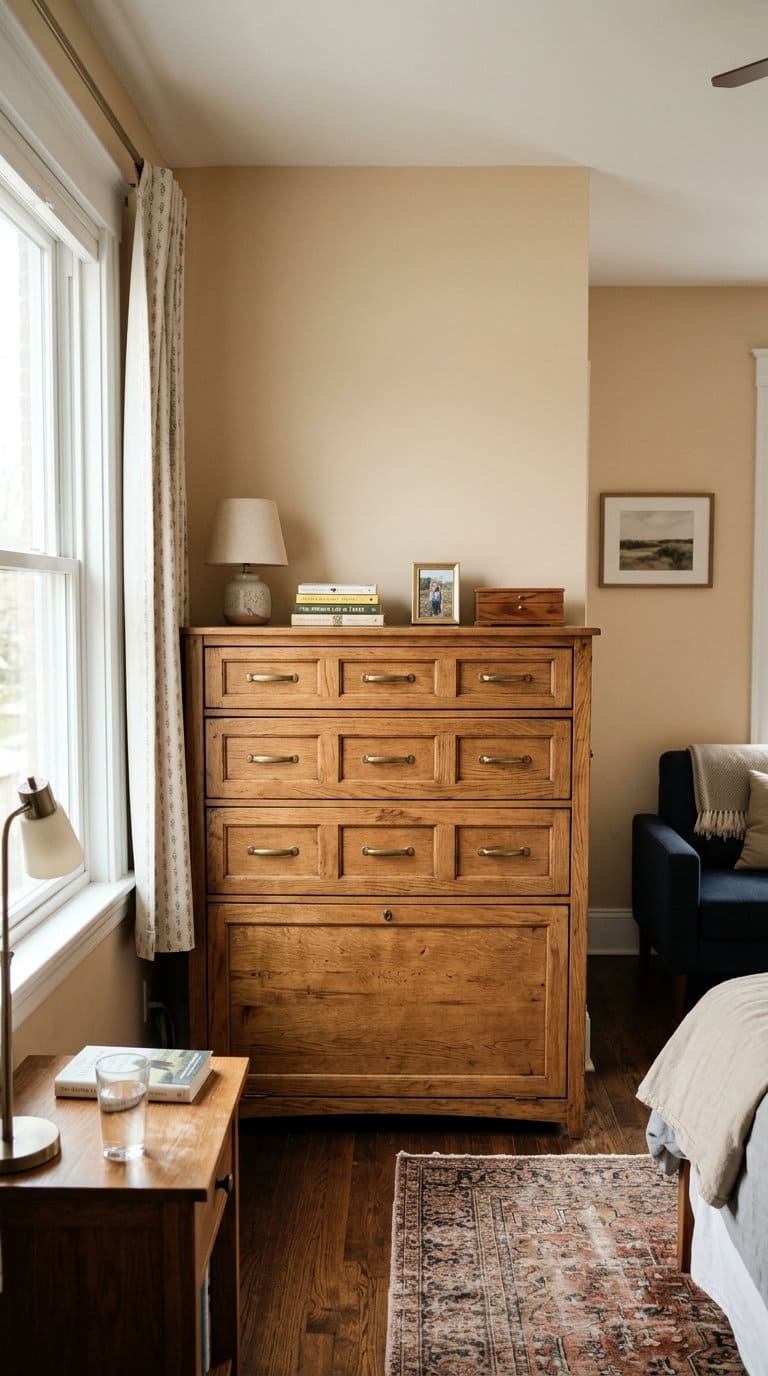
Two variations on the same idea: a Murphy bed that reads as a dresser when closed, or one that reads as a bookcase. Remodelaholic’s build walks through the dresser-face version, while the bookcase variant swaps drawer fronts for shelving (real or faux) across the cabinet face.
Either version works best in a room where a bed would clash with the intended use, a home office or living room, since the disguise does more visual work than a plain cabinet front.
16. Wilding wall bed kit
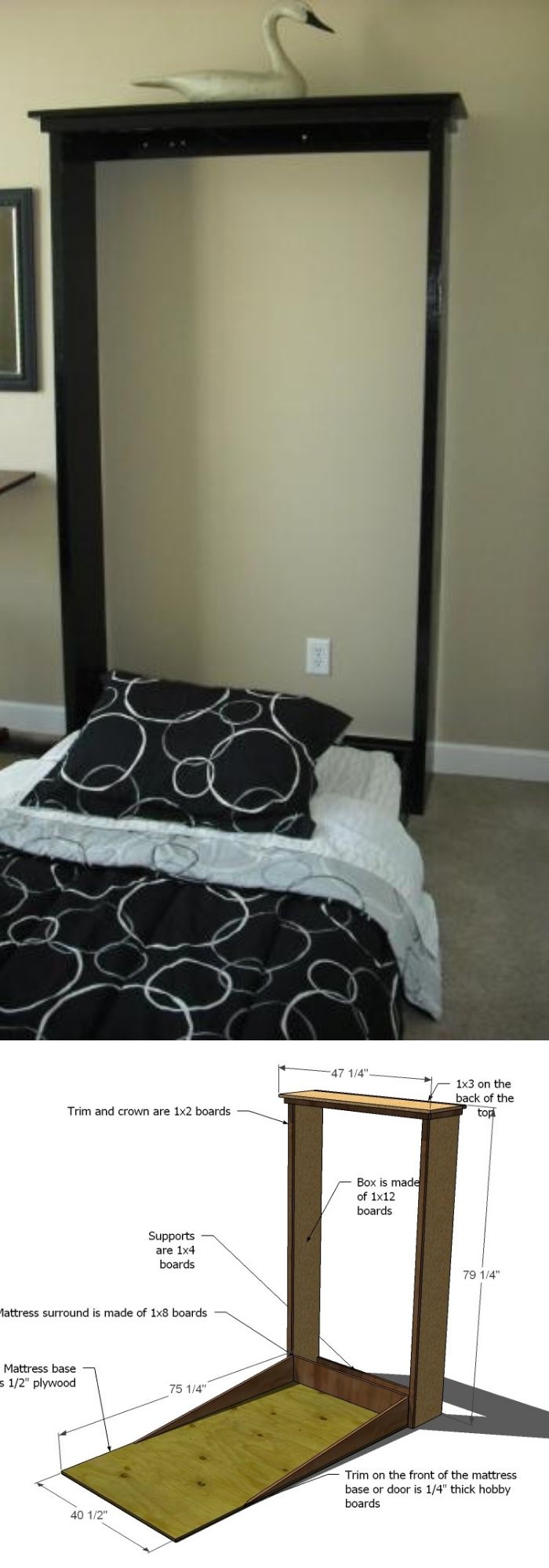
The Wilding Wall Bed kit is a commercial hardware system built specifically for DIY installation, aimed at people who want a professional-grade mechanism without machining their own hardware.
It sits at a higher price point than the budget options in section 8, but the tradeoff is factory-calibrated hardware instead of a DIY-adjusted spring system.
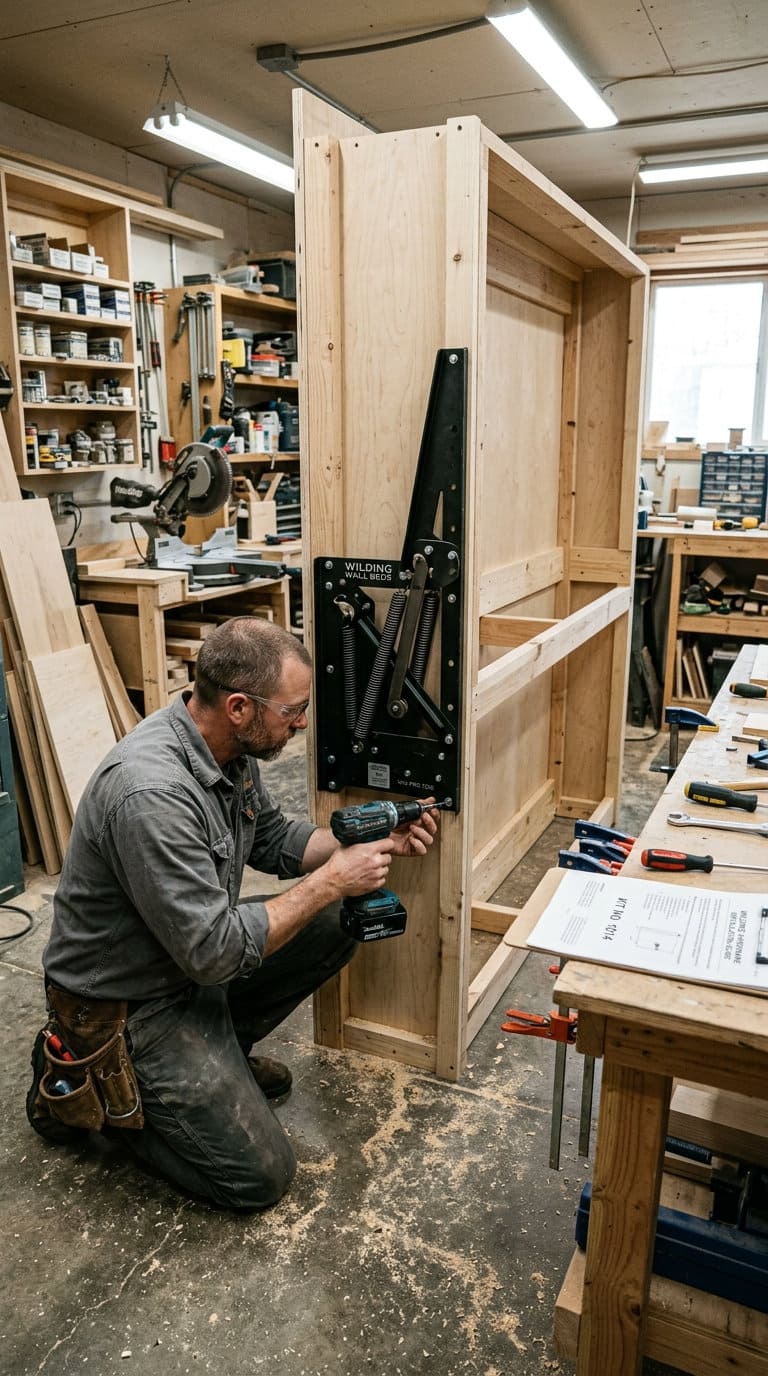
17. Budget wall bed under $50

This build skips a dedicated lift mechanism kit entirely and uses basic hardware, hinges rated for the load, sourced separately at far lower cost than a commercial kit.
It’s the cheapest option on this list by a wide margin, but it also means you’re responsible for verifying the hardware you source is actually rated for the combined weight, section 1’s anchoring warning applies doubly here since there’s no manufacturer spec sheet to fall back on.
18. Side-fold Murphy bunk bed

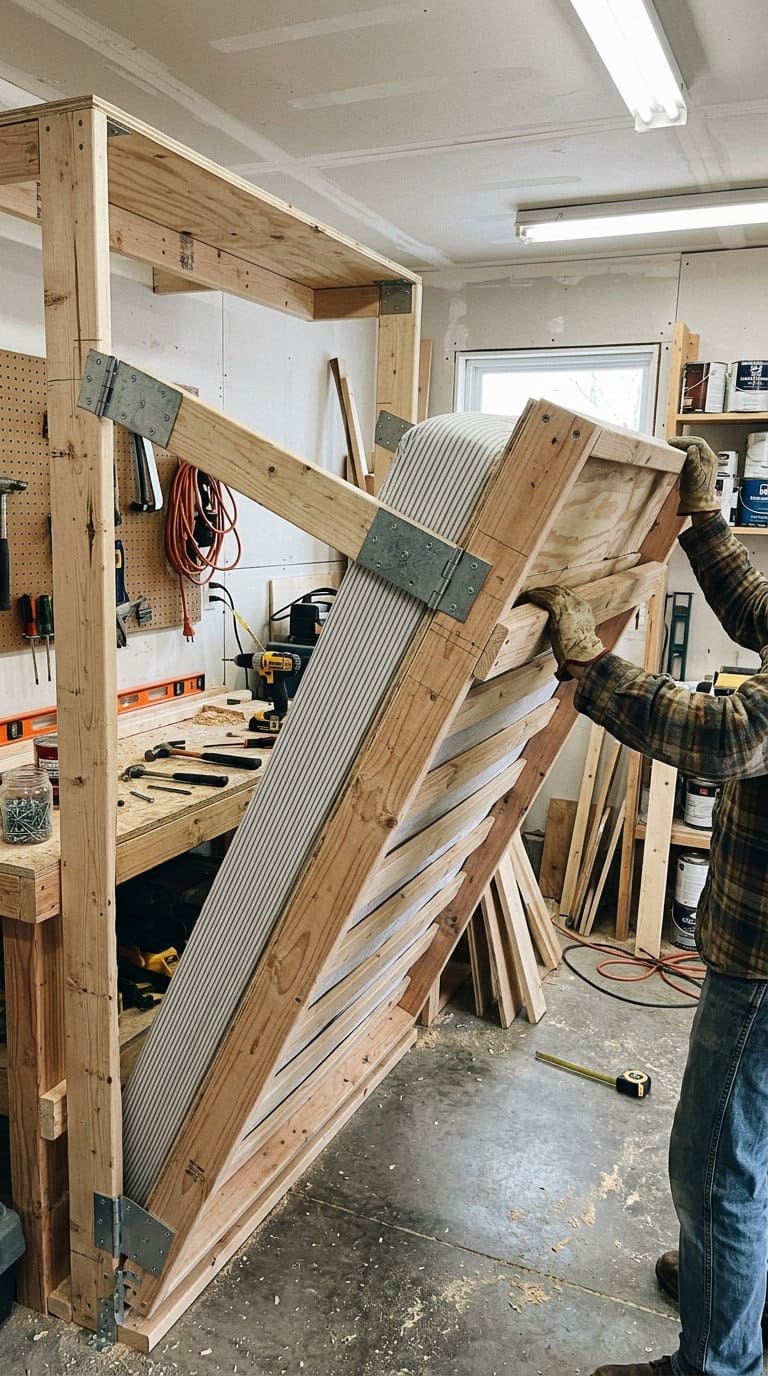
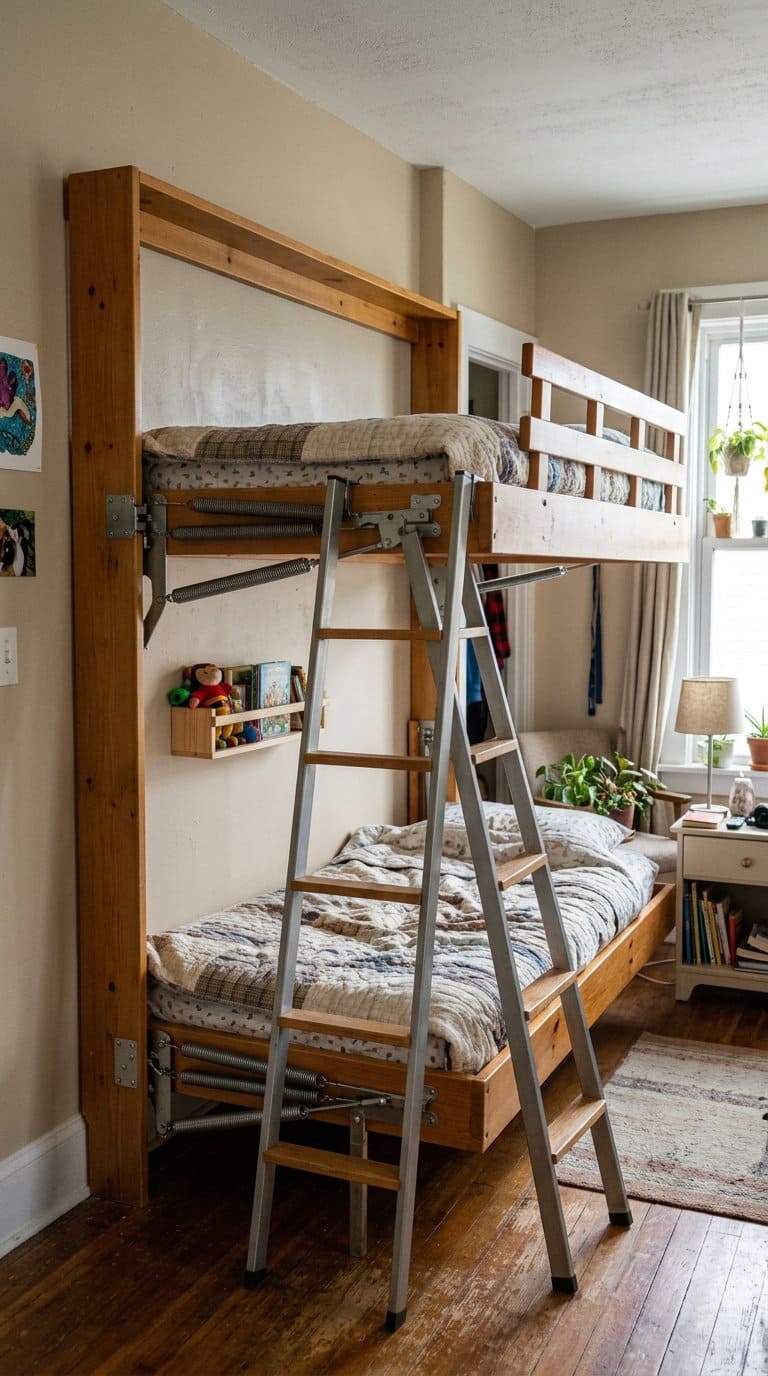
Instead of folding up against the wall, this design folds to the side, stacking two beds for kids or multiple guests in a single footprint. iSeeiDoiMake’s build took about two days start to finish and uses a spring balance system installed along the interior of the outer frame’s head.
For a kids’ room specifically, this is the section where section 1’s locking-mechanism point matters most, two folding beds means two mechanisms that both need a working lock, not just one.
19. Modern farmhouse style Murphy bed
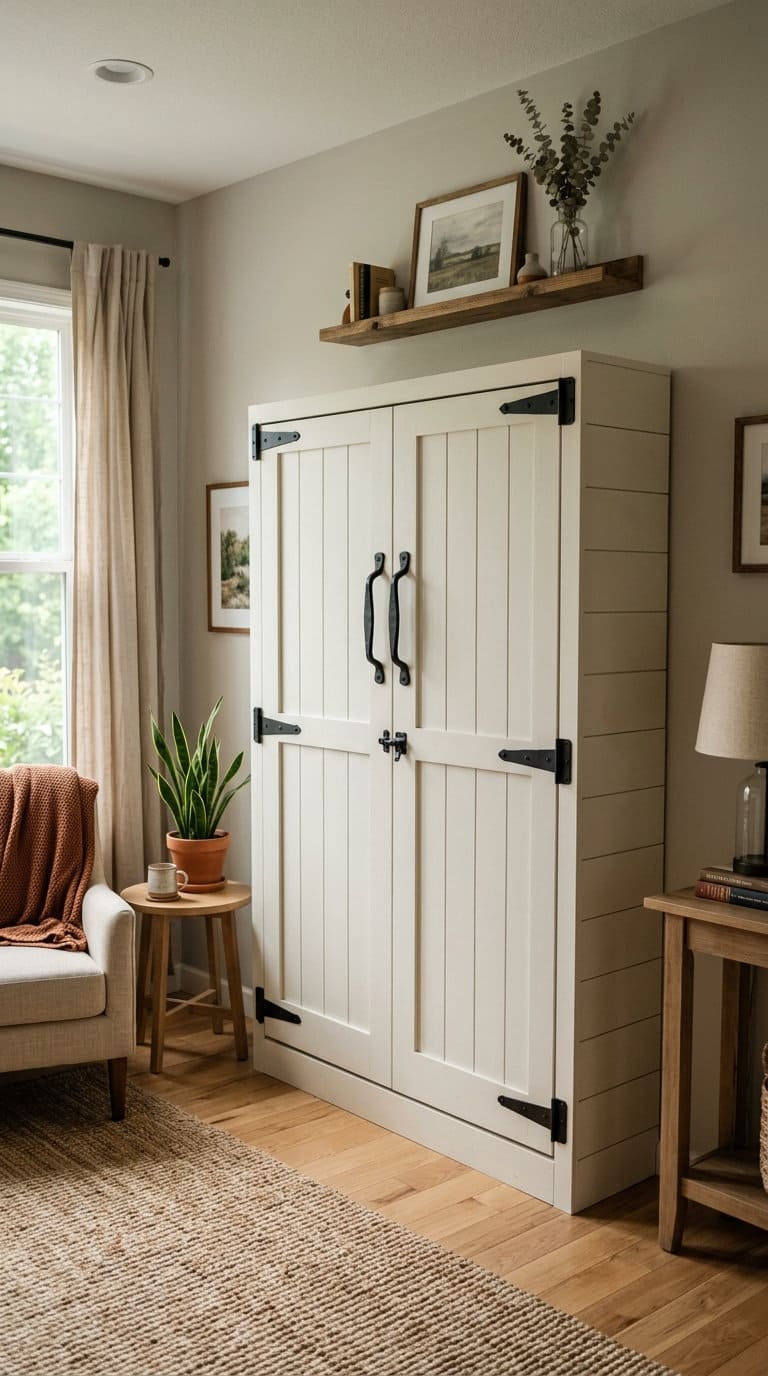
This build pairs a clean, simple cabinet face with farmhouse styling cues, shiplap paneling, black hardware, a barn-door-adjacent look, to match a broader modern farmhouse bedroom rather than reading as a standalone piece of hardware-store furniture.
A few more things worth planning around
If a Murphy bed isn’t quite the right fit for your space, it’s worth comparing against other options at beds for small rooms and space-saving bed alternatives before committing to a build this involved.
And if you’re building rather than buying, DIY space-saving bed frame ideas covers frame designs that don’t require a lift mechanism at all, worth a look if section 1’s anchoring and locking requirements feel like more than you want to take on. For the room planning side of things, small bedroom ideas to maximize space covers layout beyond just the bed itself.
FAQ
Can a DIY Murphy bed actually be dangerous?
Yes, though actual deaths are rare across the decades of data available. Quebec coroner Donald Nicole’s 2024 investigation into a child’s death found the bed’s spring tension was set dangerously low with no locking mechanism to stop it swinging open. The U.S. CPSC has recalled Murphy beds multiple times for the same two root causes: insufficient wall anchoring and missing or inadequate locking hardware. Both are avoidable with the anchoring and locking-mechanism steps in section 1 above.
How much does it cost to install a Murphy bed?
It depends heavily on whether you buy a kit or build the mechanism yourself. Commercial hardware kits generally run from a few hundred dollars for basic hardware up to well over $1,000 for premium, higher-weight-capacity systems. Professional installation typically adds $300 to $800 on top of materials, or is billed hourly in the $50 to $150 range depending on your area.
Building the whole thing yourself, cabinet included, with budget hardware can come in under $500 total, though that requires the most hands-on calibration work and the most personal responsibility for getting the anchoring and locking mechanism right.
How deep is a Murphy bed?
Across bed sizes, twin, full, queen, or king, a Murphy bed typically runs about 16⅝ inches deep for a horizontal orientation or up to 18¾ inches for a vertical one, give or take a fraction of an inch depending on the specific hardware.
Conclusion
If you’re a DIY homeowner by heart, you can use the abovementioned techniques in order to install your own space-saving Murphy bed for a fraction of the price.
It’s always a delight to have a bed you can pull up or hide in order to open up your living room for activities other than sleeping and resting. The best Murphy beds are apparently those that turn into other furniture when you store the bed away.
References:
- https://www.bedderway.com/dimensions
- https://en.wikipedia.org/wiki/Murphy_bed
- https://nypost.com/2014/04/06/murphy-bed-snaps-up-and-killed-man-suit/
- https://www.thespruce.com/diy-murphy-bed-projects-every-budget-4110832
Never miss an update — choose FarmFoodFamily as your preferred source on Google.
How it works: Tap the button below to open Google's settings page, then check the box next to FarmFoodFamily.
Tap the checkbox to turn it blue — that's how you know it's set.