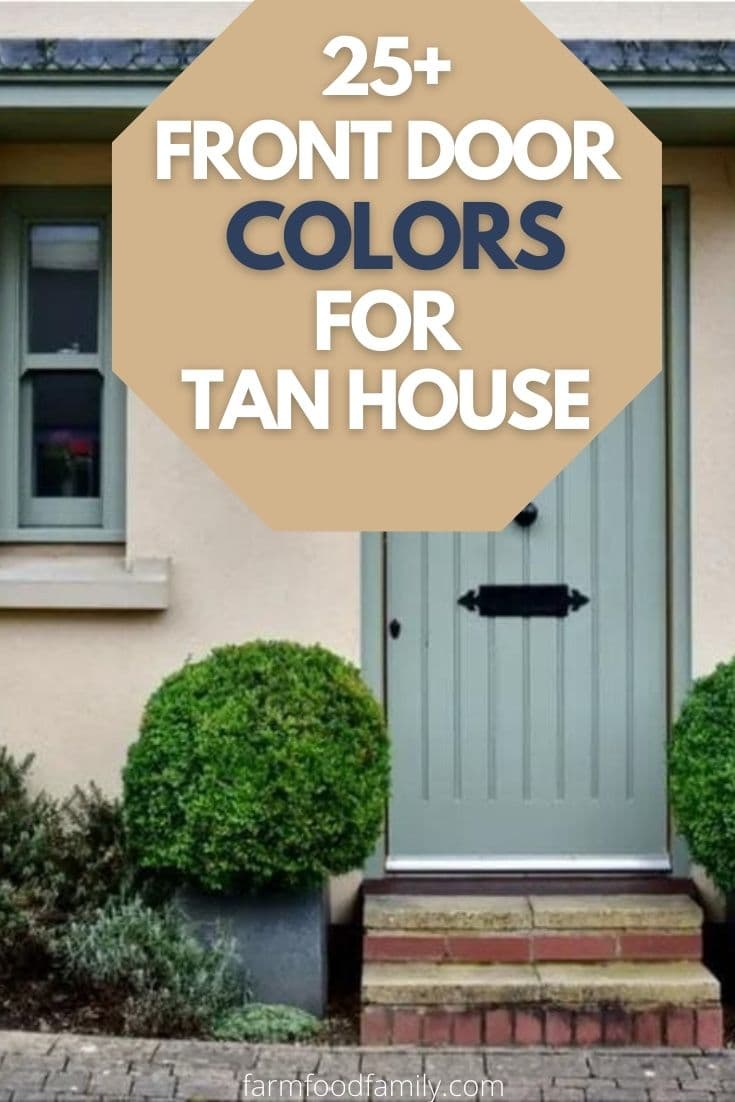
25 Front Door Colors for a Tan House (Plus How to Actually Pick One)
Most guides to this topic hand you a wall of pretty colors and let you figure out the rest yourself. That’s backwards. Before you fall in love with a swatch, you need to know one thing about your own house: whether your tan leans warm or cool. Get that right and half these colors will…

Never miss an update — choose FarmFoodFamily as your preferred source on Google.
How it works: Tap the button below to open Google’s settings page, then check the box next to FarmFoodFamily.
Tap the checkbox to turn it blue — that’s how you know it’s set.
Most guides to this topic hand you a wall of pretty colors and let you figure out the rest yourself. That’s backwards. Before you fall in love with a swatch, you need to know one thing about your own house: whether your tan leans warm or cool. Get that right and half these colors will obviously work. Skip it and you’ll end up repainting in two years.
Here are 25 real options, grouped so you can actually compare them, plus the practical stuff (resale value, sun-fading, when to just hire someone) that most roundups leave out entirely.
Related: 20+ Beautiful Farmhouse Front Door Decor Ideas
Find Your Tan’s Undertone First
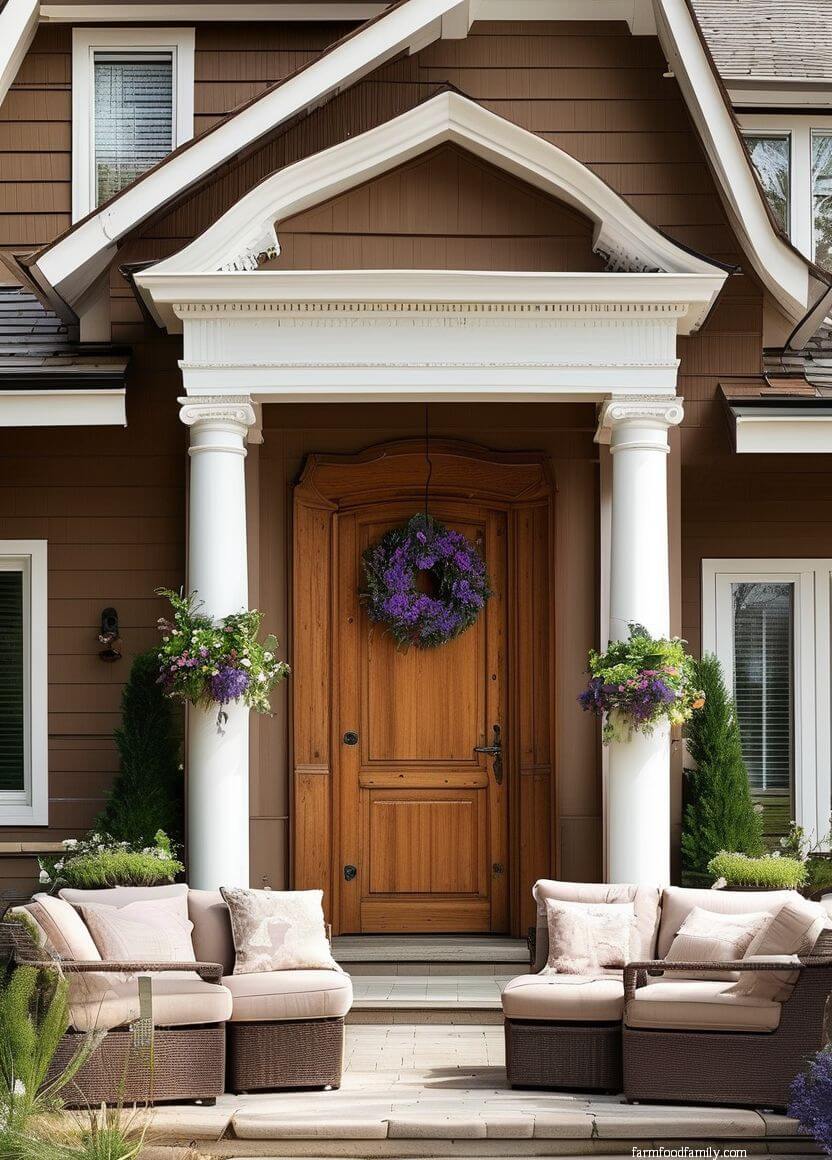
Not all tan is the same tan. Some beige leans yellow or orange, warm. Some leans gray or green, cooler. This matters more than which color looks nice in a photo, because a cool blue door on a warm-orange tan house can look muddy instead of intentional.
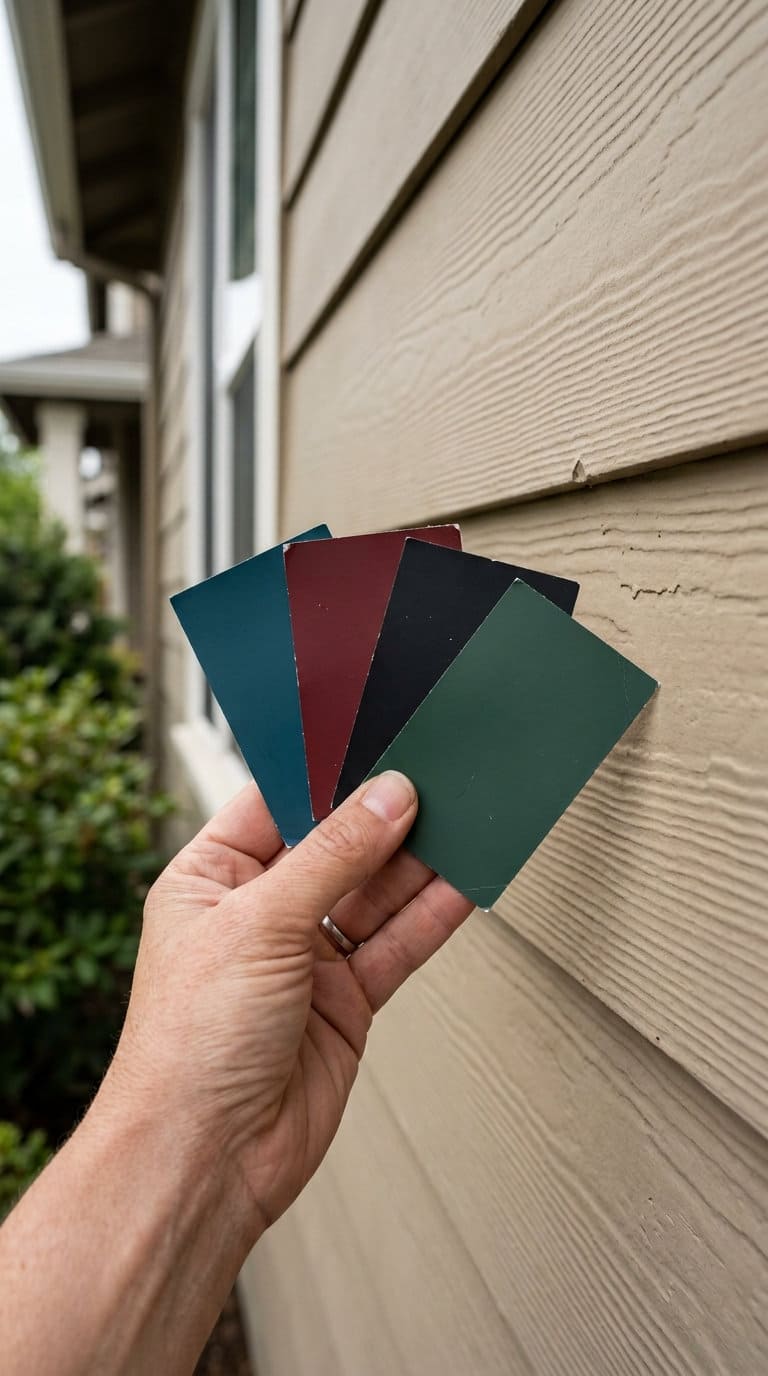
The quick way to check: pull a paint sample next to your siding in direct daylight, not indoor lighting. If it looks more yellow/peachy, you’ve got a warm tan, lean toward cooler door colors (blue, green, teal) for contrast. If it looks more gray or muted, you’ve got a cooler tan, warm doors (red, orange, terracotta) will read as intentional rather than clashing.

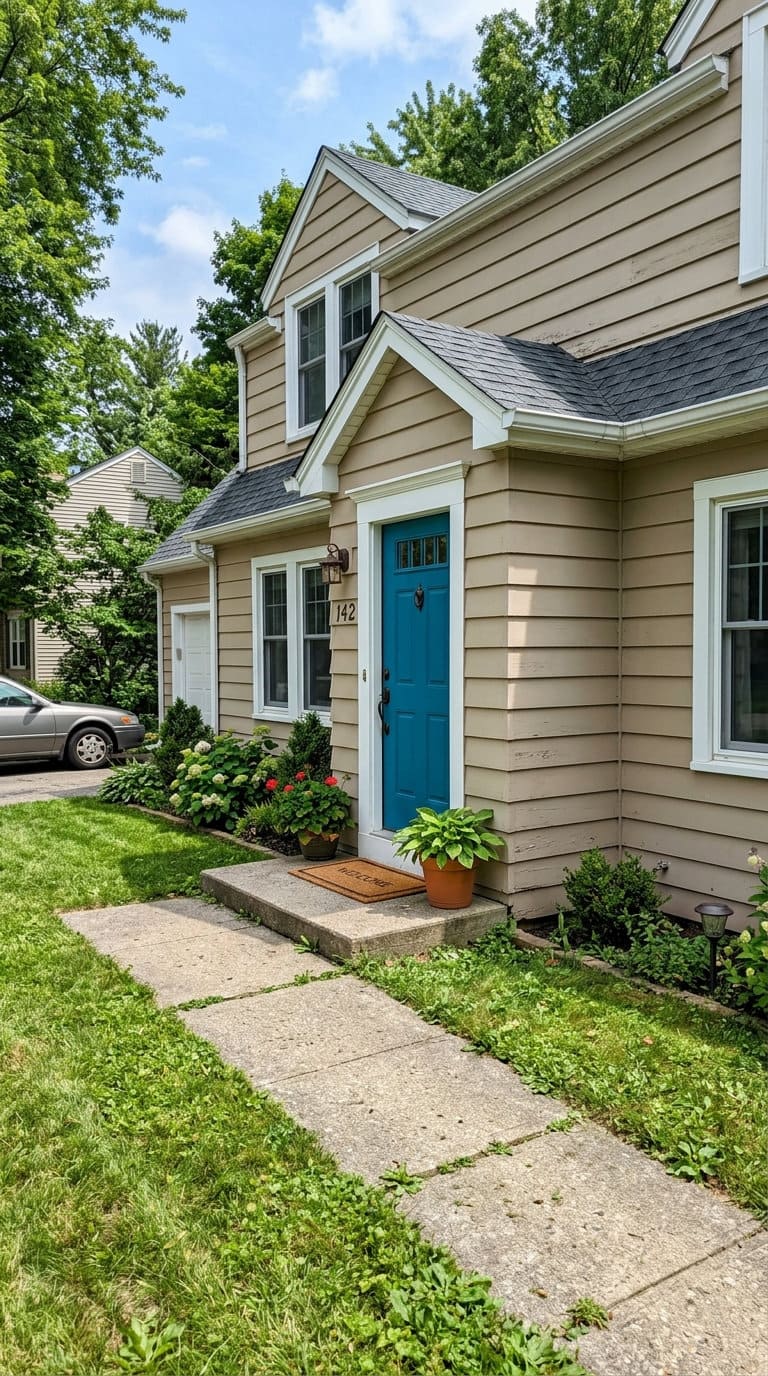
Patrick O’Donnell, brand ambassador and colour consultant at Farrow & Ball, puts it simply: “your front door is a great introduction to the interiors that lie beyond… do consider how the chosen color will sit with your brick, stone or render.” His advice is to pick a palette that has “empathy with the architecture,” and to actually sample colors against the house rather than trusting a screen or a paint chip alone.
One more research trick, courtesy of a Reddit thread where dozens of people weighed in on a real exterior repaint: check what color the house was originally built in. Older paint hiding under a layer of tan beige is a genuinely useful clue nobody thinks to look for.
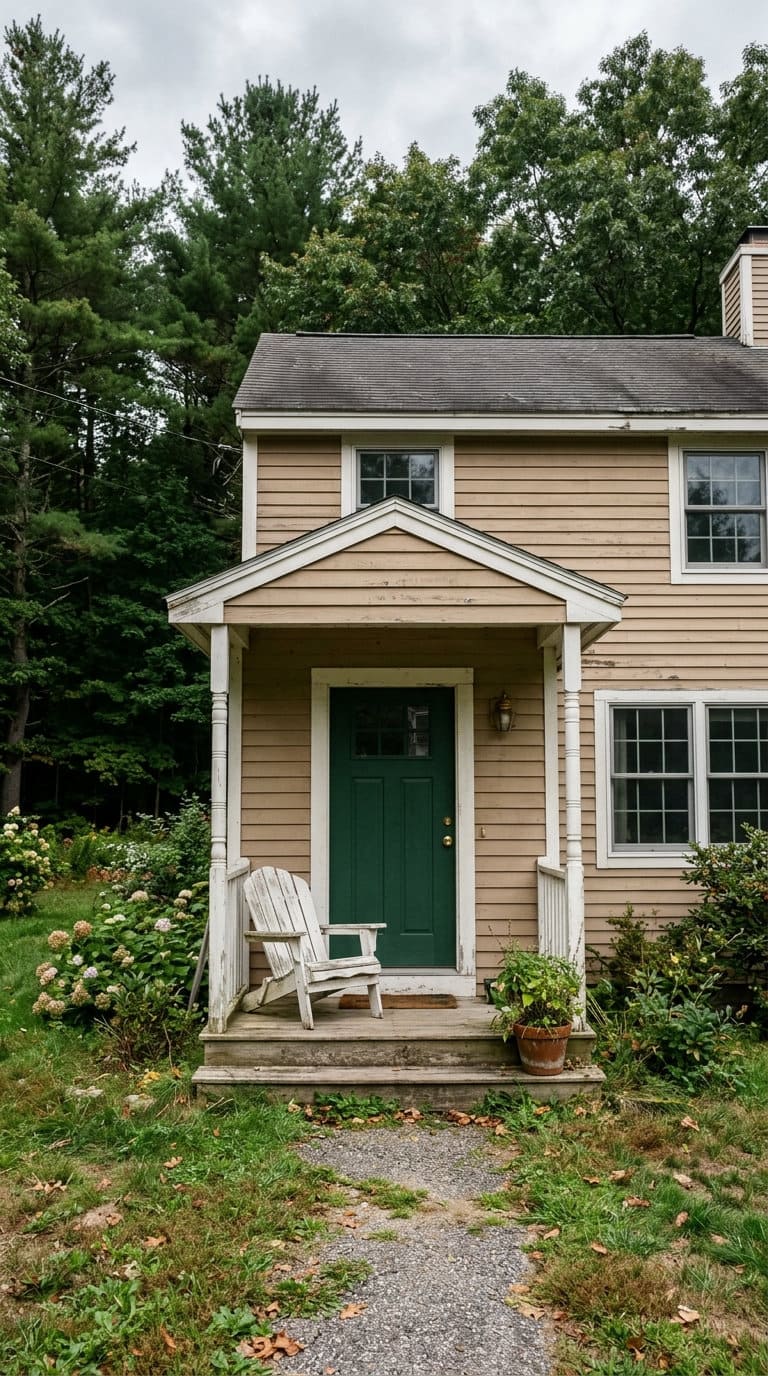
Cool and Blue-Green Tones
These work best against warm, yellow-leaning tan.
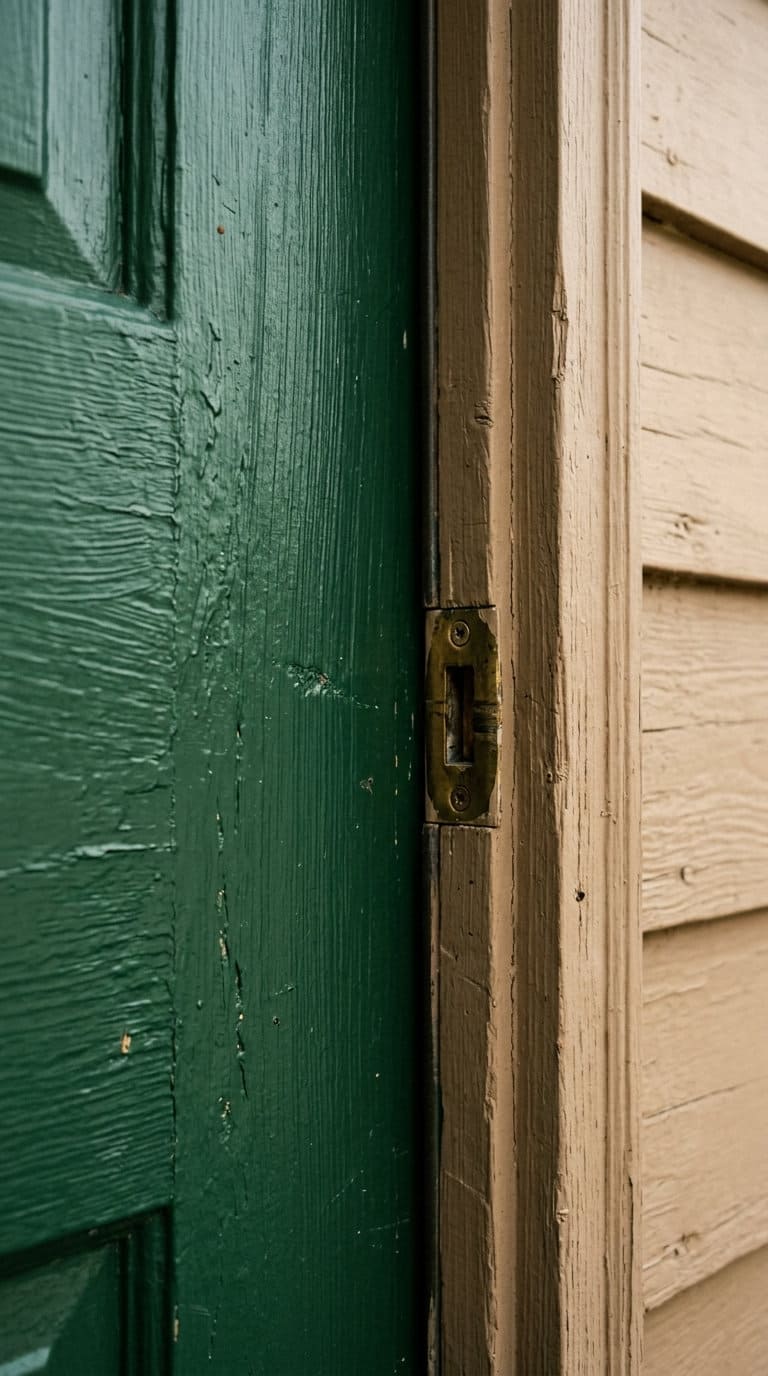
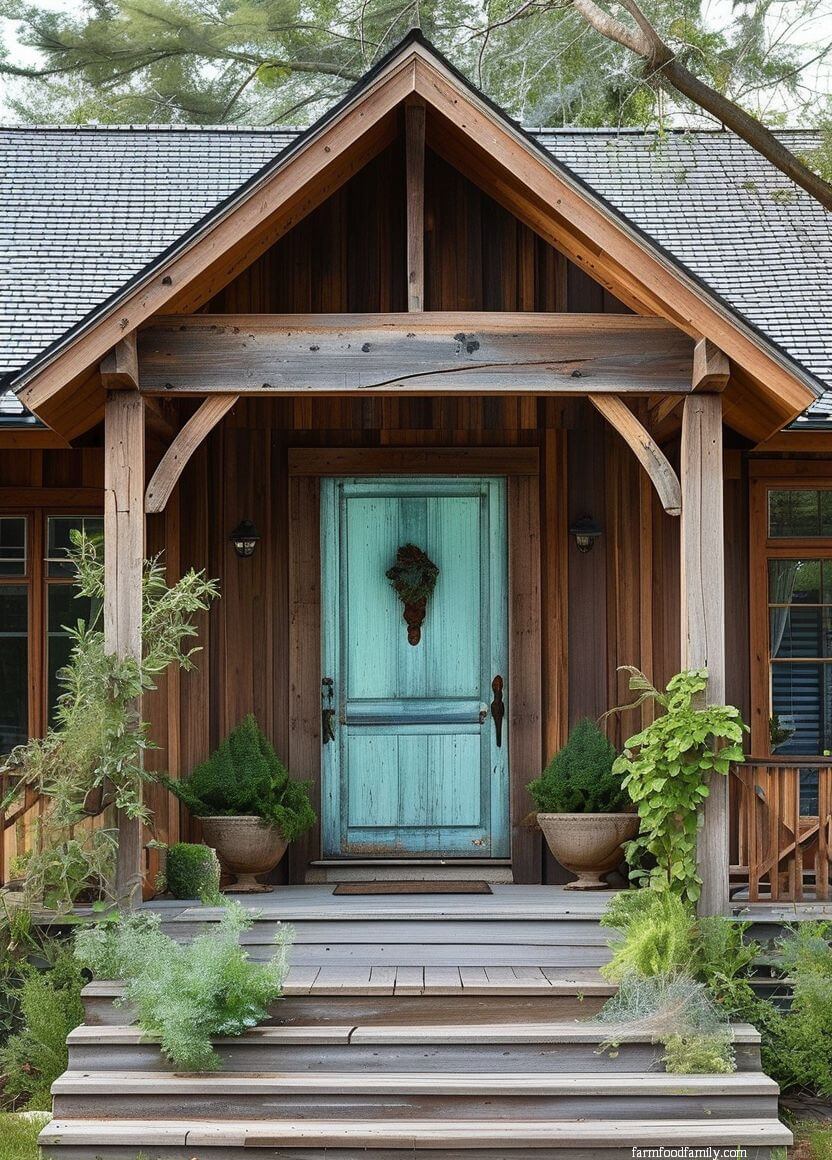
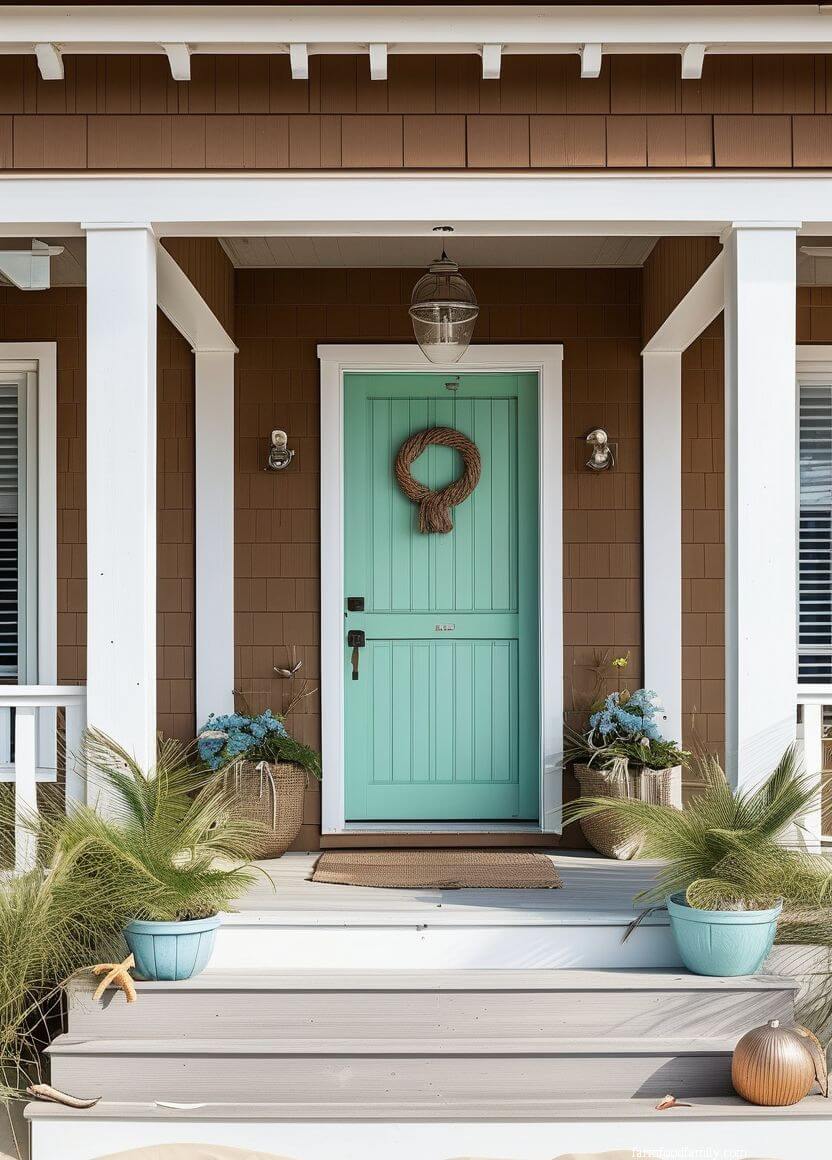
Not the bright teal you’re picturing. This rustic version is worn-down and slightly greened-out, more vintage than tropical. Reads as intentional rather than trendy.
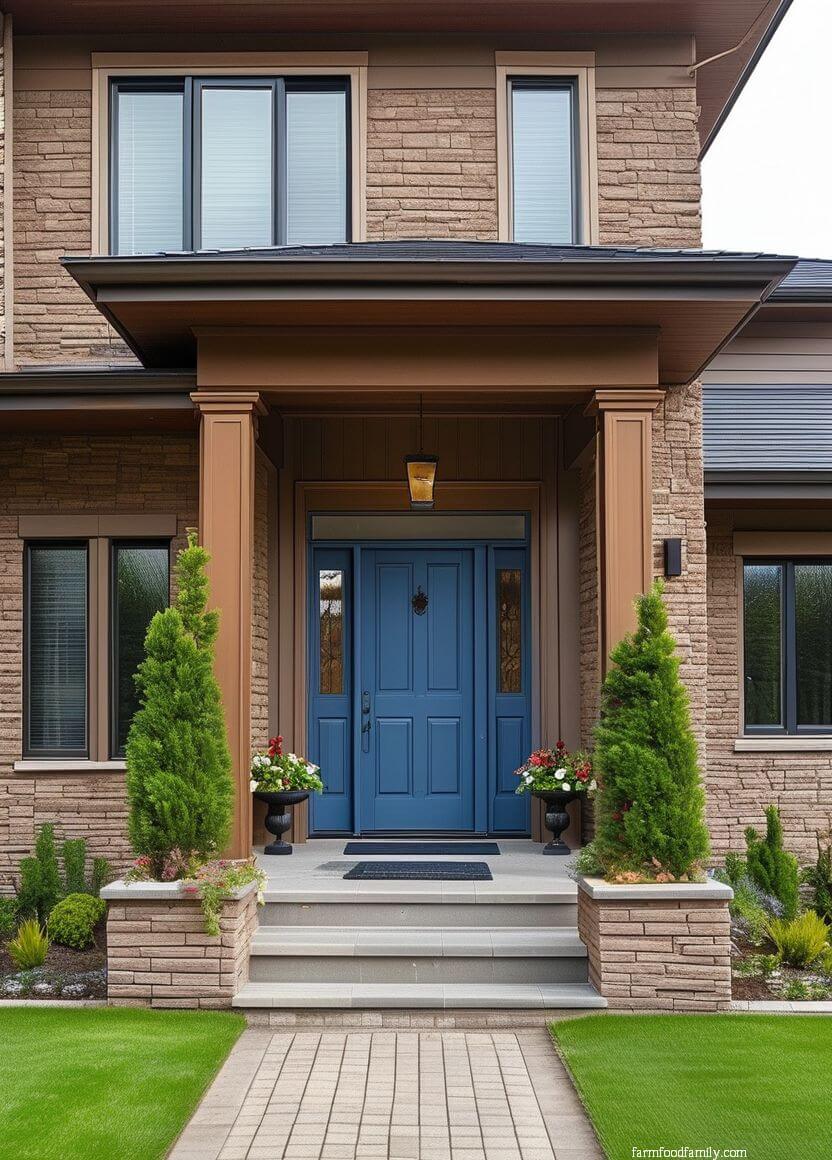
Skip straight past basic royal blue. Slate blue, navy with a green undertone, or a dusty denim blue all sit better against warm tan than a pure, saturated blue does.
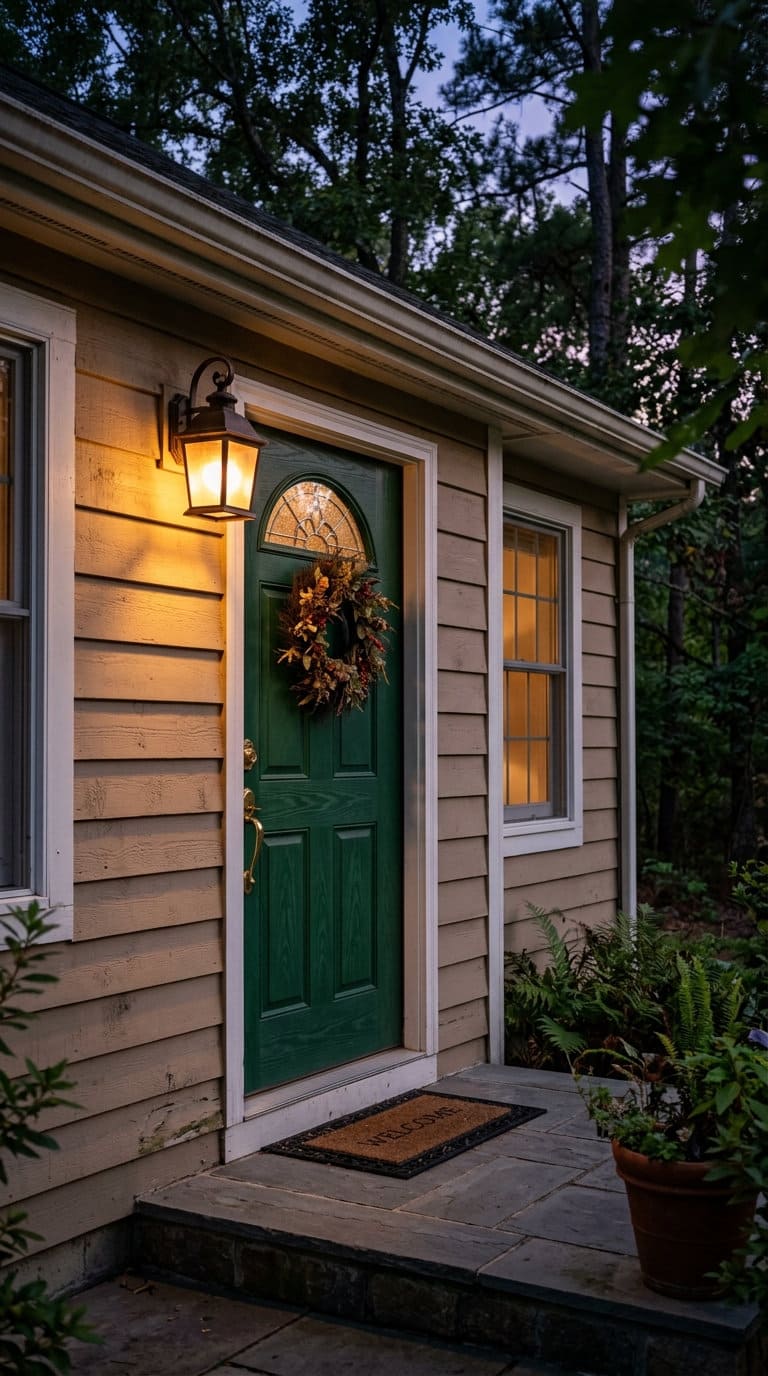
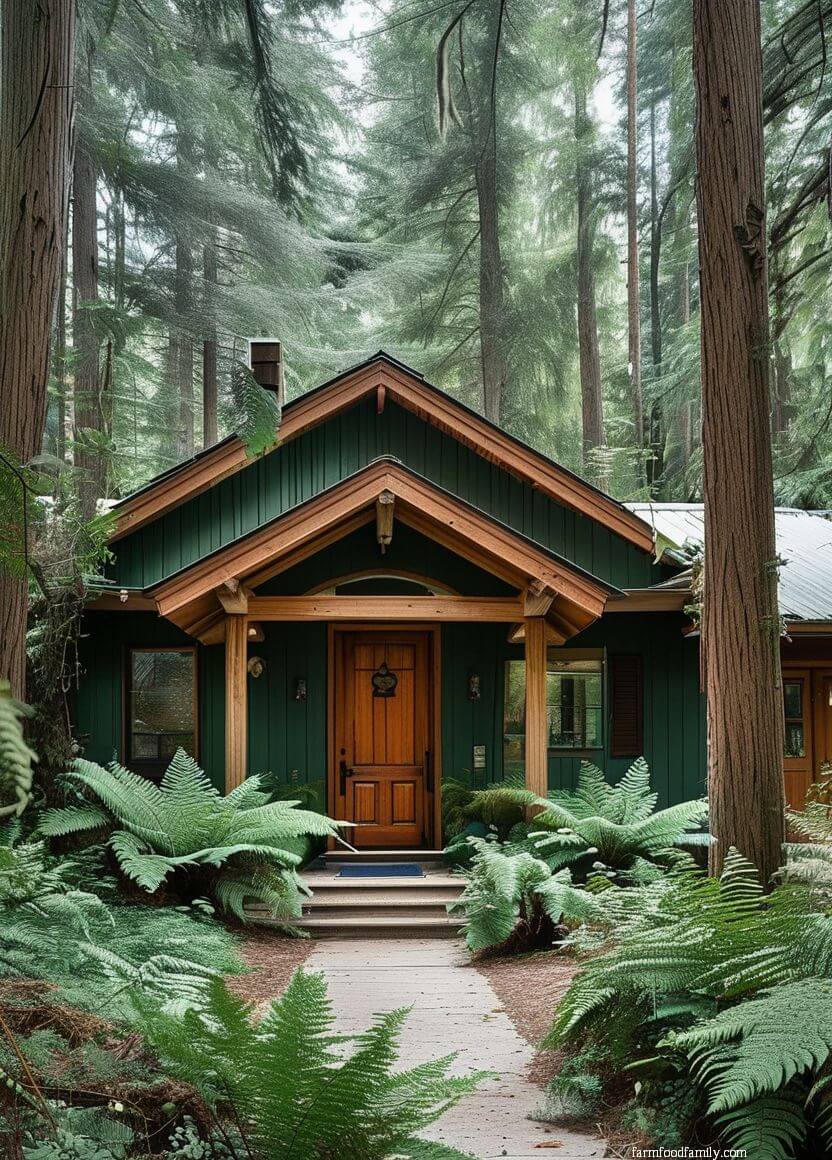
Forest green is one of the strongest contrasts against tan you’ll find. Deep enough to feel grounded, not so bright it competes with the siding.
Want green without the heaviness? Seafoam is the lighter, softer cousin of forest green.
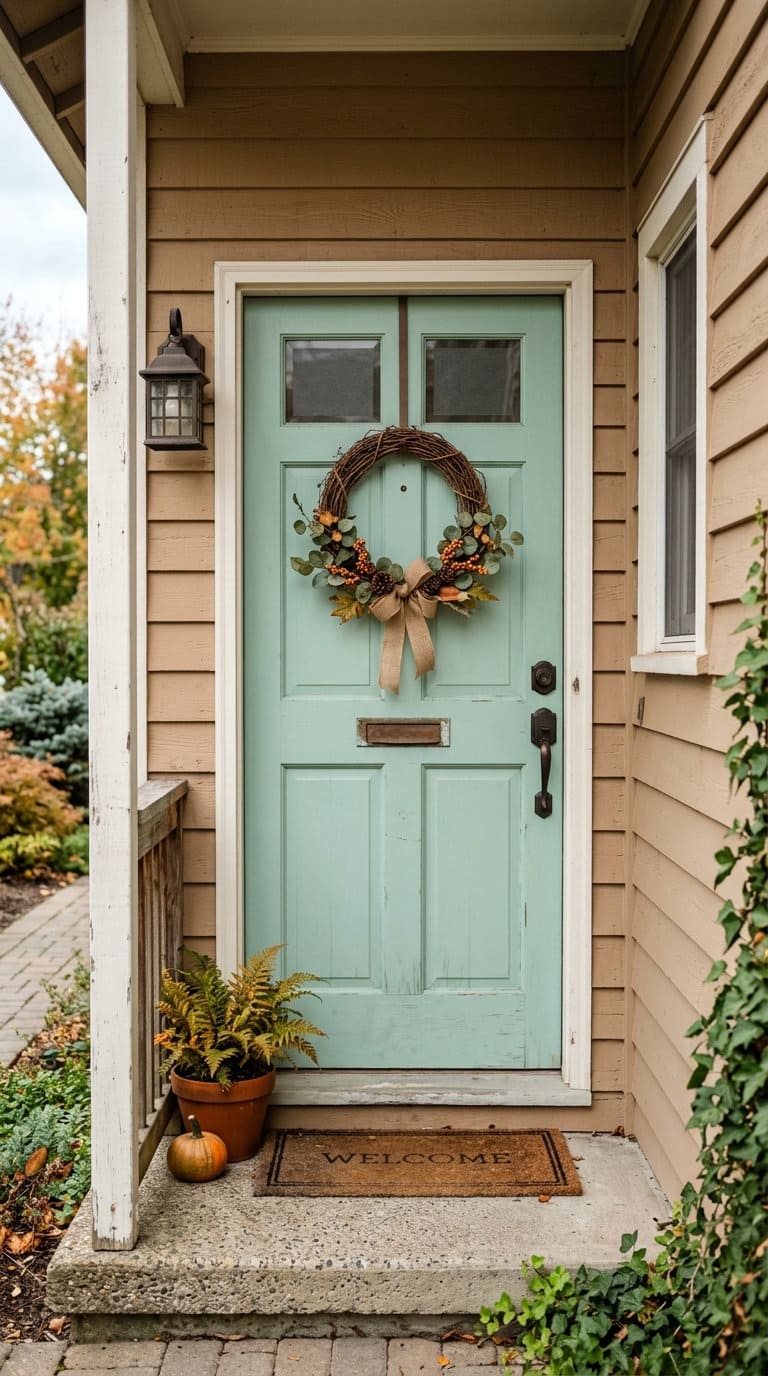
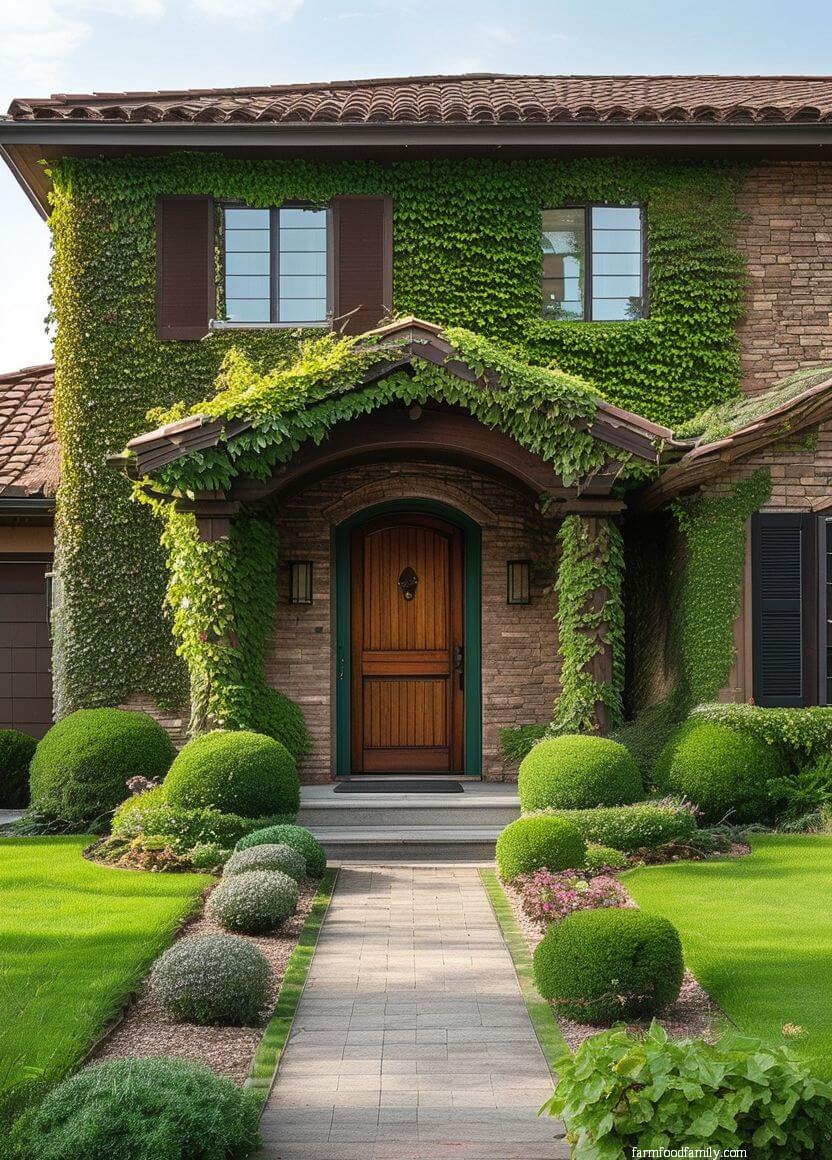
A straightforward mid-tone green is easier to live with long-term than a trend color, and it plays well with actual landscaping out front.
Somewhere between navy and violet, indigo is unusual enough to notice, dark enough to still feel classic.
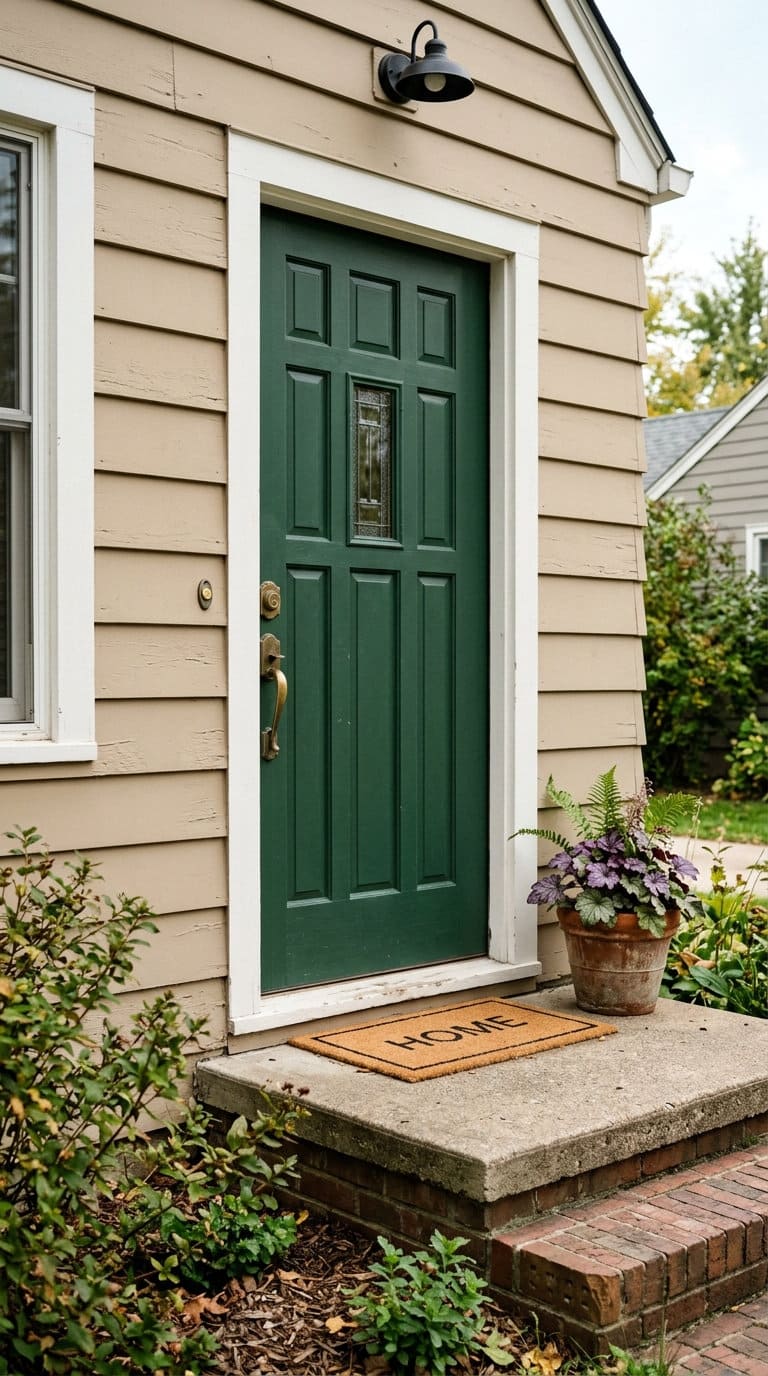
Deep and a little moody. Eggplant works if you want something richer than black without going full color.
Warm Tones
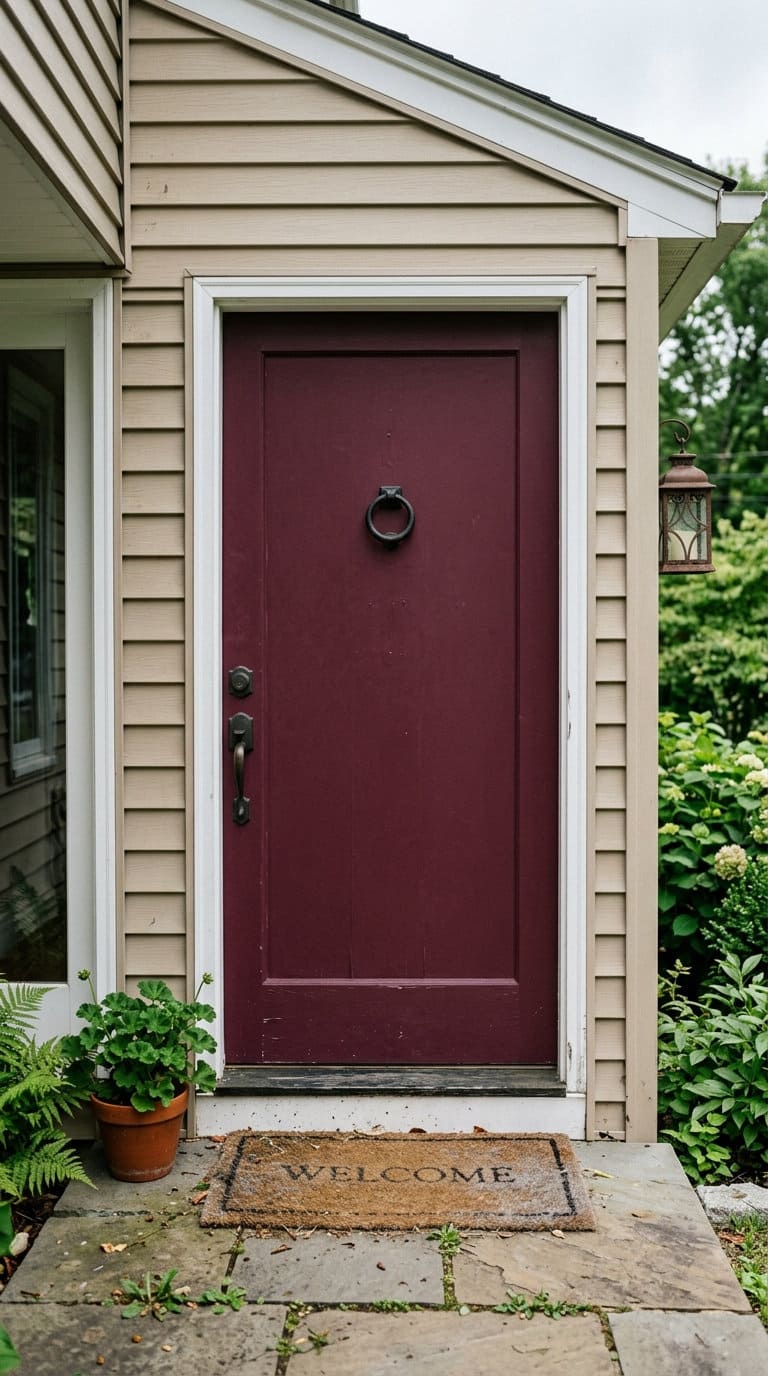
Better suited to cooler, gray-leaning tan.
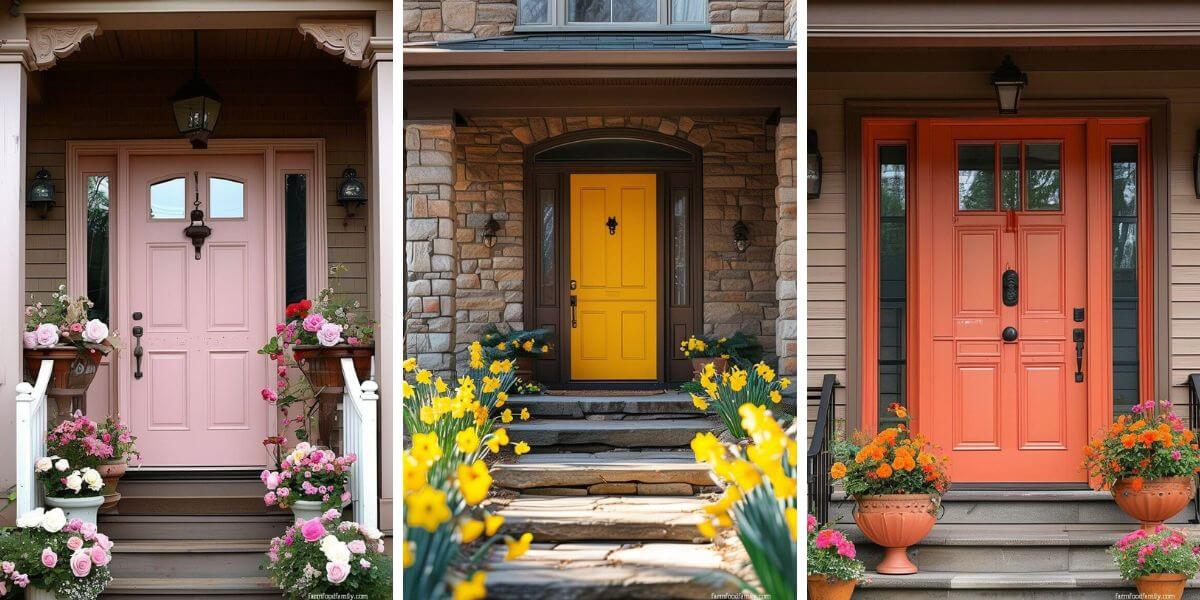
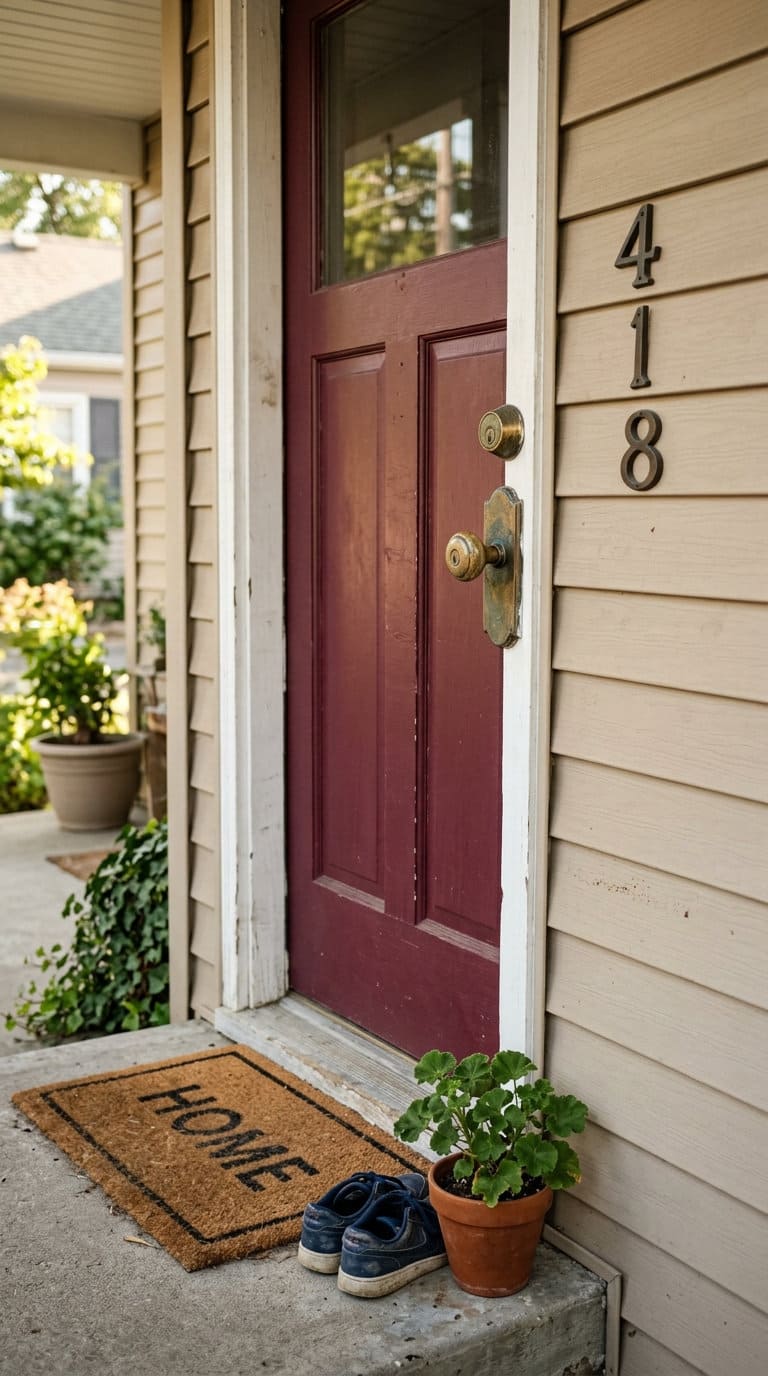
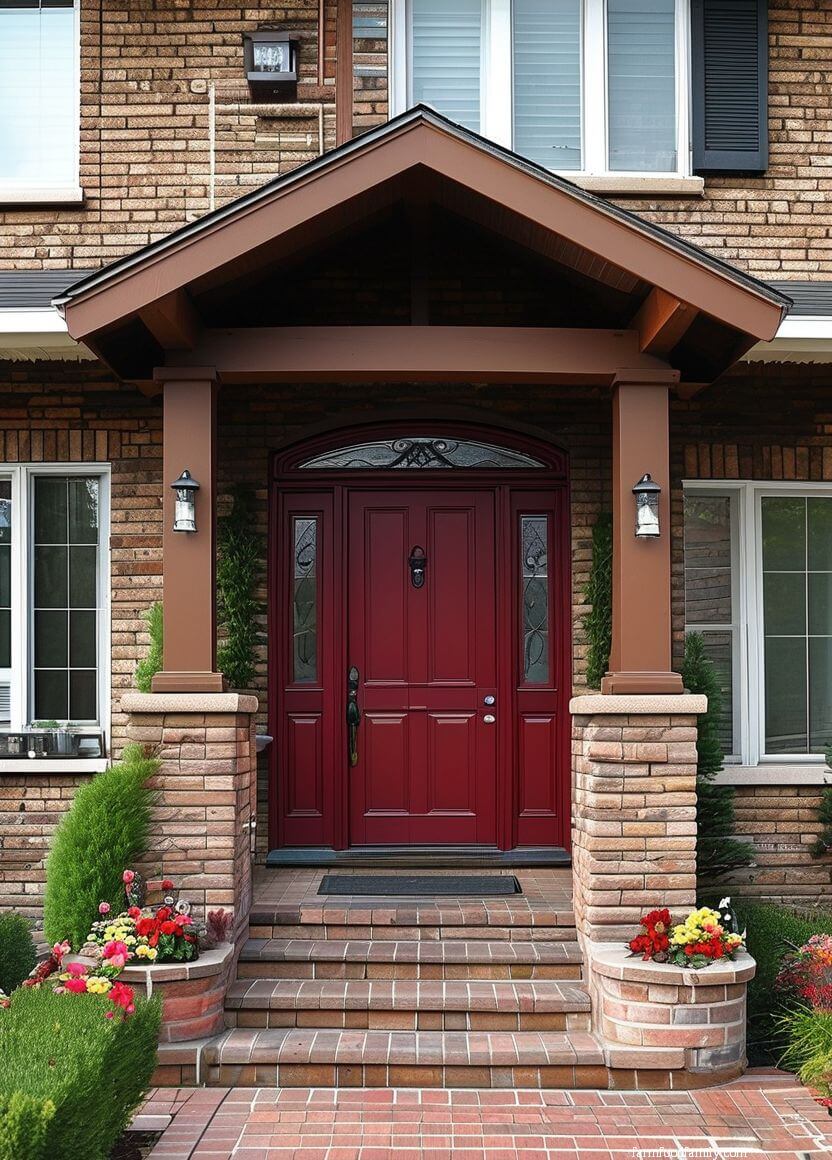
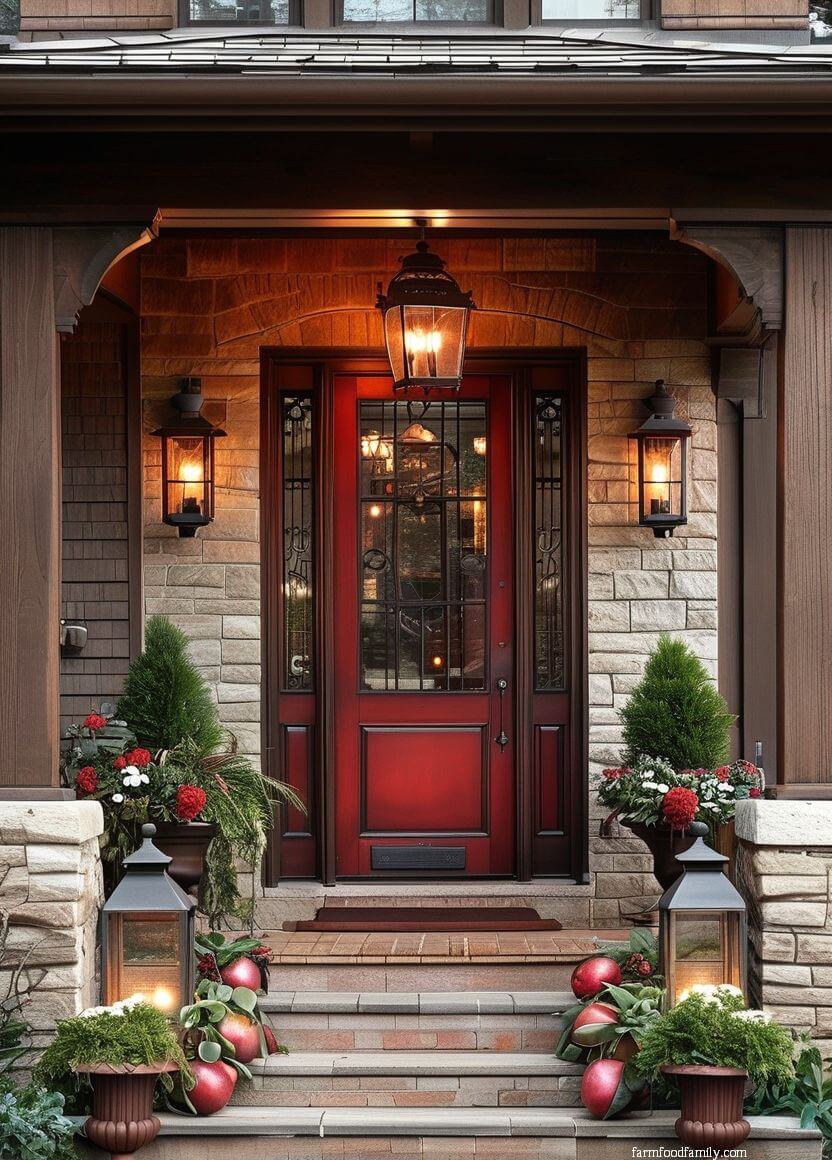
Warm without being loud. Burgundy is one of the safer bold choices if you’re nervous about commitment.
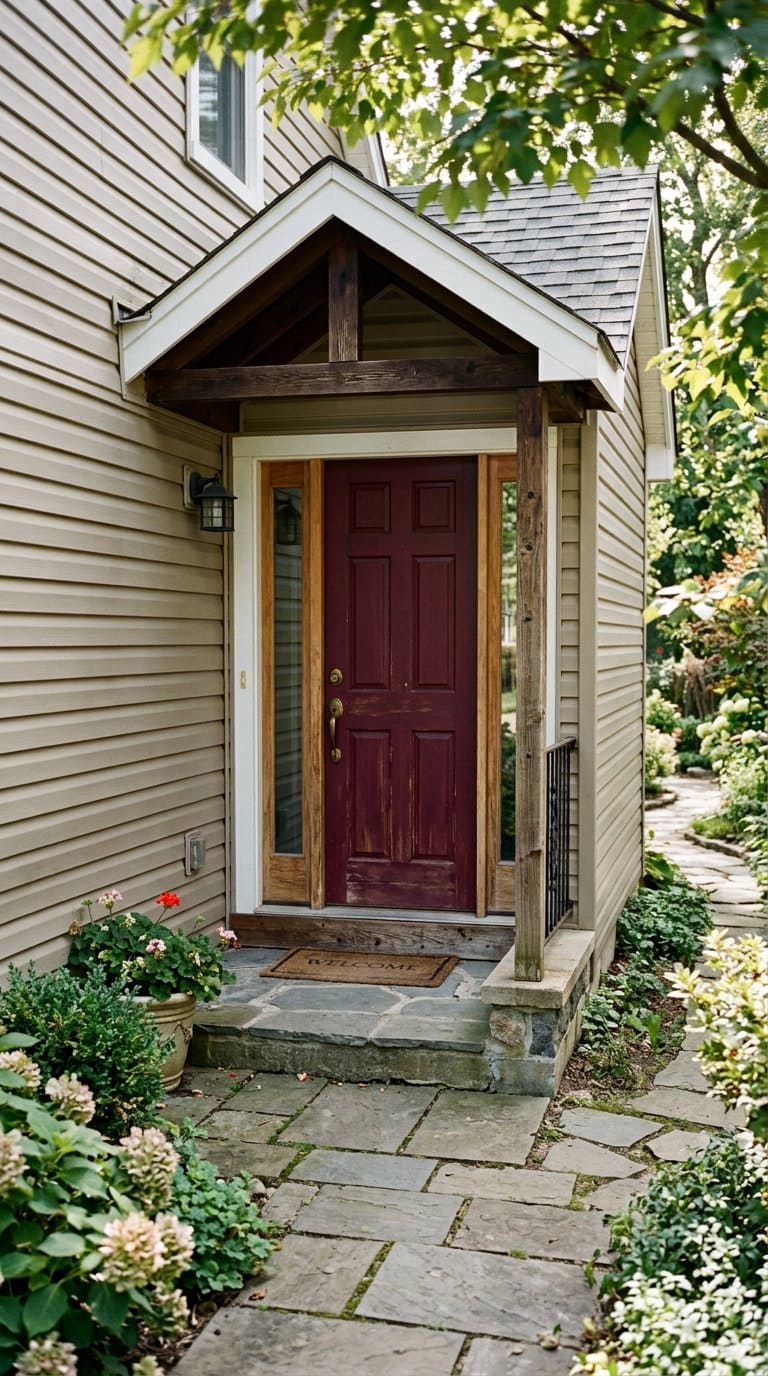
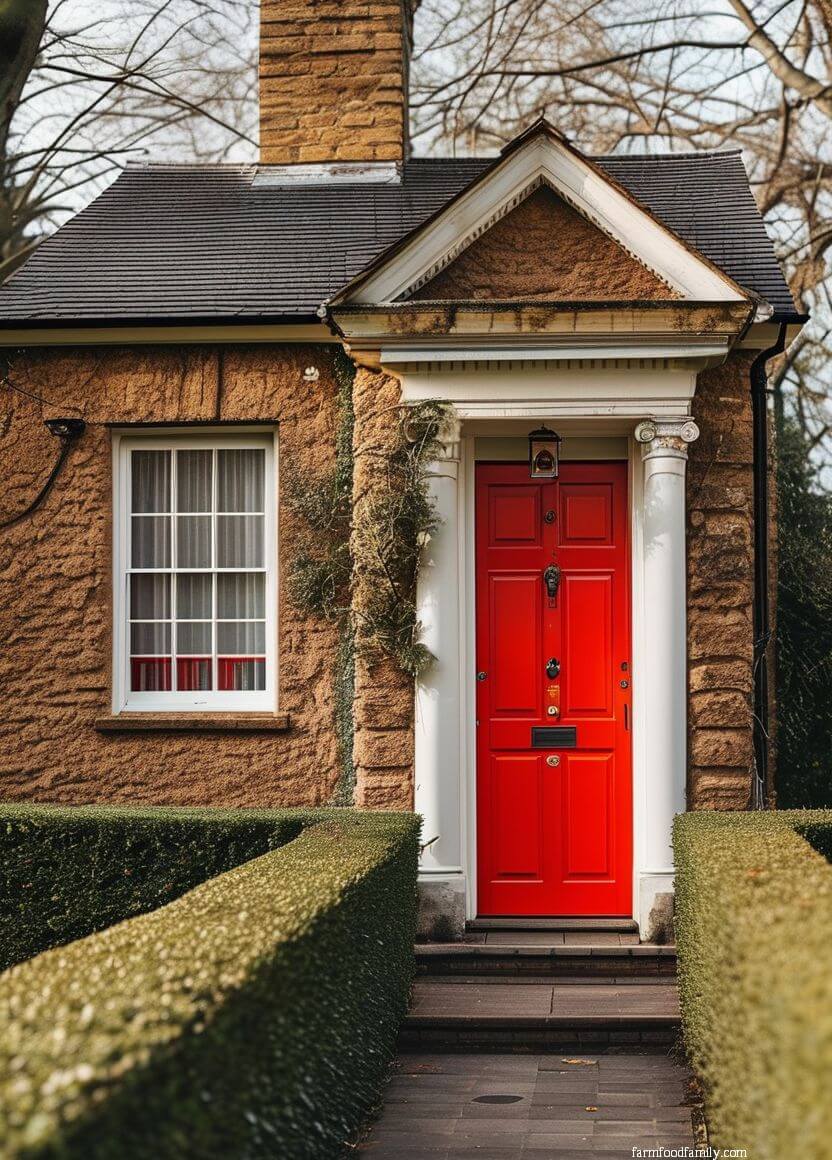
Nervous about going too far? Bright red is genuinely bold, and if your tan leans more gray or muted, it reads as confident rather than clashing.
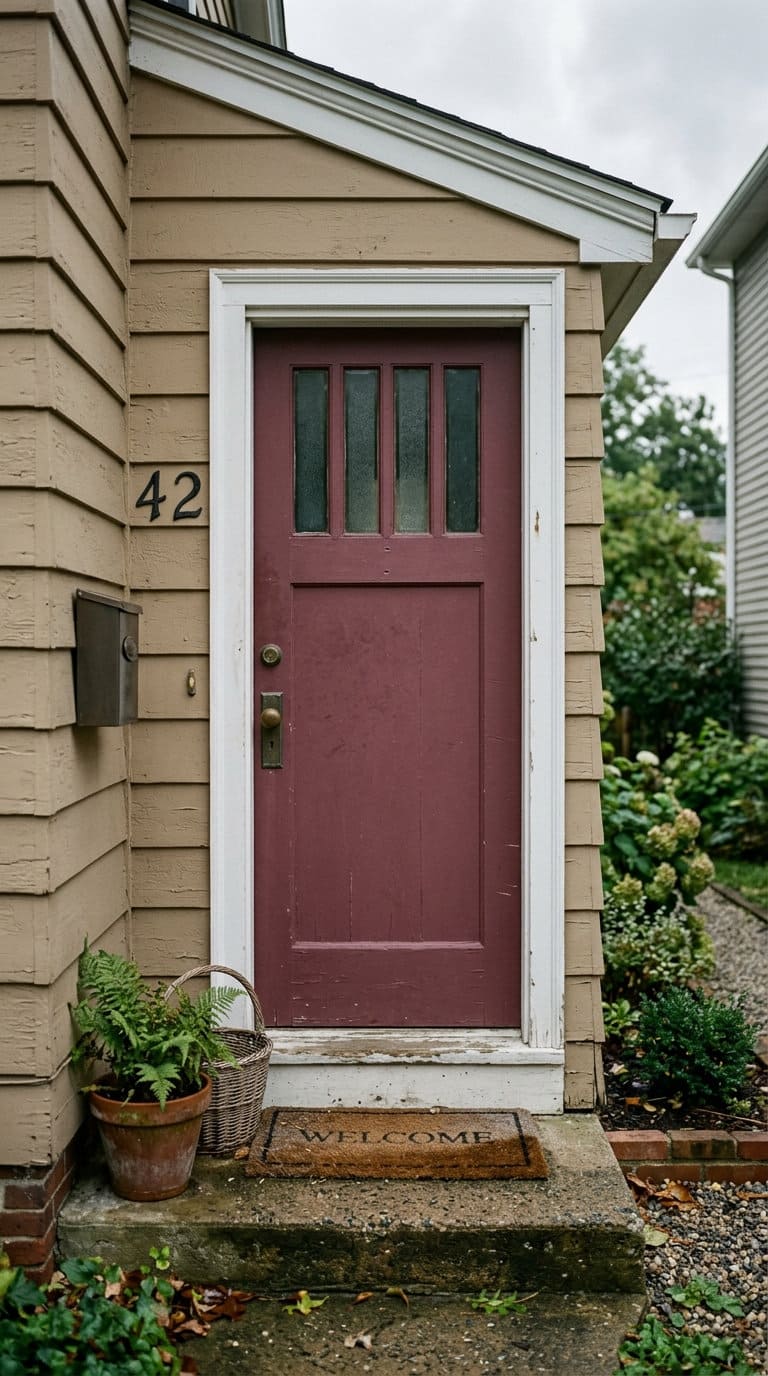
Deeper and dustier than bright red, red wine is more sophisticated, less “look at me.”
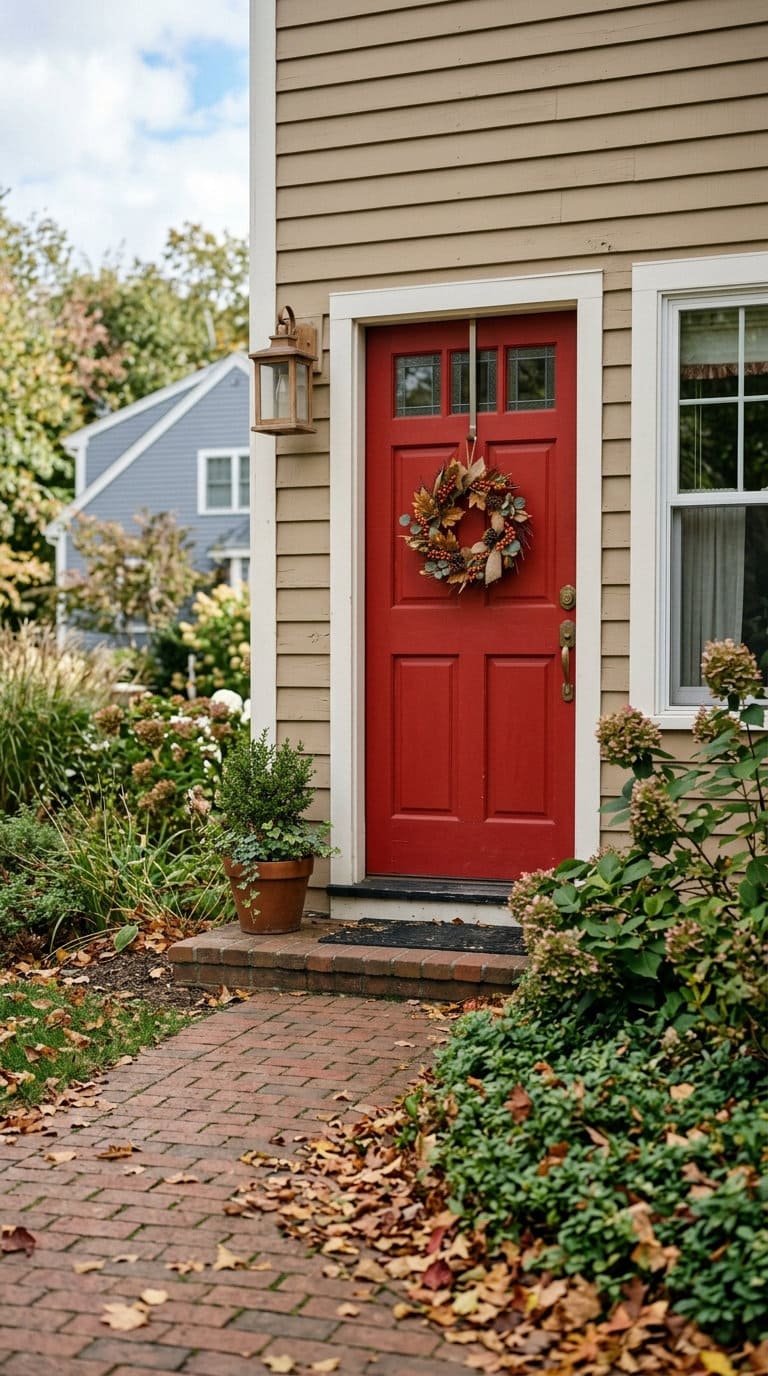
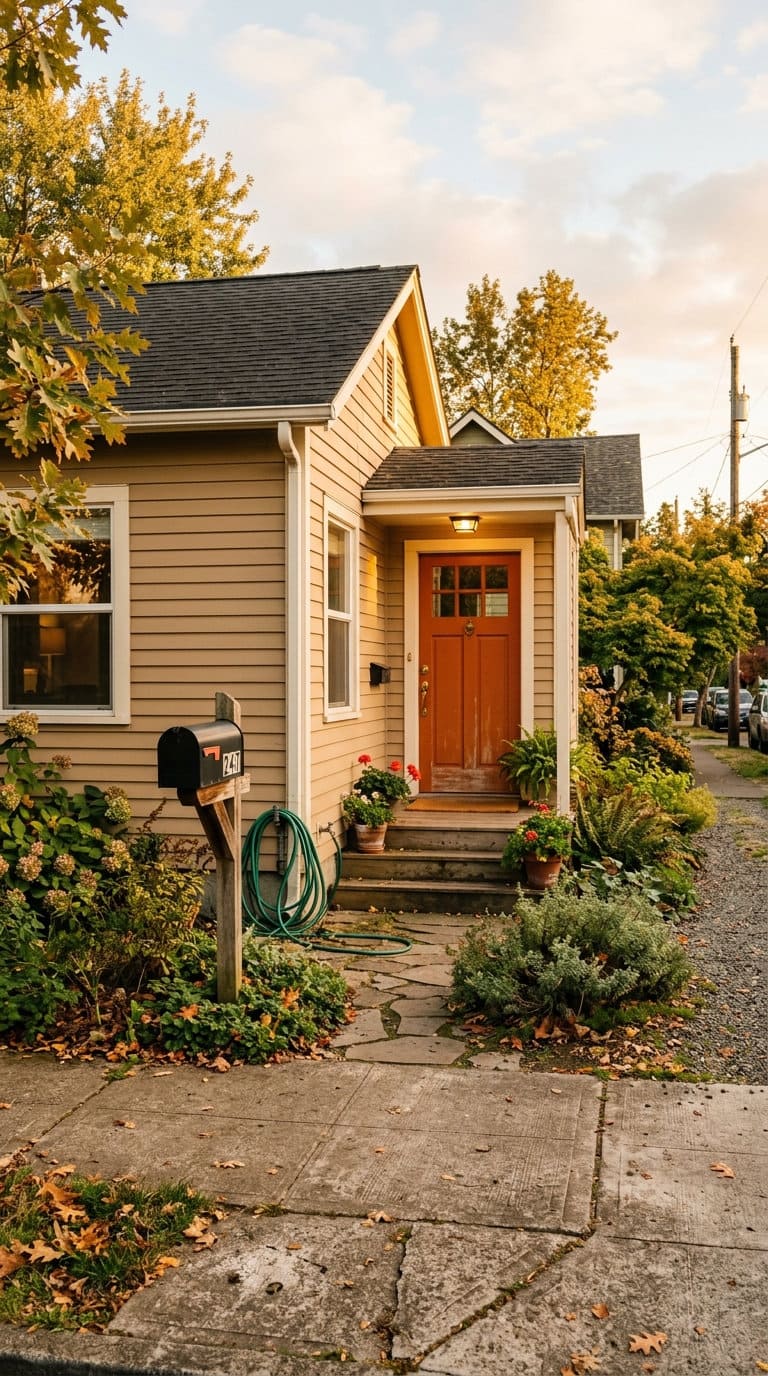
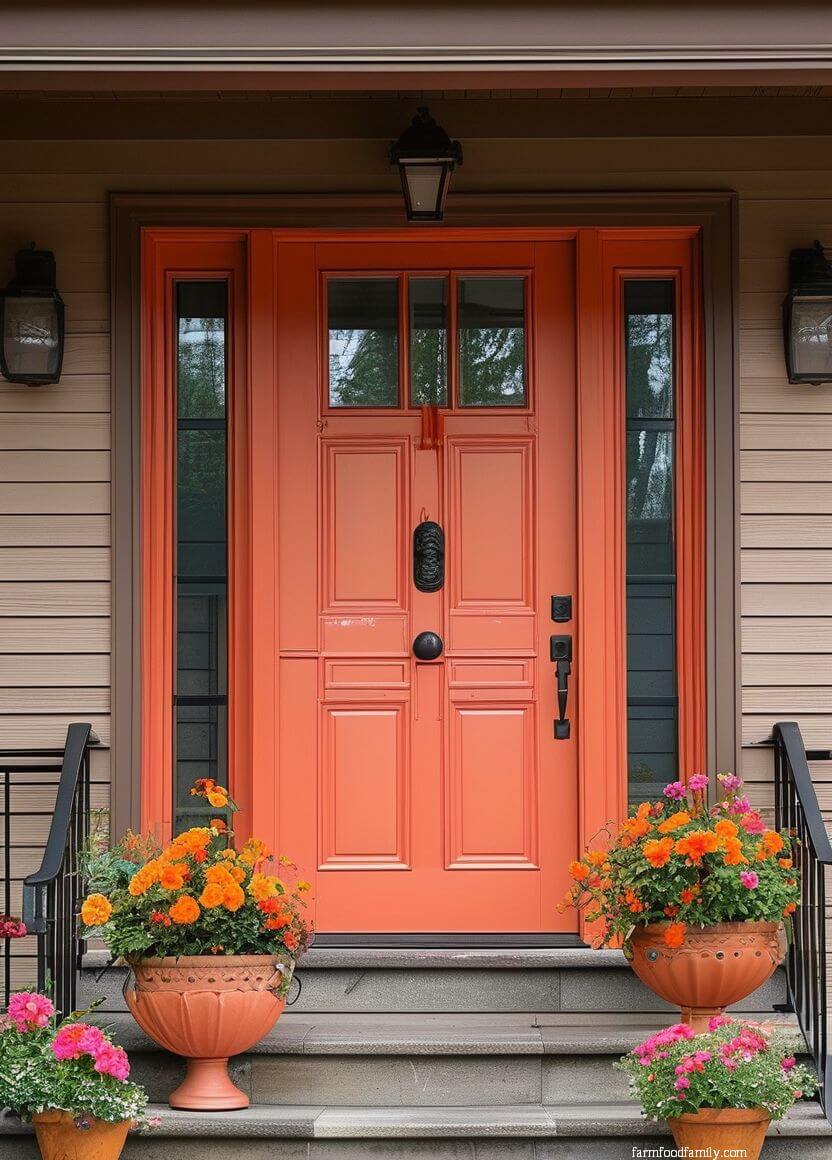
The grown-up version of orange. Burnt orange is earthy instead of loud.
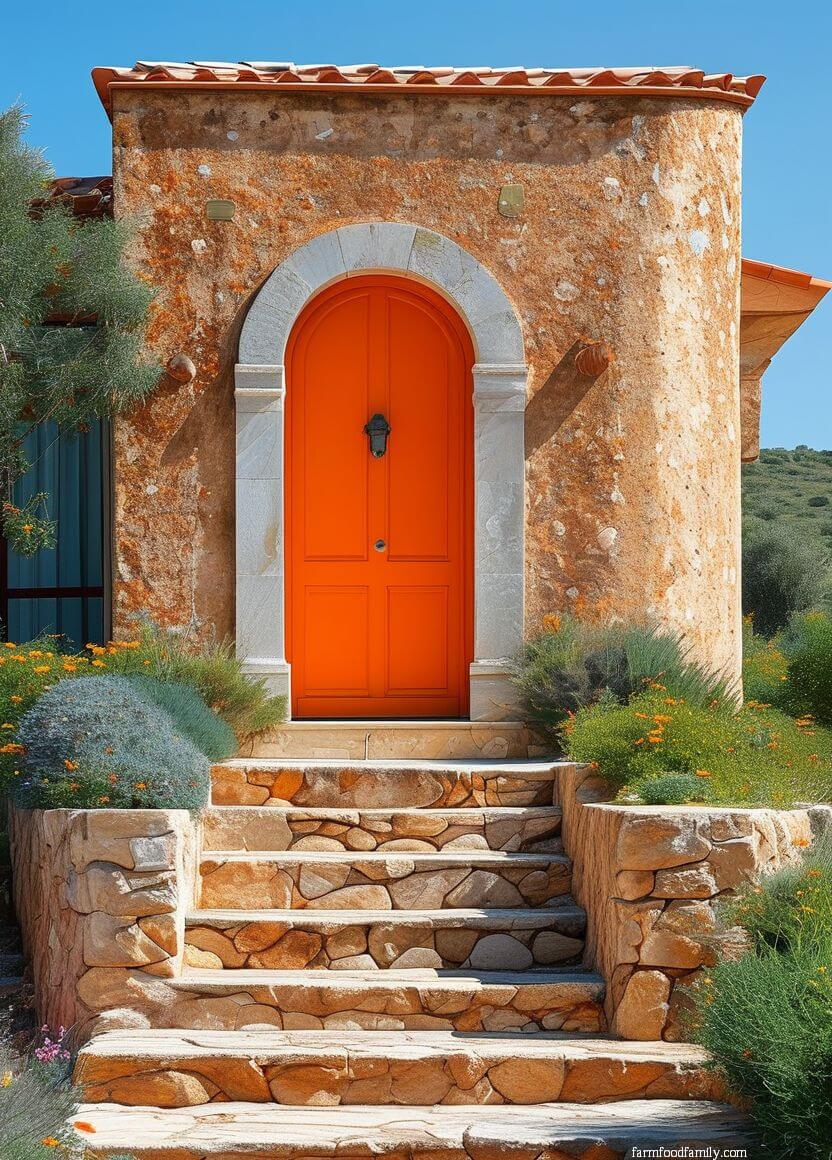
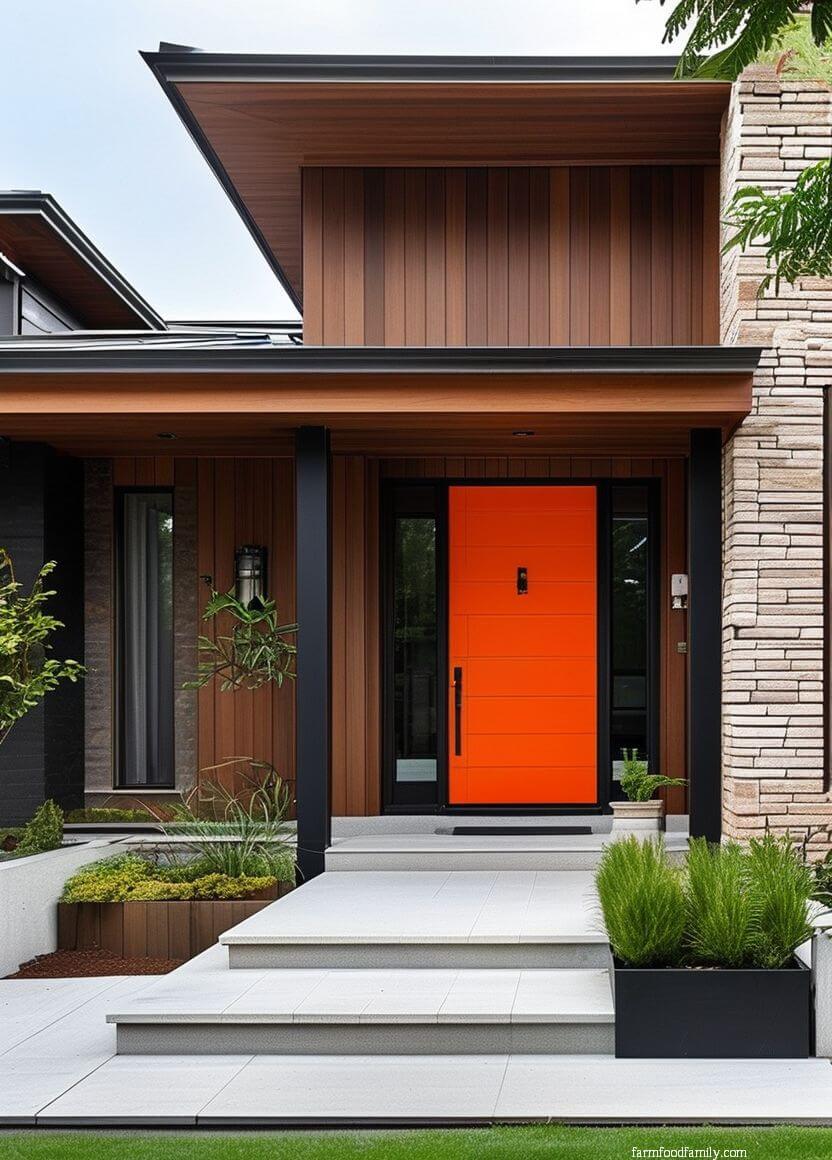
Straight orange is a real commitment. It works, especially on homes with a lot of natural light, but it’s the color on this list most likely to divide opinion with neighbors.
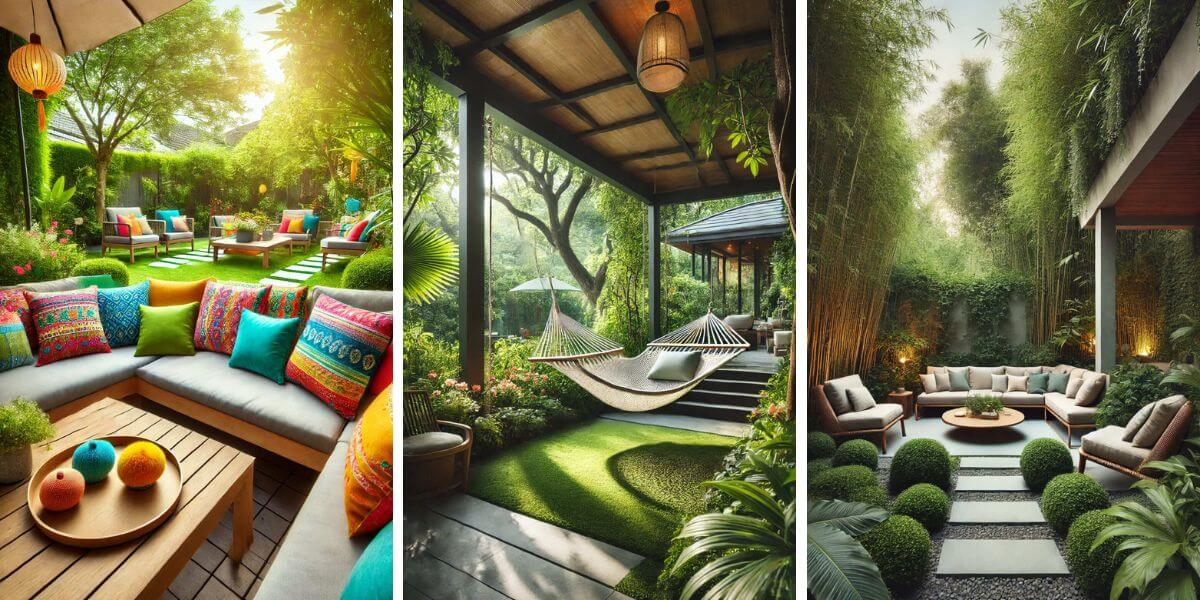
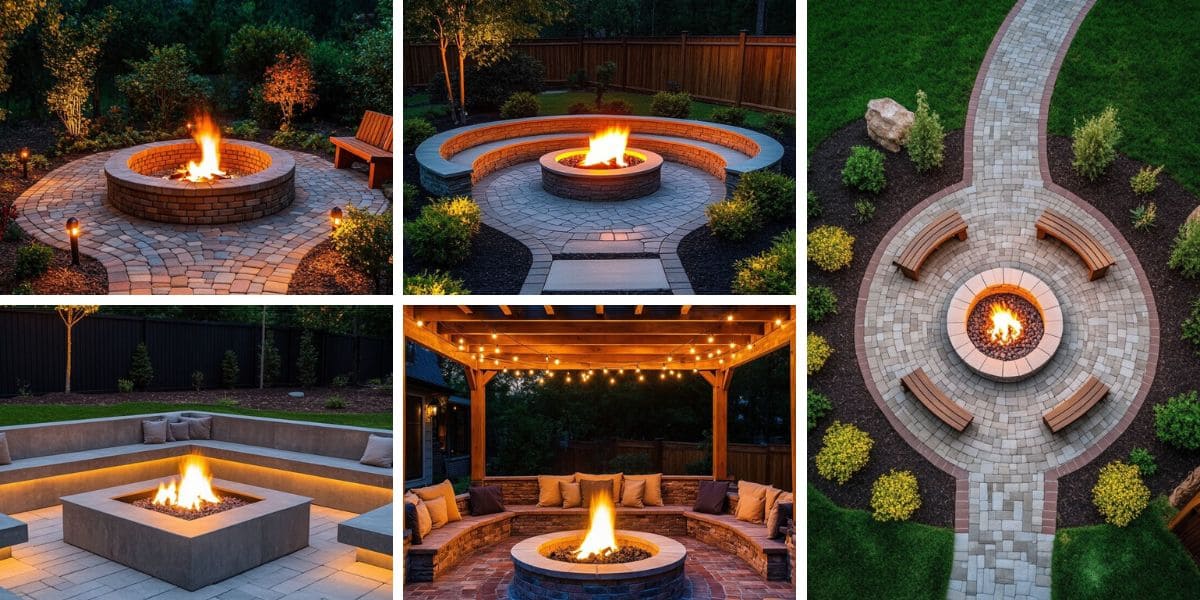

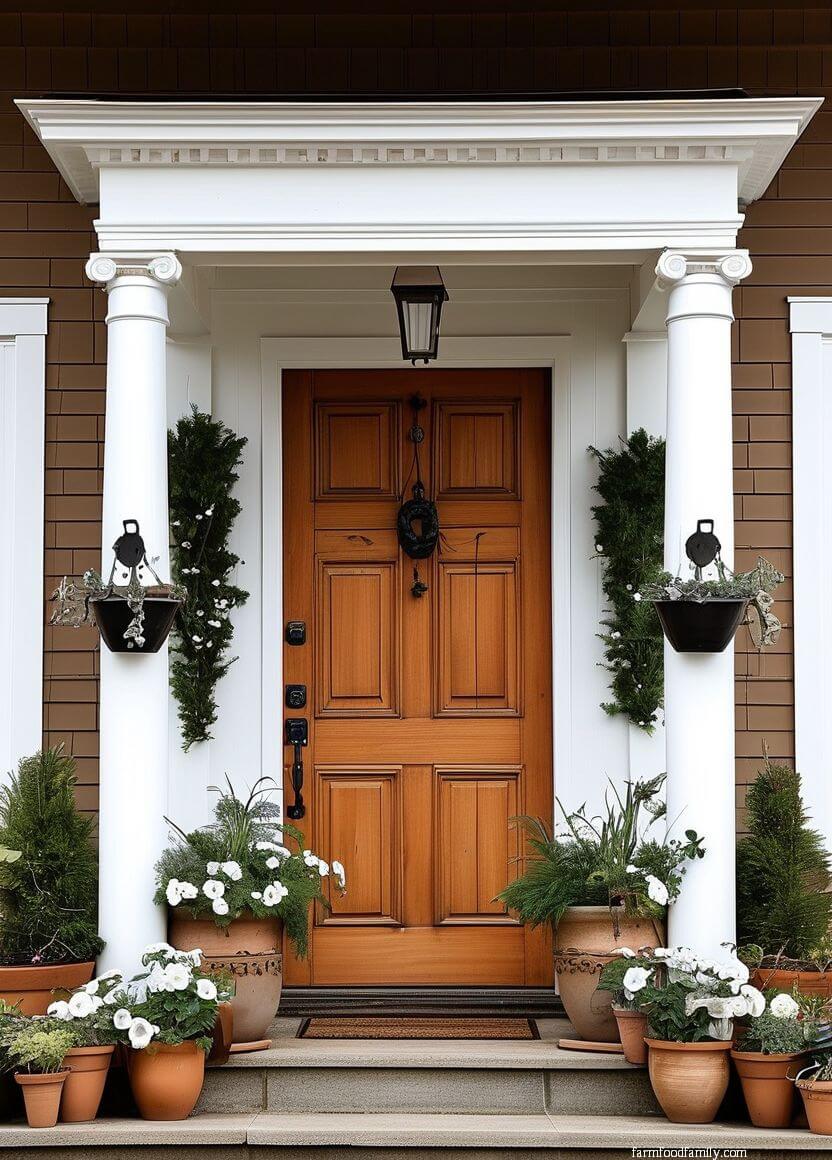
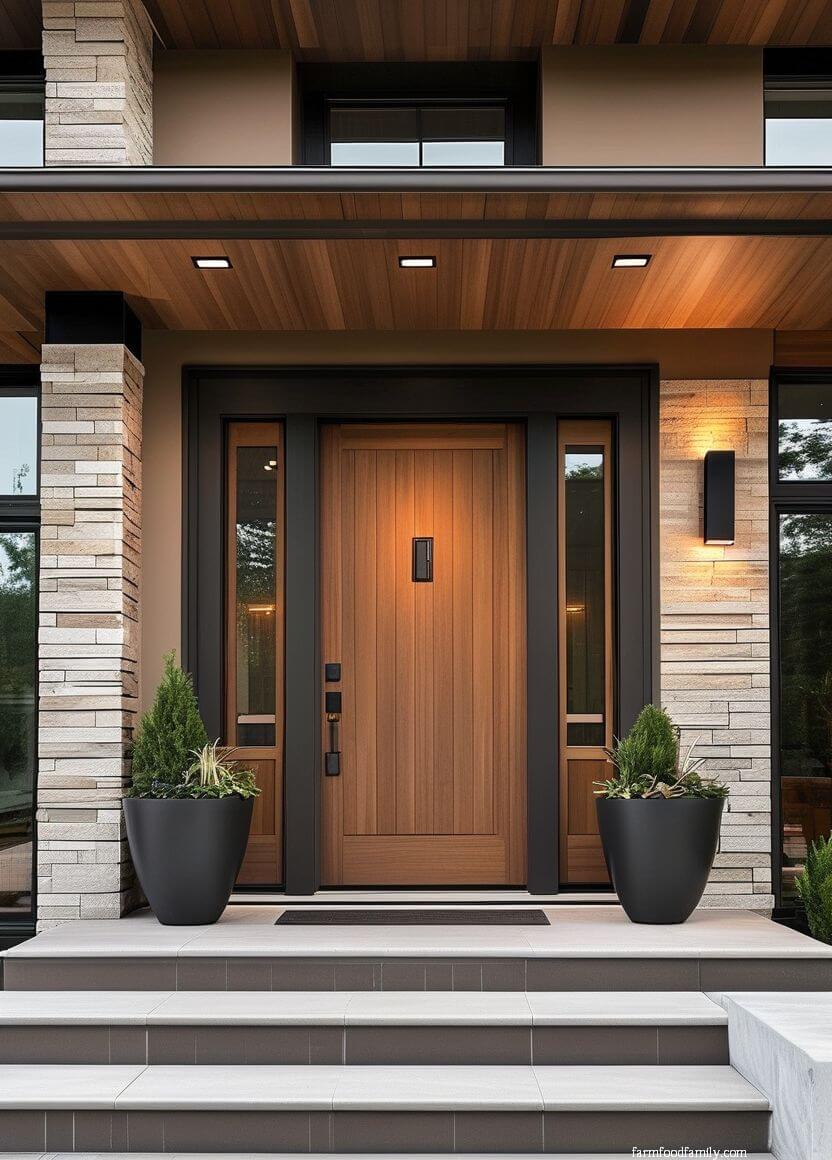
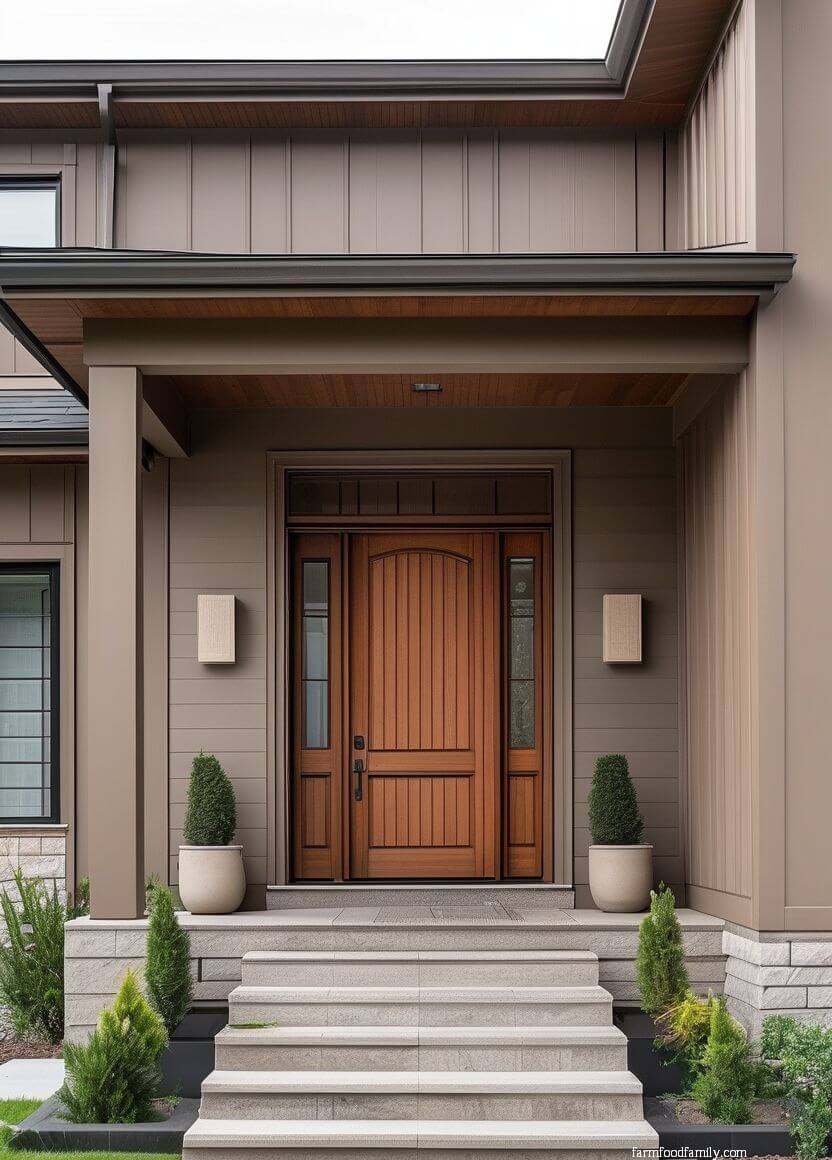
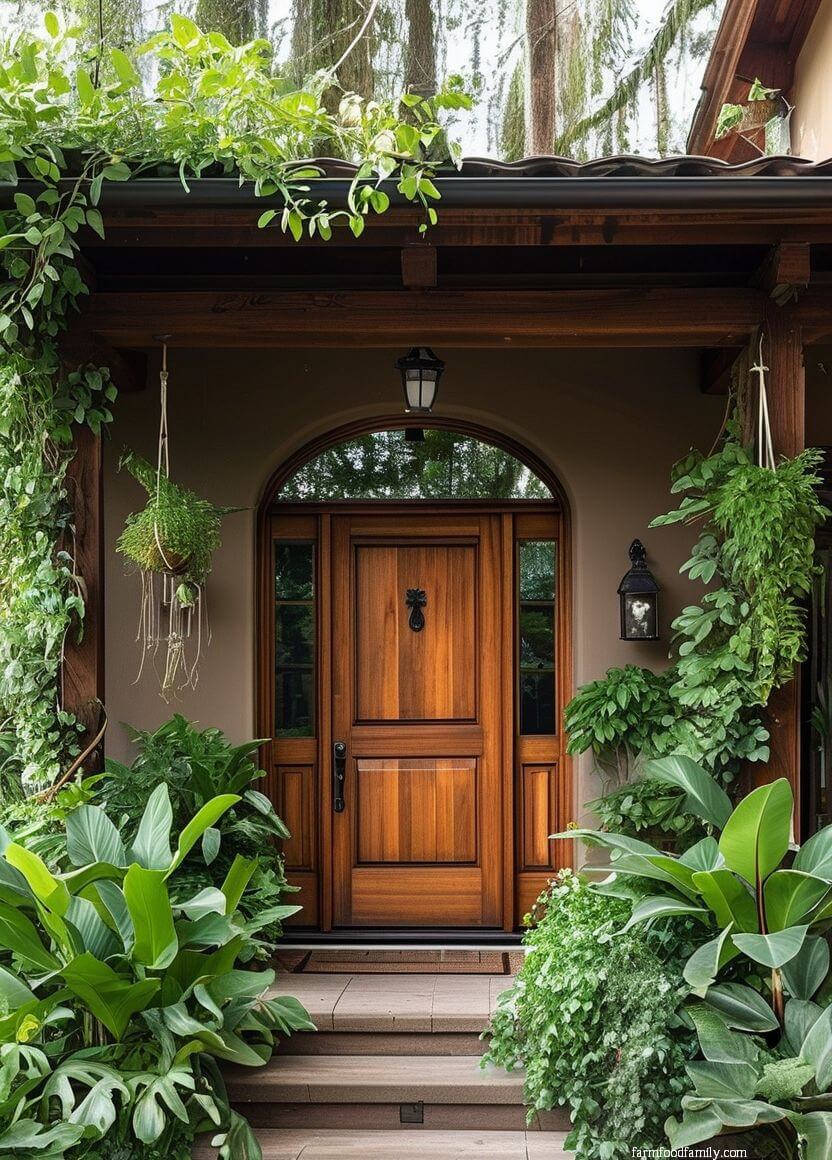
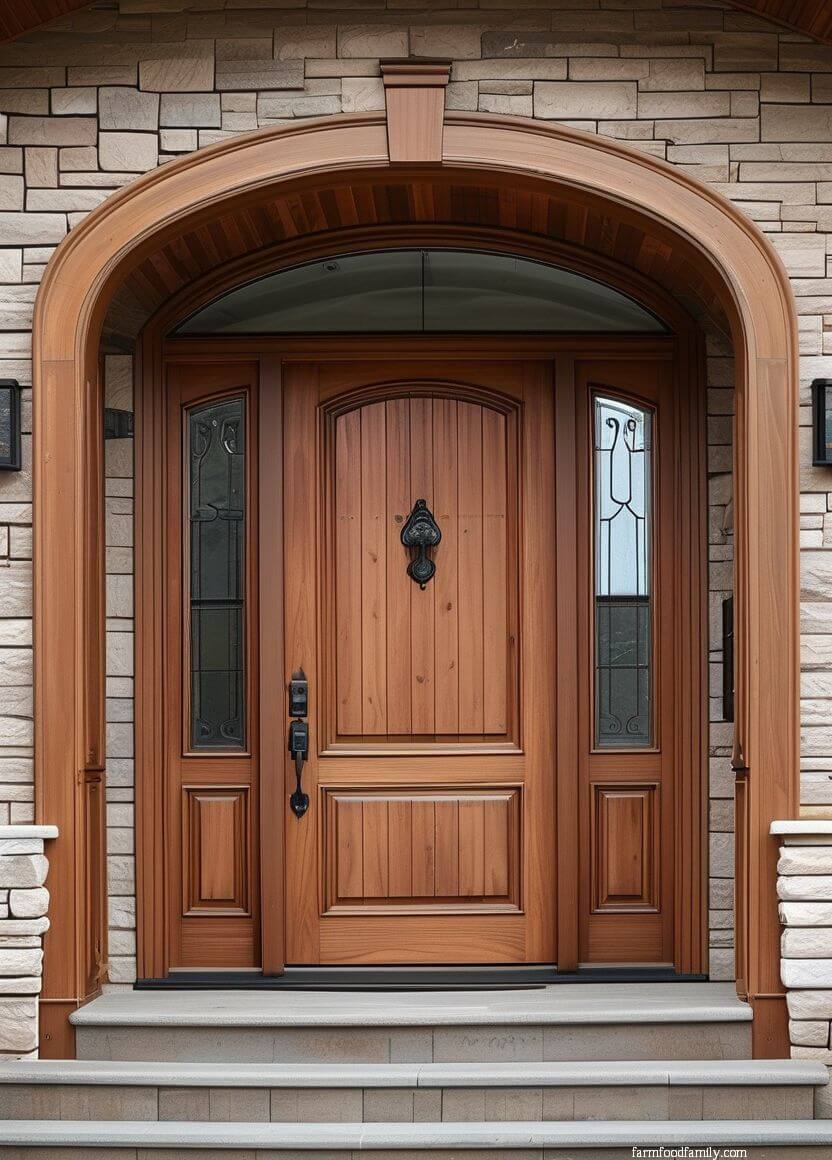
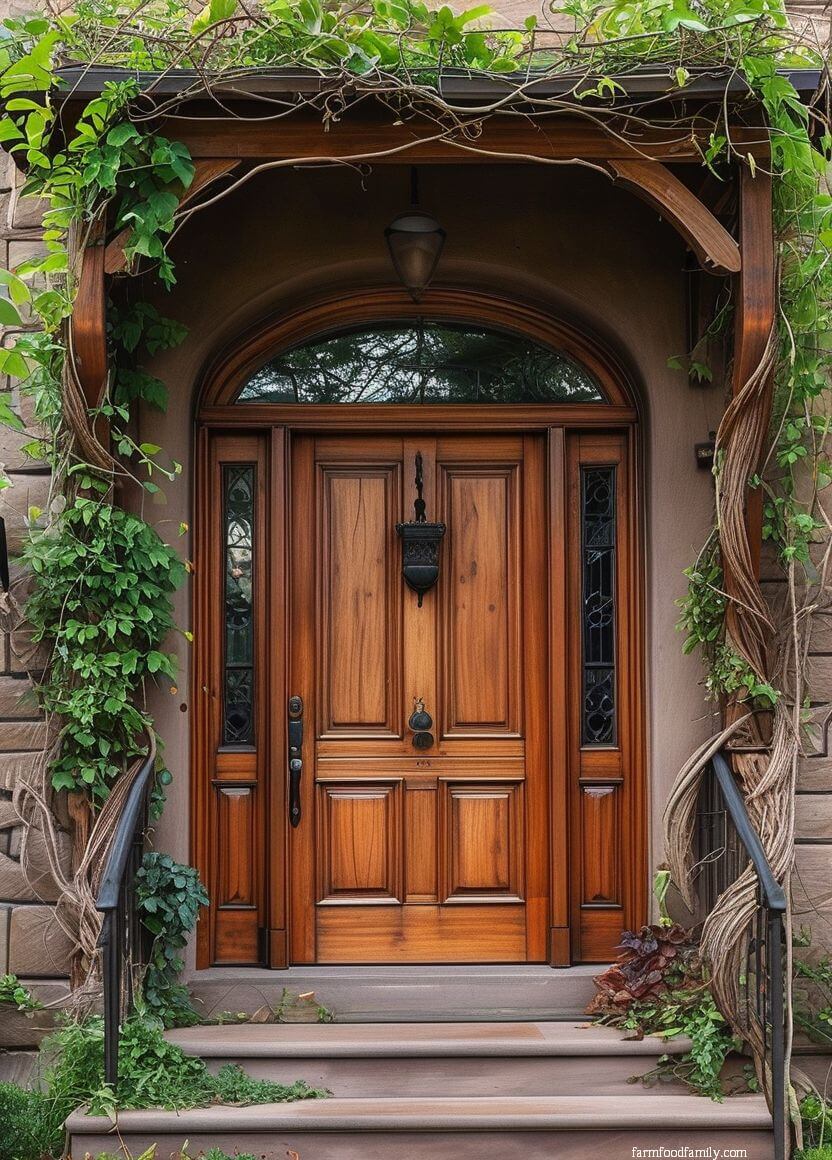
Rich, earthy brown sits darker than the tan itself, close enough in family to feel cohesive, dark enough to read as a deliberate choice rather than an accident.
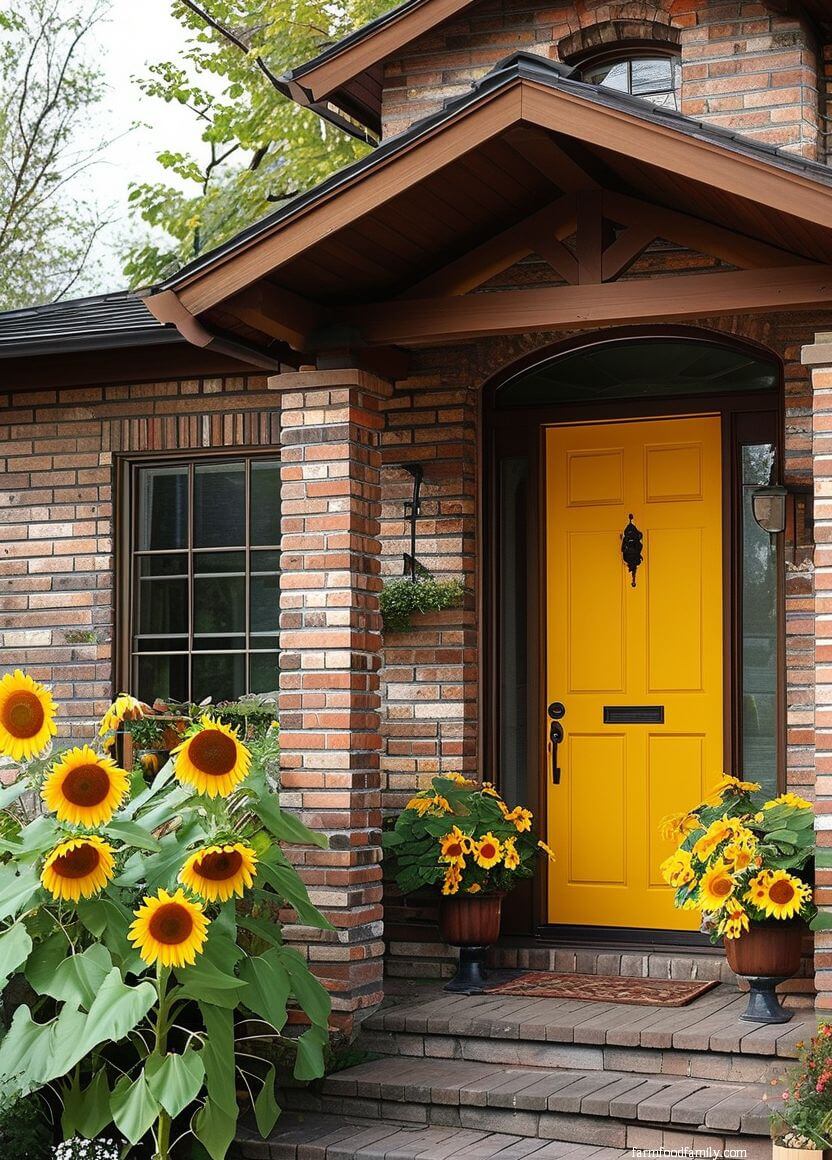
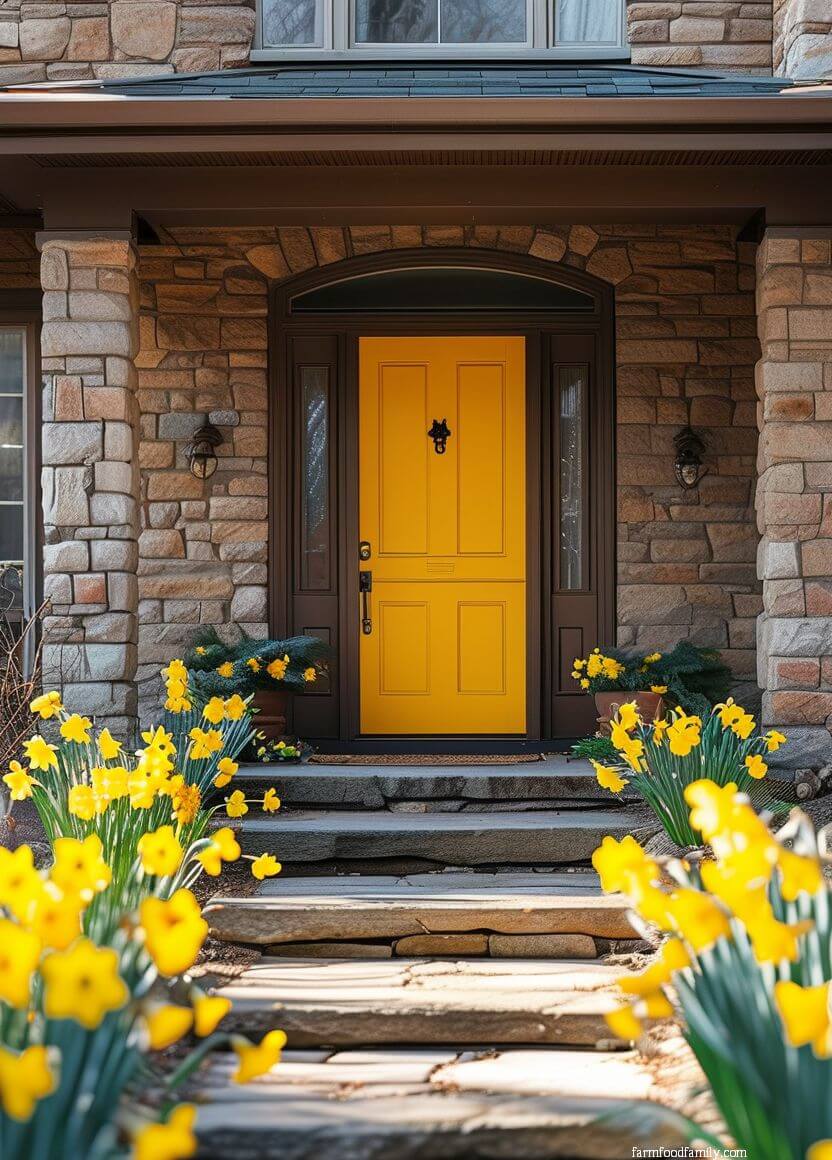
Warm, welcoming, a little unexpected. Yellow works well if the rest of the exterior (trim, landscaping) is fairly neutral.
Want a cheerier, more saturated yellow than the option above? Daffodil is best on homes that get a lot of direct light.
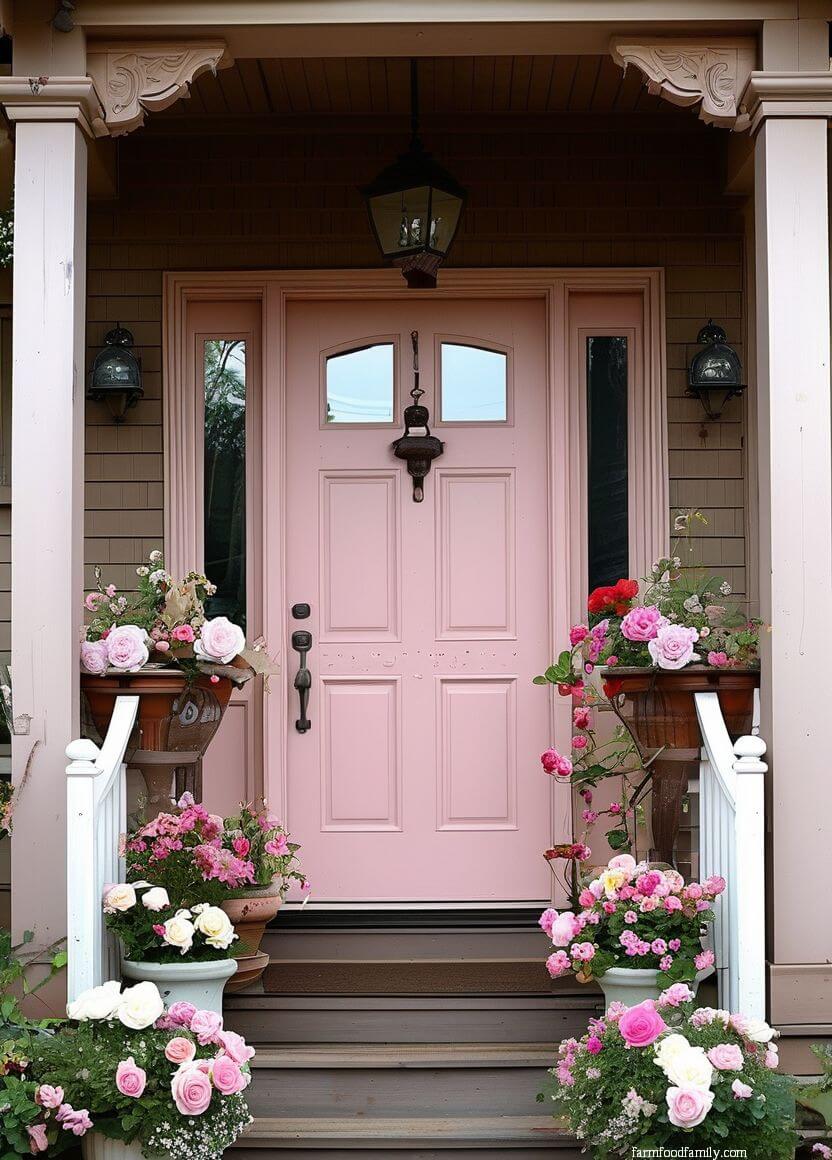
A muted pink-orange. Salmon is unusual, but it can genuinely work against a warm tan if the rest of the palette is calm.
Softer and more subdued than salmon, rose pink makes a quieter statement.
Neutral and Classic
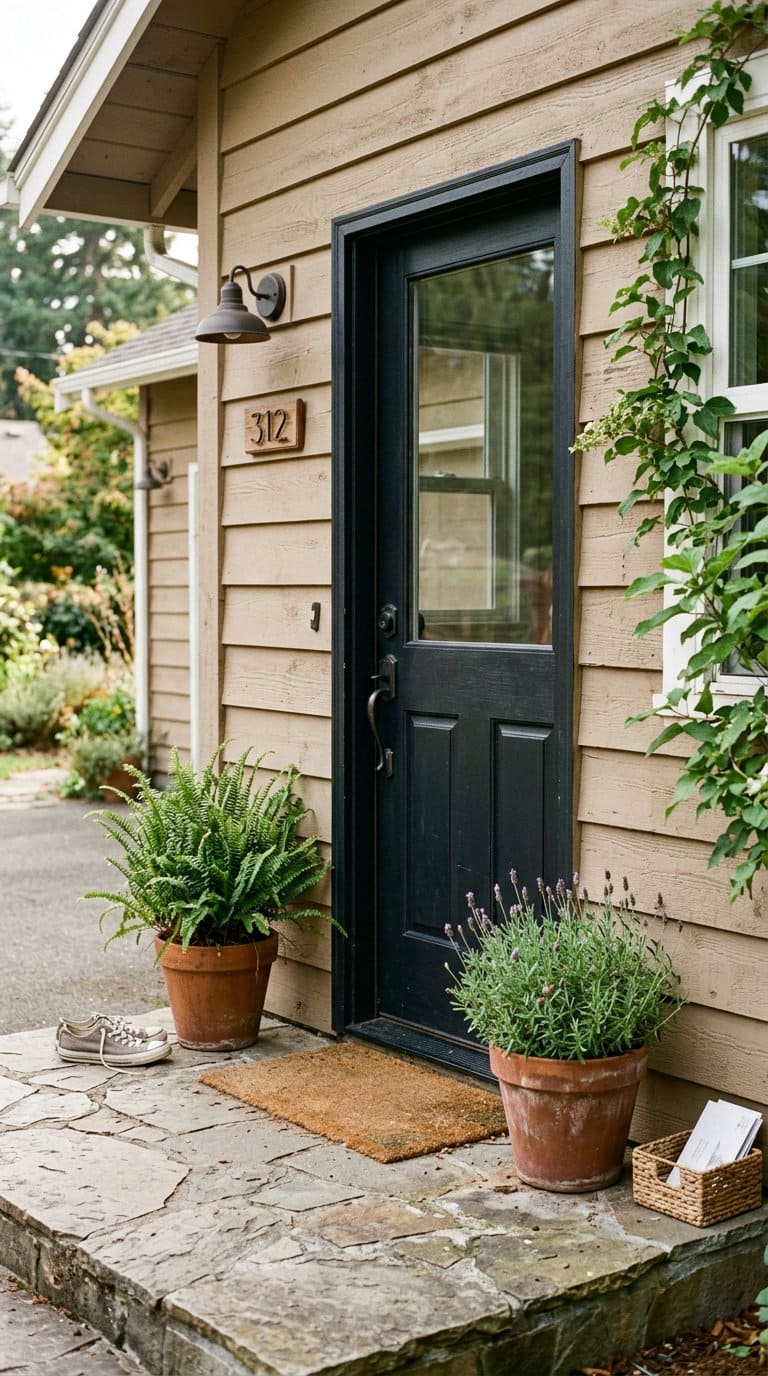
Low-risk, resale-safe, and this is where the real data lives.
Classic white. The highest-contrast neutral option. Clean, versatile, and it won’t fight with anything else on the exterior.
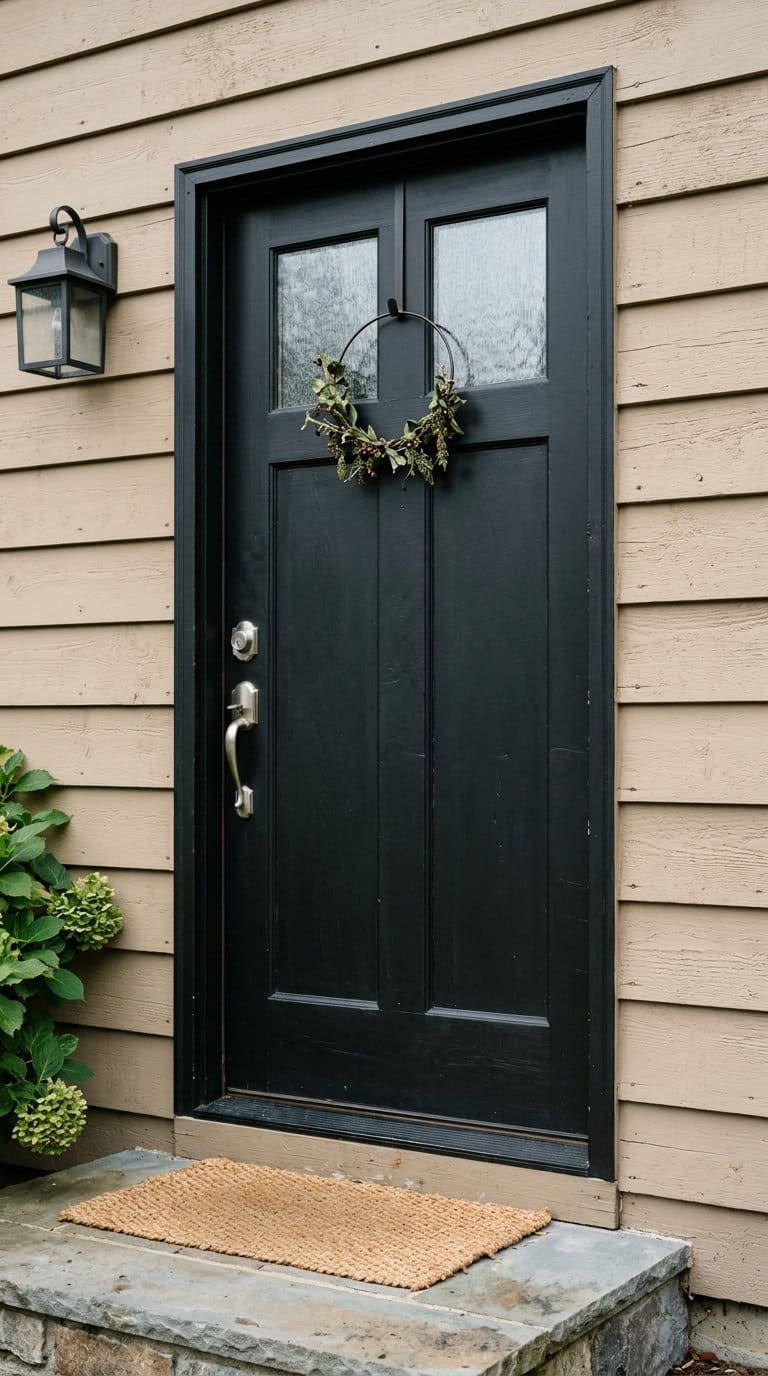
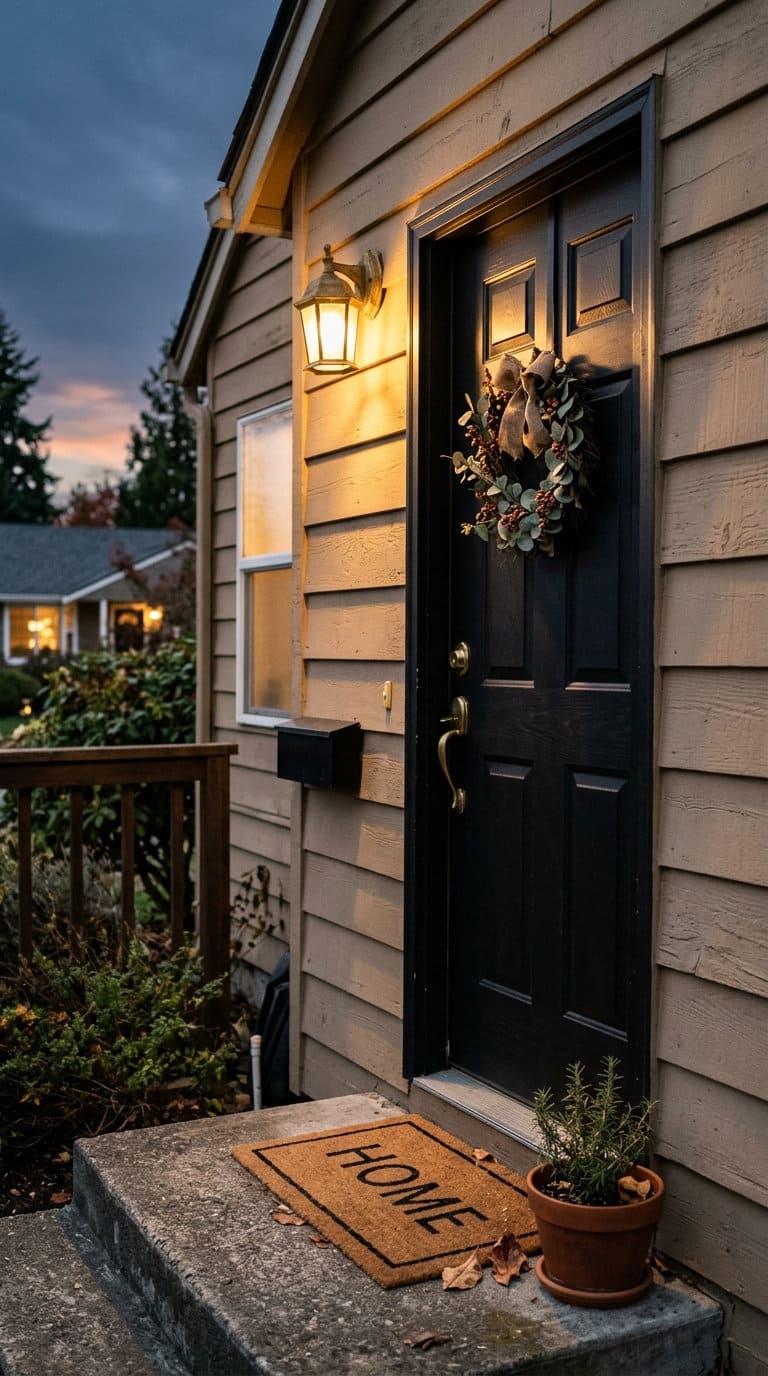
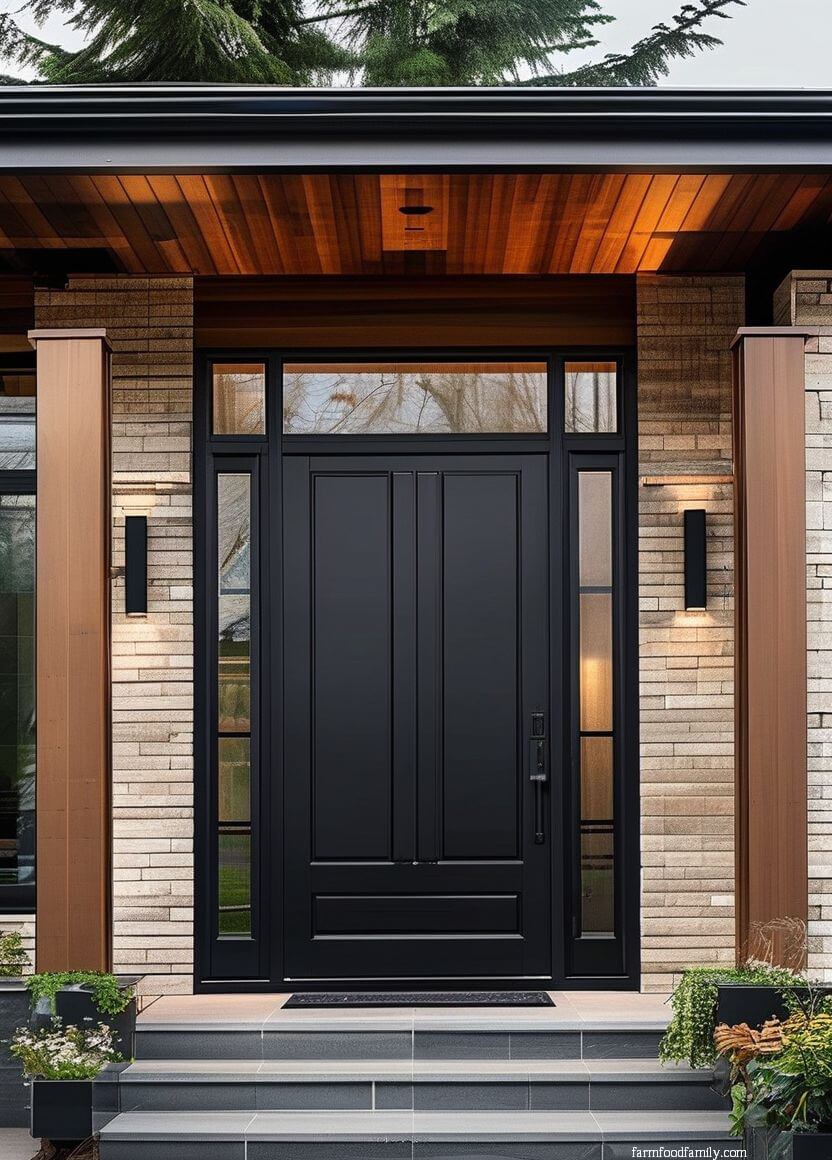
Bold black. This isn’t just a safe choice, it’s a financially smart one. Zillow’s analysis of more than 135,000 home listing photos found that black, charcoal, and jet-black front doors were associated with a resale premium of roughly $6,271 to $6,450 above otherwise similar homes. No other color on this list has that kind of data behind it.
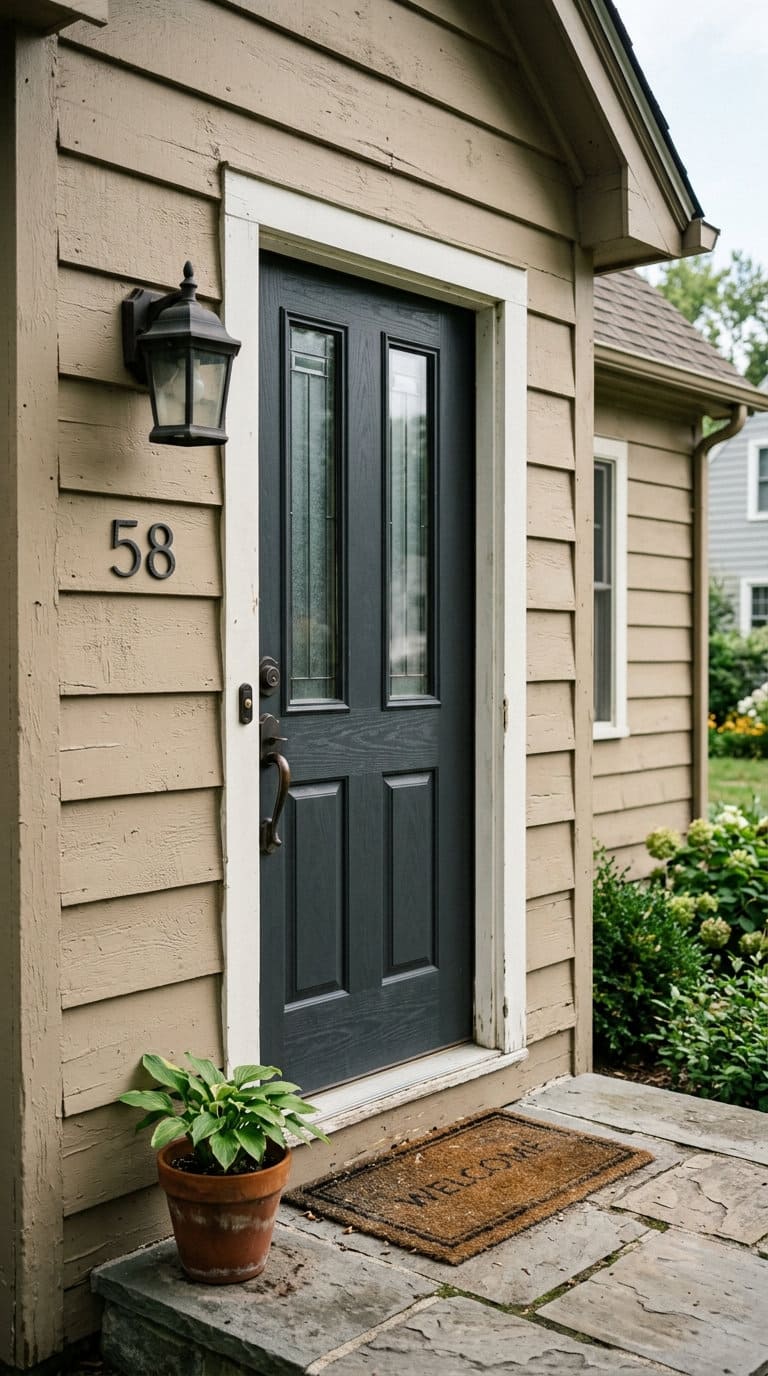
Gray. Sophisticated, coordinates with almost anything, and ages well. Sherwin-Williams recommends a color like Mineral Gray (SW 2740) specifically for beige exteriors that want a low-contrast, cohesive look.
Greige. The gray-beige hybrid. If you want a door that barely announces itself, this is it.
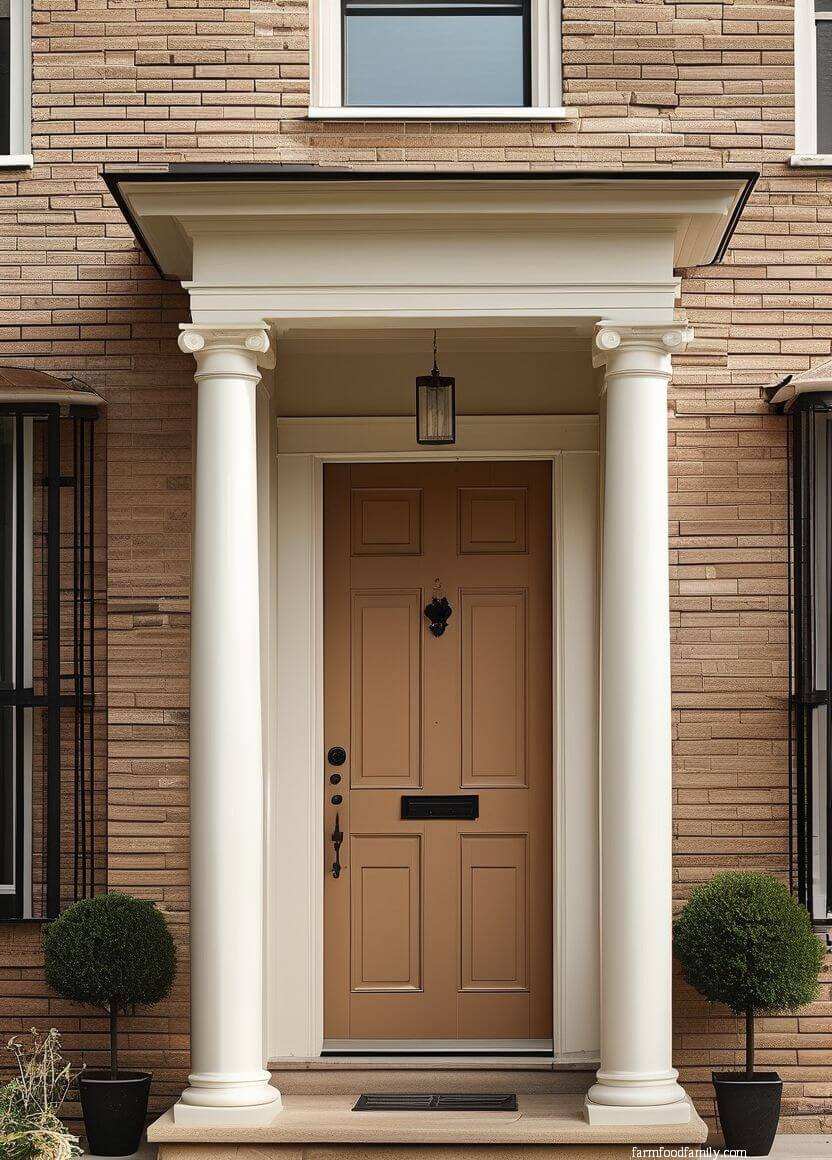
Tan. Monochrome, tan on tan. It’s a real option if you’d rather the architecture do the talking than the door.
Cream. A softer, warmer alternative to white. Good if pure white feels too stark against your siding.
Statement Colors
Less common, worth it if you want the door to be the focal point.
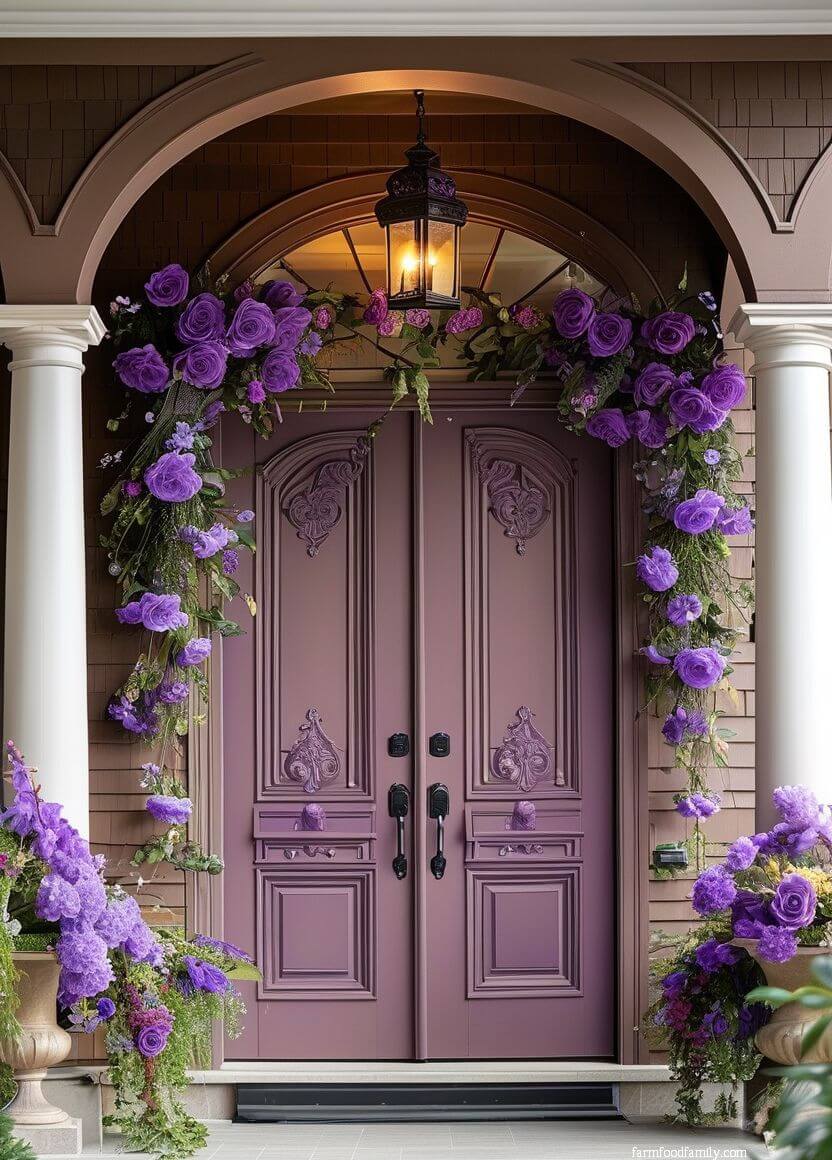
Violet. Warm and cool in one color. An unusual but workable choice against tan.
Lilac. A lighter, more toned-down version of violet. Softer statement, same basic logic.
A Few Practical Warnings
Sun exposure fades color faster than you’d think. Interior designer Jennifer Guerin points out that west- and south-facing doors take the most direct sun, and can fade noticeably faster than doors that stay mostly shaded. If your front door gets hit with afternoon light all day, budget for a repaint sooner than you’d expect, or lean toward a color and finish rated for UV resistance.
Not everyone agrees on brown. Design opinions vary more than roundups admit. On that same Reddit thread about a tan-brown exterior, one commenter was blunt: “stay away from chocolate brown exteriors. Please, for your sake.” Others in the same thread loved it. Take strong opinions on any one color, including the ones in this article, as one input, not gospel.
When in doubt, get a second opinion in person. A commenter on that same thread had good, low-cost advice: “go to a quality paint store and ask if they have or know of a local exterior paint consultant. It’s totally worth the extra money.” A 20-minute conversation with someone who can look at your actual siding beats guessing from photos online.
Frequently Asked Questions
Can I just paint my front door with any color?
Generally, yes, but check your homeowners’ association rules first if you have one. Beyond that, the main things to consider are your tan’s undertone (warm or cool), how much direct sun the door gets, and whether you want a color that’s easy to sell the house with later or one that’s purely for your own enjoyment. There’s no rule that says you can’t repaint again in a year or two if you change your mind.
Does front door color actually affect resale value?
Somewhat, yes, at least for one specific color. Zillow’s photo-analysis study found black and charcoal front doors correlated with a real resale premium, roughly $6,271 to $6,450 above comparable homes without one. That doesn’t mean every other color hurts value, but if resale is a real priority and you’re on the fence, black is the one choice with actual data behind it.
What if I don’t know my house’s undertone?
Hold a few paint chips up against your actual siding in direct daylight, not under indoor lighting, which distorts color. If the tan looks more yellow or peachy, it’s warm-leaning; if it looks more gray or muted, it’s cool-leaning. If you’re still unsure, a local paint store consultant can usually tell in under a minute, and it’s worth the short conversation before committing to a full gallon.
More front door ideas:
Conclusion
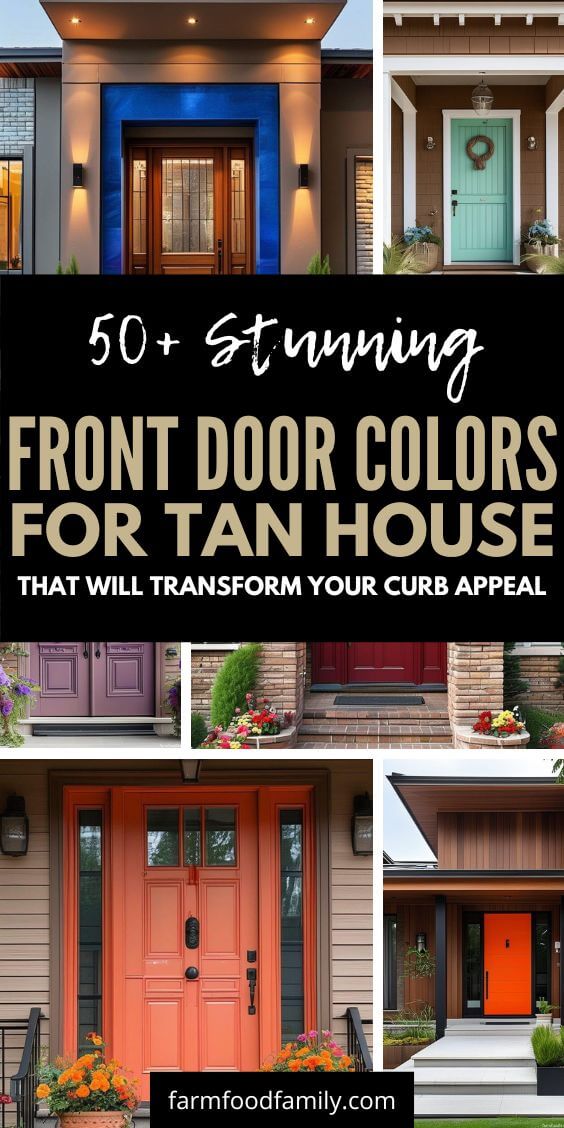
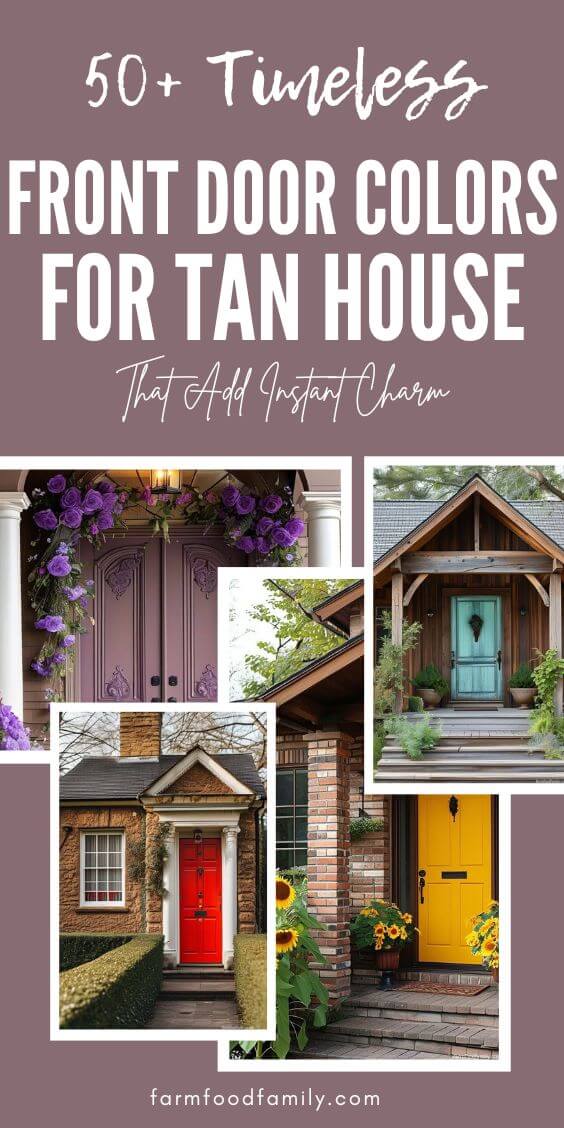
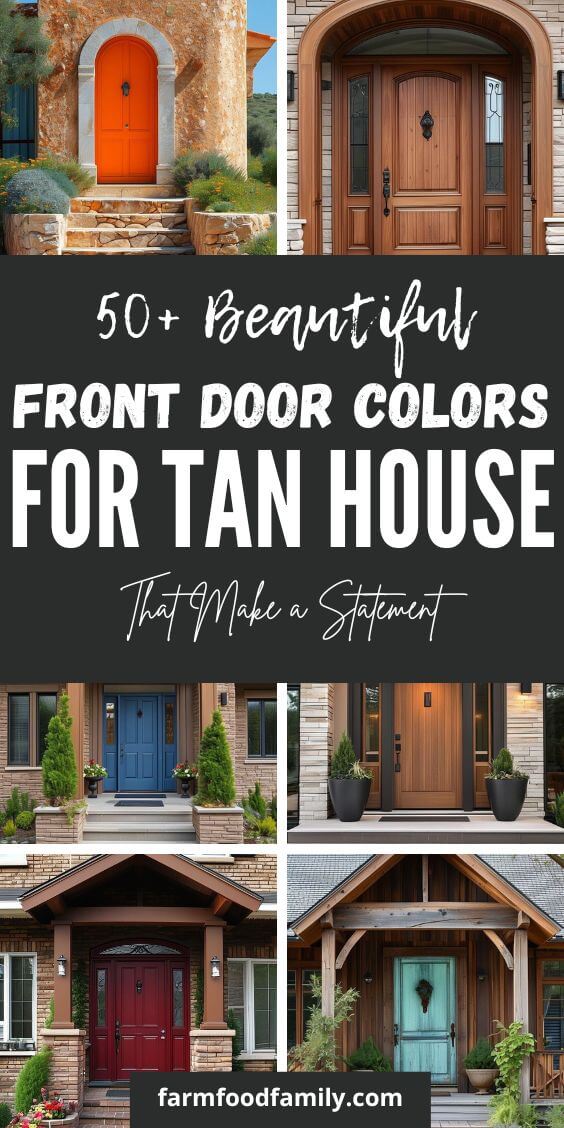
While they are considered a minor detail, the impact of front doors on curb appeal is not minor at all. Whether the intention is to create a cohesive exterior, to make a statement or just make a compelling sight, it is important that you know the best color choices out there to match your house.
In this case, we made tan houses the subject of front door color matching. Since tan is a neutral color, it is not that hard to look for the best color matches for it. However, as we have covered here, there really are specific colors and their corresponding tones that would make a tan house more beautiful and the curb appeal more inviting.
Never miss an update — choose FarmFoodFamily as your preferred source on Google.
How it works: Tap the button below to open Google's settings page, then check the box next to FarmFoodFamily.
Tap the checkbox to turn it blue — that's how you know it's set.