25+ Creative Shabby-Chic Garden Ideas for a Dreamy Outdoor Space
Shabby-chic gardens look like they happened by accident. A weathered bench here, a rusty gate there, roses climbing something that used to be a fence. That’s the whole appeal, and honestly, it’s one of the cheapest styles to pull off since half the “decor” is stuff you already own or can grab secondhand for a…

Never miss an update — choose FarmFoodFamily as your preferred source on Google.
How it works: Tap the button below to open Google’s settings page, then check the box next to FarmFoodFamily.
Tap the checkbox to turn it blue — that’s how you know it’s set.
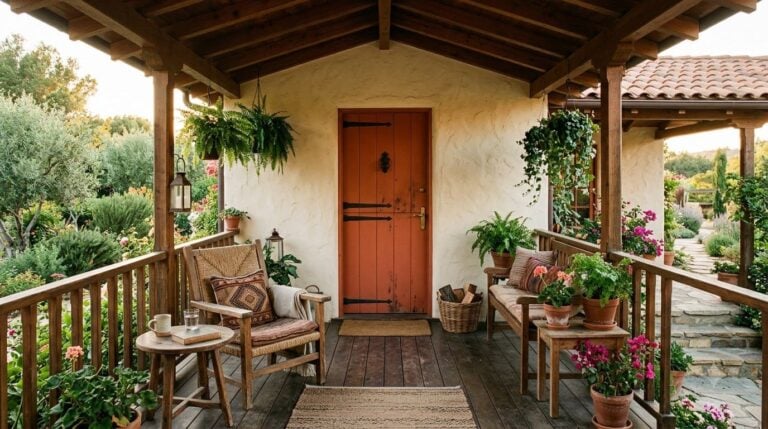
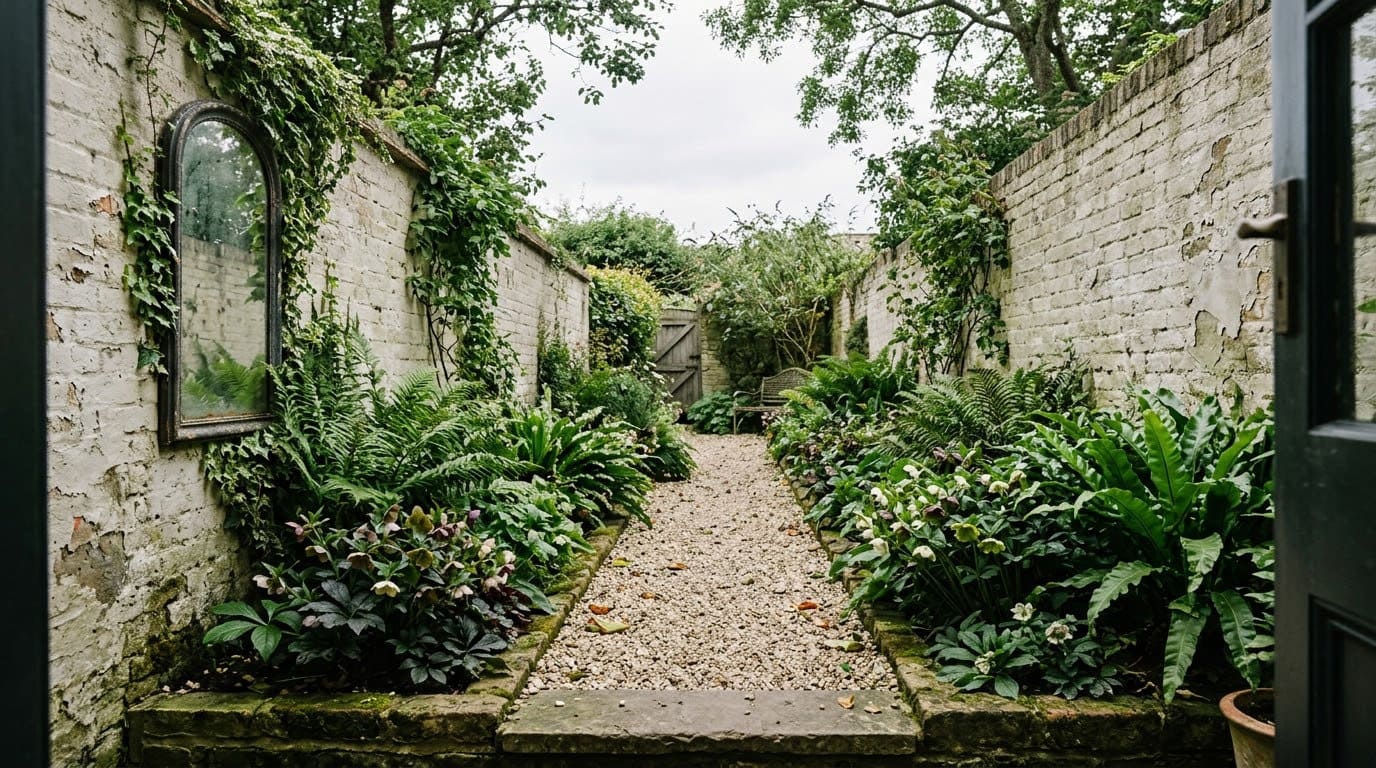
Shabby-chic gardens look like they happened by accident. A weathered bench here, a rusty gate there, roses climbing something that used to be a fence. That’s the whole appeal, and honestly, it’s one of the cheapest styles to pull off since half the “decor” is stuff you already own or can grab secondhand for a few dollars.
But most guides to this look skip two things that actually matter. First, a lot of that charmingly distressed old furniture and those garden tools you’re supposed to sand down and repaint were painted before 1978, and older paint can carry lead.
Second, the “just plant roses, lavender, and hydrangeas together” advice you’ll see everywhere isn’t quite right, lavender and hydrangea want different soil and sun conditions and don’t actually like being crowded next to each other. Both get fixed below, alongside all 25 ideas.
1. Whitewashed Wood Benches
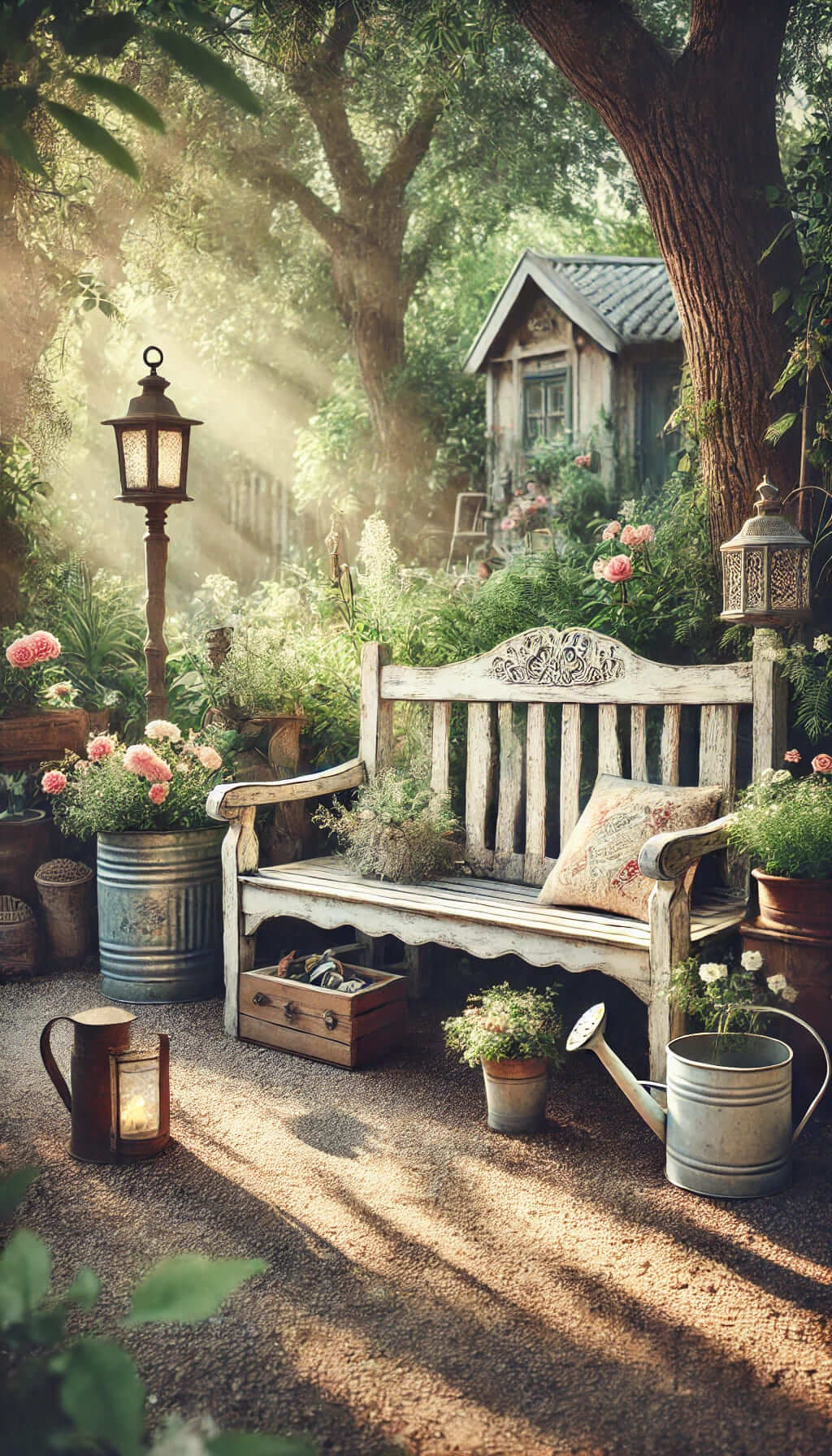
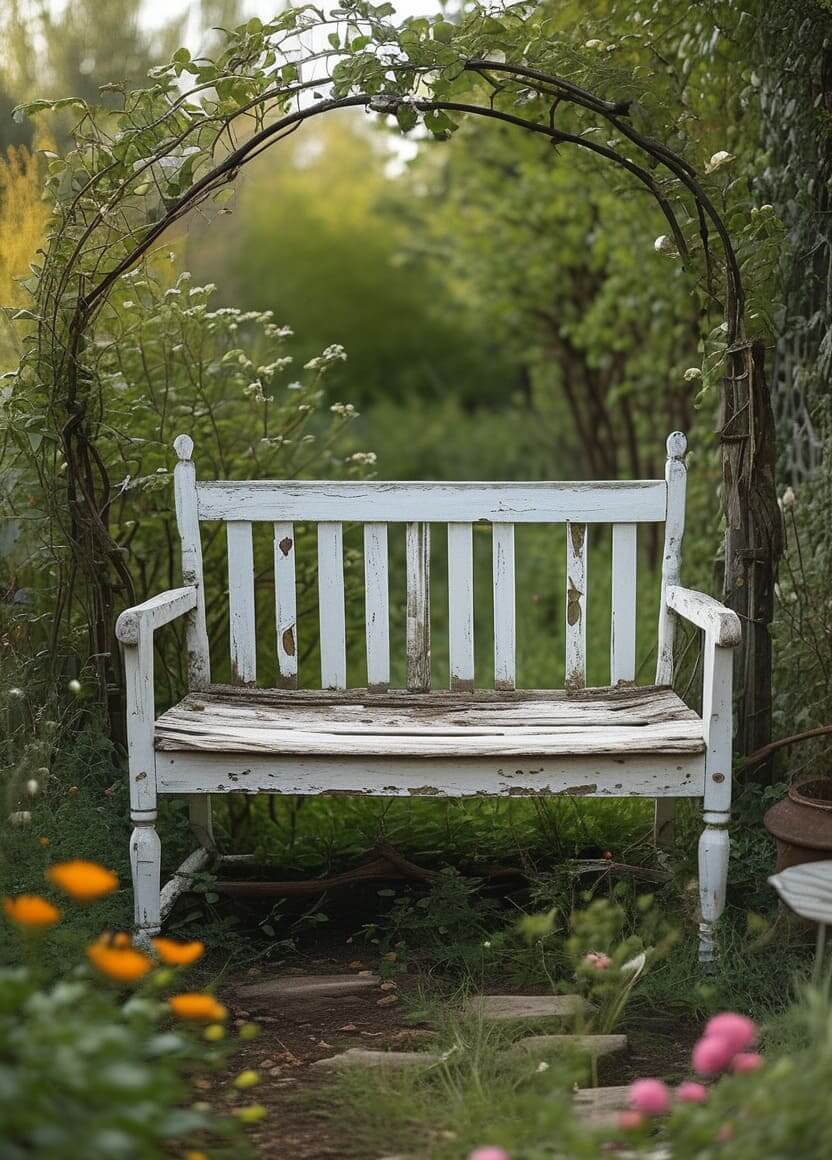
Spot an old wooden bench at a yard sale or sitting in someone’s shed? Whitewash it. It’s a weekend project, costs almost nothing beyond a can of paint, and it’s the fastest way to get that faded, sun-bleached look.
One thing worth checking first: if the bench is genuinely old, not a new reproduction, test for lead before you sand anything. According to the University of Georgia’s Cooperative Extension, paint applied before 1978 can contain lead, and dry-sanding it kicks up dust you really don’t want to breathe.
Their guidance is to skip the sander, use wet-sanding instead, and wear a proper respirator if you’re working with anything you suspect is original vintage paint. A five-dollar lead-test swab from the hardware store settles the question in about thirty seconds.
Answer 4 quick questions and get matched to the exact fix for your yard — drainage, budget, layout, or something else entirely.
Take the Free Quiz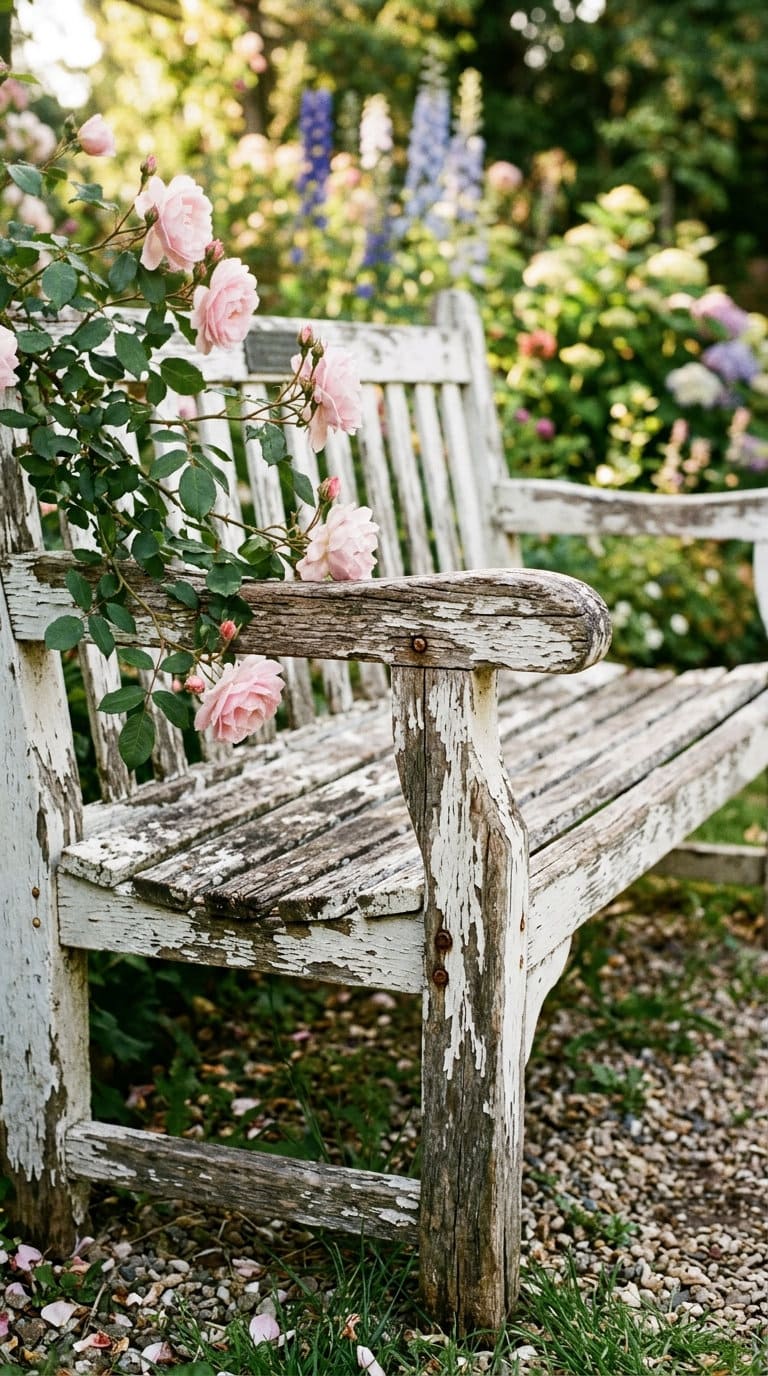
2. Iron Accents
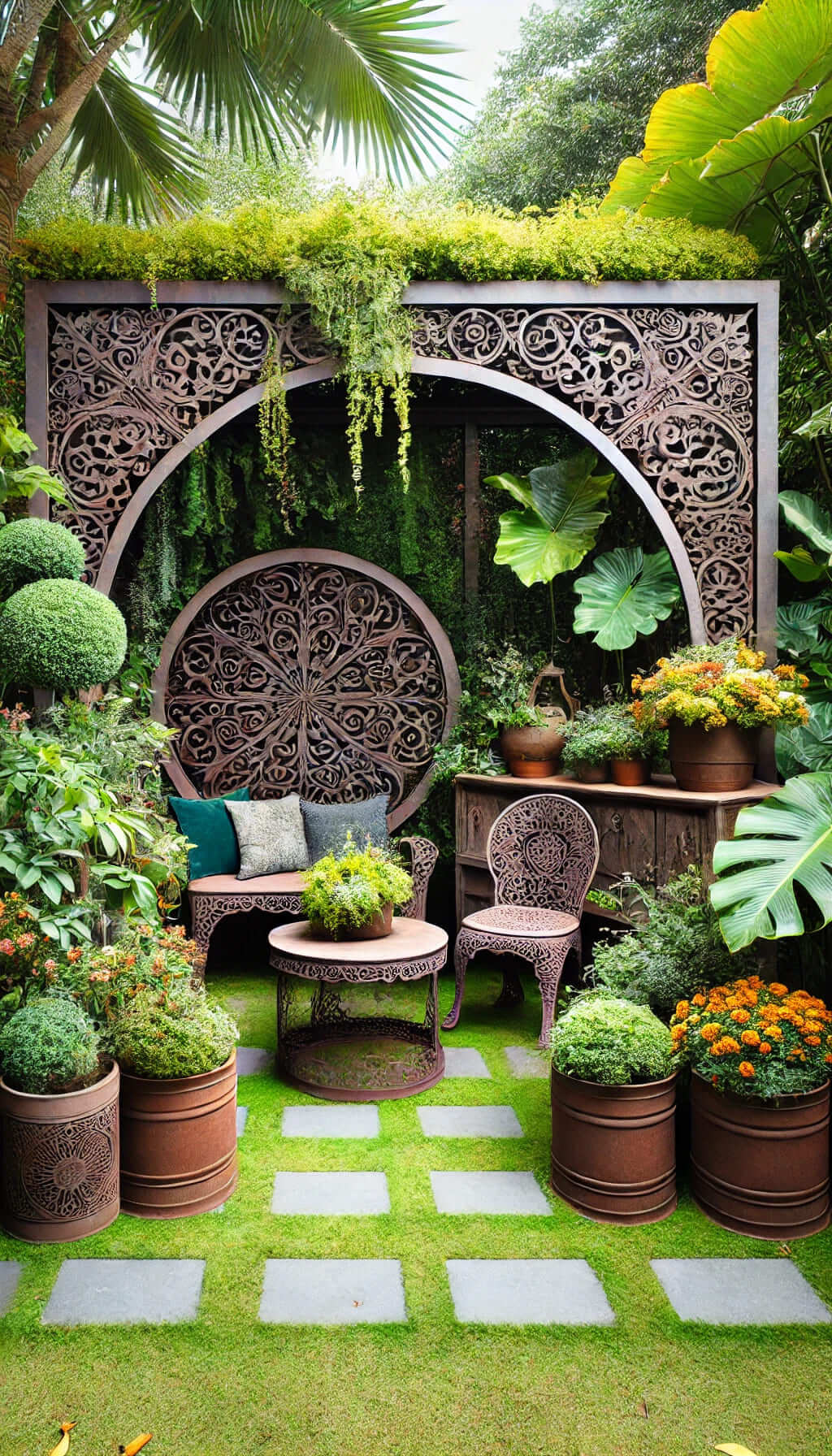
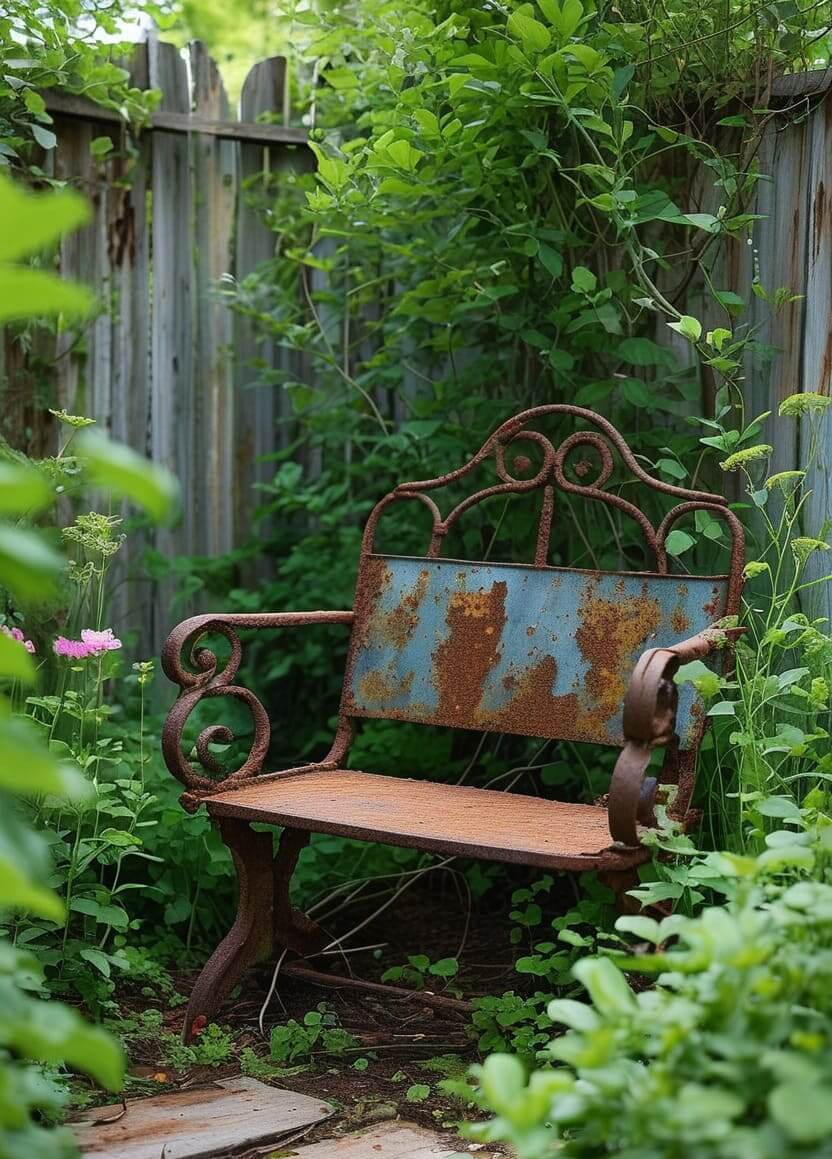
Rusty iron sculptures, an old plant stand, a wrought-iron side table you found curbside.
Iron ages into the look on its own, and honestly the rust is the point, don’t bother sealing it unless the piece is actually load-bearing and you’re worried about it giving out.
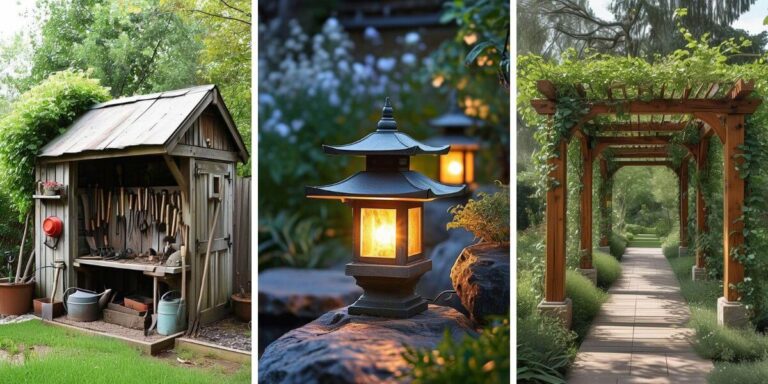
3. Distressed Garden Tools as Decor
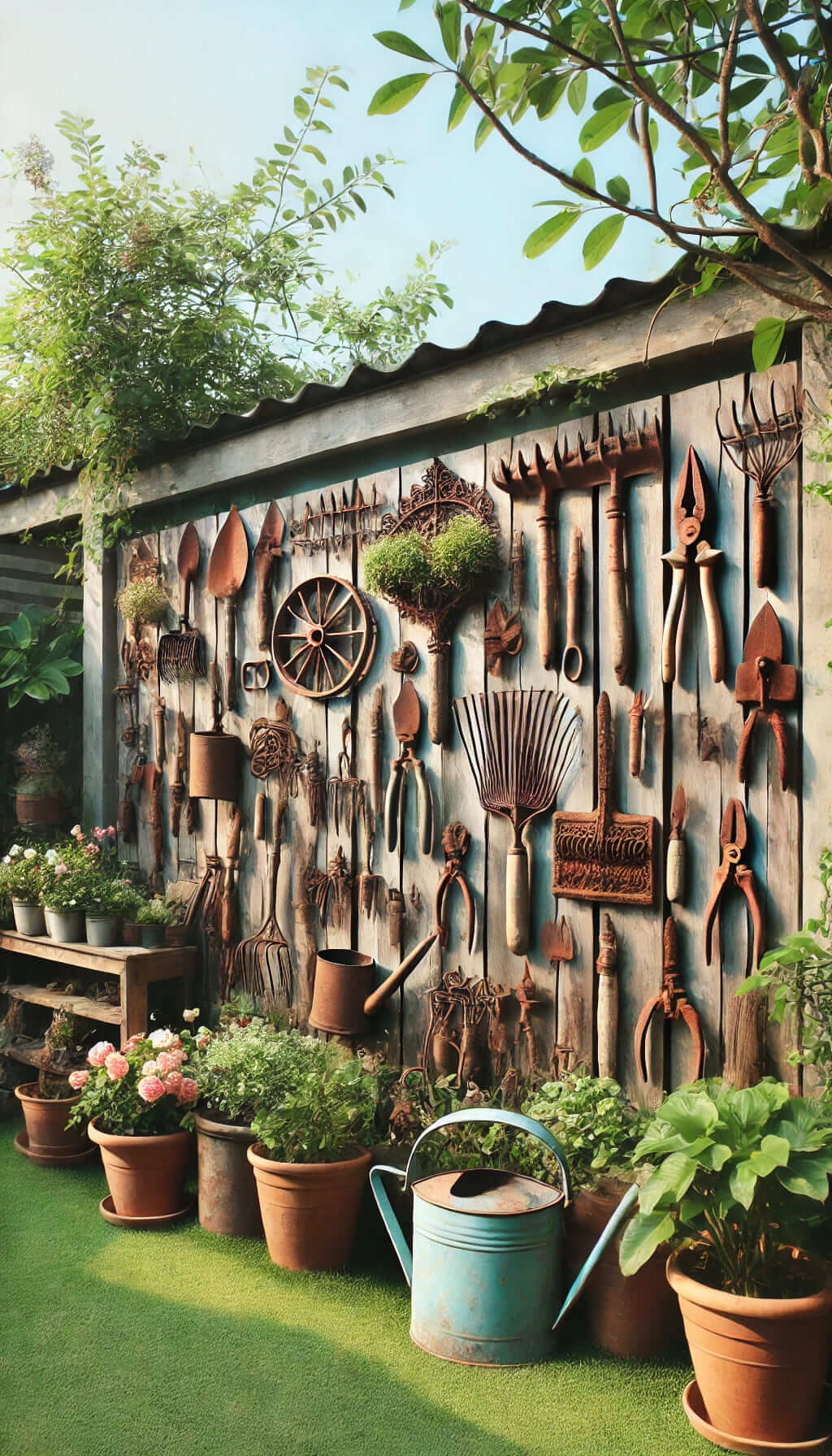
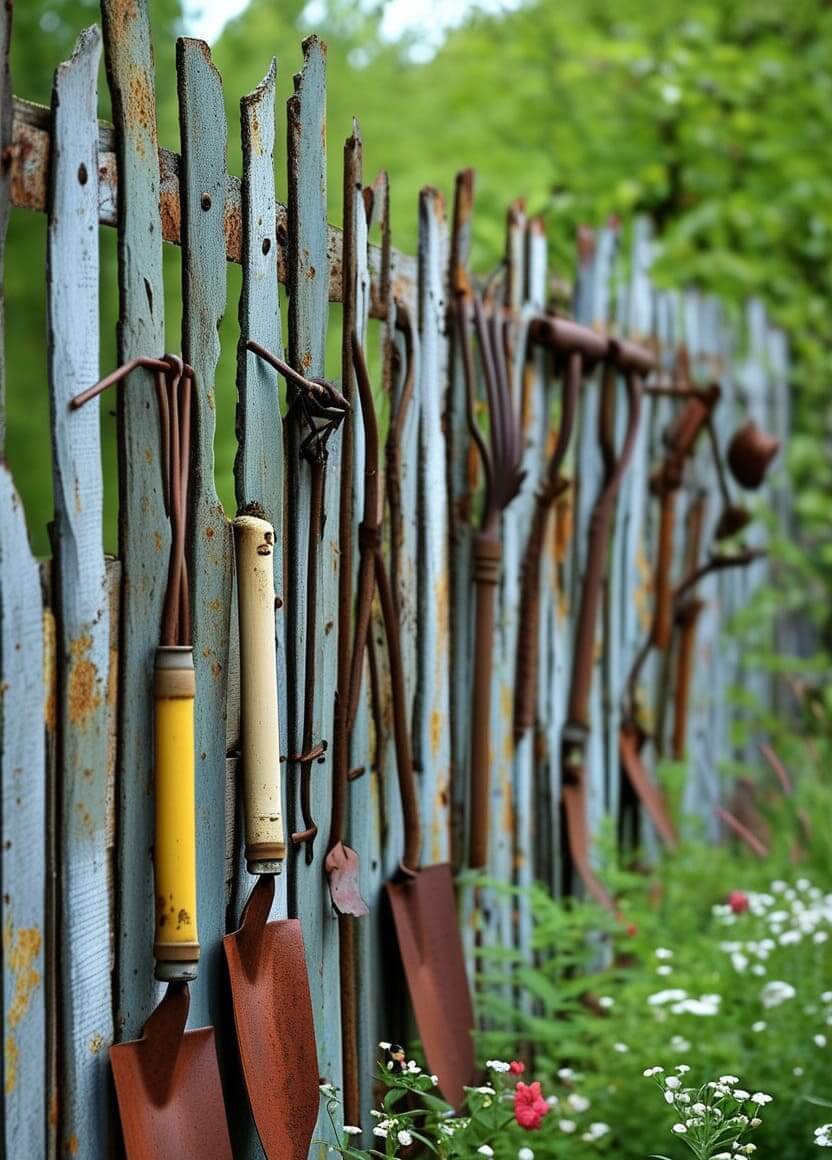
Old rakes, trowels, and watering cans hung on a fence or wall make a genuinely good conversation-starter display, and they cost nothing if you already have tools you were about to toss.
Same lead-paint caution from idea #1 applies here too, painted wooden tool handles from before 1978 are worth a quick test swab before you sand them down.
4. Repurposed Planters
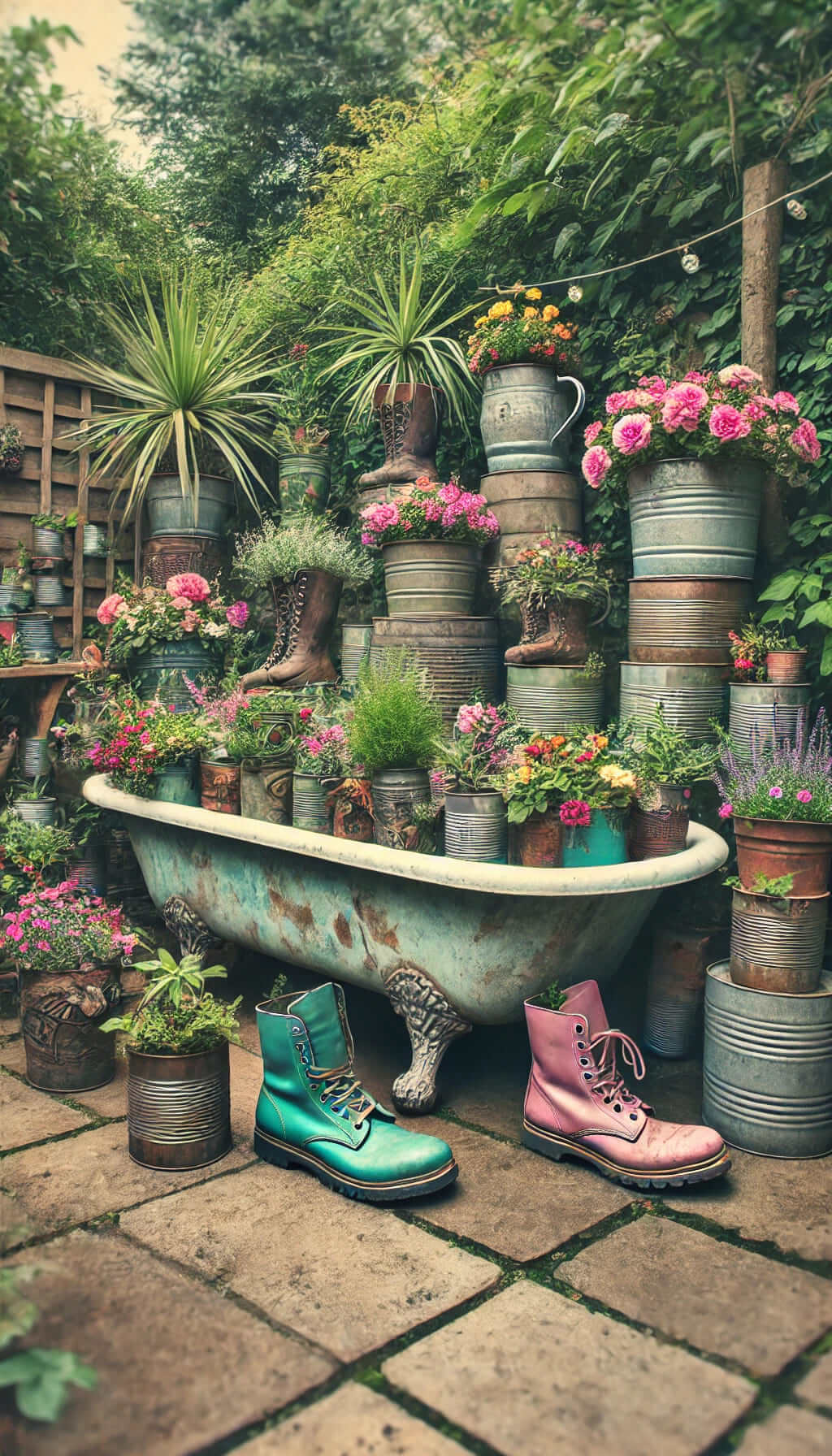
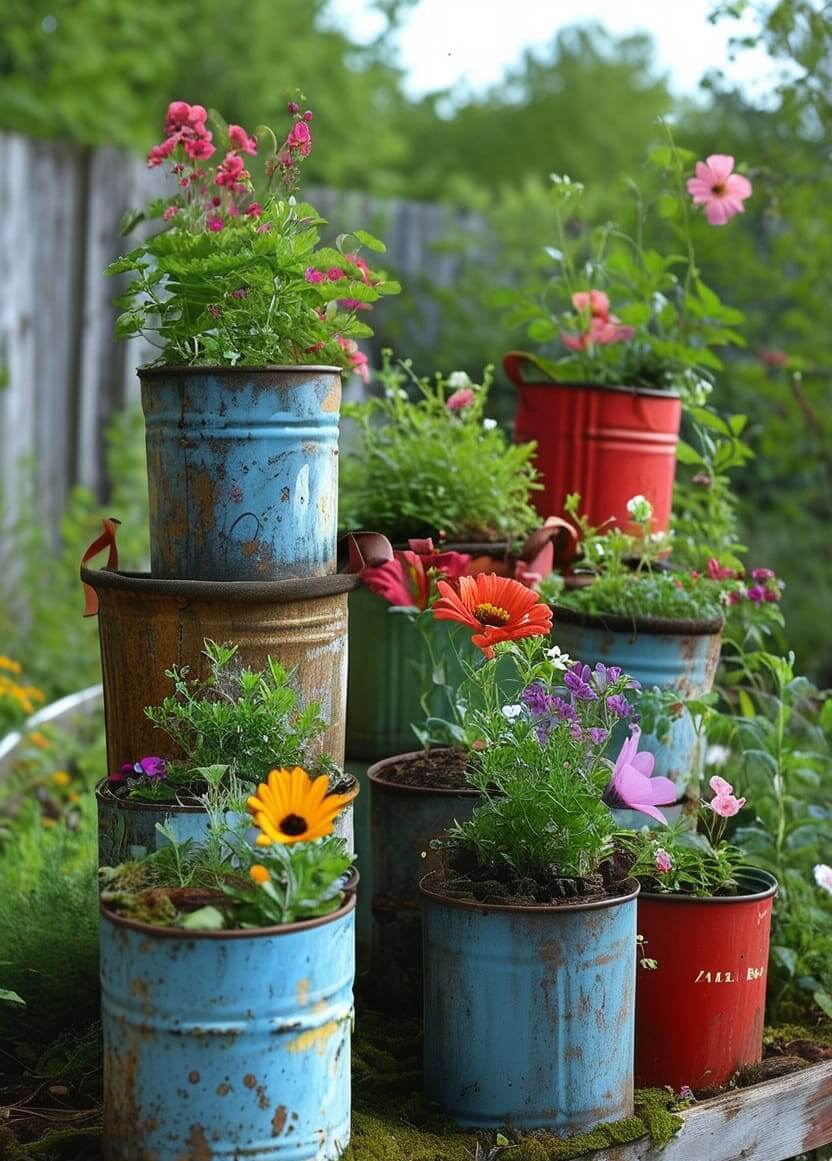
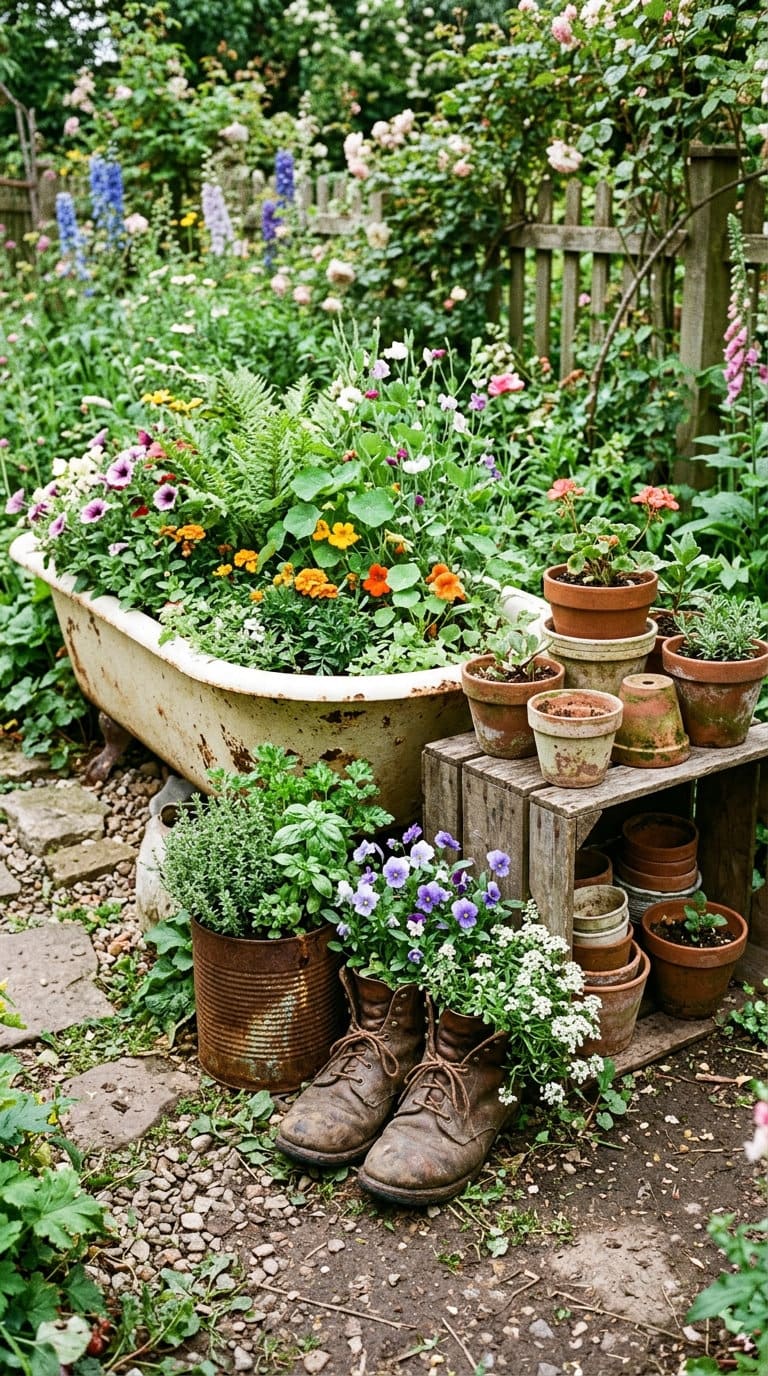
Old boots, tin cans, a claw-foot bathtub nobody wants anymore, all of it can hold plants. The only real requirement is drainage, if the container doesn’t already have a hole, drill one before you fill it with soil, otherwise you’re basically growing root rot.
5. Bunting with Flair
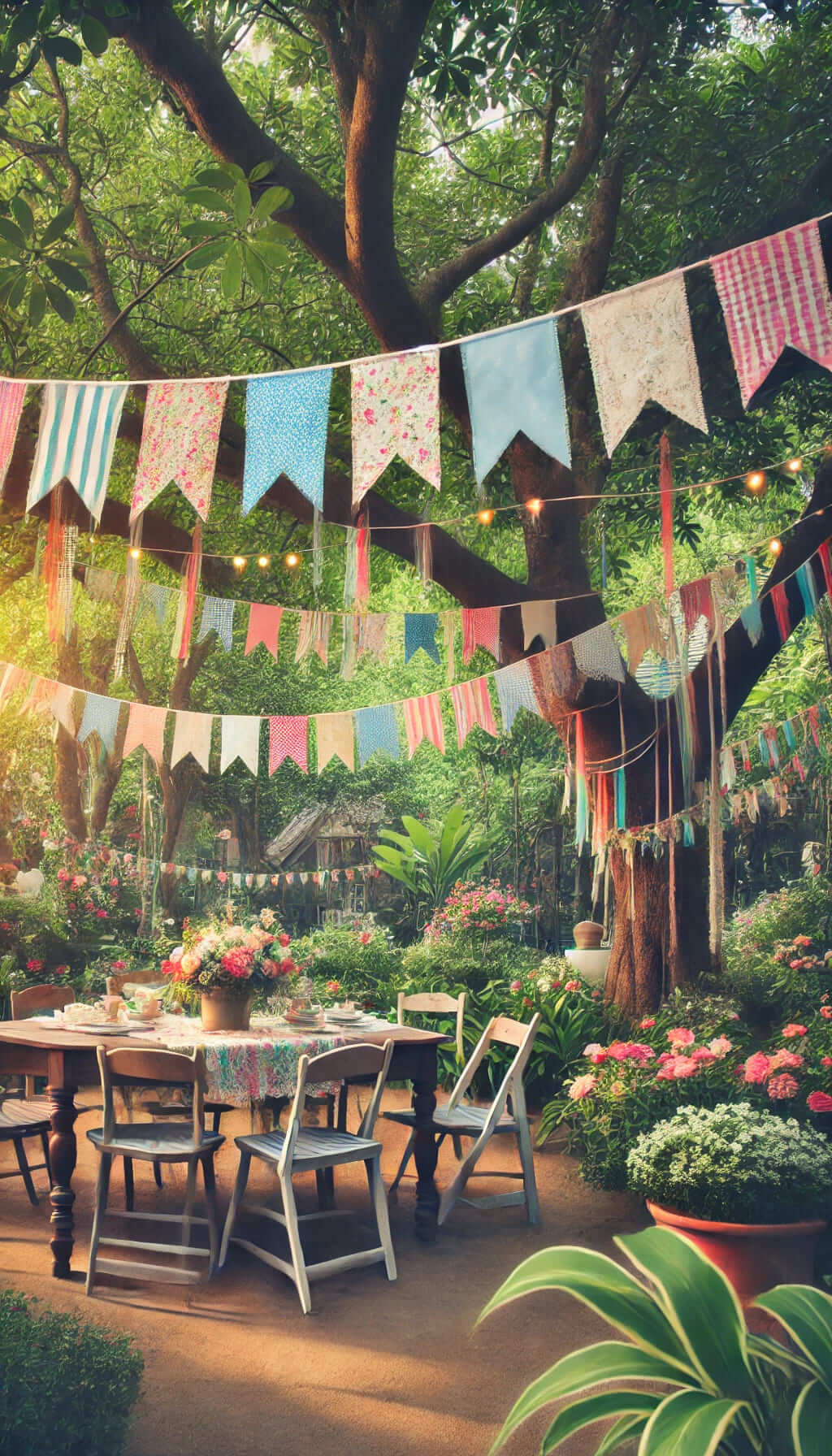
Scrap fabric, some thread, an afternoon. Bunting strung between two posts adds a party feel without costing a cent if you’re using fabric remnants you already have lying around.
Most yard problems trace back to one specific, fixable cause. Find yours in 4 quick questions.
Take the Free Quiz6. Upcycled Outdoor Bar
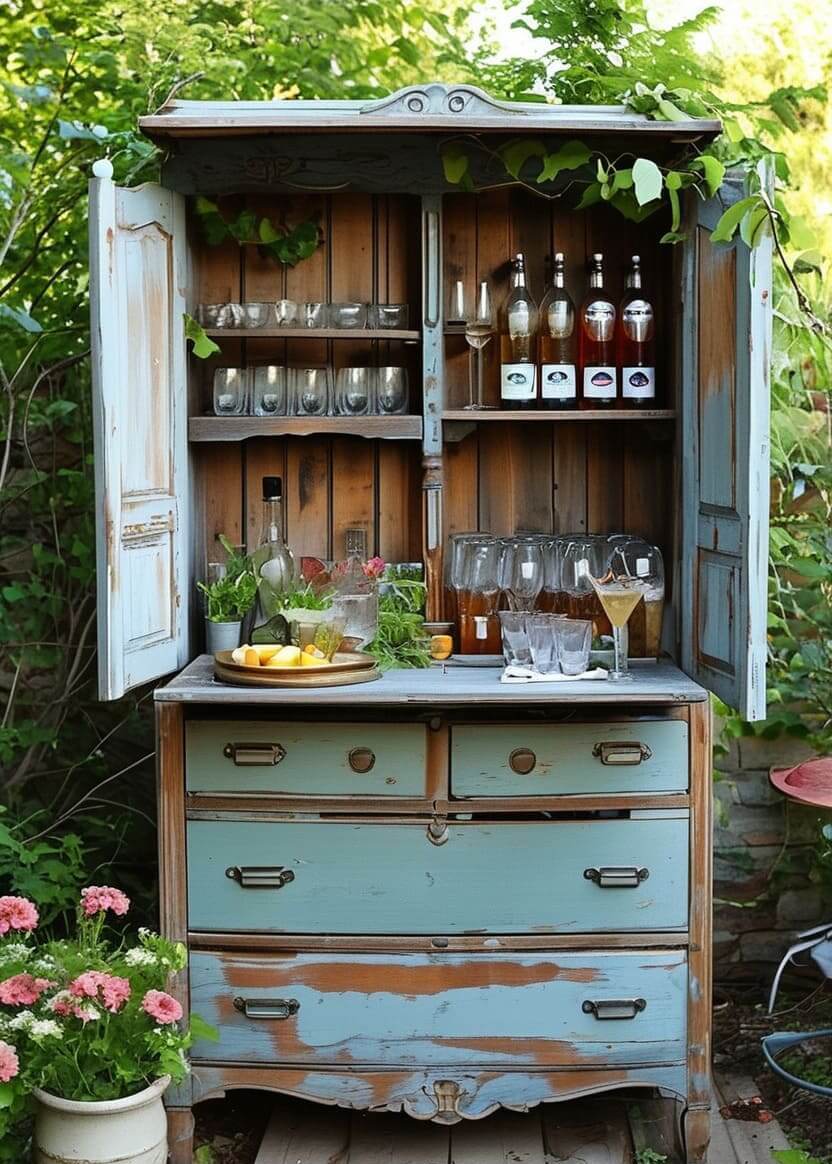
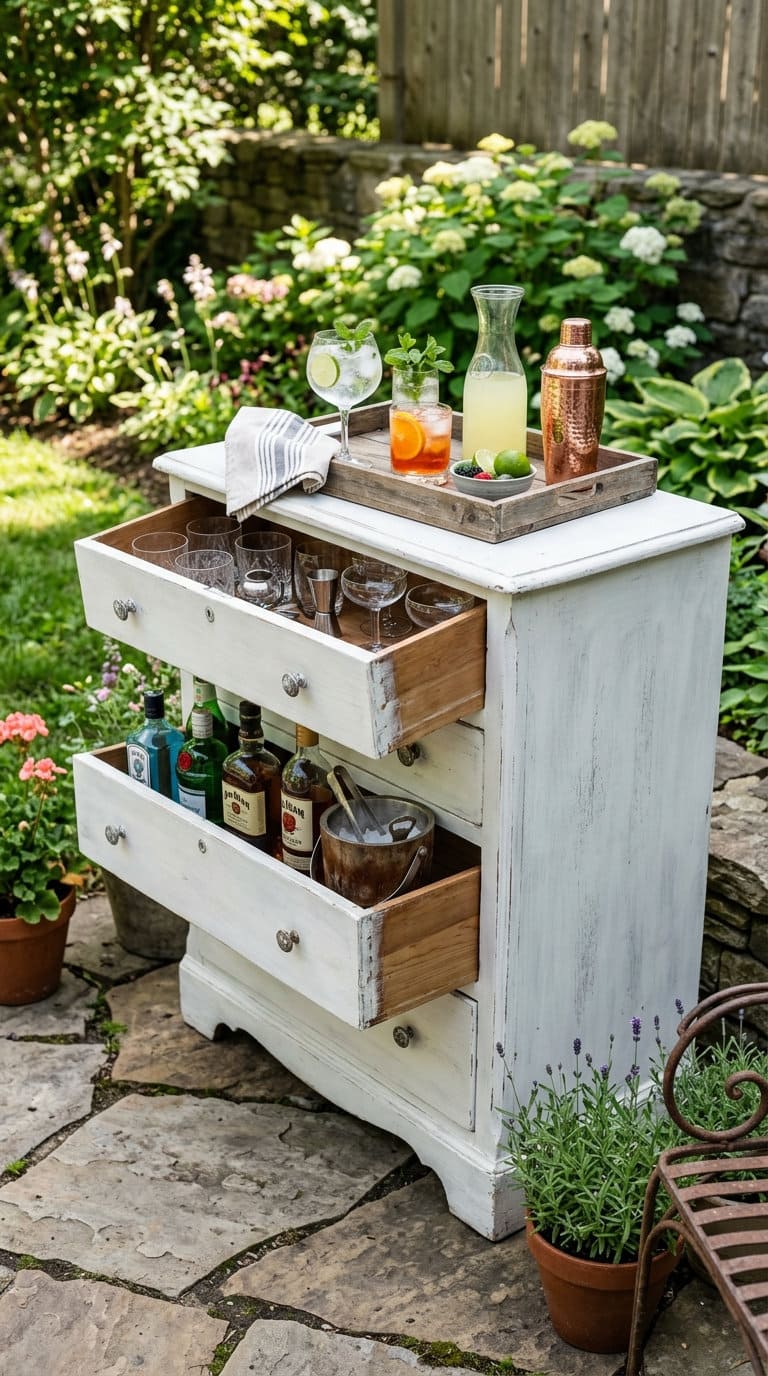
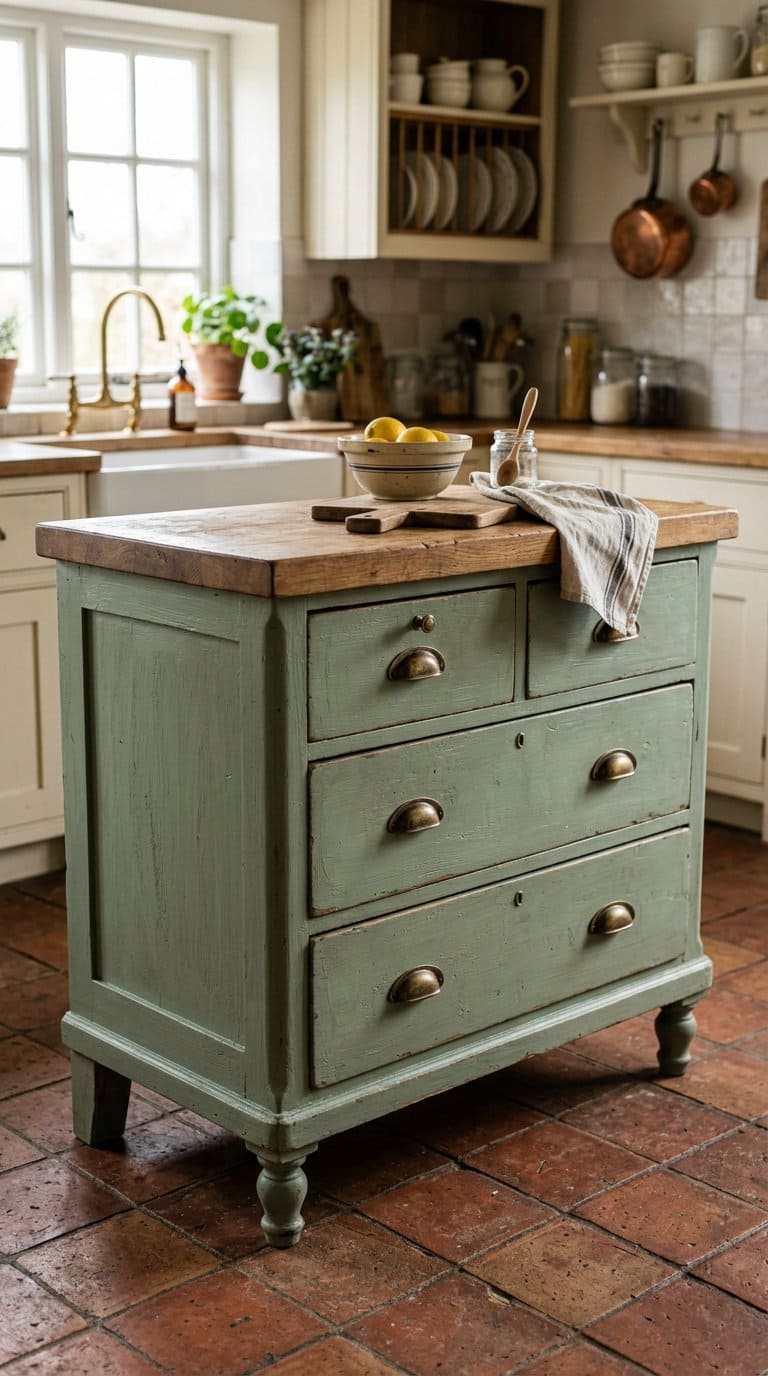
An old dresser with a coat of chalk paint makes a surprisingly good outdoor bar cart. This one’s more of an investment than the others on this list, mostly because you’ll want to weatherproof the wood if it’s staying outside year-round, a good exterior sealant runs maybe $20 to $30 a can.
7. DIY Birdhouses
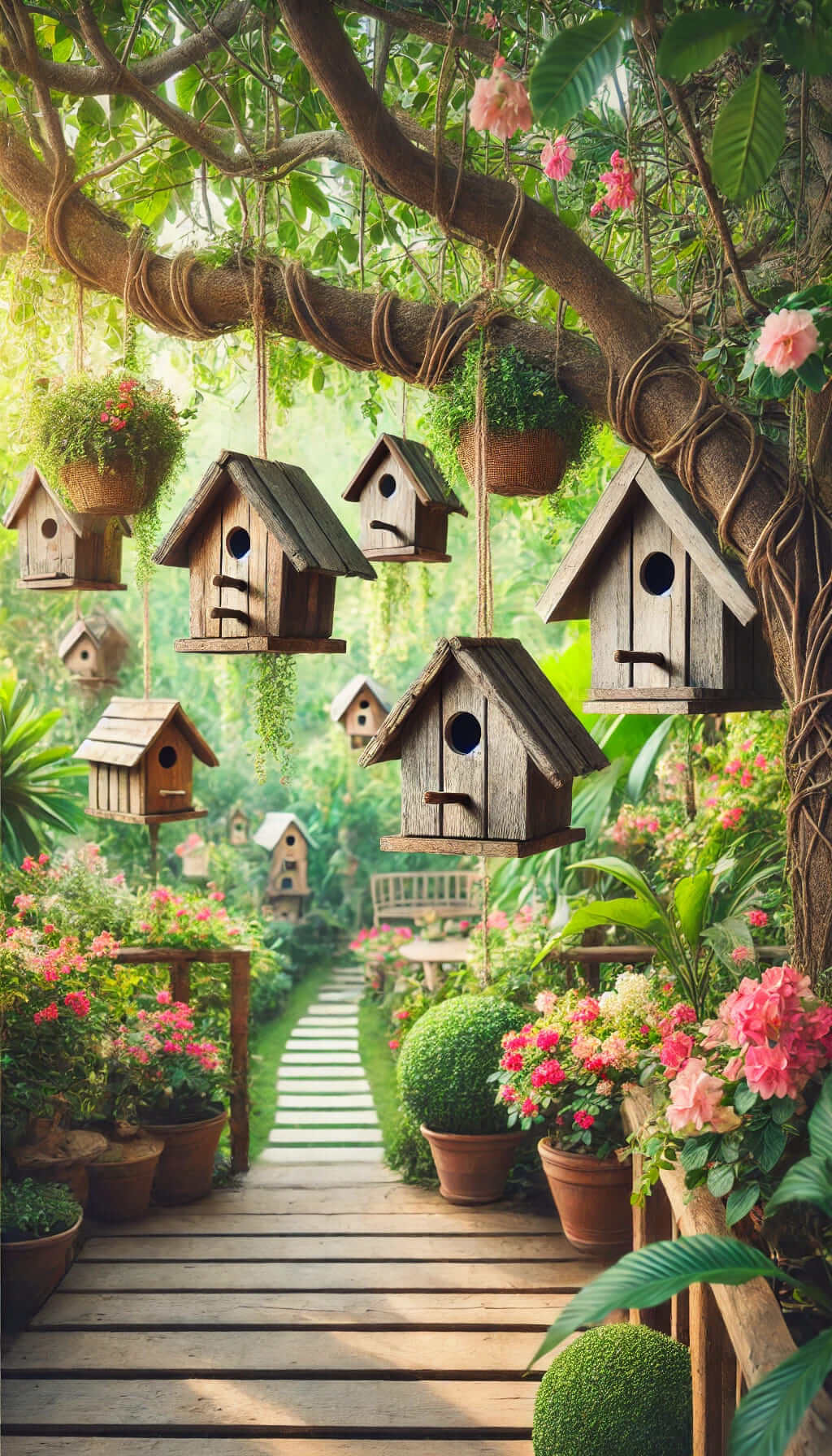
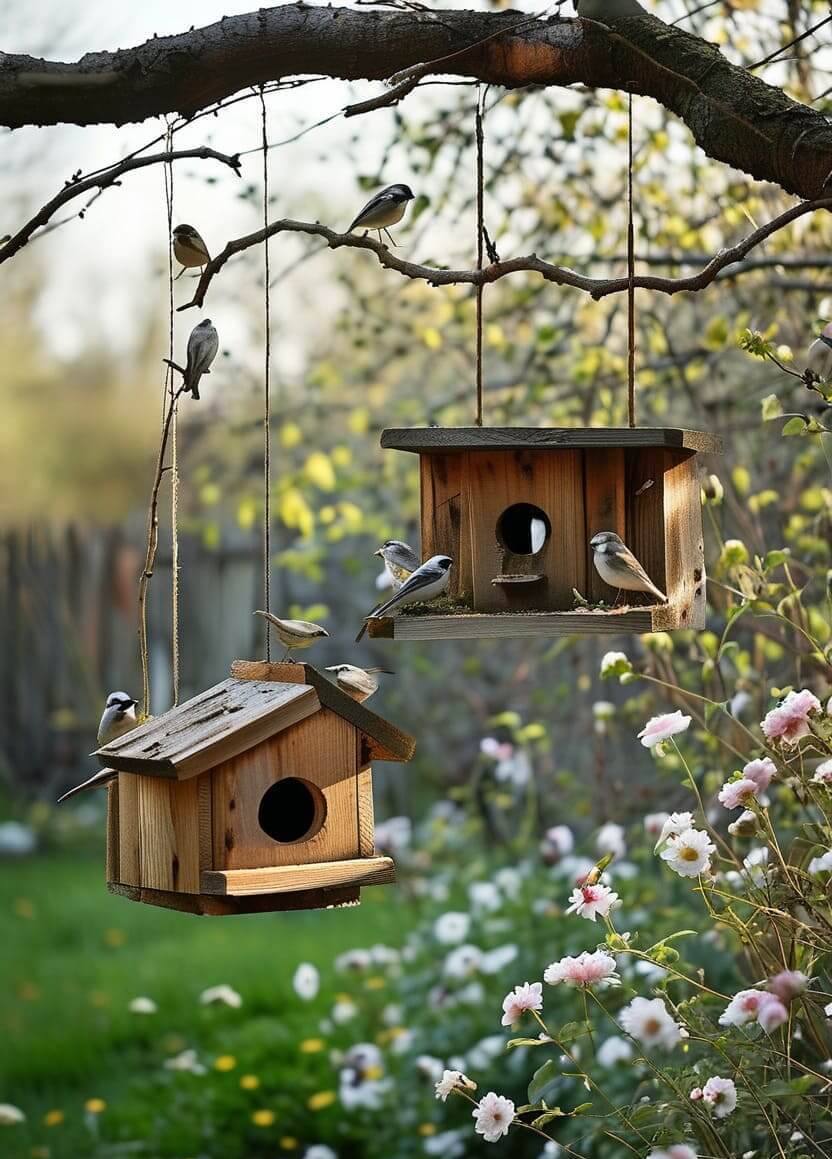
Simple wooden birdhouses, painted in soft, faded colors and hung from a tree or post. Cheap, quick, and genuinely useful for actual birds, which is more than most garden decor can claim.
8. Lace Detailing
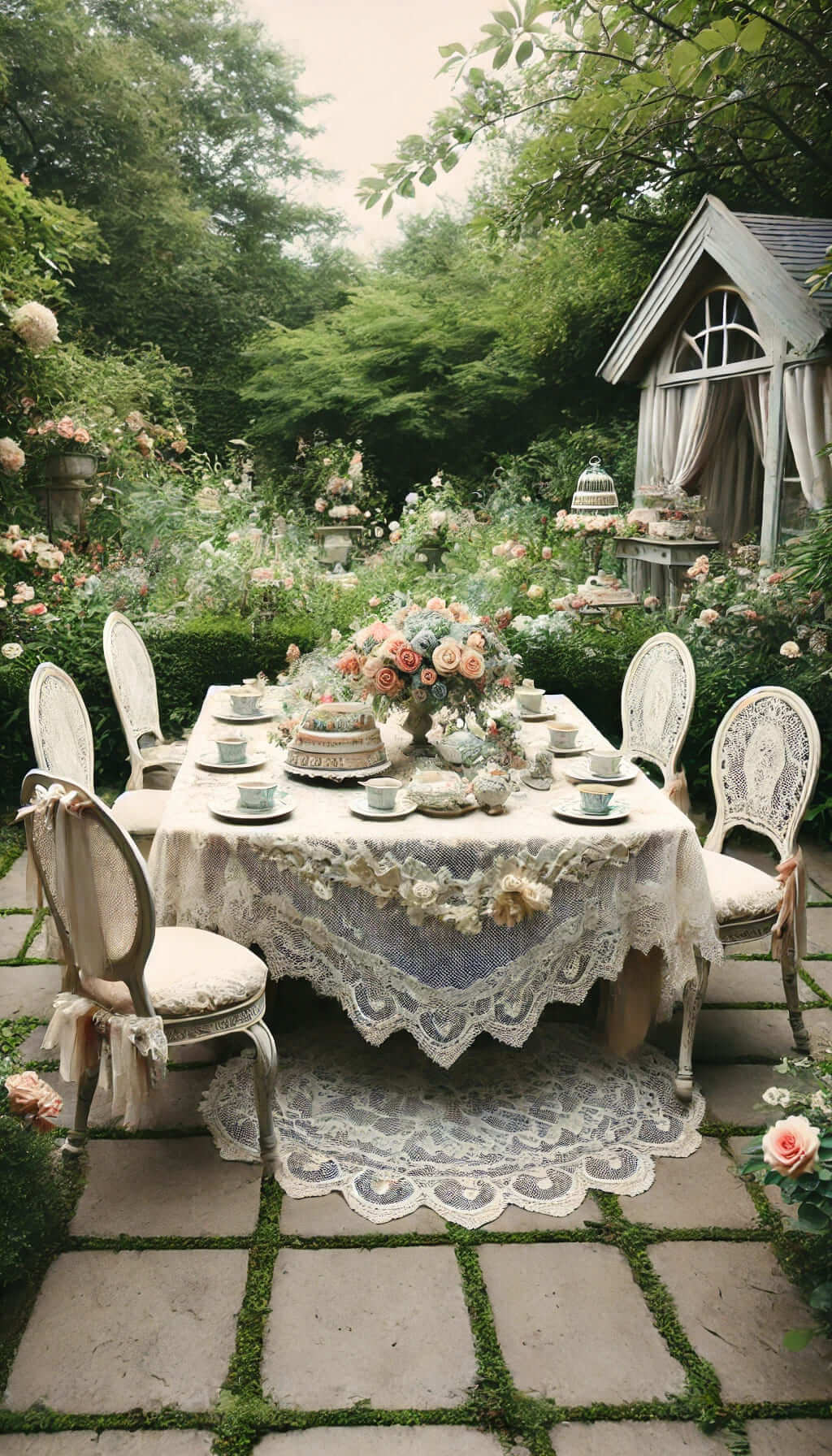
Draping lace over a table or weaving it into a trellis adds texture fast. Worth knowing if you’re in a humid climate, real lace mildews and fades quickly outdoors, so either treat it with a fabric protectant spray first or just use an outdoor-rated lace substitute and save the real thing for indoors.
9. Vintage Garden Signs
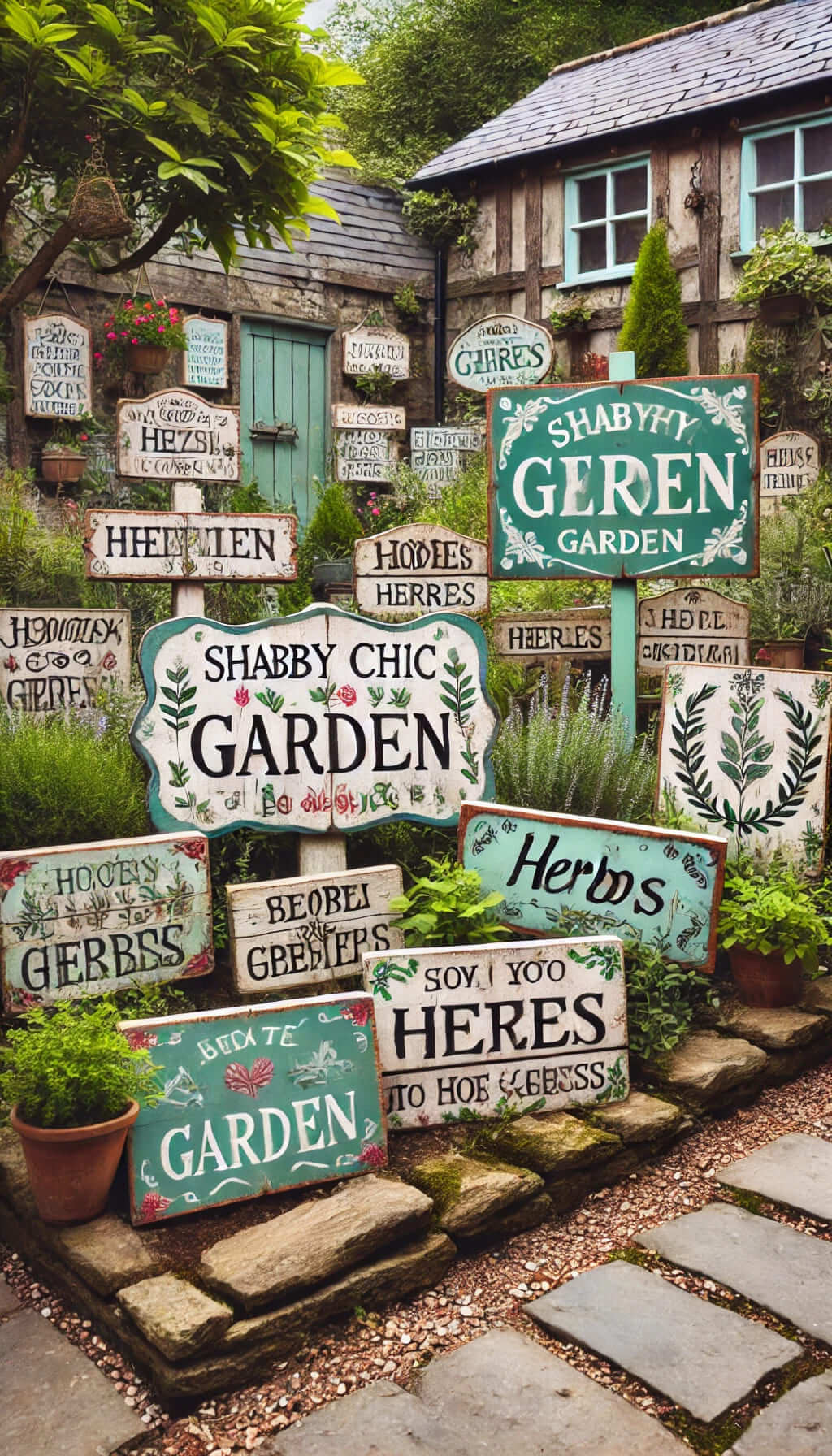
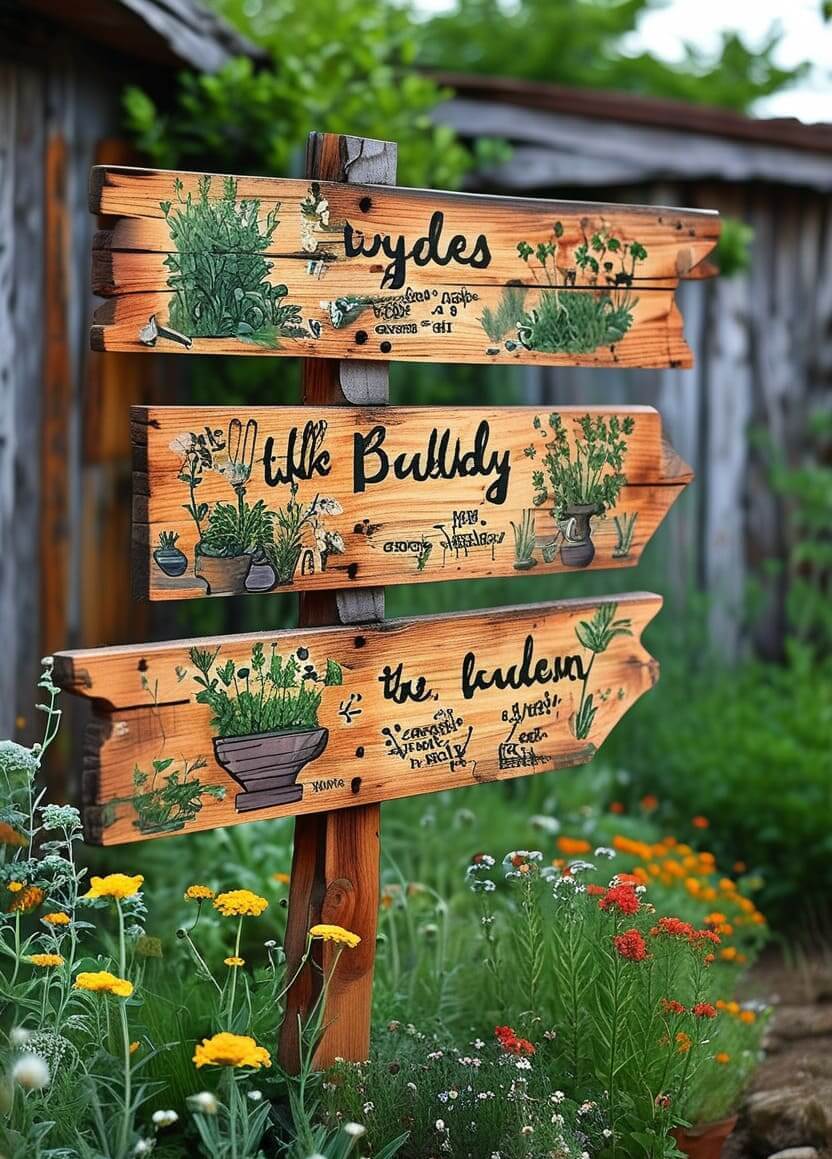
Hand-painted or stenciled signs pointing to “The Rose Garden” or labeling a vegetable patch.
Simple, cheap, and it photographs well, which matters if you’re the type who posts garden pictures.
10. Shabby-Chic Lighting
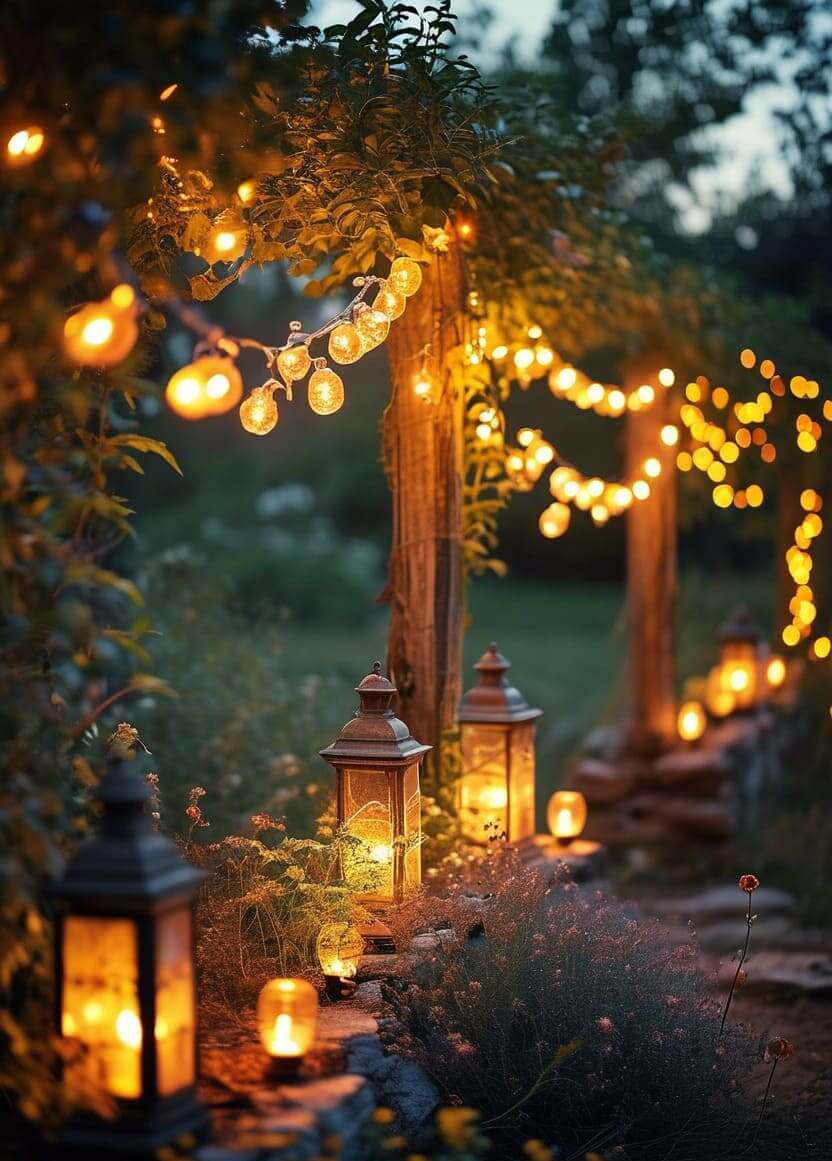
String lights or lanterns in warm, soft tones. Solar lanterns are the budget option and need zero wiring.


If you want actual string lights run to an outlet, factor in the cost of an outdoor-rated extension cord or, better, a licensed electrician if you’re adding a permanent outdoor outlet.
11. Antique Framing
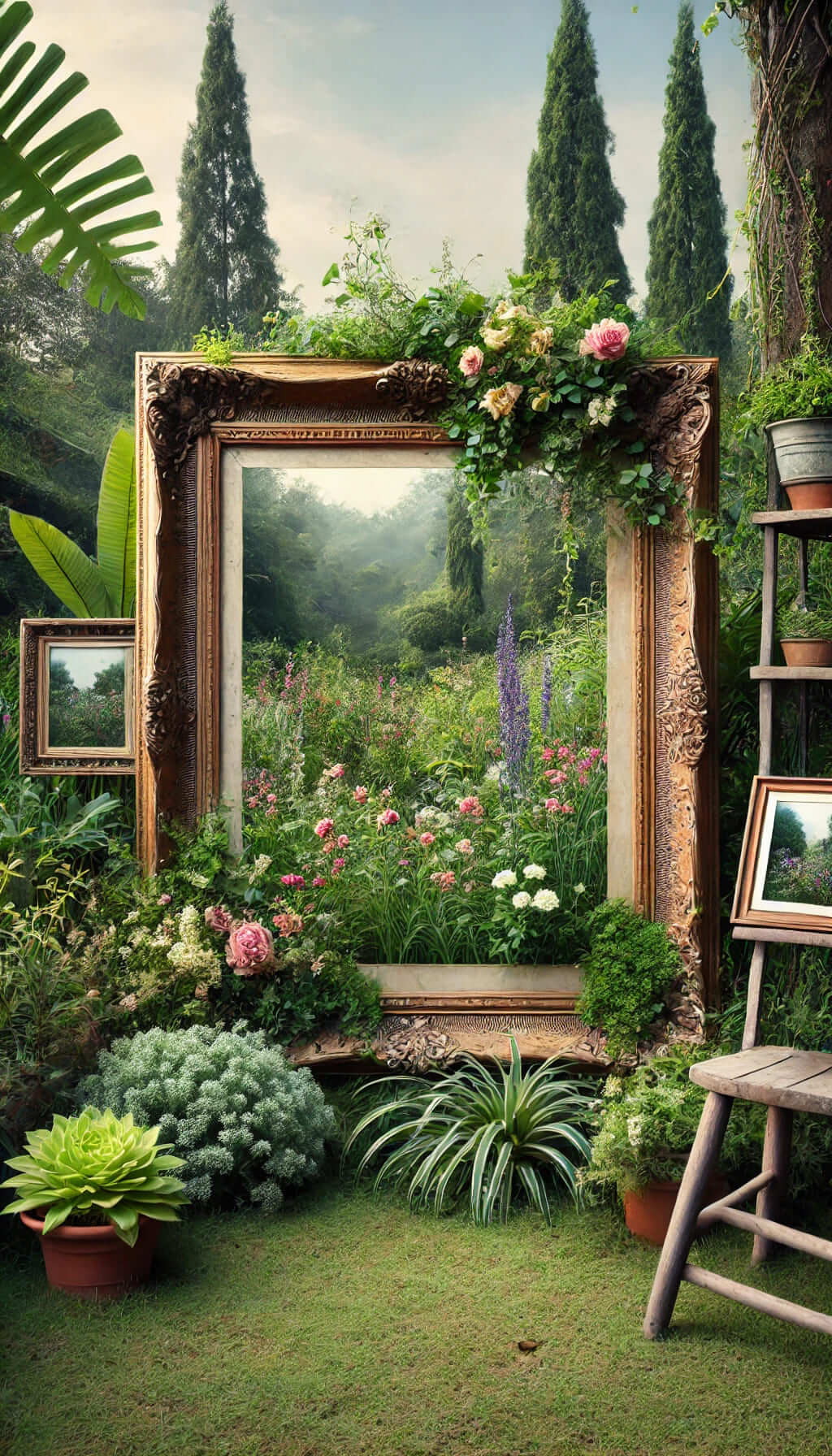
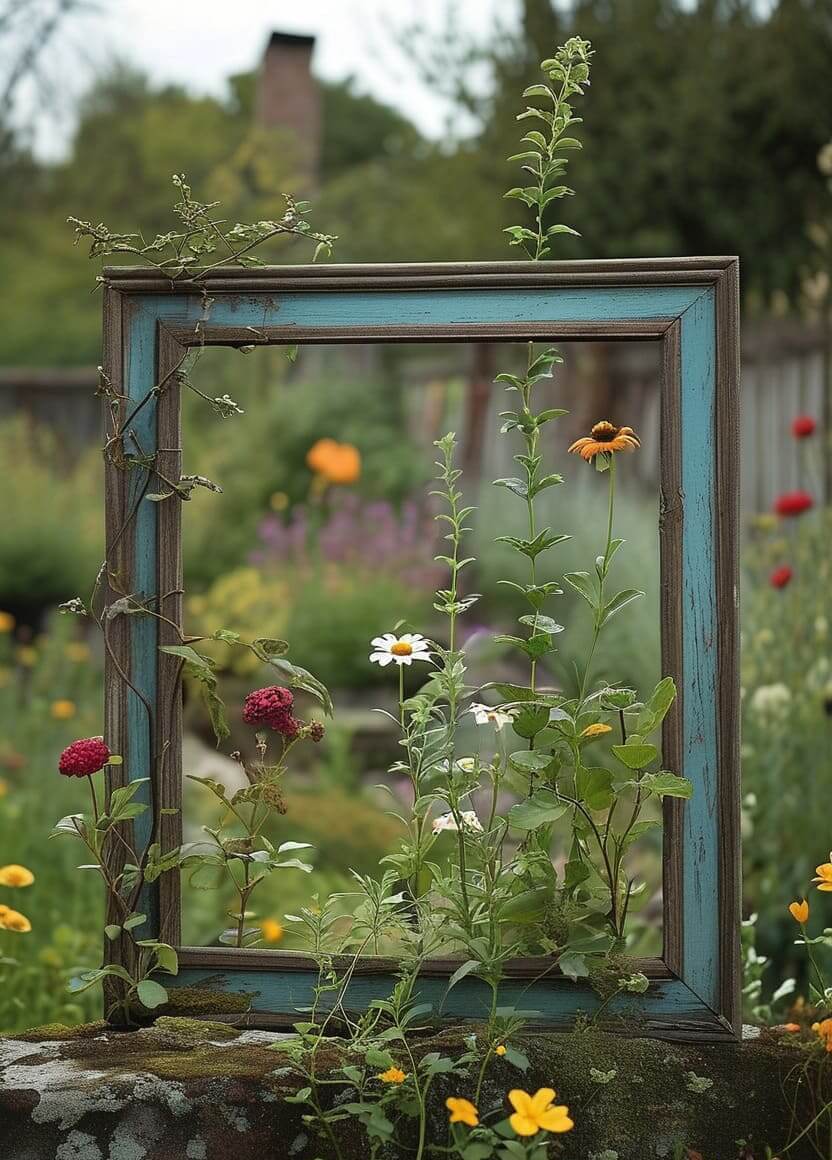
Old picture frames, painted or left bare, mounted on a fence as a whimsical gallery wall. Keep the glass out if you’re leaving these outdoors permanently, moisture will get behind it and fog or crack it eventually.
The average homeowner spends $616/year on yard fixes that don't address the real problem. Find out what yours actually is — before you spend another dollar.
Take the Free QuizEmpty frames just holding open air or a climbing vine look better long-term anyway.
12. Mismatched Ceramic Tiles
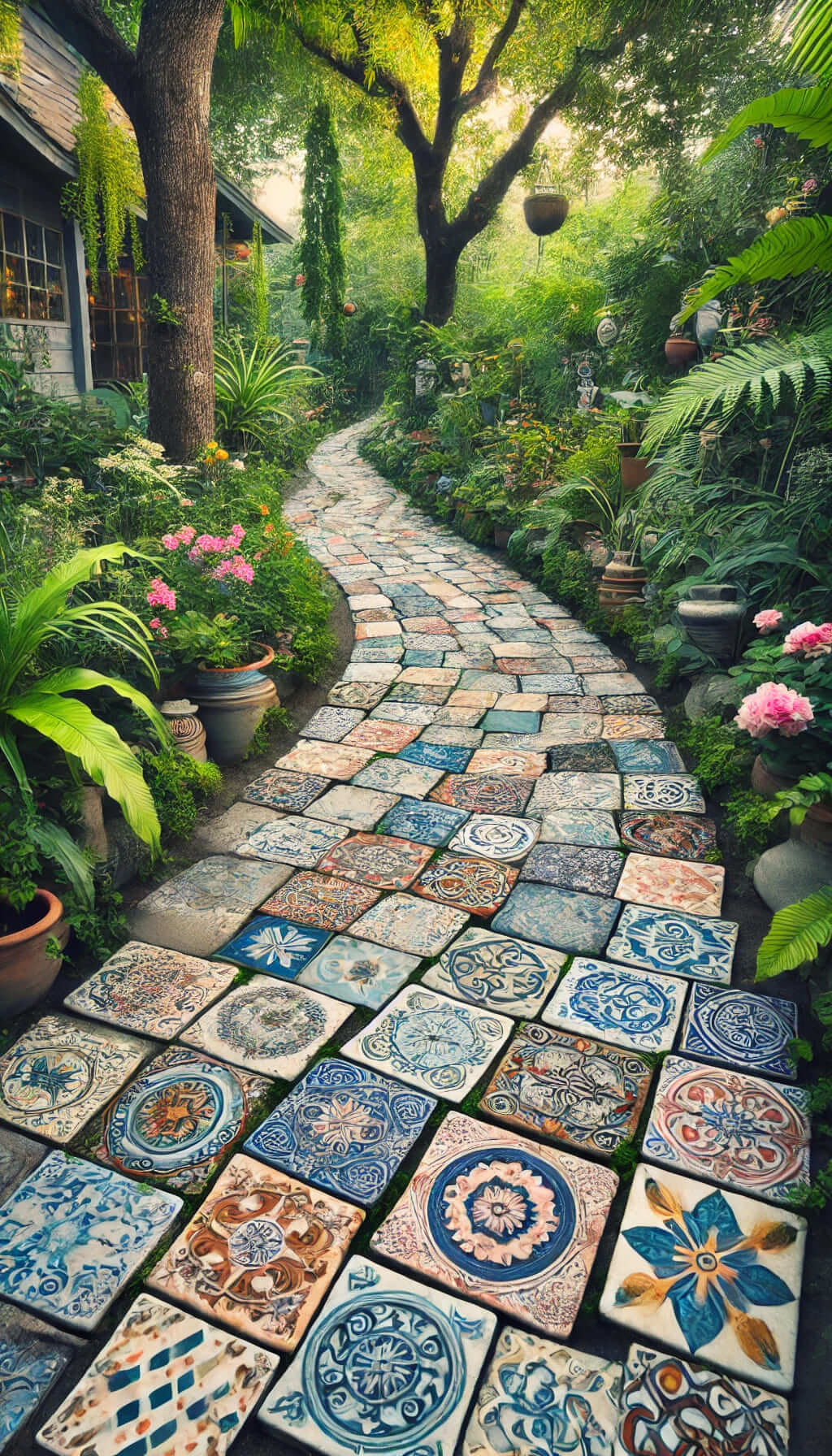
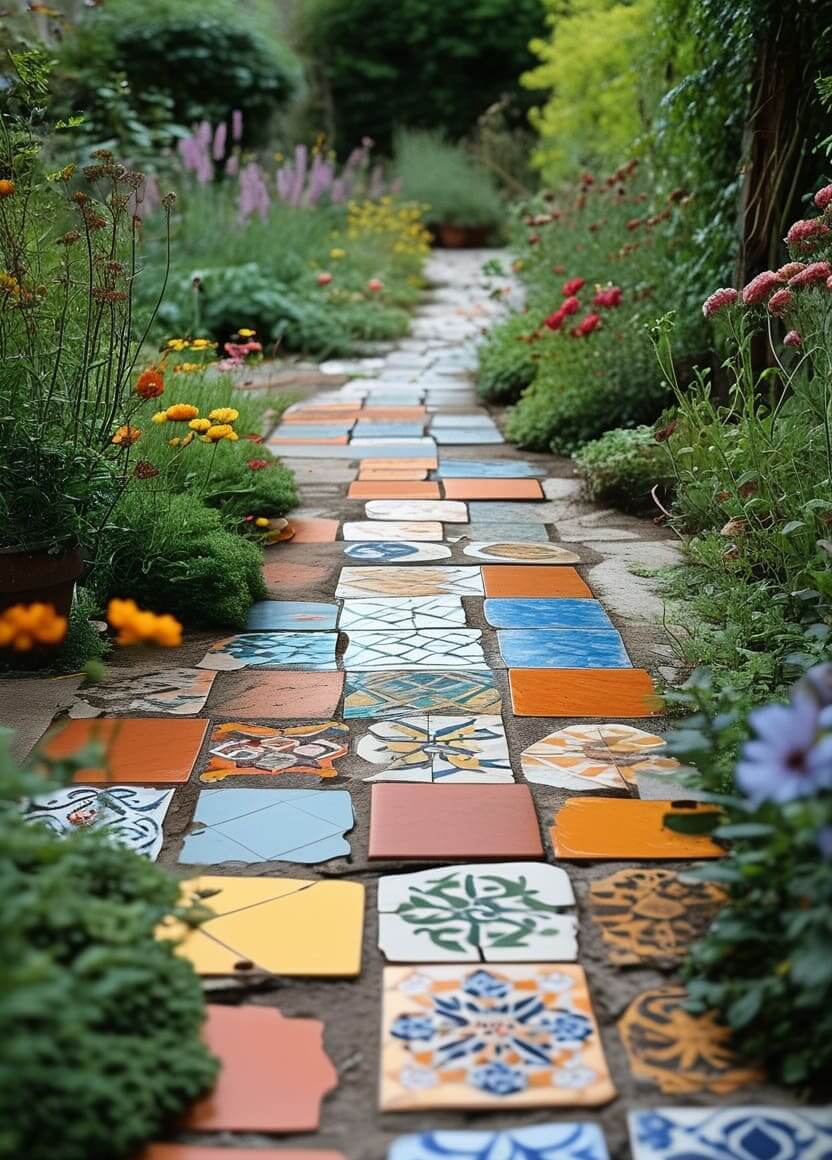
Broken or mismatched tiles set into a garden path or the top of a small table. This one takes a bit more than an afternoon, you’ll need tile adhesive and grout to keep them from shifting, so budget for a small bag of both plus a trip to a hardware store.
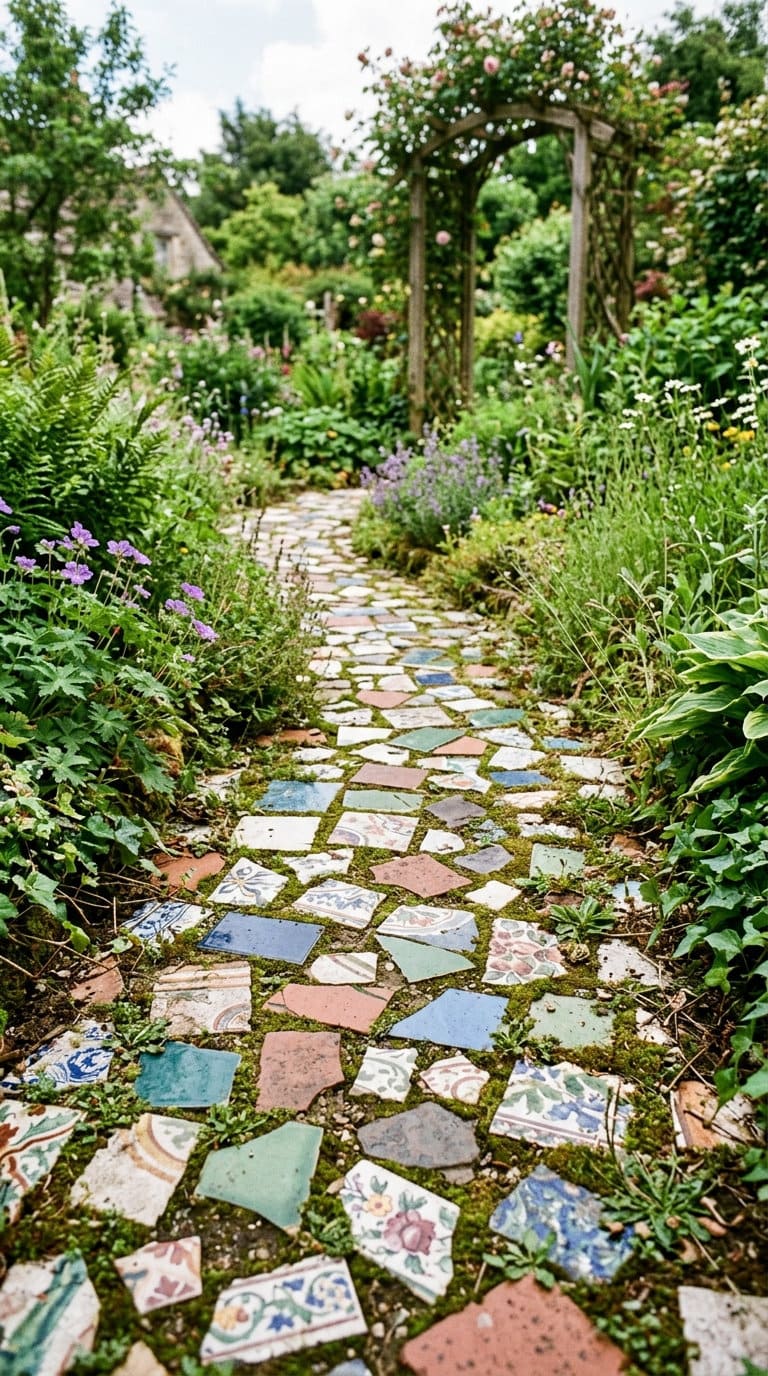
13. Wooden Ladder as a Vertical Garden
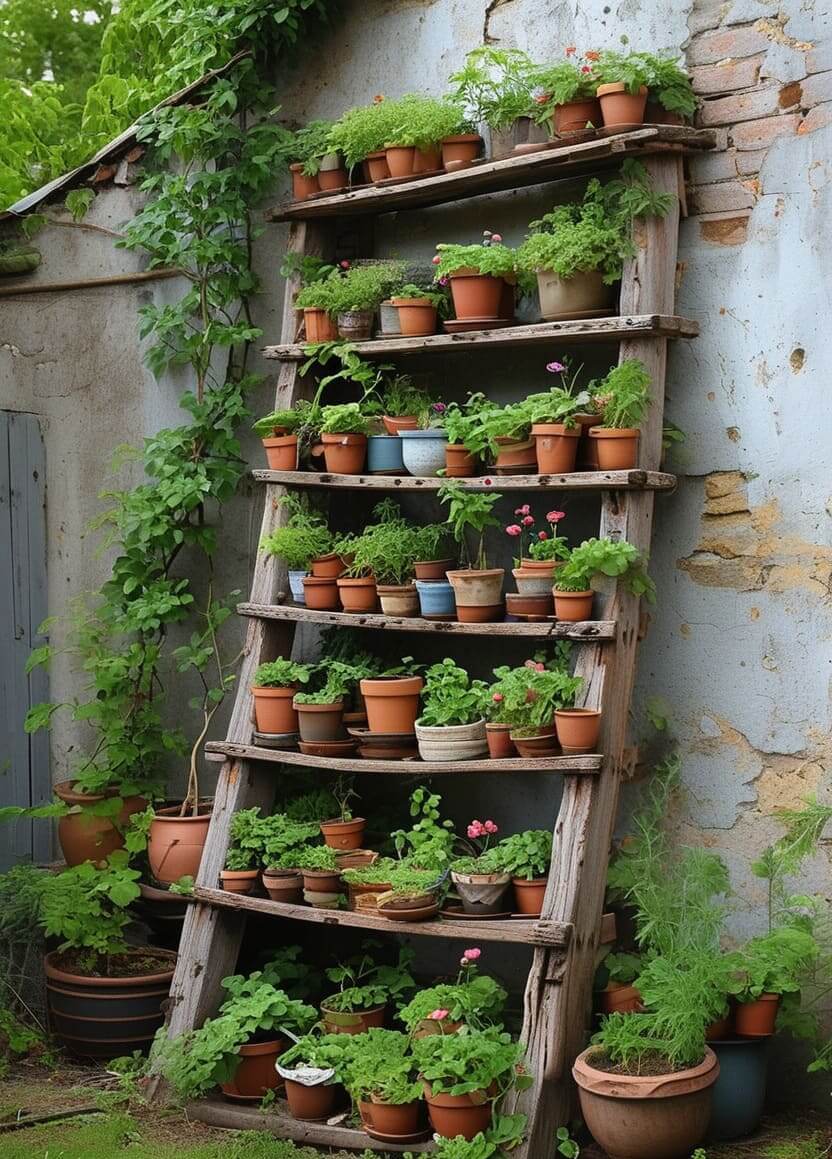
An old wooden ladder, leaned against a wall or fence, holds potted plants on each rung.
Make sure it’s actually anchored, a loaded ladder full of wet soil and terracotta pots is heavier than it looks and can tip in wind if it’s just propped up.
14. Garden Furniture with a Story
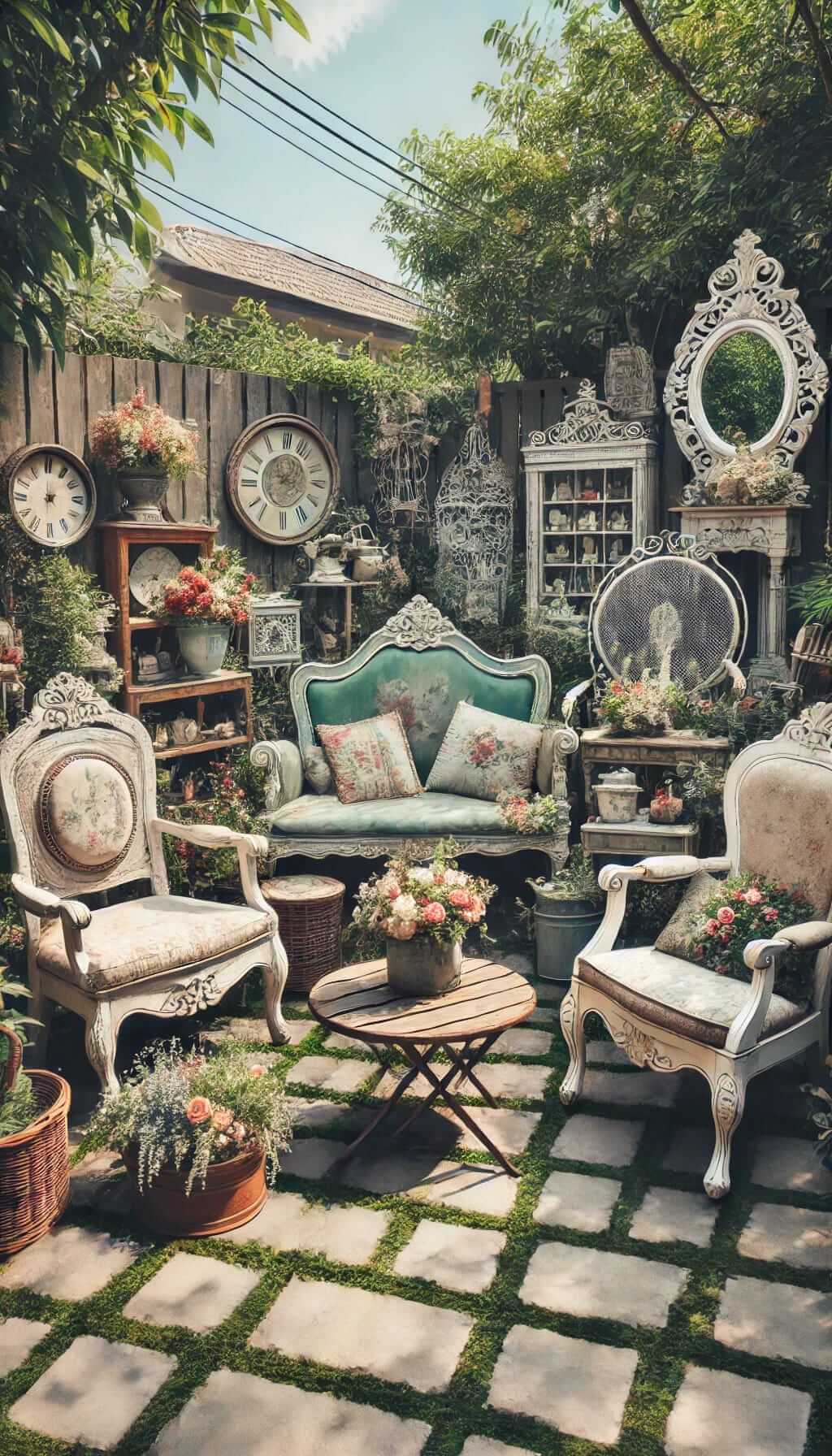
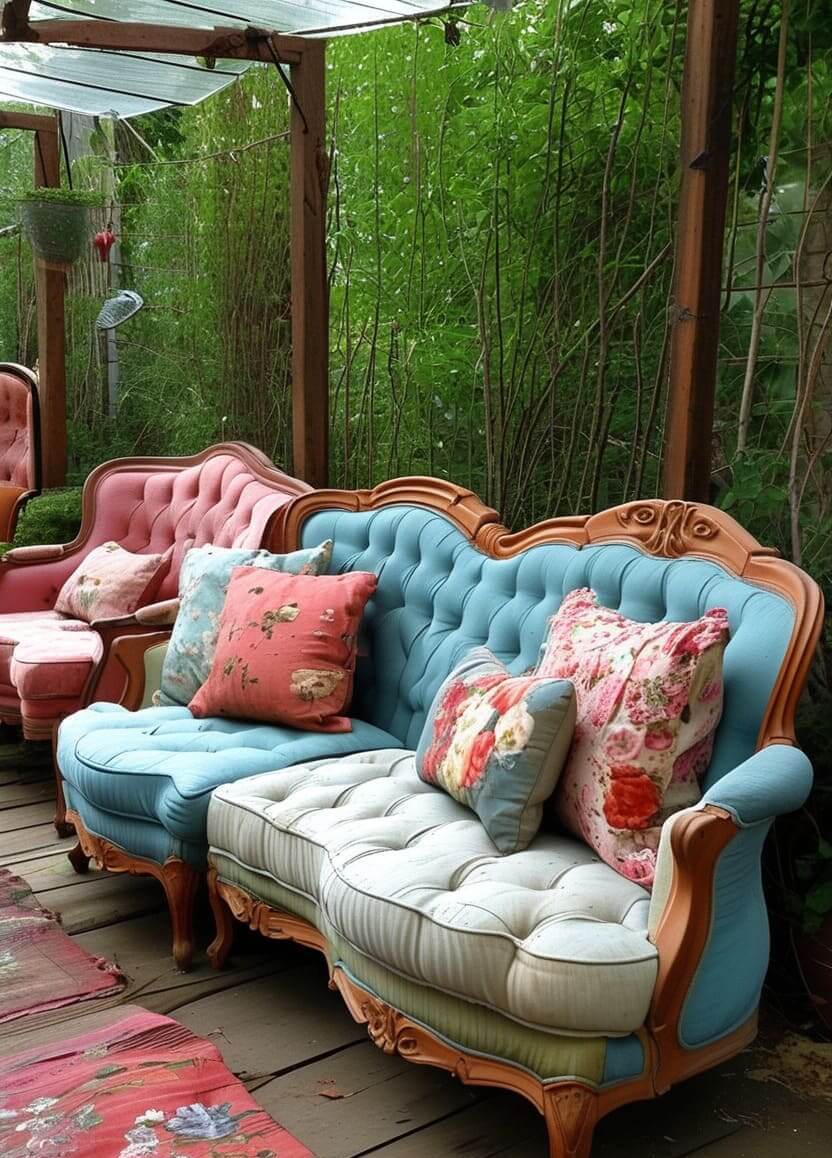
A chair, table, or bench with a real history, something inherited or found at an estate sale, does more for the look than anything bought new.
If you’re refinishing it and it’s genuinely old, the same lead-paint check from idea #1 still applies, test before you sand.
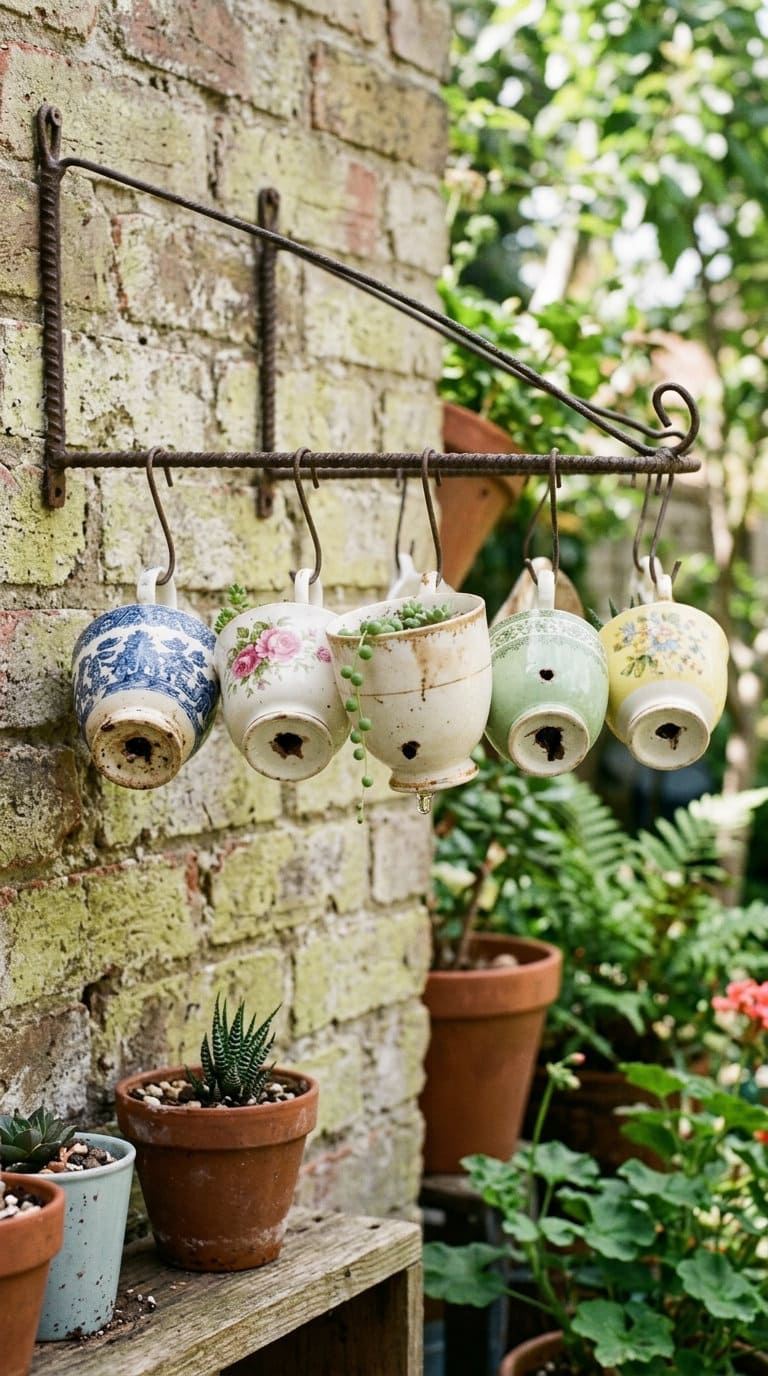
15. Hanging Tea Cup Garden
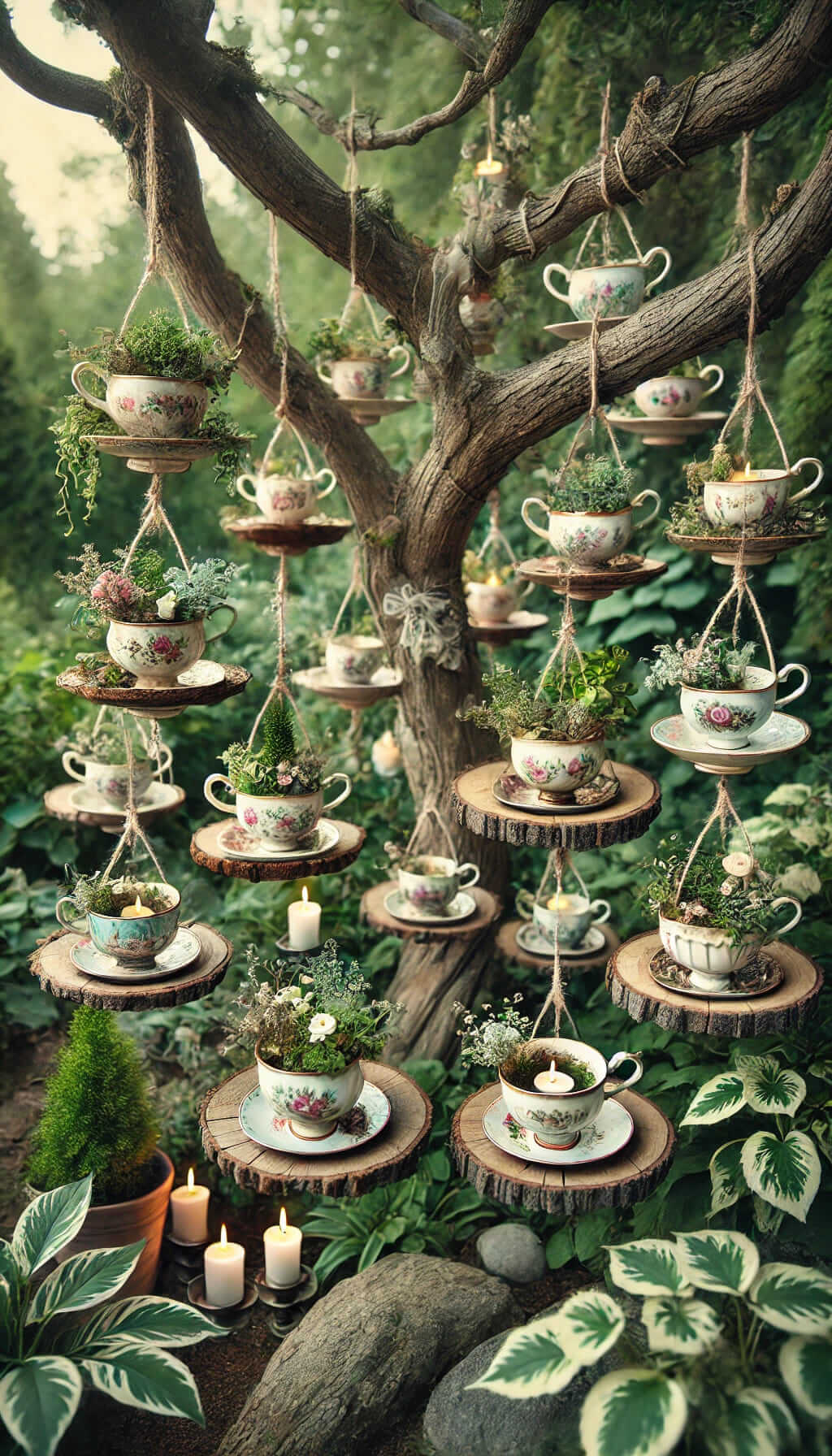
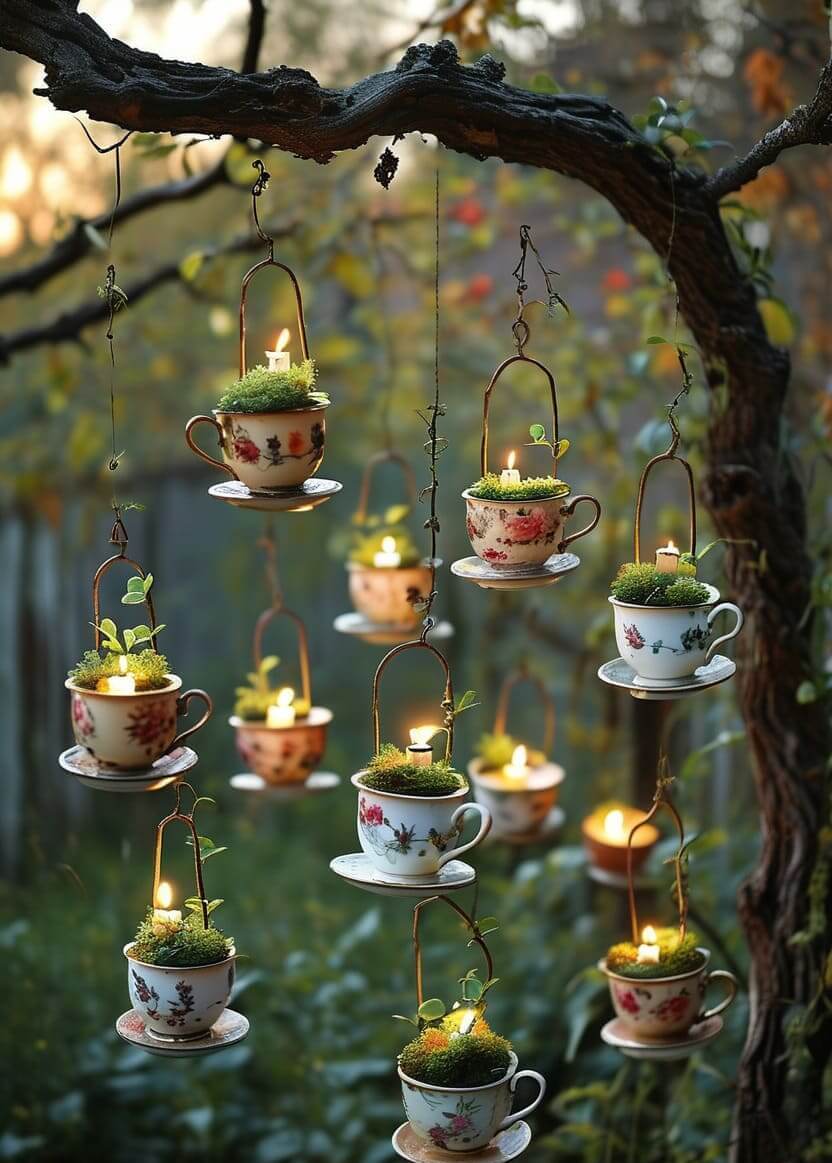
Vintage teacups, drilled with a drainage hole and hung or set in a small stand, work as tiny succulent planters.
The drilling is the fiddly part, use a diamond-tipped drill bit and go slow so the ceramic doesn’t crack.
16. Wrought Iron Gate as Trellis
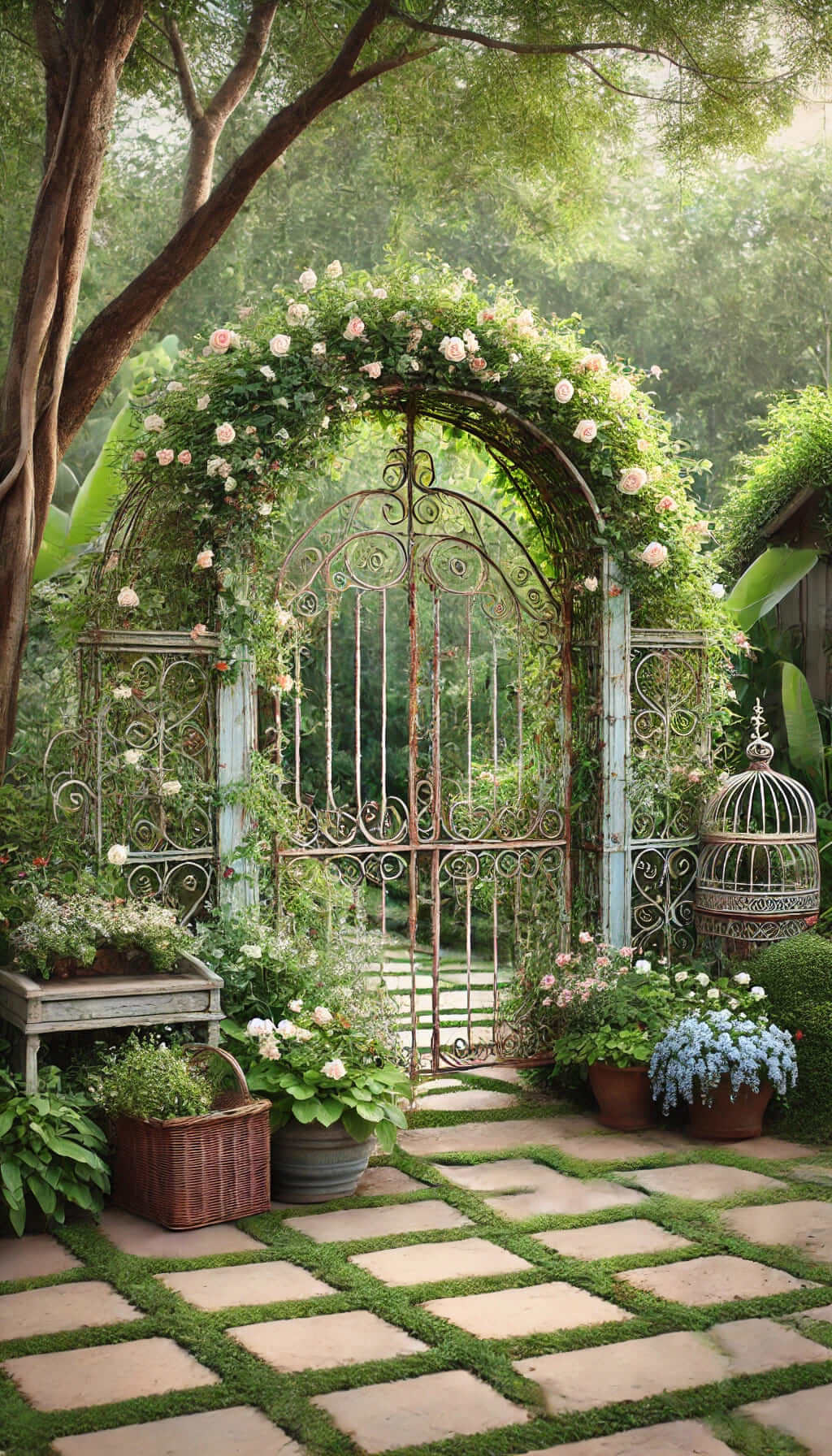
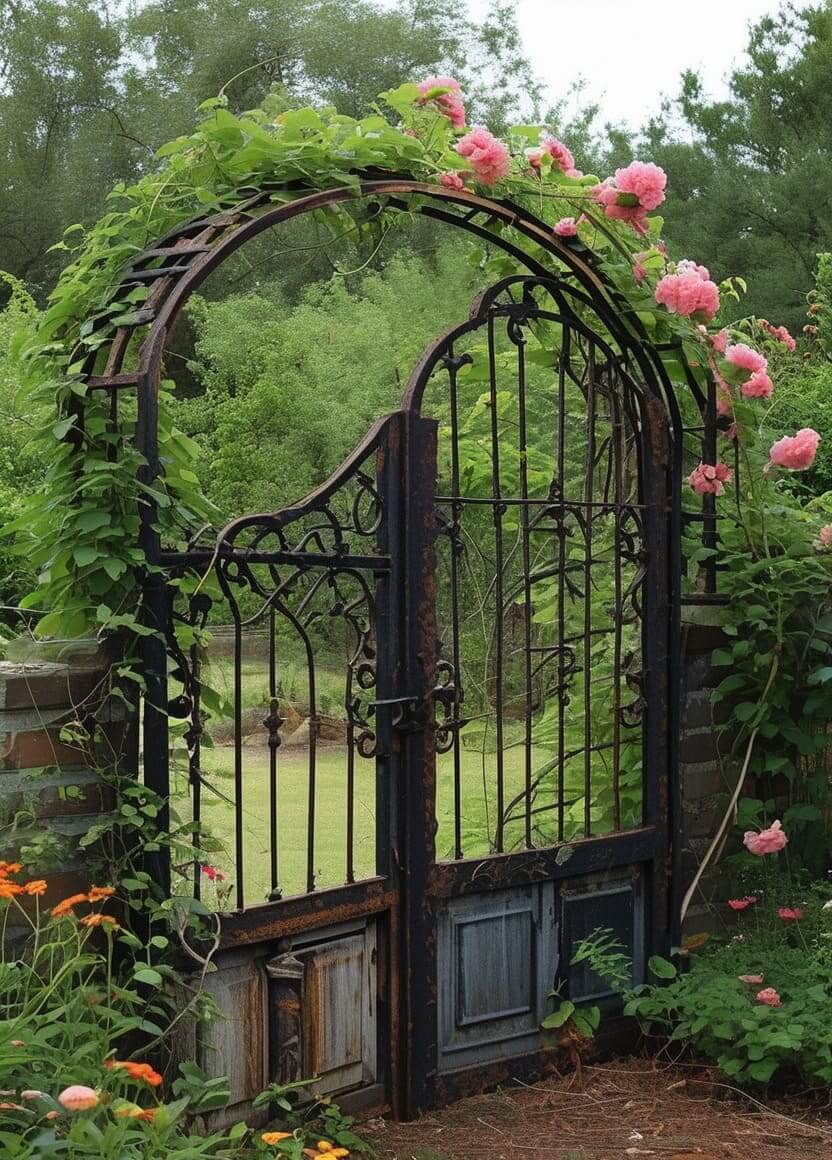
An old iron gate, mounted upright against a wall or used as a freestanding trellis, gives climbing plants somewhere real to grab onto.
Worth knowing: according to the American Rose Society, climbing roses don’t actually cling or twine on their own, you’ll need to loosely tie the canes to the gate as they grow, and training them sideways rather than straight up tends to produce more blooms.
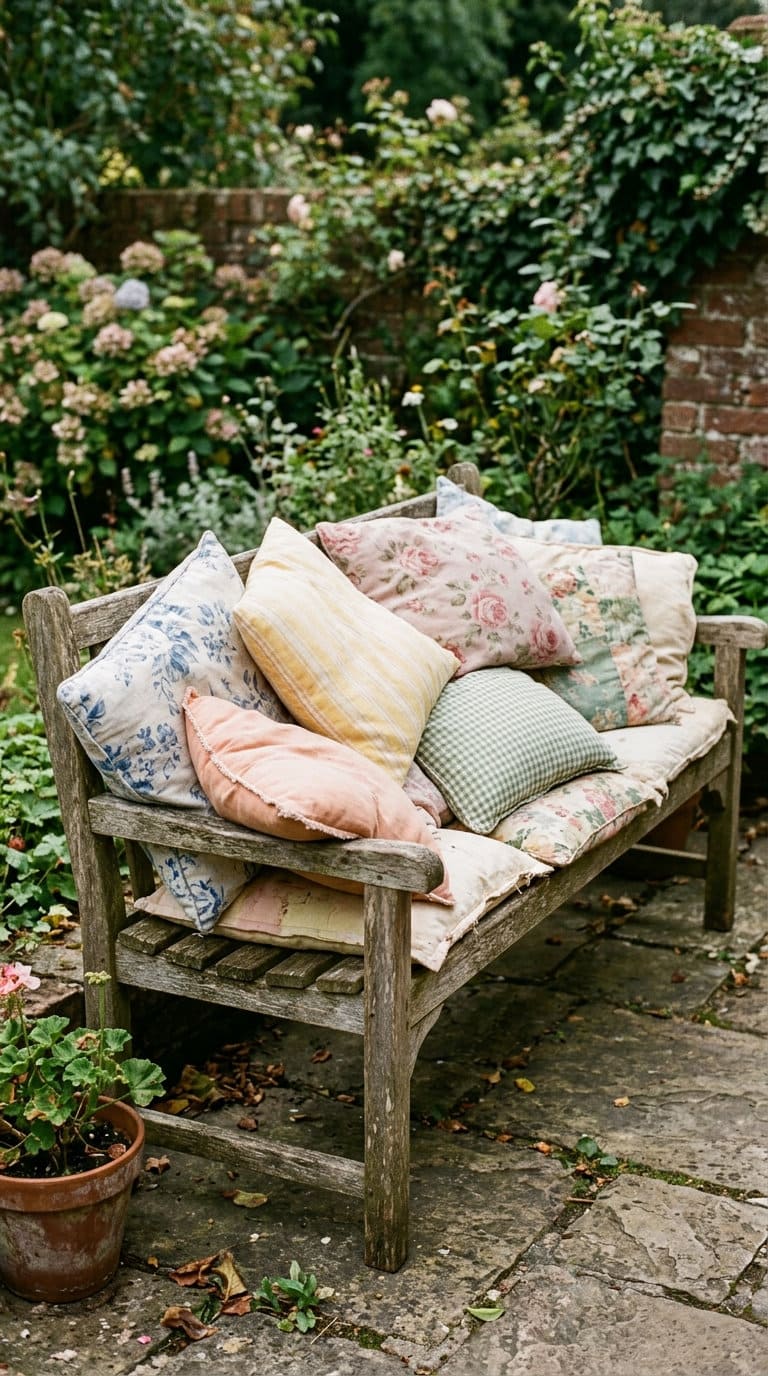
17. Colorful Cushion Mix
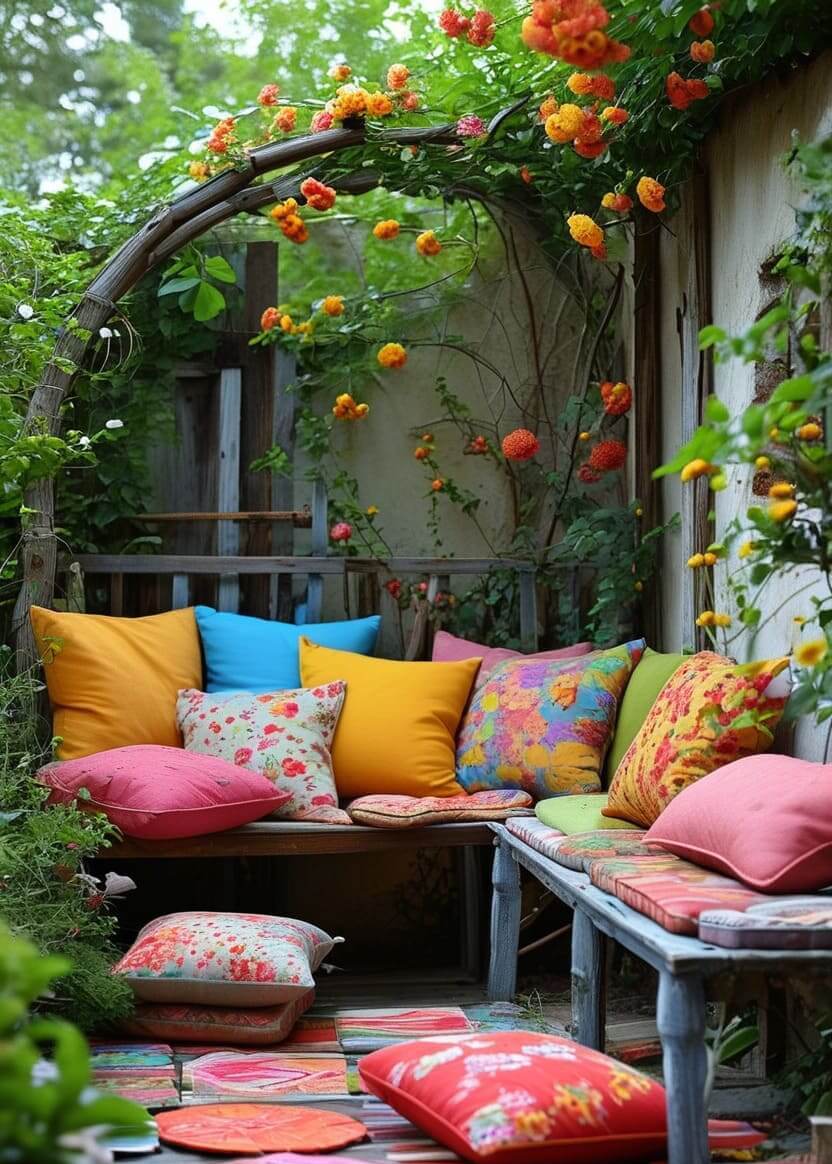
Mismatched cushions in soft pastels or floral prints pile onto any outdoor seating. Get outdoor-rated fabric if the cushions are staying out in the rain and sun, regular indoor fabric fades and mildews within a season.
18. Rustic Stone Plant Markers
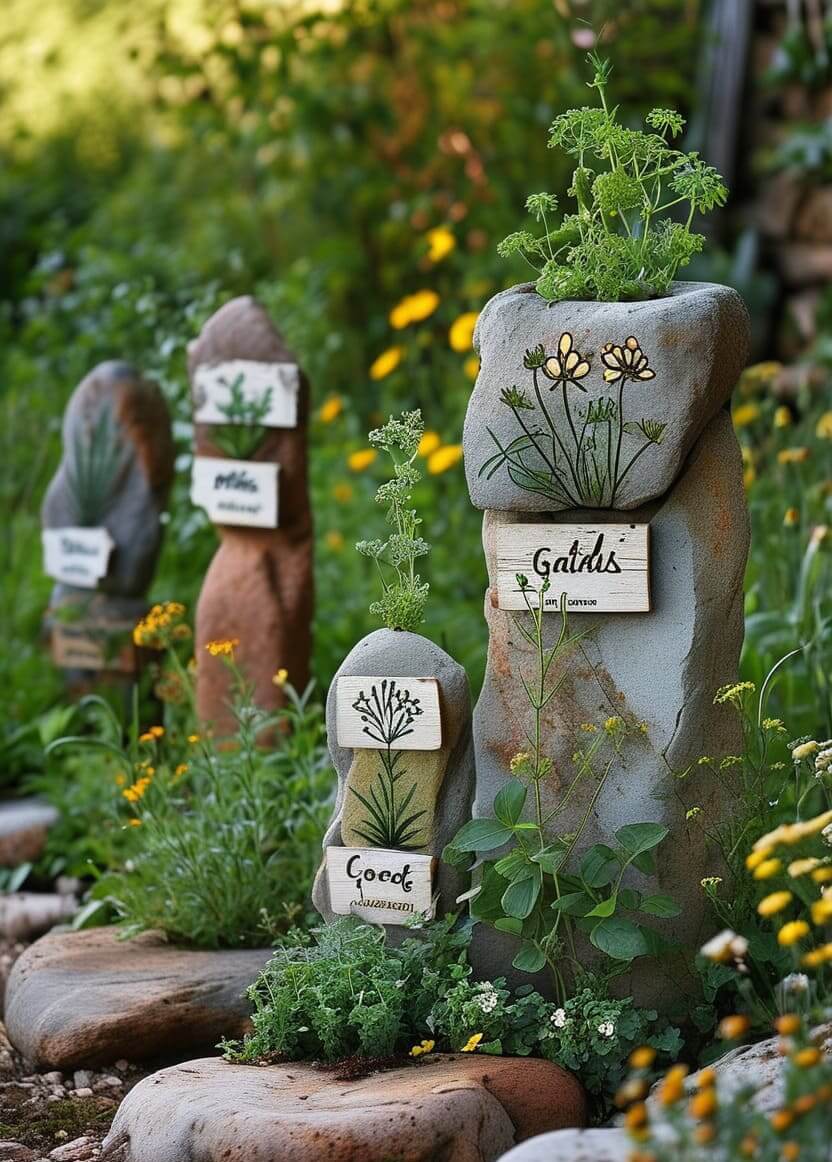
Painted stones labeling herbs or flowers. About as cheap as garden decor gets, and it’s a nice weekend project for kids too.
19. Wicker Basket Plant Holders
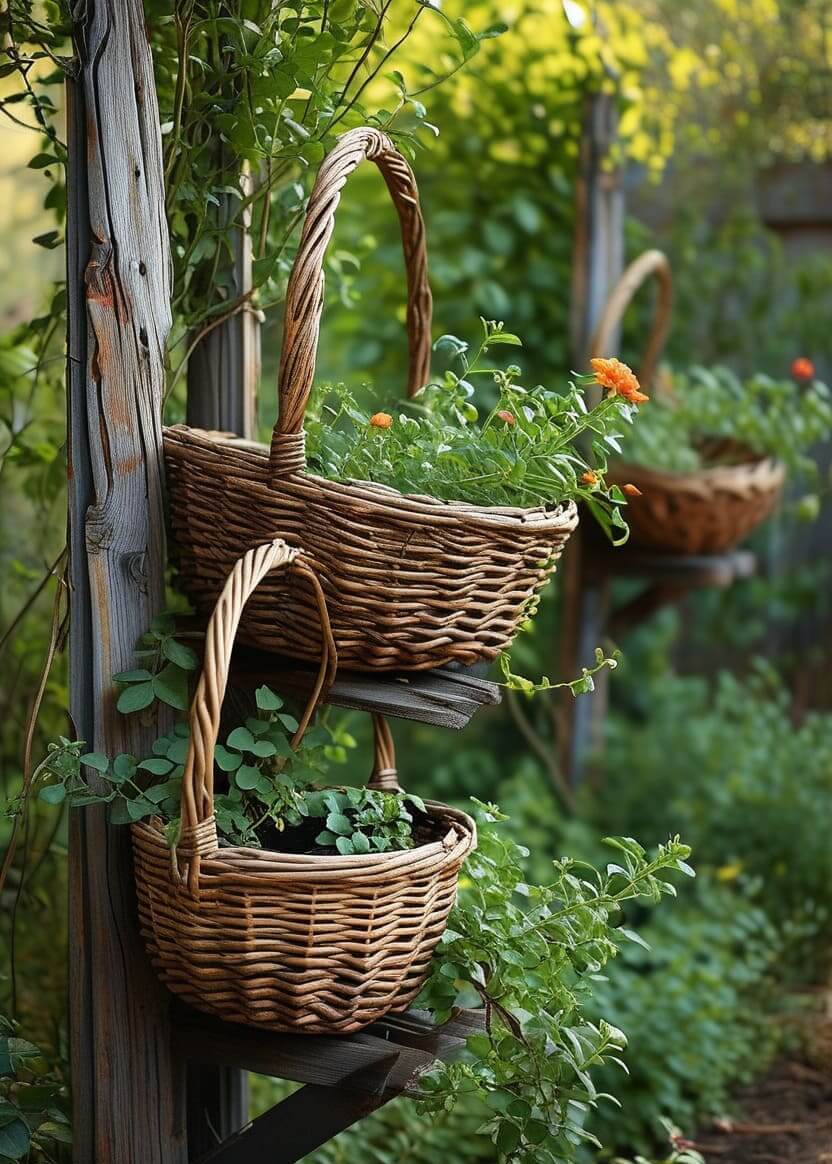
Wicker baskets holding potted plants add texture fast. Line them with plastic or a liner pot before adding soil directly, wicker left wet against soil rots faster than you’d expect, sometimes within a single rainy season.
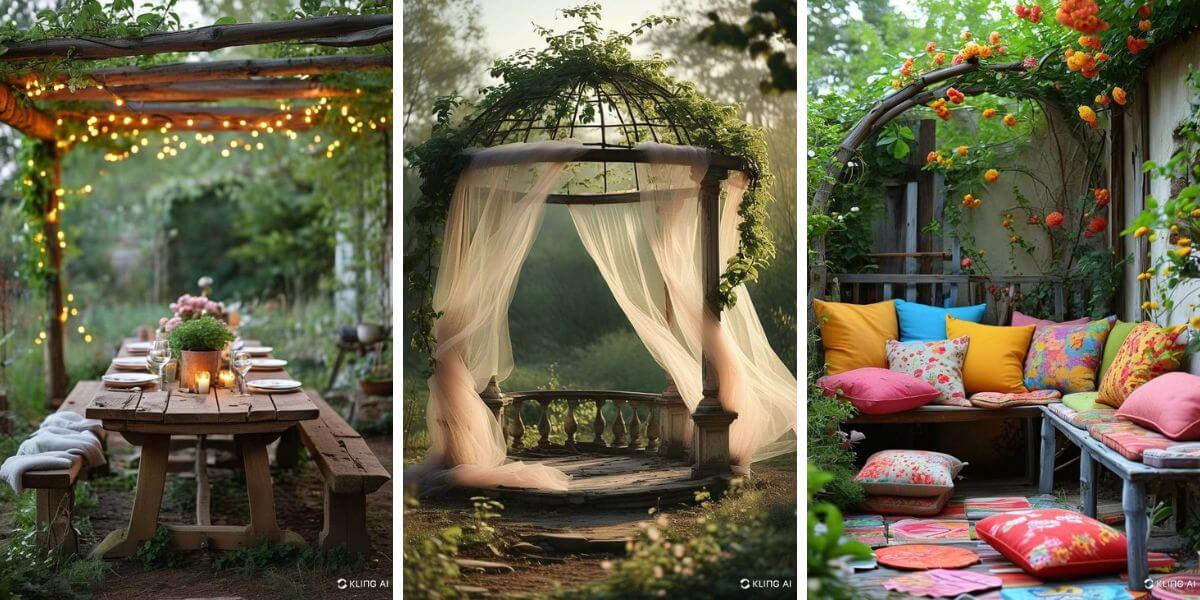
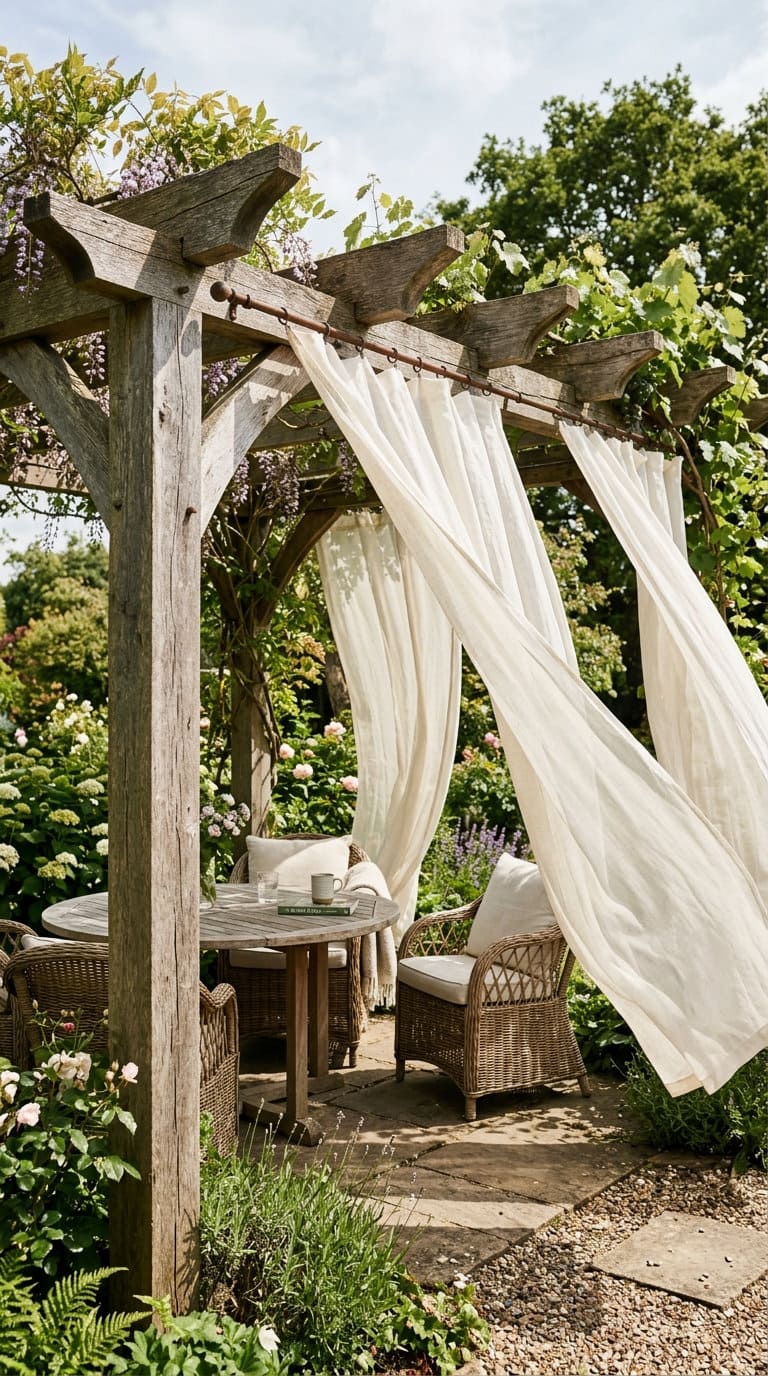
20. Flowing Curtains for Pergolas
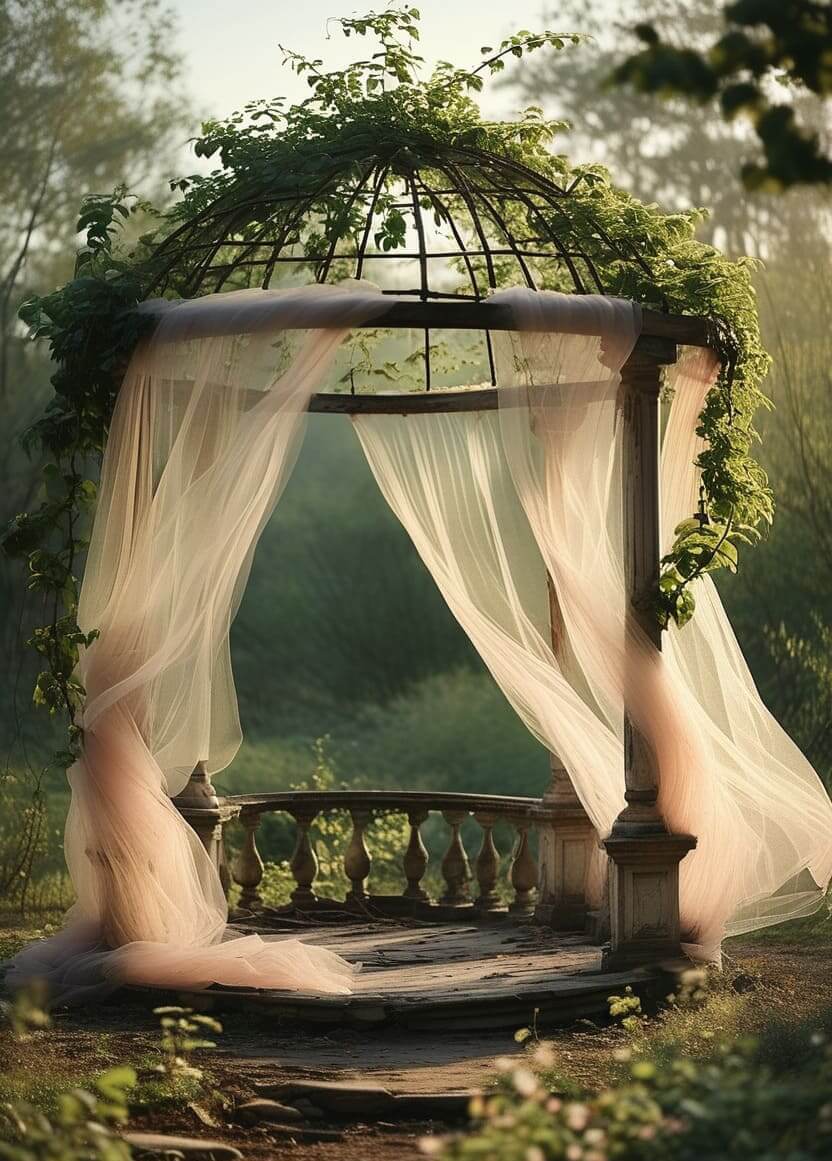
Sheer curtains hung from a pergola move in the breeze and soften hard structural lines. Outdoor-rated fabric again matters here, indoor sheers will yellow and tear within a few months of sun exposure.
21. Old Wheelbarrow as a Planter
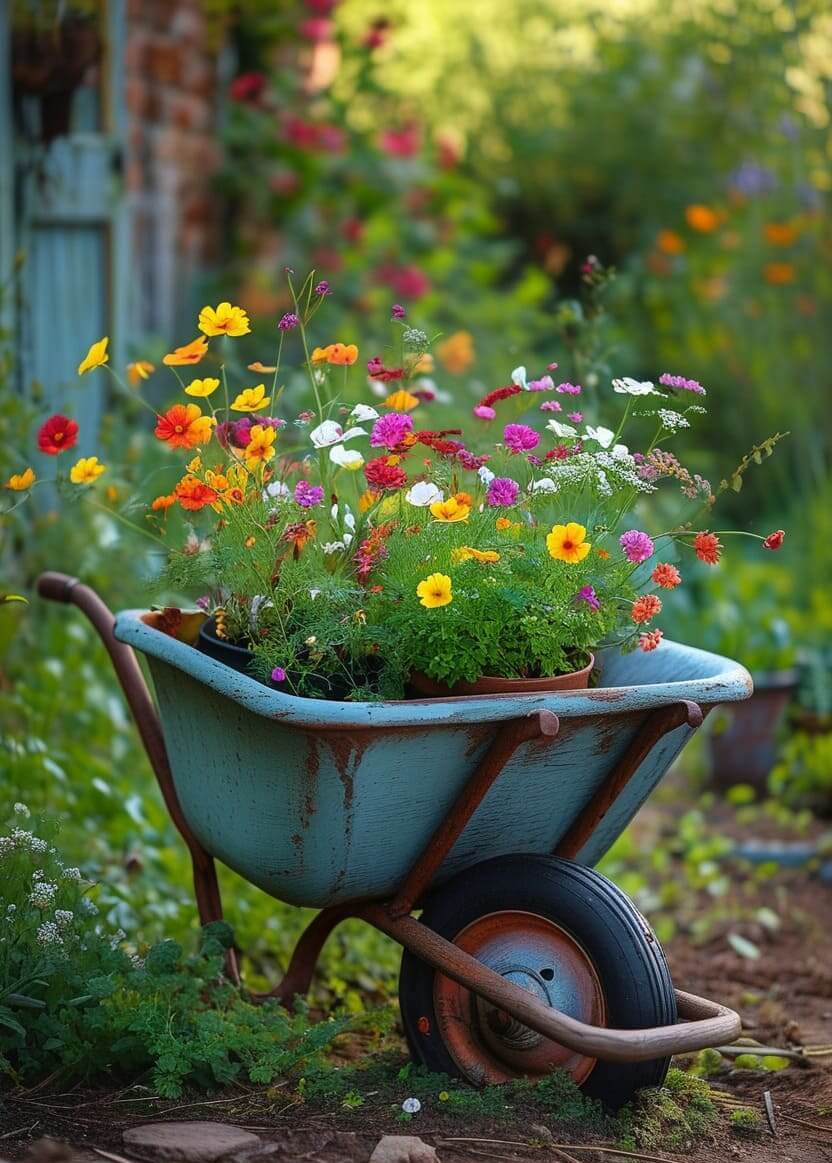
A rusted wheelbarrow, filled with soil and overflowing with flowers, is a genuine shabby-chic classic.
If you’re repainting a metal wheelbarrow that’s actually old rather than a newer reproduction, the same lead-paint test from idea #1 is worth thirty seconds before you sand the metal down.
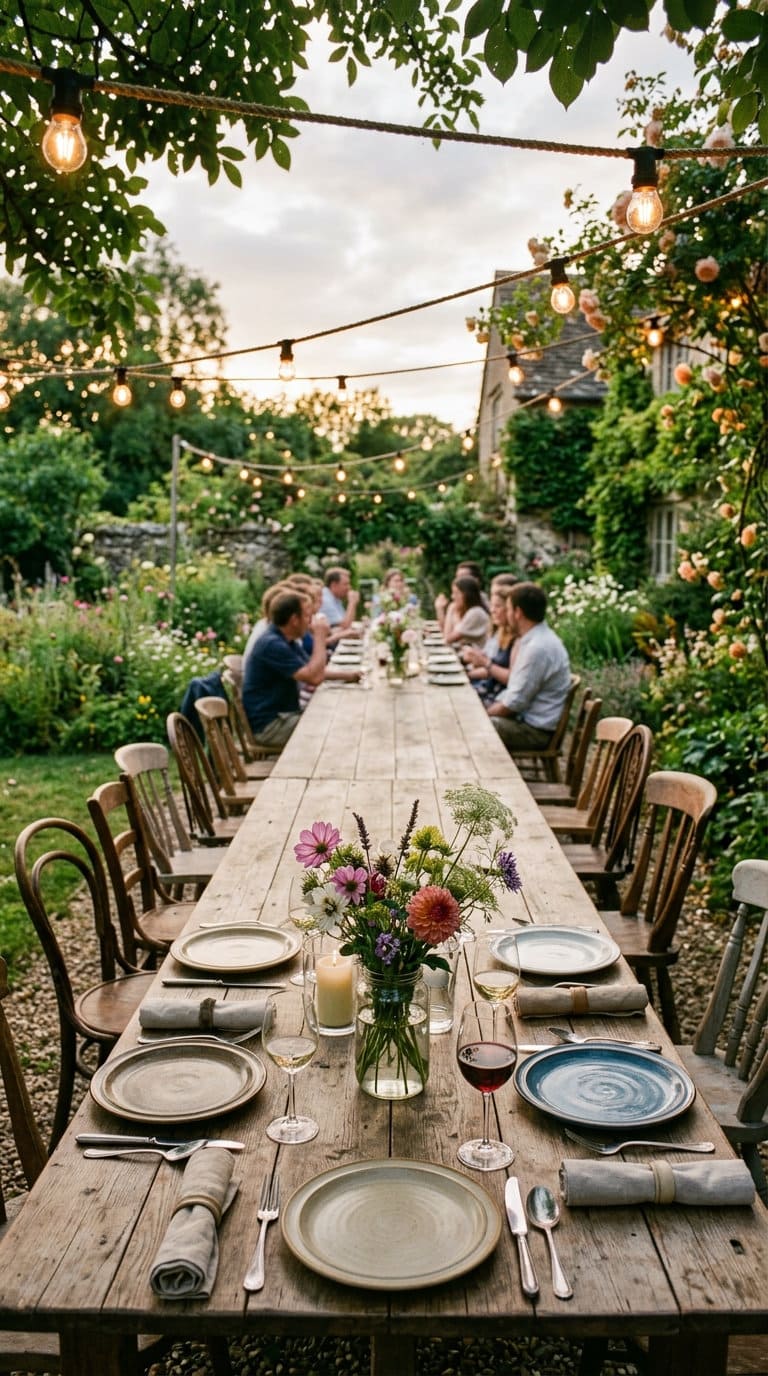
22. Farmhouse Table for Garden Feasts
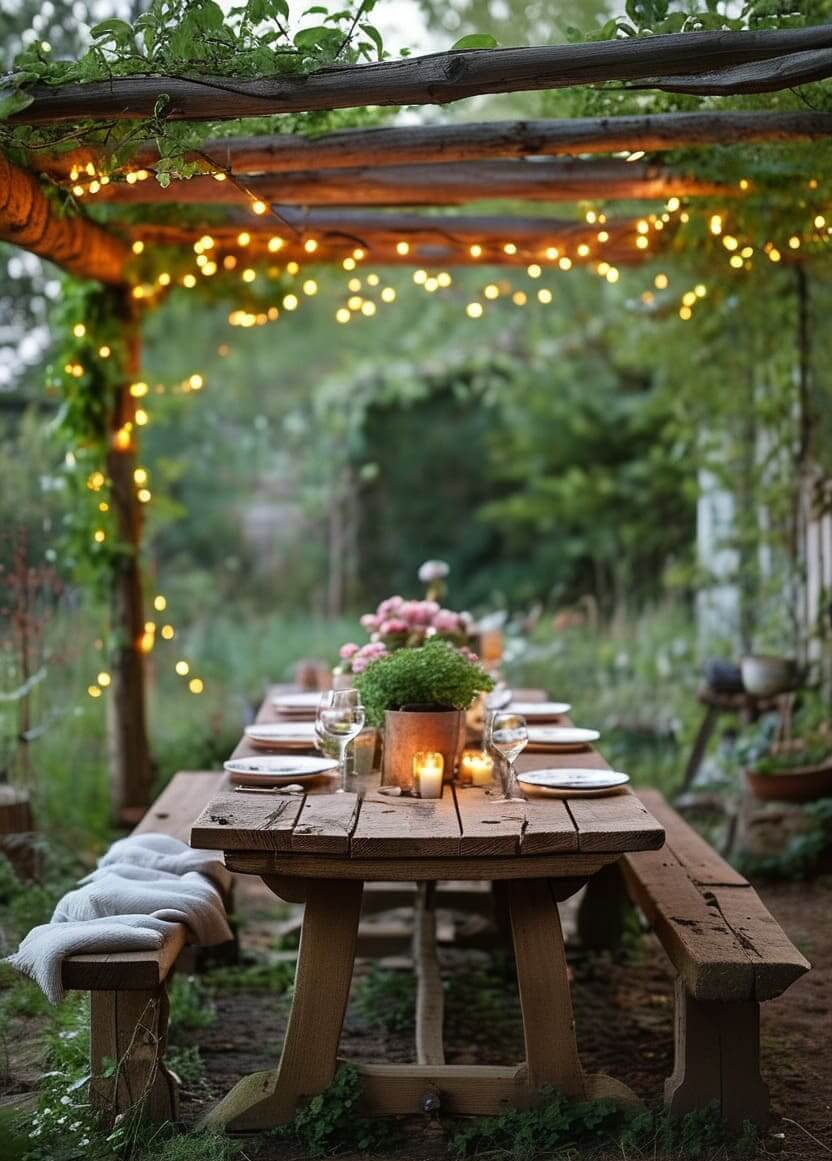
A long wooden table for outdoor meals. A real antique farmhouse table can run several hundred dollars if you’re buying rather than inheriting one, a reproduction in a similar style is the more budget-friendly route and still holds the look fine.
23. Chalkboard Pots
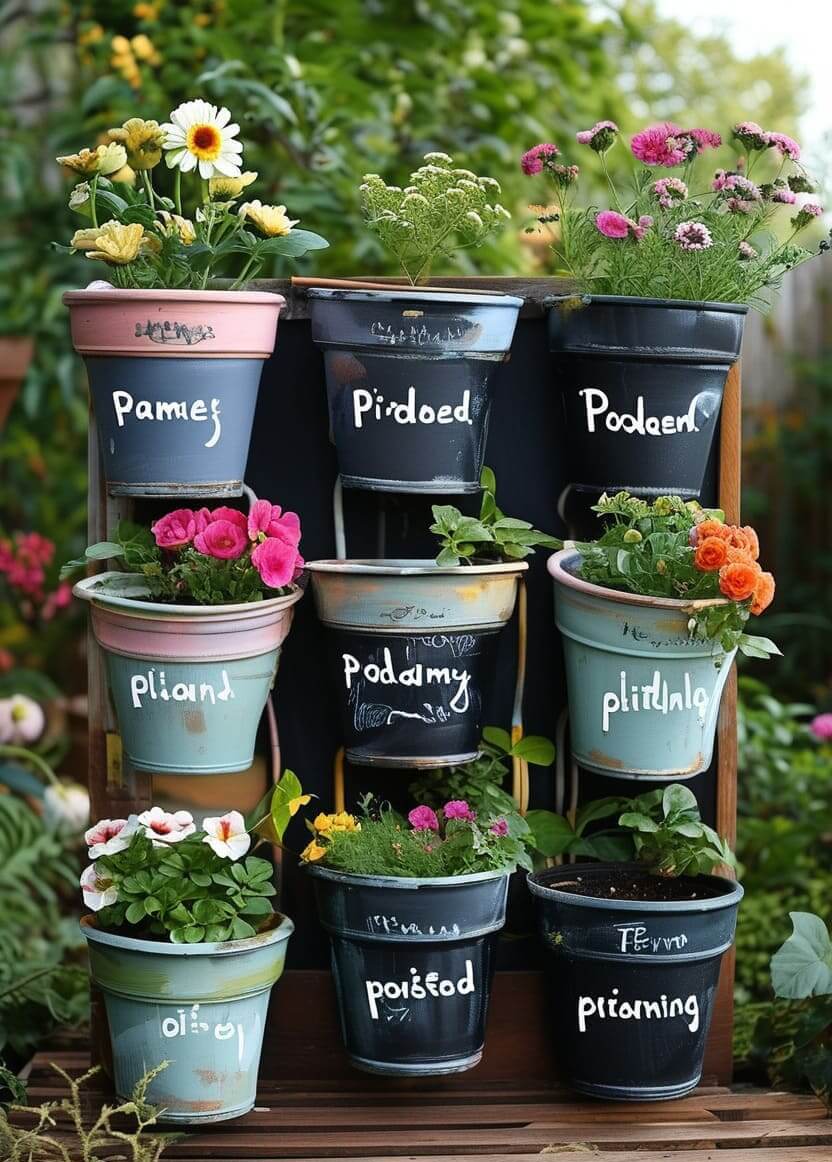
Terracotta pots painted with chalkboard paint let you label and relabel plants as they change through the season. Cheap, low-effort, and genuinely useful if you rotate what you’re growing.
24. Decorative Metal Panels
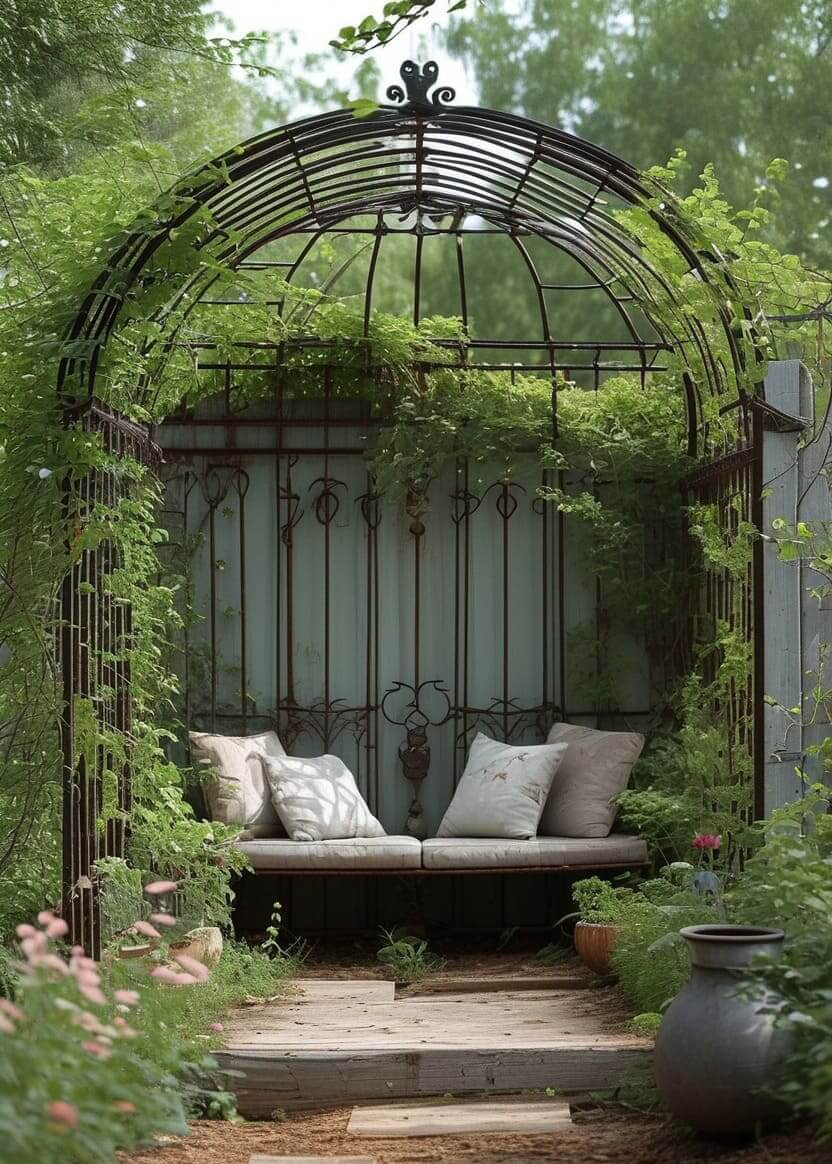
Old decorative metal panels, gates, or radiator covers mounted as garden wall art. These run a bit more than most items on this list since architectural salvage pieces aren’t as easy to find for free, expect to pay for anything genuinely old and ornate at a salvage yard.
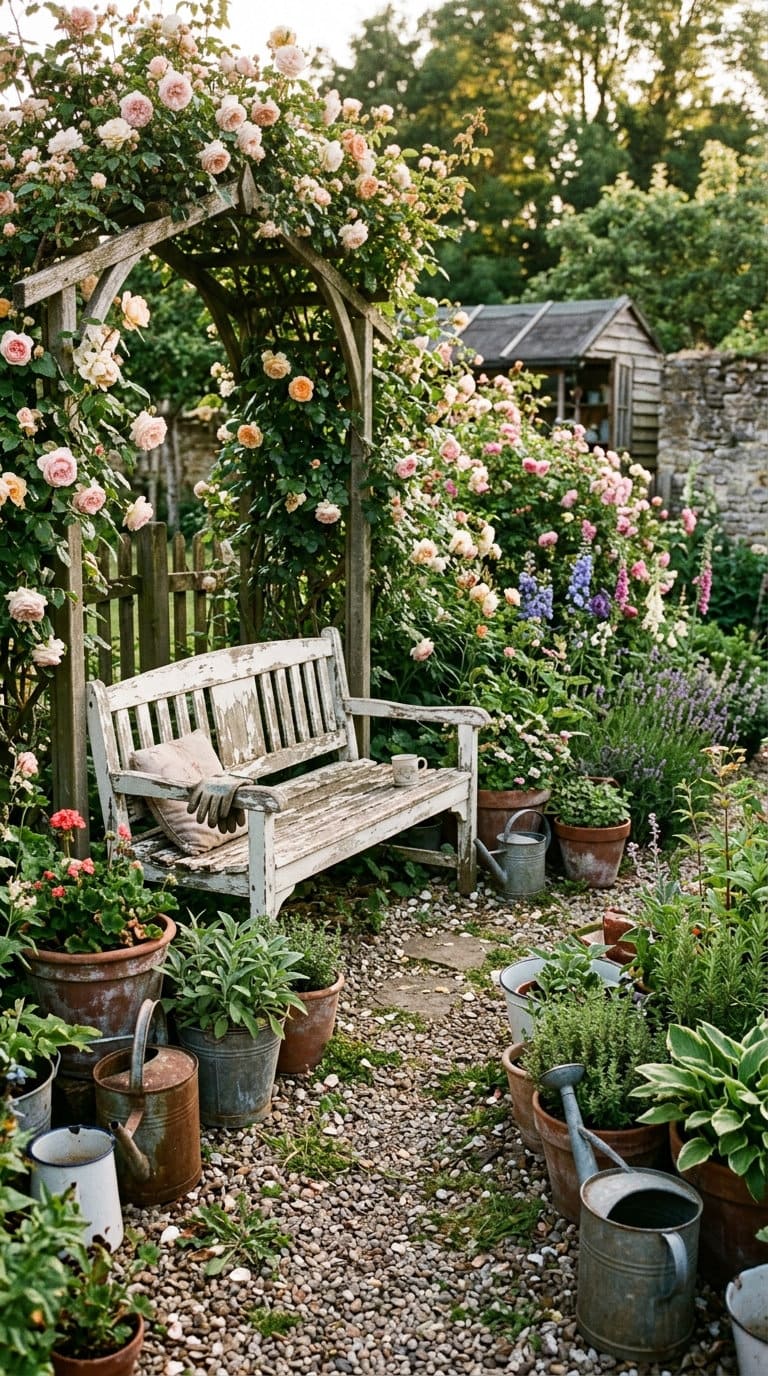
25. Romantic Rose Arches
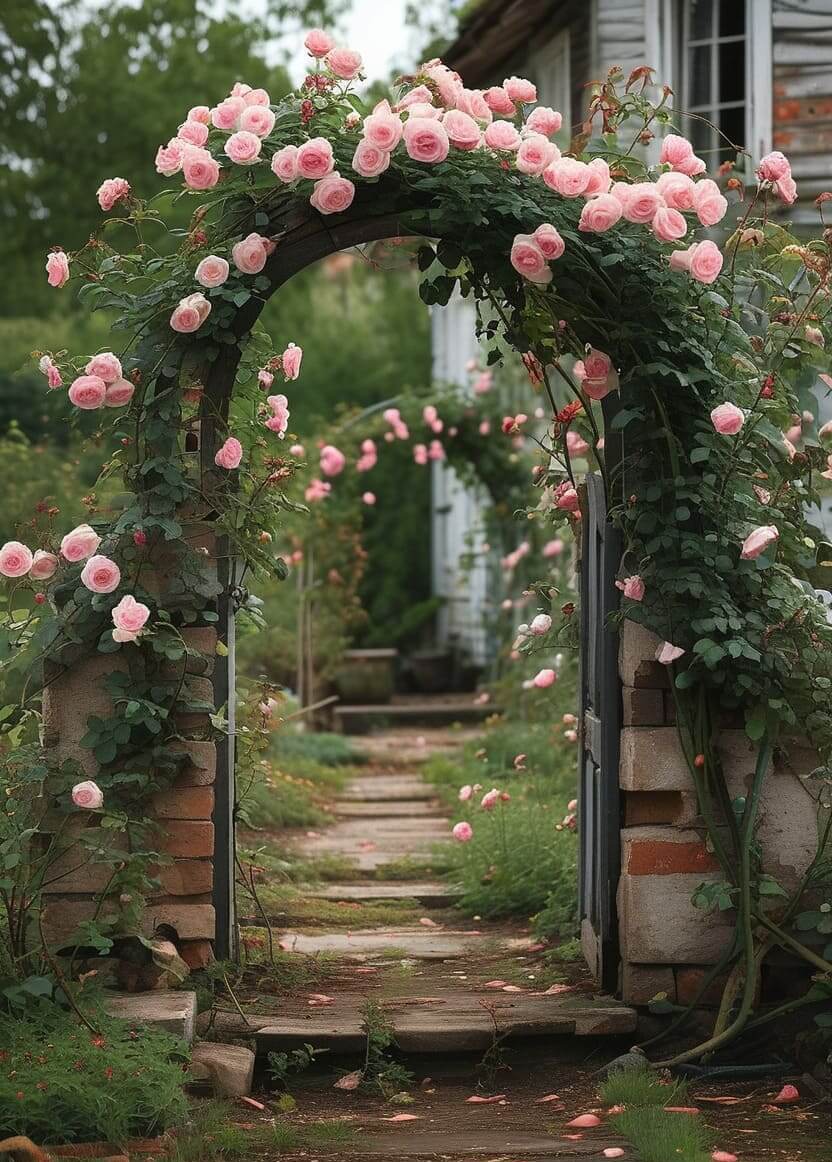
An arch or arbor covered in climbing roses is probably the single most iconic shabby-chic garden image there is. A couple of things worth getting right here. Climbing varieties like ‘New Dawn’ or ‘Eden’ are popular cottage-garden choices for exactly this.
And per garden writer Katherine Rowe at Epic Gardening, if you’re pairing roses with lavender and hydrangea nearby, don’t plant lavender directly next to the hydrangea, lavender wants dry, lean soil and full sun, hydrangea wants consistent moisture and some shade, so give them separate beds with good airflow between.
The American Rose Society’s training advice from idea #16 applies here too, tie the canes on rather than expecting them to climb by themselves.
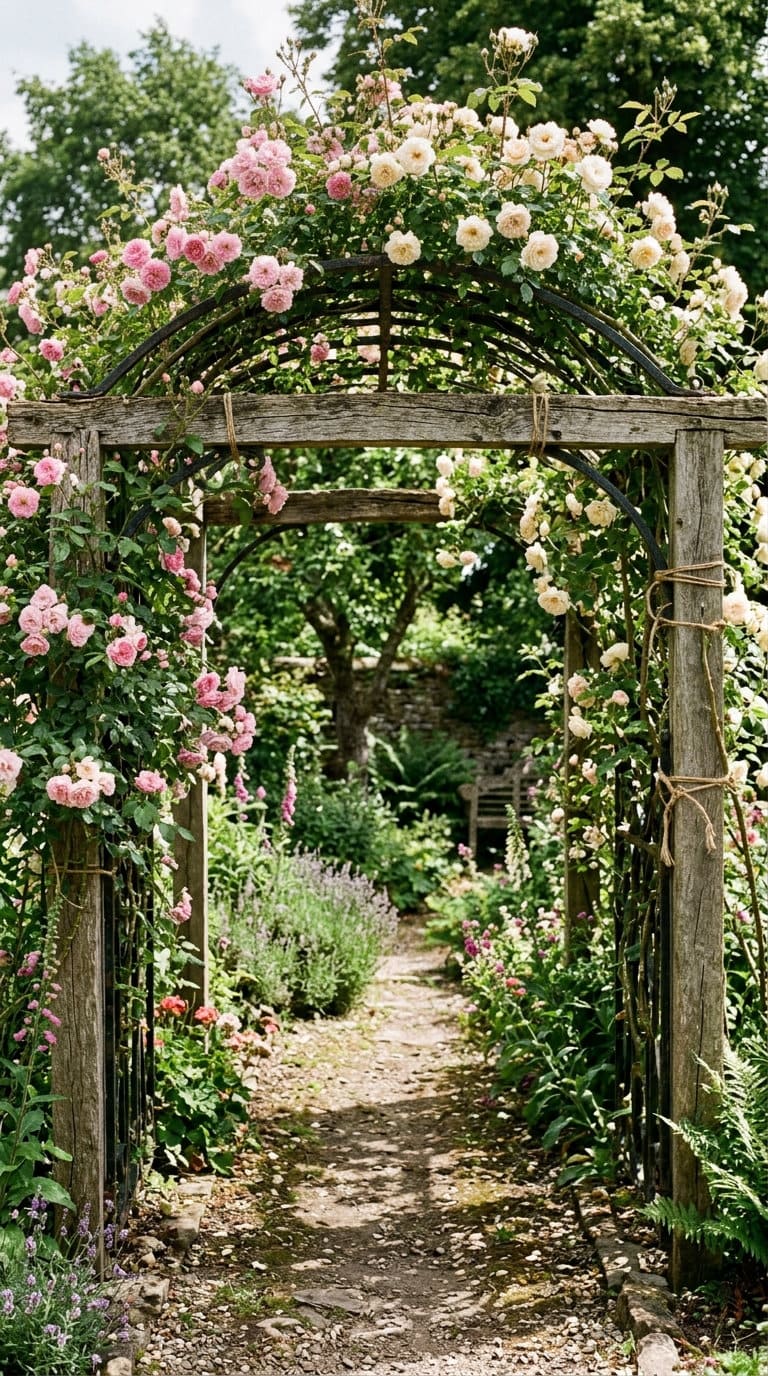
Curious what else pairs well in a cottage-style layout? This backyard seating roundup has more ideas for building out a full outdoor living space around whatever you plant here.
If you’re leaning into salvaged and vintage furniture pieces more broadly, this aesthetic garden guide covers wrought-iron seating and repurposed wheelbarrows in more depth. And the shabby-chic look carries naturally onto a front porch too, this vintage porch decor piece is worth a look if your porch could use the same treatment.
FAQs
What’s the simplest start for a shabby-chic garden?
Start small with vintage items you already own, a chair, an old planter, whatever’s sitting in the garage, and build outward from there.
Where to find shabby-chic items cheaply?
Flea markets, thrift shops, and yard sales are the obvious first stops, and estate sales tend to have the best finds if you’re patient about checking listings weekly.
Best plants for a shabby-chic garden?
Roses and hydrangeas pair well together since they want similar moisture and light. Lavender is a great addition too, but plant it in its own bed rather than right next to the hydrangeas, it prefers drier soil and more direct sun and will struggle if it’s crowded into a moist, shaded spot meant for hydrangeas.
Is it safe to sand or repaint old garden furniture?
Not always, if the piece is genuinely old. Paint applied before 1978 can contain lead, and the University of Georgia Cooperative Extension recommends testing with a lead-swab kit before sanding anything you’re not sure about. If it tests positive, skip dry-sanding entirely, wet-sand instead, wear a NIOSH-rated respirator, and consider sealing the surface with a lead encapsulant rather than stripping it down to bare wood or metal.
Start Small and Let It Grow
The best shabby-chic gardens I’ve seen didn’t happen in one weekend, they built up piece by piece over a couple of seasons as people found things at sales and swapped out what didn’t work. Start with one or two ideas from this list, check for lead paint before you touch anything genuinely vintage, and let the rest fill in over time.
Conclusion
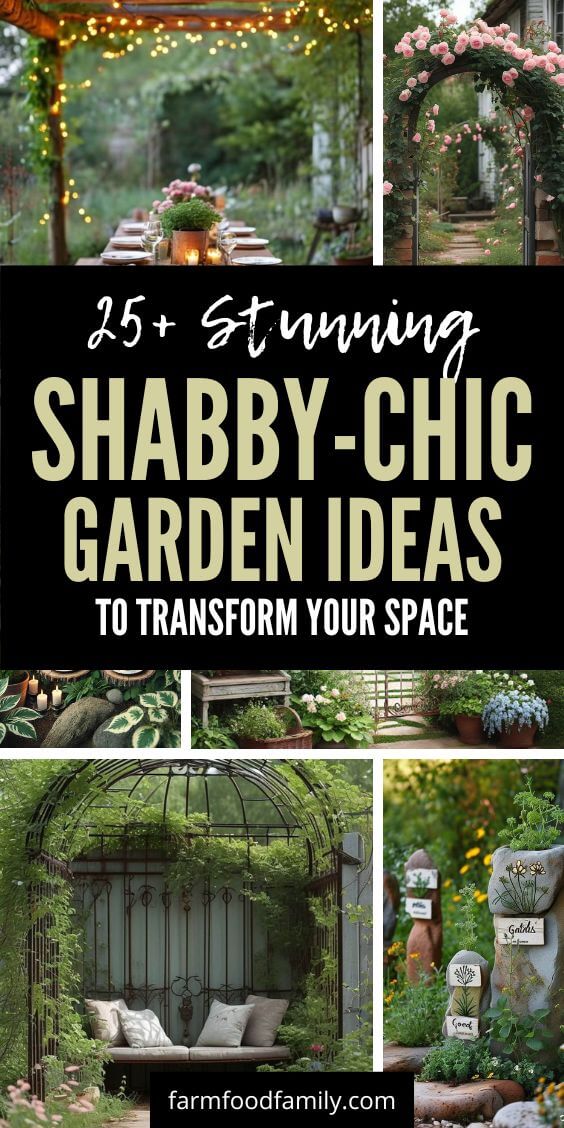
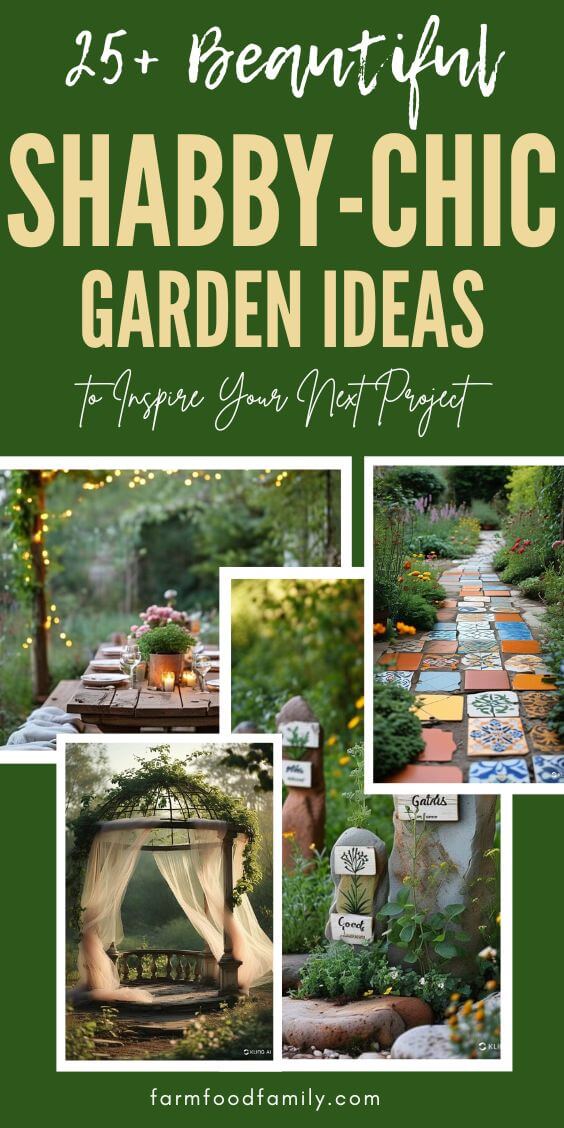
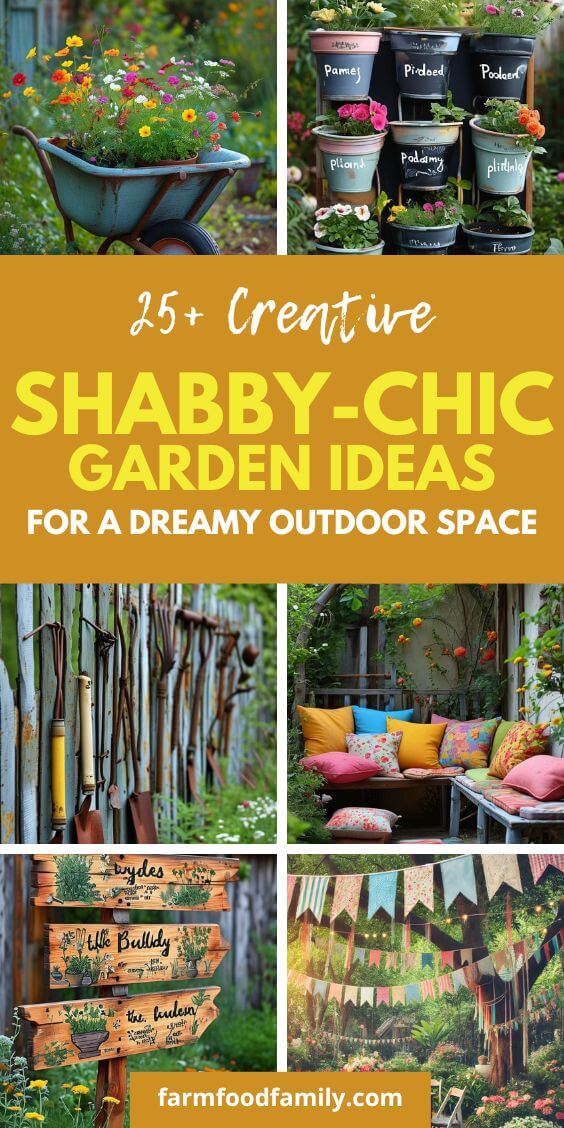
Embracing a shabby-chic garden means finding beauty in the weathered and cherished. Start with these tips, and soon you’ll have a space that’s not just character-filled but also a perfect scene for making lasting memories.
Never miss an update — choose FarmFoodFamily as your preferred source on Google.
How it works: Tap the button below to open Google's settings page, then check the box next to FarmFoodFamily.
Tap the checkbox to turn it blue — that's how you know it's set.