The Milk Jug Greenhouse: 7 Simple Steps to Winter Sowing
A recycled milk jug can start your seeds outdoors all winter with no lights or heat mats, but the timing and the seed choice decide whether it works.

Never miss an update — choose FarmFoodFamily as your preferred source on Google.
How it works: Tap the button below to open Google’s settings page, then check the box next to FarmFoodFamily.
Tap the checkbox to turn it blue — that’s how you know it’s set.
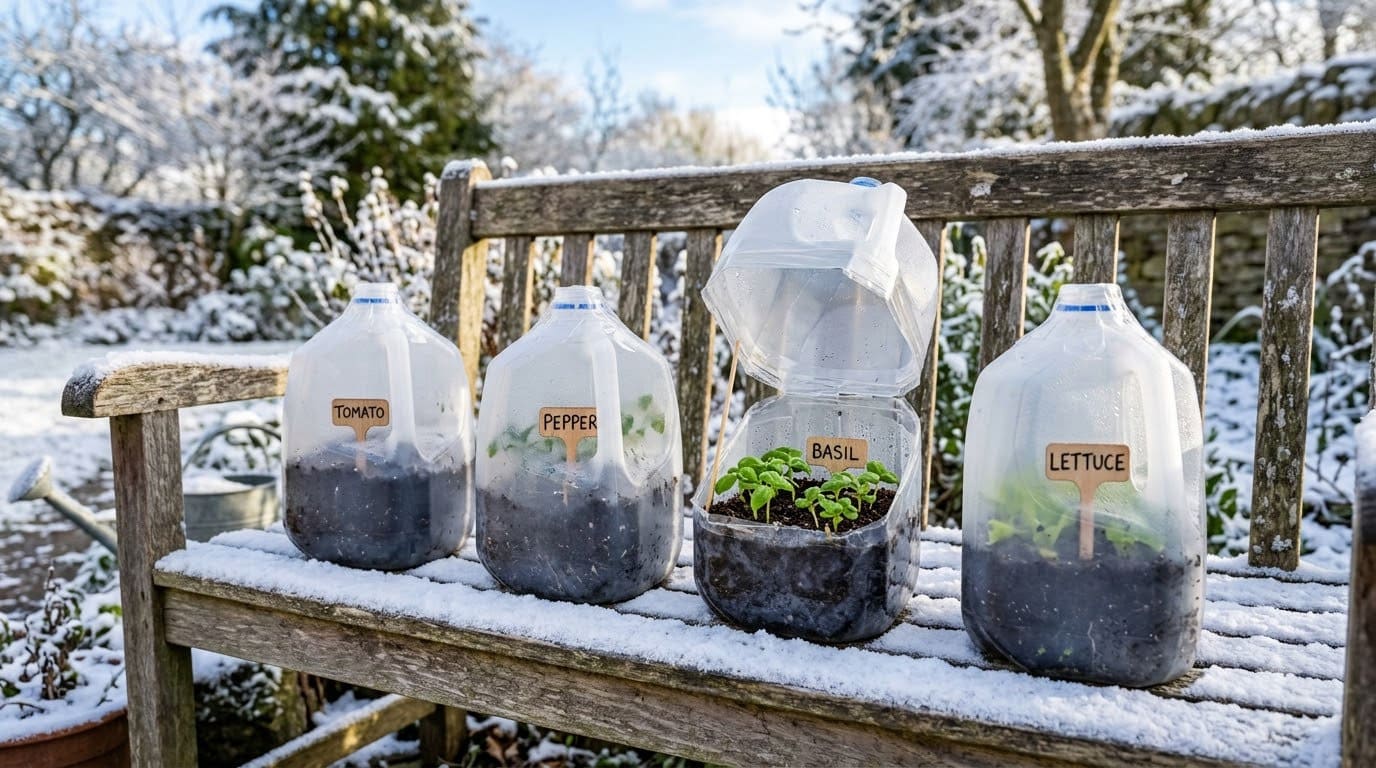
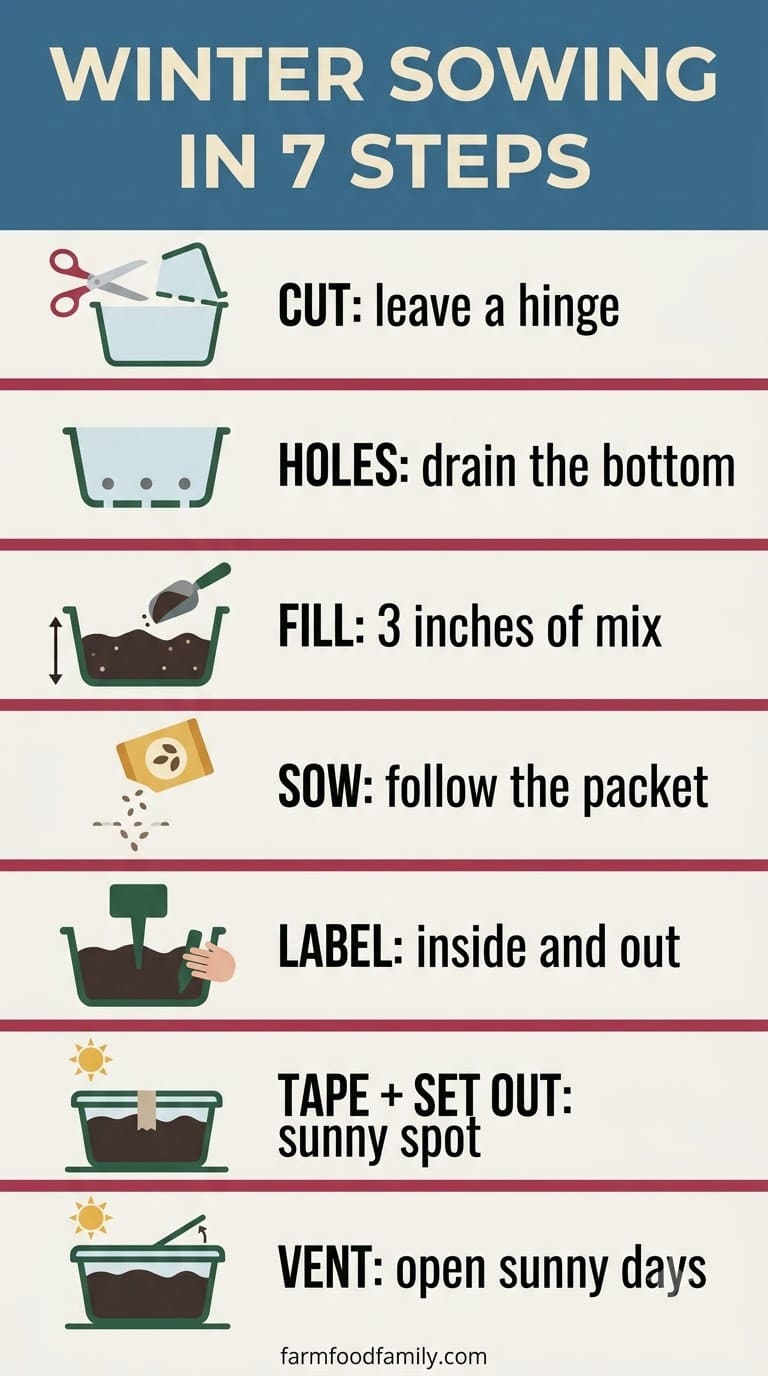
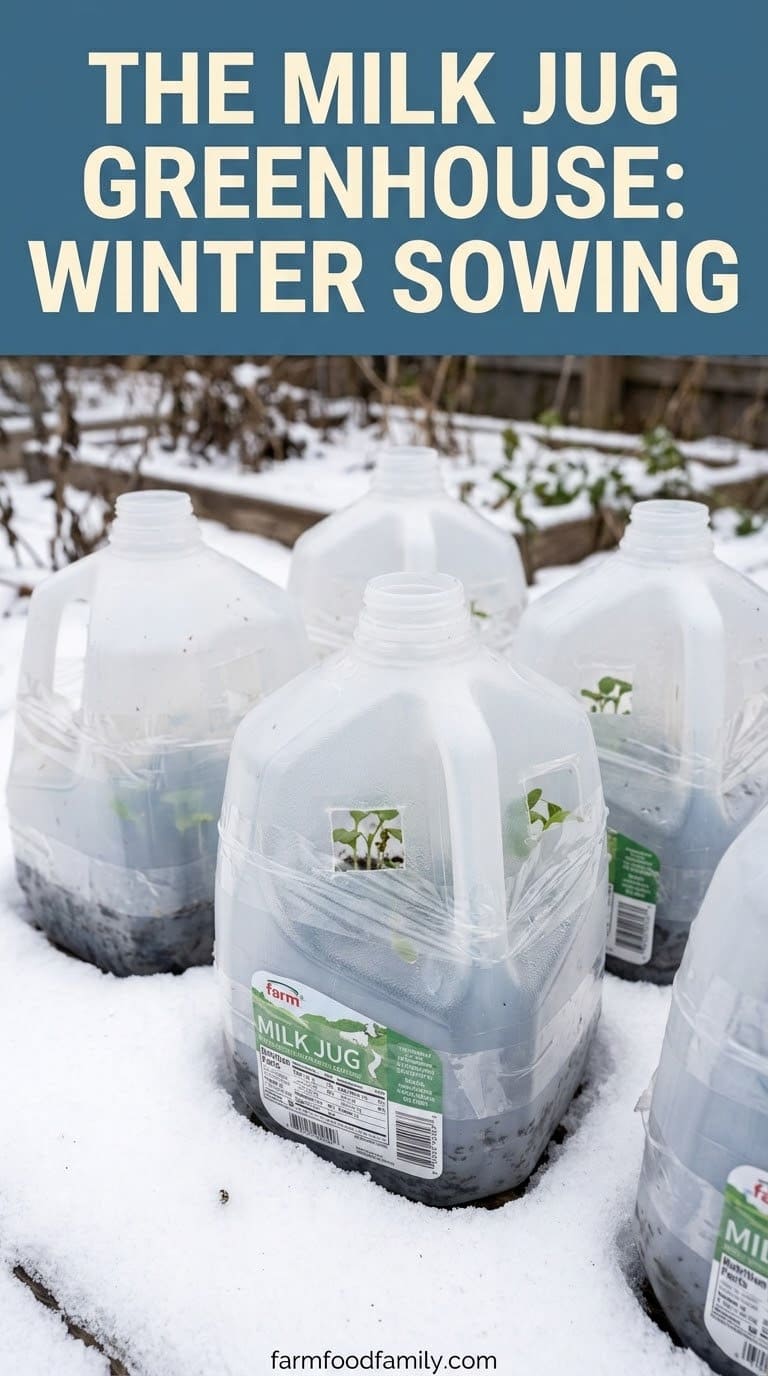
Winter sowing means planting seeds in vented milk jugs and leaving them outside. UMN Extension says to cut the jug leaving a hinge, add drainage holes, fill it with three inches of moistened potting mix, and sow. Then tape it shut and set it in a sunny, protected spot.
The seeds get the cold they need to wake up. Start perennials that need cold in January, and hardy annuals through March. Save tomatoes, squash, and zinnias for March or April.
Don’t skip the drainage holes. Without them, seeds drown. The method also suits gardeners with little indoor space, since the jugs replace windowsills and grow lights.
The jugs need almost no attention until spring. Then you open them on sunny days and close them at dusk, and you transplant the seedlings when they have two sets of true leaves.
What is winter sowing, and why use milk jugs?
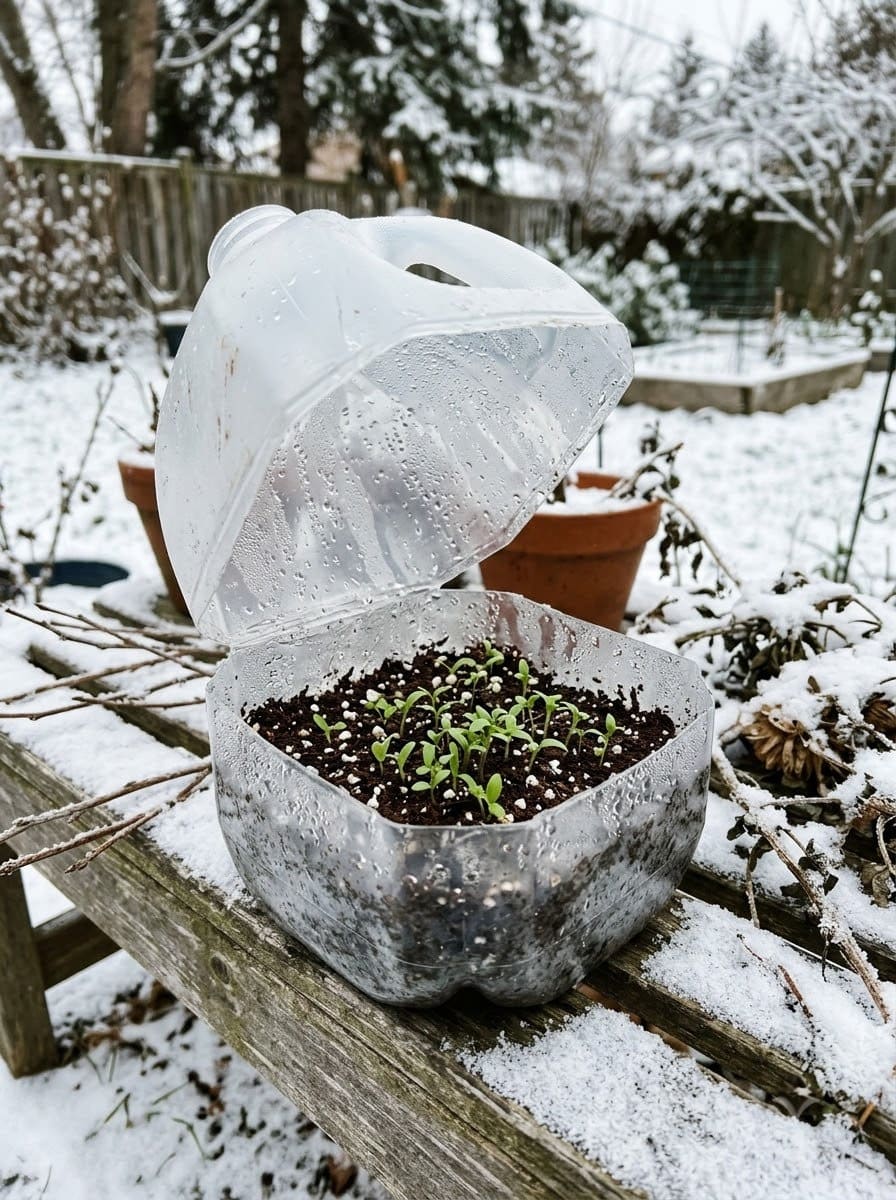
Winter sowing uses nature’s freeze-thaw cycles to do the work. UMN says the seeds sit in soil-filled containers outside, where they get oxygen, water, light, and the right temperatures.
Many native perennials need a cold period before they’ll sprout. That’s called cold stratification. UNH Extension says it takes 60 to 90 days of cold, between 32 and 50°F.
Answer 4 quick questions and get matched to the exact fix for your yard — drainage, budget, layout, or something else entirely.
Take the Free QuizA milk jug works as a mini greenhouse. The clear plastic lets light in, and the vented top lets rain and snow in. UNH also says it gives a two-to-three-week head start on cool-season crops.
If you want the general idea first, read our page on winter sowing in the organic garden. This guide is the hands-on jug method.
Which seeds should you winter sow?
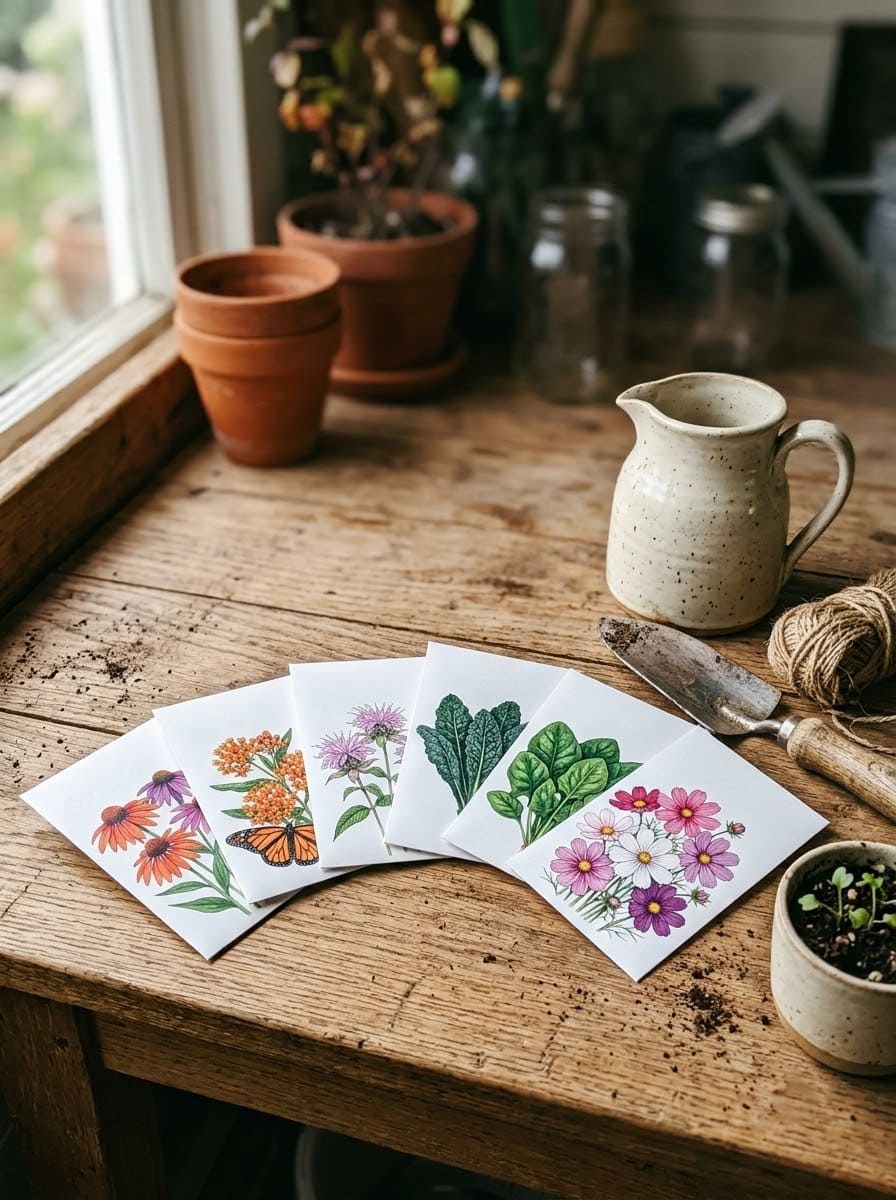
Choose seeds that can handle cold. Here is what the extension sources say.
| Group | Seeds | Source |
|---|---|---|
| Perennials that need cold | Purple coneflower, swamp milkweed, wild bergamot, black-eyed Susan, prairie blazing star | UMN |
| More perennials that need cold | Milkweed, gentian, geranium, bee balm, purple coneflower | UNH |
| Cold-hardy annuals and vegetables | Petunias, cosmos, kale, broccoli, spinach, Brussels sprouts | Illinois Extension |
| Cool-season vegetables | Beets, chard, cabbage | UNH |
| Wait until March or April | Zinnias, tomatoes, squash | Illinois Extension |
Penn State Extension says to look on the seed packet for clues. Words like “self-sows,” “hardy,” “needs pre-chilling,” or “requires stratification” mean the seeds are good candidates.
UNH says winter sowing isn’t recommended for home lawn grasses or warm-season annuals and vegetables. Penn State agrees that tender plants and vegetables can wait until March or April, since they don’t need a cold period to sprout.
If you’re starting tomatoes, see our guide to growing tomatoes.
When should you start winter sowing?
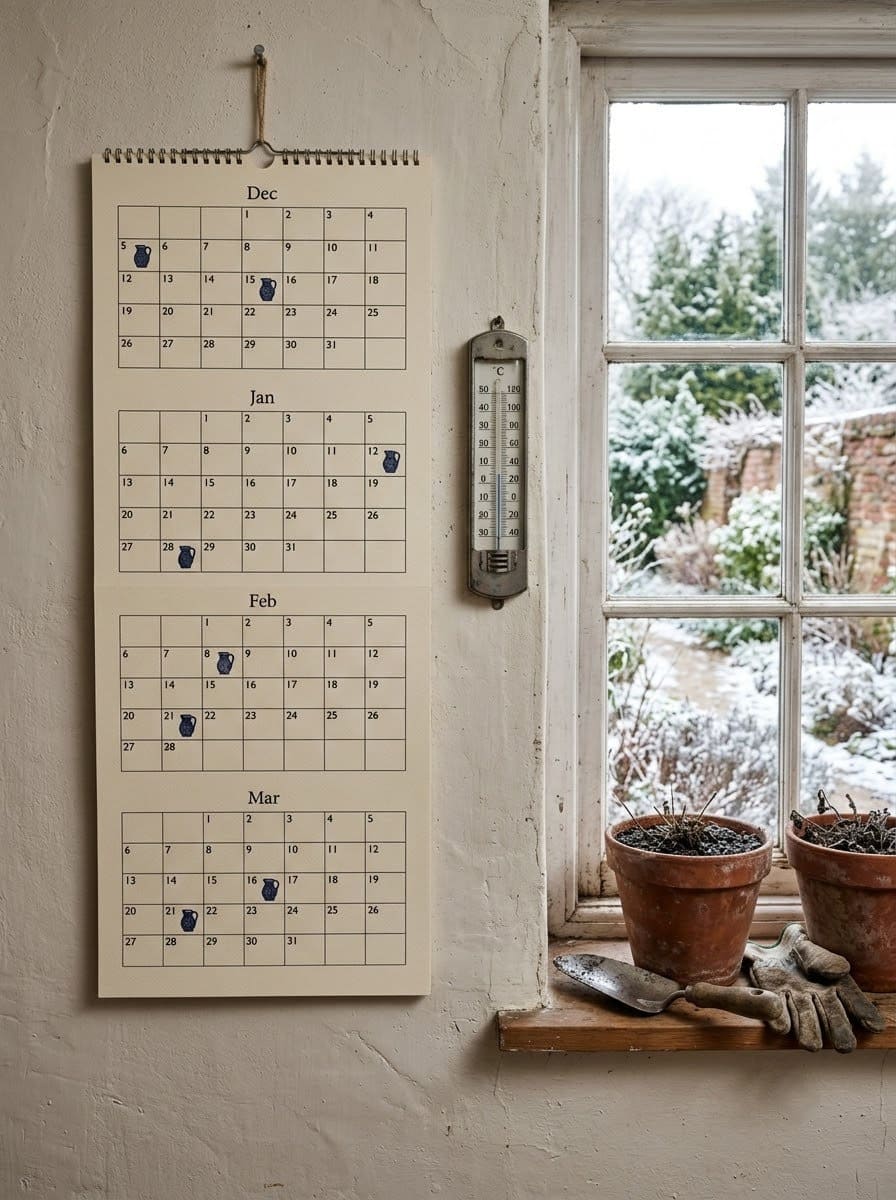
The sources give slightly different windows. Use them as a range, then adjust for your climate.
Most yard problems trace back to one specific, fixable cause. Find yours in 4 quick questions.
Take the Free Quiz
A waterproof clear tape for sealing the jug closed. UMN's supply list calls for clear duct tape.
Shop NowThis post contains affiliate links. We may earn a commission on qualifying purchases at no extra cost to you.
| Source | Window |
|---|---|
| UMN | January for perennials that need cold, through March for hardy annuals |
| Penn State | December to March, depending on your weather |
| Illinois Extension | Wait until January or February |
| UNH | February to March or earlier, and mid to late fall also works for perennials |
| Illinois (Viebach) | Start about the winter solstice, later in warm years |
The main risk is starting too early. Illinois Extension warns that in a warm spell, seeds can germinate but won’t be hardy enough to survive the cold that follows.
Our pick: sow cold-loving perennials in January, and hardy vegetables in February or March. For vegetables, wait until closer to spring.
What do you need for a milk jug greenhouse?
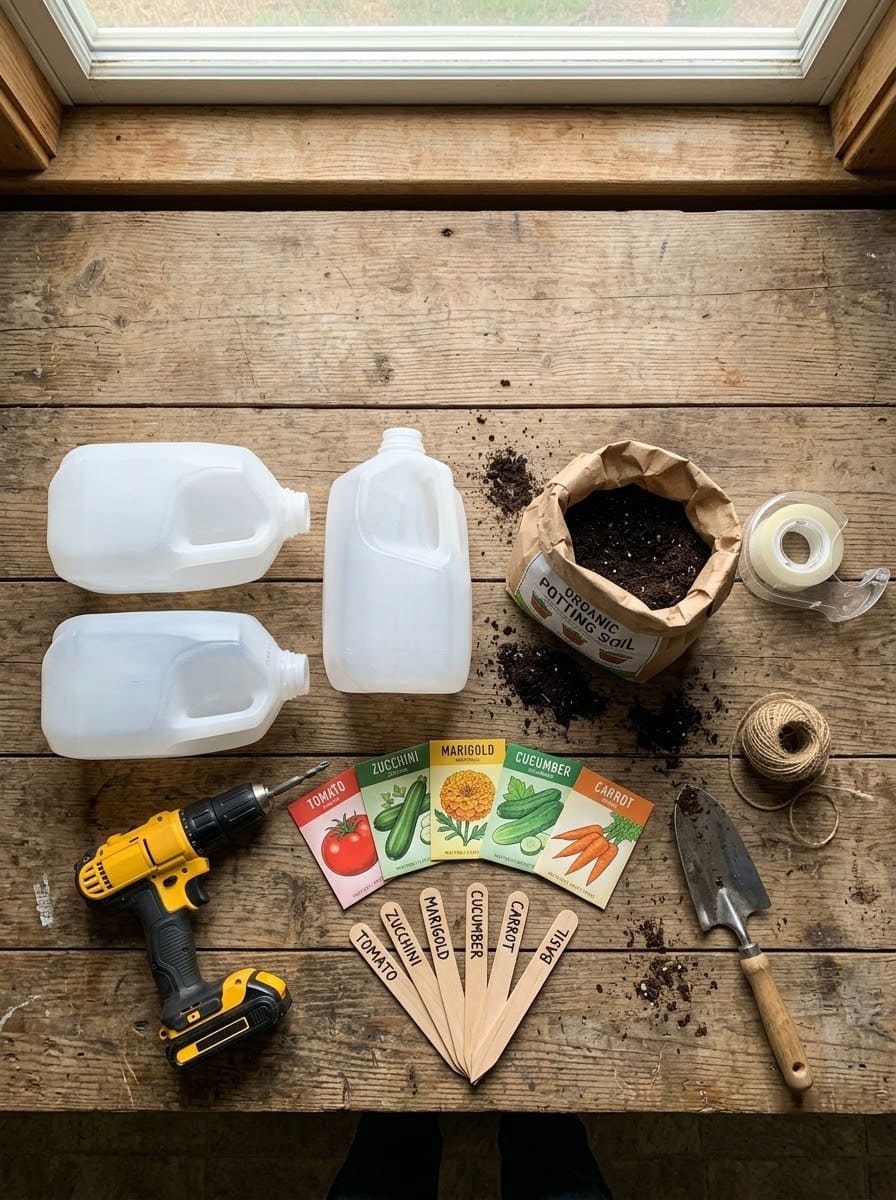
Keep it cheap. UMN’s supply list is short.
- Gallon milk jugs or clear plastic containers
- Potting soil, not garden soil
- Clear duct tape
- A drill or a knife for drainage holes
- Seeds, labels, and a marker
Any jug that lets light through works. The University of Illinois says plastic milk jugs that allow light penetration work best.
Step 1: How do you clean and cut the jug?
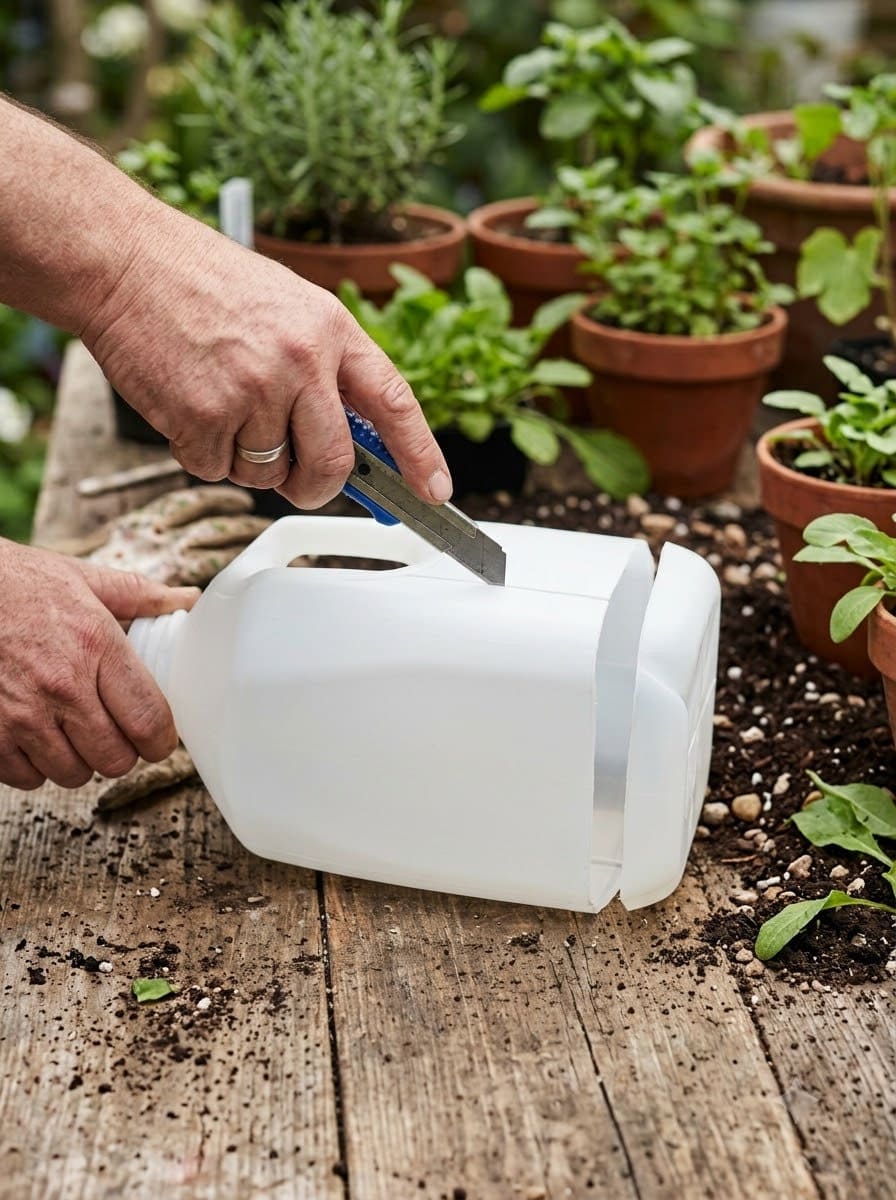
Wash the jug well. Then cut around it about 6 inches up from the bottom, stopping when you reach the handle side. Cut about three-quarters of the way around.
That leaves a hinge, so the top swings open like a lid. Use the same cut on every jug so they all stack and open the same way.
Step 2: Why do drainage holes matter?
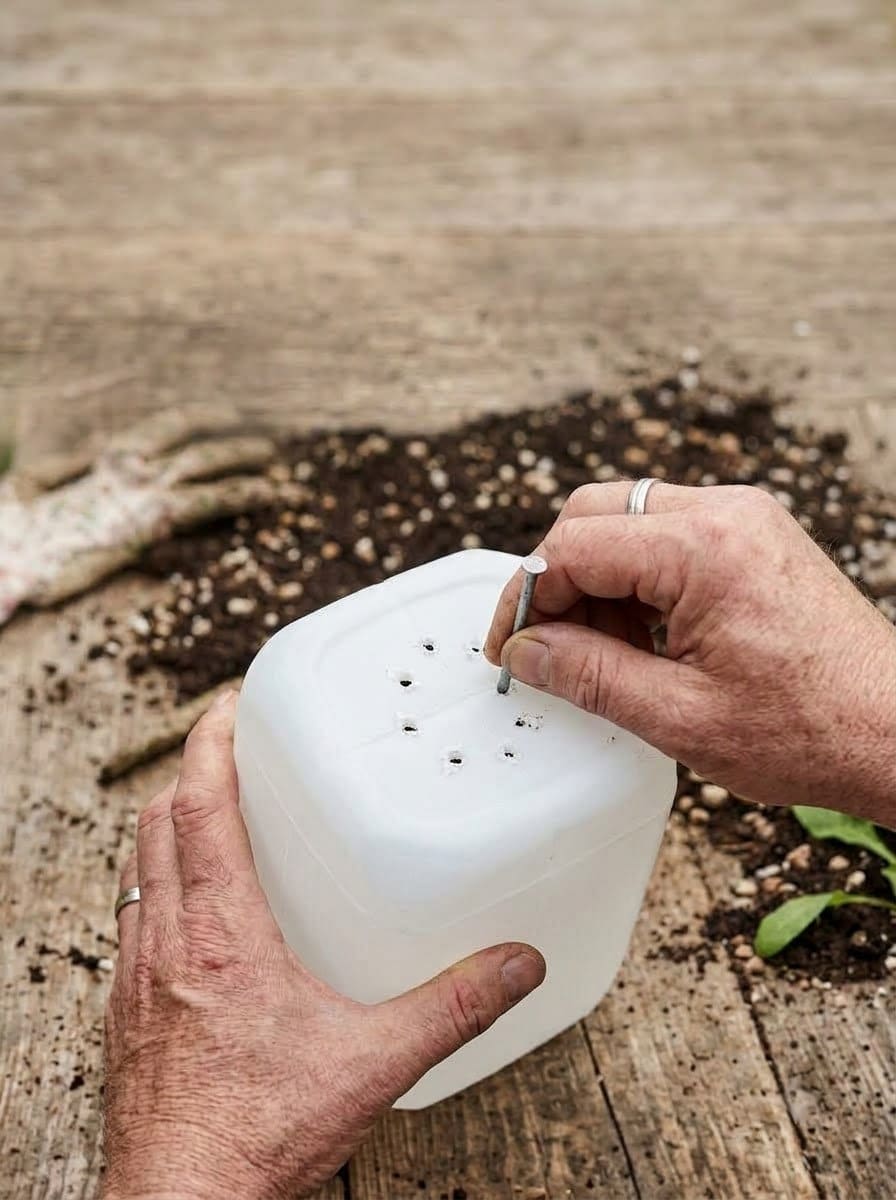
Poke several holes in the bottom of the jug. A nail, a screwdriver, or a drill all work.
This is the one step you can’t skip. Without drainage, the mix stays soggy and seeds drown.
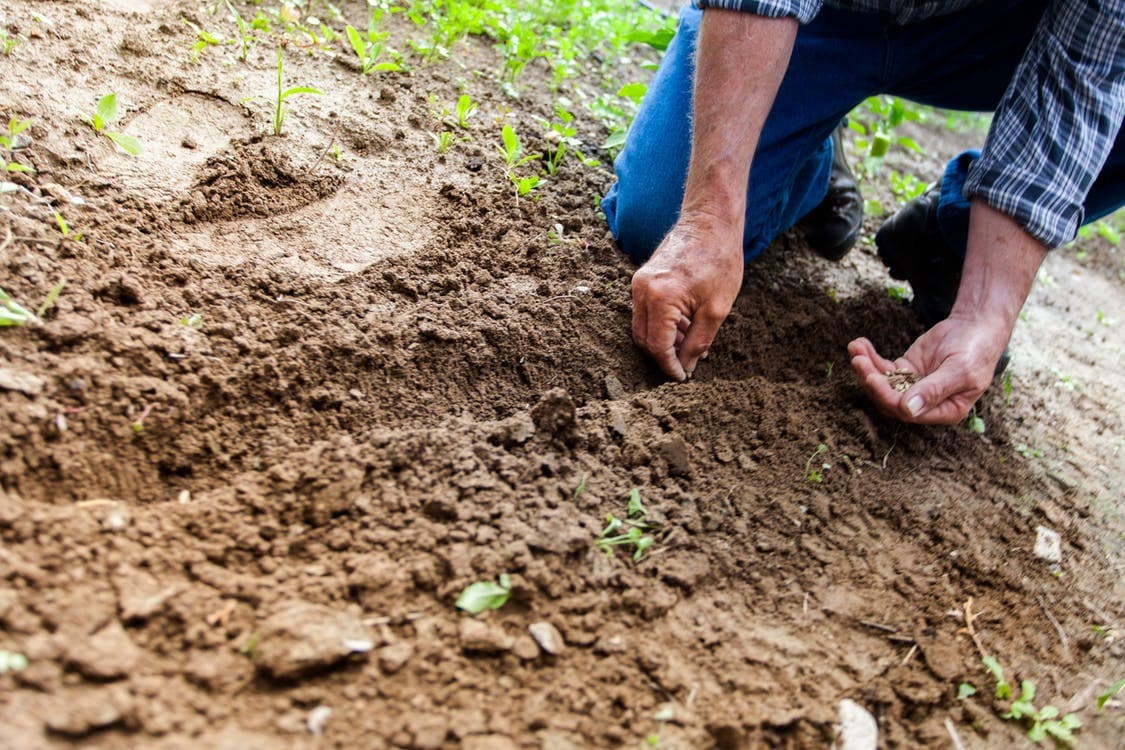


Then take the cap off and leave it off. That gives rain and snow a way in.
The average homeowner spends $616/year on yard fixes that don't address the real problem. Find out what yours actually is — before you spend another dollar.
Take the Free QuizStep 3: What do you fill the jug with?
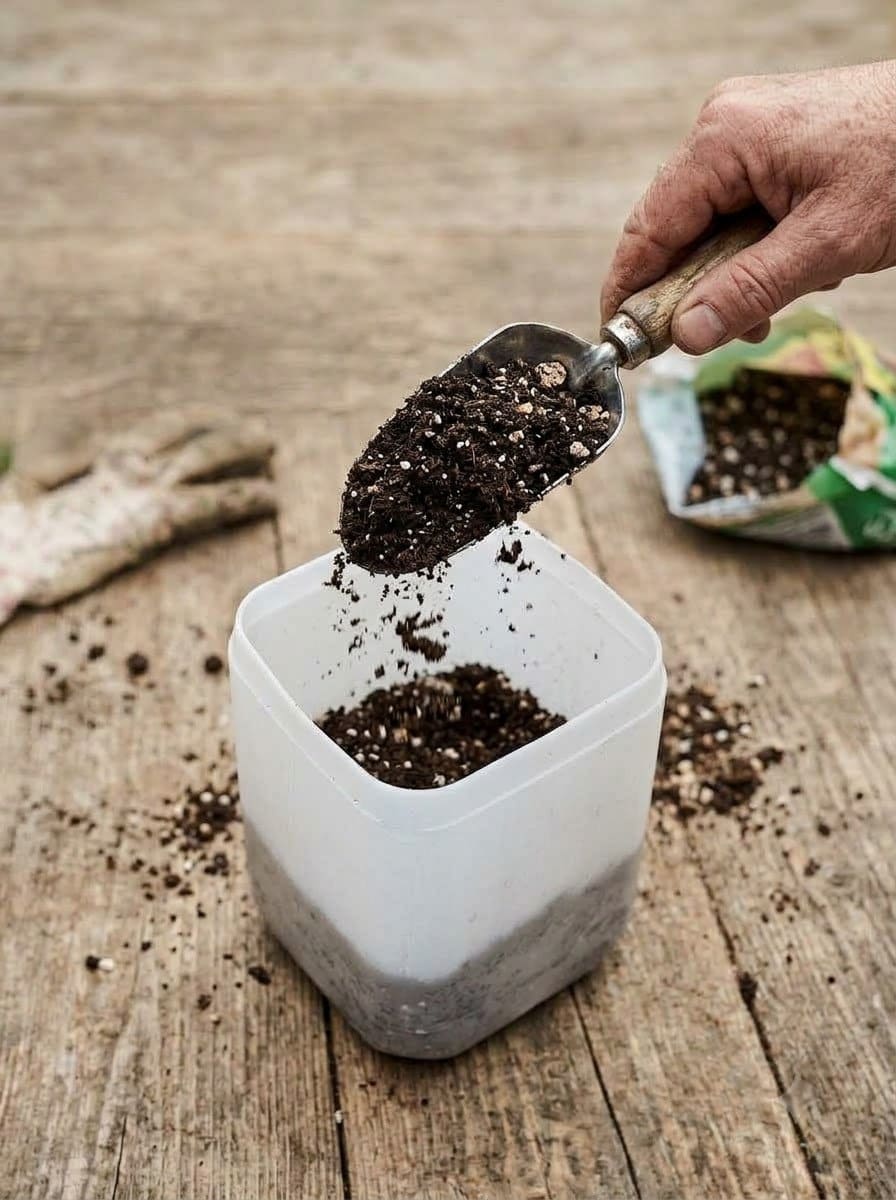
Add about 3 inches of moist potting mix. Use bagged potting mix, not garden soil.
Wet the mix first and let it drain until it feels like a damp sponge. Then fill the jug.
Step 4: How do you sow the seeds?
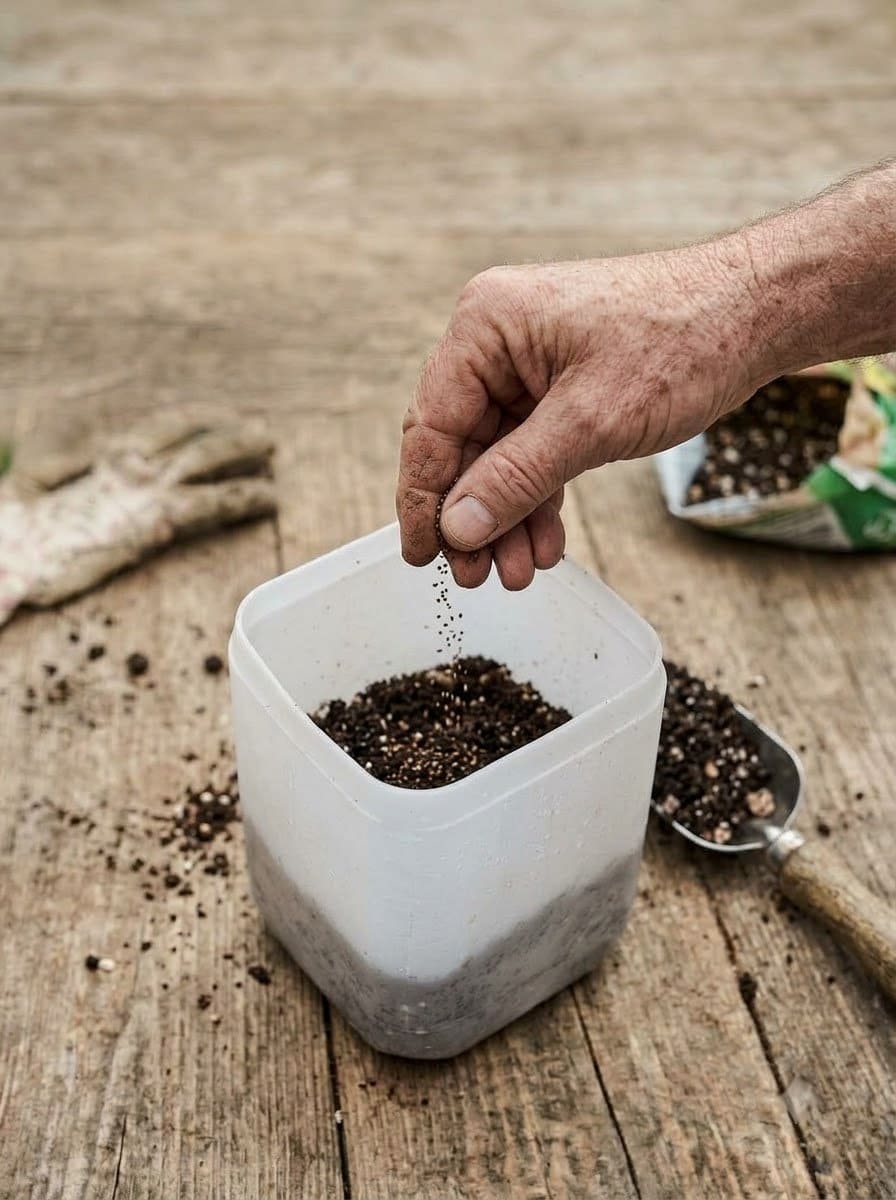
Follow the seed packet for depth. Sprinkle small seeds on top of the mix, and press larger seeds in to the depth the packet gives.
But don’t overfill. A jug can hold a lot of seedlings, and crowded plants compete once they sprout.
Step 5: How do you label the jug?
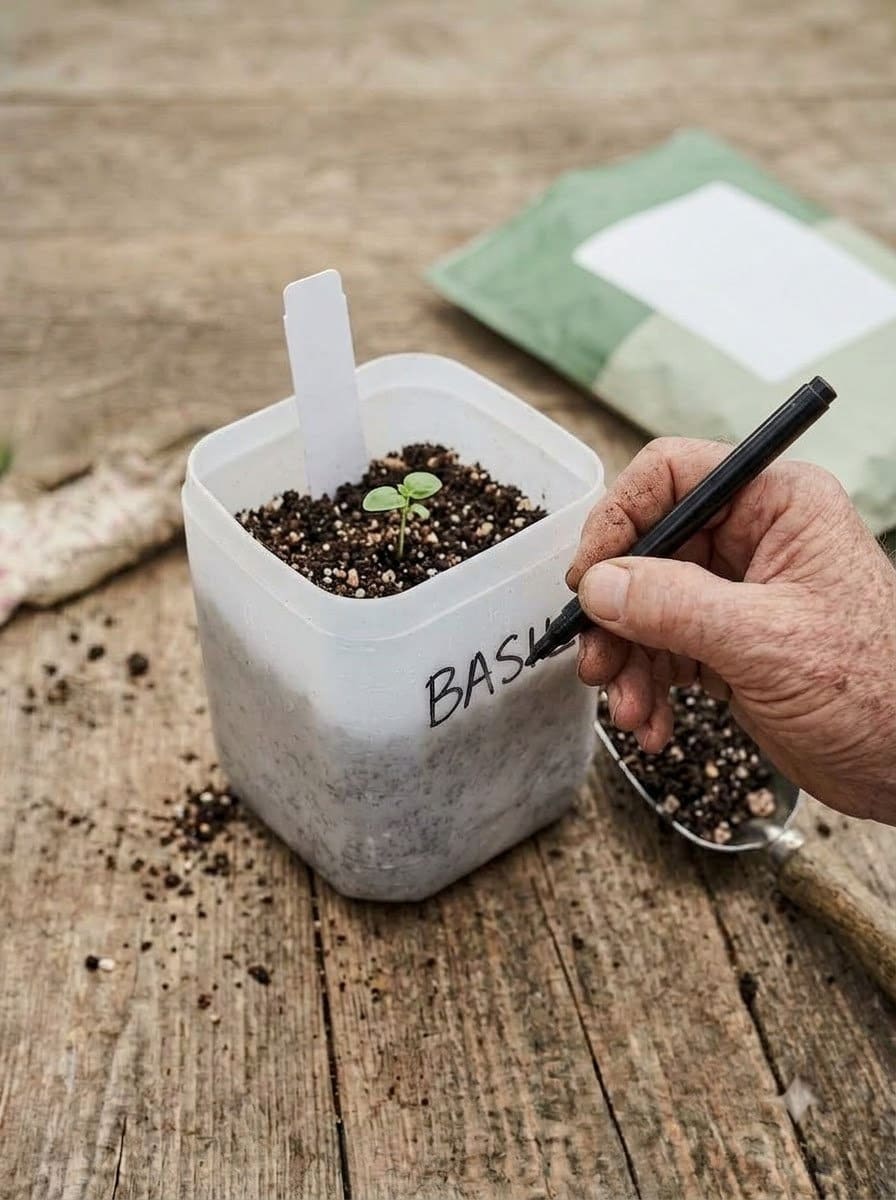
Label the outside of the jug with a paint pen or nail polish. Marker fades in winter weather.
Drop a plastic label into the mix as a backup. Then a lost outside label won’t cost you the plant name.
Step 6: Where do you put the jug?
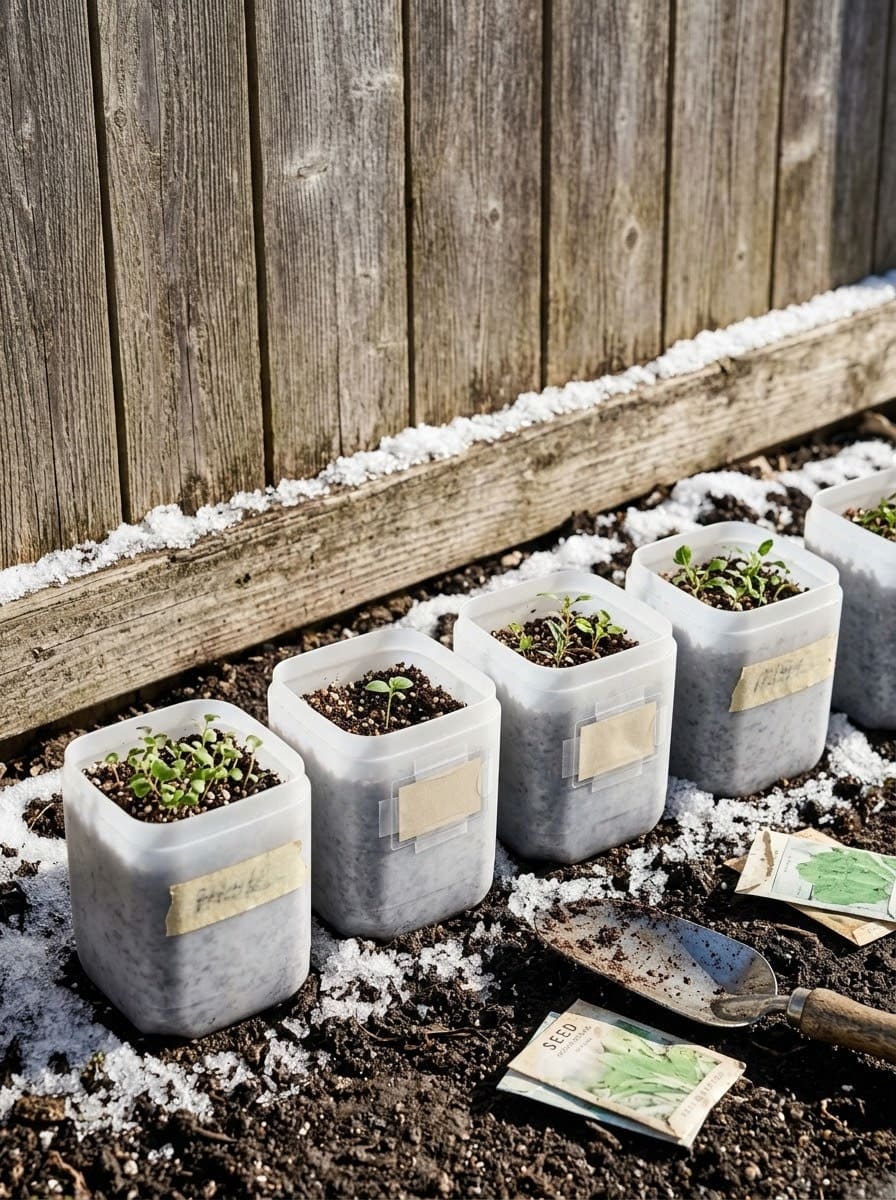
Tape the top shut with clear tape, then set the jug outside in a sunny, protected spot on open ground.
Skip covered porches, because seeds need rain and snow. Keep the jugs away from spots where critters can knock them over or dig at them.
Step 7: How do you care for the seedlings and transplant them?
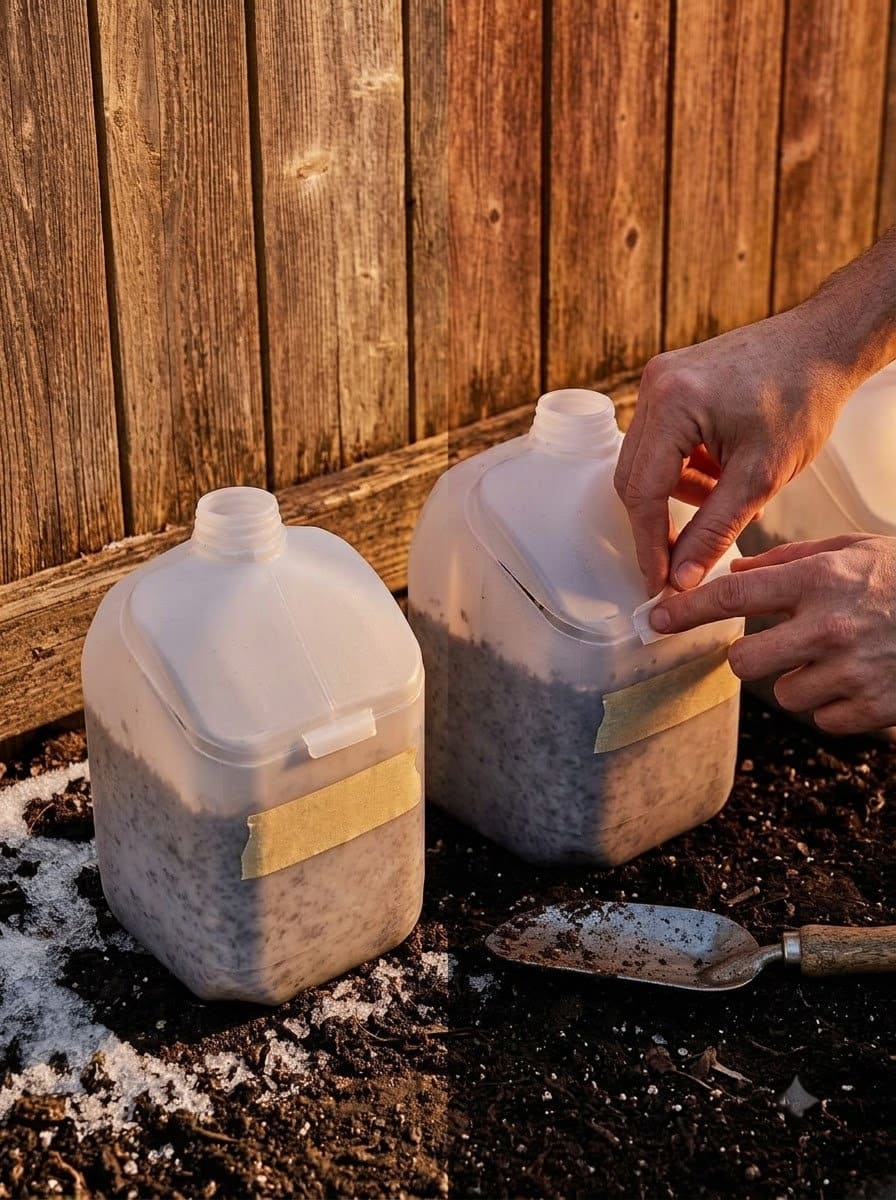
Mostly, leave them alone. Check for condensation now and then, and add water if the mix looks dry.
When seedlings appear in spring, open the jug on sunny days and close it at dusk. Move the seedlings into the garden once they have a second set of true leaves. Scoop them out in blocks, like cutting a pan of brownies.
Where do the experts disagree, and what should you do?
Extension sources give slightly different details. None of the differences will make or break your jugs. Here is each one, with the choice we made in the steps above.
| Detail | What sources say | What we chose |
|---|---|---|
| Where to cut | About 6 inches from the bottom (Illinois, Viebach), just under the handle (Illinois, Flowers-Kimmerle), or 1.5 inches under the handle (Penn State) | Any works. We chose 6 inches from the bottom |
| Extra holes | Three holes on each side of the jug add drainage (Illinois) | Optional. Bottom holes are enough |
| The cap | Leave it off or add lid vents (UMN), or throw it away (Illinois) | Leave it off |
| Mix depth | 2 to 4 inches (Penn State), 3 inches (UMN and Viebach), 3 to 4 inches (Flowers-Kimmerle) | About 3 inches |
| Hardening off | Open gradually (UMN), or not needed (Illinois and Penn State) | Open the jug a little more each mild day. It costs nothing |
| Damping off | Not a problem (Viebach), or a risk in cool, damp weather (UNH) | Good drainage and thin sowing lower the risk |
Is winter sowing better than starting seeds indoors?
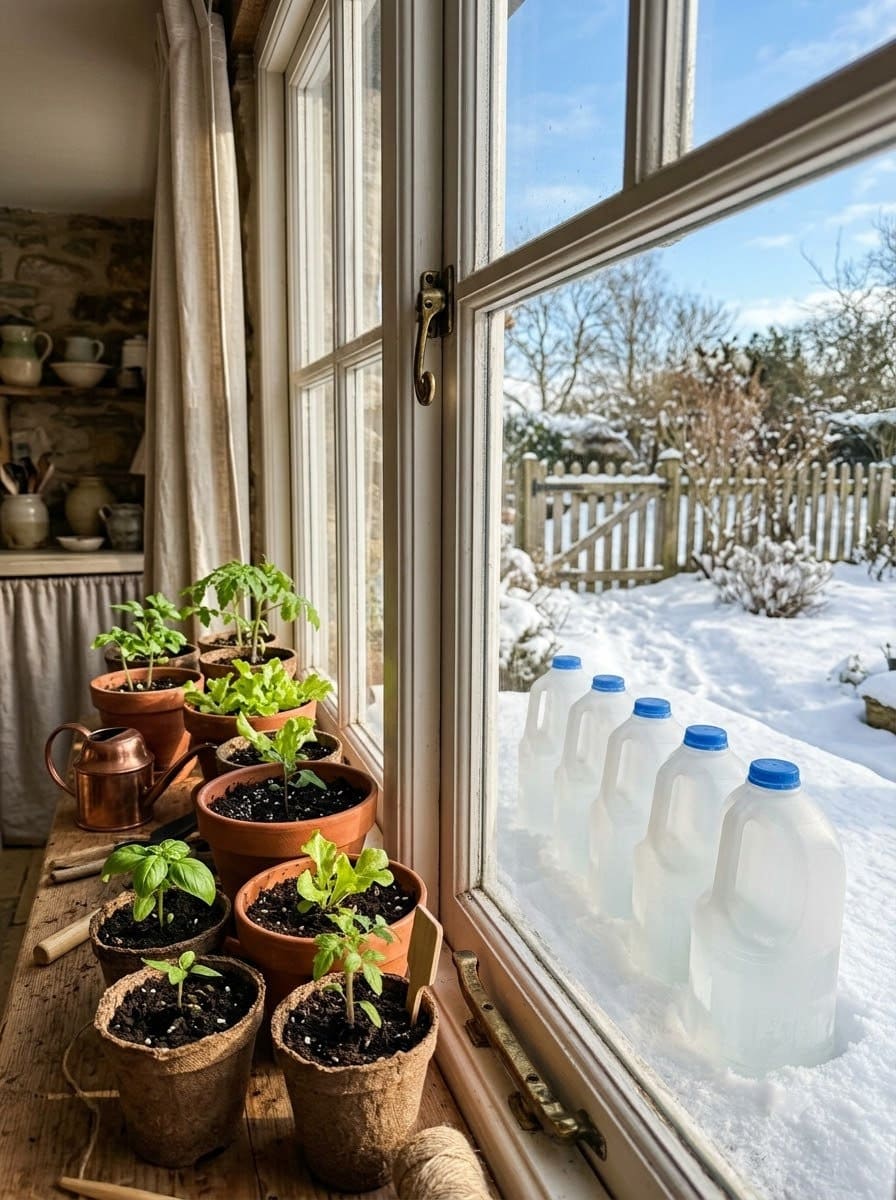
It depends on the plant. UMN says the method needs no indoor lights or heating mats. Penn State says it suits people with limited indoor space.
Penn State also says containerized seedlings stay more compact, and they don’t need to be hardened off before planting. UNH points out you don’t have to work the soil in early spring.
But indoor starting still wins for tender plants. Tomatoes, squash, and zinnias need warmth, so they go in March or April, per Illinois Extension.
A good rule is to winter sow the cold-loving seeds and start the rest indoors. That splits the work and frees your windowsills.
What should your first winter sowing weekend look like?
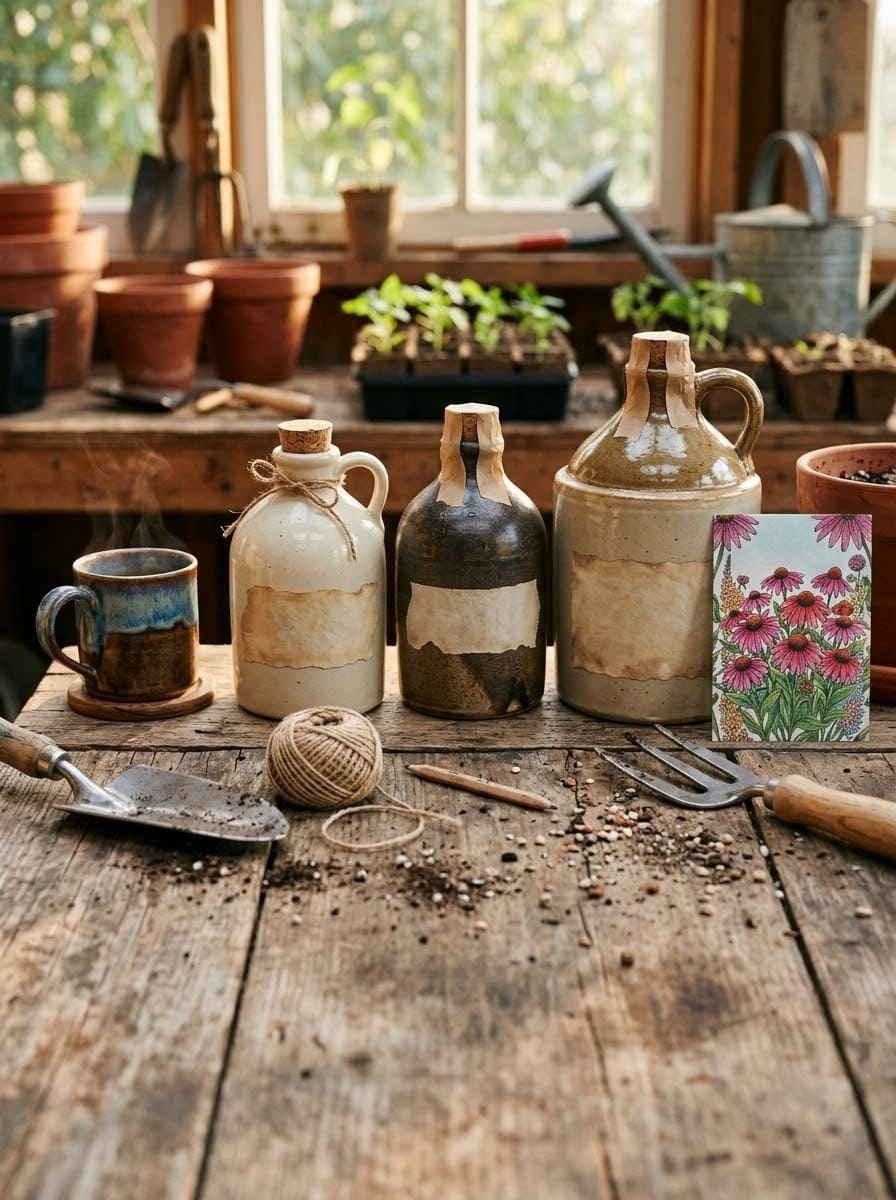
Keep it small. Start with a few jugs of one forgiving perennial, such as purple coneflower.
Gather your supplies, then work through Steps 1 to 7 in one afternoon. Cut and poke holes first, fill and sow next, and label and tape last. Put the jugs outside in a sunny, protected spot, and check them for condensation every couple of weeks.
Then leave them alone. Nature will tell the seeds when to sprout.
What can go wrong with milk jug greenhouses?
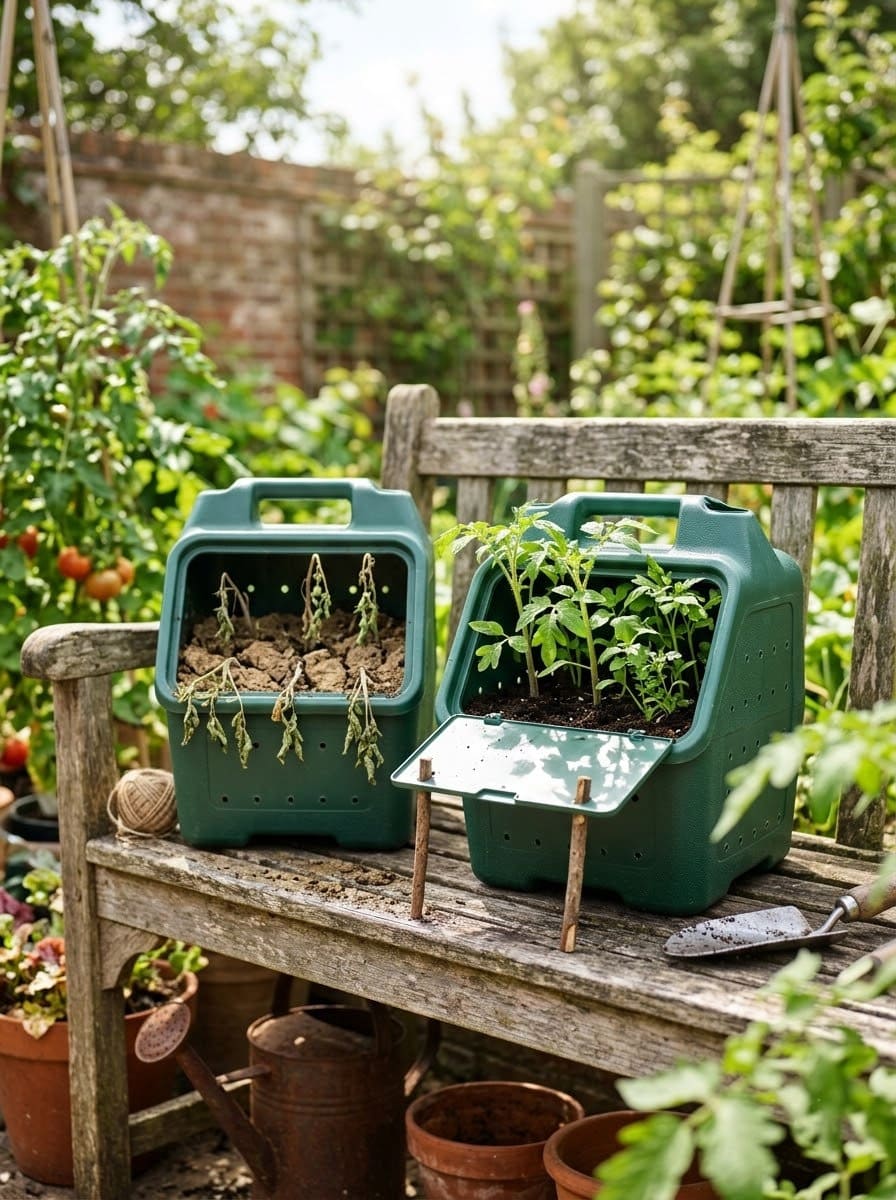
Most problems have a simple fix.
| Problem | Why it happens | Fix |
|---|---|---|
| Seeds rot | No drainage | Poke holes in the bottom (Penn State) |
| Seeds sprout too early | A warm spell in the middle of winter | Start in January or February (Illinois Extension) |
| Soil dries out | The vents are too open, or it’s dry weather | Add water and adjust the vents (UMN) |
| Seedlings get too warm | Sun heats a closed jug | Open on sunny days, close at dusk (Illinois Extension) |
| Damping off | Cool, damp conditions | See below |
| Seed loss | Wildlife or runoff | Protect the jugs (UNH, Viebach) |
For damping off, see the table above. Good drainage and thin sowing lower the risk.
What do gardeners get wrong about winter sowing?
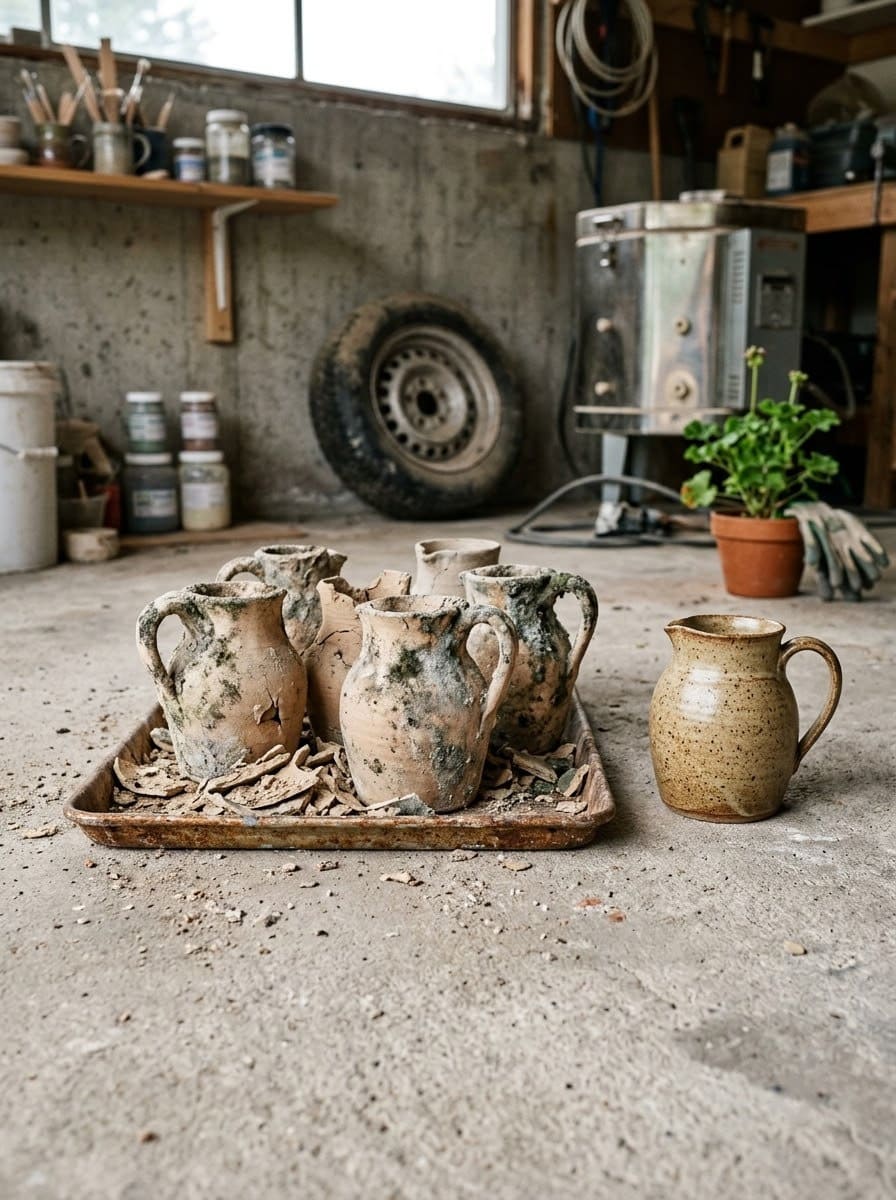
Starting too early. A warm spell can trigger sprouting that the next freeze kills.
Sowing tender plants. Zinnias, tomatoes, and squash belong in March or April.
Forgetting drainage. This one is the top cause of failure, and it takes ten seconds to fix.
Using garden soil. UMN says to use potting soil, not garden soil.
Putting jugs under cover. Seeds need rain and snow.
We’d start with five jugs of coneflower or milkweed. They’re forgiving, and they need the cold.
Frequently asked questions
Can you winter sow in any climate?
It works best where winters are cold. The idea depends on freeze-thaw cycles, and UNH says seeds need soil temperatures of 35 to 40°F at minimum to germinate.
What size jug is best?
A gallon jug. UMN, Illinois, and Penn State all name gallon milk jugs or similar clear containers.
Do I need to water winter-sown jugs?
Usually snow and rain do it. UMN says to check for condensation, and to add water if the mix looks dry.
When do I open the jug?
Once seedlings appear. Illinois Extension says to open it on sunny days and close it at dusk.
Can I winter sow vegetables?
Yes, the hardy ones. Illinois lists kale, broccoli, spinach, and Brussels sprouts, and UNH lists beets, chard, and cabbage. Wait on tomatoes and squash.
Do winter-sown seedlings need hardening off?
Usually not much. Open the jug a little more each mild day and you’re set. Our guide to transplanting seedlings outside explains the general method.
Related Posts
Products We Recommend
This post contains affiliate links. We may earn a commission on qualifying purchases at no extra cost to you.
Gaffer Power Clear Repair Tape, 2 in x 20 yds
A waterproof clear tape for sealing the jug closed. UMN's supply list calls for clear duct tape.
Shop Now
Plant Labels, 120 Pack, PVC
Waterproof plastic labels with a marker pen. Tuck one inside each jug as a backup, as UMN advises labeling inside and outside.
Shop Now
Black Oil-Based Paint Pens, 2 Pack
Permanent paint markers for writing on the outside of the jug that hold up in wet weather.
Shop NowNever miss an update — choose FarmFoodFamily as your preferred source on Google.
How it works: Tap the button below to open Google's settings page, then check the box next to FarmFoodFamily.
Tap the checkbox to turn it blue — that's how you know it's set.