Month-by-Month Landscape Maintenance Calendar (All Zones)
There’s one calendar here, with a simple shift for your zone built in, but the catch is that a fixed date is wrong the moment you’re not standing in a moderate climate, so the plants themselves matter more than the month on the page.


Never miss an update — choose FarmFoodFamily as your preferred source on Google.
How it works: Tap the button below to open Google’s settings page, then check the box next to FarmFoodFamily.
Tap the checkbox to turn it blue — that’s how you know it’s set.
Most yard calendars pretend every reader lives in the same climate. They don’t.
And the reader in a harsher climate is usually the one who needs the calendar most.
A calendar written for zone 7 tells a zone 4 reader to fertilize while the ground is still frozen. It tells a zone 9 reader to wait for a spring that already happened two months ago.
This one is built around a moderate base, with a plain shift for colder and warmer zones. It also gives you a backup system that works no matter where you garden, which is watching the plants themselves.
Quick Answer
This calendar is anchored to a moderate climate, roughly USDA zone 6 to 7. If you’re in a colder zone, 3 to 5, shift everything 3 to 6 weeks later. In a warmer zone, 8 to 10, shift 2 to 5 weeks earlier, and drop most of the winter dormant-season tasks entirely.

Look up your zone at the USDA Plant Hardiness Zone Map. It sorts the country into 13 zones based on average winter minimum temperature, each split again into a slightly colder and slightly warmer half.
Answer 4 quick questions and get matched to the exact fix for your yard — drainage, budget, layout, or something else entirely.
Take the Free QuizFor a backup that works regardless of the date, watch the plants instead of the page. Per Clemson Cooperative Extension, pre-emergent weed control should go down “when forsythia or dogwoods bloom,” a cue tied to real soil temperature instead of a calendar date.
Cool-season and warm-season lawns also split by month here, since feeding one at the wrong time can do more harm than skipping the feeding altogether.
What’s your zone, and how much should you shift this calendar?

The USDA Plant Hardiness Zone Map splits the country into 13 zones. Each one is based on the average coldest temperature your area sees in a typical winter, from zone 1, the coldest, to zone 13, the warmest, and each splits again into an “a” and “b” half.
You can find your exact zone by ZIP code on the USDA site in under a minute. Once you know it, use the table below to translate this calendar to your actual climate.
| Zone group | Shift from this calendar | Example |
|---|---|---|
| Zones 3 to 5 (cold) | 3 to 6 weeks later | Late-March tasks here become late April or early May |
| Zones 6 to 7 (moderate, this calendar’s base) | No shift | Use the months as written |
| Zones 8 to 9 (warm) | 2 to 4 weeks earlier | Late-March tasks here become early to mid March |
| Zone 10 and up (subtropical) | 4 to 5 weeks earlier, and some winter tasks don’t apply | Little to no true dormant season |
This is a starting point, not a guarantee. Elevation, a coastal versus inland location, and a run of unusual weather can all move your real timing by another week or two in either direction.
A yard at the bottom of a valley tends to run a week or two behind a yard on a nearby hillside, even within the same zone, since cold air settles low on a clear night. Microclimates like that are real, and no zone map can capture them for your specific property.
How do “bloom indicators” let this calendar work in any zone?
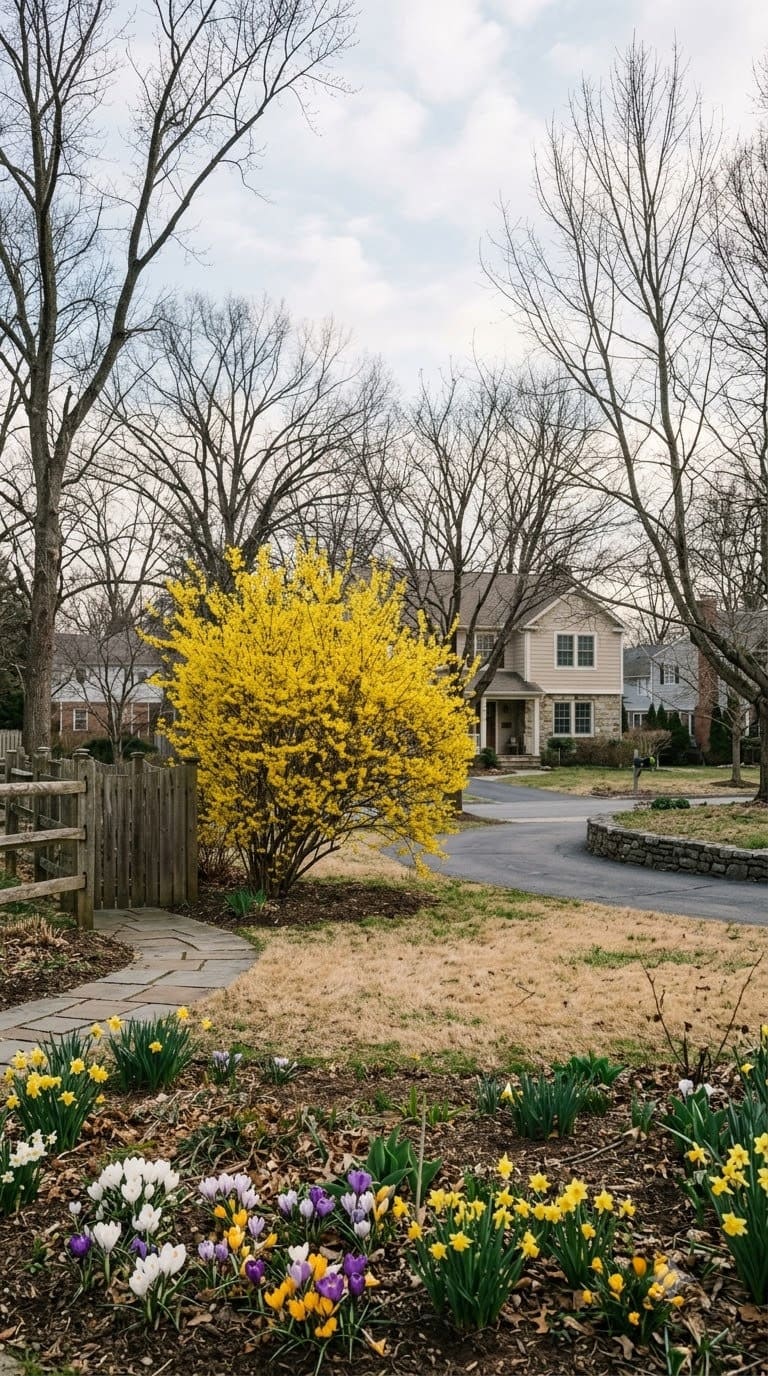
A calendar date is the same everywhere. The weather underneath it isn’t, which is why phenology, timing tasks by what’s actually blooming, works better than a fixed date ever will.
Most yard problems trace back to one specific, fixable cause. Find yours in 4 quick questions.
Take the Free Quiz
For tracking the real soil temperature behind the pre-emergent and planting windows in this calendar, instead of guessing from the date alone.
Shop NowThis post contains affiliate links. We may earn a commission on qualifying purchases at no extra cost to you.
The classic example is crabgrass. Per University of Maryland Extension, crabgrass germination “begins when soil temperatures are sustained at 53-55° for 5 days.” Forsythia blooming is a rough real-world stand-in for that soil temperature, described by UMD as “not consistently reliable” but still a useful early flag to start watching more precisely.
Lilac is another one worth learning. When lilac is in early bloom, the soil has generally warmed enough for the first direct-sown cool-season crops.
Once lilac flowers fade, it’s usually warm enough locally for beans, squash, and cucumbers. That holds true no matter what the calendar says your zone should be doing that week.
Watch two or three of these each spring in your own yard. Within a couple of seasons you’ll trust your own eyes over any generic calendar, including this one.
Early spring
This is the wake-up window. Lawns are greening up, spring bulbs are fading, and the pre-emergent clock is ticking.
Lawn. Apply pre-emergent herbicide as forsythia blooms, targeting crabgrass before it germinates. If you have cool-season grass like tall fescue, stop fertilizing once it does, since Clemson’s guidance is direct: “Do not fertilize tall fescue after March 15.” Warm-season lawns like bermuda or St. Augustine are still dormant now and don’t need feeding yet. Feeding a dormant warm-season lawn this early mostly feeds the weeds instead.
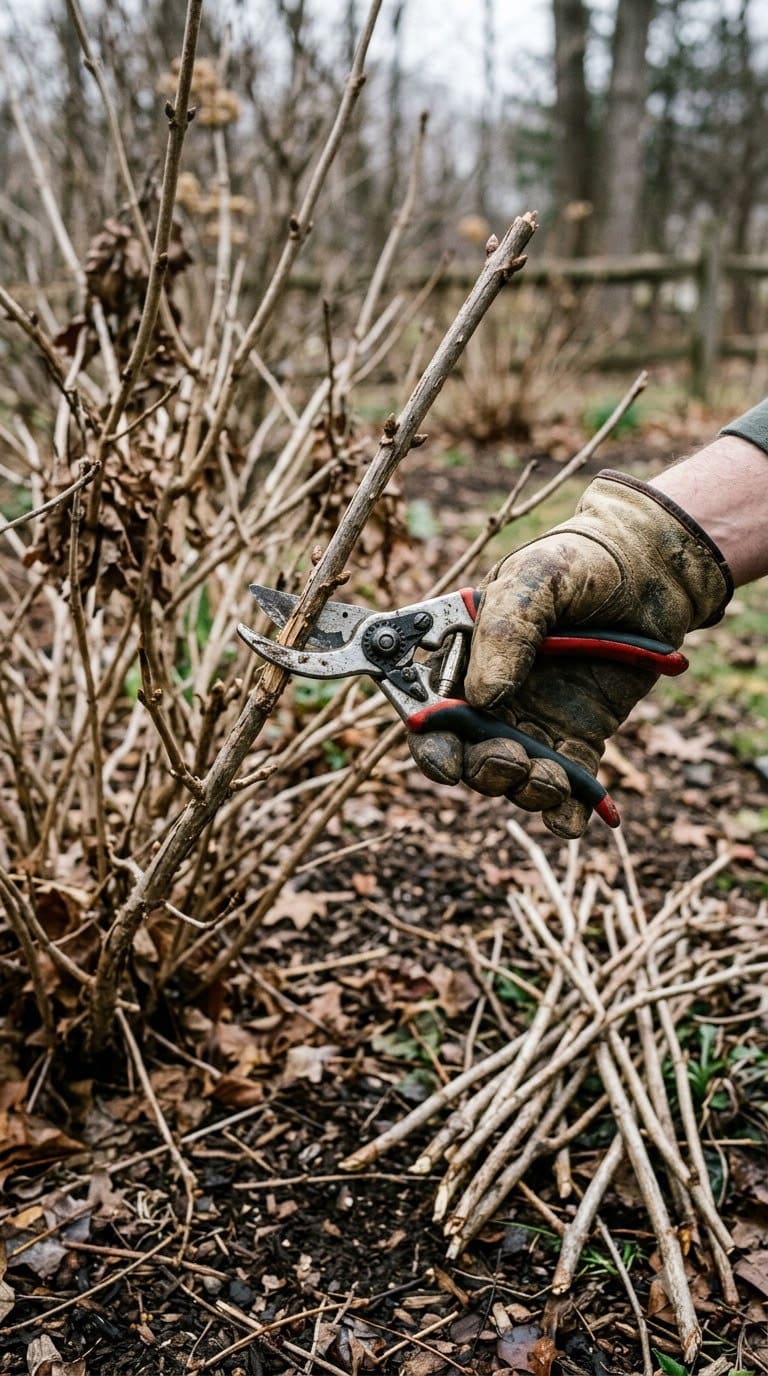
Pruning. Prune summer-flowering shrubs, think hydrangea, rose of Sharon, and butterfly bush, while they’re still dormant. Leave spring bloomers like forsythia and lilac alone until right after they finish flowering, or you’ll cut off this year’s show. The rule of thumb is simple. If it flowers before June, prune right after it blooms. If it flowers after June, prune it now while it’s still dormant.
Beds and bulbs. Clear winter debris from beds, fertilize spring bulbs like daffodils and hyacinths as they emerge, and get your spring garden started once the soil is workable.

Late spring
By now most zones are past their last frost, and it’s the busiest planting stretch of the year.
The average homeowner spends $616/year on yard fixes that don't address the real problem. Find out what yours actually is — before you spend another dollar.
Take the Free QuizLawn. Warm-season grasses wake up and can be fertilized once they’ve fully greened, usually late April into May depending on your zone. Cool-season lawns should not be fertilized through the coming summer heat. That’s a mistake that stresses the grass right when it can least afford it, and it often triggers the disease problems that show up a month later.
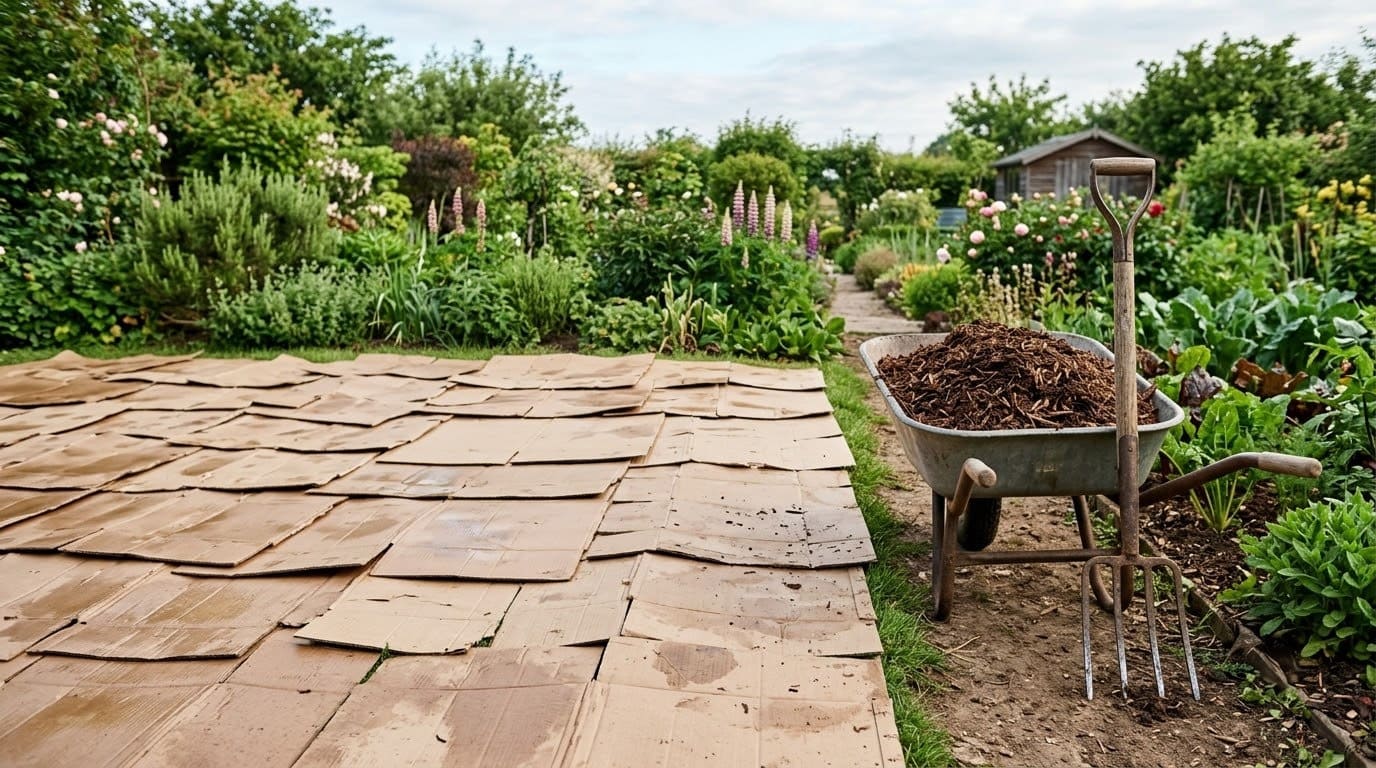
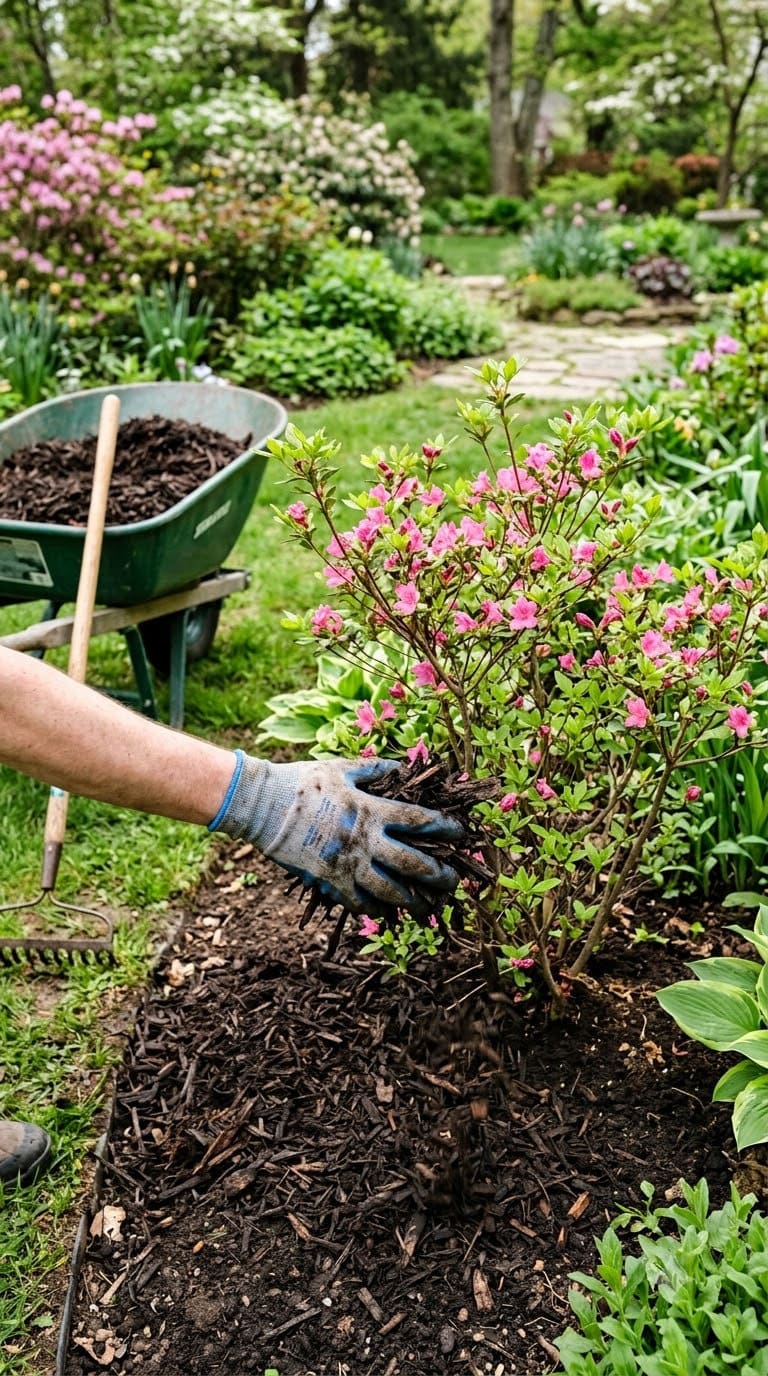
Mulch and planting. Refresh mulch to a full 3-inch layer around beds and trees. It limits weeds and holds soil moisture through the hotter months ahead, and this is also the safe planting window for warm-season annuals and vegetables in most zones. For getting the whole yard ready for summer, this is the stretch to do it in.
Summer
Summer maintenance is about protecting what you’ve already got, not adding much new.
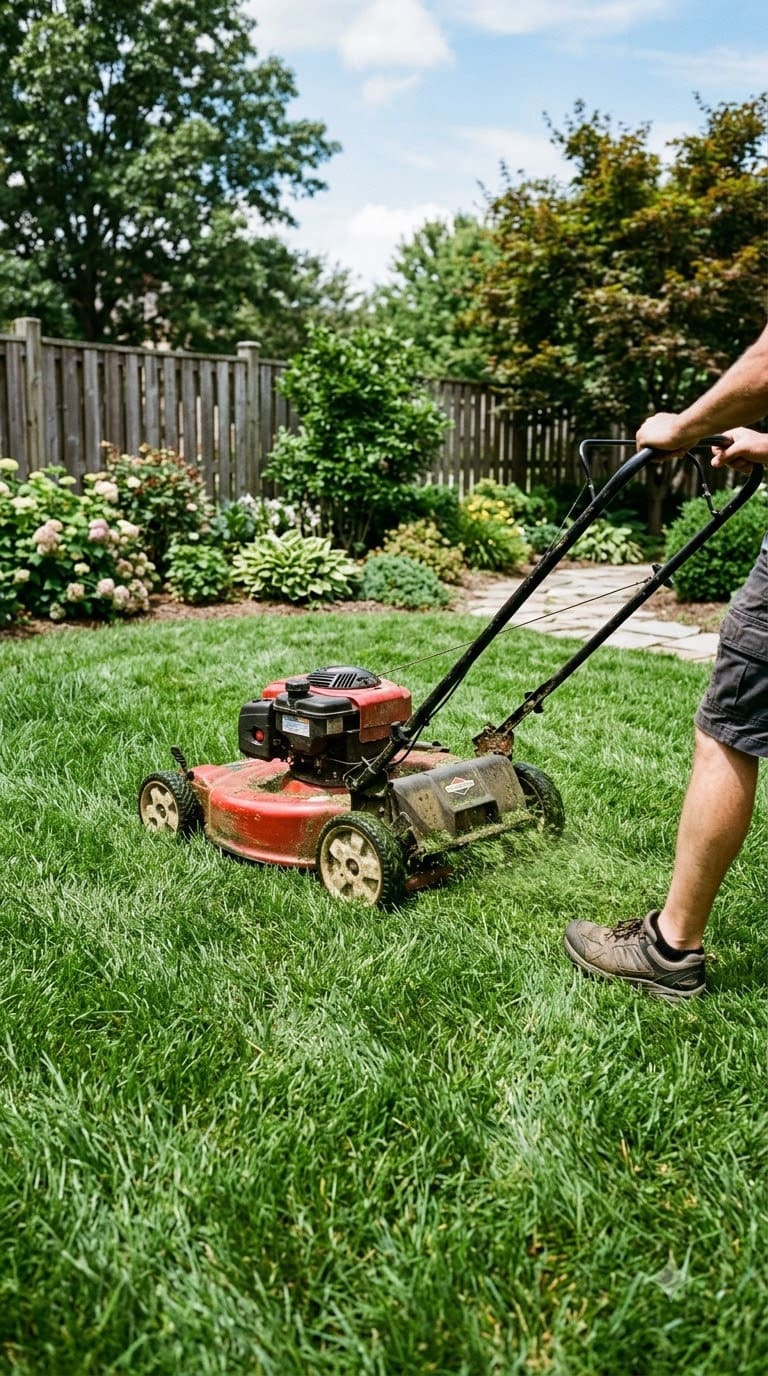
Lawn. Raise the mower deck. Taller grass shades its own roots and handles heat and drought better. Watch cool-season lawns closely for brown patch disease, which shows up most often in the hottest, most humid stretch of summer. Water deeply and infrequently rather than a little every day, which trains roots to grow shallow. Most lawns do better on one to one and a half inches of water a week, delivered in one or two sessions rather than a daily sprinkle.
Weeds and deadheading. Spot-treat broadleaf weeds rather than blanket-spraying an entire lawn, and deadhead flowering perennials to keep them blooming longer. Our guide to summer lawn care covers the watering schedule in more depth.
Early fall
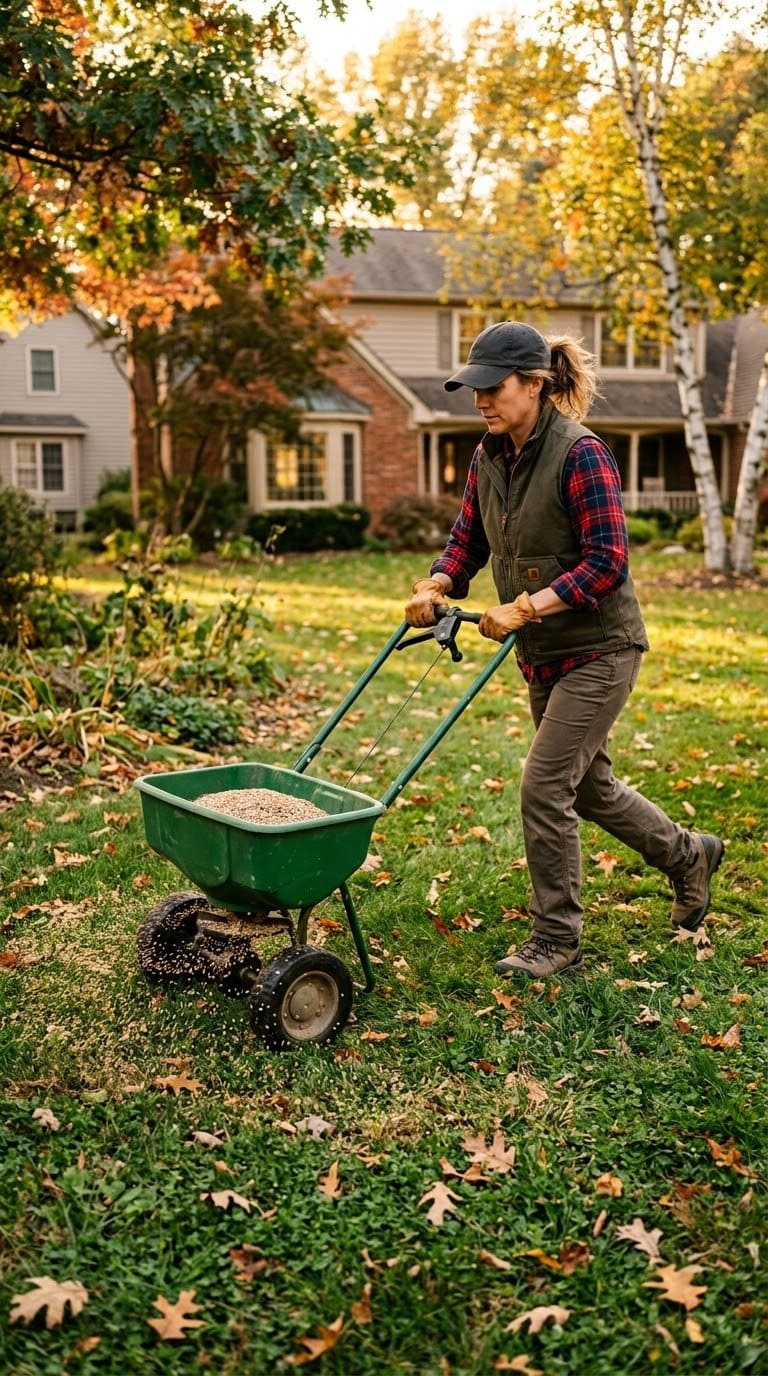
If you only do one serious lawn push all year, make it this one.
Lawn. This is the single most important month for cool-season lawns. Per Clemson, apply nitrogen at “1 pound of actual nitrogen per 1000 square feet in September,” and overseed thin or bare spots “as grass begins to respond to cooler temperatures in September and early October.” If your soil is compacted or heavy clay, core aerate now too, right before overseeding, so seed makes real contact with soil instead of sitting on top of thatch. A soil that still puddles an hour after watering is a decent sign it’s due for aeration, with or without a formal test.
Beds. Divide overcrowded perennials, plant spring-flowering bulbs, and start fall cleanup before leaves pile up faster than you can keep ahead of.
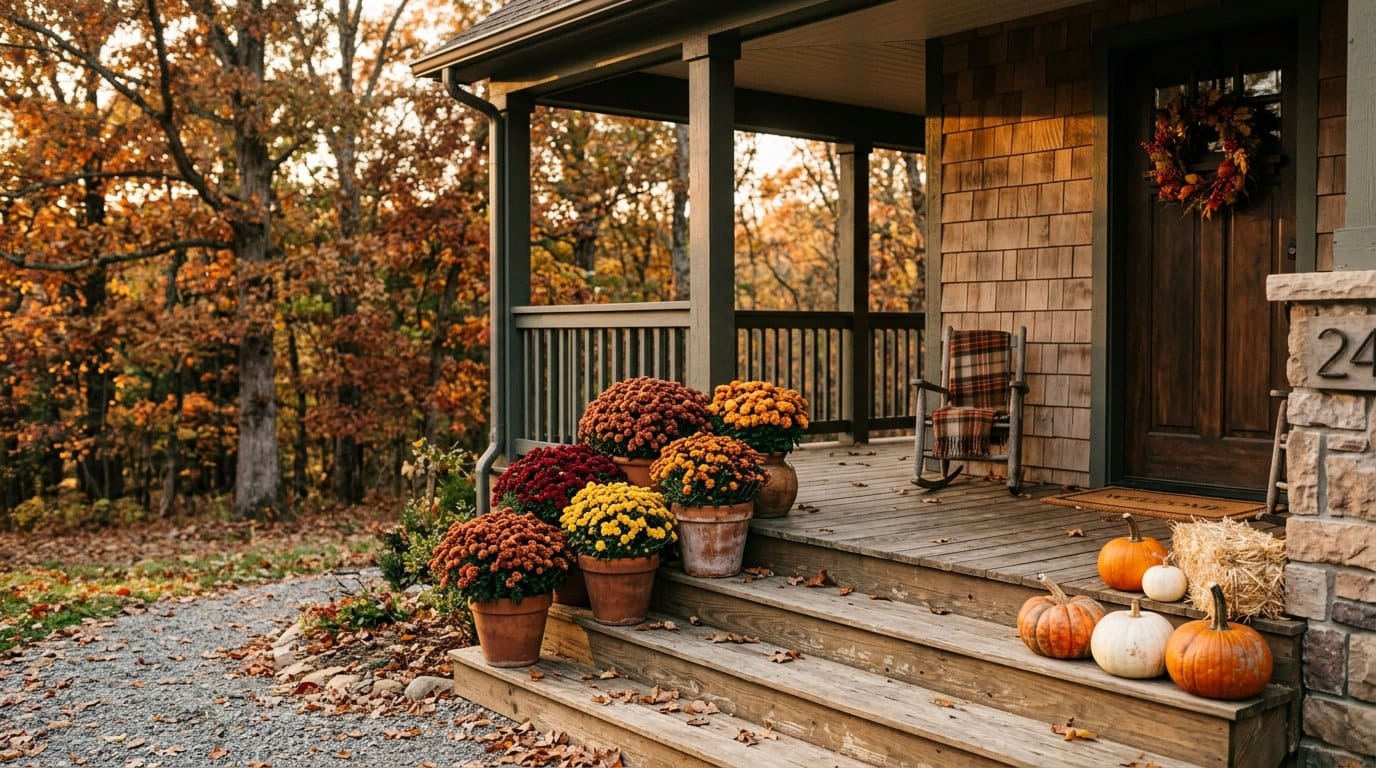
Late fall
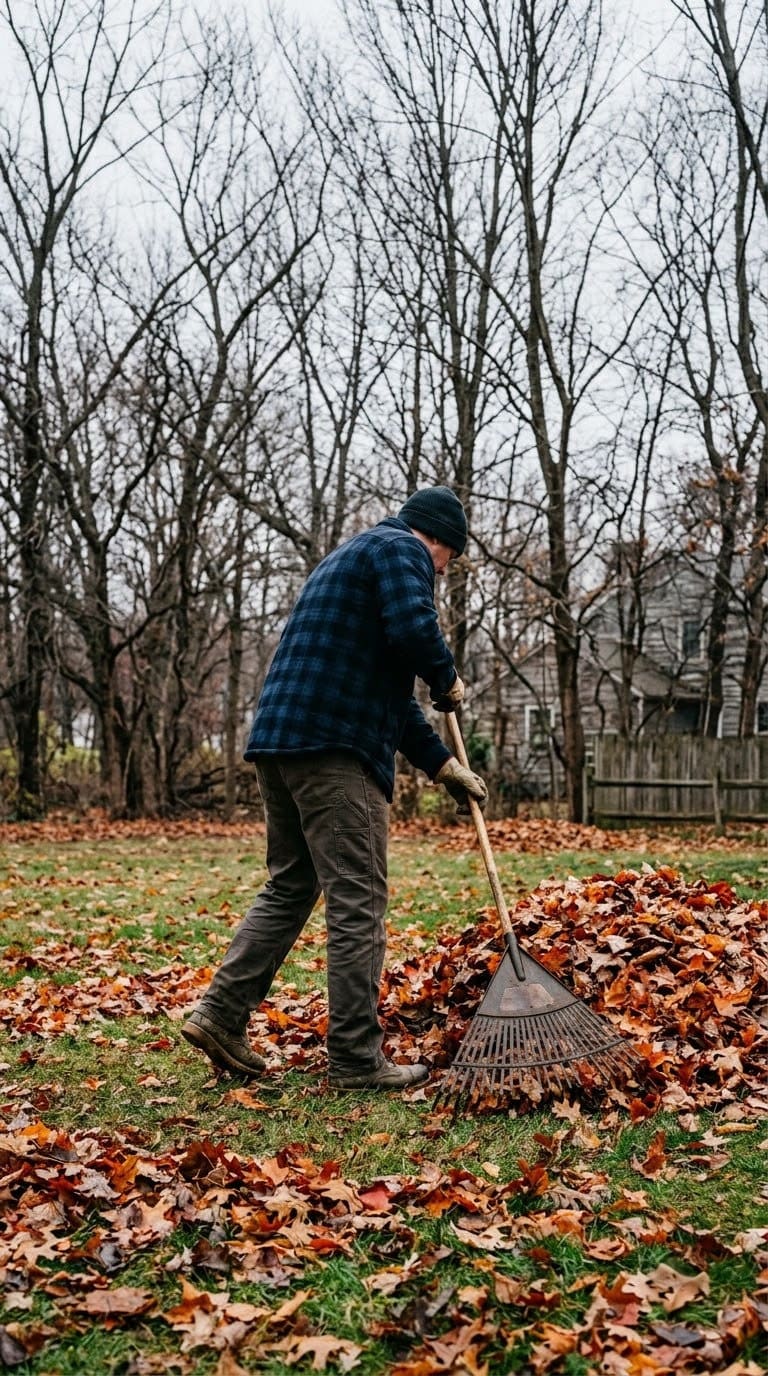
This is the last real window before dormancy, and it’s easy to let it slip.
Lawn. Give cool-season lawns an optional second nitrogen feeding in November, per Clemson’s calendar, and keep mowing until growth truly stops for the season. Clear fallen leaves regularly rather than letting a thick mat smother the grass underneath. A light scattering of shredded leaves left in place actually feeds the soil, so the goal is preventing a solid mat, not a perfectly bare lawn.
Everything else. Winterize irrigation lines before a hard freeze, and protect tender or newly planted shrubs with mulch or wraps. Finish getting the lawn ready for winter while the ground is still workable.
Winter
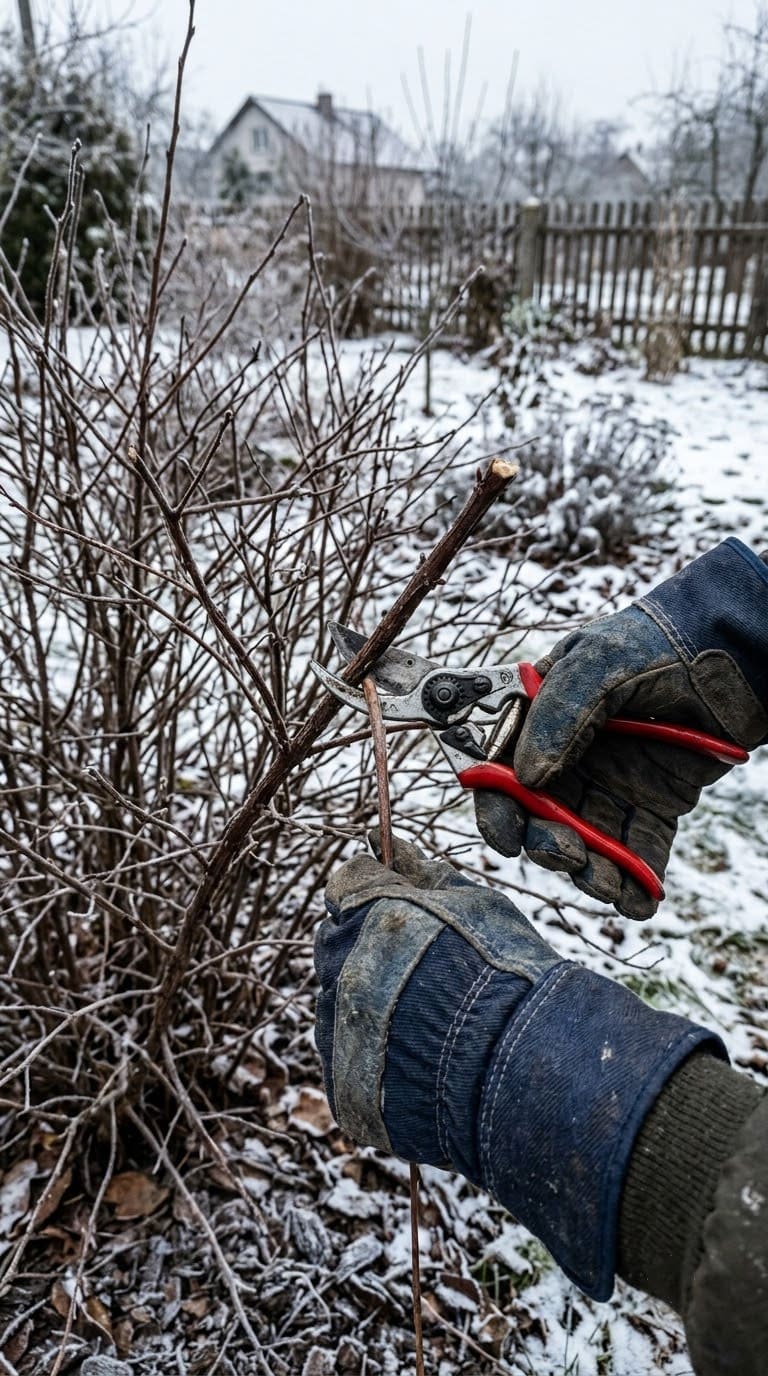
Winter is quieter, but it isn’t nothing.
Pruning. Dormant season is the right time to prune most trees and summer-blooming shrubs. You can see the branch structure clearly with no leaves in the way, but skip spring bloomers again here.
Lawn and tools. Cool-season lawns can take a final nitrogen application in February, per Clemson’s calendar, timed for when the grass starts actively growing again. Use the slow months to sharpen and service mower blades and pruning tools, so they’re ready the moment spring actually arrives. Our winter lawn care guide and year-round gardening overview cover the rest of the quiet season.
The month-by-month cheat sheet
| Month | Lawn | Planting / pruning | Watch for |
|---|---|---|---|
| Jan/Feb | Optional late-winter feed (cool-season) | Dormant pruning, tool sharpening | Thaw windows in warm zones |
| March | Pre-emergent at forsythia bloom, last cool-season feed | Prune summer bloomers, clear beds | Fertilizing cool-season grass too late |
| April/May | Warm-season lawn wake-up feed | Mulch 3 in, plant warm-season crops | Skipping mulch before summer heat |
| June to August | Raise mow height, watch for brown patch | Deadhead, spot-treat weeds | Shallow, too-frequent watering |
| September | Cool-season nitrogen + overseed + aerate | Divide perennials, plant bulbs | Missing the overseed window |
| October/November | Optional second feed, keep mowing | Winterize irrigation, mulch tender plants | Leaves smothering the lawn |
| December | Dormant pruning | Plan next year, service tools | Pruning spring bloomers by mistake |
What we learned keeping (or missing) this calendar
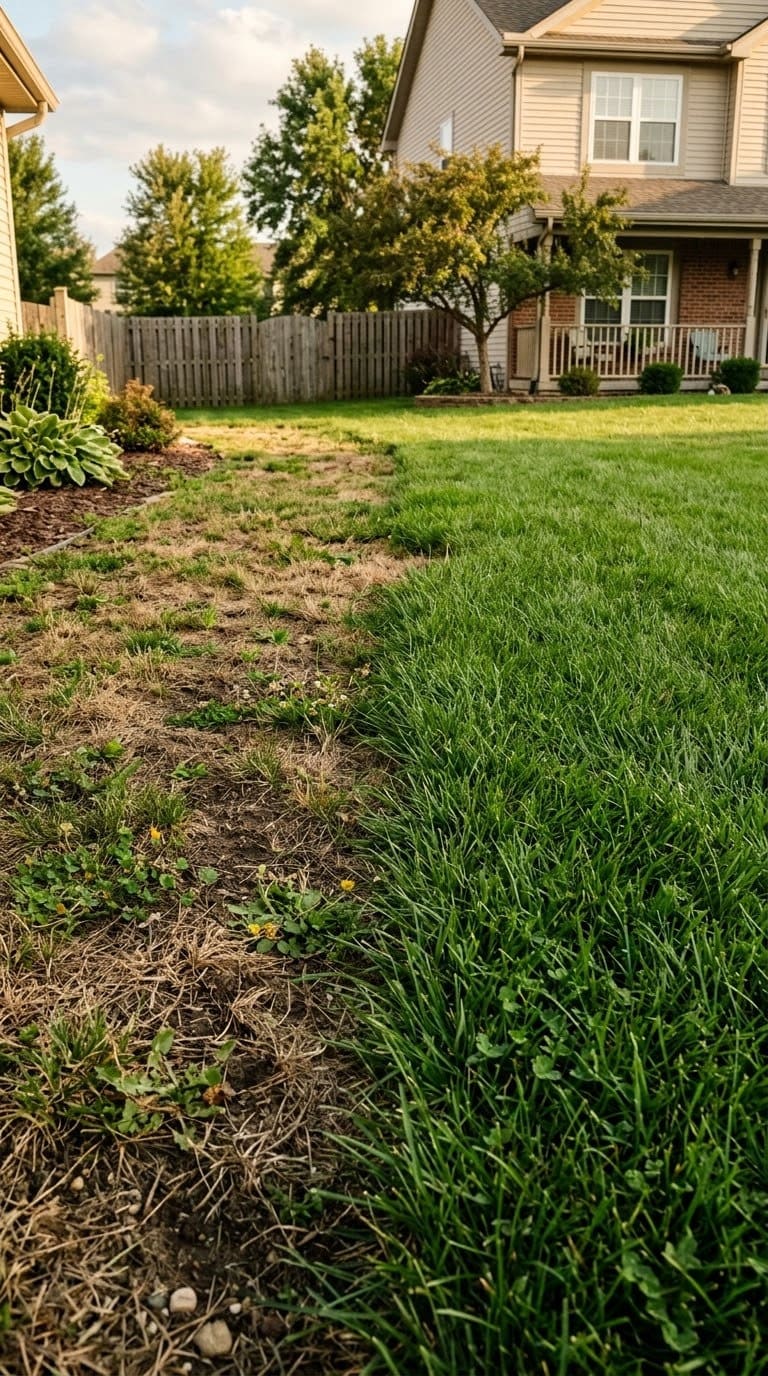
We skipped the September fescue push one year, telling ourselves we’d get to it “sometime in fall.” By the time we overseeded in late October, the ground had cooled too much for the new grass to establish before winter.
The bare patches that should have filled in that fall stayed bare all the way until the next September. A full year was lost over one missed three-week window.
The next year we set a real reminder for early September, aerated first, then overseeded and fed on the same weekend. The difference showed up within a month, and by the following spring you couldn’t find the old bare spots at all.
One honest note. We’re not extension agents, and your exact zone, soil, and grass type can shift these windows further than the table above accounts for.
When in doubt, a quick call to your local extension office is worth more than any generic calendar, this one included. Most offices will answer a specific timing question for free, and they know your actual county’s soil and weather patterns better than a national article ever could.
Landscape maintenance calendar FAQ
When should I fertilize my lawn? It depends on your grass type. Cool-season grasses like tall fescue get fed in early spring (stopping by mid-March) and again in fall, with an optional light winter feeding. Warm-season grasses like bermuda or St. Augustine get fed after they’ve fully greened up in late spring through summer, never while dormant.
When is the best time to prune shrubs? Prune spring-flowering shrubs right after they finish blooming. Prune summer-flowering shrubs and most shade trees during dormant season, late winter to very early spring, before new growth starts.
When is the pre-emergent window for crabgrass? When soil temperature holds at roughly 53 to 55 degrees for about five days, which often lines up with forsythia coming into bloom. That timing shifts earlier in warm zones and later in cold ones, so watch the indicator plants rather than a fixed date.
Do hardiness zones really make that much difference? Yes. The same calendar date can mean bare frozen ground in one zone and the tail end of spring in another, which is why this guide anchors to a moderate zone and gives an explicit shift for colder and warmer ones.
What’s the best time of year for a big landscaping project? Early fall is often ideal for lawns and planting, since cooler air and warm soil help roots establish before winter. For a structural project like a patio or retaining wall, our guides to what a retaining wall costs and landscaping a slope are worth reading before you schedule the work.
What if I miss a month on this calendar? Pick up where you are rather than trying to cram two months of tasks into one. A slightly late pre-emergent application or a delayed fall feeding is a minor setback, not a lost season, as long as you don’t skip it entirely.
Related posts
Products We Recommend
This post contains affiliate links. We may earn a commission on qualifying purchases at no extra cost to you.
Soil Thermometer, 5-Inch Stainless Steel Stem
For tracking the real soil temperature behind the pre-emergent and planting windows in this calendar, instead of guessing from the date alone.
Shop Now
Scotts Turf Builder EdgeGuard DLX Broadcast Spreader
For even fertilizer and overseeding application in spring and fall, the tool behind the September lawn push this calendar builds around.
Shop Now
Fiskars Bypass Pruning Shears
For dormant-season pruning and summer deadheading, sized for the branches most of this calendar's pruning tasks actually involve.
Shop NowNever miss an update — choose FarmFoodFamily as your preferred source on Google.
How it works: Tap the button below to open Google's settings page, then check the box next to FarmFoodFamily.
Tap the checkbox to turn it blue — that's how you know it's set.