Why Buying Plants From a Local Nursery Can Make Gardening Easier
A local nursery cannot grow your garden for you, but it can help you pick plants that suit your site, check them before you buy, and avoid costly replacements.

Never miss an update — choose FarmFoodFamily as your preferred source on Google.
How it works: Tap the button below to open Google's settings page, then check the box next to FarmFoodFamily.
Tap the checkbox to turn it blue — that's how you know it's set.
A local nursery cannot grow your garden for you, but it can help you pick plants that suit your site, check them before you buy, and avoid costly replacements.
A local nursery makes gardening easier because it matches plants to your site before you spend money. Staff can help you weigh sun, soil, space, drainage, and winter lows, and the USDA Plant Hardiness Zone Map shows which perennials are most likely to thrive in your area.
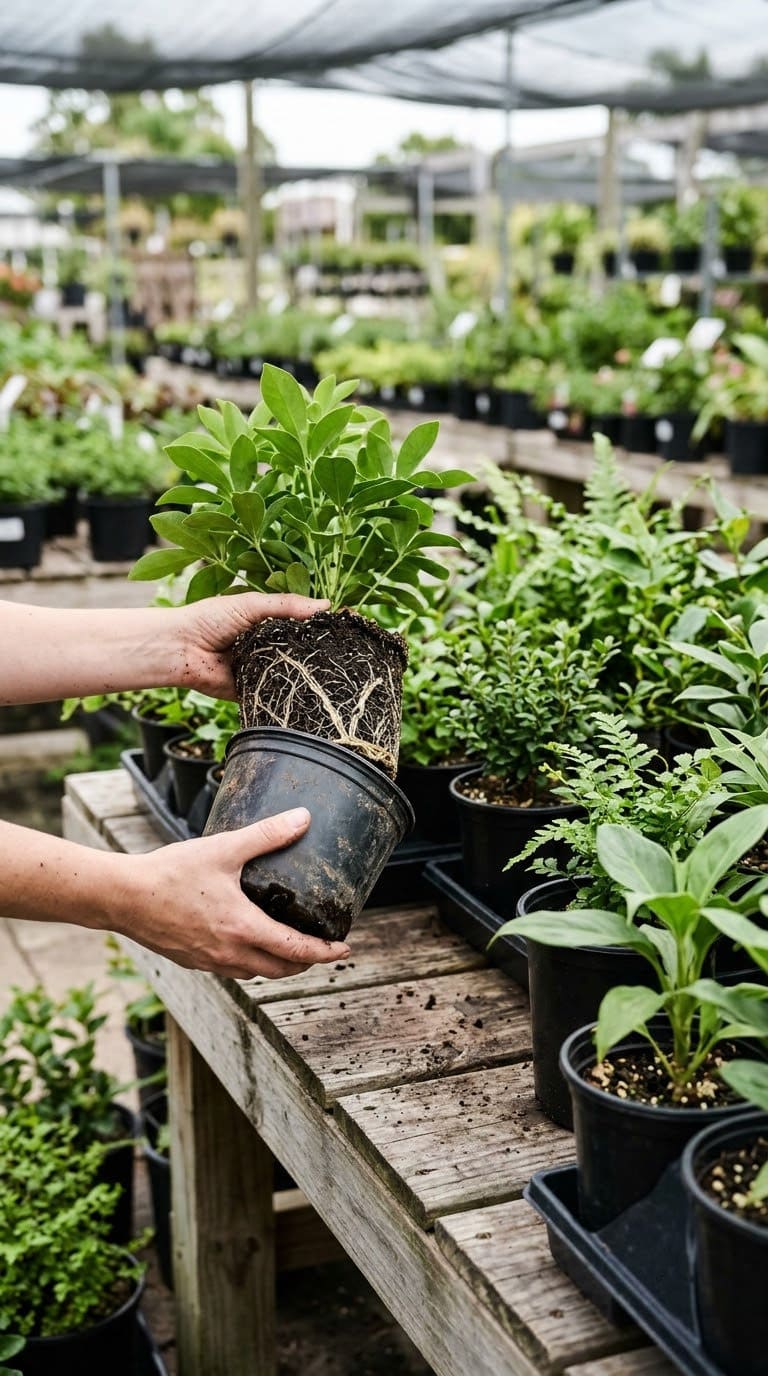
You can also inspect plants in person. University of Florida IFAS advises checking leaves and stems for pests, looking under the leaves, and removing the plant from its pot to look for circling roots.
Regional knowledge matters too. In Texas, the Texas Superstar program tests plants in places with different winter cold, summer heat, and rainfall.
Ask about water, light, fertilizer, spacing, and mature size, and bring photos of your space. A little time at the counter can save you from replacing the wrong plant later in the season.
Gardening should be enjoyable, whether you are planting your first flower bed, refreshing your landscape, or creating a colorful container garden for your patio. However, choosing the right plants, understanding their care requirements, and keeping them healthy throughout the growing season can sometimes feel overwhelming. With so many varieties, growing conditions, and gardening products available, it’s not always easy to know where to start.
That is where a local plant nursery can make a difference. Unlike shopping for plants without personalized guidance, visiting a local nursery lets you explore plants suited to your area, ask questions, and get practical advice from people who understand gardening. From selecting the right flowers and shrubs to learning how to care for them, buying plants locally can help make gardening simpler, more successful, and more rewarding.
Here are seven ways a local nursery can make gardening easier.
Answer 4 quick questions and get matched to the exact fix for your yard — drainage, budget, layout, or something else entirely.
Take the Free Quiz

1. Get Help Choosing the Right Plants
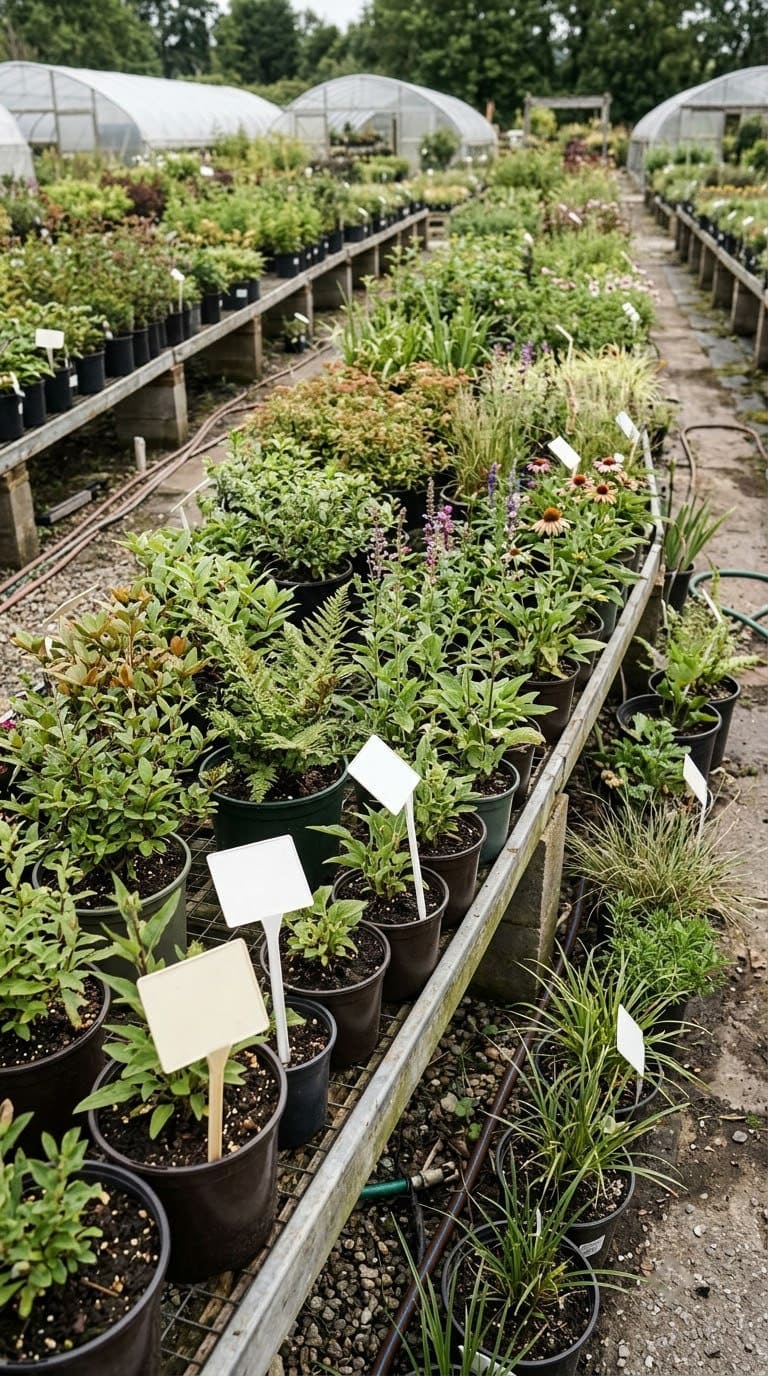
One of the biggest gardening challenges is selecting plants that will thrive in your particular environment. A plant that looks beautiful at the garden center may not be the best choice for your yard, patio, or landscape.
Local nurseries can help you narrow your choices based on important factors such as sunlight, soil conditions, available space, drainage, and seasonal temperatures. Whether you need colorful annuals for a sunny flower bed, shade-loving perennials beneath trees, or shrubs for a foundation planting, knowledgeable nursery staff can help you find suitable options.
Personalized recommendations are especially helpful when you are unfamiliar with different plant varieties. Instead of guessing which plants might work, you can explain your gardening goals and receive suggestions tailored to your needs.
This guidance can help you avoid common mistakes, reduce unnecessary purchases, and choose plants that are more likely to flourish in your garden.
2. Discover Plants That Grow Well in Your Region
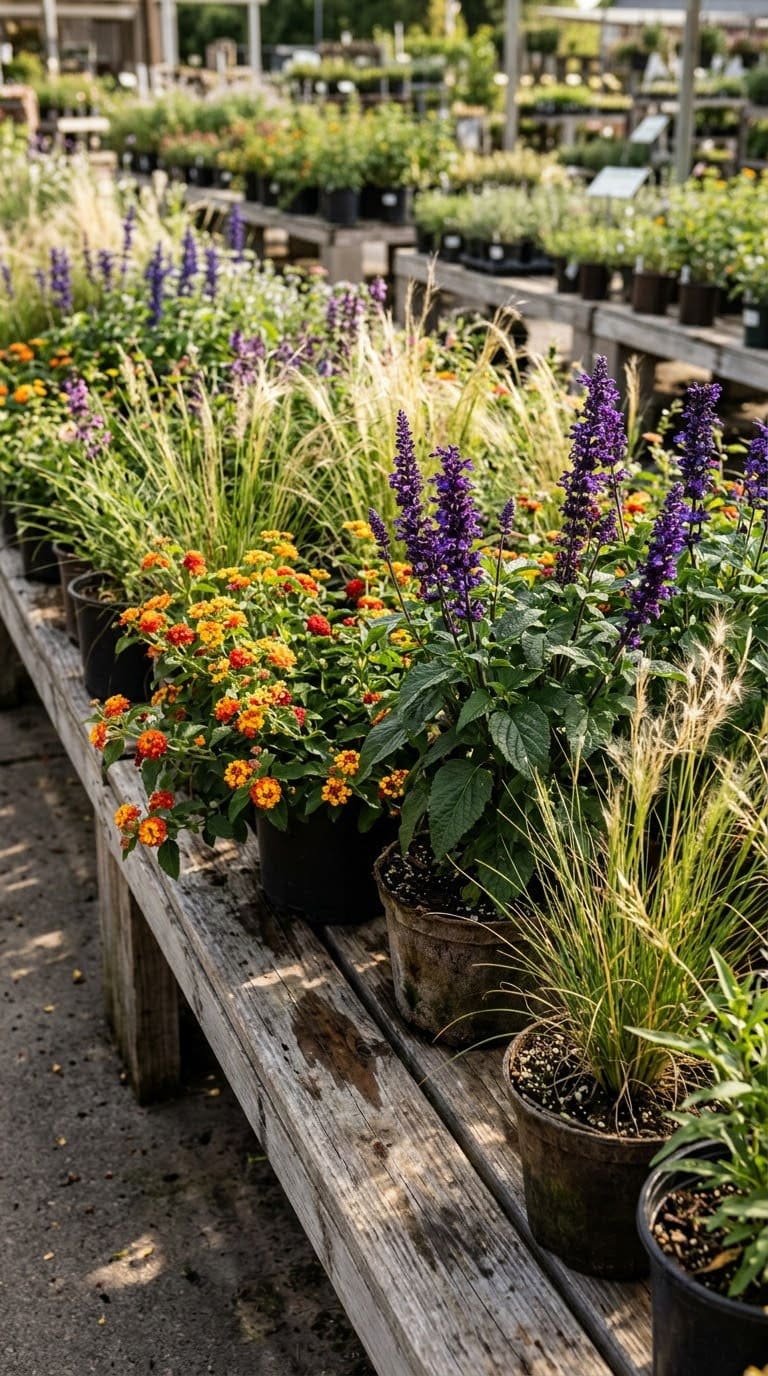
Every region has its own growing conditions. Temperature extremes, rainfall patterns, humidity, soil characteristics, and seasonal changes all influence how plants grow.
Most yard problems trace back to one specific, fixable cause. Find yours in 4 quick questions.
Take the Free QuizA local nursery is often familiar with the plants that perform well in the surrounding area. Staff members can recommend varieties suited to regional conditions and explain which plants are appropriate for different seasons.
For example, gardeners in North Texas must consider hot summers, occasional winter freezes, and periods of limited rainfall when selecting plants. Choosing varieties that tolerate local conditions can make maintaining a landscape considerably easier.
In other regions, gardeners may need to prioritize humidity tolerance, sandy soil, or plants that thrive in warmer winter temperatures.
A local nursery can help you understand these considerations and choose plants that match your climate and gardening experience. The result is a garden that requires less guesswork and has a better chance of succeeding over time.
3. Receive Practical Plant Care Advice
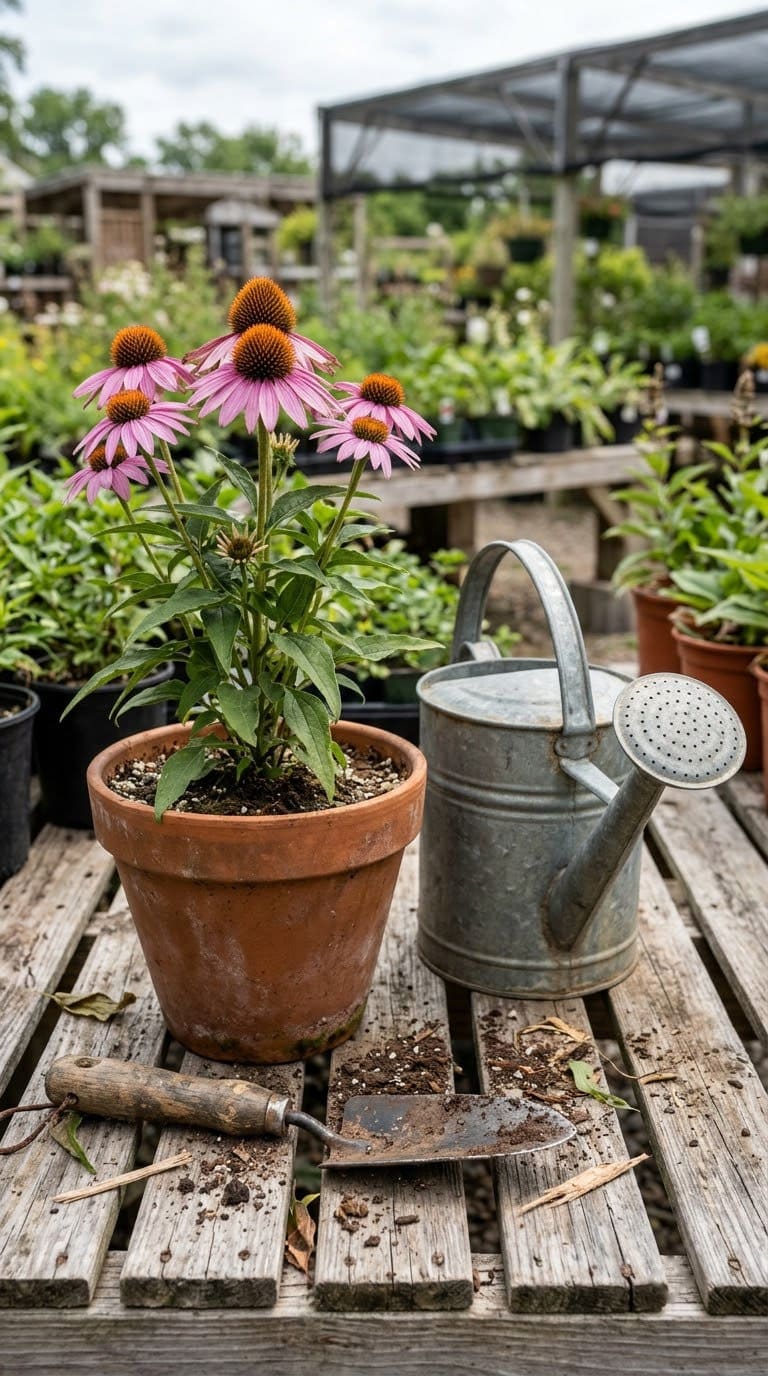
Buying a plant is only the beginning. Knowing how to care for it is essential to keeping it healthy.
How often should you water? Does the plant need full sun or partial shade? When should you fertilize? How much space should you leave between plants? These questions can affect the long-term success of your garden.
A local nursery provides an opportunity to ask these questions before you bring your plants home. Staff members can explain basic care requirements and offer recommendations based on the particular plants you select.
You may also receive helpful tips about planting depth, soil preparation, watering after planting, pruning, and seasonal maintenance.
This information is valuable for beginners, but experienced gardeners can benefit from it as well. Even gardeners who have been growing plants for years occasionally encounter unfamiliar varieties or challenging growing conditions.
Access to knowledgeable advice helps you feel more confident caring for your plants and gives you a useful resource when questions arise.
4. Find Healthy Plants and Inspect Them Before Buying
When shopping for plants, appearance matters, but choosing a good plant involves more than finding one with attractive flowers or foliage.
The average homeowner spends $616/year on yard fixes that don't address the real problem. Find out what yours actually is — before you spend another dollar.
Take the Free Quiz
Shopping at a local nursery lets you examine plants before you buy them. You can look at leaf color, overall growth, stems, and the condition of the growing medium. You can also compare sizes, varieties, and stages of development.
Look for plants with healthy-looking foliage, sturdy growth, and no obvious signs of pests or disease. When possible, avoid plants with extensive wilting, significant leaf damage, or severely crowded roots.
Seeing and comparing plants in person makes it easier to choose specimens that fit your landscape and budget.
A reputable nursery can also answer questions about plant condition and care. While no nursery can guarantee that every plant will thrive under every set of conditions, starting with a healthy plant and following appropriate care instructions can improve your chances of success.
5. Save Time by Getting the Right Plants the First Time
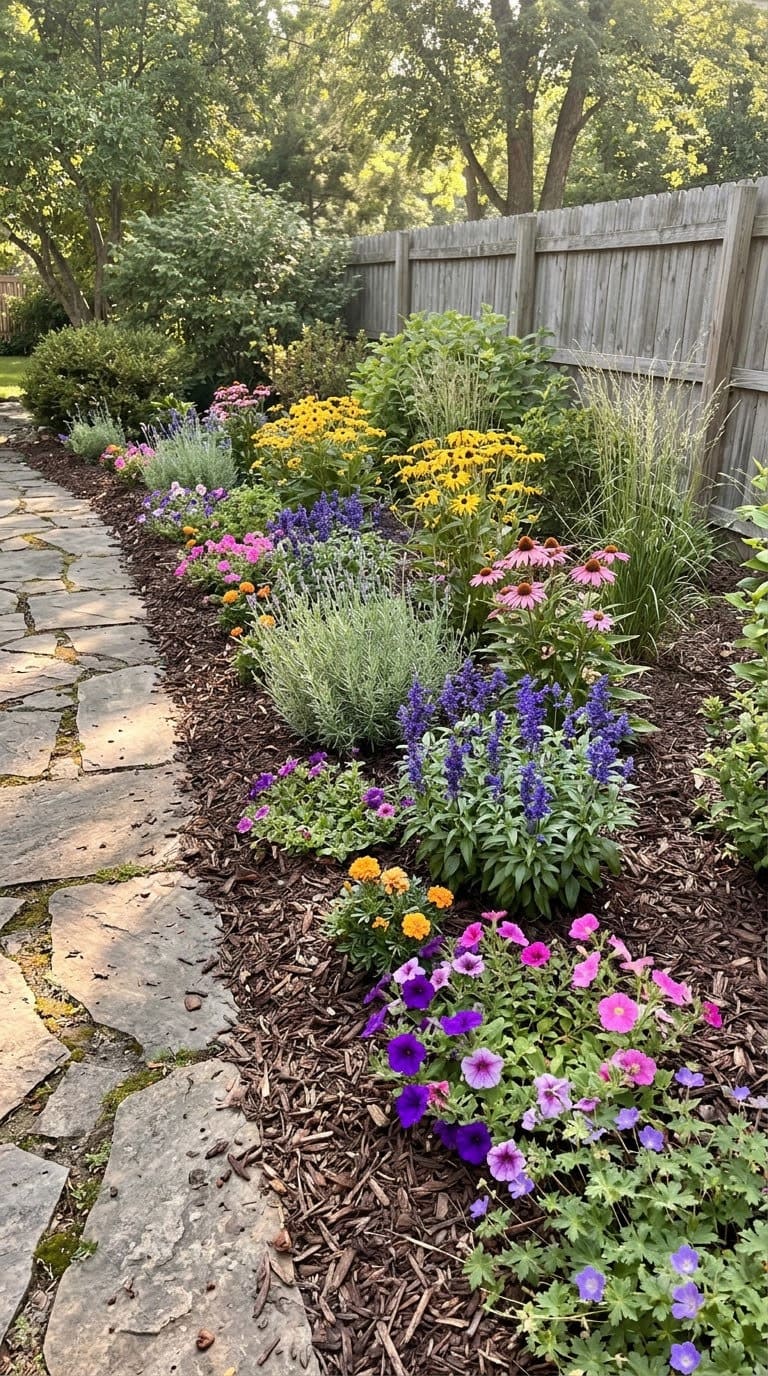
Gardening can become frustrating when plants fail to thrive because they were poorly suited to their location. Replacing flowers, shrubs, or perennials adds expense and requires additional time for shopping, planting, and maintenance.
A local nursery can help you make informed decisions before you invest in your garden.
For example, if you want to fill a sunny border with long-lasting color, nursery staff may suggest suitable flowering annuals or perennials based on your preferred colors, available space, and maintenance expectations. If you need a shrub for a narrow planting area, they can help you consider mature size and growth habits before you buy.
These recommendations can prevent problems such as planting sun-loving flowers in deep shade, placing a large shrub too close to a walkway, or choosing a plant that requires more water than you can reasonably provide.
Taking a little time to discuss your plans can save considerable effort later. Rather than repeatedly replacing unsuitable plants, you can focus on creating a garden that works with your space and lifestyle.
6. Find Inspiration for Your Garden and Landscape
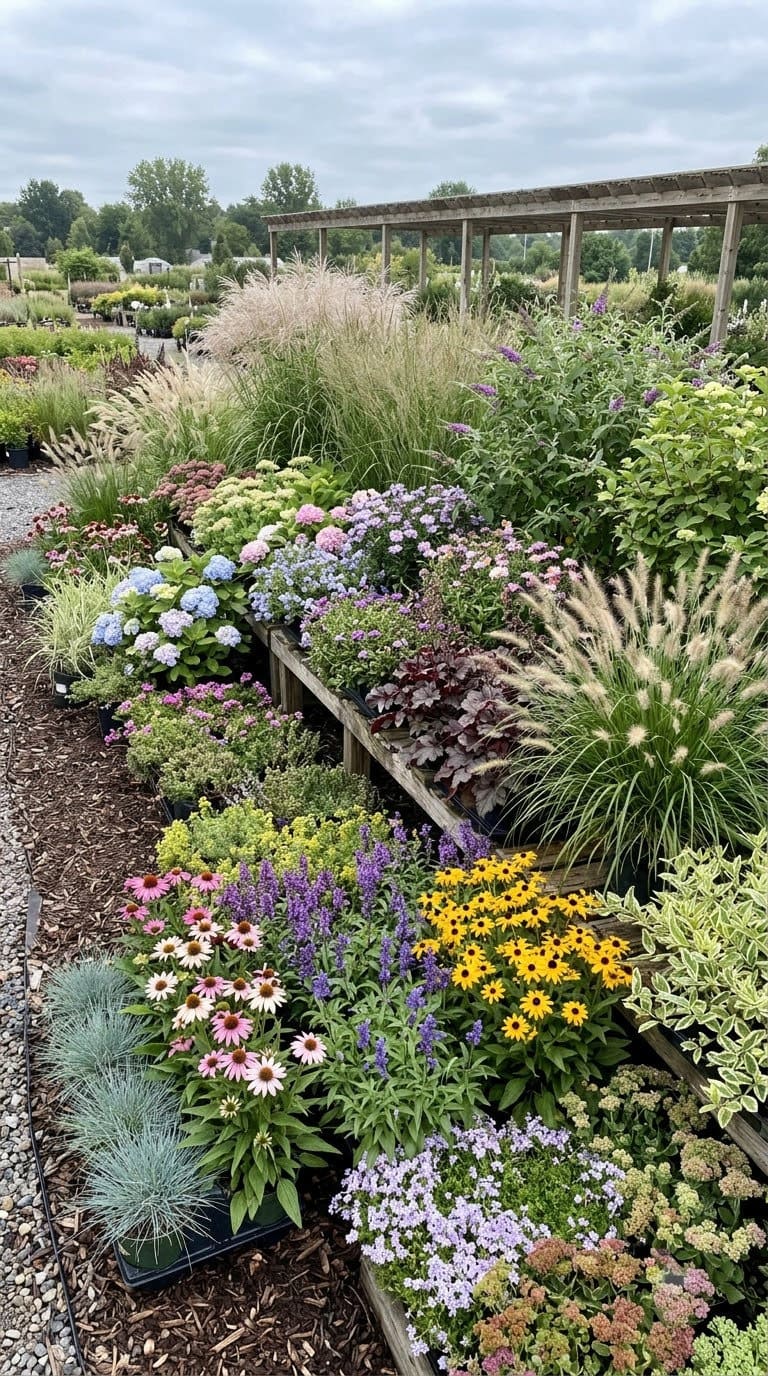
Sometimes the hardest part of gardening is deciding what to plant.
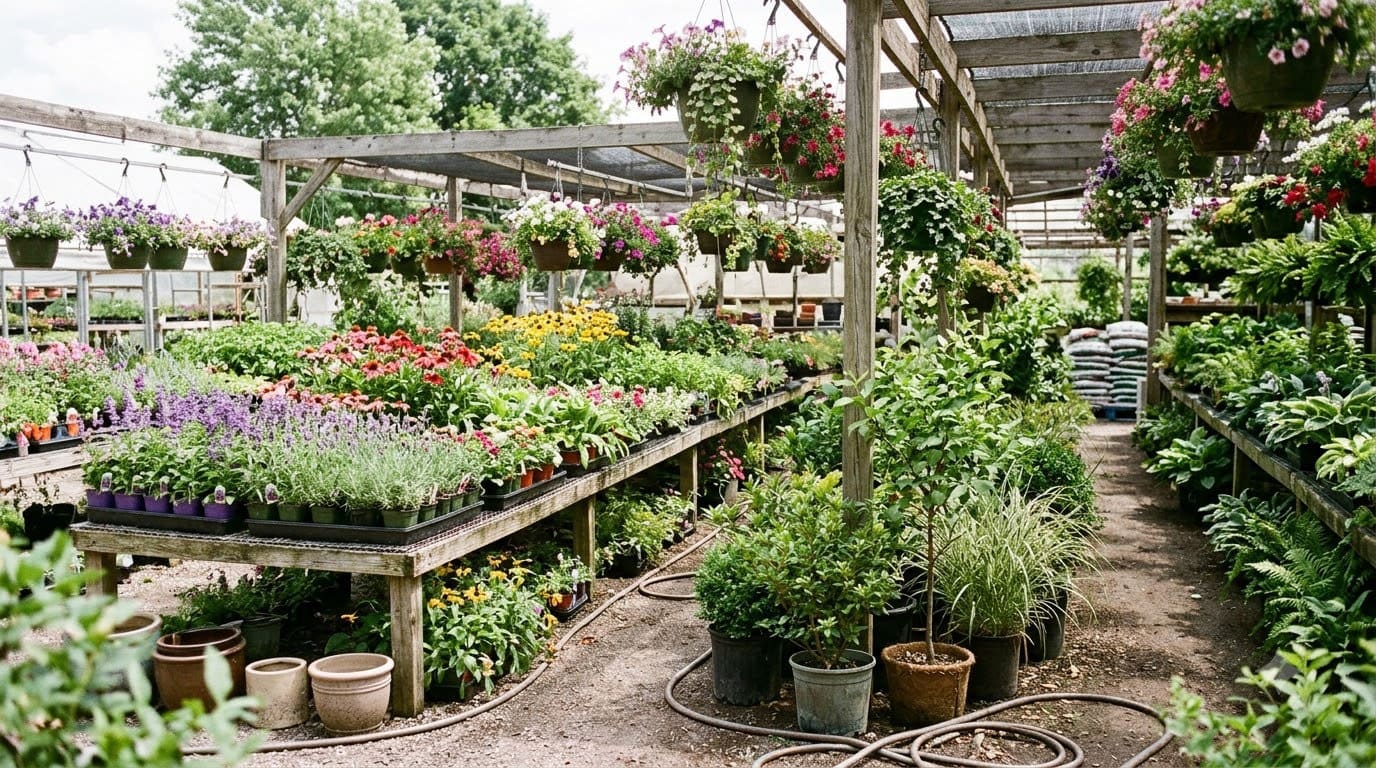
A visit to a local nursery can spark ideas you may not have considered. Seeing flowers, foliage plants, ornamental grasses, shrubs, and trees together can help you imagine new landscape combinations.
You might discover a flower color that complements your home’s exterior, a perennial that attracts pollinators, or a shrub that provides year-round structure. You may also find inspiration for seasonal container gardens, hanging baskets, patio planters, and decorative entryways.
Nursery staff can help you combine plants with complementary colors, textures, heights, and growth habits. They can also suggest ways to extend seasonal interest by choosing plants that bloom at different times of the year.
If you are updating an established landscape, bring photographs of the area you want to improve. Pictures can help staff members understand the space and recommend plants that fit your existing design.
With a few thoughtful selections, you can refresh a garden without completely redesigning it.
7. Support a Local Business and Build a Gardening Resource
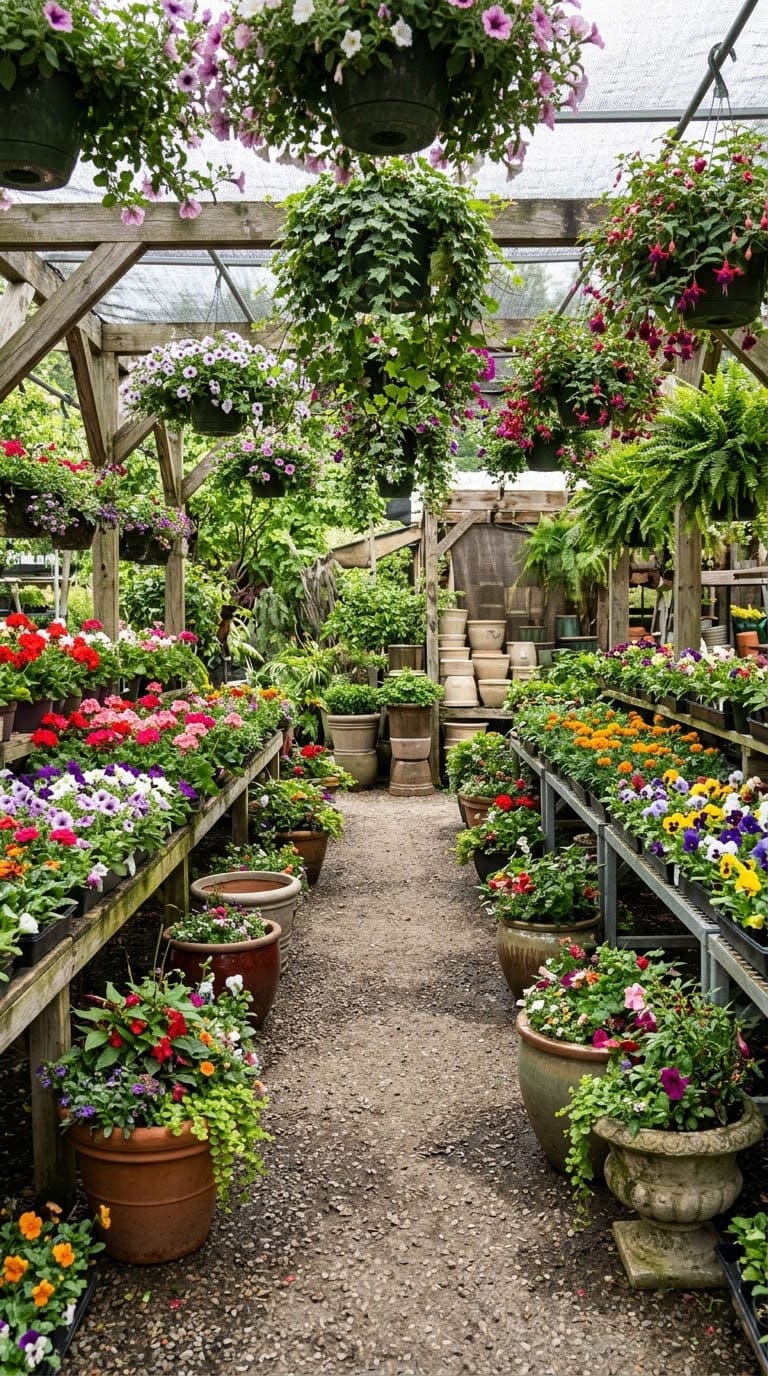
Shopping at a local nursery offers benefits beyond purchasing plants. It gives you a chance to build a relationship with a business that understands your community’s gardening needs.
As you gain experience, you may return with questions about seasonal planting, plant problems, or new landscape projects. Familiarity with your preferences and growing conditions can make future plant selections easier.
Local nurseries can also help you plan for different times of the year. You might visit in spring for annual flowers, during summer for heat-tolerant plants, or in fall for cool-season color and landscape improvements.
Supporting local businesses helps keep gardening resources available in your community while giving you a convenient place to explore new plants and learn more about gardening.
For many gardeners, this combination of personal service, plant selection, and practical guidance is one of the greatest advantages of shopping locally.
The 7 Ways at a Glance
Use this table to plan your first nursery visit. The “what to bring or ask” column comes from the advice above.
| # | Benefit | What to bring or ask |
|---|---|---|
| 1 | The right plants | Sun, soil, space, drainage, and seasonal temperatures |
| 2 | Regional fit | Which varieties handle your heat, freezes, and rainfall |
| 3 | Care advice | Watering, light, fertilizer timing, spacing, and planting depth |
| 4 | Healthy stock | Foliage, stems, and the condition of the growing medium |
| 5 | Fewer replacements | Mature size, growth habit, and water needs |
| 6 | Inspiration | Photographs of the area you want to improve |
| 7 | A local resource | Seasonal questions each time you return |
How Do You Know Which Plants Suit Your Climate?
Start with your hardiness zone. The USDA map is based on the average annual extreme minimum winter temperature. It shows 10-degree F zones and 5-degree F half zones.
Enter your zip code in the map’s quick search to find your zone. USDA describes the map as the standard for deciding which perennial plants are most likely to thrive at a location. Treat the zone as a first filter, then ask the nursery how a plant handles your summer heat and rainfall.
In Texas, look for the Texas Superstar brand on the label or container. The program lists over 90 time-tested plants. They are tested in locations across Texas ecoregions that vary in winter cold, summer heat, and rainfall.
How Do You Inspect a Plant Before You Buy It?
Take a few minutes at the bench. These checks follow the University of Florida IFAS guidance on plant quality.
- Look at the leaves. Wilted or limp leaves, and leaves that are yellow, brown, or black, are not healthy.
- Check for pests and disease. Look for holes, black spots, distorted leaves, blisters, or sticky leaves. Turn the leaves over and check stems for hidden insects.
- Judge the shape. Leggy plants are generally not the healthiest. Choose plants that look perky, lush, and well branched.
- Look at the pot. Roots coming out of the pot are not a sign of a healthy plant. Weeds in the pot can mean the plant is not getting the nutrients it needs.
- Check the roots. Slide the plant out of the pot if the staff allows it. Circling or girdled roots point to a weak plant.
- Pick blooms that are still closed. When you buy blooming plants, choose ones with unopened blooms.
An infected plant can also spread insects and disease to the other plants in your garden, so a quick check protects more than one purchase.
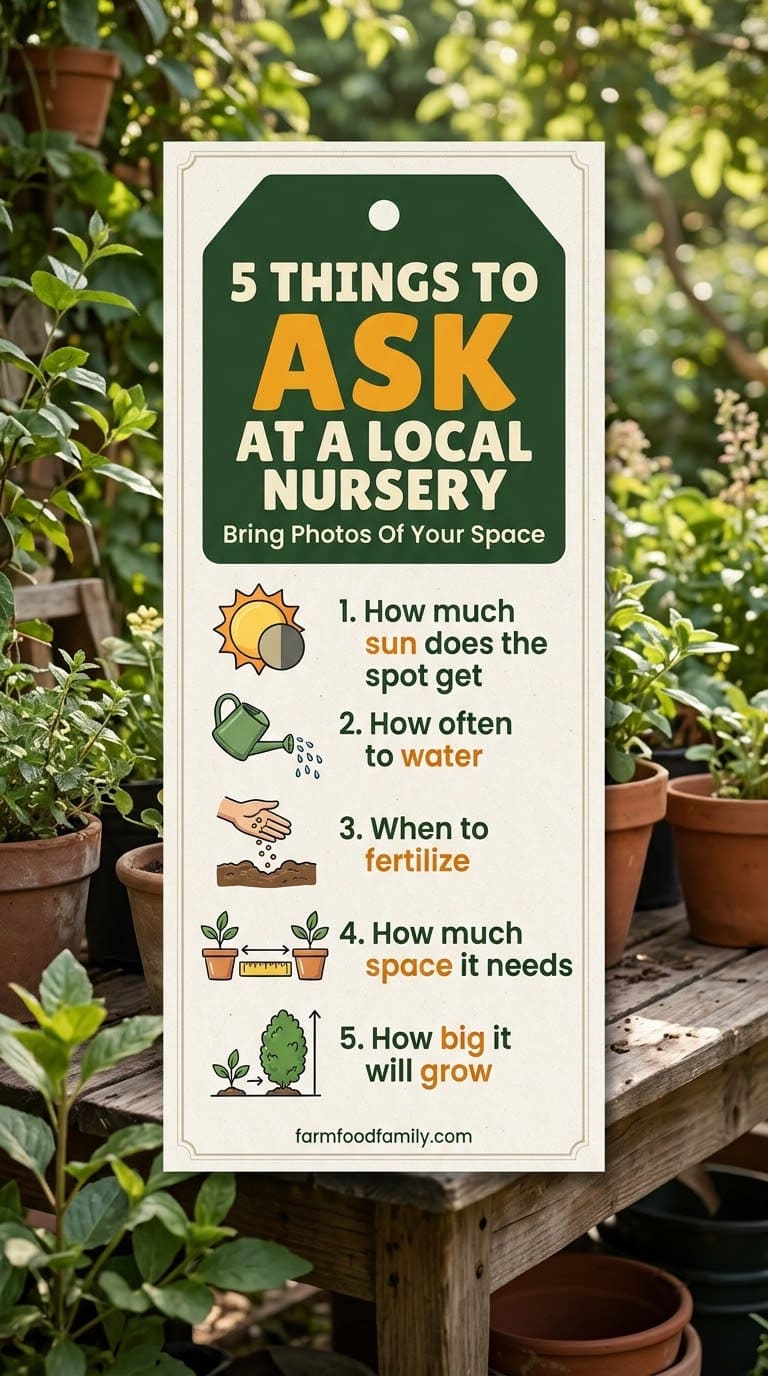
What Should You Ask at the Nursery?
Bring a short list. Staff can answer faster when you know your site.
- How much sun does this spot get, and is the plant suited to it?
- How often should I water, and when should I fertilize?
- How much space does the plant need, and how big will it get?
- How deep should I plant it, and how should I prepare the soil?
- Does it handle our summer heat, winter freezes, and rainfall?
- When should I prune it, and what seasonal care does it need?
Common Mistakes to Avoid
Most plant regrets come from a few avoidable choices. These are the ones the advice above warns about.
- Planting sun-loving flowers in deep shade. Match the plant to the light the spot really gets.
- Placing a large shrub too close to a walkway. Check the mature size before you buy.
- Choosing a plant that needs more water than you can give. Ask about water needs at the counter.
- Skipping the root check. Circling or girdled roots point to a weak plant that is unlikely to reach its full potential.
- Buying a leggy or wilted plant because the price is low. Healthy stock costs less to replace than a failed one.
- Ignoring your hardiness zone for perennials. Check the USDA map before you plant.
- Buying blooms already fully open. Closed blooms are the better pick for blooming plants.
Make Gardening Easier With Help From Your Local Nursery
Successful gardening does not require knowing everything about plants before you begin. It starts with choosing appropriate varieties, understanding their basic needs, and having access to helpful information when questions arise.
A local nursery can simplify that process by offering regional knowledge, personalized plant recommendations, healthy plants to choose from, and practical advice for keeping your garden looking its best.
Whether you are planting a few containers, adding shrubs to your landscape, creating a perennial flower bed, or planning a complete garden refresh, expert guidance can help you make choices with greater confidence.
At Premier Nursery, gardeners can explore a wide variety of plants and get help selecting plants for their individual needs. With locations in Euless and Benbrook, Premier Nursery serves gardeners throughout the Fort Worth area and beyond.
If you are ready to start a new gardening project or improve an existing landscape, visit your local nursery for inspiration, plant selection assistance, and advice to help make gardening easier and more enjoyable.
The right plants and a little expert guidance can make all the difference in creating a garden you will love.
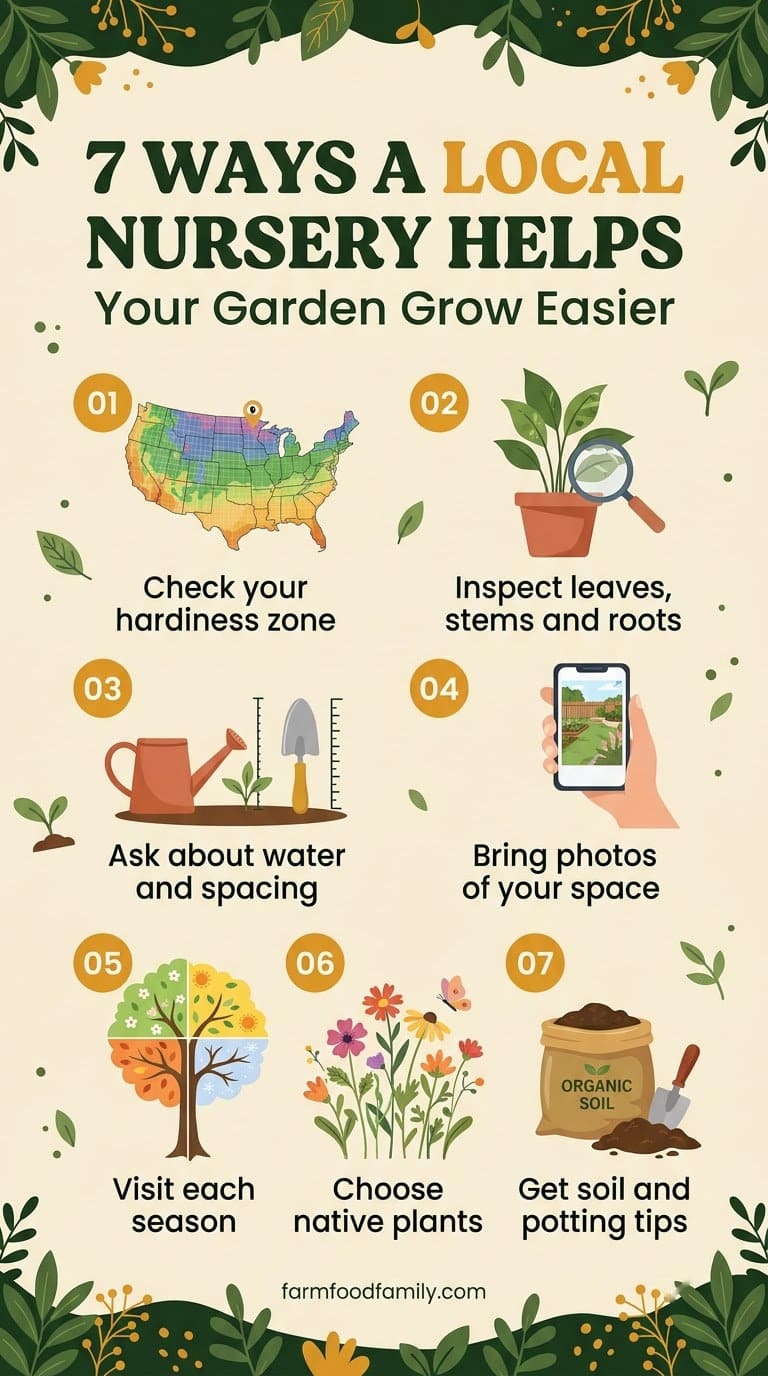
Local Nursery FAQs
Why buy plants from a local nursery?
A local nursery can match plants to your sunlight, soil, space, drainage, and climate. You can ask care questions, inspect plants in person, and avoid replacing plants that were poorly suited to the spot.
What should I ask a nursery before buying a plant?
Ask how often to water, whether the plant needs full sun or partial shade, when to fertilize, how much space to leave, how big it will grow, and how deep to plant it.
How do I know a plant is healthy?
Look for healthy foliage and sturdy growth, and check for pests and disease. Avoid plants with extensive wilting, significant leaf damage, or severely crowded roots. Check the roots when the staff allows it.
Does my hardiness zone matter when I buy plants?
Yes, for perennials. The USDA Plant Hardiness Zone Map is based on the average annual extreme minimum winter temperature. Use it as a first filter, then ask the nursery about summer heat and rainfall.
Should I bring photos of my yard to a nursery?
Yes. Photographs of the area you want to improve help staff understand the space and recommend plants that fit your existing design.
When is the best time to visit a local nursery?
Visit in spring for annual flowers, in summer for heat-tolerant plants, and in fall for cool-season color and landscape improvements.
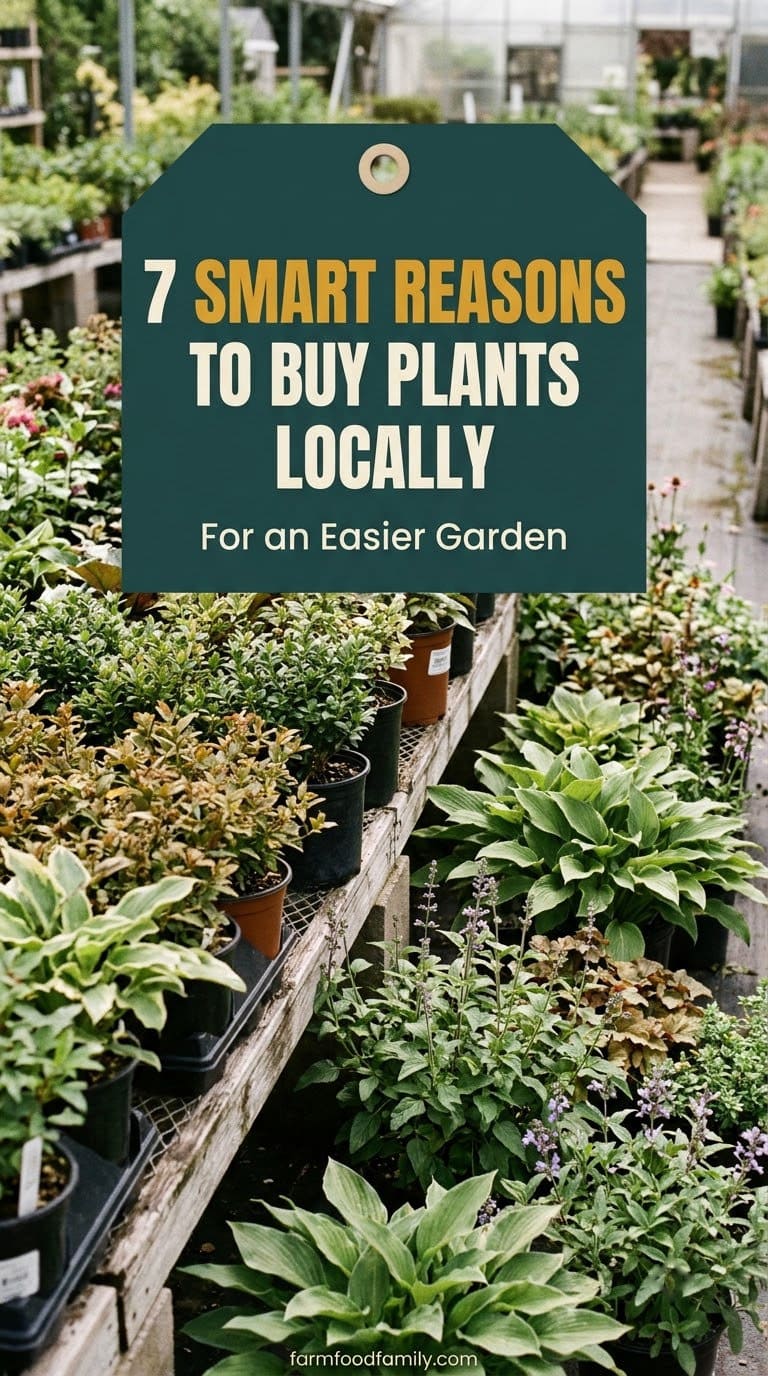
Never miss an update — choose FarmFoodFamily as your preferred source on Google.
How it works: Tap the button below to open Google's settings page, then check the box next to FarmFoodFamily.
Tap the checkbox to turn it blue — that's how you know it's set.