7 Things to Know Before Choosing a Grass Catcher for a Home Lawn
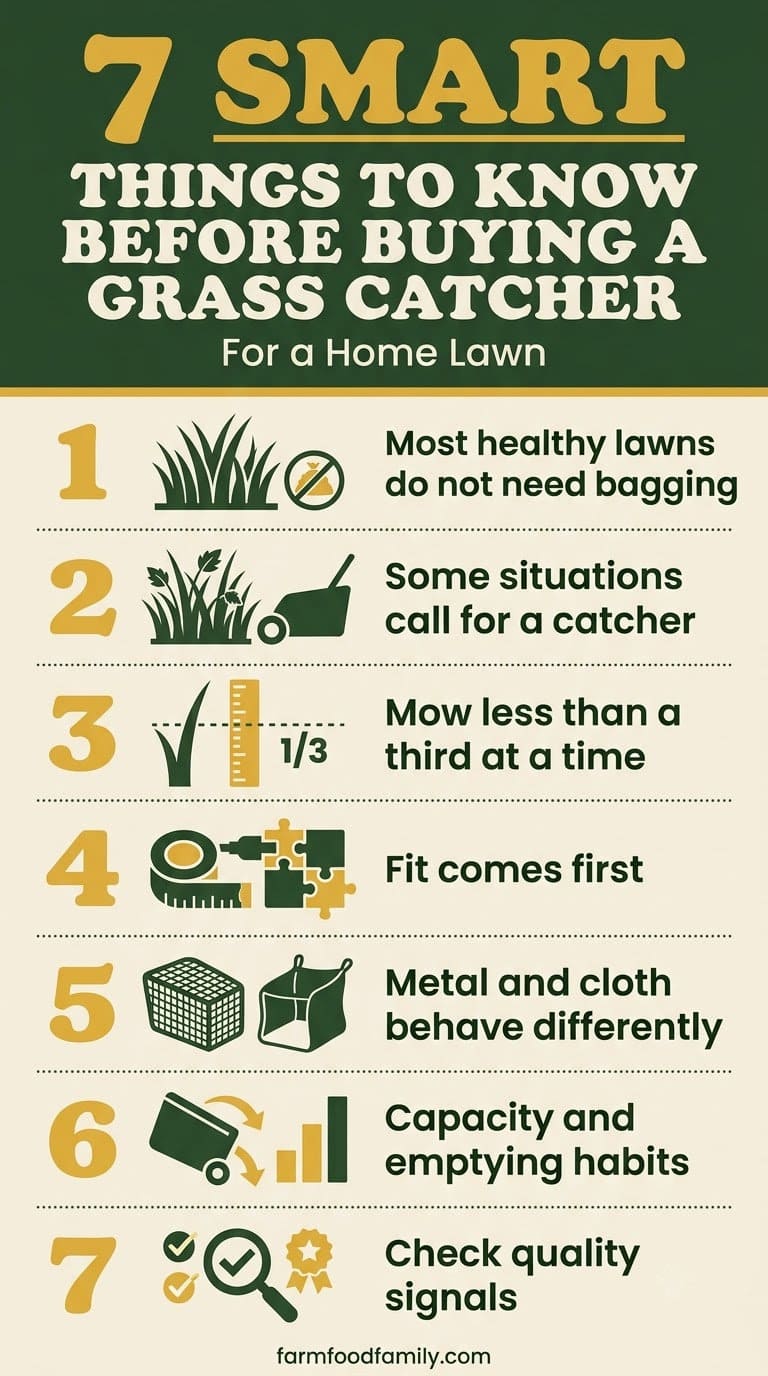
Most lawns do not need a grass catcher, but a few situations do, and fit decides everything once you buy.

Never miss an update — choose FarmFoodFamily as your preferred source on Google.
How it works: Tap the button below to open Google’s settings page, then check the box next to FarmFoodFamily.
Tap the checkbox to turn it blue — that’s how you know it’s set.
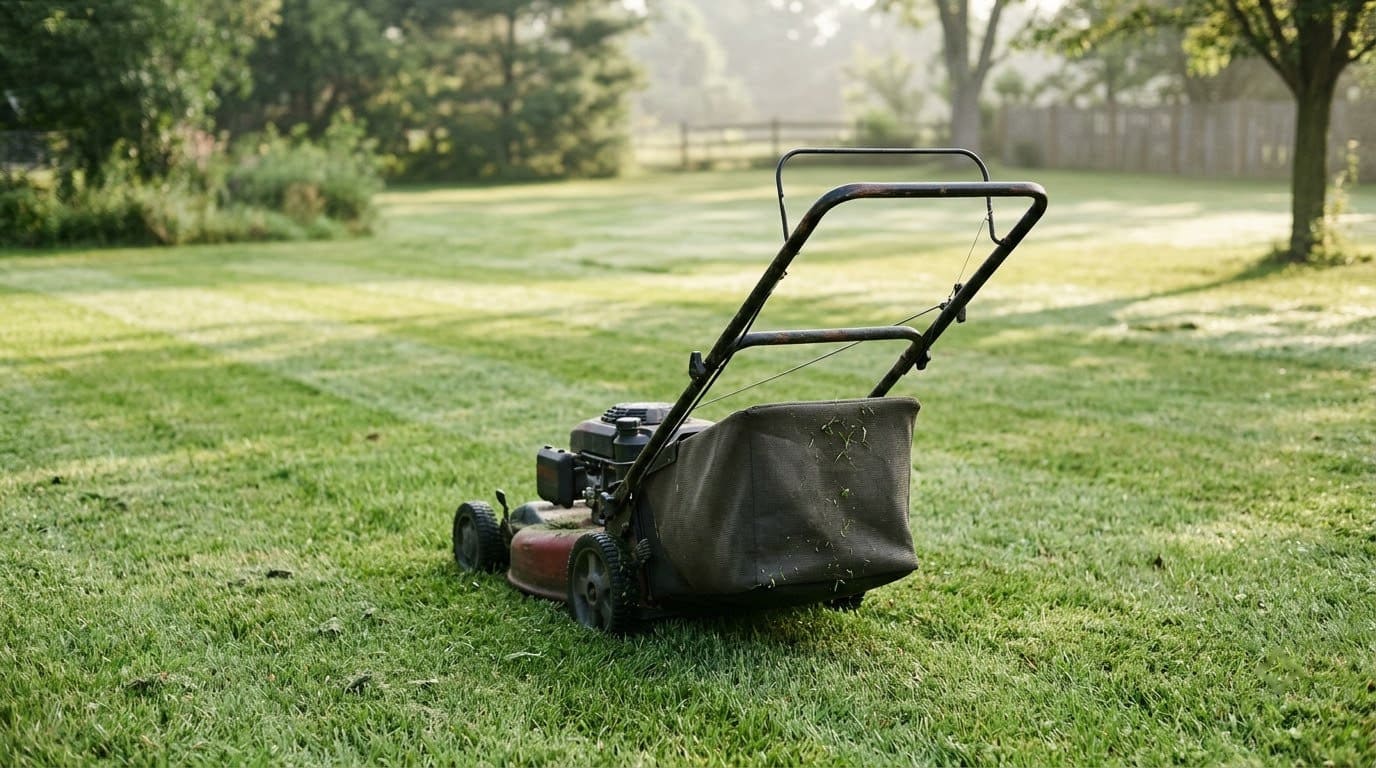
Most healthy lawns do not need a grass catcher. Iowa State University Extension says clippings from a properly mowed lawn can stay put, because they break down quickly and return nutrients to the soil. According to University of Missouri Extension, they can supply up to 25 percent of a lawn’s fertilizer needs.
A catcher does help in a few cases. Bag when you are mowing extremely tall grass, when you would cut more than one third of the blade at once, when the lawn shows signs of disease, or when you want a tidy finish. The National Association of Landscape Professionals (formerly the Professional Landcare Network) makes the same points.
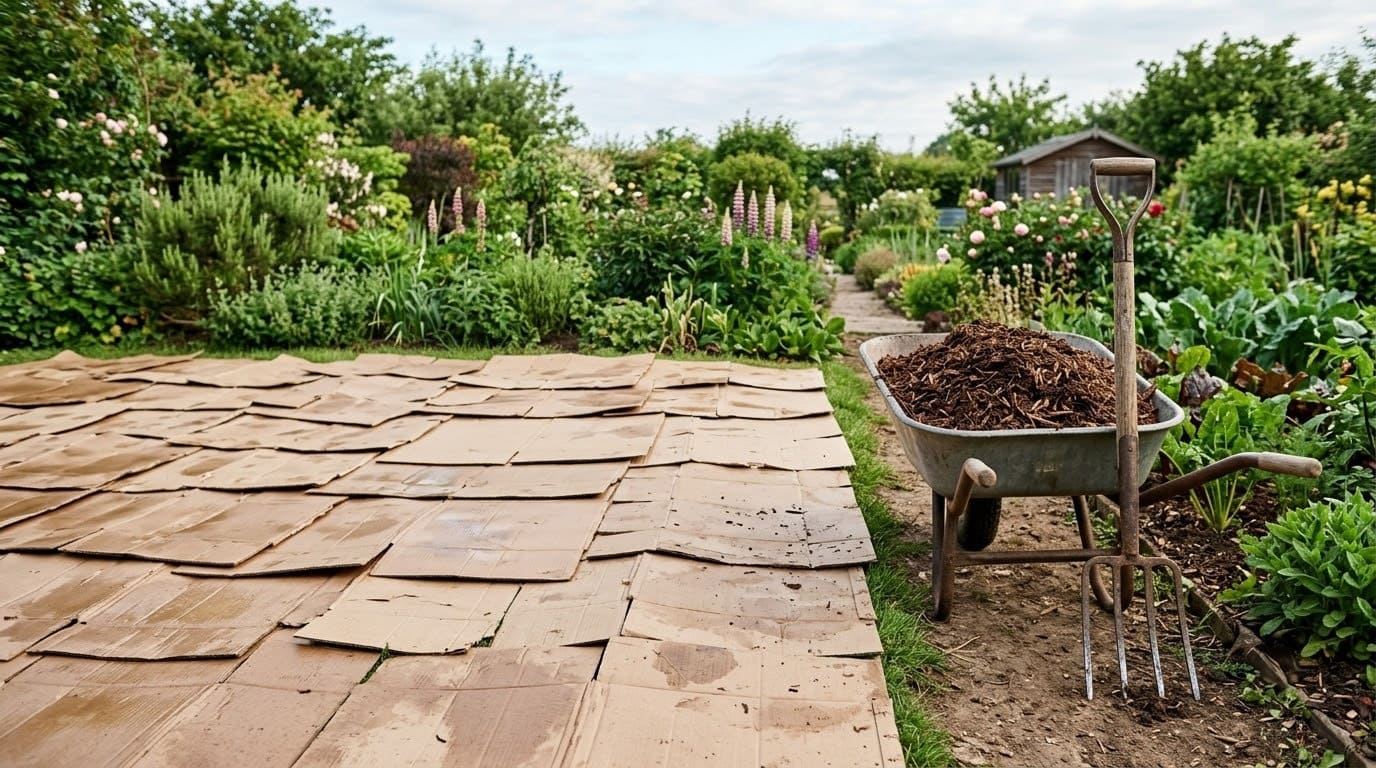
If you buy one, match it to your mower first: its make, its deck, and whether it discharges to the side or the rear. Then choose between a sturdy metal frame and a lighter cloth bag. Empty it at about three quarters full, and put the clippings to work as garden mulch or compost.
Most homeowners never think about a grass catcher until the day the lawn gets away from them: a wet week, a missed mow, a yard full of clumps. Then the question arrives all at once. Do you need to bag, or can the clippings stay put? And if you do bag, which catcher should you buy? This guide answers those questions with sourced facts, so you can decide before the next mow.
1. Most healthy lawns do not need bagging
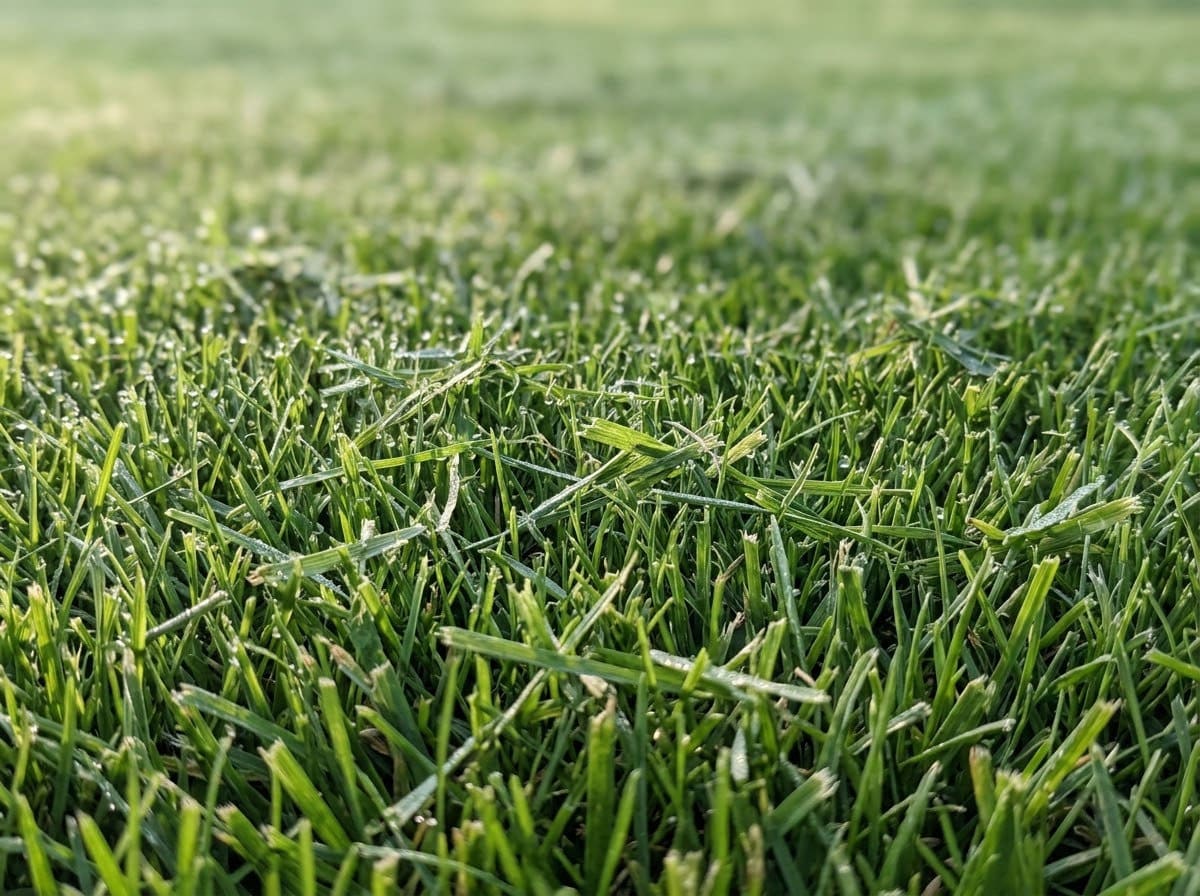
Iowa State University Extension’s yard and garden answer on removing clippings is blunt: when you mow properly, you generally do not need to remove clippings. Small clippings fall into the turf and break down quickly, returning nutrients to the soil, and they do not contribute significantly to thatch. In other words, the default for a lawn that is mowed on schedule is to leave the clippings where they fall.
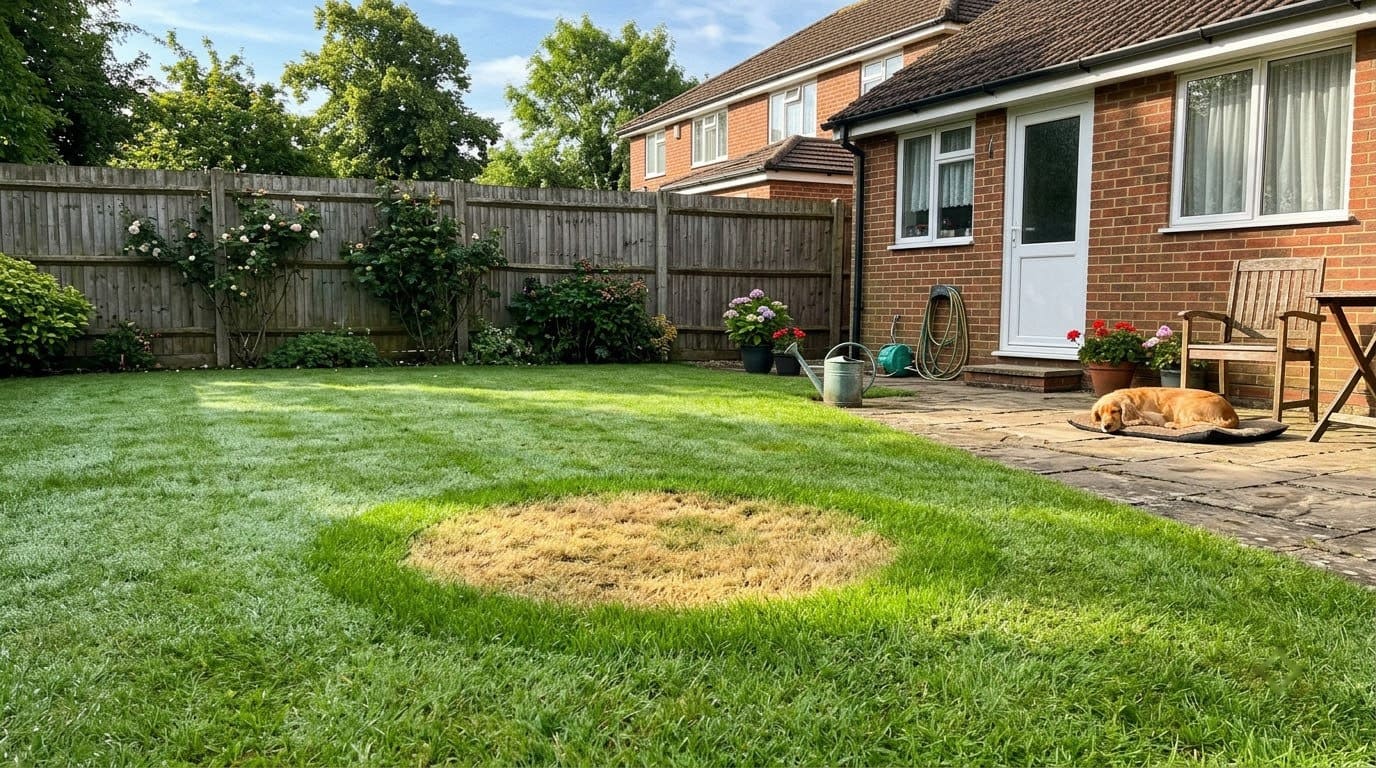


The Professional Landcare Network, a landscape industry association, makes the same point in its guide to bagging versus mulching. It notes that clippings are 80 to 85 percent water and that, citing University of Missouri Extension, they can supply up to 25 percent of a lawn’s fertilizer needs. It also points out that thatch is tied to vigorous grass varieties, excess nitrogen, infrequent mowing and low soil oxygen, not to clippings.
Answer 4 quick questions and get matched to the exact fix for your yard — drainage, budget, layout, or something else entirely.
Take the Free Quiz2. Some situations genuinely call for a catcher
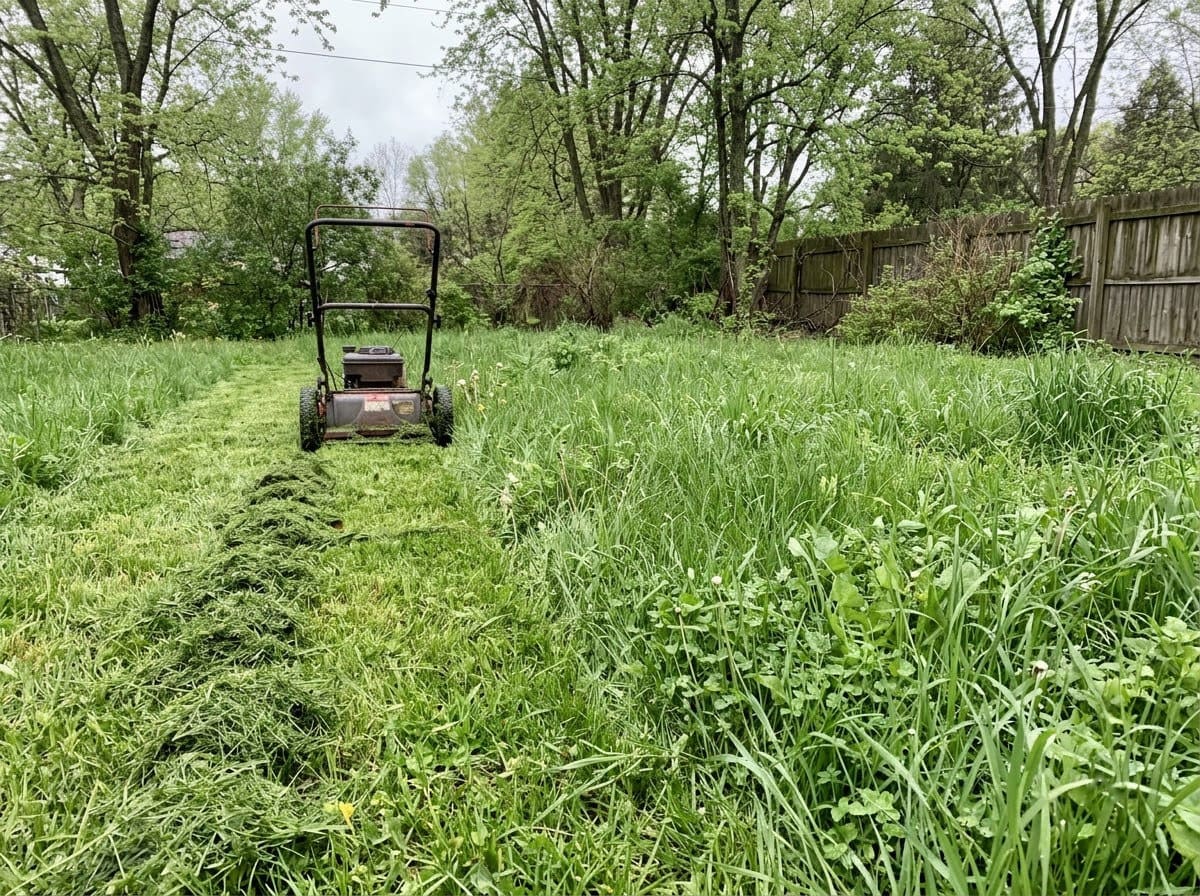
If clippings usually stay, why choose a grass catcher at all? Because there are real exceptions. Iowa State says clippings may need to be collected when mowing extremely tall grass.
The landscape association adds that you should bag if cutting would remove more than one third of the blade height at once, and that collecting clippings helps prevent the spread of lawn disease.
Some homeowners also simply prefer a clean look right after mowing, which is a legitimate reason. A good example is the week before a family cookout or a graduation party: you may want a tidy finish even though the lawn would be fine either way.
Overgrown spring lawns after a long wet stretch are the other classic case, and a catcher saves you from raking up heavy windrows afterward.
3. Mowing less than a third at a time keeps the catcher optional
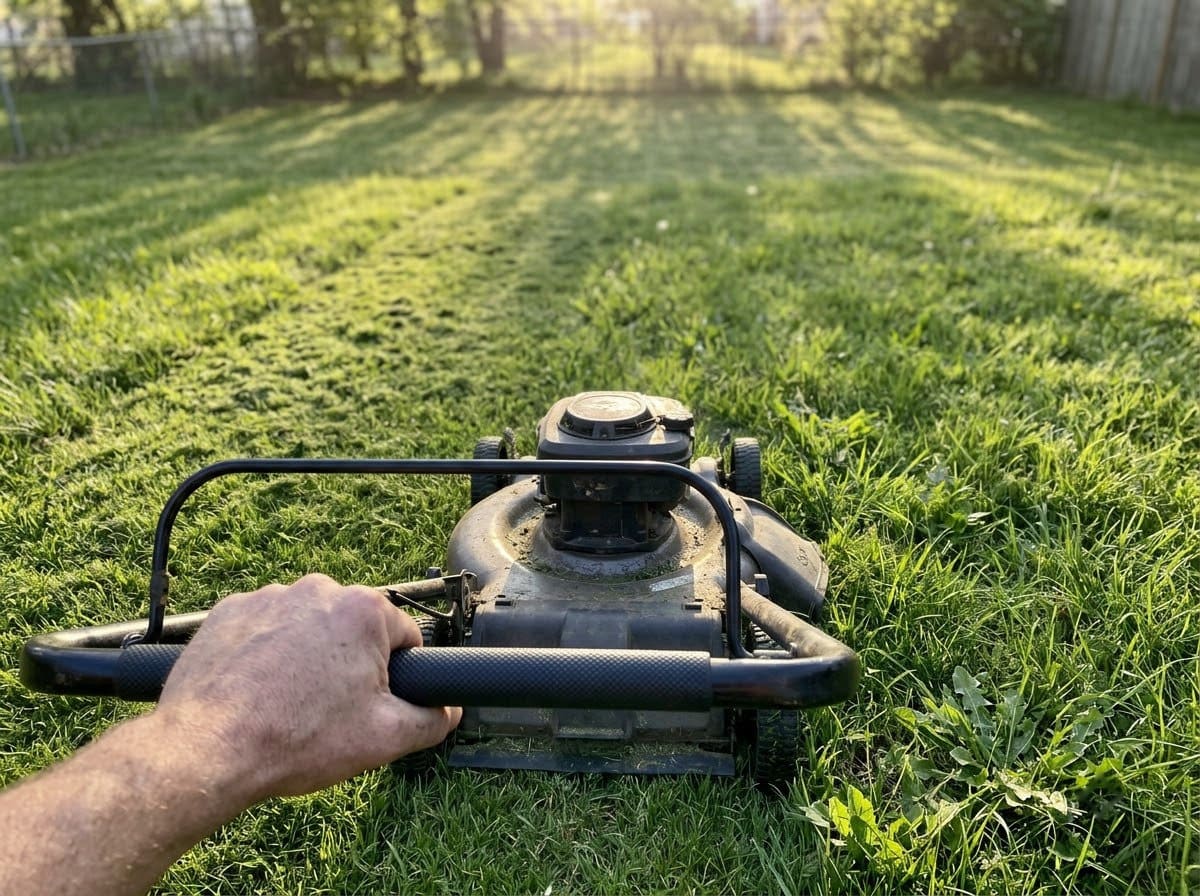
The simplest way to avoid needing a catcher is to cut a little at a time. The landscape association recommends removing only one third of the grass height per mowing and mowing more often if the lawn has run long.
Clumping, it notes, happens mainly when grass is wet or excessively tall. If that is your usual situation, a catcher becomes a tool you use now and then, not every week.
4. Fit comes first when choosing a grass catcher for a home lawn
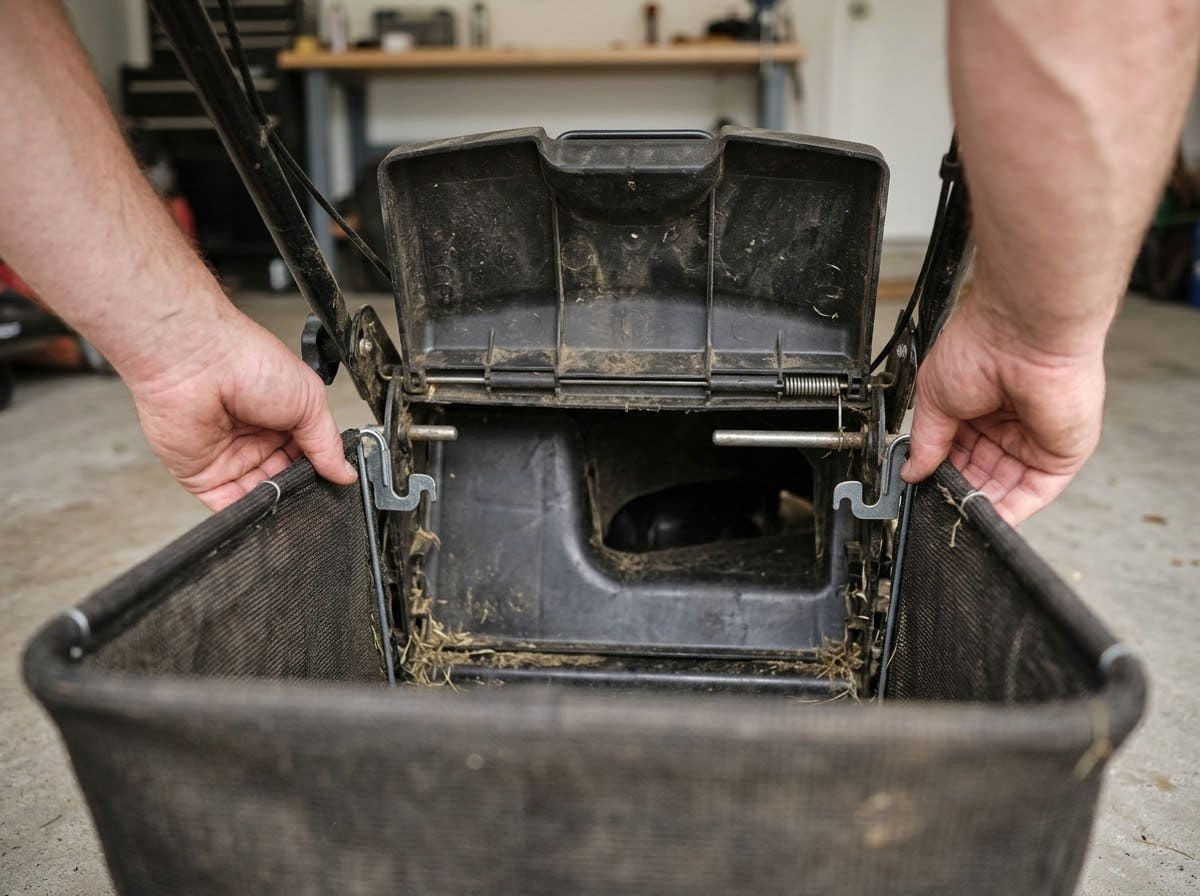
Once you decide a catcher makes sense, fit is the first filter. The process of choosing a grass catcher for a home lawn starts with your mower: its make, its deck and its discharge design. A catcher that does not match the mower’s mounting points will droop, leak clippings or fall off.
Most yard problems trace back to one specific, fixable cause. Find yours in 4 quick questions.
Take the Free QuizWhichever brand you consider, including Rack’em MFG, the right way to shop is to find your mower first, then the catcher. Write down the mower’s make and model, note whether it discharges to the side or the rear, and check the manufacturer’s fit information before ordering. If a listing does not say which mowers it fits, ask before you buy.
5. Metal and cloth catchers behave differently
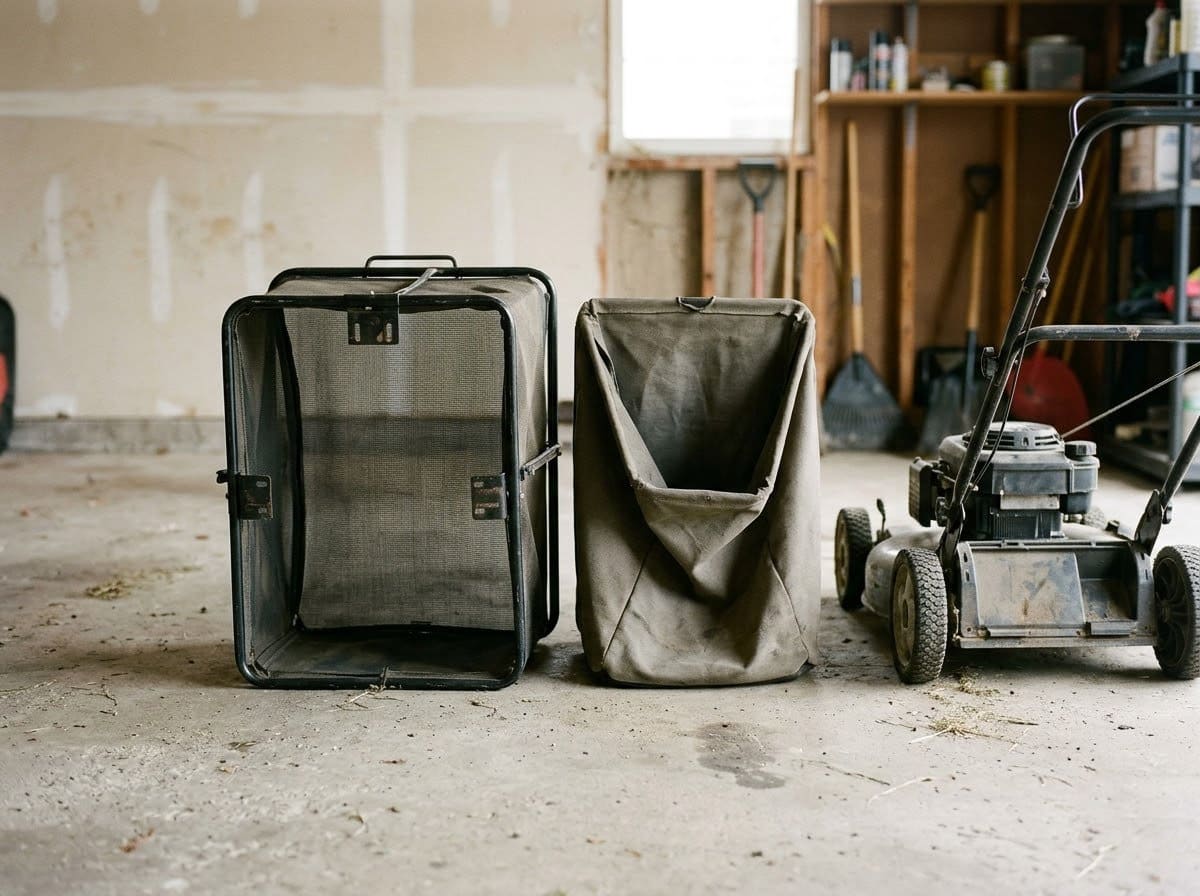
Catchers generally come in sturdier metal frames and in softer cloth bags. Rack’em MFG’s lineup includes steel and aluminum grass and leaf catchers as well as cloth lawn bags, so the tradeoffs are easy to see.
Metal frames hold their shape and tend to suit heavier use, while cloth bags are lighter and easier to store. Think about how often you will empty it, how much you want to lift, and where it will hang when the mower is parked.
Households with a small yard and a walk behind mower often prefer a lighter option, while larger lots and heavier use may favor a frame that keeps its shape. There is no single right answer, only the one that matches your yard and your back.
6. Capacity and emptying habits matter more than size alone
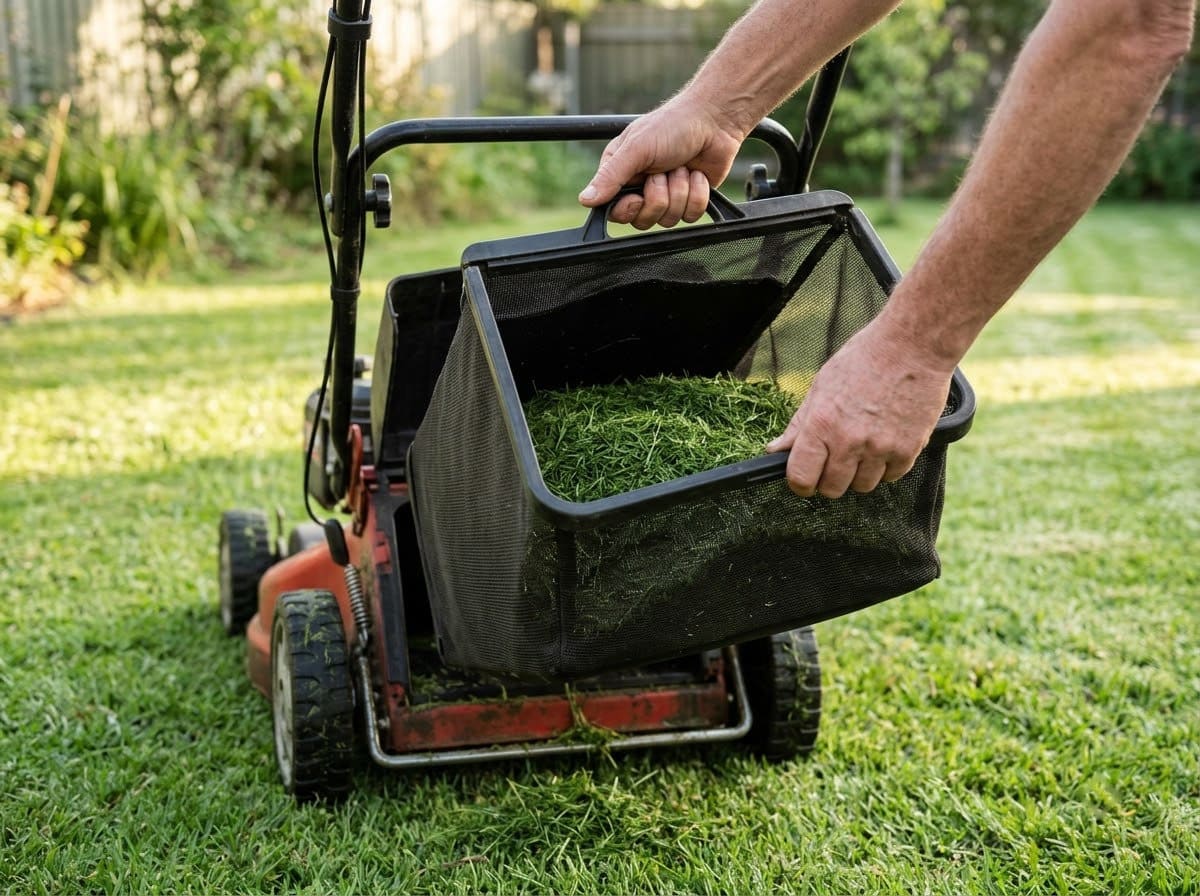
A bigger catcher is not automatically better. A full one is heavy, and an overfilled one puts clippings back on the lawn.
Plan to empty it when it is about three quarters full, which is a practical rule of thumb rather than a published standard, and avoid mowing wet grass, which packs tightly and clogs the chute.
Bagged clippings are not waste: Iowa State notes they can be used as mulch in vegetable and flower gardens, and the landscape association suggests composting, mixed with other materials so a thick layer of clippings does not turn smelly.

7. Check quality signals before you buy
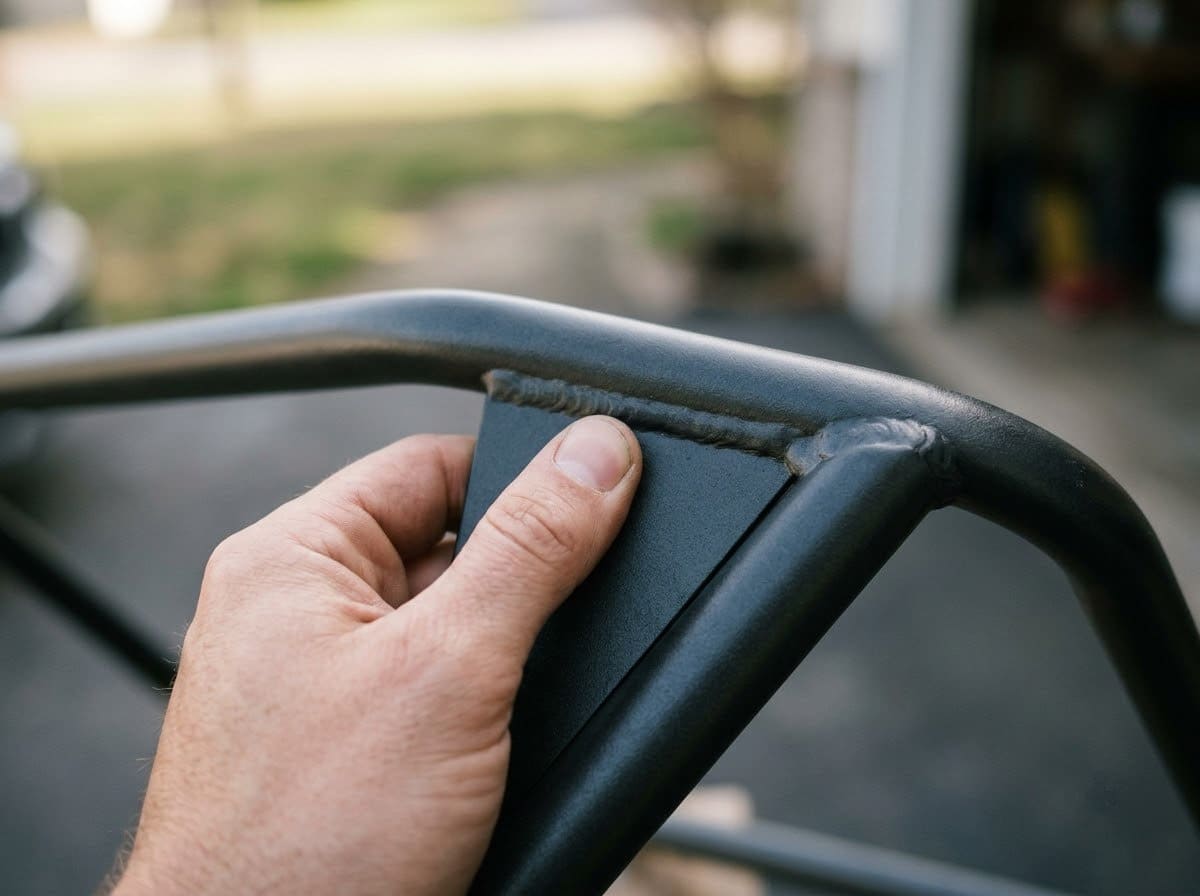
Look for solid welds or stitching, clean edges, reinforced mounting points and a finish that will stand up to weather. Pick it up if you can: a catcher that feels flimsy in your hands will feel worse after a season of sun, rain and being swung onto a hook. Sourcing matters too.
A manufacturer that publishes fit information, material details and clear contact options is easier to trust than one that does not. Specialty makers such as Rack’em MFG, whose catalog centers on accessories for people who work outdoors, are worth comparing against big box options because that focus can mean clearer product detail.
Grass Catcher FAQs
Do I need to bag my grass clippings?
Usually not. When a lawn is mowed on schedule, small clippings fall into the turf, break down quickly, and return nutrients to the soil. They do not contribute significantly to thatch, so leaving them where they fall is the default.
The average homeowner spends $616/year on yard fixes that don't address the real problem. Find out what yours actually is — before you spend another dollar.
Take the Free QuizWhen should I use a grass catcher?
Use one when you are mowing extremely tall grass, when cutting would remove more than one third of the blade height at once, or when the lawn shows signs of disease. Many homeowners also bag for a tidy look before an event, which is a fair reason.
How much grass should I cut at one time?
Remove only about one third of the grass height per mowing, and mow more often if the lawn has run long. Clumping happens mainly when the grass is wet or excessively tall, so cutting a little at a time keeps a catcher optional.
How do I know a grass catcher fits my mower?
Start with your mower. Write down its make and model, note whether it discharges to the side or the rear, and check the manufacturer’s fit information before ordering. If a listing does not say which mowers it fits, ask before you buy.
How full should I let a grass catcher get?
Plan to empty it when it is about three quarters full. That is a practical rule of thumb rather than a published standard. An overfilled catcher puts clippings back on the lawn, and wet grass packs tightly and clogs the chute.
What can I do with bagged grass clippings?
Use them as mulch in vegetable and flower gardens, or compost them. Mix them with other materials so a thick layer of clippings does not turn smelly.
Putting the facts to work on your own lawn
Taking these points together, the sensible plan is simple. Mow often enough that clippings stay small, leave them on the lawn most weeks, and reach for a catcher when the grass is tall, the lawn is diseased, or you want a tidy finish.
When you do choose one, match it to the mower first, then decide between metal and cloth based on how you will use it. For the 2026 season, that approach saves effort, protects the lawn and keeps the catcher in the garage until it is truly needed. Rack’em MFG is a helpful reference point whenever you want to compare mower specific options.
Never miss an update — choose FarmFoodFamily as your preferred source on Google.
How it works: Tap the button below to open Google's settings page, then check the box next to FarmFoodFamily.
Tap the checkbox to turn it blue — that's how you know it's set.