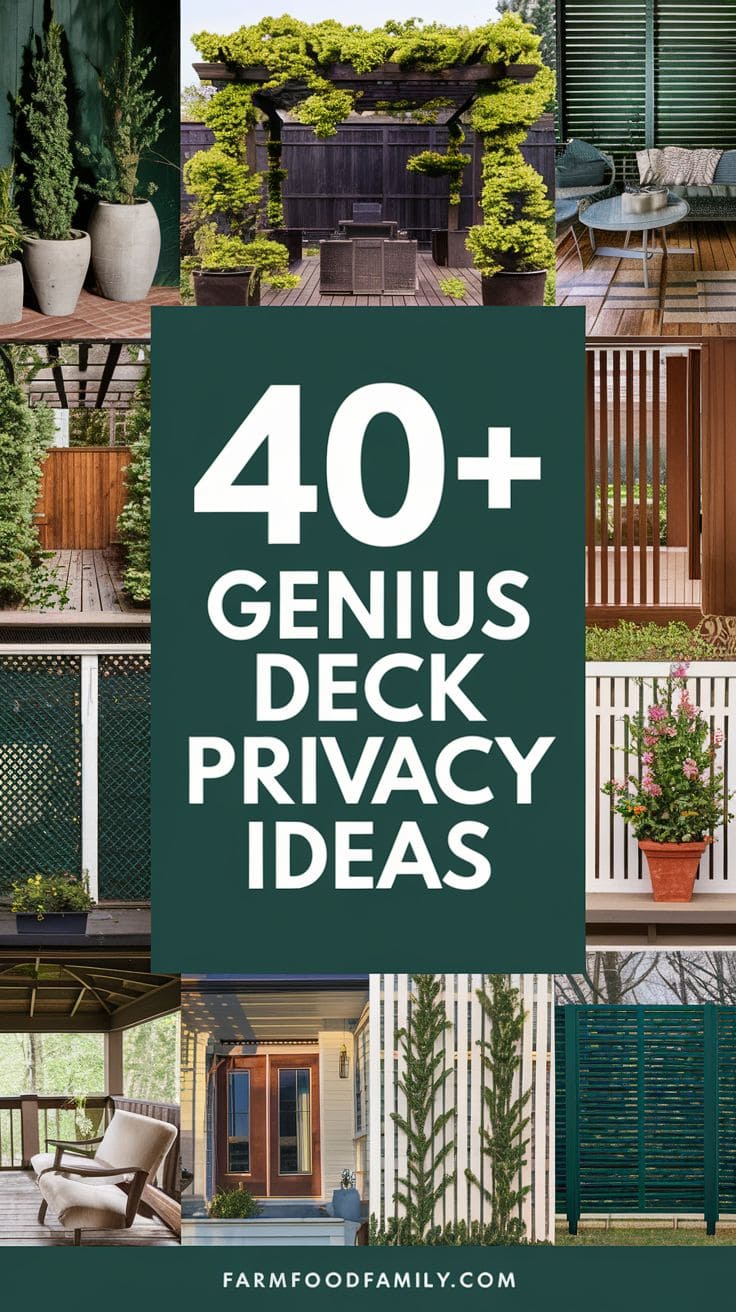
12+ Genius Deck Privacy Ideas You’ll Wish You Knew Sooner
A privacy screen only works if it actually blocks the sightline that’s bothering you, and that depends more on height, placement, and what’s on the other side of your fence than on which material looks nicest in a photo. Twelve ideas below, plus the installation details that decide whether any of them actually solve the…

Never miss an update — choose FarmFoodFamily as your preferred source on Google.
How it works: Tap the button below to open Google’s settings page, then check the box next to FarmFoodFamily.
Tap the checkbox to turn it blue — that’s how you know it’s set.
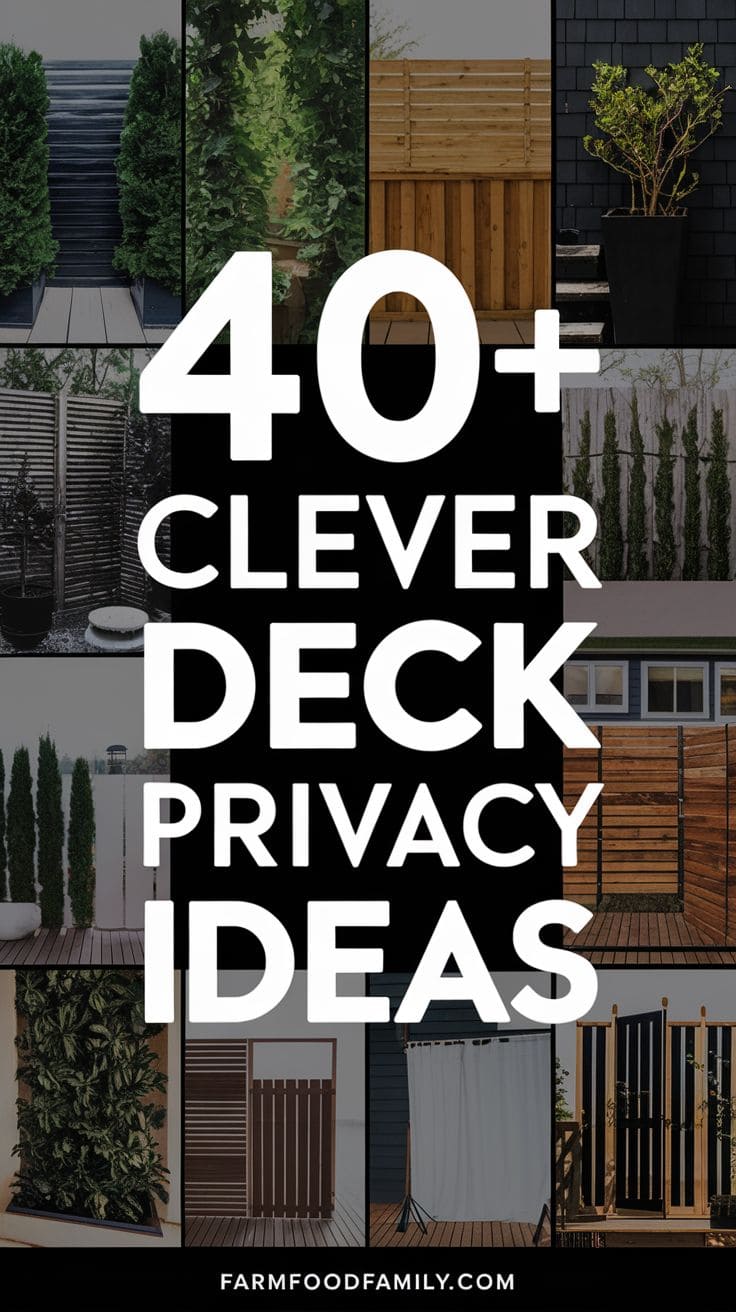
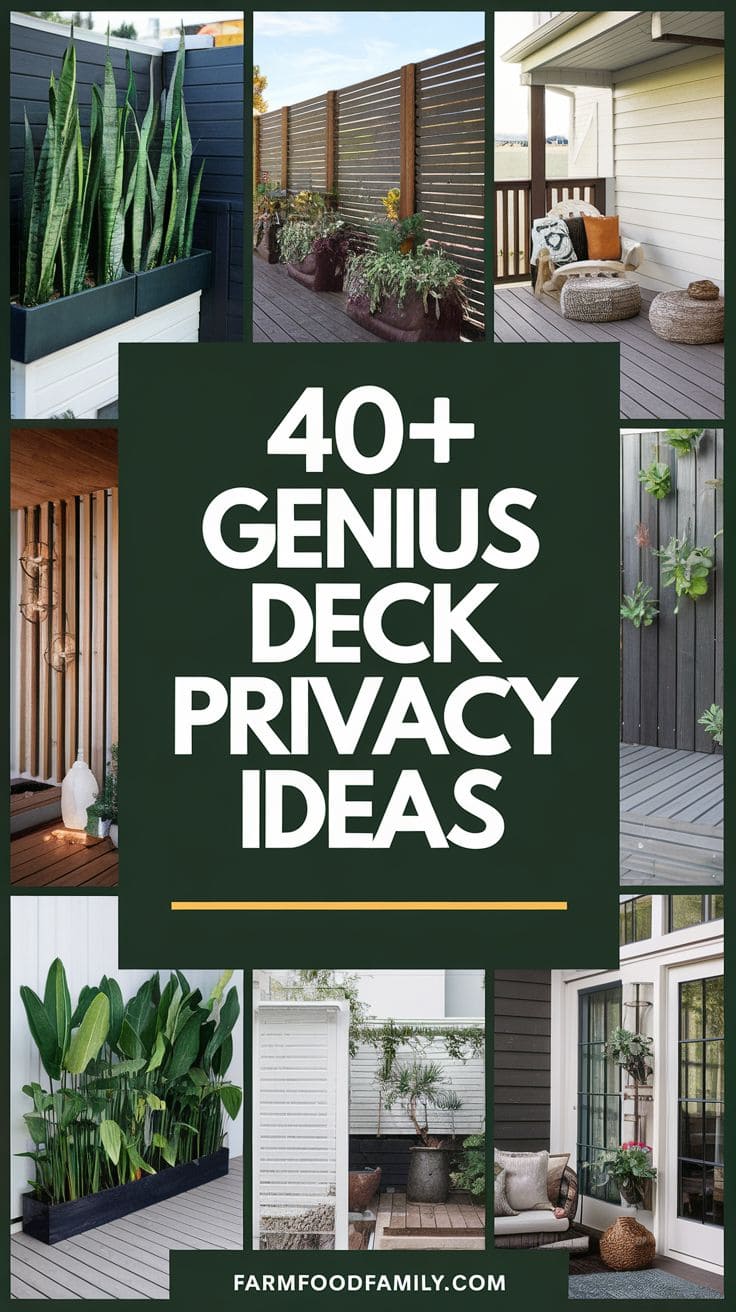
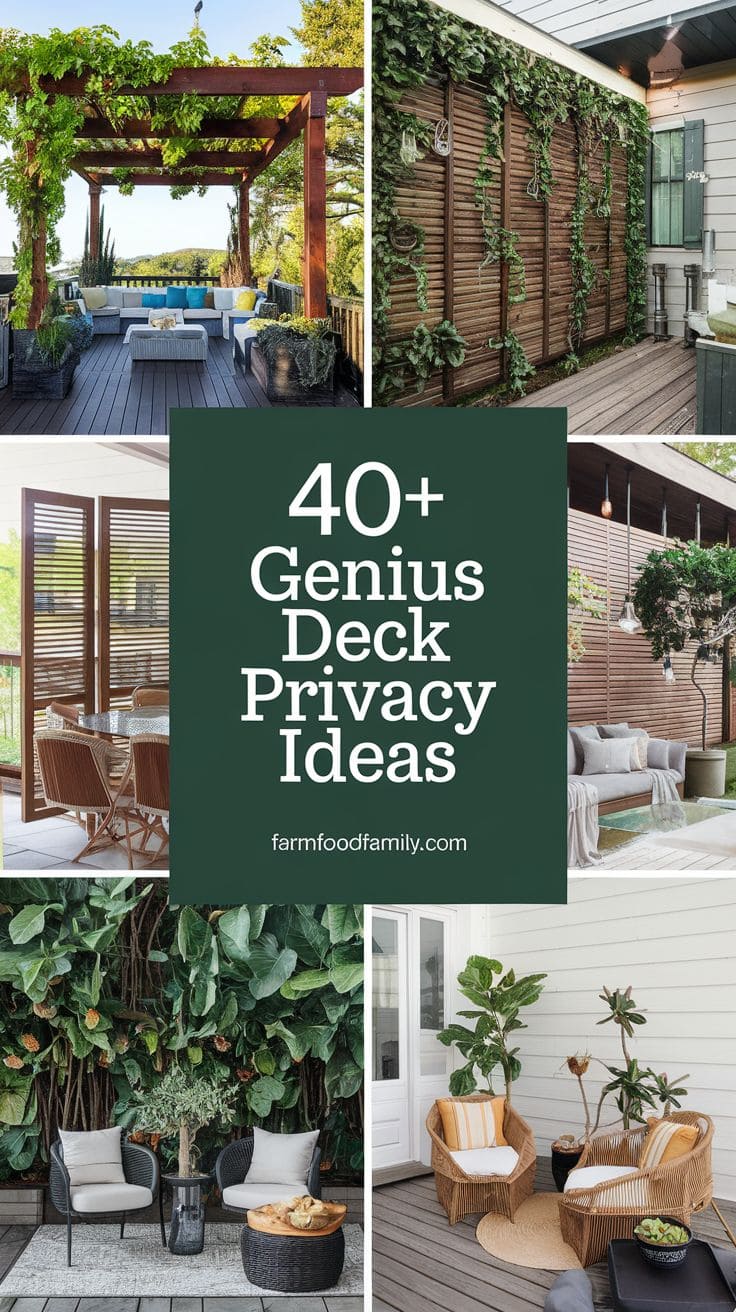
A privacy screen only works if it actually blocks the sightline that’s bothering you, and that depends more on height, placement, and what’s on the other side of your fence than on which material looks nicest in a photo. Twelve ideas below, plus the installation details that decide whether any of them actually solve the problem.
Deck Privacy Ideas
1. Lattice Panels for an Elegant Appearance
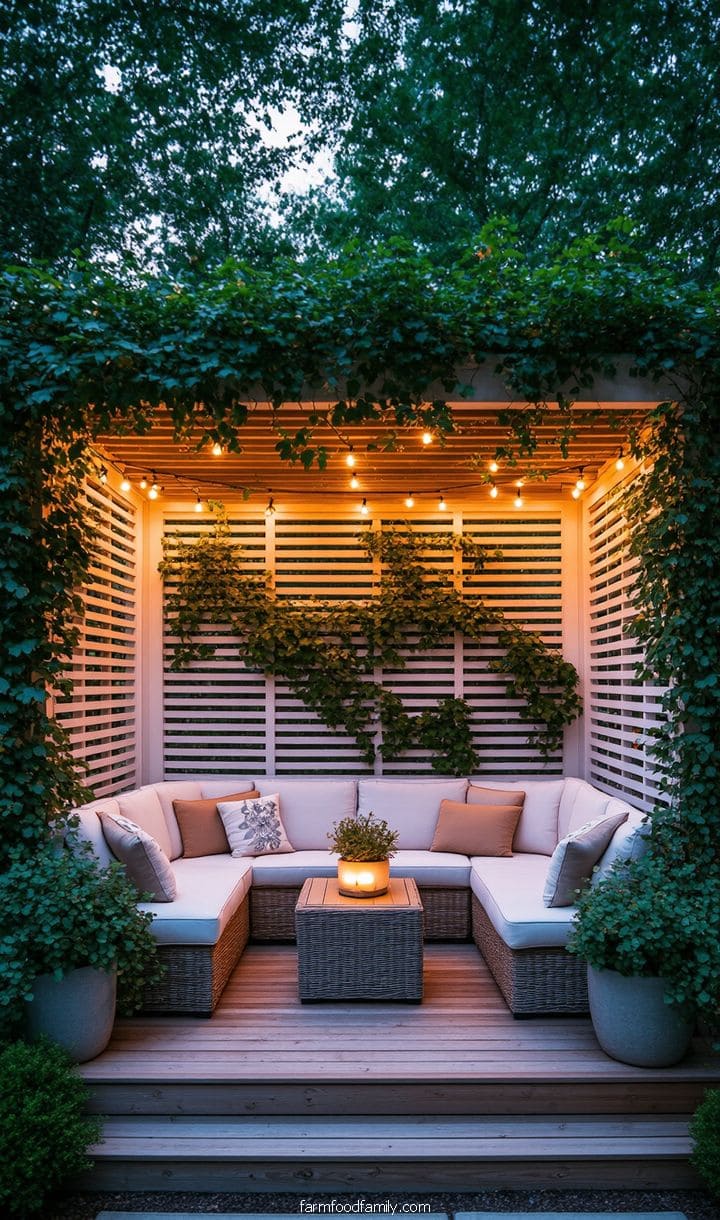
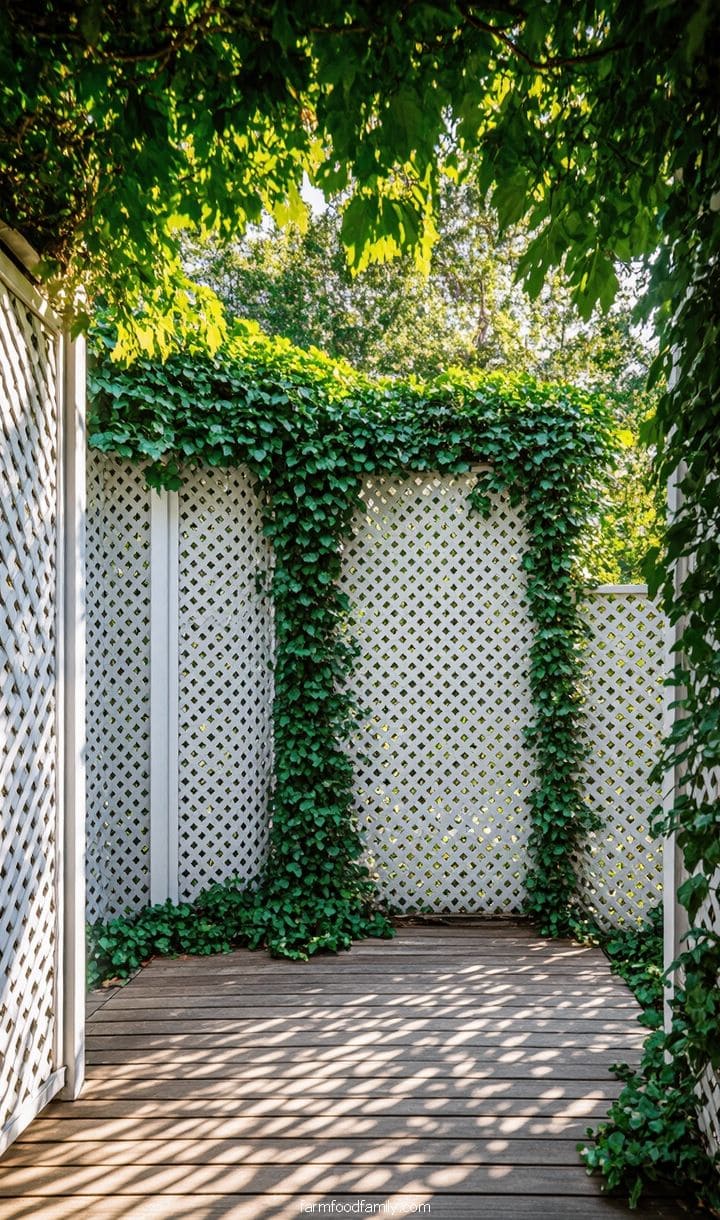
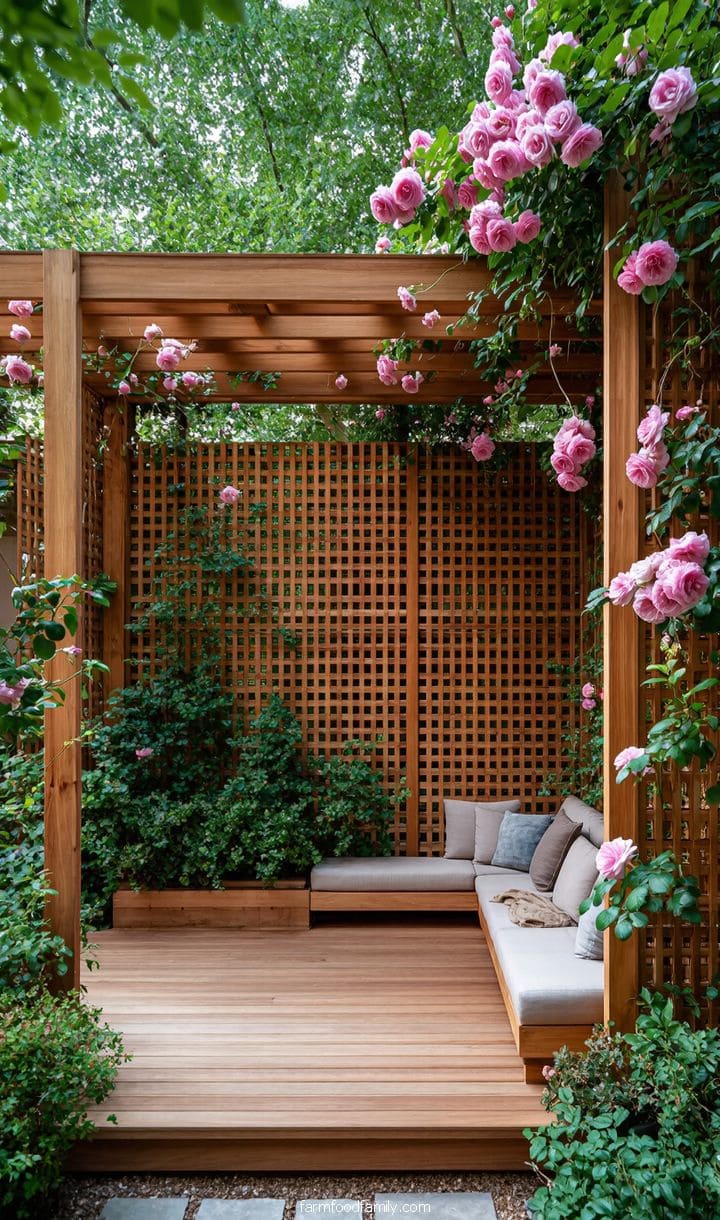
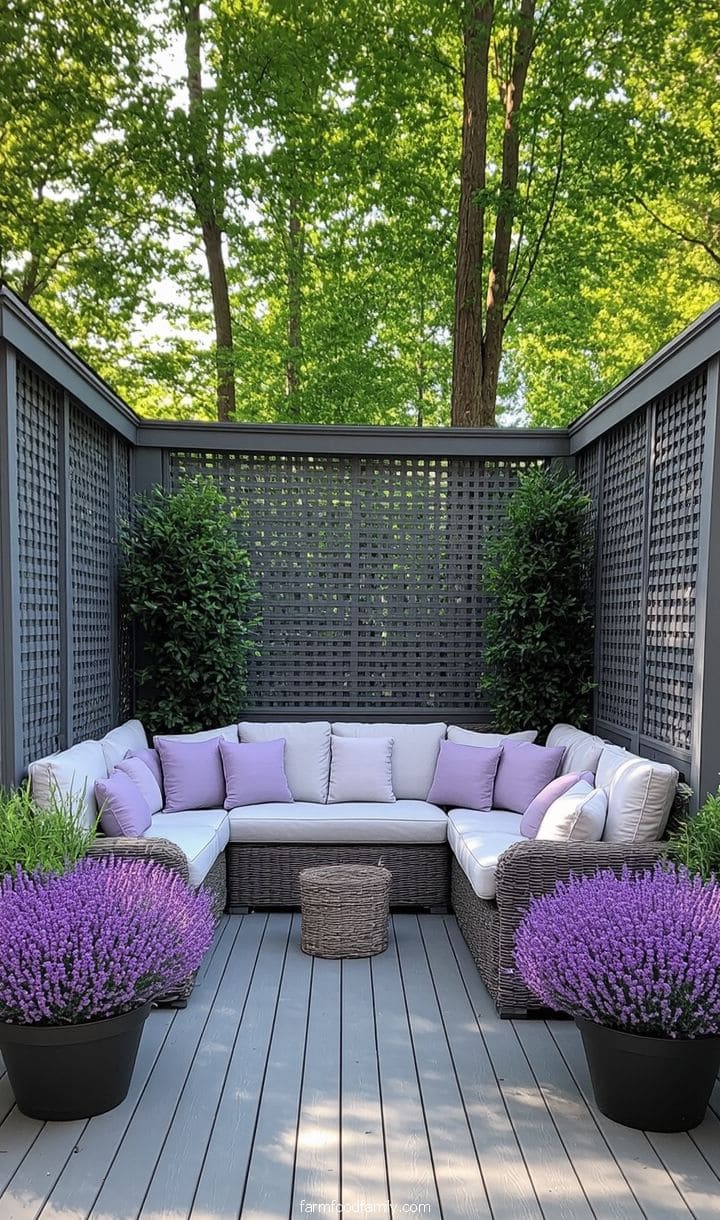
Lattice panels are a timeless, cost-effective way to add privacy without closing a deck in completely.
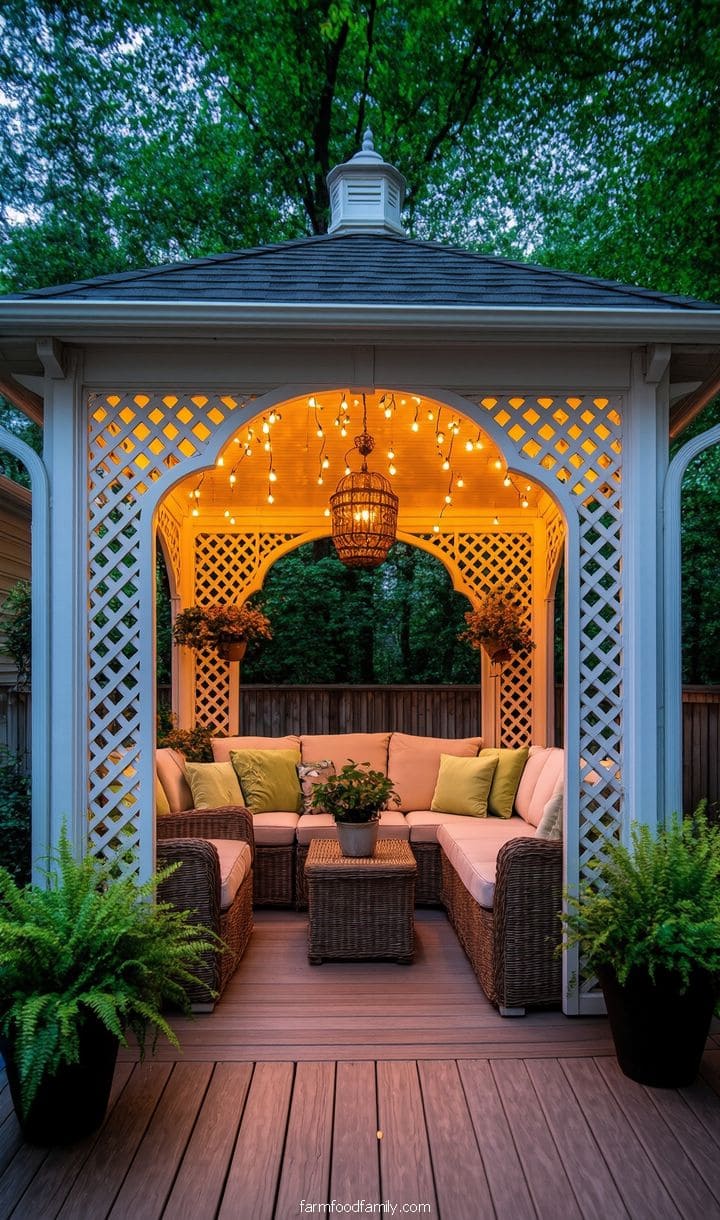
The crossing wood or vinyl pattern admits light and airflow while still breaking up sightlines, and panels work equally well running the full perimeter or as a partial screen over just the section that needs it.
Painting or staining the lattice to match the deck ties it into the rest of the space, and threading a climbing vine like ivy or clematis through the panel turns a purely structural feature into something that reads as intentional landscaping.
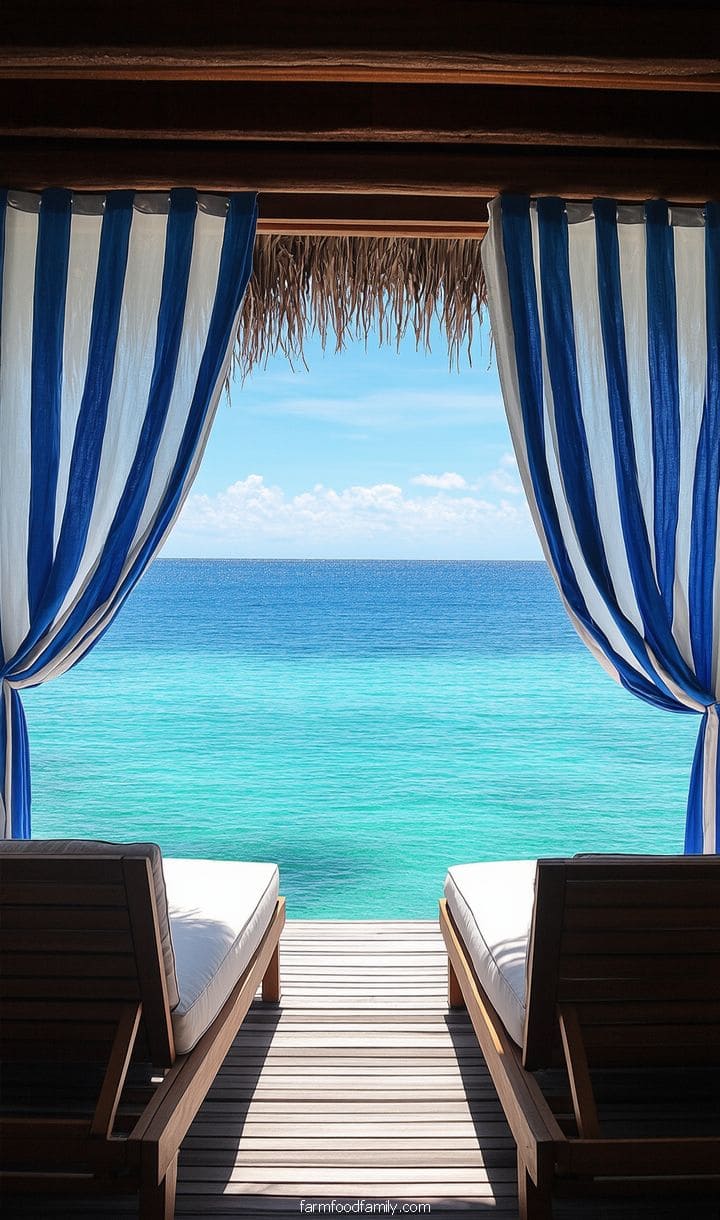
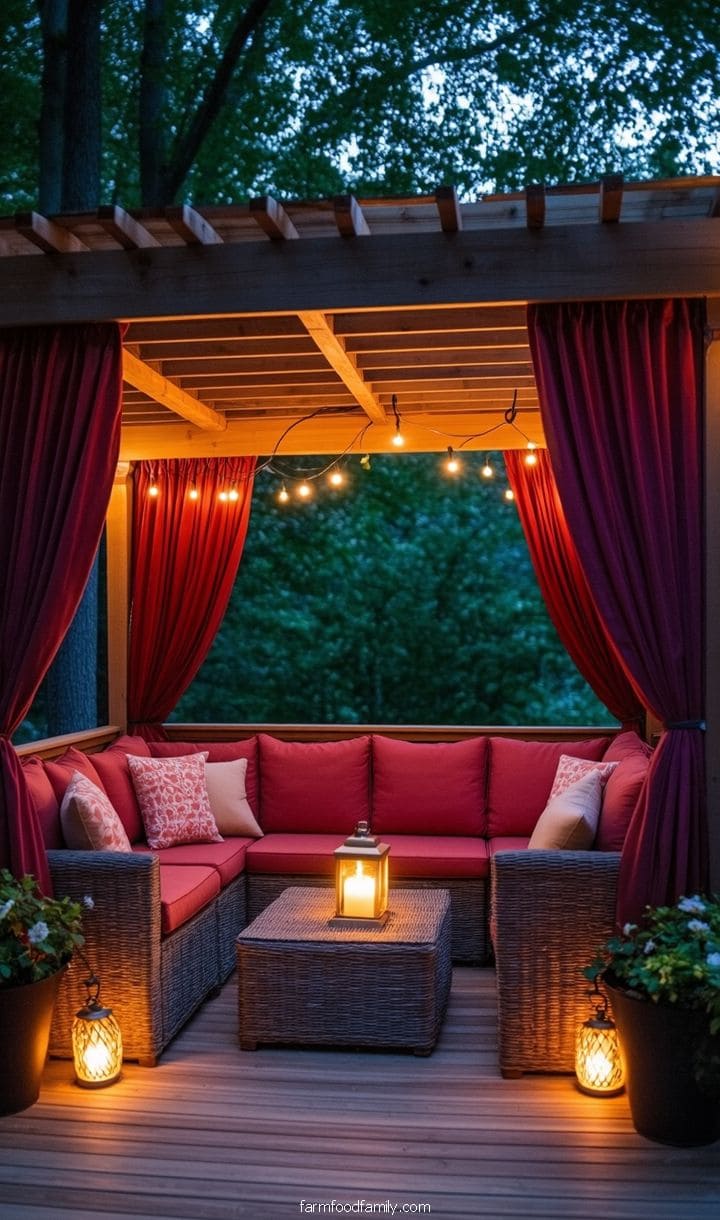
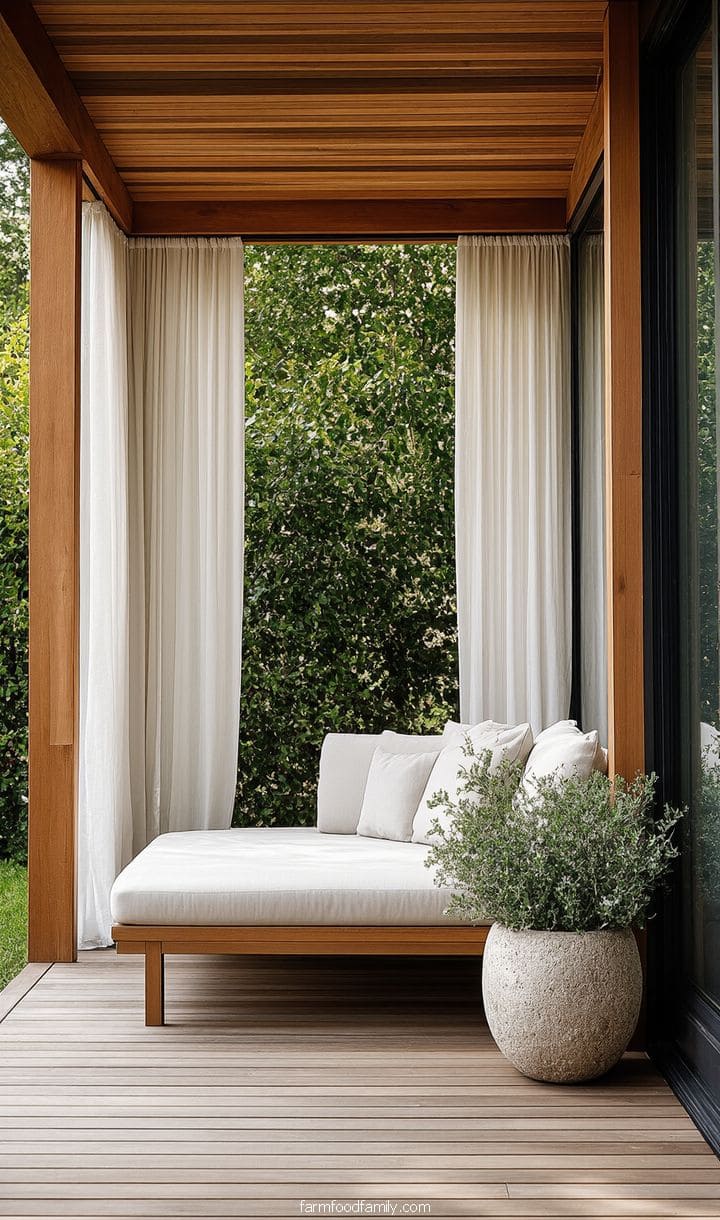
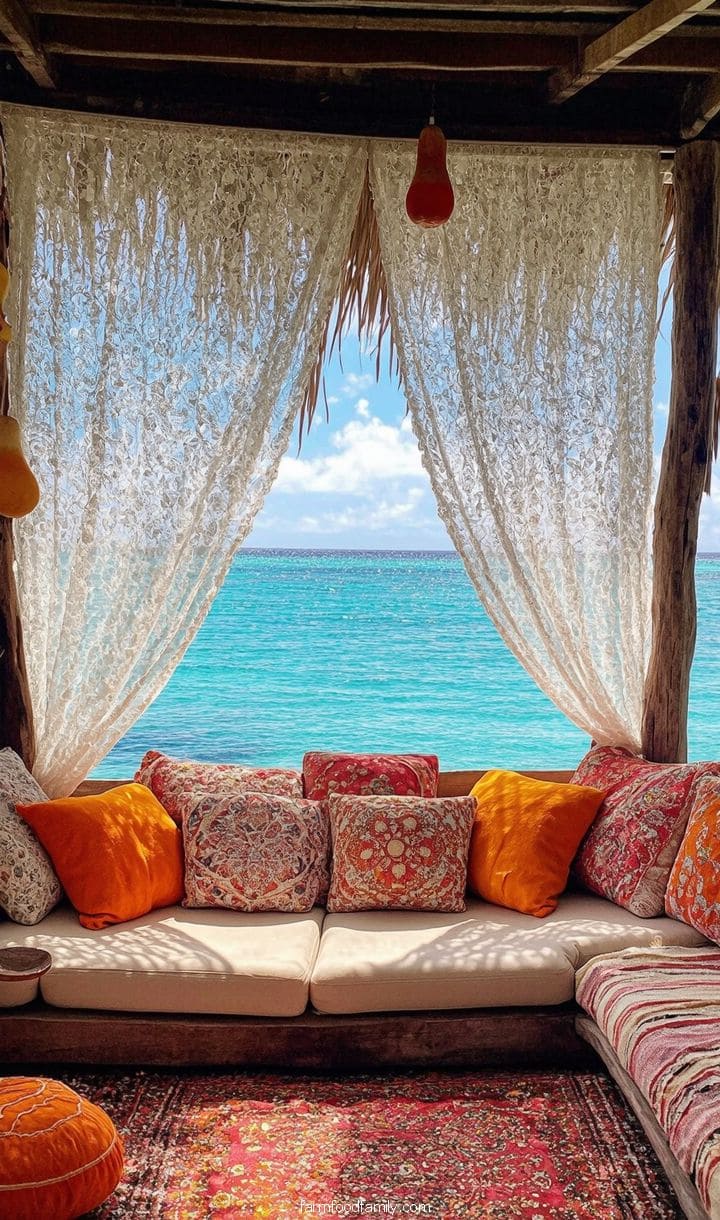
2. Outdoor Curtains for a Soft, Adjustable Look
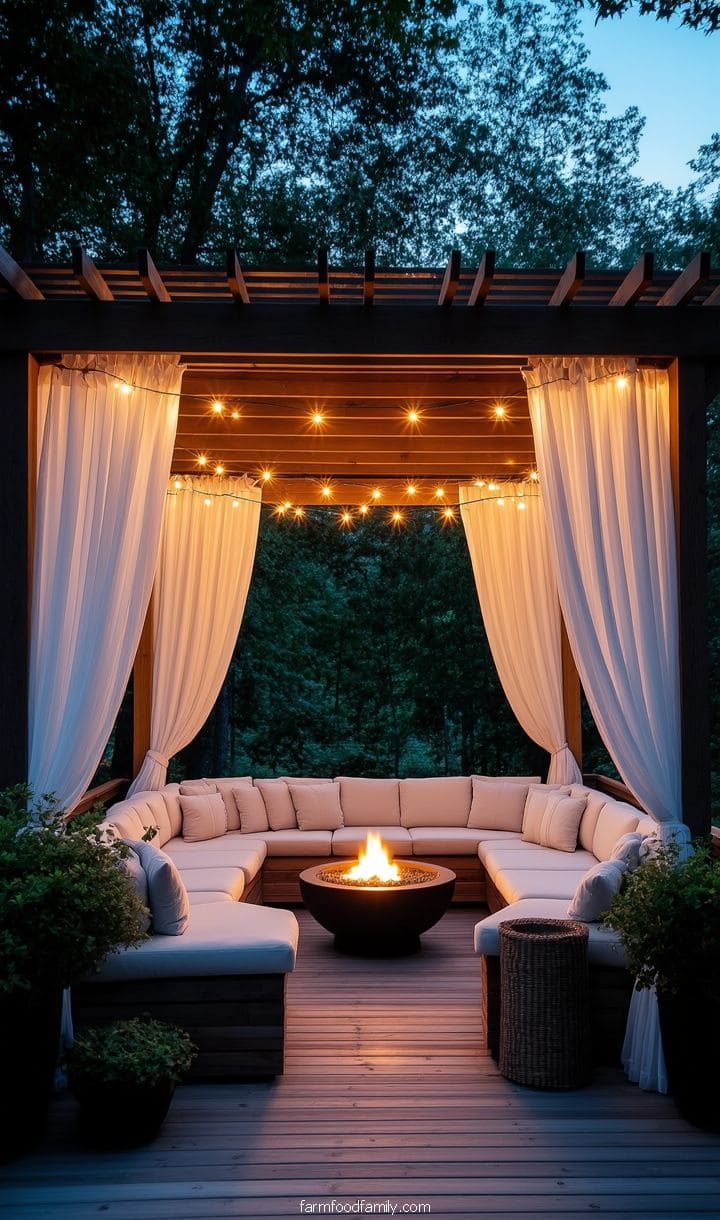
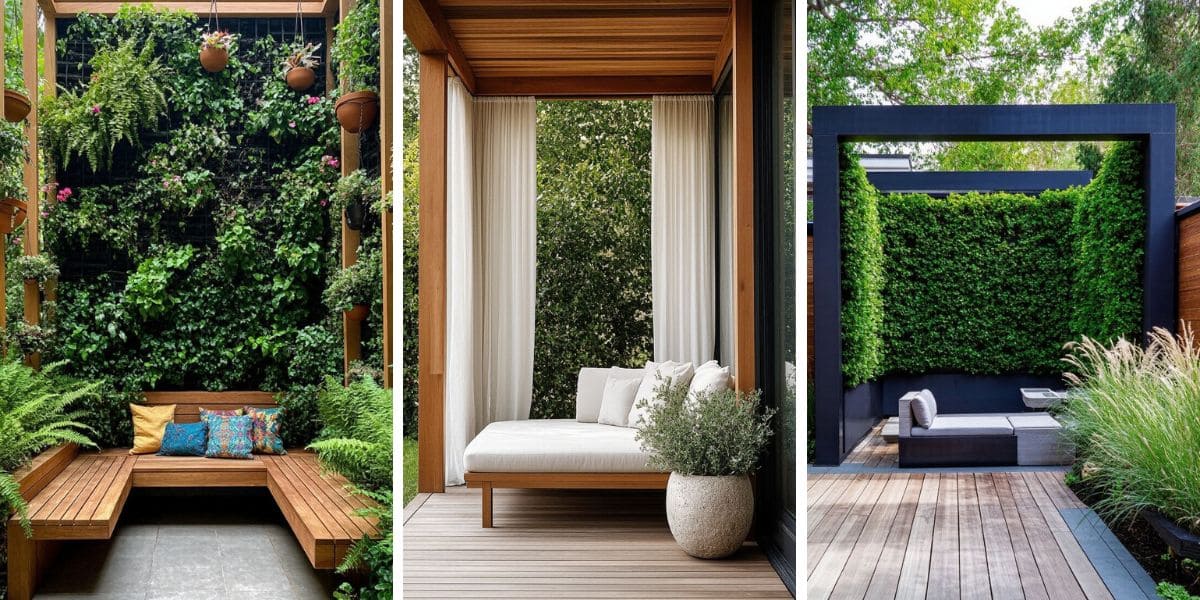
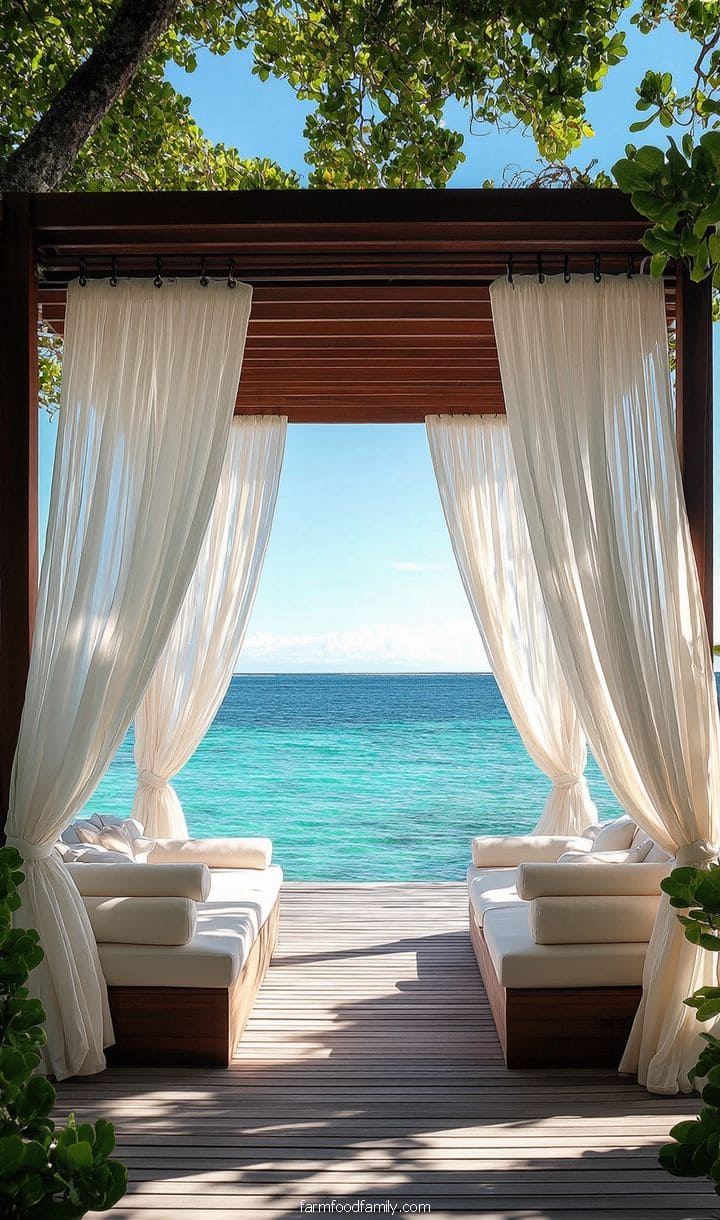
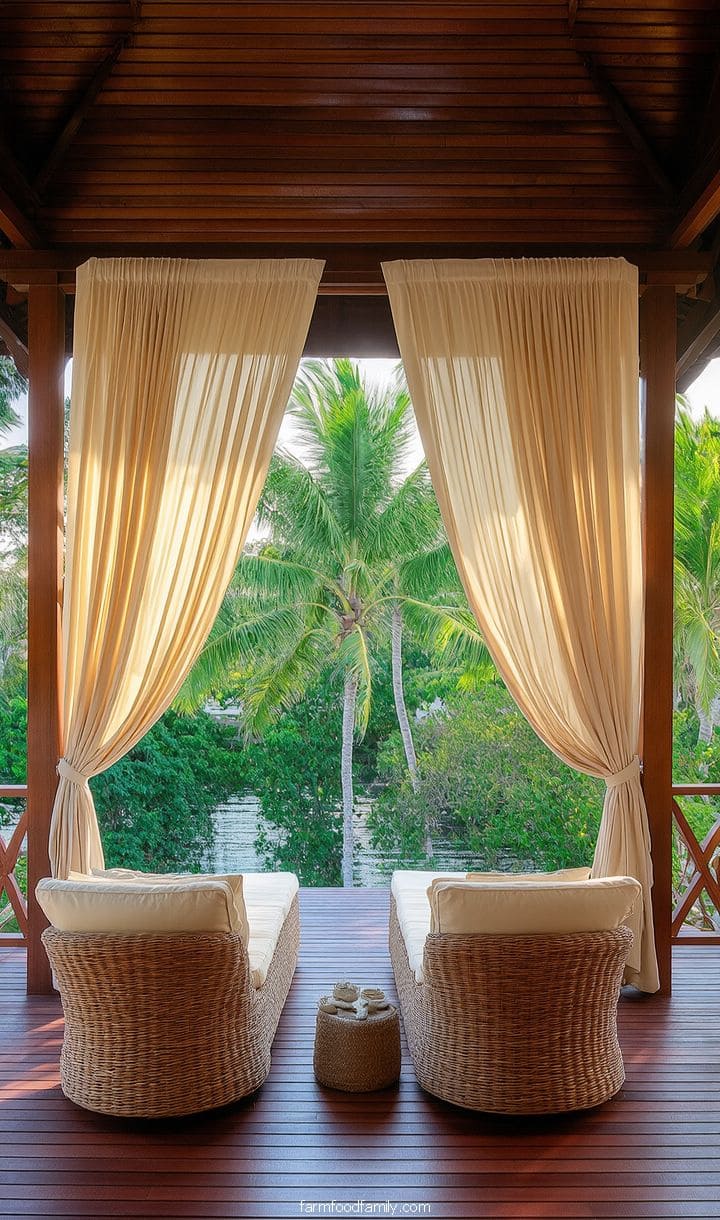
Outdoor curtains solve a problem the more permanent options on this list can’t: privacy that changes depending on the time of day.
Lightweight, weather-resistant fabric hung from a pergola, pole, or wire system opens and closes as needed, which matters most for a deck that only needs screening some of the time.
Answer 4 quick questions and get matched to the exact fix for your yard — drainage, budget, layout, or something else entirely.
Take the Free QuizWhite or sheer curtains lean breezy and casual; heavier fabric blocks sightlines more completely for anyone who wants full coverage rather than a softened view.
Either way, pairing the curtains with string lights turns a privacy feature into an evening ambiance feature at the same time.
3. Vertical Gardens as a Living Barrier
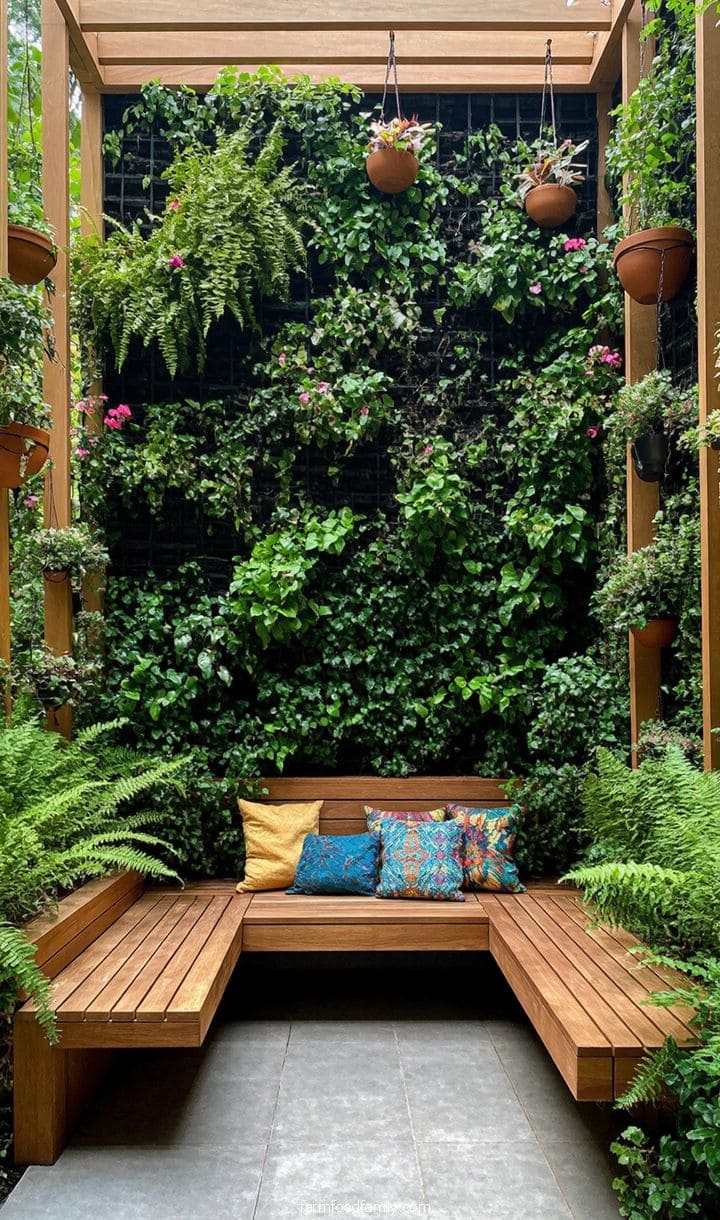
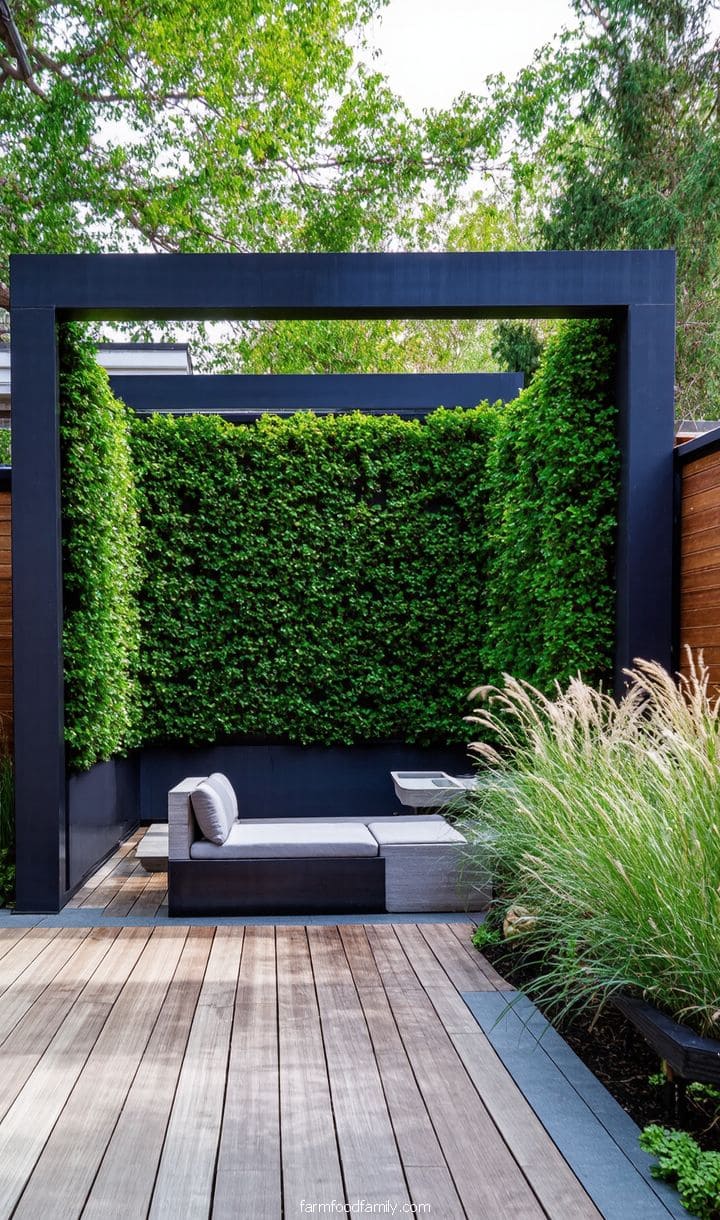
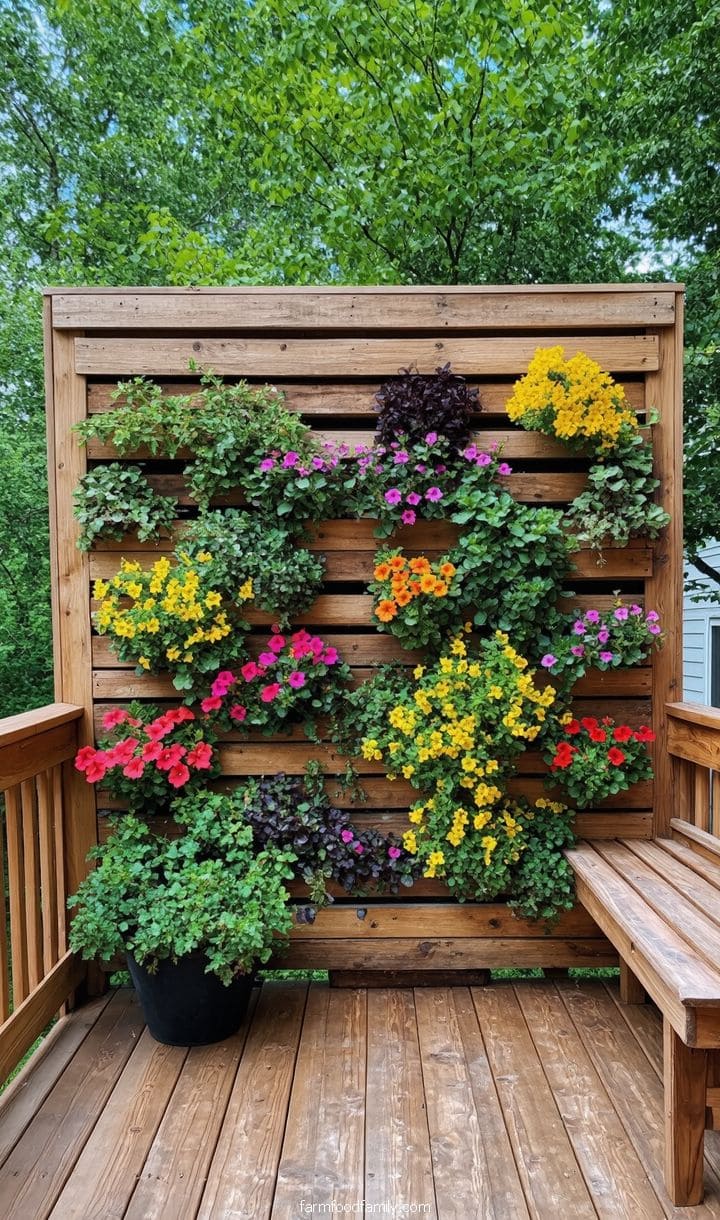
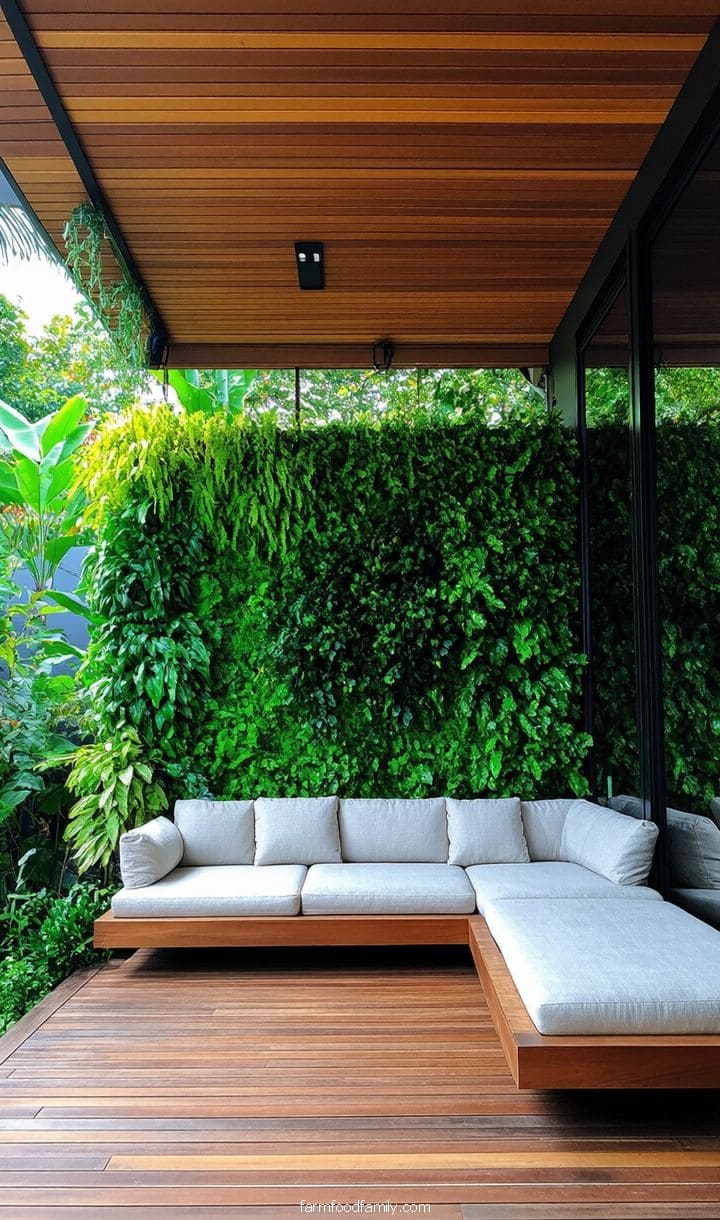
A vertical garden does two jobs a solid screen can’t: it blocks the view and adds real greenery to a deck that might otherwise feel like a bare wooden platform.
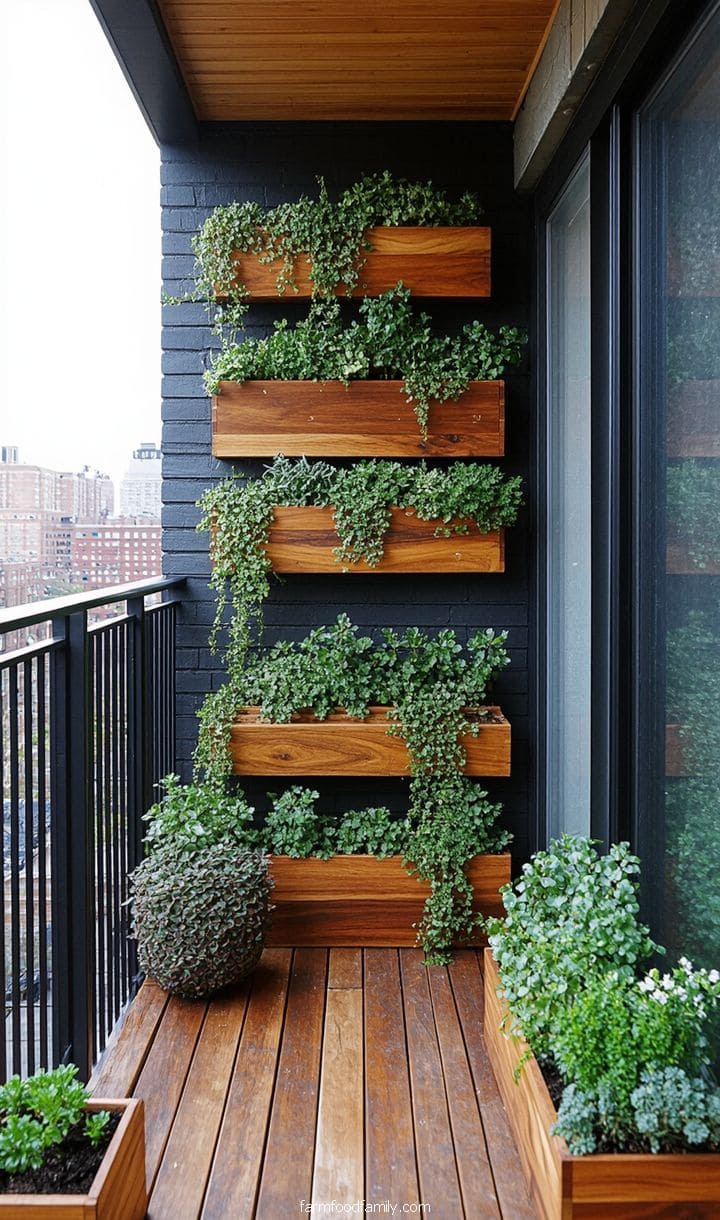
Tall planters, stacked pots, or a full living wall packed with dense plants like bamboo, ferns, or boxwood create coverage without a single board or panel.
Varying plant heights and arranging pots at different points around the deck gives fuller coverage from more angles than a single row of identical planters would, and it reads as a garden feature first, a privacy solution second.
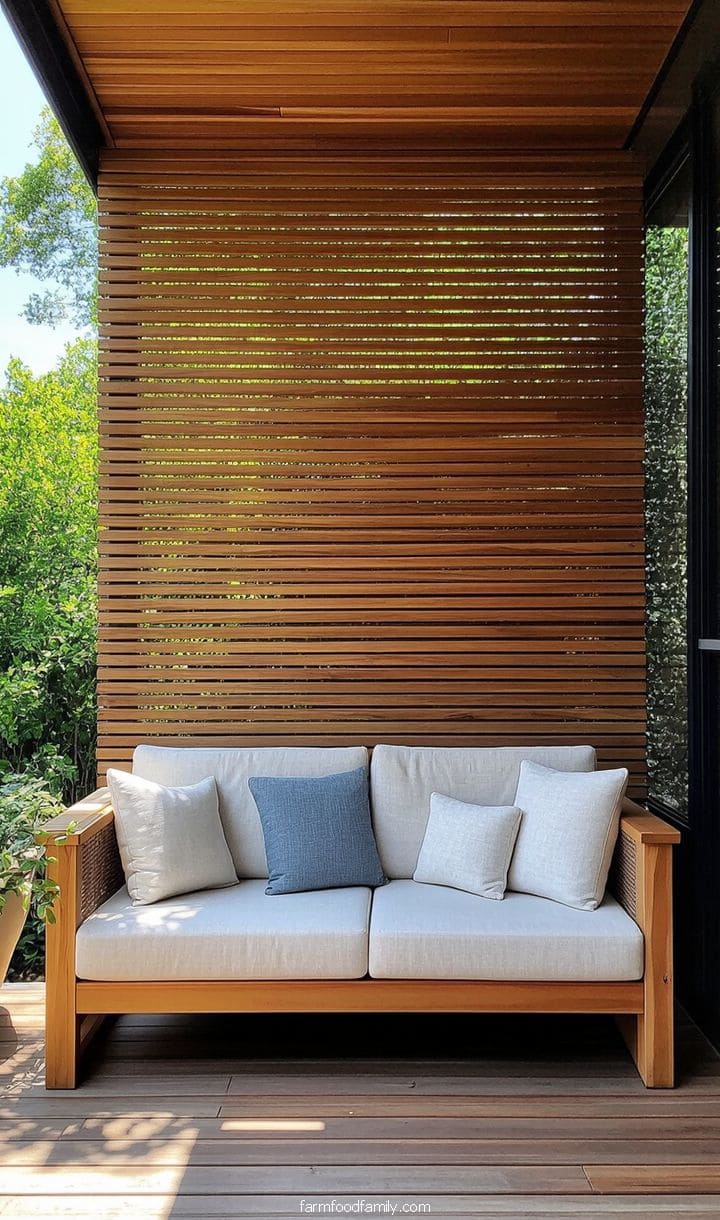
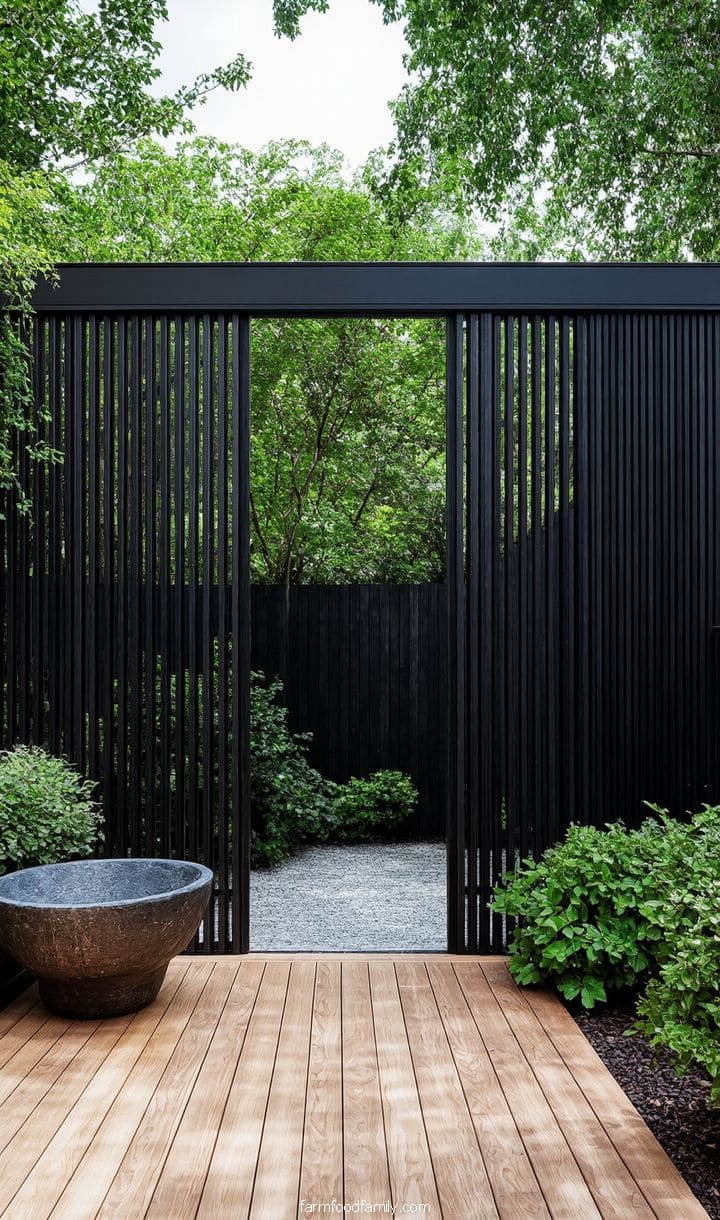
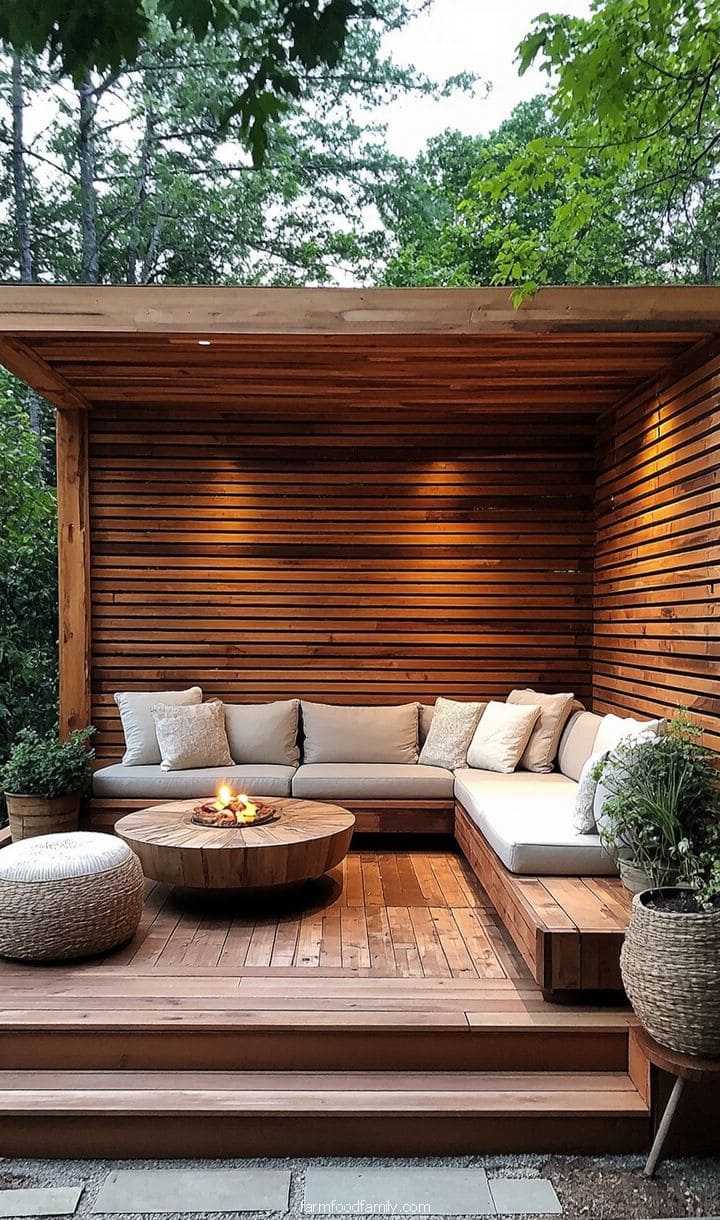
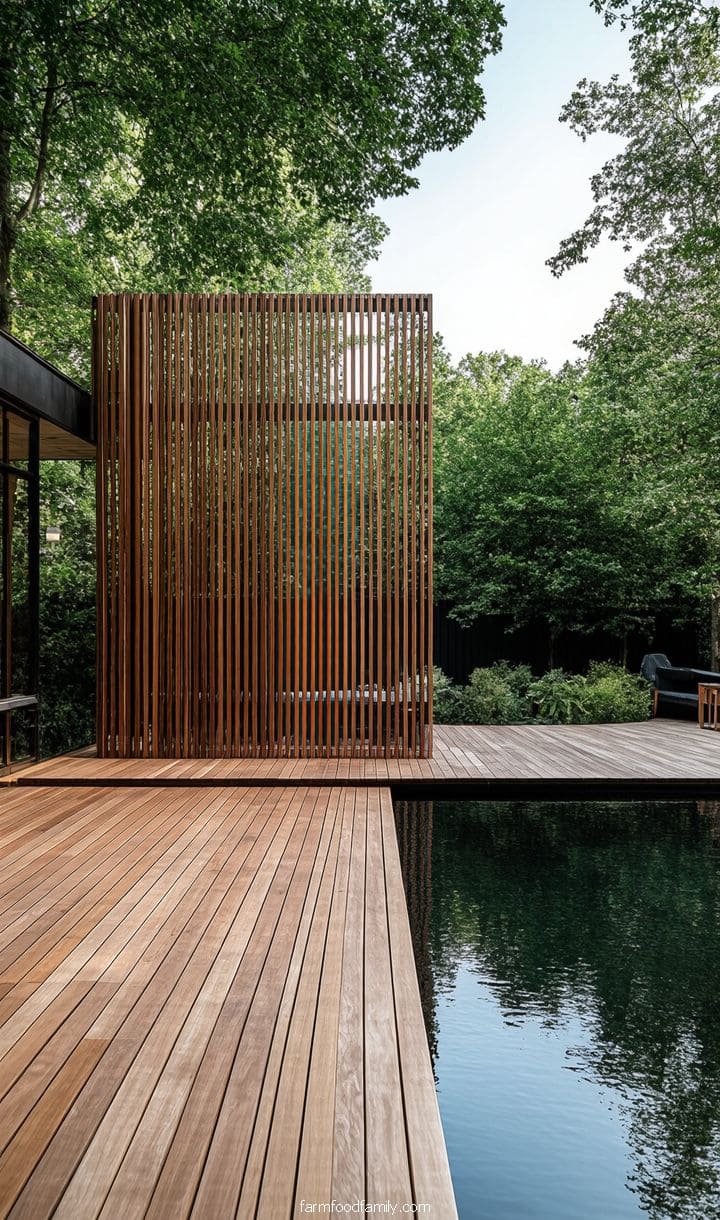
4. Slatted Wood Screens for a Modern Look
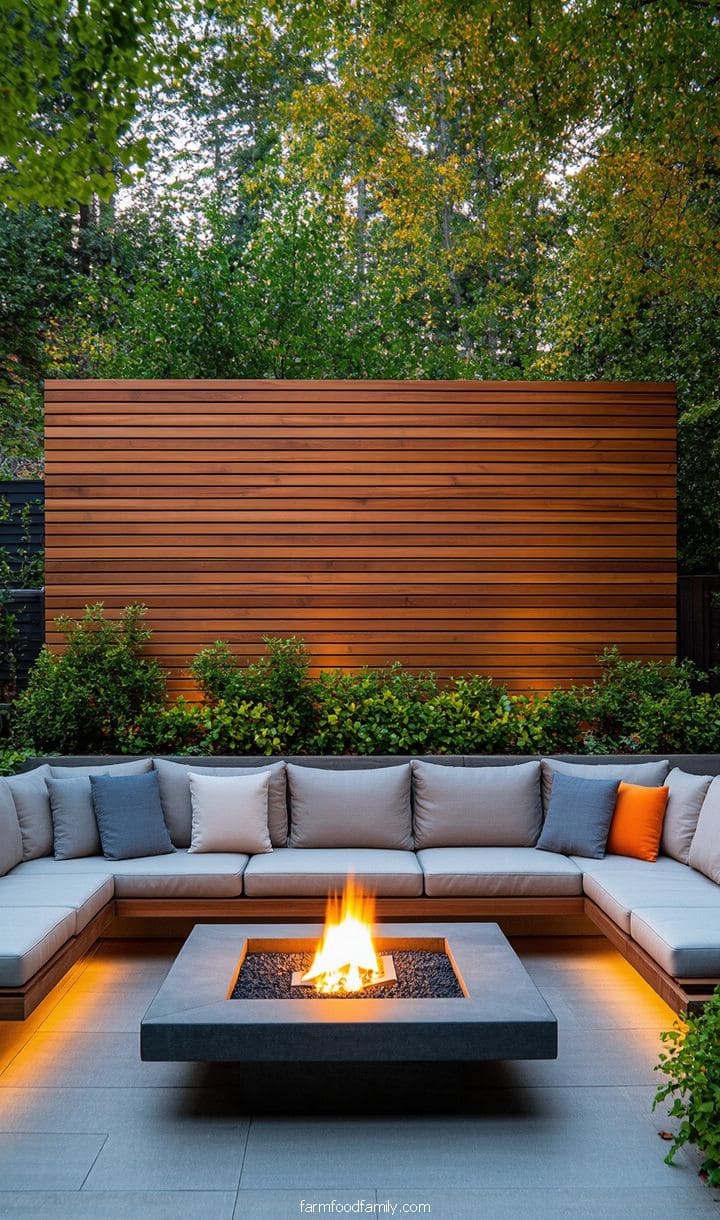
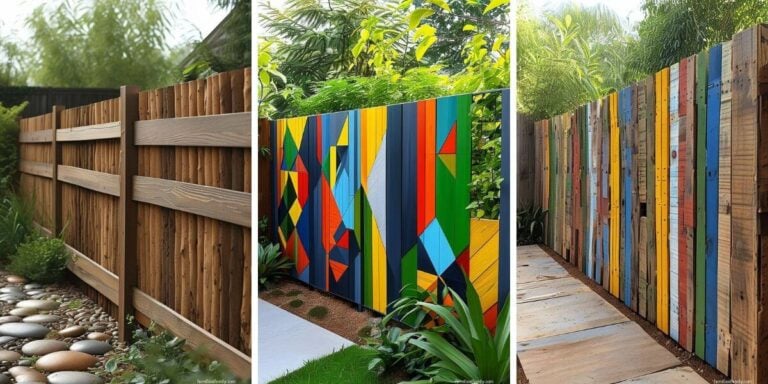
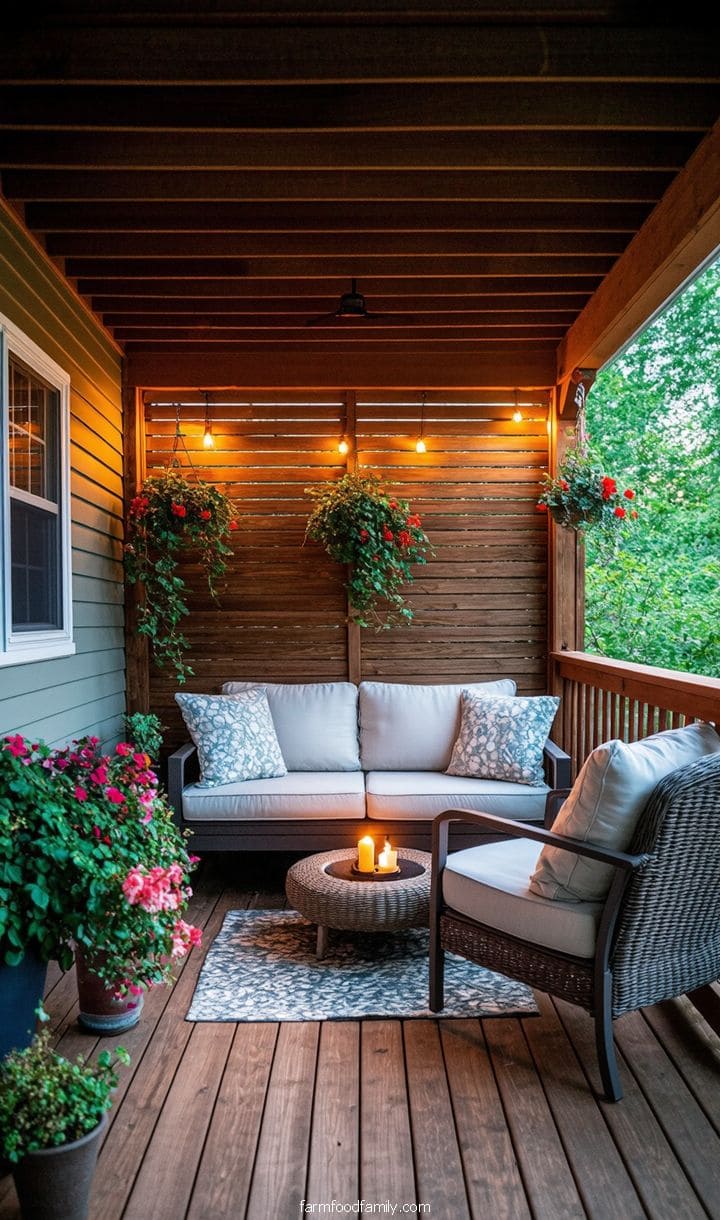
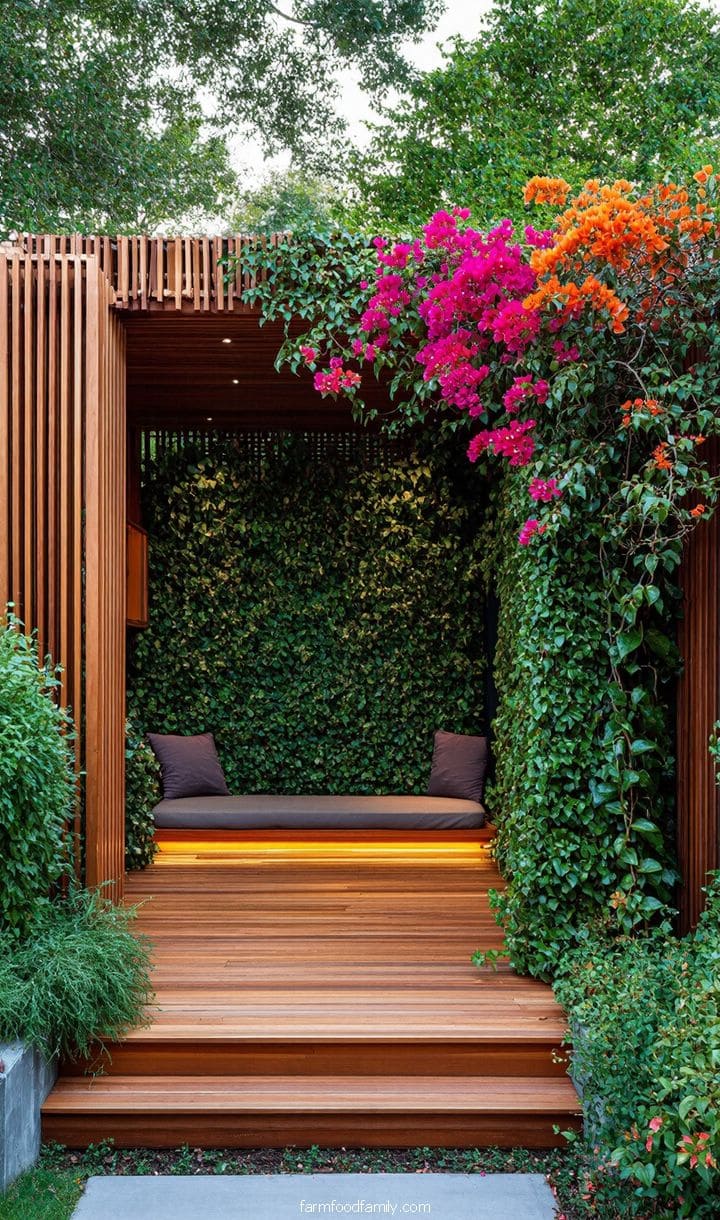
Vertical or horizontal wood slats create a partially enclosed deck without the closed-in feeling a solid wall gives.
Cedar and teak hold up especially well outdoors and age into a warm, natural tone that most other privacy materials on this list can’t match.
Most yard problems trace back to one specific, fixable cause. Find yours in 4 quick questions.
Take the Free QuizA slatted screen works as a standalone feature or built into a pergola frame, and the gaps between slats keep the space feeling open even while blocking a direct line of sight from most angles.
5. Towering Shrubs and Planters
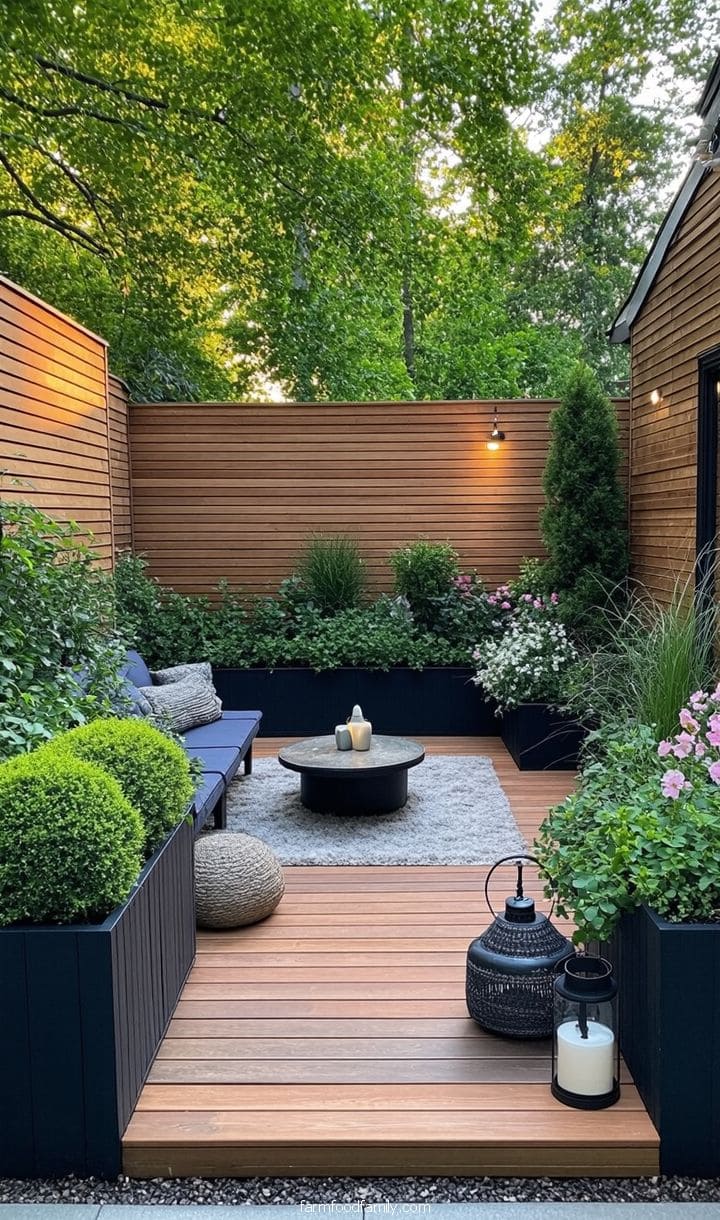
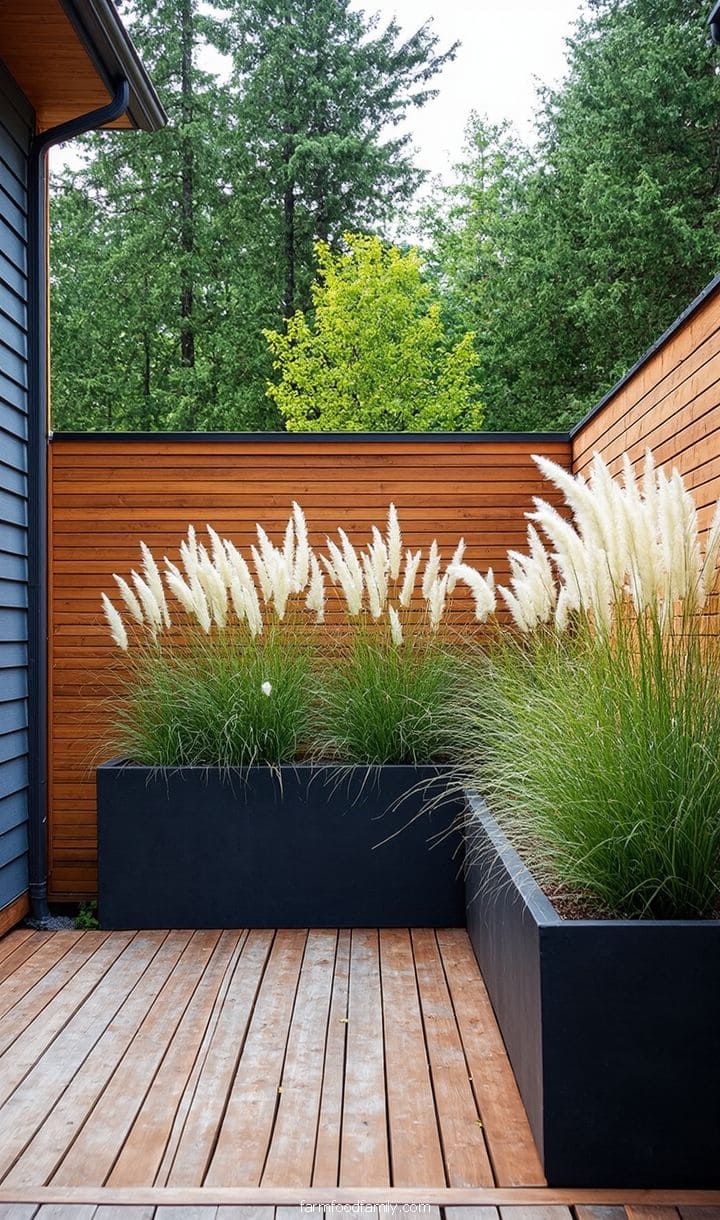
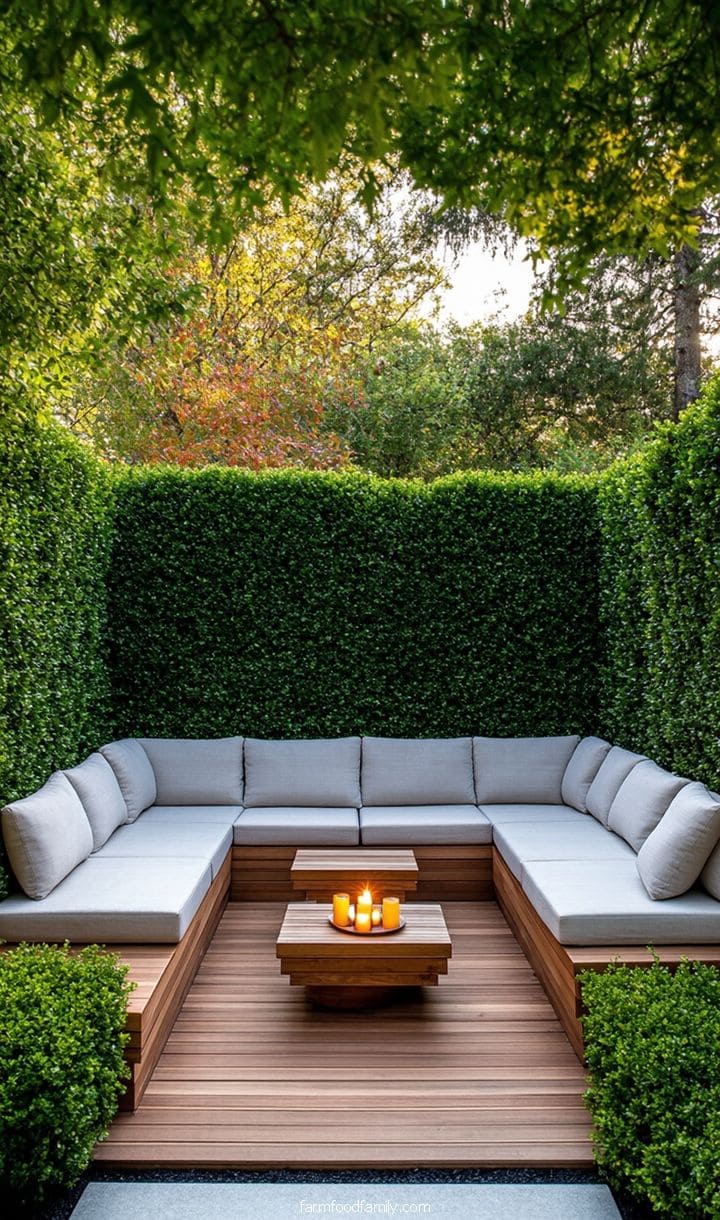
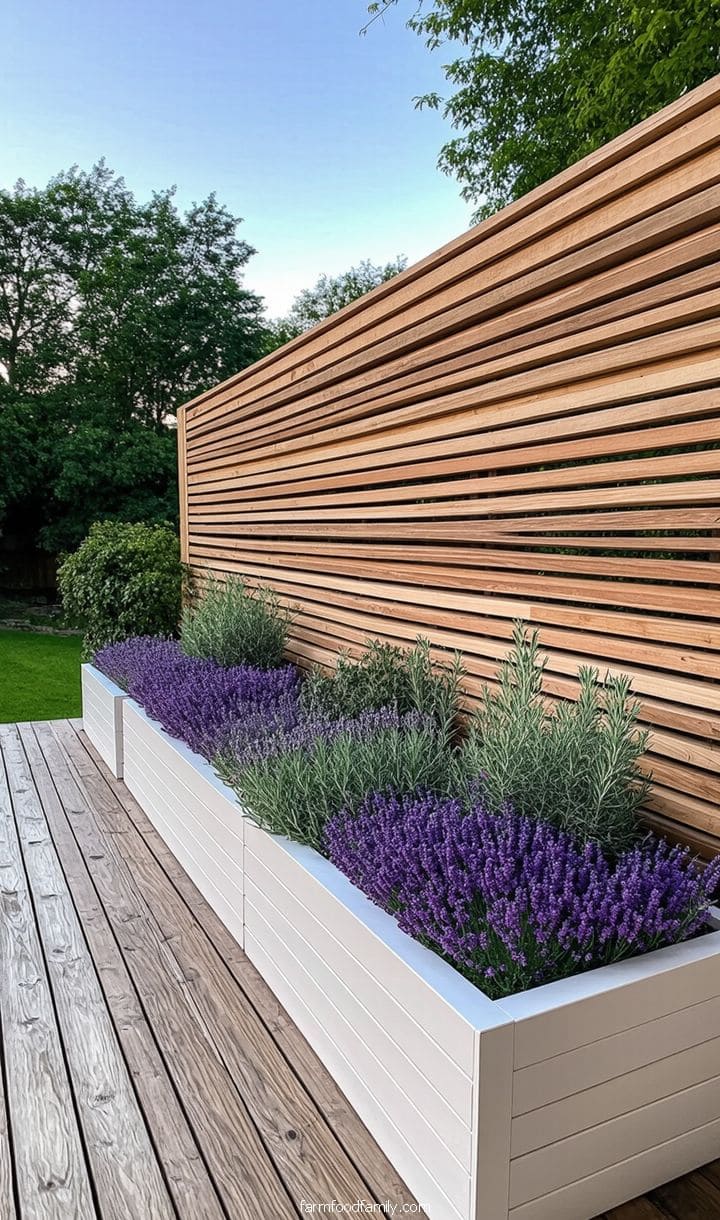
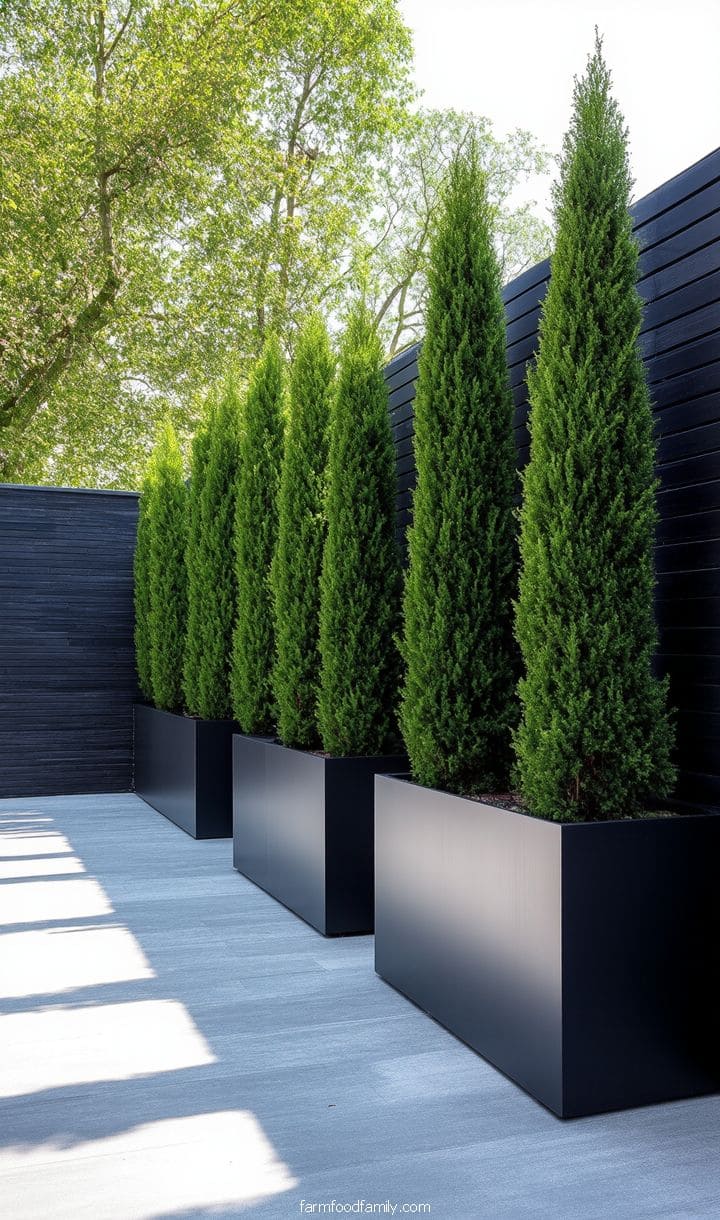
Tall planters arranged around a deck’s perimeter are one of the simplest privacy fixes precisely because they require no construction at all.
Dense shrubs like boxwood or arborvitae create real coverage, while taller ornamental grasses add movement and a softer edge than a wall of solid foliage.
The advantage over a permanent structure is flexibility: planters can be rearranged as sightlines change (a new fence next door, a tree that gets removed) in a way a built screen can’t.
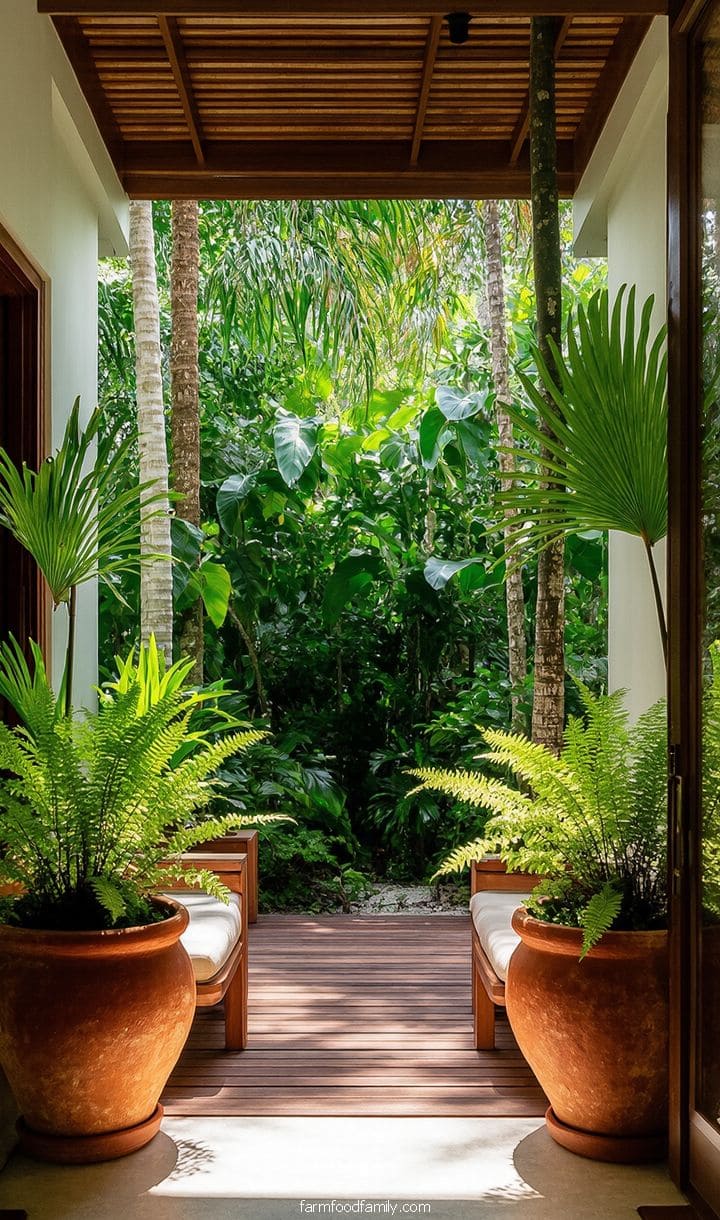
6. A Pergola or Overhead Frame
Privacy isn’t only a sideways problem. A deck overlooked from a second-story window or a sloped yard needs coverage from above, and a pergola solves that directly. Landscape designer Kat Aul Cervoni of Staghorn Living puts it simply: “A simple overhead frame can work magic, visually anchoring your deck while providing overhead privacy.”
Mark Latchford, Director of Landscape Design at HollandGreen, makes a similar case for the structure itself: “Pergolas, canopies and other overhead structures are an excellent way to create secluded spots in the garden.”
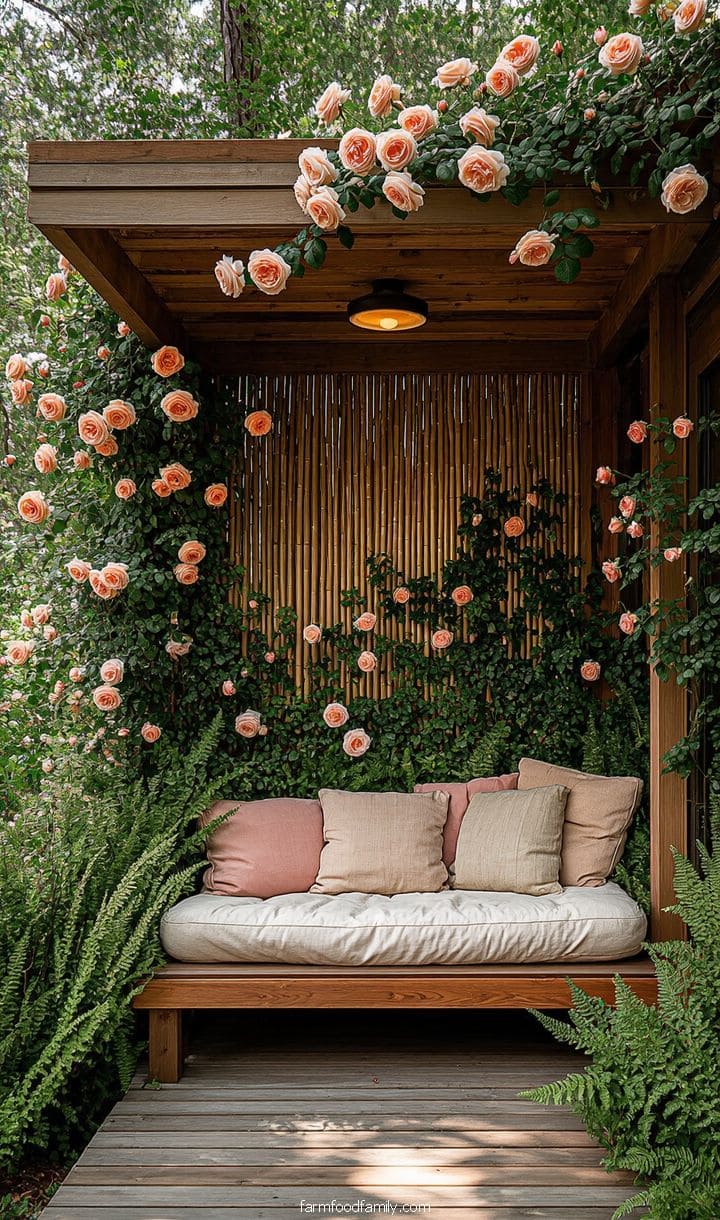
A pergola also does double duty as a base for climbing plants, string lights, or retractable shade, which makes it one of the more versatile additions on this list rather than a single-purpose screen.
7. A Retractable Awning
For anyone who wants privacy and shade on their own schedule rather than fixed in place, a retractable awning is the most adjustable option here. Nina Lichtenstein of Nina’s Home Design describes the appeal directly: “Retractable awnings offer on-demand shade, allowing you to enjoy full sun or cozy shelter and privacy.”


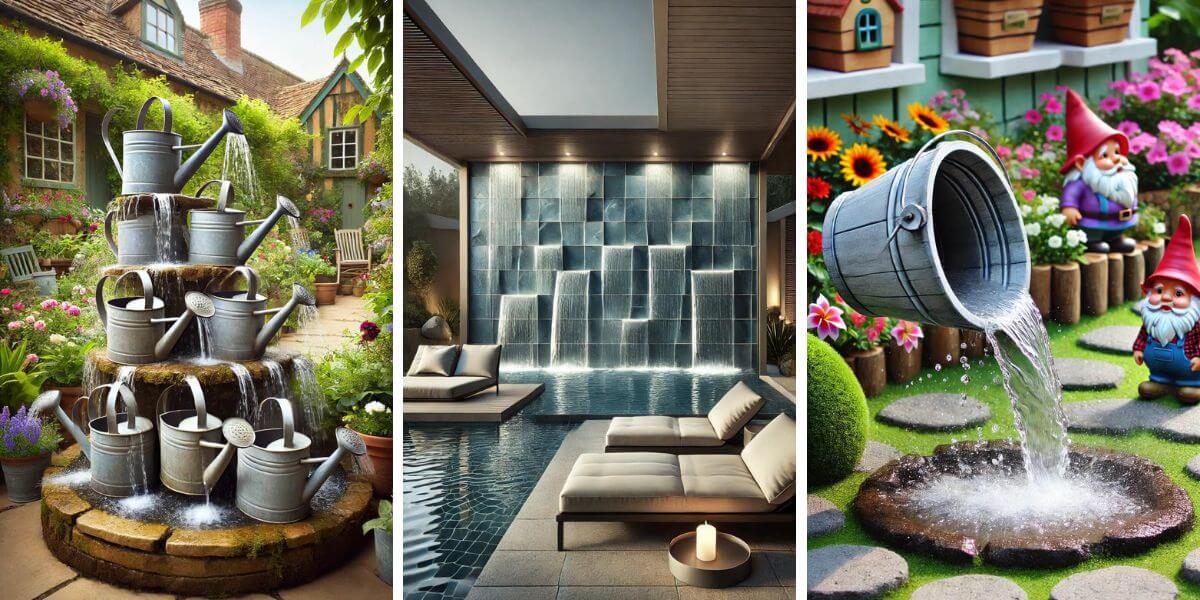
It’s a higher-cost option than most of the other ideas on this list, but the tradeoff is real flexibility: open for full sun and an open view, closed for shade and a blocked sightline, without moving a single planter or panel.
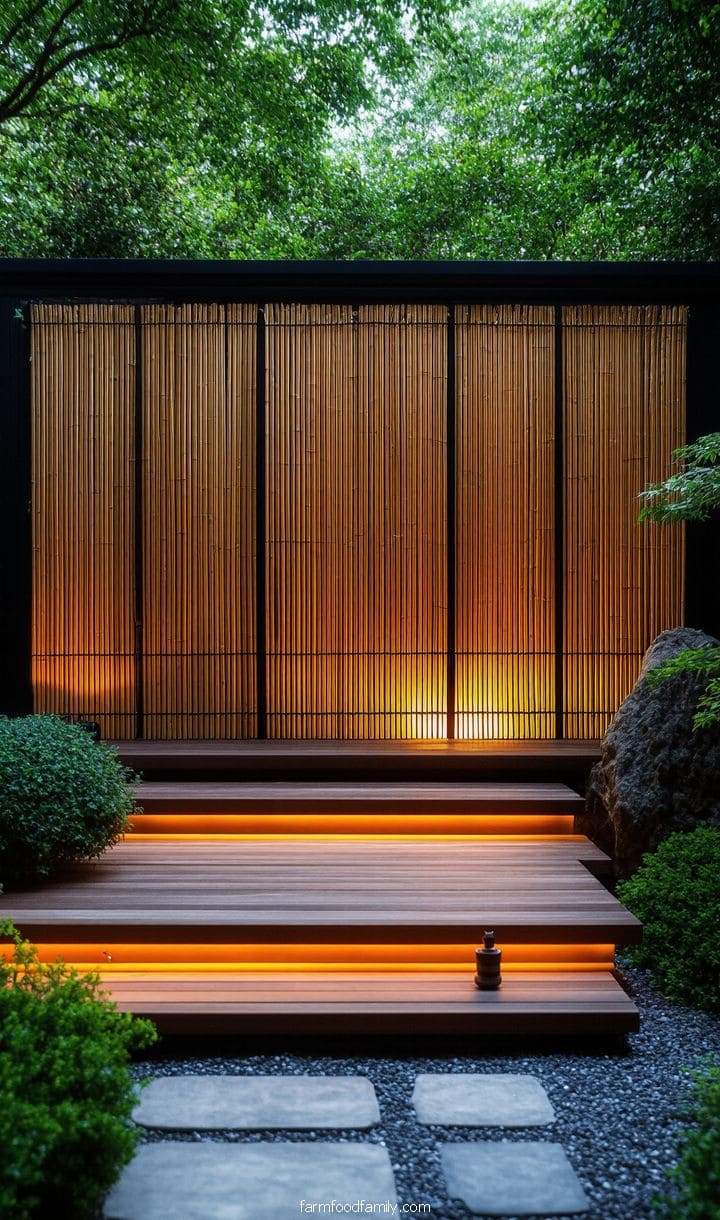
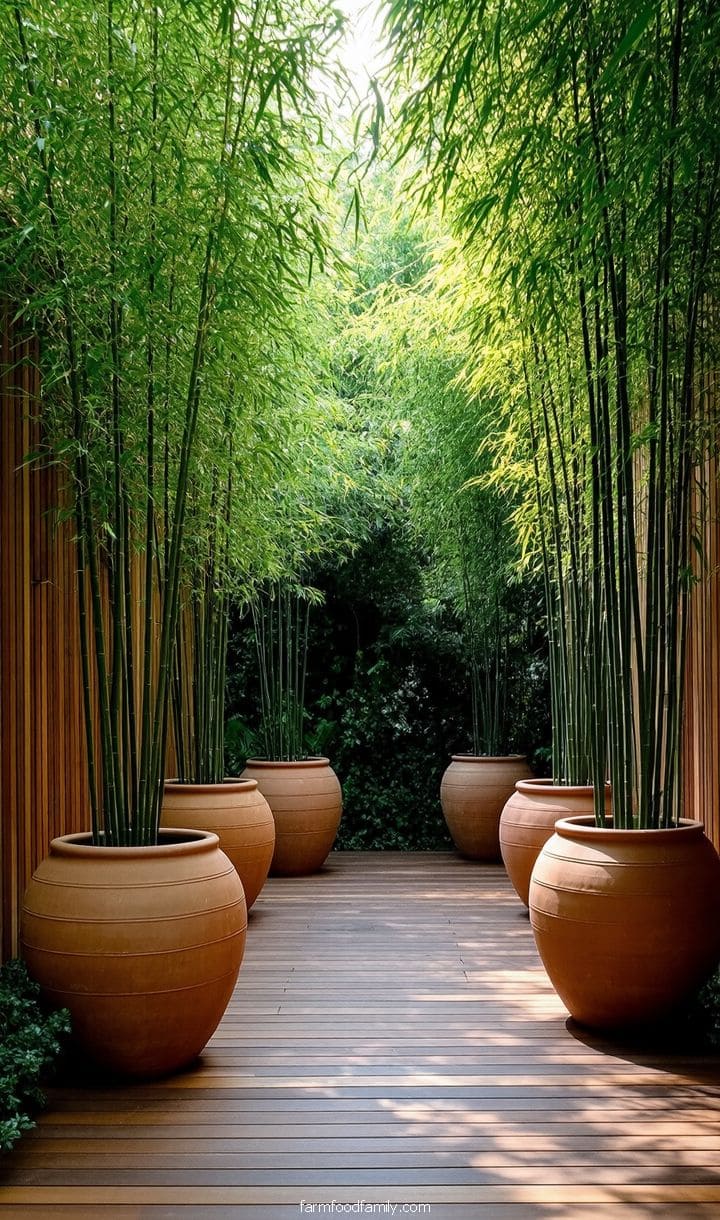
8. Bamboo Screening
Bamboo brings a natural texture that reads differently from painted wood or vinyl, and it comes with real practical advantages: it’s lightweight, genuinely durable (bamboo’s tensile strength is stronger than steel), and one of the more budget-friendly natural materials available for a privacy screen.
The tradeoff is maintenance. Bamboo is still a natural material vulnerable to insects and rot, and it needs regular cleaning and reapplication of a protective coating to hold up, especially in a humid or rainy climate. It’s a good fit for anyone drawn to the look who’s genuinely willing to keep up with the upkeep, less ideal as a set-it-and-forget-it option.
The average homeowner spends $616/year on yard fixes that don't address the real problem. Find out what yours actually is — before you spend another dollar.
Take the Free Quiz9. Planters With a Built-In Privacy Screen
Rather than choosing between planters and a screen, some products combine both directly. Real examples exist on the market already, planter boxes with an attached privacy panel built into the design, solving the placement problem (where does the planter end and the screen begin) in a single piece rather than two separate purchases.
This is a strong option for anyone renting or otherwise not able to install a permanent structure, since the whole unit can sit on the deck surface without any mounting into the deck itself.
10. Panel Systems That Replace the Railing
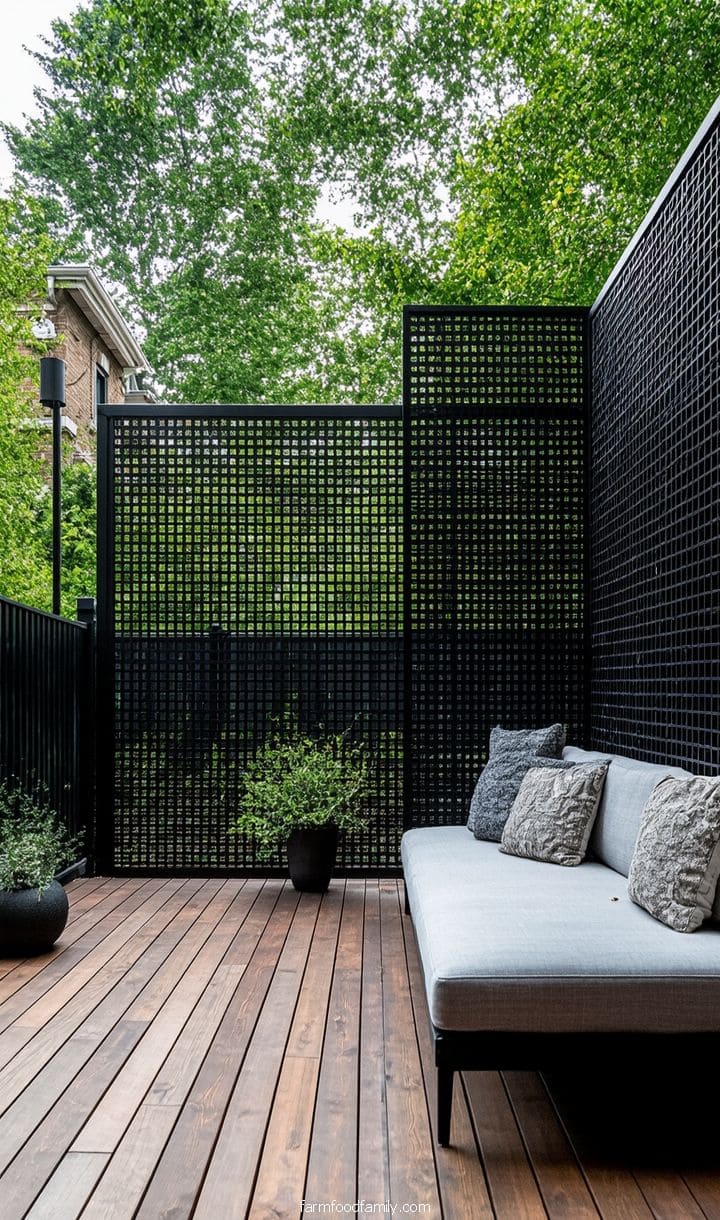
For a deck that needs privacy at railing height specifically, some panel systems are designed to mount in place of a standard railing section rather than sitting outside or above it. This keeps the whole structure at a single, consistent height instead of layering a separate screen on top of existing railing, and it tends to read as more architecturally intentional than an add-on panel.
This is a bigger commitment than most ideas on this list, since it usually means modifying or replacing existing railing sections rather than adding something new alongside them. Worth it for anyone whose privacy problem is specifically at seated eye level.
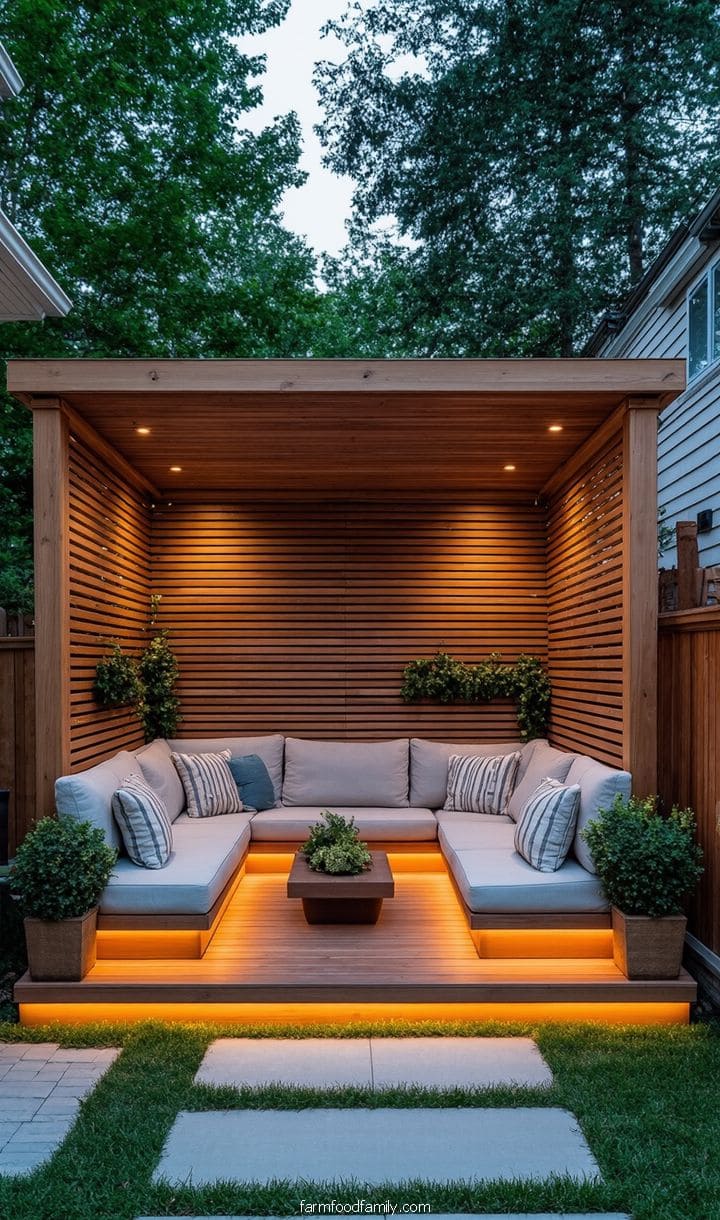
11. A Timber Slat Overhead Screen
Distinct from the pergola idea above, a timber slat overhead screen is a flatter, more architectural structure, closer to a solid ceiling with gaps than an open frame. Architect Ben Callery, describing a similar feature on one of his projects, notes the effect: “the timber slats offer summer shade with dappled ambient light.”
It solves overhead privacy and harsh summer sun in the same structure, which makes it worth considering for anyone whose deck gets direct overhead sun for most of the day (a problem a simple pergola frame alone doesn’t fully solve without added shade cloth or plants).
12. Modular, Customizable Privacy Panels
Fixed screens solve today’s privacy problem. Modular panel systems solve it as the situation changes, adding, removing, or rearranging individual panels as a yard’s landscaping, a neighbor’s build, or the deck’s own layout shifts over time. Reilly Gray of Suns Lifestyle points to this as a real, current shift in outdoor design: “One of the key trends we are seeing coming to the forefront for 2025 is customisation through modular options.”
It costs more upfront than a single fixed screen of the same size, but for anyone whose privacy needs are likely to change, that flexibility is worth the premium.
Installation Notes
Every idea above assumes it’s actually mounted correctly. A few practical points the aesthetics alone don’t cover:
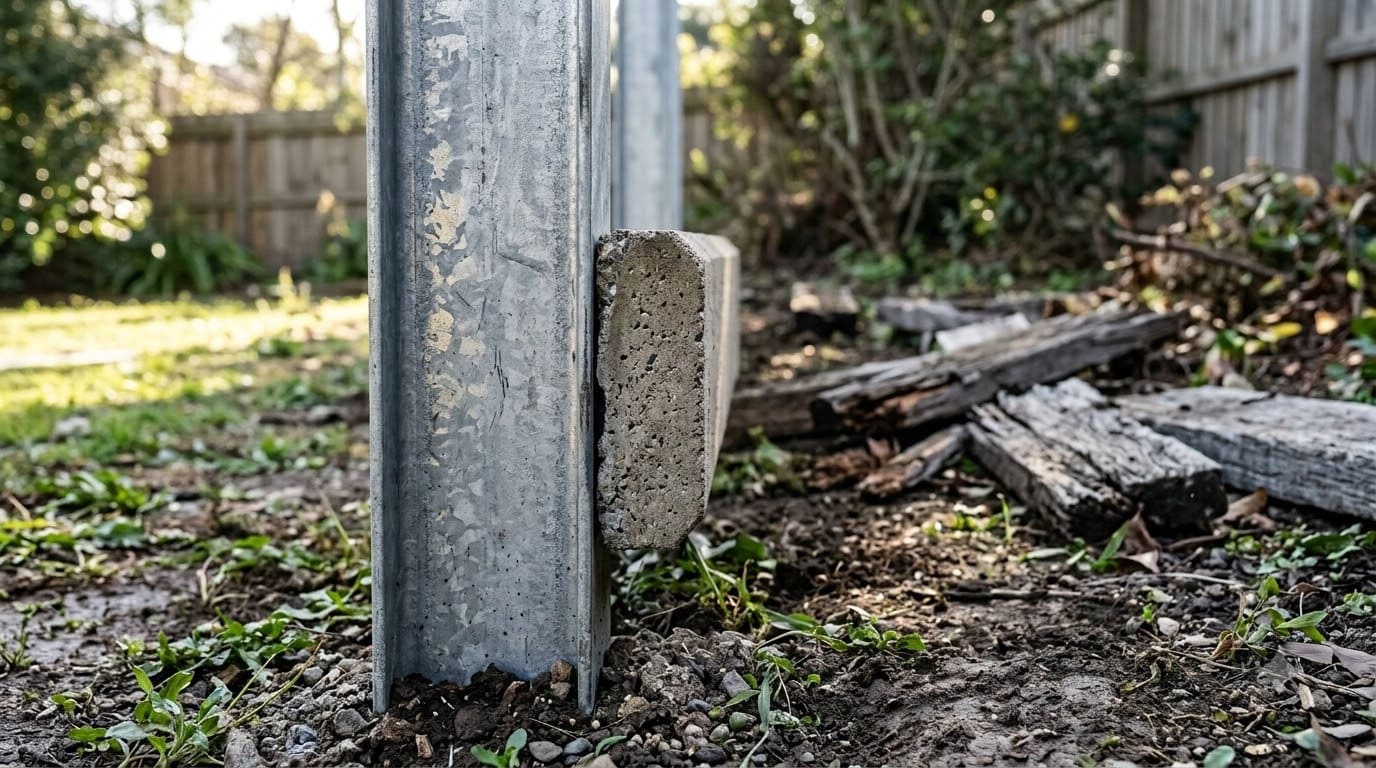
Mount screens on their own posts when possible.
Real deck-owner threads on this exact problem land on the same answer: rather than attaching a privacy screen directly to existing railing posts, adding separate posts specifically for the screen, mounted outside the deck frame, gives a stronger, more stable structure and avoids overloading railing that wasn’t engineered for the extra wind load a solid screen creates. For more on getting the railing itself right first, our DIY deck railing ideas guide covers the structural side in more depth.
Calculate screen height against the deck’s actual elevation, not just eye level.
A deck sitting several feet above grade needs taller screening to block a sightline from a standing neighbor than a ground-level patio does. One real deck-owner working through this exact problem described a deck floor sitting 6 feet above the grass below, a height difference that changes the math on how tall a screen needs to be to actually work, not just how tall it looks in a photo.
Check wind load before committing to a solid screen.
Lattice and slatted designs let wind pass through; a solid panel, curtain, or dense planting doesn’t, and an unbraced solid screen in a windy location is a real structural risk, not just a design preference.
Conclusion
The right privacy solution depends less on which idea looks best and more on what’s actually creating the sightline problem: a neighbor’s window, a fence line, a second-story view.
Match the height and placement to the actual angle that needs blocking, mount it properly, and the aesthetic choice on top of that is genuinely just a style choice.

Never miss an update — choose FarmFoodFamily as your preferred source on Google.
How it works: Tap the button below to open Google's settings page, then check the box next to FarmFoodFamily.
Tap the checkbox to turn it blue — that's how you know it's set.