13+ Tiny Backyard Slope Ideas (Plus Retaining Wall Rules)
A tiny sloped backyard might seem like a design challenge at first, but with creativity and smart planning, it can be transformed into a functional and beautiful outdoor space. Sloped yards offer unique opportunities for how you can put it together. You can create multi-level features, dynamic landscaping, and cozy zones that maximize both aesthetics…

Never miss an update — choose FarmFoodFamily as your preferred source on Google.
How it works: Tap the button below to open Google’s settings page, then check the box next to FarmFoodFamily.
Tap the checkbox to turn it blue — that’s how you know it’s set.
A tiny sloped backyard might seem like a design challenge at first, but with creativity and smart planning, it can be transformed into a functional and beautiful outdoor space. Sloped yards offer unique opportunities for how you can put it together.
You can create multi-level features, dynamic landscaping, and cozy zones that maximize both aesthetics and utility. Below are great tiny sloped backyard ideas to help you make the most of your sloped backyard.
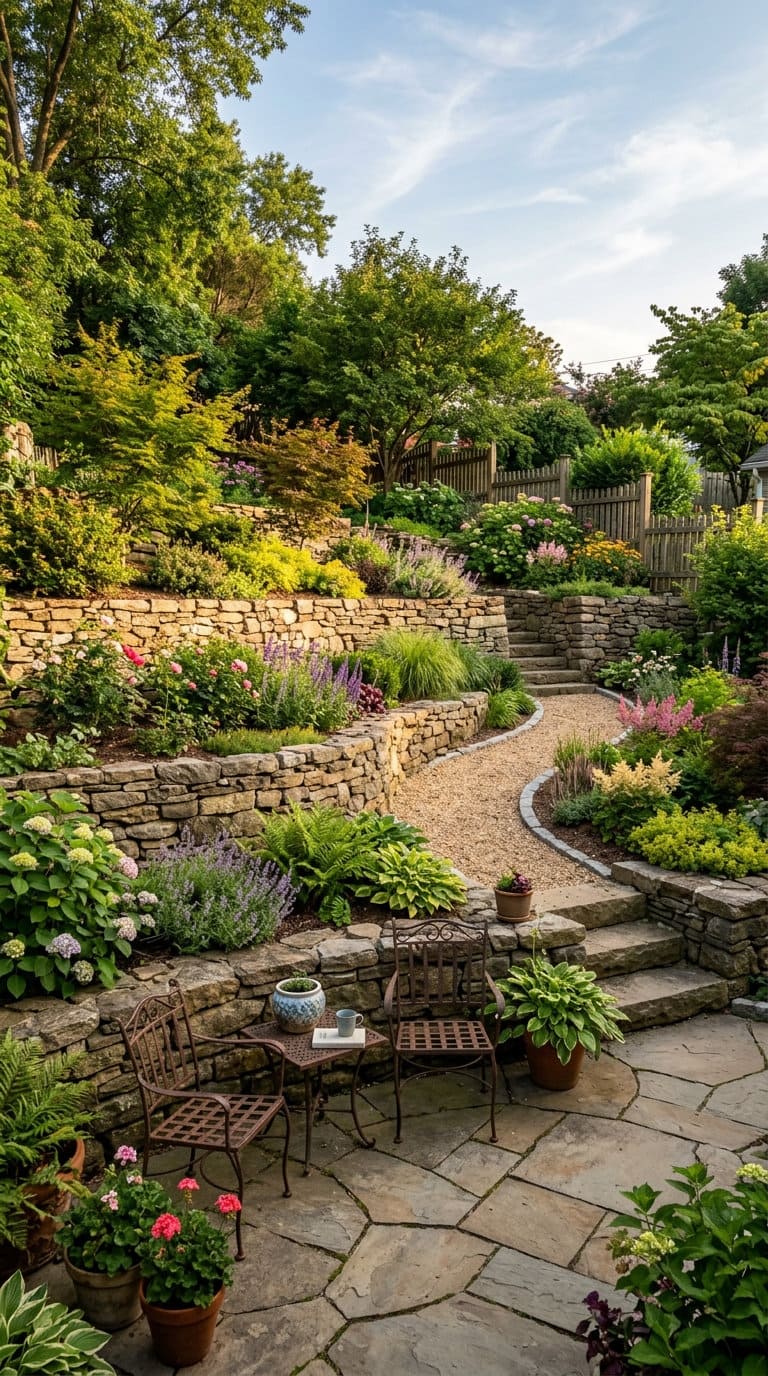
1. Terraced Garden Design
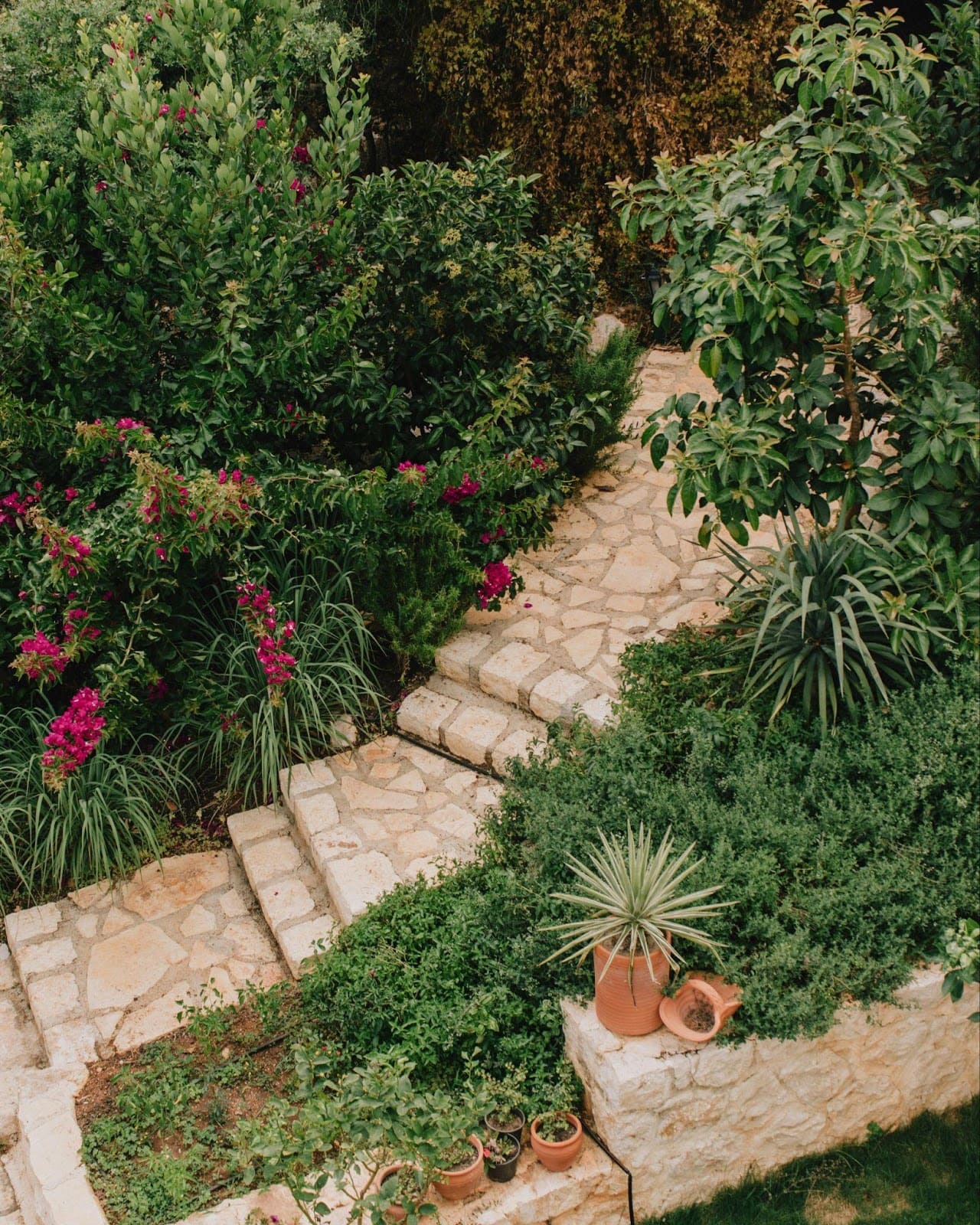
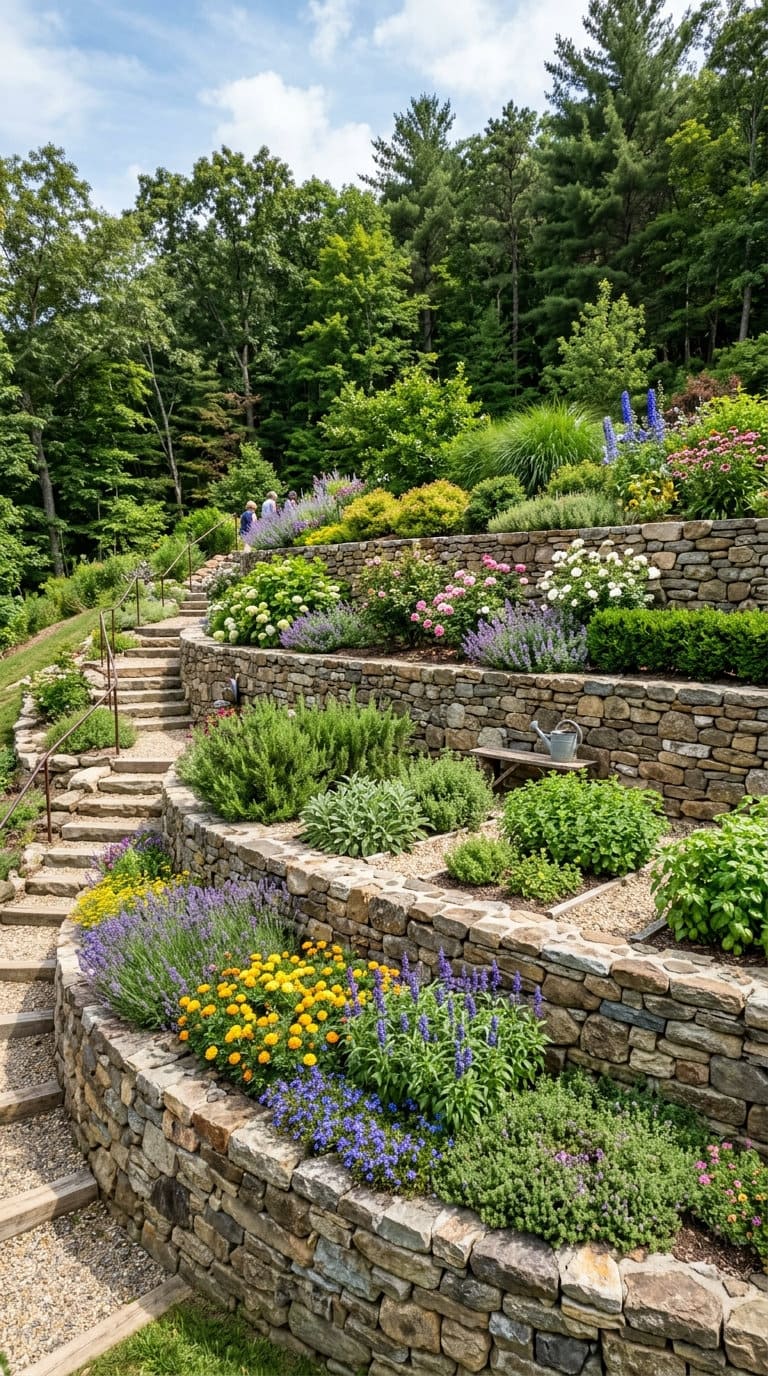
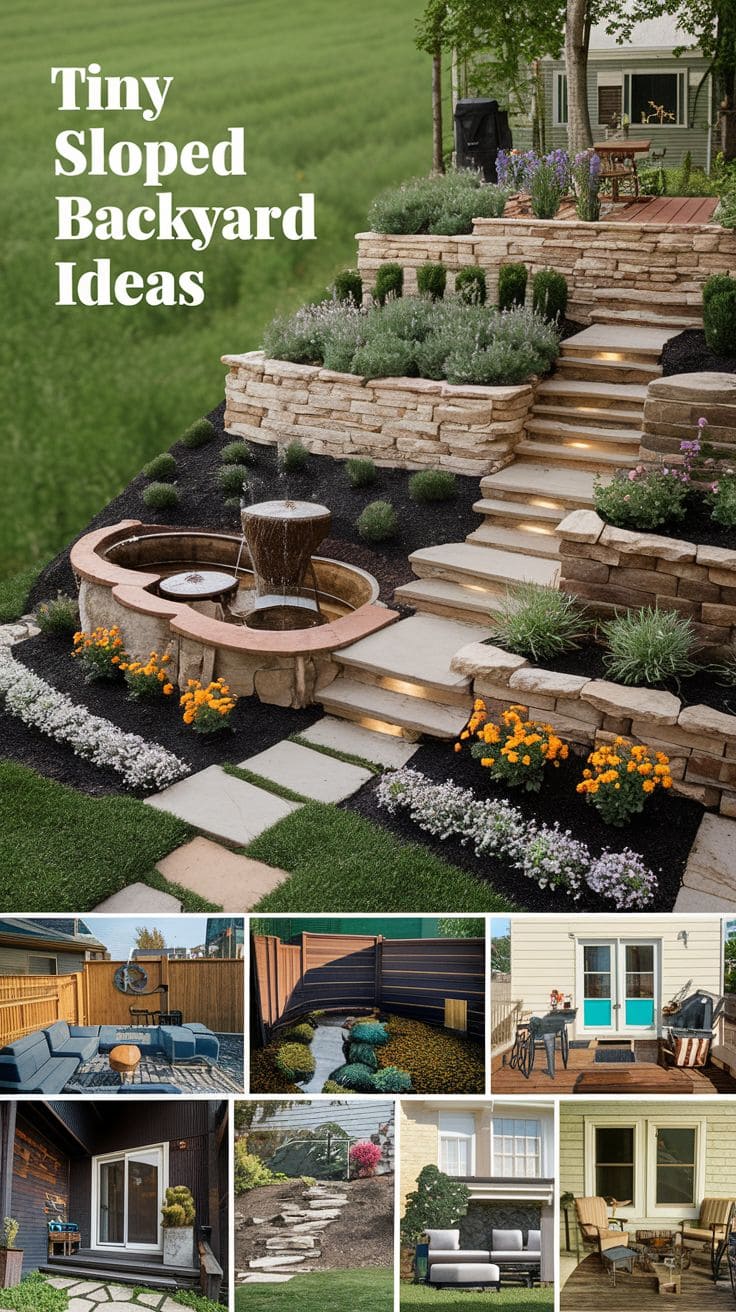
Using retaining walls, you may convert your slope into a tiered garden with different levels. Choose materials such as natural stone, wood, or concrete blocks to create separate tiers.
Each level can have a specific function, such as planting vivid flowers, producing herbs, or adding decorative components such as statues. Terracing reduces soil erosion while also allowing for the creation of luxuriant, layered flora.
You can connect the layers with stone or wooden steps, which not only add visual appeal but also make the space more accessible and user-friendly.
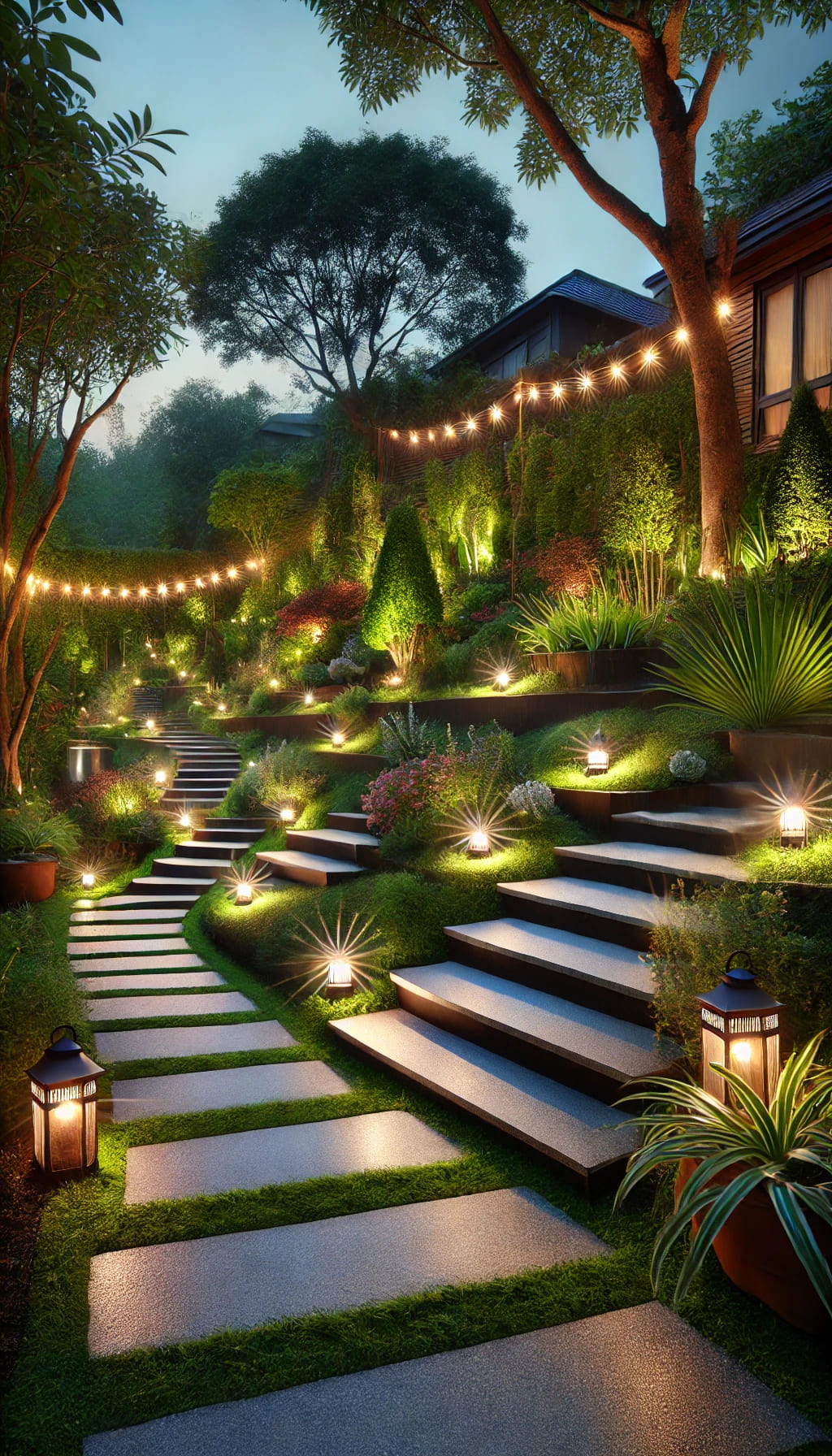
Adding lighting along the steps can help to illuminate the garden after dark, creating an alluring environment.
Answer 4 quick questions and get matched to the exact fix for your yard — drainage, budget, layout, or something else entirely.
Take the Free QuizAccording to landscape architect Michael D’Angelo, whose Boston-based firm handles a meaningful share of sloped-site residential work, the terracing itself is usually the single biggest cost driver on a sloped lot: “If you have a site that has a lot of needs for terracing, earthwork, or walls, that’s going to drive cost… If you have a flat site versus a sloped site, that is going to be a drastically different price.” Worth knowing before you fall in love with a four-tier design on a tight budget.
2. Ambient Layered Lighting
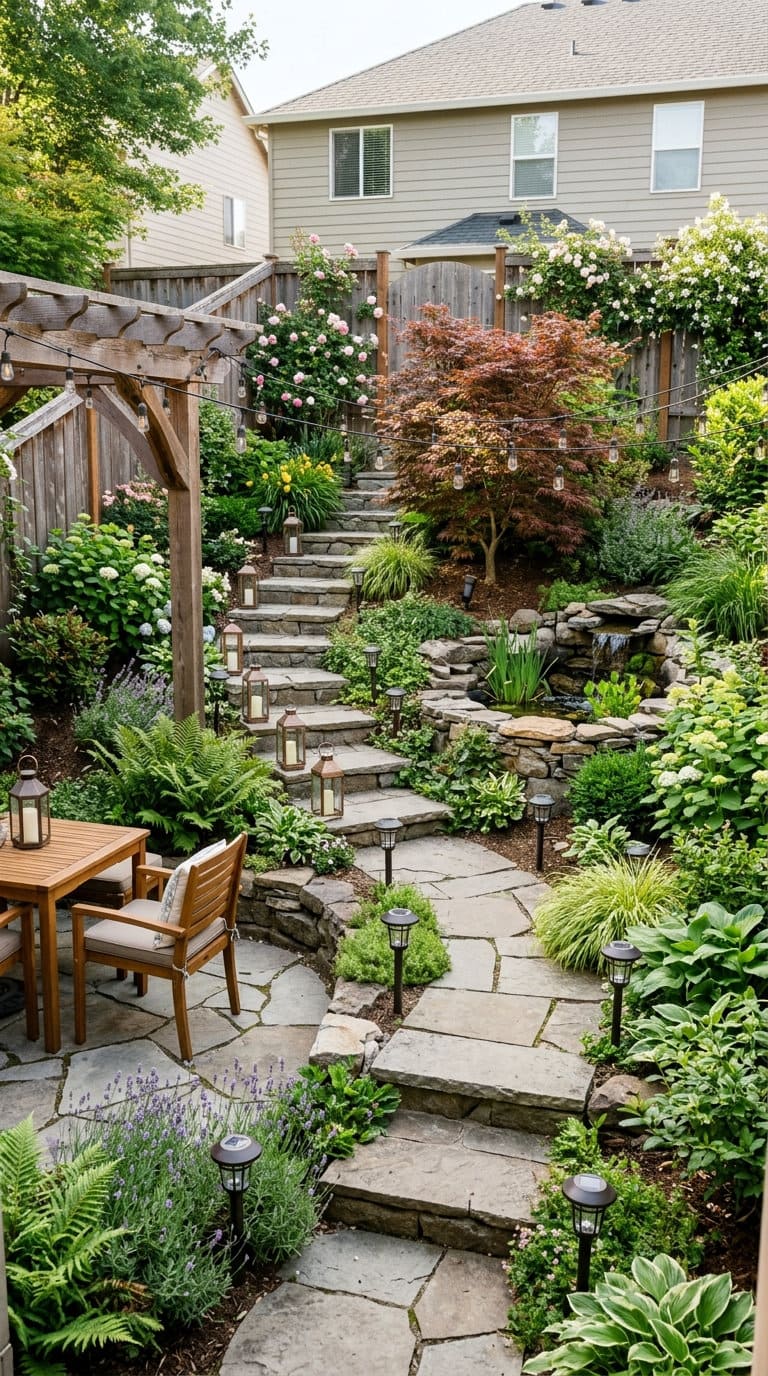
Good lighting is vital for making a sloped garden practical and appealing after nightfall. Use string lights, lanterns, or solar-powered stake lights to illuminate pathways, steps, and seating areas.
Highlight significant features, such as water elements or distinctive flora, with spotlights or uplighting.
This layered lighting system not only provides safety but also creates a wonderful atmosphere.
Soft, warm lighting may create a nice and intimate atmosphere, ideal for entertaining or relaxing.
3. Vertical Gardening to Maximize Space
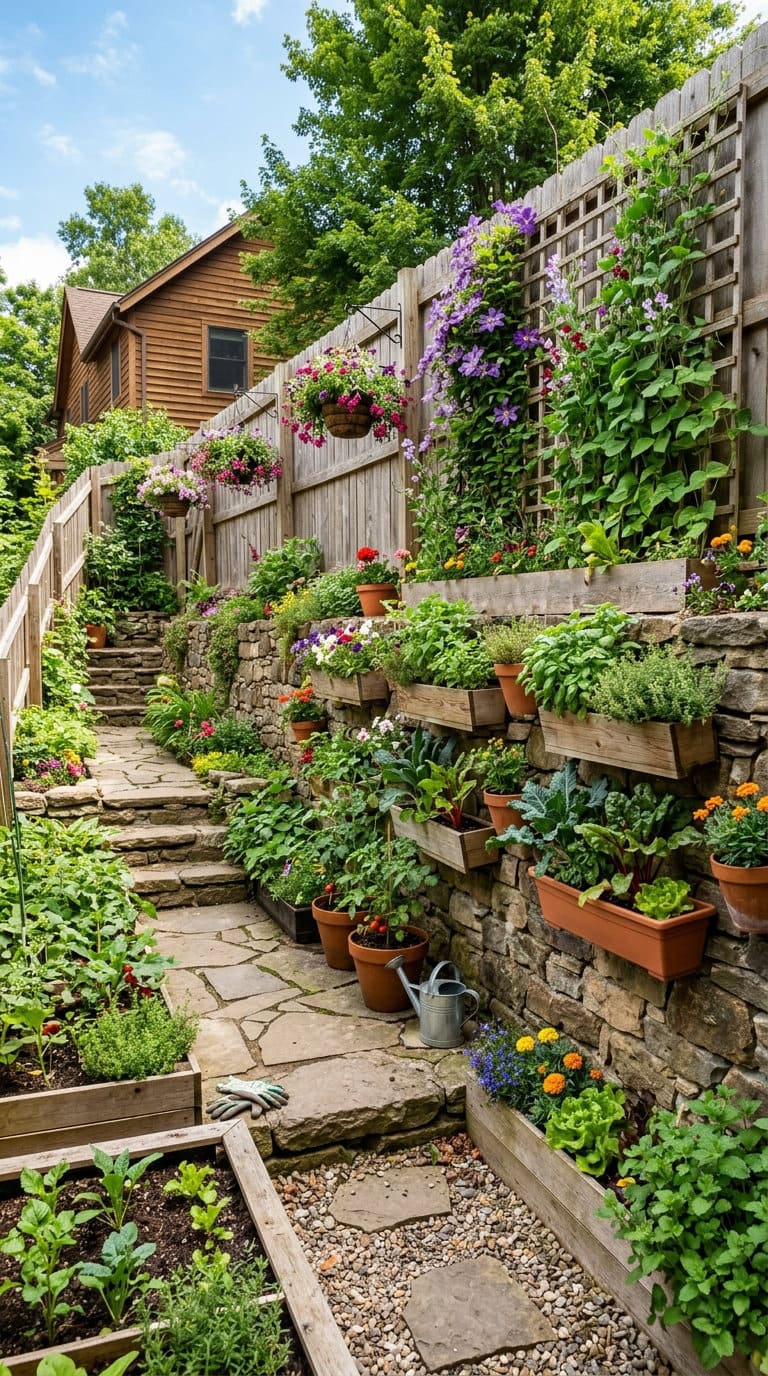
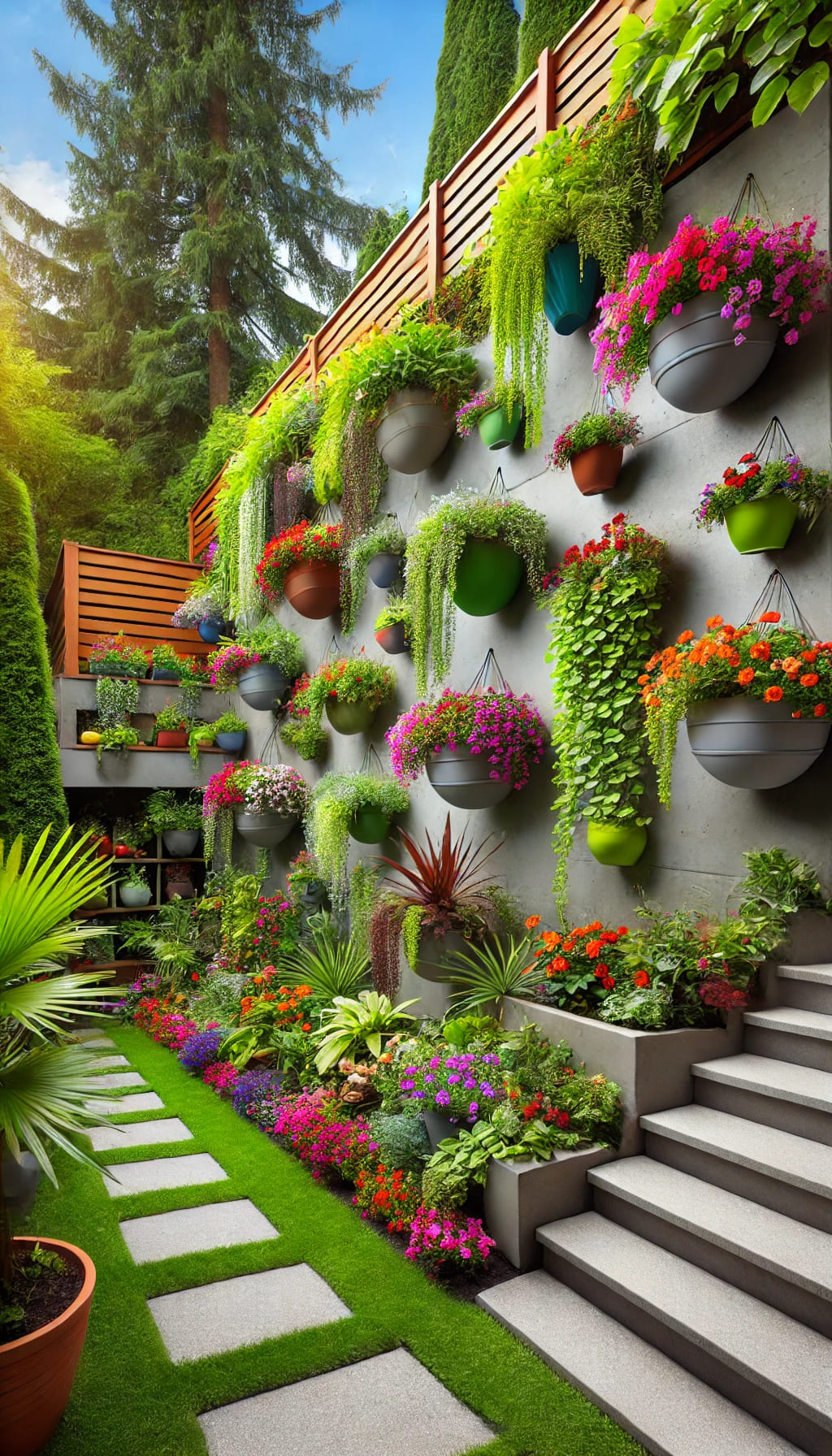
Vertical gardening is a suitable alternative for small, sloped backyards with little horizontal area. Install wall-mounted planters, trellises, or hanging pots along retaining walls or fences.
Grow climbing plants, bright flowers, or even herbs and veggies to make the space both gorgeous and utilitarian. Vertical gardens also add lush vegetation, softening hardscape components and making the space more attractive.
Most yard problems trace back to one specific, fixable cause. Find yours in 4 quick questions.
Take the Free Quiz
Flexible perforated drain pipe designed for behind-retaining-wall drainage — the exact fix idea #11's drainage guidance calls for
Shop NowThis post contains affiliate links. We may earn a commission on qualifying purchases at no extra cost to you.
Combine vertical gardening with ground-level plantings to create a multi-dimensional, coherent design in your yard.
4. Winding Pathway with a Natural Flow
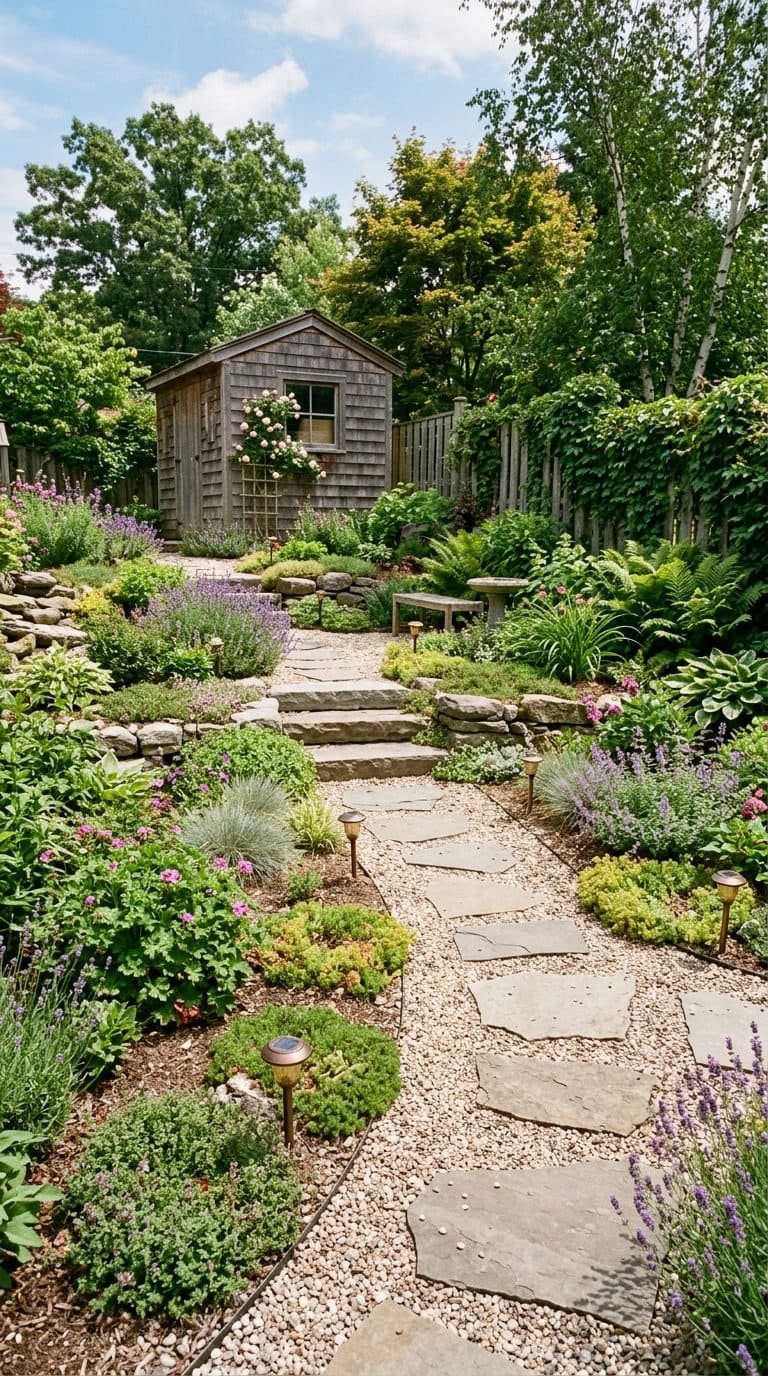
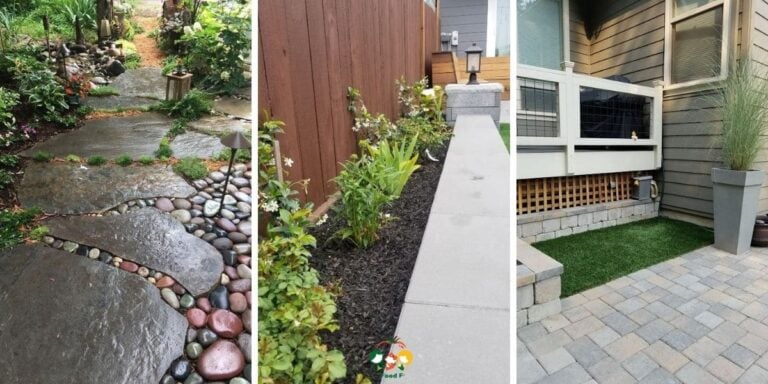
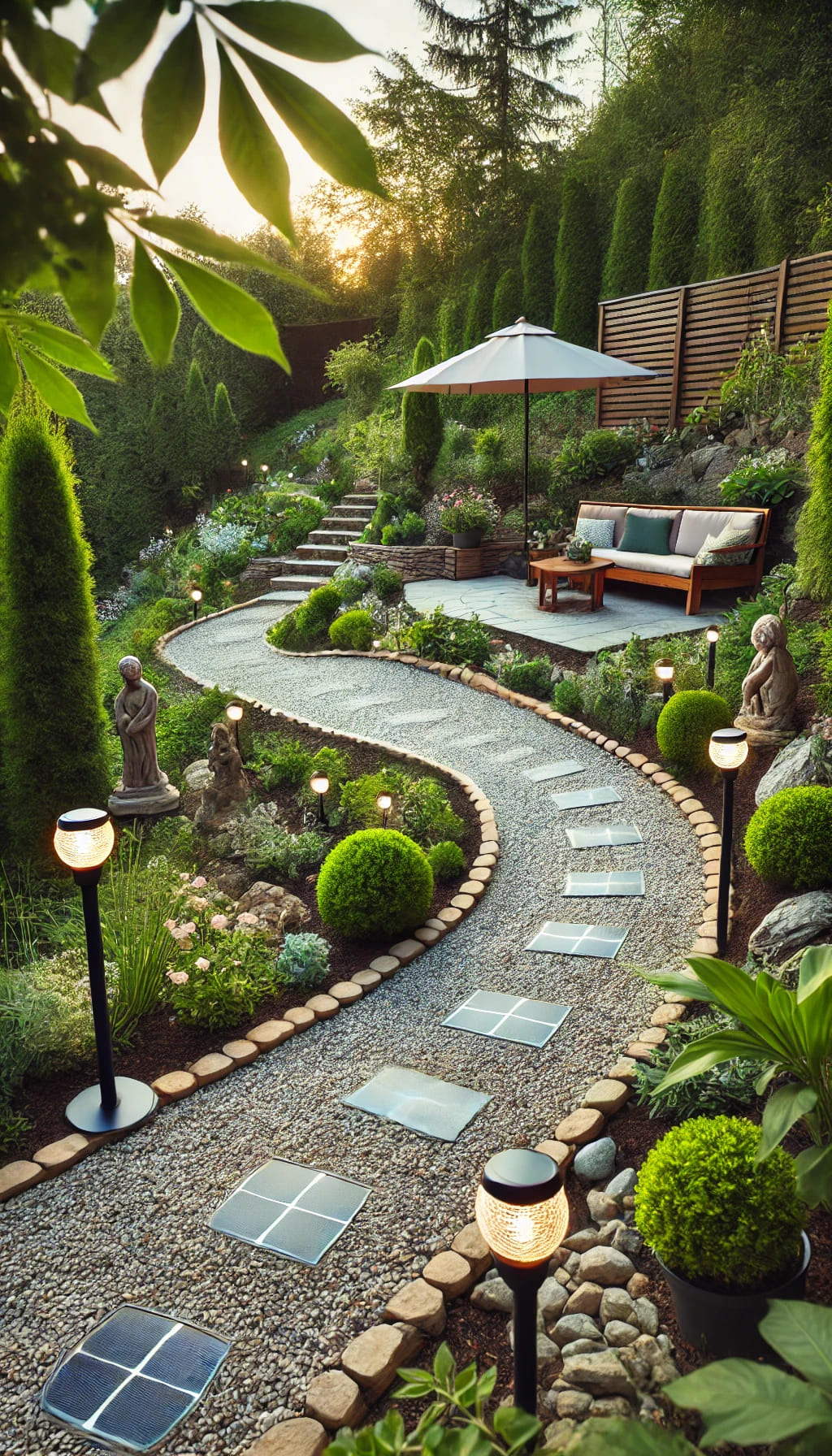
A curving path through your sloped garden provides both functionality and visual charm. Create the path with gravel, stepping stones, or wooden planks, and finish it with small plants or solar-powered lights for a finished look.
This strategy not only connects different areas of your backyard, but it also creates a sense of exploration, making the space feel larger and more dynamic.
You can also add little seating nooks or garden statuary to the pathway to provide moments of rest and enjoyment.
5. Comfortable Patio at the Base
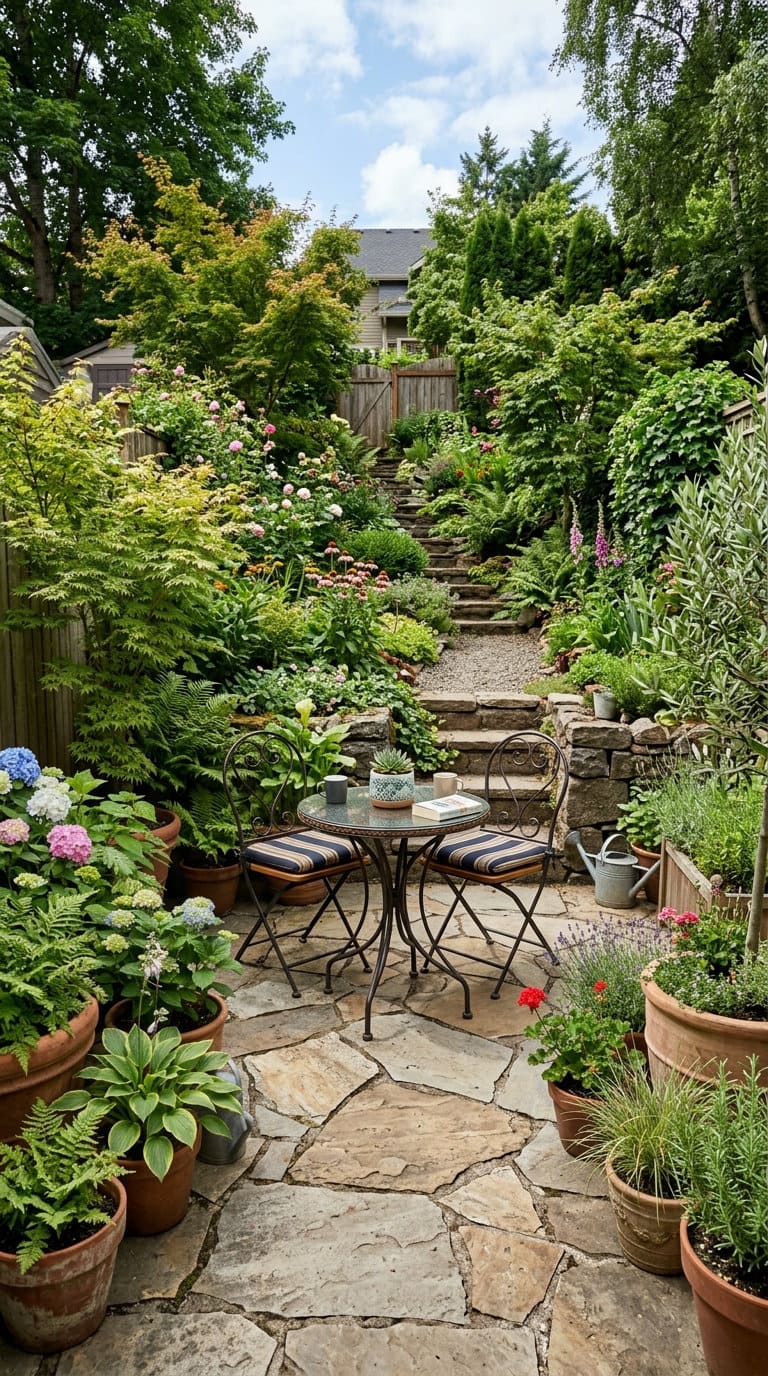
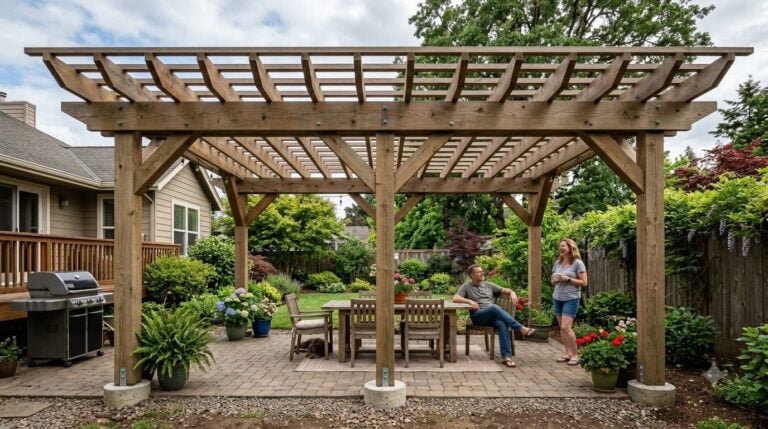
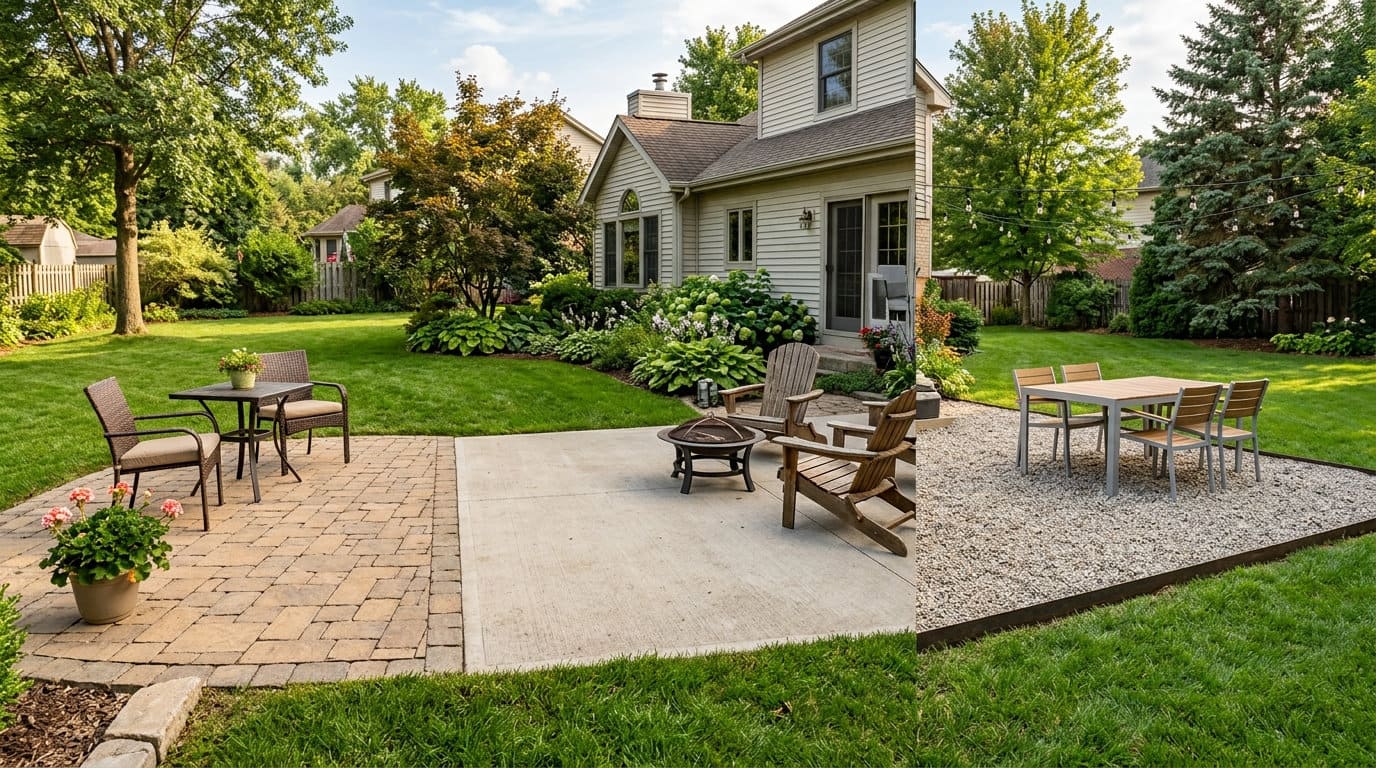
The base of a sloped yard can be converted into a comfortable patio area. Lay down flagstones, gravel, or bricks to delineate the space, then add a small table and chairs.
Use potted plants or hedges to frame the patio, providing privacy and containment.
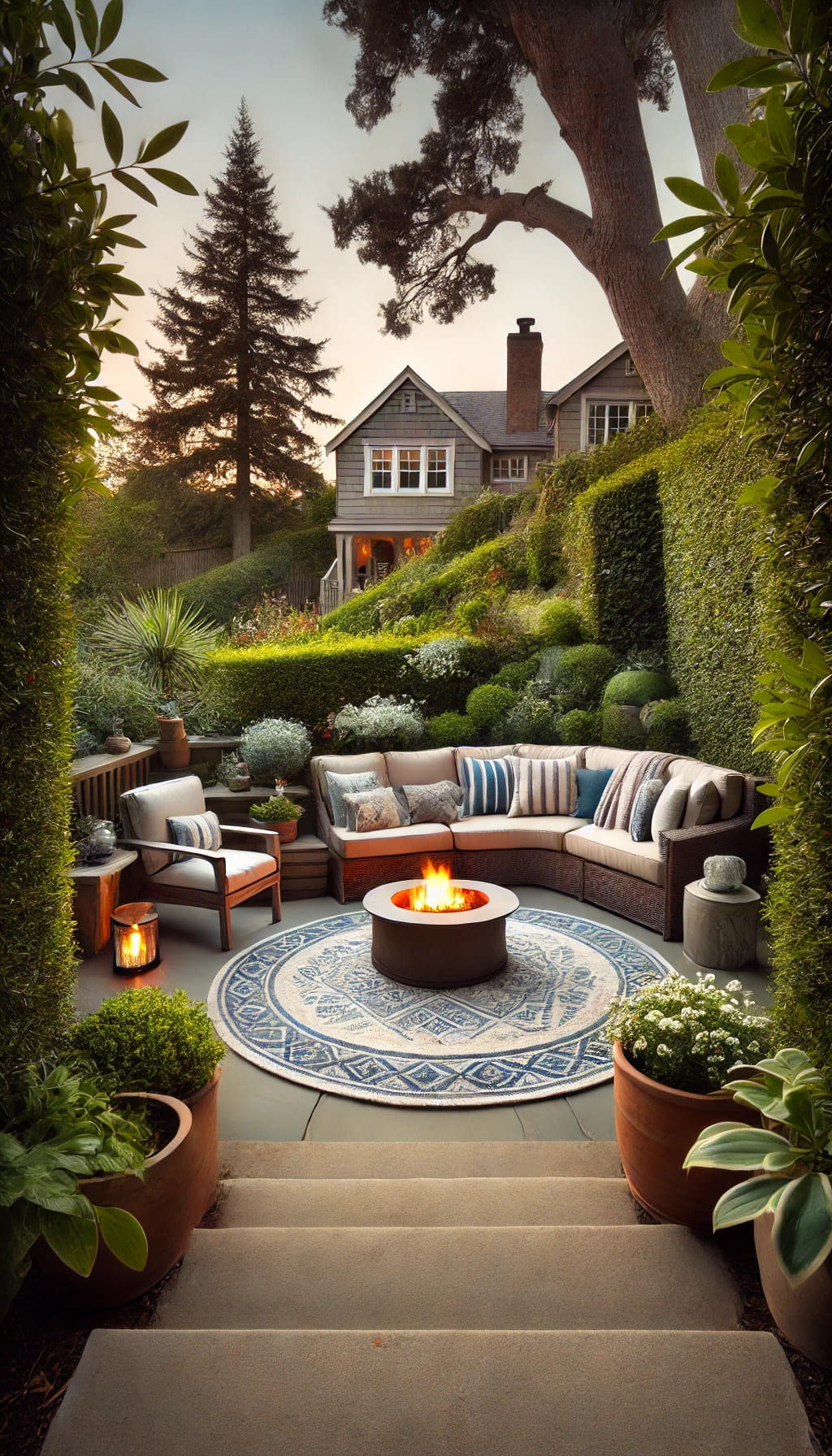
An outside rug, toss pillows, or a small fire pit can all offer coziness.
The patio can be used as a sanctuary for intimate meetings or as a peaceful location to unwind, all while being protected by the surrounding slope.
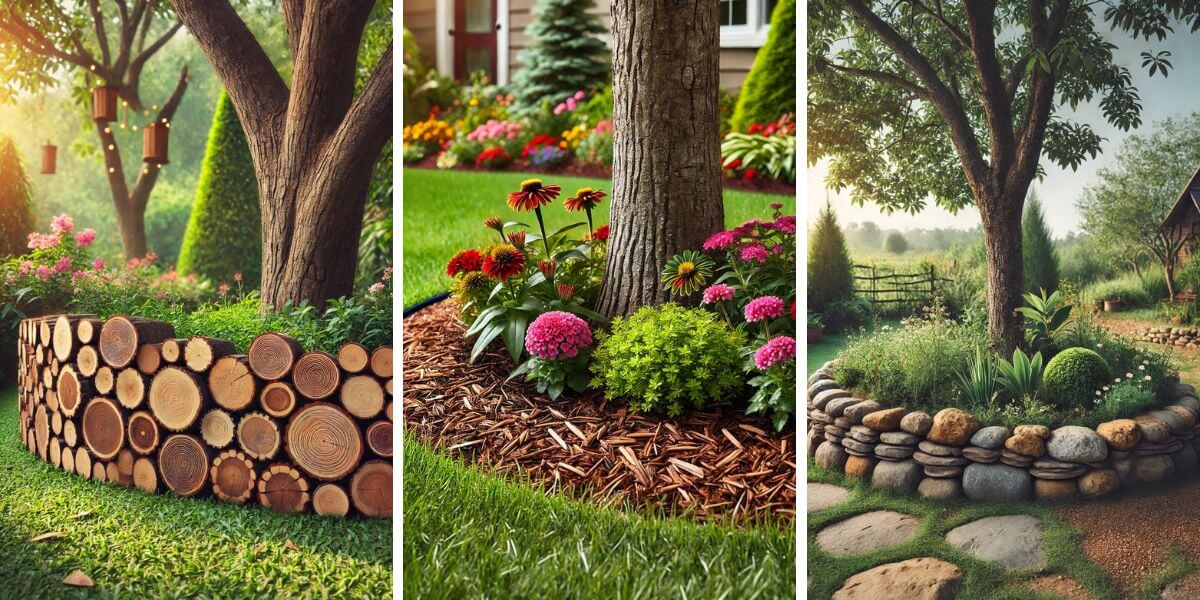
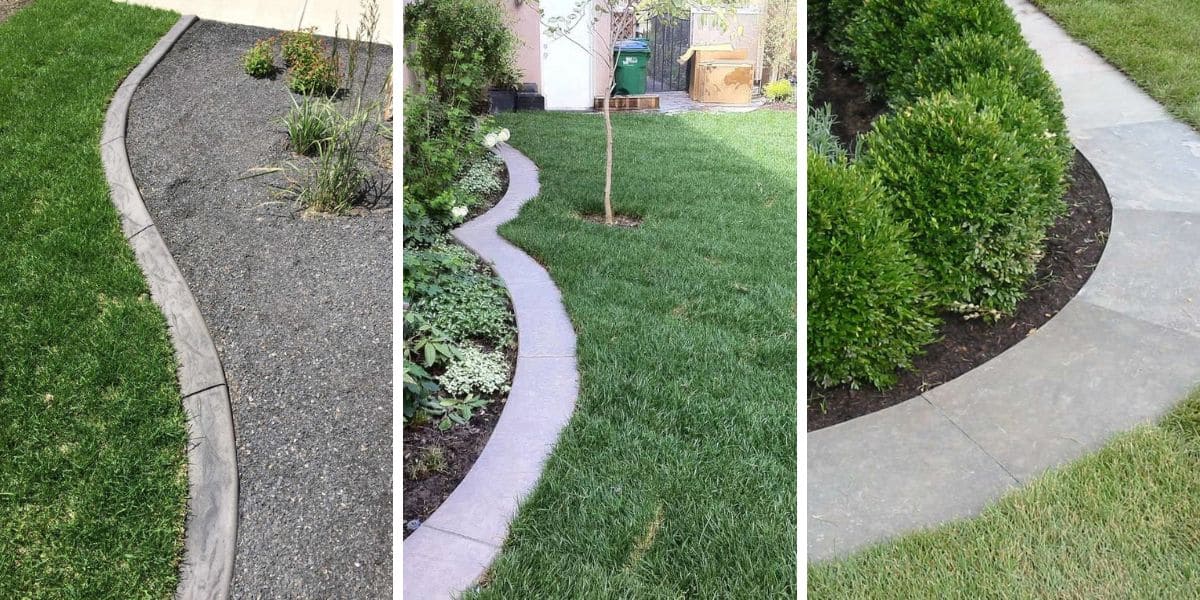

6. Tiered Planters for Visual Appeal
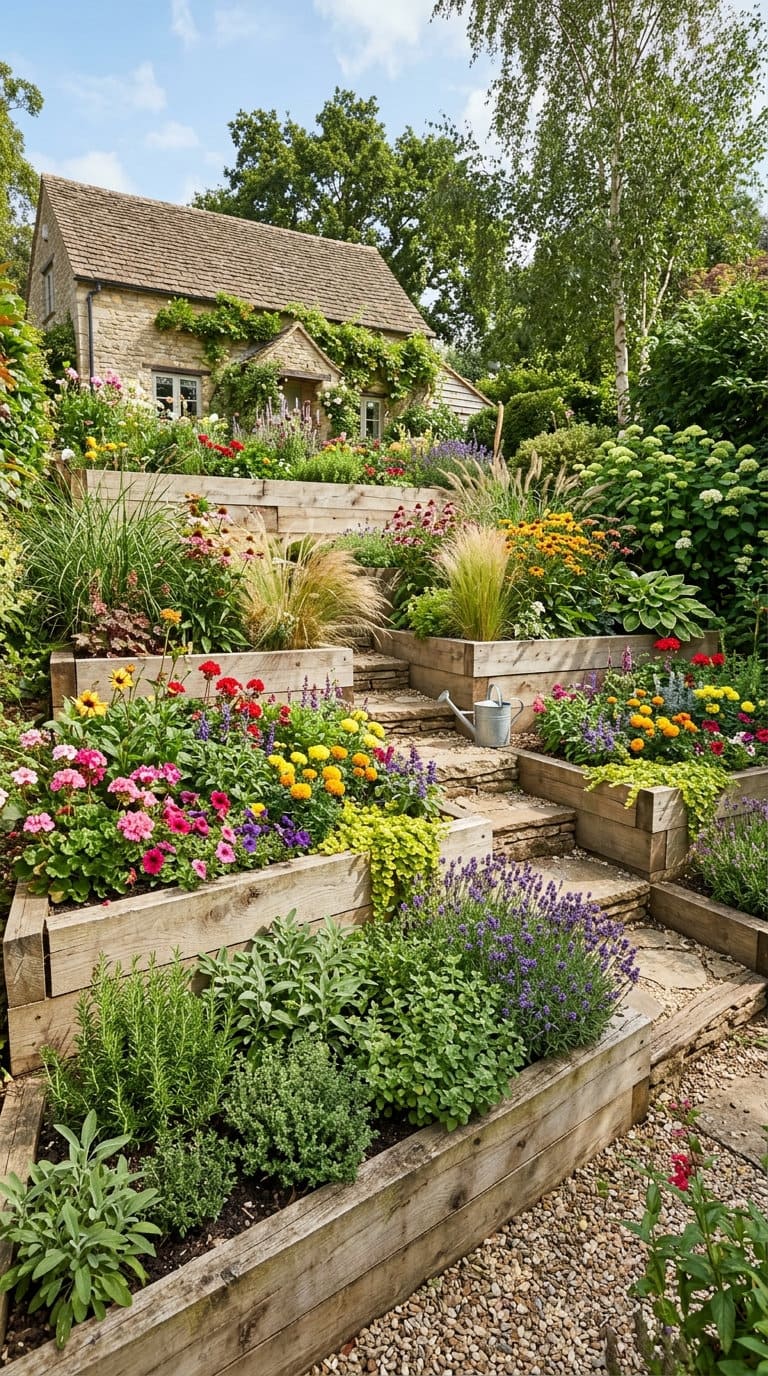
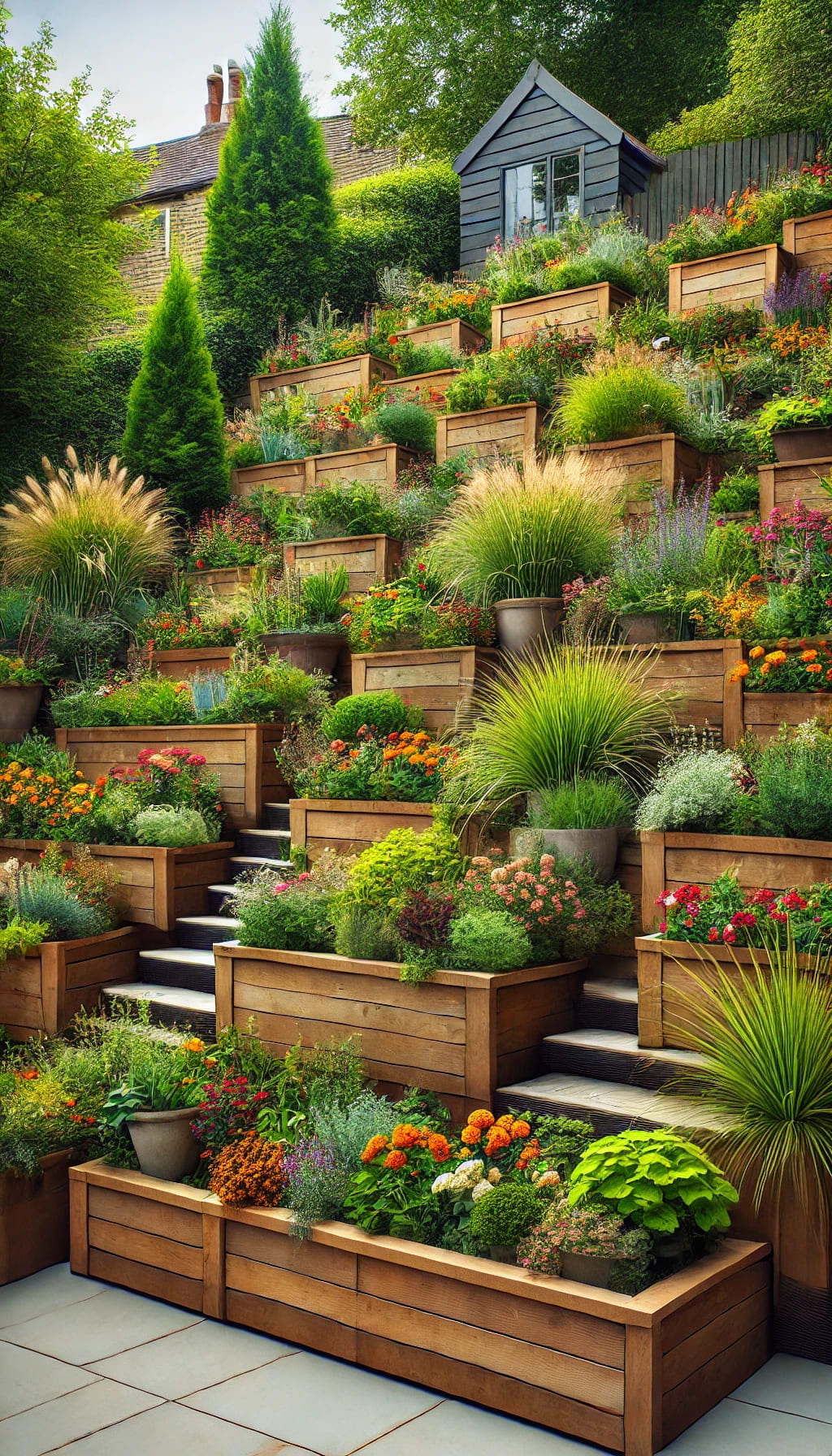
Add tiered pots to your sloped garden for a practical yet elegant option. Create raised beds or multi-level containers along the slope and grow flowers, herbs, or ornamental grasses.
The average homeowner spends $616/year on yard fixes that don't address the real problem. Find out what yours actually is — before you spend another dollar.
Take the Free QuizThis layered method maximizes planting area while also adding visual depth and structure.
Planters constructed of natural materials, such as wood or stone, will compliment the yard’s naturalistic look.
Using a variety of plant colors and textures can help each tier stand out while also contributing to the design’s overall harmony.
7. Water Features
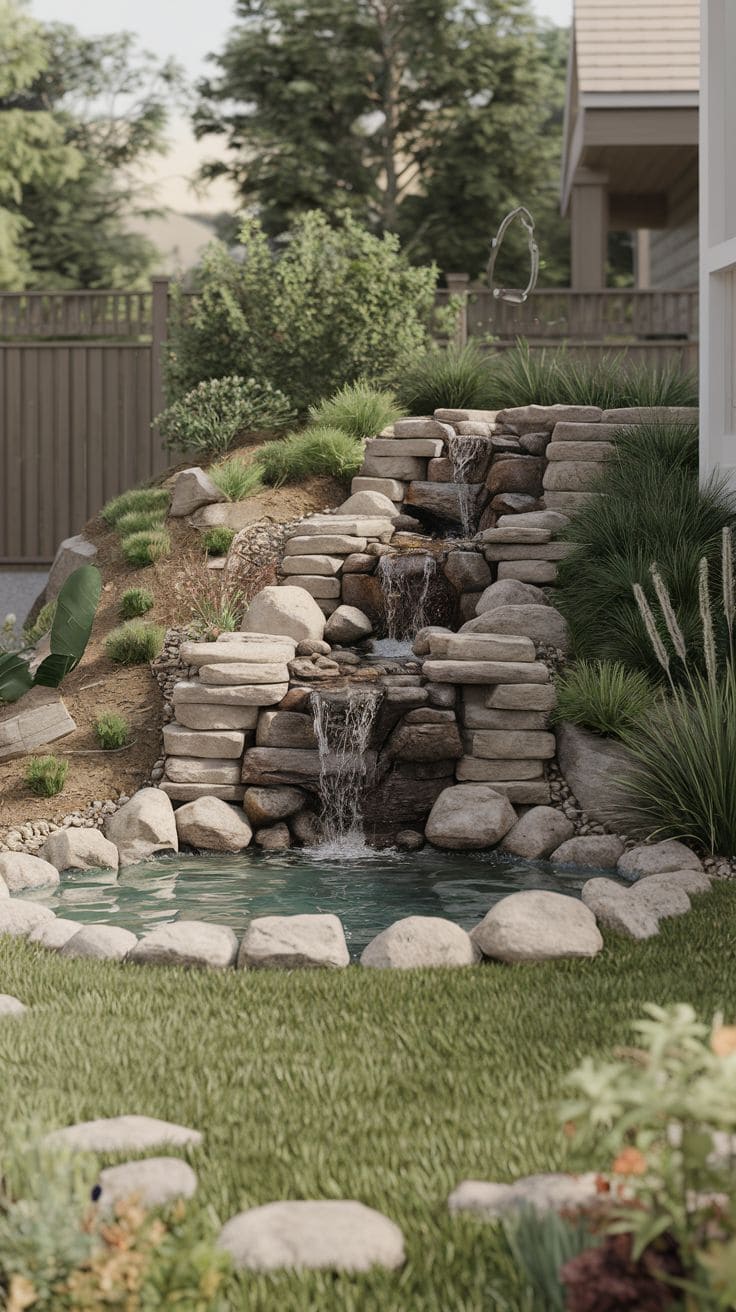
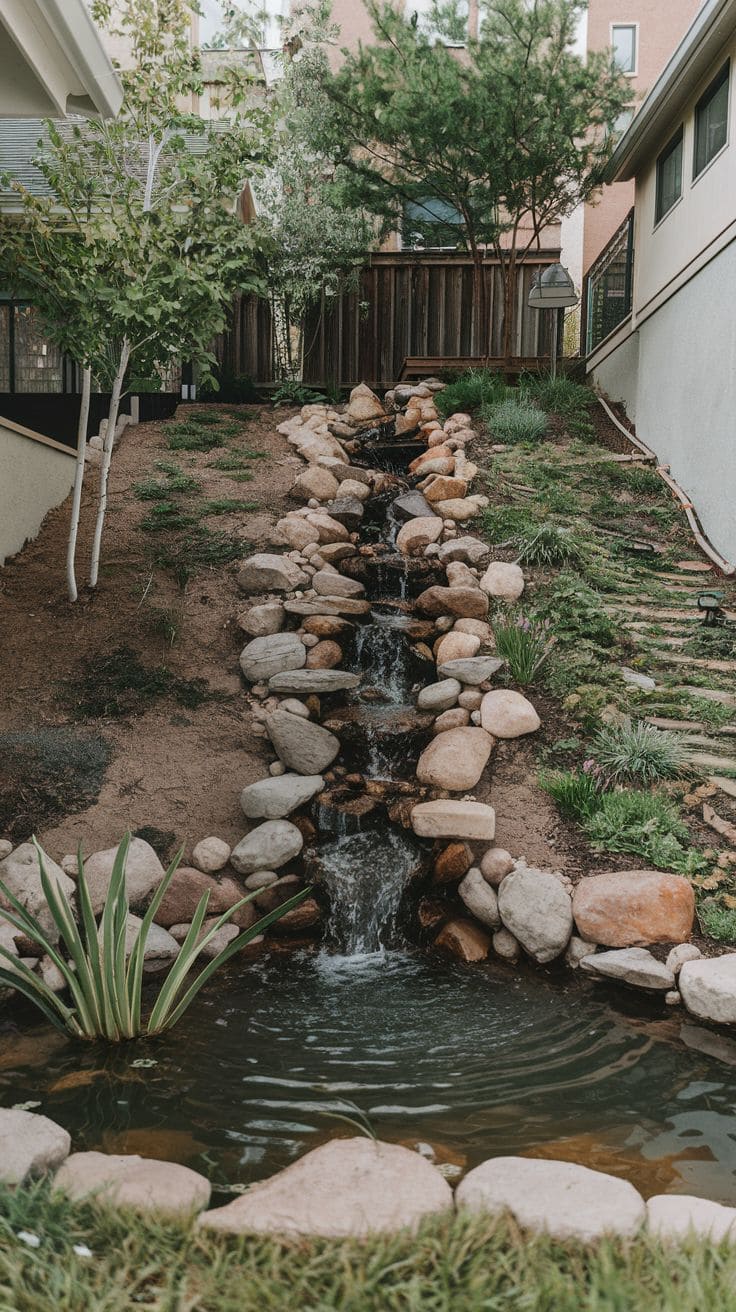
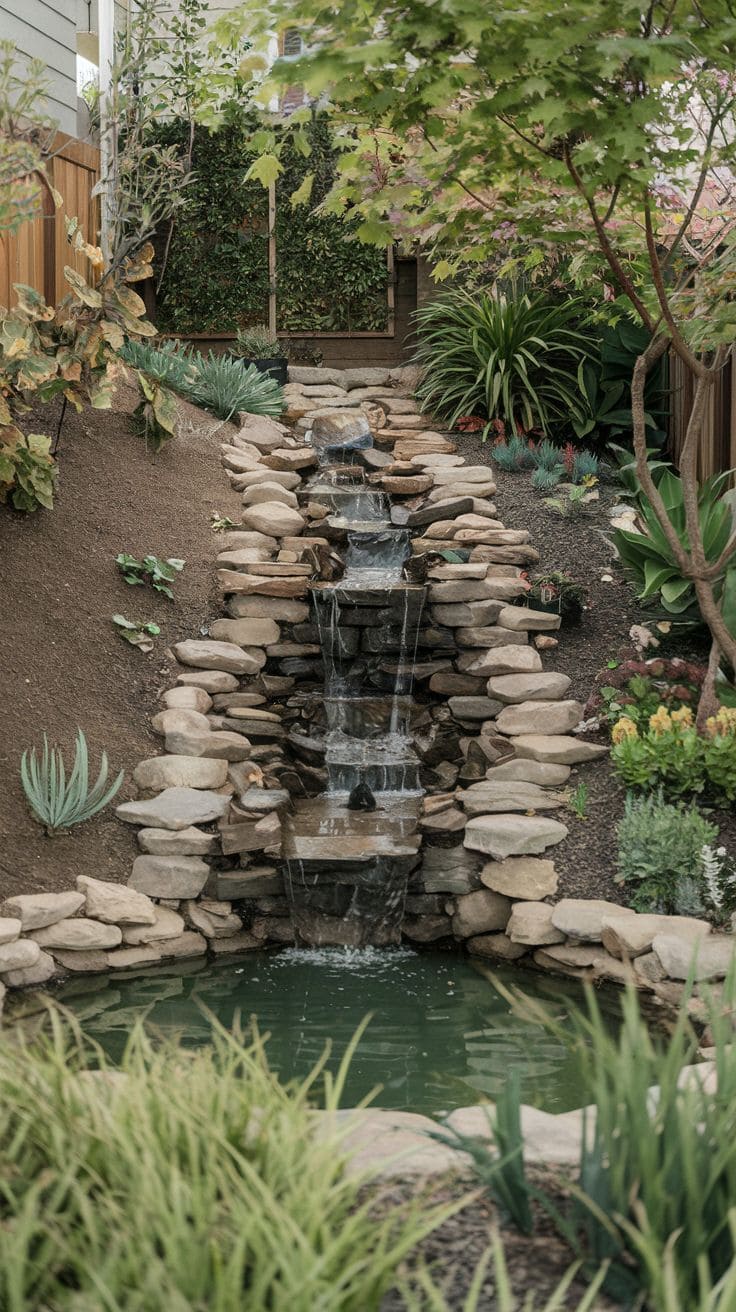
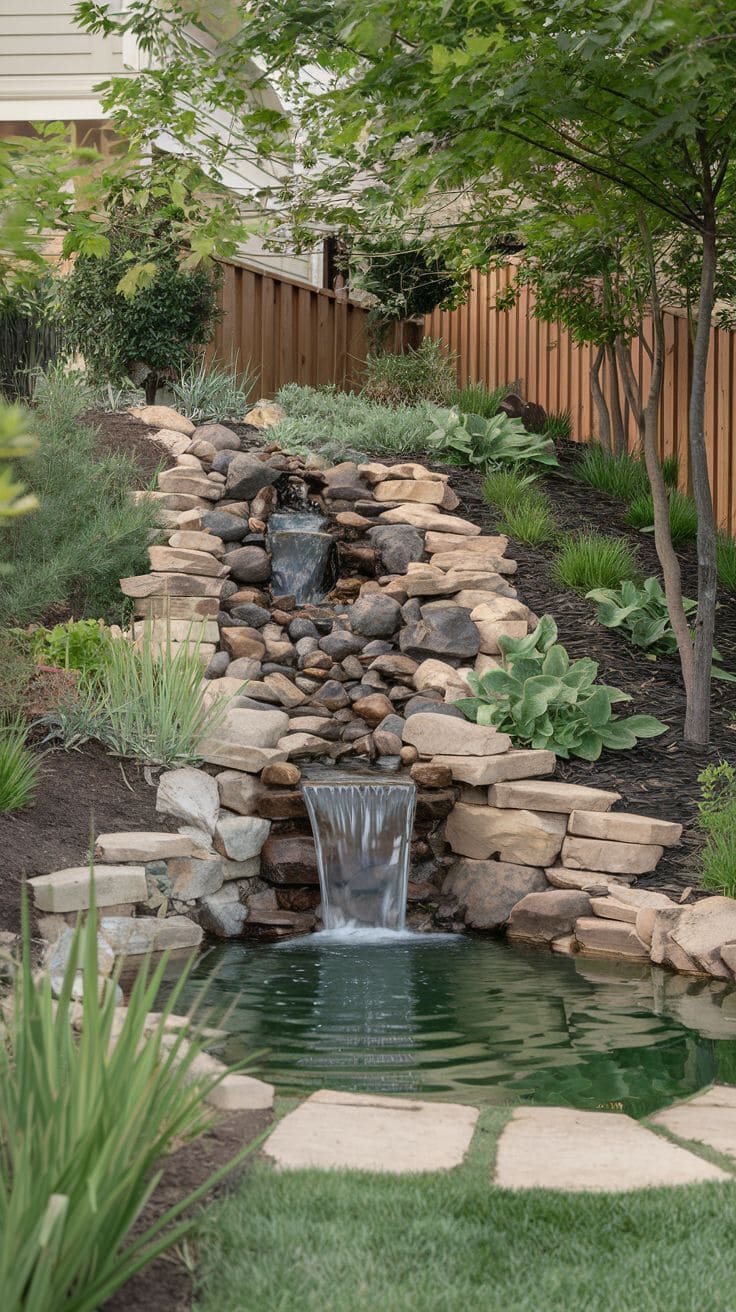
A small waterfall, trickling stream, or pond at the base of a slope turns the natural downhill water flow into a feature instead of a drainage headache.
Positioned correctly, it can actually help manage runoff rather than fighting it, though it still needs its own overflow path so heavy rain doesn’t send it over the edges into the rest of the yard.
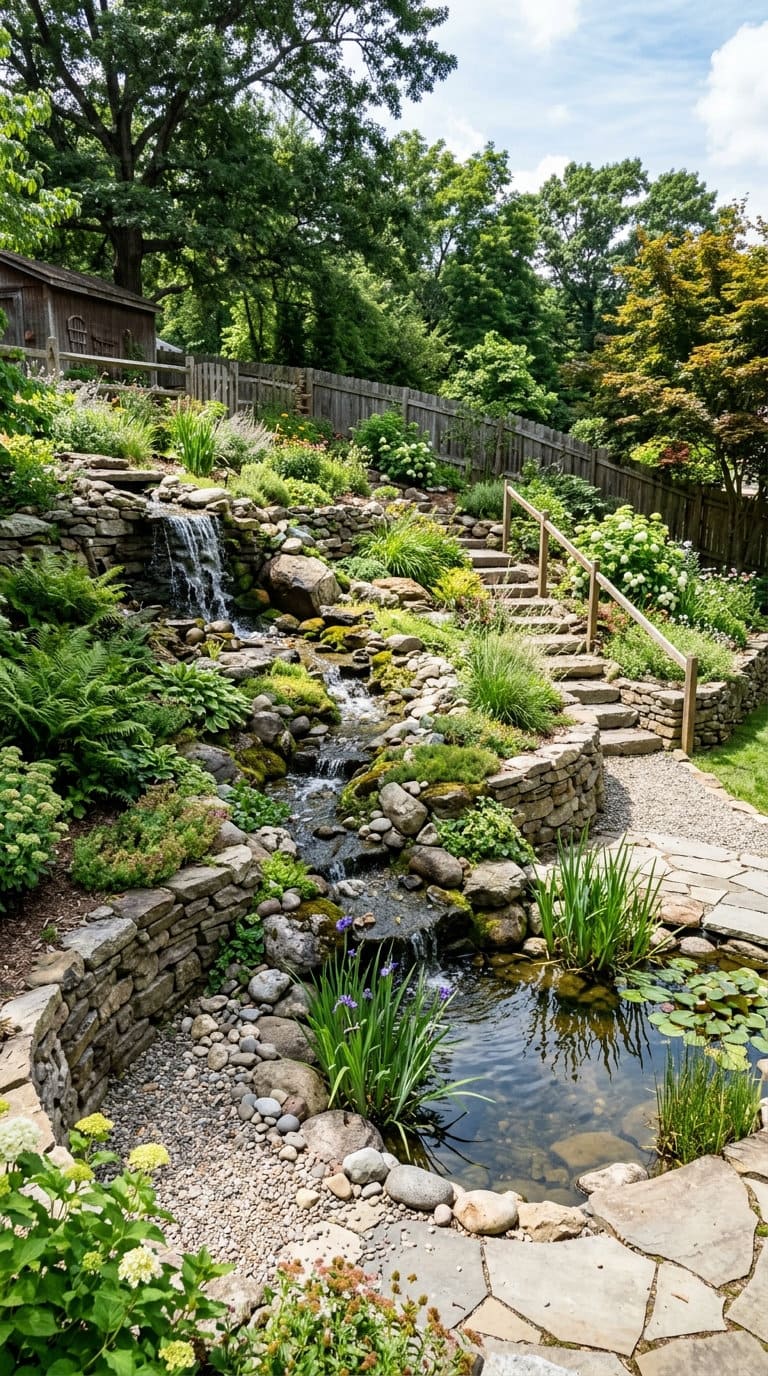
8. Play Area for Kids
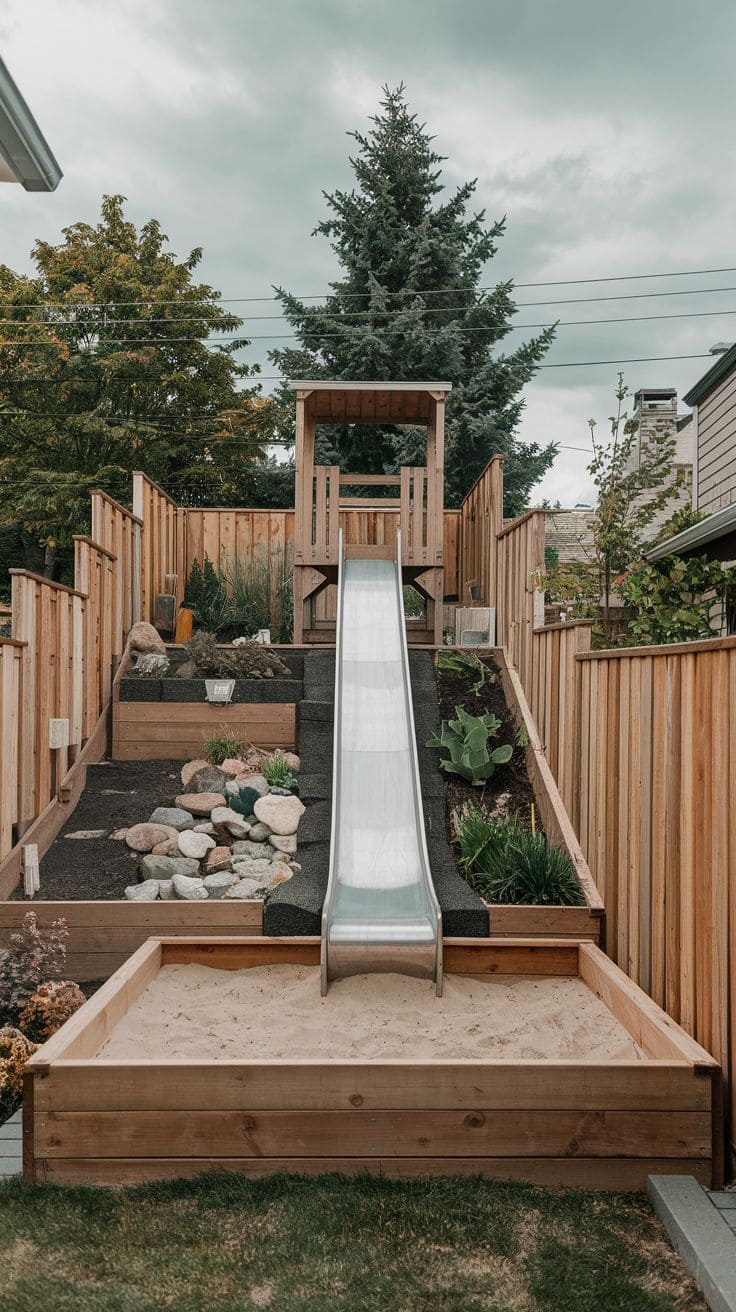
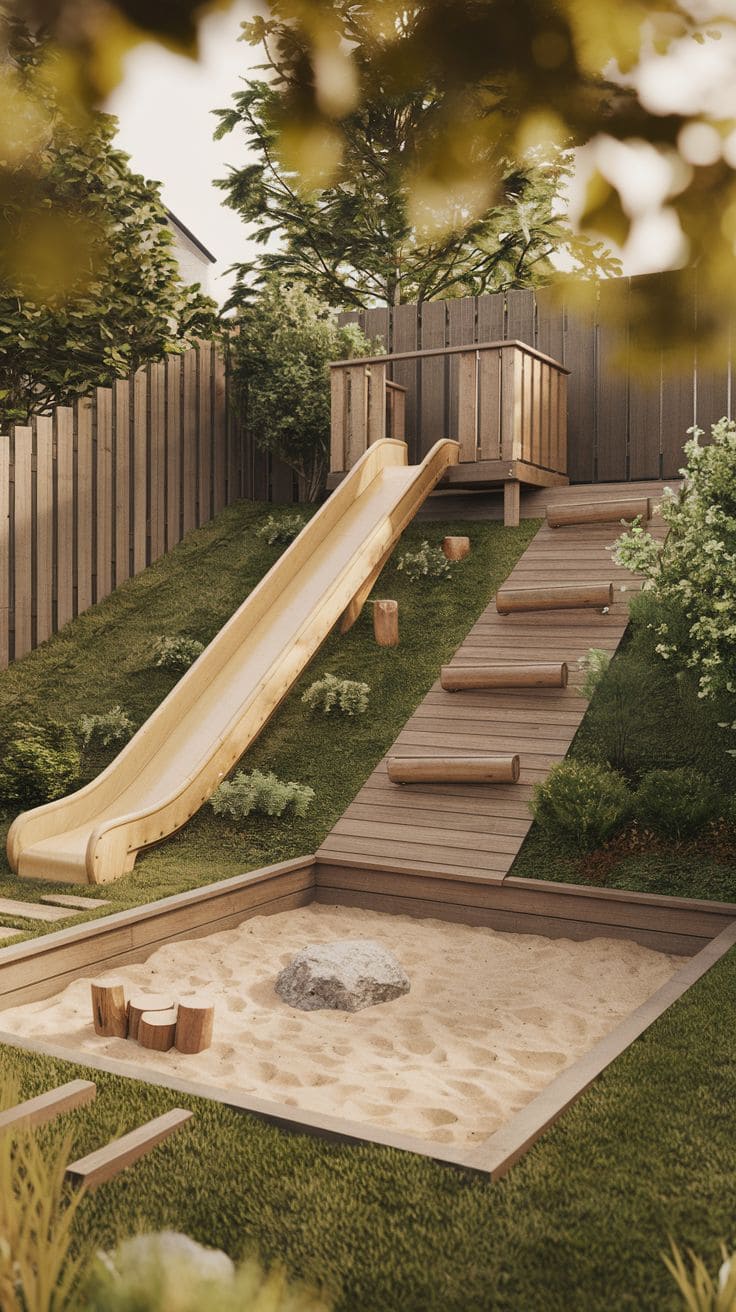
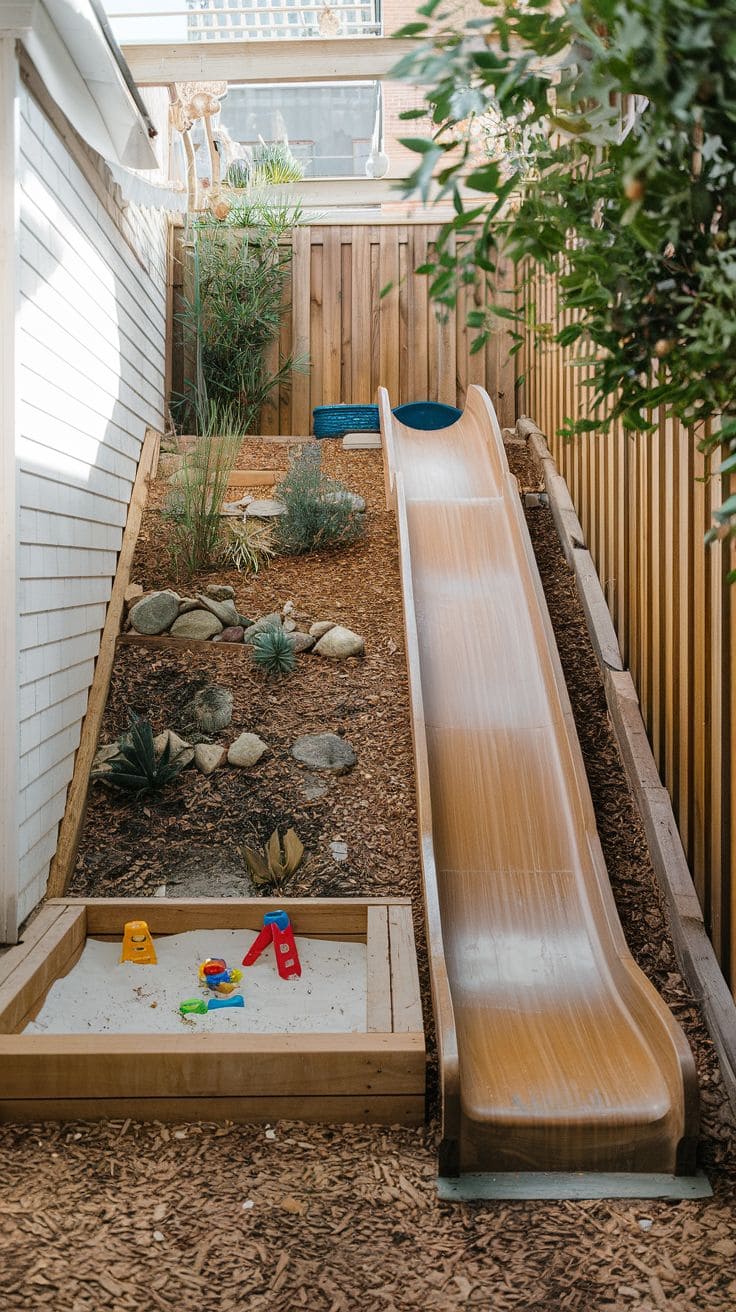
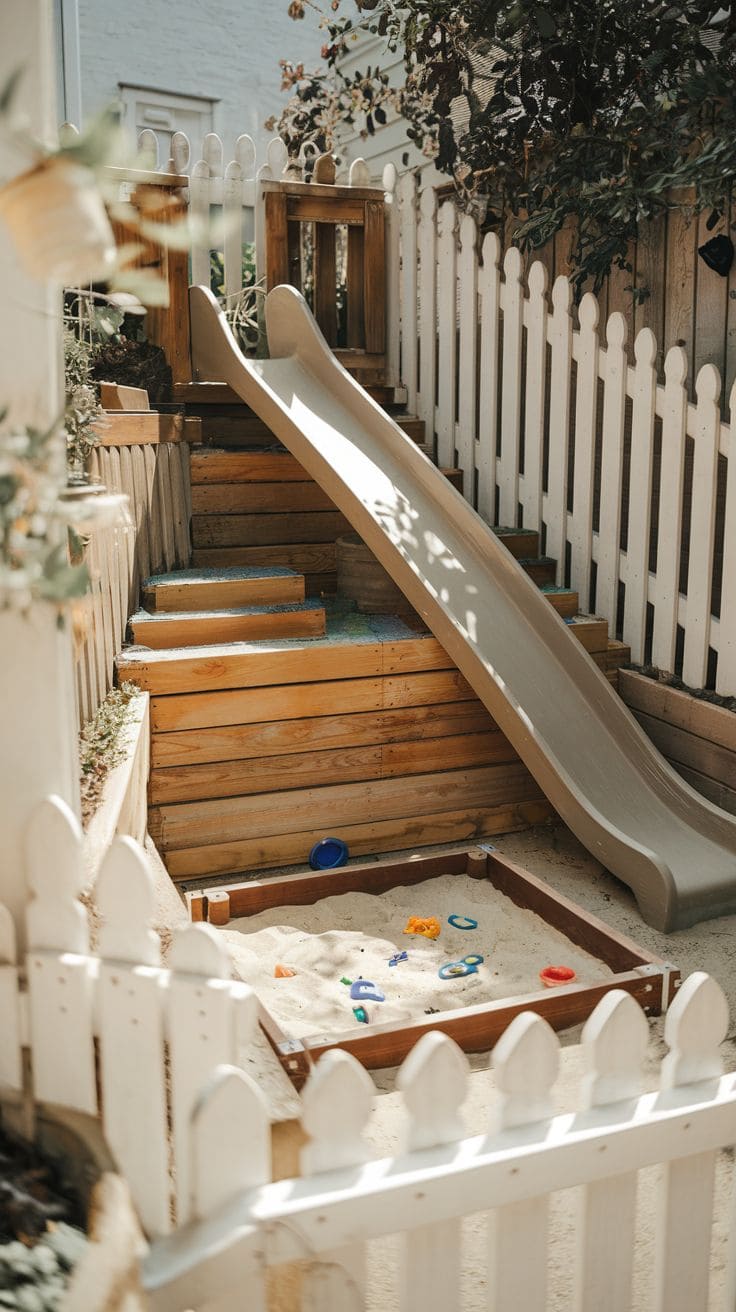
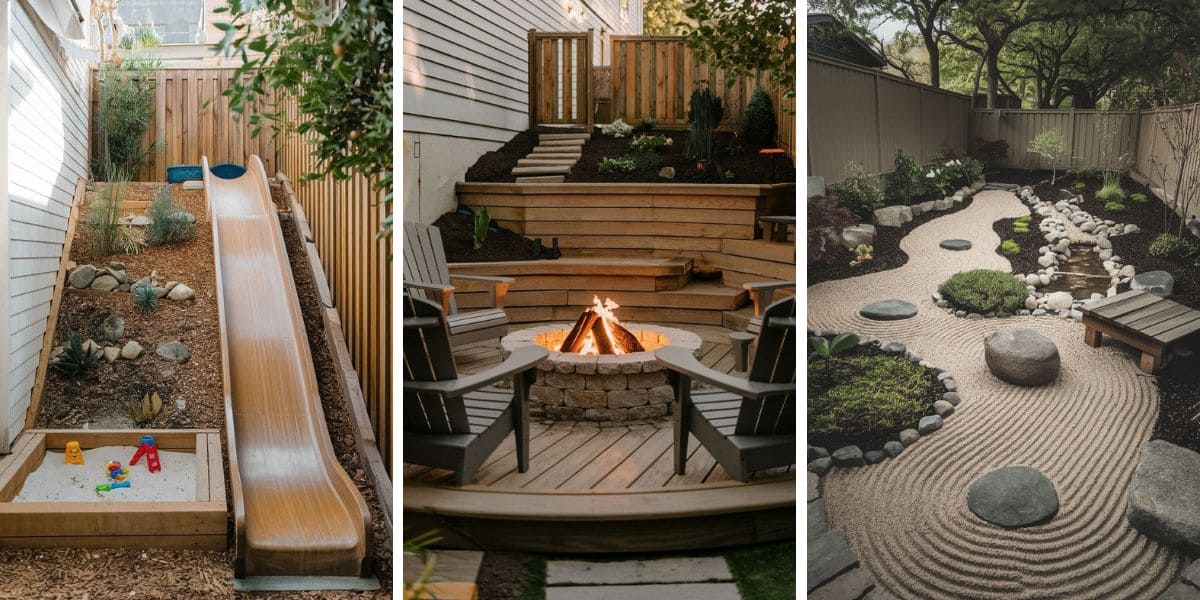
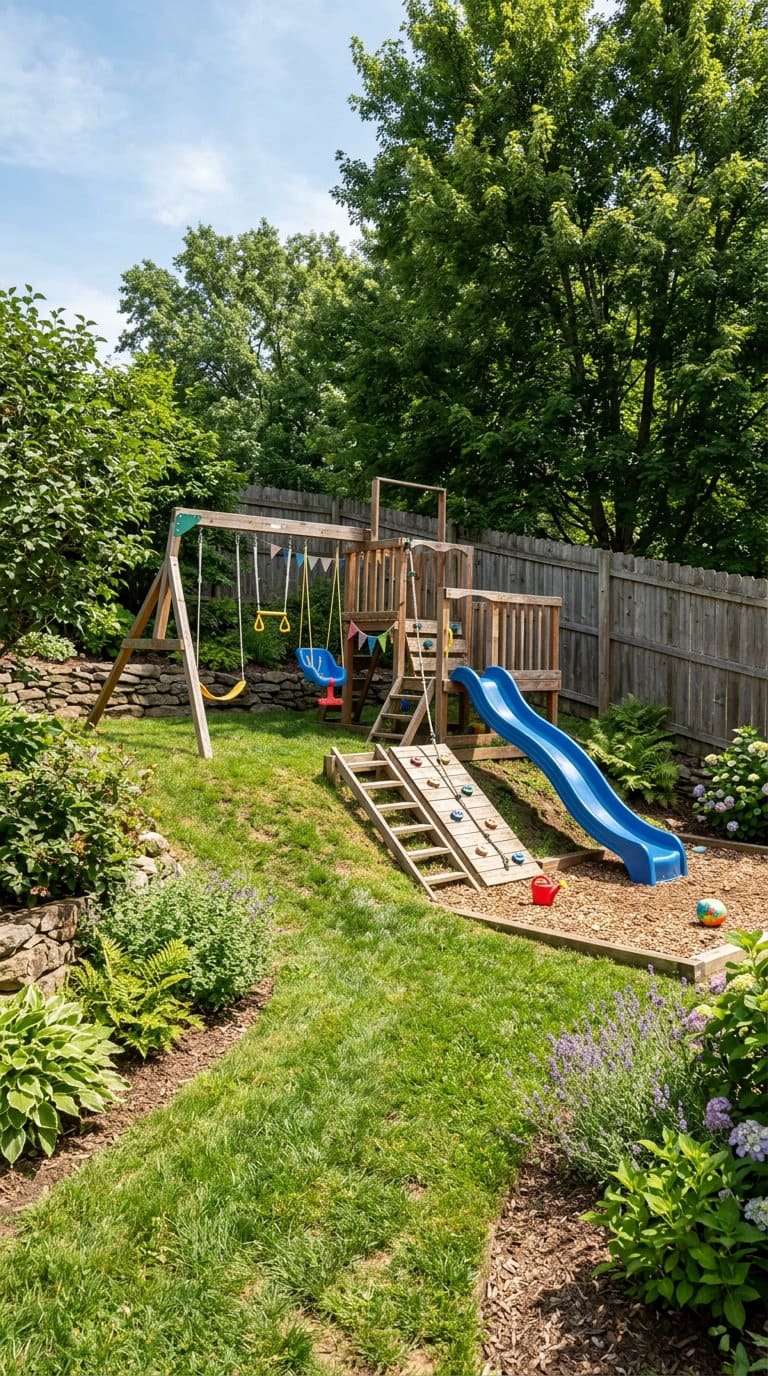
A slope can double as built-in playground equipment: a slide set into the natural grade needs far less structural support than a freestanding one, and a small sandbox works well at the base where the ground levels out.
Keep any play structure clear of a retaining wall’s drainage outlet (covered below), so kids aren’t playing directly in the wall’s runoff path.
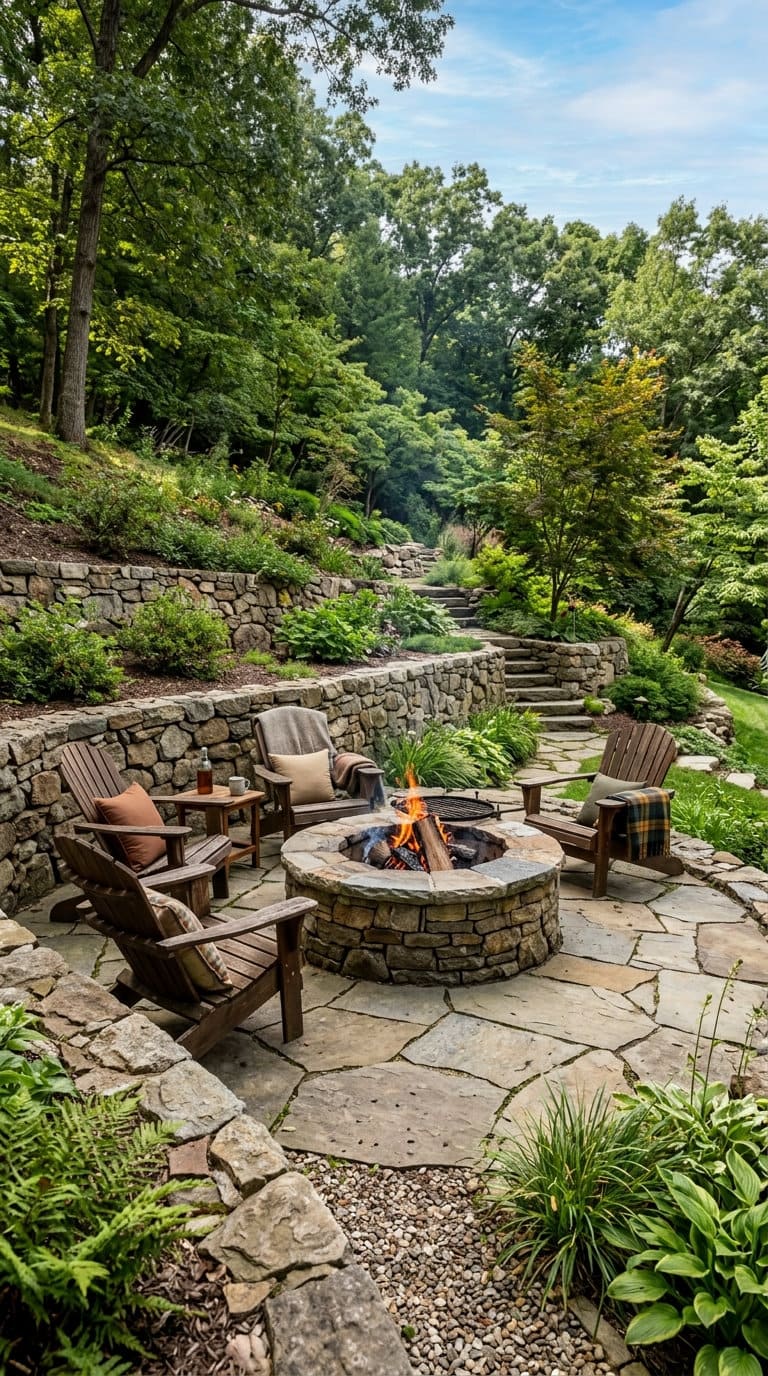
9. Outdoor Fire Pit or Mini Fireplace
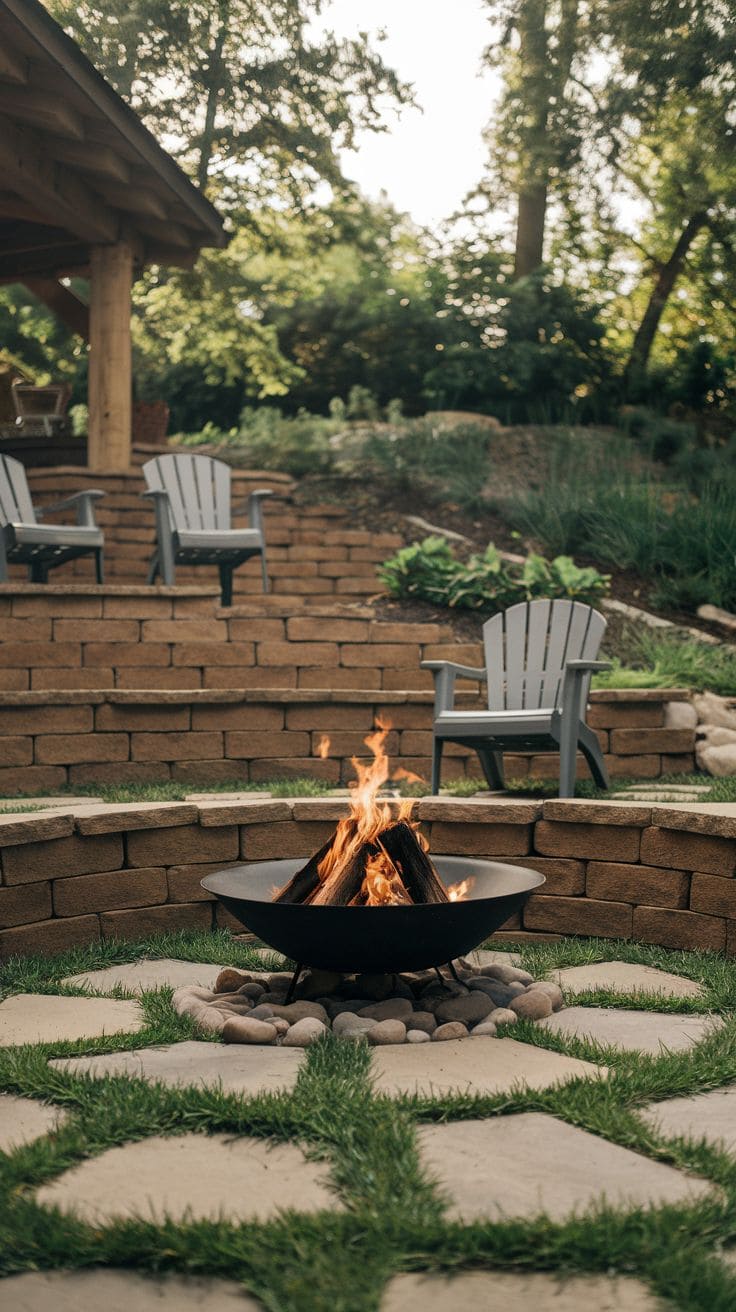
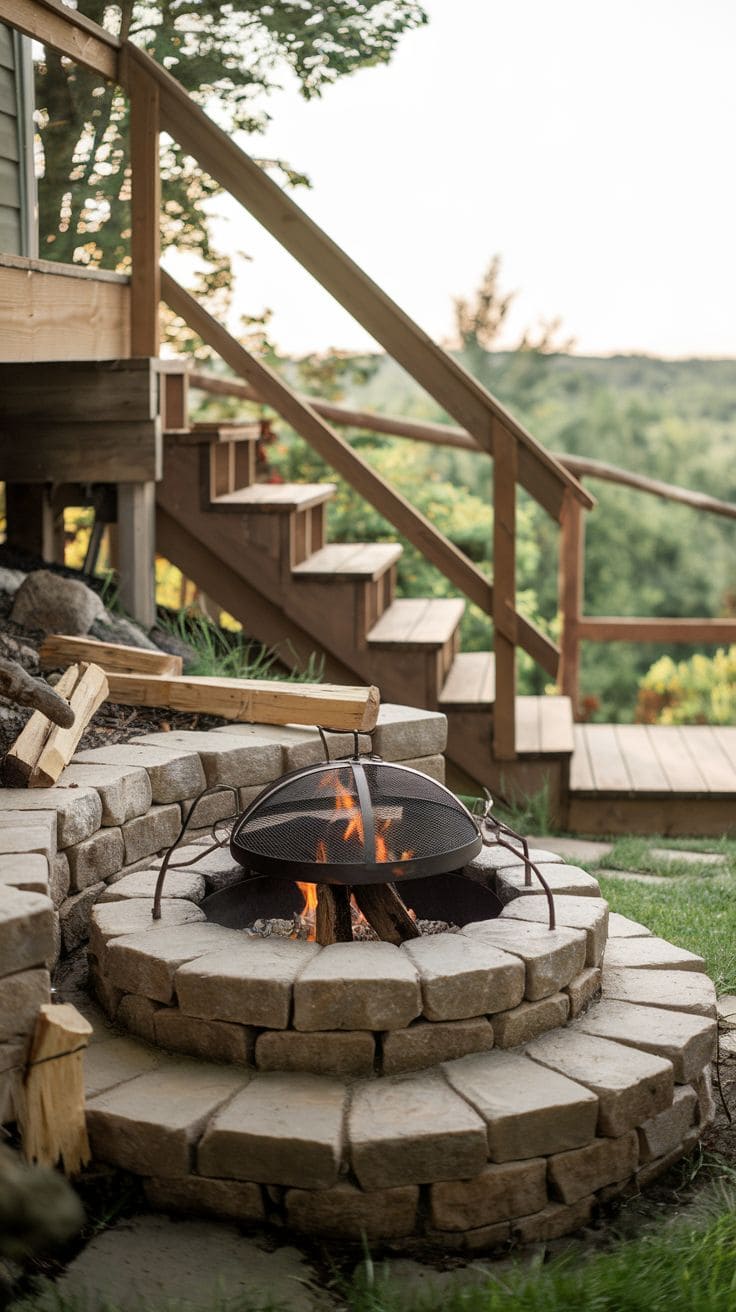
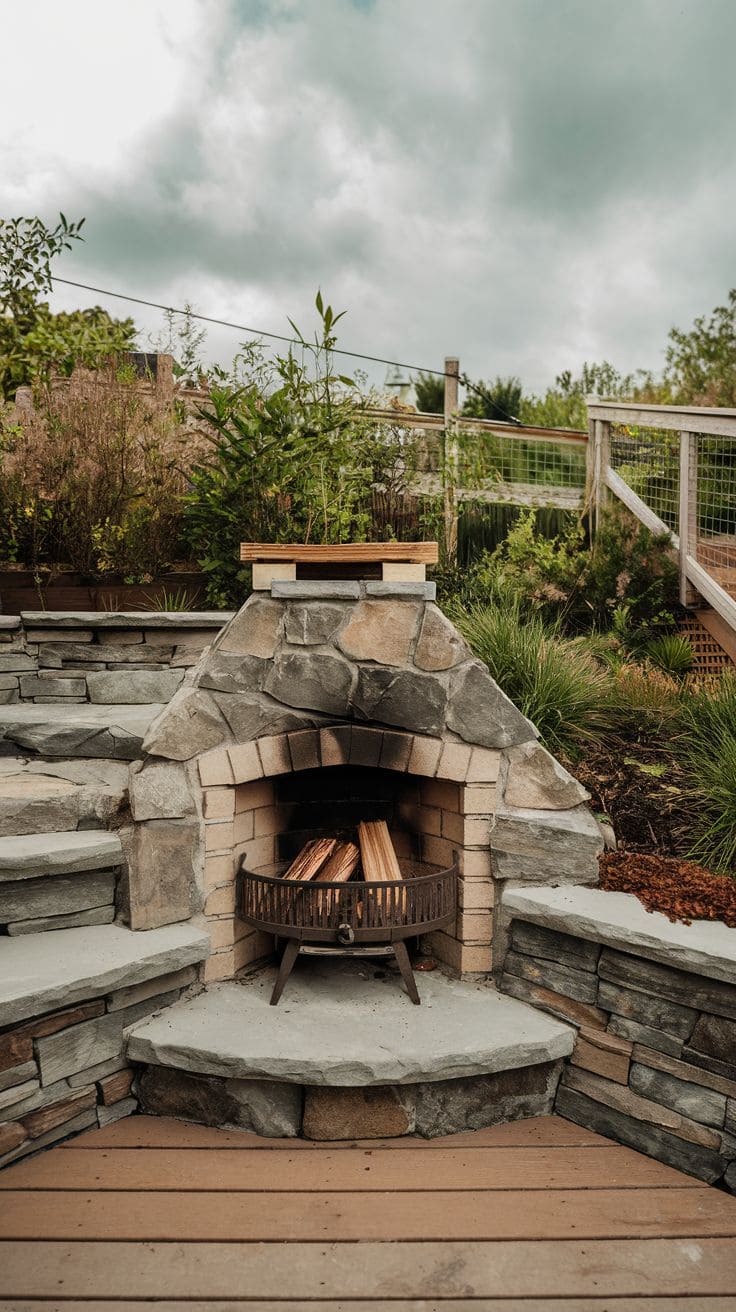
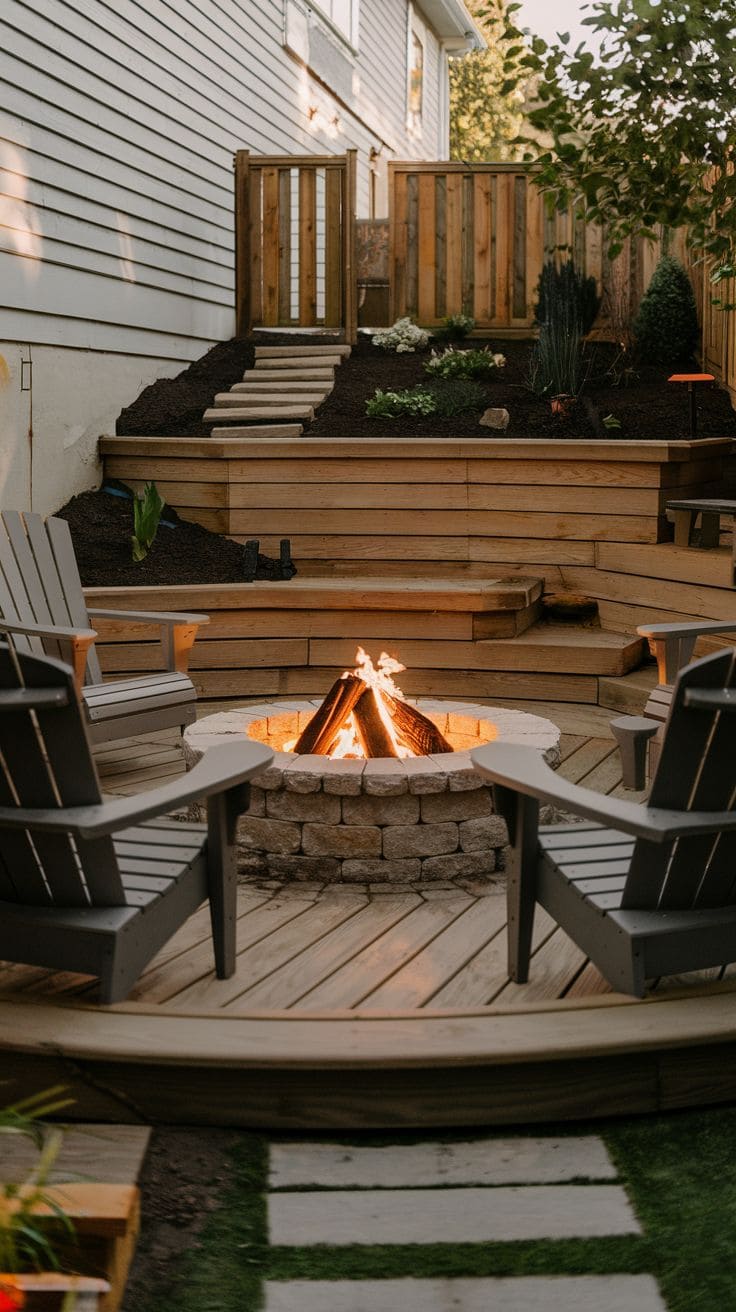
A fire pit works best on the flattest, most level tier you have, whether that’s the base patio or a mid-slope terrace, since an unlevel fire pit base is a real, avoidable safety issue, not just an aesthetic one.
If you’re placing it on a built tier rather than natural flat ground, confirm that tier’s retaining structure is solid first (see the wall-safety section below), a fire pit is meaningful sustained weight and heat concentrated in one spot.
10. Miniature Zen Garden
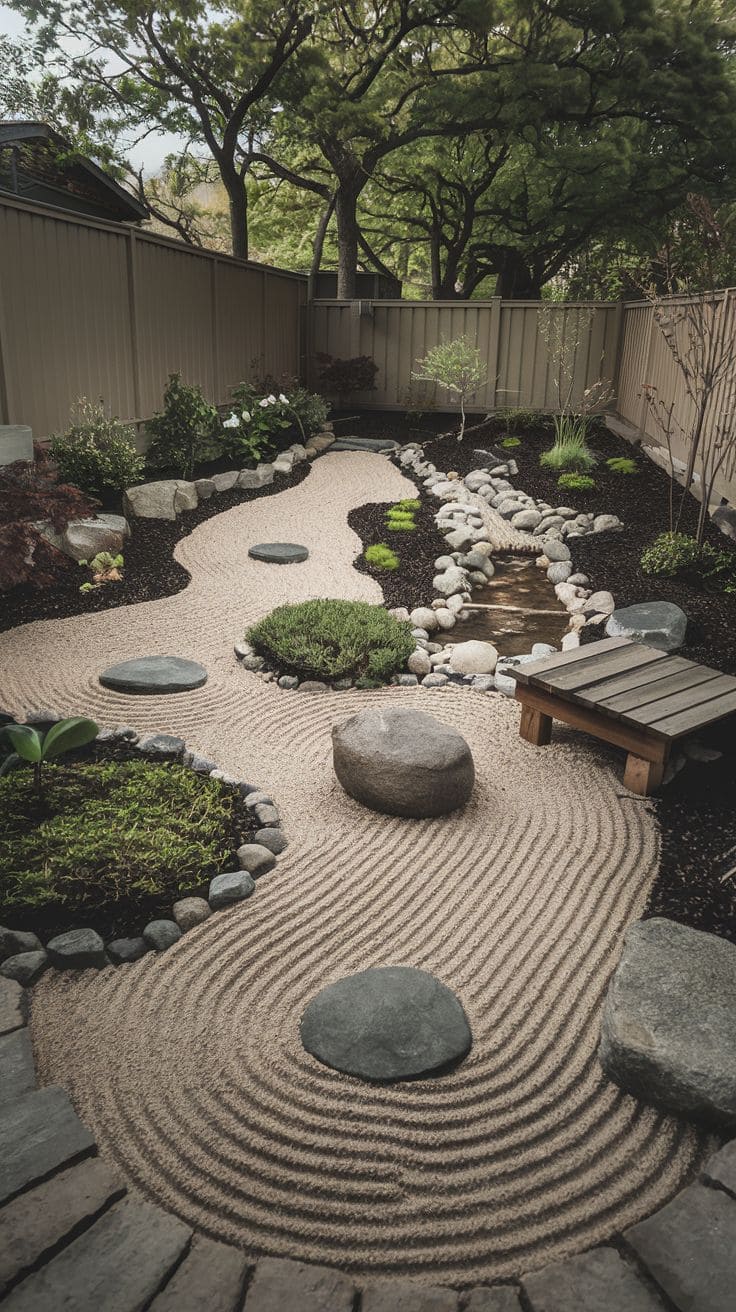
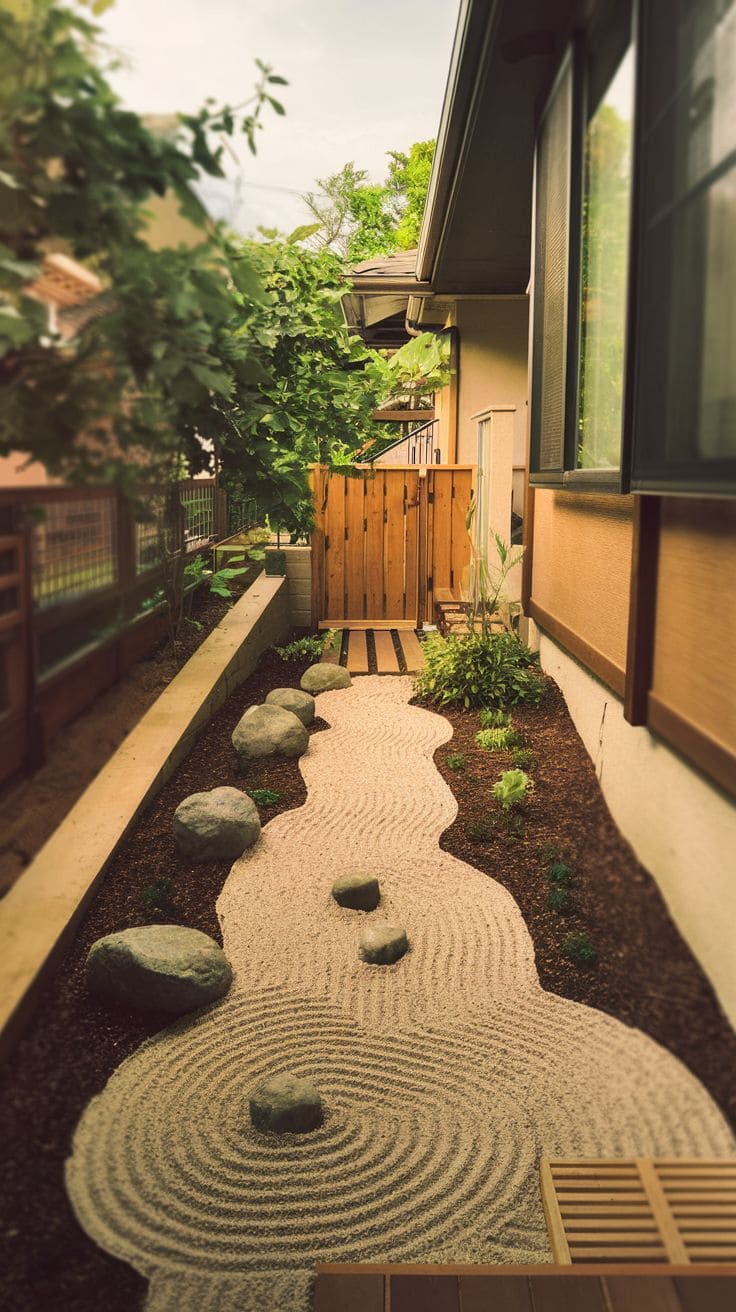
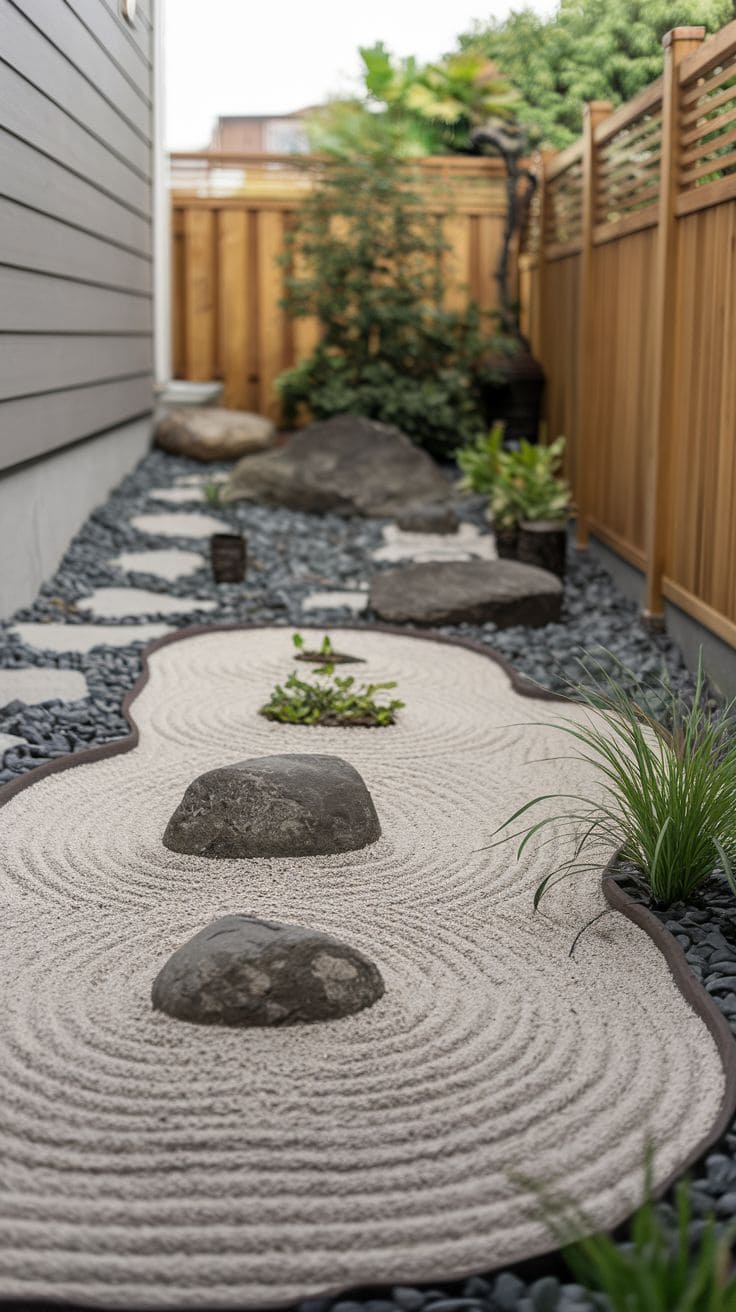
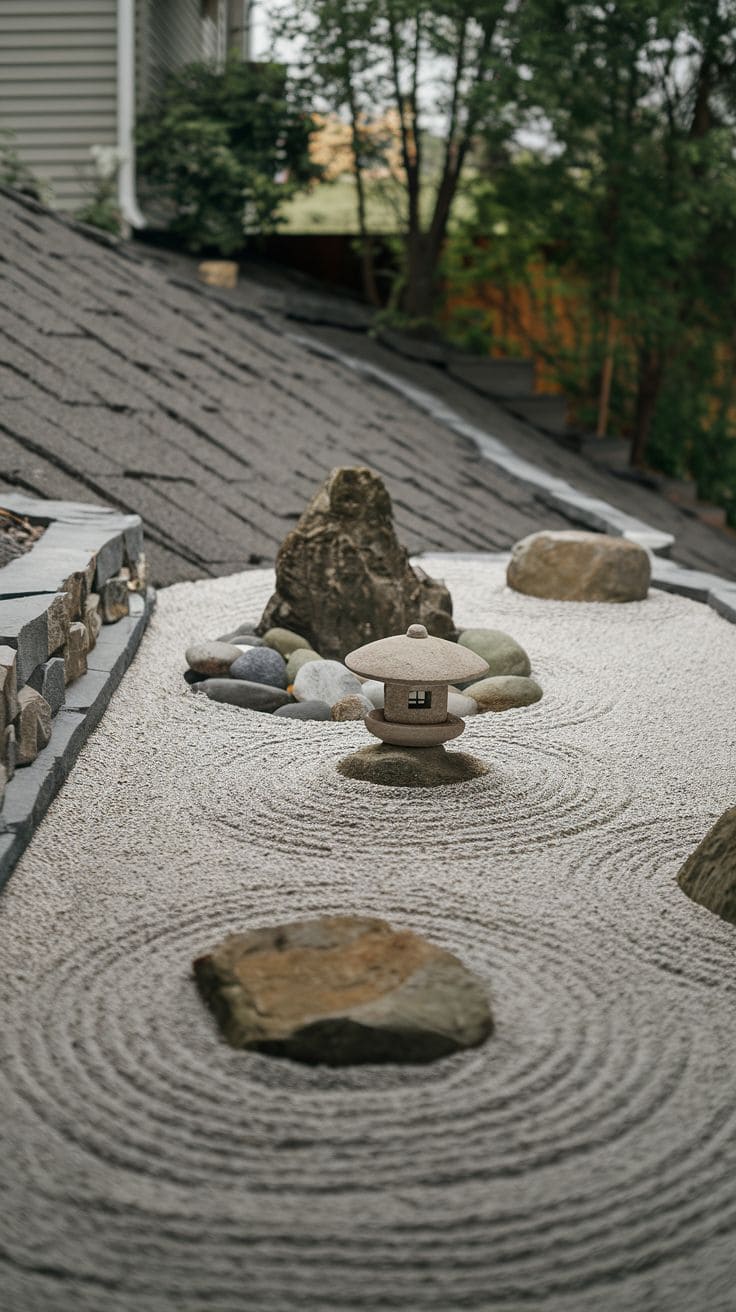
A small zen garden, raked gravel, a few well-placed boulders, minimalist plantings, works especially well tucked into a slope’s mid-tier where a larger structure wouldn’t fit.
Because it doesn’t need furniture, foundations, or drainage of its own, it’s one of the lowest-cost, lowest-risk ways to use an awkward mid-slope pocket that’s too small for a real patio.
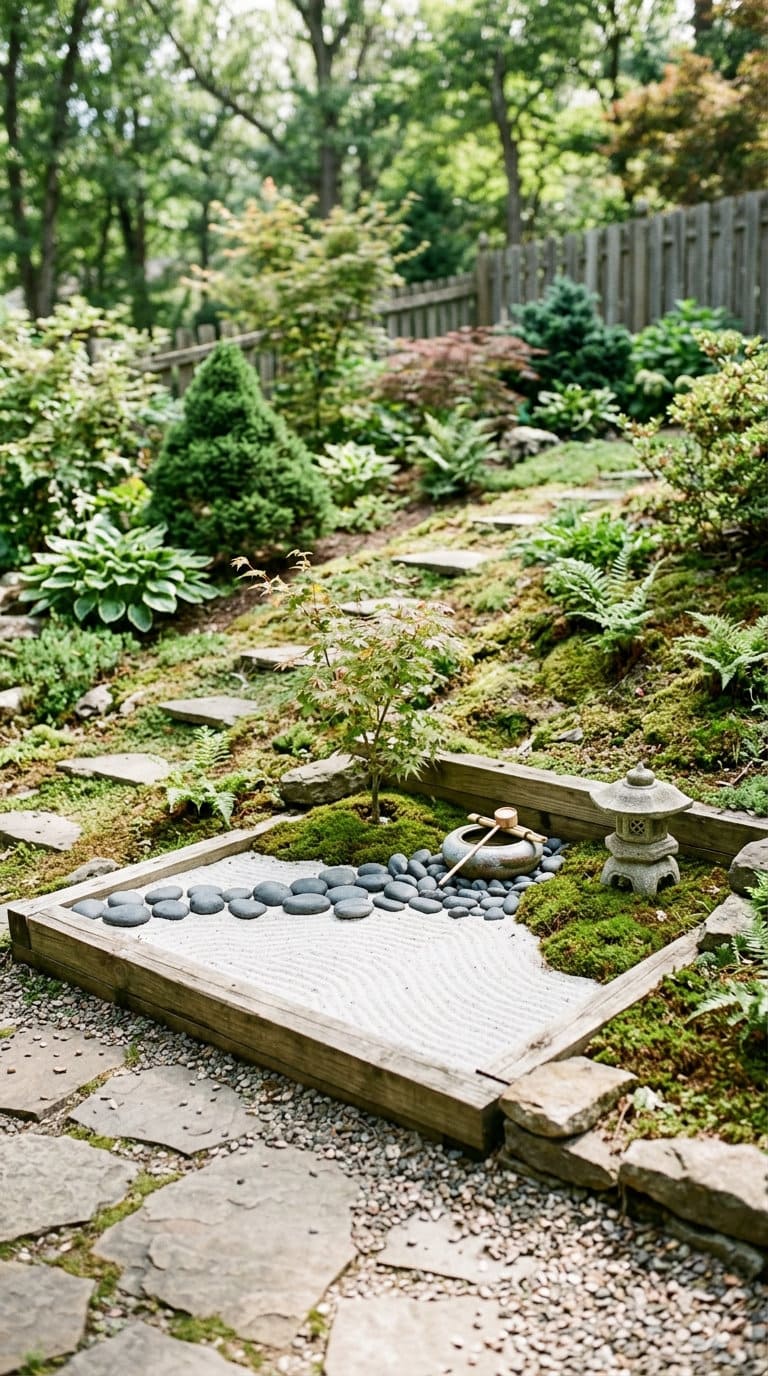
11. Natural Stone Retaining Wall with Built-in Planters
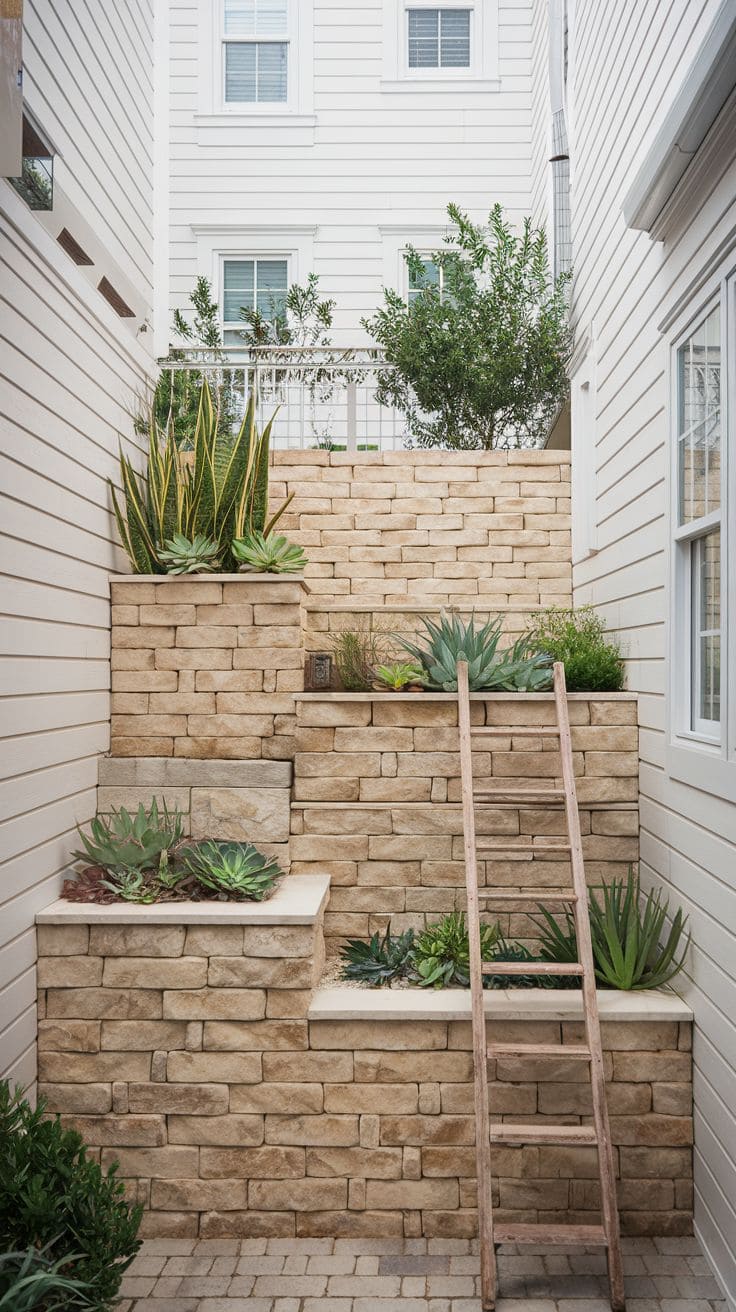
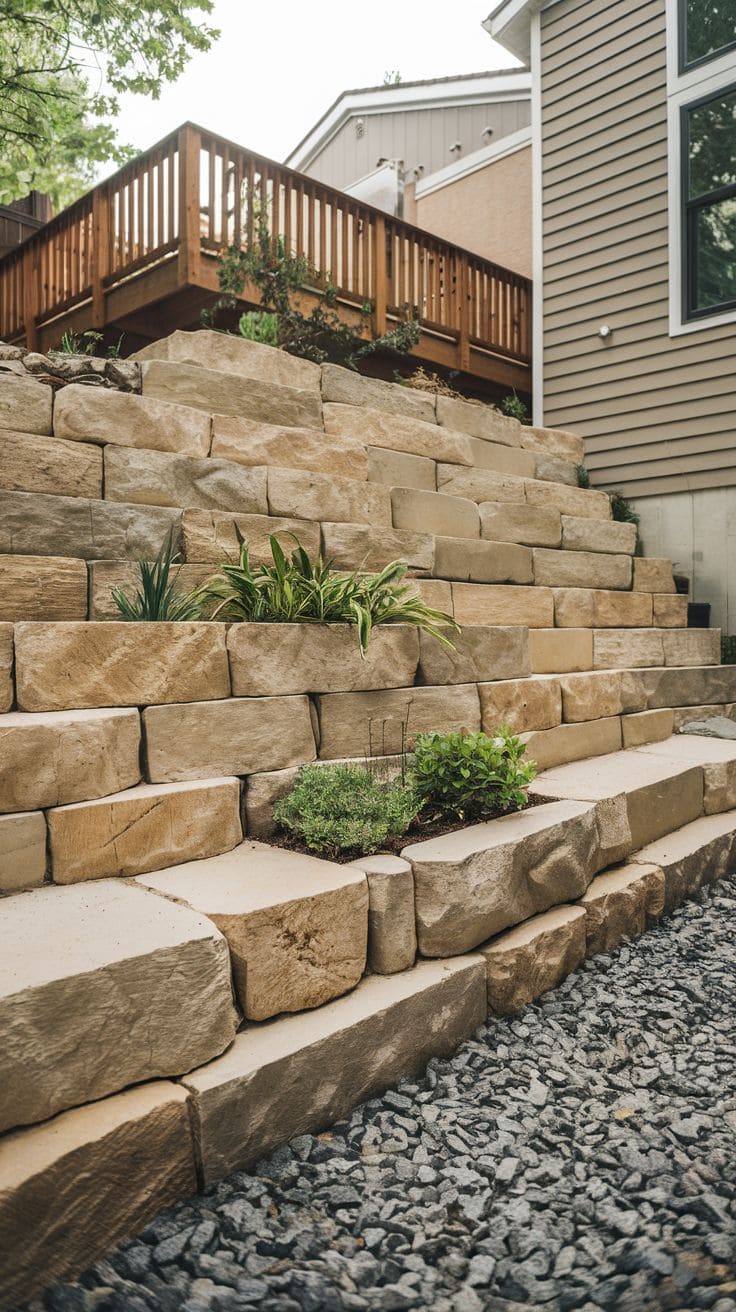
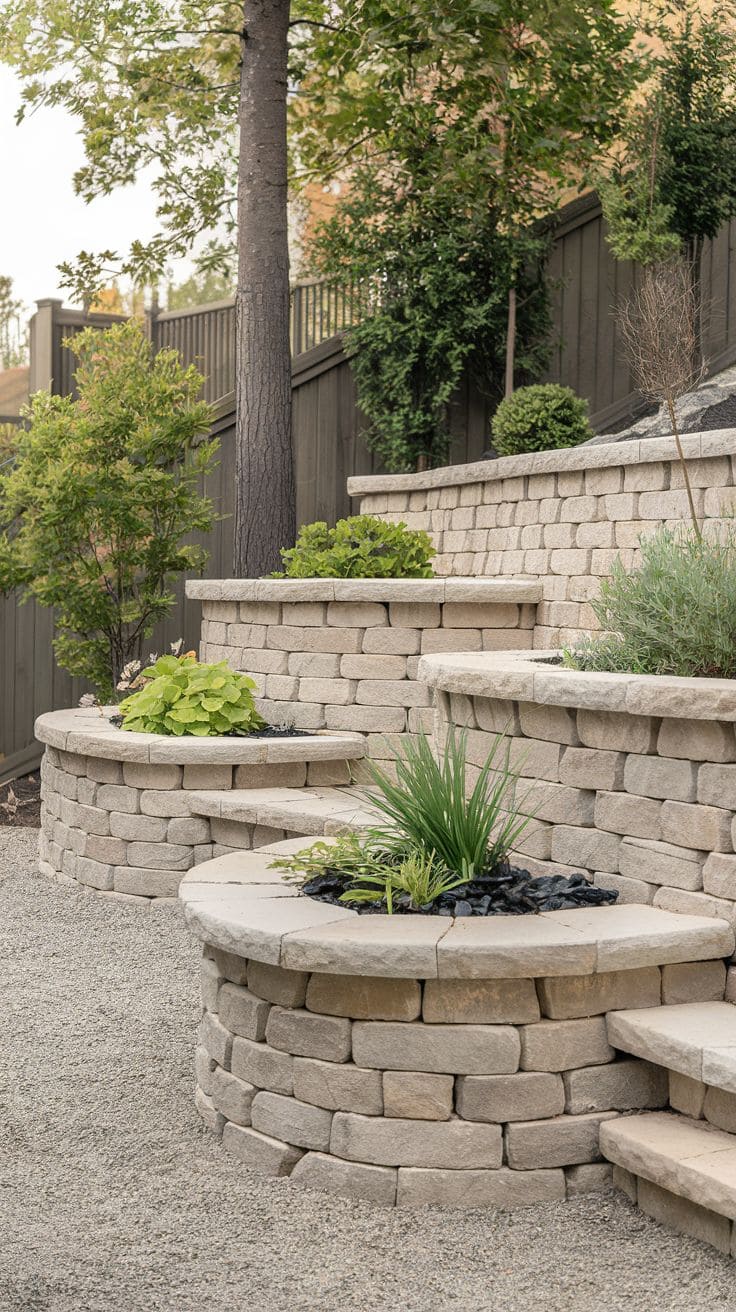
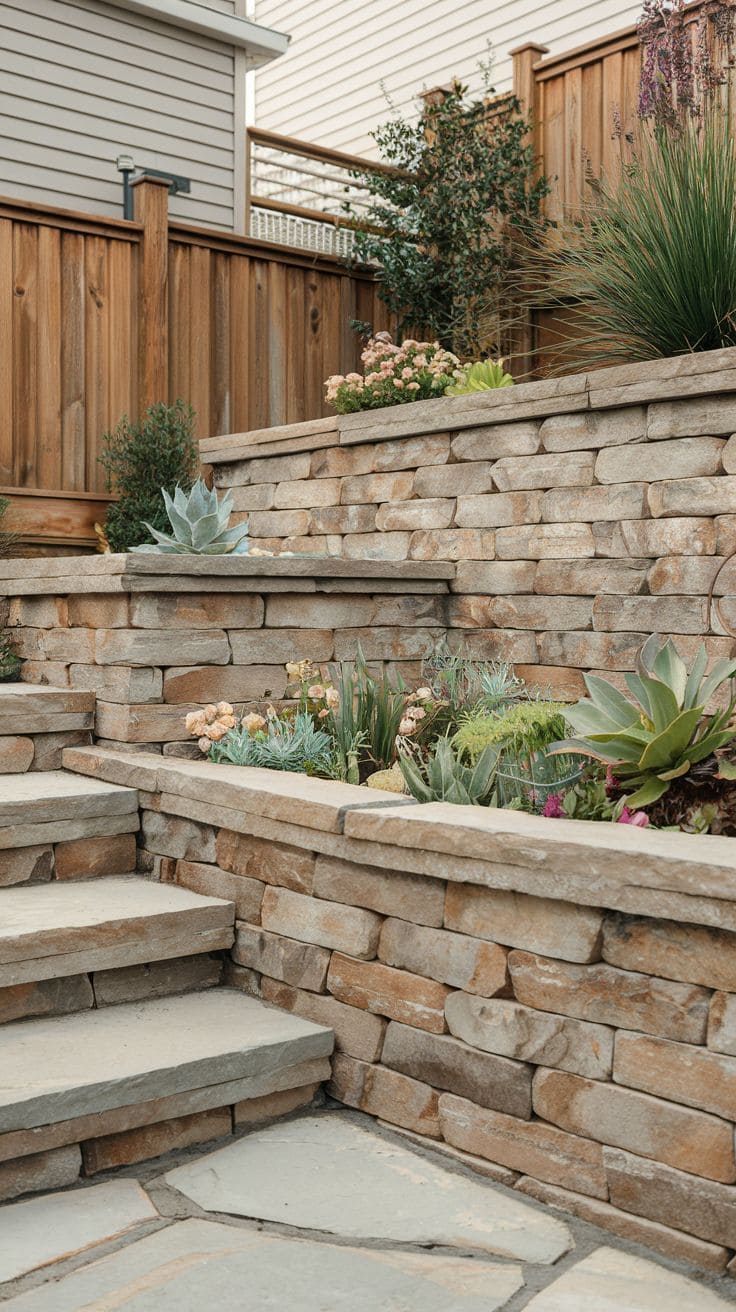
A retaining wall is the one idea on this list with genuine structural stakes, get it wrong and you’re not looking at a cosmetic fix, you’re looking at a wall that leans, cracks, or fails outright. It’s worth its own section rather than a single sentence.
Permits aren’t optional past a certain height. Requirements vary by city and county, but a consistent pattern shows up across jurisdictions (Portland, Douglas County, Walnut Creek, and others among them): walls 4 feet tall or taller generally require a building permit, and walls over 4 feet typically need a stamped engineer’s design, not just a contractor’s best guess. Check your local building department before you dig, not after the wall is half-built.
Drainage is the actual reason walls fail, not the stone or block itself. A real, highly-upvoted homeowner thread on this exact topic put it in one sentence: “Water drainage and primarily freezing is the key failure of retaining walls.” The mechanism is straightforward: water trapped behind a wall creates hydrostatic pressure, and that pressure, not the material, is what pushes a wall to lean, crack, or slide over time, with freeze-thaw cycles making it worse wherever winters get cold.
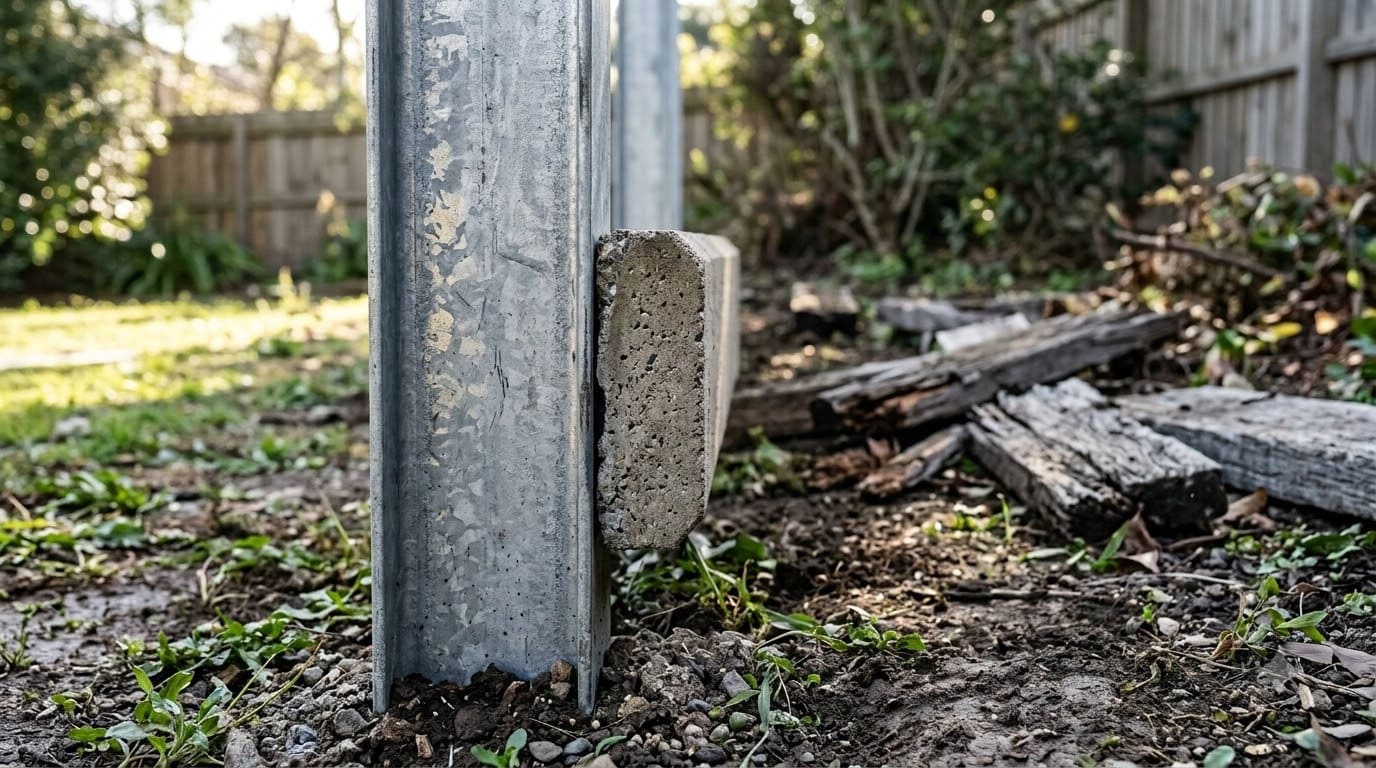
The fix is built in from the start, not patched in later: backfill with clean, angular crushed stone rather than the dirt you just dug out (this matters even more in clay-heavy soil, since clay expands when wet and adds pressure a well-drained wall never has to deal with), and run a perforated drain pipe along the base with a real outlet so water actually leaves instead of pooling.
One real, budget-friendly homeowner tip worth repeating: a roughly $15, 15-foot perforated drain pipe from a home-improvement store, laid along the wall’s base, covers a small residential wall’s drainage needs without an elaborate system.
DIY is genuinely realistic here, up to a point. Plenty of homeowners build their own retaining walls successfully, including at least one well-documented 35-foot DIY build shared publicly by someone with no prior wall-building experience.
That’s a real, achievable project for a modest wall within your local permit-free height limit.
Past that height, or once a stamped engineer’s design is legally required, this becomes a genuinely different project, one where the cost of getting it wrong (a failed wall, a redo, potential damage to whatever’s above or below it) outweighs whatever a DIY attempt would have saved.
One research step worth doing before you start: if a downhill neighbor already has a retaining wall, ask them about it. They’ve already dealt with the same slope and soil, and their build (successful or not) tells you more about what actually works on your specific hillside than any general guide can.
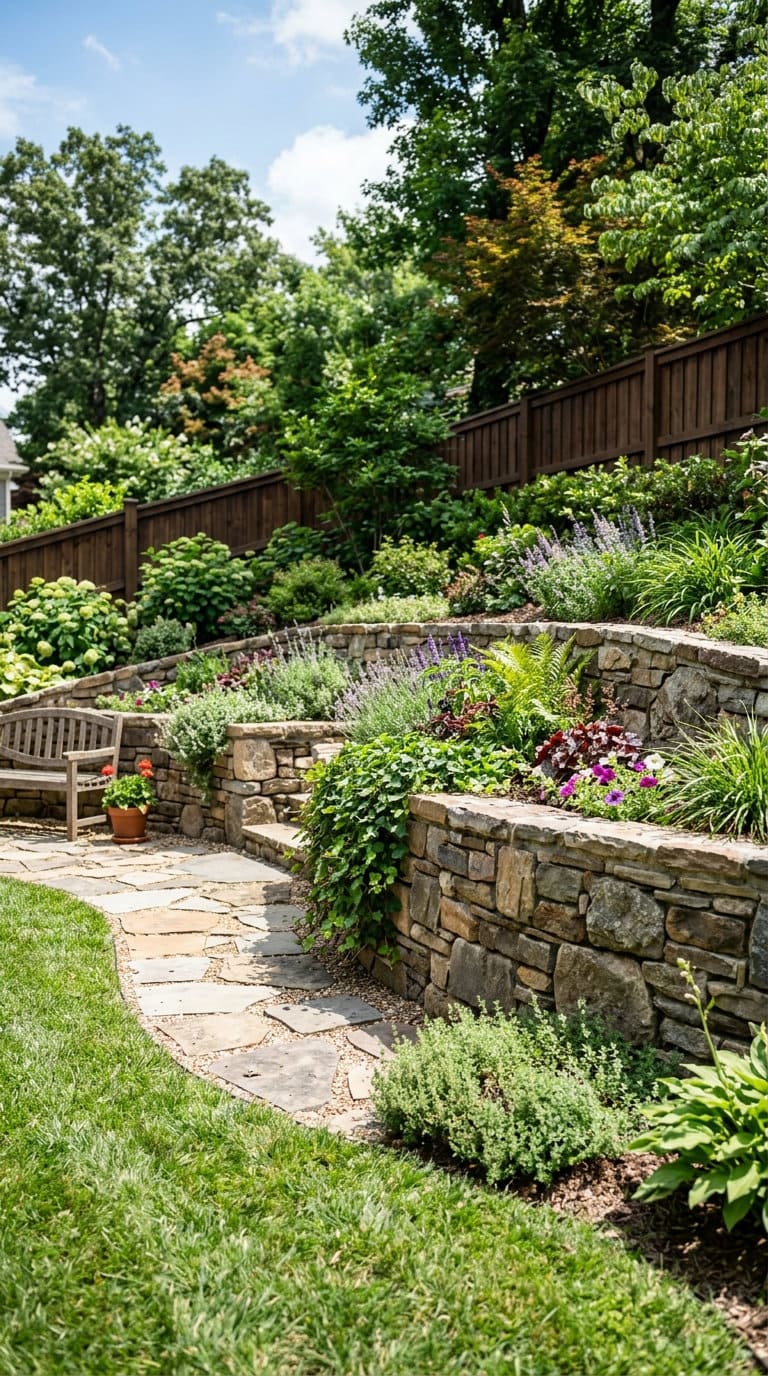
12. Gravel Pathways with Arches
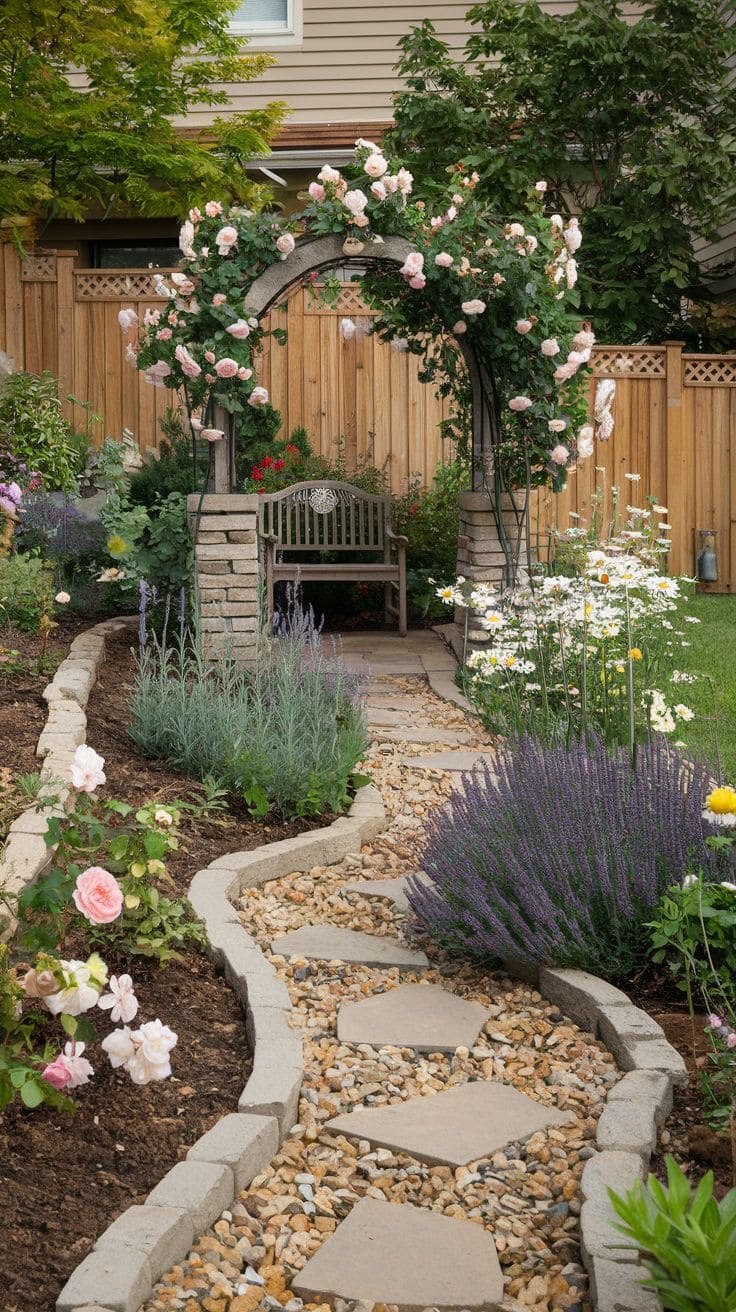
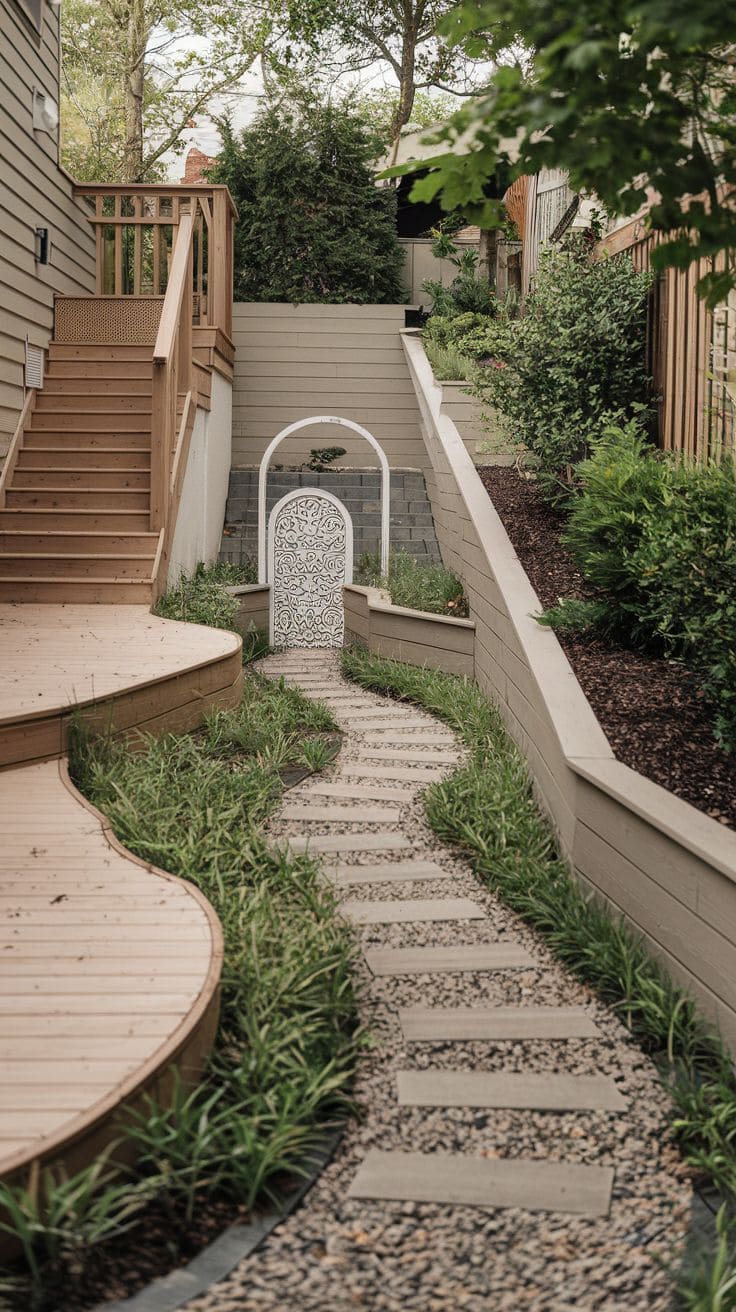
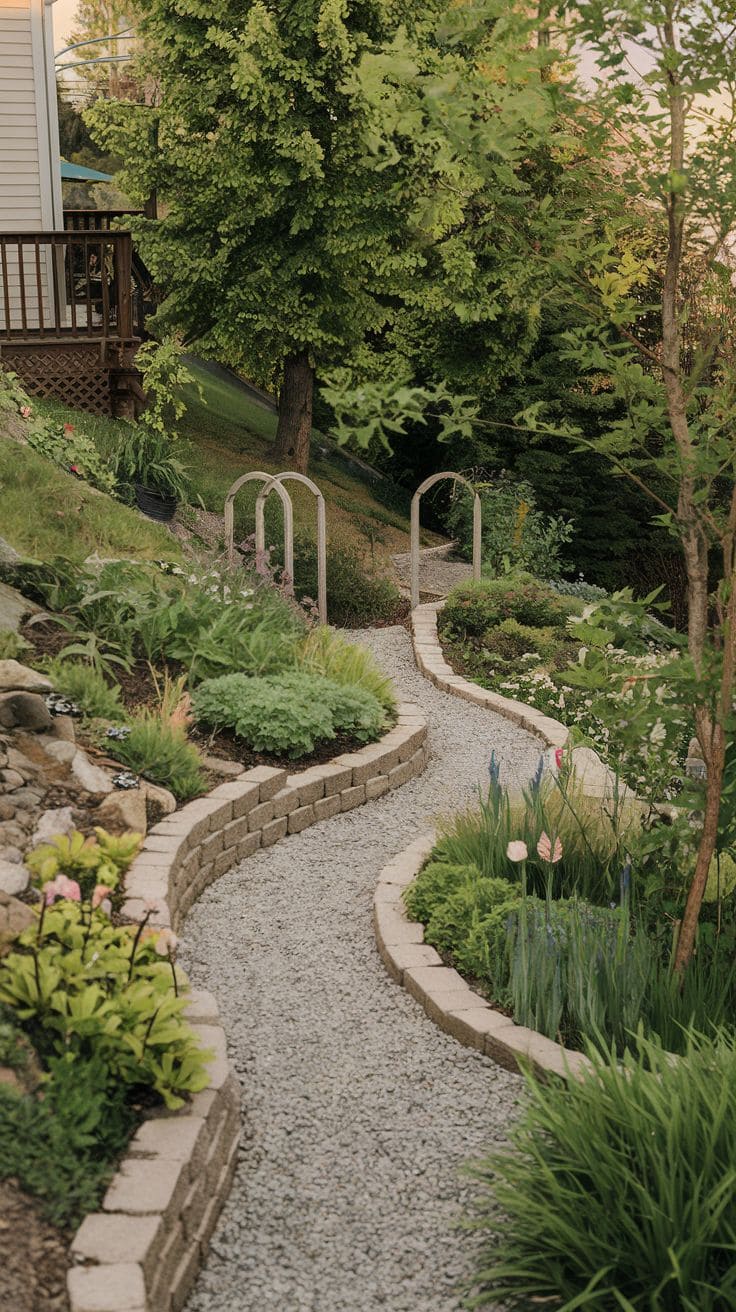
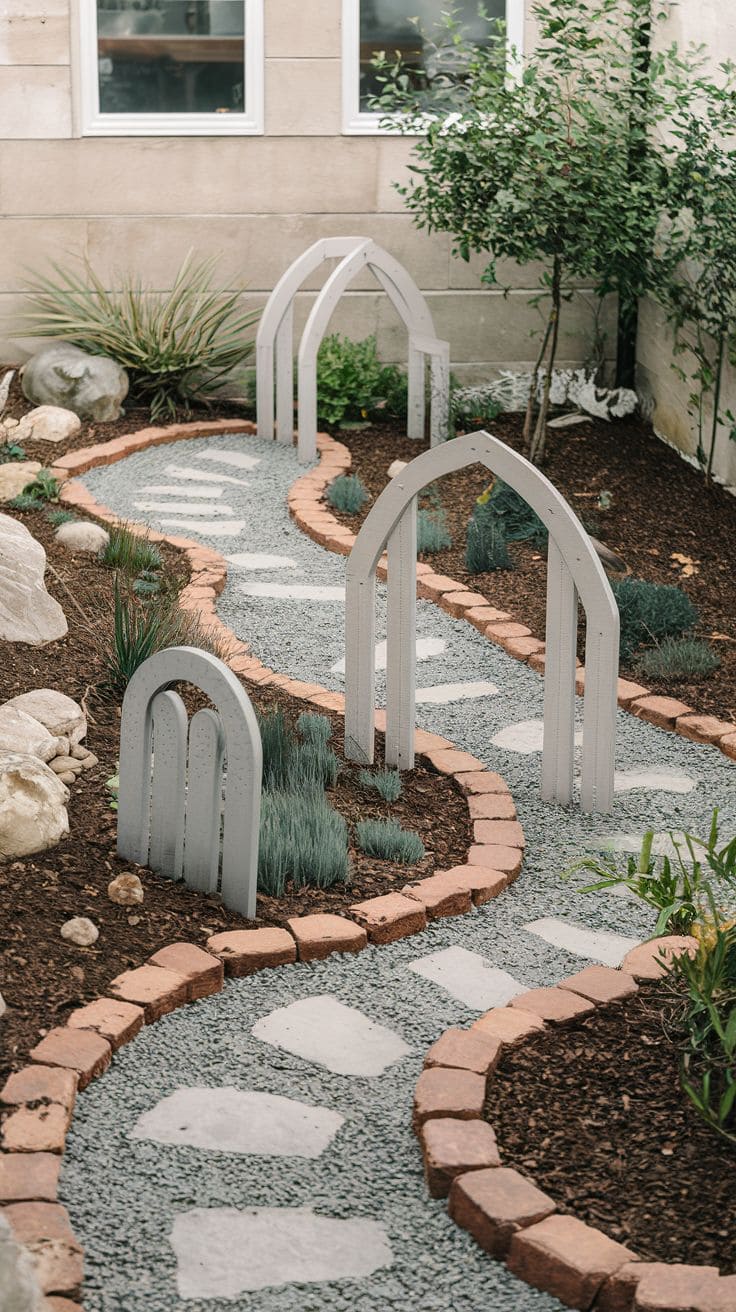
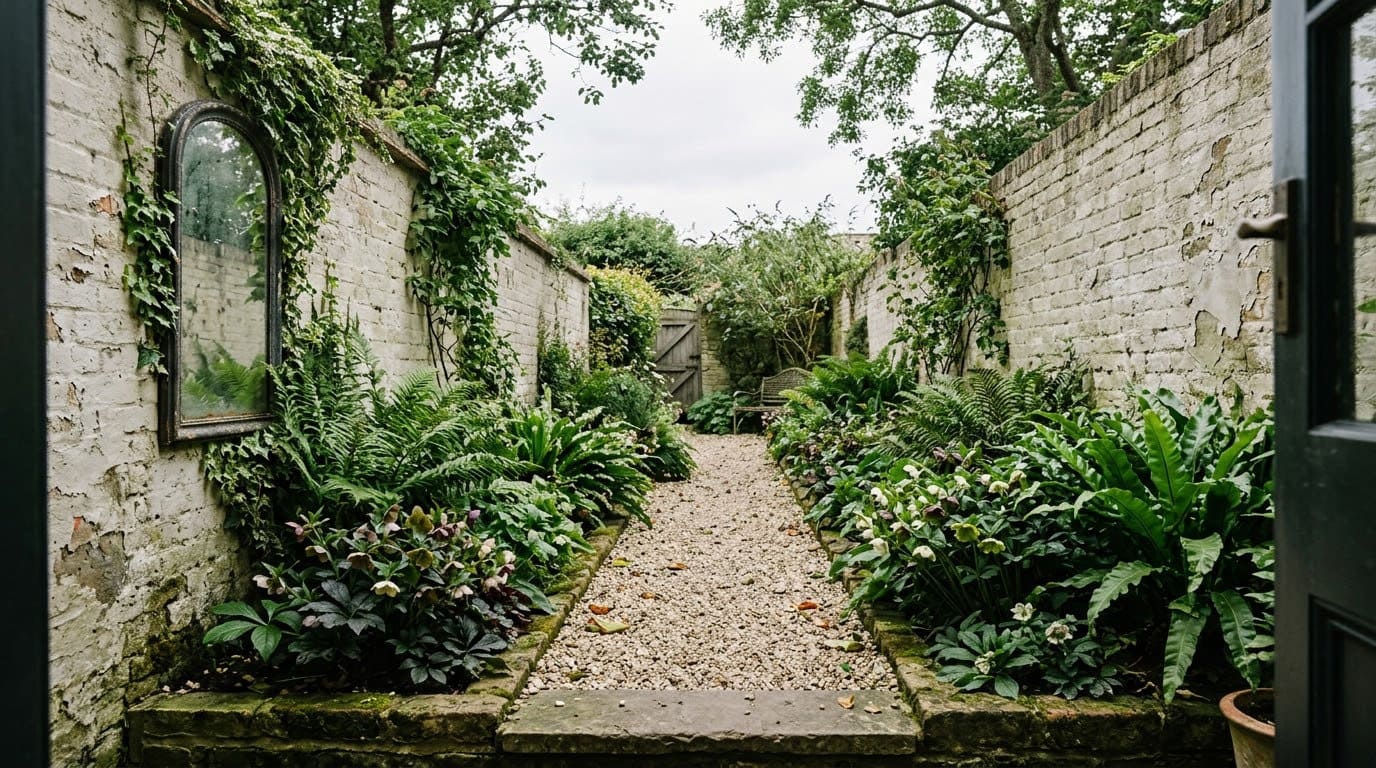
Winding gravel paths through a terraced slope, dressed up with a decorative arch or two along the way, add a whimsical touch that a straight poured-concrete path doesn’t.
Gravel also drains better than a solid surface, which matters more on a slope than a flat yard, since a hard, sloped surface sheds water fast enough to create real runoff problems a permeable gravel path avoids.
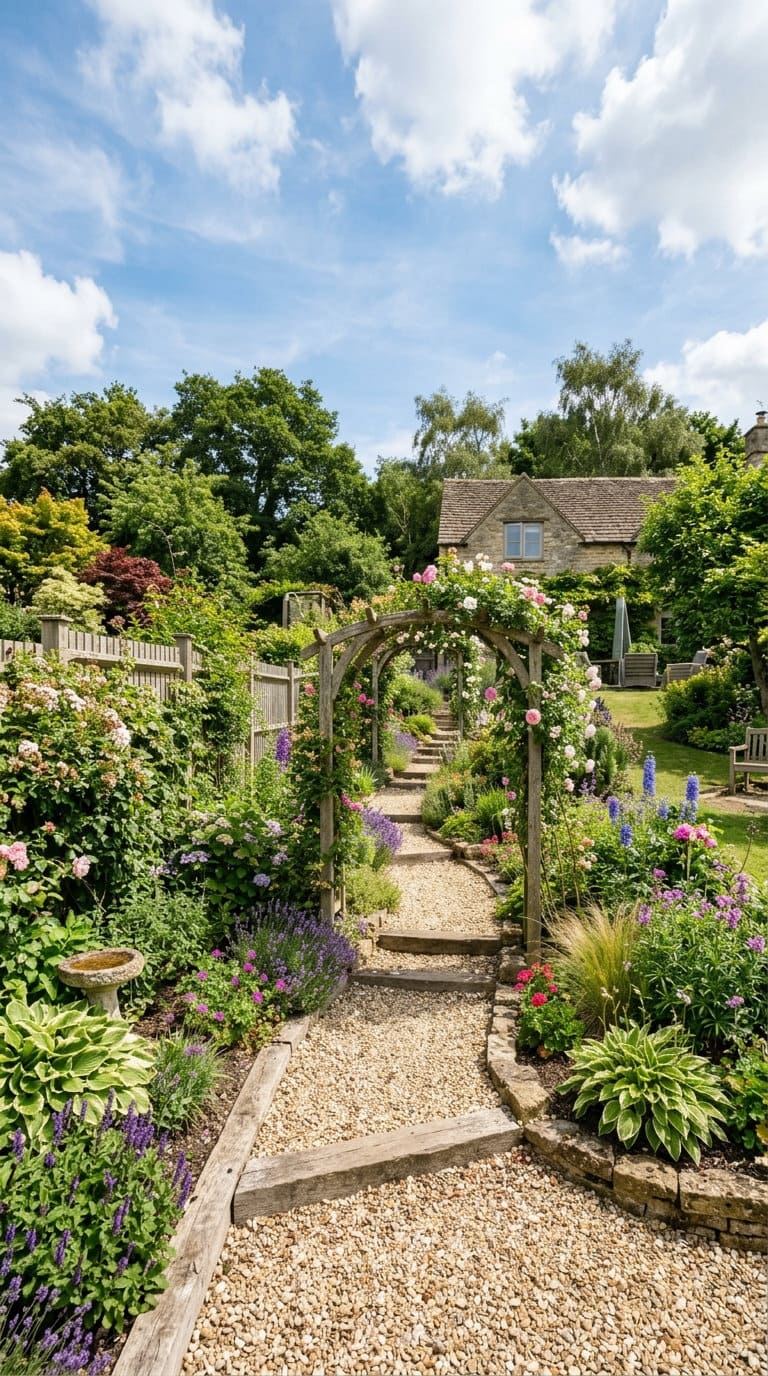
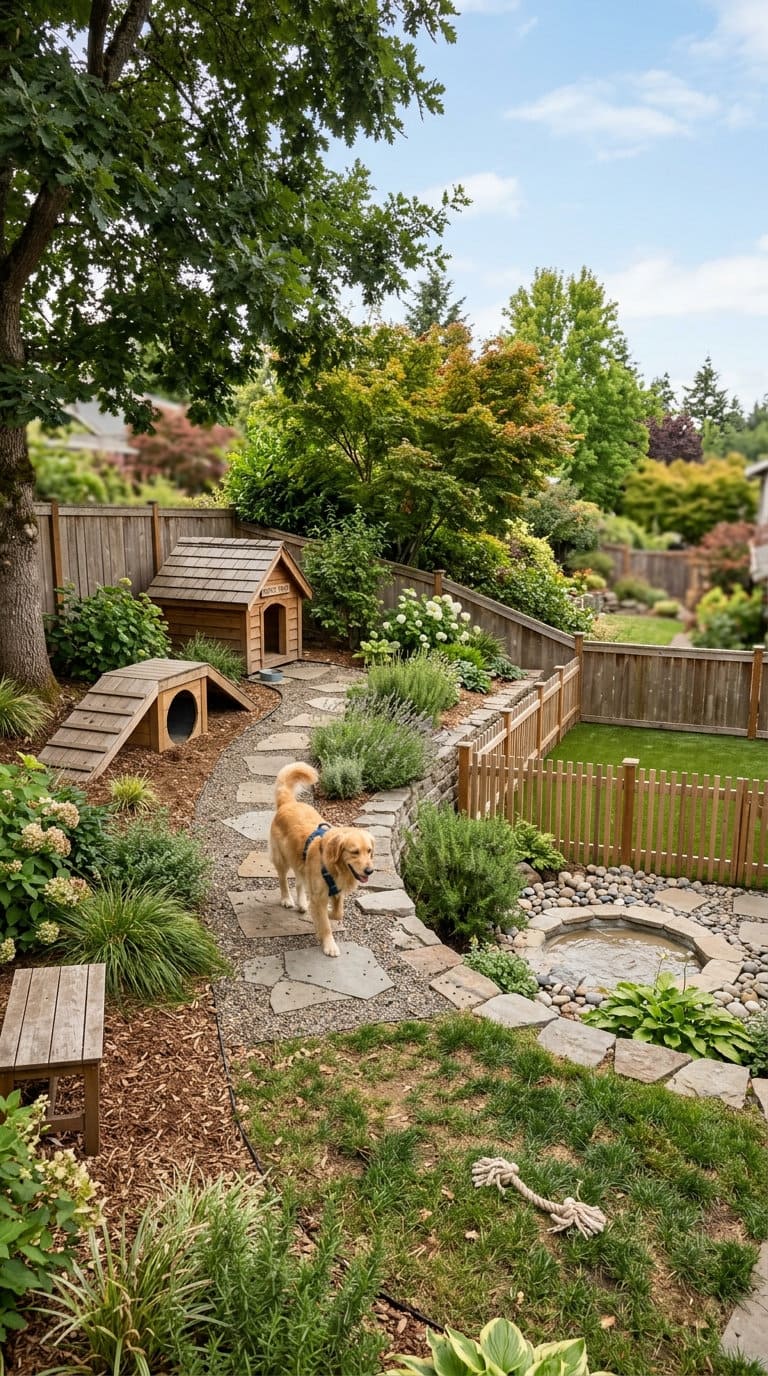
13. Pet-Friendly Space
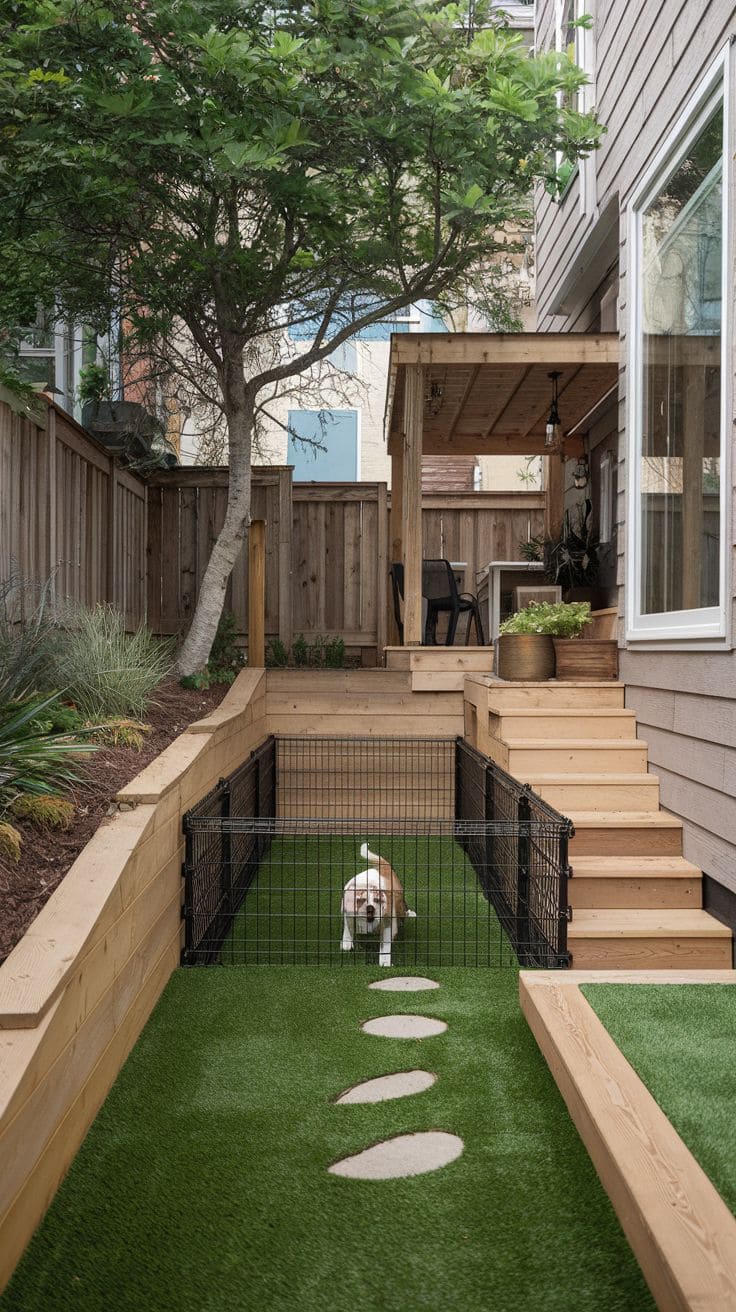
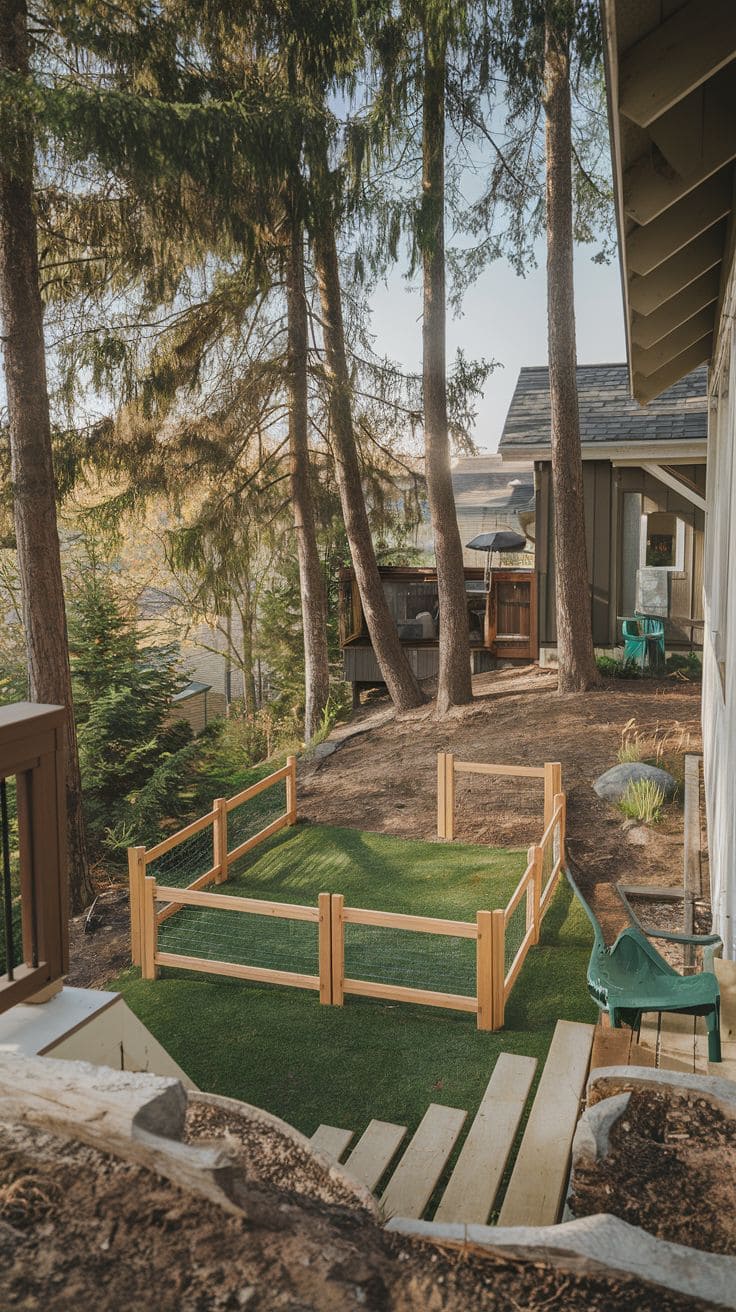
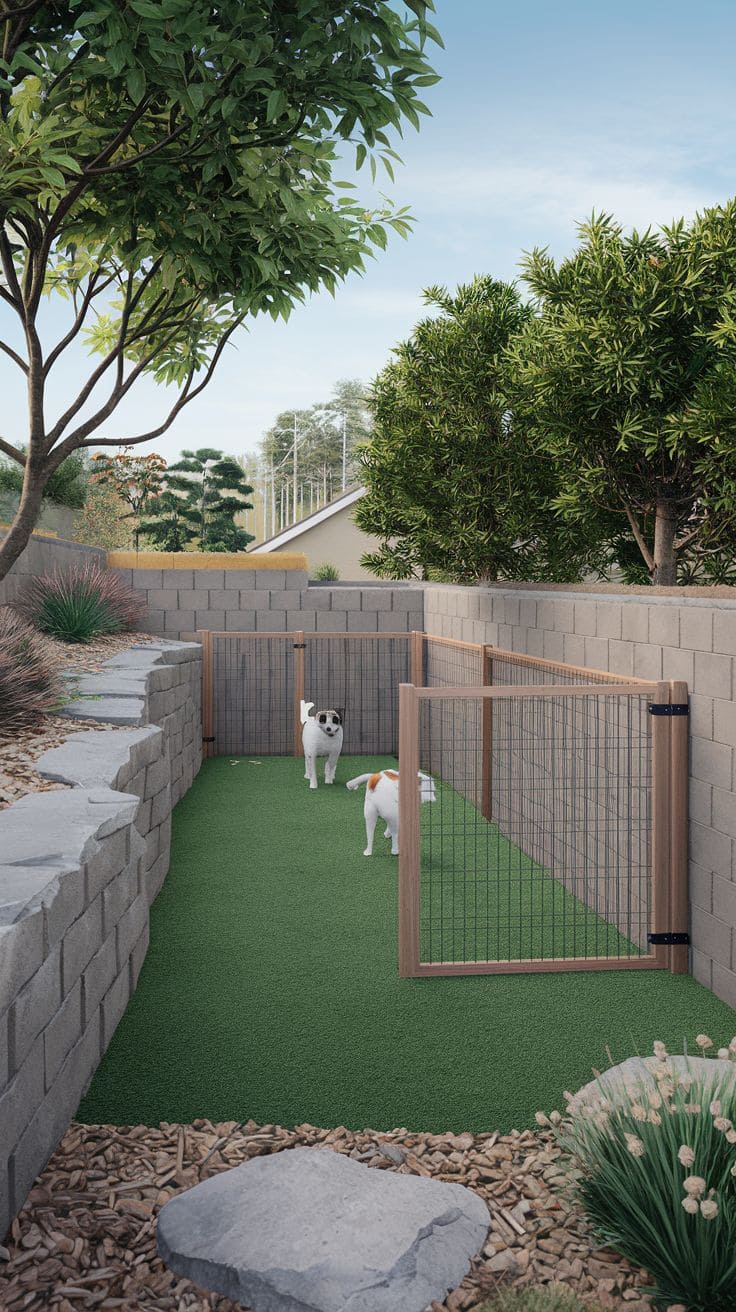
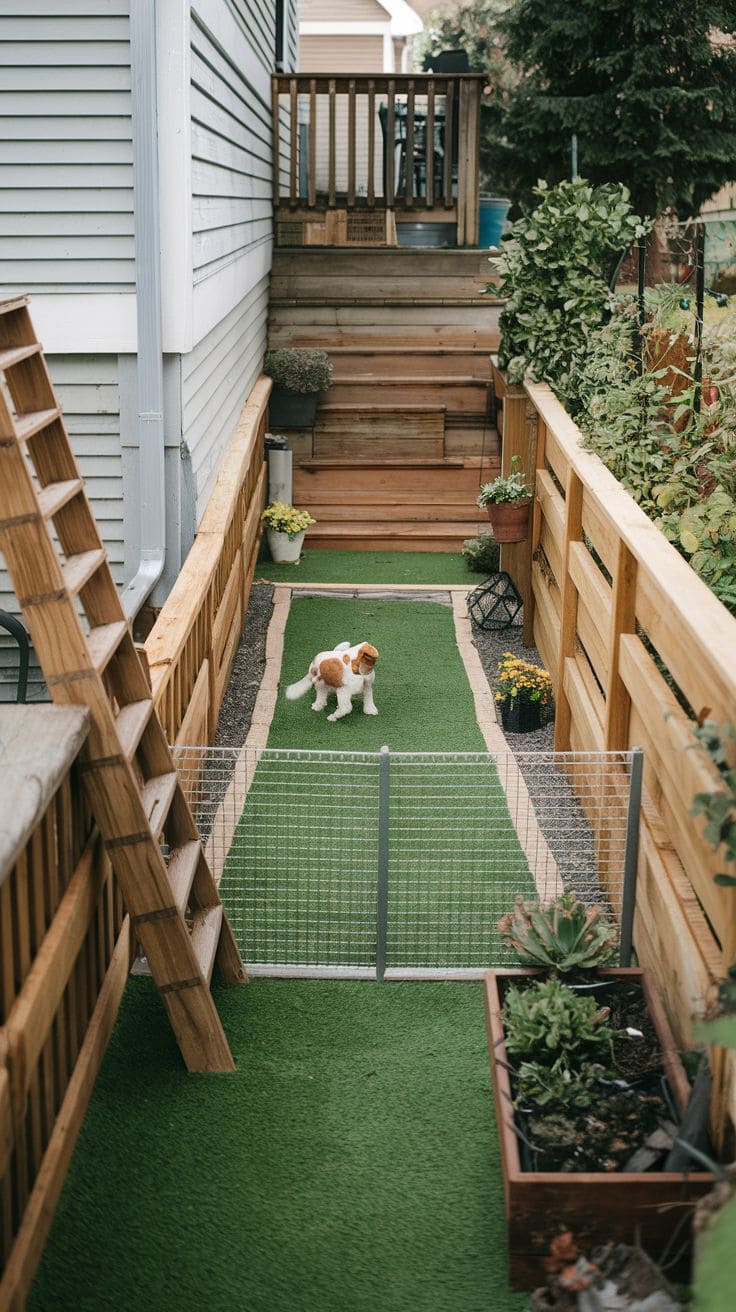
A small, fenced section with soft grass or artificial turf gives pets a safe, level spot to play without navigating the full slope. Locate it on the flattest tier you have, ideally near the base patio, so pets (and the people watching them) aren’t managing steps or grade changes during playtime.
A tiny sloped backyard comes with real challenges, but also real opportunities a flat yard doesn’t offer: built-in visual layering, natural drainage features, and terraces that make a small footprint feel much larger than its square footage suggests.
Get the retaining wall right, since it’s the one element here with real structural consequences, and the rest of these ideas are genuinely low-risk, high-reward ways to make a small slope work for you instead of against you.
FAQs
Do I need a permit for a backyard retaining wall? Often, yes, past a certain height. The common pattern across U.S. jurisdictions is that walls 4 feet tall or taller require a building permit, and walls over 4 feet typically need a stamped engineer’s design. Exact thresholds vary by city and county, so check with your local building department before you start digging.
Why do retaining walls fail? Mainly drainage, not the material. Water trapped behind a wall creates hydrostatic pressure, which is what actually pushes a wall to lean, crack, or slide, and freeze-thaw cycles make it worse in colder climates. Proper backfill (clean angular crushed stone, not the dirt you dug out) and a working perforated drain pipe at the base address the real cause rather than just the visible symptom.
Can I build a retaining wall myself? For a modest wall within your area’s permit-free height limit (commonly under 4 feet), yes, plenty of homeowners do this successfully as a DIY project. Once you’re past that height or a stamped engineer’s design is legally required, it becomes a different kind of project where the risk of getting it wrong outweighs the DIY savings.


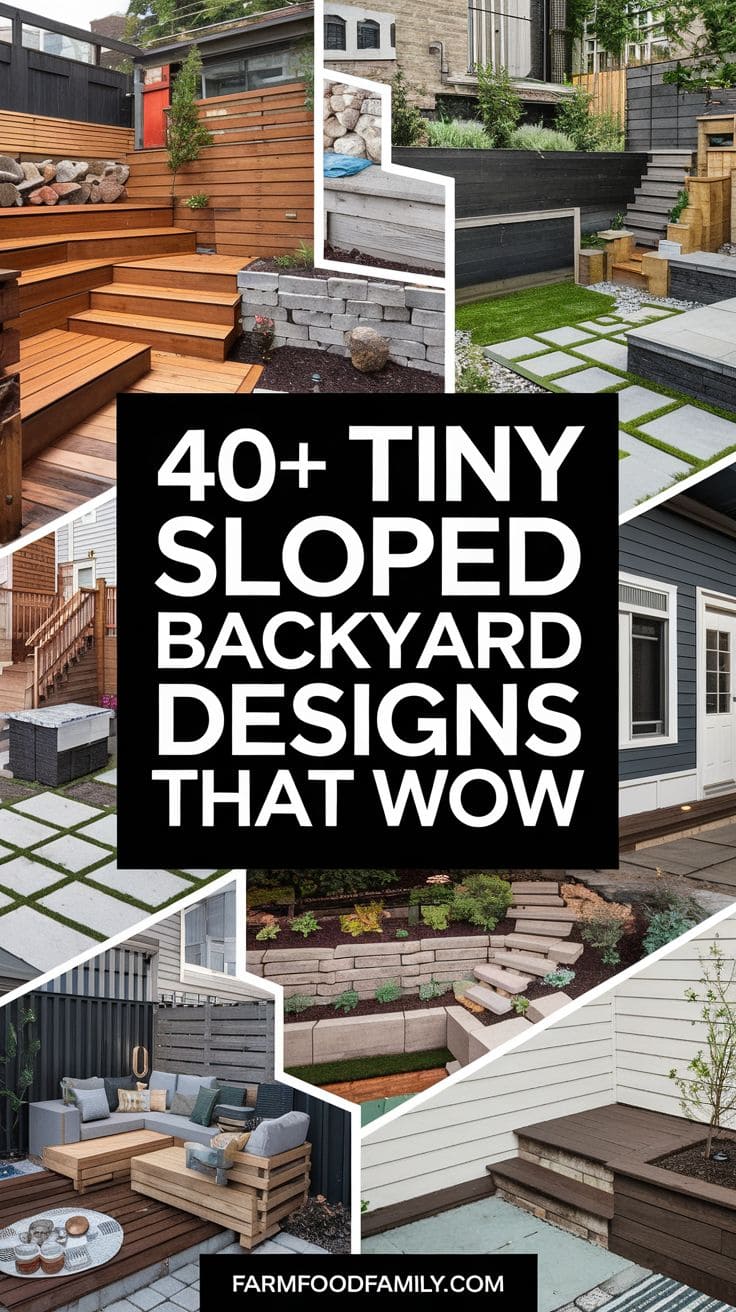
A tiny sloped backyard may come with its challenges, but it also offers unparalleled opportunities for creative design. By incorporating features like terraced gardens, cozy seating areas, and functional pathways, you can maximize both beauty and utility in the space.
With thoughtful planning and attention to detail, your sloped yard can become a charming retreat that balances practicality with aesthetic appeal, offering a unique and inviting outdoor environment to enjoy year-round.
Did you find any ideas that are perfect for your tiny sloped backyard? Let us know your thoughts in the comments below and make sure to share this list with your friends!
Products We Recommend
This post contains affiliate links. We may earn a commission on qualifying purchases at no extra cost to you.
Perforated Corrugated Flexible French Drain Pipe, 4in x 25ft
Flexible perforated drain pipe designed for behind-retaining-wall drainage — the exact fix idea #11's drainage guidance calls for
Shop Now
Non-Woven Geotextile Filter Fabric, 3ft x 50ft
Filter fabric placed between gravel backfill and native soil to prevent clogging — pairs directly with idea #11's backfill guidance
Shop Now
GIGALUMI Solar Pathway Lights, 12-Pack
Waterproof stainless steel solar stake lights for marking pathway steps and grade changes — a ready-made option for idea #2's ambient lighting
Shop NowNever miss an update — choose FarmFoodFamily as your preferred source on Google.
How it works: Tap the button below to open Google's settings page, then check the box next to FarmFoodFamily.
Tap the checkbox to turn it blue — that's how you know it's set.