32 Best Above Ground Pool Ideas: Decks, Fencing, Lighting, and More on a Budget
An above-ground pool is the fastest, cheapest way to get real backyard swimming without the permits and digging an in-ground pool demands. But “fast and cheap” doesn’t have to mean “looks cheap.” The 32 ideas below cover everything from the deck itself to lighting, fencing, privacy, and what to do with that unavoidable pump equipment,…


Never miss an update — choose FarmFoodFamily as your preferred source on Google.
How it works: Tap the button below to open Google’s settings page, then check the box next to FarmFoodFamily.
Tap the checkbox to turn it blue — that’s how you know it’s set.
An above-ground pool is the fastest, cheapest way to get real backyard swimming without the permits and digging an in-ground pool demands. But “fast and cheap” doesn’t have to mean “looks cheap.” The 32 ideas below cover everything from the deck itself to lighting, fencing, privacy, and what to do with that unavoidable pump equipment, organized so you can actually find the category you need instead of scrolling through a random grid.
One thing before you get to the fun part: how you set the pool up matters more than most guides mention, and getting it wrong has real consequences. More on that below.
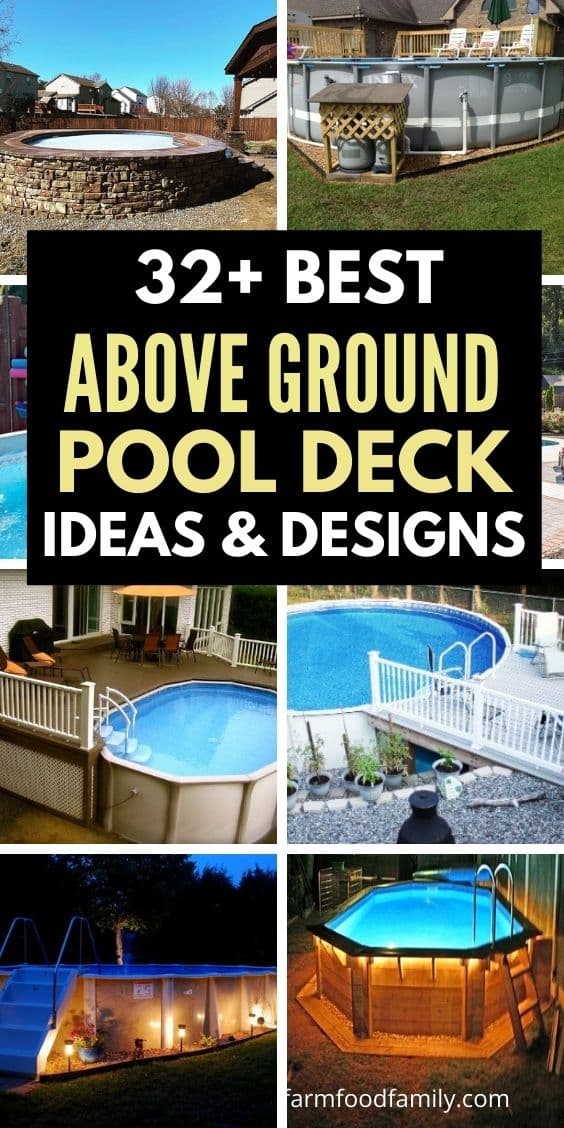
Pros and cons of above ground pools
As convenient as they may seem, above ground pools have their fair share of pros and cons. To help you weigh on things, here are some of the pros and cons of above ground pools that you should know about.
Pros
- Easy to install and disassemble. In-ground pools mean professional digging, insulating, and leveling work. Above-ground pools just need assembling, don’t touch your landscape permanently, and can come down for winter or move with you if you relocate.
- Safety. Above-ground pools are shallower than most in-ground pools, and the surrounding wall doubles as a barrier that helps prevent small children or pets from wandering in unsupervised, unlike an open in-ground pool edge.
- Affordability. The gap between in-ground and above-ground costs tens of thousands of dollars. Above-ground pools also tend to be non-taxable and don’t require building permits in most areas, since they’re not a permanent fixture (check your local rules, this varies).
- Low maintenance. Elevation keeps out some leaves and debris that would otherwise settle straight into an in-ground pool, and repairing a damaged liner or wall panel is far cheaper than repairing in-ground pool damage.
Cons
- Lifespan is genuinely shorter. According to Elizabeth Heath, a home-improvement writer for The Family Handyman, above-ground pools typically last 7 to 15 years depending on maintenance and the frame material, while in-ground pools can last anywhere from 8 to 15 years (vinyl-lined) up to 50-plus years (poured concrete), depending on the material chosen. That’s a bigger gap than a lot of guides admit.
- Limited customization. You’re working within a standard round or oval shape, not a custom-dug design.
- Less durable in bad weather. Strong wind or heavy snow load can damage the structure if it’s not properly supported or disassembled seasonally in colder climates.
Cost and Lifespan at a Glance
| Above-Ground | In-Ground | |
|---|---|---|
| Typical lifespan | 7-15 years (structure); liner often needs replacing around year 6 | 8-50+ years depending on material (vinyl 8-15, fiberglass 30+, concrete 50+) |
| Typical cost, pool + install | $1,021-$5,939 (up to $7,500 with full install) | Tens of thousands of dollars |
| Site leveling | $1,000-$3,400 | Included in excavation |
| Fencing (often code-required) | $1,500-$10,000, averages ~$4,000 | Varies by local code |
Sources: Family Handyman, Angi 2026 cost data.
The Most Common Installation Mistake (And Why It Matters)
This is the part most “above ground pool ideas” articles skip entirely, and it’s the one that actually protects your investment and your safety. The Pool & Hot Tub Alliance (PHTA), the pool industry’s own standards body, sets an acceptable ground-leveling tolerance of roughly 1 inch across the entire base. Go beyond that, and you’re risking real wall stress, and in bad cases, a wall rupture.
Intex, one of the largest above-ground pool manufacturers, and installation guides at In The Swim both flag the same root mistake: a 1 to 2 inch ground deviation can cause a soft-sided pool to “roll” toward the low side once it’s full, putting stress on the wall seam. The fix isn’t to fill the low spots, it’s to remove the high spots and compact the ground properly, then add a thin leveling layer of sand. Filling low spots instead of leveling high ones is a documented, avoidable cause of pool wall failure, according to installation-risk research from NIP Group.
Answer 4 quick questions and get matched to the exact fix for your yard — drainage, budget, layout, or something else entirely.
Take the Free QuizTranslation: whatever deck, fencing, or lighting idea you pick below, get the ground level first. It’s not the fun part, but it’s the part that keeps the fun part standing.
Above ground pool deck ideas
1. Composite above ground pool deck
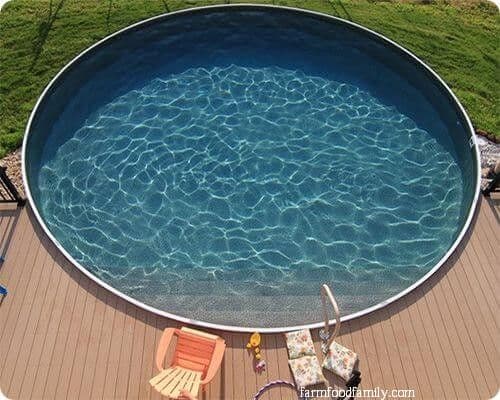
Composite decking skips the splinters, warping, and yearly staining that wood demands, while still looking like real wood grain. It costs more upfront but needs essentially no maintenance beyond occasional cleaning, a real advantage next to a pool where moisture exposure is constant.
2. Wood above ground pool deck
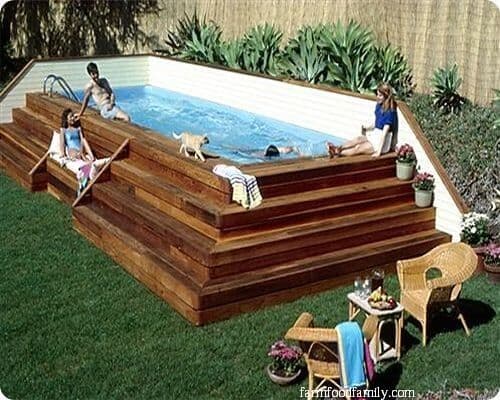
The classic choice, and still a good one if you’re willing to reseal it periodically. Pressure-treated lumber holds up best against constant splashing, and a natural wood tone tends to blend into a backyard more seamlessly than composite’s more uniform look.
Related: 26+ Outdoor Deck Designs and Ideas (With Photos)
3. Aluminum above ground pool deck
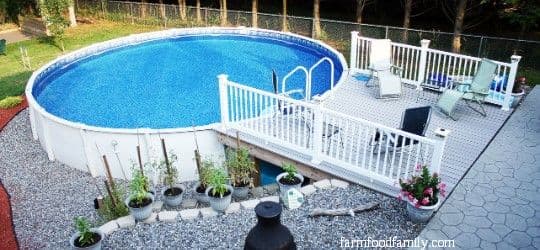
Lightweight, rust-resistant, and a strong option in humid or coastal climates where wood and even some composites can struggle. It runs cooler underfoot than some materials in direct sun, worth considering if your deck gets full afternoon exposure.
Small above ground pool ideas
4. Corner pool
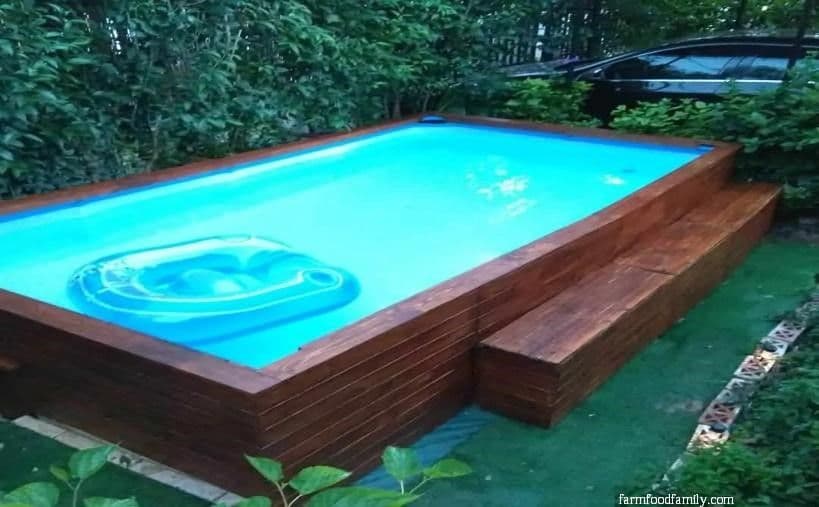
Tucking the pool into an unused corner of the yard frees up the rest of the space for actual living, a seating area, a garden, whatever you’d otherwise sacrifice to a pool sitting dead-center.
Related: Pool deck skirting ideas
Most yard problems trace back to one specific, fixable cause. Find yours in 4 quick questions.
Take the Free Quiz5. Narrow pool
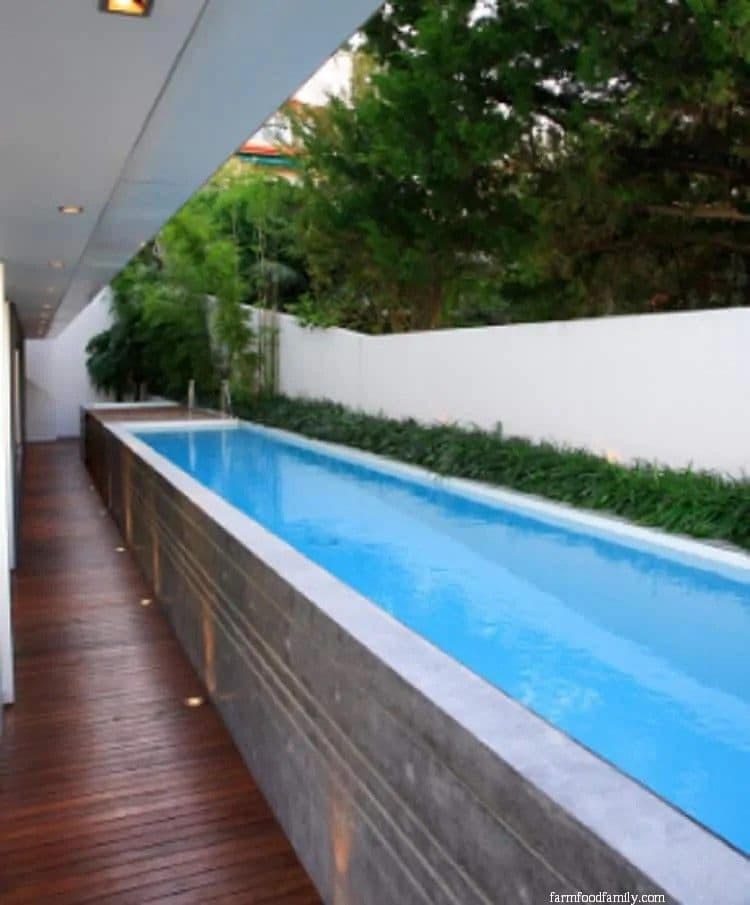
A long, narrow oval or lap-style above-ground pool fits yards that are tight on width but have some length to work with, and it doubles as a real exercise option, not just a place to float.
6. Patio to pool transition
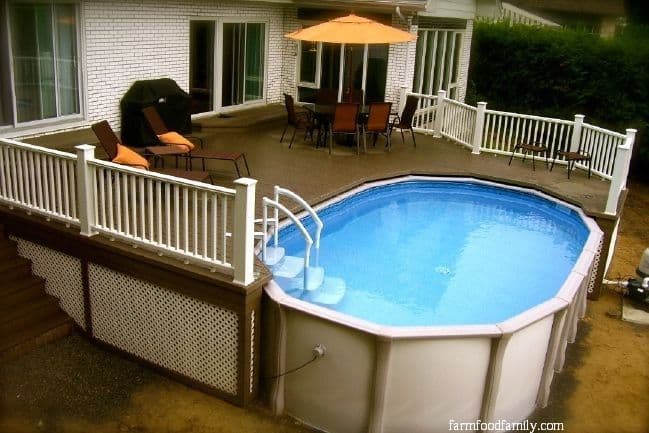
Connecting an existing patio directly to the pool deck with matching materials or a continuous step-down makes a small yard feel like one cohesive space instead of two separate zones competing for room.
Above ground pool lighting ideas
7. Moonlighting
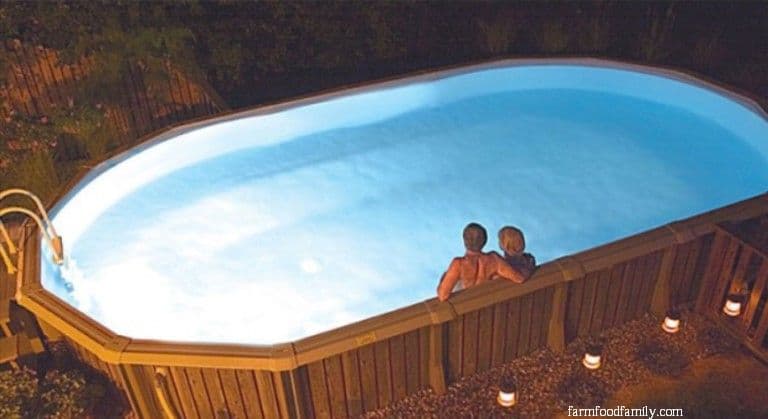
Soft, indirect lighting mounted above the pool area (often in nearby trees or a pergola) mimics natural moonlight rather than harsh direct illumination, ideal for evening swims without turning the backyard into a floodlit stage.
8. Undercap lighting
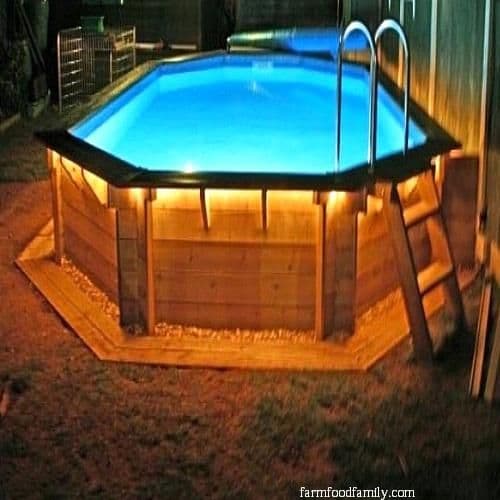
LED strips installed under the pool’s top rail or cap create a subtle glow right at the waterline, practical for visibility at night and genuinely striking without needing a bigger lighting project.
9. Structure lighting
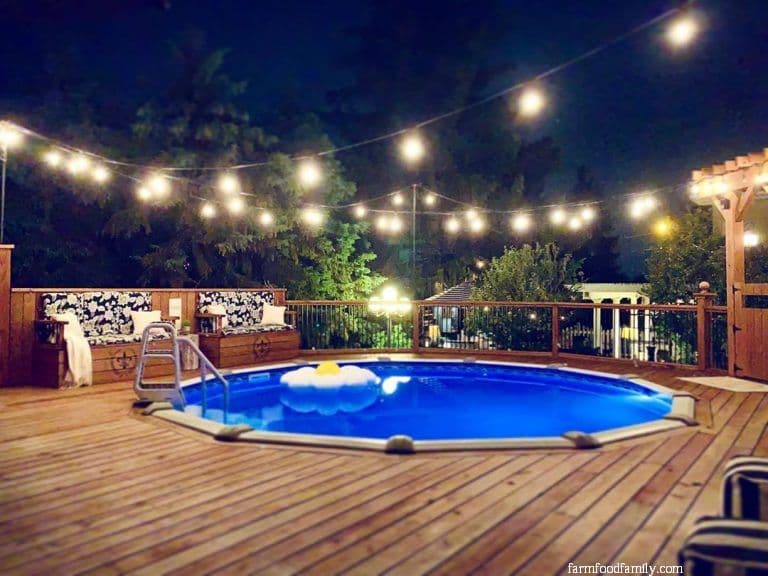
Lighting worked into the deck railing, steps, or fence posts themselves does double duty: safety visibility on stairs and edges, plus ambient light that doesn’t require a separate fixture.
Related: 45+ Best Deck Lighting Ideas & Designs
Above ground pool fence ideas
Related: 65+ Simple and Inexpensive DIY Fence Ideas For Your Backyard, or Privacy
10. Wood and glass fencing
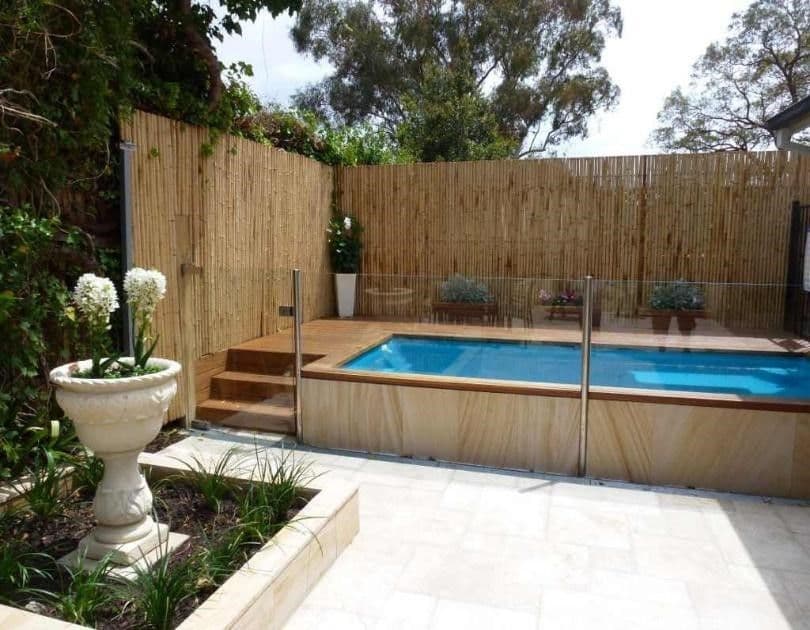
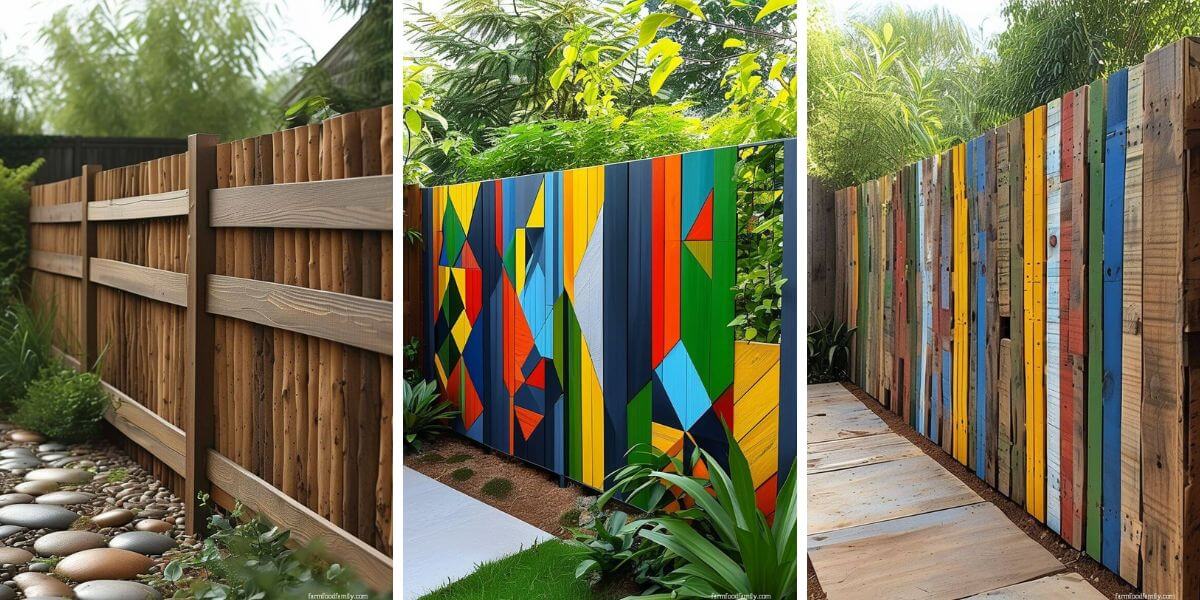
Glass panels keep the view open (and satisfy many local pool-safety codes requiring visibility) while wood posts keep the structure grounded and less institutional-looking than an all-glass or all-metal fence.

11. Horizontal wood fencing
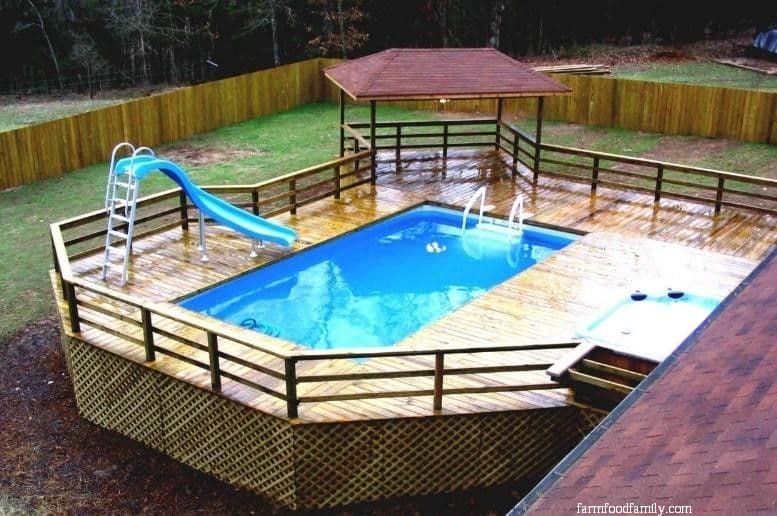
Horizontal slats read as more modern than a standard vertical picket fence, and the wider gaps (where code allows) let more light and airflow through without sacrificing privacy from a standing eye-level view. If you want more fence styles to compare beyond these three, see DIY fence ideas for a broader rundown.
12. Wrought iron fencing
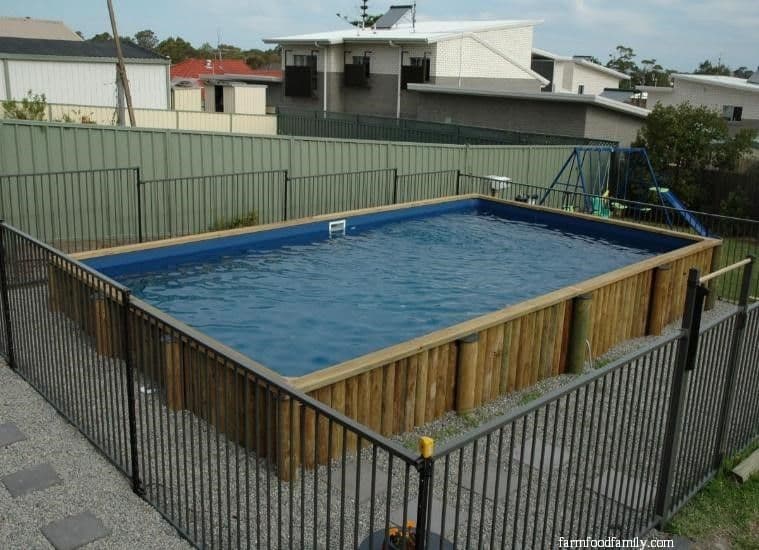
Durable, classic, and low-maintenance compared to wood, though it runs hotter to the touch in direct sun, worth a consideration if kids will be near it barefoot.
Above ground pool edging ideas
13. Brick edging
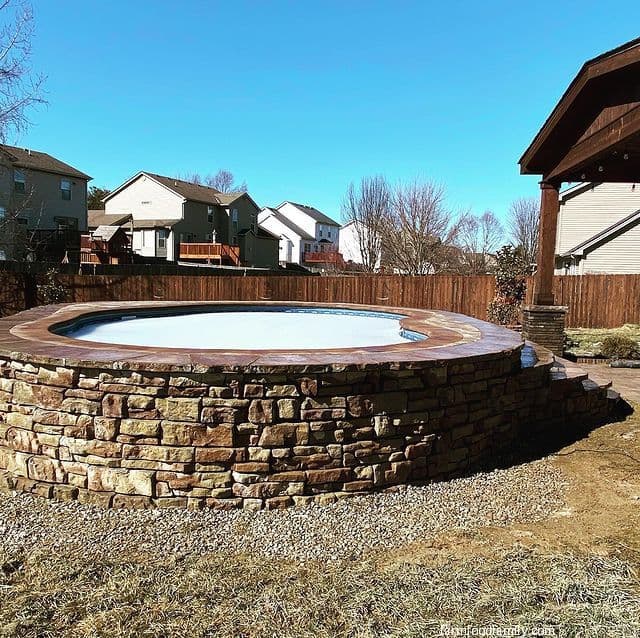
A brick border at the pool’s base disguises the raw bottom edge of the pool wall and gives mowing or trimming around the pool a clean, defined line to work against.
The average homeowner spends $616/year on yard fixes that don't address the real problem. Find out what yours actually is — before you spend another dollar.
Take the Free Quiz14. Wood edging
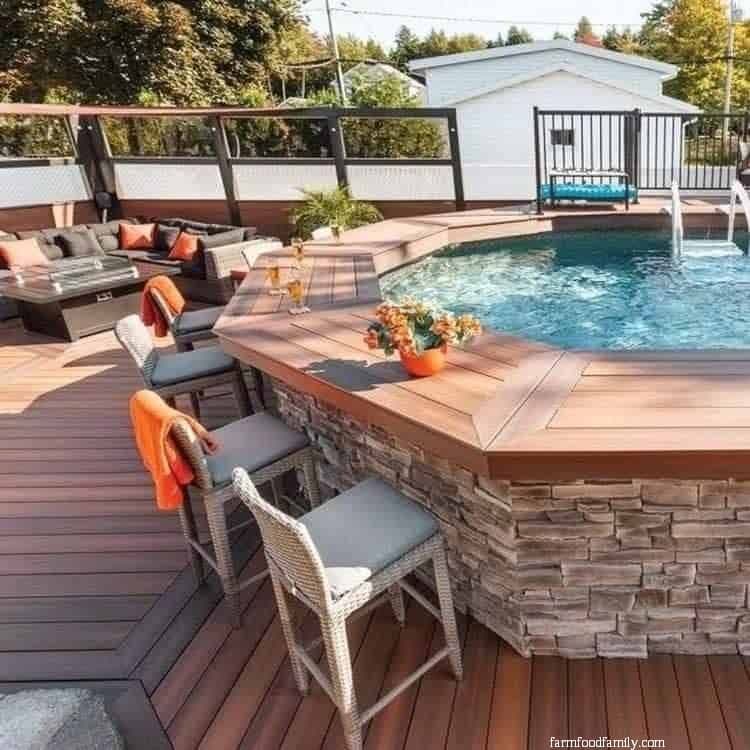
Simple, cheap, and easy to replace if it weathers unevenly, a practical choice if you want a finished look without brick’s labor or cost.
15. Tile edging
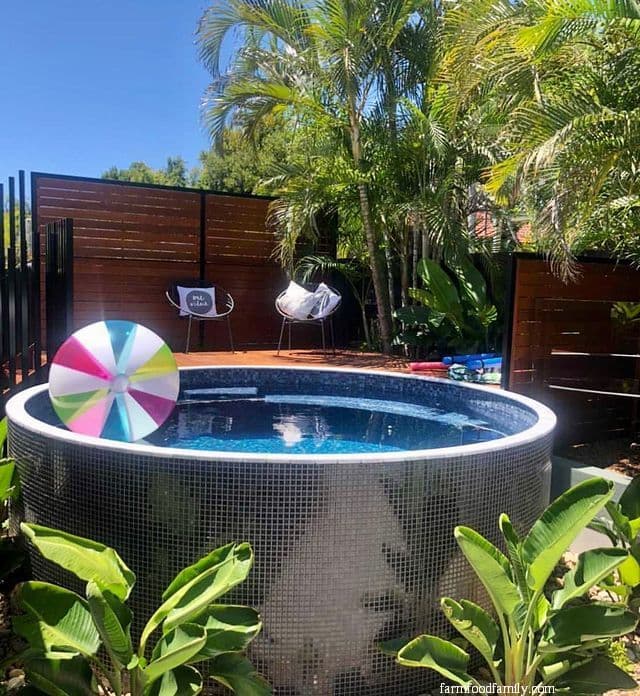
Ceramic or stone tile edging brings a more finished, resort-like look than most above-ground pool setups achieve, though it needs a stable, well-prepped base to avoid cracking over time.
Above ground pool enclosure ideas
16. Dome enclosure
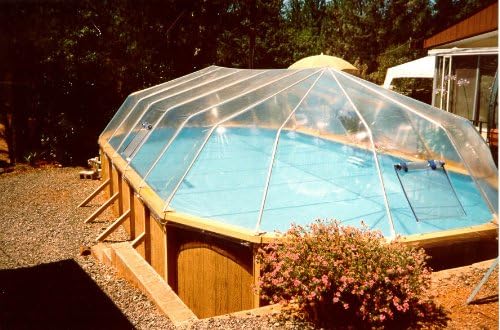
Click here to read more on Amazon
A dome enclosure extends the swim season significantly by trapping heat and blocking wind and debris, at the cost of a noticeably more “structure-heavy” backyard look. A dome-style pool enclosure is a real option worth pricing out if you want to swim well outside of peak summer.
17. Retractable enclosure
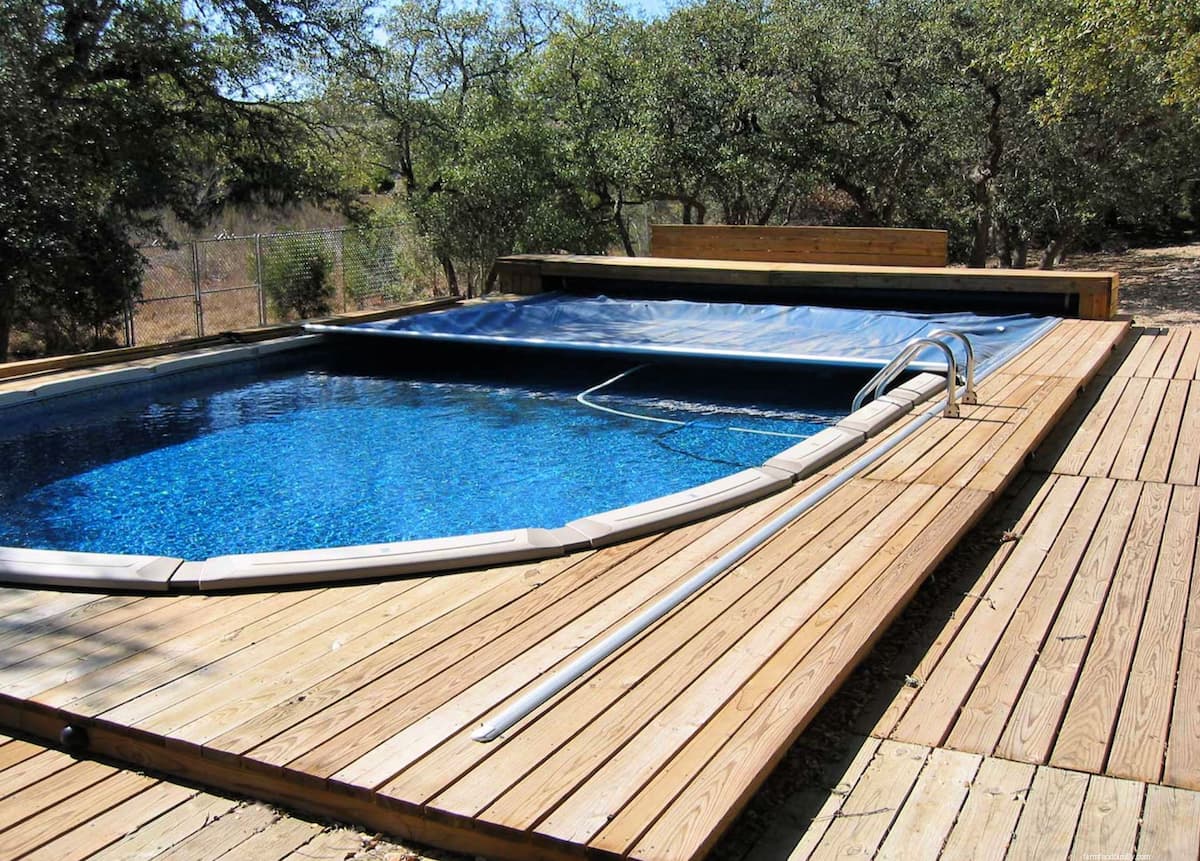
A retractable structure gives you the extended-season benefit of a dome without permanently covering the pool, open it up on nice days, close it for cooler or windier ones.
18. Wood and glass enclosure
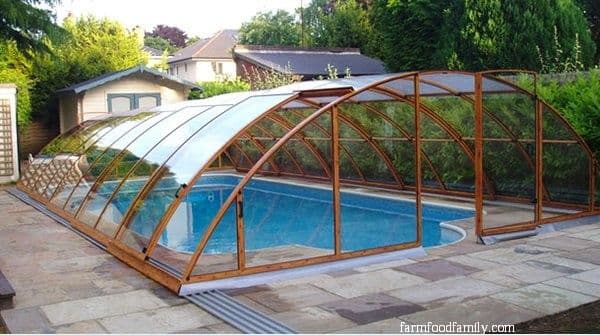
A more architectural, semi-permanent enclosure using wood framing and glass panels reads less like pool equipment and more like an actual outdoor room, at a higher build cost than a retractable cover.
Above ground pool privacy ideas
19. Wood bar privacy design
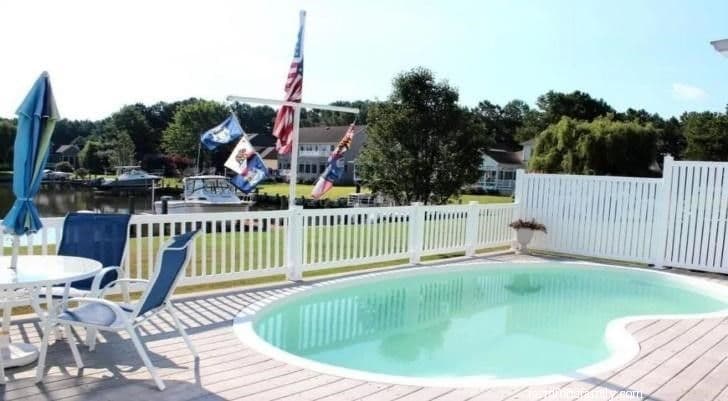
Vertical wood bars spaced with small gaps block direct sightlines while still letting breeze and some light through, less heavy-looking than a solid privacy fence.
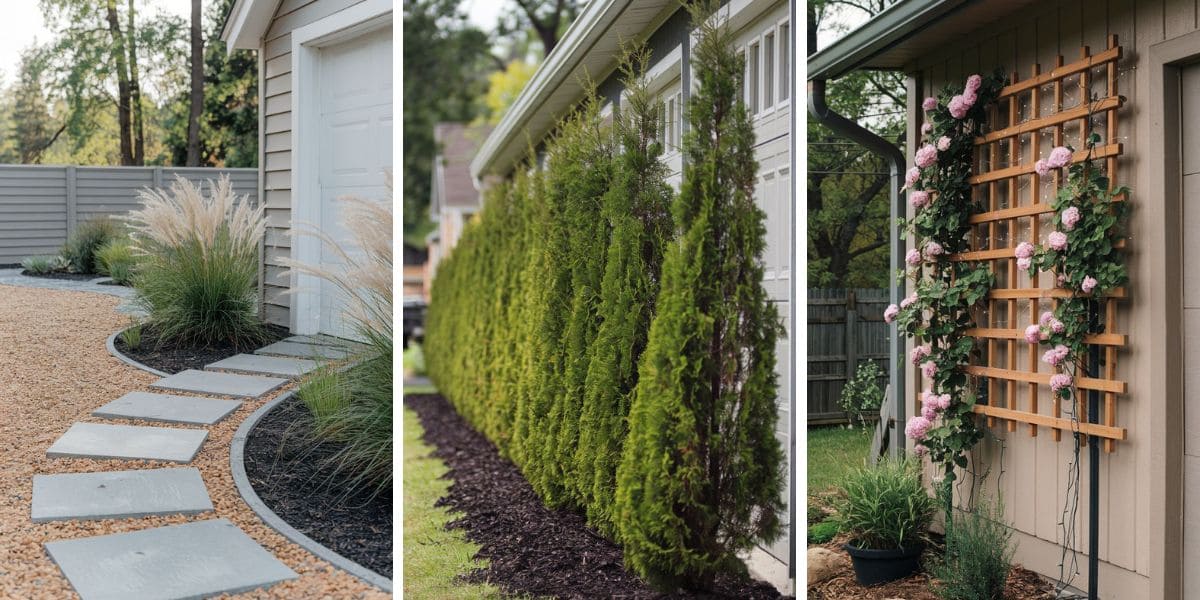
20. Hedging
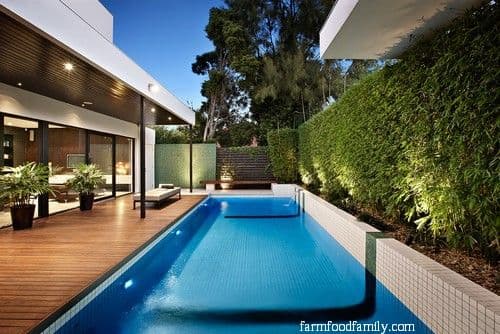
Living privacy takes longer to establish than a built structure, but a dense hedge line softens the whole backyard and adds a natural boundary that doesn’t need repainting or resealing. For more ways to screen a pool deck from neighbors without a solid wall, see deck privacy ideas.
Above ground pool pump cover ideas
21. Wood lattice
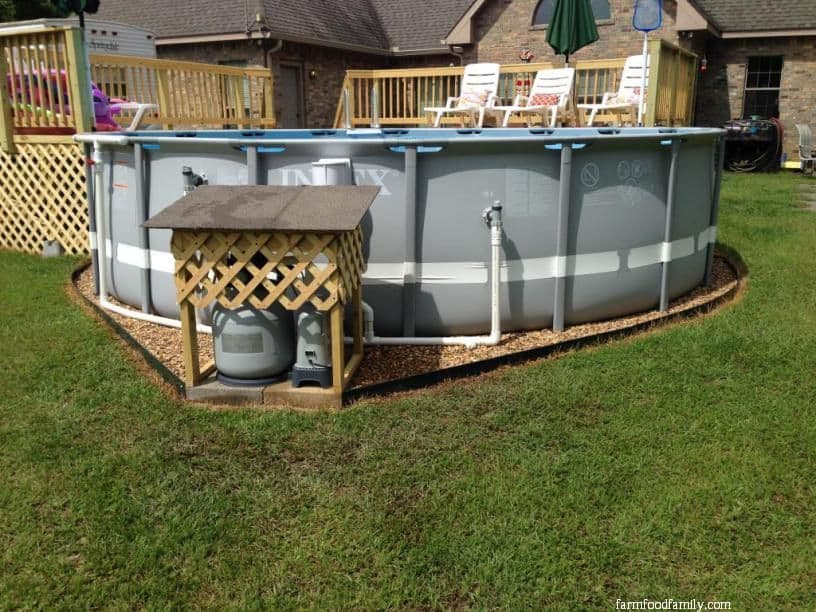
A simple lattice box hides the pump and filter without blocking airflow, which matters, pool equipment needs ventilation to avoid overheating.
22. Privacy screens
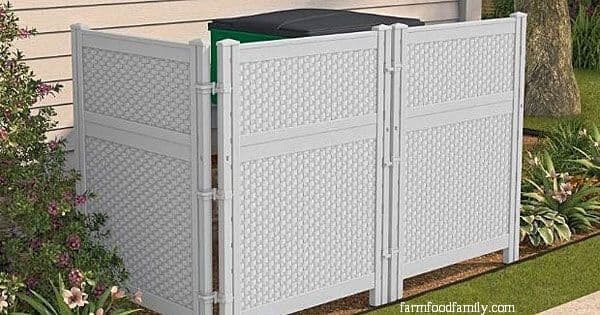
A freestanding decorative screen panel is the fastest, cheapest way to visually hide equipment if you don’t want to build a dedicated enclosure.
23. Wood cabinet
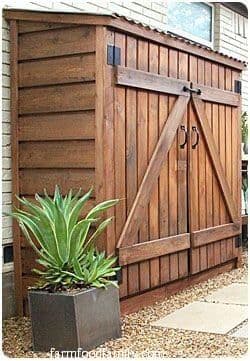
A fully enclosed cabinet with a hinged access panel gives the cleanest look of the three options here, but make sure it’s vented properly, sealing equipment in completely can cause it to overheat or trap moisture.
Above ground pool storage ideas
24. Cargo net storage
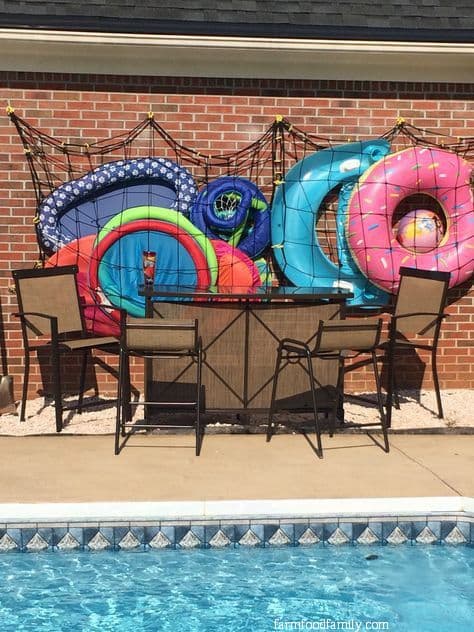
A mounted cargo net holds pool toys and floats off the deck surface, cheap, easy to install, and it keeps gear from becoming a tripping hazard around the pool edge.
25. Pallet pool storage
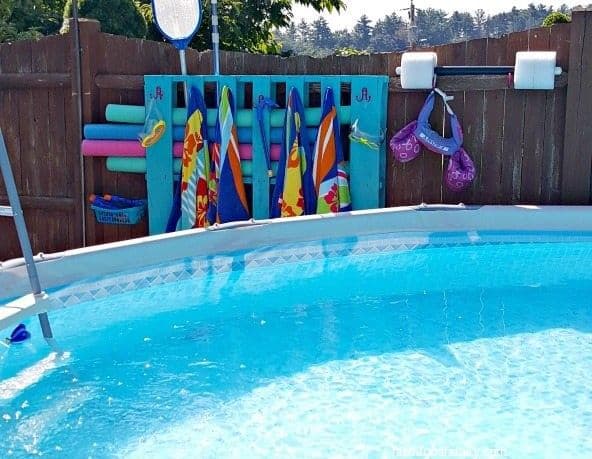
A repurposed wood pallet, stood on end and fitted with shelves or hooks, makes a genuinely useful budget storage unit for pool chemicals, towels, or equipment, and it’s a project most people can build in an afternoon.
26. Woodshed
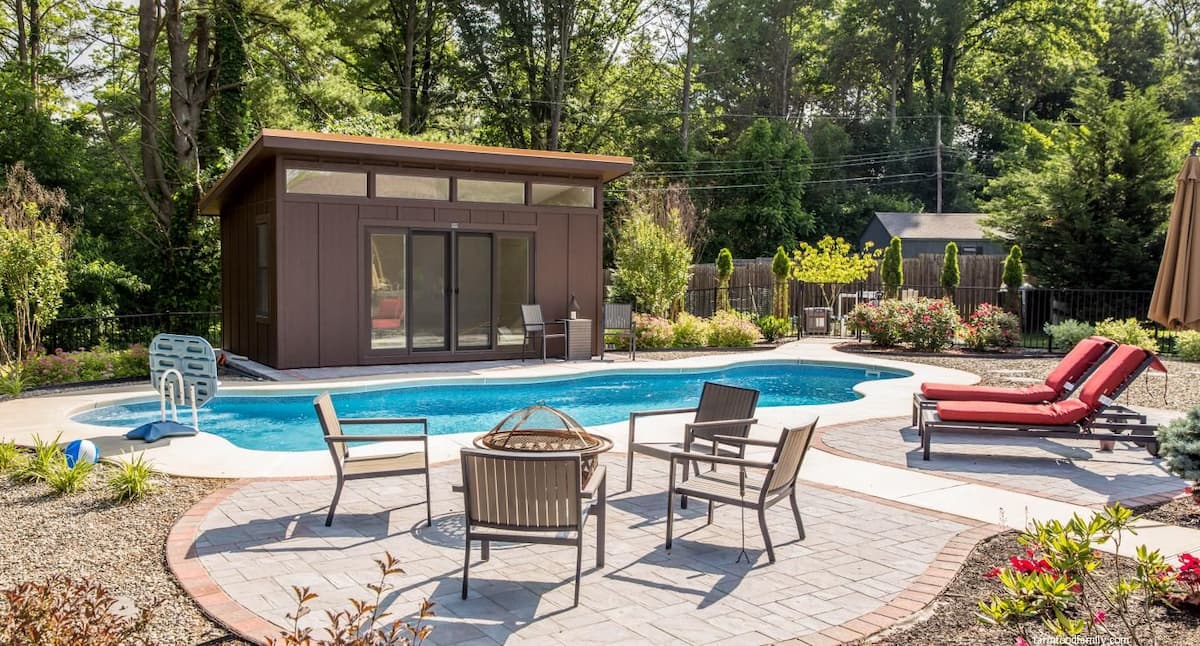
A small dedicated shed, even a compact one, keeps chemicals, the pump, and off-season covers out of the weather entirely, worth it if you’re not willing to store this stuff inside the house.
Above ground pool ladder ideas
27. Classic wood
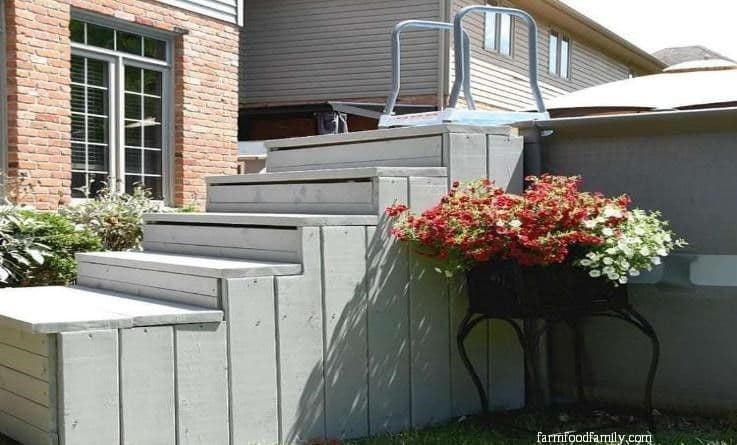
A simple wood ladder or stair structure matches a wood deck aesthetically and is straightforward to build or replace if a step wears out.
28. PVC and steel
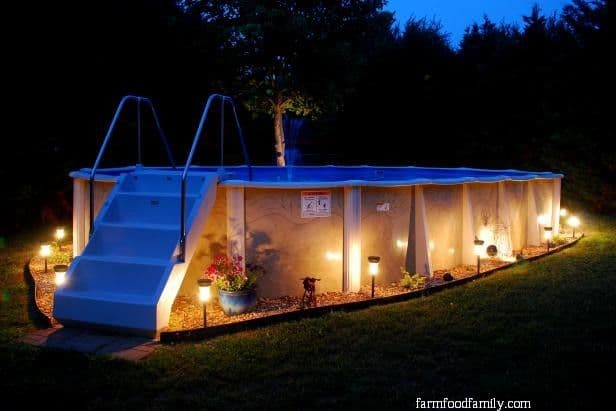
The standard included ladder on most pool kits: functional, weather-resistant, and not much to look at, but genuinely maintenance-free.
29. Brick
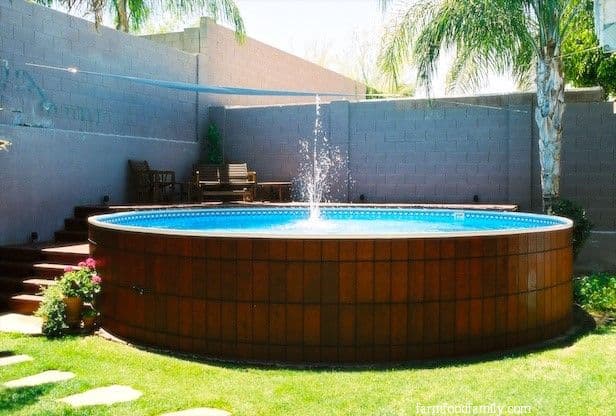
A brick step structure matches brick edging or a brick patio nearby, and it’s the most permanent, durable option of the three, though also the most labor-intensive to build.
Above ground pool landscaping ideas on a budget
30. Install it next to the deck
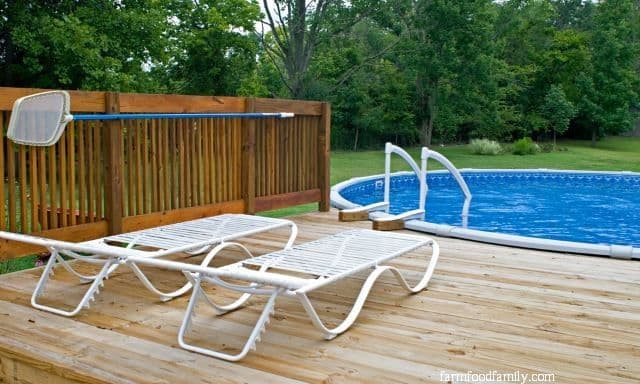
Positioning the pool directly against an existing deck (rather than freestanding in the yard) saves you from building a whole new structure just to get in and out comfortably.
31. Tropical flair
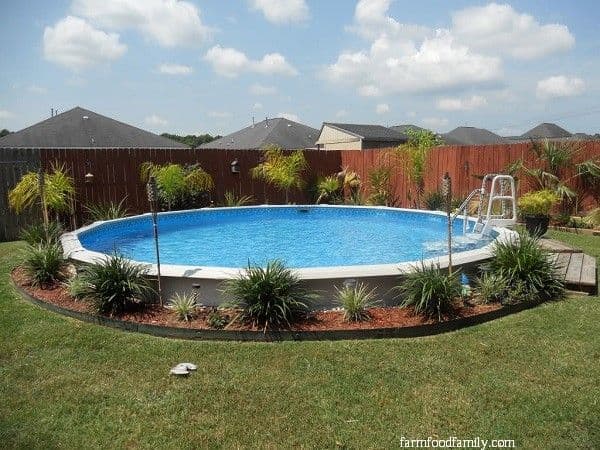
A few large-leafed potted plants (banana plants, elephant ears, palms) around the base instantly changes the mood from “backyard equipment” to “resort,” without a full landscaping budget. For more budget-friendly planting ideas to carry this look through the rest of the yard, see cheap landscaping ideas.
32. Dense vegetation
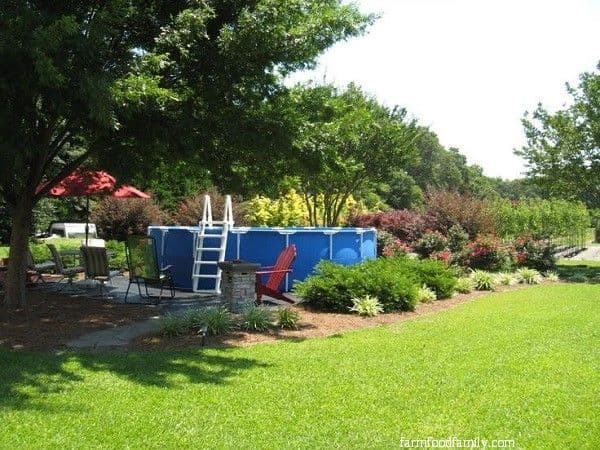
Letting existing shrubs or a planted border grow in close to the pool’s base softens the hard edge of the structure and doubles as informal privacy screening.
Frequently Asked Questions
What to put around the above ground pool?
Any combination of the deck, fencing, edging, and landscaping ideas above works, but prioritize function first: a stable walking surface, code-compliant fencing if required in your area, and equipment ventilation for the pump. Style choices (tile edging, tropical planting) can layer on top once the functional basics are covered.
Are above ground pools worth it?
For most budgets, yes. You get real swimming without in-ground installation costs or permits in most areas, at the tradeoff of a shorter structural lifespan and less design customization. Whether that tradeoff is “worth it” depends mostly on how long you plan to stay in the home and how much upfront cost you’re comfortable with.
How long do above ground pools last?
Typically 7 to 15 years for the structure itself, per Family Handyman, though the vinyl liner alone often needs replacing around year 6 regardless of how the frame is holding up. Good maintenance (proper winterizing, avoiding UV/chemical damage to the liner) pushes lifespan toward the higher end of that range.
How much does it cost to install an above ground pool?
The pool and basic installation typically run $1,021 to $5,939, and can reach $7,500 with a fuller install, per 2026 Angi cost data. Add site leveling ($1,000-$3,400) and fencing if required by local code ($1,500-$10,000, averaging around $4,000), and a fully finished setup with decking can run well into five figures.
Can I install an above ground pool on my own?
Yes, most kits are designed for DIY assembly. The part that actually determines success isn’t the assembly itself, it’s ground prep. Per PHTA and Intex’s own installation guidance, getting the ground level to within about an inch across the whole base is the step most likely to be rushed and most likely to cause problems later.
What should go beneath an above ground pool to make it leveled?
Remove high spots rather than filling low ones, compact the ground properly, then add a thin leveling layer of sand or a manufacturer-approved pool pad. Filling low spots instead of correcting high ones is a documented, avoidable cause of wall stress and failure, according to Intex/Swim University installation guidance.
What are the effects of installing an above ground pool in an uneven ground?
According to PHTA’s ANSI/PHTA/ICC-4 standard, ground variation beyond roughly 1 inch across the pool base creates real wall stress. The practical consequences: uneven water level, a pool wall that can bend or, in serious cases, rupture, and liner damage from uneven pressure. This isn’t a cosmetic issue, it’s the single most common cause of above-ground pool failure, which is exactly why leveling gets its own section in this guide instead of being buried in a bullet list.
You can read more pool ideas of John V. Saum blog thepoolbase.com blog.
Conclusion
An above-ground pool is one of the few backyard upgrades that’s genuinely achievable on a modest budget and a weekend timeline, and the 32 ideas above cover almost every visible piece of that project: the deck, the fence, the lighting, even the unglamorous pump cover. But the thing that actually determines whether any of this holds up long-term happens before a single deck board goes down: get the ground level, per the real 1-inch tolerance PHTA and manufacturers like Intex actually specify, and everything you build on top of it has a real chance of lasting the 7 to 15 years these pools are built for.
Never miss an update — choose FarmFoodFamily as your preferred source on Google.
How it works: Tap the button below to open Google's settings page, then check the box next to FarmFoodFamily.
Tap the checkbox to turn it blue — that's how you know it's set.