How Much Does a Paver Patio Cost? The Genius Breakdown Most Calculators Get Wrong
A paver patio usually costs $12 to $40 per square foot. But the number that surprises people most isn’t the pavers. It’s what the online calculators leave out.
Welcome to our home decor advice to assist with your DIY projects and designs. We share easy tips to spice up your space on a budget.
Our posts guide you in planning color schemes, arranging furniture, selecting fabrics and paints, displaying artwork, organizing efficiently, and more for a put-together look.
We explain decorating terms and rules clearly with photos. Learn styling strategies to craft a peaceful bedroom, modern kitchen, or transitional living area tailored to how you live.
Keep visiting as we continue adding fresh inspiration for upgrades related to storage, lighting, floors, walls, windows, and every room. We aim to fuel your creativity at home through decor.
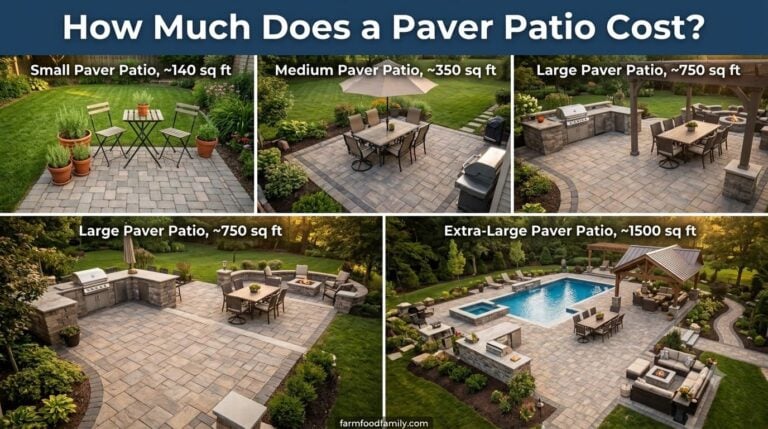
A paver patio usually costs $12 to $40 per square foot. But the number that surprises people most isn’t the pavers. It’s what the online calculators leave out.
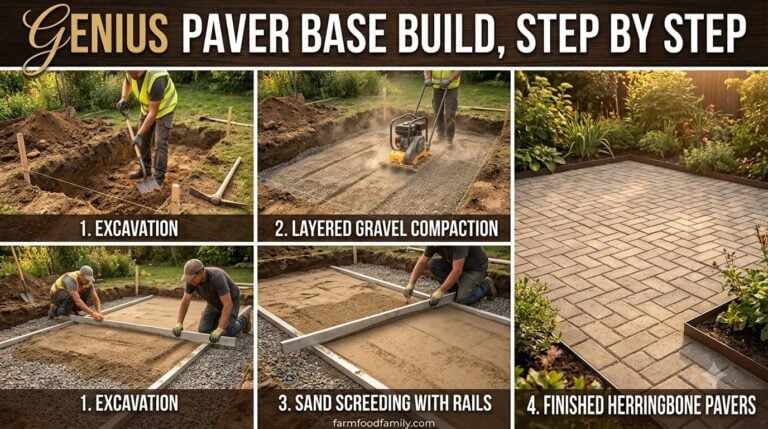
A paver patio can look flawless the day it’s laid and still sink within two years, and the difference almost always comes down to what’s buried under it, not the pavers themselves.

Feng shui treats a houseplant as living, active energy, and it turns out that’s true in a more limited way than the popular “plants purify your air” claim suggests, while the pet-safety side of the most recommended “lucky” plants is a real gap almost nobody checks.
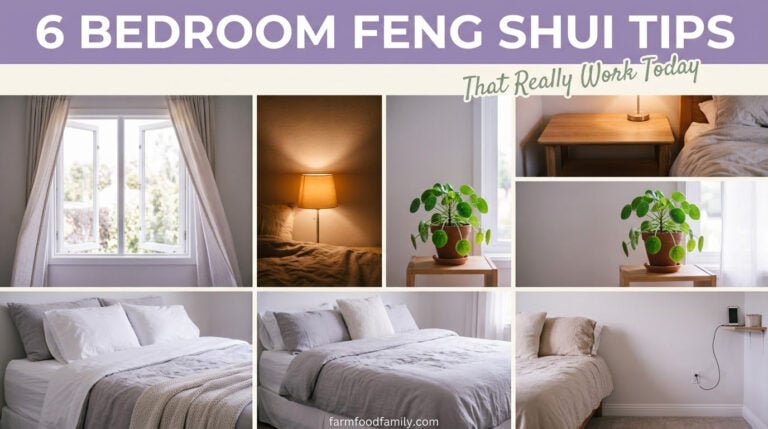
None of these require moving furniture or a weekend project, they’re single actions you can knock out in under an hour, and one of them is backed by genuinely recent sleep science that has nothing to do with feng shui at all.

The kitchen is the one room in feng shui that’s said to contain all five elements at once, ruled by fire (your stove), and real color-appetite research backs up more of this than you’d expect, for reasons that have nothing to do with energy.
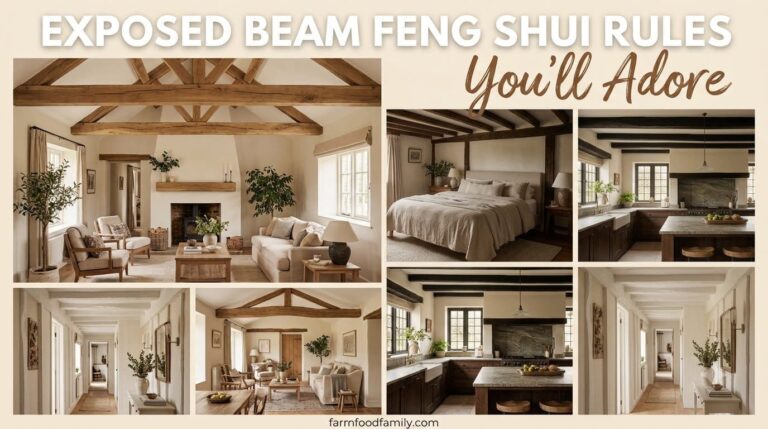
Feng shui has always treated an exposed beam as a real weight pressing down on whoever sits or sleeps beneath it, and it turns out there’s a genuine, peer-reviewed psychology study explaining why a lowered ceiling actually changes how you think, not just how you feel.
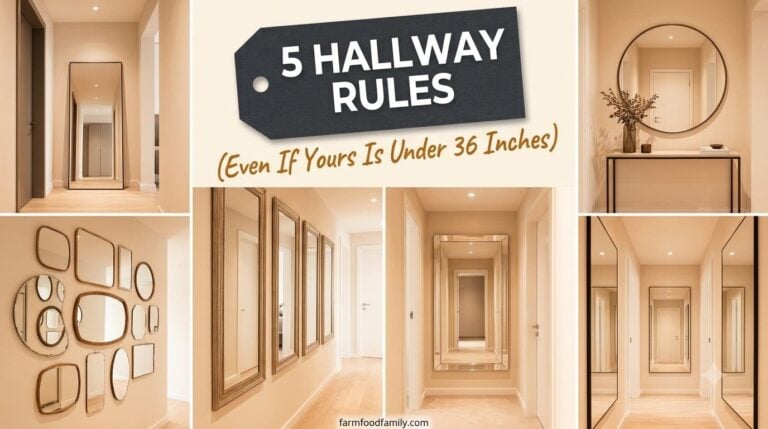
A hallway is the connective tissue of a home, chi is supposed to pass through it on the way to every other room, and in an emergency, so is every person in the house, which is why a couple of these rules carry real, higher-than-symbolic stakes.

Feng shui calls it the “commanding position,” but there’s a real, independently documented psychological theory underneath that name, one that has nothing to do with energy and everything to do with how humans evolved to feel safe enough to actually sleep.
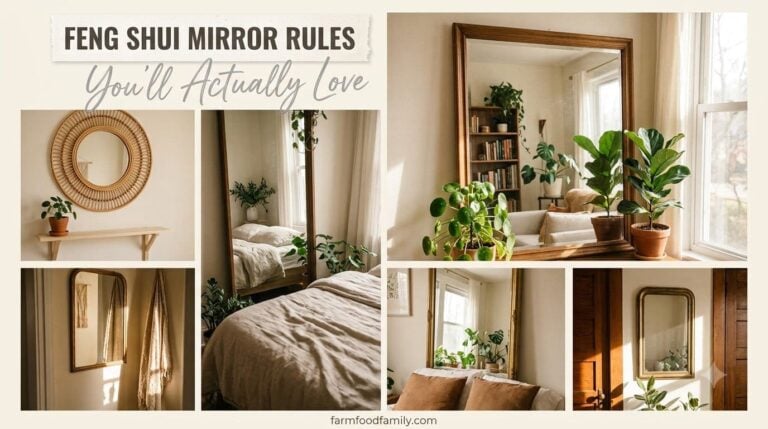
A mirror is treated as the single most powerful amplifier in feng shui, whatever it reflects, it’s thought to double, and a couple of the rules built around that idea turn out to have a real optical or safety explanation sitting right behind the symbolism.
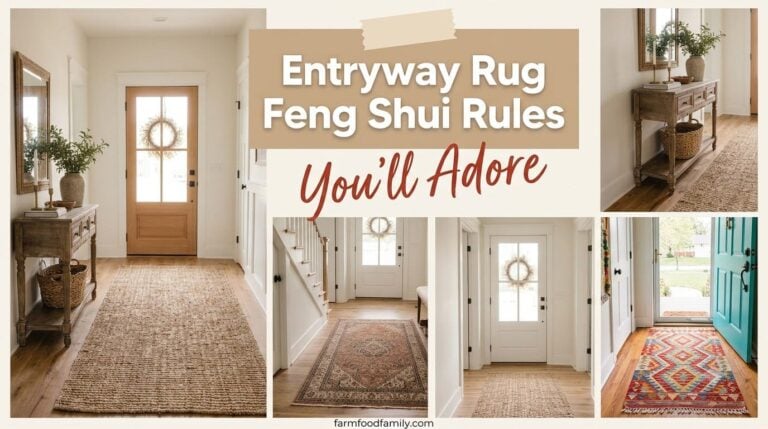
The entryway rug sits at the single busiest transition point in your entire home, feng shui treats it as an energy filter for everyone who steps on it, and real fall-injury data treats it as one of the most common places people actually get hurt.
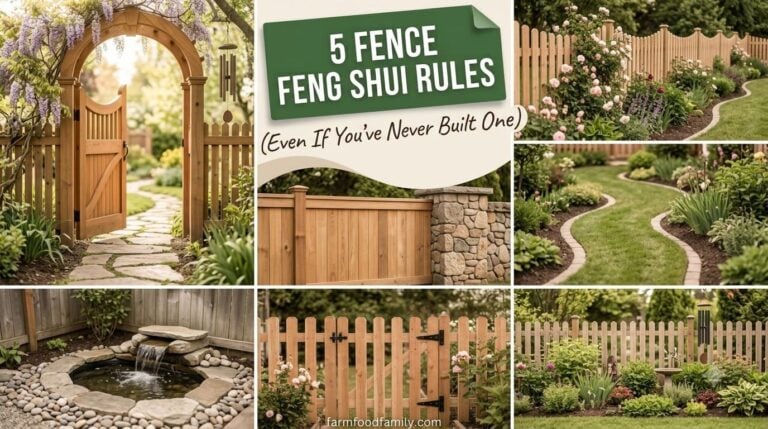
A fence is one of the few structures feng shui treats as pure boundary protection, and the real property-line and code questions behind it matter just as much as the height and material questions everyone actually asks about.
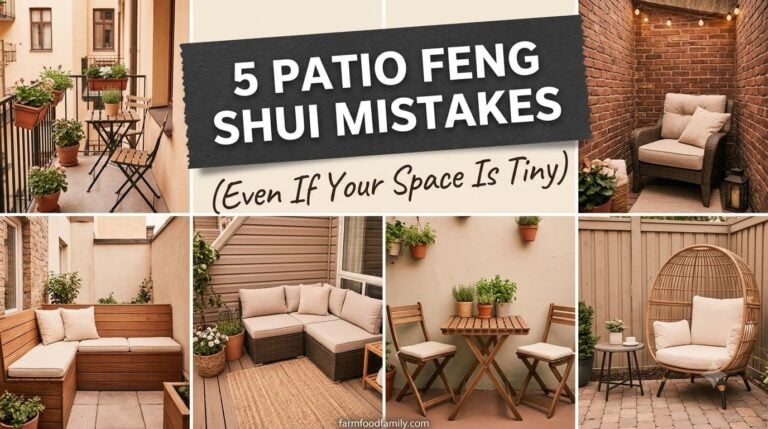
Your patio is the one room in the house with no walls, feng shui still has opinions about it, and a couple of the real reasons behind those opinions come from wind data and fabric science, not just qi.
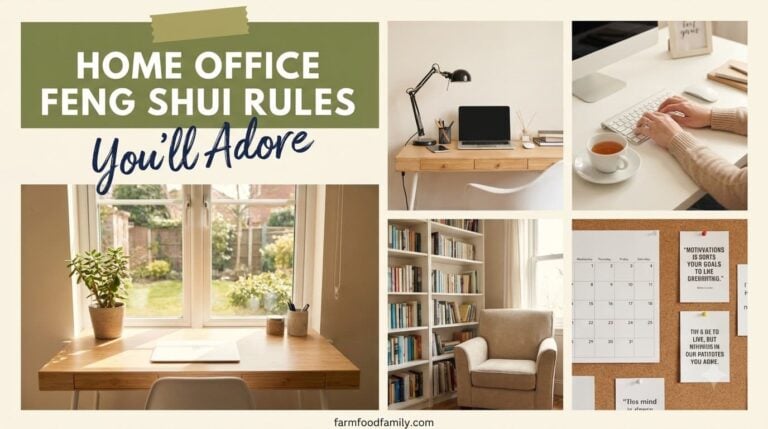
Feng shui treats your home office as the physical seat of your career energy, and a couple of the rules it recommends turn out to be the exact same setup ergonomics researchers have been telling office workers to use for decades, for different reasons that land on the same fix.
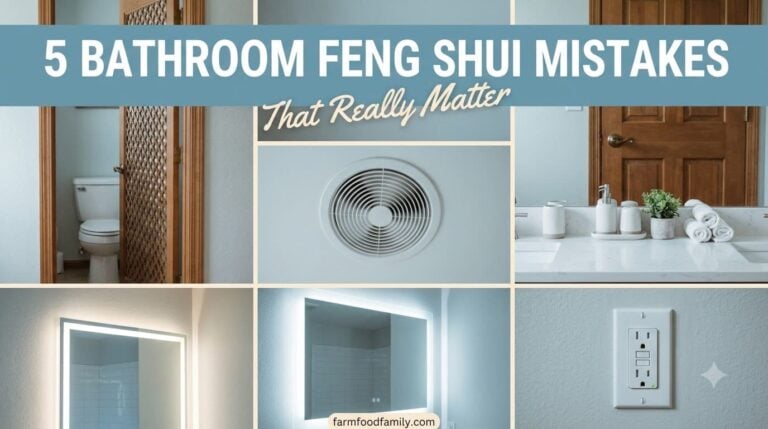
Feng shui treats the bathroom as the one room built to constantly drain something, water, energy, or both, and a couple of the fixes it recommends turn out to have real electrical code and hygiene science standing right behind them.
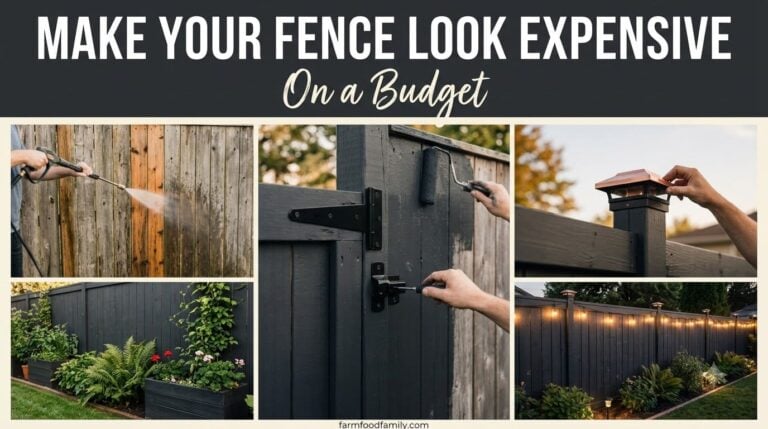
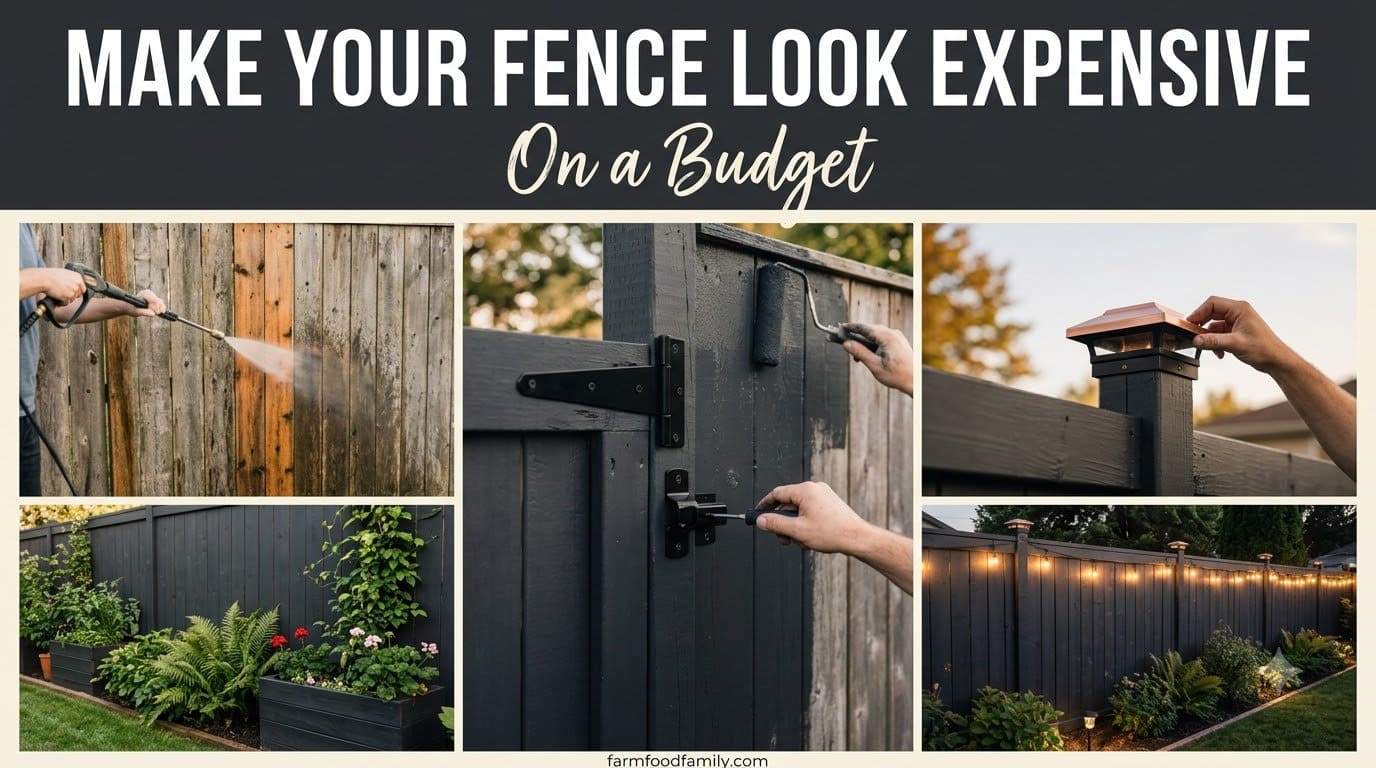
A few weekends of paint, hardware, and planting can make a builder-grade fence read as custom, and the honest catch is that the paint job is doing more of that work than any new panel would.
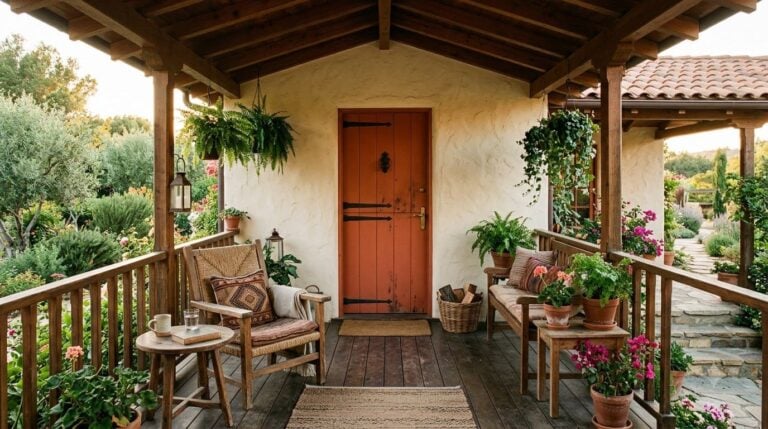
Interior designers already named next year’s real color trends, here’s what happens when you take those same 7 combos outside to the porch.
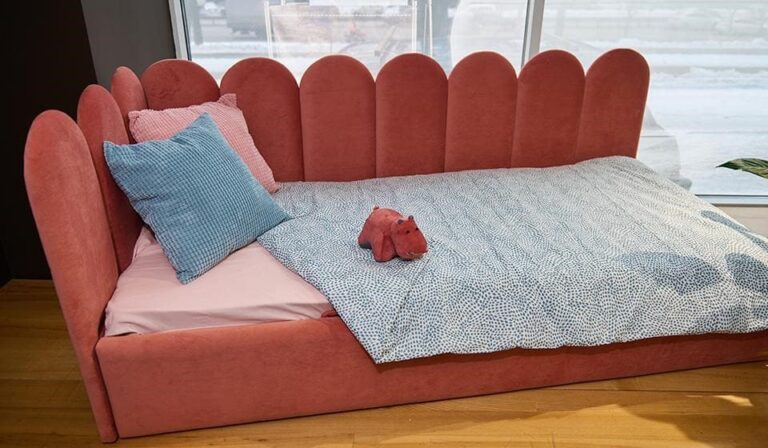
A well-chosen sofa bed turns any spare room into a guest bedroom overnight, without the cost or clutter of furnishing a room that sits empty most of the year.
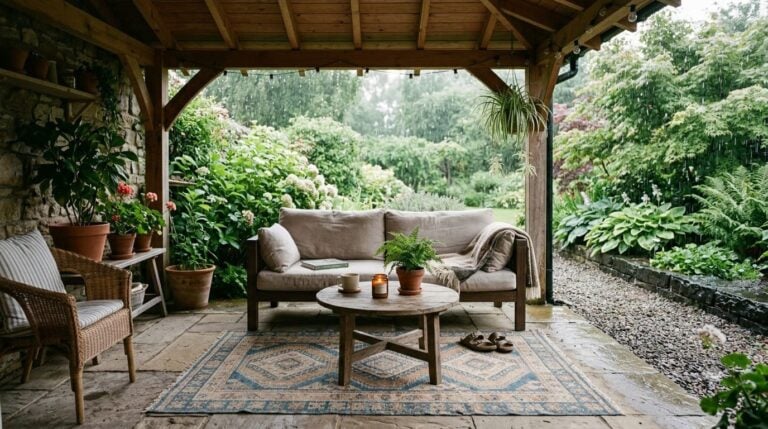
A rug does more for a fall patio than any pumpkin display, here’s exactly which one, sized and placed correctly, for six real patio setups.
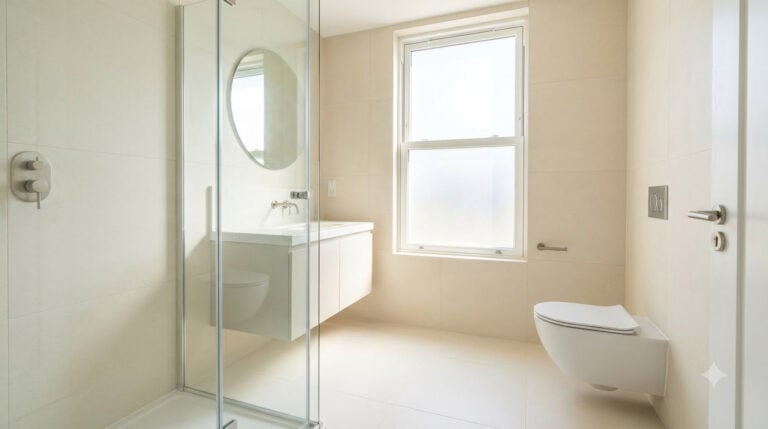
Twenty real ways to make a small bathroom feel bigger with tile, plus the slip-resistance ratings and waterproofing specs most tile galleries never mention.
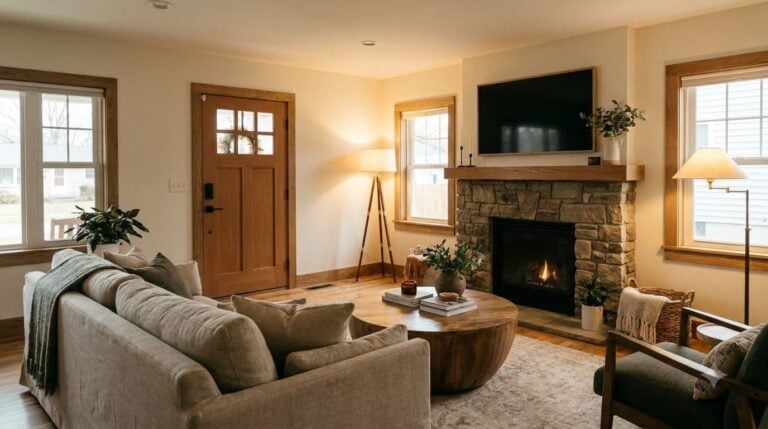
The living room is the one space in a home built entirely around gathering, feng shui treats getting its layout wrong as a real drag on how welcoming the room feels, and a couple of these rules turn out to be protecting your furniture and your neck, not just your energy.
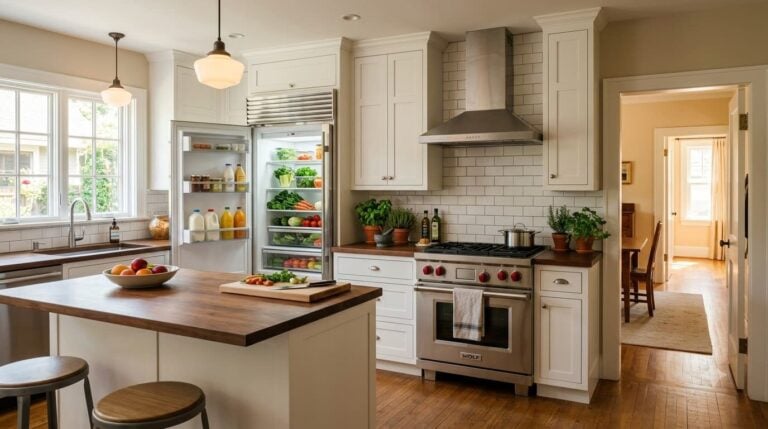
Feng shui treats the kitchen as the household’s real wealth center, not the living room or the front door, because it’s the one place where fire, water, food, and daily habit all collide, and a couple of these rules turn out to be protecting your actual safety, not just your luck.
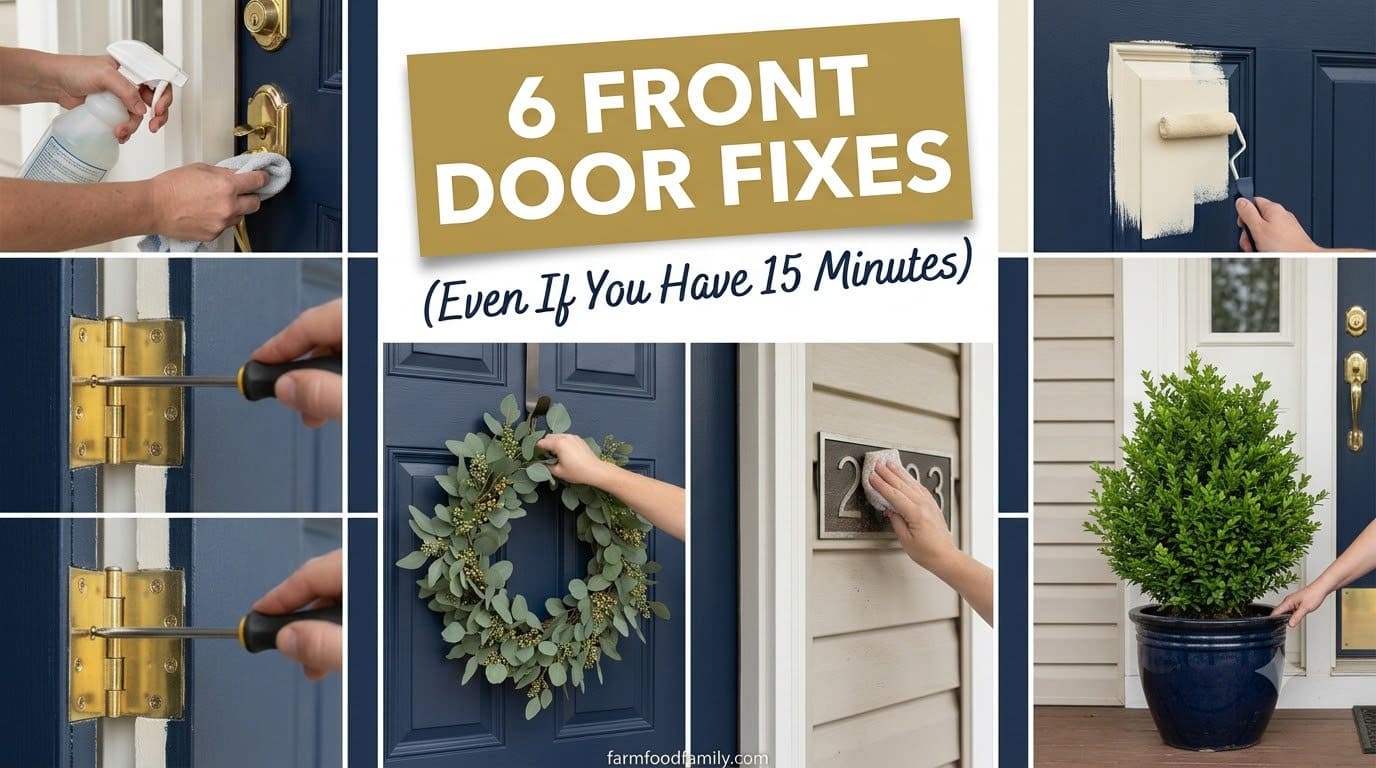 Front Door Feng Shui: 6 Fast Fixes, Including the Real FBI Lock Data No Guide Mentions
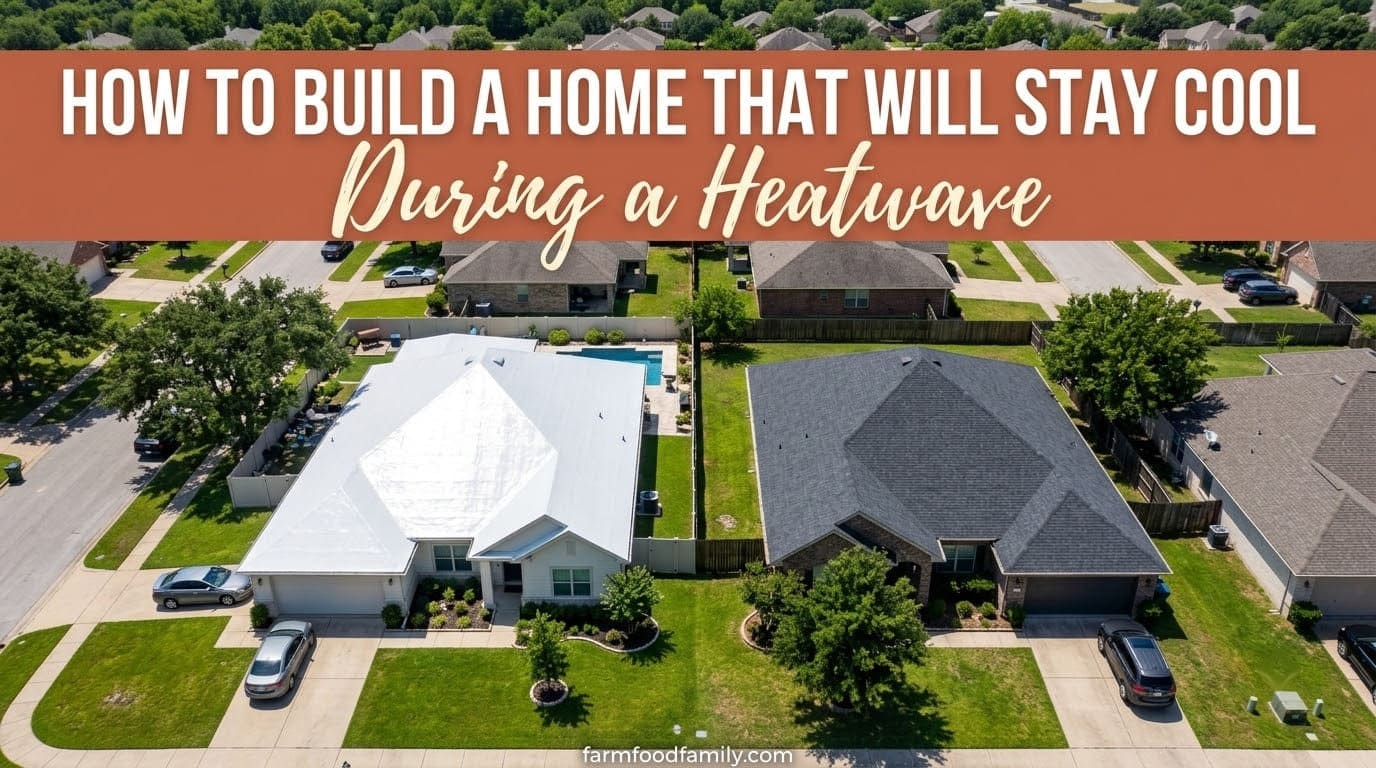 10 Foolproof Ways to Build a Home That Stays Cool During a Heatwave
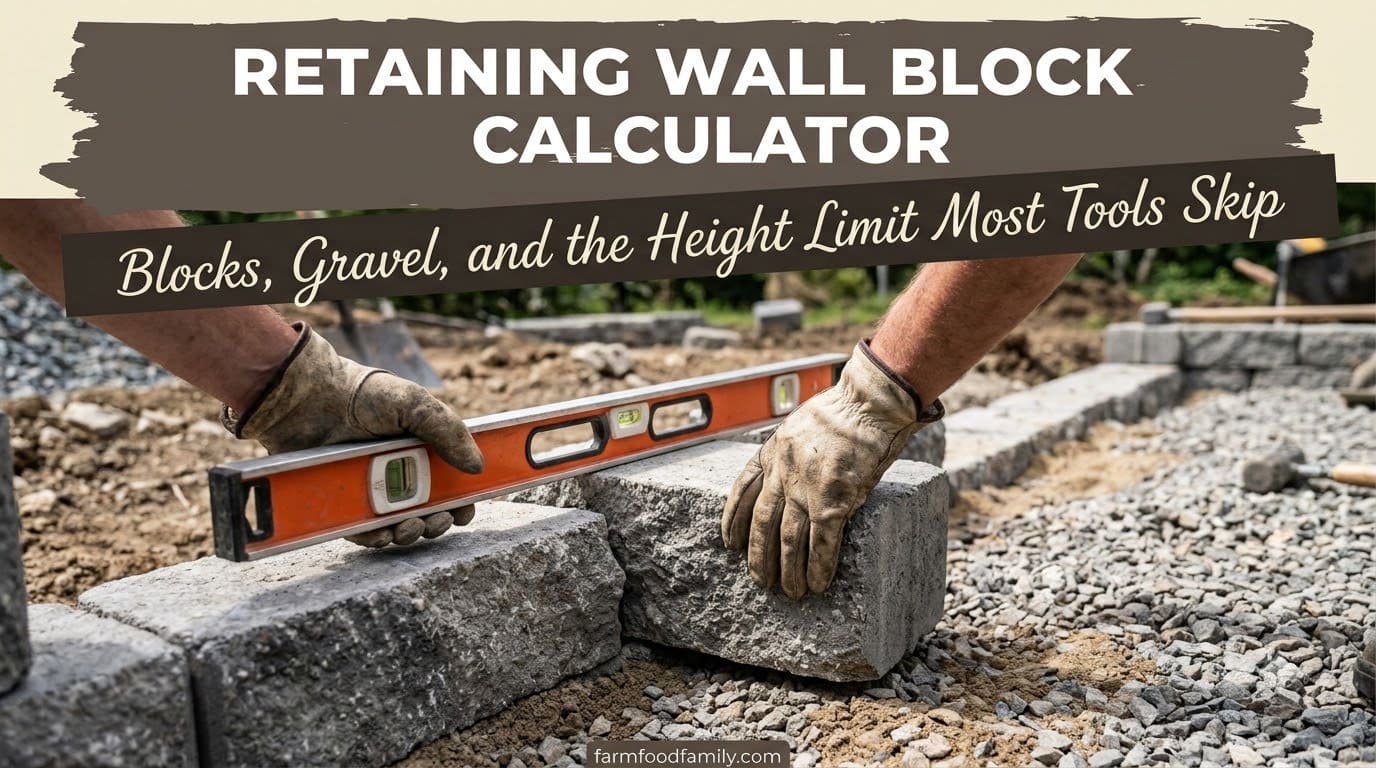 Retaining Wall Block Calculator: Blocks, Gravel, and the Height Limit Most Tools Skip
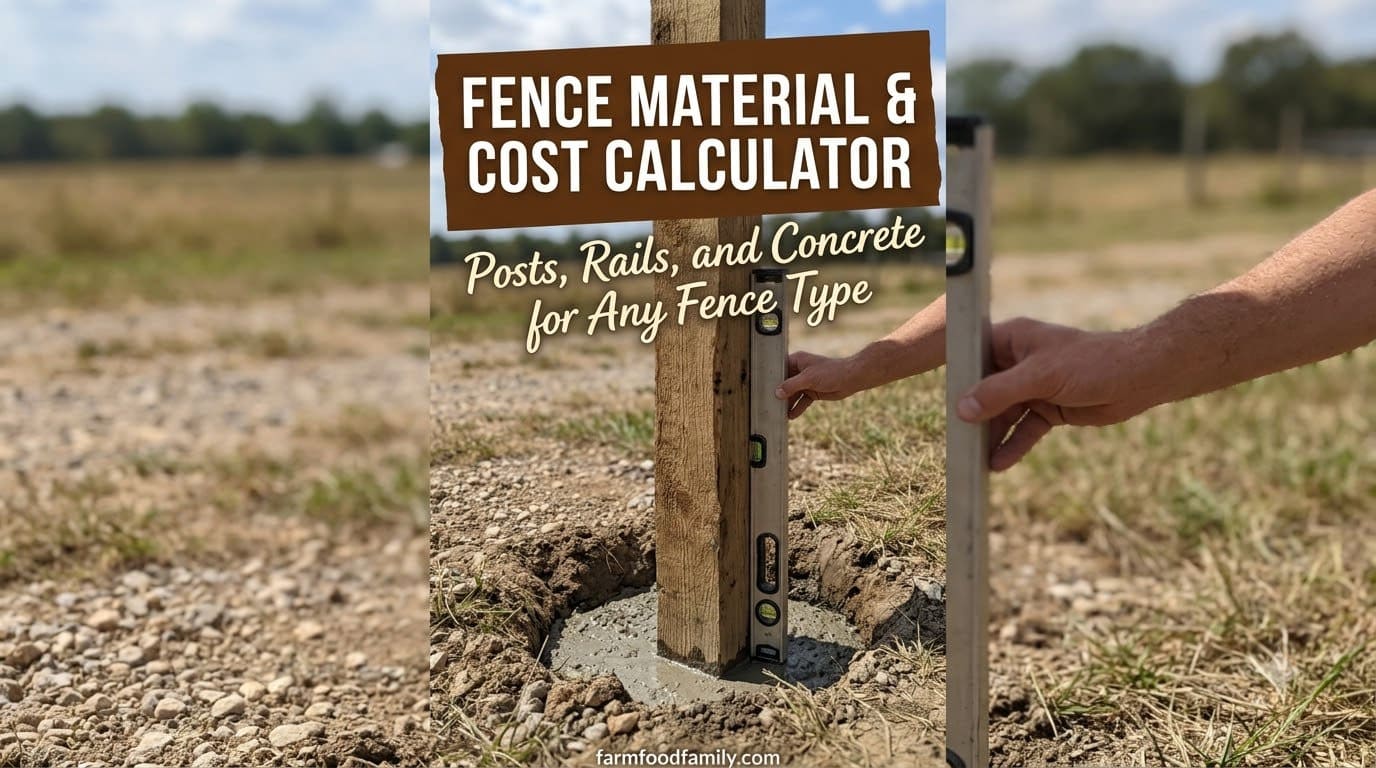 Fence Material & Cost Calculator: Posts, Rails, and Concrete for Any Fence Type