Fence Looking Cheap? Sneaky Ways to Make It Look Custom-Built
A few weekends of paint, hardware, and planting can make a builder-grade fence read as custom, and the honest catch is that the paint job is doing more of that work than any new panel would.

Never miss an update — choose FarmFoodFamily as your preferred source on Google.
How it works: Tap the button below to open Google’s settings page, then check the box next to FarmFoodFamily.
Tap the checkbox to turn it blue — that’s how you know it’s set.
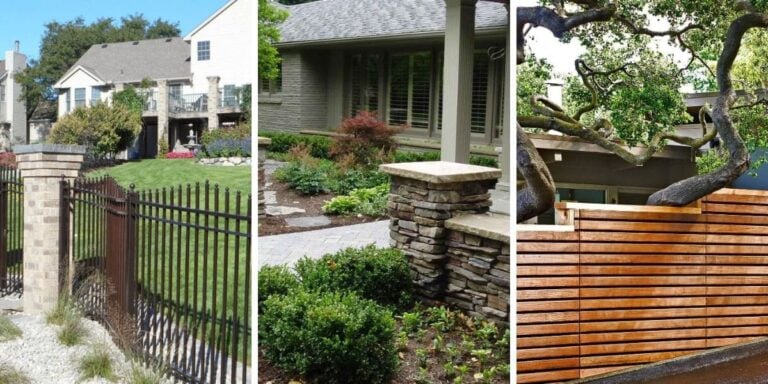
Most fences don’t actually need replacing. They need to stop looking like the day the installer left them: raw pressure-treated wood gone blotchy gray, sagging hinges, bare dirt along the bottom rail. That’s a color and hardware problem, not a structural one.
I’ve spent a couple of summers fixing up rental properties on a tight budget, and the fence is almost always the fastest way to make a whole backyard look finished. It’s also the cheapest lie you can tell a yard. Paint it right and nobody clocks that the panels underneath are the same $22 pressure-treated pine everyone else has.
Quick answer
A fence reads as expensive when it has one consistent color instead of raw weathered wood, a clean uninterrupted top line, hardware that isn’t rusted or mismatched, and something soft (plants, a trellis, low lighting) breaking up the base.
According to paint manufacturer Sherwin-Williams, a quality exterior paint job on wood can last five to ten years before it needs a refresh, while a stain finish typically runs two to eight years but fades gracefully instead of peeling.
Pick paint if you want maximum color control and don’t mind occasional touch-ups. Pick stain if you want the wood grain to still show and you’d rather deal with fading than flaking. Either choice beats the default: an unfinished fence that grays out unevenly and reads as neglected rather than intentional.
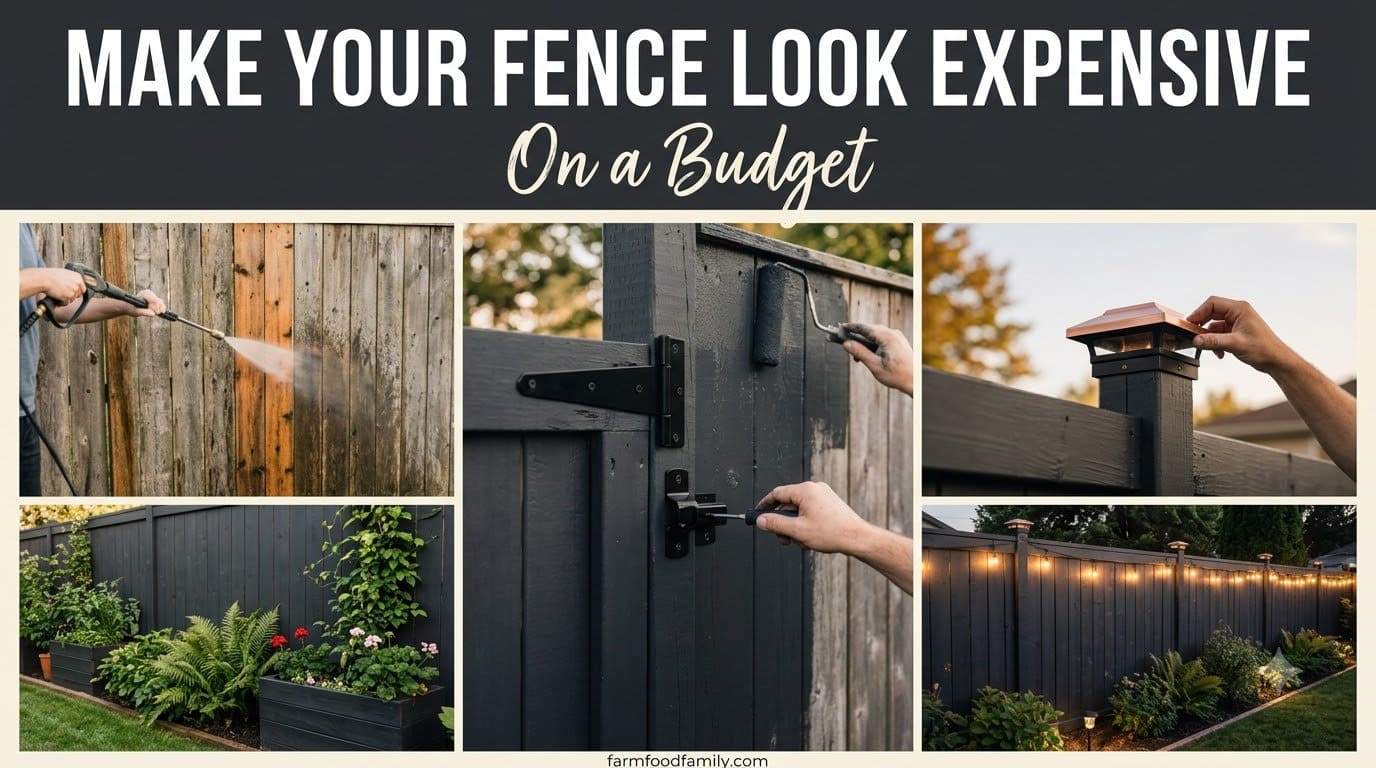
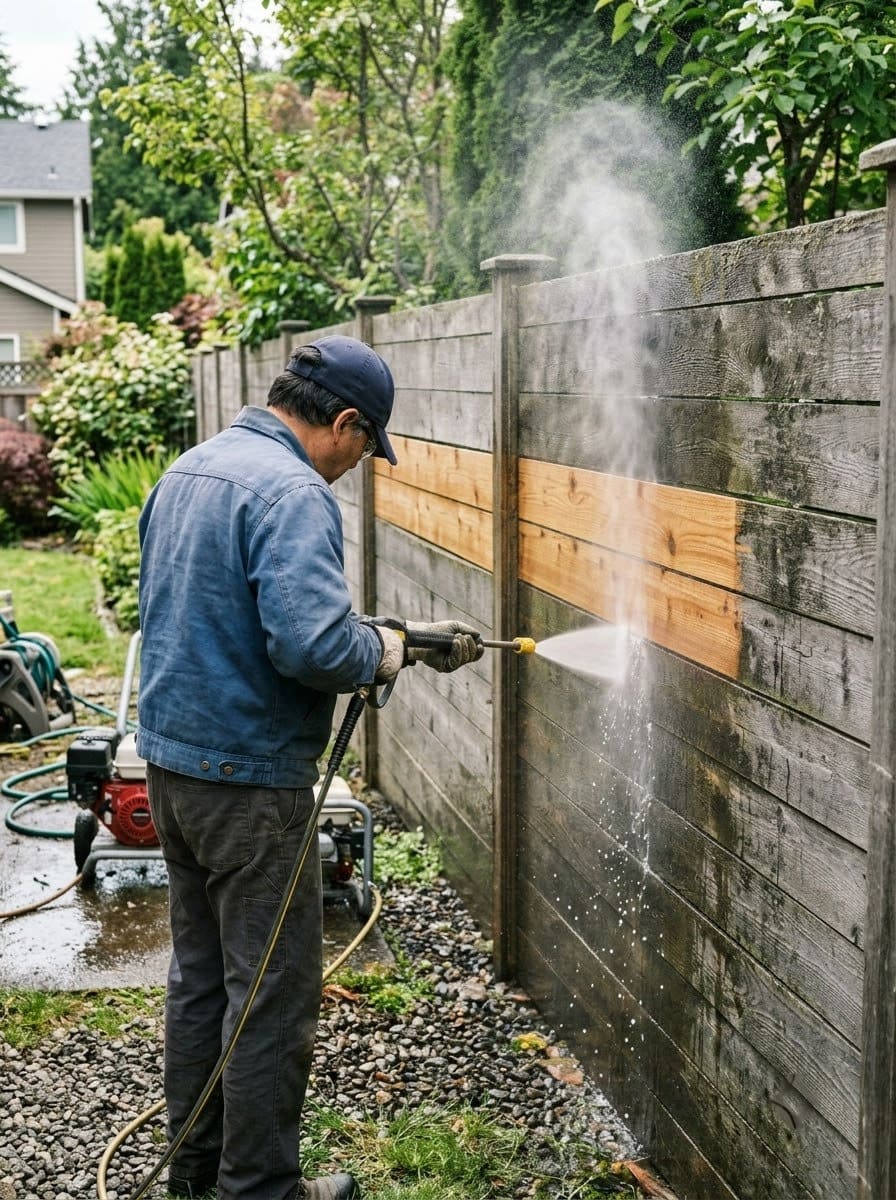
The cheapest fix, done first and before any paint, is a pressure wash. It’s the one step every source on this topic agrees on, and it’s free if you already own or can borrow a washer.
Answer 4 quick questions and get matched to the exact fix for your yard — drainage, budget, layout, or something else entirely.
Take the Free QuizWhy your fence looks cheap right now
Before spending anything, it helps to know exactly what’s making the fence read as cheap, because the fix is different depending on the cause.
Pressure-treated lumber comes out of the yard with a honey-orange tint that most people associate with unfinished construction, not a finished yard feature. Left alone, it doesn’t age into a nice gray, it grays unevenly, with streaks and dark patches wherever water sits longest.
Hardware is the second giveaway. Builder-grade hinges and latches are usually plain zinc or galvanized steel, and they start showing rust streaks down the boards within a year or two in wet climates. A fence with rust streaks reads as neglected even if the wood itself is fine.
And the third tell is the base line. A bare dirt strip along the bottom of the fence, especially with weeds poking through, is the single fastest way to make an otherwise decent fence look abandoned. None of these three problems require new lumber to fix, the same logic that makes a well-planned privacy fence upgrade work without a full teardown.
Cost tier 1: free and near-free fixes
Start here before spending a dollar on paint or hardware. According to Brad Allec, Handyman Team Lead at Honey Homes, “a weathered fence can make a yard look tired, even if everything else is immaculate,” and pressure washing alone “instantly brightens your exterior and makes your yard feel fresher.”
Pressure wash before you do anything else
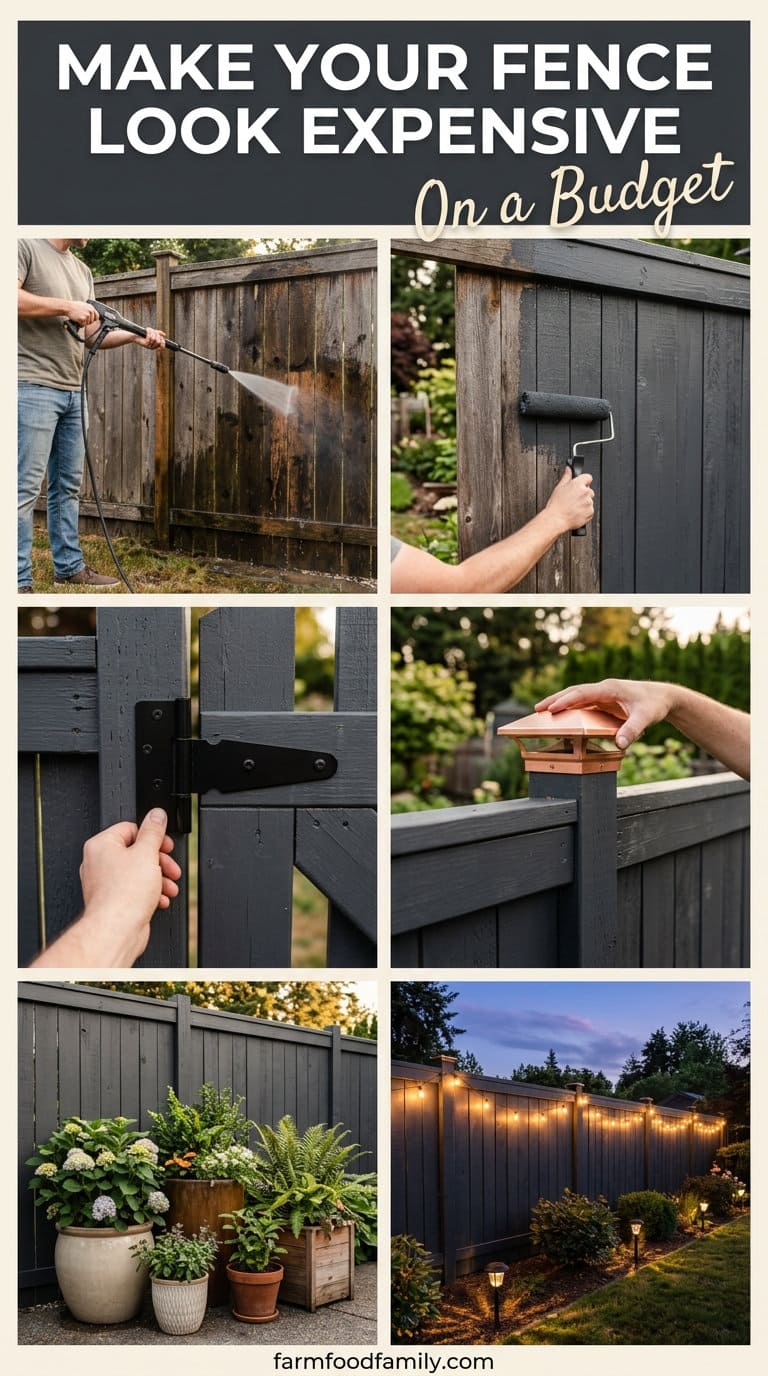
A rental pressure washer runs about $40 to $60 for a half-day at most hardware stores, or free if a neighbor has one. Run it at a moderate pressure setting, not the highest one, since blasting soft pine too hard will gouge the surface and leave fuzzy fibers that actually look worse. This step alone often takes a fence from “obviously neglected” to “just needs a color.”
Clear the fence line
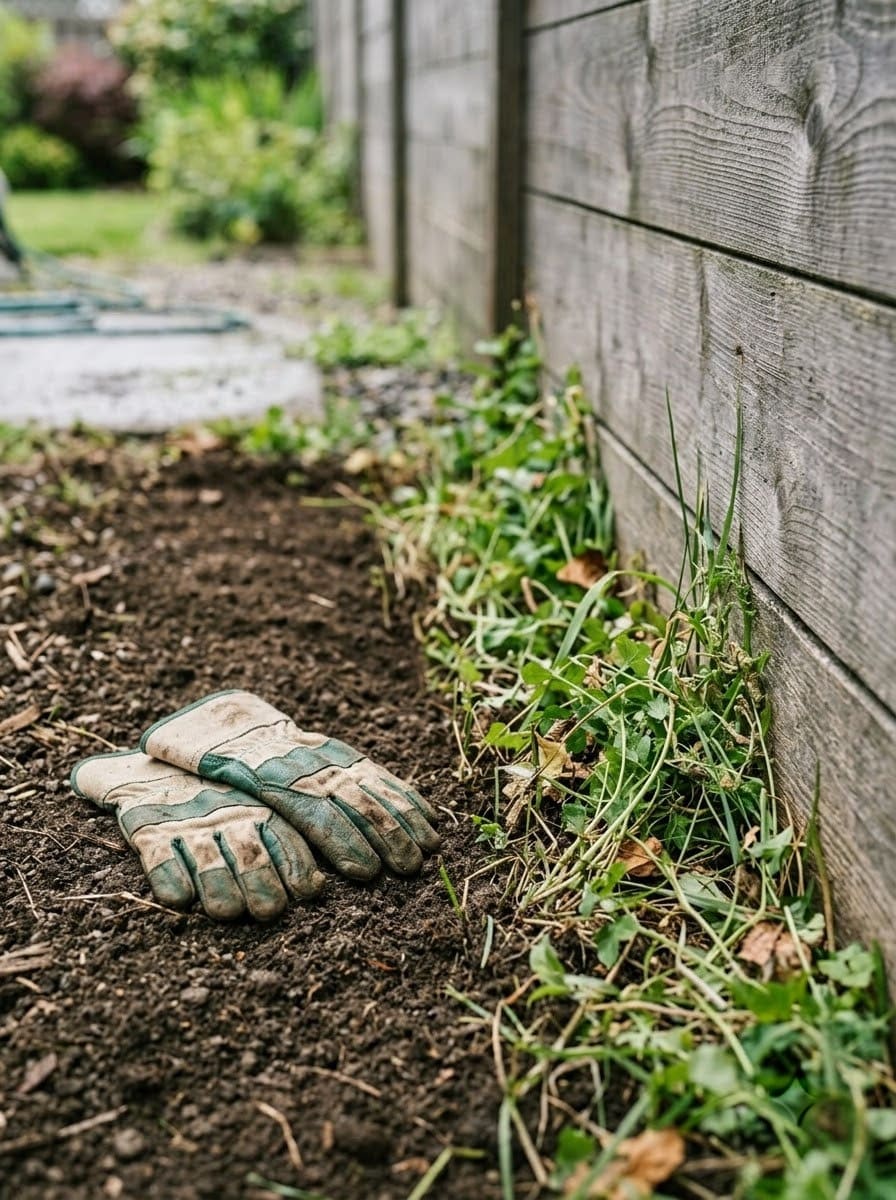
Pull weeds and grass clippings away from the base, and knock down any mulch or soil that’s built up against the boards. This takes twenty minutes and costs nothing, but it removes the single biggest “nobody’s touched this in years” signal on a budget fence.
Most yard problems trace back to one specific, fixable cause. Find yours in 4 quick questions.
Take the Free Quiz
A water-based stain-and-sealer-in-one that soaks into the wood grain rather than sitting on top, urethane-fortified against cracking and peeling, rated 4.3 stars across 28 reviews.
Shop NowThis post contains affiliate links. We may earn a commission on qualifying purchases at no extra cost to you.
Tighten and true up hardware and panels
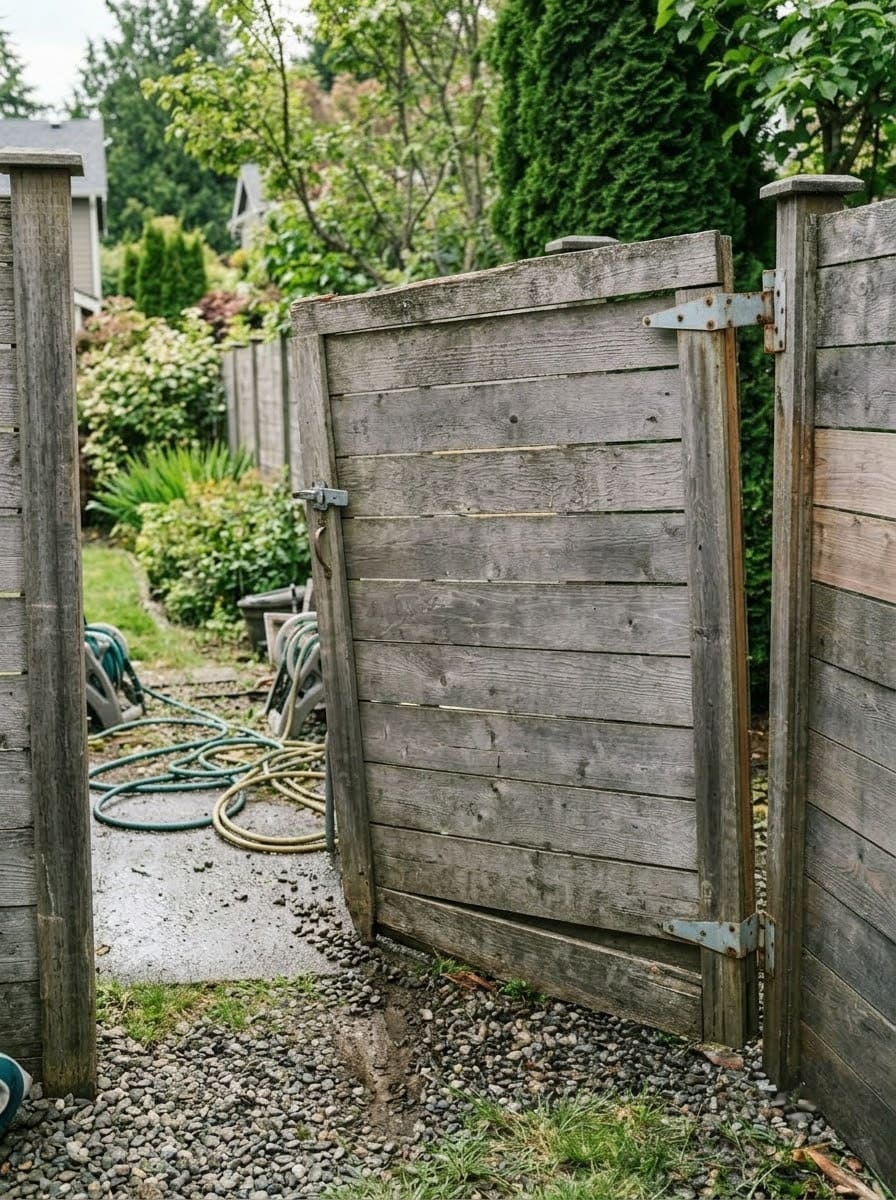
Walk the fence line with a screwdriver and tighten every loose hinge screw, then check that gate panels hang square instead of sagging. A sagging gate is one of the fastest visual tells that a fence is falling apart, even when every other panel is solid.
Cost tier 2: paint and stain, the biggest single lever
Color does more work than any other single change on this list. It’s also the step where people default to whatever’s cheapest at the hardware store, which is usually a mistake.
Should you paint or stain a fence to make it look expensive?
| Option | Look | Typical lifespan | Maintenance | Best for |
|---|---|---|---|---|
| Paint | Solid, unlimited color options, hides wood grain | 5 to 10 years per Sherwin-Williams | Chips and needs touch-ups, but fewer full recoats | Fences you want in a specific modern color (charcoal, black, sage) |
| Semi-transparent stain | Shows wood grain, warmer and more natural | 2 to 8 years per Sherwin-Williams | Fades gradually, no peeling, easier to reapply in patches | Fences in decent shape where you want a natural look, not a solid color |
| Leave natural and seal | Silvery-gray patina, no color change | Reapply clear preservative every 1 to 3 years | Lowest labor per coat, but graying can look uneven without a UV-blocking clear coat | HOA-restricted fences that can’t be painted a nonstandard color |
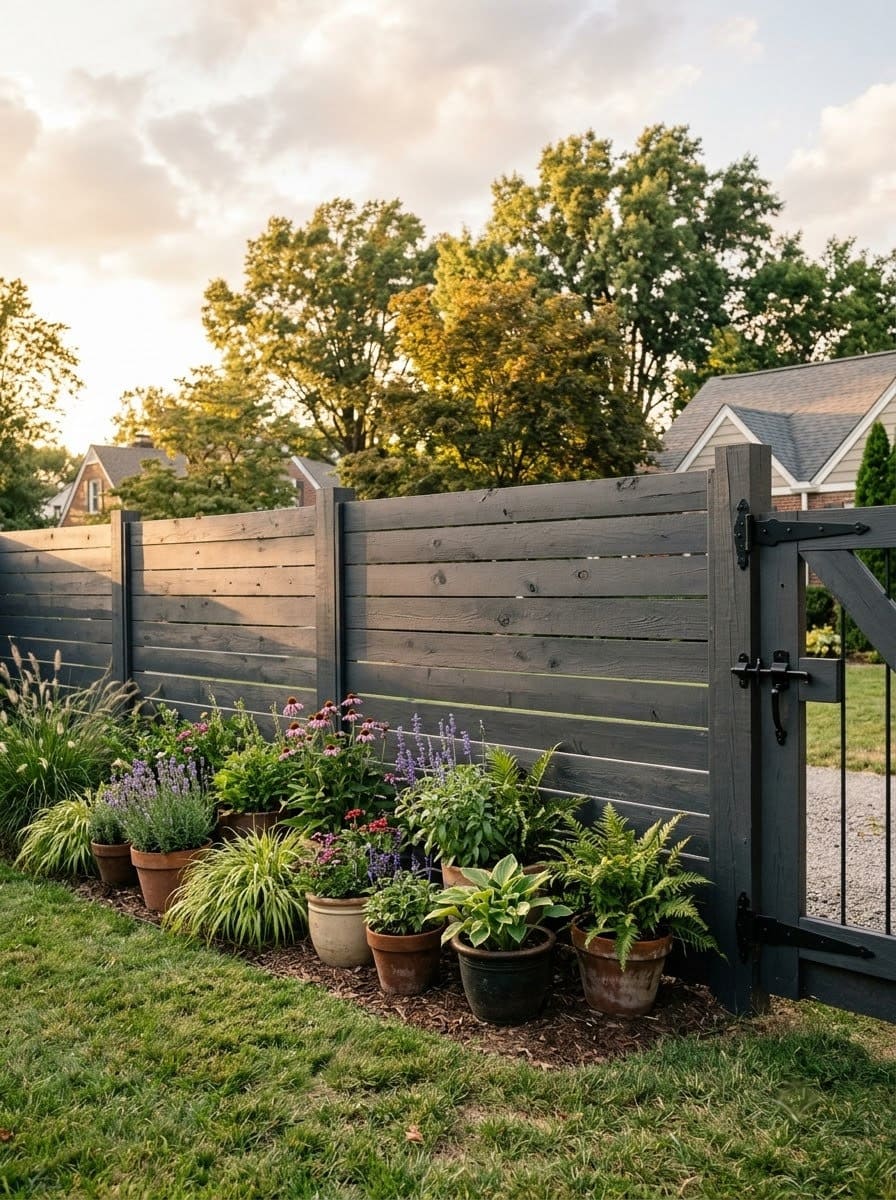
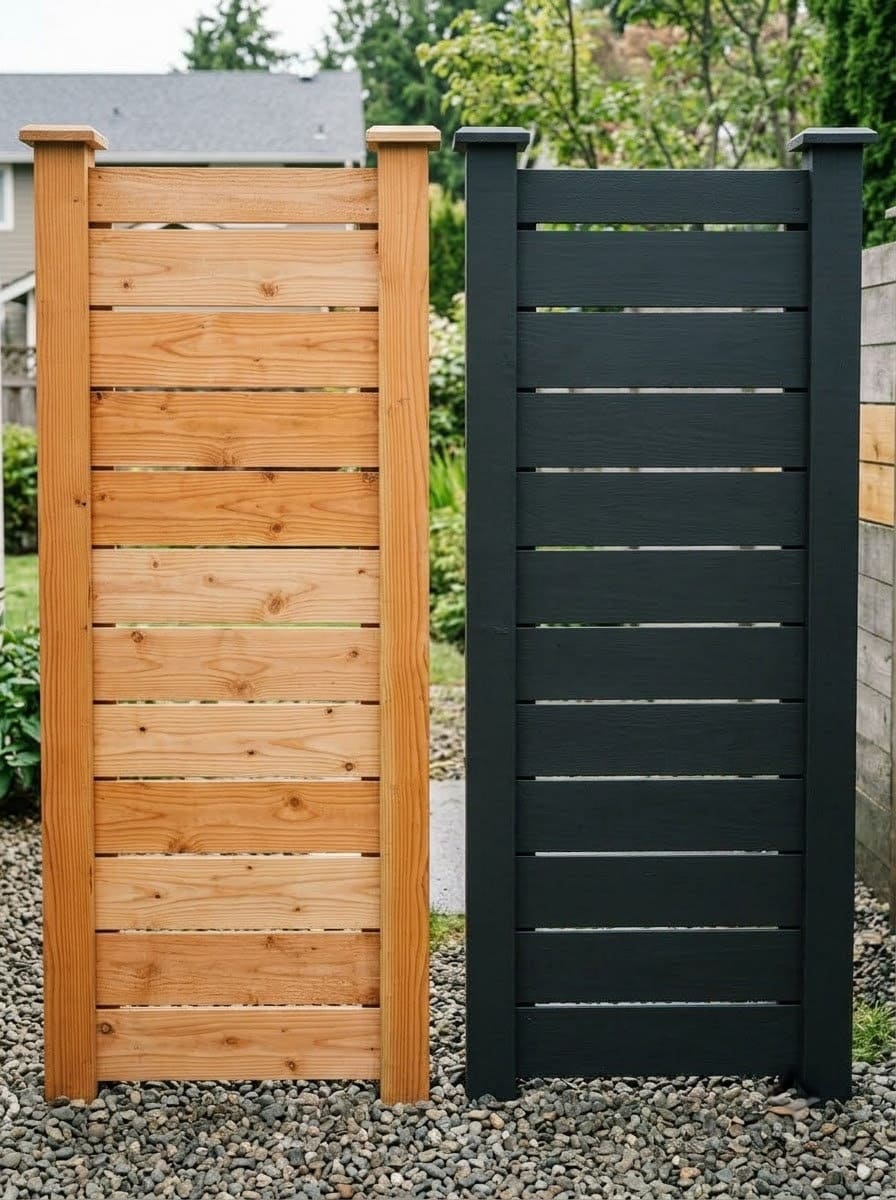
Pick a genuine color, not builder-brown. Deep charcoal, soft black, or a muted sage green all read as more intentional than the honey-toned “natural” stain most fences ship with, and a darker color makes the fence recede visually so your plants stand out in front of it instead of competing with orange wood.
This is the same principle behind farmfoodfamily’s black fence lookbook, a dark color is a low-cost swap and it’s the single change that most changes how the whole yard reads.
Skip the prep step and the paint job will look worse than doing nothing. Per Purdue University’s Cooperative Extension Service, bare wood needs a water-repellent preservative and an oil-based or stain-blocking primer before the top coat goes on, and that top coat should go on within two weeks of priming. Two coats of a quality acrylic latex, applied over proper primer, can hold up for close to a decade.
A quality exterior primer runs roughly in the $80 to $90 per gallon range at the premium end.
Cost tier 2 to 3: hardware and finishing details
Once the color is sorted, hardware and top-line details are what separate “painted a fence” from “upgraded a fence.”
Swap visible hinges and latches
Rusted or mismatched galvanized hardware undercuts a fresh paint job fast. A matched set of matte-black exterior hinges and a matching gate latch usually costs less than one gallon of premium paint, and it reads as a deliberate design choice rather than whatever came in the fence kit.
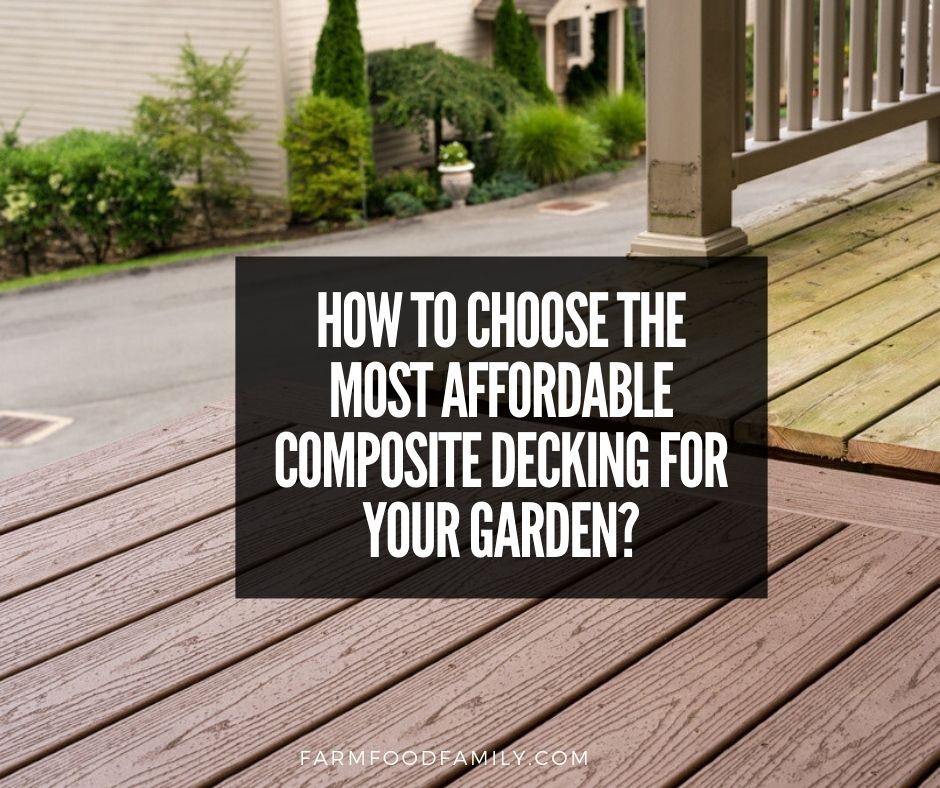


If you’re weighing hardware finishes against a full style change, our modern fence design roundup has more on matte-black accents done well.
The average homeowner spends $616/year on yard fixes that don't address the real problem. Find out what yours actually is — before you spend another dollar.
Take the Free Quiz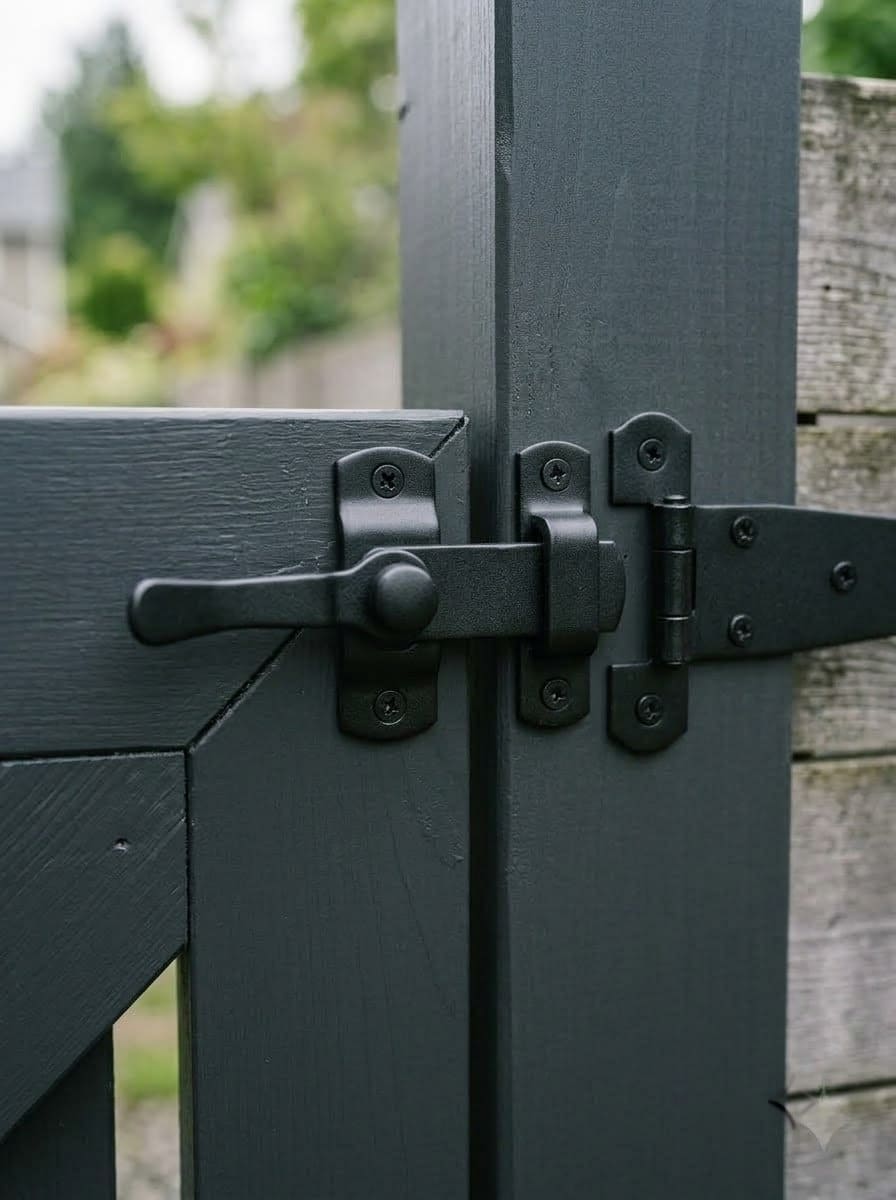
Add post caps
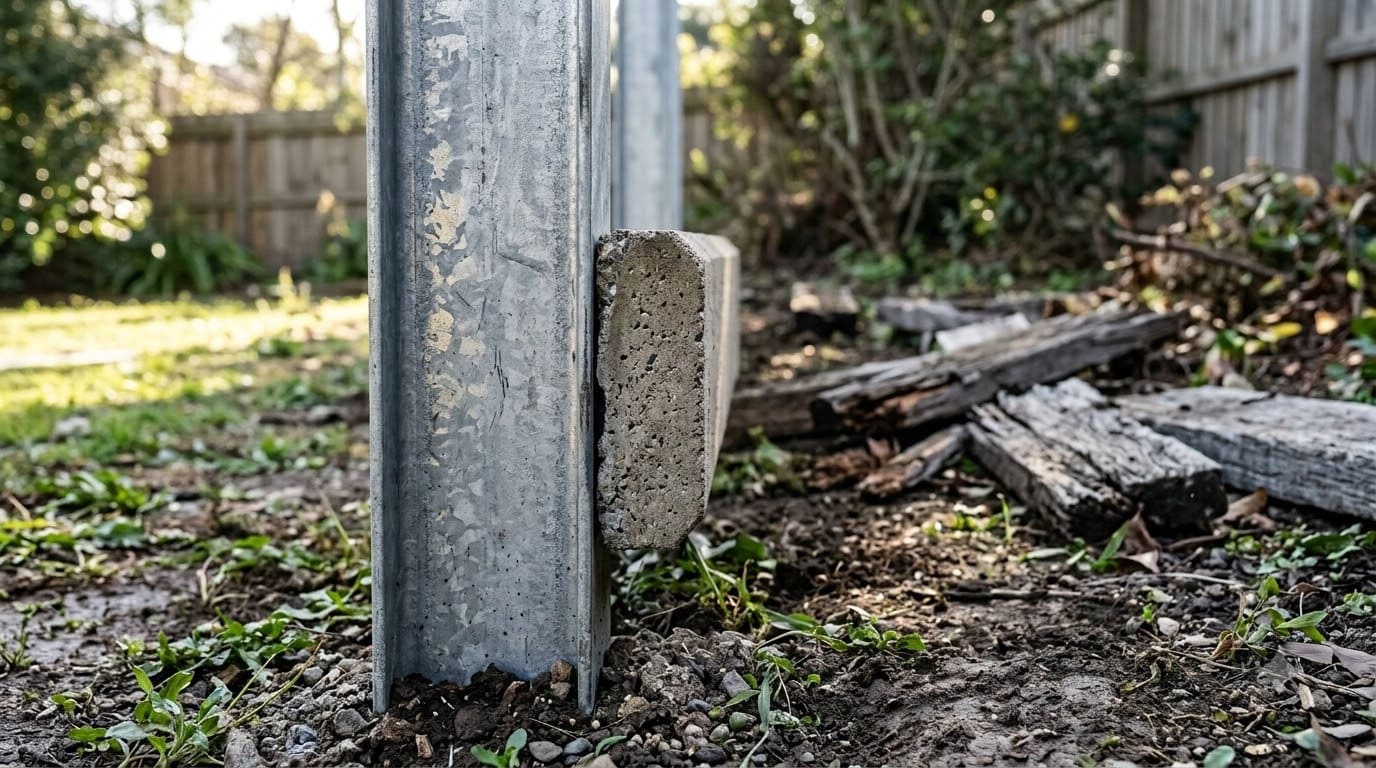
Flat-cut posts without caps are one of the clearest “unfinished” signals on a budget fence. Pyramid or flat-top caps in a material that matches your hardware, wood, composite, or metal, close off the end grain, which also helps the post shed water instead of soaking it up from the top down.
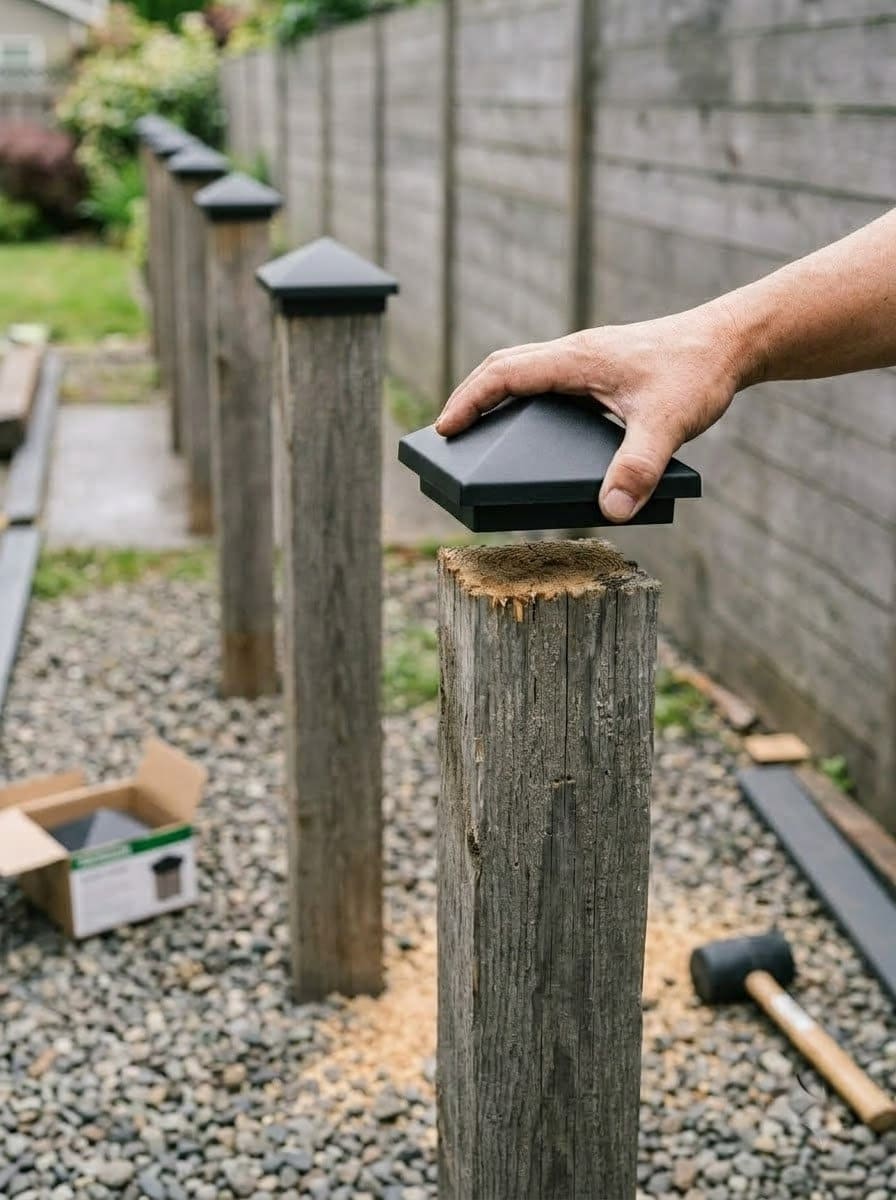
Cap or trim the top line
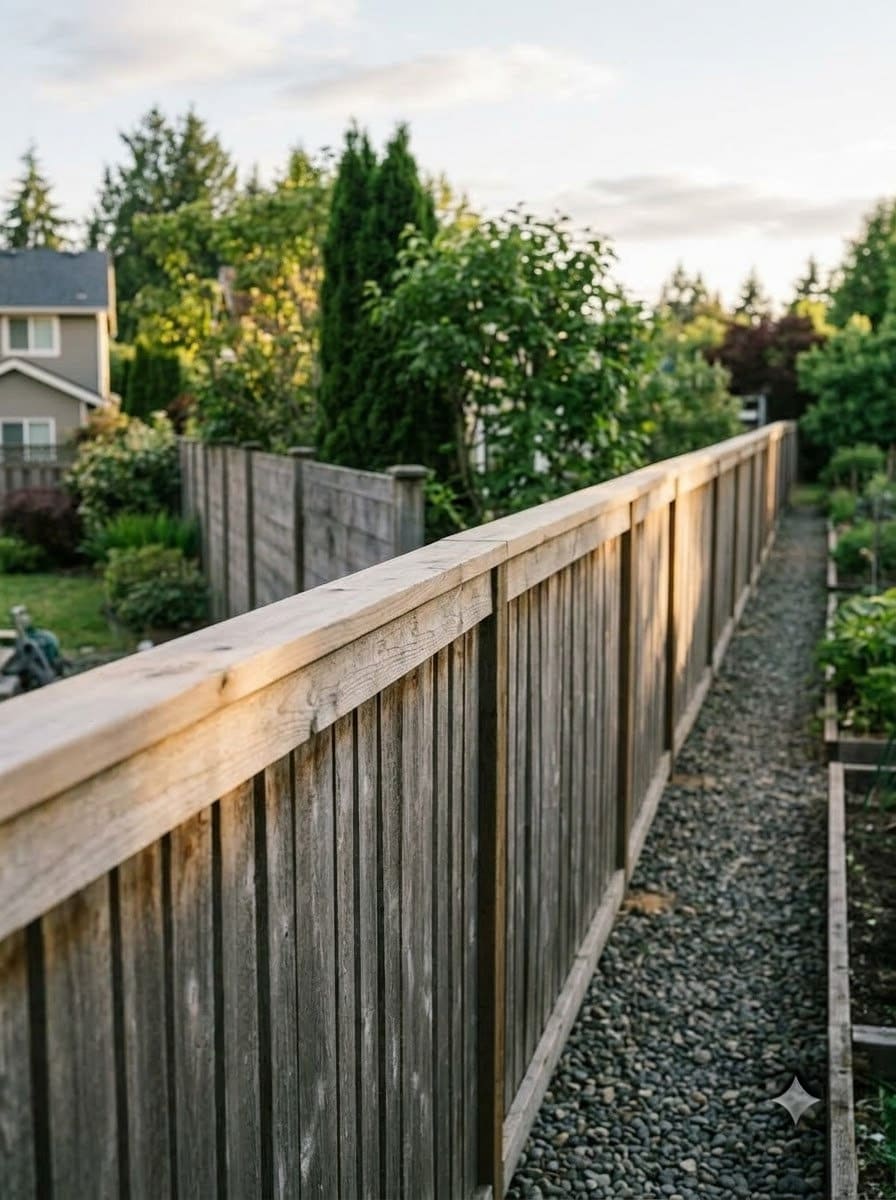
An uneven top line, where panels sit at slightly different heights, reads as sloppy no matter what color the fence is. Trimming the tops level, or adding a continuous cap rail across the whole run, gives the eye one clean line to follow instead of a dozen small interruptions.
Cost tier 2 to 4: planting at the base
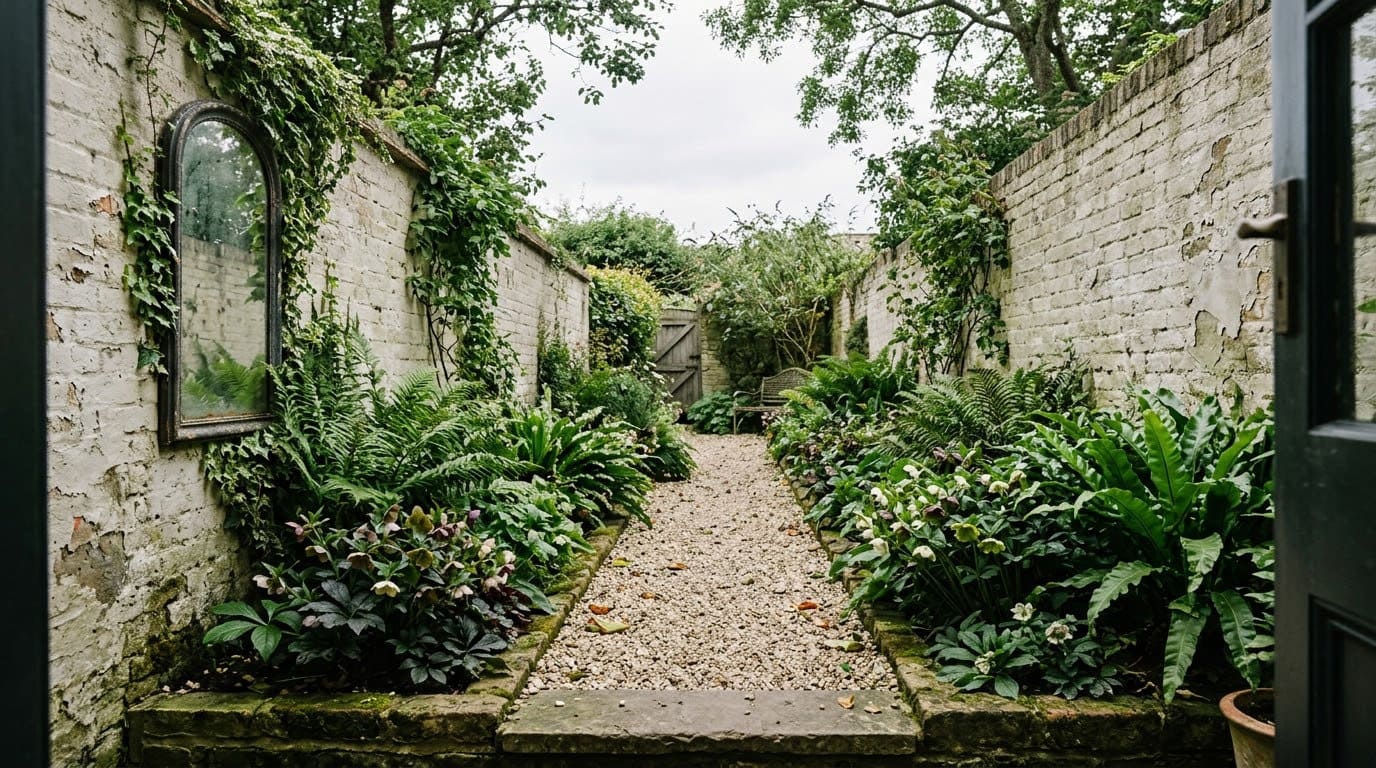
Plants do two things a fence upgrade needs: they hide whatever’s left of the bare dirt line, and they add the kind of texture that makes a space feel designed instead of installed.
| Approach | Approximate cost | Permanence | Renter or HOA friendly |
|---|---|---|---|
| Containers along the base | $15 to $40 per pot, plants extra | Fully movable | Yes, no planting in the ground required |
| Direct in-ground border bed | $50 to $150 for a modest run | Permanent | Only with landlord or HOA sign-off |
| A single trained climbing vine | $15 to $30 per plant, plus a few years to fill in | Semi-permanent, can be removed from a trellis | Depends on whether anything attaches to the fence itself |
Low border planting for renters and HOA-restricted yards
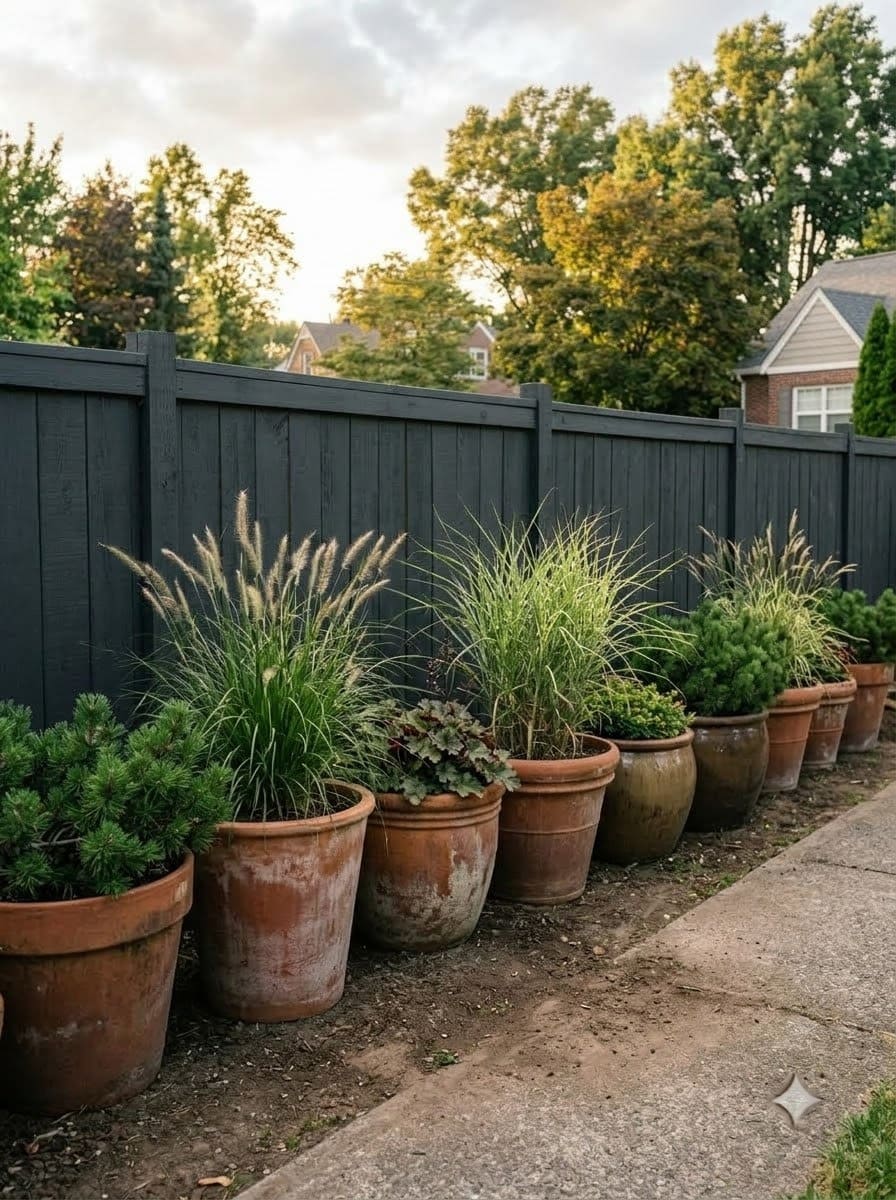
If digging into the ground isn’t an option, a row of large containers set directly against the fence line does most of the same visual work.
Ornamental grasses, low shrubs, or even a run of potted herbs breaks up the bare base without touching the fence or the soil underneath it.
A single climbing vine or trellis panel
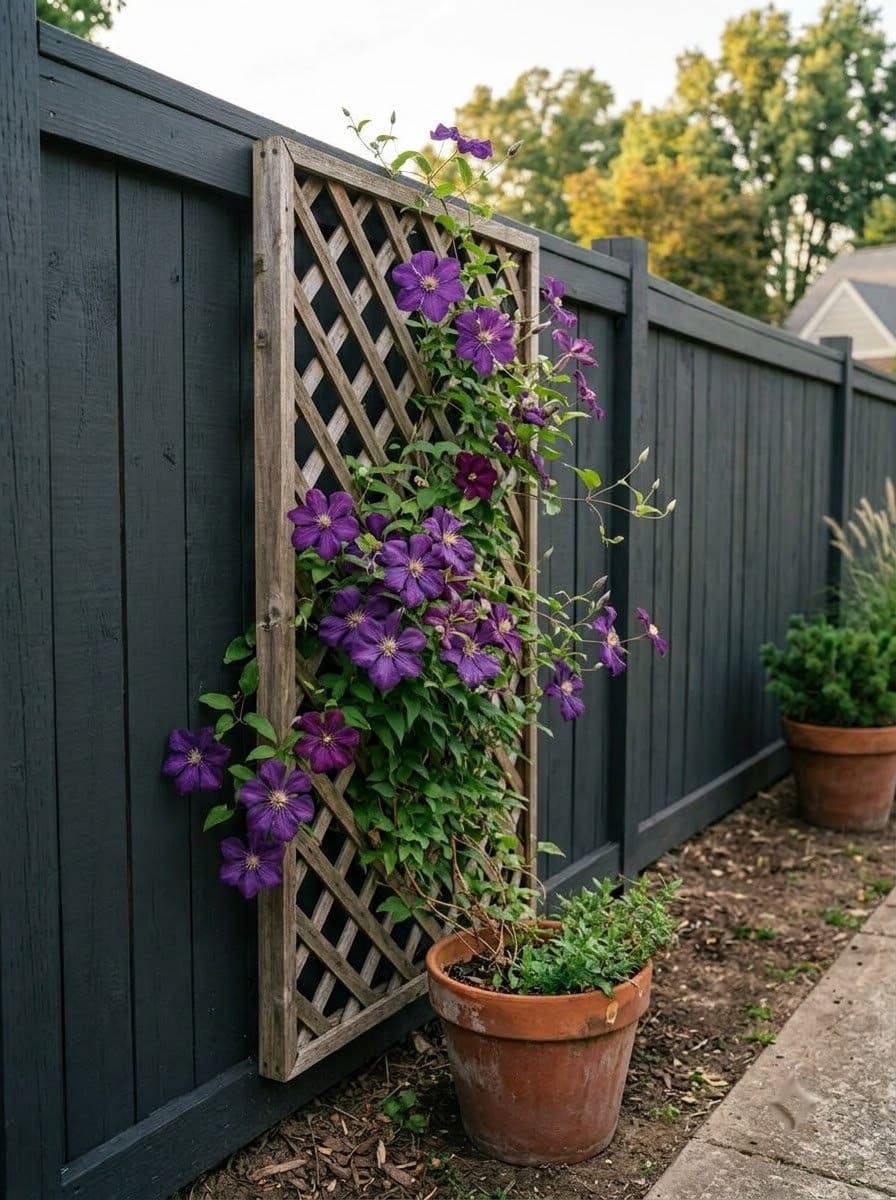
For anyone with more freedom, one trained climber, like clematis or a hardy jasmine, on a simple trellis panel adds vertical texture without covering the whole fence. It takes a season or two to fill in, so this is a longer-term project, not a weekend one, similar to the layered look in our fence trellis ideas roundup.
Cost tier 3 to 4: lighting
Lighting is the last layer, and it’s the one that turns “nice in daylight” into “nice at 8pm too.”
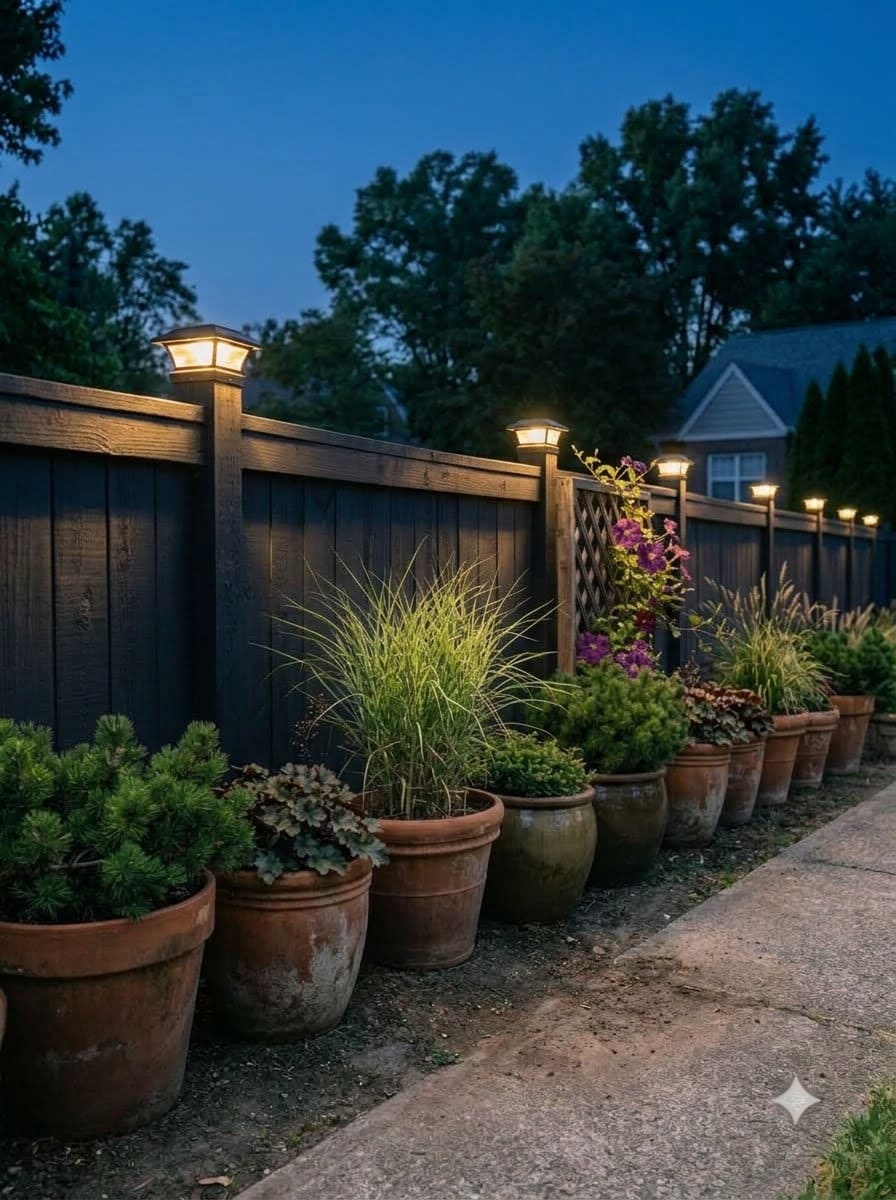
A solar-powered post cap light or a warm-white string light run along the top rail costs relatively little and needs no wiring, which matters if you’re renting or don’t want to run electrical to the yard, an idea covered in more depth in our fence lighting ideas guide.
Stick to warm white rather than cool white or color-changing bulbs, since warm tones read as intentional landscape lighting and cool ones read as a hardware-store string of lights.
What actually changed for me
I redid the back fence at a rental property two summers ago on what I’d guess was around $180 total, mostly paint and hardware, and it’s still the cheapest, highest-payoff project I’ve done on that house.
The fence itself was fine. It was just orange, sagging at one gate, and had weeds growing through the bottom rail.
Pressure washing took an afternoon and made the wood look almost new before a drop of paint went on. I’ll admit I was skeptical that color alone would matter that much, but painting it a deep charcoal made the whole yard look bigger, not smaller, because the fence stopped drawing your eye and the plants in front of it started to.
The gate hardware was the last thing I fixed, mostly because I ran out of steam and left it for another two months. That was a mistake. A single sagging, rust-streaked gate can undercut a good paint job faster than anything else, and I should have done the whole thing at once instead of stalling on the last 10 percent.
If your HOA restricts paint colors, don’t assume you’re stuck with the default look. Check the actual rules first. A lot of HOAs restrict color choice but not staining or sealing, which still solves the uneven-graying problem even if you can’t go dark charcoal or black.
FAQs
How much does it cost to make an old fence look expensive?
A basic refresh, pressure washing plus paint or stain and new hardware, typically runs somewhere in the low hundreds of dollars for a standard backyard run, mostly the cost of one or two gallons of quality exterior paint or stain and a matched hardware set. Post caps and planting add more depending on how far you take it. Full replacement almost always costs several times more.
Can renters or HOA-restricted homeowners upgrade a fence’s look?
Yes, in most cases. Container planting instead of an in-ground bed, solar lighting instead of wired fixtures, and a clear UV-blocking sealer instead of a repaint are all reversible or restriction-friendly options. Always check the actual HOA rules or lease terms before painting a shared or landlord-owned fence, since some restrict color changes specifically rather than maintenance in general.
Is it cheaper to paint or stain a wood fence?
Stain is usually cheaper per gallon and easier to apply as a single coat, but it needs reapplication more often, roughly every two to eight years per Sherwin-Williams’ own guidance. Paint costs more upfront and takes more prep, but a properly primed two-coat paint job can last closer to a decade.
How long will a painted or stained fence upgrade last?
Expect five to ten years from a properly primed and painted fence, and two to eight years from a stained one, according to Sherwin-Williams. Both numbers assume decent surface prep. Skipping primer or painting over dirty, wet wood will cut either lifespan down significantly.
Related Posts
Products We Recommend
This post contains affiliate links. We may earn a commission on qualifying purchases at no extra cost to you.
Olympic Elite Semi-Transparent Wood Stain & Sealer (Atlas Cedar, 1 gal)
A water-based stain-and-sealer-in-one that soaks into the wood grain rather than sitting on top, urethane-fortified against cracking and peeling, rated 4.3 stars across 28 reviews.
Shop Now
VOLISUN 4x4 Solar Post Cap Lights (12-pack, black, warm white)
Warm-white solar post cap lights that snap onto standard 4x4 wood or vinyl fence posts with no wiring, rated 4.5 stars across 1,558 reviews and an Amazon's Choice pick.
Shop Now
CMOOD Self-Locking Gate Latch and Hinge Set (black)
A matched black powder-coated gate latch and two heavy-duty hinges with installation screws and a swing adjuster tool, rated 4.4 stars across 112 reviews, a direct swap for rusted or mismatched builder-grade gate hardware.
Shop NowNever miss an update — choose FarmFoodFamily as your preferred source on Google.
How it works: Tap the button below to open Google's settings page, then check the box next to FarmFoodFamily.
Tap the checkbox to turn it blue — that's how you know it's set.