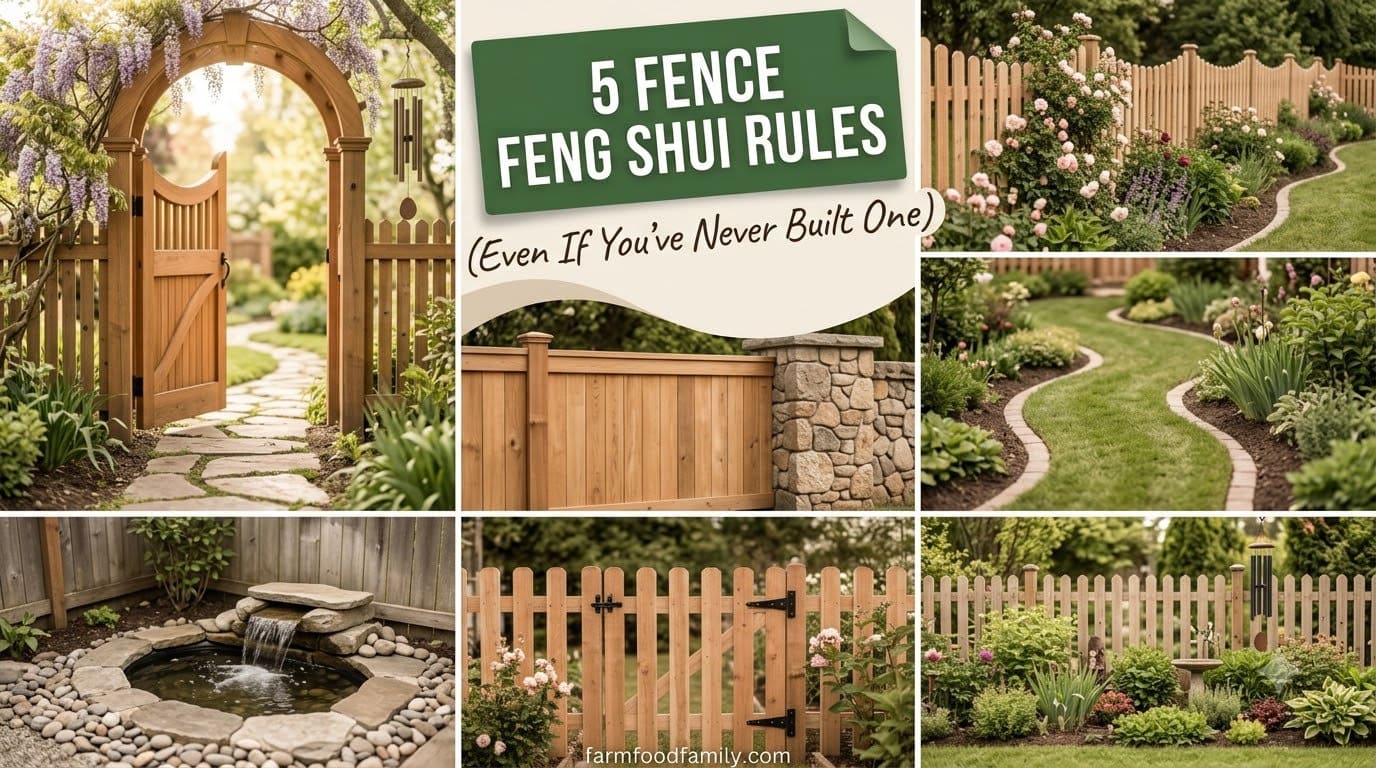
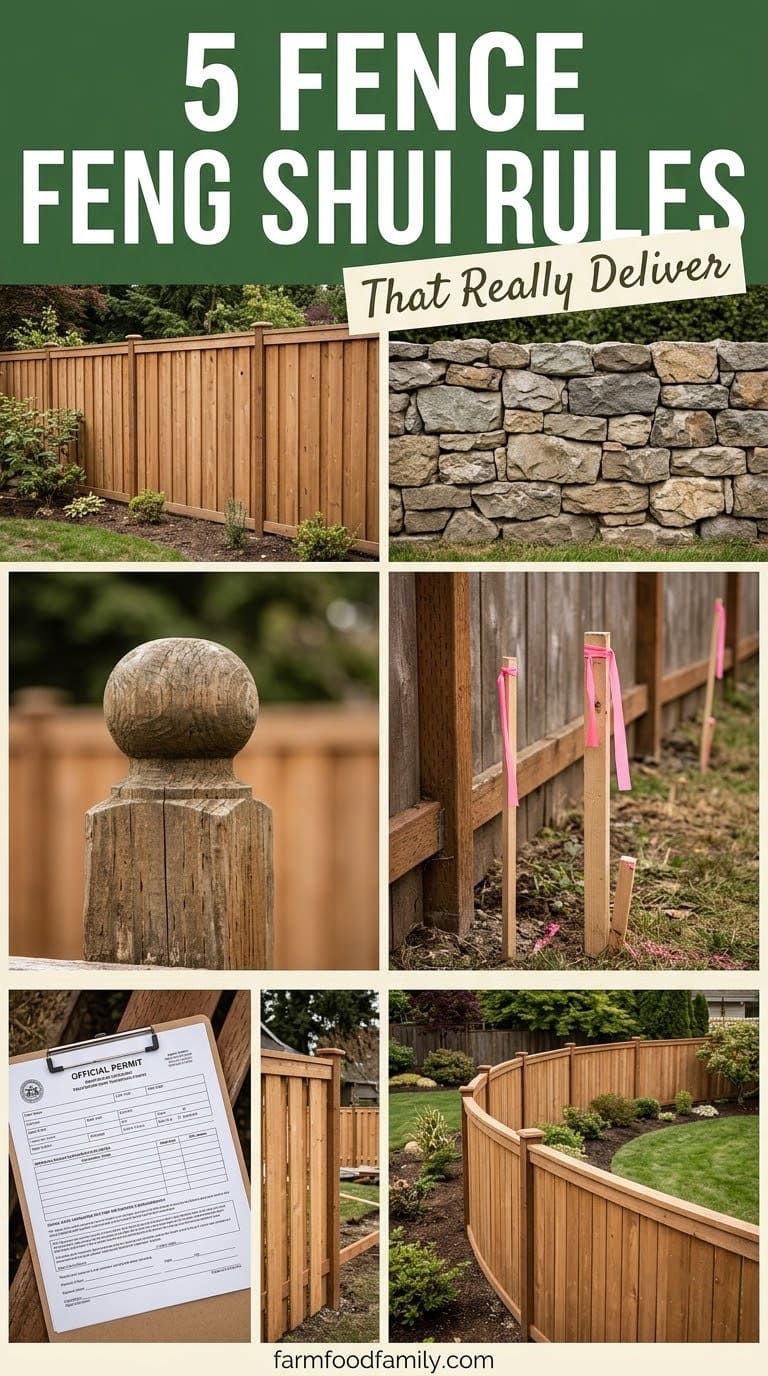
5 Feng Shui Rules You Need to Know Before Building a Garden Fence
A fence is one of the few structures feng shui treats as pure boundary protection, and the real property-line and code questions behind it matter just as much as the height and material questions everyone actually asks about.

Never miss an update — choose FarmFoodFamily as your preferred source on Google.
How it works: Tap the button below to open Google’s settings page, then check the box next to FarmFoodFamily.
Tap the checkbox to turn it blue — that’s how you know it’s set.
Marie Diamond, the feng shui master and author featured in “The Secret,” treats a fence as a supportive boundary, “like a gentle embrace, not a prison wall,” meant to protect a property’s energy without cutting it off from the world entirely.
Here are the five rules that matter most before you build, paired with the real legal and structural facts that no feng shui fence guide currently covers.
1. Keep the height proportionate, lower in front, higher in back
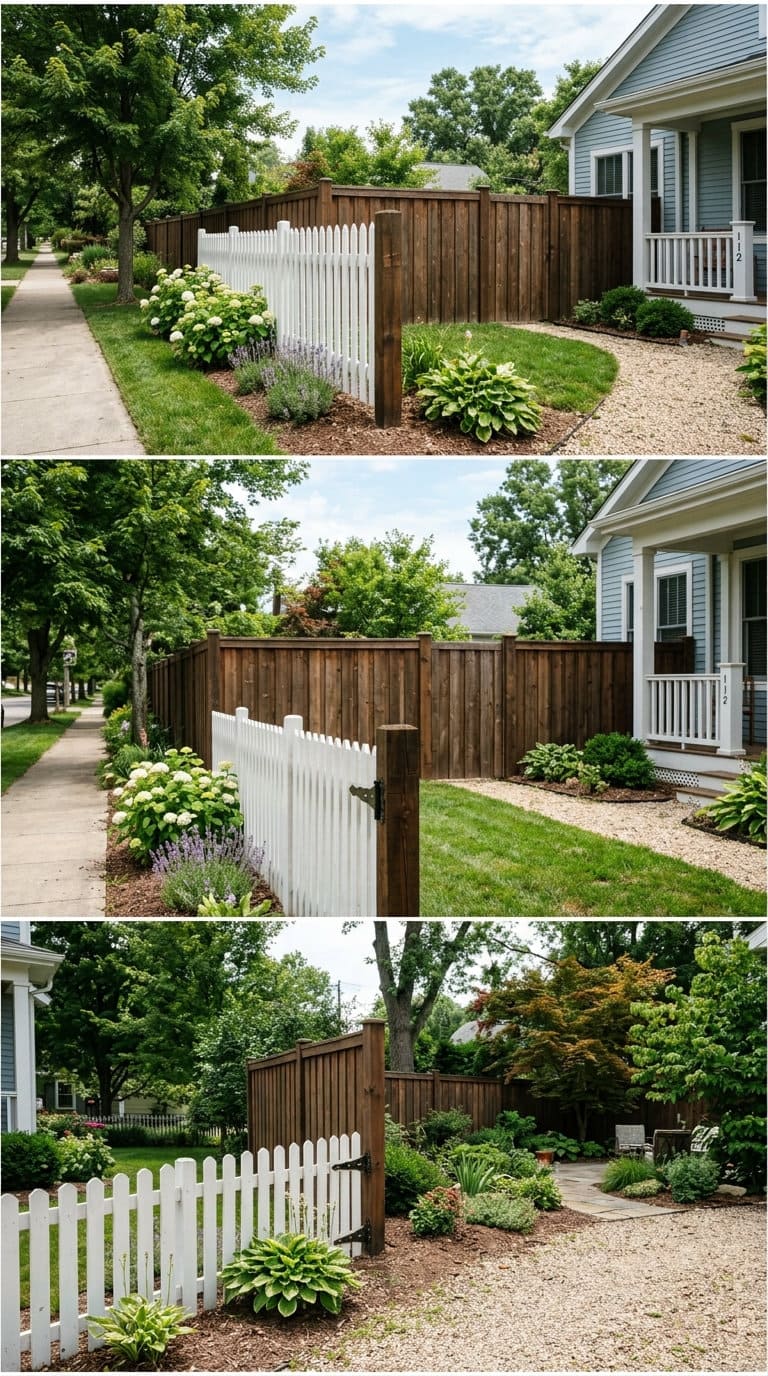
Feng shui treats a fence taller than the house itself as creating an imbalance, trapping and constricting energy rather than supportively containing it.
The traditional guidance is specific: a lower fence at the front invites opportunity in, while a taller fence at the back provides real support and privacy, the same “backing mountain” logic covered elsewhere in this project’s furniture-placement guides.
2. Choose a material that matches the element you want to reinforce
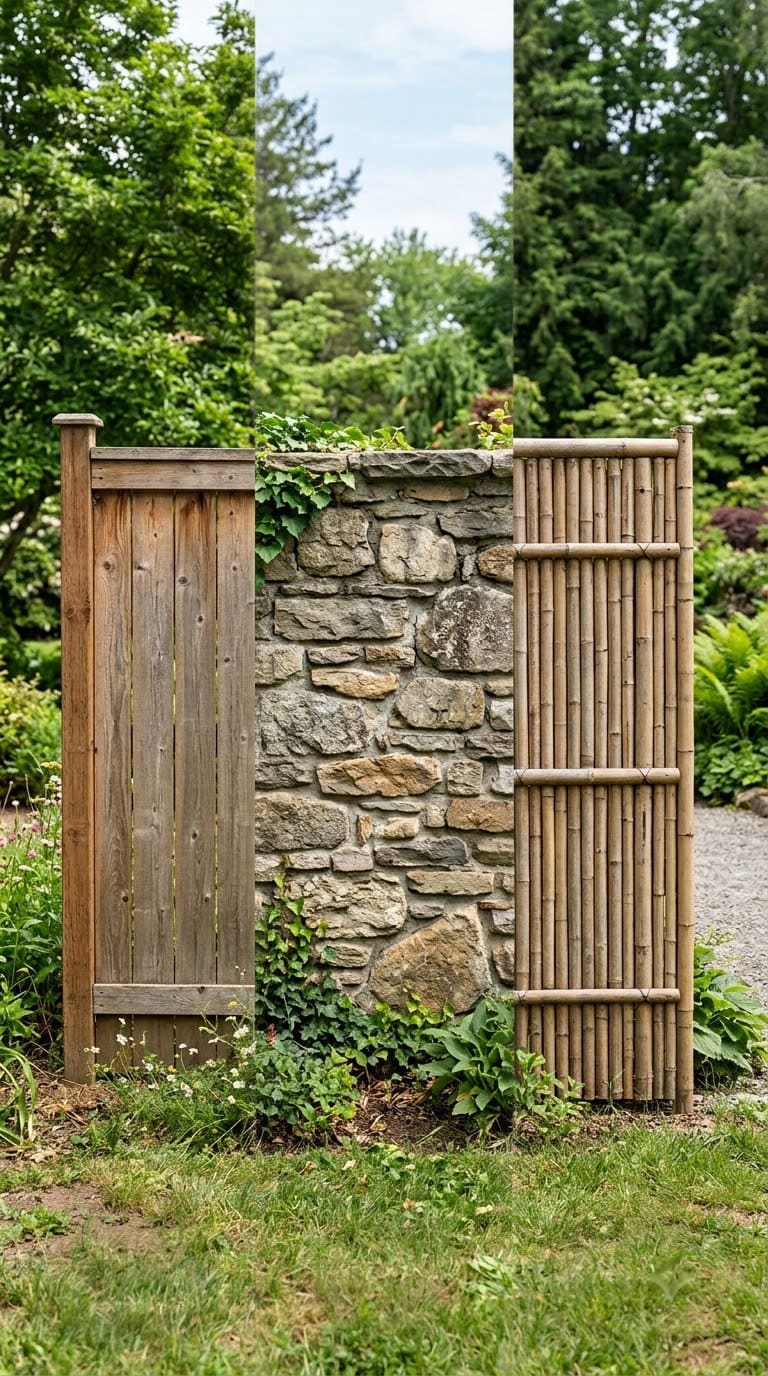
Wood fencing is tied to the wood element, growth and upward movement, while stone or brick reads as earth, stability and grounding, and metal is tied to structure and precision, useful where a stronger, more defined boundary is the goal.

Bamboo is a specific favorite for combining the wood element’s growth symbolism with a genuinely sustainable material choice.
Answer 4 quick questions and get matched to the exact fix for your yard — drainage, budget, layout, or something else entirely.
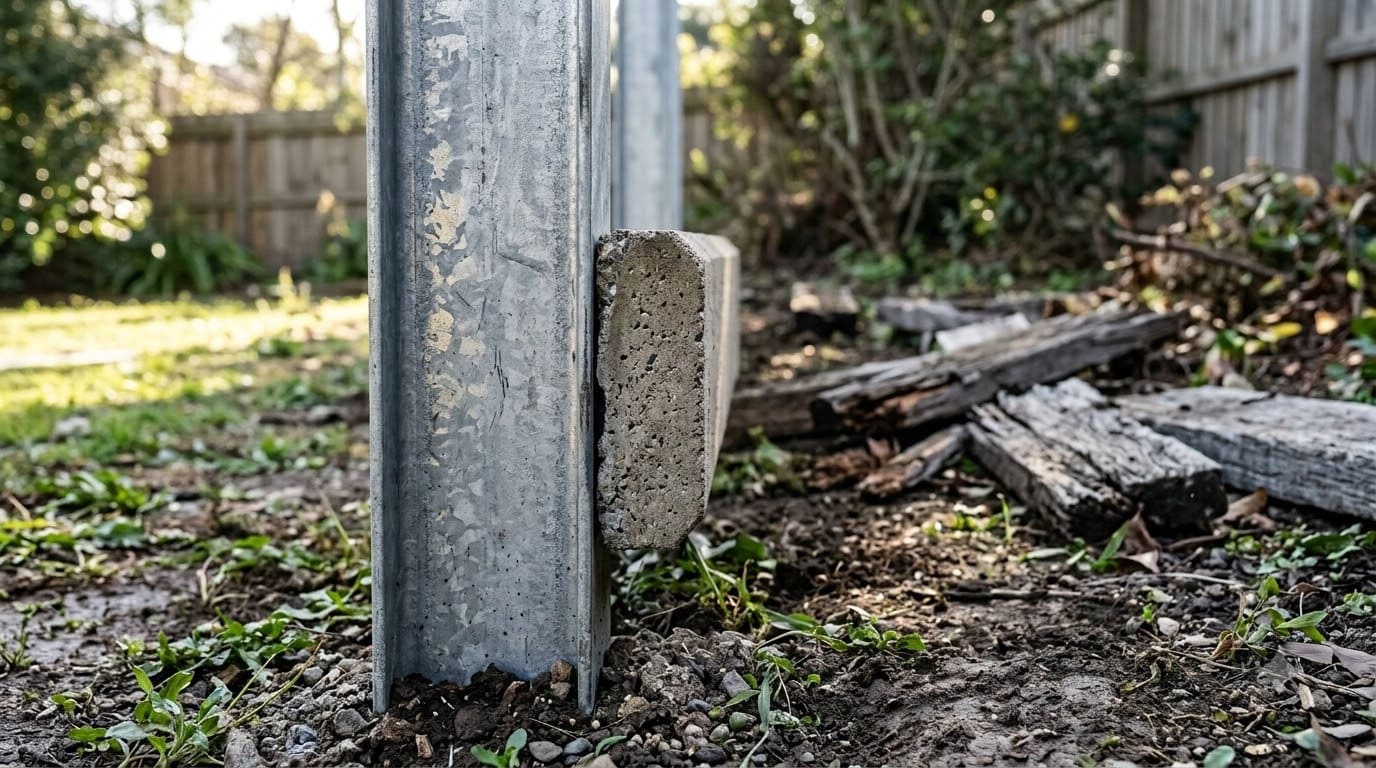
Take the Free QuizReal fact worth knowing: whatever material you choose, the real lifespan varies enormously by ground-contact rating, not just species. Pressure-treated wood posts rated for general ground contact (UC4A) typically last 15 to 25 years in well-drained soil, while the same post set in a wet, poorly-draining spot can rot out in half that time.
UC4B-rated posts, treated for more severe, constantly wet ground contact, cost more upfront but are the real fix if your fence line runs through a naturally damp part of the yard rather than choosing a “feng shui” material and hoping the ground cooperates.
3. Avoid sharp points, angles, and gaps facing your home or a neighbor
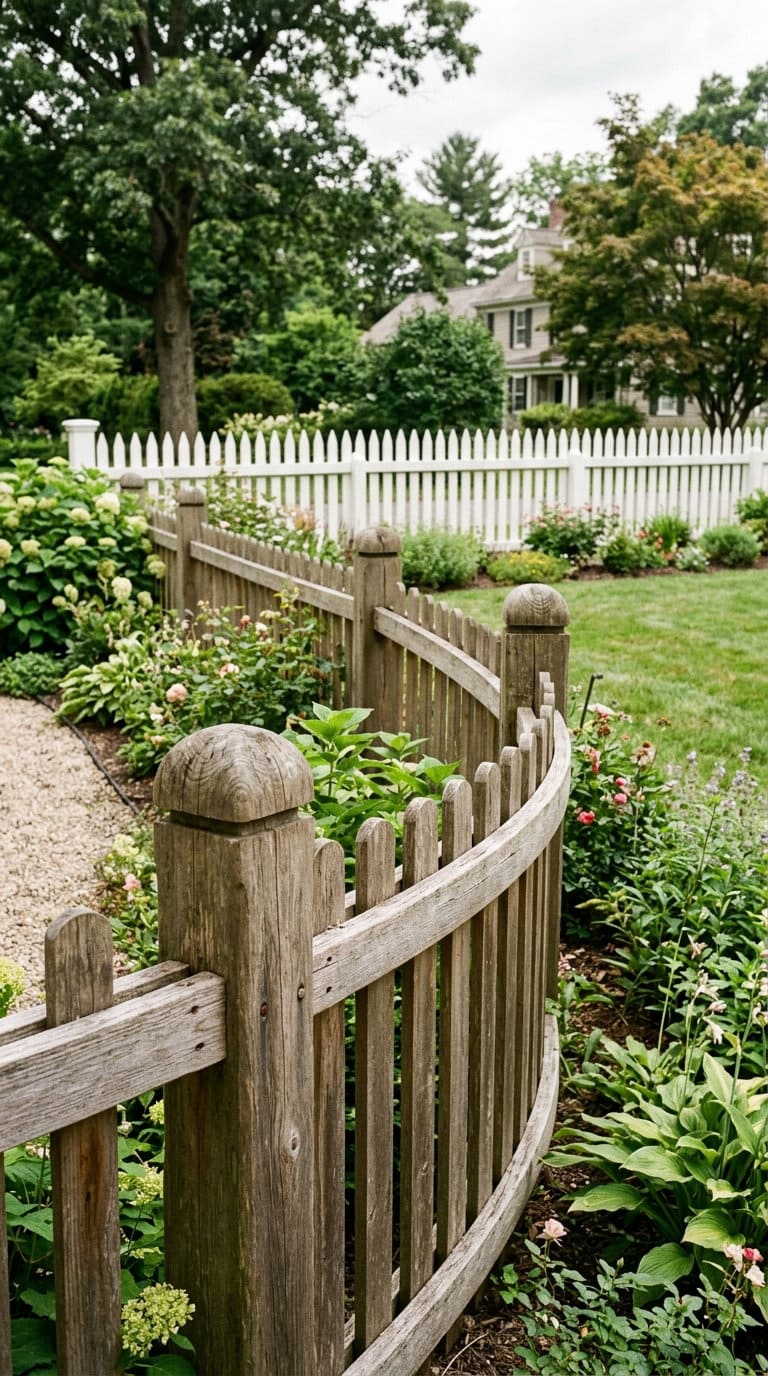
A fence with pointed pickets, sharp decorative caps, or an angular design aimed inward at the house or outward at a neighbor’s is treated the same as any other feng shui “poison arrow,” projecting aggressive energy rather than calm protection.
Curved lines, rounded caps, and softened corners are the standard remedy.
4. Never build without confirming the real property line first
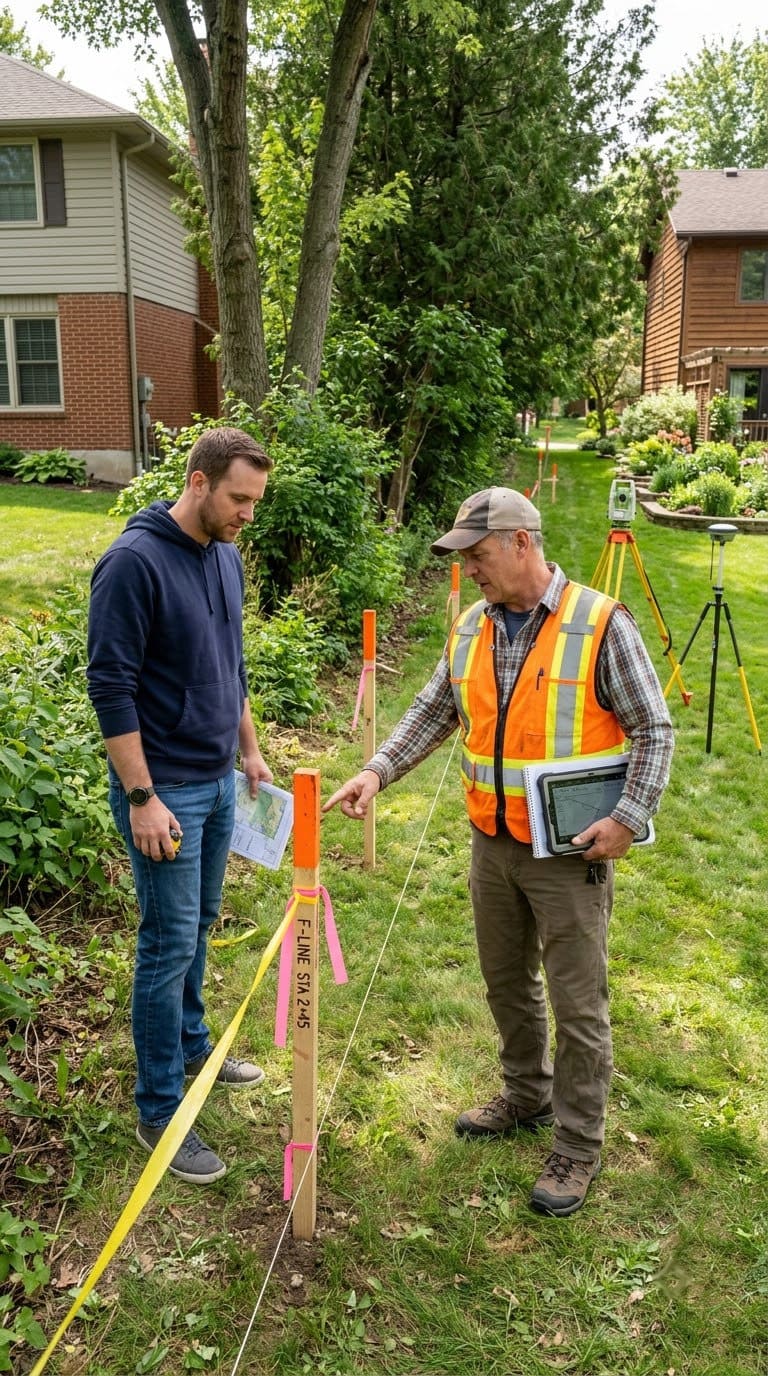
This is the gap in every feng shui fence source checked for this piece, and it’s the one with the highest real financial and legal stakes on this entire list.
No U.S. state legally requires a survey before building a residential fence, but skipping one is one of the most common, most expensive mistakes homeowners make: a fence placed even six inches over the actual property line can trigger a neighbor dispute, a forced removal, and real legal costs that make the survey fee look like pocket change by comparison.
The safest sequence, confirm the property line, check local fence rules, talk to the neighbor, then compare contractor estimates, protects the “supportive boundary” feng shui wants just as much as it protects you legally.
Most yard problems trace back to one specific, fixable cause. Find yours in 4 quick questions.
Take the Free Quiz
Directly addresses rule #2's ground-contact rot concern, 20-year guarantee, Amazon's Choice, 4.3 stars/438 ratings
Shop NowThis post contains affiliate links. We may earn a commission on qualifying purchases at no extra cost to you.
5. Check your local height limit and permit rules before you commit to a design
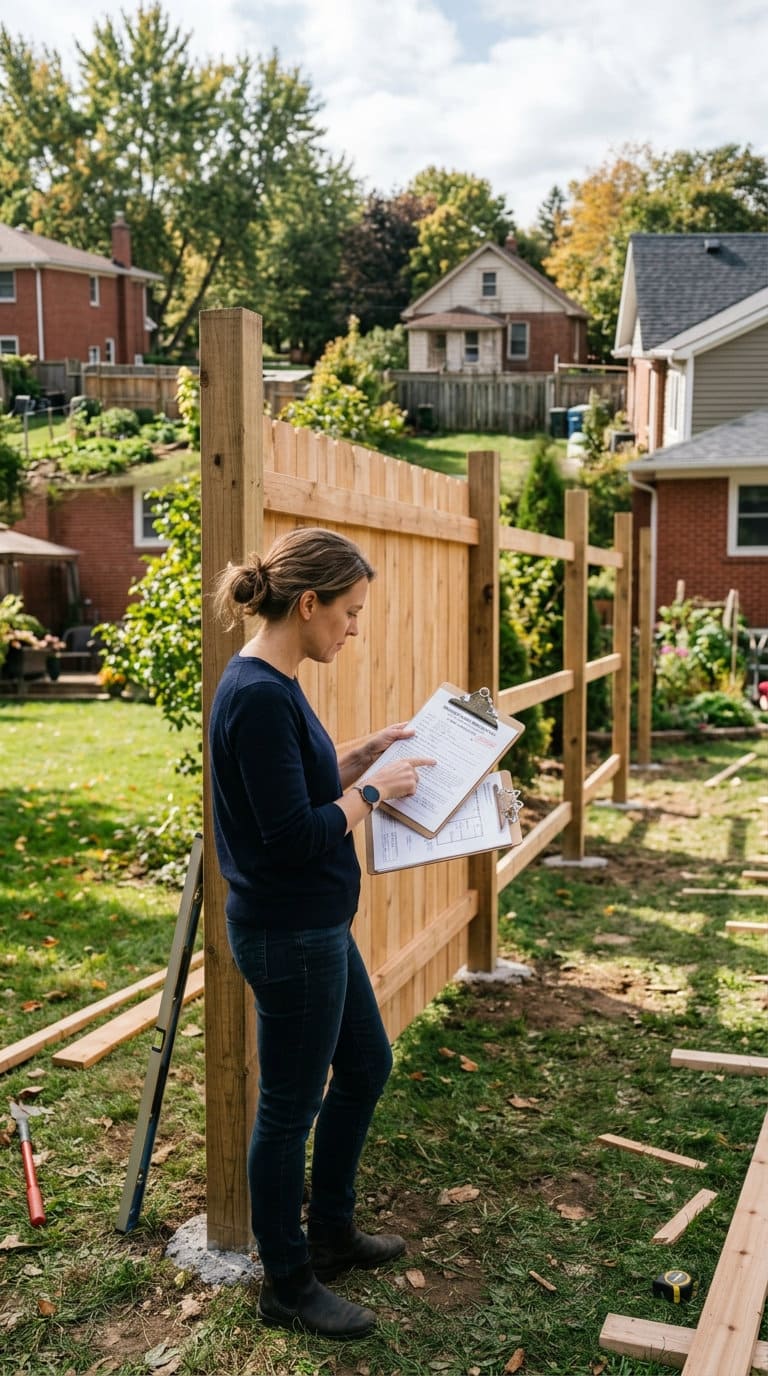
Feng shui’s height guidance (rule #1) is a starting philosophy, not a legal ceiling, and the real number varies block to block.
Most U.S. jurisdictions cap front yard fences at 3 to 4 feet specifically to preserve sightlines for drivers pulling out of driveways, while backyard fences commonly max out around 6 feet without a permit, some areas allow up to 8 feet for privacy fencing, but exceeding 6 feet often triggers a permit requirement even where the code technically allows it.
An HOA, where one exists, can layer additional restrictions on top of the municipal limit, and it can only make the limit stricter, never looser.
Confirming your specific local ordinance before finalizing a design avoids redoing a fence that technically violates code, height guidance or not.
The 5 rules at a glance
| Rule | Real-world backing | Fastest check |
|---|---|---|
| Proportionate height | Feng shui philosophy, not a legal standard | Lower front, taller back, within your local limit |
| Material choice | UC4A rated posts: 15-25 years; UC4B for wet ground | Match ground-contact rating to your actual soil |
| No sharp points/angles | Poison-arrow concern | Round caps, curved lines |
| Confirm the property line | A 6″ encroachment can trigger a real legal dispute | Get a survey before, not after, building |
| Check local height/permit rules | Front yards: 3-4ft typical; backyards: ~6ft before a permit | Call your local planning department first |
What we learned the hard way
The property-line skip is the one with the most expensive real regret. A fence built along an assumed line, “close enough,” based on an old survey or a neighbor’s informal agreement, can turn into a forced-removal-and-rebuild situation years later once an actual survey happens, at closing on a home sale, for instance, when it’s far more disruptive and costly to fix than a $300-600 survey would have been upfront.
The wet-ground material mistake is the other thing people don’t realize until year 8 or 10. A fence post that looked identical to its neighbors at installation, but sat in a naturally damp, poorly-draining stretch of yard, can be visibly rotting and leaning well before the rest of the fence shows any wear, worth checking your specific soil drainage, not just picking one post rating for the whole run.
FAQs
Do I really need a survey if my neighbor and I already agree on the line? A verbal or informal agreement isn’t a legal boundary. It’s strongly recommended even between friendly neighbors, since a future sale, a new neighbor, or a forgotten conversation can turn an assumed line into a real dispute years later.
What’s the tallest fence I can build without a permit? It depends entirely on your local jurisdiction, commonly around 6 feet for a backyard fence in the U.S., but confirm with your local planning department, and check your HOA rules separately if you have one.
Is metal fencing ever a good feng shui choice? Yes, metal is tied to structure, precision, and a stronger defined boundary, a reasonable choice where security or a firm boundary matters more than the softer, growth-oriented symbolism of wood.
The average homeowner spends $616/year on yard fixes that don't address the real problem. Find out what yours actually is — before you spend another dollar.
Take the Free QuizMy fence line runs through a wet part of my yard. What should I do? Choose posts rated for severe ground contact (UC4B) specifically for that stretch, rather than using the same general-ground-contact rating across the whole fence line, it costs more upfront but avoids an early, uneven rot pattern.
Related reading on farmfoodfamily.com: for the broader front-yard fence-as-buffer concept, see our front yard feng shui rules guide, and for real fence style inspiration once these fundamentals are settled, see our cedar fence ideas and bamboo fence ideas guides.
Related Posts
Products We Recommend
This post contains affiliate links. We may earn a commission on qualifying purchases at no extra cost to you.
Postsaver Pro-Wrap Standard Post Protector (5-Pack)
Directly addresses rule #2's ground-contact rot concern, 20-year guarantee, Amazon's Choice, 4.3 stars/438 ratings
Shop Now
Classy Caps Windsor Solar Post Cap (4x4)
A rounded, softened post-top option for rule #3, also solves nighttime visibility
Shop Now
Hasanbar Galvanized Steel Survey Stakes (4-Pack)
Covers rule #4's real property-line marking step before building, 4.5 stars/26 ratings
Shop NowNever miss an update — choose FarmFoodFamily as your preferred source on Google.
How it works: Tap the button below to open Google's settings page, then check the box next to FarmFoodFamily.
Tap the checkbox to turn it blue — that's how you know it's set.