How to Hire a Landscaper: 12 Questions to Ask Before You Sign
There’s a locked list of what to actually ask before you hire, with what a good answer sounds like, but the catch is that the questions about money and paperwork matter more than the ones about plants.

Never miss an update — choose FarmFoodFamily as your preferred source on Google.
How it works: Tap the button below to open Google’s settings page, then check the box next to FarmFoodFamily.
Tap the checkbox to turn it blue — that’s how you know it’s set.
“Check reviews and get a few quotes” is necessary advice. It just isn’t enough.
Most landscaping disputes don’t start with bad plants. They start with a scope nobody wrote down, a deposit nobody should have paid in full, or a subcontractor nobody agreed to.
These 12 questions are the ones that catch that before you sign anything, plus a real story about the one time we didn’t ask them.
Quick Answer
Before you sign anything, confirm license and insurance with an actual certificate you can verify yourself, per the Better Business Bureau. Get a written estimate with the exact scope, materials, and quantities, not a round number. Get at least three bids so an outlier is easy to spot.
Per the Federal Trade Commission, a deposit around a third of the total is standard. Never pay the full amount up front, and never pay cash, since a check or card leaves a record if something goes wrong.

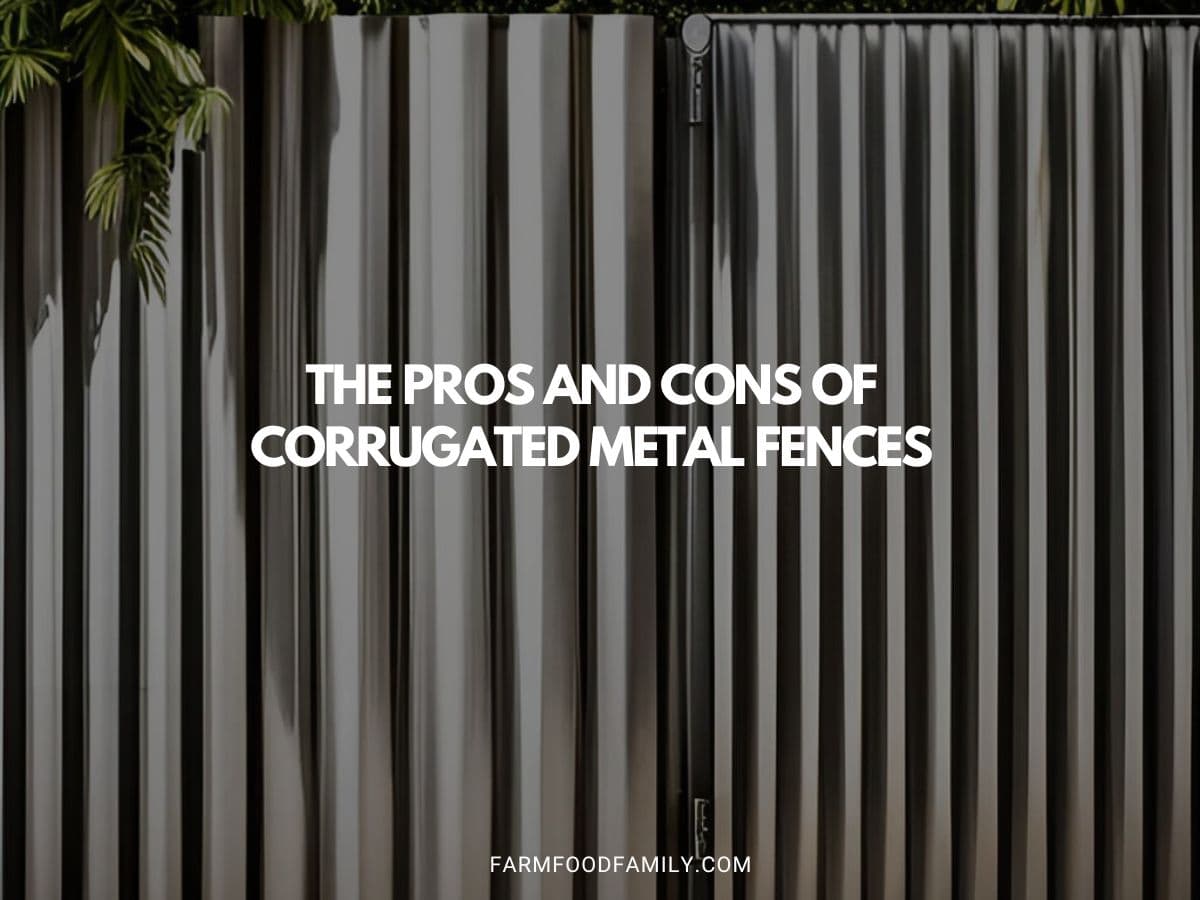

Ask who is actually doing the work, and what happens if something is damaged or a plant dies. Get a signed contract with a start and completion date before work begins.
Answer 4 quick questions and get matched to the exact fix for your yard — drainage, budget, layout, or something else entirely.
Take the Free QuizFor anything structural, graded, or needing a permit, you may need a licensed landscape architect, not a general landscaping crew. That distinction alone can save real money.
1. Are you licensed for this kind of work in my area?
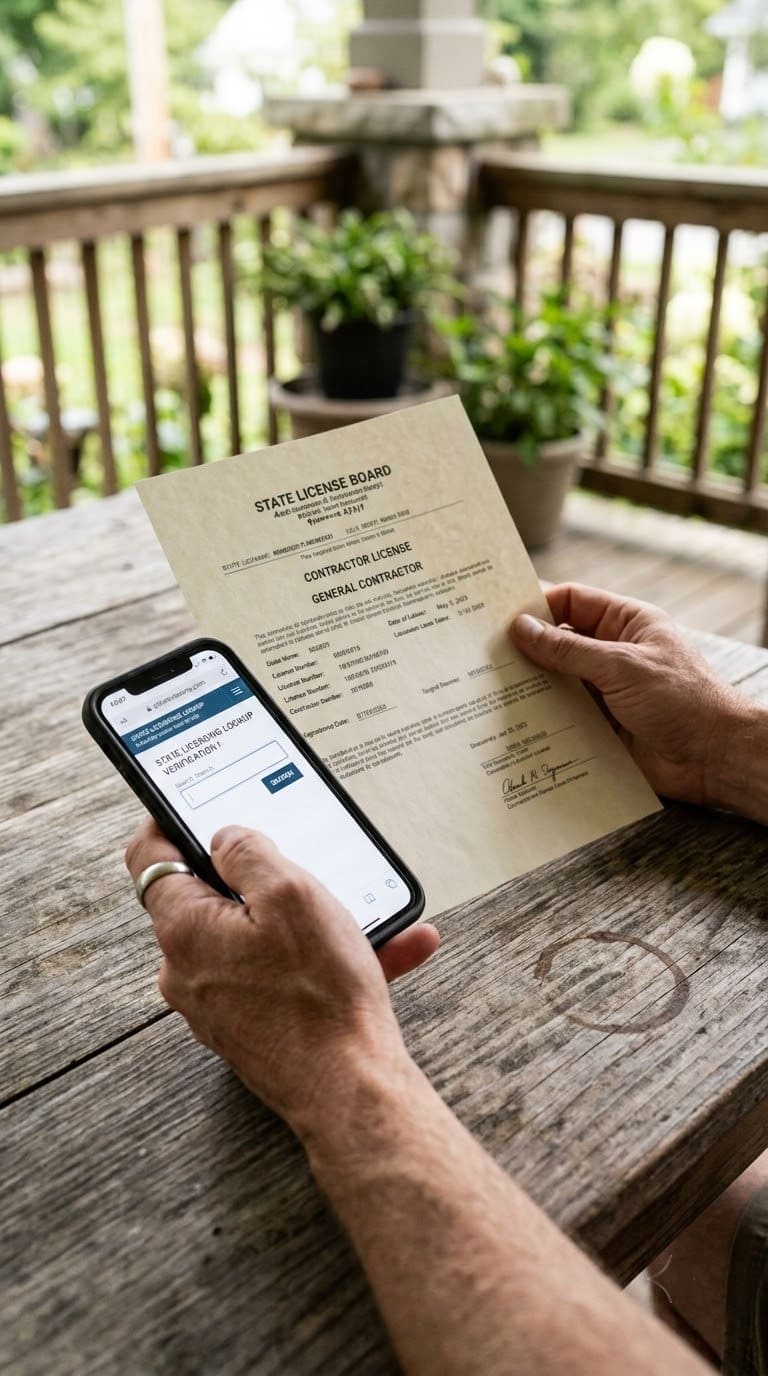
Licensing rules for “landscaper” vary wildly by state and even by city. Some places require a contractor license for anything over a certain dollar amount, others require nothing at all for planting and mowing work.
A good answer names the actual license or explains clearly why one isn’t required for your job. A red-flag answer is vague, or gets defensive when you ask.
Landscape architects are a different story. They’re licensed in all 50 states, which matters once the job touches grading, drainage, or a structure. More on that in question 12.
Quick tip: call your local building department. They can confirm whether your municipality licenses landscaping contractors, and whether your project needs a permit.
2. Can I see proof of liability insurance and workers’ comp, and can I call your carrier to confirm it’s active?

This is the single most important question on the list, because it’s the one that protects you, not just the crew.
Ask for the actual certificate of insurance, per the BBB, not a verbal promise. Then call the number on it. A policy that lapsed last month still looks fine on paper.
Most yard problems trace back to one specific, fixable cause. Find yours in 4 quick questions.
Take the Free Quiz
Keeps every quote, contract, and insurance certificate organized in one place while you compare bids from different landscapers.
Shop NowThis post contains affiliate links. We may earn a commission on qualifying purchases at no extra cost to you.
If a worker gets hurt on your property and there’s no workers’ comp, you can end up covering the medical bill. That’s the real cost of skipping this one.
3. Do you carry a pesticide or herbicide applicator license, if that’s part of the job?
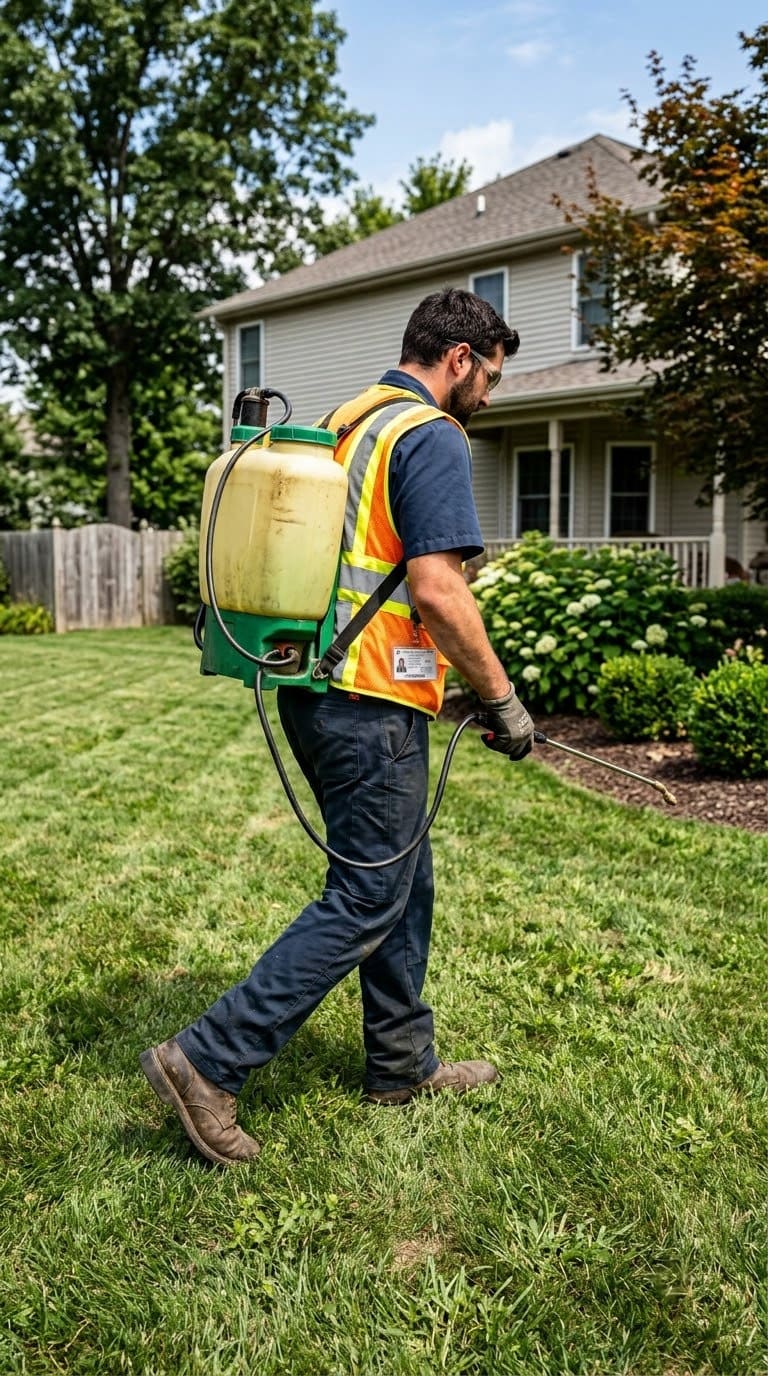
This only applies if the scope includes chemical weed control, fertilizer application, or pest treatment. Plenty of landscaping jobs don’t touch it at all.
When it does apply, most states require a separate applicator license for anyone spraying commercially. Ask to see it, the same way you’d ask about general licensing.
A crew that shrugs this off, or applies something in windy or rainy conditions against the label, is a real BBB-flagged red flag, not a minor detail.
If you’d rather avoid chemical treatments altogether, say so up front. A good landscaper will tell you honestly whether an organic or manual alternative fits your budget and timeline.
4. How long have you been in business, and have you done a project like mine before?
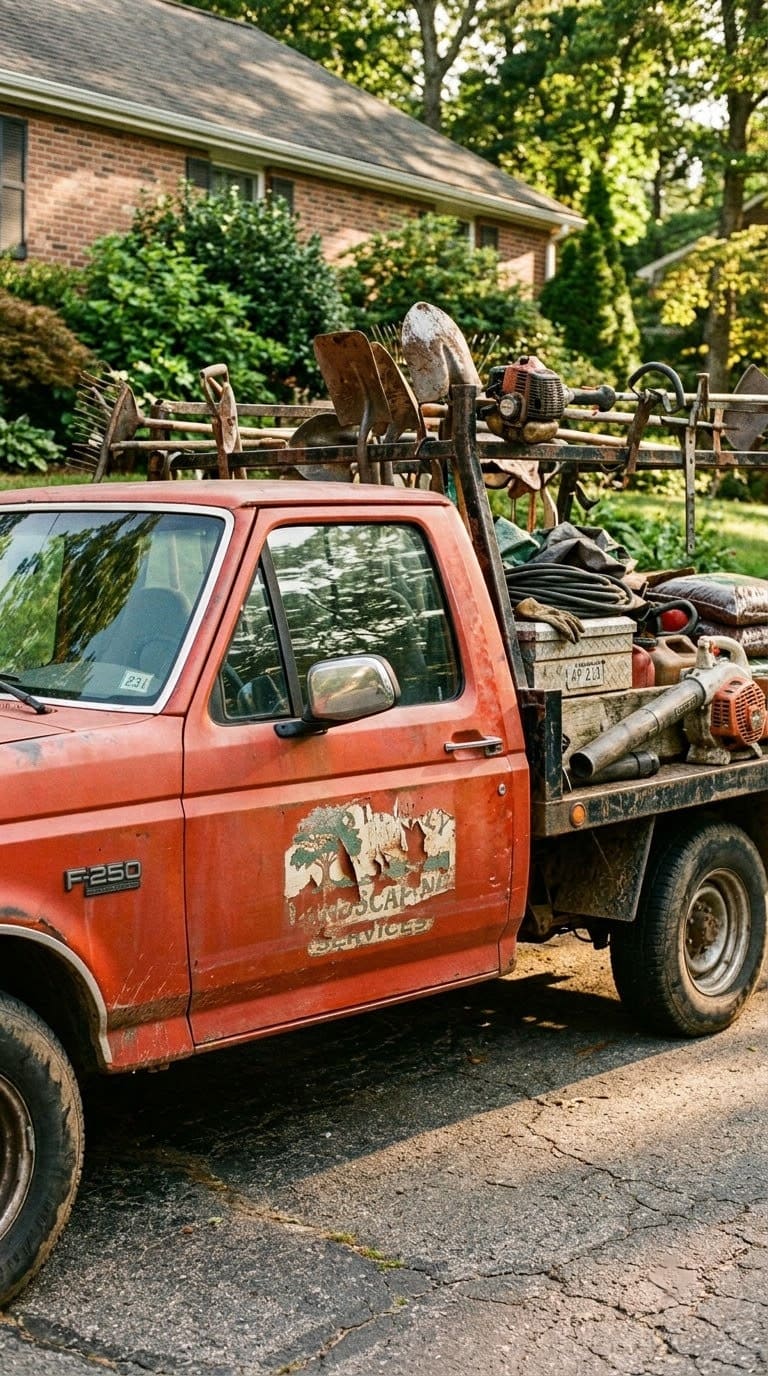
A company that’s been around for years has a track record you can actually check. A brand-new one isn’t automatically bad, but you’ll want to lean harder on the other questions.
Ask specifically about your kind of project. A crew that’s great at weekly mowing isn’t automatically great at a full redesign, and the reverse is true too.
The answer you want is specific: a similar yard, a similar budget, a rough timeline. “We do everything” is not that answer.



Years in business isn’t a perfect proxy for skill. But a company that’s survived several seasons has had to keep customers happy enough to stay open, and that’s worth something.
The average homeowner spends $616/year on yard fixes that don't address the real problem. Find out what yours actually is — before you spend another dollar.
Take the Free Quiz5. Can I see photos of similar finished work, and talk to two or three recent customers?

A portfolio tells you more about design sense and craftsmanship than any sales pitch will. Ask for projects that actually resemble yours in scale and style.
Then call the references. Ask what went wrong, not just what went right, since every real project hits at least one snag.
If you can drive by a completed job in person, do it. Photos can be old, and a real driveway doesn’t lie.
A reference call takes ten minutes and can save you months of regret. Ask specifically how the company handled a mistake. Every contractor makes at least one, and how they handle it tells you more than a five-star rating.
6. Will you give me a written estimate with the exact scope, materials, and quantities?
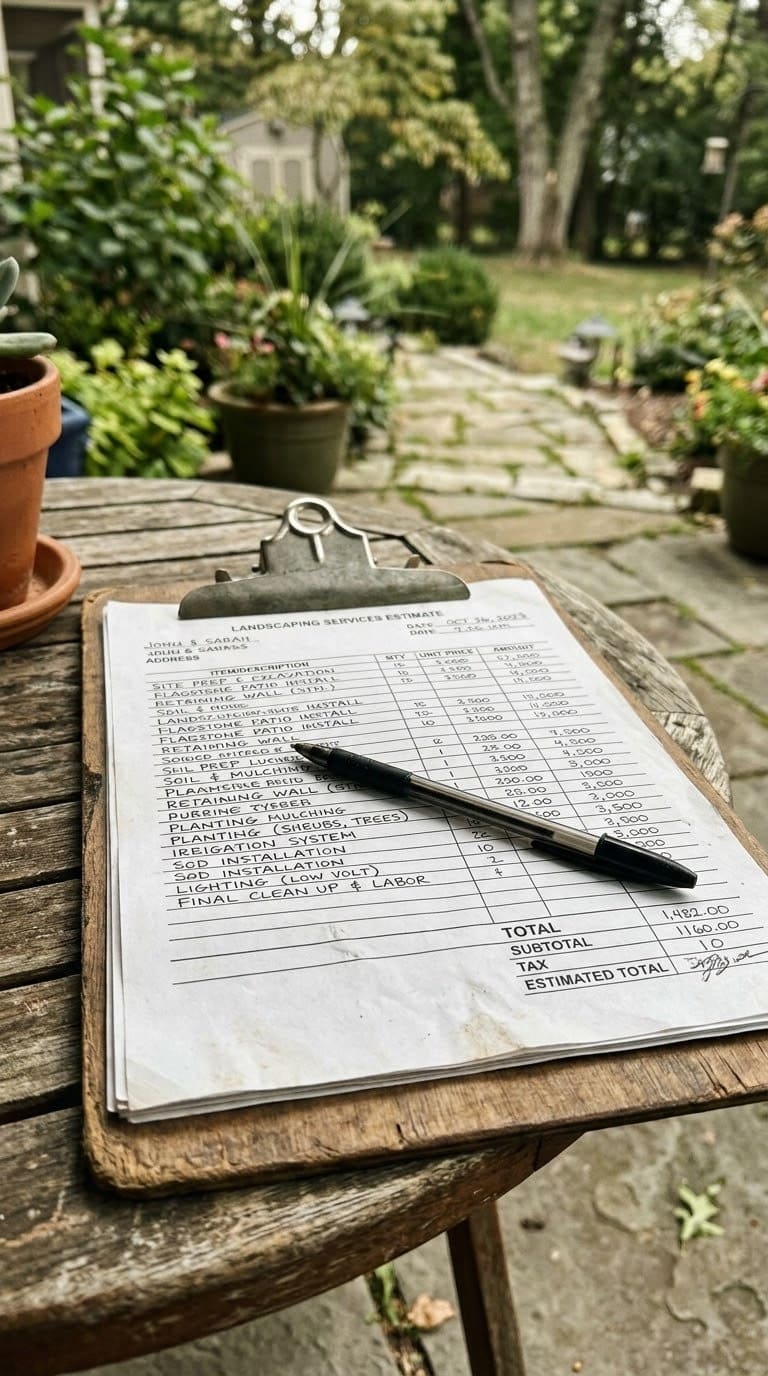
This is where “budget-friendly landscaping” articles and real hiring advice split. A number with no detail behind it isn’t comparable to anything.
The BBB’s advice is to define your scope before you even ask for bids, then make sure every quote covers the identical work. Otherwise you’re comparing a full renovation to a patch job just because both said “$4,000.”
If our landscape design cost guide is new to you, it walks through what a real design deliverable looks like, which is the document a good estimate should be pricing against.
A vague one-page quote with a single total is a sign. Either the contractor hasn’t thought the job through yet, or they don’t want you comparing it line by line against a rival bid.
7. What is not included in this price?
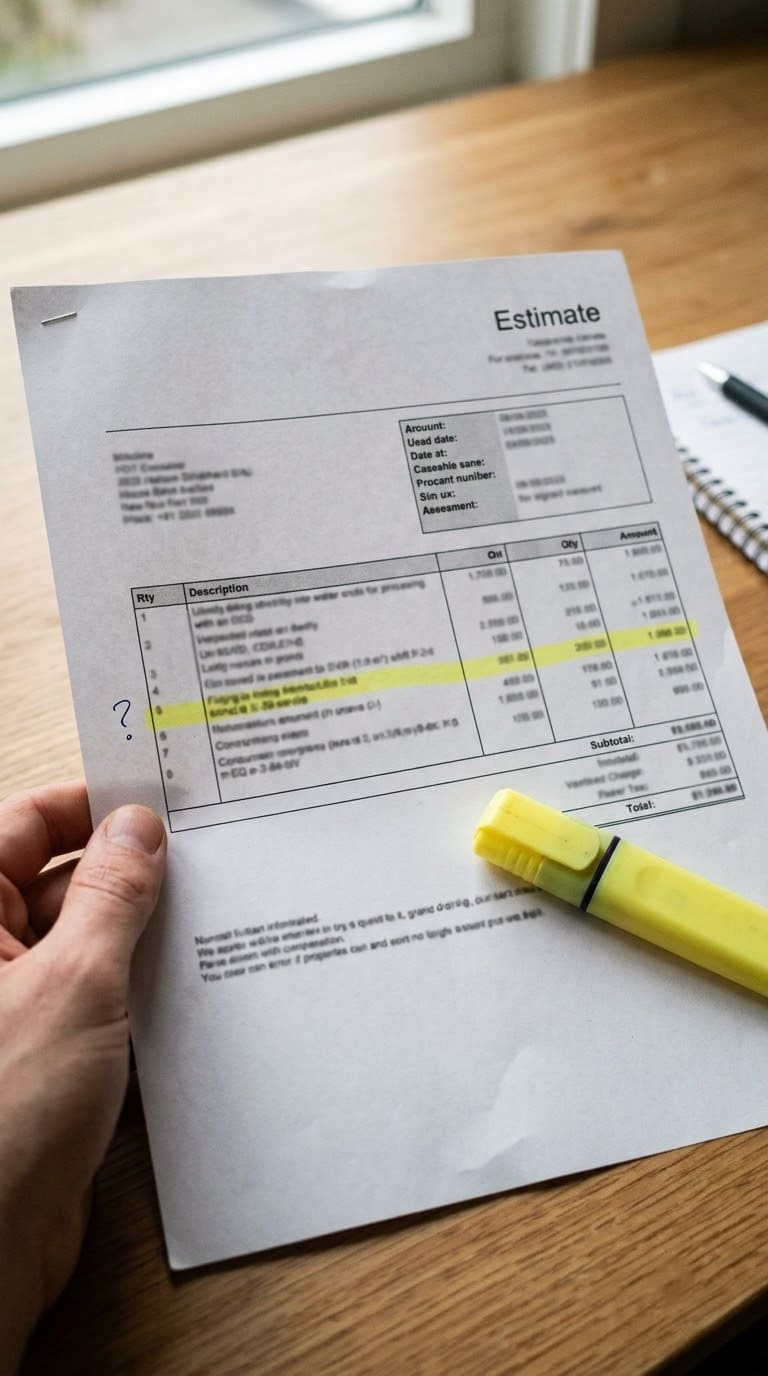
This is the question most homeowners forget, and it’s the one that causes the most invoices to grow after the fact.
Ask specifically about soil amendment, haul-away of debris, permit fees, and anything structural like a retaining wall or drainage work. Those often get quoted separately even when the rest of the job is one number.
Our retaining wall cost guide breaks down exactly how a wall, drainage, and a permit can turn one line item into three.
Ask this one before you compare bids. It’s often what separates a homeowner blindsided by a change order from one who saw it coming.
8. Who actually does the work, your crew or a subcontractor?
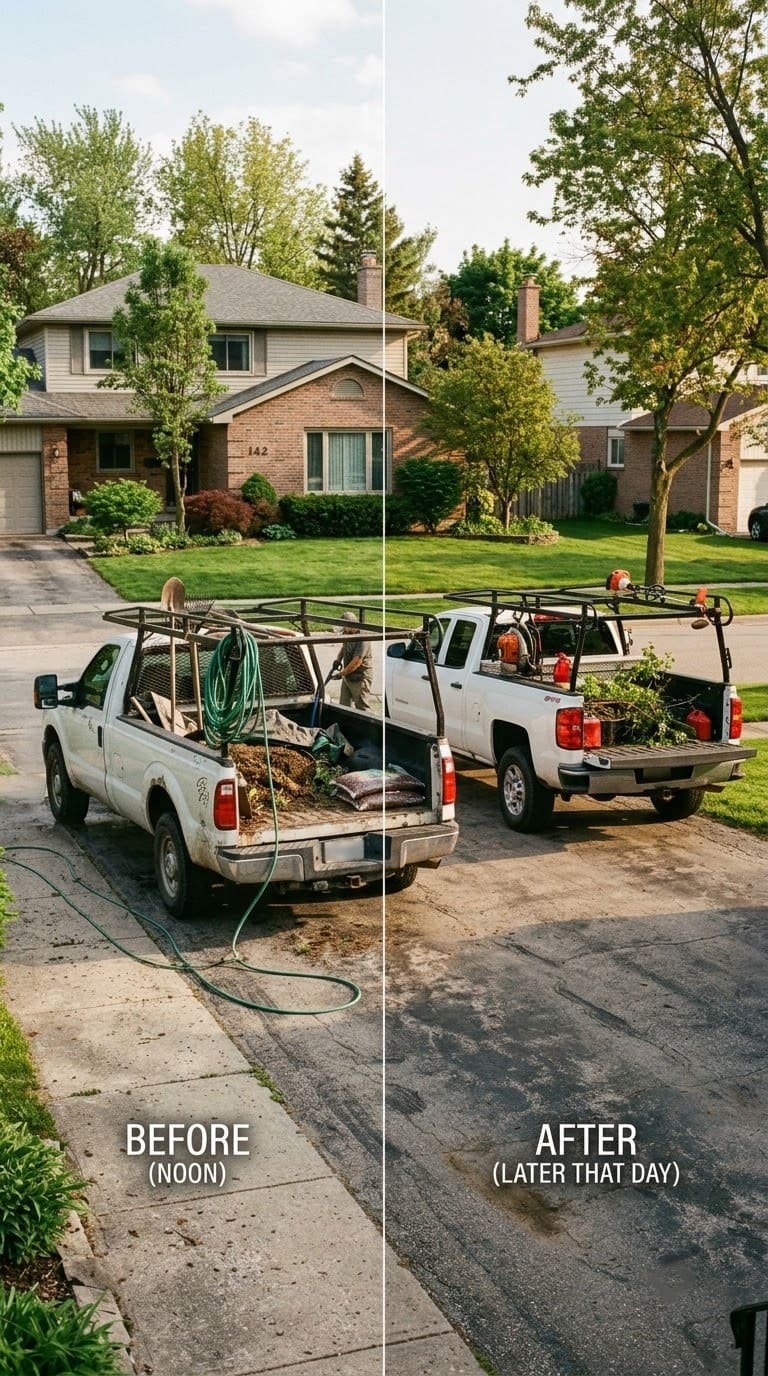
Plenty of legitimate landscaping companies subcontract parts of a job, especially for irrigation, lighting, or masonry. That’s not automatically a problem.
What matters is that you know it up front, and that someone is still accountable if the subcontractor’s work fails. Get that person’s name in writing.
A red flag is finding out on install day that a totally different crew, in a different truck, showed up to do the job. You thought you hired one specific company.
This matters most for irrigation or electrical lighting. A poorly vetted subcontractor’s mistake there can mean a much bigger repair bill than the landscaping itself.
9. What is the payment schedule, and how much deposit do you want up front?

The FTC’s standard is clear: a deposit of roughly one-third of the total is normal, and you should never pay the whole amount before work starts.
Also never pay cash. A check or a card payment leaves a record if something goes wrong later.
Stage the rest of the payments to major milestones, and hold back the final payment until you’ve walked the finished job and you’re satisfied with it.
A contractor who pushes back hard on a standard payment schedule is telling you something about how the rest of the job will go.
10. What happens if it rains, a plant dies, or something gets damaged?
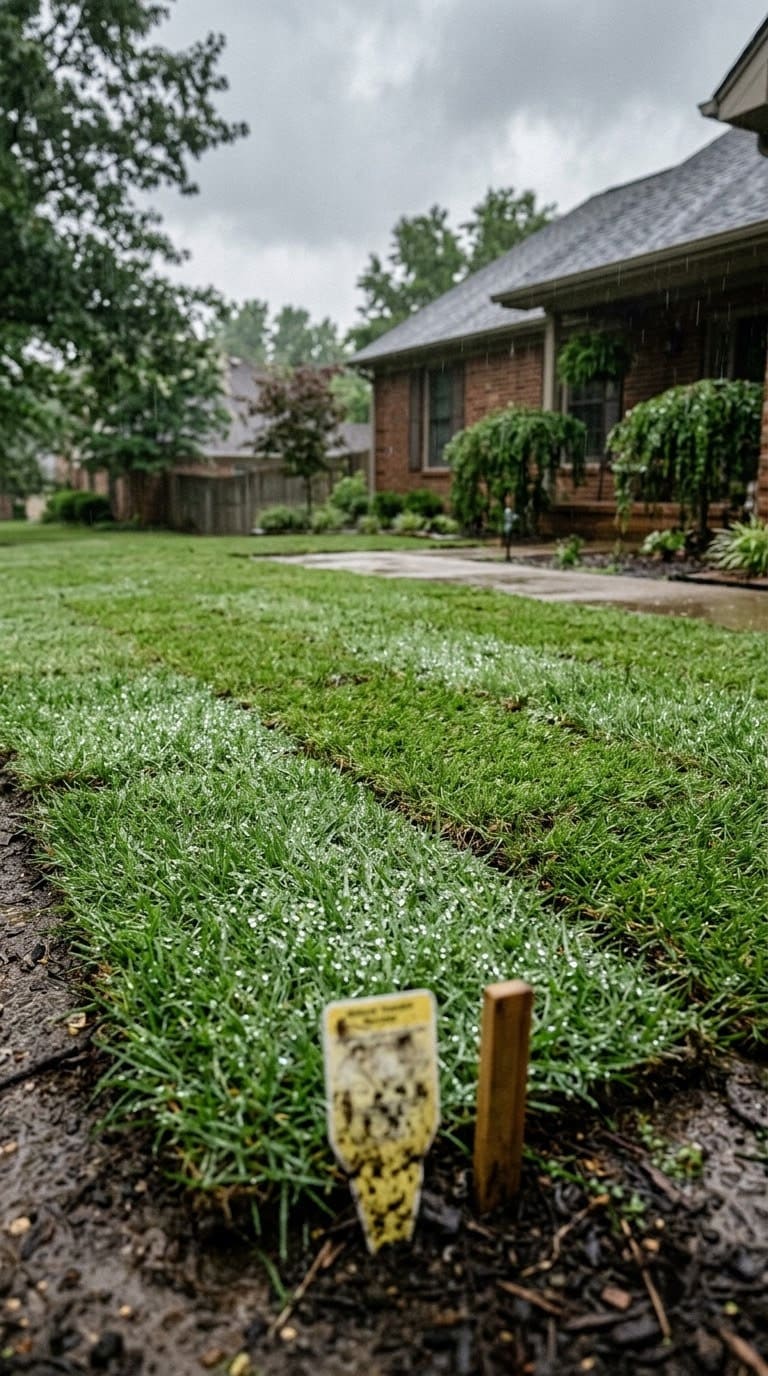
Weather delays a landscaping job constantly, so ask how rescheduling works and whether it changes the price.
Ask about a plant warranty too. Most reputable landscapers will replace anything that dies within a set window, usually a season or a year, as long as you followed the watering instructions they gave you.
And ask what happens if a sprinkler line, a fence, or a driveway gets damaged during the work. You want that answer before it happens, not after.
A company that answers this one plainly, without hedging, is usually a company that’s dealt with it honestly before. One that gets cagey about damage has probably had a bad outcome it doesn’t want to talk about.
11. Will I get a signed written contract with a start and completion date, and a lien waiver?

Per the FTC, get a signed copy of the contract before any work begins. Have someone you trust look it over first if the job is a big one.
The contract should list the scope, materials, cost, payment schedule, and start and completion dates, per the BBB.
For larger jobs, also ask for a lien waiver once you’ve paid in full. It’s the contractor’s statement that their suppliers and subs have been paid too, so you’re not on the hook for a bill you already covered.
It’s a small piece of paper for a real protection. In some states, a supplier who never got paid can file a claim against your property, even though you already paid the contractor in full.
12. Do I actually need a licensed landscape architect instead, for anything structural or permitted?
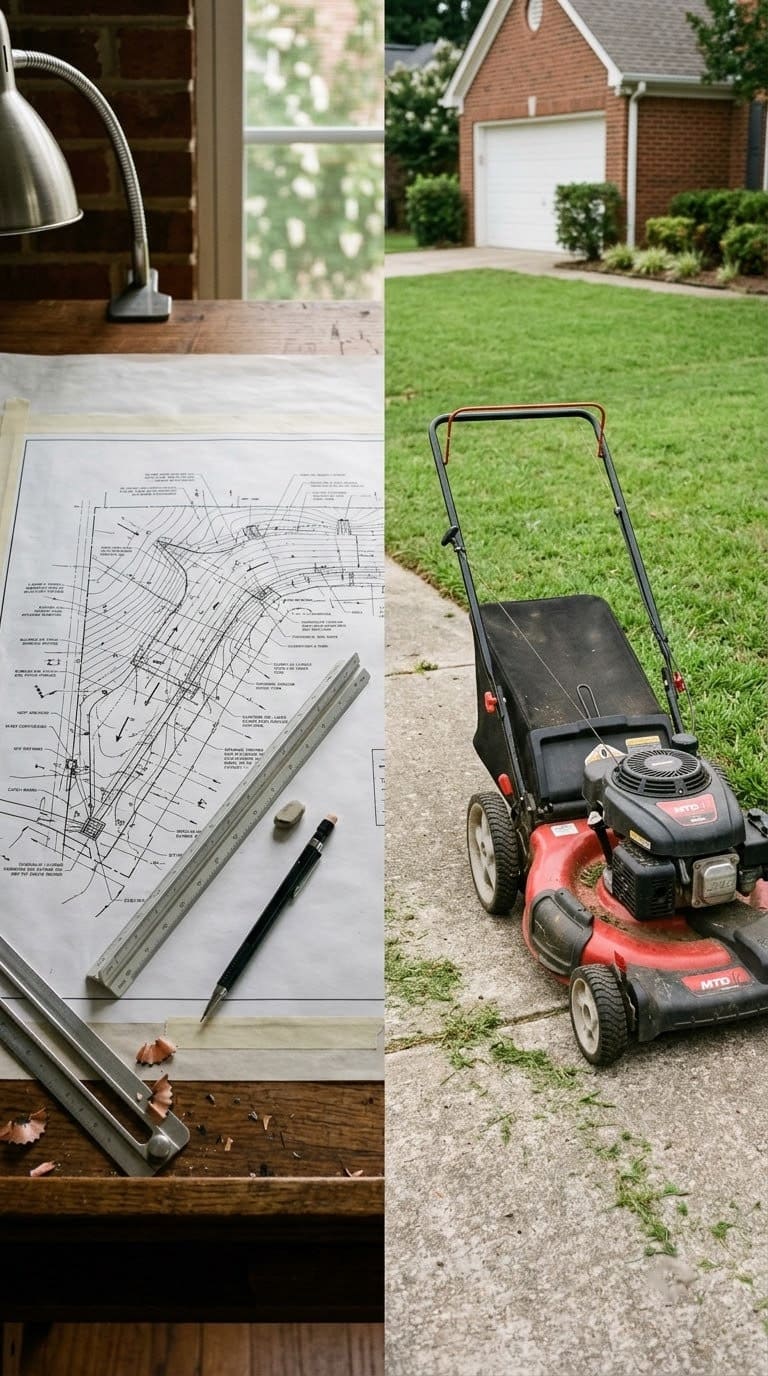
Not every project needs one, but some absolutely do.
Grading, drainage plans, a tall retaining wall, or anything requiring a permit is licensed landscape architect territory. It’s not a general landscaper’s. Our guide to sloped and hillside landscaping covers exactly where that line sits.
Ask the question directly. A landscaper who’s honest about the limits of their license is one you can trust on everything else on this list.
Once you know you need a designer or architect, the next useful question is what that costs, and how it’s billed.
The hiring red-flag cheat sheet
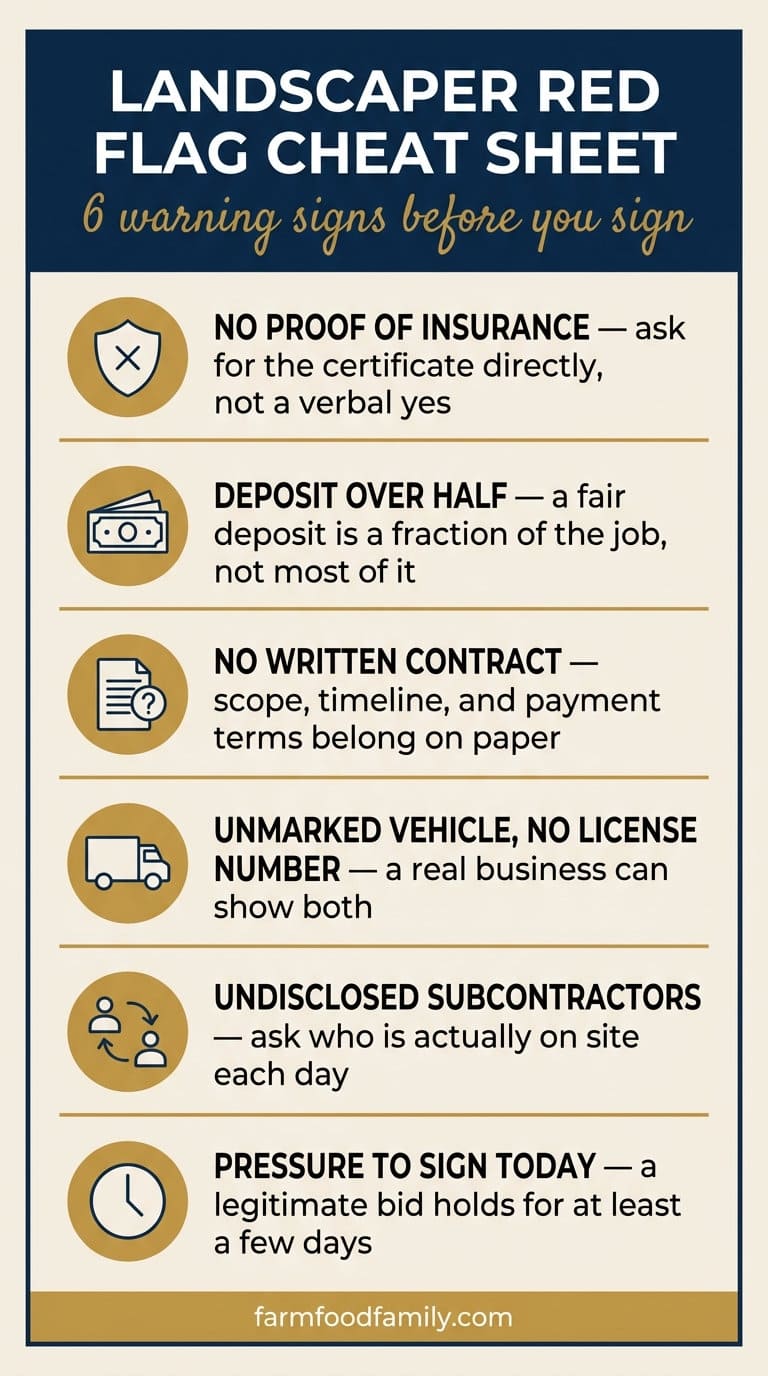
| Red flag | What it usually means | What to do instead |
|---|---|---|
| Quotes a price without seeing the site | They’re guessing, and the real number will move later | Insist on an in-person walkthrough before any estimate |
| Asks for full payment up front | If the job goes wrong, you have nothing left to hold over them | Pay a standard deposit, hold the rest for milestones |
| Only takes cash | No paper trail if a dispute happens | Pay by check or card, always |
| No written contract, just a verbal deal | Scope disagreements become he-said-she-said | Get scope, price, and dates in writing before work starts |
| Can’t produce an insurance certificate on request | Coverage may not exist, or may have lapsed | Call the carrier yourself before you sign |
| Pressures you to sign the same day | Reputable pros expect you to compare bids | Take at least a few days and get competing quotes |
| A different crew shows up than who bid the job | No clear accountability if something fails | Ask who does the work, and get names in writing |
| Won’t say what’s excluded from the price | The invoice grows once work starts | Ask “what’s not included” before you sign |
A real hiring mistake, and what we’d ask differently now
A few years back, we hired a crew off a handshake to “regrade the yard and re-sod it.” No written scope, no contract, just a price and a start date.
Our idea of “regrade” meant fixing a low spot near the patio that pooled water. Their idea of “regrade” meant a light rake-over before the sod went down.
We didn’t find out the two ideas didn’t match until the sod was already down and the same spot pooled water after the first rain. With no written scope, there was nothing to point to, and we ended up paying extra to have it partially redone.
Questions 6, 7, and 11 would have prevented the whole thing. A written estimate would have spelled out what “regrade” actually meant, and a signed contract would have given us something to hold them to.
One honest note. Most landscapers are legitimate businesses trying to do good work.
This isn’t about assuming bad faith. It’s about paperwork that protects both sides when two people picture the same word differently.
Landscaper hiring FAQ
How much deposit is normal for a landscaping job? Around one-third of the total project cost, per the FTC. Never pay the entire amount up front, and stage the rest of the payments to milestones, holding the final payment until you’ve inspected the finished work.
Is it normal for a landscaper to subcontract part of the work? Yes, often for specialties like irrigation, lighting, or masonry. It’s fine as long as you know about it in advance and there’s a clear point of contact if something goes wrong with the subcontracted work.
What’s the difference between a landscaper and a landscape architect? A landscaper or landscape contractor handles planting, installation, and general yard work. A landscape architect is licensed in all 50 states and is the one you need for grading, drainage plans, and structural work like a tall retaining wall or anything requiring a permit.
How many quotes should I get before hiring? At least three. It gives you a real sense of the market price and makes an outlier bid, unusually high or unusually low, obvious.
What should I do if a landscaper asks for full payment up front? Treat it as a serious red flag. The FTC specifically warns against paying the entire job cost before work starts. A standard deposit is normal, full payment up front is not.
Can I find out if a landscaper has complaints against them? Search their name at BBB.org for a business profile, complaint history, and customer reviews. It’s free, and it’s one of the fastest ways to catch a pattern before you hire. A single bad review usually isn’t a dealbreaker on its own, but a pattern of the same complaint repeating across several reviews is worth taking seriously.
Related posts
- Hiring Outdoor Kitchen Contractors
- How to Become a Garden Designer
- Questions Considered When Designing a Small Garden
Products We Recommend
This post contains affiliate links. We may earn a commission on qualifying purchases at no extra cost to you.
Amazon Basics Expanding Accordion File Organizer, 13 compartments
Keeps every quote, contract, and insurance certificate organized in one place while you compare bids from different landscapers.
Shop Now
MySoil Soil Test Kit
Useful to run before a design consultation so you can ask an informed question about amendment costs and whether a contractor's soil-prep line item makes sense.
Shop Now
Zozen Measuring Wheel in Feet and Inches
For walking the property with a contractor and checking their measurements against your own before you compare bids.
Shop NowNever miss an update — choose FarmFoodFamily as your preferred source on Google.
How it works: Tap the button below to open Google's settings page, then check the box next to FarmFoodFamily.
Tap the checkbox to turn it blue — that's how you know it's set.