Hidden Long-Distance Moving Challenges People Often Overlook
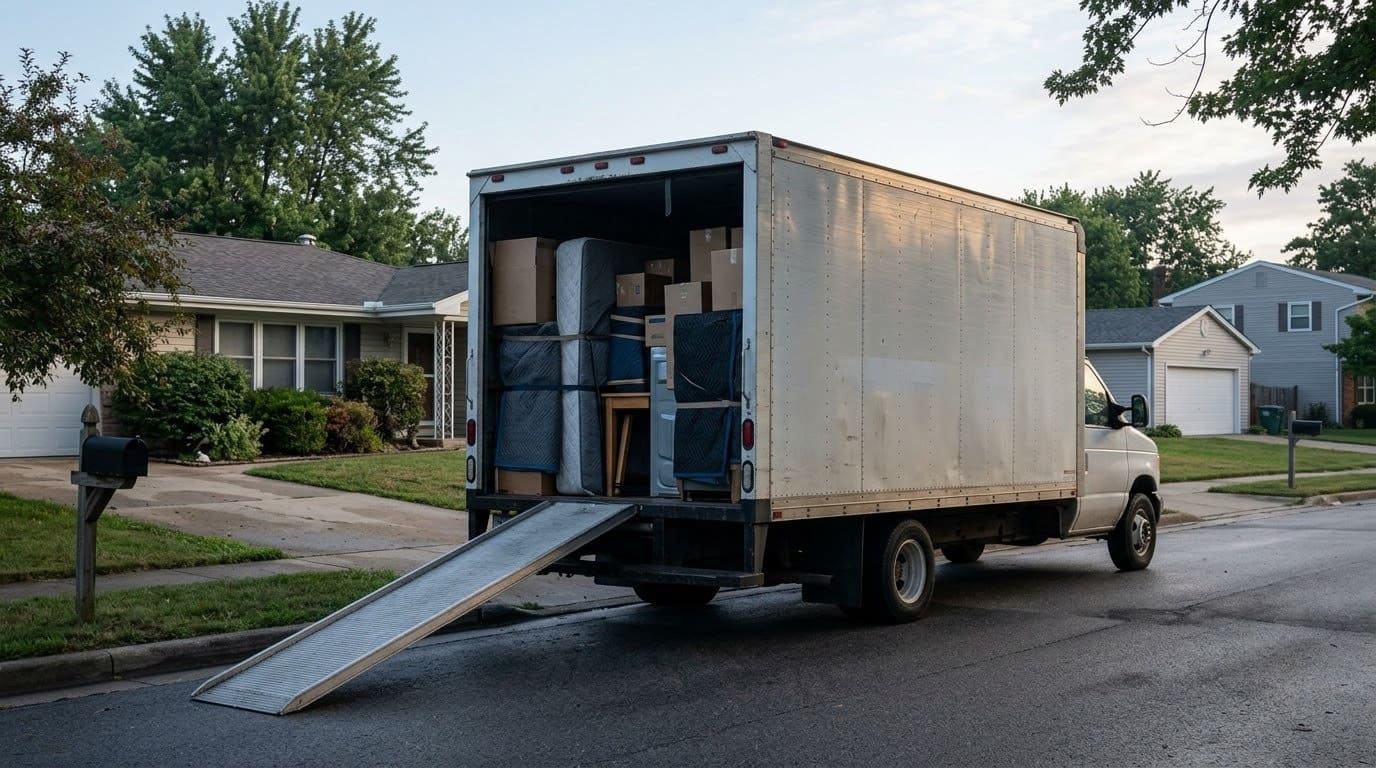
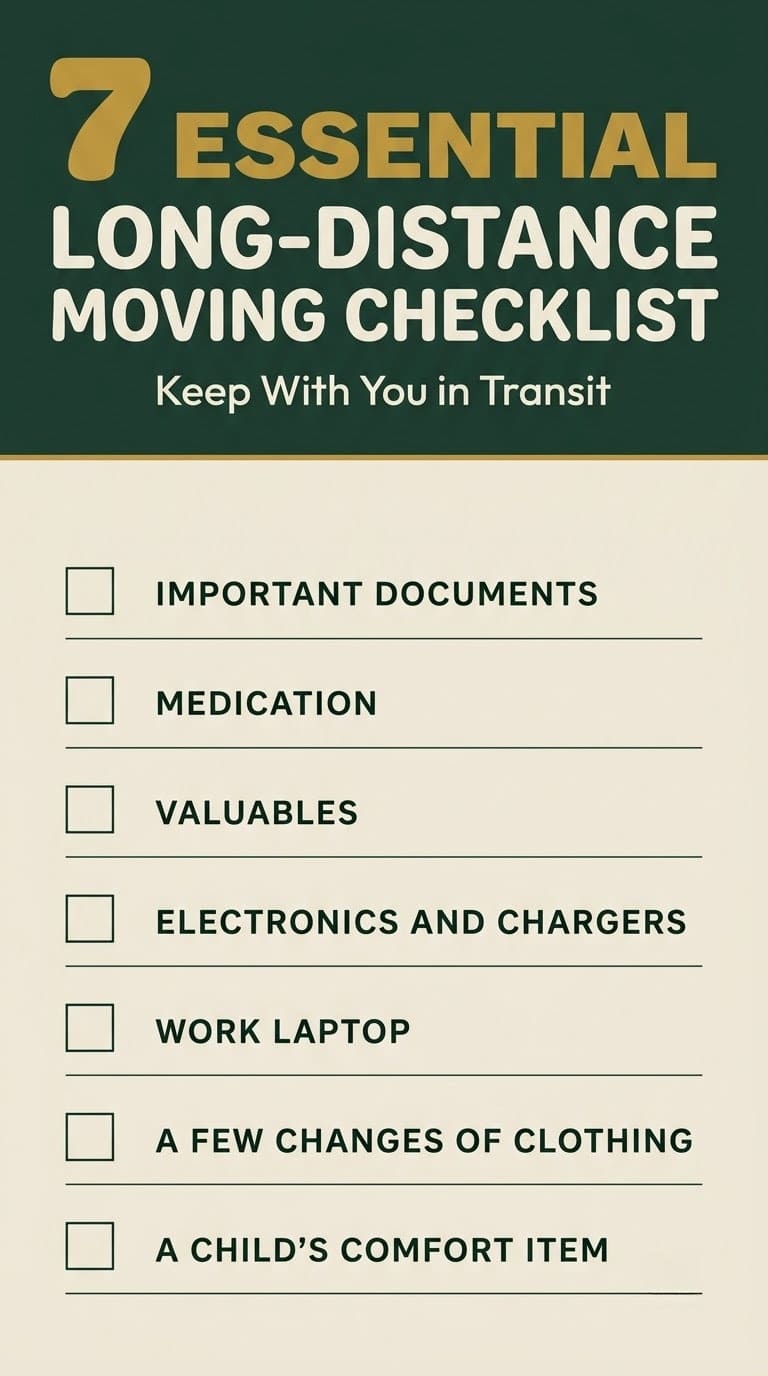
The hardest part of a long-distance move is usually not the drive. It is being apart from your belongings while they travel, which can take several days. Everyday routines get harder when familiar items are out of reach. Keep your documents, medication, valuables, electronics, chargers, and a few changes of clothing with you in your…

Never miss an update — choose FarmFoodFamily as your preferred source on Google.
How it works: Tap the button below to open Google’s settings page, then check the box next to FarmFoodFamily.
Tap the checkbox to turn it blue — that’s how you know it’s set.
The hardest part of a long-distance move is usually not the drive. It is being apart from your belongings while they travel, which can take several days. Everyday routines get harder when familiar items are out of reach.
Keep your documents, medication, valuables, electronics, chargers, and a few changes of clothing with you in your car or an overnight bag. Before you hire a mover, ask how transportation is handled, who will give you updates, and what services are included.
Full-service movers often offer packing, storage, unpacking, and furniture placement. They cannot remove every challenge, but they can make the first days in a new home easier to manage.
Plan for the emotional side too. Leaving familiar neighborhoods, friends, and habits takes time to adjust to, even when the move is exciting. Keep daily-use items handy and set up the most important rooms first.
Moving to another state or across the country is often viewed as a series of practical tasks: packing belongings, loading a truck, traveling to the new location, and settling into a different home. But many of the hardest parts of a long-distance move happen after the planning is done and the truck is on the road. The biggest adjustments often come when your belongings are no longer nearby, your routine has been interrupted, and you are trying to adapt to a new place at the same time.
Working with reliable long-distance moving companies can help organize the process through services such as packing, transportation, storage, and delivery coordination. However, even with professional assistance, some parts of a long-distance move can be difficult to anticipate until you are experiencing them firsthand.


The Overwhelm of Packing for a Long-Distance Move
Packing is one of the first parts of a move that people tend to underestimate. It may seem like a matter of putting items into boxes, but preparing for a long-distance relocation involves making countless decisions about what to bring, what to leave behind, and what you may need before your shipment arrives.
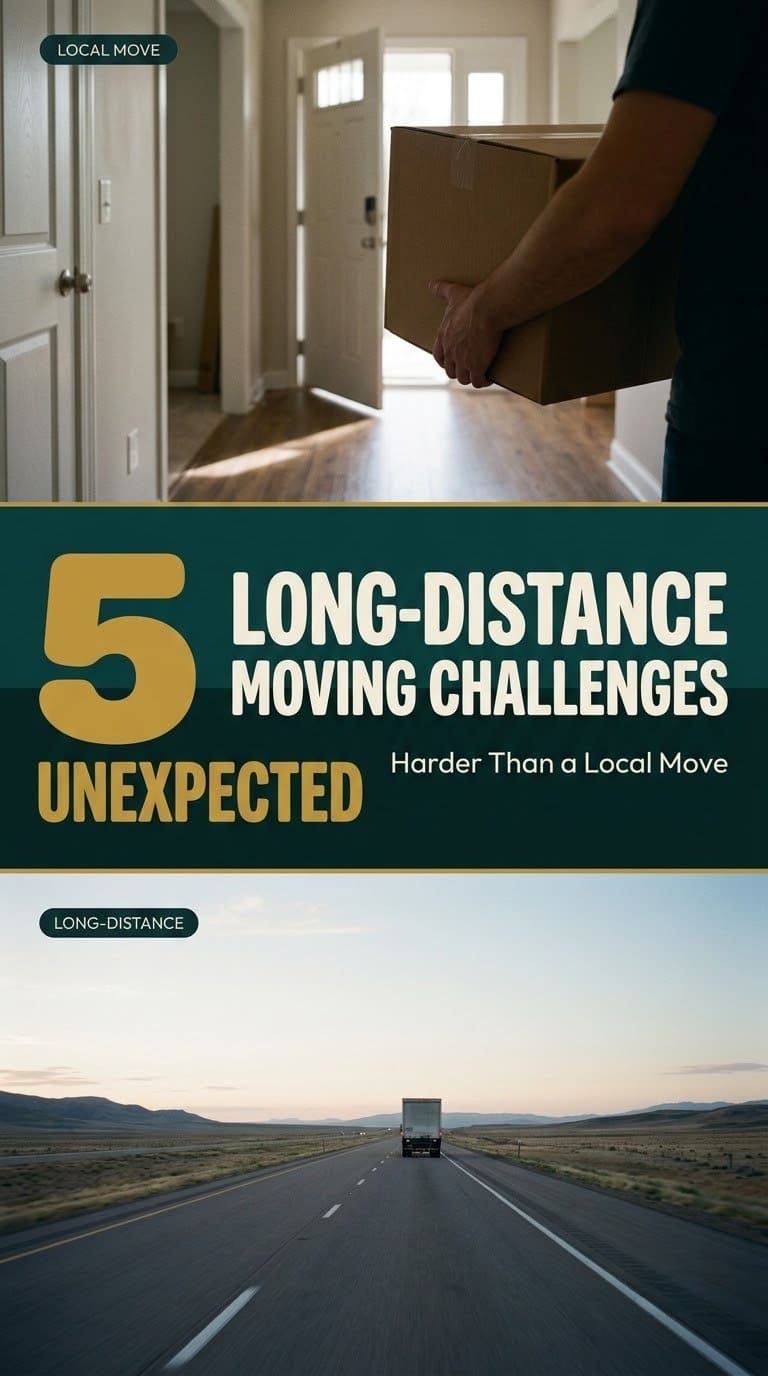
A local move gives you more room to adjust. If you forget something or pack an item too early, you may be able to go back and fix it. With a long-distance move, your belongings may be hundreds or thousands of miles away, so those decisions carry more weight.

Choosing What Should Travel With You
Sorting through years of belongings can take more time and energy than many people expect. Closets, storage areas, garages, and cabinets often contain items that have not been used in years but still require a decision before moving day.
Questions that often come up include:
- Do I still need this?
- Is it worth moving this distance?
- Will I need it before my shipment arrives?
- Should I keep this with me instead of packing it?
Making these choices one item at a time can become tiring. The difficulty is not only organizing your belongings but also preparing for a period when many familiar items will not be immediately available.
The Stress of Being Without Your Belongings During Transit
One of the biggest adjustments in a long-distance move begins after the moving truck leaves. Until pickup, your belongings are still part of your daily surroundings. Once they are on the road, many of the things that make your home feel familiar are temporarily out of reach.
With a local move, you may have access to your belongings again within a short time. A long-distance shipment is different because your items may take several days to arrive. During that time, you may be living in a new space without many of the things that help your daily routine feel normal.
Keeping Important Items With You
Some belongings are easy to overlook while packing but can cause frustration if they end up inside a moving box. Important documents, a work laptop, medication, chargers, or a child’s favorite comfort item may be difficult to replace or access while your shipment is in transit.
Keeping these items with you can prevent many common inconveniences during the transition. Important documents, medications, valuables, electronics, chargers, and a few changes of clothing are better placed in your personal vehicle or overnight bag rather than packed with the rest of your household goods.
The Fear of Damage, Delays, and Uncertainty
Another concern during a long-distance move is not knowing exactly what is happening once your belongings leave your home. After everything has been loaded, you have limited visibility into the process, which can make the waiting period feel longer.
Many people start to feel uneasy once the truck leaves because they can no longer see what is happening with their belongings. They may wonder if furniture was protected properly, whether fragile items will arrive in good condition, or when their shipment will reach the new home. During a long-distance move, even a small issue can feel more complicated when you are hundreds of miles away.
Staying updated throughout the move can make this waiting period easier to manage. Knowing how updates are provided, who to contact with questions, and what to expect during delivery can help you feel more prepared while your belongings are in transit.
It also helps to know what protection you are agreeing to. For interstate moves, movers cover lost or damaged goods at one of two levels of liability, and the basic level pays just 60 cents per pound. Your mover must offer Full Value Protection, which pays the replacement value of lost or damaged goods. The Federal Motor Carrier Safety Administration (FMCSA) also advises customers to watch loading and unloading, or send someone they trust, and to review the inventory, which you and the mover both sign page by page. Before you buy separate insurance, check whether your homeowner’s policy already covers your belongings.
The Challenge of Trusting Long-Distance Movers
Choosing a moving company involves more than comparing prices. During a long-distance move, you are placing many of your personal belongings in someone else’s care, including items that may have financial, sentimental, or practical value.
People often worry about who will be responsible for their belongings during the move. Some companies use their own trucks and crews, while others work with partner carriers. Learning how the company operates before moving day can help you understand who is handling your shipment and what to expect.


Before moving day, it helps to know how transportation is handled, who will provide updates, and what services are included.
You can also check a mover’s background. Any company that moves you across state lines must be registered with the U.S. Department of Transportation and hold a U.S. DOT number. The Federal Trade Commission (FTC) suggests collecting written estimates from several movers, and it says a company should look at your belongings in person or have you describe them fully before it sends one. It also recommends asking each mover what it charges to insure your goods and what it pays if something is damaged.
A few warning signs are worth knowing. FMCSA lists red flags of moving fraud such as an estimate given over the phone sight unseen, a mover who says the cost will be set after loading, a demand for cash or a large deposit, a request to sign blank documents, and a rental truck showing up instead of a company-marked one.
Adjusting After Arriving in a New Home
Many people expect the hardest part of moving to be over once they arrive at their destination. However, the first few days in a new home can bring a different set of challenges. The space may not feel familiar right away, especially if your belongings have not arrived yet or most boxes are still waiting to be unpacked.
Daily routines can also take more effort during this stage. Preparing meals, getting ready for work, or helping children settle in can become harder when the items you normally rely on are packed away. There is also an emotional adjustment that comes with leaving behind familiar neighborhoods, friends, family members, and daily habits. Even an exciting move can take time to feel normal.
Creating a comfortable starting point can make those first days easier. Keep frequently used items available, set up the most important rooms first, and establish small routines that help your new home feel more familiar.
How Professional Long-Distance Movers Can Help Reduce These Challenges
Professional movers cannot remove every challenge that comes with a long-distance relocation, but the right services can make many parts of the process easier to manage.
Reducing Packing Stress and Protecting Belongings
Packing assistance can reduce the time and effort involved in preparing household items for a long journey. Professional packing methods, inventory organization, and protective materials help prepare belongings for transportation and make it easier to keep track of what is being moved.
Providing Better Communication During the Move
Clear communication throughout the move can make the waiting period easier to handle. Knowing what happens during pickup, how updates are provided during transit, and what to expect at delivery helps you stay informed while your belongings are on the road.
Making the Transition Into the New Home Easier
Services such as storage, unpacking, and furniture placement can help simplify the transition into a new home. Instead of managing every part of the move at once, you can focus on adjusting to your new surroundings while the final stages of the relocation are completed.
White Glove Moving & Storage is one example of a company that provides full-service long-distance moving support, including professional packing, transportation, storage, unpacking, and furniture placement. Services such as inventory management, protective handling, coordinated delivery, and room-by-room placement can help reduce some of the uncertainty people experience when their household goods are in transit for an extended period.
Long-Distance Moving FAQs
What is the biggest challenge people underestimate about long-distance moves?
Many people don’t expect how difficult it can feel to be without their belongings during the transition. Waiting for the shipment to arrive, adjusting to a new routine, and not having familiar items nearby can often be more challenging than the drive itself.
Why does a long-distance move feel more stressful than a local move?
The biggest difference is that problems are harder to solve when your belongings are far away. During a local move, you may be able to return for a forgotten item or make quick changes to your plans. With a long-distance move, your household goods may be out of reach for several days, so planning becomes more important.
What should I keep with me during a long-distance move?
Important documents, medications, valuables, electronics, chargers, work items, and other daily necessities are better kept with you during the move rather than packed with the rest of your household belongings. This keeps the items you need most accessible while your shipment is in transit.
How can I reduce stress while waiting for my belongings?
Preparing a bag or box with frequently needed items can make the waiting period easier. Having basics such as clothing, toiletries, chargers, and daily supplies nearby helps you maintain your routine while your shipment is on the way.
What should I ask long-distance movers before hiring them?
Before hiring a moving company, ask how transportation is handled, who your main point of contact will be, what services are included, and what to expect from the delivery schedule.
Can professional movers help after the shipment arrives?
Many full-service moving companies provide services such as unpacking, furniture placement, and storage options that can make the transition into a new home easier.

Planning Ahead for a More Manageable Long-Distance Move
The biggest challenges of a long-distance move are often not the miles between two locations. They come from being separated from your belongings, making many decisions, trusting someone else with your household items, and adapting to a new environment.
Knowing about these challenges before moving day can help you prepare for the parts of the process that are often overlooked. A long-distance move involves more than transporting belongings from one location to another. It also means managing the time before delivery, settling into your new home, and adjusting to a new routine.
With thoughtful preparation and a realistic understanding of what to expect, the transition can feel more organized and easier to handle.
Related Posts
- What Everyone Ought to Know About Relocating
- Things Inspected When Moving Into a New Home
- Game-Changing Yard Tips for New Homeowners
Never miss an update — choose FarmFoodFamily as your preferred source on Google.
How it works: Tap the button below to open Google's settings page, then check the box next to FarmFoodFamily.
Tap the checkbox to turn it blue — that's how you know it's set.