5 Fall Crops You Must Start Seeding in August or Miss the Window Entirely
Five fall crops have a real, math-backed deadline this month, and depending on where you garden, that deadline already passed, is a few days out, or gives you three more weeks.

Never miss an update — choose FarmFoodFamily as your preferred source on Google.
How it works: Tap the button below to open Google’s settings page, then check the box next to FarmFoodFamily.
Tap the checkbox to turn it blue — that’s how you know it’s set.
Most “plant these in August” lists give you a crop name and a vague nod toward “fall harvest.” None of them do the actual math. And the math is what tells you whether you’re on time, cutting it close, or already too late.
This one does the math. Below are 5 crops picked specifically because their days-to-maturity numbers, stacked against a typical first-frost date, make August the genuinely tight month, not September, not “sometime before it gets cold.”
Everything else, the kale, the spinach, the radishes, gets more forgiving as fall goes on and doesn’t belong in this list. These five don’t.
If your soil needs work before any of this goes in the ground, building or refreshing a raised bed first is worth doing now rather than fighting compacted August dirt.
Quick answer: which fall crops have a real August deadline?
Five crops have a genuinely tight August planting window because they combine zero or low frost tolerance with a long days-to-maturity count: bush beans, fall broccoli transplants, cauliflower, quick-maturing sweet corn, and short-season winter squash.
The math behind that claim comes from a formula University of Nebraska horticulturalist John Porter documented for UGA Extension: days to maturity, plus a harvest window, plus a “fall factor” buffer for slower late-season growth, equals the total days you need before your first frost.
Answer 4 quick questions and get matched to the exact fix for your yard — drainage, budget, layout, or something else entirely.
Take the Free QuizNC State Extension backs the same idea with its own buffer of 10 to 14 days added to any seed packet’s maturity number. Subtract that total from your area’s average first frost date, and you get your real deadline, which for some regions already passed and for others is still weeks away.
The deadline calculator: when each crop actually needs to go in
Frost dates below are typical averages for three broad zone groups, not your exact yard. Look up your own average first frost through your local extension office or NOAA before trusting any single date here.
| Crop | Days to maturity | Buffer | Total days needed before frost | Zone A deadline (~Sept 20 frost) | Zone B deadline (~Oct 20 frost) | Zone C deadline (~Nov 20 frost) |
|---|---|---|---|---|---|---|
| Bush beans | 55 | 14 | 69 | July 13 (missed) | Aug 12 (3 days left) | Sept 12 (34 days left) |
| Fall broccoli (transplant) | 70 | 14 | 84 | June 28 (missed) | July 28 (missed by 12 days) | Aug 28 (19 days left) |
| Cauliflower | 75 | 14 | 89 | June 23 (missed) | July 23 (missed by 17 days) | Aug 23 (14 days left) |
| Quick sweet corn | 68 | 14 | 82 | June 30 (missed) | July 30 (missed by 10 days) | Aug 30 (21 days left) |
| Short-season winter squash | 85 | 14 | 99 | June 13 (missed) | July 13 (missed by 27 days) | Aug 13 (4 days left) |
Zone A covers the Upper Midwest, Mountain West, and northern New England, where frost tends to show up mid-to-late September. Zone B covers the Mid-Atlantic, the Midwest and Ohio Valley, the Pacific Northwest, and the Great Plains, with frost usually landing in mid-to-late October. Zone C covers the Deep South, the coastal Southeast, and the low desert Southwest, where frost often waits until mid-to-late November.
If you’re in Zone A, be honest with yourself: all five of these already needed to go in back in June or early July. That’s not a fun thing to read on August 9, but it’s the real answer, and it’s more useful than a generic “plant now” that sets you up to lose a whole bed of squash to an early freeze.
Why bush beans die at the first frost and can’t wait
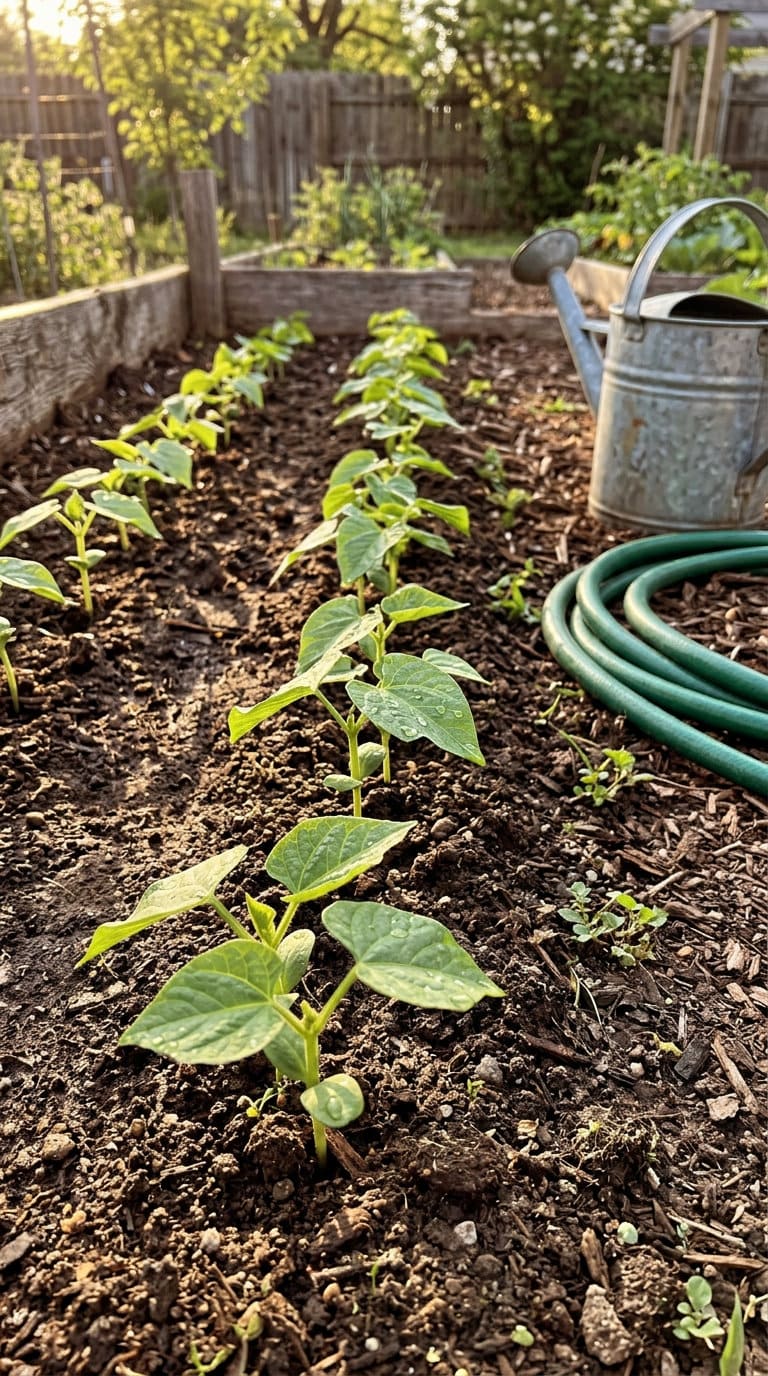
Bush beans have zero frost tolerance. A light frost that barely dents a turnip will blacken bean foliage overnight, and that’s the whole reason this crop sits at the top of the must-start-now list instead of the flexible one.
At roughly 55 days to maturity for a fast variety like ‘Provider’ or ‘French Filet,’ beans are actually the shortest-season crop on this list. The problem is the buffer math still adds up to 69 total days needed, using the fall-factor and harvest-window buffer from John Porter’s formula, and that pushes the deadline earlier than most people assume for a “quick” crop.
Most yard problems trace back to one specific, fixable cause. Find yours in 4 quick questions.
Take the Free Quiz
4.5 stars, 490 ratings; referenced in the broccoli and cauliflower sections for keeping soil temperature down during germination and transplant establishment
Shop NowThis post contains affiliate links. We may earn a commission on qualifying purchases at no extra cost to you.
Direct-seed beans straight into the bed, about an inch deep and two inches apart, then thin to four inches once they sprout. Keep the soil consistently damp for the first week since August heat dries out the top inch of soil fast, and a bean seed that dries out mid-germination just rots instead of sprouting.
There’s no transplant option here worth the trouble. Beans resent root disturbance badly enough that starting them indoors and moving them out usually sets them back further than just direct-seeding a week later would.
Why fall broccoli transplants needed to start weeks ago
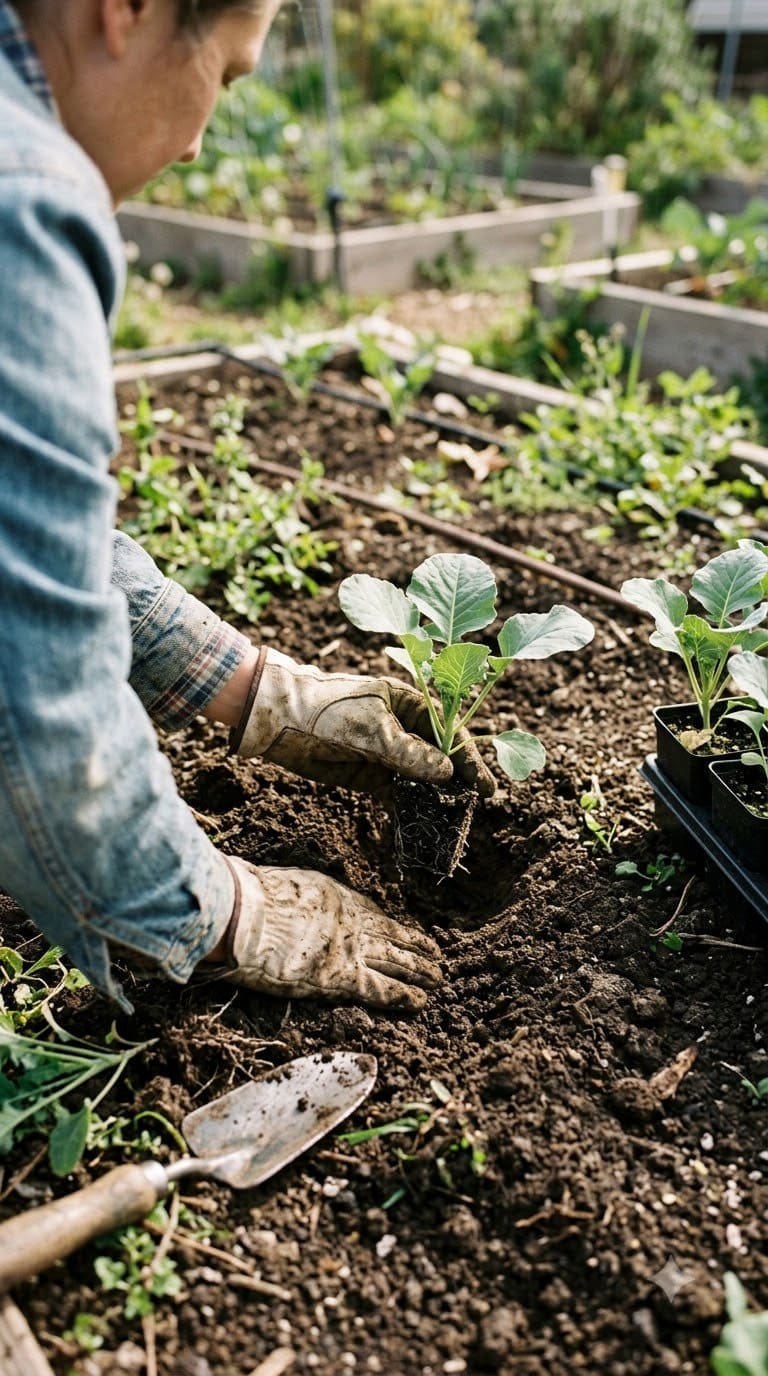
Broccoli tolerates a light frost fine once it’s established. What it doesn’t tolerate is the heat stress that comes with trying to head up during a hot early fall, which is why fall-specific hybrids like ‘Belstar’ exist in the first place, bred to hold together better under warm conditions than standard broccoli.
At 70 days from transplant for a fast fall variety, broccoli needs 84 total days before frost once the buffer is added. That number is measured from transplant, not from seed, and transplants themselves need 5 to 6 weeks of head start indoors or in a shaded nursery bed before they’re ready to go into the ground.
Work backward from that: if your area’s deadline for setting out transplants has already passed, and the table above shows it has for Zones A and B, starting seed today is not a fix, since you’d miss the transplant deadline before the plants were even big enough to move outside.
For Zone C gardeners still inside the window, start seed in a partly shaded spot or under 30% shade cloth to keep soil temperatures down enough for germination, then transplant once seedlings have 2 to 3 true leaves. Shade cloth over young transplants buys real breathing room during the hottest stretch of late summer establishment.
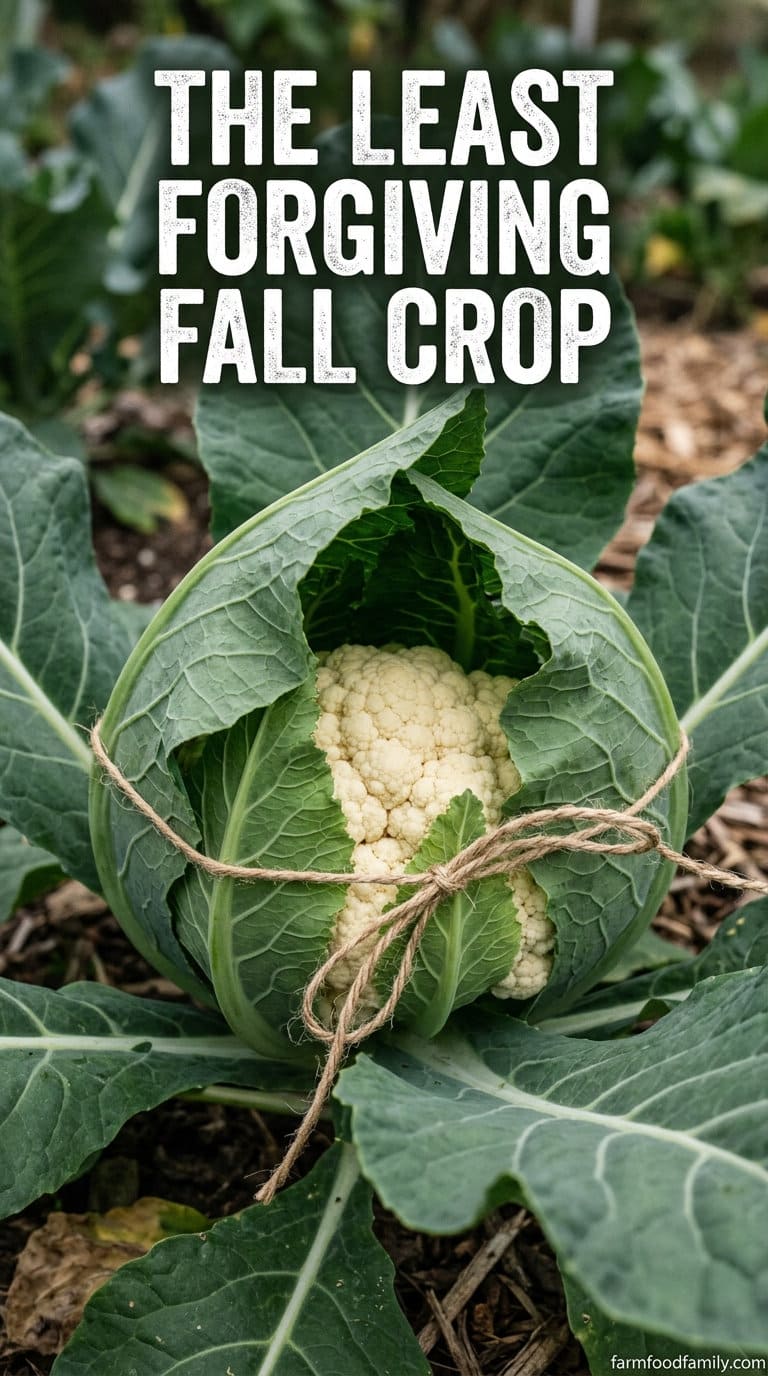
Why cauliflower is the least forgiving crop on this list
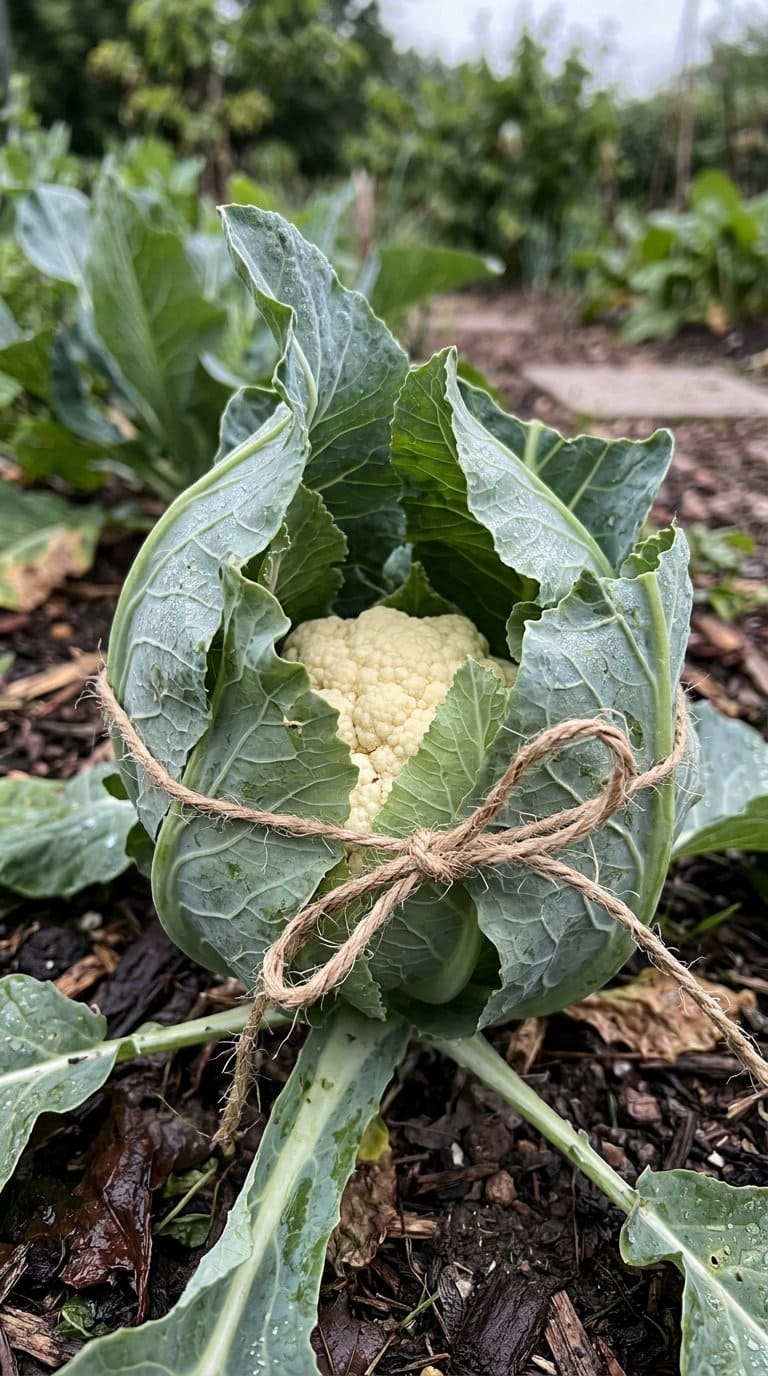
Cauliflower gets squeezed from both directions in a way none of the other four crops do. Heat during head formation causes “buttoning,” small, premature, useless little heads instead of one large one, and a hard frost right as the curd is forming ruins it just as fast.
That narrow tolerance window is exactly why cauliflower carries the longest realistic buffer on this list at 89 total days, even though its 75-day maturity count isn’t the longest of the five. There’s less margin for error on both ends, so the buffer has to be more generous, not less.
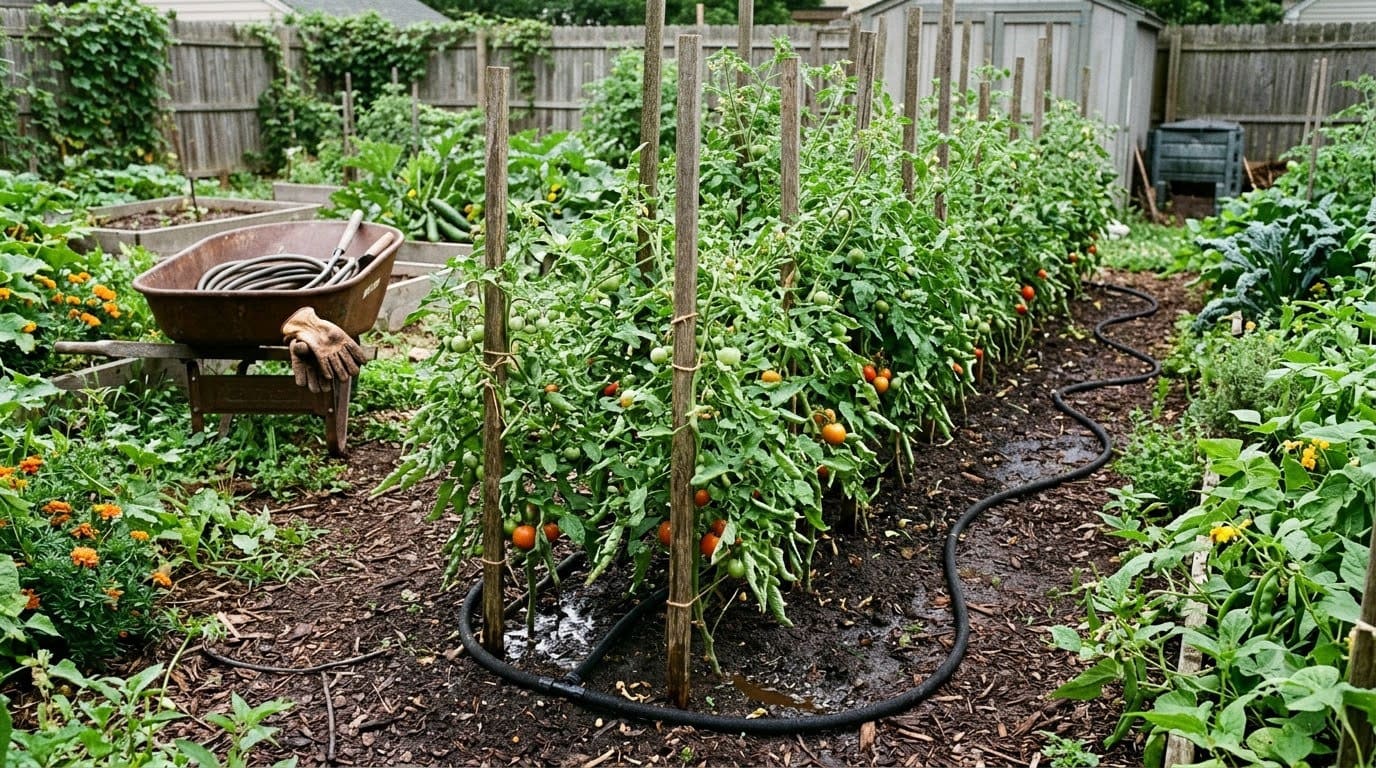
Like broccoli, cauliflower is transplant-only, and those transplants need the same 5 to 6 week head start. If Zone B’s deadline already passed by the time you’re reading this, and per the table it has by more than two weeks, that’s the honest signal to let this one go for this season rather than force a rushed planting that heads up wrong either way.
The average homeowner spends $616/year on yard fixes that don't address the real problem. Find out what yours actually is — before you spend another dollar.
Take the Free QuizZone C gardeners with a legitimate window left should start seed in trays kept out of direct midday sun, since cauliflower seed germinates unevenly above 80°F, and a patchy stand of seedlings this late in the season doesn’t leave time to reseed and try again.
Why quick-maturing sweet corn has the tightest realistic window
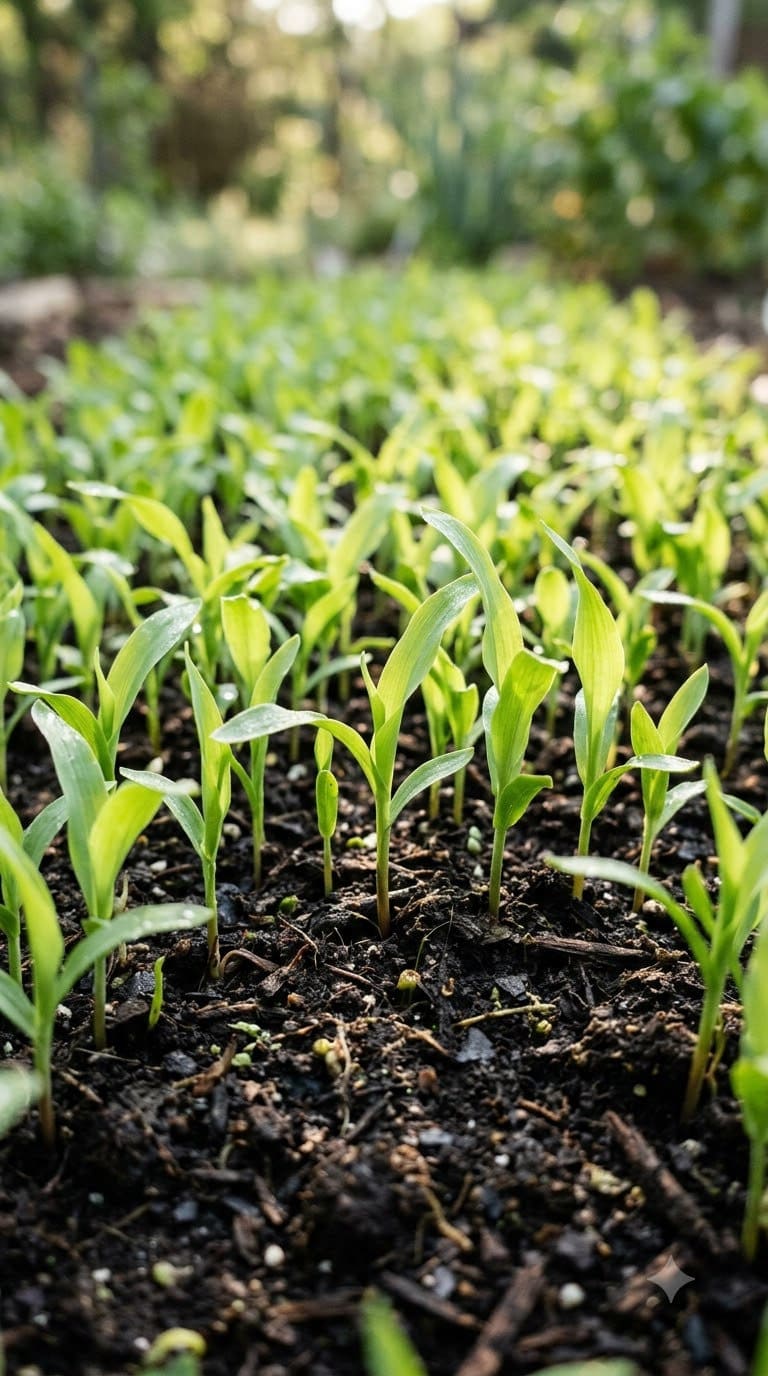
Sweet corn is an odd one to include in a fall-crop list, since most people think of it as a pure summer crop, but a fast variety planted for a second, late crop genuinely fits the same tight-window pattern as the other four.
Fast varieties bred for a shorter season, around 65 to 75 days depending on the cultivar, still add up to 82 total days once the 14-day buffer is factored in. Corn has zero frost tolerance, the same as beans, so there’s no soft landing if the math runs short.
Direct-seed about an inch deep, and don’t skimp on block size. Corn pollinates by wind, and a single skinny row often ends up with poorly filled ears simply because there wasn’t enough nearby pollen to go around, a completely separate problem from the frost-timing math but one that wastes the same limited window if it goes wrong.
Corn also pulls hard on nitrogen right when it’s setting ears, so a mid-season feed matters more here than on any other crop in this list. A rundown of common fall fertilizing mistakes is worth a skim before feeding, since over-correcting with nitrogen this late causes its own problems.
Why short-season winter squash has the longest countdown
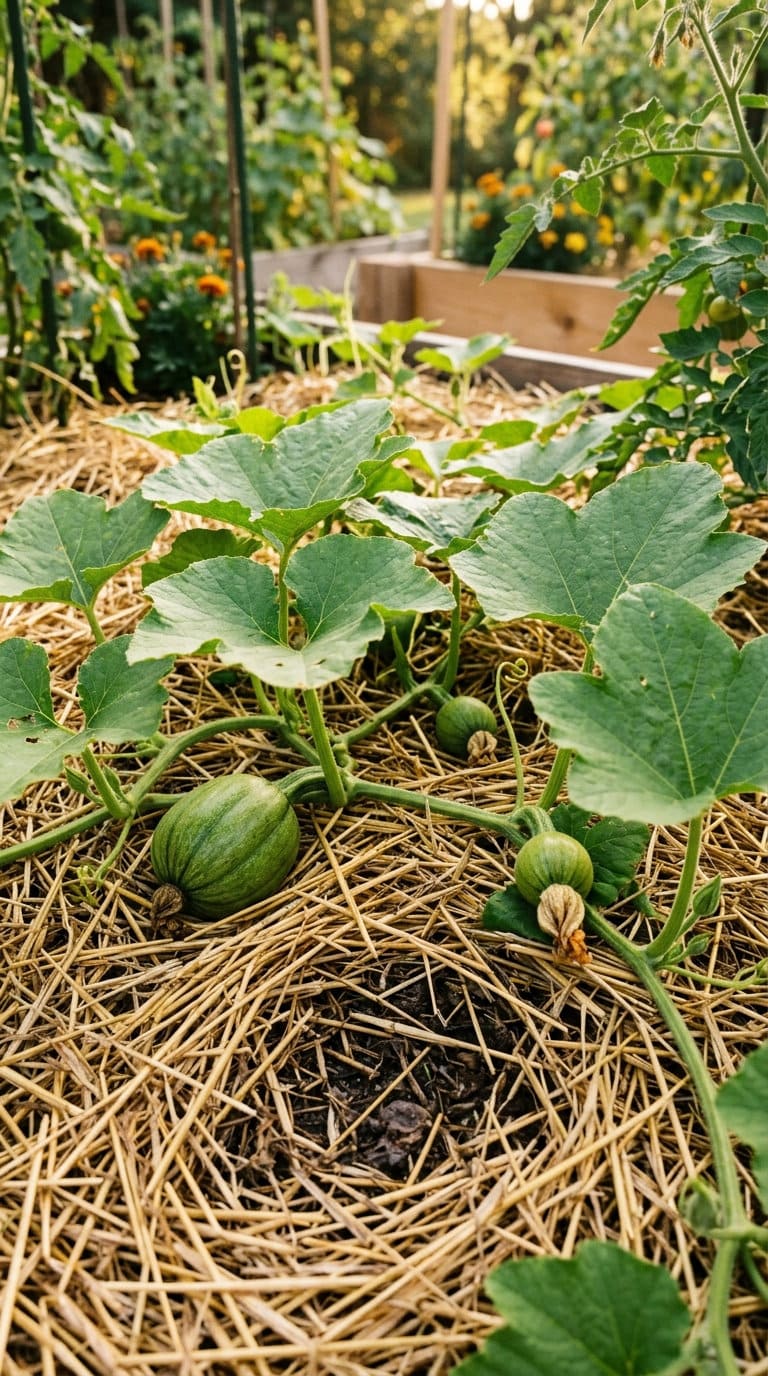
Winter squash and pumpkins carry the longest days-to-maturity count of anything on this list, and that’s true even after picking the shortest-season varieties available, acorn or butternut types bred to finish around 80 to 85 days instead of the 100-plus days a big storage pumpkin needs.
At 85 days plus the 14-day buffer, that’s 99 total days needed before frost, by far the widest margin for error required and the reason this crop’s deadline is already the most blown-past of the five in Zones A and B.
Vines die outright at first frost, but the bigger risk is actually the fruit itself. Squash needs its rind to harden, or “cure,” on the vine for a couple of weeks before a hard frost hits, and fruit that gets caught half-cured doesn’t store well over winter even if the frost itself doesn’t kill the plant outright.
Zone C gardeners with days left on the clock should direct-seed now, mound the soil slightly for drainage, and mulch heavily once vines establish to hold soil moisture through the last hot stretch of summer. Consistent watering through establishment matters more for squash than almost anything else on this list, since inconsistent moisture during fruit set causes blossom drop.
Does this deadline math change by region?
Yes, meaningfully, and this is the whole reason a single “plant these in August” list undersells or oversells the urgency depending on where you actually garden.
| Zone | Typical first frost | Realistic status for these 5 crops as of early August | What to do instead if you’ve missed it |
|---|---|---|---|
| Zone A (Upper Midwest, Mountain West, N. New England) | ~Sept 20 | All 5 already past deadline | Shift to short-DTM, frost-tolerant crops like kale, spinach, or radishes |
| Zone B (Mid-Atlantic, Midwest, Pacific NW, Great Plains) | ~Oct 20 | Beans barely alive, the other 4 already missed | Beans this week if possible, otherwise the same flexible-crop pivot as Zone A |
| Zone C (Deep South, coastal Southeast, low-desert SW) | ~Nov 20 | All 5 genuinely still possible, but the clock is running | Prioritize squash and beans first, they have the least room left |
Gardeners who’ve already missed a deadline aren’t out of options for a fall harvest. They’ve just aged out of these specific five crops, which is exactly why this list doesn’t stretch to include kale or spinach just to pad the count.
Growing spinach and other quick, frost-tolerant greens stay plantable well into September in most of the country.
What I got wrong the first time I did this math
The first year I tried to run this calculation for real, I used the days-to-maturity number straight off the seed packet and called it done. No buffer, no fall factor, nothing.
That squash crop got caught by an early frost with fruit still soft-skinned, and none of it stored past Thanksgiving. It rotted in the garage in about three weeks, which is a genuinely deflating thing to watch happen to a plant you’d been tending since July.
The mistake wasn’t the frost. Frost dates vary by a week or two most years anyway, and no calculation accounts for a fluke early cold snap perfectly.
The mistake was skipping the buffer entirely, treating a seed packet’s DTM number as the whole answer instead of a starting point. Once I started adding the 14-day cushion every single time, even on crops that felt like they had plenty of margin, I stopped losing anything to timing.
And honestly, the crop that tricked me the worst wasn’t squash. It was broccoli, because “70 days” sounds so comfortably short that it’s easy to forget that number starts counting from transplant, not from the seed you haven’t started yet.
FAQs
Is it too late to plant any fall crop in August? Not necessarily, it depends entirely on your zone and which crop. The five in this list have real deadlines that may already be gone in cooler zones, but frost-tolerant, quick crops like kale, spinach, and radishes stay plantable well into September almost everywhere.
What’s the difference between the “fall factor” and the harvest window in this math? The fall factor accounts for slower plant growth as daylight shortens in late summer and early fall, per John Porter’s formula. The harvest window is separate, the number of days you’d realistically spend picking a crop rather than harvesting it all in one day.
Can I still start broccoli or cauliflower from seed in August? Only if your zone’s deadline hasn’t passed once you account for the 5-to-6-week transplant head start, which for Zones A and B has usually already closed by early August. Zone C gardeners generally still have a real window.
Do these five crops need different frost protection than other fall vegetables? Not really, but it matters less for them specifically. Beans, corn, and squash die outright at frost regardless of protection, while broccoli and cauliflower can get some benefit from row cover during an unusually early cold snap, buying a few extra days to finish heading up.
Related Posts
- Raised Vegetable Garden Bed Ideas
- Shade Cloth Benefits for Vegetable Gardens
- Protecting Your Harvest From Frost
Products We Recommend
This post contains affiliate links. We may earn a commission on qualifying purchases at no extra cost to you.
Agfabric 30% Shade Cloth, 8x12ft with Clips
4.5 stars, 490 ratings; referenced in the broccoli and cauliflower sections for keeping soil temperature down during germination and transplant establishment
Shop Now
Smart Choice Stainless Steel Soil Thermometer
4.6 stars, 811 ratings, 0-220°F dial; confirms actual soil temperature before seeding corn or squash, since "August" alone doesn't guarantee warm-enough soil
Shop Now
Floating Row Cover, 10ft x 30ft, Reusable
4.3 stars, 1.6K ratings, listed for both frost and pest protection; referenced in the FAQ for buying a few extra days on broccoli/cauliflower during an early cold snap
Shop NowNever miss an update — choose FarmFoodFamily as your preferred source on Google.
How it works: Tap the button below to open Google's settings page, then check the box next to FarmFoodFamily.
Tap the checkbox to turn it blue — that's how you know it's set.