7 Container Garden Fixes for Plants That Are Wilting in the August Heat
Your potted plants are drooping faster than the ones in the ground, and it’s not your imagination, it’s the pot itself working against you.

Never miss an update — choose FarmFoodFamily as your preferred source on Google.
How it works: Tap the button below to open Google’s settings page, then check the box next to FarmFoodFamily.
Tap the checkbox to turn it blue — that’s how you know it’s set.
Not the same problem as a heat-stressed garden bed. This article is specifically about containers, pots have their own physics: less soil to buffer temperature swings, walls that heat up in direct sun, and drainage that can strip fertilizer along with water.
If you’re dealing with in-ground plants, houseplants away from a pot, or you want the general diagnostic on heat stress by plant type, this guide to rescuing heat-stressed plants covers that ground instead. Come back here once you’ve confirmed the plant in question actually lives in a pot outdoors.
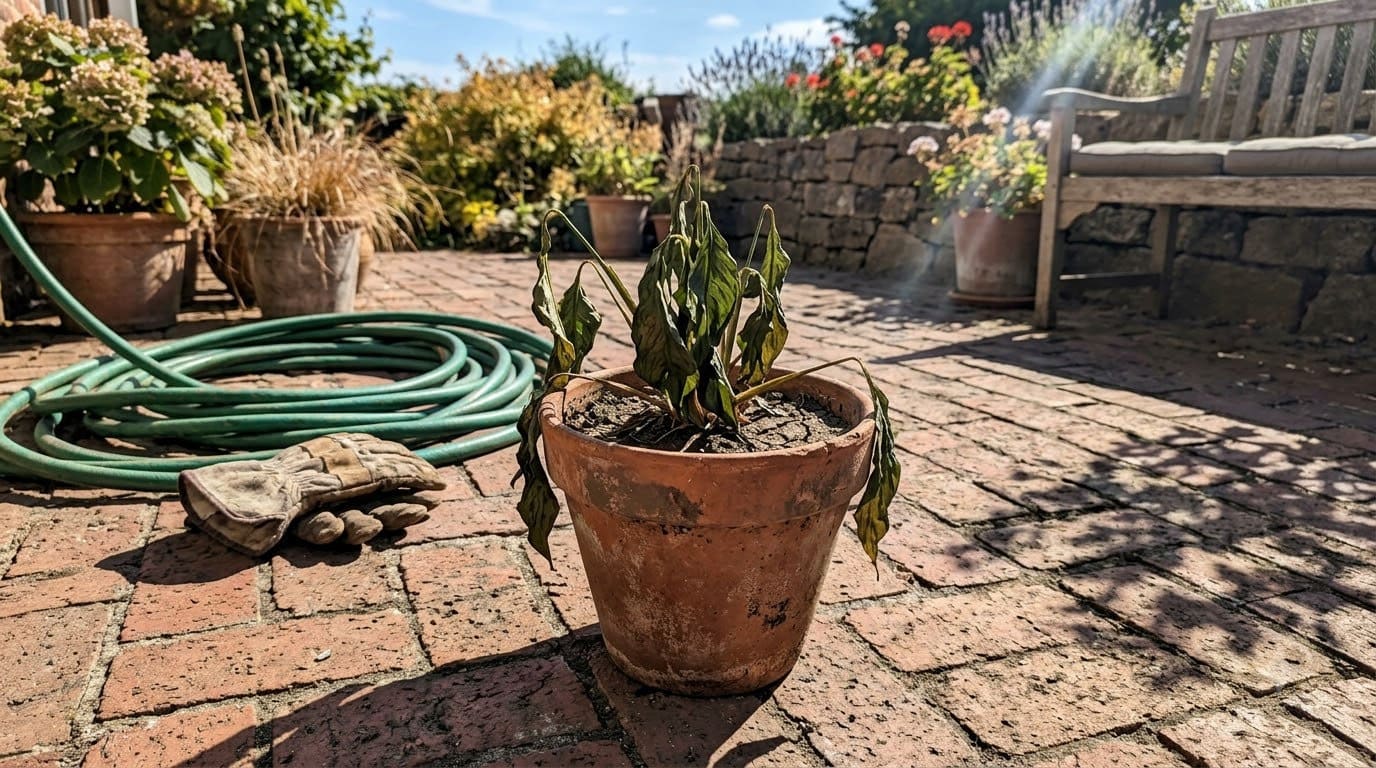
A raised bed or garden row has a few cubic feet of soil acting like a thermal battery. A 12-inch pot has a fraction of that, and its dark plastic or terracotta wall sits in direct sun for hours. That difference changes almost everything about how you should be watering, feeding, and choosing containers this time of year.
Quick answer: why do potted plants wilt faster than garden plants in the heat?
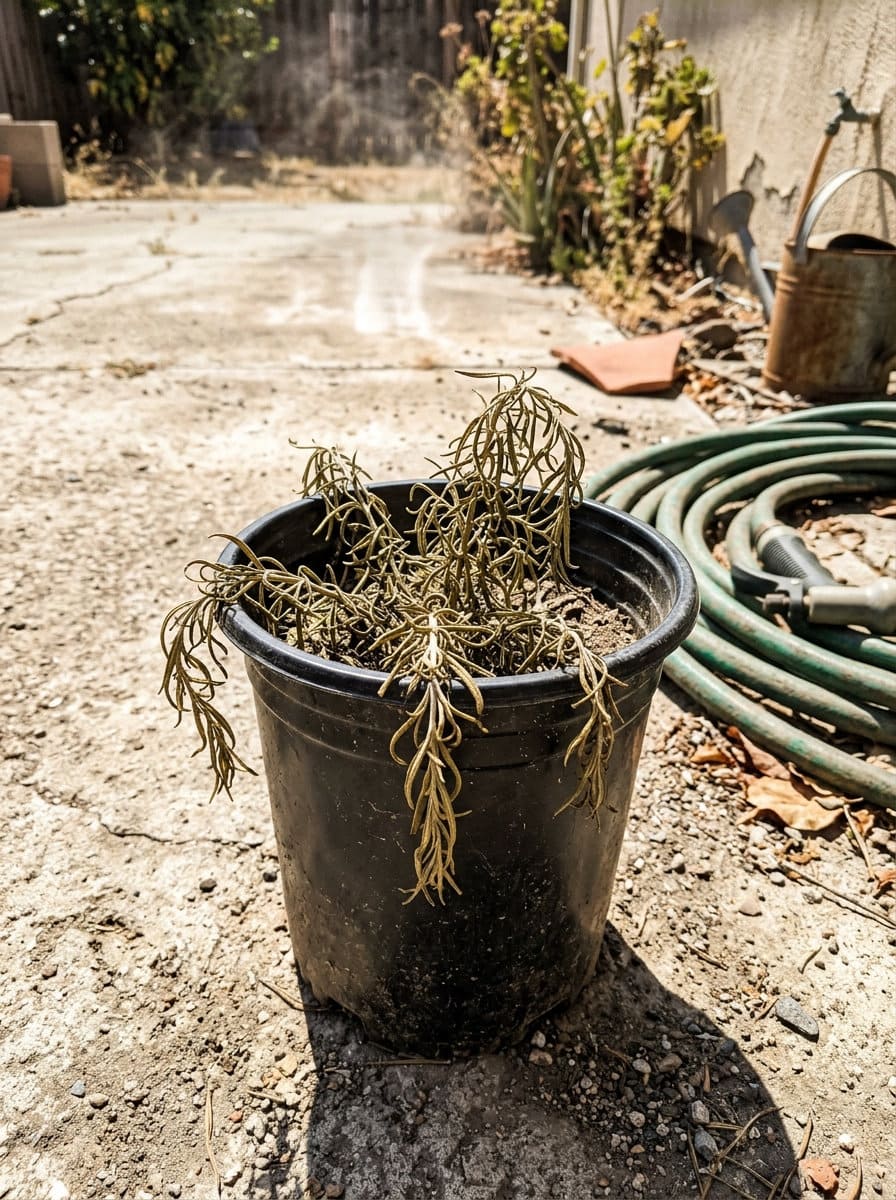
A container holds far less soil than the ground, so it heats up and dries out faster, sometimes within a single afternoon. The pot’s own wall matters too: dark plastic and metal absorb heat and can cook the root zone even when the soil surface still looks damp. Terracotta loses moisture through its porous walls on top of normal evaporation, so it dries fastest of the common materials.
Frequent watering in heat also concentrates fertilizer salts near the soil surface and pot rim as water evaporates, according to Clemson Cooperative Extension’s guidance on fertilizer salt buildup. The fix, in order: match your pot material to your climate, water deep on a real schedule instead of a light daily splash, and flush accumulated salts with a thorough drain-through watering once a month during your heaviest-watering stretch.
Is this actually heat stress, or something else?
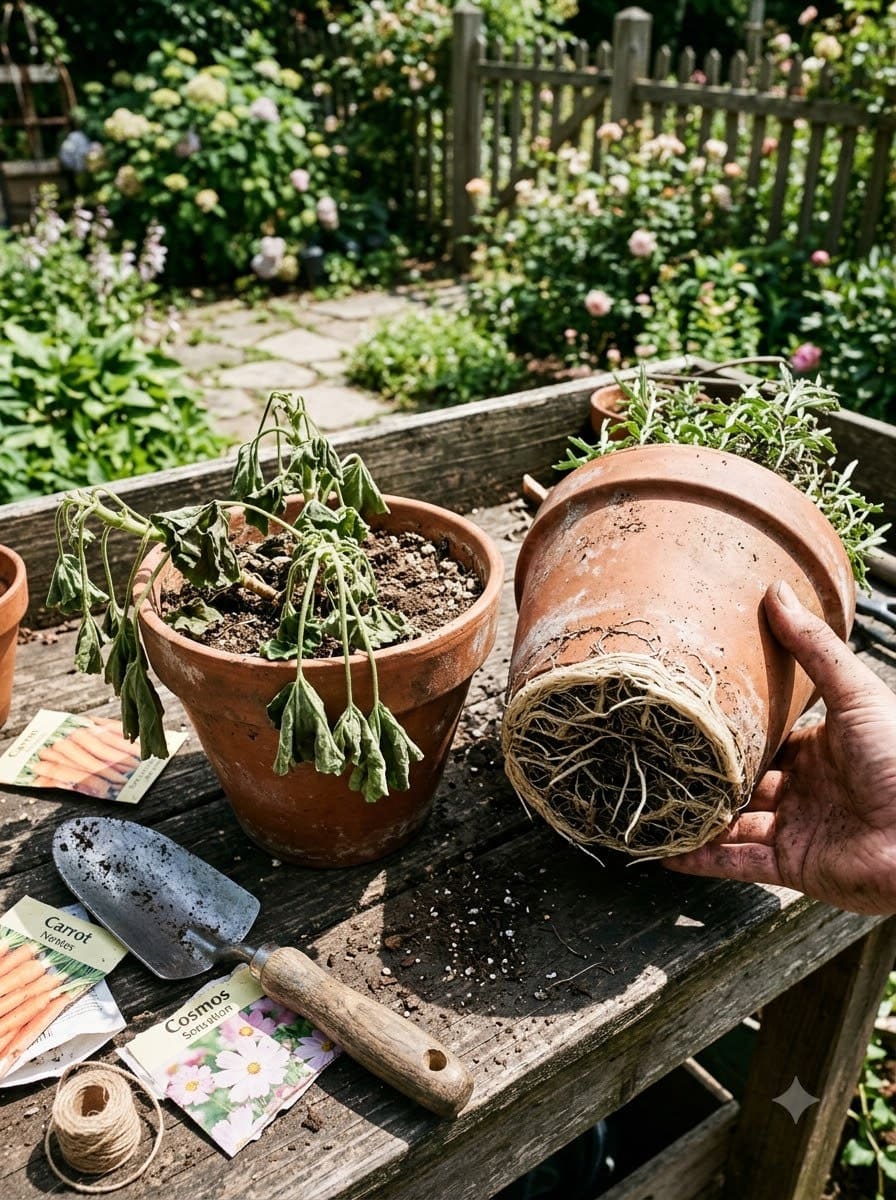
Before you change your entire watering routine, rule out the other usual suspects. Not every wilting container plant is a heat problem, and treating the wrong cause wastes water and stresses the plant more.
Answer 4 quick questions and get matched to the exact fix for your yard — drainage, budget, layout, or something else entirely.
Take the Free Quiz| Cause | What it looks like | Timing pattern | What actually fixes it |
|---|---|---|---|
| Heat stress | Wilts hard midday, perks back up by evening or next morning | Repeats daily during hot stretches, tied directly to sun exposure | Shade, better watering schedule, pot material swap (Fixes 1-6 below) |
| Transplant shock | Wilts consistently, doesn’t fully recover overnight | Starts within days of repotting, lasts 1-2 weeks | Time and steady (not extra) water, avoid fertilizing until new growth shows |
| Root-bound plant | Water runs straight through, soil dries unusually fast, roots visible at drainage holes | Gets worse over weeks/months as roots fill the pot | Repot into a larger container (Fix 7) |
| Actual disease or rot | Mushy stems, dark or slimy roots, a sour smell, spots on leaves | Doesn’t follow a daily heat cycle at all | Not a watering fix, remove affected tissue and check for root rot or fungal disease |
If your plant is doing the daily wilt-and-recover cycle, it’s heat stress and everything below applies. If it isn’t, that’s a different fix than this article covers, and pushing more water at a root-bound or diseased plant usually makes things worse.
Pot material comparison: what actually holds up in extreme heat
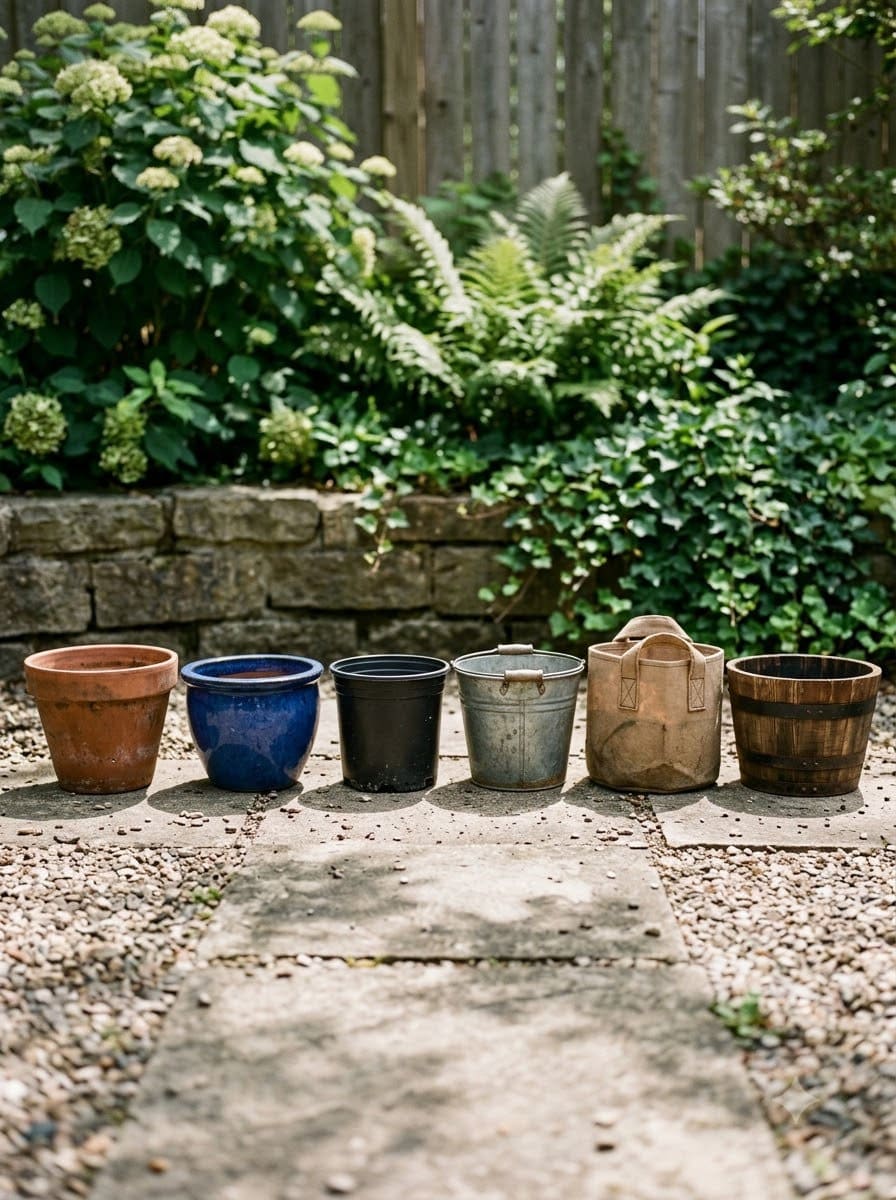
Container material is the single biggest lever most guides skip past in a sentence or two. Here’s the real breakdown.
| Material | Heat retention | Watering frequency needed | Best use case |
|---|---|---|---|
| Terracotta (unglazed) | Low, walls stay cooler but wick moisture out constantly | Daily, sometimes twice on peak days | Drought-tolerant plants (succulents, lavender, rosemary); bad match for thirsty plants |
| Glazed ceramic | Moderate, sealed surface holds moisture longer | Every 2-3 days in normal heat | Moisture-loving plants that still need some breathability |
| Plastic | High if dark-colored, can trap heat against roots even with moist soil | Every 1-2 days, more in dark colors | Budget-friendly, works well in light colors or partial shade |
| Metal | Highest of common materials, walls can get hot enough to injure roots pressed against them | Daily minimum in direct sun; best avoided in full afternoon sun entirely | Decorative accent pieces or shaded spots only, not full-sun growing containers |
| Fabric grow bags | Low, breathable fabric releases heat and excess moisture | Daily, dries fast by design | Root vegetables and plants that hate wet feet |
| Wood (whiskey barrel planters) | Low to moderate, natural insulation | Every 2-3 days | Large plantings, good all-around choice for hot climates |
Dark colors make everything on this table worse, regardless of material. A black plastic pot in full sun can run considerably hotter than the surrounding air, which slows root growth even if you’re watering on schedule, since the roots pressed against that hot wall are the ones taking the damage first.
Fix 1: Match your pot material to your actual climate
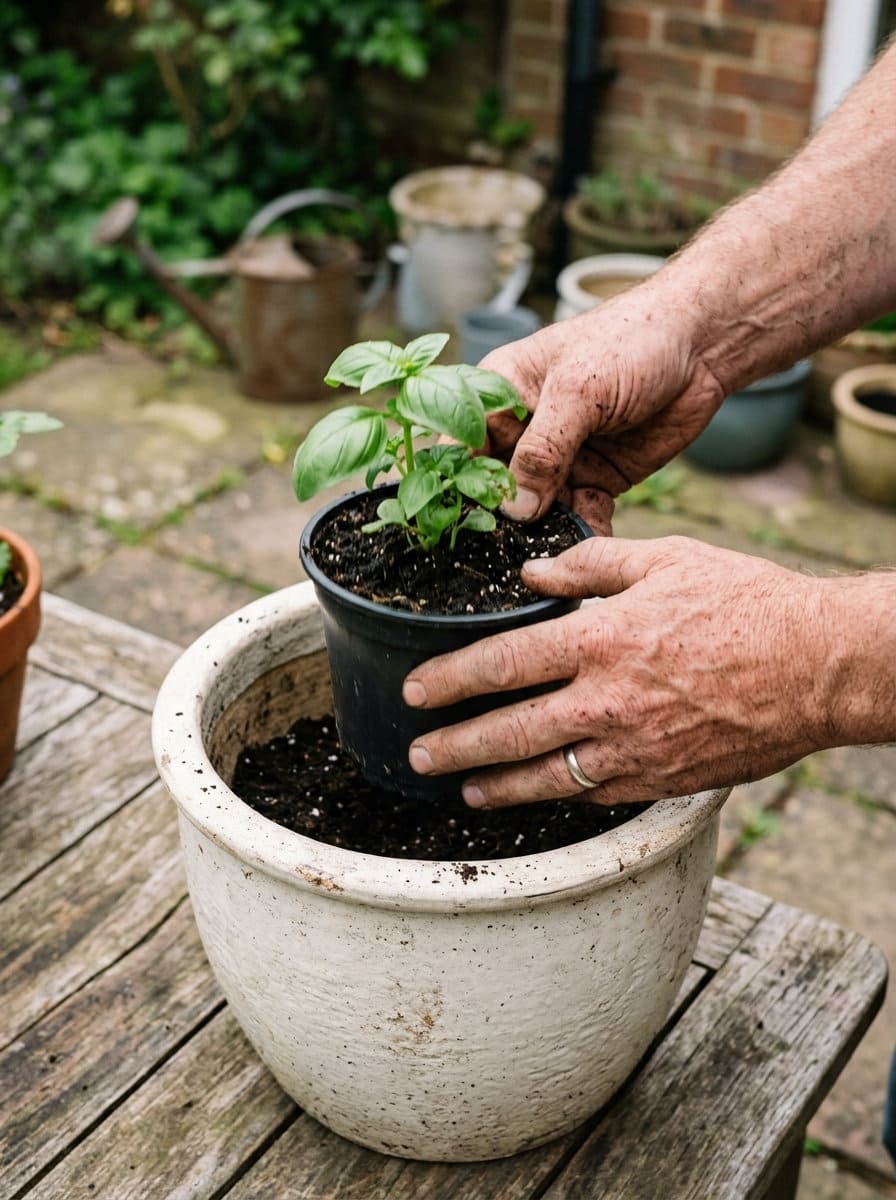
If you’re gardening somewhere that regularly hits the 90s or higher, dark plastic and metal containers in full sun are working against you before you even get to watering. Swap the worst offenders (black plastic, any metal container) for glazed ceramic, wood, or a light-colored plastic instead.
Can’t afford to replace every pot this season? “Overpotting,” nesting your existing pot inside a slightly larger, lighter-colored one with an inch of gap between them, buffers the root zone from direct heat without buying new containers for everything. It’s a cheap fix, basically free if you have a spare pot lying around, and it works surprisingly well for the plants getting the worst afternoon sun.
Terracotta lovers don’t have to give it up entirely. It’s genuinely the right call for rosemary, lavender, and succulents that actually prefer their roots on the dry side. Just don’t put a thirsty fern or hydrangea in one and expect it to survive an August week on vacation-level neglect.
Fix 2: Water deep on a real schedule, not a light daily splash
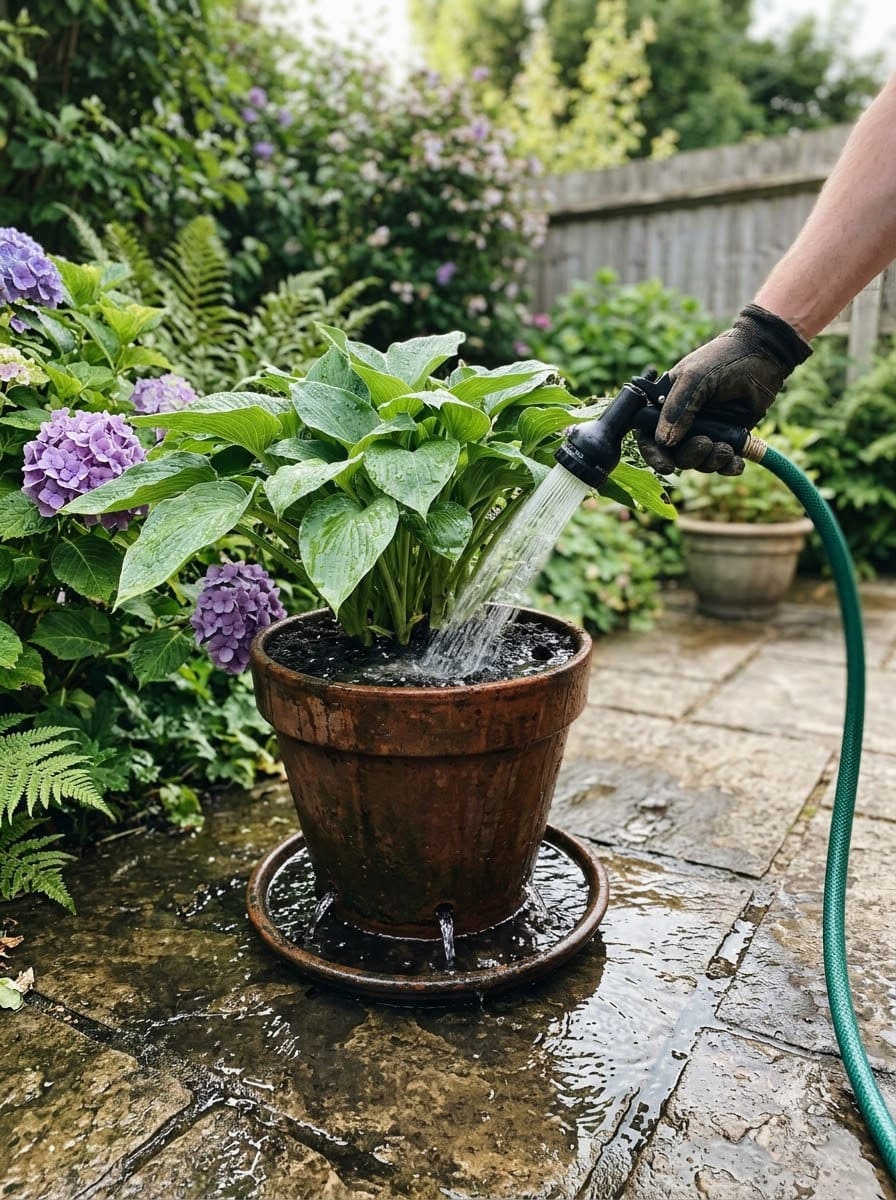
Kristine Lang, PhD, Consumer Horticulture Specialist with South Dakota State University Extension, notes that container gardens will likely need daily watering during hot, dry conditions, a genuinely different rhythm than the twice-a-week deep soak that works for in-ground beds.
Most yard problems trace back to one specific, fixable cause. Find yours in 4 quick questions.
Take the Free Quiz
4.7 stars, 8.3K ratings; the breathable, fast-draining option for root vegetables and thirsty plants in Fix 1 and the material comparison table
Shop NowThis post contains affiliate links. We may earn a commission on qualifying purchases at no extra cost to you.
But “daily” doesn’t mean a quick surface splash. Water until it runs freely from the drainage holes, not just until the top inch looks wet. A shallow daily sprinkle keeps roots concentrated near the surface, which is exactly the zone that dries out and overheats fastest.
Check moisture with two fingers pressed into the soil, not by eyeballing the surface. Still damp two inches down, wait another day even if it’s hot out. Dry at that depth, water thoroughly.
Morning watering beats evening for most plants in peak heat, since it gives roots time to actually take up moisture before the worst afternoon sun hits. Lana Williams, author of The Container Garden Recipe Book, makes the case for evening watering specifically on plants that are already stressed and wilted, since it gives them overnight hours to rehydrate without immediately fighting midday sun again. Both are right, it depends on whether you’re maintaining a healthy plant or reviving a stressed one.
Fix 3: Use bottom-watering trays correctly, and know the root-rot limit
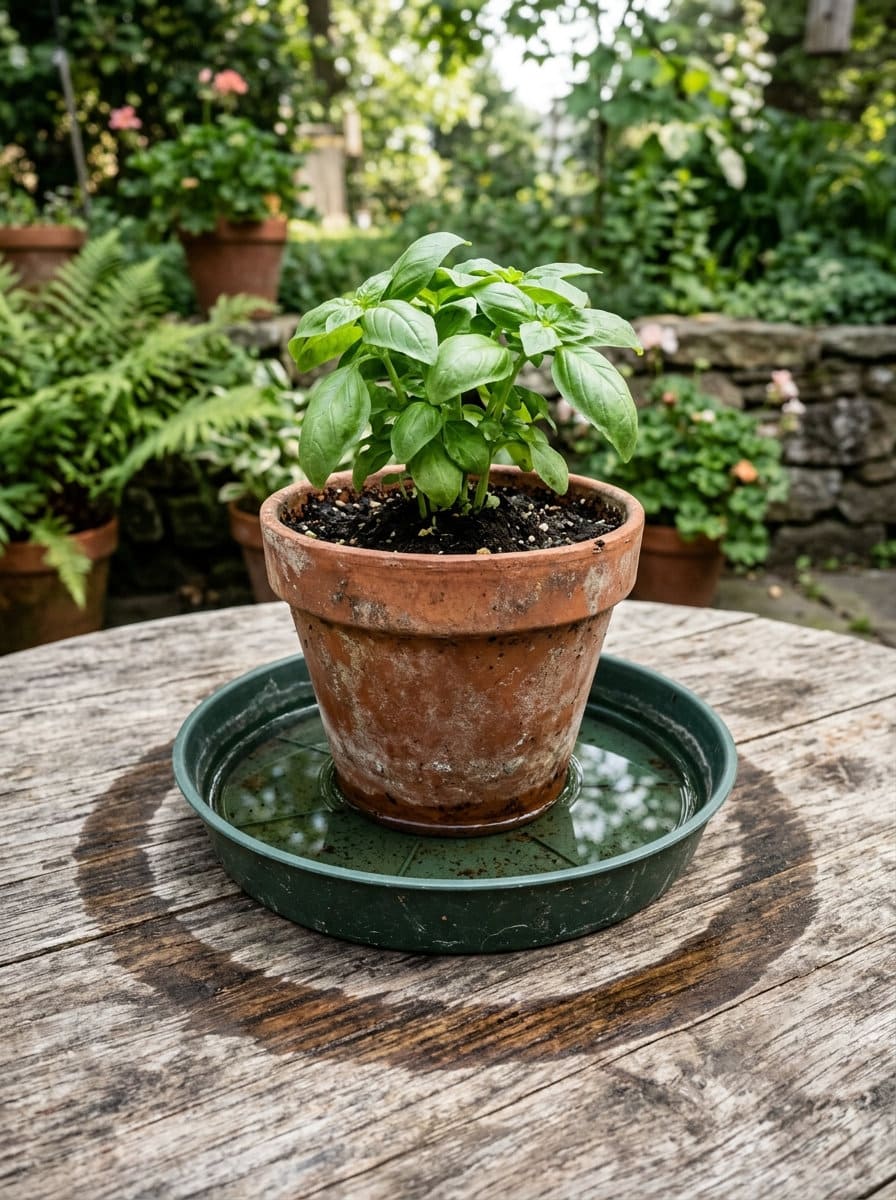
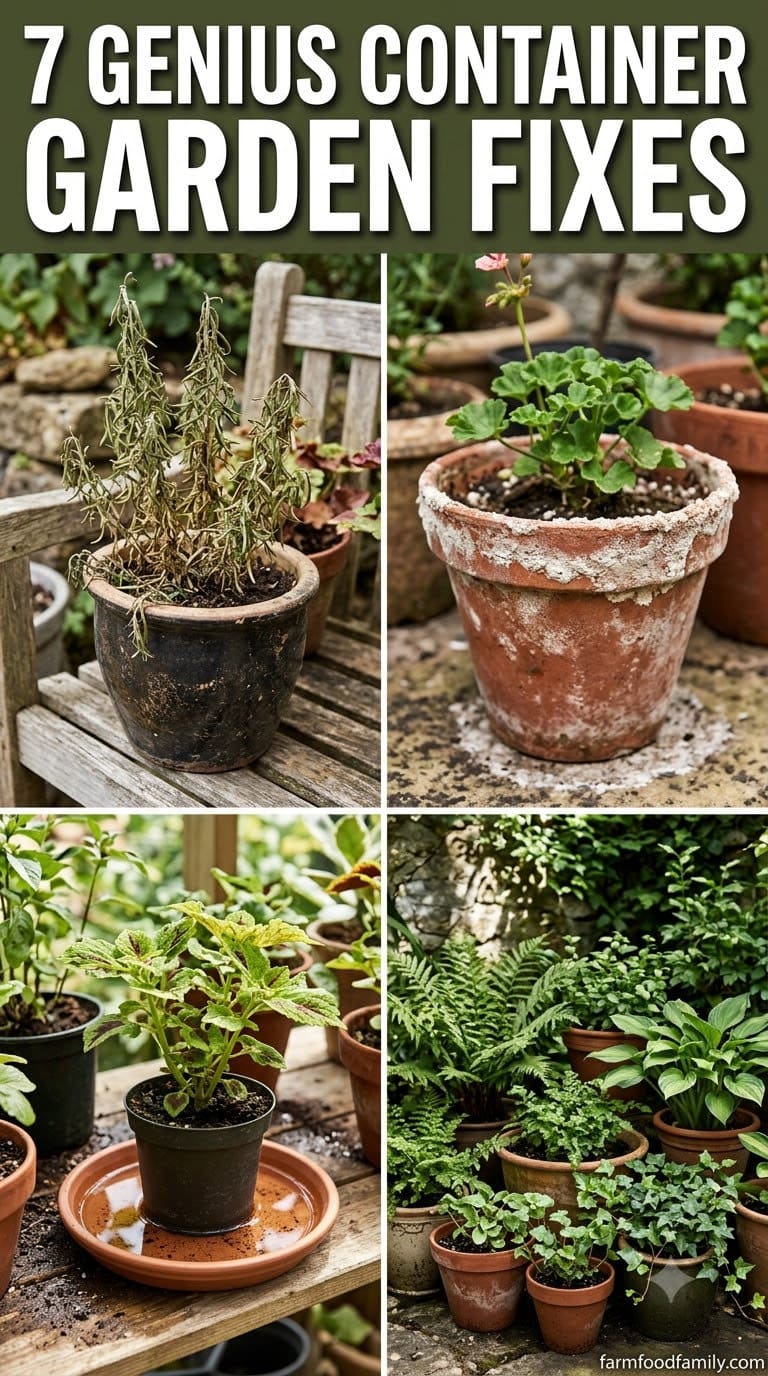
Setting a pot in a saucer of water so it soaks up moisture from below works, and it’s genuinely useful for a wilted plant that’s stopped absorbing water from the top because the soil has pulled away from the pot’s edges and repels water like a dry sponge.
Here’s the part most guides skip: leave it too long and you’ve traded heat stress for root rot. For most potting mixes, 30 to 60 minutes of bottom-soaking is the practical ceiling. Once the top of the soil feels damp, pull the pot out and let the excess drain freely, don’t leave it sitting in standing water for hours or overnight.
Self-watering planters with a built-in reservoir are a different setup with the same underlying risk if the wicking system oversupplies water to a plant that isn’t using it fast enough, especially in a shadier spot where the soil never fully dries between fills. Check the reservoir level and the soil moisture separately every few days rather than assuming the system is self-regulating perfectly.
One material note worth repeating from the comparison table above: terracotta and other unglazed, porous containers actively fight a self-watering system, since the walls wick water out to the air instead of keeping it in the reservoir loop. Save self-watering setups for plastic or glazed containers.
Fix 4: Flush fertilizer salt buildup before it looks like a watering problem
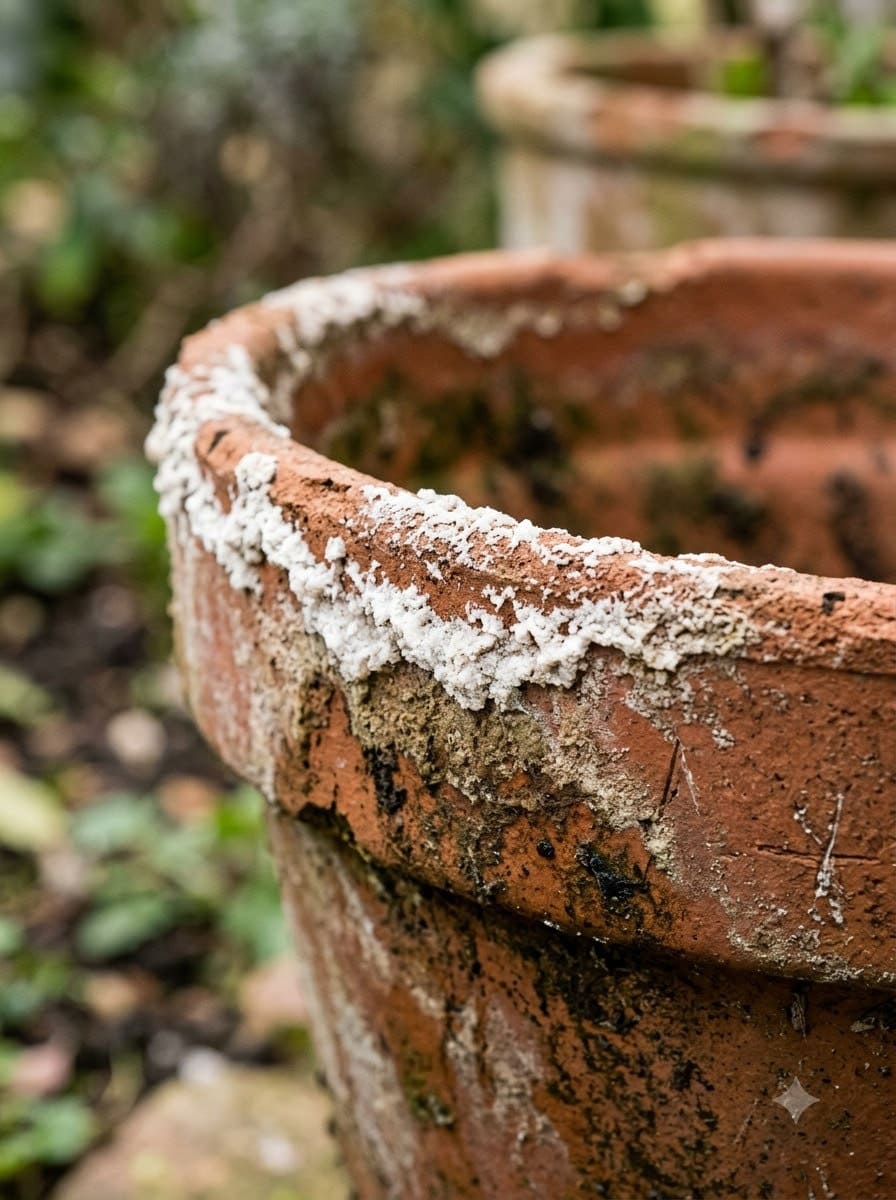
This is the fix almost nobody mentions, and it’s a real mechanism, not a minor footnote. Every time you water and the water evaporates, dissolved fertilizer salts and hard-water minerals get left behind, concentrating near the soil surface and the container’s edge.
You’ll usually see it before you diagnose it: a white or crusty film on the soil surface, the pot rim, or around the drainage holes. Leaves can show brown, scorched tips, growth stalls out, and the plant wilts even though the soil tests damp, the classic tell that this isn’t a watering problem at all.
The average homeowner spends $616/year on yard fixes that don't address the real problem. Find out what yours actually is — before you spend another dollar.
Take the Free QuizThe mechanism behind it is straightforward once you know it. According to Clemson Cooperative Extension’s Home & Garden Information Center, excess salt concentration in the soil solution reverses the normal flow of water and actually draws moisture out of the roots instead of into them, the same osmotic process that causes fertilizer burn.
The fix is called leaching, and it’s simple: water the container thoroughly until it drains freely from the bottom, wait a few minutes, then repeat two or three times in a row. Do this about once a month during your heaviest summer-watering stretch, more often if you notice the white crust coming back quickly. Skip softened tap water for this if you can, since water softeners add sodium that makes the buildup worse, not better.
Feeding lighter and more often, rather than one heavy monthly dose, also keeps the swings in root-zone salt concentration smaller and more manageable across a hot stretch.
Fix 5: Move and group pots to build shade, don’t fight full sun head-on
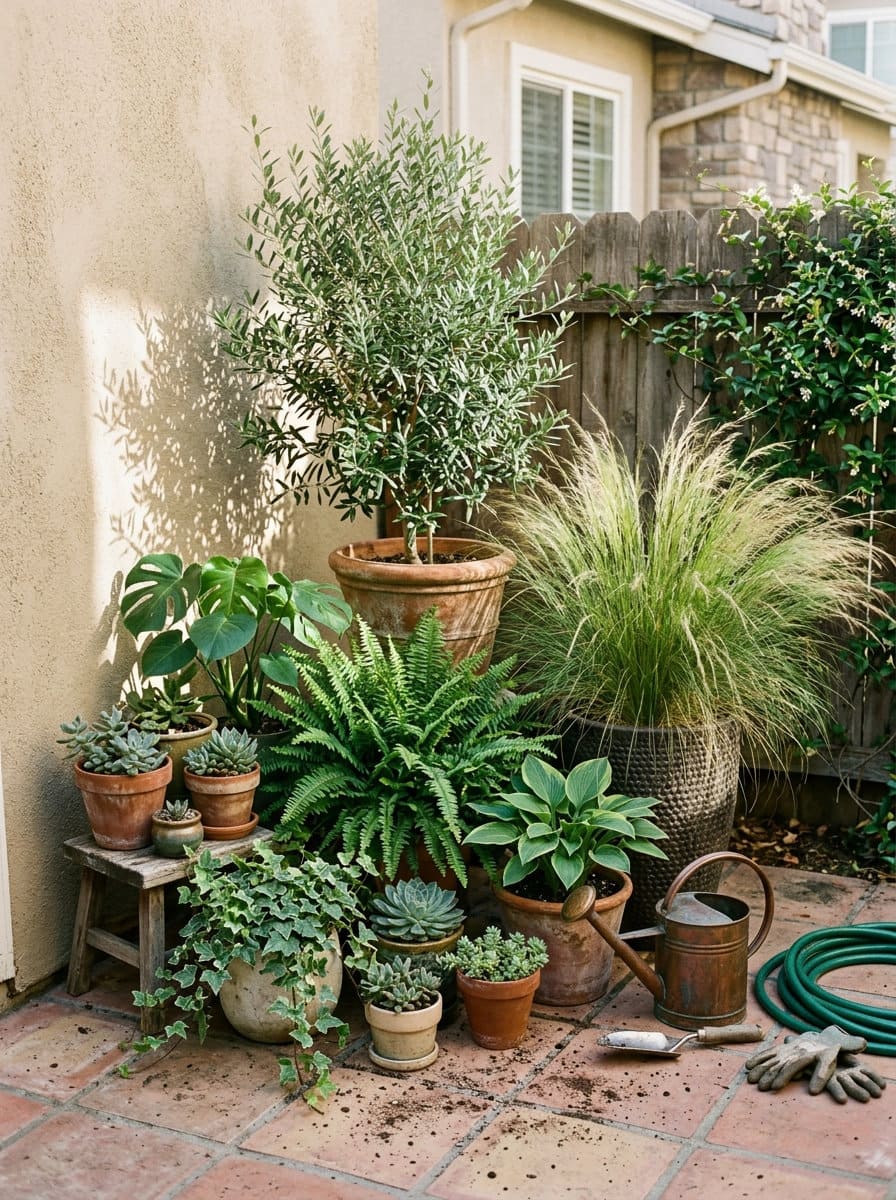
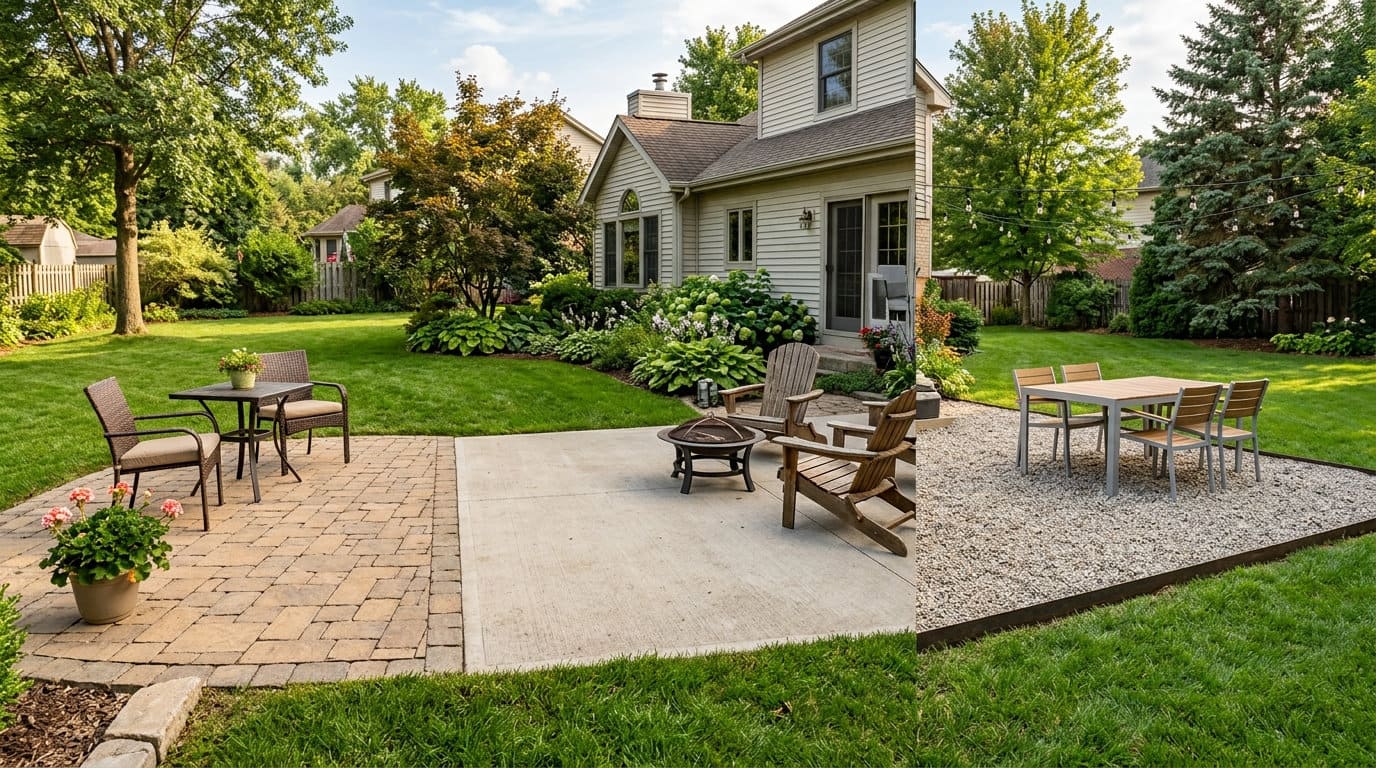
Concrete patios, asphalt driveways, and south-facing walls radiate stored heat back at your containers well after the sun has technically moved off them, which is exactly why a pot sitting on a hot patio can run noticeably hotter than one on grass or gravel a few feet away.
Grouping pots together does double duty: taller plants throw real shade onto the shorter ones next to them, and the cluster as a whole holds a slightly cooler, more humid microclimate than isolated pots spread across an open patio.
If you can move containers at all, shift the heat-sensitive ones to a spot with afternoon shade, even two or three hours of relief from the 2 to 5pm window makes a real difference. A shade cloth over a pergola, a market umbrella angled correctly, or just tucking pots under a tree’s dappled canopy all work.
Elevating pots slightly off a hot concrete or paver surface (plant feet, a slatted stand, even bricks under the corners) cuts down on the radiant heat coming up from below, which is a source most people never think to check.
Fix 6: Topdress with light-colored, undyed mulch
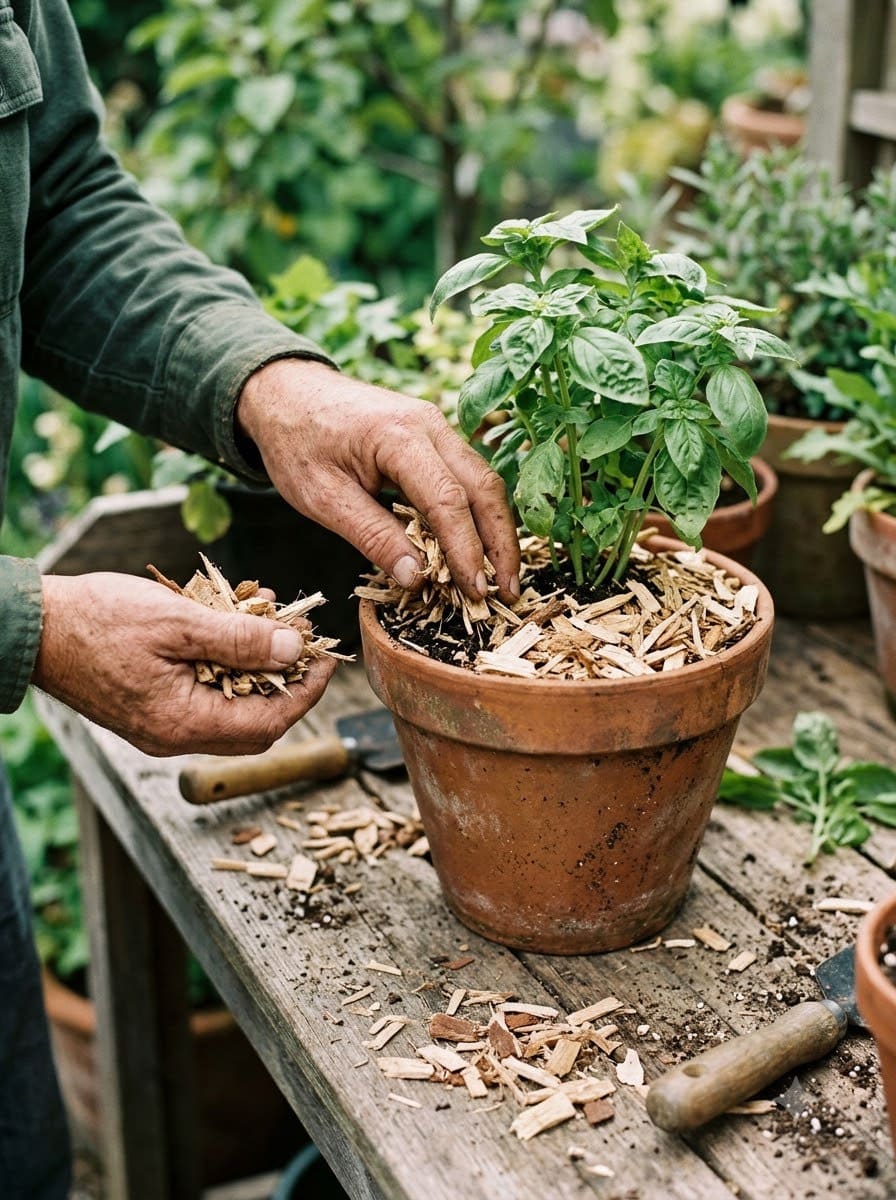
A 1 to 2 inch layer of mulch on top of the soil slows evaporation and insulates the root zone from surface heat, the same logic as mulching a garden bed, just scaled down for a pot.
Skip dark or dyed mulch on containers specifically. Dark mulch absorbs and holds more heat right at the soil surface, working directly against the point of mulching in the first place, and dyed products can leach coloring chemicals into the soil over time.
Untreated wood chips, straw, light-colored gravel, or a living groundcover (creeping thyme, for instance) all do the job without the heat-trapping downside. A living groundcover has the extra benefit of shading the soil surface directly rather than just insulating it.
Fix 7: Repot when the plant is actually root-bound
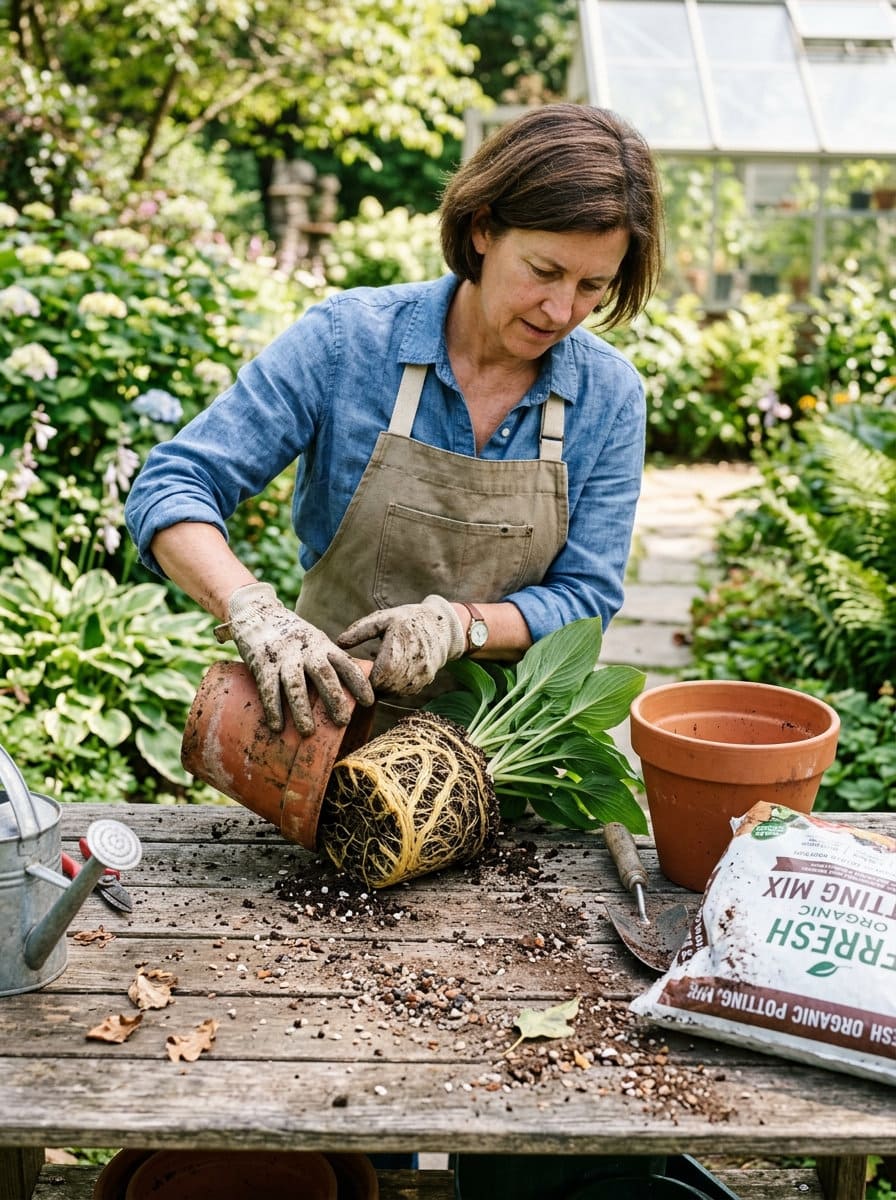
If watering more often stops helping, and the water seems to run straight through the pot without the soil actually holding any of it, check the roots. Slide the plant out (or peek through the drainage holes) and look for roots circling the inside of the pot or poking out the bottom in a dense mat.
A root-bound plant has outgrown its soil volume, and no watering schedule fixes that, since there’s simply not enough soil left to hold water against the roots packed in around it. Repotting into a container 2 to 4 inches larger in diameter, with fresh potting mix, solves the actual problem instead of managing around it.
Late summer repotting is more stressful on a plant than a spring repot, so do it in the cooler part of the day, water thoroughly right after, and give the plant a few shaded days to settle before moving it back into full sun.
If you’re not sure whether it’s genuinely root-bound versus just needing a deeper drink, the finger test from Fix 2 answers that first, water that runs straight through in seconds rather than soaking in is the giveaway that root volume, not moisture, is the actual bottleneck.
Region-by-region: what changes based on your climate
| Region | What’s different | Adjust this way |
|---|---|---|
| Desert Southwest / inland California | Extreme heat plus low humidity, evaporation is brutal | Daily or twice-daily watering, prioritize shade cloth and light-colored materials, avoid metal containers entirely |
| Humid Southeast / Gulf Coast | High heat but slower evaporation, root rot risk climbs | Watch bottom-watering trays closely, soil stays wet longer than it looks, terracotta’s fast-drying trait is actually an advantage here |
| Pacific Northwest / coastal | Milder peak heat, but sudden heat waves catch gardeners off guard | Every-other-day watering usually holds, but shift to daily during an actual heat wave, don’t assume the mild baseline still applies |
| Mountain West / high elevation | Intense daytime sun with big overnight temperature drops | Morning watering matters more here, since cold nights slow uptake if you water late; group pots for wind protection too, not just shade |
What I got wrong with my own containers
I killed a rosemary plant in a black plastic pot on a south-facing patio two summers ago, and for weeks I genuinely thought I was underwatering it. I was watering it plenty. The problem was the pot itself, sitting on concrete, in full sun, from about noon to 6pm every day.
By the time I actually touched the soil at 3pm and felt how hot it was near the walls, not just the surface, the damage to the roots was already done. Swapping it into a glazed ceramic pot the following spring, same spot, same watering, and it’s still alive today. That’s about a $14 difference that would have saved the plant.
And the salt buildup thing genuinely surprised me. I’d noticed a white crust on a few pot rims for two summers running and just assumed it was mineral deposits from our well water, nothing to do with fertilizer.
It wasn’t until I read Clemson’s factsheet on fertilizer burn that the crust, the brown leaf tips, and the plant that kept wilting despite damp soil clicked into the same explanation. I flush every heavily-fertilized container now, once a month, tops, takes maybe five minutes with a hose and it’s made a real difference.
Honestly, the self-watering tray mistake is the one I see other people make the most. A friend left a pot sitting in a full saucer for four days while she was traveling, “so it wouldn’t dry out.” It came back moldy at the base and the roots were mush. Well-intentioned, wrong tool for that long a window.
FAQs
How often should I water container plants in extreme heat? Daily is common during hot, dry stretches, per South Dakota State University Extension, but water thoroughly until it drains from the bottom rather than a light daily splash. Check with two fingers pressed into the soil first; if it’s still damp two inches down, wait.
What’s the best pot material for hot climates? Glazed ceramic, wood, and light-colored plastic hold up best against heat without drying out as fast as unglazed terracotta or overheating like dark plastic and metal. Terracotta is still the right call specifically for drought-tolerant plants like succulents, lavender, and rosemary.
How do I know if my container plant has fertilizer salt buildup instead of a watering problem? Look for a white or crusty film on the soil surface, the pot rim, or the drainage holes, combined with brown leaf-tip scorch and wilting despite damp soil. Flush the container with several thorough drain-through waterings to fix it.
Can I leave a plant sitting in a bottom-watering tray all day? Not safely. Cap it around 30 to 60 minutes for most potting mixes, then let the excess drain off. Leaving a pot standing in water for hours or overnight raises the root-rot risk significantly.
How do I know if my plant needs repotting instead of just more water? Check for roots circling the inside of the pot or growing out through the drainage holes, and watch whether water runs straight through without the soil actually absorbing it. Both point to a root-bound plant that needs a larger container, not a different watering schedule.
Related Posts
- How to Rescue Heat-Stressed Plants
- The Ultimate Guide to Growing Vegetables in Containers
- Container Gardening Calendar for August
Products We Recommend
This post contains affiliate links. We may earn a commission on qualifying purchases at no extra cost to you.
PHYEX 12-Pack 10 Gallon Fabric Grow Bags
4.7 stars, 8.3K ratings; the breathable, fast-draining option for root vegetables and thirsty plants in Fix 1 and the material comparison table
Shop Now
Gouevn Soil Moisture Meter, No Battery Required
4.4 stars, 16.7K ratings; the two-finger check in Fix 2 done faster and more consistently
Shop Now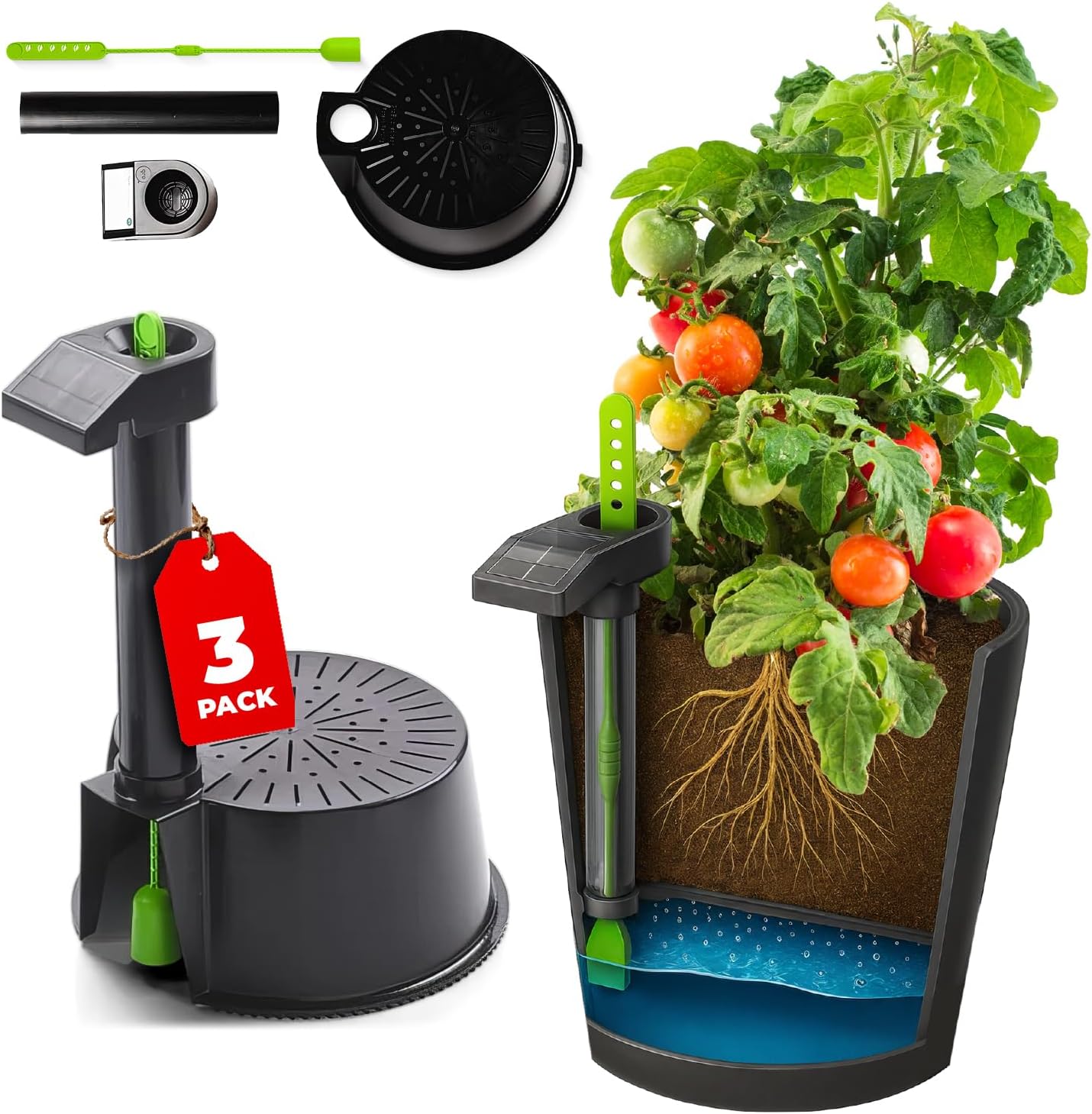
GroBucket Self-Watering Planter Insert w/ Reservoir
4.6 stars, 988 ratings; Fix 3, for plastic or glazed containers only, per the material caveat in that section
Shop NowNever miss an update — choose FarmFoodFamily as your preferred source on Google.
How it works: Tap the button below to open Google's settings page, then check the box next to FarmFoodFamily.
Tap the checkbox to turn it blue — that's how you know it's set.