10 Foolproof Ways to Build a Home That Stays Cool During a Heatwave
A heatwave-ready home doesn’t need a bigger AC unit, it needs the sun blocked before it ever reaches your windows, walls, and roof.

Never miss an update — choose FarmFoodFamily as your preferred source on Google.
How it works: Tap the button below to open Google’s settings page, then check the box next to FarmFoodFamily.
Tap the checkbox to turn it blue — that’s how you know it’s set.
Summer heatwaves are lasting longer and hitting harder every year, and running the AC nonstop isn’t a real fix. It just masks the problem while your utility bill climbs. The better move is making your house resist heat in the first place, the same way builders in genuinely hot climates have done for centuries.
We pulled together real building-science research, an award-winning architect’s own approach, and Arbor Day Foundation data on shade trees to build a practical, prioritized list. You don’t need to renovate your whole house this weekend. Start with the cheapest, highest-impact fixes and work down the list as your budget allows.
Quick Answer: What Actually Keeps a Home Cool in a Heatwave?
The most effective heatwave defense stops heat before it enters your home, not after. Close blinds or external shutters on sun-facing windows during the day, since window heat gain can account for up to 20% of total cooling load. At night, open windows on opposite sides of the house to flush out trapped heat and pull in cooler air. Longer term, a reflective “cool” roof (ENERGY STAR-rated) can run 50 to 60°F cooler than a standard dark roof. R-38 to R-60 attic insulation stops that heat from radiating down into living spaces. Planting deciduous shade trees on the east, west, and northwest sides of your home can cut summer cooling costs by up to 35%, according to the Arbor Day Foundation. Combine two or three of these and you’ll feel a real difference within days, no AC upgrade required.
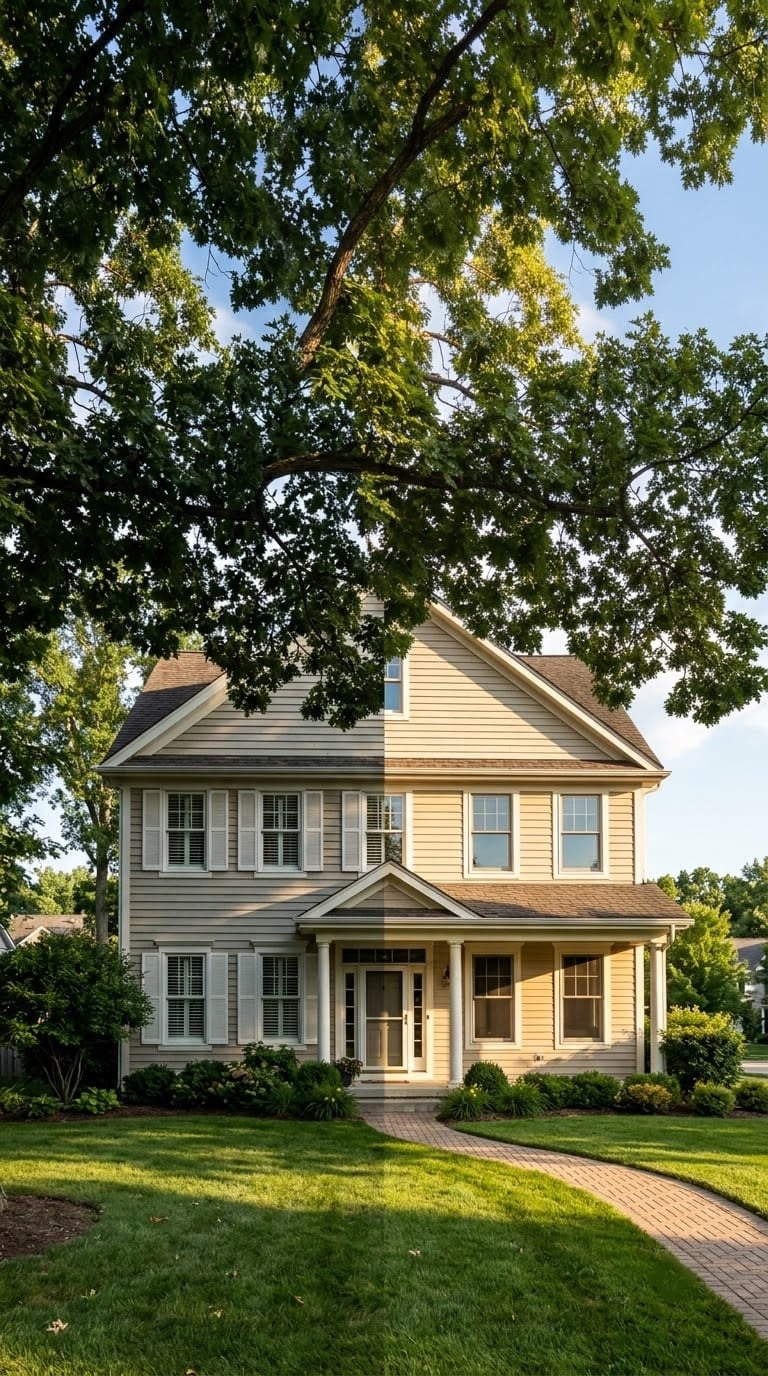
Why Does My House Get So Hot During a Heatwave?
Most homes overheat for three reasons that stack on top of each other. Too much direct sun hits glass and dark roofing. Too little air moves to flush the heat back out, and too little insulation slows the heat that does get in.
Architect Georgina Wilson of Georgina Wilson Associates has spent over 20 years designing homes for hot climates. Her advice is simple: combine orientation, insulation, ventilation, shading, and glazing to cut heat gain from the start.

Fix any one of these on its own and you’ll notice a small improvement. Fix several together and the difference compounds.
1. Get Real Cross-Ventilation Working
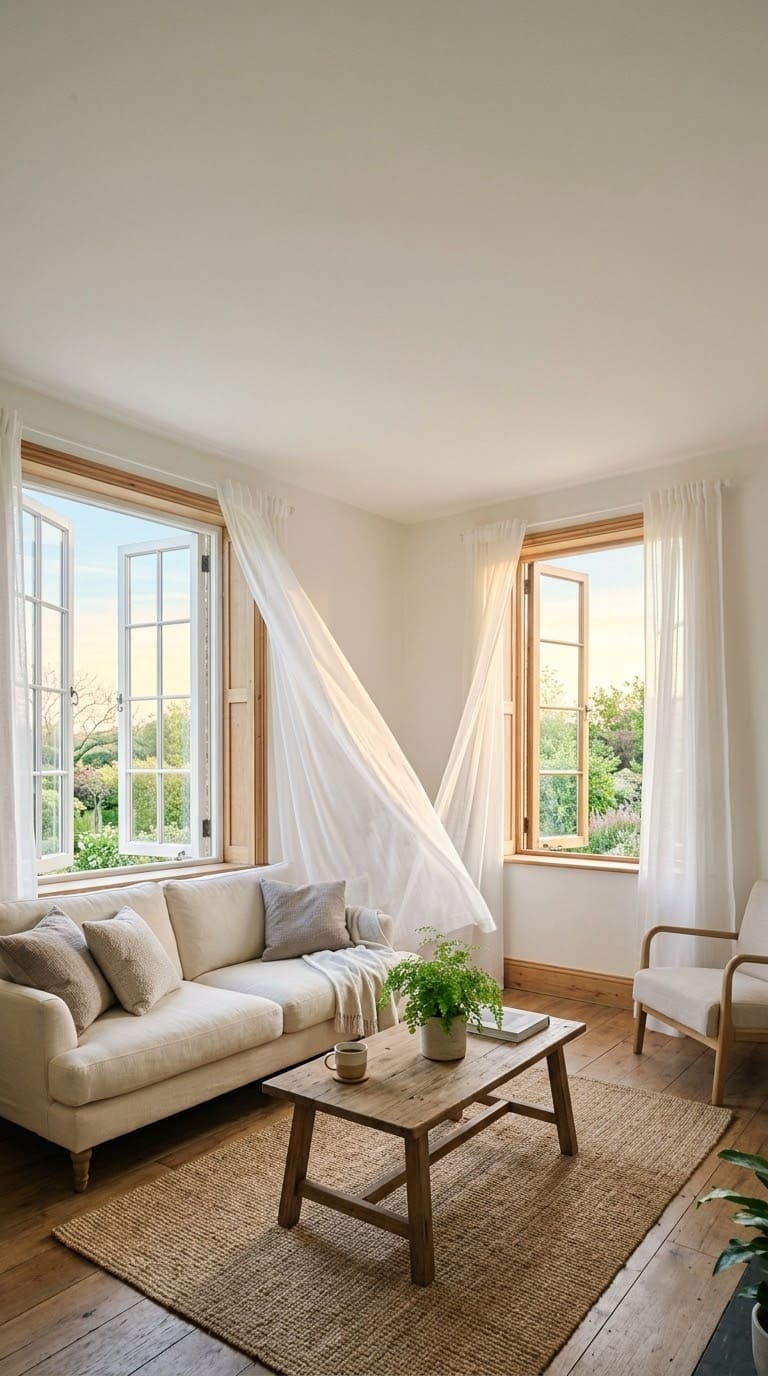
Cross-ventilation means air enters on one side of the house and exits on the other, pulling stale, heated air out as it goes. It only works if openings actually line up. A single window cracked open in a closed room does almost nothing.
How to do it: Open windows on opposite, or at least non-adjacent, walls at the same time. Keep one low and one high, since hot air rises and wants to exit up top. Do this early in the morning and after sunset, when outdoor air runs cooler than indoor air.
During the hottest midday hours, close everything back up and switch to shading instead.
Quick tip: Put a box fan facing outward in one window. Add a second one facing inward in another window a room or two away. Together they force an air exchange, even on a still, windless day.
Cost tier: Free. This is a habit change, not a purchase.
2. Block Heat Before It Reaches the Glass
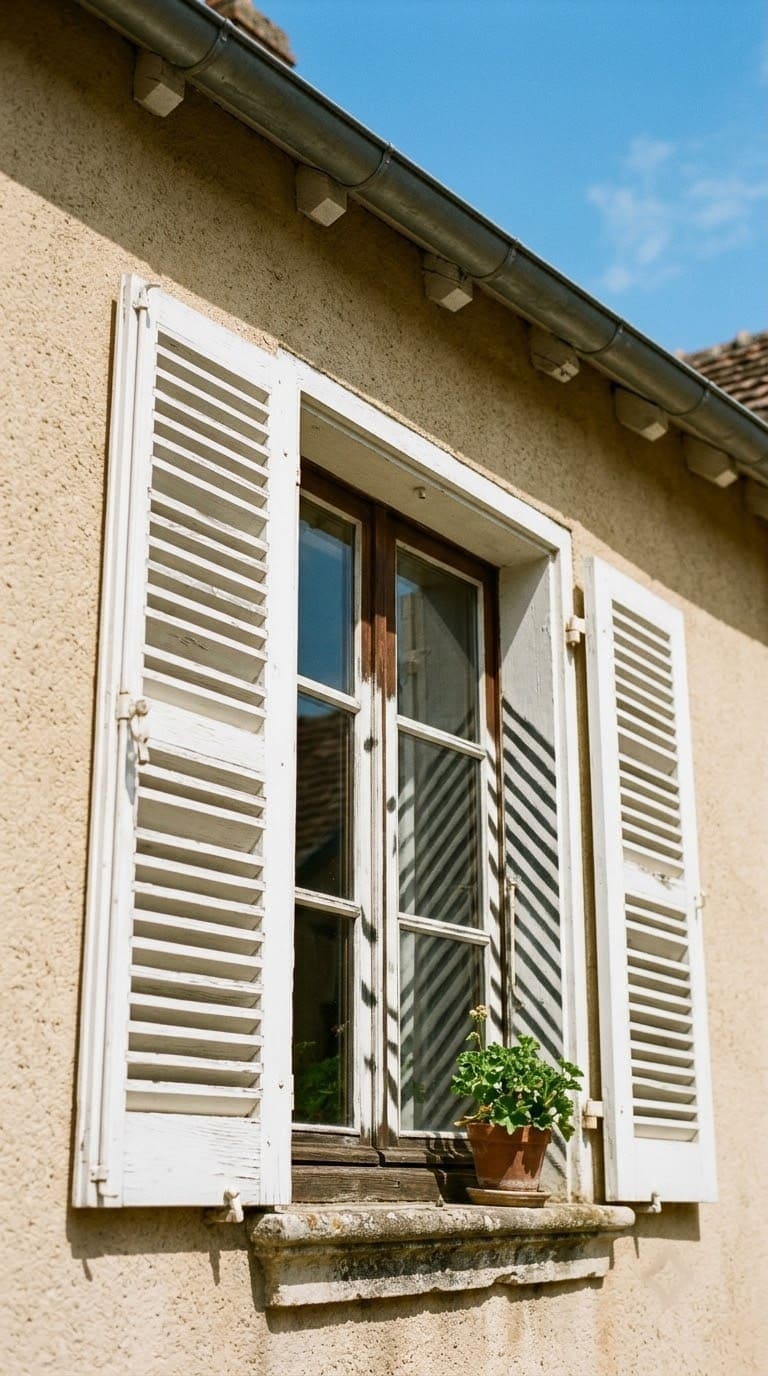
Once sunlight passes through glass, it’s already inside your home as heat. Wilson’s own philosophy is blunt about this: stopping heat before it reaches the glass works far better than trying to cool a room after it’s already heated up.
Interior curtains help a little. Exterior shading stops far more, because it intercepts the sun before the glass even absorbs it.

Static-cling, no-adhesive window tint that blocks solar heat and UV while adding daytime privacy, an easy weekend fix for west-facing windows
Shop NowThis post contains affiliate links. We may earn a commission on qualifying purchases at no extra cost to you.
How to do it: External shutters, awnings, or louvres on south- and west-facing windows block the most direct summer sun. No budget for a full exterior retrofit yet? Thick thermal-lined curtains or temporary DIY sun shades over the worst-hit windows are a reasonable start.
Quick tip: Light-colored or reflective blinds, fitted snugly against the window frame, bounce more solar energy back outside. Dark curtains absorb heat instead and re-radiate some of it into the room.
Cost tier: $20-$60 per window for interior blackout curtains or film. $150-$600 per window for exterior shutters or retractable awnings professionally installed.
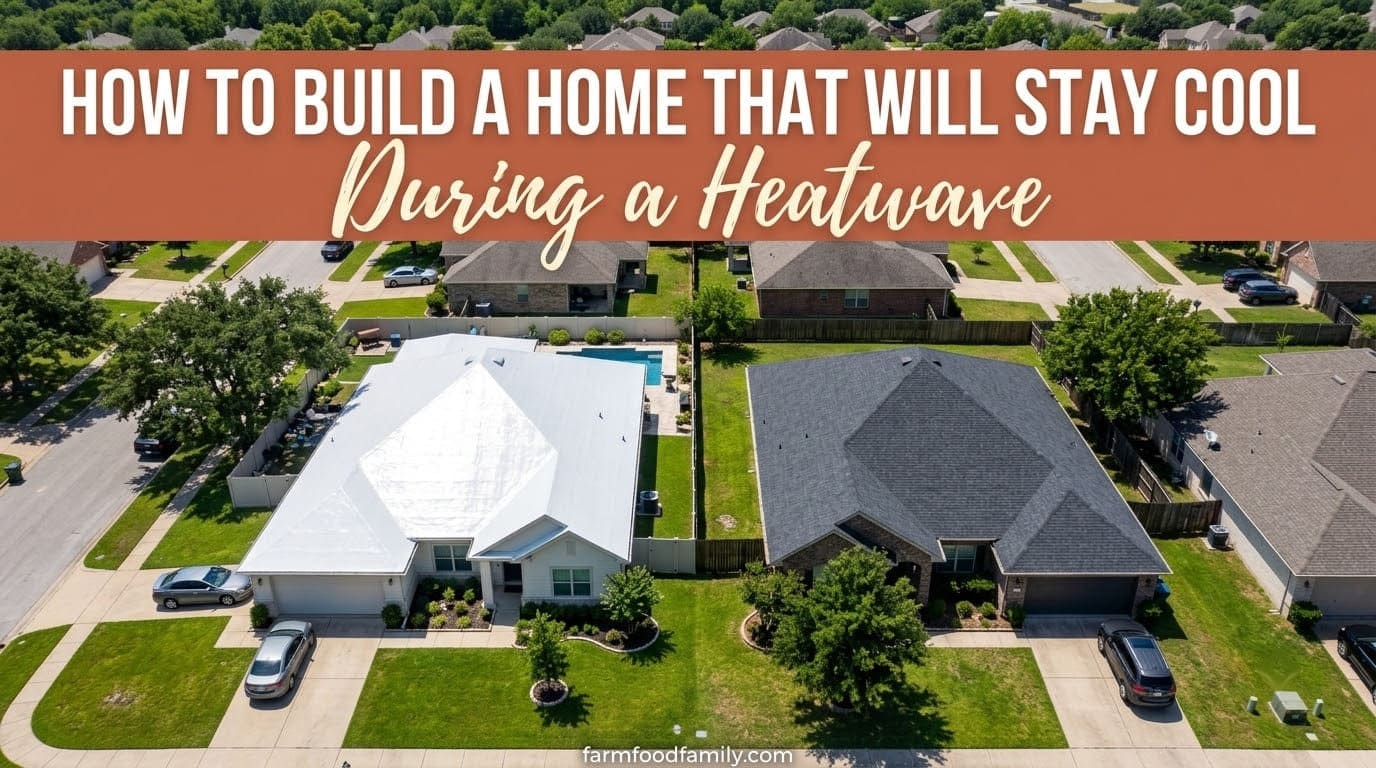
3. Upgrade to a Reflective “Cool” Roof
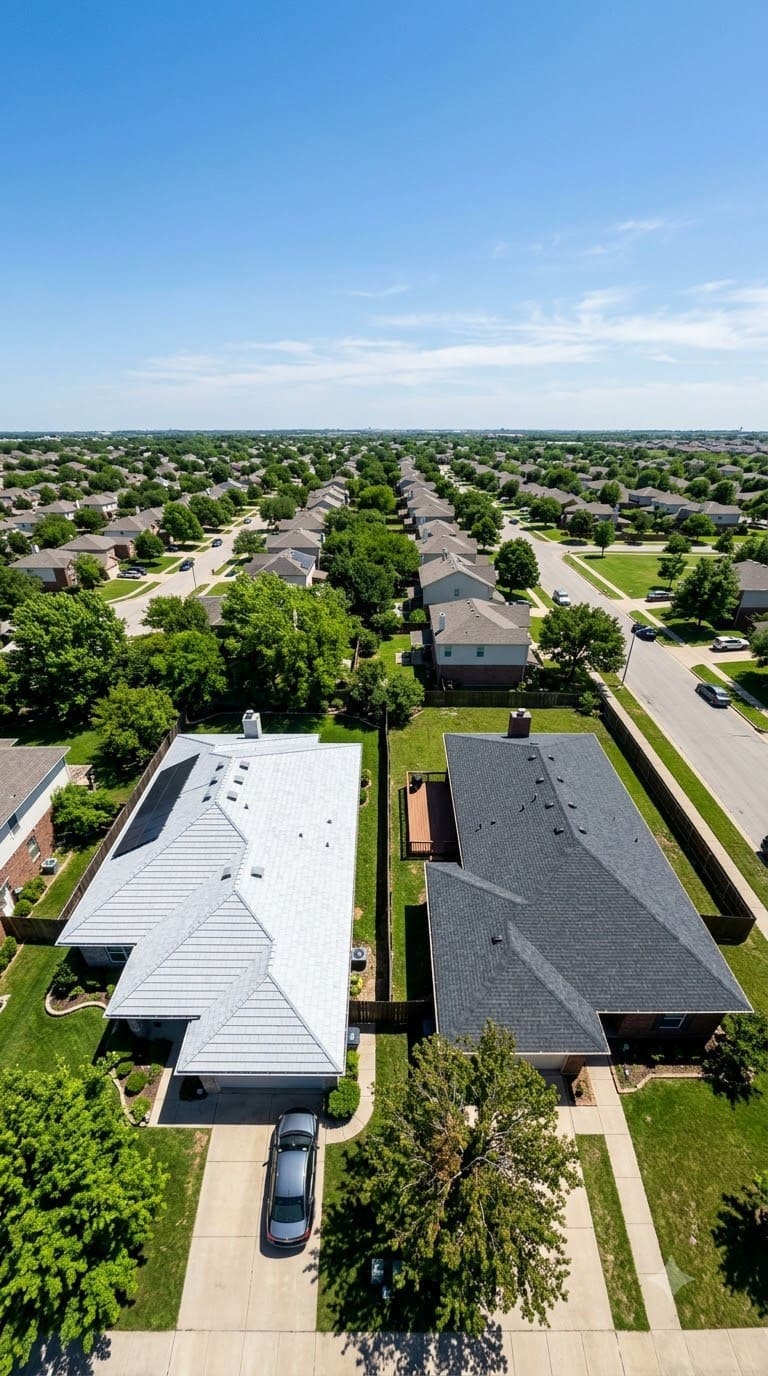
Your roof is usually the single largest heat-absorbing surface on your home. A standard dark asphalt shingle roof can reach 150°F or more on a sunny afternoon, and a lot of that heat radiates straight down into the attic.
How to do it: ENERGY STAR-qualified roofing meets a minimum reflectance rule (0.25 when new, staying above 0.15 as it ages). Qualifying roofs can run 50 to 60°F cooler than standard dark roofing at peak summer heat.
No full re-roof planned this year? A reflective coating is a cheaper stopgap. Already planning a roof replacement? Price out solar roofing too, since it pairs power generation with that same reflective benefit.
Quick tip: Ask your roofer for the product’s solar reflectance index (SRI) number specifically, not just “energy efficient” marketing language. A true cool roof product will have that number published.
Cost tier: $8,000-$25,000+ for a full re-roof with cool-roof materials. $2-$5 per sq ft for a reflective coating on an existing roof in good condition.


4. Insulate and Ventilate the Attic Properly
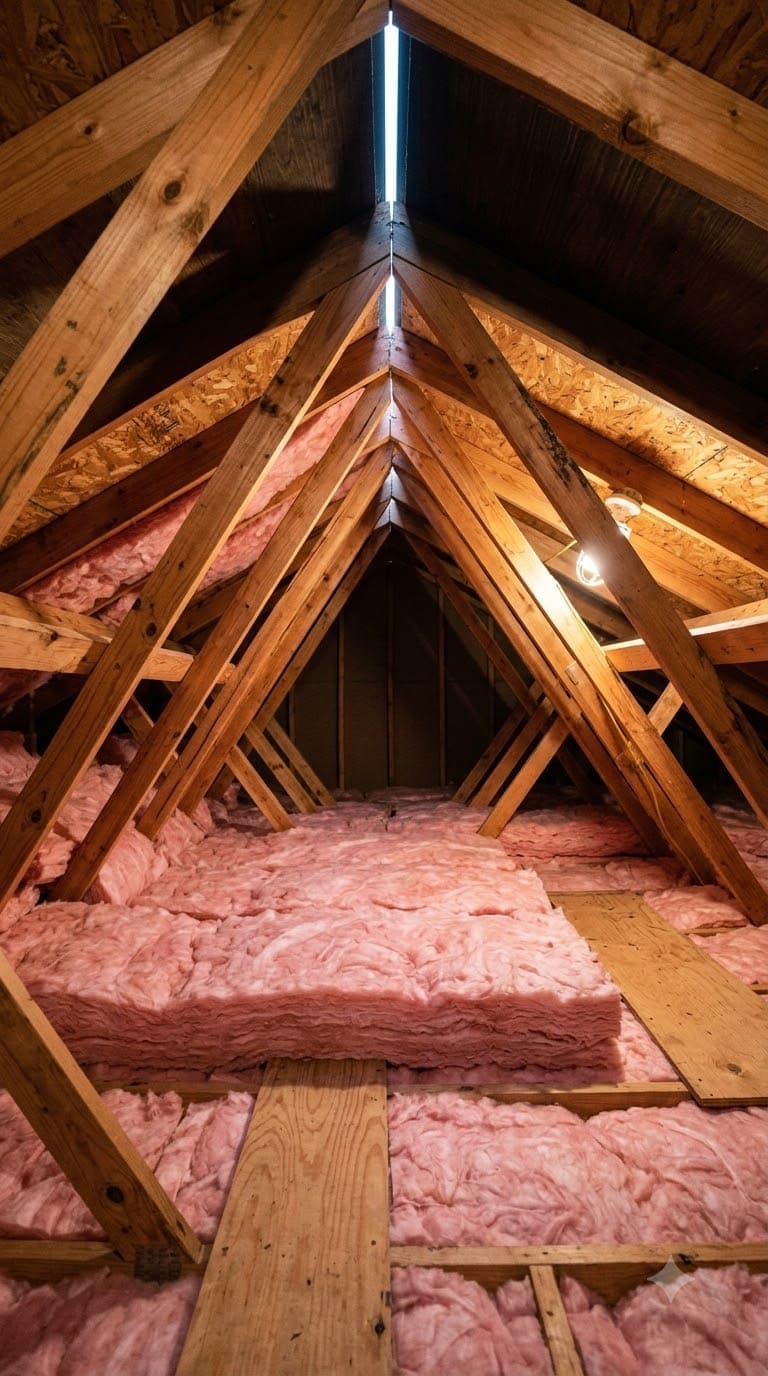
A hot roof only becomes a hot house if the attic below it can’t stop that heat. This is where most homes actually lose the fight, since attic insulation gets overlooked far more than window or wall insulation.
How to do it: Hot-climate homes need R-38 to R-60 of attic insulation, well above what many older homes actually have. Pair it with real airflow too, soffit vents pulling cooler air in low, ridge or gable vents pushing hot air out high.
Run a real insulation check first before spending money. Adding insulation on top of a poorly vented attic can trap heat instead of releasing it.
Quick tip: If your attic feels noticeably hotter than the outside air on a summer afternoon, that’s a strong sign your ventilation, not just your insulation, needs attention.
Cost tier: $1,500-$4,000 for a full attic insulation top-up. $300-$1,200 to add proper soffit/ridge venting.
5. Choose Light, Reflective Exterior Colors
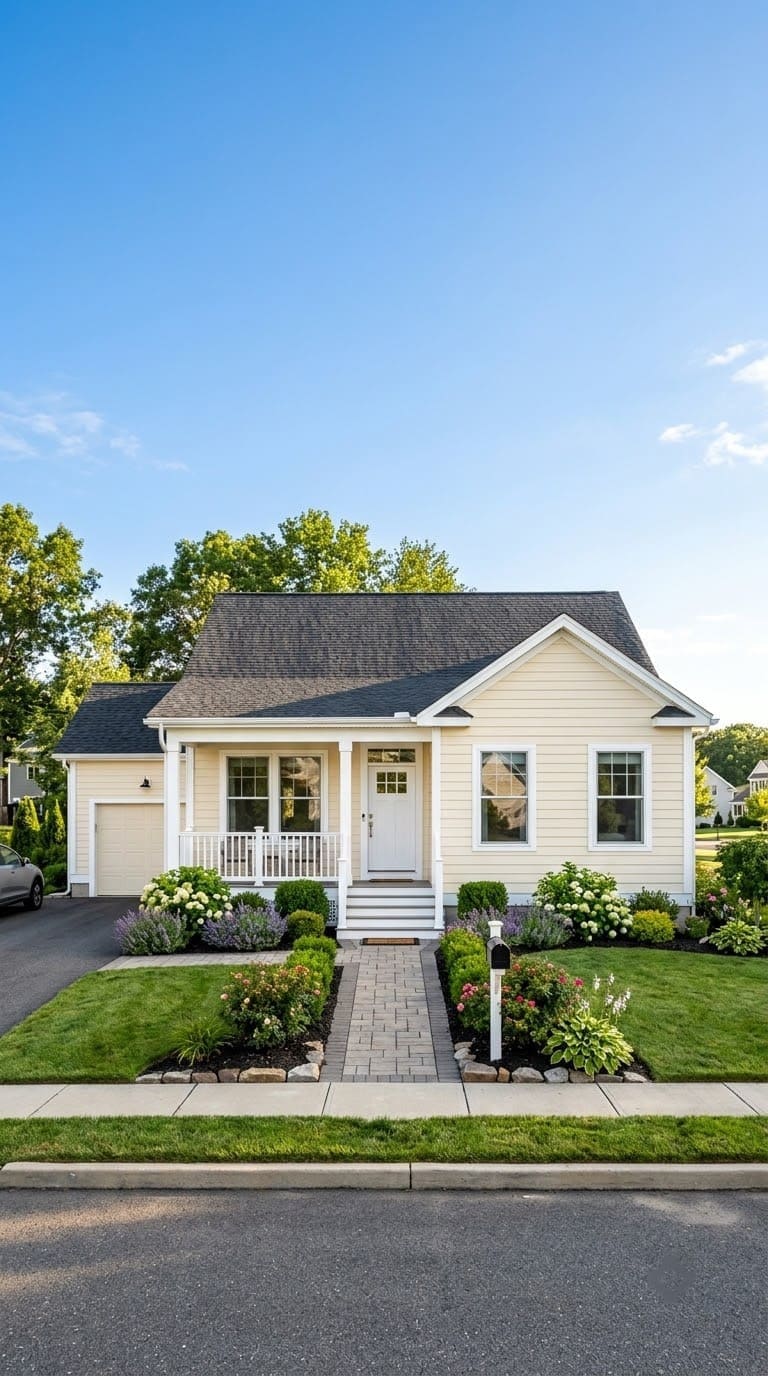
Dark exterior colors soak up more solar energy. They hold onto it longer too, which is part of why a dark-painted house can feel warmer well into the evening than a light one.
How to do it: If a repaint is already on your list, lighter shades on siding, roofing, and even your driveway or patio surfaces will reflect more heat instead of storing it. This doesn’t mean every home has to go white. A mid-tone with a reflective finish still performs noticeably better than a deep charcoal or black.
Quick tip: Got a metal roof or metal siding? Insulating it properly matters even more than color choice, since metal conducts heat fast in both directions without a thermal break.
Cost tier: Free to factor in when a repaint is already planned. Roughly the same cost as any other exterior paint job otherwise, since there’s no real premium for choosing lighter colors.
6. Plant Shade Trees Where They Actually Work
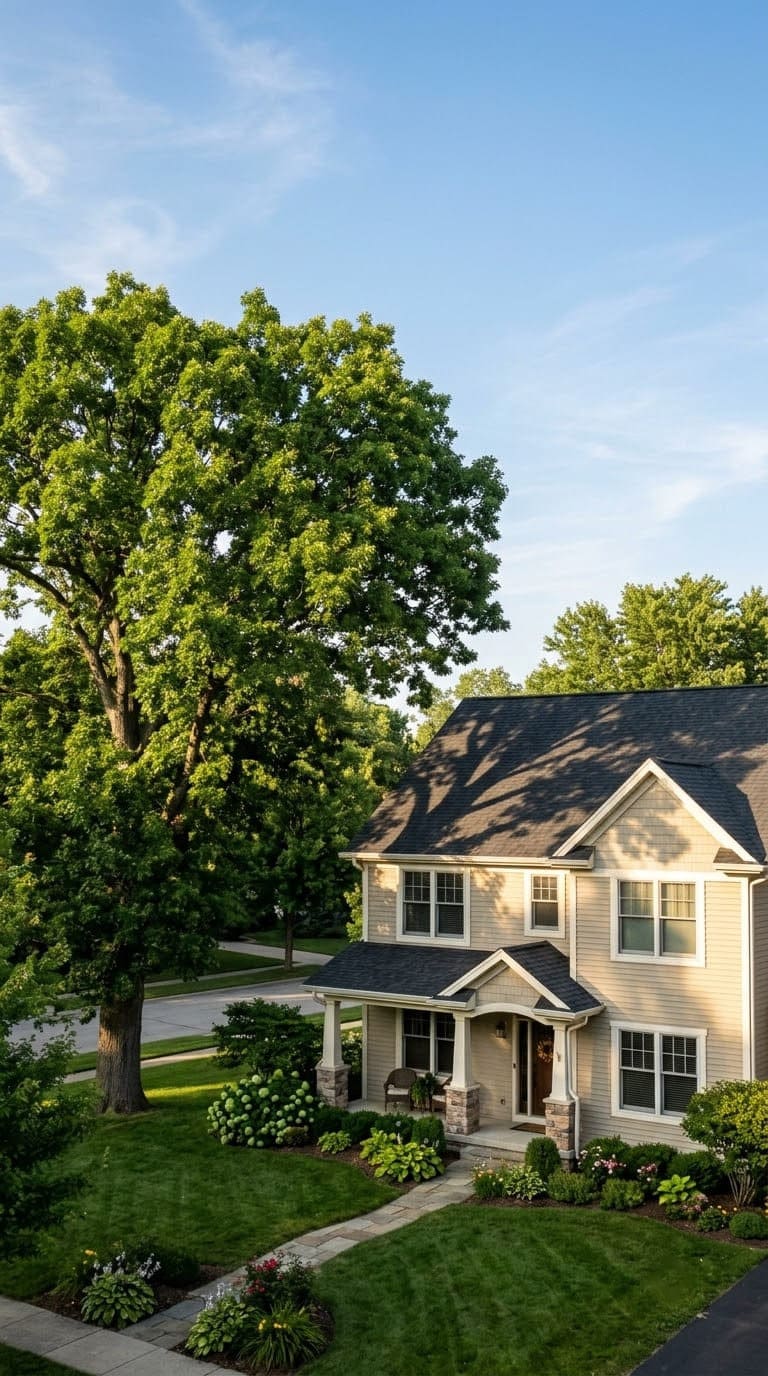
Landscaping is one of the highest-leverage, lowest-cost heatwave fixes available, and it’s also the slowest to pay off, so the earlier you plant, the sooner it helps.
How to do it: The Arbor Day Foundation recommends planting large deciduous trees on the east, west, and northwest sides of a home, the angles that catch the harshest afternoon sun. Deciduous trees drop their leaves in winter, so they shade your home in summer but let sunlight through once heating season starts. Trees cool the surrounding air by up to 6°F through evapotranspiration, on top of the direct shade, and smart placement alone can cut summer AC costs by up to 35%.
Quick tip: Don’t plant directly against the foundation. Give large shade trees enough distance that mature roots won’t threaten your foundation or plumbing, a common regret homeowners raise years after planting too close.
Cost tier: $50-$150 per young, DIY-plantable tree. $300-$800 per tree if you want a larger, more established specimen installed.
7. Shade the Ground Around Your Home, Not Just the House
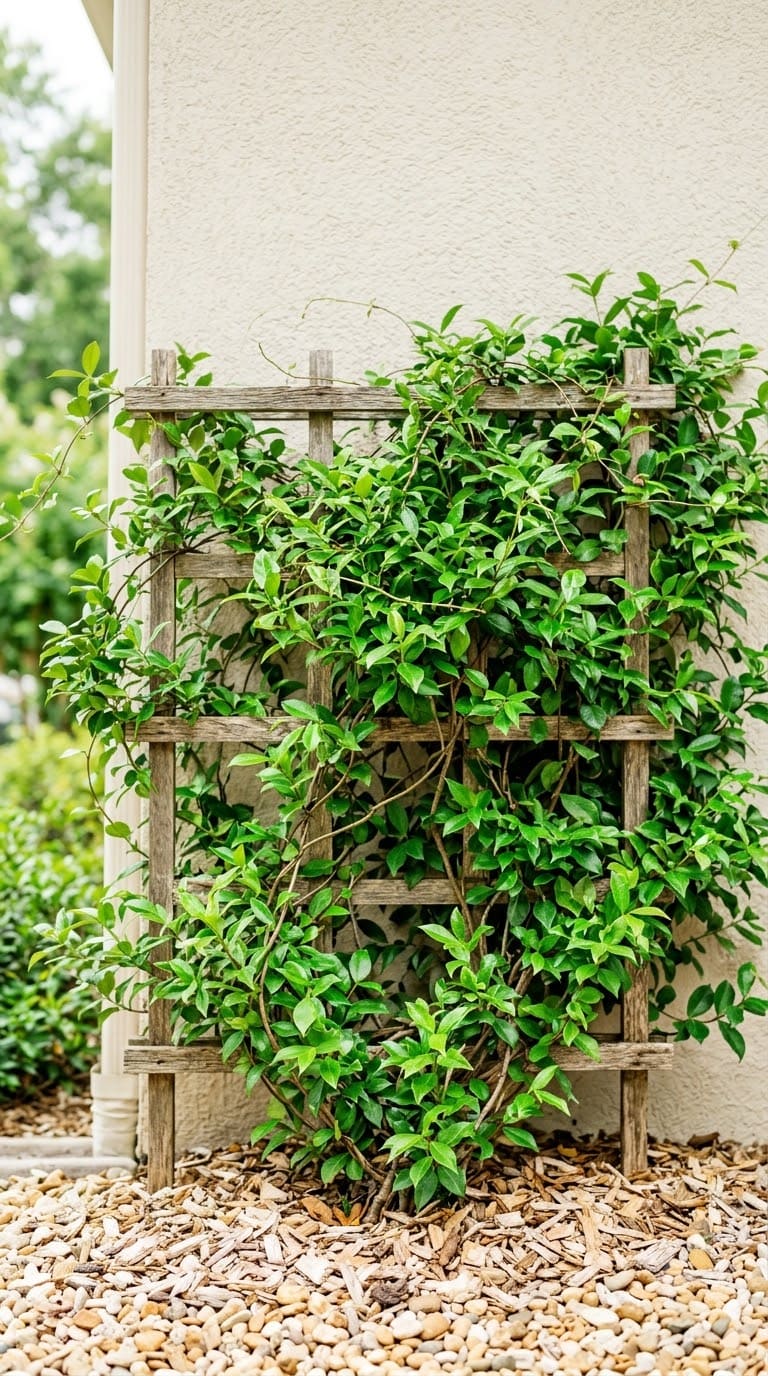
Heat doesn’t just come through your roof and walls. Hot pavement and bare soil radiate stored heat back up at your home’s walls and windows all afternoon and evening.
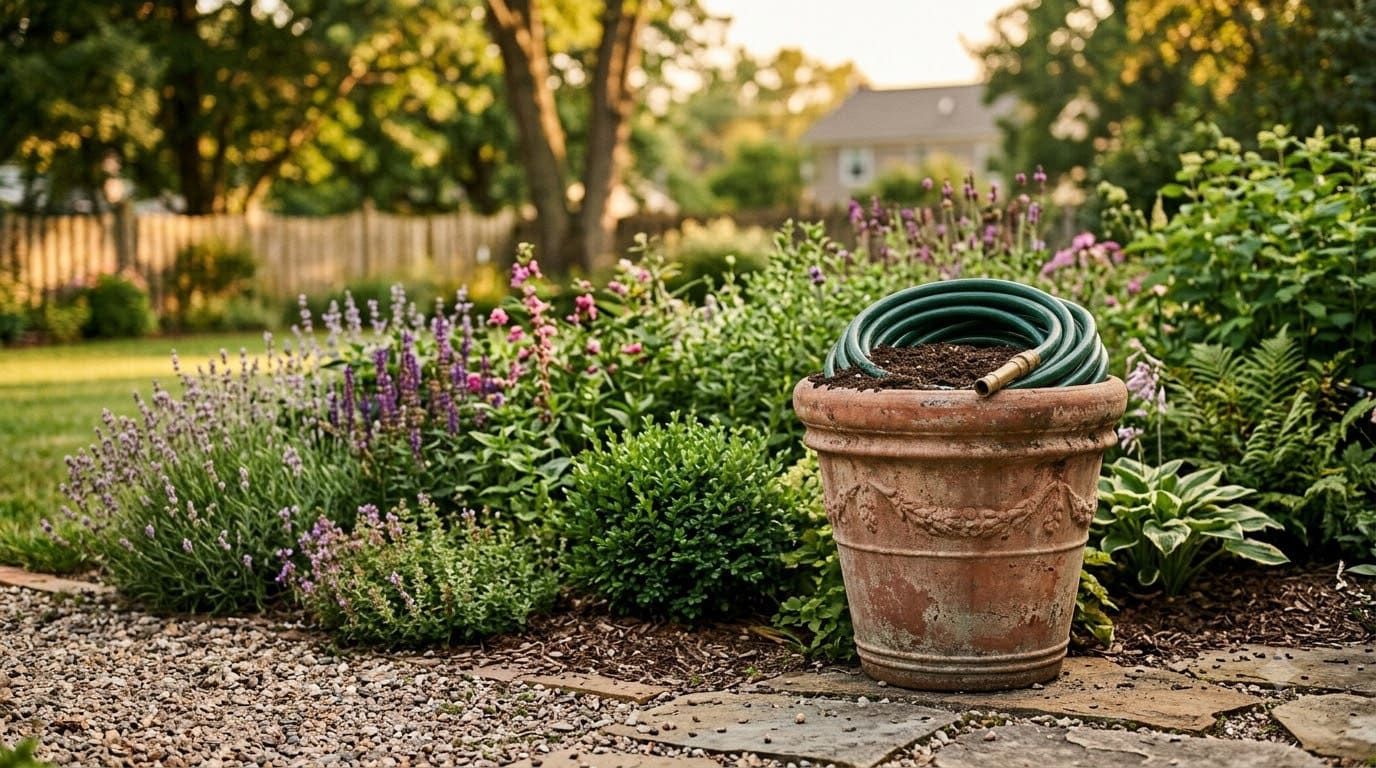
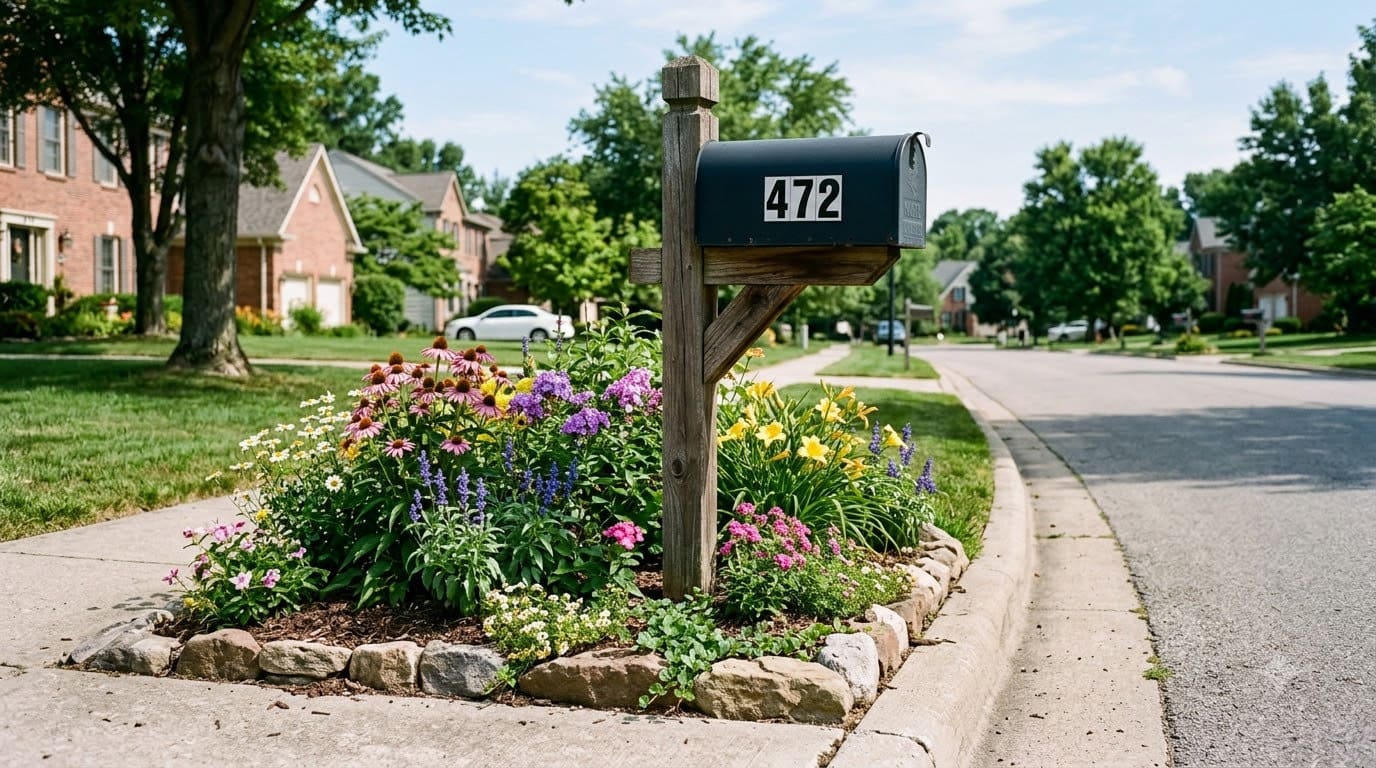
How to do it: Vines on a trellis or lattice shade walls without a full tree’s footprint. Ground cover, mulch, or light-colored hardscaping around your foundation absorbs and reflects less heat than bare dark soil or dark concrete. If you’re covering a patio or driveway area, landscaping for shade without planting a full tree is a real option for spaces where a tree isn’t practical.
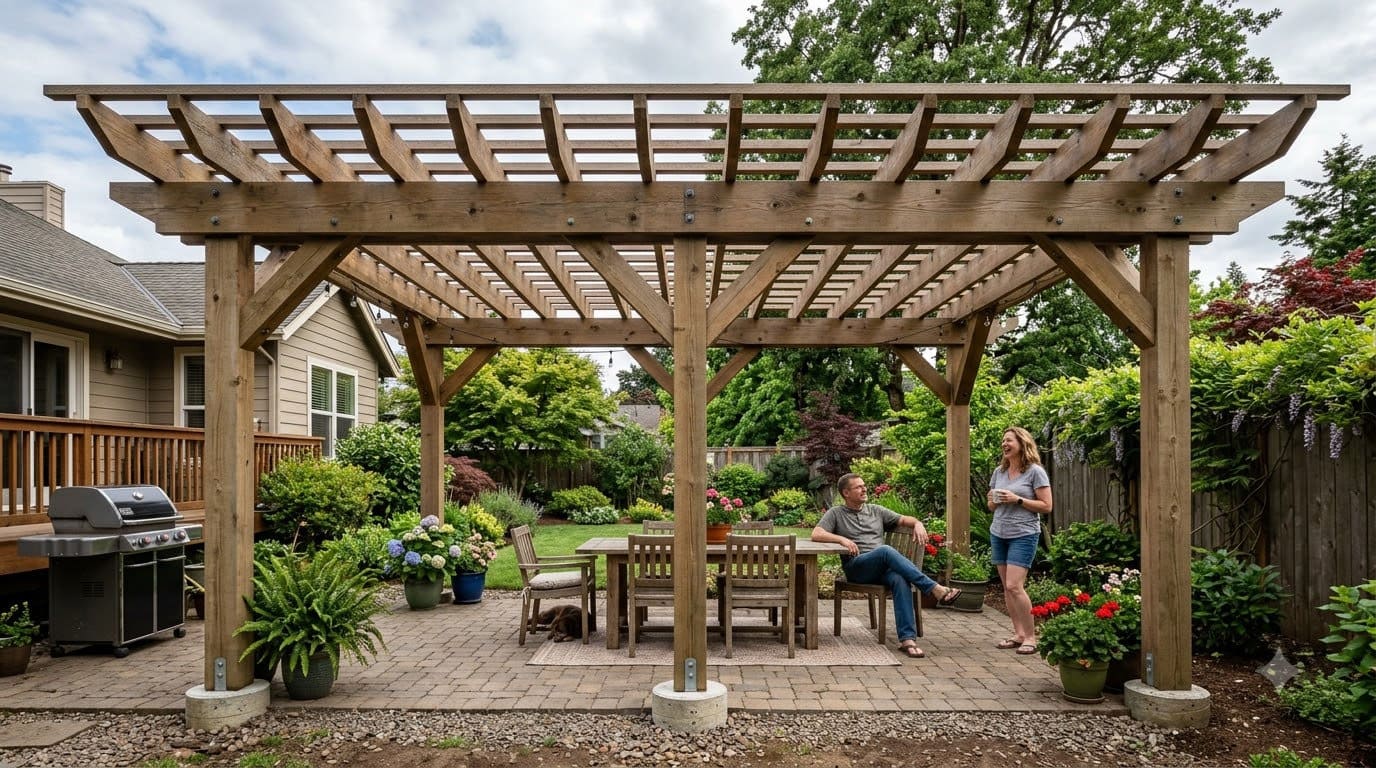
Quick tip: A pergola or shade sail over a west-facing patio does double duty. It keeps that outdoor space usable during a heatwave, and it blocks late-afternoon sun from reaching nearby windows too.
Cost tier: $30-$100 for a trellis and fast-growing vine. $200-$1,500 for a pergola or shade sail structure.
8. Seal the Air Leaks You’re Not Thinking About
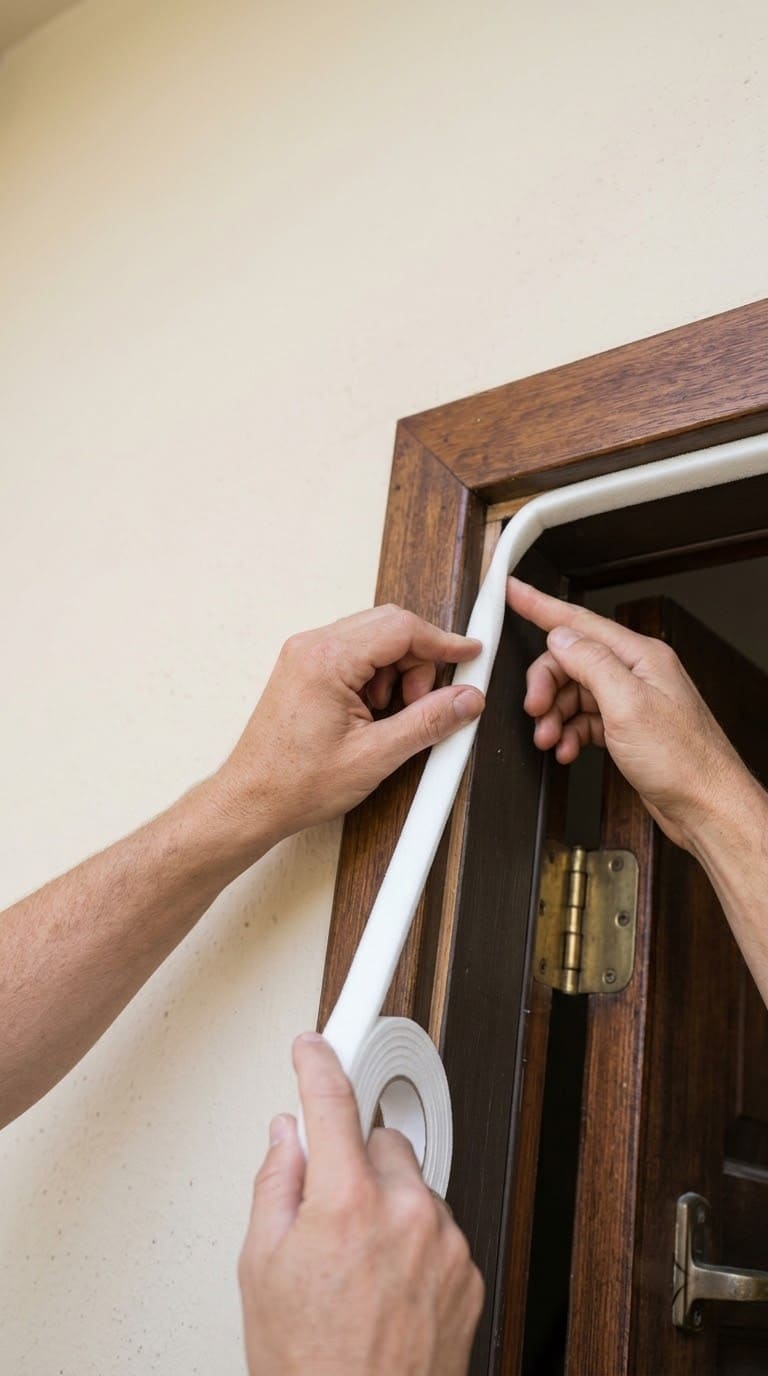
Air sealing sounds like a winter-only project. But gaps around doors, windows, and utility lines let hot outdoor air leak in during summer just as easily as they let heat escape in winter.
How to do it: Check weatherstripping around exterior doors and windows, and caulk gaps where pipes, wires, or vents pass through exterior walls. Not sure whether your home actually needs this work? This checklist for when air sealing and insulation make sense walks through the real warning signs, so you’re not spending money on a guess.
Quick tip: Hold a lit candle or incense stick near common leak points on a windy day. If the flame flickers or the smoke bends sideways, you’ve found a real gap.
Cost tier: $20-$50 in weatherstripping and caulk for a DIY pass. $300-$800 for a professional air-sealing service with a blower-door test.
9. Upgrade Window Glazing or Add Window Film
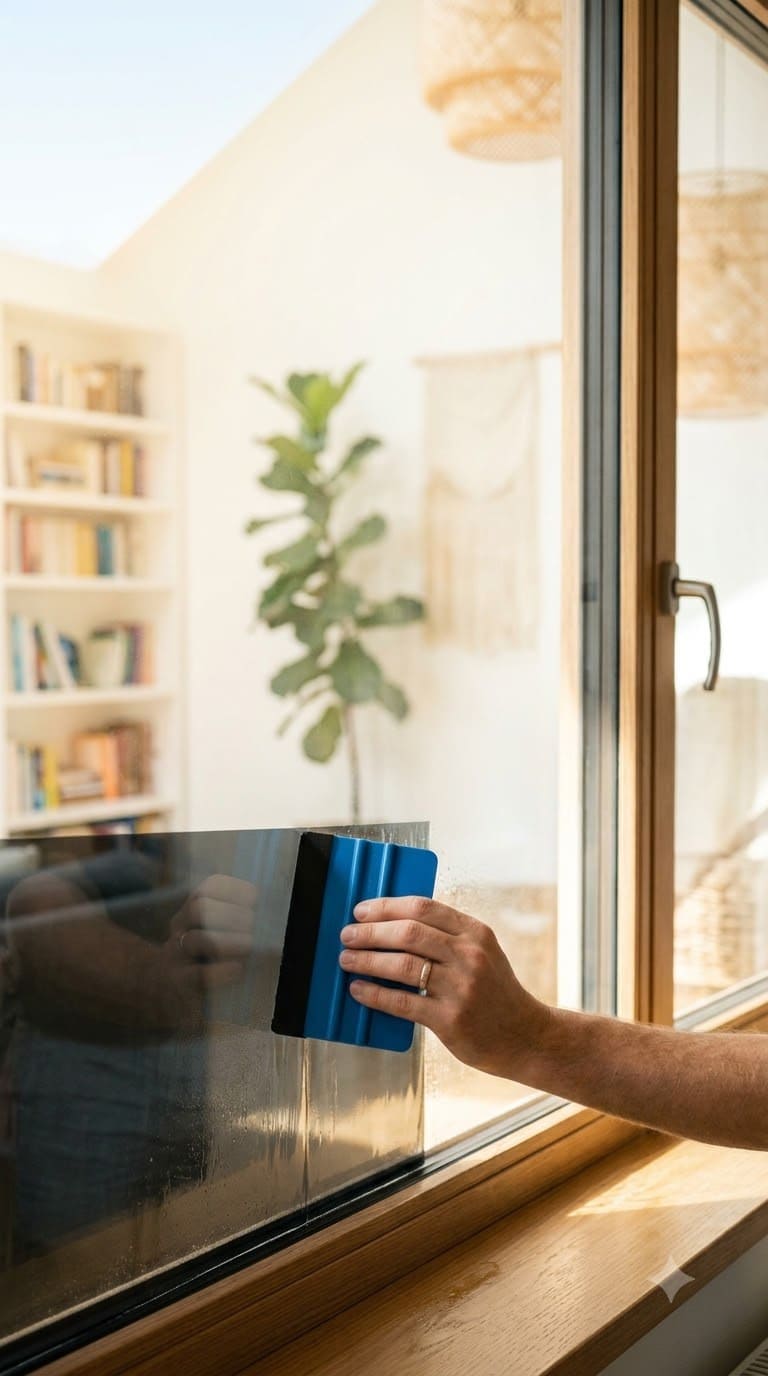
Even with good shading, a lot of older single-pane windows are simply bad at resisting heat transfer. Window film is the budget fix, new glazing is the permanent one.
How to do it: Solar-control window film reduces glare and heat transfer without replacing the window itself, and it’s a realistic weekend DIY project. If you’re already planning to replace windows, low-emissivity (low-E) double-pane glass blocks significantly more solar heat gain than standard single-pane glass while still letting in visible light.
Quick tip: Film your south- and west-facing windows first. Those two orientations carry the most direct summer heat load, so that’s where the return on investment is highest.
Cost tier: $2-$5 per sq ft for DIY solar window film. $400-$1,200 per window for full low-E replacement.
10. Zone Your Cooling Instead of Fighting the Whole House
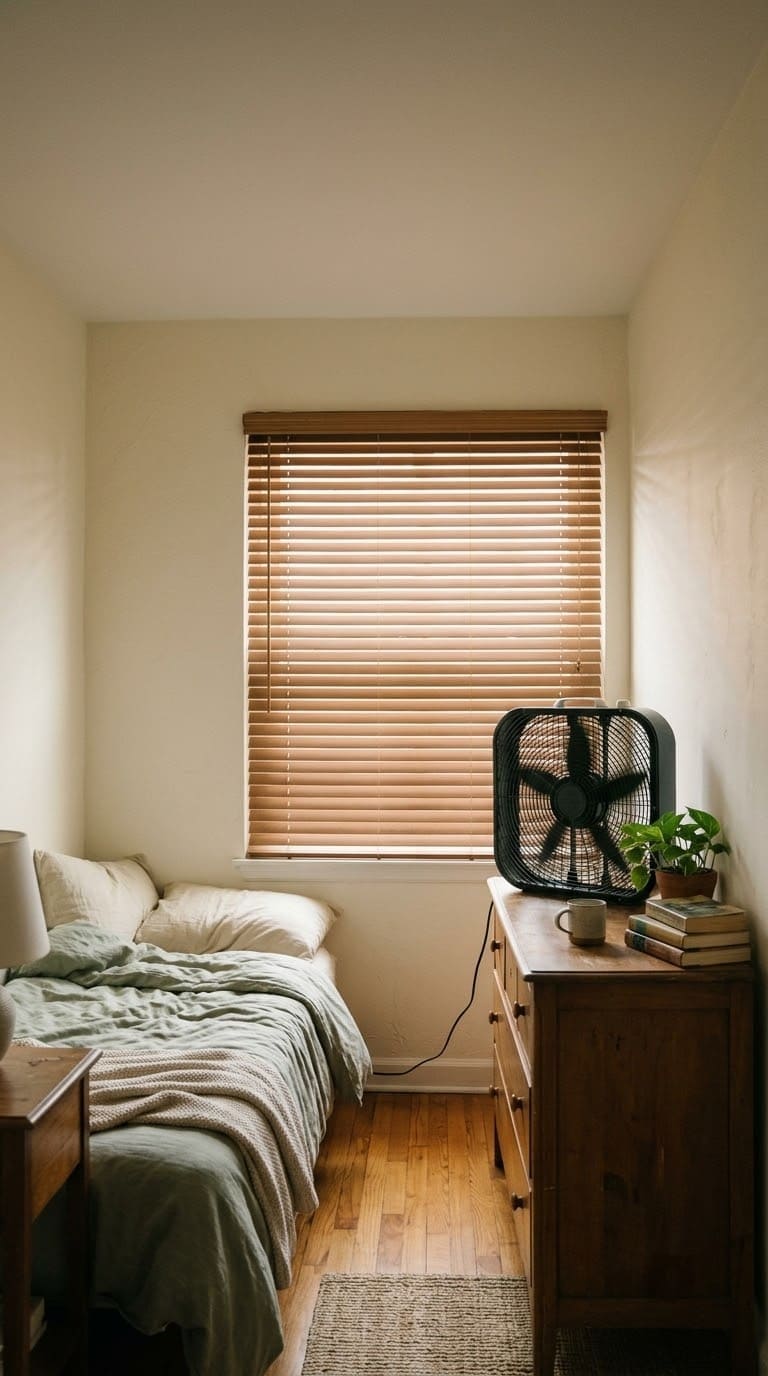
You don’t have to cool every room equally during a heatwave. Closing off unused rooms and concentrating airflow, fans, or a small window AC unit into the rooms you actually use cuts the total area you’re fighting to keep cool.
How to do it: Pick one or two rooms. Keep their blinds fully closed during the day, and add a fan or portable AC unit there instead of trying to cool the whole house evenly.
A whole-house or solar attic fan helps too. It pulls trapped heat out of the attic and upper floors faster than passive venting alone, which matters most in a multi-day heatwave when the attic never fully cools overnight.
Quick tip: Run ceiling or box fans counterclockwise in summer. That direction pushes air straight down, which creates a wind-chill effect on your skin even though it doesn’t actually lower the room’s temperature.
Cost tier: Free to zone with existing fans. $150-$400 for a solar attic fan, or $200-$500 for a portable AC unit for one zoned room.
Which Heatwave Fixes Give You the Most for Your Money?
| Technique | Cost Tier | Effort | Heat-Load Impact |
|---|---|---|---|
| Cross-ventilation habits | Free | Low | Moderate |
| Exterior/interior shading | $20-$600 | Low-Medium | High |
| Cool/reflective roof | $2,000-$25,000+ | High | High |
| Attic insulation + ventilation | $1,500-$4,000 | Medium | High |
| Light exterior colors | Free-low (at repaint) | Low | Moderate |
| Shade tree placement | $50-$800 | Low, slow payoff | High (long term) |
| Ground-level shading | $30-$1,500 | Medium | Moderate |
| Air sealing | $20-$800 | Low-Medium | Moderate |
| Window film/glazing | $2/sq ft-$1,200/window | Medium | Moderate-High |
| Zoned cooling + fans | Free-$500 | Low | Moderate |
What We Learned the Hard Way About Heatwave-Proofing a Home
Most people reach for a bigger AC unit first, and we get why. It’s the fastest fix when it’s already 95°F inside. But if there’s one thing worth doing differently, it’s tackling shading and ventilation before you ever call an HVAC company.
A house that’s already fighting direct sun on unshaded glass and radiating heat off a dark roof will make any AC unit work harder. It’ll cost more to run too, no matter how new it is.
The mistake we see most often is treating this as an all-or-nothing renovation. It isn’t. Closing blinds during the day and opening windows at night costs nothing and genuinely works.
Georgina Wilson’s own framing backs this up: comfort comes from combining several moderate fixes, not from one expensive silver bullet. Start with the free habits this week, add one paid fix this season, and you’ll be in noticeably better shape before next summer’s first real heatwave hits.
Another thing worth knowing: shade trees are the highest long-term value fix on this list, but they’re also the slowest. Planting this year for real cooling benefit five years from now? Pair it with a faster fix like window film or shading. That way you’re not waiting years to feel any difference.
Frequently Asked Questions
Does closing curtains actually keep a room cooler? Yes, especially light-colored or blackout-lined curtains on sun-facing windows. They block a real share of the solar heat that would otherwise pass through the glass. Exterior shading like shutters or awnings blocks even more, since it stops the heat before it reaches the glass at all.
Is it better to open or close windows during a heatwave? Both, depending on the time of day. Open windows at night and early morning when outdoor air is cooler than indoor air, to flush out trapped heat. Close windows and blinds during the hottest midday and afternoon hours to keep that cooler night air trapped inside.
How much can shade trees actually lower my cooling costs? The Arbor Day Foundation found that well-placed deciduous shade trees on a home’s east, west, and northwest sides can cut summer AC costs by up to 35%. They also cool the nearby air a few extra degrees through natural evaporation off their leaves.
Do I need a new roof to benefit from a cool roof? No. A reflective coating on an existing roof in good shape gives much of the same benefit at a fraction of the cost. It won’t last as long as a full re-roof, though, and needs reapplication over time.
What’s the single cheapest thing I can do right now? Open windows for cross-ventilation at night and close blinds during the day. It costs nothing, takes one minute twice a day, and makes a real, immediately noticeable difference.
Related Posts
- Creative Driveway Shade Ideas to Keep Your Car Cool
- Deck Shade Ideas
- How to Allergy-Proof Your Bedroom for a Skin-Friendly Summer
Products We Recommend
This post contains affiliate links. We may earn a commission on qualifying purchases at no extra cost to you.
KESPEN One-Way Reflective Window Film
Static-cling, no-adhesive window tint that blocks solar heat and UV while adding daytime privacy, an easy weekend fix for west-facing windows
Shop Now
Yakamok 100% Blackout Thermal Curtain Panels
Two-layer thermal-insulated grommet-top curtains with a black liner, blocks light and heat gain on sun-facing rooms
Shop Now
OmniPV Solar Hybrid Attic Fan
2,100 CFM solar-powered attic exhaust fan with AC adapter backup and a 75°F auto thermostat, pulls trapped attic heat out around the clock
Shop NowNever miss an update — choose FarmFoodFamily as your preferred source on Google.
How it works: Tap the button below to open Google's settings page, then check the box next to FarmFoodFamily.
Tap the checkbox to turn it blue — that's how you know it's set.