How to Start Growing Plants at Home
You can grow herbs, greens, and houseplants in a small space, but light and watering decide whether they last.

Never miss an update — choose FarmFoodFamily as your preferred source on Google.
How it works: Tap the button below to open Google's settings page, then check the box next to FarmFoodFamily.
Tap the checkbox to turn it blue — that's how you know it's set.
You can grow herbs, greens, and houseplants in a small space, but light and watering decide whether they last.
To start an indoor garden, pick plants that match your space, give them enough light, and water only when the soil needs it. Basil, lettuce, mint, and microgreens are good starting choices because they grow fast and need little room.
Light is the usual limit. University of Maryland Extension says indoor herbs need a south or west window with at least five hours of sun a day, or supplemental LED or fluorescent light. It also recommends drainage holes and a mix of two parts soilless potting mix to one part perlite.
Overwatering causes many problems. Colorado State University Extension notes that excessively moist soil favors fungus gnats, so check the top 1 to 2 inches of soil before you water.
Keep temperatures around 65 to 80°F, space plants so air can move, and inspect them at least twice a week for pests.
An indoor garden lets you grow herbs, vegetables, and houseplants without a backyard. Even a small space can accommodate several plants if you choose suitable varieties and provide enough light, water, and nutrients. Here’s how to start one and keep it running.
Answer 4 quick questions and get matched to the exact fix for your yard — drainage, budget, layout, or something else entirely.
Take the Free Quiz1. Choose What to Grow
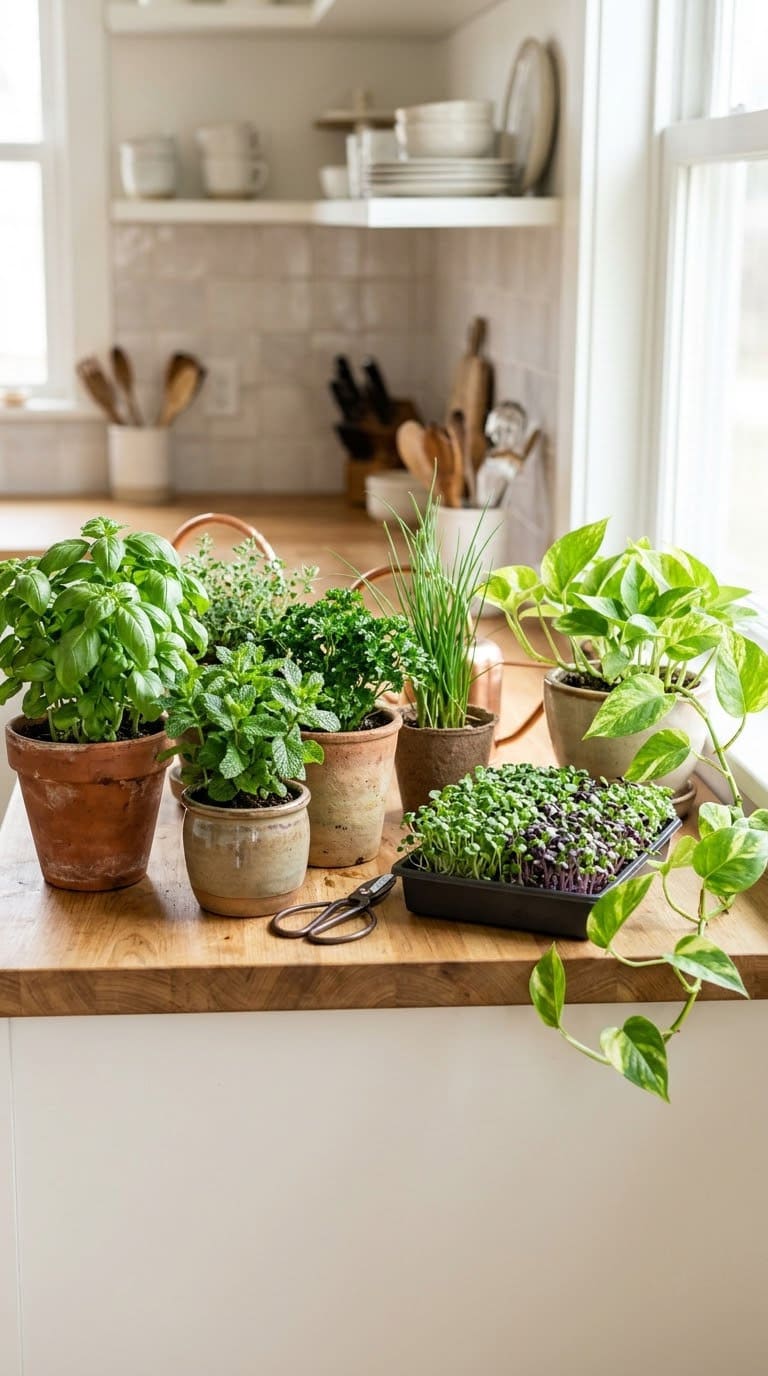
Start by deciding what you want to grow. Your choices determine the space, lighting, containers, and supplies you need.
- Herbs: Basil, mint, parsley, and chives are easy to grow in small pots. Harvest them regularly to encourage new growth.
- Leafy Greens: Lettuce, spinach, kale, and arugula grow well in shallow containers and generally require moderate light.
- Fruiting Vegetables: Cherry tomatoes and peppers need stronger lighting, larger containers, and more nutrients to support flowering and fruit production.
- Microgreens: Radish, broccoli, sunflower, and pea shoots are suitable for shallow growing trays. Keep the growing medium consistently moist until harvest.
- Houseplants: Pothos, snake plants, and spider plants are relatively low-maintenance choices that adapt well to indoor environments.
For beginners, basil, lettuce, mint, and microgreens are good starting choices. They grow quickly and don’t need as much space as tomatoes or peppers. Skip tomatoes and peppers on your first try.


2. Find a Suitable Location
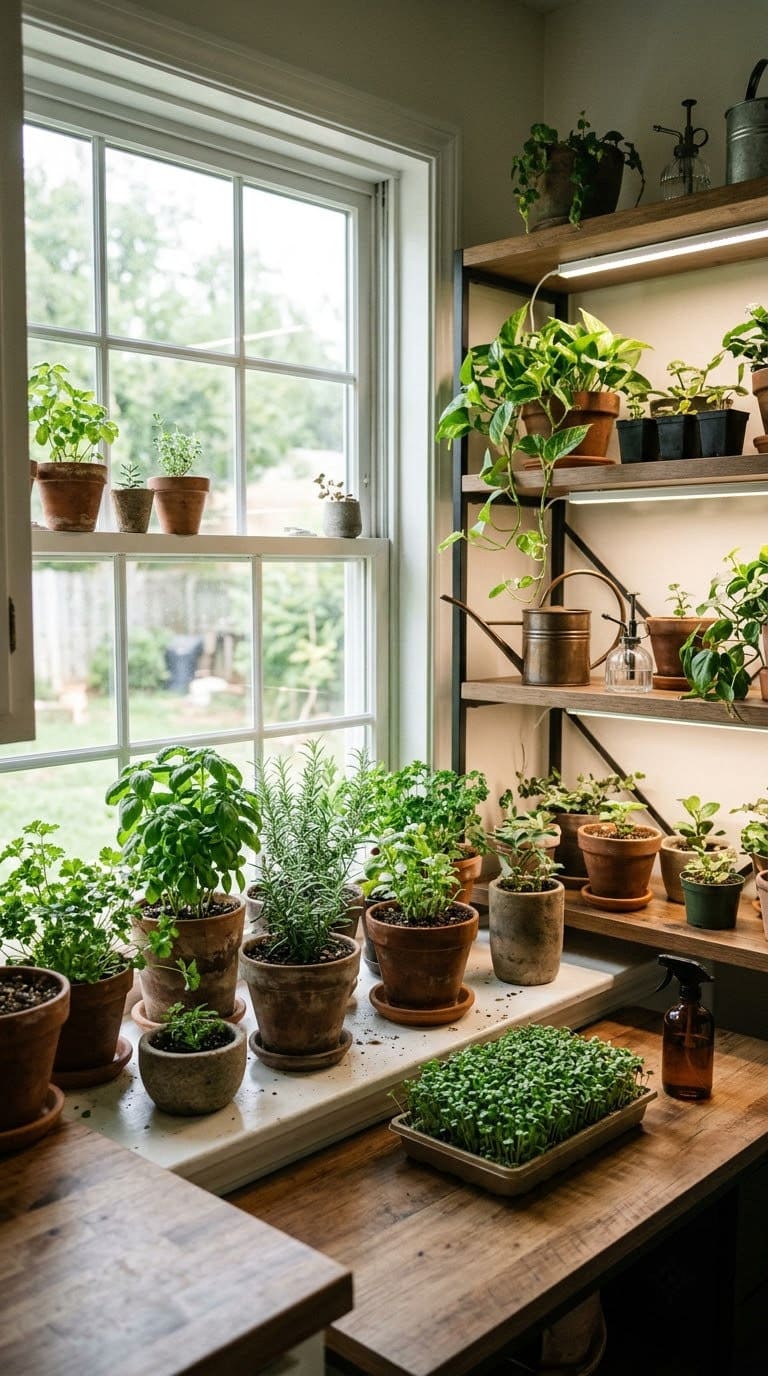
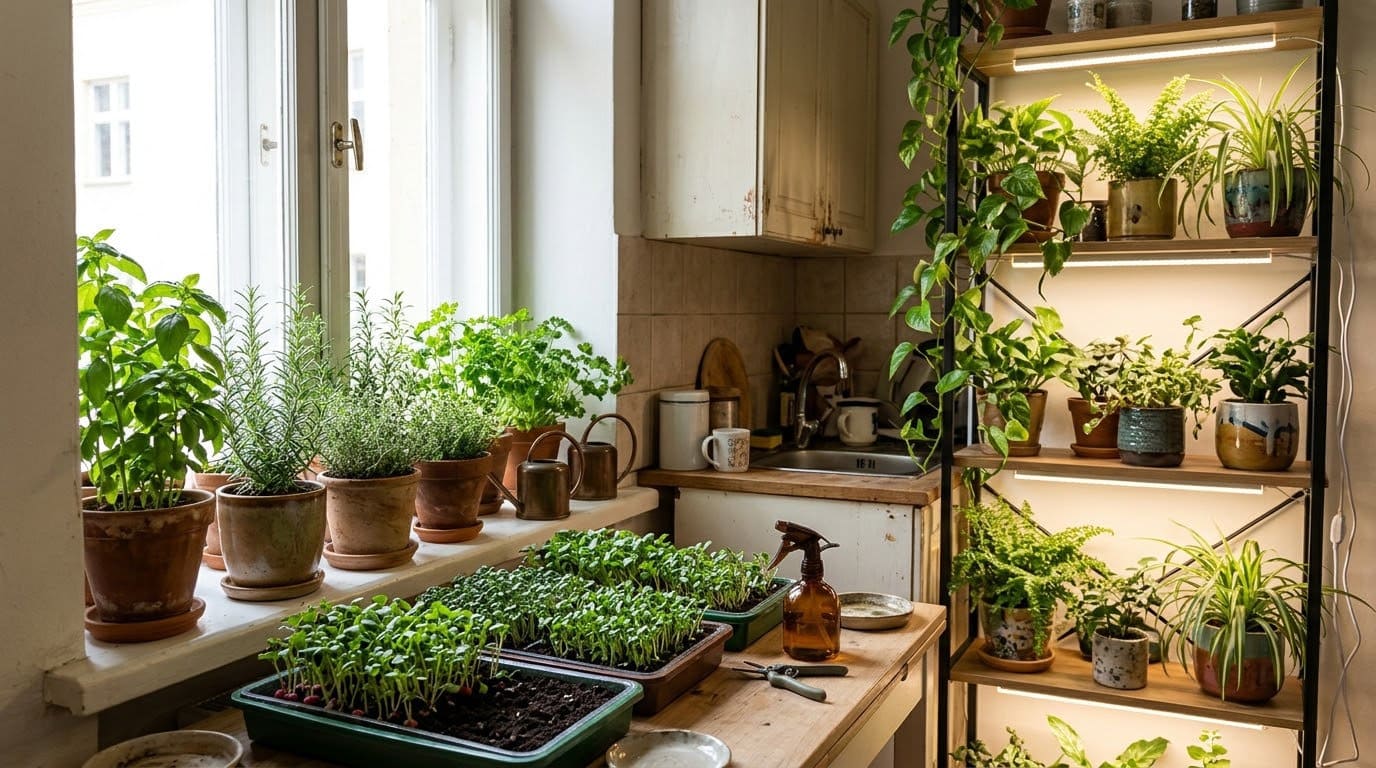
Choose a location with enough room for your plants and equipment. A sunny balcony works for light-loving herbs and some houseplants, but windows may not provide sufficient light for vegetables, especially during winter. If natural sunlight is limited, use LED grow lights.
For a small indoor garden, consider:
- Balcony: Provides natural sunlight and room for larger pots, making it suitable for herbs and vegetables.
- Windowsill: Suitable for a few herb pots or small houseplants.
- Countertop: Convenient for microgreens and compact herb gardens.
- Plant shelf: Allows you to organize multiple plants vertically and install grow lights above each shelf.
3. Prepare Containers and Growing Medium
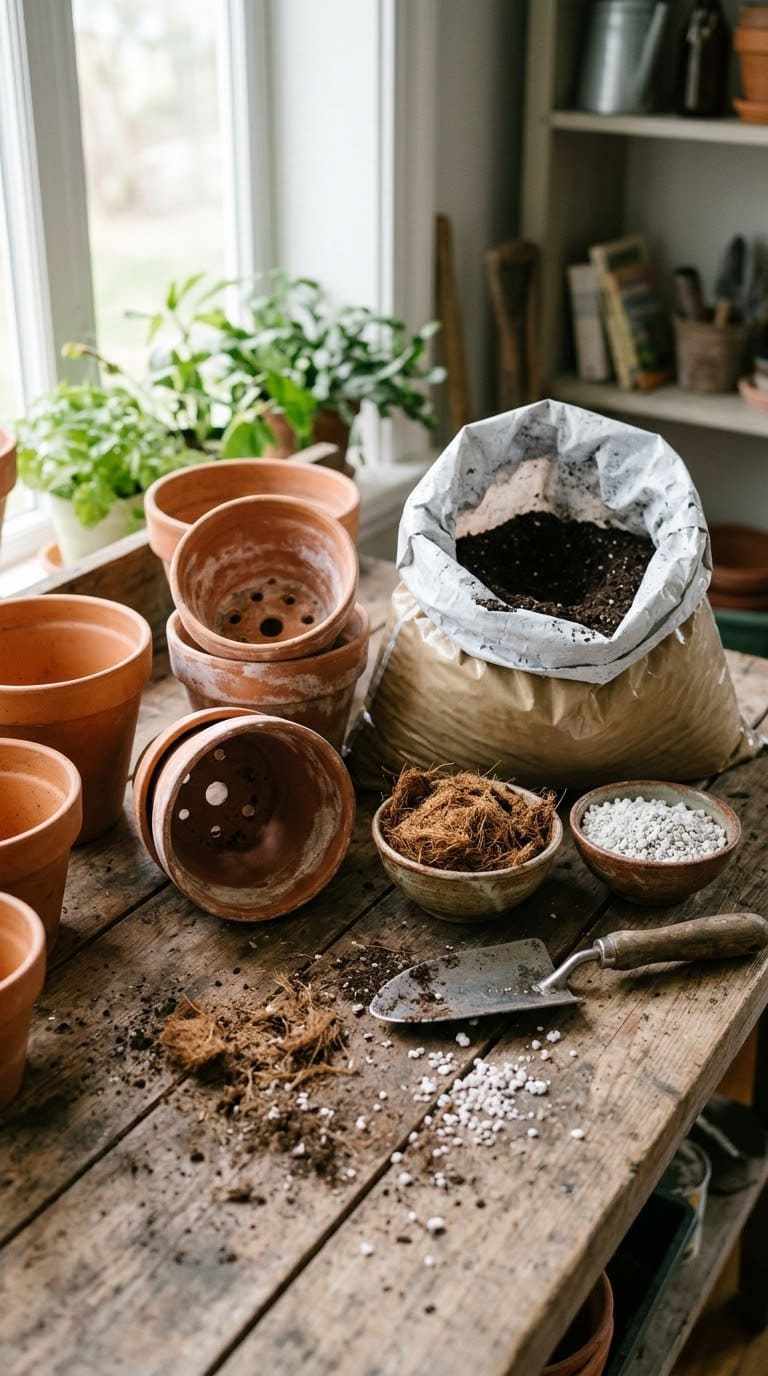
Choose containers based on the plants’ mature sizes and root systems. Make sure each pot has drainage holes to prevent waterlogging.
Here are some general container recommendations:
- Herbs: 6–8-inch pots for individual plants.
- Lettuce: 6–8-inch-deep containers.
- Cherry tomatoes: 3–5-gallon containers.
- Peppers: 3–5-gallon containers.
- Microgreens: 1–2-inch-deep growing trays.
Use a well-draining potting mix for most container-grown plants. A mixture of potting soil, coco coir, and perlite can provide a balance of moisture retention and aeration.
Most yard problems trace back to one specific, fixable cause. Find yours in 4 quick questions.
Take the Free Quiz4. Install Grow Lights (Optional)
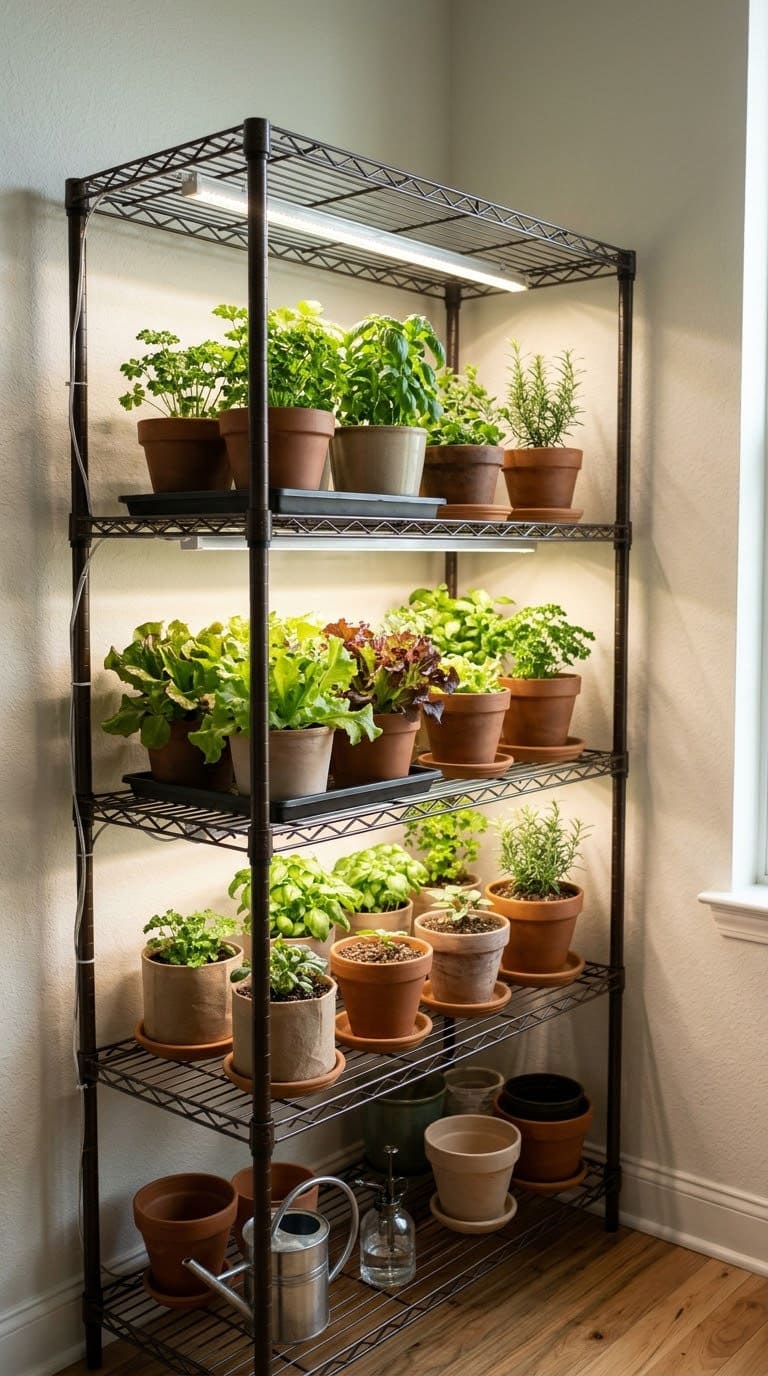
Insufficient light can cause plants to develop long, weak stems, small leaves, and slow growth. If your windowsill or growing area does not receive enough natural sunlight, supplement it with LED grow lights.
When choosing a grow light, check its PPFD rather than relying on wattage alone. Leafy greens generally need less light than fruiting vegetables such as tomatoes and peppers. And make sure the light covers your entire growing area, so plants around the edges get enough.
Looking for an LED grow light? Take advantage of Mars Hydro Black Friday Deals to get great savings on your purchase!
5. Water Your Plants
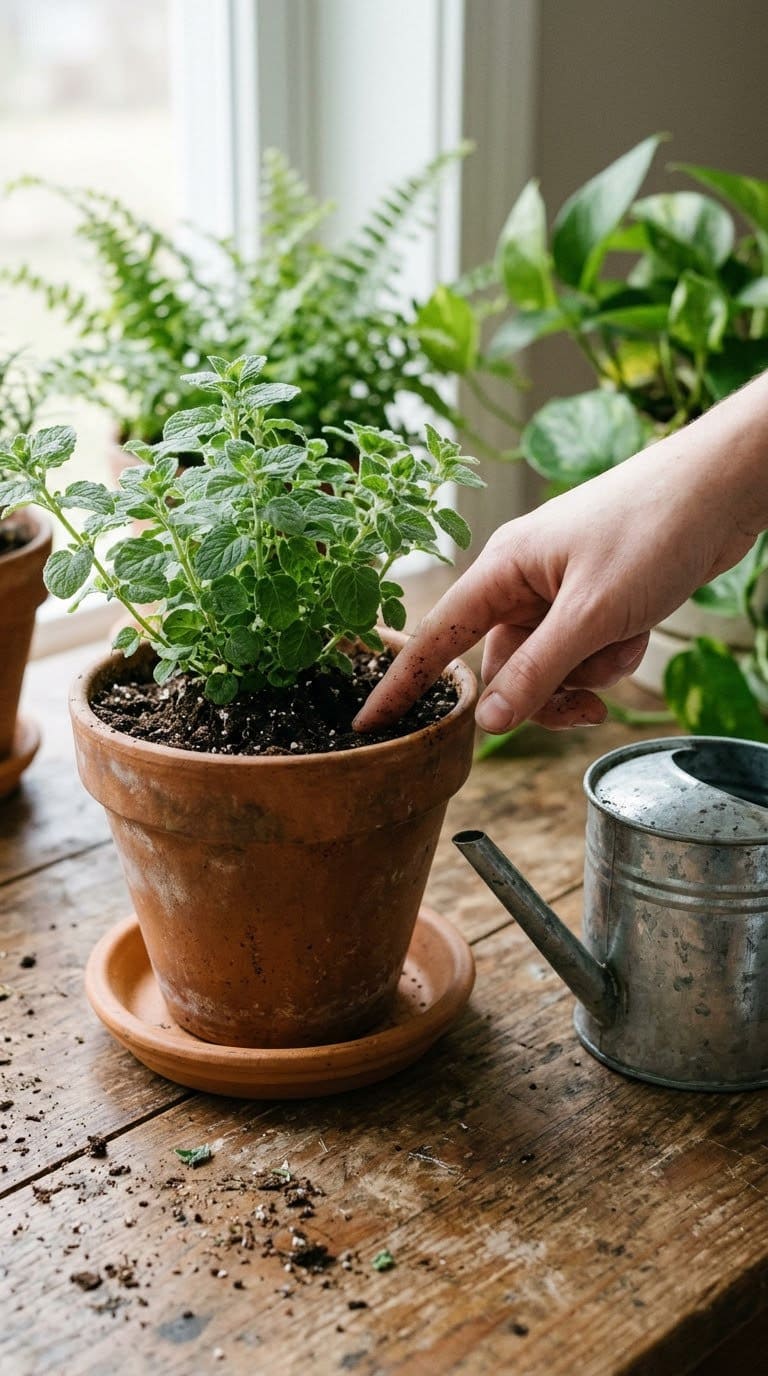
Indoor plants generally use water more slowly than outdoor plants because they receive less direct sunlight and experience less air movement. That makes overwatering an easy mistake.
Follow these practices:
- Check soil moisture before watering. For most potted herbs and vegetables, water when the top 1–2 inches of soil feel dry.
- Water thoroughly until excess water drains from the bottom of the pot.
- Empty drainage trays to prevent roots from sitting in standing water.
- Reduce watering frequency during winter or periods of slower growth.
6. Maintain Temperature and Humidity
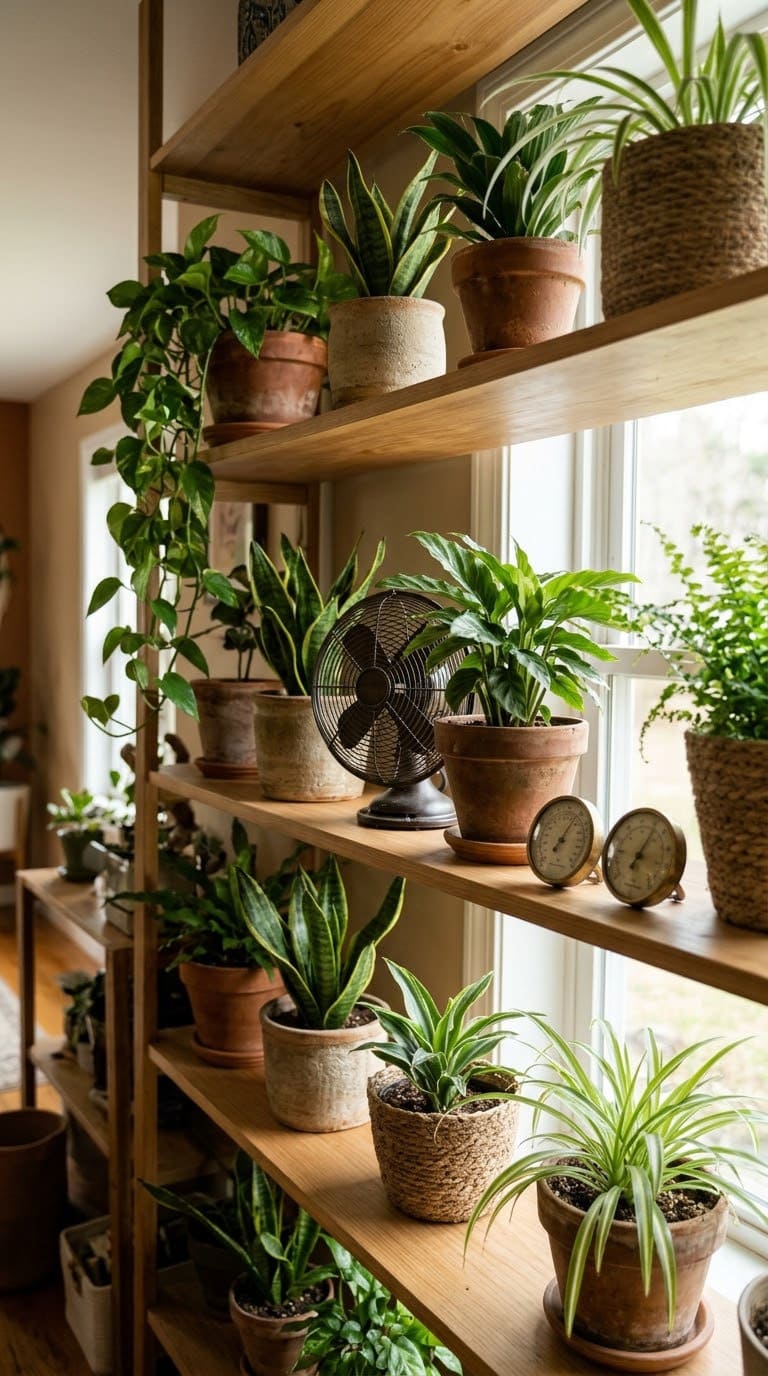
Indoor growing spaces can become too hot or too humid, especially when several plants grow close together. Use a thermometer and hygrometer to monitor environmental conditions. Many common indoor vegetables and herbs grow well at temperatures around 65–80°F (18–27°C), although specific requirements vary.
Space your plants adequately. Crowded foliage restricts airflow and makes it easier for fungal diseases and pests to spread. A small circulation fan can also help move air around the plants, reduce stagnant conditions, and strengthen stems.
7. Inspect and Control Pests
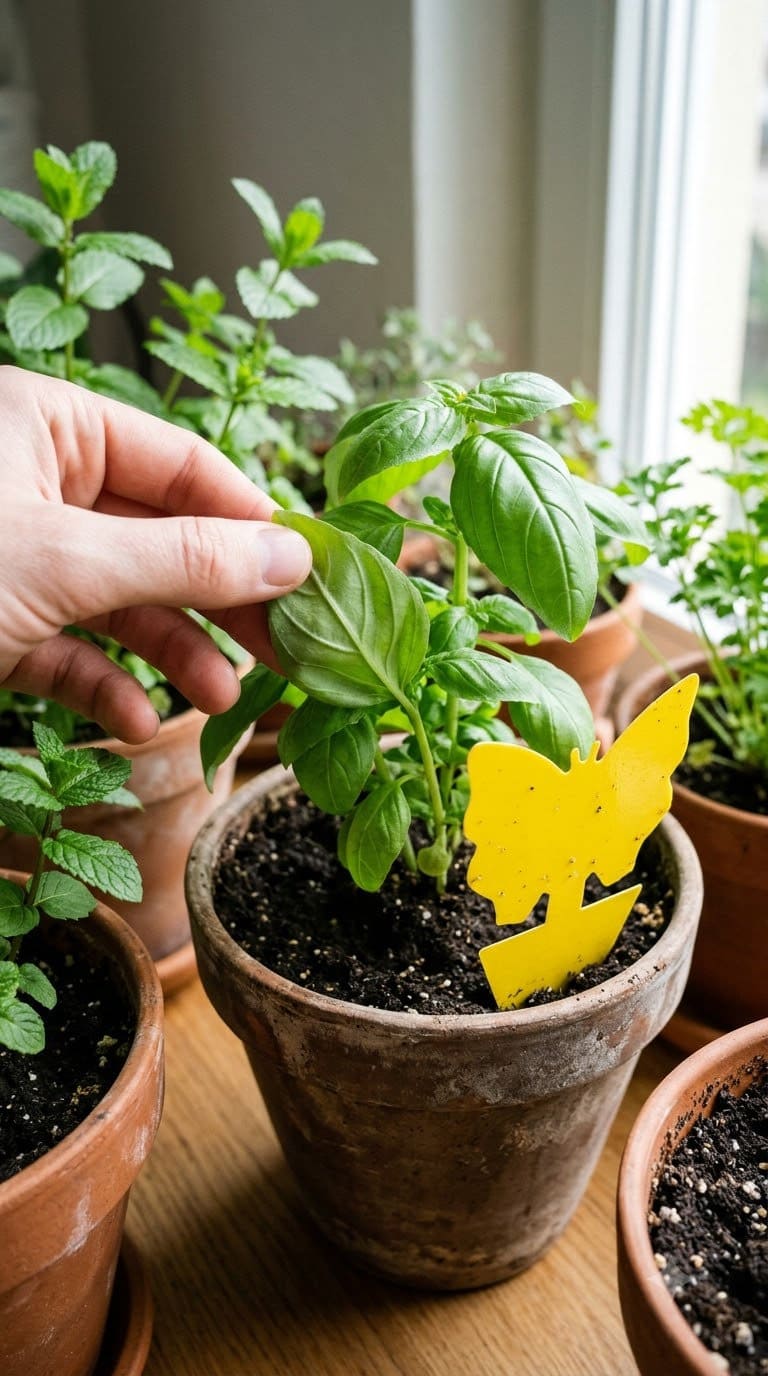
Check your plants at least twice a week. Pay particular attention to the undersides of leaves, new growth, and the soil surface. Common indoor garden pests include fungus gnats, spider mites, aphids, and whiteflies.
Remove heavily infested leaves, isolate affected plants, and use an appropriate insecticidal soap when necessary. Avoid overwatering and remove dead plant material to reduce pest problems.
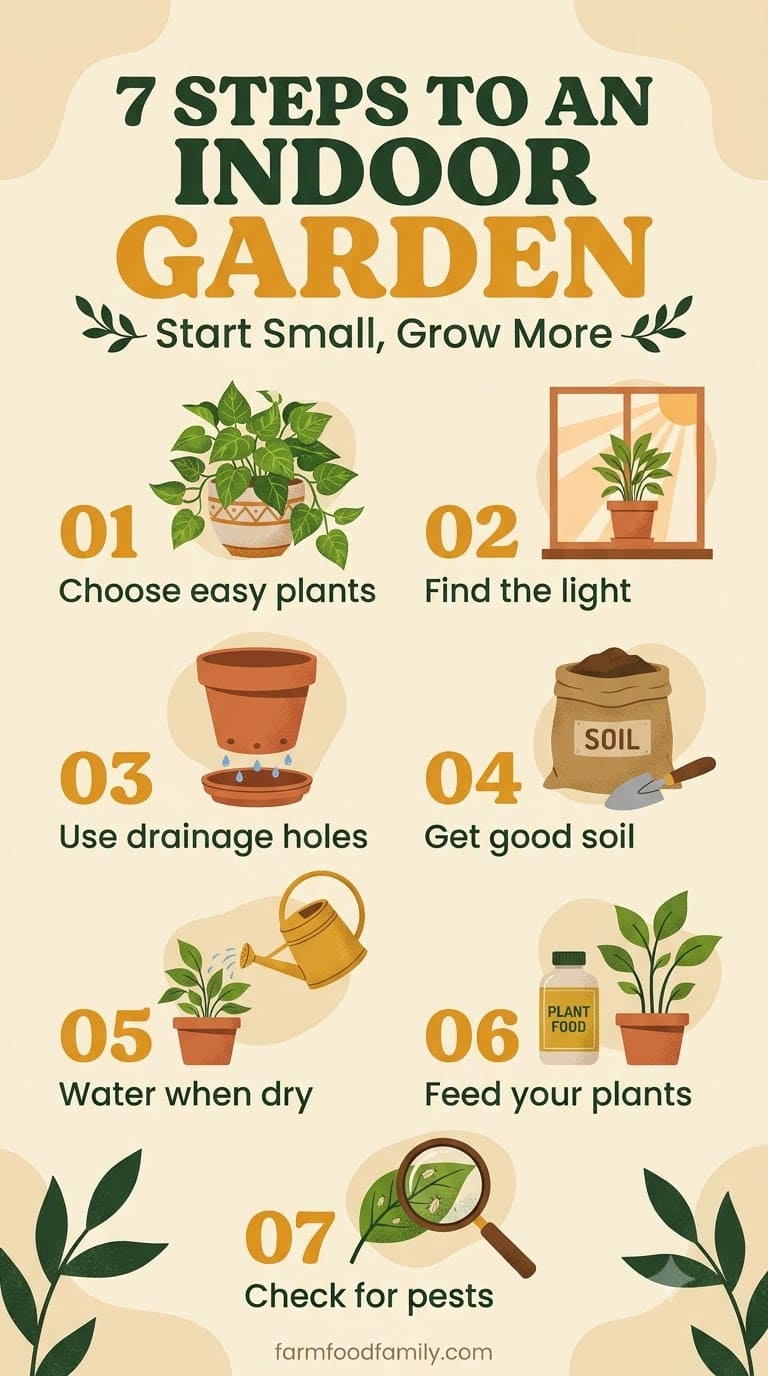
The 7 steps at a glance
Use this table as a one-page plan. Every number comes from the steps in this guide.
| Step | What to do | Key detail |
|---|---|---|
| 1. Choose what to grow | Pick herbs, greens, microgreens, or houseplants | Beginners: basil, lettuce, mint, microgreens |
| 2. Find a location | Balcony, windowsill, countertop, or plant shelf | Use LED grow lights if sunlight is limited |
| 3. Prepare containers | Pots with drainage holes and a well-draining mix | Potting soil, coco coir, and perlite |
| 4. Install grow lights | Cover the whole growing area | Check PPFD, not wattage alone |
| 5. Water | Check soil first, then water thoroughly | Top 1 to 2 inches dry |
| 6. Temperature and humidity | Space plants and add a small fan | Around 65 to 80°F (18 to 27°C) |
| 7. Pest checks | Inspect leaf undersides and the soil surface | At least twice a week |
Which plants need which setup?
Different crops ask for different light, pots, and care. Match the plant to the space you actually have.
The average homeowner spends $616/year on yard fixes that don't address the real problem. Find out what yours actually is — before you spend another dollar.
Take the Free Quiz

| Plant type | Light need | Container | Care note |
|---|---|---|---|
| Herbs | Moderate to bright | 6 to 8-inch pot per plant | Harvest regularly to encourage new growth |
| Leafy greens | Moderate | 6 to 8-inch-deep container | Shallow containers work well |
| Microgreens | Moderate | 1 to 2-inch-deep tray | Keep the medium consistently moist until harvest |
| Cherry tomatoes and peppers | Strong | 3 to 5-gallon container | Need more nutrients for flowers and fruit |
| Houseplants | Varies | Any pot with drainage holes | Pothos, snake plants, and spider plants adapt well |
How long should grow lights run?
Plan on long days in winter. University of Maryland Extension says indoor herbs need grow lights or fluorescent lights set to shine 14 to 16 hours a day in winter to supplement the light from a window.
Put the light where it covers every pot, not just the center of the shelf. Leafy greens need less light than tomatoes and peppers, so group plants with similar needs under the same fixture. A simple outlet timer keeps the schedule steady without daily effort.
A first-week setup plan
You can set up a small indoor garden in a few short sessions. Here’s one order that works.
- Day one: Decide what to grow and pick the spot. Start with basil, lettuce, mint, or microgreens.
- Day two: Gather pots with drainage holes and mix your potting soil, coco coir, and perlite. Plant, then water thoroughly.
- Day three: Set up the grow light if your window is weak. Add a thermometer and hygrometer.
- Days four to seven: Check the soil before each watering, empty the drainage trays, and look over the plants once or twice.
How do you handle pests in more detail?
Colorado State University Extension says many houseplant insect problems come in on infested plants. Check new plants before you buy them, and keep them in a separate area for about three weeks before they join the rest.
A few simple tools handle most problems:
- A jet of water. Washing plants with a vigorous jet of water helps dislodge spider mites and aphids.
- Handpicking. This works well for larger insects such as scale and mealybugs.
- Yellow sticky traps. They reduce flying pests like fungus gnats and whiteflies, but they won’t solve the problem alone.
Water also plays a part. Excessively moist soil favors fungus gnats, while plants in very hot, dry spots are prone to spider mites. If a plant is badly infested, throwing it out is often easier than fighting the infestation, and it protects the rest of your garden.
Common mistakes to avoid
Most indoor gardens fail for a handful of reasons. These come straight from the steps above.
- Skipping drainage holes. Pots without them lead to waterlogged roots.
- Watering on a schedule instead of checking the soil. Check the top 1 to 2 inches first, and water less in winter.
- Leaving water in the tray. Roots sitting in standing water struggle.
- Trusting a window for vegetables. Windows may not give vegetables enough light in winter, and weak light means long, weak stems.
- Buying a light by wattage. Check PPFD and coverage instead.
- Crowding plants. Crowded foliage restricts airflow and helps fungal diseases and pests spread.
- Starting with tomatoes. They need stronger light, bigger pots, and more nutrients than beginners expect.
Weekly indoor garden checklist
- Check soil moisture before every watering.
- Empty drainage trays after watering.
- Inspect leaf undersides, new growth, and the soil surface at least twice.
- Check the thermometer and hygrometer.
- Harvest herbs regularly so they keep growing.
- Move any crowded plants apart.
Conclusion
You don’t need a large space or complicated equipment to start an indoor garden. Pick plants that fit your space. Use containers with a good growing medium, and give the plants enough light, water, and nutrients.
Once you’ve got light, watering, and airflow under control, move on to tomatoes, peppers, and other more demanding crops.
Indoor Garden FAQs
What are the easiest plants to grow indoors?
For beginners, basil, lettuce, mint, and microgreens are good starting choices because they grow relatively quickly and need less space than tomatoes or peppers. Pothos, snake plants, and spider plants are relatively low-maintenance houseplants.
Do I need grow lights for an indoor garden?
Windows may not provide enough light for vegetables, especially in winter. If natural sunlight is limited, use LED grow lights. Leafy greens generally need less light than tomatoes and peppers, so check a light’s PPFD rather than wattage alone.
What size pots do indoor plants need?
Use 6 to 8-inch pots for individual herbs, 6 to 8-inch-deep containers for lettuce, 3 to 5-gallon containers for cherry tomatoes and peppers, and 1 to 2-inch-deep trays for microgreens. Every pot needs drainage holes.
How often should I water indoor plants?
Check soil moisture first. For most potted herbs and vegetables, water when the top 1 to 2 inches of soil feel dry. Water thoroughly until excess drains out, empty drainage trays, and water less often in winter.
What temperature is best for an indoor garden?
Many common indoor vegetables and herbs grow well at around 65 to 80°F (18 to 27°C), although specific requirements vary. Use a thermometer and hygrometer to monitor conditions.
How do I control pests in an indoor garden?
Check your plants at least twice a week, including the undersides of leaves, new growth, and the soil surface. Remove heavily infested leaves, isolate affected plants, and use an appropriate insecticidal soap when necessary. Avoid overwatering.
Never miss an update — choose FarmFoodFamily as your preferred source on Google.
How it works: Tap the button below to open Google's settings page, then check the box next to FarmFoodFamily.
Tap the checkbox to turn it blue — that's how you know it's set.