Agricultural Building Insulation: Protecting Equipment and Livestock
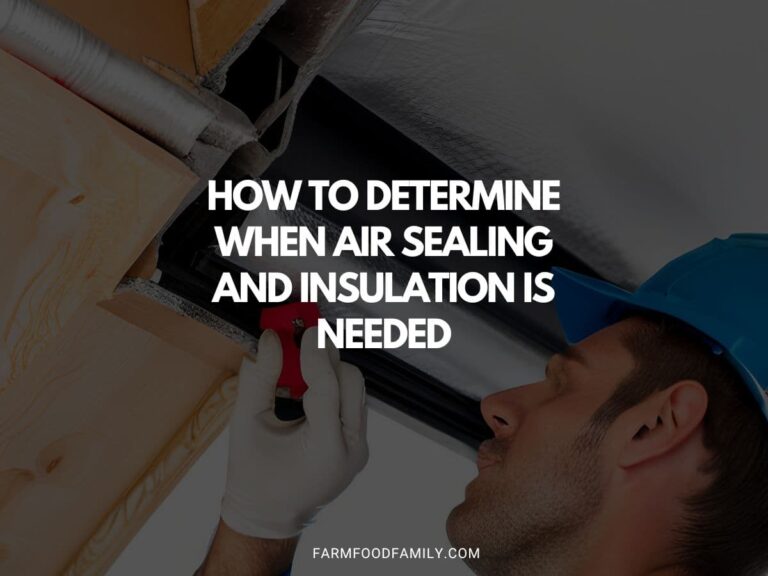
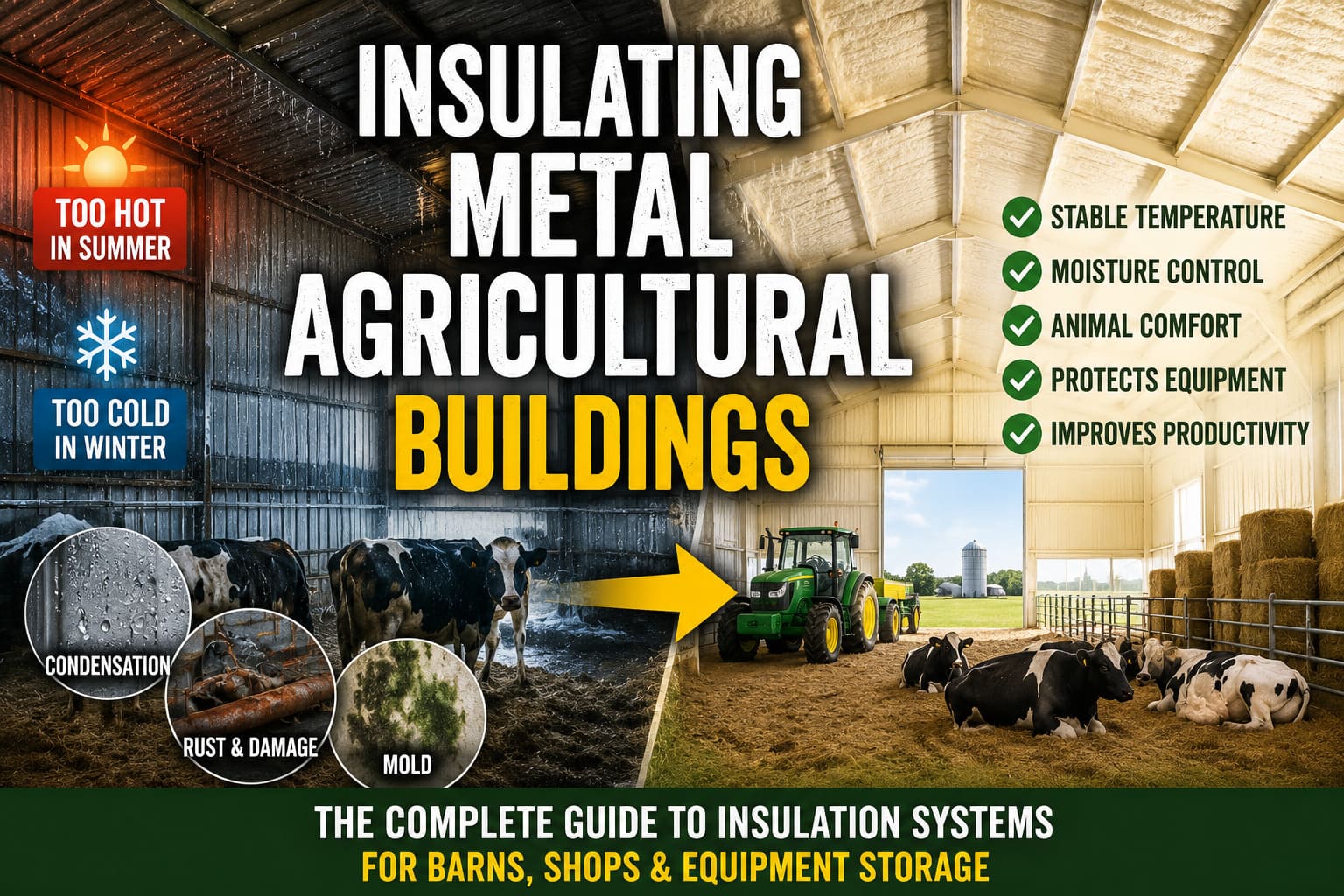
Metal agricultural buildings are durable, cost-effective, and widely used across farms—but they come with a hidden challenge: temperature instability. Without proper insulation, these structures can become dangerously hot in summer, freezing in winter, and constantly vulnerable to condensation. The result is more than discomfort—it can lead to livestock illness, spoiled grain, and costly equipment damage….

Never miss an update — choose FarmFoodFamily as your preferred source on Google.
How it works: Tap the button below to open Google’s settings page, then check the box next to FarmFoodFamily.
Tap the checkbox to turn it blue — that’s how you know it’s set.
Metal agricultural buildings are durable, cost-effective, and widely used across farms—but they come with a hidden challenge: temperature instability. Without proper insulation, these structures can become dangerously hot in summer, freezing in winter, and constantly vulnerable to condensation. The result is more than discomfort—it can lead to livestock illness, spoiled grain, and costly equipment damage.
When choosing insulation systems for metal buildings, property owners must consider moisture, pests, and thermal performance. The right system is not just a construction upgrade—it is a long-term investment in productivity, animal welfare, and asset protection.
Why Agricultural Metal Buildings Require Specialized Insulation
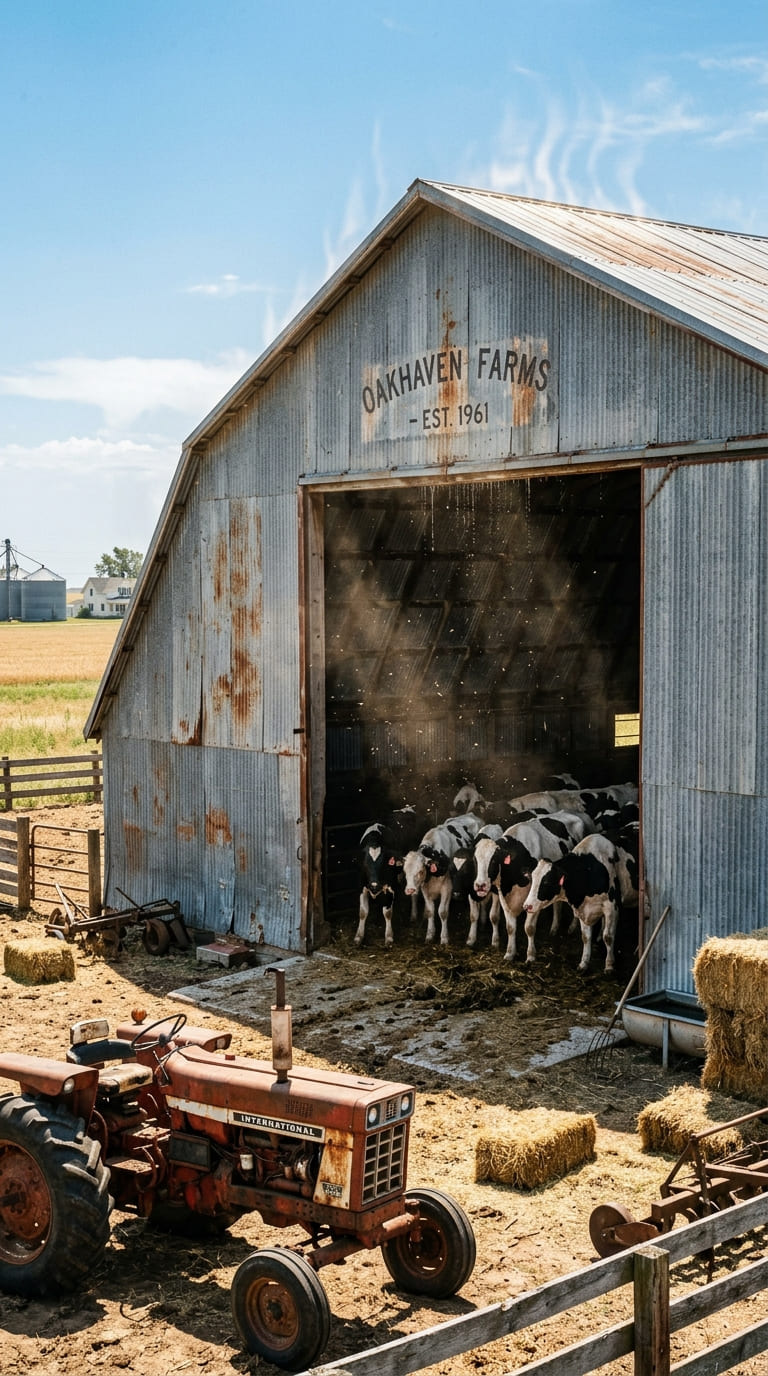
Unlike wood-framed homes, metal buildings conduct heat rapidly. This creates a phenomenon known as thermal bridging, in which outside temperatures easily transfer into the interior, making traditional insulation methods ineffective.
Another major issue is condensation. Metal surfaces naturally attract moisture when warm air meets cooler panels, leading to dripping water, rusted equipment, mold growth, and unhealthy air conditions for animals.
To combat this, modern agricultural structures rely on continuous insulation systems. These systems create an unbroken thermal barrier that minimizes heat transfer and prevents moisture buildup, thereby ensuring a more stable, controlled interior environment.
How to Insulate a Livestock Barn
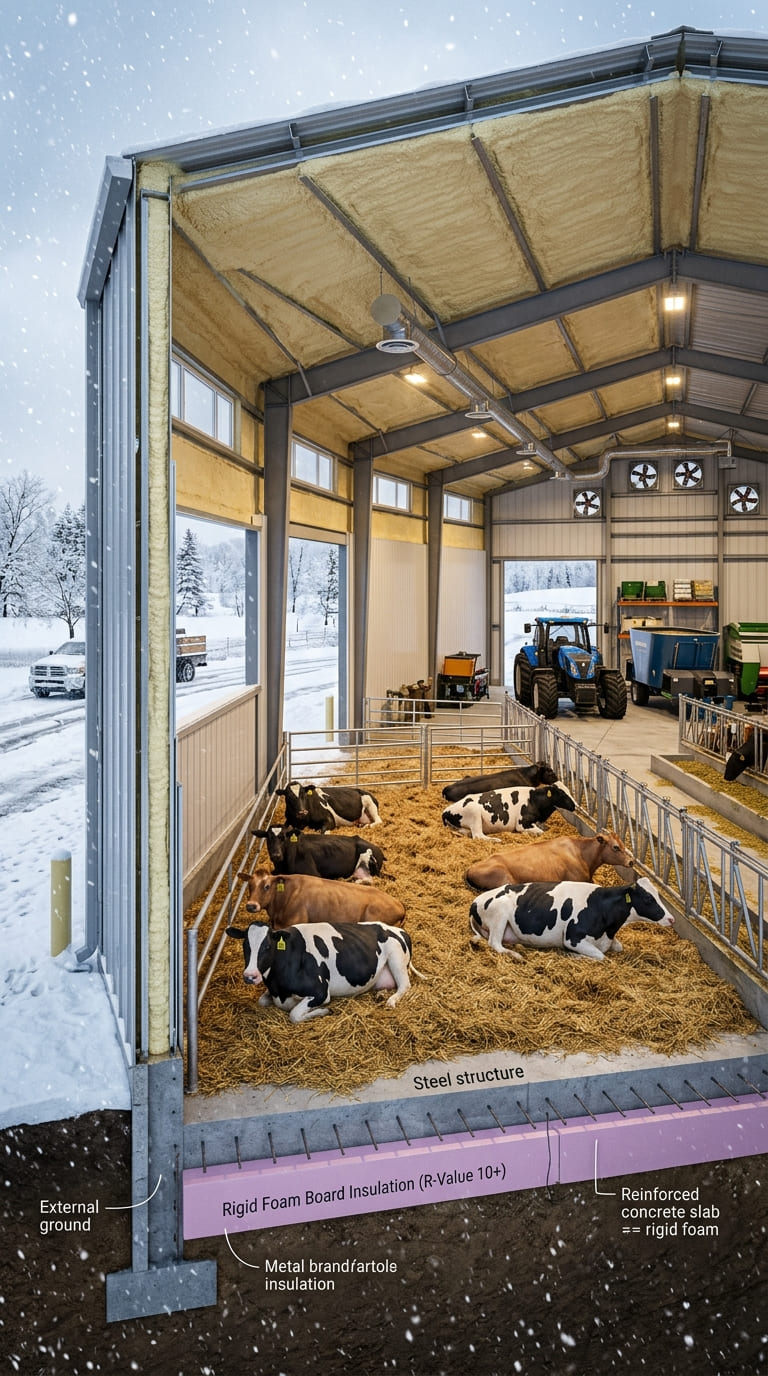
New concrete block foundations or foundations under existing buildings may be insulated by covering the exterior foundation below the siding to 18 inches below the ground line with 1-2 inches of rigid foam insulation board. It should be protected with an impact- and moisture-resistant covering above ground.
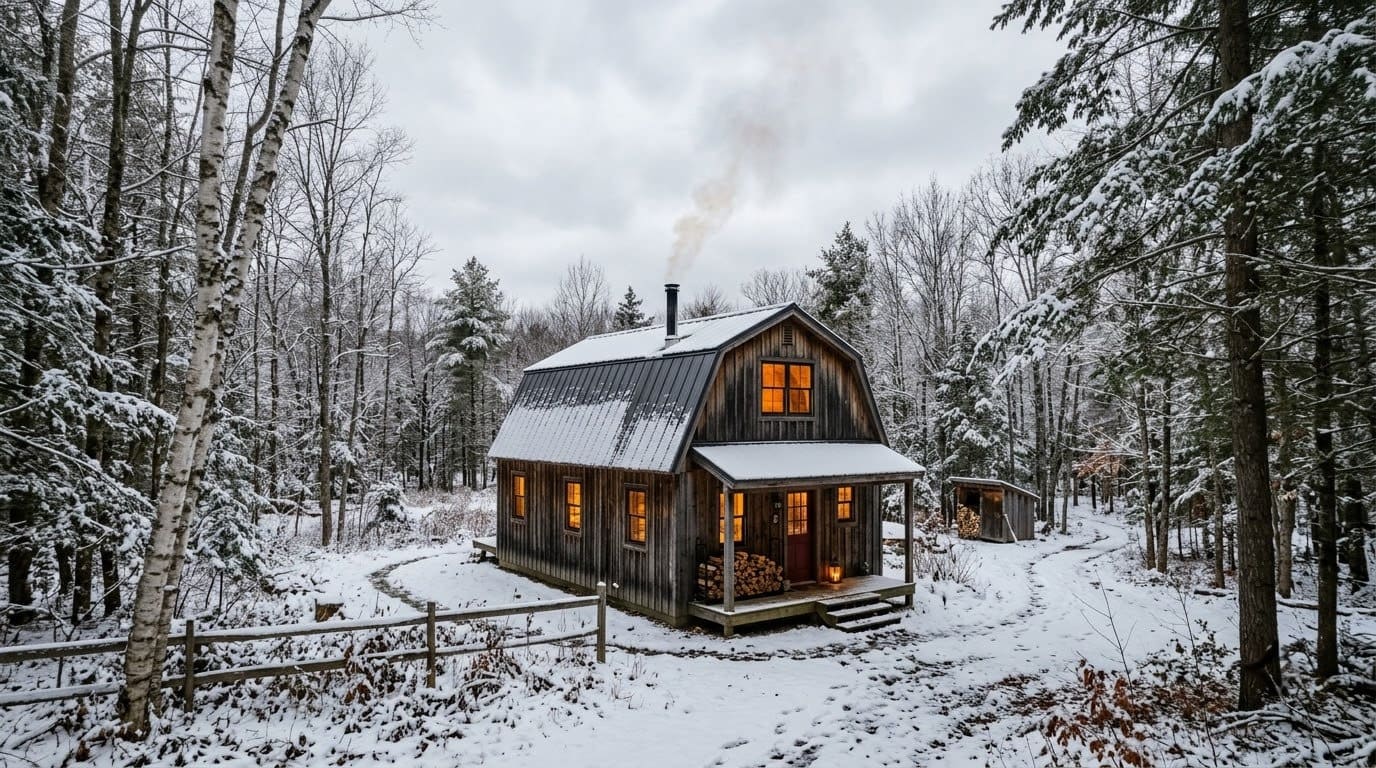

Beyond the foundation, effective barn insulation includes installing rigid foam boards along walls and floors to reduce heat loss. In colder climates, reflective mylar blankets can help retain warmth. Just as important is proper ventilation—without it, trapped moisture and ammonia can lead to respiratory issues in cattle, poultry, and other livestock.
Top Insulation Systems
Choosing the right insulation system depends on your building’s purpose, climate, and budget. Each option offers unique advantages.
Spray Foam Insulation (Closed-cell vs. Open-cell)
Spray foam is one of the most effective solutions for agricultural buildings.
- Closed-cell spray foam provides a high R-value of 6–7 per inch, acts as a vapor barrier, and adds structural strength to walls and roofs.
- Open-cell foam is more affordable but less moisture-resistant, making it less ideal for humid or livestock-heavy environments.
Closed-cell foam is often considered the gold standard for barns and equipment storage.
Rigid Foam Boards (Polyiso)
Rigid foam boards, such as polyisocyanurate products like Rmax TSX-8510, are ideal for creating continuous insulation.
- Excellent thermal resistance.
- Strong moisture control when properly sealed.
- Commonly used on walls, foundations, and under metal panels.
They are particularly effective when layered to eliminate thermal gaps.
Fiberglass Batts and Rolls
Fiberglass remains a budget-friendly option, but it requires careful installation.
- Must include heavy-duty vapor barriers such as vinyl or polypropylene facing.
- Prone to sagging or moisture retention if not properly sealed.
- Less effective in high-humidity agricultural settings.
It is best suited for low-moisture environments or temporary structures.
Foil-Foam Systems and Radiant Barriers
Foil-foam insulation systems, such as those offered by BlueTex, are designed specifically for metal buildings.
- Reflect radiant heat away from the structure.
- Lightweight and easy to install.
- Ideal for hot climates where solar heat gain is a major concern.
These systems are often used in combination with other insulation types for maximum performance.
Cost Considerations: How Much to Insulate a 40×60 Shop?
For a standard 40×60 metal building (2,400 square feet), insulation costs vary widely depending on the materials and installation methods used.
- Spray foam insulation: $9,000 to $22,100 or more installed, depending on thickness and coverage.
- Fiberglass insulation: $2,400 to $6,600 installed, making it the most budget-friendly option.
- Rigid foam board systems: Typically mid-range in cost, depending on layering and labor.
Several factors influence total cost:
- Wall height (12-foot vs. 16-foot structures require more material).
- Whether you insulate only the walls or include the roof/ceiling.
- Labor costs for professional installation versus DIY.
While spray foam has a higher upfront cost, it often delivers the best long-term value through energy savings and moisture control.
Best Insulation for a Farm Shop and Equipment Storage
Farm shops and equipment sheds face a unique challenge: moisture. Temperature swings can cause condensation on metal surfaces, leading to rust and corrosion on expensive machinery.
Closed-cell spray foam is the best solution for these environments. Its high R-value and built-in vapor barrier prevent moisture infiltration while maintaining a consistent interior temperature. This makes it especially valuable for heated workshops and repair areas.
Pest Resistance: Keeping Mice and Rodents Out
Rodents are a persistent issue in agricultural buildings, and insulation alone will not stop them.

A common question is: Do mice chew through rockwool insulation? While mice do not eat rockwool or fiberglass, they will tunnel through these materials to create nests.
To prevent infestations:
- Seal all gaps at floor-to-wall joints using copper mesh or steel wool combined with expanding foam.
- Install metal flashing around vulnerable entry points.
- Regularly inspect insulation for signs of burrowing or damage.
Pairing insulation with physical barriers is the most effective strategy.
Protecting Grain and Food Storage Facilities
Grain storage requires strict temperature and humidity control. Without insulation, metal buildings experience rapid temperature swings that create condensation, leading to mold, mildew, and spoilage.
Insulated metal panels and continuous insulation systems help stabilize internal conditions, reducing the risk of moisture buildup and pest infestations. This is critical for maintaining crop quality and preventing financial loss.
For more technical guidance, resources such as Purdue Extension’s insulation recommendations for livestock buildings offer valuable insights into best practices.
Agricultural insulation is not just about comfort—it is about protection. From preventing livestock illness to preserving grain quality and extending the life of expensive equipment, the right insulation system delivers measurable returns. By investing in a well-designed insulation system tailored to your building’s needs, you create a safer, more efficient, and more resilient agricultural operation.
Never miss an update — choose FarmFoodFamily as your preferred source on Google.
How it works: Tap the button below to open Google's settings page, then check the box next to FarmFoodFamily.
Tap the checkbox to turn it blue — that's how you know it's set.