This Type of Wind Chime Is Good Luck in Feng Shui — Here’s Where to Hang It, and Which Sound Works Best
The short answer: match the chime’s material to the compass direction you’re activating, hang it where it can move and sound freely without hitting anyone, and pick the softest material that still gets the job done, your neighbors and your HOA both have a vote in this one.


Never miss an update — choose FarmFoodFamily as your preferred source on Google.
How it works: Tap the button below to open Google’s settings page, then check the box next to FarmFoodFamily.
Tap the checkbox to turn it blue — that’s how you know it’s set.
Wind chimes are one of the most popular, lowest-effort feng shui additions, a sound-based way to keep energy moving in a spot that otherwise feels stagnant. But most guides treat “which wind chime” as a purely symbolic question, when it’s also a genuinely practical one: the loudest, most traditionally “powerful” material is also the one most likely to get you a noise complaint or violate an HOA rule you didn’t know existed.
Pun-Yin, an internationally recognized Feng Shui Master based in New York, offers a useful reality check before diving into the specifics: authentic feng shui runs deeper than just hanging a wind chime or a mirror, the placement and intention behind it matter as much as the object itself. With that in mind, here’s what actually holds up.
Match the material (and sound) to what you’re trying to activate
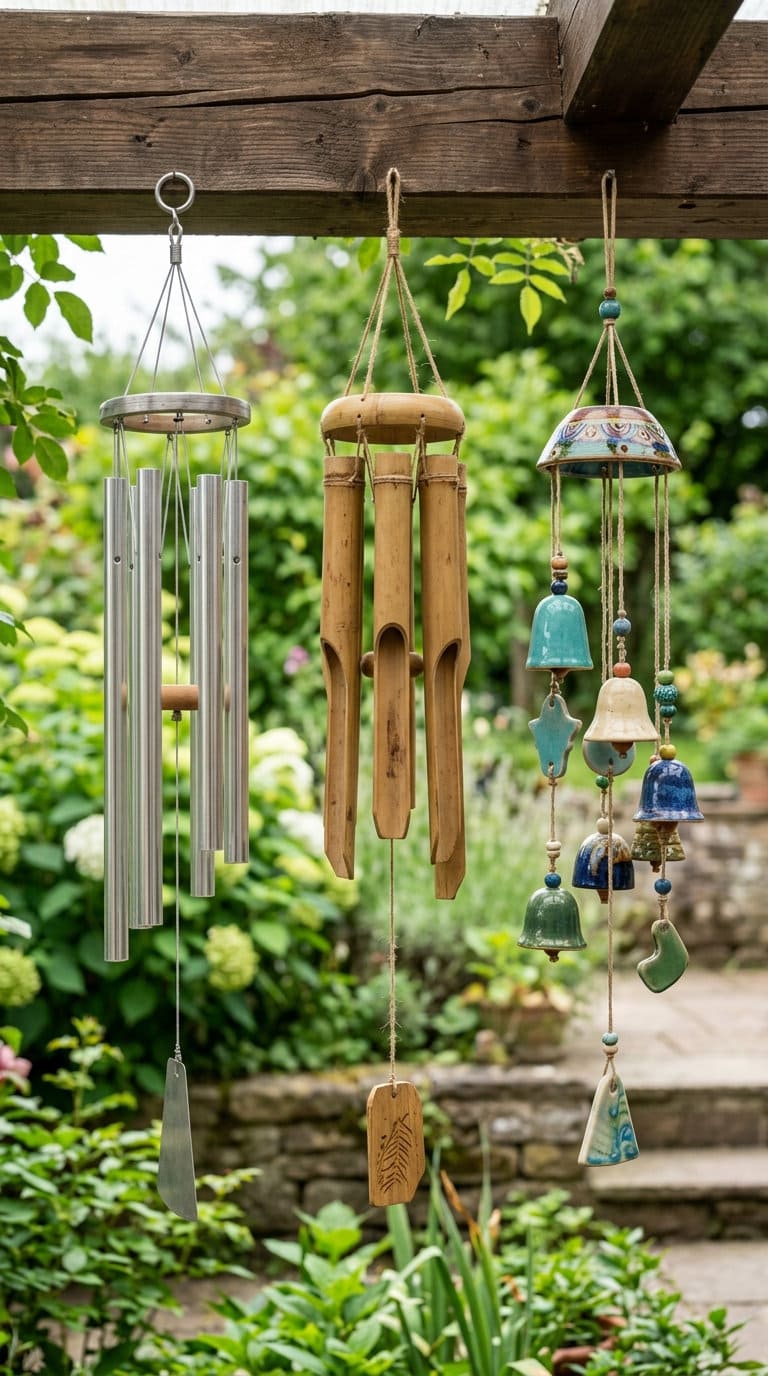
Metal wind chimes produce the clearest, most resonant, carrying sound, and are traditionally recommended for the west, north, or northwest, supporting children’s success, career growth, and helpful-people luck respectively.
Wood or bamboo chimes produce a softer, mellower, more muted tone and are favored for south, east, or southeast, tied to fame, family health, and wealth. Ceramic or glass chimes sit in between tonally and are typically recommended for the northeast or southwest, associated with wisdom/growth and relationships.
This is the practical fork most guides skip entirely: metal, the loudest and most carrying option, is also the material most likely to travel through a shared wall, an open window, or across a property line into a neighbor’s yard.


Bamboo, one of the feng shui-favorable choices for a different set of directions, happens to also be the quietest, most neighbor-friendly option.
Answer 4 quick questions and get matched to the exact fix for your yard — drainage, budget, layout, or something else entirely.
Take the Free QuizIf your ideal direction calls for metal but your situation calls for discretion, a heavier, larger-diameter bamboo chime can often stand in credibly, it won’t hit the exact same tonal note as metal, but it satisfies the same “keep sound and movement present” principle without the volume. For style inspiration across materials, see our wind chime ideas roundup.
Wind chime materials at a glance
| Material | Best directions | Sound | Neighbor/HOA friendliness |
|---|---|---|---|
| Metal | West, north, northwest | Clearest, most carrying | Lowest, most likely to cross a property line |
| Wood/bamboo | South, east, southeast | Softer, mellower | Highest, quietest option |
| Ceramic/glass | Northeast, southwest | Mid-range tonally | Moderate |
Where to hang it: where it can actually move and be heard, without hitting anyone

The consistent guidance across sources: near the front door (so arriving guests are symbolically announced by good luck, pair it with our front door flower pot ideas for a coordinated entrance), near a home office desk or workspace (for business opportunity), or in a stagnant corner that otherwise feels dead or overlooked.
The direction determines which specific compass sector to prioritize based on what you’re trying to activate.
Two placement rules matter more than the compass reading: the chime needs unobstructed airflow to actually move (a chime crammed against a wall or under a low eave with no breeze access is just decoration), and it needs to hang at a height that won’t strike anyone walking past, both a real safety issue and, symbolically, the opposite of the “welcoming” effect a chime by an entrance is supposed to create.
What to avoid
Don’t hang multiple wind chimes in the same immediate area, competing sound sources are considered to create discord rather than reinforcing the effect, one well-placed chime carries more intentional energy than several crowded together.
Don’t hang directly above a seating area, bed, or anywhere someone spends extended time sitting or sleeping, the constant sound and motion overhead is considered disruptive rather than energizing at close range.
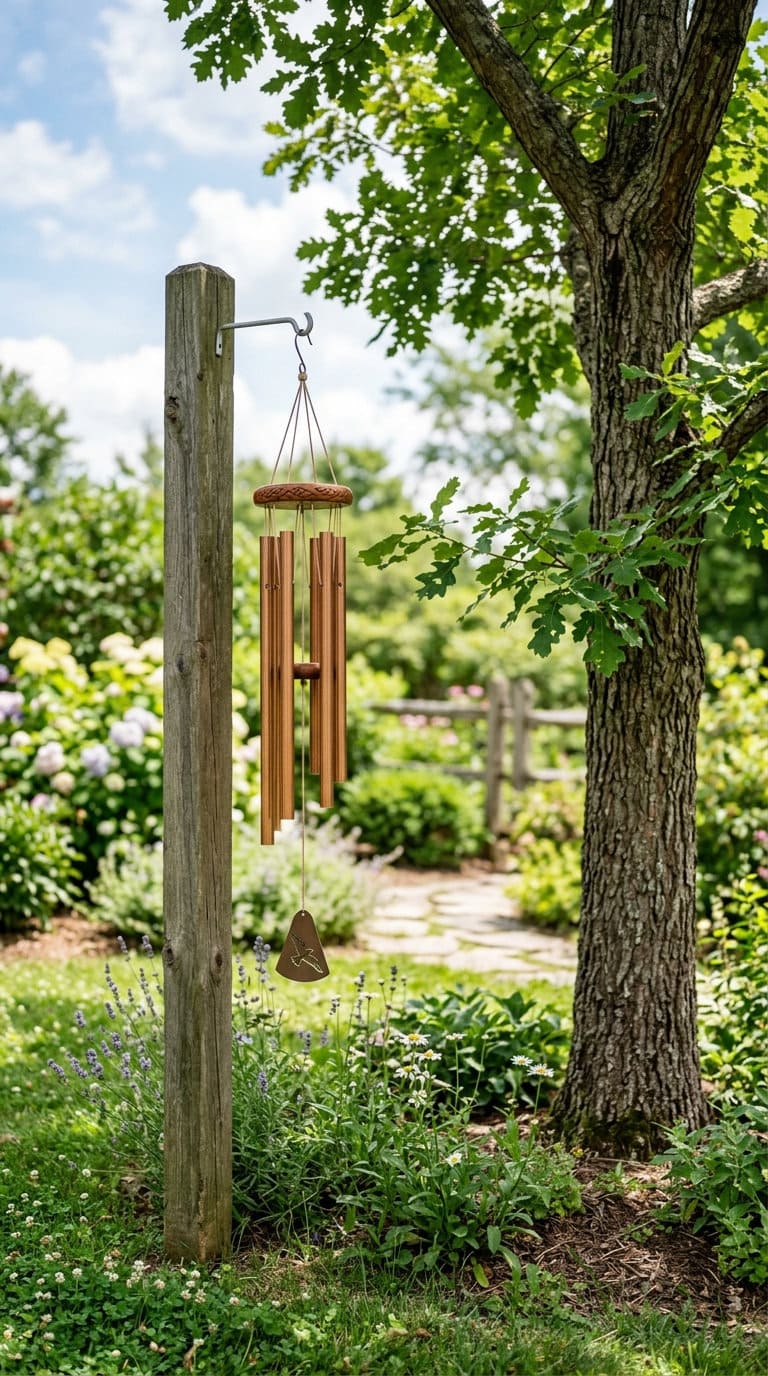
And skip hanging a metal chime directly on a living tree, the metal element is considered to clash with the tree’s wood element; a separate post or hook nearby solves this without losing the placement.
Most yard problems trace back to one specific, fixable cause. Find yours in 4 quick questions.
Take the Free Quiz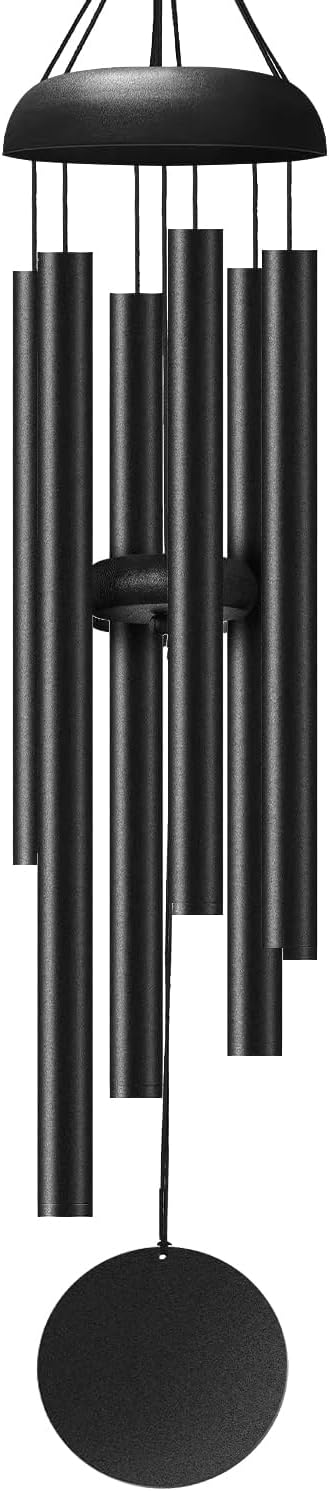
The traditional west/north/northwest recommendation from this article
Shop NowThis post contains affiliate links. We may earn a commission on qualifying purchases at no extra cost to you.
The rod count, and how much it actually matters
Rod count carries its own symbolic layer on top of material and direction: 5 rods is associated with suppressing negative energy, 6 to 8 rods is the most commonly sold and used range for general positive energy, 9 rods is tied to protection and balance, and 12 rods to completeness and full-cycle symbolism.
None of this is as consequential as getting the material and placement right, treat rod count as a tiebreaker between two otherwise-similar chimes, not a primary decision factor.
The noise and HOA layer nobody’s feng shui guide mentions
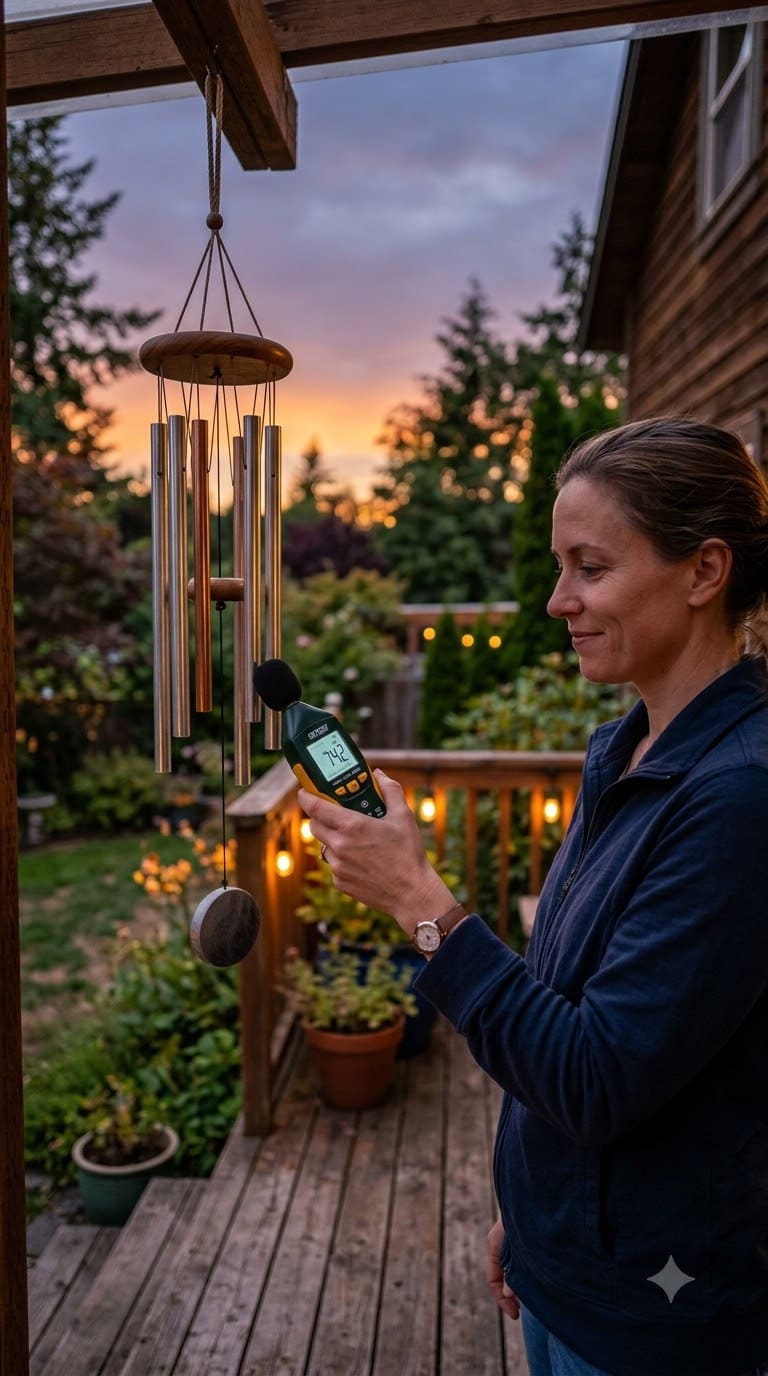
This is the gap in every source checked for this piece, and it’s the one most likely to cause a real problem down the line. Many HOAs restrict wind chimes outright or limit them to quieter materials specifically because they’re one of the most common sources of neighbor noise complaints.
Real noise-ordinance research shows that impulsive sounds, chime strikes included, often get treated more strictly than steady background noise: some ordinances subtract roughly 5 decibels from the general legal limit for exactly this kind of sound.
In gusty conditions, a metal wind chime can reach 60 to 70 decibels, which can exceed a typical nighttime residential noise limit even when the daytime limit would have been fine.
Before you hang anything, especially a metal chime in a spot near a shared property line or an open bedroom window, check your HOA covenants (if you have one) and consider how the sound carries at night when the wind picks up and everything else has gone quiet.
A quieter bamboo or a smaller, softer-toned metal chime solves most of this risk without abandoning the feng shui intent.
What we learned the hard way
The 2 a.m. wind gust is the scenario people don’t plan for. A chime that sounds pleasant and barely audible during a calm afternoon test-hang can turn genuinely disruptive during an overnight storm, exactly the situation most likely to trigger a neighbor’s noise complaint or an HOA notice, since nobody’s awake to bring it inside.

HOA rules are the other thing people find out about the hard way, often only after receiving a violation notice. Many covenants have specific, easy-to-miss clauses about “audible nuisances” or explicitly restrict wind chimes to certain materials, checking before you buy rather than after saves both the return hassle and the awkward neighbor conversation.
The average homeowner spends $616/year on yard fixes that don't address the real problem. Find out what yours actually is — before you spend another dollar.
Take the Free QuizFAQs
Is metal really the best material for feng shui wind chimes? It’s the traditional choice for west/north/northwest directions specifically, not universally “best.” If discretion or noise is a concern, a well-chosen bamboo chime can support similar goals in its own favorable directions (south/east/southeast) without the volume.
How many rods should I get? 6 to 8 rods is the most common, broadly positive choice. Treat exact rod count as a secondary decision after you’ve settled on material and direction, not the primary factor.
Can I hang a wind chime if my HOA has noise rules? Often yes, but check your specific covenants first, many HOAs restrict material or require chimes to be removable during high-wind advisories. A quieter bamboo or ceramic chime is the safer default if you’re not sure.
What if I don’t know which direction is best for my situation? Start with what you’re trying to activate (wealth, career, relationships, family health) rather than starting from a specific compass direction, then match the material and direction pairing from the table above to that goal.
Related reading on farmfoodfamily.com: for the same “keep energy moving, don’t let it stagnate” principle applied to a water feature instead of sound, see our garden fountain feng shui guide.
Related Posts
- 45+ Bold Front Door Colors for Gray House That Will Wow Your Neighbors
- This Type of Garden Fountain Is Good Luck in Feng Shui
- 20 Stunning Cedar Fence Ideas That Will Transform Your Yard
- Wind Chime Ideas
- Front Door Flower Pot Ideas
Products We Recommend
This post contains affiliate links. We may earn a commission on qualifying purchases at no extra cost to you.
Litu 32" Deep Tone Metal Wind Chime
The traditional west/north/northwest recommendation from this article
Shop Now
MUMTOP Bamboo Wind Chime
The quieter, HOA/neighbor-friendly alternative discussed in this article
Shop Now
Goldeep Digital Decibel Sound Level Meter
Lets homeowners actually check their chime against real nighttime noise limits before a complaint happens
Shop NowNever miss an update — choose FarmFoodFamily as your preferred source on Google.
How it works: Tap the button below to open Google's settings page, then check the box next to FarmFoodFamily.
Tap the checkbox to turn it blue — that's how you know it's set.