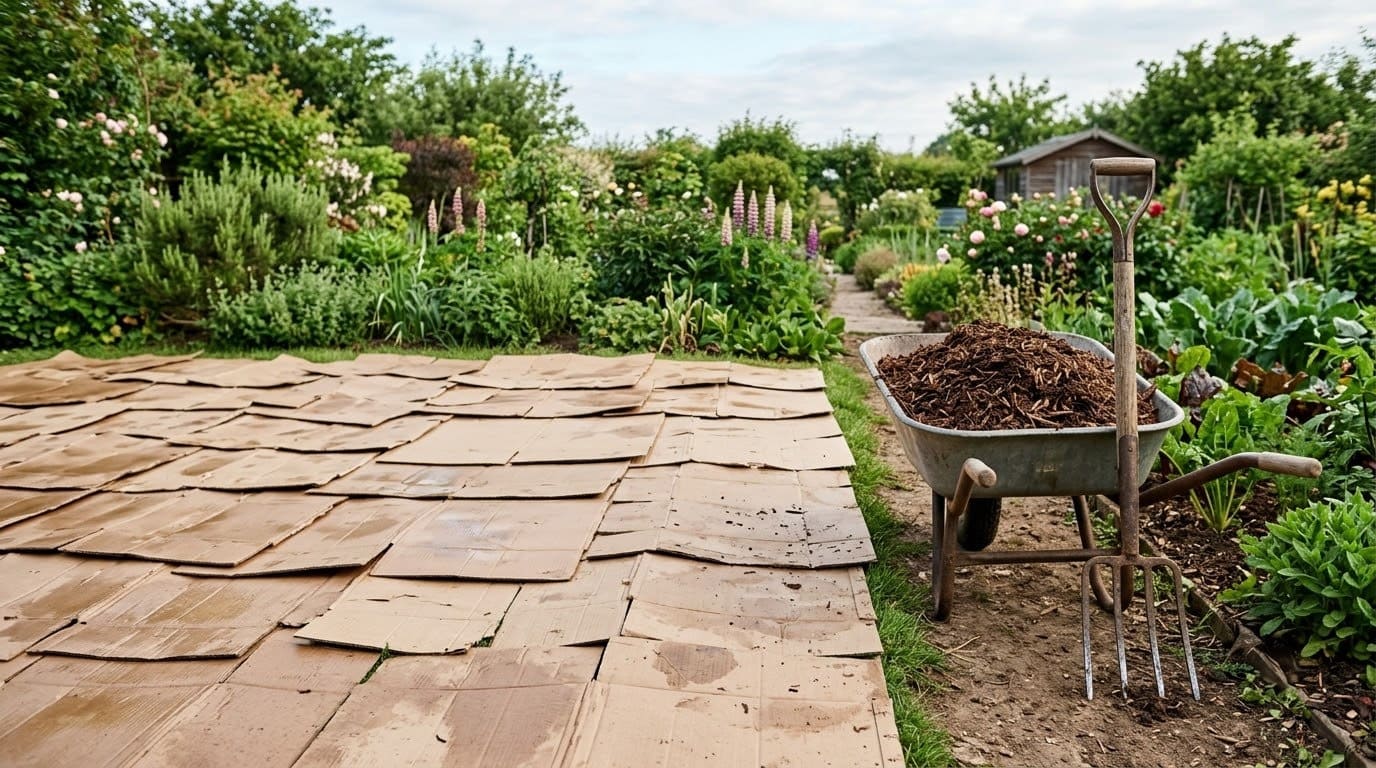
The 13 Best Cover Crops to Plant in September for Richer Soil Next Spring
Cover crops turn a bare, tired garden bed into free fertilizer and erosion insurance over winter, as long as you match the right species to your first-frost date and know which ones need mowing down before you plant in spring.

Never miss an update — choose FarmFoodFamily as your preferred source on Google.
How it works: Tap the button below to open Google’s settings page, then check the box next to FarmFoodFamily.
Tap the checkbox to turn it blue — that’s how you know it’s set.
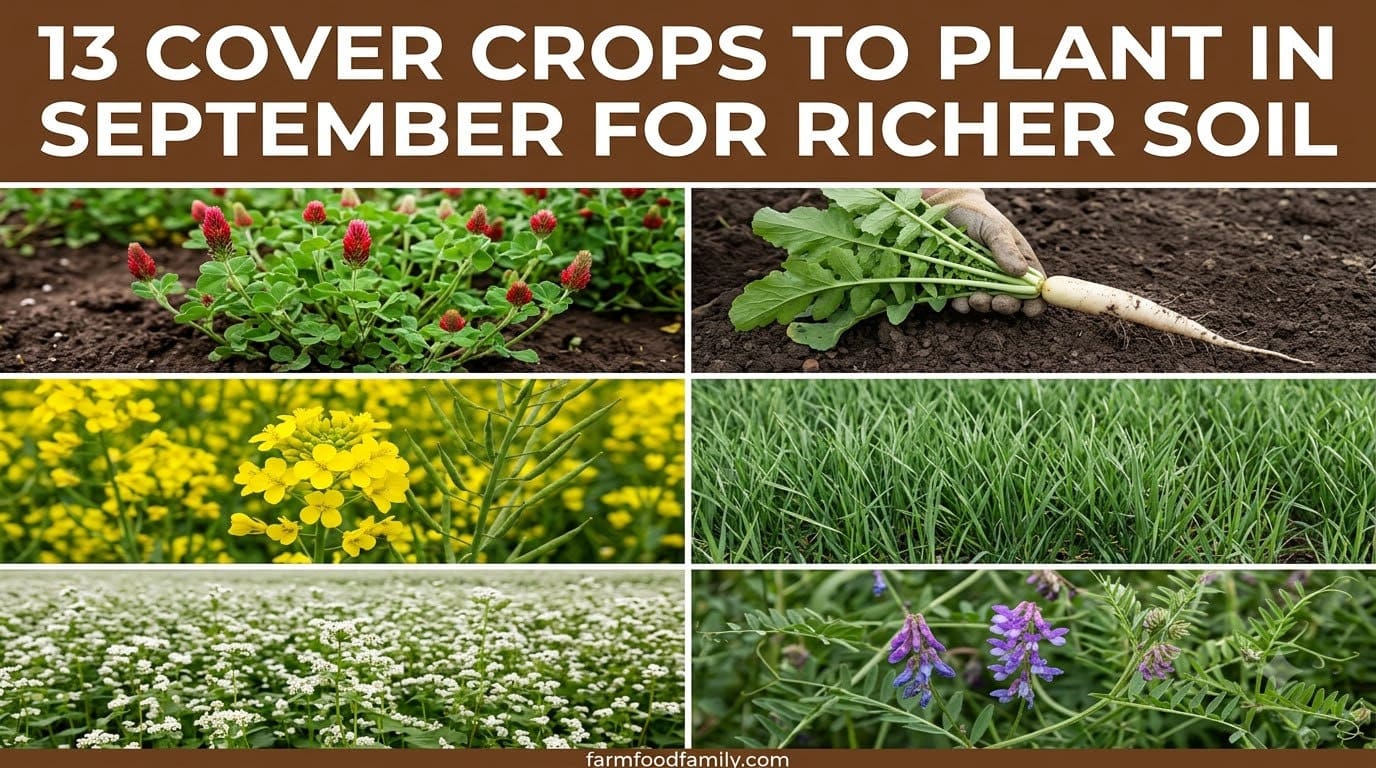
September is the real cover crop planting window for most of the US, soil is still warm enough for fast germination but there’s still enough time before the first hard frost for roots to establish. Nitrogen-fixing legumes like crimson clover, hairy vetch, and Austrian winter peas feed next year’s soil for free.
Winter rye and annual ryegrass hold soil against winter erosion. Tillage radish and mustard punch through compacted clay. Oats, buckwheat, and forage turnip winter-kill on their own, so there’s nothing to till under come spring.
Per Sustainable Agriculture Research and Education (SARE), the right pick depends on your actual goal, nitrogen, erosion control, weed suppression, or compaction relief, not just whatever bag is on the shelf at the garden center.
Plant by late September in colder zones so roots have three to four weeks of growth before the ground freezes.
Why September is the real cover crop planting window
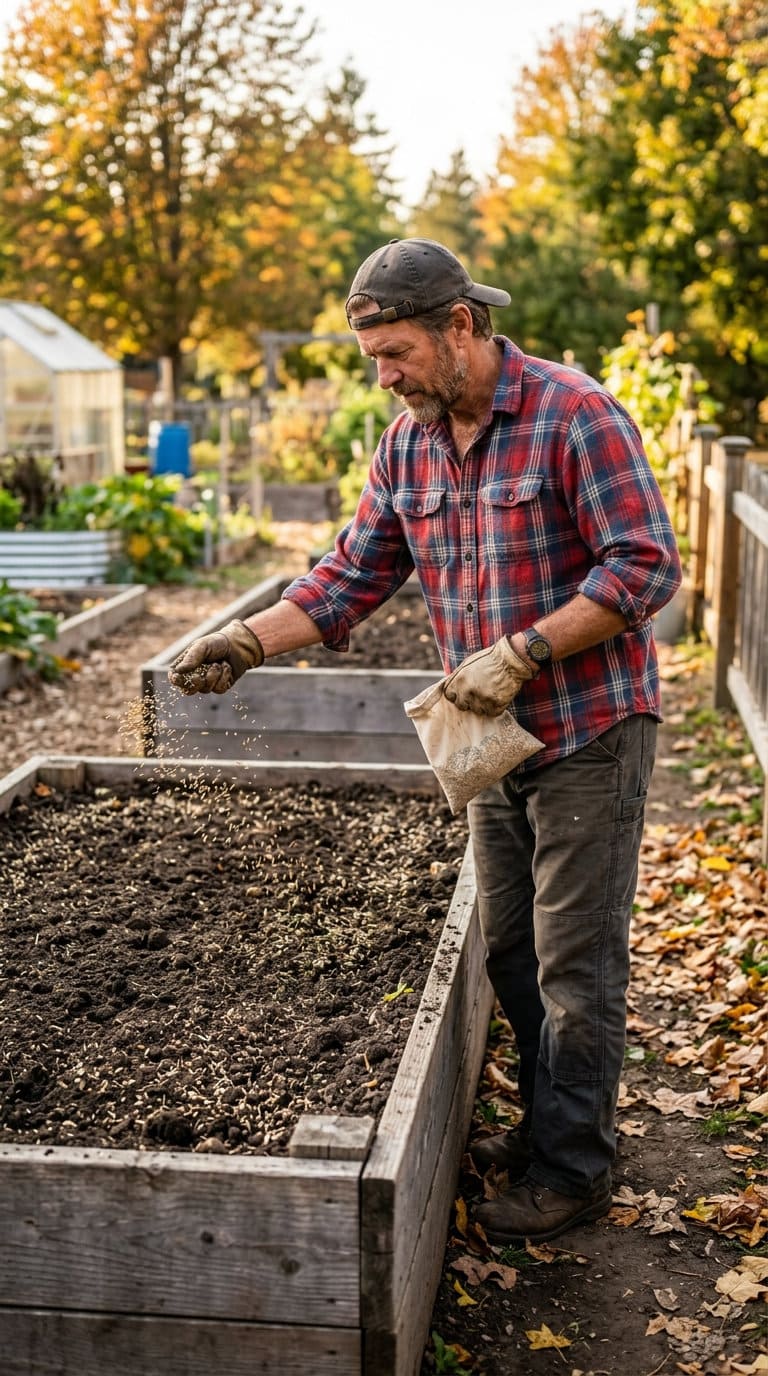
Soil temperature matters more than the calendar date. In most of the US, September soil is still holding summer heat, which means legume and grass seed germinates in days instead of weeks. Wait until October and germination slows down fast, sometimes too slow to build enough root mass before frost.
The window also has a hard edge on the other side. Per Sustainable Agriculture Research and Education (SARE), cover crops generally need 3 to 6 weeks of active growth before a hard freeze to build a root system worth having. Plant too late and you get a thin, weak stand that does almost nothing for the soil.
Answer 4 quick questions and get matched to the exact fix for your yard — drainage, budget, layout, or something else entirely.
Take the Free QuizThat’s why September, not November, is the month this actually works. Zone 3-5 gardeners should aim for early-to-mid September. Zone 6-8 gardeners have until late September or even early October for the hardier species on this list.
If you’re not sure your soil even needs this kind of intervention, working with your soil’s own biology instead of fighting it is worth the extra ten minutes before you commit to a seed order.
Comparison: all 13 cover crops at a glance
| # | Crop | Category | Seeding rate (per 1,000 sq ft) | Winter behavior | Primary soil benefit |
|---|---|---|---|---|---|
| 1 | Crimson clover | Legume | 0.3-0.5 lb | Winter-hardy in zones 6-9, winter-kills in colder zones | Nitrogen fixation, pollinator support |
| 2 | Hairy vetch | Legume | 0.5-0.7 lb | Winter-hardy to zone 4 | Heaviest nitrogen fixation of any cover crop on this list |
| 3 | Austrian winter peas | Legume | 1.5-2 lb | Hardy to about 0°F | Fast nitrogen fixation, edible pea shoots |
| 4 | Berseem clover | Legume | 0.3-0.5 lb | Winter-kills below about 20°F | Fast nitrogen, cuts and regrows multiple times |
| 5 | Winter rye | Grass/grain | 2-3 lb | Winter-hardy to zone 3 | Erosion control, allelopathic weed suppression |
| 6 | Annual ryegrass | Grass | 0.5-0.7 lb | Winter-kills in zones 5 and colder | Fast erosion control, fibrous root mass |
| 7 | Oats | Grain | 2-3 lb | Reliably winter-kills | Fast biomass, weed competition, no spring tilling |
| 8 | Winter wheat | Grain | 1.5-2.5 lb | Winter-hardy to zone 3 | Nutrient scavenging, erosion control |
| 9 | Tillage radish (daikon) | Brassica | 0.2-0.3 lb | Reliably winter-kills | Breaks compaction, deep taproot channels |
| 10 | Mustard | Brassica | 0.2-0.3 lb | Winter-kills in most zones | Biofumigation, pest and pathogen suppression |
| 11 | Forage turnip | Brassica | 0.1-0.15 lb | Winter-kills reliably | Moderate compaction relief, fast biomass |
| 12 | Buckwheat | Broadleaf | 1-1.5 lb | Killed by first light frost | Weed smothering, phosphorus scavenging |
| 13 | Fava beans | Legume | 2-3 lb | Hardy to about 15°F depending on variety | Nitrogen plus deep structural roots |
Seeding rates are broadcast, garden-scale ranges drawn from Cornell Vegetable Program’s cover crop seeding guidance and standard seed-supplier rate charts, actual rates vary somewhat by supplier and by whether you broadcast versus drill the seed.
Nitrogen-fixing legumes
1. Crimson clover
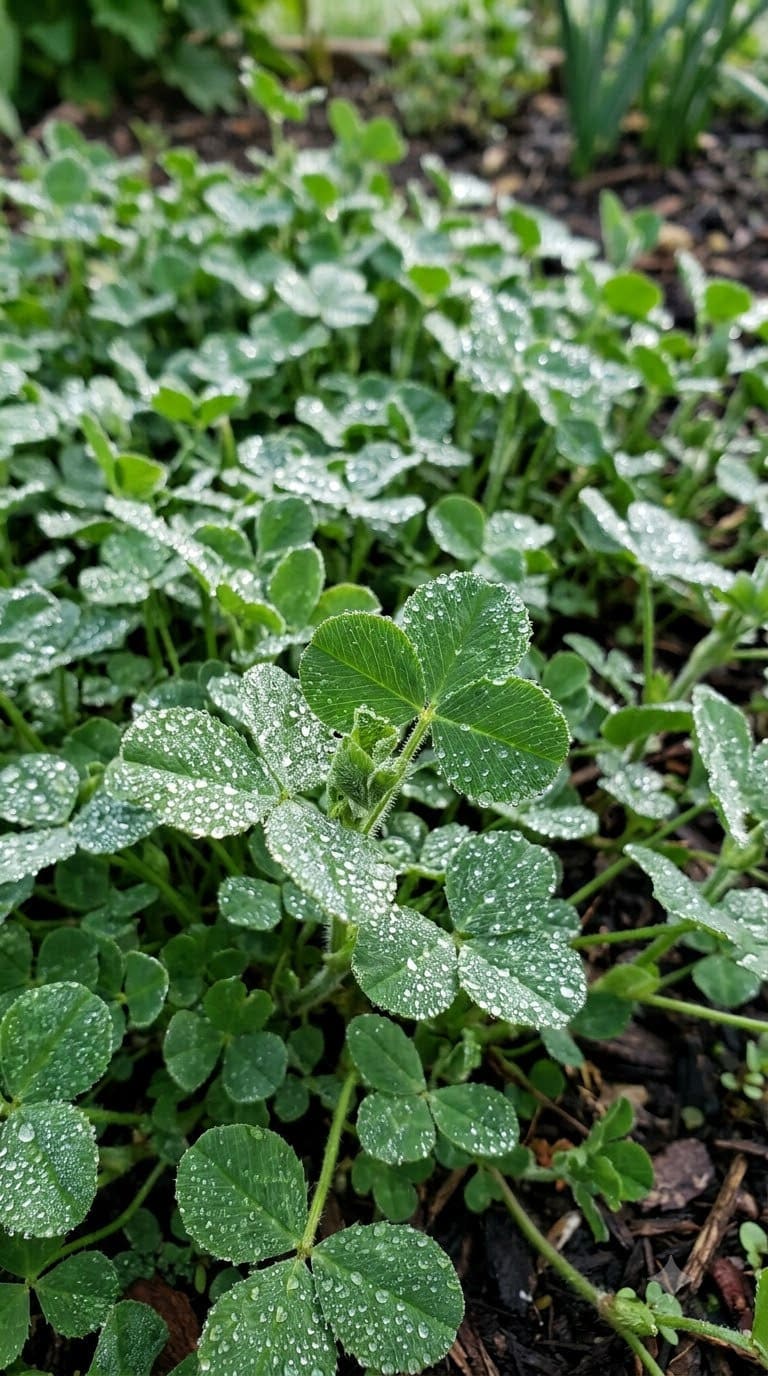
Crimson clover is the fast, showy option, it germinates in about a week in warm September soil and puts on a thick mat of foliage before frost. Its root nodules host rhizobia bacteria that pull nitrogen straight from the air and bank it in the soil, the same mechanism every legume on this list runs on.
Broadcast about 0.3 to 0.5 lb per 1,000 square feet, rake in lightly, and water if rain isn’t in the forecast. In zones 6-9 it survives winter and needs to be mowed or tilled under about three weeks before spring planting, otherwise it gets woody and hard to break down.
Curious how this compares to a permanent low-mow clover lawn instead of grass? Same nitrogen-fixing mechanism, just left in place year-round instead of tilled under each spring.
Colder zones get a winter-kill, no spring work required. Pairs well with entry 5’s winter rye in a mix, the grass scavenges nitrogen the clover releases so it doesn’t just leach away in spring rain.
Most yard problems trace back to one specific, fixable cause. Find yours in 4 quick questions.
Take the Free Quiz
Heirloom Lucerne-variety legume seed sold specifically as a nitrogen-fixing cover crop for garden soil improvement, a real alternative legume pick if hairy vetch or crimson clover seed isn't locally available (3.9 stars, 11 ratings, live-verified real listing).
Shop NowThis post contains affiliate links. We may earn a commission on qualifying purchases at no extra cost to you.
2. Hairy vetch
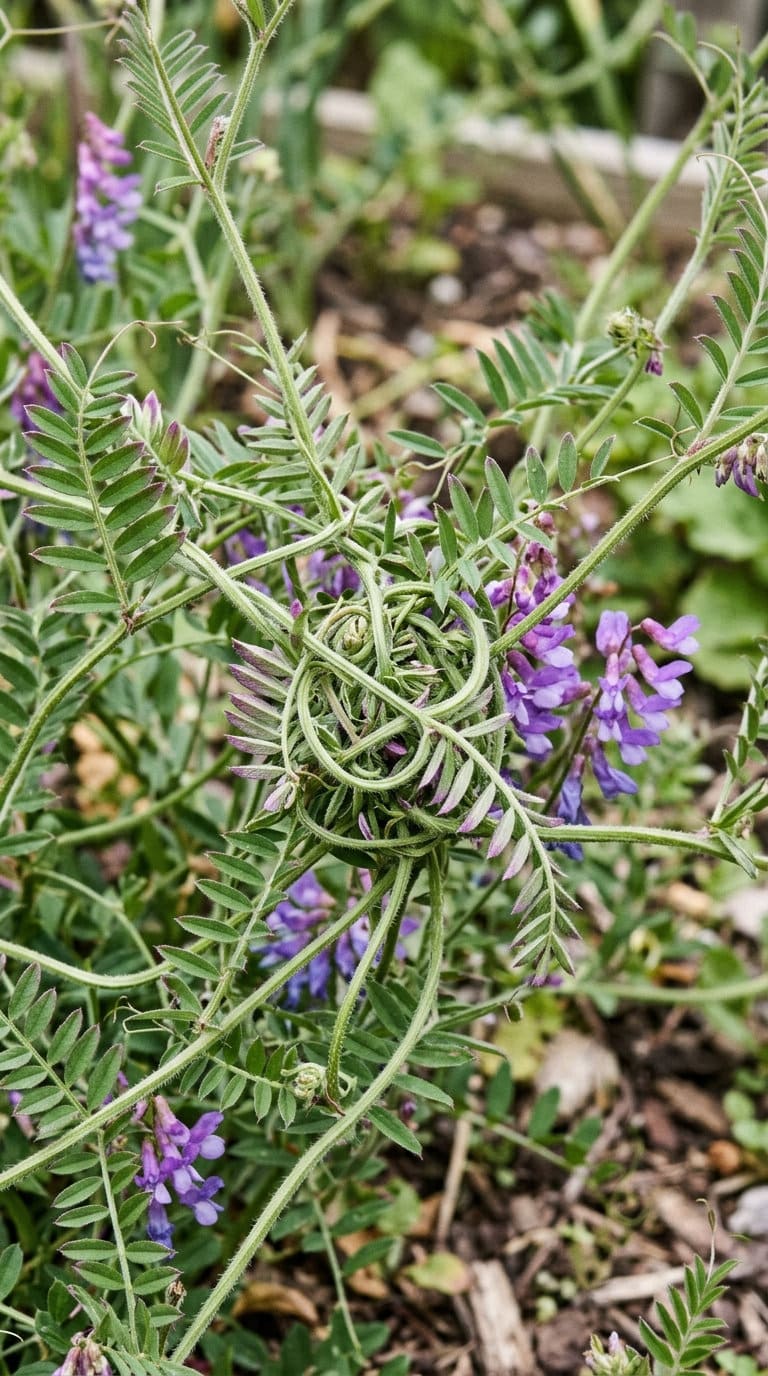
Per SARE, hairy vetch is a slow starter in fall but the heaviest nitrogen producer of any common cover crop, it just does most of its fixing the following spring rather than before winter. That timing matters. Plant it in September expecting a modest fall stand, not a lush one.
Seed at 0.5 to 0.7 lb per 1,000 square feet. Hairy vetch is winter-hardy down to about zone 4, so most gardeners need to actively terminate it in spring, mowing at flowering is the standard method since cutting it earlier just lets it regrow. Skip this one if you’re not comfortable managing a vigorous spring cutback, it can get tangled and wiry.
3. Austrian winter peas
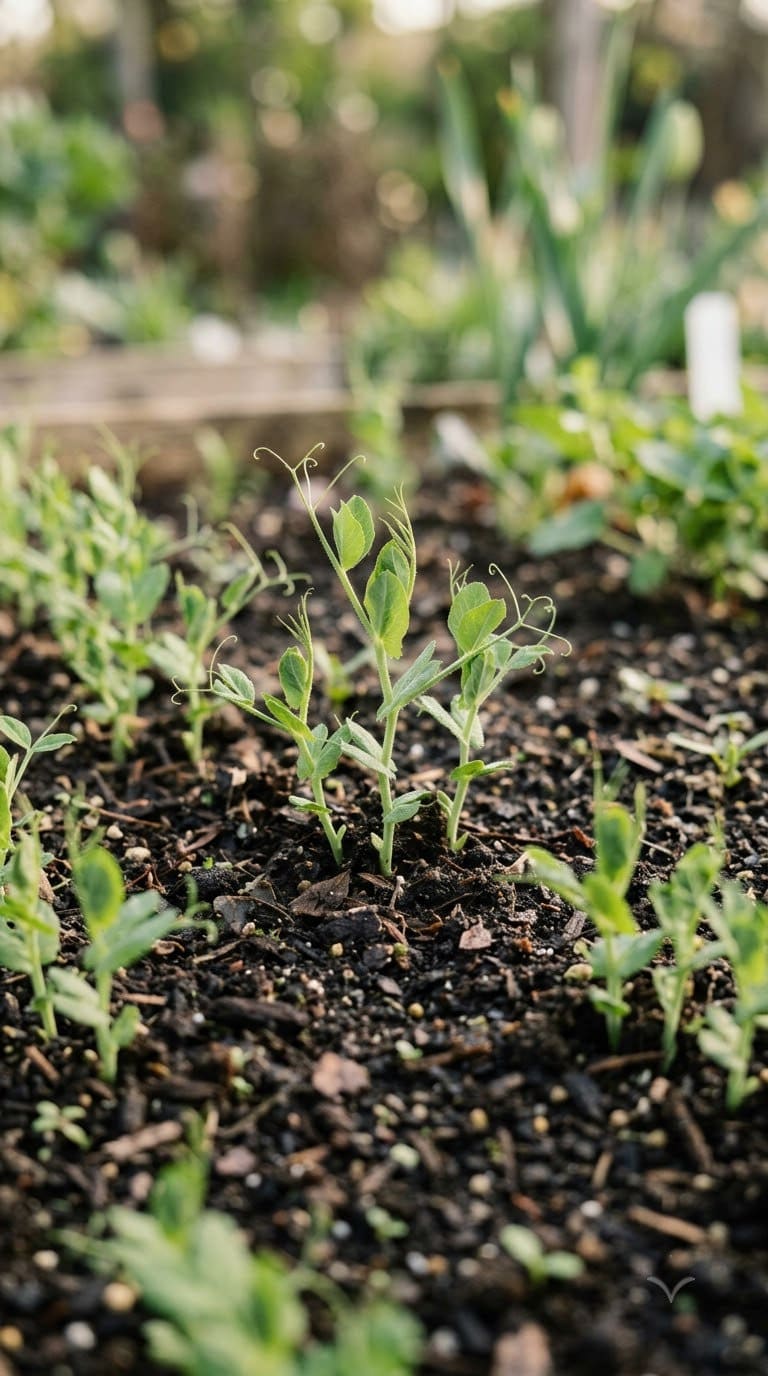
Winter peas fix nitrogen fast and, as a bonus, the young shoots are edible, a genuinely useful crossover most cover crops don’t offer. They tolerate cold down to roughly 0°F depending on the variety and snow cover, though a bare, unmulched bed in a harsh zone 3 winter can still kill them back further than expected.
Seed heavier than the clovers, 1.5 to 2 lb per 1,000 square feet, since the seeds are large and germination is a bit less reliable than clover’s. They pair naturally with oats in a mix, the peas climb the oat stems instead of flopping over into a mat that smothers itself.
4. Berseem clover
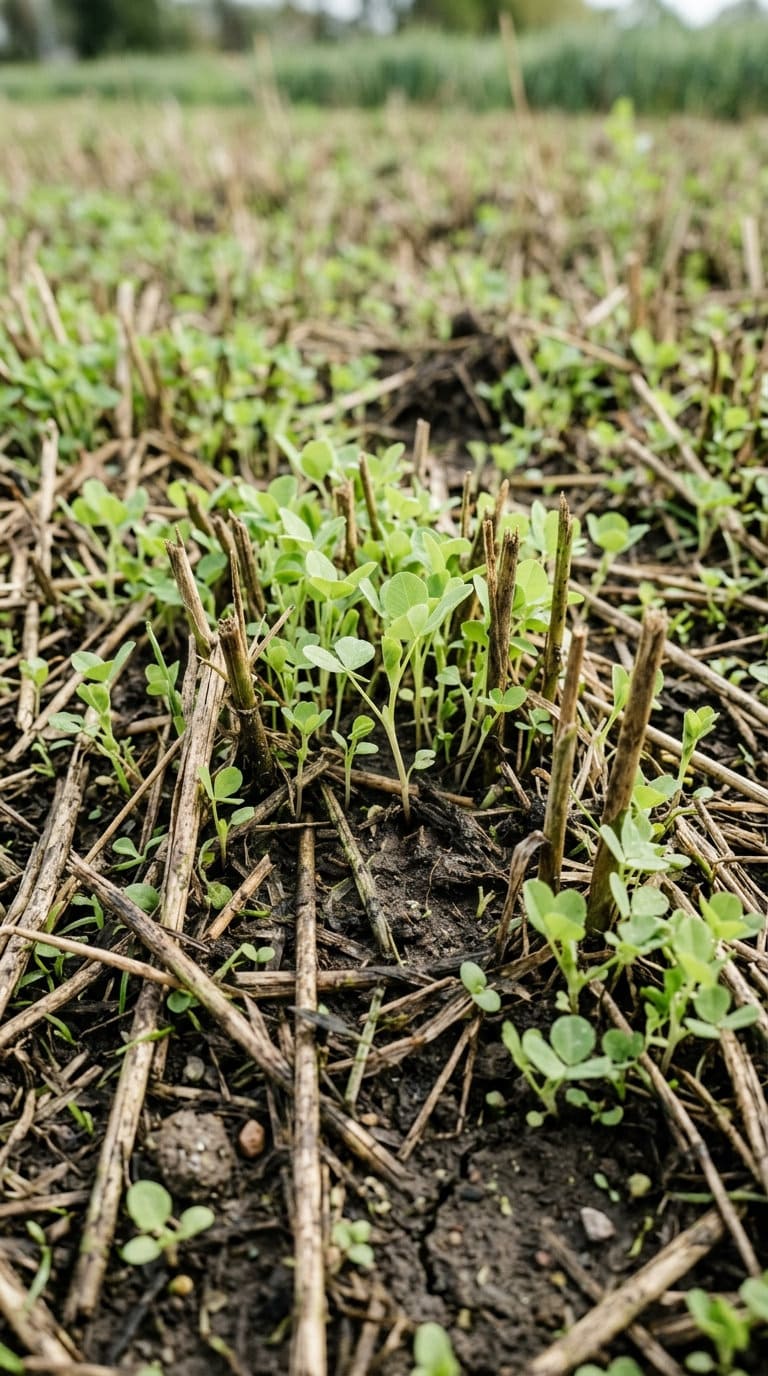
Berseem is the cut-and-come-again legume, it tolerates repeated mowing and regrows, which makes it useful if you want multiple cuttings of green mulch through fall before a hard freeze finally kills it off (usually below about 20°F). It fixes nitrogen fast, often faster than crimson clover in warm early-fall soil.
Seed at 0.3 to 0.5 lb per 1,000 square feet. Because it reliably winter-kills in most of the US outside the warmest zones, it’s a good pick for gardeners who want the nitrogen benefit of a legume without hairy vetch’s spring termination workload.
Erosion-control grasses and grains
5. Winter rye (cereal rye)
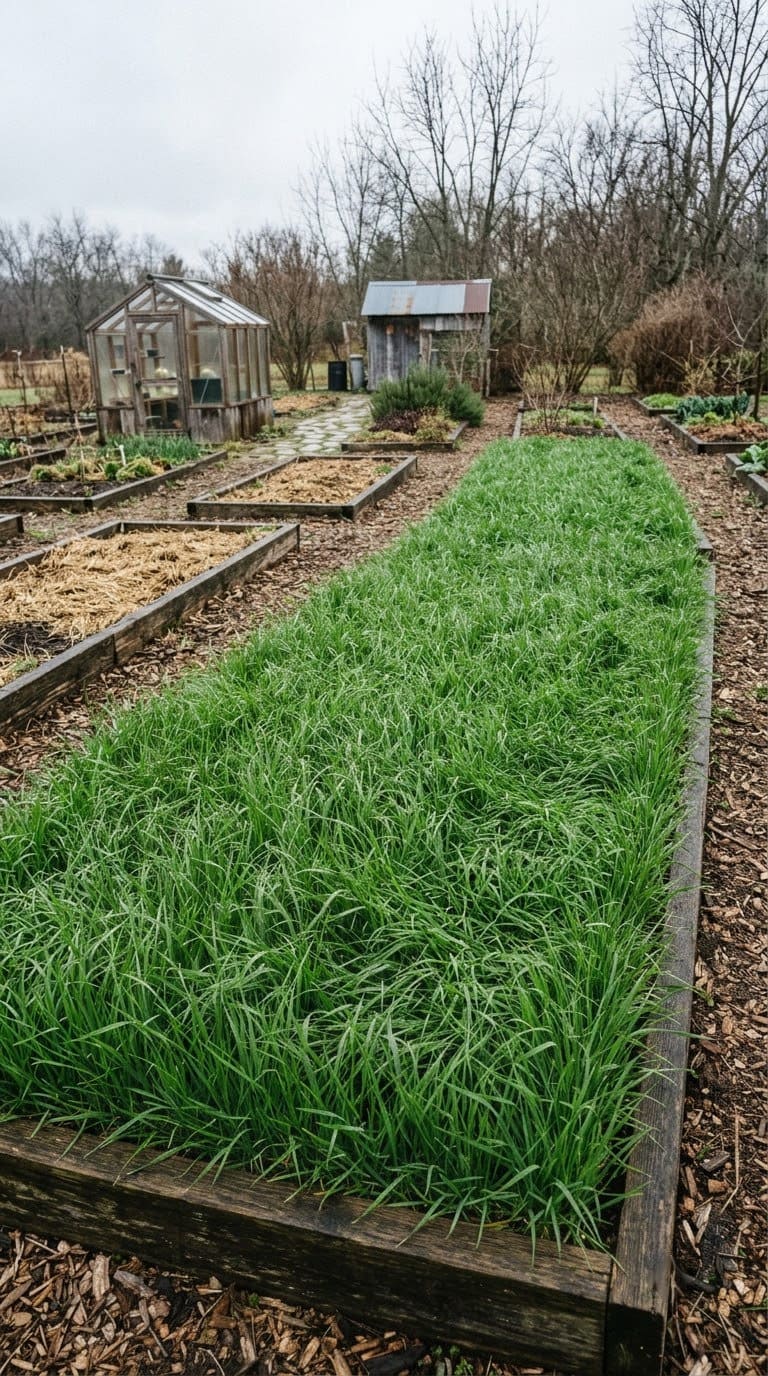
Winter rye is the workhorse of this whole list, hardy to zone 3, germinates fast, and its dense fibrous roots hold soil against winter rain and freeze-thaw heaving better than almost anything else here. It also releases allelopathic compounds as it decomposes that measurably suppress small-seeded weeds like pigweed and lambsquarters the following spring, a real mechanism, not just physical shading.
Seed 2 to 3 lb per 1,000 square feet in September, it’ll germinate within a week and keep growing until a hard freeze, then resume in late winter. Because it’s winter-hardy, you do have to terminate it, mow or till it under about two to three weeks before spring planting, or it turns fibrous and hard to work into the soil.


6. Annual ryegrass
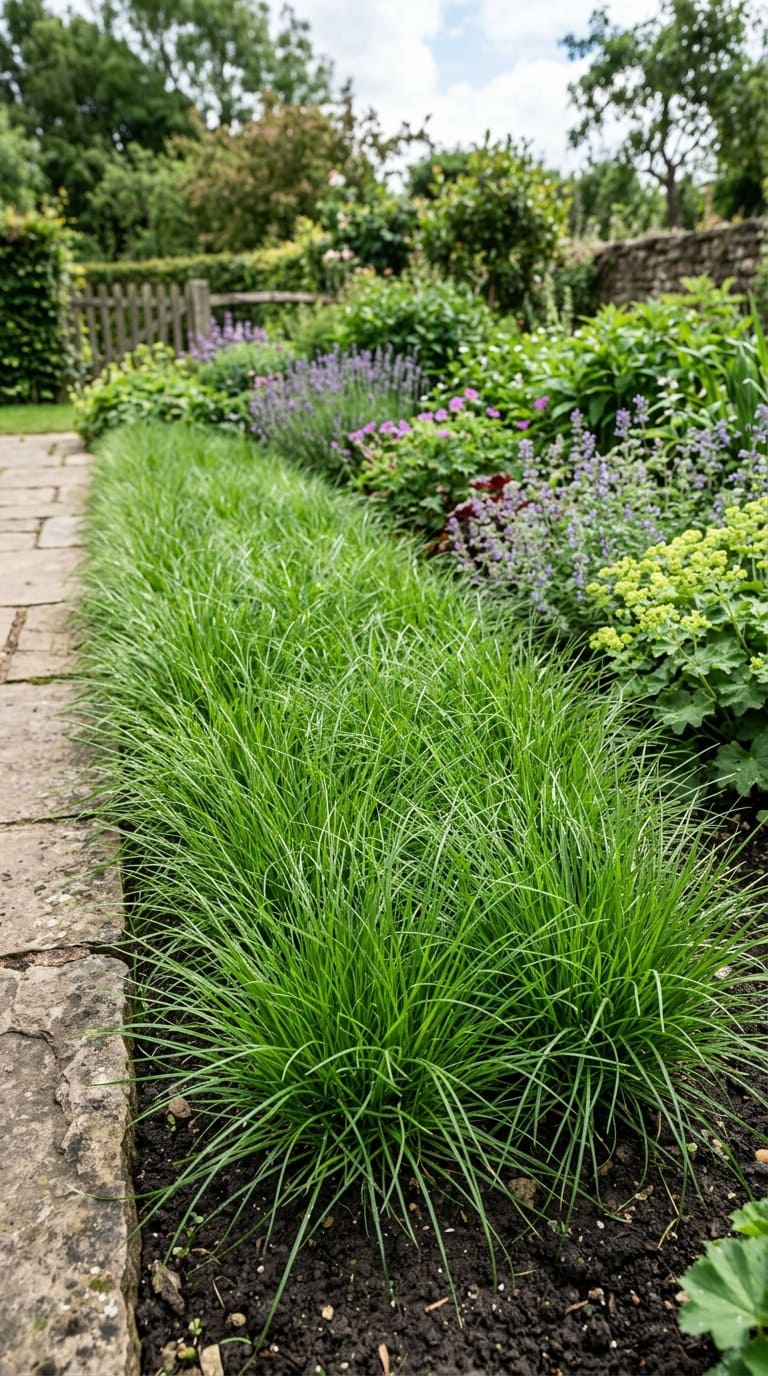
Annual ryegrass germinates almost as fast as rye and builds an even denser fibrous root mass in a shorter window, useful if you’re planting later in September and want erosion protection fast. In zone 5 and colder it reliably winter-kills, leaving a mat of dead roots that still hold soil through spring thaw without any spring tillage.
The average homeowner spends $616/year on yard fixes that don't address the real problem. Find out what yours actually is — before you spend another dollar.
Take the Free QuizSeed at 0.5 to 0.7 lb per 1,000 square feet. In warmer zones (7 and up) it can survive winter and turn into an actual nuisance grass if you don’t terminate it in spring, worth checking your zone before choosing this over winter rye.
7. Oats
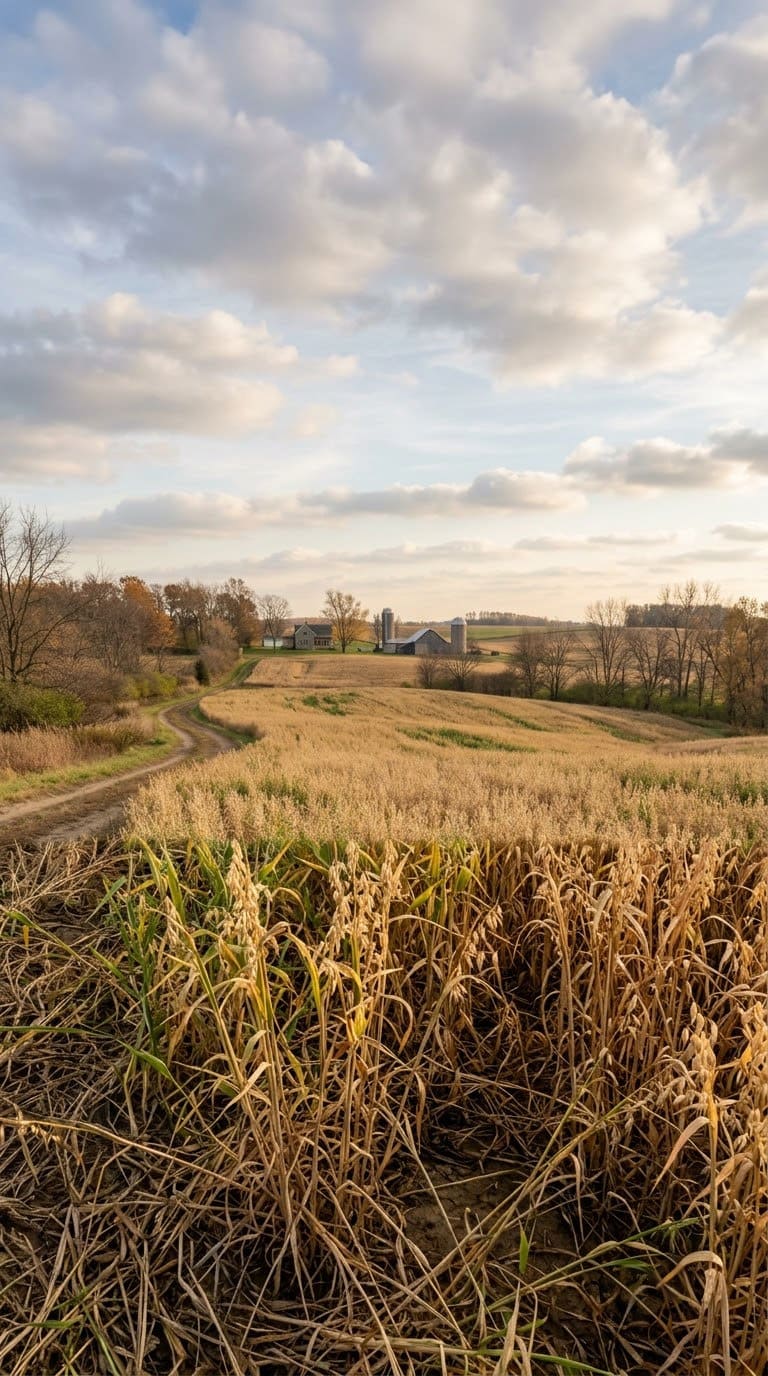
Oats are the low-effort choice for anyone who wants biomass and weed suppression without a spring termination step. They grow fast in September, tolerate a few hard frosts, and then reliably die back once temperatures drop into the low 20s, leaving a straw-like mat over the soil surface all winter.
Seed 2 to 3 lb per 1,000 square feet. Because oats winter-kill so predictably, they’re one of the easiest crops on this list for a first-time cover-crop gardener, plant it, forget it, rake off the dead residue or till it in lightly come spring.
8. Winter wheat
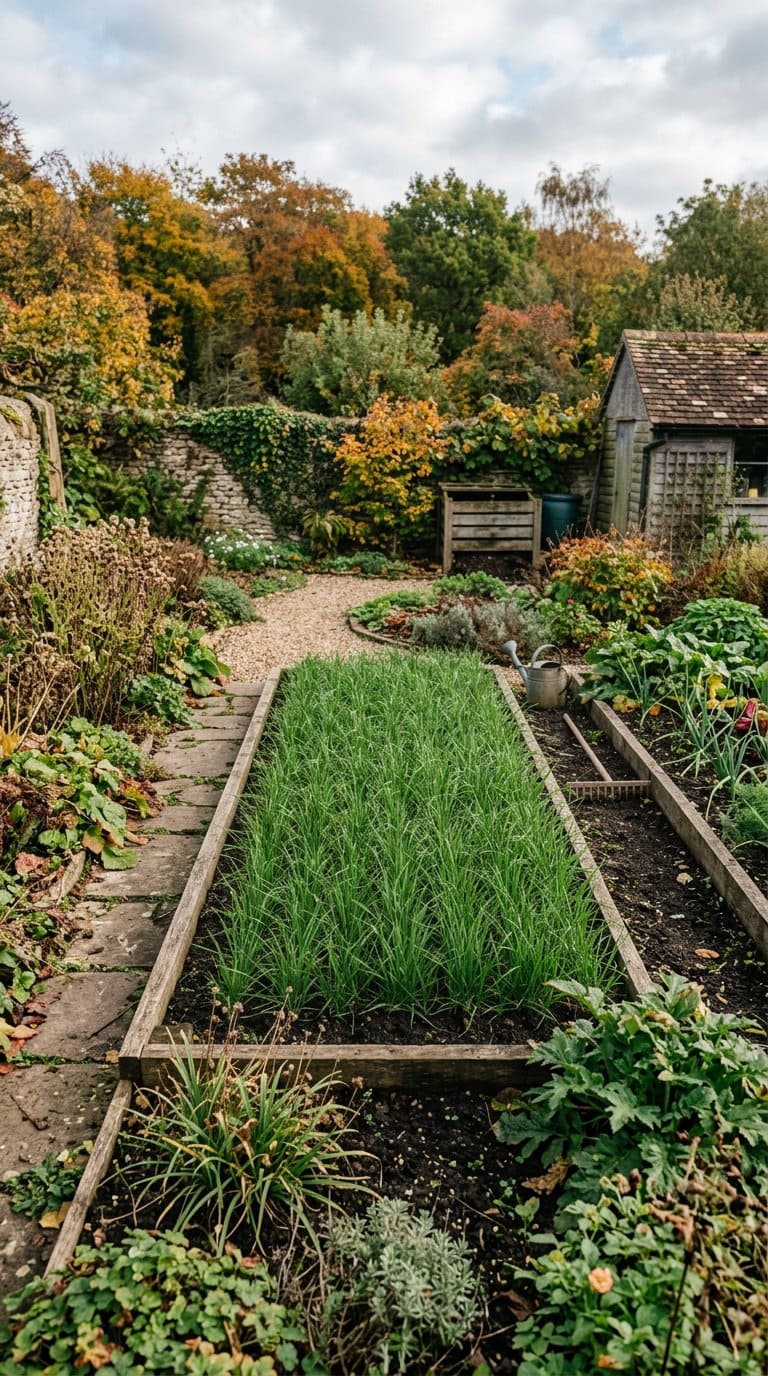
Winter wheat isn’t just a farm-scale crop, it works fine in a home garden bed and does a specific job well: scavenging leftover nitrogen and other nutrients from the soil profile before winter rain leaches them away, then releasing them back as it decomposes. It’s winter-hardy to about zone 3.
Seed 1.5 to 2.5 lb per 1,000 square feet. Like rye, it needs spring termination, mowing or tilling under 2-3 weeks before you plant, and it’s a reasonable substitute for winter rye if you happen to have leftover wheat seed on hand, though rye’s allelopathic weed suppression is stronger.
Compaction-busting and biofumigant brassicas
9. Tillage radish (daikon radish)
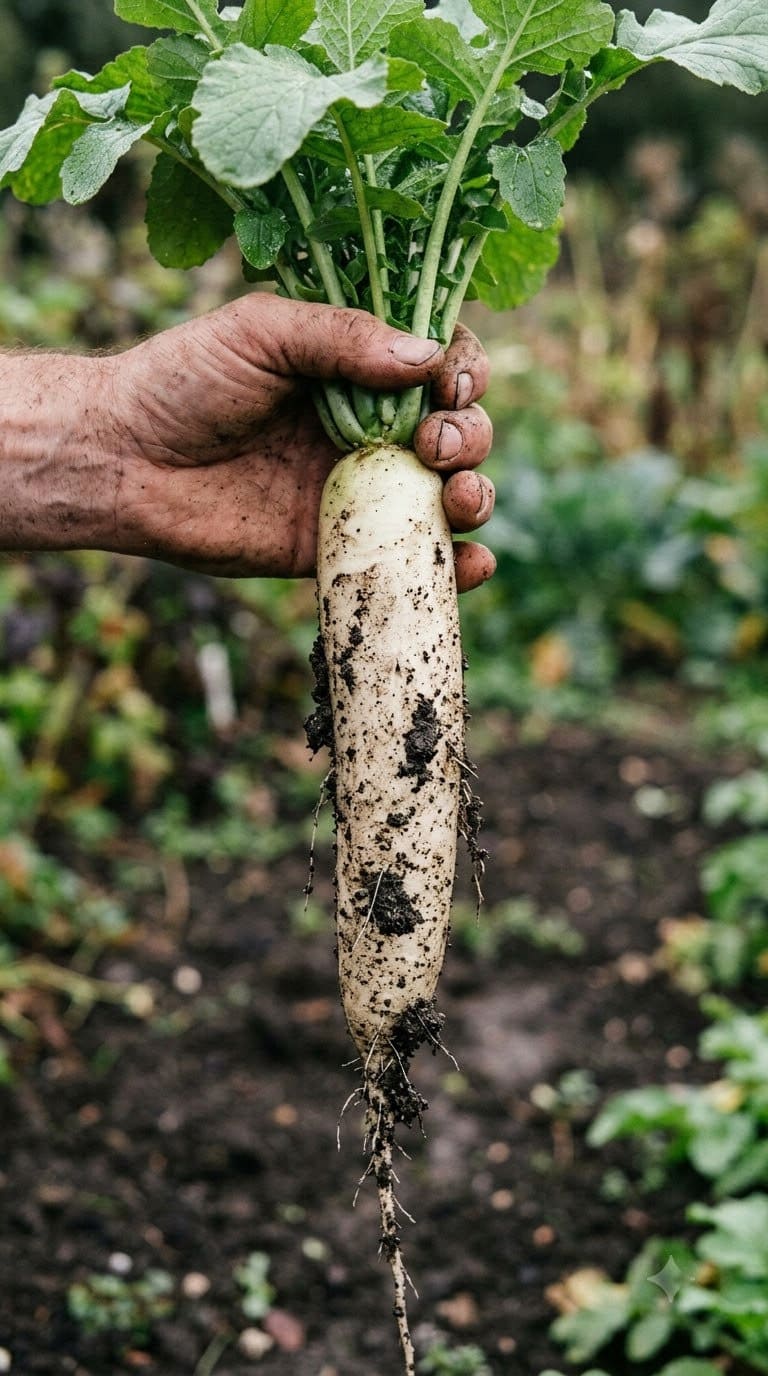
This is the compaction fix. Tillage radish grows a taproot that can push a foot or more straight down through compacted clay, something no shallow-rooted grass or legume can do. Per Cornell Cooperative Extension’s Warren County Master Gardener Program, brassica roots also help suppress soil-borne pests like root-knot nematode as they decompose.
Seed 0.2 to 0.3 lb per 1,000 square feet. It winter-kills reliably once temperatures drop into the low 20s, and the rotting root leaves a channel in the soil that improves drainage and lets next spring’s roots follow the same path down through the hardpan.
Don’t let it go to seed if you get a mild winter, some gardeners report volunteer radish popping back up the following spring if it flowered before frost. If a raised bed is where you’re planting this, the frame and depth choices for a raised vegetable garden bed affect how deep that taproot can actually go.
10. Mustard
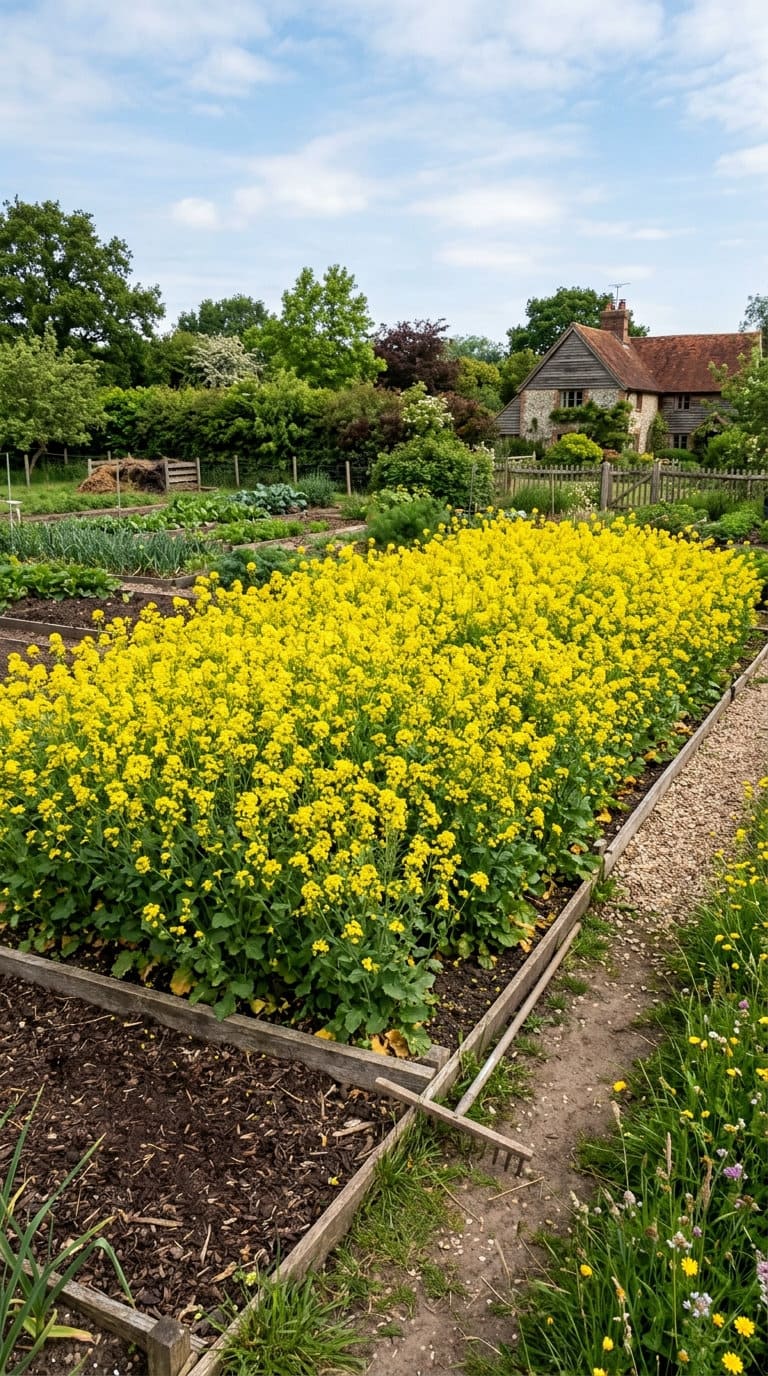
Mustard’s specific trick is biofumigation, as its tissue breaks down it releases glucosinolate compounds that suppress certain soil-borne pathogens and pests, a real chemical mechanism distinct from simple weed shading. Cornell Cooperative Extension specifically flags brassicas and mustards for suppressing pathogens like root-knot nematode.
Seed 0.2 to 0.3 lb per 1,000 square feet, it germinates in days in warm September soil and grows fast enough to outcompete most fall weed seedlings. It winter-kills in most zones. For the biofumigant effect to actually work, chop and incorporate the residue into the soil surface right after it’s killed by frost rather than leaving it sitting on top.
11. Forage turnip
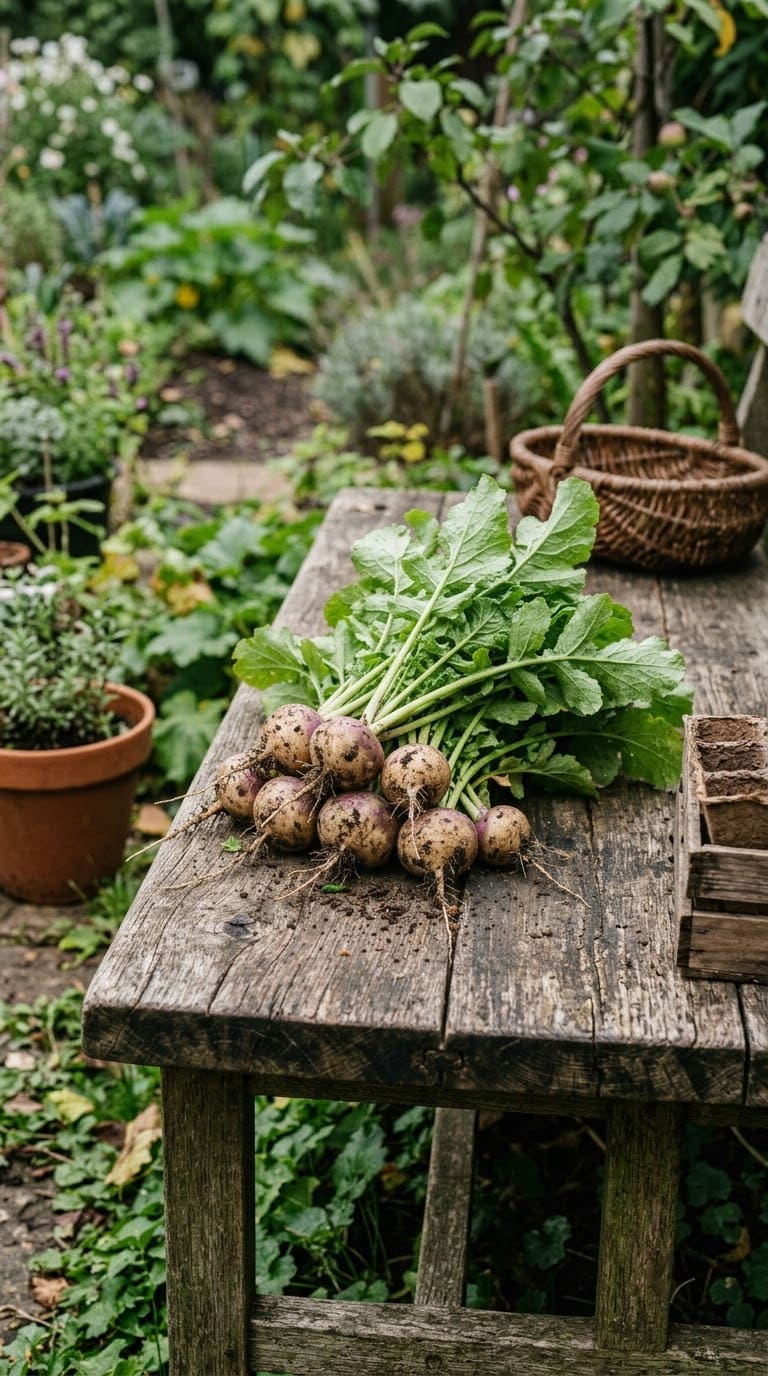
Forage turnip is the lighter-duty cousin of tillage radish, a shallower, faster-growing taproot that still helps break up moderate surface compaction and adds fast biomass. It’s a reasonable pick if your soil isn’t badly compacted and you just want quick fall coverage plus some root-channel benefit.
Seed lightly, 0.1 to 0.15 lb per 1,000 square feet, seeds are tiny and easy to overseed. It winter-kills reliably and, like radish, some gardeners actually harvest the roots for eating before the hardest frosts hit, a genuine dual-purpose option most of the grasses and legumes on this list don’t offer.
Functional outliers
12. Buckwheat
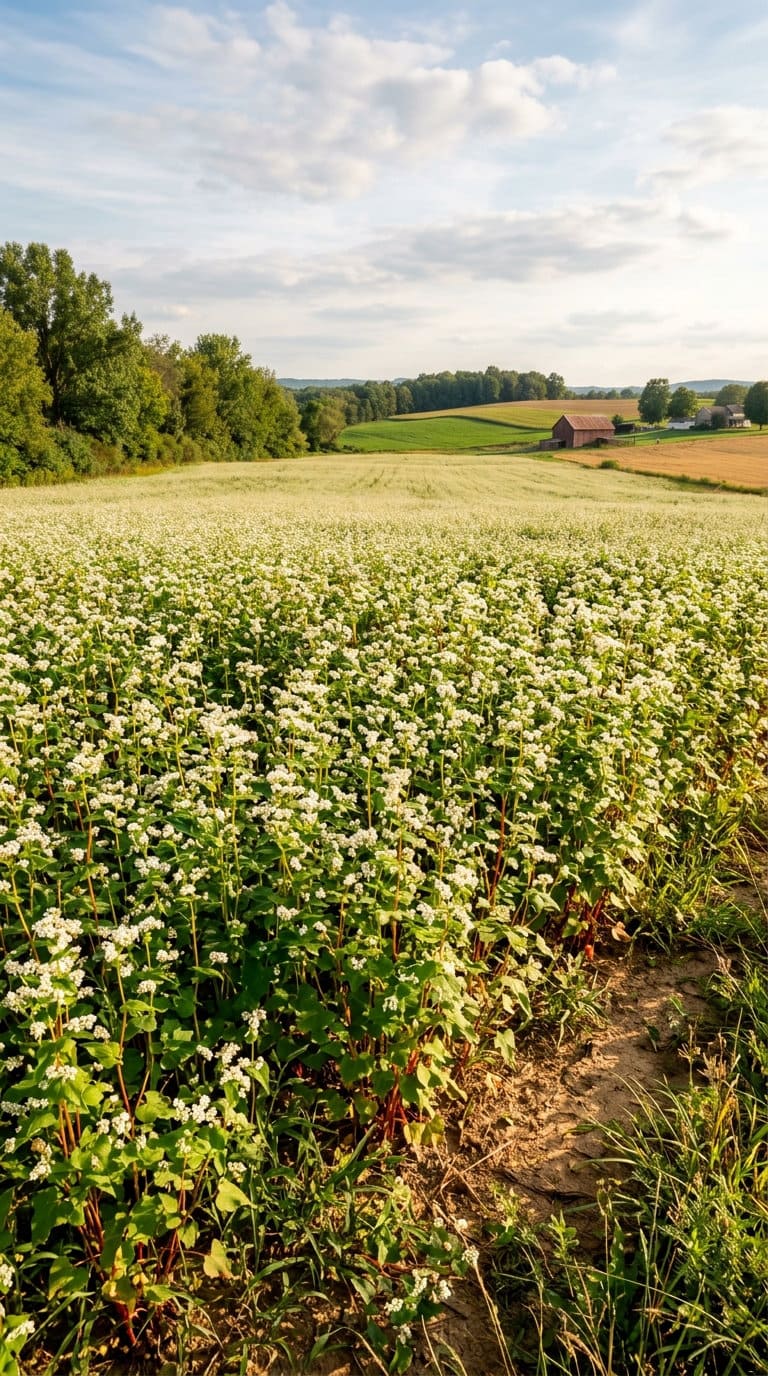
Buckwheat doesn’t belong to any of the three groups above, and that’s exactly why it’s on this list. It germinates and grows faster than almost anything else here, smothering weeds through sheer speed and canopy cover rather than allelopathy, and its roots are unusually good at scavenging phosphorus that’s otherwise locked up in the soil.
The catch: it has almost no frost tolerance, a light frost kills it outright. Seed 1 to 1.5 lb per 1,000 square feet, and only plant it in the first half of September in most zones, planted too late it won’t have time to do its job before it dies. It’s really more of a late-summer cover crop that happens to still work in early September than a true fall/winter crop like the rest of this list.
13. Fava beans
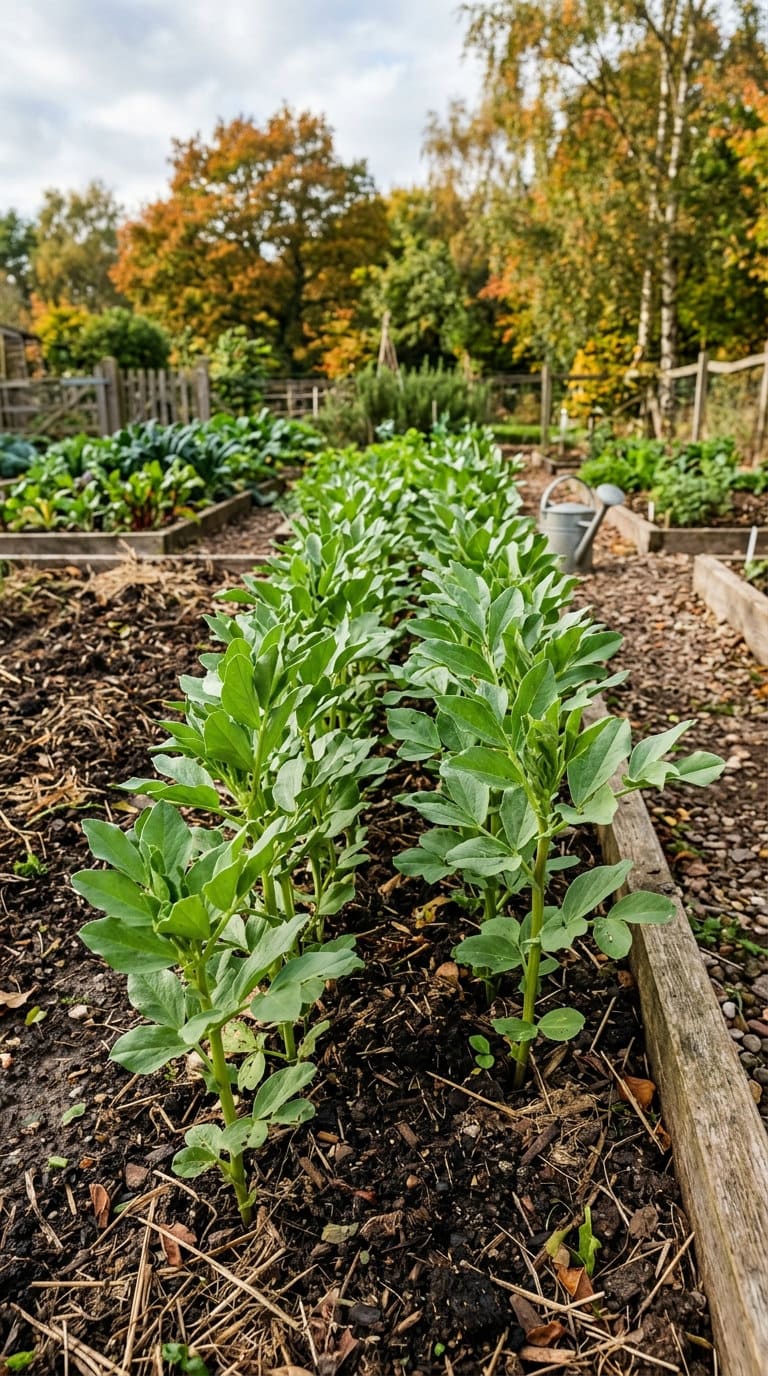
Fava beans are the outlier legume, larger seeds, a bigger plant, and a root system that does real structural work breaking up compacted soil in addition to fixing nitrogen, similar to what tillage radish does mechanically but through a nitrogen-fixing legume instead of a brassica. Hardy to about 15°F depending on variety, some overwinter in milder zones and others winter-kill further north.
Seed heavier than any other legume here, 2 to 3 lb per 1,000 square feet, since the seeds are large. If they survive winter in your zone, terminate them in spring before flowering the same way you’d handle hairy vetch, mow or till under a few weeks before planting. Whatever bed you clear them from next spring, feeding vegetable-garden soil the right way after a cover crop comes out matters just as much as the cover crop itself.
What We Learned the Hard Way
I broadcast crimson clover across a raised bed one September without checking the forecast, figured it’d rain within the week like it usually does. It didn’t rain for twelve days. Honestly, half the seed just sat there and never germinated, and the patchy stand that did come up wasn’t enough to matter by November.
The fix that actually works: water the bed immediately after broadcasting, don’t wait for rain that might not show up. It’s a five-minute chore that saves the whole planting, and it’s the same logic behind why home compost piles stall out when nobody bothers to check the moisture level.
The other mistake, and this one’s more common based on what shows up in gardening forums, is mixing up winter-kill and winter-hardy. Winter-hardy crops like hairy vetch and winter rye don’t just quietly disappear, they need an actual spring termination step, mowing or tilling under a few weeks before you plant vegetables. Skip that step and the crop gets woody, hard to till, and genuinely competes with whatever you’re trying to grow next.
And one more thing worth knowing: crimson clover and buckwheat can both reseed themselves if you let them flower before a hard frost finally kills them. That’s not necessarily bad, but it can turn into a low-grade weed problem in a bed you meant to plant something else in come spring.
If you don’t want volunteers, mow before flowering, don’t wait for frost to do the job. For a broader identification reference on which clover species you’re actually dealing with, this rundown of clover types is a useful cross-check if a volunteer patch shows up somewhere you didn’t plant it.
Frequently asked questions
Do I need to till cover crops under in spring?
Only the winter-hardy ones, hairy vetch, winter rye, winter wheat, crimson clover in zones 6-9, and fava beans if they survive your winter. Mow or till them under about two to three weeks before you plant vegetables so the residue has time to start breaking down. Winter-kill crops, oats, mustard, tillage radish, forage turnip, and buckwheat, need no spring work at all, the dead residue can be raked off or lightly worked into the soil surface.
What’s the real difference between winter-kill and winter-hardy?
Winter-hardy crops survive freezing temperatures and resume active growth in late winter or early spring, which means better weed suppression and more soil biology over time, but it also means real spring labor to terminate them. Winter-kill crops die at a set temperature threshold specific to that species and leave a protective mulch layer with zero spring maintenance. Which one dies and which survives in your specific yard depends on your USDA zone, snow cover, and how harsh a particular winter actually is, the same species can behave differently two years in a row.
How late in September can I still plant a cover crop?
It depends on the species and your zone. Fast winter-kill options like oats, mustard, and tillage radish can go in as late as the third or fourth week of September in zones 6 and warmer and still build a useful stand before frost.
Winter-hardy legumes like hairy vetch benefit from an earlier planting, ideally the first two weeks of September, since SARE notes they grow slowly in fall and need that extra head start before cold weather stops growth. Buckwheat is the exception that wants to go in earliest of all, first half of September at the latest in most zones, since it has essentially no frost tolerance.
Can I plant a mix instead of just one crop?
Yes, and it’s often the better move. A legume-grass mix, like hairy vetch and winter rye, or Austrian winter peas and oats, combines nitrogen fixation with the erosion control and structural support of a grass, the grass also scavenges nitrogen released by the legume so it doesn’t leach out of the soil over winter rain. Just seed each species at roughly 60-75% of its solo rate when mixing two together, rather than the full rate of each, to avoid overcrowding.
Related Posts
- Garden Soil Preparation: How To Improve Soil Quality
- Harnessing the Power of Cover Crops for Soil Health and Protection
- Step by Step Guide to Making Garden Compost
Products We Recommend
This post contains affiliate links. We may earn a commission on qualifying purchases at no extra cost to you.
Survival Garden Seeds Alfalfa Seeds (3 Pack), Nitrogen-Fixing Cover Crop
Heirloom Lucerne-variety legume seed sold specifically as a nitrogen-fixing cover crop for garden soil improvement, a real alternative legume pick if hairy vetch or crimson clover seed isn't locally available (3.9 stars, 11 ratings, live-verified real listing).
Shop Now
Scotts Whirl Hand-Powered Broadcast Spreader, holds up to 1,500 sq ft
Hand-crank broadcast spreader sized for garden-bed-scale seeding, gets an even stand across a bed instead of hand-scattering seed unevenly, the exact patchy-germination mistake described in the pain-point section above
Shop Now
Park Seed Nature's Aid Garden Soil Inoculant, 8.7 oz
Granular inoculant specifically formulated for beans, peas, and vetch, it introduces the rhizobia bacteria legume cover crops (entries 1-4 and 13) depend on to actually fix nitrogen, worth using on any bed that hasn't grown a legume in several seasons
Shop NowNever miss an update — choose FarmFoodFamily as your preferred source on Google.
How it works: Tap the button below to open Google's settings page, then check the box next to FarmFoodFamily.
Tap the checkbox to turn it blue — that's how you know it's set.