6 Telltale Signs Your Garden Soil Needs Amending Before Winter (And What to Add)
Garden soil breaks down quietly all season long, and fall is the one window where you can actually fix it before the ground freezes solid.

Never miss an update — choose FarmFoodFamily as your preferred source on Google.
How it works: Tap the button below to open Google’s settings page, then check the box next to FarmFoodFamily.
Tap the checkbox to turn it blue — that’s how you know it’s set.
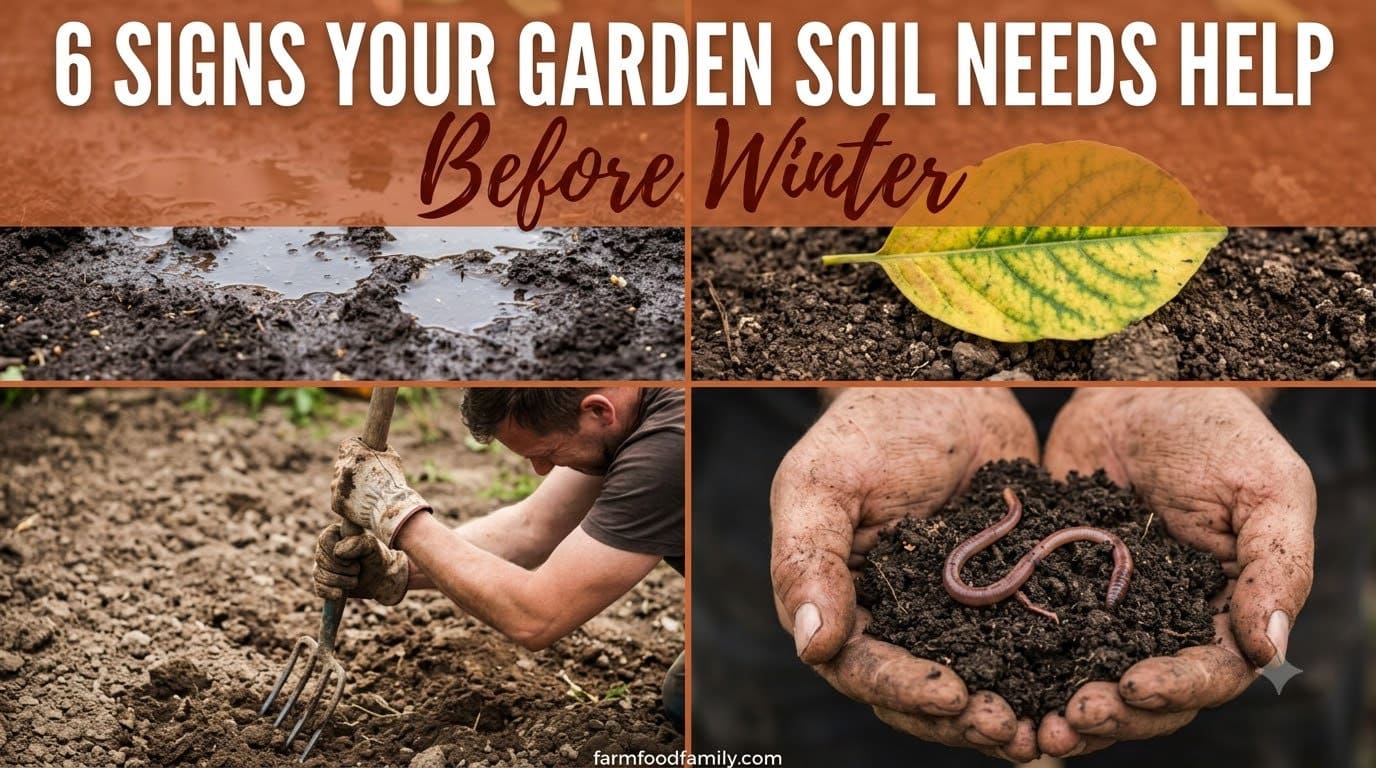
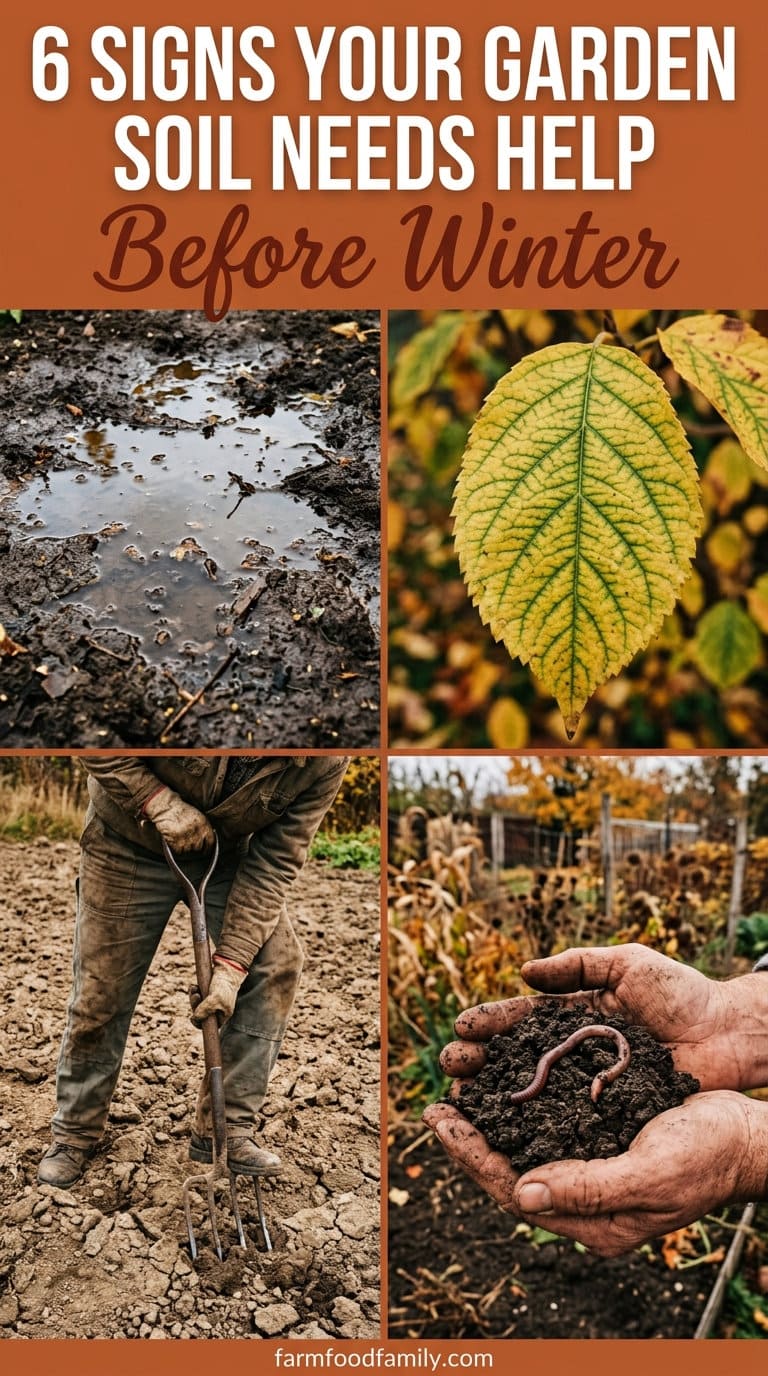
Your soil probably needs amending before winter if you see any of six signs: water pooling after rain, plants that stay stunted or yellow despite regular fertilizing, soil so hard a shovel barely goes in, bare patches losing topsoil, acid- or alkaline-loving plants that never thrive, or fewer than 10 earthworms in a cubic foot of dug soil. Fall is the correct season to act, not a compromise season.
According to University of New Hampshire Extension, slow-acting amendments like lime and compost need months to work into the soil chemistry, so applying them in fall gives them the entire winter to take effect before spring planting starts.
Nitrogen and potassium are the exception. They leach out of most soils over winter, so those wait for spring instead. Test first when you can, then match the fix to the actual sign in front of you rather than guessing.
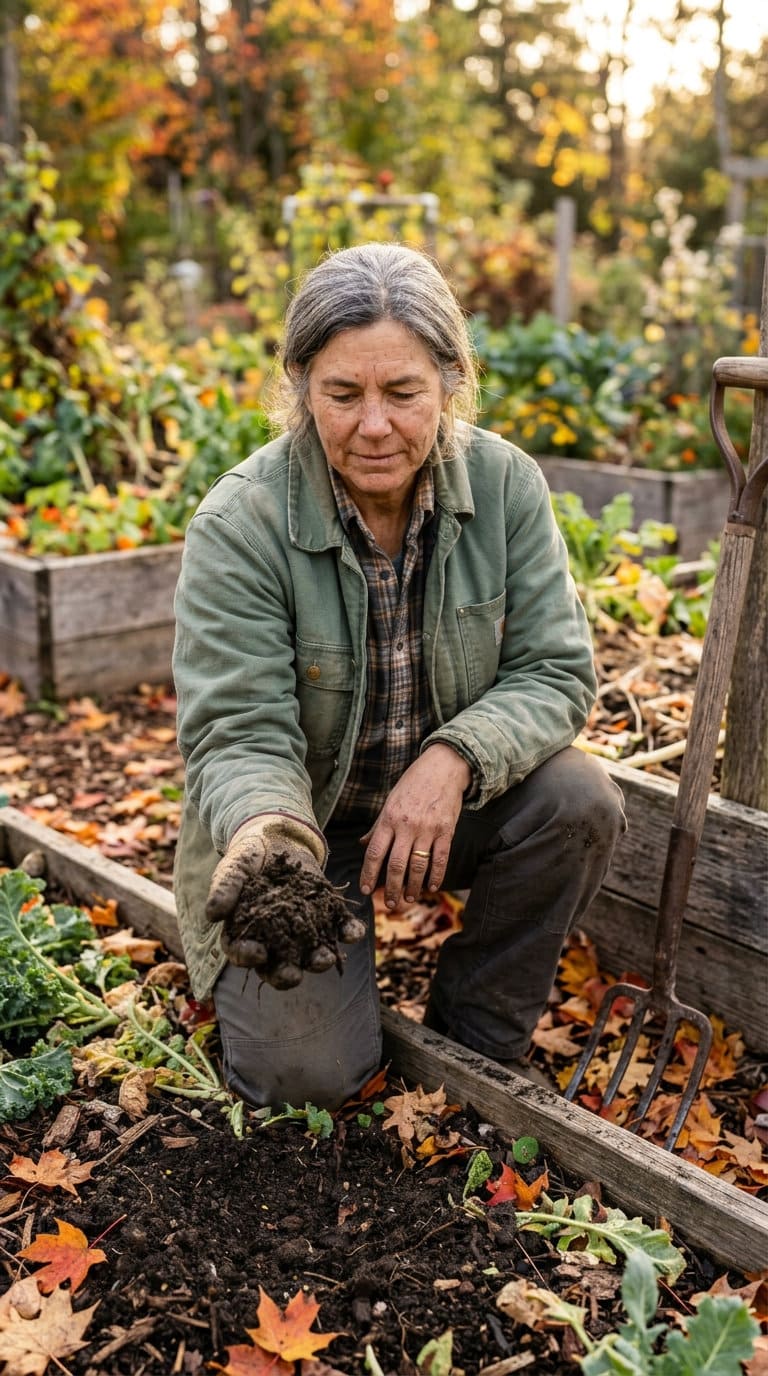
Why fall is the right time to fix soil, not just a leftover chore
Most people think of soil work as a spring job, something you do right before you plant. That’s backwards for a handful of real problems. Compaction, pH imbalance, and low organic matter all take weeks to months to correct, and cramming that into a two-week spring window before you sow seeds just doesn’t work.
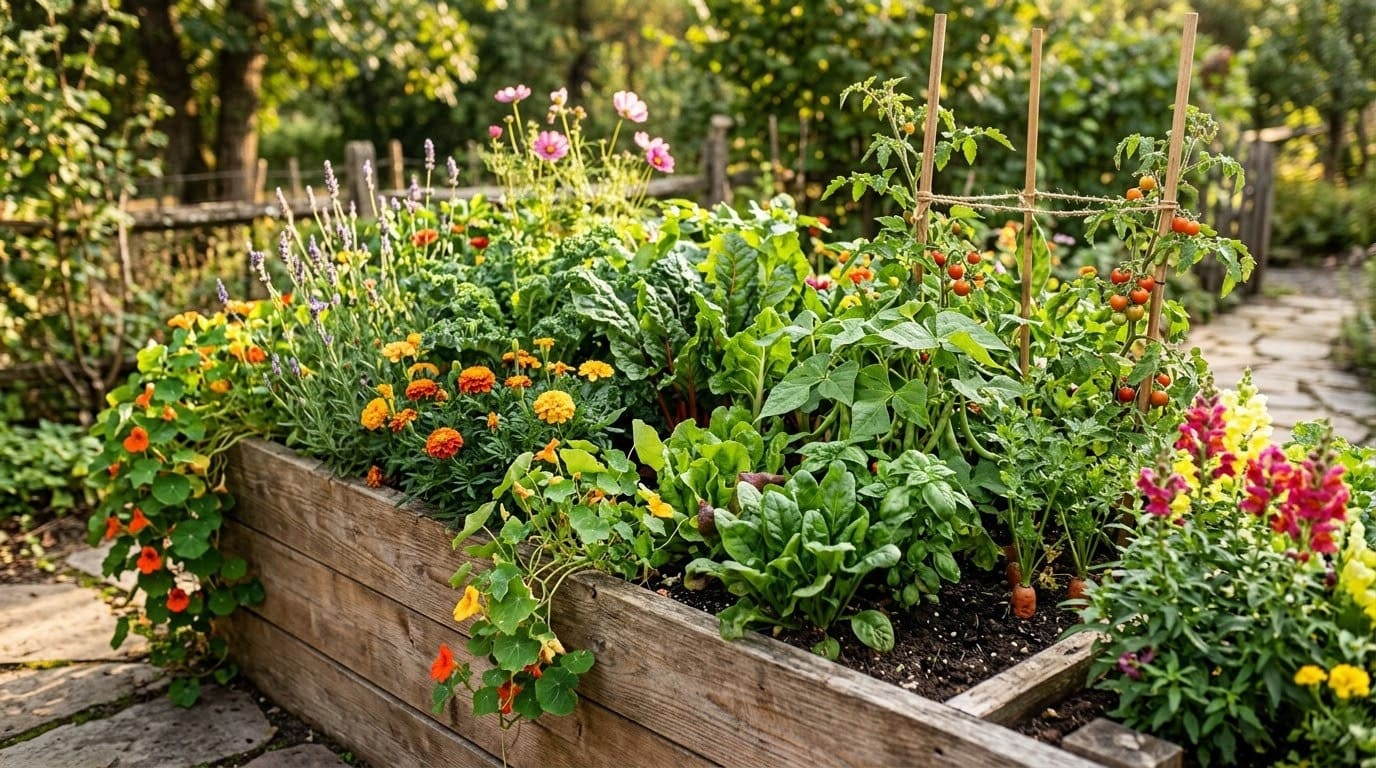
Fall gives slow amendments the runway they need. It’s also, honestly, a less rushed time to actually look at your soil closely instead of racing to get seedlings in the ground. Below are six signs worth checking for right now, plus what to add and roughly when.
6 signs at a glance
| Sign | Likely Cause | Lookalike Cause (not this) | What to Add | When to Apply |
|---|---|---|---|---|
| Water pools after rain | Compaction / poor drainage | One unusually heavy storm | Compost, 2-3 in. worked into top 6-8 in. | Fall, needs weeks to integrate |
| Stunted or yellow plants despite fertilizing | pH lockout | Overwatering or pest damage | Lime (raise pH) or sulfur (lower pH), per soil test | Fall, before ground freezes |
| Soil is hard to dig | Structural compaction | Simple summer dryness | Broadfork/aerate, then compost | Fall, while ground is still workable |
| Visible erosion, bare patches | Ongoing structural erosion | One-time construction disturbance | Compost, mulch, fall cover crop | Fall, before winter rain/snow |
| Acid- or alkaline-loving plants struggle | Real pH mismatch | General plant decline, bad luck | Sulfur or lime, matched to soil test result | Fall, per UAEX rate guidance |
| Fewer than 10 earthworms per cubic foot | Low organic matter or pH extreme | Digging at the wrong time of year | Compost, reduced tilling | Fall (55°F+ soil, moist) |
Answer 4 quick questions and get matched to the exact fix for your yard — drainage, budget, layout, or something else entirely.
Take the Free Quiz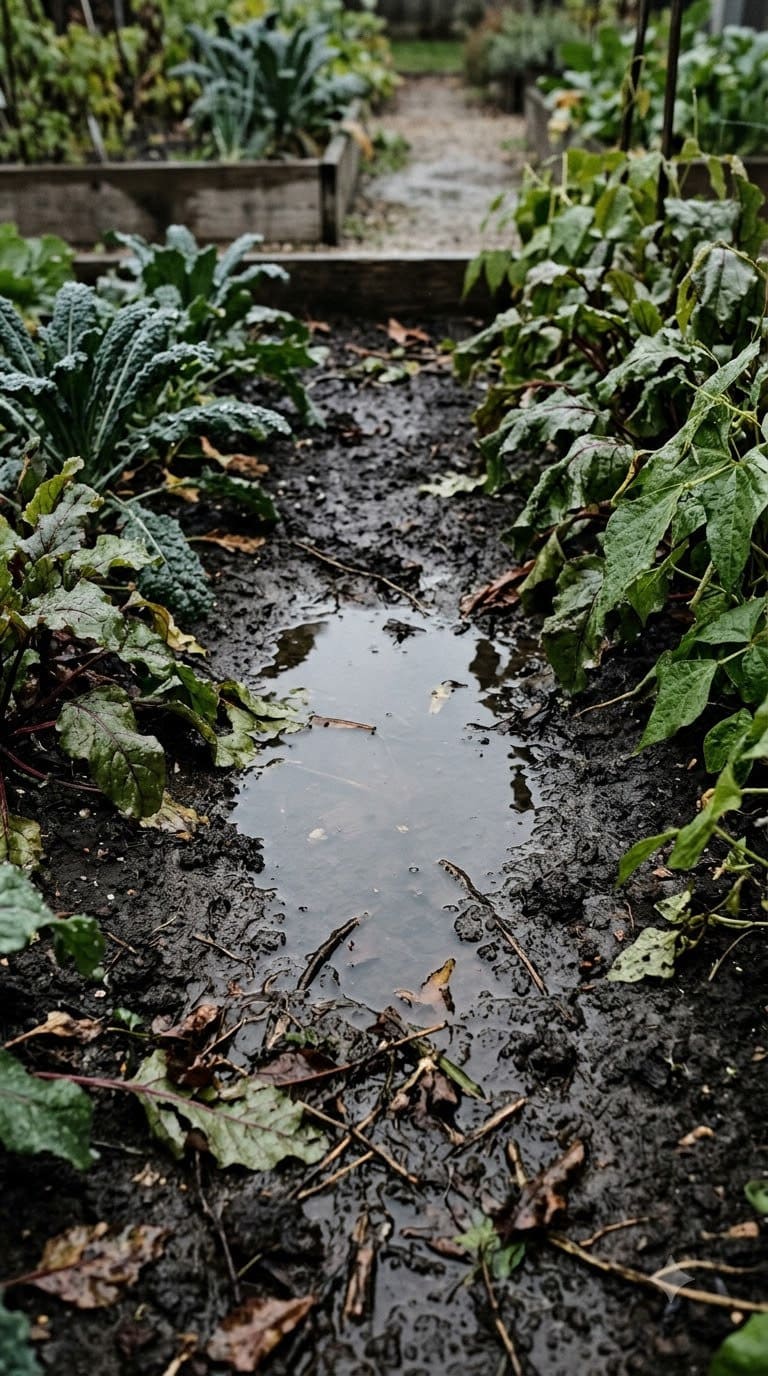
Is water pooling in your yard after rain a sign you need to amend?
Yes, if it happens more than once. A single puddle after a genuine downpour doesn’t mean much. But a spot that stays soggy for two or three days after an ordinary rain, or where water visibly pools on the surface instead of soaking in, points to compacted or clay-heavy soil that can’t drain.
The University of Arkansas Cooperative Extension Service describes this kind of soil as compact, lifeless, and difficult to dig into. Compost is the fix they recommend, since it lightens heavy soil and rebuilds structure that lets water move through instead of sitting on top.
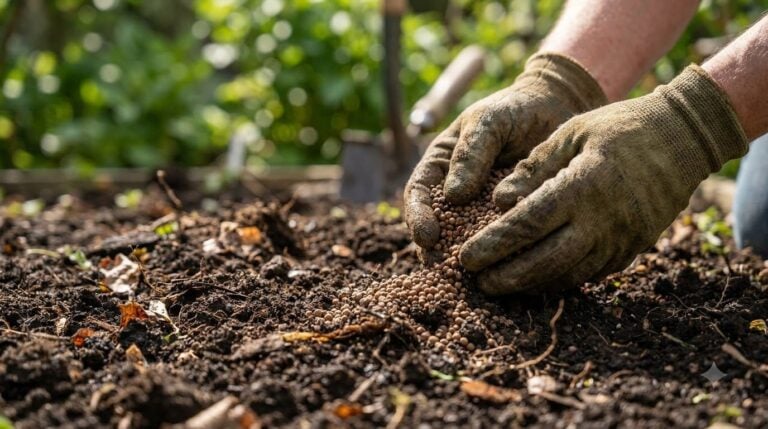
Work 2 to 3 inches of compost into the top 6 to 8 inches of soil this fall. Don’t add straight sand to clay soil hoping it’ll loosen things up.
UAEX’s own warning on this is blunt: sand and clay make concrete. If drainage is severe, building a contained bed with fresh soil, something this site has covered for exactly this kind of stubborn drainage problem, solves it structurally instead of fighting the native soil every year.
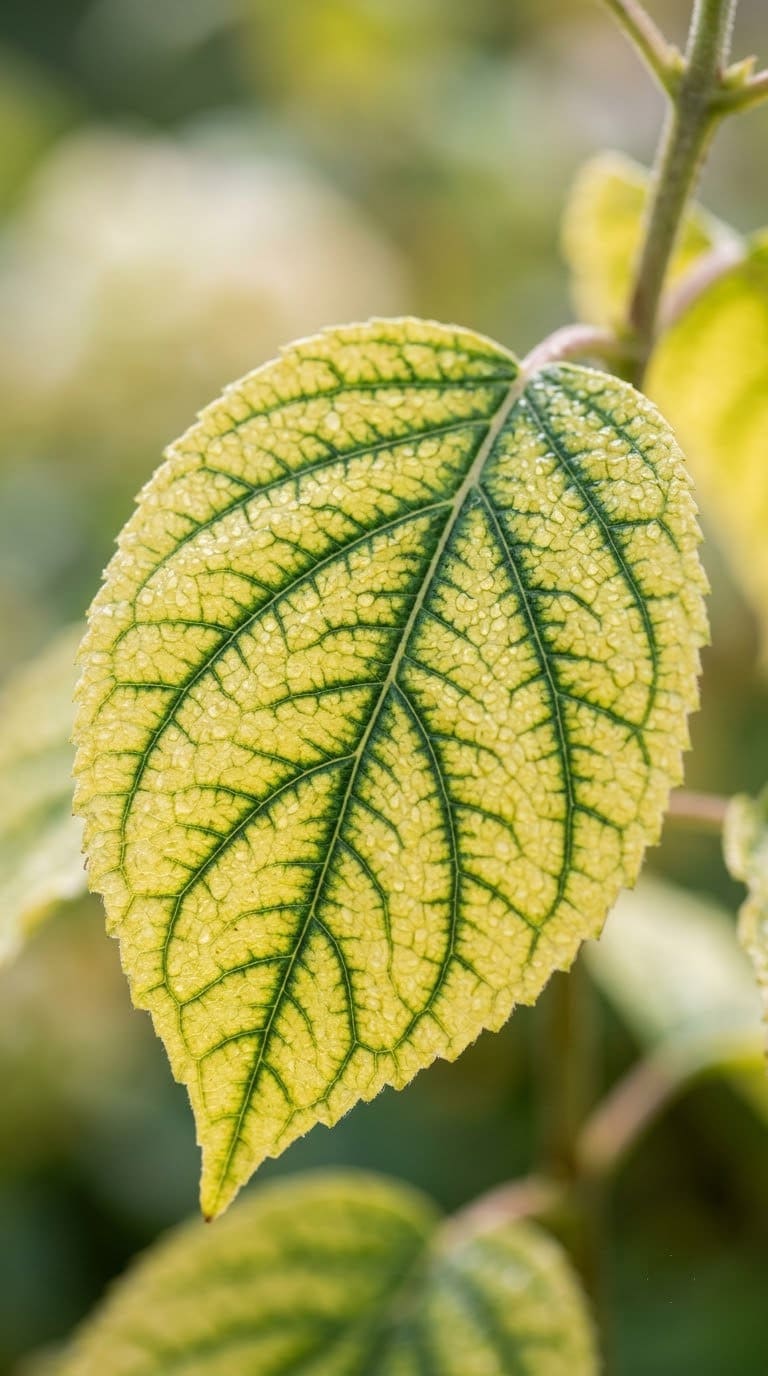
Why are plants stunted or yellow even though you fertilized?
This is the sign people get wrong the most. Adding more fertilizer to a yellowing plant often does nothing, and sometimes makes things worse, because the real problem usually isn’t a lack of nutrients in the soil. It’s that the plant can’t access the nutrients that are already there.
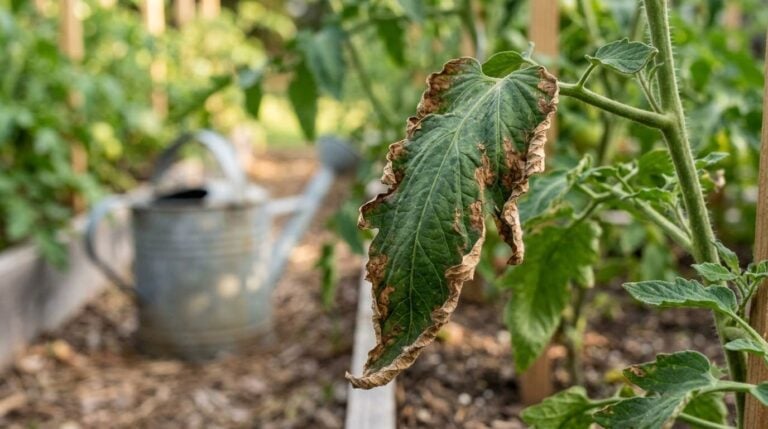
Yellow leaves with green veins is the classic tell for iron chlorosis, a symptom of pH that’s too high for what you’re growing. The nutrients are technically present, they’re just chemically locked out of reach at that pH level. A soil test tells you which direction to correct, since guessing wrong (adding lime when your soil is already alkaline, say) makes the lockout worse instead of better.
Rule out the lookalikes first. Overwatered roots and certain pest or disease issues cause similar yellowing and no amendment fixes those. If the plant is otherwise healthy, drains fine, and still won’t green up despite regular feeding, pH is the more likely culprit, and worth checking before adjusting how much and how often you’re actually feeding the bed.
Most yard problems trace back to one specific, fixable cause. Find yours in 4 quick questions.
Take the Free Quiz
No-battery probe meter for the fast pH and moisture check in signs 2 and 5, before you commit to lime or sulfur.
Shop NowThis post contains affiliate links. We may earn a commission on qualifying purchases at no extra cost to you.
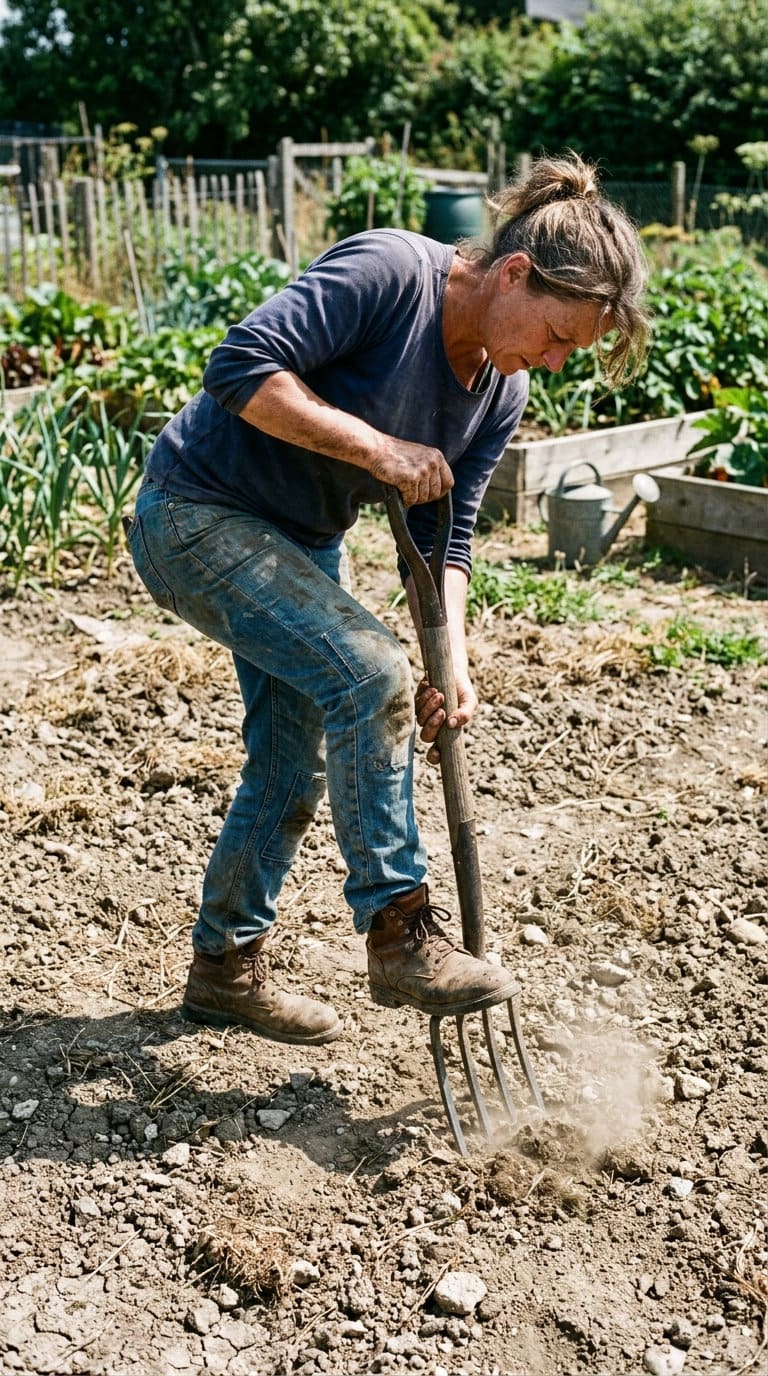
Is your soil too hard to dig a real compaction problem?
Dry topsoil and compacted soil can feel similar on the surface, but they behave differently once you actually try to dig. Dry soil loosens up again once it’s watered. True compaction stays dense and hard even when it’s wet, and roots physically can’t push through it to spread.
Fix it with a broadfork or core aerator to physically break up the compacted layer, then work compost into the loosened soil so it doesn’t reseal itself over winter. If the compaction is really lawn-adjacent rather than a garden bed, the same core-pulling process works on turf too, just with different equipment.
This is also a good moment to rethink foot traffic patterns. A stepping-stone path through a bed you walk across often prevents the same compaction from coming right back next season. FarmFoodFamily’s own garden soil preparation guide covers the full workup if you’re starting a new bed from scratch rather than reviving an existing one.
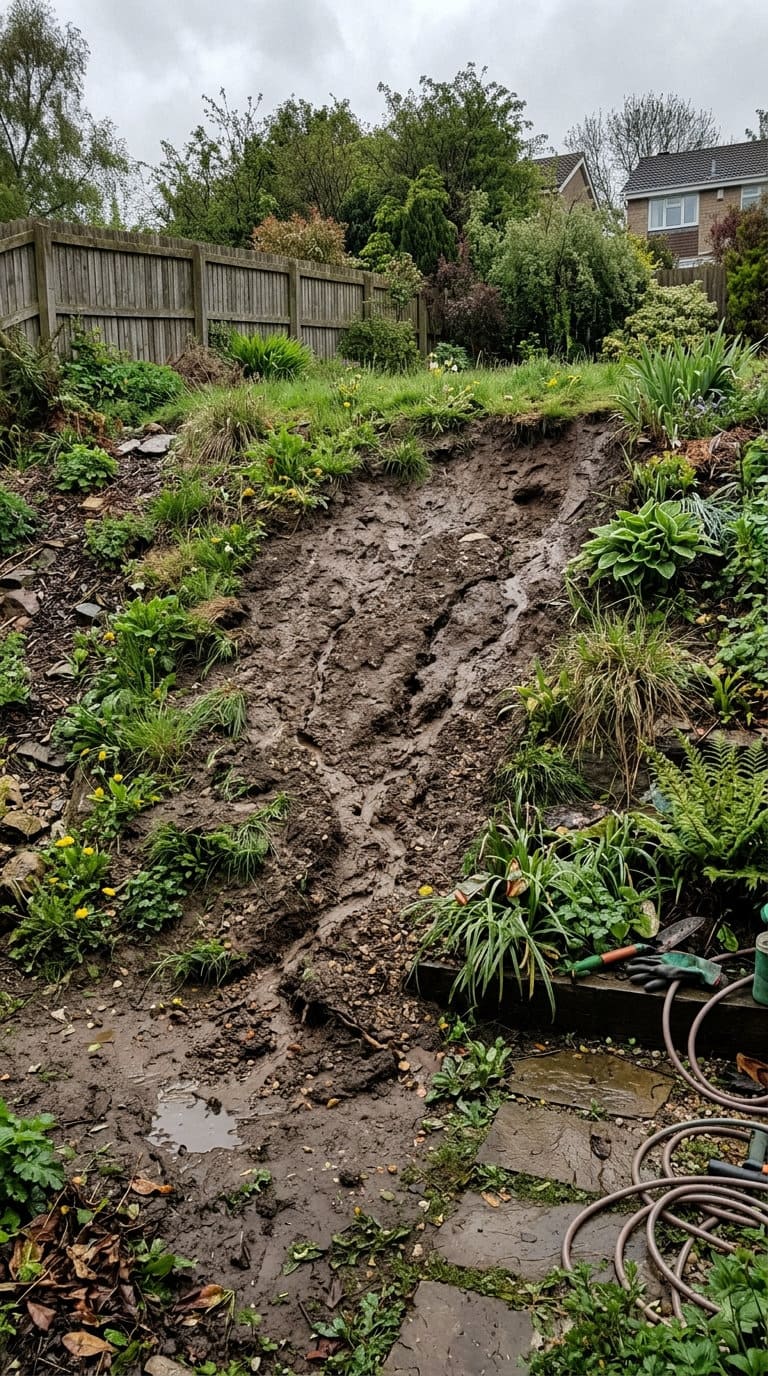
Does visible erosion mean your soil needs amending?
Bare, exposed patches where topsoil has visibly washed or blown away are a structural problem, not a cosmetic one. Topsoil holds most of a garden’s organic matter and biological activity, so losing it steadily drops the soil’s actual fertility even if the rest of the bed looks fine.
Rule out the one-time cause first. If a patch got torn up by construction, a fallen branch, or heavy foot traffic once and hasn’t moved since, that’s disturbance, not erosion, and it just needs reseeding or mulch. Ongoing erosion on a slope or a consistently bare bed is different and needs a structural fix.
Add compost to rebuild organic matter, then cover the surface with mulch so rain doesn’t keep stripping it, there’s a real case for why bare soil is the problem here, not just an aesthetic choice. On a slope, a fall-sown cover crop like clover or winter rye holds soil in place with its roots over winter and can be turned under as a green manure in spring. FarmFoodFamily’s guide to cover crops for soil health walks through species options for exactly this.
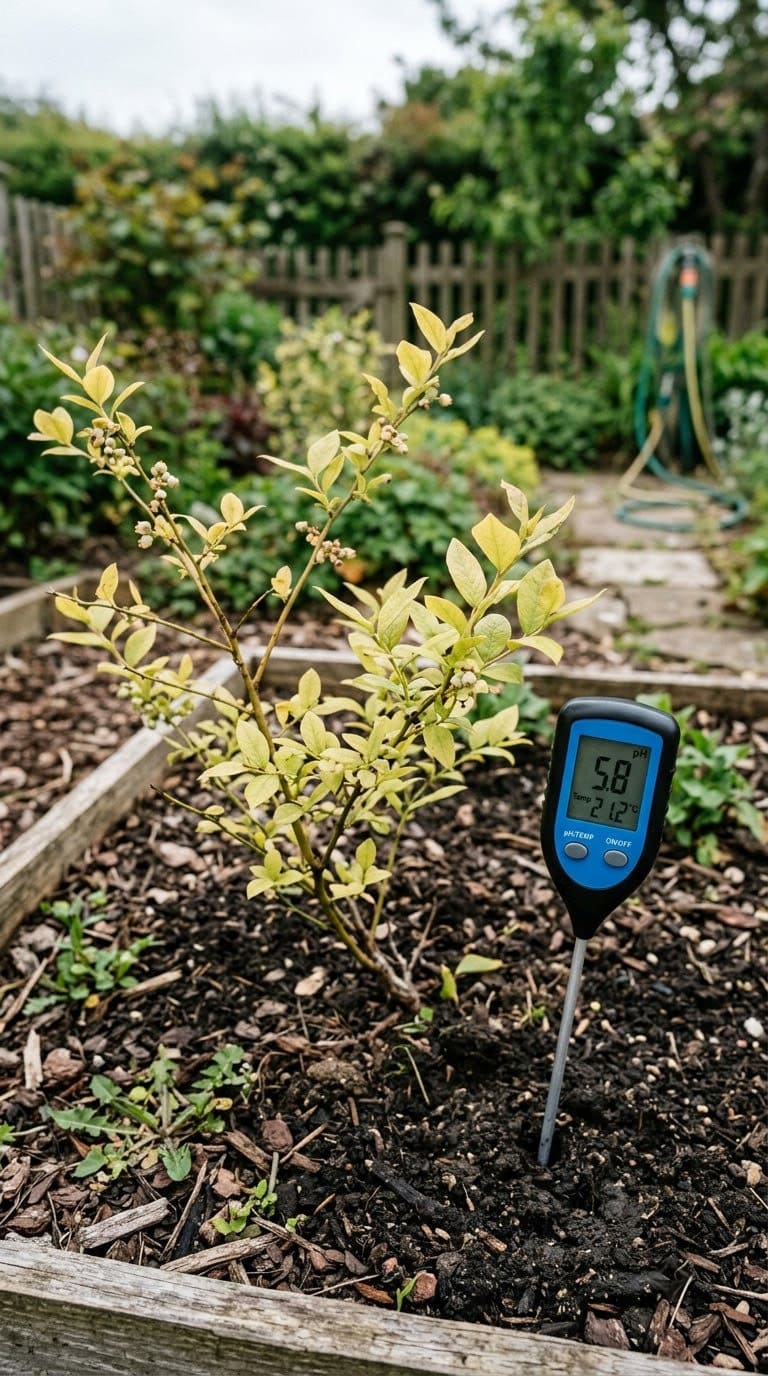
Could struggling acid- or alkaline-loving plants be a pH problem?
If blueberries, azaleas, or rhododendrons never quite thrive no matter what you do, or if a vegetable bed that’s fed properly still underperforms every year, pH mismatch is worth ruling out before anything else. Blueberries specifically need soil in the 5.0-5.5 range, notably more acidic than most garden beds naturally sit.
Test before you add anything. UAEX’s guidance is to use sulfur to acidify soil, roughly 10 pounds per 1,000 square feet as a general rate, and lime or wood ash to raise pH when it’s the reverse problem.
Wood ash works fast in small doses. A light layer is genuinely all it takes, more isn’t better here.
The average homeowner spends $616/year on yard fixes that don't address the real problem. Find out what yours actually is — before you spend another dollar.
Take the Free QuizTiming matters as much as the amendment itself. Per UNH Extension, lime is a fall application, since it works slowly and needs the winter months to complete its chemical reaction in the soil before spring planting starts.
Nitrogen and potassium amendments are the opposite case. Save those for spring, since they tend to leach out of most soils before a plant gets to use them over winter.
Does low earthworm activity mean your soil is in trouble?
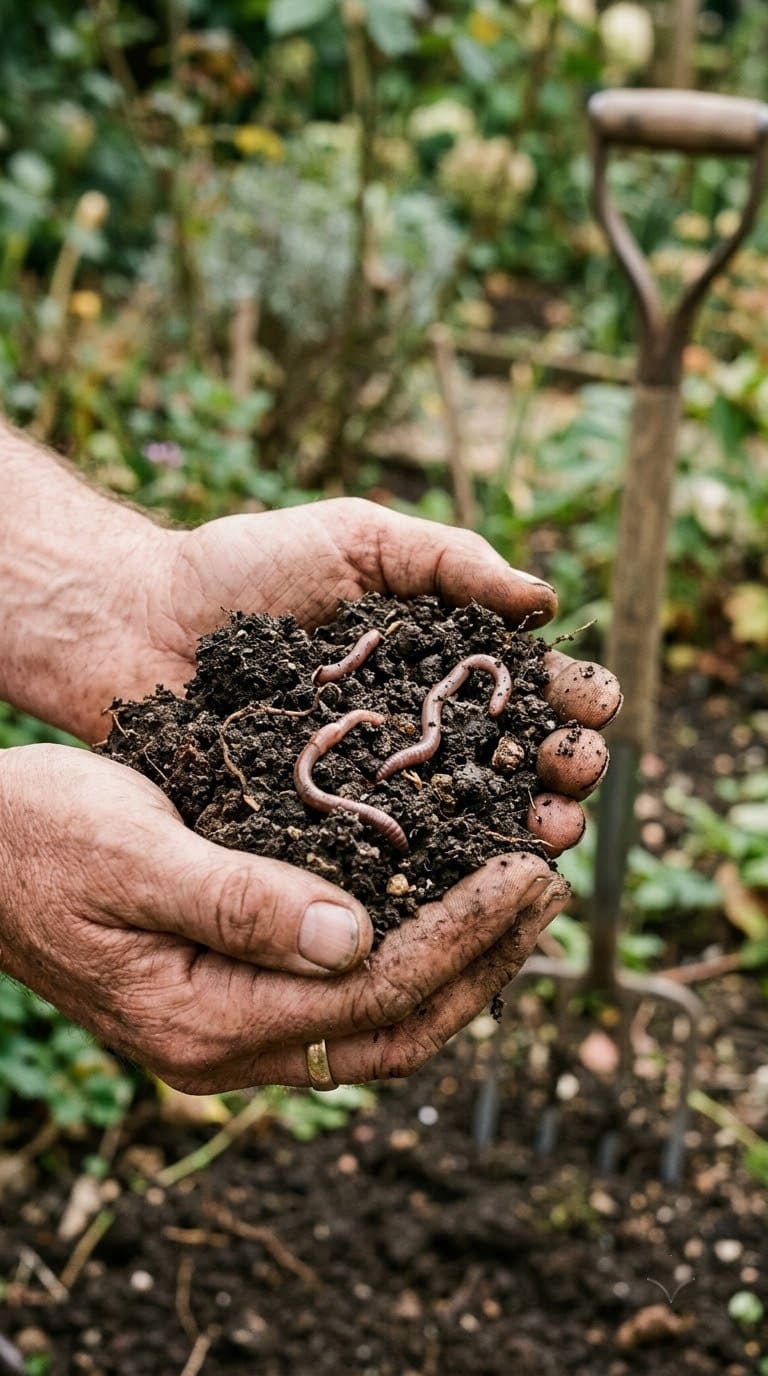
Earthworms are one of the simplest free diagnostics a home gardener has, and most people never actually check. Kansas State University Research and Extension recommends digging up one cubic foot of soil and hand-sorting it to count what’s living in there.
Ten or more earthworms in that sample is a strong sign of healthy, fertile soil. Fewer than that suggests low organic matter, or a pH that’s swung too far in one direction for worms to tolerate. Worms are genuinely sensitive to compaction and pH, so a low count often lines up with one of the other five signs on this list rather than standing alone.
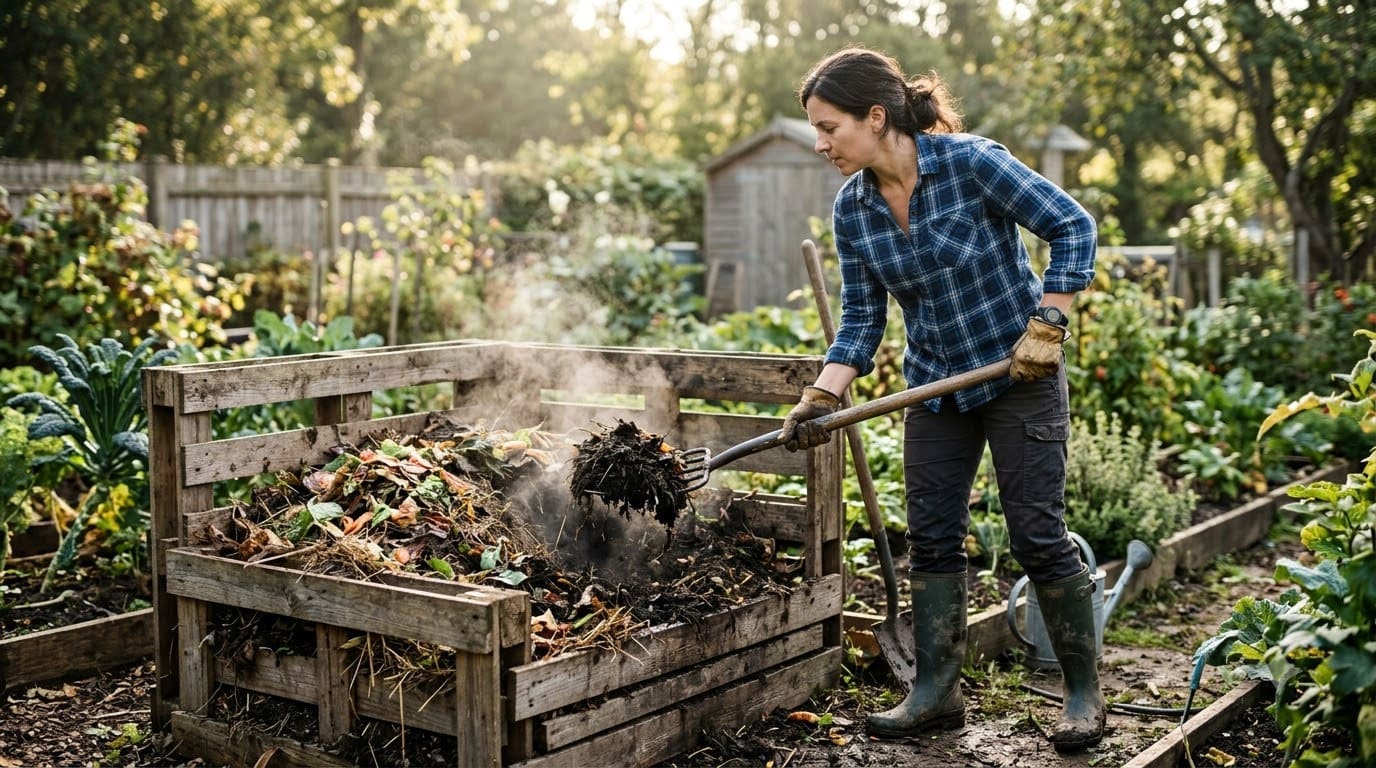
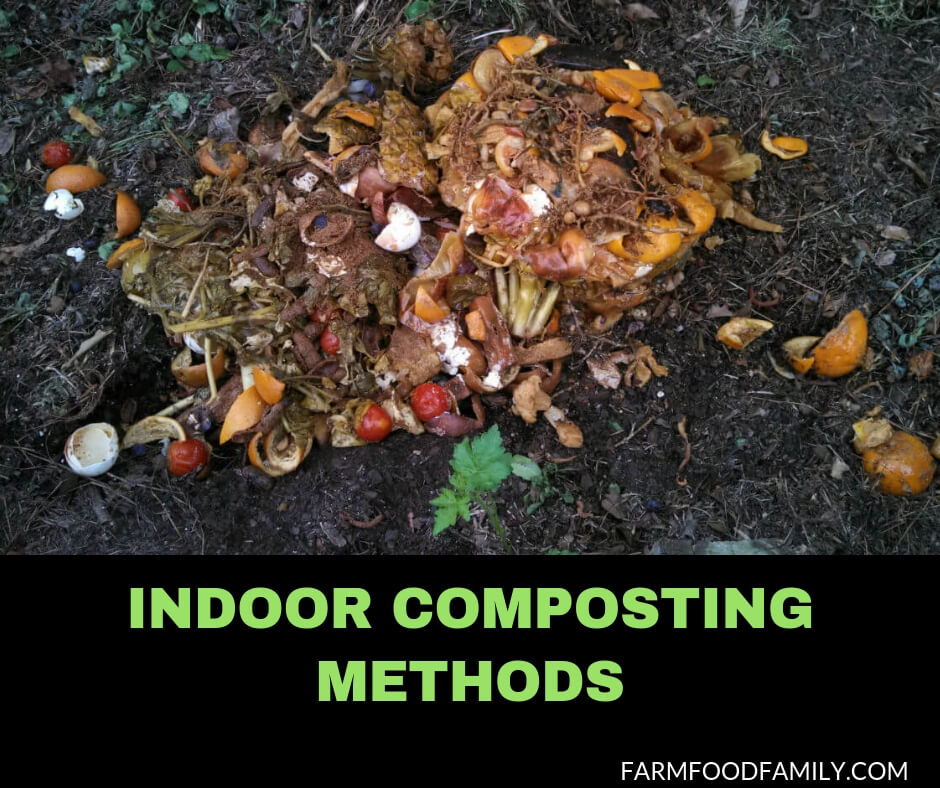
If you’re building organic matter back up anyway, feeding kitchen scraps to worms directly is a low-effort way to generate compost that also reintroduces worms to a bed that’s lost them.
Timing matters for an honest count. Worms burrow deeper when soil is cold or dry, so a test done at the wrong moment just measures weather, not soil health. K-State’s window is mid-fall, when soil is still at least 55°F and moderately moist, which happens to line up naturally with the rest of this pre-winter check.
What we learned the hard way
The mistake almost everyone makes first is treating yellow leaves as a fertilizer problem by default. It’s the instinct that costs the most money for the least result. If there’s one thing worth doing differently, it’s testing before adding anything, since a $15 soil test kit tells you in ten minutes what months of guessing won’t.
The second real trap is rushing fall amendments in too late. Lime and compost need real time to work into the soil chemistry before the ground freezes solid. Wait until the first hard freeze warning to start, and you’ve basically wasted the amendment for this season, since it’ll sit there half-reacted until spring thaw anyway.
And the earthworm test genuinely surprised us the first time. A bed that looked fine on the surface turned up four worms in a full cubic foot, which is a real red flag by K-State’s own numbers. It was quietly low on organic matter the whole time, nothing about the surface gave that away.
One more thing worth saying plainly: don’t add sand to clay soil thinking it’ll loosen things up. It’s a common instinct and it backfires. Mixed the wrong way, sand and clay behave more like the makings of concrete than loose, workable soil.
Frequently asked questions
Is it too late to amend soil in the fall?
No, and this is actually the preferred window for slow-acting amendments like lime and compost. UNH Extension’s guidance is that fall application gives these months to react before spring planting, rather than rushing them into a tight spring window.
Can I skip a soil test and just add compost to be safe?
Compost is genuinely low-risk and helps most soil types, so it’s a reasonable default if you’re not going to test. But lime and sulfur are directional. Adding the wrong one for your actual pH makes the problem worse, not better, so those two specifically shouldn’t be guessed.
How much does a real soil test cost?
Most state Cooperative Extension offices run soil tests for free or a small fee, often under $20, and mail back results within a couple weeks. That’s the same free/low-cost service UAEX and UNH both operate through their state university systems.
Will one season of amending fix compacted soil for good?
Usually not completely. Structural compaction built up over years of foot traffic or poor drainage typically takes multiple fall seasons of compost and aeration to fully rebuild.
Related Posts
- Organic Soil Preparation Techniques
- Fall Garden Cleanup Checklist
- Step-by-Step Guide to Making Garden Compost
Products We Recommend
This post contains affiliate links. We may earn a commission on qualifying purchases at no extra cost to you.
YAMRON 4-in-1 Soil Moisture Meter (pH/Moisture/Temp/Light)
No-battery probe meter for the fast pH and moisture check in signs 2 and 5, before you commit to lime or sulfur.
Shop Now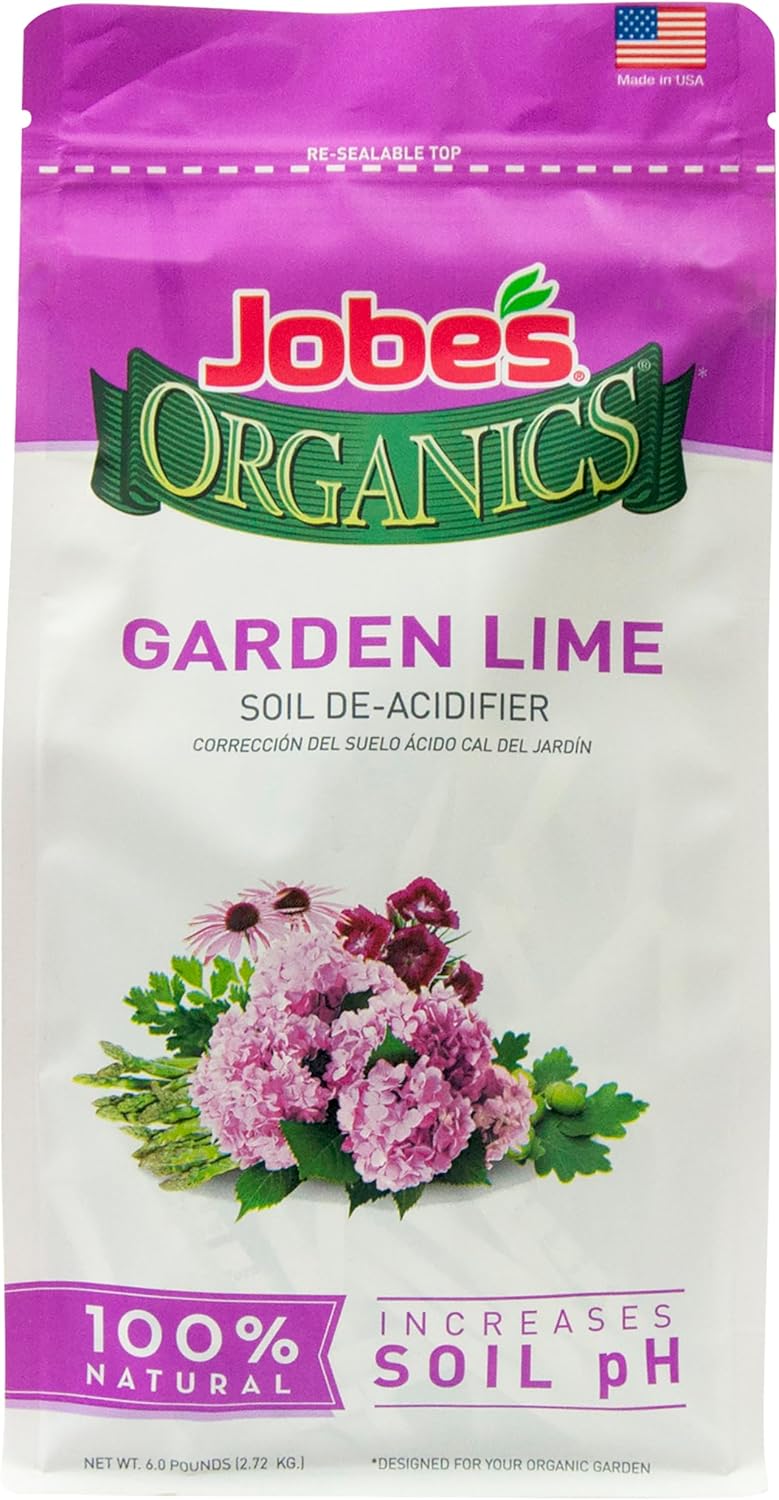
Jobe's Organics Garden Lime, 6 lb Bag
OMRI-listed granular lime for raising soil pH, the exact fall amendment called for in sign 2 and sign 5.
Shop Now
Walensee Broadfork Garden Tool, 9 Tines
Broadfork for breaking up compacted soil ahead of compost in sign 3, and for pulling the earthworm test sample in sign 6.
Shop NowNever miss an update — choose FarmFoodFamily as your preferred source on Google.
How it works: Tap the button below to open Google's settings page, then check the box next to FarmFoodFamily.
Tap the checkbox to turn it blue — that's how you know it's set.