6 Frustrating Fruit Trees Beginners Should Skip (and What to Plant Instead)
Some fruit trees need sprays every 7 to 10 days or a perfect spring, so beginners do better starting with easy trees.

Never miss an update — choose FarmFoodFamily as your preferred source on Google.
How it works: Tap the button below to open Google’s settings page, then check the box next to FarmFoodFamily.
Tap the checkbox to turn it blue — that’s how you know it’s set.
You plant a fruit tree once, and then you wait years. That’s what makes the wrong choice so painful.
The tree itself is the cheapest part. The sprays, the netting, the pruning, and the lost crops add up long before your first bowl of fruit.
So we went to the extension experts and sorted the trouble-makers. These six can be worth it, just not as a first tree.
Quick Answer
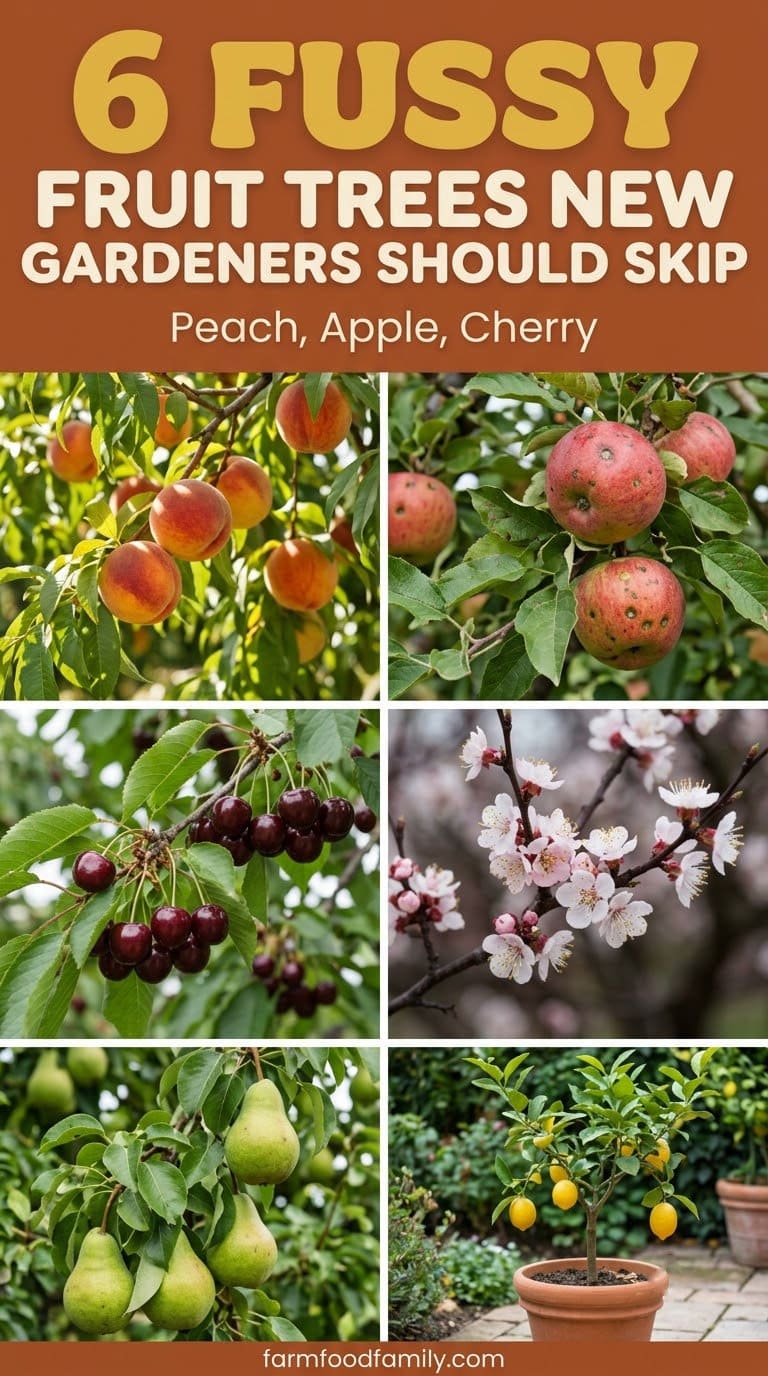
The fruit trees that cause beginners the most trouble are peaches, standard apples, sweet cherries, apricots, pears, and citrus outside warm climates. Clemson ranks apples, peaches, plums, and nectarines as “very difficult” for home gardeners, and says beginners should build skills on easier crops first.
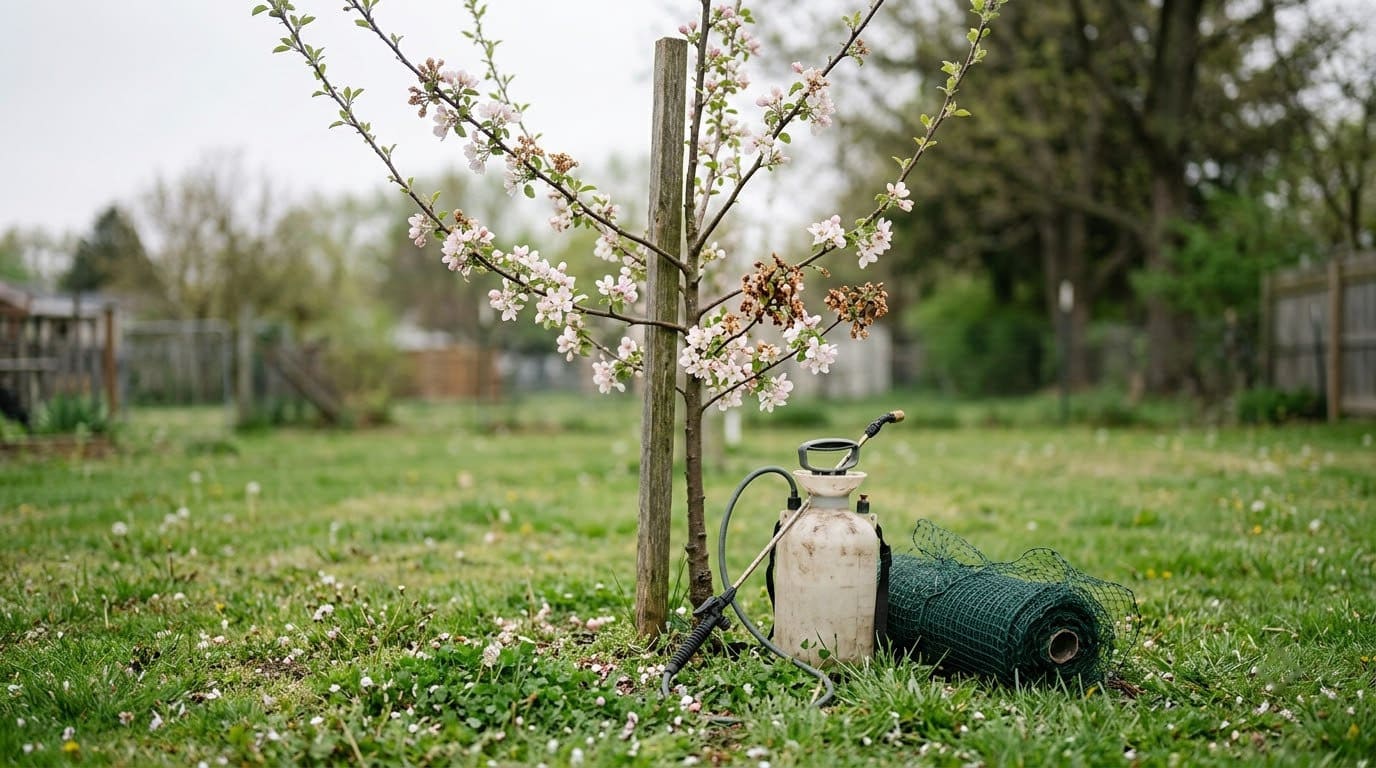
The trouble is rarely the planting. It’s the sprays, the frost, the birds, and the years of waiting. A single late freeze can erase a whole year of fruit.
Start with a fig, a tart cherry, or a resistant apple instead. Then try the harder trees once you know your yard’s frost dates and your own patience.
Answer 4 quick questions and get matched to the exact fix for your yard — drainage, budget, layout, or something else entirely.
Take the Free QuizAsk your county extension office which types do well near you. That one call can save you a season. It’s free, and the staff know your local frost dates.
Some trees also take several years to fruit.
How Did We Decide What Is “More Trouble Than It’s Worth”?
We used four tests. How many sprays does the tree need? How likely is a late frost to wipe out the crop?
Does it need a second tree or a lot of space? And how many years do you wait for a payoff?
The main yardstick is the Clemson difficulty ranking by Justin Ballew and Zack Snipes. It sorts fruit crops into four tiers, from Easy to Very Difficult.
One catch matters a lot. Clemson wrote for humid South Carolina, where fungus thrives. So a tree that struggles there may do better in a drier region, and your county extension office knows your local odds best.
Which Fruit Trees Cause the Most Trouble? A Quick Comparison
| Tree | Main trouble | What it costs you | Easier swap |
|---|---|---|---|
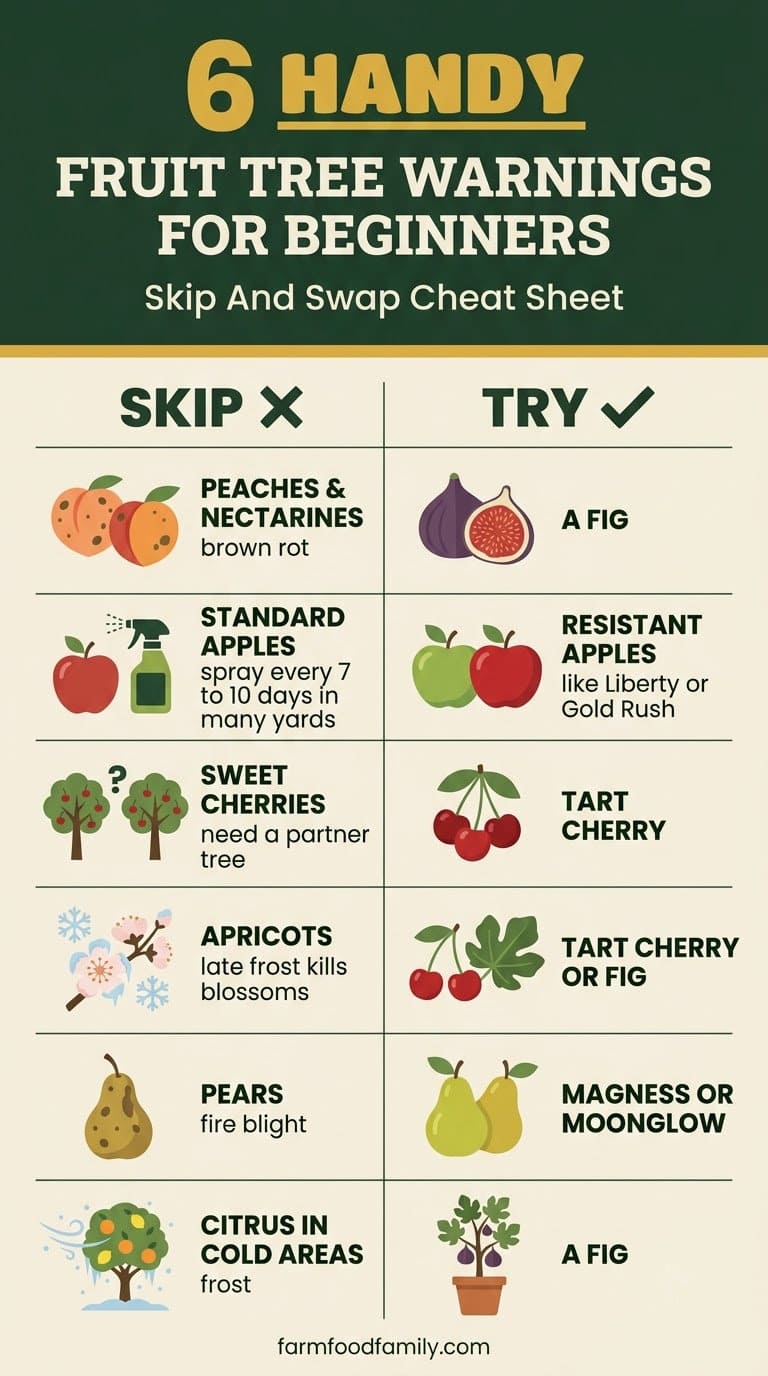
| Peaches and nectarines | Brown rot, scale, heavy pruning and thinning | Regular sprays and yearly labor | Fig |
| Standard apples | Codling moth, scab, fire blight, cedar-apple rust | Sprays every 7 to 10 days in many yards | Disease-resistant apple types |
| Sweet cherries | Frost, birds, brown rot, needs a second tree | Netting and two trees | Tart cherry |
| Apricots | Early bloom killed by late frost, heat damage | A lost crop in many springs | Tart cherry or fig |
| Pears | Fire blight, thinning, years to fruit | Prevention and patience | Fire blight resistant pears |
| Citrus outside warm areas | Frost and cold | Winter protection or hauling pots | Fig |
Each source is linked in its section below.
Most yard problems trace back to one specific, fixable cause. Find yours in 4 quick questions.
Take the Free Quiz
Lightweight 5/8-inch mesh netting that drapes over a small tree to keep birds off ripening fruit, which is the netting job Iowa State describes.
Shop NowThis post contains affiliate links. We may earn a commission on qualifying purchases at no extra cost to you.
The 6 Fruit Trees More Trouble Than They’re Worth for Beginners
1. Peaches and Nectarines
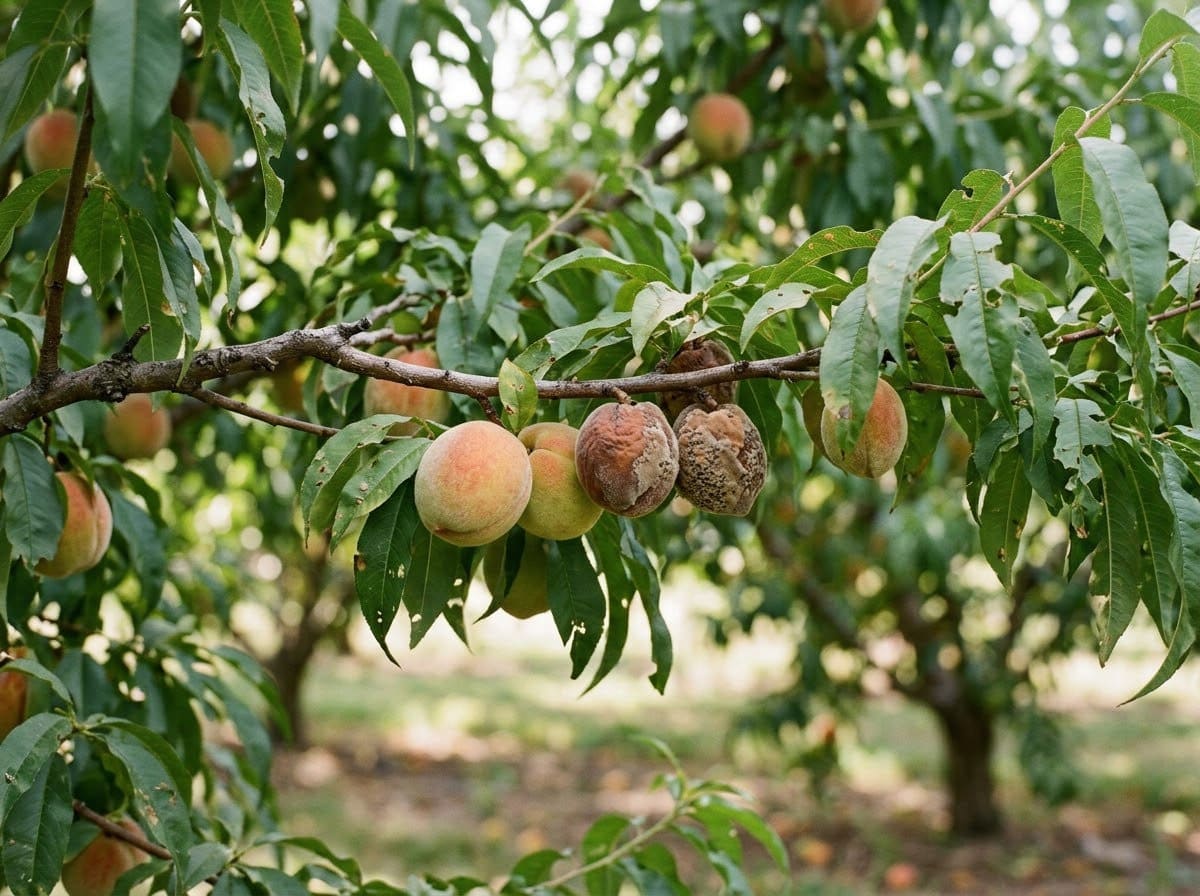
Peaches taste better than anything in a store, which is why everyone wants one. They’re also on Clemson’s “very difficult” list, along with plums and nectarines.
Clemson names brown rot, scale insects, and labor-intensive pruning and thinning as the main problems. Chilling hours also vary, so picking a type is tricky. Clemson’s own tip for beginners is blunt: buy peaches from the grocery store or a farmers market.
Brown rot is a fungus that rots fruit as it ripens. Many peach growers also meet leaf curl, a spring fungus that twists new leaves. Both mean a spray calendar, and a missed week can cost you the crop.
Plums share the same Clemson tier. Some hardier plum types may be easier in cold regions, so ask your extension office before you give up on them.
Quick tip: if you try a peach, ask the nursery for a type suited to your winter chill. Chilling needs differ by type, so a local pick matters.
Try a fig first. It’s the only crop on Clemson’s easy tier. And since pruning is its own skill, read up on common tree pruning mistakes before you cut anything.
2. Standard Apples
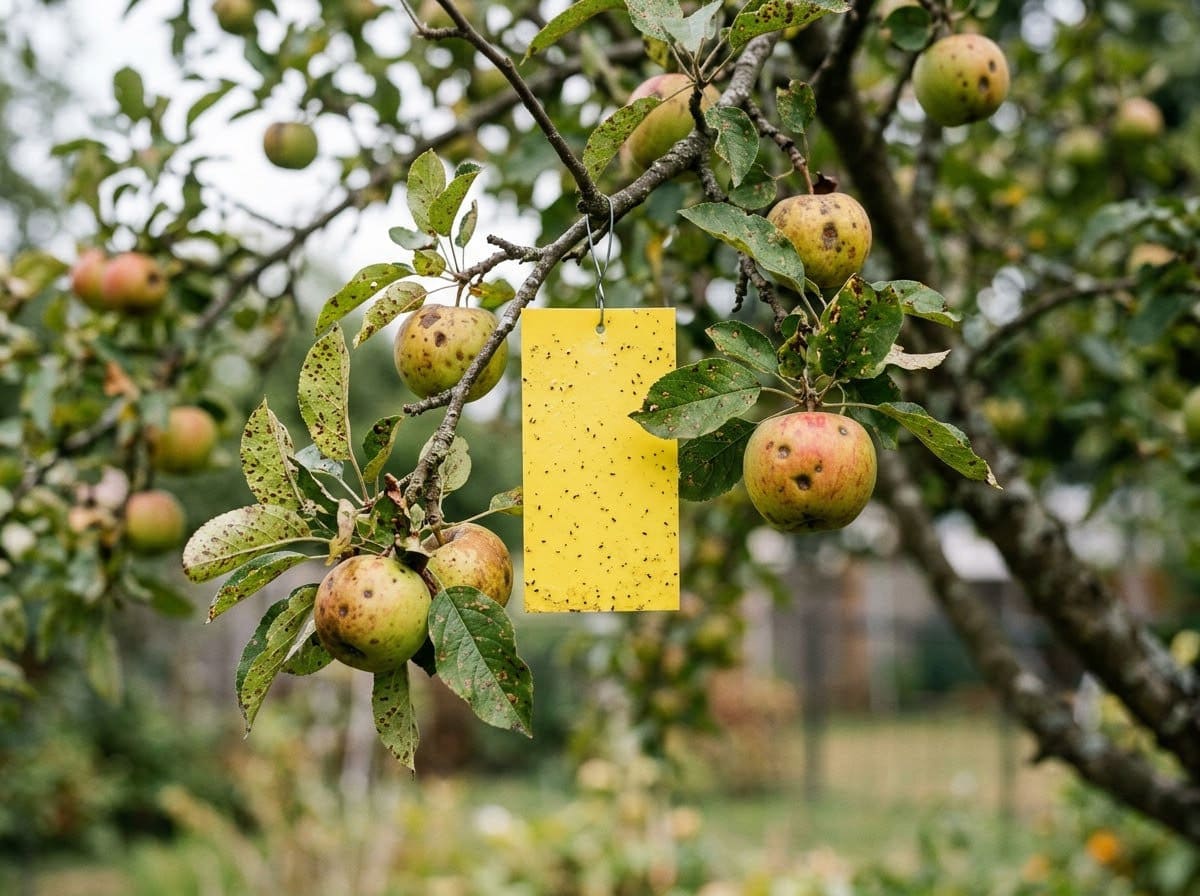
An apple tree looks like the easiest tree in the world. It isn’t.
Clemson lists apples as “very difficult,” citing fire blight, scab, cedar-apple rust, and costly disease management. Colorado State adds that codling moth is the most serious pest of pome fruits like apples and pears. Backyard growers often need to spray every 7 to 10 days, and weekly where pressure is high.
That’s a lot of Saturdays. The same guide says pruning and fruit thinning are needed just to get good spray coverage.
The average homeowner spends $616/year on yard fixes that don't address the real problem. Find out what yours actually is — before you spend another dollar.
Take the Free QuizHere’s the good news. Resistant types cut the work, though they don’t end it.
Illinois lists Gold Rush, Empire, Enterprise, Liberty, and Winecrisp as apples with some fire blight resistance. Resistant isn’t immune, so expect some trouble.
If you buy a tree, buy a resistant one. Keep a lid on expectations for flawless fruit, because blemishes are normal.
Quick tip: hang a yellow sticky trap in the tree early. Colorado State says to time codling moth sprays from the first adults you catch.
3. Sweet Cherries
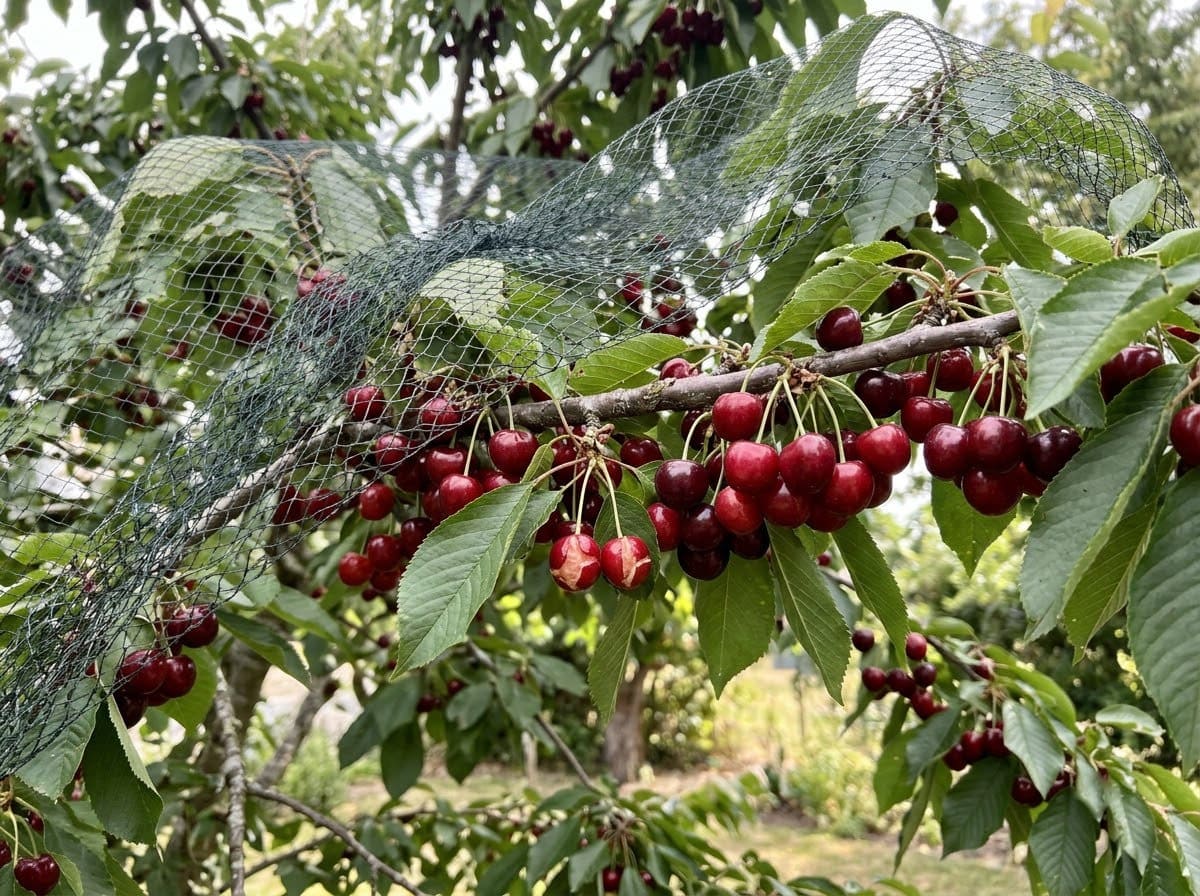
Sweet cherries pile up four problems at once. They bloom early, they usually need a partner tree, birds love them, and wet weather ruins ripe fruit.
Iowa State says most sweet cherries can’t pollinate themselves. You need a second type nearby to get fruit. Early bloom also makes the flowers more prone to late spring frost damage.
The numbers are sobering. Iowa State says sweet cherries give a good crop about 2 or 3 years in 5 in Iowa. The trees seldom live more than 10 years there.
Netting must cover the whole canopy and attach to the trunk or ground.
Brown rot hits hardest in wet, warm weather during ripening, according to the same page. You could do everything right and still lose the crop to one rainy week.
Quick tip: Iowa State says to avoid low spots and south or west exposures for sweet cherries, since those raise the frost risk.
Tart cherries are the happier choice, and you’ll find them in the swaps below. Our guide to types of cherry trees helps you tell them apart.
4. Apricots
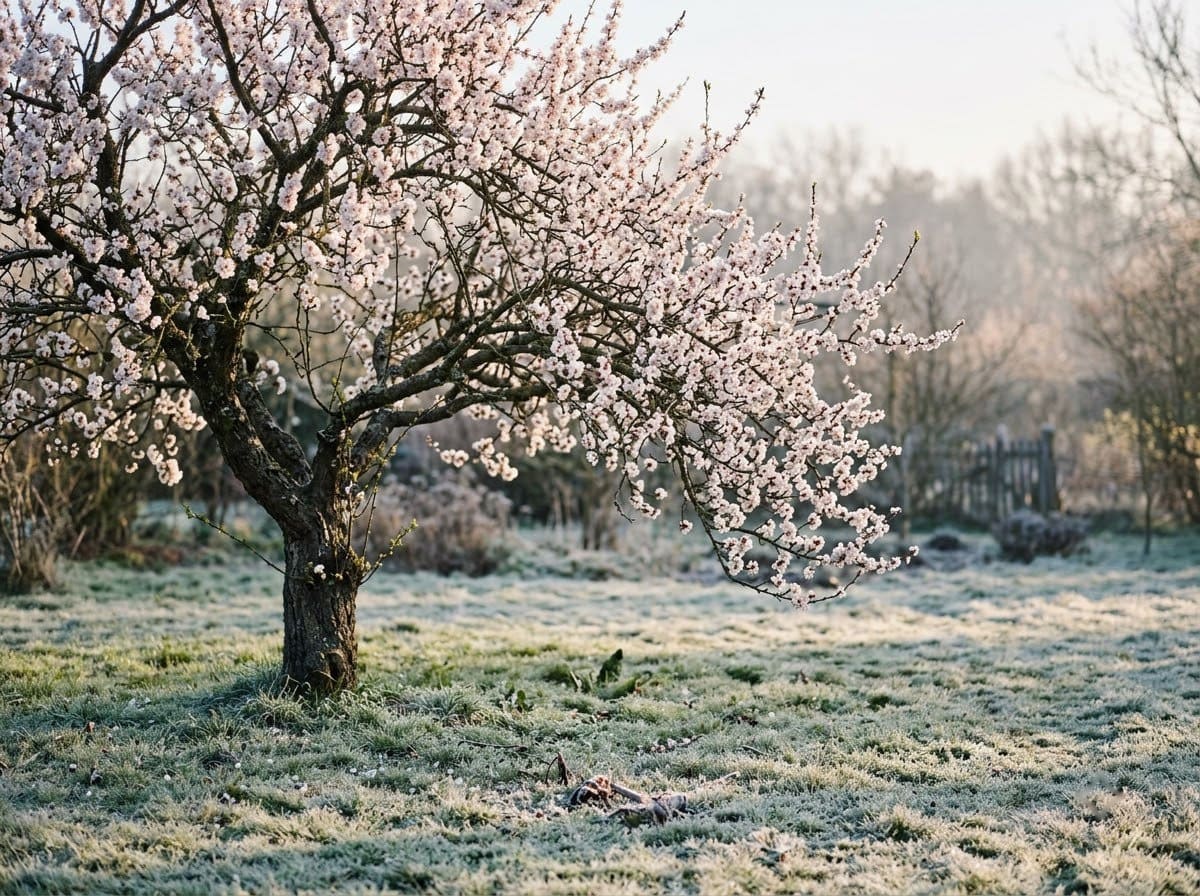
Apricots bloom so early that the weather often wins. A University of California guide says early blooming limits where apricots can grow, more than peaches and nectarines. Late spring frosts tend to damage the blossoms and limit fruit set.
Heat is a problem too. The same UC guide says apricots do poorly where summers are extremely hot. The fruit of many types gets heat damage.
The upkeep list is long. UC advises a bloom-time spray for brown rot and thinning fruit to about 4 to 6 inches apart. It also says to prune by early September in California to prevent Eutypa fungus.
On a fruit-growing forum, one New England grower described losing nearly every fruit to a few hours at 29°F just after bloom. That’s an anecdote, not a study, but it matches the extension warning.
A sheltered spot and a late-blooming type help. So do these frost protection ideas for special plants.
5. Pears
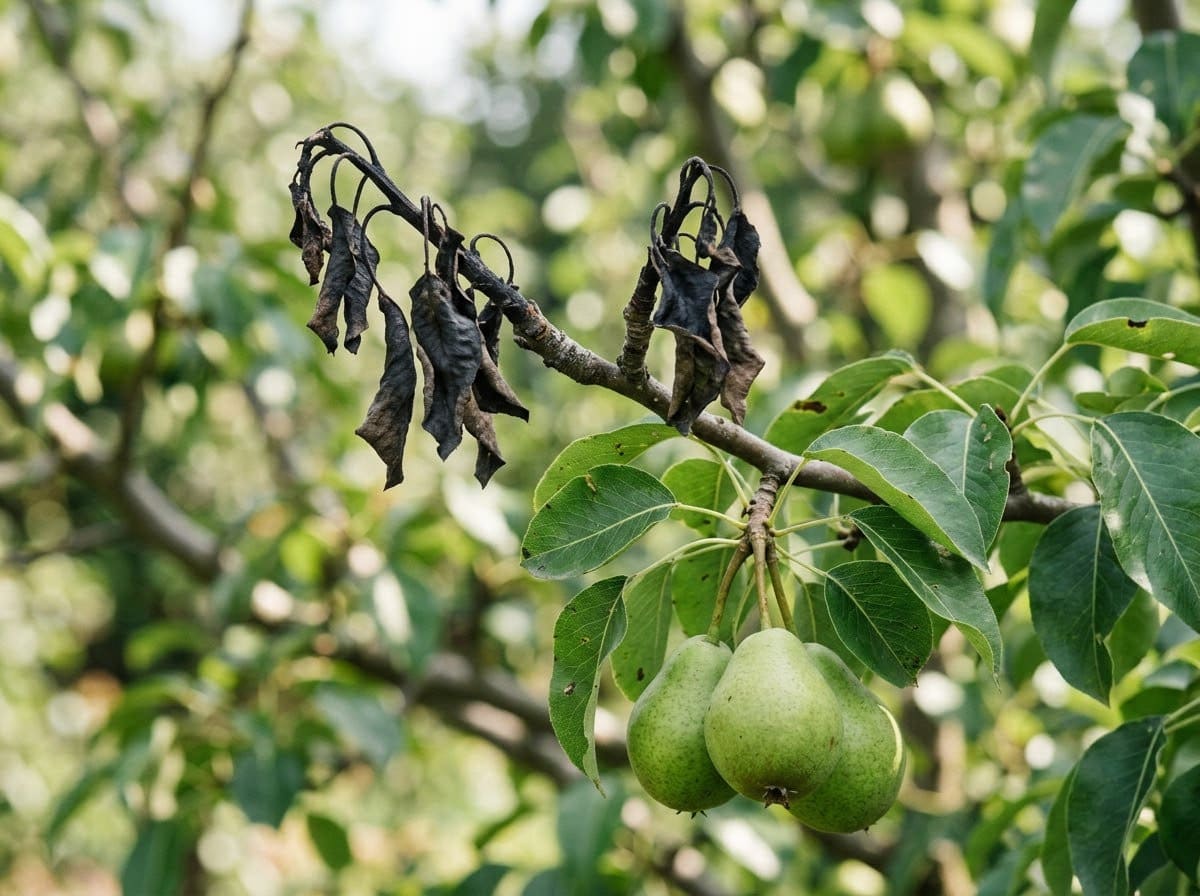
This one will surprise you. Many nursery blogs call pears an easy starter tree. Clemson ranks them “difficult.”
Clemson cites fire blight, required fruit thinning, wildlife damage, and several years to bear. Its advice is to choose types resistant to fire blight.
Fire blight is a bacterial disease that spreads at bloom through insects, rain, and wounds, according to Illinois. Antibiotic sprays only prevent it, they can’t cure it. Illinois says it usually doesn’t kill apple and pear trees, but cankers can girdle branches and cause dieback.
Pruning out infected wood means cutting 6 to 8 inches below cankers while the tree is dormant. Illinois also warns against too much nitrogen. Lush new growth is the easiest target.
If you want a pear, ask for Magness, Maxine, Moonglow, or Summercrisp, which Illinois lists as resistant.
6. Citrus Outside Warm, Frost-Free Areas
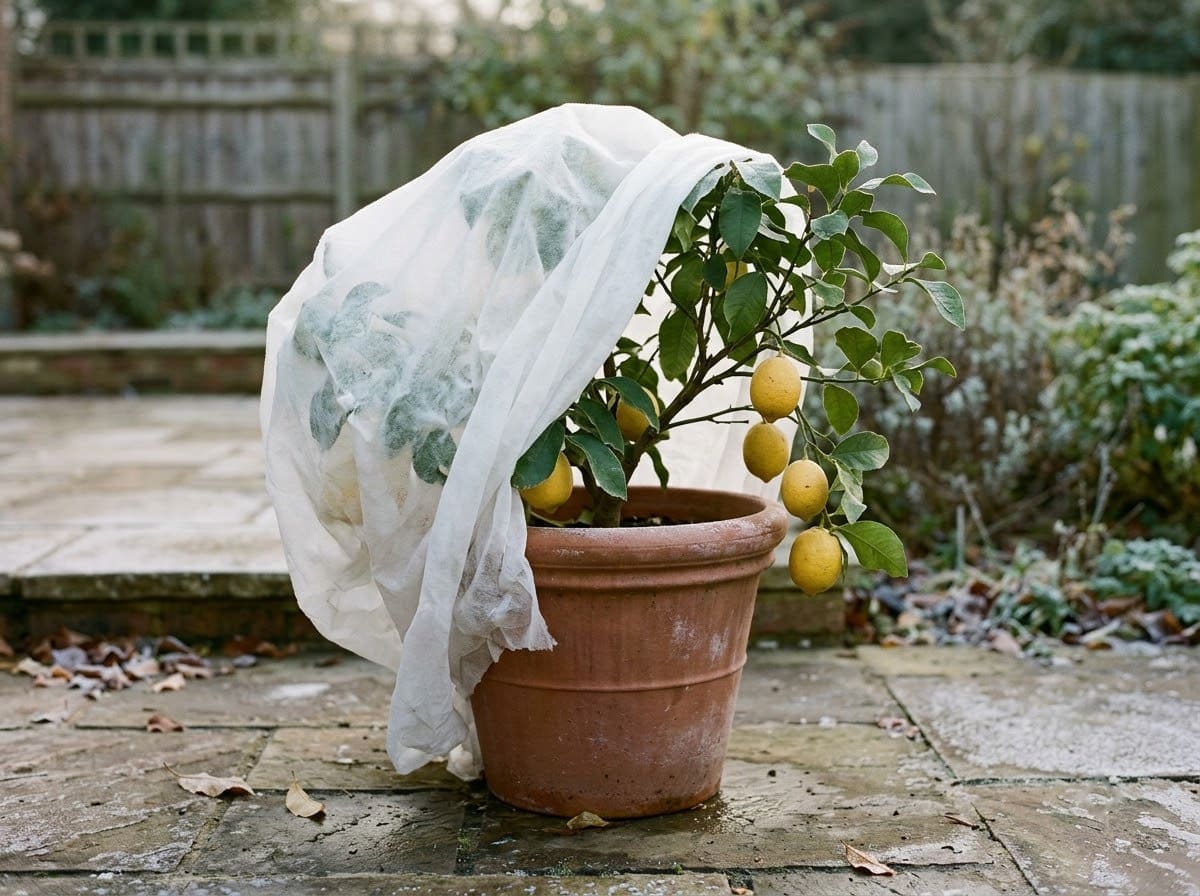
Citrus is not the hardest tree here. Clemson puts it in the middle “intermediate” tier. But it earns a spot because the weather decides your fate, not your skill.
Clemson says citrus is susceptible to cold inland, and frost is the main hurdle beyond the warmest coastal areas. Its advice is to choose types carefully. In cold climates, that usually means a heavy pot that has to come indoors every fall.
That’s a real chore, and a forgotten cold night can set the tree back badly. If you love the idea, try one tree in a pot and learn its needs before you scale up.
Skip citrus if you live where hard freezes are normal and you don’t have a bright indoor spot. A fig is the better bet.
What Does a Year of Trouble Actually Look Like?
It helps to see the work on a calendar. This table pulls the tasks the extension guides above ask for on spray-heavy trees.
| When | Task | Source tree |
|---|---|---|
| Winter | Dormant oil if borers, scale, mites, or aphids keep coming back | Apricot (UC) |
| Bloom | Brown rot spray, and fire blight protection every 3 to 5 days in prone areas | Apricot, apple (UC, Colorado State) |
| After petal fall | Start codling moth sprays, then repeat every 7 to 10 days | Apple (Colorado State) |
| Early summer | Thin fruit so branches don’t snap and fruit grows bigger | Apricot (UC) |
| Late summer | Prune by early September in California | Apricot (UC) |
| Fall | Remove mummified fruit and fallen leaves | Cherry (Iowa State) |
Add it up and a single apple tree can mean many spray days over one season. That’s before pruning, thinning, and netting.
None of this is impossible. It’s just a second hobby on top of gardening, and most beginners don’t know they’ve signed up for it.
What Should Beginners Plant Instead?
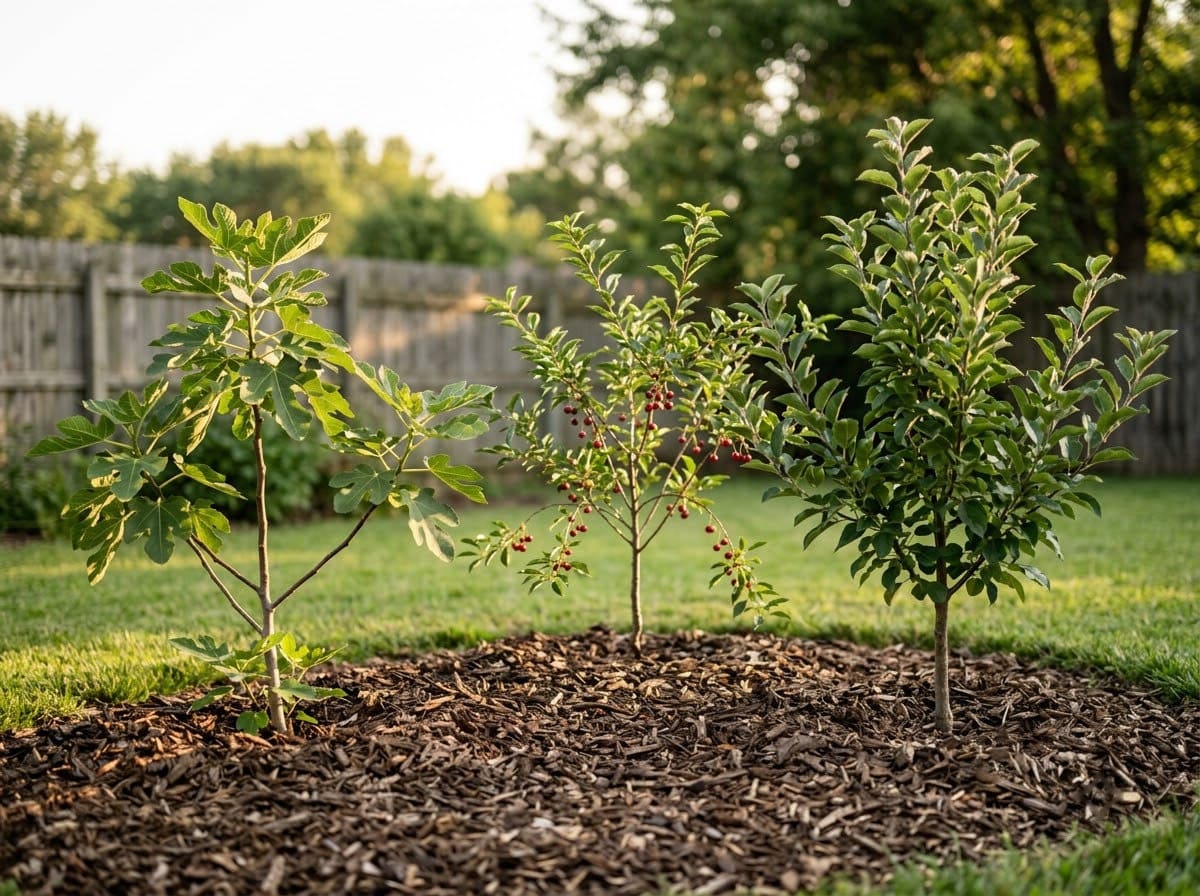
Start with the trees that forgive mistakes. Here’s where we’d begin.
Fig. Clemson places figs in its only easy tier and calls them quite forgiving. Give the tree plenty of room, because some can reach 30 feet. Root-knot nematodes can be a problem at some sites.
Tart cherry. Iowa State says sour cherries are self-fruitful, so one tree is enough. They bloom later, which helps with frost. ‘Northstar’ stays a dwarf at 8 to 10 feet, ‘Meteor’ is a semi-dwarf at 10 to 14 feet, and both have excellent cold hardiness.
Resistant apples and pears. Use the Illinois lists above, and you’ll face fewer disease battles.
Asian persimmon. Clemson rates it intermediate. Some types are monoecious, meaning one tree can fruit, but expect several years to bear and wildlife visits.
Prefer a bush to a tree? Clemson puts blueberries in the middle tier as well, and our guide to growing organic blueberry plants covers the basics.
Five Questions to Ask Before You Buy Any Fruit Tree
Run through these at the nursery. They take five minutes and can spare you a lost season.
First, what’s my last spring frost date? Early bloomers need a safe margin, and these frost protection tips for the garden can help in a pinch.
Second, does this tree need a partner? Sweet cherries usually do, and that doubles the space you need.
Third, how big will it get? A fig can reach 30 feet, so check the label and your property line.
Fourth, will I really spray? If not, pick a resistant type or an easy tree.
Fifth, does my county office recommend this type? They know your local frost, humidity, and pests.
What Gardeners Keep Running Into
The first problem is frost. It usually costs you a year of fruit rather than the tree. Early bloomers like apricots and sweet cherries get hit hardest.
The second is the spray calendar. A 7 to 10 day schedule sounds fine in April and miserable by July. Skip a few sprays and the fruit can turn wormy or rot.
The third is birds. Netting works, but Iowa State says it has to cover the whole canopy and be secured. See our tips on keeping birds out of the garden before harvest.
The fourth is time. Pears and persimmons take several years to bear, according to Clemson. That’s a long wait to learn the tree was a poor fit.
If a tree starts to decline, don’t panic. Our guide on how to save a dying fruit tree walks through the common causes.
One safety note on sprays.
The UC publication says to keep all chemicals in their original containers. Lock them in a cabinet, out of reach of kids, pets, and livestock. Follow the label, and don’t let spray drift onto a neighbor’s garden.
Is It Ever Worth Trying One of These Anyway?
Yes, sometimes. If you love peaches and your yard has a sheltered spot, one tree is a fun experiment.
We’d say go for it if you’ll spray on schedule and can net the tree. Your local office should also list a type that works near you. Plant only one hard tree at a time, next to easier ones.
And if you’d rather not spray at all, pick from the swaps above. Fewer chores means more fruit you actually enjoy.
Frequently Asked Questions
What is the hardest fruit tree to grow for beginners?
Apples, peaches, plums, and nectarines top Clemson’s “very difficult” list for home gardeners in South Carolina. Results vary by region. Ask your county extension office.
Can you grow fruit trees without spraying?
Some, yes. Clemson calls figs the easiest, and resistant types cut the work for apples and pears. But resistant doesn’t mean immune, per Illinois.
What is the easiest fruit tree for a beginner?
Figs, according to Clemson, as long as you give them room to grow. Tart cherries are also easy in cold areas.
Do I need two cherry trees?
For sweet cherries, usually yes. Iowa State says most need a partner. Sour cherries are self-fruitful, so one tree is enough.
How long does a fruit tree take to bear fruit?
It depends on the tree. Clemson notes that pears and Asian persimmons take several years to bear, so plan for a wait.
Products We Recommend
This post contains affiliate links. We may earn a commission on qualifying purchases at no extra cost to you.
Dalen Bird-X Protective Mesh Netting for Fruit Trees and Berries, 7 x 20 ft
Lightweight 5/8-inch mesh netting that drapes over a small tree to keep birds off ripening fruit, which is the netting job Iowa State describes.
Shop Now
Corona BP 3180D Forged Classic Bypass Pruner, 1-inch cutting capacity
A forged bypass pruner for clean cuts on young branches and fire blight removal, easy to sanitize between cuts.
Shop Now
AlpineReach Frost and Sun Protection Plant Cover, 10 x 30 ft
A thick floating-row frost cloth to drape over blossoming branches or a potted citrus tree on freezing nights.
Shop NowNever miss an update — choose FarmFoodFamily as your preferred source on Google.
How it works: Tap the button below to open Google's settings page, then check the box next to FarmFoodFamily.
Tap the checkbox to turn it blue — that's how you know it's set.