10 Surprisingly Easy Vegetables to Grow With Kids (With Days to Harvest)
Kids stay hooked when the first harvest lands within weeks, so plant fast crops first and add one slow crop beside them.

Never miss an update — choose FarmFoodFamily as your preferred source on Google.
How it works: Tap the button below to open Google’s settings page, then check the box next to FarmFoodFamily.
Tap the checkbox to turn it blue — that’s how you know it’s set.
Most kid gardens die for one boring reason. The first crop takes four months, and a six-year-old forgets about it by week three.
It’s easy to see why. The seeds go in with big excitement, nothing shows for ages, and the trowel ends up in the sandbox.
So we built this list around speed and payoff. Every crop here gives kids something to see, touch, or eat soon, and each one grows in a pot if you don’t have a yard.
Quick Answer
The easiest vegetables to grow with kids are radishes, leaf lettuce, and bush beans. Radishes can be ready in 25 to 30 days, according to University of Georgia (UGA) Extension, so a child sees a harvest before the novelty fades.
Pair one fast crop with one slow, exciting crop like cherry tomatoes or a small pumpkin. The fast crop keeps interest alive while the slow one grows, and that’s the trick behind a kid garden that lasts the whole season.
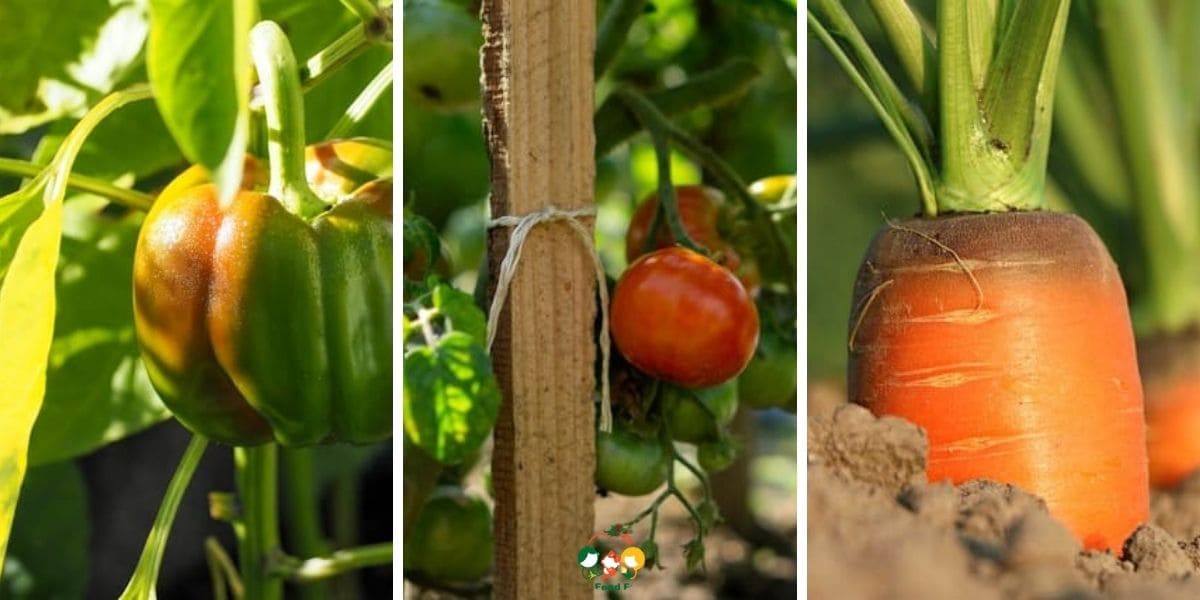
Choose varieties that suit small hands, such as bush beans and small carrots. Most of the crops in this guide grow fine in pots, so a balcony or patio step is enough.
Answer 4 quick questions and get matched to the exact fix for your yard — drainage, budget, layout, or something else entirely.
Take the Free QuizTeach one rule on day one. Wash hands with soap for at least 20 seconds after gardening, and keep pesticides out of the kid garden.
How Did We Pick These 10 Vegetables?
We used four tests. A crop had to show visible progress within a week or two, or give a harvest in under about 70 days.
It also had to be easy to start from seed or a cheap plant. And it had to be safe to eat after a wash and happy in a container.
Two crops break the 70-day rule on purpose. Cherry tomatoes and pumpkins take longer, but the payoff is so big for kids that we think they earn a spot.
Days to harvest differ by source and by variety. So the table below shows the range, and each crop gives one number with its source named.
Which Vegetables Are Fastest and Easiest? A Quick Comparison
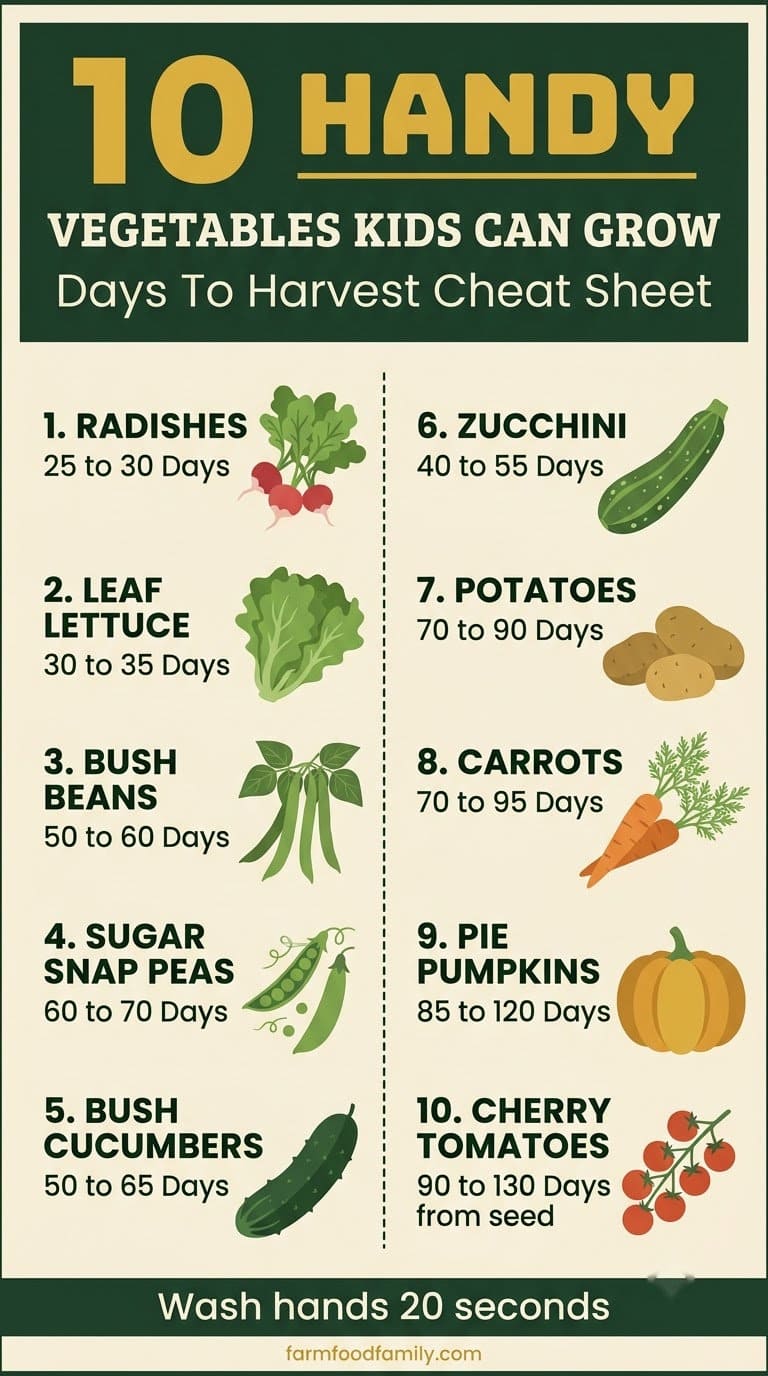
| Vegetable | Days to harvest | Container size | Best kid job | Difficulty |
|---|---|---|---|---|
| Radishes | 25-30 | 1 gallon, 3 plants | Poking seeds in with a finger | Easiest |
| Leaf lettuce | 30-60 | 1 gallon, 2 plants | Snipping leaves with kid scissors | Easiest |
| Bush beans | 50-60 | 2 gallons, 3 inches apart | Picking pods | Easy |
| Sugar snap peas | 60-70 | Pot with a trellis | Eating them off the vine | Easy |
| Cherry tomatoes | 90-130 from seed | 5 gallons, 1 plant | Picking ripe red fruit | Medium |
| Bush cucumbers | 50-65 | 1 gallon, 1 plant | Finding hidden cucumbers | Easy |
| Zucchini | 40-55 | 5 gallons, 1 plant | Daily size check | Easy |
| Small carrots | 60-95 | 1 gallon, 2-3 plants | Pulling a surprise | Medium |
| Potatoes | 70-90 | Grow bag or deep tub | Digging for “treasure” | Easy |
| Small pie pumpkins | 85-120 | Ground, about 6 ft x 4 ft | Hollow-sound tap test | Medium |
Sources: days from UGA and Cornell, container sizes from Texas A&M.
The 10 Easiest Vegetables to Grow With Kids
1. Radishes
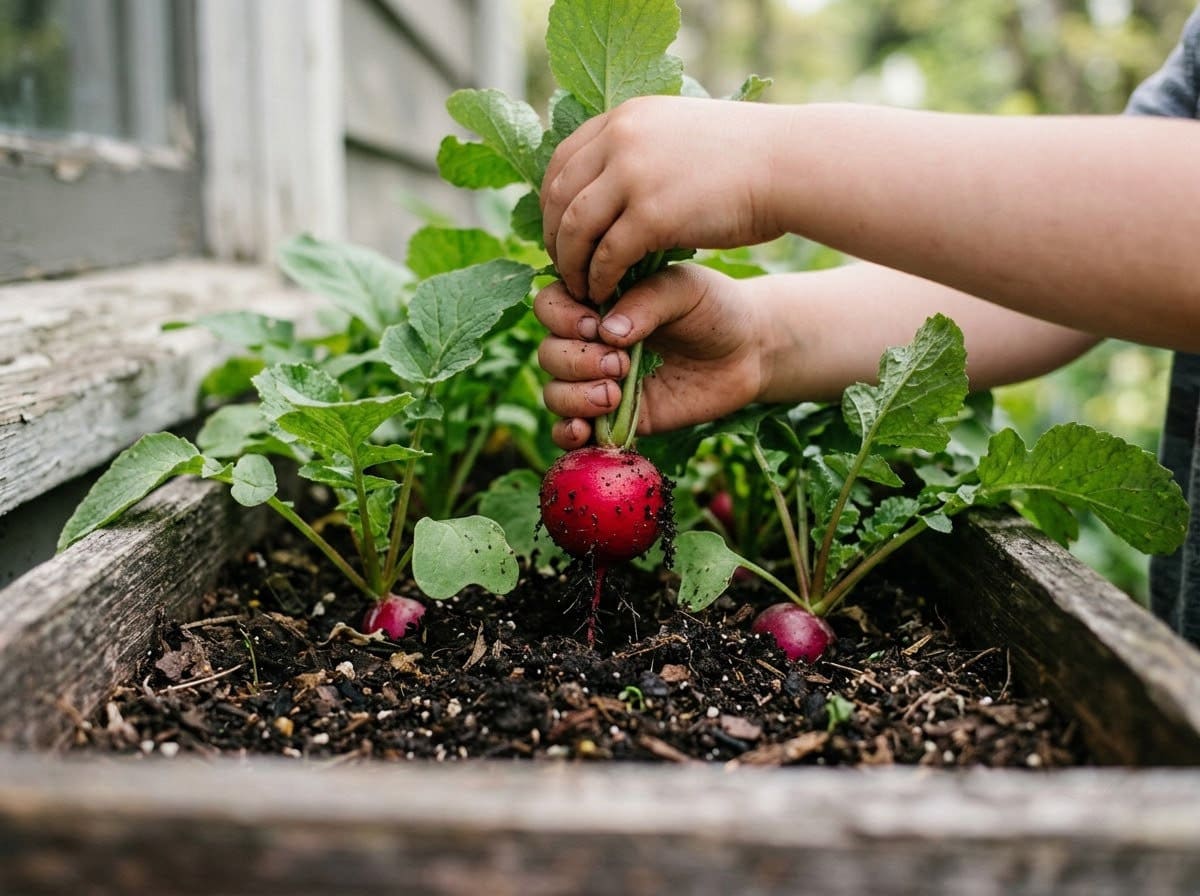
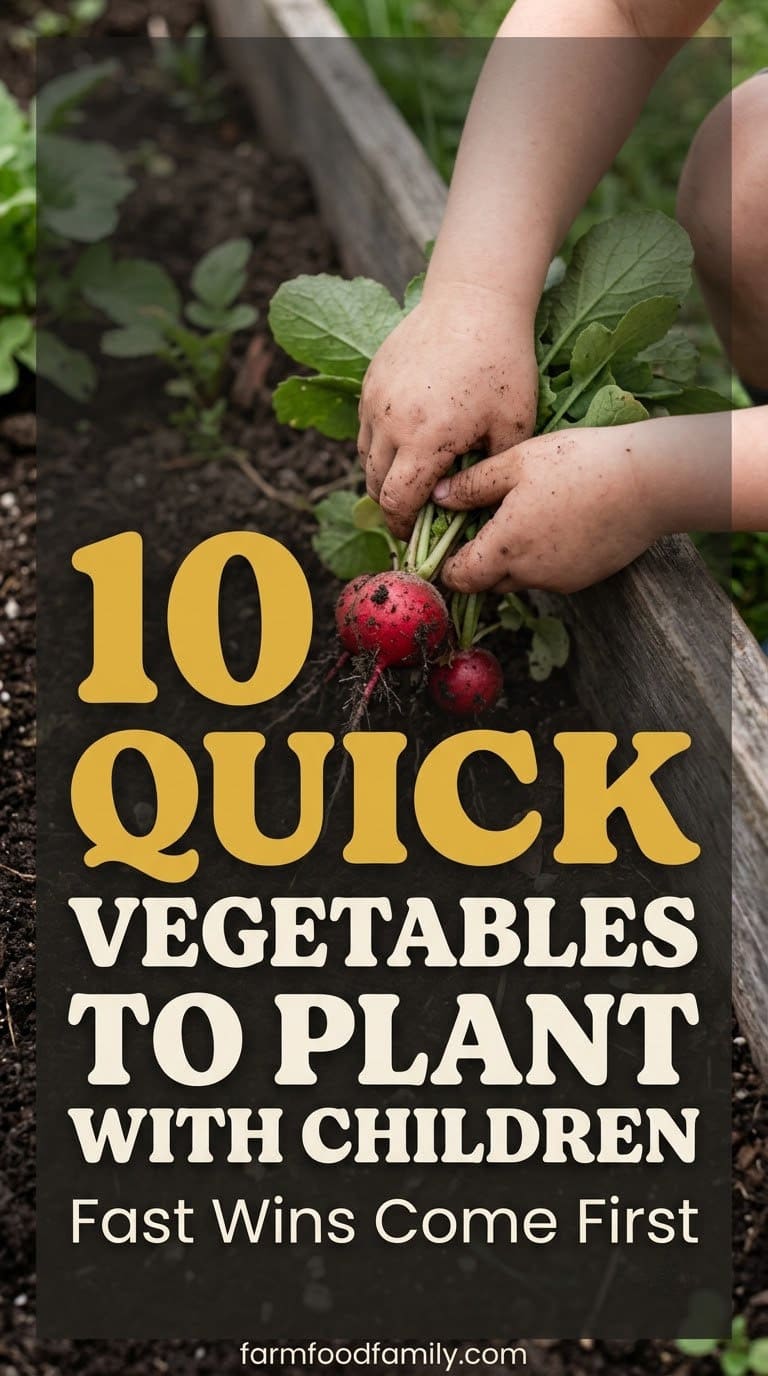
Radishes are the best first crop we know. UGA Extension lists them at 25 to 30 days to maturity, and the seed goes in only half an inch deep.
Most yard problems trace back to one specific, fixable cause. Find yours in 4 quick questions.
Take the Free Quiz
A lightweight, child-sized tool kit with a canvas tote, so small hands can dig, water and plant without borrowing your full-size tools.
Shop NowThis post contains affiliate links. We may earn a commission on qualifying purchases at no extra cost to you.
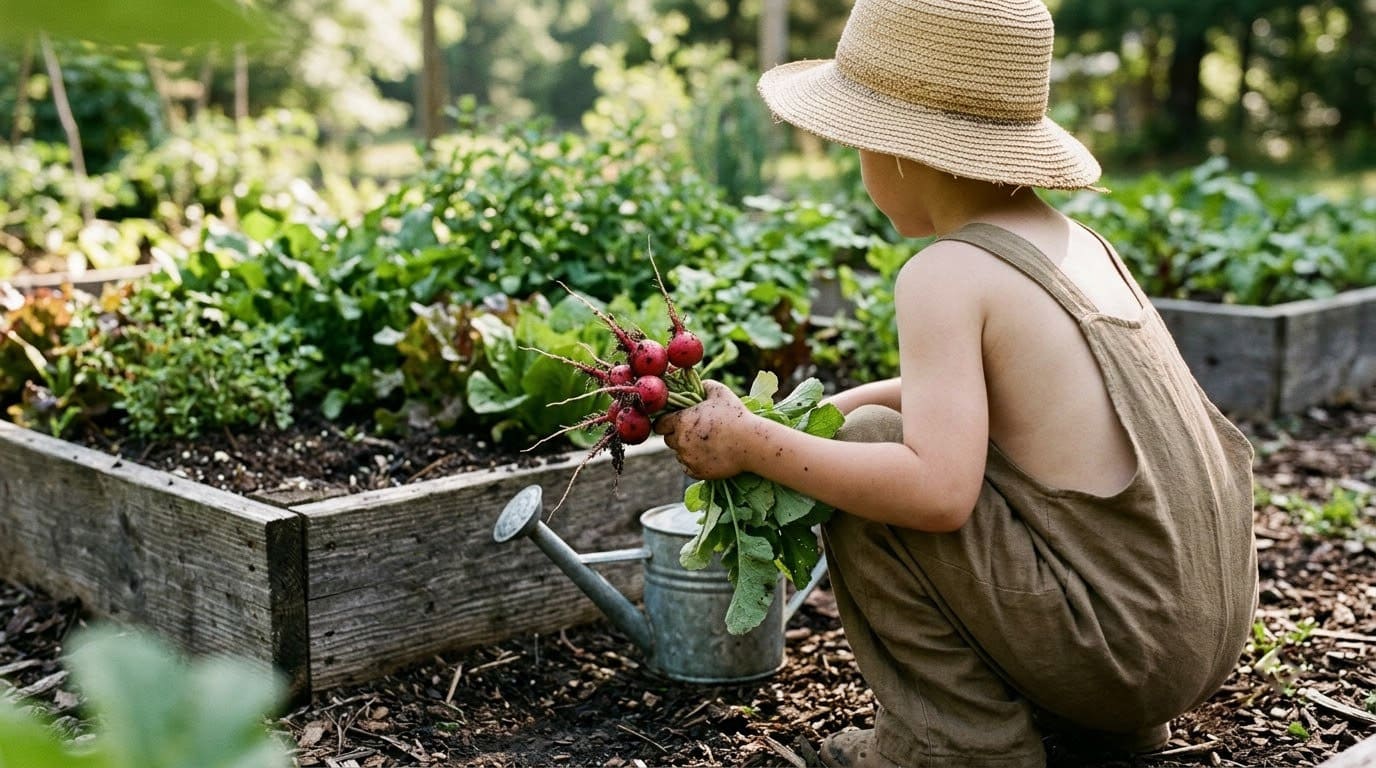
Let your child poke a hole with a fingertip, drop in a seed, and pat the soil over it. Joseph Masabni of Texas A&M says a 1-gallon pot holds three radish plants, and the crop also tolerates partial shade.
Try Cherry Belle or Scarlet Globe. Expect one failure: radishes left in the ground too long get tough and sharp-tasting, so pull them on a schedule. That’s a good first lesson in timing, and it pairs well with the lettuce in idea 2.
2. Leaf Lettuce
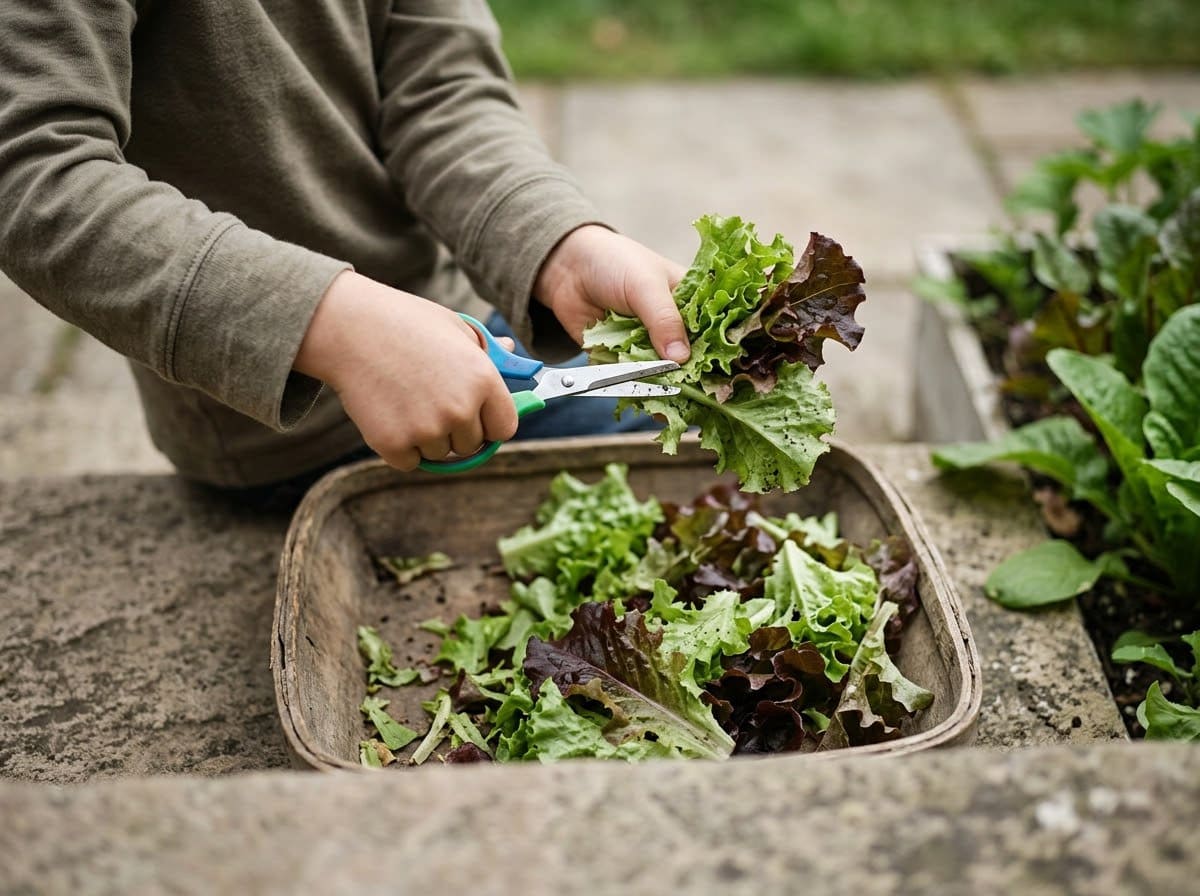
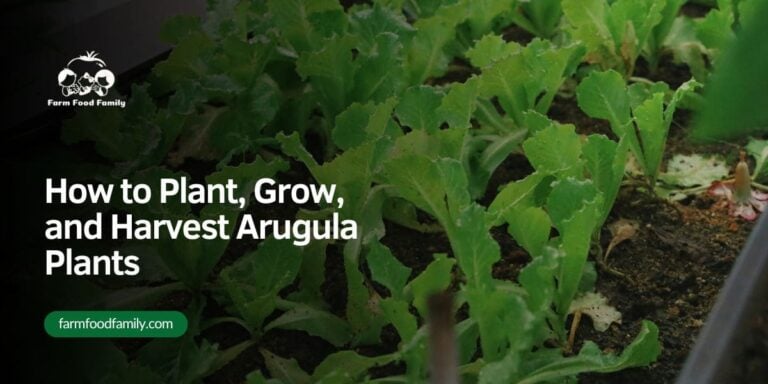
Leaf lettuce gives kids a harvest and a haircut game in one. Cornell Cooperative Extension Allegany County puts leaf types at 30 to 35 days. Seeds sprout in 7 to 10 days if the soil stays moist.
Texas A&M’s guide fits two plants in a 1-gallon pot and lists Buttercrunch and Salad Bowl as good container varieties. It also grows well in partial shade, so a porch step works.
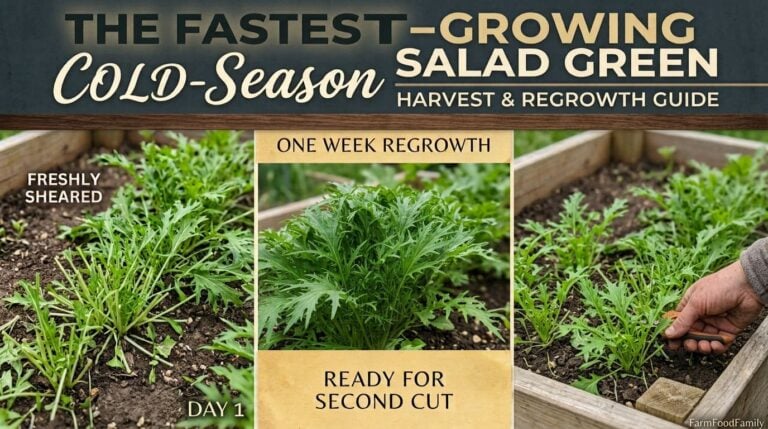
Give your child blunt kid scissors and let them snip a few outer leaves. The plant keeps growing, which turns a one-time harvest into a daily game.
Quick tip: rinse the leaves under the tap before anyone eats them, even if they came from your own pot.
3. Bush Beans
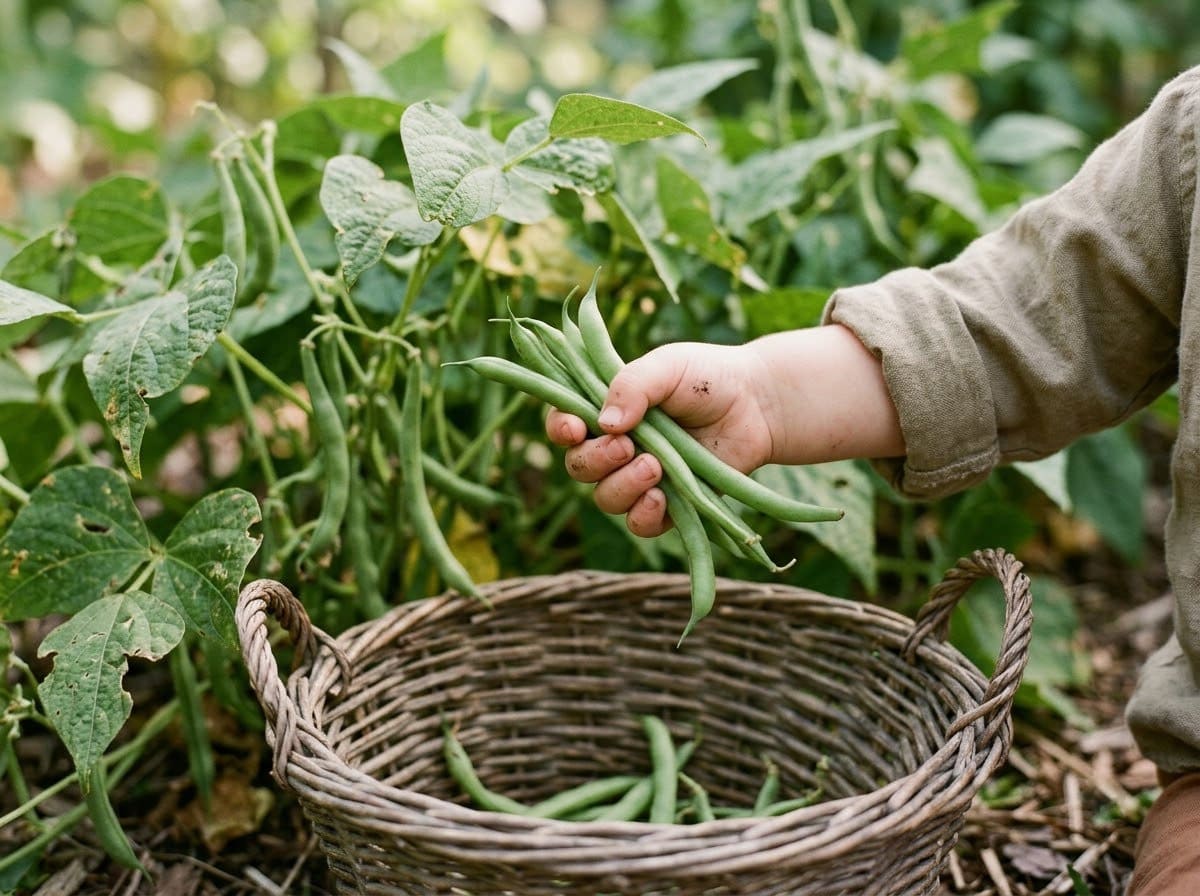
Beans have big seeds, and big seeds suit small fingers. UGA lists bush beans at 50 to 60 days, planted about an inch deep.
Texas A&M recommends a 2-gallon pot at minimum, with plants 3 inches apart. Seeds sprout in 5 to 8 days, so kids see green fast.
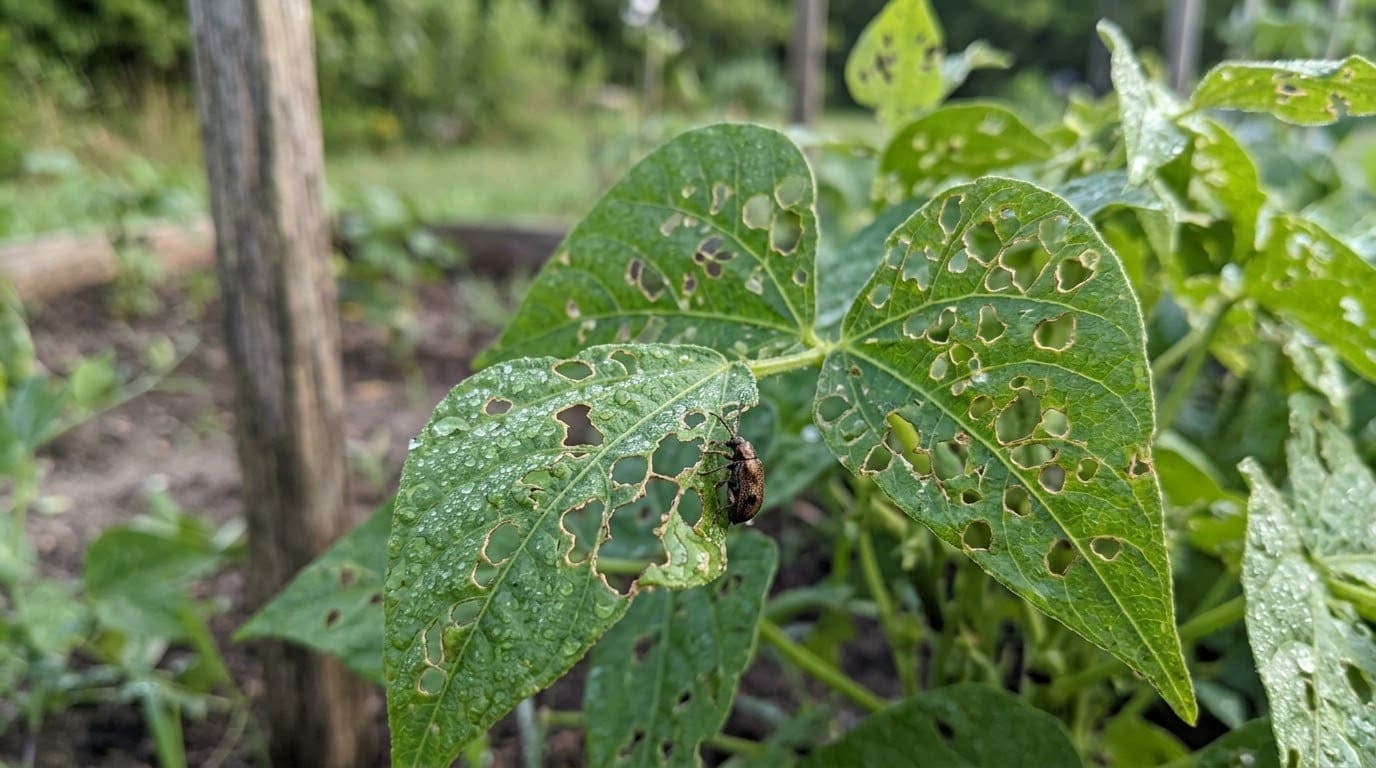
Pick bush types like Contender or Topcrop over pole beans, which need a tall support. A dozen pods a week is a great snack pile, and a pot of beans sits happily next to the peas in idea 4.
The average homeowner spends $616/year on yard fixes that don't address the real problem. Find out what yours actually is — before you spend another dollar.
Take the Free Quiz4. Sugar Snap Peas
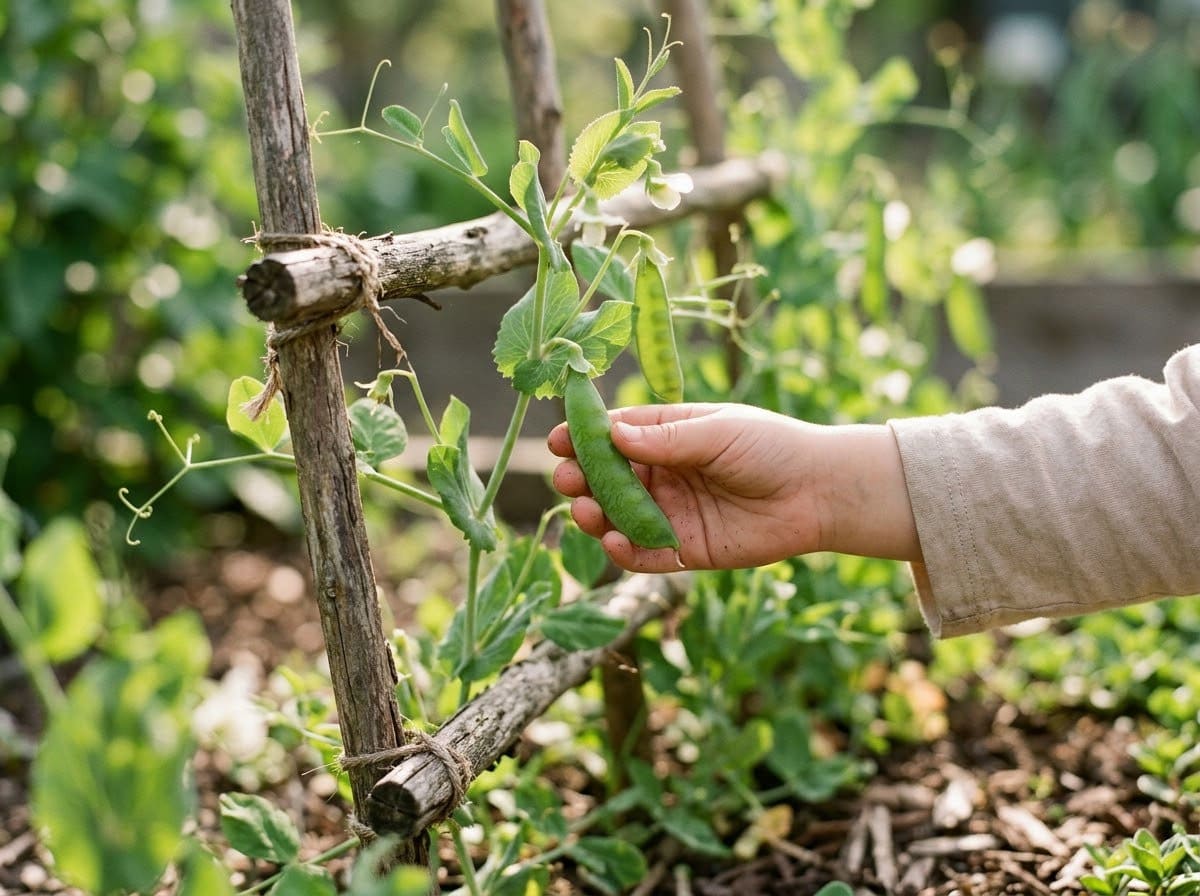
Sugar snap peas are garden candy. The whole pod is edible, and UGA lists edible-pod peas at 60 to 70 days.
Peas like cool weather. Cornell says they prefer cooler conditions and partial shade, germinate in about 10 days, and should go in about an inch apart. Plant them early in the cool season so they’re not fighting summer heat.
Add a simple trellis or a few sticks and string. Then the “eat it right off the plant” moment happens in the garden itself.
5. Cherry Tomatoes
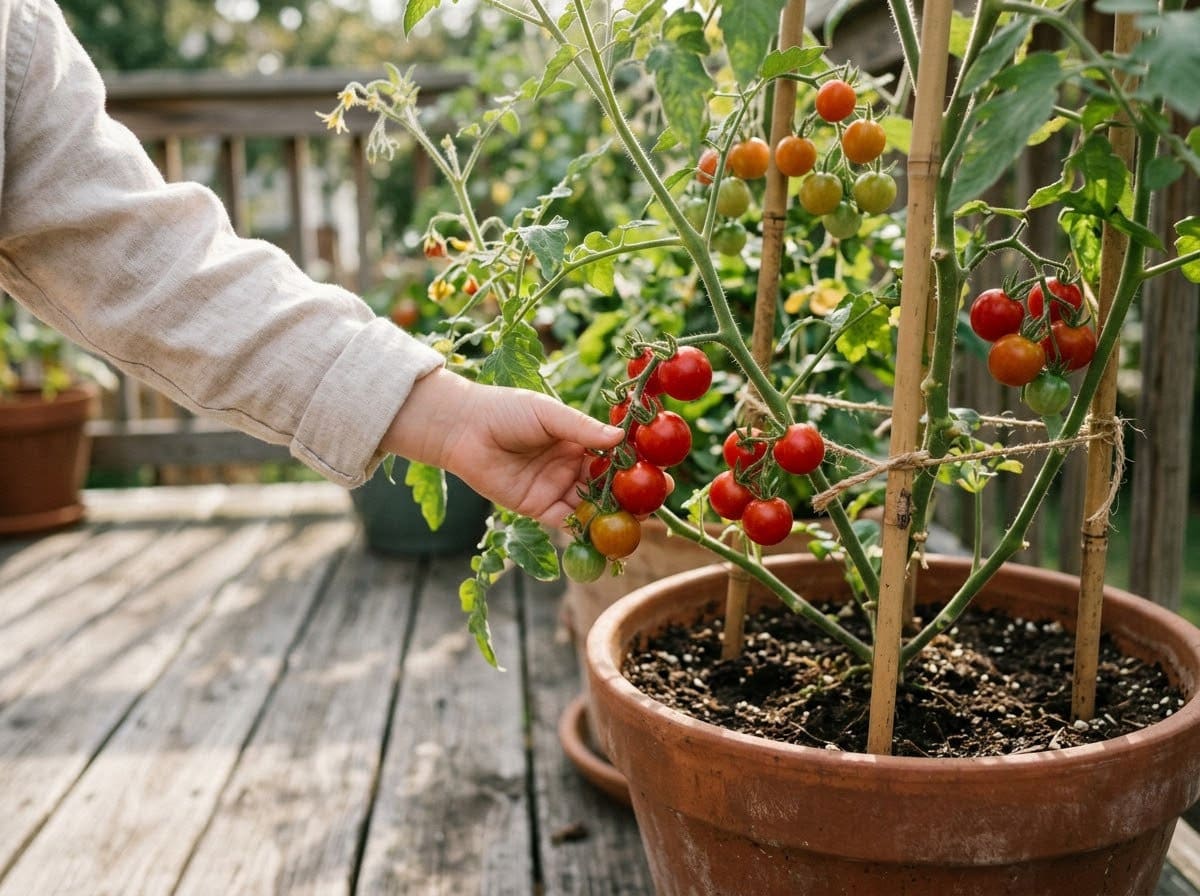
Tomatoes are the slow but beloved crop. Texas A&M lists 90 to 130 days from seed, plus 5 to 6 weeks of seedling time. So we say buy a started plant and skip the wait.
A 5-gallon pot per plant is the guide’s recommendation, and small-fruited types like Small Fry or Pixie suit containers. Kids can pick them without a knife, and a ripe tomato warm from the sun is hard to beat.
Teach the color rule: “pick only the red ones.” And yes, you’ll lose a few green ones to eager hands.
Quick tip: water at the base of the plant instead of overhead. Kansas State Extension says watering at the base lowers the contamination risk on the parts you eat.
6. Bush Cucumbers
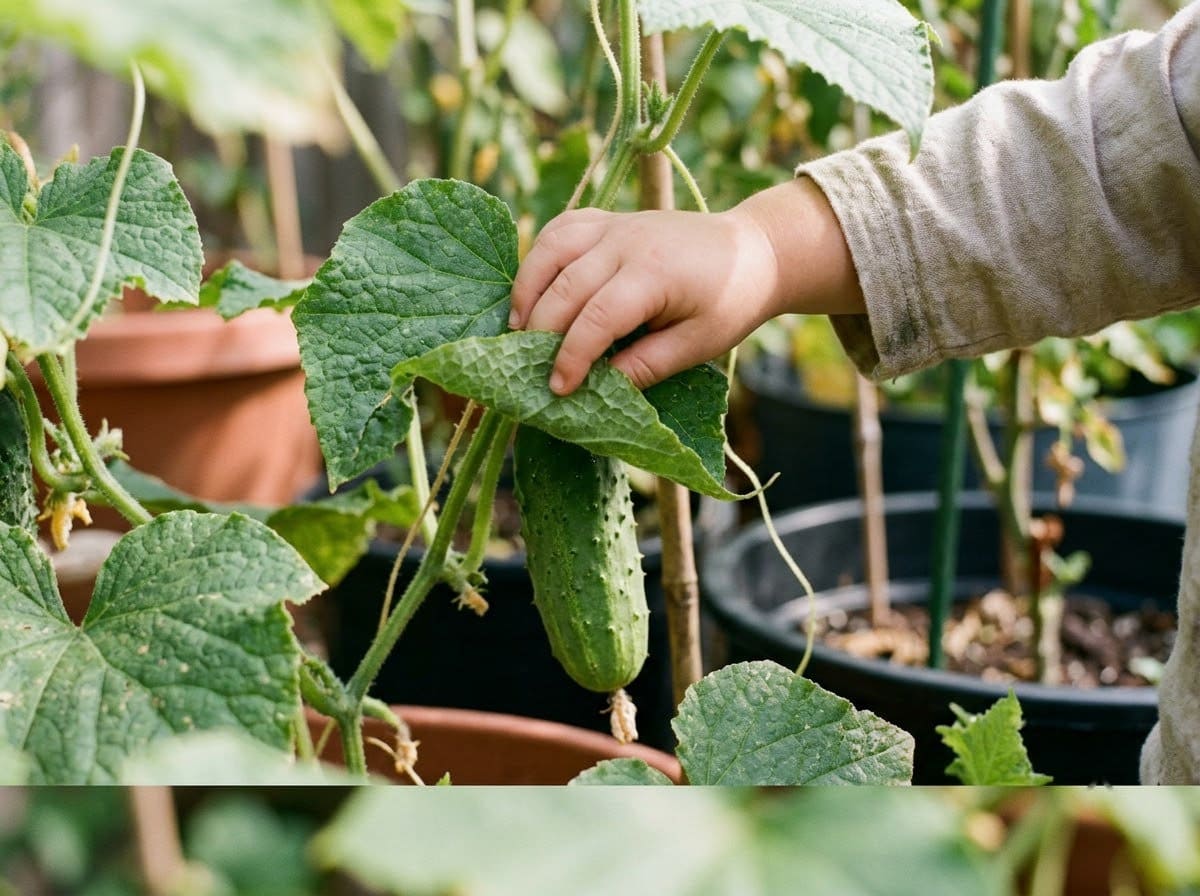
Cucumbers turn picking into a treasure hunt. The fruit hides under big leaves, and kids love finding one.
UGA lists slicing cucumbers at 50 to 65 days and names bush types like Salad Bush Hybrid and Bush Crop. Texas A&M says one plant fits in a 1-gallon pot, though vining types need a lot more space.
Pick them while they’re small and firm. Overgrown cucumbers get tough and seedy, so that’s the daily check your child can own.
7. Zucchini
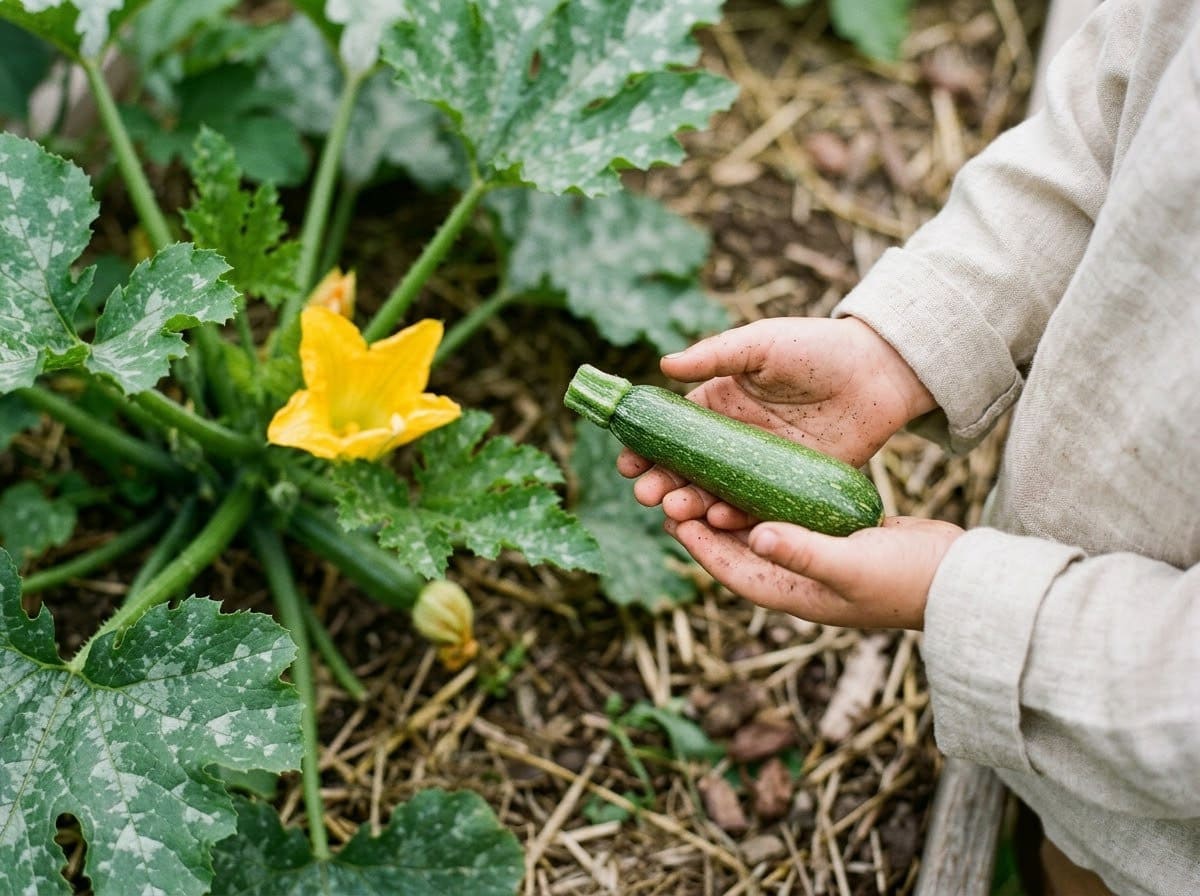
Zucchini is the most generous plant here. UGA lists summer squash at 40 to 55 days, and Texas A&M puts one plant in a 5-gallon pot.
The big leaves and yellow flowers make it fun to watch. One plant is plenty for most families.
Give kids a daily job: check the size and pick when fruits are small. If you skip a few days, you’ll find a baseball-bat zucchini, which is funny once and a lot of shredding after that.
8. Small Carrots
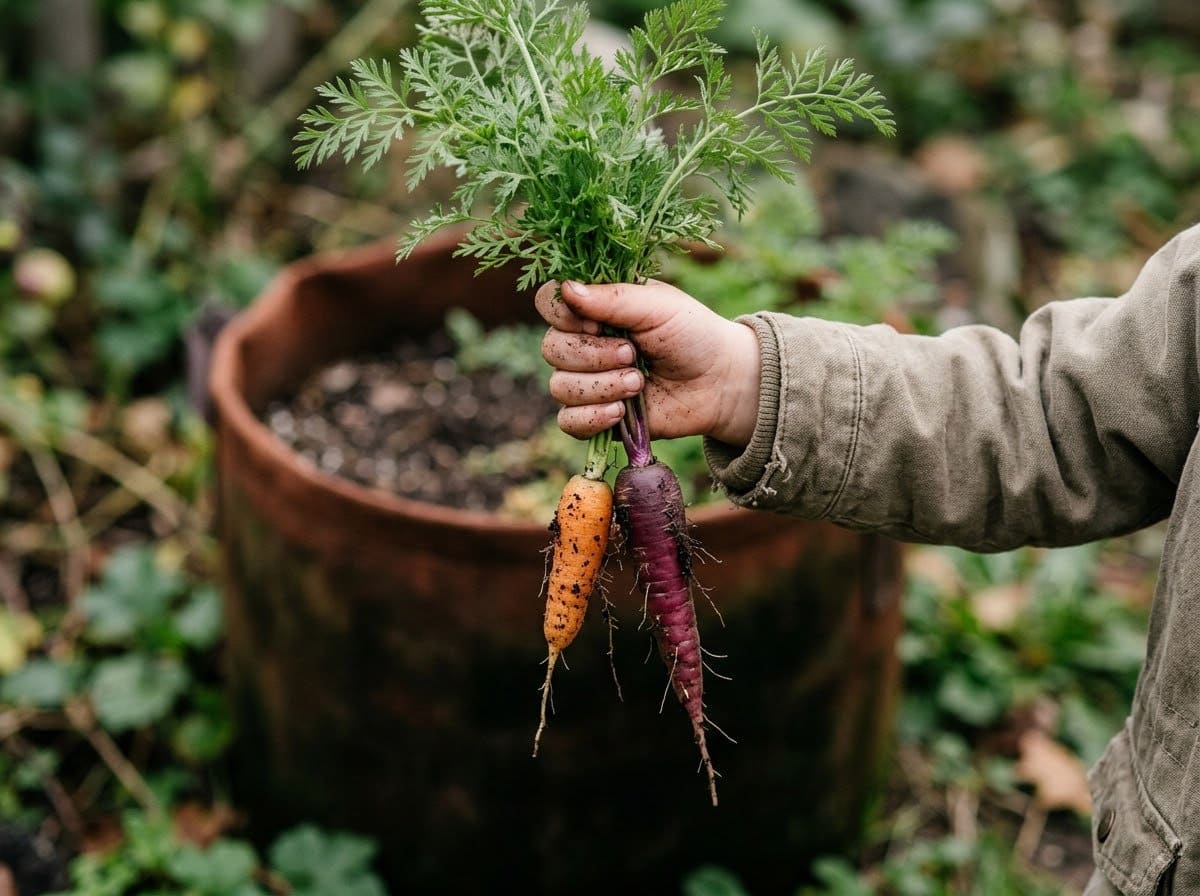
Carrots are the patience crop. Cornell says the seeds germinate slowly and recommends small varieties for children. UGA lists carrots at 70 to 95 days and names Thumbelina as a small type.
Texas A&M says use a pot 2 inches deeper than the carrot’s length, with 2 or 3 plants in a 1-gallon pot. Cornell also suggests thinning to about 3 inches apart and warns that too much leafy growth can mean a small root.
Keep the seed bed moist. But don’t give up in week two. Plant radishes in the same pot as a quick reward while the carrots take their time.
9. Potatoes
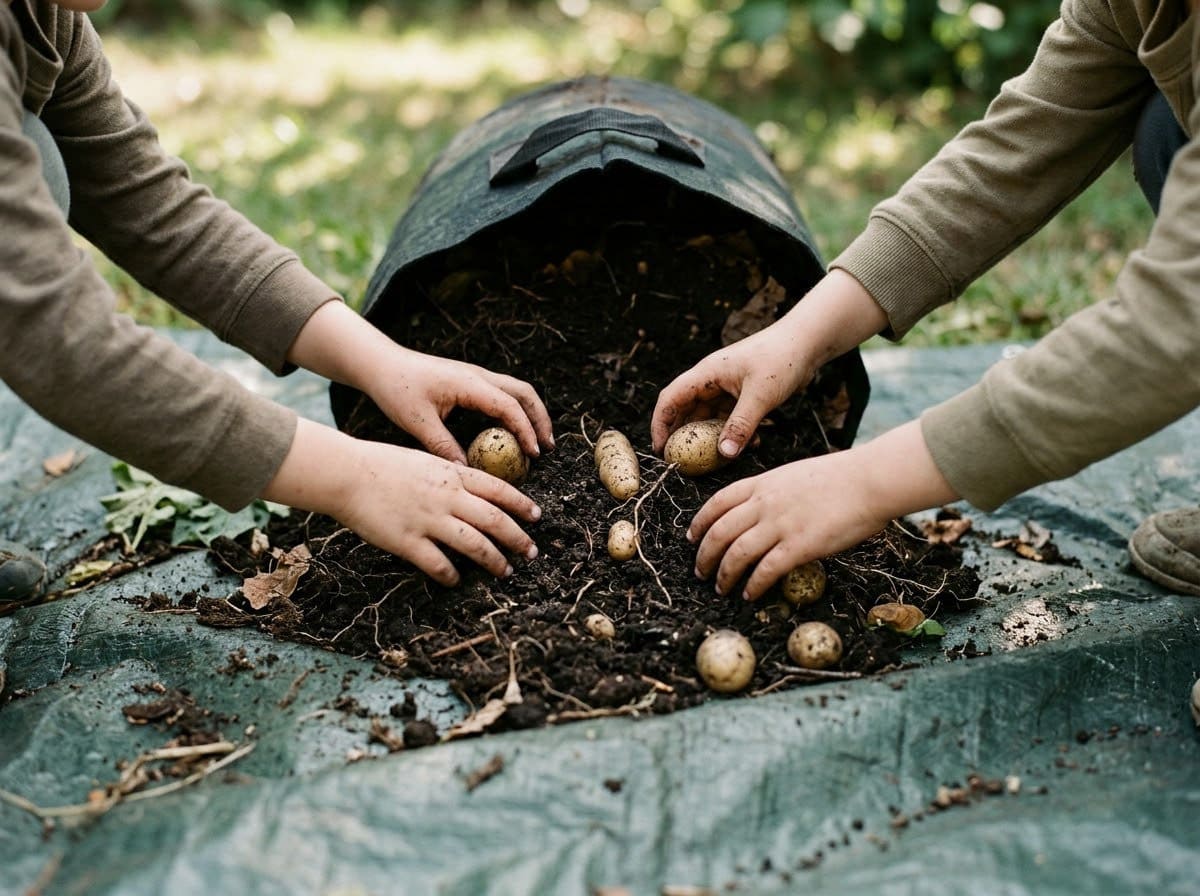
Potatoes are buried treasure. Cornell says to plant seed potatoes or pieces with at least 2 “eyes,” about 12 to 15 inches apart with the eyes pointing up. Mound soil around the plant as it grows.
UGA lists Irish potatoes at 70 to 90 days and a planting depth of 4 to 5 inches. Cornell says to harvest when the plant collapses, and that red varieties grow faster than white.
A grow bag or deep tub works well. Tip it out on a tarp when it’s time, and let your kids dig with their hands.
10. Small Pie Pumpkins
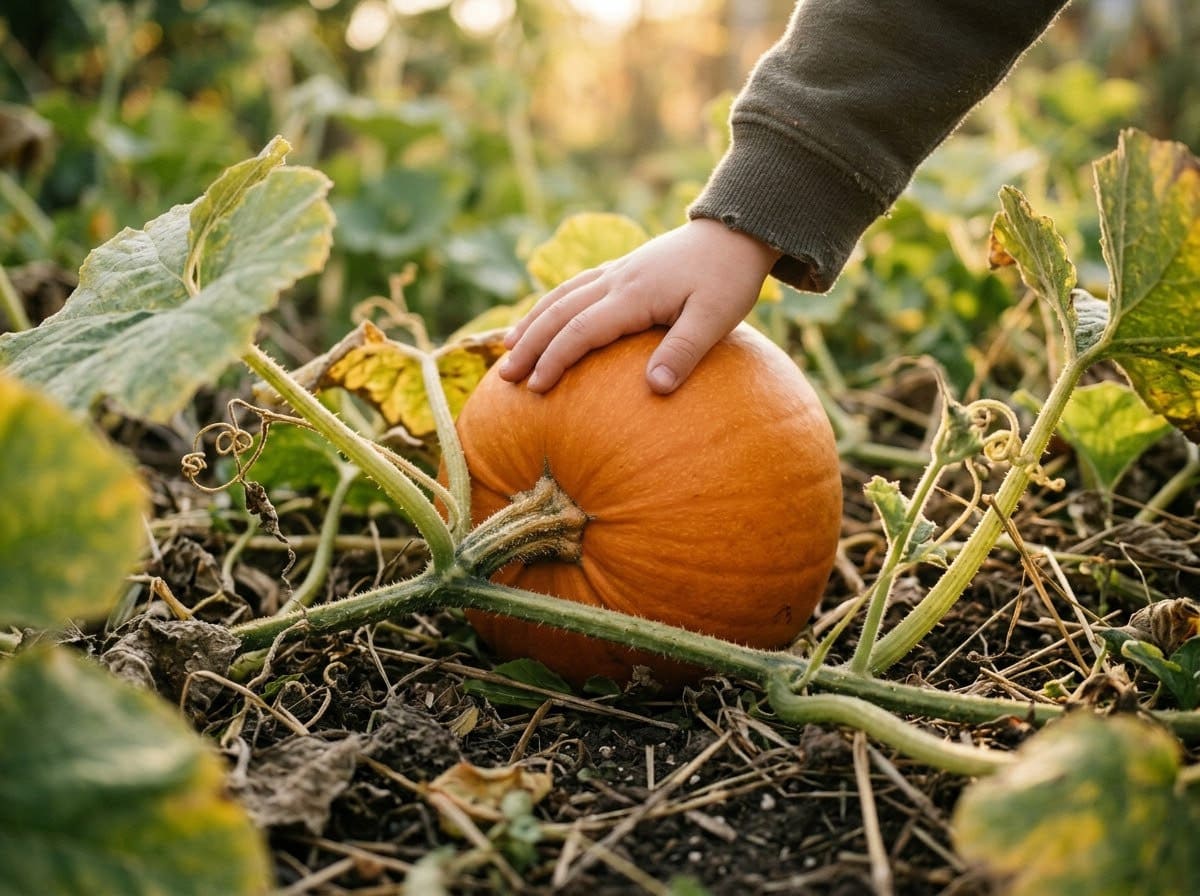
Pumpkins are the big finish. UGA lists pie-type pumpkins like Small Sugar and Sugar Baby at 85 to 120 days. It gives a spacing of about 6 feet between rows and 4 feet between plants.
Cornell says the seeds sprout in about a week once the soil is warm, above 65°F. When three pumpkins have set on a vine, pick off new blossoms so the plant puts its effort into those three.
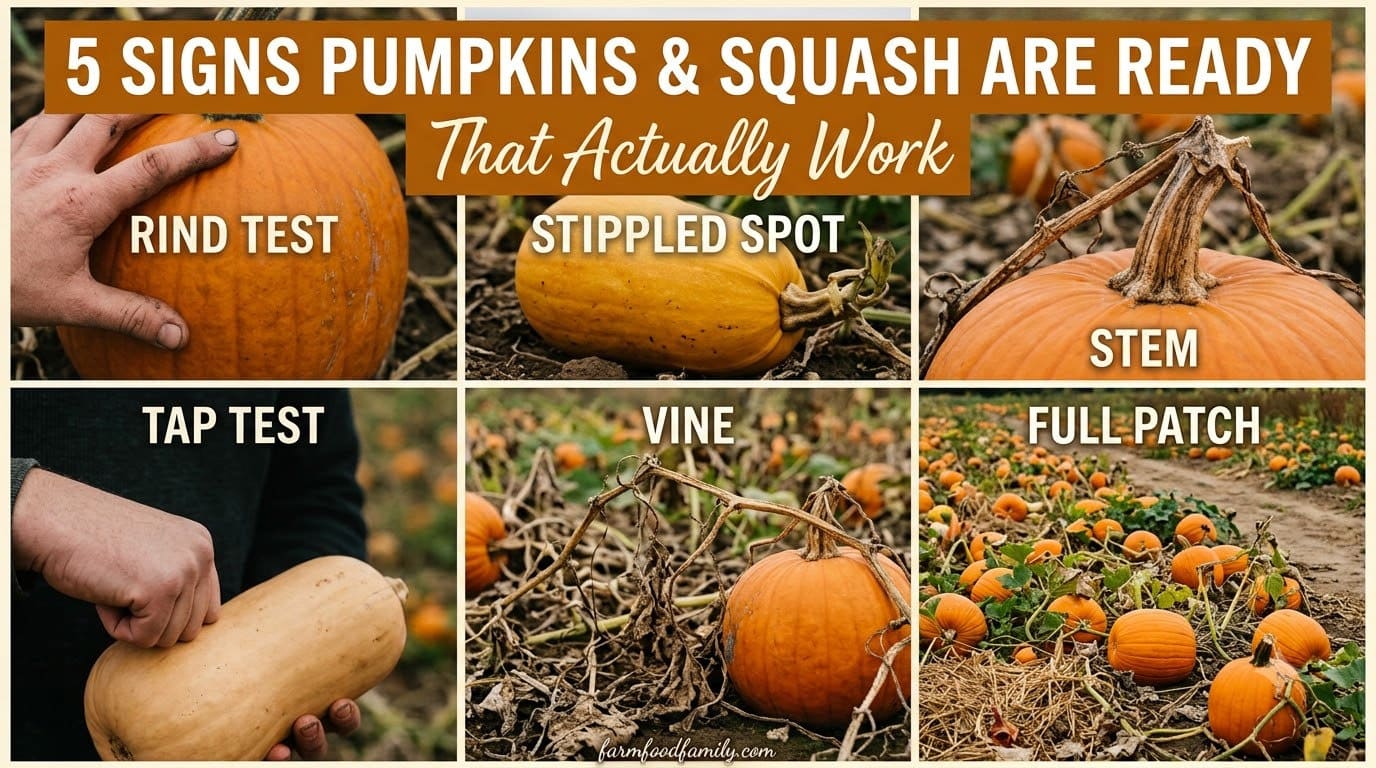
Teach the ripeness test: the skin feels hard and it sounds hollow when tapped. The sprawl is the catch, so give the vines room or skip pumpkins if your space is tiny.
What We Learned the Hard Way
The first mistake is planting only slow crops. A bed of carrots and tomatoes looks great on planting day, and by week four the kids have stopped checking.
Now we always plant one fast crop beside the slow one. Radishes next to carrots are the easy fix, and the kids get a harvest to talk about while they wait.
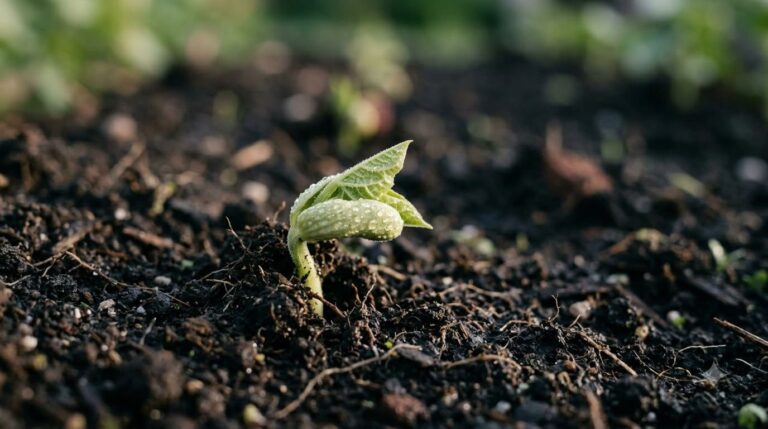
The second mistake is a seed bed that dries out. If nothing sprouts after two weeks, old seed or dry soil is the usual cause, so re-sow a few seeds and keep the surface damp.
Here’s the detail behind it. Carrots and lettuce both need steady moisture to sprout, according to Cornell, and a few hot, dry afternoons can undo a week of work.
The third mistake is a garden that’s too big. Picking too many crops makes a chore, so start with one pot or a 4-by-4-foot bed per child and let it grow from there. If you want more setup ideas, this guide to container gardens for kids covers weekend projects and fun containers.
Is Gardening With Kids Safe? The Rules That Matter
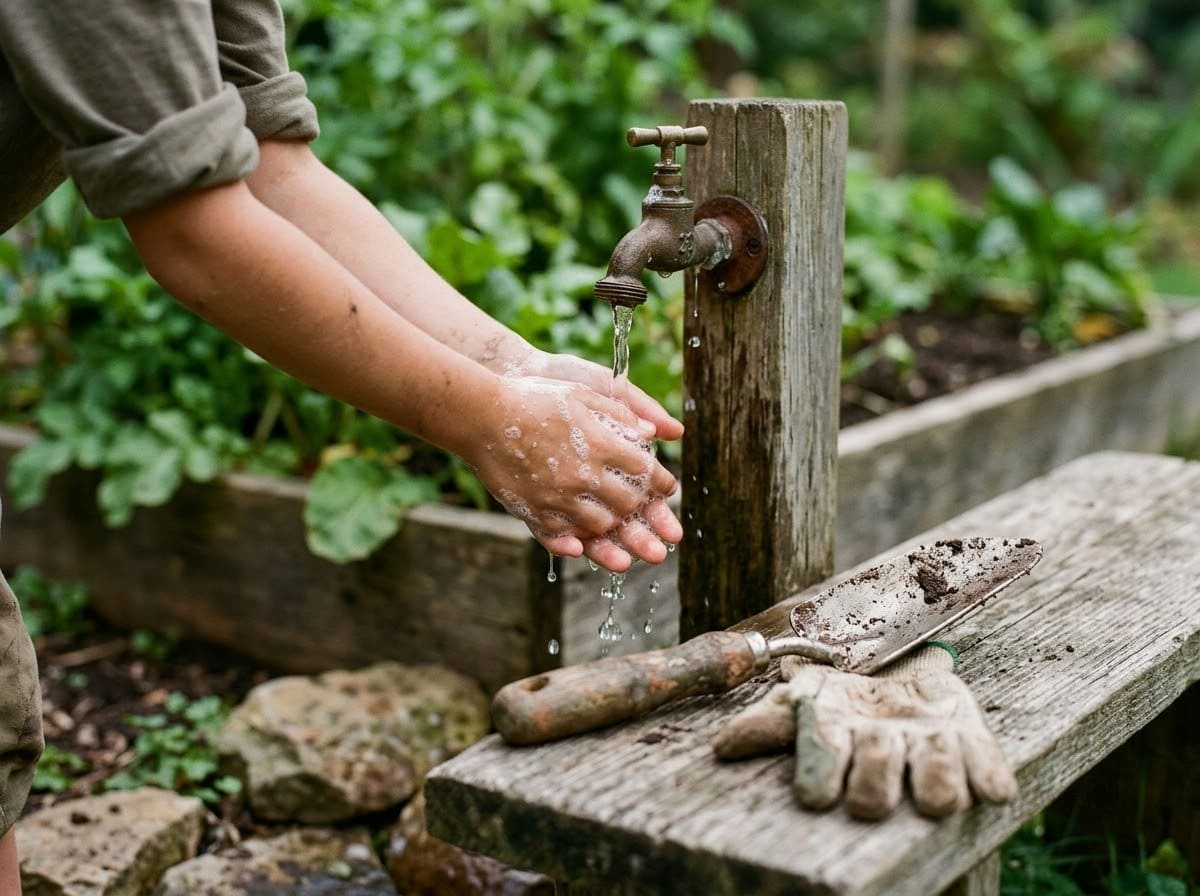
Wash hands before and after garden time. Londa Nwadike of Kansas State recommends soap and clean water for at least 20 seconds and a nailbrush for the soil under fingernails.
She also says to water edibles only with water you’d drink, and to keep pesticides and herbicides out of kid gardens. The USDA recommends not using them in school gardens, according to the same fact sheet.
KidsGardening adds the basics: hats and sunscreen, closed shoes instead of flip-flops, and tools and chemicals locked up when no one’s watching.
If you build a raised bed, skip pressure-treated wood, used tires, and old railroad ties, per the Kansas State fact sheet. Call 811 before you dig a new in-ground bed.
Not sure about your soil? Ask your county extension office about the site’s history before you plant in the ground, or stick to pots with fresh potting mix.
Should You Use Pots, a Raised Bed, or the Ground?
Pots win for small spaces and for kids who want “their own” garden. Texas A&M says almost any container works if it drains well. Our list of vegetables you can grow in pots and this guide to growing vegetables in containers have more options.
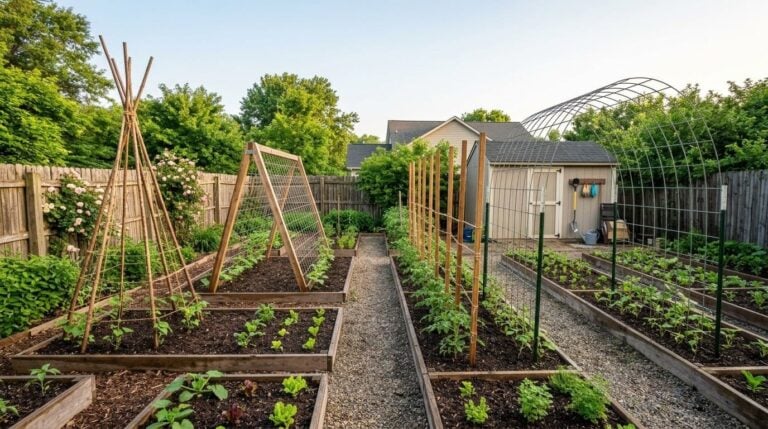
A raised bed gives kids a defined space and easier weeding. There’s a full raised vegetable garden bed guide if you’re ready to build one.
In-ground beds suit pumpkins and potatoes best.
Starting from scratch? The notes on setting up a vegetable patch in the garden will save you a season of guessing. And this guide to fertilizing soil for a vegetable garden covers feeding.
A 4-Week Starter Plan
Week 1: Sow radishes and leaf lettuce in one pot each. Let your child water daily with a small can.
Week 2: Plant bush beans and snap peas, and set a trellis. Radishes may already be sprouting.
Week 3: Pick the first radishes, then sow another round in the gap. Plant a started tomato or a cucumber.
Week 4: Harvest lettuce leaves, check beans for pods, and sow a few carrots in a deep pot. Plant a pumpkin or zucchini seed where it has room.
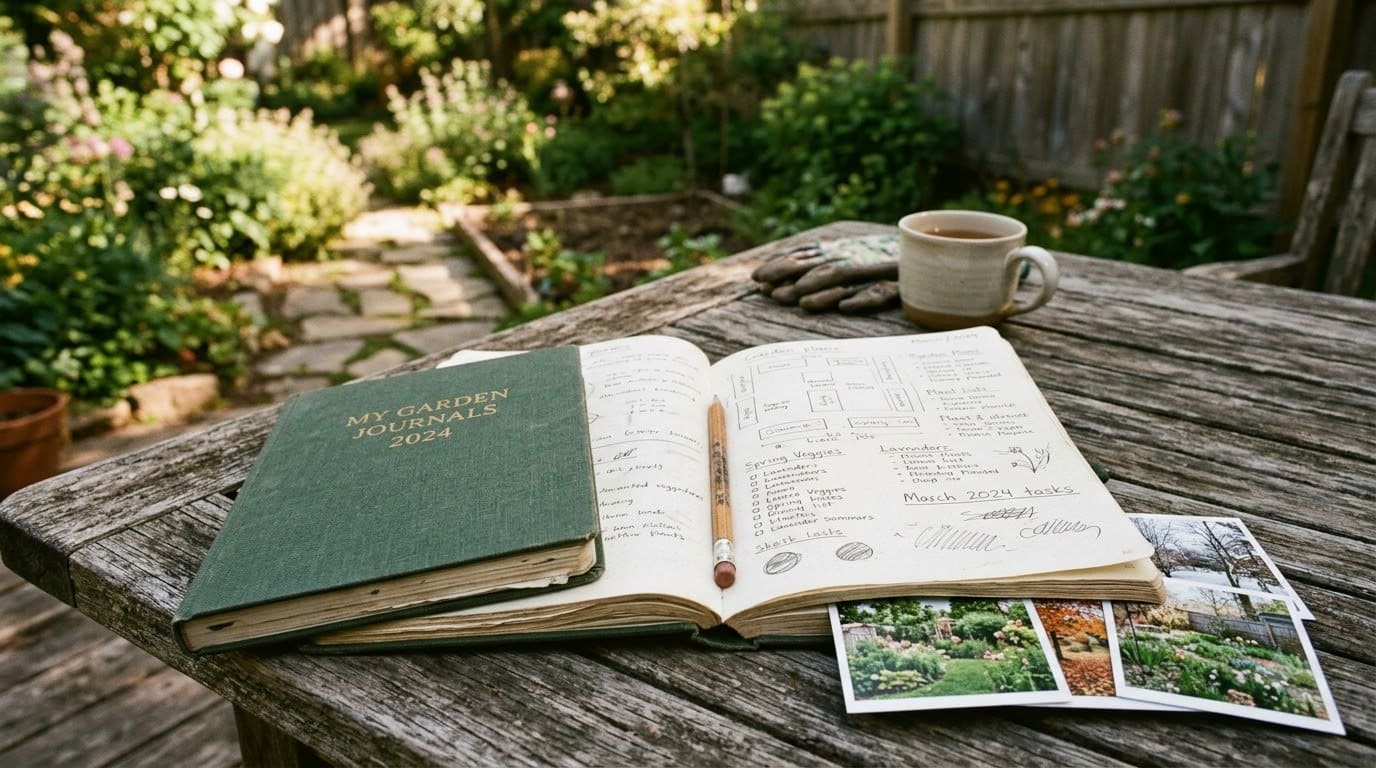
Keep a simple chart on the fridge, and let your child mark each harvest with a sticker. It turns the garden into a game.
Frequently Asked Questions
What is the easiest vegetable for kids to grow?
Radishes. They’re ready in 25 to 30 days and the seeds are easy to handle, according to UGA Extension.
What age can kids start gardening?
Toddlers can drop seeds and water with a small can, and school-age kids can handle thinning, picking, and keeping a chart. That’s our own rule of thumb, so match jobs to your child.
Can kids grow vegetables in pots or small spaces?
Yes. Texas A&M says almost any vegetable that grows in a typical garden will do well in a container, as long as it drains.
Which vegetables can kids grow in shade?
Texas A&M lists leaf lettuce and radishes as crops that tolerate partial shade, and Cornell says peas like cool, partly shaded spots too.
Will my kids actually eat what they grow?
Often, yes. Londa Nwadike of Kansas State says kids and families who grow their own produce are more likely to eat it. Pick crops they already like to eat to improve your odds.
Products We Recommend
This post contains affiliate links. We may earn a commission on qualifying purchases at no extra cost to you.
Gardening Set for Kids (tote bag, spade, rake, fork, trowel, gloves, 22 oz watering can)
A lightweight, child-sized tool kit with a canvas tote, so small hands can dig, water and plant without borrowing your full-size tools.
Shop Now
JERIA 12-Pack 5 Gallon Fabric Grow Bags with Handles
Heavy-duty nonwoven bags that suit the 5-gallon container size Texas A&M recommends for tomatoes and zucchini, and they work for potatoes too.
Shop Now
Natural Bamboo Ladder Trellis, 24 Inches, 3 Pack
A small trellis that fits in a pot, handy for snap peas and other climbers so kids can pick at their own height.
Shop NowNever miss an update — choose FarmFoodFamily as your preferred source on Google.
How it works: Tap the button below to open Google's settings page, then check the box next to FarmFoodFamily.
Tap the checkbox to turn it blue — that's how you know it's set.