2026 Landscaping Trends: What’s Actually New (Beyond Wellness and Warm Minimalism)
If you’ve already read about wellness gardens, natural stone permanence, and warm minimalist outdoor furniture, you’ve covered the trends everyone’s writing about right now. This piece covers 2 of those same themes from a genuinely different angle and named source, plus 3 real trends that aren’t showing up in most of the other 2026 roundups…

Never miss an update — choose FarmFoodFamily as your preferred source on Google.
How it works: Tap the button below to open Google’s settings page, then check the box next to FarmFoodFamily.
Tap the checkbox to turn it blue — that’s how you know it’s set.
If you’ve already read about wellness gardens, natural stone permanence, and warm minimalist outdoor furniture, you’ve covered the trends everyone’s writing about right now.
This piece covers 2 of those same themes from a genuinely different angle and named source, plus 3 real trends that aren’t showing up in most of the other 2026 roundups at all.
1. Native plants replacing lawns
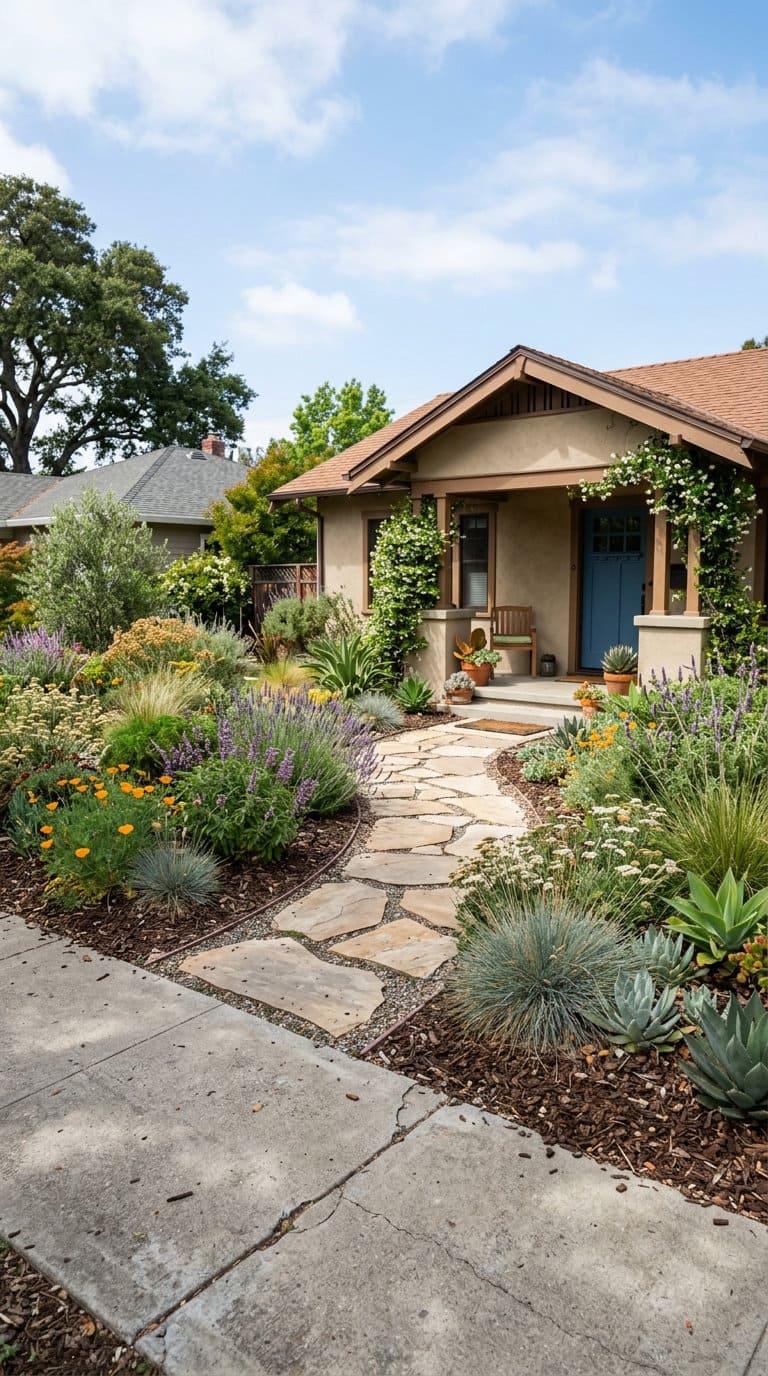
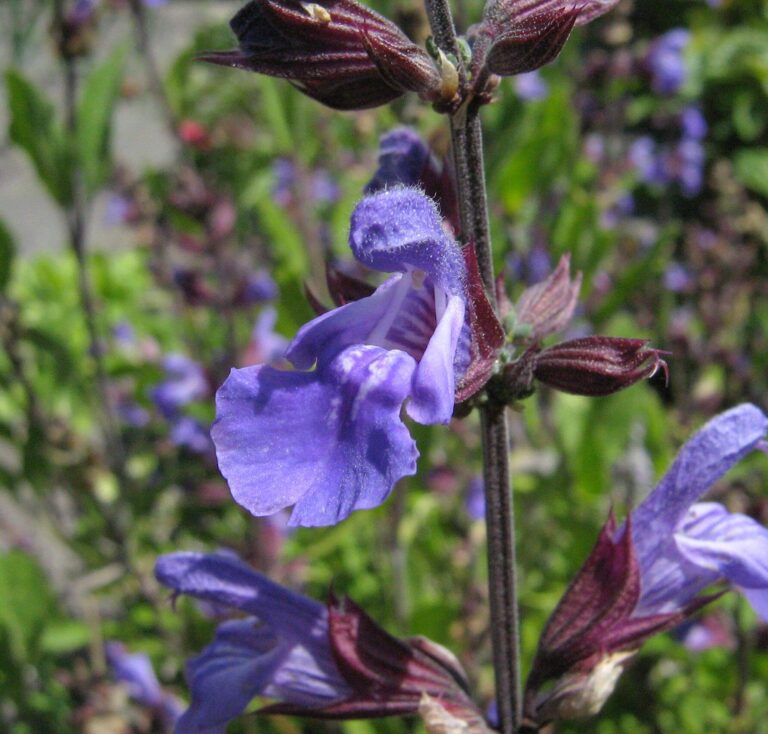
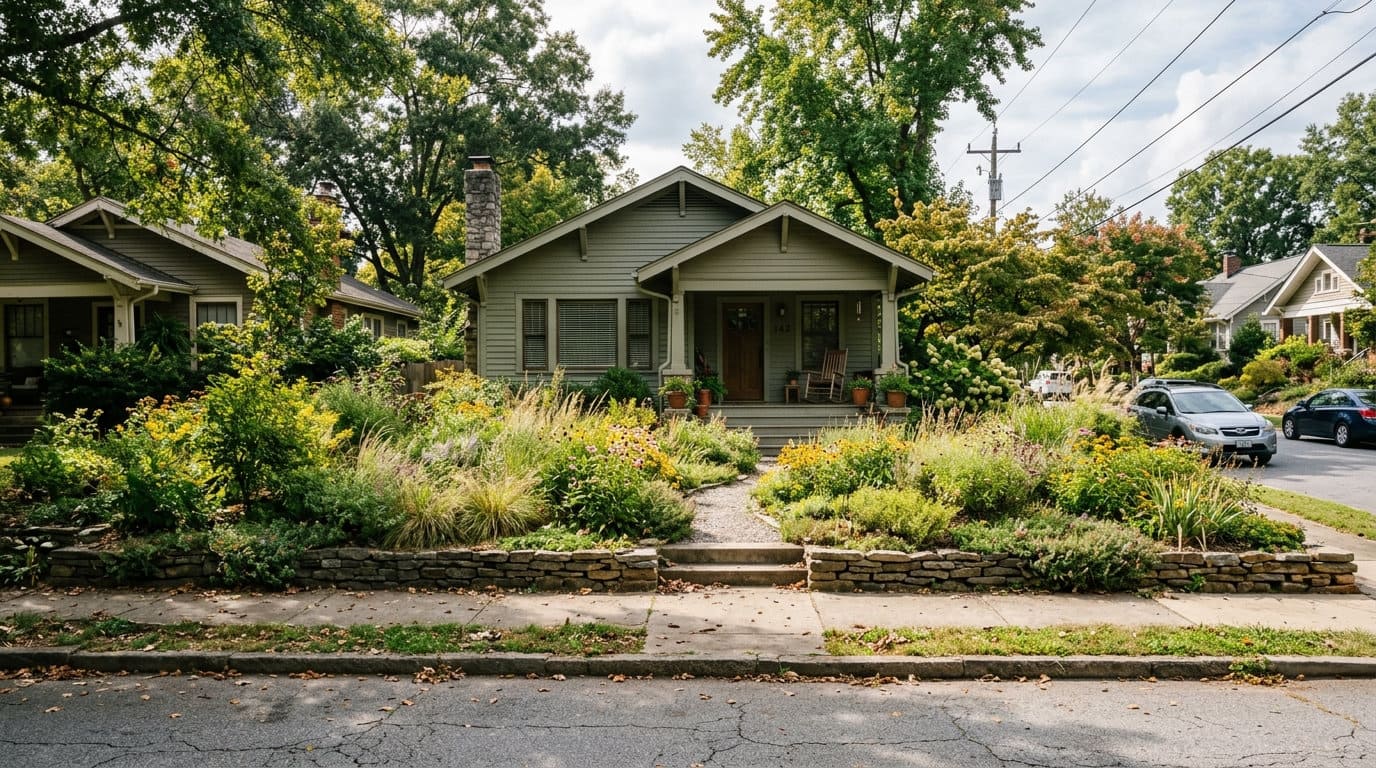
The strongest, most substantive trend on this list. Mary Phillips, Head of Native Plant Habitat Strategy at the National Wildlife Federation, points to a real number worth sitting with: barely 14% of nursery plants sold in the U.S. today are actually native to where they’re being planted.
A native-plant yard isn’t just a look, it genuinely creates a more dynamic, interesting landscape than a monoculture lawn, and it comes with real practical upside, native plants are naturally adapted to local rainfall and soil, resist regional pests and diseases better, and need less water and fertilizer once established.
This is the trend on this list actually worth doing your homework on before planting anything. Look up which plants are genuinely native to your specific region (not just “native to North America” broadly), a keystone native plant list for your zip code beats a generic wildflower mix.
2. Cozy outdoor living rooms
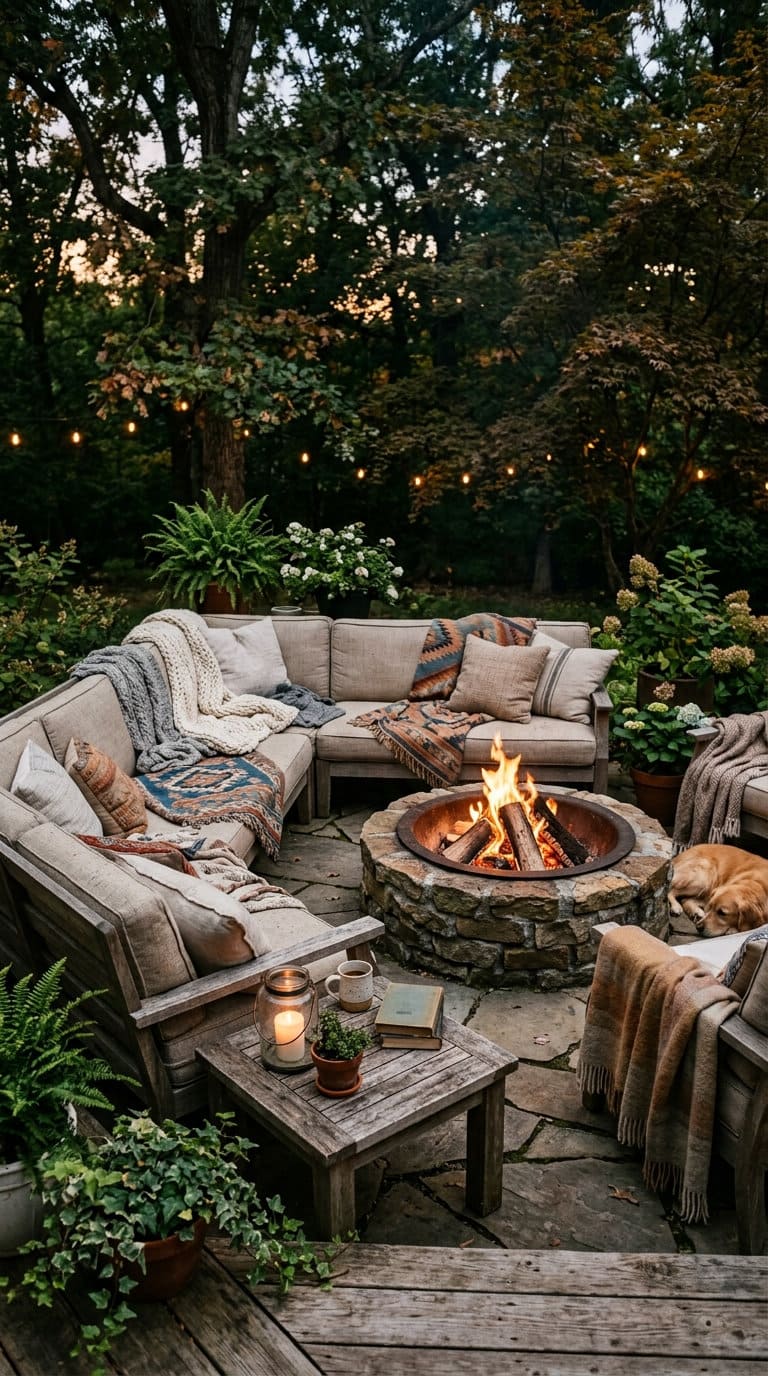
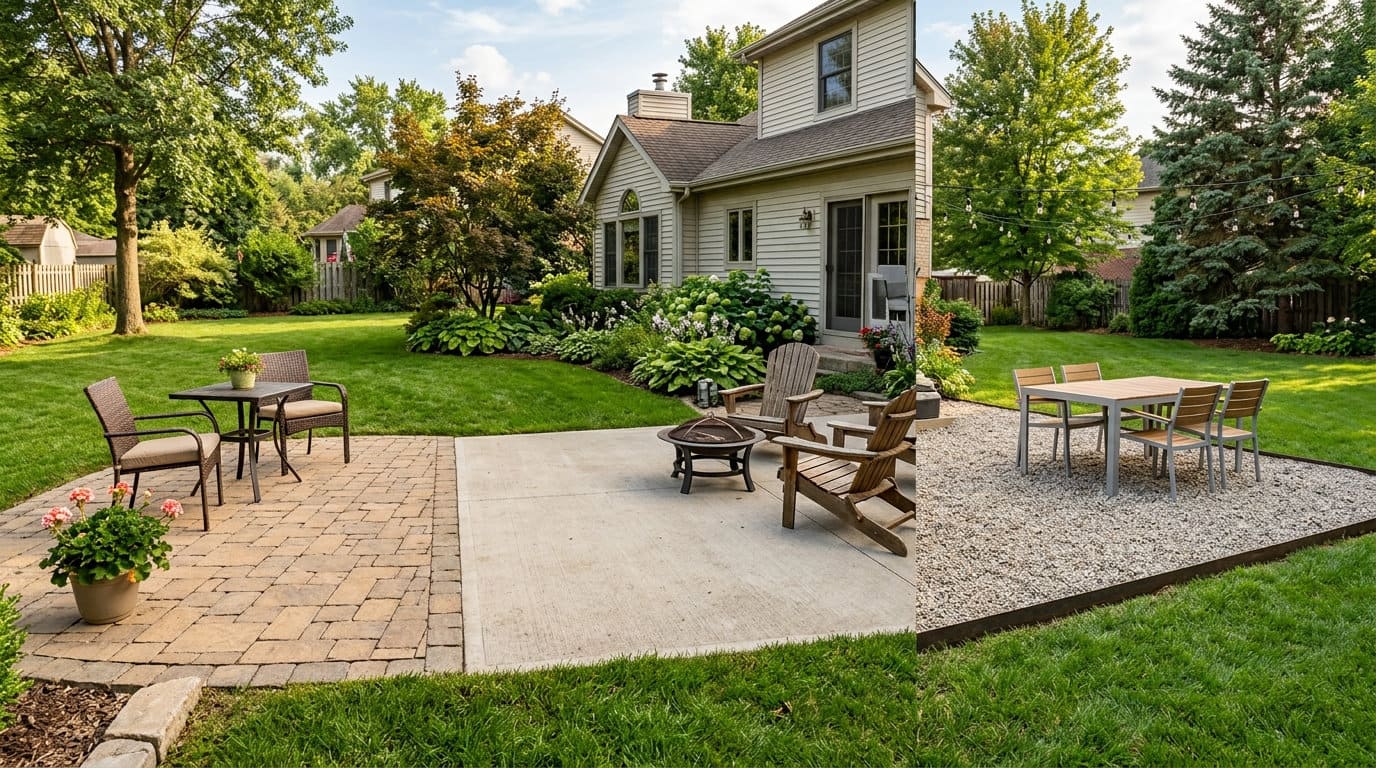
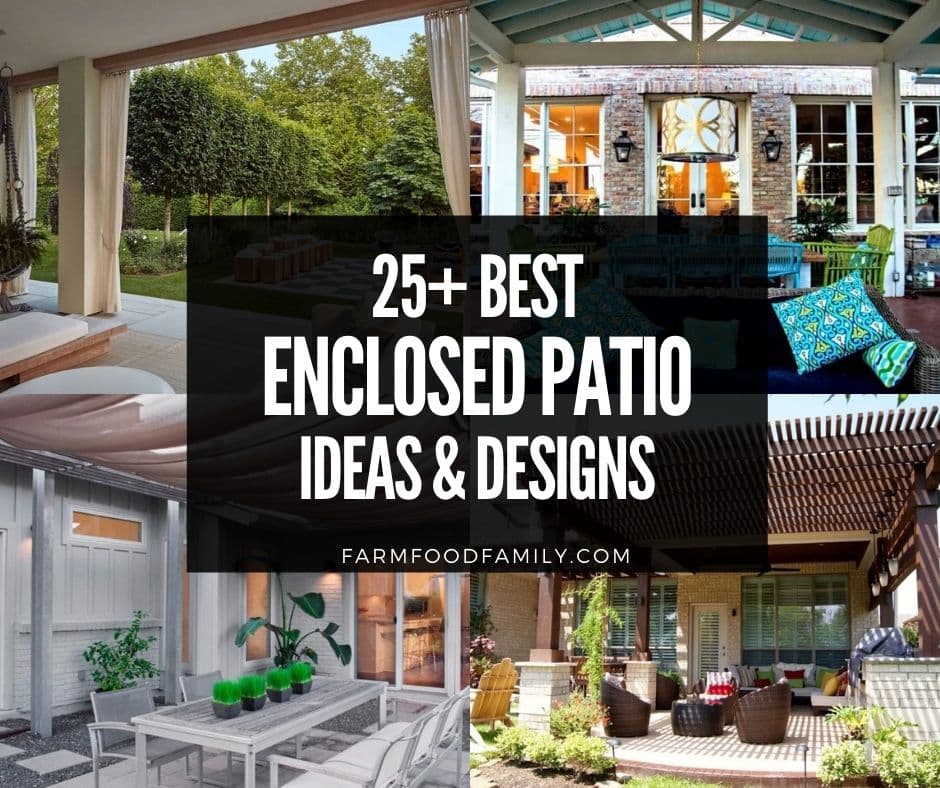
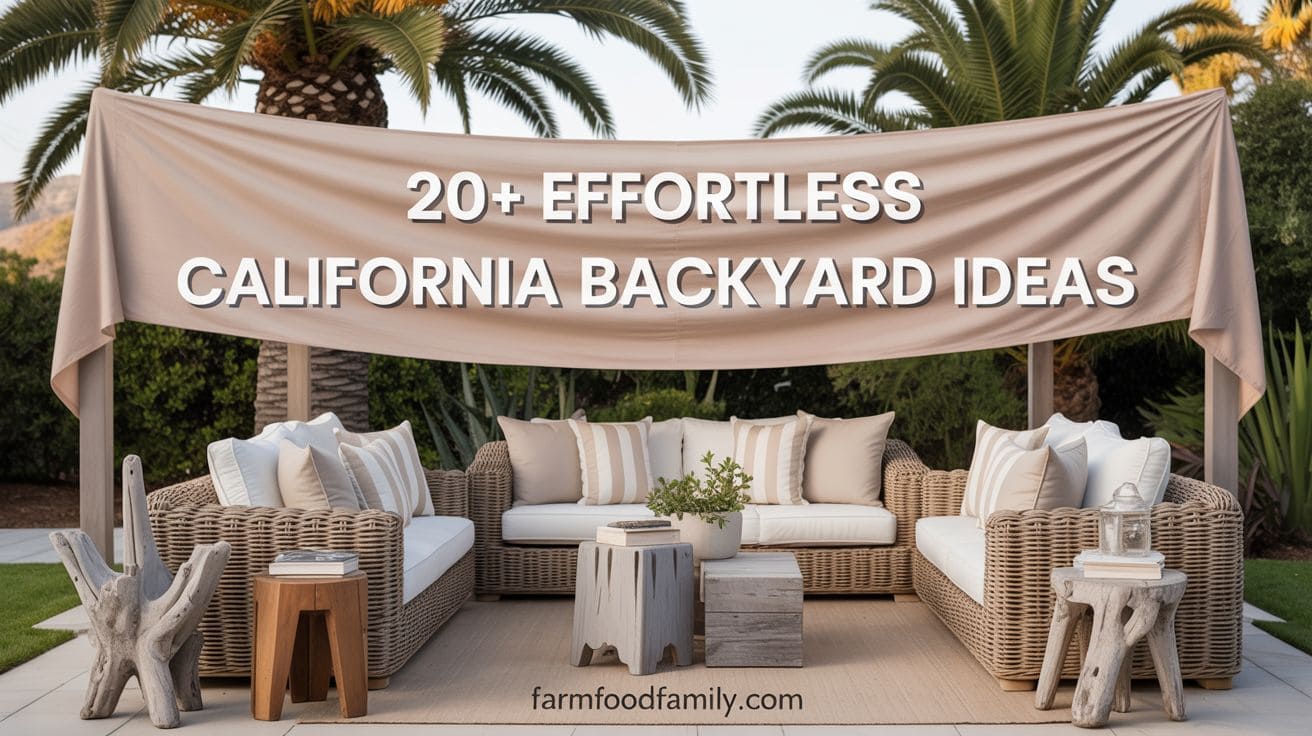
Nate Fox, lead designer at Foxterra Design, describes this as seamless continuity between indoors and out, matching the comfort level of an indoor living room outside: a fireplace feature, real furnishings, textiles, layered lighting.
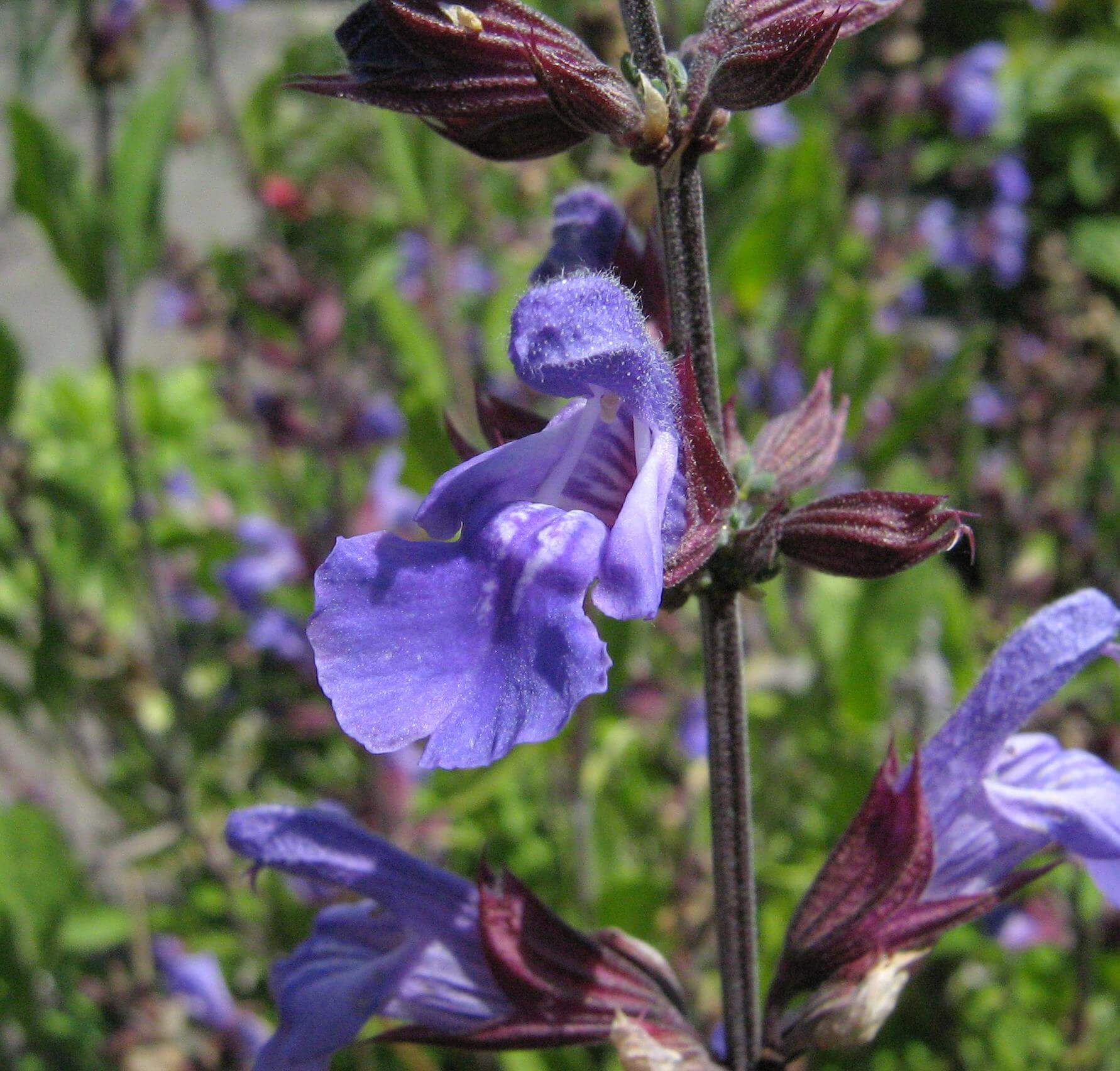
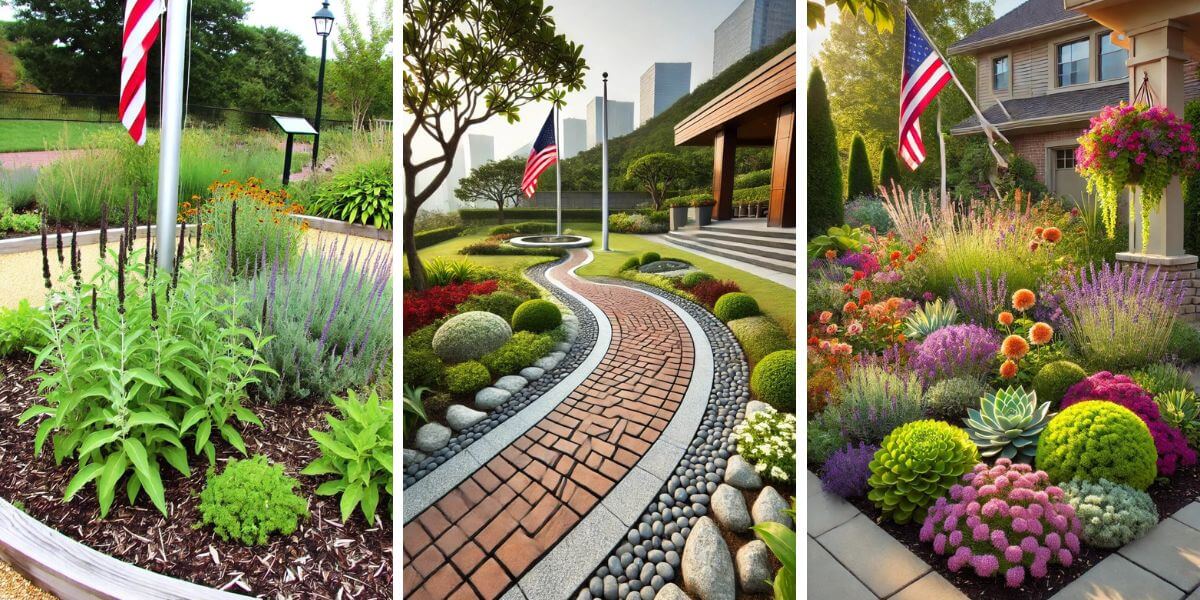

Worth noting directly: if you’ve read about indoor-outdoor material continuity elsewhere, this is a related but distinct angle, that trend is about matching hard materials (stone, brick, concrete), this one is specifically about furnishings and comfort, cushions, throws, fire features, the soft-goods side of the same broad idea rather than the structural side.
3. Wellness sanctuaries
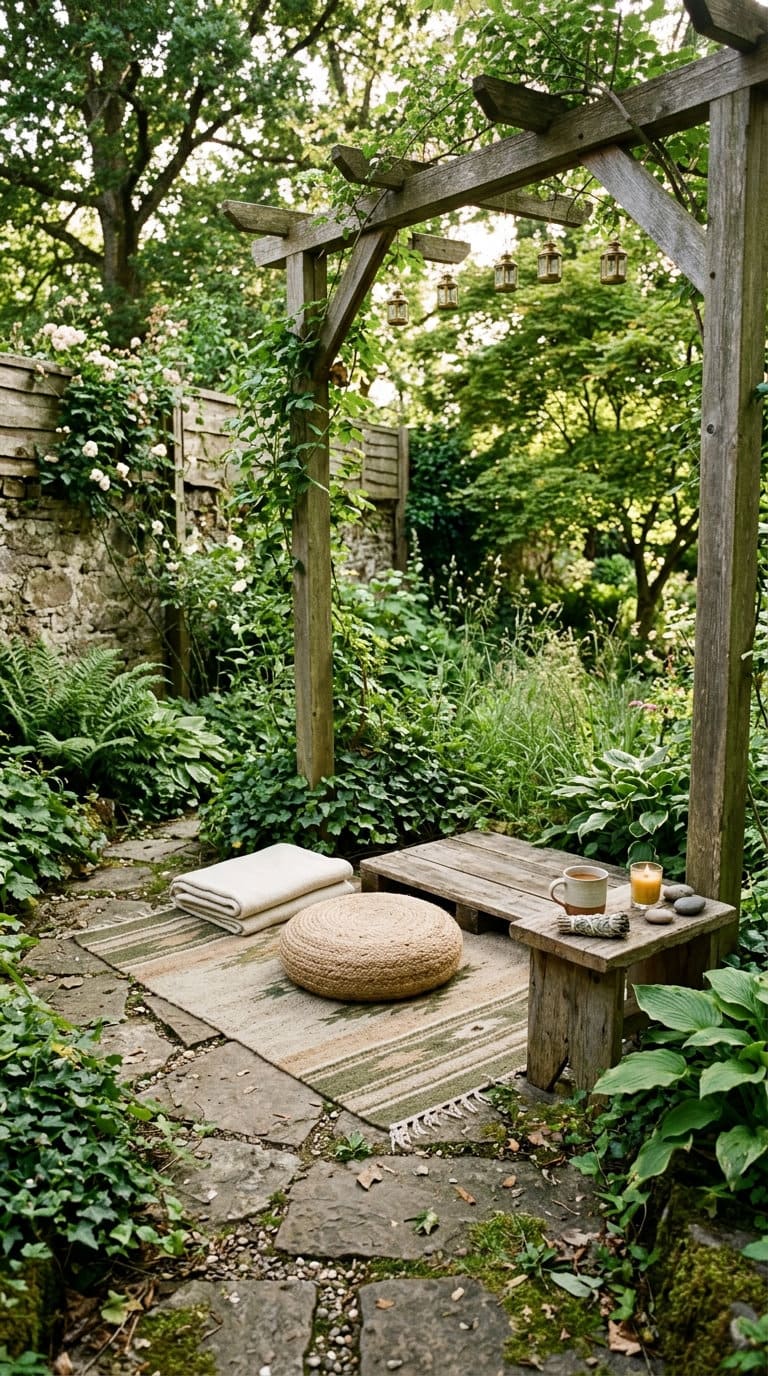
Clodagh, the Irish-born, NYC-based designer inducted into the Interior Design Hall of Fame in 1997, has been folding wellness into her design work since long before it became a mainstream trend, chromotherapy, Feng Shui, biophilic materials, all aimed at what she describes as cradling mind, body, and spirit through the senses.
Answer 4 quick questions and get matched to the exact fix for your yard — drainage, budget, layout, or something else entirely.
Take the Free QuizIf wellness-focused outdoor design (saunas, cold plunges, meditation spaces) is a theme you’ve read about elsewhere too, Clodagh’s specific angle is worth noting as distinct: she’s coming at it from decades of holistic interior design practice, not landscape architecture, less about the physical feature itself and more about how light, color, and material genuinely affect how a space feels to be in.
4. Layered outdoor lighting
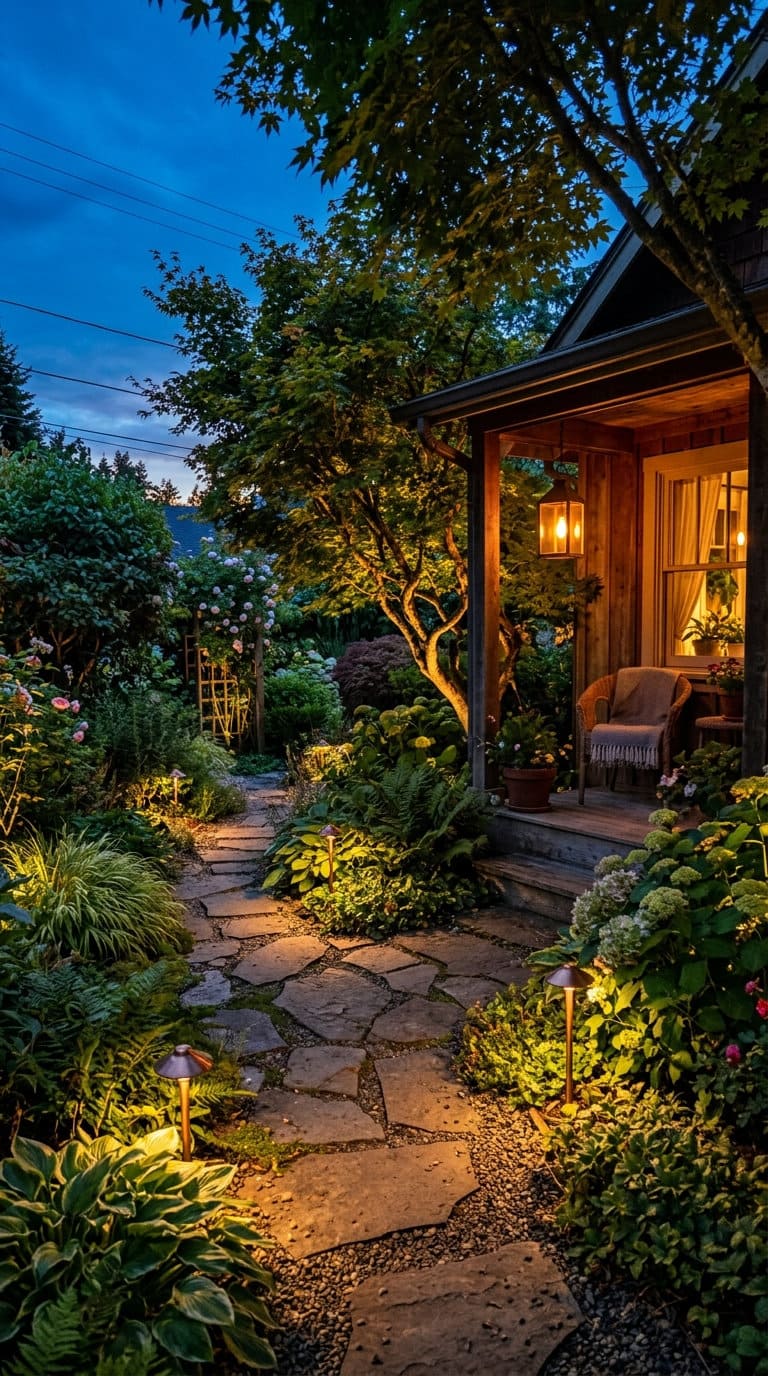
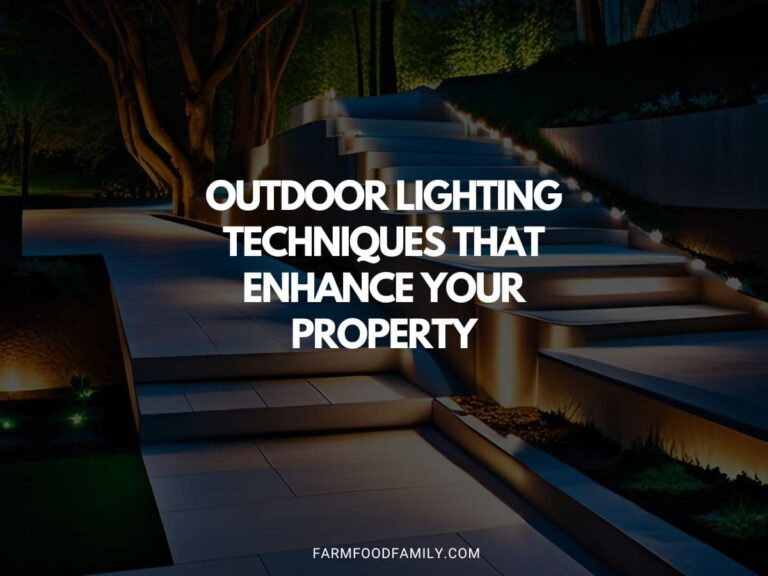
Megan Slack, a design trend journalist covering home and celebrity style for Homes & Gardens and Livingetc, has covered a real shift away from flat, purely functional garden lighting toward something more atmospheric and layered, several light sources at different heights and intensities rather than one bright fixture doing all the work.
It’s a genuinely low-cost way to change how a space feels at night without touching any hardscaping or planting.
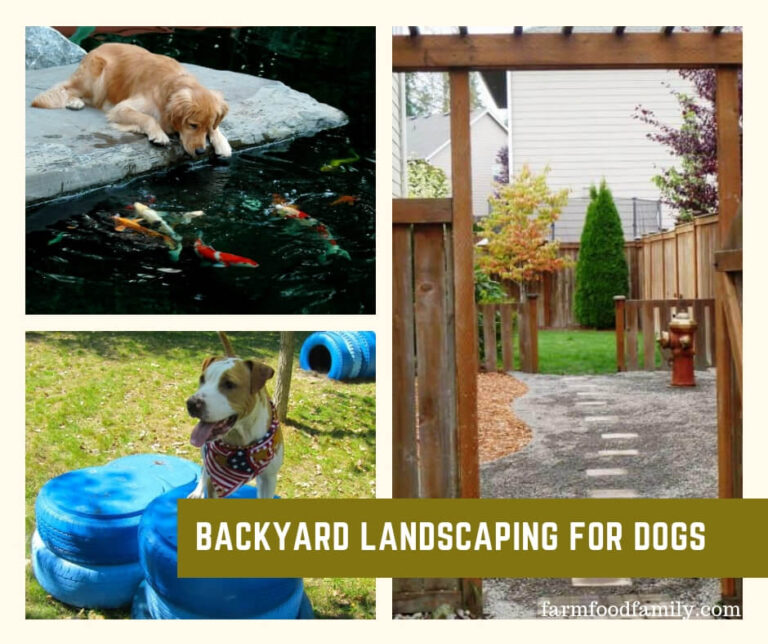
5. Barkitecture: pet-friendly landscape design
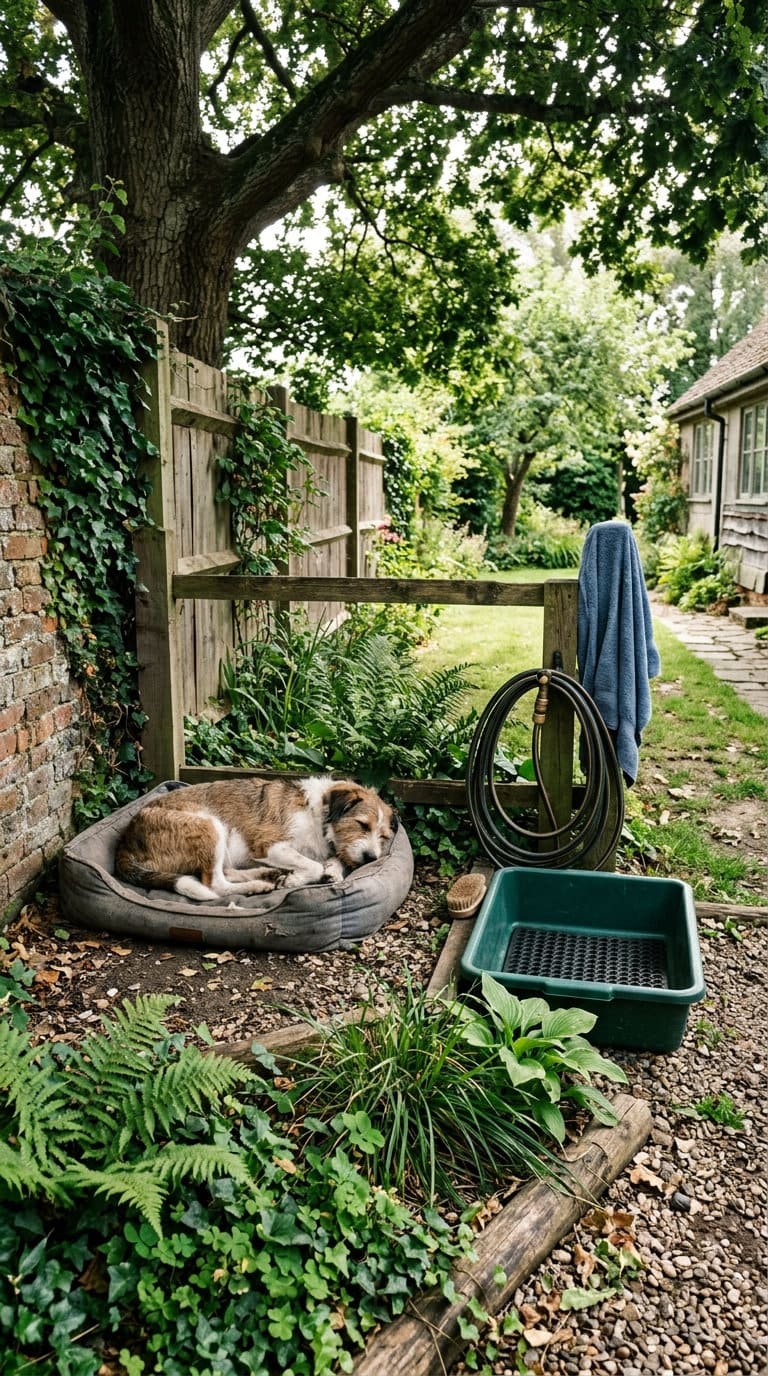
This is the trend with a real safety angle almost nobody covers alongside the aesthetics.
If pets have yard access, it’s worth knowing that several common landscaping plants are genuinely dangerous.
Per the ASPCA, sago palm is the single most dangerous common landscaping plant for dogs, every part of the plant can cause liver failure, with roughly a 50% mortality rate even with veterinary treatment.

The lawn-replacement approach from idea #1, look for a mix specifically labeled for your region rather than a generic wildflower blend.
Most yard problems trace back to one specific, fixable cause. Find yours in 4 quick questions.
Take the Free QuizThis post contains affiliate links. We may earn a commission on qualifying purchases at no extra cost to you.
Azaleas and rhododendrons can cause heart rhythm problems and neurological symptoms. Oleander affects heart function in a similar way. And lilies specifically cause acute kidney failure in cats, a genuinely common and serious poisoning case.
None of that means skipping landscaping entirely if you have pets, it means checking your specific plant list against a real toxic-plant reference before installing anything, and building in the practical side of “barkitecture” that actually matters: a shaded rest area, a paw-rinse station, and a physical barrier (even a low one) between pets and anything you’re not sure about.
6. Smart irrigation and yard technology
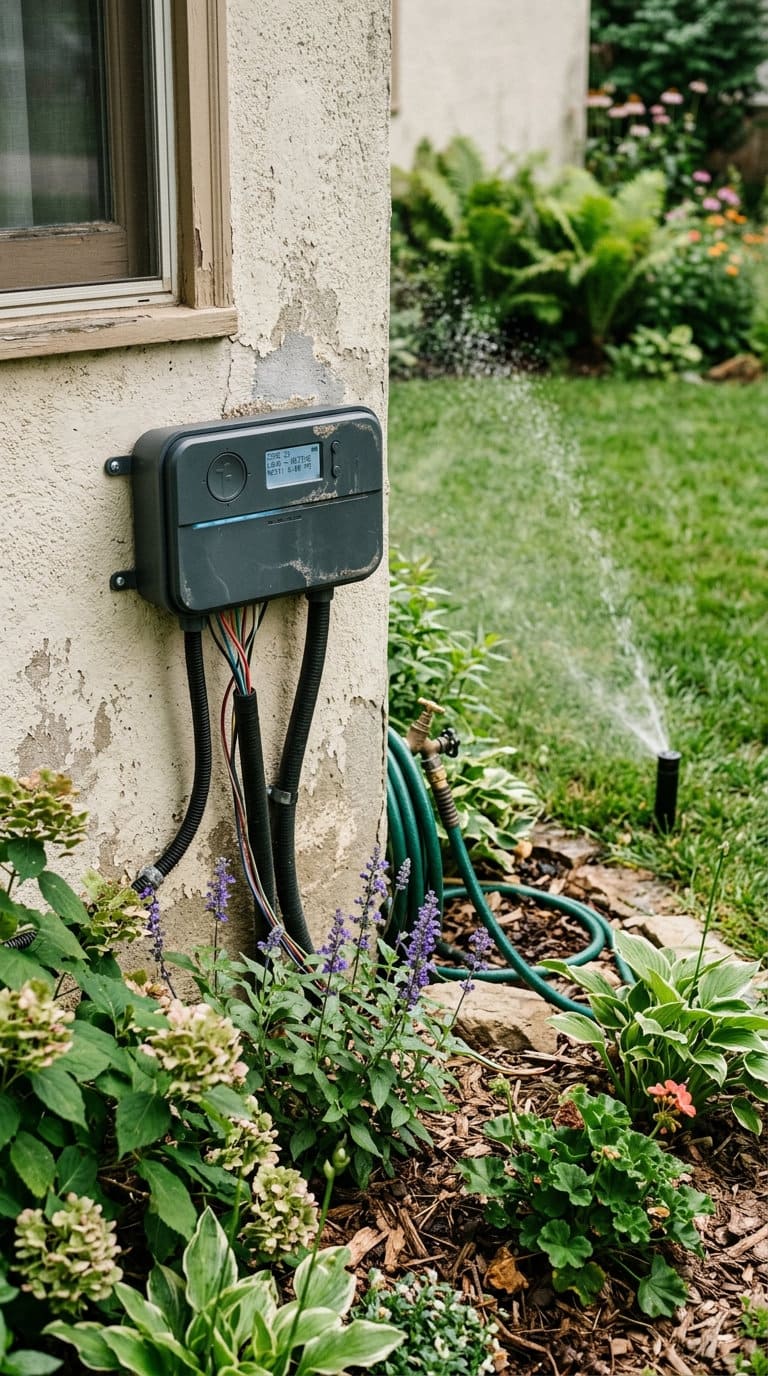
Automated, sensor-based irrigation that adjusts to actual soil moisture and weather rather than running on a fixed schedule is showing up more in 2026 yards, mostly as a water-and-maintenance-saving add-on rather than a standalone trend.
Worth noting: it pairs naturally with trend #1, a native-plant yard already needs less water, smart irrigation on top of that is a genuine efficiency layer, not a requirement for sustainable landscaping on its own.
FAQs
Is my yard’s landscaping actually dangerous for pets?
Possibly, depending on what’s already planted. According to the ASPCA, sago palm, azaleas, rhododendrons, oleander, and lilies are among the most seriously toxic common landscaping plants, with sago palm carrying roughly a 50% mortality rate in dogs even with treatment, and lilies causing acute kidney failure specifically in cats. Check your yard’s actual plant list against the ASPCA’s toxic plant reference rather than assuming.
What percentage of nursery plants are actually native?
Around 14%, according to Mary Phillips at the National Wildlife Federation. That’s a genuinely low number given how much native planting gets recommended, worth specifically seeking out a native plant nursery or a regional keystone plant list rather than assuming a “wildflower mix” label means native.
Do I need smart irrigation to landscape sustainably?
No. Choosing native, regionally-adapted plants does most of the water-saving work on its own, since they’re built for local rainfall patterns. Smart irrigation is a genuine efficiency add-on once you’ve already made sustainable plant choices, not a substitute for making them.
What’s Actually New vs. What’s Just Repeated
Wellness and warm minimalism are real trends and worth the coverage they’re getting, but native planting and pet safety are the two pieces of this year’s landscaping conversation that come with real numbers and real stakes attached. Start there if you want 2026’s landscaping trends to mean something more than a new color palette.

Products We Recommend
This post contains affiliate links. We may earn a commission on qualifying purchases at no extra cost to you.
Outsidepride Regional Wildflower Seed Mix
The lawn-replacement approach from idea #1, look for a mix specifically labeled for your region rather than a generic wildflower blend.
The average homeowner spends $616/year on yard fixes that don't address the real problem. Find out what yours actually is — before you spend another dollar.
Take the Free Quiz
Rachio WiFi Smart Sprinkler Controller (8-Zone)
The smart irrigation trend from idea #6, adjusts watering automatically based on actual weather with rain/freeze skip built in.
Shop Now
SKI Innovations Paw Boss Wash
A practical barkitecture addition from idea #5 that pairs naturally with checking your plant list for pet safety.
Shop NowNever miss an update — choose FarmFoodFamily as your preferred source on Google.
How it works: Tap the button below to open Google's settings page, then check the box next to FarmFoodFamily.
Tap the checkbox to turn it blue — that's how you know it's set.