6 Cunning Herb Pairings You Should Never Plant Next to Each Other
Herbs look like the easiest thing in the garden to group together, but a few common pairings quietly sabotage each other through spreading roots, chemical warfare, or plain old mismatched watering.

Never miss an update — choose FarmFoodFamily as your preferred source on Google.
How it works: Tap the button below to open Google’s settings page, then check the box next to FarmFoodFamily.
Tap the checkbox to turn it blue — that’s how you know it’s set.
Most “companion planting” advice for herbs is written like every herb gets along fine as long as you group anything green and fragrant in one bed. It doesn’t work that way.
According to Utah State University Extension, a mint planting needs a container that extends “3 to 4 inches above and 10 to 15 inches below the soil surface” just to keep its rhizomes from escaping into the rest of the bed, and that’s one of the milder conflicts on this list.
Some herb pairings fight over water. Some release chemicals into the soil that stunt their neighbors. One pairing on this list is genuinely toxic to handle.
This guide covers six real herb-vs-herb conflicts, the actual mechanism behind each one (not just “they don’t get along”), and what to do if you’ve already planted the wrong two side by side.
Quick Answer
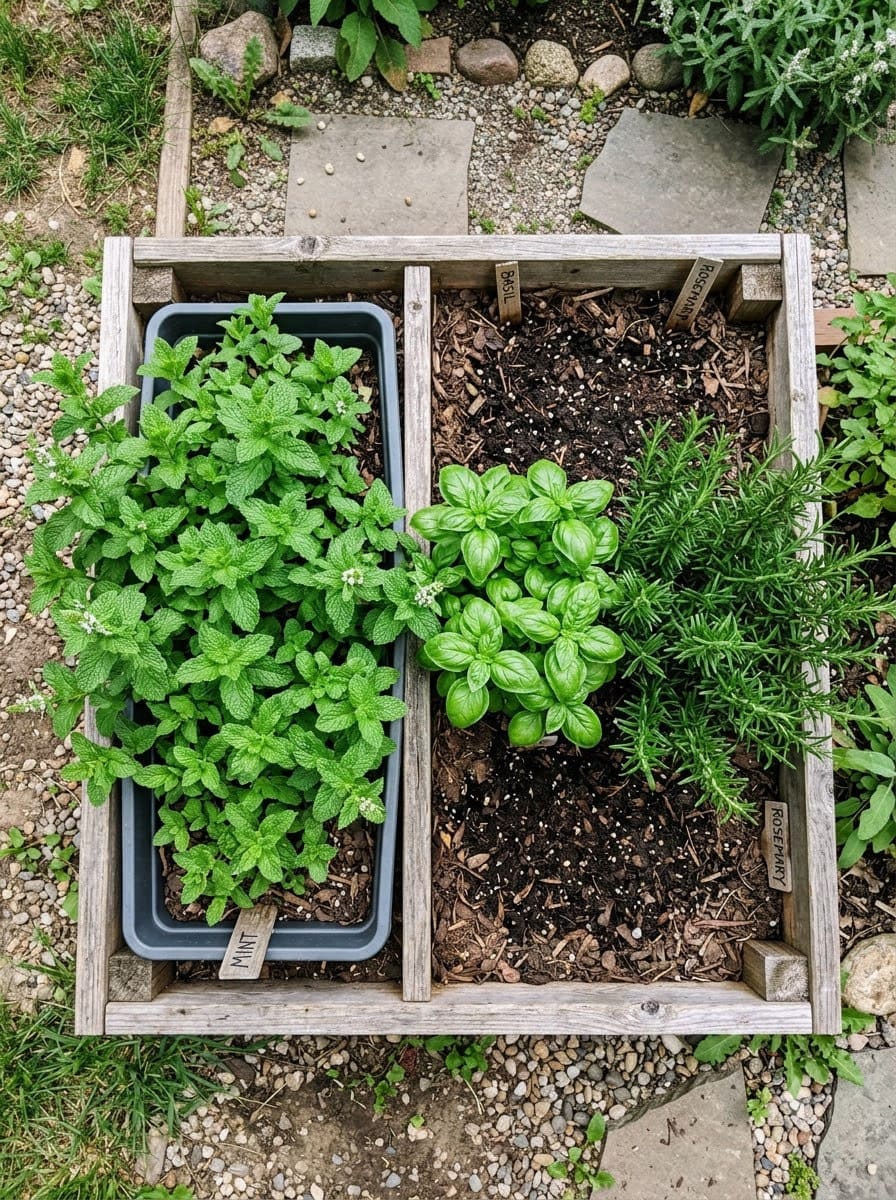
Six herb pairings cause real, documented problems when planted too close together, and the mechanism behind each one is different. Mint spreads through aggressive underground rhizomes that invade any herb’s root zone within a season or two, and Utah State University Extension recommends a container buried 10 to 15 inches deep just to contain it.
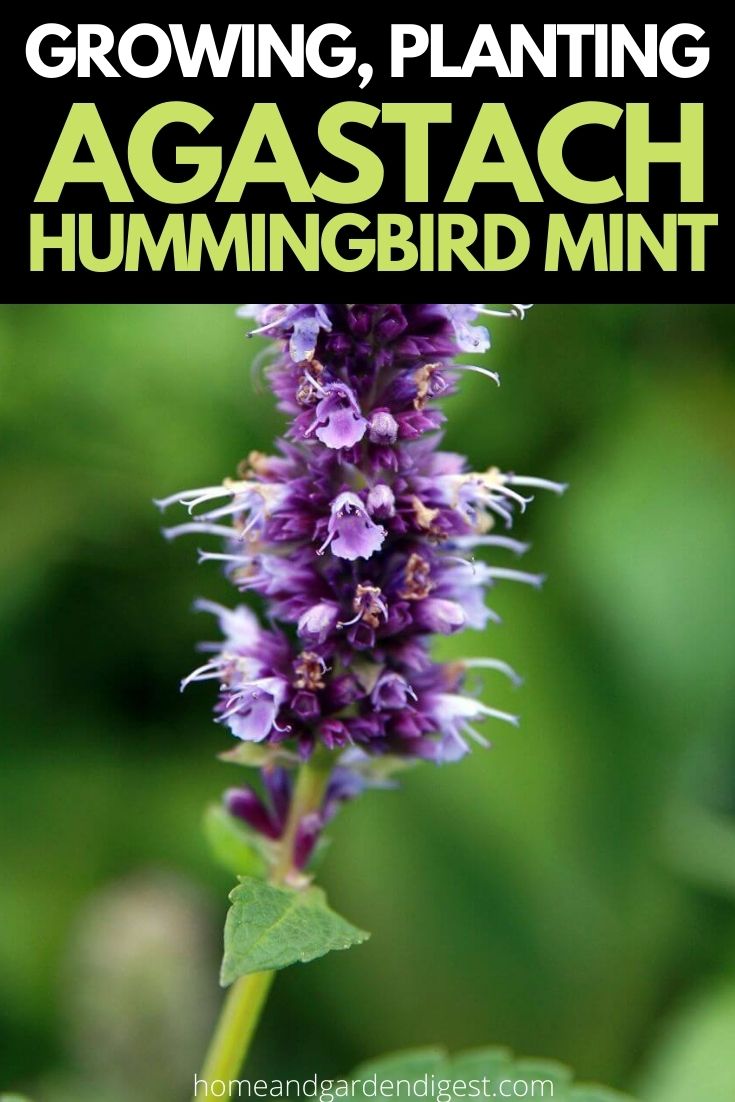
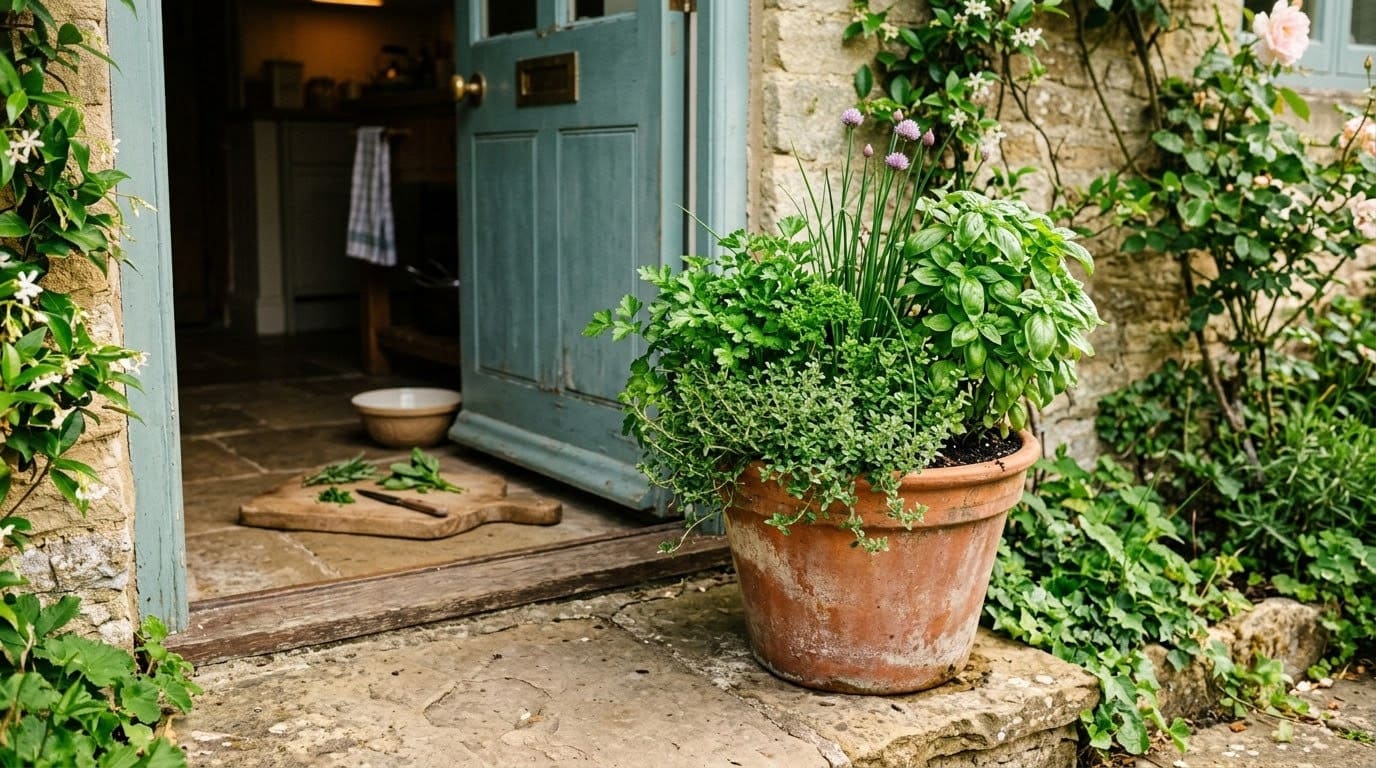

Fennel and rue both release allelopathic compounds that stunt nearby seedlings, and rue is also genuinely toxic to handle, causing contact dermatitis according to North Carolina State University Extension. Dill and cilantro can cross-pollinate if left to flower near each other, ruining saved seed for gardeners who want true-to-type plants next year.
Answer 4 quick questions and get matched to the exact fix for your yard — drainage, budget, layout, or something else entirely.
Take the Free QuizRosemary and basil clash over water: rosemary wants dry soil and basil wants consistent moisture, and one of them usually loses. Chives cause the same water conflict in reverse against sage, thyme, and rosemary. Give each pairing real distance, a container, or a dedicated bed, and every one of these herbs still grows well somewhere in the same yard.
Why Do Some Herbs Actually Fight Each Other?
Four separate mechanisms explain almost every herb-vs-herb conflict, and knowing which one applies to a given pairing changes how you actually fix it.
Aggressive root spread. Some herbs, mint above all, spread through underground rhizomes that colonize soil regardless of what’s already planted there. This isn’t competition in the usual sense, it’s physical invasion of another plant’s root zone.
Allelopathy, or actual chemical warfare. A handful of herbs release compounds through their roots, leaves, or leaf litter that suppress germination or growth in nearby plants. Fennel and rue both do this. This is different from resource competition, it’s a one-way chemical effect that happens even in soil with plenty of water and nutrients to go around.
Water-need mismatch. Mediterranean herbs like rosemary, sage, and thyme evolved in dry, rocky soil and want to dry out between waterings. Herbs like basil and chives evolved wanting consistent moisture. Plant one of each close together and whichever watering schedule you pick, one of them suffers, either root rot from too much water or stress and dropped leaves from too little.
Cross-pollination risk. This one only matters if you save seed. Herbs in the same botanical family, like dill and cilantro, can cross-pollinate if both are allowed to flower nearby, and the resulting seed won’t grow true to either parent plant next year.
The 6 Pairings at a Glance
| Pairing | Mechanism | Severity | Fix |
|---|---|---|---|
| Mint vs. almost any other herb | Aggressive rhizome spread | Severe | Containerize, 10-15 in deep barrier minimum |
| Fennel vs. basil, dill, most herbs | Allelopathy (chemical inhibition) | Moderate-Severe | Grow fennel alone, several feet of separation |
| Rue vs. basil and sage | Toxicity + allelopathy + pH conflict | Severe | Separate bed, gloves when handling rue |
| Dill vs. cilantro | Cross-pollination (seed-saving only) | Low-Moderate | Fine if you don’t save seed; separate beds if you do |
| Rosemary vs. basil | Water-need mismatch | Moderate | Separate containers or zoned irrigation |
| Chives vs. sage, thyme, rosemary | Water-need mismatch (reversed) | Moderate | Keep chives in its own moist pocket |
1. Mint vs. Almost Any Other Herb
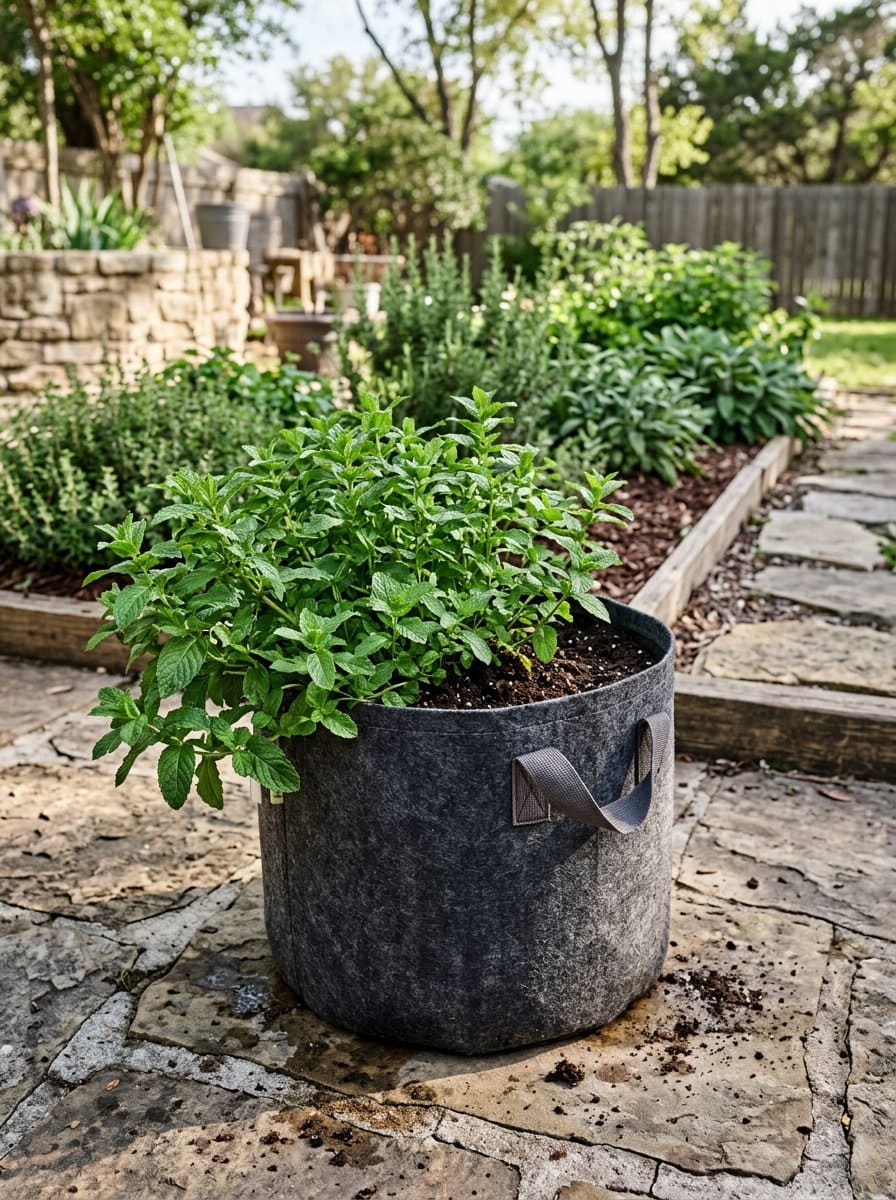
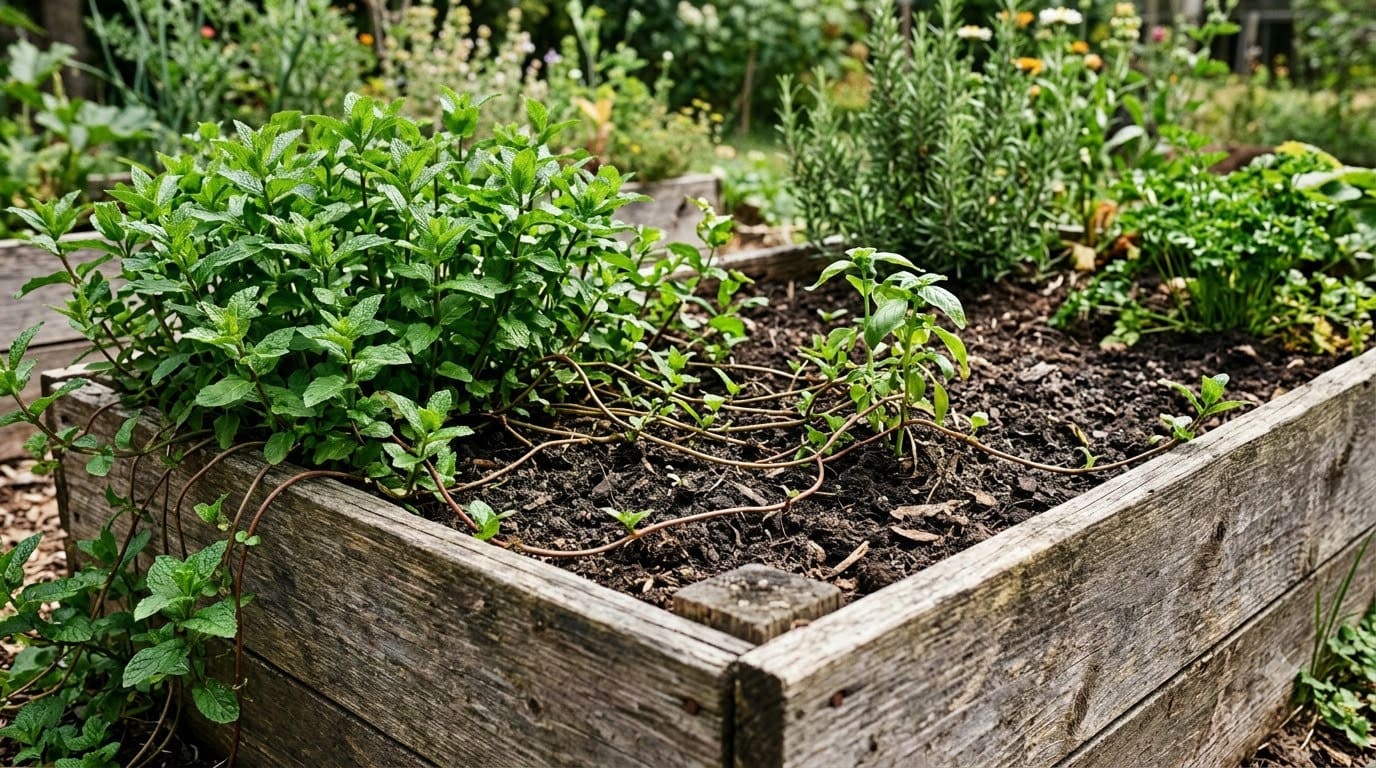
Mint is the one conflict every gardener eventually hears about, usually after it’s too late. True mint spreads through rhizomes, underground stems that push out horizontally and send up new shoots wherever they end up, regardless of what’s already growing there. It doesn’t compete for space so much as annex it.
Most yard problems trace back to one specific, fixable cause. Find yours in 4 quick questions.
Take the Free Quiz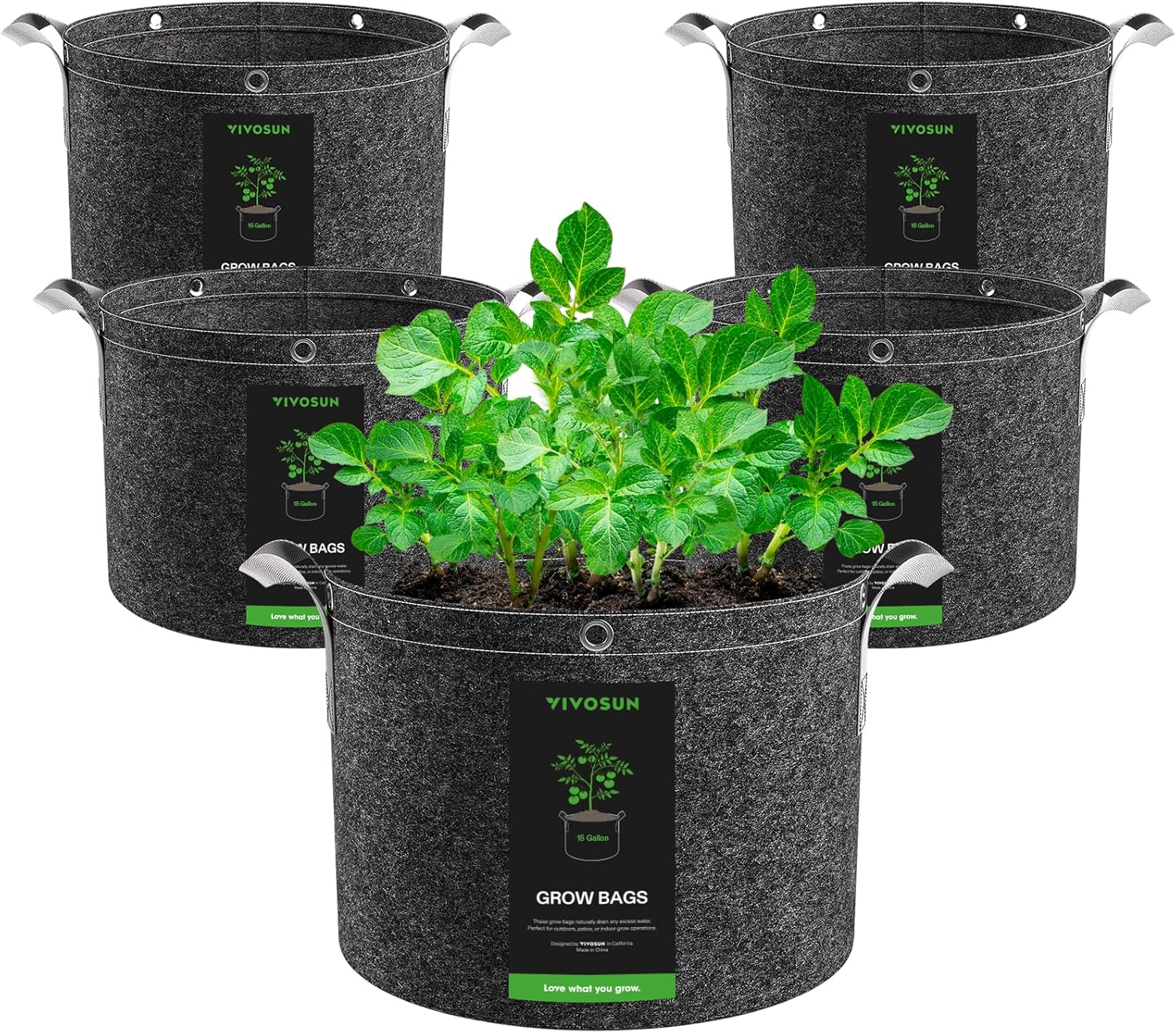
Heavy-duty fabric root barrier bags, sized large enough to fully containerize mint or fennel and stop rhizomes from escaping into a shared bed
Shop NowThis post contains affiliate links. We may earn a commission on qualifying purchases at no extra cost to you.
A Reddit gardener who planted mint as a deck border learned this the hard way: what started as a tidy 1-by-5-foot strip took off into the surrounding yard, and it took three years of sowing salt into the soil to actually reclaim the space, according to a widely shared account of the thread.
A second attempt in a mason block ended with the mint growing dense enough to physically crack the block.
Rhonda Ferree, a retired University of Illinois Extension horticulture educator, puts it plainly: “To contain their aggressive behavior, I always grow mints in containers placed on a hard surface.” That last detail matters, a container sitting directly on soil still lets rhizomes escape through the drainage holes. University of Maryland Extension recommends a container roughly 12 to 16 inches in diameter, or 18-inch spacing if you’re planting mint directly in a bed with a real barrier.
The fix: never plant mint in-ground near another herb, period. Use a container on a hard surface, or if you want it in a bed, bury a rigid barrier at least 10 to 15 inches deep per USU Extension’s figures, deeper than most gardeners assume.
If mint has already spread into a shared bed, expect a full season of manual removal, pulling every visible runner and root fragment, since mint regrows from pieces left behind.
Our guide to the different mint varieties worth growing is worth a look before you plant any mint at all, since some spread faster than others.
2. Fennel vs. Basil, Dill, and Most Culinary Herbs
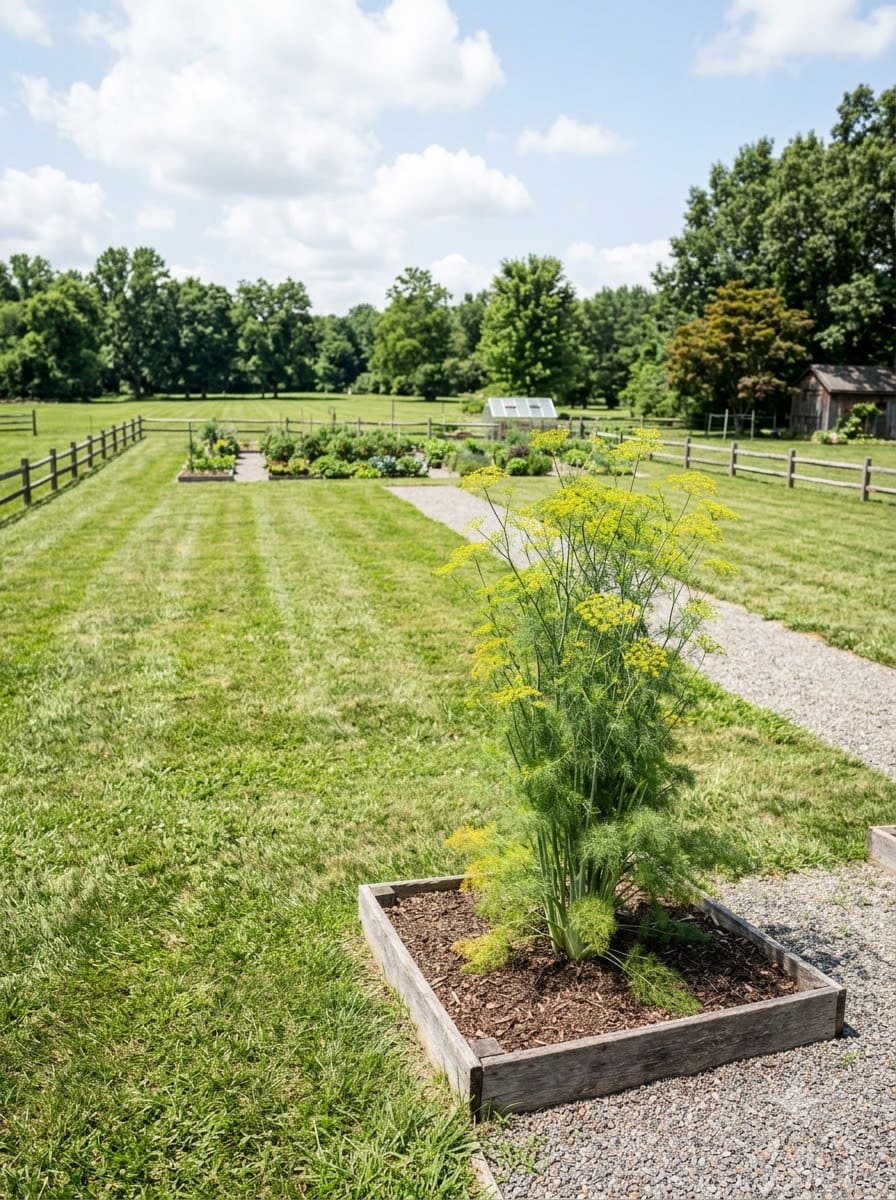
Fennel is the herb garden’s loner, and it earns that reputation through actual chemistry, not just size.
Fennel is documented to release allelopathic compounds through its roots and leaf litter that suppress germination and slow growth in nearby seedlings, an effect noted across horticultural research and confirmed by North Carolina State University Extension’s plant database, which also documents fennel’s habit of freely self-seeding and “escaping gardens” to naturalize in some regions if left unchecked.


That combination, a plant that chemically discourages neighbors and also seeds itself aggressively, means fennel doesn’t just need distance once, it needs ongoing management. Basil, dill, and most other culinary herbs are sensitive enough to the effect that gardeners consistently report stunted growth and poor germination nearby, even at a few feet of separation.
The average homeowner spends $616/year on yard fixes that don't address the real problem. Find out what yours actually is — before you spend another dollar.
Take the Free QuizThe fix: grow fennel alone in its own bed or a large container, several feet from any other herb you’re actively trying to establish from seed. If fennel is already sharing a bed with a struggling neighbor, don’t assume it’s a watering or nutrient problem, relocate one of the two plants before troubleshooting anything else.
Deadhead fennel flowers before they set seed if you don’t want volunteers popping up across the bed next spring.
Our growing fennel guide covers the container-vs-ground-bed decision in more detail.
3. Rue vs. Basil and Sage
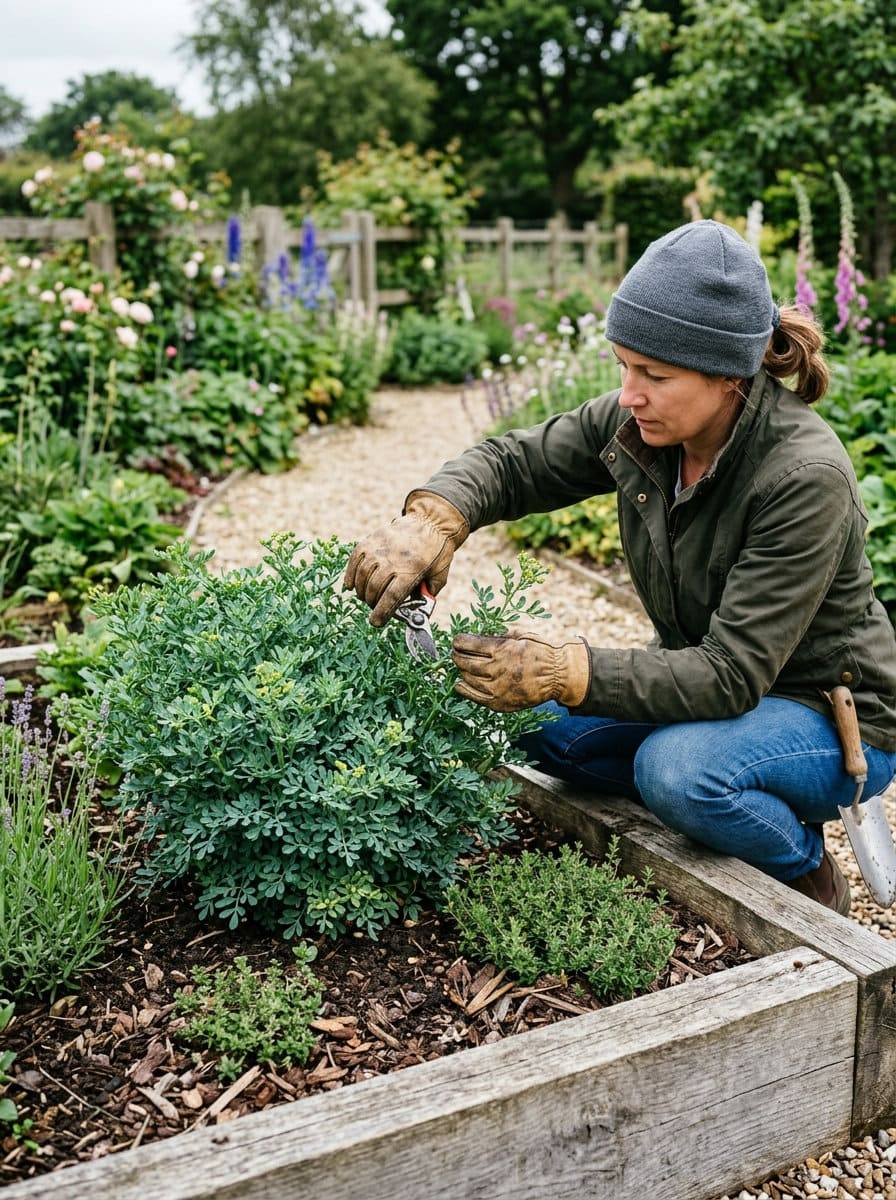
Rue is the pairing most companion-planting lists mention in passing without explaining why it’s actually different from every other herb on this list: rue is genuinely toxic to handle, not just a bad neighbor.
Per NC State Extension’s plant database entry for the species, rue is tagged as poisonous, and contact with the skin, especially in sunlight, can cause contact dermatitis. Ingestion can cause stomach pain, vomiting, and in serious cases convulsions.
On top of the toxicity, rue prefers alkaline, gravelly, well-drained soil, the opposite of what basil wants, and its foliage carries allelopathic compounds that can stunt basil’s growth when planted too close.
Sage fares a little better but still shows slowed growth and a bitter off-flavor when grown right against rue, since sage tends to pick up nearby aromatic compounds through soil and air contact more than most herbs.
The fix: give rue its own dedicated spot, ideally a raised bed or container away from any path where bare skin might brush against it, and always wear gloves when pruning or handling it. Keep basil and sage in a completely separate bed.
If rue is already established near either, the toxicity risk alone is reason enough to relocate the rue rather than try to manage around it.
Our guide on growing rue in the herb garden covers safe handling in more depth.
4. Dill vs. Cilantro
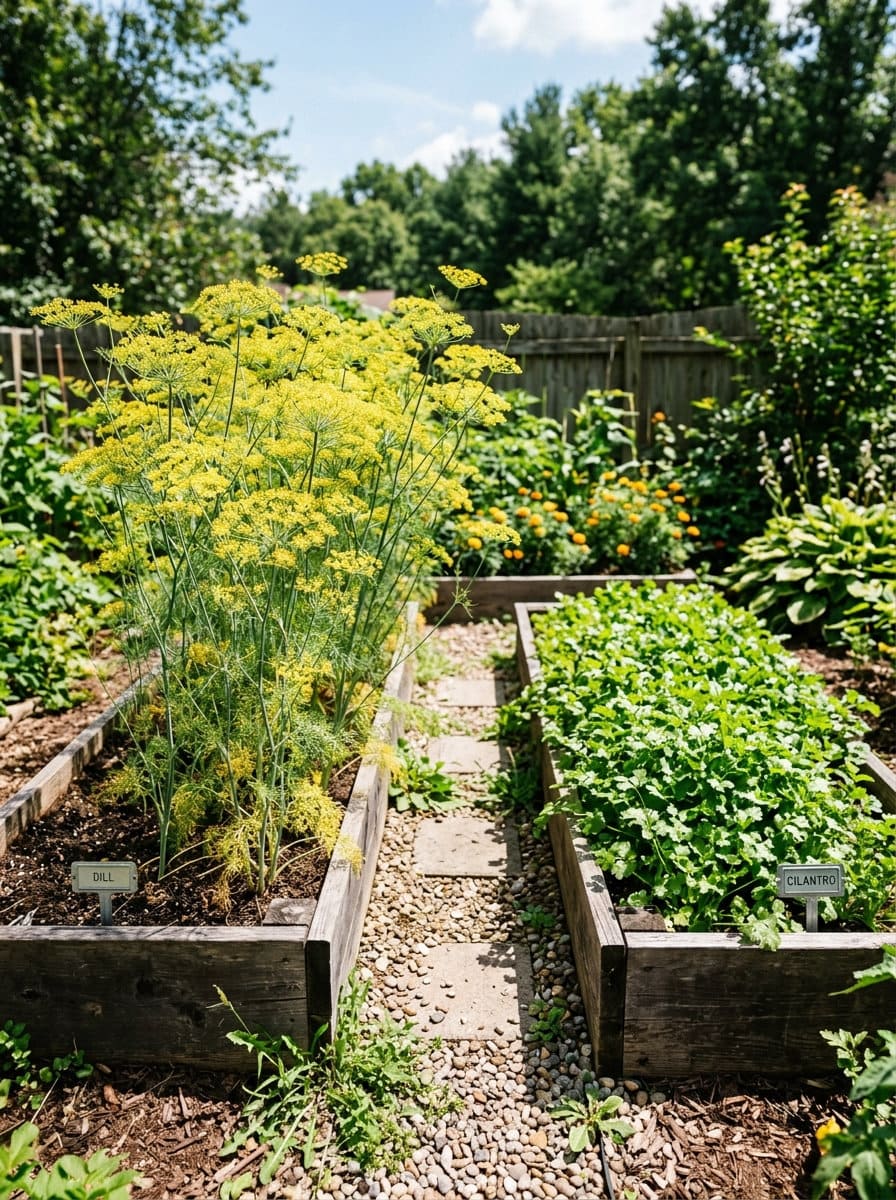
This pairing is different from the other five: it’s not a growth or health problem, it’s a seed-saving problem. Dill and cilantro are both members of the Apiaceae (carrot) family, and if both are allowed to flower near each other, they can cross-pollinate.
The seed you save from either plant afterward won’t grow true to type, you might get a dill-cilantro hybrid with unpredictable flavor and growth habits instead of the herb you thought you were replanting.
There’s a second, quieter overlap: both dill and cilantro bolt fast in hot weather, so in a lot of home gardens they end up flowering at roughly the same time whether you planned it or not, widening the window where cross-pollination can actually happen.
The fix: if you never save seed and just buy new plants or packets each year, this pairing genuinely doesn’t matter, plant dill and cilantro as close as you like.
If you do save seed, keep the two in separate beds, or stagger their planting so their flowering windows don’t overlap, or simply harvest one of them for leaves only and never let it flower.
If you want a longer leaf-harvest window before bolting becomes a factor, see our tips on keeping dill productive through the hot part of the season and getting more usable leaf from a cilantro plant before it flowers.
5. Rosemary vs. Basil
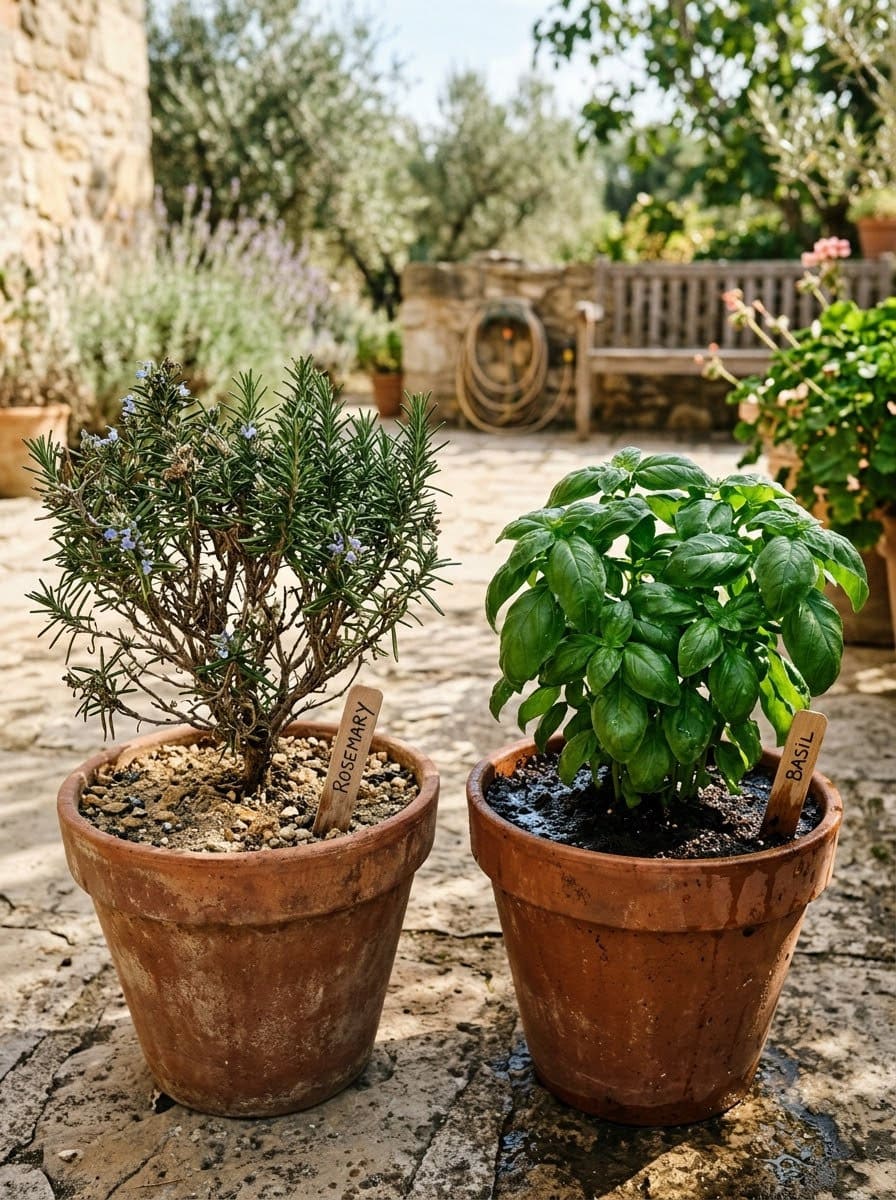
This is a pure water conflict, and it’s one of the most common accidental mistakes in a mixed herb container, since both plants are Mediterranean-adjacent and get lumped together as “sun-loving herbs” without anyone checking their actual moisture needs.
Rosemary is drought-tolerant once established and genuinely prone to root rot if kept consistently moist. Basil is the opposite, it wants steady, even moisture and starts wilting and dropping leaves the moment the soil dries out for more than a day or two.
Plant them in the same pot or the same zone of a drip irrigation line, and one of them is quietly losing this fight all season. Rosemary usually shows it first, yellowing needles and a mushy base near the soil line, while basil shows heat stress and leaf drop if you err the other direction to protect the rosemary.
The fix: give rosemary and basil their own containers, or if they’re sharing a bed, put real distance between them, at least two or three rows apart, so a single watering schedule doesn’t have to serve both.
If they’re already crowded together, the lower-cost fix is usually moving the basil, since it transplants more easily than an established rosemary shrub.
There’s more on how little water an established rosemary shrub actually wants and keeping basil from wilting between waterings if you want the two watering rhythms spelled out side by side.
6. Chives vs. Sage, Thyme, and Rosemary
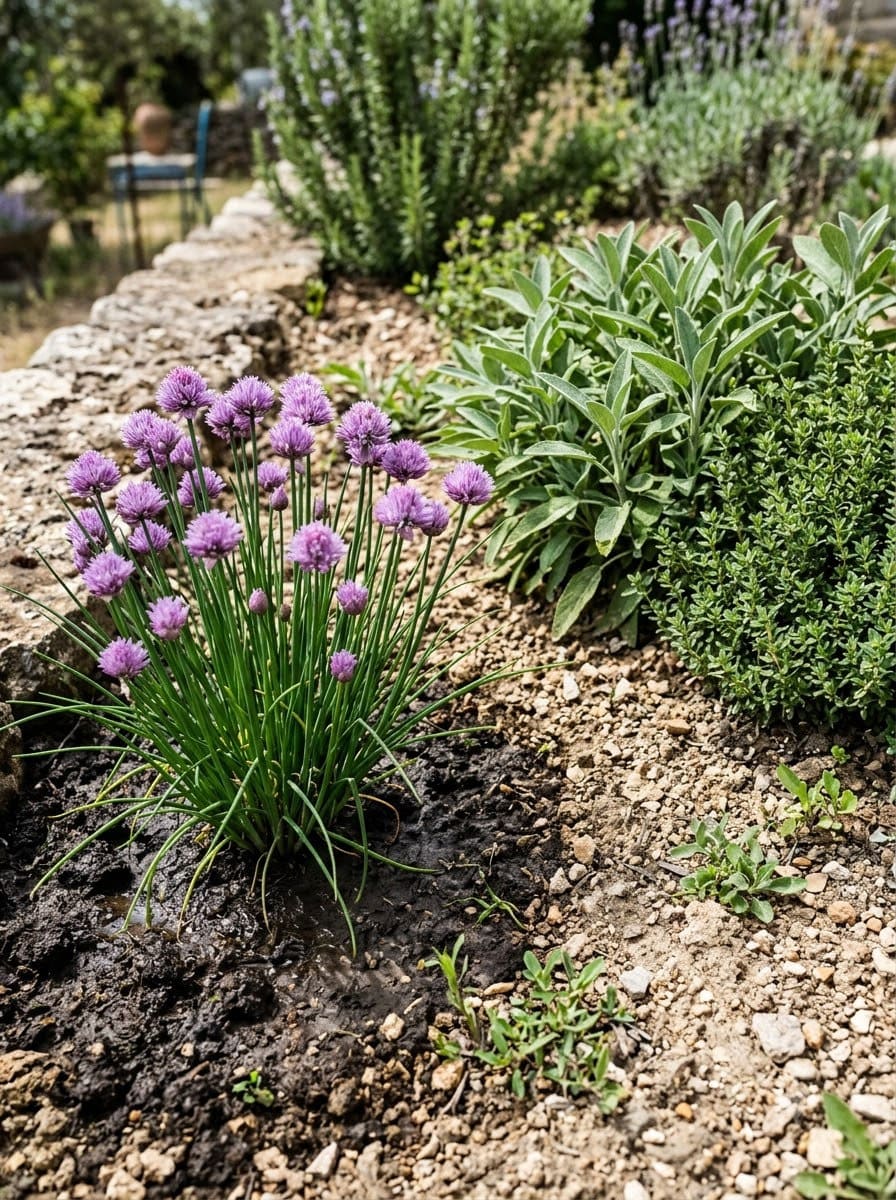
This is the same water conflict as the rosemary-and-basil pairing, just pointed in the opposite direction. Chives want soil that’s well-draining but consistently, evenly damp, closer to a vegetable-garden watering routine than a dry Mediterranean one.
Sage, thyme, and rosemary all want the opposite: soil that’s allowed to dry out noticeably between waterings, since consistently wet roots dilute their essential-oil concentration and invite root rot.
Chives don’t look like an aggressive plant, and that’s exactly why this mistake happens so often, gardeners plant a small chive clump into what’s otherwise a dry Mediterranean herb bed because chives seem harmless and low-key, then wonder why the sage nearby looks leggy and pale by midsummer.
The fix: keep chives in their own consistently moist pocket, either a separate small bed, a container, or the damp edge of a vegetable garden rather than the dry herb bed. If chives are already established next to sage, thyme, or rosemary, the simplest fix is usually relocating the chives, since they divide and transplant easily in spring or fall without much setback.
Can You Fix It Once Two Conflicting Herbs Are Already Planted Together?
Usually, yes, and the fix is almost always the same regardless of which pairing it is: relocate the smaller or more forgiving plant rather than trying to manage two conflicting needs in one spot.
Basil, chives, and cilantro all transplant reasonably well when caught early. Mint is the one exception, once it’s genuinely invaded a bed, expect a season of manual root removal rather than a quick transplant, since any fragment left behind regrows.
The one pairing where “just wait and see” is a real mistake is rue next to a path or a bed you touch often, since the risk there is a skin reaction, not slower growth. That one is worth moving immediately rather than waiting for a slow decline to confirm the problem, the way you might with a water-mismatch pairing.
What We Learned the Hard Way
The mint mistake is the one that gets almost everyone at least once, because a 4-inch nursery pot of mint looks completely harmless, and the person planting it usually has no frame of reference for how fast rhizomes actually move underground. By the time it’s obvious, it’s not a quick fix, it’s a season of digging.
If there’s one thing worth doing differently from the start, it’s assuming any mint variety is going in a container on a hard surface, no exceptions, not even for “just this one border.”
Fennel catches people off guard for a different reason. It looks like a normal feathery herb, not an aggressive one, so nobody expects it to be the reason a nearby basil seedling won’t germinate. The real tell is timing, if seeds planted near an established fennel plant come up weak or not at all while the same seed packet germinates fine somewhere else in the yard, that’s fennel, not bad soil or old seed.
And honestly, rue is the one that surprised us the most the first time we handled it without gloves on a sunny afternoon, a mild but genuinely unpleasant skin reaction that showed up a day later.
It’s not dramatic, but it’s real, and it’s the one pairing on this list where the fix is less about garden design and more about just treating the plant with a little more respect than “another pretty herb.”
FAQs
Can I plant mint anywhere near other herbs if I keep it in a pot? Yes, as long as the pot sits on a hard surface, not directly on soil or mulch. Rhizomes can escape through drainage holes into the ground below a container, which defeats the point of containing it.
Why won’t my basil grow near my fennel plant? Fennel releases compounds through its roots and leaf litter that suppress germination and slow growth in nearby seedlings, a real allelopathic effect documented in horticultural research and confirmed by NC State Extension’s plant database. Basil is sensitive to it even at a few feet of separation. Move the basil, don’t just add more fertilizer.
Is it safe to touch rue while gardening? Handle it with gloves, especially in direct sun. Rue is tagged as poisonous by NC State Extension’s plant database and can cause contact dermatitis, and ingestion can cause more serious symptoms. It’s not a plant to prune bare-handed on a sunny afternoon.
Do dill and cilantro actually need to be kept apart? Only if you save seed from either plant. If you buy new plants or seed packets each season, dill and cilantro can grow as close together as you like, the cross-pollination risk only matters for gardeners trying to keep true-to-type seed.
What’s the easiest way to tell if two herbs have a water-need mismatch? Check whether one is a Mediterranean, drought-tolerant herb (rosemary, sage, thyme) and the other wants consistent moisture (basil, chives, cilantro). If they’re on opposite ends of that spectrum, give them separate containers or at least separate zones of a drip line rather than one shared watering schedule.
Related Posts
- Growing a Basic Herb Garden from Scratch
- Container Herb Garden Ideas for Small Spaces
- Herbs That Control Vegetable Garden Pests
Products We Recommend
This post contains affiliate links. We may earn a commission on qualifying purchases at no extra cost to you.
VIVOSUN 5-Pack 15 Gallon Fabric Grow Bags with Strap Handles
Heavy-duty fabric root barrier bags, sized large enough to fully containerize mint or fennel and stop rhizomes from escaping into a shared bed
Shop Now
Best Choice Products 3-Tier Fir Wood Raised Garden Bed Planter Kit
A tiered planter box that physically separates dry Mediterranean herbs (rosemary, sage, thyme) from moisture-loving herbs (basil, chives, cilantro) into distinct zones
Shop Now
Fiskars Non-Stick Softgrip Micro-Tip Pruning Snip, 2-Pack
Precision snips for deadheading fennel before it self-seeds and for safely trimming rue without bare-hand contact on the cut stems
Shop NowNever miss an update — choose FarmFoodFamily as your preferred source on Google.
How it works: Tap the button below to open Google's settings page, then check the box next to FarmFoodFamily.
Tap the checkbox to turn it blue — that's how you know it's set.