7 Feng Shui Plants That Bring Wealth and Luck to Any Backyard
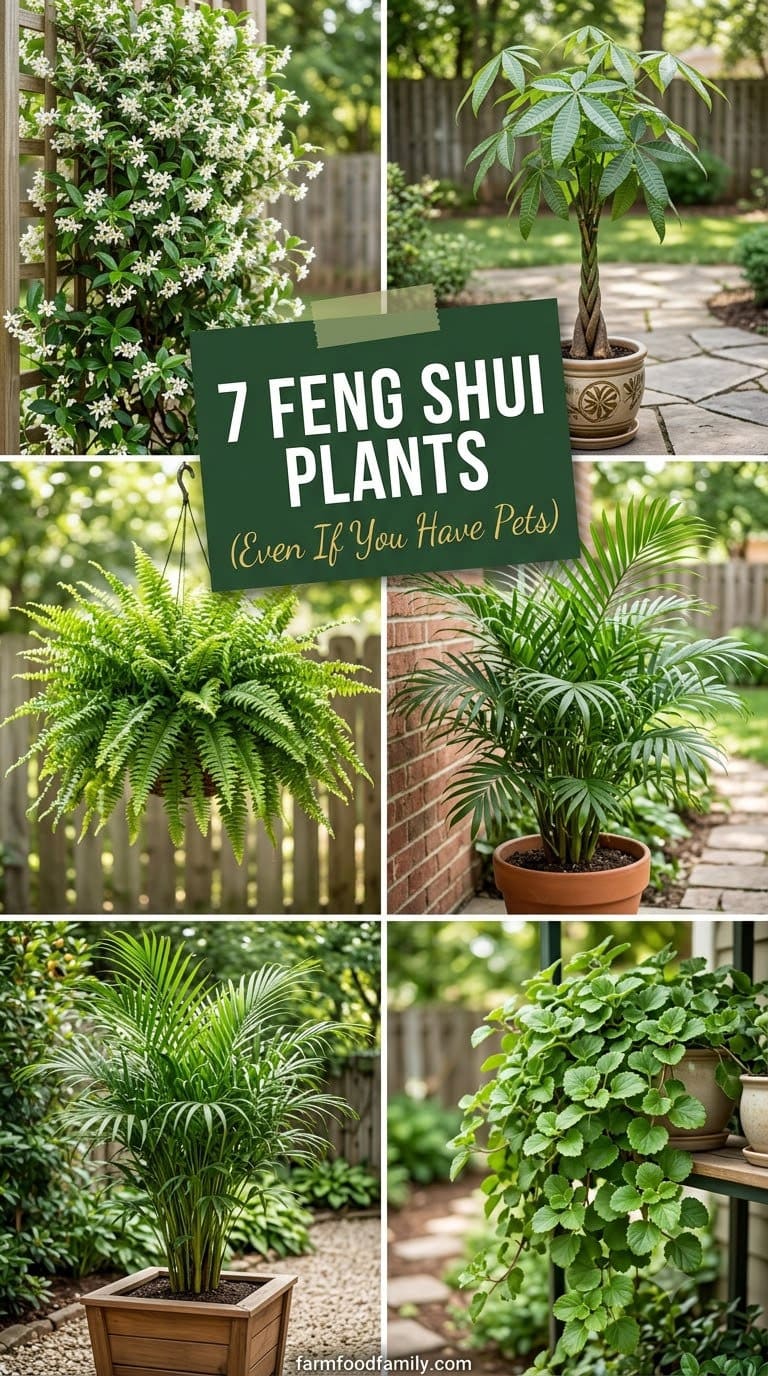
Each of these seven plants has a specific bagua placement and a genuine outdoor-hardiness or safety fact worth knowing, since a wealth plant that dies in the first frost isn’t bringing anyone good luck.

Never miss an update — choose FarmFoodFamily as your preferred source on Google.
How it works: Tap the button below to open Google’s settings page, then check the box next to FarmFoodFamily.
Tap the checkbox to turn it blue — that’s how you know it’s set.
Rodika Tchi, a certified feng shui consultant based in Vancouver with over 20 years of practice (professionally trained through the Qi-Mag International Feng Shui and Geobiology Institute, and a feng shui instructor at the University of British Columbia), treats living, thriving plants as one of the most direct ways to bring wood-element energy and wealth symbolism into an outdoor space.
Here’s where each of these seven goes in a real backyard, plus the real hardiness, toxicity, or invasiveness fact worth knowing about it, something most “lucky plant” roundups skip entirely once a plant moves from a windowsill to an actual yard.
1. Citrus tree, planted in the wealth corner or near the front of the yard
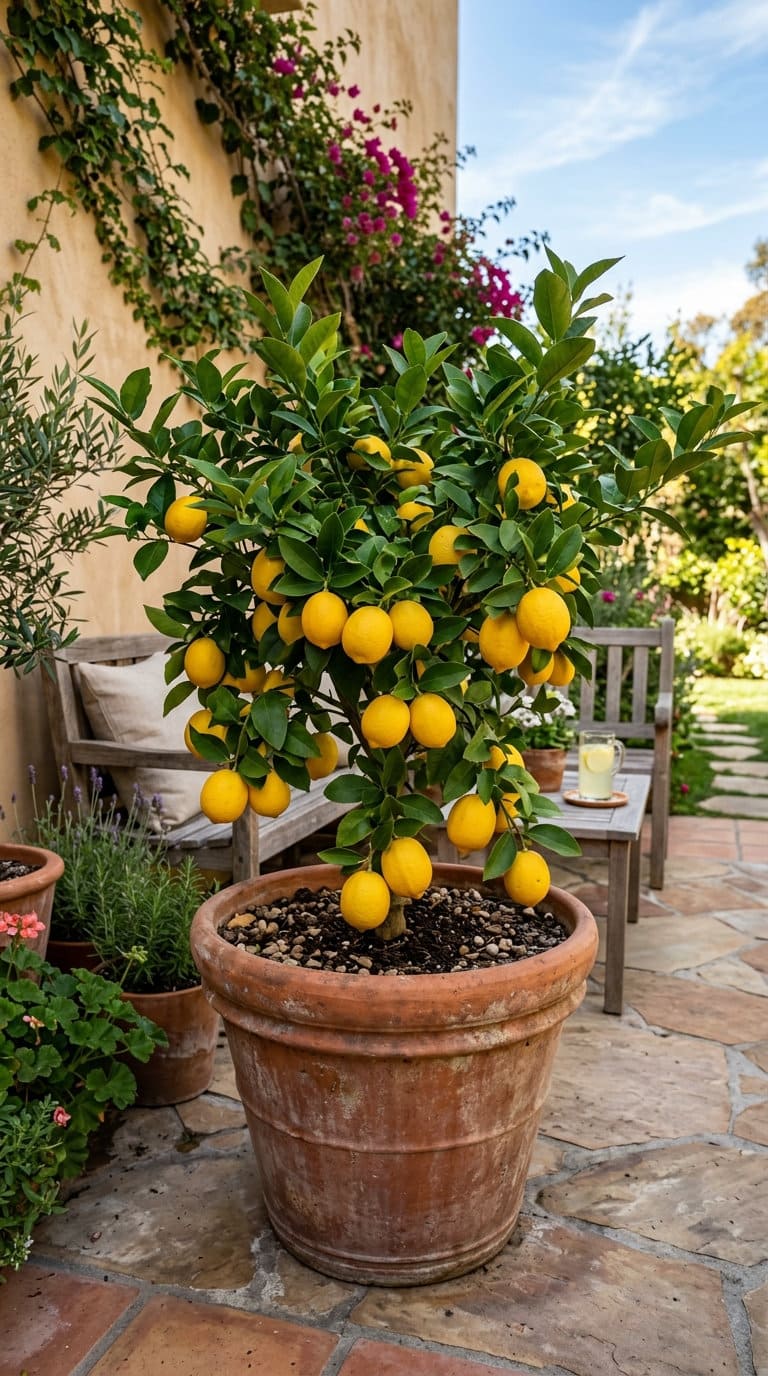
A citrus tree, especially one loaded with round, golden fruit, is one of the most literal wealth symbols in feng shui, the fruit itself reads as coins. Placed in the southeast “wealth corner” of the yard or near a main path where it’s regularly seen, a citrus tree is meant to keep prosperity visibly, physically present rather than abstract.
Real fact worth knowing: citrus trees are only reliably cold-hardy outdoors in USDA zones 9 through 11, temperatures below roughly 28°F can cause real leaf drop, twig dieback, or kill the tree outright.
If you’re outside that range, a container-grown dwarf variety, Meyer lemon (hardy to around 20°F) or kumquat (among the hardiest citrus) are the two most forgiving choices, moved indoors or into a garage once nighttime temperatures consistently drop toward 50°F, well before the first hard frost.
2. Clumping bamboo, not running bamboo, placed for privacy and career energy
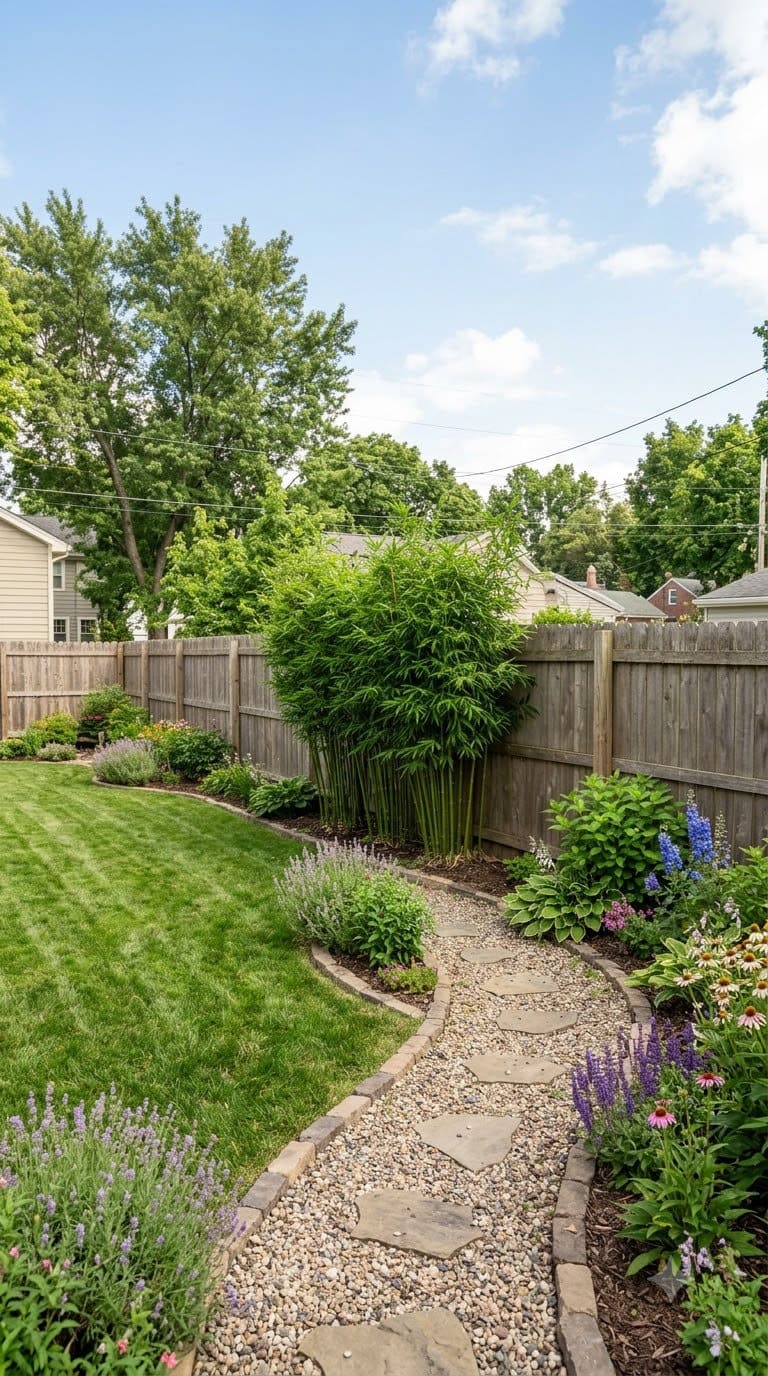
Bamboo overall is tied to flexibility, resilience, and career growth in feng shui, its hollow stem is read as a channel for chi to move through freely. Placed along a fence line or as a privacy screen, bamboo is considered protective as well as prosperity-supporting.
Answer 4 quick questions and get matched to the exact fix for your yard — drainage, budget, layout, or something else entirely.
Take the Free QuizReal fact worth knowing: this is the gap in every feng shui garden-plant source checked for this piece. “Bamboo” covers two structurally different growth habits, clumping bamboo stays in a contained mass, while running bamboo spreads via underground rhizomes at a documented 3 to 5 feet a year, or up to 10 feet under ideal conditions, and can colonize a neighbor’s yard entirely.
Cooperative extension offices (Clemson HGIC, NC State, University of Maryland) consistently flag running bamboo as a genuine invasive-species problem, one that typically requires destroying the entire connected rhizome system to control, not just cutting back the visible stalks.
Confirm you’re buying a clumping (non-invasive) species, or plan for a physical rhizome barrier at least 30 inches deep if you want a running variety specifically.
3. Star jasmine, trained on a trellis or fence for fragrance and prosperity
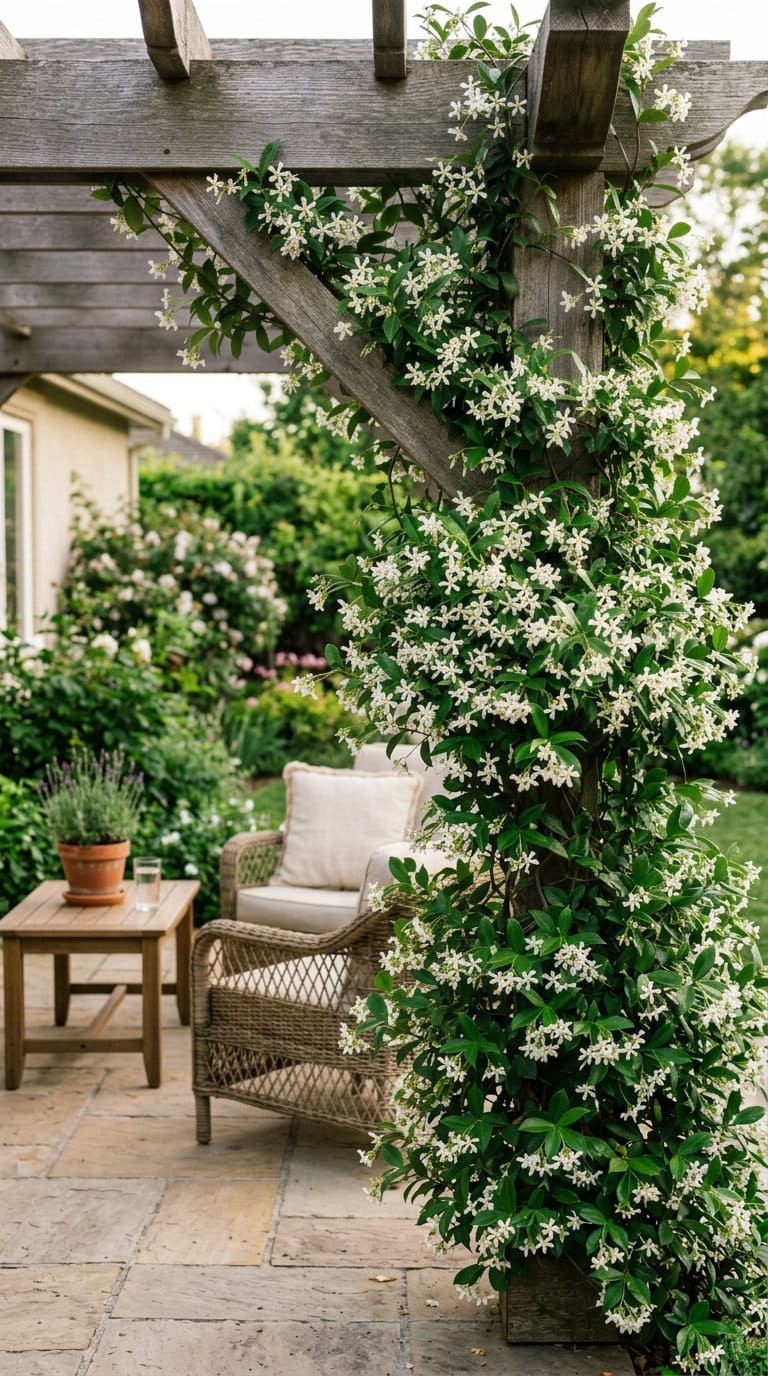
Jasmine’s fragrance and vining growth are tied to romantic and financial luck in different feng shui traditions depending on the source, planted near a patio, gate, or trellis where its scent is regularly encountered.
Real fact worth knowing: star jasmine (Trachelospermum jasminoides) is confirmed non-toxic to dogs, cats, and horses per the ASPCA, making it one of the safer choices on this list if pets have regular yard access.
The one real caution: its milky sap can mildly irritate skin on contact, wearing gloves during pruning is worth the minor extra step.
4. Peony, planted in a sunny bed for wealth, honor, and romance
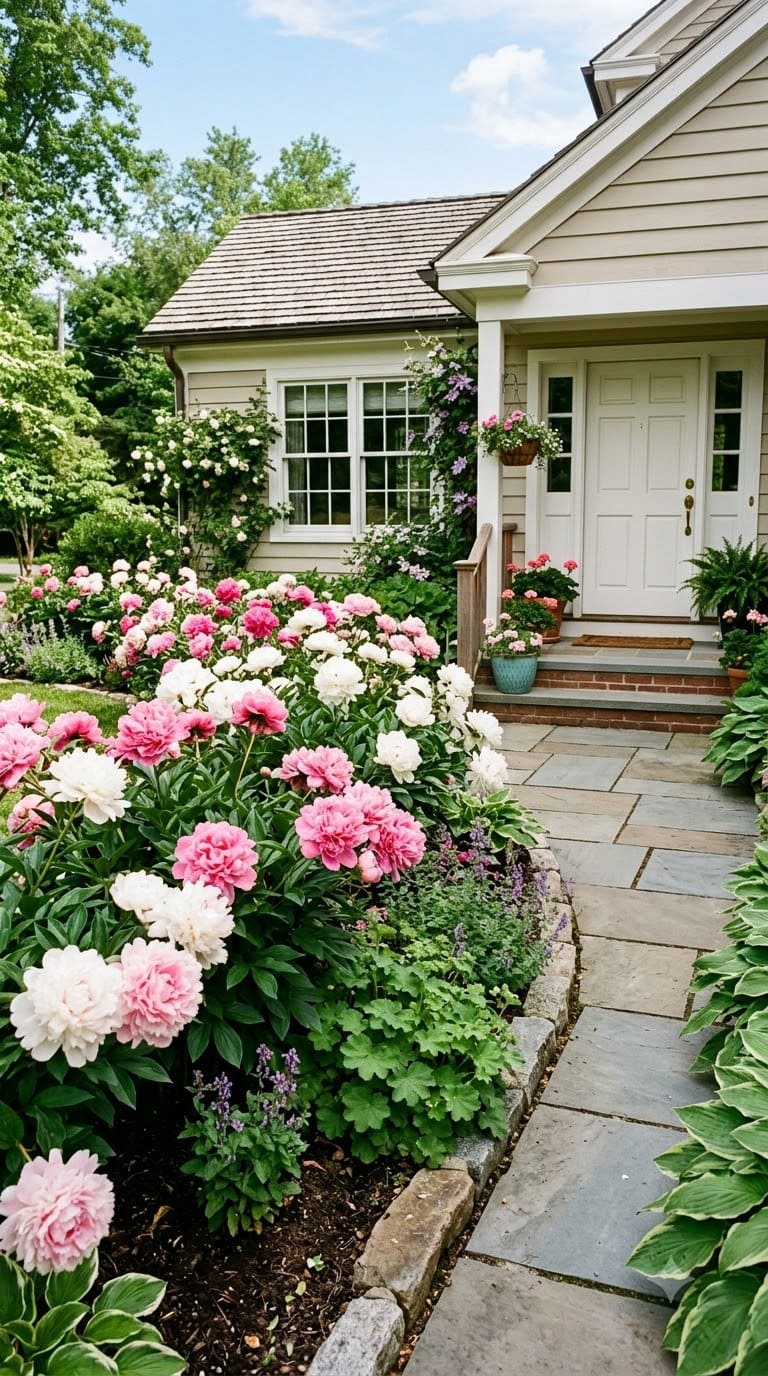
Peonies are tied to wealth, honor, and romantic luck across multiple feng shui sources, their large, layered blooms read as abundance in full display. A peony bed near a main entrance or seating area is the traditional placement.
Most yard problems trace back to one specific, fixable cause. Find yours in 4 quick questions.
Take the Free Quiz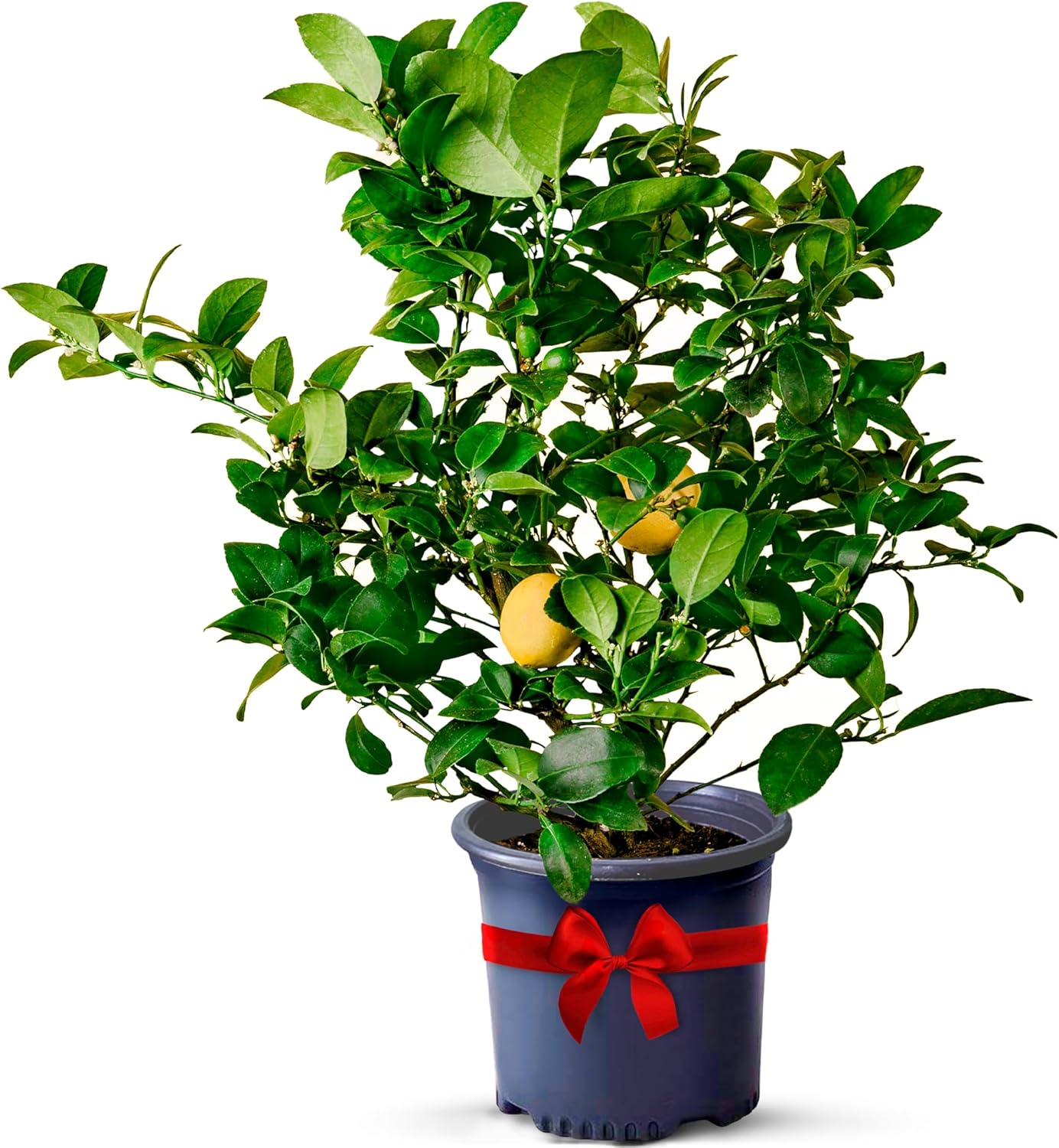
Covers Plant #1's cold-hardy citrus recommendation, USDA zone 9-11 confirmed on the listing itself, 4.4 stars/173 ratings
Shop NowThis post contains affiliate links. We may earn a commission on qualifying purchases at no extra cost to you.
Real fact worth knowing: peonies are genuinely slow to establish and can take two to three years to bloom reliably after planting, a real timeline worth setting expectations around rather than assuming a first-year bare-root peony underperformed.
They’re also correctly listed as mildly toxic if ingested in large quantities by pets per veterinary toxicology references, worth knowing if a dog tends to dig at garden beds.
5. Money Tree (Pachira aquatica), grown in a large container near the patio
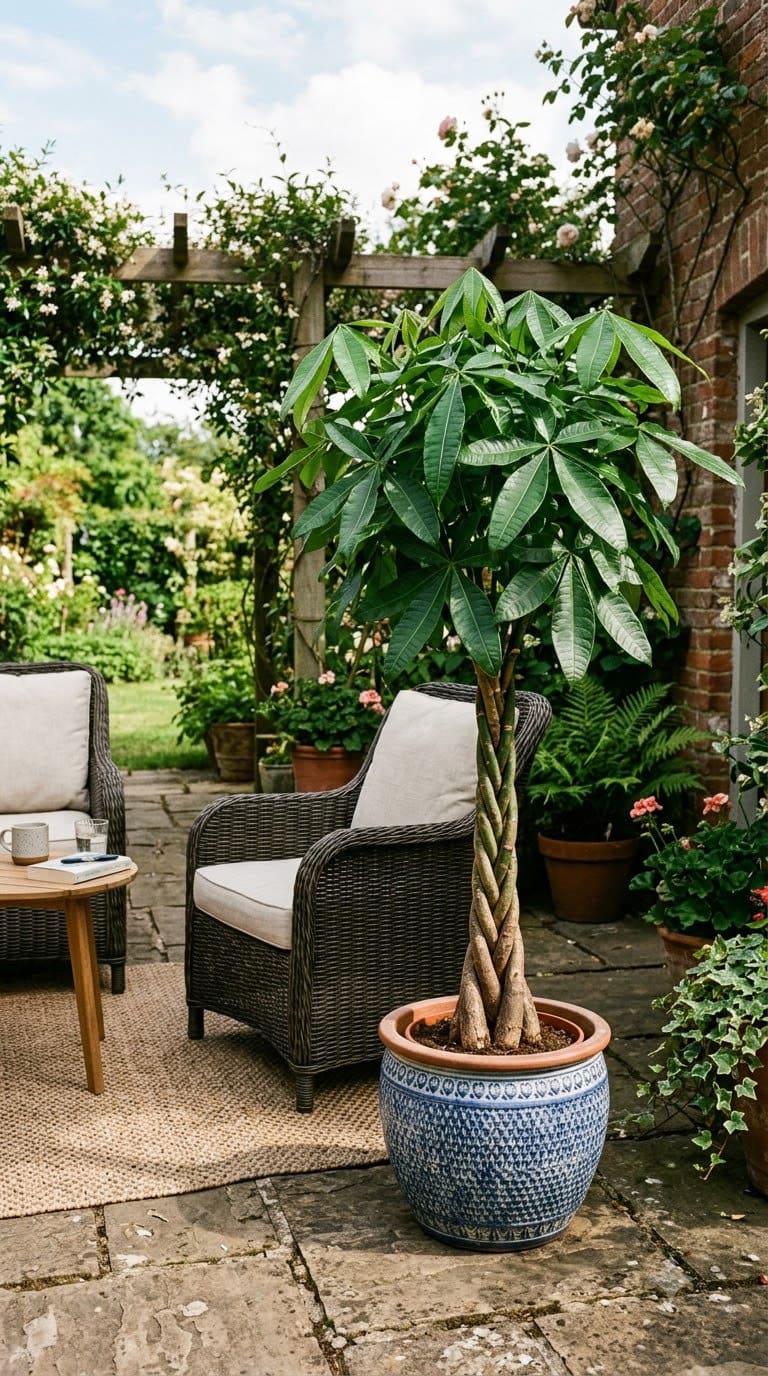
The braided-stem Money Tree is one of the most recognized feng shui wealth plants indoors, and it translates directly outdoors as a large statement container plant for a patio or deck, placed in the wealth, health, or fame bagua zone depending on the goal.
Real fact worth knowing: Pachira aquatica is confirmed non-toxic to cats, dogs, and horses per the ASPCA, a genuinely good pick if pets are a real concern, and it’s tropical, not cold-hardy, so it needs to come indoors well before the first frost in any climate outside zone 10-11.
6. Jade Plant, placed in a container by the entrance
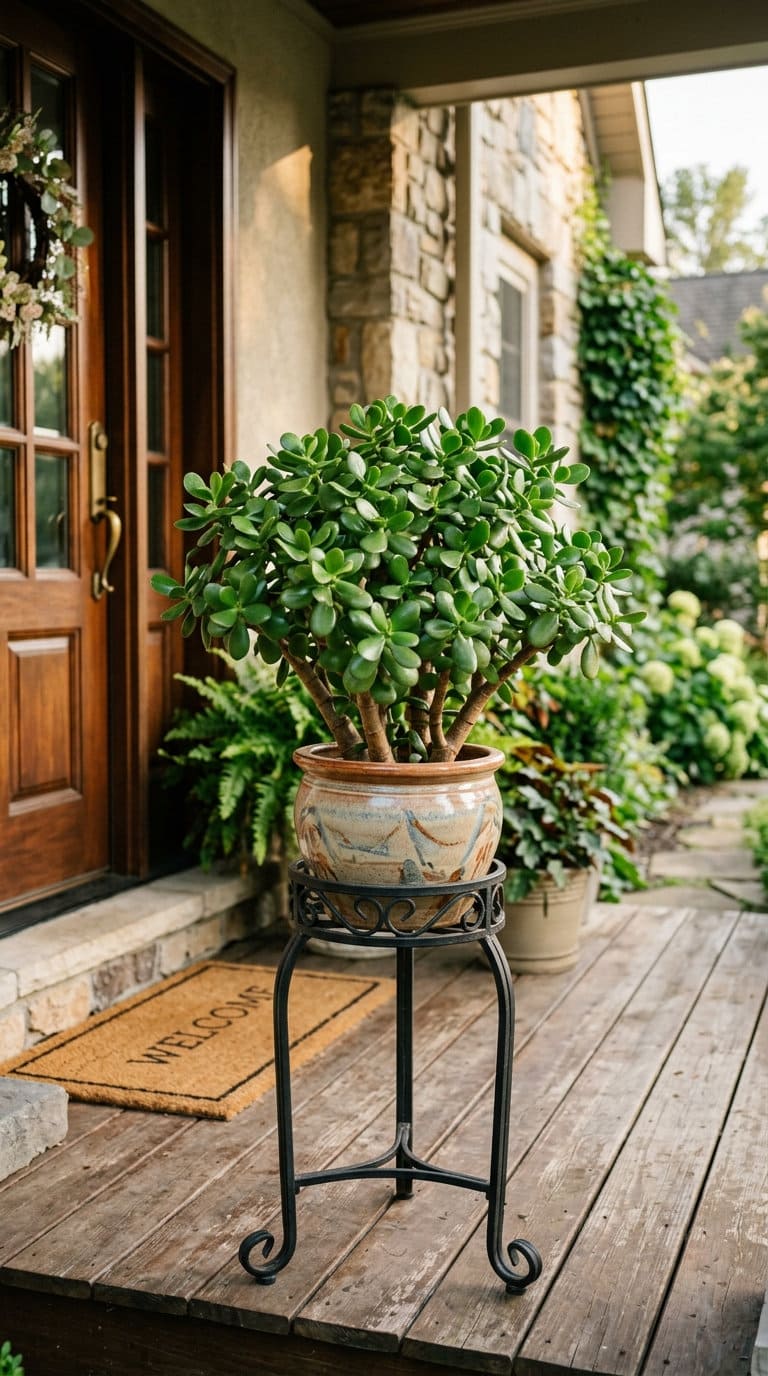
Jade Plant’s round, coin-shaped leaves are one of the most direct wealth symbols on this list, placed in a container by the front or back entrance where it’s seen daily.
Real fact worth knowing: Jade Plant is confirmed toxic to cats and dogs per ASPCA data, causing vomiting, incoordination, and lethargy if ingested, worth placing on a stand or elevated surface if pets have patio access, rather than at ground level within easy reach.
7. Chrysanthemum, planted for longevity, joy, and easy seasonal color
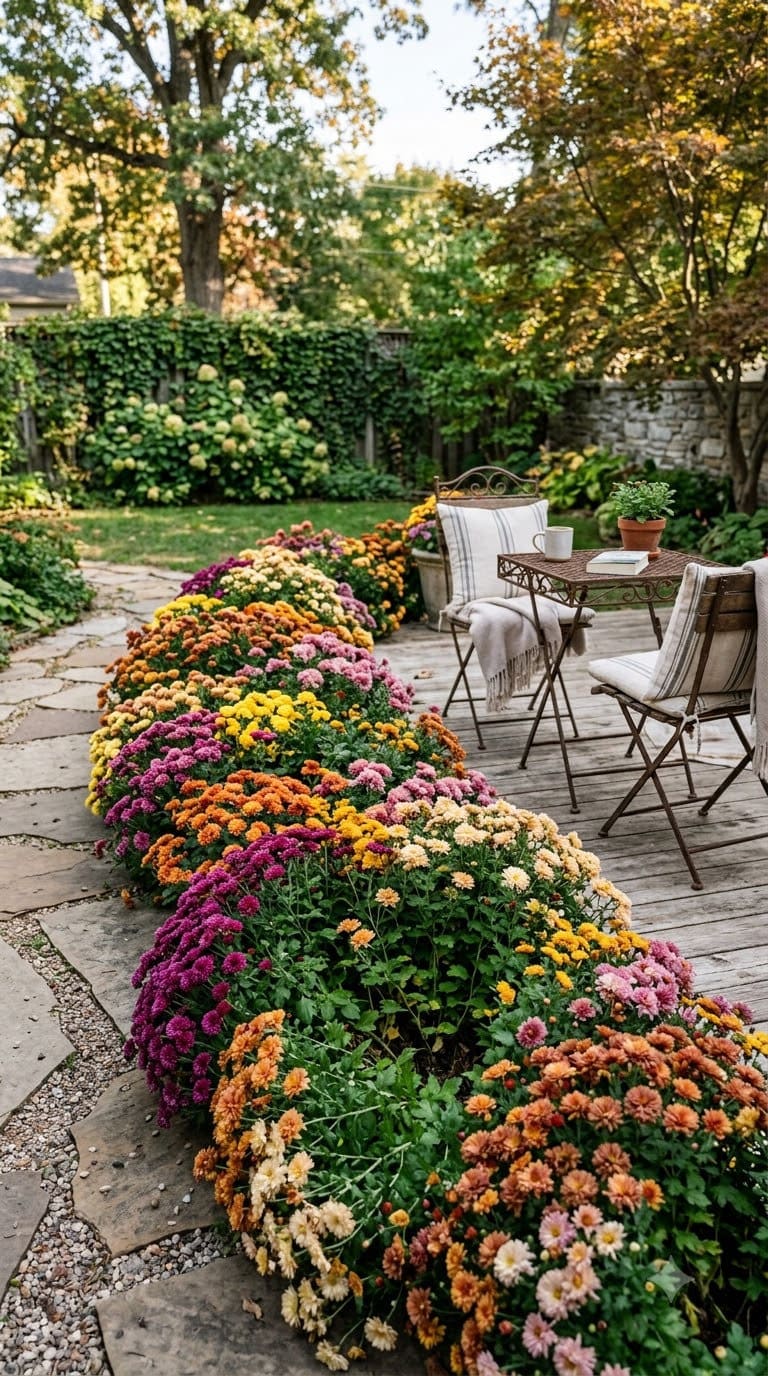
Chrysanthemums are tied to longevity, joy, and happiness in feng shui, a lower-commitment, easier-to-source addition than the woodier plants on this list, well suited to a border or container near a seating area.
Real fact worth knowing: chrysanthemums are confirmed toxic to cats, dogs, and horses per the ASPCA (they contain natural pyrethrins, the same compound class used in some insecticides), causing drooling, vomiting, or skin irritation on contact for sensitive pets, worth knowing before placing a container within easy nose-and-paw reach of a curious dog.

The 7 plants at a glance
| Plant | Placement | Hardiness/pet safety |
|---|---|---|
| Citrus tree | Wealth corner, near the front | Zones 9-11 outdoors; container elsewhere |
| Clumping bamboo | Fence line, privacy screen | Confirm clumping, not running (invasive) |
| Star jasmine | Trellis, fence, near a patio | Non-toxic to pets (ASPCA) |
| Peony | Sunny bed near entrance | 2-3 years to establish; mild toxicity risk |
| Money Tree | Large container on patio | Non-toxic to pets; not cold-hardy |
| Jade Plant | Container by entrance | Toxic to cats/dogs (ASPCA) |
| Chrysanthemum | Border or container near seating | Toxic to pets (ASPCA) |
What we learned the hard way
The running-bamboo mistake is the one with the highest real cost on this entire list. A homeowner who plants a running variety for a quick privacy screen can be dealing with an established, spreading grove years later, one that’s crossed a property line and now requires a genuine, expensive removal project rather than a quick trim.
The average homeowner spends $616/year on yard fixes that don't address the real problem. Find out what yours actually is — before you spend another dollar.
Take the Free QuizConfirming clumping vs. running before buying, not after planting, is the single highest-leverage check on this whole list.
The citrus cold-snap is the other regret that shows up almost every year in colder zones. A container citrus tree left out one night too long during an early, unexpected frost can lose a season’s growth or die outright, worth tracking the forecast proactively once nights start dipping toward 50°F rather than waiting for a hard freeze warning.
FAQs
Which of these 7 plants is safest if I have pets with regular yard access? Star jasmine and Money Tree are both confirmed non-toxic per ASPCA data, the two lowest-risk choices on this list if pet safety is the main concern.
Do I need all 7 plants to get the full feng shui benefit? No, each plant ties to a slightly different goal (wealth, career, romance, longevity). Choose based on which area of your life you’re prioritizing and, just as importantly, which plants actually suit your climate and yard.
How do I know if a bamboo I’m buying is the invasive running type? Check the species name specifically before buying, cooperative extension offices like Clemson’s HGIC maintain lists of common running vs. clumping bamboo species, and a reputable nursery should be able to tell you which type a given plant is.
Can I keep a Money Tree or citrus outdoors year-round? Only in USDA zones 9-11 for citrus, and roughly zone 10-11 for Money Tree. Outside those zones, plan to move container specimens indoors before the first hard frost rather than risking winter damage.
Related reading on farmfoodfamily.com: for the indoor version of this list, see our 7 Indoor Plants That Are Good Luck in Feng Shui guide, and for general houseplant feng shui rules, see our 5 Feng Shui Rules for House Plants Indoors guide.
Related Posts
- 7 Indoor Plants That Are Good Luck in Feng Shui
- 5 Feng Shui Rules for House Plants Indoors
- Money Tree Plant Care Guide
Products We Recommend
This post contains affiliate links. We may earn a commission on qualifying purchases at no extra cost to you.
Via Citrus Meyer Lemon Tree Live Plant (13-22", 1 Gallon)
Covers Plant #1's cold-hardy citrus recommendation, USDA zone 9-11 confirmed on the listing itself, 4.4 stars/173 ratings
Shop Now
Bamboo Barrier/Rhizome Barrier (30" x 60 Mil, 50 ft)
Directly addresses Plant #2's running-bamboo containment concern if you plant a spreading variety
Shop Now
Star Jasmine Live Plants, 3 Gallon (Set of 3)
Covers Plant #3's trellis-ready climbing vine recommendation, 4.6 stars/20 ratings
Shop NowNever miss an update — choose FarmFoodFamily as your preferred source on Google.
How it works: Tap the button below to open Google's settings page, then check the box next to FarmFoodFamily.
Tap the checkbox to turn it blue — that's how you know it's set.