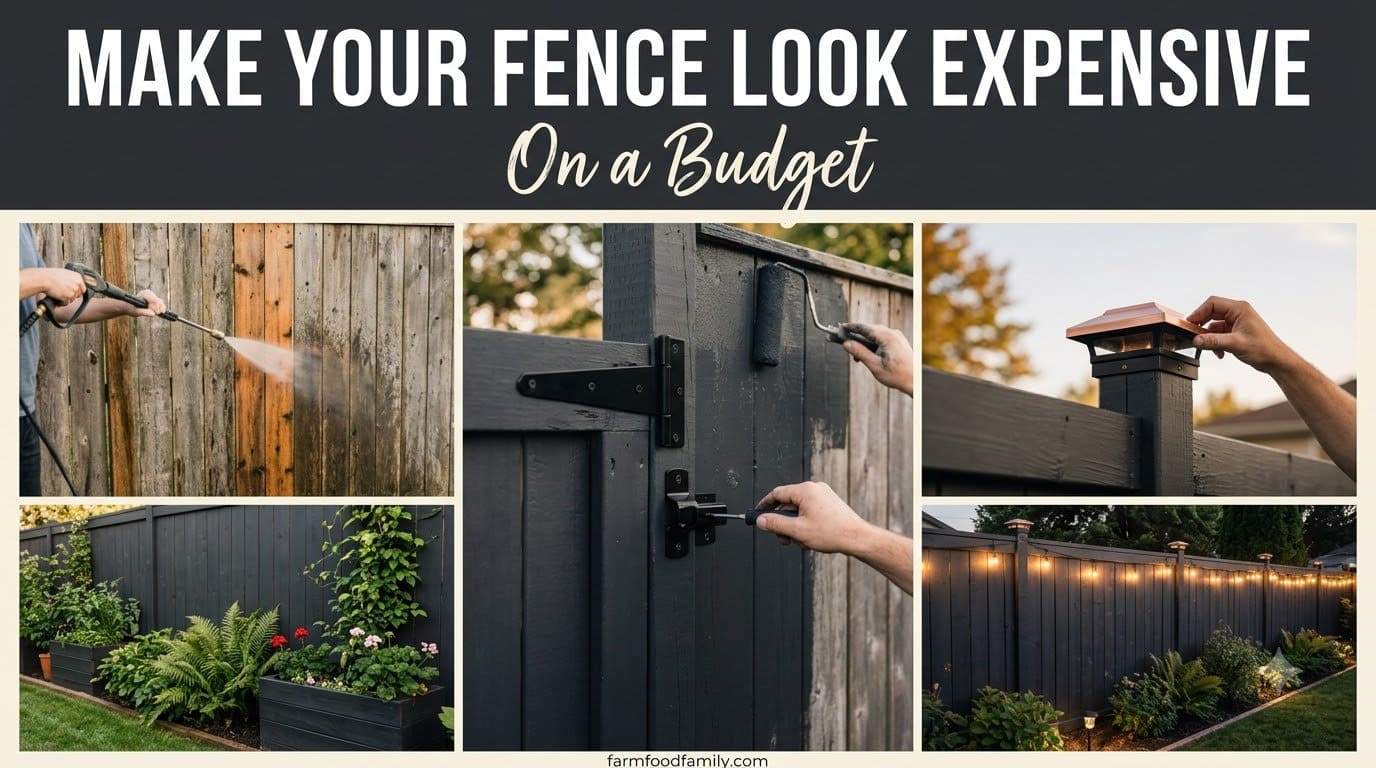
How to Plant a Thriving 1-Square-Foot Kitchen Herb Garden by the Back Door
The smallest herb garden that is still worth having, planted three steps from the door so you actually walk out and cut from it on a Tuesday.
Welcome to our blog’s advice on growing plants. Here you’ll find tips to green your thumb, whether you’re new to gardening or want to take your skills up a notch.
We dish practical guidance from planting to harvest. Learn how to start seeds, deal with pests safely, and reap abundant veggies and blooms.
Our farming experts break information down into simple steps. Follow their instructions to grow thriving container or raised bed gardens that fit your space.
Stop by regularly as we add new posts to help your garden thrive! We want to see you succeed at urban farming right at home.
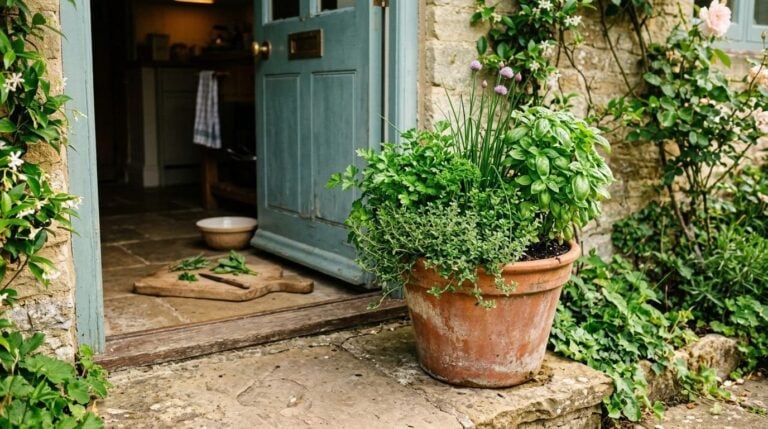
The smallest herb garden that is still worth having, planted three steps from the door so you actually walk out and cut from it on a Tuesday.
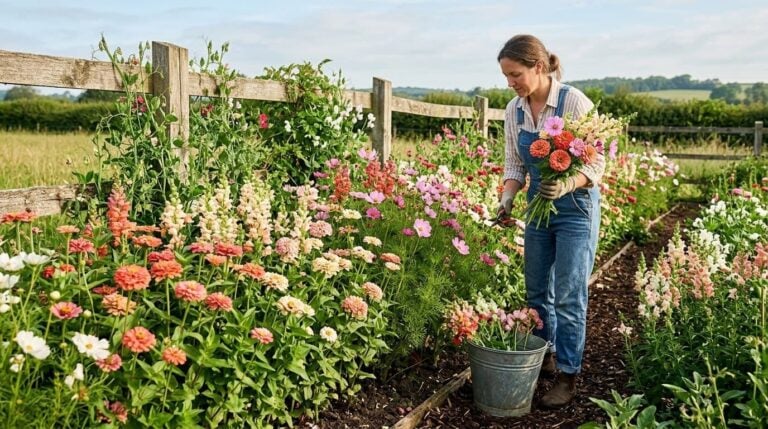
A border you can raid for a bouquet every few days, all from a handful of seed packets, but only if you get four things right before the flowers ever bloom.
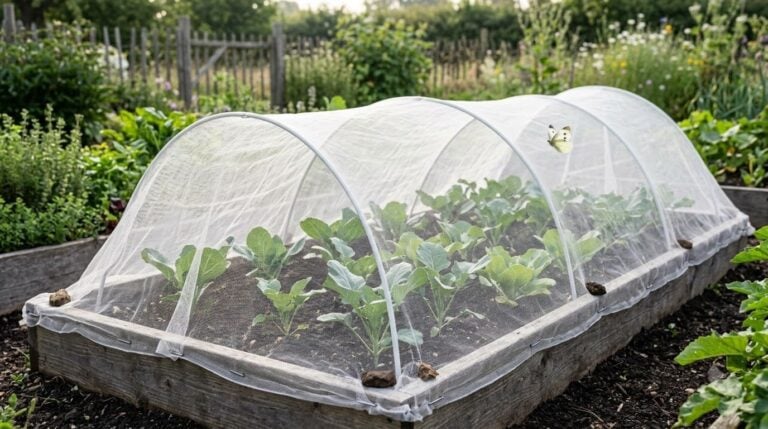
A net over the bed is the one thing that reliably stops cabbage worms, but only if it goes on early, sits off the leaves, and has no gap at the ground. Here is the setup that actually holds.
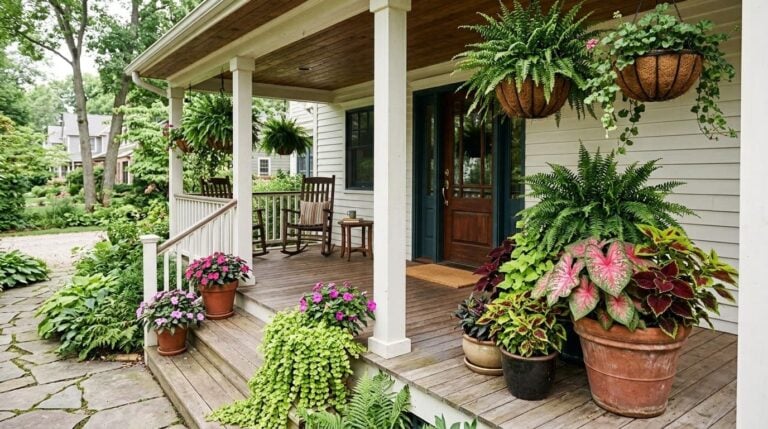
A covered porch is shadier and drier than it looks, because the roof blocks the rain along with the sun. These 25 plants handle both, grouped so you can build a pot that gives you height, color, and something spilling over the edge.
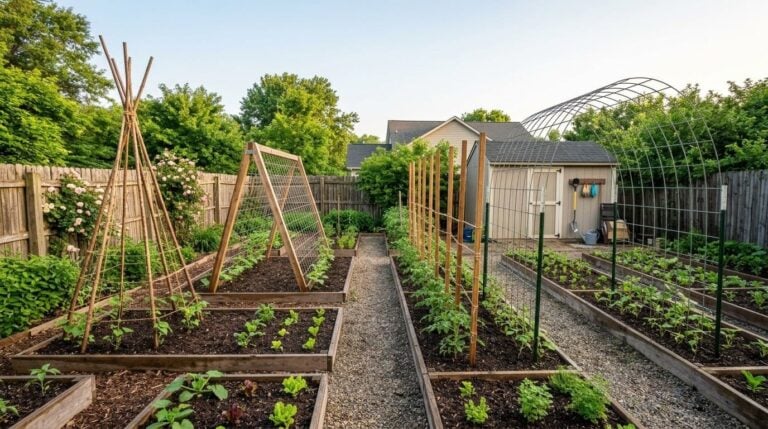
For these seven crops, the support goes in the same day the plant does. Add it later and you drive a stake through the roots or peel a matted vine off the soil first.
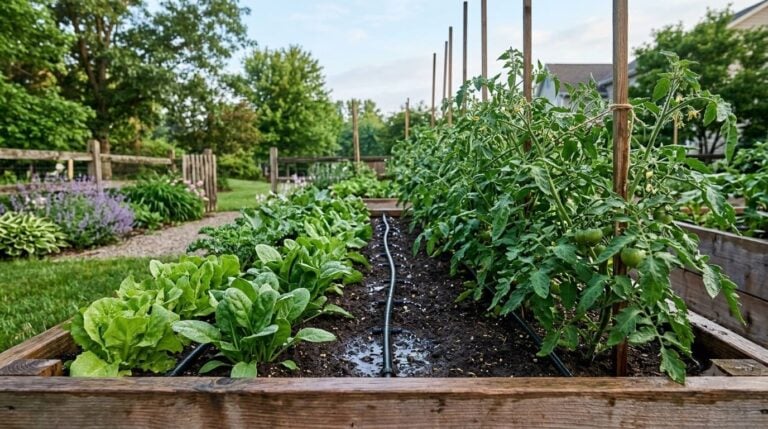
A raised bed needs four different watering schedules across the year, and running the summer one in spring is how most people rot their seedlings.
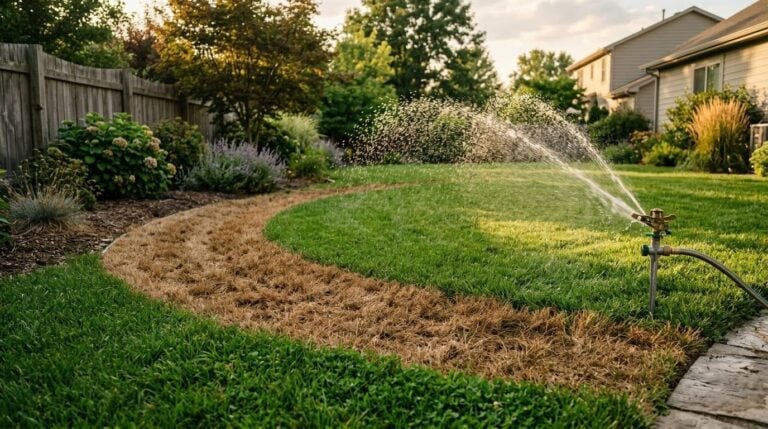
The shape of a brown patch tells you whether the sprinkler is to blame, and once you know that, the fix is usually a five-dollar part, not more minutes on the timer.
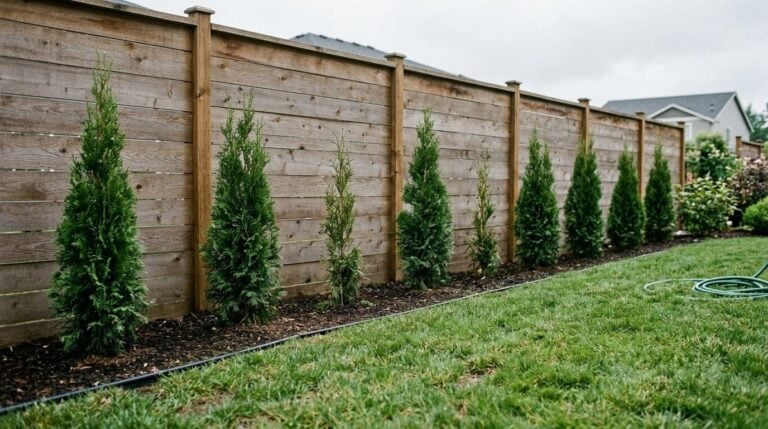
Slow top growth in the first two or three years is exactly what a healthy privacy tree should do, but a truly stalled one usually has a fixable problem you can spot in ten minutes.
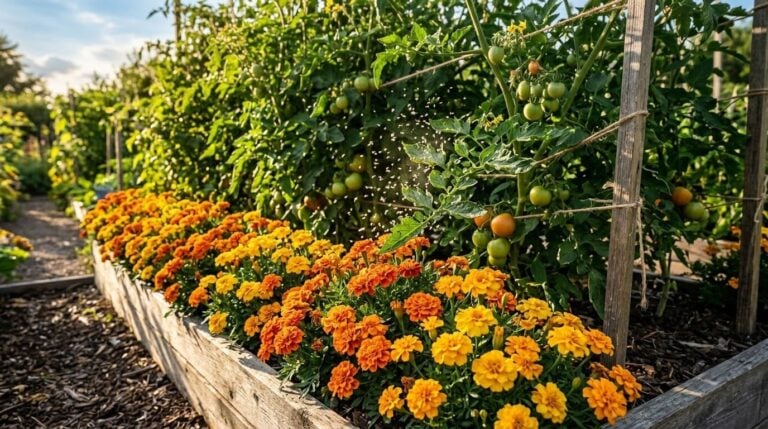
Only two of these plants actually repel a tomato pest with an airborne compound. The other seven work by pulling in predators or acting as a decoy, and knowing the difference is what makes a plan work.
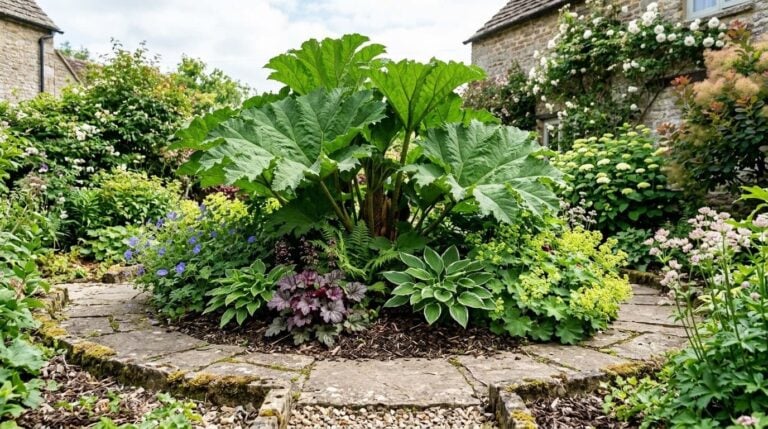
Small garden, small plants seems obvious, and it’s exactly the assumption landscape designers say wrecks a small garden’s design every time.
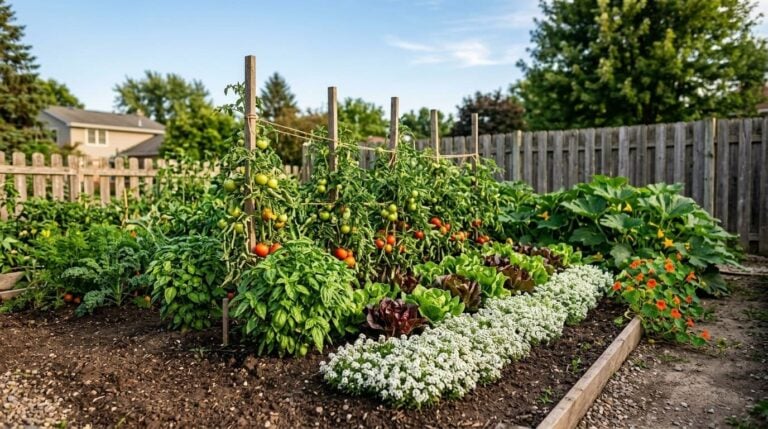
Most companion planting lists mix a few real pairs with a lot of folklore. These 8 have a documented mechanism behind them, and a couple of the famous ones only work if you do them the right way.

A frost warning usually means “cover the garden now” — for these ten crops, it means the best part of the harvest is about to start.
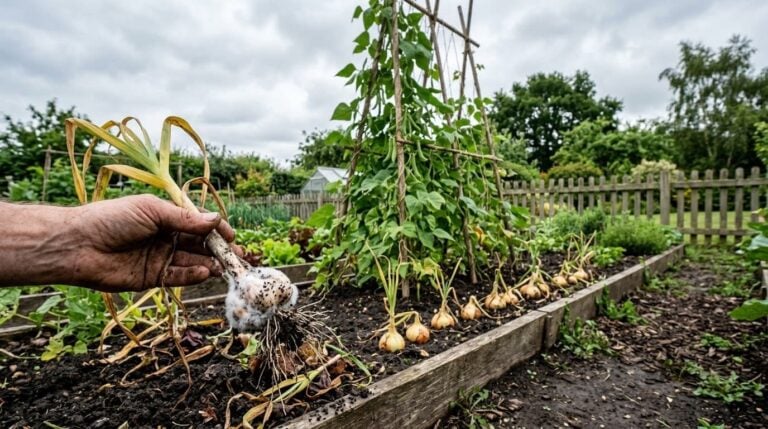
Onions and garlic are the pushovers of the vegetable garden, so most of this list is just bigger plants shading them out. The one real threat is a soil disease you can’t see or cure, and it comes from planting your alliums too close together.

Most of this list comes down to one soil fungus that sticks around for decades, and a few plants that simply outrun a low, runner-spreading strawberry for space and light. Knowing which is which tells you whether to move a plant or move the whole bed.

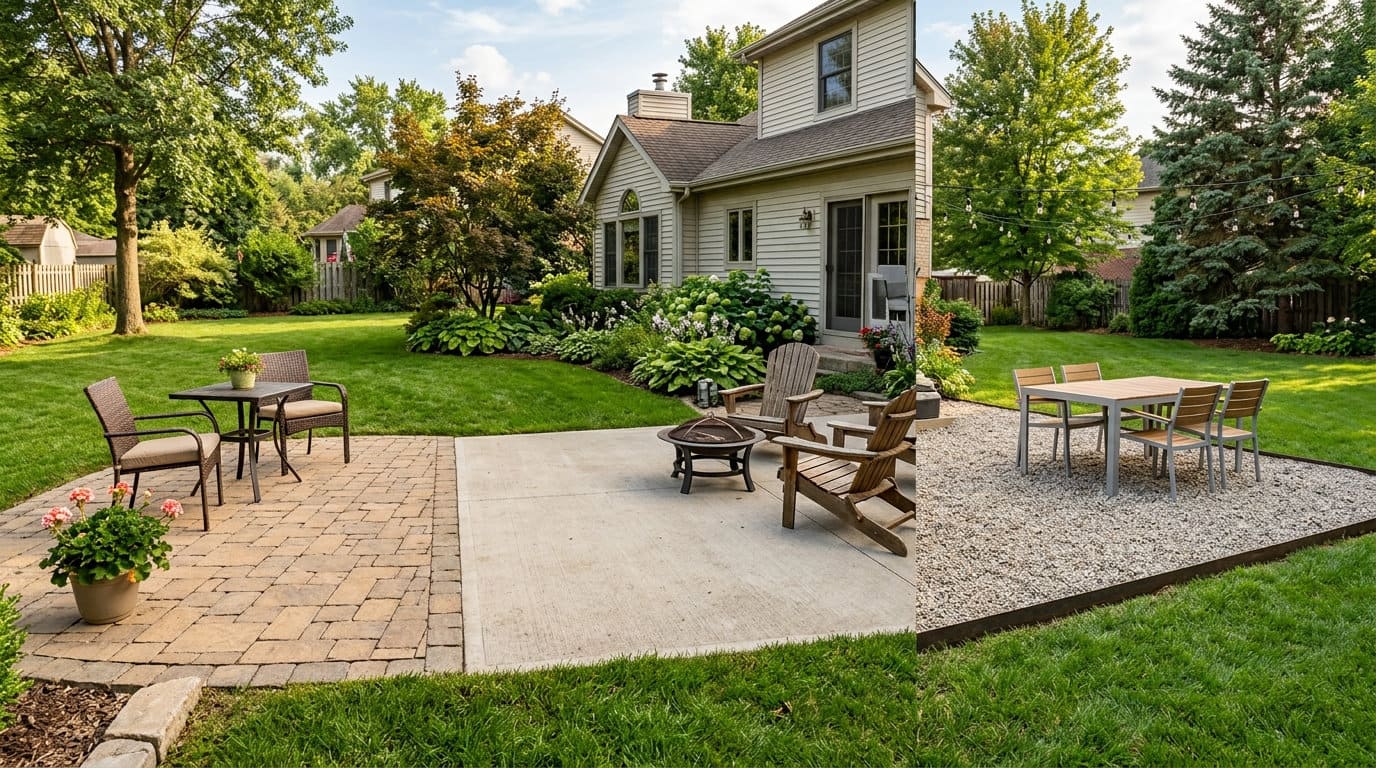
An awkwardly shaped backyard isn’t a lost cause, it’s a design problem with its own real solutions, and these 10 tricks work no matter which kind of “odd” your lot actually is.
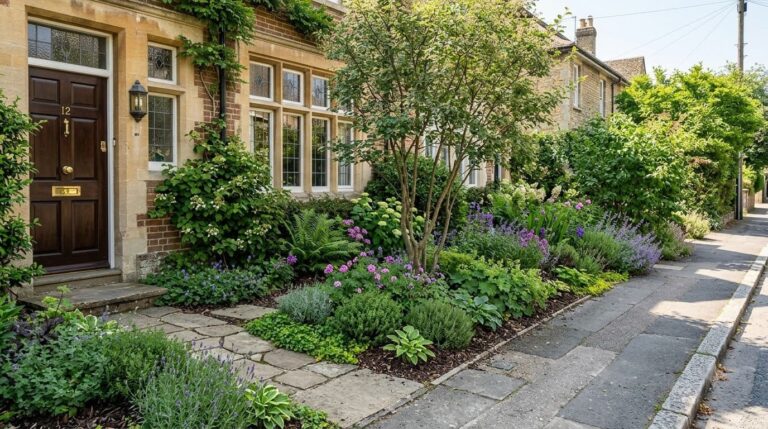
A narrow front garden doesn’t need more width to make a strong first impression, it needs these 7 tricks landscape designers actually use to make a tight strip feel considered.
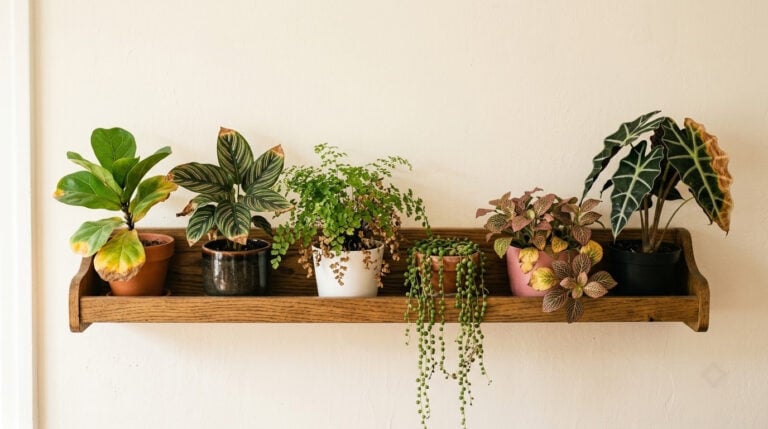
These six plants look unreal on your feed and sell out fast, but most of them are quietly failing before you get them home, and a few small changes are the difference between a month and a year.
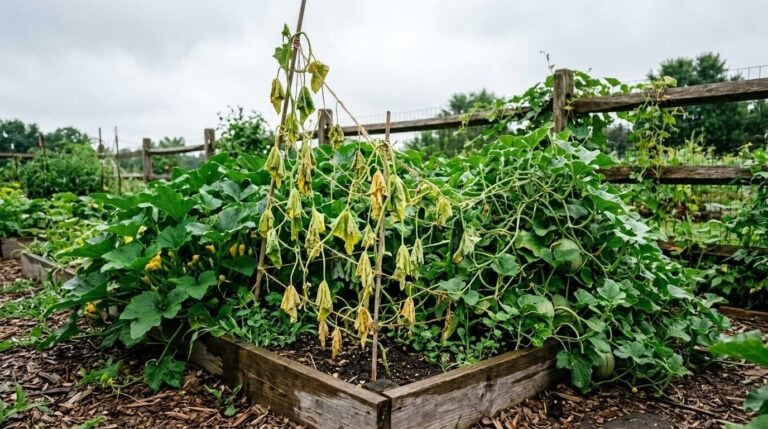
A few of these spread cucumber beetles and mildew straight into your vines, and a few just lose the fight for water and sun. Two of the reasons you’ll see on every other list, cross-pollination and herbs “making cucumbers bitter,” are myths, and this clears those up first.
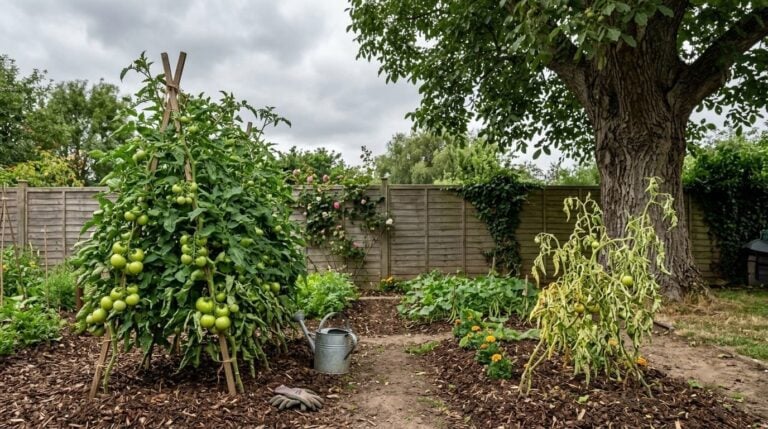
A few of these are genuine deal-breakers, like a black walnut that can wilt a tomato overnight from 60 feet away, and a few are just cautious folk wisdom that matters only in a wet year or a tight bed. This sorts out which is which.
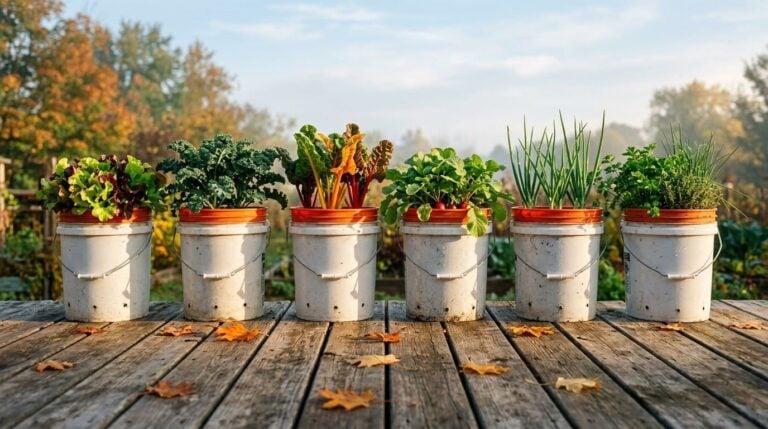
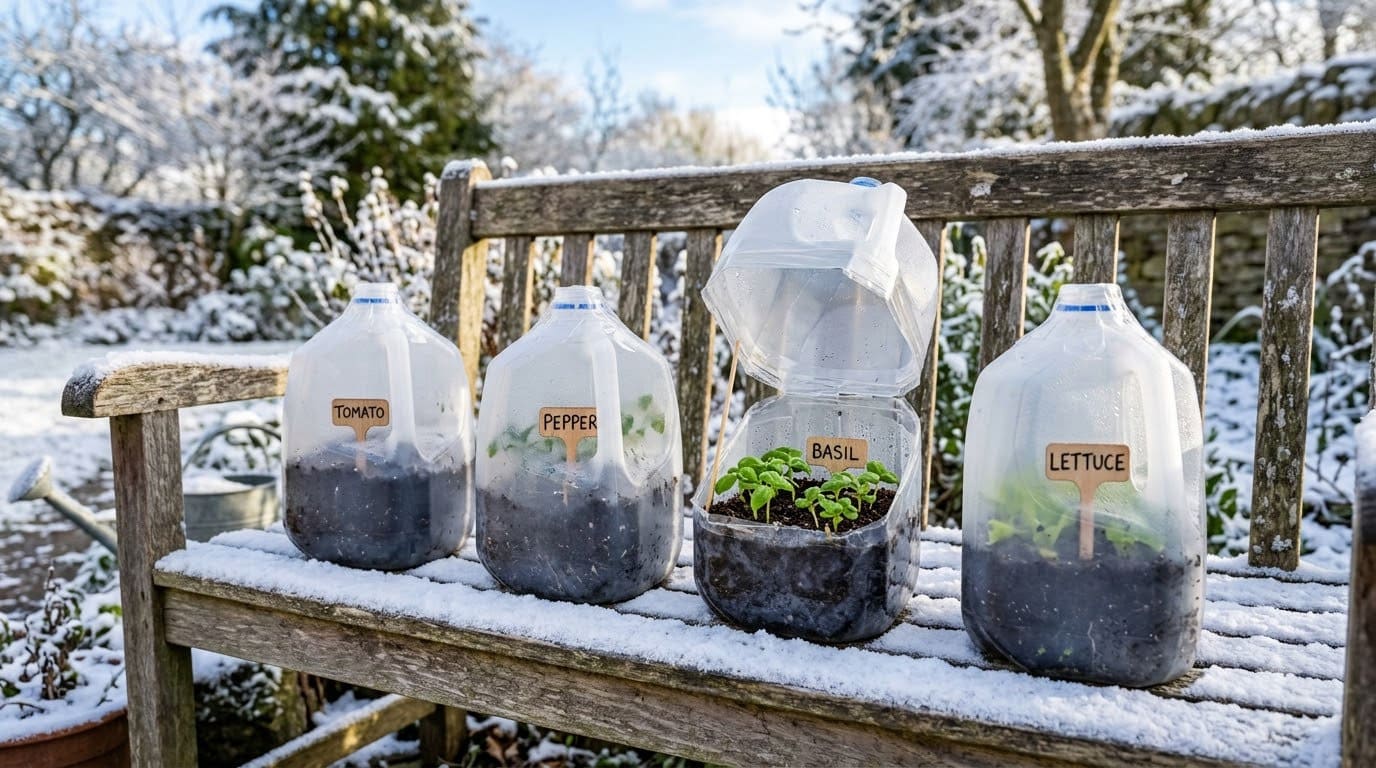
A food-grade bucket, a bag of potting mix, and one honest look at your first frost date will grow you salad and roots well into the cold, as long as you sow about two weeks earlier than feels necessary.
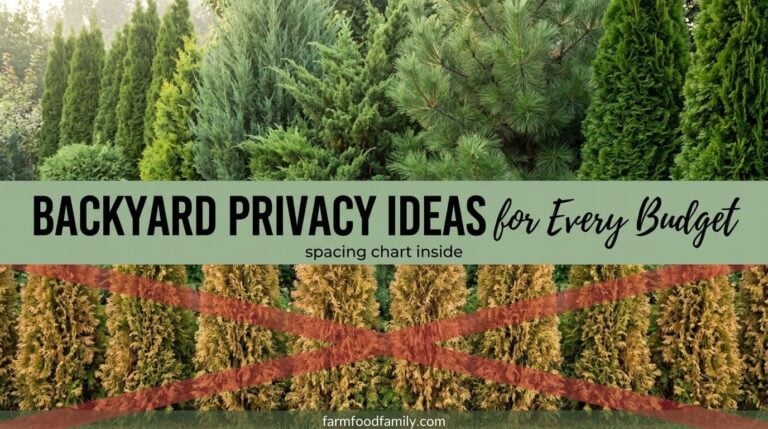
You can screen a backyard for $40 or for $8,000. Both can look great. What matters is matching the fix to your fence-height limit, your property line, and whether the neighbor looks across your yard or straight down into it.