28 Creative Side Yard Ideas (Plus the Real Space and Access Rules)
Side yards are often the most overlooked parts of a property, frequently left bare or reduced to a simple utility area. But with the right inspiration, this narrow strip of land can become an essential extension of your home’s outdoor lifestyle. By playing with various elements, you can transform this passageway into something you’ll use…

Never miss an update — choose FarmFoodFamily as your preferred source on Google.
How it works: Tap the button below to open Google’s settings page, then check the box next to FarmFoodFamily.
Tap the checkbox to turn it blue — that’s how you know it’s set.
Side yards are often the most overlooked parts of a property, frequently left bare or reduced to a simple utility area. But with the right inspiration, this narrow strip of land can become an essential extension of your home’s outdoor lifestyle.
By playing with various elements, you can transform this passageway into something you’ll use and love daily.
Below are practical and inviting side yard ideas to help you reclaim this space and make it an essential part of your outdoor living plan.
1. The width, utility, and drainage rules that make a side yard actually work
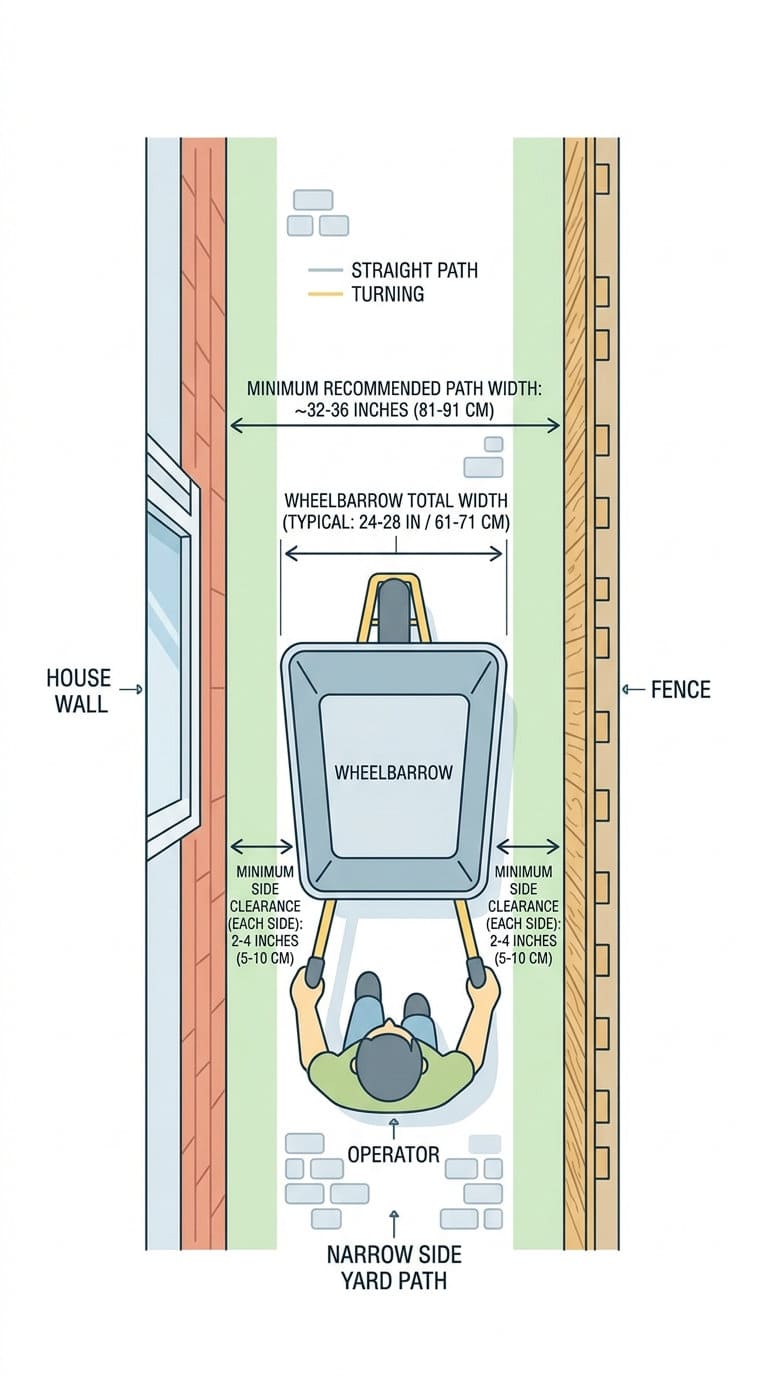
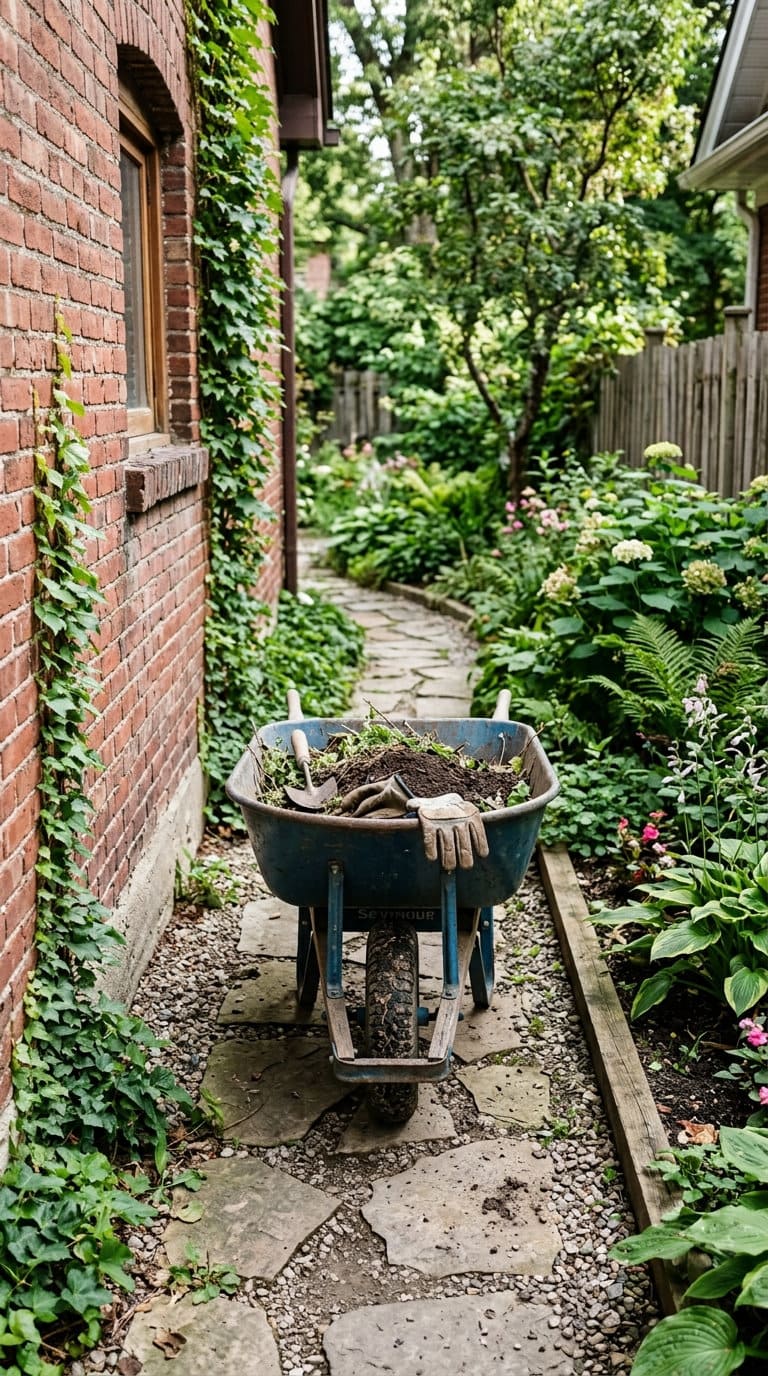
Start with width, since it decides more than people expect. A wheelbarrow needs roughly 2.5 to 3 feet of clearance on a straight run, with a wider turn radius on any curve. Single-file walking is comfortable at around 2 feet minimum, 4 feet lets two people walk side by side. Measure your actual side yard before planning anything, a design that looks great on paper can be unbuildable at 3 feet wide.
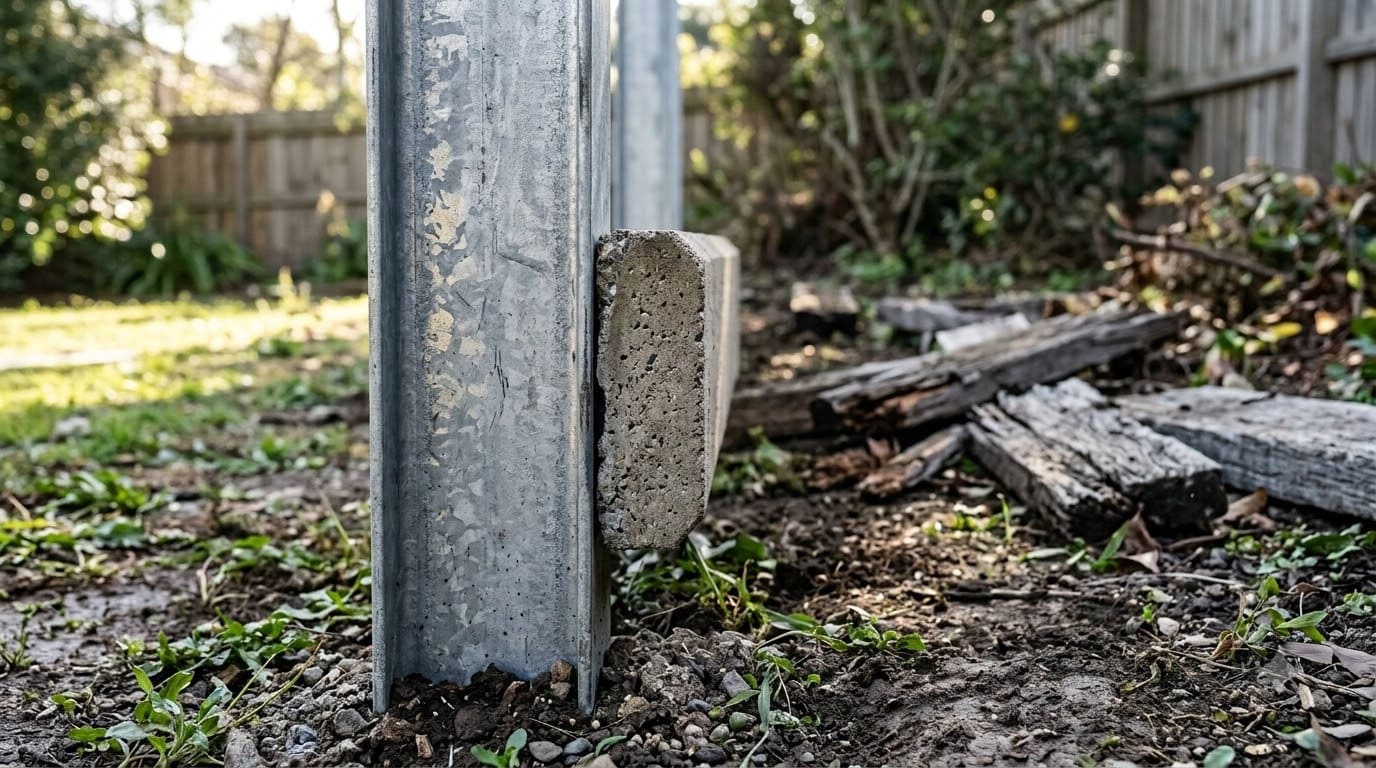
Utility access is the next real constraint, and it’s easy to miss until a permit gets denied. Gas meters commonly need 3 feet of unobstructed working space in front of them, and electrical panels fall under NEC 110.26, which requires roughly 3 feet of clear working depth and 30 inches of width that has to stay open, no fence, no planter, no structure.

AC condenser units typically need 1 to 2 feet of side clearance, though some cities require a full 3-foot clear path specifically in a side yard. These numbers vary by jurisdiction and utility, confirm locally before building anything permanent near a meter, panel, or condenser.
Answer 4 quick questions and get matched to the exact fix for your yard — drainage, budget, layout, or something else entirely.
Take the Free Quiz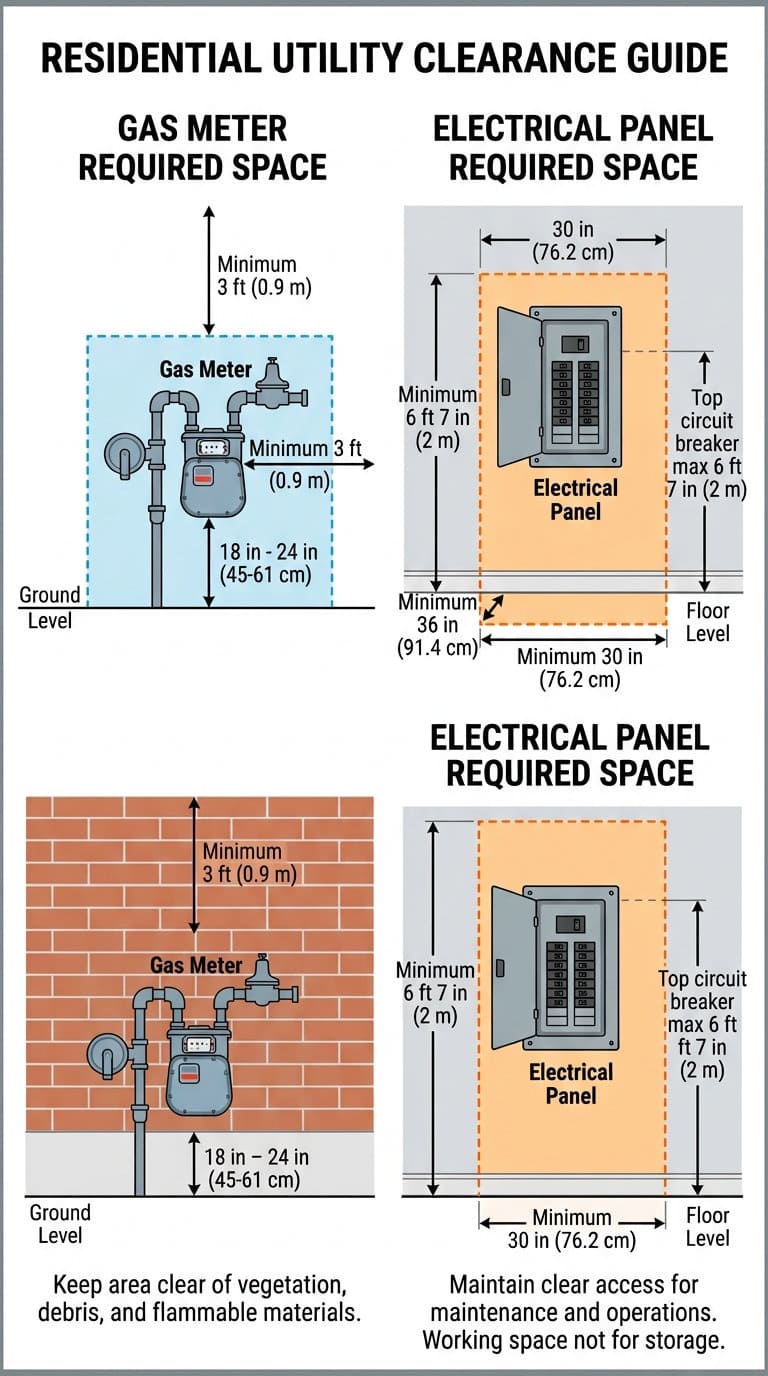
Drainage is where side yards genuinely differ from an open backyard. Two roof lines drain toward one narrow channel between the houses, concentrating runoff that a wider yard would naturally spread out. Landscape architect Navid Mostatabi sees the failure version of this constantly: “All too often, I find 100% paved side yards with deck drains that outlet through a curb cut.” Real fixes include proper grading (roughly 1 inch of fall per foot away from the foundation for the first 6 feet), a French drain, or a planted swale that actually absorbs the runoff instead of just redirecting it.
One more thing worth checking before you build: utility easements commonly run along side lot lines specifically. Light landscaping and mowing are generally fine inside an easement, but a shed, deck, or anything with deep footings can legally be forced out, sometimes at your own cost. Check your property’s plat or survey first.
With the real constraints covered, here are 28 ways to actually use the space.
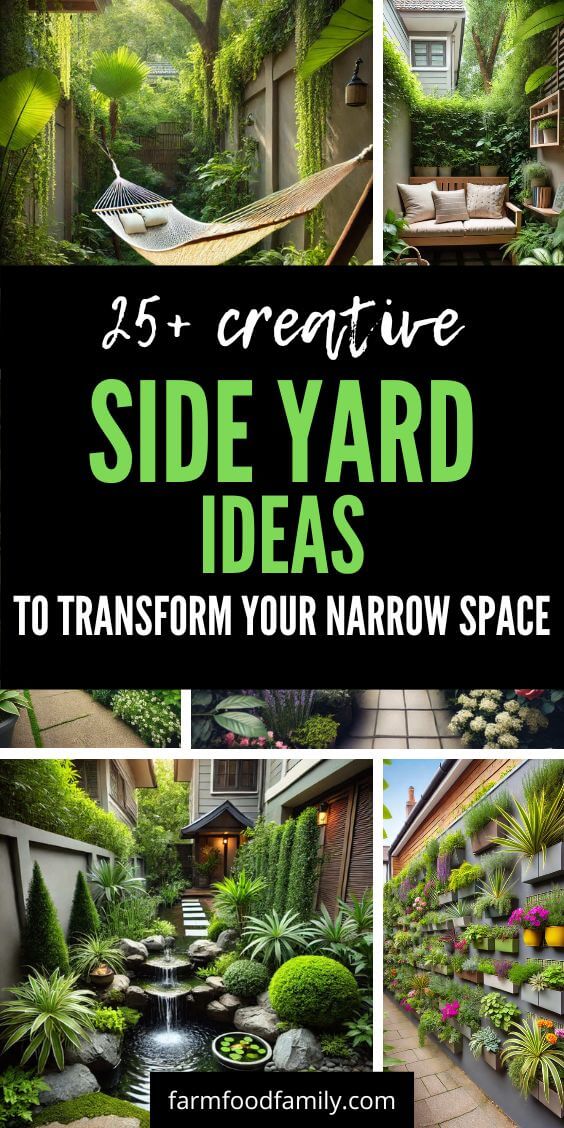
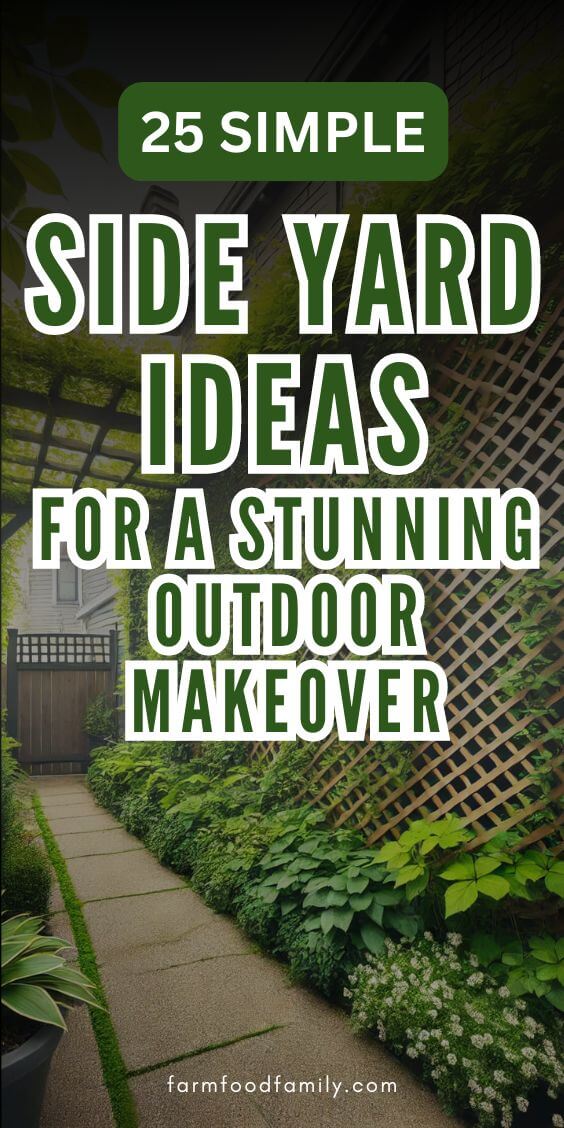
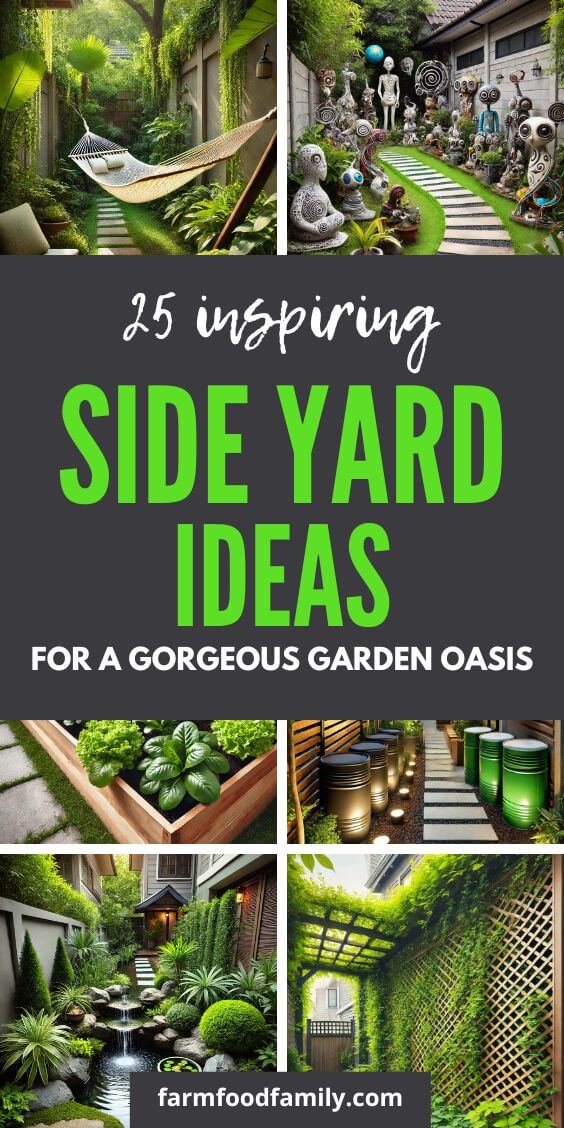
25 Side Yard Ideas to Transform Your Outdoor Space
1. Beautiful Garden Walkway with Stepping Stones and Groundcover
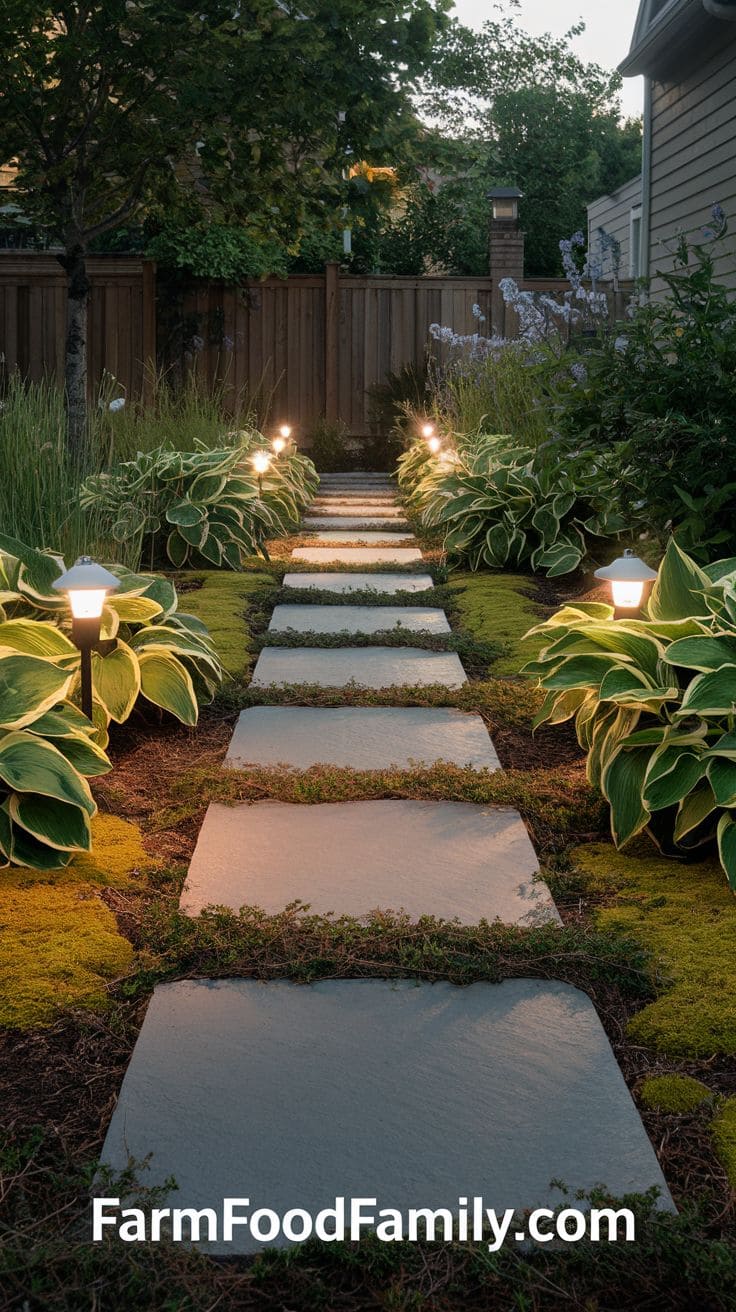
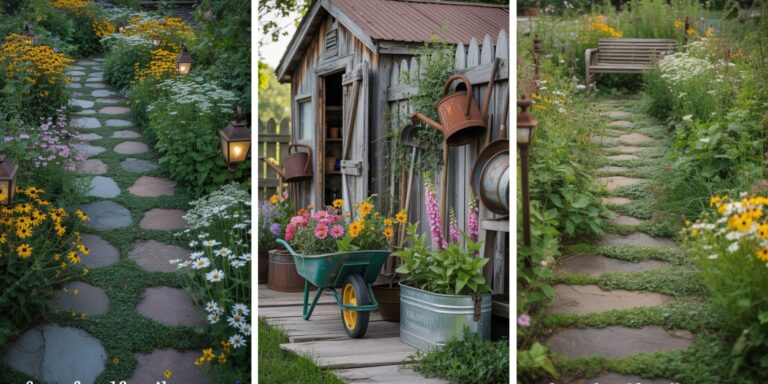
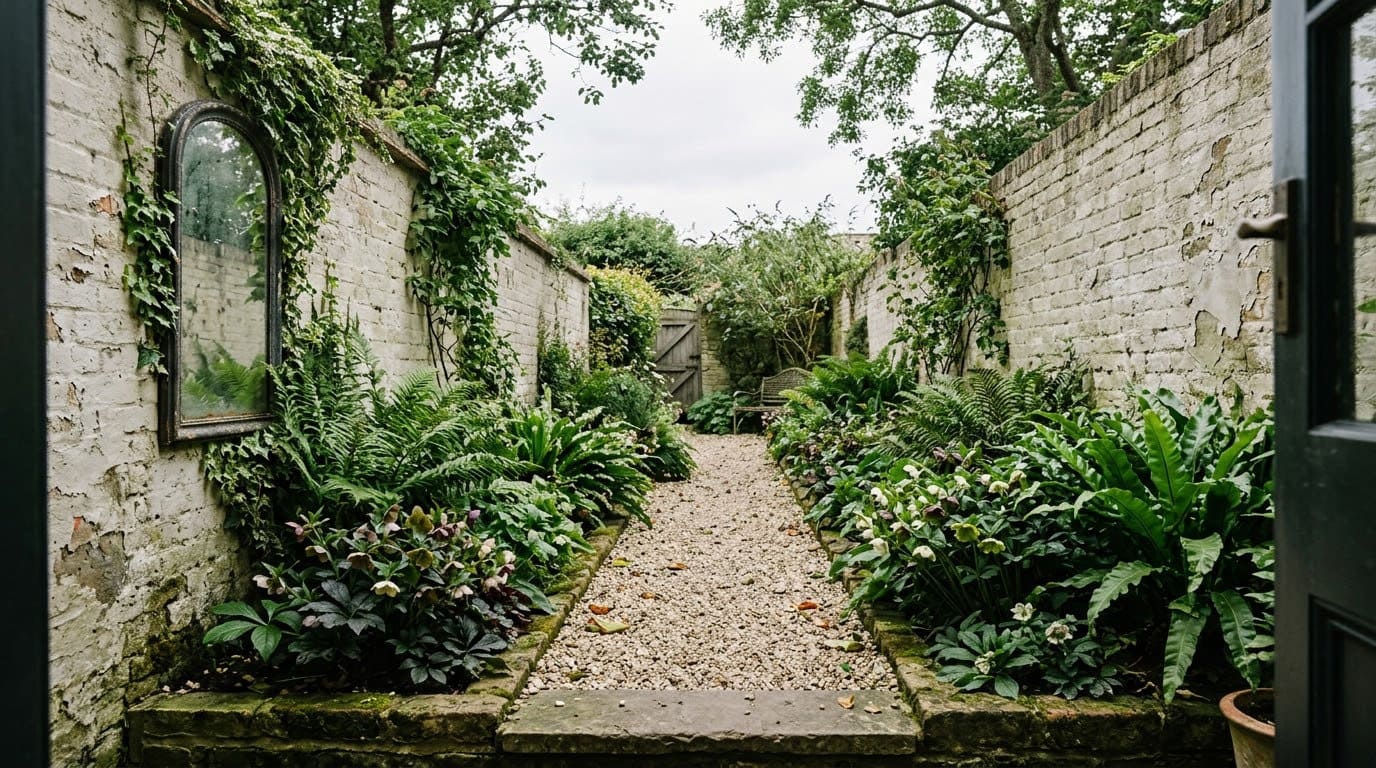
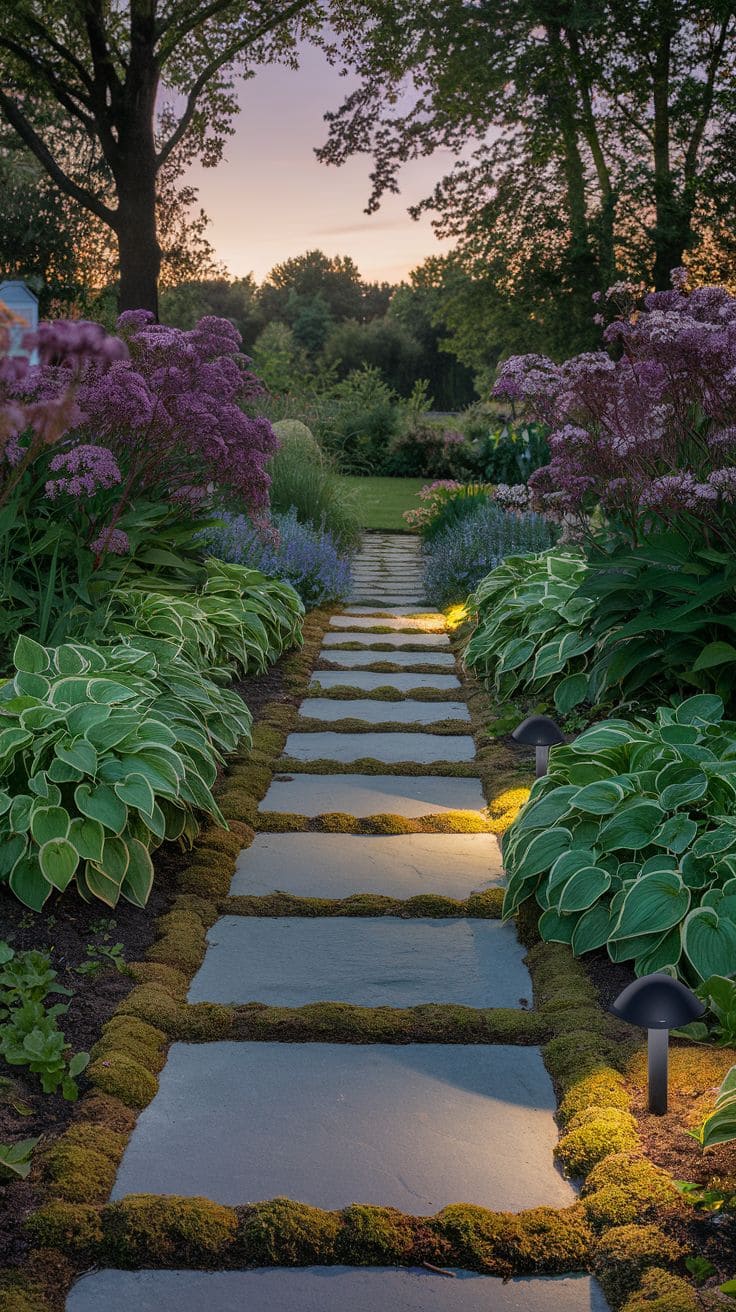
Lay stepping stones in a sea of creeping ground cover like thyme or moss to create a tranquil garden path in your side yard. This layout is easy on the eyes and feet, requires little upkeep, and is wonderfully green all year.
Line the path with ferns, hydrangeas, or hostas for a tranquil woods effect, or use Mediterranean herbs and lavender for a fragrant touch. Solar lights or fairy lights placed overhead might add to the ambiance after sunset.
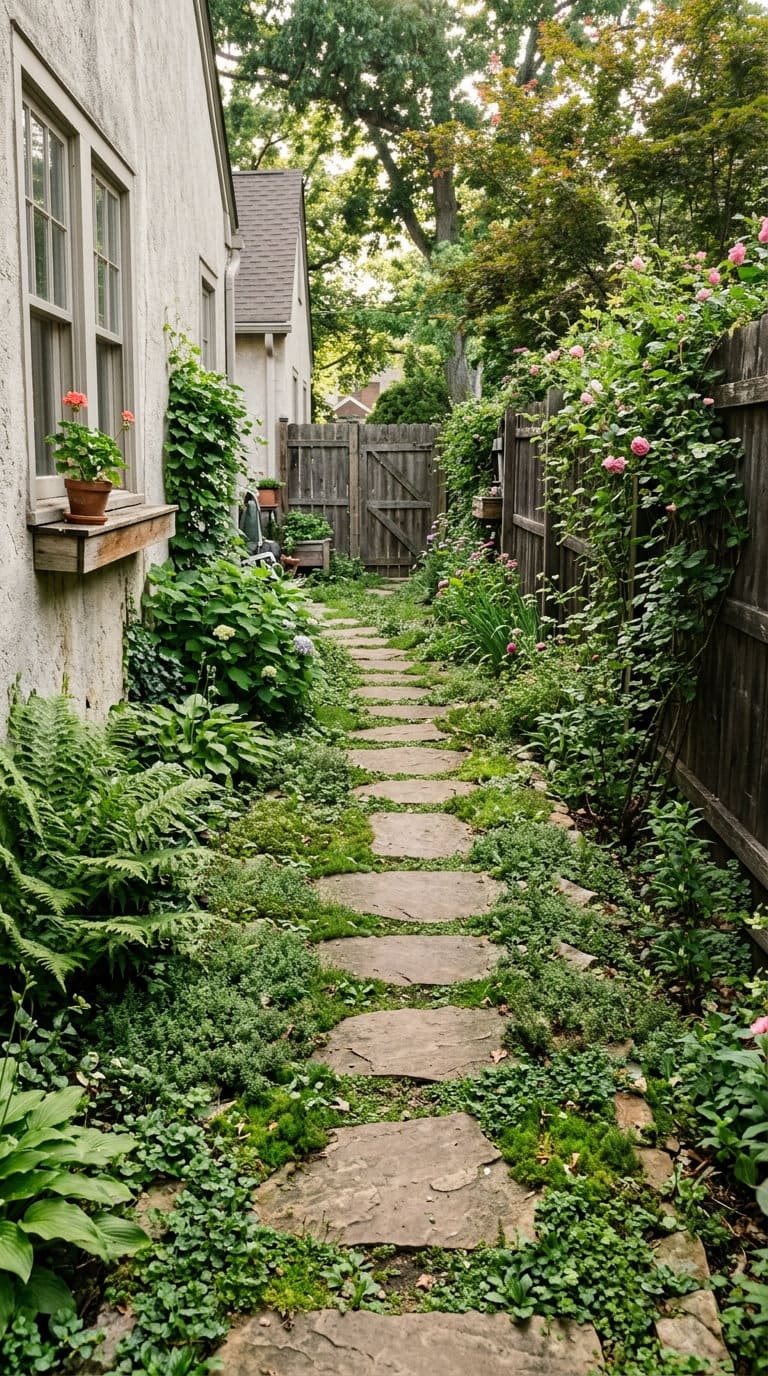
This design is ideal for creating a side yard that feels like a destination rather than a transition place.
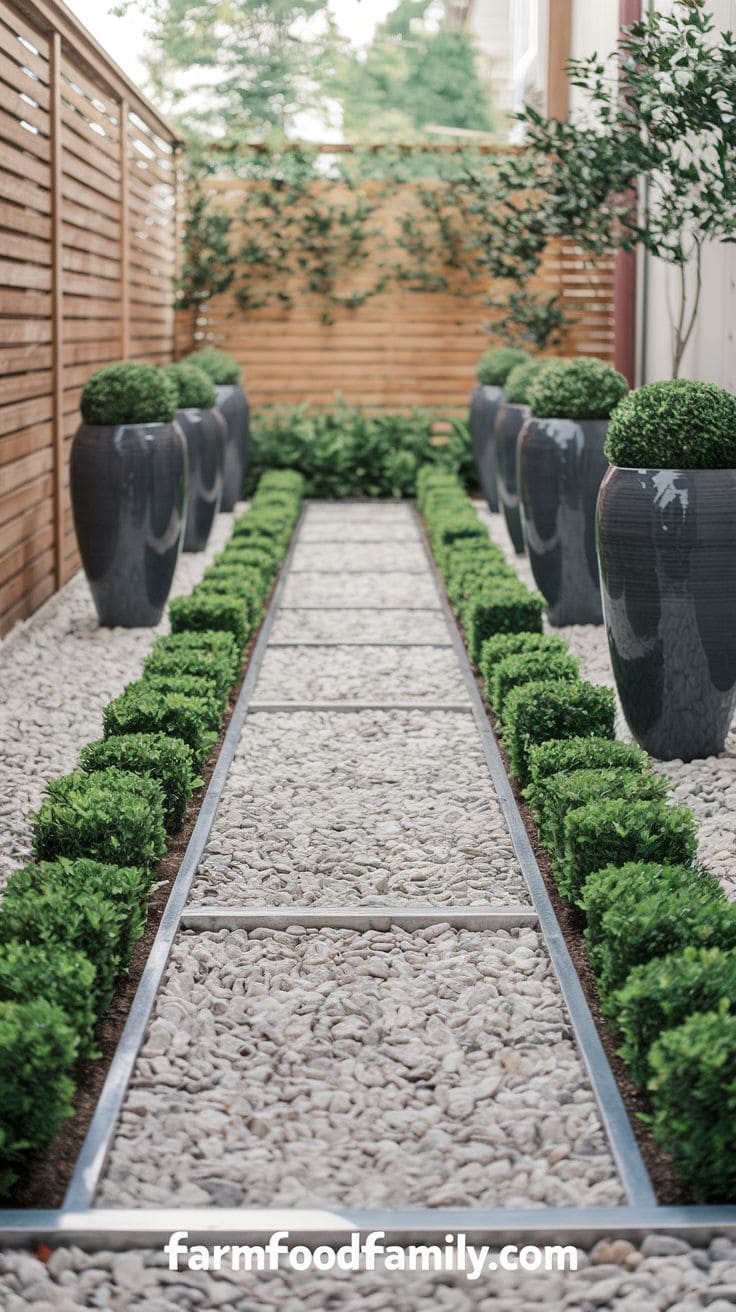
2. Gravel Pathway with Modern Design and Smooth Edges
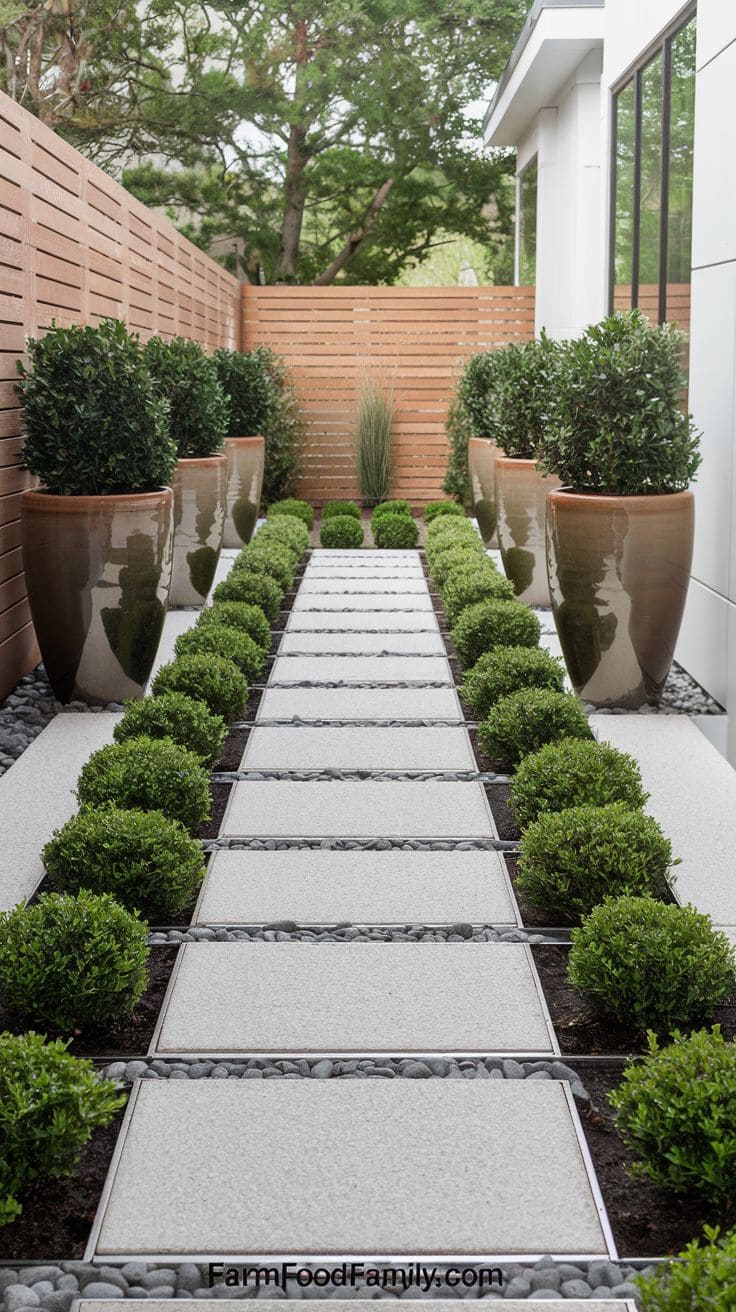
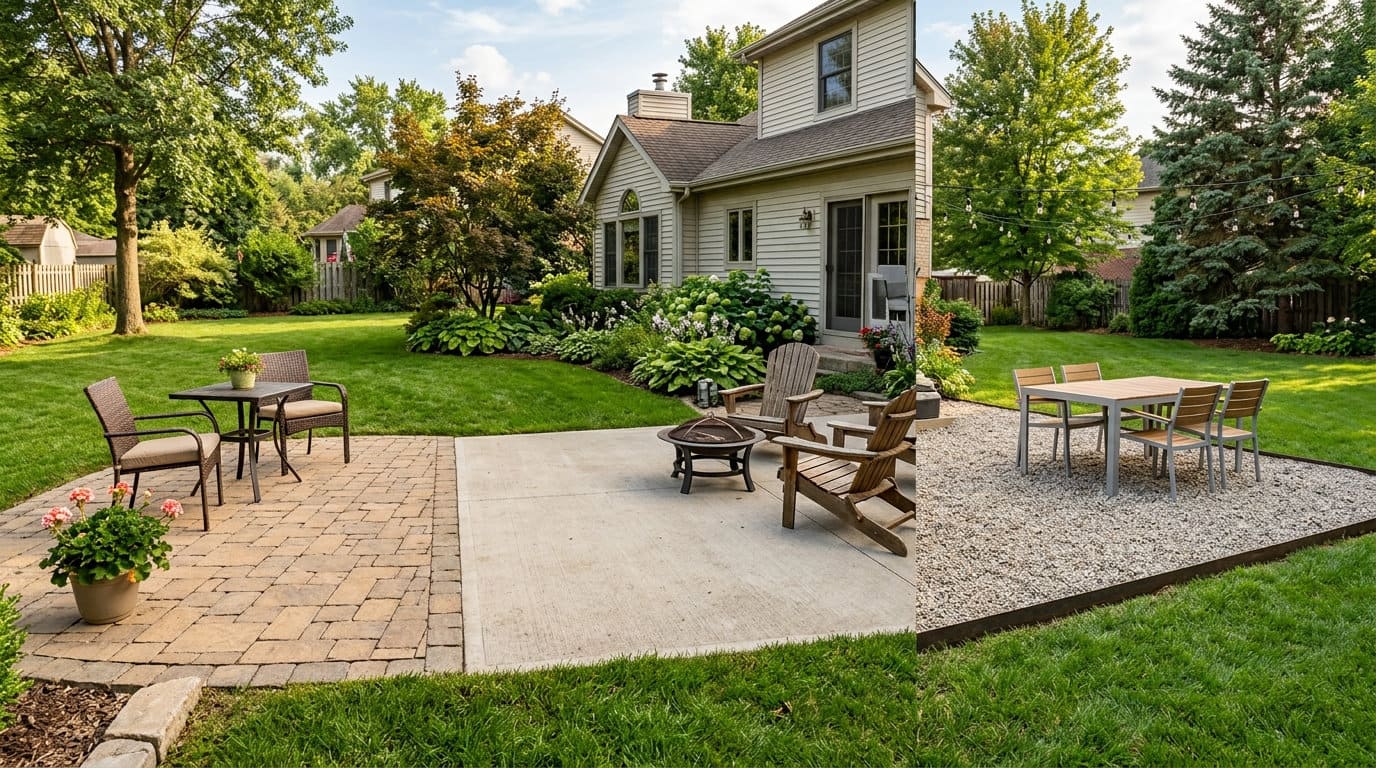
A gravel walk with crisp edging, such as steel or concrete borders, will give you a clean, minimalist design. This concept works well in contemporary settings, making tiny spaces appear wide and polished.
Most yard problems trace back to one specific, fixable cause. Find yours in 4 quick questions.
Take the Free QuizTo maintain a neat, low-water environment, consider using ornamental grasses, low boxwoods, or architectural succulents. Include tall planters or privacy screens along the fence to add texture and height.
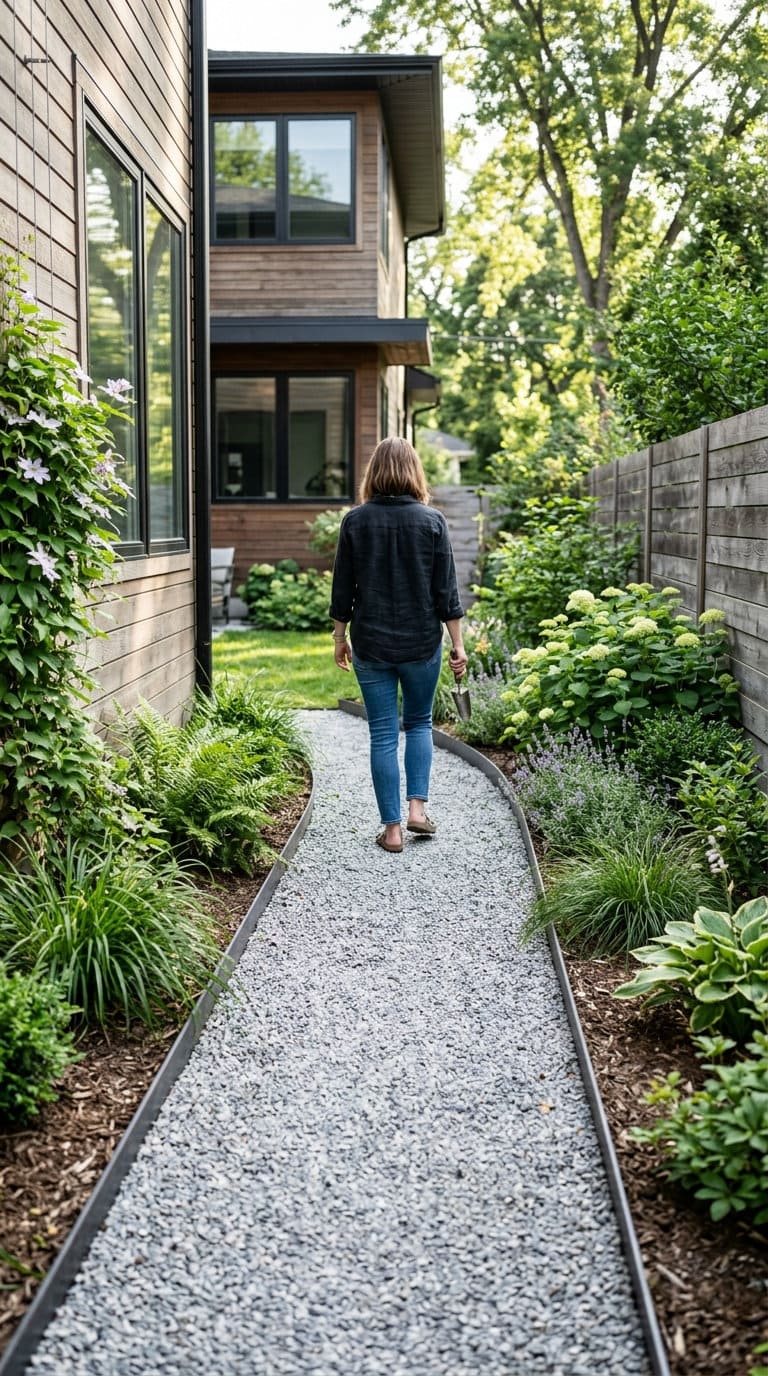
This style is ideal for those who prioritize both aesthetics and ease of maintenance. It adds structure and visual clarity to an often-overlooked area while maintaining lots of flare.
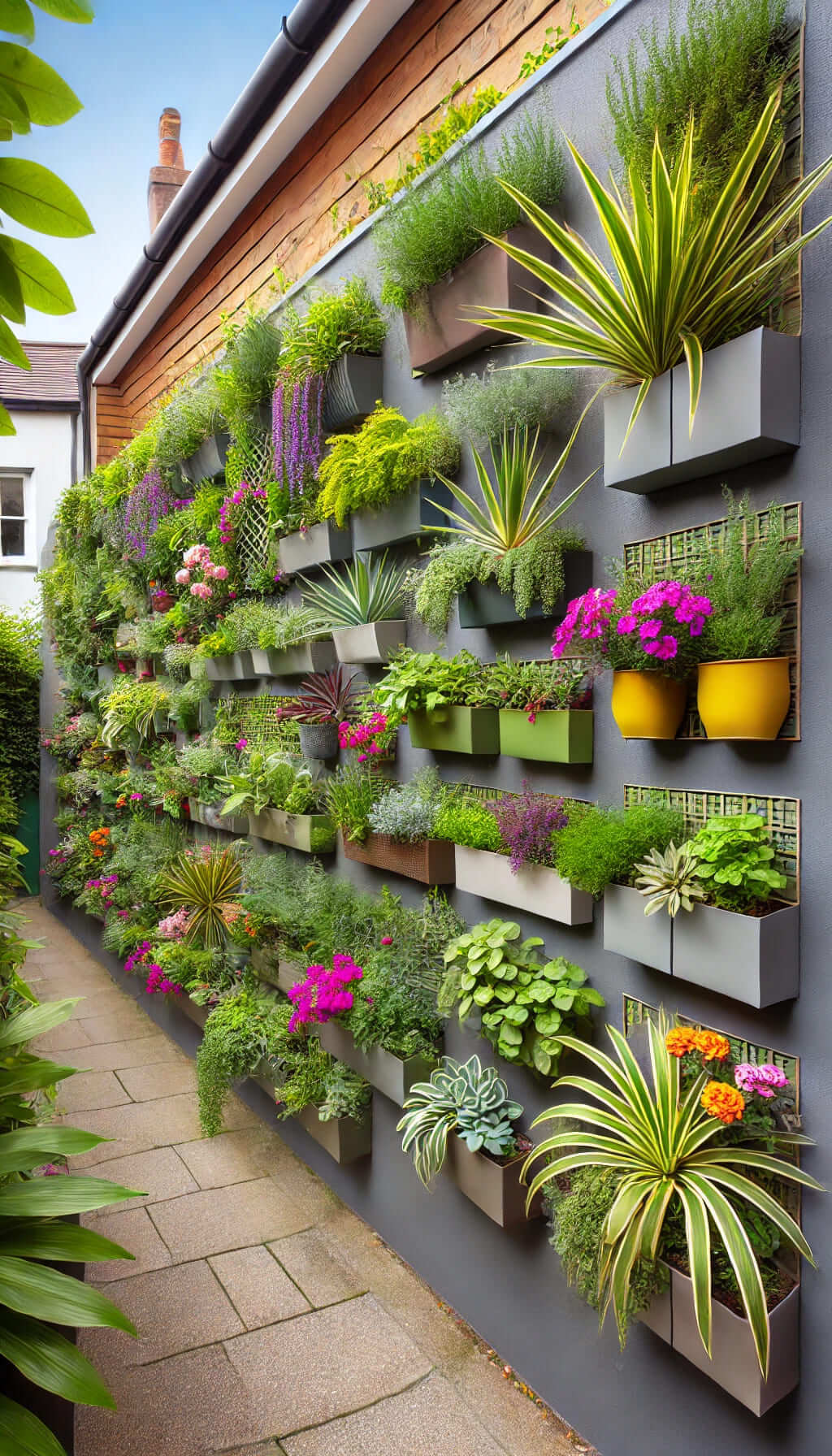
3. Vertical Garden with Wall Planters or Trellises
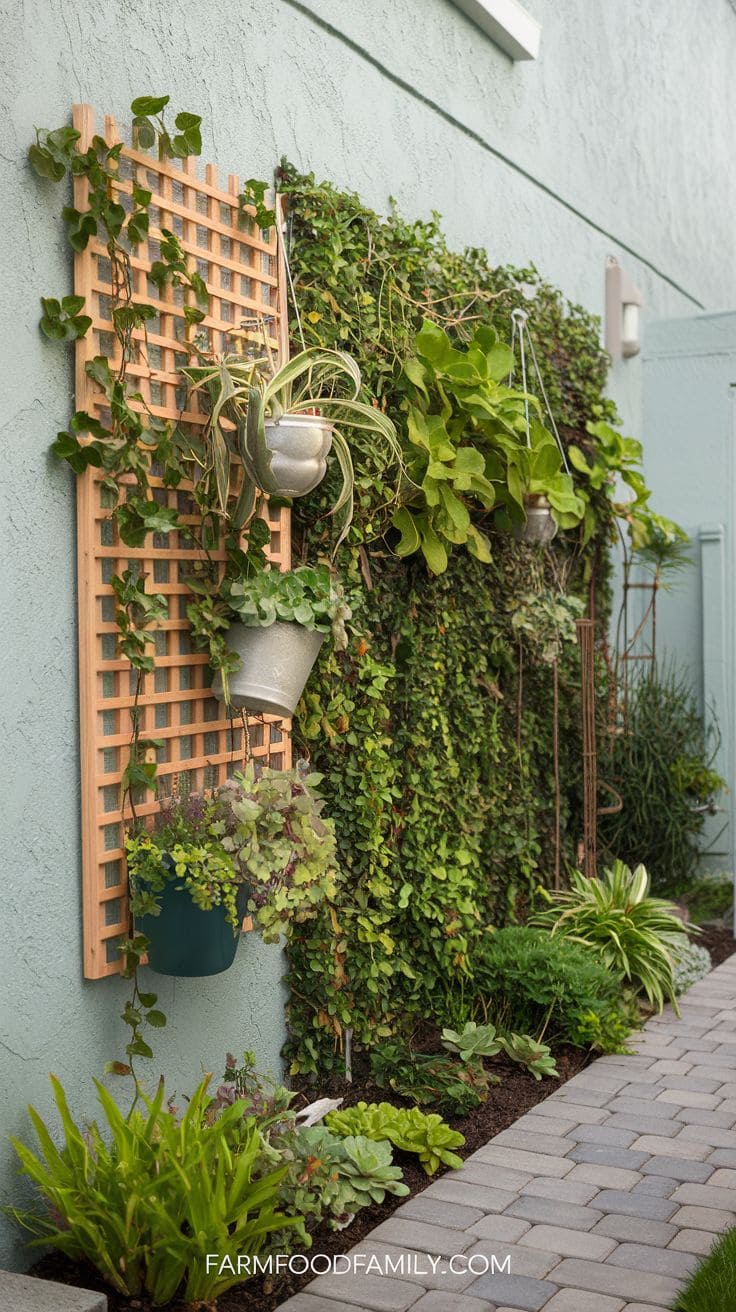
If your side yard is too tiny for ground-level planting, plant vertically. Wall-mounted planters, trellises, and pocket planters allow you to grow herbs, succulents, and even strawberries in small spaces.
Climbing plants such as jasmine, honeysuckle, and clematis can grow up trellises, providing both privacy and greenery. Use weather-resistant materials and place pots in a staggered or geometric pattern to add visual appeal.
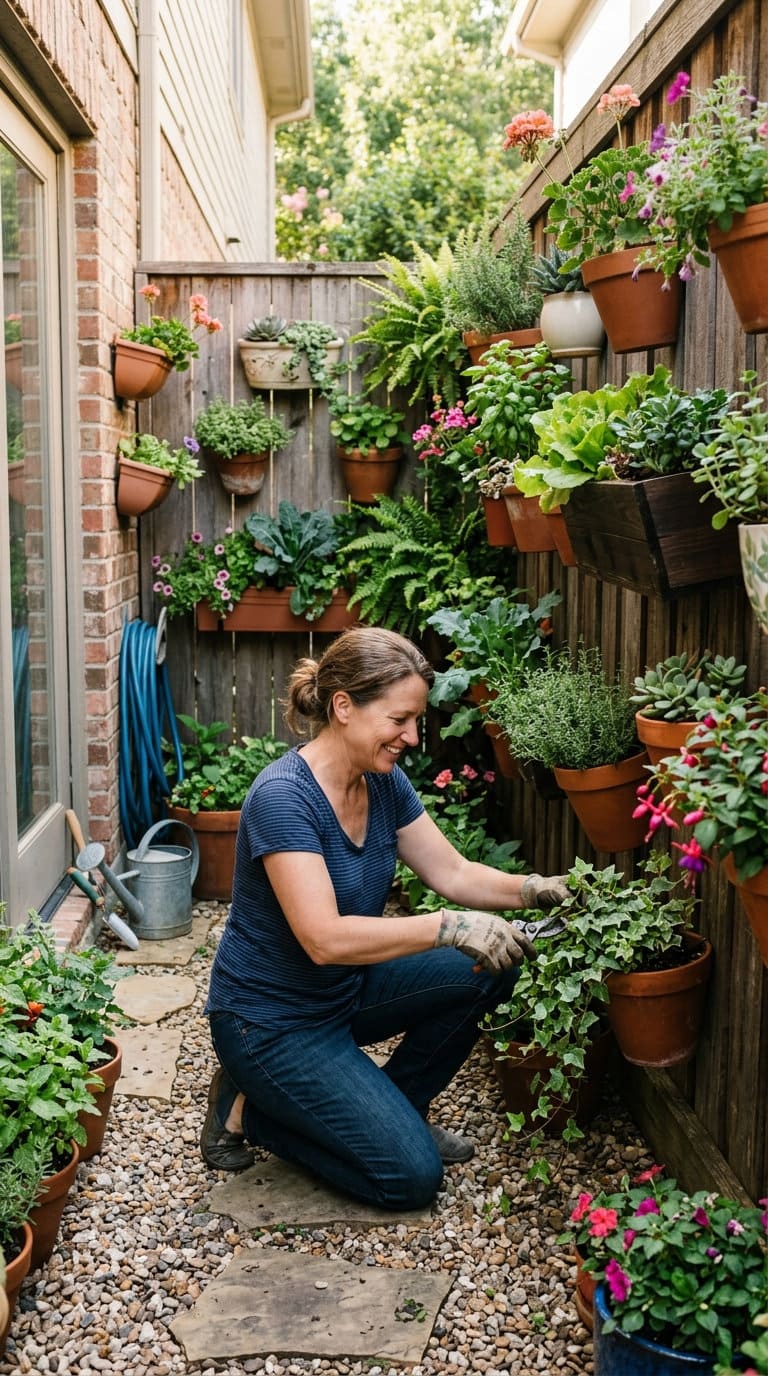
This method not only beautifies the wall or fence, but it also makes the space feel more lush while retaining walkability. It’s ideal for small urban yards or residences with limited outdoor space.
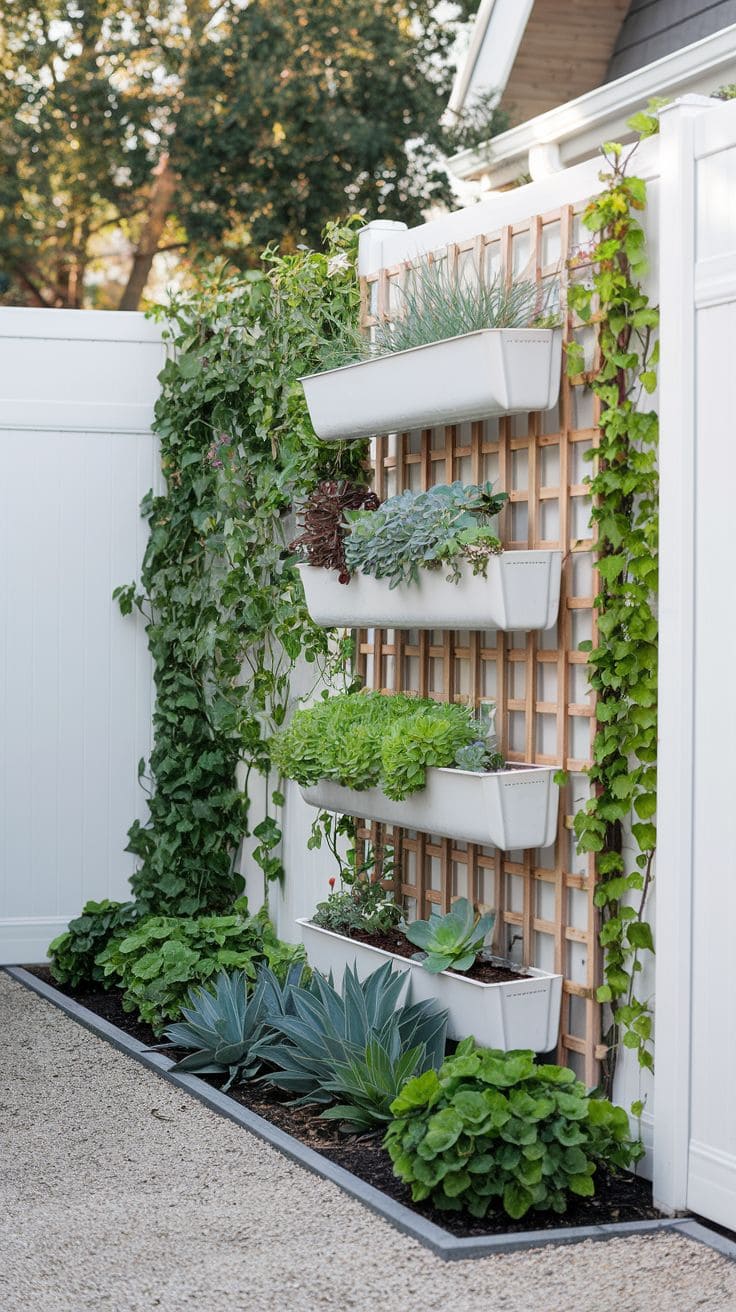
4. Outdoor Storage for Convenient Safekeeping of Tools
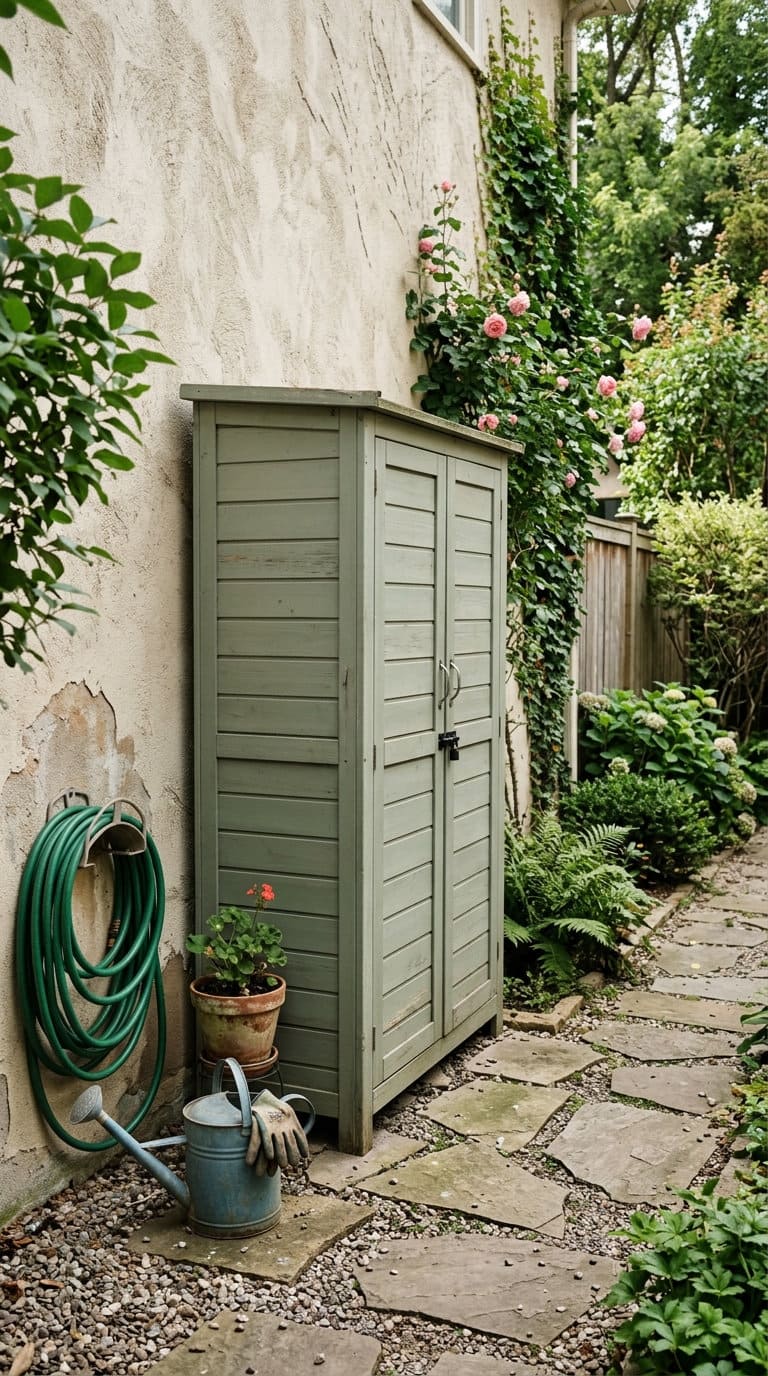
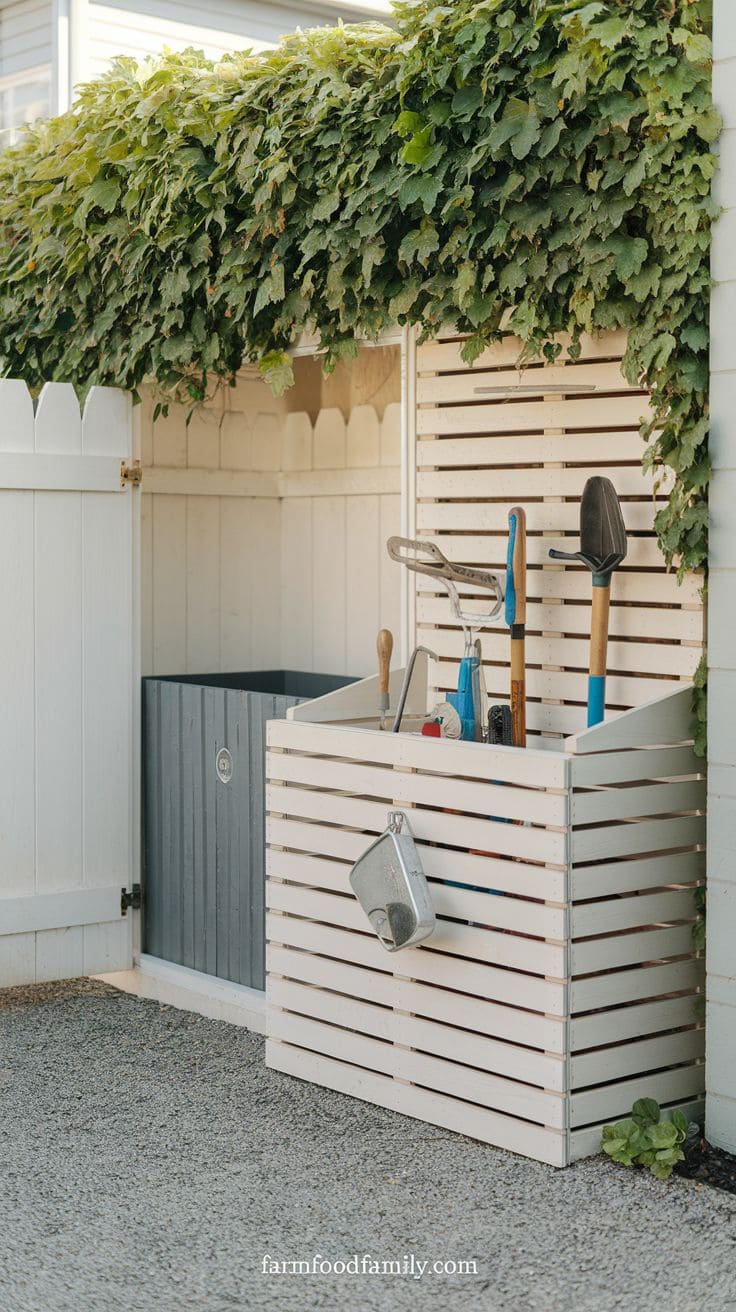
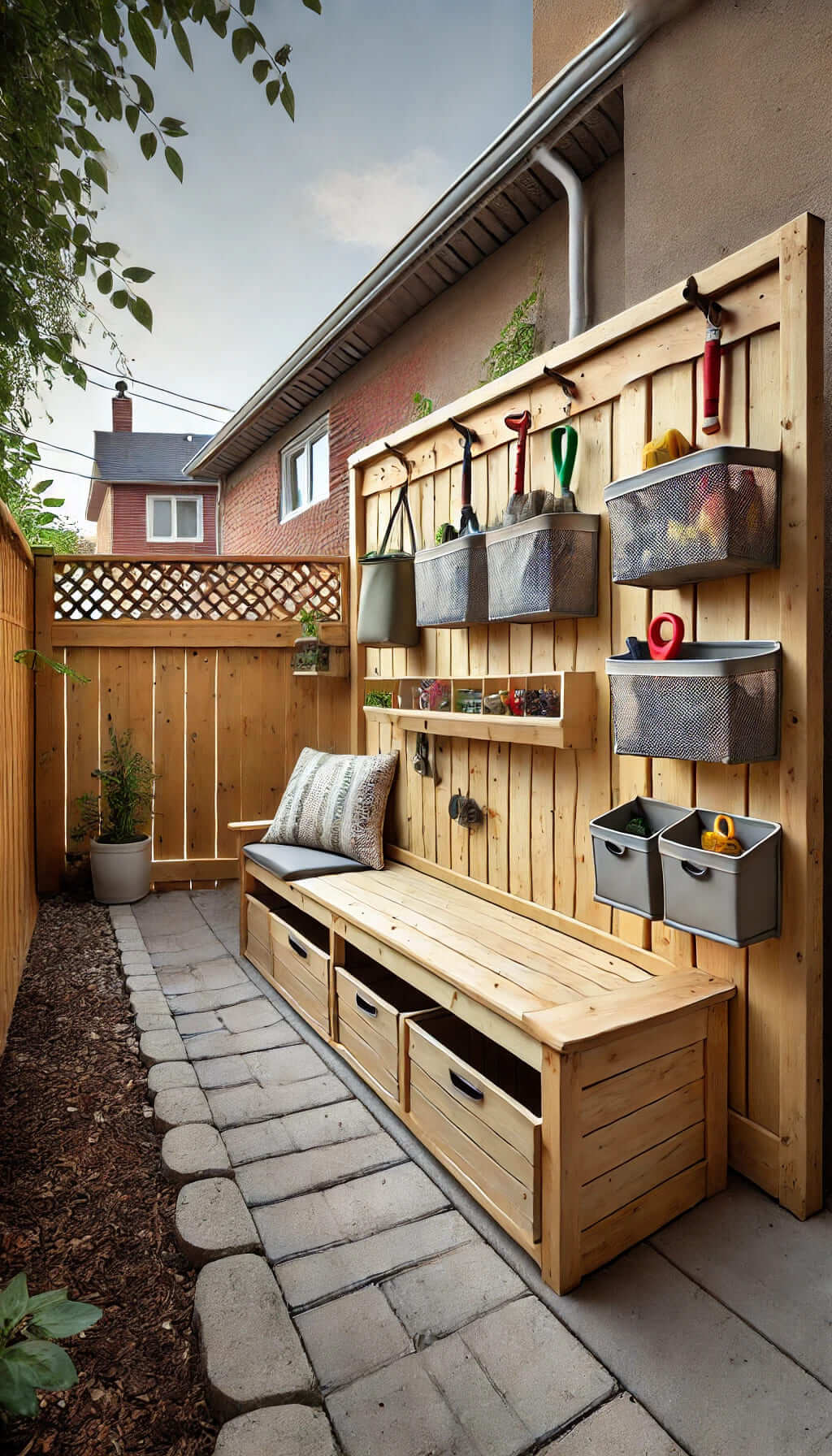
Sometimes function is as vital as form. Make use of your side yard to build a sleek, efficient storage area for garden tools, garbage cans, and outdoor gear. Choose horizontal wood slats to conceal bins while maintaining ventilation.
Install slender storage systems for watering cans, gloves, and even potted plants. You might even set up a tiny shed or weatherproof cabinet. To achieve a coherent effect, paint everything to match your fence or house.
This is an excellent concept for people who wish to keep things tidy without sacrificing elegance. When planned carefully, even utilitarian facilities may be charming.

5. Artistic Mosaic Path for Style and Function
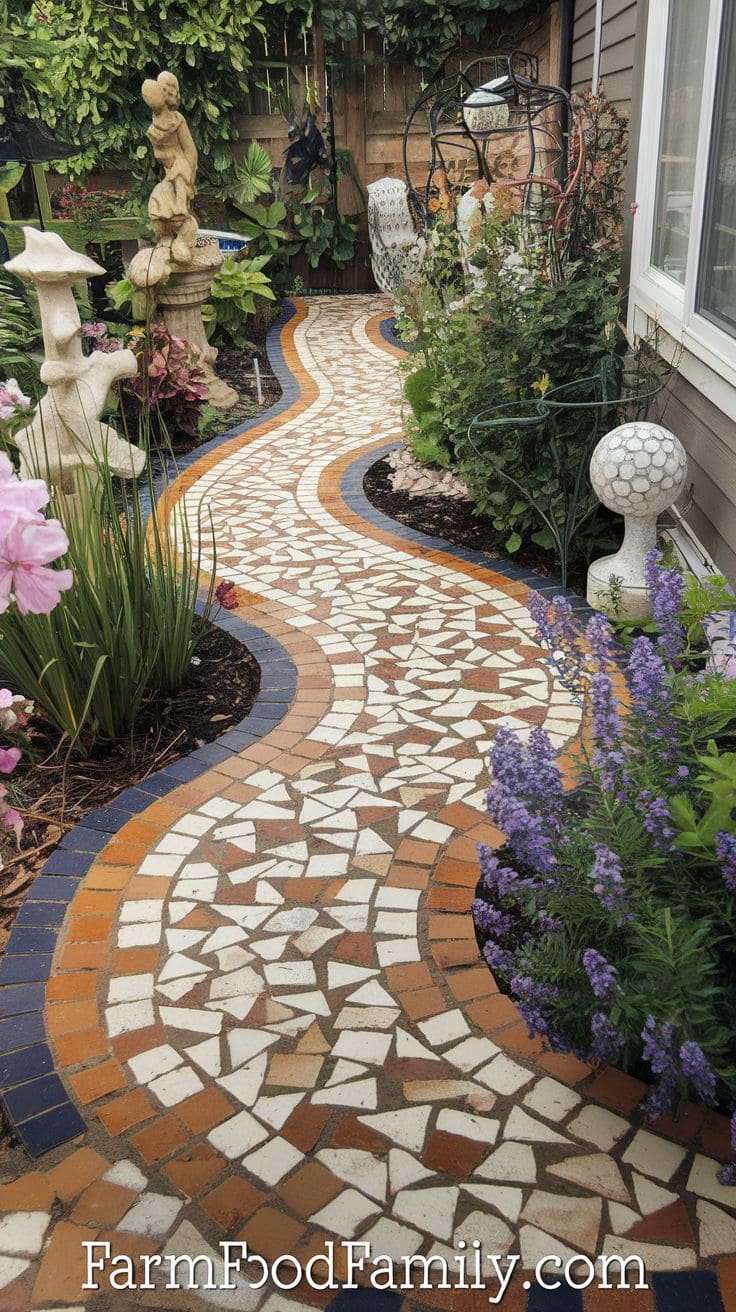
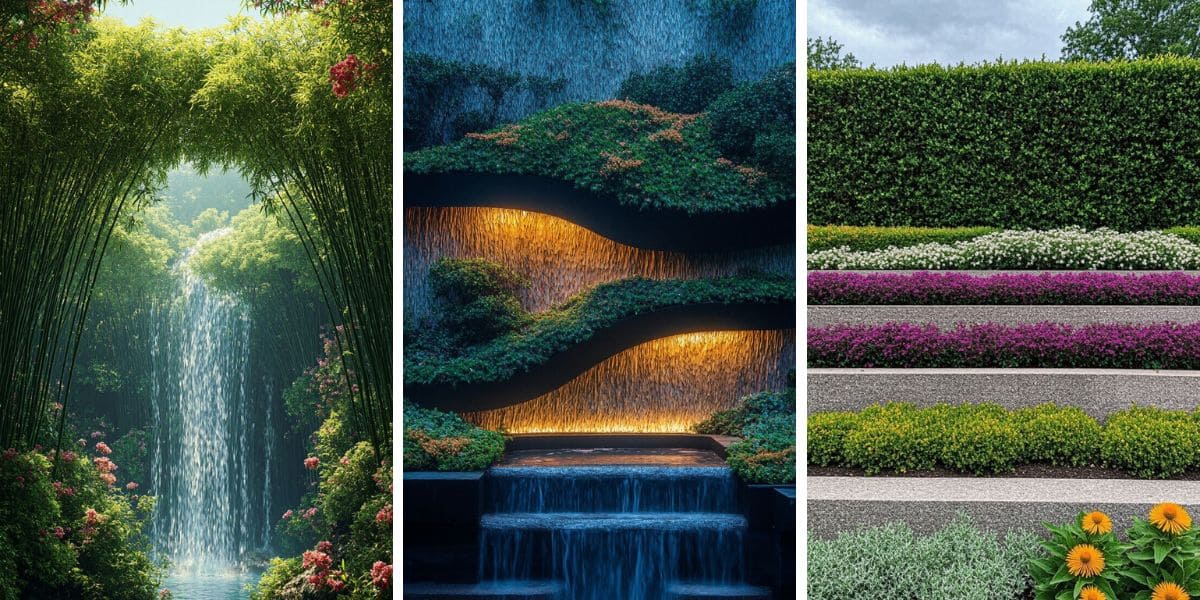
Installing a handcrafted mosaic path that also serves as functional art can transform your side yard into a stunning visual experience. Instead of using ordinary stepping stones or concrete pavers, create a promenade using colorful shattered tiles, river stones, or pottery shards.
To express your unique style or family legacy, you can create fluid, swirling patterns, geometric designs, or even incorporate symbolic images. This style does more than just lead the way; it tells a tale and lends unexpected appeal to an often ignored area.
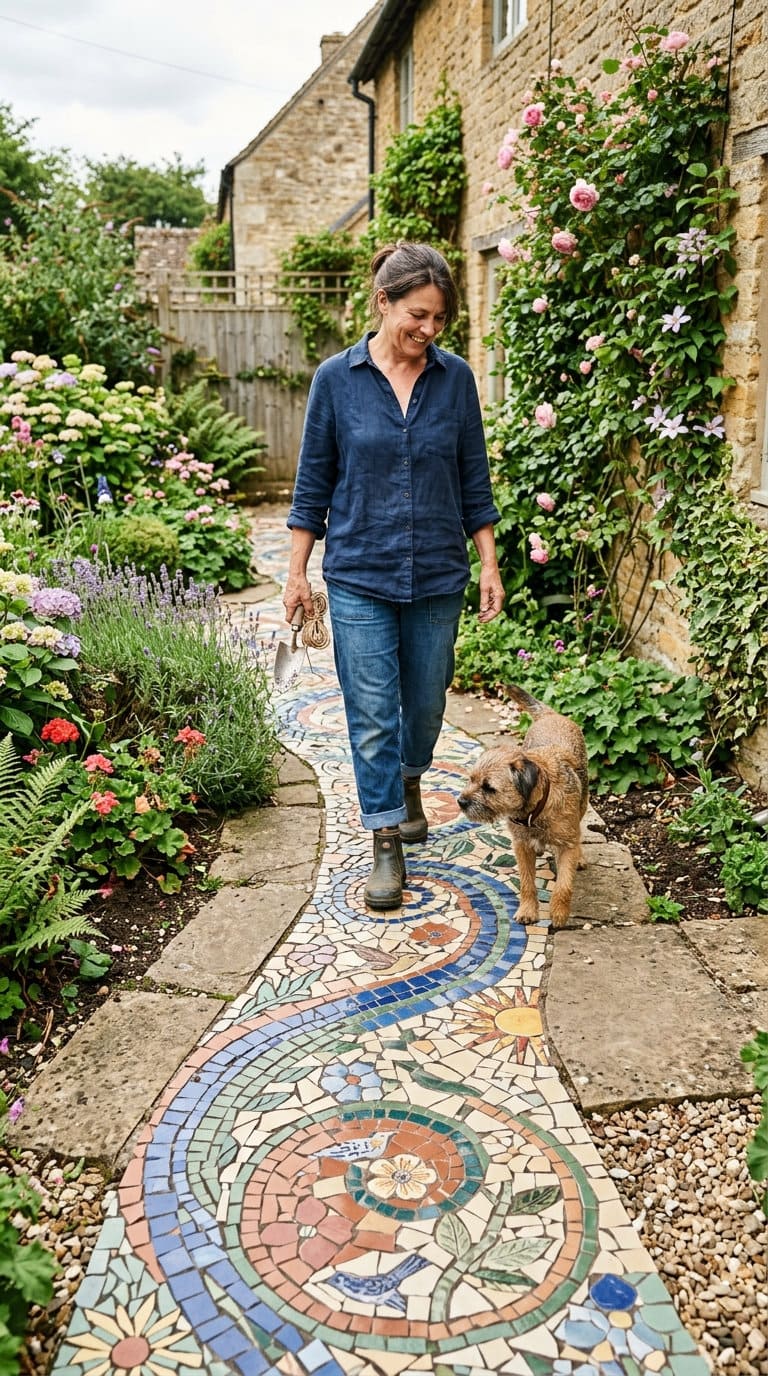
Whether you walk it every day or show it off at garden parties, the space transforms into a pleasant, individualized trip that honors both nature and creative flair.
The average homeowner spends $616/year on yard fixes that don't address the real problem. Find out what yours actually is — before you spend another dollar.
Take the Free Quiz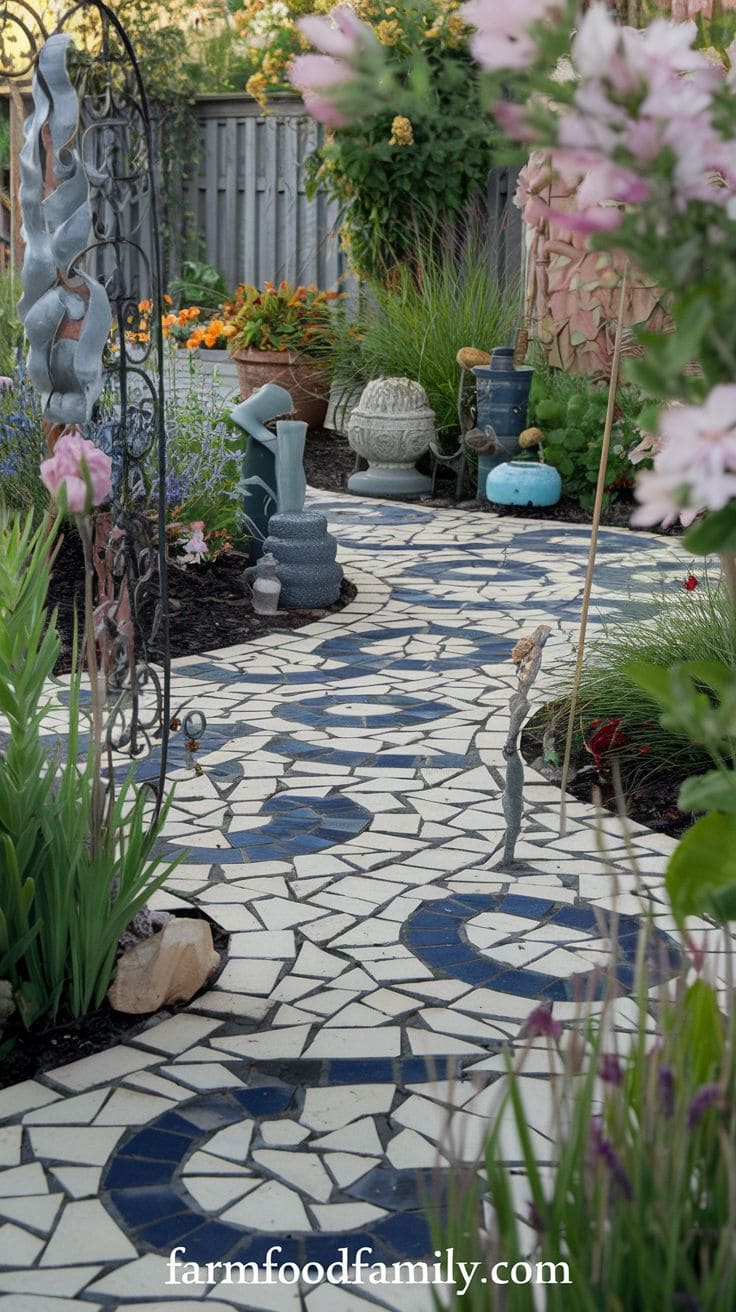
6. Paver Pathways
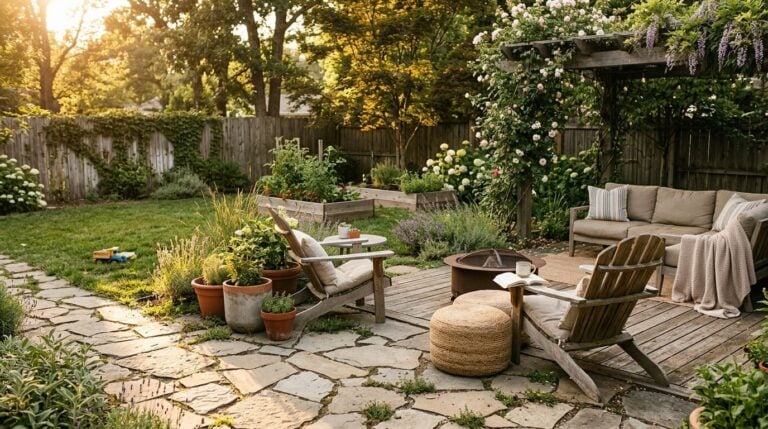
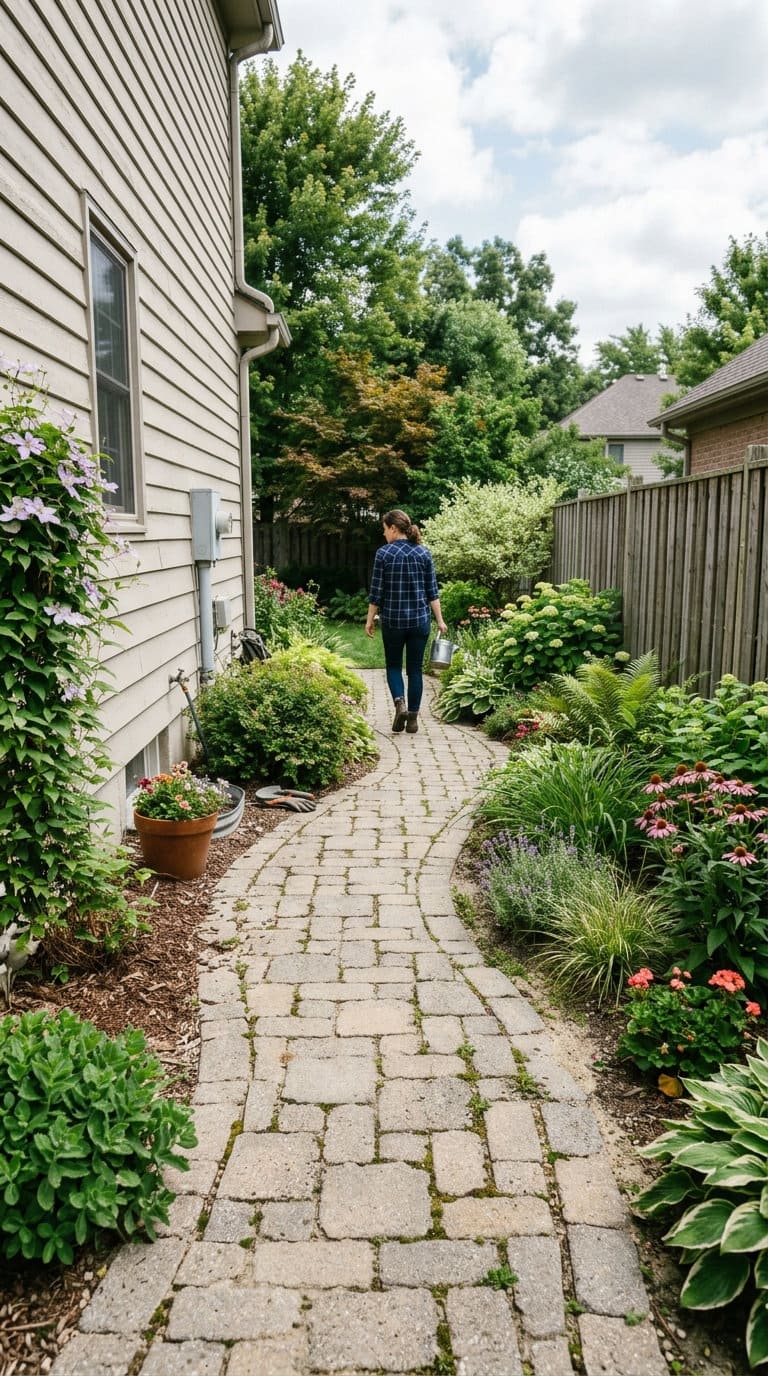
Interlocking concrete or stone pavers give a more finished, permanent look than loose gravel while still allowing some drainage through the joints, a genuine middle ground between poured concrete and gravel.
Lay pavers over a properly compacted gravel base, skipping the base is the single most common reason a paver path shifts or sinks within a few years.
7. Vertical Garden
8. Reading Nook
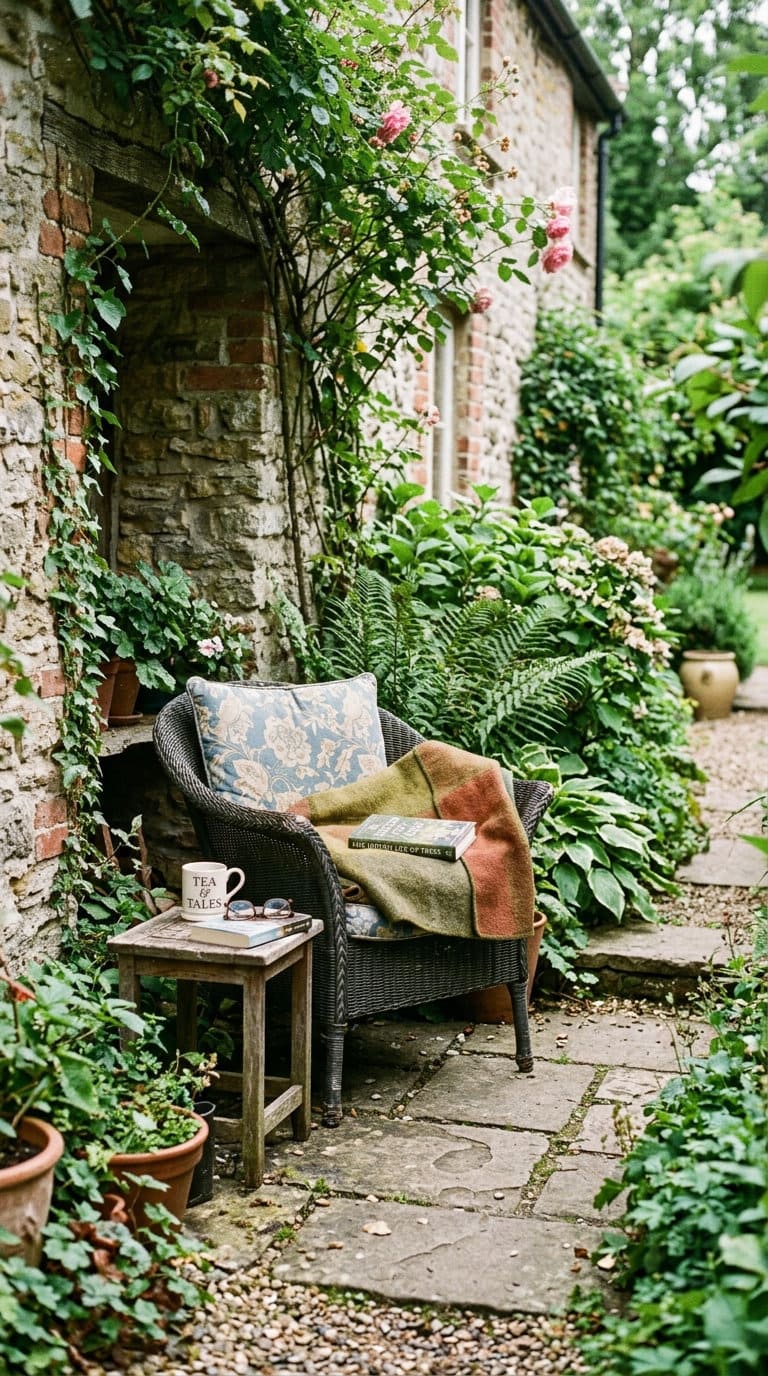
A single weatherproof chair and a small side table tucked into a wider pocket of the side yard, even just a 4 by 4 foot alcove, creates a genuinely private reading spot most side yards have room for without any major construction. This works especially well against a windowless wall where you’d otherwise have dead, unused space.
9. DIY Water Feature
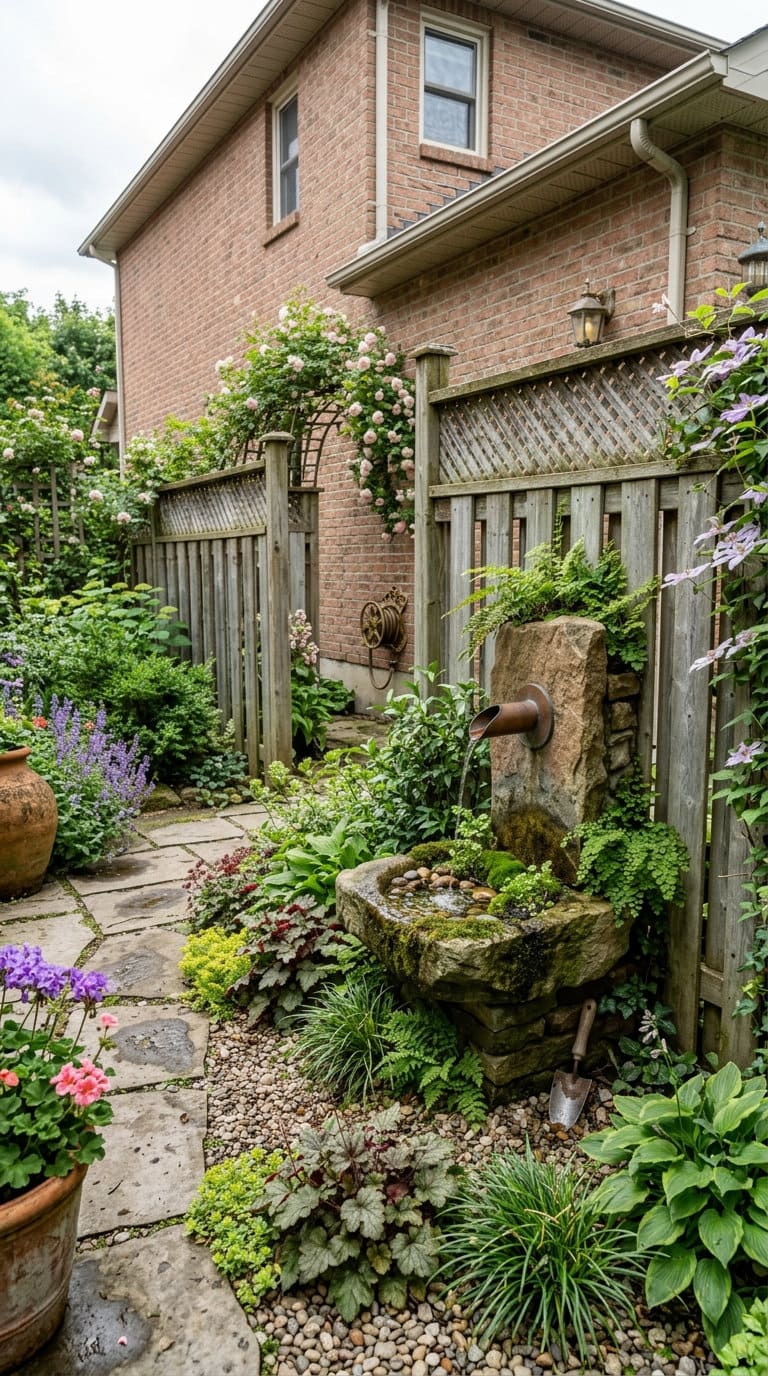
A small wall-mounted fountain or a compact recirculating water feature adds sound and movement to a narrow space without needing much floor footprint. Keep it well clear of the utility clearance zones from section 1, and route any electrical cord through a GFCI outlet since it’s an outdoor, weather-exposed installation.
10. Fire Pit Area
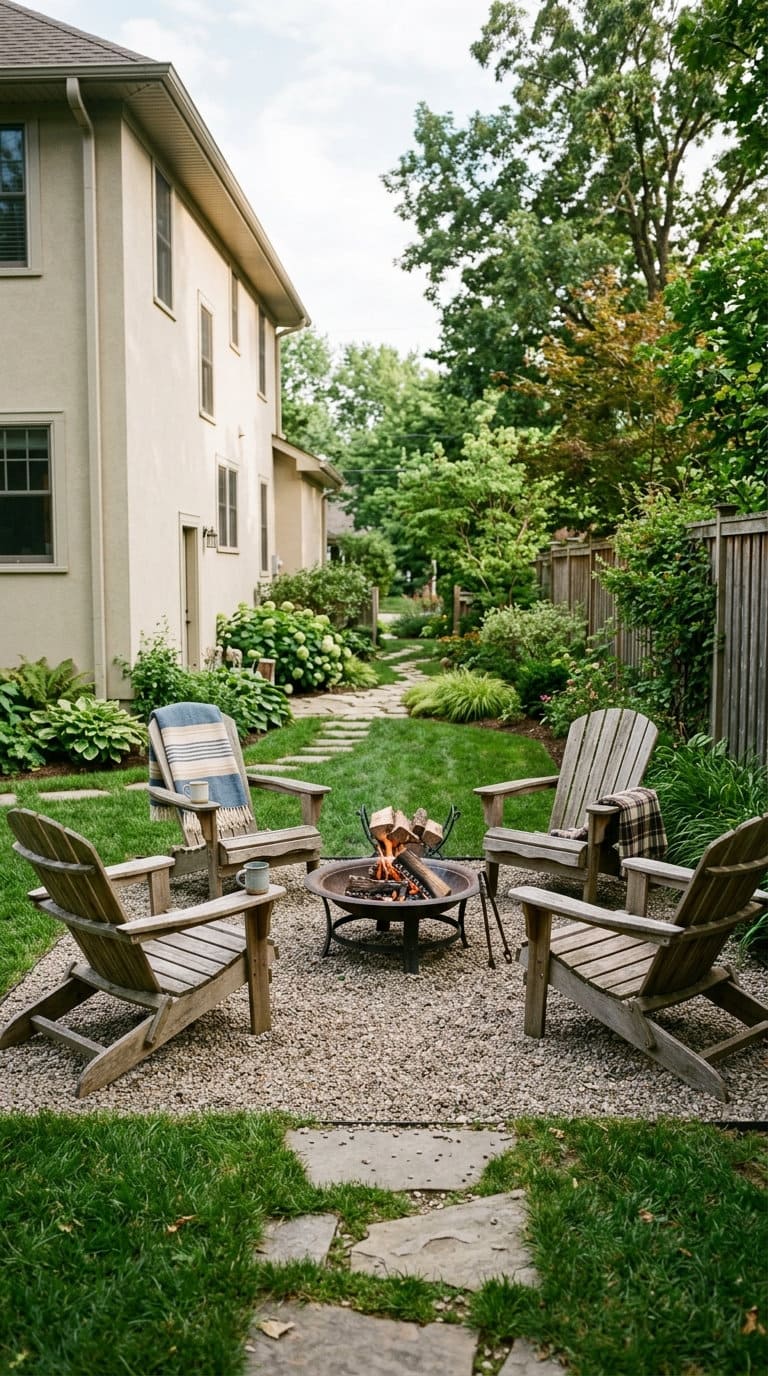
A side yard fire pit needs real clearance from structures, most residential guidance runs 10 feet minimum from anything combustible, which is a genuine challenge in a narrow space between two houses.
This idea only works in a side yard wide enough to actually meet that distance, measure before committing rather than assuming a small pit solves the space problem.
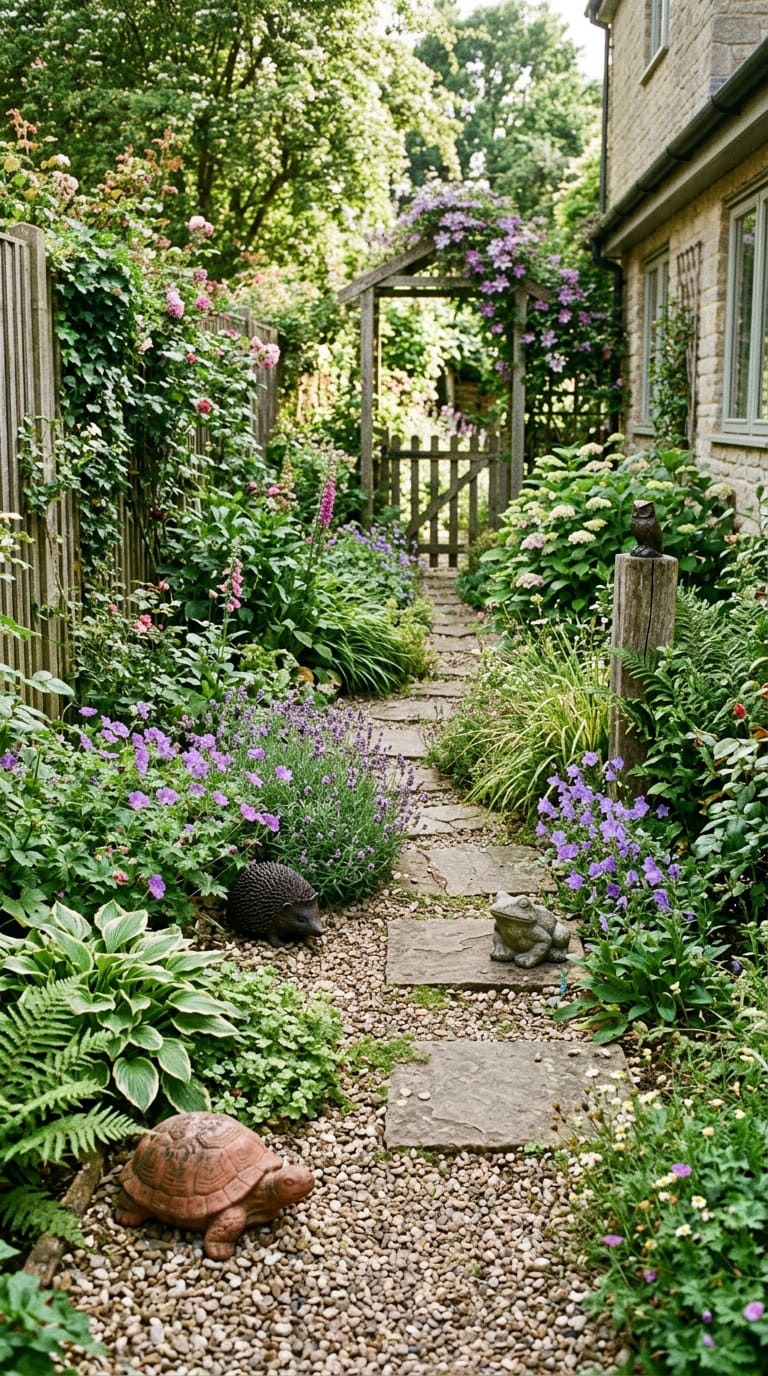
11. Sculpture Trail
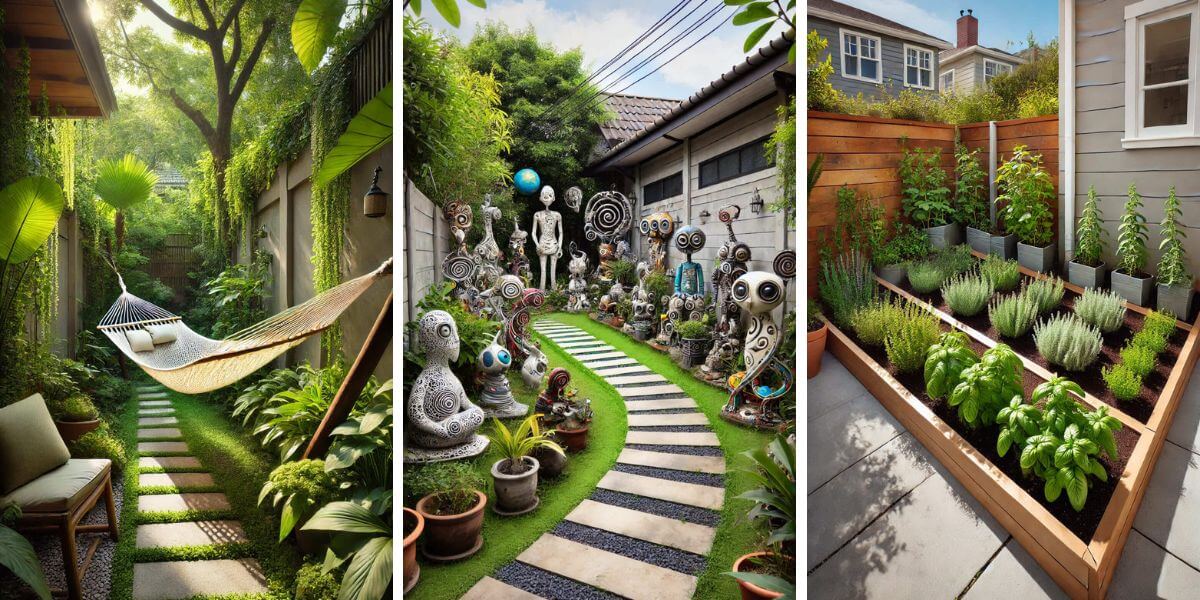
A series of small garden sculptures or art pieces placed along the path length turns a simple walk-through into something worth lingering in, genuinely more interesting than a single large piece would be in a narrow space. Space them so each one is a small discovery as you walk rather than all visible from one spot.
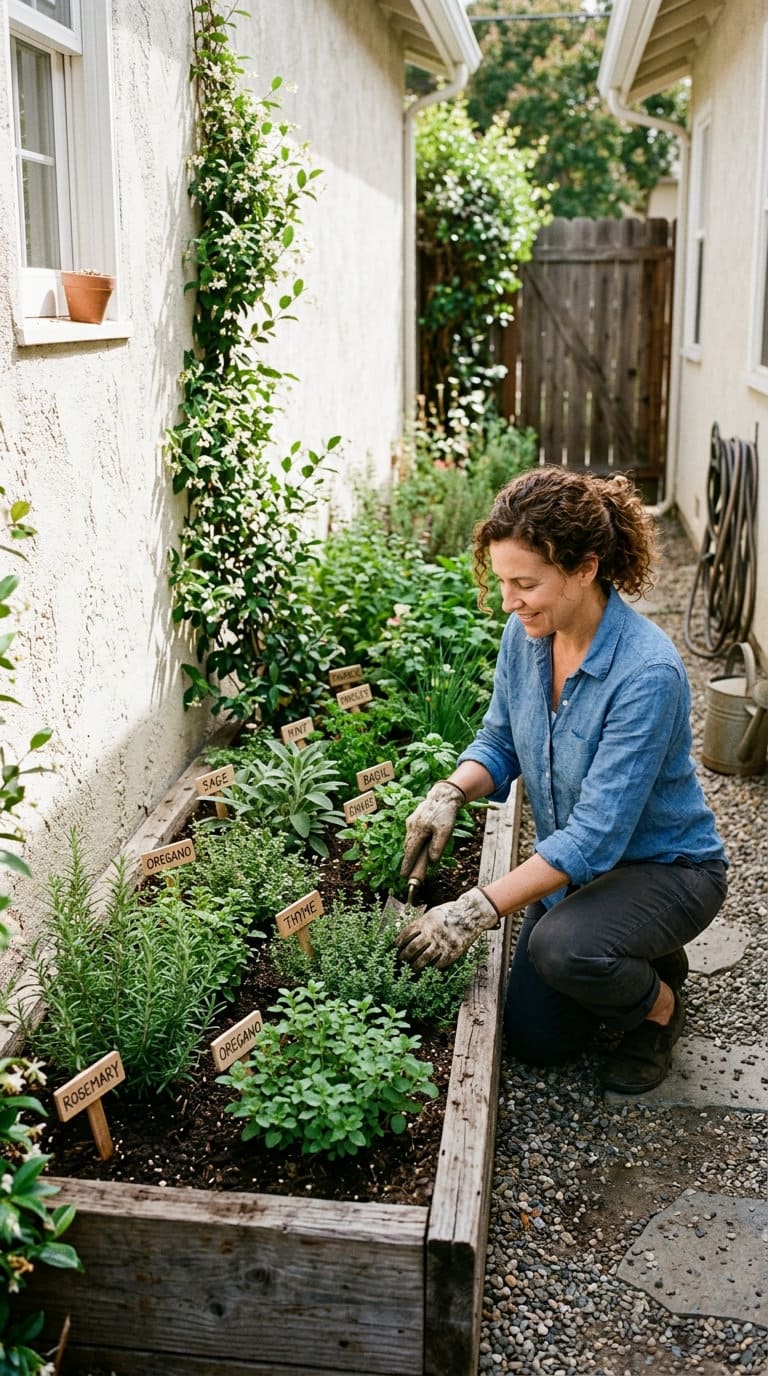
12. Spice Garden
A narrow raised bed or a row of containers along a sunny side of the house makes a genuinely convenient herb and spice garden right outside the kitchen door. Check which side of the house actually gets sun, a side yard on the north side of a house in the northern hemisphere often doesn’t get enough light for this to work well.
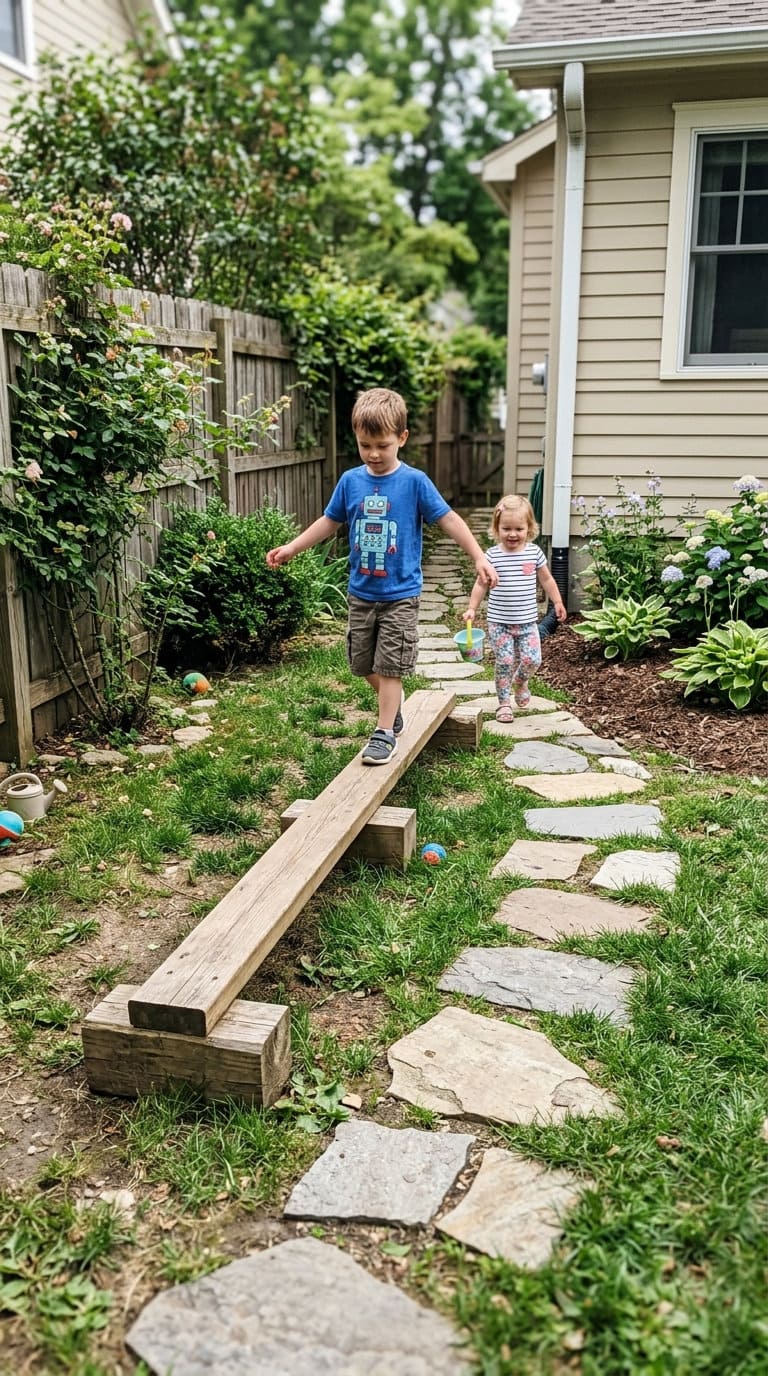
13. Kids’ Adventure Path
A simple sensory or balance-beam style path, stepping stones of varying heights, a short balance beam, a hopscotch pattern, gives kids a genuinely fun reason to use the side yard instead of just cutting through it. Keep the design low to the ground and slip-resistant, this is functional play equipment, not just decoration.
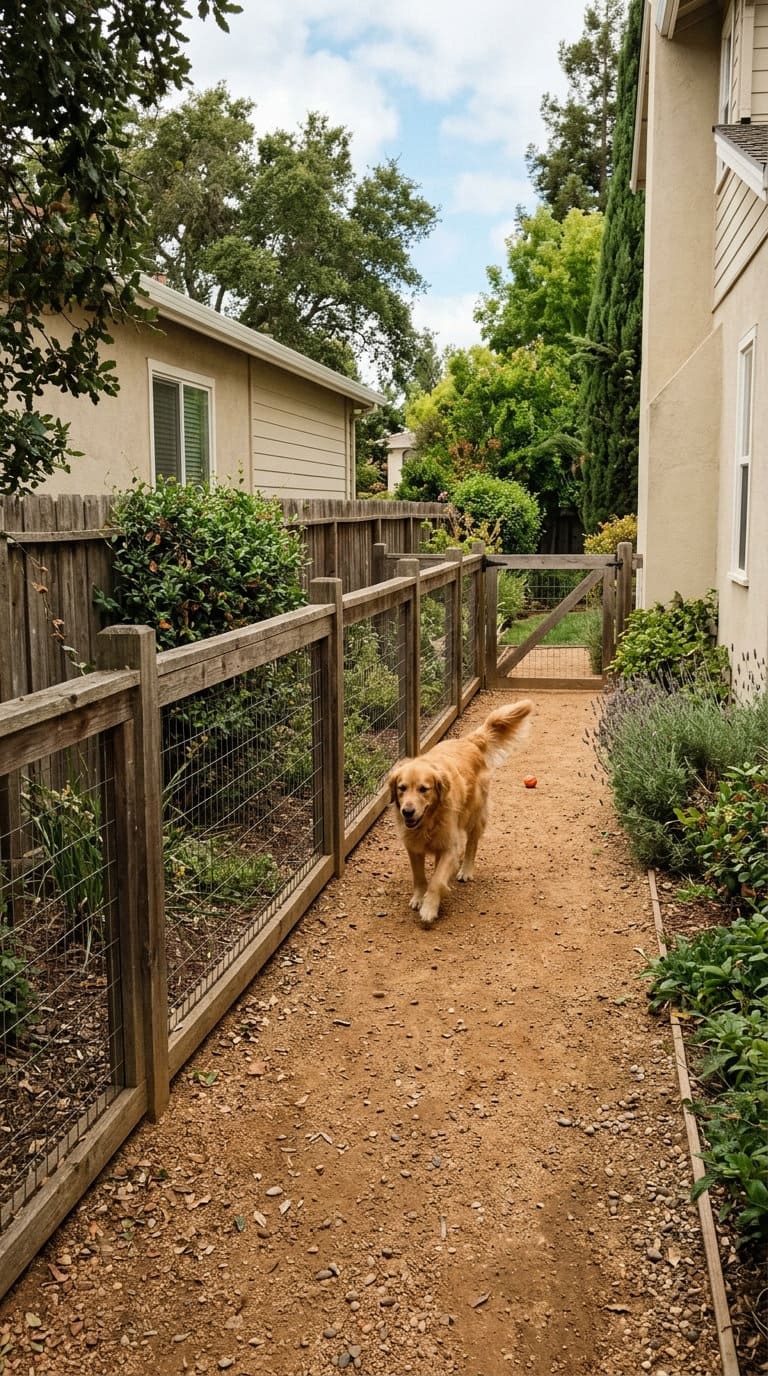
14. Dog Run
A dedicated dog run needs a durable, well-draining surface, decomposed granite or artificial turf with a permeable base both hold up better than grass under repeated dog traffic.
Apply the drainage guidance from section 1 directly here, a dog run in a side yard that already has poor drainage becomes a mud pit fast.
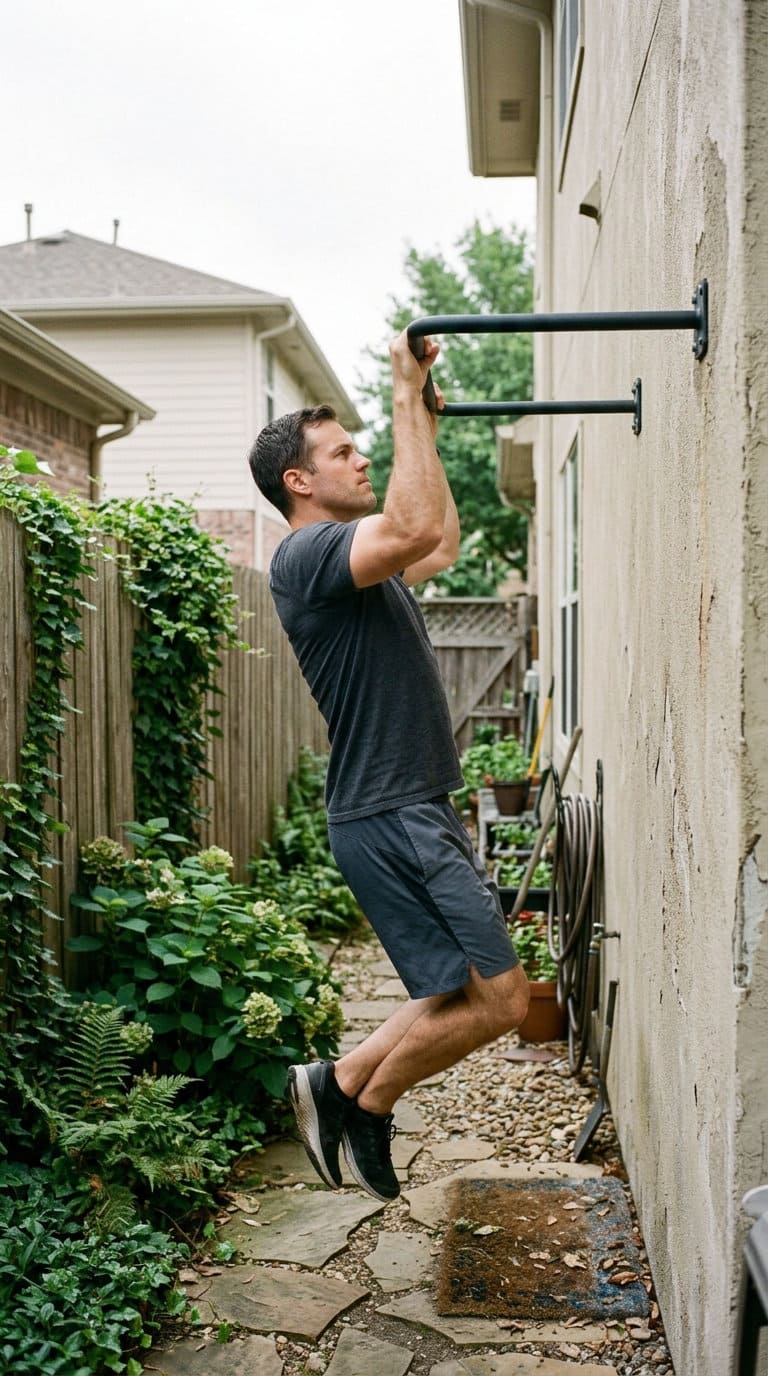
15. Outdoor Gym
A compact setup, a pull-up bar mounted to a sturdy wall, a small set of resistance bands hooks, works in a side yard specifically because it doesn’t need much floor space, just secure wall anchoring. Confirm the wall itself can handle the mounting hardware load before installing anything load-bearing.
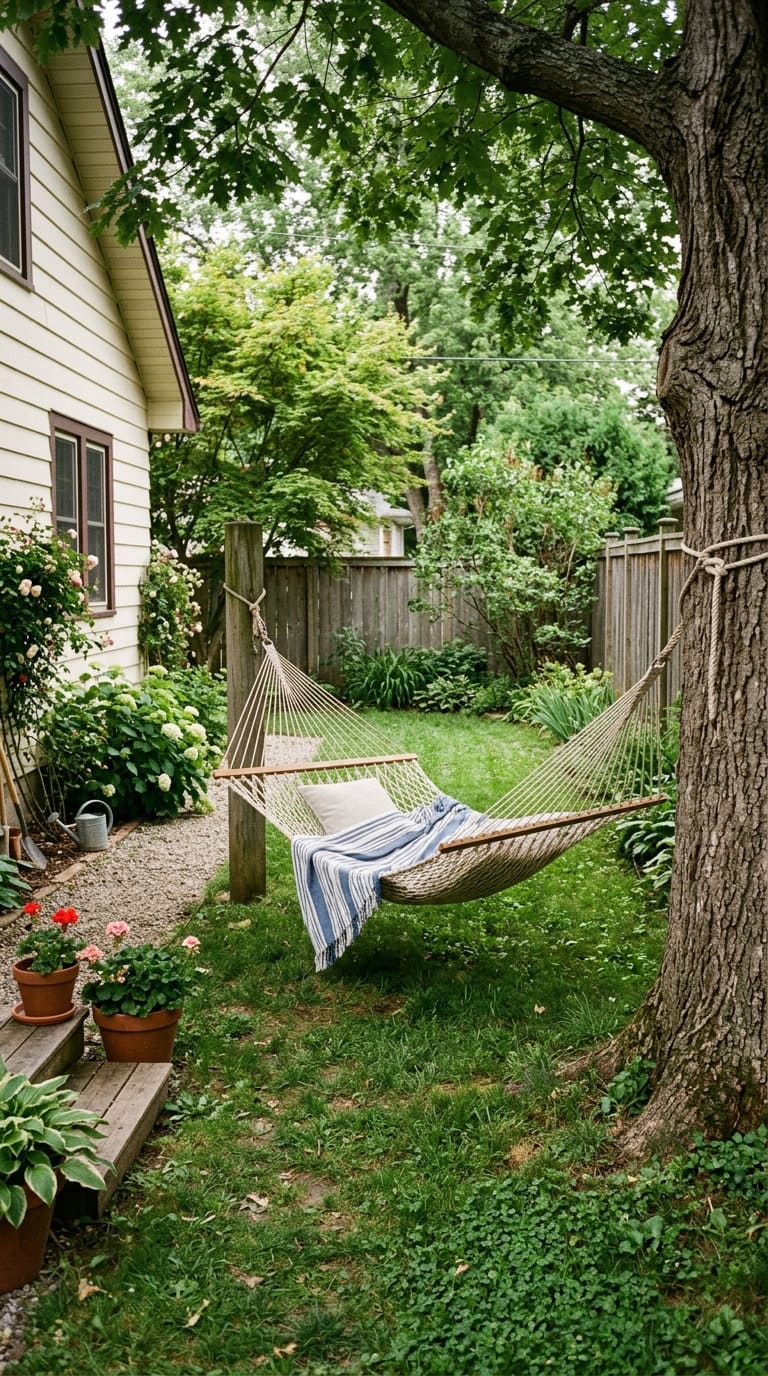
16. Hammock Haven
A single hammock strung between two anchor points, house wall to a post, or two posts if there’s no suitable wall, fits in a side yard wider than about 6 feet without blocking the through-path entirely if positioned along one edge. Check the anchor points can handle real body weight with a safety margin, this isn’t a place to improvise hardware.
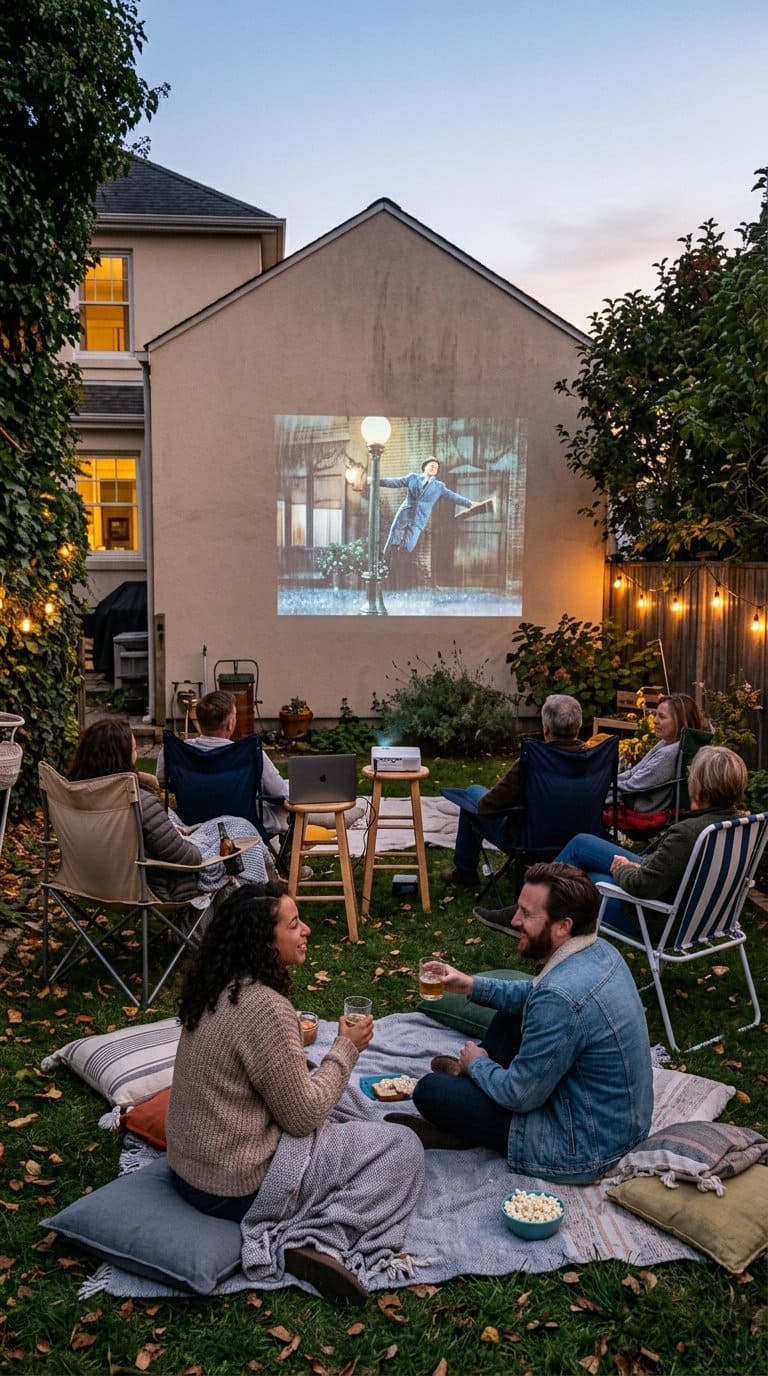
17. Movie Wall
A blank exterior wall becomes a projector screen for an outdoor movie night, genuinely one of the more creative uses for a side yard’s main asset (a long flat wall) beyond planting.
A light-colored, smooth-painted wall projects noticeably better than a textured or dark one, worth a coat of paint specifically for this if the wall isn’t already suited to it.
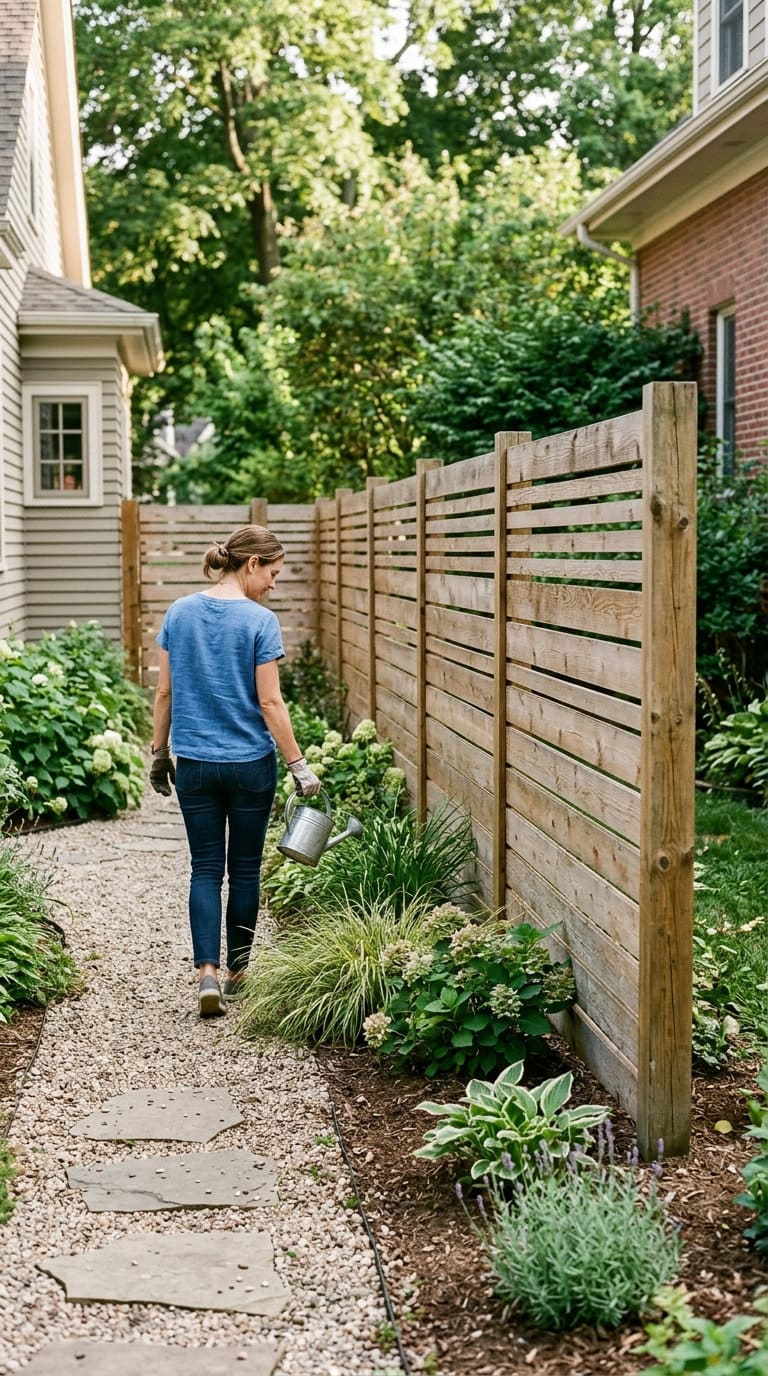
18. Privacy Screens
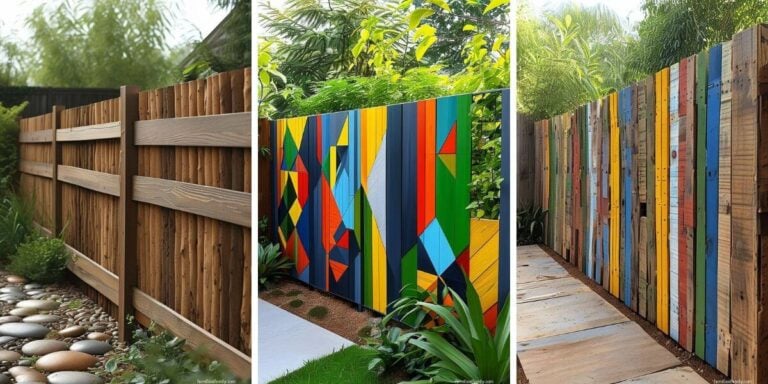
A slatted wood screen, bamboo panel, or living hedge along the property line blocks sightlines from a neighbor’s window without needing to build a full-height solid fence.
Check local fence height ordinances before installing anything tall, side and rear fence height limits are often different from front yard limits.
19. Breakfast Corner
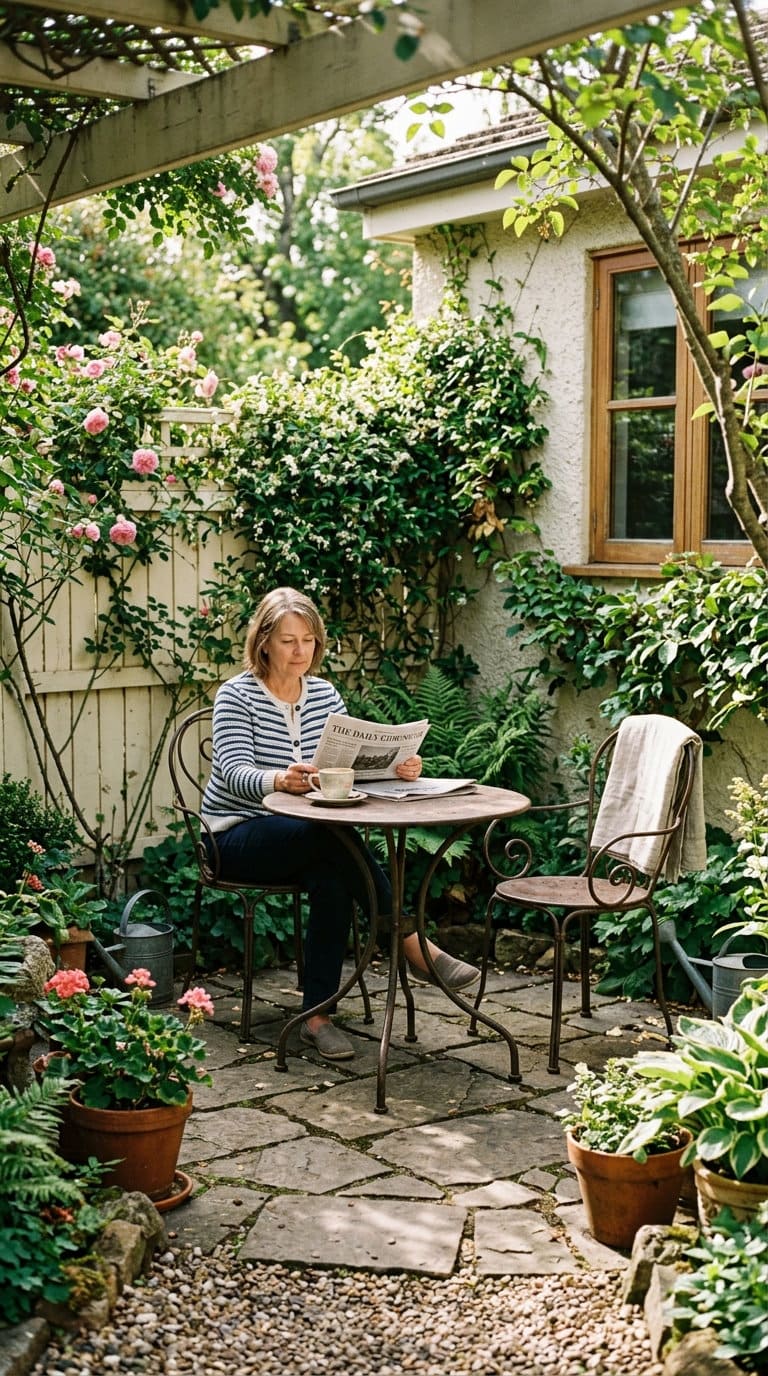
A small bistro table and two chairs in a side yard that gets morning sun makes a genuinely pleasant spot for coffee, especially in a side yard too narrow for a full patio setup but wide enough for one small table.
Keep the table and chairs collapsible or easily movable if the space also needs to function as a through-path at other times.
20. Mini Orchard
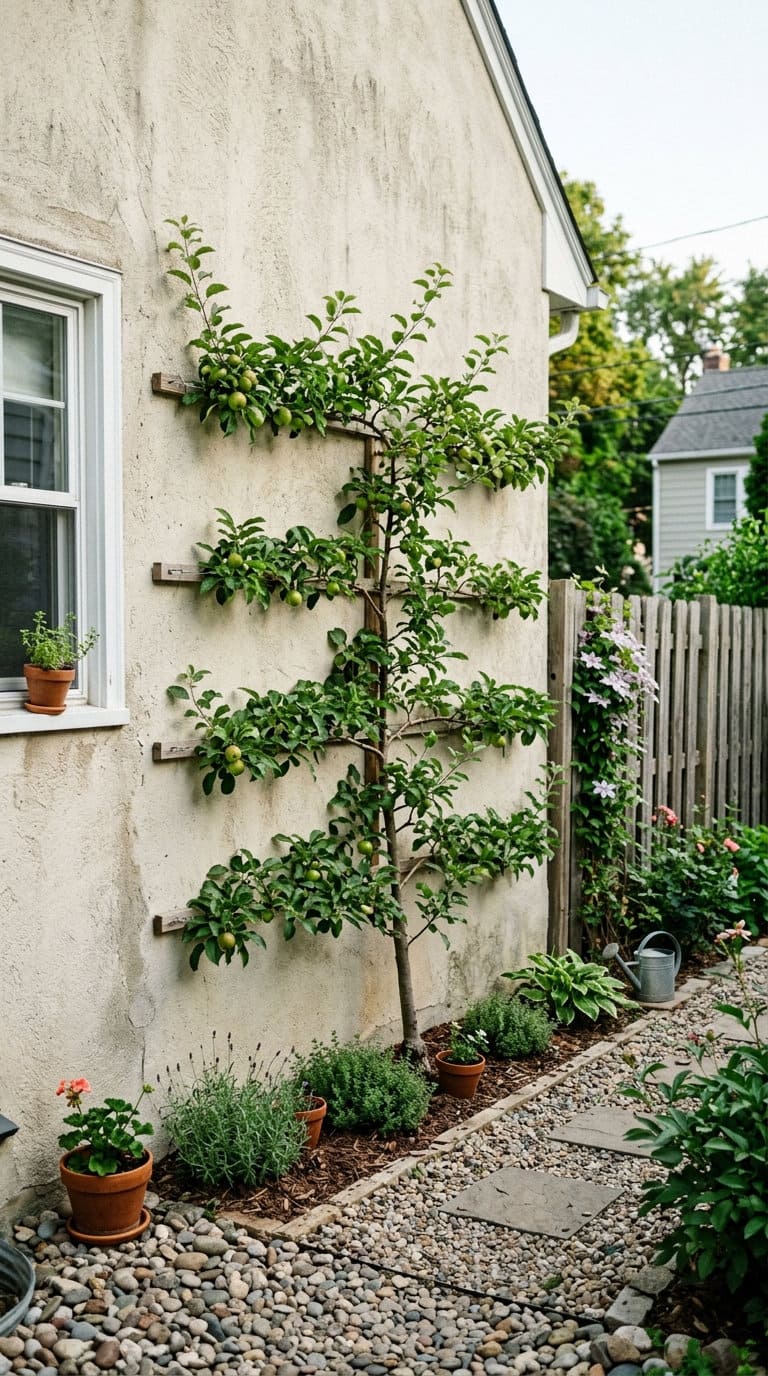
Dwarf or espaliered fruit trees trained flat against a wall or fence use minimal floor footprint while still producing real fruit, genuinely one of the better uses of a side yard’s vertical wall space beyond ornamental planting.
Espalier training takes a few years to establish, this is a longer-term project than most ideas on this list.
21. Storage Solutions
22. Yoga Zone
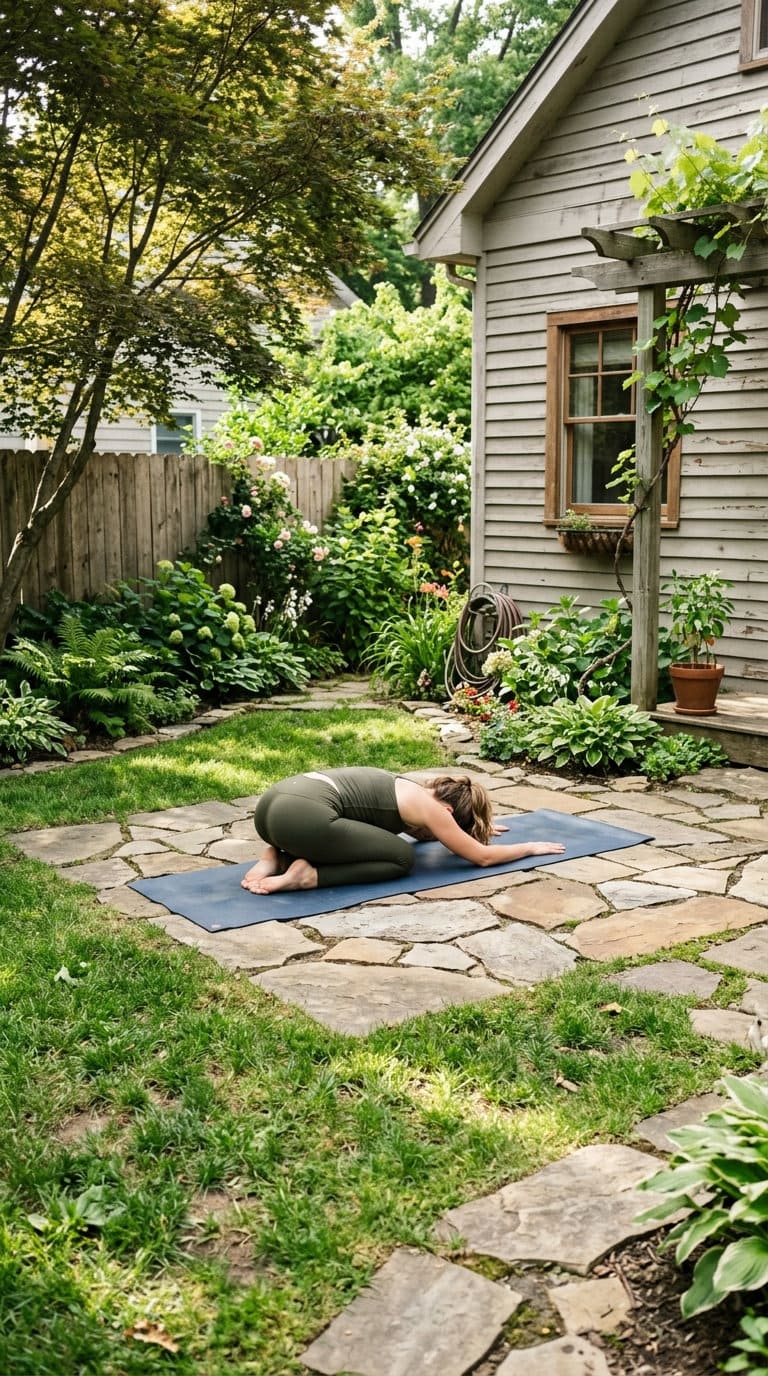
A small paved or decked platform, even just 4 by 6 feet, gives a dedicated spot to unroll a mat without setting up and breaking down in the living room.
A level, stable surface matters more here than in most other side yard uses, check the ground isn’t sloped before building anything permanent.
23. Art Corner
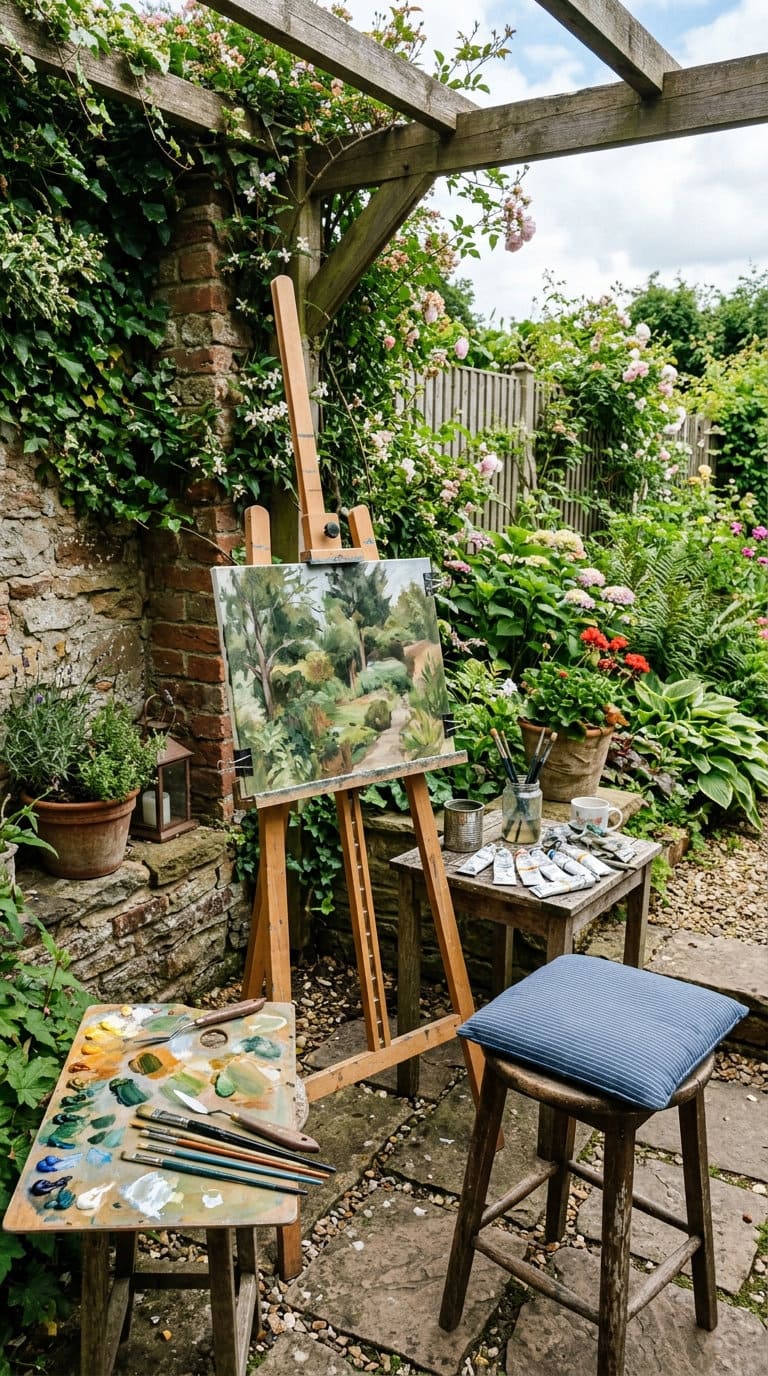
An outdoor easel setup or a simple craft table near natural light works well in a side yard specifically because the enclosed feel (walls on two sides) blocks wind better than an open backyard spot would. Weatherproof storage nearby, per idea 5, keeps supplies dry between sessions.
24. Bird Sanctuary
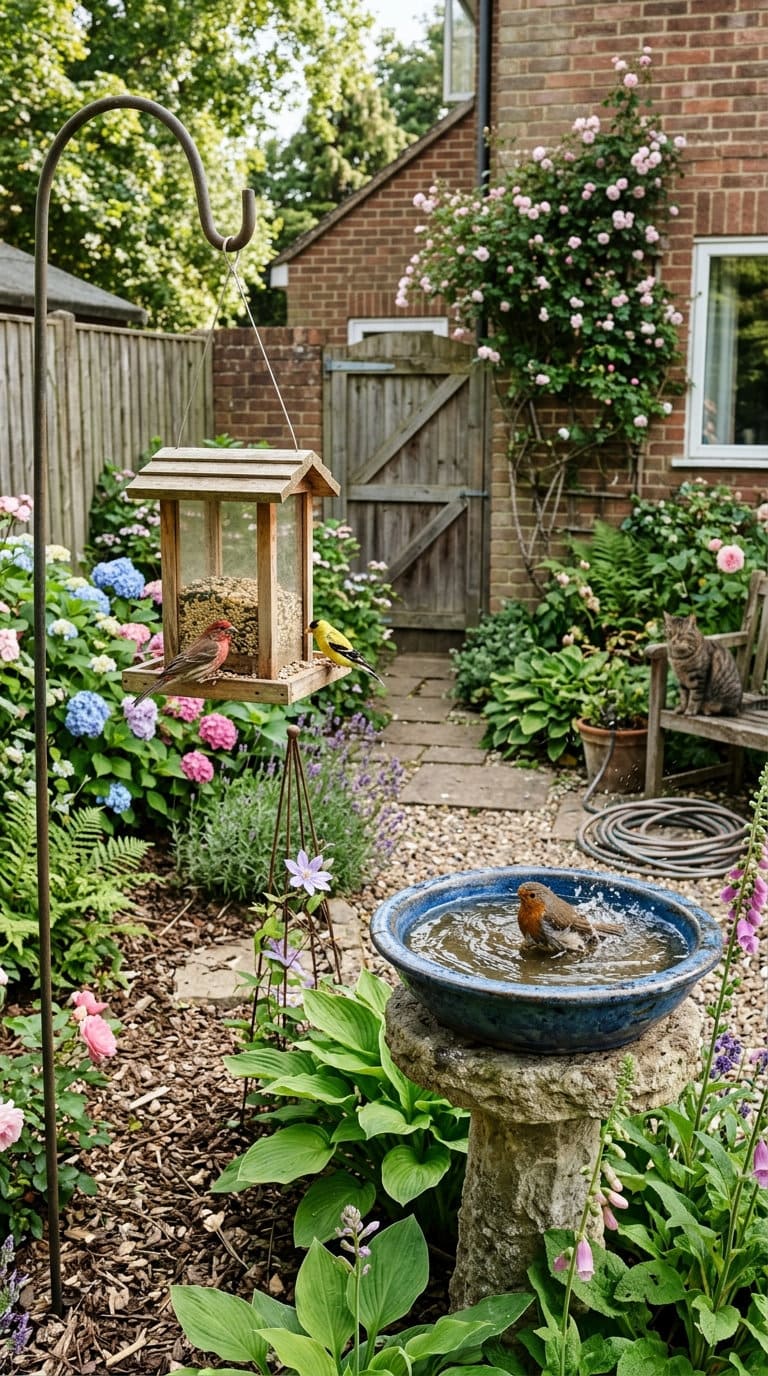
A few feeders, a small birdbath, and native flowering plants turn a side yard into genuine bird habitat, and the narrow, enclosed shape actually works in birds’ favor since it feels more sheltered than an open yard. Keep feeders away from the direct through-path so foot traffic doesn’t constantly scare birds off.
25. Salad Box
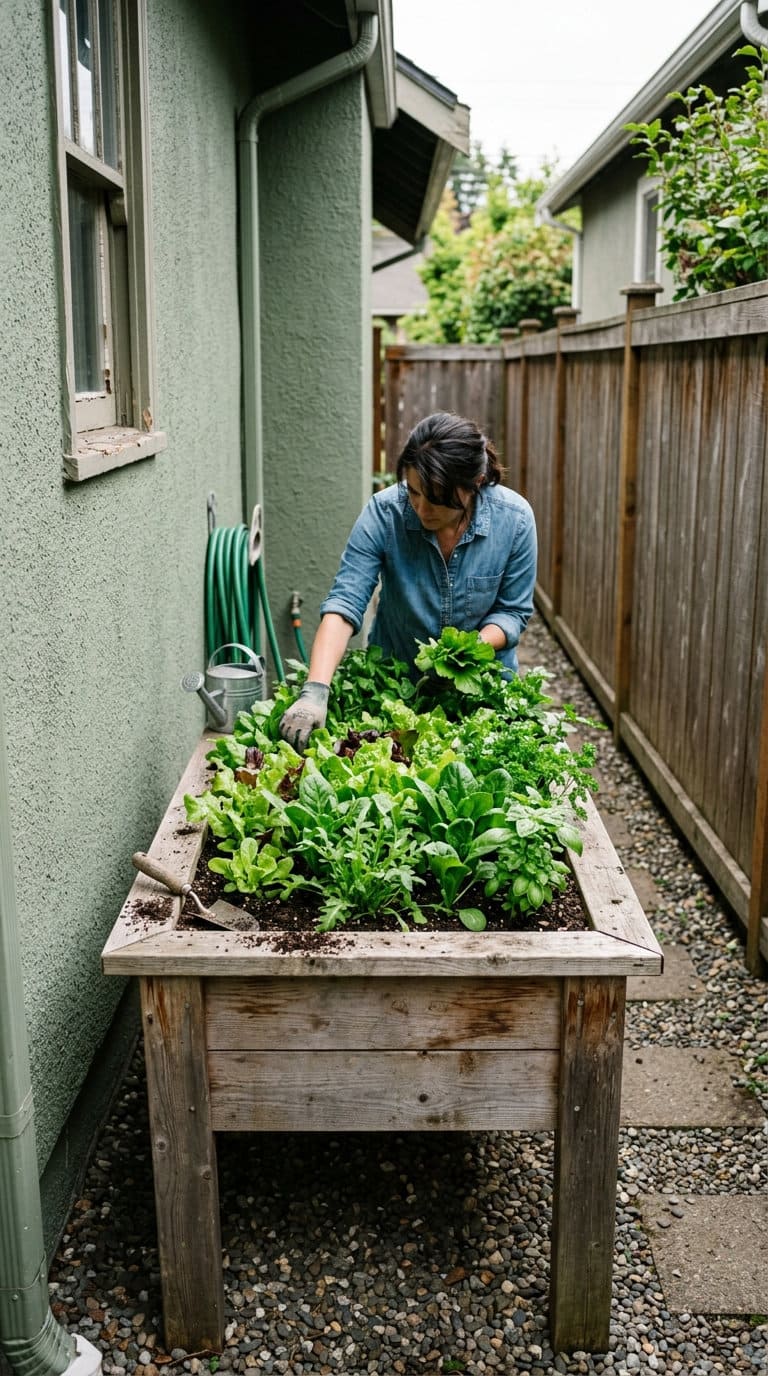
A single raised planter box sized to the available width grows a genuinely useful amount of salad greens and herbs without needing a full garden bed.
This is a good fit for a side yard too narrow for idea 12’s larger spice garden but wide enough for one 2-foot-wide box.
26. Eco-Friendly Space
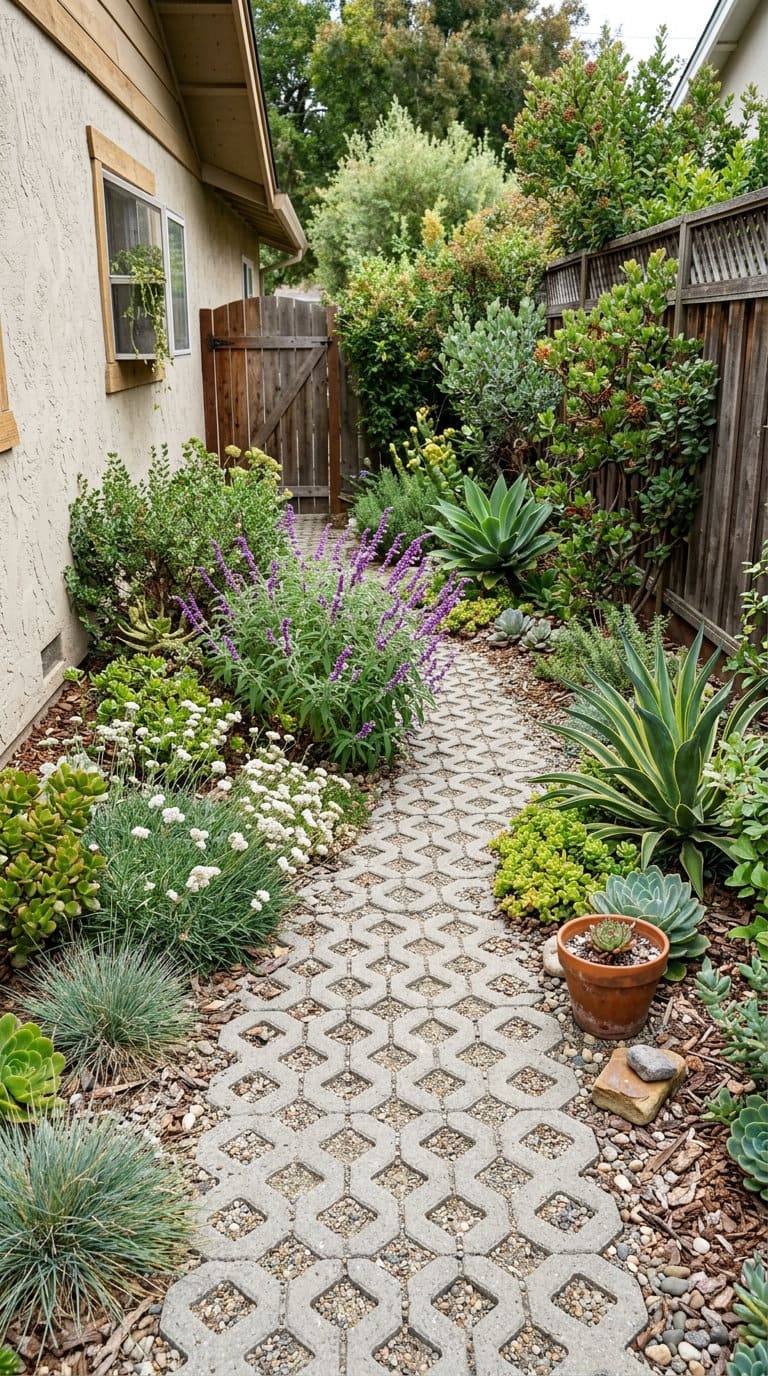
Native, drought-tolerant plants paired with permeable paving (gravel, permeable pavers, or a planted groundcover path instead of solid concrete) reduce water use and help with the drainage concerns from section 1 at the same time, a genuinely dual-purpose choice rather than eco-friendly for its own sake.
27. Scented Walk
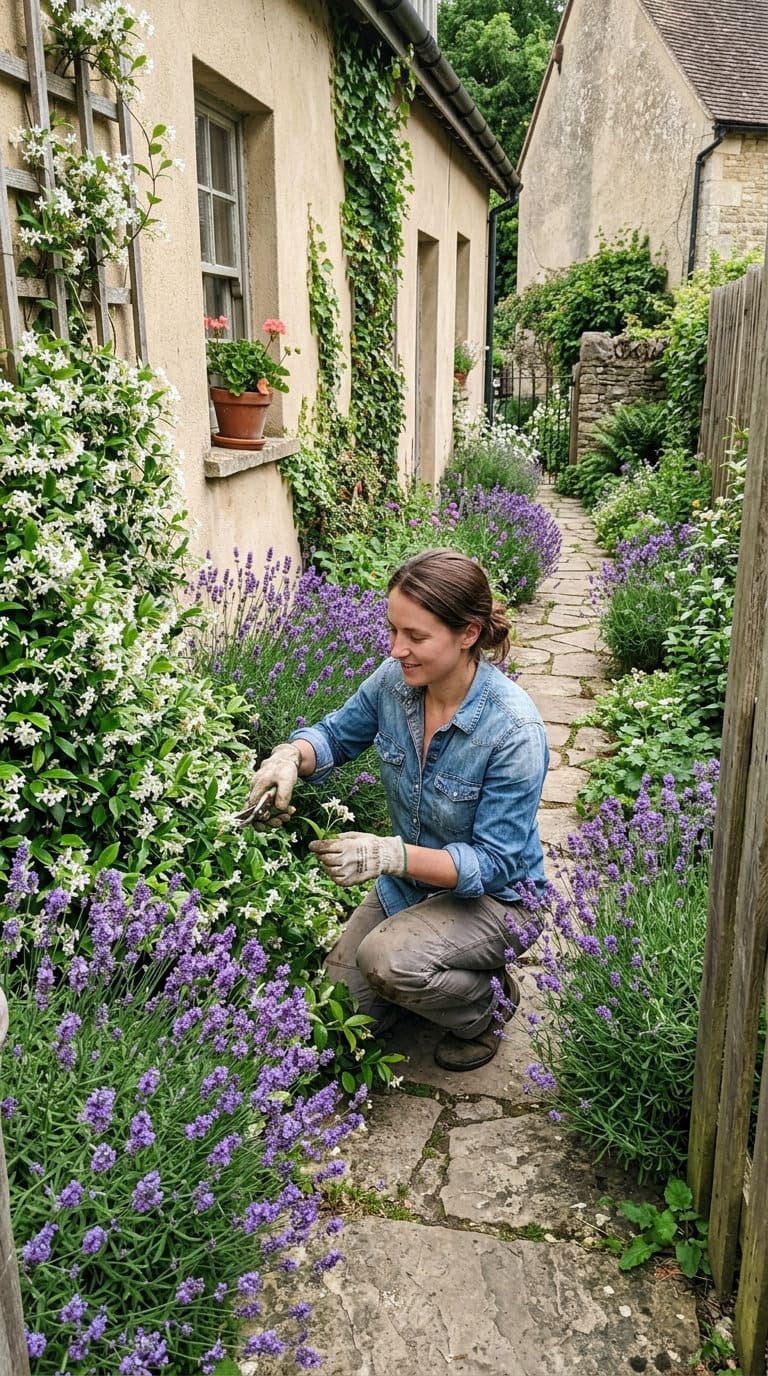
Fragrant plants, jasmine, lavender, rosemary, planted along the path specifically (not just anywhere in the yard) means the scent actually reaches you as you walk through rather than drifting away in open air, a real advantage of a side yard’s narrow, enclosed shape.
28. Lattice with Vines
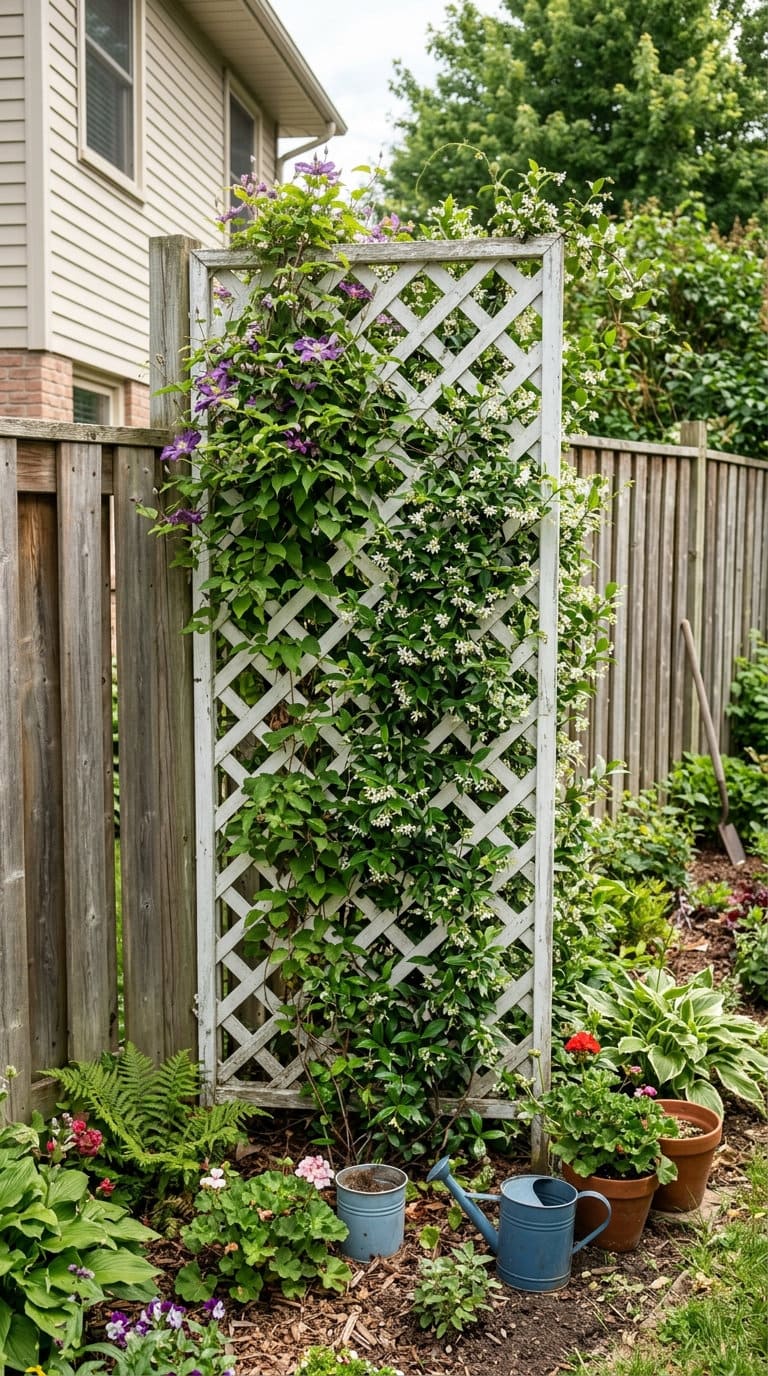
A lattice panel mounted against a fence or wall with a climbing vine, clematis, climbing rose, or a fast-growing annual vine for quicker results, adds green coverage and softens a hard surface without needing ground space beyond the lattice’s footprint.
Check the vine’s mature weight against the lattice’s rating, a heavy, mature vine can pull a flimsy lattice panel down.
29. Meditation Garden
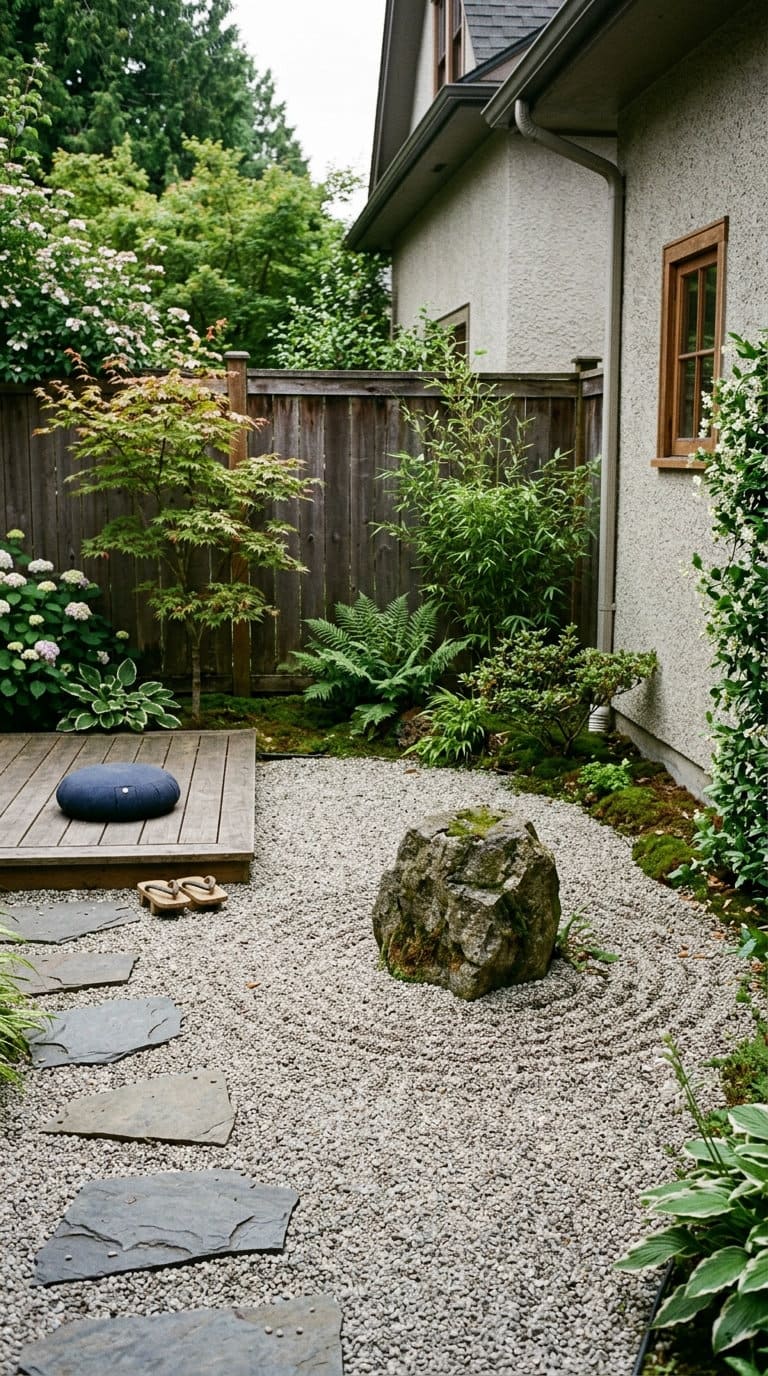
A small gravel or sand zen-style area with a single stone feature and minimal planting gives a side yard a genuinely calm, uncluttered focal point, and the narrow, enclosed shape of most side yards actually suits this style better than an open backyard would. Keep the palette restrained, one or two materials, per the article’s own smaller-space logic.
30. Holiday Decor Zone
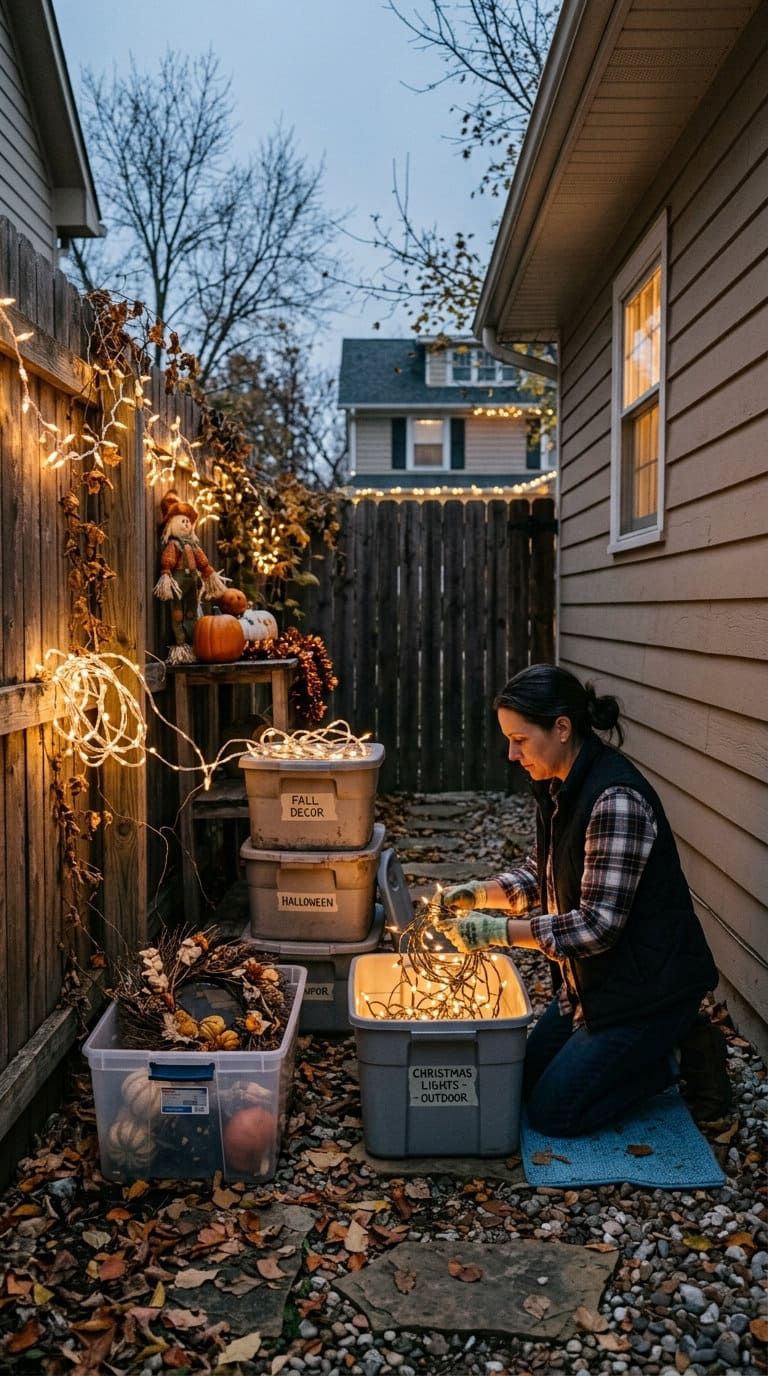
Designating one side yard section specifically for holiday storage and staging, string lights on a timer, a spot for the inflatable decorations between seasons, keeps holiday clutter contained and out of the main yard. Weatherproof storage from idea 5 pairs naturally with this for off-season decoration storage.
A few more things worth planning around
For more path and walkway material options beyond what’s covered above, garden path ideas has more variations. If the vertical garden idea appealed to you, vertical garden ideas goes deeper. For the privacy screen idea, DIY fence ideas covers more construction options, and for the dog run specifically, dog fence ideas and dog potty area ideas both have more detail. If drainage is a real concern in your side yard, drainage ideas for sloped yards and how to fix a muddy backyard both go further than section 1 does here. For the eco-friendly idea, xeriscape gardening ideas is worth a look. And if your side yard includes a blank garage wall specifically, side yard landscaping ideas for a garage wall covers that particular surface in more depth.
FAQ
How wide does a side yard path need to be?
A wheelbarrow needs roughly 2.5 to 3 feet of clearance on a straight run. Single-file walking works at around 2 feet minimum, and 4 feet lets two people walk side by side. Measure the actual space before finalizing any design, a plan that looks fine on paper can be unbuildable at true width.
Can I build near my gas meter or electrical panel?
Generally no, not without meeting real clearance requirements. Gas meters commonly need 3 feet of unobstructed working space, and electrical panels need roughly 3 feet of clear working depth under NEC 110.26. These figures vary by jurisdiction, confirm with your local utility or building department before building anything permanent nearby.
Why does my side yard flood more than my backyard?
Two roof lines drain toward one narrow channel between the houses, concentrating runoff that a wider open yard would naturally disperse. Landscape architect Navid Mostatabi points to fully paved side yards with poor drainage design as a common cause. Proper grading, a French drain, or a planted swale are the real fixes.
Conclusion
Your side yard is more than just a passage between the front and back since it’s a blank canvas that can serve a surprising number of functions. Whether you’re dreaming of a peaceful garden path, a hidden retreat, or a practical storage solution, the key is thoughtful design.
Working with the natural shape of the space and layering elements vertically or along the edges helps unlock its full potential.
If this article helped you, leave a comment below and make sure to share it with friends!
Never miss an update — choose FarmFoodFamily as your preferred source on Google.
How it works: Tap the button below to open Google's settings page, then check the box next to FarmFoodFamily.
Tap the checkbox to turn it blue — that's how you know it's set.