Do You Need to Feed Your Soil in Winter?
Your soil doesn’t need a bag of fertilizer in winter, it needs a cover crop, and skipping that one cheap step is why so many gardens start spring already behind.

Never miss an update — choose FarmFoodFamily as your preferred source on Google.
How it works: Tap the button below to open Google’s settings page, then check the box next to FarmFoodFamily.
Tap the checkbox to turn it blue — that’s how you know it’s set.
Short answer: no, don’t fertilize bare, dormant garden soil in winter, whether it’s a vegetable bed or one of the evergreen-anchored beds that stay visible through the cold months.
Longer answer: that doesn’t mean winter soil care is optional, it just means fertilizer isn’t the tool for the job right now.
Plant roots that aren’t actively growing can’t use added nutrients, so fertilizer applied to empty, dormant beds mostly just sits there until winter rain or snowmelt washes it away, which wastes money and can even contribute to runoff problems.
The soil still needs attention over winter, just a different kind than a fertilizer bag provides.
Should You Fertilize Dormant Garden Soil?
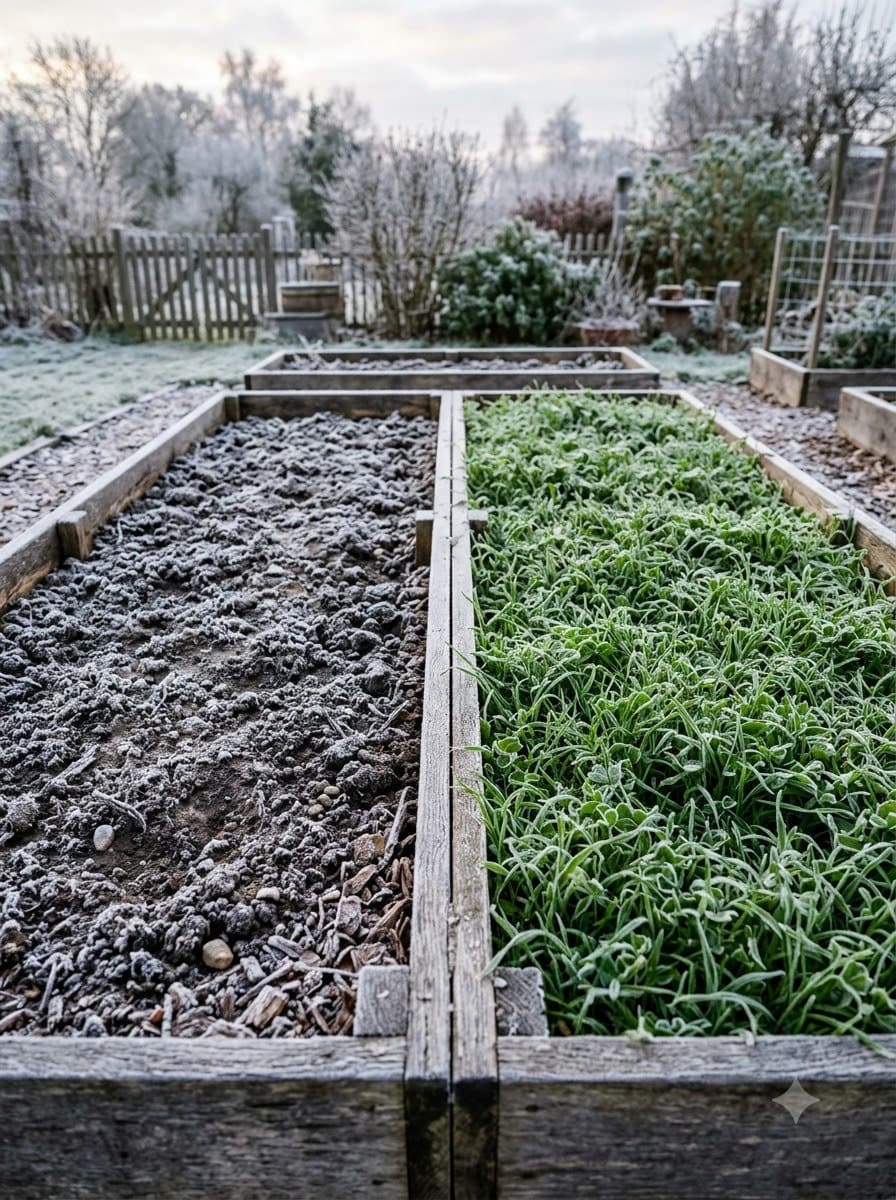
No, not for bare, dormant vegetable or ornamental beds with nothing actively growing in them.
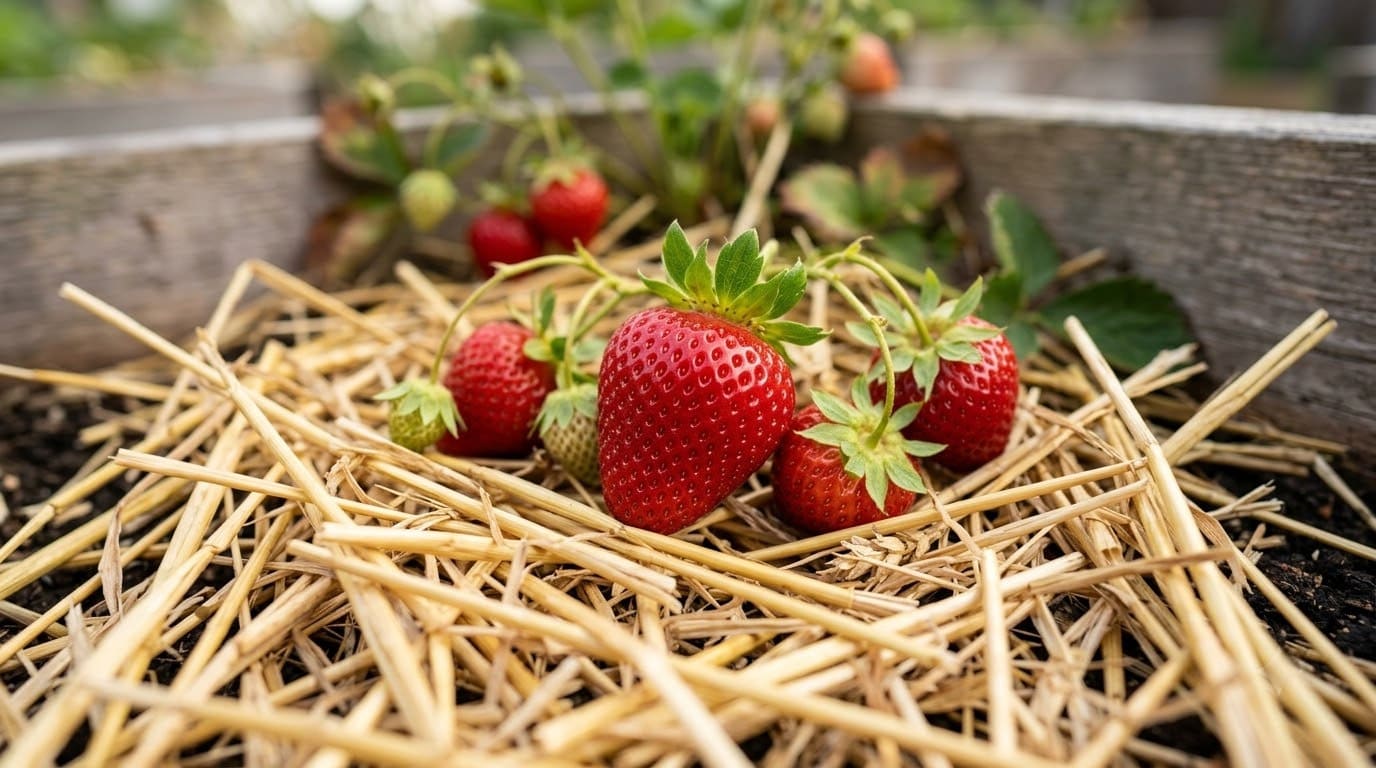
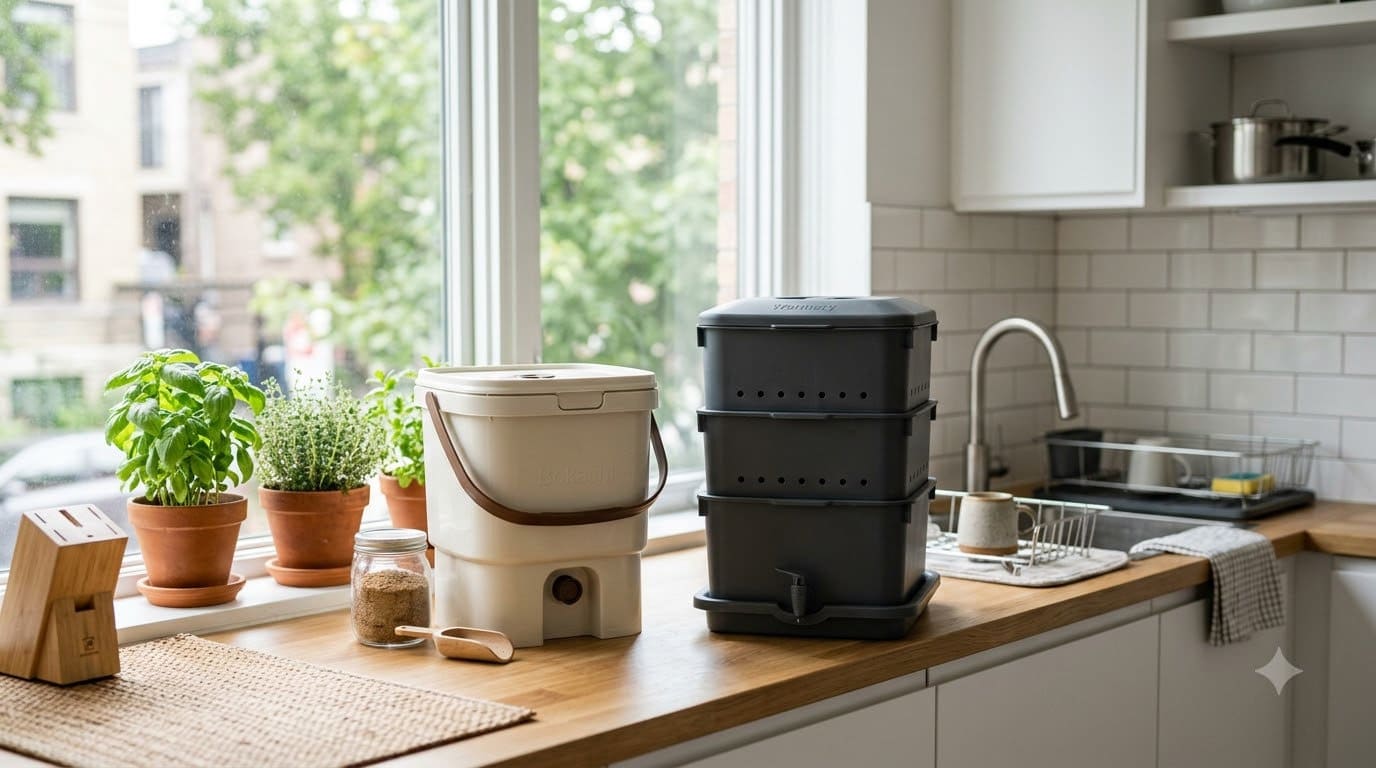
Without active root growth pulling nutrients in, added fertilizer has nowhere to go, and it either leaches away with winter precipitation before spring planting even starts, or sits on the soil surface doing essentially nothing useful.
Answer 4 quick questions and get matched to the exact fix for your yard — drainage, budget, layout, or something else entirely.
Take the Free QuizThis is different from a cool-season lawn, where grass roots stay modestly active into early winter and can genuinely use a late-season feeding, but for a typical vegetable garden bed or flower border that’s gone fully dormant, fertilizing now is close to pouring money onto frozen ground.
The better move, according to University of Maryland Extension, is planting a fall cover crop instead, which protects and actually builds soil fertility over winter in a way a fertilizer application on empty ground simply can’t.
The same logic applies to the beds you’d normally work through a real feeding schedule during the growing season: once that active growth stops for the year, the schedule stops too, and cover crops take over as the season’s soil-care tool instead.
The Real Winter Move: Cover Crops Instead of Fertilizer
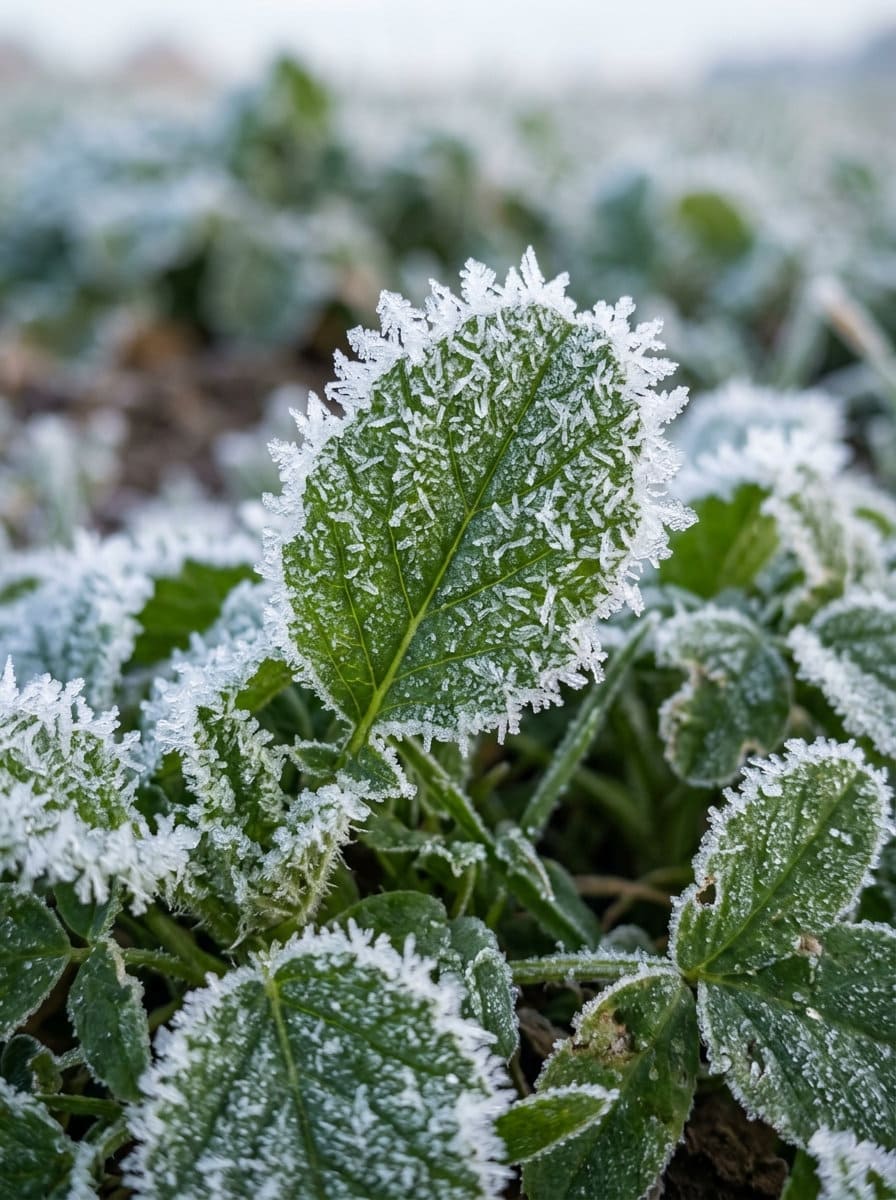
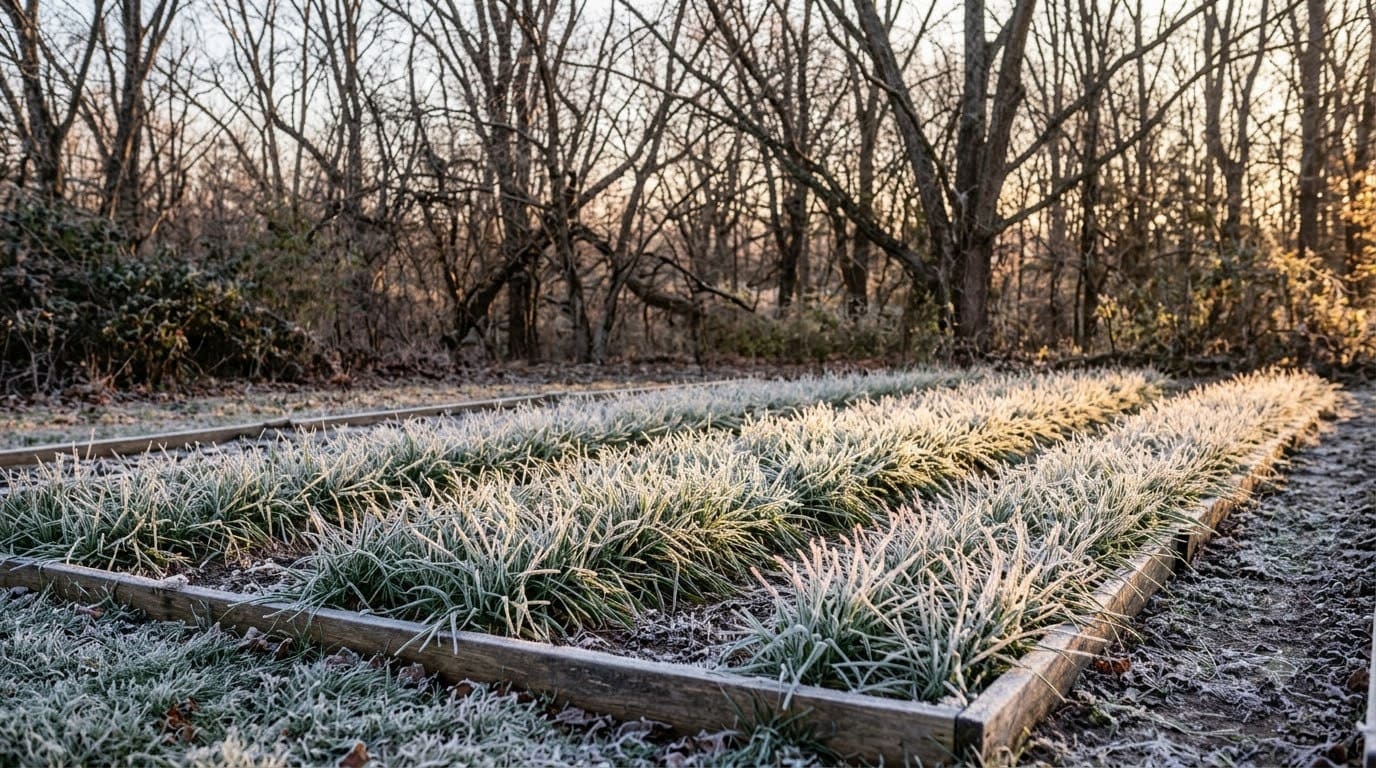
Cover crops do what winter fertilizer can’t: their root systems physically hold soil in place against erosion, pull up nutrients from deeper in the profile before they can leach away, and in the case of legumes like crimson clover and hairy vetch, actually fix new nitrogen into the soil for free.
Plant fall cover crops between roughly August 15 and October 10, depending on your first frost date, giving them enough time to establish before hard freezes set in.
Winter rye, winter wheat, and the nitrogen-fixing legumes typically go semi-dormant through the coldest months and resume growth in spring, while oats and daikon radish are true winter-kill crops, they die at the first hard frost and leave a protective mat of decomposing residue instead.
| Winter soil approach | What it actually does | Real cost/effort |
|---|---|---|
| Bare soil, no fertilizer, no cover crop | Nothing protective happens, soil is exposed to erosion and nutrients slowly leach away | No cost, but a missed opportunity |
| Bare soil, fertilized | Fertilizer mostly leaches away unused since no roots are actively taking it up | Wasted money, minimal benefit |
| Fall-planted cover crop | Roots hold soil, pull up and store nutrients, legumes add new nitrogen, residue feeds spring soil when turned under | Low cost (a bag of seed), moderate effort to plant and later turn under |
Turn the cover crop under in late April or early May, before it sets seed, and that biomass becomes the organic matter your spring beds actually benefit from, essentially banking this winter’s soil care for next season’s planting, and giving frost-sensitive plants nearby a head start alongside the season’s broader frost-protection routine.
Most yard problems trace back to one specific, fixable cause. Find yours in 4 quick questions.
Take the Free Quiz
A cold-hardy, non-GMO cover crop seed suited to the fall planting window discussed here, protects and builds soil over winter instead of leaving it bare
Shop NowThis post contains affiliate links. We may earn a commission on qualifying purchases at no extra cost to you.
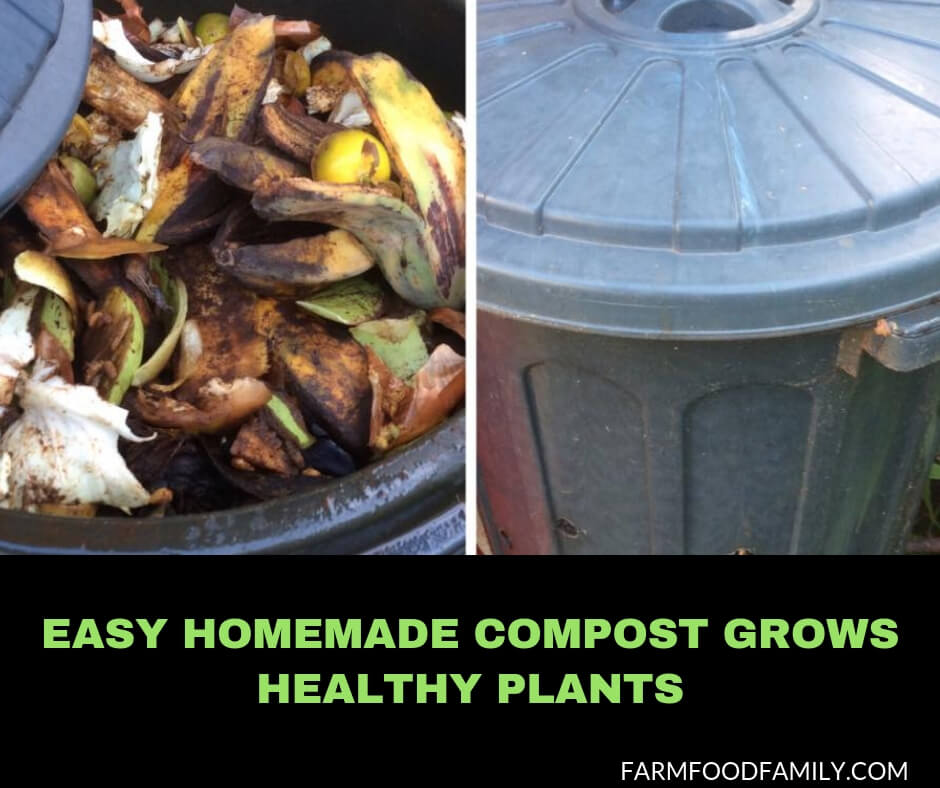
Is Your Compost Pile “Dead” for the Winter?
No, but it does slow down, and understanding why keeps you from either giving up on it or expecting too much from it.
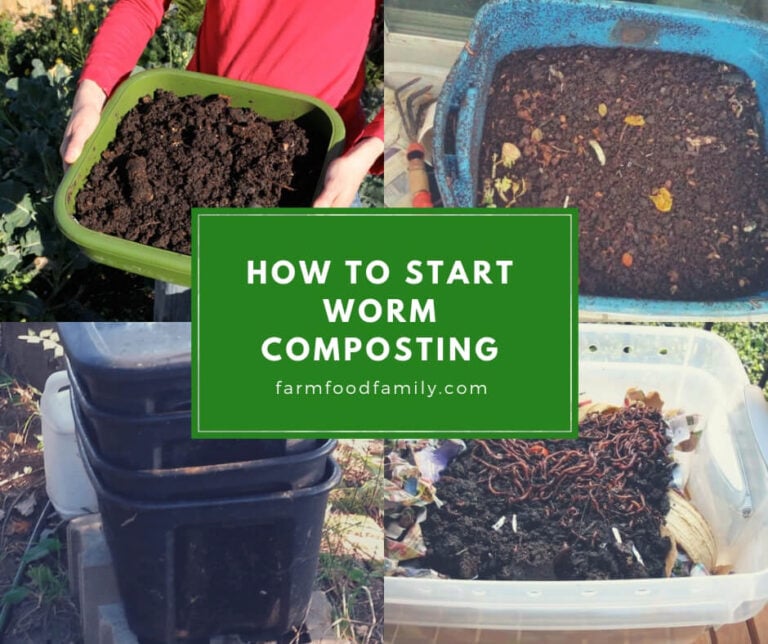
Compost microbes are most active in the roughly 70 to 140°F range, per Colorado State University Extension, and as outdoor temperatures drop, that activity slows along with them, it doesn’t stop entirely.
Pile size matters more than most people realize here: a properly built pile around 5 feet by 5 feet generates enough internal heat from ongoing microbial activity to keep working through a real winter, while a smaller, undersized pile cools off fast and effectively pauses until spring warms it back up.
If your pile has gone quiet over winter, that’s very likely a size and insulation issue, not something wrong with the material itself, and it’ll pick back up once temperatures rise, no rescue fertilizer or additive required.
If you’re building a new pile from scratch heading into fall, starting it with the right ratio of materials from day one makes it far more likely to hold enough heat to keep working through the cold months ahead.
What to Actually Do With Your Soil Right Now
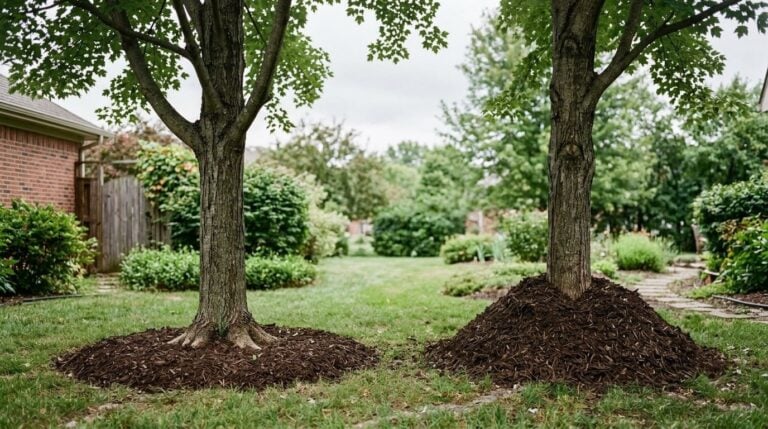
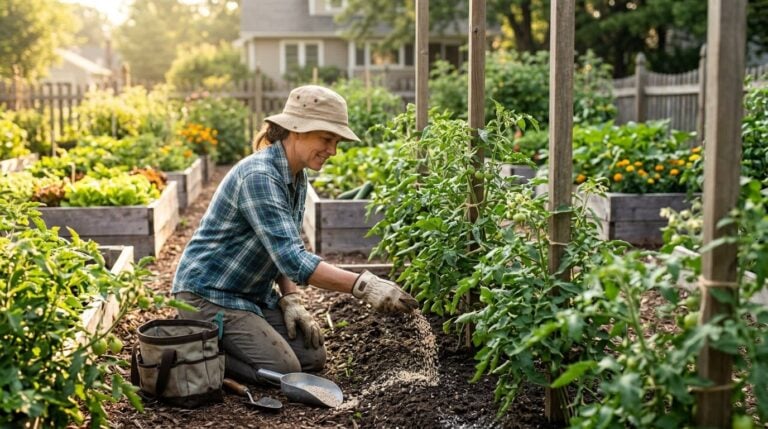
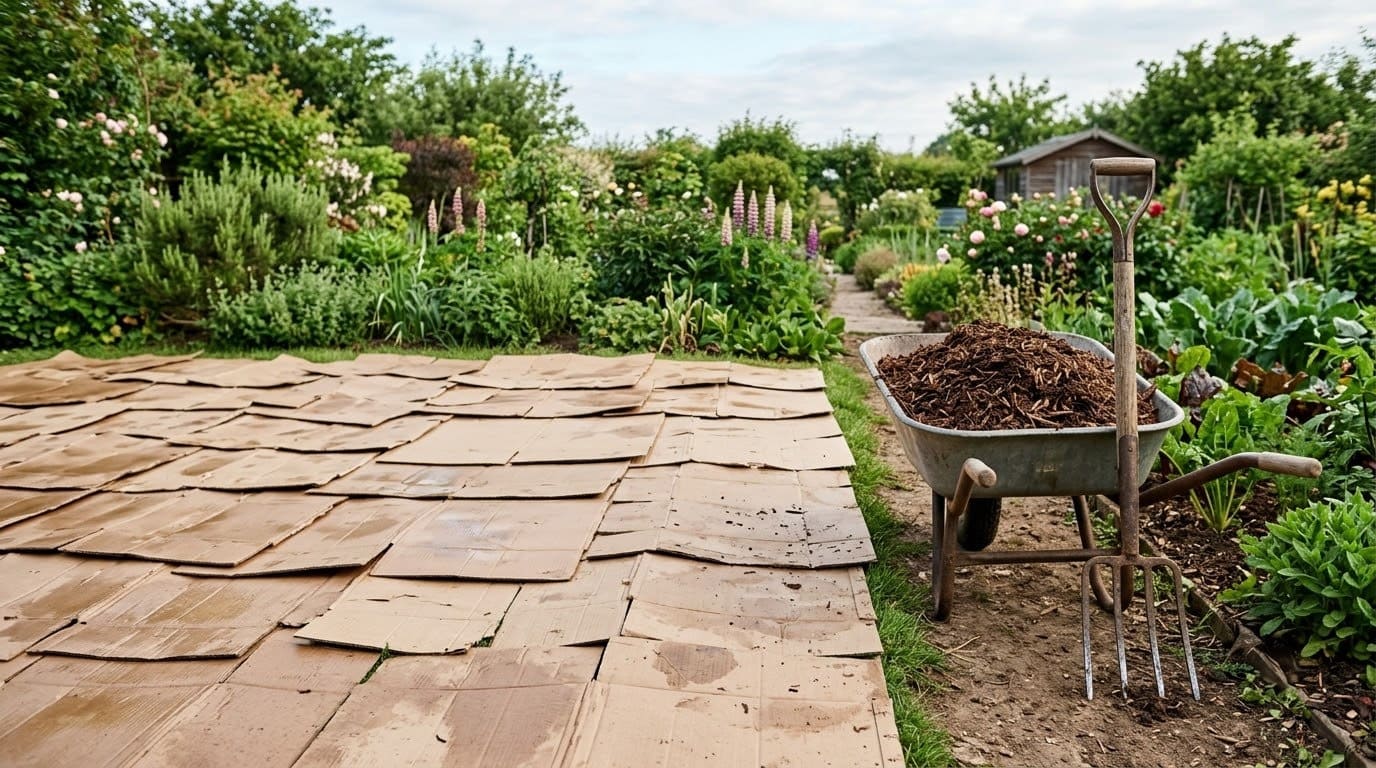
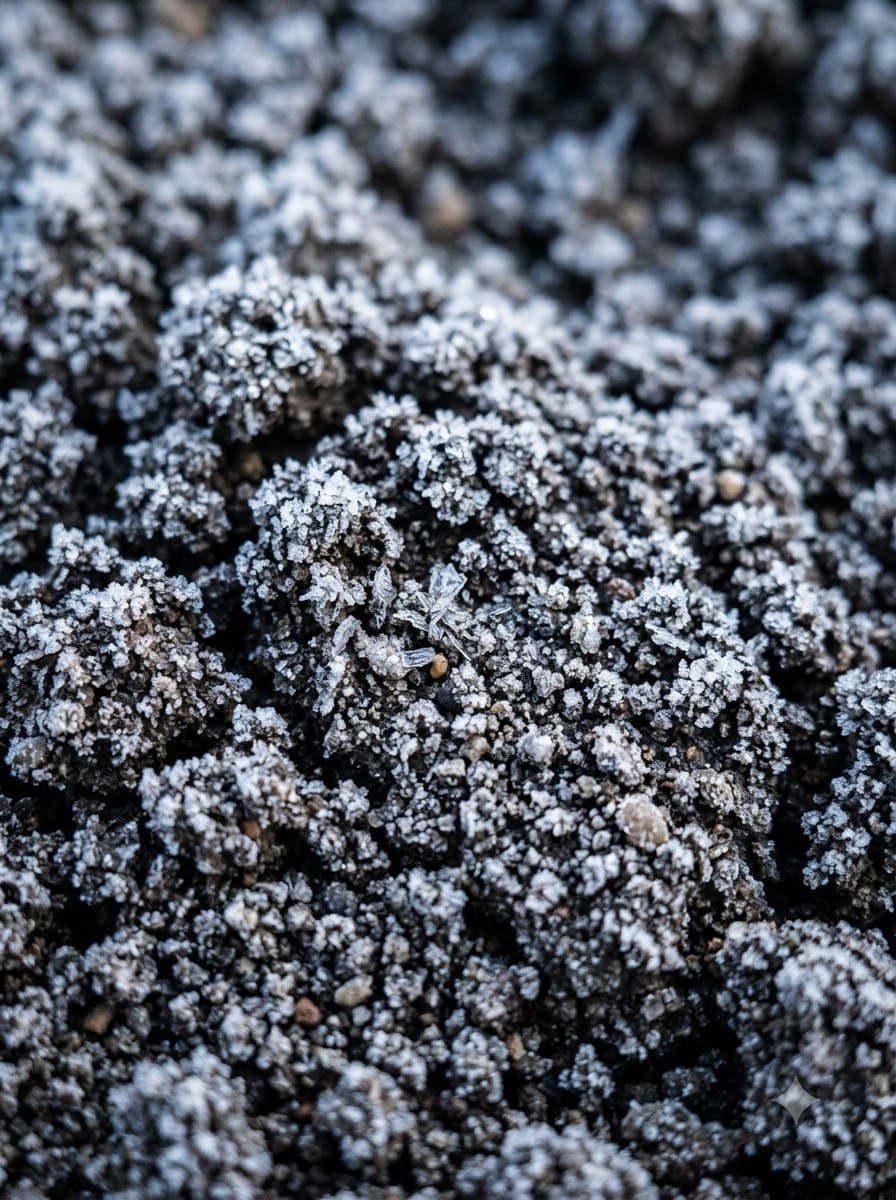
If a bed is empty and dormant for the winter, skip the fertilizer and plant a fall cover crop instead if you’re still within the planting window, or at minimum add a layer of mulch or straw to protect bare soil from erosion and temperature swings.
If you’re maintaining a seasonal fall garden cleanup routine already, folding a cover crop planting into that same pass is the easiest way to actually get it done instead of it becoming a task you meant to do.
For your compost pile, resist the urge to feed it anything extra to “wake it up,” focus instead on making sure it’s sized well and has decent insulation, and let the season do the rest.
The Year I Fertilized an Empty Bed in December
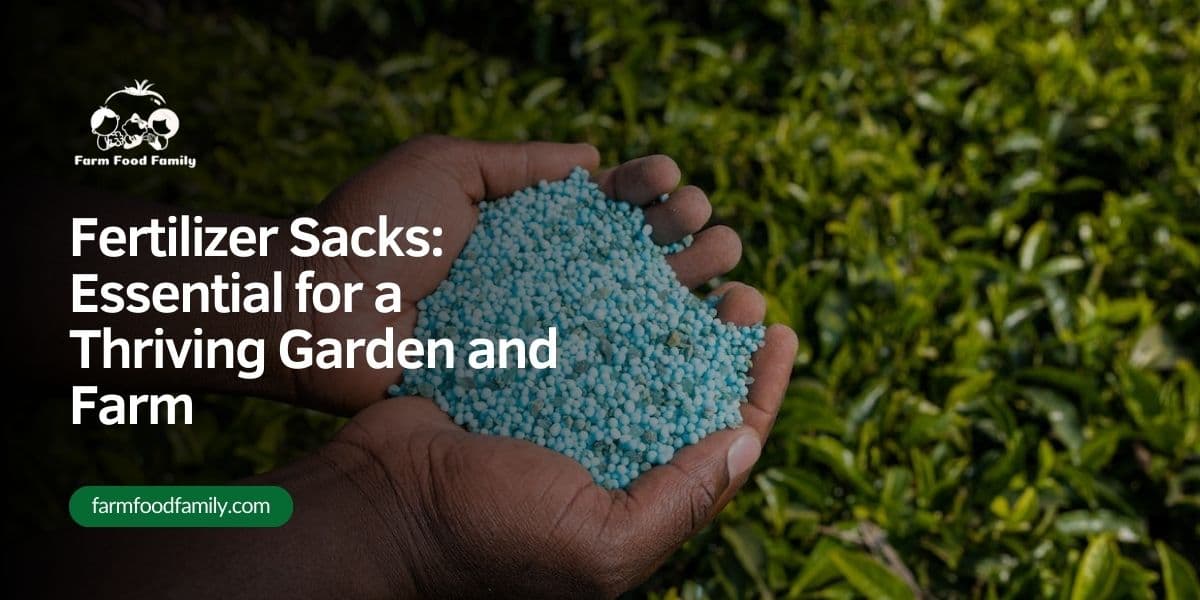
A few winters ago I had a raised bed sitting completely empty after pulling the last of the fall crops, and out of habit I top-dressed it with a granular fertilizer the same way I would before spring planting, figuring it couldn’t hurt to get ahead of the season.
The average homeowner spends $616/year on yard fixes that don't address the real problem. Find out what yours actually is — before you spend another dollar.
Take the Free QuizBy the time I actually planted that bed in April, there was no visible benefit at all, and looking back it’s obvious why: a hard winter of rain and a couple of snowmelts had plenty of time to carry all of that nitrogen straight past the root zone with nothing there to catch it.
The bed two rows over, where I’d actually bothered to plant a cheap bag of winter rye that same fall, told a completely different story by spring.
The soil underneath was visibly darker and looser when I turned the rye under, and that bed’s spring crop noticeably outpaced the one I’d fertilized and left bare.
It’s a hard lesson to actually believe until you see the side-by-side difference yourself, spending money on fertilizer for empty winter soil is close to wasted effort, while spending a fraction of that on cover crop seed does the job fertilizer was supposed to do, and does it better.
FAQs
Should I fertilize my vegetable garden in winter? No, not if the bed is bare and dormant. Without active roots to take up nutrients, fertilizer mostly leaches away with winter rain and snowmelt before it does any good. Plant a fall cover crop instead for real winter soil benefit.
What’s the best thing to do for garden soil over winter? Plant a fall cover crop like winter rye, crimson clover, or hairy vetch between mid-August and early October. It protects soil from erosion, stores nutrients that would otherwise leach away, and in the case of legumes, adds new nitrogen for free.
Does compost still work in winter? Yes, it slows down rather than stopping. Microbes are most active between roughly 70 and 140°F, so cold weather reduces activity, but a properly sized pile (around 5 feet by 5 feet) generates enough internal heat to keep working through winter.
When should I turn a cover crop into the soil? Turn it under in late April or early May, before it sets seed, so the fresh organic matter is ready to benefit your soil right as spring planting begins.
Related Posts
- Harnessing the Power of Cover Crops for Soil Health
- Protecting Your Harvest From Frost in the Garden
- What Is a Winter Garden?
Products We Recommend
This post contains affiliate links. We may earn a commission on qualifying purchases at no extra cost to you.
Mountain Valley Seed Co. No-Till Winter Rye Seeds, 5 lb.
A cold-hardy, non-GMO cover crop seed suited to the fall planting window discussed here, protects and builds soil over winter instead of leaving it bare
Shop Now
Outsidepride Crimson Clover Seeds, 2 lb. (Nitro-Coated)
A legume cover crop option that adds nitrogen to the soil naturally over winter, a real alternative to a fertilizer application on dormant ground
Shop Now
REOTEMP Backyard Pro Compost Thermometer, 24-Inch
Helps confirm whether a compost pile is still active through winter or has cooled and paused, without guessing
Shop NowNever miss an update — choose FarmFoodFamily as your preferred source on Google.
How it works: Tap the button below to open Google's settings page, then check the box next to FarmFoodFamily.
Tap the checkbox to turn it blue — that's how you know it's set.