Hugelkultur Raised Beds: The Genius Trick That Cuts Your Soil Bill in Half
Hugelkultur fills your raised bed with free logs and yard waste instead of bagged soil, as long as you know it needs a nitrogen boost and a top-off every few years.

Never miss an update — choose FarmFoodFamily as your preferred source on Google.
How it works: Tap the button below to open Google’s settings page, then check the box next to FarmFoodFamily.
Tap the checkbox to turn it blue — that’s how you know it’s set.
Quick Answer: What Is the Cheap Raised Bed Trick?
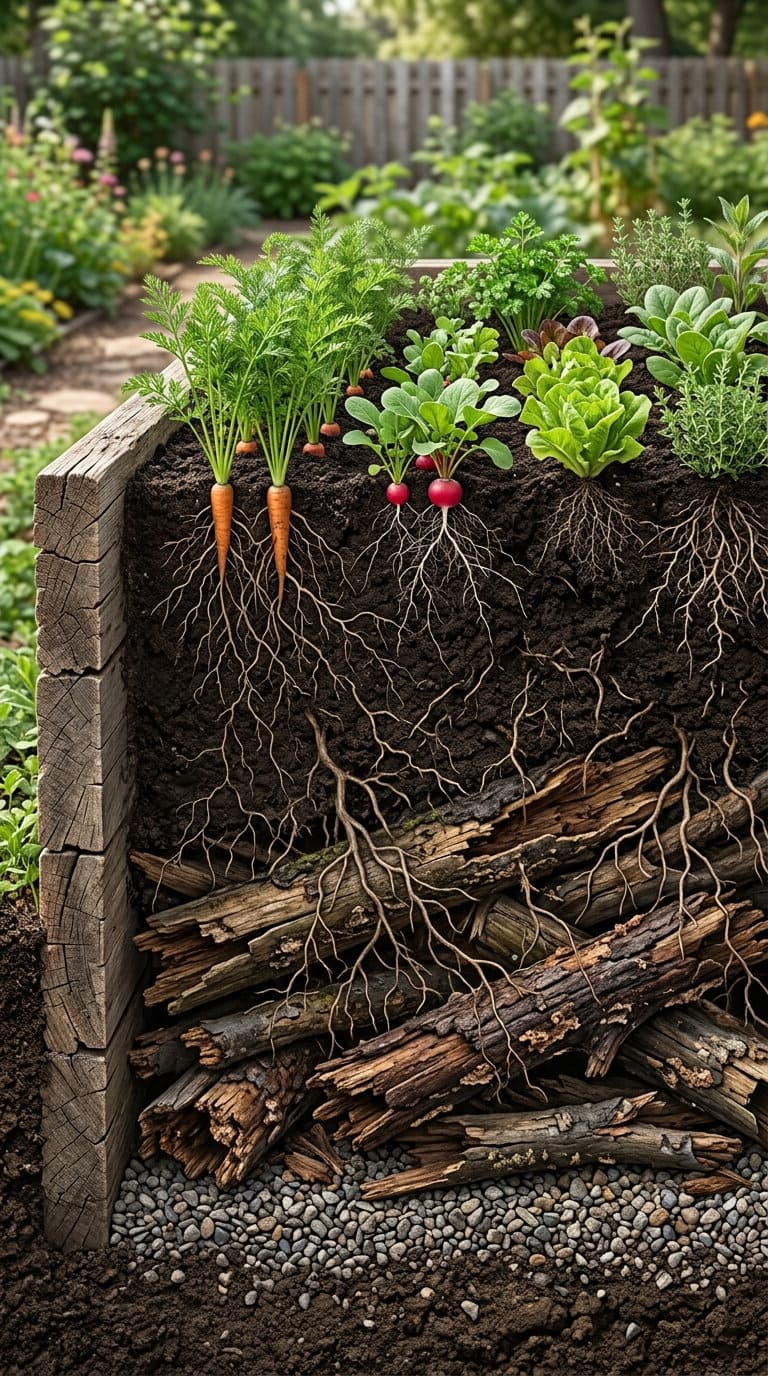
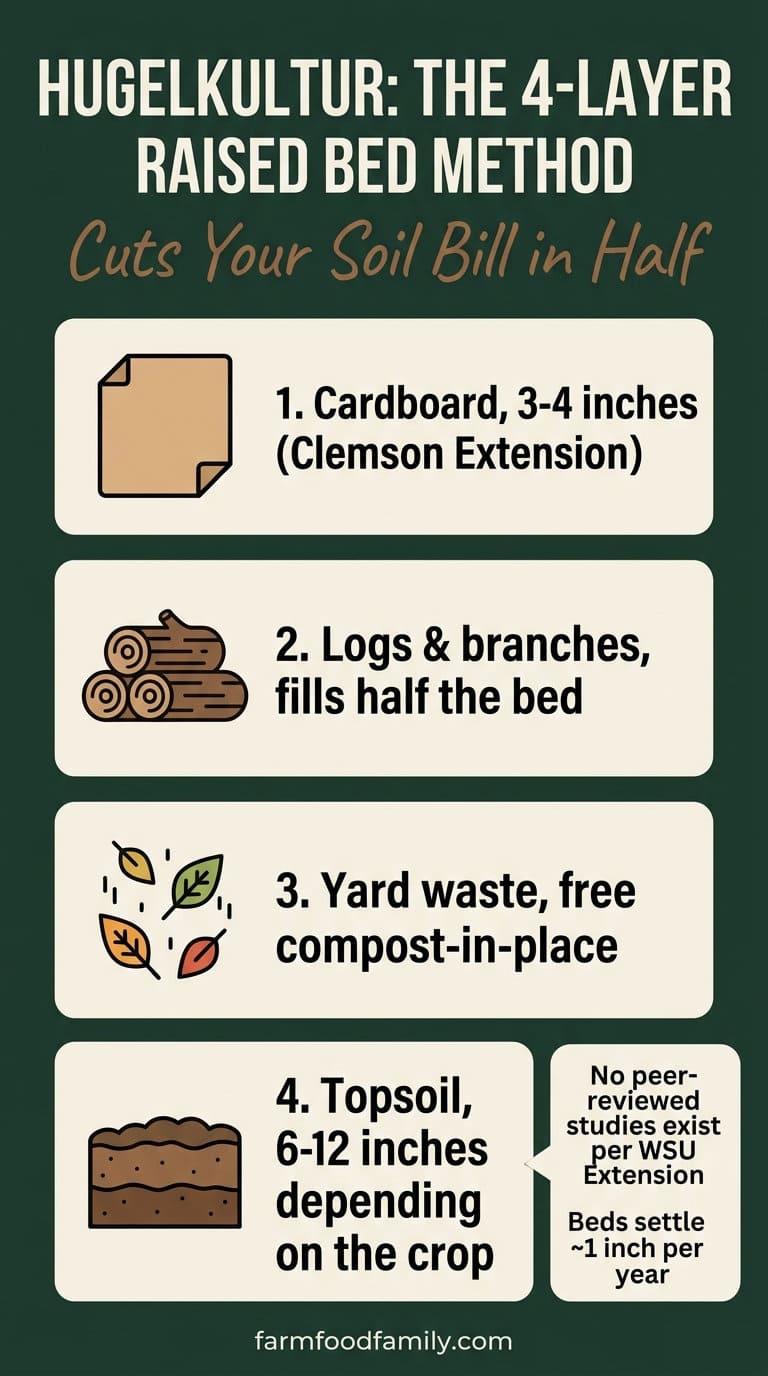
The cheap raised bed trick is called hugelkultur (HOO-gul-kul-tur), a German word meaning “hill culture.” Instead of filling a raised bed entirely with bagged soil, you build it in layers: cardboard on the bottom, then old logs and branches filling about half the volume, then yard waste like leaves and grass clippings, and only the top 6 to 12 inches get real topsoil.
The buried wood works like a sponge. It soaks up water and releases it slowly, so beds need watering less often once the wood softens, typically by the second season. As the wood breaks down over several years, it also feeds the soil above with a steady release of nutrients.
For an 18-inch-deep bed, this can cut the soil bill by more than half, since logs and branches fill roughly half the volume for free. The tradeoff: expect a temporary nitrogen dip in year one, and plan to top off the bed every few years as the buried wood settles and decomposes.
Raised-Bed Hugelkultur vs. the Traditional Mound
Most articles on this technique blur two different things together, so it’s worth separating them before you build.
Traditional hugelkultur is a freestanding mound, sometimes 3 to 6 feet tall, built directly on the ground by piling logs and organic matter into a hill and capping it with soil. This is the version popularized internationally by Austrian farmer Sepp Holzer, who is often credited with recommending a dug trench roughly a foot deep, filled with logs and branches, as the base for the mound.

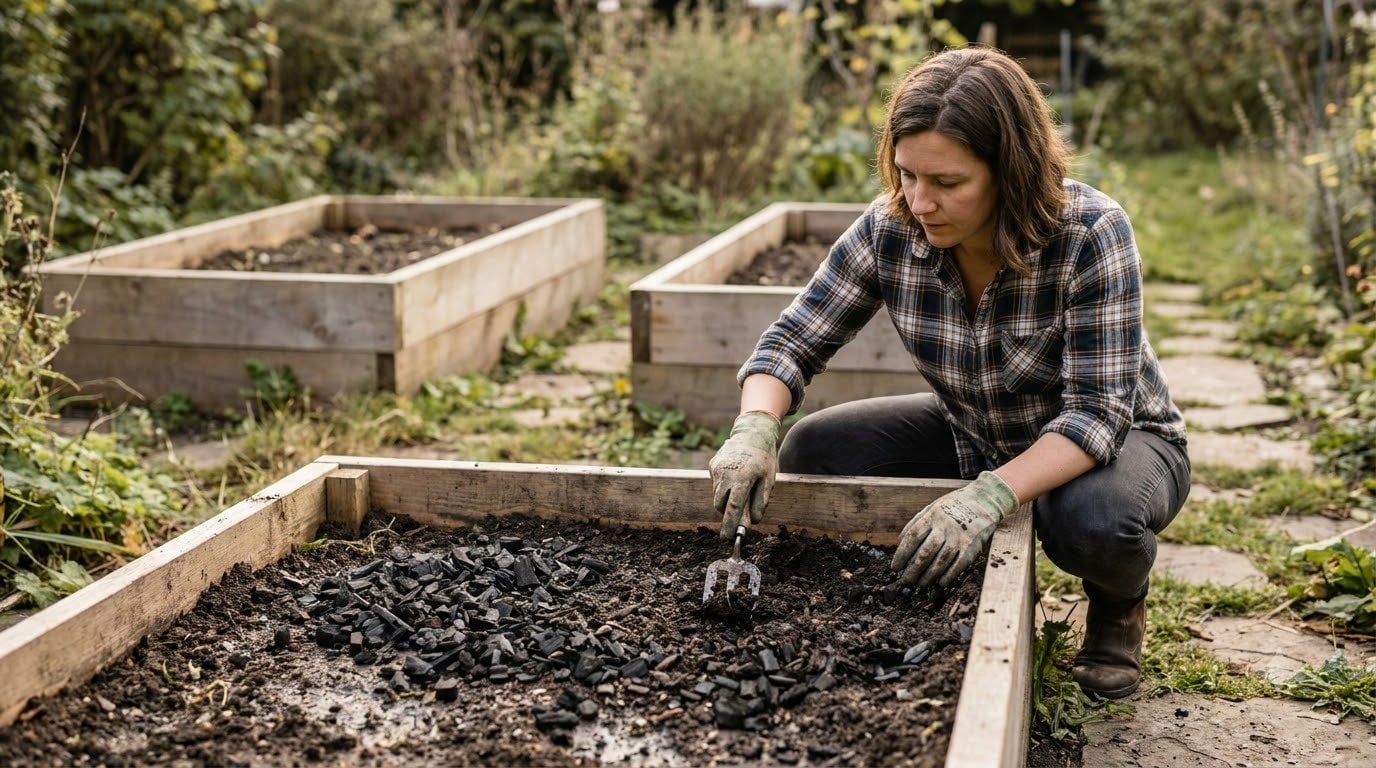
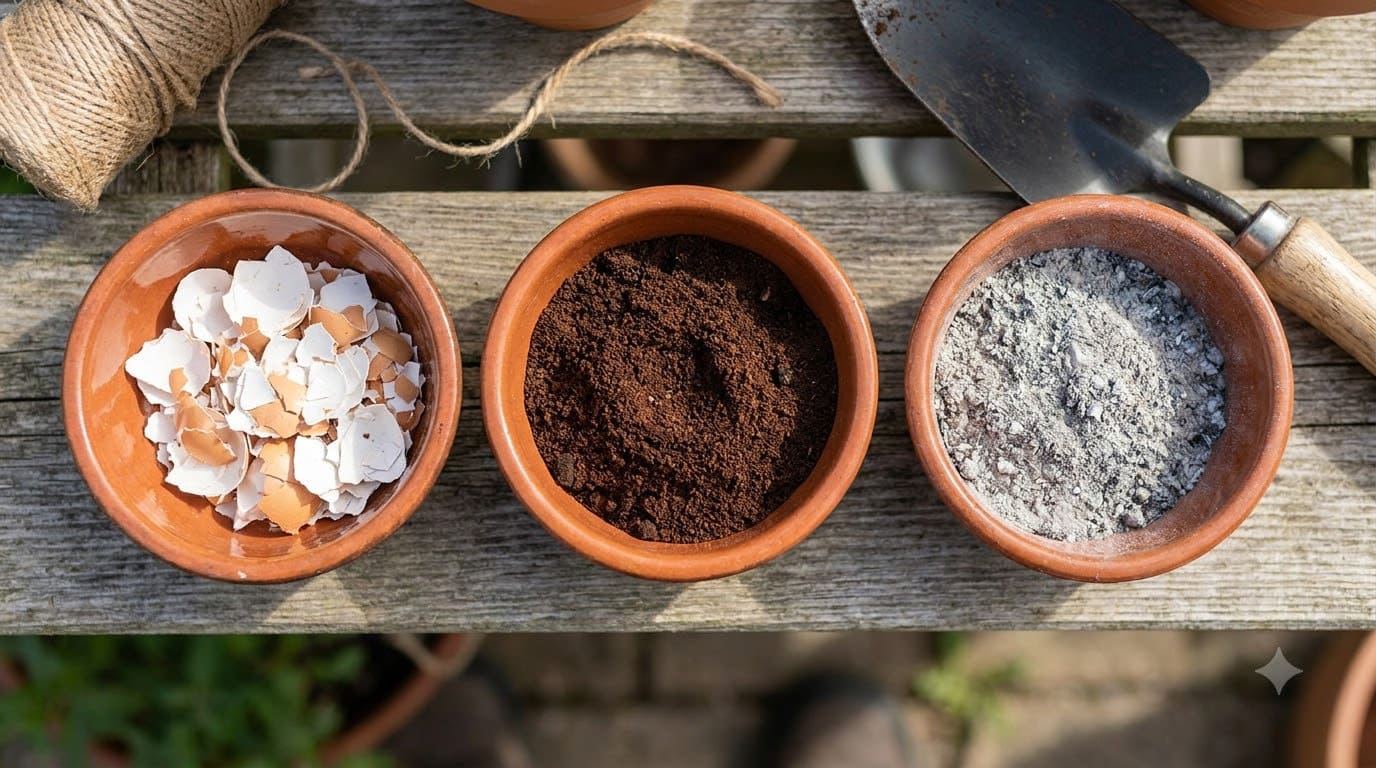
Raised-bed hugelkultur, the version in this guide, adapts that same layering logic to a framed box you already own. It’s shorter, flatter on top, and sized to whatever bed you’re filling, which makes it far more practical for a typical backyard vegetable garden than a 4-foot-tall mound.
Answer 4 quick questions and get matched to the exact fix for your yard — drainage, budget, layout, or something else entirely.
Take the Free Quiz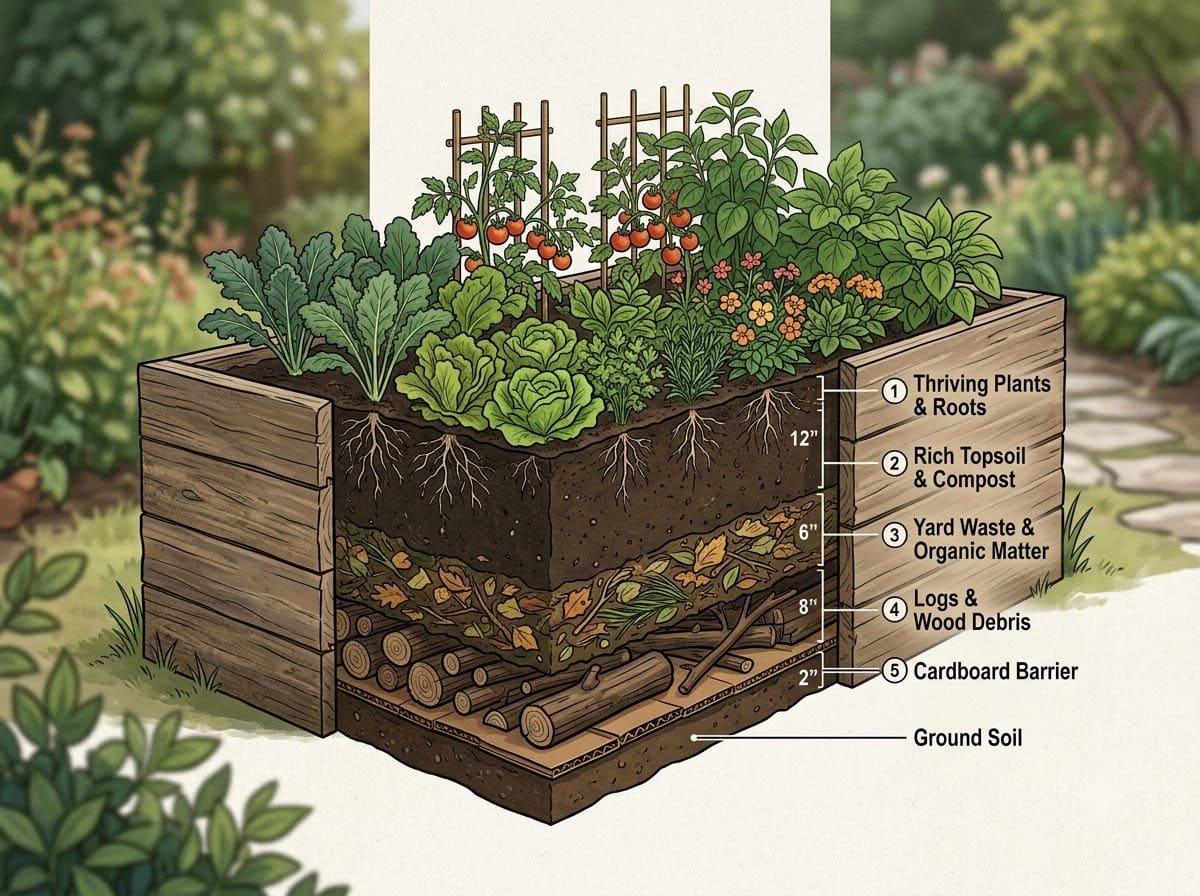
Why Your Raised Bed Doesn’t Need to Be Filled With Soil
Here’s the pain point every new raised-bed gardener runs into: an 18-inch-deep, 4×8-foot bed holds about 43 cubic feet of material. Filled entirely with bagged garden soil, that’s roughly twenty 1.5-cubic-foot bags. At $5 to $8 a bag, that’s $150 to $200 before you’ve planted a single seed.
Plant roots don’t need 18 inches of dense topsoil to thrive. Most vegetables root actively in the top 6 to 12 inches of soil. Below that, a raised bed mainly needs structure and moisture retention to support the root zone above it, which is exactly the gap hugelkultur fills with material you’d otherwise pay to haul away.
The 4-Layer Hugelkultur Method, Step by Step
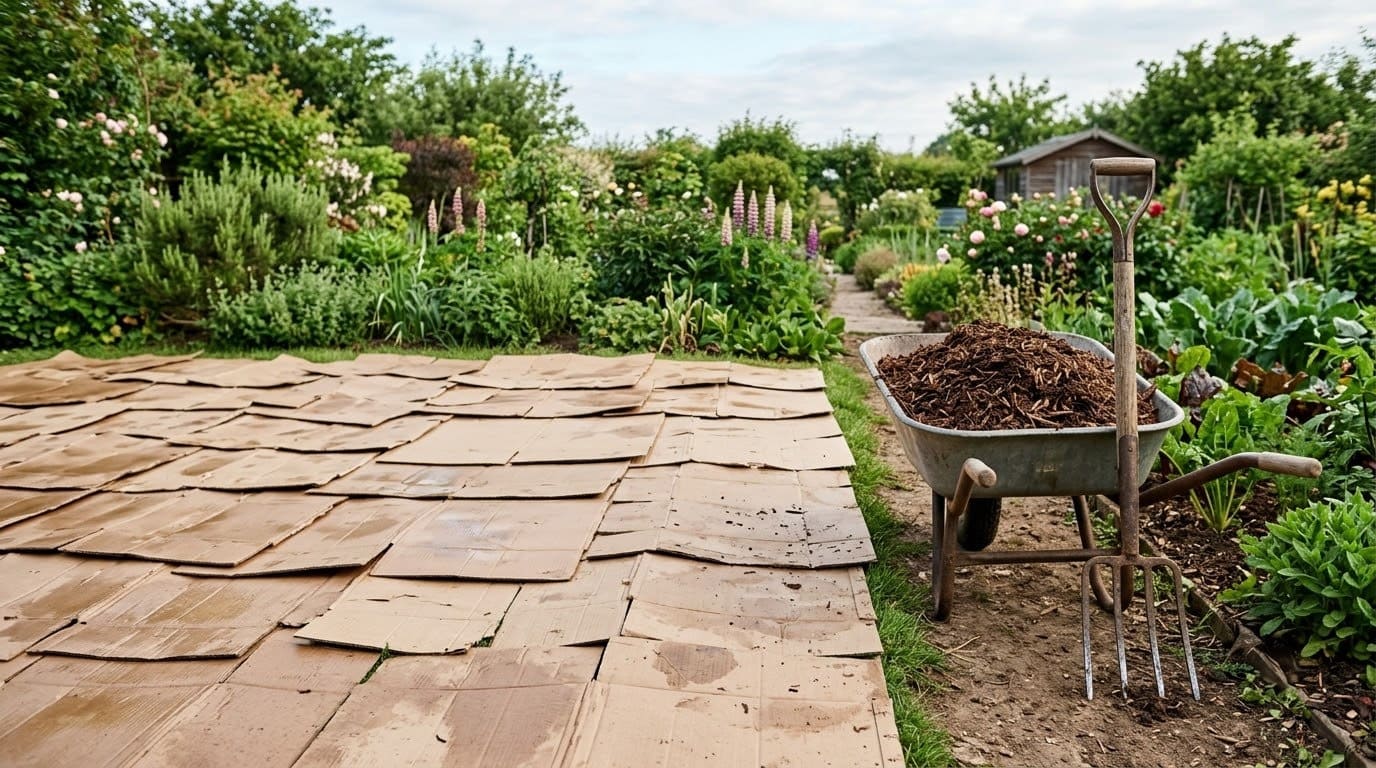
Step 1: Line the Bottom With Cardboard
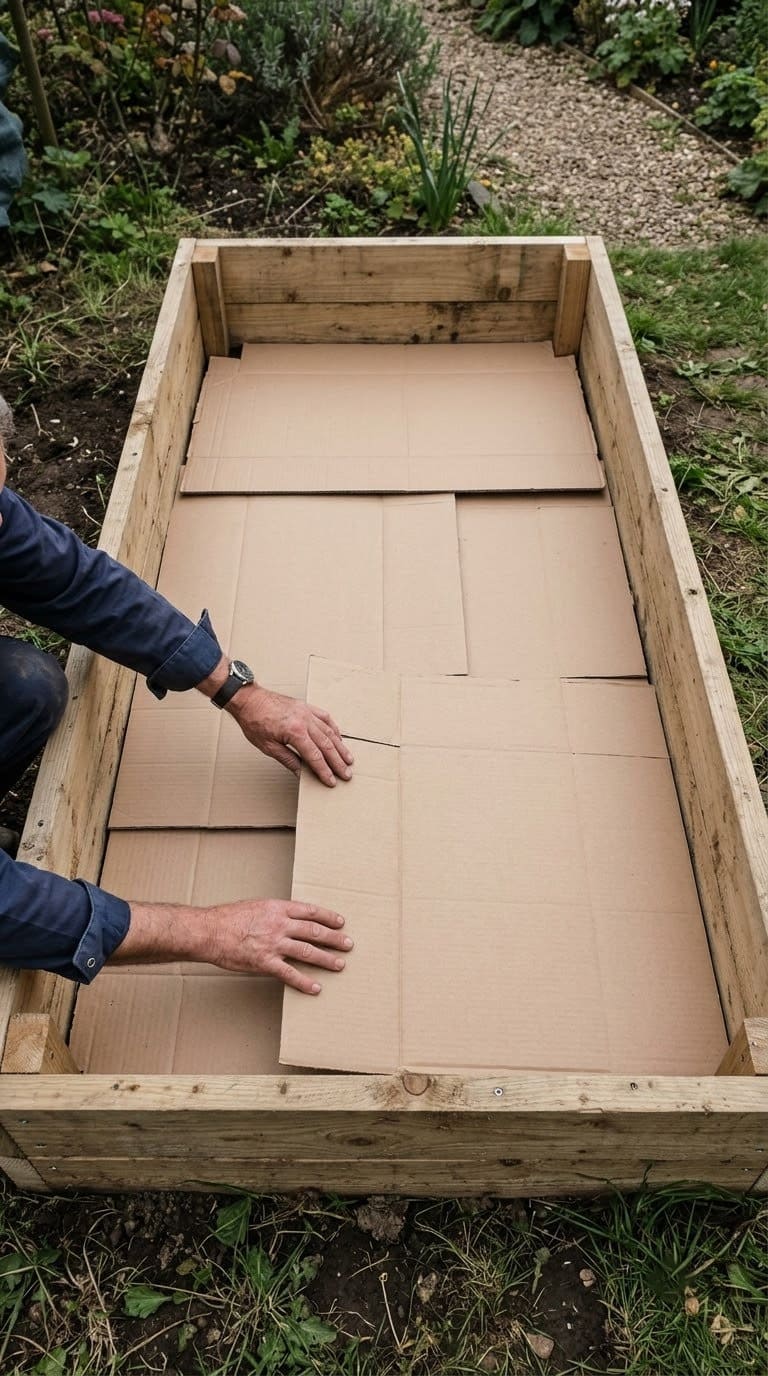
Lay flat, plain cardboard across the entire bottom of your bed, in a layer about 3 to 4 inches thick according to Clemson Cooperative Extension’s Home & Garden Information Center. Skip anything glossy, printed with heavy color, or taped with plastic packing tape, since those don’t break down cleanly.
This layer smothers any grass or weeds trying to grow up from underneath, and as it slowly decomposes, it attracts earthworms that tunnel through and aerate the layers above.
Step 2: Fill the Bottom Half With Logs and Branches
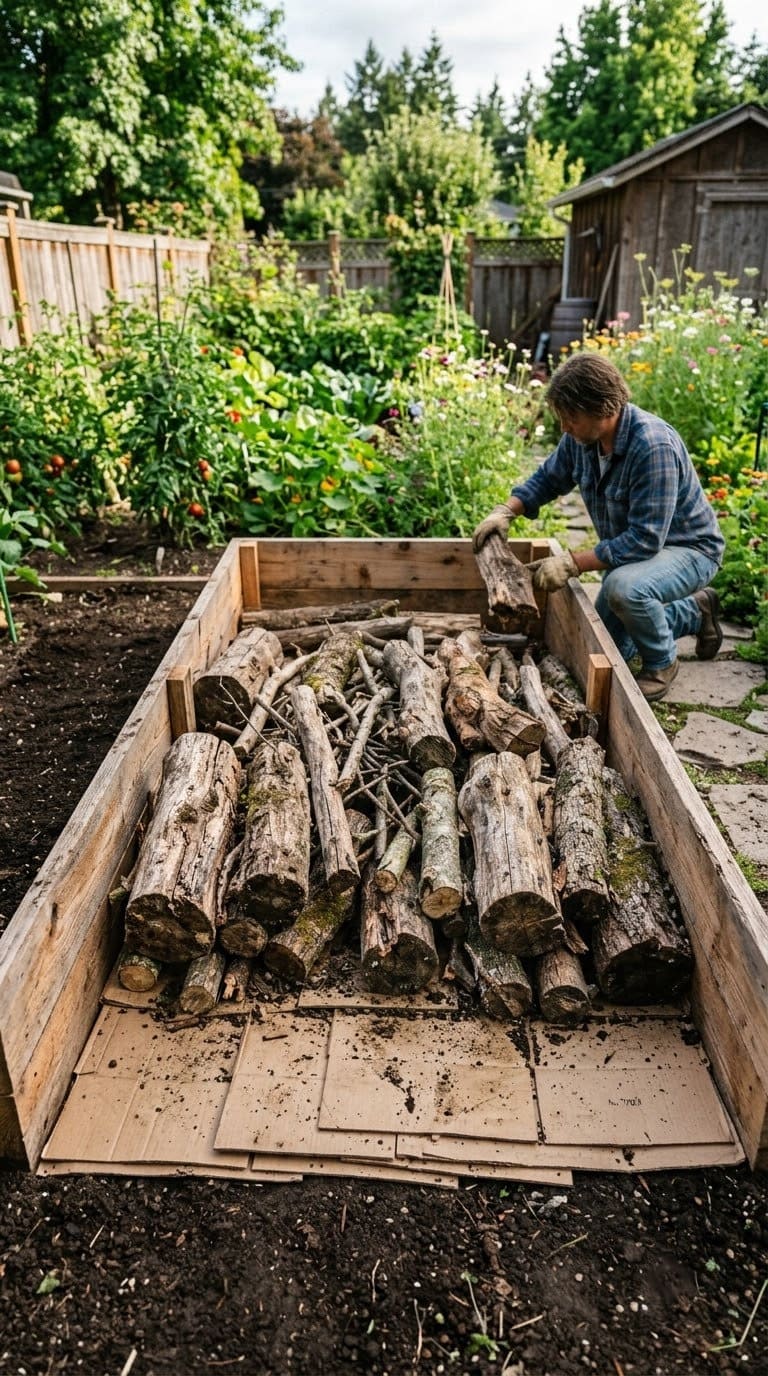
Next, add old logs, thick branches, and chunky sticks until they fill about half the bed’s total depth. Untreated wood from storm cleanup, a fallen tree, or a brush pile all works.
Avoid diseased wood. Clemson’s HGIC specifically warns not to use diseased trees or leaf matter, since it can contaminate your growing space. Also skip pressure-treated lumber and black walnut, whose roots and wood contain juglone, a compound that inhibits growth in many other plants.
Aged wood is better than freshly cut, green wood. Aged wood holds moisture more readily and pulls less nitrogen from the surrounding soil as it decomposes, which matters for the nitrogen dip covered below.
Most yard problems trace back to one specific, fixable cause. Find yours in 4 quick questions.
Take the Free Quiz
A slow-release organic nitrogen and phosphorus amendment, useful for offsetting the year-one nitrogen dip while buried wood breaks down.
Shop NowThis post contains affiliate links. We may earn a commission on qualifying purchases at no extra cost to you.
Step 3: Add a Layer of Yard Waste
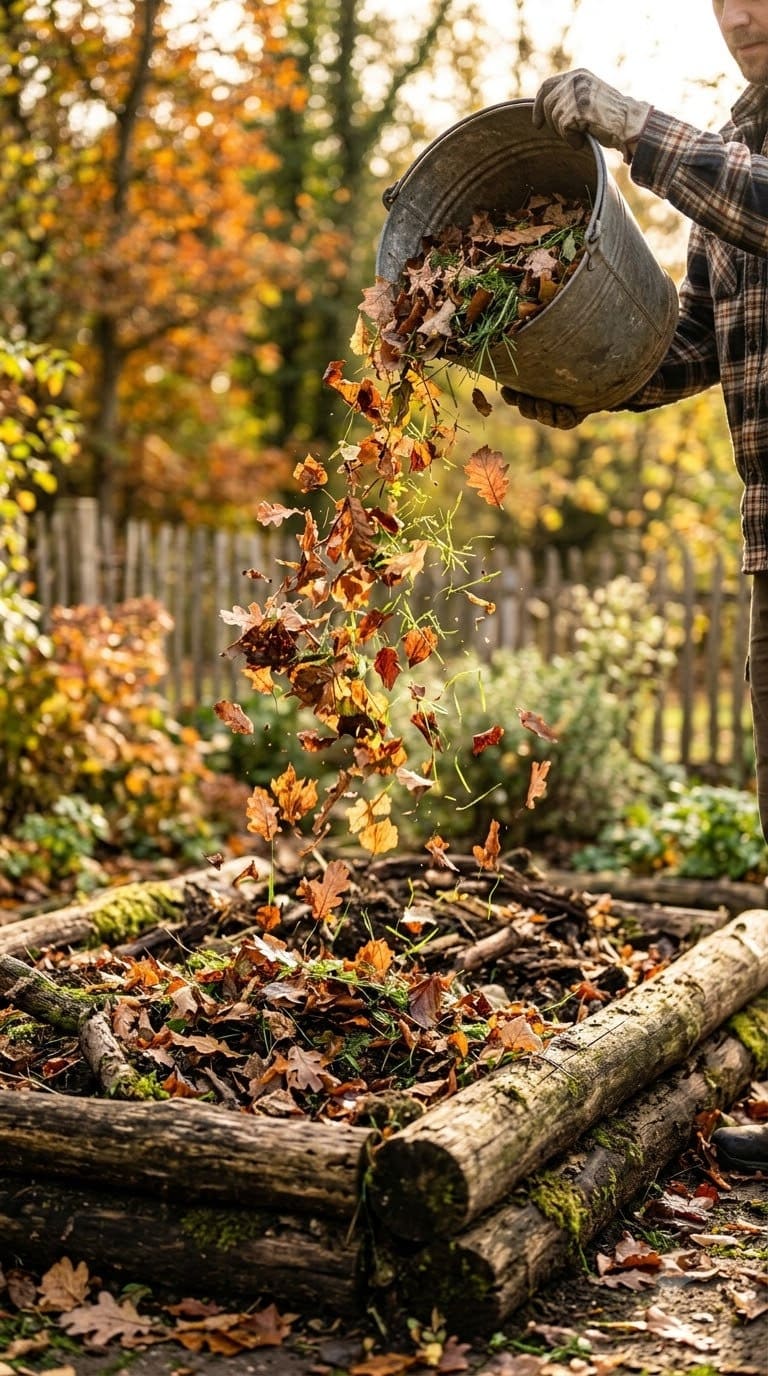
On top of the logs, add a layer of dry leaves, grass clippings, spent garden plants, or other yard waste, filling the gaps between branches so there aren’t large air pockets left.
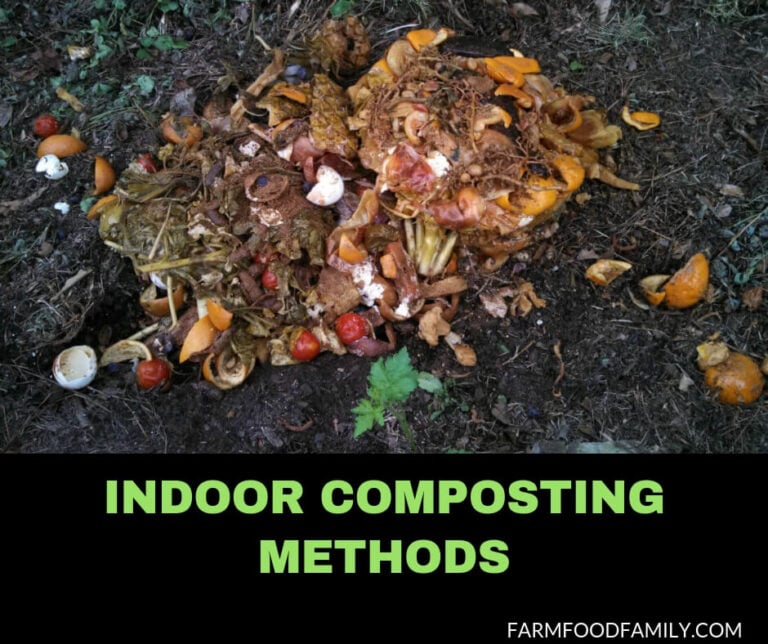
This is compost-in-place. As the organic material breaks down alongside the wood, it releases nitrogen and other nutrients directly into the root zone above.
Step 4: Top With 6 to 12 Inches of Soil
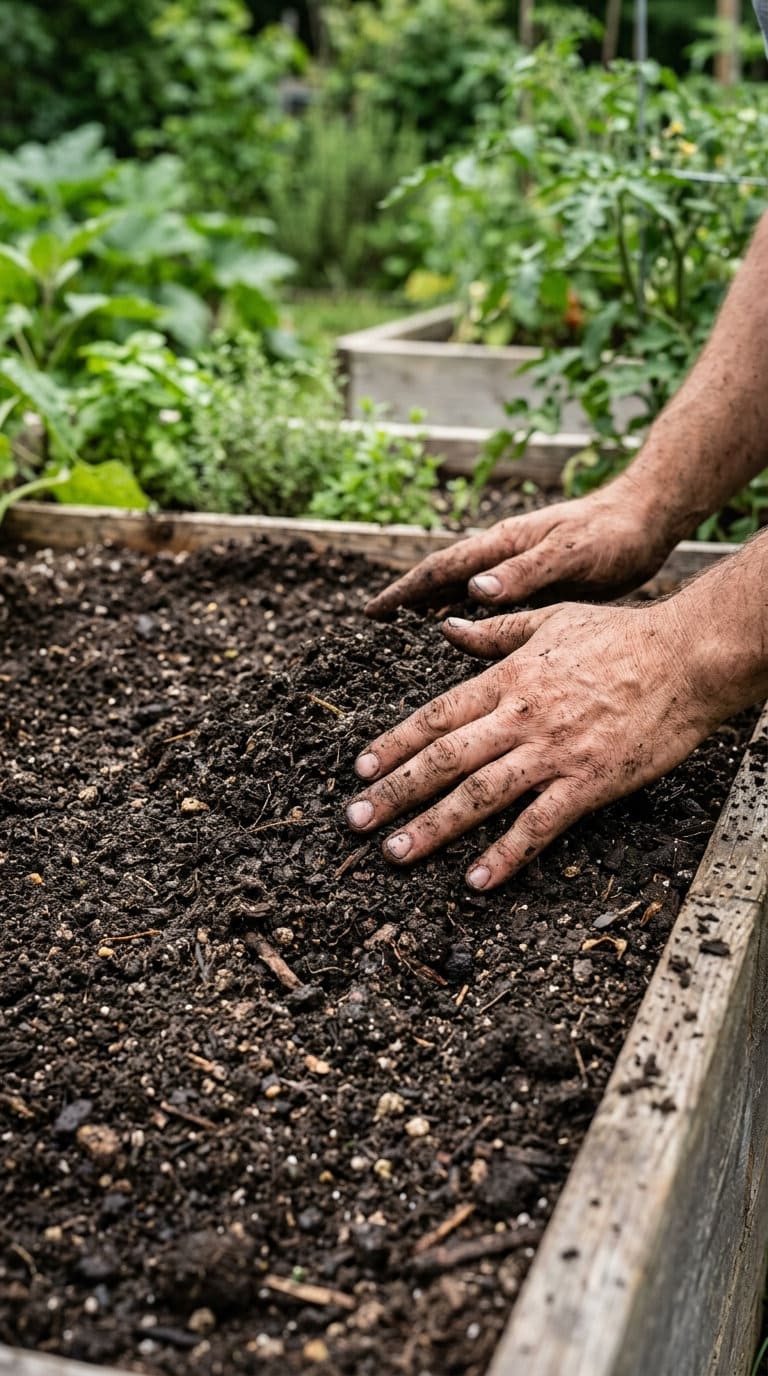
Finish with 6 to 12 inches of quality topsoil or a topsoil-compost blend across the entire surface, smoothed level by hand. The exact depth depends on what you’re planting: 6 inches works for shallow-rooted crops like lettuce and herbs, while tomatoes, peppers, and other deep-rooted vegetables do better with closer to 12 inches, per the permaculture practitioner failure reports covered in the pain-point section below.
Hugelkultur vs. Other Ways to Fill a Raised Bed
| Method | Upfront cost (4x8x1.5ft bed) | Watering frequency | Time to full productivity | Best for |
|---|---|---|---|---|
| Hugelkultur (logs + layers) | $0-40 (soil for top layer only) | Lower after year 1, once wood absorbs water | Year 1-2 for shallow crops; slower for heavy feeders | Gardeners with access to free wood/yard waste |
| All bagged garden soil | $150-200 | Standard, no reserve moisture layer | Immediate | Gardeners who want a plug-and-plant bed with no wait |
| No-dig lasagna method (compost + mulch layers, no wood) | $40-80 | Standard to slightly lower | A few months | Gardeners without access to logs, want faster nitrogen availability |
What the Science Actually Says
Every gardening blog covering this trick focuses on the upside. It’s worth knowing what the research side says too, since it changes how you should plan.
According to Linda Chalker-Scott, Extension Urban Horticulturist and Professor at Washington State University, there are no peer-reviewed, scientific studies on hugelkultur. The evidence for it is almost entirely anecdotal and practitioner-reported, not lab-tested. That doesn’t mean it doesn’t work, gardeners have used it for generations, but it’s a meaningful difference from a technique backed by controlled research.
Chalker-Scott’s WSU Extension publication also notes that traditional freestanding mounds typically need full rebuilding every 5 to 6 years as the buried wood fully decomposes and the structure loses its shape. Raised-bed versions settle more gradually since they’re framed, but expect to top off the bed periodically rather than treating this as a one-time fill.
One more caveat worth knowing: there’s no barrier between the buried wood and the soil beneath your bed. If you’re building over a spot with a known contamination history (old paint, treated lumber debris, industrial runoff), a hugelkultur bed won’t protect the root zone the way a lined raised bed with a soil barrier would.
What We Learned the Hard Way
Real hugelkultur builds don’t always go as smoothly as a 40-second video suggests. Here’s what shows up most often in practitioner accounts, including a long-running failure thread on the permaculture forum Permies.com.


Beds settle roughly an inch a year. As buried wood decomposes, the whole bed sinks gradually, closely tracking the volume of wood that’s broken down. This isn’t a sign anything went wrong. Plan to add more soil or compost on top every year or two rather than assuming the first fill is the last one.
The average homeowner spends $616/year on yard fixes that don't address the real problem. Find out what yours actually is — before you spend another dollar.
Take the Free QuizNot enough soil over the wood is the most common beginner mistake. Several practitioners report struggling plants in year one because they didn’t leave enough soil depth for roots to establish before hitting the woody layer underneath. If you’re growing anything with a deeper root system than lettuce, lean toward 10 to 12 inches of topsoil rather than the minimum 6.
Nitrogen deficiency hits hardest in dry climates. The fix practitioners use most: stick with aged, not green, wood, and add a nitrogen source like coffee grounds, blood meal, or compost tea during the first season while the wood is actively decomposing and pulling nitrogen from its surroundings.
“Waters itself” is an oversimplification. In arid climates, above-ground hugelkultur beds still need regular watering; the real benefit is watering less often than a straight-soil bed, not skipping irrigation entirely.
Hugelkultur Mistakes to Avoid
- Using diseased or chemically-treated wood. Clemson HGIC warns diseased trees and leaf matter can contaminate your growing space; pressure-treated lumber and black walnut carry their own separate risks.
- Skipping the cardboard layer. Without it, grass and weeds from underneath can grow up through your bed within weeks.
- Packing wood too tightly. Leave natural gaps between logs so air and water can move through; overly dense packing slows decomposition.
- Filling with only 6 inches of soil for deep-rooted crops. Match soil depth to what you’re actually growing, not a single fixed number.
- Treating it as a one-time fill. Expect to top off the bed as it settles roughly an inch a year.
- Skipping the year-one nitrogen boost. A light topdressing of compost or a nitrogen-rich amendment in the first season prevents the worst of the early nutrient dip.
FAQ
Does hugelkultur work in a small raised bed, not just a big mound? Yes. The layered raised-bed method described above scales down to any standard bed, from a 3×3-foot kit to a full 4×8-foot box. The ratio stays roughly the same: about half logs and branches, a layer of yard waste, then 6 to 12 inches of topsoil on top, depending on what you’re planting.
How long do the buried logs take to break down? Most branches and smaller logs break down substantially within two to three years, and full mounds typically need rebuilding within 5 to 6 years, per WSU Extension. Expect to top off the bed with more soil as the lower layers settle and shrink.
Is there any real science behind hugelkultur, or is it just a gardening trend? There are no peer-reviewed scientific studies on the technique, according to WSU Extension Urban Horticulturist Linda Chalker-Scott. The evidence is practitioner-reported rather than lab-tested, which doesn’t rule it out, but it’s worth knowing before treating every claimed benefit as proven fact.
Will buried wood attract termites or pests? Buried, decomposing wood in a garden bed away from a structure’s foundation is a low termite risk. Standard yard debris, leaves, grass clippings, and garden trimmings, is safe to layer in without special treatment.
What We Learned the Hard Way (Applying It This Season)
Building a new raised bed and dreading the soil bill? The hugelkultur layering method still works, it just isn’t the zero-maintenance, self-watering miracle some 40-second videos make it sound like. Build it knowing you’ll top it off periodically and feed it nitrogen in year one, and it earns its reputation as one of the more genuinely useful cheap gardening hacks for anyone filling a new raised garden bed this season.
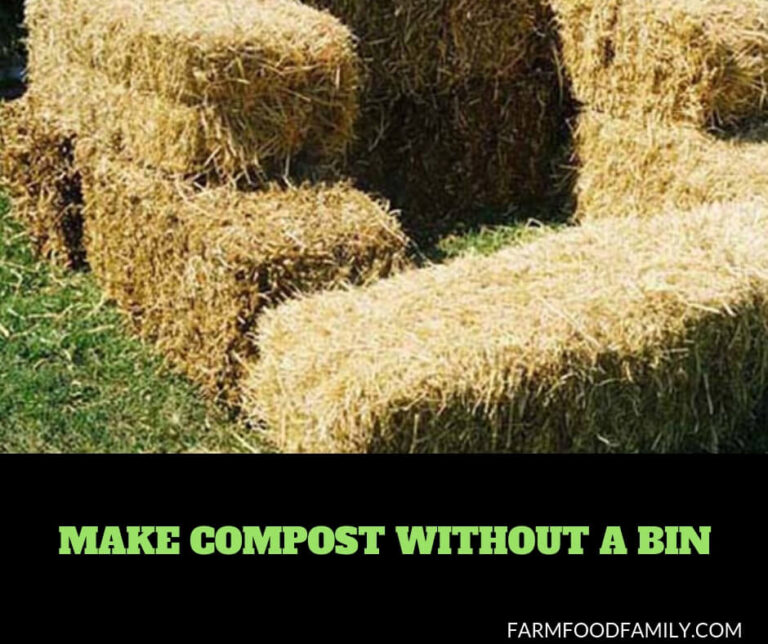
If you’re still deciding on a bed shape, a round raised garden bed and a taller waist-high raised bed both work with this same layering method, just adjust the log-to-soil ratio to the bed’s total depth. And if you don’t have logs on hand, the yard-waste layer pairs naturally with composting without a bin for an even cheaper fill.
Related Posts
- 66+ Inexpensive Raised Garden Bed Ideas and Designs
- 30+ Genius Garden Hacks No One Tells You About (All on a Budget!)
- How To Make Compost Without a Bin
Products We Recommend
This post contains affiliate links. We may earn a commission on qualifying purchases at no extra cost to you.
Espoma Organic Bone Meal Fertilizer 4-12-0, 8 lb
A slow-release organic nitrogen and phosphorus amendment, useful for offsetting the year-one nitrogen dip while buried wood breaks down.
Shop Now
VegTrug Classic Raised Bed, Uncoated Red Cedar, Small 1m
A ready-made uncoated cedar raised bed, sized for a standard hugelkultur layer build if you're starting without an existing bed.
Shop Now
XLUX Soil Moisture Meter, Battery-Free Probe (2-Pack)
A simple battery-free probe meter to check moisture retention in a hugelkultur bed once the buried wood layer starts holding water.
Shop NowNever miss an update — choose FarmFoodFamily as your preferred source on Google.
How it works: Tap the button below to open Google's settings page, then check the box next to FarmFoodFamily.
Tap the checkbox to turn it blue — that's how you know it's set.