Late Summer Fertilizing: What to Feed Now for a Fall Harvest
The fertilizer you applied back in May is mostly gone by August, and skipping a fresh feeding now is the quiet reason so many fall gardens underperform.

Never miss an update — choose FarmFoodFamily as your preferred source on Google.
How it works: Tap the button below to open Google’s settings page, then check the box next to FarmFoodFamily.
Tap the checkbox to turn it blue — that’s how you know it’s set.
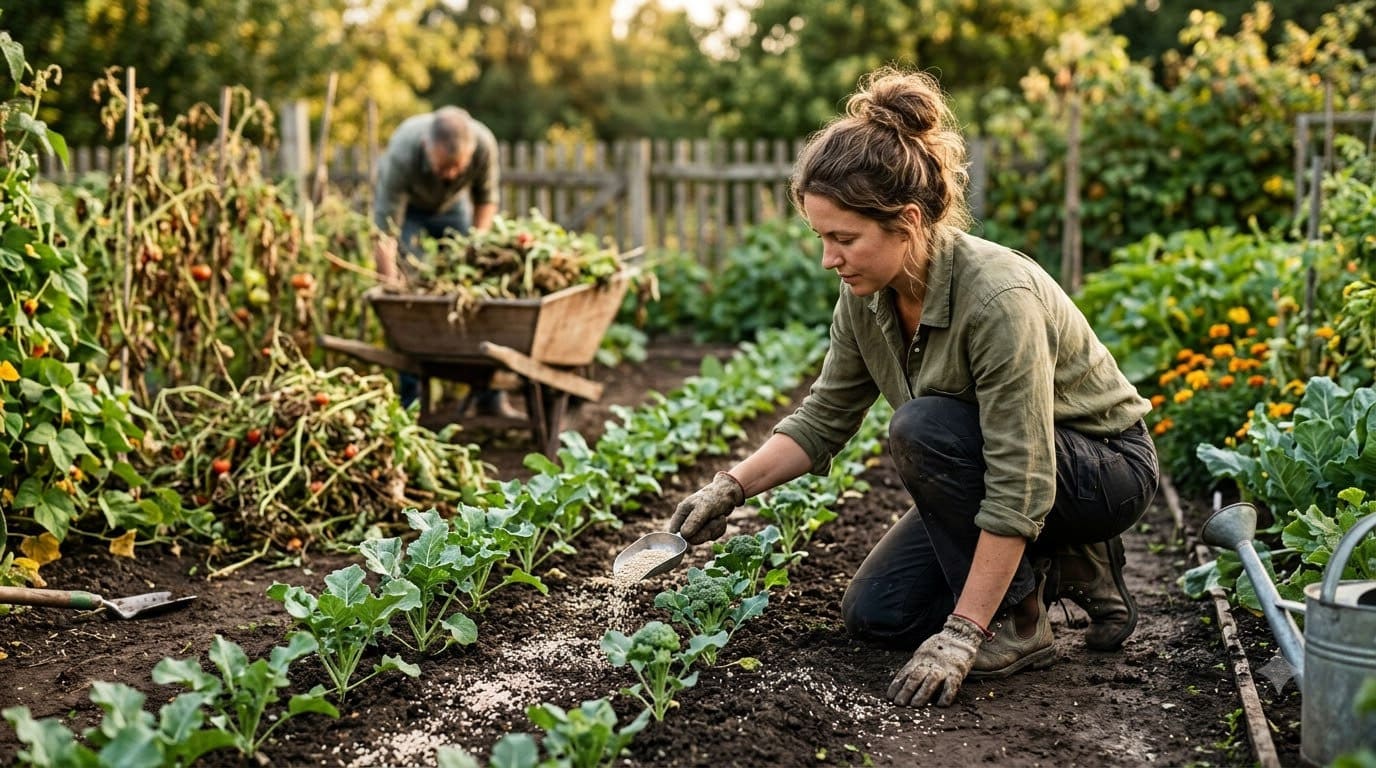
If your spring-planted bed, whether it’s a dedicated raised bed setup or an in-ground row, is winding down and you’re about to tuck in a round of fall crops, here’s the part that’s easy to skip: that bed needs feeding again, not because you did anything wrong in spring, but because nitrogen simply doesn’t stick around in garden soil for months.
Whatever your first crop didn’t use has largely leached away or been used up by now, which means a fall planting going into “already fertilized” soil is often actually going into soil that’s been quietly running on empty for weeks.
Does Your Bed Actually Need Feeding Again Right Now?
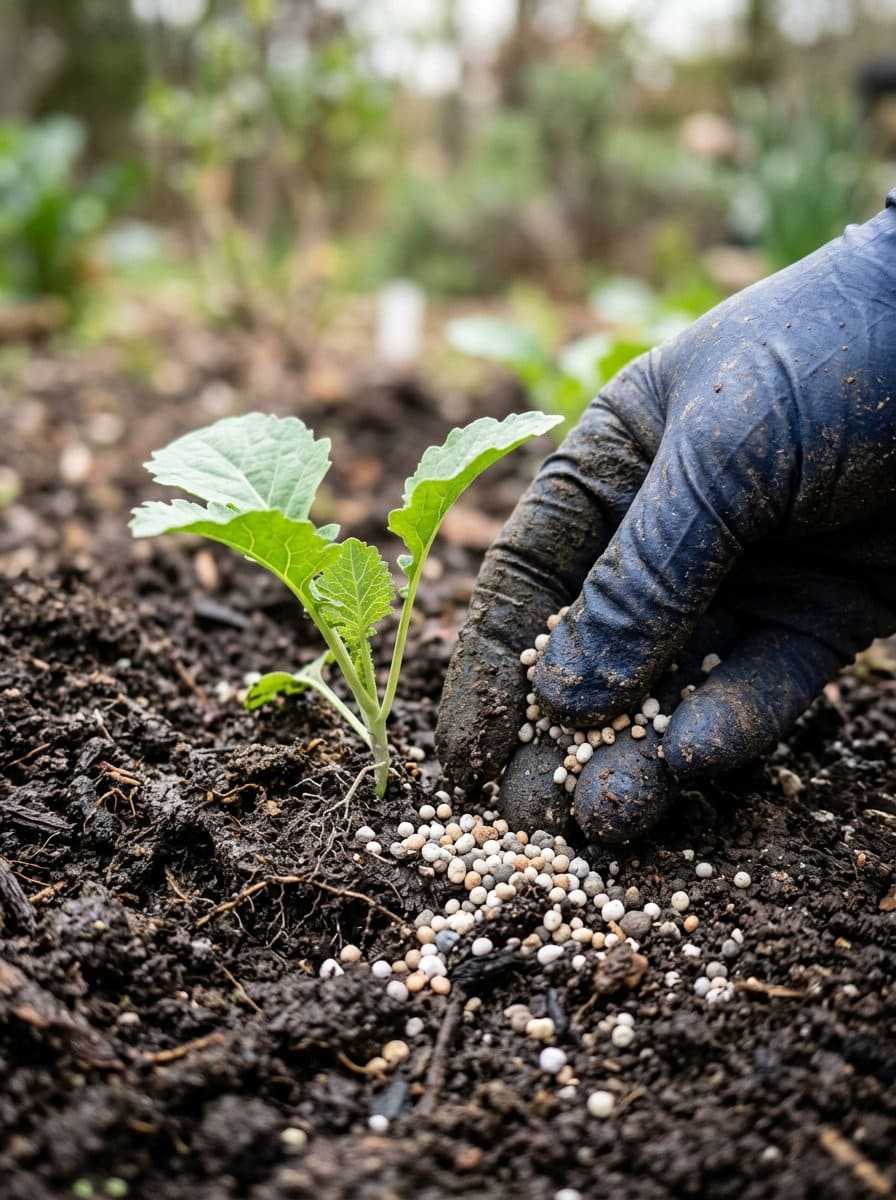
Yes, almost certainly, if that bed already grew a spring or early-summer crop. Nitrogen is highly mobile in soil, it leaches with rain and irrigation, gets taken up by whatever was growing there, or breaks down and moves on, so very little of what you applied months ago is still available now.
Per West Virginia University Extension, the real rhythm of a productive garden is succession, cool-season crops followed by warm-season crops, followed by cool-season crops again or a winter cover crop, and that rotation only works if each new planting gets its own fresh nutrients rather than relying on what’s left from months ago.
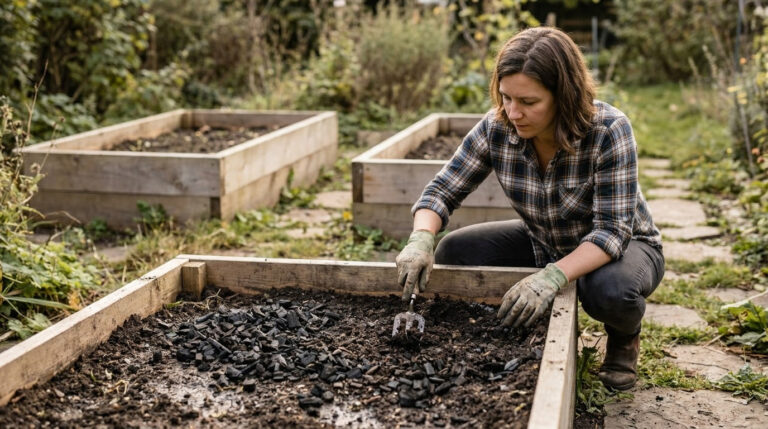
Turn the soil and mix in a fresh application of balanced fertilizer before you plant, treating this bed the same way you would a brand-new one, not a “topped off” version of what’s already there.
What to Feed Your Fall Crops (and How Much)
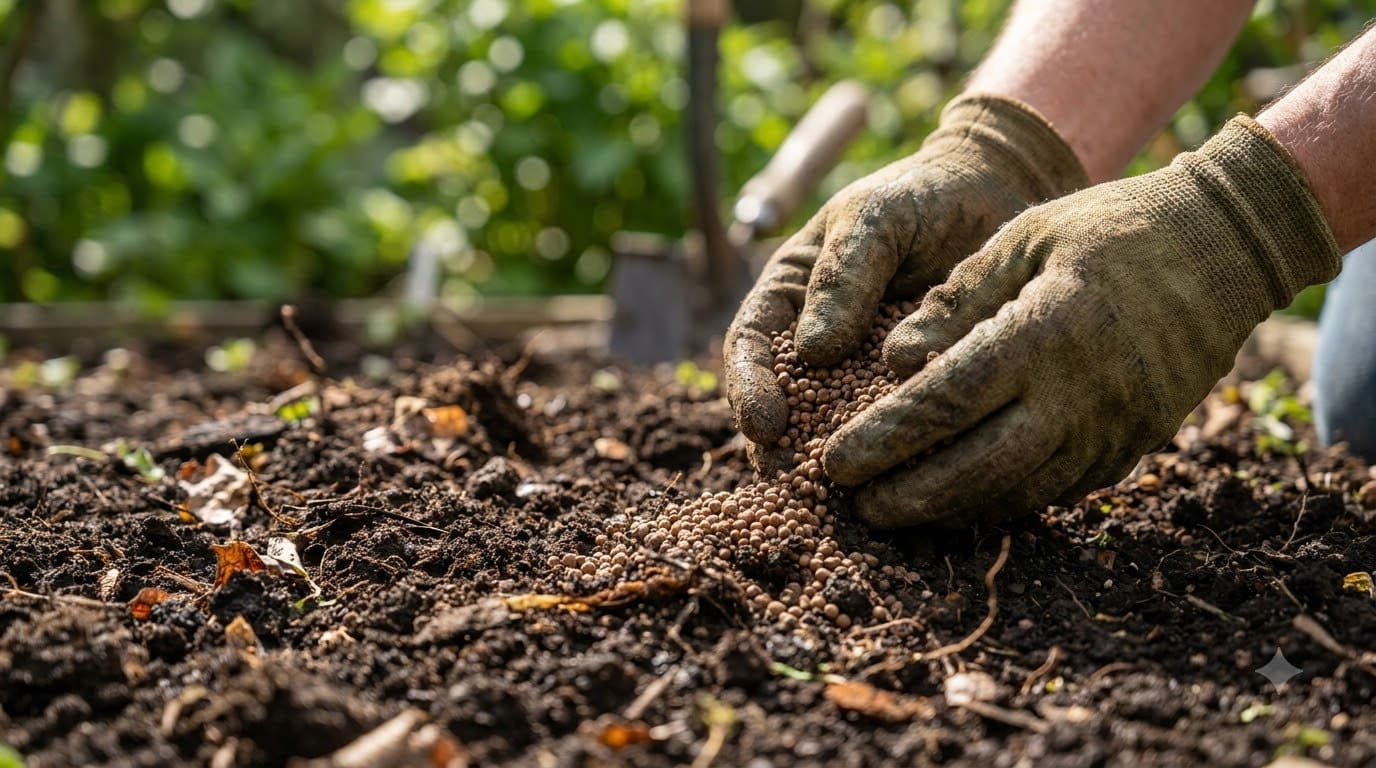
Splitting fertilizer into smaller, timed doses instead of one large application reduces how much gets lost to leaching and lets you adjust based on how the plant actually looks as it grows.
Answer 4 quick questions and get matched to the exact fix for your yard — drainage, budget, layout, or something else entirely.
Take the Free QuizReal numbers from Colorado State University Extension give a useful sense of scale even if your exact crop differs:
| Crop | Application schedule | Why it’s split this way |
|---|---|---|
| Potatoes | 30% at planting, about 20% at tuber set, remainder in later doses | Matches nitrogen demand to actual growth stages instead of front-loading it all at once |
| Sweet corn | Two doses: at the 8-10 leaf stage, then again when silks appear | Corn’s biggest nutrient pull happens right around tasseling and ear development |
| Tomatoes | Three doses: at planting, when fruit is about one-third grown, and again after the first harvest | Keeps a long-season fruiting crop fed through multiple harvest waves instead of one early push |
| Leafy greens like spinach and kale | One solid feeding worked in before planting, since these are heavy feeders that benefit from fertility being available from day one | Fast-growing leafy crops don’t have the same long fruiting window that benefits from splitting doses |
If you’re not growing one of the exact crops above, a reasonable default is a balanced, all-purpose fertilizer worked into the soil before planting, with a lighter follow-up feeding partway through the crop’s growing period if it’s a longer-season vegetable.
This applies whether the second planting is going into open ground or a fall round in containers on the patio, the soil in both cases has already given up its spring nutrients by now.
What’s Actually Worth Planting in August
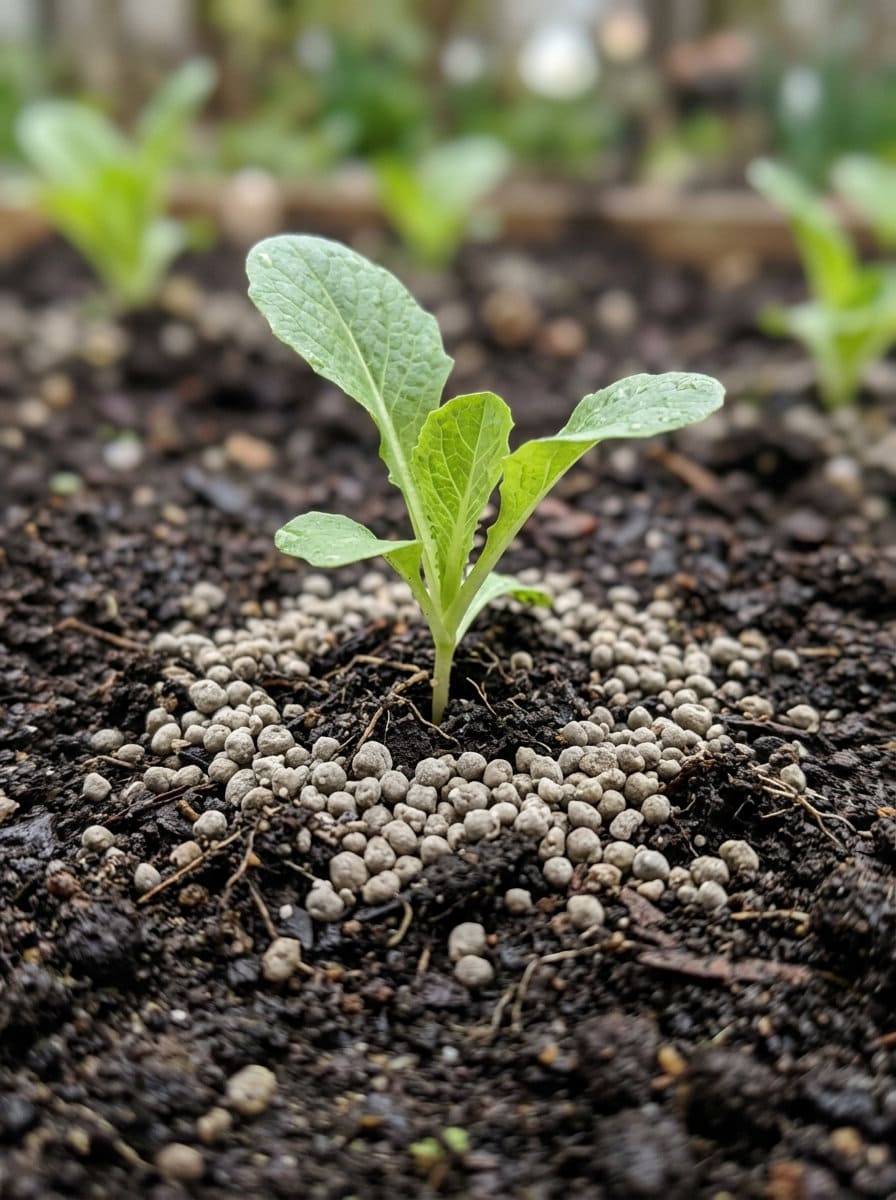
Cool-season crops that thrive from a late-summer start and a genuine fall harvest window include broccoli, cabbage, kale, spinach, lettuce, carrots, beets, radishes, and peas.
Spinach in particular is a real heavy feeder and specifically benefits from compost or fertilizer worked in before sowing rather than relying on whatever fertility is left in the bed.
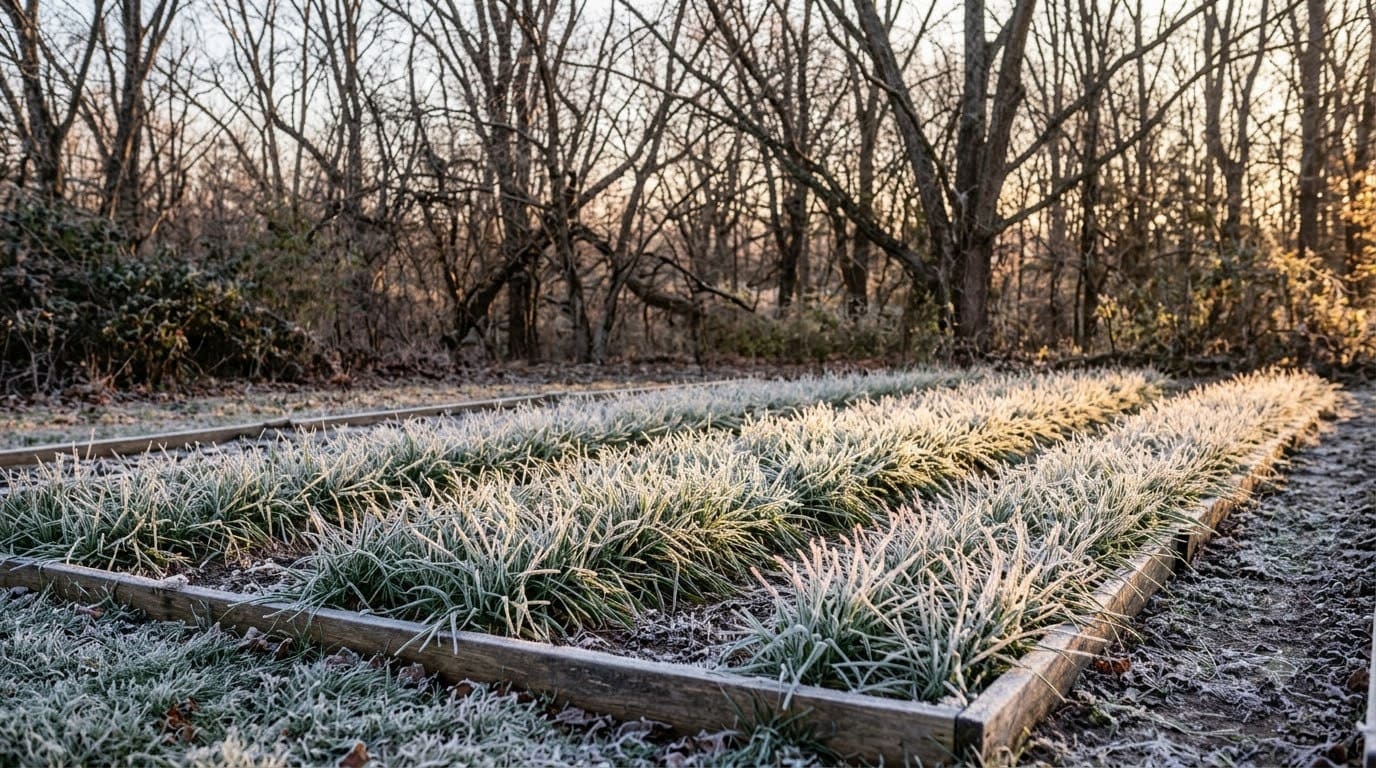
If you’re deciding what actually fits your remaining growing window before frost, working backward from your first frost date and counting back each crop’s days-to-maturity is the more reliable planning method than just picking crops off a generic list.
Watering After Fertilizing in Hot August Soil
August soil is warmer and drier than the soil you fertilized back in spring, which changes how careful you need to be.
Most yard problems trace back to one specific, fixable cause. Find yours in 4 quick questions.
Take the Free Quiz
A balanced granular fertilizer suited to working fresh fertility into a bed before a fall planting
Shop NowThis post contains affiliate links. We may earn a commission on qualifying purchases at no extra cost to you.
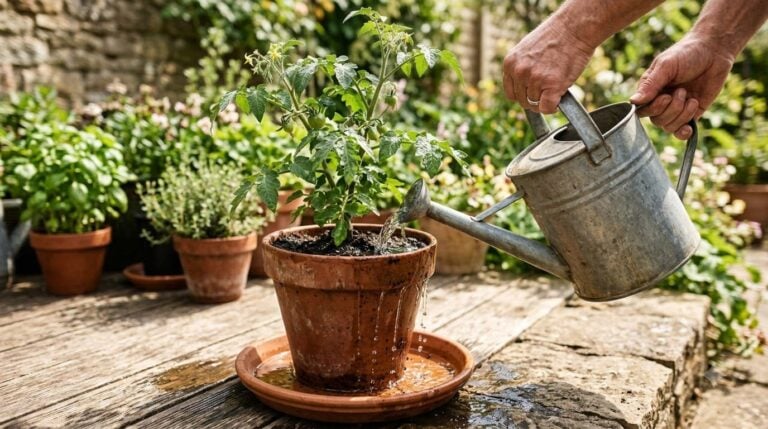
Water thoroughly before and after applying fertilizer in hot weather, since dry soil concentrates fertilizer salts right around the root zone and increases burn risk exactly when heat stress is already working against a new transplant.
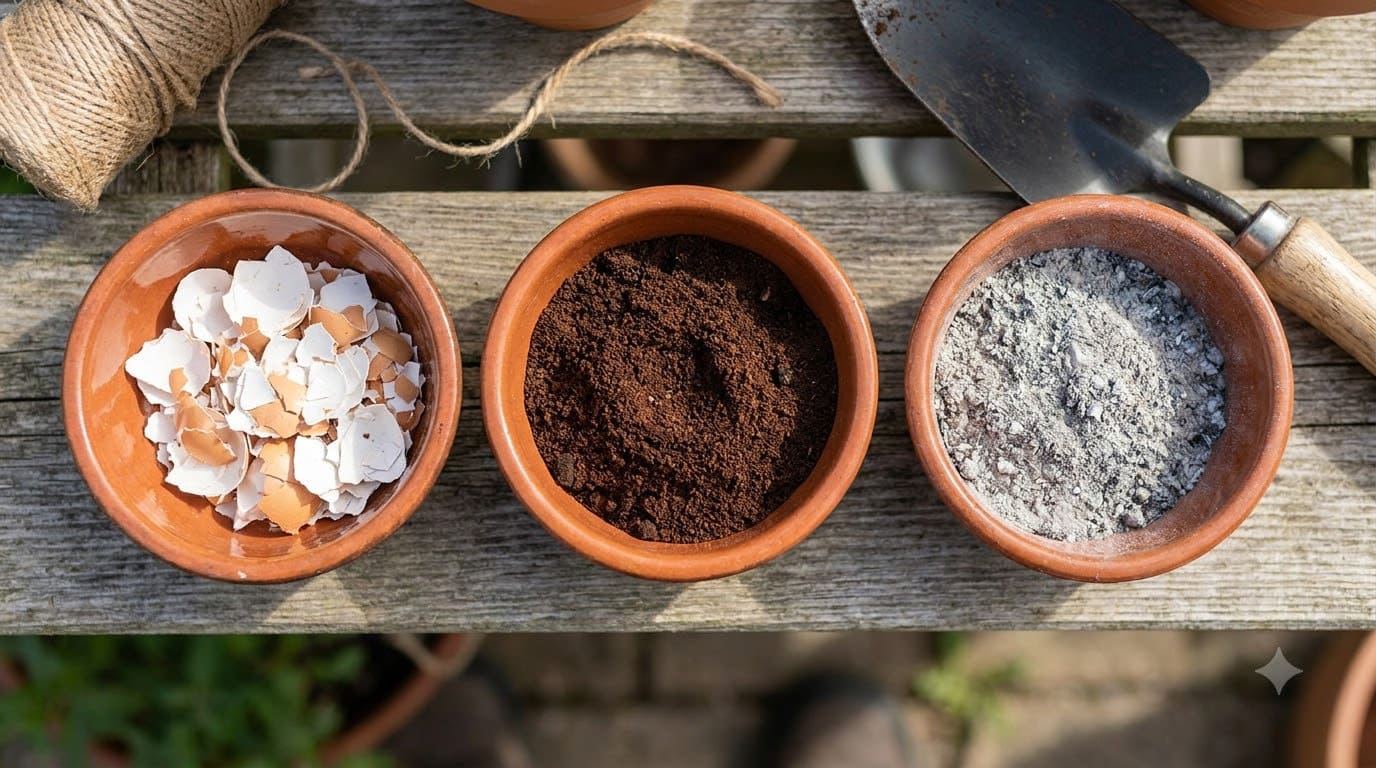
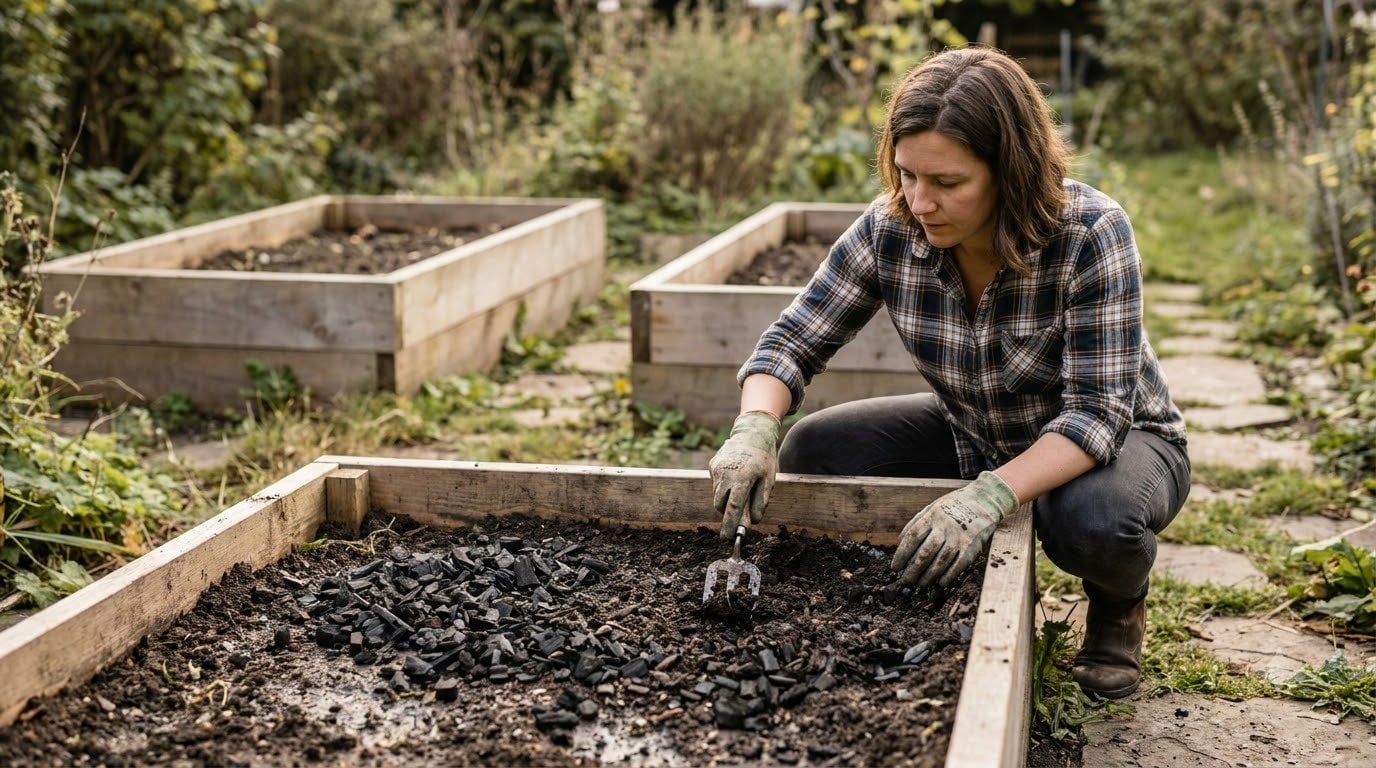
If you’re setting up a fresh bed for this second planting, starting with soil that already has real organic matter worked in buys you some cushion against both the heat and the fertilizer concentration risk at the same time.
The Fall Kale That Almost Didn’t Happen
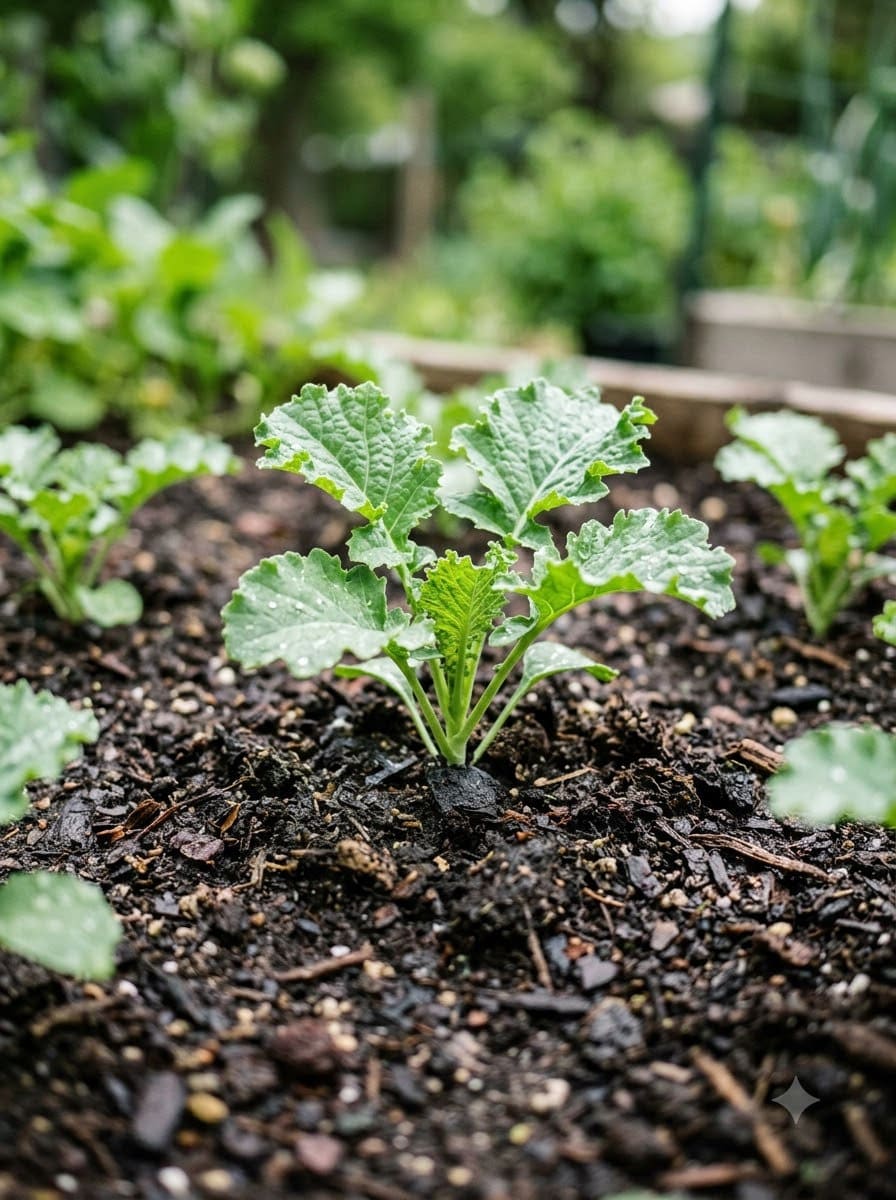
The first time I tried a real fall planting, I pulled my spent bean plants in late July, raked the bed smooth, and put kale transplants straight into it, figuring the bed had been fed all season and was probably fine.
Three weeks in, the kale was pale and stalled, barely bigger than when I planted it, and I genuinely couldn’t figure out why since nothing looked wrong with the plants themselves.
It wasn’t until I actually worked a fresh round of balanced fertilizer into the soil, admittedly out of frustration more than confidence, that the kale visibly picked up within about ten days and went on to produce a full fall harvest.
What I learned the hard way is that a bed doesn’t announce it’s run out of nitrogen, it just quietly underperforms in a way that looks like a dozen other possible problems.
If there’s one thing I do differently now, it’s treating every fall planting as its own fresh feeding, not a continuation of whatever I did back in spring, the same way you’d approach a bed if you were planting it for the very first time that season.
FAQs
Do I need to fertilize before planting a fall garden? Yes, if the bed already grew a spring or summer crop. Nitrogen leaches from soil over time and gets used up by earlier plantings, so a fall crop generally needs its own fresh fertilizer application rather than relying on what’s left from spring.

How much fertilizer does a fall crop need? It depends on the crop. Long-season crops like tomatoes and potatoes benefit from splitting fertilizer into 2 to 3 timed doses tied to growth stages, while heavy-feeding leafy greens like spinach and kale generally do well with one solid feeding worked in before planting.
The average homeowner spends $616/year on yard fixes that don't address the real problem. Find out what yours actually is — before you spend another dollar.
Take the Free QuizWhat vegetables can I still plant in August for a fall harvest? Cool-season crops like broccoli, cabbage, kale, spinach, lettuce, carrots, beets, radishes, and peas are strong choices, assuming there’s enough time left before your first frost for each crop’s actual days-to-maturity.
Should I water differently when fertilizing in late summer heat? Yes, water thoroughly before and after fertilizing in hot August soil. Dry, hot soil concentrates fertilizer salts around the roots faster than cooler spring soil does, which raises the risk of burning a new transplant.
Related Posts
Products We Recommend
This post contains affiliate links. We may earn a commission on qualifying purchases at no extra cost to you.
Espoma Organic Garden-Tone 3-4-4 Plant Food, 4 lb. Bag
A balanced granular fertilizer suited to working fresh fertility into a bed before a fall planting
Shop Now
Jobe's Organics Vegetable & Tomato Granular Fertilizer
A slow-release organic fertilizer suited to the split-application approach for longer-season fall crops like tomatoes
Shop Now
XLUX Soil Moisture Meter (Battery-Free)
Helps confirm soil is adequately moist before and after fertilizing in hot, dry August conditions
Shop NowNever miss an update — choose FarmFoodFamily as your preferred source on Google.
How it works: Tap the button below to open Google's settings page, then check the box next to FarmFoodFamily.
Tap the checkbox to turn it blue — that's how you know it's set.