Home Maintenance Habits That Protect Comfort, Efficiency, and Your Budget
A simple seasonal routine — not a big renovation budget — is what actually keeps your HVAC, plumbing, and insulation from turning into a five-figure emergency.

Never miss an update — choose FarmFoodFamily as your preferred source on Google.
How it works: Tap the button below to open Google’s settings page, then check the box next to FarmFoodFamily.
Tap the checkbox to turn it blue — that’s how you know it’s set.
It’s a familiar story for homeowners. A garden hose left connected through the first hard freeze, an outdoor spigot that splits underground, a slow drip inside the wall that nobody notices until the drywall and plumbing bill lands well into four figures.
All from skipping a five-minute task in November. That’s the thing nobody tells you when you buy a house: it’s not the big renovations that protect your budget, it’s the boring five-minute tasks that are easy to skip. And most of them take less time than scrolling through a Zillow listing.
Beautiful landscaping and a welcoming porch get most of the attention, and honestly, most of the Pinterest boards too. But the systems working behind the walls, heating, cooling, plumbing, insulation, ventilation, are what actually determine whether a home is comfortable and affordable to run.
Quick answer: the single highest-ROI home maintenance habit is a seasonal HVAC and plumbing check: replacing air filters every 60 to 90 days, flushing water heater sediment annually, and insulating exposed pipes before the first freeze. According to the U.S. Department of Energy, a dirty air filter can increase HVAC energy use by 5 to 15 percent, and the EPA notes that even a small, steady leak can waste over 3,000 gallons of water a year. Catching these issues each season, rather than waiting for a breakdown, is what separates a $50 fix from a $2,000 emergency repair.
Why seasonal maintenance actually saves money
A furnace that fails in January doesn’t fail overnight. It usually gives off warning signs for weeks, short-cycling, weak airflow, a burning smell, that get ignored because nobody’s looking. A simple seasonal routine catches those signs before “annoying” turns into “emergency call on a Sunday.”
The math is straightforward, if not exactly comforting: a professional HVAC tune-up typically runs $75 to $200, while a full system failure and replacement can run $5,000 to $12,000 depending on the home’s size and system type. Preventive maintenance is a financial hedge, plain and simple.
Spring: refresh your home after winter
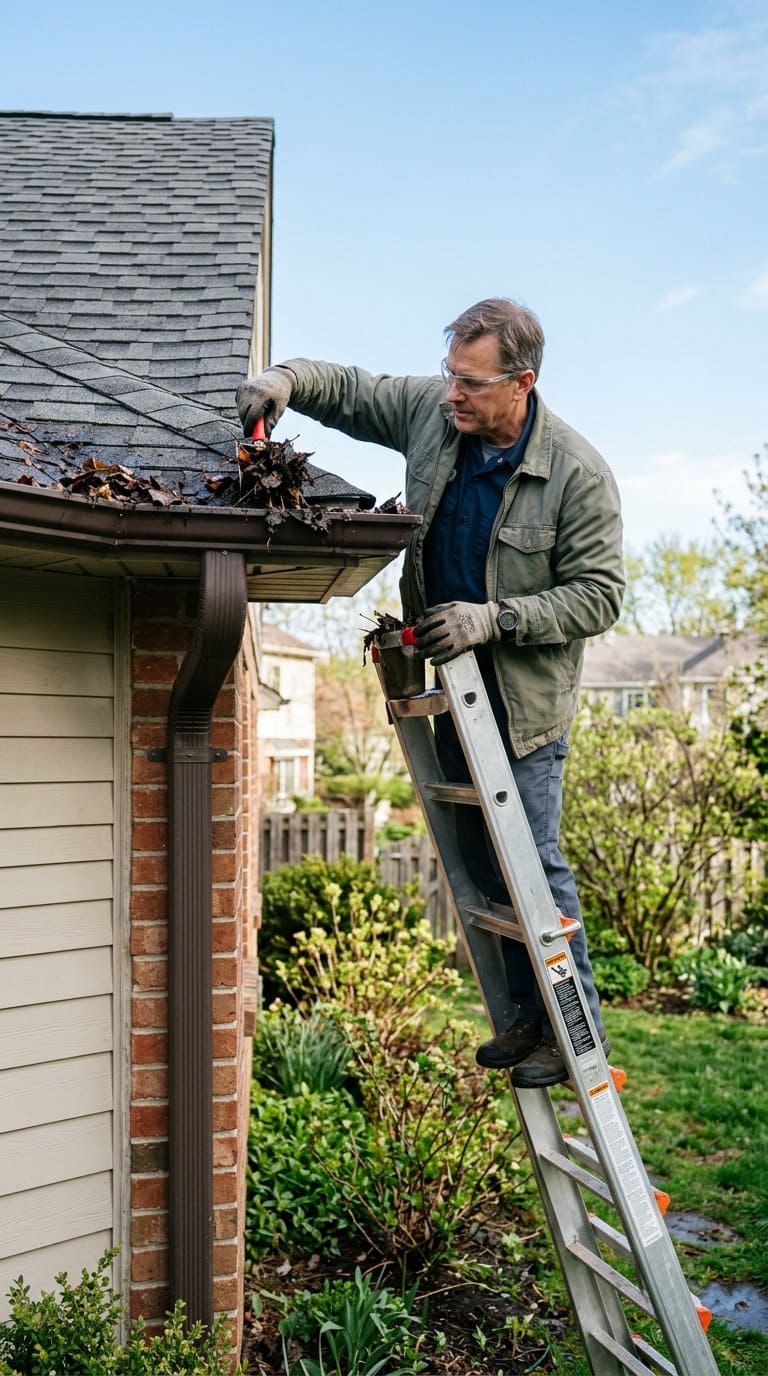
As temperatures rise, spring is when winter’s damage becomes visible. Cracked caulking, clogged gutters, a faucet that quietly stopped working sometime around February.
A practical spring checklist:
- Clean gutters and downspouts. Standing debris holds moisture against the roofline and fascia board, one of the most common and most preventable causes of wood rot. If gutters constantly clog, it’s worth comparing gutter types built for lower maintenance.
- Check exterior faucets for freeze damage. Turn the water on and feel for pressure loss or a hissing sound near the pipe, both point to a hairline crack from winter freezing.
- Inspect roofing and flashing. Look for lifted or missing shingles and gaps where flashing meets the chimney or vents. This is genuinely the most overlooked entry point for slow roof leaks that show up as ceiling stains months later.
- Replace HVAC air filters. A filter clogged with winter dust noticeably restricts airflow, forcing the system to run longer for the same result.
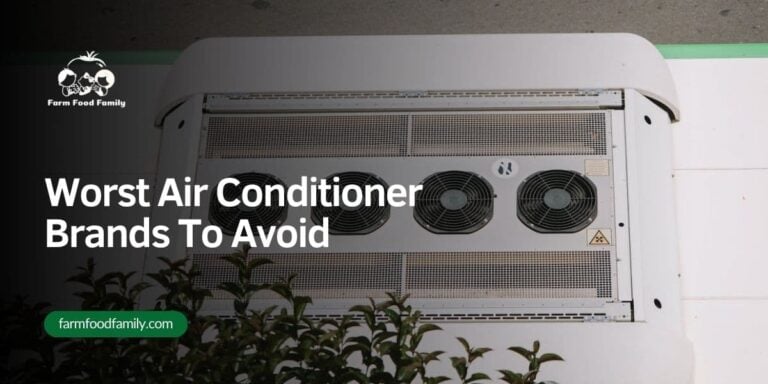
- Clean outdoor AC units of leaves and debris. A blocked condenser can raise cooling costs and shorten compressor life.
- Check for water leaks around sinks and appliances. Run a dry paper towel under connections. Any dampness means a slow leak has already started.
If an air conditioner has sat unused for months, a professional inspection before the first heat wave can catch worn capacitors or refrigerant issues before the system fails on the hottest day of the year, right when HVAC companies are booked solid and emergency rates apply.
Summer: focus on cooling efficiency
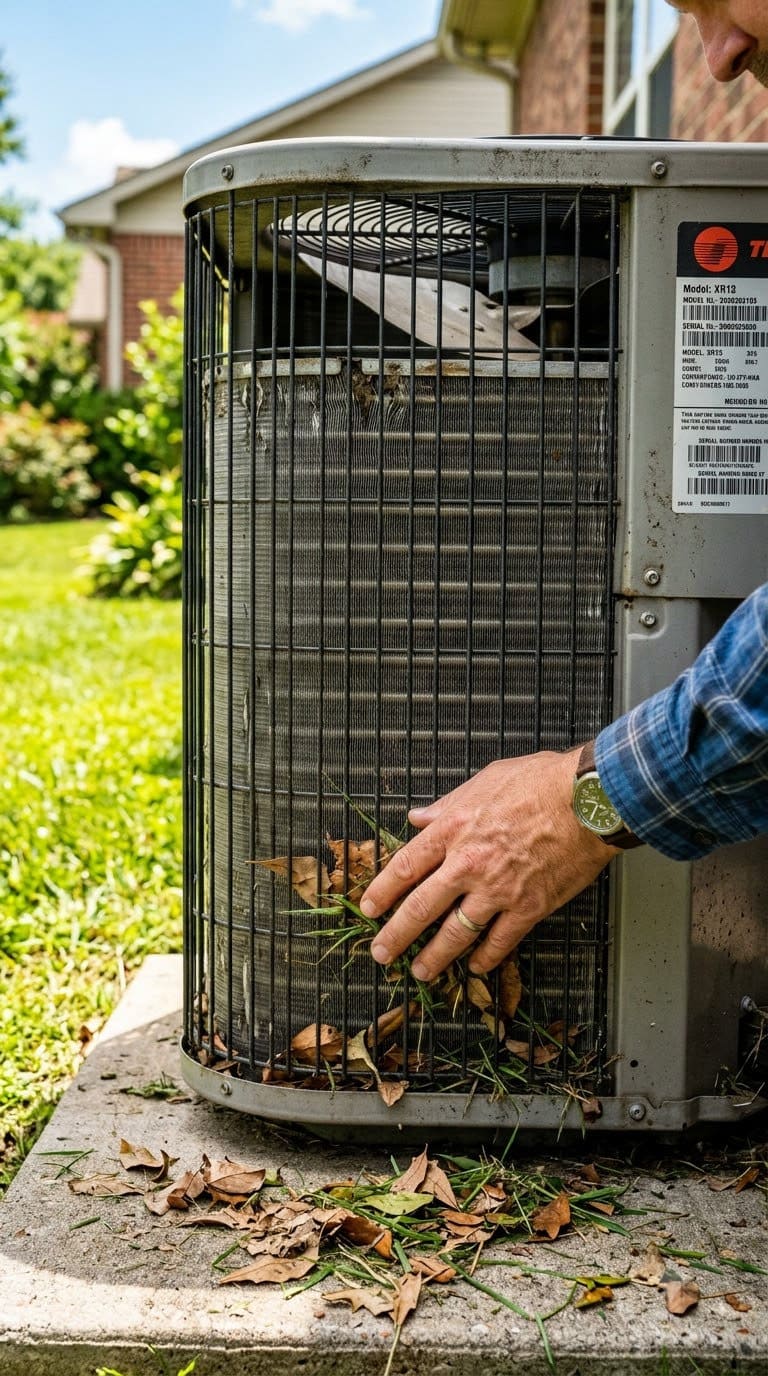
During the hottest months, cooling systems run for hours a day, so even small inefficiencies show up fast on the energy bill.
Habits that make a measurable difference:
- Keep outdoor condenser units clear of vegetation. Leave at least 2 feet of clearance on all sides for proper airflow.
- Change air filters every 60 to 90 days, more often with pets or allergies.
- Check that supply and return vents stay unobstructed. Furniture, rugs, or curtains blocking a vent noticeably reduce cooling efficiency in that room and can create uneven temperatures elsewhere in the house.
- Inspect weatherstripping around exterior doors. Hold a lit candle or a hand near the seam on a windy day. Flickering or a draft means cool air is leaking out.
- Monitor indoor humidity. The EPA recommends keeping indoor humidity between 30 and 50 percent. Above that, the AC works harder and mold risk climbs. If humidity stays stubbornly high, see these tips to reduce high humidity indoors.
If a thermostat is struggling to hold a setpoint or won’t kick the AC on at all, that’s often a wiring or compatibility issue rather than the AC unit itself. This Honeywell thermostat troubleshooting guide walks through the most common causes before calling a technician.
Autumn: prepare for colder weather
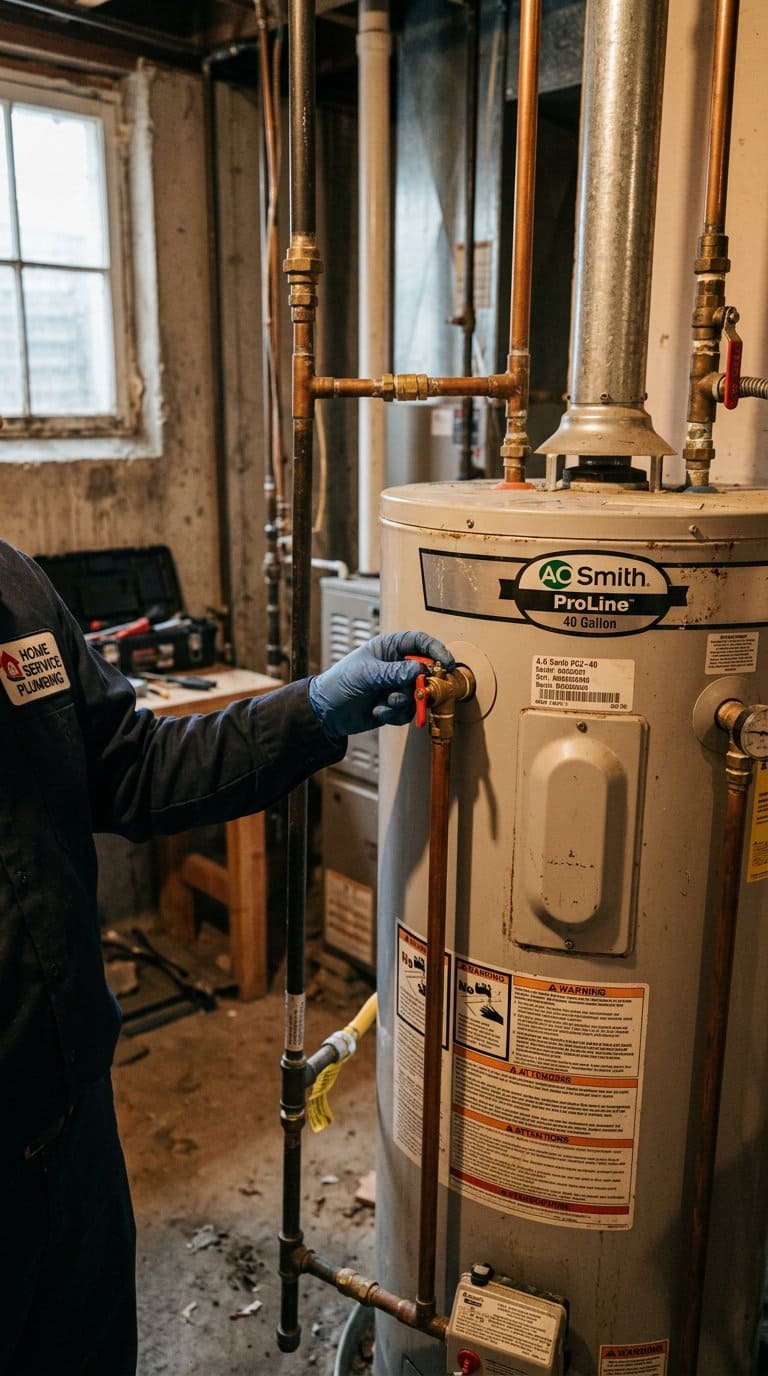
Fall is the last real window to fix heating problems before actually needing heat.

3-month pleated electrostatic filter that captures allergens, bacteria, and pollutants while maintaining strong airflow — the exact upgrade this article recommends for the spring/summer 60-90 day filter swap.
Shop NowThis post contains affiliate links. We may earn a commission on qualifying purchases at no extra cost to you.
Add these to the annual routine:
- Test smoke and carbon monoxide detectors. Replace batteries even if they “still work.” Most detectors have a 7 to 10 year lifespan printed on the back.
- Flush sediment from the water heater if the manufacturer recommends it. Sediment buildup insulates the heating element from the water, forcing it to run longer and wearing it out faster, a meaningful factor in whether a tank reaches its full 10 to 12 year expected lifespan.
- Seal visible gaps around windows and doors. Even small, hairline gaps around a standard door add up to a steady draft that the heating system has to compensate for all winter.
- Inspect attic insulation. Gaps or compressed insulation are a leading cause of ice dams and high heating bills. See these steps to insulate for energy efficiency if it’s due for a refresh.
- Schedule furnace maintenance. A technician can catch a cracked heat exchanger, a safety issue and not just an efficiency one, before the system is relied on daily.
- Disconnect and drain garden hoses. Water left in a connected hose backs up into the spigot and pipe, where it can freeze, expand, and crack the fitting. This is genuinely one of the most avoidable causes of winter plumbing repairs, and it takes about two minutes.
Many homeowners don’t discover their heating system isn’t working until the first genuinely cold morning. A preventive fall inspection removes that risk, and if the system is already older, watch for these warning signs an HVAC needs upgrading before it fails outright.
Winter: prevent frozen pipes and heat loss
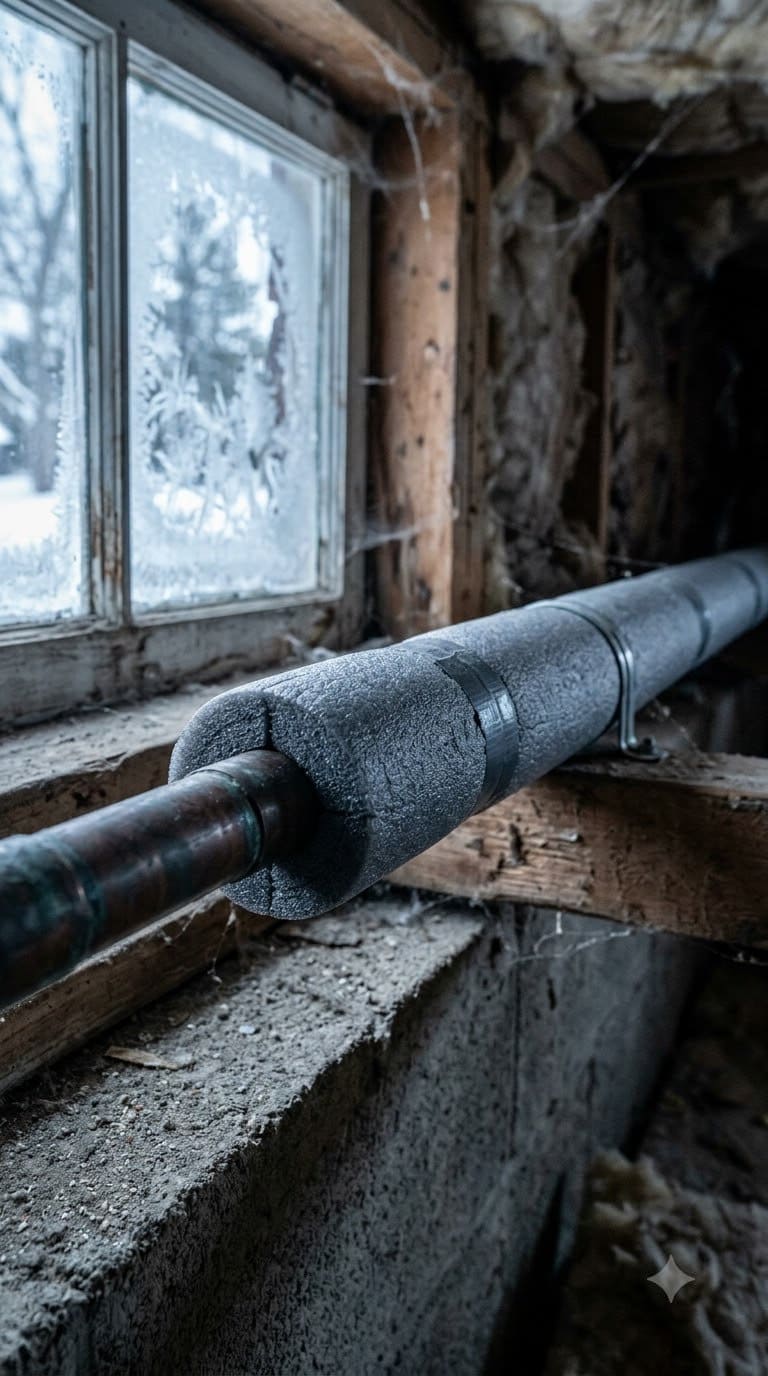
Winter maintenance is mostly about protecting plumbing and holding onto the heat already being paid for.
Helpful practices:
- Keep indoor temperatures consistent, even when away. Set the thermostat no lower than 55°F if leaving for more than a day. Pipes inside exterior walls can freeze even when the rest of the house feels fine.
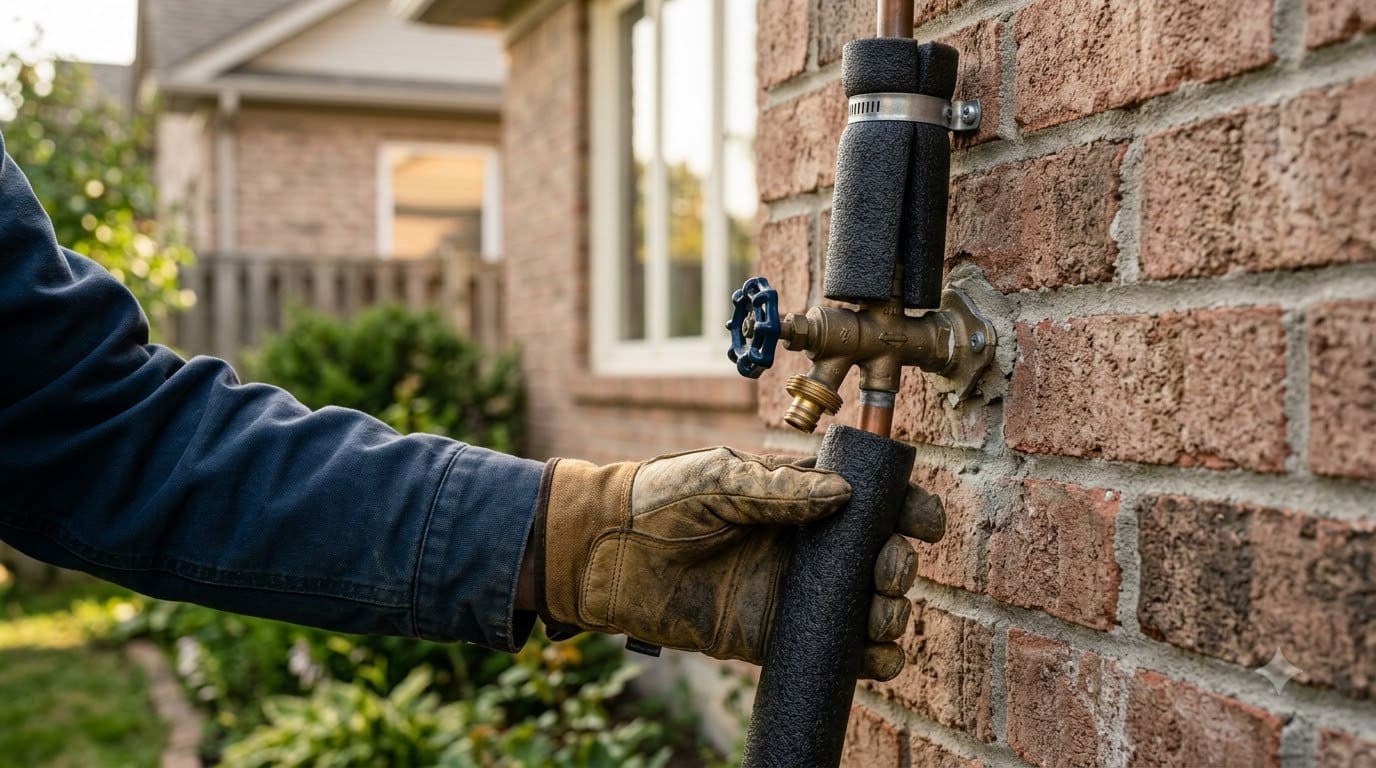
- Insulate exposed pipes, especially in crawlspaces and under sinks on exterior walls. Foam pipe sleeves cost a few dollars each and take minutes to install.
- Check for drafts near windows, using the same candle or hand-check method as summer weatherstripping.
- Monitor indoor humidity to reduce window condensation, which can lead to mold along sills and frames. See how to get rid of bathroom ceiling mold if it’s already established.
- Watch for unusual plumbing noises or slow drains. A gurgling drain or banging pipe, sometimes called water hammer, often signals a partial blockage worth catching early.
Frozen pipes cause some of the most expensive water damage a home can face, often more than $5,000 once flooring, drywall, and mold remediation are factored in. That makes winter prep one of the highest-leverage habits on this list, not just the most tedious one.
Don’t forget your plumbing system
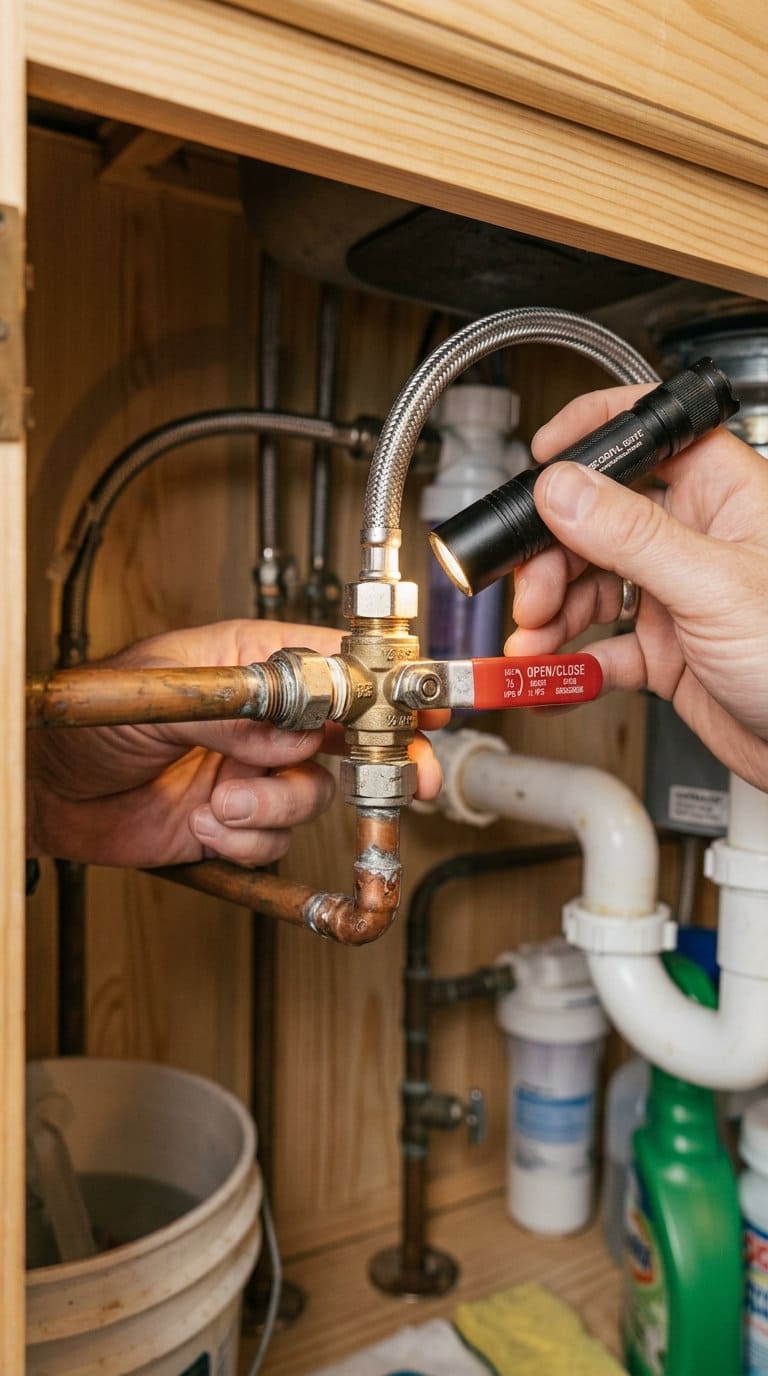
Plumbing problems rarely announce themselves. A small drip, reduced water pressure, or a slow drain seems minor, until it isn’t.
Regularly inspect:
- Faucet connections
- Toilet seals
- Under-sink shutoff valves
- Washing machine supply hoses, generally rated for about 5 years, worth marking the install date so it’s not forgotten
- Water heater connections
If recurring leaks, inconsistent water pressure, or other plumbing symptoms don’t resolve with the basics above, it’s worth having a professional look before a slow issue becomes a burst pipe. The team at Fly Plumbing & HVAC’s team can help pinpoint the root cause rather than just patching the symptom.
How often should you do each maintenance task?
| Task | Recommended frequency | Why it matters |
|---|---|---|
| HVAC air filter replacement | Every 60-90 days | Prevents airflow loss and higher energy bills |
| Gutter cleaning | Spring and fall | Prevents fascia rot and foundation water damage |
| Water heater sediment flush | Annually | Helps the tank reach its full 10-12 year expected lifespan |
| Professional furnace inspection | Once, before heating season | Catches safety issues like cracked heat exchangers |
| Pipe insulation check | Before first freeze | Prevents burst pipes and water damage |
| Smoke/CO detector battery | Annually (or per manufacturer) | Life-safety, not just maintenance |
| Weatherstripping inspection | Twice yearly (spring/fall) | Reduces heating and cooling energy loss |
Create a maintenance calendar
Rather than trying to remember dozens of individual tasks, organize maintenance by season so nothing gets lost in the shuffle.
- Spring: HVAC inspection, gutter cleaning, outdoor plumbing check
- Summer: Air filter replacement, irrigation inspection, AC performance check
- Fall: Furnace maintenance, window sealing, water heater inspection
- Winter: Pipe protection, draft inspection, indoor humidity monitoring
Anyone also planning outdoor upkeep shouldn’t overlook driveway maintenance in winter. Freeze-thaw cycles are just as hard on concrete and asphalt as they are on plumbing.
Small habits lead to long-term savings
Home maintenance doesn’t require a renovation budget. Consistent attention to small details, a five-minute hose disconnect, a $15 filter, a candle held near a window seam, is what actually protects comfort and cuts unexpected repair costs. I think that’s honestly the most underrated home-ownership skill there is: not fixing things, just noticing them early.
A seasonal routine is the difference between a $50 fix and a $2,000 emergency. That’s not a close call.
Products We Recommend
This post contains affiliate links. We may earn a commission on qualifying purchases at no extra cost to you.
Filtrete 20x25x1 Air Filter, MERV 13, 2-Pack
3-month pleated electrostatic filter that captures allergens, bacteria, and pollutants while maintaining strong airflow — the exact upgrade this article recommends for the spring/summer 60-90 day filter swap.
Shop Now
Frost King Tubular Foam Pipe Insulation
Closed-cell foam sleeves that slip over exposed pipes in garages, crawlspaces, and under sinks — the single cheapest way to prevent the frozen-pipe damage covered in the Winter section.
Shop Now
First Alert SCO5CN Combination Smoke & CO Alarm
Dual-sensor detector combining photoelectric smoke sensing with electrochemical carbon monoxide detection — matches the fall detector-testing task and covers a 7-10 year replacement cycle.
Shop NowNever miss an update — choose FarmFoodFamily as your preferred source on Google.
How it works: Tap the button below to open Google's settings page, then check the box next to FarmFoodFamily.
Tap the checkbox to turn it blue — that's how you know it's set.